ABC Family Arquivos Brasileiros de Cardiologia International Journal of Cardiovascular Sciences ABC Heart Failure & Cardiomyopathy ABC Imagem Cardiovascular
Português English
ABC Family
Português English
  • About
    • About ABC Family
    • Internal Regulation
    • Editorial Board
    • Brazilian Society of Cardiology (SBC)
  • Issues
  • SBC Guidelines
  • Content
    • Videos
    • Podcasts
    • News
  • About
    • About ABC Family
    • Internal Regulation
    • Editorial Board
    • Brazilian Society of Cardiology (SBC)
  • Issues
  • SBC Guidelines
  • Content
    • Videos
    • Podcasts
    • News

ABC Family

  • ABC Family
  • Arquivos Brasileiros de Cardiologia
  • International Journal of Cardiovascular Sciences
  • ABC Heart Failure & Cardiomyopathy
  • ABC Imagem Cardiovascular
Search in

No content found.

Journals
Ordering
Article types
Others

  1. Home
  2. Keyword: Cost-Benefit Analysis
Cost-Effectiveness of Therapies for Heart Failure in Brazil: A Systematic Review
ABC
Review Article

Cost-Effectiveness of Therapies for Heart Failure in Brazil: A Systematic Review

Guilherme Augusto Reissig Pereira et al. Mariana de Castro Lopes Bernardo Ludwig Dama Carisi Anne Polanczyk Eduardo Gehling Bertoldi

Abstract

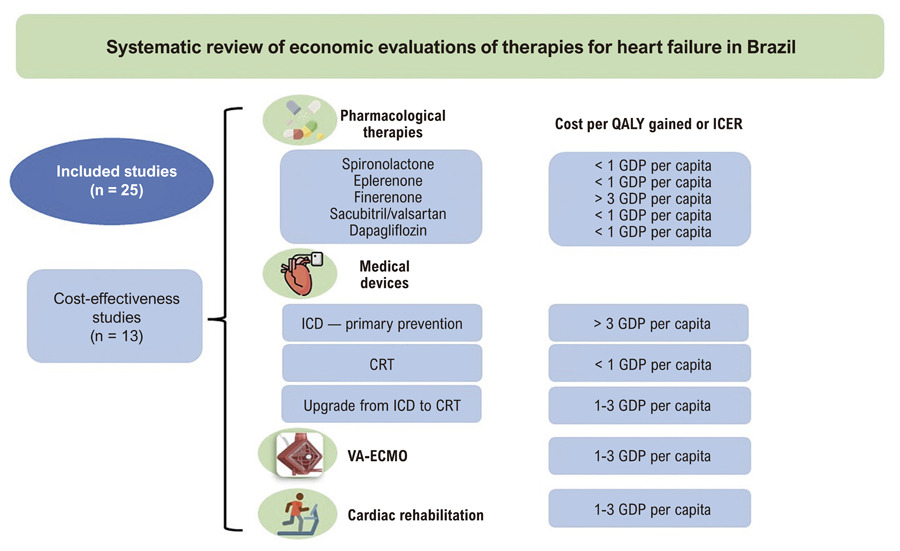
Heart failure (HF) is among the leading causes of cardiovascular mortality in Brazil. In 2021, costs attributable to HF exceeded R$ 22 billion in the Brazilian Unified Health System (SUS). The incorporation of new therapeutic technologies increases the need for cost-effectiveness analyses. To perform a systematic review of economic analyses related to pharmacological and nonpharmacological therapies for HF in Brazil. Searches was conducted in the PubMed, Embase, LILACS, and SciELO databases. Brazilian studies that evaluated costs and cost-effectiveness of therapies in HF were included. The analyzed outcomes were disease cost, cost per quality-adjusted life years (QALY), and cost per clinical outcome. A total of 25 studies were included. Cost-effectiveness analyses used willingness-to-pay thresholds derived from gross domestic product per capita, according to recommendations of the National Committee for Health Technology Incorporation in the Brazilian Unified Health System. From the SUS perspective, in patients with HF with reduced ejection fraction, spironolactone and eplerenone were cost-effective, with incremental cost-effectiveness ratios (ICER) in international dollars (Int$) of 7,955/QALY and Int$ 6,459/QALY, respectively. Dapagliflozin and sacubitril-valsartan showed ICERs of Int$ 9,000/QALY and Int$ 11,691/QALY, respectively, and were also considered cost-effective. Cardiac resynchronization therapy was classified as highly cost-effective (ICER Int$ 15,723/QALY), whereas the implantable cardioverter-defibrillator for primary prevention did not demonstrate cost-effectiveness (ICER Int$ 50,345/QALY). Several HF interventions show economic attractiveness. However, most technologies were evaluated in only one study, which limits more robust analyses. Expanding national economic studies is necessary to support access to effective therapies while maintaining the sustainability of the health system.
  • Cost-Benefit Analysis
  • Cost-Effectiveness Analysis
  • Heart Failure
Read Full Article
Creative Commons Attribution (CC BY) Creative Commons license
20/04/2026 DOI: 10.36660/abc.20250712i Views 1
Figure 1
ABCIC
Editorial

Contrast Echocardiography in Real Life: Practicality, Safety, and Cost-Effectiveness

Márcio Silva Miguel Lima

After approximately 2 decades of use in practice, based also on several clinical studies, it can be stated that ultrasound enhancing agents (UEA) are extremely safe, following recommendations for their preparation and administration.– Severe adverse events are very rare, with an approximate prevalence of around 1 in every 10,000 administrations, anaphylactoid reactions being the most frequent.,- Specifically with the contrast SonoVue® (sulfur hexafluoride) used in Brazil, Furtado, Rassi, et al., in their safety study, reported a very low incidence of only 0.6% of allergic reaction in their population of 1,099 patients who received this agent. In general, allergic reactions occur immediately or within 30 minutes after administration; they are of mild intensity and transitory. The most common presentation is the appearance of erythematous skin lesions and urticaria. In this scenario, however, special attention should be paid to respiratory signs and symptoms, such as dyspnea, laryngeal stridor, and bronchospasm, as well as signs and symptoms of progression to eventual circulatory collapse, such as dizziness, paleness, and hypotension, as these are warning signs for the onset of anaphylactic shock. Patients must be carefully evaluated and observed, and measures aimed at anaphylaxis should be promptly instituted with antihistamines, corticosteroids, and epinephrine, following the care protocol of the institution, whose personnel must be very well trained.

In October 2007, the United States Food and Drug Administration (FDA) issued a general contraindication (“black box”) for the use of Definity® and Optison® agents in acutely ill patients after analysis of 11 deaths potentially related to the use of these UEA. This restriction was later withdrawn after subsequent clinical studies provided extensive evidence of safety. Advanced pulmonary disease and pulmonary hypertension initially represented contraindications, but clinical trials confirmed their safety.– Additionally, in relation to the suspicion or presence of significant intracardiac shunt, also a previous contraindication, it was suspended by the FDA in 2016., Currently, only history of allergic reaction to any component of UEA constitutes an absolute contraindication to their use.

[…]

  • Cost-Benefit Analysis
  • Echocardiography
  • Safety
Read Full Article
Creative Commons Attribution (CC BY) Creative Commons license
21/06/2023 DOI: 10.36660/abcimg.20230033i Views 1
Figure 1
ABCIC
Editorial

Difficulty Introducing Contrast Echocardiography in Daily Clinical Practice in South America: A Matter of Economy?

Ricardo Ronderos

Contrast echocardiography has shown invaluable utility in the clinical setting during the last 20 years. Most studies have demonstrated its successful application in different clinical scenarios. Ultrasound contrast agents (UCA) have evolved incredibly since their first-generation iterations at the end of the last century. From weak and short-term duration agents like Levovist™ to the development of fluorocarbons with simple storage requirements like Definity™ and Sonovue™, significant improvements have been achieved and the logistics in echocardiography labs became easier. Nevertheless, their clinical application did not increase as expected, especially in South America.

To analyze this fact, we must consider the probability of a new diagnostic technique becoming a regular and widespread diagnostic tool. A new diagnostic technique should be superior to its predecessors and available in different clinical scenarios; feature simple instrumentation, simple interpretation, well-defined normal patterns; be attractive and comprehensive in terms of image quality; and be cost-effective to ensure acceptance by health system financiers., ()

[…]

  • Contrast Echocardiography
  • Cost-Benefit Analysis
  • Echocardiography
Read Full Article
Creative Commons Attribution (CC BY) Creative Commons license
01/12/2022 DOI: 10.47593/2675-312X/20223504eed_16i Views 1
Figure 1
ABCHF
Original Article

Cost-Effectiveness of Heart Transplantation: Data from a Referral Center in the Central-West Region of Brazil

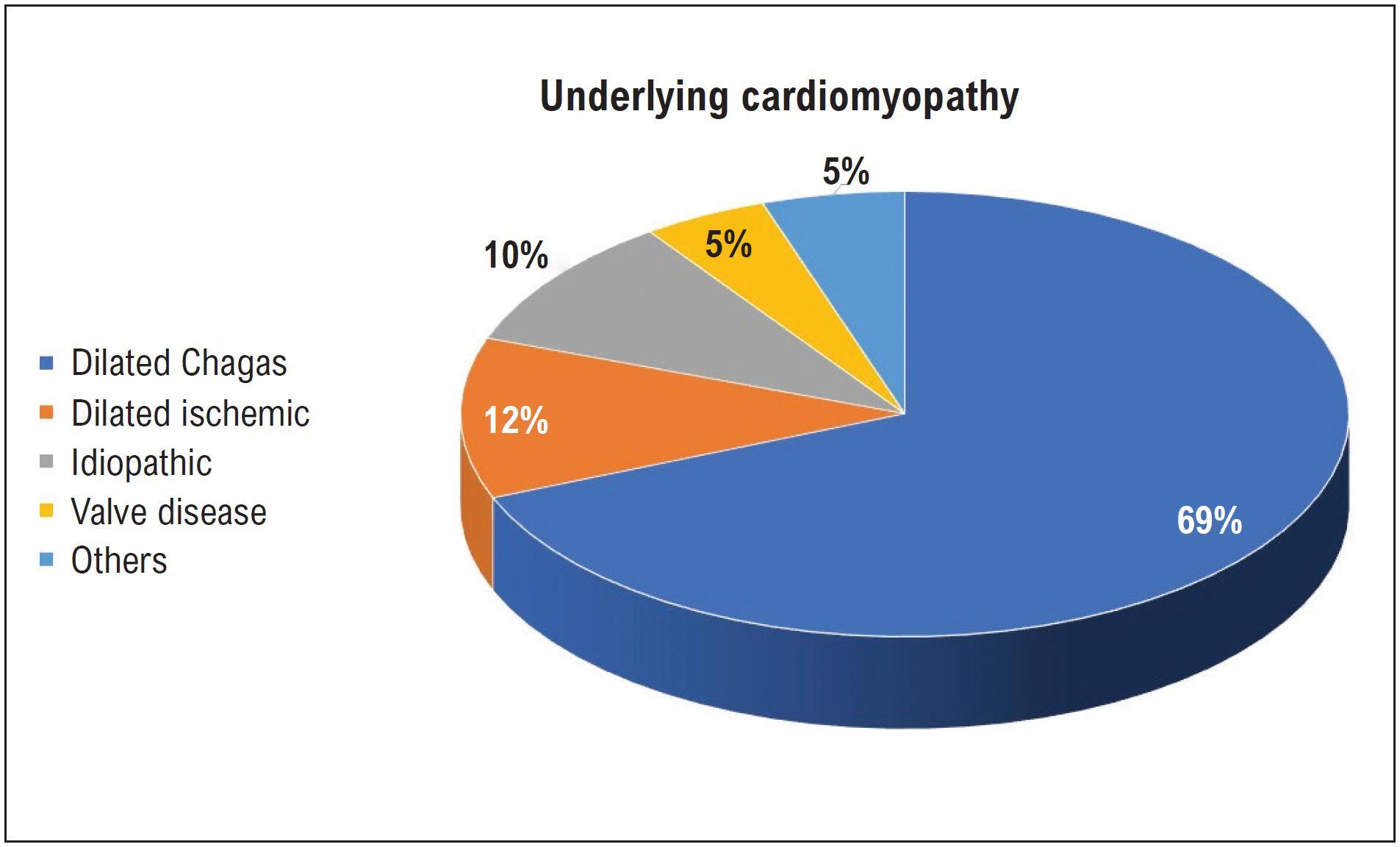
Rodrigo Santos Biondi et al. Luis Claudio Correia Nubia Welerson Vieira Vitor Salvatore Barzilai … Renato Bueno Chaves Edvar Ferreira da Rocha Júnior Milla Carolina Costa Lafetá Araújo Ludmila Rosa Faria Phellipe Fabbrini Santos Lucas Juliana Soares de Araujo Ana Paula Camargos Araújo Andreza Andrade Barbosa Guilherme Urpia Monte Fernando Antibas Atik

Abstract

Background:

In Brazil, heart transplantation is fully funded by the Brazilian Unified Health System.

Objectives:

The objective of this study is to explore, for the first time, the cost-effectiveness profile of heart transplantation in a convenience sample, in a referral center in the Central-West Region of Brazil.

Methods:

Costs related to transplant hospitalization were evaluated, including those related to the surgical procedure, as well as hospitalization in the intensive care unit and in the inpatient ward, until patients were discharged. Costs associated with professional remuneration, fees, materials, and medications were computed. In order to assess effectiveness, post-transplant survival was used. For survivors, survival time was censored until the last contact recorded in the medical records of the transplant clinic. The cost-effectiveness ratio was expressed in Brazilian reals (BRL) per year of life saved.

Results:

We observed that the cost-effectiveness ratio was 25,806 BRL/year of life saved. Considering the average survival projected by Kaplan-Meier analysis, the cost-effectiveness ratio was 6,842 BRL/year of life saved.

Conclusion:

This result demonstrates a good cost-effectiveness ratio when compared to international studies that have evaluated this parameter. We did not, however, assess the micro-costing of the program and its feasibility for the institution. Given that this is a single-center study, the evaluation of other transplant centers is necessary in order to better elucidate this scenario.

  • Capital Financing
  • Cost-Benefit Analysis
  • Heart Transplantation
  • Unified Health System
Read Full Article
Creative Commons Attribution (CC BY) Creative Commons license
29/06/2022 DOI: 10.36660/abchf.20220051 Views 1
ABC
Editorial

Cost-Effectiveness of Using the Coronary Calcium Score to Guide Therapeutic Decisions in Primary Prevention in the Brazilian Population

Ilan Gottlieb

Cardiovascular diseases (CVD) statistics never fail to impress even the most hardened and experienced physician. One-third of deaths worldwide are still due to cardiovascular causes (85% of those are myocardial infarction and stroke), and 75% occur in mid-to-low income countries., Half the people who died of myocardial infarction never had symptoms before the tragic event, and most never had the diagnosis of coronary artery disease. Despite our best efforts, the prevalence of ischemic heart disease (IHD) has been steadily rising for the last 30 years worldwide due to population aging, but even if we standardize by age, the prevalence has been stable, and notwithstanding fallen. This fact highlights the importance of lifestyle changes that allow for a healthier heart and the need to focus on implementing existing cost-effective policies and interventions.

Coronary calcification is almost always a marker of atherosclerosis. The coronary calcium score (CCS) is a number that quantifies coronary calcification as a surrogate for total coronary atherosclerotic burden. Even though calcification results from plaque healing, higher-risk plaques tend to have proportionately greater non-calcified components; CCS has been proven to be a strong predictor of CVD and IHD events in multiple large, solid, population-based studies.

[…]

  • Atherosclerosis
  • Cardiovascular Diseases/prevention and control
  • Coronary Artery Disease
  • Cost-Benefit Analysis
  • Myocardial Infarction
  • Plaque, Atherosclerotic
  • Risk Factors
  • Statins
  • Stroke
Read Full Article
Creative Commons Attribution (CC BY) Creative Commons license
10/06/2022 DOI: 10.36660/abc.20220293 Views 2
Figure 1
ABC
Original Article

Cost-Effectiveness of Using the Coronary Artery Calcium Score in Guiding Therapeutic Decisions in Primary Prevention in the Brazilian Population

Raul Serra Valério et al. Giuliano Generoso Juliano Lara Fernandes Khurram Nasir … Jonathan C. Hong Marcio Sommer Bittencourt

Abstract

Background:

The use of the coronary artery calcium score to aid cardiovascular risk stratification may be a more cost-effective tool than the conventional strategy.

Objectives:

Evaluation of the cost-effectiveness of the use of the calcium score in therapeutic guidance for primary cardiovascular prevention.

Methods:

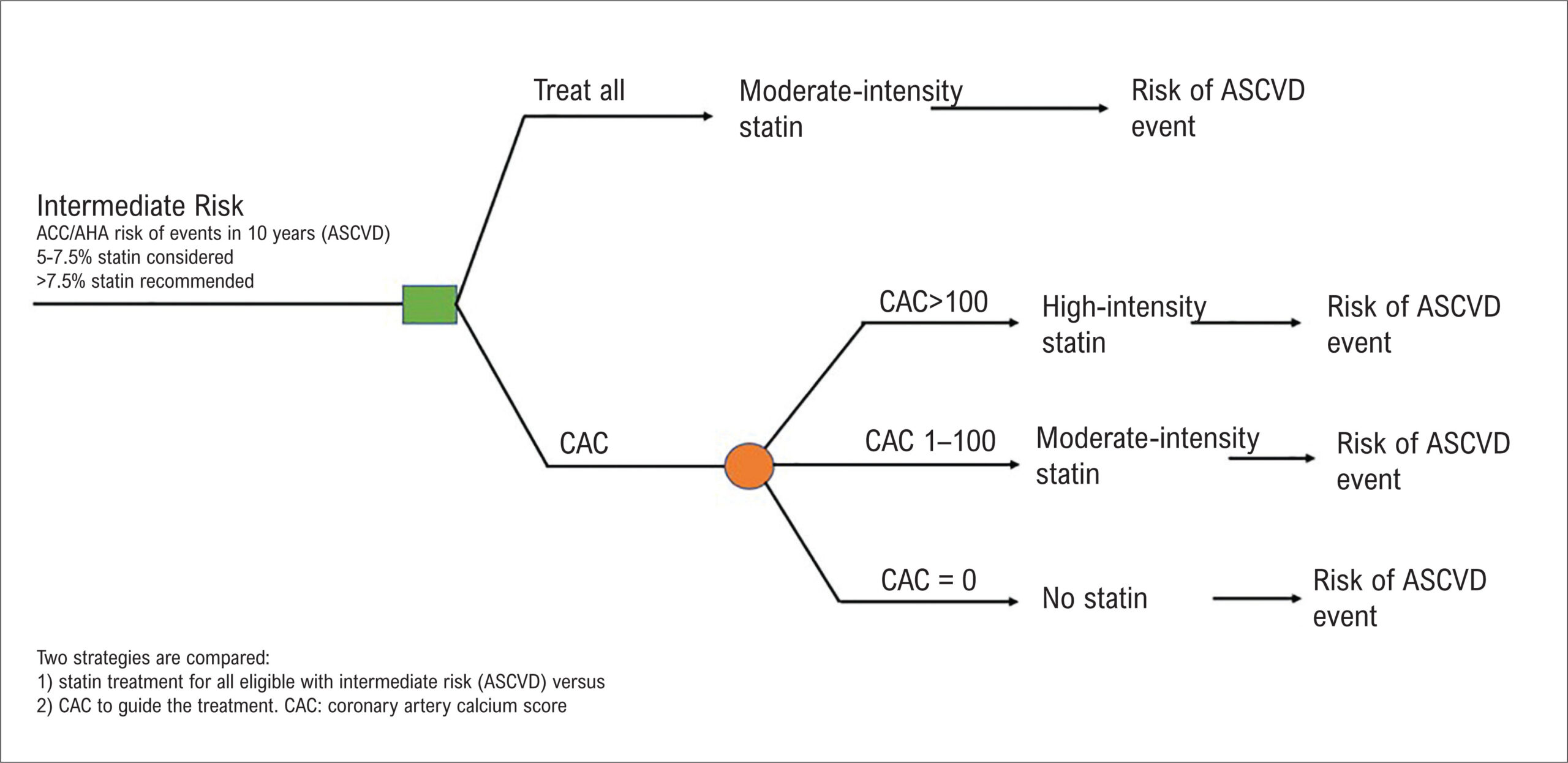
A microsimulation model to assess the clinical and economic consequences of atherosclerotic cardiovascular disease, comparing the prevention strategy using the calcium score and the conventional strategy.

Results:

The results obtained demonstrated a better cost-effectiveness of the therapeutic strategy guided by the calcium score, by reducing incremental costs and increasing quality-adjusted life years (QALY), which corresponds, in number, to improving the quality of life of the individual.

Conclusions:

The use of the coronary artery calcium score proved to be more cost-effective than the conventional strategy, both in terms of cost and QALY, in most of the scenarios studied.

  • Cardiac Imaging Techniques
  • Coronary Artery Calcium
  • Cost-Benefit Analysis
  • Primary Prevention
Read Full Article
Creative Commons Attribution (CC BY) Creative Commons license
10/06/2022 DOI: 10.36660/abc.20210347 Views 1
ABC
Editorial

It is Time for Coronary Computed Tomography Angiography to be Incorporated into the SUS

Nilson Tavares Poppi

In the evaluation of patients with stable coronary artery disease (CAD), also called chronic coronary syndrome (CCS), complementary tests are used both for diagnostic and prognostic purposes. , Anatomical (coronary angiography and coronary CT angiography) and functional (exercise testing, stress echocardiography, rest and stress myocardial perfusion imaging by scintigraphy, magnetic resonance, and positron emission tomography) tests are available. Coronary angiography, the gold standard, is invasive and therefore, indicated for clinically more severe patients, or those with poor prognostic findings in non-invasive testing, when myocardial revascularization is considered or planned.

The choice for the most appropriate diagnostic test is an important and challenging issue for the cardiologist in the clinical evaluation of CCS. The first step in this decision-making process is the assessment of the pre-test probability (PTP) of CAD. As recommended by the current SCC guidelines, , patients classified as having high PTP should receive medical therapy and undergo testing for prognostic information. The patients with low PTP should be assessed for an alternative diagnosis more likely than CAD. Patients with PTP calculated between 15-85% are in the intermediate range, where the complementary tests are more useful and important for CAD diagnosis. In addition to diagnostic accuracy and PTP, the selection of a non-invasive test depends on the clinical characteristics of patients, local expertise, and the availability of tests. In Brazil, it is estimated that up to 80% of the population depends exclusively on medical care provided by the public health system (SUS). In this context of managing economic resources, physicians and health managers should focus on the most cost-effective options for the diagnosis of CAD.

[…]

  • Computed Tomography Angiography
  • Coronary Artery Disease
  • Cost-Benefit Analysis
  • Diagnostic Imaging/methods
  • Stable Angina
  • Unified Health System
Read Full Article
Creative Commons Attribution (CC BY) Creative Commons license
18/03/2022 DOI: 10.36660/abc.20220033 Views 1
ABC
Editorial

Drug-Eluting Stents for Everyone: Is the Price Worth It?

Marcos Danillo P Oliveira et al. Vanessa Teich Adriano Caixeta

Despite their initial revolutionary role for the interventional cardiology development, bare-metal stents (BMS) have as main drawback in-stent restenosis (ISR), which occurs in a significant proportion (up to 44%) of patients undergoing to percutaneous coronary interventions (PCI).

Drug-eluting stents (DES) became first available in the year 2,000. By locally releasing antiproliferative and anti-inflammatory drugs, there is an inhibition to the proliferation of smooth muscle cells, thereby mitigating a key factor to ISR. The introduction of second-generation DES, including everolimus-eluting and zotarolimus-eluting stents, has led to claims of improved safety with non-inferior efficacy compared with first generation DES devices, supported by numerous clinical trials.

[…]

  • Coronary Reestenosis
  • Cost-Benefit Analysis
  • Drug-Eluting Stents
  • Myocardial Infarction
  • Percutaneous Coronary Intervention
  • Unified Health System (SUS
Read Full Article
Creative Commons Attribution (CC BY) Creative Commons license
07/08/2020 DOI: 10.36660/abc.20200530
Figure 1
ABC
Original Article

Cost-effectiveness of Drug-Eluting Stents in Percutaneous Coronary Intervention in Brazil’s Unified Public Health System (SUS)

João Addison Pessoa et al. Esmeralci Ferreira Denizar Viana Araújo Edirley Maia … Felipe Souza Maia da Silva Maurício Salles de Oliveira Denilson Campos de Albuquerque

Abstract

Background

The use of drug-eluting stents (DESs), compared with bare-metal stents (BMSs), in percutaneous coronary intervention (PCI) has reduced the rate of restenosis, without an impact on mortality but with an increase in costs. Medical literature lacks randomized studies that economically compare these 2 stent types within the reality of the Brazilian Unified Public Health System (SUS).

Objective

To estimate the incremental cost-effectiveness ratio (ICER) between DES and BMS in SUS patients with single-vessel coronary artery disease.

Methods

Over a 3-year period, patients with symptomatic single-vessel coronary artery disease were randomized in a 1:2 ratio to receive a DES or BMS during PCI, with a 1-year clinical follow-up. The evaluation included in-stent restenosis (ISR), target lesion revascularization (TLR), major adverse events, and cost-effectiveness for each group. P-values <0.05 were considered significant.

Results

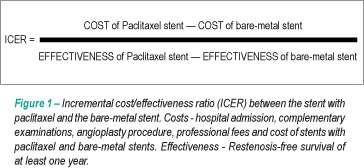
In the DES group, of 74 patients (96.1%) who completed the follow-up, 1 developed ISR (1.4%), 1 had TLR (1.4%), and 1 died (1.4%), with no cases of thrombosis. In the BMS group, of 141 patients (91.5%), ISR occurred in 14 (10.1%), TLR in 10 (7.3%), death in 3 (2.1%), and thrombosis in 1 (0.74%). In the economic analysis, the cost of the procedure was R$ 5,722.21 in the DES group and R$ 4,085.21 in the BMS group. The effectiveness by ISR and TLR was 8.7% for DES and 5.9% for BMS, with an ICER of R$ 18,816.09 and R$ 27,745.76, respectively.

Conclusions

In the SUS, DESs were cost-effective in accordance with the cost-effectiveness threshold recommended by the World Health Organization (Arq Bras Cardiol. 2020; 115(1):80-89)

  • Coronary Reestenosis
  • Cost-Benefit Analysis
  • Drug-Eluting Stents
  • Myocardial Infarction
  • Percutaneous Coronary Intervention
  • Unified Health System (SUS
Read Full Article
Creative Commons Attribution (CC BY) Creative Commons license
07/08/2020 DOI: 10.36660/abc.20180292 Views 1
ABC
Editorial

Are DOACs a Good Bang for Your Buck in Atrial Fibrillation Prevention in Real-Life?

Márcio Bittencourt

Mr. D., a 75-year-old retired university professor with a prior stroke, wakes up in the morning, drives to the hospital to have blood drawn to adjust his warfarin dosage and then goes to work. A couple of hours later, he gets a call from the nursing team telling him how to adjust the dose: “starting today you should take 7.5 mg of warfarin on Mondays, Wednesdays and Fridays. On the other days of the week you can keep up with the 5 mg pill you are used to. If you do not have a 7.5 mg pill you can cut the 5 mg in half and take one and a half pills on those days. It is not too complicated, is it? By the way, remember to go slow on that kale and spinach I know you like!”. Were it not for the fact the Mr. D. also takes enalapril and atenolol for his blood pressure and to control the heart rate of his atrial fibrillation (AF), a statin for secondary prevention since the stroke, and metformin for his diabetes; cutting pills in half and remembering on what day he should take which dosage should be too complicated.

Unfortunately, Mr. D. is about the average non-valvular AF patient seen in clinics in private practices in Brazil and places around the world, though patients from the Brazilian Unified Health System (Sistema Unico de Saúde, SUS) usually spend substantially more time at the hospital waiting for the results in person or coming back the next day to check them, due to more limited resources to contact patients over the phone.

[…]

  • Anticoagulants/administration and dosage
  • Atrial Fibrillation
  • Cost-Benefit Analysis
  • Stroke/prevention and control
  • Varfarin/economy
Read Full Article
Creative Commons Attribution (CC BY) Creative Commons license
06/04/2020 DOI: 10.36660/abc.20200120 Views 1
ABC
Editorial

Analysis of FFR Measurement Clinical Impact and Cost-Effectiveness Compared to Angiography In Multi-Arterial Patients Undergoing PCI

Fernando Mendes Sant'Anna et al. Lucas Bonacossa Sant'Anna

The study by Quintella et al. published in this issue of the journal, brings us valuable information about the use of an important physiological evaluation tool in the hemodynamic laboratory. FFR-guided treatment (myocardial fractional flow reserve), used in the percutaneous coronary intervention (PCI) with bare-metal stent (BMS) implantation in multi-arterial patients treated in the Unified Health System (SUS) has been shown to be useful in decreasing the incidence of new revascularization of the target vessel (clinical restenosis), as well as being cost-effective when compared to the angiography-guided treatment.

The value of FFR to predict major adverse cardiovascular events (MCAEs) prior to PCIs has been established for many years. Its ability to detect ischemia and, with this, to guide the most appropriate treatment, has undergone the test of time, and passed. The 15-year follow-up of the DEFER study in single-vessel patients, and the 5-year studies, FAME 1, and FAME 2, in multiarterial patients, showed consistent and unquestionable results, with a better, or at least similar, clinical progression, in the FFR-guided groups, using less stents with fewer lesions and consequently lower costs, as well as evidenced the safety of leaving lesions whose FFR was not indicative of ischemia only on drug treatment.

[…]

  • Angioplasty, Balloon, Coronary
  • Coronary Artery Disease/economics
  • Cost-Benefit Analysis
  • fractional Flow Reserve,Myocardial
  • Stents
Read Full Article
Creative Commons Attribution (CC BY) Creative Commons license
01/01/2019 DOI: 10.5935/abc.20180261
Figure 1
ABC
Original Article

Clinical Outcomes and Cost-Effectiveness Analysis of FFR Compared with Angiography in Multivessel Disease Patient

Edgard Freitas Quintella et al. Esmeralci Ferreira Vitor Manuel Pereira Azevedo Denizar V. Araujo … Fernando Mendes Sant'Anna Bernardo Amorim Denilson Campos de Albuquerque

Abstract

Background:

In multivessel disease patients with moderate stenosis, fractional flow reserve (FFR) allows the analysis of the lesions and guides treatment, and could contribute to the cost-effectiveness (CE) of non-pharmacological stents (NPS).

Objectives:

To evaluate CE and clinical impact of FFR-guided versus angiography-guided angioplasty (ANGIO) in multivessel patients using NPS.

Methods:

Multivessel disease patients were prospectively randomized to FFR or ANGIO groups during a 5 year-period and followed for < 12 months. Outcomes measures were major adverse cardiac events (MACE), restenosis and CE.

Results:

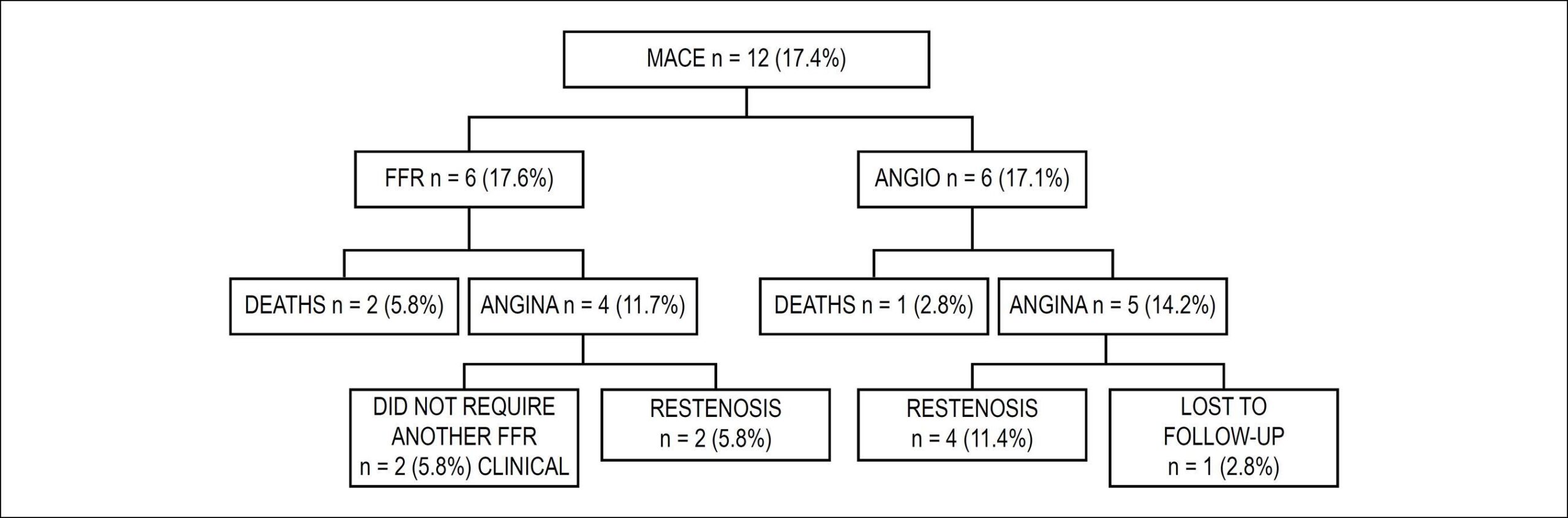
We studied 69 patients, 47 (68.1%) men, aged 62.0 ± 9.0 years, 34 (49.2%) in FFR group and 53 (50.7%) in ANGIO group, with stable angina or acute coronary syndrome. In FFR, there were 26 patients with biarterial disease (76.5%) and 8 (23.5%) with triarterial disease, and in ANGIO, 24 (68.6%) with biarterial and 11 (31.4%) with triarterial disease. Twelve MACEs were observed – 3 deaths: 2 (5.8%) in FFR and 1 (2.8%) in ANGIO, 9 (13.0%) angina: 4(11.7%) in FFR and 5(14.2%) in ANGIO, 6 restenosis: 2(5.8%) in FFR and 4 (11.4%) in ANGIO. Angiography detected 87(53.0%) lesions in FFR, 39(23.7%) with PCI and 48(29.3%) with medical treatment; and 77 (47.0%) lesions in ANGIO, all treated with angioplasty. Thirty-nine (33.3%) stents were registered in FFR (0.45 ± 0.50 stents/lesion) and 78 (1.05 ± 0.22 stents/lesion) in ANGIO (p = 0.0001), 51.4% greater in ANGIO than FFR. CE analysis revealed a cost of BRL 5,045.97 BRL 5,430.60 in ANGIO and FFR, respectively. The difference of effectiveness was of 1.82%.

Conclusion:

FFR reduced the number of lesions treated and stents, and the need for target-lesion revascularization, with a CE comparable with that of angiography.

  • Angioplasty, Balloon, Coronary
  • Coronary Artery Disease/economics
  • Cost-Benefit Analysis
  • Fractional Flow Reserve, Myocardial
  • Stents
Read Full Article
Creative Commons Attribution (CC BY) Creative Commons license
17/12/2018 DOI: 10.5935/abc.20180262
Figure 1
ABC
Editorial

The Concept of Clinical Economics and its Relation with Effectiveness

Franz Porzsolt et al. Luis C. L. Correia

Efficacy versus Effectiveness

We underlined that efficacy and effectiveness describe two different types of information: efficacy is the demonstration that a new principle can theoretically work, which comes from studies under ideal controlled conditions; effectiveness is how the concept proven by efficacy studies works under real world conditions (RWC)., For demonstration of efficacy, one should select the optimal scenario for the proof of principle. It requires an experimental study design, with random allocation of treatments, to eliminate confounding bias and proper assessment of causality, it means the trial is explanatory.

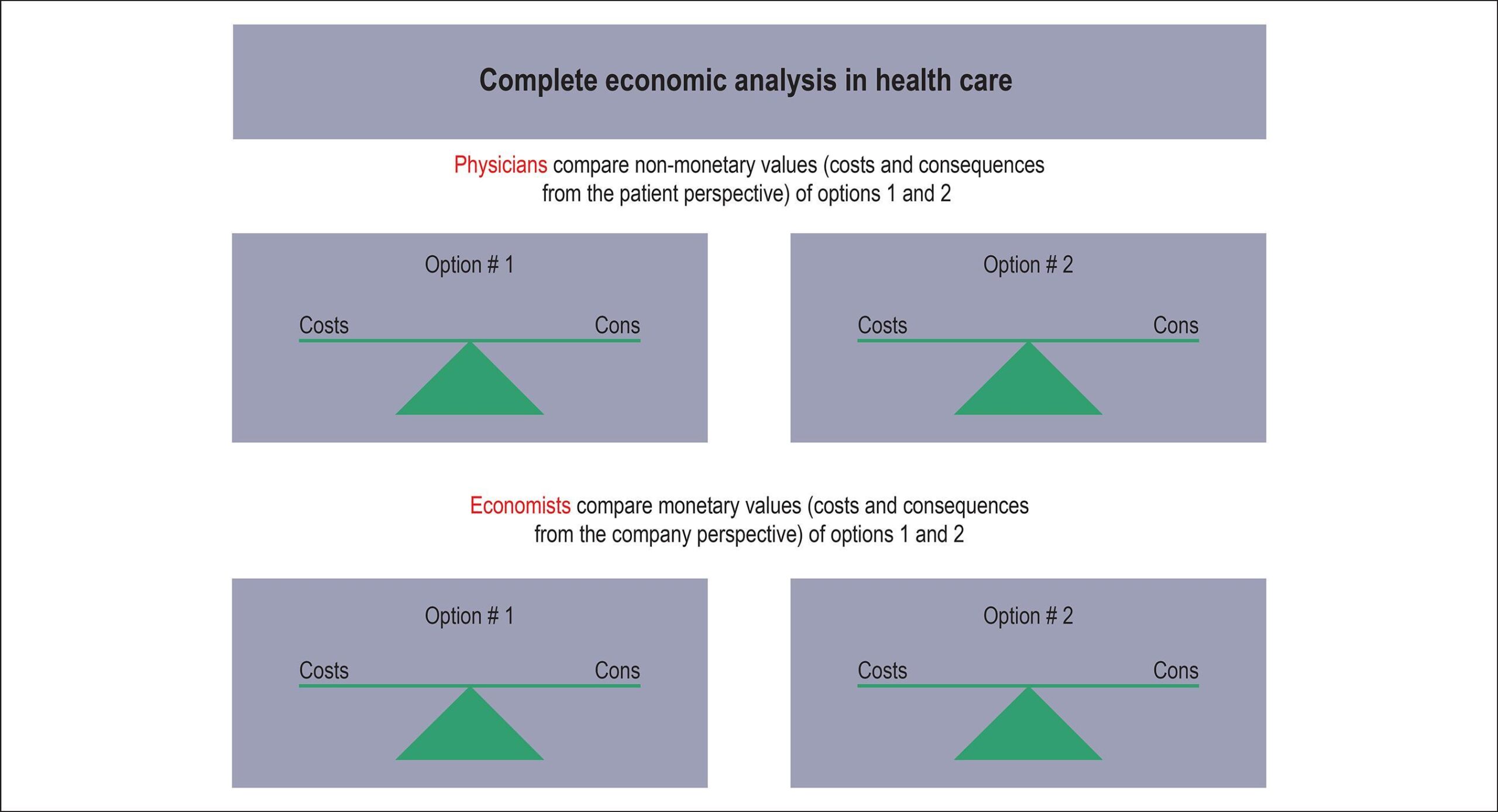
The demonstration of effectiveness is pragmatic and takes place in the scenario in which the new principle will be used (RWC). The design is observational and treatment allocation is under the discretion and preferences of physician and patient. It allows assessment of the two main determinants of effectiveness: practical issues regarding adequate applicability of treatment and the impact of individualized choices. The interaction of these two forces determines whether the effectiveness of a treatment will be smaller than its proven efficacy (loss of beneficial effect in the real world) or whether the treatment will be even more effective than efficacious. The first situation should be a concern when logistic issues impair the treatment to be ideally applied (a not well trained doctor, a patient not educated enough to properly take an anticoagulant, a system not able to provide adequate door-to-balloon time in primary angioplasty for acute myocardial infarction), what tends to happen when the treatment is somewhat complex. The second situation takes place when physicians and patients provide a better solution than a simple randomization can do allocation.

[…]

  • Clinical Trials as Topic / analysis
  • Cost-Benefit Analysis
  • Treatment Outcome
Read Full Article
Creative Commons Attribution (CC BY) Creative Commons license
01/06/2017 DOI: 10.5935/abc.20170084 Views 2
Figure 1
ABC
Original Article

Cost-Effectiveness of High, Moderate and Low-Dose Statins in the Prevention of Vascular Events in the Brazilian Public Health System

Rodrigo Antonini Ribeiro et al. Bruce Bartholow Duncan Patricia Klarmann Ziegelmann Steffan Frosi Stella … Jose Luiz da Costa Vieira Luciane Maria Fabian Restelatto Carisi Anne Polanczyk

Background:

Statins have proven efficacy in the reduction of cardiovascular events, but the financial impact of its widespread use can be substantial.

Objective:

To conduct a cost-effectiveness analysis of three statin dosing schemes in the Brazilian Unified National Health System (SUS) perspective.

Methods:

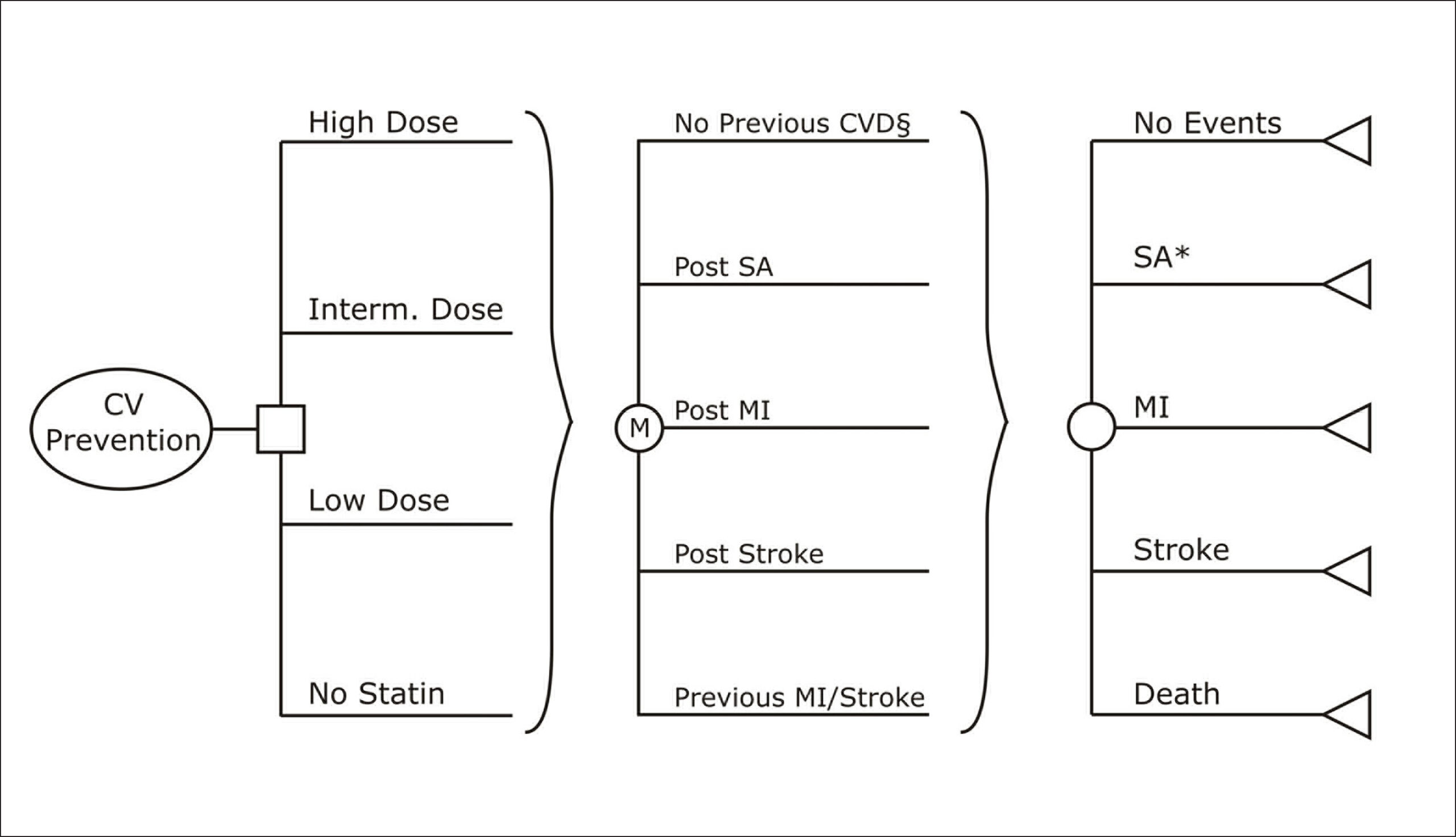
We developed a Markov model to evaluate the incremental cost-effectiveness ratios (ICERs) of low, intermediate and high intensity dose regimens in secondary and four primary scenarios (5%, 10%, 15% and 20% ten-year risk) of prevention of cardiovascular events. Regimens with expected low-density lipoprotein cholesterol reduction below 30% (e.g. simvastatin 10mg) were considered as low dose; between 30-40%, (atorvastatin 10mg, simvastatin 40mg), intermediate dose; and above 40% (atorvastatin 20-80mg, rosuvastatin 20mg), high-dose statins. Effectiveness data were obtained from a systematic review with 136,000 patients. National data were used to estimate utilities and costs (expressed as International Dollars – Int$). A willingness-to-pay (WTP) threshold equal to the Brazilian gross domestic product per capita (circa Int$11,770) was applied.

Results:

Low dose was dominated by extension in the primary prevention scenarios. In the five scenarios, the ICER of intermediate dose was below Int$10,000 per QALY. The ICER of the high versus intermediate dose comparison was above Int$27,000 per QALY in all scenarios. In the cost-effectiveness acceptability curves, intermediate dose had a probability above 50% of being cost-effective with ICERs between Int$ 9,000-20,000 per QALY in all scenarios.

Conclusions:

Considering a reasonable WTP threshold, intermediate dose statin therapy is economically attractive, and should be a priority intervention in prevention of cardiovascular events in Brazil.

  • Cardiovascular Diseases
  • Cost-Benefit Analysis
  • Hydroxymethylglutaryl-CoA Reductase Inhibitors
  • Prevention
  • Unified Health System
Read Full Article
Creative Commons Attribution (CC BY) Creative Commons license
18/11/2014 DOI: 10.5935/abc.20140173 Views 1
Figure 1
ABC
Artigo Original

Cost-Effectiveness of Different Diagnostic Strategies in Suspected Stable Coronary Artery Disease in Portugal

António Miguel Ferreira et al. Hugo Marques Pedro Araújo Gonçalves Nuno Cardim

Background:

Cost-effectiveness is an increasingly important factor in the choice of a test or therapy.

Objective:

To assess the cost-effectiveness of various methods routinely used for the diagnosis of stable coronary disease in Portugal.

Methods:

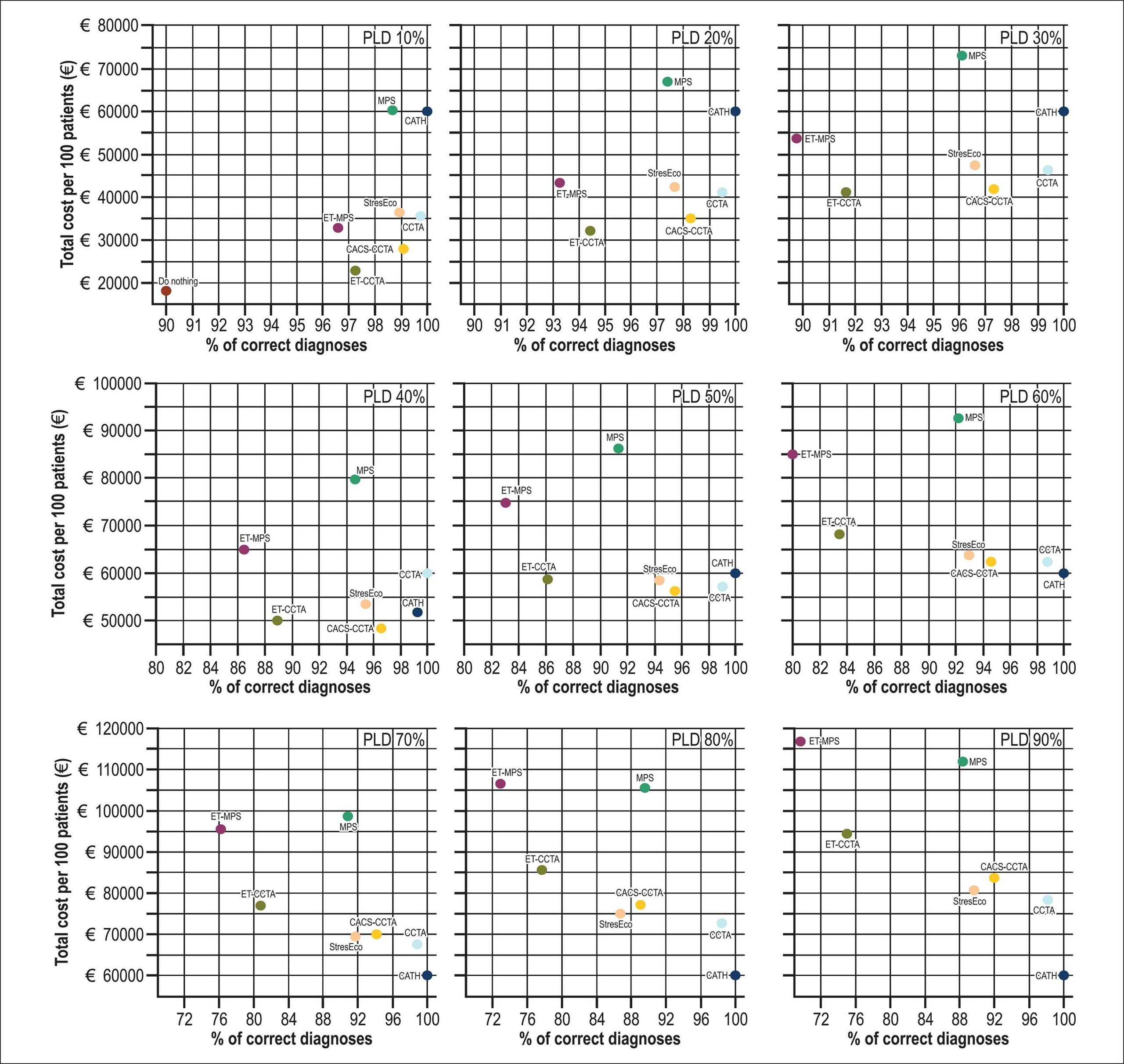
Seven diagnostic strategies were assessed. The cost-effectiveness of each strategy was defined as the cost per correct diagnosis (inclusion or exclusion of obstructive coronary artery disease) in a symptomatic patient. The cost and effectiveness of each method were assessed using Bayesian inference and decision-making tree analyses, with the pretest likelihood of disease ranging from 10% to 90%.

Results:

The cost-effectiveness of diagnostic strategies was strongly dependent on the pretest likelihood of disease. In patients with a pretest likelihood of disease of ≤50%, the diagnostic algorithms, which include cardiac computed tomography angiography, were the most cost-effective. In these patients, depending on the pretest likelihood of disease and the willingness to pay for an additional correct diagnosis, computed tomography angiography may be used as a frontline test or reserved for patients with positive/inconclusive ergometric test results or a calcium score of >0. In patients with a pretest likelihood of disease of ≥ 60%, up-front invasive coronary angiography appears to be the most cost-effective strategy.

Conclusions:

Diagnostic algorithms that include cardiac computed tomography angiography are the most cost-effective in symptomatic patients with suspected stable coronary artery disease and a pretest likelihood of disease of ≤50%. In high-risk patients (pretest likelihood of disease ≥ 60%), up-front invasive coronary angiography appears to be the most cost-effective strategy. In all pretest likelihoods of disease, strategies based on ischemia appear to be more expensive and less effective compared with those based on anatomical tests.

  • Coronary disease / diagnosis
  • Coronary disease / economics
  • Cost-Benefit Analysis
Read Full Article
Creative Commons Attribution (CC BY) Creative Commons license
08/04/2014 DOI: 10.5935/abc.20140042
Cost-benefit of the telecardiology service in the state of Minas Gerais: Minas Telecardio Project
ABC
Artigo Original

Cost-benefit of the telecardiology service in the state of Minas Gerais: Minas Telecardio Project

Mônica Viegas Andrade et al. Ana Carolina Maia Clareci Silva Cardoso Maria Beatriz Alkmim Antônio Luiz Pinho Ribeiro

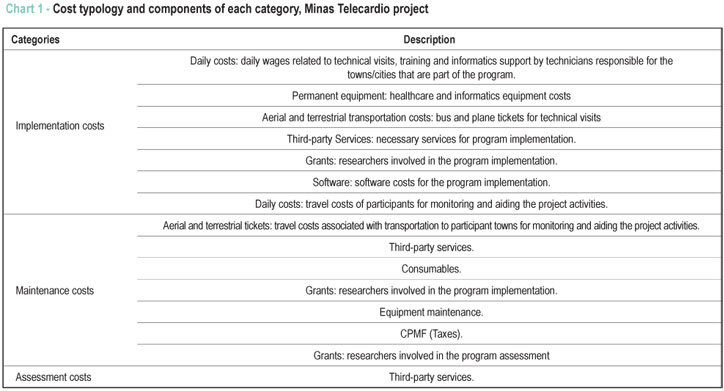
BACKGROUND: Telecardiology is a tool that can aid in cardiovascular care, mainly in towns located in remote areas. However, economic assessments on this subject are scarce and have yielded controversial results. OBJECTIVE: To evaluate the cost-benefit of implementing a Telecardiology service in remote, small towns in the state of Minas Gerais, Brazil. METHODS: The study used the database from the Minas Telecardio (MTC) Project, developed from June 2006 to November 2008, in 82 towns in the countryside of the state. Each municipality received a microcomputer with a digital electrocardiograph, with the possibility of transmitting ECG tracings and communicating with the on-duty cardiologist at the University hospital. The cost-benefit analysis was carried out by comparing the cost of performing an ECG in the project versus the cost of performing it by patient referral to another city. RESULTS: The average cost of an ECG in the MTC project was R$ 28.92, decomposed into R$ 8.08 for the cost of implementation and R$ 20.84 for maintenance. The cost simulation of the ECG with referral ranged from R$ 30.91 to R$ 54.58, with the cost-benefit ratio being always favorable to the MTC program, regardless of the type of calculation used for referral distance. The simulations considered the financial sponsor’s and society’s points-of-view. The sensitivity analysis with variation of calibration parameters confirmed these results. CONCLUSION: The implementation of a Telecardiology system as support to primary care in small Brazilian towns is feasible and economically beneficial, and can be used as a regular program within the Brazilian public health system.

  • Brazil
  • Cost-Benefit Analysis
  • health care assistance
  • Telemedicine
Read Full Article
Creative Commons Attribution (CC BY) Creative Commons license
29/07/2011 DOI: 10.1590/S0066-782X2011005000080
Cost-effectiveness of implantable cardioverter defibrillators in Brazil in the public and private sectors
ABC
Artigo Original

Cost-effectiveness of implantable cardioverter defibrillators in Brazil in the public and private sectors

Rodrigo Antonini Ribeiro et al. Steffan Frosi Stella Leandro Ioschpe Zimerman Maurício Pimentel … Luis Eduardo Rohde Carisi Anne Polanczyk

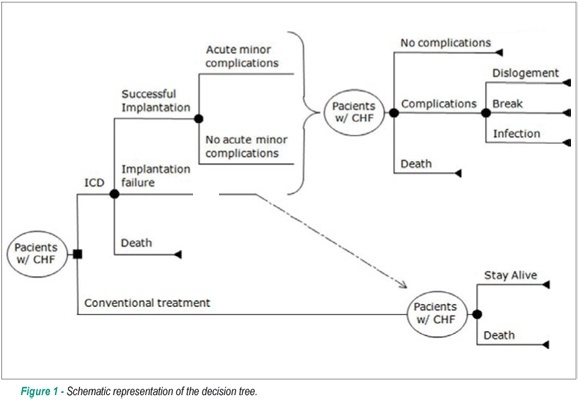
BACKGROUND: Many randomized clinical trials have demonstrated the effectiveness of the implantable cardioverter-defibrillator (ICDs) in death reduction of chronic heart failure (CHF) patients. Some developed countries studies have evaluated its cost-effectiveness, but these data are not applicable to Brazil. OBJECTIVE: To evaluate the cost-effectiveness of ICD in CHF patients under two perspectives in Brazil: public and supplementary health systems. METHODS: A Markov model was developed to analyze the incremental cost-effectiveness ratio (ICER) of ICD compared to conventional therapy in patients with CHF. Effectiveness was measured in quality-adjusted life years (QALYs). We searched the literature for data regarding effectiveness and complications. Costs were retrieved from public and health insurances reimbursement codebooks and from mean cost of admissions from a public and a private hospital. One-way sensitivity analysis was performed in all variables of the model. RESULTS: ICER was R$ 68,318/QALY in the public and R$ 90,942/QALY in the private perspective. These values are much higher than the one suggested by the World Health Organization of 3 times the gross domestic product per head (R$ 40,545 in Brazil). The results were sensitive to the cost of the device, battery replacement interval and ICD effectiveness. In a simulation resembling MADIT-I population survival and ICD benefit, ICER was R$ R$ 23,739/QALY in the public and R$ 33,592/QALY in the private perspective. CONCLUSION: The ICER aof ICD is elevated in the general ICC population, in either the public or private perspective. A more favorable result occurs in patients with a high sudden death risk.

  • Brazil
  • Cost-Benefit Analysis
  • Defibrillators, Implantable
Read Full Article
Creative Commons Attribution (CC BY) Creative Commons license
01/10/2010 DOI: 10.1590/S0066-782X2010005000134
ABC
Point of view

The cardiologist: a chained Prometheus

Robespierre Queiroz da Costa Ribeiro

This critical review discusses the deviations from the Flexnerian hegemonic model of medical practice, carried out under the point of view of paleomedicine and relevant evidence from research. If we, on the one hand, have the required and sufficient knowledge on the burden of diseases that afflict mankind and its determinant factors, on the other hand the attention turns to strategies that do not have an effective impact on such diseases, consuming a larger portion of resources directed to healthcare: ischemic cardiovascular diseases, followed by type 2 diabetes mellitus. Their risk factors are well-known and have been shown to be controllable through health promotion actions, which constitute a process technology that is more cost-effective than biotechnology. However, we choose to apply large part of the financial resources on the care of the affected individual to the detriment of health promotion in the general population, who goes without this benefit, which characterizes an injustice in terms of healthcare actions.

  • biotechnology
  • Cardiovascular Diseases
  • Cost-Benefit Analysis
  • Historical article
Read Full Article
Creative Commons Attribution (CC BY) Creative Commons license
29/09/2010 DOI: 10.1590/S0066-782X2010001100026
Analysis of the cost-effectiveness of drug-eluting and bare-metal stents in coronary disease
ABC
Artigo Original

Analysis of the cost-effectiveness of drug-eluting and bare-metal stents in coronary disease

Esmeralci Ferreira et al. Denizar Vianna Araújo Vitor Manuel Pereira Azevedo Cyro Vargues Rodrigues … Alcides Ferreira Jr. Camillo de Lellis Junqueira José Geraldo de Castro Amino Mara Lucia Farias Antonio Farias Neto Denilson Campos de Albuquerque

BACKGROUND: There is a scarcity of cost-effectiveness analyses in the national literature comparing drug-eluting stents (DES) with bare-metal stents (BMS), at late follow-up. OBJECTIVE: To estimate the Incremental Cost-Effectiveness Ratio (ICER) between DES and BMS in uniarterial coronariopathy. METHODS: 217 patients (130 DES and 87 BMS), with 48 months of follow-up (mean = 26 months) were assessed. Primary outcome: cost per prevented restenosis, with effectiveness being defined as the decrease in major events. The analytical model of decision was based on the study by Polanczyk et al. The direct costs were those used directly in the interventions. RESULTS: The sample was homogenous for age and sex. The DES was more used in diabetic patients: 59 (45.4%) vs 16 (18.4%)(p<0.0001) and with a history of coronary artery disease (CAD): 53 (40.7%) vs 13 (14.9%)(p<0.0001). The BMS was more used in simple lesions, but with worse ventricular function. The DES were implanted preferentially in proximal lesions: (p=0.0428) and the BMS in the mid-third (p=0.0001). Event-free survival: DES = 118 (90.8%) vs BMS=74 (85.0%) (p=0.19); Angina: DES=9 (6.9%) vs BMS=9 (10.3%) (NS): Clinical restenosis: DES=3 (2.3%) vs BMS=10 (10.3%) (p=0.0253). Cardiac deaths: 2 (1.5%) in DES and 3 (3.5%) in BMS (NS). Costs: the tree of decision was modeled based on restenosis. The net benefit for the DES needed an increment of R$7,238.16. The ICER was R$131,647.84 per prevented restenosis (above the WHO threshold). CONCLUSIONS: The DES was used in more complex lesions. The clinical results were similar. The restenosis rate was higher in the BMS group. The DES was a non-cost-effective strategy.

  • Coronary Artery Disease
  • Cost-Benefit Analysis
  • Drug-Eluting Stents
Read Full Article
Creative Commons Attribution (CC BY) Creative Commons license
28/04/2010 DOI: 10.1590/S0066-782X2010000300005

How to cite this article

EndNote RIS

Electronic Document Format (Vancouver)

Pereira GAR, Lopes MC, Dama BL, Polanczyk CA, Bertoldi EG. Cost-Effectiveness of Therapies for Heart Failure in Brazil: A Systematic Review. Arquivos Brasileiros de Cardiologia 2026;123(3):e20250712.

Electronic Document Format (ABNT)

Pereira, Guilherme Augusto Reissig; Lopes, Mariana de Castro; Dama, Bernardo Ludwig; Polanczyk, Carisi Anne; Bertoldi, Eduardo Gehling. Cost-Effectiveness of Therapies for Heart Failure in Brazil: A Systematic Review. Arquivos Brasileiros de Cardiologia, v. 123, n. 3, e20250712, Apr. 2026.

Electronic Document Format (APA)

Pereira, G. A. R., Lopes, M. C., Dama, B. L., Polanczyk, C. A., & Bertoldi, E. G. (2026). Cost-Effectiveness of Therapies for Heart Failure in Brazil: A Systematic Review. Arquivos Brasileiros de Cardiologia, 123(3), e20250712.

Electronic Document Format (ISO)

Pereira, Guilherme Augusto Reissig and Lopes, Mariana de Castro and Dama, Bernardo Ludwig and Polanczyk, Carisi Anne and Bertoldi, Eduardo Gehling. Cost-Effectiveness of Therapies for Heart Failure in Brazil: A Systematic Review. Arquivos Brasileiros de Cardiologia [online]. 2026, vol. 123, n. 3, [cited 2026-10-14], e20250712. Available from: <https://journals.cardiol.br/en/article/cost-effectiveness-of-therapies-for-heart-failure-in-brazil-a-systematic-review/>. ISSN 0066-782X

EndNote RIS

Electronic Document Format (Vancouver)

Lima MSM. Contrast Echocardiography in Real Life: Practicality, Safety, and Cost-Effectiveness. ABC Imagem Cardiovascular 2023;36(2):e20230033.

Electronic Document Format (ABNT)

Lima, Márcio Silva Miguel. Contrast Echocardiography in Real Life: Practicality, Safety, and Cost-Effectiveness. ABC Imagem Cardiovascular, v. 36, n. 2, e20230033, Jun. 2023.

Electronic Document Format (APA)

Lima, M. S. M. (2023). Contrast Echocardiography in Real Life: Practicality, Safety, and Cost-Effectiveness. ABC Imagem Cardiovascular, 36(2), e20230033.

Electronic Document Format (ISO)

Lima, Márcio Silva Miguel. Contrast Echocardiography in Real Life: Practicality, Safety, and Cost-Effectiveness. ABC Imagem Cardiovascular [online]. 2023, vol. 36, n. 2, [cited 2026-10-14], e20230033. Available from: <https://journals.cardiol.br/en/article/contrast-echocardiography-in-real-life-practicality-safety-and-cost-effectiveness/>. ISSN 2318-8219

EndNote RIS

Electronic Document Format (Vancouver)

Ronderos R. Difficulty Introducing Contrast Echocardiography in Daily Clinical Practice in South America: A Matter of Economy?. ABC Imagem Cardiovascular 2022;35(4):eed_16.

Electronic Document Format (ABNT)

Ronderos, Ricardo. Difficulty Introducing Contrast Echocardiography in Daily Clinical Practice in South America: A Matter of Economy?. ABC Imagem Cardiovascular, v. 35, n. 4, eed_16, Nov. 2022.

Electronic Document Format (APA)

Ronderos, R. (2022). Difficulty Introducing Contrast Echocardiography in Daily Clinical Practice in South America: A Matter of Economy?. ABC Imagem Cardiovascular, 35(4), eed_16.

Electronic Document Format (ISO)

Ronderos, Ricardo. Difficulty Introducing Contrast Echocardiography in Daily Clinical Practice in South America: A Matter of Economy?. ABC Imagem Cardiovascular [online]. 2022, vol. 35, n. 4, [cited 2026-10-14], eed_16. Available from: <https://journals.cardiol.br/en/article/difficulty-introducing-contrast-echocardiography-in-daily-clinical-practice-in-south-america-a-matter-of-economy/>. ISSN 2318-8219

EndNote RIS

Electronic Document Format (Vancouver)

Biondi RS, Correia LC, Vieira NW, Barzilai VS, Chaves RB, Rocha Júnior EF, Araújo MCCL, et al. Cost-Effectiveness of Heart Transplantation: Data from a Referral Center in the Central-West Region of Brazil. ABC: Heart Failure & Cardiomyopathy 2022;2(2):146-51.

Electronic Document Format (ABNT)

Biondi, Rodrigo Santos; Correia, Luis Claudio; Vieira, Nubia Welerson; Barzilai, Vitor Salvatore; Chaves, Renato Bueno; Rocha Júnior, Edvar Ferreira da; Araújo, Milla Carolina Costa Lafetá; Faria, Ludmila Rosa; Lucas, Phellipe Fabbrini Santos; Araujo, Juliana Soares de; Araújo, Ana Paula Camargos; Barbosa, Andreza Andrade; Monte, Guilherme Urpia; Atik, Fernando Antibas. Cost-Effectiveness of Heart Transplantation: Data from a Referral Center in the Central-West Region of Brazil. ABC: Heart Failure & Cardiomyopathy, v. 2, n. 2, p. 146-151, Jun. 2022.

Electronic Document Format (APA)

Biondi, R. S., Correia, L. C., Vieira, N. W., Barzilai, V. S., Chaves, R. B., Rocha Júnior, E. F. , Araújo, M. C. C. L., Faria, L. R., Lucas, P. F. S., Araujo, J. S. , Araújo, A. P. C., Barbosa, A. A., Monte, G. U., & Atik, F. A. (2022). Cost-Effectiveness of Heart Transplantation: Data from a Referral Center in the Central-West Region of Brazil. ABC: Heart Failure & Cardiomyopathy, 2(2), 146-151.

Electronic Document Format (ISO)

Biondi, Rodrigo Santos and Correia, Luis Claudio and Vieira, Nubia Welerson and Barzilai, Vitor Salvatore and Chaves, Renato Bueno and Rocha Júnior, Edvar Ferreira da and Araújo, Milla Carolina Costa Lafetá and Faria, Ludmila Rosa and Lucas, Phellipe Fabbrini Santos and Araujo, Juliana Soares de and Araújo, Ana Paula Camargos and Barbosa, Andreza Andrade and Monte, Guilherme Urpia and Atik, Fernando Antibas. Cost-Effectiveness of Heart Transplantation: Data from a Referral Center in the Central-West Region of Brazil. ABC: Heart Failure & Cardiomyopathy [online]. 2022, vol. 2, n. 2, [cited 2026-10-14], pp. 146-151. Available from: <https://journals.cardiol.br/en/article/cost-effectiveness-of-heart-transplantation-data-from-a-referral-center-in-the-central-west-region-of-brazil/>

EndNote RIS

Electronic Document Format (Vancouver)

Gottlieb I. Cost-Effectiveness of Using the Coronary Calcium Score to Guide Therapeutic Decisions in Primary Prevention in the Brazilian Population. Arquivos Brasileiros de Cardiologia 2022;118(6):1132-3.

Electronic Document Format (ABNT)

Gottlieb, Ilan. Cost-Effectiveness of Using the Coronary Calcium Score to Guide Therapeutic Decisions in Primary Prevention in the Brazilian Population. Arquivos Brasileiros de Cardiologia, v. 118, n. 6, p. 1132-1133, Jun. 2022.

Electronic Document Format (APA)

Gottlieb, I. (2022). Cost-Effectiveness of Using the Coronary Calcium Score to Guide Therapeutic Decisions in Primary Prevention in the Brazilian Population. Arquivos Brasileiros de Cardiologia, 118(6), 1132-1133.

Electronic Document Format (ISO)

Gottlieb, Ilan. Cost-Effectiveness of Using the Coronary Calcium Score to Guide Therapeutic Decisions in Primary Prevention in the Brazilian Population. Arquivos Brasileiros de Cardiologia [online]. 2022, vol. 118, n. 6, [cited 2026-10-14], pp. 1132-1133. Available from: <https://journals.cardiol.br/en/article/cost-effectiveness-of-using-the-coronary-calcium-score-to-guide-therapeutic-decisions-in-primary-prevention-in-the-brazilian-population/>. ISSN 0066-782X

EndNote RIS

Electronic Document Format (Vancouver)

Valério RS, Generoso G, Fernandes JL, Nasir K, Hong JC, Bittencourt MS. Cost-Effectiveness of Using the Coronary Artery Calcium Score in Guiding Therapeutic Decisions in Primary Prevention in the Brazilian Population. Arquivos Brasileiros de Cardiologia 2022;118(6):1126-31.

Electronic Document Format (ABNT)

Valério, Raul Serra; Generoso, Giuliano; Fernandes, Juliano Lara; Nasir, Khurram; Hong, Jonathan C.; Bittencourt, Marcio Sommer. Cost-Effectiveness of Using the Coronary Artery Calcium Score in Guiding Therapeutic Decisions in Primary Prevention in the Brazilian Population. Arquivos Brasileiros de Cardiologia, v. 118, n. 6, p. 1126-1131, Jun. 2022.

Electronic Document Format (APA)

Valério, R. S., Generoso, G., Fernandes, J. L., Nasir, K., Hong, J. C., & Bittencourt, M. S. (2022). Cost-Effectiveness of Using the Coronary Artery Calcium Score in Guiding Therapeutic Decisions in Primary Prevention in the Brazilian Population. Arquivos Brasileiros de Cardiologia, 118(6), 1126-1131.

Electronic Document Format (ISO)

Valério, Raul Serra and Generoso, Giuliano and Fernandes, Juliano Lara and Nasir, Khurram and Hong, Jonathan C. and Bittencourt, Marcio Sommer. Cost-Effectiveness of Using the Coronary Artery Calcium Score in Guiding Therapeutic Decisions in Primary Prevention in the Brazilian Population. Arquivos Brasileiros de Cardiologia [online]. 2022, vol. 118, n. 6, [cited 2026-10-14], pp. 1126-1131. Available from: <https://journals.cardiol.br/en/article/cost-effectiveness-of-using-the-coronary-artery-calcium-score-in-guiding-therapeutic-decisions-in-primary-prevention-in-the-brazilian-population/>. ISSN 0066-782X

EndNote RIS

Electronic Document Format (Vancouver)

Poppi NT. It is Time for Coronary Computed Tomography Angiography to be Incorporated into the SUS. Arquivos Brasileiros de Cardiologia 2022;118(3):586-7.

Electronic Document Format (ABNT)

Poppi, Nilson Tavares. It is Time for Coronary Computed Tomography Angiography to be Incorporated into the SUS. Arquivos Brasileiros de Cardiologia, v. 118, n. 3, p. 586-587, Mar. 2022.

Electronic Document Format (APA)

Poppi, N. T. (2022). It is Time for Coronary Computed Tomography Angiography to be Incorporated into the SUS. Arquivos Brasileiros de Cardiologia, 118(3), 586-587.

Electronic Document Format (ISO)

Poppi, Nilson Tavares. It is Time for Coronary Computed Tomography Angiography to be Incorporated into the SUS. Arquivos Brasileiros de Cardiologia [online]. 2022, vol. 118, n. 3, [cited 2026-10-14], pp. 586-587. Available from: <https://journals.cardiol.br/en/article/it-is-time-for-coronary-computed-tomography-angiography-to-be-incorporated-into-the-sus/>. ISSN 0066-782X

EndNote RIS

Electronic Document Format (Vancouver)

Oliveira MDP, Teich V, Caixeta A. Drug-Eluting Stents for Everyone: Is the Price Worth It?. Arquivos Brasileiros de Cardiologia 2020;115(1):90-1.

Electronic Document Format (ABNT)

Oliveira, Marcos Danillo P; Teich, Vanessa; Caixeta, Adriano. Drug-Eluting Stents for Everyone: Is the Price Worth It?. Arquivos Brasileiros de Cardiologia, v. 115, n. 1, p. 90-91, Aug. 2020.

Electronic Document Format (APA)

Oliveira, M. D. P., Teich, V., & Caixeta, A. (2020). Drug-Eluting Stents for Everyone: Is the Price Worth It?. Arquivos Brasileiros de Cardiologia, 115(1), 90-91.

Electronic Document Format (ISO)

Oliveira, Marcos Danillo P and Teich, Vanessa and Caixeta, Adriano. Drug-Eluting Stents for Everyone: Is the Price Worth It?. Arquivos Brasileiros de Cardiologia [online]. 2020, vol. 115, n. 1, [cited 2026-10-14], pp. 90-91. Available from: <https://journals.cardiol.br/en/article/drug-eluting-stents-for-everyone-is-the-price-worth-it/>. ISSN 0066-782X

EndNote RIS

Electronic Document Format (Vancouver)

Pessoa JA, Ferreira E, Araújo DV, Maia E, Silva FSM, Oliveira MS, Albuquerque DC, et al. Cost-effectiveness of Drug-Eluting Stents in Percutaneous Coronary Intervention in Brazil’s Unified Public Health System (SUS). Arquivos Brasileiros de Cardiologia 2020;115(1):80-9.

Electronic Document Format (ABNT)

Pessoa, João Addison; Ferreira, Esmeralci; Araújo, Denizar Viana; Maia, Edirley; Silva, Felipe Souza Maia da; Oliveira, Maurício Salles de; Albuquerque, Denilson Campos de. Cost-effectiveness of Drug-Eluting Stents in Percutaneous Coronary Intervention in Brazil’s Unified Public Health System (SUS). Arquivos Brasileiros de Cardiologia, v. 115, n. 1, p. 80-89, Aug. 2020.

Electronic Document Format (APA)

Pessoa, J. A., Ferreira, E., Araújo, D. V., Maia, E., Silva, F. S. M. , Oliveira, M. S. , & Albuquerque, D. C. (2020). Cost-effectiveness of Drug-Eluting Stents in Percutaneous Coronary Intervention in Brazil’s Unified Public Health System (SUS). Arquivos Brasileiros de Cardiologia, 115(1), 80-89.

Electronic Document Format (ISO)

Pessoa, João Addison and Ferreira, Esmeralci and Araújo, Denizar Viana and Maia, Edirley and Silva, Felipe Souza Maia da and Oliveira, Maurício Salles de and Albuquerque, Denilson Campos de. Cost-effectiveness of Drug-Eluting Stents in Percutaneous Coronary Intervention in Brazil’s Unified Public Health System (SUS). Arquivos Brasileiros de Cardiologia [online]. 2020, vol. 115, n. 1, [cited 2026-10-14], pp. 80-89. Available from: <https://journals.cardiol.br/en/article/cost-effectiveness-of-drug-eluting-stents-in-percutaneous-coronary-intervention-in-brazils-unified-public-health-system-sus/>. ISSN 0066-782X

EndNote RIS

Electronic Document Format (Vancouver)

Bittencourt M. Are DOACs a Good Bang for Your Buck in Atrial Fibrillation Prevention in Real-Life?. Arquivos Brasileiros de Cardiologia 2020;114(3):467-8.

Electronic Document Format (ABNT)

Bittencourt, Márcio. Are DOACs a Good Bang for Your Buck in Atrial Fibrillation Prevention in Real-Life?. Arquivos Brasileiros de Cardiologia, v. 114, n. 3, p. 467-468, Apr. 2020.

Electronic Document Format (APA)

Bittencourt, M. (2020). Are DOACs a Good Bang for Your Buck in Atrial Fibrillation Prevention in Real-Life?. Arquivos Brasileiros de Cardiologia, 114(3), 467-468.

Electronic Document Format (ISO)

Bittencourt, Márcio. Are DOACs a Good Bang for Your Buck in Atrial Fibrillation Prevention in Real-Life?. Arquivos Brasileiros de Cardiologia [online]. 2020, vol. 114, n. 3, [cited 2026-10-14], pp. 467-468. Available from: <https://journals.cardiol.br/en/article/are-doacs-a-good-bang-for-your-buck-in-atrial-fibrillation-prevention-in-real-life/>. ISSN 0066-782X

EndNote RIS

Electronic Document Format (Vancouver)

Sant’Anna FM, Sant’Anna LB. Analysis of FFR Measurement Clinical Impact and Cost-Effectiveness Compared to Angiography In Multi-Arterial Patients Undergoing PCI. Arquivos Brasileiros de Cardiologia 2019;112(1):48-9.

Electronic Document Format (ABNT)

Sant’Anna, Fernando Mendes; Sant’Anna, Lucas Bonacossa. Analysis of FFR Measurement Clinical Impact and Cost-Effectiveness Compared to Angiography In Multi-Arterial Patients Undergoing PCI. Arquivos Brasileiros de Cardiologia, v. 112, n. 1, p. 48-49, Dec. 2018.

Electronic Document Format (APA)

Sant’Anna, F. M., & Sant’Anna, L. B. (2019). Analysis of FFR Measurement Clinical Impact and Cost-Effectiveness Compared to Angiography In Multi-Arterial Patients Undergoing PCI. Arquivos Brasileiros de Cardiologia, 112(1), 48-49.

Electronic Document Format (ISO)

Sant’Anna, Fernando Mendes and Sant’Anna, Lucas Bonacossa. Analysis of FFR Measurement Clinical Impact and Cost-Effectiveness Compared to Angiography In Multi-Arterial Patients Undergoing PCI. Arquivos Brasileiros de Cardiologia [online]. 2019, vol. 112, n. 1, [cited 2026-10-14], pp. 48-49. Available from: <https://journals.cardiol.br/en/article/analysis-of-ffr-measurement-clinical-impact-and-cost-effectiveness-compared-to-angiography-in-multi-arterial-patients-undergoing-pci/>. ISSN 0066-782X

EndNote RIS

Electronic Document Format (Vancouver)

Quintella EF, Ferreira E, Azevedo VMP, Araujo DV, Sant’Anna FM, Amorim B, Albuquerque DC, et al. Clinical Outcomes and Cost-Effectiveness Analysis of FFR Compared with Angiography in Multivessel Disease Patient. Arquivos Brasileiros de Cardiologia 2018;112(1):40-7.

Electronic Document Format (ABNT)

Quintella, Edgard Freitas; Ferreira, Esmeralci; Azevedo, Vitor Manuel Pereira; Araujo, Denizar V.; Sant’Anna, Fernando Mendes; Amorim, Bernardo; Albuquerque, Denilson Campos de. Clinical Outcomes and Cost-Effectiveness Analysis of FFR Compared with Angiography in Multivessel Disease Patient. Arquivos Brasileiros de Cardiologia, v. 112, n. 1, p. 40-47, Dec. 2018.

Electronic Document Format (APA)

Quintella, E. F., Ferreira, E., Azevedo, V. M. P., Araujo, D. V., Sant’Anna, F. M., Amorim, B., & Albuquerque, D. C. (2018). Clinical Outcomes and Cost-Effectiveness Analysis of FFR Compared with Angiography in Multivessel Disease Patient. Arquivos Brasileiros de Cardiologia, 112(1), 40-47.

Electronic Document Format (ISO)

Quintella, Edgard Freitas and Ferreira, Esmeralci and Azevedo, Vitor Manuel Pereira and Araujo, Denizar V. and Sant’Anna, Fernando Mendes and Amorim, Bernardo and Albuquerque, Denilson Campos de. Clinical Outcomes and Cost-Effectiveness Analysis of FFR Compared with Angiography in Multivessel Disease Patient. Arquivos Brasileiros de Cardiologia [online]. 2018, vol. 112, n. 1, [cited 2026-10-14], pp. 40-47. Available from: <https://journals.cardiol.br/en/article/clinical-outcomes-and-cost-effectiveness-analysis-of-ffr-compared-with-angiography-in-multivessel-disease-patient/>. ISSN 0066-782X

EndNote RIS

Electronic Document Format (Vancouver)

Porzsolt F, Correia LCL. The Concept of Clinical Economics and its Relation with Effectiveness. Arquivos Brasileiros de Cardiologia 2017;108(6):488-90.

Electronic Document Format (ABNT)

Porzsolt, Franz; Correia, Luis C. L.. The Concept of Clinical Economics and its Relation with Effectiveness. Arquivos Brasileiros de Cardiologia, v. 108, n. 6, p. 488-490, May. 2017.

Electronic Document Format (APA)

Porzsolt, F., & Correia, L. C. L. (2017). The Concept of Clinical Economics and its Relation with Effectiveness. Arquivos Brasileiros de Cardiologia, 108(6), 488-490.

Electronic Document Format (ISO)

Porzsolt, Franz and Correia, Luis C. L.. The Concept of Clinical Economics and its Relation with Effectiveness. Arquivos Brasileiros de Cardiologia [online]. 2017, vol. 108, n. 6, [cited 2026-10-14], pp. 488-490. Available from: <https://journals.cardiol.br/en/article/the-concept-of-clinical-economics-and-its-relation-with-effectiveness/>. ISSN 0066-782X

EndNote RIS

Electronic Document Format (Vancouver)

Ribeiro RA, Duncan BB, Ziegelmann PK, Stella SF, Vieira JLC, Restelatto LMF, Polanczyk CA, et al. Cost-Effectiveness of High, Moderate and Low-Dose Statins in the Prevention of Vascular Events in the Brazilian Public Health System. Arquivos Brasileiros de Cardiologia 2014;104(1):32-44.

Electronic Document Format (ABNT)

Ribeiro, Rodrigo Antonini; Duncan, Bruce Bartholow; Ziegelmann, Patricia Klarmann; Stella, Steffan Frosi; Vieira, Jose Luiz da Costa; Restelatto, Luciane Maria Fabian; Polanczyk, Carisi Anne. Cost-Effectiveness of High, Moderate and Low-Dose Statins in the Prevention of Vascular Events in the Brazilian Public Health System. Arquivos Brasileiros de Cardiologia, v. 104, n. 1, p. 32-44, Nov. 2014.

Electronic Document Format (APA)

Ribeiro, R. A., Duncan, B. B., Ziegelmann, P. K., Stella, S. F., Vieira, J. L. C., Restelatto, L. M. F., & Polanczyk, C. A. (2014). Cost-Effectiveness of High, Moderate and Low-Dose Statins in the Prevention of Vascular Events in the Brazilian Public Health System. Arquivos Brasileiros de Cardiologia, 104(1), 32-44.

Electronic Document Format (ISO)

Ribeiro, Rodrigo Antonini and Duncan, Bruce Bartholow and Ziegelmann, Patricia Klarmann and Stella, Steffan Frosi and Vieira, Jose Luiz da Costa and Restelatto, Luciane Maria Fabian and Polanczyk, Carisi Anne. Cost-Effectiveness of High, Moderate and Low-Dose Statins in the Prevention of Vascular Events in the Brazilian Public Health System. Arquivos Brasileiros de Cardiologia [online]. 2014, vol. 104, n. 1, [cited 2026-10-14], pp. 32-44. Available from: <https://journals.cardiol.br/en/article/cost-effectiveness-of-high-moderate-and-low-dose-statins-in-the-prevention-of-vascular-events-in-the-brazilian-public-health-system/>. ISSN 0066-782X

EndNote RIS

Electronic Document Format (Vancouver)

Ferreira AM, Marques H, Gonçalves PA, Cardim N. Cost-Effectiveness of Different Diagnostic Strategies in Suspected Stable Coronary Artery Disease in Portugal. Arquivos Brasileiros de Cardiologia 2014;102(4):391-402.

Electronic Document Format (ABNT)

Ferreira, António Miguel; Marques, Hugo; Gonçalves, Pedro Araújo; Cardim, Nuno. Cost-Effectiveness of Different Diagnostic Strategies in Suspected Stable Coronary Artery Disease in Portugal. Arquivos Brasileiros de Cardiologia, v. 102, n. 4, p. 391-402, Apr. 2014.

Electronic Document Format (APA)

Ferreira, A. M., Marques, H., Gonçalves, P. A., & Cardim, N. (2014). Cost-Effectiveness of Different Diagnostic Strategies in Suspected Stable Coronary Artery Disease in Portugal. Arquivos Brasileiros de Cardiologia, 102(4), 391-402.

Electronic Document Format (ISO)

Ferreira, António Miguel and Marques, Hugo and Gonçalves, Pedro Araújo and Cardim, Nuno. Cost-Effectiveness of Different Diagnostic Strategies in Suspected Stable Coronary Artery Disease in Portugal. Arquivos Brasileiros de Cardiologia [online]. 2014, vol. 102, n. 4, [cited 2026-10-14], pp. 391-402. Available from: <https://journals.cardiol.br/en/article/cost-effectiveness-of-different-diagnostic-strategies-in-suspected-stable-coronary-artery-disease-in-portugal/>. ISSN 0066-782X

EndNote RIS

Electronic Document Format (Vancouver)

Andrade MV, Maia AC, Cardoso CS, Alkmim MB, Ribeiro ALP. Cost-benefit of the telecardiology service in the state of Minas Gerais: Minas Telecardio Project. Arquivos Brasileiros de Cardiologia 2011;97(4):307-16.

Electronic Document Format (ABNT)

Andrade, Mônica Viegas; Maia, Ana Carolina; Cardoso, Clareci Silva; Alkmim, Maria Beatriz; Ribeiro, Antônio Luiz Pinho. Cost-benefit of the telecardiology service in the state of Minas Gerais: Minas Telecardio Project. Arquivos Brasileiros de Cardiologia, v. 97, n. 4, p. 307-316, Jul. 2011.

Electronic Document Format (APA)

Andrade, M. V., Maia, A. C., Cardoso, C. S., Alkmim, M. B., & Ribeiro, A. L. P. (2011). Cost-benefit of the telecardiology service in the state of Minas Gerais: Minas Telecardio Project. Arquivos Brasileiros de Cardiologia, 97(4), 307-316.

Electronic Document Format (ISO)

Andrade, Mônica Viegas and Maia, Ana Carolina and Cardoso, Clareci Silva and Alkmim, Maria Beatriz and Ribeiro, Antônio Luiz Pinho. Cost-benefit of the telecardiology service in the state of Minas Gerais: Minas Telecardio Project. Arquivos Brasileiros de Cardiologia [online]. 2011, vol. 97, n. 4, [cited 2026-10-14], pp. 307-316. Available from: <https://journals.cardiol.br/en/article/cost-benefit-of-the-telecardiology-service-in-the-state-of-minas-gerais-minas-telecardio-project/>. ISSN 0066-782X

EndNote RIS

Electronic Document Format (Vancouver)

Ribeiro RA, Stella SF, Zimerman LI, Pimentel M, Rohde LE, Polanczyk CA. Cost-effectiveness of implantable cardioverter defibrillators in Brazil in the public and private sectors. Arquivos Brasileiros de Cardiologia 2010;95(5):577-86.

Electronic Document Format (ABNT)

Ribeiro, Rodrigo Antonini; Stella, Steffan Frosi; Zimerman, Leandro Ioschpe; Pimentel, Maurício; Rohde, Luis Eduardo; Polanczyk, Carisi Anne. Cost-effectiveness of implantable cardioverter defibrillators in Brazil in the public and private sectors. Arquivos Brasileiros de Cardiologia, v. 95, n. 5, p. 577-586, Sep. 2010.

Electronic Document Format (APA)

Ribeiro, R. A., Stella, S. F., Zimerman, L. I., Pimentel, M., Rohde, L. E., & Polanczyk, C. A. (2010). Cost-effectiveness of implantable cardioverter defibrillators in Brazil in the public and private sectors. Arquivos Brasileiros de Cardiologia, 95(5), 577-586.

Electronic Document Format (ISO)

Ribeiro, Rodrigo Antonini and Stella, Steffan Frosi and Zimerman, Leandro Ioschpe and Pimentel, Maurício and Rohde, Luis Eduardo and Polanczyk, Carisi Anne. Cost-effectiveness of implantable cardioverter defibrillators in Brazil in the public and private sectors. Arquivos Brasileiros de Cardiologia [online]. 2010, vol. 95, n. 5, [cited 2026-10-14], pp. 577-586. Available from: <https://journals.cardiol.br/en/article/cost-effectiveness-of-implantable-cardioverter-defibrillators-in-brazil-in-the-public-and-private-sectors/>. ISSN 0066-782X

EndNote RIS

Electronic Document Format (Vancouver)

Ribeiro RQC. The cardiologist: a chained Prometheus. Arquivos Brasileiros de Cardiologia 2010;95(1):e24-6.

Electronic Document Format (ABNT)

Ribeiro, Robespierre Queiroz da Costa. The cardiologist: a chained Prometheus. Arquivos Brasileiros de Cardiologia, v. 95, n. 1, p. e24-e26, Sep. 2010.

Electronic Document Format (APA)

Ribeiro, R. Q. C. (2010). The cardiologist: a chained Prometheus. Arquivos Brasileiros de Cardiologia, 95(1), e24-e26.

Electronic Document Format (ISO)

Ribeiro, Robespierre Queiroz da Costa. The cardiologist: a chained Prometheus. Arquivos Brasileiros de Cardiologia [online]. 2010, vol. 95, n. 1, [cited 2026-10-14], pp. e24-e26. Available from: <https://journals.cardiol.br/en/article/the-cardiologist-a-chained-prometheus/>. ISSN 0066-782X

EndNote RIS

Electronic Document Format (Vancouver)

Ferreira E, Araújo DV, Azevedo VMP, Rodrigues CV, Ferreira Jr. A, Junqueira CL, Amino JGC, et al. Analysis of the cost-effectiveness of drug-eluting and bare-metal stents in coronary disease. Arquivos Brasileiros de Cardiologia 2010;94(3):306-12.

Electronic Document Format (ABNT)

Ferreira, Esmeralci; Araújo, Denizar Vianna; Azevedo, Vitor Manuel Pereira; Rodrigues, Cyro Vargues; Ferreira Jr., Alcides; Junqueira, Camillo de Lellis; Amino, José Geraldo de Castro; Farias, Mara Lucia; Farias Neto, Antonio; Albuquerque, Denilson Campos de. Analysis of the cost-effectiveness of drug-eluting and bare-metal stents in coronary disease. Arquivos Brasileiros de Cardiologia, v. 94, n. 3, p. 306-312, Apr. 2010.

Electronic Document Format (APA)

Ferreira, E., Araújo, D. V., Azevedo, V. M. P., Rodrigues, C. V., Ferreira Jr., A., Junqueira, C. L., Amino, J. G. C., Farias, M. L., Farias Neto, A., & Albuquerque, D. C. (2010). Analysis of the cost-effectiveness of drug-eluting and bare-metal stents in coronary disease. Arquivos Brasileiros de Cardiologia, 94(3), 306-312.

Electronic Document Format (ISO)

Ferreira, Esmeralci and Araújo, Denizar Vianna and Azevedo, Vitor Manuel Pereira and Rodrigues, Cyro Vargues and Ferreira Jr., Alcides and Junqueira, Camillo de Lellis and Amino, José Geraldo de Castro and Farias, Mara Lucia and Farias Neto, Antonio and Albuquerque, Denilson Campos de. Analysis of the cost-effectiveness of drug-eluting and bare-metal stents in coronary disease. Arquivos Brasileiros de Cardiologia [online]. 2010, vol. 94, n. 3, [cited 2026-10-14], pp. 306-312. Available from: <https://journals.cardiol.br/en/article/analysis-of-the-cost-effectiveness-of-drug-eluting-and-bare-metal-stents-in-coronary-disease/>. ISSN 0066-782X

  • About ABC Family
  • Internal Regulation
  • Editorial Board
  • Brazilian Society of Cardiology (SBC)

Issues

SBC Guidelines

  • Videos
  • Podcasts
  • News