ABC Family Arquivos Brasileiros de Cardiologia International Journal of Cardiovascular Sciences ABC Heart Failure & Cardiomyopathy ABC Imagem Cardiovascular
Português English
ABC Family
Português English
  • About
    • About ABC Family
    • Internal Regulation
    • Editorial Board
    • Brazilian Society of Cardiology (SBC)
  • Issues
  • SBC Guidelines
  • Content
    • Videos
    • Podcasts
    • News
  • About
    • About ABC Family
    • Internal Regulation
    • Editorial Board
    • Brazilian Society of Cardiology (SBC)
  • Issues
  • SBC Guidelines
  • Content
    • Videos
    • Podcasts
    • News

ABC Family

  • ABC Family
  • Arquivos Brasileiros de Cardiologia
  • International Journal of Cardiovascular Sciences
  • ABC Heart Failure & Cardiomyopathy
  • ABC Imagem Cardiovascular
Search in

No content found.

Journals
Ordering
Article types
Others

  1. Home
  2. Keyword: Health Care/Public Health)
ABC
Editorial

Good Practices In Cardiology – A Lesson From Performance Indicators

Otávio Azevedo Bertoletti

The World Health Organization considers the quality of care as “…the degree to which health services for individuals and populations increase the likelihood of desired health outcomes and are consistent with evidence-based professional knowledge.” In addition, it considers quality health services to be those that are effective, efficient, safe, equitable, and people-centered.

Aiming to increase the quality of cardiovascular care in Brazilian public hospitals, the Good Practices in Cardiology Program (BPC) was created, an initiative of the Sociedade Brasileira de Cardiologia (SBC) in partnership with the Ministry of Health of Brazil and support from the American Heart Association (AHA) and the Hospital HCor, through the adaptation of the AHA program entitled Get With The Guidelines® (GWTG)., The Brazilian program focuses on the most expensive heart diseases, such as acute coronary syndrome (ACS), atrial fibrillation (AF), and heart failure (HF). It seeks to reduce hospital mortality, improve hospital processes – with a focus on safety and quality of care for cardiac patients – and also recognize hospitals that achieve the proposed goals as centers of excellence in cardiology. The evaluation metric of this program is based on identifying the adherence rate of health professionals to the recommendations of the SBC and AHA guidelines in treating these three heart diseases. In addition, to analyze the effect on the outcomes, length of stay, mortality from heart disease, all-cause mortality, rehospitalization, quality of life, and patients perception of health before and after the program implementation.

[…]

  • Acute coronary syndrome
  • Cardiovascular Diseases
  • Health Care/Public Health)
  • Health Resources
  • Heart Failure
  • Quality of Health Care
Read Full Article
Creative Commons Attribution (CC BY) Creative Commons license
07/04/2023 DOI: 10.36660/abc.20230033 Views 1
Figure 1
ABC
Original Article

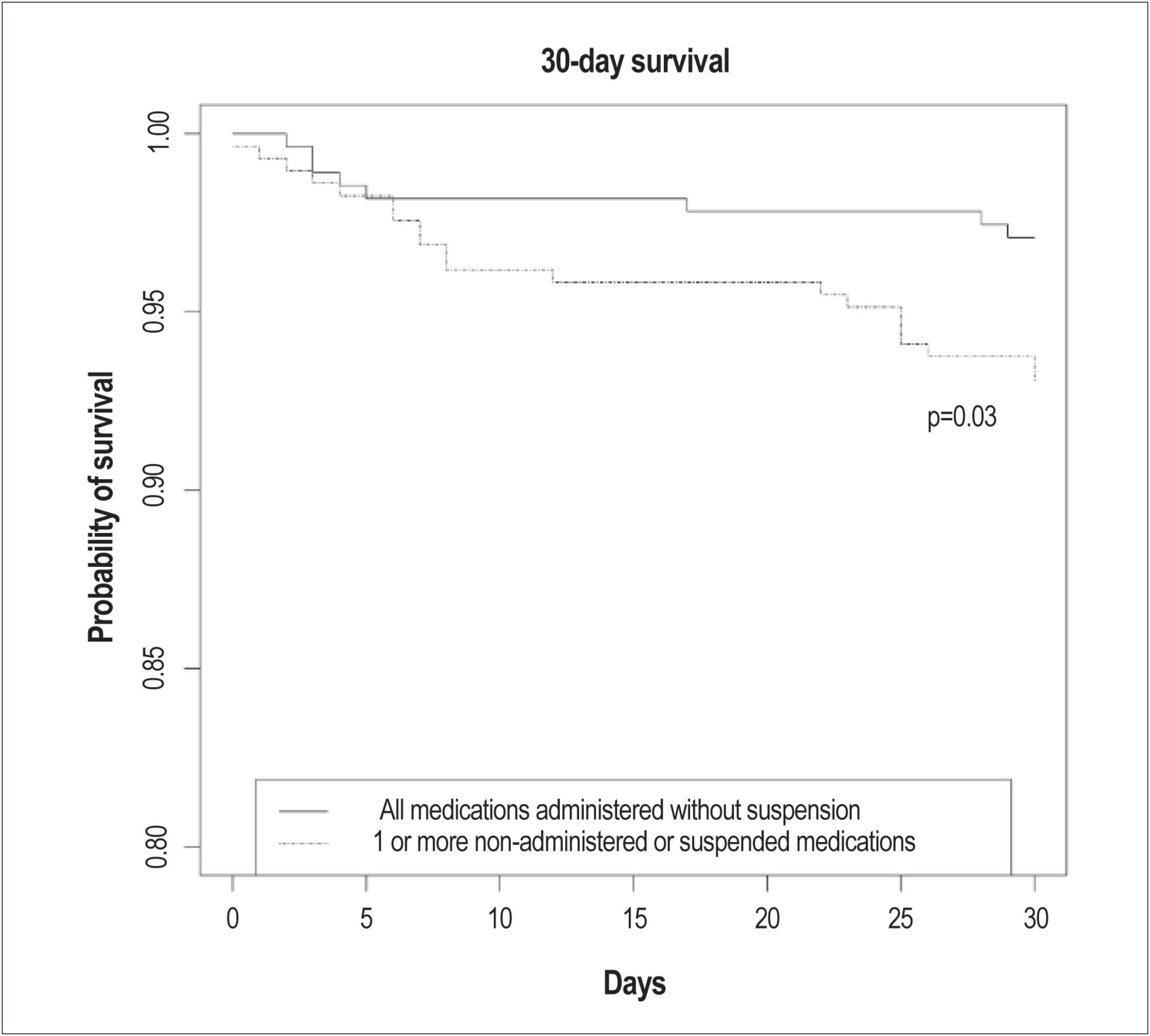
Frequency and Reasons for Non-Administration and Suspension of Drugs During an Acute Coronary Syndrome Event. The ERICO Study

Rafael C. O. Santos et al. Isabela M. Bensenor Alessandra C. Goulart Paulo A. Lotufo Itamar S. Santos

Abstract

Background:

Few studies have discussed the reasons for pharmacological undertreatment of Acute Coronary Syndrome (ACS).

Objectives:

To determine the frequency and reasons for the non-administration and suspension of medications during in-hospital treatments of ACS in the Strategy of Registry of Acute Coronary Syndrome (ERICO) study.

Methods:

The present study analyzed the medical charts of the 563 participants in the ERICO study to evaluate the frequency and reasons for the non-administration and/or suspension of medications. Logistic regression models were built to analyze if sex, age ≥65 years of age, educational level, or ACS subtype were associated with (a) the non-administration of ≥1 medications; and (b) the non-administration or suspension of ≥1 medications. The significance level was set at 5%.

Results:

This study’s sample included 58.1% males, with a median of 62 years of age. In 183 (32.5%) participants, ≥1 medications were not administered, while in 288 (51.2%), ≥1 medications were not administered or were suspended. The most common reasons were the risk of bleeding (aspirin, clopidogrel, and heparin), heart failure (beta blockers), and hypotension (angiotensin-converting enzyme inhibitors and angiotensin receptor blockers). Individuals aged ≥65 (odds ratio [OR]:1.51; 95% confidence interval [95% CI]:1.05-2.19) and those with unstable angina (OR:1.72; 95% CI:1.07-2.75) showed a higher probability for the non-administration of ≥1 medication. Considering only patients with myocardial infarction, being ≥65 years of age was associated with both the non-administration and the non-administration or suspension of ≥1 medication.

Conclusions:

Non-administration or suspension of ≥1 medication proved to be common in this ERICO study. Individuals of ≥65 years of age or with unstable angina showed a higher probability of the non-administration of ≥1 medication and may be undertreated in this scenario. (Arq Bras Cardiol. 2020; 115(5):830-839)

  • Acute Coronary Syndrome / mortality
  • Health Care/Public Health)
  • Morbidity
  • Withholding Treatment /drug therapy
Read Full Article
Creative Commons Attribution (CC BY) Creative Commons license
07/12/2020 DOI: 10.36660/abc.20190317 Views 1
ABC
Editorial

Coronary Artery Calcium – From Screening to a Personalized Shared Decision-Making Tool: The New American Prevention Guidelines

Marcio Sommer Bittencourt et al. Michael J. Blaha Khurram Nasir

The United States (US) National Cholesterol Education Program (NCEP) formed the Adult Treatment Panel (ATP) in 1985 with the aim to educate clinician and provide guideline recommendations for the treatment of dyslipidemias. In its first 1998 recommendations, the approach to primary prevention of cardiovascular disease included LDL-cholesterol (LDL-C) reduction in individuals with more than two risk factors and LDL-C levels above 160mg/dL and optional treatment in those with “borderline” LDL-C levels between 130 – 159 mg/dL. In its second version, in 1994, a category of secondary prevention with a target LDL-C below 100mg/dL was introduced. In 2001 the third version of the document, ATP-III introduced the concept of “optimal” LDL-C < 100mg/dL and introduced the use of the 10-year Framingham risk score (FRS) for the estimation of risk to define the intensity of treatment and target LDL-C levels, and an update of this document introduced a more aggressive LDL-C < 70 mg/dL target for those at extremely high risk. The ATP-III also mentions coronary artery calcium (CAC) as an “emerging risk factor”, stating it could be of value for additional risk stratification, predominantly in intermediate risk groups. Interestingly, at this point the recommendations were that CAC could be of use in individuals with multiple risk factors or older individuals in whom “traditional risk factors lose some of their predictive power”. In both cases CAC was proposed as a tool to screen for individuals at an even higher than expected risk, though the ATP-III clearly advised against the widespread use of CAC as a screening tool.

After the update of ATP-III there was a considerable gap before the publication of the 2013 ACC/AHA Blood Cholesterol guidelines, and a completely new approach towards the selection of candidates for treatment of LDL-C was taken. First, this document updated the equations for calculating 10-year cardiovascular risk (the Framingham Risk Score only predicted risk of coronary heart disease). Second, it identified higher risk groups which should be treated irrespective of risk (LDL-C > 190 mg/dL, diabetics). Third, it proposed a much broader recommendation of statin use for primary prevention including all individuals with LDL-C > 70 mg/dL and a calculated atherosclerotic cardiovascular disease risk > 5% in 10 years. This broader approach has been criticized by many , as it resulted in a substantial increase in the number of individuals in whom statins would be recommended, including treatment recommendations of lower risk individuals due to overestimation of risk derived from the risk assessment tool. This document also gave CAC a class IIb indication for a selective use in individuals fitting the vague description “in whom the decision to start treatment was unclear”. In this document additional markers of risk included CAC, high sensitivity C-reactive protein, ankle braquial index, family history of premature cardiovascular disease or individuals with LDL-C > 160 mg/dL – and all were given similar IIb recommendations with little to differentiate their predictive power. As recommended in ATP-III, the use of those markers was as an additional screening tool to identify individuals with a higher risk for more aggressive treatment, though no clear recommendation on its use was provided.

[…]

  • Calcium Score
  • Cardiovascular Diseases/prevention and control
  • Cholesterol,LDL
  • Decision Making
  • Dyslipidemias/prevention and control
  • Health Care/Public Health)
  • Risk Factors
Read Full Article
Creative Commons Attribution (CC BY) Creative Commons license
01/01/2019 DOI: 10.5935/abc.20190008 Views 1
ABC
Editorial

Cardiovascular Diseases in Indigenous Populations: An Indicator Of Inequality

Airton Tetelbom Stein

The number of articles on cardiovascular diseases in indigenous populations is not sufficient as a basis for the development of health policies. Although the most common conditions reported among indigenous people have been infectious and contagious diseases such as malaria, tuberculosis, respiratory infections, hepatitis, sexually transmitted diseases, among others, the prevalence of noncommunicable diseases (NCDs) have increased in this population as a result of urbanization process and their lifestyle. In addition, approaches of these conditions in indigenous people face logistic issues, as they require continuous medical care and development of health promotion programs in difficult areas.

The original, well-conducted study by Armstrong and colleagues contributes to fill this knowledge gap, as it highlights the impact of public investments that not only promote the development of the country, but also reveals the vulnerability and adverse effects of the changes in the lifestyle of indigenous people. Despite its methodological limitations, the study shows an association between mortality for cardiovascular diseases and rapid urbanization in this population.

[…]

  • Cardiovascular Diseases, mortality
  • Health Care/Public Health)
  • Indigenous Population
  • Risk Factors
  • Social Change
  • Urbanization / trends
Read Full Article
Creative Commons Attribution (CC BY) Creative Commons license
01/03/2018 DOI: 10.5935/abc.20180045

How to cite this article

EndNote RIS

Electronic Document Format (Vancouver)

Bertoletti OA. Good Practices In Cardiology – A Lesson From Performance Indicators. Arquivos Brasileiros de Cardiologia 2023;120(2):e20230033.

Electronic Document Format (ABNT)

Bertoletti, Otávio Azevedo. Good Practices In Cardiology – A Lesson From Performance Indicators. Arquivos Brasileiros de Cardiologia, v. 120, n. 2, e20230033, Apr. 2023.

Electronic Document Format (APA)

Bertoletti, O. A. (2023). Good Practices In Cardiology – A Lesson From Performance Indicators. Arquivos Brasileiros de Cardiologia, 120(2), e20230033.

Electronic Document Format (ISO)

Bertoletti, Otávio Azevedo. Good Practices In Cardiology – A Lesson From Performance Indicators. Arquivos Brasileiros de Cardiologia [online]. 2023, vol. 120, n. 2, [cited 2026-10-14], e20230033. Available from: <https://journals.cardiol.br/en/article/good-practices-in-cardiology-a-lesson-from-performance-indicators/>. ISSN 0066-782X

EndNote RIS

Electronic Document Format (Vancouver)

Santos RCO, Bensenor IM, Goulart AC, Lotufo PA, Santos IS. Frequency and Reasons for Non-Administration and Suspension of Drugs During an Acute Coronary Syndrome Event. The ERICO Study. Arquivos Brasileiros de Cardiologia 2020;115(5):830-9.

Electronic Document Format (ABNT)

Santos, Rafael C. O.; Bensenor, Isabela M.; Goulart, Alessandra C.; Lotufo, Paulo A.; Santos, Itamar S.. Frequency and Reasons for Non-Administration and Suspension of Drugs During an Acute Coronary Syndrome Event. The ERICO Study. Arquivos Brasileiros de Cardiologia, v. 115, n. 5, p. 830-839, Dec. 2020.

Electronic Document Format (APA)

Santos, R. C. O., Bensenor, I. M., Goulart, A. C., Lotufo, P. A., & Santos, I. S. (2020). Frequency and Reasons for Non-Administration and Suspension of Drugs During an Acute Coronary Syndrome Event. The ERICO Study. Arquivos Brasileiros de Cardiologia, 115(5), 830-839.

Electronic Document Format (ISO)

Santos, Rafael C. O. and Bensenor, Isabela M. and Goulart, Alessandra C. and Lotufo, Paulo A. and Santos, Itamar S.. Frequency and Reasons for Non-Administration and Suspension of Drugs During an Acute Coronary Syndrome Event. The ERICO Study. Arquivos Brasileiros de Cardiologia [online]. 2020, vol. 115, n. 5, [cited 2026-10-14], pp. 830-839. Available from: <https://journals.cardiol.br/en/article/frequency-and-reasons-for-non-administration-and-suspension-of-drugs-during-an-acute-coronary-syndrome-event-the-erico-study/>. ISSN 0066-782X

EndNote RIS

Electronic Document Format (Vancouver)

Bittencourt MS, Blaha MJ, Nasir K. Coronary Artery Calcium – From Screening to a Personalized Shared Decision-Making Tool: The New American Prevention Guidelines. Arquivos Brasileiros de Cardiologia 2019;112(1):1-2.

Electronic Document Format (ABNT)

Bittencourt, Marcio Sommer; Blaha, Michael J.; Nasir, Khurram. Coronary Artery Calcium – From Screening to a Personalized Shared Decision-Making Tool: The New American Prevention Guidelines. Arquivos Brasileiros de Cardiologia, v. 112, n. 1, p. 1-2, Dec. 2018.

Electronic Document Format (APA)

Bittencourt, M. S., Blaha, M. J., & Nasir, K. (2019). Coronary Artery Calcium – From Screening to a Personalized Shared Decision-Making Tool: The New American Prevention Guidelines. Arquivos Brasileiros de Cardiologia, 112(1), 1-2.

Electronic Document Format (ISO)

Bittencourt, Marcio Sommer and Blaha, Michael J. and Nasir, Khurram. Coronary Artery Calcium – From Screening to a Personalized Shared Decision-Making Tool: The New American Prevention Guidelines. Arquivos Brasileiros de Cardiologia [online]. 2019, vol. 112, n. 1, [cited 2026-10-14], pp. 1-2. Available from: <https://journals.cardiol.br/en/article/coronary-artery-calcium-from-screening-to-a-personalized-shared-decision-making-tool-the-new-american-prevention-guidelines/>. ISSN 0066-782X

EndNote RIS

Electronic Document Format (Vancouver)

Stein AT. Cardiovascular Diseases in Indigenous Populations: An Indicator Of Inequality. Arquivos Brasileiros de Cardiologia 2018;110(3):246-7.

Electronic Document Format (ABNT)

Stein, Airton Tetelbom. Cardiovascular Diseases in Indigenous Populations: An Indicator Of Inequality. Arquivos Brasileiros de Cardiologia, v. 110, n. 3, p. 246-247, Feb. 2018.

Electronic Document Format (APA)

Stein, A. T. (2018). Cardiovascular Diseases in Indigenous Populations: An Indicator Of Inequality. Arquivos Brasileiros de Cardiologia, 110(3), 246-247.

Electronic Document Format (ISO)

Stein, Airton Tetelbom. Cardiovascular Diseases in Indigenous Populations: An Indicator Of Inequality. Arquivos Brasileiros de Cardiologia [online]. 2018, vol. 110, n. 3, [cited 2026-10-14], pp. 246-247. Available from: <https://journals.cardiol.br/en/article/cardiovascular-diseases-in-indigenous-populations-an-indicator-of-inequality/>. ISSN 0066-782X

  • About ABC Family
  • Internal Regulation
  • Editorial Board
  • Brazilian Society of Cardiology (SBC)

Issues

SBC Guidelines

  • Videos
  • Podcasts
  • News