ABC Family Arquivos Brasileiros de Cardiologia International Journal of Cardiovascular Sciences ABC Heart Failure & Cardiomyopathy ABC Imagem Cardiovascular
Português English
ABC Family
Português English
  • About
    • About ABC Family
    • Internal Regulation
    • Editorial Board
    • Brazilian Society of Cardiology (SBC)
  • Issues
  • SBC Guidelines
  • Content
    • Videos
    • Podcasts
    • News
  • About
    • About ABC Family
    • Internal Regulation
    • Editorial Board
    • Brazilian Society of Cardiology (SBC)
  • Issues
  • SBC Guidelines
  • Content
    • Videos
    • Podcasts
    • News

ABC Family

  • ABC Family
  • Arquivos Brasileiros de Cardiologia
  • International Journal of Cardiovascular Sciences
  • ABC Heart Failure & Cardiomyopathy
  • ABC Imagem Cardiovascular
Search in

No content found.

Journals
Ordering
Article types
Others

  1. Home
  2. Keyword: Education, Medical
Figure 1
ABC
Research Letter

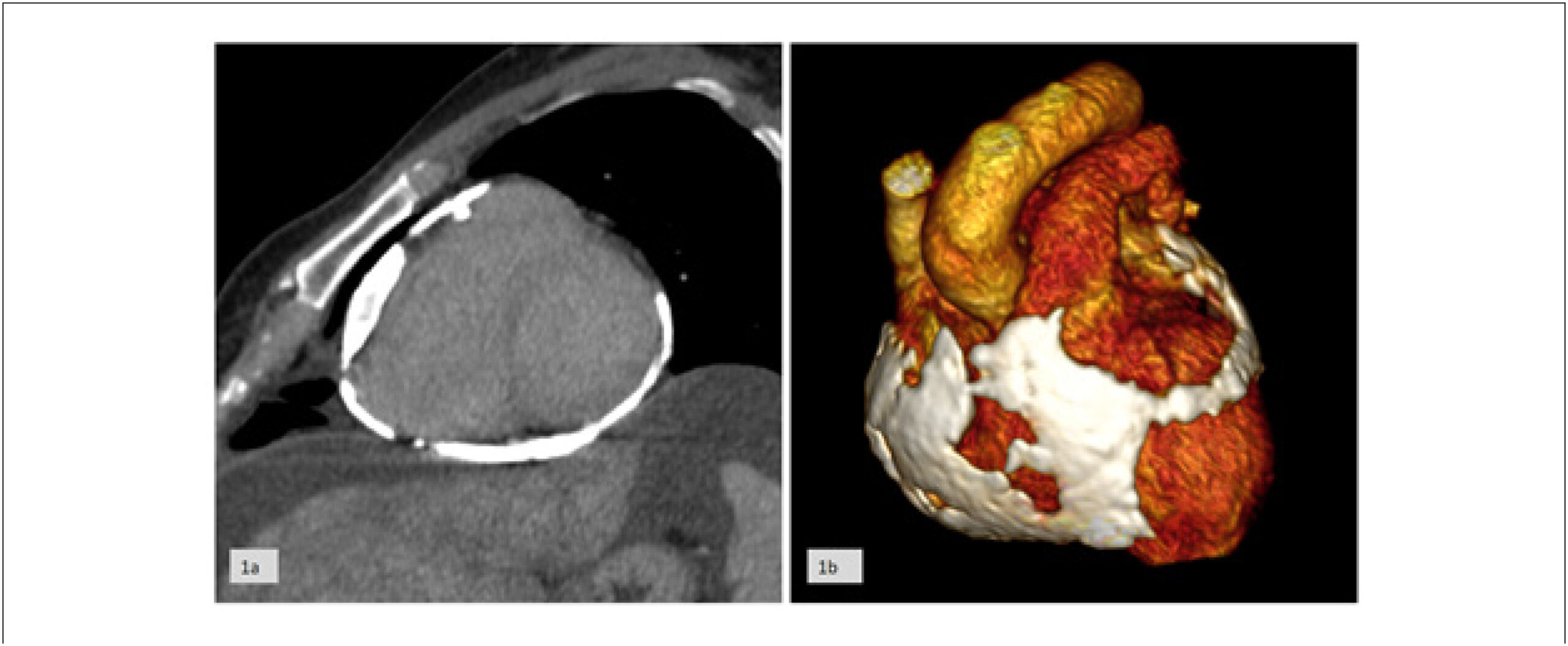
3D Printing in Constrictive Pericarditis Assessment

Juliana Cadilho Abrantes et al. Fernanda Turque Bernardo Fróes Demier Daniel Gama Neves … Davi Shunji Yahiro Tadeu Takao Almodovar Kubo Leonardo Canale Claudio Tinoco Mesquita

Introduction

Constrictive pericarditis is a rare disease, often diagnosed belatedly. Radical pericardiectomy is the recommended procedure in cases of constrictive pericarditis, although it is a complex and time-consuming surgery. These aspects make 3D printing potentially valuable in surgical planning, allowing the healthcare team to study a printed model for better comprehension of the surgical area and more efficient planning.–

Studies have also shown satisfactory results in medical education, particularly in anatomy,, with reports of high-fidelity anatomical models, including those with congenital heart defects. However, until now, there have been no reports of using 3D cardiac printing for surgical guidance or teaching about constrictive pericarditis.

[…]
  • Education, Medical
  • Imaging, Threedimensional/methods
  • Models Anatomic
  • Patient Caare Planning
  • Patient Care Planning
  • Pericardiectomy/surgery
  • Pericarditis, Constrictive/surgery
Read Full Article
Creative Commons Attribution (CC BY) Creative Commons license
05/04/2024 DOI: 10.36660/abc.20220866 Views 1
Use of Echocardiography as a Supplementary Tool in Teaching Cardiac Anatomy and Physiology to Medical Students
ABCIC
Original Article

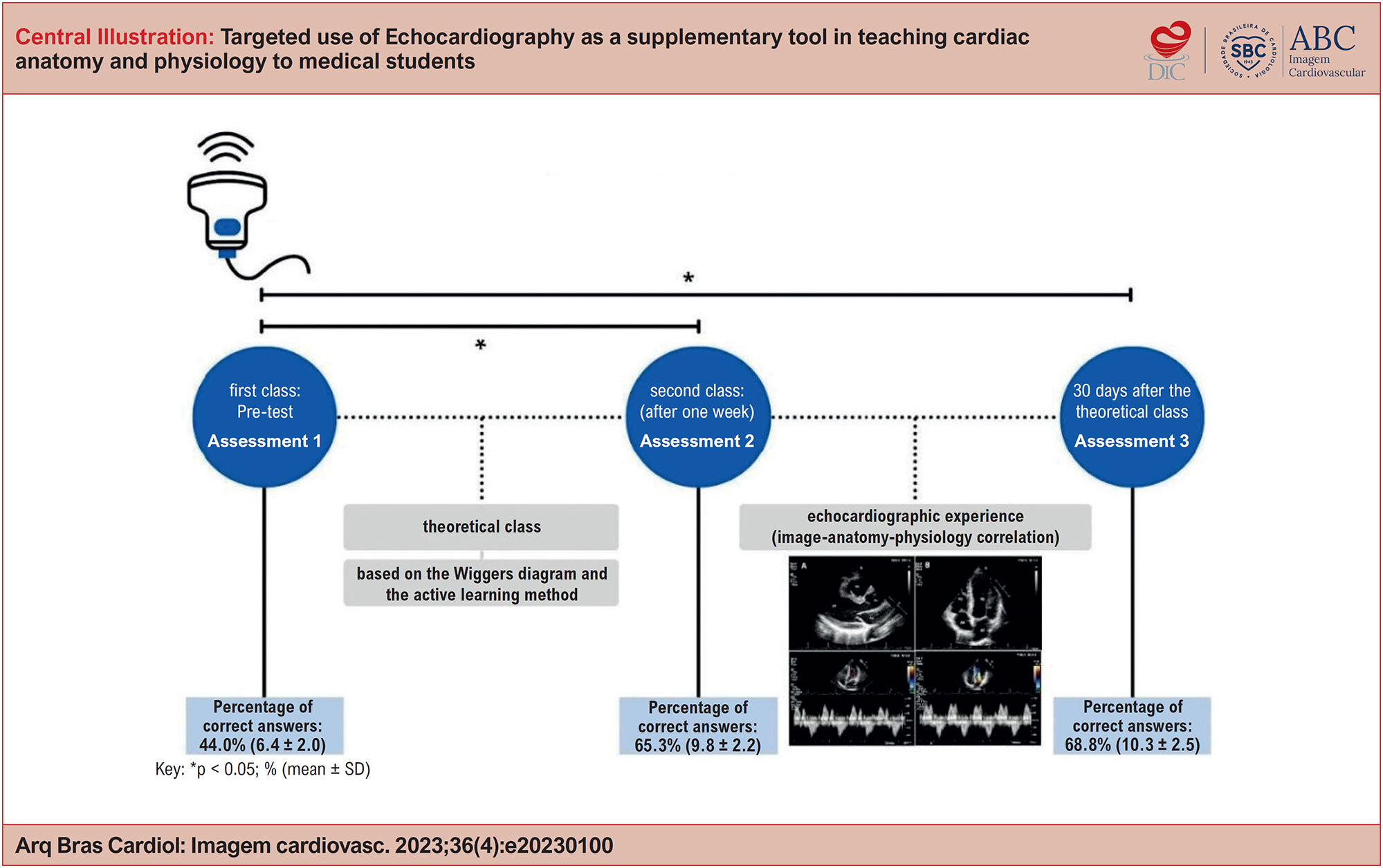
Use of Echocardiography as a Supplementary Tool in Teaching Cardiac Anatomy and Physiology to Medical Students

Caroline de Oliveira Fischer Bacca et al. Silvia R. Froes Toniazzo Franciani Rodrigues da Rocha Luiz Fernando Matias … Thais Naiara Mees Ana Luiza Nardelli Kuhl Nicolas Ramos Marcelo Vier Gambetta

Abstract

Background:

Ultrasonography has been increasingly used in teaching basic medicine. The simultaneous observation of the echocardiographic image and the electrocardiogram allows students to understand the physiological process of the heart and its function within the cardiovascular system.

Objective:

Evaluate the acquisition and retention of knowledge among medical students during the study of cardiac anatomy and physiology through the use of echocardiography.

Methods:

Thirty-four (34) students in the third semester took a pre-test (assessment 1) consisting of 20 multiple-choice questions, 15 of which were related to cardiac anatomy and physiology and 5 were “confusion-inducing questions.” The test was designed by one of the authors, blind to the others. After the theoretical meeting, assessment 2 was carried out with the same questions. The following week, a practical echocardiography meeting was held, aimed at evaluating anatomy and physiology. A post-test (assessment 3) was carried out 30 days after the first meeting to assess knowledge retention. The variables were analyzed by the Kolmogorov-Smirnov, Student’s T, and Wilcoxon tests, with a statistical significance level of p < 0.05.

Results:

The average number of correct answers in assessment 1 was 6.37 ± 2.0 (42.4%), 9.8 ± 2.2 (65.3%) in the second assessment, and 10.3 ± 2.5 (68.6%) in assessment 3. There was a statistical difference between assessment 1 and the other assessments (p = 0.01).

Conclusion:

Early introduction of echocardiography in the medical curriculum proves beneficial for imparting knowledge in cardiac physiology and anatomy, reinforcing theoretical understanding.

  • Anatomy
  • Cardiovascular Physiological Phenomena
  • Echocardiography
  • Education, Medical
  • Students, Medical
Read Full Article
Creative Commons Attribution (CC BY) Creative Commons license
18/12/2023 DOI: 10.36660/abcimg.20230100i
Figure 1
ABC
Original Article

Deduction, Induction and the Art of Clinical Reasoning in Medical Education: Systematic Review and Bayesian Proposal

Marcos Roberto de-Sousa et al. Túlio Roberto Xavier de Aguiar

Abstract

Background

Clinical reasoning is at the core of medical practice and entangled in a conceptual confusion. The duality theory in probability allows to evaluate its objective and subjective aspects.

Objectives

To conduct a systematic review of the literature about clinical reasoning in decision making in medical education and to propose a “reasoning based on the Bayesian rule” (RBBR).

Methods

A systematic review on PubMed was conducted (until February 27, 2022), following a strict methodology, by a researcher experienced in systematic review. The RBBR, presented in the discussion section, was constructed in his undergraduate dissertation in Philosophy at Minas Gerais Federal University. Heart failure was used as example.

Results

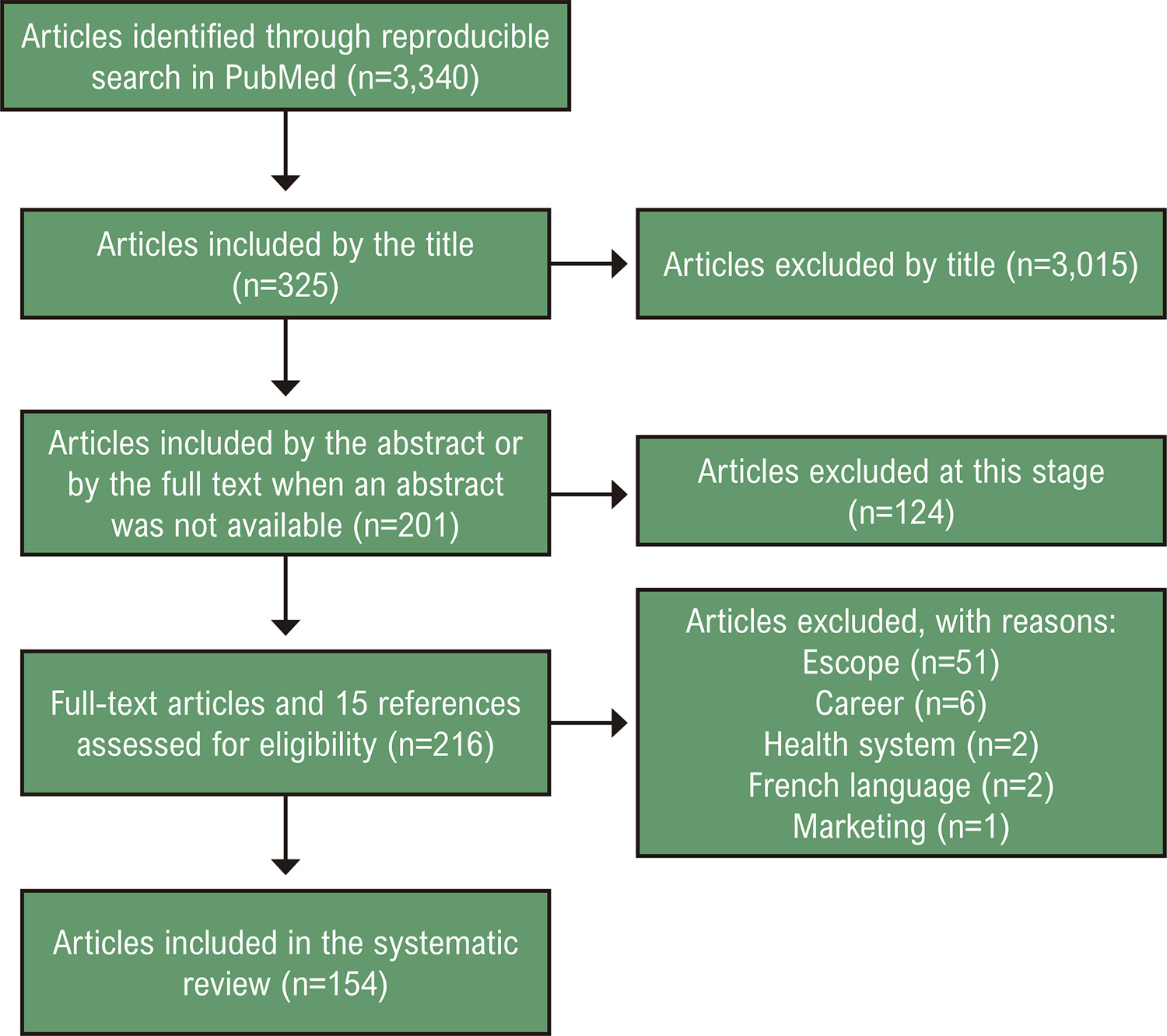
Of 3,340 articles retrieved, 154 were included: 24 discussing the uncertainty condition, 87 on vague concepts (case discussion, heuristics, list of cognitive biases, choosing wisely) subsumed under the term “art”, and 43 discussing the general idea of inductive or deductive reasoning. RBBR provides coherence and reproducibility rules, inference under uncertainty, and learning rule, and can incorporate those vague terms classified as “art”, arguments and evidence, from a subjective perspective about probability.

Conclusions

This systematic review shows that reasoning is grounded in uncertainty, predominantly probabilistic, and reviews possible errors of the hypothetico-deductive reasoning. RBBR is a two-step probabilistic reasoning that can be taught. The Bayes theorem is a linguistic tool, a general rule of reasoning, diagnosis, scientific communication and review of medical knowledge according to new evidence.

  • Bayes Theorem
  • Clinical Decision – Making
  • Education, Medical
  • Evidence-Based Medicine
  • Learning
  • Problem Solving
  • systematic review
Read Full Article
Creative Commons Attribution (CC BY) Creative Commons license
25/11/2022 DOI: 10.36660/abc.20220405 Views 1
ABC
Original Article

Effectiveness of an Active Methodology for Learning ECG during the Internal Medicine Internship

Márcia Cristina Amélia da Silva et al. Maria Elisa Lucena Sales de Melo Assunção

Abstract

Background

Studies have shown a low accuracy of urgent care physicians in interpreting electrocardiogram (ECG) in severe cardiovascular conditions.

Objective

To evaluate the effectiveness of an ECG learning method in internal medicine internships and to know the perception of interns regarding learning before and after the methodology.

Methods

This study used a database with the results of an ECG pre- and post-test of the classes in the internal medicine internship from 2017 to 2022. A qualitative questionnaire was sent with questions for self-assessment of perception of learning.

Results

The study included a total of 227 students, 161 of whom (70.9%) were female. The mean age was 26.4 ± 4.2 years old. The pre-test mean was 3.75 ± 2.0 points, and the post-test mean was 8.48 ± 1.5 points, showing a statistically significant difference, even after stratification by sex, age, and course period (p < 0.001 for all comparisons). Sixty-nine (30%) of the students responded to the qualitative questionnaire. The three predominant feelings prior to learning were despair, fear, and insecurity. After the Club, the predominant feelings were security, tranquility, and confidence.

Conclusion

The level of prior knowledge regarding ECG was low among students in the medical internship, and the proposed methodology was effective for learning ECG, regardless of age, sex, or course period. It was possible to transform negative beliefs regarding ECG learning and make learning meaningful and enjoyable. A more incisive look at medical courses for learning the ECG in a more practical and contextualized way can improve this scenario.

  • Education, Medical
  • Electrocardiography
  • Problem-Based Learning
Read Full Article
Creative Commons Attribution (CC BY) Creative Commons license
25/11/2022 DOI: 10.36660/abc.20220446 Views 2
Figure 1
ABC
Original Article

Learning: New Strategy for Humanized Digital Medical Education and Training in Cardiology

Manoel Fernandes Canesin et al. Fabrício Nogueira Furtado Rodrigo Marques Gonçalves Diogo Cesar Carraro … Thaísa Mariela Nascimento de Oliveira Ricardo Rodrigues Cláudio José Fuganti Cézar Eumann Mesas Laércio Uemura

Abstract

Background

The consolidation of new educational paradigms requires the implementation of innovative strategies to transform students into competent professionals.

Objectives

To assess knowledge and satisfaction of medical students before and after the use of a new humanized digital model of active learning, called virtual case-based learning (VCBL).

Methods

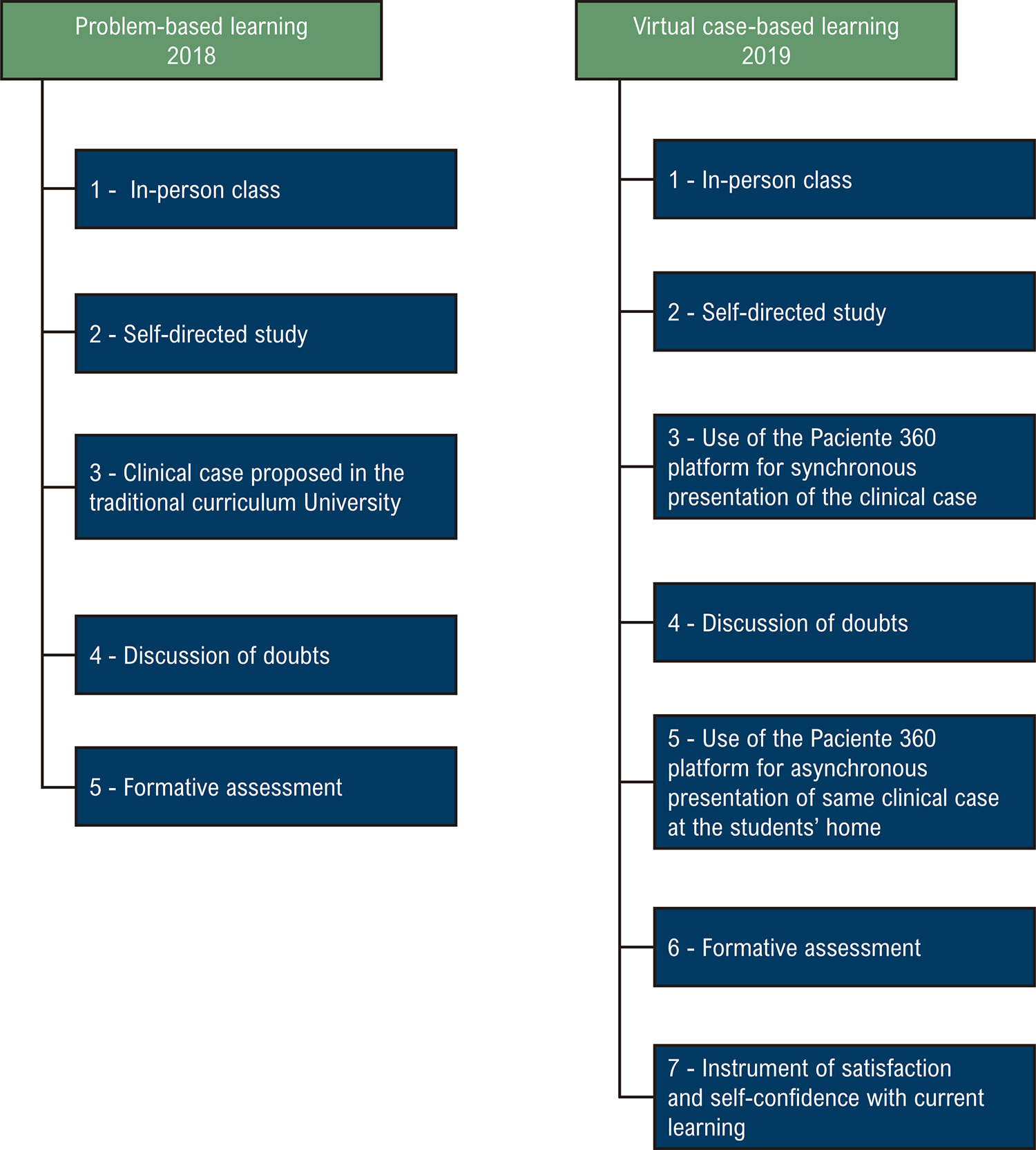
This was a descriptive, documentary analysis of the teaching-learning process of medical students. Data obtained from theoretical knowledge assessment and satisfaction evaluation questionnaires applied in 2018 and 2019 were analyzed, and the new VCBL was compared with the traditional active methodology PBL (problem-based learning). Descriptive and association analyses were made using the Statistical Package for the Social Sciences.

Results

A total of 167 evaluation forms administered to medical students were analyzed. In the evaluation of theoretical knowledge, the 2018 and the 2019 student groups had a mean of 41.7% and 73.3%, respectively (p<0.001). Among the students who responded to the satisfaction evaluation form, 76.0% gave the highest rating to question one, and 83.0% to question two. Nearly 70.0% of students positively evaluated knowledge acquisition with the Paciente 360 platform; 78.0% reported to feel prepared for working in outpatient care; and 94.0% positively evaluated the new method.

Conclusion

In this initial study, the results indicate that the new active method for humanized digital medical education, the VCBL, can help in the betterment of the teaching-learning process, promoting knowledge and satisfaction by the students.

  • Aprendizagem
  • Computer Simulation
  • Education, Medical
  • Humanization of Assistance
  • Students, Medical
Read Full Article
Creative Commons Attribution (CC BY) Creative Commons license
25/11/2022 DOI: 10.36660/abc.20220423 Views 2
ABC
Editorial

Medical Education: Interlocutor of Science and Society

José Maria Peixoto

Scientific progress in Cardiology is unquestionable. , We must have in mind, however, that the propelling of this development lies on education sciences , which transform the world by mobilizing people to knowledge. Despite the debate on what types of knowledge are related to them, according to Kant, education sciences enable individuals to reach autonomy and freedom to live in society.

Traditional science produces knowledge from experiment and observation, using rational methods that guarantee the validity of the results. Nevertheless, these assumptions favor the separation between the subject and the object of study, resulting in a technical-scientific culture that often ignores philosophical thinking, which drives individual’s desire for knowledge.

[…]

  • Cardiology/education
  • Education, Medical
  • Faculty, Medicine
  • Learning
  • Scientific Research and Technological Development
Read Full Article
Creative Commons Attribution (CC BY) Creative Commons license
25/11/2022 DOI: 10.36660/abc.20220491 Views 1
ABC
Research Letter

Physician-Researcher, Medical Practice and Research: The Importance of the Physician-Researcher in Current Medicine

Protásio Lemos da Luz

Medical education and practice in Brazil suffer from countless limitations, among which lacking scientific training stands out. Recently, the physician-researcher has emerged as a figure capable of partially correcting this gap. In this paper, I will seek to evaluate the physician-researcher’s role.

Conventional medicine is dedicated to the application of medical knowledge. Therefore, it deals with the general characteristics of diseases, namely, symptoms, evolution, pathophysiological impairment of organs and systems, etiology, diagnostic and therapeutic methods.

[…]

  • Biomedical Research
  • Education, Medical
  • Physicians
  • Research Personnel
  • Schools, Medical
Read Full Article
Creative Commons Attribution (CC BY) Creative Commons license
25/11/2022 DOI: 10.36660/abc.20220099 Views 1
Figure 1
IJCS
Viewpoint

A Different Heart in Children´s Literature: The Juvenile Literature in Medical Education

Ana Mallet et al. Fátima Geovanini Luciana Andrade David Kestenberg

Abstract

José Saramago, Nobel Prize in Literature, is the author of a statement that provokes adult readers: “What if children’s stories become mandatory reading for adults? Would they really learn what they’ve been teaching for so long?”. 1 It is in this context that literary texts dedicated to children have been used at times in medical education and clinical practice to bring up often invisible subjectivities.

  • Education, Medical
  • Heart
  • Juvenile Literature
Read Full Article
Creative Commons Attribution (CC BY) Creative Commons license
09/03/2020 DOI: 10.36660/ijcs.20190143 Views 2
Figure 1
ABC
Original Article

Clinical Competence in ST-segment Elevation Myocardial Infarction Management by Recently Graduated Physicians Applying for a Medical Residency Program

Ugo Stocco Aimoli et al. Carlos Henrique Miranda

Abstract

Background:

A significant reduction in the morbidity and mortality related to ST-segment elevation myocardial infarction (STEMI) has been achieved with the development of reperfusion therapies. Early diagnosis and correct initial management are important to ensure this benefit. In Brazil, recent graduates in medicine are responsible for a large part of the initial care provided for these patients.

Objective:

To assess the clinical competence in the diagnosis and initial treatment of STEMI by newly graduated physicians applying for a medical residency program.

Methods:

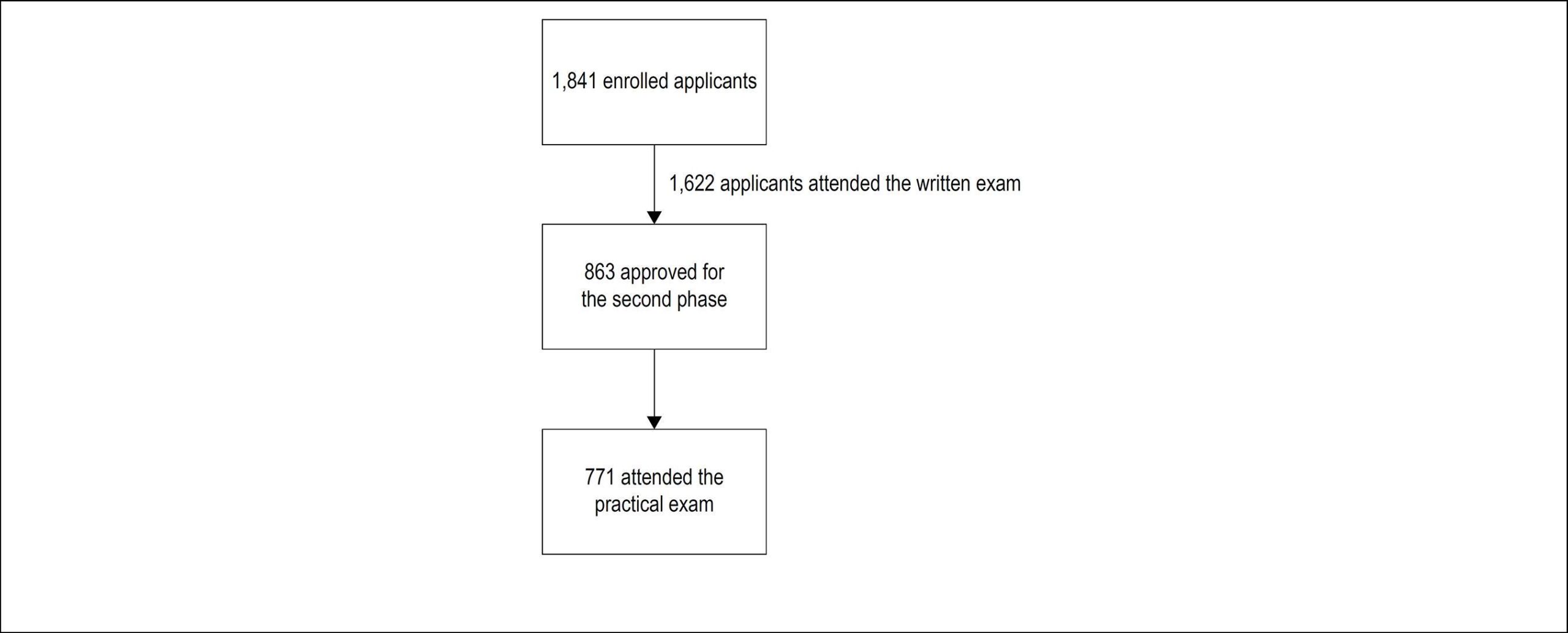
We assessed the performance of 771 applicants for the direct entry selection process of the FMRP-USP Clinical Hospital Medicine Residency Program, performed in a simulated setting of STEMI, with professional actors and medical evaluators, using a standardized checklist following the recommendations of the Brazilian Guidelines for the management of this disease.

Results:

The general performance score presented a median of 7 and an interquartile range of 5.5-8.0. In relation to the items assessed: 83% required ECG monitoring, 57% requested the insertion of a peripheral venous access catheter, 95% administered acetylsalicylic acid, 80% administered a second antiplatelet agent (p2y12 inhibitor), 66% administered nitrate, 71% administered morphine, 69% recognized the diagnosis of STEMI, 71% assessed the pain duration, 63% recognized the need for immediate transfer, 34% showed adequate communication skills and only 25% insisted on the transfer even in case of non-availability of beds.

Conclusions:

The initial diagnosis and management of STEMI need to be improved in medical undergraduate courses and inserted into the reality of the hierarchical network structure of the Brazilian Unified Health System (SUS).

  • Clinical Competence
  • Education, Medical
  • Internship and Residence
  • Medical Staff, Hospital
  • ST Elevation Myocardial Infarction
Read Full Article
Creative Commons Attribution (CC BY) Creative Commons license
10/02/2020 DOI: 10.36660/abc.20180309 Views 1
Figure 1
ABC
Viewpoint

Cardiology Training in Brazil and Developed Countries: Some Ideas for Improvement

Lucas Colombo Godoy et al. Michael E. Farkouh Isabela C. K. Abud Manta Talia F. Dalçóquio … Remo Holanda de Mendonça Furtado Eric H. C. Yu Carlos Gun José Carlos Nicolau

Abstract

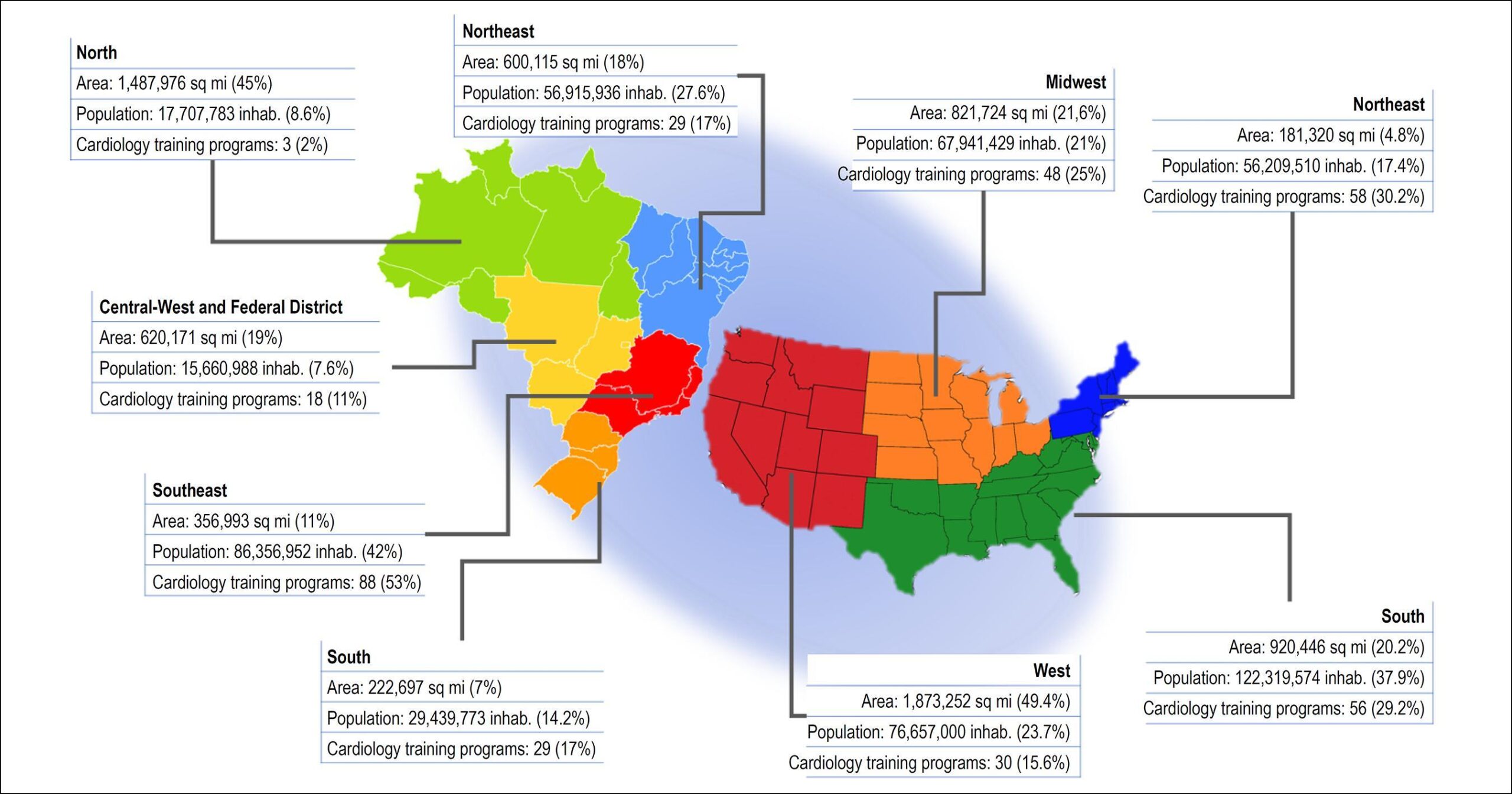
Huge variations exist in cardiology training programs across the world. In developing (middle-income) countries, such as Brazil, to find the right balance between training improvements and social and economic conditions of the country may be a difficult task. Adding more training years or different mandatory rotations, for instance, may be costly and not have an immediate direct impact on enhancing patient care or public health. In this text, we compare the Brazilian cardiology training system with other proposals implemented in developed countries from North America and Europe, aiming to point out issues worth of future discussion. Factors such as training rotations and competencies, and program duration and distribution across the countries are presented. The number of first year cardiology trainees per inhabitants is similar between Brazil and the United States (0.24 medical residents/100,000 inhabitants in Brazil and 0.26 medical residents/100,000 inhabitants in the USA). These numbers should be analyzed considering the inequality in training program distribution across Brazil, since most centers are located in the Southeast and South regions. Having more residency programs in distant areas could improve cardiovascular care in these areas. Duration of cardiology Residency Training is shorter in Brazil (two years) in comparison with developed countries (> 3 years). Brazilian residency programs give less emphasis to scientific research and diagnostic methods. Unifying minimum training requirements across the globe would facilitate the development of international learning opportunities and even professional exchange around the world.

  • Brazil
  • Cardiology
  • Education, Medical
  • Fellowships and Scholarships
  • Internship and Residency
  • Program Accreditation
Read Full Article
Creative Commons Attribution (CC BY) Creative Commons license
04/11/2019 DOI: 10.5935/abc.20190212 Views 1
ABC
Special Article

Brazilian Society of Cardiology – The Women’s Letter

Glaucia Maria Moraes de Oliveira et al. Fátima Elizabeth Fonseca de Oliveira Negri Nadine Oliveira Clausell Maria da Consolação V. Moreira … Olga Ferreira de Souza Ariane Vieira Scarlatelli Macedo Barbara Campos Abreu Marino Carisi Anne Polanczyk Carla Janice Baister Lantieri Celi Marques-Santos Cláudia Maria Vilas Freire Deborah Christina Nercolini Fatima Cristina Monteiro Pedroti Imara Correia de Queiroz Barbosa Magaly Arrais dos Santos Maria Christiane Valéria Braga Braile Maria Sanali Moura de Oliveira Paiva Marianna Deway Andrade Dracoulakis Narriane Chaves Holanda Patricia Toscano Rocha Rolim Roberta Tavares Barreto Teixeira Sandra Mattos Sheyla Cristina Tonheiro Ferro da Silva Simone Cristina Soares Brandão Viviana de Mello Guzzo Lemke Marcelo Antônio Cartaxo Queiroga Lopes

Objective

The primary objective of this document is to stimulate improvements in women’s health conditions in Brazil, with a focus on cardiovascular disease (CVD), which is responsible for 17.5 million premature deaths yearly worldwide. This number is predicted to increase to 23 million by 2030. CVD are responsible for one third of all deaths in Brazil, with similarities between men and postmenopausal women. These data assume even greater importance when we consider that 80% of premature deaths could have been avoided by controlling four risk factors: tobacco use, inappropriate diet, physical inactivity, and harmful alcohol use.

This document further aims to create a permanent discussion group that will play a leadership role in Brazilian healthcare policies, providing administrators with an overall view of the relevance of CVD to women so that they may establish strategic actions to reduce the prevalence of risk factors and improve diagnosis and therapeutic approach, thus reducing mortality and morbidity.

[…]

  • Cardiovascular Diseases/prevention and control
  • Demography
  • Education, Medical
  • Management Quality Circles
  • Medicine/trends
  • Prevalence
  • Risk Factors
  • Societies, Medical
  • Women
Read Full Article
Creative Commons Attribution (CC BY) Creative Commons license
15/07/2019 DOI: 10.5935/abc.20190111 Views 1
ABC
Viewpoint

Medical Societies and Public Universities

Charles Mady

Medical societies are important and strong institutions in our country. We can take as an example the Brazilian Society of Cardiology (Sociedade Brasileira de Cardiologia, SBC), of which most of those reading this text are members. I have never done corporate politics, but I follow it with interest. I am impressed by the determination observed in the fierce disputes between competitors at election time.

These groups, which always include members of university faculties, spend a lot of energy to achieve command positions. Such is the game, which often drifts into tortuous paths. Therefore, the human resources of societies and universities have much in common, since they promote scientific and didactic activities, educating professionals all over the country, using both the face-to-face and the media modalities.

[…]

  • Education, Medical
  • Public Health Policy
  • Societies, Medical/trends
  • Universities/trends
Read Full Article
Creative Commons Attribution (CC BY) Creative Commons license
01/03/2019 DOI: 10.5935/abc.20180241
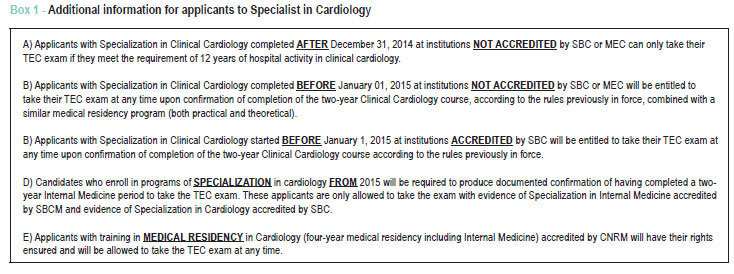
1st Guidelines of the Brazilian Society of Cardiology on processes and skills for education in cardiology in Brazil: executive summary
ABC
Special Article

1st Guidelines of the Brazilian Society of Cardiology on processes and skills for education in cardiology in Brazil: executive summary

Marcos Roberto de Sousa et al. Ricardo Mourilhe-Rocha Angelo Amato Vincenzo de Paola Ilmar Köhler … Gilson Soares Feitosa Jamil Cherem Schneider Gilson Soares Feitosa-Filho José Carlos Nicolau João Fernando Monteiro Ferreira Nelson Siqueira de Morais

This article summarizes the “1st Guidelines of the Brazilian Society of Cardiology on Processes and Skills for Education in Cardiology in Brazil,” which can be found in full at: . The guideline establishes the education time required in Internal Medicine and Cardiology with Specialization through theoretical and practical training. These requirements must be available at the center forming Specialists in Cardiology and the Cardiology contents.

  • Cardiology
  • Education, Medical
  • Ethics, Medical
  • Professional Competence
Read Full Article
Creative Commons Attribution (CC BY) Creative Commons license
27/02/2012 DOI: 10.1590/S0066-782X2012000200001 Views 2
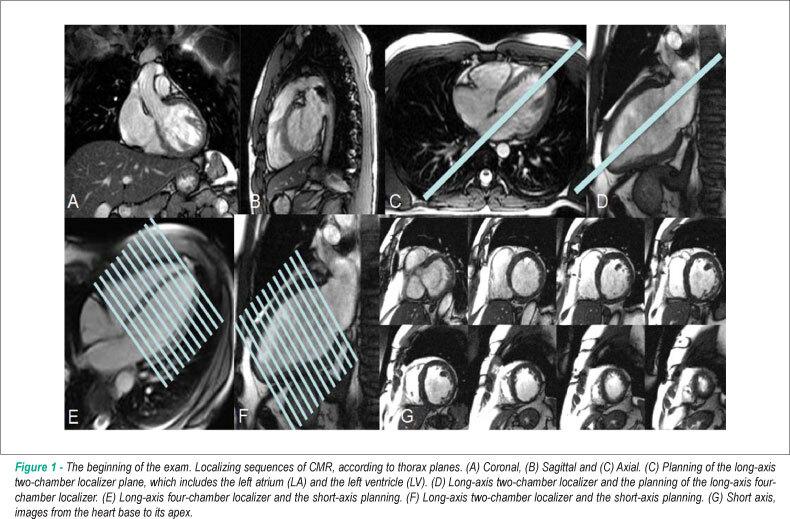
Cardiac magnetic resonance and its anatomical planes: How do i do it?
ABC
Review Article

Cardiac magnetic resonance and its anatomical planes: How do i do it?

Marcelo Souto Nacif et al. Amarino Carvalho de Oliveira Junior Antonio Carlos Pires Carvalho Carlos Eduardo Rochitte

Due to the increasing use of the cardiac magnetic resonance (CMR) method and the frequent implementation of such method in new services, we describe herein, in a step-by-step format, the acquisition techniques that are necessary for a complete cardiac approach, of the main anatomical planes of the heart used by CMR.

  • Education, Medical
  • Heart
  • Magnetic Resonance Imaging
Read Full Article
Creative Commons Attribution (CC BY) Creative Commons license
26/01/2011 DOI: 10.1590/S0066-782X2010001600014 Views 2

How to cite this article

EndNote RIS

Electronic Document Format (Vancouver)

Abrantes JC, Turque F, Demier BF, Neves DG, Yahiro DS, Kubo TTA, Canale L, et al. 3D Printing in Constrictive Pericarditis Assessment. Arquivos Brasileiros de Cardiologia 2024;121(2):e20220866.

Electronic Document Format (ABNT)

Abrantes, Juliana Cadilho; Turque, Fernanda; Demier, Bernardo Fróes; Neves, Daniel Gama; Yahiro, Davi Shunji; Kubo, Tadeu Takao Almodovar; Canale, Leonardo; Mesquita, Claudio Tinoco. 3D Printing in Constrictive Pericarditis Assessment. Arquivos Brasileiros de Cardiologia, v. 121, n. 2, e20220866, Apr. 2024.

Electronic Document Format (APA)

Abrantes, J. C., Turque, F., Demier, B. F., Neves, D. G., Yahiro, D. S., Kubo, T. T. A., Canale, L., & Mesquita, C. T. (2024). 3D Printing in Constrictive Pericarditis Assessment. Arquivos Brasileiros de Cardiologia, 121(2), e20220866.

Electronic Document Format (ISO)

Abrantes, Juliana Cadilho and Turque, Fernanda and Demier, Bernardo Fróes and Neves, Daniel Gama and Yahiro, Davi Shunji and Kubo, Tadeu Takao Almodovar and Canale, Leonardo and Mesquita, Claudio Tinoco. 3D Printing in Constrictive Pericarditis Assessment. Arquivos Brasileiros de Cardiologia [online]. 2024, vol. 121, n. 2, [cited 2026-10-14], e20220866. Available from: <https://journals.cardiol.br/en/article/3d-printing-in-constrictive-pericarditis-assessment/>. ISSN 0066-782X

EndNote RIS

Electronic Document Format (Vancouver)

Bacca COF, Toniazzo SRF, Rocha FR, Matias LF, Mees TN, Kuhl ALN, Ramos N, et al. Use of Echocardiography as a Supplementary Tool in Teaching Cardiac Anatomy and Physiology to Medical Students. ABC Imagem Cardiovascular 2023;36(4):e20230100.

Electronic Document Format (ABNT)

Bacca, Caroline de Oliveira Fischer; Toniazzo, Silvia R. Froes; Rocha, Franciani Rodrigues da; Matias, Luiz Fernando; Mees, Thais Naiara; Kuhl, Ana Luiza Nardelli; Ramos, Nicolas; Gambetta, Marcelo Vier. Use of Echocardiography as a Supplementary Tool in Teaching Cardiac Anatomy and Physiology to Medical Students. ABC Imagem Cardiovascular, v. 36, n. 4, e20230100, Dec. 2023.

Electronic Document Format (APA)

Bacca, C. O. F., Toniazzo, S. R. F., Rocha, F. R. , Matias, L. F., Mees, T. N., Kuhl, A. L. N., Ramos, N., & Gambetta, M. V. (2023). Use of Echocardiography as a Supplementary Tool in Teaching Cardiac Anatomy and Physiology to Medical Students. ABC Imagem Cardiovascular, 36(4), e20230100.

Electronic Document Format (ISO)

Bacca, Caroline de Oliveira Fischer and Toniazzo, Silvia R. Froes and Rocha, Franciani Rodrigues da and Matias, Luiz Fernando and Mees, Thais Naiara and Kuhl, Ana Luiza Nardelli and Ramos, Nicolas and Gambetta, Marcelo Vier. Use of Echocardiography as a Supplementary Tool in Teaching Cardiac Anatomy and Physiology to Medical Students. ABC Imagem Cardiovascular [online]. 2023, vol. 36, n. 4, [cited 2026-10-14], e20230100. Available from: <https://journals.cardiol.br/en/article/use-of-echocardiography-as-a-supplementary-tool-in-teaching-cardiac-anatomy-and-physiology-to-medical-students/>. ISSN 2318-8219

EndNote RIS

Electronic Document Format (Vancouver)

de-Sousa MR, Aguiar TRX. Deduction, Induction and the Art of Clinical Reasoning in Medical Education: Systematic Review and Bayesian Proposal. Arquivos Brasileiros de Cardiologia 2022;119(5 suppl 1):27-34.

Electronic Document Format (ABNT)

de-Sousa, Marcos Roberto; Aguiar, Túlio Roberto Xavier de. Deduction, Induction and the Art of Clinical Reasoning in Medical Education: Systematic Review and Bayesian Proposal. Arquivos Brasileiros de Cardiologia, v. 119, n. 5 suppl 1, p. 27-34, Nov. 2022.

Electronic Document Format (APA)

de-Sousa, M. R., & Aguiar, T. R. X. (2022). Deduction, Induction and the Art of Clinical Reasoning in Medical Education: Systematic Review and Bayesian Proposal. Arquivos Brasileiros de Cardiologia, 119(5 suppl 1), 27-34.

Electronic Document Format (ISO)

de-Sousa, Marcos Roberto and Aguiar, Túlio Roberto Xavier de. Deduction, Induction and the Art of Clinical Reasoning in Medical Education: Systematic Review and Bayesian Proposal. Arquivos Brasileiros de Cardiologia [online]. 2022, vol. 119, n. 5 suppl 1, [cited 2026-10-14], pp. 27-34. Available from: <https://journals.cardiol.br/en/article/deduction-induction-and-the-art-of-clinical-reasoning-in-medical-education-systematic-review-and-bayesian-proposal/>. ISSN 0066-782X

EndNote RIS

Electronic Document Format (Vancouver)

Silva MCA, Assunção MELSM. Effectiveness of an Active Methodology for Learning ECG during the Internal Medicine Internship. Arquivos Brasileiros de Cardiologia 2022;119(5 suppl 1):22-6.

Electronic Document Format (ABNT)

Silva, Márcia Cristina Amélia da; Assunção, Maria Elisa Lucena Sales de Melo. Effectiveness of an Active Methodology for Learning ECG during the Internal Medicine Internship. Arquivos Brasileiros de Cardiologia, v. 119, n. 5 suppl 1, p. 22-26, Nov. 2022.

Electronic Document Format (APA)

Silva, M. C. A. , & Assunção, M. E. L. S. M. (2022). Effectiveness of an Active Methodology for Learning ECG during the Internal Medicine Internship. Arquivos Brasileiros de Cardiologia, 119(5 suppl 1), 22-26.

Electronic Document Format (ISO)

Silva, Márcia Cristina Amélia da and Assunção, Maria Elisa Lucena Sales de Melo. Effectiveness of an Active Methodology for Learning ECG during the Internal Medicine Internship. Arquivos Brasileiros de Cardiologia [online]. 2022, vol. 119, n. 5 suppl 1, [cited 2026-10-14], pp. 22-26. Available from: <https://journals.cardiol.br/en/article/effectiveness-of-an-active-methodology-for-learning-ecg-during-the-internal-medicine-internship/>. ISSN 0066-782X

EndNote RIS

Electronic Document Format (Vancouver)

Canesin MF, Furtado FN, Gonçalves RM, Carraro DC, Oliveira TMN, Rodrigues R, Fuganti CJ, et al. Learning: New Strategy for Humanized Digital Medical Education and Training in Cardiology. Arquivos Brasileiros de Cardiologia 2022;119(5 suppl 1):35-42.

Electronic Document Format (ABNT)

Canesin, Manoel Fernandes; Furtado, Fabrício Nogueira; Gonçalves, Rodrigo Marques; Carraro, Diogo Cesar; Oliveira, Thaísa Mariela Nascimento de; Rodrigues, Ricardo; Fuganti, Cláudio José; Mesas, Cézar Eumann; Uemura, Laércio. Learning: New Strategy for Humanized Digital Medical Education and Training in Cardiology. Arquivos Brasileiros de Cardiologia, v. 119, n. 5 suppl 1, p. 35-42, Nov. 2022.

Electronic Document Format (APA)

Canesin, M. F., Furtado, F. N., Gonçalves, R. M., Carraro, D. C., Oliveira, T. M. N. , Rodrigues, R., Fuganti, C. J., Mesas, C. E., & Uemura, L. (2022). Learning: New Strategy for Humanized Digital Medical Education and Training in Cardiology. Arquivos Brasileiros de Cardiologia, 119(5 suppl 1), 35-42.

Electronic Document Format (ISO)

Canesin, Manoel Fernandes and Furtado, Fabrício Nogueira and Gonçalves, Rodrigo Marques and Carraro, Diogo Cesar and Oliveira, Thaísa Mariela Nascimento de and Rodrigues, Ricardo and Fuganti, Cláudio José and Mesas, Cézar Eumann and Uemura, Laércio. Learning: New Strategy for Humanized Digital Medical Education and Training in Cardiology. Arquivos Brasileiros de Cardiologia [online]. 2022, vol. 119, n. 5 suppl 1, [cited 2026-10-14], pp. 35-42. Available from: <https://journals.cardiol.br/en/article/learning-new-strategy-for-humanized-digital-medical-education-and-training-in-cardiology/>. ISSN 0066-782X

EndNote RIS

Electronic Document Format (Vancouver)

Peixoto JM. Medical Education: Interlocutor of Science and Society. Arquivos Brasileiros de Cardiologia 2022;119(5 suppl 1):4-5.

Electronic Document Format (ABNT)

Peixoto, José Maria. Medical Education: Interlocutor of Science and Society. Arquivos Brasileiros de Cardiologia, v. 119, n. 5 suppl 1, p. 4-5, Nov. 2022.

Electronic Document Format (APA)

Peixoto, J. M. (2022). Medical Education: Interlocutor of Science and Society. Arquivos Brasileiros de Cardiologia, 119(5 suppl 1), 4-5.

Electronic Document Format (ISO)

Peixoto, José Maria. Medical Education: Interlocutor of Science and Society. Arquivos Brasileiros de Cardiologia [online]. 2022, vol. 119, n. 5 suppl 1, [cited 2026-10-14], pp. 4-5. Available from: <https://journals.cardiol.br/en/article/medical-education-interlocutor-of-science-and-society/>. ISSN 0066-782X

EndNote RIS

Electronic Document Format (Vancouver)

Luz PL. Physician-Researcher, Medical Practice and Research: The Importance of the Physician-Researcher in Current Medicine. Arquivos Brasileiros de Cardiologia 2022;119(5):801-3.

Electronic Document Format (ABNT)

Luz, Protásio Lemos da. Physician-Researcher, Medical Practice and Research: The Importance of the Physician-Researcher in Current Medicine. Arquivos Brasileiros de Cardiologia, v. 119, n. 5, p. 801-803, Nov. 2022.

Electronic Document Format (APA)

Luz, P. L. (2022). Physician-Researcher, Medical Practice and Research: The Importance of the Physician-Researcher in Current Medicine. Arquivos Brasileiros de Cardiologia, 119(5), 801-803.

Electronic Document Format (ISO)

Luz, Protásio Lemos da. Physician-Researcher, Medical Practice and Research: The Importance of the Physician-Researcher in Current Medicine. Arquivos Brasileiros de Cardiologia [online]. 2022, vol. 119, n. 5, [cited 2026-10-14], pp. 801-803. Available from: <https://journals.cardiol.br/en/article/physician-researcher-medical-practice-and-research-the-importance-of-the-physician-researcher-in-current-medicine/>. ISSN 0066-782X

EndNote RIS

Electronic Document Format (Vancouver)

Mallet A, Geovanini F, Andrade L, Kestenberg D. A Different Heart in Children´s Literature: The Juvenile Literature in Medical Education. International Journal of Cardiovascular Sciences 2020;33(2):185-7.

Electronic Document Format (ABNT)

Mallet, Ana; Geovanini, Fátima; Andrade, Luciana; Kestenberg, David. A Different Heart in Children´s Literature: The Juvenile Literature in Medical Education. International Journal of Cardiovascular Sciences, v. 33, n. 2, p. 185-187, Mar. 2020.

Electronic Document Format (APA)

Mallet, A., Geovanini, F., Andrade, L., & Kestenberg, D. (2020). A Different Heart in Children´s Literature: The Juvenile Literature in Medical Education. International Journal of Cardiovascular Sciences, 33(2), 185-187.

Electronic Document Format (ISO)

Mallet, Ana and Geovanini, Fátima and Andrade, Luciana and Kestenberg, David. A Different Heart in Children´s Literature: The Juvenile Literature in Medical Education. International Journal of Cardiovascular Sciences [online]. 2020, vol. 33, n. 2, [cited 2026-10-14], pp. 185-187. Available from: <https://journals.cardiol.br/en/article/a-different-heart-in-childrens-literature-the-juvenile-literature-in-medical-education/>. ISSN 2359-4802

EndNote RIS

Electronic Document Format (Vancouver)

Aimoli US, Miranda CH. Clinical Competence in ST-segment Elevation Myocardial Infarction Management by Recently Graduated Physicians Applying for a Medical Residency Program. Arquivos Brasileiros de Cardiologia 2020;114(1):35-44.

Electronic Document Format (ABNT)

Aimoli, Ugo Stocco; Miranda, Carlos Henrique. Clinical Competence in ST-segment Elevation Myocardial Infarction Management by Recently Graduated Physicians Applying for a Medical Residency Program. Arquivos Brasileiros de Cardiologia, v. 114, n. 1, p. 35-44, Feb. 2020.

Electronic Document Format (APA)

Aimoli, U. S., & Miranda, C. H. (2020). Clinical Competence in ST-segment Elevation Myocardial Infarction Management by Recently Graduated Physicians Applying for a Medical Residency Program. Arquivos Brasileiros de Cardiologia, 114(1), 35-44.

Electronic Document Format (ISO)

Aimoli, Ugo Stocco and Miranda, Carlos Henrique. Clinical Competence in ST-segment Elevation Myocardial Infarction Management by Recently Graduated Physicians Applying for a Medical Residency Program. Arquivos Brasileiros de Cardiologia [online]. 2020, vol. 114, n. 1, [cited 2026-10-14], pp. 35-44. Available from: <https://journals.cardiol.br/en/article/clinical-competence-in-st-segment-elevation-myocardial-infarction-management-by-recently-graduated-physicians-applying-for-a-medical-residency-program/>. ISSN 0066-782X

EndNote RIS

Electronic Document Format (Vancouver)

Godoy LC, Farkouh ME, Manta ICKA, Dalçóquio TF, Furtado RHM, Yu EHC, Gun C, et al. Cardiology Training in Brazil and Developed Countries: Some Ideas for Improvement. Arquivos Brasileiros de Cardiologia 2019;113(4):768-74.

Electronic Document Format (ABNT)

Godoy, Lucas Colombo; Farkouh, Michael E.; Manta, Isabela C. K. Abud; Dalçóquio, Talia F.; Furtado, Remo Holanda de Mendonça; Yu, Eric H. C.; Gun, Carlos; Nicolau, José Carlos. Cardiology Training in Brazil and Developed Countries: Some Ideas for Improvement. Arquivos Brasileiros de Cardiologia, v. 113, n. 4, p. 768-774, Nov. 2019.

Electronic Document Format (APA)

Godoy, L. C., Farkouh, M. E., Manta, I. C. K. A., Dalçóquio, T. F., Furtado, R. H. M., Yu, E. H. C., Gun, C., & Nicolau, J. C. (2019). Cardiology Training in Brazil and Developed Countries: Some Ideas for Improvement. Arquivos Brasileiros de Cardiologia, 113(4), 768-774.

Electronic Document Format (ISO)

Godoy, Lucas Colombo and Farkouh, Michael E. and Manta, Isabela C. K. Abud and Dalçóquio, Talia F. and Furtado, Remo Holanda de Mendonça and Yu, Eric H. C. and Gun, Carlos and Nicolau, José Carlos. Cardiology Training in Brazil and Developed Countries: Some Ideas for Improvement. Arquivos Brasileiros de Cardiologia [online]. 2019, vol. 113, n. 4, [cited 2026-10-14], pp. 768-774. Available from: <https://journals.cardiol.br/en/article/cardiology-training-in-brazil-and-developed-countries-some-ideas-for-improvement/>. ISSN 0066-782X

EndNote RIS

Electronic Document Format (Vancouver)

Oliveira GMM, Negri FEFO, Clausell NO, Moreira MCV, Souza OF, Macedo AVS, Marino BCA, et al. Brazilian Society of Cardiology – The Women’s Letter. Arquivos Brasileiros de Cardiologia 2019;112(6):713-4.

Electronic Document Format (ABNT)

Oliveira, Glaucia Maria Moraes de; Negri, Fátima Elizabeth Fonseca de Oliveira; Clausell, Nadine Oliveira; Moreira, Maria da Consolação V.; Souza, Olga Ferreira de; Macedo, Ariane Vieira Scarlatelli; Marino, Barbara Campos Abreu; Polanczyk, Carisi Anne; Lantieri, Carla Janice Baister; Marques-Santos, Celi; Freire, Cláudia Maria Vilas; Nercolini, Deborah Christina; Pedroti, Fatima Cristina Monteiro; Barbosa, Imara Correia de Queiroz; Santos, Magaly Arrais dos; Braile, Maria Christiane Valéria Braga; Paiva, Maria Sanali Moura de Oliveira; Dracoulakis, Marianna Deway Andrade; Holanda, Narriane Chaves; Rolim, Patricia Toscano Rocha; Teixeira, Roberta Tavares Barreto; Mattos, Sandra; Silva, Sheyla Cristina Tonheiro Ferro da; Brandão, Simone Cristina Soares; Lemke, Viviana de Mello Guzzo; Lopes, Marcelo Antônio Cartaxo Queiroga. Brazilian Society of Cardiology – The Women’s Letter. Arquivos Brasileiros de Cardiologia, v. 112, n. 6, p. 713-714, Jul. 2019.

Electronic Document Format (APA)

Oliveira, G. M. M. , Negri, F. E. F. O., Clausell, N. O., Moreira, M. C. V., Souza, O. F. , Macedo, A. V. S., Marino, B. C. A., Polanczyk, C. A., Lantieri, C. J. B., Marques-Santos, C., Freire, C. M. V., Nercolini, D. C., Pedroti, F. C. M., Barbosa, I. C. Q., Santos, M. A. , Braile, M. C. V. B., Paiva, M. S. M. O., Dracoulakis, M. D. A., Holanda, N. C., Rolim, P. T. R., Teixeira, R. T. B., Mattos, S., Silva, S. C. T. F. , Brandão, S. C. S., Lemke, V. M. G., & Lopes, M. A. C. Q. (2019). Brazilian Society of Cardiology – The Women’s Letter. Arquivos Brasileiros de Cardiologia, 112(6), 713-714.

Electronic Document Format (ISO)

Oliveira, Glaucia Maria Moraes de and Negri, Fátima Elizabeth Fonseca de Oliveira and Clausell, Nadine Oliveira and Moreira, Maria da Consolação V. and Souza, Olga Ferreira de and Macedo, Ariane Vieira Scarlatelli and Marino, Barbara Campos Abreu and Polanczyk, Carisi Anne and Lantieri, Carla Janice Baister and Marques-Santos, Celi and Freire, Cláudia Maria Vilas and Nercolini, Deborah Christina and Pedroti, Fatima Cristina Monteiro and Barbosa, Imara Correia de Queiroz and Santos, Magaly Arrais dos and Braile, Maria Christiane Valéria Braga and Paiva, Maria Sanali Moura de Oliveira and Dracoulakis, Marianna Deway Andrade and Holanda, Narriane Chaves and Rolim, Patricia Toscano Rocha and Teixeira, Roberta Tavares Barreto and Mattos, Sandra and Silva, Sheyla Cristina Tonheiro Ferro da and Brandão, Simone Cristina Soares and Lemke, Viviana de Mello Guzzo and Lopes, Marcelo Antônio Cartaxo Queiroga. Brazilian Society of Cardiology – The Women’s Letter. Arquivos Brasileiros de Cardiologia [online]. 2019, vol. 112, n. 6, [cited 2026-10-14], pp. 713-714. Available from: <https://journals.cardiol.br/en/article/brazilian-society-of-cardiology-the-womens-letter/>. ISSN 0066-782X

EndNote RIS

Electronic Document Format (Vancouver)

Mady C. Medical Societies and Public Universities. Arquivos Brasileiros de Cardiologia 2019;112(3):317-8.

Electronic Document Format (ABNT)

Mady, Charles. Medical Societies and Public Universities. Arquivos Brasileiros de Cardiologia, v. 112, n. 3, p. 317-318, Feb. 2019.

Electronic Document Format (APA)

Mady, C. (2019). Medical Societies and Public Universities. Arquivos Brasileiros de Cardiologia, 112(3), 317-318.

Electronic Document Format (ISO)

Mady, Charles. Medical Societies and Public Universities. Arquivos Brasileiros de Cardiologia [online]. 2019, vol. 112, n. 3, [cited 2026-10-14], pp. 317-318. Available from: <https://journals.cardiol.br/en/article/medical-societies-and-public-universities/>. ISSN 0066-782X

EndNote RIS

Electronic Document Format (Vancouver)

Sousa MR, Mourilhe-Rocha R, Paola AAV, Köhler I, Feitosa GS, Schneider JC, Feitosa-Filho GS, et al. 1st Guidelines of the Brazilian Society of Cardiology on processes and skills for education in cardiology in Brazil: executive summary. Arquivos Brasileiros de Cardiologia 2012;98(2):98-103.

Electronic Document Format (ABNT)

Sousa, Marcos Roberto de; Mourilhe-Rocha, Ricardo; Paola, Angelo Amato Vincenzo de; Köhler, Ilmar; Feitosa, Gilson Soares; Schneider, Jamil Cherem; Feitosa-Filho, Gilson Soares; Nicolau, José Carlos; Ferreira, João Fernando Monteiro; Morais, Nelson Siqueira de. 1st Guidelines of the Brazilian Society of Cardiology on processes and skills for education in cardiology in Brazil: executive summary. Arquivos Brasileiros de Cardiologia, v. 98, n. 2, p. 98-103, Feb. 2012.

Electronic Document Format (APA)

Sousa, M. R. , Mourilhe-Rocha, R., Paola, A. A. V. , Köhler, I., Feitosa, G. S., Schneider, J. C., Feitosa-Filho, G. S., Nicolau, J. C., Ferreira, J. F. M., & Morais, N. S. (2012). 1st Guidelines of the Brazilian Society of Cardiology on processes and skills for education in cardiology in Brazil: executive summary. Arquivos Brasileiros de Cardiologia, 98(2), 98-103.

Electronic Document Format (ISO)

Sousa, Marcos Roberto de and Mourilhe-Rocha, Ricardo and Paola, Angelo Amato Vincenzo de and Köhler, Ilmar and Feitosa, Gilson Soares and Schneider, Jamil Cherem and Feitosa-Filho, Gilson Soares and Nicolau, José Carlos and Ferreira, João Fernando Monteiro and Morais, Nelson Siqueira de. 1st Guidelines of the Brazilian Society of Cardiology on processes and skills for education in cardiology in Brazil: executive summary. Arquivos Brasileiros de Cardiologia [online]. 2012, vol. 98, n. 2, [cited 2026-10-14], pp. 98-103. Available from: <https://journals.cardiol.br/en/article/1st-guidelines-of-the-brazilian-society-of-cardiology-on-processes-and-skills-for-education-in-cardiology-in-brazil-executive-summary/>. ISSN 0066-782X

EndNote RIS

Electronic Document Format (Vancouver)

Nacif MS, Oliveira Junior AC, Carvalho ACP, Rochitte CE. Cardiac magnetic resonance and its anatomical planes: How do i do it?. Arquivos Brasileiros de Cardiologia 2011;95(6):756-63.

Electronic Document Format (ABNT)

Nacif, Marcelo Souto; Oliveira Junior, Amarino Carvalho de; Carvalho, Antonio Carlos Pires; Rochitte, Carlos Eduardo. Cardiac magnetic resonance and its anatomical planes: How do i do it?. Arquivos Brasileiros de Cardiologia, v. 95, n. 6, p. 756-763, Jan. 2011.

Electronic Document Format (APA)

Nacif, M. S., Oliveira Junior, A. C. , Carvalho, A. C. P., & Rochitte, C. E. (2011). Cardiac magnetic resonance and its anatomical planes: How do i do it?. Arquivos Brasileiros de Cardiologia, 95(6), 756-763.

Electronic Document Format (ISO)

Nacif, Marcelo Souto and Oliveira Junior, Amarino Carvalho de and Carvalho, Antonio Carlos Pires and Rochitte, Carlos Eduardo. Cardiac magnetic resonance and its anatomical planes: How do i do it?. Arquivos Brasileiros de Cardiologia [online]. 2011, vol. 95, n. 6, [cited 2026-10-14], pp. 756-763. Available from: <https://journals.cardiol.br/en/article/cardiac-magnetic-resonance-and-its-anatomical-planes-how-do-i-do-it/>. ISSN 0066-782X

  • About ABC Family
  • Internal Regulation
  • Editorial Board
  • Brazilian Society of Cardiology (SBC)

Issues

SBC Guidelines

  • Videos
  • Podcasts
  • News