ABC Family Arquivos Brasileiros de Cardiologia International Journal of Cardiovascular Sciences ABC Heart Failure & Cardiomyopathy ABC Imagem Cardiovascular
Português English
ABC Family
Português English
  • About
    • About ABC Family
    • Internal Regulation
    • Editorial Board
    • Brazilian Society of Cardiology (SBC)
  • Issues
  • SBC Guidelines
  • Content
    • Videos
    • Podcasts
    • News
  • About
    • About ABC Family
    • Internal Regulation
    • Editorial Board
    • Brazilian Society of Cardiology (SBC)
  • Issues
  • SBC Guidelines
  • Content
    • Videos
    • Podcasts
    • News

ABC Family

  • ABC Family
  • Arquivos Brasileiros de Cardiologia
  • International Journal of Cardiovascular Sciences
  • ABC Heart Failure & Cardiomyopathy
  • ABC Imagem Cardiovascular
Search in

No content found.

Journals
Ordering
Article types
Others

  1. Home
  2. Keyword: Carotid Intima-Media Thickness
Association between Cardiovascular Risk Factors and Carotid Plaques in a Population-Based Study - The SHIP-Brazil Study
ABC
Original Article

Association between Cardiovascular Risk Factors and Carotid Plaques in a Population-Based Study – The SHIP-Brazil Study

Fernanda Burger Zimmermann et al. Sérgio Luiz Zimmermann Marcelo Burger Zimmermann Enrico Klug Beraldi … Mateus Campanelli Franco da Rocha Bruno Pereira de Oliveira Zabot Siegmar Starke Ernani Tiaraju de Santa Helena Marcello Ricardo Paulista Markus

Abstract

Background

Atherosclerotic disease is a relevant cause of morbidity and mortality in the general population, and it is important to detect factors that can influence its prevention.

Objective

To evaluate the association of cardiovascular risk factors with carotid plaques in participants of the Study of Health in Pomerania (SHIP) – Brazil.

Methods

A total of 1,953 participants were assessed for the presence of cardiovascular risk factors (hypertension, dyslipidemia, type 2 diabetes, obesity, smoking and physical inactivity) and sociodemographic variables (gender, age group, Germanic culture, color/race self-declared, and alcohol consumption), waist circumference measurement, waist-to-hip ratio and waist-to-height ratio. The presence of carotid plaques was analyzed by ultrasound. The association between the study variables and carotid plaques was assessed using the Chi-square test. A p-value < 0.05 was considered significant.

Results

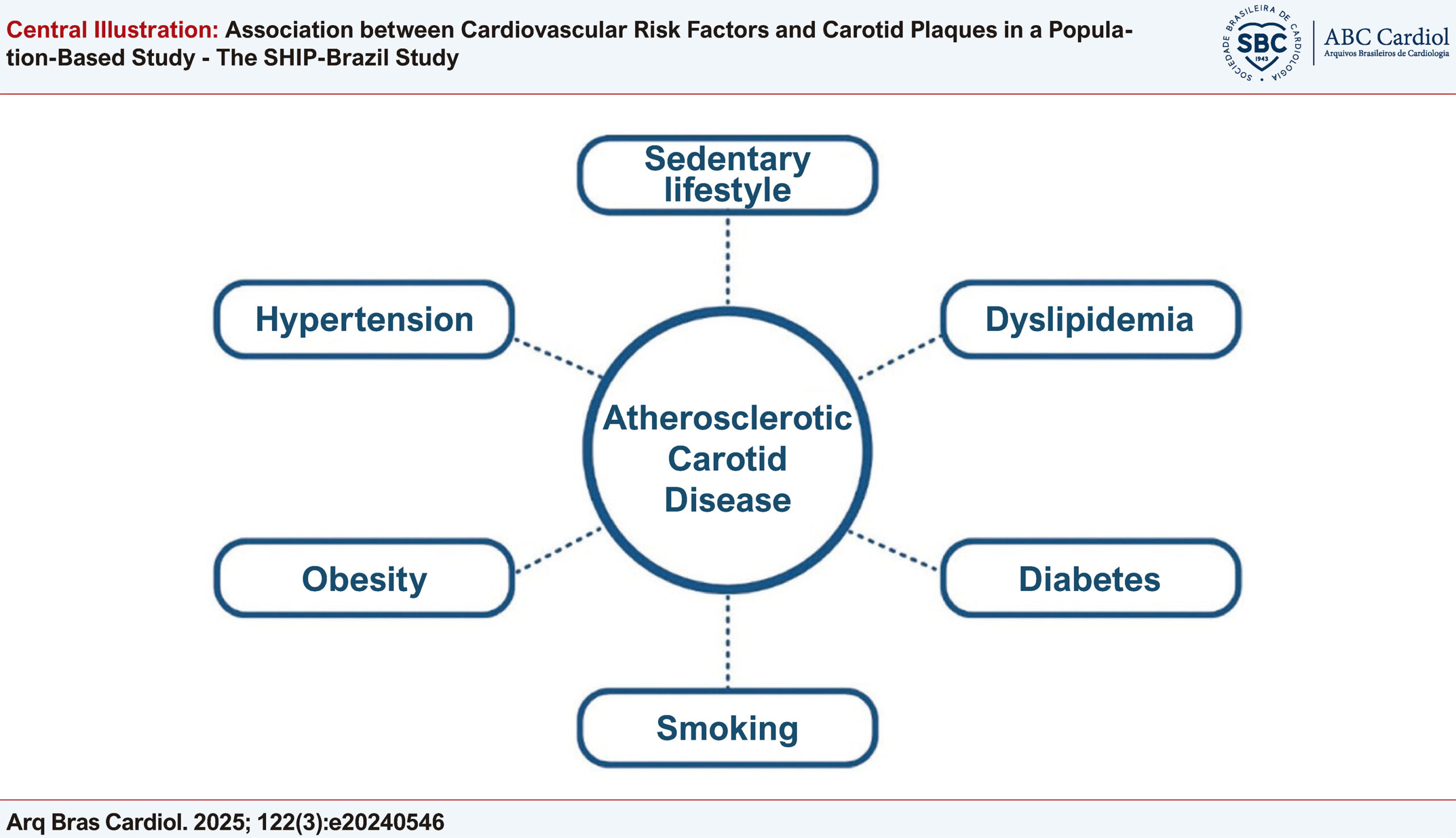
Plaques were present in 56.5% of hypertensive patients (p<0.001), 49.8% of dyslipidemic patients (p<0.001), 62% of diabetic patients (p<0.001), 52% of smokers, 29% of those who had never smoked (p<0.001), 39.5% of sedentary people and 33.1% of non-sedentary people (p=0.014), 43.7% of obese people and 26.1% of eutrophic people (p<0.001).

Conclusion

Carotid plaques were prevalent in men, aged between 60 and 79, white, hypertensive, dyslipidemic, diabetic, smokers, sedentary and obese, illiterate, in economic class A1/A2, and of Germanic culture, and low alcohol consumption.
  • Atherosclerosis
  • Carotid Arteries Ultrasonography
  • Carotid Intima-Media Thickness
  • Heart Disease Risk Factors
Read Full Article
Creative Commons Attribution (CC BY) Creative Commons license
02/05/2025 DOI: 10.36660/abc.20240546i Views 1
ABC
Letter to the Editor

The Relationship between Uric Acid/Albumin Ratio and Carotid Intima-Media Thickness in Patients with Hypertension

Cristian Rodrigues do Nascimento et al. João Luis Matos Ribeiro Rodrigo Mendes Romero Henrique de Almeida Barbosa … Johnnatas Mikael Lopes Pedro Pereira Tenório

To the Editor,

We carefully read the article entitled: “The relationship between the uric acid/albumin ratio and the carotid intima-media thickness in patients with hypertension“, whose objective was to investigate the association of the uric acid/albumin ratio (UAR) and carotid intima-media thickness (CIMT) in hypertensive patients. Although the present study demonstrated a significant correlation between UAR and CIMT, with UAR showing greater discriminatory capacity for increased CIMT values than uric acid and albumin alone and than the other inflammatory markers analyzed in the study, such as the systemic immune inflammation index (III), the neutrophil/lymphocyte ratio (NLR), the platelet/lymphocyte ratio (PLR) and the C-reactive protein/albumin ratio (CAR), some aspects observed, when reading the article, are worthy of note.

[…]

  • Cardiovascular Diseases/complications
  • Carotid Intima-Media Thickness
  • Human Serum Albumin
  • Hypertension
  • uric acid
Read Full Article
Creative Commons Attribution (CC BY) Creative Commons license
08/03/2024 DOI: 10.36660/abc.20230691
Central Illustration
ABC
Original Article

The Relationship between Uric Acid/Albumin Ratio and Carotid Intima-Media Thickness in Patients with Hypertension

Faysal Şaylık et al. Tufan Çınar Murat Selçuk İbrahim Halil Tanboğa

Abstract

Background

Hypertension causes subendothelial inflammation and dysfunction in resulting atherosclerosis. Carotid intima-media thickness (CIMT) is a useful marker of endothelial dysfunction and atherosclerosis. The uric acid to albumin ratio (UAR) has emerged as a novel marker for predicting cardiovascular events.

Objective

We aimed to investigate the association of UAR with CIMT in hypertensive patients.

Methods

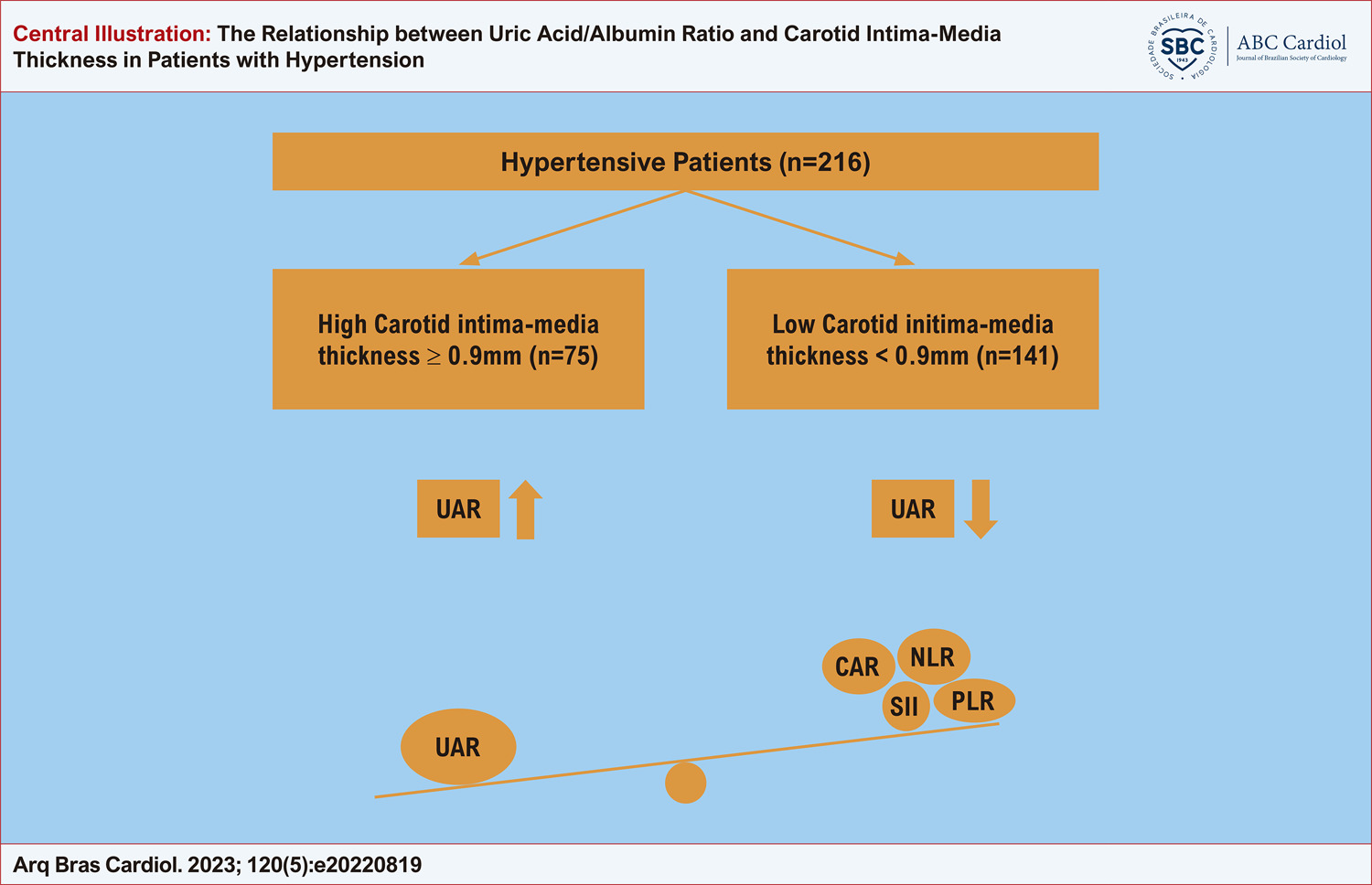
Two hundred sixteen consecutive hypertensive patients were enrolled in this prospective study. All patients underwent carotid ultrasonography to classify low (CIMT < 0.9 mm) and high (CIMT ≥ 0.9 mm) CIMT groups. The predictive ability of UAR for high CIMT was compared with systemic immune inflammation index (SII), neutrophil/lymphocyte ratio (NLR), platelet/lymphocyte ratio (PLR), and C-reactive protein/albumin ratio (CAR). A two-sided p-value <0.05 was accepted as statistically significant.

Results

Patients with high CIMT were older and had higher UAR, SII, NLR, and CAR than low CIMT. Age, UAR, SII, NLR, and CAR, but not PLR, were associated with high CIMT. In multivariable analysis, age, CRP, SII, and UAR were independent predictors of high CIMT. The discrimination ability of UAR was higher than uric acid, albumin, SII, NLR, and CAR, and UAR had a higher model fit than those variables. UAR had higher additive improvement in detecting high CIMT than other variables, as assessed with net-reclassification improvement, IDI, and C-statistics. UAR was also significantly correlated with CIMT.

Conclusion

UAR might be used to predict high CIMT and might be useful for risk stratification in hypertensive patients.

  • Albumins
  • Biomarkers
  • Carotid Intima-Media Thickness
  • Hypertension
  • uric acid
Read Full Article
Creative Commons Attribution (CC BY) Creative Commons license
21/04/2023 DOI: 10.36660/abc.20220819 Views 1
ABC
Editorial

Endothelial Biomarkers and Translational Medicine: Still a Challenge

Renato Jorge Alves

The article “Can the Serum Endocan Level Be Used as a Biomarker to Predict Subclinical Atherosclerosis in Patients with Prediabetes?” addressed a topic of the greatest relevance and originality, the diagnostic investigation of subclinical atherosclerosis in pre-diabetic patients. Therefore, the study evaluated the endothelial cell-specific molecule-1 (ESM-1) endocan concentration in pre-diabetic patients to verify the role of serum endocan levels in detecting subclinical atherosclerosis, aided by measuring the intima-media layer of the carotid arteries thickness (IMT).

Due to the global epidemic of obesity, there is an increasing number of patients diagnosed with type 2 diabetes. However, preceding this morbidity, an even greater contingent of individuals is hidden, those in the pre-diabetic or insulin resistance phase.

[…]

  • Atherosclerosis
  • Carotid Intima-Media Thickness
  • Diabetes Mellitus
  • Insulin Resistance
  • Obesity
  • Prediabetic State
Read Full Article
Creative Commons Attribution (CC BY) Creative Commons license
21/10/2022 DOI: 10.36660/abc.20220533 Views 2
Figure 1
ABC
Original Article

Can the Serum Endocan Level Be Used as a Biomarker to Predict Subclinical Atherosclerosis in Patients with Prediabetes?

Yucel Arman et al. Adem Atici Ozgur Altun Remzi Sarikaya … Sengül Aydin Yoldemir Murat Akarsu Orkide Kutlu Guzin Zeren Ozturk Pinar Demir Mustafa Ozcan Recep Yilmaz Bayraktarli Tufan Tukek

Abstract

Background

Patients with prediabetes have an increased risk of atherosclerotic cardiovascular disease; therefore, early detection is important.

Objective

The present study aimed to reveal the usability of serum endocan levels as a biomarker in the diagnosis of subclinical atherosclerosis in patients with prediabetes, based on CIMT measurements.

Methods

Participants were classified according to the presence (n=42) or absence (n=42) of prediabetes. Serum endocan, fasting blood sugar, fasting insulin, and glycated hemoglobin (HbA1c) values of patients were examined, and CIMT was measured. The level of significance for statistical analysis was 0.05.

Results

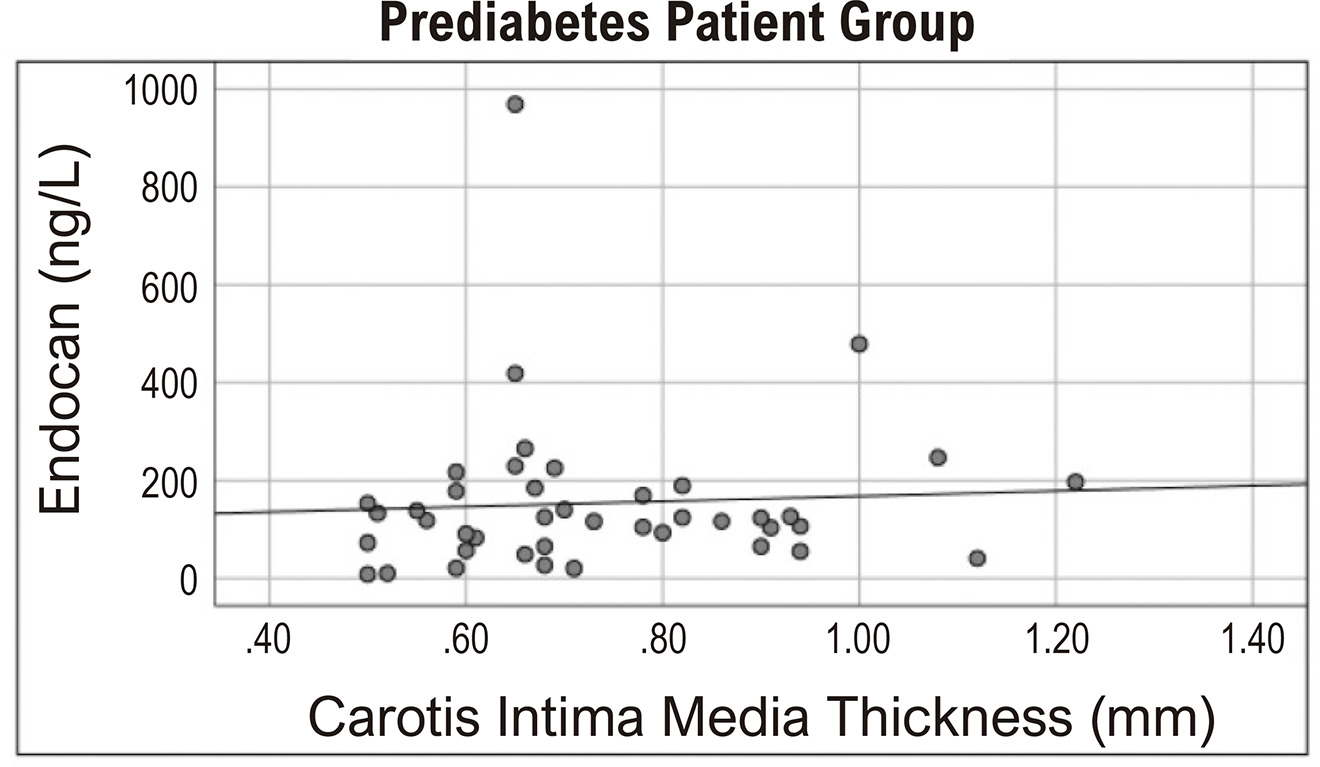
While serum endocan levels were found to be lower in patients with prediabetes, when compared to the control group (p=0.042), CIMT values were found to be higher (p=0.046). When evaluated by multivariate regression analysis, the serum endocan level was found to be associated with CIMT, regardless of other parameters (p=0.007). A negative correlation was found between plasma fasting insulin and endocan levels (r=-0.320, p=0.001).

Conclusions

Carotid intima media thickness was found to be high and the serum endocan level was low in patients with prediabetes. Decreased serum endocan levels in patients with prediabetes may be a contributing factor to atherosclerosis formation mechanisms.

  • Atherosclerosis
  • Carotid Intima-Media Thickness
  • Prediabetic State
Read Full Article
Creative Commons Attribution (CC BY) Creative Commons license
05/08/2022 DOI: 10.36660/abc.20210797 Views 2
Figure 1
ABC
Original Article

Aortic Intima Media Thickness is Increased and Closely Related to Elevated Oxidative Stress Increases in Beta Thalassemia Minor

Cansu Tumer et al. Tayyibe Saler Muhammed Zubeyir Aslan Ayse Selcan Koc … Mevlüt Koc Ozcan Erel Salim Neselioglu Erdinc Gulumsek Begum Seyda Avci Akkan Avci Hilmi Erdem Sumbul

Abstract

Background

Abdominal aortic intima media thickness (A-IMT) may be an early marker of subclinical atherosclerosis and an objective indicator of increased oxidative stress in beta-thalassemia minor patients.

Objective

To evaluate whether aortic and carotid IMTs change with oxidative stress and to assess the relationship between these parameters in beta-thalassemia minor patients.

Methods

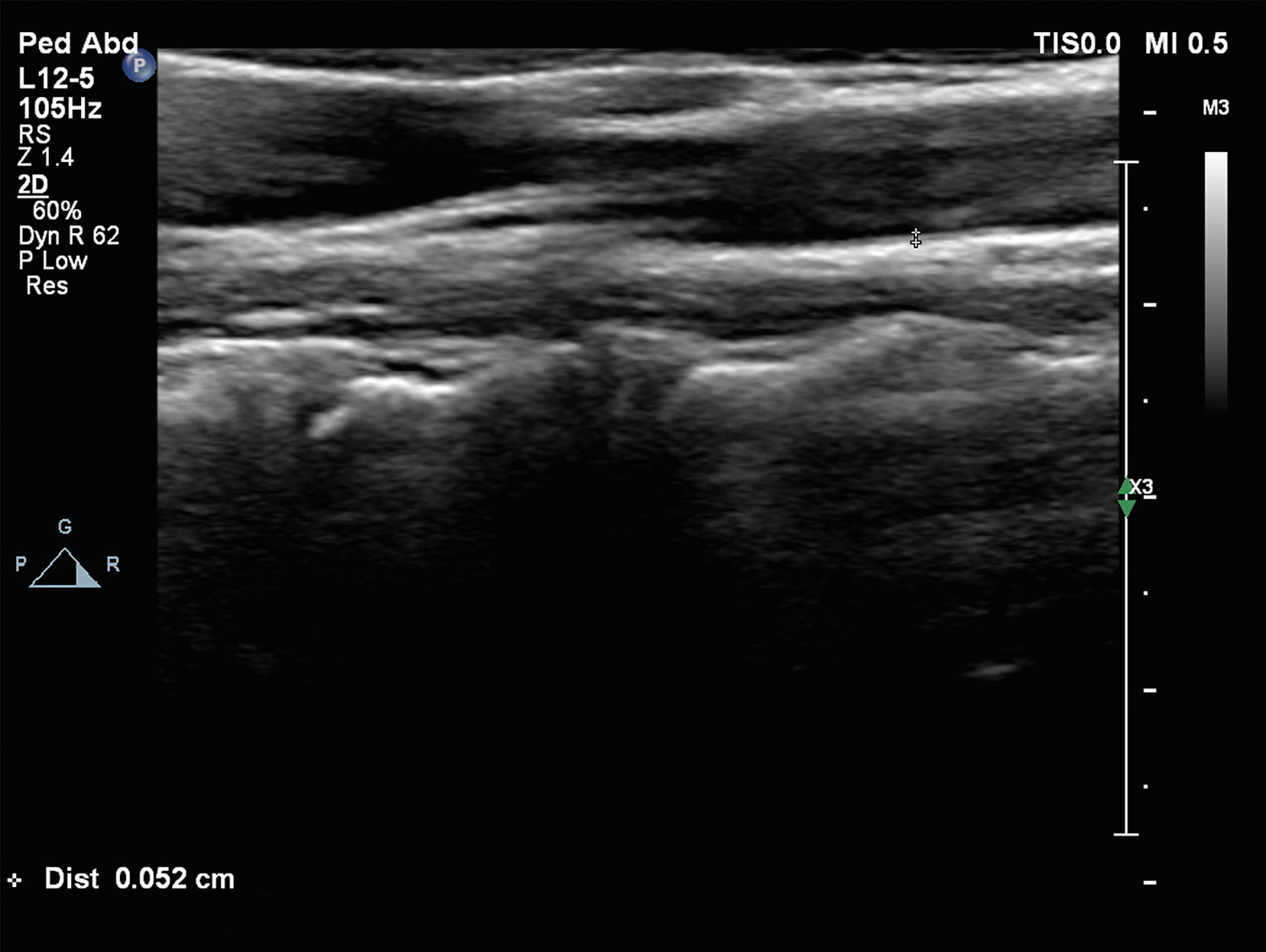
The study included 80 patients diagnosed with beta-thalassemia minor, and 50 healthy individuals with similar age and gender. After routine procedures, blood samples were collected from the study groups for thiol-disulfide hemostasis and ischemia-modified albumin (IMA). C-IMT measurements were performed in four different regions (right and left internal and external carotid artery) by ultrasonography. In addition, A-IMT measurement was performed by abdominal ultrasonography. Statistically significant p value was set as <0.05 for all comparisons.

Results

In beta-thalassemia minor patients, native thiol, total thiol and native thiol / total thiol ratio were lower, and the IMA, disulfide / native thiol ratio and disulfide / total thiol ratios were higher than in healthy control group. A-IMT measurement was significantly higher in beta-thalassemia minor group than controls (1.46±0.37 vs 1.23±0.22 and p<0.001). When the parameters associated with A-IMT in univariate analysis were evaluated by multivariate linear regression analysis, A-IMT was positively related, and native thiol and total thiol levels were negatively and closely related to IMA (p<0.01).

Conclusion

We demonstrated, for the first time, that oxidative stress status increased with increased A-IMT, while C-IMT remained unchanged in beta-thalassemia minor patients.

  • beta-Thalassemia
  • Carotid Intima-Media Thickness
  • Oxidative Stress
Read Full Article
Creative Commons Attribution (CC BY) Creative Commons license
10/06/2022 DOI: 10.36660/abc.20210666
ABC
Editorial

The Importance of Recognizing the Co-Occurrence of Cardiometabolic Risk Factors in the Population to Establish Priorities in Public Policies

Helena Cramer Veiga Rey

Cardiometabolic disease (CMD) is the leading cause of morbidity and mortality around the globe. Metabolic syndrome (MS) is a collection of risk factors for metabolic disease, including elevated blood pressure, hypertension, hyperglycemia, dyslipidemia, and obesity. When these risk factors are present in combination, the likelihood of future cardiovascular issues increases more than when any of these risks is present alone.

MS has an estimated frequency between 20% and 25% in the adult population worldwide, and the prevalence increases with age.;

[…]

  • C-Reactive Protein
  • Carotid Intima-Media Thickness
  • Diabetes Mellitus
  • Hypertension
  • Metabolic Syndrome X
  • Morbimortality
  • Obesity
  • Public Health
  • Risk Factors
Read Full Article
Creative Commons Attribution (CC BY) Creative Commons license
26/07/2021 DOI: 10.36660/abc.20210511 Views 2
Figure 1
ABC
Original Article

The Effect of Atorvastatin + Aspirin on the Endothelial Function Differs with Age in Patients with HIV: A Case-Control Study

Gerson Gomes dos Santos Junior et al. Paulo Sérgio Ramos Araújo Kaliene Maria Estevão Leite Emmanuelle Tenório Godoi … Adriana Ferraz Vasconcelos Heloisa Ramos Lacerda

Abstract

Background

Patients with HIV are more likely to present with cardiovascular disease when compared to the general population.

Objective

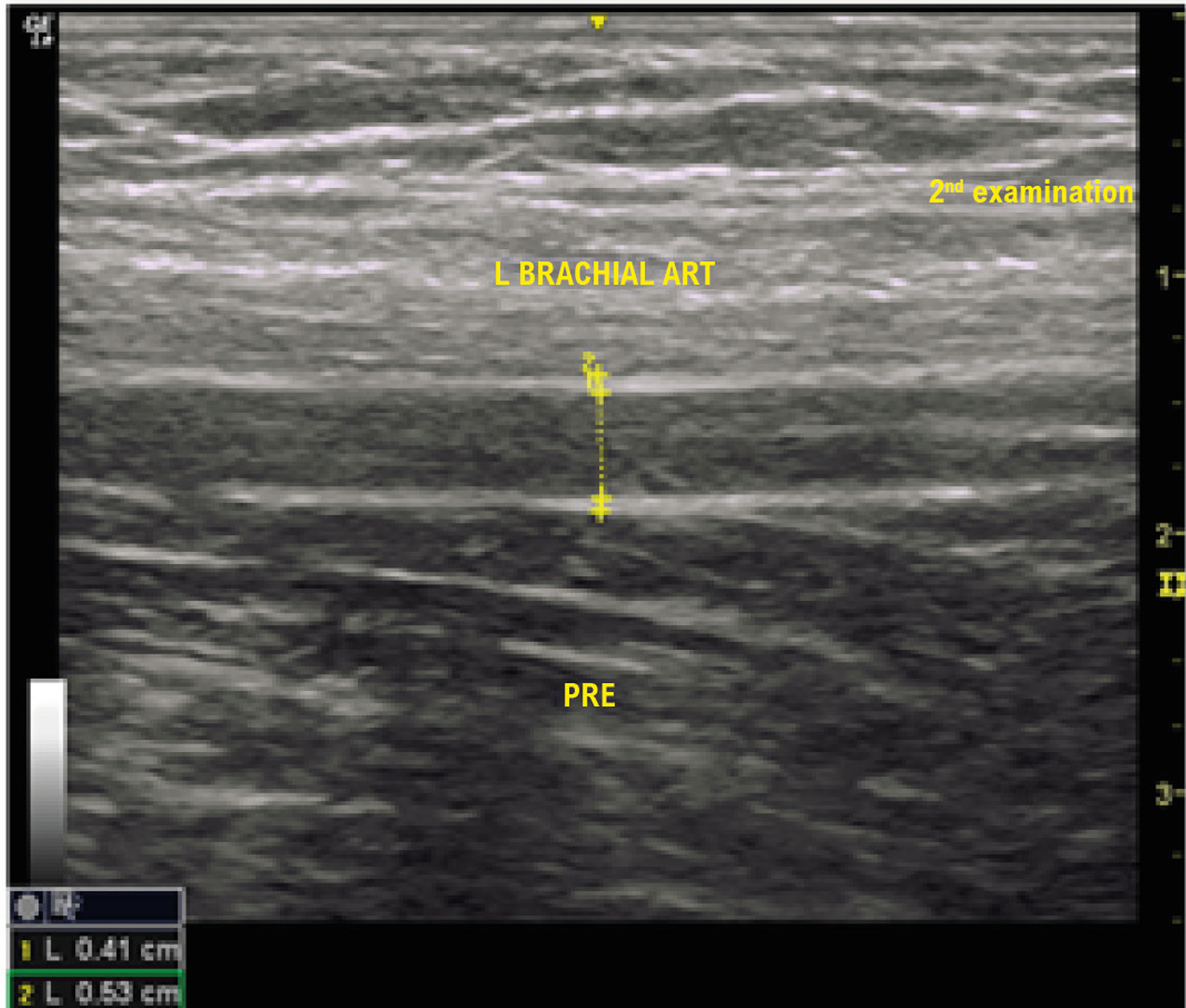
This was a case-control study that aimed to assess which factors were associated with a reduction in the carotid intima-media thickness (IMT) and an increase in the brachial artery flow-mediated dilation (FMD) in HIV patients who received atorvastatin + aspirin during a period of 6 months.

Methods

A secondary analysis of a clinical trial was conducted, which included people living with HIV infection and low cardiovascular risk. A total of 38 patients allocated to the intervention arm and treated for 6 months with a combination of atorvastatin + aspirin were included. All participants underwent a carotid and brachial artery ultrasound, both at the beginning and the end of the study. Cases that responded with an increase of >10% of the brachial dilatation (FMD) and reduction of the carotid intima-media thickness (IMT) were considered cases, and those who did not respond were considered controls. We assessed the factors associated with the positive responses obtained through IMT and FMD.

Results

A reduction in the IMT was not significantly associated with any of the evaluated risk factors: age (p=0.211), gender (p=0.260), smoking (p=0.131) or time since HIV diagnosis (p=0.836). An increase in the FMD was significantly associated with age amongst those in the 40-59 age group, p = 0.015 (OR = 4.37; 95% CI: 1.07-17.79).

Conclusions

Older individuals were more likely to present with an increased FMD after 6 months of treatment with atorvastatin + aspirin.

  • Aspirin
  • Atorvastatin
  • Brachial Artery
  • Carotid Arteries Ultrasonography
  • Carotid Intima-Media Thickness
  • Endothelium, Vascular / physiopathology
  • HIV
  • Risk Factors
Read Full Article
Creative Commons Attribution (CC BY) Creative Commons license
02/07/2021 DOI: 10.36660/abc.20190844 Views 1
Figure 1
ABC
Original Article

Monocyte Low-Density Lipoprotein Receptor-Related Protein 1 (LRP1) Expression Correlates with cIMT in Mexican Hypertensive Patients

Ricardo Gamboa et al. María José Jaramillo-Estrella María del Rocio Martínez-Alvarado Maria Elena Soto … Yazmin Estela Torres-Paz David de Gonzalo-Calvo Leonardo Del Valle-Mondragón Rebeca López-Marure Vicenta C. Llorente-Cortés Claudia Huesca-Gómez

Abstract

Background

Arterial hypertension (HTA) represents a major risk factor for cardiovascular morbidity and mortality. It is not yet known which specific molecular mechanisms are associated with the development of essential hypertension.

Objective

In this study, we analyzed the association between LRP1 monocyte mRNA expression, LRP1 protein expression, and carotid intima media thickness (cIMT) of patients with essential hypertension.

Methods

The LRP1 monocyte mRNA expression and protein levels and cIMT were quantified in 200 Mexican subjects, 91 normotensive (NT) and 109 hypertensive (HT). Statistical significance was defined as p < 0.05.

Results

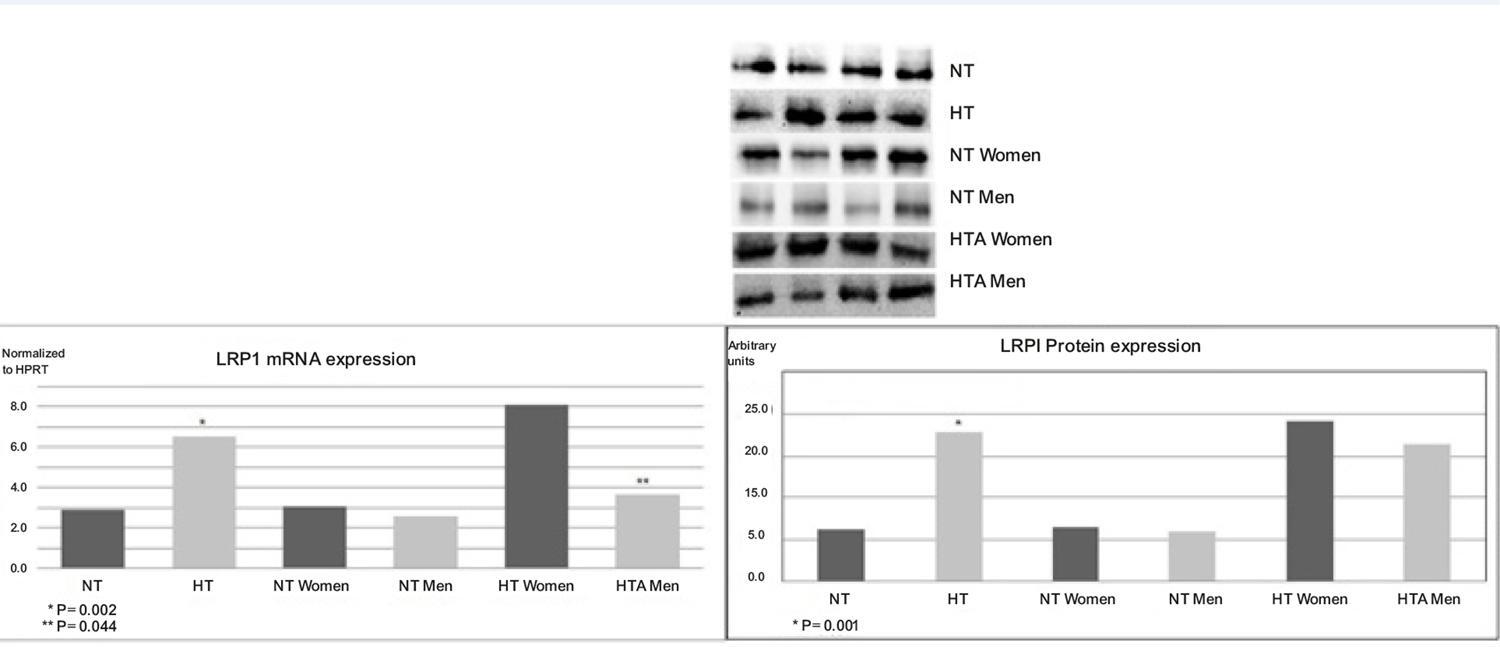
HT patients group had highly significant greater cIMT as compared to NT patients (p=0.002) and this correlated with an increase in the expression of LRP1 mRNA expression (6.54 vs. 2.87) (p = 0.002) and LRP1 protein expression (17.83 vs. 6.25), respectively (p = 0.001). These differences were maintained even when we divided our study groups, taking into account only those who presented dyslipidemia in both, mRNA (p = 0.041) and proteins expression (p < 0.001). It was also found that Ang II mediated LRP1 induction on monocytes in a dose and time dependent manner with significant difference in NT vs. HT (0.195 ± 0.09 vs. 0.226 ± 0.12, p = 0.046).

Conclusion

An increase in cIMT was found in subjects with hypertension, associated with higher mRNA and LRP1 protein expressions in monocytes, irrespective of the presence of dyslipidemias in HT patients. These results suggest that LRP1 upregulation in monocytes from Mexican hypertensive patients could be involved in the increased cIMT. (Arq Bras Cardiol. 2021; 116(1):56-65)

  • Carotid Intima-Media Thickness
  • Hypertension/epidemiology
  • LRP1
  • Mexico
  • Monocytes
  • mRNA
Read Full Article
Creative Commons Attribution (CC BY) Creative Commons license
03/02/2021 DOI: 10.36660/abc.20190535
IJCS
Editorial

Study of Arterial Stiffness – Based on Scientific Evidence, What are the Current Tools for the Study of Arterial Stiffness?

Ronaldo Rodrigues

One of the biggest challenges in modern medicine is the early identification of patients with higher cardiovascular risks. The early identification of vascular damage in hypertensive patients is a challenge for cardiologists around the world in their attempt to reduce the risk of cardiovascular complications in patients.

We know how important it is today to measure the thickness of the carotid intima-media complex through ultrasound examination in order to identify a greater or lesser cardiovascular risk. Arterial stiffness has proven to be a marker of arterial disease, which is why it has become an important parameter for the assessment of cardiovascular risk. It is also well-known that ventricular ejection generates a pressure wave that travels through the heart at a certain speed, which is known as the pulse wave velocity (PWV). The study of PWV in the carotid and femoral arteries is considered the gold standard in the assessment of arterial stiffness.

[…]

  • Blood Pressure
  • Carotid Intima-Media Thickness
  • Elasticity: Circulatory System
  • Pulse Wave Analysis
  • Vascular Stiffness
Read Full Article
Creative Commons Attribution (CC BY) Creative Commons license
01/02/2021 DOI: 10.36660/ijcs.20200282 Views 1
IJCS
Original Article

Carotid Intima and Media Thickness Correlation with Central Blood Pressure Measurements by Tonometric and Oscillometric Methods: A Proof of Concept

Weimar Kunz Sebba Barroso et al. Milena de Andrade Melo Priscila Valverde Vitorino Claudia Gonçalves … João Alexandre Berigó Ana Carolina Arantes Jeeziane Rezende Thiago Veiga Jardim Ana Luiza Lima Souza Paulo César Veiga Jardim

Abstract

Background

The early detection of vascular damage in subclinical stages of hypertensive disease may be the key point in the prevention of cardiovascular outcomes.

Objectives

to correlate parameters of structural vascular damage (measurement of the carotid intima-media thickness) with parameters of functional vascular damage (central hemodynamic measurements) in pre-hypertensive and hypertensive patients taking up to two classes of anti-hypertensive drugs.

Methods

This was a cross-sectional descriptive study conducted with a convenience sample of patients attending the Liga de Hipertensão Arterial , a multidisciplinary program for the diagnosis and treatment of systemic hypertension, of the Federal university of Goias. Patients with arrythmia, diabetes, previous cardiovascular or cerebrovascular diseases, and end-stage diseases were excluded. Carotid Doppler test, measurements of peripheral and central blood pressure by applanation tonometry (Sphygmocor®) and oscillometry (Mobil-O-Graph®) were performed. The t-test was used for comparisons and the Pearson correlation test for correlations, considering a p<0.05 statistically significant.

Results

twenty patients (12 women) were evaluated, mean age 53.8 ± 14.3 years. Higher values of central pulse pressure (42.9±13.9 vs. 34.7±9.6, p=0.01) and pulse wave velocity (PWV) (9.0±1.9 vs. 7.9±1.5, p=0.01) were obtained by applanation tonometry compared with oscillometry. No difference between the methods was observed for the other measures. A significant correlation was found between carotid artery intima-media thickness (CA-IMT) and PWV (r=0.659; p=0.002) by the oscillometric test, but not with applanation tonometry. No correlation was found between central hemodynamic variables and the presence of carotid artery plaques.

Conclusion

PWV, estimated by oscillometry, was the only central hemodynamic parameter that correlated significantly with CA-IMT in pre-hypertensive and hypertensive patients at low cardiovascular risk. International Journal of Cardiovascular Sciences. 2020; [online].ahead print, PP.0-0

  • Blood Pressure
  • Cardiovascular Diseases/prevention and control
  • Carotid Intima-Media Thickness
  • Hypertension
  • Manometry/ methods
  • Oscillometry/methods
  • Vascular Stiffness
Read Full Article
Creative Commons Attribution (CC BY) Creative Commons license
28/08/2020 DOI: 10.36660/ijcs.20190117 Views 1
Figure 1
ABC
Original Article

Indicators of Abdominal Adiposity and Carotid Intima-Media Thickness: Results from the Longitudinal Study of Adult Health (ELSA-Brazil)

Michaela Eickemberg et al. Leila Denise Alves Ferreira Amorim Maria da Conceição Chagas de Almeida Estela Maria Leão de Aquino … Maria de Jesus Mendes da Fonseca Itamar de Souza Santos Dora Chor Maria de Fátima Sander Diniz Sandhi Maria Barreto Sheila Maria Alvim de Matos

Abstract

Background:

Abdominal adiposity is a risk factor for cardiovascular disease.

Objective:

To determine the magnitude of the association between abdominal adiposity, according to five different indicators, and the carotid intima-media thickness (CIMT).

Methods:

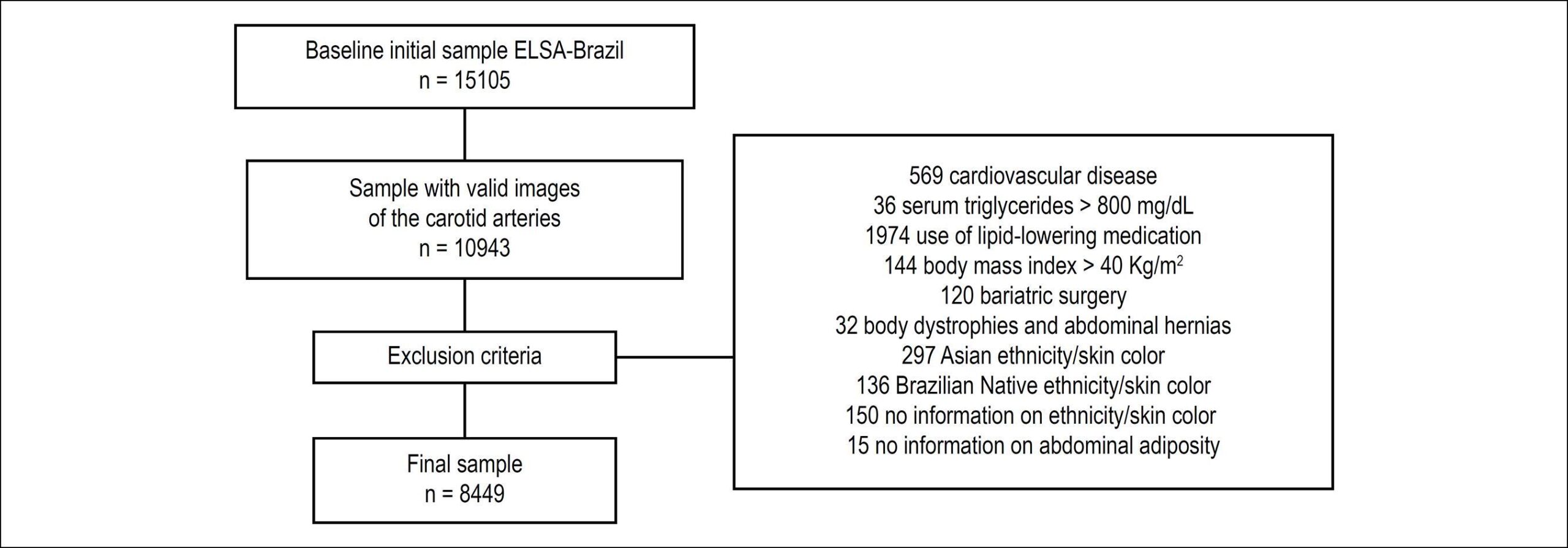
Data from 8,449 participants aged 35 to 74 years from the ELSA-Brazil study were used. The effect of waist circumference (WC), waist-to-hip ratio (WHR), conicity index (C index), lipid accumulation product (LAP) and visceral adiposity index (VAI) on CIMT were evaluated. Data were stratified by gender and analyzed using multivariate linear and logistic regressions. A significance level of 5% was considered.

Results:

Participants with CIMT > P75 showed a higher frequency of abdominal adiposity (men >72% and women >66%) compared to those with CIMT < P75. Abdominal adiposity was associated with the mean CIMT, mainly through WC in men (0.04; 95%CI: 0.033; 0.058). The abdominal adiposity identified by the WC, WHR, LAP, and VAI indicators in women showed an effect of 0.02 mm on the CIMT (WC: 0.025, 95%CI: 0.016, 0.035; WHR: 0.026, 95%CI: 0.016, 0.035; LAP: 0.024, 95%CI: 0.014; 0.034; VAI: 0.020, 95%CI: 0.010, 0.031). In the multiple logistic regression, the abdominal adiposity diagnosed by WC showed an important effect on the CIMT in both genders (men: OR = 1.47, 95%CI: 1.22-1.77, women: OR = 1.38; 95%CI: 1.17-1.64).

Conclusion:

Abdominal adiposity, identified through WC, WHR, LAP, and VAI, was associated with CIMT in both genders, mainly for the traditional anthropometric indicator, WC.

  • Abdominal Obesity
  • Atherosclerosis
  • Cardiovascular Diseases
  • Carotid Intima-Media Thickness
  • Metabolic Syndrome
  • Metabolism
  • Risk Factors
Read Full Article
Creative Commons Attribution (CC BY) Creative Commons license
07/01/2019 DOI: 10.5935/abc.20180273 Views 1
Figure 1
IJCS
Brief Communication

Exercise Improves Cardiovascular Risk Factors, Fitness, and Quality Of Life in Hiv+ Children and Adolescents: Pilot Study

Luiz Rodrigo Augustemak de Lima et al. Isabela de Carlos Back Carmem Cristina Beck Bruno Caramelli

Abstract

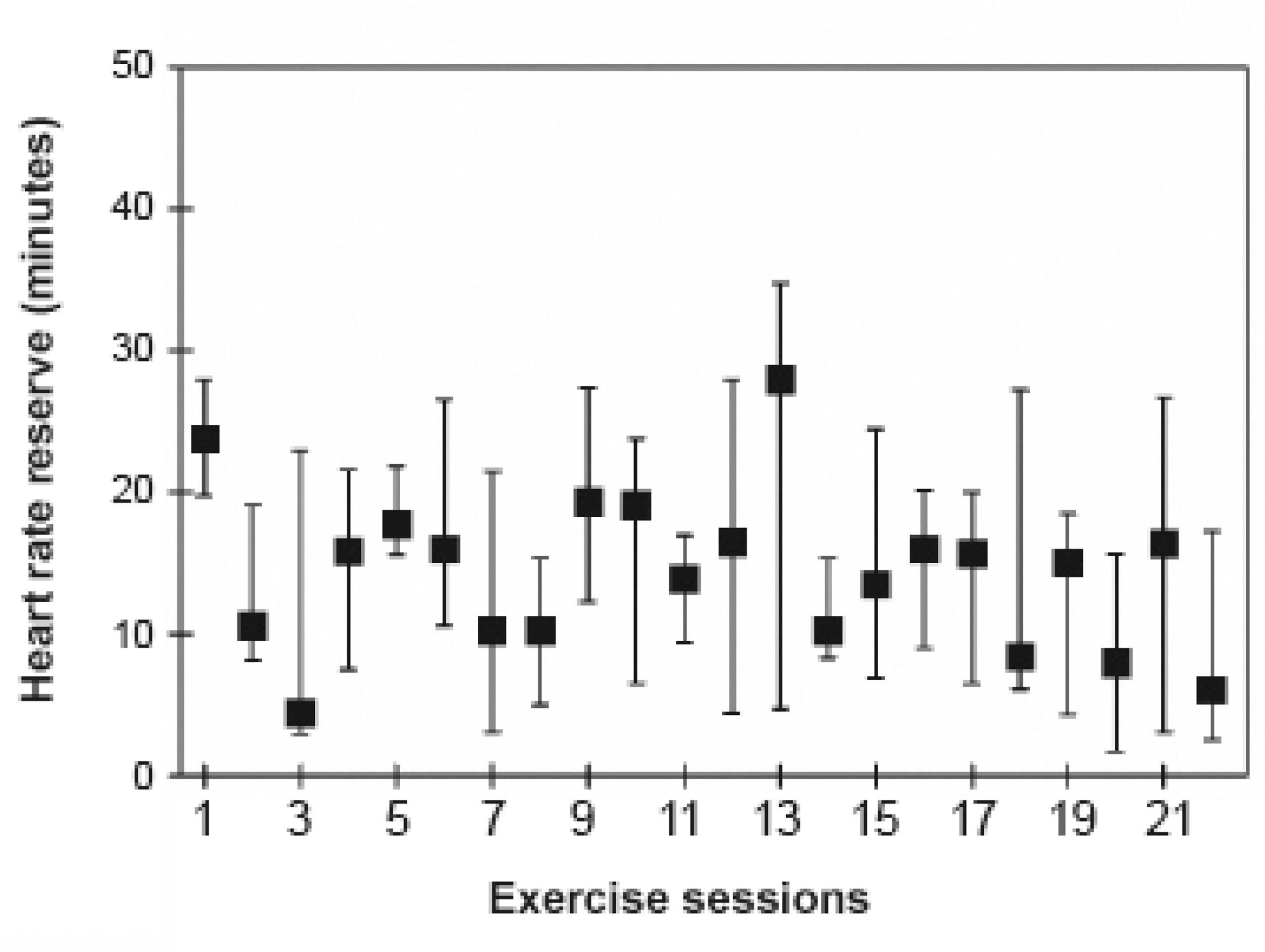
Children and adolescents infected by HIV through mother-to-child transmission are at high risk of developing premature cardiovascular diseases due to dyslipidemia, insulin resistance and low-grade chronic inflammation. The aim of the pilot study was to verify the effect of a playful exercise program on cardiovascular, morphological, metabolic, fitness, and quality of life outcomes. A non-randomized clinical trial consisting of 24 sessions of playful aerobic and resistive exercises was applied to 10 children and adolescents living with HIV from Florianopolis, Brazil. The following variables were obtained before and after the program: fasting total cholesterol, HDL-c, LDL-c, triglycerides, glucose, C-reactive protein, blood pressure, common carotid artery intima-media thickness (CCA-IMT), flexibility, muscular endurance, aerobic fitness, anthropometry, and measured quality of life. After the intervention, a decrease in systolic blood pressure (-6.8 mmHg, 6.6%; p = 0.019) and CCA-IMT (-60.0 µm, 12.2%; p = 0.002) was observed after 24 sessions. There was an increase in upper-limb muscular endurance (+3.3 rep.min-1, 63.5%; p = 0.002), flexibility (+5.7 cm, 26.0%; p = 0.001), and quality of life (+10.4 points, 27.5%; p = 0.003). In our sample of children and adolescents living with HIV, a short-term exercise program was associated with improvement in cardiovascular risk, fitness, and quality of life.

  • Adolescent
  • Atherosclerosis
  • Cardiovascular Diseases/physiopathology
  • Carotid Intima-Media Thickness
  • Child
  • Exercise
  • Life Style
  • physical fitness
Read Full Article
Creative Commons Attribution (CC BY) Creative Commons license
01/01/2017 DOI: 10.5935/2359-4802.20170032
Figure 1
ABC
Original Article

Intima-Media Thickness in the Carotid and Femoral Arteries for Detection of Arteriosclerosis in Human Immunodeficiency Virus-Positive Individuals

Emmanuelle Tenório Albuquerque Madruga Godoi et al. Carlos Teixeira Brandt Heloisa Ramos Lacerda Jocelene Tenório Albuquerque Madruga Godoi … Dinaldo Cavalcanti de Oliveira Gabriela Farias Araujo Sousa Costa Gerson Gomes dos Santos Junior Kaliene Maria Estevão Leite Juannicelle Tenório Albuquerque Madruga Godoi Adriana Ferraz de Vasconcelos

Abstract

Background:

The prevalence of atherosclerosis is higher in HIV-positive people, who also experience it earlier than the general population.

Objectives:

To assess and compare the prevalence of atherosclerosis evaluated by the intima-media thickness of carotid and femoral arteries, and by the ankle-brachial pressure index (ABPI) in HIV patients treated or not treated with protease inhibitors (PIs) and controls.

Methods:

Eighty HIV+ subjects (40 using PIs and 40 not using PIs) and 65 controls were included in the study. Atherosclerosis was diagnosed by (carotid and femoral) ITM measurement and ABPI. Classical risk factors for atherosclerosis and HIV were compared between the groups by statistical tests. A p ≤ 0.05 was considered significant.

Results:

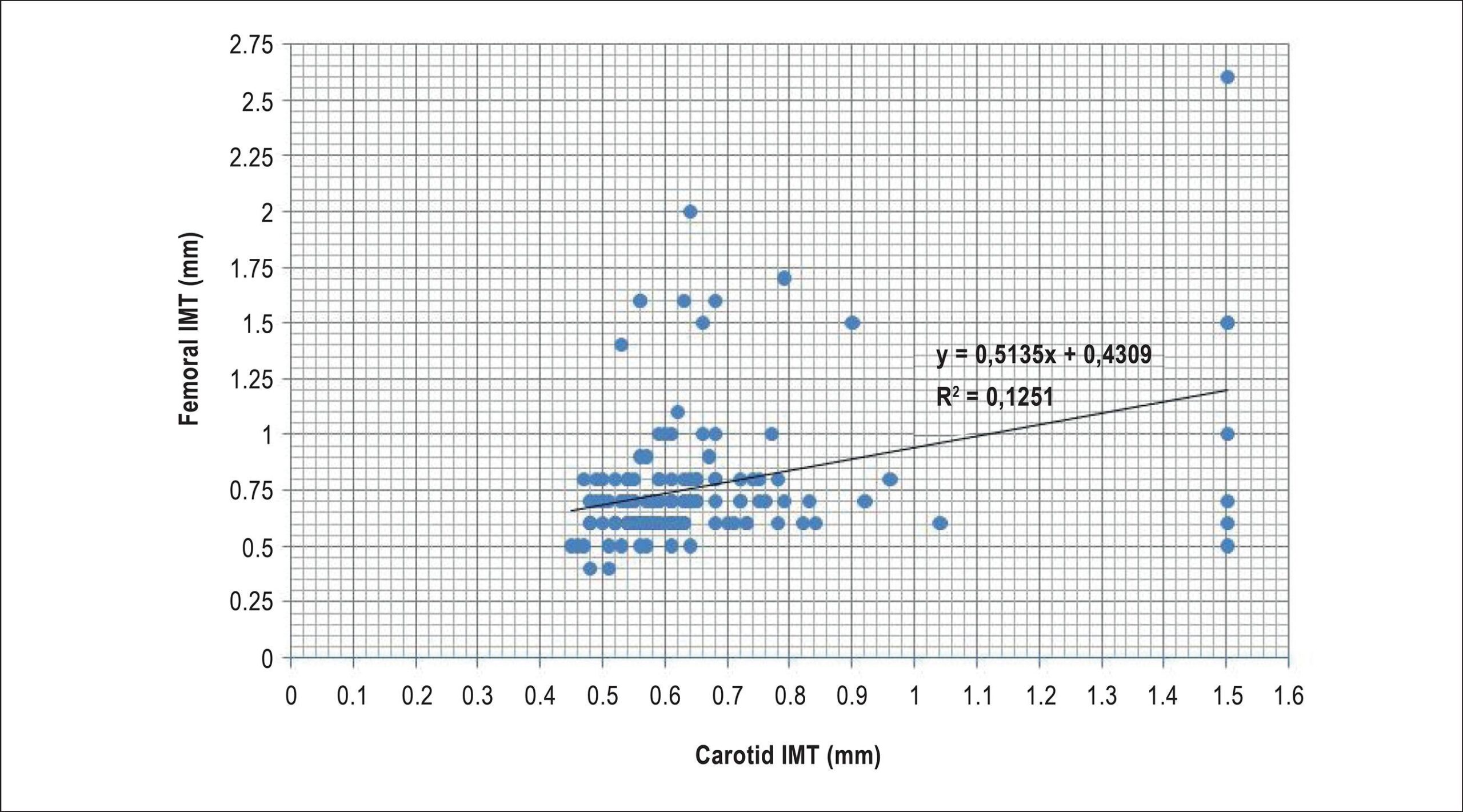
An IMT > P75 or the presence of plaque was higher in the HIV+ than in the control group (37.5% vs 19%, p = 0.04). Comparative analysis showed a significant difference (p=0.014) in carotid IMT between HIV+ with PIs (0.71 ± 0.28 mm), without PIs 0.63 ± 0.11 mm and, and controls (0.59 ± 0.11 mm). There was no significant difference in femoral IMT between the groups or in ABPI between HIV+ subjects and controls. However, a significant difference (p=0.015) was found between HIV+ patients not treated with PIs (1.17 [1.08 – 1.23]), and controls 1.08 [1.07 – 1.17]).

Conclusion:

In HIV patients, atherosclerosis is more prevalent and seems to occur earlier with particular characteristics compared with HIV-negative subjects.

  • Ankle Brachial Index
  • Atherosclerosis
  • Carotid Artery Disease
  • Carotid Intima-Media Thickness
  • HIV
Read Full Article
Creative Commons Attribution (CC BY) Creative Commons license
01/01/2017 DOI: 10.5935/abc.20160197 Views 2
Figure 1
ABC
Original Article

Assessment of Intima-Media Thickness in Healthy Children Aged 1 to 15 Years

Liz Andréa Villela Baroncini et al. Lucimary de Castro Sylvestre Roberto Pecoits Filho

Abstract

Background:

Carotid intima-media thickness (CIMT) has been shown to be increased in children and adolescents with traditional cardiovascular risk factors such as obesity, hypertension, and chronic kidney disease, compared with those of healthy children.

Objective:

To assess the influence of sex, age and body mass index (BMI) on the CIMT in healthy children and adolescents aged 1 to 15 years.

Methods:

A total of 280 healthy children and adolescents (males, n=175; mean age, 7.49±3.57 years; mean BMI, 17.94±4.1 kg/m2) were screened for CIMT assessment. They were divided into 3 groups according to age: GI, 1 to 5 years [n=93 (33.2%); males, 57; mean BMI, 16±3 kg/m2]; GII, 6 to 10 years [n=127 (45.4%); males, 78; mean BMI, 17.9±3.7 kg/m2], and GIII, 11 to 15 years [n=60 (21.4%); males, 40; mean BMI, 20.9±4.5 kg/m2].

Results:

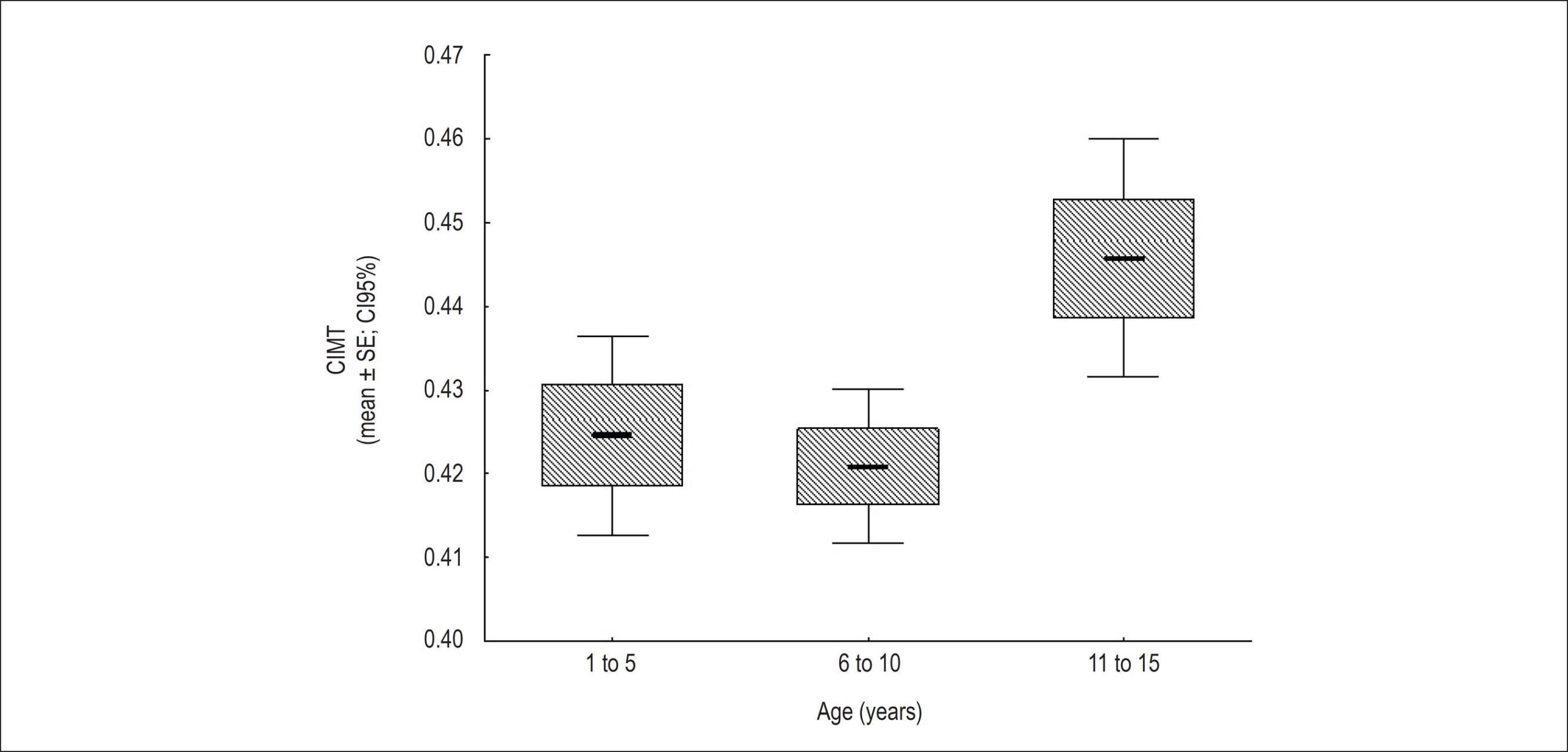
There was no significant difference in CIMT values between male and female children and adolescents (0.43±0.06 mm vs. 0.42±0.05 mm, respectively; p=0.243). CIMT correlated with BMI neither in the total population nor in the 3 age groups according to Pearson correlation coefficient. Subjects aged 11 to 15 years had the highest CIMT values (GI vs. GII, p=0.615; GI vs. GIII, p=0.02; GII vs. GIII, p=0.004).

Conclusions:

CIMT is constant in healthy children younger than 10 years, regardless of sex or BMI. CIMT increases after the age of 10 years.

  • Atherosclerosis
  • Carotid artery
  • Carotid Intima-Media Thickness
  • Child
  • Ultrasonography
Read Full Article
Creative Commons Attribution (CC BY) Creative Commons license
08/03/2016 DOI: 10.5935/abc.20160030
ABC
Original Article

Determinants of Functional and Structural Properties of Large Arteries in Healthy Individuals

Elaine Cristina Tolezani et al. Valéria Costa-Hong Gustavo Correia Alfredo José Mansur … Luciano Ferreira Drager Luiz Aparecido Bortolotto

Background:

Changes in the properties of large arteries correlate with higher cardiovascular risk. Recent guidelines have included the assessment of those properties to detect subclinical disease. Establishing reference values for the assessment methods as well as determinants of the arterial parameters and their correlations in healthy individuals is important to stratify patients.

Objective:

To assess, in healthy adults, the distribution of the values of pulse wave velocity, diameter, intima-media thickness and relative distensibility of the carotid artery, in addition to assessing the demographic and clinical determinants of those parameters and their correlations.

Methods:

This study evaluated 210 individuals (54% women; mean age, 44 ± 13 years) with no evidence of cardiovascular disease. The carotid-femoral pulse wave velocity was measured with a Complior® device. The functional and structural properties of the carotid artery were assessed by using radiofrequency ultrasound.

Results:

The means of the following parameters were: pulse wave velocity, 8.7 ± 1.5 m/s; diameter, 6,707.9 ± 861.6 μm; intima-media thickness, 601 ± 131 μm; relative distensibility, 5.3 ± 2.1%. No significant difference related to sex or ethnicity was observed. On multiple linear logistic regression, the factors independently related to the vascular parameters were: pulse wave velocity, to age (p < 0.01) and triglycerides (p = 0.02); intima-media thickness, to age (p < 0.01); diameter, to creatinine (p = 0.03) and age (p = 0.02); relative distensibility, to age (p < 0.01) and systolic and diastolic blood pressures (p = 0.02 and p = 0.01, respectively). Pulse wave velocity showed a positive correlation with intima media thickness (p < 0.01) and with relative distensibility (p < 0.01), while diameter showed a positive correlation with distensibility (p = 0.03).

Conclusion:

In healthy individuals, age was the major factor related to aortic stiffness, while age and diastolic blood pressure related to the carotid functional measure. The carotid artery structure was directly related to aortic stiffness, which was inversely related to the carotid artery functional property.

  • Arterial Pressure
  • Arteries
  • Carotid Intima-Media Thickness
  • Pulse Wave Analysis
  • Vascular Stiffness
Read Full Article
Creative Commons Attribution (CC BY) Creative Commons license
29/08/2014 DOI: 10.5935/abc.20140124 Views 1
Correlation between the intima-media thickness of the proximal and distal common carotids
ABC
Artigo Original

Correlation between the intima-media thickness of the proximal and distal common carotids

Leonard Hermann Roelke et al. Sergio Lamego Rodrigues Paulo Andrade Lotufo Jose Geraldo Mill

BACKGROUND: Increased IMT (intima-media thickness) in carotids is used as an early atherosclerosis marker and to evaluate the risk of cardiovascular problems. Ultrasound is used in the evaluation because it is accessible and low cost. Measurements for different carotid regions are described. OBJECTIVE:To compare the proximal and distal region IMTs for the bilateral common carotid and guide its use in clinical practice. METHODS: The IMT was measured in the proximal and distal common carotid arteries of 798 individuals (35-74 years old) of both genders using high-resolution ultrasound. Pearson’s correlation coefficient was used to establish associations. The analyses were initially performed for the entire sample as well as subgroups with IMT 0.90 mm for at least one measurement site. The statistical significance was p < 0.05. RESULTS: The correlations investigated were significant. In the group with an IMT 0.90 mm, the correlations were significantly reduced to between 0.20 and 0.40. CONCLUSION: The data suggest that the IMT is more uniform along the carotid during early development and tends develop focally as it progresses. Therefore, in clinical evaluations of patients, the common carotid length should be investigated bilaterally to better use the available software and discern the IMT.

  • Cardiovascular Diseases
  • Carotid Artery Diseases
  • Carotid Artery, Common
  • Carotid Intima-Media Thickness
Read Full Article
Creative Commons Attribution (CC BY) Creative Commons license
23/07/2013 DOI: 10.5935/abc.20130151 Views 1
Influence of subclinical atherosclerosis on diastolic function in individuals free of cardiovascular disease
ABC
Artigo Original

Influence of subclinical atherosclerosis on diastolic function in individuals free of cardiovascular disease

Maristela Magnavita Oliveira Garcia et al. Marília Galeffi Rodrigues Joaquim Antônio dos Reis Neto Luis Claudio Correia

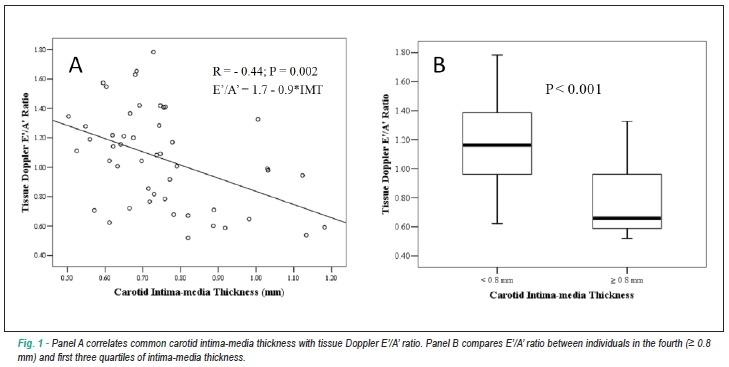
BACKGROUND: It is plausible that subclinical atherosclerosis alters coronary reserve and impairs diastolic function of the left ventricle. However, the relationship between subclinical stages of atherosclerosis and diastolic function has not been established in subjects free of cardiovascular disease. OBJECTIVE: To test the hypothesis that subclinical atherosclerosis has a negative association with diastolic function. METHODS: Individuals > 35 years old, free of cardiovascular disease, with normal blood pressure and negative treadmill stress test, were selected to have common carotid intima-media thickness (IMT) assessed by ultrasound and parameters of diastolic function by echocardiography, primarily tissue Doppler E’/A’ ratio. RESULTS: Forty-eight subjects were studied, aged 56 ± 10 years, 67% females. Composite common carotid IMT had a significant negative correlation with tissue Doppler E’/A’ ratio (r = – 0.437, p = 0.002). Individuals in the fourth quartile of IMT had a significant lower tissue Doppler E’/A’ ratio (0.76 ± 0.25), as compared with the first (1.2 ± 0.29), second (1.2 ± 0.36) and third quartiles (1.1 ± 0.25) – p = 0.002. Composite common carotid IMT in the fourth quartile (> 0.8 mm) independently predicted E’/A’ ratio (p = 0.02), after adjustment for potentially confounding variables, such as age, female gender, waist circumference, diastolic blood pressure, HDL-cholesterol and Framingham Risk. CONCLUSION: Early stage of subclinical atherosclerotic disease is negatively associated with diastolic function parameters in healthy individuals, regardless of age and clinical characteristics.

  • Carotid Intima-Media Thickness
  • Diastolic Function
  • Subclinical atherosclerosis
Read Full Article
Creative Commons Attribution (CC BY) Creative Commons license
27/08/2010 DOI: 10.1590/S0066-782X2010005000114 Views 1

How to cite this article

EndNote RIS

Electronic Document Format (Vancouver)

Zimmermann FB, Zimmermann SL, Zimmermann MB, Beraldi EK, Rocha MCF, Zabot BPO, Starke S, et al. Association between Cardiovascular Risk Factors and Carotid Plaques in a Population-Based Study – The SHIP-Brazil Study. Arquivos Brasileiros de Cardiologia 2025;122(3):e20240546.

Electronic Document Format (ABNT)

Zimmermann, Fernanda Burger; Zimmermann, Sérgio Luiz; Zimmermann, Marcelo Burger; Beraldi, Enrico Klug; Rocha, Mateus Campanelli Franco da; Zabot, Bruno Pereira de Oliveira; Starke, Siegmar; Helena, Ernani Tiaraju de Santa; Markus, Marcello Ricardo Paulista. Association between Cardiovascular Risk Factors and Carotid Plaques in a Population-Based Study – The SHIP-Brazil Study. Arquivos Brasileiros de Cardiologia, v. 122, n. 3, e20240546, May. 2025.

Electronic Document Format (APA)

Zimmermann, F. B., Zimmermann, S. L., Zimmermann, M. B., Beraldi, E. K., Rocha, M. C. F. , Zabot, B. P. O., Starke, S., Helena, E. T. S., & Markus, M. R. P. (2025). Association between Cardiovascular Risk Factors and Carotid Plaques in a Population-Based Study – The SHIP-Brazil Study. Arquivos Brasileiros de Cardiologia, 122(3), e20240546.

Electronic Document Format (ISO)

Zimmermann, Fernanda Burger and Zimmermann, Sérgio Luiz and Zimmermann, Marcelo Burger and Beraldi, Enrico Klug and Rocha, Mateus Campanelli Franco da and Zabot, Bruno Pereira de Oliveira and Starke, Siegmar and Helena, Ernani Tiaraju de Santa and Markus, Marcello Ricardo Paulista. Association between Cardiovascular Risk Factors and Carotid Plaques in a Population-Based Study – The SHIP-Brazil Study. Arquivos Brasileiros de Cardiologia [online]. 2025, vol. 122, n. 3, [cited 2026-10-14], e20240546. Available from: <https://journals.cardiol.br/en/article/association-between-cardiovascular-risk-factors-and-carotid-plaques-in-a-population-based-study-the-ship-brazil-study/>. ISSN 0066-782X

EndNote RIS

Electronic Document Format (Vancouver)

Nascimento CR, Ribeiro JLM, Mendes R, Barbosa RHA, Lopes JM, Tenório PP. The Relationship between Uric Acid/Albumin Ratio and Carotid Intima-Media Thickness in Patients with Hypertension. Arquivos Brasileiros de Cardiologia 2024;121(1):e20230691.

Electronic Document Format (ABNT)

Nascimento, Cristian Rodrigues do; Ribeiro, João Luis Matos; Mendes, Rodrigo; Barbosa, Romero Henrique de Almeida; Lopes, Johnnatas Mikael; Tenório, Pedro Pereira. The Relationship between Uric Acid/Albumin Ratio and Carotid Intima-Media Thickness in Patients with Hypertension. Arquivos Brasileiros de Cardiologia, v. 121, n. 1, e20230691, Mar. 2024.

Electronic Document Format (APA)

Nascimento, C. R. , Ribeiro, J. L. M., Mendes, R., Barbosa, R. H. A., Lopes, J. M., & Tenório, P. P. (2024). The Relationship between Uric Acid/Albumin Ratio and Carotid Intima-Media Thickness in Patients with Hypertension. Arquivos Brasileiros de Cardiologia, 121(1), e20230691.

Electronic Document Format (ISO)

Nascimento, Cristian Rodrigues do and Ribeiro, João Luis Matos and Mendes, Rodrigo and Barbosa, Romero Henrique de Almeida and Lopes, Johnnatas Mikael and Tenório, Pedro Pereira. The Relationship between Uric Acid/Albumin Ratio and Carotid Intima-Media Thickness in Patients with Hypertension. Arquivos Brasileiros de Cardiologia [online]. 2024, vol. 121, n. 1, [cited 2026-10-14], e20230691. Available from: <https://journals.cardiol.br/en/article/the-relationship-between-uric-acid-albumin-ratio-and-carotid-intima-media-thickness-in-patients-with-hypertension/>. ISSN 0066-782X

EndNote RIS

Electronic Document Format (Vancouver)

Şaylık F, Çınar T, Selçuk M, Tanboğa H. The Relationship between Uric Acid/Albumin Ratio and Carotid Intima-Media Thickness in Patients with Hypertension. Arquivos Brasileiros de Cardiologia 2023;120(5):e20220819.

Electronic Document Format (ABNT)

Şaylık, Faysal; Çınar, Tufan; Selçuk, Murat; Tanboğa, İbrahim Halil. The Relationship between Uric Acid/Albumin Ratio and Carotid Intima-Media Thickness in Patients with Hypertension. Arquivos Brasileiros de Cardiologia, v. 120, n. 5, e20220819, Apr. 2023.

Electronic Document Format (APA)

Şaylık, F., Çınar, T., Selçuk, M., & Tanboğa, H. (2023). The Relationship between Uric Acid/Albumin Ratio and Carotid Intima-Media Thickness in Patients with Hypertension. Arquivos Brasileiros de Cardiologia, 120(5), e20220819.

Electronic Document Format (ISO)

Şaylık, Faysal and Çınar, Tufan and Selçuk, Murat and Tanboğa, İbrahim Halil. The Relationship between Uric Acid/Albumin Ratio and Carotid Intima-Media Thickness in Patients with Hypertension. Arquivos Brasileiros de Cardiologia [online]. 2023, vol. 120, n. 5, [cited 2026-10-14], e20220819. Available from: <https://journals.cardiol.br/en/article/the-relationship-between-uric-acid-albumin-ratio-and-carotid-intima-media-thickness-in-patients-with-hypertension-2/>. ISSN 0066-782X

EndNote RIS

Electronic Document Format (Vancouver)

Alves RJ. Endothelial Biomarkers and Translational Medicine: Still a Challenge. Arquivos Brasileiros de Cardiologia 2022;119(4):551-2.

Electronic Document Format (ABNT)

Alves, Renato Jorge. Endothelial Biomarkers and Translational Medicine: Still a Challenge. Arquivos Brasileiros de Cardiologia, v. 119, n. 4, p. 551-552, Oct. 2022.

Electronic Document Format (APA)

Alves, R. J. (2022). Endothelial Biomarkers and Translational Medicine: Still a Challenge. Arquivos Brasileiros de Cardiologia, 119(4), 551-552.

Electronic Document Format (ISO)

Alves, Renato Jorge. Endothelial Biomarkers and Translational Medicine: Still a Challenge. Arquivos Brasileiros de Cardiologia [online]. 2022, vol. 119, n. 4, [cited 2026-10-14], pp. 551-552. Available from: <https://journals.cardiol.br/en/article/endothelial-biomarkers-and-translational-medicine-still-a-challenge/>. ISSN 0066-782X

EndNote RIS

Electronic Document Format (Vancouver)

Arman Y, Atici A, Altun O, Sarikaya R, Yoldemir SA, Akarsu M, Kutlu O, et al. Can the Serum Endocan Level Be Used as a Biomarker to Predict Subclinical Atherosclerosis in Patients with Prediabetes?. Arquivos Brasileiros de Cardiologia 2022;119(4):544-50.

Electronic Document Format (ABNT)

Arman, Yucel; Atici, Adem; Altun, Ozgur; Sarikaya, Remzi; Yoldemir, Sengül Aydin; Akarsu, Murat; Kutlu, Orkide; Ozturk, Guzin Zeren; Demir, Pinar; Ozcan, Mustafa; Bayraktarli, Recep Yilmaz; Tukek, Tufan. Can the Serum Endocan Level Be Used as a Biomarker to Predict Subclinical Atherosclerosis in Patients with Prediabetes?. Arquivos Brasileiros de Cardiologia, v. 119, n. 4, p. 544-550, Aug. 2022.

Electronic Document Format (APA)

Arman, Y., Atici, A., Altun, O., Sarikaya, R., Yoldemir, S. A., Akarsu, M., Kutlu, O., Ozturk, G. Z., Demir, P., Ozcan, M., Bayraktarli, R. Y., & Tukek, T. (2022). Can the Serum Endocan Level Be Used as a Biomarker to Predict Subclinical Atherosclerosis in Patients with Prediabetes?. Arquivos Brasileiros de Cardiologia, 119(4), 544-550.

Electronic Document Format (ISO)

Arman, Yucel and Atici, Adem and Altun, Ozgur and Sarikaya, Remzi and Yoldemir, Sengül Aydin and Akarsu, Murat and Kutlu, Orkide and Ozturk, Guzin Zeren and Demir, Pinar and Ozcan, Mustafa and Bayraktarli, Recep Yilmaz and Tukek, Tufan. Can the Serum Endocan Level Be Used as a Biomarker to Predict Subclinical Atherosclerosis in Patients with Prediabetes?. Arquivos Brasileiros de Cardiologia [online]. 2022, vol. 119, n. 4, [cited 2026-10-14], pp. 544-550. Available from: <https://journals.cardiol.br/en/article/can-the-serum-endocan-level-be-used-as-a-biomarker-to-predict-subclinical-atherosclerosis-in-patients-with-prediabetes/>. ISSN 0066-782X

EndNote RIS

Electronic Document Format (Vancouver)

Tumer C, Saler T, Aslan MZ, Koc AS, Koc M, Erel O, Neselioglu S, et al. Aortic Intima Media Thickness is Increased and Closely Related to Elevated Oxidative Stress Increases in Beta Thalassemia Minor. Arquivos Brasileiros de Cardiologia 2022;119(3):426-35.

Electronic Document Format (ABNT)

Tumer, Cansu; Saler, Tayyibe; Aslan, Muhammed Zubeyir; Koc, Ayse Selcan; Koc, Mevlüt; Erel, Ozcan; Neselioglu, Salim; Gulumsek, Erdinc; Avci, Begum Seyda; Avci, Akkan; Sumbul, Hilmi Erdem. Aortic Intima Media Thickness is Increased and Closely Related to Elevated Oxidative Stress Increases in Beta Thalassemia Minor. Arquivos Brasileiros de Cardiologia, v. 119, n. 3, p. 426-435, Jun. 2022.

Electronic Document Format (APA)

Tumer, C., Saler, T., Aslan, M. Z., Koc, A. S., Koc, M., Erel, O., Neselioglu, S., Gulumsek, E., Avci, B. S., Avci, A., & Sumbul, H. E. (2022). Aortic Intima Media Thickness is Increased and Closely Related to Elevated Oxidative Stress Increases in Beta Thalassemia Minor. Arquivos Brasileiros de Cardiologia, 119(3), 426-435.

Electronic Document Format (ISO)

Tumer, Cansu and Saler, Tayyibe and Aslan, Muhammed Zubeyir and Koc, Ayse Selcan and Koc, Mevlüt and Erel, Ozcan and Neselioglu, Salim and Gulumsek, Erdinc and Avci, Begum Seyda and Avci, Akkan and Sumbul, Hilmi Erdem. Aortic Intima Media Thickness is Increased and Closely Related to Elevated Oxidative Stress Increases in Beta Thalassemia Minor. Arquivos Brasileiros de Cardiologia [online]. 2022, vol. 119, n. 3, [cited 2026-10-14], pp. 426-435. Available from: <https://journals.cardiol.br/en/article/aortic-intima-media-thickness-is-increased-and-closely-related-to-elevated-oxidative-stress-increases-in-beta-thalassemia-minor/>. ISSN 0066-782X

EndNote RIS

Electronic Document Format (Vancouver)

Rey HCV. The Importance of Recognizing the Co-Occurrence of Cardiometabolic Risk Factors in the Population to Establish Priorities in Public Policies. Arquivos Brasileiros de Cardiologia 2021;117(1):49-50.

Electronic Document Format (ABNT)

Rey, Helena Cramer Veiga. The Importance of Recognizing the Co-Occurrence of Cardiometabolic Risk Factors in the Population to Establish Priorities in Public Policies. Arquivos Brasileiros de Cardiologia, v. 117, n. 1, p. 49-50, Jul. 2021.

Electronic Document Format (APA)

Rey, H. C. V. (2021). The Importance of Recognizing the Co-Occurrence of Cardiometabolic Risk Factors in the Population to Establish Priorities in Public Policies. Arquivos Brasileiros de Cardiologia, 117(1), 49-50.

Electronic Document Format (ISO)

Rey, Helena Cramer Veiga. The Importance of Recognizing the Co-Occurrence of Cardiometabolic Risk Factors in the Population to Establish Priorities in Public Policies. Arquivos Brasileiros de Cardiologia [online]. 2021, vol. 117, n. 1, [cited 2026-10-14], pp. 49-50. Available from: <https://journals.cardiol.br/en/article/the-importance-of-recognizing-the-co-occurrence-of-cardiometabolic-risk-factors-in-the-population-to-establish-priorities-in-public-policies/>. ISSN 0066-782X

EndNote RIS

Electronic Document Format (Vancouver)

Santos Junior GG, Araújo PSR, Leite KME, Godoi ET, Vasconcelos AF, Lacerda HR. The Effect of Atorvastatin + Aspirin on the Endothelial Function Differs with Age in Patients with HIV: A Case-Control Study. Arquivos Brasileiros de Cardiologia 2021;117(2):365-7.

Electronic Document Format (ABNT)

Santos Junior, Gerson Gomes dos; Araújo, Paulo Sérgio Ramos; Leite, Kaliene Maria Estevão; Godoi, Emmanuelle Tenório; Vasconcelos, Adriana Ferraz; Lacerda, Heloisa Ramos. The Effect of Atorvastatin + Aspirin on the Endothelial Function Differs with Age in Patients with HIV: A Case-Control Study. Arquivos Brasileiros de Cardiologia, v. 117, n. 2, p. 365-375, Jul. 2021.

Electronic Document Format (APA)

Santos Junior, G. G. , Araújo, P. S. R., Leite, K. M. E., Godoi, E. T., Vasconcelos, A. F., & Lacerda, H. R. (2021). The Effect of Atorvastatin + Aspirin on the Endothelial Function Differs with Age in Patients with HIV: A Case-Control Study. Arquivos Brasileiros de Cardiologia, 117(2), 365-375.

Electronic Document Format (ISO)

Santos Junior, Gerson Gomes dos and Araújo, Paulo Sérgio Ramos and Leite, Kaliene Maria Estevão and Godoi, Emmanuelle Tenório and Vasconcelos, Adriana Ferraz and Lacerda, Heloisa Ramos. The Effect of Atorvastatin + Aspirin on the Endothelial Function Differs with Age in Patients with HIV: A Case-Control Study. Arquivos Brasileiros de Cardiologia [online]. 2021, vol. 117, n. 2, [cited 2026-10-14], pp. 365-375. Available from: <https://journals.cardiol.br/en/article/the-effect-of-atorvastatin-aspirin-on-the-endothelial-function-differs-with-age-in-patients-with-hiv-a-case-control-study/>. ISSN 0066-782X

EndNote RIS

Electronic Document Format (Vancouver)

Gamboa R, Jaramillo-Estrella MJ, Martínez-Alvarado MR, Soto ME, Torres-Paz YE, Gonzalo-Calvo D, Valle-Mondragón LD, et al. Monocyte Low-Density Lipoprotein Receptor-Related Protein 1 (LRP1) Expression Correlates with cIMT in Mexican Hypertensive Patients. Arquivos Brasileiros de Cardiologia 2021;116(1):56-65.

Electronic Document Format (ABNT)

Gamboa, Ricardo; Jaramillo-Estrella, María José; Martínez-Alvarado, María del Rocio; Soto, Maria Elena; Torres-Paz, Yazmin Estela; Gonzalo-Calvo, David de; Valle-Mondragón, Leonardo Del; López-Marure, Rebeca; Llorente-Cortés, Vicenta C.; Huesca-Gómez, Claudia. Monocyte Low-Density Lipoprotein Receptor-Related Protein 1 (LRP1) Expression Correlates with cIMT in Mexican Hypertensive Patients. Arquivos Brasileiros de Cardiologia, v. 116, n. 1, p. 56-65, Feb. 2021.

Electronic Document Format (APA)

Gamboa, R., Jaramillo-Estrella, M. J., Martínez-Alvarado, M. R., Soto, M. E., Torres-Paz, Y. E., Gonzalo-Calvo, D. , Valle-Mondragón, L. D., López-Marure, R., Llorente-Cortés, V. C., & Huesca-Gómez, C. (2021). Monocyte Low-Density Lipoprotein Receptor-Related Protein 1 (LRP1) Expression Correlates with cIMT in Mexican Hypertensive Patients. Arquivos Brasileiros de Cardiologia, 116(1), 56-65.

Electronic Document Format (ISO)

Gamboa, Ricardo and Jaramillo-Estrella, María José and Martínez-Alvarado, María del Rocio and Soto, Maria Elena and Torres-Paz, Yazmin Estela and Gonzalo-Calvo, David de and Valle-Mondragón, Leonardo Del and López-Marure, Rebeca and Llorente-Cortés, Vicenta C. and Huesca-Gómez, Claudia. Monocyte Low-Density Lipoprotein Receptor-Related Protein 1 (LRP1) Expression Correlates with cIMT in Mexican Hypertensive Patients. Arquivos Brasileiros de Cardiologia [online]. 2021, vol. 116, n. 1, [cited 2026-10-14], pp. 56-65. Available from: <https://journals.cardiol.br/en/article/monocyte-low-density-lipoprotein-receptor-related-protein-1-lrp1-expression-correlates-with-cimt-in-mexican-hypertensive-patients/>. ISSN 0066-782X

EndNote RIS

Electronic Document Format (Vancouver)

Rodrigues R. Study of Arterial Stiffness – Based on Scientific Evidence, What are the Current Tools for the Study of Arterial Stiffness?. International Journal of Cardiovascular Sciences 2021;34(1):30-1.

Electronic Document Format (ABNT)

Rodrigues, Ronaldo. Study of Arterial Stiffness – Based on Scientific Evidence, What are the Current Tools for the Study of Arterial Stiffness?. International Journal of Cardiovascular Sciences, v. 34, n. 1, p. 30-31, Jan. 2021.

Electronic Document Format (APA)

Rodrigues, R. (2021). Study of Arterial Stiffness – Based on Scientific Evidence, What are the Current Tools for the Study of Arterial Stiffness?. International Journal of Cardiovascular Sciences, 34(1), 30-31.

Electronic Document Format (ISO)

Rodrigues, Ronaldo. Study of Arterial Stiffness – Based on Scientific Evidence, What are the Current Tools for the Study of Arterial Stiffness?. International Journal of Cardiovascular Sciences [online]. 2021, vol. 34, n. 1, [cited 2026-10-14], pp. 30-31. Available from: <https://journals.cardiol.br/en/article/study-of-arterial-stiffness-based-on-scientific-evidence-what-are-the-current-tools-for-the-study-of-arterial-stiffness/>. ISSN 2359-4802

EndNote RIS

Electronic Document Format (Vancouver)

Barroso WKS, Melo MA, Vitorino PV, Gonçalves C, Berigó JA, Arantes AC, Rezende J, et al. Carotid Intima and Media Thickness Correlation with Central Blood Pressure Measurements by Tonometric and Oscillometric Methods: A Proof of Concept. International Journal of Cardiovascular Sciences 2020;34(1):22-9.

Electronic Document Format (ABNT)

Barroso, Weimar Kunz Sebba; Melo, Milena de Andrade; Vitorino, Priscila Valverde; Gonçalves, Claudia; Berigó, João Alexandre; Arantes, Ana Carolina; Rezende, Jeeziane; Jardim, Thiago Veiga; Souza, Ana Luiza Lima; Jardim, Paulo César Veiga. Carotid Intima and Media Thickness Correlation with Central Blood Pressure Measurements by Tonometric and Oscillometric Methods: A Proof of Concept. International Journal of Cardiovascular Sciences, v. 34, n. 1, p. 22-29, Aug. 2020.

Electronic Document Format (APA)

Barroso, W. K. S., Melo, M. A., Vitorino, P. V., Gonçalves, C., Berigó, J. A., Arantes, A. C., Rezende, J., Jardim, T. V., Souza, A. L. L., & Jardim, P. C. V. (2020). Carotid Intima and Media Thickness Correlation with Central Blood Pressure Measurements by Tonometric and Oscillometric Methods: A Proof of Concept. International Journal of Cardiovascular Sciences, 34(1), 22-29.

Electronic Document Format (ISO)

Barroso, Weimar Kunz Sebba and Melo, Milena de Andrade and Vitorino, Priscila Valverde and Gonçalves, Claudia and Berigó, João Alexandre and Arantes, Ana Carolina and Rezende, Jeeziane and Jardim, Thiago Veiga and Souza, Ana Luiza Lima and Jardim, Paulo César Veiga. Carotid Intima and Media Thickness Correlation with Central Blood Pressure Measurements by Tonometric and Oscillometric Methods: A Proof of Concept. International Journal of Cardiovascular Sciences [online]. 2020, vol. 34, n. 1, [cited 2026-10-14], pp. 22-29. Available from: <https://journals.cardiol.br/en/article/carotid-intima-and-media-thickness-correlation-with-central-blood-pressure-measurements-by-tonometric-and-oscillometric-methods-a-proof-of-concept/>. ISSN 2359-4802

EndNote RIS

Electronic Document Format (Vancouver)

Eickemberg M, Amorim LDAF, Almeida MCC, Aquino EML, Fonseca MJM, Santos IS, Chor D, et al. Indicators of Abdominal Adiposity and Carotid Intima-Media Thickness: Results from the Longitudinal Study of Adult Health (ELSA-Brazil). Arquivos Brasileiros de Cardiologia 2019;112(3):220-7.

Electronic Document Format (ABNT)

Eickemberg, Michaela; Amorim, Leila Denise Alves Ferreira; Almeida, Maria da Conceição Chagas de; Aquino, Estela Maria Leão de; Fonseca, Maria de Jesus Mendes da; Santos, Itamar de Souza; Chor, Dora; Diniz, Maria de Fátima Sander; Barreto, Sandhi Maria; Matos, Sheila Maria Alvim de. Indicators of Abdominal Adiposity and Carotid Intima-Media Thickness: Results from the Longitudinal Study of Adult Health (ELSA-Brazil). Arquivos Brasileiros de Cardiologia, v. 112, n. 3, p. 220-227, Jan. 2019.

Electronic Document Format (APA)

Eickemberg, M., Amorim, L. D. A. F., Almeida, M. C. C. , Aquino, E. M. L. , Fonseca, M. J. M. , Santos, I. S., Chor, D., Diniz, M. F. S., Barreto, S. M., & Matos, S. M. A. (2019). Indicators of Abdominal Adiposity and Carotid Intima-Media Thickness: Results from the Longitudinal Study of Adult Health (ELSA-Brazil). Arquivos Brasileiros de Cardiologia, 112(3), 220-227.

Electronic Document Format (ISO)

Eickemberg, Michaela and Amorim, Leila Denise Alves Ferreira and Almeida, Maria da Conceição Chagas de and Aquino, Estela Maria Leão de and Fonseca, Maria de Jesus Mendes da and Santos, Itamar de Souza and Chor, Dora and Diniz, Maria de Fátima Sander and Barreto, Sandhi Maria and Matos, Sheila Maria Alvim de. Indicators of Abdominal Adiposity and Carotid Intima-Media Thickness: Results from the Longitudinal Study of Adult Health (ELSA-Brazil). Arquivos Brasileiros de Cardiologia [online]. 2019, vol. 112, n. 3, [cited 2026-10-14], pp. 220-227. Available from: <https://journals.cardiol.br/en/article/indicators-of-abdominal-adiposity-and-carotid-intima-media-thickness-results-from-the-longitudinal-study-of-adult-health-elsa-brazil/>. ISSN 0066-782X

EndNote RIS

Electronic Document Format (Vancouver)

Lima LRA, Back IC, Beck CC, Caramelli B. Exercise Improves Cardiovascular Risk Factors, Fitness, and Quality Of Life in Hiv+ Children and Adolescents: Pilot Study. International Journal of Cardiovascular Sciences 2017;30(2):171-6.

Electronic Document Format (ABNT)

Lima, Luiz Rodrigo Augustemak de; Back, Isabela de Carlos; Beck, Carmem Cristina; Caramelli, Bruno. Exercise Improves Cardiovascular Risk Factors, Fitness, and Quality Of Life in Hiv+ Children and Adolescents: Pilot Study. International Journal of Cardiovascular Sciences, v. 30, n. 2, p. 171-176, Dec. 2016.

Electronic Document Format (APA)

Lima, L. R. A. , Back, I. C., Beck, C. C., & Caramelli, B. (2017). Exercise Improves Cardiovascular Risk Factors, Fitness, and Quality Of Life in Hiv+ Children and Adolescents: Pilot Study. International Journal of Cardiovascular Sciences, 30(2), 171-176.

Electronic Document Format (ISO)

Lima, Luiz Rodrigo Augustemak de and Back, Isabela de Carlos and Beck, Carmem Cristina and Caramelli, Bruno. Exercise Improves Cardiovascular Risk Factors, Fitness, and Quality Of Life in Hiv+ Children and Adolescents: Pilot Study. International Journal of Cardiovascular Sciences [online]. 2017, vol. 30, n. 2, [cited 2026-10-14], pp. 171-176. Available from: <https://journals.cardiol.br/en/article/exercise-improves-cardiovascular-risk-factors-fitness-and-quality-of-life-in-hiv-children-and-adolescents-pilot-study/>. ISSN 2359-4802

EndNote RIS

Electronic Document Format (Vancouver)

Godoi ETAM, Brandt CT, Lacerda HR, Godoi JTAM, Oliveira DC, Costa GFAS, Santos Junior GG, et al. Intima-Media Thickness in the Carotid and Femoral Arteries for Detection of Arteriosclerosis in Human Immunodeficiency Virus-Positive Individuals. Arquivos Brasileiros de Cardiologia 2017;108(1):3-11.

Electronic Document Format (ABNT)

Godoi, Emmanuelle Tenório Albuquerque Madruga; Brandt, Carlos Teixeira; Lacerda, Heloisa Ramos; Godoi, Jocelene Tenório Albuquerque Madruga; Oliveira, Dinaldo Cavalcanti de; Costa, Gabriela Farias Araujo Sousa; Santos Junior, Gerson Gomes dos; Leite, Kaliene Maria Estevão; Godoi, Juannicelle Tenório Albuquerque Madruga; Vasconcelos, Adriana Ferraz de. Intima-Media Thickness in the Carotid and Femoral Arteries for Detection of Arteriosclerosis in Human Immunodeficiency Virus-Positive Individuals. Arquivos Brasileiros de Cardiologia, v. 108, n. 1, p. 3-11, Dec. 2016.

Electronic Document Format (APA)

Godoi, E. T. A. M., Brandt, C. T., Lacerda, H. R., Godoi, J. T. A. M., Oliveira, D. C. , Costa, G. F. A. S., Santos Junior, G. G. , Leite, K. M. E., Godoi, J. T. A. M., & Vasconcelos, A. F. (2017). Intima-Media Thickness in the Carotid and Femoral Arteries for Detection of Arteriosclerosis in Human Immunodeficiency Virus-Positive Individuals. Arquivos Brasileiros de Cardiologia, 108(1), 3-11.

Electronic Document Format (ISO)

Godoi, Emmanuelle Tenório Albuquerque Madruga and Brandt, Carlos Teixeira and Lacerda, Heloisa Ramos and Godoi, Jocelene Tenório Albuquerque Madruga and Oliveira, Dinaldo Cavalcanti de and Costa, Gabriela Farias Araujo Sousa and Santos Junior, Gerson Gomes dos and Leite, Kaliene Maria Estevão and Godoi, Juannicelle Tenório Albuquerque Madruga and Vasconcelos, Adriana Ferraz de. Intima-Media Thickness in the Carotid and Femoral Arteries for Detection of Arteriosclerosis in Human Immunodeficiency Virus-Positive Individuals. Arquivos Brasileiros de Cardiologia [online]. 2017, vol. 108, n. 1, [cited 2026-10-14], pp. 3-11. Available from: <https://journals.cardiol.br/en/article/intima-media-thickness-in-the-carotid-and-femoral-arteries-for-detection-of-arteriosclerosis-in-human-immunodeficiency-virus-positive-individuals/>. ISSN 0066-782X

EndNote RIS

Electronic Document Format (Vancouver)

Baroncini LAV, Sylvestre LC, Pecoits Filho R. Assessment of Intima-Media Thickness in Healthy Children Aged 1 to 15 Years. Arquivos Brasileiros de Cardiologia 2016;106(4):327-32.

Electronic Document Format (ABNT)

Baroncini, Liz Andréa Villela; Sylvestre, Lucimary de Castro; Pecoits Filho, Roberto. Assessment of Intima-Media Thickness in Healthy Children Aged 1 to 15 Years. Arquivos Brasileiros de Cardiologia, v. 106, n. 4, p. 327-332, Mar. 2016.

Electronic Document Format (APA)

Baroncini, L. A. V., Sylvestre, L. C., & Pecoits Filho, R. (2016). Assessment of Intima-Media Thickness in Healthy Children Aged 1 to 15 Years. Arquivos Brasileiros de Cardiologia, 106(4), 327-332.

Electronic Document Format (ISO)

Baroncini, Liz Andréa Villela and Sylvestre, Lucimary de Castro and Pecoits Filho, Roberto. Assessment of Intima-Media Thickness in Healthy Children Aged 1 to 15 Years. Arquivos Brasileiros de Cardiologia [online]. 2016, vol. 106, n. 4, [cited 2026-10-14], pp. 327-332. Available from: <https://journals.cardiol.br/en/article/assessment-of-intima-media-thickness-in-healthy-children-aged-1-to-15-years/>. ISSN 0066-782X

EndNote RIS

Electronic Document Format (Vancouver)

Tolezani EC, Costa-Hong V, Correia G, Mansur AJ, Drager LF, Bortolotto LA. Determinants of Functional and Structural Properties of Large Arteries in Healthy Individuals. Arquivos Brasileiros de Cardiologia 2014;103(5):426-32.

Electronic Document Format (ABNT)

Tolezani, Elaine Cristina; Costa-Hong, Valéria; Correia, Gustavo; Mansur, Alfredo José; Drager, Luciano Ferreira; Bortolotto, Luiz Aparecido. Determinants of Functional and Structural Properties of Large Arteries in Healthy Individuals. Arquivos Brasileiros de Cardiologia, v. 103, n. 5, p. 426-432, Aug. 2014.

Electronic Document Format (APA)

Tolezani, E. C., Costa-Hong, V., Correia, G., Mansur, A. J., Drager, L. F., & Bortolotto, L. A. (2014). Determinants of Functional and Structural Properties of Large Arteries in Healthy Individuals. Arquivos Brasileiros de Cardiologia, 103(5), 426-432.

Electronic Document Format (ISO)

Tolezani, Elaine Cristina and Costa-Hong, Valéria and Correia, Gustavo and Mansur, Alfredo José and Drager, Luciano Ferreira and Bortolotto, Luiz Aparecido. Determinants of Functional and Structural Properties of Large Arteries in Healthy Individuals. Arquivos Brasileiros de Cardiologia [online]. 2014, vol. 103, n. 5, [cited 2026-10-14], pp. 426-432. Available from: <https://journals.cardiol.br/en/article/determinants-of-functional-and-structural-properties-of-large-arteries-in-healthy-individuals/>. ISSN 0066-782X

EndNote RIS

Electronic Document Format (Vancouver)

Roelke LH, Rodrigues SL, Lotufo PA, Mill JG. Correlation between the intima-media thickness of the proximal and distal common carotids. Arquivos Brasileiros de Cardiologia 2013;101(3):211-6.

Electronic Document Format (ABNT)

Roelke, Leonard Hermann; Rodrigues, Sergio Lamego; Lotufo, Paulo Andrade; Mill, Jose Geraldo. Correlation between the intima-media thickness of the proximal and distal common carotids. Arquivos Brasileiros de Cardiologia, v. 101, n. 3, p. 211-216, Jul. 2013.

Electronic Document Format (APA)

Roelke, L. H., Rodrigues, S. L., Lotufo, P. A., & Mill, J. G. (2013). Correlation between the intima-media thickness of the proximal and distal common carotids. Arquivos Brasileiros de Cardiologia, 101(3), 211-216.

Electronic Document Format (ISO)

Roelke, Leonard Hermann and Rodrigues, Sergio Lamego and Lotufo, Paulo Andrade and Mill, Jose Geraldo. Correlation between the intima-media thickness of the proximal and distal common carotids. Arquivos Brasileiros de Cardiologia [online]. 2013, vol. 101, n. 3, [cited 2026-10-14], pp. 211-216. Available from: <https://journals.cardiol.br/en/article/correlation-between-the-intima-media-thickness-of-the-proximal-and-distal-common-carotids/>. ISSN 0066-782X

EndNote RIS

Electronic Document Format (Vancouver)

Garcia MMO, Rodrigues MG, Reis Neto JA, Correia LC. Influence of subclinical atherosclerosis on diastolic function in individuals free of cardiovascular disease. Arquivos Brasileiros de Cardiologia 2010;95(4):473-9.

Electronic Document Format (ABNT)

Garcia, Maristela Magnavita Oliveira; Rodrigues, Marília Galeffi; Reis Neto, Joaquim Antônio dos; Correia, Luis Claudio. Influence of subclinical atherosclerosis on diastolic function in individuals free of cardiovascular disease. Arquivos Brasileiros de Cardiologia, v. 95, n. 4, p. 473-479, Aug. 2010.

Electronic Document Format (APA)

Garcia, M. M. O., Rodrigues, M. G., Reis Neto, J. A. , & Correia, L. C. (2010). Influence of subclinical atherosclerosis on diastolic function in individuals free of cardiovascular disease. Arquivos Brasileiros de Cardiologia, 95(4), 473-479.

Electronic Document Format (ISO)

Garcia, Maristela Magnavita Oliveira and Rodrigues, Marília Galeffi and Reis Neto, Joaquim Antônio dos and Correia, Luis Claudio. Influence of subclinical atherosclerosis on diastolic function in individuals free of cardiovascular disease. Arquivos Brasileiros de Cardiologia [online]. 2010, vol. 95, n. 4, [cited 2026-10-14], pp. 473-479. Available from: <https://journals.cardiol.br/en/article/influence-of-subclinical-atherosclerosis-on-diastolic-function-in-individuals-free-of-cardiovascular-disease/>. ISSN 0066-782X

  • About ABC Family
  • Internal Regulation
  • Editorial Board
  • Brazilian Society of Cardiology (SBC)

Issues

SBC Guidelines

  • Videos
  • Podcasts
  • News