ABC Family Arquivos Brasileiros de Cardiologia International Journal of Cardiovascular Sciences ABC Heart Failure & Cardiomyopathy ABC Imagem Cardiovascular
Português English
ABC Family
Português English
  • About
    • About ABC Family
    • Internal Regulation
    • Editorial Board
    • Brazilian Society of Cardiology (SBC)
  • Issues
  • SBC Guidelines
  • Content
    • Videos
    • Podcasts
    • News
  • About
    • About ABC Family
    • Internal Regulation
    • Editorial Board
    • Brazilian Society of Cardiology (SBC)
  • Issues
  • SBC Guidelines
  • Content
    • Videos
    • Podcasts
    • News

ABC Family

  • ABC Family
  • Arquivos Brasileiros de Cardiologia
  • International Journal of Cardiovascular Sciences
  • ABC Heart Failure & Cardiomyopathy
  • ABC Imagem Cardiovascular
Search in

No content found.

Journals
Ordering
Article types
Others

  1. Home
  2. Keyword: Bundle Branch Block
ABC
Case Report

Reversal of Left Bundle Branch Block Following Treatment in Alcoholic Cardiomyopathy

Manuela Cristina Ribeiro Dias Barroso et al. Heleutério da Conceição Nicolau Madogolele Deborah de Sá Pereira Belfort Bruno Biselli … Silvia Moreira Ayub-Ferreira Edimar Alcides Bocchi

Introduction

Left bundle branch block occurs in the context of several cardiomyopathies; however, its reversal is rarely described. We describe a case of alcoholic cardiomyopathy with left bundle branch block that presented reversal after institution of targeted treatment and alcohol cessation.

[…]

  • Alcoholic Cardiomyopathy
  • Bundle Branch Block
  • Ventricular Remodeling
Read Full Article
Creative Commons Attribution (CC BY) Creative Commons license
15/12/2025 DOI: 10.36660/abc.20250327i
Figure 1
IJCS
Case Report

Intermittent Left Bundle Branch Block and Cardiac Memory in a Patient with Dengue Fever: A Case Report and Literature Review

Muchtar Nora Ismail Siregar et al. Jasmine Ibtisamah Alkatiri

Abstract

Background:

Arrhythmias and Electrocardiography changes in Dengue Fever (DF) cases can mimic electrocardiogram (ECG) appearance of threatening clinical conditions such as myocardial ischemia, albeit no significant ischemic injury at the heart muscle.

Case Presentation:

We report a case of subsequent cardiac memory (CM) in a 50-year-old female with DF. A 12-lead ECG on admission revealed sinus rhythm with Left Bundle Branch Block (LBBB), and it resolved on day 4 of hospitalization. However, deep symmetric T wave inversions (TWI), which were later recognized as CM, occurred. The patient received treatment with Ringer’s lactate and paracetamol infusion. A routine 12-lead ECG performed on day 7 of hospitalization revealed the resolution of TWI and normal sinus rhythm.

Conclusion:

This case report highlights one intriguing phenomenon associated with LBBB in DF, which is CM TWI, where the T wave ‘remembers’ the direction of the QRS complex during prior abnormal ventricular activation. Due to its similarity with TWI caused by myocardial ischemia, understanding of this phenomenon may prevent unnecessary interventions.

  • Bundle Branch Block
  • Case Reports
  • Dengue
Read Full Article
Creative Commons Attribution (CC BY) Creative Commons license
01/08/2025 DOI: 10.36660/ijcs.20240191 Views 1
ABC
Letter to the Editor

How to Assess Impaired Right Heart Electrical Conduction in Patients with Pulmonary Arterial Hypertension?

Naoya Kataoka et al. Teruhiko Imamura

To editor

The identification of an optimal modality to monitor the severity of pulmonary arterial hypertension (PAH) remains imperative. The authors demonstrated that a prolonged RS interval on the electrocardiogram was associated with adverse clinical outcomes in this cohort, under the hypothesis that right heart electrical conduction is compromised in patients with severe PAH. Nonetheless, several concerns merit consideration.

[…]

  • Bundle Branch Block
  • Electrocardiography
  • Heart Failure
Read Full Article
Creative Commons Attribution (CC BY) Creative Commons license
20/06/2025 DOI: 10.36660/abc.20250159i Views 3
Impact of Intraventricular Blocks on Cardiac Cycle Dynamics: An Echocardiographic and Vectorcardiographic Analysis
ABC
Original Article

Impact of Intraventricular Blocks on Cardiac Cycle Dynamics: An Echocardiographic and Vectorcardiographic Analysis

Carlos Eduardo Duarte et al. Katia Regina Silva Luciene Dias de Jesus Henry Abensur Roberto Costa

Abstract

Background

Left bundle branch block (LBBB) causes delays that alter the mechanics of the ventricular cycle. The effect of other intraventricular blocks (IVB) remains little explored.

Objectives

To study the phases of the cardiac cycle (CC) and ventricular synchrony in different ventricular activation patterns.

Methods

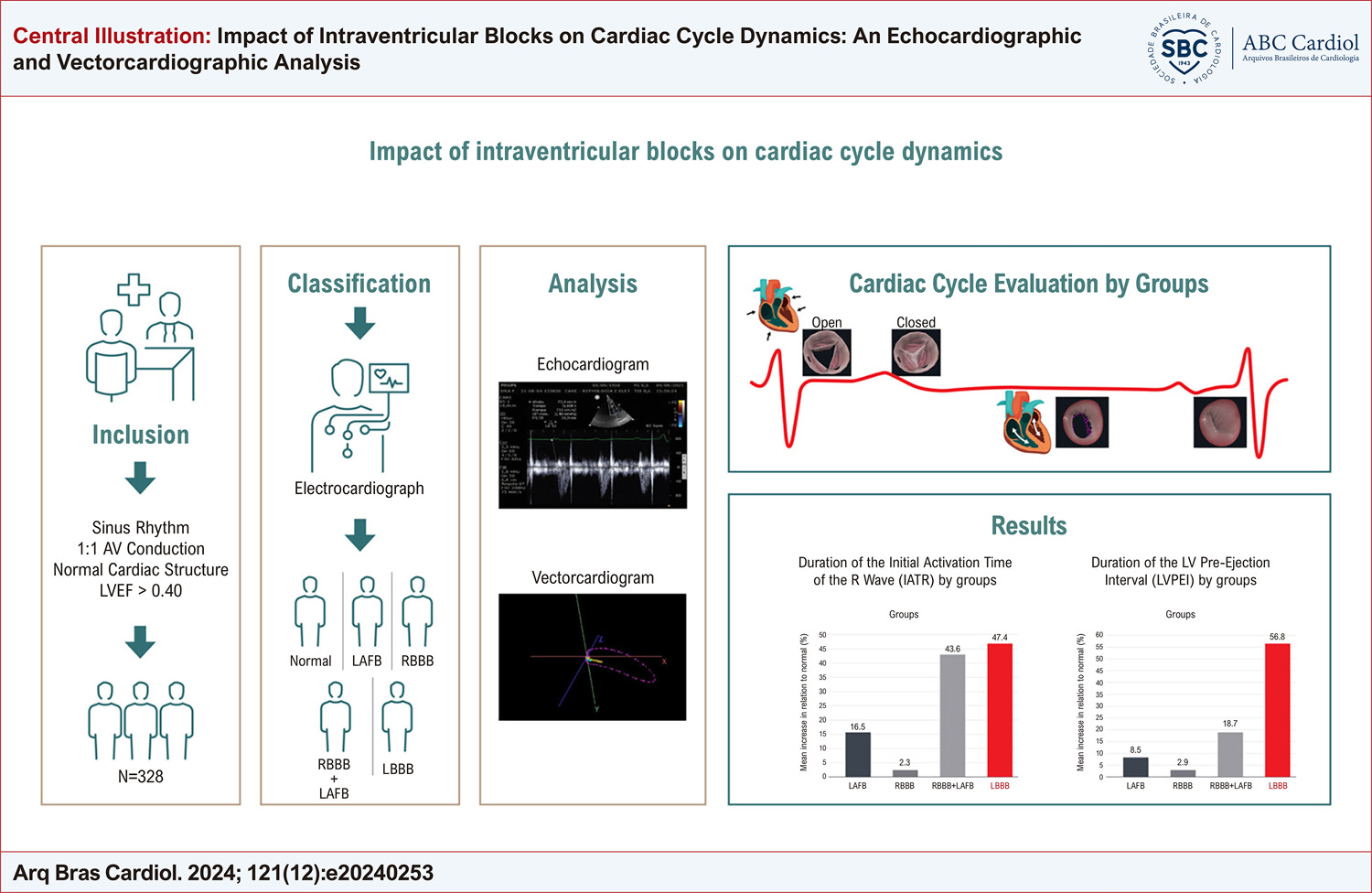
Cross-sectional study with 328 consecutive individuals without structural heart disease, normal electrocardiogram or IVB, conducted in the period between August/2020 and January/2022. Echocardiogram and Vectorcardiogram were performed simultaneously to analyze the electromechanics of the CC. A one-way Analysis of Variance (ANOVA) with Bonferroni’s multiple comparison test was used, with a significance level of 5%.

Results

The age of the participants was 64.8±15.3 years, with 57.9% male and an ejection fraction of 67.0±6.8%. The electrocardiogram was normal for 32.3%, 18.6% had right bundle branch block (RBBB), 17.7% had left anterior fascicular block (LAFB), 15.6% had RBBB+LAFB, and 15.9% had LBBB. The echocardiogram showed an increased left ventricular pre-ejection by 18.7% (p<0.001) and 56.8% (p<0.001) in RBBB+LAFB and LBBB, respectively. There was a post-systolic myocardial contraction in all types of IVB and ventricular dyssynchrony in LBBB. Using the vectorcardiogram, initial activation of the R wave was increased by 17.4% in LAFB (p<0.001), 43.5% in RBBB+LAFB (p<0.001) and 47.4% in LBBB (p<0.001) and delayed final activation by 69.4% in LBBB (p<0.001), 73.6% in RBBB+LAFB (p<0.001) and 95.3% in RBBB (p<0.001).

Conclusion

All IVBs modified the CC; however, only LBBB and RBBB+LAFB significantly changed the left ventricular cycle, thereby evidencing the greater complexity of these disorders.

  • Bundle Branch Block
  • Cardiac Resynchronization Therapy
  • Electrocardiography
  • Vectorcardiography
Read Full Article
Creative Commons Attribution (CC BY) Creative Commons license
14/02/2025 DOI: 10.36660/abc.20240253i Views 2
Figure 1
IJCS
Review Article

Exercise Stress Test in The Assessment of Brugada Syndrome Patients

Camila Pinto Cavalcante Miná et al. Eduardo Augusto Quidute Rocha Daniela Gardano Bucharles Mont’Alverne Eduardo Arrais Rocha

Abstract

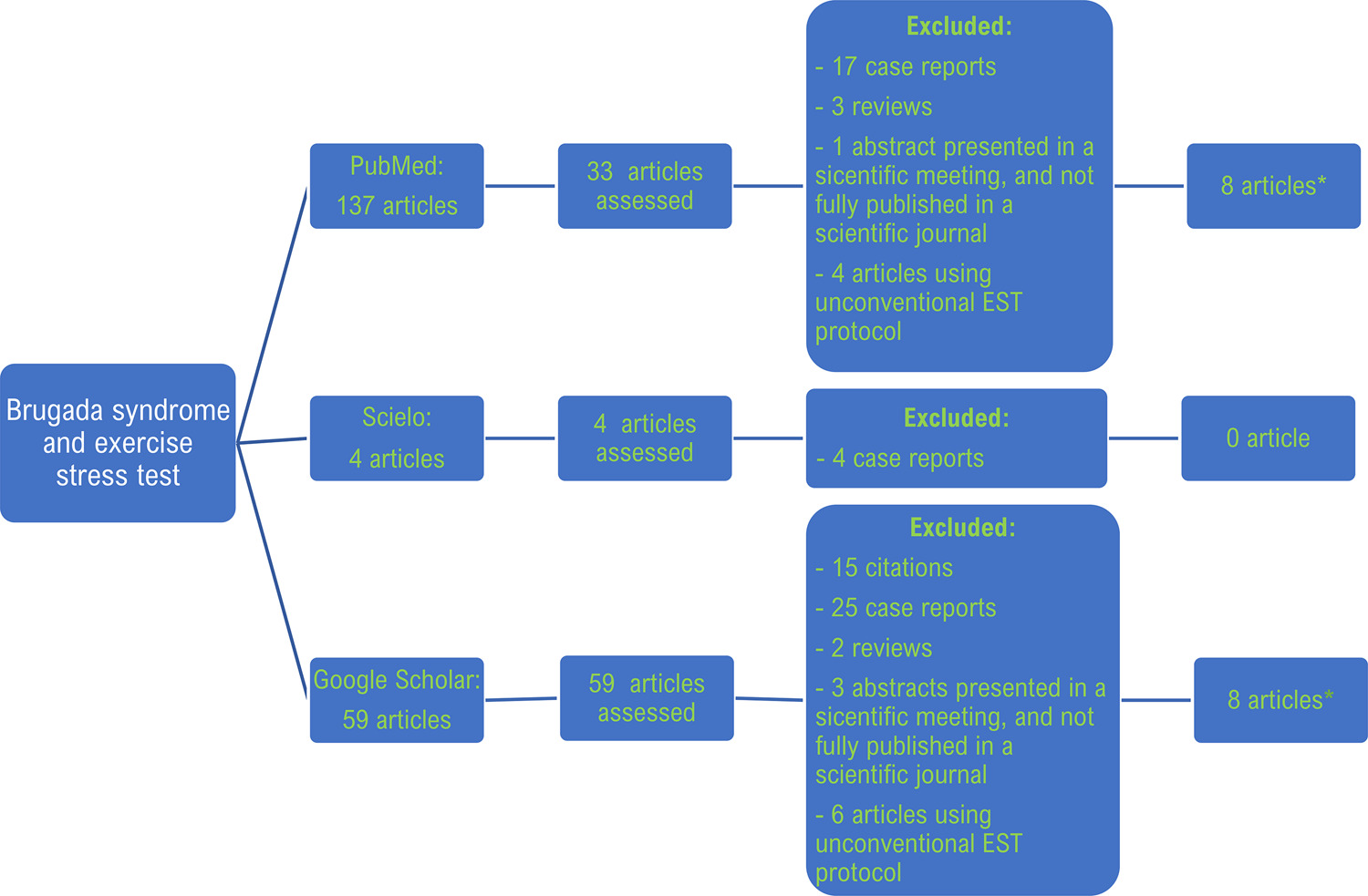
Brugada syndrome (BS) is a genetic channelopathy, clinically characterized by an increased risk of sudden cardiac death. The diagnosis requires a typical electrocardiographic pattern, and data on risk stratification are limited in the literature. The aim of this study was to conduct a review on the importance of exercise stress test (EST) in risk stratification in BS. Articles were searched in the PubMed, Scielo and Google Scholar databases. From the 200 articles retrieved, eight were included, with a total of 712 patients (95% men) aged between 35 and 60 years. Severe symptoms and ventricular arrhythmias were reported by 256 patients before the EST, with syncope being reported in 70% of cases. The reviewed articles suggest that the EST is a safe method that can help in the diagnosis and risk stratification for malignant arrhythmias in patients with BS. Potential predictors of poor prognosis were: augmentation in ST-segment elevation > 0.5 mV in V1, V2 or V3 in early recovery; J-point elevation in lead > 2mm in aVR in late recovery; heart rate reduction < 40% from maximum heart rate in late recovery and occurrence of ventricular extrasystoles in early recovery.

  • Atrial Fibrillation
  • Brugada Syndrome/complications
  • Bundle Branch Block
  • Diagnosis
  • Exercise Test/methods
  • Prognosis
Read Full Article
Creative Commons Attribution (CC BY) Creative Commons license
15/05/2023 DOI: 10.36660/ijcs.20220079 Views 1
Figure 1
ABC
Case Report

Idiopathic Left-Bundle Branch Block and Unexplained Symptom At Exercise: A Case Report

Guilherme Veiga Guimarães et al. Edimar Alcides Bocchi

Introduction

The presence of a left bundle branch block (LBBB) in the apparent absence of any other heart disease raises questions and concerns about the stratification of the risk of subsequent cardiovascular events or symptoms. – The detection of LBBB in asymptomatic adults, including athletes, is estimated to range between 0.1% and 0.8%, which is more likely to represent a structural heart disease rather than a physiological response to exercise. – On the other hand, some studies have shown that the mortality risk of patients with LBBB and heart disease varies between 2.4% and 11% per year.

Although several studies have suggested that exercise-induced LBBB is usually associated with cardiovascular disease and, particularly, coronary artery disease, there are contrasting studies showing an association between exercise-induced LBBB and normal coronary arteries. , , However, exercise-related cardiovascular adverse effects in LBBB with normal resting cardiac function remains poorly defined.

[…]

  • Bundle Branch Block
  • Cardiovascular Diseases/prevention and control
  • Exercise
  • Oxygen Consumption/physiology
  • Physical activity
Read Full Article
Creative Commons Attribution (CC BY) Creative Commons license
14/09/2020 DOI: 10.36660/abc.20190363 Views 1
Figure 1
IJCS
Original Article

Incidence of Conduction Disorders and Requirements for Permanent Pacemaker After Transcatheter Aortic Valve Implantation

Marcela Cedenilla dos Santos et al. Cristiane da Cruz Lamas Fabiula Schwartz de Azevedo Alexandre Siciliano Colafranceschi … Clara Weksler Leandro Cordeiro Dias Rodrigues Gustavo de Castro Lacerda

Abstract

Background:

Transcatheter aortic valve implantation (TAVI) has become a therapeutic option for high-risk or non-operable patients with severe symptomatic aortic stenosis. Atrioventricular conduction disturbances requiring permanent pacemaker (PPM) are a common and clinically important complication.

Objectives:

To evaluate the incidence of conduction disorders (CDs) after TAVI and the need for subsequent PPM implantation. To identify the predictors of postoperative PPM implantation.

Methods:

Retrospective study. All patients who underwent TAVI in a public hospital from December/2011 to June/2016 were included. Multivariate analysis was conducted to establish the predictor of permanent pacemaker implantation. Survival curves were constructed by the Kaplan-Meyer method. Statistically significant variables were those with p value < 0.05.

Results:

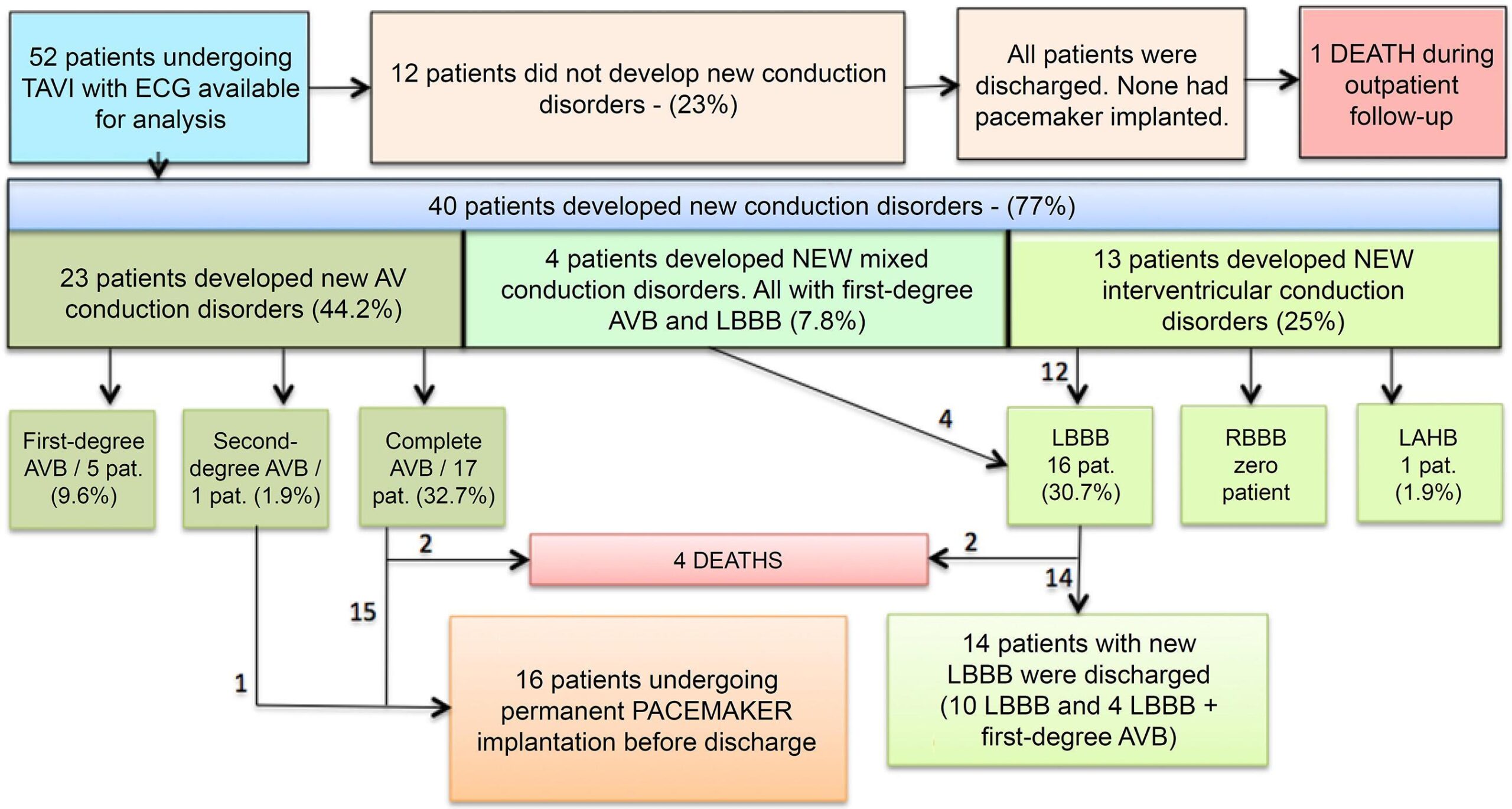
64 patients with AS underwent TAVI. Eleven patients were excluded. TAVI induced a new CD in 40 (77%) of the remaining 53 patients. The most common new CDs were 3rd degree AV block (32%) and left bundle branch block (30%). Sixteen patients (30,2%) underwent PPM implantation during the index hospitalization. On univariate analysis the risk factors for PPM implantation were CoreValve® use (OR: 1,76; P = 0,005), larger prosthesis implantation (P = 0,015), presence of a QRS ≥ 120 ms (OR: 5,62; P = 0,012), and 1st degree AV block (OR: 13; P = 0.008). On multivariate analysis the presence of 1st degree AV block predicted the need for PPM.

Conclusion:

TAVI induced CDs requiring PPM in 30% of the patients. The presence of 1st degree AV block predicted the need for PPM.

  • Aortic Valve Stenosis/therapy
  • Atrioventricular block
  • Bundle Branch Block
  • Transcatheter Aortic Valve Implantation/methods
Read Full Article
Creative Commons Attribution (CC BY) Creative Commons license
01/04/2019 DOI: 10.5935/2359-4802.20190020 Views 2
ABC
Editorial

Cohort of Patients Referred for Brugada Syndrome Investigation in an Electrophysiology Service – 19-Year Registry

Alvaro Valentim Lima Sarabanda

Brugada syndrome (BrS) was described by Pedro and Josep Brugada in 1992 as a new clinical entity characterized by specific electrocardiographic (ECG) changes, such as the patterns of right bundle-branch block and persistent ST-segment elevation in right precordial leads, associated with increased risk for sudden death.

Brugada syndrome is an autosomal dominant channelopathy, with clinical manifestation at the age of 30 to 40 years, affecting mainly men. Currently, BrS is estimated to account for 12% of all sudden cardiac deaths and up to 20% of the sudden cardiac deaths in individuals with no structural heart disease. The real prevalence of BrS in the general population is difficult to establish, being estimated at 5 to 20 in every 10,000 individuals. Several genetic mutations have been associated with BrS, most of them related to the encoding of sodium channel proteins (INa), calcium channel proteins (ICa) or potassium channel proteins (usually Ito) of the sarcoplasmatic membrane.–

[…]

  • Brugada Syndrome
  • Bundle Branch Block
  • Death, Sudden
  • Syncope
  • Tachycardia, Ventricular
Read Full Article
Creative Commons Attribution (CC BY) Creative Commons license
01/07/2018 DOI: 10.5935/abc.20180120 Views 1
Figure 1
ABC
Original Article

Predictors of Total Mortality and Echocardiographic Response for Cardiac Resynchronization Therapy: A Cohort Study

Guilherme Ferreira Gazzoni et al. Matheus Bom Fraga Andres Di Leoni Ferrari Pablo da Costa Soliz … Anibal Pires Borges Eduardo Bartholomay Carlos Antonio Abunader Kalil Vanessa Giaretta Luis Eduardo Paim Rohde

Abstract

Background:

Clinical studies demonstrate that up to 40% of patients do not respond to cardiac resynchronization therapy (CRT), thus, appropriate patient selection is critical to the success of CRT in heart failure.

Objective:

Evaluation of mortality predictors and response to CRT in the Brazilian scenario.

Methods:

Retrospective cohort study including patients submitted to CRT in a tertiary hospital in southern Brazil from 2008 to 2014. Survival was assessed through a database of the State Department of Health (RS). Predictors of echocardiographic response were evaluated using Poisson regression. Survival analysis was performed by Cox regression and Kaplan Meyer curves. A two-tailed p value less than 0.05 was considered statistically significant.

Results:

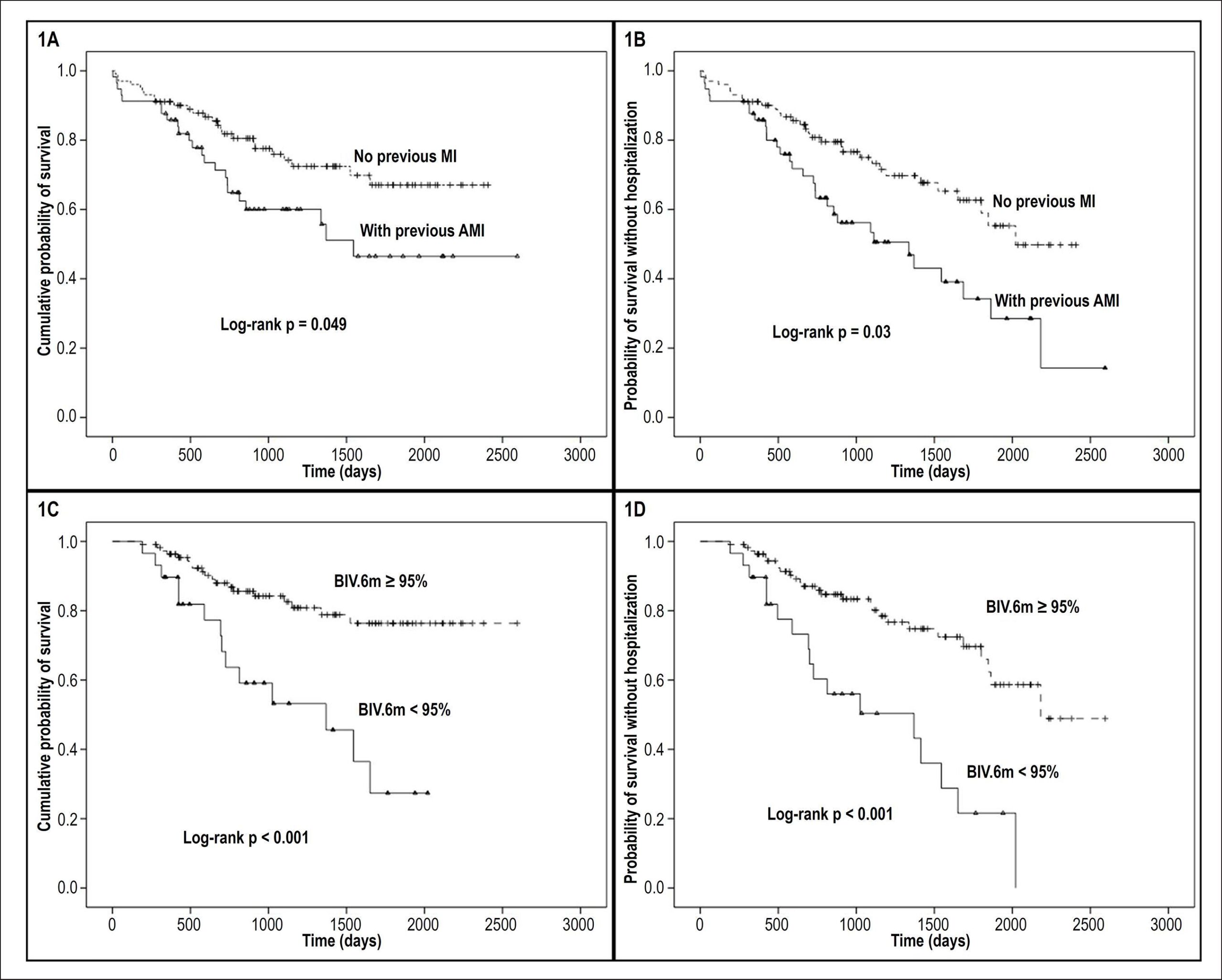
A total of 170 patients with an average follow-up of 1011 ± 632 days were included. The total mortality was 30%. The independent predictors of mortality were age (hazard ratio [HR] of 1.05, p = 0.027), previous acute myocardial infarction (AMI) (HR of 2.17, p = 0.049) and chronic obstructive pulmonary disease (COPD) (HR of 3.13, p = 0.015). The percentage of biventricular stimulation at 6 months was identified as protective factor of mortality ([HR] 0.97, p = 0.048). The independent predictors associated with the echocardiographic response were absence of mitral insufficiency, presence of left bundle branch block and percentage of biventricular stimulation.

Conclusion:

Mortality in patients submitted to CRT in a tertiary hospital was independently associated with age, presence of COPD and previous AMI. The percentage of biventricular pacing evaluated 6 months after resynchronizer implantation was independently associated with improved survival and echocardiographic response.

  • Bundle Branch Block
  • Cardiac Resynchronization Therapy
  • Cohort Studies
  • Heart Failure / mortality
  • Stroke Volume
Read Full Article
Creative Commons Attribution (CC BY) Creative Commons license
27/11/2017 DOI: 10.5935/abc.20170171 Views 2
Figure 1
IJCS
Original Article

Cardiopulmonary Exercise Testing in Patients With Left Bundle Branch Block and Preserved Ejection Fraction

Milena dos Santos Barros et al. Rívia Siqueira Amorim Romerito Oliveira Rocha Enaldo Vieira de Melo … José Augusto Barreto-Filho Antônio Carlos Sobral Sousa Romeu Sérgio Meneghelo Joselina Luzia Menezes Oliveira

Abstract

Background:

Left bundle branch block (LBBB) has prognostic significance in patients with congestive heart failure. However, its influence is not well established in patients with preserved systolic ventricular function.

Objective:

To evaluate the implications of LBBB presence in the cardiovascular performance of patients with preserved left ventricular systolic function (LVEF).

Methods:

26 LBBB patients (61.3 ± 8.2 years of age) and 23 healthy individuals (58 ± 6.8 years of age) with LVEF > 0.5 underwent cardiopulmonary exercise testing (CPET).

Results:

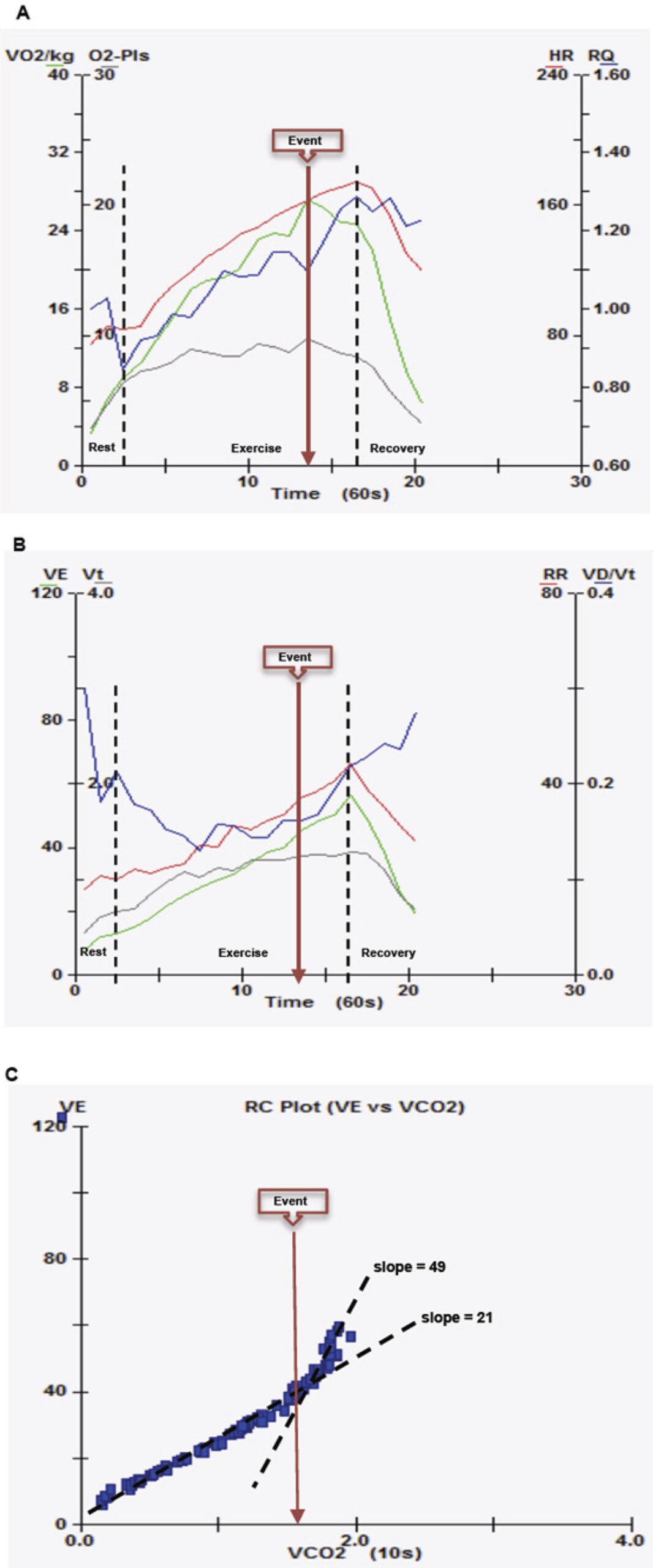
CPET analysis revealed: peak oxygen consumption (VO2) predicted in the LBBB group was 87.2 ± 15.0% versus 105.0 ± 15.6% (p < 0.0001); peak oxygen pulse predicted in LBBB group was 98.6 ± 18.6% vs 109.9 ± 13.5% (p = 0.02); VO2 predicted anaerobic threshold in LBBB group was 67.9 ± 13.6% vs 70.2 ± 12.8% (p = 0.55); ΔVO2/Δload in the LBBB group was 15.5 ± 5.51 versus 20.7 ± 7.3 ml.min-1.watts-1 (p = 0.006); ventilation / carbon dioxide production (VE/VCO2 slope) in LBBB group was 29.8 ± 2.9 versus 26.2 ± 2.9 (p = 0.0001) and VO2 recovery time in the LBBB group was 85.2 ± 11.8 vs. 71.5 ± 11.0 seconds (p = 0.0001). LBBB was an independent marker for VE/VCO2 slope increase.

Conclusion:

LBBB presence in individuals with preserved LVEF did not affect cardiovascular performance, but there was an increase of the VE/VCO2 slope in comparison to the control group.

  • Bundle Branch Block
  • Exercise
  • Exercise Test
  • Heart Failure
  • Oxygen Consumption
  • Stroke Volume
Read Full Article
Creative Commons Attribution (CC BY) Creative Commons license
01/01/2017 DOI: 10.5935/2359-4802.20170018 Views 2
ABC
Original Article

Electrocardiogram Performance in the Diagnosis of Left Ventricular Hypertrophy in Hypertensive Patients With Left Bundle Branch Block

Paula Freitas Martins Burgos et al. Bráulio Luna Filho Francisco de Assis Costa Maria Teresa Nogueira Bombig … Dilma de Souza Henrique Tria Bianco Japy Angelini Oliveira Filho Maria Cristina de Oliveira Izar Francisco Antonio Helfenstein Fonseca Rui Póvoa

Abstract

Background:

Left ventricular hypertrophy (LVH) is an important risk factor for cardiovascular events, and its detection usually begins with an electrocardiogram (ECG).

Objective:

To evaluate the impact of complete left bundle branch block (CLBBB) in hypertensive patients in the diagnostic performance of LVH by ECG.

Methods:

A total of 2,240 hypertensive patients were studied. All of them were submitted to an ECG and an echocardiogram (ECHO). We evaluated the most frequently used electrocardiographic criteria for LVH diagnosis: Cornell voltage, Cornell voltage product, Sokolow-Lyon voltage, Sokolow-Lyon product, RaVL, RaVL+SV3, RV6/RV5 ratio, strain pattern, left atrial enlargement, and QT interval. LVH identification pattern was the left ventricular mass index (LVMI) obtained by ECHO in all participants.

Results:

Mean age was 11.3 years ± 58.7 years, 684 (30.5%) were male and 1,556 (69.5%) were female. In patients without CLBBB, ECG sensitivity to the presence of LVH varied between 7.6 and 40.9%, and specificity varied between 70.2% and 99.2%. In participants with CLBBB, sensitivity to LVH varied between 11.9 and 95.2%, and specificity between 6.6 and 96.6%. Among the criteria with the best performance for LVH with CLBBB, Sokolow-Lyon, for a voltage of ≥ 3,0mV, stood out with a sensitivity of 22.2% (CI 95% 15.8 – 30.8) and specificity of 88.3% (CI 95% 77.8 – 94.2).

Conclusion:

In hypertensive patients with CLBBB, the most often used criteria for the detection of LVH with ECG showed significant decrease in performance with regards to sensitivity and specificity. In this scenario, Sokolow-Lyon criteria with voltage ≥3,0mV presented the best performance.
  • Bundle Branch Block
  • Electrocardiography/methods
  • Hypertension
  • Hypertrophy, Left Ventricular / diagnosis
Read Full Article
Creative Commons Attribution (CC BY) Creative Commons license
19/12/2016 DOI: 10.5935/abc.20160187 Views 1
Figure 1
ABC
Original Article

Dipyridamole stress myocardial perfusion by computed tomography in patients with left bundle branch block

Estêvan Vieira Cabeda et al. Andréa Maria Gomes Falcão José Soares Jr. Carlos Eduardo Rochitte … César Higa Nomura Luiz Francisco Rodrigues Ávila José Rodrigues Parga

Abstract

Background:

Functional tests have limited accuracy for identifying myocardial ischemia in patients with left bundle branch block (LBBB).

Objective:

To assess the diagnostic accuracy of dipyridamole-stress myocardial computed tomography perfusion (CTP) by 320-detector CT in patients with LBBB using invasive quantitative coronary angiography (QCA) (stenosis ≥ 70%) as reference; to investigate the advantage of adding CTP to coronary computed tomography angiography (CTA) and compare the results with those of single photon emission computed tomography (SPECT) myocardial perfusion scintigraphy.

Methods:

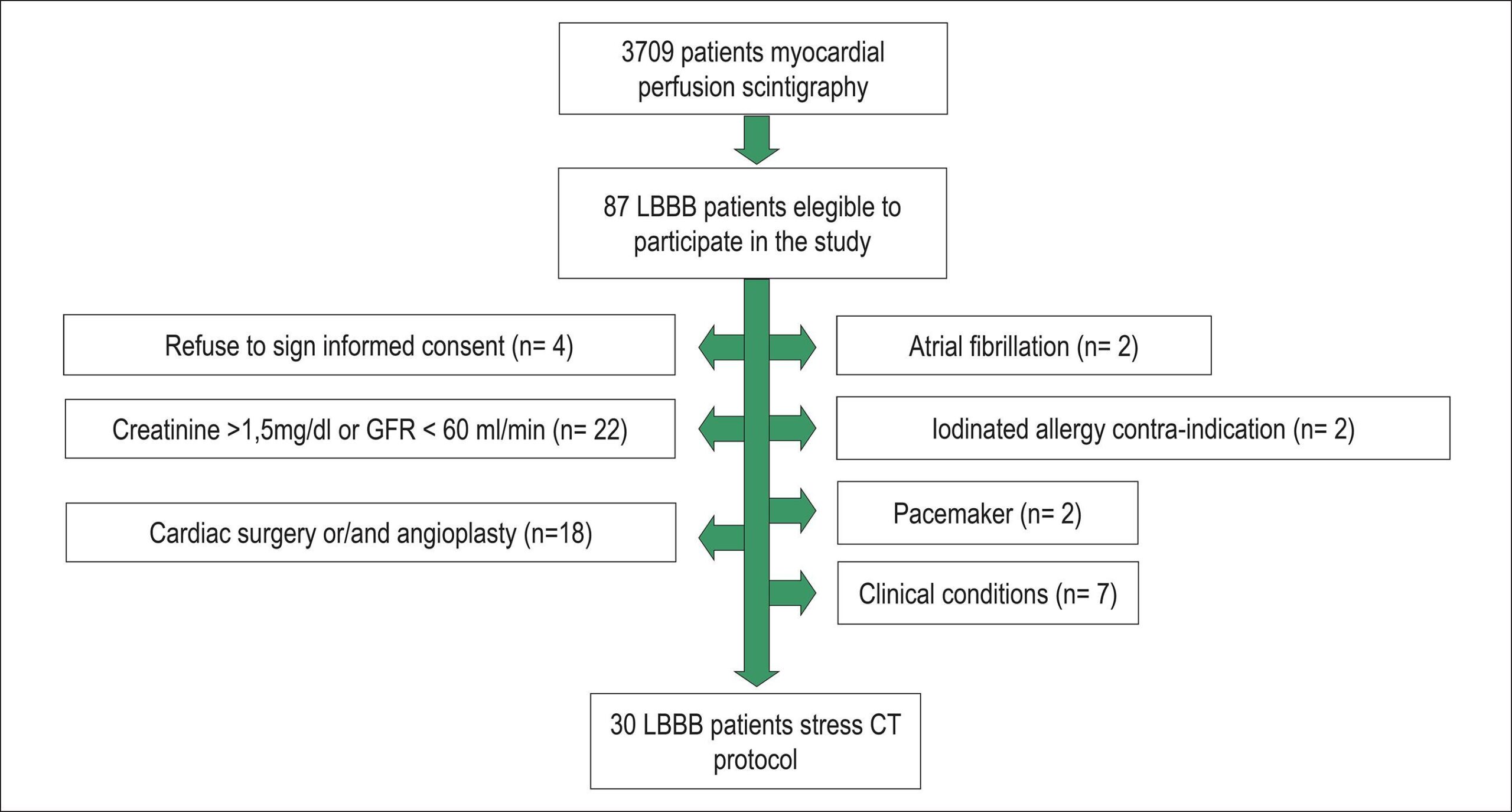
Thirty patients with LBBB who had undergone SPECT for the investigation of coronary artery disease were referred for stress tomography. Independent examiners performed per-patient and per-coronary territory assessments. All patients gave written informed consent to participate in the study that was approved by the institution’s ethics committee.

Results:

The patients’ mean age was 62 ± 10 years. The mean dose of radiation for the tomography protocol was 9.3 ± 4.6 mSv. With regard to CTP, the per-patient values for sensitivity, specificity, positive and negative predictive values, and accuracy were 86%, 81%, 80%, 87%, and 83%, respectively (p = 0.001). The per-territory values were 63%, 86%, 65%, 84%, and 79%, respectively (p < 0.001). In both analyses, the addition of CTP to CTA achieved higher diagnostic accuracy for detecting myocardial ischemia than SPECT (p < 0.001).

Conclusion:

The use of the stress tomography protocol is feasible and has good diagnostic accuracy for assessing myocardial ischemia in patients with LBBB.

  • Bundle Branch Block
  • Coronary Angiography
  • Coronary Artery Disease
  • Dipyridamole
  • Multidetector Computed Tomography
  • Myocardial Perfusion Imaging
Read Full Article
Creative Commons Attribution (CC BY) Creative Commons license
25/09/2015 DOI: 10.5935/abc.20150117 Views 2
Figure 1
ABC
Clinicoradiological Session

Case 4 / 2014 – 15-year-old Patient with Atrial Septal Aneurysm, Right Bundle Branch Block and Paroxysmal Atrial Fibrillation

Edmar Atik

Complementary tests

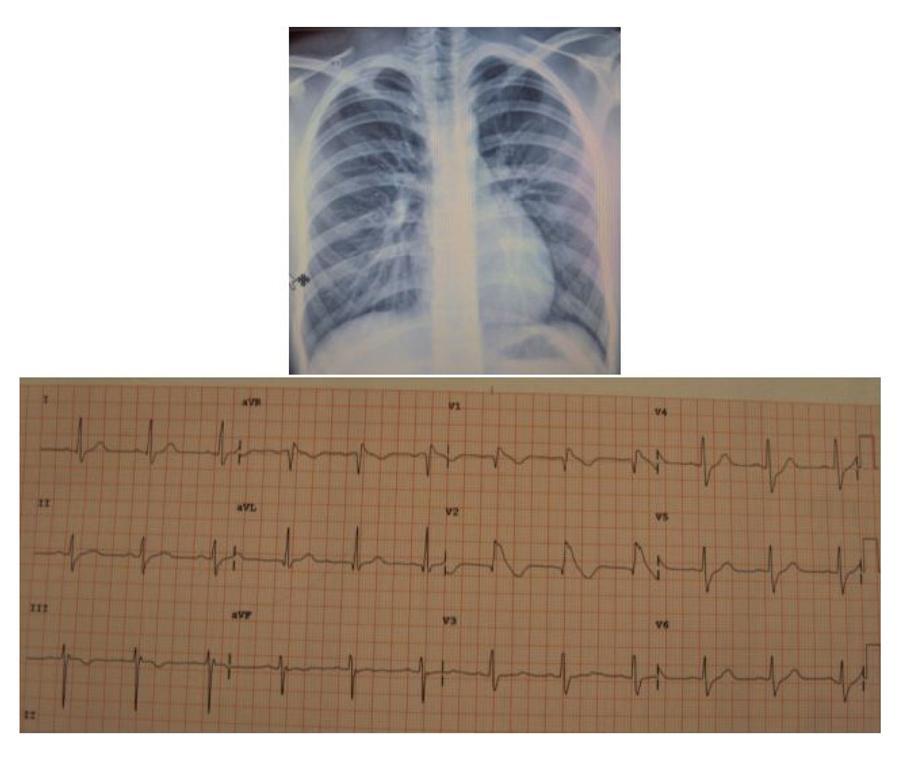
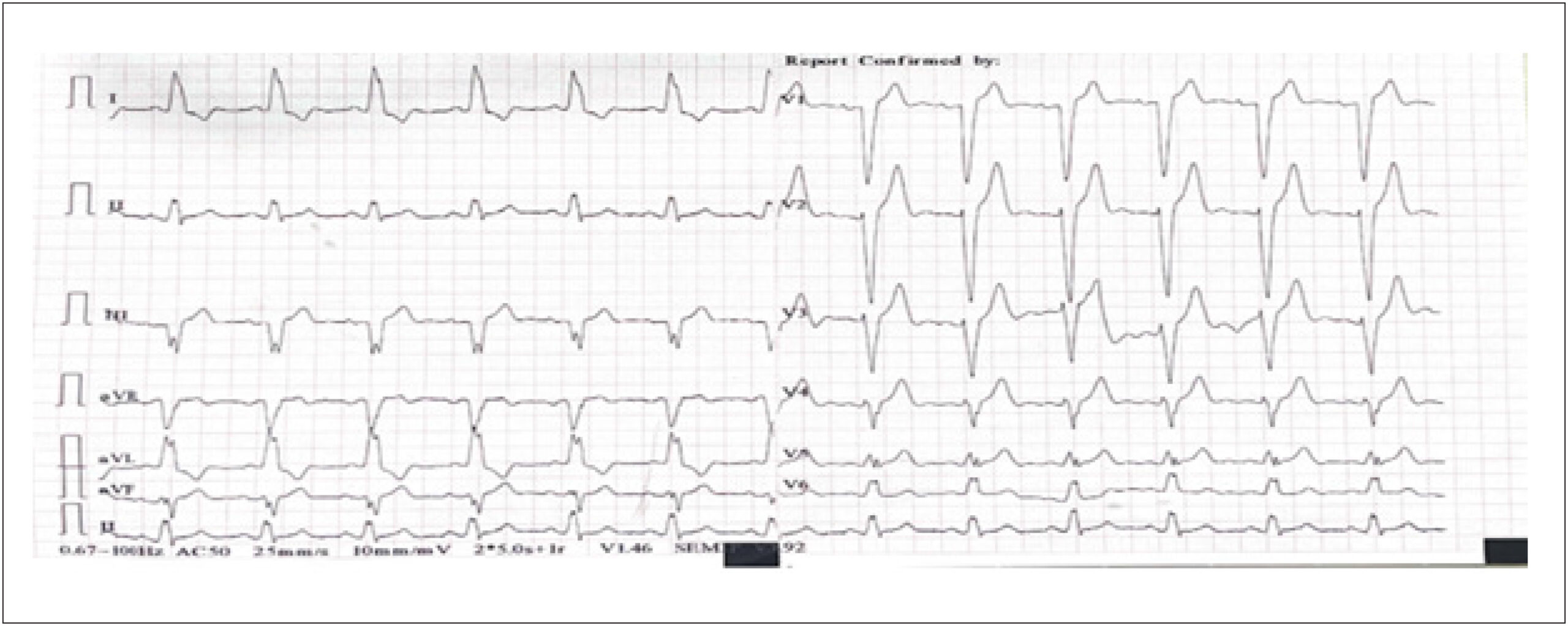
Electrocardiogram: () showed sinus rhythm and Full Right Bundle Branch Block (CRBBB) and Left Bundle Branch Anterior Superior Hemiblock (LAHB). QRS complex duration was of 0.13′ with rsr’ morphology in V1 and RS in V6, with negative T wave in V1 and V2. AP: +30º, AQRS: -30º, AT: 0º.

Chest radiography: Shows normal heart region and vascular markings ().

[…]

  • atrial
  • Atrial Fibrillation
  • Atrial Septal Aneurysm
  • Bundle Branch Block
Read Full Article
Creative Commons Attribution (CC BY) Creative Commons license
01/06/2014 DOI: 10.5935/abc.20140076 Views 2
ABC
Artigo Original

Mechanical dyssynchrony is similar in different patterns of left bundle-branch block

Rodrigo Bellio de Mattos Barretto et al. Leopoldo Soares Piegas Jorge Eduardo Assef José Francisco Melo Neto … Thiago Uchoa Resende Dalmo Antonio Moreira David Costa LeBihan Francisco Faustino França Romeu Sérgio Meneghelo Amanda Guerra Moraes Rego Sousa

BACKGROUND: Left bundle-branch block (LBBB) and the presence of systolic dysfunction are the major indications for cardiac resynchronization therapy (CRT). Mechanical ventricular dyssynchrony on echocardiography can help identify patients responsive to CRT. Left bundle-branch block can have different morphologic patterns. OBJECTIVE: To compare the prevalence of mechanical dyssynchrony in different patterns of LBBB in patients with left systolic dysfunction. METHODS: This study assessed 48 patients with ejection fraction (EF) 150 ms. RESULTS: The patients’ mean age was 60 ± 11 years, 24 were males, and mean EF was 29% ± 7%. Thirty-two had QRS > 150 ms, and22, an electrical axis between -30º and +90º. Interventricular dyssynchrony was identified in 73% of the patients, while intraventricular dyssynchrony, in 37%-98%. Patients with QRS > 150 ms had larger left atrium and ventricle, and lower EF (p < 0.05). Left electrical axis deviation associated with worse diastolic function and greater atrial diameter. Interventricular and intraventricular mechanical dyssynchrony (ten methods) was similar in the different LBBB patterns (p = ns). CONCLUSION: In the two different electrocardiographic patterns of LBBB analyzed, no difference regarding the presence of mechanical dyssynchrony was observed.

  • Bundle Branch Block
  • Cardiac Resynchronization Therapy
  • Stroke Volume
  • Ventricular Dysfunction
Read Full Article
Creative Commons Attribution (CC BY) Creative Commons license
24/09/2013 DOI: 10.5935/abc.20130190 Views 2
Prognostic value of exercise stress echocardiography in patients with left bundle branch block
ABC
Artigo Original

Prognostic value of exercise stress echocardiography in patients with left bundle branch block

Francis de Lima Vasconcelos et al. Bruno Fernandes de Oliveira Santos Nathalie de Oliveira Santana Gustavo Baptista de Almeida Faro … Romerito de Oliveira Rocha Vinício Vieira Leal José Augusto Barreto-Filho Antônio Carlos Sobral Sousa Joselina Luzia Menezes Oliveira

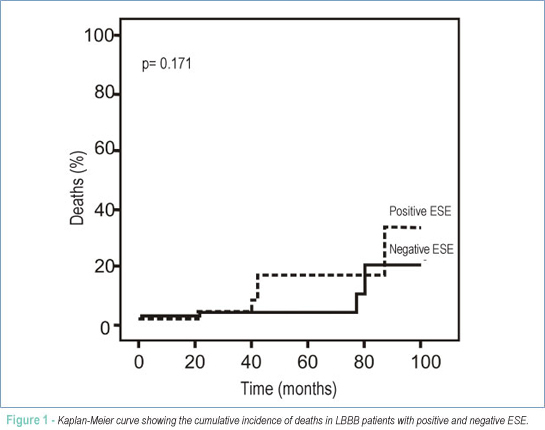
BACKGROUND: The literature lacks studies about the prognostic value of exercise stress echocardiography (ESE) in patients with complete left bundle branch block (LBBB) of the bundle of His. OBJECTIVE: To assess the prognostic value of ESE in patients with LBBB. METHODS: This is a retrospective cohort that evaluated 135 patients with LBBB, from January 2001 to October 2009, of which 37.8% were men, mean age 63.6 ± 11.5 years submitted to ESE according to Bruce protocol on a treadmill. Cox regression was used, considering these outcomes: death from all causes and from cardiac events, defined as acute myocardial infarction (AMI), percutaneous angioplasty (PA), coronary artery bypass grafting (CABG) and death from cardiac causes. RESULTS: Positive ESE was observed in 42 patients (31%). The mean follow-up was 45.8 ± 4.7 months. During this period, there were 9 deaths from all causes and 9 cardiac events (3 deaths from cardiac causes, 3 myocardial infarctions, 2 PA and one CABG). The mortality rate from all causes during five years was 16.1% in the group with positive ESE and 2.5% in the group with negative test (p = 0.171), whereas the rate of cardiac events in the same period was 15.1% for the positive ESE and 1.6% in the group with negative test (p = 0.009). CONCLUSION: ESE showed to be a predictor of cardiac events in patients with LBBB.

  • Bundle Branch Block
  • Coronary Artery Disease
  • Echocardiography
  • Prognosis
  • Stress
Read Full Article
Creative Commons Attribution (CC BY) Creative Commons license
14/10/2011 DOI: 10.1590/S0066-782X2011005000098 Views 2
ABC
Artigo Original

Prevalence of electrocardiographic findings in elderly individuals: the Sao Paulo aging & health study

Liz A. Kawabata-Yoshihara et al. Isabela M. Benseñor Vitor S. Kawabata Paulo R. Menezes … Marcia Scazufca Paulo A. Lotufo

BACKGROUND: The determination of the prevalence of electrocardiographic alterations in the older age strata of the Brazilian population represents important information with clinical and epidemiological purpose. OBJECTIVE: To verify the prevalence rates of atrial fibrillation, enlarged Q/QS waves (Minnesota code 1.1-1.2) and left bundle branch block. METHODS: In a population-based study, 1,524 participants (921 women and 603 men) aged > 65 years and living in Sao Paulo, Brazil, were submitted to electrocardiographic assessment at rest as well as anthropometric and blood pressure measurements, in addition to fasting blood collection for the measurement of glycemia, total cholesterol and fractions. RESULTS: The age-adjusted prevalence for enlarged Q/QS waves was12.1% (men, 17.2%; women, 9.6%), 2.4% for atrial fibrillation (men 3.9%; women, 2.0%); and 3.1% for left bundle branch block (men, 3.1%; women, 3.8%). For atrial fibrillation (both sexes), enlarged Q/QS waves (men) and left bundle branch block (women) there was an increase in frequency according to the age stratum. After adjusted for age, sex, diabetes mellitus and dyslipidemia, the odds ratio among the frequencies of enlarged Q/QS waves; arterial hypertension was 2.4 (95% CI: 1.4 -3.9) being 5.1 (95%CI: 1.8 -14.4) for women and 1.7 (95%CI: 0.95-3.1] for men. CONCLUSION: The comparison of these data with those from other studies showed a high prevalence of enlarged Q/QS waves in this population, with a direct association with the prevalence of arterial hypertension.

  • Aged
  • Atrial Fibrillation
  • Bundle Branch Block
  • Coronary Disease
  • Electrocardiography
Read Full Article
Creative Commons Attribution (CC BY) Creative Commons license
05/05/2010 DOI: 10.1590/S0066-782X2009001200015 Views 1
Functional behavior of patients with conventional pacemakers undergoing cardiac resynchronization
ABC
Artigo Original

Functional behavior of patients with conventional pacemakers undergoing cardiac resynchronization

Rodrigo Tavares Silva et al. Martino Martinelli Filho Carlos Eduardo Batista de Lima Daniela Garcia Moreno Cabral Martins … Silvana Angelina Dorio Nishióka Anísio Alexandre Pedrosa Elizabeth Sartori Crevelari Roberto Costa Eduardo Argentino Sosa José Antonio Franchini Ramires

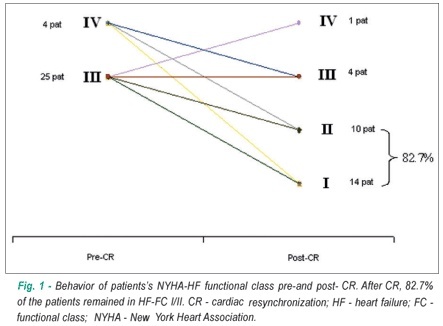
BACKGROUND: Cardiac resynchronization therapy (CRT) is an efficient treatment for patients with heart failure (HF), severe ventricular dysfunction and intraventricular block. Conventional pacemakers (CPM) implanted in the right ventricular apical area cause alterations in the normal sequence of cardiac activation similar to those induced by LBBB (left bundle-branch block). Therefore, patients with CPM and advanced HF could be candidates to undergo CRT, but as only small numbers of patients have been evaluated so far, definitive conclusions are lacking. OBJECTIVE: To assess the clinical and functional outcome of cardiac resynchronization therapy (CRT) in patients with conventional pacemakers. METHODS: Patients with CPM, who were in NYHA HF functional class III/IV class refractory to drug therapy, and left ventricular ejection fraction (LVEF) ) <35% underwent CRT. Patients’ clinical-functional behavior was assessed prospectively six months after the procedure. The improvement of one HF-functional class was set as an effective response to the procedure. The following was assessed: QRS duration (ECG), diastolic diameter (LVDd), left ventricular systolic diameter (LVSd) and LVEF seen on the echocardiogram. For the statistical analysis, Student’s paired t test and Spearman’s correlation were used. RESULTS: Twenty-nine patients (mean age 61.5) were evaluated. Of these, six were females, and chagasic cardiomyopathy was predominant. During the clinical follow-up of 22.7±13 months, 86.2% of the patients benefited from CRT. Within this group, the mean LVEF increased by 18% (p=0.013), QRS duration dropped by 11.8% (p=0.002) and no significant reduction in left ventricular intracavitary diameters was observed. CONCLUSION: CRT is effective for patients with CPM and advanced HF as it yields a high rate of response (86.2%), significantly improves LVEF and reduces QRS duration.

  • Artificial
  • Bundle Branch Block
  • Cardiac pacing
  • congestive
  • Heart Failure
  • Pacemaker
Read Full Article
Creative Commons Attribution (CC BY) Creative Commons license
28/04/2008 DOI: 10.1590/S0066-782X2008000200012 Views 1
Ventricular electrical activation in cardiac resynchronization as characterized by body surface potential mapping
ABC
Artigo Original

Ventricular electrical activation in cardiac resynchronization as characterized by body surface potential mapping

Carlos Alberto Pastore et al. Nancy Tobias Nelson Samesima Martino Martinelli Filho … Anisio Pedrosa Silvana Nishioka Roberto A. Douglas Luiz Felipe Pinho Moreira José Franchini Ramires

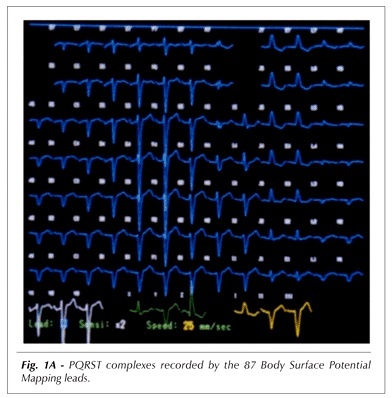
OBJECTIVES: To assess cardiac electrical activation by using body surface potential mapping (BSPM), in patients with congestive heart failure (CHF) and left bundle branch block (LBBB) undergoing cardiac resynchronization therapy (CRT) with biventricular pacemaker (BIV-PM) implantation. METHODS: Mean cardiac electrical activation times were analyzed in the right ventricle (RV) (mean RV activation time = mRV), anteroseptal area (mAS), and left ventricle (mLV) of 28 patients (mean age 61.2 ± 9.5 years; NYHA class III-IV CHF; ejection fraction <40%; LBBB of mean QRS 181.2±19.4ms, SÂQRS -8.5º±68.6º), as shown in their BSPM isochronous maps, before and after implantation of atriobiventricular pacemaker, comparing those with values obtained from a control group of normal individuals [CG], in three situations: (1) native LBBB; (2) RV pacing; and (3) atriobiventricular pacing. RESULTS: Situation (1): mRV and mAS values were similar (41.0±11.8ms x 43.6±13.4ms), with delayed mLV (81.0±12.5ms, p<0.01) and asynchronous with RV and AS areas; situation (2): mRV was greater than in CG (86.8±22.9ms, p<0.001), with greater difference between mAS and mLV (63.4±20.7ms vs. 102.7±20.3ms; p<0,001); situation (3): mLV and mRV were similar (72.0±32.0ms vs. 71.6±32.3ms), mRV was greater than in CG and native LBBB (71.6±32.3ms vs. 35.1±10.9ms and 41.0±11.8ms; p<0.001), and mAS was close to CG and native LBBB values (51.3±32.8ms vs. 50.1±11.4ms and 43.6±13.4ms). CONCLUSION: The body surface potential mapping showed that RV and LV activation times which are similar, and are close to those of the AS area, suggest patterns of synchronized ventricular activation in patients with CHF and LBBB during atriobiventricular pacing.

  • body surface potential mapping
  • Bundle Branch Block
  • Cardiac Pacing, Artificial
  • heart failure, congestive
Read Full Article
Creative Commons Attribution (CC BY) Creative Commons license
21/05/2007 DOI: 10.1590/S0066-782X2007000300001 Views 1
ABC
Original Article

Bundle branch and atrioventricular block as complications of acute myocardial infarction in the thrombolytic era

Claudia Caminha Escosteguy et al. Marciano de Almeida Carvalho Roberto de Andrade Medronho Luiz Maurino Abreu Mario Ypiranga Monteiro Filho

OBJECTIVE: To analyze the incidence of intraventricular and atrioventricular conduction defects associated with acute myocardial infarction and the degree of in hospital mortality resulting from this condition during the era of thrombolytic therapy. METHODS: Observational study of a cohort of 929 consecutive patients with acute myocardial infarction. Multivariate analysis by logistic regression. Was used. RESULTS: Logistic regression showed a greater incidence of bundle branch block in male sex (odds ratio = 1.87, 95% CI = 1.02-3.42), age over 70 years (odds ratio = 2.31, 95% CI = 1.68-5.00), anterior localization of the infarction (odds ratio = 1.93, 95% CI = 1.03-3.65). There was a greater incidence of complete atrioventricular block in inferior infarcts (odds ratio = 2.59, 95% CI 1.30-5.18) and the presence of cardiogenic shock (odds ratio = 3.90, 95% CI = 1.43-10.65). Use of a thrombolytic agent was associated with a tendency toward a lower occurrence of bundle branch block (odds ratio = 0.68) and a greater occurrence of complete atrioventricular block (odds ratio = 1.44). The presence of bundle branch block (odds ratio = 2.45 95% , CI = 1.14-5.28) and of complete atrioventricular block (odds ratio = 13.59, 95% CI = 5.43-33.98) was associated with a high and independent probability of inhospital death. CONCLUSION: During the current era of thrombolytic therapy and in this population, intraventricular disturbances of electrical conduction and complete atrioventricular block were associated with a high and independent risk of inhospital death during acute myocardial infarction.

  • Bundle Branch Block
  • complete atrioventricular block
  • thrombolysis
Read Full Article
Creative Commons Attribution (CC BY) Creative Commons license
08/01/2002 DOI: 10.1590/S0066-782X2001000400003 Views 2

How to cite this article

EndNote RIS

Electronic Document Format (Vancouver)

Barroso MCRD, Madogolele HCN, Belfort DSP, Biselli B, Ayub-Ferreira SM, Bocchi EA. Reversal of Left Bundle Branch Block Following Treatment in Alcoholic Cardiomyopathy. Arquivos Brasileiros de Cardiologia 2025;122(10):e20250327.

Electronic Document Format (ABNT)

Barroso, Manuela Cristina Ribeiro Dias; Madogolele, Heleutério da Conceição Nicolau; Belfort, Deborah de Sá Pereira; Biselli, Bruno; Ayub-Ferreira, Silvia Moreira; Bocchi, Edimar Alcides. Reversal of Left Bundle Branch Block Following Treatment in Alcoholic Cardiomyopathy. Arquivos Brasileiros de Cardiologia, v. 122, n. 10, e20250327, Dec. 2025.

Electronic Document Format (APA)

Barroso, M. C. R. D., Madogolele, H. C. N., Belfort, D. S. P., Biselli, B., Ayub-Ferreira, S. M., & Bocchi, E. A. (2025). Reversal of Left Bundle Branch Block Following Treatment in Alcoholic Cardiomyopathy. Arquivos Brasileiros de Cardiologia, 122(10), e20250327.

Electronic Document Format (ISO)

Barroso, Manuela Cristina Ribeiro Dias and Madogolele, Heleutério da Conceição Nicolau and Belfort, Deborah de Sá Pereira and Biselli, Bruno and Ayub-Ferreira, Silvia Moreira and Bocchi, Edimar Alcides. Reversal of Left Bundle Branch Block Following Treatment in Alcoholic Cardiomyopathy. Arquivos Brasileiros de Cardiologia [online]. 2025, vol. 122, n. 10, [cited 2026-10-15], e20250327. Available from: <https://journals.cardiol.br/en/article/reversal-of-left-bundle-branch-block-following-treatment-in-alcoholic-cardiomyopathy/>. ISSN 0066-782X

EndNote RIS

Electronic Document Format (Vancouver)

Siregar MNI, Alkatiri JI. Intermittent Left Bundle Branch Block and Cardiac Memory in a Patient with Dengue Fever: A Case Report and Literature Review. International Journal of Cardiovascular Sciences 2025;38:e20240191.

Electronic Document Format (ABNT)

Siregar, Muchtar Nora Ismail; Alkatiri, Jasmine Ibtisamah. Intermittent Left Bundle Branch Block and Cardiac Memory in a Patient with Dengue Fever: A Case Report and Literature Review. International Journal of Cardiovascular Sciences, v. 38, e20240191, Jul. 2025.

Electronic Document Format (APA)

Siregar, M. N. I., & Alkatiri, J. I. (2025). Intermittent Left Bundle Branch Block and Cardiac Memory in a Patient with Dengue Fever: A Case Report and Literature Review. International Journal of Cardiovascular Sciences, 38, e20240191.

Electronic Document Format (ISO)

Siregar, Muchtar Nora Ismail and Alkatiri, Jasmine Ibtisamah. Intermittent Left Bundle Branch Block and Cardiac Memory in a Patient with Dengue Fever: A Case Report and Literature Review. International Journal of Cardiovascular Sciences [online]. 2025, vol. 38, [cited 2026-10-15], e20240191. Available from: <https://journals.cardiol.br/en/article/intermittent-left-bundle-branch-block-and-cardiac-memory-in-a-patient-with-dengue-fever-a-case-report-and-literature-review/>. ISSN 2359-4802

EndNote RIS

Electronic Document Format (Vancouver)

Kataoka N, Imamura T. How to Assess Impaired Right Heart Electrical Conduction in Patients with Pulmonary Arterial Hypertension?. Arquivos Brasileiros de Cardiologia 2025;122(5):e20250159.

Electronic Document Format (ABNT)

Kataoka, Naoya; Imamura, Teruhiko. How to Assess Impaired Right Heart Electrical Conduction in Patients with Pulmonary Arterial Hypertension?. Arquivos Brasileiros de Cardiologia, v. 122, n. 5, e20250159, Jun. 2025.

Electronic Document Format (APA)

Kataoka, N., & Imamura, T. (2025). How to Assess Impaired Right Heart Electrical Conduction in Patients with Pulmonary Arterial Hypertension?. Arquivos Brasileiros de Cardiologia, 122(5), e20250159.

Electronic Document Format (ISO)

Kataoka, Naoya and Imamura, Teruhiko. How to Assess Impaired Right Heart Electrical Conduction in Patients with Pulmonary Arterial Hypertension?. Arquivos Brasileiros de Cardiologia [online]. 2025, vol. 122, n. 5, [cited 2026-10-15], e20250159. Available from: <https://journals.cardiol.br/en/article/how-to-assess-impaired-right-heart-electrical-conduction-in-patients-with-pulmonary-arterial-hypertension/>. ISSN 0066-782X

EndNote RIS

Electronic Document Format (Vancouver)

Duarte CE, Silva KR, Jesus LD, Abensur H, Costa R. Impact of Intraventricular Blocks on Cardiac Cycle Dynamics: An Echocardiographic and Vectorcardiographic Analysis. Arquivos Brasileiros de Cardiologia 2025;121(12):e20240253.

Electronic Document Format (ABNT)

Duarte, Carlos Eduardo; Silva, Katia Regina; Jesus, Luciene Dias de; Abensur, Henry; Costa, Roberto. Impact of Intraventricular Blocks on Cardiac Cycle Dynamics: An Echocardiographic and Vectorcardiographic Analysis. Arquivos Brasileiros de Cardiologia, v. 121, n. 12, e20240253, Feb. 2025.

Electronic Document Format (APA)

Duarte, C. E., Silva, K. R., Jesus, L. D. , Abensur, H., & Costa, R. (2025). Impact of Intraventricular Blocks on Cardiac Cycle Dynamics: An Echocardiographic and Vectorcardiographic Analysis. Arquivos Brasileiros de Cardiologia, 121(12), e20240253.

Electronic Document Format (ISO)

Duarte, Carlos Eduardo and Silva, Katia Regina and Jesus, Luciene Dias de and Abensur, Henry and Costa, Roberto. Impact of Intraventricular Blocks on Cardiac Cycle Dynamics: An Echocardiographic and Vectorcardiographic Analysis. Arquivos Brasileiros de Cardiologia [online]. 2025, vol. 121, n. 12, [cited 2026-10-15], e20240253. Available from: <https://journals.cardiol.br/en/article/impact-of-intraventricular-blocks-on-cardiac-cycle-dynamics-an-echocardiographic-and-vectorcardiographic-analysis/>. ISSN 0066-782X

EndNote RIS

Electronic Document Format (Vancouver)

Miná CPC, Rocha EAQ, Mont’Alverne DGB, Rocha EA. Exercise Stress Test in The Assessment of Brugada Syndrome Patients. International Journal of Cardiovascular Sciences 2023;36:e20220079.

Electronic Document Format (ABNT)

Miná, Camila Pinto Cavalcante; Rocha, Eduardo Augusto Quidute; Mont’Alverne, Daniela Gardano Bucharles; Rocha, Eduardo Arrais. Exercise Stress Test in The Assessment of Brugada Syndrome Patients. International Journal of Cardiovascular Sciences, v. 36, e20220079, May. 2023.

Electronic Document Format (APA)

Miná, C. P. C., Rocha, E. A. Q., Mont’Alverne, D. G. B., & Rocha, E. A. (2023). Exercise Stress Test in The Assessment of Brugada Syndrome Patients. International Journal of Cardiovascular Sciences, 36, e20220079.

Electronic Document Format (ISO)

Miná, Camila Pinto Cavalcante and Rocha, Eduardo Augusto Quidute and Mont’Alverne, Daniela Gardano Bucharles and Rocha, Eduardo Arrais. Exercise Stress Test in The Assessment of Brugada Syndrome Patients. International Journal of Cardiovascular Sciences [online]. 2023, vol. 36, [cited 2026-10-15], e20220079. Available from: <https://journals.cardiol.br/en/article/exercise-stress-test-in-the-assessment-of-brugada-syndrome-patients/>. ISSN 2359-4802

EndNote RIS

Electronic Document Format (Vancouver)

Guimarães GV, Bocchi EA. Idiopathic Left-Bundle Branch Block and Unexplained Symptom At Exercise: A Case Report. Arquivos Brasileiros de Cardiologia 2020;115(1 suppl 1):10-3.

Electronic Document Format (ABNT)

Guimarães, Guilherme Veiga; Bocchi, Edimar Alcides. Idiopathic Left-Bundle Branch Block and Unexplained Symptom At Exercise: A Case Report. Arquivos Brasileiros de Cardiologia, v. 115, n. 1 suppl 1, p. 10-13, Sep. 2020.

Electronic Document Format (APA)

Guimarães, G. V., & Bocchi, E. A. (2020). Idiopathic Left-Bundle Branch Block and Unexplained Symptom At Exercise: A Case Report. Arquivos Brasileiros de Cardiologia, 115(1 suppl 1), 10-13.

Electronic Document Format (ISO)

Guimarães, Guilherme Veiga and Bocchi, Edimar Alcides. Idiopathic Left-Bundle Branch Block and Unexplained Symptom At Exercise: A Case Report. Arquivos Brasileiros de Cardiologia [online]. 2020, vol. 115, n. 1 suppl 1, [cited 2026-10-15], pp. 10-13. Available from: <https://journals.cardiol.br/en/article/idiopathic-left-bundle-branch-block-and-unexplained-symptom-at-exercise-a-case-report/>. ISSN 0066-782X

EndNote RIS

Electronic Document Format (Vancouver)

Santos MC, Lamas CC, Azevedo FS, Colafranceschi AS, Weksler C, Rodrigues LCD, Lacerda GC, et al. Incidence of Conduction Disorders and Requirements for Permanent Pacemaker After Transcatheter Aortic Valve Implantation. International Journal of Cardiovascular Sciences 2019;32(5):492-504.

Electronic Document Format (ABNT)

Santos, Marcela Cedenilla dos; Lamas, Cristiane da Cruz; Azevedo, Fabiula Schwartz de; Colafranceschi, Alexandre Siciliano; Weksler, Clara; Rodrigues, Leandro Cordeiro Dias; Lacerda, Gustavo de Castro. Incidence of Conduction Disorders and Requirements for Permanent Pacemaker After Transcatheter Aortic Valve Implantation. International Journal of Cardiovascular Sciences, v. 32, n. 5, p. 492-504, Mar. 2019.

Electronic Document Format (APA)

Santos, M. C. , Lamas, C. C., Azevedo, F. S. , Colafranceschi, A. S., Weksler, C., Rodrigues, L. C. D., & Lacerda, G. C. (2019). Incidence of Conduction Disorders and Requirements for Permanent Pacemaker After Transcatheter Aortic Valve Implantation. International Journal of Cardiovascular Sciences, 32(5), 492-504.

Electronic Document Format (ISO)

Santos, Marcela Cedenilla dos and Lamas, Cristiane da Cruz and Azevedo, Fabiula Schwartz de and Colafranceschi, Alexandre Siciliano and Weksler, Clara and Rodrigues, Leandro Cordeiro Dias and Lacerda, Gustavo de Castro. Incidence of Conduction Disorders and Requirements for Permanent Pacemaker After Transcatheter Aortic Valve Implantation. International Journal of Cardiovascular Sciences [online]. 2019, vol. 32, n. 5, [cited 2026-10-15], pp. 492-504. Available from: <https://journals.cardiol.br/en/article/incidence-of-conduction-disorders-and-requirements-for-permanent-pacemaker-after-transcatheter-aortic-valve-implantation/>. ISSN 2359-4802

EndNote RIS

Electronic Document Format (Vancouver)

Sarabanda AVL. Cohort of Patients Referred for Brugada Syndrome Investigation in an Electrophysiology Service – 19-Year Registry. Arquivos Brasileiros de Cardiologia 2018;111(1):19-20.

Electronic Document Format (ABNT)

Sarabanda, Alvaro Valentim Lima. Cohort of Patients Referred for Brugada Syndrome Investigation in an Electrophysiology Service – 19-Year Registry. Arquivos Brasileiros de Cardiologia, v. 111, n. 1, p. 19-20, Jun. 2018.

Electronic Document Format (APA)

Sarabanda, A. V. L. (2018). Cohort of Patients Referred for Brugada Syndrome Investigation in an Electrophysiology Service – 19-Year Registry. Arquivos Brasileiros de Cardiologia, 111(1), 19-20.

Electronic Document Format (ISO)

Sarabanda, Alvaro Valentim Lima. Cohort of Patients Referred for Brugada Syndrome Investigation in an Electrophysiology Service – 19-Year Registry. Arquivos Brasileiros de Cardiologia [online]. 2018, vol. 111, n. 1, [cited 2026-10-15], pp. 19-20. Available from: <https://journals.cardiol.br/en/article/cohort-of-patients-referred-for-brugada-syndrome-investigation-in-an-electrophysiology-service-19-year-registry/>. ISSN 0066-782X

EndNote RIS

Electronic Document Format (Vancouver)

Gazzoni GF, Fraga MB, Ferrari ADL, Soliz PC, Borges AP, Bartholomay E, Kalil CAA, et al. Predictors of Total Mortality and Echocardiographic Response for Cardiac Resynchronization Therapy: A Cohort Study. Arquivos Brasileiros de Cardiologia 2017;109(6):569-78.

Electronic Document Format (ABNT)

Gazzoni, Guilherme Ferreira; Fraga, Matheus Bom; Ferrari, Andres Di Leoni; Soliz, Pablo da Costa; Borges, Anibal Pires; Bartholomay, Eduardo; Kalil, Carlos Antonio Abunader; Giaretta, Vanessa; Rohde, Luis Eduardo Paim. Predictors of Total Mortality and Echocardiographic Response for Cardiac Resynchronization Therapy: A Cohort Study. Arquivos Brasileiros de Cardiologia, v. 109, n. 6, p. 569-578, Nov. 2017.

Electronic Document Format (APA)

Gazzoni, G. F., Fraga, M. B., Ferrari, A. D. L., Soliz, P. C., Borges, A. P., Bartholomay, E., Kalil, C. A. A., Giaretta, V., & Rohde, L. E. P. (2017). Predictors of Total Mortality and Echocardiographic Response for Cardiac Resynchronization Therapy: A Cohort Study. Arquivos Brasileiros de Cardiologia, 109(6), 569-578.

Electronic Document Format (ISO)

Gazzoni, Guilherme Ferreira and Fraga, Matheus Bom and Ferrari, Andres Di Leoni and Soliz, Pablo da Costa and Borges, Anibal Pires and Bartholomay, Eduardo and Kalil, Carlos Antonio Abunader and Giaretta, Vanessa and Rohde, Luis Eduardo Paim. Predictors of Total Mortality and Echocardiographic Response for Cardiac Resynchronization Therapy: A Cohort Study. Arquivos Brasileiros de Cardiologia [online]. 2017, vol. 109, n. 6, [cited 2026-10-15], pp. 569-578. Available from: <https://journals.cardiol.br/en/article/predictors-of-total-mortality-and-echocardiographic-response-for-cardiac-resynchronization-therapy-a-cohort-study/>. ISSN 0066-782X

EndNote RIS

Electronic Document Format (Vancouver)

Barros MS, Amorim RS, Rocha RO, Melo EV, Barreto-Filho JA, Sousa ACS, Meneghelo RS, et al. Cardiopulmonary Exercise Testing in Patients With Left Bundle Branch Block and Preserved Ejection Fraction. International Journal of Cardiovascular Sciences 2017;30(1):11-9.

Electronic Document Format (ABNT)

Barros, Milena dos Santos; Amorim, Rívia Siqueira; Rocha, Romerito Oliveira; Melo, Enaldo Vieira de; Barreto-Filho, José Augusto; Sousa, Antônio Carlos Sobral; Meneghelo, Romeu Sérgio; Oliveira, Joselina Luzia Menezes. Cardiopulmonary Exercise Testing in Patients With Left Bundle Branch Block and Preserved Ejection Fraction. International Journal of Cardiovascular Sciences, v. 30, n. 1, p. 11-19, Dec. 2016.

Electronic Document Format (APA)

Barros, M. S., Amorim, R. S., Rocha, R. O., Melo, E. V. , Barreto-Filho, J. A., Sousa, A. C. S., Meneghelo, R. S., & Oliveira, J. L. M. (2017). Cardiopulmonary Exercise Testing in Patients With Left Bundle Branch Block and Preserved Ejection Fraction. International Journal of Cardiovascular Sciences, 30(1), 11-19.

Electronic Document Format (ISO)

Barros, Milena dos Santos and Amorim, Rívia Siqueira and Rocha, Romerito Oliveira and Melo, Enaldo Vieira de and Barreto-Filho, José Augusto and Sousa, Antônio Carlos Sobral and Meneghelo, Romeu Sérgio and Oliveira, Joselina Luzia Menezes. Cardiopulmonary Exercise Testing in Patients With Left Bundle Branch Block and Preserved Ejection Fraction. International Journal of Cardiovascular Sciences [online]. 2017, vol. 30, n. 1, [cited 2026-10-15], pp. 11-19. Available from: <https://journals.cardiol.br/en/article/cardiopulmonary-exercise-testing-in-patients-with-left-bundle-branch-block-and-preserved-ejection-fraction/>. ISSN 2359-4802

EndNote RIS

Electronic Document Format (Vancouver)

Burgos PFM, Luna Filho B, Costa FA, Bombig MTN, Souza D, Bianco HT, Oliveira Filho JA, et al. Electrocardiogram Performance in the Diagnosis of Left Ventricular Hypertrophy in Hypertensive Patients With Left Bundle Branch Block. Arquivos Brasileiros de Cardiologia 2016;108(1):47-52.

Electronic Document Format (ABNT)

Burgos, Paula Freitas Martins; Luna Filho, Bráulio; Costa, Francisco de Assis; Bombig, Maria Teresa Nogueira; Souza, Dilma de; Bianco, Henrique Tria; Oliveira Filho, Japy Angelini; Izar, Maria Cristina de Oliveira; Fonseca, Francisco Antonio Helfenstein; Póvoa, Rui. Electrocardiogram Performance in the Diagnosis of Left Ventricular Hypertrophy in Hypertensive Patients With Left Bundle Branch Block. Arquivos Brasileiros de Cardiologia, v. 108, n. 1, p. 47-52, Dec. 2016.

Electronic Document Format (APA)

Burgos, P. F. M., Luna Filho, B., Costa, F. A., Bombig, M. T. N., Souza, D. , Bianco, H. T., Oliveira Filho, J. A., Izar, M. C. O., Fonseca, F. A. H., & Póvoa, R. (2016). Electrocardiogram Performance in the Diagnosis of Left Ventricular Hypertrophy in Hypertensive Patients With Left Bundle Branch Block. Arquivos Brasileiros de Cardiologia, 108(1), 47-52.

Electronic Document Format (ISO)

Burgos, Paula Freitas Martins and Luna Filho, Bráulio and Costa, Francisco de Assis and Bombig, Maria Teresa Nogueira and Souza, Dilma de and Bianco, Henrique Tria and Oliveira Filho, Japy Angelini and Izar, Maria Cristina de Oliveira and Fonseca, Francisco Antonio Helfenstein and Póvoa, Rui. Electrocardiogram Performance in the Diagnosis of Left Ventricular Hypertrophy in Hypertensive Patients With Left Bundle Branch Block. Arquivos Brasileiros de Cardiologia [online]. 2016, vol. 108, n. 1, [cited 2026-10-15], pp. 47-52. Available from: <https://journals.cardiol.br/en/article/electrocardiogram-performance-in-the-diagnosis-of-left-ventricular-hypertrophy-in-hypertensive-patients-with-left-bundle-branch-block/>. ISSN 0066-782X

EndNote RIS

Electronic Document Format (Vancouver)

Cabeda EV, Falcão AMG, Soares Jr. J, Rochitte CE, Nomura CH, Ávila LFR, Parga JR, et al. Dipyridamole stress myocardial perfusion by computed tomography in patients with left bundle branch block. Arquivos Brasileiros de Cardiologia 2015;105(6):614-2.

Electronic Document Format (ABNT)

Cabeda, Estêvan Vieira; Falcão, Andréa Maria Gomes; Soares Jr., José; Rochitte, Carlos Eduardo; Nomura, César Higa; Ávila, Luiz Francisco Rodrigues; Parga, José Rodrigues. Dipyridamole stress myocardial perfusion by computed tomography in patients with left bundle branch block. Arquivos Brasileiros de Cardiologia, v. 105, n. 6, p. 614-624, Sep. 2015.

Electronic Document Format (APA)

Cabeda, E. V., Falcão, A. M. G., Soares Jr., J., Rochitte, C. E., Nomura, C. H., Ávila, L. F. R., & Parga, J. R. (2015). Dipyridamole stress myocardial perfusion by computed tomography in patients with left bundle branch block. Arquivos Brasileiros de Cardiologia, 105(6), 614-624.

Electronic Document Format (ISO)

Cabeda, Estêvan Vieira and Falcão, Andréa Maria Gomes and Soares Jr., José and Rochitte, Carlos Eduardo and Nomura, César Higa and Ávila, Luiz Francisco Rodrigues and Parga, José Rodrigues. Dipyridamole stress myocardial perfusion by computed tomography in patients with left bundle branch block. Arquivos Brasileiros de Cardiologia [online]. 2015, vol. 105, n. 6, [cited 2026-10-15], pp. 614-624. Available from: <https://journals.cardiol.br/en/article/dipyridamole-stress-myocardial-perfusion-by-computed-tomography-in-patients-with-left-bundle-branch-block/>. ISSN 0066-782X

EndNote RIS

Electronic Document Format (Vancouver)

Atik E. Case 4 / 2014 – 15-year-old Patient with Atrial Septal Aneurysm, Right Bundle Branch Block and Paroxysmal Atrial Fibrillation. Arquivos Brasileiros de Cardiologia 2014;102(6):e57.

Electronic Document Format (ABNT)

Atik, Edmar. Case 4 / 2014 – 15-year-old Patient with Atrial Septal Aneurysm, Right Bundle Branch Block and Paroxysmal Atrial Fibrillation. Arquivos Brasileiros de Cardiologia, v. 102, n. 6, e57, May. 2014.

Electronic Document Format (APA)

Atik, E. (2014). Case 4 / 2014 – 15-year-old Patient with Atrial Septal Aneurysm, Right Bundle Branch Block and Paroxysmal Atrial Fibrillation. Arquivos Brasileiros de Cardiologia, 102(6), e57.

Electronic Document Format (ISO)

Atik, Edmar. Case 4 / 2014 – 15-year-old Patient with Atrial Septal Aneurysm, Right Bundle Branch Block and Paroxysmal Atrial Fibrillation. Arquivos Brasileiros de Cardiologia [online]. 2014, vol. 102, n. 6, [cited 2026-10-15], e57. Available from: <https://journals.cardiol.br/en/article/case-4-2014-15-year-old-patient-with-atrial-septal-aneurysm-right-bundle-branch-block-and-paroxysmal-atrial-fibrillation/>. ISSN 0066-782X

EndNote RIS

Electronic Document Format (Vancouver)

Barretto RBM, Piegas LS, Assef JE, Melo Neto JF, Resende TU, Moreira DA, LeBihan DC, et al. Mechanical dyssynchrony is similar in different patterns of left bundle-branch block. Arquivos Brasileiros de Cardiologia 2013;101(5):449-56.

Electronic Document Format (ABNT)

Barretto, Rodrigo Bellio de Mattos; Piegas, Leopoldo Soares; Assef, Jorge Eduardo; Melo Neto, José Francisco; Resende, Thiago Uchoa; Moreira, Dalmo Antonio; LeBihan, David Costa; França, Francisco Faustino; Meneghelo, Romeu Sérgio; Sousa, Amanda Guerra Moraes Rego. Mechanical dyssynchrony is similar in different patterns of left bundle-branch block. Arquivos Brasileiros de Cardiologia, v. 101, n. 5, p. 449-456, Sep. 2013.

Electronic Document Format (APA)

Barretto, R. B. M., Piegas, L. S., Assef, J. E., Melo Neto, J. F., Resende, T. U., Moreira, D. A., LeBihan, D. C., França, F. F., Meneghelo, R. S., & Sousa, A. G. M. R. (2013). Mechanical dyssynchrony is similar in different patterns of left bundle-branch block. Arquivos Brasileiros de Cardiologia, 101(5), 449-456.

Electronic Document Format (ISO)

Barretto, Rodrigo Bellio de Mattos and Piegas, Leopoldo Soares and Assef, Jorge Eduardo and Melo Neto, José Francisco and Resende, Thiago Uchoa and Moreira, Dalmo Antonio and LeBihan, David Costa and França, Francisco Faustino and Meneghelo, Romeu Sérgio and Sousa, Amanda Guerra Moraes Rego. Mechanical dyssynchrony is similar in different patterns of left bundle-branch block. Arquivos Brasileiros de Cardiologia [online]. 2013, vol. 101, n. 5, [cited 2026-10-15], pp. 449-456. Available from: <https://journals.cardiol.br/en/article/mechanical-dyssynchrony-is-similar-in-different-patterns-of-left-bundle-branch-block/>. ISSN 0066-782X

EndNote RIS

Electronic Document Format (Vancouver)

Vasconcelos FL, Santos BFO, Santana NO, Faro GBA, Rocha RO, Leal VV, Barreto-Filho JA, et al. Prognostic value of exercise stress echocardiography in patients with left bundle branch block. Arquivos Brasileiros de Cardiologia 2011;97(6):478-84.

Electronic Document Format (ABNT)

Vasconcelos, Francis de Lima; Santos, Bruno Fernandes de Oliveira; Santana, Nathalie de Oliveira; Faro, Gustavo Baptista de Almeida; Rocha, Romerito de Oliveira; Leal, Vinício Vieira; Barreto-Filho, José Augusto; Sousa, Antônio Carlos Sobral; Oliveira, Joselina Luzia Menezes. Prognostic value of exercise stress echocardiography in patients with left bundle branch block. Arquivos Brasileiros de Cardiologia, v. 97, n. 6, p. 478-484, Oct. 2011.

Electronic Document Format (APA)

Vasconcelos, F. L., Santos, B. F. O., Santana, N. O., Faro, G. B. A., Rocha, R. O., Leal, V. V., Barreto-Filho, J. A., Sousa, A. C. S., & Oliveira, J. L. M. (2011). Prognostic value of exercise stress echocardiography in patients with left bundle branch block. Arquivos Brasileiros de Cardiologia, 97(6), 478-484.

Electronic Document Format (ISO)

Vasconcelos, Francis de Lima and Santos, Bruno Fernandes de Oliveira and Santana, Nathalie de Oliveira and Faro, Gustavo Baptista de Almeida and Rocha, Romerito de Oliveira and Leal, Vinício Vieira and Barreto-Filho, José Augusto and Sousa, Antônio Carlos Sobral and Oliveira, Joselina Luzia Menezes. Prognostic value of exercise stress echocardiography in patients with left bundle branch block. Arquivos Brasileiros de Cardiologia [online]. 2011, vol. 97, n. 6, [cited 2026-10-15], pp. 478-484. Available from: <https://journals.cardiol.br/en/article/prognostic-value-of-exercise-stress-echocardiography-in-patients-with-left-bundle-branch-block/>. ISSN 0066-782X

EndNote RIS

Electronic Document Format (Vancouver)

Kawabata-Yoshihara LA, Benseñor IM, Kawabata VS, Menezes PR, Scazufca M, Lotufo PA. Prevalence of electrocardiographic findings in elderly individuals: the Sao Paulo aging & health study. Arquivos Brasileiros de Cardiologia 2010;93(6):651-6.

Electronic Document Format (ABNT)

Kawabata-Yoshihara, Liz A.; Benseñor, Isabela M.; Kawabata, Vitor S.; Menezes, Paulo R.; Scazufca, Marcia; Lotufo, Paulo A.. Prevalence of electrocardiographic findings in elderly individuals: the Sao Paulo aging & health study. Arquivos Brasileiros de Cardiologia, v. 93, n. 6, p. 651-656, May. 2010.

Electronic Document Format (APA)

Kawabata-Yoshihara, L. A., Benseñor, I. M., Kawabata, V. S., Menezes, P. R., Scazufca, M., & Lotufo, P. A. (2010). Prevalence of electrocardiographic findings in elderly individuals: the Sao Paulo aging & health study. Arquivos Brasileiros de Cardiologia, 93(6), 651-656.

Electronic Document Format (ISO)

Kawabata-Yoshihara, Liz A. and Benseñor, Isabela M. and Kawabata, Vitor S. and Menezes, Paulo R. and Scazufca, Marcia and Lotufo, Paulo A.. Prevalence of electrocardiographic findings in elderly individuals: the Sao Paulo aging & health study. Arquivos Brasileiros de Cardiologia [online]. 2010, vol. 93, n. 6, [cited 2026-10-15], pp. 651-656. Available from: <https://journals.cardiol.br/en/article/prevalence-of-electrocardiographic-findings-in-elderly-individuals-the-sao-paulo-aging-health-study/>. ISSN 0066-782X

EndNote RIS

Electronic Document Format (Vancouver)

Silva RT, Martinelli Filho M, Lima CEB, Martins DGMC, Nishióka SAD, Pedrosa AA, Crevelari ES, et al. Functional behavior of patients with conventional pacemakers undergoing cardiac resynchronization. Arquivos Brasileiros de Cardiologia 2008;90(2):151-6.

Electronic Document Format (ABNT)

Silva, Rodrigo Tavares; Martinelli Filho, Martino; Lima, Carlos Eduardo Batista de; Martins, Daniela Garcia Moreno Cabral; Nishióka, Silvana Angelina Dorio; Pedrosa, Anísio Alexandre; Crevelari, Elizabeth Sartori; Costa, Roberto; Sosa, Eduardo Argentino; Ramires, José Antonio Franchini. Functional behavior of patients with conventional pacemakers undergoing cardiac resynchronization. Arquivos Brasileiros de Cardiologia, v. 90, n. 2, p. 151-156, Apr. 2008.

Electronic Document Format (APA)

Silva, R. T., Martinelli Filho, M., Lima, C. E. B. , Martins, D. G. M. C., Nishióka, S. A. D., Pedrosa, A. A., Crevelari, E. S., Costa, R., Sosa, E. A., & Ramires, J. A. F. (2008). Functional behavior of patients with conventional pacemakers undergoing cardiac resynchronization. Arquivos Brasileiros de Cardiologia, 90(2), 151-156.

Electronic Document Format (ISO)

Silva, Rodrigo Tavares and Martinelli Filho, Martino and Lima, Carlos Eduardo Batista de and Martins, Daniela Garcia Moreno Cabral and Nishióka, Silvana Angelina Dorio and Pedrosa, Anísio Alexandre and Crevelari, Elizabeth Sartori and Costa, Roberto and Sosa, Eduardo Argentino and Ramires, José Antonio Franchini. Functional behavior of patients with conventional pacemakers undergoing cardiac resynchronization. Arquivos Brasileiros de Cardiologia [online]. 2008, vol. 90, n. 2, [cited 2026-10-15], pp. 151-156. Available from: <https://journals.cardiol.br/en/article/functional-behavior-of-patients-with-conventional-pacemakers-undergoing-cardiac-resynchronization/>. ISSN 0066-782X

EndNote RIS

Electronic Document Format (Vancouver)

Pastore CA, Tobias N, Samesima N, Martinelli Filho M, Pedrosa A, Nishioka S, Douglas RA, et al. Ventricular electrical activation in cardiac resynchronization as characterized by body surface potential mapping. Arquivos Brasileiros de Cardiologia 2007;88(3):251-7.

Electronic Document Format (ABNT)

Pastore, Carlos Alberto; Tobias, Nancy; Samesima, Nelson; Martinelli Filho, Martino; Pedrosa, Anisio; Nishioka, Silvana; Douglas, Roberto A.; Moreira, Luiz Felipe Pinho; Ramires, José Franchini. Ventricular electrical activation in cardiac resynchronization as characterized by body surface potential mapping. Arquivos Brasileiros de Cardiologia, v. 88, n. 3, p. 251-257, May. 2007.

Electronic Document Format (APA)

Pastore, C. A., Tobias, N., Samesima, N., Martinelli Filho, M., Pedrosa, A., Nishioka, S., Douglas, R. A., Moreira, L. F. P., & Ramires, J. F. (2007). Ventricular electrical activation in cardiac resynchronization as characterized by body surface potential mapping. Arquivos Brasileiros de Cardiologia, 88(3), 251-257.

Electronic Document Format (ISO)

Pastore, Carlos Alberto and Tobias, Nancy and Samesima, Nelson and Martinelli Filho, Martino and Pedrosa, Anisio and Nishioka, Silvana and Douglas, Roberto A. and Moreira, Luiz Felipe Pinho and Ramires, José Franchini. Ventricular electrical activation in cardiac resynchronization as characterized by body surface potential mapping. Arquivos Brasileiros de Cardiologia [online]. 2007, vol. 88, n. 3, [cited 2026-10-15], pp. 251-257. Available from: <https://journals.cardiol.br/en/article/ventricular-electrical-activation-in-cardiac-resynchronization-as-characterized-by-body-surface-potential-mapping/>. ISSN 0066-782X

EndNote RIS

Electronic Document Format (Vancouver)

Escosteguy CC, Carvalho MA, Medronho RA, Abreu LM, Monteiro Filho MY. Bundle branch and atrioventricular block as complications of acute myocardial infarction in the thrombolytic era. Arquivos Brasileiros de Cardiologia 2002;76(4):291-6.

Electronic Document Format (ABNT)

Escosteguy, Claudia Caminha; Carvalho, Marciano de Almeida; Medronho, Roberto de Andrade; Abreu, Luiz Maurino; Monteiro Filho, Mario Ypiranga. Bundle branch and atrioventricular block as complications of acute myocardial infarction in the thrombolytic era. Arquivos Brasileiros de Cardiologia, v. 76, n. 4, p. 291-296, Jan. 2002.

Electronic Document Format (APA)

Escosteguy, C. C., Carvalho, M. A., Medronho, R. A., Abreu, L. M., & Monteiro Filho, M. Y. (2002). Bundle branch and atrioventricular block as complications of acute myocardial infarction in the thrombolytic era. Arquivos Brasileiros de Cardiologia, 76(4), 291-296.

Electronic Document Format (ISO)

Escosteguy, Claudia Caminha and Carvalho, Marciano de Almeida and Medronho, Roberto de Andrade and Abreu, Luiz Maurino and Monteiro Filho, Mario Ypiranga. Bundle branch and atrioventricular block as complications of acute myocardial infarction in the thrombolytic era. Arquivos Brasileiros de Cardiologia [online]. 2002, vol. 76, n. 4, [cited 2026-10-15], pp. 291-296. Available from: <https://journals.cardiol.br/en/article/bundle-branch-and-atrioventricular-block-as-complications-of-acute-myocardial-infarction-in-the-thrombolytic-era/>. ISSN 0066-782X

  • About ABC Family
  • Internal Regulation
  • Editorial Board
  • Brazilian Society of Cardiology (SBC)

Issues

SBC Guidelines

  • Videos
  • Podcasts
  • News