ABC Family Arquivos Brasileiros de Cardiologia International Journal of Cardiovascular Sciences ABC Heart Failure & Cardiomyopathy ABC Imagem Cardiovascular
Português English
ABC Family
Português English
  • About
    • About ABC Family
    • Internal Regulation
    • Editorial Board
    • Brazilian Society of Cardiology (SBC)
  • Issues
  • SBC Guidelines
  • Content
    • Videos
    • Podcasts
    • News
  • About
    • About ABC Family
    • Internal Regulation
    • Editorial Board
    • Brazilian Society of Cardiology (SBC)
  • Issues
  • SBC Guidelines
  • Content
    • Videos
    • Podcasts
    • News

ABC Family

  • ABC Family
  • Arquivos Brasileiros de Cardiologia
  • International Journal of Cardiovascular Sciences
  • ABC Heart Failure & Cardiomyopathy
  • ABC Imagem Cardiovascular
Search in

No content found.

Journals
Ordering
Article types
Others

  1. Home
  2. Keyword: Cross-Sectional Studies
ABC
Original Article

Prevalence and Characterization of the Hypertrophic Cardiomyopathy Phenotype Assessed by Echocardiography in an Adult Brazilian Population: The ELSA-Brasil Study

Amadeu Antonio Bertuol Filho et al. Alexandre da Costa Pereira Angela Barreto Santiago Santos Antonio Luiz Pinho Ribeiro … Bruce Bartholow Duncan Eduardo Gatti Pianca Fernando Luis Scolari Murilo Foppa

Abstract

Background

Hypertrophic cardiomyopathy (HCM) is a genetically inherited cardiac disease with significant clinical impact. Although its epidemiology is well described in developed countries, the prevalence of HCM in Latin American populations remains poorly defined.

Objective

To estimate the prevalence of the HCM phenotype and describe its clinical and echocardiographic characteristics in a large adult Brazilian cohort.

Methods

The ELSA-Brasil study is a multicenter cohort including 15,105 active and retired public servants aged 35-74 years at baseline. Comprehensive clinical data collection was conducted at each investigation center. Baseline echocardiographic examinations were reviewed, and participants were classified as having Definitive HCM if established diagnostic criteria were met. The prevalence of HCM and its 95% CI were calculated. Individuals meeting borderline criteria were classified as Possible HCM. A p-value < 0.05 was considered statistically significant.

Results

Among 3,267 participants who underwent echocardiography at baseline (mean age 64 ± 9 years; 53% women), five individuals met diagnostic criteria for HCM, of whom 80% were women. The estimated prevalence of HCM was 0.15% (95% CI, 0.05%-0.36%). Three participants exhibited a septal hypertrophy phenotype, and all cases of Definitive HCM showed abnormal electrocardiographic findings. A total of 19 additional participants were classified as Possible HCM, with no statistically significant differences compared with the Definitive HCM group.

Conclusion

The prevalence of HCM in this Brazilian cohort was approximately 1.5 per 1,000 individuals, consistent with rates reported in other populations. Most cases of HCM occurred in women and were frequently associated with metabolic conditions. These findings provide novel data on the epidemiology and clinical profile of HCM in Brazil and highlight the need for further research on genetic cardiomyopathies in Latin America.
  • Cross-Sectional Studies
  • Echocardiography
  • Heart Failure
  • Hypertrophic Cardiomyopathy
Read Full Article
Creative Commons Attribution (CC BY) Creative Commons license
02/03/2026 DOI: 10.36660/abc.20250116i Views 2
Figure 1
ABC
Original Article

Sensitivity and Specificity of Cutoff Points of Resting Heart Rate from 6,794 Brazilian Adolescents: A Cross-Sectional Study

Breno Quintella Farah et al. Diego Giulliano Destro Christofaro Aluísio Andrade-Lima Antonio Henrique Germano-Soares … William Rodrigues Tebar Mauro Virgílio Gomes de Barros Raphael Mendes Ritti-Dias

Abstract

Background

Resting heart rate (RHR) may be a useful screening tool for cardiovascular risk. However, RHR cutoff points, an interesting clinical approach, have never been described in young populations.

Objective

To establish RHR cutoff points in Brazilian adolescents and to analyze whether cutoff points are associated with cardiovascular risk factors.

Methods

The sample was composed of 6,794 adolescents (10 to 19 years old). Blood pressure and RHR were assessed by oscillometric device. Body mass index and waist circumference were also assessed. Receiver operating characteristic curve was adopted to analyze the sensitivity and specificity, and associations of high RHR with cardiovascular risk factors were analyzed by binary logistic regression. A p value < 0.05 was considered statistically significant for all the analyses.

Results

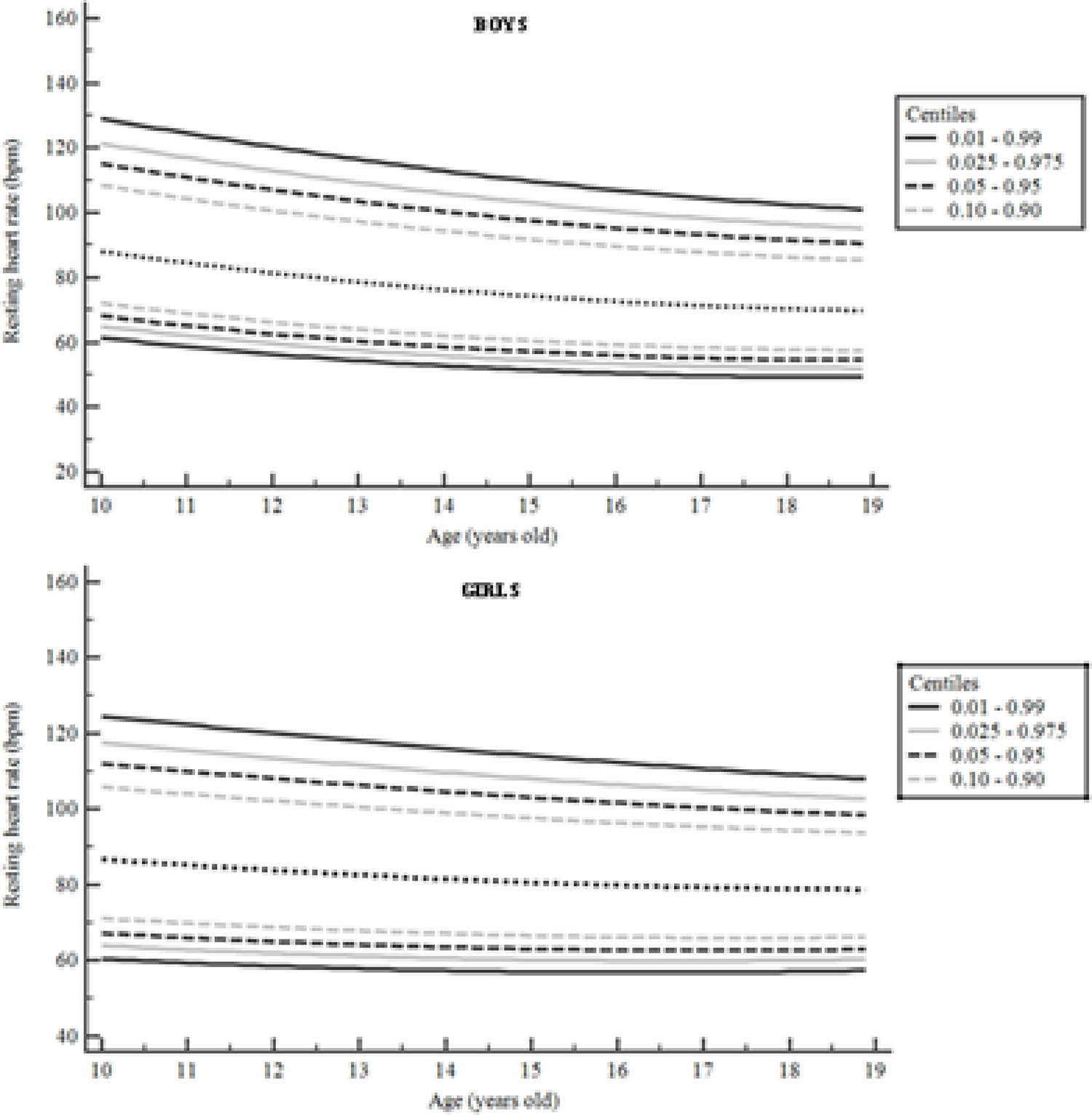
Mean RHR values were higher among participants ages 10 to 14 years than 15 to 19 years, for boys (p < 0.001) and girls ( 92 bpm) and 15 to 19 years (> 82 bpm), as well as for girls ages 15 to 19 years (> 82 bpm) (p 0.05). Proposed RHR cutoff points were associated with abdominal obesity, overweight, and high blood pressure in boys in girls. RHR cutoff points were associated with the cluster of cardiovascular risk factors in adolescents ages 15 to 19 years.

Conclusion

The proposed RHR cutoff points were associated with cardiovascular risk factors in adolescents.

  • Adiposity
  • Adolescent
  • Blood Arterial
  • Cross-Sectional Studies
  • Epidemiology
  • Heart Rate
  • Obesity
  • Risk Factors
Read Full Article
Creative Commons Attribution (CC BY) Creative Commons license
26/07/2021 DOI: 10.36660/abc.20200111 Views 1
Figure 1
ABC
Original Article

Influence of Geographical Location on Access to Reperfusion Therapies and Mortality of Patients with STEMI in Sergipe: VICTIM Register

Jeferson Cunha Oliveira et al. Guilherme José dos Santos Ferreira Jussiely Cunha Oliveira Ticiane Clair Remacre Munareto Lima … Ikaro Daniel de Carvalho Barreto Laís Costa Souza Oliveira Larissa Andreline Maia Arcelino Antônio Carlos Sousa José Augusto Soares Barreto-Filho

Abstract

Background

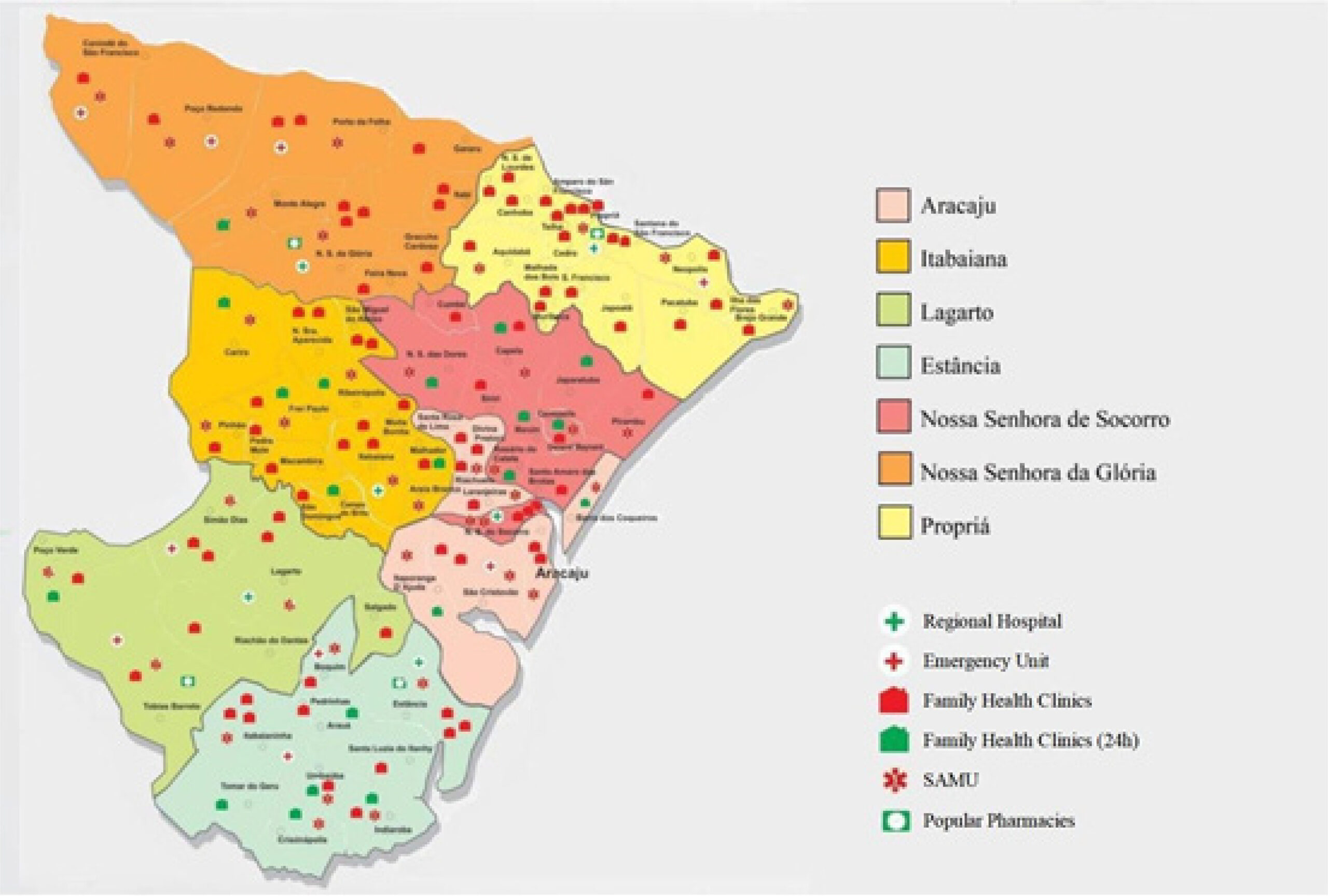
The concentration of high-complexity services in Aracaju, Sergipe can impose certain disparity in the quality of care for the patients with ST-segment elevation acute myocardial infarction (STEMI) (STEMI) who receive care from Brazil’s Unified Health System (SUS, acronym in Portuguese) and whose symptoms started in other health regions of the state.

Objective

To evaluate disparities in access to reperfusion therapies and 30-day mortality, among patients with STEMI, who were users of SUS, in each of the 7 health regions of Sergipe.

Methods

A total of 844 patients with STEMI in the period from 2014 to 2018, assisted by the only hospital with the capacity to offer primary percutaneous coronary intervention (PPCI) to SUS users in the state of Sergipe, were evaluated. The patients were divided into 7 groups according to the location at the onset of symptoms, following the existing division of health regions in the state. For comparison between groups, a significant difference was considered when p < 0.05.

Results

Of the total of 844 patients suffering from STEMI who were transferred to the hospital with PPCI that serves SUS patients, 386 patients (45.8%) underwent primary angioplasty. The mean rate of fibrinolytic use was 2.6%, with no differences between the regions. The mean total time of arrival to the hospital with PPCI was 21 hours and 55 minutes, with a median of 10 hours and 22 minutes (6 hours and 30 minutes to 22 hours and 52 minutes). Total 30-day mortality was 12.8%, but without differences between the regions, even when adjusted for age and sex.

Conclusions

This study reveals that fibrinolytics are underused throughout the state and that there is a significant delay in access to the hospital with PPCI, in all health regions of Sergipe.

  • Cardiovascular Diseases
  • Cross-Sectional Studies
  • Epidemiology
  • Mortality
  • Myocardial Infarction
  • Myocardial Reperfusion
Read Full Article
Creative Commons Attribution (CC BY) Creative Commons license
26/07/2021 DOI: 10.36660/abc.20200015 Views 1
Figure 1
ABCHF
Editorial

The Role of the Heart Failure Specialist: Benefits for Both the Patient and the Cardiology Community

Livia A. Goldraich et al. Jefferson L. Vieira Nadine Clausell

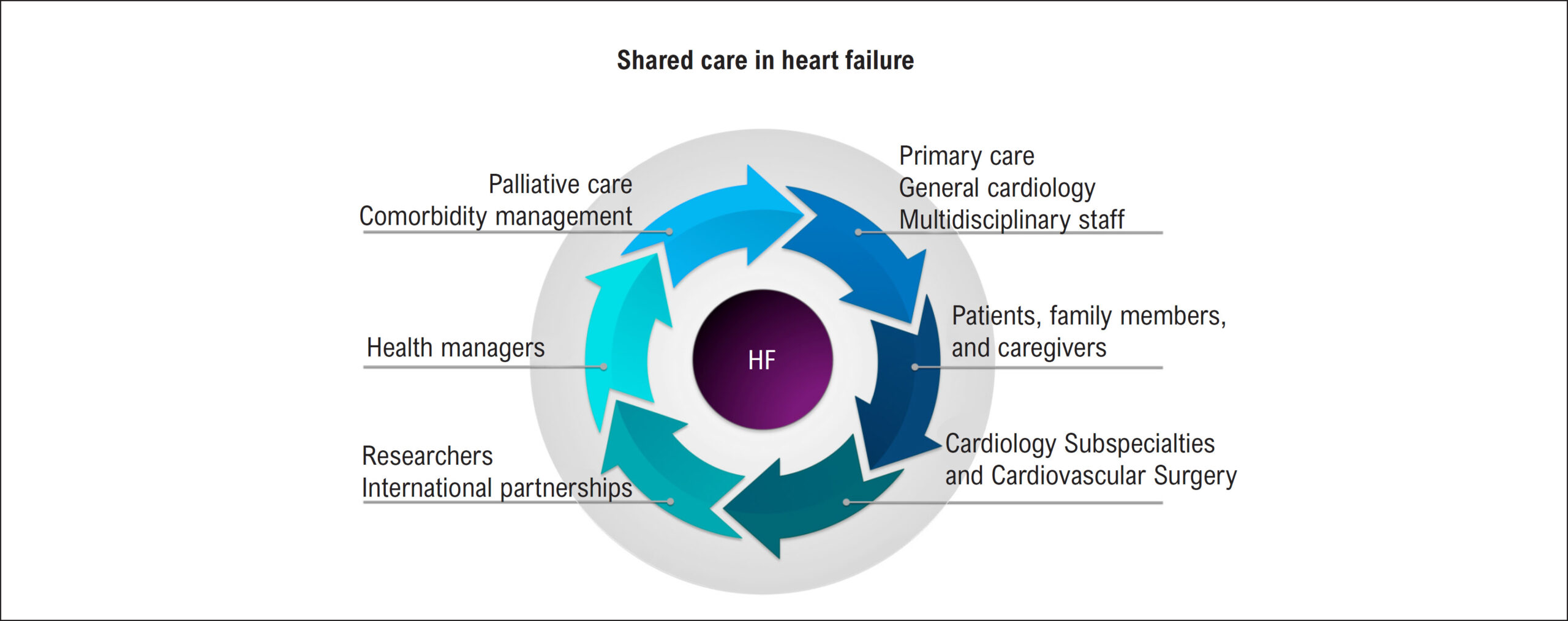
In recent decades, the advancement of knowledge of cardiovascular diseases has been remarkable. Heart failure (HF) has a prominent role among the conditions of greatest epidemiological relevance for the population, given its high prevalence and incidence worldwide, including Brazil.– Thus, mastery of this condition is key to cardiologist training. However, the understanding of the complexity of the different diseases and pathophysiological mechanisms potentially involved in the development, progression, and prognosis of HF has advanced, and a broad and intricate spectrum of therapeutic options has emerged, especially in the past two decades. These advances allowed a significant improvement in the clinical outcomes of HF patients; however, as knowledge and consequent therapeutic challenges became more complex, it was clear that a new type of training and expertise in the field of Cardiology was needed.

The American Heart Association (AHA) and the European Society of Cardiology (ESC) were the first to encourage the growth and strengthening of the HF specialty, with the creation of study groups, departments, and journals focused on this condition.– Several specific HF congresses have been organized and brought together a growing number of participants for about 20 years. Concomitantly, several cardiology centers of worldwide relevance have developed fellowship programs in HF and heart transplantation, many of which more recently also cover mechanical circulatory support. Finally, certification examinations for HF specialist by the American Board of Internal Medicine (ABIM) and the ESC Heart Failure Association were created in 2013 and 2014, respectively., In 2020, an expert consensus of the American College of Cardiology (ACC) together with the Heart Failure Society of America (HFSA) and the International Society for Heart and Lung Transplantation (ISHLT) introduced a list of requirements for HF specialist training, based on the core competencies of the Accreditation Council for Graduate Medical Education (ACGME). This document outlines, in particular, the expectations for physicians who treat advanced HF patients or heart transplant recipients, and recommends specific skills in mechanical circulatory support, cardiac resynchronization therapy, heart transplantation, and pulmonary hypertension. The authors also recommend that there be a maintenance of certification process based on participation in continuing medical education programs and collaboration with national databases and registries. exemplifies and adapts the HF training model used at Brigham and Women’s Hospital, Harvard University, Boston, United States.

[…]

  • Continuity of Patient Care
  • Cross-Sectional Studies
  • Epidemiology
  • Heart failure/prevalence
  • Learning
  • Specialization
Read Full Article
Creative Commons Attribution (CC BY) Creative Commons license
06/07/2021 DOI: 10.36660/abchf.20210002 Views 1
ABC
Original Article

Association between Leisure Time Physical Activity and HDL-C in the Elsa-Brasil Study Participants: Are There Any Gender Differences in the Dose-Response Effect?

Francisco José Gondim Pitanga et al. Rosane Harter Griep Maria da Conceição Almeida Maria de Jesus Mendes da Fonseca … Andreia Rios de Souza Raiane de Carvalho Silva Sheila Maria Alvim Matos

Abstract

Background

High levels of high-density lipoprotein (HDL-C) are known for their protective effect against cardiovascular diseases and the regular practice of leisure time physical activity (LTPA) may be associated with their increase.

Objective

To verify the existence of differences between genders in the dose-response effect regarding the association between LTPA and HDL-C in the ELSA-Brasil study cohort.

Methods

Cross-sectional study with data from wave 2 of 13,931 participants of both genders (7,607 women) from the Longitudinal Study of Adult Health ELSA-Brasil. The LTPA was measured using the International Physical Activity Questionnaire (IPAQ) and classified into four categories: sedentary, low active, active and very active. The discriminatory power of LTPA at different intensities analyzed for high HDL-C was tested using ROC curves. Associations, adjusted for confounders between LTPA and HDL-C were analyzed by logistic regression. A 95% confidence interval was used.

Results

A positive association, with a dose-response effect, was observed between LTPA and HDL-C in both men and women. With regard to intensity, only vigorous physical activity discriminated high HDL-C in men, while both walking and moderate and vigorous physical activity discriminated high HDL-C in women.

Conclusions

LTPA shows a positive association with gradient dose-response and HDL-C, but in men, the association is not observed for those classified as physically unfit. In women, both walking intensity and moderate or vigorous physical activity can discriminate high HDL-C levels, whereas only vigorous intensity-exercise discriminate elevated HDL-C levels in men, demonstrating that males need to do more physical activity for this benefit to be observed.

  • Cardiovascular Diseases
  • Cross-Sectional Studies
  • Epidemiology
  • Exercise
  • HDL, Cholesterol
  • Physical activity
  • walking
Read Full Article
Creative Commons Attribution (CC BY) Creative Commons license
02/07/2021 DOI: 10.36660/abc.20200438 Views 1
Graph 1
IJCS
Original Article

Reliability between Cardiovascular Risk Assessment Tools: A Pilot Study

Rodrigo Conill Marasciulo et al. Ana Maria Nunes de Faria Stamm Guilherme Thomé Garcia Antônio Carlos Estima Marasciulo … Ariel Córdova Rosa Alexandre Augusto de Costa Remor Cristian Battistella

Abstract

Background

The prevention of cardiovascular disease (CVD) is important in clinical practice due to its high morbidity and mortality. Different guidelines have recommended the use of different cardiovascular risk assessment tools, which may have implications on therapeutic decisions.

Objective

To evaluate the agreement rate between the Framingham risk score (FRS) and the Systematic Coronary Risk Evaluation (SCORE) tool on CVD risk assessment in disease-free subjects.

Methods

Cross-sectional study with a sample of 51 subjects treated at the outpatient clinic of a university hospital in Brazil between January 2014 and January 2015. The FRS and two versions of the European SCORE (SCORE-High and SCORE-Low) were used to assess CVD risk; patients were classified as low/moderate risk (< 20% and <5%, respectively) or high risk (≥ 20% and ≥5%, respectively). The agreement rate was evaluated using kappa statistics, a test for interrater reliability that ranges from -1 to 1, and results above 0.6 represent a high agreement rate.

Results

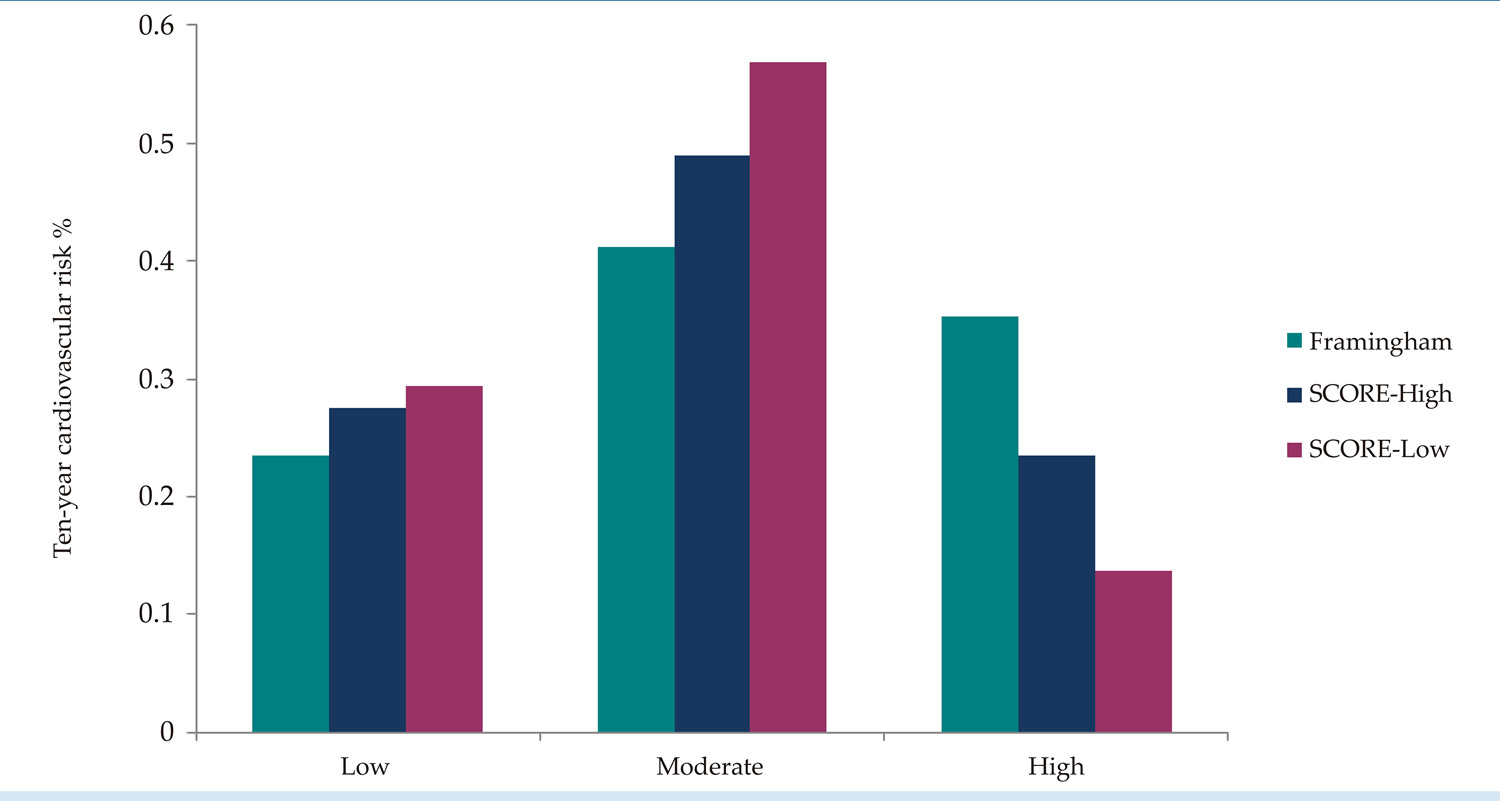
The FRS classified a higher proportion of subjects as high risk for CVD (35.3% [18/51] vs. 23.5% [12/51] with the SCORE-High and 13.7% [7/51] with SCORE-Low). However, there was a high agreement rate between FRS and SCORE-High (k=0.628). The agreement between FRS and SCORE-Low was poor (k=0.352).

Conclusions

There was a high agreement rate between FRS and SCORE-High in cardiovascular risk assessment in the study sample. (Int J Cardiovasc Sci. 2020; [online].ahead print, PP.0-0)

  • Cardiovascular Diseases/prevention and control
  • Cross-Sectional Studies
  • diabetes
  • Hypertension
  • Morbidity
  • Mortality
  • Risk Assessment
  • Risk Factors
Read Full Article
Creative Commons Attribution (CC BY) Creative Commons license
07/07/2020 DOI: 10.36660/ijcs.20190157 Views 1
Figure 1
ABC
Original Article

Hypertension Prevalence, Treatment and Control in Older Adults in a Brazilian Capital City

Ana Luiza Lima Sousa et al. Sandro Rodrigues Batista Andrea Cristina Sousa Jade Alves S. Pacheco … Priscila Valverde de Oliveira Vitorino Valéria Pagotto

Abstract

Background:

The diagnosis, treatment and control of arterial hypertension are fundamental for a reduction in cardiovascular outcomes, especially in the elderly. In Brazil, there are few studies that specifically identified these rates in the elderly population.

Objective:

To verify rates of prevalence, treatment and control of hypertension in elderly people living in the urban area of a Brazilian capital city.

Methods:

A cross-sectional, population-based, randomized, cluster-based study with 912 non-institutionalized elderly individuals (≥ 60 years), living in urban areas in the city of Goiania, Midwest Brazil. Predictor variables were: age, gender, socioeconomic and lifestyle aspects. Blood pressure measurements were performed at home; patients were considered as having arterial hypertension when SBP and/or DBP ≥ 140/90 mmHg or when using antihypertensive drugs (dependent variable). Rates of hypertension treatment and control were evaluated. Variable association analyses were performed by multivariate logistic regression and level of significance was set at 5%.

Results:

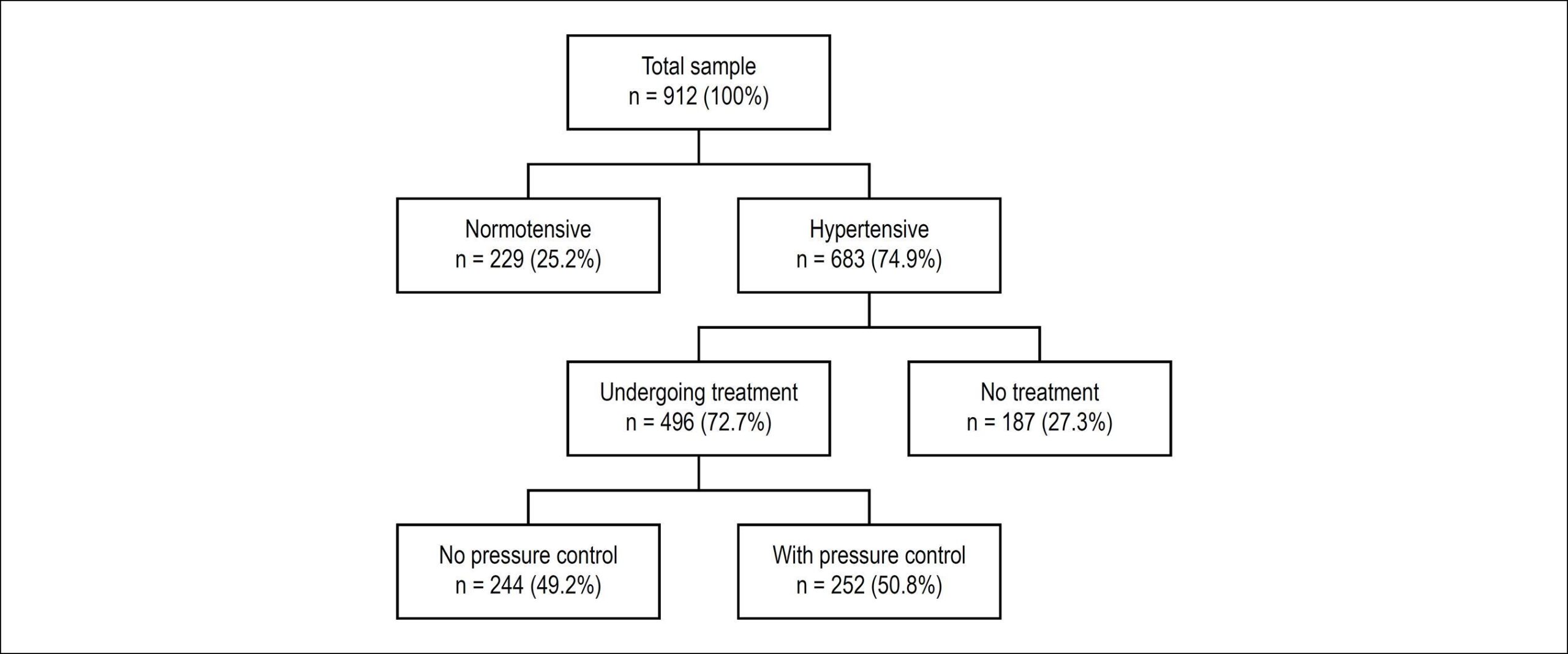
The prevalence of arterial hypertension was 74.9%, being higher (78.6%) in men (OR 1.4, 95% CI: 1.04-1.92); the treatment rate was 72.6%, with higher rates being observed in smokers (OR 2.06, 95% CI: 1.28-3.33). The rate of hypertension control was 50.8%,being higher in women (OR 1.57, 95% CI: 1.19-2.08).

Conclusion:

The prevalence rates were high. Treatment and control rates were low and associated with gender, age and lifestyle, indicating the need for early and individual interventions.

  • aging
  • Blood Pressure
  • Cross-Sectional Studies
  • Hypertension/epidemiology
  • Hypertension/prevention and control
  • Prevalence
Read Full Article
Creative Commons Attribution (CC BY) Creative Commons license
07/01/2019 DOI: 10.5935/abc.20180274 Views 1
Figure 1
IJCS
Original Article

Cardiovascular Disease in Patients with Ankylosing Spondylitis from the Rheumatology Outpatient Clinic of the UFMS-affiliated Hospital

Delcio Gonçalves da Silva Junior et al. Izaias Pereira da Costa

Abstract

Background:

Cardiovascular diseases are a major cause of morbidity and mortality today. Despite its wide distribution, it presents particularly prevalent in certain groups of individuals, particularly when exposed to a higher degree of inflammation, giving increased cardiovascular risk. Rheumatic diseases expose their holders to this increased cardiovascular risk condition; however only recently have been associated with spondyloarthritis, particularly ankylosing spondylitis (AS). For being a classically autoimmune disease related to HLA histocompatibility system, AS may present phenotypic variations in different ethnic groups with possible diverse cardiovascular consequences.

Objectives:

To estimate the prevalence of cardiovascular disease (CVD) and the cardiovascular risk profile, correlating the time since diagnosis and activity of ankylosing spondylitis (AS) in patients from the rheumatology outpatient clinic of the UFMS-affiliated hospital.

Methods:

Of 55 patients with AS, 42 were selected consecutively and compared to a control group (CG) in a cross-sectional study. Patients with diabetes, indigenous background and pregnant women were excluded. Quantitative variables were assessed by use of Student t test, while qualitative variables, by chi-square test. The patients underwent electrocardiography, echocardiography and carotid Doppler examination, measurement of serum lipid levels and inflammatory markers, and were stratified according to global cardiovascular risk. The AS activity and impairment were evaluated by use of the BASMI, BASDAI, BASFI and ASDAS.

Results:

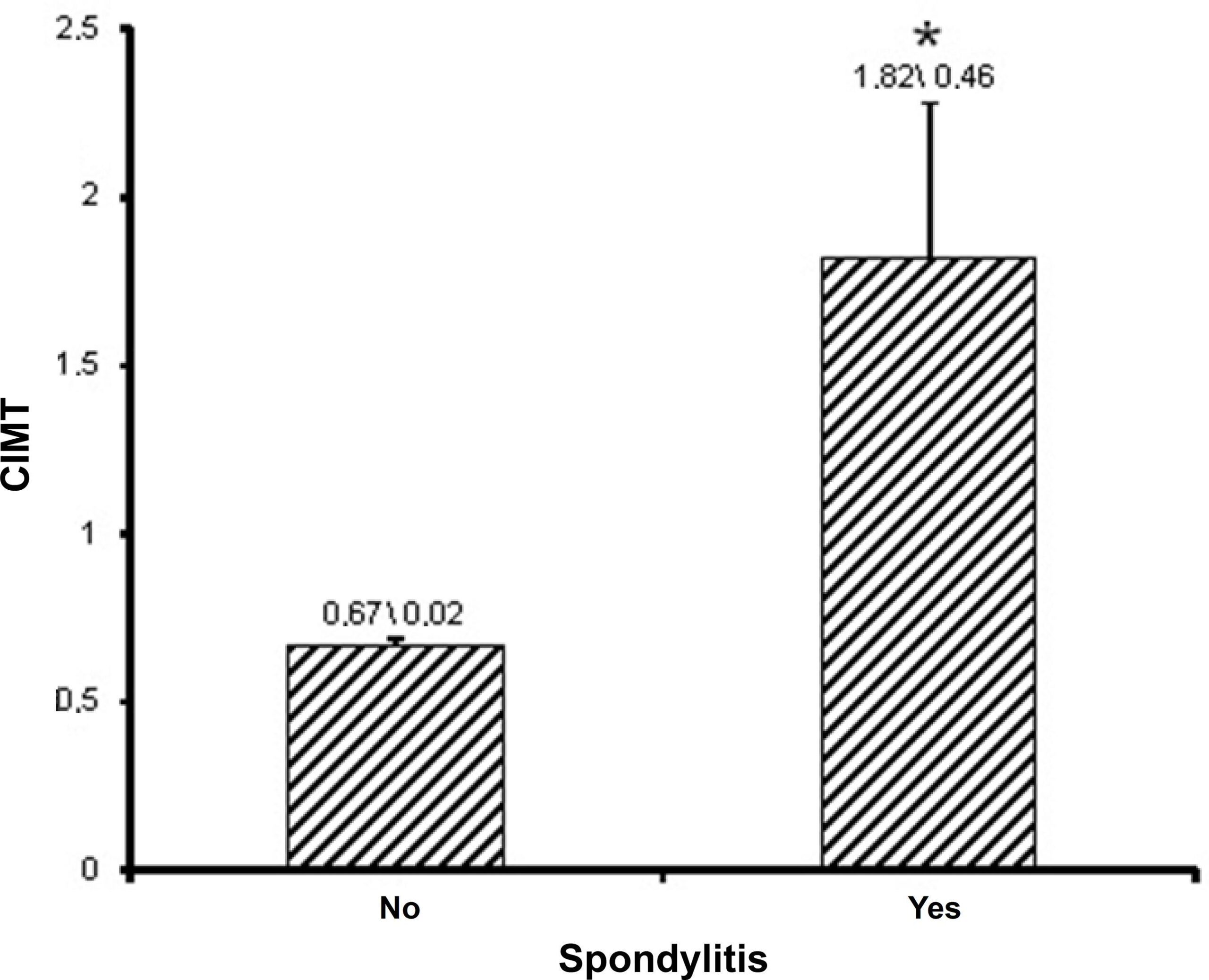
Mean age, 42.87 ± 12.37 years; time since AS diagnosis, 10.76 ± 8.74 years. There was no difference in cardiovascular risk stratification between the groups, most of the patients being at high or moderate risk (AS: 64.3%, and CG: 52%, p = 0.134). The prevalence of manifest CVD (2%) showed no difference between the groups, except for right bundle-branch block (AS: 14%, and CG: 2%, p = 0.027). The prevalence of subclinical CVD showed no difference between the groups, except for higher carotid medial-intimal thickness (CIMT) in the AS group (AS: 1.82 ± 2.63, and CG: 0.67 ± 0.16, p = 0.018). There was no correlation between AS activity or inflammatory markers and CVD, but with time since AS diagnosis and CIMT (p = 0.039, r = 0.328).

Conclusions:

Prevalence of CVD and risk factors was similar in the groups. Subclinical atherosclerosis degree was higher in the AS group, related to the time since diagnosis, but was independent of the cardiovascular risk factors or inflammation. Most patients with AS are at high cardiovascular risk.

  • Cardiovascular Diseases
  • Cross-Sectional Studies
  • Risk Factors
  • Spondylitis, Ankylosing / complications
  • Spondylitis, Ankylosing / diagnosis
Read Full Article
Creative Commons Attribution (CC BY) Creative Commons license
01/01/2019 DOI: 10.5935/2359-4802.20180076
IJCS
Original Article

Methods of Screening for Depression in Outpatients with Heart Failure

Thaís de Rezende Bessa Guerra et al. Isabella Cristina Diniz Venancio Daniel Mählmann de Moura Pinheiro Mauro Vitor Mendlowicz … Ana Carla Dantas Cavalcanti Evandro Tinoco Mesquita

Abstract

Background:

Depression is a syndromic clinical condition underdiagnosed in patients with heart failure. Several instruments are currently applied to screen for depression.

Objective:

To determine the prevalence of depression and the agreement among screening methods for depression in patients with heart failure.

Methods:

Cross-sectional study conducted between March 2015 and January 2017 including 76 outpatients following up at a clinic specialized in heart failure. Depression was screened with the Hamilton Depression Rating Scale (HAM-D), Beck Depression Inventory-II (BDI-II), and Patient Health Questionnaire-9 (PHQ-9). The agreement among the three instruments was analyzed with Fleiss’ kappa coefficient (kF), Krippendorff’s alpha coefficient (Ck) and Cronbach’s alpha coefficient. The accuracy, sensitivity, and specificity, as well as false-positive and false-negative results of the HAM-D and PHQ-9 were calculated considering the BDI-II as the gold-standard instrument in the diagnosis of depression.

Results:

The prevalence rates of depression were 72.4% (n = 55) with the HAM-D, 67.1% (n = 51) with the BDI-II, and 40.8% (n = 31) with the PHQ-9 scales. The prevalence of depression simultaneously identified by all three instruments was 28.9% (n = 22) and the diagnostic agreement (presence or absence of depression) was 47.4% (n = 36). The analysis revealed a superficial agreement (kF = Ck = 0.27) and moderate consistency ((↓C = 0.602, significantly not null, p = 0.000). Sociodemographic and clinical variables were not risk factors for depression in the evaluated sample.

Conclusion:

The screening methods analyzed showed agreement and were useful in detecting depression among outpatients with heart failure.

  • Cross-Sectional Studies
  • Depression / diagnosis
  • Depression / prevalence
  • Heart Failure
  • Medical Records
  • Surveys and Questionnaires
Read Full Article
Creative Commons Attribution (CC BY) Creative Commons license
02/07/2018 DOI: 10.5935/2359-4802.20180037
Figure 1
ABC
Original Article

Lifetime Prevalence of Transient Loss of Consciousness in an Urban Russian Population

S Gudkova et al. N Cherepanova D Duplyakov G Golovina … S Khokhlunov E Surkova O Rotar A Konradi E Shlyakhto

Abstract

Background:

Most international studies on epidemiology of transient loss of consciousness (TLC) were performed many years ago. There are no data about the lifetime prevalence of TLC in Russia.

Objective:

To identify the lifetime prevalence and presumed mechanisms of TLC in an urban Russian population.

Methods:

1796 individuals (540 males [30.1%] and 1256 females [69.9%]) aged 20 to 69 years (mean age 45.8 ± 11.9 years) were randomly selected and interviewed within the framework of multicentre randomised observational trial.

Results:

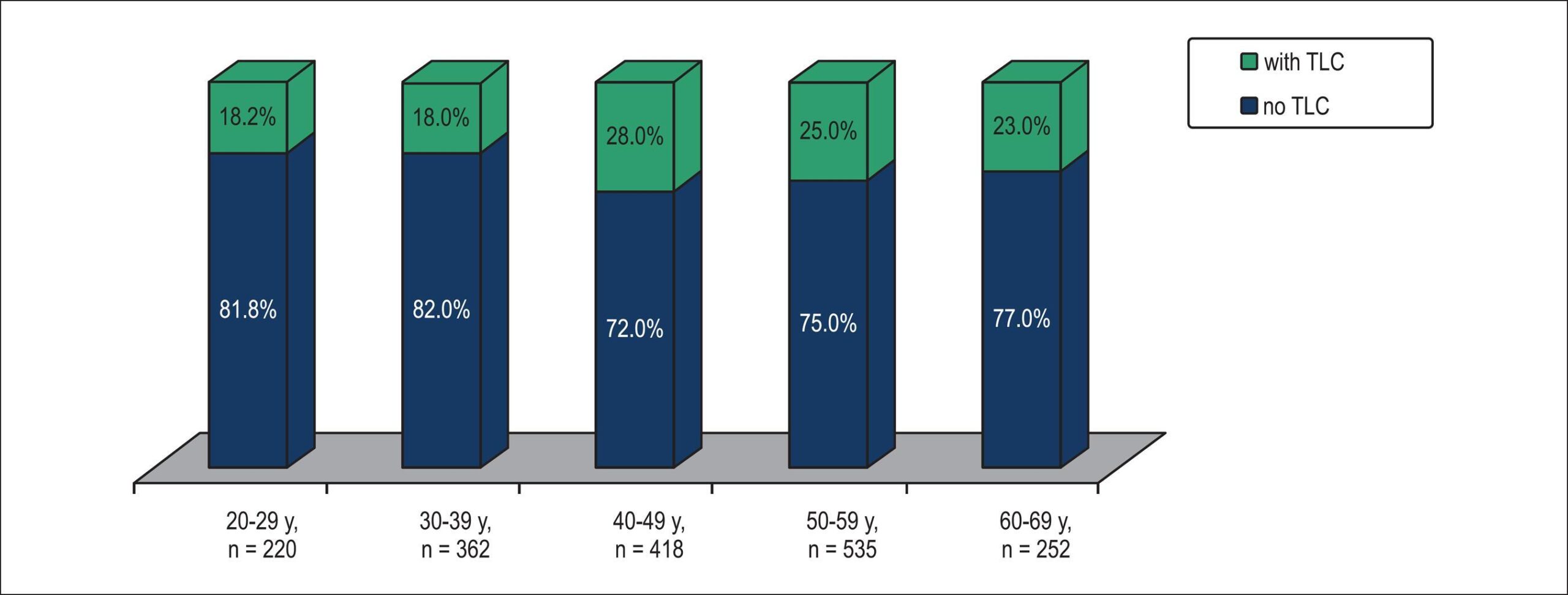
The overall prevalence of TLC in the studied population was 23.3% (418/1796), with the highest proportion (28%) seen in 40-49 year age group. TLC was significantly more common in women than in men (27.5% vs 13.5%). The mean age of patients at the time of the first event was 16 (11; 23) years, with 333 (85%) individuals experiencing the first episode of TLC under 30 years. The average time after the first episode of TLC was 27 (12; 47) years. The following mechanisms of TLC were determined using the questionnaire: neurally-mediated syncope (56.5%), arrhythmogenic onset of syncope (6.0%), nonsyncopal origin of TLC (1.4%), single episode during lifetime (2.1%). Reasons for TLC remained unidentified in 34% cases. 27 persons (6.5%) reported a family history of sudden death, mainly patients with presumably arrhythmogenic origin (24%).

Conclusion:

Our findings suggest that the overall prevalence of TLC in individuals aged 20-69 years is high. The most common cause of TLC is neurally-mediated syncope. These data about the epidemiology can help to develop cost-effective management approaches to TLC.

  • Cross-Sectional Studies
  • Syncope, Vasovagal
  • Unconsciousness / epidemiology
  • Urban Population
Read Full Article
Creative Commons Attribution (CC BY) Creative Commons license
15/04/2016 DOI: 10.5935/abc.20160056 Views 1
Evidence-based therapy prescription in high-cardiovascular risk patients: the REACT study
ABC
Special Article

Evidence-based therapy prescription in high-cardiovascular risk patients: the REACT study

Otávio Berwanger et al. Luiz Alberto Piva e Mattos José Fernando Vilela Martin Renato Delascio Lopes … Estevão Lanna Figueiredo Daniel Magnoni Dalton Bertolim Precoma Carlos Alberto Machado Jorge Ilha Guimarães Jadelson Pinheiro de Andrade

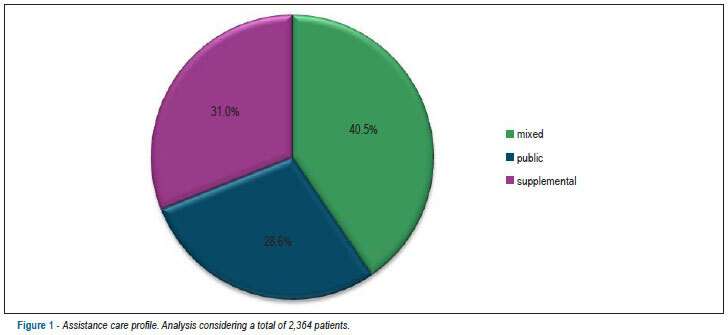
BACKGROUND: Data on outpatient care provided to patients at high cardiovascular risk in Brazil are insufficient. OBJECTIVE: To describe the profile and document the clinical practice of outpatient care in patients at high cardiovascular risk in Brazil, regarding the prescription of evidence-based therapies. METHODS: Prospective registry that documented the ambulatory clinical practice in individuals at high cardiovascular risk, which was defined as the presence of the following factors: coronary artery disease, cerebrovascular and peripheral vascular diseases, diabetes, or those with at least three of the following factors: hypertension, smoking, dyslipidemia, age > 70 years, family history of coronary artery disease, chronic kidney disease or asymptomatic carotid artery disease. Basal characteristics were assessed and the rate of prescription of pharmacological and non-pharmacological interventions was analyzed. RESULTS: A total of 2364 consecutive patients were included, of which 52.2% were males, with a mean age of 66.0 years (± 10.1). Of these, 78.3% used antiplatelet agents, 77.0% used statins and of patients with a history of myocardial infarction, 58.0% received beta-blockers. Concomitant use of these three classes of drugs was 34%; 50.9% of hypertensive, 67% of diabetic and 25.7% of dyslipidemic patients did not achieve the goals recommended by guidelines. The main predictors of prescription therapies with proven benefit were centers with a cardiologist and history of coronary artery disease. CONCLUSION: This national and representative registry identified important gaps in the incorporation of therapies with proven benefit, offering a realistic outlook of patients at high cardiovascular risk.

  • Cardiovascular Diseases
  • Cross-Sectional Studies
  • Drug Prescriptions
  • Mortality
  • Randomized controlled trials as topic
  • Review
  • Risk Factors
Read Full Article
Creative Commons Attribution (CC BY) Creative Commons license
15/04/2013 DOI: 10.5935/abc.20130062 Views 1
Cardiovascular risk factors in a cohort of healthcare professionals: 15 years of evolution
ABC
Artigo Original

Cardiovascular risk factors in a cohort of healthcare professionals: 15 years of evolution

Thiago de Souza Veiga Jardim et al. Paulo César Brandão Veiga Jardim Wattusy Estefane Cunha de Araújo Luciana Muniz Sanches Siqueira Veiga Jardim Claudia Maria Salgado

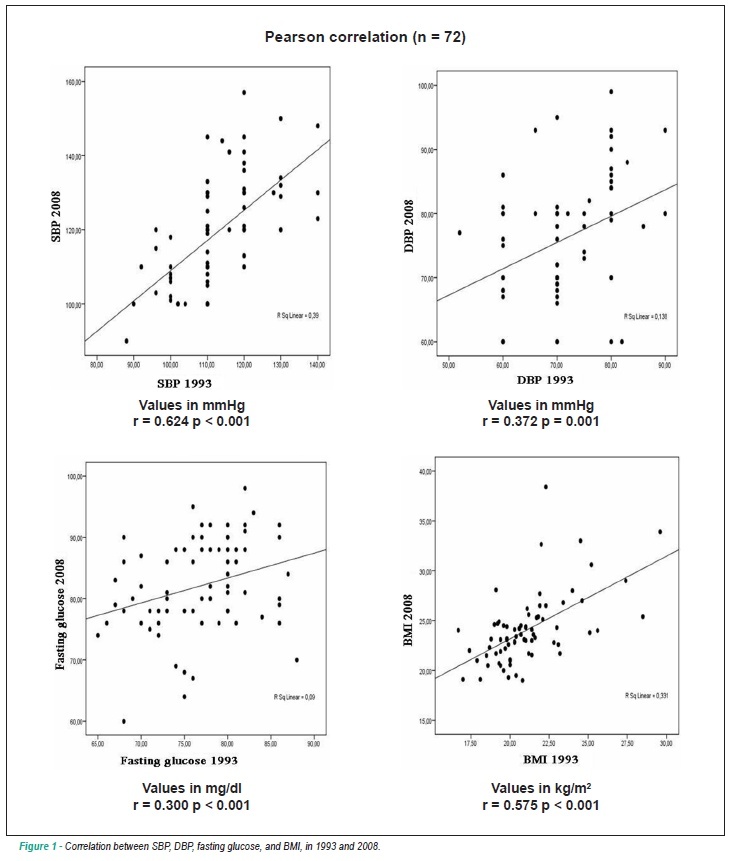
BACKGROUND: According to the World Health Organization (WHO), cardiovascular diseases (CVD) account for 16.7 million deaths per year. Evidence shows that CVD result from the interaction of multiple risk factors that are present from childhood. OBJECTIVE: To evaluate the presence and evolution of several cardiovascular risk factors (CVRF) among medical professionals, in a period of 15 years. METHODS: We analyzed a group of individuals when they entered medical school, and repeated the analysis after 15 years, comparing the data found. We used CVRF questionnaires (systemic arterial hypertension (SAH); diabetes mellitus (DM); dyslipidemia and family history of premature CVD; smoking habit; alcoholism; and sedentary lifestyle). Cholesterol, blood glucose, BP, weight, height, body mass index (BMI) values were determined. RESULTS: We compared 100 subjects (64.0% men with a mean age of 19.9 years) with a total of 72 subjects (62.5% men, 34.8 years) that were included in the study 15 years later. There was an increase in the prevalence of hypertension (6.0% vs 16.7%, p = 0.024), overweight (9.0% vs 26.4%, p = 0.002), and dyslipidemia (4.0% vs 19.14%, p = 0.002). The other CVRF remained unchanged. Analyzing the values of systolic blood pressure (SBP); diastolic blood pressure (DBP); cholesterol; glucose; and BMI, we found an increase in the mean values of all variables (p < 0.05). We observed a positive correlation between the values of SBP, DBP, BMI, and blood glucose measured in the time interval (p < 0.05). CONCLUSION: Among medical professionals, there was an elevation in SBP, DBP, glucose, BMI, and cholesterol values in 15 years. In the CVRF prevalence analysis, we found an increase in the prevalence of hypertension, overweight, and dyslipidemia.

  • Cross-Sectional Studies
  • Health Personnel
  • Risk Factors
Read Full Article
Creative Commons Attribution (CC BY) Creative Commons license
09/07/2010 DOI: 10.1590/S0066-782X2010005000084 Views 1
Prevalence of angina pectoris in Pelotas, south of Brazil
ABC
Artigo Original

Prevalence of angina pectoris in Pelotas, south of Brazil

Leonardo Alves et al. Juraci A. Cesar Bernardo L. Horta

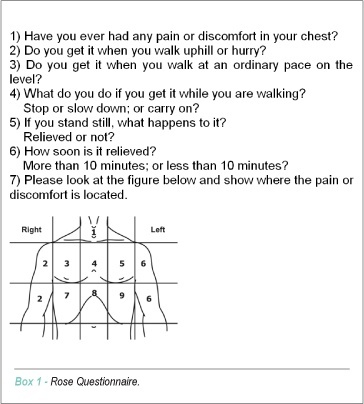
BACKGROUND: Ischemic heart disease is the leading cause of death in the world and angina is its cardinal manifestation. OBJECTIVE: To determine the prevalence of angina and possible angina and its distribution by main demographic and socioeconomic characteristics among adults 40 years of age or older. METHODS: This is a population-based, cross-sectional study featuring residents of the urban area in Pelotas, a city located in the south of Brazil, from October through December 2007. A two-stage cluster sampling – census tracts and households – was used. The prevalence of angina and possible angina was defined according to the Rose questionnaire. These conditions were assessed by demographic and socioeconomic characteristics: age, sex, skin color, economic status, and schooling. Data were collected using standardized questionnaires in interviews with the individuals in their homes. The non-respondent rate was 6.8%. RESULTS: The prevalence of angina among the 1,680 individuals taking part in the study was 8.2% (95% CI: 6.7 – 9.6), while that of possible angina came to 12.3% (95% CI: 10.6 – 14.0). The prevalence of angina and possible angina was higher among women, black/brown-skinned individuals, low economic class individuals and subjects with the low schooling. The prevalence of angina was higher among older individuals, while possible angina was found not to be associated with age. CONCLUSION: The prevalence of angina and possible angina was found to be high, affecting approximately 20% of the population in Pelotas.

  • angina
  • Cross-Sectional Studies
  • population
  • Prevalence
Read Full Article
Creative Commons Attribution (CC BY) Creative Commons license
25/06/2010 DOI: 10.1590/S0066-782X2010005000075 Views 1
ABC
Artigo Original

Quality of life in hypertensive patients and concurrent validity of Minichal-Brazil

Ana Carolina Melchiors et al. Cassyano Januário Correr Roberto Pontarolo Felipe de Oliveira de Souza Santos Rodrigo Augusto de Paula e Souza

BACKGROUND: Health-Related Quality of Life Questionnaires (HRQOL) are humanistic outcome measure instruments both in clinical and in pharmacoeconomic studies. However, they should have their psychometric parameters evaluated so as to reflect the individual subjective assessment of quality of life. OBJECTIVES: To describe the quality of life profile of hypertensive patients and to assess the concurrent validity of the Minichal-Brazil instrument by comparing it to the generic World Health Organization’s (WHO) assessment instrument known as WHOQOL-Bref. METHODS: A total of 191 adult patients (72.8% females) with hypertension were interviewed. Approximately one third of these patients had their hypertension controlled. The mean HRQOL as measured by the total Minichal score was 69.7 (SD = 19.2; 95%CI from 66.9 to 72.4); the “mental status” domain and “somatic manifestations” domain scores were 69.1 (95%CI from 66.1 to 72.2), and 69.9 (95%CI from 66.5 to 73.2), respectively. The means for the WHOQOL-Bref instrument were: in the “physical” domain = 61.5 (95%CI from 59.0 to 64.1); in the “psychological” domain = 65.7 (95%CI from 63.2 to 68.2); in the “social” domain = 72.3 (95%CI from 70.0 to 74.5); and in the “environment” domain = 59.7 (95%CI from 57.7 to 61.7). RESULTS: Minichal significantly correlated (p<0.001) with WHOQOL-Bref as regards all its domains, except for the "environment" domain, which did not correlate with the "somatic manifestations" domain. CONCLUSION: Minichal-Brazil proved to be a useful tool in the assessment of HRQOL in hypertensive patients.

  • Cross-Sectional Studies
  • Evaluation Studies
  • Hypertension
  • Quality of life
  • questionnaires
Read Full Article
Creative Commons Attribution (CC BY) Creative Commons license
28/04/2010 DOI: 10.1590/S0066-782X2010000300013
Comparison of maximal heart rate using the prediction equations proposed by Karvonen and Tanaka
ABC
Artigo Original

Comparison of maximal heart rate using the prediction equations proposed by Karvonen and Tanaka

Sérgio Ricardo de Abreu Camarda et al. Antonio Sérgio Tebexreni Cristmi Niero Páfaro Fábio Bueno Sasai … Vera Lúcia Tambeiro Yara Juliano Turíbio Leite de Barros Neto

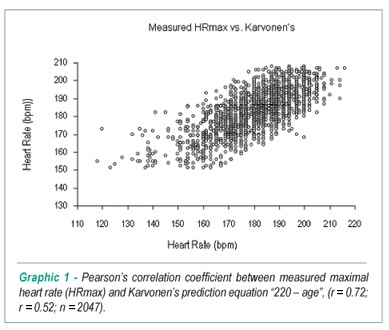
BACKGROUND: Equations for predicting maximal heart rate (HRmax) are widely used in exercise testing and for training prescription, but their efficacy remains controversial in the literature. OBJECTIVE: To compare maximal heart rate during cardiopulmonary exercise testing (CPET) using the prediction equations developed by Karvonen and Tanaka. METHODS: Of the 24,120 maximal treadmill graded exercise tests stored in the CEMAFE database from 1994 to 2006, 2047 HRmax values were analyzed, 1091 of which were from male and 956 from female sedentary subjects. These data were used as a gold standard to compare Karvonen’s and Tanaka’s prediction formulas. RESULTS: Mean measured maximal heart rates were 181.0 ± 14.0; 180.6 ± 13.0, and 180.8 ± 13.8 for men, women, and both genders combined, respectively. Likewise, mean values from Karvonen’s equation were 182.0 ± 11.4; 183.7 ± 11.5, and 183.9 ± 11.7; and from Tanaka’s, 182.0 ± 8.0; 182.6 ± 8.0, and 182.7 ± 8.2. Karvonen’s and Tanaka’s equations yielded the same correlation coefficients, as compared with measured maximal heart rate (r = 0.72). CONCLUSION: Karvonen’s and Tanaka’s equations are similar in predicting maximal heart rate and show good correlation with measured maximal heart rate.

  • Cross-Sectional Studies
  • Exercise Test
  • Heart Rate
Read Full Article
Creative Commons Attribution (CC BY) Creative Commons license
05/01/2009 DOI: 10.1590/S0066-782X2008001700005 Views 1

How to cite this article

EndNote RIS

Electronic Document Format (Vancouver)

Bertuol Filho AA, Pereira AC, Santos ABS, Ribeiro ALP, Duncan BB, Pianca EG, Scolari FL, et al. Prevalence and Characterization of the Hypertrophic Cardiomyopathy Phenotype Assessed by Echocardiography in an Adult Brazilian Population: The ELSA-Brasil Study. Arquivos Brasileiros de Cardiologia 2026;123(1):e20250116.

Electronic Document Format (ABNT)

Bertuol Filho, Amadeu Antonio; Pereira, Alexandre da Costa; Santos, Angela Barreto Santiago; Ribeiro, Antonio Luiz Pinho; Duncan, Bruce Bartholow; Pianca, Eduardo Gatti; Scolari, Fernando Luis; Foppa, Murilo. Prevalence and Characterization of the Hypertrophic Cardiomyopathy Phenotype Assessed by Echocardiography in an Adult Brazilian Population: The ELSA-Brasil Study. Arquivos Brasileiros de Cardiologia, v. 123, n. 1, e20250116, Mar. 2026.

Electronic Document Format (APA)

Bertuol Filho, A. A., Pereira, A. C., Santos, A. B. S., Ribeiro, A. L. P., Duncan, B. B., Pianca, E. G., Scolari, F. L., & Foppa, M. (2026). Prevalence and Characterization of the Hypertrophic Cardiomyopathy Phenotype Assessed by Echocardiography in an Adult Brazilian Population: The ELSA-Brasil Study. Arquivos Brasileiros de Cardiologia, 123(1), e20250116.

Electronic Document Format (ISO)

Bertuol Filho, Amadeu Antonio and Pereira, Alexandre da Costa and Santos, Angela Barreto Santiago and Ribeiro, Antonio Luiz Pinho and Duncan, Bruce Bartholow and Pianca, Eduardo Gatti and Scolari, Fernando Luis and Foppa, Murilo. Prevalence and Characterization of the Hypertrophic Cardiomyopathy Phenotype Assessed by Echocardiography in an Adult Brazilian Population: The ELSA-Brasil Study. Arquivos Brasileiros de Cardiologia [online]. 2026, vol. 123, n. 1, [cited 2026-10-14], e20250116. Available from: <https://journals.cardiol.br/en/article/prevalence-and-characterization-of-the-hypertrophic-cardiomyopathy-phenotype-assessed-by-echocardiography-in-an-adult-brazilian-population-the-elsa-brasil-study/>. ISSN 0066-782X

EndNote RIS

Electronic Document Format (Vancouver)

Farah BQ, Christofaro DGD, Andrade-Lima A, Germano-Soares AH, Tebar WR, Barros MVG, Ritti-Dias RM, et al. Sensitivity and Specificity of Cutoff Points of Resting Heart Rate from 6,794 Brazilian Adolescents: A Cross-Sectional Study. Arquivos Brasileiros de Cardiologia 2021;117(1):74-81.

Electronic Document Format (ABNT)

Farah, Breno Quintella; Christofaro, Diego Giulliano Destro; Andrade-Lima, Aluísio; Germano-Soares, Antonio Henrique; Tebar, William Rodrigues; Barros, Mauro Virgílio Gomes de; Ritti-Dias, Raphael Mendes. Sensitivity and Specificity of Cutoff Points of Resting Heart Rate from 6,794 Brazilian Adolescents: A Cross-Sectional Study. Arquivos Brasileiros de Cardiologia, v. 117, n. 1, p. 74-81, Jul. 2021.

Electronic Document Format (APA)

Farah, B. Q., Christofaro, D. G. D., Andrade-Lima, A., Germano-Soares, A. H., Tebar, W. R., Barros, M. V. G. , & Ritti-Dias, R. M. (2021). Sensitivity and Specificity of Cutoff Points of Resting Heart Rate from 6,794 Brazilian Adolescents: A Cross-Sectional Study. Arquivos Brasileiros de Cardiologia, 117(1), 74-81.

Electronic Document Format (ISO)

Farah, Breno Quintella and Christofaro, Diego Giulliano Destro and Andrade-Lima, Aluísio and Germano-Soares, Antonio Henrique and Tebar, William Rodrigues and Barros, Mauro Virgílio Gomes de and Ritti-Dias, Raphael Mendes. Sensitivity and Specificity of Cutoff Points of Resting Heart Rate from 6,794 Brazilian Adolescents: A Cross-Sectional Study. Arquivos Brasileiros de Cardiologia [online]. 2021, vol. 117, n. 1, [cited 2026-10-14], pp. 74-81. Available from: <https://journals.cardiol.br/en/article/sensitivity-and-specificity-of-cutoff-points-of-resting-heart-rate-from-6794-brazilian-adolescents-a-cross-sectional-study/>. ISSN 0066-782X

EndNote RIS

Electronic Document Format (Vancouver)

Oliveira JC, Ferreira GJS, Oliveira JC, Lima TCRM, Barreto IDC, Oliveira LCS, Arcelino LAM, et al. Influence of Geographical Location on Access to Reperfusion Therapies and Mortality of Patients with STEMI in Sergipe: VICTIM Register. Arquivos Brasileiros de Cardiologia 2021;117(1):120-9.

Electronic Document Format (ABNT)

Oliveira, Jeferson Cunha; Ferreira, Guilherme José dos Santos; Oliveira, Jussiely Cunha; Lima, Ticiane Clair Remacre Munareto; Barreto, Ikaro Daniel de Carvalho; Oliveira, Laís Costa Souza; Arcelino, Larissa Andreline Maia; Sousa, Antônio Carlos; Barreto-Filho, José Augusto Soares. Influence of Geographical Location on Access to Reperfusion Therapies and Mortality of Patients with STEMI in Sergipe: VICTIM Register. Arquivos Brasileiros de Cardiologia, v. 117, n. 1, p. 120-129, Jul. 2021.

Electronic Document Format (APA)

Oliveira, J. C., Ferreira, G. J. S., Oliveira, J. C., Lima, T. C. R. M., Barreto, I. D. C., Oliveira, L. C. S., Arcelino, L. A. M., Sousa, A. C., & Barreto-Filho, J. A. S. (2021). Influence of Geographical Location on Access to Reperfusion Therapies and Mortality of Patients with STEMI in Sergipe: VICTIM Register. Arquivos Brasileiros de Cardiologia, 117(1), 120-129.

Electronic Document Format (ISO)

Oliveira, Jeferson Cunha and Ferreira, Guilherme José dos Santos and Oliveira, Jussiely Cunha and Lima, Ticiane Clair Remacre Munareto and Barreto, Ikaro Daniel de Carvalho and Oliveira, Laís Costa Souza and Arcelino, Larissa Andreline Maia and Sousa, Antônio Carlos and Barreto-Filho, José Augusto Soares. Influence of Geographical Location on Access to Reperfusion Therapies and Mortality of Patients with STEMI in Sergipe: VICTIM Register. Arquivos Brasileiros de Cardiologia [online]. 2021, vol. 117, n. 1, [cited 2026-10-14], pp. 120-129. Available from: <https://journals.cardiol.br/en/article/influence-of-geographical-location-on-access-to-reperfusion-therapies-and-mortality-of-patients-with-stemi-in-sergipe-victim-register/>. ISSN 0066-782X

EndNote RIS

Electronic Document Format (Vancouver)

Goldraich LA, Vieira JL, Clausell N. The Role of the Heart Failure Specialist: Benefits for Both the Patient and the Cardiology Community. ABC: Heart Failure & Cardiomyopathy 2021;1(1):11-4.

Electronic Document Format (ABNT)

Goldraich, Livia A.; Vieira, Jefferson L.; Clausell, Nadine. The Role of the Heart Failure Specialist: Benefits for Both the Patient and the Cardiology Community. ABC: Heart Failure & Cardiomyopathy, v. 1, n. 1, p. 11-14, Jul. 2021.

Electronic Document Format (APA)

Goldraich, L. A., Vieira, J. L., & Clausell, N. (2021). The Role of the Heart Failure Specialist: Benefits for Both the Patient and the Cardiology Community. ABC: Heart Failure & Cardiomyopathy, 1(1), 11-14.

Electronic Document Format (ISO)

Goldraich, Livia A. and Vieira, Jefferson L. and Clausell, Nadine. The Role of the Heart Failure Specialist: Benefits for Both the Patient and the Cardiology Community. ABC: Heart Failure & Cardiomyopathy [online]. 2021, vol. 1, n. 1, [cited 2026-10-14], pp. 11-14. Available from: <https://journals.cardiol.br/en/article/the-role-of-the-heart-failure-specialist-benefits-for-both-the-patient-and-the-cardiology-community/>

EndNote RIS

Electronic Document Format (Vancouver)

Pitanga FJG, Griep RH, Almeida MC, Fonseca MJM, Souza AR, Silva RC, Matos SMA, et al. Association between Leisure Time Physical Activity and HDL-C in the Elsa-Brasil Study Participants: Are There Any Gender Differences in the Dose-Response Effect?. Arquivos Brasileiros de Cardiologia 2021;117(3):494-500.

Electronic Document Format (ABNT)

Pitanga, Francisco José Gondim; Griep, Rosane Harter; Almeida, Maria da Conceição; Fonseca, Maria de Jesus Mendes da; Souza, Andreia Rios de; Silva, Raiane de Carvalho; Matos, Sheila Maria Alvim. Association between Leisure Time Physical Activity and HDL-C in the Elsa-Brasil Study Participants: Are There Any Gender Differences in the Dose-Response Effect?. Arquivos Brasileiros de Cardiologia, v. 117, n. 3, p. 494-500, Jul. 2021.

Electronic Document Format (APA)

Pitanga, F. J. G., Griep, R. H., Almeida, M. C., Fonseca, M. J. M. , Souza, A. R. , Silva, R. C., & Matos, S. M. A. (2021). Association between Leisure Time Physical Activity and HDL-C in the Elsa-Brasil Study Participants: Are There Any Gender Differences in the Dose-Response Effect?. Arquivos Brasileiros de Cardiologia, 117(3), 494-500.

Electronic Document Format (ISO)

Pitanga, Francisco José Gondim and Griep, Rosane Harter and Almeida, Maria da Conceição and Fonseca, Maria de Jesus Mendes da and Souza, Andreia Rios de and Silva, Raiane de Carvalho and Matos, Sheila Maria Alvim. Association between Leisure Time Physical Activity and HDL-C in the Elsa-Brasil Study Participants: Are There Any Gender Differences in the Dose-Response Effect?. Arquivos Brasileiros de Cardiologia [online]. 2021, vol. 117, n. 3, [cited 2026-10-14], pp. 494-500. Available from: <https://journals.cardiol.br/en/article/association-between-leisure-time-physical-activity-and-hdl-c-in-the-elsa-brasil-study-participants-are-there-any-gender-differences-in-the-dose-response-effect/>. ISSN 0066-782X

EndNote RIS

Electronic Document Format (Vancouver)

Marasciulo RC, Stamm AMNF, Garcia GT, Marasciulo ACE, Rosa AC, Remor AAC, Battistella C, et al. Reliability between Cardiovascular Risk Assessment Tools: A Pilot Study. International Journal of Cardiovascular Sciences 2020;33(6):618-26.

Electronic Document Format (ABNT)

Marasciulo, Rodrigo Conill; Stamm, Ana Maria Nunes de Faria; Garcia, Guilherme Thomé; Marasciulo, Antônio Carlos Estima; Rosa, Ariel Córdova; Remor, Alexandre Augusto de Costa; Battistella, Cristian. Reliability between Cardiovascular Risk Assessment Tools: A Pilot Study. International Journal of Cardiovascular Sciences, v. 33, n. 6, p. 618-626, Jul. 2020.

Electronic Document Format (APA)

Marasciulo, R. C., Stamm, A. M. N. F., Garcia, G. T., Marasciulo, A. C. E., Rosa, A. C., Remor, A. A. C., & Battistella, C. (2020). Reliability between Cardiovascular Risk Assessment Tools: A Pilot Study. International Journal of Cardiovascular Sciences, 33(6), 618-626.

Electronic Document Format (ISO)

Marasciulo, Rodrigo Conill and Stamm, Ana Maria Nunes de Faria and Garcia, Guilherme Thomé and Marasciulo, Antônio Carlos Estima and Rosa, Ariel Córdova and Remor, Alexandre Augusto de Costa and Battistella, Cristian. Reliability between Cardiovascular Risk Assessment Tools: A Pilot Study. International Journal of Cardiovascular Sciences [online]. 2020, vol. 33, n. 6, [cited 2026-10-14], pp. 618-626. Available from: <https://journals.cardiol.br/en/article/reliability-between-cardiovascular-risk-assessment-tools-a-pilot-study/>. ISSN 2359-4802

EndNote RIS

Electronic Document Format (Vancouver)

Sousa ALL, Batista SR, Sousa AC, Pacheco JAS, Vitorino PVO, Pagotto V. Hypertension Prevalence, Treatment and Control in Older Adults in a Brazilian Capital City. Arquivos Brasileiros de Cardiologia 2019;112(3):271-8.

Electronic Document Format (ABNT)

Sousa, Ana Luiza Lima; Batista, Sandro Rodrigues; Sousa, Andrea Cristina; Pacheco, Jade Alves S.; Vitorino, Priscila Valverde de Oliveira; Pagotto, Valéria. Hypertension Prevalence, Treatment and Control in Older Adults in a Brazilian Capital City. Arquivos Brasileiros de Cardiologia, v. 112, n. 3, p. 271-278, Jan. 2019.

Electronic Document Format (APA)

Sousa, A. L. L., Batista, S. R., Sousa, A. C., Pacheco, J. A. S., Vitorino, P. V. O., & Pagotto, V. (2019). Hypertension Prevalence, Treatment and Control in Older Adults in a Brazilian Capital City. Arquivos Brasileiros de Cardiologia, 112(3), 271-278.

Electronic Document Format (ISO)

Sousa, Ana Luiza Lima and Batista, Sandro Rodrigues and Sousa, Andrea Cristina and Pacheco, Jade Alves S. and Vitorino, Priscila Valverde de Oliveira and Pagotto, Valéria. Hypertension Prevalence, Treatment and Control in Older Adults in a Brazilian Capital City. Arquivos Brasileiros de Cardiologia [online]. 2019, vol. 112, n. 3, [cited 2026-10-14], pp. 271-278. Available from: <https://journals.cardiol.br/en/article/hypertension-prevalence-treatment-and-control-in-older-adults-in-a-brazilian-capital-city/>. ISSN 0066-782X

EndNote RIS

Electronic Document Format (Vancouver)

Silva Junior DG, Costa IP. Cardiovascular Disease in Patients with Ankylosing Spondylitis from the Rheumatology Outpatient Clinic of the UFMS-affiliated Hospital. International Journal of Cardiovascular Sciences 2019;32(1):10-8.

Electronic Document Format (ABNT)

Silva Junior, Delcio Gonçalves da; Costa, Izaias Pereira da. Cardiovascular Disease in Patients with Ankylosing Spondylitis from the Rheumatology Outpatient Clinic of the UFMS-affiliated Hospital. International Journal of Cardiovascular Sciences, v. 32, n. 1, p. 10-18, Dec. 2018.

Electronic Document Format (APA)

Silva Junior, D. G. , & Costa, I. P. (2019). Cardiovascular Disease in Patients with Ankylosing Spondylitis from the Rheumatology Outpatient Clinic of the UFMS-affiliated Hospital. International Journal of Cardiovascular Sciences, 32(1), 10-18.

Electronic Document Format (ISO)

Silva Junior, Delcio Gonçalves da and Costa, Izaias Pereira da. Cardiovascular Disease in Patients with Ankylosing Spondylitis from the Rheumatology Outpatient Clinic of the UFMS-affiliated Hospital. International Journal of Cardiovascular Sciences [online]. 2019, vol. 32, n. 1, [cited 2026-10-14], pp. 10-18. Available from: <https://journals.cardiol.br/en/article/cardiovascular-disease-in-patients-with-ankylosing-spondylitis-from-the-rheumatology-outpatient-clinic-of-the-ufms-affiliated-hospital/>. ISSN 2359-4802

EndNote RIS

Electronic Document Format (Vancouver)

Guerra TRB, Venancio ICD, Pinheiro DMM, Mendlowicz MV, Cavalcanti ACD, Mesquita ET. Methods of Screening for Depression in Outpatients with Heart Failure. International Journal of Cardiovascular Sciences 2018;31(4):414-21.

Electronic Document Format (ABNT)

Guerra, Thaís de Rezende Bessa; Venancio, Isabella Cristina Diniz; Pinheiro, Daniel Mählmann de Moura; Mendlowicz, Mauro Vitor; Cavalcanti, Ana Carla Dantas; Mesquita, Evandro Tinoco. Methods of Screening for Depression in Outpatients with Heart Failure. International Journal of Cardiovascular Sciences, v. 31, n. 4, p. 414-421, Jul. 2018.

Electronic Document Format (APA)

Guerra, T. R. B., Venancio, I. C. D., Pinheiro, D. M. M., Mendlowicz, M. V., Cavalcanti, A. C. D., & Mesquita, E. T. (2018). Methods of Screening for Depression in Outpatients with Heart Failure. International Journal of Cardiovascular Sciences, 31(4), 414-421.

Electronic Document Format (ISO)

Guerra, Thaís de Rezende Bessa and Venancio, Isabella Cristina Diniz and Pinheiro, Daniel Mählmann de Moura and Mendlowicz, Mauro Vitor and Cavalcanti, Ana Carla Dantas and Mesquita, Evandro Tinoco. Methods of Screening for Depression in Outpatients with Heart Failure. International Journal of Cardiovascular Sciences [online]. 2018, vol. 31, n. 4, [cited 2026-10-14], pp. 414-421. Available from: <https://journals.cardiol.br/en/article/methods-of-screening-for-depression-in-outpatients-with-heart-failure/>. ISSN 2359-4802

EndNote RIS

Electronic Document Format (Vancouver)

Gudkova S, Cherepanova N, Duplyakov D, Golovina G, Khokhlunov S, Surkova E, Rotar O, et al. Lifetime Prevalence of Transient Loss of Consciousness in an Urban Russian Population. Arquivos Brasileiros de Cardiologia 2016;106(5):382-8.

Electronic Document Format (ABNT)

Gudkova, S; Cherepanova, N; Duplyakov, D; Golovina, G; Khokhlunov, S; Surkova, E; Rotar, O; Konradi, A; Shlyakhto, E. Lifetime Prevalence of Transient Loss of Consciousness in an Urban Russian Population. Arquivos Brasileiros de Cardiologia, v. 106, n. 5, p. 382-388, Apr. 2016.

Electronic Document Format (APA)

Gudkova, S., Cherepanova, N., Duplyakov, D., Golovina, G., Khokhlunov, S., Surkova, E., Rotar, O., Konradi, A., & Shlyakhto, E. (2016). Lifetime Prevalence of Transient Loss of Consciousness in an Urban Russian Population. Arquivos Brasileiros de Cardiologia, 106(5), 382-388.

Electronic Document Format (ISO)

Gudkova, S and Cherepanova, N and Duplyakov, D and Golovina, G and Khokhlunov, S and Surkova, E and Rotar, O and Konradi, A and Shlyakhto, E. Lifetime Prevalence of Transient Loss of Consciousness in an Urban Russian Population. Arquivos Brasileiros de Cardiologia [online]. 2016, vol. 106, n. 5, [cited 2026-10-14], pp. 382-388. Available from: <https://journals.cardiol.br/en/article/lifetime-prevalence-of-transient-loss-of-consciousness-in-an-urban-russian-population/>. ISSN 0066-782X

EndNote RIS

Electronic Document Format (Vancouver)

Berwanger O, Mattos LAP, Martin JFV, Lopes RD, Figueiredo EL, Magnoni D, Precoma DB, et al. Evidence-based therapy prescription in high-cardiovascular risk patients: the REACT study. Arquivos Brasileiros de Cardiologia 2013;100(3):212-20.

Electronic Document Format (ABNT)

Berwanger, Otávio; Mattos, Luiz Alberto Piva e; Martin, José Fernando Vilela; Lopes, Renato Delascio; Figueiredo, Estevão Lanna; Magnoni, Daniel; Precoma, Dalton Bertolim; Machado, Carlos Alberto; Guimarães, Jorge Ilha; Andrade, Jadelson Pinheiro de. Evidence-based therapy prescription in high-cardiovascular risk patients: the REACT study. Arquivos Brasileiros de Cardiologia, v. 100, n. 3, p. 212-220, Apr. 2013.

Electronic Document Format (APA)

Berwanger, O., Mattos, L. A. P. , Martin, J. F. V., Lopes, R. D., Figueiredo, E. L., Magnoni, D., Precoma, D. B., Machado, C. A., Guimarães, J. I., & Andrade, J. P. (2013). Evidence-based therapy prescription in high-cardiovascular risk patients: the REACT study. Arquivos Brasileiros de Cardiologia, 100(3), 212-220.

Electronic Document Format (ISO)

Berwanger, Otávio and Mattos, Luiz Alberto Piva e and Martin, José Fernando Vilela and Lopes, Renato Delascio and Figueiredo, Estevão Lanna and Magnoni, Daniel and Precoma, Dalton Bertolim and Machado, Carlos Alberto and Guimarães, Jorge Ilha and Andrade, Jadelson Pinheiro de. Evidence-based therapy prescription in high-cardiovascular risk patients: the REACT study. Arquivos Brasileiros de Cardiologia [online]. 2013, vol. 100, n. 3, [cited 2026-10-14], pp. 212-220. Available from: <https://journals.cardiol.br/en/article/evidence-based-therapy-prescription-in-high-cardiovascular-risk-patients-the-react-study/>. ISSN 0066-782X

EndNote RIS

Electronic Document Format (Vancouver)

Jardim TSV, Jardim PCBV, Araújo WEC, Jardim LMSSV, Salgado CM. Cardiovascular risk factors in a cohort of healthcare professionals: 15 years of evolution. Arquivos Brasileiros de Cardiologia 2010;95(3):332-8.

Electronic Document Format (ABNT)

Jardim, Thiago de Souza Veiga; Jardim, Paulo César Brandão Veiga; Araújo, Wattusy Estefane Cunha de; Jardim, Luciana Muniz Sanches Siqueira Veiga; Salgado, Claudia Maria. Cardiovascular risk factors in a cohort of healthcare professionals: 15 years of evolution. Arquivos Brasileiros de Cardiologia, v. 95, n. 3, p. 332-338, Jul. 2010.

Electronic Document Format (APA)

Jardim, T. S. V., Jardim, P. C. B. V., Araújo, W. E. C. , Jardim, L. M. S. S. V., & Salgado, C. M. (2010). Cardiovascular risk factors in a cohort of healthcare professionals: 15 years of evolution. Arquivos Brasileiros de Cardiologia, 95(3), 332-338.

Electronic Document Format (ISO)

Jardim, Thiago de Souza Veiga and Jardim, Paulo César Brandão Veiga and Araújo, Wattusy Estefane Cunha de and Jardim, Luciana Muniz Sanches Siqueira Veiga and Salgado, Claudia Maria. Cardiovascular risk factors in a cohort of healthcare professionals: 15 years of evolution. Arquivos Brasileiros de Cardiologia [online]. 2010, vol. 95, n. 3, [cited 2026-10-14], pp. 332-338. Available from: <https://journals.cardiol.br/en/article/cardiovascular-risk-factors-in-a-cohort-of-healthcare-professionals-15-years-of-evolution/>. ISSN 0066-782X

EndNote RIS

Electronic Document Format (Vancouver)

Alves L, Cesar JA, Horta BL. Prevalence of angina pectoris in Pelotas, south of Brazil. Arquivos Brasileiros de Cardiologia 2010;95(2):179-85.

Electronic Document Format (ABNT)

Alves, Leonardo; Cesar, Juraci A.; Horta, Bernardo L.. Prevalence of angina pectoris in Pelotas, south of Brazil. Arquivos Brasileiros de Cardiologia, v. 95, n. 2, p. 179-185, Jun. 2010.

Electronic Document Format (APA)

Alves, L., Cesar, J. A., & Horta, B. L. (2010). Prevalence of angina pectoris in Pelotas, south of Brazil. Arquivos Brasileiros de Cardiologia, 95(2), 179-185.

Electronic Document Format (ISO)

Alves, Leonardo and Cesar, Juraci A. and Horta, Bernardo L.. Prevalence of angina pectoris in Pelotas, south of Brazil. Arquivos Brasileiros de Cardiologia [online]. 2010, vol. 95, n. 2, [cited 2026-10-14], pp. 179-185. Available from: <https://journals.cardiol.br/en/article/prevalence-of-angina-pectoris-in-pelotas-south-of-brazil/>. ISSN 0066-782X

EndNote RIS

Electronic Document Format (Vancouver)

Melchiors AC, Correr CJ, Pontarolo R, Santos FOS, Souza RAP. Quality of life in hypertensive patients and concurrent validity of Minichal-Brazil. Arquivos Brasileiros de Cardiologia 2010;94(3):357-64.

Electronic Document Format (ABNT)

Melchiors, Ana Carolina; Correr, Cassyano Januário; Pontarolo, Roberto; Santos, Felipe de Oliveira de Souza; Souza, Rodrigo Augusto de Paula e. Quality of life in hypertensive patients and concurrent validity of Minichal-Brazil. Arquivos Brasileiros de Cardiologia, v. 94, n. 3, p. 357-364, Apr. 2010.

Electronic Document Format (APA)

Melchiors, A. C., Correr, C. J., Pontarolo, R., Santos, F. O. S., & Souza, R. A. P. (2010). Quality of life in hypertensive patients and concurrent validity of Minichal-Brazil. Arquivos Brasileiros de Cardiologia, 94(3), 357-364.

Electronic Document Format (ISO)

Melchiors, Ana Carolina and Correr, Cassyano Januário and Pontarolo, Roberto and Santos, Felipe de Oliveira de Souza and Souza, Rodrigo Augusto de Paula e. Quality of life in hypertensive patients and concurrent validity of Minichal-Brazil. Arquivos Brasileiros de Cardiologia [online]. 2010, vol. 94, n. 3, [cited 2026-10-14], pp. 357-364. Available from: <https://journals.cardiol.br/en/article/quality-of-life-in-hypertensive-patients-and-concurrent-validity-of-minichal-brazil/>. ISSN 0066-782X

EndNote RIS

Electronic Document Format (Vancouver)

Camarda SRA, Tebexreni AS, Páfaro CN, Sasai FB, Tambeiro VL, Juliano Y, Barros Neto TL, et al. Comparison of maximal heart rate using the prediction equations proposed by Karvonen and Tanaka. Arquivos Brasileiros de Cardiologia 2009;91(5):311-4.

Electronic Document Format (ABNT)

Camarda, Sérgio Ricardo de Abreu; Tebexreni, Antonio Sérgio; Páfaro, Cristmi Niero; Sasai, Fábio Bueno; Tambeiro, Vera Lúcia; Juliano, Yara; Barros Neto, Turíbio Leite de. Comparison of maximal heart rate using the prediction equations proposed by Karvonen and Tanaka. Arquivos Brasileiros de Cardiologia, v. 91, n. 5, p. 311-314, Jan. 2009.

Electronic Document Format (APA)

Camarda, S. R. A., Tebexreni, A. S., Páfaro, C. N., Sasai, F. B., Tambeiro, V. L., Juliano, Y., & Barros Neto, T. L. (2009). Comparison of maximal heart rate using the prediction equations proposed by Karvonen and Tanaka. Arquivos Brasileiros de Cardiologia, 91(5), 311-314.

Electronic Document Format (ISO)

Camarda, Sérgio Ricardo de Abreu and Tebexreni, Antonio Sérgio and Páfaro, Cristmi Niero and Sasai, Fábio Bueno and Tambeiro, Vera Lúcia and Juliano, Yara and Barros Neto, Turíbio Leite de. Comparison of maximal heart rate using the prediction equations proposed by Karvonen and Tanaka. Arquivos Brasileiros de Cardiologia [online]. 2009, vol. 91, n. 5, [cited 2026-10-14], pp. 311-314. Available from: <https://journals.cardiol.br/en/article/comparison-of-maximal-heart-rate-using-the-prediction-equations-proposed-by-karvonen-and-tanaka/>. ISSN 0066-782X

  • About ABC Family
  • Internal Regulation
  • Editorial Board
  • Brazilian Society of Cardiology (SBC)

Issues

SBC Guidelines

  • Videos
  • Podcasts
  • News