ABC Family Arquivos Brasileiros de Cardiologia International Journal of Cardiovascular Sciences ABC Heart Failure & Cardiomyopathy ABC Imagem Cardiovascular
Português English
ABC Family
Português English
  • About
    • About ABC Family
    • Internal Regulation
    • Editorial Board
    • Brazilian Society of Cardiology (SBC)
  • Issues
  • SBC Guidelines
  • Content
    • Videos
    • Podcasts
    • News
  • About
    • About ABC Family
    • Internal Regulation
    • Editorial Board
    • Brazilian Society of Cardiology (SBC)
  • Issues
  • SBC Guidelines
  • Content
    • Videos
    • Podcasts
    • News

ABC Family

  • ABC Family
  • Arquivos Brasileiros de Cardiologia
  • International Journal of Cardiovascular Sciences
  • ABC Heart Failure & Cardiomyopathy
  • ABC Imagem Cardiovascular
Search in

No content found.

Journals
Ordering
Article types
Others

  1. Home
  2. Keyword: Sedentary Behavior
Figure 1
ABC
Editorial

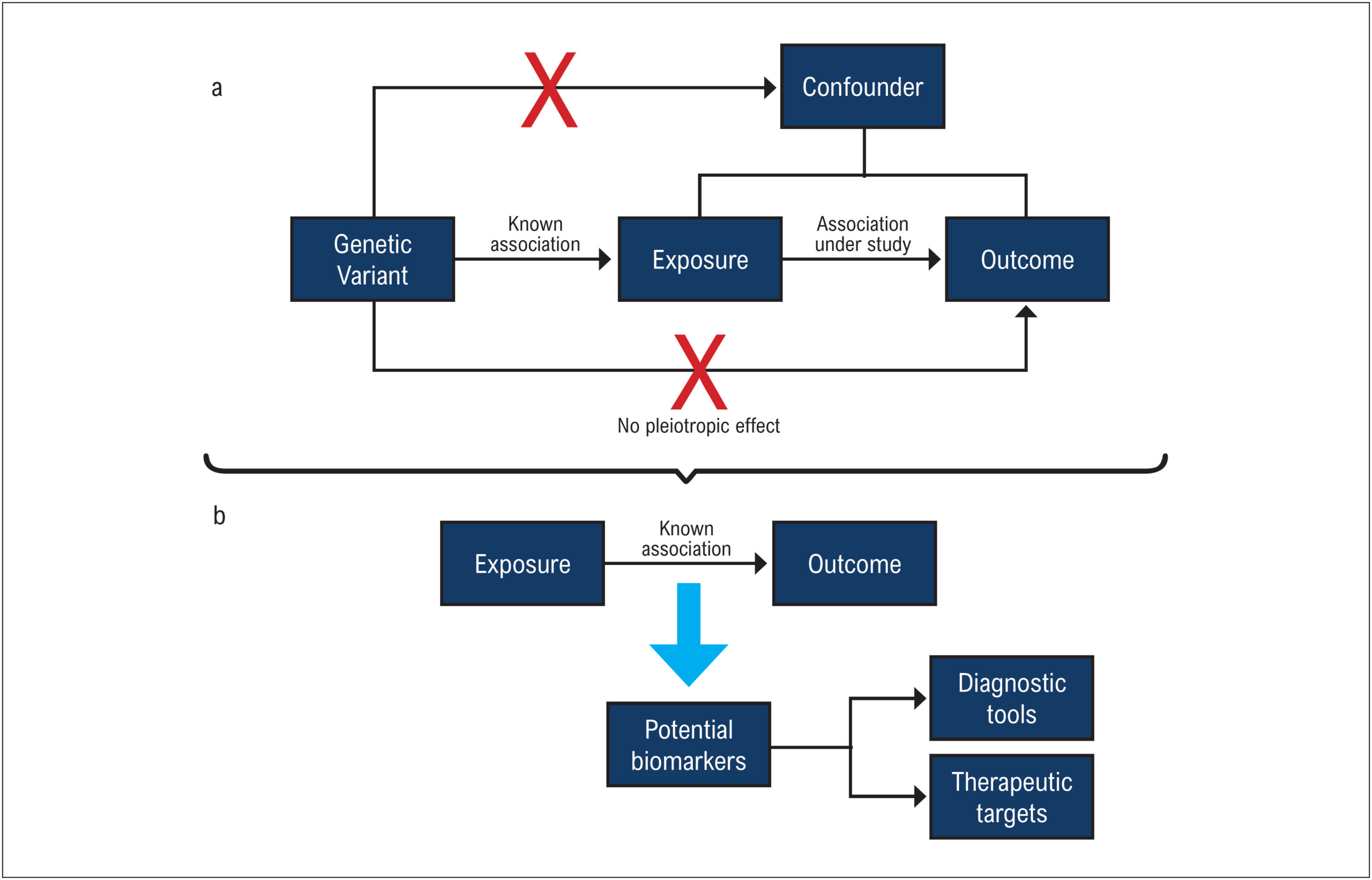
Is This a Causal Relationship? Mendelian Randomization as a Statistical Method for Unraveling Connections

Lucas Vieira Lacerda Pires

Mendelian Randomization (MR) is a powerful statistical tool to infer a causal relationship between the presence of genetic variants and different traits and phenotypes., It is particularly useful when trying to elucidate causal relationships between exposures and outcomes based on observational data. This method bases itself on the principle of randomness of how genetic variants might segregate during the process of meiosis, the Mendelian principle of independent assortment.

Since past decades, as our knowledge about the genetic architecture of human beings has been enhanced, the challenge is to understand how genetic variants may contribute to the development of phenotypes and traits. We have learned from this growing comprehension that as the genetic complexity of a specific trait rises, it may be less inheritable, and our predictive power reduces.

[…]

  • Cardiovascular Diseases
  • Mendelian Randomization Analysis
  • Sedentary Behavior
Read Full Article
Creative Commons Attribution (CC BY) Creative Commons license
15/11/2024 DOI: 10.36660/abc.20240606i Views 3
ABC
Editorial

Diabetes Mellitus, Physical Exercise and Heart Rate Variability

Gustavo Augusto Ferreira Mota et al. Mariana Gatto Luana Urbano Pagan Suzana Erico Tanni Marina Politi Okoshi

The prevalence of diabetes mellitus (DM) has grown in recent decades.Risk factors for developing DM have been well established in clinical studies. Among these, sedentary lifestyles, aging and obesity stand out.DM, defined by increased plasma glucose concentration, is commonly accompanied by cardiovascular alterations such as hypertension, coronary disease, heart failure, and cardiac autonomic neuropathy.As cardiovascular diseases are currently the main causes of death and morbidity, studies aimed at better understanding the pathophysiological mechanisms inherent in DM are of great importance.

Cardiac autonomic neuropathy is characterized by changes in fibers that innervate the heart and blood vessels. , In this condition, changes in nerve function lead to reduced heart rate variability and altered baroreflex sensitivity.Physical exercise is considered an important non-pharmacological therapy to help prevent and control DM and its clinical consequences.Researchers have recently observed that exercise can also prevent and treat cardiac autonomic neuropathy.

[…]

  • Aged
  • Diabetes Mellitus/prevention and control
  • Exercise
  • Heart Rate
  • Obesity
  • Risk Factors
  • Sedentary Behavior
Read Full Article
Creative Commons Attribution (CC BY) Creative Commons license
13/02/2023 DOI: 10.36660/abc.20220902 Views 1
Figure 1
ABC
Original Article

Sedentary Behavior, Dietary Habits, and Cardiometabolic Risk in Physically Active Children and Adolescents

Paula Adriana dos Santos de Fontes et al. Jordana Herzog Siqueira Haysla Xavier Martins Polyana Romano Oliosa … Divanei Zaniqueli José Geraldo Mill Rafael de Oliveira Alvim

Abstract

Background

Sedentary behavior has been associated with several cardiometabolic risk factors during childhood. However, little is known about the impact of sedentary behavior on the health and eating habits of physically active children and adolescents.

Objective

To evaluate the association between sedentary behavior and cardiometabolic risk factors and eating habits in physically active children and adolescents.

Methods

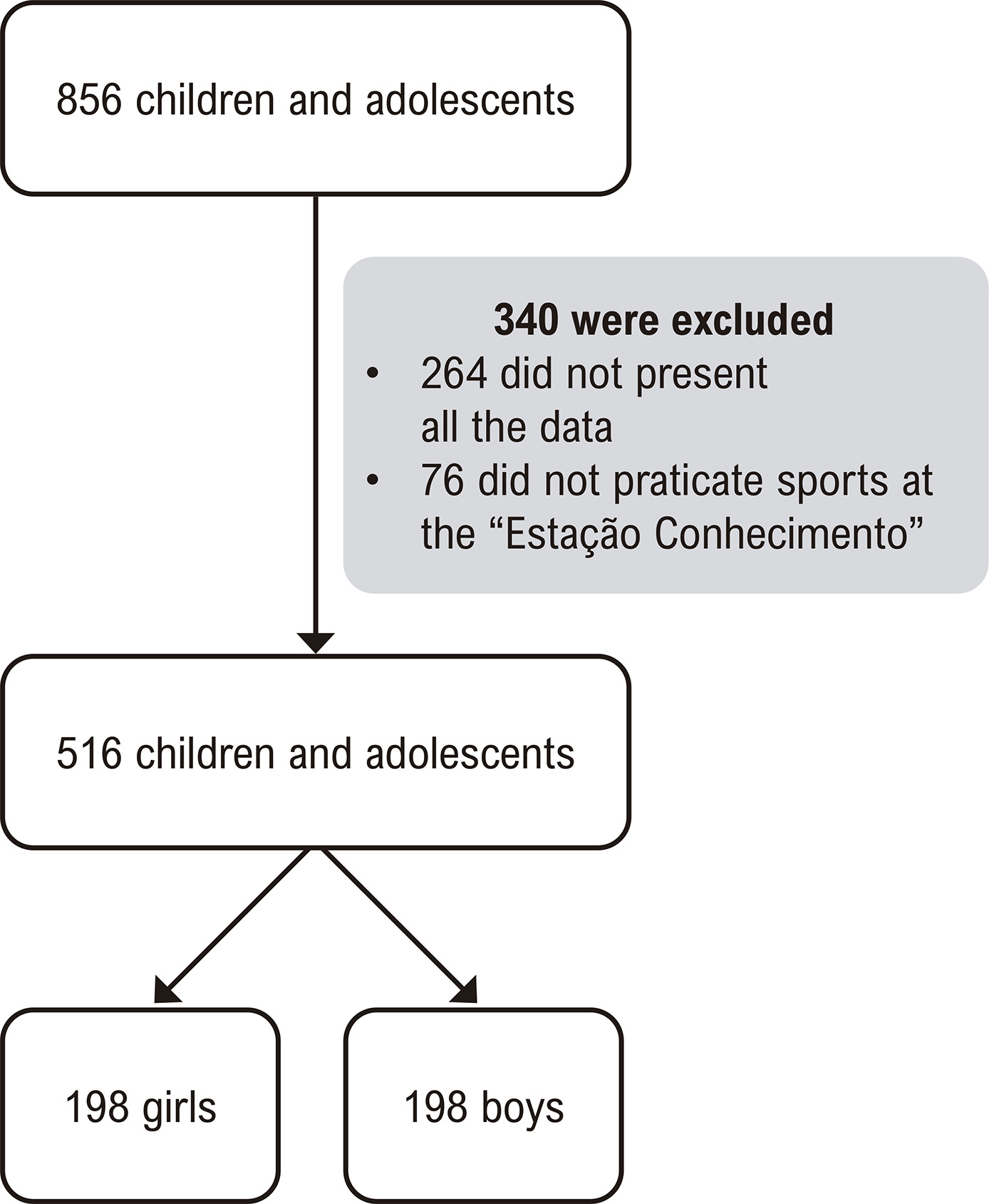
This cross-sectional study was conducted, including 516 physically active children and adolescents (10 to 18 years old; both sexes) enrolled in the social project “Estação Conhecimento-Vale” were evaluated. Biochemical and lifestyle variables (questionnaire) were collected. Sedentary behavior was determined indirectly (questionnaire), by using sitting time ≥ 3 hours per day as a cutoff point. A p-value < 0.05 was considered statistically significant for all tests.

Results

Sedentary behavior was not associated with overweight/obesity (odds ratio = 0.72 [95% confidence interval (CI): 0.325-1.389]), hypertriglyceridemia (odds ratio = 0.63 [95% CI: 0.306-1.297]), low HDL cholesterol (odds ratio = 0.57 [95% CI: 0.323-1.019]), or high non-HDL cholesterol (odds ratio = 0.63 [95% CI: 0.283-1.389]). However, children and adolescents with sedentary behavior were more likely to regularly consume food in front of the television (odds ratio = 1.96 [95% CI: 1.114-3.456]) and to consume at least one ultra-processed food per day (odds ratio = 2.42 [95% CI: 1.381-4.241]). In addition, they were less likely to consume fruit regularly (odds ratio = 0.52 [95% CI: 0.278-0.967]).

Conclusion

There was no association between sedentary behavior and cardiometabolic risk factors in physically active children and adolescents. However, sedentary behavior was associated with inadequate eating habits. Thus, we may suggest that the regular engagement in physical activity may attenuate the deleterious effects of sedentary behavior on the cardiometabolic parameters of children and adolescents.

  • Cardiometabolic Risk Factors
  • Child
  • Feeding Behavior
  • Sedentary Behavior
Read Full Article
Creative Commons Attribution (CC BY) Creative Commons license
03/02/2023 DOI: 10.36660/abc.20220357 Views 1
Figure 1
ABC
Research Letter

Impact of COVID-19 on the Life of Brazilian Cardiologists and Cardiovascular Surgeons

Andre Luiz Cerqueira Almeida et al. Marcelo Melo Rodrigo Elton Ferreira Rodrigues Luis Fábio Botelho … Paulo André Abreu Almeida Silvio Henrique Barberato

Introduction

The COVID-19 (from the English coronavirus disease) pandemic has had a strong impact on cardiology services. The number of visits and cardiac interventions has decreased in many parts of the world in recent months., However, despite increasing pressure and burden on the healthcare system, the provision of care has continued, particularly because patients with pre-existing cardiovascular disease are at high risk of COVID-19 infection, complications, and primary cardiac manifestations.

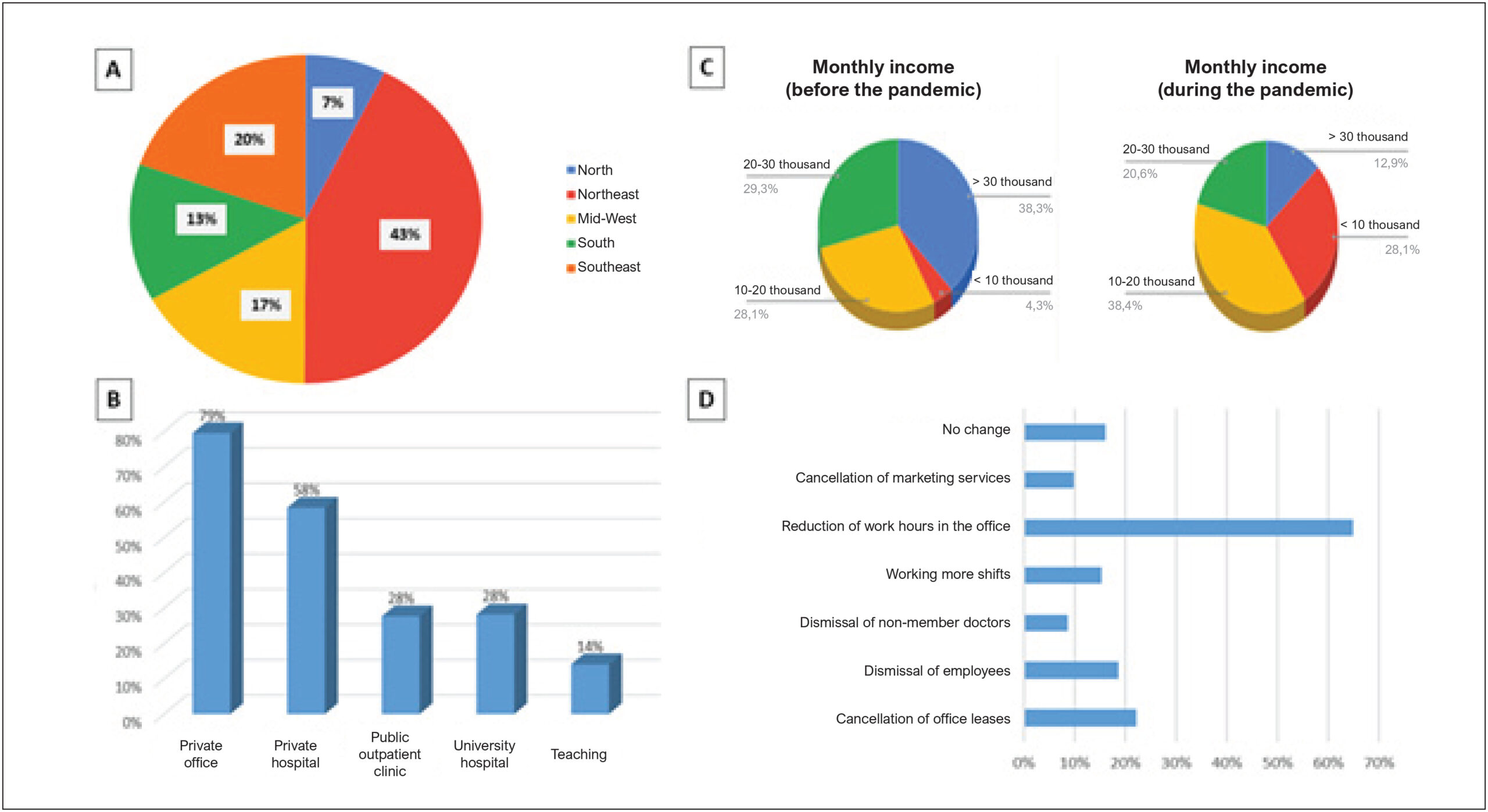
In addition, effects of the COVID-19 have affected the society and in particularly healthcare professionals in terms of physical and mental health consequences, financial disturbances, and changes in quality of life.– Therefore, the COVID-19 pandemic has affected many aspects of the work and life of health care providers.,,

[…]

  • Cardiologists
  • Cardiovascular Diseases
  • Coronavirus-19
  • COVID-19
  • Epidemiology
  • Health Personnel
  • Health Systems
  • Infection/complications
  • Pandemics
  • Risk Factors
  • Sedentary Behavior
  • Surgeons
Read Full Article
Creative Commons Attribution (CC BY) Creative Commons license
22/11/2021 DOI: 10.36660/abc.20201231 Views 1
IJCS
Viewpoint

Physical Activity and Cardiovascular Health: Practical Strategies to Reduce Sedentary Time in Adult Population

Karolinny Borinelli de Aquino Moura et al. Simone Savaris Janice Debastiani Juliana Beust de Lima

Introduction

Cardiovascular disease (CVD) is highly prevalent worldwide and is the main cause of death in the general population. The practice of physical activity (PA) has emerged as a primary prevention strategy for CVD, with the potential to control risk factors, and promote a better quality of life and longer survival.

However, despite the scientifically proven benefits, and formal recommendations for the practice of PA for adults, ( ), published data on the world population are alarming. Recent estimates indicate that one in four (27.5%) adults worldwide and almost half of the population in Brazil do not follow the recommendations made by the World Health Organization (WHO). Additionally to physical inactivity, the growing prevalence of sedentary behavior is a current concern ( ).

[…]

  • Activity Physical
  • Adult
  • Cardiovascular Diseases/prevention and control
  • Exercise
  • Health Promotion
  • Quality of life
  • Sedentary Behavior
Read Full Article
Creative Commons Attribution (CC BY) Creative Commons license
01/11/2021 DOI: 10.36660/ijcs.20200318 Views 2
Figure 1
ABC
Original Article

Breaks in Sedentary Time and Cardiometabolic Markers in Adolescents

Natália Maria Mesquita de Lima Quirino et al. Alcides Prazeres Filho Arthur Oliveira Barbosa Gerfeson Mendonça José Cazuza de Farias Júnior

Abstract

Background:

The interruption of the time spent in sedentary behavior (breaks) has been associated with better levels of cardiometabolic indicators in the adult population, but in adolescents, further investigations are still needed to confirm these findings.

Objectives:

To analyze the association of the number of breaks per day in sedentary behaviors with cardiometabolic markers and whether it was moderated by nutritional status and excessive time on sedentary behavior in adolescents.

Methods:

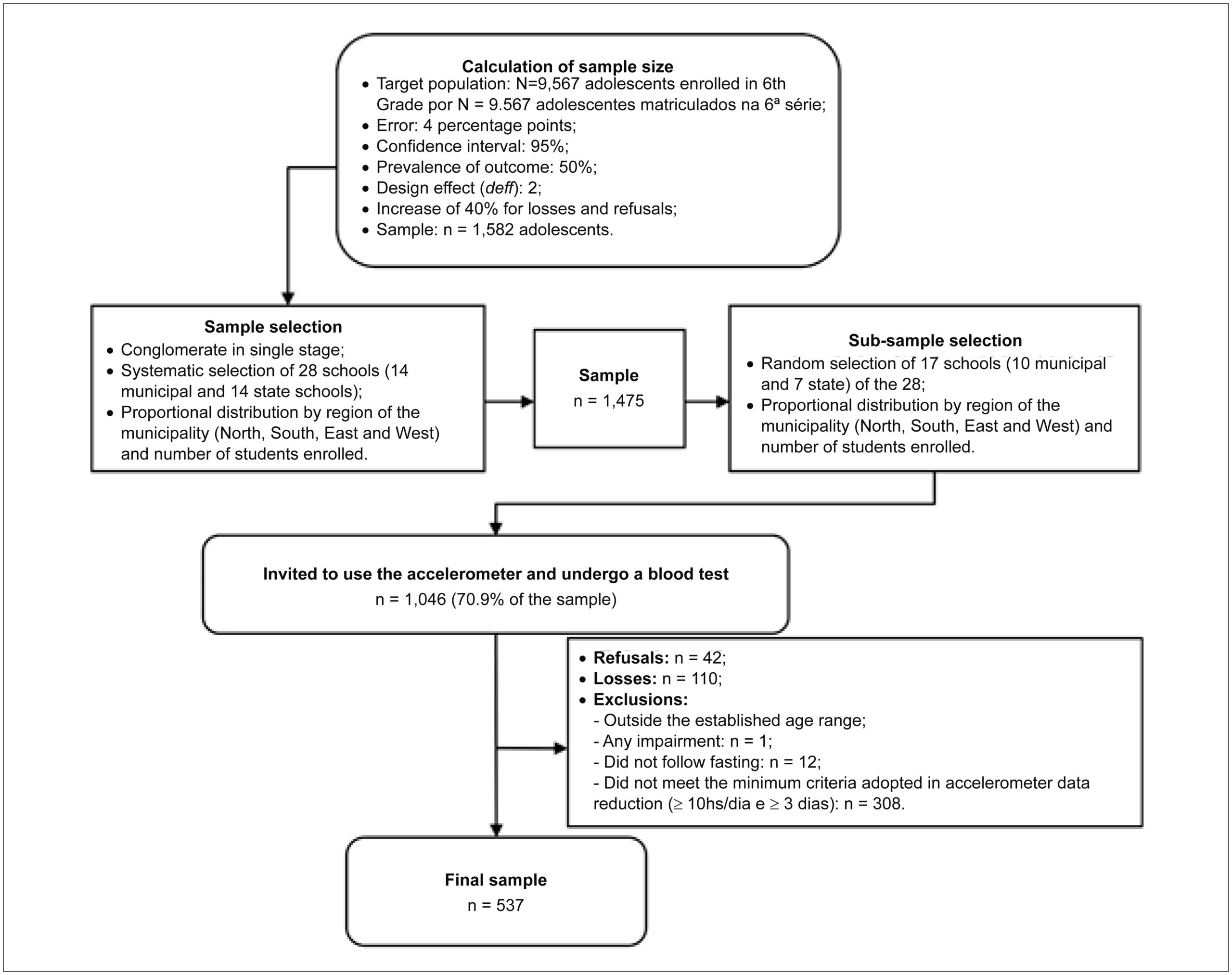
This is a cross-sectional study of 537 adolescents (52.3% girls), aged between 10 and 14 years, enrolled in public schools in the city of João Pessoa, Paraíba state, Brazil. The number of daily breaks (>100 counts/minutes) in sedentary time was measured by Actigraph GT3X+ accelerometers. The following cardiometabolic markers were analyzed: systolic and diastolic blood pressure (mmHg), fasting blood glucose levels, total cholesterol, triglycerides, HDL-c, LDL-c (all in mg/dL) and body mass index (BMI) (kg/m). Linear regression was used to analyze the association between the number of breaks and cardiometabolic markers and whether this association was moderated by nutritional status and excessive time in sedentary behavior. The significance level of p<0.05 was adopted for all analyses.

Results:

The number of daily breaks was negatively associated with BMI (boys – ß = −0.083; 95%CI: −0.132; −0.034 and girls – ß = −0.115; 95%CI: −0.169; −0.061), but not with the remaining cardiometabolic markers. The number of breaks per day was negatively associated with BMI (ß = −0.069; 95% CI: −0.102; −0.035), but not with the other cardiometabolic markers and this association was not moderated by the adolescents’ nutritional status (p=0.221), or by excessive time in sedentary behavior (p=0.176).

Conclusions:

Including breaks in sedentary time seems to contribute to lower BMI values in adolescents.

  • Adiposity
  • Adolescent
  • Blood Arterial
  • Cardiometabolic Markers
  • Cholesterol
  • Glucose
  • Sedentarism
  • Sedentary Behavior
  • Triglycerides
Read Full Article
Creative Commons Attribution (CC BY) Creative Commons license
06/09/2021 DOI: 10.36660/abc.20200047
IJCS
Viewpoint

Physical Exercise, Energy Expenditure and Weight Loss: An Assumption not Always Observed in Practice

Vitor Barreto Paravidino et al. Mauro Felippe Felix Mediano Rosely Sichieri

The increased prevalence of overweight and obesity observed in recent decades has been attributed mainly to behavioral changes, such as excessive food consumption and reduction in physical activity level over time, leading to a positive energy balance. Due to the technological advances in recent years, less physical effort is required to perform daily tasks. Moreover, the lifestyle has become more sedentary, with an increasing amount of time spent using digital gadgets, such as computers, televisions and mobile phones. However, Westerterp & Speakman did not find a decrease in physical activity energy expenditure during the last 30 years preceding their study, despite an increase in the prevalence of obesity. Other studies have also reported that the total energy expenditure of rural populations was similar to that of populations living in developed countries, despite the clear difference in behavioral patterns, particularly in relation to daily physical activities.– This study aimed at presenting the “compensatory effect” as a possible explanation for these findings. When there is an increase in physical activity at a given time, behavioral and metabolic changes take place to maintain an energy setpoint, as presented below.

Physical exercise has been recommended as an important component for the prevention and treatment of obesity. For substantial adults’ health benefits, at least 150 minutes of moderate-intensity aerobic exercise, or 75 minutes of vigorous-intensity aerobic exercise; in addition, 2-3 times per week of resistance training is recommended. However, for a clinically significant reduction in body weight, Donnelly et al., recommended that individuals should gradually increase the amount of physical activity and achieve a weekly volume of moderate physical exercise of over 250 minutes. The authors also reported a dose-response effect between physical activity and weight loss.

[…]

  • Energy metabolism
  • Exercise
  • Lifestyle
  • Overweight
  • Sedentary Behavior
  • Weight loss Programs
Read Full Article
Creative Commons Attribution (CC BY) Creative Commons license
12/05/2021 DOI: 10.36660/ijcs.20200090 Views 3
ABC
Editorial

Hypertension: Pathophysiological Aspects, Psychosocial Stress and Food Preference

Heno Ferreira Lopes

Arterial hypertension is highly prevalent in developed and developing countries. Together with high blood glucose levels, hyperlipidemia, overweight and obesity, it is considered a consequence of behavioral risk factors such as physical inactivity, tobacco use, harmful alcohol use and inadequate diets. The cause of arterial hypertension in most of the cases (over 90%) is unknown. The activation of the sympathetic nervous system, the renin-angiotensin-aldosterone system and an abnormal pressure-natriuresis curve play an important role in the pathophysiology of hypertension. Oxidative stress has also been identified as an intermediate phenotype in the development of arterial hypertension. Experimental and epidemiological studies point to psychosocial stress as a possible trigger that causes the autonomic imbalance (increased sympathetic activity) in hypertensive patients. This autonomic imbalance can be observed even before the arterial hypertension onset in children born to hypertensive parents. In addition to psychosocial stress, an unhealthy diet contributes to the development of arterial hypertension and higher cardiovascular morbidity/mortality.

If, on the one hand, diet plays an important role in the pathophysiology of arterial hypertension, on the other hand, adopting a healthy diet can result in better blood pressure control. The DASH (Dietary Approach to Stop Hypertension) diet, mentioned in worldwide guidelines, was evaluated by Appel et al. and it was the first scientifically tested diet to result in a significant blood pressure reduction in hypertensive patients. The DASH diet consists of easily accessible foods such as vegetables, fruits, nuts, lean meat, and low-fat milk and dairy products. In a study of obese hypertensive patients, we tried to elucidate the possible mechanisms involved in blood pressure reduction after the consumption of the standard DASH diet. In this study we demonstrated that the consumption of a standard DASH diet results in improved antioxidant capacity, especially in obese hypertensive patients. Since oxidative stress plays a role in the pathophysiology of arterial hypertension, this is one of the possible mechanisms for reducing blood pressure in those individuals who consume the DASH diet foods in adequate proportion.

[…]

  • Diabetes Mellitus
  • Dyslipidemias
  • Healthy Diet
  • Hypertension
  • Indicators of Morbidity and Mortality
  • Obesity
  • Oxidative Stress
  • Sedentary Behavior
Read Full Article
Creative Commons Attribution (CC BY) Creative Commons license
10/10/2019 DOI: 10.5935/abc.20190202

How to cite this article

EndNote RIS

Electronic Document Format (Vancouver)

Pires LVL. Is This a Causal Relationship? Mendelian Randomization as a Statistical Method for Unraveling Connections. Arquivos Brasileiros de Cardiologia 2024;121(10):e20240606.

Electronic Document Format (ABNT)

Pires, Lucas Vieira Lacerda. Is This a Causal Relationship? Mendelian Randomization as a Statistical Method for Unraveling Connections. Arquivos Brasileiros de Cardiologia, v. 121, n. 10, e20240606, Nov. 2024.

Electronic Document Format (APA)

Pires, L. V. L. (2024). Is This a Causal Relationship? Mendelian Randomization as a Statistical Method for Unraveling Connections. Arquivos Brasileiros de Cardiologia, 121(10), e20240606.

Electronic Document Format (ISO)

Pires, Lucas Vieira Lacerda. Is This a Causal Relationship? Mendelian Randomization as a Statistical Method for Unraveling Connections. Arquivos Brasileiros de Cardiologia [online]. 2024, vol. 121, n. 10, [cited 2026-10-14], e20240606. Available from: <https://journals.cardiol.br/en/article/is-this-a-causal-relationship-mendelian-randomization-as-a-statistical-method-for-unraveling-connections/>. ISSN 0066-782X

EndNote RIS

Electronic Document Format (Vancouver)

Mota GAF, Gatto M, Pagan LU, Tanni SE, Okoshi MP. Diabetes Mellitus, Physical Exercise and Heart Rate Variability. Arquivos Brasileiros de Cardiologia 2023;120(1):e20220902.

Electronic Document Format (ABNT)

Mota, Gustavo Augusto Ferreira; Gatto, Mariana; Pagan, Luana Urbano; Tanni, Suzana Erico; Okoshi, Marina Politi. Diabetes Mellitus, Physical Exercise and Heart Rate Variability. Arquivos Brasileiros de Cardiologia, v. 120, n. 1, e20220902, Feb. 2023.

Electronic Document Format (APA)

Mota, G. A. F., Gatto, M., Pagan, L. U., Tanni, S. E., & Okoshi, M. P. (2023). Diabetes Mellitus, Physical Exercise and Heart Rate Variability. Arquivos Brasileiros de Cardiologia, 120(1), e20220902.

Electronic Document Format (ISO)

Mota, Gustavo Augusto Ferreira and Gatto, Mariana and Pagan, Luana Urbano and Tanni, Suzana Erico and Okoshi, Marina Politi. Diabetes Mellitus, Physical Exercise and Heart Rate Variability. Arquivos Brasileiros de Cardiologia [online]. 2023, vol. 120, n. 1, [cited 2026-10-14], e20220902. Available from: <https://journals.cardiol.br/en/article/diabetes-mellitus-physical-exercise-and-heart-rate-variability/>. ISSN 0066-782X

EndNote RIS

Electronic Document Format (Vancouver)

Fontes PAS, Siqueira JH, Martins HX, Oliosa PR, Zaniqueli D, Mill JG, Alvim RO, et al. Sedentary Behavior, Dietary Habits, and Cardiometabolic Risk in Physically Active Children and Adolescents. Arquivos Brasileiros de Cardiologia 2023;120(2):e20220357.

Electronic Document Format (ABNT)

Fontes, Paula Adriana dos Santos de; Siqueira, Jordana Herzog; Martins, Haysla Xavier; Oliosa, Polyana Romano; Zaniqueli, Divanei; Mill, José Geraldo; Alvim, Rafael de Oliveira. Sedentary Behavior, Dietary Habits, and Cardiometabolic Risk in Physically Active Children and Adolescents. Arquivos Brasileiros de Cardiologia, v. 120, n. 2, e20220357, Feb. 2023.

Electronic Document Format (APA)

Fontes, P. A. S. , Siqueira, J. H., Martins, H. X., Oliosa, P. R., Zaniqueli, D., Mill, J. G., & Alvim, R. O. (2023). Sedentary Behavior, Dietary Habits, and Cardiometabolic Risk in Physically Active Children and Adolescents. Arquivos Brasileiros de Cardiologia, 120(2), e20220357.

Electronic Document Format (ISO)

Fontes, Paula Adriana dos Santos de and Siqueira, Jordana Herzog and Martins, Haysla Xavier and Oliosa, Polyana Romano and Zaniqueli, Divanei and Mill, José Geraldo and Alvim, Rafael de Oliveira. Sedentary Behavior, Dietary Habits, and Cardiometabolic Risk in Physically Active Children and Adolescents. Arquivos Brasileiros de Cardiologia [online]. 2023, vol. 120, n. 2, [cited 2026-10-14], e20220357. Available from: <https://journals.cardiol.br/en/article/sedentary-behavior-dietary-habits-and-cardiometabolic-risk-in-physically-active-children-and-adolescents/>. ISSN 0066-782X

EndNote RIS

Electronic Document Format (Vancouver)

Almeida ALC, Melo M, Rodrigues REF, Botelho LF, Almeida PAA, Barberato SH. Impact of COVID-19 on the Life of Brazilian Cardiologists and Cardiovascular Surgeons. Arquivos Brasileiros de Cardiologia 2021;117(5):1048-55.

Electronic Document Format (ABNT)

Almeida, Andre Luiz Cerqueira; Melo, Marcelo; Rodrigues, Rodrigo Elton Ferreira; Botelho, Luis Fábio; Almeida, Paulo André Abreu; Barberato, Silvio Henrique. Impact of COVID-19 on the Life of Brazilian Cardiologists and Cardiovascular Surgeons. Arquivos Brasileiros de Cardiologia, v. 117, n. 5, p. 1048-1055, Nov. 2021.

Electronic Document Format (APA)

Almeida, A. L. C., Melo, M., Rodrigues, R. E. F., Botelho, L. F., Almeida, P. A. A., & Barberato, S. H. (2021). Impact of COVID-19 on the Life of Brazilian Cardiologists and Cardiovascular Surgeons. Arquivos Brasileiros de Cardiologia, 117(5), 1048-1055.

Electronic Document Format (ISO)

Almeida, Andre Luiz Cerqueira and Melo, Marcelo and Rodrigues, Rodrigo Elton Ferreira and Botelho, Luis Fábio and Almeida, Paulo André Abreu and Barberato, Silvio Henrique. Impact of COVID-19 on the Life of Brazilian Cardiologists and Cardiovascular Surgeons. Arquivos Brasileiros de Cardiologia [online]. 2021, vol. 117, n. 5, [cited 2026-10-14], pp. 1048-1055. Available from: <https://journals.cardiol.br/en/article/impact-of-covid-19-on-the-life-of-brazilian-cardiologists-and-cardiovascular-surgeons/>. ISSN 0066-782X

EndNote RIS

Electronic Document Format (Vancouver)

Moura KBA, Savaris S, Debastiani J, Lima JB. Physical Activity and Cardiovascular Health: Practical Strategies to Reduce Sedentary Time in Adult Population. International Journal of Cardiovascular Sciences 2021;35(2):283-6.

Electronic Document Format (ABNT)

Moura, Karolinny Borinelli de Aquino; Savaris, Simone; Debastiani, Janice; Lima, Juliana Beust de. Physical Activity and Cardiovascular Health: Practical Strategies to Reduce Sedentary Time in Adult Population. International Journal of Cardiovascular Sciences, v. 35, n. 2, p. 283-286, Oct. 2021.

Electronic Document Format (APA)

Moura, K. B. A., Savaris, S., Debastiani, J., & Lima, J. B. (2021). Physical Activity and Cardiovascular Health: Practical Strategies to Reduce Sedentary Time in Adult Population. International Journal of Cardiovascular Sciences, 35(2), 283-286.

Electronic Document Format (ISO)

Moura, Karolinny Borinelli de Aquino and Savaris, Simone and Debastiani, Janice and Lima, Juliana Beust de. Physical Activity and Cardiovascular Health: Practical Strategies to Reduce Sedentary Time in Adult Population. International Journal of Cardiovascular Sciences [online]. 2021, vol. 35, n. 2, [cited 2026-10-14], pp. 283-286. Available from: <https://journals.cardiol.br/en/article/physical-activity-and-cardiovascular-health-practical-strategies-to-reduce-sedentary-time-in-adult-population/>. ISSN 2359-4802

EndNote RIS

Electronic Document Format (Vancouver)

Quirino NMML, Prazeres Filho A, Barbosa AO, Mendonça G, Farias Júnior JC. Breaks in Sedentary Time and Cardiometabolic Markers in Adolescents. Arquivos Brasileiros de Cardiologia 2021;117(2):352-6.

Electronic Document Format (ABNT)

Quirino, Natália Maria Mesquita de Lima; Prazeres Filho, Alcides; Barbosa, Arthur Oliveira; Mendonça, Gerfeson; Farias Júnior, José Cazuza de. Breaks in Sedentary Time and Cardiometabolic Markers in Adolescents. Arquivos Brasileiros de Cardiologia, v. 117, n. 2, p. 352-362, Sep. 2021.

Electronic Document Format (APA)

Quirino, N. M. M. L., Prazeres Filho, A., Barbosa, A. O., Mendonça, G., & Farias Júnior, J. C. (2021). Breaks in Sedentary Time and Cardiometabolic Markers in Adolescents. Arquivos Brasileiros de Cardiologia, 117(2), 352-362.

Electronic Document Format (ISO)

Quirino, Natália Maria Mesquita de Lima and Prazeres Filho, Alcides and Barbosa, Arthur Oliveira and Mendonça, Gerfeson and Farias Júnior, José Cazuza de. Breaks in Sedentary Time and Cardiometabolic Markers in Adolescents. Arquivos Brasileiros de Cardiologia [online]. 2021, vol. 117, n. 2, [cited 2026-10-14], pp. 352-362. Available from: <https://journals.cardiol.br/en/article/breaks-in-sedentary-time-and-cardiometabolic-markers-in-adolescents/>. ISSN 0066-782X

EndNote RIS

Electronic Document Format (Vancouver)

Paravidino VB, Mediano MFF, Sichieri R. Physical Exercise, Energy Expenditure and Weight Loss: An Assumption not Always Observed in Practice. International Journal of Cardiovascular Sciences 2021;34(6):734-6.

Electronic Document Format (ABNT)

Paravidino, Vitor Barreto; Mediano, Mauro Felippe Felix; Sichieri, Rosely. Physical Exercise, Energy Expenditure and Weight Loss: An Assumption not Always Observed in Practice. International Journal of Cardiovascular Sciences, v. 34, n. 6, p. 734-736, May. 2021.

Electronic Document Format (APA)

Paravidino, V. B., Mediano, M. F. F., & Sichieri, R. (2021). Physical Exercise, Energy Expenditure and Weight Loss: An Assumption not Always Observed in Practice. International Journal of Cardiovascular Sciences, 34(6), 734-736.

Electronic Document Format (ISO)

Paravidino, Vitor Barreto and Mediano, Mauro Felippe Felix and Sichieri, Rosely. Physical Exercise, Energy Expenditure and Weight Loss: An Assumption not Always Observed in Practice. International Journal of Cardiovascular Sciences [online]. 2021, vol. 34, n. 6, [cited 2026-10-14], pp. 734-736. Available from: <https://journals.cardiol.br/en/article/physical-exercise-energy-expenditure-and-weight-loss-an-assumption-not-always-observed-in-practice/>. ISSN 2359-4802

EndNote RIS

Electronic Document Format (Vancouver)

Lopes HF. Hypertension: Pathophysiological Aspects, Psychosocial Stress and Food Preference. Arquivos Brasileiros de Cardiologia 2019;113(3):381-2.

Electronic Document Format (ABNT)

Lopes, Heno Ferreira. Hypertension: Pathophysiological Aspects, Psychosocial Stress and Food Preference. Arquivos Brasileiros de Cardiologia, v. 113, n. 3, p. 381-382, Oct. 2019.

Electronic Document Format (APA)

Lopes, H. F. (2019). Hypertension: Pathophysiological Aspects, Psychosocial Stress and Food Preference. Arquivos Brasileiros de Cardiologia, 113(3), 381-382.

Electronic Document Format (ISO)

Lopes, Heno Ferreira. Hypertension: Pathophysiological Aspects, Psychosocial Stress and Food Preference. Arquivos Brasileiros de Cardiologia [online]. 2019, vol. 113, n. 3, [cited 2026-10-14], pp. 381-382. Available from: <https://journals.cardiol.br/en/article/hypertension-pathophysiological-aspects-psychosocial-stress-and-food-preference/>. ISSN 0066-782X

  • About ABC Family
  • Internal Regulation
  • Editorial Board
  • Brazilian Society of Cardiology (SBC)

Issues

SBC Guidelines

  • Videos
  • Podcasts
  • News