ABC Family Arquivos Brasileiros de Cardiologia International Journal of Cardiovascular Sciences ABC Heart Failure & Cardiomyopathy ABC Imagem Cardiovascular
Português English
ABC Family
Português English
  • About
    • About ABC Family
    • Internal Regulation
    • Editorial Board
    • Brazilian Society of Cardiology (SBC)
  • Issues
  • SBC Guidelines
  • Content
    • Videos
    • Podcasts
    • News
  • About
    • About ABC Family
    • Internal Regulation
    • Editorial Board
    • Brazilian Society of Cardiology (SBC)
  • Issues
  • SBC Guidelines
  • Content
    • Videos
    • Podcasts
    • News

ABC Family

  • ABC Family
  • Arquivos Brasileiros de Cardiologia
  • International Journal of Cardiovascular Sciences
  • ABC Heart Failure & Cardiomyopathy
  • ABC Imagem Cardiovascular
Search in

No content found.

Journals
Ordering
Article types
Others

  1. Home
  2. Keyword: Prevalence
ABC
Editorial

Prevalence in Evidence: Valvular Heart Diseases Dominating the Brazilian Scenario

Ana Teresa Timóteo

Valvular heart disease is a highly prevalent cardiovascular condition, estimated to affect more than 2% of the population, and is associated with increased mortality. However, most epidemiological studies are conducted in high-income countries, and we know that the characteristics vary according to the country and region of the world. In fact, degenerative valvular heart disease predominates in high-income countries, while rheumatic and infectious diseases are still very prevalent in lower-income countries. Socioeconomic conditions also have important implications for the diagnosis and treatment of this condition.

Data from the EURObservational Research Programme Valvular Heart Disease II (EORP-VHD II) Survey, with participants from 28 European countries and an average age of 71 years, reported aortic valve stenosis as the most frequent valvular disease, present in 41% of patients, followed at a distance by mitral regurgitation, aortic regurgitation, and mitral stenosis. Degenerative etiology was the most common, except for mitral stenosis, where rheumatic etiology predominated. This record reinforced the results of the initial EORP-VHD, conducted in 2001. The increase in aortic stenosis is likely a consequence of population aging, and the reduction in rheumatic mitral stenosis is a result of the decrease in rheumatic fever in Europe. Data recently published in the ATLAS of the European Society of Cardiology also highlight that valvular diseases continue to increase in prevalence and are responsible for thousands of deaths annually.

[…]

  • Brazil
  • Prevalence
  • Valvular heart disease
Read Full Article
Creative Commons Attribution (CC BY) Creative Commons license
03/08/2026 DOI: 10.36660/abc.20260464i Views 2
Figure 1
ABC
Editorial

Permanent Artificial Cardiac Pacemaker in the Treatment of Bradyarrhythmias Caused by Chagas Disease

Roberto Costa

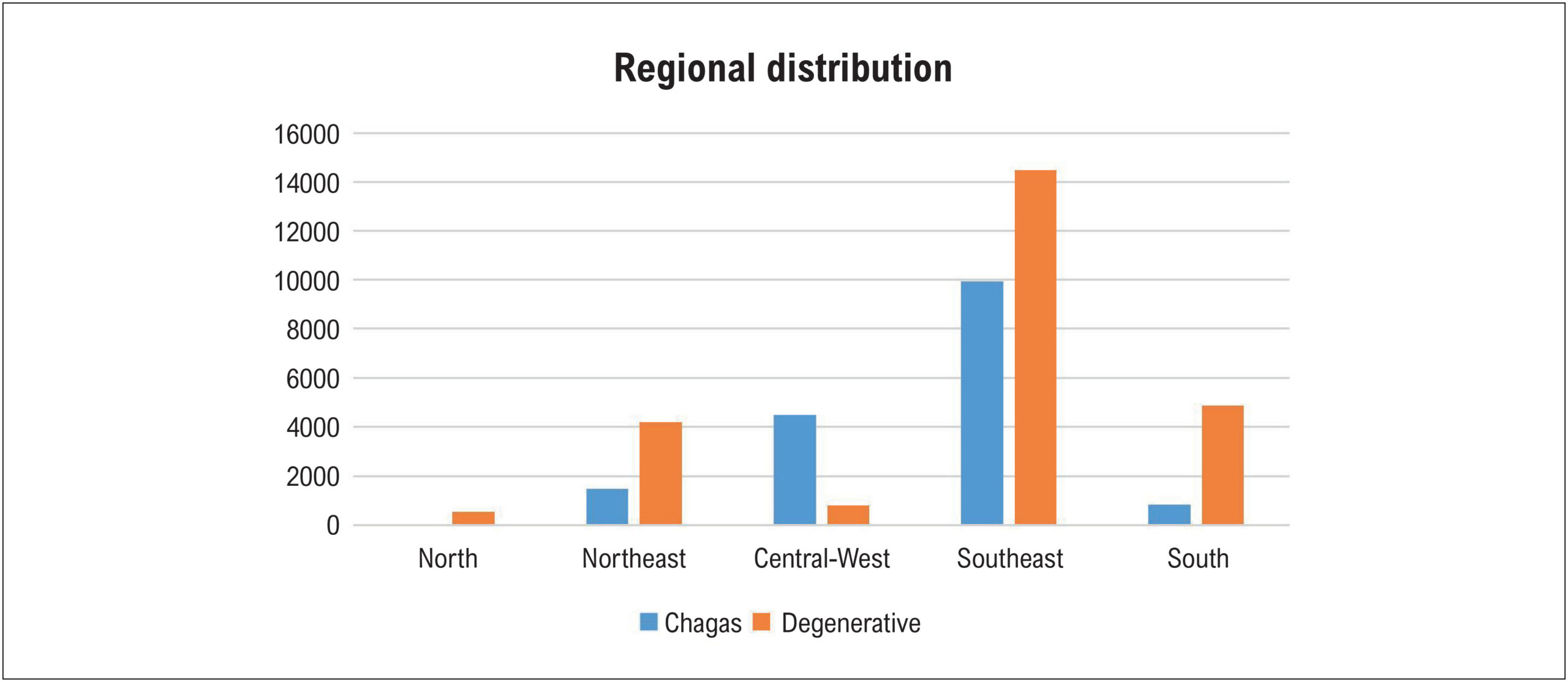
Government programs aimed at eliminating vector-borne transmission of Chagas disease have had a strong impact on the prevalence of cardiac bradyarrhythmias secondary to this etiology and, consequently, on the number of pacemaker implants performed in Brazil.– Data from the Brazilian Pacemaker Registry show that in 1995, of the 6,542 initial pacemaker implants reported, 30.2% were related to patients with Chagas disease. The proportion of patients with Chagas disease, however, decreased over time, and seven years later, when the 2002 data were presented, of the 11,347 initial implants reported, Chagas disease was reported as the etiology in 25.0% of cases. The total figures for the first 10 years of this century showed that Chagas disease accounted for 17.8% of initial pacemaker implants, falling to 11.7% in the latest publication of data from the Brazilian Pacemaker Registry, referring to the period from 2009 to 2014. Among the initial implants of conventional pacemakers performed at the Heart Institute-HC-FMUSP in the last six years (01/01/2020 to 31/12/2025), of the 2689 patients operated on, only 236 (8.8%) had Chagas disease as the etiology of their bradyarrhythmia, according to clinical and demographic data of consecutive patients undergoing procedures for implantation of electronic cardiac devices from 01/01/2020 to 31/12/2025 at Incor-HC-FMUSP.

A comparative analysis of the demographic and clinical data of 25,648 individuals with Chagas disease and 31,984 with degenerative heart disease who underwent conventional pacemaker implantation between 1995 and 2003 showed similarities between these two groups of individuals regarding sex distribution, with 47.8% women among those with Chagas disease and 48.5% in the degenerative disease group (p=0.186). On the other hand, a significant difference was observed when evaluating the average age of these two populations, with 58.6 ± 15.3 years for Chagas disease and 73.5 ± 12.6 for the degenerative disease group (p=0.001).

[…]

  • Artificial Pacemaker
  • Chagas disease
  • Mortality
  • Prevalence
  • Risk Factors
Read Full Article
Creative Commons Attribution (CC BY) Creative Commons license
05/06/2026 DOI: 10.36660/abc.20260180i Views 1
Impact of Obesity on Patients with Resistant and Refractory Arterial Hypertension: A Cross-Sectional Study
ABC
Original Article

Impact of Obesity on Patients with Resistant and Refractory Arterial Hypertension: A Cross-Sectional Study

Bárbara Victória Peixoto Lima da Costa et al. Fábio Bulhões Cristiano Macedo Alex Cleber Improta-Caria Roque Aras Júnior

Abstract

Background

Obesity is a serious public health problem and is associated with activation of the sympathetic nervous system and the development of resistant or refractory hypertension.

Objectives

To estimate the prevalence of obesity in the population of outpatients with refractory or resistant hypertension and its relationship between body mass index and hypertension severity.

Methods

A cross-sectional study was carried out in a referral outpatient clinic for severe arterial hypertension. Patients with resistant and refractory hypertension were included. Information related to demographic characteristics, anthropometric measurements, systolic and diastolic blood pressure, comorbidities, alcoholism, smoking, and sedentary lifestyle was collected. Continuous variables were compared using the Student’s t-test or Mann Whitney, and categorical variables were compared using the chi-square test. Pearson’s correlation test was used for anthropometric measurements and blood pressure. A significance level of p < 0.05 was adopted.

Results

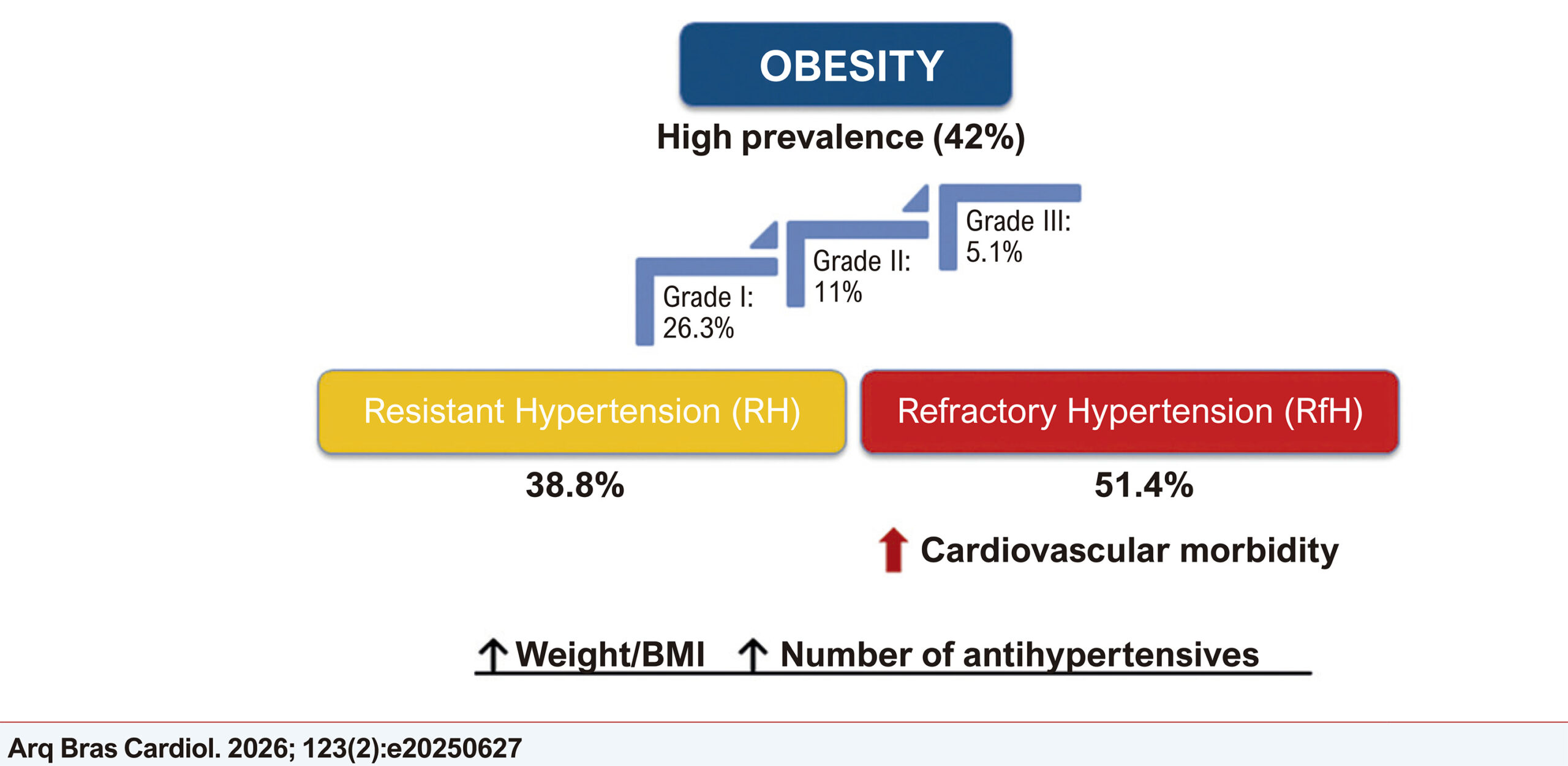
A total of 138 patients were collected, of whom 74.7% had resistant hypertension and 25.3% had refractory hypertension. There was a predominance of females and black ethnicities, representing 79.7% (p=0.307) and 91.3% (p=0.315), respectively. The mean age was 64.7± 10.8 (p=0.566). Obesity (BMI ≥ 30 kg/m2) was present in 42% (p=0.379), being higher in refractory hypertension (51.4% vs. 38.8%). Higher body mass index values were directly associated with an increased number of antihypertensive medications required for blood pressure control (r = 0.45; p < 0.01). Additionally, 74.6% of the patients had dyslipidemia (p=0.400).

Conclusion

In our population of patients with severe hypertension, obesity was prevalent and significantly influenced both the presentation and the control of blood pressure levels.

  • Hypertension
  • Obesity
  • Prevalence
Read Full Article
Creative Commons Attribution (CC BY) Creative Commons license
26/02/2026 DOI: 10.36660/abc.20250627i Views 1
Temporal Trends in the Epidemiology of Acute Rheumatic Fever: A Nationwide Analysis from 2008 to 2022
ABC
Original Article

Temporal Trends in the Epidemiology of Acute Rheumatic Fever: A Nationwide Analysis from 2008 to 2022

Antonio Mutarelli et al. Larissa Armelin Alexandre Negrão Pantaleão Alleh Nogueira … Carla Jorge Machado José Luiz P Silva Jagdip Kang Walderez O. Dutra Maria C. P. Nunes

Abstract

Background

Acute rheumatic fever (ARF) remains a significant public health challenge, especially in low- and middle-income countries. It disproportionately affects non-white populations in underprivileged regions and may lead to rheumatic heart disease (RHD), which has high morbidity and mortality.

Objectives

Analyze hospitalizations and deaths related to ARF in Brazil between 2008 and 2022, highlighting regional and demographic inequalities.

Methods

We conducted a cross-sectional study analyzing hospitalization and mortality data caused by ARF from 2008 to 2022 in Brazil, collected through the Hospital Information System (SIH/SUS). Data were stratified by demographics, region, and hospital visit type (urgent or elective) and analyzed using generalized linear autoregressive moving average models to assess the impact of age, sex, and race. Statistical significance was set at p < 0.05.

Results

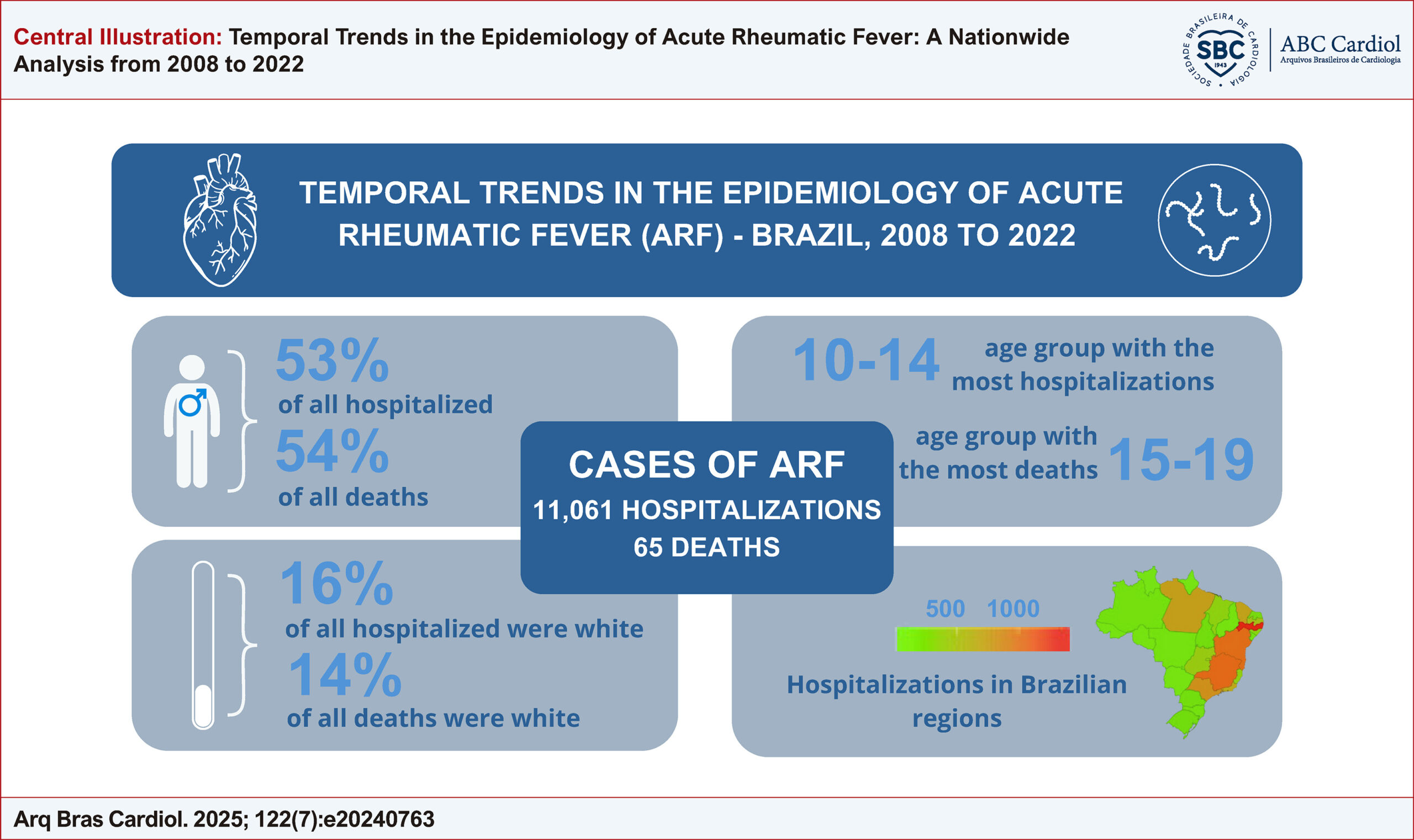
Of 11,061 hospitalizations and 65 deaths from ARF, 53% were male and 16% were white. The 10–14-year-old age group had the highest hospitalization rates, while the 15–19-year-old group had more deaths. Hospitalizations were higher among non-white individuals and concentrated in Brazil’s Northeast. Over time, ARF-related hospitalizations declined across all demographics, with a gradual convergence between male and female rates by 2022.

Conclusion

Our findings highlight a decline in ARF-related hospitalizations across regions and demographics, though disparities remain. There is no significant difference in ARF cases between men and women. The study highlights a correlation between socioeconomic factors and disease burden, with low-income groups experiencing a higher rate of ARF hospitalizations.

  • Acute Rheumatic Fever
  • Brazil
  • Epidemiology
  • Hospitalization
  • Prevalence
Read Full Article
Creative Commons Attribution (CC BY) Creative Commons license
15/08/2025 DOI: 10.36660/abc.20240763i
Figure 1
ABC
Original Article

Infective Endocarditis Surgery. Insights from 328 Patients Operated in a University Tertiary Hospital

Marcelo Serafim Jorge et al. Alfredo J. Rodrigues Walter Vilella A. Vicente Paulo Roberto B. Evora

Abstract

Background

Infectious endocarditis (IE) refers to infection of the endocardial surface of the heart and usually occurs in native or prosthetic valves.

Objective

This study aimed to raise IE data reflecting the surgical therapy in a University Hospital in the interior of the State of Sao Paulo–Brazil.

Method

Retrospective and observational approach of 328 patients with IE who underwent surgery between 1982 and 2020

Results

The main data (n=121/37%), congestive heart failure (n=114/35%), valve disease (n=92/28%), diabetes mellitus (n=85/26%), chronic kidney disease (n=59/18%), and rheumatic fever (49/15%). Renal failure is one of the main and most relevant pre-surgical risk factors for a poor prognosis.

Conclusion

For a better clinical and surgical outcome, an early syndromic and etiological diagnosis of IE is necessary, especially in patients with multiple comorbidities.

  • Cardiovascular Surgical Procedures
  • Comorbidity
  • Endocarditis, Non-Infective
  • Mortality
  • Prevalence
Read Full Article
Creative Commons Attribution (CC BY) Creative Commons license
17/03/2023 DOI: 10.36660/abc.20220608 Views 1
ABC
Editorial

The Rare Alternans Pre-Excitation Pattern: Is It a Genuinely Benign Phenomenon?

Mirella Facin et al. Nelson Samesima

The conduction system is a specialized myocardial cell arrangement that neatly generates and transmits electrical stimuli, leading to sequentially coordinated contractions in each cardiac cycle.A thick layer of fibrous tissue, the annulus fibrosus, almost entirely insulates the atrial from the ventricular myocardia, except in the region of the atrioventricular (AV) node and His-Purkinje system, which, in normal hearts, stands as the single electric pathway between the upper and lower chambers. ,

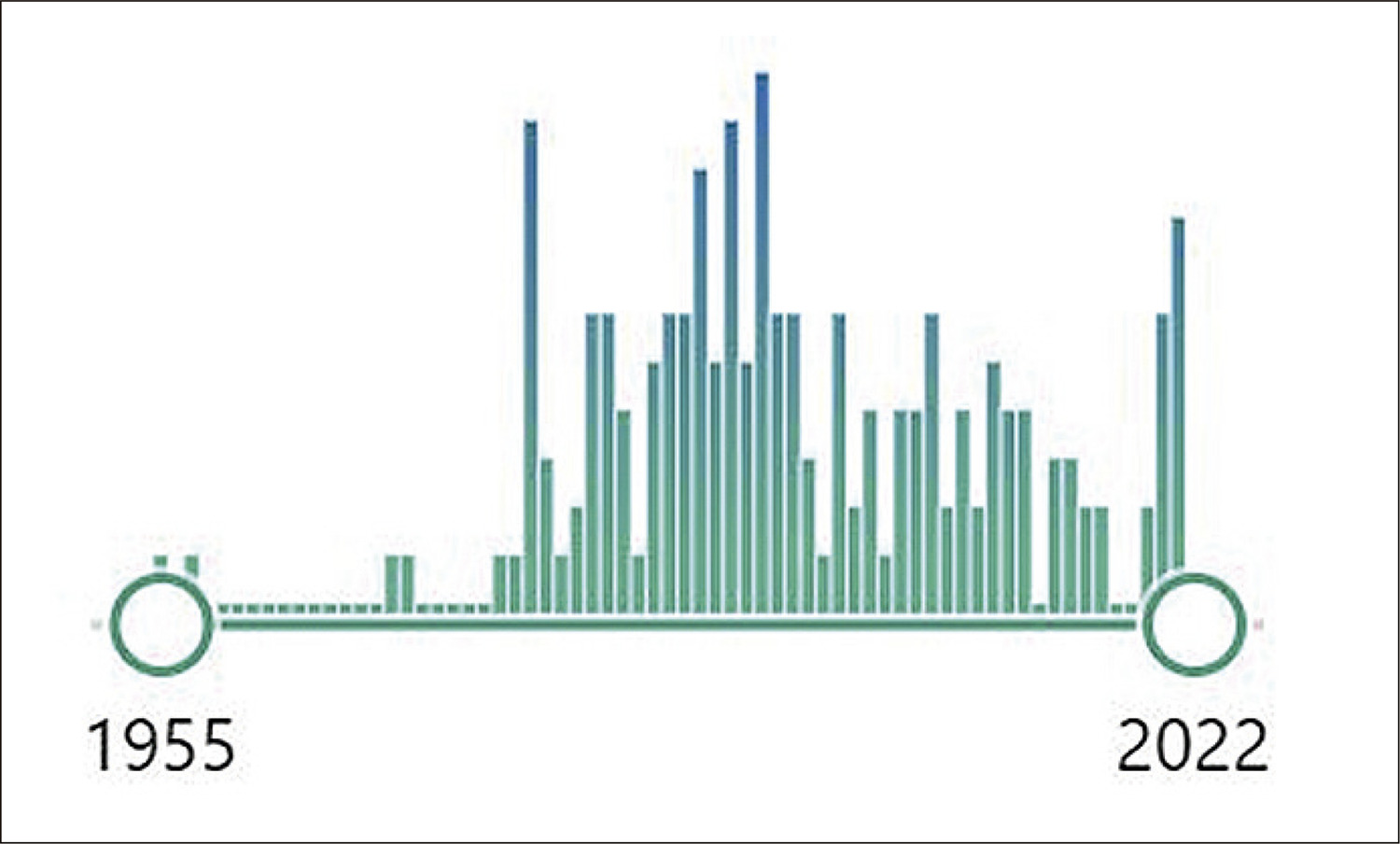
In some individuals, however, threads of myocardial tissue directly connecting atria to ventricles remain from previous developmental stages and endure after childbirth.The presence of additional atrioventricular conduits or accessory pathways (AP) allows the electrical stimuli to bypass the AV node, resulting in earlier activation of the ventricles or pre-excitation. Bypass tracts may cross the atrioventricular groove wherever atrial and ventricular myocardium are juxtaposed. Most are capable of bidirectional and non-decremental conduction and may serve as a limb to reentrant orthodromic/antidromic circuits or fast lanes for impulse transmission during other supraventricular tachycardias, such as atrial fibrillation (AF).

[…]

  • atrioventricular node
  • Prevalence
  • Risk Grade
  • Wolff-Parkinson White Syndrome
Read Full Article
Creative Commons Attribution (CC BY) Creative Commons license
10/02/2023 DOI: 10.36660/abc.20220864 Views 1
ABCIC
Original Article

Frequency and Characteristics of Responders to an Educational Intervention to Reduce Inappropriate Heart Testing: A Sub-study of the Echo WISELY Trial

João Ricardo Pinto Lopes et al. Cherry Chu Sacha Bhatia Luis Claudio Correia

Abstract

Introduction

The Echo WISELY Trial is a controlled randomized multicenter investigator-blinded study that evaluated an educational intervention based on the criteria for appropriate use of echocardiography to reduce the proportion of rarely appropriate outpatient echocardiograms performed.

Objective

To describe the prevalence and identify predictors of the responsiveness of responding physicians subjected to an educational intervention in the Echo WISELY Trial.

Methods

The intervention group physicians received a multifaceted educational program. A responding physician was defined as one who had a >2.5% reduction in the proportional mean of rarely appropriate tests requested between the first trimester (baseline) and any of the following trimesters (second to sixth). Physician characteristics (sex, time since graduation, medical specialty, and workplace) were compared to the echocardiogram ratings (appropriate, maybe appropriate, and rarely appropriate) and clinical reasons for the requested echocardiograms using the chi-square test. Statistical significance was indicated by a two-tailed p < 0.05.

Results

A total of 4,605 tests requested at the six participating hospitals in Ontario were analyzed and randomized for the intervention arm. Of the 36 included physicians, 26 (72%) were classified as responders. Of the variables analyzed, there was no significant difference in the outcomes of the responders versus non-responders to the educational intervention. The number of rarely appropriate tests requested by the responders was significantly lower than that of the non-responders (234 [8.67%] versus 261 [13.8%]; p < 0.0001).

Conclusion

The prevalence of responder physicians was high, but predictors of responsiveness to educational intervention were not identified among the analyzed variables. This may be a result of the psychological aspects and personal characteristics of the physicians, which were not included in this research.

  • Echocardiography
  • Prevalence
Read Full Article
Creative Commons Attribution (CC BY) Creative Commons license
25/03/2022 DOI: 10.47593/2675-312X/20213404eabc249 Views 2
Figure 1
IJCS
Original Article

Overview of Cardiovascular Disease Risk Factors in Adults in São Paulo, Brazil: Prevalence and Associated Factors in 2008 and 2015

Jaqueline L. Pereira et al. Michelle A de Castro Jean M. R. S. Leite Marcelo M. Rogero … Flavia M. Sarti Chester Luís Galvão César Moisés Goldbaum Regina M. Fisberg

Abstract

Background

Cardiovascular diseases (CVDs) are the main cause of morbidity and mortality in Brazil.

Objective

To provide population-based data on prevalence and factors associated with CVD risk factors.

Methods

Individuals aged ≥20 years from two editions of the cross-sectional Health Survey of São Paulo focusing on Nutrition (ISA-Nutrition), performed in Sao Paulo city in 2008 (n=590) and 2015 (n=610), were evaluated for: obesity, central obesity, waist/height ratio, high blood pressure (HBP), dyslipidemia, diabetes, and number of CVD risk factors ≥3. Prevalence was estimated according to complex survey procedures. Factors associated with cardiovascular risk factors were assessed using logistic regression, with statistical significance of p<0.05.

Results

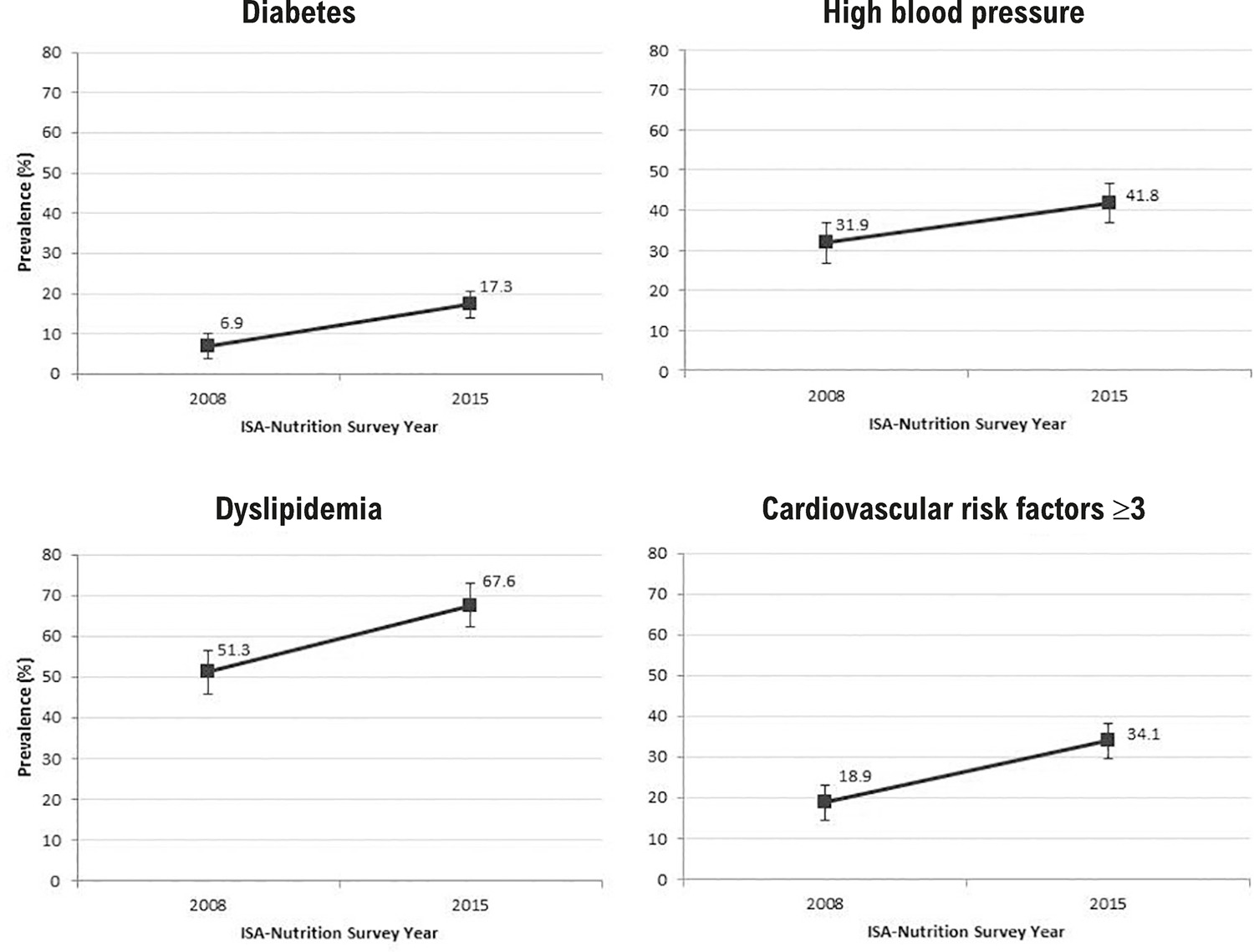
Obesity and older age were associated with higher odds of all cardiovascular risk factors investigated, except for dyslipidemia. HBP was positively associated with being Black/Brown and negatively associated with being physicaly active in leisure time. Women were more likely to have increased adiposity indicators and three or more cardiovascular risk factors than men. Those with higher education had lower chances of having diabetes, HBP and dyslipidemia, and those with higher income had higher chances of having three or more risk factors. Former smokers had higher odds of diabetes, obesity, and high waist/height ratio, and smokers had higher odds of high non-HDL cholesterol levels. From 2008 to 2015, there was an increase (p<0.001) in the prevalence of diabetes (6.9% to 17.3%), HBP (31.9% to 41.8%), dyslipidemia (51.3% to 67.6%), and number of CVD risk factors ≥3 (18.9% to 34.1%).

Conclusion

This study shows increasing prevalence of CVD risk factors in adult population in Sao Paulo and may support the definition of target groups and priority actions on CVD prevention and treatment.

  • Cardiovascular Diseases / epidemiology
  • Morbidity
  • Mortality
  • Prevalence
  • Risk Factors
  • Urban Health Services
Read Full Article
Creative Commons Attribution (CC BY) Creative Commons license
07/01/2022 DOI: 10.36660/ijcs.20210076
ABC
Editorial

Brazilian Population Presents Prevalence of Atrial Fibrillation Similar to Higher Income Countries, and a Low Use of Anticoagulation Therapy

Desiderio Favarato

Atrial fibrillation (AF) is the most incident arrhythmia and its frequency is increasing as a greater proportion of people over 60 years of age have been become a worldwide tendency.

There is an exponential increase of AF with the advancing of age from 50-59 years, of 5 fold in 60 – 69 years, of 7 fold in 70 – 79 years, and of 9 fold over 80 years.

[…]

  • Arrhythmias Cardiac
  • Atrial Fibrillation
  • Epidemiology
  • middle aged
  • Prevalence
  • Rate, Survival
  • Risk Factors
  • Young Adult
Read Full Article
Creative Commons Attribution (CC BY) Creative Commons license
20/09/2021 DOI: 10.36660/abc.20210562 Views 1
Figure 1
ABC
Original Article

Characteristics and Temporal Trends in the Mortality of Different Heart Failure Phenotypes in Primary Care

Antonio José Lagoeiro Jorge et al. Leticia Mara dos Santos Barbetta Eduardo Thadeu de Oliveira Correia Wolney de Andrade Martins … Adson Renato Leite Maria Auxiliadora Nogueira Saad Márcia Maria Sales dos Santos Dayse Mary Correia Maria Luiza Garcia Rosa Sérgio Chermont Cárita Cunha dos Santos Evandro Tinoco Mesquita

Abstract

Background:

The classification of heart failure (HF) by phenotypes has a great relevance in clinical practice.

Objective:

The study aimed to analyze the prevalence, clinical characteristics, and outcomes between HF phenotypes in the primary care setting.

Methods:

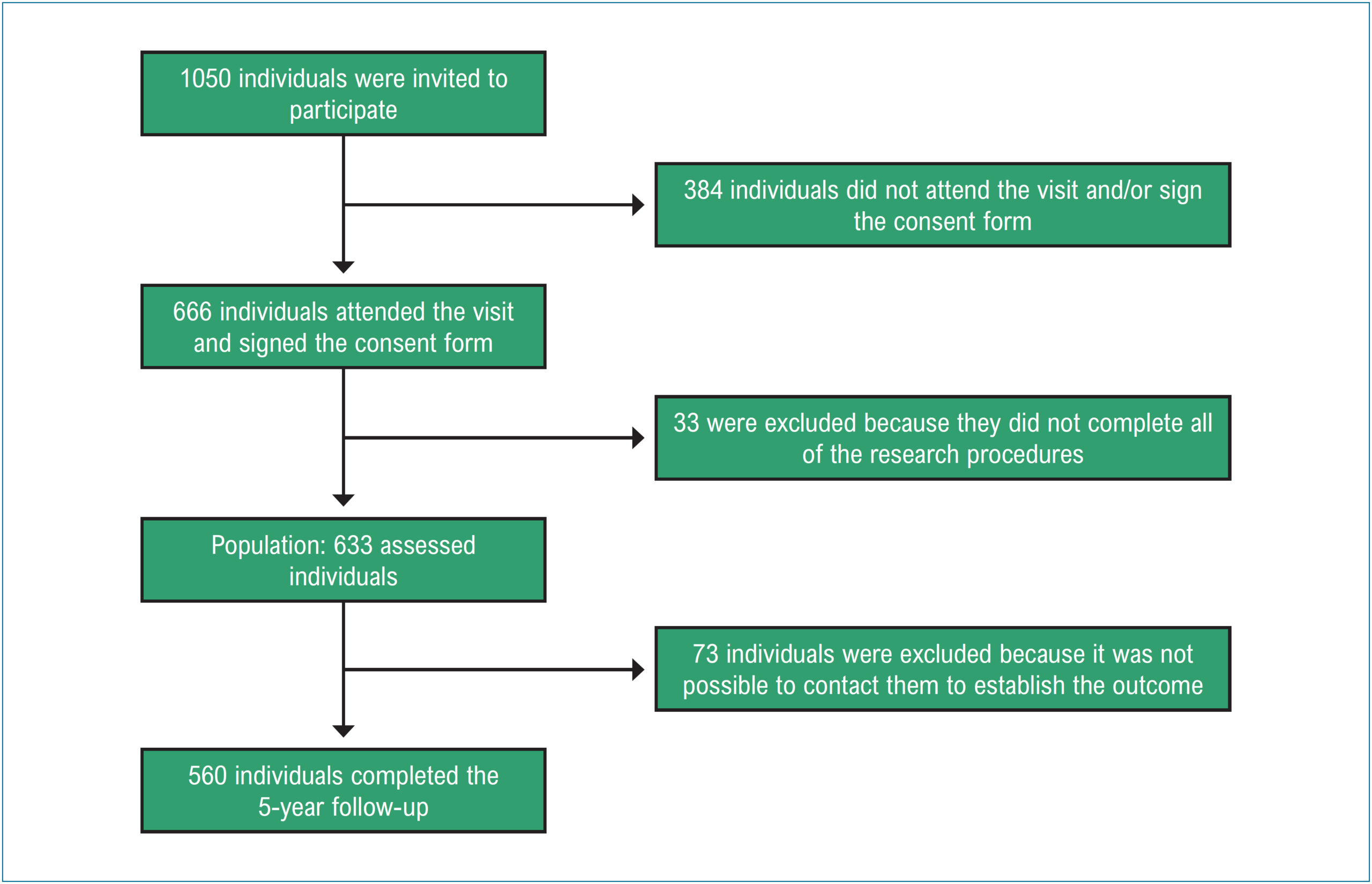
This is an analysis of a cohort study including 560 individuals, aged ≥ 45 years, who were randomly selected in a primary care program. All participants underwent clinical evaluations, b-type natriuretic peptide (BNP) measurements, electrocardiogram, and echocardiography in a single day. HF with left ventricular ejection fraction (LVEF) < 40% was classified as HF with reduced ejection fraction (HFrEF), LVEF 40% to 49% as HF with mid-range ejection fraction (HFmrEF) and LVEF ≥ 50% as HF with preserved ejection fraction (HFpEF). After 5 years, the patients were reassessed as to the occurrence of the composite outcome of death from any cause or hospitalization for cardiovascular disease.

Results:

Of the 560 patients included, 51 patients had HF (9.1%), 11 of whom had HFrEF (21.6%), 10 had HFmrEF (19.6%) and 30 had HFpEF (58.8%). HFmrEF was similar to HFpEF in BNP levels (p < 0.001), left ventricular mass index (p = 0.037), and left atrial volume index (p < 0.001). The HFmrEF phenotype was similar to HFrEF regarding coronary artery disease (p = 0.009). After 5 years, patients with HFmrEF had a better prognosis when compared to patients with HFpEF and HFrEF (p < 0.001).

Conclusion:

The prevalence of ICFEI was similar to that observed in previous studies. ICFEI presented characteristics similar to ICFEP in this study. Our data show that ICFEi had a better prognosis compared to the other two phenotypes.

  • Eidemiology
  • Heart Failure / mortality
  • Heart Failure/trends
  • Prevalence
  • Primary Health Care
  • Prognosis
  • Stroke Volume
Read Full Article
Creative Commons Attribution (CC BY) Creative Commons license
06/09/2021 DOI: 10.36660/abc.20190912
Figure 1
ABC
Brief Communication

Prevalence of Systemic Arterial Hypertension and Diabetes Mellitus in Individuals with COVID-19: A Retrospective Study of Deaths in Pernambuco, Brazil

Lucas Gomes Santos et al. Jussara Almeida de Oliveira Baggio Thiago Cavalcanti Leal Francisco A. Costa … Tânia Rita Moreno de Oliveira Fernandes Regicley Vieira da Silva Anderson Armstrong Rodrigo Feliciano Carmo Carlos Dornels Freire de Souza

Introduction

In December 2019, health authorities in Hubei province, in the People’s Republic of China, identified and reported to the World Health Organization (WHO) an outbreak of pneumonia with an unknown etiological agent. In early January, the SARS-CoV-2 virus (Severe Acute Respiratory Syndrome Coronavirus 2) was identified and the disease was called COVID-19 (Coronavirus Disease 2019).

On August 4, 2020, the disease has infected 18,316,072 people and caused the death of 694,715. The USA, Brazil and India occupy the first positions in number of infected people. In Brazil, the first case was confirmed on February 26th in the city of São Paulo. Between the first case and August 4, 2020, the country had 2,750,249 people infected and 94,665 deaths.

[…]

  • Aged
  • Coronavirus-19
  • Diabetes Mellitus/complications
  • Hypertension/complications
  • Pandemics
  • Prevalence
  • Risk Factors/prevention and control
  • SARS-CoV-19
Read Full Article
Creative Commons Attribution (CC BY) Creative Commons license
06/09/2021 DOI: 10.36660/abc.20200885 Views 1
IJCS
Editorial

Blood Pressure Control and Therapeutic Adherence – The Challenges of Hypertension

Elizabeth Silaid Muxfeldt

Blood pressure control is the greatest challenge in the treatment of hypertension., The control rate varies from 10% to 32% among continents, and it is related to the development level of each country, with averages ranging from 27% in low- and middle-income countries to 51% in high-income countries. In Brazil, the rates of awareness (22% – 77%), treatment (11% – 78%), and blood pressure control (10% – 36%) also vary depending on the population studied. Clinical inertia, inappropriate lifestyle, and poor therapeutic adherence are the main reasons for difficulty in reaching the therapeutic target.

Several factors affect adherence to treatment, including sociodemographic factors, as well as factors related to patients, drug treatment, and healthcare providers., The main sociodemographic factors are age (younger and very elderly patients), poverty, ethnicity (minorities), and lack of social support. Few studies have assessed the difference in adherence between men and women, and they present controversial results.

[…]

  • Blood Pressure
  • Hypertension
  • medication adherence
  • Prevalence
Read Full Article
Creative Commons Attribution (CC BY) Creative Commons license
19/07/2021 DOI: 10.36660/ijcs.20210172 Views 1
Figure 1
IJCS
Review Article

Closing the Gender Gap in Ischemic Heart Diseases and Myocardial Infarction

Maria Cristina Meira Ferreira et al. Mayara Viana de Oliveira Maria Sanali Moura Paiva Viviana Lemke … Fernanda Mangione Gláucia Maria Moraes de Oliveira

Mortality due to myocardial infarction

Myocardial infarction (MI) is the leading cause of death in Brazil nowadays. The MI mortality rate decreased between 1996 and 2019, in both sexes, especially among females, being more relevant in the state capitals than in the inner areas.

According to the Brazilian Unified Health System (SUS) Department of Information Technology (DATASUS), there were 142 982 hospital admissions for MI in 2018, with in-hospital mortality of 11%. In 2018, the DATASUS registered 10 811 primary angioplasties for MI, with in-hospital mortality of 6.3% and a mean length of hospital stay of 5.1 days. In 2018, the total amount reimbursed for coronary interventional procedures by the SUS was R$ 569 314 580 (Int$ 280 727 110), of which R$ 73 429 322 (13%) (Int$ 36 202 821) were for primary angioplasties.

[…]

  • Cardiovascular disease
  • Disability-Adjusted Life Years (DALY
  • Mortality
  • Myocardial Infarction
  • Myocardial Ischemia
  • Prevalence
Read Full Article
Creative Commons Attribution (CC BY) Creative Commons license
07/07/2021 DOI: 10.36660/ijcs.20210001 Views 2
ABC
Original Article

Prevalence and Associated Factors of SARS by Covid-19 in Adults and Aged People with Chronic Cardiovascular Disease

Karina Mary de Paiva et al. Danúbia Hillesheim Cassiano Ricardo Rech Rodrigo Sudatti Delevatti … Rodrigo Vasconi Sáez Brown Ana Inês Gonzáles Patricia Haas

Abstract

Background

The presence of Cardiovascular Disease (CVD) in individuals infected with COVID-19 may imply a worse prognosis.

Objective

To describe the prevalence of Severe Acute Respiratory Syndrome (SARS) by COVID-19 and to analyze the factors associated with this condition in adults and the elderly with cardiovascular disease in Brazil until the 30th Epidemiological Week of 2020.

Methods

Cross-sectional study conducted with data from the Influenza Epidemiological Surveillance Information System (Sistema de Informação de Vigilância Epidemiológica da Gripe – SIVEP-Gripe), referring to the SARS notification forms of hospitalized individuals in Brazil, between the 1st and 30th Epidemiological Week of 2020. Adults and the aged (≥ 18 years old) with CVD. The dependent variable was SRAG confirmation by COVID-19 and factors related to sociodemographic characteristics, signs and symptoms, and clinical factors were analyzed. Poisson regression with robust variance was applied. The level of significance adopted was 5%.

Results

Notifications from 116,343 individuals were analyzed. Of these, 61.9% were diagnosed with SARS by COVID-19. The prevalence of the outcome was 4% lower in women (95%CI: 0.94–0.99) and 18% lower in rural areas (95%CI: 0.77–0.87). There was a higher prevalence in the 50 to 59 age group (95%CI: 1.09–1.48) and in the northeast region (95%CI: 1.72–1.91). Fever, cough, admission to the ICU, use of ventilatory support, and nosocomial cases were also significantly associated with a higher probability of SRAS by COVID-19 in these individuals.

Conclusion

There is a high prevalence of SARS by COVID-19 in adults and aged people with CVD in Brazil. Factors associated with sociodemographic and clinical characteristics, signs, and symptoms were associated.

  • Adult
  • Aged
  • Cardiovascular Diseases
  • Comorbidity
  • COVID-19
  • Epidemiology
  • Hospitalization
  • Prevalence
  • Severe Acute Respiratory Syndrome
Read Full Article
Creative Commons Attribution (CC BY) Creative Commons license
18/06/2021 DOI: 10.36660/abc.20200955 Views 2
Figure 1
ABC
Original Article

Treated Hypertensive Patients Assessed by Home Blood Pressure Telemonitoring. TeleMRPA Study

Weimar Kunz Sebba Barroso et al. Audes Diógenes Magalhães Feitosa Eduardo Costa Duarte Barbosa Andréa Araujo Brandão … Roberto Dischinger Miranda Priscila Valverde Oliveira Vitorino Carlos Alberto Machado Antônio Almeida Braga Lúcio Paulo de Souza Ribeiro Marco Antonio Mota-Gomes

Abstract

Background:

Hypertensive patients undergoing treatment and assessed only by casual blood pressure (BP) measurement may be subject to mistaken decisions.

Objective:

To assess BP behavior by measuring its levels at the office (casual) and at home (HBPM), the behavior of different classes of antihypertensive drugs, and the prevalence of uncontrolled white-coat hypertension (UCWCH) and uncontrolled masked hypertension (UCMH).

Methods:

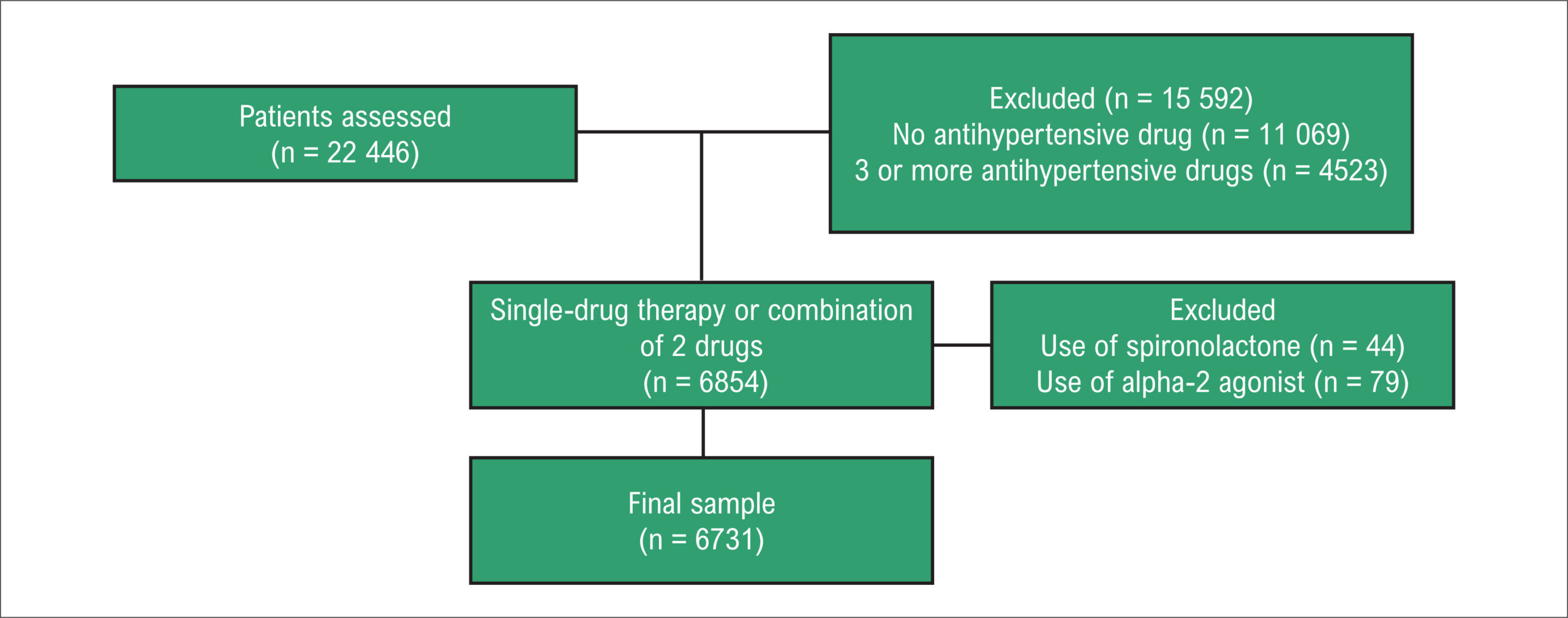
Cross-sectional study assessing patients who underwent BP monitoring in the TeleMRPA platform between 2017 and 2019. The exclusion criteria were: use of no antihypertensive drug; combined use of 3 or more antihypertensive drugs; and use of spironolactone and alpha-2 agonist. The variables analyzed were: age, sex, body mass index (BMI), number of valid BP measurements, means of systolic and diastolic blood pressure (SBP and DBP, respectively) obtained from HBPM and casual measurement, and the classes of antihypertensive drugs. Paired and unpaired t tests, as well as chi-square test, were used. The 5% significance level was adopted.

Results:

This study selected 22 446 patients, 6731 of whom met the inclusion criteria [61.3%, female sex; mean age, 57.8 (±12.6) years; mean BMI, 29.0 (±5.1) kg/m2]. Mean SBP and DBP were 6.6 mm Hg (p<0.001) and 4.4 mm Hg (p<0.001) higher in casual measurement than in HBPM. The rates of BP control were 57.0% in casual measurement and 61.3% in HBPM (p<0.001), and the prevalence of UCWCH and UCMH was 15.4% and 11.1%, respectively. Renin-angiotensin-aldosterone system blockade was observed in 74.6% of the patients, and 54.8% were on single-drug therapy.

Conclusions:

HBPM should be considered for the follow-up of treated hypertensive patients because of the high prevalence of UCWCH and UCMH. Antihypertensive drugs behaved differently in HBPM. (Arq Bras Cardiol. 2021; [online].ahead print, PP.0-0)

  • antihypertensive agents
  • Blood Pressure
  • Hypertension
  • Prevalence
  • Study Blood Pressure Monitoring Home
  • TeleMRPA
Read Full Article
Creative Commons Attribution (CC BY) Creative Commons license
31/05/2021 DOI: 10.36660/abc.20200073
ABC
Editorial

Walking Training Improve Ambulatorial Blood Pressure Variability in Claudicants

Leandro Franzoni et al. Gabriel Pereira de Reis Zubaran Stephanie Bastos da Motta

Peripheral arterial disease (PAD) has been shown to be increasingly prevalent worldwide. Clinical diagnosis is based on evaluation of the ankle brachial index (ABI), where the ankle systolic blood pressure (BP) is divided by the systolic BP of the arm.² Value <0.9 indicate the presence of PAD. Reduction in systolic BP of the ankle is due to atherosclerosis in the lower limbs. Individuals with PAD have significant hemodynamic abnormalities, such as an increase in BP levels. In addition, high BP variability is correlated with the development of PAD in diabetic individuals.

It is important to reduce BP levels in PAD individuals. Physical training is a useful tool that can assist the treatment of clinical symptoms., It was what Chehuen et al. did; they investigated the effect of walking training (WT) on ambulatory BP variability in PAD individuals. It is an elegant randomized clinical trial in which individuals with PAD and claudication symptoms were divided into two groups: control (n=16) and WT (n=19). 24-hour ambulatory BP was assessed before and after 12 weeks. As an outcome, they evaluated the mean systolic BP and ambulatory diastolic BP, as well as variables representing systolic, diastolic and average BP variability (24-hour standard deviation – SD24, awake and asleep weighted standard deviation – SDdn, and 24-hour average real variability – ARV24).

[…]

  • Ankle Brachial Index
  • Arterial Pressure
  • Atherosclerosis
  • Diabetes Melllitus
  • Intermittent Clauduication
  • Peripheral Arterial Disease
  • Prevalence
  • walking
Read Full Article
Creative Commons Attribution (CC BY) Creative Commons license
17/05/2021 DOI: 10.36660/abc.20210140
IJCS
Original Article

Physical Activity Level, Anthropometric and Cardiovascular Profile Among Students in Sergipe State Attending Public Schools

Luan Morais Azevêdo et al. Lucas Souza Santos Emerson Pardono Jeeser Alves Almeida Aldemir Smith Menezes

Abstract

Background

Cardiovascular diseases are the leading cause of mortality among adults. Evidence has shown that sedentary behaviors are the main preventable outcome, however, many sedentary children also become sedentary adults. Therefore, identifying potential risk factors as early as possible contributes to therapeutic success.

Objective

To achieve an anthropometric and cardiovascular mapping of school-age students from Sergipe State, Brazil.

Methods

A school-based cross-sectional study with a representative sample from public schools in the state of Sergipe (n= 4700). Anthropometric and blood pressure measurements were performed, and the Global School-based Student Health Survey was used to assess the physical activity level. An independent samples t-test was performed for all comparisons, and significance was established at 5% (p<0.05).

Results

Despite showing mean blood pressure values within reasonable limits (SBP = 114.1±12.4 mm Hg and DBP = 66.3±8.1 mm Hg), school-age students did not comply with global recommendations for health promotion. It was also observed a high rate of low body weight (42.6%), suggesting dietary compromises, which can interfere with the development of this population. In addition, only 7.3% of students met the minimum physical activity criteria proposed for maintaining their health status.

Conclusion

The findings of the present study emphasize the importance of maintaining Physical Education classes as an essential curricular component, since they provide several health benefits and ensure that this population reaches the minimum daily recommendations, preventing diseases in adult life. (Int J Cardiovasc Sci. 2020; [online].ahead print, PP.0-0)

  • Adolecents
  • Anthropometry
  • Epidemiology
  • Exercise
  • Hypertension
  • Prevalence
  • Public Schools
  • Risk Factors
  • Sedentarism
  • students
Read Full Article
Creative Commons Attribution (CC BY) Creative Commons license
08/01/2021 DOI: 10.36660/ijcs.20200050
ABC
Editorial

Targeting the Renin-Angiotensin-Aldosterone System in Obesity

Ariane Vieira Scarlatelli Macedo

Short Editorial related to the article: AT1Receptor Blockade Improves Myocardial Functional Performance in Obesity

Obesity has been increasing across the globe and markedly raising the prevalence of cardiovascular diseases (CVD). Obesity, particularly severe obesity, causes hemodynamic alterations that contribute to changing cardiac morphology, which may predispose to impaired ventricular function and heart failure. These alterations include a high cardiac output state in most cases, as well as left ventricular hypertrophy (LVH) and left ventricular (LV) diastolic dysfunction. Experimental studies and some investigations on humans propose that specific neurohormonal and metabolic alterations generally associated with obesity may lead to changes in cardiac structure and function.

[…]

  • Cardiovascular Diseases
  • Heart Failure
  • Left Ventricular Hypertrofy
  • Obesity
  • Prevalence
  • Renin-Angiotensin System
Read Full Article
Creative Commons Attribution (CC BY) Creative Commons license
07/08/2020 DOI: 10.36660/abc.20200345 Views 3
ABC
Editorial

Implementation of Healthcare Quality Improvement Programs

Felix J. A. Ramires

The incidence and prevalence of cardiovascular disease are increasing worldwide. – This is partly due to population aging and the accumulation of risk factors associated with these diseases. In Brazil, the life expectancy of the population in 2019 was estimated at 76.6 years in a population of 211,652,819 people, assessed by IBGE. In the same year, approximately 12,168,390 hospitalizations were registered in the public healthcare system (in Brazil, SUS) — Ministry of Health — with approximately 1,200,000 due to cardiovascular diseases (10% of the total). In addition, the mortality related to cardiovascular diseases remains high, around 29% of the annual causes of death. Therefore, we observe the great impact of these diseases with regard to the occupation of hospital beds and mortality in Brazil. In this scenario, chronic disease management programs have shown that monitored and multidisciplinary monitoring improves adherence to pharmacological and non-pharmacological treatment determines optimization of therapy, decreases the number of hospitalizations directly related to the disease, promoting an important improvement in the quality of life and reduction of hospital costs. – Brazilian records have shown adherence to extremely low medical guidelines. The reasons for poor performance in implementing clinical guidelines include barriers related to the health system itself, medical commitment and improvement, multidisciplinary involvement and the patient’s own involvement in healthcare. Some studies suggest that about 30%–40% of patients do not receive healthcare according to the current scientific evidence, while 20% or more of the healthcare provided are not necessary or potentially harmful. The strategies developed to optimize adherence to current guidelines have demonstrated success in the management of these patients. This chronic disease management, focused on the quality of evidence-based care, can promote the reduction of clinical events. Some studies on management and quality improvement have shown reduced rates of hospital readmission in 30 days with the adoption of these measures. , Other models, in performance monitoring associated with strategies for implementing guidelines, promote the improvement of healthcare and reduction of outcomes. The encouragement of healthcare and quality measures are heterogeneous in different regions and among Brazilian institutions, resulting in extremely varied outcomes. The association of performance measures, detection of opportunities for improvement and development of strategies to increase adherence to good health practices are fundamental to optimize results.

In this scenario, the development of national protocols and studies on the management of cardiovascular diseases, focusing on the implementation of models and tools to improve the quality of healthcare and implementation of adherence to best practices, has a fundamental role in assessing feasibility and results.

[…]

  • aging
  • Bed Occupancy
  • Cardiovascular Diseases, mortality
  • Cost Savings
  • Drug Therapy
  • Guidelines as Topic
  • Prevalence
  • Quality Improvement
  • Risk Factors
Read Full Article
Creative Commons Attribution (CC BY) Creative Commons license
07/08/2020 DOI: 10.36660/abc.20200679 Views 2
Figura 1
ABC
Original Article

Prevalence of Orthostatic Hypotension and the Distribution of Pressure Variation in the Longitudinal Study of Adult Health

Ana Paula Costa Velten et al. Isabela Bensenor Paulo Lotufo José Geraldo Mill

Abstract

Background

Orthostatic hypotension (OH) has been neglected in clinical practice, and there are no studies on its prevalence in the Brazilian population.

Objective

To determine the prevalence of OH and blood pressure (BP) changes after the postural change maneuver in participants of the Longitudinal Study of Adult Health.

Methods

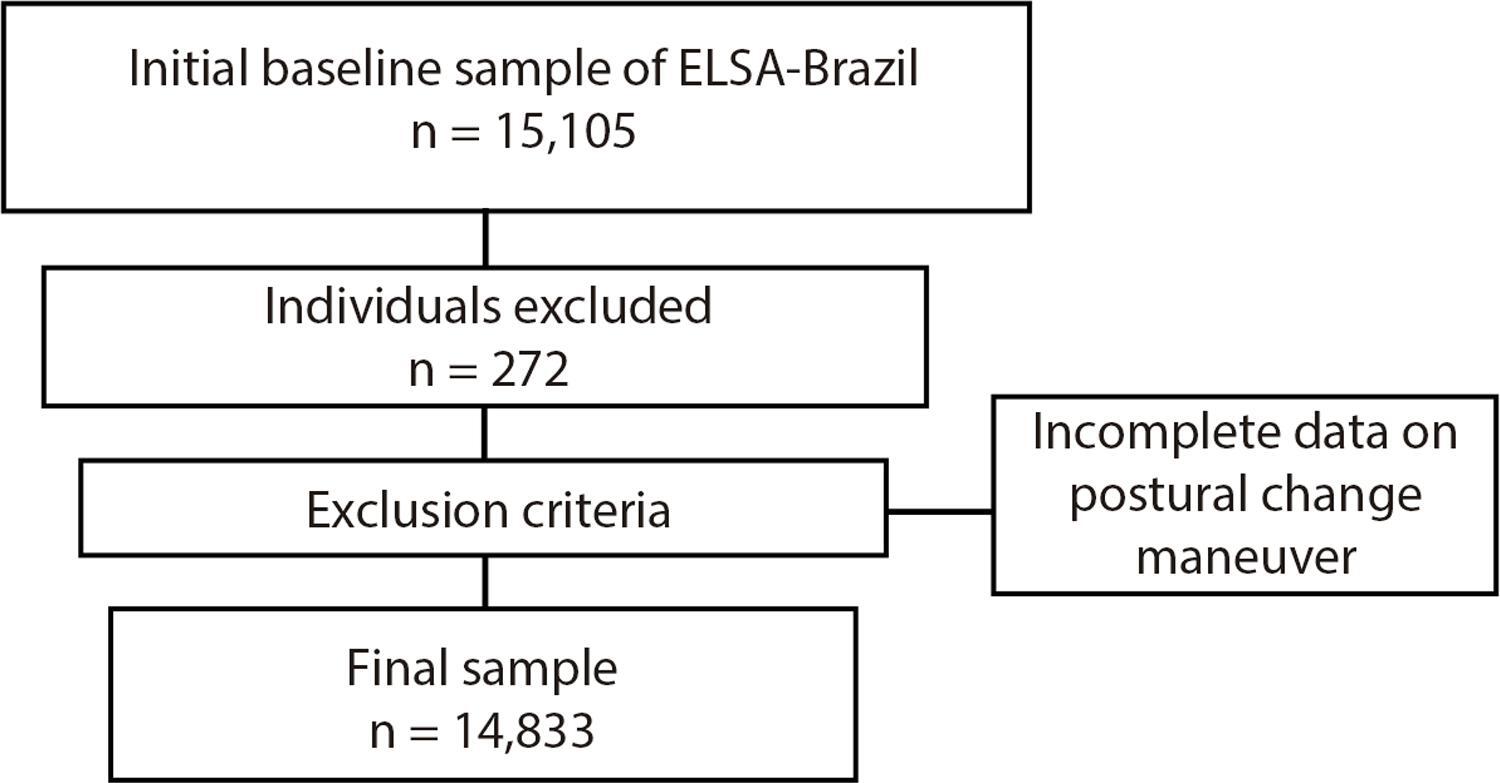
In this descriptive study of baseline data (N = 14,833 adults, ages 35 – 74 years), participants remained lying down for 20 minutes and subsequently stood up actively. BP measurements were taken while the participants were supine and at 2, 3, and 5 minutes after standing. OH was defined as a reduction of ≥ 20 mmHg in systolic BP and/or a reduction of ≥ 10 mmHg in diastolic BP at 3 minutes, and its prevalence was determined with a 95% confidence interval (CI). The distribution of BP variation after the postural change maneuver was determined in a subsample (N = 8,011) obtained by removing patients with cardiovascular morbidity and/or diabetes.

Results

The prevalence of OH was 2.0% (95% CI: 1.8 – 2.3), increasing with age. If the criterion applied were a BP reduction during any measurement, the prevalence would increase to 4.3% (95% CI: 4.0 – 4.7). Symptoms (dizziness, scotoma, nausea, etc.) were reported by 19.7% of participants (95% CI: 15.6 – 24.6) with OH and 1.4% (95% CI: 1.2 – 1.6) of participants without OH. The −2 Z-scores of BP variation before and after the postural change maneuver in the subsample were −14.1 mmHg for systolic BP and −5.4 mmHg for diastolic BP.

Conclusion

Prevalence of OH varies depending on when BP is measured. Current cutoff points may underestimate the actual occurrence of OH in the population. (Arq Bras Cardiol. 2020; 114(6):1040-1048)

  • Blood Pressure
  • Coronary Artery Disease
  • Hypotension, Orthostatic/epidemiology
  • Prevalence
  • Standing Position
Read Full Article
Creative Commons Attribution (CC BY) Creative Commons license
03/07/2020 DOI: 10.36660/abc.20180354 Views 2
Figure 1
ABC
Case Report

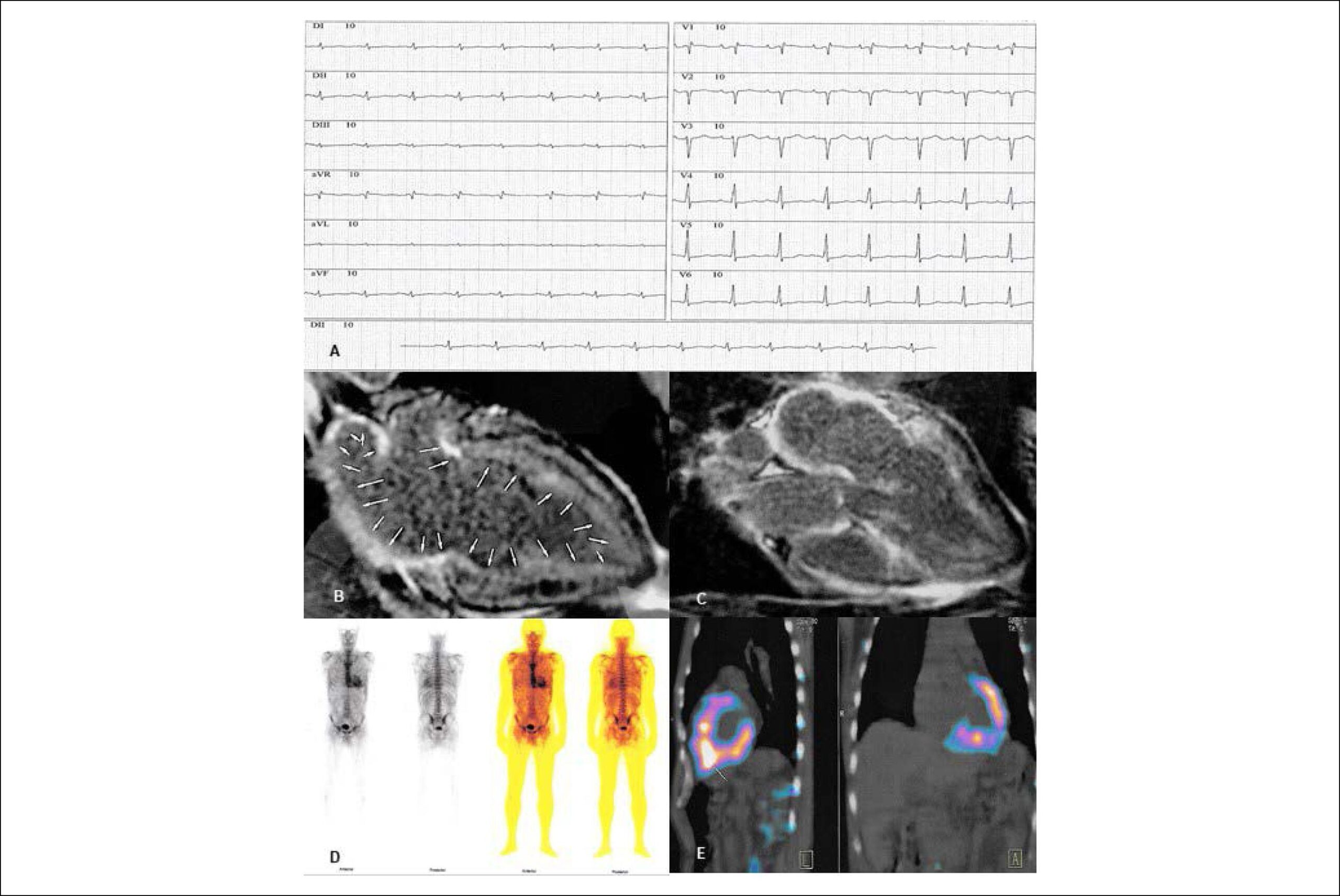
Syncope as a Phenotypic Expression of Hereditary Transthyretin Amyloidosis Val142Ile (Val122Ile)

Nágela S. V. Nunes et al. João Paulo Moreira Carvalho Fernanda Salomão Costa Marcelo Souto Nacif … Joelma Dominato Claudio Tinoco Mesquita Evandro Tinoco Mesquita

Introduction

Transthyretin amyloidosis (ATTR) is a familial disease caused by one of more than 100 described mutations, where there is production of amyloids that are deposited in tissues. Phenocopies include neuropathy (autonomic and peripheral), cardiomyopathy, renal, gastrointestinal, vitreous and meningeal involvement, which vary according to the genetic mutation, ethnicity and geographical origin, even among individuals with the same mutation or within the same family.

Syncope (transient loss of consciousness caused by global cerebral hypoperfusion) in the presence of heart disease confers risk of fatal events. The Val142Ile mutation has heart failure with preserved ejection fraction (HFpEF) as the predominant clinical phenotype, with syncope being an uncommon symptom.,

[…]

  • Amyloid Neuropathies, Familial
  • Amyloidosis, Familial/genetics
  • Cardiomyopathies/diagnosis
  • Diagnostic Imaging/methods
  • Prevalence
  • Syncope
Read Full Article
Creative Commons Attribution (CC BY) Creative Commons license
14/11/2019 DOI: 10.36660/abc.20180130
ABC
Editorial

Social Determinants of Hypertension

José Geraldo Mill

Hypertension (HT) is a disease with high prevalence in adults and is generally referred to as a ‘complex disease’. This term has been used to indicate the diversity of factors that contribute to its onset.,

Studies in populations, twins, and families estimate that the impact of genetic background on the onset of HT ranges from 34% to 64%. However, pressure regulation depends on a multiplicity of organs, systems, and mechanisms, which is why a large number of genes affect individual values. As a result, genetic tests are still largely ineffective as predictors of HT, since monogenic inheritance of this disease is rare. Non-genetic factors are also numerous and are linked to lifestyle (nutrition, physical activity, alcohol and tobacco consumption, among others) or to the presence of conditions connected with a chronic inflammatory state, such as obesity and insulin resistance. In the presence of these factors, blood pressure increase with age is faster, leading to, at a given moment, blood pressure levels indicative of the presence of the disease. It is important to point out that the cutoffs that separate the states of ‘normotension’ and ‘hypertension’ are statistical, being suitable for use with populations, and potentially unsuitable in assessing individuals, as the disease may be present in a subclinical state, i.e., even before reaching diagnostic blood pressure levels obtained in epidemiological studies. Therefore, given the difficulty of using genetic data, disease prevention should be undertaken by identifying risk factors that contribute to raising blood pressure. In this context, epidemiological knowledge about specific populations is an essential tool for handling the disease.

[…]

  • Diabetes Mellitus, Epidemiology
  • Hypertension
  • Hypertension/prevention and control
  • Obesity
  • Prevalence
  • Risk Factors
Read Full Article
Creative Commons Attribution (CC BY) Creative Commons license
04/11/2019 DOI: 10.5935/abc.20190220 Views 1
ABC
Original Article

Prevalence of Systemic Arterial Hypertension and Associated Factors Among Adults from the Semi-Arid Region of Pernambuco, Brazil

Emerson Rogério Costa Santiago et al. Alcides da Silva Diniz Juliana Souza Oliveira Vanessa Sá Leal … Maria Izabel Siqueira de Andrade Pedro Israel Cabral de Lira

Abstract

Background:

Systemic arterial hypertension is a substantial public health problem responsible for millions of deaths per year worldwide. However, little is known about the epidemiology of this disease in areas distant from large urban centers in Brazil. Such information is necessary to plan health promotion strategies.

Objective:

To estimate the prevalence of hypertension and determine its associated factors in adults residing in the semi-arid region of the state of Pernambuco, Northeastern Brazil.

Method:

This is a cross-sectional study conducted with a random sample of male and female adults. Individuals with systolic blood pressure ≥ 140 mm/Hg and/or diastolic blood pressure ≥ 90 mm/Hg and those who reported being under treatment with antihypertensive drugs were considered hypertensive. We collected data on demographic, socioeconomic, behavioral, and anthropometric characteristics, as well as health and nutrition. The statistical analysis used Pearson’s chi-square test, the chi-square test for trend, and multivariate Poisson regression analysis. A p-value < 0.05 in the final model was considered indicative of statistical significance.

Results:

The sample consisted of 416 individuals, and the prevalence of hypertension was 27.4% (95%CI 23.2 – 32.0). In the final model, the independent predictors of hypertension were age of 40 years or older (p = 0.000), low economic class (p = 0.007), smoking (p = 0.023), overweight determined by the body mass index (p = 0.003), and reduced glucose tolerance/diabetes mellitus (p = 0.012).

Conclusion:

The prevalence of hypertension was high and related to important risk factors. Thus, prevention and control strategies are recommended.

  • Blood Pressure
  • Cardiovascular Diseases
  • Epidemiology
  • Hypertension/prevention and control
  • Prevalence
  • Risk Factors
Read Full Article
Creative Commons Attribution (CC BY) Creative Commons license
15/08/2019 DOI: 10.5935/abc.20190145 Views 3
Figure 1
ABC
Original Article

Prevalence of Systemic Arterial Hypertension in Quilombola Communities, State of Sergipe, Brazil

Deyse Mirelle Souza Santos et al. Beatriz Santana Prado Cristiane Costa da Cunha Oliveira Marcos Antonio Almeida-Santos

Abstract

Background:

The quilombolas are groups formed by black ancestry individuals, living in a context of social vulnerability due to low socioeconomic level, which influences health care and the development of chronic diseases.

Objective:

To assess the prevalence of systemic arterial hypertension and its association with cardiovascular risk factors in the quilombola population in the State of Sergipe, Brazil.

Methods:

Study design was cross sectional, involving the administration of a questionnaire to individuals aged ≥ 18 years, in 15 quilombola communities of the State of Sergipe, Brazil. A value of two-sided p < 0.05 was considered statistically significant.

Results:

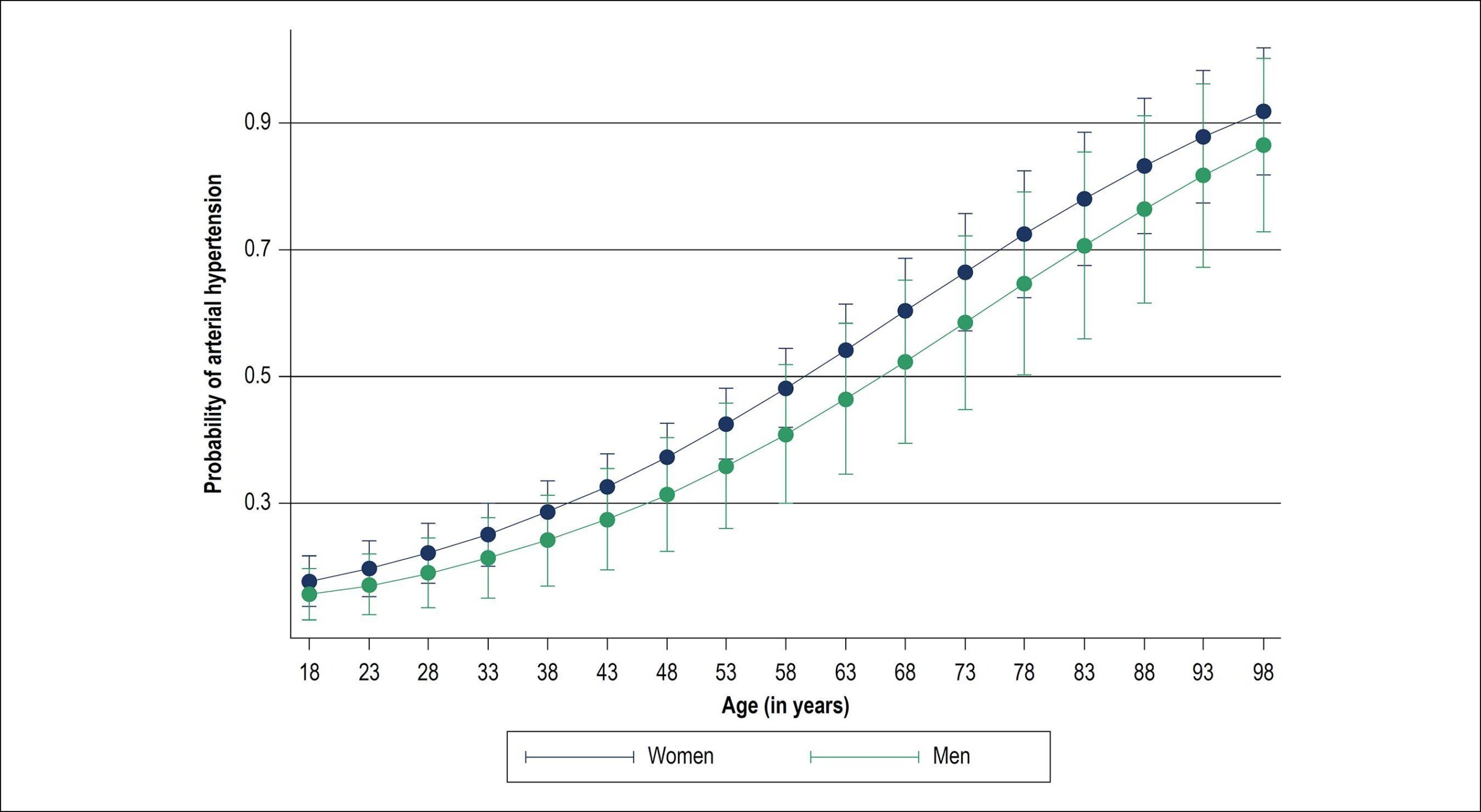
sA total of 390 individuals were evaluated, 72.3% of whom were women, with a mean age of 44.7 years. The prevalence of hypertension was 26% (with a confidence interval of 95% [95% CI]: 22-30), with no significant sex-related differences. The age was associated with arterial hypertension (95% CI: 1.03-1.06), systolic (95% CI: 1.04-1.07) and diastolic (IC 95%: 1.01-1.04) arterial hypertension. The level of body mass index was associated with arterial hypertension (95% CI: 1.00-1.11) and diastolic arterial hypertension (95% CI: 1.03-1.17). Economic class was associated with diastolic arterial hypertension (95% CI: 1.22-5.03).

Conclusion:

The prevalence of arterial hypertension in the quilombola communities was high. Its association with cardiovascular risk factors indicates the need to improve access to healthcare services.

  • African Continental Ancestry Group
  • Cardiovascular Diseases
  • Health of Specific Groups
  • Hypertension
  • Prevalence
  • Public Health
  • Risk Group
Read Full Article
Creative Commons Attribution (CC BY) Creative Commons license
15/08/2019 DOI: 10.5935/abc.20190143 Views 1

Could not load more articles. Please try again.

How to cite this article

EndNote RIS

Electronic Document Format (Vancouver)

Timóteo AT. Prevalence in Evidence: Valvular Heart Diseases Dominating the Brazilian Scenario. Arquivos Brasileiros de Cardiologia 2026;123(6):e20260464.

Electronic Document Format (ABNT)

Timóteo, Ana Teresa. Prevalence in Evidence: Valvular Heart Diseases Dominating the Brazilian Scenario. Arquivos Brasileiros de Cardiologia, v. 123, n. 6, e20260464, Aug. 2026.

Electronic Document Format (APA)

Timóteo, A. T. (2026). Prevalence in Evidence: Valvular Heart Diseases Dominating the Brazilian Scenario. Arquivos Brasileiros de Cardiologia, 123(6), e20260464.

Electronic Document Format (ISO)

Timóteo, Ana Teresa. Prevalence in Evidence: Valvular Heart Diseases Dominating the Brazilian Scenario. Arquivos Brasileiros de Cardiologia [online]. 2026, vol. 123, n. 6, [cited 2026-10-14], e20260464. Available from: <https://journals.cardiol.br/en/article/prevalence-in-evidence-valvular-heart-diseases-dominating-the-brazilian-scenario/>. ISSN 0066-782X

EndNote RIS

Electronic Document Format (Vancouver)

Costa R. Permanent Artificial Cardiac Pacemaker in the Treatment of Bradyarrhythmias Caused by Chagas Disease. Arquivos Brasileiros de Cardiologia 2026;123(2):e20260180.

Electronic Document Format (ABNT)

Costa, Roberto. Permanent Artificial Cardiac Pacemaker in the Treatment of Bradyarrhythmias Caused by Chagas Disease. Arquivos Brasileiros de Cardiologia, v. 123, n. 2, e20260180, Jun. 2026.

Electronic Document Format (APA)

Costa, R. (2026). Permanent Artificial Cardiac Pacemaker in the Treatment of Bradyarrhythmias Caused by Chagas Disease. Arquivos Brasileiros de Cardiologia, 123(2), e20260180.

Electronic Document Format (ISO)

Costa, Roberto. Permanent Artificial Cardiac Pacemaker in the Treatment of Bradyarrhythmias Caused by Chagas Disease. Arquivos Brasileiros de Cardiologia [online]. 2026, vol. 123, n. 2, [cited 2026-10-14], e20260180. Available from: <https://journals.cardiol.br/en/article/permanent-artificial-cardiac-pacemaker-in-the-treatment-of-bradyarrhythmias-caused-by-chagas-disease/>. ISSN 0066-782X

EndNote RIS

Electronic Document Format (Vancouver)

Costa BVPL, Bulhões F, Macedo C, Improta-Caria AC, Aras Júnior R. Impact of Obesity on Patients with Resistant and Refractory Arterial Hypertension: A Cross-Sectional Study. Arquivos Brasileiros de Cardiologia 2026;123(2):e20250627.

Electronic Document Format (ABNT)

Costa, Bárbara Victória Peixoto Lima da; Bulhões, Fábio; Macedo, Cristiano; Improta-Caria, Alex Cleber; Aras Júnior, Roque. Impact of Obesity on Patients with Resistant and Refractory Arterial Hypertension: A Cross-Sectional Study. Arquivos Brasileiros de Cardiologia, v. 123, n. 2, e20250627, Feb. 2026.

Electronic Document Format (APA)

Costa, B. V. P. L. , Bulhões, F., Macedo, C., Improta-Caria, A. C., & Aras Júnior, R. (2026). Impact of Obesity on Patients with Resistant and Refractory Arterial Hypertension: A Cross-Sectional Study. Arquivos Brasileiros de Cardiologia, 123(2), e20250627.

Electronic Document Format (ISO)

Costa, Bárbara Victória Peixoto Lima da and Bulhões, Fábio and Macedo, Cristiano and Improta-Caria, Alex Cleber and Aras Júnior, Roque. Impact of Obesity on Patients with Resistant and Refractory Arterial Hypertension: A Cross-Sectional Study. Arquivos Brasileiros de Cardiologia [online]. 2026, vol. 123, n. 2, [cited 2026-10-14], e20250627. Available from: <https://journals.cardiol.br/en/article/impact-of-obesity-on-patients-with-resistant-and-refractory-arterial-hypertension-a-cross-sectional-study/>. ISSN 0066-782X

EndNote RIS

Electronic Document Format (Vancouver)

Mutarelli A, Armelin L, Pantaleão AN, Nogueira A, Machado CJ, Silva JLP, Kang J, et al. Temporal Trends in the Epidemiology of Acute Rheumatic Fever: A Nationwide Analysis from 2008 to 2022. Arquivos Brasileiros de Cardiologia 2025;122(7):e20240763.

Electronic Document Format (ABNT)

Mutarelli, Antonio; Armelin, Larissa; Pantaleão, Alexandre Negrão; Nogueira, Alleh; Machado, Carla Jorge; Silva, José Luiz P; Kang, Jagdip; Dutra, Walderez O.; Nunes, Maria C. P.. Temporal Trends in the Epidemiology of Acute Rheumatic Fever: A Nationwide Analysis from 2008 to 2022. Arquivos Brasileiros de Cardiologia, v. 122, n. 7, e20240763, Aug. 2025.

Electronic Document Format (APA)

Mutarelli, A., Armelin, L., Pantaleão, A. N., Nogueira, A., Machado, C. J., Silva, J. L. P., Kang, J., Dutra, W. O., & Nunes, M. C. P. (2025). Temporal Trends in the Epidemiology of Acute Rheumatic Fever: A Nationwide Analysis from 2008 to 2022. Arquivos Brasileiros de Cardiologia, 122(7), e20240763.

Electronic Document Format (ISO)

Mutarelli, Antonio and Armelin, Larissa and Pantaleão, Alexandre Negrão and Nogueira, Alleh and Machado, Carla Jorge and Silva, José Luiz P and Kang, Jagdip and Dutra, Walderez O. and Nunes, Maria C. P.. Temporal Trends in the Epidemiology of Acute Rheumatic Fever: A Nationwide Analysis from 2008 to 2022. Arquivos Brasileiros de Cardiologia [online]. 2025, vol. 122, n. 7, [cited 2026-10-14], e20240763. Available from: <https://journals.cardiol.br/en/article/temporal-trends-in-the-epidemiology-of-acute-rheumatic-fever-a-nationwide-analysis-from-2008-to-2022/>. ISSN 0066-782X

EndNote RIS

Electronic Document Format (Vancouver)

Jorge MS, Rodrigues AJ, Vicente WVA, Evora PRB. Infective Endocarditis Surgery. Insights from 328 Patients Operated in a University Tertiary Hospital. Arquivos Brasileiros de Cardiologia 2023;120(3):e20220608.

Electronic Document Format (ABNT)

Jorge, Marcelo Serafim; Rodrigues, Alfredo J.; Vicente, Walter Vilella A.; Evora, Paulo Roberto B.. Infective Endocarditis Surgery. Insights from 328 Patients Operated in a University Tertiary Hospital. Arquivos Brasileiros de Cardiologia, v. 120, n. 3, e20220608, Mar. 2023.

Electronic Document Format (APA)

Jorge, M. S., Rodrigues, A. J., Vicente, W. V. A., & Evora, P. R. B. (2023). Infective Endocarditis Surgery. Insights from 328 Patients Operated in a University Tertiary Hospital. Arquivos Brasileiros de Cardiologia, 120(3), e20220608.

Electronic Document Format (ISO)

Jorge, Marcelo Serafim and Rodrigues, Alfredo J. and Vicente, Walter Vilella A. and Evora, Paulo Roberto B.. Infective Endocarditis Surgery. Insights from 328 Patients Operated in a University Tertiary Hospital. Arquivos Brasileiros de Cardiologia [online]. 2023, vol. 120, n. 3, [cited 2026-10-14], e20220608. Available from: <https://journals.cardiol.br/en/article/infective-endocarditis-surgery-insights-from-328-patients-operated-in-a-university-tertiary-hospital/>. ISSN 0066-782X

EndNote RIS

Electronic Document Format (Vancouver)

Facin M, Samesima N. The Rare Alternans Pre-Excitation Pattern: Is It a Genuinely Benign Phenomenon?. Arquivos Brasileiros de Cardiologia 2023;120(1):e20220864.

Electronic Document Format (ABNT)

Facin, Mirella; Samesima, Nelson. The Rare Alternans Pre-Excitation Pattern: Is It a Genuinely Benign Phenomenon?. Arquivos Brasileiros de Cardiologia, v. 120, n. 1, e20220864, Feb. 2023.

Electronic Document Format (APA)

Facin, M., & Samesima, N. (2023). The Rare Alternans Pre-Excitation Pattern: Is It a Genuinely Benign Phenomenon?. Arquivos Brasileiros de Cardiologia, 120(1), e20220864.

Electronic Document Format (ISO)

Facin, Mirella and Samesima, Nelson. The Rare Alternans Pre-Excitation Pattern: Is It a Genuinely Benign Phenomenon?. Arquivos Brasileiros de Cardiologia [online]. 2023, vol. 120, n. 1, [cited 2026-10-14], e20220864. Available from: <https://journals.cardiol.br/en/article/the-rare-alternans-pre-excitation-pattern-is-it-a-genuinely-benign-phenomenon/>. ISSN 0066-782X

EndNote RIS

Electronic Document Format (Vancouver)

Lopes JRP, Chu C, Bhatia S, Correia LC. Frequency and Characteristics of Responders to an Educational Intervention to Reduce Inappropriate Heart Testing: A Sub-study of the Echo WISELY Trial. Arquivos Brasileiros de Cardiologia Imagem cardiovascular 2022;34(4):eabc249.

Electronic Document Format (ABNT)

Lopes, João Ricardo Pinto; Chu, Cherry; Bhatia, Sacha; Correia, Luis Claudio. Frequency and Characteristics of Responders to an Educational Intervention to Reduce Inappropriate Heart Testing: A Sub-study of the Echo WISELY Trial. Arquivos Brasileiros de Cardiologia Imagem cardiovascular, v. 34, n. 4, eabc249, Mar. 2022.

Electronic Document Format (APA)

Lopes, J. R. P., Chu, C., Bhatia, S., & Correia, L. C. (2022). Frequency and Characteristics of Responders to an Educational Intervention to Reduce Inappropriate Heart Testing: A Sub-study of the Echo WISELY Trial. Arquivos Brasileiros de Cardiologia Imagem cardiovascular, 34(4), eabc249.

Electronic Document Format (ISO)

Lopes, João Ricardo Pinto and Chu, Cherry and Bhatia, Sacha and Correia, Luis Claudio. Frequency and Characteristics of Responders to an Educational Intervention to Reduce Inappropriate Heart Testing: A Sub-study of the Echo WISELY Trial. Arquivos Brasileiros de Cardiologia Imagem cardiovascular [online]. 2022, vol. 34, n. 4, [cited 2026-10-14], eabc249. Available from: <https://journals.cardiol.br/en/article/frequency-and-characteristics-of-responders-to-an-educational-intervention-to-reduce-inappropriate-heart-testing-a-sub-study-of-the-echo-wisely-trial/>. ISSN 2318-8219

EndNote RIS

Electronic Document Format (Vancouver)

Pereira JL, Castro MA, Leite JMRS, Rogero MM, Sarti FM, César CLG, Goldbaum M, et al. Overview of Cardiovascular Disease Risk Factors in Adults in São Paulo, Brazil: Prevalence and Associated Factors in 2008 and 2015. International Journal of Cardiovascular Sciences 2022;35(2):230-42.

Electronic Document Format (ABNT)

Pereira, Jaqueline L.; Castro, Michelle A de; Leite, Jean M. R. S.; Rogero, Marcelo M.; Sarti, Flavia M.; César, Chester Luís Galvão; Goldbaum, Moisés; Fisberg, Regina M.. Overview of Cardiovascular Disease Risk Factors in Adults in São Paulo, Brazil: Prevalence and Associated Factors in 2008 and 2015. International Journal of Cardiovascular Sciences, v. 35, n. 2, p. 230-242, Jan. 2022.

Electronic Document Format (APA)

Pereira, J. L., Castro, M. A. , Leite, J. M. R. S., Rogero, M. M., Sarti, F. M., César, C. L. G., Goldbaum, M., & Fisberg, R. M. (2022). Overview of Cardiovascular Disease Risk Factors in Adults in São Paulo, Brazil: Prevalence and Associated Factors in 2008 and 2015. International Journal of Cardiovascular Sciences, 35(2), 230-242.

Electronic Document Format (ISO)

Pereira, Jaqueline L. and Castro, Michelle A de and Leite, Jean M. R. S. and Rogero, Marcelo M. and Sarti, Flavia M. and César, Chester Luís Galvão and Goldbaum, Moisés and Fisberg, Regina M.. Overview of Cardiovascular Disease Risk Factors in Adults in São Paulo, Brazil: Prevalence and Associated Factors in 2008 and 2015. International Journal of Cardiovascular Sciences [online]. 2022, vol. 35, n. 2, [cited 2026-10-14], pp. 230-242. Available from: <https://journals.cardiol.br/en/article/overview-of-cardiovascular-disease-risk-factors-in-adults-in-sao-paulo-brazil-prevalence-and-associated-factors-in-2008-and-2015/>. ISSN 2359-4802

EndNote RIS

Electronic Document Format (Vancouver)

Favarato D. Brazilian Population Presents Prevalence of Atrial Fibrillation Similar to Higher Income Countries, and a Low Use of Anticoagulation Therapy. Arquivos Brasileiros de Cardiologia 2021;117(3):435-6.

Electronic Document Format (ABNT)

Favarato, Desiderio. Brazilian Population Presents Prevalence of Atrial Fibrillation Similar to Higher Income Countries, and a Low Use of Anticoagulation Therapy. Arquivos Brasileiros de Cardiologia, v. 117, n. 3, p. 435-436, Sep. 2021.

Electronic Document Format (APA)

Favarato, D. (2021). Brazilian Population Presents Prevalence of Atrial Fibrillation Similar to Higher Income Countries, and a Low Use of Anticoagulation Therapy. Arquivos Brasileiros de Cardiologia, 117(3), 435-436.

Electronic Document Format (ISO)

Favarato, Desiderio. Brazilian Population Presents Prevalence of Atrial Fibrillation Similar to Higher Income Countries, and a Low Use of Anticoagulation Therapy. Arquivos Brasileiros de Cardiologia [online]. 2021, vol. 117, n. 3, [cited 2026-10-14], pp. 435-436. Available from: <https://journals.cardiol.br/en/article/brazilian-population-presents-prevalence-of-atrial-fibrillation-similar-to-higher-income-countries-and-a-low-use-of-anticoagulation-therapy/>. ISSN 0066-782X

EndNote RIS

Electronic Document Format (Vancouver)

Jorge AJL, Barbetta LMS, Correia ETO, Martins WA, Leite AR, Saad MAN, Santos MMS, et al. Characteristics and Temporal Trends in the Mortality of Different Heart Failure Phenotypes in Primary Care. Arquivos Brasileiros de Cardiologia 2021;117(2):300-6.

Electronic Document Format (ABNT)

Jorge, Antonio José Lagoeiro; Barbetta, Leticia Mara dos Santos; Correia, Eduardo Thadeu de Oliveira; Martins, Wolney de Andrade; Leite, Adson Renato; Saad, Maria Auxiliadora Nogueira; Santos, Márcia Maria Sales dos; Correia, Dayse Mary; Rosa, Maria Luiza Garcia; Chermont, Sérgio; Santos, Cárita Cunha dos; Mesquita, Evandro Tinoco. Characteristics and Temporal Trends in the Mortality of Different Heart Failure Phenotypes in Primary Care. Arquivos Brasileiros de Cardiologia, v. 117, n. 2, p. 300-306, Sep. 2021.

Electronic Document Format (APA)

Jorge, A. J. L., Barbetta, L. M. S., Correia, E. T. O., Martins, W. A., Leite, A. R., Saad, M. A. N., Santos, M. M. S. , Correia, D. M., Rosa, M. L. G., Chermont, S., Santos, C. C. , & Mesquita, E. T. (2021). Characteristics and Temporal Trends in the Mortality of Different Heart Failure Phenotypes in Primary Care. Arquivos Brasileiros de Cardiologia, 117(2), 300-306.

Electronic Document Format (ISO)

Jorge, Antonio José Lagoeiro and Barbetta, Leticia Mara dos Santos and Correia, Eduardo Thadeu de Oliveira and Martins, Wolney de Andrade and Leite, Adson Renato and Saad, Maria Auxiliadora Nogueira and Santos, Márcia Maria Sales dos and Correia, Dayse Mary and Rosa, Maria Luiza Garcia and Chermont, Sérgio and Santos, Cárita Cunha dos and Mesquita, Evandro Tinoco. Characteristics and Temporal Trends in the Mortality of Different Heart Failure Phenotypes in Primary Care. Arquivos Brasileiros de Cardiologia [online]. 2021, vol. 117, n. 2, [cited 2026-10-14], pp. 300-306. Available from: <https://journals.cardiol.br/en/article/characteristics-and-temporal-trends-in-the-mortality-of-different-heart-failure-phenotypes-in-primary-care/>. ISSN 0066-782X

EndNote RIS

Electronic Document Format (Vancouver)

Santos LG, Baggio JAO, Leal TC, Costa FA, Fernandes TRMO, Silva RV, Armstrong A, et al. Prevalence of Systemic Arterial Hypertension and Diabetes Mellitus in Individuals with COVID-19: A Retrospective Study of Deaths in Pernambuco, Brazil. Arquivos Brasileiros de Cardiologia 2021;117(2):416-22.

Electronic Document Format (ABNT)

Santos, Lucas Gomes; Baggio, Jussara Almeida de Oliveira; Leal, Thiago Cavalcanti; Costa, Francisco A.; Fernandes, Tânia Rita Moreno de Oliveira; Silva, Regicley Vieira da; Armstrong, Anderson; Carmo, Rodrigo Feliciano; Souza, Carlos Dornels Freire de. Prevalence of Systemic Arterial Hypertension and Diabetes Mellitus in Individuals with COVID-19: A Retrospective Study of Deaths in Pernambuco, Brazil. Arquivos Brasileiros de Cardiologia, v. 117, n. 2, p. 416-422, Sep. 2021.

Electronic Document Format (APA)

Santos, L. G., Baggio, J. A. O., Leal, T. C., Costa, F. A., Fernandes, T. R. M. O., Silva, R. V. , Armstrong, A., Carmo, R. F., & Souza, C. D. F. (2021). Prevalence of Systemic Arterial Hypertension and Diabetes Mellitus in Individuals with COVID-19: A Retrospective Study of Deaths in Pernambuco, Brazil. Arquivos Brasileiros de Cardiologia, 117(2), 416-422.

Electronic Document Format (ISO)

Santos, Lucas Gomes and Baggio, Jussara Almeida de Oliveira and Leal, Thiago Cavalcanti and Costa, Francisco A. and Fernandes, Tânia Rita Moreno de Oliveira and Silva, Regicley Vieira da and Armstrong, Anderson and Carmo, Rodrigo Feliciano and Souza, Carlos Dornels Freire de. Prevalence of Systemic Arterial Hypertension and Diabetes Mellitus in Individuals with COVID-19: A Retrospective Study of Deaths in Pernambuco, Brazil. Arquivos Brasileiros de Cardiologia [online]. 2021, vol. 117, n. 2, [cited 2026-10-14], pp. 416-422. Available from: <https://journals.cardiol.br/en/article/prevalence-of-systemic-arterial-hypertension-and-diabetes-mellitus-in-individuals-with-covid-19-a-retrospective-study-of-deaths-in-pernambuco-brazil/>. ISSN 0066-782X

EndNote RIS

Electronic Document Format (Vancouver)

Muxfeldt ES. Blood Pressure Control and Therapeutic Adherence – The Challenges of Hypertension. International Journal of Cardiovascular Sciences 2021;34(4):409-10.

Electronic Document Format (ABNT)

Muxfeldt, Elizabeth Silaid. Blood Pressure Control and Therapeutic Adherence – The Challenges of Hypertension. International Journal of Cardiovascular Sciences, v. 34, n. 4, p. 409-410, Jul. 2021.

Electronic Document Format (APA)

Muxfeldt, E. S. (2021). Blood Pressure Control and Therapeutic Adherence – The Challenges of Hypertension. International Journal of Cardiovascular Sciences, 34(4), 409-410.

Electronic Document Format (ISO)

Muxfeldt, Elizabeth Silaid. Blood Pressure Control and Therapeutic Adherence – The Challenges of Hypertension. International Journal of Cardiovascular Sciences [online]. 2021, vol. 34, n. 4, [cited 2026-10-14], pp. 409-410. Available from: <https://journals.cardiol.br/en/article/blood-pressure-control-and-therapeutic-adherence-the-challenges-of-hypertension/>. ISSN 2359-4802

EndNote RIS

Electronic Document Format (Vancouver)

Ferreira MCM, Oliveira MV, Paiva MSM, Lemke V, Mangione F, Oliveira GMM. Closing the Gender Gap in Ischemic Heart Diseases and Myocardial Infarction. International Journal of Cardiovascular Sciences 2021;34(4):471-83.

Electronic Document Format (ABNT)

Ferreira, Maria Cristina Meira; Oliveira, Mayara Viana de; Paiva, Maria Sanali Moura; Lemke, Viviana; Mangione, Fernanda; Oliveira, Gláucia Maria Moraes de. Closing the Gender Gap in Ischemic Heart Diseases and Myocardial Infarction. International Journal of Cardiovascular Sciences, v. 34, n. 4, p. 471-483, Jul. 2021.

Electronic Document Format (APA)

Ferreira, M. C. M., Oliveira, M. V. , Paiva, M. S. M., Lemke, V., Mangione, F., & Oliveira, G. M. M. (2021). Closing the Gender Gap in Ischemic Heart Diseases and Myocardial Infarction. International Journal of Cardiovascular Sciences, 34(4), 471-483.

Electronic Document Format (ISO)

Ferreira, Maria Cristina Meira and Oliveira, Mayara Viana de and Paiva, Maria Sanali Moura and Lemke, Viviana and Mangione, Fernanda and Oliveira, Gláucia Maria Moraes de. Closing the Gender Gap in Ischemic Heart Diseases and Myocardial Infarction. International Journal of Cardiovascular Sciences [online]. 2021, vol. 34, n. 4, [cited 2026-10-14], pp. 471-483. Available from: <https://journals.cardiol.br/en/article/closing-the-gender-gap-in-ischemic-heart-diseases-and-myocardial-infarction/>. ISSN 2359-4802

EndNote RIS

Electronic Document Format (Vancouver)

Paiva KM, Hillesheim D, Rech CR, Delevatti RS, Brown RVS, Gonzáles AI, Haas P, et al. Prevalence and Associated Factors of SARS by Covid-19 in Adults and Aged People with Chronic Cardiovascular Disease. Arquivos Brasileiros de Cardiologia 2021;117(5):968-75.

Electronic Document Format (ABNT)

Paiva, Karina Mary de; Hillesheim, Danúbia; Rech, Cassiano Ricardo; Delevatti, Rodrigo Sudatti; Brown, Rodrigo Vasconi Sáez; Gonzáles, Ana Inês; Haas, Patricia. Prevalence and Associated Factors of SARS by Covid-19 in Adults and Aged People with Chronic Cardiovascular Disease. Arquivos Brasileiros de Cardiologia, v. 117, n. 5, p. 968-975, Jun. 2021.

Electronic Document Format (APA)

Paiva, K. M. , Hillesheim, D., Rech, C. R., Delevatti, R. S., Brown, R. V. S., Gonzáles, A. I., & Haas, P. (2021). Prevalence and Associated Factors of SARS by Covid-19 in Adults and Aged People with Chronic Cardiovascular Disease. Arquivos Brasileiros de Cardiologia, 117(5), 968-975.

Electronic Document Format (ISO)

Paiva, Karina Mary de and Hillesheim, Danúbia and Rech, Cassiano Ricardo and Delevatti, Rodrigo Sudatti and Brown, Rodrigo Vasconi Sáez and Gonzáles, Ana Inês and Haas, Patricia. Prevalence and Associated Factors of SARS by Covid-19 in Adults and Aged People with Chronic Cardiovascular Disease. Arquivos Brasileiros de Cardiologia [online]. 2021, vol. 117, n. 5, [cited 2026-10-14], pp. 968-975. Available from: <https://journals.cardiol.br/en/article/prevalence-and-associated-factors-of-sars-by-covid-19-in-adults-and-aged-people-with-chronic-cardiovascular-disease/>. ISSN 0066-782X

EndNote RIS

Electronic Document Format (Vancouver)

Barroso WKS, Feitosa ADM, Barbosa ECD, Brandão AA, Miranda RD, Vitorino PVO, Machado CA, et al. Treated Hypertensive Patients Assessed by Home Blood Pressure Telemonitoring. TeleMRPA Study. Arquivos Brasileiros de Cardiologia 2021;117(3):520-7.

Electronic Document Format (ABNT)

Barroso, Weimar Kunz Sebba; Feitosa, Audes Diógenes Magalhães; Barbosa, Eduardo Costa Duarte; Brandão, Andréa Araujo; Miranda, Roberto Dischinger; Vitorino, Priscila Valverde Oliveira; Machado, Carlos Alberto; Braga, Antônio Almeida; Ribeiro, Lúcio Paulo de Souza; Mota-Gomes, Marco Antonio. Treated Hypertensive Patients Assessed by Home Blood Pressure Telemonitoring. TeleMRPA Study. Arquivos Brasileiros de Cardiologia, v. 117, n. 3, p. 520-527, May. 2021.

Electronic Document Format (APA)

Barroso, W. K. S., Feitosa, A. D. M., Barbosa, E. C. D., Brandão, A. A., Miranda, R. D., Vitorino, P. V. O., Machado, C. A., Braga, A. A., Ribeiro, L. P. S., & Mota-Gomes, M. A. (2021). Treated Hypertensive Patients Assessed by Home Blood Pressure Telemonitoring. TeleMRPA Study. Arquivos Brasileiros de Cardiologia, 117(3), 520-527.

Electronic Document Format (ISO)

Barroso, Weimar Kunz Sebba and Feitosa, Audes Diógenes Magalhães and Barbosa, Eduardo Costa Duarte and Brandão, Andréa Araujo and Miranda, Roberto Dischinger and Vitorino, Priscila Valverde Oliveira and Machado, Carlos Alberto and Braga, Antônio Almeida and Ribeiro, Lúcio Paulo de Souza and Mota-Gomes, Marco Antonio. Treated Hypertensive Patients Assessed by Home Blood Pressure Telemonitoring. TeleMRPA Study. Arquivos Brasileiros de Cardiologia [online]. 2021, vol. 117, n. 3, [cited 2026-10-14], pp. 520-527. Available from: <https://journals.cardiol.br/en/article/treated-hypertensive-patients-assessed-by-home-blood-pressure-telemonitoring-telemrpa-study/>. ISSN 0066-782X

EndNote RIS

Electronic Document Format (Vancouver)

Franzoni L, Zubaran GPR, Motta SB. Walking Training Improve Ambulatorial Blood Pressure Variability in Claudicants. Arquivos Brasileiros de Cardiologia 2021;116(5):906-7.

Electronic Document Format (ABNT)

Franzoni, Leandro; Zubaran, Gabriel Pereira de Reis; Motta, Stephanie Bastos da. Walking Training Improve Ambulatorial Blood Pressure Variability in Claudicants. Arquivos Brasileiros de Cardiologia, v. 116, n. 5, p. 906-907, May. 2021.

Electronic Document Format (APA)

Franzoni, L., Zubaran, G. P. R., & Motta, S. B. (2021). Walking Training Improve Ambulatorial Blood Pressure Variability in Claudicants. Arquivos Brasileiros de Cardiologia, 116(5), 906-907.

Electronic Document Format (ISO)

Franzoni, Leandro and Zubaran, Gabriel Pereira de Reis and Motta, Stephanie Bastos da. Walking Training Improve Ambulatorial Blood Pressure Variability in Claudicants. Arquivos Brasileiros de Cardiologia [online]. 2021, vol. 116, n. 5, [cited 2026-10-14], pp. 906-907. Available from: <https://journals.cardiol.br/en/article/walking-training-improve-ambulatorial-blood-pressure-variability-in-claudicants/>. ISSN 0066-782X

EndNote RIS

Electronic Document Format (Vancouver)

Azevêdo LM, Santos LS, Pardono E, Almeida JA, Menezes AS. Physical Activity Level, Anthropometric and Cardiovascular Profile Among Students in Sergipe State Attending Public Schools. International Journal of Cardiovascular Sciences 2021;34(3):255-61.

Electronic Document Format (ABNT)

Azevêdo, Luan Morais; Santos, Lucas Souza; Pardono, Emerson; Almeida, Jeeser Alves; Menezes, Aldemir Smith. Physical Activity Level, Anthropometric and Cardiovascular Profile Among Students in Sergipe State Attending Public Schools. International Journal of Cardiovascular Sciences, v. 34, n. 3, p. 255-261, Jan. 2021.

Electronic Document Format (APA)

Azevêdo, L. M., Santos, L. S., Pardono, E., Almeida, J. A., & Menezes, A. S. (2021). Physical Activity Level, Anthropometric and Cardiovascular Profile Among Students in Sergipe State Attending Public Schools. International Journal of Cardiovascular Sciences, 34(3), 255-261.

Electronic Document Format (ISO)

Azevêdo, Luan Morais and Santos, Lucas Souza and Pardono, Emerson and Almeida, Jeeser Alves and Menezes, Aldemir Smith. Physical Activity Level, Anthropometric and Cardiovascular Profile Among Students in Sergipe State Attending Public Schools. International Journal of Cardiovascular Sciences [online]. 2021, vol. 34, n. 3, [cited 2026-10-14], pp. 255-261. Available from: <https://journals.cardiol.br/en/article/physical-activity-level-anthropometric-and-cardiovascular-profile-among-students-in-sergipe-state-attending-public-schools/>. ISSN 2359-4802

EndNote RIS

Electronic Document Format (Vancouver)

Macedo AVS. Targeting the Renin-Angiotensin-Aldosterone System in Obesity. Arquivos Brasileiros de Cardiologia 2020;115(1):29-30.

Electronic Document Format (ABNT)

Macedo, Ariane Vieira Scarlatelli. Targeting the Renin-Angiotensin-Aldosterone System in Obesity. Arquivos Brasileiros de Cardiologia, v. 115, n. 1, p. 29-30, Aug. 2020.

Electronic Document Format (APA)

Macedo, A. V. S. (2020). Targeting the Renin-Angiotensin-Aldosterone System in Obesity. Arquivos Brasileiros de Cardiologia, 115(1), 29-30.

Electronic Document Format (ISO)

Macedo, Ariane Vieira Scarlatelli. Targeting the Renin-Angiotensin-Aldosterone System in Obesity. Arquivos Brasileiros de Cardiologia [online]. 2020, vol. 115, n. 1, [cited 2026-10-14], pp. 29-30. Available from: <https://journals.cardiol.br/en/article/targeting-the-renin-angiotensin-aldosterone-system-in-obesity/>. ISSN 0066-782X

EndNote RIS

Electronic Document Format (Vancouver)

Ramires FJA. Implementation of Healthcare Quality Improvement Programs. Arquivos Brasileiros de Cardiologia 2020;115(1):100-1.

Electronic Document Format (ABNT)

Ramires, Felix J. A.. Implementation of Healthcare Quality Improvement Programs. Arquivos Brasileiros de Cardiologia, v. 115, n. 1, p. 100-101, Aug. 2020.

Electronic Document Format (APA)

Ramires, F. J. A. (2020). Implementation of Healthcare Quality Improvement Programs. Arquivos Brasileiros de Cardiologia, 115(1), 100-101.

Electronic Document Format (ISO)

Ramires, Felix J. A.. Implementation of Healthcare Quality Improvement Programs. Arquivos Brasileiros de Cardiologia [online]. 2020, vol. 115, n. 1, [cited 2026-10-14], pp. 100-101. Available from: <https://journals.cardiol.br/en/article/implementation-of-healthcare-quality-improvement-programs/>. ISSN 0066-782X

EndNote RIS

Electronic Document Format (Vancouver)

Velten APC, Bensenor I, Lotufo P, Mill JG. Prevalence of Orthostatic Hypotension and the Distribution of Pressure Variation in the Longitudinal Study of Adult Health. Arquivos Brasileiros de Cardiologia 2020;114(6):1040-8.

Electronic Document Format (ABNT)

Velten, Ana Paula Costa; Bensenor, Isabela; Lotufo, Paulo; Mill, José Geraldo. Prevalence of Orthostatic Hypotension and the Distribution of Pressure Variation in the Longitudinal Study of Adult Health. Arquivos Brasileiros de Cardiologia, v. 114, n. 6, p. 1040-1048, Jul. 2020.

Electronic Document Format (APA)

Velten, A. P. C., Bensenor, I., Lotufo, P., & Mill, J. G. (2020). Prevalence of Orthostatic Hypotension and the Distribution of Pressure Variation in the Longitudinal Study of Adult Health. Arquivos Brasileiros de Cardiologia, 114(6), 1040-1048.

Electronic Document Format (ISO)

Velten, Ana Paula Costa and Bensenor, Isabela and Lotufo, Paulo and Mill, José Geraldo. Prevalence of Orthostatic Hypotension and the Distribution of Pressure Variation in the Longitudinal Study of Adult Health. Arquivos Brasileiros de Cardiologia [online]. 2020, vol. 114, n. 6, [cited 2026-10-14], pp. 1040-1048. Available from: <https://journals.cardiol.br/en/article/prevalence-of-orthostatic-hypotension-and-the-distribution-of-pressure-variation-in-the-longitudinal-study-of-adult-health/>. ISSN 0066-782X

EndNote RIS

Electronic Document Format (Vancouver)

Nunes NSV, Carvalho JPM, Costa FS, Nacif MS, Dominato J, Mesquita CT, Mesquita ET, et al. Syncope as a Phenotypic Expression of Hereditary Transthyretin Amyloidosis Val142Ile (Val122Ile). Arquivos Brasileiros de Cardiologia 2019;114(4 suppl 1):1-3.

Electronic Document Format (ABNT)

Nunes, Nágela S. V.; Carvalho, João Paulo Moreira; Costa, Fernanda Salomão; Nacif, Marcelo Souto; Dominato, Joelma; Mesquita, Claudio Tinoco; Mesquita, Evandro Tinoco. Syncope as a Phenotypic Expression of Hereditary Transthyretin Amyloidosis Val142Ile (Val122Ile). Arquivos Brasileiros de Cardiologia, v. 114, n. 4 suppl 1, p. 1-3, Nov. 2019.

Electronic Document Format (APA)

Nunes, N. S. V., Carvalho, J. P. M., Costa, F. S., Nacif, M. S., Dominato, J., Mesquita, C. T., & Mesquita, E. T. (2019). Syncope as a Phenotypic Expression of Hereditary Transthyretin Amyloidosis Val142Ile (Val122Ile). Arquivos Brasileiros de Cardiologia, 114(4 suppl 1), 1-3.

Electronic Document Format (ISO)

Nunes, Nágela S. V. and Carvalho, João Paulo Moreira and Costa, Fernanda Salomão and Nacif, Marcelo Souto and Dominato, Joelma and Mesquita, Claudio Tinoco and Mesquita, Evandro Tinoco. Syncope as a Phenotypic Expression of Hereditary Transthyretin Amyloidosis Val142Ile (Val122Ile). Arquivos Brasileiros de Cardiologia [online]. 2019, vol. 114, n. 4 suppl 1, [cited 2026-10-14], pp. 1-3. Available from: <https://journals.cardiol.br/en/article/syncope-as-a-phenotypic-expression-of-hereditary-transthyretin-amyloidosis-val142ile-val122ile/>. ISSN 0066-782X

EndNote RIS

Electronic Document Format (Vancouver)

Mill JG. Social Determinants of Hypertension. Arquivos Brasileiros de Cardiologia 2019;113(4):696-8.

Electronic Document Format (ABNT)

Mill, José Geraldo. Social Determinants of Hypertension. Arquivos Brasileiros de Cardiologia, v. 113, n. 4, p. 696-698, Nov. 2019.

Electronic Document Format (APA)

Mill, J. G. (2019). Social Determinants of Hypertension. Arquivos Brasileiros de Cardiologia, 113(4), 696-698.

Electronic Document Format (ISO)

Mill, José Geraldo. Social Determinants of Hypertension. Arquivos Brasileiros de Cardiologia [online]. 2019, vol. 113, n. 4, [cited 2026-10-14], pp. 696-698. Available from: <https://journals.cardiol.br/article/social-determinants-of-hypertension/>. ISSN 0066-782X

EndNote RIS

Electronic Document Format (Vancouver)

Santiago ERC, Diniz AS, Oliveira JS, Leal VS, Andrade MIS, Lira PIC. Prevalence of Systemic Arterial Hypertension and Associated Factors Among Adults from the Semi-Arid Region of Pernambuco, Brazil. Arquivos Brasileiros de Cardiologia 2019;113(4):687-95.

Electronic Document Format (ABNT)

Santiago, Emerson Rogério Costa; Diniz, Alcides da Silva; Oliveira, Juliana Souza; Leal, Vanessa Sá; Andrade, Maria Izabel Siqueira de; Lira, Pedro Israel Cabral de. Prevalence of Systemic Arterial Hypertension and Associated Factors Among Adults from the Semi-Arid Region of Pernambuco, Brazil. Arquivos Brasileiros de Cardiologia, v. 113, n. 4, p. 687-695, Aug. 2019.

Electronic Document Format (APA)

Santiago, E. R. C., Diniz, A. S., Oliveira, J. S., Leal, V. S., Andrade, M. I. S. , & Lira, P. I. C. (2019). Prevalence of Systemic Arterial Hypertension and Associated Factors Among Adults from the Semi-Arid Region of Pernambuco, Brazil. Arquivos Brasileiros de Cardiologia, 113(4), 687-695.

Electronic Document Format (ISO)

Santiago, Emerson Rogério Costa and Diniz, Alcides da Silva and Oliveira, Juliana Souza and Leal, Vanessa Sá and Andrade, Maria Izabel Siqueira de and Lira, Pedro Israel Cabral de. Prevalence of Systemic Arterial Hypertension and Associated Factors Among Adults from the Semi-Arid Region of Pernambuco, Brazil. Arquivos Brasileiros de Cardiologia [online]. 2019, vol. 113, n. 4, [cited 2026-10-14], pp. 687-695. Available from: <https://journals.cardiol.br/en/article/prevalence-of-systemic-arterial-hypertension-and-associated-factors-among-adults-from-the-semi-arid-region-of-pernambuco-brazil/>. ISSN 0066-782X

EndNote RIS

Electronic Document Format (Vancouver)

Santos DMS, Prado BS, Oliveira CCC, Almeida-Santos MA. Prevalence of Systemic Arterial Hypertension in Quilombola Communities, State of Sergipe, Brazil. Arquivos Brasileiros de Cardiologia 2019;113(3):383-90.

Electronic Document Format (ABNT)

Santos, Deyse Mirelle Souza; Prado, Beatriz Santana; Oliveira, Cristiane Costa da Cunha; Almeida-Santos, Marcos Antonio. Prevalence of Systemic Arterial Hypertension in Quilombola Communities, State of Sergipe, Brazil. Arquivos Brasileiros de Cardiologia, v. 113, n. 3, p. 383-390, Aug. 2019.

Electronic Document Format (APA)

Santos, D. M. S., Prado, B. S., Oliveira, C. C. C., & Almeida-Santos, M. A. (2019). Prevalence of Systemic Arterial Hypertension in Quilombola Communities, State of Sergipe, Brazil. Arquivos Brasileiros de Cardiologia, 113(3), 383-390.

Electronic Document Format (ISO)

Santos, Deyse Mirelle Souza and Prado, Beatriz Santana and Oliveira, Cristiane Costa da Cunha and Almeida-Santos, Marcos Antonio. Prevalence of Systemic Arterial Hypertension in Quilombola Communities, State of Sergipe, Brazil. Arquivos Brasileiros de Cardiologia [online]. 2019, vol. 113, n. 3, [cited 2026-10-14], pp. 383-390. Available from: <https://journals.cardiol.br/en/article/prevalence-of-systemic-arterial-hypertension-in-quilombola-communities-state-of-sergipe-brazil/>. ISSN 0066-782X

  • About ABC Family
  • Internal Regulation
  • Editorial Board
  • Brazilian Society of Cardiology (SBC)

Issues

SBC Guidelines

  • Videos
  • Podcasts
  • News