ABC Family Arquivos Brasileiros de Cardiologia International Journal of Cardiovascular Sciences ABC Heart Failure & Cardiomyopathy ABC Imagem Cardiovascular
Português English
ABC Family
Português English
  • About
    • About ABC Family
    • Internal Regulation
    • Editorial Board
    • Brazilian Society of Cardiology (SBC)
  • Issues
  • SBC Guidelines
  • Content
    • Videos
    • Podcasts
    • News
  • About
    • About ABC Family
    • Internal Regulation
    • Editorial Board
    • Brazilian Society of Cardiology (SBC)
  • Issues
  • SBC Guidelines
  • Content
    • Videos
    • Podcasts
    • News

ABC Family

  • ABC Family
  • Arquivos Brasileiros de Cardiologia
  • International Journal of Cardiovascular Sciences
  • ABC Heart Failure & Cardiomyopathy
  • ABC Imagem Cardiovascular
Search in

No content found.

Journals
Ordering
Article types
Others

  1. Home
  2. Keyword: Disease Prevention
ABC
Editorial

Promotion of Healthy Diets to Address Cardiovascular Diseases in Brazil: The Importance of Nutritional Guidelines and Public Policies

Laís Ferreira Dias et al. Aline Martins de Carvalho

Cardiovascular diseases (CVD) represent a major public health issue in Brazil, being the leading cause of mortality in the country, with coronary artery disease highlighted as the main cause of death. According to the Global Burden of Disease data, 2021, dietary patterns were responsible for 12% of the attributable risk of total deaths from chronic non-communicable diseases in the general Brazilian population. These conditions cause systemic harm, not only impacting population mortality or reducing life expectancy but also leading to disability, creating dependency for individuals to carry out their daily activities.

In this context, the World Health Organization (WHO) advocates for public policies focused on health strategies and the regular updating of national dietary and nutrition guidelines, adapting to changes in dietary habits, food systems, and population health conditions.,

[…]

  • Cardiovascular Diseases
  • Disease Prevention
  • Food System
  • Public Health
Read Full Article
Creative Commons Attribution (CC BY) Creative Commons license
19/08/2024 DOI: 10.36660/abc.20240378i Views 2
ABC
Editorial

Telecardiology and its Potential in Remote Areas

Simone Farah

Many have been changes that have taken place in recent years in the field of Telemedicine, in Brazil and in the world, to face the COVID-19 pandemic. We made progress in understanding the relevance and impact of Telemedicine and its application in health care, especially in prevention and health promotion. Furthermore, to keep up with all these transformations, it was also necessary to move forward from a legal point of view. During the pandemic, Law No. 13,989 of April 15, 2020 allowed direct patient care through teleconsultation, which was not allowed in Brazil until then. Currently, Telemedicine Resolution No. 2,314 of May 5, 2022, and Law No. 14,510, known as the Telehealth Law, of December 27, 2022, are in effect, which allows teleconsultation throughout the national territory. This allowed areas previously devoid of specialized care access to specialists in real terms (synchronous) to provide care in various specialties.

Medical teleconsultation, defined as non-face-to-face consultation, mediated by Digital Information and Communication Technologies (TDIC), with doctor and patient located in different spaces, is one of the modalities of telemedicine care. In cardiology, this modality becomes even more important since cardiovascular diseases (CVD) are the major cause of morbidity and mortality in Brazil and the world, with increasing importance as population aging occurs, impacting costs for the health system. And in a country the size of Brazil, the presence of specialists in all locations becomes very difficult, demanding a lot of time and high cost to make it available at all points of primary or secondary care.

[…]

  • Cardiovascular Diseases
  • Disease Prevention
  • Remote Areas
  • Telecardiology
  • Teleconsultation
  • Telemedicine
Read Full Article
Creative Commons Attribution (CC BY) Creative Commons license
26/06/2023 DOI: 10.36660/abc.20230281 Views 1
IJCS
Editorial

Diet Quality and Cardiovascular Health

Annie Seixas Bello Moreira et al. Débora Pinto Gapanowicz

The association between diet quality and cardiovascular health has been extensively investigated over the last few years. The Global Burden of Disease Study showed that, in 2017, dietary risk factors such as high intake of sodium, low intake of whole grains, and low intake of fruits were responsible for 11 million deaths across 195 countries.

Petersen et al. reviewed different ways to evaluate diet quality, which is a term used to quantify how healthy a particular dietary pattern is. It is clear that assessing and encouraging individual dietary components such as specific foods, nutrients, or bioactive compounds alone is not enough. Therefore, the totality of the diet is being increasingly assessed, since it has a greater impact on health outcomes.

[…]

  • Cardiovascular Diseases
  • Diet
  • Disease Prevention
Read Full Article
Creative Commons Attribution (CC BY) Creative Commons license
27/01/2023 DOI: 10.36660/ijcs.20220215 Views 1
IJCS
Editorial

How to Take Care of Your Body: Not an Obvious Insight, but an Essential School Lesson

José Francisco Kerr Saraiva et al. Natalia Rezende Baraldi

Over the years, the most traditional institutions provide modern concepts and philosophy, assuming the important role that schools play today. What is relatively new is the comprehension of the student in an active position in the learning process. This change of view has made it evident that, beyond the regular curriculum, there is the need to understand about the basic life skills of others. Bodily functions are one example, as they have a direct impact upon the learning process. Furthermore, the child’s capacity as a messenger or influencer is still consolidated as the one who brings knowledge home.

Beyond this scenario, a significant increase in cases of heart disease per year has been observed. Randomized trials demonstrate that a change in lifestyle is the first and foremost step toward preventing the most common incidences of heart diseases, such as myocardial infarction.

[…]

  • Cardiovascular Diseases
  • Disease Prevention
  • Education
Read Full Article
Creative Commons Attribution (CC BY) Creative Commons license
12/09/2022 DOI: 10.36660/ijcs.20220125 Views 1
Figure 1
IJCS
Original Article

Effect of the Brazilian Cardioprotective Nutritional Program on the Quality of Life of Atherosclerotic Disease Patients

Patrícia Regina Thomé Martins et al. Annie Seixas Bello Moreira Elisa Maia dos Santos Luiz Fernando Rodrigues Júnior Bernadete Weber

Abstract

Background

Cardiovascular diseases (CVD) accounted for 27% of deaths in Brazil in 2017. Most of the recorded deaths caused by CVD would be preventable if patients controlled risk factors including inadequate diet. The Brazilian Cardioprotective Nutritional Program (Dica Br) adapted the Mediterranean diet pattern to Brazilian typical foods and evaluated the effectiveness of a nutritional program based on cardioprotective foods on cardiovascular events and death of patients with cardiovascular diseases.

Objectives

To evaluate the effect of Dica Br on the QoL of patients with atherosclerotic disease from two health centers in the city of Rio de Janeiro.

Method

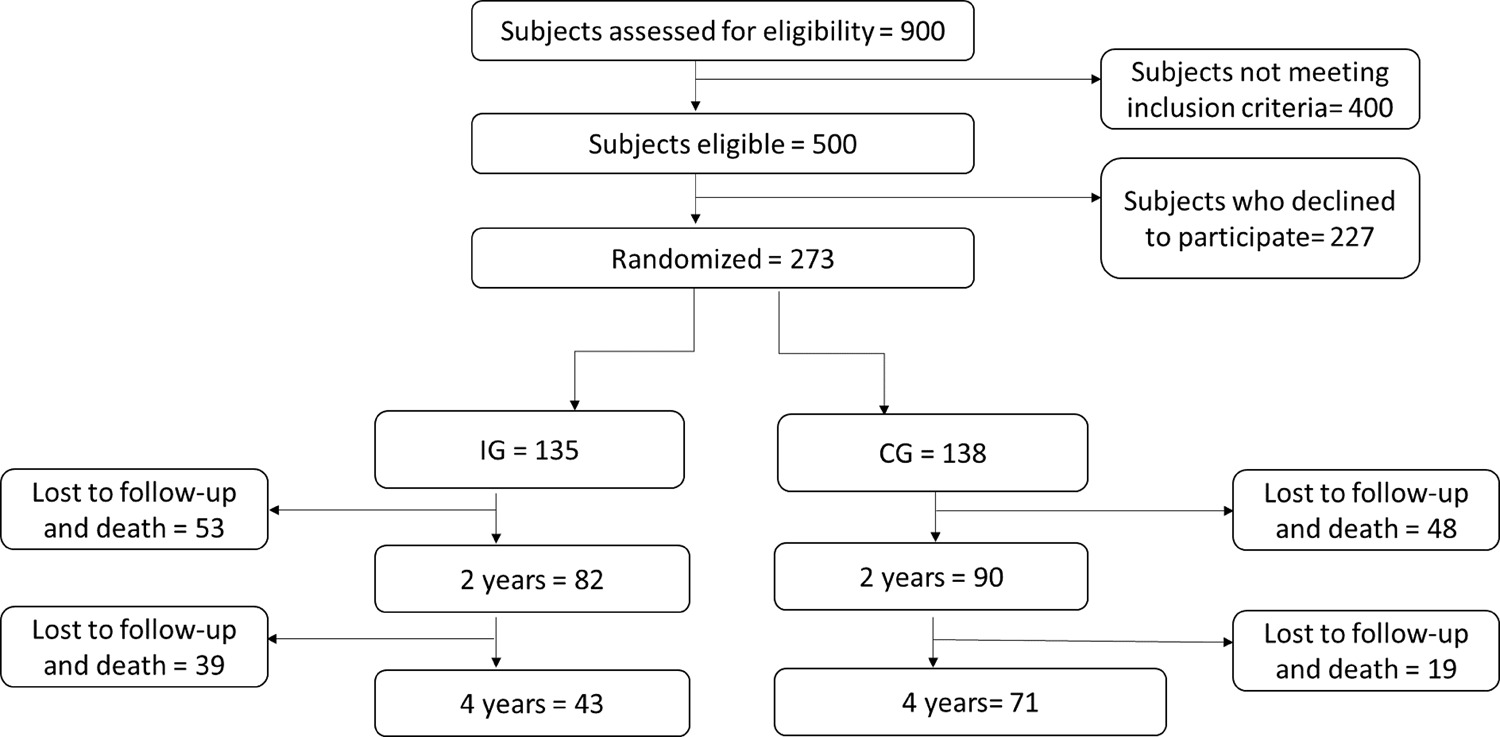
Randomized clinical trial with 273 participants of both sexes, over 45 years old, followed for four years. The intervention group (IG) received individualized dietary prescription, educational program, individual and group consultations, and phone calls. The control group (CG) received general dietary guidance. The SF-36 was used to assess QoL. The Student’s t-test and the Mann-Whitney test was used to compare means between the groups. The mixed model test was used to compare the course of variables over time between the groups. Statistical significance was set at 5%.

Result

Most patients were male, with an average age of 64.2 ± 8.2 years in the IG and 65±9.5 years in the CG. Most were physically inactive, overweight, and had incomplete elementary school. The most prevalent comorbidity was systemic arterial hypertension, followed by dyslipidemia. QoL improved in both groups at four years. Waist circumference decreased in both groups over time, and low-density lipoprotein cholesterol (LDL-C) levels decreased in the IG but not in the CG after four years of follow-up.

Conclusion

The cardioprotective diet was effective in reducing LDL-C in the IG, and an improvement in QoL was observed in both intervention and control groups.

  • Cardiovascular Diseases
  • Diet, Atherosclerosis
  • Disease Prevention
  • Quality of life
Read Full Article
Creative Commons Attribution (CC BY) Creative Commons license
16/07/2021 DOI: 10.36660/ijcs.20200087 Views 1
ABC
Original Article

Recent Trends in Cardiovascular Mortality in Rio de Janeiro State Health Regions and Capital

Maria Luiza Garcia Rosa et al. Claudio Tinoco Mesquita Lucas Zanetti de Albuquerque Willian Douglas de Souza Silva … Vinicius de Padua Vieira Alves Roger Freitas Ramirez Jordan Ricardo Cardoso de Matos Ana Luisa Guedes de França e Silva Erito Marques de Souza Filho

Abstract

Background:

Cardiovascular disease (CVD) mortality, after several decades of decrease, has shown a tendency towards the stabilization in some countries, including Brazil and Rio de Janeiro state. This new tendency was not further analyzed by gender, age group and region of the Rio de Janeiro state.

Objective:

To analyze the trends of premature and late mortality from CVD, ischemic heart disease (IHD) and cerebrovascular disease (CBVD) by gender in the city of Rio de Janeiro (capital) and the health regions of Rio de Janeiro state (from 1996 to 2016.

Methods:

Data on deaths and the population were obtained from DATASUS/MS. The rates were compensated by ill-defined codes, corrected by Ill-Defined Cardiovascular codes and gender and age-adjusted by the direct method (reference population – population of the state of Rio de Janeiro – 2000 census). The Joinpoint Trend Analysis Software was employed.

Results:

IHD mortality stabilized or even increased for at least 50% of the analyzed areas (EAPC≥0). No change was observed. in the “North” and “Northwest” regions For CBVD, just one region showed stability regarding mortality (EAPC close to 0). For the other regions, the rate continued to decrease (APC<0) until 2016.

Conclusion:

These results observed in Rio de Janeiro are possibly appropriate to various Brazilian regions and demonstrate that a serious public health response is needed to address lifestyle behaviors. Primary care physicians should also be familiar with the unfavorable tendency in coronary heart disease among younger adults in recent years and actively screen for risk factors for cardiovascular disease, paying special attention to women.

  • Cardiovascular Diseases/prevention and control
  • Cerebrovascular Diseases/prevention and control
  • Disease Prevention
  • Epidemiology
  • Life Style
  • Risk Factors
Read Full Article
Creative Commons Attribution (CC BY) Creative Commons license
16/04/2021 DOI: 10.36660/abc.20190742 Views 1
ABC
Editorial

Spacetime

Aloyzio Achutti

Spacetime is a fundamental issue in physics, inherent to the basis of science. It encompasses two concepts bound to the perception of our simple reality, through which we measure and interpret our universe.

The notion of space relates to sovereignty, a characteristic that matters to all living beings to ensure species subsistence, reproduction, safety and preservation. Human beings have evolved to urban organization, a way of living together that has predominated for a few decades.

[…]

  • Cardiovascular Diseases, mortality
  • Demographic Data
  • Disease Prevention
  • Social Inequity
Read Full Article
Creative Commons Attribution (CC BY) Creative Commons license
01/02/2016 DOI: 10.5935/abc.20160022 Views 3
ABC
Editorial

Effectiveness of Biomarkers in Cardiology

Luis Cláudio Lemos Correia

Besides providing diagnostic or prognostic accuracy, a biomarker must be effective to ensure its adequate use in routine clinical implementation. Effectiveness can be defined as an individual’s potential to benefit from using the biomarker. This benefit includes the prevention of undesirable clinical outcomes and improvement in an individual’s quality of life.

Assessment of a biomarker’s effectiveness should include two sequential criteria. First, the biomarker should add prognostic value in relation to basic clinical and laboratory data. Second, the information provided by the biomarker should promote changes in medical conduct in a way that ultimately benefits the patient. Beginning with the analysis of prognostic value, a new biomarker must have a prognostic value independent of conventional risk markers. However, this criterion of statistical significance is not enough to guarantee clinical significance. Once the statistical significance is confirmed by multivariate analysis, it is necessary to proceed and evaluate whether the biomarker increases our ability to identify individuals who will present the undesirable outcome. This is done by incremental analysis of the C-statistic and net reclassification analysis. For example, although high sensitivity C-reactive protein has an independent association with cardiovascular risk, it only slightly increases the discriminatory capacity in Framingham score. The coronary calcium score, on the other hand, can increase the C-statistic of Framingham score, in addition to correctly reclassifying a proportion of patients. This incremental value is an essential condition for a biomarker to be effective, because only then can its result correctly modify clinical decisions.

[…]

  • Biological Markers
  • Cardiovascular Diseases/genetic
  • Disease Prevention
  • Effectiveness
  • Evidence-Based Practice
Read Full Article
Creative Commons Attribution (CC BY) Creative Commons license
01/12/2014 DOI: 10.5935/abc.20140194
Obesity and cardiovascular risk factors in adolescents attending public schools
ABC
Artigo Original

Obesity and cardiovascular risk factors in adolescents attending public schools

Fernanda Cobayashi et al. Fernanda Luisa Ceragioli Oliveira Maria Arlete Meil Schimith Escrivão Silveira Daniela José Augusto de Aguiar Carrazedo Taddei

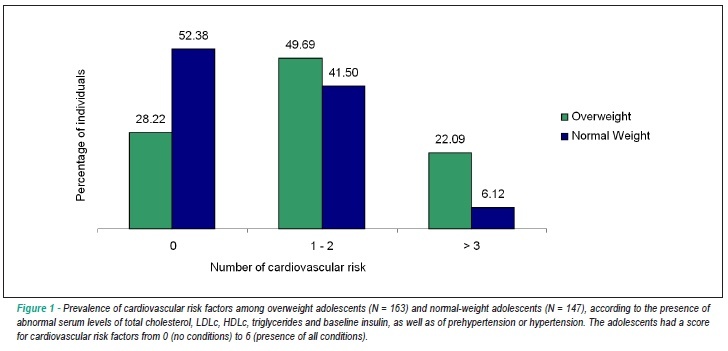
BACKGROUND: Overweight in adolescence is a risk factor for the development of cardiovascular diseases in adulthood. OBJECTIVE: To study the association of cardiovascular risk factors (CRF) in overweight and normal-weight adolescents of both genders aged from 14 to 19 years, attending public schools. METHODS: Case-control study including 163 overweight and 151 normal-weight adolescents. Multiple logistic regression analysis was used to evaluate the associations between overweight and CRF (lipid profile, blood pressure and baseline insulin level). A set of CRF was defined for each individual, ranging from 0 (no risk factors) to 6 (all risk factors present). RESULTS: Overweight adolescents (body mass index > 85th percentile) presented a higher frequency of CRF in comparison to the normal- weight group. The CRF associated with overweight were HDLc 150 mg/dl (OR = 3.04; CI: 1.01-9.13), abnormal baseline insulin levels > 15 µU/ml (OR = 8.65; CI: 4.03-18.56) and abnormal blood pressure (OR = 3.69; CI: 1.76-7.72). Among overweight adolescents, 22.09% had more than three risk factors, whereas this percentage dropped to 6.12% among normal-weight adolescents. CONCLUSION: Overweight adolescents presented risk factors for cardiovascular diseases. The need for programs and policies targeted at the diagnosis and treatment of this condition is pointed out in order to reduce the risks of morbidity and mortality in adulthood.

  • Adolescents
  • Disease Prevention
  • Obesity
  • Risk Factors
Read Full Article
Creative Commons Attribution (CC BY) Creative Commons license
09/07/2010 DOI: 10.1590/S0066-782X2010005000087 Views 1
Glomerular filtration and associated factors in hypertensive individuals treated at primary care level
ABC
Artigo Original

Glomerular filtration and associated factors in hypertensive individuals treated at primary care level

Ana Karina Teixeira da Cunha França et al. Alcione Miranda dos Santos Isabela Leal Calado Elisângela Milhomem dos Santos … Poliana Coelho Cabral João Victor Leal Salgado Noemia Perli Goldraich Natalino Salgado Filho

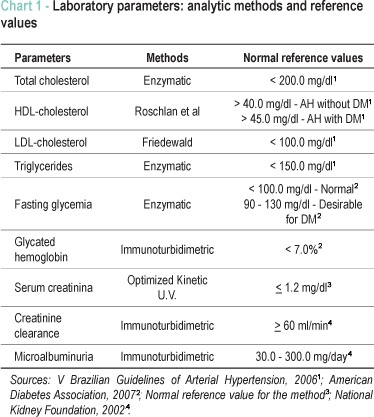
BACKGROUND: In Brazil, arterial hypertension (AH) constitutes one of the main risk factors for chronic kidney disease (CKD). The monitoring of glomerular filtration (GF) is recommended for the assessment of kidney function in hypertensive individuals, as GF decrease precedes symptom onset. OBJECTIVE: To assess GF and its associated factors in hypertensive individuals. METHODS: A cross-sectional study was carried out from January to June 2008 in 297 individuals with arterial hypertension (AH) with or without diabetes mellitus (DM), treated at a primary care facility in the city of São Luís, Maranhão. Patients older than 20 years and of both sexes were included in the study. Sociodemographic and nutritional status data, GF rate and microalbuminuria levels in 24-hour urine were assessed, as well as blood pressure, glucose and serum creatinine levels and a lipidogram. RESULTS: Mean age was 60.6 × 11.5 years, with a predominance of the female sex (75.1%), overweight/obesity (65.0%) and large waist circumference (60.6%). The prevalence of GF 65 years, which remained after adjustment. For the AH group with DM, there was an association between reduced GF and age > 65 years, smoking habit and obesity. However, after the adjustment, age and smoking habit remained as associated factors. CONCLUSION: In these patients, the prevalence of GF 65 years and smoking habit were shown to be factors associated to GF. This reinforces the need to systematically evaluate GF in hypertensive individuals, aiming at the secondary prevention of chronic kidney disease.

  • Diet Therapy
  • Disease Prevention
  • food analysis
  • Hypertension
  • hypertension, renovascular
  • Kidney, Diseases
Read Full Article
Creative Commons Attribution (CC BY) Creative Commons license
02/04/2010 DOI: 10.1590/S0066-782X2010005000021
Association of fitness and waist circumference with hypertension in Brazilian elderly women
ABC
Artigo Original

Association of fitness and waist circumference with hypertension in Brazilian elderly women

Maressa Priscila Krause et al. Tatiane Hallage Mirnaluci Paulino Ribeiro Gama Cristiane Petra Miculis … Nívea da Silva Matuda Sergio G. da Silva

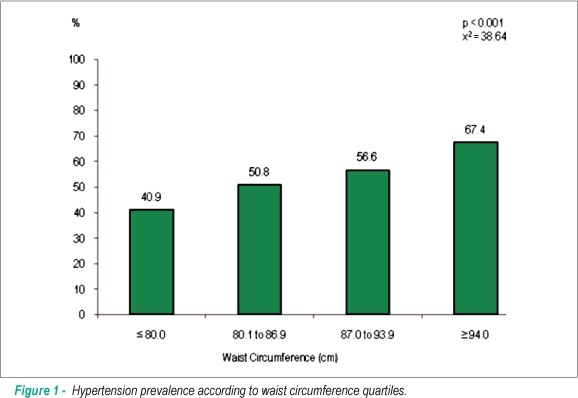
BACKGROUND: The protective effect of cardiorespiratory fitness, regardless of obesity, has been recognized in adults. However, this association is still not clear in elderly individuals. OBJECTIVE: To analyze the association between hypertension and cardiorespiratory fitness in 1,064 elderly Brazilian women. METHODS: Central obesity was estimated by waist circumference and cardiorespiratory fitness by the 6-minutes walk test. ANOVA one way, chi-square and logistic regression were used for the statistical analysis. RESULTS: The prevalence of hypertension was 53.9%. The central obesity group had higher odds for hypertension when compared with the non-central-obesity group, in the same cardiorespiratory fitness group. Furthermore, both the central obesity and non-central obesity groups had a progressive increase in the odds ratio for hypertension, from the highest to lowest fitness groups, indicating an inverse relation between fitness and central adiposity. The non-central obesity group had the lowest odds ratios (OR), 1.49 (95%IC 0.97-2.28) and 1.54 (95%IC 0.94-2.51); whereas the central obesity group had an OR of 2.08 (95%IC 1.47-2.93), 2.79 (95%IC 1.79-4.33) and 3.09 (95%IC 1.86-5.12). CONCLUSION: Our findings indicated that the waist circumference measurement is a strong predictor of hypertension and suggested that the protective effect of cardiorespiratory fitness can be extended to elderly women, even to those with central obesity.

  • abdominal circumference
  • Aged
  • Blood Pressure
  • Brazil
  • Disease Prevention
  • Obesity
  • physical fitness
  • Women
Read Full Article
Creative Commons Attribution (CC BY) Creative Commons license
13/10/2009 DOI: 10.1590/S0066-782X2009000700002
Premature mortality due to cardiovascular disease and social inequalities in Porto Alegre: from evidence to action
ABC
Artigo Original

Premature mortality due to cardiovascular disease and social inequalities in Porto Alegre: from evidence to action

Sérgio Luiz Bassanesi et al. Maria Inês Azambuja Aloyzio Achutti

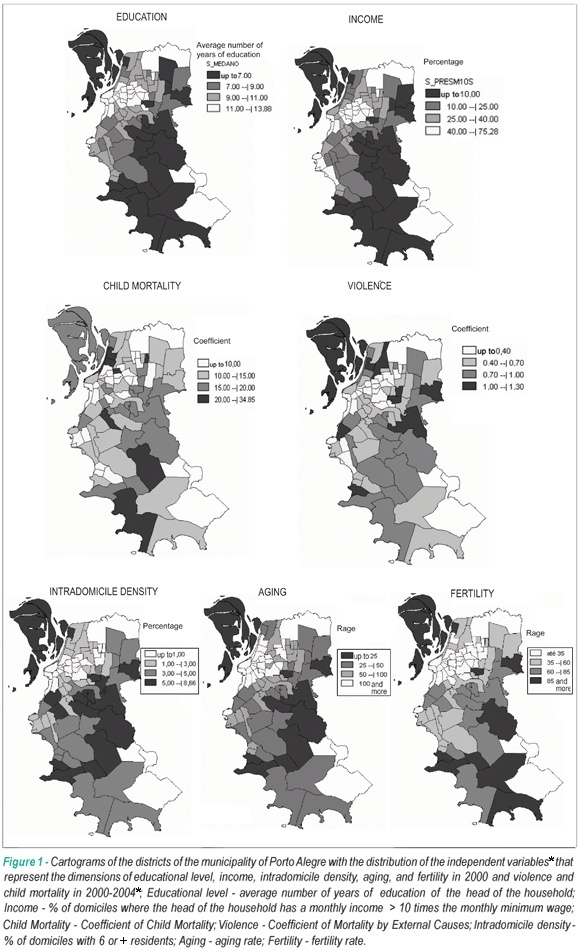
BACKGROUND: Two perspectives, the economic (disease causing impoverishment) and social (poverty causing illness), have internationally disputed the justification for public health policies. OBJECTIVE: To investigate the relationship between early mortality by cardiovascular disease (CVD) and socioeconomic (SE) conditions in the city of Porto Alegre (PA), and discuss bases and strategies for the prevention of CVD. METHODS: An ecological analysis of the association between mortality by CVD at 45-64 years of age and SE conditions of 73 districts/neighborhoods in PA. The relative risk (RR) and the fraction of risk (FRA) attributable to inequality among the districts grouped into 4 SE strata were estimated. RESULTS: Early mortality by CVD was 2.6 times higher in the districts classified in the worst compared to the best of the 4 SE strata. Among the extreme districts, the RR reached 3.3 for CVD and 3.9 for cerebrovascular disease. Compared to the mortality in the best stratum, 62% of the early deaths in the worst stratum and 45% of those in the city as a whole could be attributed to socioeconomic inequality. CONCLUSION: Almost half of the mortality by CVD before 65 years of age can be attributed to poverty. Disease, on the other hand, contributes towards poverty and reduces competitiveness of the country. It is necessary to reduce illness and recover the health of the poorest inhabitants with investments that result in national economic development and improvement of the social conditions of the population.

  • Cardiovascular Diseases
  • Disease Prevention
  • Mortality
  • Social Inequity
Read Full Article
Creative Commons Attribution (CC BY) Creative Commons license
25/06/2008 DOI: 10.1590/S0066-782X2008000600004 Views 1
Evaluating the adequacy of cardiovascular risk factor control after myocardial revascularization surgery
ABC
Artigo Original

Evaluating the adequacy of cardiovascular risk factor control after myocardial revascularization surgery

Andrea Cristina Costa Barbosa et al. Luiz Carlos Santana Passos Antônio Alberto Lopes Wanewman Lins Guedes de Andrade … Luciano Rapold Souza Maurício Batista Nunes

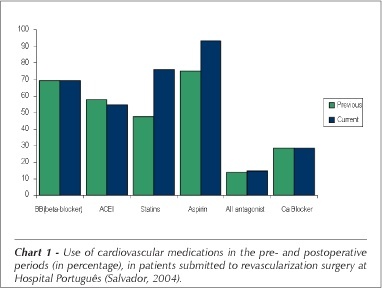
BACKGROUND: Cardiovascular risk factors (RF) for coronary artery disease (CAD) are responsible for the occurrence of cardiovascular events. OBJECTIVE: To estimate the percentage of patients submitted to myocardial revascularization surgery (MRS) that attains adequate control of modifiable RF at least six months after the surgery. METHODS: Data collection was based on the review of medical records and a clinical interview of 88 patients submitted to MRS between January and December of 2004 at a reference hospital for cardiovascular diseases. The patients were interviewed in the follow-up period, between six and twelve months after the surgical revascularization. RESULTS: Mean age was 63.1 ± 9.9 years; 51 patients (58%) were males, 86 (97.7%) were hypertensive, 38 (43.2%) were diabetic, 85 (96.6%) had hypercholesterolemia and 10 (11.4%) were smokers. Hypertension control (PA < 140 x 90 mmHg) was attained by 24.4% of the patients; cholesterol (LDL cholesterol < 100 mg/dl) and diabetes control (blood glucose levels < 110 mg/dl) levels were 30.6% and 31.6%, respectively. The use of antihypertensive drugs, hypoglycemic agents and statins, when indicated, were 96.5%, 92.1% and 78.8%, respectively. However, only 14.8% patients had their blood pressure, glucose and cholesterol levels within the limits accepted as adequate control. CONCLUSION: Despite the frequent use of drugs to control hypertension, diabetes and hypercholesterolemia, a high proportion of patients still do not achieve the target levels of risk factor control recommended by current guidelines at least six months after revascularization surgery, which suggests there is a great potential for improvement in clinical practice.

  • Control
  • Disease Prevention
  • Myocardial Revascularization
  • Risk Assessment
Read Full Article
Creative Commons Attribution (CC BY) Creative Commons license
18/04/2008 DOI: 10.1590/S0066-782X2007001800003 Views 1

How to cite this article

EndNote RIS

Electronic Document Format (Vancouver)

Dias LF, Carvalho AM. Promotion of Healthy Diets to Address Cardiovascular Diseases in Brazil: The Importance of Nutritional Guidelines and Public Policies. Arquivos Brasileiros de Cardiologia 2024;121(7):e20240378.

Electronic Document Format (ABNT)

Dias, Laís Ferreira; Carvalho, Aline Martins de. Promotion of Healthy Diets to Address Cardiovascular Diseases in Brazil: The Importance of Nutritional Guidelines and Public Policies. Arquivos Brasileiros de Cardiologia, v. 121, n. 7, e20240378, Aug. 2024.

Electronic Document Format (APA)

Dias, L. F., & Carvalho, A. M. (2024). Promotion of Healthy Diets to Address Cardiovascular Diseases in Brazil: The Importance of Nutritional Guidelines and Public Policies. Arquivos Brasileiros de Cardiologia, 121(7), e20240378.

Electronic Document Format (ISO)

Dias, Laís Ferreira and Carvalho, Aline Martins de. Promotion of Healthy Diets to Address Cardiovascular Diseases in Brazil: The Importance of Nutritional Guidelines and Public Policies. Arquivos Brasileiros de Cardiologia [online]. 2024, vol. 121, n. 7, [cited 2026-10-14], e20240378. Available from: <https://journals.cardiol.br/en/article/promotion-of-healthy-diets-to-address-cardiovascular-diseases-in-brazil-the-importance-of-nutritional-guidelines-and-public-policies/>. ISSN 0066-782X

EndNote RIS

Electronic Document Format (Vancouver)

Farah S. Telecardiology and its Potential in Remote Areas. Arquivos Brasileiros de Cardiologia 2023;120(5):e20230281.

Electronic Document Format (ABNT)

Farah, Simone. Telecardiology and its Potential in Remote Areas. Arquivos Brasileiros de Cardiologia, v. 120, n. 5, e20230281, Jun. 2023.

Electronic Document Format (APA)

Farah, S. (2023). Telecardiology and its Potential in Remote Areas. Arquivos Brasileiros de Cardiologia, 120(5), e20230281.

Electronic Document Format (ISO)

Farah, Simone. Telecardiology and its Potential in Remote Areas. Arquivos Brasileiros de Cardiologia [online]. 2023, vol. 120, n. 5, [cited 2026-10-14], e20230281. Available from: <https://journals.cardiol.br/en/article/telecardiology-and-its-potential-in-remote-areas/>. ISSN 0066-782X

EndNote RIS

Electronic Document Format (Vancouver)

Moreira ASB, Gapanowicz DP. Diet Quality and Cardiovascular Health. International Journal of Cardiovascular Sciences 2023;36:e20220215.

Electronic Document Format (ABNT)

Moreira, Annie Seixas Bello; Gapanowicz, Débora Pinto. Diet Quality and Cardiovascular Health. International Journal of Cardiovascular Sciences, v. 36, e20220215, Jan. 2023.

Electronic Document Format (APA)

Moreira, A. S. B., & Gapanowicz, D. P. (2023). Diet Quality and Cardiovascular Health. International Journal of Cardiovascular Sciences, 36, e20220215.

Electronic Document Format (ISO)

Moreira, Annie Seixas Bello and Gapanowicz, Débora Pinto. Diet Quality and Cardiovascular Health. International Journal of Cardiovascular Sciences [online]. 2023, vol. 36, [cited 2026-10-14], e20220215. Available from: <https://journals.cardiol.br/en/article/diet-quality-and-cardiovascular-health/>. ISSN 2359-4802

EndNote RIS

Electronic Document Format (Vancouver)

Saraiva JFK, Baraldi NR. How to Take Care of Your Body: Not an Obvious Insight, but an Essential School Lesson. International Journal of Cardiovascular Sciences 2022;35(5):576-7.

Electronic Document Format (ABNT)

Saraiva, José Francisco Kerr; Baraldi, Natalia Rezende. How to Take Care of Your Body: Not an Obvious Insight, but an Essential School Lesson. International Journal of Cardiovascular Sciences, v. 35, n. 5, p. 576-577, Sep. 2022.

Electronic Document Format (APA)

Saraiva, J. F. K., & Baraldi, N. R. (2022). How to Take Care of Your Body: Not an Obvious Insight, but an Essential School Lesson. International Journal of Cardiovascular Sciences, 35(5), 576-577.

Electronic Document Format (ISO)

Saraiva, José Francisco Kerr and Baraldi, Natalia Rezende. How to Take Care of Your Body: Not an Obvious Insight, but an Essential School Lesson. International Journal of Cardiovascular Sciences [online]. 2022, vol. 35, n. 5, [cited 2026-10-14], pp. 576-577. Available from: <https://journals.cardiol.br/en/article/how-to-take-care-of-your-body-not-an-obvious-insight-but-an-essential-school-lesson/>. ISSN 2359-4802

EndNote RIS

Electronic Document Format (Vancouver)

Martins PRT, Moreira ASB, Santos EM, Rodrigues Júnior LF, Weber B. Effect of the Brazilian Cardioprotective Nutritional Program on the Quality of Life of Atherosclerotic Disease Patients. International Journal of Cardiovascular Sciences 2021;34(6):620-31.

Electronic Document Format (ABNT)

Martins, Patrícia Regina Thomé; Moreira, Annie Seixas Bello; Santos, Elisa Maia dos; Rodrigues Júnior, Luiz Fernando; Weber, Bernadete. Effect of the Brazilian Cardioprotective Nutritional Program on the Quality of Life of Atherosclerotic Disease Patients. International Journal of Cardiovascular Sciences, v. 34, n. 6, p. 620-631, Jul. 2021.

Electronic Document Format (APA)

Martins, P. R. T., Moreira, A. S. B., Santos, E. M. , Rodrigues Júnior, L. F., & Weber, B. (2021). Effect of the Brazilian Cardioprotective Nutritional Program on the Quality of Life of Atherosclerotic Disease Patients. International Journal of Cardiovascular Sciences, 34(6), 620-631.

Electronic Document Format (ISO)

Martins, Patrícia Regina Thomé and Moreira, Annie Seixas Bello and Santos, Elisa Maia dos and Rodrigues Júnior, Luiz Fernando and Weber, Bernadete. Effect of the Brazilian Cardioprotective Nutritional Program on the Quality of Life of Atherosclerotic Disease Patients. International Journal of Cardiovascular Sciences [online]. 2021, vol. 34, n. 6, [cited 2026-10-14], pp. 620-631. Available from: <https://journals.cardiol.br/en/article/effect-of-the-brazilian-cardioprotective-nutritional-program-on-the-quality-of-life-of-atherosclerotic-disease-patients/>. ISSN 2359-4802

EndNote RIS

Electronic Document Format (Vancouver)

Rosa MLG, Mesquita CT, Albuquerque LZ, Silva WDS, Alves VPV, Jordan RFR, Matos RC, et al. Recent Trends in Cardiovascular Mortality in Rio de Janeiro State Health Regions and Capital. Arquivos Brasileiros de Cardiologia 2021;116(4):763-71.

Electronic Document Format (ABNT)

Rosa, Maria Luiza Garcia; Mesquita, Claudio Tinoco; Albuquerque, Lucas Zanetti de; Silva, Willian Douglas de Souza; Alves, Vinicius de Padua Vieira; Jordan, Roger Freitas Ramirez; Matos, Ricardo Cardoso de; Silva, Ana Luisa Guedes de França e; Souza Filho, Erito Marques de. Recent Trends in Cardiovascular Mortality in Rio de Janeiro State Health Regions and Capital. Arquivos Brasileiros de Cardiologia, v. 116, n. 4, p. 763-771, Apr. 2021.

Electronic Document Format (APA)

Rosa, M. L. G., Mesquita, C. T., Albuquerque, L. Z. , Silva, W. D. S., Alves, V. P. V., Jordan, R. F. R., Matos, R. C. , Silva, A. L. G. F. , & Souza Filho, E. M. (2021). Recent Trends in Cardiovascular Mortality in Rio de Janeiro State Health Regions and Capital. Arquivos Brasileiros de Cardiologia, 116(4), 763-771.

Electronic Document Format (ISO)

Rosa, Maria Luiza Garcia and Mesquita, Claudio Tinoco and Albuquerque, Lucas Zanetti de and Silva, Willian Douglas de Souza and Alves, Vinicius de Padua Vieira and Jordan, Roger Freitas Ramirez and Matos, Ricardo Cardoso de and Silva, Ana Luisa Guedes de França e and Souza Filho, Erito Marques de. Recent Trends in Cardiovascular Mortality in Rio de Janeiro State Health Regions and Capital. Arquivos Brasileiros de Cardiologia [online]. 2021, vol. 116, n. 4, [cited 2026-10-14], pp. 763-771. Available from: <https://journals.cardiol.br/en/article/recent-trends-in-cardiovascular-mortality-in-rio-de-janeiro-state-health-regions-and-capital/>. ISSN 0066-782X

EndNote RIS

Electronic Document Format (Vancouver)

Achutti A. Spacetime. Arquivos Brasileiros de Cardiologia 2016;106(2):82-3.

Electronic Document Format (ABNT)

Achutti, Aloyzio. Spacetime. Arquivos Brasileiros de Cardiologia, v. 106, n. 2, p. 82-83, Jan. 2016.

Electronic Document Format (APA)

Achutti, A. (2016). Spacetime. Arquivos Brasileiros de Cardiologia, 106(2), 82-83.

Electronic Document Format (ISO)

Achutti, Aloyzio. Spacetime. Arquivos Brasileiros de Cardiologia [online]. 2016, vol. 106, n. 2, [cited 2026-10-14], pp. 82-83. Available from: <https://journals.cardiol.br/en/article/spacetime/>. ISSN 0066-782X

EndNote RIS

Electronic Document Format (Vancouver)

Correia LCL. Effectiveness of Biomarkers in Cardiology. Arquivos Brasileiros de Cardiologia 2014;103(6):449-50.

Electronic Document Format (ABNT)

Correia, Luis Cláudio Lemos. Effectiveness of Biomarkers in Cardiology. Arquivos Brasileiros de Cardiologia, v. 103, n. 6, p. 449-450, Nov. 2014.

Electronic Document Format (APA)

Correia, L. C. L. (2014). Effectiveness of Biomarkers in Cardiology. Arquivos Brasileiros de Cardiologia, 103(6), 449-450.

Electronic Document Format (ISO)

Correia, Luis Cláudio Lemos. Effectiveness of Biomarkers in Cardiology. Arquivos Brasileiros de Cardiologia [online]. 2014, vol. 103, n. 6, [cited 2026-10-14], pp. 449-450. Available from: <https://journals.cardiol.br/en/article/effectiveness-of-biomarkers-in-cardiology/>. ISSN 0066-782X

EndNote RIS

Electronic Document Format (Vancouver)

Cobayashi F, Oliveira FLC, Escrivão MAMS, Daniela S, Taddei JAAC. Obesity and cardiovascular risk factors in adolescents attending public schools. Arquivos Brasileiros de Cardiologia 2010;95(2):200-6.

Electronic Document Format (ABNT)

Cobayashi, Fernanda; Oliveira, Fernanda Luisa Ceragioli; Escrivão, Maria Arlete Meil Schimith; Daniela, Silveira; Taddei, José Augusto de Aguiar Carrazedo. Obesity and cardiovascular risk factors in adolescents attending public schools. Arquivos Brasileiros de Cardiologia, v. 95, n. 2, p. 200-206, Jul. 2010.

Electronic Document Format (APA)

Cobayashi, F., Oliveira, F. L. C., Escrivão, M. A. M. S., Daniela, S., & Taddei, J. A. A. C. (2010). Obesity and cardiovascular risk factors in adolescents attending public schools. Arquivos Brasileiros de Cardiologia, 95(2), 200-206.

Electronic Document Format (ISO)

Cobayashi, Fernanda and Oliveira, Fernanda Luisa Ceragioli and Escrivão, Maria Arlete Meil Schimith and Daniela, Silveira and Taddei, José Augusto de Aguiar Carrazedo. Obesity and cardiovascular risk factors in adolescents attending public schools. Arquivos Brasileiros de Cardiologia [online]. 2010, vol. 95, n. 2, [cited 2026-10-14], pp. 200-206. Available from: <https://journals.cardiol.br/en/article/obesity-and-cardiovascular-risk-factors-in-adolescents-attending-public-schools/>. ISSN 0066-782X

EndNote RIS

Electronic Document Format (Vancouver)

França AKTC, Santos AM, Calado IL, Santos EM, Cabral PC, Salgado JVL, Goldraich NP, et al. Glomerular filtration and associated factors in hypertensive individuals treated at primary care level. Arquivos Brasileiros de Cardiologia 2010;94(6):779-87.

Electronic Document Format (ABNT)

França, Ana Karina Teixeira da Cunha; Santos, Alcione Miranda dos; Calado, Isabela Leal; Santos, Elisângela Milhomem dos; Cabral, Poliana Coelho; Salgado, João Victor Leal; Goldraich, Noemia Perli; Salgado Filho, Natalino. Glomerular filtration and associated factors in hypertensive individuals treated at primary care level. Arquivos Brasileiros de Cardiologia, v. 94, n. 6, p. 779-787, Apr. 2010.

Electronic Document Format (APA)

França, A. K. T. C., Santos, A. M. , Calado, I. L., Santos, E. M. , Cabral, P. C., Salgado, J. V. L., Goldraich, N. P., & Salgado Filho, N. (2010). Glomerular filtration and associated factors in hypertensive individuals treated at primary care level. Arquivos Brasileiros de Cardiologia, 94(6), 779-787.

Electronic Document Format (ISO)

França, Ana Karina Teixeira da Cunha and Santos, Alcione Miranda dos and Calado, Isabela Leal and Santos, Elisângela Milhomem dos and Cabral, Poliana Coelho and Salgado, João Victor Leal and Goldraich, Noemia Perli and Salgado Filho, Natalino. Glomerular filtration and associated factors in hypertensive individuals treated at primary care level. Arquivos Brasileiros de Cardiologia [online]. 2010, vol. 94, n. 6, [cited 2026-10-14], pp. 779-787. Available from: <https://journals.cardiol.br/en/article/glomerular-filtration-and-associated-factors-in-hypertensive-individuals-treated-at-primary-care-level/>. ISSN 0066-782X

EndNote RIS

Electronic Document Format (Vancouver)

Krause MP, Hallage T, Gama MPR, Miculis CP, Matuda NS, Silva SG. Association of fitness and waist circumference with hypertension in Brazilian elderly women. Arquivos Brasileiros de Cardiologia 2009;93(1):2-8.

Electronic Document Format (ABNT)

Krause, Maressa Priscila; Hallage, Tatiane; Gama, Mirnaluci Paulino Ribeiro; Miculis, Cristiane Petra; Matuda, Nívea da Silva; Silva, Sergio G. da. Association of fitness and waist circumference with hypertension in Brazilian elderly women. Arquivos Brasileiros de Cardiologia, v. 93, n. 1, p. 2-8, Oct. 2009.

Electronic Document Format (APA)

Krause, M. P., Hallage, T., Gama, M. P. R., Miculis, C. P., Matuda, N. S., & Silva, S. G. (2009). Association of fitness and waist circumference with hypertension in Brazilian elderly women. Arquivos Brasileiros de Cardiologia, 93(1), 2-8.

Electronic Document Format (ISO)

Krause, Maressa Priscila and Hallage, Tatiane and Gama, Mirnaluci Paulino Ribeiro and Miculis, Cristiane Petra and Matuda, Nívea da Silva and Silva, Sergio G. da. Association of fitness and waist circumference with hypertension in Brazilian elderly women. Arquivos Brasileiros de Cardiologia [online]. 2009, vol. 93, n. 1, [cited 2026-10-14], pp. 2-8. Available from: <https://journals.cardiol.br/en/article/association-of-fitness-and-waist-circumference-with-hypertension-in-brazilian-elderly-women/>. ISSN 0066-782X

EndNote RIS

Electronic Document Format (Vancouver)

Bassanesi SL, Azambuja MI, Achutti A. Premature mortality due to cardiovascular disease and social inequalities in Porto Alegre: from evidence to action. Arquivos Brasileiros de Cardiologia 2008;90(6):403-12.

Electronic Document Format (ABNT)

Bassanesi, Sérgio Luiz; Azambuja, Maria Inês; Achutti, Aloyzio. Premature mortality due to cardiovascular disease and social inequalities in Porto Alegre: from evidence to action. Arquivos Brasileiros de Cardiologia, v. 90, n. 6, p. 403-412, Jun. 2008.

Electronic Document Format (APA)

Bassanesi, S. L., Azambuja, M. I., & Achutti, A. (2008). Premature mortality due to cardiovascular disease and social inequalities in Porto Alegre: from evidence to action. Arquivos Brasileiros de Cardiologia, 90(6), 403-412.

Electronic Document Format (ISO)

Bassanesi, Sérgio Luiz and Azambuja, Maria Inês and Achutti, Aloyzio. Premature mortality due to cardiovascular disease and social inequalities in Porto Alegre: from evidence to action. Arquivos Brasileiros de Cardiologia [online]. 2008, vol. 90, n. 6, [cited 2026-10-14], pp. 403-412. Available from: <https://journals.cardiol.br/en/article/premature-mortality-due-to-cardiovascular-disease-and-social-inequalities-in-porto-alegre-from-evidence-to-action/>. ISSN 0066-782X

EndNote RIS

Electronic Document Format (Vancouver)

Barbosa ACC, Passos LCS, Lopes AA, Andrade WLG, Souza LR, Nunes MB. Evaluating the adequacy of cardiovascular risk factor control after myocardial revascularization surgery. Arquivos Brasileiros de Cardiologia 2008;89(6):362-9.

Electronic Document Format (ABNT)

Barbosa, Andrea Cristina Costa; Passos, Luiz Carlos Santana; Lopes, Antônio Alberto; Andrade, Wanewman Lins Guedes de; Souza, Luciano Rapold; Nunes, Maurício Batista. Evaluating the adequacy of cardiovascular risk factor control after myocardial revascularization surgery. Arquivos Brasileiros de Cardiologia, v. 89, n. 6, p. 362-369, Apr. 2008.

Electronic Document Format (APA)

Barbosa, A. C. C., Passos, L. C. S., Lopes, A. A., Andrade, W. L. G. , Souza, L. R., & Nunes, M. B. (2008). Evaluating the adequacy of cardiovascular risk factor control after myocardial revascularization surgery. Arquivos Brasileiros de Cardiologia, 89(6), 362-369.

Electronic Document Format (ISO)

Barbosa, Andrea Cristina Costa and Passos, Luiz Carlos Santana and Lopes, Antônio Alberto and Andrade, Wanewman Lins Guedes de and Souza, Luciano Rapold and Nunes, Maurício Batista. Evaluating the adequacy of cardiovascular risk factor control after myocardial revascularization surgery. Arquivos Brasileiros de Cardiologia [online]. 2008, vol. 89, n. 6, [cited 2026-10-14], pp. 362-369. Available from: <https://journals.cardiol.br/en/article/evaluating-the-adequacy-of-cardiovascular-risk-factor-control-after-myocardial-revascularization-surgery/>. ISSN 0066-782X

  • About ABC Family
  • Internal Regulation
  • Editorial Board
  • Brazilian Society of Cardiology (SBC)

Issues

SBC Guidelines

  • Videos
  • Podcasts
  • News