ABC Family Arquivos Brasileiros de Cardiologia International Journal of Cardiovascular Sciences ABC Heart Failure & Cardiomyopathy ABC Imagem Cardiovascular
Português English
ABC Family
Português English
  • About
    • About ABC Family
    • Internal Regulation
    • Editorial Board
    • Brazilian Society of Cardiology (SBC)
  • Issues
  • SBC Guidelines
  • Content
    • Videos
    • Podcasts
    • News
  • About
    • About ABC Family
    • Internal Regulation
    • Editorial Board
    • Brazilian Society of Cardiology (SBC)
  • Issues
  • SBC Guidelines
  • Content
    • Videos
    • Podcasts
    • News

ABC Family

  • ABC Family
  • Arquivos Brasileiros de Cardiologia
  • International Journal of Cardiovascular Sciences
  • ABC Heart Failure & Cardiomyopathy
  • ABC Imagem Cardiovascular
Search in

No content found.

Journals
Ordering
Article types
Others

  1. Home
  2. Keyword: Weight Loss
ABC
Editorial

Intermittent Fasting and Blood Pressure Reduction: Related Mechanisms

Rui Póvoa

Obesity and an inadequate diet are modifiable risk factors that play an important role in the increase of cardiovascular diseases. They have an estimated 13% attributable risk of cardiovascular mortality. Several dietary interventions can improve this risk, most notably calorie restriction, which is linked to weight loss, improved insulin sensitivity, and reduced blood pressure. ,

Intermittent fasting (IF) is a dietary intervention similar to calorie restriction, as it uses the principle of restricting food intake. The two most comprehensive types are alternate daytime fasting (24 hours followed by a 24-hour eating period) and time-restricted fasting (16-20 hour variations).

[…]

  • Caloric Restriction
  • Cardiovascular Diseases, mortality
  • Fasting
  • Hypertension
  • Obesity
  • Weight Loss
Read Full Article
Creative Commons Attribution (CC BY) Creative Commons license
16/06/2023 DOI: 10.36660/abc.20230265
Figure 1
IJCS
Review Article

Does a Gluten-free Diet Improve Metabolic Syndrome Parameters? A Systematic Review

Luciana Gonçalves Orange et al. Maria Izabel Siqueira de Andrade Cybelle Rolim Lima Keila Fernandes Dourado … Thayná Menezes Santos Marina Moraes Petribu Priscilla Regia de Andrade Calaça Silvia Alves Silva

Abstract

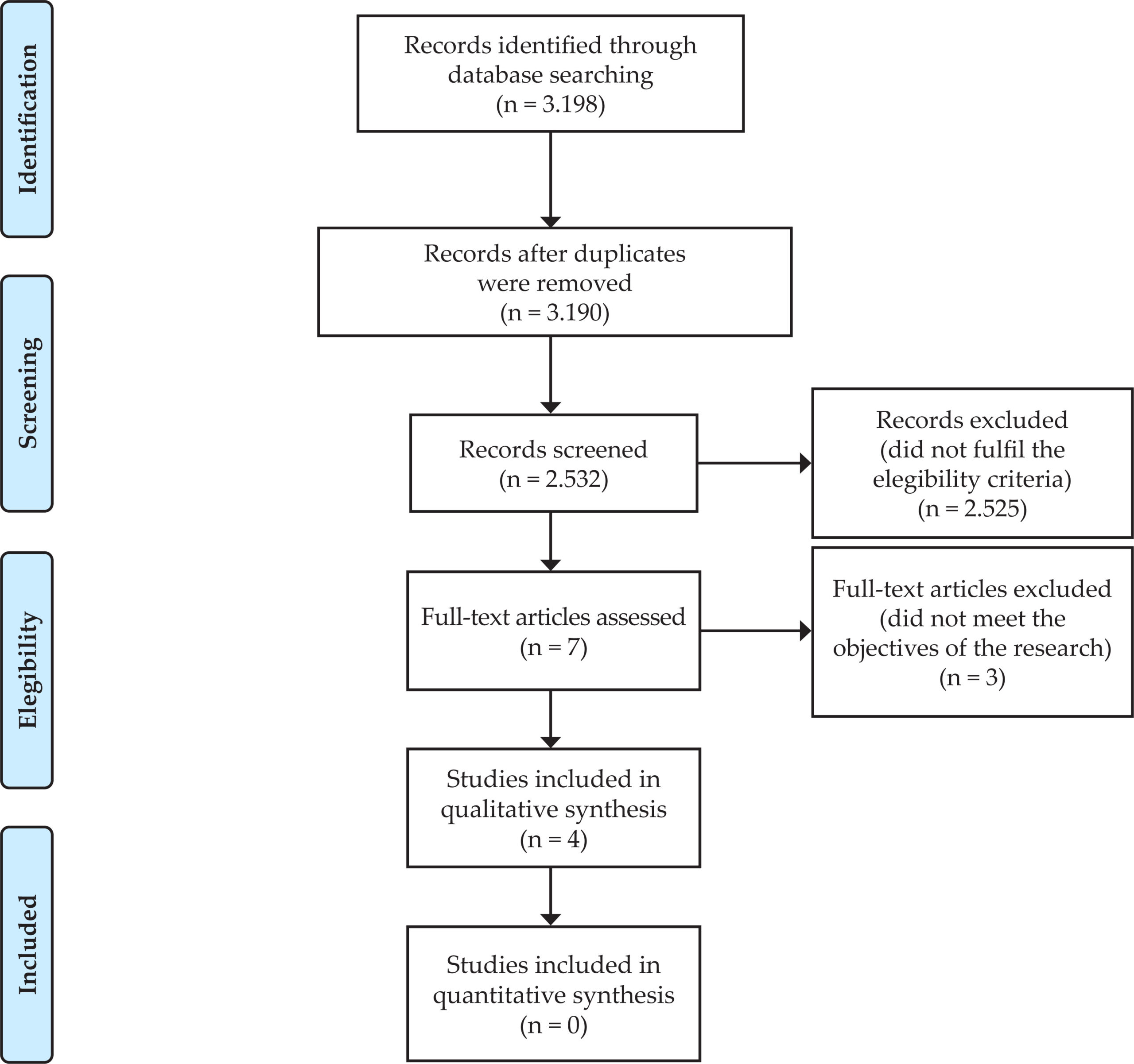
To review scientific evidence on the effects of a gluten-free diet on body composition and improvement of clinical and biochemical parameters of metabolic syndrome. The Preferred Reporting Items for Systematic Reviews and Meta-Analyzes – PRISMA guidelines were followed. A literature search was performed in the PubMed, ScienceDirect, Trip Database, Bireme and Scielo databases, without language restriction, until March 2021. The terms “gluten-free diet”, “obesity”, “metabolic syndrome”, and “weight loss”, and Boolean operators (AND/OR) were used. The clinical hypothesis was structured according to the acronym PICOT. Randomized clinical trials with adult and elderly humans without a diagnosis of celiac disease, consuming a gluten-free diet, evaluating associations of the effects of this diet on weight loss and metabolic syndrome components were considered eligible. To assess the risk of bias, the RoB2 was used. A total of 3,198 articles were identified and, after the screening and evaluation of pre-defined eligibility criteria, four studies were included in the qualitative analysis. Weight loss was not associated with a gluten-free diet. However, individuals under a gluten-free diet had lower mean waist circumference, fat percentage (-2.3%) and serum triglyceride levels. The impact of a gluten-free diet on metabolic syndrome parameters is still controversial. In individuals without gluten sensitivity or celiac disease, the consumption of a gluten-free diet appears to provide no nutritional benefit.

  • Gluten-free diet
  • Metabolic Syndrome
  • Obesity
  • Weight Loss
Read Full Article
Creative Commons Attribution (CC BY) Creative Commons license
22/04/2022 DOI: 10.36660/ijcs.20200291 Views 1
Figure 1
ABC
Original Article

The Role of ANP Level Response in Interdisciplinary Weight Loss Therapy on Cardiometabolic Risk and Body Composition in Adolescents with Obesity

Ana Claudia Pelissari Kravchychyn et al. Raquel Munhoz da Silveira Campos Yasmin Alaby Martins Ferreira Sofia Emanuelle de Castro Ferreira Vicente … Flávia Campos Corgosinho Lila Missae Oyama Valter Tadeu Boldarine Lian Tock David Thivel Ana Raimunda Dâmaso

Abstract

Background

The action of atrial natriuretic peptide (ANP) on natriuresis, diuresis and vasodilatation, insulin resistance, liver, kidney, and adipose tissue may contribute to the healthy metabolic and cardiovascular development. Even though the circulating level of ANP is reduced in patients with obesity, its response to weight loss remains poorly explored in pediatric populations.

Objective

To evaluate the effects of ANP variations in response to interdisciplinary weight loss intervention on metabolic syndrome (MetS) and cardiometabolic risks in adolescents with obesity.

Methods

73 adolescents with obesity attended a 20-week clinical interdisciplinary weight loss therapy including clinical, nutritional, psychological and exercise training approach. Body composition, biochemical analyses and blood pressure were evaluated. MetS was classified according to the International Diabetes Federation (IDF) (2007). After the treatment, volunteers were divided according to Increasing (n=31) or Decreasing (n=19) ANP plasma levels.

Results

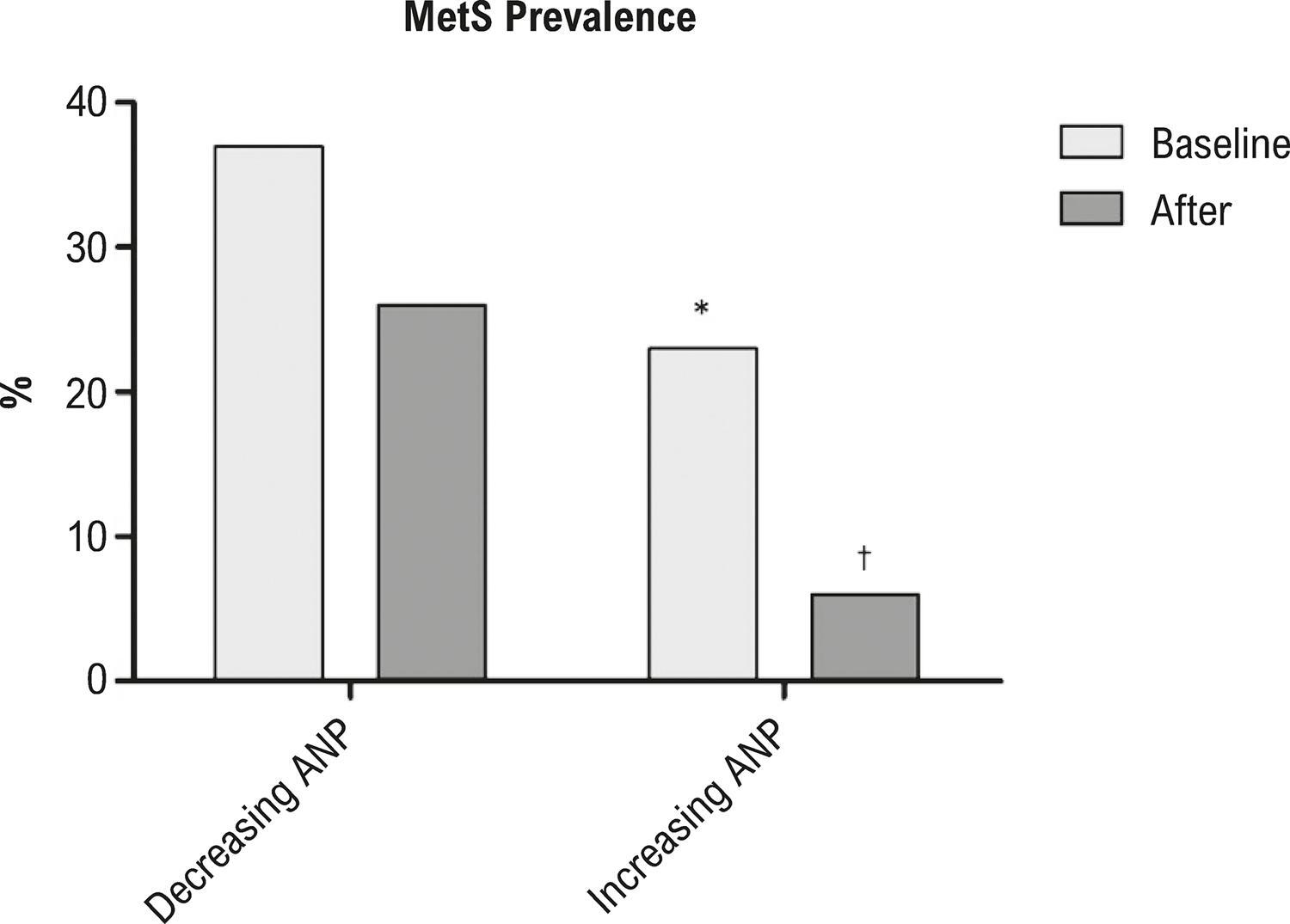
Both groups present significant reduction of body weight, Body Mass Index (BMI), waist, neck and hip circumferences (WC, NC and HC, respectively) and increasing fat-free mass (FFM). Interestingly, a significant reduction in body fat, TG/HDL-c ratio and MetS prevalence (from 23% to 6%) was observed in the Increased ANP group only.

Conclusion

This study suggests that an increase in ANP serum levels after weight loss therapy could be associated with improvements in cardiometabolic risks and the reduced prevalence of MetS in adolescents with obesity.

  • Adolescent
  • Atrial Natriuretic Peptide
  • Insulin Resistance
  • Metabolic Syndrome
  • Metabolism
  • Obesity
  • Weight Loss
Read Full Article
Creative Commons Attribution (CC BY) Creative Commons license
21/02/2022 DOI: 10.36660/abc.20200735 Views 1
ABC
Editorial

The Importance of Assessing Malnutrition and Cachexia in Chagas Cardiomyopathy

Salvador Rassi et al. Daniela do Carmo Rassi Aguinaldo Figueiredo Freitas Júnior

Chagas cardiomyopathy, described by Carlos Chagas more than 100 years ago, is still a cause of significant morbidity and mortality, and has a negative effect on socioeconomic status of Latin America countries, including Brazil.

Malnutrition and cachexia in heart failure (HF), especially in Chagas disease patients, has a multifactorial etiology. Decreased food intake may be caused either by a reduced supply of foods to these usually underprivileged patients or by anorexia, which is common in this syndrome. Many factors may be involved in anorexia and weight loss, including tasteless food (mainly due to the low sodium diet) and due to visceral (mainly hepatic and intestinal) congestion. Hepatomegaly, usually dense, causes gastric discomfort due to left lobe enlargement and compression of the stomach. Pain in the right hypochondrium is caused by stretching of the liver capsule. Intestinal mucosal edema causes protein and fat malabsorption, ultimately affecting nutrition. Neuroendocrine and immunological changes are also involved in the development of cachexia in HF patients. Patients with cachexia have increased plasma levels of tumor necrosis factor-alpha (TNF-α) and other inflammatory cytokines, particularly interleukin (IL)-6 and IL-1. This results from bacterial translocation, in which abnormalities of the gastrointestinal tract are involved in the development of cachexia and systemic inflammation. Effects of these cytokines include proteolysis and loss of skeletal muscle mass, with aggravation of cachexia.

[…]

  • Cachexia
  • Chagas Cardiomyopathy
  • Epidemiology
  • Heart Failure/complications
  • Hospitalization
  • malnutrition
  • Morbimortality
  • Prognosis
  • Weight Loss
Read Full Article
Creative Commons Attribution (CC BY) Creative Commons license
21/02/2022 DOI: 10.36660/abc.20210919 Views 1
Figure 1
ABC
Viewpoint

Pharmacological Treatment of Hypertension: From the Golden Trio to the Octet

Audes Diógenes Magalhães Feitosa et al. Marco Mota-Gomes Oswaldo Passarelli Júnior Weimar Kunz Sebba Barroso … Roberto Dischinger Miranda Eduardo Costa Duarte Barbosa Andrea A. Brandão Wilson Nadruz

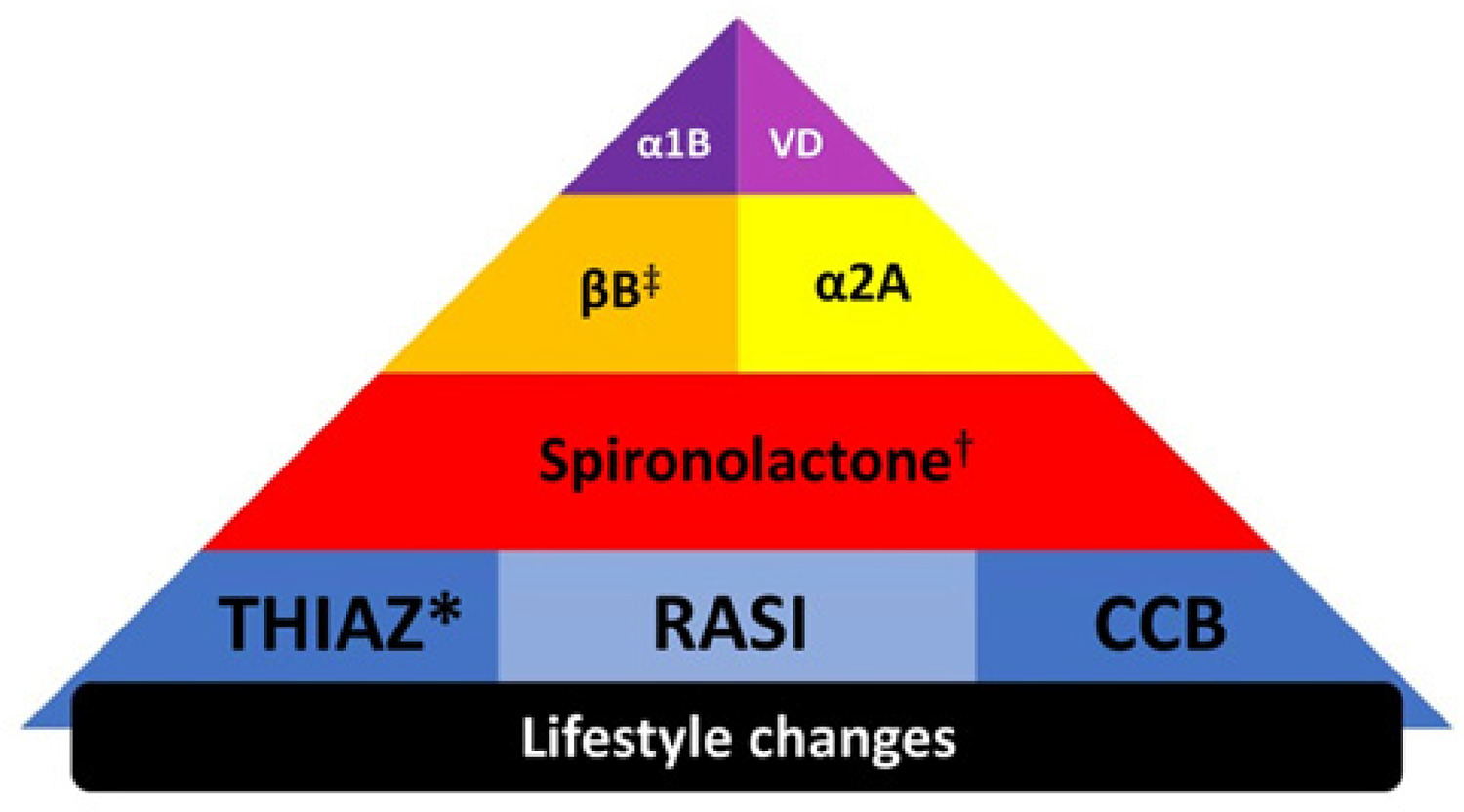
The treatment of hypertension comprises numerous pharmacological options, which may hinder patient management standardization, thus contributing to therapeutic failure. However, in more recent years, several studies and guidelines from diverse hypertension and cardiology societies have suggested preferential pharmacological classes to treat hypertension. – Based on this evidence, the present report aims to propose a simple and practical pharmacological treatment algorithm that can be applied to patients ranging from stage 1 to refractory hypertension cases ( ).

[…]

  • antihypertensive agents
  • Drug Therapy
  • Exercise
  • Hypertension
  • Life Style
  • medication adherence
  • Weight Loss
Read Full Article
Creative Commons Attribution (CC BY) Creative Commons license
28/08/2020 DOI: 10.36660/abc.20190780 Views 1
Figure 1
IJCS
Review Article

New 2018 ACC/AHA Guidelines on Cholesterol Management: Key Changes and Implications

Marcio Bittencourt et al. Giuliano Generoso

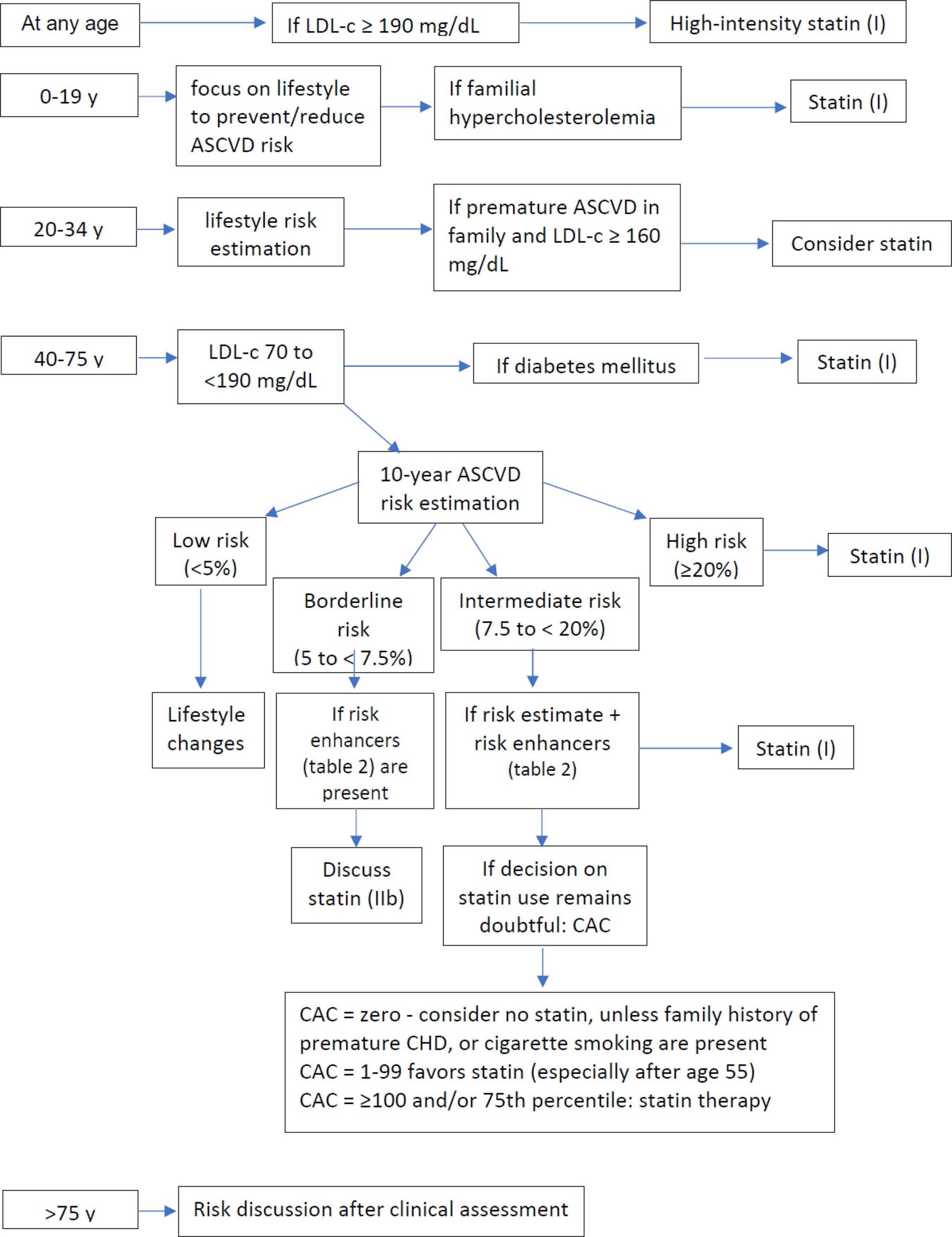
During the American Heart Association (AHA)’s scientific sessions held in November 2018, the new ultisociety Guideline on the Management of Blood Cholesterol was presented to the cardiology community emphasizing some previous key recommendations and new concepts in atherosclerotic cardiovascular disease (ASCVD) prevention. The main updates of these guidelines are:

[…]

  • Cardiovascular Diseases/prevention and control
  • Cholesterol, Dietary
  • Diet, Atherogenic
  • Lifestyle Physical, Activity
  • Weight Loss
Read Full Article
Creative Commons Attribution (CC BY) Creative Commons license
28/11/2019 DOI: 10.36660/ijcs.20190088 Views 2
Figure 1
ABC
Editorial

Adropin and Irisin in Patients with Cardiac Cachexia

Alfredo José Mansur

Cardiological clinical practice involves the care of patients with heart failure who lose weight, which not rarely culminates in cardiac cachexia. The differential diagnosis with other consumptive disorders can lead to an extensive diagnostic investigation.

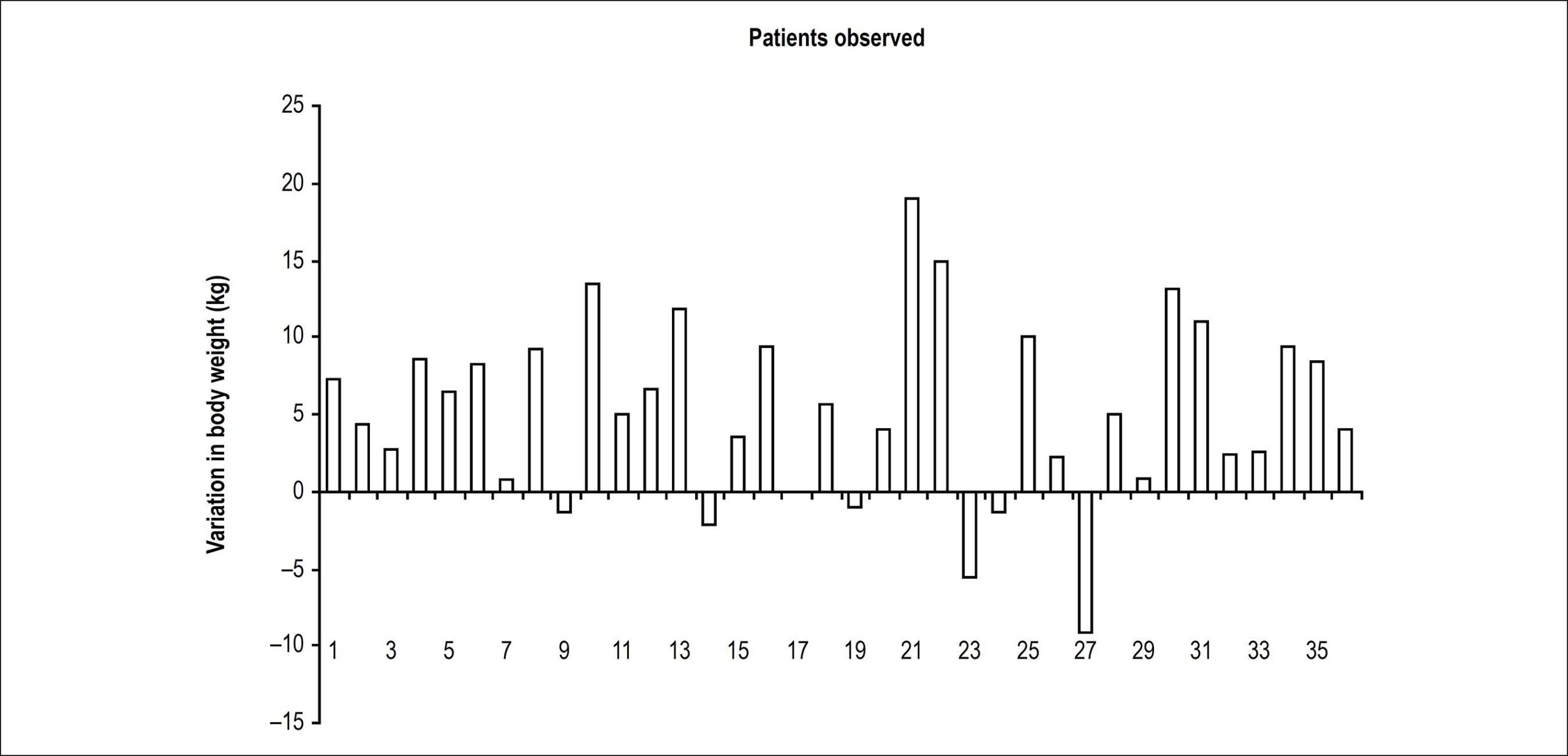
That has been a theme of interest in the medical literature for decades, and its importance remains recognized over time.– Physicians with decades of experience in cardiological clinical practice have noticed that individuals with heart failure due to heart valvular disease gain weight after well-succeeded surgical interventions that reverse heart failure. In other words, heart failure reversion also manifests as weight gain. A recent outpatient clinical observation [Correia GF & Lima NNC, unpublished data] of 36 patients for months has found body weight variation with the current pharmacological treatment for heart failure including betablockers ().

[…]

  • Adropine
  • Cachexia
  • Heart Failure
  • Prognosis
  • Weight Loss
Read Full Article
Creative Commons Attribution (CC BY) Creative Commons license
01/07/2018 DOI: 10.5935/abc.20180121 Views 1
Figure 1
ABC
Anatomopathological Correlation

Case 2/2018 – 73-Year-Old Male with Ischemic Cardiomyopathy, Cachexia and Shock

Rafael Amorim Belo Nunes et al. Jussara de Almeida Bruno Hilda Sara Monteiro Ramirez Léa Maria Macruz Ferreira Demarchi

Clinical aspects

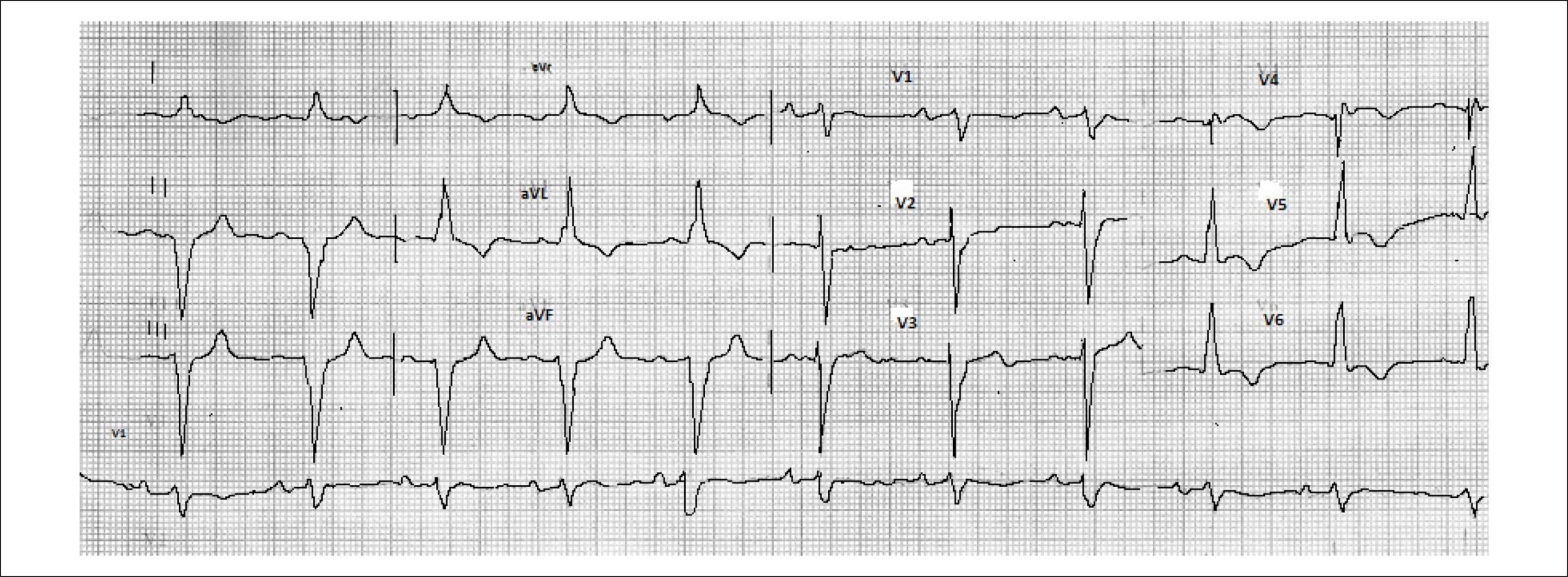
The patient here reported is a male elderly with ischemic cardiomyopathy, and significant weight loss in the previous 4 months, in addition to worsening of his general state of health and clinical instability in the 24 hours prior to admission. Some diagnostic possibilities could explain his significant weight loss.

Cardiac cachexia is a frequent complication in the advanced stages of congestive heart failure (CHF) and associates with shorter survival. The physiopathology of that disorder has been first described by Pitman and Cohen Later, new evidence showed that the cause is multifactorial, related mainly to anorexia, a change in the routine of food uptake, in absorption and in the metabolism of patients with heart failure. Up to 34% of the patients with CHF being followed up on an outpatient basis are estimated to develop cardiac cachexia in the medium to long run. The deleterious effects of that condition impair the cardiac and respiratory functions and decrease immunity, which leads to higher mortality. Our patient’s systemic complications that hindered the reversion of his final findings might have been aggravated by cardiac cachexia. Regarding treatment, the literature reports many simultaneous actions that fight the most critical points in cachexia, such as nutritional therapy and the use of appetite stimulants, correction of anemia and edema, use of anabolic steroids and immunomodulation. Parallel to drug therapy, physical activity is indicated to maintain skeletal musculature, respecting the limits imposed by the disease and requiring strict follow-up.

[…]

  • Atherosclerosis
  • Cachexia
  • Cardiomyopathy, Dilated/complications
  • Heart Failure/physiopathology
  • Weight Loss
Read Full Article
Creative Commons Attribution (CC BY) Creative Commons license
01/04/2018 DOI: 10.5935/abc.20180065
Figure 1
ABC
Original Article

Effects of Continuous and Accumulated Exercise on Endothelial Function in Rat Aorta

Juliana Edwiges Martinez et al. Elane de Fátima Taipeiro Agnaldo Bruno Chies

Abstract

Background:

The practice of exercise in short bouts repeated throughout the day may be an alternative strategy to lift people out of physical inactivity.

Objective:

to evaluate if accumulated exercise, as occurs in continuous exercise training, improve endothelial function in rat aorta.

Methods:

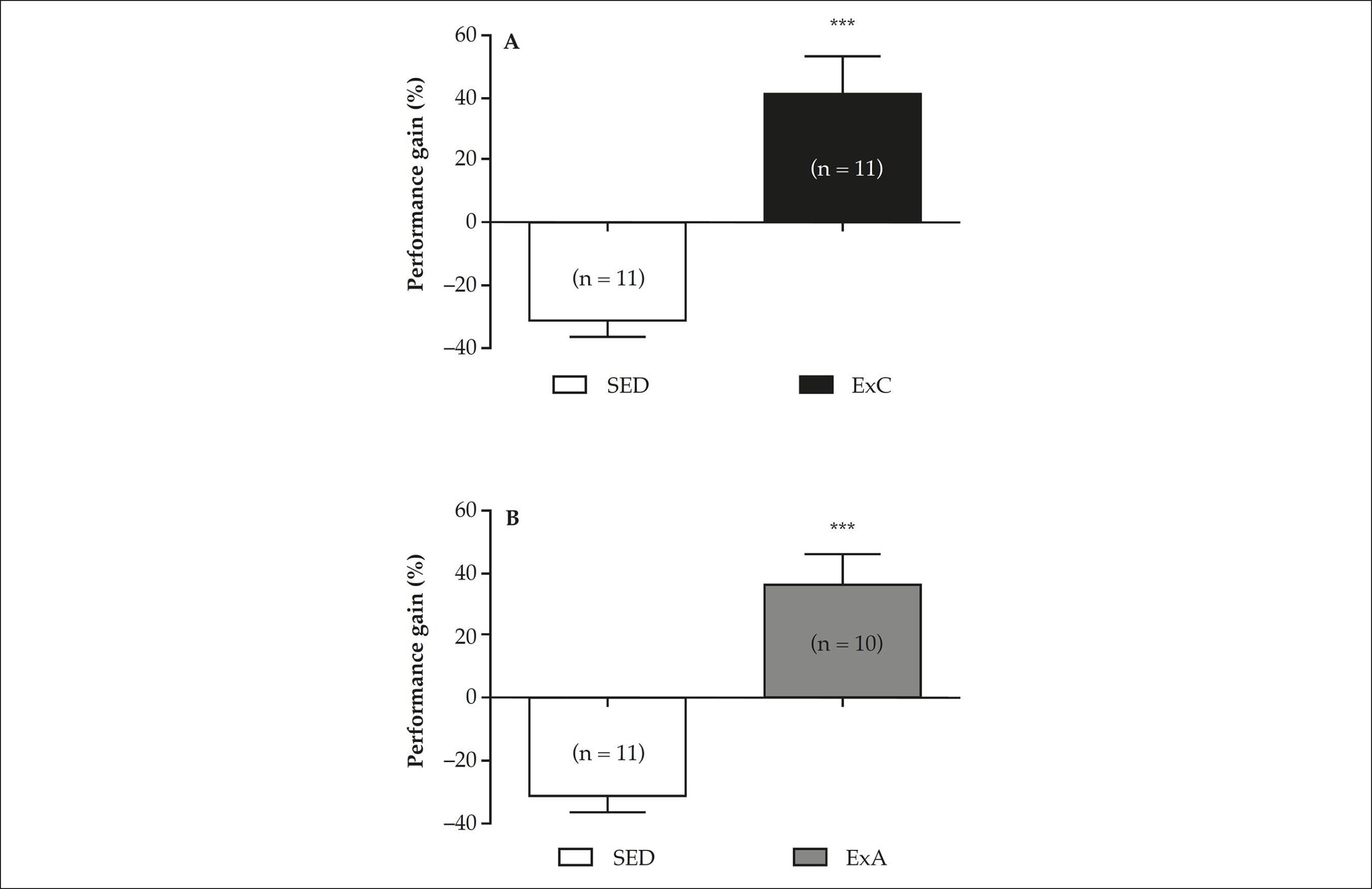
Wistar male rats were divided into three groups: continuous exercise (CEx, 1 hour on the treadmill) or accumulated exercise (AEx, 4 bouts of 15 minutes / day) for 5 days/week for 8 weeks, or sedentary (SED). During the training period, body weight gain and increase in exercise performance were recorded. On sacrifice day, aorta was dissected into rings (3-5 mm) and mounted on the organ bath.

Results:

Fitness was significantly greater in CEx and AEx rats as compared with SED animals. In addition, compared with the SED group, CEx animals had a lower body mass gain, and the aorta obtained from these animals had reduced contractile response to norepinephrine and greater acetylcholine-induced relaxation. These results were not observed in ACEx animals.

Conclusions:

Both CEx and AEx improved fitness, but only CEx led to reduced body weight gain and improved endothelial function.

  • Acetylcholine
  • Endothelium
  • Exercise
  • Norepinephrine
  • physical fitness
  • Rats
  • Weight Loss
Read Full Article
Creative Commons Attribution (CC BY) Creative Commons license
01/04/2017 DOI: 10.5935/abc.20170036
Impact of weight loss on adipocytokines, C-reactive protein and insulin sensitivity in hypertensive women with central obesity
ABC
Artigo Original

Impact of weight loss on adipocytokines, C-reactive protein and insulin sensitivity in hypertensive women with central obesity

Rodolfo Leão Borges et al. Fernando Flexa Ribeiro-Filho Kenia Mara Baiocchi Carvalho Maria Teresa Zanella

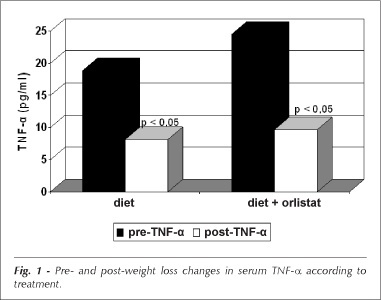
OBJECTIVE: To assess the impact of weight reduction on serum adipocytokines, C-reactive protein (CRP), and insulin sensitivity in hypertensive female patients with central obesity. METHODS: This study was performed using the database and stored serum samples of female patients who had participated in an intervention study focused on weight loss. Thirty hypertensive women aged 18 to 65, body mass index (BMI) > 27 kg/m², and central obesity were selected. They were randomly assigned to receive either a low-calorie diet plus orlistat 120 mg three times daily or a low-calorie diet alone for 16 weeks. Patients who experienced weight loss greater than 5% (n = 24) were assessed for blood pressure, anthropometric parameters, visceral fat, insulin resistance (HOMA-R – homeostasis model assessment of insulin resistance) and sensitivity (ISI – Insulin Sensitivity Index) indices, plus serum lipids, adipocytokines (adiponectin, leptin, IL-6, and TNF-a) and CRP levels. RESULTS: After BMI had been reduced by approximately 5% in both groups, visceral fat, fasting glucose, triglycerides, and TNF-a decreased. Only the orlistat group, which was more insulin resistant at baseline, showed a significant reduction in blood glucose after oral glucose load, in addition to increased insulin sensitivity. CONCLUSION: This study’s findings indicate that a weight loss greater than 5% is associated with improved inflammatory status and decreased insulin resistance, regardless of changes in adiponectin and TNF-a levels. The greatest improvements in insulin sensitivity experienced by the orlistat-treated patients could not be attributed to the use of this drug because of the higher number of insulin-resistant subjects in this group.

  • C-Reactive Protein
  • Hypertension
  • Inflammation
  • Insulin Resistance
  • Obesity
  • Weight Loss
Read Full Article
Creative Commons Attribution (CC BY) Creative Commons license
18/04/2008 DOI: 10.1590/S0066-782X2007001800010
Efficacy of lifestyle change psychological intervention in coronary risk reduction
ABC
Artigo Original

Efficacy of lifestyle change psychological intervention in coronary risk reduction

Rita Pugliese et al. Maria Tereza Zanella Sérgio Luís Blay Frida Plavinik … Marco Antonio Andrade Roberto Galvão

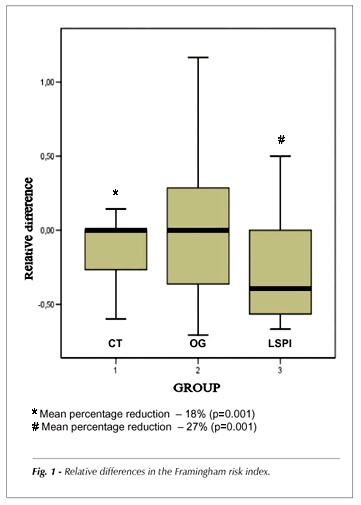
OBJECTIVE: To evaluate the efficacy of a program of lifestyle change through psychological intervention, combined with pharmacological therapy, for coronary risk reduction in uncontrolled hypertensive patients with overweight and dyslipidemia over 11 months of follow-up. METHODS: A randomized controlled trial with 74 patients assigned to three different treatment programs. One group (CT) only received conventional pharmacological treatment. Another group (OG) received pharmacological treatment and participated in a guidance program to control cardiovascular risk factors. A third group (LSPI) received pharmacological treatment and participated in a brief psychological intervention program for reduction of estresse levels and changing of eating behavior. The main measure was the Framingham risk index. RESULTS: CT patients presented an average reduction of 18% (p = 0.001) in coronary risk; OG patients elevated the risk by 0.8% (NS) and the LSPI group showed an average reduction of 27% on the Framingham risk index (p = 0.001). CONCLUSION: Pharmacological treatment combined with psychological intervention for reduction of estresse level and changing of eating behavior resulted in additional benefits in coronary risk reduction.

  • behavioral medicine
  • Dyslipidemias
  • Hypertension
  • Primary Prevention
  • Weight Loss
Read Full Article
Creative Commons Attribution (CC BY) Creative Commons license
18/04/2008 DOI: 10.1590/S0066-782X2007001600003 Views 1
Effects of greater-than-5% weight reduction on hemodynamic, metabolic and neuroendocrine profiles of grade I obese subjects
ABC
Artigo Original

Effects of greater-than-5% weight reduction on hemodynamic, metabolic and neuroendocrine profiles of grade I obese subjects

Kelly Biancardini Gomes Barbato et al. Rita de Cássia Vieira Martins Maria de Lourdes Guimarães Rodrigues José Ueleres Braga … Emílio Antonio Francischetti Virginia Genelhu

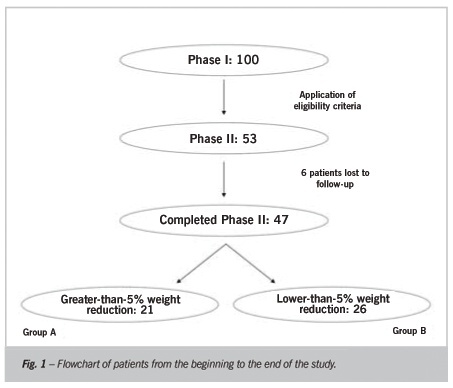
OBJECTIVE: To evaluate the effects of a greater-than-5% weight reduction in hemodynamic, metabolic, and neuroendocrine profiles of grade I obese subjects. METHODS: Observational study with 47 grade I obese subjects, with mean age of 33 years who received monthly orientation regarding diet, physical exercises, and eating behavior for four months. Blood pressure using the auscultatory method and pulse rate were assessed monthly, whereas the following variables (and respective methods) were measured at the beginning and at the end of the study: total cholesterol, triglycerides, HDL-cholesterol (enzymatic method), LDL-cholesterol (Friedewald formula), blood glucose (hexokinase method), leptin, adiponectin, renin, aldosterone, insulin (radioimmunoassay) and insulin-resistance index (HOMA). RESULTS: After adjustment for other variables, significant reductions of 6 mmHg in diastolic blood pressure, 7 pg/ml in renin, 13 mg/dl in total cholesterol and 12 mg/dl in LDL-cholesterol were observed in the greater-than-5% weight reduction group. Also, a tendency to a higher increase in adiponectin levels by the end of the study, as well as a three-fold higher reduction in blood glucose, insulin, and HOMA levels, and a six-fold higher reduction in leptin levels were observed in this group. CONCLUSION: Non-pharmacological measures that promote a greater-than-5% weight reduction produce hemodynamic, metabolic, and neuroendocrine effects that improve the cardiovascular risk of obese subjects.

  • dipocytokines
  • Lipid profile
  • Obesity
  • renin
  • Weight Loss
Read Full Article
Creative Commons Attribution (CC BY) Creative Commons license
28/07/2006 DOI: 10.1590/S0066-782X2006001400003 Views 1

How to cite this article

EndNote RIS

Electronic Document Format (Vancouver)

Póvoa R. Intermittent Fasting and Blood Pressure Reduction: Related Mechanisms. Arquivos Brasileiros de Cardiologia 2023;120(5):e20230265.

Electronic Document Format (ABNT)

Póvoa, Rui. Intermittent Fasting and Blood Pressure Reduction: Related Mechanisms. Arquivos Brasileiros de Cardiologia, v. 120, n. 5, e20230265, Jun. 2023.

Electronic Document Format (APA)

Póvoa, R. (2023). Intermittent Fasting and Blood Pressure Reduction: Related Mechanisms. Arquivos Brasileiros de Cardiologia, 120(5), e20230265.

Electronic Document Format (ISO)

Póvoa, Rui. Intermittent Fasting and Blood Pressure Reduction: Related Mechanisms. Arquivos Brasileiros de Cardiologia [online]. 2023, vol. 120, n. 5, [cited 2026-10-14], e20230265. Available from: <https://journals.cardiol.br/en/article/intermittent-fasting-and-blood-pressure-reduction-related-mechanisms/>. ISSN 0066-782X

EndNote RIS

Electronic Document Format (Vancouver)

Orange LG, Andrade MIS, Lima CR, Dourado KF, Santos TM, Petribu MM, Calaça PRA, et al. Does a Gluten-free Diet Improve Metabolic Syndrome Parameters? A Systematic Review. International Journal of Cardiovascular Sciences 2022;35(6):803-1.

Electronic Document Format (ABNT)

Orange, Luciana Gonçalves; Andrade, Maria Izabel Siqueira de; Lima, Cybelle Rolim; Dourado, Keila Fernandes; Santos, Thayná Menezes; Petribu, Marina Moraes; Calaça, Priscilla Regia de Andrade; Silva, Silvia Alves. Does a Gluten-free Diet Improve Metabolic Syndrome Parameters? A Systematic Review. International Journal of Cardiovascular Sciences, v. 35, n. 6, p. 803-813, Apr. 2022.

Electronic Document Format (APA)

Orange, L. G., Andrade, M. I. S. , Lima, C. R., Dourado, K. F., Santos, T. M., Petribu, M. M., Calaça, P. R. A., & Silva, S. A. (2022). Does a Gluten-free Diet Improve Metabolic Syndrome Parameters? A Systematic Review. International Journal of Cardiovascular Sciences, 35(6), 803-813.

Electronic Document Format (ISO)

Orange, Luciana Gonçalves and Andrade, Maria Izabel Siqueira de and Lima, Cybelle Rolim and Dourado, Keila Fernandes and Santos, Thayná Menezes and Petribu, Marina Moraes and Calaça, Priscilla Regia de Andrade and Silva, Silvia Alves. Does a Gluten-free Diet Improve Metabolic Syndrome Parameters? A Systematic Review. International Journal of Cardiovascular Sciences [online]. 2022, vol. 35, n. 6, [cited 2026-10-14], pp. 803-813. Available from: <https://journals.cardiol.br/en/article/does-a-gluten-free-diet-improve-metabolic-syndrome-parameters-a-systematic-review/>. ISSN 2359-4802

EndNote RIS

Electronic Document Format (Vancouver)

Kravchychyn ACP, Campos RMS, Ferreira YAM, Vicente SECF, Corgosinho FC, Oyama LM, Boldarine VT, et al. The Role of ANP Level Response in Interdisciplinary Weight Loss Therapy on Cardiometabolic Risk and Body Composition in Adolescents with Obesity. Arquivos Brasileiros de Cardiologia 2022;118(1):33-40.

Electronic Document Format (ABNT)

Kravchychyn, Ana Claudia Pelissari; Campos, Raquel Munhoz da Silveira; Ferreira, Yasmin Alaby Martins; Vicente, Sofia Emanuelle de Castro Ferreira; Corgosinho, Flávia Campos; Oyama, Lila Missae; Boldarine, Valter Tadeu; Tock, Lian; Thivel, David; Dâmaso, Ana Raimunda. The Role of ANP Level Response in Interdisciplinary Weight Loss Therapy on Cardiometabolic Risk and Body Composition in Adolescents with Obesity. Arquivos Brasileiros de Cardiologia, v. 118, n. 1, p. 33-40, Feb. 2022.

Electronic Document Format (APA)

Kravchychyn, A. C. P., Campos, R. M. S., Ferreira, Y. A. M., Vicente, S. E. C. F., Corgosinho, F. C., Oyama, L. M., Boldarine, V. T., Tock, L., Thivel, D., & Dâmaso, A. R. (2022). The Role of ANP Level Response in Interdisciplinary Weight Loss Therapy on Cardiometabolic Risk and Body Composition in Adolescents with Obesity. Arquivos Brasileiros de Cardiologia, 118(1), 33-40.

Electronic Document Format (ISO)

Kravchychyn, Ana Claudia Pelissari and Campos, Raquel Munhoz da Silveira and Ferreira, Yasmin Alaby Martins and Vicente, Sofia Emanuelle de Castro Ferreira and Corgosinho, Flávia Campos and Oyama, Lila Missae and Boldarine, Valter Tadeu and Tock, Lian and Thivel, David and Dâmaso, Ana Raimunda. The Role of ANP Level Response in Interdisciplinary Weight Loss Therapy on Cardiometabolic Risk and Body Composition in Adolescents with Obesity. Arquivos Brasileiros de Cardiologia [online]. 2022, vol. 118, n. 1, [cited 2026-10-14], pp. 33-40. Available from: <https://journals.cardiol.br/en/article/the-role-of-anp-level-response-in-interdisciplinary-weight-loss-therapy-on-cardiometabolic-risk-and-body-composition-in-adolescents-with-obesity/>. ISSN 0066-782X

EndNote RIS

Electronic Document Format (Vancouver)

Rassi S, Rassi DC, Freitas Júnior AF. The Importance of Assessing Malnutrition and Cachexia in Chagas Cardiomyopathy. Arquivos Brasileiros de Cardiologia 2022;118(1):12-3.

Electronic Document Format (ABNT)

Rassi, Salvador; Rassi, Daniela do Carmo; Freitas Júnior, Aguinaldo Figueiredo. The Importance of Assessing Malnutrition and Cachexia in Chagas Cardiomyopathy. Arquivos Brasileiros de Cardiologia, v. 118, n. 1, p. 12-13, Feb. 2022.

Electronic Document Format (APA)

Rassi, S., Rassi, D. C., & Freitas Júnior, A. F. (2022). The Importance of Assessing Malnutrition and Cachexia in Chagas Cardiomyopathy. Arquivos Brasileiros de Cardiologia, 118(1), 12-13.

Electronic Document Format (ISO)

Rassi, Salvador and Rassi, Daniela do Carmo and Freitas Júnior, Aguinaldo Figueiredo. The Importance of Assessing Malnutrition and Cachexia in Chagas Cardiomyopathy. Arquivos Brasileiros de Cardiologia [online]. 2022, vol. 118, n. 1, [cited 2026-10-14], pp. 12-13. Available from: <https://journals.cardiol.br/en/article/the-importance-of-assessing-malnutrition-and-cachexia-in-chagas-cardiomyopathy/>. ISSN 0066-782X

EndNote RIS

Electronic Document Format (Vancouver)

Feitosa ADM, Mota-Gomes M, Passarelli Júnior O, Barroso WKS, Miranda RD, Barbosa ECD, Brandão AA, et al. Pharmacological Treatment of Hypertension: From the Golden Trio to the Octet. Arquivos Brasileiros de Cardiologia 2020;115(2):270-2.

Electronic Document Format (ABNT)

Feitosa, Audes Diógenes Magalhães; Mota-Gomes, Marco; Passarelli Júnior, Oswaldo; Barroso, Weimar Kunz Sebba; Miranda, Roberto Dischinger; Barbosa, Eduardo Costa Duarte; Brandão, Andrea A.; Nadruz, Wilson. Pharmacological Treatment of Hypertension: From the Golden Trio to the Octet. Arquivos Brasileiros de Cardiologia, v. 115, n. 2, p. 270-272, Aug. 2020.

Electronic Document Format (APA)

Feitosa, A. D. M., Mota-Gomes, M., Passarelli Júnior, O., Barroso, W. K. S., Miranda, R. D., Barbosa, E. C. D., Brandão, A. A., & Nadruz, W. (2020). Pharmacological Treatment of Hypertension: From the Golden Trio to the Octet. Arquivos Brasileiros de Cardiologia, 115(2), 270-272.

Electronic Document Format (ISO)

Feitosa, Audes Diógenes Magalhães and Mota-Gomes, Marco and Passarelli Júnior, Oswaldo and Barroso, Weimar Kunz Sebba and Miranda, Roberto Dischinger and Barbosa, Eduardo Costa Duarte and Brandão, Andrea A. and Nadruz, Wilson. Pharmacological Treatment of Hypertension: From the Golden Trio to the Octet. Arquivos Brasileiros de Cardiologia [online]. 2020, vol. 115, n. 2, [cited 2026-10-14], pp. 270-272. Available from: <https://journals.cardiol.br/en/article/pharmacological-treatment-of-hypertension-from-the-golden-trio-to-the-octet/>. ISSN 0066-782X

EndNote RIS

Electronic Document Format (Vancouver)

Bittencourt M, Generoso G. New 2018 ACC/AHA Guidelines on Cholesterol Management: Key Changes and Implications. International Journal of Cardiovascular Sciences 2019;32(6):635-8.

Electronic Document Format (ABNT)

Bittencourt, Marcio; Generoso, Giuliano. New 2018 ACC/AHA Guidelines on Cholesterol Management: Key Changes and Implications. International Journal of Cardiovascular Sciences, v. 32, n. 6, p. 635-638, Nov. 2019.

Electronic Document Format (APA)

Bittencourt, M., & Generoso, G. (2019). New 2018 ACC/AHA Guidelines on Cholesterol Management: Key Changes and Implications. International Journal of Cardiovascular Sciences, 32(6), 635-638.

Electronic Document Format (ISO)

Bittencourt, Marcio and Generoso, Giuliano. New 2018 ACC/AHA Guidelines on Cholesterol Management: Key Changes and Implications. International Journal of Cardiovascular Sciences [online]. 2019, vol. 32, n. 6, [cited 2026-10-14], pp. 635-638. Available from: <https://journals.cardiol.br/en/article/new-2018-acc-aha-guidelines-on-cholesterol-management-key-changes-and-implications/>. ISSN 2359-4802

EndNote RIS

Electronic Document Format (Vancouver)

Mansur AJ. Adropin and Irisin in Patients with Cardiac Cachexia. Arquivos Brasileiros de Cardiologia 2018;111(1):48-9.

Electronic Document Format (ABNT)

Mansur, Alfredo José. Adropin and Irisin in Patients with Cardiac Cachexia. Arquivos Brasileiros de Cardiologia, v. 111, n. 1, p. 48-49, Jun. 2018.

Electronic Document Format (APA)

Mansur, A. J. (2018). Adropin and Irisin in Patients with Cardiac Cachexia. Arquivos Brasileiros de Cardiologia, 111(1), 48-49.

Electronic Document Format (ISO)

Mansur, Alfredo José. Adropin and Irisin in Patients with Cardiac Cachexia. Arquivos Brasileiros de Cardiologia [online]. 2018, vol. 111, n. 1, [cited 2026-10-14], pp. 48-49. Available from: <https://journals.cardiol.br/en/article/adropin-and-irisin-in-patients-with-cardiac-cachexia/>. ISSN 0066-782X

EndNote RIS

Electronic Document Format (Vancouver)

Nunes RAB, Bruno JA, Ramirez HSM, Demarchi LMMF. Case 2/2018 – 73-Year-Old Male with Ischemic Cardiomyopathy, Cachexia and Shock. Arquivos Brasileiros de Cardiologia 2018;110(4):388-92.

Electronic Document Format (ABNT)

Nunes, Rafael Amorim Belo; Bruno, Jussara de Almeida; Ramirez, Hilda Sara Monteiro; Demarchi, Léa Maria Macruz Ferreira. Case 2/2018 – 73-Year-Old Male with Ischemic Cardiomyopathy, Cachexia and Shock. Arquivos Brasileiros de Cardiologia, v. 110, n. 4, p. 388-392, Mar. 2018.

Electronic Document Format (APA)

Nunes, R. A. B., Bruno, J. A., Ramirez, H. S. M., & Demarchi, L. M. M. F. (2018). Case 2/2018 – 73-Year-Old Male with Ischemic Cardiomyopathy, Cachexia and Shock. Arquivos Brasileiros de Cardiologia, 110(4), 388-392.

Electronic Document Format (ISO)

Nunes, Rafael Amorim Belo and Bruno, Jussara de Almeida and Ramirez, Hilda Sara Monteiro and Demarchi, Léa Maria Macruz Ferreira. Case 2/2018 – 73-Year-Old Male with Ischemic Cardiomyopathy, Cachexia and Shock. Arquivos Brasileiros de Cardiologia [online]. 2018, vol. 110, n. 4, [cited 2026-10-14], pp. 388-392. Available from: <https://journals.cardiol.br/en/article/case-2-2018-73-year-old-male-with-ischemic-cardiomyopathy-cachexia-and-shock/>. ISSN 0066-782X

EndNote RIS

Electronic Document Format (Vancouver)

Martinez JE, Taipeiro EF, Chies AB. Effects of Continuous and Accumulated Exercise on Endothelial Function in Rat Aorta. Arquivos Brasileiros de Cardiologia 2017;108(4):315-22.

Electronic Document Format (ABNT)

Martinez, Juliana Edwiges; Taipeiro, Elane de Fátima; Chies, Agnaldo Bruno. Effects of Continuous and Accumulated Exercise on Endothelial Function in Rat Aorta. Arquivos Brasileiros de Cardiologia, v. 108, n. 4, p. 315-322, Mar. 2017.

Electronic Document Format (APA)

Martinez, J. E., Taipeiro, E. F., & Chies, A. B. (2017). Effects of Continuous and Accumulated Exercise on Endothelial Function in Rat Aorta. Arquivos Brasileiros de Cardiologia, 108(4), 315-322.

Electronic Document Format (ISO)

Martinez, Juliana Edwiges and Taipeiro, Elane de Fátima and Chies, Agnaldo Bruno. Effects of Continuous and Accumulated Exercise on Endothelial Function in Rat Aorta. Arquivos Brasileiros de Cardiologia [online]. 2017, vol. 108, n. 4, [cited 2026-10-14], pp. 315-322. Available from: <https://journals.cardiol.br/en/article/effects-of-continuous-and-accumulated-exercise-on-endothelial-function-in-rat-aorta/>. ISSN 0066-782X

EndNote RIS

Electronic Document Format (Vancouver)

Borges RL, Ribeiro-Filho FF, Carvalho KMB, Zanella MT. Impact of weight loss on adipocytokines, C-reactive protein and insulin sensitivity in hypertensive women with central obesity. Arquivos Brasileiros de Cardiologia 2008;89(6):409-14.

Electronic Document Format (ABNT)

Borges, Rodolfo Leão; Ribeiro-Filho, Fernando Flexa; Carvalho, Kenia Mara Baiocchi; Zanella, Maria Teresa. Impact of weight loss on adipocytokines, C-reactive protein and insulin sensitivity in hypertensive women with central obesity. Arquivos Brasileiros de Cardiologia, v. 89, n. 6, p. 409-414, Apr. 2008.

Electronic Document Format (APA)

Borges, R. L., Ribeiro-Filho, F. F., Carvalho, K. M. B., & Zanella, M. T. (2008). Impact of weight loss on adipocytokines, C-reactive protein and insulin sensitivity in hypertensive women with central obesity. Arquivos Brasileiros de Cardiologia, 89(6), 409-414.

Electronic Document Format (ISO)

Borges, Rodolfo Leão and Ribeiro-Filho, Fernando Flexa and Carvalho, Kenia Mara Baiocchi and Zanella, Maria Teresa. Impact of weight loss on adipocytokines, C-reactive protein and insulin sensitivity in hypertensive women with central obesity. Arquivos Brasileiros de Cardiologia [online]. 2008, vol. 89, n. 6, [cited 2026-10-14], pp. 409-414. Available from: <https://journals.cardiol.br/en/article/impact-of-weight-loss-on-adipocytokines-c-reactive-protein-and-insulin-sensitivity-in-hypertensive-women-with-central-obesity/>. ISSN 0066-782X

EndNote RIS

Electronic Document Format (Vancouver)

Pugliese R, Zanella MT, Blay SL, Plavinik F, Andrade MA, Galvão R. Efficacy of lifestyle change psychological intervention in coronary risk reduction. Arquivos Brasileiros de Cardiologia 2008;89(4):225-30.

Electronic Document Format (ABNT)

Pugliese, Rita; Zanella, Maria Tereza; Blay, Sérgio Luís; Plavinik, Frida; Andrade, Marco Antonio; Galvão, Roberto. Efficacy of lifestyle change psychological intervention in coronary risk reduction. Arquivos Brasileiros de Cardiologia, v. 89, n. 4, p. 225-230, Apr. 2008.

Electronic Document Format (APA)

Pugliese, R., Zanella, M. T., Blay, S. L., Plavinik, F., Andrade, M. A., & Galvão, R. (2008). Efficacy of lifestyle change psychological intervention in coronary risk reduction. Arquivos Brasileiros de Cardiologia, 89(4), 225-230.

Electronic Document Format (ISO)

Pugliese, Rita and Zanella, Maria Tereza and Blay, Sérgio Luís and Plavinik, Frida and Andrade, Marco Antonio and Galvão, Roberto. Efficacy of lifestyle change psychological intervention in coronary risk reduction. Arquivos Brasileiros de Cardiologia [online]. 2008, vol. 89, n. 4, [cited 2026-10-14], pp. 225-230. Available from: <https://journals.cardiol.br/en/article/efficacy-of-lifestyle-change-psychological-intervention-in-coronary-risk-reduction/>. ISSN 0066-782X

EndNote RIS

Electronic Document Format (Vancouver)

Barbato KBG, Martins RCV, Rodrigues MLG, Braga JU, Francischetti EA, Genelhu V. Effects of greater-than-5% weight reduction on hemodynamic, metabolic and neuroendocrine profiles of grade I obese subjects. Arquivos Brasileiros de Cardiologia 2006;87(1):12-21.

Electronic Document Format (ABNT)

Barbato, Kelly Biancardini Gomes; Martins, Rita de Cássia Vieira; Rodrigues, Maria de Lourdes Guimarães; Braga, José Ueleres; Francischetti, Emílio Antonio; Genelhu, Virginia. Effects of greater-than-5% weight reduction on hemodynamic, metabolic and neuroendocrine profiles of grade I obese subjects. Arquivos Brasileiros de Cardiologia, v. 87, n. 1, p. 12-21, Jul. 2006.

Electronic Document Format (APA)

Barbato, K. B. G., Martins, R. C. V., Rodrigues, M. L. G., Braga, J. U., Francischetti, E. A., & Genelhu, V. (2006). Effects of greater-than-5% weight reduction on hemodynamic, metabolic and neuroendocrine profiles of grade I obese subjects. Arquivos Brasileiros de Cardiologia, 87(1), 12-21.

Electronic Document Format (ISO)

Barbato, Kelly Biancardini Gomes and Martins, Rita de Cássia Vieira and Rodrigues, Maria de Lourdes Guimarães and Braga, José Ueleres and Francischetti, Emílio Antonio and Genelhu, Virginia. Effects of greater-than-5% weight reduction on hemodynamic, metabolic and neuroendocrine profiles of grade I obese subjects. Arquivos Brasileiros de Cardiologia [online]. 2006, vol. 87, n. 1, [cited 2026-10-14], pp. 12-21. Available from: <https://journals.cardiol.br/en/article/effects-of-greater-than-5-weight-reduction-on-hemodynamic-metabolic-and-neuroendocrine-profiles-of-grade-i-obese-subjects/>. ISSN 0066-782X

  • About ABC Family
  • Internal Regulation
  • Editorial Board
  • Brazilian Society of Cardiology (SBC)

Issues

SBC Guidelines

  • Videos
  • Podcasts
  • News