ABC Family Arquivos Brasileiros de Cardiologia International Journal of Cardiovascular Sciences ABC Heart Failure & Cardiomyopathy ABC Imagem Cardiovascular
Português English
ABC Family
Português English
  • About
    • About ABC Family
    • Internal Regulation
    • Editorial Board
    • Brazilian Society of Cardiology (SBC)
  • Issues
  • SBC Guidelines
  • Content
    • Videos
    • Podcasts
    • News
  • About
    • About ABC Family
    • Internal Regulation
    • Editorial Board
    • Brazilian Society of Cardiology (SBC)
  • Issues
  • SBC Guidelines
  • Content
    • Videos
    • Podcasts
    • News

ABC Family

  • ABC Family
  • Arquivos Brasileiros de Cardiologia
  • International Journal of Cardiovascular Sciences
  • ABC Heart Failure & Cardiomyopathy
  • ABC Imagem Cardiovascular
Search in

No content found.

Journals
Ordering
Article types
Others

  1. Home
  2. Keyword: diabetes
ABC
Editorial

The Influence of Obesity and Physical Activity on Cardiovascular Risk

Claudio Leinig Pereira da Cunha

Atherosclerotic cardiovascular disease (ACVD) is common in the general population, affecting most adults over 60 years of age. The disease includes four main areas: (1) Coronary heart disease, (2) Cerebrovascular disease, (3) Peripheral arterial disease, and (4) Aortic atherosclerosis with aneurysms. The conditions traditionally associated with the installation of ACVD (the so-called “risk factors”) are dyslipidemia, diabetes mellitus, arterial hypertension, smoking, obesity, sedentary lifestyle and a family history of ACVD. Atherosclerotic vascular changes may begin in childhood, setting the stage for cardiovascular events in adulthood. Tornquist et al. present in this issue of Arquivos Brasileiros de Cardiologia some aspects of obesity and cardiorespiratory fitness in relation to cardiometabolic risk in children.

Obesity is a public health problem that has expanded worldwide. According to a report by the World Health Organization in 2016, obesity has tripled since 1980. The prevalence of obesity and overweight also increased among young people, from 16% in 1980 to 23% in 2013.

[…]

  • Cardiovascular Diseases
  • diabetes
  • Dyslipidemias
  • Life Style
  • Obesity
  • Risk Factors
  • Sedentarism, Peripheral Artery Disease
Read Full Article
Creative Commons Attribution (CC BY) Creative Commons license
05/08/2022 DOI: 10.36660/abc.20220381 Views 1
Figure 1
ABC
Review Article

Dysautonomia: A Forgotten Condition — Part II

Eduardo Arrais Rocha et al. Niraj Mehta Maria Zildany Pinheiro Távora-Mehta Camila Ferreira Roncari … Alan Alves de Lima Cidrão Jorge Elias Neto

General and Cardiovascular Clinical Manifestations

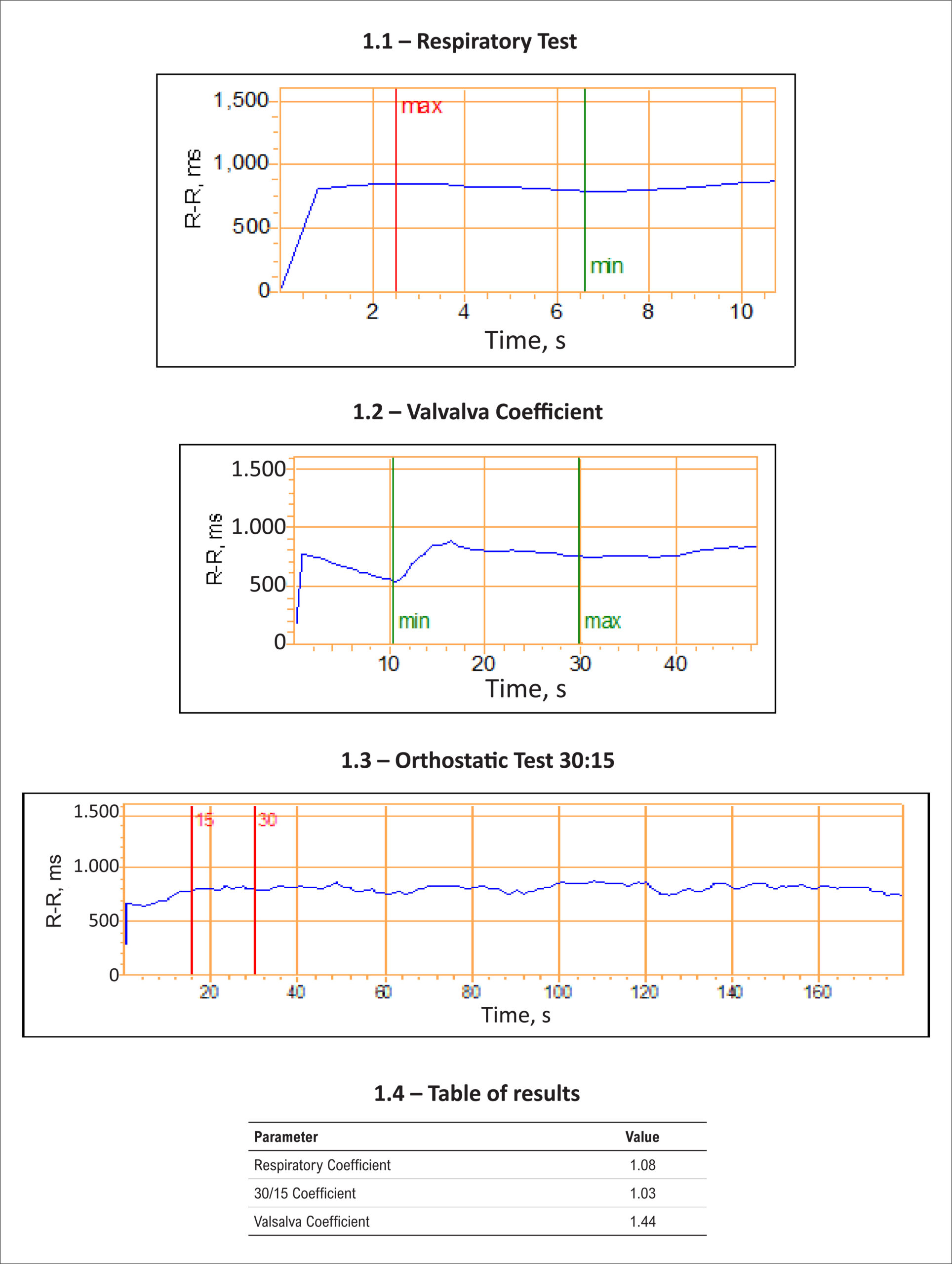
The pathologies that affect the autonomic nervous system (ANS) can manifest in different ways, depending on the etiology, degree of impairment, disease duration, presence of comorbidities, age or use of associated drugs. Many symptoms can be completely debilitating, such as severe pain in peripheral neuropathy and falls or syncope in autonomic neuropathies. Progression to severe orthostatic intolerance may occur in more advanced cases of dysautonomies, with severe early orthostatic hypotension and supine hypertension, making treatment difficult ().–

[…]

  • Autonomic Nervous System
  • Cardiovascular Autonomic Neuropathy
  • diabetes
  • Fatigue
  • Hypotension, Orthostatic
  • Hypothension, Postural
  • Primary Dysautonomias
  • Syncope
Read Full Article
Creative Commons Attribution (CC BY) Creative Commons license
17/05/2021 DOI: 10.36660/abc.20200422
Figure 1
ABC
Original Article

Visceral Obesity and High Systolic Blood Pressure as the Substrate of Endothelial Dysfunction in Obese Adolescents

Maria Fernanda Hussid et al. Felipe Xerez Cepeda Camila P. Jordão Rafaela R. P. Lopes-Vicente … Leslie Virmondes Keyla Y. Katayama Ezequiel F. de Oliveira Luis V. F. Oliveira Fernanda Marciano Consolim-Colombo Ivani Credidio Trombetta

Abstract

Background:

Obesity affects adolescence and may lead to metabolic syndrome (MetS) and endothelial dysfunction, an early marker of cardiovascular risk. Albeit obesity is strongly associated with obstructive sleep apnea (OSA), it is not clear the role of OSA in endothelial function in adolescents with obesity.

Objective:

To investigate whether obesity during adolescence leads to MetS and/or OSA; and causes endothelial dysfunction. In addition, we studied the possible association of MetS risk factors and apnea hypopnea index (AHI) with endothelial dysfunction.

Methods:

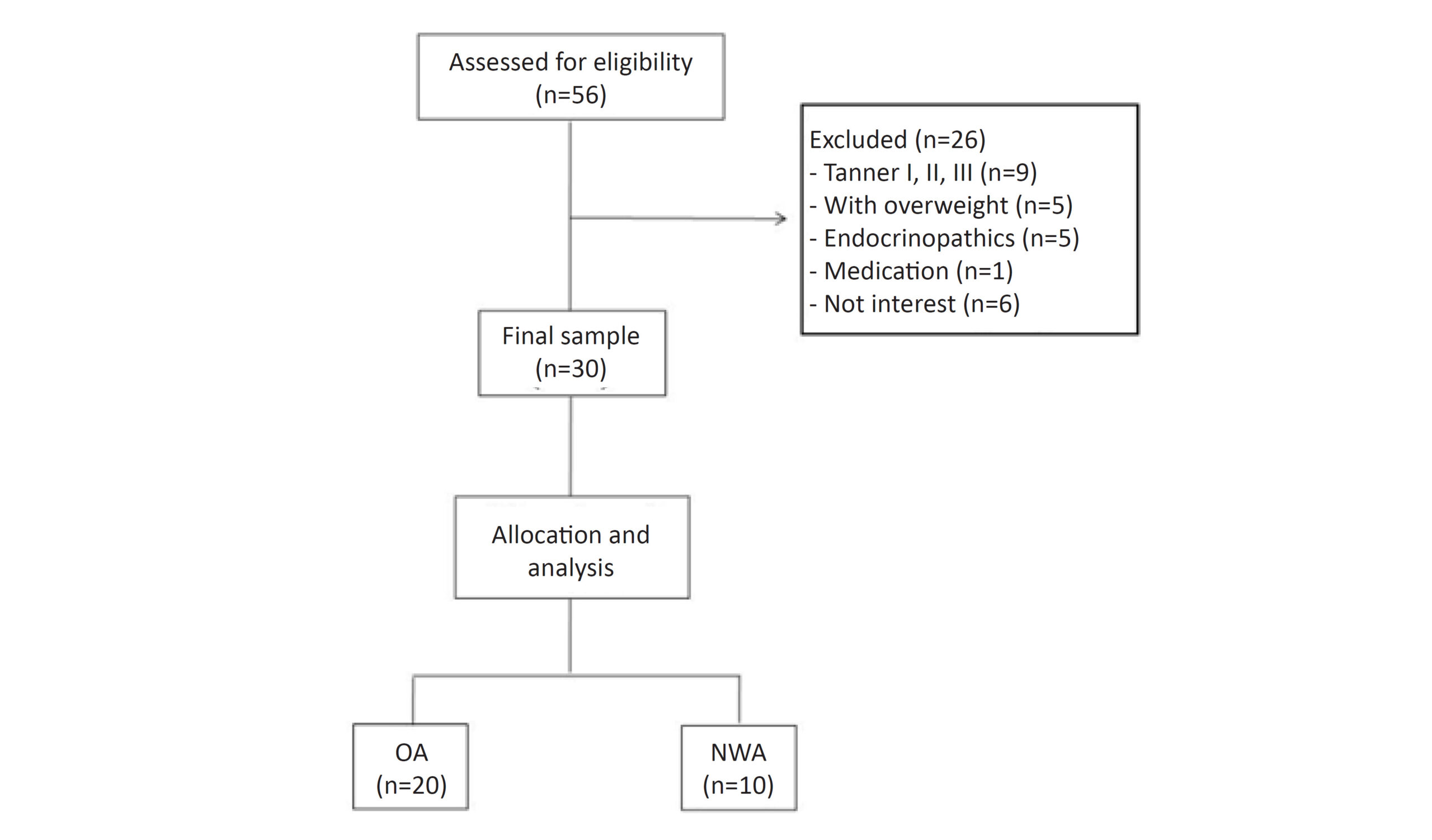
We studied 20 sedentary obese adolescents (OA; 14.2±1.6 years, 100.9±20.3kg), and 10 normal-weight adolescents (NWA, 15.2±1.2 years, 54.4±5.3kg) paired for sex. We assessed MetS risk factors (International Diabetes Federation criteria), vascular function (Flow-Mediated Dilation, FMD), functional capacity (VO2peak) and the presence of OSA (AHI>1event/h, by polysomnography). We considered statistically significant a P<0.05.

Results:

OA presented higher waist (WC), body fat, triglycerides, systolic (SBP) and diastolic blood pressure (DBP), LDL-c and lower HDL-c and VO2peak than NWA. MetS was presented in the 35% of OA, whereas OSA was present in 86.6% of OA and 50% of EA. There was no difference between groups in the AHI. The OA had lower FMD than NWA (6.17±2.72 vs. 9.37±2.20%, p=0.005). There was an association between FMD and WC (R=-0.506, p=0.008) and FMD and SBP (R=-0.493, p=0.006).

Conclusion:

In adolescents, obesity was associates with MetS and caused endothelial dysfunction. Increased WC and SBP could be involved in this alteration. OSA was observed in most adolescents, regardless of obesity. (Arq Bras Cardiol. 2021; 116(4):795-803)

  • Adolescent
  • diabetes
  • Endothelium
  • Hypertension
  • Metabolic Syndrome
  • Obesity
  • Risk Factors
  • Sleep Apnea, Obstructive
  • Waist Circumference
Read Full Article
Creative Commons Attribution (CC BY) Creative Commons license
16/04/2021 DOI: 10.36660/abc.20190541 Views 2
ABC
Editorial

Beyond CHA2DS2-VASc for Predicting the Risk of Thromboembolism and Stroke – Not That Simple!

M. Julia Machline-Carrion

Ischemic stroke can result from a variety of causes, such as atherosclerosis of the cerebral circulation, occlusion of cerebral small vessels, and cardiac embolism. Of these causes, cardioembolic stroke has a particular significance because cardiac embolism causes more severe strokes than other ischemic stroke subtypes. In about 20% of patients who have had ischemic stroke, a major risk cardiac source, such as atrial fibrillation (AF) and/or left ventricular thrombi, is identified. Thus, assessing the presence of AF, and the risk of thromboembolism associated to cardiac lesions play a key role in stroke prevention.

Age, male gender, hypertension, diabetes mellitus, valvular heart disease, congestive heart failure, coronary heart disease, chronic kidney disease, inflammatory disorders, sleep apnea, and tobacco use have all been established as risk factors for both AF and stroke. However, it may be that other atrial factors besides AF can result in thromboembolism, and in some cases, AF may be a lagging marker of these other thrombogenic atrial abnormalities. AF often occurs in the setting of atrial abnormalities such as mechanical dysfunction in the left atrial appendage. These abnormalities of atrial substrate have recently been associated with stroke risk independently of AF. The CHA2DS2-VASc (congestive heart failure, hypertension, age ≥ 75 years, diabetes mellitus, stroke or transient ischemic attack (TIA), vascular disease, age 65 to 74 years, sex category) score is a validated tool to predict the risk of stroke and systemic emboli in patients with non-valvular atrial fibrillation and has been widely used to guide clinical practice.–

[…]

  • Atherosclerosis
  • Atrial Fibrillation
  • Cerebrovascular Circulation
  • diabetes
  • Embolism and Thrombosis
  • Hypertension
  • Risk Factors
  • Stroke
Read Full Article
Creative Commons Attribution (CC BY) Creative Commons license
01/03/2021 DOI: 10.36660/abc.20201296 Views 1
Figure 1
ABC
Letter to the Editor

Does Existence of Prior Circulatory System Diseases Accelerate Mortality Due to COVID-19?

Carlos Dornels Freire de Souza et al. Thiago Cavalcanti Leal Lucas Gomes Santos

Dear Editor,

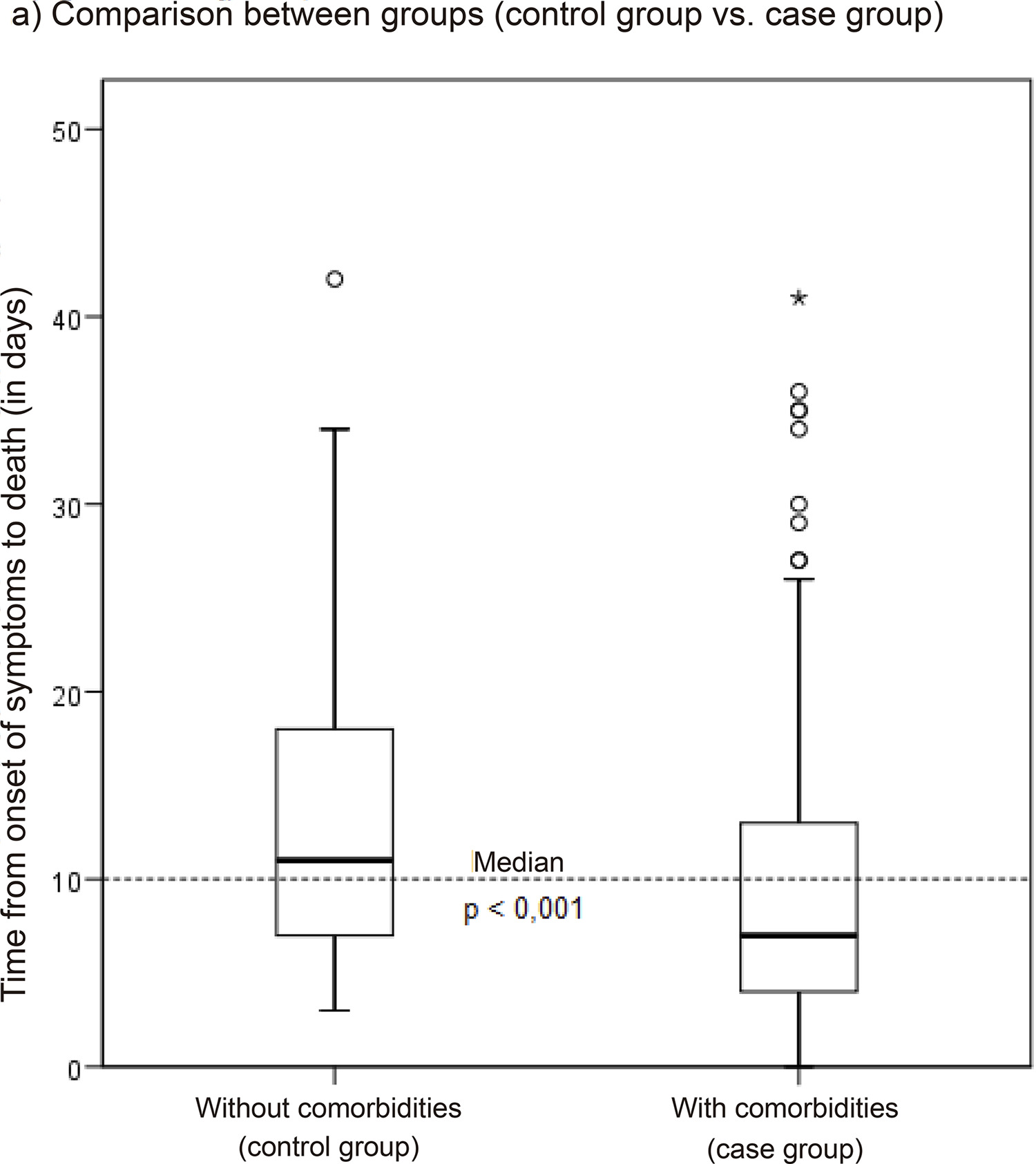
The first cases of coronavirus disease 2019 (COVID-19) were identified in the metropolis of Wuhan, the capital of the province of Hubei, in the People’s Republic of China. An outbreak of rapidly progressive pneumonia of undetermined origin associated with common exposure to the city’s seafood market was observed. On December 31, 2019, China notified the World Health Organization (WHO) of the outbreak. One month later, on January 30, 2020, the WHO declared the situation an international emergency, and, on March 11, the disease was declared a pandemic.

[…]

  • Comorbidity
  • Coronavirus, COVID-19, Pandemics
  • diabetes
  • Dispnea
  • Hypertension
  • Risk Factors
  • Severe Acute Respiratory Syndrome/complications
Read Full Article
Creative Commons Attribution (CC BY) Creative Commons license
07/08/2020 DOI: 10.36660/abc.20200486
Graph 1
IJCS
Original Article

Reliability between Cardiovascular Risk Assessment Tools: A Pilot Study

Rodrigo Conill Marasciulo et al. Ana Maria Nunes de Faria Stamm Guilherme Thomé Garcia Antônio Carlos Estima Marasciulo … Ariel Córdova Rosa Alexandre Augusto de Costa Remor Cristian Battistella

Abstract

Background

The prevention of cardiovascular disease (CVD) is important in clinical practice due to its high morbidity and mortality. Different guidelines have recommended the use of different cardiovascular risk assessment tools, which may have implications on therapeutic decisions.

Objective

To evaluate the agreement rate between the Framingham risk score (FRS) and the Systematic Coronary Risk Evaluation (SCORE) tool on CVD risk assessment in disease-free subjects.

Methods

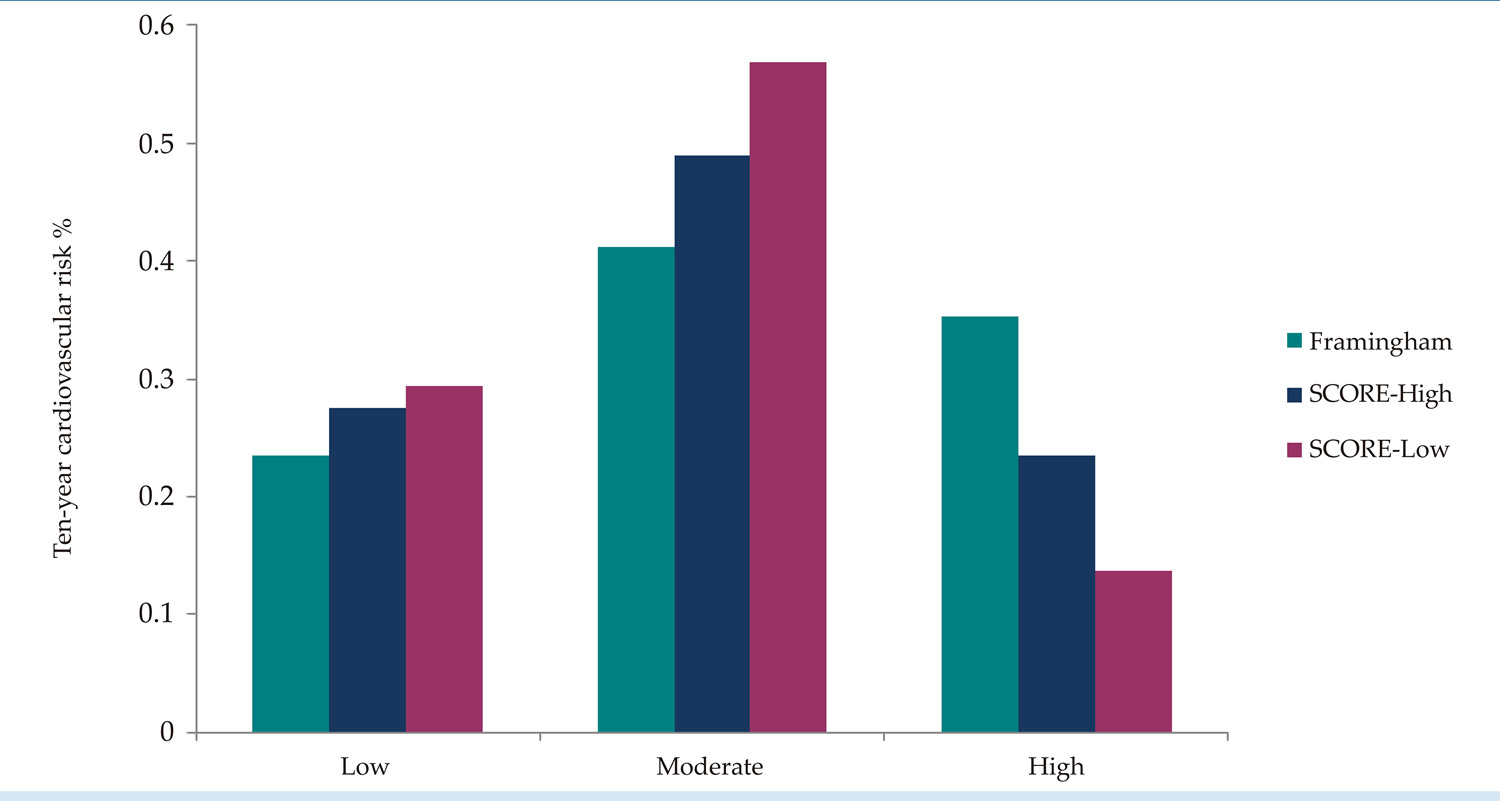
Cross-sectional study with a sample of 51 subjects treated at the outpatient clinic of a university hospital in Brazil between January 2014 and January 2015. The FRS and two versions of the European SCORE (SCORE-High and SCORE-Low) were used to assess CVD risk; patients were classified as low/moderate risk (< 20% and <5%, respectively) or high risk (≥ 20% and ≥5%, respectively). The agreement rate was evaluated using kappa statistics, a test for interrater reliability that ranges from -1 to 1, and results above 0.6 represent a high agreement rate.

Results

The FRS classified a higher proportion of subjects as high risk for CVD (35.3% [18/51] vs. 23.5% [12/51] with the SCORE-High and 13.7% [7/51] with SCORE-Low). However, there was a high agreement rate between FRS and SCORE-High (k=0.628). The agreement between FRS and SCORE-Low was poor (k=0.352).

Conclusions

There was a high agreement rate between FRS and SCORE-High in cardiovascular risk assessment in the study sample. (Int J Cardiovasc Sci. 2020; [online].ahead print, PP.0-0)

  • Cardiovascular Diseases/prevention and control
  • Cross-Sectional Studies
  • diabetes
  • Hypertension
  • Morbidity
  • Mortality
  • Risk Assessment
  • Risk Factors
Read Full Article
Creative Commons Attribution (CC BY) Creative Commons license
07/07/2020 DOI: 10.36660/ijcs.20190157 Views 1
IJCS
Viewpoint

Coronavirus Disease (COVID-19) Pandemic: An Opportunity Window to Implement Home-Based Cardiac Rehabilitation

Renata Rodrigues Teixeira de Castro

The World Health Organization declared that the new coronavirus outbreak is a public health emergency of pandemic proportions. The outbreak has caused various governments to take protective measures such as lockdown of cities, travel bans, prohibition of group gatherings and public events, and social distancing. Many health and exercise training facilities were closed, as well as cardiac rehabilitation services. These restrictions are disrupting people’s daily activities.

Although staying at home can contain virus spread, it will certainly reduce regular physical activity and increase sedentary behavior, which can increase the risk of development and worsening of chronic conditions. – Therefore, there is a strong evidence for continuing physical activity at home even during the pandemic situation.

[…]

  • Cardiac Rehabilitation
  • Cardiovascular Diseases
  • Comorbidity
  • Coronavirus Infections/prevention and control
  • Coronavirus/isolation & purification
  • diabetes
  • Exercise
  • Hypertension
  • Physical activity
  • Public Health Services
  • Syndrome Acute Respiratory
Read Full Article
Creative Commons Attribution (CC BY) Creative Commons license
29/05/2020 DOI: 10.36660/ijcs.20200062 Views 1
Figure 1
ABC
Original Article

Effects of Nitrate Intake on Myocardial Ischemia-Reperfusion Injury in Diabetic Rats

Sajad Jeddi et al. Saeedeh Khalifi Mahboubeh Ghanbari Fatemeh Bageripour Asghar Ghasemi

Abstract

Background:

Coronary artery disease is 2-3 times more common in diabetic individuals. Dietary nitrate/nitrite has beneficial effects in both diabetes and cardiovascular disease. It also has protective effects against myocardial ischemia-reperfusion (IR) injury in healthy animals. However, the effects of nitrate on myocardial IR injury in diabetic rats have not yet been investigated.

Objective:

We examined the effects of dietary nitrate on myocardial IR injury in streptozotocin-nicotinamide-induced diabetic rats.

Method:

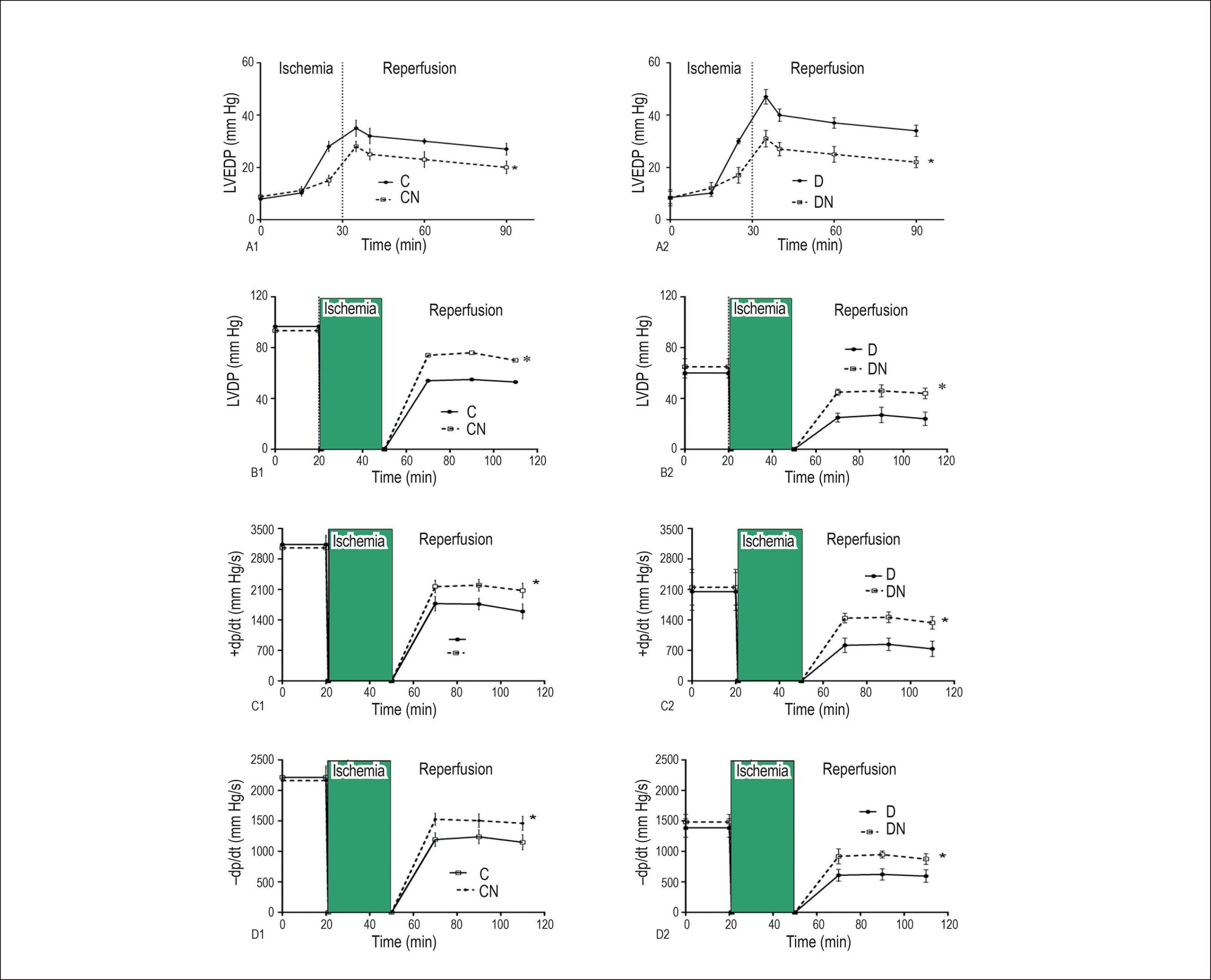
Rats were divided into four groups (n=7 in each group): control, control+nitrate, diabetes, and diabetes+nitrate. Type 2 diabetes was induced by injection of streptozotocin and nicotinamide. Nitrate (sodium nitrate) was added to drinking water (100 mg/L) for 2 months. The hearts were perfused in a Langendorff apparatus at 2 months and assessed before (baseline) and after myocardial IR for the following parameters: left ventricular developed pressure (LVDP), minimum and maximum rates of pressure change in the left ventricle (±dP/dt), endothelial nitric oxide (NO) synthase (eNOS) and inducible NO synthase (iNOS) mRNA expression, and levels of malondialdehyde (MDA) and NO metabolites (NOx).

Results:

Recovery of LVDP and ±dP/dt was lower in diabetic rats versus controls, but almost normalized after nitrate intake. Diabetic rats had lower eNOS and higher iNOS expression both at baseline and after IR, and dietary nitrate restored these parameters to normal values after IR. Compared with controls, heart NOx level was lower in diabetic rats at baseline but was higher after IR. Diabetic rats had higher MDA levels both at baseline and after IR, which along with heart NOx levels decreased following nitrate intake.

Conclusion:

Dietary nitrate in diabetic rats provides cardioprotection against IR injury by regulating eNOS and iNOS expression and inhibiting lipid peroxidation in the heart.

  • Coronary Artery Disease
  • diabetes
  • Ischemia
  • Myocardial Reperfusion
  • Nitrates
  • Nitrites
Read Full Article
Creative Commons Attribution (CC BY) Creative Commons license
01/10/2016 DOI: 10.5935/abc.20160137 Views 1
Figure 1
ABC
Original Article

Resistance Exercise Restores Endothelial Function and Reduces Blood Pressure in Type 1 Diabetic Rats

Marcelo Mendonça Mota et al. Tharciano Luiz Teixeira Braga da Silva Milene Tavares Fontes André Sales Barreto … João Eliakim dos Santos Araújo Antônio Cesar Cabral de Oliveira Rogério Brandão Wichi Márcio Roberto Viana Santos

Background:

Resistance exercise effects on cardiovascular parameters are not consistent.

Objectives:

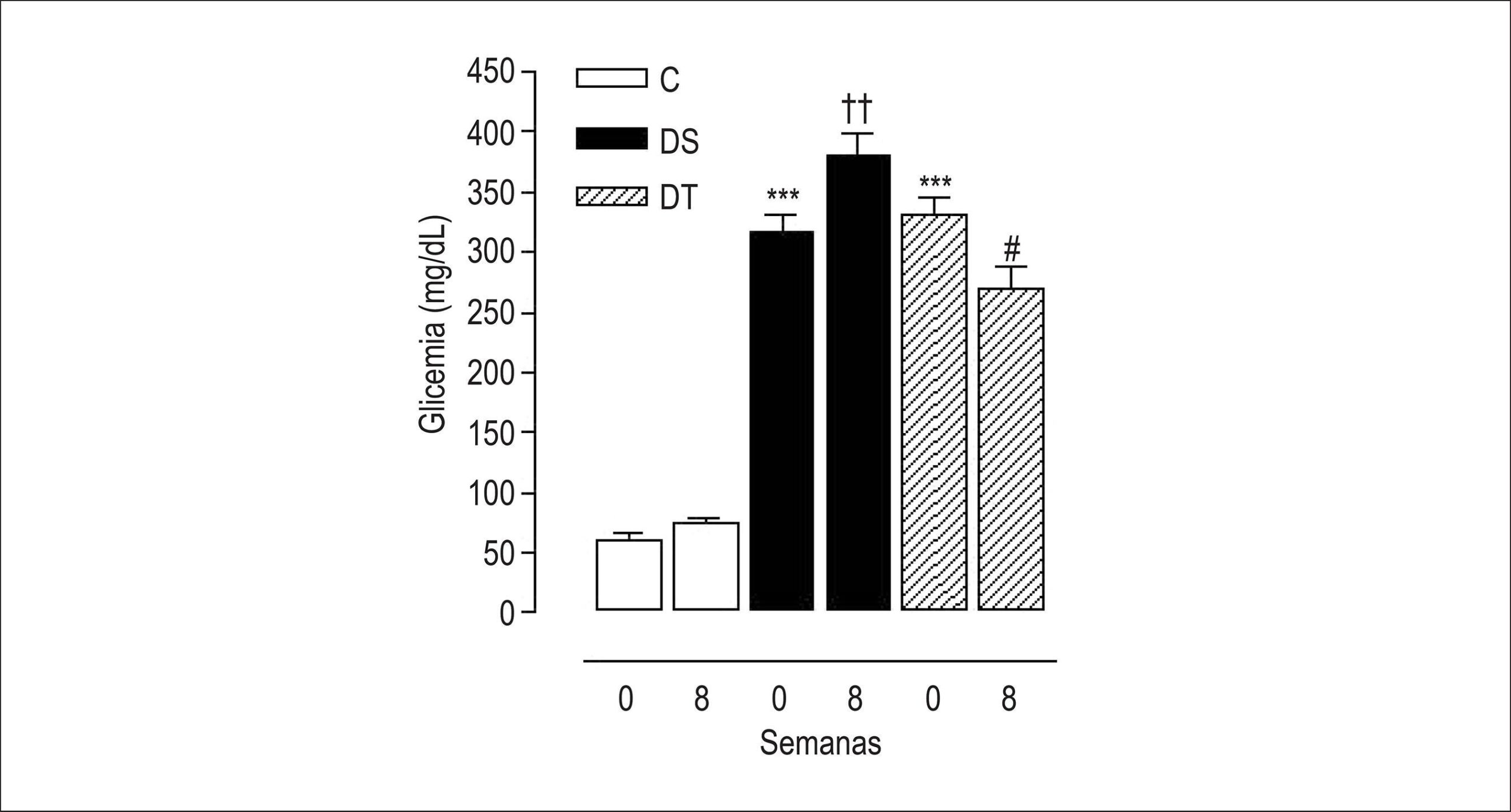
The effects of resistance exercise on changes in blood glucose, blood pressure and vascular reactivity were evaluated in diabetic rats.

Methods:

Wistar rats were divided into three groups: control group (n = 8); sedentary diabetic (n = 8); and trained diabetic (n = 8). Resistance exercise was carried out in a squat device for rats and consisted of three sets of ten repetitions with an intensity of 50%, three times per week, for eight weeks. Changes in vascular reactivity were evaluated in superior mesenteric artery rings.

Results:

A significant reduction in the maximum response of acetylcholine-induced relaxation was observed in the sedentary diabetic group (78.1 ± 2%) and an increase in the trained diabetic group (95 ± 3%) without changing potency. In the presence of NG-nitro-L-arginine methyl ester, the acetylcholine-induced relaxation was significantly reduced in the control and trained diabetic groups, but not in the sedentary diabetic group. Furthermore, a significant increase (p < 0.05) in mean arterial blood pressure was observed in the sedentary diabetic group (104.9 ± 5 to 126.7 ± 5 mmHg) as compared to that in the control group. However, the trained diabetic group showed a significant decrease (p < 0.05) in the mean arterial blood pressure levels (126.7 ± 5 to 105.1 ± 4 mmHg) as compared to the sedentary diabetic group.

Conclusions:

Resistance exercise could restore endothelial function and prevent an increase in arterial blood pressure in type 1 diabetic rats.

  • Arterial Pressure / physiology
  • diabetes
  • Endothelium, vascular / physiology
  • Exercise
  • Physical Endurance
  • Rats
Read Full Article
Creative Commons Attribution (CC BY) Creative Commons license
27/06/2014 DOI: 10.5935/abc.20140087
Pulmonary vein pulsatility in fetuses of diabetic mothers: prenatal Doppler echocardiographic study
ABC
Original Article

Pulmonary vein pulsatility in fetuses of diabetic mothers: prenatal Doppler echocardiographic study

Paulo Zielinsky et al. Antonio L. Piccoli Jr Lucas Teixeira Eduardo I. Gus … João L. Mânica Fabíola Satler Humberto Vaz Luiz H. Nicoloso Stelamaris Luchese Marlui Sheid Silvana Marcantonio Domingos Hatém

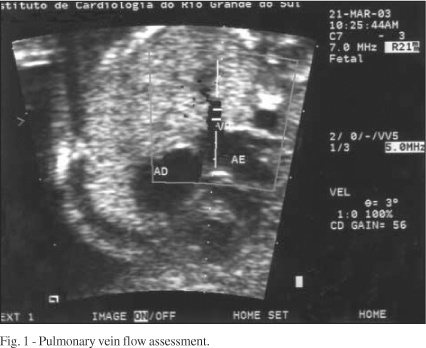
OBJECTIVE: To verify the hypothesis that the pulmonary vein pulsatility index is higher in fetuses of diabetic mothers than it is in normal fetuses of nondiabetic mothers. METHODS: Twenty-four fetuses of mothers with either gestational or previous diabetes (cases), and 25 normal fetuses of mothers without systemic disease (control) were examined. Fetuses were examined through prenatal Doppler and color flow mapping. The pulmonary vein pulsatility index was obtained by placing the pulsed Doppler sample volume over the right superior pulmonary vein and applying the formula (systolic velocity – presystolic velocity)/mean velocity. RESULTS: The mean gestational age of the study fetuses was 30.3±2.7 weeks, and gestational age of the controls was 29±3.3 weeks, with no significant difference in gestational age between groups (p=0.14). Fetuses of diabetic mothers had a mean pulmonary vein pulsatility index of 1.6±1, and those of the control group had an index of 0.86±0.27. CONCLUSION: Fetuses of diabetic mothers had pulmonary vein pulsatility indexes (parameter easily obtained through Doppler echocardiography that may be related to fetal diastolic function) higher than those in fetuses of mothers with normal glycemia.

  • diabetes
  • fetal diastolic function
  • fetal echocardiography
  • fetal pulmonary venous flow
  • pulmonary vein pulsatility index
Read Full Article
Creative Commons Attribution (CC BY) Creative Commons license
10/02/2004 DOI: 10.1590/S0066-782X2003001400007 Views 1
Hypertensive diabetic patients: guidelines for conduct and their difficulties
ABC
Original Article

Hypertensive diabetic patients: guidelines for conduct and their difficulties

Weimar K. S. Barroso et al. Paulo César B. V. Jardim Thiago S. V. Jardim Cláudio T. S. Souza … Alessandro L. A. Magalhães Fuad M. Ibrahim Priscila V. O. Couto Andrea Silveira Estelamaris T. Monego

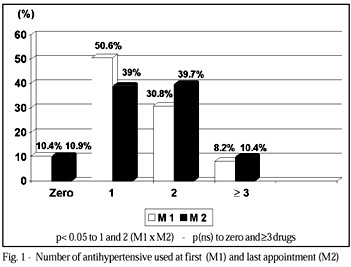
OBJECTIVE: To assess the effect of blood pressure (BP) control and other cardiovascular risk factors in patients with diabetes mellitus in a referral service for the treatment of hypertension. METHODS: A retrospective study where diabetic patients (at least 2 fasting glucose levels above 126 mg/dL, use of hypoglycemic agents or insulin, or both of these) were included. They were evaluated at the first appointment (M1) and at the last appointment (M2), regarding blood pressure, body mass index (BMI), use of hypertensive drugs, glycemia, total cholesterol (TC), creatinine, and potassium. RESULTS: Of 1,032 patients studied, 146 patients with a mean age of 61.6 years had diabetes, and 27 were men (18.5%). Mean follow-up was 5.5 years. BP values were 161.6 x 99.9 mmHg in M1 and 146.3 x 89.5 mmHg in M2. In M1, 10.4% of the patients did not use medications, 50.6% used just 1 drug, 30.8% used 2 drugs, and 8.2% used 3 or more drugs. In M2, these values were 10.9%, 39%, 39.7%, and 10.4%, respectively. Diuretics were the most commonly used medication, whereas angiotensin-converting enzyme inhibitors (ACE inhibitors) were those drugs which presented greater increase when comparing M1 to M2 (24.6% and 41.7%, respectively). Only 17,1% reached the recommended goal (BP<130×85 mmhg). The other cardiovascular risk factors did not change significantly. CONCLUSION: Our data reinforce the necessity of a more aggressive approach in the treatment of these patients, despite the social and economic difficulties in adhering to treatment.

  • diabetes
  • Hypertension
  • Treatment
Read Full Article
Creative Commons Attribution (CC BY) Creative Commons license
16/09/2003 DOI: 10.1590/S0066-782X2003001000003 Views 1
ABC
Artigo Original

Heart failure in a large tertiary hospital of São Paulo

Antonio Carlos Pereira Barretto et al. Moacir Roberto Cuce Nobre Maurício Wajngarten Manoel Fernandes Canesin … Dalia Ballas João Batista Serro-Azul

PURPOSE: To study the incidence, main causes, aggravating factors and secondary diagnoses of heart failure (HF) during 1995 at the Instituto do Coração of São Paulo. METHODS: Data from hospitalized patients according to the PRODESP data base were analyzed. The following data were studied: age, sex, principal and secondary diagnoses, surgical procedures and mortality. To analyze the data, tables according to sex, age and main cause were built. Analysis of variance and t test were employed to verify differences between groups. RESULTS: In 1995, 903 out of 9620 patients were hospitalized due to HF. The majority were male (60.4%) and the patients’ age was between two days and 98 years old (mean 52.6). Ischemic (32.6), dilated (25.8%) and valvar heart disease (22%) were the main causes of HF. 32.1% were submitted to correction of the HF main cause, specially those with valvar heart disease (62.3%). There was greater incidence of multiple diagnoses in aged patients. The mortality was greater in patients younger than 20 and in those older than 80 years old. CONCLUSION: The incidence of HF at INCOR during 1995 was 9.38%. Ischemic myocardiopathy was the most frequent HF cause. The mortality was greater among children, probably because of heart disease complexity and, in the above-80 group due to the greater comorbidity.

  • Atrial Fibrillation
  • diabetes
  • Heart Failure
Read Full Article
Creative Commons Attribution (CC BY) Creative Commons license
07/12/2000 DOI: 10.1590/S0066-782X1998000700004 Views 2

How to cite this article

EndNote RIS

Electronic Document Format (Vancouver)

Cunha CLP. The Influence of Obesity and Physical Activity on Cardiovascular Risk. Arquivos Brasileiros de Cardiologia 2022;119(2):244-5.

Electronic Document Format (ABNT)

Cunha, Claudio Leinig Pereira da. The Influence of Obesity and Physical Activity on Cardiovascular Risk. Arquivos Brasileiros de Cardiologia, v. 119, n. 2, p. 244-245, Aug. 2022.

Electronic Document Format (APA)

Cunha, C. L. P. (2022). The Influence of Obesity and Physical Activity on Cardiovascular Risk. Arquivos Brasileiros de Cardiologia, 119(2), 244-245.

Electronic Document Format (ISO)

Cunha, Claudio Leinig Pereira da. The Influence of Obesity and Physical Activity on Cardiovascular Risk. Arquivos Brasileiros de Cardiologia [online]. 2022, vol. 119, n. 2, [cited 2026-10-14], pp. 244-245. Available from: <https://journals.cardiol.br/en/article/the-influence-of-obesity-and-physical-activity-on-cardiovascular-risk/>. ISSN 0066-782X

EndNote RIS

Electronic Document Format (Vancouver)

Rocha EA, Mehta N, Távora-Mehta MZP, Roncari CF, Cidrão AAL, Elias Neto J. Dysautonomia: A Forgotten Condition — Part II. Arquivos Brasileiros de Cardiologia 2021;116(5):981-98.

Electronic Document Format (ABNT)

Rocha, Eduardo Arrais; Mehta, Niraj; Távora-Mehta, Maria Zildany Pinheiro; Roncari, Camila Ferreira; Cidrão, Alan Alves de Lima; Elias Neto, Jorge. Dysautonomia: A Forgotten Condition — Part II. Arquivos Brasileiros de Cardiologia, v. 116, n. 5, p. 981-998, May. 2021.

Electronic Document Format (APA)

Rocha, E. A., Mehta, N., Távora-Mehta, M. Z. P., Roncari, C. F., Cidrão, A. A. L., & Elias Neto, J. (2021). Dysautonomia: A Forgotten Condition — Part II. Arquivos Brasileiros de Cardiologia, 116(5), 981-998.

Electronic Document Format (ISO)

Rocha, Eduardo Arrais and Mehta, Niraj and Távora-Mehta, Maria Zildany Pinheiro and Roncari, Camila Ferreira and Cidrão, Alan Alves de Lima and Elias Neto, Jorge. Dysautonomia: A Forgotten Condition — Part II. Arquivos Brasileiros de Cardiologia [online]. 2021, vol. 116, n. 5, [cited 2026-10-14], pp. 981-998. Available from: <https://journals.cardiol.br/en/article/dysautonomia-a-forgotten-condition-part-ii/>. ISSN 0066-782X

EndNote RIS

Electronic Document Format (Vancouver)

Hussid MF, Cepeda FX, Jordão CP, Lopes-Vicente RRP, Virmondes L, Katayama KY, Oliveira EF, et al. Visceral Obesity and High Systolic Blood Pressure as the Substrate of Endothelial Dysfunction in Obese Adolescents. Arquivos Brasileiros de Cardiologia 2021;116(4):795-803.

Electronic Document Format (ABNT)

Hussid, Maria Fernanda; Cepeda, Felipe Xerez; Jordão, Camila P.; Lopes-Vicente, Rafaela R. P.; Virmondes, Leslie; Katayama, Keyla Y.; Oliveira, Ezequiel F. de; Oliveira, Luis V. F.; Consolim-Colombo, Fernanda Marciano; Trombetta, Ivani Credidio. Visceral Obesity and High Systolic Blood Pressure as the Substrate of Endothelial Dysfunction in Obese Adolescents. Arquivos Brasileiros de Cardiologia, v. 116, n. 4, p. 795-803, Apr. 2021.

Electronic Document Format (APA)

Hussid, M. F., Cepeda, F. X., Jordão, C. P., Lopes-Vicente, R. R. P., Virmondes, L., Katayama, K. Y., Oliveira, E. F. , Oliveira, L. V. F., Consolim-Colombo, F. M., & Trombetta, I. C. (2021). Visceral Obesity and High Systolic Blood Pressure as the Substrate of Endothelial Dysfunction in Obese Adolescents. Arquivos Brasileiros de Cardiologia, 116(4), 795-803.

Electronic Document Format (ISO)

Hussid, Maria Fernanda and Cepeda, Felipe Xerez and Jordão, Camila P. and Lopes-Vicente, Rafaela R. P. and Virmondes, Leslie and Katayama, Keyla Y. and Oliveira, Ezequiel F. de and Oliveira, Luis V. F. and Consolim-Colombo, Fernanda Marciano and Trombetta, Ivani Credidio. Visceral Obesity and High Systolic Blood Pressure as the Substrate of Endothelial Dysfunction in Obese Adolescents. Arquivos Brasileiros de Cardiologia [online]. 2021, vol. 116, n. 4, [cited 2026-10-14], pp. 795-803. Available from: <https://journals.cardiol.br/en/article/visceral-obesity-and-high-systolic-blood-pressure-as-the-substrate-of-endothelial-dysfunction-in-obese-adolescents/>. ISSN 0066-782X

EndNote RIS

Electronic Document Format (Vancouver)

Machline-Carrion MJ. Beyond CHA2DS2-VASc for Predicting the Risk of Thromboembolism and Stroke – Not That Simple!. Arquivos Brasileiros de Cardiologia 2021;116(2):332-3.

Electronic Document Format (ABNT)

Machline-Carrion, M. Julia. Beyond CHA2DS2-VASc for Predicting the Risk of Thromboembolism and Stroke – Not That Simple!. Arquivos Brasileiros de Cardiologia, v. 116, n. 2, p. 332-333, Feb. 2021.

Electronic Document Format (APA)

Machline-Carrion, M. J. (2021). Beyond CHA2DS2-VASc for Predicting the Risk of Thromboembolism and Stroke – Not That Simple!. Arquivos Brasileiros de Cardiologia, 116(2), 332-333.

Electronic Document Format (ISO)

Machline-Carrion, M. Julia. Beyond CHA2DS2-VASc for Predicting the Risk of Thromboembolism and Stroke – Not That Simple!. Arquivos Brasileiros de Cardiologia [online]. 2021, vol. 116, n. 2, [cited 2026-10-14], pp. 332-333. Available from: <https://journals.cardiol.br/en/article/beyond-cha2ds2-vasc-for-predicting-the-risk-of-thromboembolism-and-stroke-not-that-simple/>. ISSN 0066-782X

EndNote RIS

Electronic Document Format (Vancouver)

Souza CDF, Leal TC, Santos LG. Does Existence of Prior Circulatory System Diseases Accelerate Mortality Due to COVID-19?. Arquivos Brasileiros de Cardiologia 2020;115(1):146-7.

Electronic Document Format (ABNT)

Souza, Carlos Dornels Freire de; Leal, Thiago Cavalcanti; Santos, Lucas Gomes. Does Existence of Prior Circulatory System Diseases Accelerate Mortality Due to COVID-19?. Arquivos Brasileiros de Cardiologia, v. 115, n. 1, p. 146-147, Aug. 2020.

Electronic Document Format (APA)

Souza, C. D. F. , Leal, T. C., & Santos, L. G. (2020). Does Existence of Prior Circulatory System Diseases Accelerate Mortality Due to COVID-19?. Arquivos Brasileiros de Cardiologia, 115(1), 146-147.

Electronic Document Format (ISO)

Souza, Carlos Dornels Freire de and Leal, Thiago Cavalcanti and Santos, Lucas Gomes. Does Existence of Prior Circulatory System Diseases Accelerate Mortality Due to COVID-19?. Arquivos Brasileiros de Cardiologia [online]. 2020, vol. 115, n. 1, [cited 2026-10-14], pp. 146-147. Available from: <https://journals.cardiol.br/en/article/does-existence-of-prior-circulatory-system-diseases-accelerate-mortality-due-to-covid-19/>. ISSN 0066-782X

EndNote RIS

Electronic Document Format (Vancouver)

Marasciulo RC, Stamm AMNF, Garcia GT, Marasciulo ACE, Rosa AC, Remor AAC, Battistella C, et al. Reliability between Cardiovascular Risk Assessment Tools: A Pilot Study. International Journal of Cardiovascular Sciences 2020;33(6):618-26.

Electronic Document Format (ABNT)

Marasciulo, Rodrigo Conill; Stamm, Ana Maria Nunes de Faria; Garcia, Guilherme Thomé; Marasciulo, Antônio Carlos Estima; Rosa, Ariel Córdova; Remor, Alexandre Augusto de Costa; Battistella, Cristian. Reliability between Cardiovascular Risk Assessment Tools: A Pilot Study. International Journal of Cardiovascular Sciences, v. 33, n. 6, p. 618-626, Jul. 2020.

Electronic Document Format (APA)

Marasciulo, R. C., Stamm, A. M. N. F., Garcia, G. T., Marasciulo, A. C. E., Rosa, A. C., Remor, A. A. C., & Battistella, C. (2020). Reliability between Cardiovascular Risk Assessment Tools: A Pilot Study. International Journal of Cardiovascular Sciences, 33(6), 618-626.

Electronic Document Format (ISO)

Marasciulo, Rodrigo Conill and Stamm, Ana Maria Nunes de Faria and Garcia, Guilherme Thomé and Marasciulo, Antônio Carlos Estima and Rosa, Ariel Córdova and Remor, Alexandre Augusto de Costa and Battistella, Cristian. Reliability between Cardiovascular Risk Assessment Tools: A Pilot Study. International Journal of Cardiovascular Sciences [online]. 2020, vol. 33, n. 6, [cited 2026-10-14], pp. 618-626. Available from: <https://journals.cardiol.br/en/article/reliability-between-cardiovascular-risk-assessment-tools-a-pilot-study/>. ISSN 2359-4802

EndNote RIS

Electronic Document Format (Vancouver)

Castro RRT. Coronavirus Disease (COVID-19) Pandemic: An Opportunity Window to Implement Home-Based Cardiac Rehabilitation. International Journal of Cardiovascular Sciences 2020;33(3):282-3.

Electronic Document Format (ABNT)

Castro, Renata Rodrigues Teixeira de. Coronavirus Disease (COVID-19) Pandemic: An Opportunity Window to Implement Home-Based Cardiac Rehabilitation. International Journal of Cardiovascular Sciences, v. 33, n. 3, p. 282-283, May. 2020.

Electronic Document Format (APA)

Castro, R. R. T. (2020). Coronavirus Disease (COVID-19) Pandemic: An Opportunity Window to Implement Home-Based Cardiac Rehabilitation. International Journal of Cardiovascular Sciences, 33(3), 282-283.

Electronic Document Format (ISO)

Castro, Renata Rodrigues Teixeira de. Coronavirus Disease (COVID-19) Pandemic: An Opportunity Window to Implement Home-Based Cardiac Rehabilitation. International Journal of Cardiovascular Sciences [online]. 2020, vol. 33, n. 3, [cited 2026-10-14], pp. 282-283. Available from: <https://journals.cardiol.br/en/article/coronavirus-disease-covid-19-pandemic-an-opportunity-window-to-implement-home-based-cardiac-rehabilitation/>. ISSN 2359-4802

EndNote RIS

Electronic Document Format (Vancouver)

Jeddi S, Khalifi S, Ghanbari M, Bageripour F, Ghasemi A. Effects of Nitrate Intake on Myocardial Ischemia-Reperfusion Injury in Diabetic Rats. Arquivos Brasileiros de Cardiologia 2016;107(4):339-47.

Electronic Document Format (ABNT)

Jeddi, Sajad; Khalifi, Saeedeh; Ghanbari, Mahboubeh; Bageripour, Fatemeh; Ghasemi, Asghar. Effects of Nitrate Intake on Myocardial Ischemia-Reperfusion Injury in Diabetic Rats. Arquivos Brasileiros de Cardiologia, v. 107, n. 4, p. 339-347, Sep. 2016.

Electronic Document Format (APA)

Jeddi, S., Khalifi, S., Ghanbari, M., Bageripour, F., & Ghasemi, A. (2016). Effects of Nitrate Intake on Myocardial Ischemia-Reperfusion Injury in Diabetic Rats. Arquivos Brasileiros de Cardiologia, 107(4), 339-347.

Electronic Document Format (ISO)

Jeddi, Sajad and Khalifi, Saeedeh and Ghanbari, Mahboubeh and Bageripour, Fatemeh and Ghasemi, Asghar. Effects of Nitrate Intake on Myocardial Ischemia-Reperfusion Injury in Diabetic Rats. Arquivos Brasileiros de Cardiologia [online]. 2016, vol. 107, n. 4, [cited 2026-10-14], pp. 339-347. Available from: <https://journals.cardiol.br/en/article/effects-of-nitrate-intake-on-myocardial-ischemia-reperfusion-injury-in-diabetic-rats/>. ISSN 0066-782X

EndNote RIS

Electronic Document Format (Vancouver)

Mota MM, Silva TLTB, Fontes MT, Barreto AS, Araújo JES, Oliveira ACC, Wichi RB, et al. Resistance Exercise Restores Endothelial Function and Reduces Blood Pressure in Type 1 Diabetic Rats. Arquivos Brasileiros de Cardiologia 2014;103(1):25-32.

Electronic Document Format (ABNT)

Mota, Marcelo Mendonça; Silva, Tharciano Luiz Teixeira Braga da; Fontes, Milene Tavares; Barreto, André Sales; Araújo, João Eliakim dos Santos; Oliveira, Antônio Cesar Cabral de; Wichi, Rogério Brandão; Santos, Márcio Roberto Viana. Resistance Exercise Restores Endothelial Function and Reduces Blood Pressure in Type 1 Diabetic Rats. Arquivos Brasileiros de Cardiologia, v. 103, n. 1, p. 25-32, Jun. 2014.

Electronic Document Format (APA)

Mota, M. M., Silva, T. L. T. B. , Fontes, M. T., Barreto, A. S., Araújo, J. E. S., Oliveira, A. C. C. , Wichi, R. B., & Santos, M. R. V. (2014). Resistance Exercise Restores Endothelial Function and Reduces Blood Pressure in Type 1 Diabetic Rats. Arquivos Brasileiros de Cardiologia, 103(1), 25-32.

Electronic Document Format (ISO)

Mota, Marcelo Mendonça and Silva, Tharciano Luiz Teixeira Braga da and Fontes, Milene Tavares and Barreto, André Sales and Araújo, João Eliakim dos Santos and Oliveira, Antônio Cesar Cabral de and Wichi, Rogério Brandão and Santos, Márcio Roberto Viana. Resistance Exercise Restores Endothelial Function and Reduces Blood Pressure in Type 1 Diabetic Rats. Arquivos Brasileiros de Cardiologia [online]. 2014, vol. 103, n. 1, [cited 2026-10-14], pp. 25-32. Available from: <https://journals.cardiol.br/en/article/resistance-exercise-restores-endothelial-function-and-reduces-blood-pressure-in-type-1-diabetic-rats/>. ISSN 0066-782X

EndNote RIS

Electronic Document Format (Vancouver)

Zielinsky P, Piccoli Jr AL, Teixeira L, Gus EI, Mânica JL, Satler F, Vaz H, et al. Pulmonary vein pulsatility in fetuses of diabetic mothers: prenatal Doppler echocardiographic study. Arquivos Brasileiros de Cardiologia 2004;81(6):604-7.

Electronic Document Format (ABNT)

Zielinsky, Paulo; Piccoli Jr, Antonio L.; Teixeira, Lucas; Gus, Eduardo I.; Mânica, João L.; Satler, Fabíola; Vaz, Humberto; Nicoloso, Luiz H.; Luchese, Stelamaris; Sheid, Marlui; Marcantonio, Silvana; Hatém, Domingos. Pulmonary vein pulsatility in fetuses of diabetic mothers: prenatal Doppler echocardiographic study. Arquivos Brasileiros de Cardiologia, v. 81, n. 6, p. 604-607, Feb. 2004.

Electronic Document Format (APA)

Zielinsky, P., Piccoli Jr, A. L., Teixeira, L., Gus, E. I., Mânica, J. L., Satler, F., Vaz, H., Nicoloso, L. H., Luchese, S., Sheid, M., Marcantonio, S., & Hatém, D. (2004). Pulmonary vein pulsatility in fetuses of diabetic mothers: prenatal Doppler echocardiographic study. Arquivos Brasileiros de Cardiologia, 81(6), 604-607.

Electronic Document Format (ISO)

Zielinsky, Paulo and Piccoli Jr, Antonio L. and Teixeira, Lucas and Gus, Eduardo I. and Mânica, João L. and Satler, Fabíola and Vaz, Humberto and Nicoloso, Luiz H. and Luchese, Stelamaris and Sheid, Marlui and Marcantonio, Silvana and Hatém, Domingos. Pulmonary vein pulsatility in fetuses of diabetic mothers: prenatal Doppler echocardiographic study. Arquivos Brasileiros de Cardiologia [online]. 2004, vol. 81, n. 6, [cited 2026-10-14], pp. 604-607. Available from: <https://journals.cardiol.br/en/article/pulmonary-vein-pulsatility-in-fetuses-of-diabetic-mothers-prenatal-doppler-echocardiographic-study/>. ISSN 0066-782X

EndNote RIS

Electronic Document Format (Vancouver)

Barroso WKS, Jardim PCBV, Jardim TSV, Souza CTS, Magalhães ALA, Ibrahim FM, Couto PVO, et al. Hypertensive diabetic patients: guidelines for conduct and their difficulties. Arquivos Brasileiros de Cardiologia 2003;81(2):143-7.

Electronic Document Format (ABNT)

Barroso, Weimar K. S.; Jardim, Paulo César B. V.; Jardim, Thiago S. V.; Souza, Cláudio T. S.; Magalhães, Alessandro L. A.; Ibrahim, Fuad M.; Couto, Priscila V. O.; Silveira, Andrea; Monego, Estelamaris T.. Hypertensive diabetic patients: guidelines for conduct and their difficulties. Arquivos Brasileiros de Cardiologia, v. 81, n. 2, p. 143-147, Sep. 2003.

Electronic Document Format (APA)

Barroso, W. K. S., Jardim, P. C. B. V., Jardim, T. S. V., Souza, C. T. S., Magalhães, A. L. A., Ibrahim, F. M., Couto, P. V. O., Silveira, A., & Monego, E. T. (2003). Hypertensive diabetic patients: guidelines for conduct and their difficulties. Arquivos Brasileiros de Cardiologia, 81(2), 143-147.

Electronic Document Format (ISO)

Barroso, Weimar K. S. and Jardim, Paulo César B. V. and Jardim, Thiago S. V. and Souza, Cláudio T. S. and Magalhães, Alessandro L. A. and Ibrahim, Fuad M. and Couto, Priscila V. O. and Silveira, Andrea and Monego, Estelamaris T.. Hypertensive diabetic patients: guidelines for conduct and their difficulties. Arquivos Brasileiros de Cardiologia [online]. 2003, vol. 81, n. 2, [cited 2026-10-14], pp. 143-147. Available from: <https://journals.cardiol.br/en/article/hypertensive-diabetic-patients-guidelines-for-conduct-and-their-difficulties/>. ISSN 0066-782X

EndNote RIS

Electronic Document Format (Vancouver)

Barretto ACP, Nobre MRC, Wajngarten M, Canesin MF, Ballas D, Serro-Azul JB. Heart failure in a large tertiary hospital of São Paulo. Arquivos Brasileiros de Cardiologia 2000;71(1):15-20.

Electronic Document Format (ABNT)

Barretto, Antonio Carlos Pereira; Nobre, Moacir Roberto Cuce; Wajngarten, Maurício; Canesin, Manoel Fernandes; Ballas, Dalia; Serro-Azul, João Batista. Heart failure in a large tertiary hospital of São Paulo. Arquivos Brasileiros de Cardiologia, v. 71, n. 1, p. 15-20, Dec. 2000.

Electronic Document Format (APA)

Barretto, A. C. P., Nobre, M. R. C., Wajngarten, M., Canesin, M. F., Ballas, D., & Serro-Azul, J. B. (2000). Heart failure in a large tertiary hospital of São Paulo. Arquivos Brasileiros de Cardiologia, 71(1), 15-20.

Electronic Document Format (ISO)

Barretto, Antonio Carlos Pereira and Nobre, Moacir Roberto Cuce and Wajngarten, Maurício and Canesin, Manoel Fernandes and Ballas, Dalia and Serro-Azul, João Batista. Heart failure in a large tertiary hospital of São Paulo. Arquivos Brasileiros de Cardiologia [online]. 2000, vol. 71, n. 1, [cited 2026-10-14], pp. 15-20. Available from: <https://journals.cardiol.br/en/article/heart-failure-in-a-large-tertiary-hospital-of-sao-paulo/>. ISSN 0066-782X

  • About ABC Family
  • Internal Regulation
  • Editorial Board
  • Brazilian Society of Cardiology (SBC)

Issues

SBC Guidelines

  • Videos
  • Podcasts
  • News