ABC Family Arquivos Brasileiros de Cardiologia International Journal of Cardiovascular Sciences ABC Heart Failure & Cardiomyopathy ABC Imagem Cardiovascular
Português English
ABC Family
Português English
  • About
    • About ABC Family
    • Internal Regulation
    • Editorial Board
    • Brazilian Society of Cardiology (SBC)
  • Issues
  • SBC Guidelines
  • Content
    • Videos
    • Podcasts
    • News
  • About
    • About ABC Family
    • Internal Regulation
    • Editorial Board
    • Brazilian Society of Cardiology (SBC)
  • Issues
  • SBC Guidelines
  • Content
    • Videos
    • Podcasts
    • News

ABC Family

  • ABC Family
  • Arquivos Brasileiros de Cardiologia
  • International Journal of Cardiovascular Sciences
  • ABC Heart Failure & Cardiomyopathy
  • ABC Imagem Cardiovascular
Search in

No content found.

Journals
Ordering
Article types
Others

  1. Home
  2. Keyword: Socioeconomic Factors
Clinical, Demographic, and Socioeconomic Profile of Adults With Congenital Heart Disease at a Reference Center in Salvador, Bahia
IJCS
Original Article

Clinical, Demographic, and Socioeconomic Profile of Adults With Congenital Heart Disease at a Reference Center in Salvador, Bahia

Anabel Goes Costa et al. Nilzo Augusto Mendes Ribeiro Adriano Dias Dourado Maria Lucia Duarte Ana Marice Ladeia

Abstract

Background:

Congenital heart disease (CHD) in adults has become an area of growing interest in cardiology due to the increased survival of these patients.

Objective:

to describe the clinical, demographic, and socioeconomic profile of adults with CHD.

Methods:

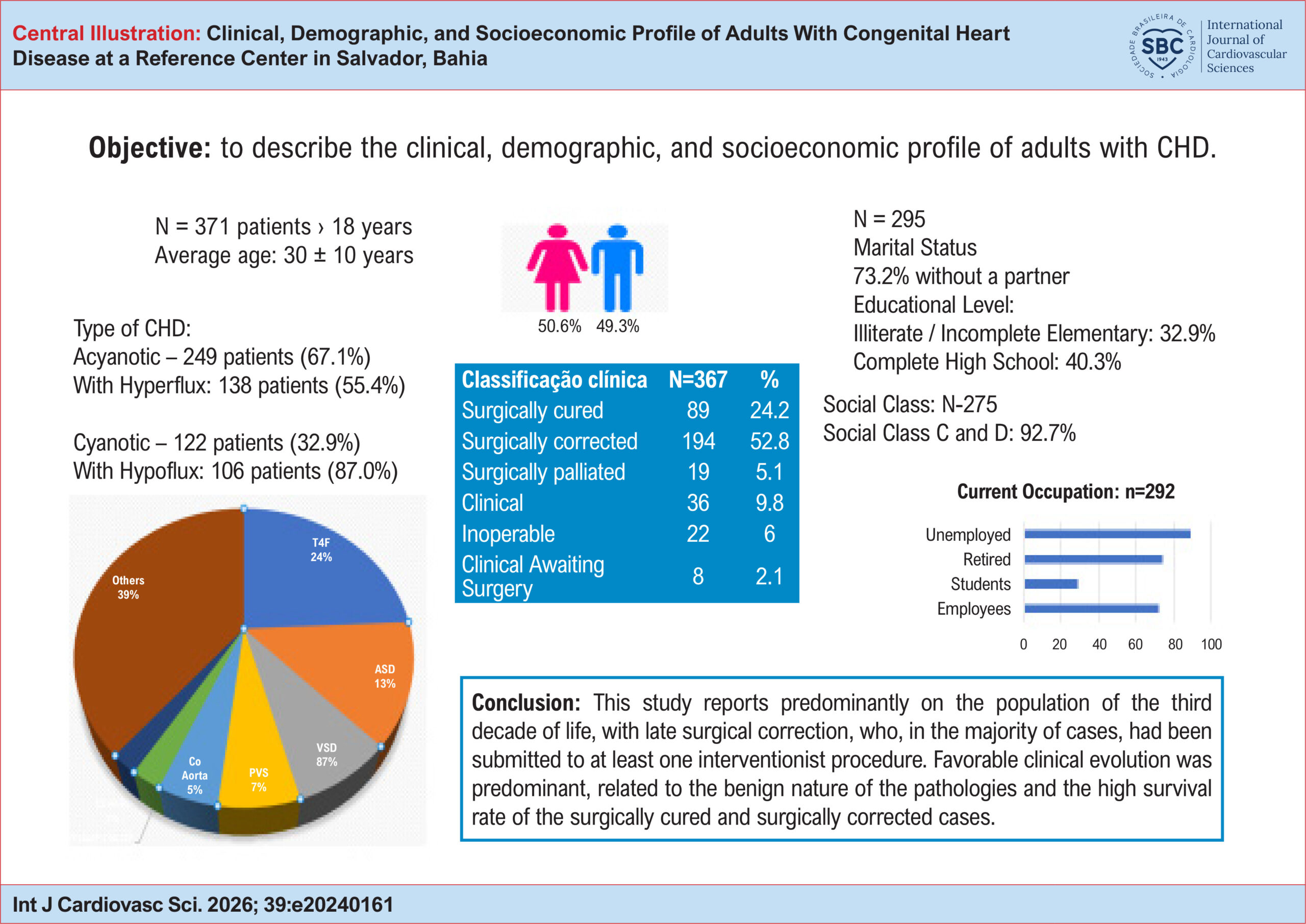
Cross-sectional study with 371 patients over 18 years of age, followed up at the adult CHD outpatient clinic of Santa Izabel Hospital. A questionnaire was applied to collect demographic and socioeconomic data, and a form with clinical aspects was completed. The chi-square test was used to compare frequencies between groups, with a significance level of p < 0.05.

Results:

Mean age was 30 ± 10 years, 188 (50.6%) women, brown race (61.0%), 216 (73.2%) single, 72 employed patients (24.6%). In this study, 249 patients (67.1%) were acyanotic, 138 (55.4%) showed a hyperflow, 90 (24.3%) had tetralogy of Fallot (T4F), 49 (13.2%) had ostium secundum atrial septal defect (ASD), and 30 (8.1%) had ventricular septal defect (VSD). Median age upon surgery was 8.2 years. Patients were classified as: surgically corrected, 194 (52.8%); surgically cured, 89 (24.2%); awaiting surgery, 8 (2.1%); clinical, 36 (9.8%); inoperable, 22 (6.0%); and surgically palliated, 19 (2.1%). Most were in New York Heart Association (NYHA) functional class I (64.5%). Among women, 50 (72.5%) were pregnant, with a neonatal morbidity and mortality rate of 14.0%. Pulmonary hypertension occurred in 17(4.6%) of the patients.

Conclusion:

Our study found a predominant population in the third decade of life, with late surgical correction, good clinical evolution related to the benign nature of the pathologies, and greater survival of surgically cured or corrected cases.
  • Adult
  • Congenital Heart Defects
  • Socioeconomic Factors
Read Full Article
Creative Commons Attribution (CC BY) Creative Commons license
10/07/2026 DOI: 10.36660/ijcs.20240161
Figure 1
IJCS
Original Article

Sociodemographic, Clinical Condition, and Functional Aerobic Capacity in Patients With Heart Failure With Varying Ventricular Ejection Fraction

Jhonatan Betancourt Peña et al. Iago Portela Pino Maria Jose Martinez Patino

Abstract

Background

Recently, a new heart failure (HF) classification was made considering the left ventricular ejection fraction (LVEF) phenotype. Comprehensive assessments of the groups are required to guide patient management.

Objective

To determine the differences in sociodemographic, clinical, functional aerobic capacity, and health-related quality of life (HRQOL) variables in patients with HF classified with different LVEFs and to explore the correlations between the variables.

Methods

This work is a cross-sectional descriptive and correlational study. Three groups of patients with HF (LVEF≥50%, LVEF<40%, and LVEF40-49%) were compared. Sociodemographic, clinical variables and functional aerobic capacity with Sit to Stand (STS), 6-minute walk test (6MWT), Duke Activity Status Index (DASI), Minnesota Living with HF Questionnaire (MLFHQ), and Patient Health Questionnaire 9 (PHQ-9) were considered. The Chi-square test, one-way analysis of variance (ANOVA) test, and Spearman's correlation were used for statistical analysis. The statistical significance level was set at 5%.

Results

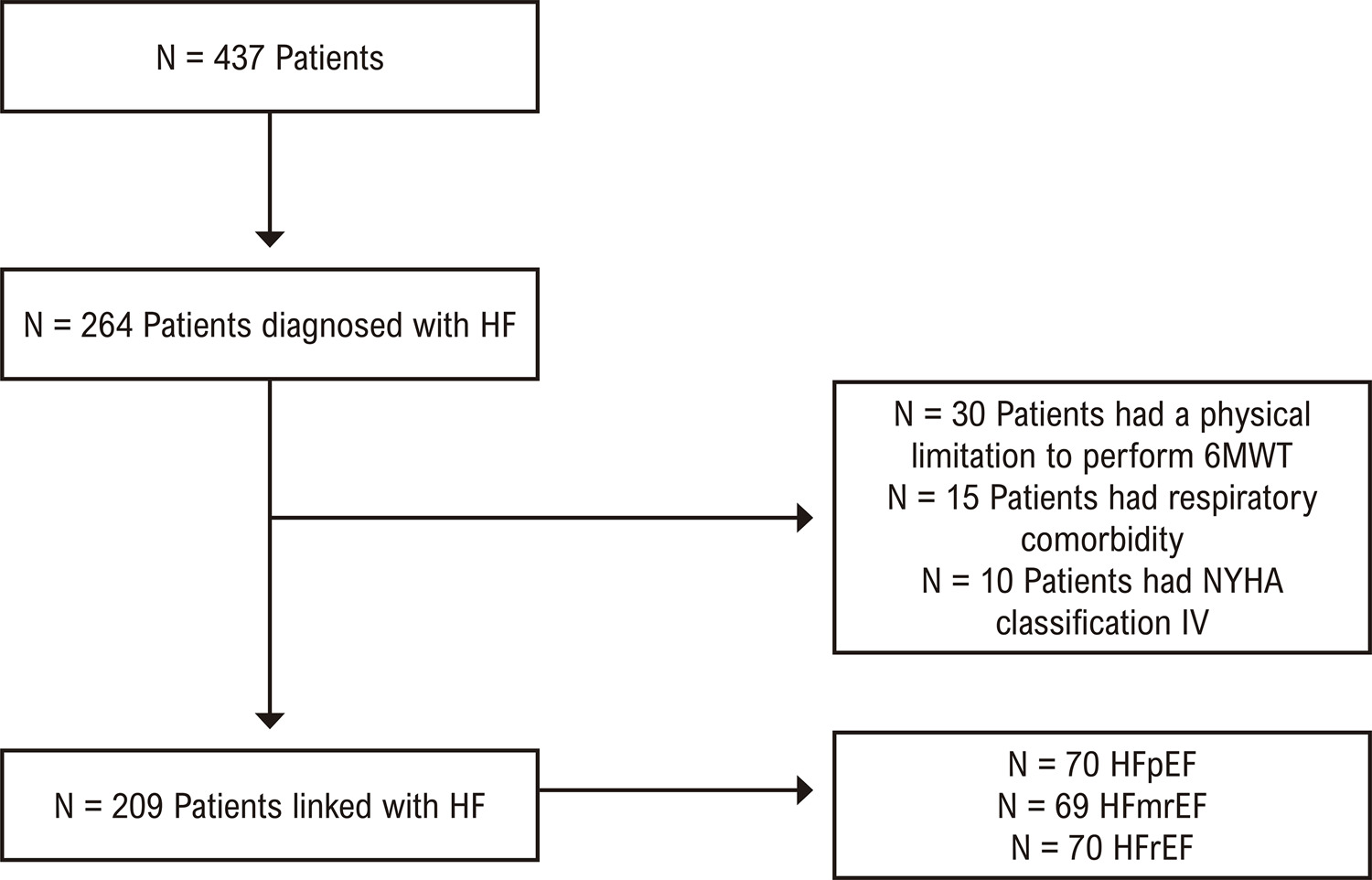
A total of 209 patients were admitted with a diagnosis of HF, with a more significant number of men. Marital status was a predominantly stable union in the HF with preserved ejection fraction (HFpEF) and HF with mid-range ejection fraction (HFmrEF) groups. A sedentary lifestyle was lower in the HF with reduced ejection fraction (HFrEF) group 59 (84.3%), p-value = 0.033, and the angina pectoris was higher in the HFpEF 30 (42.9%). Systolic blood pressure at the end of the 6MWT evidenced a higher score in HFpEF 132.0±17.25 concerning HFrEF 128.0±16.57, p-value=0.043. The fat percentage was higher in HFpEF 30.20±8.80 regarding the HFmrEF group 26.51±7.60, p-value = 0.028.

Conclusion

There were significant differences according to the LVEF classification in marital status, angina symptoms, fat percentage, and blood pressure at rest.

  • Exercise Tests
  • Heart Failure
  • Left Ventricular Function
  • Quality of life
  • Socioeconomic Factors
Read Full Article
Creative Commons Attribution (CC BY) Creative Commons license
08/03/2024 DOI: 10.36660/ijcs.20230079 Views 1
IJCS
Editorial

Editorial: Effects of Physical Exercise on Left Ventricular Function in Type 2 Diabetes Mellitus: A Systematic Review

Gustavo Oliveira da Silva et al. Marilia de Almeida Correia Raphael Mendes Ritti-Dias

Diabetes mellitus is characterized by a group of metabolic disorders marked by high blood glucose levels. Over 90% of people with diabetes have type 2 diabetes (T2DM). The prevalence of T2DM has been increasing over the last decades worldwide, making it a serious global health concern. T2DM leads to an increased risk of the development of several health problems that result in high medical costs, poor quality of life, and higher mortality rates. More specifically, high blood glucose levels can eventually cause overall vascular harm that can affect the heart, eyes, kidneys, and nerves leading to serious complications. The vascular impairments of T2DM are amid the gravest consequences of the disease. Atherosclerosis is the main cause of the lower life expectancy in T2DM, with diabetic nephropathy and retinopathy being the leading factors responsible for end-stage renal disease and blindness. The risk of cardiovascular events is increased in patients with T2DM in comparison to nondiabetic subjects. In patients with cardiovascular diseases, such as peripheral arterial disease, T2DM is associated with a worse clinical and functional profile.

Heart failure (HF) has been shown to be a frequent cardiovascular complication in T2DM patients. There is a high number of T2DM in patients with the two most common forms of HF: impaired systolic left ventricular function and HF with preserved ejection fraction. Patients with T2DM have a high risk to develop HF, and T2DM patients with HF have a mortality rate four times greater than T2DM patients without HF., Therefore, T2DM has been recognized as an independent risk factor for HF leading to the establishment of the term ‘diabetic cardiomyopathy’, that is defined as a myocardial disease in T2DM patients, not related to hypertension, coronary artery disease or other cardiac diseases.,

[…]

  • Diabetes Mellitus, Diagnostic,Imaging/methods
  • Quality of life
  • Socioeconomic Factors
  • Ventricular Function,Left/physiology
Read Full Article
Creative Commons Attribution (CC BY) Creative Commons license
03/04/2023 DOI: 10.36660/ijcs.20230022 Views 1
Figure 1
ABC
Original Article

Impact of Patient Unawareness and Socioeconomic Factors on Patient Presentation to Primary Percutaneous Coronary Intervention

Mohamed Khalfallah et al. Amany Allaithy Dina A. Maria

Abstract

Background:

Patient unawareness about acute myocardial infarction, its complications and the benefits of early revascularization is a crucial point that determines the outcomes. Moreover, the relationship between socioeconomic factors and patient presentation to primary percutaneous coronary intervention (PPCI) has not been fully studied.

Objectives:

Our objective was to investigate whether or not patient unawareness and other socioeconomic factors impact patient presentation to PPCI.

Methods:

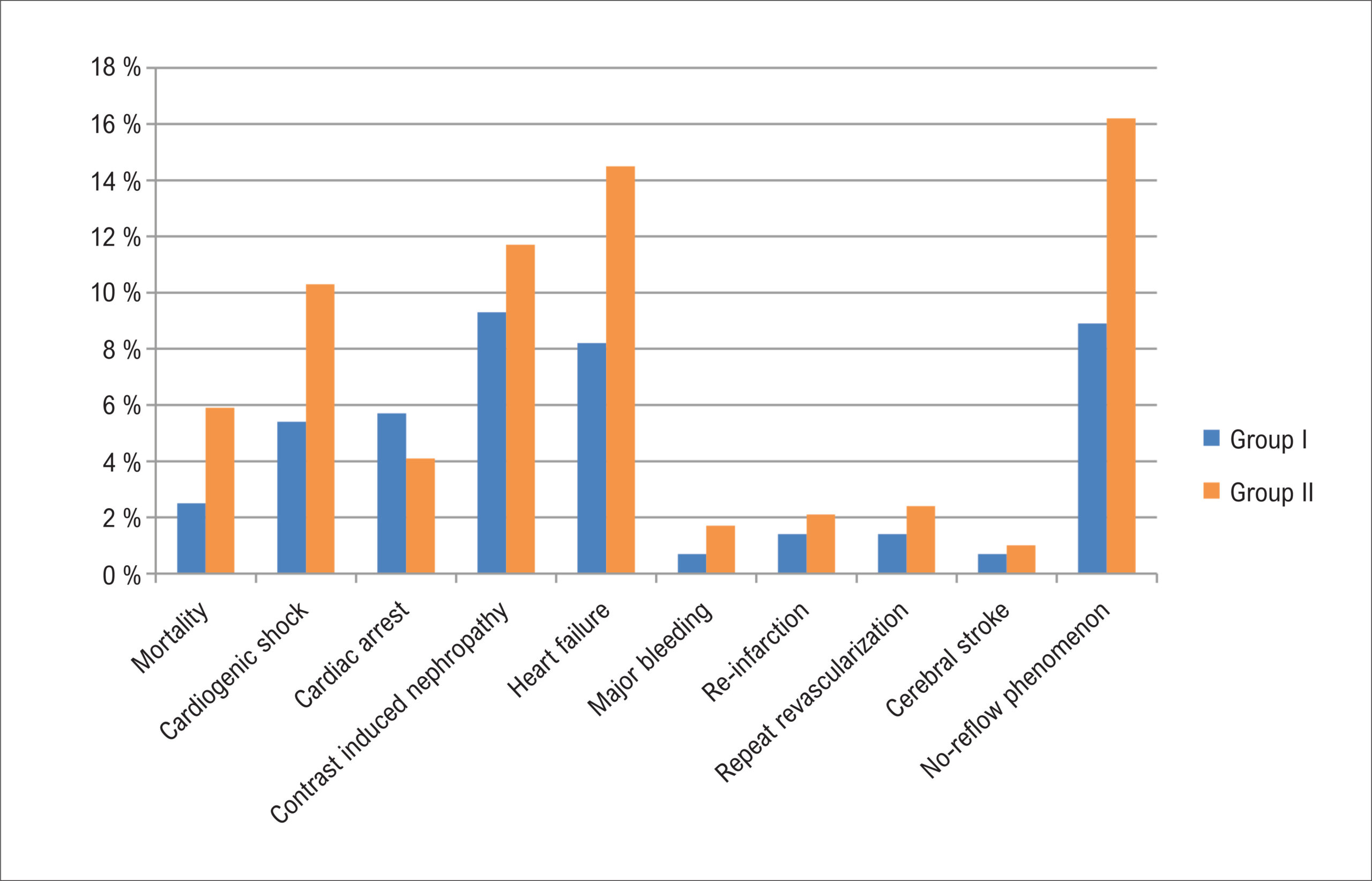
The study comprised 570 patients with ST-segment elevation myocardial infarction (STEMI) revascularized by PPCI. The patients were classified into two groups according to the total ischemia time (the time from STEMI symptom onset to balloon dilatation); group I: Patients with early presentation (1-12 hours). Group II: Patients with late presentation (>12-24 hours). Socioeconomic factors, clinical outcomes including mortality and major adverse cardiac events (MACE) were evaluated in each group. A p-value < 0.05 was considered statistically significant.

Results:

There are different socioeconomic factors affecting patient presentation to PPCI. Multivariate regression analysis identified the independent socioeconomic predictors as following: low educational level – OR 4.357 (CI95% 1.087–17.47, p=0.038), social isolation – OR 4.390 (CI95% 1.158–16.64, p=0.030) and unawareness about the benefits of early revascularization – OR 4.396 (CI95% 1.652–11.69, p=0.003). Mortality and MACE were higher in group II.

Conclusion:

Patient unawareness and low socioeconomic status were associated with late presentation to PPCI with more adverse outcomes.

  • Myocardial Infarction
  • Percutaneous Coronary Intervention
  • Socioeconomic Factors
Read Full Article
Creative Commons Attribution (CC BY) Creative Commons license
11/07/2022 DOI: 10.36660/abc.20210521
IJCS
Editorial

Public Health Programs and Cardiovascular Diseases

Paolo Blanco Villela et al. Larissa Franco de Andrade

For decades, cardiovascular diseases, mainly coronary artery disease and stroke, have been the main cause of death in Brazil. In 2017, they accounted for 27.3% of all deaths in the country, with an age-standardized mortality rate of 178 per 100,000 inhabitants. In the same year, cerebrovascular diseases had an age-standardized mortality rate of 80 per 100,000 inhabitants. With respect to the burden of cardiovascular diseases, the number are even more concerning, with 1,602.4 disability-adjusted life years (DALYs) per 100,000 inhabitants for coronary disease and 1,145.3 DALYs per 100,000 inhabitants for stroke.

Although these numbers represent a decrease when compared with numbers in the year of 1990, the control of cardiovascular risk factors is clearly important. In this regard, in addition to the traditional risk factors, socioeconomical factors are known to play an important role in the development of these diseases. Investigators of the Prospective Urban Rural Epidemiologic (PURE) study evaluated socioeconomic status and educational attainment in adults aged between 35 and 70 years from 367 urban and 302 rural communities in 20 countries (five low-income countries, 11 middle-income and five low-income countries), with a total of 164,169 participants. The authors concluded that people with a lower level of education had higher mortality rates from cardiovascular events in all the countries. However, the authors discuss that these findings may be explained not only by the higher prevalence of risk factors, but also by the lower access to secondary prevention and medical management of chronic diseases such as hypertension and diabetes mellitus compared with people with higher level of education. This is in line with the study by Schultz et al., who demonstrated that even in high-income countries, factors like employment status, educational attainment, income level, and neighborhood socioeconomic factors are related to cardiovascular diseases. Thus, the authors consider the access to health services as part of a high-quality health care of low socioeconomic status populations. Therefore, it is possible to infer that, compared with absolute income, inequality levels are more stronger determinants of cardiovascular outcomes.

[…]

  • Cardiovascular Diseases
  • Hospitalization
  • Myocardial Infarction
  • Public Health
  • Socioeconomic Factors
  • Stroke
Read Full Article
Creative Commons Attribution (CC BY) Creative Commons license
01/11/2021 DOI: 10.36660/ijcs.20210196 Views 1
Figure 1
ABC
Original Article

Temporal Trend of Mortality Due to Ischemic Heart Diseases in Northeastern Brazil (1996–2016): An Analysis According to Gender and Age Group

Gibson Barros de Almeida Santana et al. Thiago Cavalcanti Leal João Paulo Silva de Paiva Leonardo Feitosa da Silva … Lucas Gomes Santos Tatiana Farias de Oliveira Rodrigo da Rosa Mesquita Jéssica Alves Gomes Carlos Dornels Freire de Souza Amanda Karine Barros Ferreira Rodrigues

Abstract

Background

Ischemic heart disease (IHD) is the leading cause of death among cardiovascular diseases (CVD).

Objective

To describe the sociodemographic profile and analyze the trend in the mortality rate due to IHD, according to sex and by age group, in the states of the Northeast region of Brazil, from 1996 to 2016.

Methods

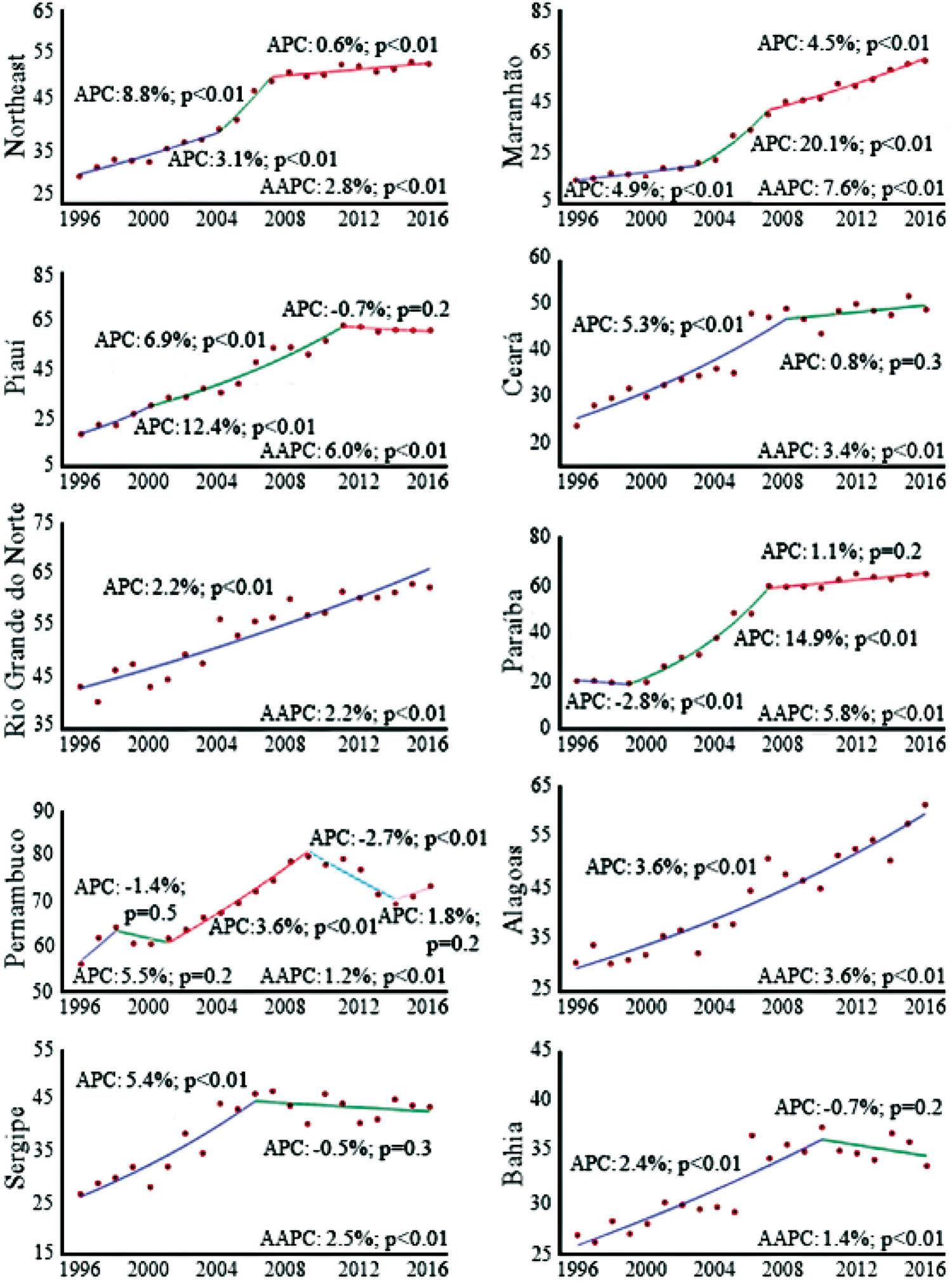
Ecological study involving IHD mortality in the northeastern states. Variables analyzed: sex, age, education, marital status, ICD-10 category and state of residence. Crude and standardized rates were calculated. Death data were collected from the Mortality Information System (SIM) and population data from the Brazilian Institute of Geography and Statistics (IBGE). In temporal analyzes the regression model by inflection points was used, with the calculation of annual percent change (APC) and average annual percent change of the period (AAPC). A 95% confidence interval and a significance level of 5% were considered.

Results

405916 deaths due to IHD were registered in the northeast region during the study period. The death profile is characterized by men (n=229006; 56,42%), elderly (n=301379; 74,25%), race/color brown (n=197936; 48,76%), elementary or <4 years at school (n=232599; 57,30%) and married (n=179599; 44,25%). There was an unusual highlight to the increase in the annual growth rate in the age group of adolescents (AAPC: 5,2%, p <0.01). The standardized regional mortality rate grew from 30,7 per 100,000 inhabitants in 1996 to 53.8 per 100,000 in 2016 (AAPC 2.8%; p<0.01). All nine states presented a statistically significant growth trend, with emphasis on Maranhão (AAPC 7,6%; p<0.01) and Piauí (AAPC 6,0%; p<0.01).

Conclusion

The prevalent observed profile was male, elderly, race/color brown, low education level and married. Mortality due to IHD presented an upward trend in all states, although with an uneven pattern among the federated units.

  • Deaths
  • Demography
  • Epidemiology
  • Myocardial Ischemia / mortality
  • Public Health
  • Socioeconomic Factors
  • Statistical Analysis
Read Full Article
Creative Commons Attribution (CC BY) Creative Commons license
26/07/2021 DOI: 10.36660/abc.20200222 Views 1
ABC
Editorial

Can Transthoracic Echocardiography Replace Chest Radiography in the Evaluation of Cardiomegaly in Chagas Cardiomyopathy?

Tiago Senra

Chagas cardiomyopathy (CCM), first described in 1909 by Carlos Chagas, is still associated with high morbidity and mortality and socioeconomic impact, especially in Latin American countries.

The search for epidemiological, clinical, laboratory, electrocardiographic, and image markers associated with its prognosis plays an important role in the risk stratification of these patients.

[…]

  • Cardiomegaly
  • Chagas Cardiomyopathy
  • Echocardiography/methods
  • Epidemiology
  • Heart Failure
  • Morbimortality
  • Radiography, Thoracic/methods
  • Socioeconomic Factors
Read Full Article
Creative Commons Attribution (CC BY) Creative Commons license
03/02/2021 DOI: 10.36660/abc.20200625 Views 2
IJCS
Editorial

What is the best Cardiovascular Risk Score for the Brazilian Population?

Bruno Ferraz de Oliveira Gomes et al. Gláucia Maria Moraes de Oliveira

Although the cardiovascular disease mortality rates in Brazil still reach high numbers, they have decreased significantly in recent years. In the early 1990s, the country presented approximately 350 deaths per 100 000 inhabitants per year, and the most recently published rates were reduced to just over 200 deaths per 100 000 inhabitants. Mortality rates due to coronary artery disease are higher in men: between 1990 and 2017, the annual mortality rate due to coronary artery disease was approximately 100 deaths per 100 000 inhabitants. Disability-adjusted life years (DALYs) went from more than 6000 years per 100 000 inhabitants in the 1990s to just over 4000 years per 100 000 inhabitants in the past decade.

Strategies for measuring cardiovascular risk have changed clinical practice by promoting effective preventive measures that reduce the occurrence of major cardiovascular events and improve quality of life. Among them, the most commonly used are simple clinical criteria, clinical prediction scores, imaging examinations, and biomarkers. The clinical application of a cardiovascular risk score should be assessed for its ability to affect the therapeutic management and prognosis of individuals. A risk prediction model must be evaluated in several subsequent phases, such as the initial concept, its prospective validation in independent populations, the incremental information provided in relation to the currently available models, the confirmation of its effects in modifying the clinical conduct and prognosis of patients, and its cost-effectiveness.

[…]

  • Cardiovascular Diseases, mortality
  • Demography
  • Epidemiology
  • Ethnic Groups
  • Population Characteristics, Propensity Score
  • Risk Factors
  • Socioeconomic Factors
Read Full Article
Creative Commons Attribution (CC BY) Creative Commons license
25/11/2020 DOI: 10.36660/ijcs.20200272 Views 1
ABC
Original Article

Hypertension in Workers: The Role of Physical Activity and its Different Dimensions

Uelito Everaldo Souza Ribeiro Junior et al. Rita de Cassia Pereira Fernandes

Abstract

Background

Physical activity, each type in its own manner, whether occupational, domestic or leisure, can play a significant role regarding high blood pressure (HBP). However, practicing physical activity only at leisure time, or in specific situations, can be insufficient to achieve the effective control of HBP.

Objective

To analyze the isolated and cumulative effect of different types of physical activity and the prevalence of HBP among workers.

Methods

A cross-sectional study with 1,070 Urban Cleaning and Footwear Industry workers in Bahia, who answered a survey, conducted by an interviewer on sociodemographic, occupational, lifestyle and hypertensive morbidity aspects. Weight, height, waist circumference and blood pressure were measured. Case of HBP: Systolic blood pressure ≥140 or diastolic blood pressure ≥90, or regular treatment for HBP. The occupational, domestic and leisure aspects of Physical Activity were studied. A multivariate analysis with Cox Regression was performed for cross-sectional studies.

Results

The prevalence of HBP was 24%, being 37% among workers aged between 35-44 years, and 51% among workers aged between 45-54 years. The multivariate model showed that workers who were active in one form of physical activity only or no forms had 62% higher BP levels and that these levels were 25% higher among workers who were active in two out of three physical activity forms. Being a male, being older (> 31 years old) and being overweight were characteristics associated with HBP, with prevalence ratios of 1.62, 2.10 and 2.26, respectively.

Conclusions

There was a cumulative effect of the form of physical activity on the occurrence of HBP. Classifying active subjects at work or at home as inactive persons by relying only on the leisure form can lead to methodological errors. (Arq Bras Cardiol. 2020; 114(5):755-761)

  • Anthropometry
  • Hypertension
  • Life Style
  • Motor Activity
  • Physical Exerton
  • Socioeconomic Factors
  • Urban Cleaning Service
  • Work
  • Workers
Read Full Article
Creative Commons Attribution (CC BY) Creative Commons license
01/06/2020 DOI: 10.36660/abc.20190065 Views 1
Figure 1
ABC
Original Article

Readmission of Patients with Acute Coronary Syndrome and Determinants

Larissa Marina Santana Mendonça de Oliveira et al. Ingrid Maria Novais Barros de Carvalho Costa Danielle Góes da Silva José Rodrigo Santos Santos Silva … José Augusto Soares Barreto-Filho Marcos Antônio Almeida-Santos Joselina Luzia Meneses Oliveira Mirella Dornelas Batalha Moreira Buarque Diva Aliete dos Santos Vieira Antônio Carlos Sobral Sousa

Abstract

Background:

Acute coronary syndrome (ACS) is responsible for high rates of hospital admission and readmission, which are associated with increased costs for the patient and the health system, and increased in-hospital mortality rates.

Objective:

To evaluate readmission in patients with ACS and its determinants.

Methods:

This was a retrospective cohort study of adult and elderly patients with ACS, readmitted to public and private referral cardiology hospitals within one year after the first hospitalization for ACS. The occurrence of readmissions, the time elapsed from the first to the second admission, and the use of medications at admission were collected from the medical records. Associations between categorical variables were evaluated by the chi-square test or the Fisher’s exact test. Multiple logistic regression was used to evaluate predictors for readmissions. A p < 0.05 was set as statistically significant.

Results:

Readmission rate was 21.5% (n = 115) and mean time between admissions was 122.7 ± 112.1 days. The patients were mostly men (64.0%), mean age of 63.15 ± 12.3 years. Among readmitted patients, 7% had a prognosis of “death”, and 68.7% were readmitted more than once within a one-year period. The main reasons of readmission were cardiovascular diseases including ACS. Private health care and the diagnosis of congestive heart failure were associated with multiple logistic regression.

Conclusion:

ACS was the main cause of readmission, with higher prevalence among users of supplemental health care. Readmissions were associated with previous diagnosis of congestive heart failure and the type of health care provided.

  • Acute coronary syndrome
  • Delivery of Health Care/economy
  • Drug Therapy/economia
  • Heart Failure
  • Hospital Mortality
  • Hospitalization/economy
  • Patient Readmission/economy
  • Socioeconomic Factors
Read Full Article
Creative Commons Attribution (CC BY) Creative Commons license
27/06/2019 DOI: 10.5935/abc.20190104
ABC
Statement

2019: Recommendations for Reducing Tobacco Consumption in Portuguese-Speaking Countries – Positioning of the Federation of Portuguese Language Cardiology Societies

Gláucia Maria Moraes de Oliveira et al. Miguel Mendes Oscar Pereira Dutra Aloysio Achutt … Mario Fernandes Vanda Azevedo Maria Beatriz Sena e Costa Santos Ferreira Armando Serra Coelho Miryan Bandeira dos Prazeres Cassandra Soares Mário Alberto Brito Lima Évora Mário Gomes Mariotto João Araujo Morais

Introduction

Depending on the epidemiological perspective of the observer and the extent of his concept of causality, tobacco consumption can be considered the second cause in the world of death attributed to classic cardiovascular risk factors, preceded only by hypertension, and the first cause of premature death and disabilities. When understood as an immediate cause without contextualization in the complex that determines and maintains population behavior, smoking was responsible in the world for about 8.10 (7.79-8.41) million deaths and 213.39 (201.16-226.66) million healthy life years lost (disability-adjusted life-years, DALYs). Although the number of daily smokers (individuals aged 15 years and older who smoke daily) has decreased, the total number of smokers continues to increase, imposing a major global challenge for healthcare systems.

Physicians, who generally deal directly and individually with the patient, tend to consider health/illness limited to the patient’s organic commitment and personal history and are less appreciative of the “causes of the causes” and the psychosocial determinants of the phenomena and behaviors, inseparable from the ecological context and interests. Environmental pollution (which has also a contribution from smoking and is progressively increasing) is currently considered to be the most important cause of morbidity and mortality in the world’s population, extending the spectrum beyond the traditionally valued risk factors. This perspective is very important for an understanding of the resistance to smoking control and planning of strategies that are more effective to approach this issue.

[…]

  • Rural Population
  • Smoking Prevention
  • Socioeconomic Factors
  • Tobacco Smoke Pollution
  • Tobacco Use Disorder/epidemiology
  • Tobacco Use Disorder/mortality
  • Urban Population
Read Full Article
Creative Commons Attribution (CC BY) Creative Commons license
15/04/2019 DOI: 10.5935/abc.20190071 Views 1
Figure 1
IJCS
Editorial

Relationship between Social Factors and Cardiovascular Diseases

Claudio Tinoco Mesquita

For decades, western countries have witnessed cardiovascular diseases leading the statistics for cause of death. In Brazil, diseases of the circulatory system (DCS) represent a major cause of death, accounting, in 2011, for 28.6% of all mortality causes.

[…]

  • Cardiovascular Diseases / epidemiology
  • Cardiovascular Diseases, mortality
  • Cardiovascular Diseases/prevention and control
  • Myocardial Ischemia
  • Risk Factors
  • Socioeconomic Factors
Read Full Article
Creative Commons Attribution (CC BY) Creative Commons license
01/01/2018 DOI: 10.5935/2359-4802.20180007
Figura 1
ABC
Special Article

I Cardiovascular Prevention Guideline of the Brazilian Society of Cardiology – Executive Summary

Antonio Felipe Simão et al. Dalton Bertolim Précoma Jadelson Pinheiro de Andrade Harry Correa Filho … José Francisco Kerr Saraiva Gláucia Maria Moraes de Oliveira

Introduction

Brazil currently faces a major health challenge: the pandemic scenario of cardiovascular morbidity and mortality. According to Brazilian Health Ministry data, 326,000 deaths due to cardiovascular diseases (CVD) occurred in 2010, corresponding to approximately 1,000 deaths/day, 200,000 deaths due exclusively to ischemic heart and cerebrovascular diseases, reflecting a gloomy scenario far from the minimally acceptable control.

This current scenario can be attributed to many reasons, such as the insufficiency and inadequacy of public health policies for CVD prevention, leading to the well-known lack of infrastructure in primary health care, hindering the fight against preventable affections, mainly in the neediest areas.

[…]

  • Cardiovascular Diseases / prevention & control
  • Cardiovascular Diseases/guidelines
  • Health Promotion
  • Primary Prevention
  • Risk Factors
  • Socioeconomic Factors
Read Full Article
Creative Commons Attribution (CC BY) Creative Commons license
01/05/2014 DOI: 10.5935/abc.20140067 Views 2

How to cite this article

EndNote RIS

Electronic Document Format (Vancouver)

Costa AG, Ribeiro NAM, Dourado AD, Duarte ML, Ladeia AM. Clinical, Demographic, and Socioeconomic Profile of Adults With Congenital Heart Disease at a Reference Center in Salvador, Bahia. International Journal of Cardiovascular Sciences 2026;39:e20240161.

Electronic Document Format (ABNT)

Costa, Anabel Goes; Ribeiro, Nilzo Augusto Mendes; Dourado, Adriano Dias; Duarte, Maria Lucia; Ladeia, Ana Marice. Clinical, Demographic, and Socioeconomic Profile of Adults With Congenital Heart Disease at a Reference Center in Salvador, Bahia. International Journal of Cardiovascular Sciences, v. 39, e20240161, Jul. 2026.

Electronic Document Format (APA)

Costa, A. G., Ribeiro, N. A. M., Dourado, A. D., Duarte, M. L., & Ladeia, A. M. (2026). Clinical, Demographic, and Socioeconomic Profile of Adults With Congenital Heart Disease at a Reference Center in Salvador, Bahia. International Journal of Cardiovascular Sciences, 39, e20240161.

Electronic Document Format (ISO)

Costa, Anabel Goes and Ribeiro, Nilzo Augusto Mendes and Dourado, Adriano Dias and Duarte, Maria Lucia and Ladeia, Ana Marice. Clinical, Demographic, and Socioeconomic Profile of Adults With Congenital Heart Disease at a Reference Center in Salvador, Bahia. International Journal of Cardiovascular Sciences [online]. 2026, vol. 39, [cited 2026-10-14], e20240161. Available from: <https://journals.cardiol.br/en/article/clinical-demographic-and-socioeconomic-profile-of-adults-with-congenital-heart-disease-at-a-reference-center-in-salvador-bahia/>. ISSN 2359-4802

EndNote RIS

Electronic Document Format (Vancouver)

Peña JB, Pino IP, Patino MJM. Sociodemographic, Clinical Condition, and Functional Aerobic Capacity in Patients With Heart Failure With Varying Ventricular Ejection Fraction. International Journal of Cardiovascular Sciences 2024;37:e20230079.

Electronic Document Format (ABNT)

Peña, Jhonatan Betancourt; Pino, Iago Portela; Patino, Maria Jose Martinez. Sociodemographic, Clinical Condition, and Functional Aerobic Capacity in Patients With Heart Failure With Varying Ventricular Ejection Fraction. International Journal of Cardiovascular Sciences, v. 37, e20230079, Mar. 2024.

Electronic Document Format (APA)

Peña, J. B., Pino, I. P., & Patino, M. J. M. (2024). Sociodemographic, Clinical Condition, and Functional Aerobic Capacity in Patients With Heart Failure With Varying Ventricular Ejection Fraction. International Journal of Cardiovascular Sciences, 37, e20230079.

Electronic Document Format (ISO)

Peña, Jhonatan Betancourt and Pino, Iago Portela and Patino, Maria Jose Martinez. Sociodemographic, Clinical Condition, and Functional Aerobic Capacity in Patients With Heart Failure With Varying Ventricular Ejection Fraction. International Journal of Cardiovascular Sciences [online]. 2024, vol. 37, [cited 2026-10-14], e20230079. Available from: <https://journals.cardiol.br/en/article/sociodemographic-clinical-condition-and-functional-aerobic-capacity-in-patients-with-heart-failure-with-varying-ventricular-ejection-fraction/>. ISSN 2359-4802

EndNote RIS

Electronic Document Format (Vancouver)

Silva GO, Correia MA, Ritti-Dias RM. Editorial: Effects of Physical Exercise on Left Ventricular Function in Type 2 Diabetes Mellitus: A Systematic Review. International Journal of Cardiovascular Sciences 2023;36:e20230022.

Electronic Document Format (ABNT)

Silva, Gustavo Oliveira da; Correia, Marilia de Almeida; Ritti-Dias, Raphael Mendes. Editorial: Effects of Physical Exercise on Left Ventricular Function in Type 2 Diabetes Mellitus: A Systematic Review. International Journal of Cardiovascular Sciences, v. 36, e20230022, Apr. 2023.

Electronic Document Format (APA)

Silva, G. O. , Correia, M. A., & Ritti-Dias, R. M. (2023). Editorial: Effects of Physical Exercise on Left Ventricular Function in Type 2 Diabetes Mellitus: A Systematic Review. International Journal of Cardiovascular Sciences, 36, e20230022.

Electronic Document Format (ISO)

Silva, Gustavo Oliveira da and Correia, Marilia de Almeida and Ritti-Dias, Raphael Mendes. Editorial: Effects of Physical Exercise on Left Ventricular Function in Type 2 Diabetes Mellitus: A Systematic Review. International Journal of Cardiovascular Sciences [online]. 2023, vol. 36, [cited 2026-10-14], e20230022. Available from: <https://journals.cardiol.br/en/article/editorial-effects-of-physical-exercise-on-left-ventricular-function-in-type-2-diabetes-mellitus-a-systematic-review/>. ISSN 2359-4802

EndNote RIS

Electronic Document Format (Vancouver)

Khalfallah M, Allaithy A, Maria DA. Impact of Patient Unawareness and Socioeconomic Factors on Patient Presentation to Primary Percutaneous Coronary Intervention. Arquivos Brasileiros de Cardiologia 2022;119(1):25-34.

Electronic Document Format (ABNT)

Khalfallah, Mohamed; Allaithy, Amany; Maria, Dina A.. Impact of Patient Unawareness and Socioeconomic Factors on Patient Presentation to Primary Percutaneous Coronary Intervention. Arquivos Brasileiros de Cardiologia, v. 119, n. 1, p. 25-34, Jul. 2022.

Electronic Document Format (APA)

Khalfallah, M., Allaithy, A., & Maria, D. A. (2022). Impact of Patient Unawareness and Socioeconomic Factors on Patient Presentation to Primary Percutaneous Coronary Intervention. Arquivos Brasileiros de Cardiologia, 119(1), 25-34.

Electronic Document Format (ISO)

Khalfallah, Mohamed and Allaithy, Amany and Maria, Dina A.. Impact of Patient Unawareness and Socioeconomic Factors on Patient Presentation to Primary Percutaneous Coronary Intervention. Arquivos Brasileiros de Cardiologia [online]. 2022, vol. 119, n. 1, [cited 2026-10-14], pp. 25-34. Available from: <https://journals.cardiol.br/en/article/impact-of-patient-unawareness-and-socioeconomic-factors-on-patient-presentation-to-primary-percutaneous-coronary-intervention/>. ISSN 0066-782X

EndNote RIS

Electronic Document Format (Vancouver)

Villela PB, Andrade LF. Public Health Programs and Cardiovascular Diseases. International Journal of Cardiovascular Sciences 2021;34(5 Supl 1):53-4.

Electronic Document Format (ABNT)

Villela, Paolo Blanco; Andrade, Larissa Franco de. Public Health Programs and Cardiovascular Diseases. International Journal of Cardiovascular Sciences, v. 34, n. 5 Supl 1, p. 53-54, Oct. 2021.

Electronic Document Format (APA)

Villela, P. B., & Andrade, L. F. (2021). Public Health Programs and Cardiovascular Diseases. International Journal of Cardiovascular Sciences, 34(5 Supl 1), 53-54.

Electronic Document Format (ISO)

Villela, Paolo Blanco and Andrade, Larissa Franco de. Public Health Programs and Cardiovascular Diseases. International Journal of Cardiovascular Sciences [online]. 2021, vol. 34, n. 5 Supl 1, [cited 2026-10-14], pp. 53-54. Available from: <https://journals.cardiol.br/en/article/public-health-programs-and-cardiovascular-diseases/>. ISSN 2359-4802

EndNote RIS

Electronic Document Format (Vancouver)

Santana GBA, Leal TC, Paiva JPS, Silva LF, Santos LG, Oliveira TF, Mesquita RR, et al. Temporal Trend of Mortality Due to Ischemic Heart Diseases in Northeastern Brazil (1996–2016): An Analysis According to Gender and Age Group. Arquivos Brasileiros de Cardiologia 2021;117(1):51-60.

Electronic Document Format (ABNT)

Santana, Gibson Barros de Almeida; Leal, Thiago Cavalcanti; Paiva, João Paulo Silva de; Silva, Leonardo Feitosa da; Santos, Lucas Gomes; Oliveira, Tatiana Farias de; Mesquita, Rodrigo da Rosa; Gomes, Jéssica Alves; Souza, Carlos Dornels Freire de; Rodrigues, Amanda Karine Barros Ferreira. Temporal Trend of Mortality Due to Ischemic Heart Diseases in Northeastern Brazil (1996–2016): An Analysis According to Gender and Age Group. Arquivos Brasileiros de Cardiologia, v. 117, n. 1, p. 51-60, Jul. 2021.

Electronic Document Format (APA)

Santana, G. B. A., Leal, T. C., Paiva, J. P. S. , Silva, L. F. , Santos, L. G., Oliveira, T. F. , Mesquita, R. R., Gomes, J. A., Souza, C. D. F. , & Rodrigues, A. K. B. F. (2021). Temporal Trend of Mortality Due to Ischemic Heart Diseases in Northeastern Brazil (1996–2016): An Analysis According to Gender and Age Group. Arquivos Brasileiros de Cardiologia, 117(1), 51-60.

Electronic Document Format (ISO)

Santana, Gibson Barros de Almeida and Leal, Thiago Cavalcanti and Paiva, João Paulo Silva de and Silva, Leonardo Feitosa da and Santos, Lucas Gomes and Oliveira, Tatiana Farias de and Mesquita, Rodrigo da Rosa and Gomes, Jéssica Alves and Souza, Carlos Dornels Freire de and Rodrigues, Amanda Karine Barros Ferreira. Temporal Trend of Mortality Due to Ischemic Heart Diseases in Northeastern Brazil (1996–2016): An Analysis According to Gender and Age Group. Arquivos Brasileiros de Cardiologia [online]. 2021, vol. 117, n. 1, [cited 2026-10-14], pp. 51-60. Available from: <https://journals.cardiol.br/en/article/temporal-trend-of-mortality-due-to-ischemic-heart-diseases-in-northeastern-brazil-1996-2016-an-analysis-according-to-gender-and-age-group/>. ISSN 0066-782X

EndNote RIS

Electronic Document Format (Vancouver)

Senra T. Can Transthoracic Echocardiography Replace Chest Radiography in the Evaluation of Cardiomegaly in Chagas Cardiomyopathy?. Arquivos Brasileiros de Cardiologia 2021;116(1):75-6.

Electronic Document Format (ABNT)

Senra, Tiago. Can Transthoracic Echocardiography Replace Chest Radiography in the Evaluation of Cardiomegaly in Chagas Cardiomyopathy?. Arquivos Brasileiros de Cardiologia, v. 116, n. 1, p. 75-76, Feb. 2021.

Electronic Document Format (APA)

Senra, T. (2021). Can Transthoracic Echocardiography Replace Chest Radiography in the Evaluation of Cardiomegaly in Chagas Cardiomyopathy?. Arquivos Brasileiros de Cardiologia, 116(1), 75-76.

Electronic Document Format (ISO)

Senra, Tiago. Can Transthoracic Echocardiography Replace Chest Radiography in the Evaluation of Cardiomegaly in Chagas Cardiomyopathy?. Arquivos Brasileiros de Cardiologia [online]. 2021, vol. 116, n. 1, [cited 2026-10-14], pp. 75-76. Available from: <https://journals.cardiol.br/en/article/can-transthoracic-echocardiography-replace-chest-radiography-in-the-evaluation-of-cardiomegaly-in-chagas-cardiomyopathy/>. ISSN 0066-782X

EndNote RIS

Electronic Document Format (Vancouver)

Gomes BFO, Oliveira GMM. What is the best Cardiovascular Risk Score for the Brazilian Population?. International Journal of Cardiovascular Sciences 2020;33(6):627-8.

Electronic Document Format (ABNT)

Gomes, Bruno Ferraz de Oliveira; Oliveira, Gláucia Maria Moraes de. What is the best Cardiovascular Risk Score for the Brazilian Population?. International Journal of Cardiovascular Sciences, v. 33, n. 6, p. 627-628, Nov. 2020.

Electronic Document Format (APA)

Gomes, B. F. O., & Oliveira, G. M. M. (2020). What is the best Cardiovascular Risk Score for the Brazilian Population?. International Journal of Cardiovascular Sciences, 33(6), 627-628.

Electronic Document Format (ISO)

Gomes, Bruno Ferraz de Oliveira and Oliveira, Gláucia Maria Moraes de. What is the best Cardiovascular Risk Score for the Brazilian Population?. International Journal of Cardiovascular Sciences [online]. 2020, vol. 33, n. 6, [cited 2026-10-14], pp. 627-628. Available from: <https://journals.cardiol.br/en/article/what-is-the-best-cardiovascular-risk-score-for-the-brazilian-population/>. ISSN 2359-4802

EndNote RIS

Electronic Document Format (Vancouver)

Ribeiro Junior UES, Fernandes RCP. Hypertension in Workers: The Role of Physical Activity and its Different Dimensions. Arquivos Brasileiros de Cardiologia 2020;114(5):755-61.

Electronic Document Format (ABNT)

Ribeiro Junior, Uelito Everaldo Souza; Fernandes, Rita de Cassia Pereira. Hypertension in Workers: The Role of Physical Activity and its Different Dimensions. Arquivos Brasileiros de Cardiologia, v. 114, n. 5, p. 755-761, May. 2020.

Electronic Document Format (APA)

Ribeiro Junior, U. E. S., & Fernandes, R. C. P. (2020). Hypertension in Workers: The Role of Physical Activity and its Different Dimensions. Arquivos Brasileiros de Cardiologia, 114(5), 755-761.

Electronic Document Format (ISO)

Ribeiro Junior, Uelito Everaldo Souza and Fernandes, Rita de Cassia Pereira. Hypertension in Workers: The Role of Physical Activity and its Different Dimensions. Arquivos Brasileiros de Cardiologia [online]. 2020, vol. 114, n. 5, [cited 2026-10-14], pp. 755-761. Available from: <https://journals.cardiol.br/en/article/hypertension-in-workers-the-role-of-physical-activity-and-its-different-dimensions/>. ISSN 0066-782X

EndNote RIS

Electronic Document Format (Vancouver)

Oliveira LMSM, Costa IMNBC, Silva DG, Silva JRSS, Barreto-Filho JAS, Almeida-Santos MA, Oliveira JLM, et al. Readmission of Patients with Acute Coronary Syndrome and Determinants. Arquivos Brasileiros de Cardiologia 2019;113(1):42-9.

Electronic Document Format (ABNT)

Oliveira, Larissa Marina Santana Mendonça de; Costa, Ingrid Maria Novais Barros de Carvalho; Silva, Danielle Góes da; Silva, José Rodrigo Santos Santos; Barreto-Filho, José Augusto Soares; Almeida-Santos, Marcos Antônio; Oliveira, Joselina Luzia Meneses; Buarque, Mirella Dornelas Batalha Moreira; Vieira, Diva Aliete dos Santos; Sousa, Antônio Carlos Sobral. Readmission of Patients with Acute Coronary Syndrome and Determinants. Arquivos Brasileiros de Cardiologia, v. 113, n. 1, p. 42-49, Jun. 2019.

Electronic Document Format (APA)

Oliveira, L. M. S. M. , Costa, I. M. N. B. C., Silva, D. G. , Silva, J. R. S. S., Barreto-Filho, J. A. S., Almeida-Santos, M. A., Oliveira, J. L. M., Buarque, M. D. B. M., Vieira, D. A. S., & Sousa, A. C. S. (2019). Readmission of Patients with Acute Coronary Syndrome and Determinants. Arquivos Brasileiros de Cardiologia, 113(1), 42-49.

Electronic Document Format (ISO)

Oliveira, Larissa Marina Santana Mendonça de and Costa, Ingrid Maria Novais Barros de Carvalho and Silva, Danielle Góes da and Silva, José Rodrigo Santos Santos and Barreto-Filho, José Augusto Soares and Almeida-Santos, Marcos Antônio and Oliveira, Joselina Luzia Meneses and Buarque, Mirella Dornelas Batalha Moreira and Vieira, Diva Aliete dos Santos and Sousa, Antônio Carlos Sobral. Readmission of Patients with Acute Coronary Syndrome and Determinants. Arquivos Brasileiros de Cardiologia [online]. 2019, vol. 113, n. 1, [cited 2026-10-14], pp. 42-49. Available from: <https://journals.cardiol.br/en/article/readmission-of-patients-with-acute-coronary-syndrome-and-determinants/>. ISSN 0066-782X

EndNote RIS

Electronic Document Format (Vancouver)

Oliveira GMM, Mendes M, Dutra OP, Achutt A, Fernandes M, Azevedo V, Ferreira MBSCS, et al. 2019: Recommendations for Reducing Tobacco Consumption in Portuguese-Speaking Countries – Positioning of the Federation of Portuguese Language Cardiology Societies. Arquivos Brasileiros de Cardiologia 2019;112(4):477-86.

Electronic Document Format (ABNT)

Oliveira, Gláucia Maria Moraes de; Mendes, Miguel; Dutra, Oscar Pereira; Achutt, Aloysio; Fernandes, Mario; Azevedo, Vanda; Ferreira, Maria Beatriz Sena e Costa Santos; Coelho, Armando Serra; Soares, Miryan Bandeira dos Prazeres Cassandra; Évora, Mário Alberto Brito Lima; Mariotto, Mário Gomes; Morais, João Araujo. 2019: Recommendations for Reducing Tobacco Consumption in Portuguese-Speaking Countries – Positioning of the Federation of Portuguese Language Cardiology Societies. Arquivos Brasileiros de Cardiologia, v. 112, n. 4, p. 477-486, Apr. 2019.

Electronic Document Format (APA)

Oliveira, G. M. M. , Mendes, M., Dutra, O. P., Achutt, A., Fernandes, M., Azevedo, V., Ferreira, M. B. S. C. S., Coelho, A. S., Soares, M. B. P. C., Évora, M. A. B. L., Mariotto, M. G., & Morais, J. A. (2019). 2019: Recommendations for Reducing Tobacco Consumption in Portuguese-Speaking Countries – Positioning of the Federation of Portuguese Language Cardiology Societies. Arquivos Brasileiros de Cardiologia, 112(4), 477-486.

Electronic Document Format (ISO)

Oliveira, Gláucia Maria Moraes de and Mendes, Miguel and Dutra, Oscar Pereira and Achutt, Aloysio and Fernandes, Mario and Azevedo, Vanda and Ferreira, Maria Beatriz Sena e Costa Santos and Coelho, Armando Serra and Soares, Miryan Bandeira dos Prazeres Cassandra and Évora, Mário Alberto Brito Lima and Mariotto, Mário Gomes and Morais, João Araujo. 2019: Recommendations for Reducing Tobacco Consumption in Portuguese-Speaking Countries – Positioning of the Federation of Portuguese Language Cardiology Societies. Arquivos Brasileiros de Cardiologia [online]. 2019, vol. 112, n. 4, [cited 2026-10-14], pp. 477-486. Available from: <https://journals.cardiol.br/en/article/2019-recommendations-for-reducing-tobacco-consumption-in-portuguese-speaking-countries-positioning-of-the-federation-of-portuguese-language-cardiology-societies/>. ISSN 0066-782X

EndNote RIS

Electronic Document Format (Vancouver)

Mesquita CT. Relationship between Social Factors and Cardiovascular Diseases. International Journal of Cardiovascular Sciences 2018;31(2):87-9.

Electronic Document Format (ABNT)

Mesquita, Claudio Tinoco. Relationship between Social Factors and Cardiovascular Diseases. International Journal of Cardiovascular Sciences, v. 31, n. 2, p. 87-89, Dec. 2017.

Electronic Document Format (APA)

Mesquita, C. T. (2018). Relationship between Social Factors and Cardiovascular Diseases. International Journal of Cardiovascular Sciences, 31(2), 87-89.

Electronic Document Format (ISO)

Mesquita, Claudio Tinoco. Relationship between Social Factors and Cardiovascular Diseases. International Journal of Cardiovascular Sciences [online]. 2018, vol. 31, n. 2, [cited 2026-10-14], pp. 87-89. Available from: <https://journals.cardiol.br/en/article/relationship-between-social-factors-and-cardiovascular-diseases/>. ISSN 2359-4802

EndNote RIS

Electronic Document Format (Vancouver)

Simão AF, Précoma DB, Andrade JP, Correa Filho H, Saraiva JFK, Oliveira GMM. I Cardiovascular Prevention Guideline of the Brazilian Society of Cardiology – Executive Summary. Arquivos Brasileiros de Cardiologia 2014;102(5):420-31.

Electronic Document Format (ABNT)

Simão, Antonio Felipe; Précoma, Dalton Bertolim; Andrade, Jadelson Pinheiro de; Correa Filho, Harry; Saraiva, José Francisco Kerr; Oliveira, Gláucia Maria Moraes de. I Cardiovascular Prevention Guideline of the Brazilian Society of Cardiology – Executive Summary. Arquivos Brasileiros de Cardiologia, v. 102, n. 5, p. 420-431, Apr. 2014.

Electronic Document Format (APA)

Simão, A. F., Précoma, D. B., Andrade, J. P. , Correa Filho, H., Saraiva, J. F. K., & Oliveira, G. M. M. (2014). I Cardiovascular Prevention Guideline of the Brazilian Society of Cardiology – Executive Summary. Arquivos Brasileiros de Cardiologia, 102(5), 420-431.

Electronic Document Format (ISO)

Simão, Antonio Felipe and Précoma, Dalton Bertolim and Andrade, Jadelson Pinheiro de and Correa Filho, Harry and Saraiva, José Francisco Kerr and Oliveira, Gláucia Maria Moraes de. I Cardiovascular Prevention Guideline of the Brazilian Society of Cardiology – Executive Summary. Arquivos Brasileiros de Cardiologia [online]. 2014, vol. 102, n. 5, [cited 2026-10-14], pp. 420-431. Available from: <https://journals.cardiol.br/en/article/i-cardiovascular-prevention-guideline-of-the-brazilian-society-of-cardiology-executive-summary/>. ISSN 0066-782X

  • About ABC Family
  • Internal Regulation
  • Editorial Board
  • Brazilian Society of Cardiology (SBC)

Issues

SBC Guidelines

  • Videos
  • Podcasts
  • News