ABC Family Arquivos Brasileiros de Cardiologia International Journal of Cardiovascular Sciences ABC Heart Failure & Cardiomyopathy ABC Imagem Cardiovascular
Português English
ABC Family
Português English
  • About
    • About ABC Family
    • Internal Regulation
    • Editorial Board
    • Brazilian Society of Cardiology (SBC)
  • Issues
  • SBC Guidelines
  • Content
    • Videos
    • Podcasts
    • News
  • About
    • About ABC Family
    • Internal Regulation
    • Editorial Board
    • Brazilian Society of Cardiology (SBC)
  • Issues
  • SBC Guidelines
  • Content
    • Videos
    • Podcasts
    • News

ABC Family

  • ABC Family
  • Arquivos Brasileiros de Cardiologia
  • International Journal of Cardiovascular Sciences
  • ABC Heart Failure & Cardiomyopathy
  • ABC Imagem Cardiovascular
Search in

No content found.

Journals
Ordering
Article types
Others

  1. Home
  2. Keyword: Norepinephrine
Figure 1
ABC
Original Article

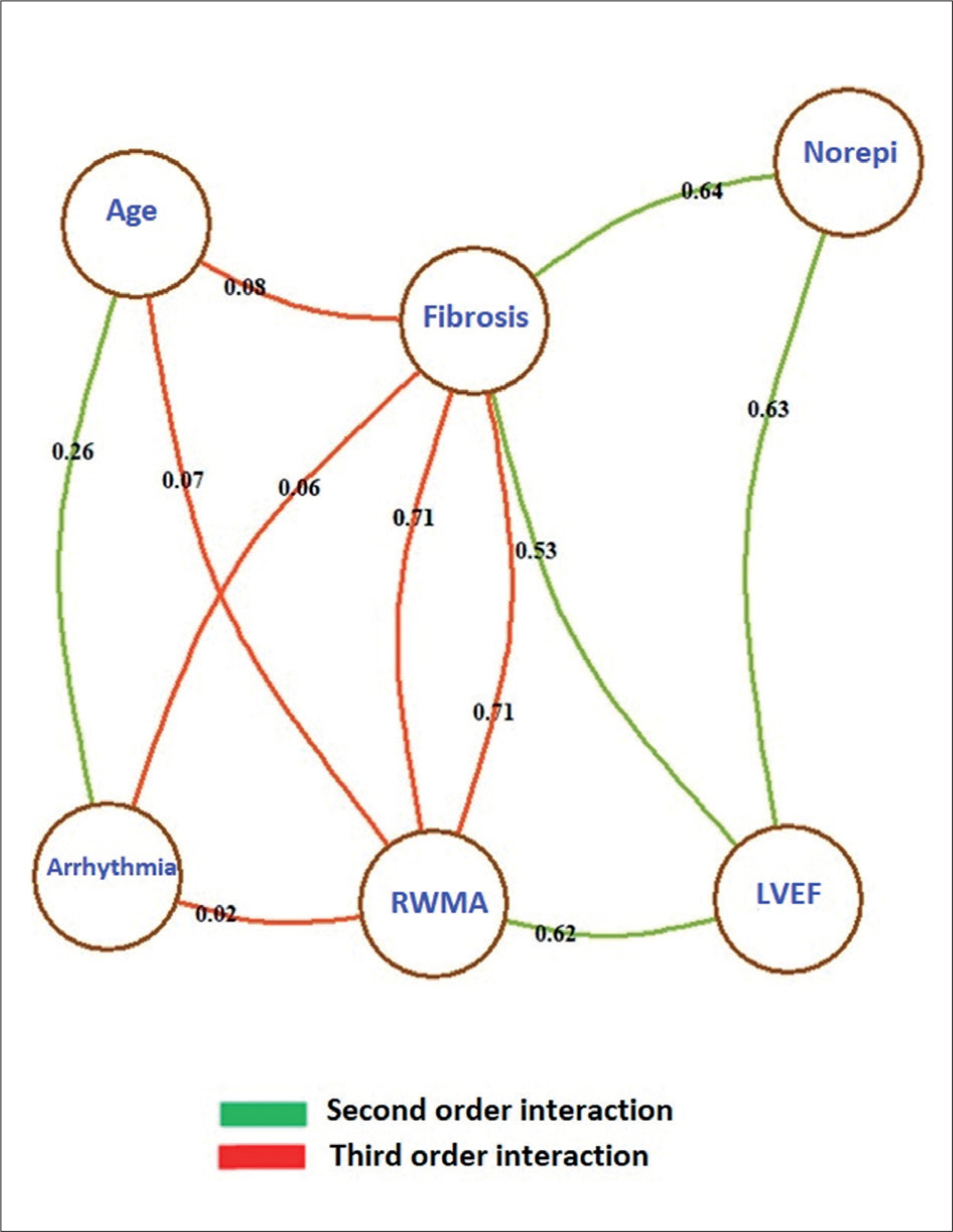
Relationship between Urinary Norepinephrine, Fibrosis, and Arrhythmias in Chronic Chagas Heart Disease with Preserved or Mildly Reduced Ejection Fraction

Eduardo Marinho Tassi et al. Emília Matos do Nascimento Marcelo Abramoff Continentino Basilio de Bragança Pereira Roberto Coury Pedrosa

Abstract

Background:

In Chronic Chagas Cardiomyopathy (CCC), studies are needed to identify arrhythmogenic risk factors in patients in which moderate to severe ventricular dysfunction is not present.

Objective:

To verify the correlation between frequent ventricular arrhythmias (PVC), left ventricular ejection fraction (LVEF), extension of fibrosis by cardiac magnetic resonance (CMR), and urinary norepinephrine measurement (NOREPI) in CCC with preserved or mildly compromised LVEF.

Methods:

The presence of ventricular extrasystoles > 30/h was analyzed on Holter. At CMR, LVEF and quantification of fibrosis mass were evaluated. The dosage of NOREPI was performed using the Muskiet method. The correlation coefficient matrix was calculated to measure the predictive ability of the variables to predict another variable, with p < 0.05 being considered significant.

Results:

A total of 59 patients were included. The mean age was 57.9 + 10.94 years. PVC was detected in 28 patients. The fibrosis variable was inversely proportional to LVEF (R of −0.61) and NOREPI (R of −0.68). Also, the variable PVC was inversely proportional to LVEF (R of −0.33) and NOREPI (R of −0.27). On the other hand, LVEF was directly proportional to NOREPI (R of 0.83).

Conclusion:

In this sample, in patients with CCC with preserved or slightly reduced LVEF, integrity of the autonomic nervous system is observed in hearts with little fibrosis and higher LVEF despite the presence of traditional risk factors for sudden cardiac death. There is correlation between the levels of NOREPI, LVEF, and myocardial fibrosis, but not with PVC.
  • Autonomic Denervation
  • Cardiac Arrythmias
  • chagasic cardiomyopathy
  • Myocardial fibrosis
  • Norepinephrine
Read Full Article
Creative Commons Attribution (CC BY) Creative Commons license
11/07/2022 DOI: 10.36660/abc.20210400
Figure 1
ABC
Original Article

Effects of Continuous and Accumulated Exercise on Endothelial Function in Rat Aorta

Juliana Edwiges Martinez et al. Elane de Fátima Taipeiro Agnaldo Bruno Chies

Abstract

Background:

The practice of exercise in short bouts repeated throughout the day may be an alternative strategy to lift people out of physical inactivity.

Objective:

to evaluate if accumulated exercise, as occurs in continuous exercise training, improve endothelial function in rat aorta.

Methods:

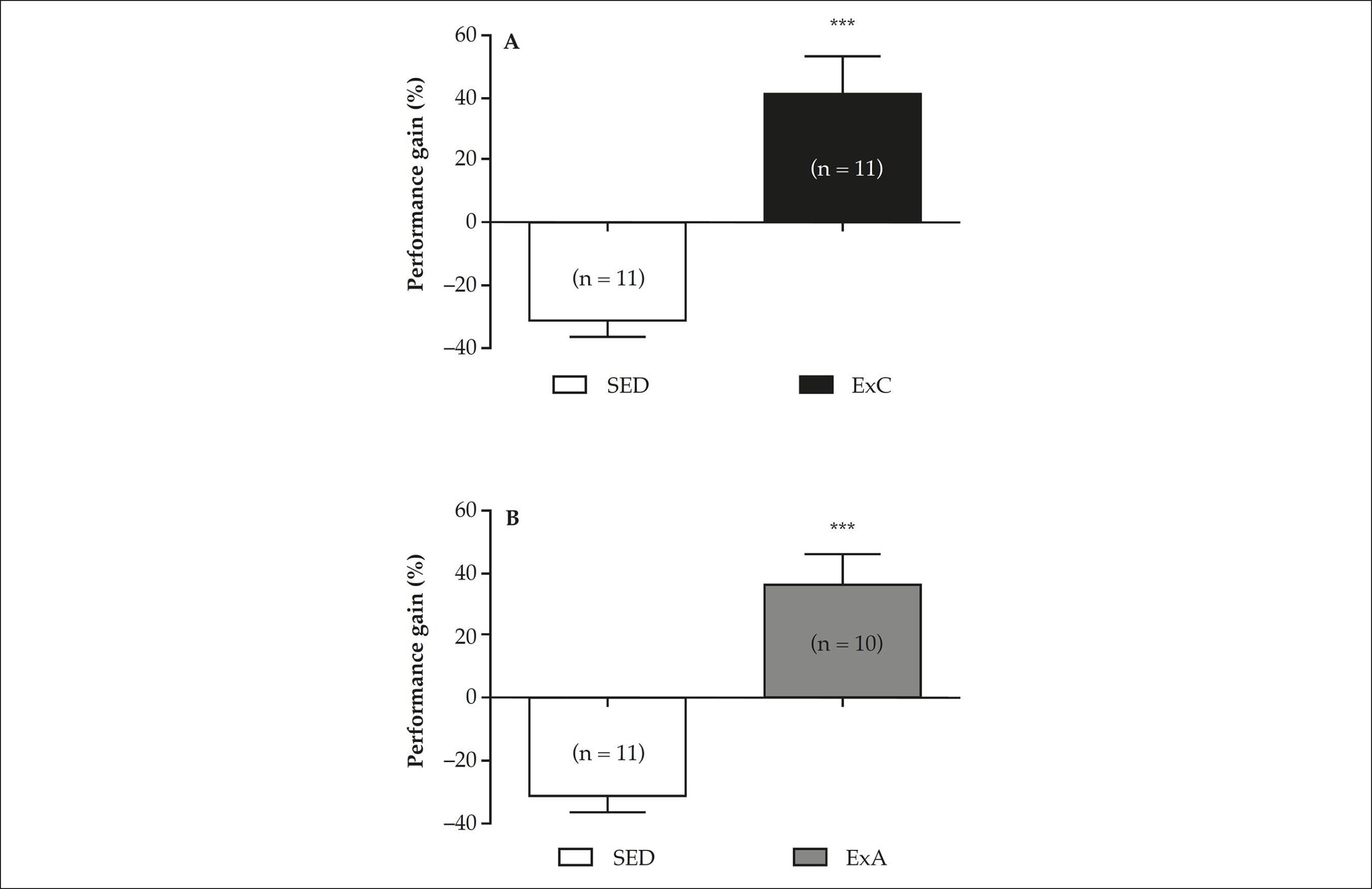
Wistar male rats were divided into three groups: continuous exercise (CEx, 1 hour on the treadmill) or accumulated exercise (AEx, 4 bouts of 15 minutes / day) for 5 days/week for 8 weeks, or sedentary (SED). During the training period, body weight gain and increase in exercise performance were recorded. On sacrifice day, aorta was dissected into rings (3-5 mm) and mounted on the organ bath.

Results:

Fitness was significantly greater in CEx and AEx rats as compared with SED animals. In addition, compared with the SED group, CEx animals had a lower body mass gain, and the aorta obtained from these animals had reduced contractile response to norepinephrine and greater acetylcholine-induced relaxation. These results were not observed in ACEx animals.

Conclusions:

Both CEx and AEx improved fitness, but only CEx led to reduced body weight gain and improved endothelial function.

  • Acetylcholine
  • Endothelium
  • Exercise
  • Norepinephrine
  • physical fitness
  • Rats
  • Weight Loss
Read Full Article
Creative Commons Attribution (CC BY) Creative Commons license
01/04/2017 DOI: 10.5935/abc.20170036
Figure 1
ABC
Original Article

Vascular Response of Ruthenium Tetraamines in Aortic Ring from Normotensive Rats

Ana Gabriela Conceição-Vertamatti et al. Luiz Alberto Ferreira Ramos Ivy Calandreli Aline Nunes Chiba … Douglas Wagner Franco Elia Tfouni Dora Maria Grassi-Kassisse

Background:

Ruthenium (Ru) tetraamines are being increasingly used as nitric oxide (NO) carriers. In this context, pharmacological studies have become highly relevant to better understand the mechanism of action involved.

Objective:

To evaluate the vascular response of the tetraamines trans-[RuII(NH3)4(Py)(NO)]3+, trans-[RuII(Cl)(NO) (cyclan)](PF6)2, and trans-[RuII(NH3)4(4-acPy)(NO)]3+.

Methods:

Aortic rings were contracted with noradrenaline (10−6 M). After voltage stabilization, a single concentration (10−6 M) of the compounds was added to the assay medium. The responses were recorded during 120 min. Vascular integrity was assessed functionally using acetylcholine at 10−6 M and sodium nitroprusside at 10−6 M as well as by histological examination.

Results:

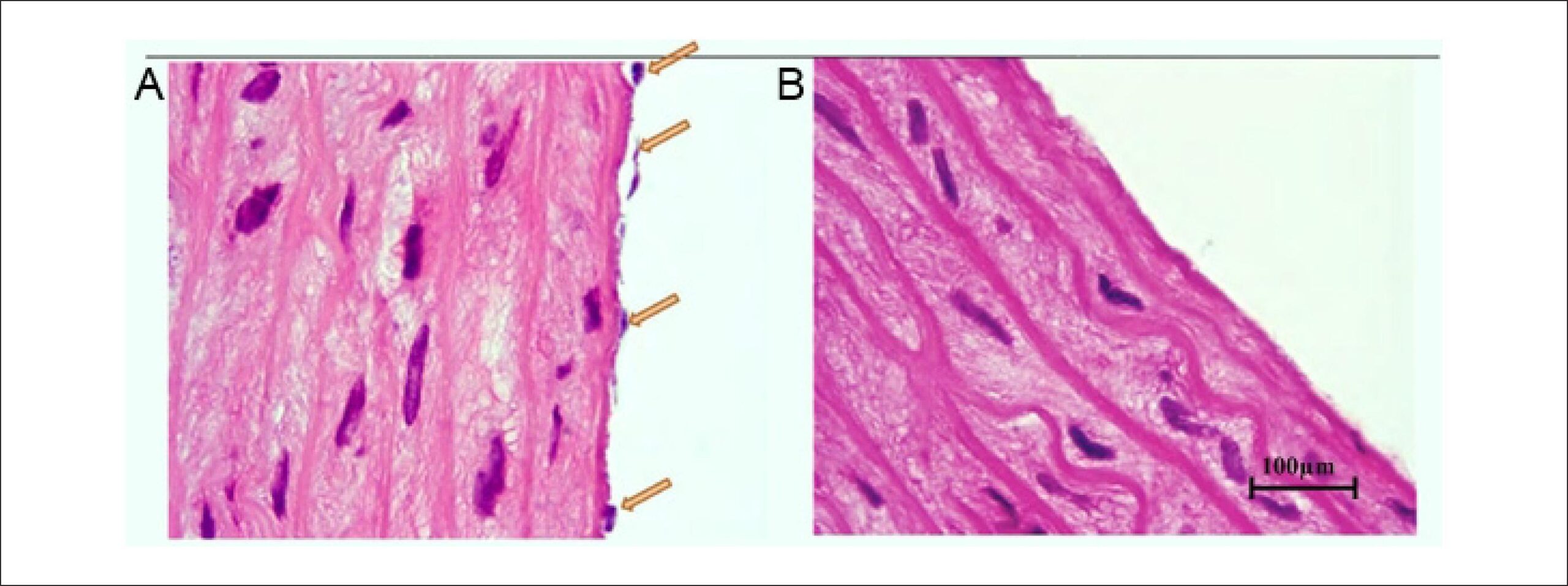
Histological analysis confirmed the presence or absence of endothelial cells in those tissues. All tetraamine complexes altered the contractile response induced by norepinephrine, resulting in increased tone followed by relaxation. In rings with endothelium, the inhibition of endothelial NO caused a reduction of the contractile effect caused by pyridine NO. No significant responses were observed in rings with endothelium after treatment with cyclan NO. In contrast, in rings without endothelium, the inhibition of guanylate cyclase significantly reduced the contractile response caused by the pyridine NO and cyclan NO complexes, and both complexes caused a relaxing effect.

Conclusion:

The results indicate that the vascular effect of the evaluated complexes involved a decrease in the vascular tone induced by norepinephrine (10−6 M) at the end of the incubation period in aortic rings with and without endothelium, indicating the slow release of NO from these complexes and suggesting that the ligands promoted chemical stability to the molecule. Moreover, we demonstrated that the association of Ru with NO is more stable when the ligands pyridine and cyclan are used in the formulation of the compound.

  • Aorta
  • Cyclan
  • Nitric Oxide
  • Norepinephrine
  • Pyridine
  • Rats
  • Ruthenium
Read Full Article
Creative Commons Attribution (CC BY) Creative Commons license
09/12/2014 DOI: 10.5935/abc.20140189
Figure 1
ABC
Artigo Original

Stress Alone or associated with Ethanol Induces Prostanoid Release in Rat Aorta via α2-Adrenoceptor

Rafaela de Fátima Ferreira Baptista et al. Elane de Fátima Taipeiro Regina Helena Costa Queiroz Agnaldo Bruno Chies Sandra Cordellini

Background:

Stress and ethanol are both, independently, important cardiovascular risk factors.

Objective:

To evaluate the cardiovascular risk of ethanol consumption and stress exposure, isolated and in association, in male adult rats.

Methods:

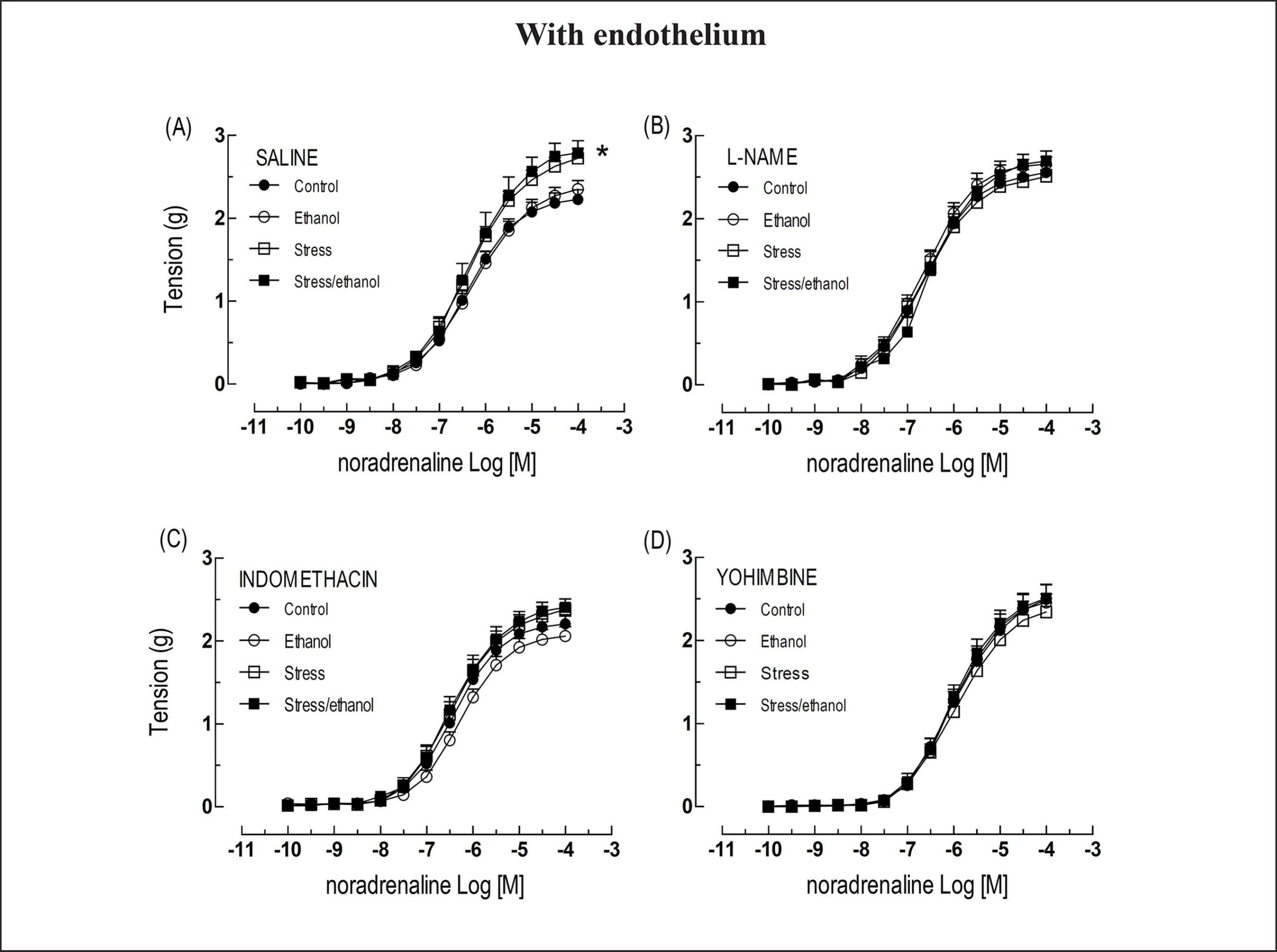
Rats were separated into 4 groups: Control, ethanol (20% in drinking water for 6 weeks), stress (immobilization 1h day/5 days a week for 6 weeks) and stress/ethanol. Concentration-responses curves to noradrenaline – in the absence and presence of yohimbine, L-NAME or indomethacin – or to phenylephrine were determined in thoracic aortas with and without endothelium. EC50 and maximum response (n=8-12) were compared using two-way ANOVA/Bonferroni method.

Results:

Either stress or stress in association with ethanol consumption increased the noradrenaline maximum responses in intact aortas. This hyper-reactivity was eliminated by endothelium removal or by the presence of either indomethacin or yohimbine, but was not altered by the presence of L-NAME. Meanwhile, ethanol consumption did not alter the reactivity to noradrenaline. The phenylephrine responses in aortas both with and without endothelium also remained unaffected regardless of protocol.

Conclusion:

Chronic stress increased rat aortic responses to noradrenaline. This effect is dependent upon the vascular endothelium and involves the release of vasoconstrictor prostanoids via stimulation of endothelial alpha-2 adrenoceptors. Moreover, chronic ethanol consumption appeared to neither influence noradrenaline responses in rat thoracic aorta, nor did it modify the increase of such responses observed as a consequence of stress exposure.

  • Adrenergic alpha-2 Receptor Agonists
  • Alcohol Drinking
  • Norepinephrine
  • Rats
  • Stress
Read Full Article
Creative Commons Attribution (CC BY) Creative Commons license
10/02/2014 DOI: 10.5935/abc.20140015
Intramyocardial adrenergic activation in chagasic cardiomyopathy and coronary artery disease
ABC
Artigo Original

Intramyocardial adrenergic activation in chagasic cardiomyopathy and coronary artery disease

Luciano Nastari et al. Felix Jose Alvarez Ramires Vera Maria Cury Salemi Barbara Maria Ianni … Fábio Fernandes Célia Maria Strunz Edmundo Arteaga Charles Mady

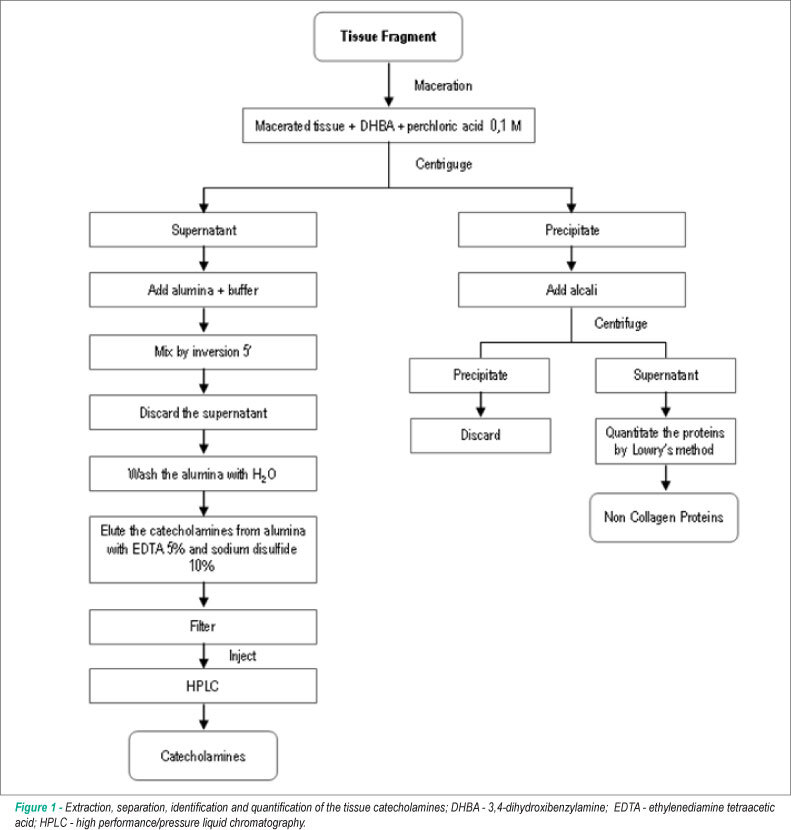
BACKGROUND: Myocardial norepinephrine is altered in left ventricular impairment. In patients with Chagas’ cardiomyopathy (CC), this issue has not been addressed. OBJECTIVE: To determine the level of myocardial norepinephrine in patients with CC and compare it in patients with coronary artery disease, and to relate myocardial norepinephrine to left ventricular ejection fraction (LVEF). METHODS: We studied 39 patients with CC, divided into group 1: 21 individuals with normal LVEF and group 2: 18 individuals with decreased LVEF. Seventeen patients with coronary artery disease were divided into group 3: 12 individuals with normal LVEF and group 4: 5 individuals with decreased LVEF. Two-dimensional echocardiography was used to measure LVEF. Myocardial norepinephrine was determined by high-performance liquid chromatography. RESULTS: Myocardial norepinephrine in CC with and without ventricular dysfunction was 1.3±1.3 and 6.1±4.2 pg/μg noncollagen protein, respectively (p<0.0001); in coronary artery disease with and without ventricular dysfunction, it was 3.3±3.0 and 9.8±4.2 pgμg noncollagen protein, respectively (p<0.0001). A positive correlation was found between LVEF and myocardial norepinephrine concentration in the patients with Chagas' cardiomyopathy (p<0.01, r = 0.57) and also in those with coronary artery disease (p<0.01, r=0.69). A significant difference was demonstrated between norepinephrine concentrations in patients with normal LVEF (groups 1 and 3; p = 0.0182), but no difference was found in patients with decreased LVEF (groups 2 and 4; p = 0.1467). CONCLUSION: In patients with Chagas' cardiomyopathy and normal global ejection fraction there is an early cardiac denervation, when compared to coronary artery disease patients.

  • cardiomyopathy
  • Coronary Artery Disease
  • Heart Failure
  • left
  • Norepinephrine
  • Ventricular Dysfunction
Read Full Article
Creative Commons Attribution (CC BY) Creative Commons license
22/12/2010 DOI: 10.1590/S0066-782X2010005000163
Antiadrenergic rescue therapy with amiodarone in children with severe left ventricular dysfunction secondary to scorpion envenomation
ABC
Artigo Original

Antiadrenergic rescue therapy with amiodarone in children with severe left ventricular dysfunction secondary to scorpion envenomation

Justo J. Santiago et al. Carmen A. Mazzei de Dávila Diego F. Davila Jose H. Donis Vanesa Villaroel

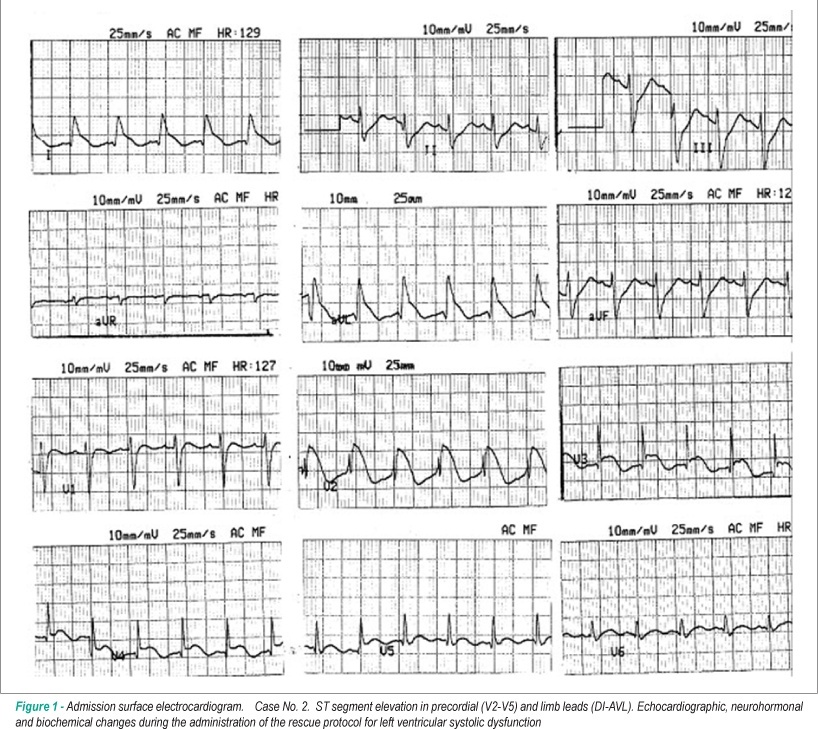
BACKGROUND: Children with scorpion envenomation have massive sympathetic activation and variable degrees of left ventricular systolic dysfunction. OBJECTIVE: To evaluate a rescue protocol for children with severe left ventricular dysfunction secondary to scorpion envenomation. METHODS: Four children, after scorpion envenomation, were subjected to a rescue protocol for acute left ventricular dysfunction: Endotracheal intubation and respiratory assistance, electrocardiograms, chest x-Ray, echocardiograms and blood samples for norepinephrine and troponin I serum levels. Samples and echocardiograms were repeated at 12, 24 and 48 hours. Intravenous medications: Dobutamine: 4-6 μg/kg/min. Amiodarone: 3 mg/kg during a 2 hour period. Maintenance: 5 mg/kg/day. Furosemide: 0.5 mg/kg/dose. Diuretics were given when the systemic blood pressure was above percentile fifty. Amiodarone, Dobutamine and Furosemide were administered during the first 48 hours. Beta-adrenergic blockers and angiotensin converting enzyme were given, at 48 hours after admission, once the left ventricular Ejection fraction > 0.35 and the clinical status had improved. RESULTS: On admission, norepinephrine was 1,727.50 ±794.96 pg/ml, troponin I 24.53 ± 14.09 ng/ml and left ventricular ejection fraction 0.20 ± 0.056. At twelve hours, norepinephrine and troponin I serum levels were down to half of the initial values and the ejection fraction increased to 0.32 ± 0.059. During the next 24 and 48 hours, the ejection fraction rose to 0.46 ± 0.045, (p<0.01) and norepinephrine and troponin diminished to 526.75 ± 273.73 (p < 0.02) and 2.20 ± 2.36 (p<0.02) respectively. CONCLUSION: Amiodarone, by acting as a neuromodulator, is very likely responsible for the early and progressive decrease of serum norepinephrine.

  • adrenergic beta-agonists
  • Amiodarone
  • Norepinephrine
  • Scorpion venoms
Read Full Article
Creative Commons Attribution (CC BY) Creative Commons license
22/09/2010 DOI: 10.1590/S0066-782X2010000100005
Exercise chemosensitivity in heart failure: ventilatory, chronotropic and neurohormonal responses
ABC
Artigo Original

Exercise chemosensitivity in heart failure: ventilatory, chronotropic and neurohormonal responses

Lídia Zytynski Moura et al. Guilherme Veiga Guimarães Philippe Vieira Pires Fátima Cruz … Gabriela Stopa Edimar Alcides Bocchi

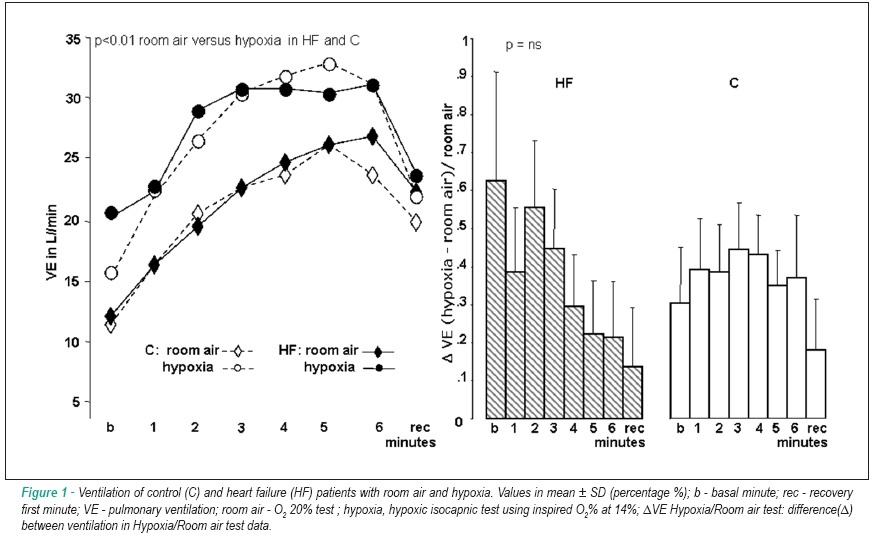
BACKGROUND: Heart failure (HF) is associated with resting increased peripheral and central chemosensitivity which may correlate with an increased ventilatory response to exercise. However, its sensitivity in HF during exercise was never really reported. OBJECTIVE: We tested if stimulation of central and peripheral chemoreceptors in HF patients could modulate ventilatory, chronotropic, and neurohormonal response during submaximal exercise. METHODS: We investigated central and peripheral chemosensitivity in 15 HF and 7 control (C) comparing response through three 6 minute walking tests conducted in a treadmill with : room air, hypoxia, and hypercapnia (in a randomic order). RESULTS: RR at room air C and HF was 17±2 and 22±2 (p<.0001); at hypoxia 17±1 and 23±2 (p<.02); at CO25% was 20±2 and 22±5 (p<.02). Tidal volume (TV) at room air was 1.25±0.17 and 1.08±0.19 (p<.01); at hypoxia 1.65±0.34 and 1.2±0.2 (p<.0001); at CO25% 1.55±0.46 and 1.29±0.39 (p<.0001). At rest the increment in HF was higher for VE (C 33±40%, HF 62±94%, p<.01), HR(C 7±10%, HF 10±10%, p<0.05) at rest. During hypoxia exercise increment in HF was higher for RR (C 1±4, HF 11±6,p<.05), HR (C 12±2, HF 14±3, p<.05), VE/VO2 (C -4±18%, HF 24±21%, p<.01), HR/VO2 (C -26±11%, HF 11±5%, p<.01), VE/WD (C 36±10%, 46±14, p<.05%) and HR/WD (C 18±8%, HF 29±11, p<.01). During HF hypoxia exercise NO reduced, and IL-6, aldosterone levels increased. Neurohormonal levels unchanged in C. CONCLUSION: Exercise peripheral and central chemosensitivity are increased in HF and may modulate respiratory pattern, cardiac chronotropic, and neurohormonal activity during exercise.

  • Cardiomyopathies
  • Exercise
  • Heart Failure
  • Nitric Oxide
  • Norepinephrine
Read Full Article
Creative Commons Attribution (CC BY) Creative Commons license
13/08/2010 DOI: 10.1590/S0066-782X2010005000110

How to cite this article

EndNote RIS

Electronic Document Format (Vancouver)

Tassi EM, Nascimento EM, Continentino MA, Pereira BB, Pedrosa RC. Relationship between Urinary Norepinephrine, Fibrosis, and Arrhythmias in Chronic Chagas Heart Disease with Preserved or Mildly Reduced Ejection Fraction. Arquivos Brasileiros de Cardiologia 2022;119(1):3-11.

Electronic Document Format (ABNT)

Tassi, Eduardo Marinho; Nascimento, Emília Matos do; Continentino, Marcelo Abramoff; Pereira, Basilio de Bragança; Pedrosa, Roberto Coury. Relationship between Urinary Norepinephrine, Fibrosis, and Arrhythmias in Chronic Chagas Heart Disease with Preserved or Mildly Reduced Ejection Fraction. Arquivos Brasileiros de Cardiologia, v. 119, n. 1, p. 3-11, Jul. 2022.

Electronic Document Format (APA)

Tassi, E. M., Nascimento, E. M. , Continentino, M. A., Pereira, B. B., & Pedrosa, R. C. (2022). Relationship between Urinary Norepinephrine, Fibrosis, and Arrhythmias in Chronic Chagas Heart Disease with Preserved or Mildly Reduced Ejection Fraction. Arquivos Brasileiros de Cardiologia, 119(1), 3-11.

Electronic Document Format (ISO)

Tassi, Eduardo Marinho and Nascimento, Emília Matos do and Continentino, Marcelo Abramoff and Pereira, Basilio de Bragança and Pedrosa, Roberto Coury. Relationship between Urinary Norepinephrine, Fibrosis, and Arrhythmias in Chronic Chagas Heart Disease with Preserved or Mildly Reduced Ejection Fraction. Arquivos Brasileiros de Cardiologia [online]. 2022, vol. 119, n. 1, [cited 2026-10-14], pp. 3-11. Available from: <https://journals.cardiol.br/en/article/relationship-between-urinary-norepinephrine-fibrosis-and-arrhythmias-in-chronic-chagas-heart-disease-with-preserved-or-mildly-reduced-ejection-fraction/>. ISSN 0066-782X

EndNote RIS

Electronic Document Format (Vancouver)

Martinez JE, Taipeiro EF, Chies AB. Effects of Continuous and Accumulated Exercise on Endothelial Function in Rat Aorta. Arquivos Brasileiros de Cardiologia 2017;108(4):315-22.

Electronic Document Format (ABNT)

Martinez, Juliana Edwiges; Taipeiro, Elane de Fátima; Chies, Agnaldo Bruno. Effects of Continuous and Accumulated Exercise on Endothelial Function in Rat Aorta. Arquivos Brasileiros de Cardiologia, v. 108, n. 4, p. 315-322, Mar. 2017.

Electronic Document Format (APA)

Martinez, J. E., Taipeiro, E. F., & Chies, A. B. (2017). Effects of Continuous and Accumulated Exercise on Endothelial Function in Rat Aorta. Arquivos Brasileiros de Cardiologia, 108(4), 315-322.

Electronic Document Format (ISO)

Martinez, Juliana Edwiges and Taipeiro, Elane de Fátima and Chies, Agnaldo Bruno. Effects of Continuous and Accumulated Exercise on Endothelial Function in Rat Aorta. Arquivos Brasileiros de Cardiologia [online]. 2017, vol. 108, n. 4, [cited 2026-10-14], pp. 315-322. Available from: <https://journals.cardiol.br/en/article/effects-of-continuous-and-accumulated-exercise-on-endothelial-function-in-rat-aorta/>. ISSN 0066-782X

EndNote RIS

Electronic Document Format (Vancouver)

Conceição-Vertamatti AG, Ramos LAF, Calandreli I, Chiba AN, Franco DW, Tfouni E, Grassi-Kassisse DM, et al. Vascular Response of Ruthenium Tetraamines in Aortic Ring from Normotensive Rats. Arquivos Brasileiros de Cardiologia 2014;104(3):185-94.

Electronic Document Format (ABNT)

Conceição-Vertamatti, Ana Gabriela; Ramos, Luiz Alberto Ferreira; Calandreli, Ivy; Chiba, Aline Nunes; Franco, Douglas Wagner; Tfouni, Elia; Grassi-Kassisse, Dora Maria. Vascular Response of Ruthenium Tetraamines in Aortic Ring from Normotensive Rats. Arquivos Brasileiros de Cardiologia, v. 104, n. 3, p. 185-194, Dec. 2014.

Electronic Document Format (APA)

Conceição-Vertamatti, A. G., Ramos, L. A. F., Calandreli, I., Chiba, A. N., Franco, D. W., Tfouni, E., & Grassi-Kassisse, D. M. (2014). Vascular Response of Ruthenium Tetraamines in Aortic Ring from Normotensive Rats. Arquivos Brasileiros de Cardiologia, 104(3), 185-194.

Electronic Document Format (ISO)

Conceição-Vertamatti, Ana Gabriela and Ramos, Luiz Alberto Ferreira and Calandreli, Ivy and Chiba, Aline Nunes and Franco, Douglas Wagner and Tfouni, Elia and Grassi-Kassisse, Dora Maria. Vascular Response of Ruthenium Tetraamines in Aortic Ring from Normotensive Rats. Arquivos Brasileiros de Cardiologia [online]. 2014, vol. 104, n. 3, [cited 2026-10-14], pp. 185-194. Available from: <https://journals.cardiol.br/en/article/vascular-response-of-ruthenium-tetraamines-in-aortic-ring-from-normotensive-rats/>. ISSN 0066-782X

EndNote RIS

Electronic Document Format (Vancouver)

Baptista RFF, Taipeiro EF, Queiroz RHC, Chies AB, Cordellini S. Stress Alone or associated with Ethanol Induces Prostanoid Release in Rat Aorta via α2-Adrenoceptor. Arquivos Brasileiros de Cardiologia 2014;102(3):211-8.

Electronic Document Format (ABNT)

Baptista, Rafaela de Fátima Ferreira; Taipeiro, Elane de Fátima; Queiroz, Regina Helena Costa; Chies, Agnaldo Bruno; Cordellini, Sandra. Stress Alone or associated with Ethanol Induces Prostanoid Release in Rat Aorta via α2-Adrenoceptor. Arquivos Brasileiros de Cardiologia, v. 102, n. 3, p. 211-218, Feb. 2014.

Electronic Document Format (APA)

Baptista, R. F. F., Taipeiro, E. F., Queiroz, R. H. C., Chies, A. B., & Cordellini, S. (2014). Stress Alone or associated with Ethanol Induces Prostanoid Release in Rat Aorta via α2-Adrenoceptor. Arquivos Brasileiros de Cardiologia, 102(3), 211-218.

Electronic Document Format (ISO)

Baptista, Rafaela de Fátima Ferreira and Taipeiro, Elane de Fátima and Queiroz, Regina Helena Costa and Chies, Agnaldo Bruno and Cordellini, Sandra. Stress Alone or associated with Ethanol Induces Prostanoid Release in Rat Aorta via α2-Adrenoceptor. Arquivos Brasileiros de Cardiologia [online]. 2014, vol. 102, n. 3, [cited 2026-10-14], pp. 211-218. Available from: <https://journals.cardiol.br/en/article/stress-alone-or-associated-with-ethanol-induces-prostanoid-release-in-rat-aorta-via-%ce%b12-adrenoceptor/>. ISSN 0066-782X

EndNote RIS

Electronic Document Format (Vancouver)

Nastari L, Ramires FJA, Salemi VMC, Ianni BM, Fernandes F, Strunz CM, Arteaga E, et al. Intramyocardial adrenergic activation in chagasic cardiomyopathy and coronary artery disease. Arquivos Brasileiros de Cardiologia 2010;96(2):99-106.

Electronic Document Format (ABNT)

Nastari, Luciano; Ramires, Felix Jose Alvarez; Salemi, Vera Maria Cury; Ianni, Barbara Maria; Fernandes, Fábio; Strunz, Célia Maria; Arteaga, Edmundo; Mady, Charles. Intramyocardial adrenergic activation in chagasic cardiomyopathy and coronary artery disease. Arquivos Brasileiros de Cardiologia, v. 96, n. 2, p. 99-106, Dec. 2010.

Electronic Document Format (APA)

Nastari, L., Ramires, F. J. A., Salemi, V. M. C., Ianni, B. M., Fernandes, F., Strunz, C. M., Arteaga, E., & Mady, C. (2010). Intramyocardial adrenergic activation in chagasic cardiomyopathy and coronary artery disease. Arquivos Brasileiros de Cardiologia, 96(2), 99-106.

Electronic Document Format (ISO)

Nastari, Luciano and Ramires, Felix Jose Alvarez and Salemi, Vera Maria Cury and Ianni, Barbara Maria and Fernandes, Fábio and Strunz, Célia Maria and Arteaga, Edmundo and Mady, Charles. Intramyocardial adrenergic activation in chagasic cardiomyopathy and coronary artery disease. Arquivos Brasileiros de Cardiologia [online]. 2010, vol. 96, n. 2, [cited 2026-10-14], pp. 99-106. Available from: <https://journals.cardiol.br/en/article/intramyocardial-adrenergic-activation-in-chagasic-cardiomyopathy-and-coronary-artery-disease/>. ISSN 0066-782X

EndNote RIS

Electronic Document Format (Vancouver)

Santiago JJ, Dávila CAM, Davila DF, Donis JH, Villaroel V. Antiadrenergic rescue therapy with amiodarone in children with severe left ventricular dysfunction secondary to scorpion envenomation. Arquivos Brasileiros de Cardiologia 2010;94(1):18-24.

Electronic Document Format (ABNT)

Santiago, Justo J.; Dávila, Carmen A. Mazzei de; Davila, Diego F.; Donis, Jose H.; Villaroel, Vanesa. Antiadrenergic rescue therapy with amiodarone in children with severe left ventricular dysfunction secondary to scorpion envenomation. Arquivos Brasileiros de Cardiologia, v. 94, n. 1, p. 18-24, Sep. 2010.

Electronic Document Format (APA)

Santiago, J. J., Dávila, C. A. M. , Davila, D. F., Donis, J. H., & Villaroel, V. (2010). Antiadrenergic rescue therapy with amiodarone in children with severe left ventricular dysfunction secondary to scorpion envenomation. Arquivos Brasileiros de Cardiologia, 94(1), 18-24.

Electronic Document Format (ISO)

Santiago, Justo J. and Dávila, Carmen A. Mazzei de and Davila, Diego F. and Donis, Jose H. and Villaroel, Vanesa. Antiadrenergic rescue therapy with amiodarone in children with severe left ventricular dysfunction secondary to scorpion envenomation. Arquivos Brasileiros de Cardiologia [online]. 2010, vol. 94, n. 1, [cited 2026-10-14], pp. 18-24. Available from: <https://journals.cardiol.br/en/article/antiadrenergic-rescue-therapy-with-amiodarone-in-children-with-severe-left-ventricular-dysfunction-secondary-to-scorpion-envenomation/>. ISSN 0066-782X

EndNote RIS

Electronic Document Format (Vancouver)

Moura LZ, Guimarães GV, Pires PV, Cruz F, Stopa G, Bocchi EA. Exercise chemosensitivity in heart failure: ventilatory, chronotropic and neurohormonal responses. Arquivos Brasileiros de Cardiologia 2010;95(3):381-9.

Electronic Document Format (ABNT)

Moura, Lídia Zytynski; Guimarães, Guilherme Veiga; Pires, Philippe Vieira; Cruz, Fátima; Stopa, Gabriela; Bocchi, Edimar Alcides. Exercise chemosensitivity in heart failure: ventilatory, chronotropic and neurohormonal responses. Arquivos Brasileiros de Cardiologia, v. 95, n. 3, p. 381-391, Aug. 2010.

Electronic Document Format (APA)

Moura, L. Z., Guimarães, G. V., Pires, P. V., Cruz, F., Stopa, G., & Bocchi, E. A. (2010). Exercise chemosensitivity in heart failure: ventilatory, chronotropic and neurohormonal responses. Arquivos Brasileiros de Cardiologia, 95(3), 381-391.

Electronic Document Format (ISO)

Moura, Lídia Zytynski and Guimarães, Guilherme Veiga and Pires, Philippe Vieira and Cruz, Fátima and Stopa, Gabriela and Bocchi, Edimar Alcides. Exercise chemosensitivity in heart failure: ventilatory, chronotropic and neurohormonal responses. Arquivos Brasileiros de Cardiologia [online]. 2010, vol. 95, n. 3, [cited 2026-10-14], pp. 381-391. Available from: <https://journals.cardiol.br/en/article/exercise-chemosensitivity-in-heart-failure-ventilatory-chronotropic-and-neurohormonal-responses/>. ISSN 0066-782X

  • About ABC Family
  • Internal Regulation
  • Editorial Board
  • Brazilian Society of Cardiology (SBC)

Issues

SBC Guidelines

  • Videos
  • Podcasts
  • News