ABC Family Arquivos Brasileiros de Cardiologia International Journal of Cardiovascular Sciences ABC Heart Failure & Cardiomyopathy ABC Imagem Cardiovascular
Português English
ABC Family
Português English
  • About
    • About ABC Family
    • Internal Regulation
    • Editorial Board
    • Brazilian Society of Cardiology (SBC)
  • Issues
  • SBC Guidelines
  • Content
    • Videos
    • Podcasts
    • News
  • About
    • About ABC Family
    • Internal Regulation
    • Editorial Board
    • Brazilian Society of Cardiology (SBC)
  • Issues
  • SBC Guidelines
  • Content
    • Videos
    • Podcasts
    • News

ABC Family

  • ABC Family
  • Arquivos Brasileiros de Cardiologia
  • International Journal of Cardiovascular Sciences
  • ABC Heart Failure & Cardiomyopathy
  • ABC Imagem Cardiovascular
Search in

No content found.

Journals
Ordering
Article types
Others

  1. Home
  2. Keyword: Respiratory Function Tests
Figure 1
ABC
Original Article

Impact of Cardiorespiratory Fitness on the Obesity Paradox in Heart Failure with Reduced Ejection Fraction

Rita Ilhão Moreira et al. Tiago Pereira Silva António Valentim Gonçalves Joana Feliciano … Pedro Rio Rui Soares Rui Cruz Ferreira

Abstract

Background:

Higher body mass index (BMI) has been associated with improved outcomes in heart failure with reduced ejection fraction. This finding has led to the concept of the obesity paradox.

Objective:

To investigate the impact of exercise tolerance and cardiorespiratory capacity on the obesity paradox.

Methods:

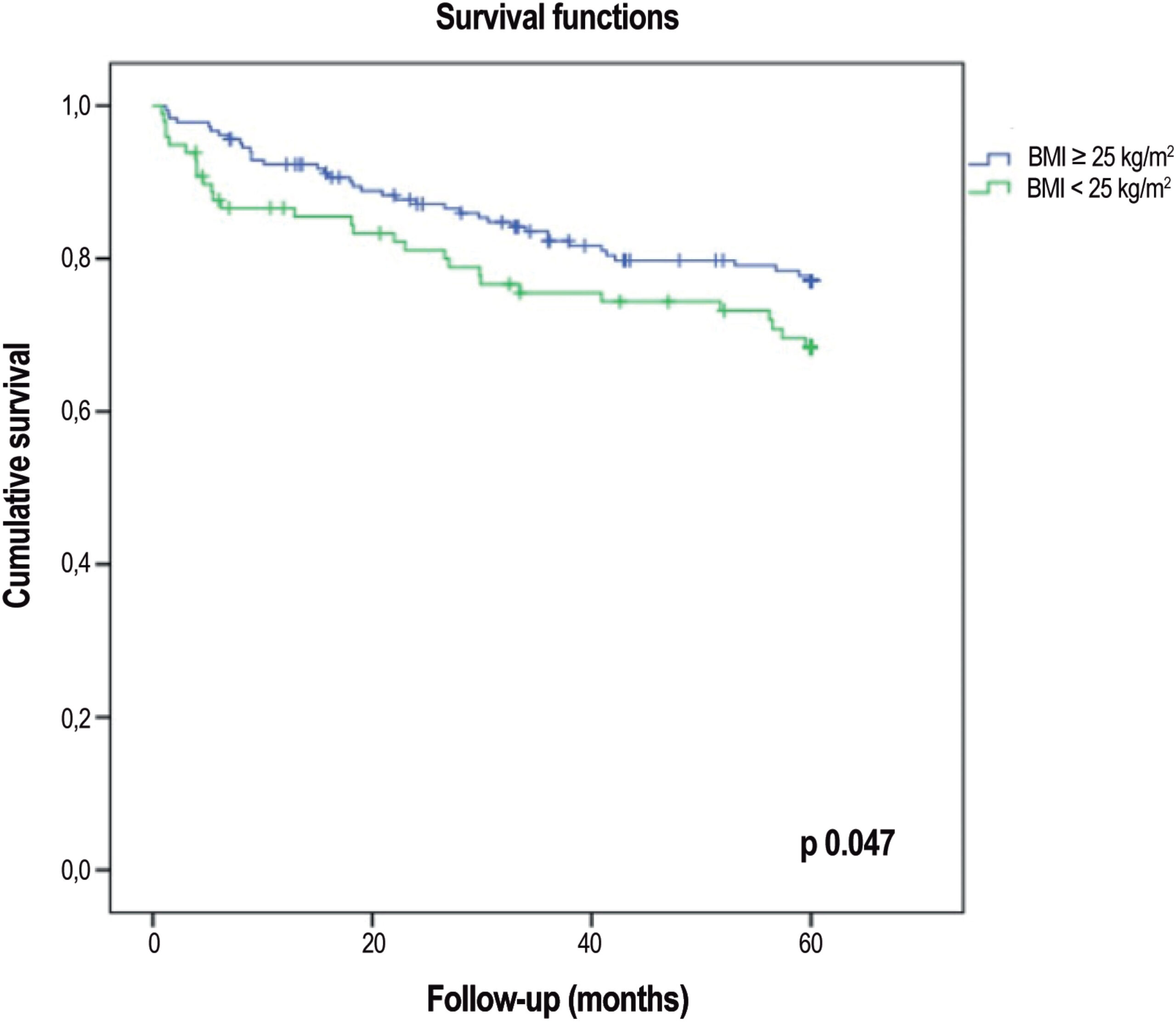
Outpatients with symptomatic heart failure and left ventricular ejection fraction (LVEF) ≤ 40%, followed up in our center, prospectively underwent baseline comprehensive evaluation including clinical, laboratorial, electrocardiographic, echocardiographic, and cardiopulmonary exercise testing parameters. The study population was divided according to BMI (< 25, 25 – 29.9, and ≥ 30 kg/m2). All patients were followed for 60 months. The combined endpoint was defined as cardiac death, urgent heart transplantation, or need for mechanical circulatory support. P value < 0.05 was considered significant.

Results:

In the 282 enrolled patients (75% male, 54 ± 12 years, BMI 27 ± 4 kg/m2, LVEF 27% ± 7%), the composite endpoint occurred in 24.4% during follow-up. Patients with higher BMI were older, and they had higher LVEF and serum sodium levels, as well as lower ventilatory efficiency (VE/VCO2) slope. VE/VCO2 and peak oxygen consumption (pVO2) were strong predictors of prognosis (p < 0.001). In univariable Cox regression analysis, higher BMI was associated with better outcomes (HR 0.940, CI 0.886 – 0.998, p 0.042). However, after adjusting for either VE/VCO2 slope or pVO2, the protective role of BMI disappeared. Survival benefit of BMI was not evident when patients were grouped according to cardiorespiratory fitness class (VE/VCO2, cut-off value 35, and pVO2, cut-off value 14 mL/kg/min).

Conclusion:

These results suggest that cardiorespiratory fitness outweighs the relationship between BMI and survival in patients with heart failure.
  • body mass index
  • Breathing Exercises
  • Cardiorespiratory Fitness
  • Heart Failure
  • Obesity
  • Respiratory Function Tests
  • Stroke Volume
Read Full Article
Creative Commons Attribution (CC BY) Creative Commons license
23/10/2020 DOI: 10.36660/abc.20190337 Views 1
Figure 1
IJCS
Original Article

Classification System for Cardiorespiratory Fitness Based on a Sample of the Brazilian Population

Antonio Eduardo Monteiro de Almeida et al. Igor Rafael Miranda Ferreira Santander Maria Izabel Macedo Campos Jorge René Garcia Arévalo … João Agnaldo do Nascimento Luiz Eduardo Fonteles Ritt Karlyse Claudino Belli Jorge Pinto Ribeiro Ricardo Stein

Abstract

Background:

Peak oxygen consumption (VO2peak) is an important prognostic marker and its classification helps the cardiologist in the therapeutic decision-making process. The most commonly used cardiorespiratory fitness (CRF) classification has not been validated for the Brazilian population.

Objective:

To elaborate a CRF classification using a Brazilian sample and to compare it with the American Heart Association (AHA), Cooper and UNIFESP classifications.

Methods:

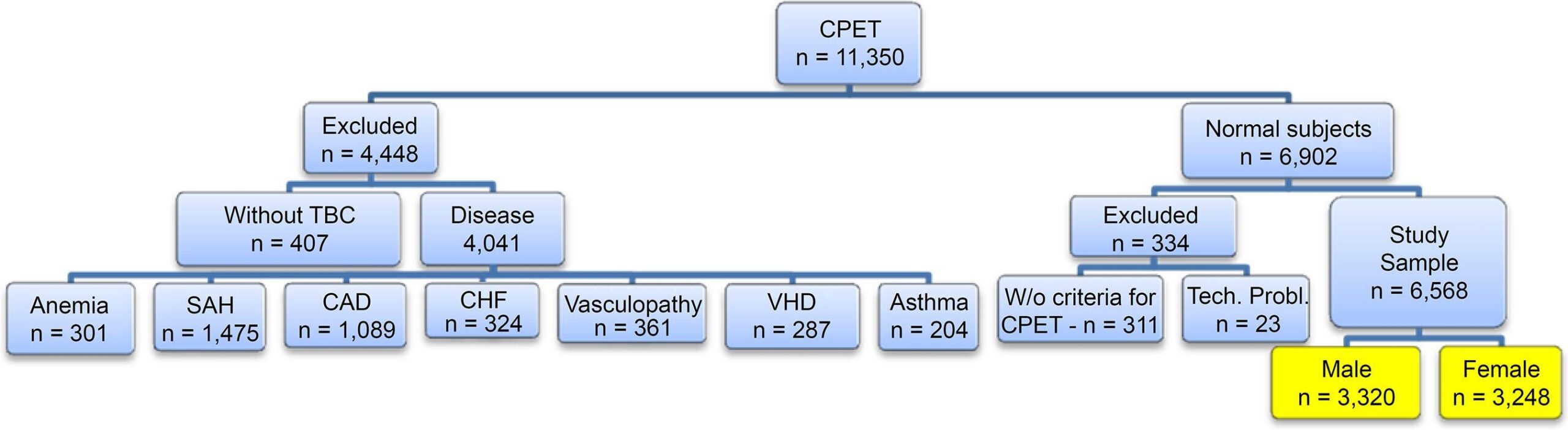
A total of 6,568 healthy subjects were analyzed through cardiopulmonary exercise testing (CPET). They were distributed by sex and the following age groups (years): 7-12, 13-19, 20-79 (per decades) and > 80 years. After measurement of the VO2peak, participants were distributed into quintiles of CRF in very poor, poor, moderate, high and very high (AEMA Table). The CRF classifications by AEMA, AHA, Cooper, and UNIFESP were compared using the Wilcoxon, Kappa and concordance percentages.

Results:

VO2peak presented an inverse and moderate correlation with age considering both sexes (R = -0.488, p < 0.001). All paired comparisons between CRF classification systems showed differences (p < 0.001) and disagreement percentage – AEMA versus AHA (k = 0.291, 56.7%), AEMA versus Cooper (k = 0.220, 62.4%) and AEMA versus UNIFESP (k = 0.201, 63.9 %).

Conclusion:

The AEMA table showed important discrepancies in the classification of CRF when compared to other tables widely used in our setting. Because it was obtained from a large sample of the Brazilian population, the AEMA table should be preferred over other classification systems in our population.

  • Cardiorespiratory Fitness
  • Exercise
  • Exercise Tests
  • Oxygen Consumption
  • Population Health
  • Respiratory Function Tests
Read Full Article
Creative Commons Attribution (CC BY) Creative Commons license
12/08/2019 DOI: 10.5935/2359-4802.20190057 Views 2
IJCS
Editorial

Is Cardiorespiratory Optimal Point Measured During the Maximal Cardiopulmonary Exercise Test a Relevant Indicator of Sports Performance?

Jari A. Laukkanen

Cardiorespiratory fitness (CRF) is considered the gold standard for assessing aerobic performance among athletes and normal population and has recently been named as a clinical vital sign, being an essential indicator of cardiovascular and pulmonary function. Cardiorespiratory fitness is associated with lower risk of non-fatal and fatal cardiovascular disease (CVD) events, with studies demonstrating a consistent, inverse association between CRF and mortality even after adjustment for the traditional risk factor burden. Additionally, both maximal oxygen consumption (VO2max) and VO2 at ventilatory threshold (VT) have been associated with a reduced risk of adverse health outcomes.,– A literature-based meta-analysis of 33 observational cohort studies has better delineated the relationship of CRF with CVD and all-cause mortality outcomes. However, VO2max and VT are often used to evaluate athletes’ performance and to monitor their training responses. During the cardiopulmonary exercise test (CPX), many variables could be used to assess specific training responses to the cardiovascular, respiratory and musculoskeletal systems based on the analysis of submaximal and maximal responses to a progressively incremental exercise.

Modern CPX systems allow for the analysis of gas exchange at rest, during mild, moderate and maximal exercise levels, and during recovery and yield measures of VO2, carbon dioxide output (VCO2), and ventilation (VE). These advanced computerized systems provide both simple and complex analyses of these data that are easy to retrieve and store, which makes CPX widely available. Oxygen uptake at VT, often referred to as the anaerobic threshold, is a variable assessed at submaximal level of CPX. For majority of healthy individuals, the anaerobic threshold lies at exercise intensities between 50% and 75% of VO2max, while in trained endurance athletes, it can reach intensities as high as 80% of VO2max.

[…]

  • Athletes
  • athletic performance
  • Cardiorespiratory Fitness
  • Exercise
  • Respiratory Function Tests
Read Full Article
Creative Commons Attribution (CC BY) Creative Commons license
01/01/2018 DOI: 10.5935/2359-4802.20180041
Figure 1
ABC
Original Article

Characterization of Cardiopulmonary Exercise Testing Variables in Patients with Endomyocardial Fibrosis after Endocardial Resection

Ana Luiza C. Sayegh et al. Marcelo R. dos Santos Patricia de Oliveira Fábio Fernandes … Eduardo Rondon Francis R. de Souza Vera M. C. Salemi Maria Janieire de N. N. Alves Charles Mady

Abstract

Background:

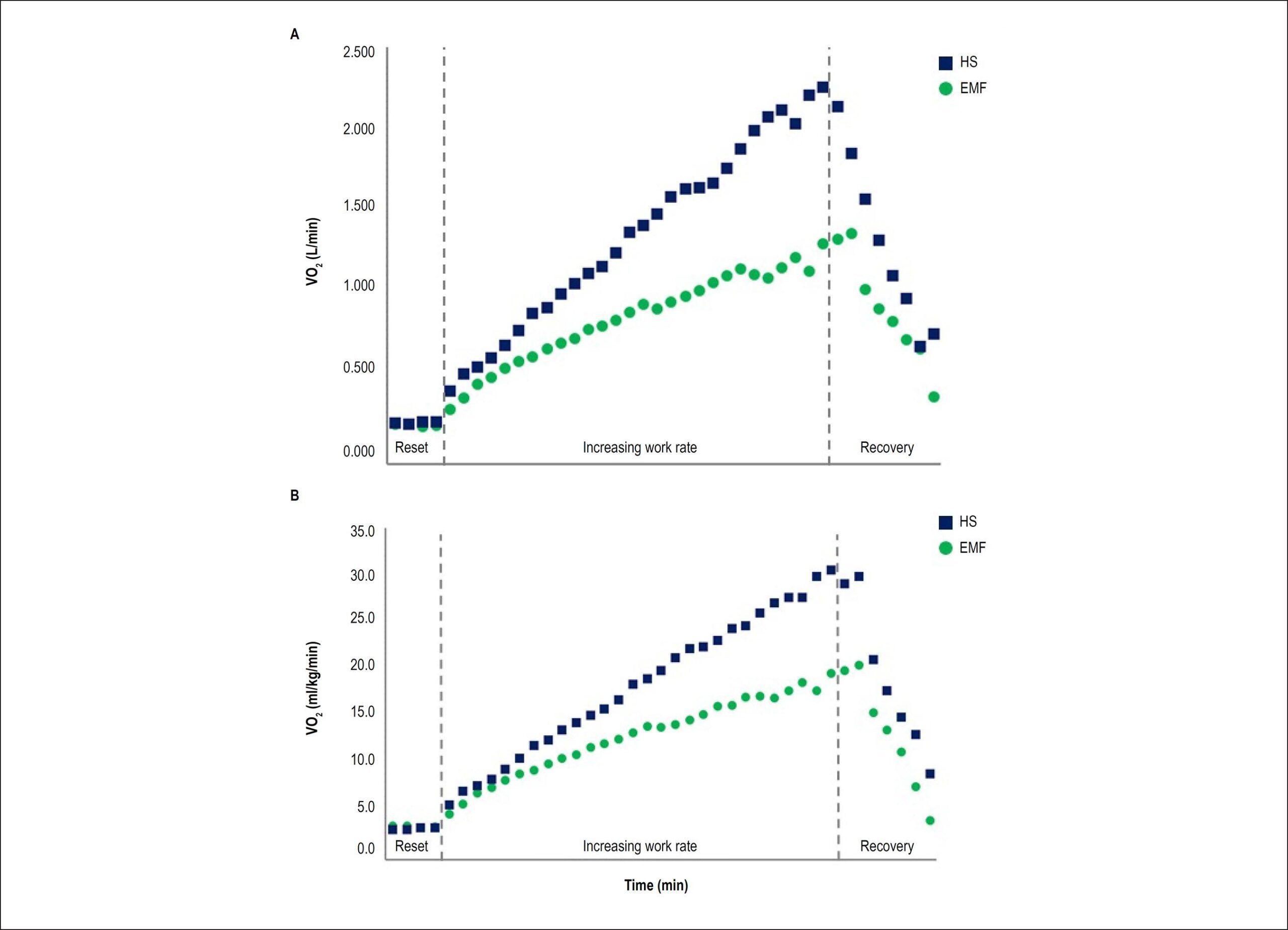
Endomyocardial fibrosis (EMF) is a rare disease, characterized by diastolic dysfunction which leads to reduced peak oxygen consumption (VO2). Cardiopulmonary exercise testing (CPET) has been proved to be a fundamental tool to identify central and peripheral alterations. However, most studies prioritize peak VO2 as the main variable, leaving aside other important CPET variables that can specify the severity of the disease and guide the clinical treatment.

Objective:

The aim of this study was to evaluate central and peripheral limitations in symptomatic patients with EMF by different CPET variables.

Methods:

Twenty-six EMF patients (functional class III, NYHA) were compared with 15 healthy subjects (HS). Functional capacity was evaluated using CPET and diastolic and systolic functions were evaluated by echocardiography.

Results:

Age and gender were similar between EMF patients and HS. Left ventricular ejection fraction was normal in EMF patients, but decreased compared to HS. Peak heart rate, peak workload, peak VO2, peak oxygen (O2) pulse and peak pulmonary ventilation (VE) were decreased in EMF compared to HS. Also, EMF patients showed increased Δ heart rate /Δ oxygen uptake and Δ oxygen uptake /Δ work rate compared to HS.

Conclusion:

Determination of the aerobic capacity by noninvasive respiratory gas exchange during incremental exercise provides additional information about the exercise tolerance in patients with EMF. The analysis of different CPET variables is necessary to help us understand more about the central and peripheral alterations cause by both diastolic dysfunction and restrictive pattern.

  • Breathing Exercises
  • Cardiomyopathies
  • Cardiomyopathy, Restrictive
  • Endocardium / surgery
  • Exercise Test
  • Respiratory Function Tests
Read Full Article
Creative Commons Attribution (CC BY) Creative Commons license
01/12/2017 DOI: 10.5935/abc.20170179 Views 1
Figure 1
ABC
Original Article

Minute-Ventilation Variability during Cardiopulmonary Exercise Test is Higher in Sedentary Men Than in Athletes

Renata Rodrigues Teixeira de Castro et al. Sabrina Pedrosa Lima Allan Robson Kluser Sales Antonio Claudio Lucas da Nóbrega

Abstract

Background:

The occurrence of minute-ventilation oscillations during exercise, named periodic breathing, exhibits important prognostic information in heart failure. Considering that exercise training could influence the fluctuation of ventilatory components during exercise, we hypothesized that ventilatory variability during exercise would be greater in sedentary men than athletes.

Objective:

To compare time-domain variability of ventilatory components of sedentary healthy men and athletes during a progressive maximal exercise test, evaluating their relationship to other variables usually obtained during a cardiopulmonary exercise test.

Methods:

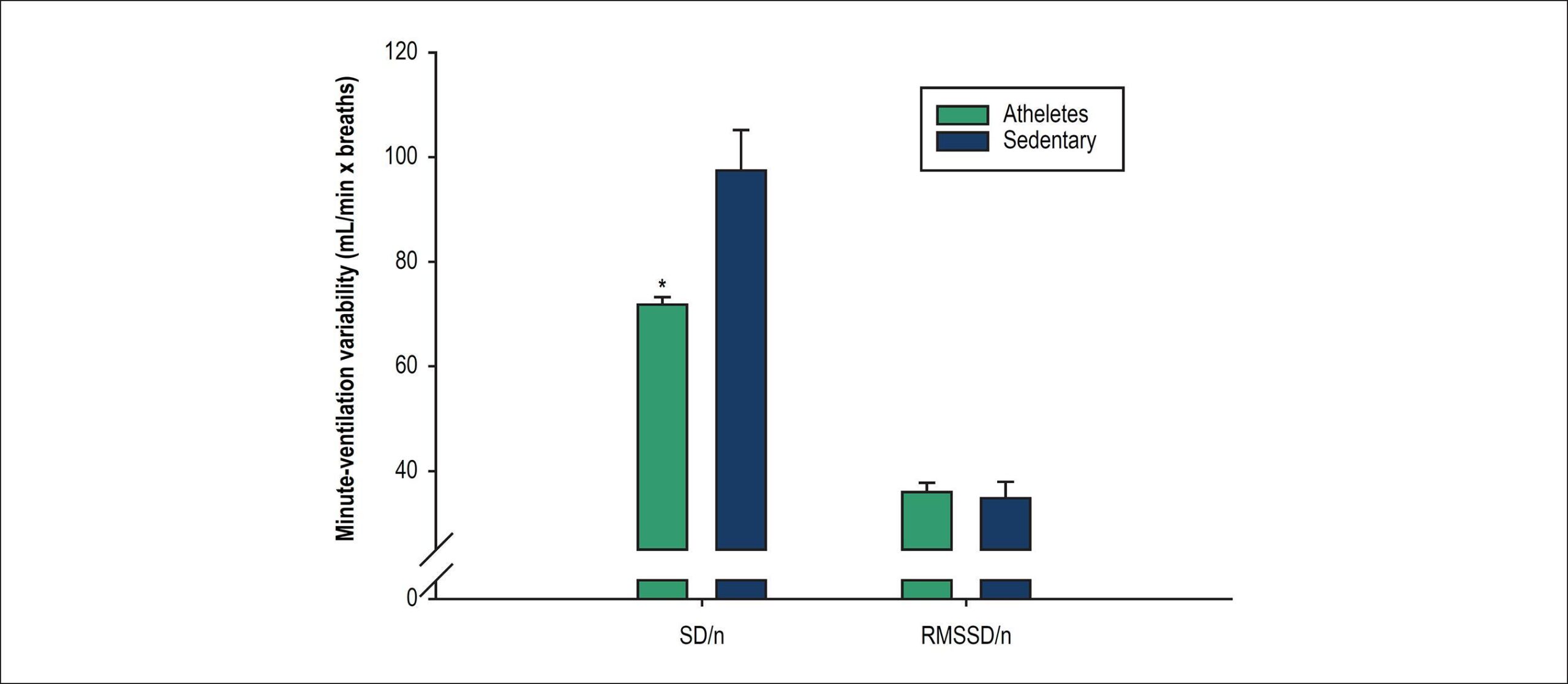
Analysis of time-domain variability (SD/n and RMSSD/n) of minute-ventilation (Ve), respiratory rate (RR) and tidal volume (Vt) during a maximal cardiopulmonary exercise test of 9 athletes and 9 sedentary men was performed. Data was compared by two-tailed Student T test and Pearson´s correlations test.

Results:

Sedentary men exhibited greater Vt (SD/n: 1.6 ± 0.3 vs. 0.9 ± 0.3 mL/breaths; p < 0.001) and Ve (SD/n: 97.5 ± 23.1 vs. 71.6 ± 4.8 mL/min x breaths; p = 0.038) variabilities than athletes. VE/VCO2 correlated to Vt variability (RMSSD/n) in both groups.

Conclusions:

Time-domain variability of Vt and Ve during exercise is greater in sedentary than athletes, with a positive relationship between VE/VCO2 pointing to a possible influence of ventilation-perfusion ratio on ventilatory variability during exercise in healthy volunteers.

  • Athletes
  • Breathing
  • Exercise
  • Pulmonary Ventilation
  • Respiratory Function Tests
  • Sedentary Lifestyle
Read Full Article
Creative Commons Attribution (CC BY) Creative Commons license
01/09/2017 DOI: 10.5935/abc.20170104 Views 2
Figure 1
ABC
Original Article

Brazilian Cardiorespiratory Fitness Classification Based on Maximum Oxygen Consumption

Artur Haddad Herdy et al. Ananda Caixeta

Abstract

Background:

Cardiopulmonary exercise test (CPET) is the most complete tool available to assess functional aerobic capacity (FAC). Maximum oxygen consumption (VO2 max), an important biomarker, reflects the real FAC.

Objective:

To develop a cardiorespiratory fitness (CRF) classification based on VO2 max in a Brazilian sample of healthy and physically active individuals of both sexes.

Methods:

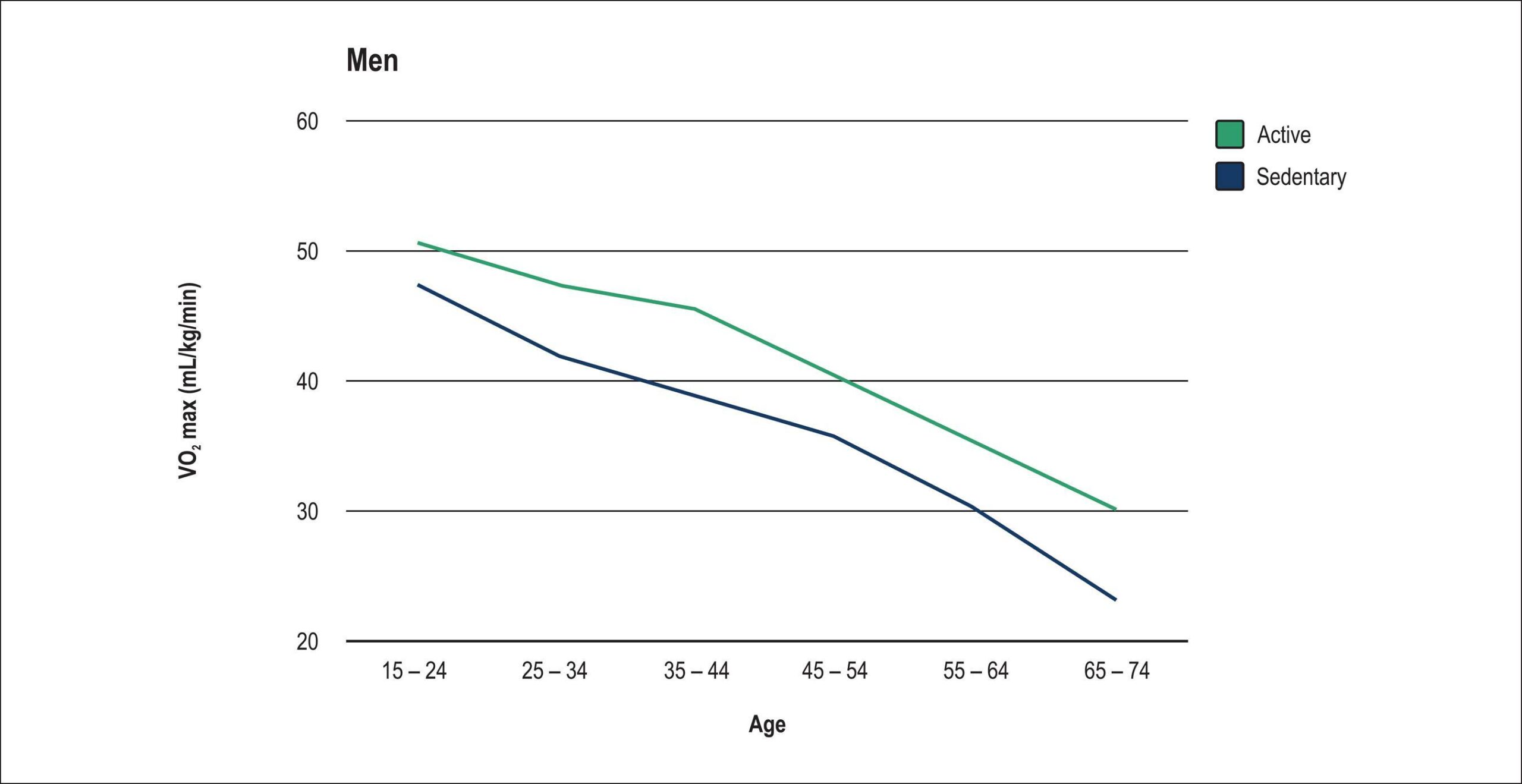
We selected 2837 CEPT from 2837 individuals aged 15 to 74 years, distributed as follows: G1 (15 to 24); G2 (25 to 34); G3 (35 to 44); G4 (45 to 54); G5 (55 to 64) and G6 (65 to 74). Good CRF was the mean VO2 max obtained for each group, generating the following subclassification: Very Low (VL): VO2 105%.

Results:

Conclusions:

This chart stratifies VO2 max measured on a treadmill in a robust Brazilian sample and can be used as an alternative for the real functional evaluation of physically and healthy individuals stratified by age and sex.

  • Exercise
  • Exercise Test
  • Oxygen Consumption
  • Respiratory Function Tests
Read Full Article
Creative Commons Attribution (CC BY) Creative Commons license
01/05/2016 DOI: 10.5935/abc.20160070 Views 1
Figure 1
ABC
Original Article

An Equation for the Prediction of Oxygen Consumption in a Brazilian Population

Antonio Eduardo Monteiro de Almeida et al. Charles de Moraes Stefani João Agnaldo do Nascimento Narla Miranda de Almeida … Amilton da Cruz Santos Jorge Pinto Ribeiro (in memoriam) Ricardo Stein

Background:

The equations predicting maximal oxygen uptake (VO2max or peak) presently in use in cardiopulmonary exercise testing (CPET) softwares in Brazil have not been adequately validated. These equations are very important for the diagnostic capacity of this method.

Objective:

Build and validate a Brazilian Equation (BE) for prediction of VO2peak in comparison to the equation cited by Jones (JE) and the Wasserman algorithm (WA).

Methods:

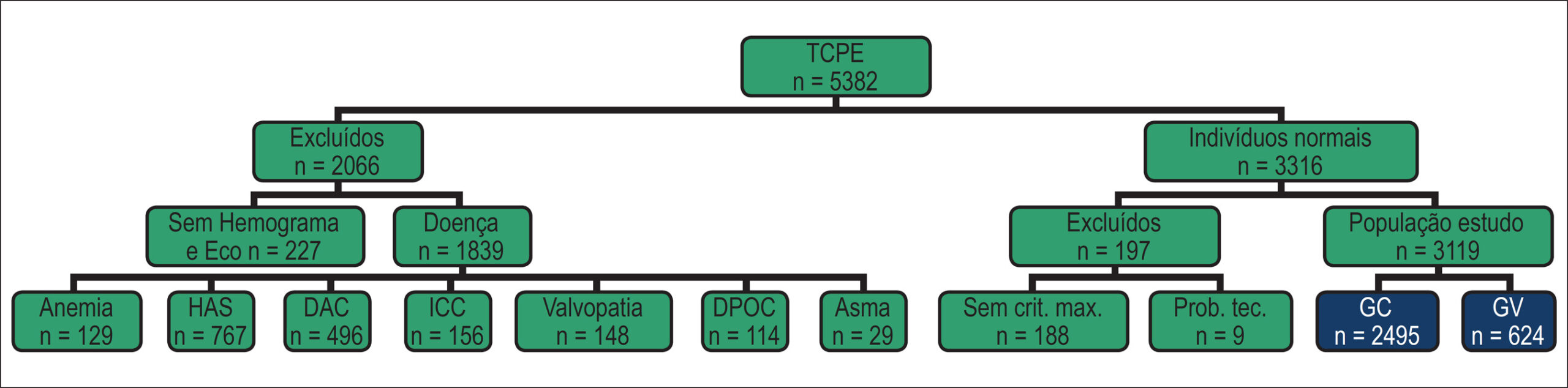
Treadmill evaluation was performed on 3119 individuals with CPET (breath by breath). The construction group (CG) of the equation consisted of 2495 healthy participants. The other 624 individuals were allocated to the external validation group (EVG). At the BE (derived from a multivariate regression model), age, gender, body mass index (BMI) and physical activity level were considered. The same equation was also tested in the EVG. Dispersion graphs and Bland-Altman analyses were built.

Results:

In the CG, the mean age was 42.6 years, 51.5% were male, the average BMI was 27.2, and the physical activity distribution level was: 51.3% sedentary, 44.4% active and 4.3% athletes. An optimal correlation between the BE and the CPET measured VO2peak was observed (0.807). On the other hand, difference came up between the average VO2peak expected by the JE and WA and the CPET measured VO2peak, as well as the one gotten from the BE (p = 0.001).

Conclusion:

BE presents VO2peak values close to those directly measured by CPET, while Jones and Wasserman differ significantly from the real VO2peak.

  • Brazil
  • Forecasting
  • Oxygen Consumption
  • population
  • Respiratory Function Tests
Read Full Article
Creative Commons Attribution (CC BY) Creative Commons license
12/09/2014 DOI: 10.5935/abc.20140137 Views 1
Cardiorespiratory optimal point: a submaximal variable of the cardiopulmonary exercise testing
ABC
Artigo Original

Cardiorespiratory optimal point: a submaximal variable of the cardiopulmonary exercise testing

Plínio Santos Ramos et al. Djalma Rabelo Ricardo Claudio Gil Soares de Araújo

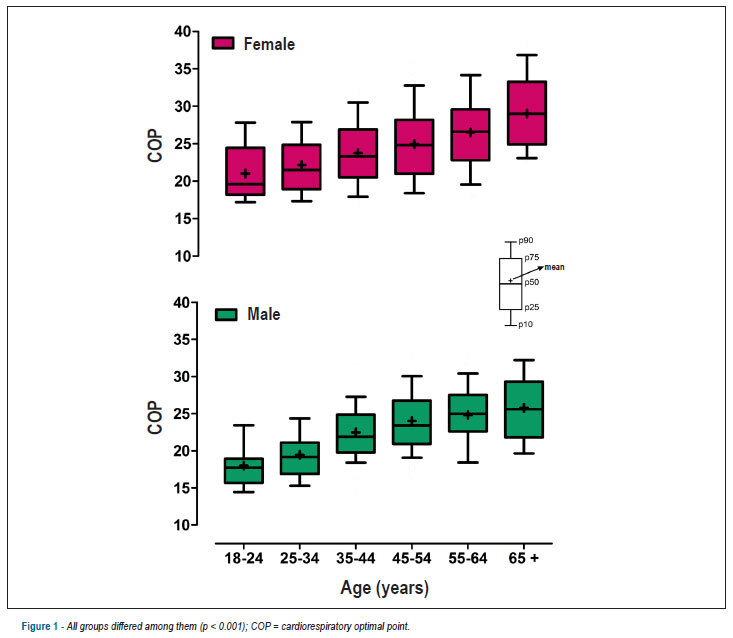
BACKGROUND: At the maximal Cardiopulmonary Exercise Testing (CPET), several ventilatory variables are analyzed, including the ventilatory equivalent for oxygen (VE/VO2). The minimum VE/VO2 value reflects the best integration between the respiratory and cardiovascular systems and may be called “Cardiorespiratory Optimal Point (COP)”. OBJECTIVE: To determine the behavior of the COP according to gender and age in healthy adults and verify its association with other CPET variables. METHODS: Of 2,237 individuals, 624 were selected (62% men and 48 ± 12 years), non- athletes, healthy, who were submitted to maximal CPET. COP or minimum VE/VO2 was obtained from the analysis of ventilation and oxygen consumption in every minute of CPET. We investigated the association between age and COP for both genders, as well as associations with: VO2max, VO2 at anaerobic threshold (VO2AT), oxygen uptake efficiency slope (OUES) and with maximum VE. We also compared the intensity of exertion (MET) at the COP, AT and VO2max. RESULTS: COP increases with age, being 23.2 ± 4.48 and 25.0 ± 5.14, respectively, in men and women = (p < 0.001). There are moderate and inverse associations with VO2max (r = -0.47; p < 0.001), with VO2AT (r = -0.42; p < 0.001) and with OUES (r = -0.34; p < 0.001). COP occurred, on average, at 44% do VO2max and before AT (67% of VO2max) (p < 0.001). CONCLUSION: COP, a submaximal variable, increases with age and is slightly higher in women. Being modestly associated with other ventilation measures, there seems to be an independent contribution to the interpretation of the cardiorespiratory response to CPET.

  • Exercise
  • Oxygen Consumption
  • Respiratory Function Tests
  • Spirometry
  • ventilation-perfusion ratio
Read Full Article
Creative Commons Attribution (CC BY) Creative Commons license
02/10/2012 DOI: 10.1590/S0066-782X2012005000091
Heart failure: comparison between six-minute walk test and cardiopulmonary test
ABC
Artigo Original

Heart failure: comparison between six-minute walk test and cardiopulmonary test

Eduardo Elias Vieira de Carvalho et al. Daniela Caetano Costa Júlio César Crescêncio Giovani Luiz De Santi … Valéria Papa Fabiana Marques André Schmidt José Antonio Marin-Neto Marcus Vinícius Simões Lourenço Gallo Junior

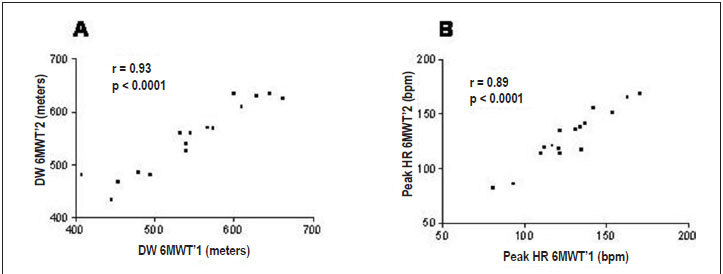
BACKGROUND: Chronic heart failure (HF) is a syndrome characterized by reduced cardiac output in relation to the metabolic needs of the organism, as well as metabolic and neurohormonal axis abnormalities. Symptoms such as fatigue and dyspnoea are notorious and stress tests are widely used to assess functional capacity, prognosis and effectiveness of therapeutic interventions in this syndrome. OBJECTIVE: To evaluate the reproducibility of the six-minute walk test (6MW) in patients with HF and correlate the magnitude of the variables reached at peak exercise of the 6MWT with a cardiopulmonary exercise test (CPET). METHODS: We studied 16 patients (12 men and 4 women) diagnosed with HF FC I-II (NYHA). The volunteers underwent two 6MWT (6MWT’1 and 6MWT’2) with 30-minute interval between them; then, they underwent a maximum CPET. RESULTS: All variables obtained in the two 6MWT’ proved to be significant with high correlations: distance walked (DW) (r = 0.93, p < 0.0001), heart rate (HR) (r = 0.89, p < 0.0001), oxygen consumption (VO2) (r = 0.93, p < 0.0001) and scale of perceived exertion (r = 0.85, p < 0.0001). In turn, all variables analyzed in the 6MWT' showed significant and moderate correlations with the variables obtained from the CPET, namely: peak HR (r = 0.66; p = 0.005); VO2 (r = 0.57; p = 0.02) and VO2 in the CPET and DT in the 6MWT'2 (r = 0.70; p = 0.002). CONCLUSION: The 6MWT was reproducible in this group of patients with HF (NYHA – I-II) and correlated with the CPET. Therefore, it is a tool for reliable evaluation, and a suitable, safe and low-cost alternative for the prescription of aerobic exercise in patients with HF.

  • Exercise
  • Heart Failure
  • Respiratory Function Tests
  • walking
Read Full Article
Creative Commons Attribution (CC BY) Creative Commons license
06/05/2011 DOI: 10.1590/S0066-782X2011005000056 Views 1
ABC
Artigo Original

Evaluation of cardiopulmonary fitness in individuals with hemiparesis after cerebrovascular accident

Angélica Cristiane Ovando et al. Stella Maris Michaelsen Tales de Carvalho Vanessa Herber

BACKGROUND: Due to the hemiparesis, the assessment of cardiorespiratory fitness on individuals after cerebrovascular accident (CVA), using exercise tests with conventional protocols, has become a challenge. OBJECTIVE: Perform cardiopulmonary test (CPT) in hemiparetic patients to a pre-participation evaluation aimed at a careful prescription of aerobic exercise. METHODS: The study included eight individuals with chronic hemiparesis who underwent CPT performed with individualized ramp protocol, developed from information on the gait speed of individuals previously evaluated in the track test. We considered the proposal of inclination ranging from 0 to 10.0%, initial speed corresponding to 70.0% of comfortable walking speed rhythm and 40.0% higher than the maximum speed on the track test, expecting that the CPT with this gradual and steady increase in intensity, lasted from 6 to 8 minutes. RESULTS: In 100.0% of the sample, the reason for discontinuation was peripheral fatigue. The peak VO2 achieved was 20.6 ± 5.7 ml/kg.min. The threshold I was identified in all tests, standing at 82.64 ± 4.78% of peak HR and 73.31 ± 4.97% of peak VO2. The respiratory quotient (R) of the group was 0.96 ± 0.09, and three out of eight individuals (37.5%) reached R higher than 1.00, and the Threshold II was identified in these individuals. We found positive relationships between CPT variables and balance scores, performance in the 6-minute walking test and running speed on the ground. CONCLUSION: The test proved to be useful for prescribing physical activity in these individuals.

  • Exercise Test
  • paresis
  • physical fitness
  • Respiratory Function Tests
  • Stroke
Read Full Article
Creative Commons Attribution (CC BY) Creative Commons license
07/01/2011 DOI: 10.1590/S0066-782X2011005000001
ABC
Artigo Original

Correlation between quality of life and functional capacity in cardiac failure

Ivan Daniel Bezerra Nogueira et al. Denise Maria Servantes Patrícia Angélica de Miranda Silva Nogueira Amália Pelcerman … Xiomara Miranda Salvetti Fernando Salles Dirceu Rodrigues Almeida Marco Túlio de Mello Orlando Campos Filho Japy Angelini Oliveira Filho

BACKGROUND: Patients with cardiac failure (CF) present progressive incapacity and decreased quality of life, both related to dyspnea and fatigue. Thus, there is the increasing interest in measring the quality of life (QL), by generic instrument, such as the 36-item Short-Form Health Survey (SF-36), by specific instrument, such as Minnesota Living with Heart Failure (MLHFQ). OBJECTIVE: This study has the objective to correlate the QL surveys, SF-36 and MLHFQ, with the functional capacity of patients with CF, expressed by the cardiopulmonary test and the TC6M. METHODS: Using the SF-36 and MLHFQ surveys for QL evaluation, for the evaluation of the functional capacity, it was used the cardiopulmonary test, being executed using a tredmill with Weber protocol, as well sa the distance covered in the walk test of six minutes (TC6M). RESULTS: Forty-six patients were selected with CF diagnosis (22 men, average age of 52 years old), classes II and III of New York Heart Association. It was observed that the mild correlation between the physical and emotional domains of SF-36 and VE/VCO2.peak (r=-0.3; p<0.05) and the distance covered in TC6M (r=0.4; p<0.05), respectively. It was also observed the mild to moderate correlations of MLHFQ total score with VO2.peak (r=-0.5; p<0.05), the aerobic threshold (r=-0.4; p<0.05) and the distance covered in TC6M (r=-0.5; p<0.05). CONCLUSION: The data suggest that the application of both evaluation instruments of QL, generic (SF-36) and specific (MLHFQ) in patients with CF, showed mild and moderate correlation with the variable of the cardiopulmonary test with the variables of the cardiopulmonary test and the distance covered in TC6M.

  • Dyspnea
  • Fatigue
  • Heart Failure
  • Quality of life
  • Respiratory Function Tests
Read Full Article
Creative Commons Attribution (CC BY) Creative Commons license
23/07/2010 DOI: 10.1590/S0066-782X2010005000096
Slow breathing test increases the suspicion of white-coat hypertension in the office
ABC
Artigo Original

Slow breathing test increases the suspicion of white-coat hypertension in the office

José Marcos Thalenberg et al. Rui Manoel dos Santos Póvoa Maria Teresa Nogueira Bombig Gustavo André Costa de Sá … Álvaro Nagib Atallah Bráulio Luna Filho

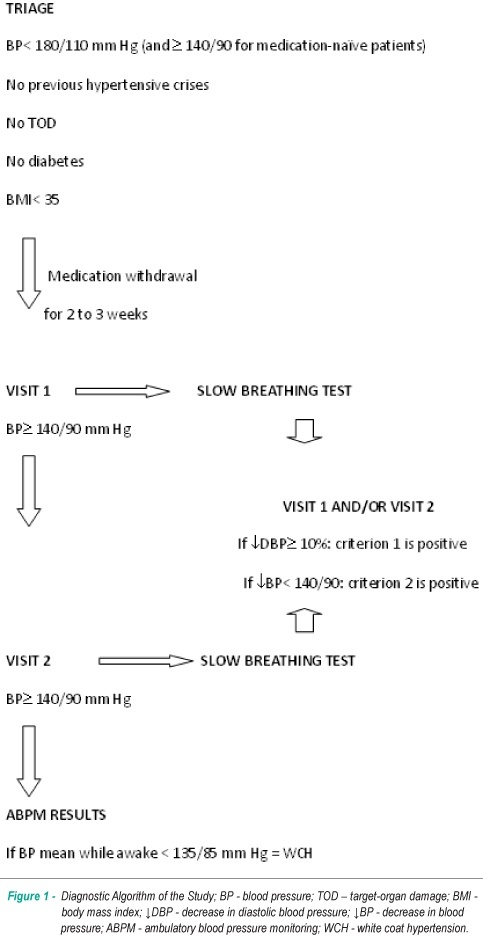
BACKGROUND: It would be useful to have a clinical test that increases the suspicion of white coat hypertension (WCH) during the medical consultation. OBJECTIVE: To evaluate the Slow Breathing Test (SBT) when differentiating hypertension from WCH. METHODS: 101 hypertensive patients selected at triage had their medication withdrawn for 2-3 weeks. The blood pressure (BP) was measured before and after the SBT at two consultations at the office. The test consisted in breathing for 1 minute at the frequency of one respiratory cycle every 10 seconds. Two diagnostic criteria were compared: 1 – decrease in diastolic BP >10% in at least one visit or 2- decrease in BP to normal levels (<140/90 mm Hg) in at least one visit. The ambulatory blood pressure monitoring (ABPM) was performed while blinded to the clinical measurements. RESULTS: 71 women and 30 men, with a mean age of 51+10 years, with mean pre and post-test BP of 152+17/ 99+11 and 140+18/ 91+11 mm Hg were assessed. Nine patients had normal clinical and ambulatory measurements. Of the 92 patients, 28 (30%) were classified as having WCH; 15 had a positive test for Criterion 1 and 21 for the Criterion 2. Among 64 (70%) hypertensive individuals, 14 tested positive for Criterion 1 and 12 for Criterion 2. Sensitivity and specificity (95% CI): 0.54 (0.36-0.71) and 0.78 (0.67-0.87) for Criterion 1; 0.75 (0.57-0.87) and 0.81 (0.70-0.89) for Criterion 2. CONCLUSION: The SBT showed an increase in the clinical suspicion of WCH in two visits when using the BP normalization criterion. This finding suggests that the test can help in the optimization of ABPM requests for suspected cases.

  • Ambulatory
  • blood pressure monitoring
  • Hypertension
  • Respiratory Function Tests
Read Full Article
Creative Commons Attribution (CC BY) Creative Commons license
11/11/2008 DOI: 10.1590/S0066-782X2008001600010 Views 1
ABC
Artigo Original

Coronary artery disease in asymptomatic type-2 diabetic women: a comparative study between exercise test, cardiopulmonary exercise test, and dipyridamole myocardial perfusion scintigraphy in the identification of ischemia

Paola Emanuela Poggio Smanio et al. Antonio Carlos Carvalho Antonio Sergio Tebexreni Anneliese Thom … Filadelfo Rodrigues Romeu Meneghelo Luiz Mastrocolla Alexandre Alves Leopoldo Soares Piegas Angelo Amato de Paola

BACKGROUND: Cardiovascular disease is the leading cause of morbidity and mortality among diabetic individuals. Myocardial ischemia is frequently asymptomatic, thus leading to a late diagnosis and worse prognosis. Diabetic women are known to have a cardiovascular death risk higher than that in men. OBJECTIVE: To assess the prevalence of coronary artery disease (CAD) in asymptomatic diabetic women. To compare the results of exercise test (ET), cardiopulmonary exercise test (CPET), and dipyridamole myocardial perfusion scintigraphy (MPS) with the findings of coronary angiography, (ANGI) in order of identify the most accurate method in the detection of significant CAD. METHODS: A total of 104 diabetic women were assessed with ET, CPET and MPS in the period within two months from the ANGI. MIBI-99mTc scintigraphy was performed using the gated-SPECT technique. Pearson’s chi-square, Student’s t tests were used for the statistical analysis and also the logistic regression analysis. RESULTS: The prevalence of CAD in the group studied was 32.7%. For the ET, an effective test (p=0.045), the chronotropic incompetence (p=0.031), and the exercise time performed (p=0.022) showed a significant association with DAC. For CPET, peak VO2 and HR achieved were associated with CAD (p=0.004 and p=0.025, respectively). Most of the MPS variables showed a significant association with CAD (p=0.001, for all). CONCLUSION: The results obtained may suggest a high prevalence of CAD in diabetic women. Thus, this population should be investigated from the cardiovascular point of view even without cardiac symptom. Of the noninvasive diagnostic methods used, dipyridamole MPS was the one that showed the highest discrimination power in relation to diabetic women with CAD.

  • coronary arteriosclerosis
  • Exercise Test
  • Radionuclide Imaging
  • Respiratory Function Tests
  • Type 2 Diabetes Mellitus
  • Women
Read Full Article
Creative Commons Attribution (CC BY) Creative Commons license
07/12/2007 DOI: 10.1590/S0066-782X2007001700003

How to cite this article

EndNote RIS

Electronic Document Format (Vancouver)

Moreira RI, Silva TP, Gonçalves AV, Feliciano J, Rio P, Soares R, Ferreira RC, et al. Impact of Cardiorespiratory Fitness on the Obesity Paradox in Heart Failure with Reduced Ejection Fraction. Arquivos Brasileiros de Cardiologia 2020;115(4):639-45.

Electronic Document Format (ABNT)

Moreira, Rita Ilhão; Silva, Tiago Pereira; Gonçalves, António Valentim; Feliciano, Joana; Rio, Pedro; Soares, Rui; Ferreira, Rui Cruz. Impact of Cardiorespiratory Fitness on the Obesity Paradox in Heart Failure with Reduced Ejection Fraction. Arquivos Brasileiros de Cardiologia, v. 115, n. 4, p. 639-645, Oct. 2020.

Electronic Document Format (APA)

Moreira, R. I., Silva, T. P., Gonçalves, A. V., Feliciano, J., Rio, P., Soares, R., & Ferreira, R. C. (2020). Impact of Cardiorespiratory Fitness on the Obesity Paradox in Heart Failure with Reduced Ejection Fraction. Arquivos Brasileiros de Cardiologia, 115(4), 639-645.

Electronic Document Format (ISO)

Moreira, Rita Ilhão and Silva, Tiago Pereira and Gonçalves, António Valentim and Feliciano, Joana and Rio, Pedro and Soares, Rui and Ferreira, Rui Cruz. Impact of Cardiorespiratory Fitness on the Obesity Paradox in Heart Failure with Reduced Ejection Fraction. Arquivos Brasileiros de Cardiologia [online]. 2020, vol. 115, n. 4, [cited 2026-10-14], pp. 639-645. Available from: <https://journals.cardiol.br/en/article/impact-of-cardiorespiratory-fitness-on-the-obesity-paradox-in-heart-failure-with-reduced-ejection-fraction/>. ISSN 0066-782X

EndNote RIS

Electronic Document Format (Vancouver)

Almeida AEM, Santander IRMF, Campos MIM, Arévalo JRG, Nascimento JA, Ritt LEF, Belli KC, et al. Classification System for Cardiorespiratory Fitness Based on a Sample of the Brazilian Population. International Journal of Cardiovascular Sciences 2019;32(4):343-54.

Electronic Document Format (ABNT)

Almeida, Antonio Eduardo Monteiro de; Santander, Igor Rafael Miranda Ferreira; Campos, Maria Izabel Macedo; Arévalo, Jorge René Garcia; Nascimento, João Agnaldo do; Ritt, Luiz Eduardo Fonteles; Belli, Karlyse Claudino; Ribeiro, Jorge Pinto; Stein, Ricardo. Classification System for Cardiorespiratory Fitness Based on a Sample of the Brazilian Population. International Journal of Cardiovascular Sciences, v. 32, n. 4, p. 343-354, Aug. 2019.

Electronic Document Format (APA)

Almeida, A. E. M. , Santander, I. R. M. F., Campos, M. I. M., Arévalo, J. R. G., Nascimento, J. A. , Ritt, L. E. F., Belli, K. C., Ribeiro, J. P., & Stein, R. (2019). Classification System for Cardiorespiratory Fitness Based on a Sample of the Brazilian Population. International Journal of Cardiovascular Sciences, 32(4), 343-354.

Electronic Document Format (ISO)

Almeida, Antonio Eduardo Monteiro de and Santander, Igor Rafael Miranda Ferreira and Campos, Maria Izabel Macedo and Arévalo, Jorge René Garcia and Nascimento, João Agnaldo do and Ritt, Luiz Eduardo Fonteles and Belli, Karlyse Claudino and Ribeiro, Jorge Pinto and Stein, Ricardo. Classification System for Cardiorespiratory Fitness Based on a Sample of the Brazilian Population. International Journal of Cardiovascular Sciences [online]. 2019, vol. 32, n. 4, [cited 2026-10-14], pp. 343-354. Available from: <https://journals.cardiol.br/en/article/classification-system-for-cardiorespiratory-fitness-based-on-a-sample-of-the-brazilian-population/>. ISSN 2359-4802

EndNote RIS

Electronic Document Format (Vancouver)

Laukkanen JA. Is Cardiorespiratory Optimal Point Measured During the Maximal Cardiopulmonary Exercise Test a Relevant Indicator of Sports Performance?. International Journal of Cardiovascular Sciences 2018;31(4):320-2.

Electronic Document Format (ABNT)

Laukkanen, Jari A.. Is Cardiorespiratory Optimal Point Measured During the Maximal Cardiopulmonary Exercise Test a Relevant Indicator of Sports Performance?. International Journal of Cardiovascular Sciences, v. 31, n. 4, p. 320-322, Dec. 2017.

Electronic Document Format (APA)

Laukkanen, J. A. (2018). Is Cardiorespiratory Optimal Point Measured During the Maximal Cardiopulmonary Exercise Test a Relevant Indicator of Sports Performance?. International Journal of Cardiovascular Sciences, 31(4), 320-322.

Electronic Document Format (ISO)

Laukkanen, Jari A.. Is Cardiorespiratory Optimal Point Measured During the Maximal Cardiopulmonary Exercise Test a Relevant Indicator of Sports Performance?. International Journal of Cardiovascular Sciences [online]. 2018, vol. 31, n. 4, [cited 2026-10-14], pp. 320-322. Available from: <https://journals.cardiol.br/en/article/is-cardiorespiratory-optimal-point-measured-during-the-maximal-cardiopulmonary-exercise-test-a-relevant-indicator-of-sports-performance/>. ISSN 2359-4802

EndNote RIS

Electronic Document Format (Vancouver)

Sayegh ALC, Santos MR, Oliveira P, Fernandes F, Rondon E, Souza FR, Salemi VMC, et al. Characterization of Cardiopulmonary Exercise Testing Variables in Patients with Endomyocardial Fibrosis after Endocardial Resection. Arquivos Brasileiros de Cardiologia 2017;109(6):533-40.

Electronic Document Format (ABNT)

Sayegh, Ana Luiza C.; Santos, Marcelo R. dos; Oliveira, Patricia de; Fernandes, Fábio; Rondon, Eduardo; Souza, Francis R. de; Salemi, Vera M. C.; Alves, Maria Janieire de N. N.; Mady, Charles. Characterization of Cardiopulmonary Exercise Testing Variables in Patients with Endomyocardial Fibrosis after Endocardial Resection. Arquivos Brasileiros de Cardiologia, v. 109, n. 6, p. 533-540, Nov. 2017.

Electronic Document Format (APA)

Sayegh, A. L. C., Santos, M. R. , Oliveira, P. , Fernandes, F., Rondon, E., Souza, F. R. , Salemi, V. M. C., Alves, M. J. N. N., & Mady, C. (2017). Characterization of Cardiopulmonary Exercise Testing Variables in Patients with Endomyocardial Fibrosis after Endocardial Resection. Arquivos Brasileiros de Cardiologia, 109(6), 533-540.

Electronic Document Format (ISO)

Sayegh, Ana Luiza C. and Santos, Marcelo R. dos and Oliveira, Patricia de and Fernandes, Fábio and Rondon, Eduardo and Souza, Francis R. de and Salemi, Vera M. C. and Alves, Maria Janieire de N. N. and Mady, Charles. Characterization of Cardiopulmonary Exercise Testing Variables in Patients with Endomyocardial Fibrosis after Endocardial Resection. Arquivos Brasileiros de Cardiologia [online]. 2017, vol. 109, n. 6, [cited 2026-10-14], pp. 533-540. Available from: <https://journals.cardiol.br/en/article/characterization-of-cardiopulmonary-exercise-testing-variables-in-patients-with-endomyocardial-fibrosis-after-endocardial-resection/>. ISSN 0066-782X

EndNote RIS

Electronic Document Format (Vancouver)

Castro RRT, Lima SP, Sales ARK, Nóbrega ACL. Minute-Ventilation Variability during Cardiopulmonary Exercise Test is Higher in Sedentary Men Than in Athletes. Arquivos Brasileiros de Cardiologia 2017;109(3):185-90.

Electronic Document Format (ABNT)

Castro, Renata Rodrigues Teixeira de; Lima, Sabrina Pedrosa; Sales, Allan Robson Kluser; Nóbrega, Antonio Claudio Lucas da. Minute-Ventilation Variability during Cardiopulmonary Exercise Test is Higher in Sedentary Men Than in Athletes. Arquivos Brasileiros de Cardiologia, v. 109, n. 3, p. 185-190, Aug. 2017.

Electronic Document Format (APA)

Castro, R. R. T. , Lima, S. P., Sales, A. R. K., & Nóbrega, A. C. L. (2017). Minute-Ventilation Variability during Cardiopulmonary Exercise Test is Higher in Sedentary Men Than in Athletes. Arquivos Brasileiros de Cardiologia, 109(3), 185-190.

Electronic Document Format (ISO)

Castro, Renata Rodrigues Teixeira de and Lima, Sabrina Pedrosa and Sales, Allan Robson Kluser and Nóbrega, Antonio Claudio Lucas da. Minute-Ventilation Variability during Cardiopulmonary Exercise Test is Higher in Sedentary Men Than in Athletes. Arquivos Brasileiros de Cardiologia [online]. 2017, vol. 109, n. 3, [cited 2026-10-14], pp. 185-190. Available from: <https://journals.cardiol.br/en/article/minute-ventilation-variability-during-cardiopulmonary-exercise-test-is-higher-in-sedentary-men-than-in-athletes/>. ISSN 0066-782X

EndNote RIS

Electronic Document Format (Vancouver)

Herdy AH, Caixeta A. Brazilian Cardiorespiratory Fitness Classification Based on Maximum Oxygen Consumption. Arquivos Brasileiros de Cardiologia 2016;106(5):389-95.

Electronic Document Format (ABNT)

Herdy, Artur Haddad; Caixeta, Ananda. Brazilian Cardiorespiratory Fitness Classification Based on Maximum Oxygen Consumption. Arquivos Brasileiros de Cardiologia, v. 106, n. 5, p. 389-395, Apr. 2016.

Electronic Document Format (APA)

Herdy, A. H., & Caixeta, A. (2016). Brazilian Cardiorespiratory Fitness Classification Based on Maximum Oxygen Consumption. Arquivos Brasileiros de Cardiologia, 106(5), 389-395.

Electronic Document Format (ISO)

Herdy, Artur Haddad and Caixeta, Ananda. Brazilian Cardiorespiratory Fitness Classification Based on Maximum Oxygen Consumption. Arquivos Brasileiros de Cardiologia [online]. 2016, vol. 106, n. 5, [cited 2026-10-14], pp. 389-395. Available from: <https://journals.cardiol.br/en/article/brazilian-cardiorespiratory-fitness-classification-based-on-maximum-oxygen-consumption/>. ISSN 0066-782X

EndNote RIS

Electronic Document Format (Vancouver)

Almeida AEM, Stefani CM, Nascimento JA, Almeida NM, Santos AC, memoriam) JPR, Stein R, et al. An Equation for the Prediction of Oxygen Consumption in a Brazilian Population. Arquivos Brasileiros de Cardiologia 2014;103(4):299-307.

Electronic Document Format (ABNT)

Almeida, Antonio Eduardo Monteiro de; Stefani, Charles de Moraes; Nascimento, João Agnaldo do; Almeida, Narla Miranda de; Santos, Amilton da Cruz; memoriam), Jorge Pinto Ribeiro (in; Stein, Ricardo. An Equation for the Prediction of Oxygen Consumption in a Brazilian Population. Arquivos Brasileiros de Cardiologia, v. 103, n. 4, p. 299-307, Sep. 2014.

Electronic Document Format (APA)

Almeida, A. E. M. , Stefani, C. M., Nascimento, J. A. , Almeida, N. M. , Santos, A. C., memoriam), J. P. R. , & Stein, R. (2014). An Equation for the Prediction of Oxygen Consumption in a Brazilian Population. Arquivos Brasileiros de Cardiologia, 103(4), 299-307.

Electronic Document Format (ISO)

Almeida, Antonio Eduardo Monteiro de and Stefani, Charles de Moraes and Nascimento, João Agnaldo do and Almeida, Narla Miranda de and Santos, Amilton da Cruz and memoriam), Jorge Pinto Ribeiro (in and Stein, Ricardo. An Equation for the Prediction of Oxygen Consumption in a Brazilian Population. Arquivos Brasileiros de Cardiologia [online]. 2014, vol. 103, n. 4, [cited 2026-10-14], pp. 299-307. Available from: <https://journals.cardiol.br/en/article/an-equation-for-the-prediction-of-oxygen-consumption-in-a-brazilian-population/>. ISSN 0066-782X

EndNote RIS

Electronic Document Format (Vancouver)

Ramos PS, Ricardo DR, Araújo CGS. Cardiorespiratory optimal point: a submaximal variable of the cardiopulmonary exercise testing. Arquivos Brasileiros de Cardiologia 2012;99(5):988-96.

Electronic Document Format (ABNT)

Ramos, Plínio Santos; Ricardo, Djalma Rabelo; Araújo, Claudio Gil Soares de. Cardiorespiratory optimal point: a submaximal variable of the cardiopulmonary exercise testing. Arquivos Brasileiros de Cardiologia, v. 99, n. 5, p. 988-996, Oct. 2012.

Electronic Document Format (APA)

Ramos, P. S., Ricardo, D. R., & Araújo, C. G. S. (2012). Cardiorespiratory optimal point: a submaximal variable of the cardiopulmonary exercise testing. Arquivos Brasileiros de Cardiologia, 99(5), 988-996.

Electronic Document Format (ISO)

Ramos, Plínio Santos and Ricardo, Djalma Rabelo and Araújo, Claudio Gil Soares de. Cardiorespiratory optimal point: a submaximal variable of the cardiopulmonary exercise testing. Arquivos Brasileiros de Cardiologia [online]. 2012, vol. 99, n. 5, [cited 2026-10-14], pp. 988-996. Available from: <https://journals.cardiol.br/en/article/cardiorespiratory-optimal-point-a-submaximal-variable-of-the-cardiopulmonary-exercise-testing/>. ISSN 0066-782X

EndNote RIS

Electronic Document Format (Vancouver)

Carvalho EEV, Costa DC, Crescêncio JC, Santi GLD, Papa V, Marques F, Schmidt A, et al. Heart failure: comparison between six-minute walk test and cardiopulmonary test. Arquivos Brasileiros de Cardiologia 2011;97(1):59-64.

Electronic Document Format (ABNT)

Carvalho, Eduardo Elias Vieira de; Costa, Daniela Caetano; Crescêncio, Júlio César; Santi, Giovani Luiz De; Papa, Valéria; Marques, Fabiana; Schmidt, André; Marin-Neto, José Antonio; Simões, Marcus Vinícius; Gallo Junior, Lourenço. Heart failure: comparison between six-minute walk test and cardiopulmonary test. Arquivos Brasileiros de Cardiologia, v. 97, n. 1, p. 59-64, May. 2011.

Electronic Document Format (APA)

Carvalho, E. E. V. , Costa, D. C., Crescêncio, J. C., Santi, G. L. D., Papa, V., Marques, F., Schmidt, A., Marin-Neto, J. A., Simões, M. V., & Gallo Junior, L. (2011). Heart failure: comparison between six-minute walk test and cardiopulmonary test. Arquivos Brasileiros de Cardiologia, 97(1), 59-64.

Electronic Document Format (ISO)

Carvalho, Eduardo Elias Vieira de and Costa, Daniela Caetano and Crescêncio, Júlio César and Santi, Giovani Luiz De and Papa, Valéria and Marques, Fabiana and Schmidt, André and Marin-Neto, José Antonio and Simões, Marcus Vinícius and Gallo Junior, Lourenço. Heart failure: comparison between six-minute walk test and cardiopulmonary test. Arquivos Brasileiros de Cardiologia [online]. 2011, vol. 97, n. 1, [cited 2026-10-14], pp. 59-64. Available from: <https://journals.cardiol.br/en/article/heart-failure-comparison-between-six-minute-walk-test-and-cardiopulmonary-test/>. ISSN 0066-782X

EndNote RIS

Electronic Document Format (Vancouver)

Ovando AC, Michaelsen SM, Carvalho T, Herber V. Evaluation of cardiopulmonary fitness in individuals with hemiparesis after cerebrovascular accident. Arquivos Brasileiros de Cardiologia 2011;96(2):140-7.

Electronic Document Format (ABNT)

Ovando, Angélica Cristiane; Michaelsen, Stella Maris; Carvalho, Tales de; Herber, Vanessa. Evaluation of cardiopulmonary fitness in individuals with hemiparesis after cerebrovascular accident. Arquivos Brasileiros de Cardiologia, v. 96, n. 2, p. 140-147, Jan. 2011.

Electronic Document Format (APA)

Ovando, A. C., Michaelsen, S. M., Carvalho, T. , & Herber, V. (2011). Evaluation of cardiopulmonary fitness in individuals with hemiparesis after cerebrovascular accident. Arquivos Brasileiros de Cardiologia, 96(2), 140-147.

Electronic Document Format (ISO)

Ovando, Angélica Cristiane and Michaelsen, Stella Maris and Carvalho, Tales de and Herber, Vanessa. Evaluation of cardiopulmonary fitness in individuals with hemiparesis after cerebrovascular accident. Arquivos Brasileiros de Cardiologia [online]. 2011, vol. 96, n. 2, [cited 2026-10-14], pp. 140-147. Available from: <https://journals.cardiol.br/en/article/evaluation-of-cardiopulmonary-fitness-in-individuals-with-hemiparesis-after-cerebrovascular-accident/>. ISSN 0066-782X

EndNote RIS

Electronic Document Format (Vancouver)

Nogueira IDB, Servantes DM, Nogueira PAMS, Pelcerman A, Salvetti XM, Salles F, Almeida DR, et al. Correlation between quality of life and functional capacity in cardiac failure. Arquivos Brasileiros de Cardiologia 2010;95(2):238-43.

Electronic Document Format (ABNT)

Nogueira, Ivan Daniel Bezerra; Servantes, Denise Maria; Nogueira, Patrícia Angélica de Miranda Silva; Pelcerman, Amália; Salvetti, Xiomara Miranda; Salles, Fernando; Almeida, Dirceu Rodrigues; Mello, Marco Túlio de; Campos Filho, Orlando; Oliveira Filho, Japy Angelini. Correlation between quality of life and functional capacity in cardiac failure. Arquivos Brasileiros de Cardiologia, v. 95, n. 2, p. 238-243, Jul. 2010.

Electronic Document Format (APA)

Nogueira, I. D. B., Servantes, D. M., Nogueira, P. A. M. S., Pelcerman, A., Salvetti, X. M., Salles, F., Almeida, D. R., Mello, M. T. , Campos Filho, O., & Oliveira Filho, J. A. (2010). Correlation between quality of life and functional capacity in cardiac failure. Arquivos Brasileiros de Cardiologia, 95(2), 238-243.

Electronic Document Format (ISO)

Nogueira, Ivan Daniel Bezerra and Servantes, Denise Maria and Nogueira, Patrícia Angélica de Miranda Silva and Pelcerman, Amália and Salvetti, Xiomara Miranda and Salles, Fernando and Almeida, Dirceu Rodrigues and Mello, Marco Túlio de and Campos Filho, Orlando and Oliveira Filho, Japy Angelini. Correlation between quality of life and functional capacity in cardiac failure. Arquivos Brasileiros de Cardiologia [online]. 2010, vol. 95, n. 2, [cited 2026-10-14], pp. 238-243. Available from: <https://journals.cardiol.br/en/article/correlation-between-quality-of-life-and-functional-capacity-in-cardiac-failure/>. ISSN 0066-782X

EndNote RIS

Electronic Document Format (Vancouver)

Thalenberg JM, Póvoa RMS, Bombig MTN, Sá GAC, Atallah N, Luna Filho B. Slow breathing test increases the suspicion of white-coat hypertension in the office. Arquivos Brasileiros de Cardiologia 2008;91(4):267-73.

Electronic Document Format (ABNT)

Thalenberg, José Marcos; Póvoa, Rui Manoel dos Santos; Bombig, Maria Teresa Nogueira; Sá, Gustavo André Costa de; Atallah, Álvaro Nagib; Luna Filho, Bráulio. Slow breathing test increases the suspicion of white-coat hypertension in the office. Arquivos Brasileiros de Cardiologia, v. 91, n. 4, p. 267-273, Nov. 2008.

Electronic Document Format (APA)

Thalenberg, J. M., Póvoa, R. M. S., Bombig, M. T. N., Sá, G. A. C. , Atallah, N., & Luna Filho, B. (2008). Slow breathing test increases the suspicion of white-coat hypertension in the office. Arquivos Brasileiros de Cardiologia, 91(4), 267-273.

Electronic Document Format (ISO)

Thalenberg, José Marcos and Póvoa, Rui Manoel dos Santos and Bombig, Maria Teresa Nogueira and Sá, Gustavo André Costa de and Atallah, Álvaro Nagib and Luna Filho, Bráulio. Slow breathing test increases the suspicion of white-coat hypertension in the office. Arquivos Brasileiros de Cardiologia [online]. 2008, vol. 91, n. 4, [cited 2026-10-14], pp. 267-273. Available from: <https://journals.cardiol.br/en/article/slow-breathing-test-increases-the-suspicion-of-white-coat-hypertension-in-the-office/>. ISSN 0066-782X

EndNote RIS

Electronic Document Format (Vancouver)

Smanio PEP, Carvalho AC, Tebexreni AS, Thom A, Rodrigues F, Meneghelo R, Mastrocolla L, et al. Coronary artery disease in asymptomatic type-2 diabetic women: a comparative study between exercise test, cardiopulmonary exercise test, and dipyridamole myocardial perfusion scintigraphy in the identification of ischemia. Arquivos Brasileiros de Cardiologia 2007;89(5):290-7.

Electronic Document Format (ABNT)

Smanio, Paola Emanuela Poggio; Carvalho, Antonio Carlos; Tebexreni, Antonio Sergio; Thom, Anneliese; Rodrigues, Filadelfo; Meneghelo, Romeu; Mastrocolla, Luiz; Alves, Alexandre; Piegas, Leopoldo Soares; Paola, Angelo Amato de. Coronary artery disease in asymptomatic type-2 diabetic women: a comparative study between exercise test, cardiopulmonary exercise test, and dipyridamole myocardial perfusion scintigraphy in the identification of ischemia. Arquivos Brasileiros de Cardiologia, v. 89, n. 5, p. 290-297, Dec. 2007.

Electronic Document Format (APA)

Smanio, P. E. P., Carvalho, A. C., Tebexreni, A. S., Thom, A., Rodrigues, F., Meneghelo, R., Mastrocolla, L., Alves, A., Piegas, L. S., & Paola, A. A. (2007). Coronary artery disease in asymptomatic type-2 diabetic women: a comparative study between exercise test, cardiopulmonary exercise test, and dipyridamole myocardial perfusion scintigraphy in the identification of ischemia. Arquivos Brasileiros de Cardiologia, 89(5), 290-297.

Electronic Document Format (ISO)

Smanio, Paola Emanuela Poggio and Carvalho, Antonio Carlos and Tebexreni, Antonio Sergio and Thom, Anneliese and Rodrigues, Filadelfo and Meneghelo, Romeu and Mastrocolla, Luiz and Alves, Alexandre and Piegas, Leopoldo Soares and Paola, Angelo Amato de. Coronary artery disease in asymptomatic type-2 diabetic women: a comparative study between exercise test, cardiopulmonary exercise test, and dipyridamole myocardial perfusion scintigraphy in the identification of ischemia. Arquivos Brasileiros de Cardiologia [online]. 2007, vol. 89, n. 5, [cited 2026-10-14], pp. 290-297. Available from: <https://journals.cardiol.br/en/article/coronary-artery-disease-in-asymptomatic-type-2-diabetic-women-a-comparative-study-between-exercise-test-cardiopulmonary-exercise-test-and-dipyridamole-myocardial-perfusion-scintigraphy-in-the-ident/>. ISSN 0066-782X

  • About ABC Family
  • Internal Regulation
  • Editorial Board
  • Brazilian Society of Cardiology (SBC)

Issues

SBC Guidelines

  • Videos
  • Podcasts
  • News