ABC Family Arquivos Brasileiros de Cardiologia International Journal of Cardiovascular Sciences ABC Heart Failure & Cardiomyopathy ABC Imagem Cardiovascular
Português English
ABC Family
Português English
  • About
    • About ABC Family
    • Internal Regulation
    • Editorial Board
    • Brazilian Society of Cardiology (SBC)
  • Issues
  • SBC Guidelines
  • Content
    • Videos
    • Podcasts
    • News
  • About
    • About ABC Family
    • Internal Regulation
    • Editorial Board
    • Brazilian Society of Cardiology (SBC)
  • Issues
  • SBC Guidelines
  • Content
    • Videos
    • Podcasts
    • News

ABC Family

  • ABC Family
  • Arquivos Brasileiros de Cardiologia
  • International Journal of Cardiovascular Sciences
  • ABC Heart Failure & Cardiomyopathy
  • ABC Imagem Cardiovascular
Search in

No content found.

Journals
Ordering
Article types
Others

  1. Home
  2. Keyword: Myocardial
ABC
Editorial

Applicability of Body Surface Potential Mapping Through Exercise in Small Animals

Carlos Alberto Pastore

The electrical potentials of the heart have been recorded for over a hundred years to represent the distribution of these internal electrical events on the torso surface. Such recordings that started with Waller tried to establish a resultant vector from a bipolar source, the “heart vector,” assuming that this distribution of potentials would act as if an electrical bipole was inserted inside the thorax and applied to the body surface, with a third electrode adding the sagittal component of the vector. The three would be enough to supply all the electrocardiogram (ECG) information extracted from measurements from the body surface. It was not until the 1930s and 1940s that the number of electrodes on the chest surface was tentatively increased to detect events occurring in cardiac areas near the precordial leads. Finally, after 1950 some studies demonstrated that the complexity of the electrical information generated inside the heart was far greater than that generated by a sole bipole, with multiple wavefronts in the ventricles creating currents that flow into and from the heart in several places; the potentials, therefore, would exhibit maximum and minimum distributions varying with time, usually located in areas unexplored by the conventional electrocardiogram.

New methodologies complementing the ECG and vectorcardiogram (ECG) added new electrodes (dorsal and right precordial leads), and, since Wilson, the 12-lead ECG started to have three bipolar and three unipolar modified leads in the frontal plane, in addition to six unipolar (precordial) leads on the anterior chest, which can record most of the information about electrical events in the heart. However, the myocardial electrical activity global expression cannot be captured without a larger number of simultaneously recorded leads.

[…]

  • Animal
  • body surface potential mapping
  • Exercise
  • Heart Ventricle
  • Myocardial
  • Physical Conditionning
  • Rats
Read Full Article
Creative Commons Attribution (CC BY) Creative Commons license
25/11/2022 DOI: 10.36660/abc.20220646 Views 1
ABCIC
Original Article

Ligation of the Branches of the Anastomosed Internal Thoracic Artery in the Anterior Descending Coronary Artery and the Effect on Flow Velocities and Functional Status of the Graft

José Sebastião de Abreu et al. Tereza Cristina D Pinheiro José Acácio Feitosa Marilia Esther B Abreu … Ana Gardenia L. P Farias Marcia Maria Carneiro Sandra Nívea R Falcão

Summary

Introduction

Modification of internal thoracic artery flow occurs after its anastomosis in the left anterior descending coronary artery.

Objective

To evaluate the effect of ligation of the proximal branches of anastomosed internal thoracic artery flow on the left anterior descending in relation to velocities and coronary flow velocity reserve in patients with left ventricular ejection fraction preserved (> 50%).

Methods

Prospective study of patients with left ventricular ejection fraction > 50% and revascularized. Group I was composed of 25 patients with ligation of the major branches of the internal thoracic artery flow before its anastomosis in the left anterior descending coronary artery, and Group II was composed of 28 patients without ligation. Doppler was recorded at the proximal level of internal thoracic artery flow in the preoperative, early postoperative and 6 months later. The systolic peak velocity and diastolic, and systolic mean velocity and diastolic were measured. Coronary flow velocity reserve was obtained during dobutamine stress echocardiography in postoperative period 6 months later.

Results

In the postoperative, the systolic peak velocity and the systolic mean velocity decreased while increasing the diastolic peak velocity and the diastolic mean velocity in the groups (p < 0.05). From the postoperative to the postoperative period 6 months later, only the diastolic peak velocity modified, occurring its decrease in the groups (p < 0.05). During the dobutamine stress echocardiography, diastolic peak velocity and the diastolic mean velocity increased (p < 0.05) and groups did not differ, however, the systolic peak velocity and the systolic mean velocity increased only in Group II (p < 0.05). The coronary flow velocity reserve of the groups calculated by diastolic peak velocity (Group I = 2.17 ± 0.64 and Group II = 2.28 ± 0.63) and diastolic mean velocity (Group I = 2.27 ± 0.54 and Group II = 2.5 ± 0.79) did not differ.

Conclusion

In patients with preserved left ventricular ejection fraction, the ligation of the large branches of the anastomosed internal thoracic artery flow into the left anterior descending coronary artery does not compromise the coronary flow velocity reserve, but determines limitation in the increase of the systolic velocities. (Arq Bras Cardiol: Imagem cardiovasc. 2018;31(4):231-240)

  • Echocardiography, Doppler/methods
  • Fractional Flow Reserve
  • Internal Mammary-Coronary Artery Anastomosis
  • Mammary Arteries/surgery
  • Myocardial
  • Myocardial Revascularization
  • Stroke Volume
Read Full Article
Creative Commons Attribution (CC BY) Creative Commons license
04/02/2022 DOI: 10.5935/2318-8219.20180049 Views 2
ABC
Original Article

Arterial Stiffness and Left Ventricular Myocardial Function in Children with a Well-Functioning Bicuspid Aortic Valve

Pelin Kosger et al. Tugcem Akin Hikmet Kiztanir Birsen Ucar

Abstract

Background:

Arterial stiffness is an important predictor factor of aortopathy and myocardial remodeling in patients with a bicuspid aortic valve and it might be increased in childhood.

Objective:

To assess the arterial stiffness and left ventricular myocardial function in children with a well-functioning bicuspid aortic valve.

Methods:

Forty-four children with a bicuspid aortic valve and 41 healthy peers with a tricuspid aortic valve were included in this case-control study. Diameters and the related z-scores of the aortic root and ascending aorta were obtained. As for the left ventricular myocardial function, along with the mitral inflow velocities and M-Mode parameters, myocardial velocities and time intervals were assessed with tissue Doppler imaging. A pulse wave analysis was performed by oscillometric device (Mobil-o-Graph). A p value <0.05 was considered significant.

Results:

The left ventricular mass index, mitral inflow A velocity, diameter and z-score of the ascending aorta, and myocardial performance index were significantly higher in patients (p=0.04, p=0.02,p=0.04, p<0.001,and p0.05).

Conclusion:

According to the oscillometric pulse wave analysis, the children with a well-functioning bicuspid aortic valve had similar arterial stiffness to that of the healthy peers. The ascending aorta diameter was established as an independent predictor of left ventricular myocardial function. Arterial stiffness may not be a severe risk factor in pediatric patients without marked ascending aorta dilation.

  • Aortic Stiffness
  • Child
  • Dilatation, Pathologic
  • Myocardial
  • Pulse Wave Analysis
  • Ventricular Function, Left
Read Full Article
Creative Commons Attribution (CC BY) Creative Commons license
20/09/2021 DOI: 10.36660/abc.20200657 Views 1
ABC
Editorial

New Method Improves the Evaluation of Subclinical Left Ventricular Dysfunction in Type 2 Diabetes Mellitus

Lutfu Askin et al. Okan Tanrıverdi Hakan Tibilli Serdar Turkmen

Tei et al. firstly described the myocardial performance index (MPI), which is showing both systolic and diastolic functions of the left ventricle. As a prognostic marker increased MPI has been shown to be an independent predictor of mortality and morbidity in various diseases such as myocardial infarction, hypertension, diabetes, and heart failure., Askin et al. showed that left ventricular (LV) diastolic and systolic functions were negatively affected in prediabetic patients. In addition, MPI can also be used in the assessment of abnormal cardiac function parameters in prediabetic patients. Furthermore, the most prominent feature of our method is that it can be obtained in a short period of time with easily available equipment. It is important to identify subclinical left ventricular diastolic dysfunction (LVDD) for clinical prevention before significant LVDD occurs. For this purpose, MPI is used to identify subclinical LVD in type 2 diabetes mellitus (DM).

Presystolic wave (PSW) measurement is obtained via doppler examination of LV outflow tract (LVOT)., Kul et al. found that the PSW is associated with subclinical LVDD in patients with type 2 diabetes. PSW is an easily measurable echocardiographic parameter obtained in late diastole and can predict subclinical left ventricular dysfunction in patients with type 2 diabetes. Possible causes of PSW formation are impaired LV compliance and increased LV stiffness, which are also leading causes of PSW in diabetic patients among others. Furthermore, the relationship between PSW and LVDD has been proven.

[…]

  • Antioxidants/pharmacology
  • Apoptosis/drug effects
  • Diabetes Mellitus
  • Dyastole
  • Heart Failure
  • Myocardial
  • Reactive Oxygen Species
  • Systole
Read Full Article
Creative Commons Attribution (CC BY) Creative Commons license
02/09/2019 DOI: 10.5935/abc.20190164 Views 2
IJCS
Viewpoint

Invasive Coronary Physiological Assessment in Symptomatic Middle-Aged Endurance Athletes

Omar M. Issa et al. J. Sawalla Guseh Ignacio Inglessis Aaron L. Baggish

Abstract

Despite the health benefits of routine exercise, coronary artery disease (CAD) is common among older competitive athletes and is an important cause of sudden cardiac death. Athletes with suspected or confirmed CAD routinely undergo conventional coronary angiography involving the performance of invasive coronary physiological assessment using the fractional flow reserve (FFR) or the instantaneous-wave free ratio (iFR). Data defining the role of invasive coronary physiological assessment, while robust in general clinical populations, are untested among older competitive athletes with CAD. The paper discusses the challenges and uncertainties surrounding the use of the FFR and iFR in this unique population with an emphasis on the need for future work to better define this approach.

  • Adult
  • Athletes
  • Circuit Based Exercise/mortality
  • Coronary Angiography/methods
  • Coronary Artery Disease
  • Fractional Flow Reserve
  • Myocardial
  • physical fitness
Read Full Article
Creative Commons Attribution (CC BY) Creative Commons license
12/08/2019 DOI: 10.5935/2359-4802.20190063
Figure 1
ABC
Original Article

Obesity Preserves Myocardial Function During Blockade of the Glycolytic Pathway

Dijon Henrique Salomé de Campos et al. André Soares Leopoldo Ana Paula Lima-Leopoldo André Ferreira do Nascimento … Silvio Assis de Oliveira-Junior Danielle Cristina Tomaz da Silva Mario Mateus Sugizaki Carlos Roberto Padovani Antonio Carlos Cicogna

Background:

Obesity is defined by excessive accumulation of body fat relative to lean tissue. Studies during the last few years indicate that cardiac function in obese animals may be preserved, increased or diminished.

Objective:

Study the energy balance of the myocardium with the hypothesis that the increase in fatty acid oxidation and reduced glucose leads to cardiac dysfunction in obesity.

Methods:

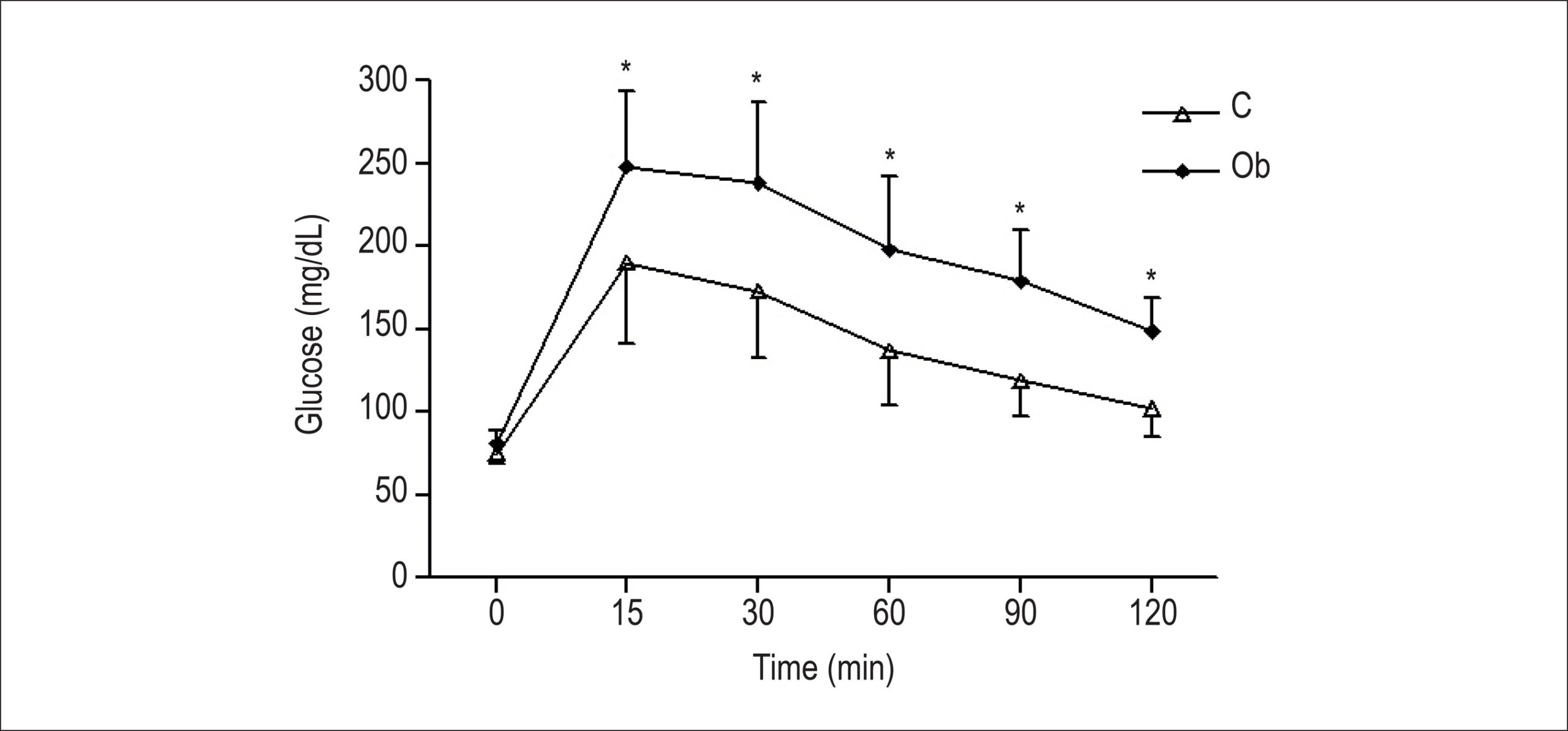
30-day-old male Wistar rats were fed standard and hypercaloric diet for 30 weeks. Cardiac function and morphology were assessed. In this paper was viewed the general characteristics and comorbities associated to obesity. The structure cardiac was determined by weights of the heart and left ventricle (LV). Myocardial function was evaluated by studying isolated papillary muscles from the LV, under the baseline condition and after inotropic and lusitropic maneuvers: myocardial stiffness; postrest contraction; increase in extracellular Ca2+ concentration; change in heart rate and inhibitor of glycolytic pathway.

Results:

Compared with control group, the obese rats had increased body fat and co-morbities associated with obesity. Functional assessment after blocking iodoacetate shows no difference in the linear regression of DT, however, the RT showed a statistically significant difference in behavior between the control and the obese group, most notable being the slope in group C.

Conclusion:

The energy imbalance on obesity did not cause cardiac dysfunction. On the contrary, the prioritization of fatty acids utilization provides protection to cardiac muscle during the inhibition of glycolysis, suggesting that this pathway is fewer used by obese cardiac muscle.

  • Fatty Acid
  • Metabolism
  • Myocardial
  • Obesity
  • Rats
Read Full Article
Creative Commons Attribution (CC BY) Creative Commons license
12/09/2014 DOI: 10.5935/abc.20140135 Views 2
Vasculitides and eosinophils in emdomyocardial biopsies as rejection predictors in heart transplantation
ABC
Artigo Original

Vasculitides and eosinophils in emdomyocardial biopsies as rejection predictors in heart transplantation

Reginaldo Cipullo et al. Marco Aurélio Finger João Manoel Rossi Neto Carlos Mendes Contreras … Nádia Van Geen Poltronieri Mabel de Moura Barros Zamorano Lílian Mary da Silva Paulo Chaccur Jarbas Jackson Dinkhuysen Noedir Antônio Groppo Stolf

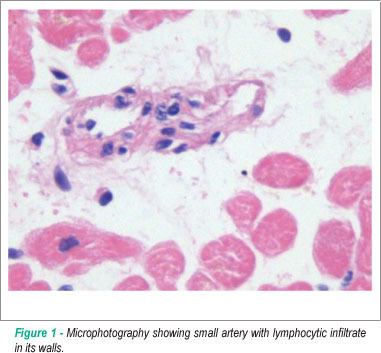
BACKGROUND: The clinical significance of vasculitides, ischemic lesions, Quilty effect and the presence of eosinophils in endomyocardial biopsies of heart transplantation recipients with mild rejection has yet to be established. OBJECTIVE: To verify whether these histological findings observed in endomyocardial biopsies (eosinophils, vasculitides, Quilty effect and ischemic lesions) are capable of predicting acute graft rejection. METHODS: A total of 1,012 consecutive endomyocardial biopsies were reevaluated; of these, 939 were classified as OR or 1R according to the Nomenclature of the International Society of Heart and Lung Transplantation of 2005 and divided in two groups: (1) Predictive biopsies: those that preceded acute rejection; and (2) Nonpredictive biopsies: those that did not precede acute rejection. We compared the occurrence of the following histological findings: vasculitides, ischemic lesions, Quilty effect and eosinophils between the groups by uni- and multivariate analyses. RESULTS: The statistical analysis showed that the presence of severe vasculitides and eosinophils were the best predictors for future acute rejection, with the following odds ratios: 10.60 (95%CI: 3.62 – 31.06. p < 0.001) and 6.26 (95%CI: 3.16 – 12.43, p < 0.001). CONCLUSION: Severe vasculitides and eosinophils in myocardial biopsies are the main predictive factors of acute graft rejection post-heart transplantation.

  • Biopsy
  • eosinophils
  • Graft Rejection
  • Heart Transplantation
  • Myocardial
  • vasculitis
Read Full Article
Creative Commons Attribution (CC BY) Creative Commons license
03/06/2011 DOI: 10.1590/S0066-782X2011005000069
Magnetic resonance vs technetium-99m pyrophosphate scintigraphy in the detection of perioperative myocardial necrosis
ABC
Artigo Original

Magnetic resonance vs technetium-99m pyrophosphate scintigraphy in the detection of perioperative myocardial necrosis

Guilherme Urpia Monte et al. Luciano Ferreira Drager Fábio Solano de Freitas Souza Luiz Francisco Rodrigues de Ávila … José Rodrigues Parga Filho Luiz Antônio Machado César Marisa Izaki José Cláudio Meneghetti Carlos Eduardo Rochitte Roberto Kalil Filho

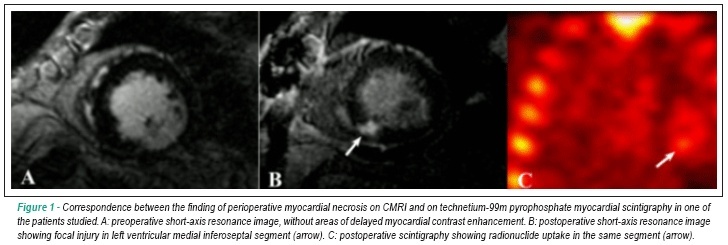
BACKGROUND: Perioperative myocardial infarction (POMI) is a complication of coronary artery bypass grafting (CABG) with a potential prognostic impact. Technetium-99m pyrophosphate myocardial scintigraphy (MS) is used in the diagnosis of POMI; however it shows a limited sensitivity for subendocardial lesions. Cardiovascular magnetic resonance imaging (CMRI), in turn, has a high accuracy in the detection of myocardial necrosis. OBJECTIVE: To compare CMRI and MS for the detection of POMI after CABG. METHODS: A total of 24 patients with chronic coronary artery disease were studied using the delayed contrast enhanced CMRI and MS before and after CABG by analyzing the development of areas of perioperative myocardial necrosis (POMI). Biochemical markers of myocardial injury (CKMB and troponin I) were also determined before and after surgery. RESULTS: Nineteen patients completed the study. Of these, 6 (32%) presented POMI on CMRI and 4 (21%) on MS (p = NS). Of the 323 left ventricular segments assessed, 17 (5.3%) showed perioperative necrosis on CMRI and 7 (2.2%) on MS (p = 0.013). Moderate agreement was observed between the methods (kappa = 0.46). There was disagreement regarding the diagnosis of POMI in 4 (21%) cases, most of them with small areas of perioperative necrosis on CMRI which were not visualized on MS. In all cases with POMI on CMRI, significant CKMB and troponin I elevations were observed. CONCLUSION: Moderate diagnostic agreement was observed between the methods for the detection of POMI, but CMRI enabled visualization of small areas of perioperative myocardial necrosis which were not identified on MS and were associated with elevation of biochemical markers of myocardial injury.

  • Comparative Studies
  • Magnetic Resonance Imaging
  • Myocardial
  • Myocardial Infarction
  • Myocardial Revascularization
  • technetium Tc99m pyrophosphate
Read Full Article
Creative Commons Attribution (CC BY) Creative Commons license
08/08/2008 DOI: 10.1590/S0066-782X2008001400009 Views 1
Medium term prognostic value of stress myocardial perfusion scintigraphy in a chest pain unit
ABC
Artigo Original

Medium term prognostic value of stress myocardial perfusion scintigraphy in a chest pain unit

Jader Cunha de Azevedo et al. Renata Christian Martins Félix Patrícia Lavatori Corrêa Gustavo Borges Barbirato … Hans Fernando da Rocha Dohmann Paulo Roberto Dutra da Silva Evandro Tinoco Mesquita Cláudio Tinoco Mesquita

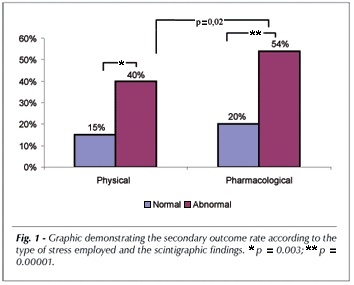
OBJECTIVE: To evaluate the prognostic value of stress myocardial perfusion scintigraphy (MPS) applied to patients with suspected acute coronary syndrome (ACS). METHODS: Retrospective study. Patients with suspected acute coronary syndrome (ACS) admitted into the chest pain unit (CPU) from December 2002 to April 2004, after exclusion of acute myocardial infarction (AMI) and high risk unstable angina they underwent stress MPS. RESULTS: Selected 301 patients, 65.3 ± 12.5 years and 164 (54.5%) male gender. The test was performed 13 ± 12 hours after admission. Myocardial ischemia (ISQ) was found in 142 patients (47.2%). Male gender (n=94, p=<0.0001), history of diabetes mellitus (n=31, p=0.033), past of AMI (n=52, p=<0.0001), past of surgical myocardial revascularization (n=46, p=<0.0001) and past of percutaneous revascularization (n=68, p=<0.0001) presented correlation with ISQ. The follow-up was 697.7 ± 326.6 days. No MPS variable correlated with the occurrence of primary outcome. Abnormal scintigraphy (n=76, p < 0.0001), ISQ (n=73, p < 0.0001) and post-stress left ventricular ejection fraction below 45% (n=21, p=0.006) correlated with secondary outcome. The presence of ISQ was the major variable in the multivariate analysis for the prediction of secondary outcome (RR = 6.5; CI 95% = 0.009). CONCLUSION: Presence of ISQ was the major independent factor in prediction of adverse events for patients admitted into the CPU.

  • chest pain unit
  • Myocardial
  • myocardial reperfusion scintigraphy
Read Full Article
Creative Commons Attribution (CC BY) Creative Commons license
15/06/2007 DOI: 10.1590/S0066-782X2007000500017 Views 1

How to cite this article

EndNote RIS

Electronic Document Format (Vancouver)

Pastore CA. Applicability of Body Surface Potential Mapping Through Exercise in Small Animals. Arquivos Brasileiros de Cardiologia 2022;119(5):776-7.

Electronic Document Format (ABNT)

Pastore, Carlos Alberto. Applicability of Body Surface Potential Mapping Through Exercise in Small Animals. Arquivos Brasileiros de Cardiologia, v. 119, n. 5, p. 776-777, Nov. 2022.

Electronic Document Format (APA)

Pastore, C. A. (2022). Applicability of Body Surface Potential Mapping Through Exercise in Small Animals. Arquivos Brasileiros de Cardiologia, 119(5), 776-777.

Electronic Document Format (ISO)

Pastore, Carlos Alberto. Applicability of Body Surface Potential Mapping Through Exercise in Small Animals. Arquivos Brasileiros de Cardiologia [online]. 2022, vol. 119, n. 5, [cited 2026-10-14], pp. 776-777. Available from: <https://journals.cardiol.br/en/article/applicability-of-body-surface-potential-mapping-through-exercise-in-small-animals/>. ISSN 0066-782X

EndNote RIS

Electronic Document Format (Vancouver)

Abreu JS, Pinheiro TCD, Feitosa JA, Abreu MEB, Farias AGLP, Carneiro MM, Falcão SNR, et al. Ligation of the Branches of the Anastomosed Internal Thoracic Artery in the Anterior Descending Coronary Artery and the Effect on Flow Velocities and Functional Status of the Graft. Arquivos Brasileiros de Cardiologia Imagem cardiovascular 2022;31(4):258-69.

Electronic Document Format (ABNT)

Abreu, José Sebastião de; Pinheiro, Tereza Cristina D; Feitosa, José Acácio; Abreu, Marilia Esther B; Farias, Ana Gardenia L. P; Carneiro, Marcia Maria; Falcão, Sandra Nívea R. Ligation of the Branches of the Anastomosed Internal Thoracic Artery in the Anterior Descending Coronary Artery and the Effect on Flow Velocities and Functional Status of the Graft. Arquivos Brasileiros de Cardiologia Imagem cardiovascular, v. 31, n. 4, p. 258-269, Feb. 2022.

Electronic Document Format (APA)

Abreu, J. S. , Pinheiro, T. C. D., Feitosa, J. A., Abreu, M. E. B., Farias, A. G. L. P., Carneiro, M. M., & Falcão, S. N. R. (2022). Ligation of the Branches of the Anastomosed Internal Thoracic Artery in the Anterior Descending Coronary Artery and the Effect on Flow Velocities and Functional Status of the Graft. Arquivos Brasileiros de Cardiologia Imagem cardiovascular, 31(4), 258-269.

Electronic Document Format (ISO)

Abreu, José Sebastião de and Pinheiro, Tereza Cristina D and Feitosa, José Acácio and Abreu, Marilia Esther B and Farias, Ana Gardenia L. P and Carneiro, Marcia Maria and Falcão, Sandra Nívea R. Ligation of the Branches of the Anastomosed Internal Thoracic Artery in the Anterior Descending Coronary Artery and the Effect on Flow Velocities and Functional Status of the Graft. Arquivos Brasileiros de Cardiologia Imagem cardiovascular [online]. 2022, vol. 31, n. 4, [cited 2026-10-14], pp. 258-269. Available from: <https://journals.cardiol.br/en/article/ligation-of-the-branches-of-the-anastomosed-internal-thoracic-artery-in-the-anterior-descending-coronary-artery-and-the-effect-on-flow-velocities-and-functional-status-of-the-graft/>. ISSN 2318-8219

EndNote RIS

Electronic Document Format (Vancouver)

Kosger P, Akin T, Kiztanir H, Ucar B. Arterial Stiffness and Left Ventricular Myocardial Function in Children with a Well-Functioning Bicuspid Aortic Valve. Arquivos Brasileiros de Cardiologia 2021;117(6):1126-33.

Electronic Document Format (ABNT)

Kosger, Pelin; Akin, Tugcem; Kiztanir, Hikmet; Ucar, Birsen. Arterial Stiffness and Left Ventricular Myocardial Function in Children with a Well-Functioning Bicuspid Aortic Valve. Arquivos Brasileiros de Cardiologia, v. 117, n. 6, p. 1126-1133, Sep. 2021.

Electronic Document Format (APA)

Kosger, P., Akin, T., Kiztanir, H., & Ucar, B. (2021). Arterial Stiffness and Left Ventricular Myocardial Function in Children with a Well-Functioning Bicuspid Aortic Valve. Arquivos Brasileiros de Cardiologia, 117(6), 1126-1133.

Electronic Document Format (ISO)

Kosger, Pelin and Akin, Tugcem and Kiztanir, Hikmet and Ucar, Birsen. Arterial Stiffness and Left Ventricular Myocardial Function in Children with a Well-Functioning Bicuspid Aortic Valve. Arquivos Brasileiros de Cardiologia [online]. 2021, vol. 117, n. 6, [cited 2026-10-14], pp. 1126-1133. Available from: <https://journals.cardiol.br/en/article/arterial-stiffness-and-left-ventricular-myocardial-function-in-children-with-a-well-functioning-bicuspid-aortic-valve/>. ISSN 0066-782X

EndNote RIS

Electronic Document Format (Vancouver)

Askin L, Tanrıverdi O, Tibilli H, Turkmen S. New Method Improves the Evaluation of Subclinical Left Ventricular Dysfunction in Type 2 Diabetes Mellitus. Arquivos Brasileiros de Cardiologia 2019;113(2):216-7.

Electronic Document Format (ABNT)

Askin, Lutfu; Tanrıverdi, Okan; Tibilli, Hakan; Turkmen, Serdar. New Method Improves the Evaluation of Subclinical Left Ventricular Dysfunction in Type 2 Diabetes Mellitus. Arquivos Brasileiros de Cardiologia, v. 113, n. 2, p. 216-217, Sep. 2019.

Electronic Document Format (APA)

Askin, L., Tanrıverdi, O., Tibilli, H., & Turkmen, S. (2019). New Method Improves the Evaluation of Subclinical Left Ventricular Dysfunction in Type 2 Diabetes Mellitus. Arquivos Brasileiros de Cardiologia, 113(2), 216-217.

Electronic Document Format (ISO)

Askin, Lutfu and Tanrıverdi, Okan and Tibilli, Hakan and Turkmen, Serdar. New Method Improves the Evaluation of Subclinical Left Ventricular Dysfunction in Type 2 Diabetes Mellitus. Arquivos Brasileiros de Cardiologia [online]. 2019, vol. 113, n. 2, [cited 2026-10-14], pp. 216-217. Available from: <https://journals.cardiol.br/en/article/new-method-improves-the-evaluation-of-subclinical-left-ventricular-dysfunction-in-type-2-diabetes-mellitus/>. ISSN 0066-782X

EndNote RIS

Electronic Document Format (Vancouver)

Issa OM, Guseh JS, Inglessis I, Baggish AL. Invasive Coronary Physiological Assessment in Symptomatic Middle-Aged Endurance Athletes. International Journal of Cardiovascular Sciences 2019;32(4):326-30.

Electronic Document Format (ABNT)

Issa, Omar M.; Guseh, J. Sawalla; Inglessis, Ignacio; Baggish, Aaron L.. Invasive Coronary Physiological Assessment in Symptomatic Middle-Aged Endurance Athletes. International Journal of Cardiovascular Sciences, v. 32, n. 4, p. 326-330, Aug. 2019.

Electronic Document Format (APA)

Issa, O. M., Guseh, J. S., Inglessis, I., & Baggish, A. L. (2019). Invasive Coronary Physiological Assessment in Symptomatic Middle-Aged Endurance Athletes. International Journal of Cardiovascular Sciences, 32(4), 326-330.

Electronic Document Format (ISO)

Issa, Omar M. and Guseh, J. Sawalla and Inglessis, Ignacio and Baggish, Aaron L.. Invasive Coronary Physiological Assessment in Symptomatic Middle-Aged Endurance Athletes. International Journal of Cardiovascular Sciences [online]. 2019, vol. 32, n. 4, [cited 2026-10-14], pp. 326-330. Available from: <https://journals.cardiol.br/en/article/invasive-coronary-physiological-assessment-in-symptomatic-middle-aged-endurance-athletes/>. ISSN 2359-4802

EndNote RIS

Electronic Document Format (Vancouver)

Campos DHS, Leopoldo AS, Lima-Leopoldo AP, Nascimento AF, Oliveira-Junior SA, Silva DCT, Sugizaki MM, et al. Obesity Preserves Myocardial Function During Blockade of the Glycolytic Pathway. Arquivos Brasileiros de Cardiologia 2014;103(4):330-7.

Electronic Document Format (ABNT)

Campos, Dijon Henrique Salomé de; Leopoldo, André Soares; Lima-Leopoldo, Ana Paula; Nascimento, André Ferreira do; Oliveira-Junior, Silvio Assis de; Silva, Danielle Cristina Tomaz da; Sugizaki, Mario Mateus; Padovani, Carlos Roberto; Cicogna, Antonio Carlos. Obesity Preserves Myocardial Function During Blockade of the Glycolytic Pathway. Arquivos Brasileiros de Cardiologia, v. 103, n. 4, p. 330-337, Sep. 2014.

Electronic Document Format (APA)

Campos, D. H. S. , Leopoldo, A. S., Lima-Leopoldo, A. P., Nascimento, A. F. , Oliveira-Junior, S. A. , Silva, D. C. T. , Sugizaki, M. M., Padovani, C. R., & Cicogna, A. C. (2014). Obesity Preserves Myocardial Function During Blockade of the Glycolytic Pathway. Arquivos Brasileiros de Cardiologia, 103(4), 330-337.

Electronic Document Format (ISO)

Campos, Dijon Henrique Salomé de and Leopoldo, André Soares and Lima-Leopoldo, Ana Paula and Nascimento, André Ferreira do and Oliveira-Junior, Silvio Assis de and Silva, Danielle Cristina Tomaz da and Sugizaki, Mario Mateus and Padovani, Carlos Roberto and Cicogna, Antonio Carlos. Obesity Preserves Myocardial Function During Blockade of the Glycolytic Pathway. Arquivos Brasileiros de Cardiologia [online]. 2014, vol. 103, n. 4, [cited 2026-10-14], pp. 330-337. Available from: <https://journals.cardiol.br/en/article/obesity-preserves-myocardial-function-during-blockade-of-the-glycolytic-pathway/>. ISSN 0066-782X

EndNote RIS

Electronic Document Format (Vancouver)

Cipullo R, Finger MA, Rossi Neto JM, Contreras CM, Poltronieri NVG, Zamorano MMB, Silva LM, et al. Vasculitides and eosinophils in emdomyocardial biopsies as rejection predictors in heart transplantation. Arquivos Brasileiros de Cardiologia 2011;97(2):163-70.

Electronic Document Format (ABNT)

Cipullo, Reginaldo; Finger, Marco Aurélio; Rossi Neto, João Manoel; Contreras, Carlos Mendes; Poltronieri, Nádia Van Geen; Zamorano, Mabel de Moura Barros; Silva, Lílian Mary da; Chaccur, Paulo; Dinkhuysen, Jarbas Jackson; Stolf, Noedir Antônio Groppo. Vasculitides and eosinophils in emdomyocardial biopsies as rejection predictors in heart transplantation. Arquivos Brasileiros de Cardiologia, v. 97, n. 2, p. 163-170, Jun. 2011.

Electronic Document Format (APA)

Cipullo, R., Finger, M. A., Rossi Neto, J. M., Contreras, C. M., Poltronieri, N. V. G., Zamorano, M. M. B., Silva, L. M. , Chaccur, P., Dinkhuysen, J. J., & Stolf, N. A. G. (2011). Vasculitides and eosinophils in emdomyocardial biopsies as rejection predictors in heart transplantation. Arquivos Brasileiros de Cardiologia, 97(2), 163-170.

Electronic Document Format (ISO)

Cipullo, Reginaldo and Finger, Marco Aurélio and Rossi Neto, João Manoel and Contreras, Carlos Mendes and Poltronieri, Nádia Van Geen and Zamorano, Mabel de Moura Barros and Silva, Lílian Mary da and Chaccur, Paulo and Dinkhuysen, Jarbas Jackson and Stolf, Noedir Antônio Groppo. Vasculitides and eosinophils in emdomyocardial biopsies as rejection predictors in heart transplantation. Arquivos Brasileiros de Cardiologia [online]. 2011, vol. 97, n. 2, [cited 2026-10-14], pp. 163-170. Available from: <https://journals.cardiol.br/en/article/vasculitides-and-eosinophils-in-emdomyocardial-biopsies-as-rejection-predictors-in-heart-transplantation/>. ISSN 0066-782X

EndNote RIS

Electronic Document Format (Vancouver)

Monte GU, Drager LF, Souza FSF, Ávila LFR, Parga Filho JR, César LAM, Izaki M, et al. Magnetic resonance vs technetium-99m pyrophosphate scintigraphy in the detection of perioperative myocardial necrosis. Arquivos Brasileiros de Cardiologia 2008;91(2):126-31.

Electronic Document Format (ABNT)

Monte, Guilherme Urpia; Drager, Luciano Ferreira; Souza, Fábio Solano de Freitas; Ávila, Luiz Francisco Rodrigues de; Parga Filho, José Rodrigues; César, Luiz Antônio Machado; Izaki, Marisa; Meneghetti, José Cláudio; Rochitte, Carlos Eduardo; Kalil Filho, Roberto. Magnetic resonance vs technetium-99m pyrophosphate scintigraphy in the detection of perioperative myocardial necrosis. Arquivos Brasileiros de Cardiologia, v. 91, n. 2, p. 126-131, Aug. 2008.

Electronic Document Format (APA)

Monte, G. U., Drager, L. F., Souza, F. S. F., Ávila, L. F. R. , Parga Filho, J. R., César, L. A. M., Izaki, M., Meneghetti, J. C., Rochitte, C. E., & Kalil Filho, R. (2008). Magnetic resonance vs technetium-99m pyrophosphate scintigraphy in the detection of perioperative myocardial necrosis. Arquivos Brasileiros de Cardiologia, 91(2), 126-131.

Electronic Document Format (ISO)

Monte, Guilherme Urpia and Drager, Luciano Ferreira and Souza, Fábio Solano de Freitas and Ávila, Luiz Francisco Rodrigues de and Parga Filho, José Rodrigues and César, Luiz Antônio Machado and Izaki, Marisa and Meneghetti, José Cláudio and Rochitte, Carlos Eduardo and Kalil Filho, Roberto. Magnetic resonance vs technetium-99m pyrophosphate scintigraphy in the detection of perioperative myocardial necrosis. Arquivos Brasileiros de Cardiologia [online]. 2008, vol. 91, n. 2, [cited 2026-10-14], pp. 126-131. Available from: <https://journals.cardiol.br/en/article/magnetic-resonance-vs-technetium-99m-pyrophosphate-scintigraphy-in-the-detection-of-perioperative-myocardial-necrosis/>. ISSN 0066-782X

EndNote RIS

Electronic Document Format (Vancouver)

Azevedo JC, Félix RCM, Corrêa PL, Barbirato GB, Dohmann HFR, Silva PRD, Mesquita ET, et al. Medium term prognostic value of stress myocardial perfusion scintigraphy in a chest pain unit. Arquivos Brasileiros de Cardiologia 2007;88(5):602-10.

Electronic Document Format (ABNT)

Azevedo, Jader Cunha de; Félix, Renata Christian Martins; Corrêa, Patrícia Lavatori; Barbirato, Gustavo Borges; Dohmann, Hans Fernando da Rocha; Silva, Paulo Roberto Dutra da; Mesquita, Evandro Tinoco; Mesquita, Cláudio Tinoco. Medium term prognostic value of stress myocardial perfusion scintigraphy in a chest pain unit. Arquivos Brasileiros de Cardiologia, v. 88, n. 5, p. 602-610, Jun. 2007.

Electronic Document Format (APA)

Azevedo, J. C. , Félix, R. C. M., Corrêa, P. L., Barbirato, G. B., Dohmann, H. F. R., Silva, P. R. D. , Mesquita, E. T., & Mesquita, C. T. (2007). Medium term prognostic value of stress myocardial perfusion scintigraphy in a chest pain unit. Arquivos Brasileiros de Cardiologia, 88(5), 602-610.

Electronic Document Format (ISO)

Azevedo, Jader Cunha de and Félix, Renata Christian Martins and Corrêa, Patrícia Lavatori and Barbirato, Gustavo Borges and Dohmann, Hans Fernando da Rocha and Silva, Paulo Roberto Dutra da and Mesquita, Evandro Tinoco and Mesquita, Cláudio Tinoco. Medium term prognostic value of stress myocardial perfusion scintigraphy in a chest pain unit. Arquivos Brasileiros de Cardiologia [online]. 2007, vol. 88, n. 5, [cited 2026-10-14], pp. 602-610. Available from: <https://journals.cardiol.br/en/article/medium-term-prognostic-value-of-stress-myocardial-perfusion-scintigraphy-in-a-chest-pain-unit/>. ISSN 0066-782X

  • About ABC Family
  • Internal Regulation
  • Editorial Board
  • Brazilian Society of Cardiology (SBC)

Issues

SBC Guidelines

  • Videos
  • Podcasts
  • News