ABC Family Arquivos Brasileiros de Cardiologia International Journal of Cardiovascular Sciences ABC Heart Failure & Cardiomyopathy ABC Imagem Cardiovascular
Português English
ABC Family
Português English
  • About
    • About ABC Family
    • Internal Regulation
    • Editorial Board
    • Brazilian Society of Cardiology (SBC)
  • Issues
  • SBC Guidelines
  • Content
    • Videos
    • Podcasts
    • News
  • About
    • About ABC Family
    • Internal Regulation
    • Editorial Board
    • Brazilian Society of Cardiology (SBC)
  • Issues
  • SBC Guidelines
  • Content
    • Videos
    • Podcasts
    • News

ABC Family

  • ABC Family
  • Arquivos Brasileiros de Cardiologia
  • International Journal of Cardiovascular Sciences
  • ABC Heart Failure & Cardiomyopathy
  • ABC Imagem Cardiovascular
Search in

No content found.

Journals
Ordering
Article types
Others

  1. Home
  2. Keyword: Resistance Training
ABC
Letter to the Editor

Reply to the Letter to the Editor: "Should Resistance Training Also Be Considered a Mandatory Component?"

Cibele Isaac Saad Rodrigues et al. Claudia Lucia de Moraes Forjaz Luiz Aparecido Bortolotto Wilson Nadruz Andréa A. Brandão

Resistance training (RT) is undoubtedly an essential component of a comprehensive exercise program for improving and maintaining physical fitness, global health, and quality of life. Aerobic, resistance, and stretching exercises performed together on a regular basis promote significant physiological, motor, cognitive, and emotional benefits and are recommended for adults and older adults.,

Although both aerobic training (AT) and RT have impacts on different health dimensions, there is high quality, robust evidence that RT is the most efficient mode of training for improving muscle structure and function, and it is mandatory for prevention and treatment of musculoskeletal diseases, making it particularly important for older adults.– On the other hand, evidence about the effects of RT on cardiovascular parameters and diseases is more recent and less robust.

[…]
  • Endurance Training
  • Hypertension
  • Physical Conditioning Human
  • Practice Guideline
  • Resistance Training
Read Full Article
Creative Commons Attribution (CC BY) Creative Commons license
27/07/2026 DOI: 10.36660/abc.20260362i Views 1
ABC
Letter to the Editor

Should Resistance Training Also Be Considered a Mandatory Component?

Odilon Abrahin

I have read with interest the Brazilian Guidelines for Hypertension 2025, specifically Chapter 6: Nonpharmacological Measures (Physical Activity and Exercise). Although the current guideline has interesting practical applications for endurance training, some methodological issues might be of interest to readers, especially regarding the practice of resistance training (RT) for hypertensive patients.

The guideline states that aerobic training is a mandatory component, whereas RT is considered only complementary. However, this approach underestimates the clinical relevance of RT. Recent international guidelines– recommend a structured exercise program that includes both aerobic exercise and/or RT. Notably, the Japanese Society of Hypertension highlights that regular aerobic and RT are equally effective in lowering blood pressure, and both are therefore strongly recommended.

[…]

  • Arterial Pressure
  • Endurance Training
  • Resistance Training
Read Full Article
Creative Commons Attribution (CC BY) Creative Commons license
13/02/2026 DOI: 10.36660/abc.20250653i
Systolic Subclinical Dysfunction in Anabolic Steroid Users: A Real Life Study
IJCS
Original Article

Systolic Subclinical Dysfunction in Anabolic Steroid Users: A Real Life Study

Renata Rodrigues Teixeira De Castro et al. Marcello de Brito Campos Luiz Mello João Giffoni Silveira Neto

Abstract

Background:

Considering the uncertainty regarding the cardiovascular safety of anabolic steroid use, we believe that the use of advanced echocardiography techniques, such as speckle tracking, may contribute more objectively to the analysis of cardiotoxicity induced by these substances.

Objectives:

To compare, through speckle tracking, the echocardiograms of bodybuilders who abuse anabolic steroids with those who do not use these substances.

Methodology:

This work is a retrospective, observational study that analyzed echocardiograms performed on bodybuilders followed up in an outpatient sports cardiology service, comparing the results between individuals who use and those who have never used anabolic steroids. Continuous data was compared, using unpaired, two-tailed, Student’s T test, with a p-value < 0.05 considered to be significant.

Results:

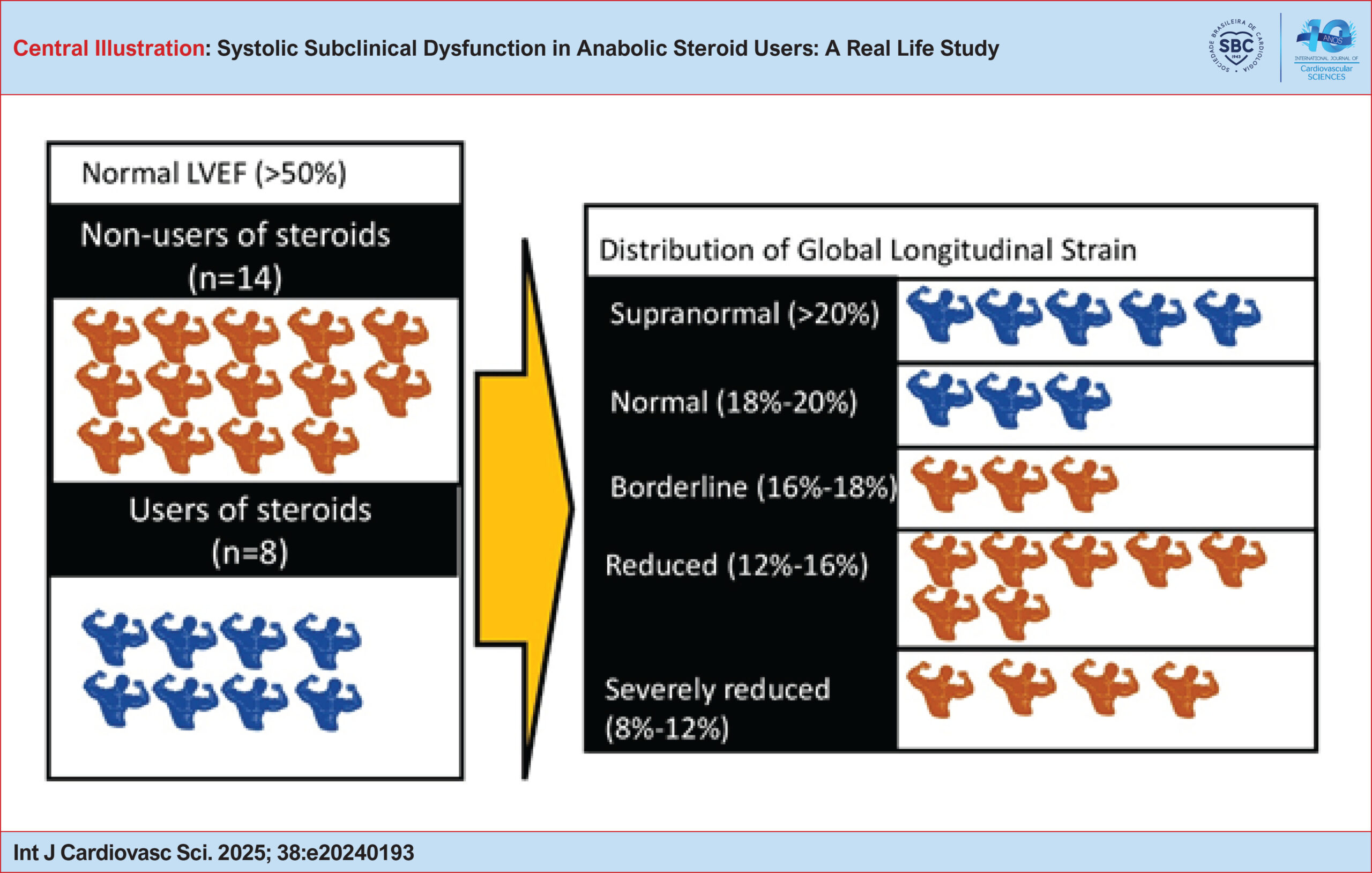
The final sample of this study included 22 bodybuilders, 14 of whom were anabolic steroid users (UAS) and 8 non-users of anabolic steroids (NUAS). All 22 participants had a left ventricular ejection fraction (LVEF) > 50% (UAS = 55±4 vs. NUAS = 63±1%; p < 0.001). All 14 steroid users showed abnormal global longitudinal strain (GLS), while all 8 non-users presented normal values for this variable (UAS = 13±2 vs. NUAS = 20±2; p < 0.01).

Conclusion:

Bodybuilders who use anabolic steroids, despite having normal values for conventional echocardiography parameters, show a reduction in GLS of the left ventricle. The use of speckle-tracking echocardiography represents an important tool in the analysis of myocardial injury in UAS, offering the possibility of early detection of systolic dysfunction in these individuals.

  • Anabolic Androgenic Steroids
  • Echocardiography
  • Resistance Training
Read Full Article
Creative Commons Attribution (CC BY) Creative Commons license
12/05/2025 DOI: 10.36660/ijcs.20240193 Views 2
Figure 1
ABC
Original Article

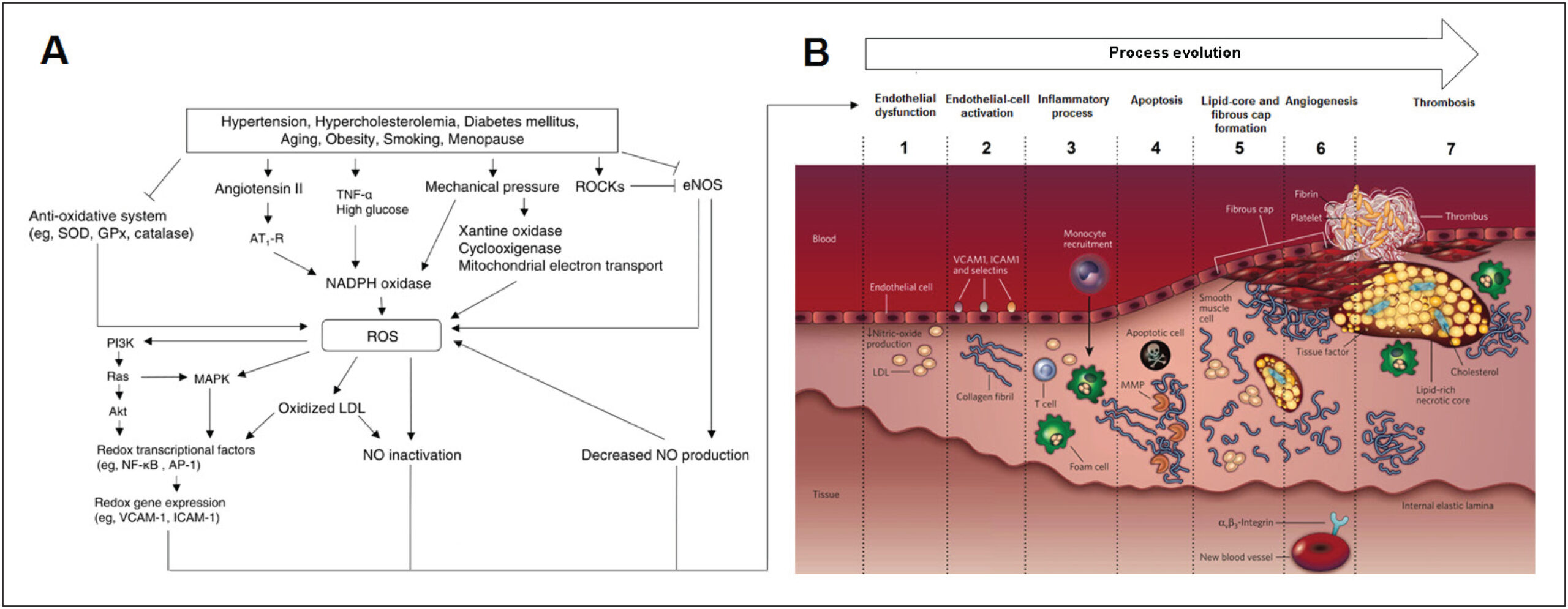
Effects of Different Types of Exercise Training on Endothelial Function in Prehypertensive and Hypertensive Individuals: A Systematic Review

Gustavo Waclawovsky et al. Marinei L. Pedralli Bruna Eibel Maximiliano I. Schaun Alexandre M. Lehnen

Abstract

Background:

Sustained high blood pressure can lead to vascular remodeling and endothelial cell injury, which may explain the endothelial dysfunction found in hypertensive individuals. Exercise training can improve vascular health in individuals with cardiovascular risk, but little is known about its effects in prehypertensive and hypertensive individuals.

Objective:

To review the literature showing evidence of changes in endothelial function in response to different modalities of exercise training in prehypertensive and hypertensive individuals.

Methods:

We conducted a systematic review of studies in the MEDLINE, Cochrane, LILACS, EMBASE, and SciELO databases following both the PRISMA guidelines (Preferred Reporting Items for Systematic Reviews and Meta-Analyses) and the PICO framework (patient/population, intervention, comparison and outcomes). Randomized clinical trials (RCTs) published up to April 2019 were selected and assessed by four independent reviewers. The methodological quality was assessed using the PEDro (Physiotherapy Evidence Database) scale.

Results:

Our search yielded 598 abstracts, and 10 studies were eligible for review. All of them had acceptable methodological quality by PEDro scale. Of the 10 studies, 7 involved aerobic training, 1 isometric resistance training, and 2 aerobic training and dynamic resistance training separately. Seven studies used flow-mediated dilation (FMD) to assess the vascular health, and three used plethysmography. Most training protocols involved hypertensive individuals and consisted of low and moderate-intensity exercise.

Conclusion:

Our systematic review showed that moderate continuous aerobic training is effective to improve vascular health in hypertensive individuals. In prehypertensive individuals, vigorous interval aerobic training seems to be an alternative to determine vascular health benefits. Resistance exercise training, either isometric or dynamic, can be used as a secondary alternative, but still requires further investigation.

  • Endothelium
  • Exercise
  • Hypertension
  • Resistance Training
  • Review
  • Stem Cells
Read Full Article
Creative Commons Attribution (CC BY) Creative Commons license
17/05/2021 DOI: 10.36660/abc.20190807 Views 1
Figure 1
IJCS
Original Article

Effects of Low-to-Moderate Doses of Anabolic Steroids on Lipid Profile and Muscle Hypertrophy in Resistance Training Practitioners: A Systematic Review with Meta-Analysis

Mário César Carvalho Tenório et al. Cláudio Luiz Paz Flávia Valladares Marcelo Guimarães Junior … Cloud Kennedy Couto de Sá Luis Correia

Abstract

Background:

The use of androgenic anabolic steroids (AAS) is prevalent among young bodybuilders, motivated by aesthetic results. Although the medical community condemns this practice for its potential deleterious effect, we must recognize the need for more scientific research on the likelihood and magnitude of the adverse events.

Objective:

To evaluate whether high-quality, scientific evidence supports that AAS negatively affect lipid profile and promote muscle hypertrophy in resistance training practitioners.

Methods:

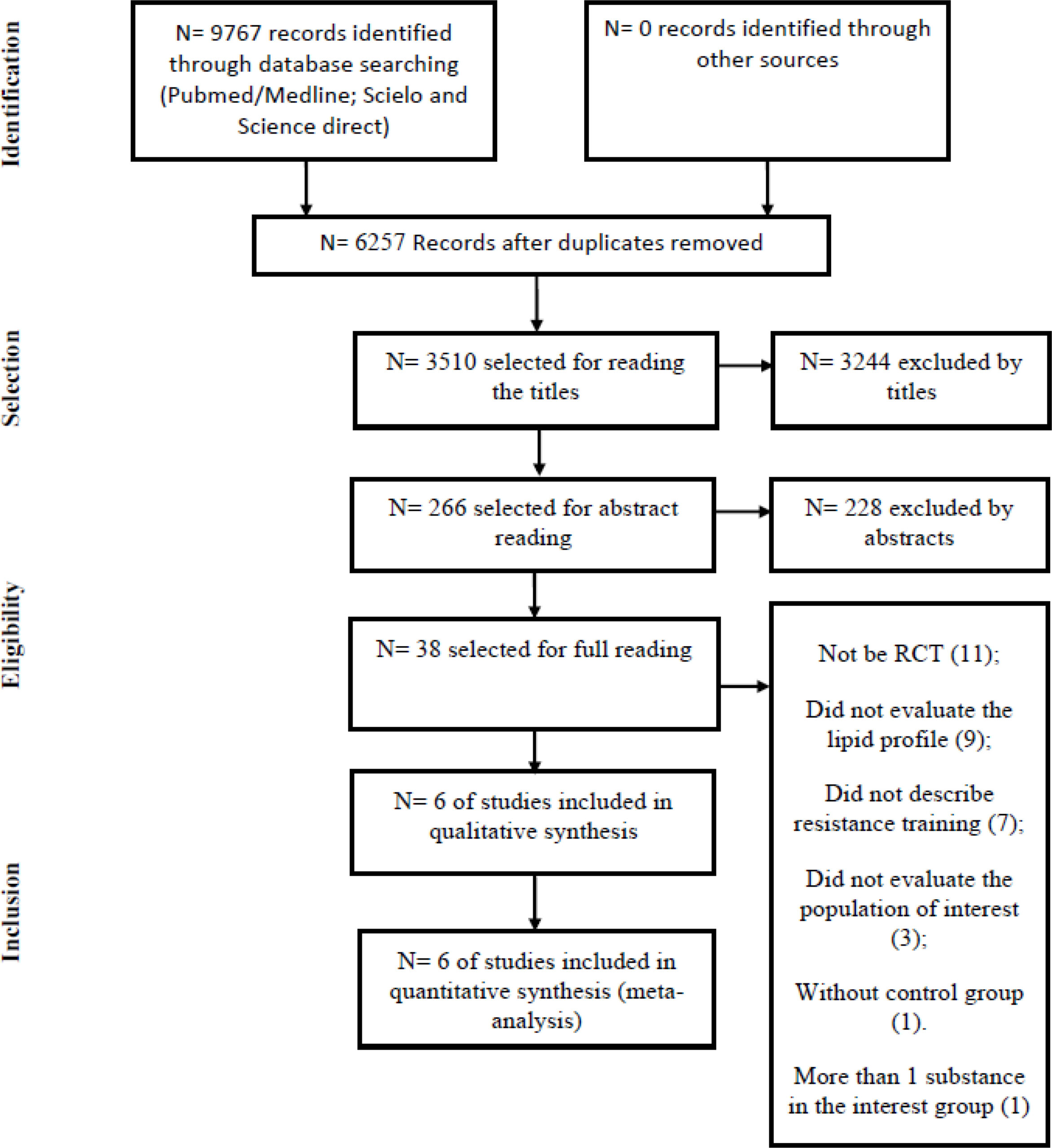
A systematic review of the literature of randomized clinical trials was conducted in the PubMed / Medline, Scielo and Science direct databases. The searches were conducted by two independent researchers by June 2018. A significance level of 5% was considered in the analysis.

Results:

Six clinical trials involving 170 resistance training practitioners were included. A significant heterogeneity was found in studies evaluating the effects of AAS on lipid profile and muscle hypertrophy (I² = 97, 95 and 91%, respectively), with no significant effects on HDL-cholesterol (-5.62mg/dL, 95%CI −12.10, 0.86, p= 0.09), LDL-cholesterol (7.76 mg/dL, 95%CI −9.70, 25.23, p= 0.57) and muscle hypertrophy (2.44kg 95%CI 0.02, 4.86, p=0.05).

Conclusion:

Current evidence does not support that low-to-moderate doses of AAS cause serious negative effects on lipid profile or promote muscle hypertrophy in resistance training practitioners.

  • Esthetics
  • Receptors Androgen
  • Resistance Training
  • testosterone Congeners
  • Young Adult
Read Full Article
Creative Commons Attribution (CC BY) Creative Commons license
12/05/2021 DOI: 10.36660/ijcs.20200107
IJCS
Editorial

Home-Based Resistance Training in Heart Diseases: Don't Stop the Music, your Muscles are still Listening

Gabriel Dias Rodrigues et al. Pedro Paulo da Silva Soares

Cardiovascular diseases (CVDs) are a well-known cause of death and physical incapacity worldwide. Heart failure (HF) is a common disease resulting from multiple etiologies that contribute to decreasing physical capacity and quality of life (QOL)., Not long ago physical exercises were discouraged in CVDs, but evidence-based exercise programs augment QOL, reduce mortality and hospital readmission in HF2. Strength training is an important component of a cardiac rehabilitation program due to its close relationship with improvements in functional capacity reverberating in activities of daily living and QOL.

Unfortunately, supervised-rehabilitation programs in fitness centers are not widely available for the majority of patients with heart disease. Nevertheless, home-based rehabilitation programs could be more accessible to most patients, because of its relatively low cost and feasibility. Especially during COVID-19 pandemic lockdown, many opportunities to exercise were suspended, including cardiac rehabilitation services and community health programs. Also, social distancing increased sedentarism numbers and several position statements have encouraged people to stay active at home, trying to reverse or counterbalance the additional impact of social distance on physical inactivity., In a practical perspective, resistance training is conventionally performed through free weights or weight machines that usually require extensive physical space and outside facilities (i.e., gym or rehabilitation centers). Thus, resistance exercises, in particular, are not easily adopted at home and could be omitted from home-based cardiac rehabilitation. To underscore, a question that must be made: How patients remain strong at home?

[…]

  • Betacoronavirus
  • Cardiac Rehabilitaion
  • Cardiovascular Diseases/complications
  • COVID-19
  • Heart Failure
  • Music
  • Resistance Training
  • Social Distance
Read Full Article
Creative Commons Attribution (CC BY) Creative Commons license
12/03/2021 DOI: 10.36660/ijcs.20210034 Views 2
Figure 1
IJCS
Brief Communication

Acute Effect of Resistance Exercise on Mucociliary Clearance in Active Smokers

Alessandra Mayumi Marques Masuda et al. Iara Buriola Trevisan Tamara dos Santos Gouveia Guilherme Yassuyuki Tacao … Ercy Mara Cipulo Ramos Dionei Ramos

Abstract

Background:

Nasal mucociliary clearance (NMC) responds to autonomic activity through exercise. However, there is a gap in the literature on how NMC responds to resistance exercise.

Objective:

To evaluate the acute effects of resistance tube exercise on NMC and the autonomic nervous system in smokers.

Methods:

Clinical trial was performed with 18 individuals. Personal, anthropometric, and smoking history data were collected, and a pulmonary function test was performed by spirometry. The fatigue resistance test was performed in order to obtain the number of repetitions for the prescription of exercise. Heart rate variability was captured using a monitor. Subsequently, the exhaled carbon monoxide (exCO) was measured and a saccharin transit test (STT) was performed for NMC.

Results:

The non-smoking group presented a significant decrease of 4.0±3.2 minutes in STT after P1 (p=0.021). Regarding HRV, the smoking group presented a significant decrease of mean RR (−90.3±53.0; p=0.011), SDNN (−560.0±1333.2; p=0.008), RMSSD (−13.6±10.5; p=0.011), LFms² (−567.3±836.1; p=0.008), HFms² (−223.8±231.8; p=0.008), SD1 (−9.7±7.4; p=0.011) and SD2 (−20.7±17.0; p=0.008), and an increase of mean HR (10.2±5.9; p=0.011) after P2. In the non-smoking group, a significant decrease was observed in the mean RR (−67.1±70.7; p=0.038), SDNN (−16.8±15.0; p=0.015), RMSSD (−12.3±14.7; p=0.011), LFms² (−831.2±1347.5; p=0.015), SD1 (−8.7±10.4; p=0.011), and SD2 (−22.0±19.1; p=0.015), while an increase in HR (7.1±7.3; p=0.028) was found after P1.

Conclusions:

The intensity of the resistance exercise applied to the patient was not enough to promote changes in smokers. By contrast, in non-smokers, the same intensity of exercise was effective in promoting alterations in the NMC and autonomic activity. (Int J Cardiovasc Sci. 2021; 34(2):223-230)

  • Autonomic Nervous System
  • Mucociliary Clearance
  • Resistance Training
  • smoking
Read Full Article
Creative Commons Attribution (CC BY) Creative Commons license
12/03/2021 DOI: 10.36660/ijcs.20200006
Figure 1
IJCS
Original Article

Acute Blood Pressure Response to Different Resistance Programs in Trained Men

Ariani França Conceição et al. Daniell Lima Muniz Clarcson Plácido Conceição dos Santos Ciro Oliveira Queiroz

Abstract

Background

Resistance training is used in different exercise programs, with different objectives and different levels of physical fitness. Training-related variables, such as volume, rest time and intensity, can affect the response of blood pressure (BP), but studies on the effect of these variables on BP are still needed.

Objective

To evaluate the acute response of BP in trained individuals undergoing two different methods of resistance training.

Methods

The sample was divided into three groups: (1) the German volume training (GVT) (n= 15), which consisted of 10 series of 10 repetitions at 50% of 1-repetition maximum (RM) with intervals of 30 seconds; (2) the sarcoplasm stimulating training (SST) (n= 16), performed at 8 RM and 85% of 1-RM and interval of 10 seconds until failure, followed by removal of 20% of weight and repetition of the whole series (total of three sets), and the control group (CG) (n= 15) who underwent BP measurements only. The two-way repeated measures ANOVA was used for analysis of variations, and a p< 0.05 was considered statistically significant.

Results

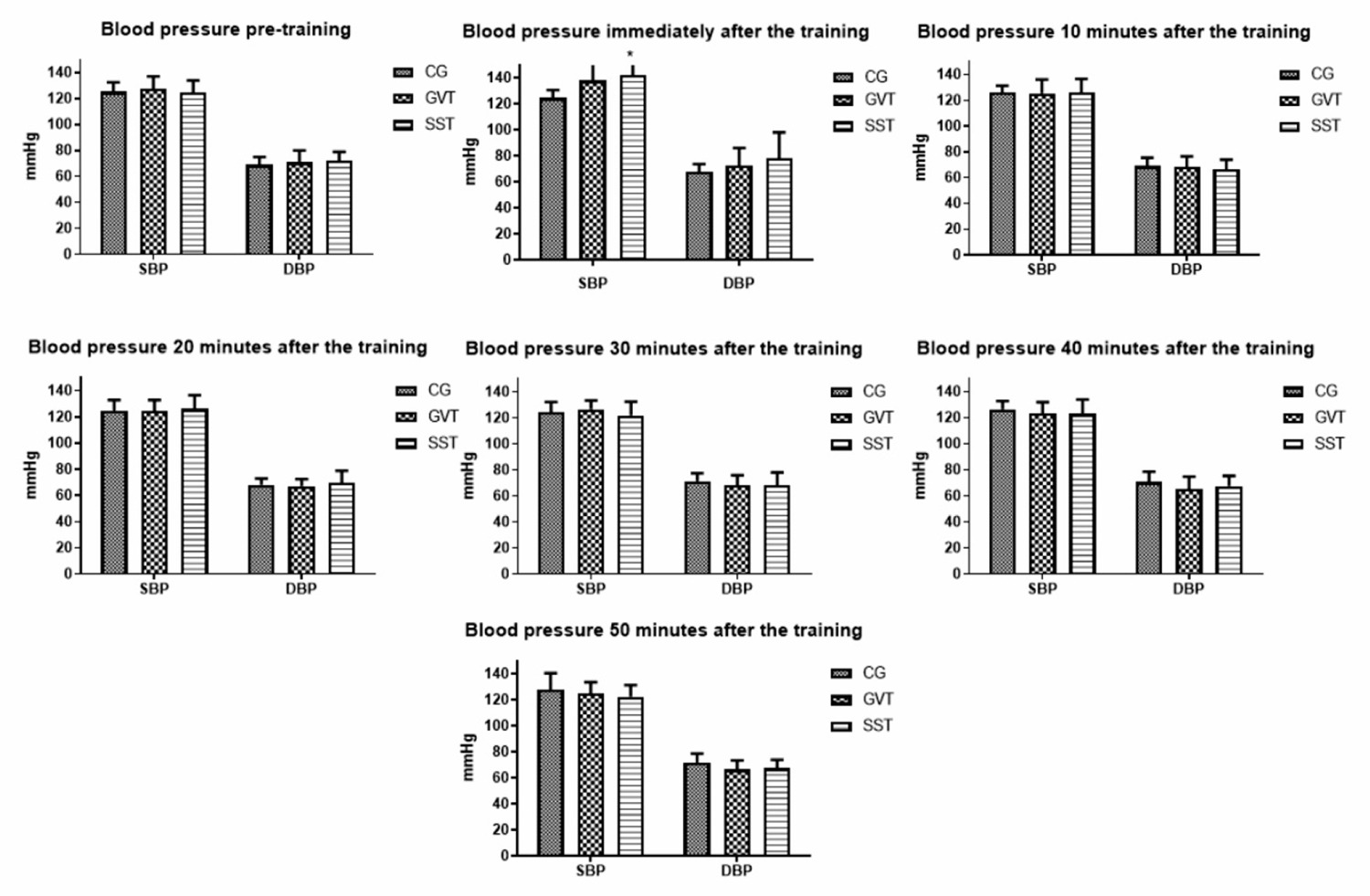
In the within-group analysis, a significant lowering of systolic blood pressure (SBP) was found at 10 minutes (125.4±10.8 mmHg, p= 0.045) and 20 minutes (124.5±8.5 mmHg, p= 0.044) post-training compared with immediately after training. In the between-group comparison, higher SBP values were observed immediately after training in the SST group (142.1±28.2, p= 0.048) compared with the CG.

Conclusion

High-volume and high-intensity resistance training programs did not cause abnormal changes in blood pressure. (Int J Cardiovasc Sci. 2021; [online].ahead print, PP.0-0)

  • Blood Pressure
  • Circuit Based Exercise
  • Exercise
  • Hypertension
  • Men
  • Rehabilitation
  • Resistance Training
Read Full Article
Creative Commons Attribution (CC BY) Creative Commons license
26/02/2021 DOI: 10.36660/ijcs.20190215 Views 1
Figure 1
IJCS
Original Article

Short-Term Effects of a Resistance Training Program Using Elastic Tubing in Patients with Heart Disease

João Pedro Lucas Neves Silva et al. Tamara Iasmin de Sá Ferreira Gabriela Côrtes Cavalleri Mayara Moura Alves da Cruz … Bianca Pinhal Galindo Natália Turri da Silva Bruna Spolador de Alencar Silva Marceli Rocha Leite Ana Paula Coelho Figueira Freire Ercy Mara Cipulo Ramos Luiz Carlos Marques Vanderlei Francis Lopes Pacagnelli

Abstract

Background

Resistance training is effective in cardiac rehabilitation; however, it is conventionally performed using free weights or machines, which can pose logistic challenges to patients with restricted mobility. For its ease of access and cost-effectiveness, elastic tubing is a particularly appealing alternative, but it remains underutilized for this purpose.

Objective

To evaluate muscle strength, functional capacity, aerobic capacity, and quality of life in patients with heart disease in phase II of cardiovascular rehabilitation after a resistance training intervention based solely on elastic tubing.

Methods

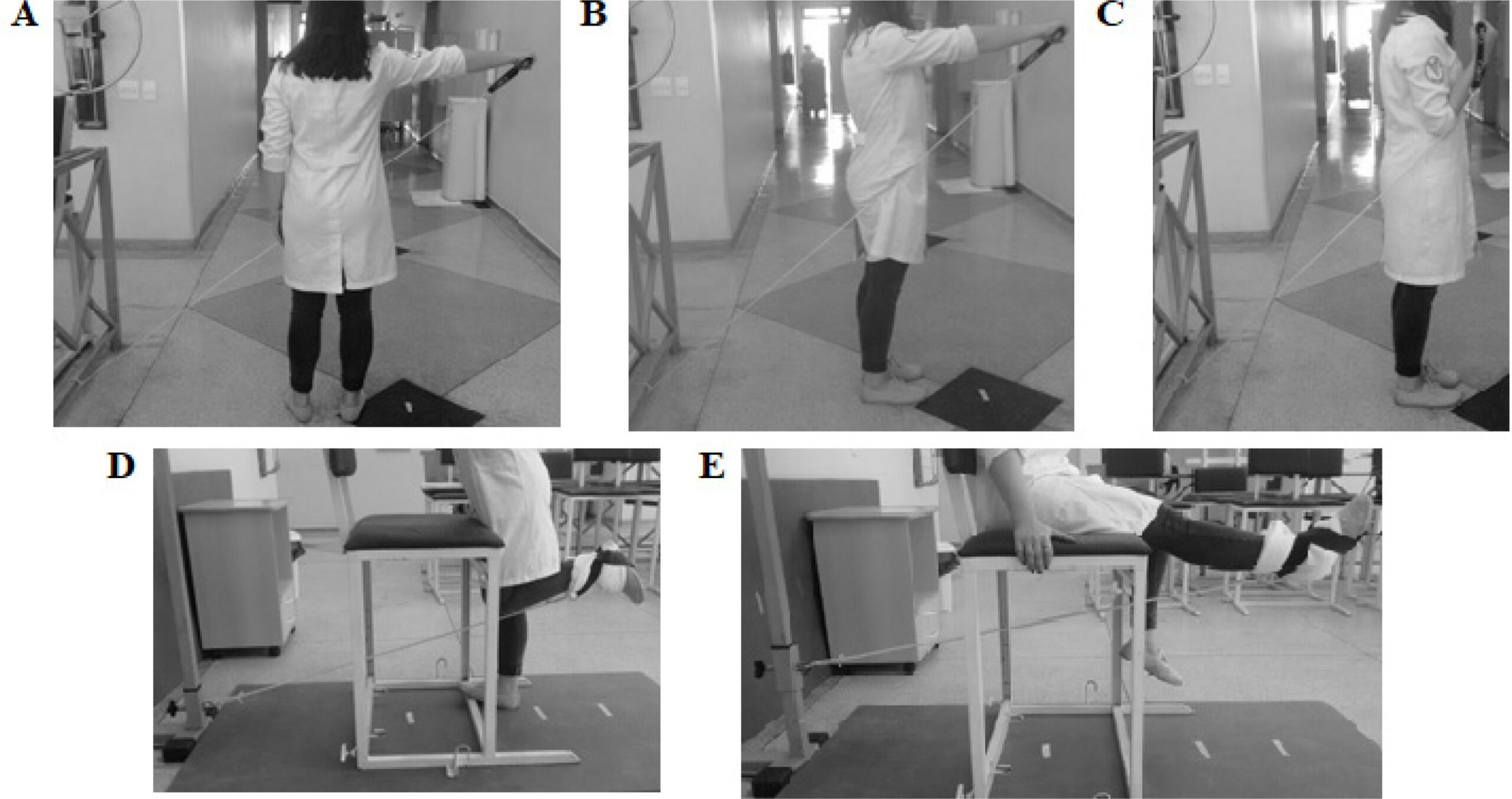
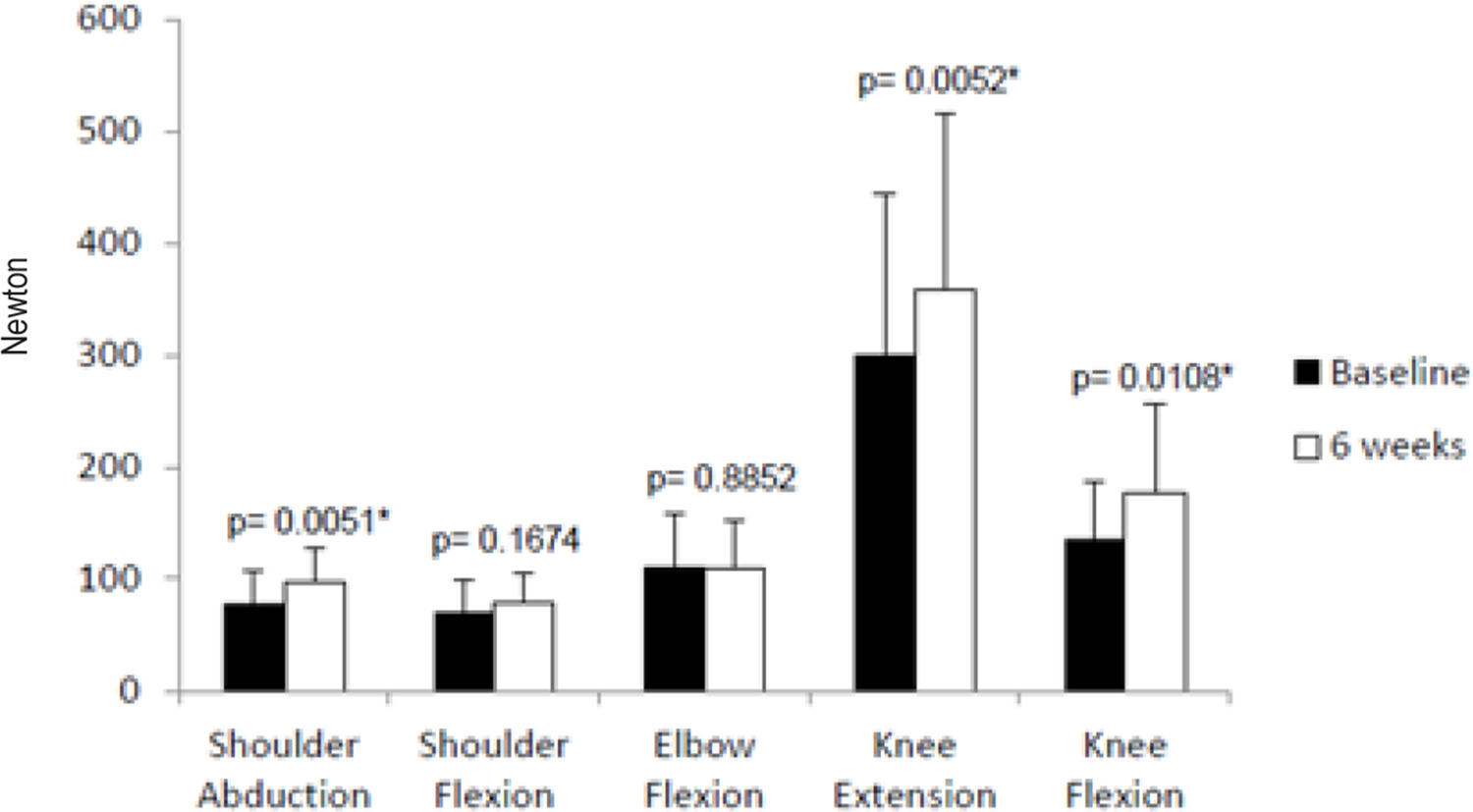
Thirteen patients with heart disease (age 63.33±10.80 years) trained with elastic tubing twice weekly for 6 weeks, with progressive load increase every 15 days. The following muscle groups were evaluated and trained: shoulder abductors and flexors, elbow flexors, and knee flexors and extensors. Muscle strength was evaluated using a dynamometer; functional capacity, with a 6-minute walk test and cardiopulmonary exercise test; and quality of life, using the SF-36 questionnaire. Data normality was assessed using the Shapiro–Wilk test. The paired Student’s t-test was used for comparisons before and after training, at a significance level of <5%.

Results

There were significant differences in muscle strength (except for elbow flexion) and functional capacity (485.5 ± 123.3 vs 578.7 ± 110.5; p=0.0399) after the intervention. No statistical differences were found in cardiorespiratory fitness or quality of life.

Conclusions

Short-term resistance training with elastic tubing improved peripheral muscle strength and functional capacity in patients with heart disease, and should be encouraged for this population. (Int J Cardiovasc Sci. 2020; xx(x):xxx-xxx)

  • Cardiac Rehabilitation
  • Cardiovascular Diseases
  • Elastic Tubing
  • Exercise
  • Functional Residual Capacity
  • muscle strength dynamometer
  • Resistance Training
Read Full Article
Creative Commons Attribution (CC BY) Creative Commons license
22/02/2021 DOI: 10.36660/ijcs.20190216 Views 2
Figure 1
ABC
Original Article

Strength Training Reduces Cardiac and Renal Oxidative Stress in Rats with Renovascular Hypertension

Rodrigo Miguel-dos-Santos et al. Jucilene Freitas dos Santos Fabricio Nunes Macedo Anderson Carlos Marçal … Valter J. Santana Filho Rogerio Brandão Wichi Sandra Lauton-Santos

Abstract

Background

Strength training has beneficial effects on kidney disease, in addition to helping improve antioxidant defenses in healthy animals.

Objective

To verify if strength training reduces oxidative damage to the heart and contralateral kidney caused by the renovascular hypertension induction surgery, as well as to evaluate alterations in the activity of superoxide dismutase (SOD), catalase (CAT), and glutathione peroxidase (GPx) endogenous antioxidant enzymes.

Methods

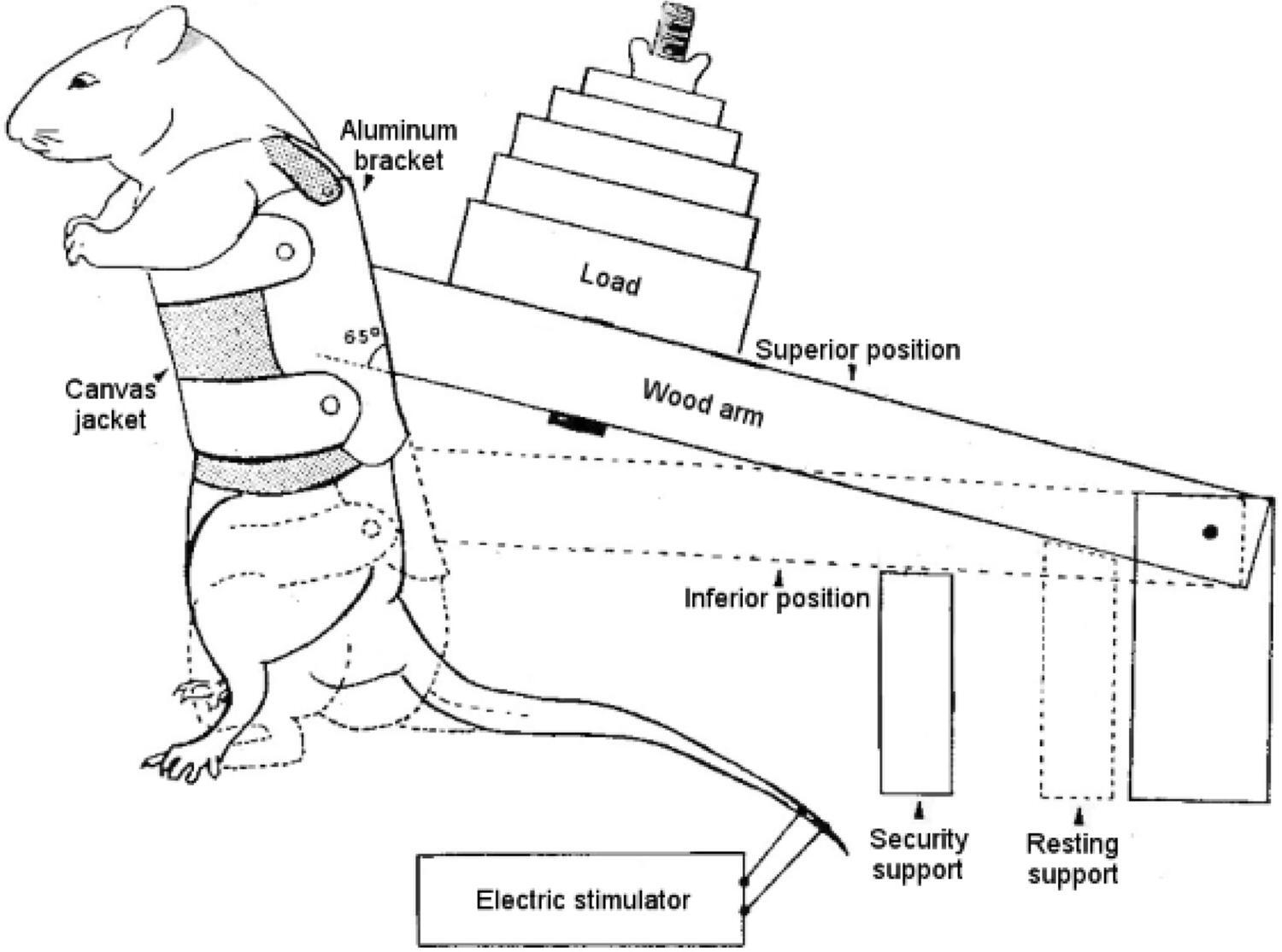
Eighteen male rats were divided into three groups (n=6/group): sham, hypertensive, and trained hypertensive. The animals were induced to renovascular hypertension through left renal artery ligation. Strength training was initiated four weeks after the induction of renovascular hypertension, continued for a 12-weeks period, and was performed at 70% of 1RM. After the training period, the animals were euthanized and the right kidney and heart were removed for quantitation of hydroperoxides, malondialdehyde and sulfhydryl groups, which are markers of oxidative damage. In addition, the activity of SOD, CAT, and GPx antioxidant enzymes was also measured. The adopted significance level was 5% (p < 0.05).

Results

After strength training, a reduction in oxidative damage to lipids and proteins was observed, as could be seen by reducing hydroperoxides and total sulfhydryl levels, respectively. Furthermore, an increased activity of superoxide dismutase, catalase, and glutathione peroxidase antioxidant enzymes was observed.

Conclusion

Strength training is able to potentially reduce oxidative damage by increasing the activity of antioxidant enzymes. (Arq Bras Cardiol. 2021; 116(1):4-11)

  • Antioxidants
  • hypertension, renovascular
  • Oxidation-Reduction
  • Oxidative Stress
  • Renal Arterial Obstruction
  • Resistance Training
Read Full Article
Creative Commons Attribution (CC BY) Creative Commons license
03/02/2021 DOI: 10.36660/abc.20190391
ABC
Editorial

Moderate-Intensity Resistance Training Improves Oxidative Stress in Heart

Marcelo Diarcadia Mariano Cezar et al. Silvio Assis de Oliveira Junior Ricardo Luiz Damatto

Renovascular hypertension (RVHT) is one of the main causes of secondary hypertension, often leading to resistant hypertension, that is, that does not respond well to aggressive medical treatment. This condition is defined as systemic hypertension that manifests as a result of compromised blood supply to the kidneys., In an epidemiological context, RVHT accounts for 1 to 5% of all cases of hypertension and 5.4% of secondary hypertension among young adults.

Studies have shown an association this disease with low levels of physical activity or physical fitness in hypertensive individuals., It is known that physical training has a protective action against cardiovascular diseases.– In 2016, the 7th Brazilian Guideline of Arterial Hypertension, by the Brazilian Society of Cardiology, stated that blood pressure reduction is the most effective measure to decrease cardiovascular risk and slow kidney damage progression, regardless of the antihypertensive drug used. Endurance/aerobic exercise training promotes an important hypotensive effect in hypertensive patients and, therefore, has been recommended as the preferential type of exercise for arterial hypertension prevention and treatment.,

[…]

  • Blood Pressure/prevention and control
  • Hypertension
  • Oxidative Stress
  • Resistance Training
  • Ventricular Remodeling
Read Full Article
Creative Commons Attribution (CC BY) Creative Commons license
03/02/2021 DOI: 10.36660/abc.20200561 Views 1
ABC
Editorial

Atrioventricular Conduction System Disorders and Potential Risks of Arrhythmic Events in Endurance Athletes

Carlos Alberto Cordeiro Hossri

Short Editorial related to the article: Assessing Dynamic Atrioventricular Conduction Time to RR-interval Coupling in Athletes and Sedentary Subjects

Some disorders found on electrocardiograms are commonly seen in endurance or high-performance athletes and often have characteristics that are similar to those observed in elderly individuals or in those with cardiovascular disease. –

[…]

  • Arrhythmias Cardiac
  • Eletrocardiography/methods
  • Keywords: Athletes
  • physical fitness
  • Resistance Training
  • Sedentarism
  • Ventricular Function
  • Ventricular Remodeling
Read Full Article
Creative Commons Attribution (CC BY) Creative Commons license
07/08/2020 DOI: 10.36660/abc.20200668
Figure 1
ABC
Original Article

Assessing Dynamic Atrioventricular Conduction Time to RR-interval Coupling in Athletes and Sedentary Subjects

Paulo Roberto Benchimol-Barbosa et al. Olivassé Nasario Junior Jurandir Nadal

Abstract

Background

Atrioventricular conduction time ( AVCT ) is influenced by autonomic input and subject to physiological remodeling.

Objective

To evaluate beat-by-beat AVCT and RR-interval variability in athletes and healthy sedentary subjects.

Methods

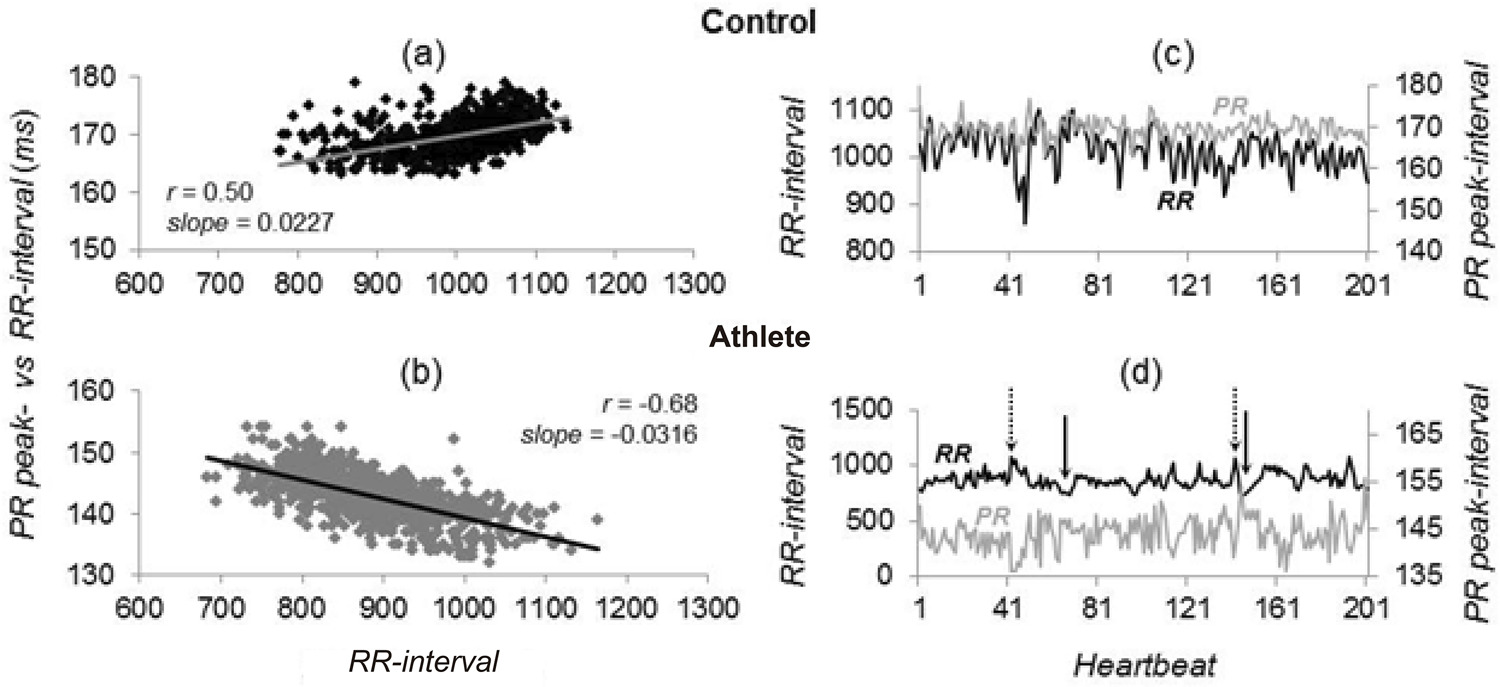
Twenty adults, including 10 healthy sedentary (Controls) and 10 elite long-distance runners (Athletes), age, weight and height-adjusted, underwent maximal metabolic equivalent (MET) assessment, and 15-min supine resting ECG recording seven days later. The interval between P-wave and R-wave peaks defined the AVCT . Mean (M) and standard deviation (SD) of consecutive RR-intervals (RR) and coupled AVCT were calculated, as well as regression lines of RR vs. AVCT (RR-AVCT) . Concordant AV conduction was defined as positive RR-AVCT slope and discordant otherwise. A multivariate linear regression model was developed to explain MET based on AVCT and RR-interval variability parameters. Significance-level: 5 %.

Results

In Athletes, M-RR and SD-RR values were higher than in Controls, whereas M-AVCT and SD-AVCT were not. RR-AVCT slopes were, respectively, 0.038 ± 0.022 and 0.0034 ± 0.017 (p < 0.05). Using a cut-off value of 0.0044 (AUC 0.92 ± 0.07; p < 0.001), RR-AVCT slope showed 100% specificity and 80% sensitivity. In a multivariate model, SD-RR and RR-AVCT slope were independent explanatory variables of MET (F-ratio: 17.2; p < 0.001), showing 100% specificity and 90% sensitivity (AUC 0.99 ± 0.02; p < 0.001).

Conclusion

In elite runners, AVCT to RR -interval dynamic coupling shows spontaneous discordant AV conduction, characterized by negative AVCT vs. RR -interval regression line slope. RR -intervals standard deviation and AVCT vs. RR -interval regression line slope are independent explanatory variables of MET (Arq Bras Cardiol. 2020; [online].ahead print, PP.0-0)

  • Adults
  • Athletes
  • Electrocardiography/methods
  • Heart Ventricles
  • physical fitness
  • Resistance Training
  • Sedentarism
  • Ventricular Function
  • Ventricular Remodeling
Read Full Article
Creative Commons Attribution (CC BY) Creative Commons license
08/05/2020 DOI: 10.36660/abc.20190281
ABC
Editorial

The Nature of Cardiac Remodeling Due to Physical Exercise: More Evidence Towards to the Normal Adaptive Responses of the Heart

Lucas Helal et al. Anderson Donelli da Silveira

Cardiac remodeling due to exercise training overload (the so-called “athlete’s heart”) has been widely investigated since the 70’s and is still acknowledged by the scientific community. To differentiate normal adaptive responses (“benign”) from abnormal ones remains a challenge. Here we address some important issues related to the discussion on cardiac remodeling in exercise, recently revisited by Vidaletti-Silva and colleagues in this issue.

In terms of morphological adaptations, the left atrial and ventricular hypertrophy call attention due to their potential association with the onset of supraventricular tachyarrhythmias and also of ventricular arrhythmias, which may result in undesirable events.

[…]

  • Arrhythmias
  • Atrial Remodeling
  • Blood Pressure
  • Cardiac Remodeling
  • Exercise
  • Exercise Movement Techniques
  • Resistance Training
  • Running
  • Ventricular Remodeling
  • Weight Lifting
Read Full Article
Creative Commons Attribution (CC BY) Creative Commons license
01/12/2018 DOI: 10.5935/abc.20180238
Figure 1
ABC
Original Article

Comparison of Cardiac and Vascular Parameters in Powerlifters and Long-Distance Runners: Comparative Cross-Sectional Study

Diego Vidaletti Silva et al. Gustavo Waclawovsky Ana Beatriz Kramer Cinara Stein … Bruna Eibel Guilherme Brasil Grezzana Maximiliano Isoppo Schaun Alexandre Machado Lehnen

Abstract

Background:

Cardiac remodeling is a specific response to exercise training and time exposure. We hypothesized that athletes engaging for long periods in high-intensity strength training show heart and/or vascular damage.

Objective:

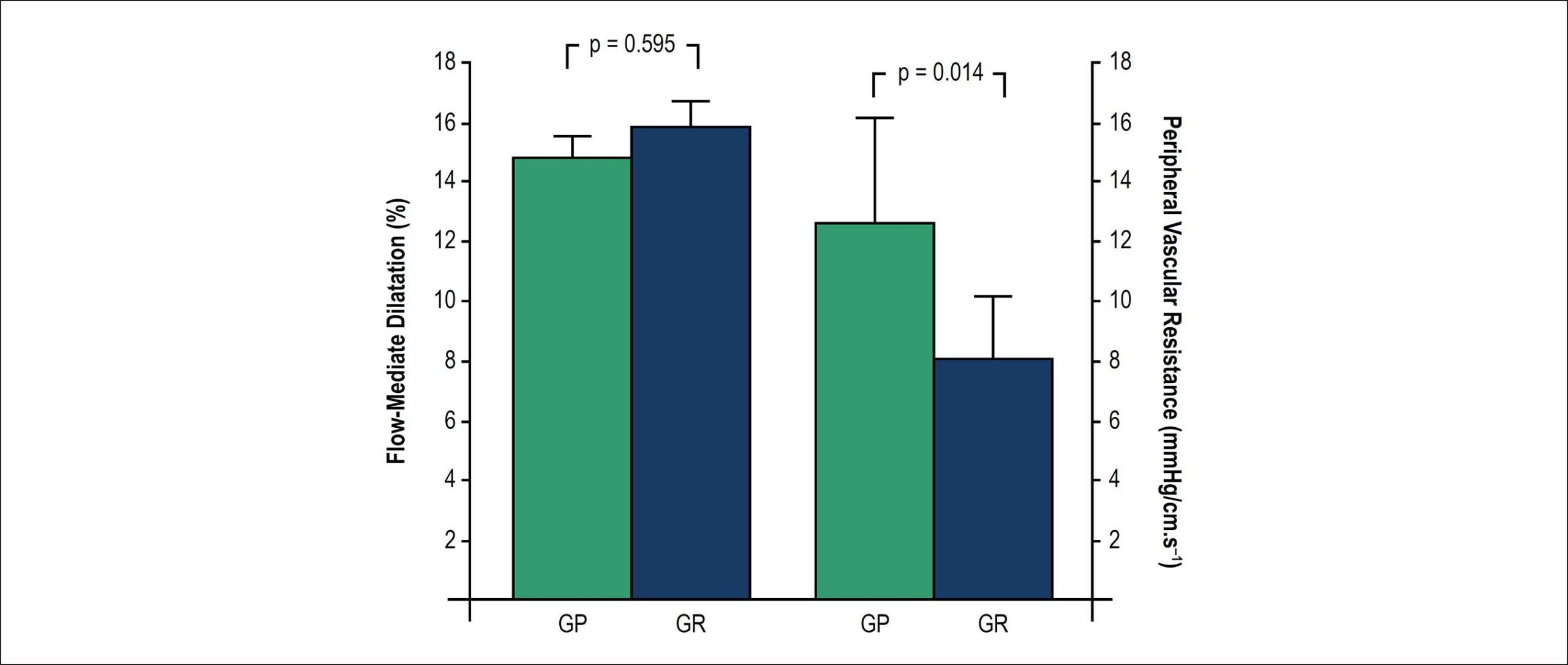
To compare cardiac characteristics (structure and function) and vascular function (flow-mediated dilation [FMD] and peripheral vascular resistance [PVR]) in powerlifters and long-distance runners.

Methods:

We evaluated 40 high-performance athletes (powerlifters [PG], n = 16; runners [RG], n = 24) and assessed heart structure and function (echocardiography), systolic and diastolic blood pressure (SBP/DBP), FMD, PVR, maximum force (squat, bench press, and deadlift), and maximal oxygen uptake (spirometry). A Student’s t Test for independent samples and Pearson’s linear correlation were used (p < 0.05).

Results:

PG showed higher SBP/DBP (p < 0.001); greater interventricular septum thickness (p < 0.001), posterior wall thickness (p < 0.001) and LV mass (p < 0.001). After adjusting LV mass by body surface area (BSA), no difference was observed. As for diastolic function, LV diastolic volume, wave E, wave e’, and E/e’ ratio were similar for both groups. However, LA volume (p = 0.016) and BSA-adjusted LA volume were lower in PG (p < 0.001). Systolic function (end-systolic volume and ejection fraction), and FMD were similar in both groups. However, higher PVR in PG was observed (p = 0.014). We found a correlation between the main cardiovascular changes and total weight lifted in PG.

Conclusions:

Cardiovascular adaptations are dependent on training modality and the borderline structural cardiac changes are not accompanied by impaired function in powerlifters. However, a mild increase in blood pressure seems to be related to PVR rather than endothelial function.

  • Blood Pressure
  • Exercise
  • Exercise MovementTechniques
  • Hypertrohy,Ventricular
  • Resistance Training
  • Running/physiology
Read Full Article
Creative Commons Attribution (CC BY) Creative Commons license
21/09/2018 DOI: 10.5935/abc.20180167
Figure 1
IJCS
Original Article

Effect Of Resistance Training On Myocardial Contractility In Vitro After Sleep Deprivation

Sara Quaglia de Campos Giampá et al. Marcos Mônico-Neto Helton de Sá Souza Marco Túlio de Mello … Sergio Tufik Leslie Andrews Portes Andrey Jorge Serra Paulo José Ferreira Tucci Hanna Karen Moreira Antunes

Abstract

Background:

Resistance training promotes cardiovascular health benefits that may affected by sleep deprivation.

Objective:

To evaluate the effect of high-intensity resistance training on myocardial contractility in rats subsequently subjected to paradoxical sleep deprivation.

Methods:

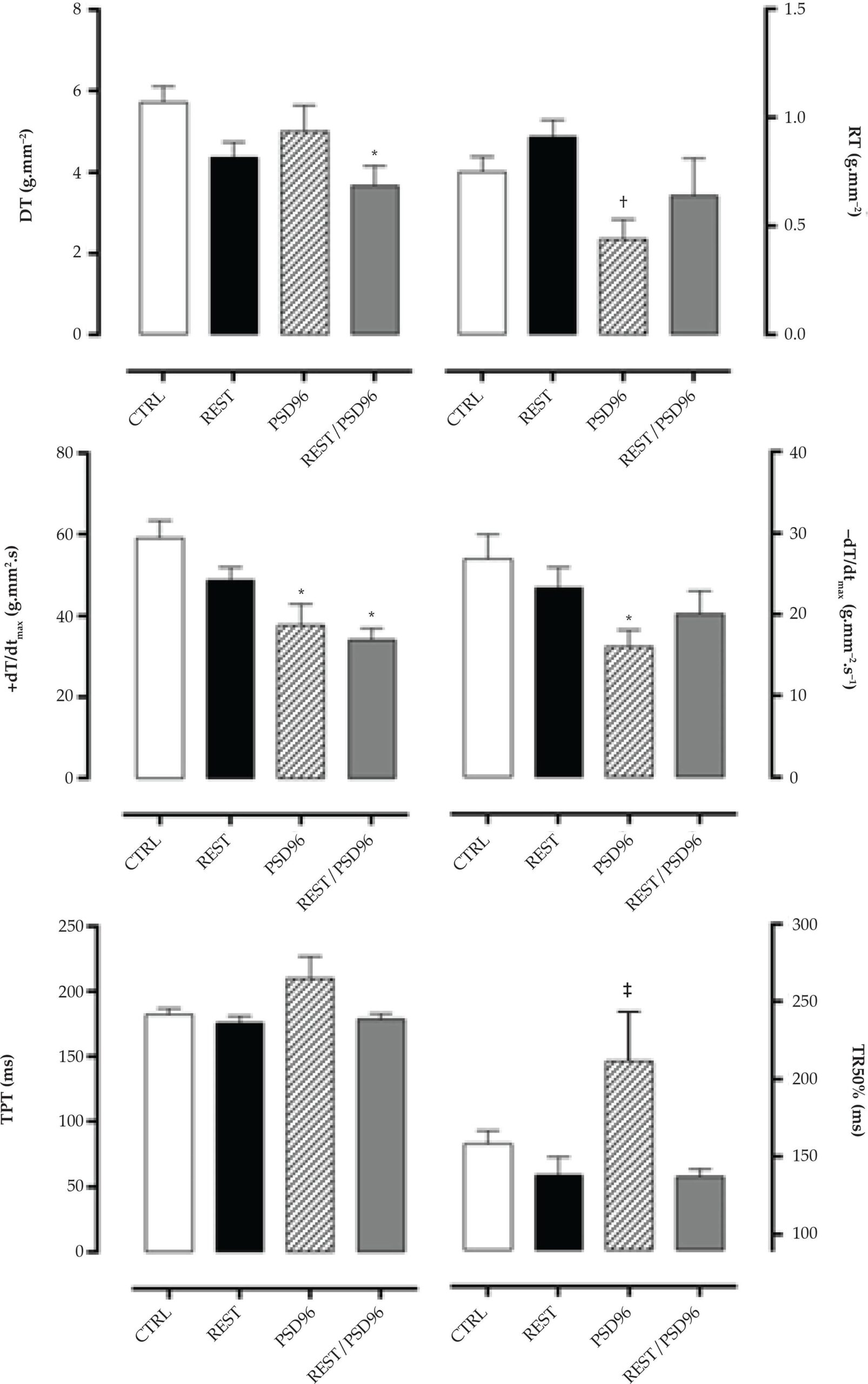
Forty male Wistar rats were distributed into control group (CTRL), resistance training (REST), 96-hour paradoxical sleep deprivation (PSD96) and resistance training followed by 96-hour paradoxical sleep deprivation (REST/PSD96). The animals underwent high-intensity resistance training for 8 weeks, 5x/week. Twenty-four hours after the last training session, the PSD96 and REST/PSD96 groups were submitted to paradoxical sleep deprivation, which was followed by the in vitro study of isolated papillary muscle contractile mechanics.

Results:

In comparison with the CTRL group, a lower papillary muscle length and increased cross sectional area were found in PSD96 and RETS/PSD96, which were associated with decreased temporal parameters of contraction force and relaxation. Decreased resting tension and slowing of relaxation time were found in the PSD96 group only. This effect was attenuated by previous resistance training.

Conclusion:

Resistance training partially prevented contractile changes induced by PSD, minimizing the slowing in relaxation time. Thus, high-intensity exercise seems to not fully protect the cardiac tissue from PSD-induced effects.

  • Animal Experimentation
  • Cardiovascular Diseases
  • Myocardial Contraction
  • Rats
  • Resistance Training
  • Sleep Deprivation
Read Full Article
Creative Commons Attribution (CC BY) Creative Commons license
01/01/2017 DOI: 10.5935/2359-4802.20170019 Views 1
ABC
Original Article

Blood Pressure and Hemodynamic Adaptations after a Training Program in Young Individuals with Down Syndrome

Bruna Barboza Seron et al. Karla Fabiana Goessler Everaldo Lambert Modesto Eloise Werle Almeida Márcia Greguol

Background:

Cardiovascular diseases affect people worldwide. Individuals with Down Syndrome (DS) have an up to sixteen-time greater risk of mortality from cardiovascular diseases.

Objective:

To evaluate the effects of aerobic and resistance exercises on blood pressure and hemodynamic variables of young individuals with DS.

Methods:

A total of 29 young individuals with DS participated in the study. They were divided into two groups: aerobic training (AT) (n = 14), and resistance training (TR) (n = 15). Their mean age was 15.7 ± 2.82 years. The training program lasted 12 weeks, and had a frequency of three times a week for AT and twice a week for RT. AT was performed in treadmill/ bicycle ergometer, at an intensity between 50%-70% of the HR reserve. RT comprised nine exercises with three sets of 12 repetition-maximum. Systolic blood pressure (SBP), diastolic blood pressure (DBP), mean blood pressure (MBP) and hemodynamic variables were assessed beat-to-beat using the Finometer device before/after the training program. Descriptive analysis, the Shapiro-Wilk test to check the normality of data, and the two-way ANOVA for repeated measures were used to compare pre- and post-training variables. The Pearson’s correlation coefficient was calculated to correlate hemodynamic variables. The SPSS version 18.0 was used with the significance level set at p < 0.05.

Results:

After twelve weeks of aerobic and/or resistance training, significant reductions in variables SBP, DBP and MBP were observed.

Conclusion:

This study suggests a chronic hypotensive effect of moderate aerobic and resistance exercises on young individuals with DS.

  • Adolescent
  • Arterial Pressure / physiology
  • Down Syndrome
  • Heart Defects, Congenital
  • Hemodynamic / physiology
  • Resistance Training
Read Full Article
Creative Commons Attribution (CC BY) Creative Commons license
14/04/2015 DOI: 10.5935/abc.20150033 Views 1
Figure 1
ABC
Original Article

Resistance Training After Myocardial Infarction in Rats: Its Role on Cardiac and Autonomic Function

Camilla Figueiredo Grans et al. Daniele Jardim Feriani Marcos Elias Vergilino Abssamra Leandro Yanase Rocha … Nicolle Martins Carrozzi Cristiano Mostarda Diego Mendrot Figueroa Kátia De Angelis Maria Cláudia Irigoyen Bruno Rodrigues

Background:

Although resistance exercise training is part of cardiovascular rehabilitation programs, little is known about its role on the cardiac and autonomic function after myocardial infarction.

Objective:

To evaluate the effects of resistance exercise training, started early after myocardial infarction, on cardiac function, hemodynamic profile, and autonomic modulation in rats.

Methods:

Male Wistar rats were divided into four groups: sedentary control, trained control, sedentary infarcted and trained infarcted rats. Each group with n = 9 rats. The animals underwent maximum load test and echocardiography at the beginning and at the end of the resistance exercise training (in an adapted ladder, 40% to 60% of the maximum load test, 3 months, 5 days/week). At the end, hemodynamic, baroreflex sensitivity and autonomic modulation assessments were made.

Results:

The maximum load test increased in groups trained control (+32%) and trained infarcted (+46%) in relation to groups sedentary control and sedentary infarcted. Although no change occurred regarding the myocardial infarction size and systolic function, the E/A ratio (-23%), myocardial performance index (-39%) and systolic blood pressure (+6%) improved with resistance exercise training in group trained infarcted. Concomitantly, the training provided additional benefits in the high frequency bands of the pulse interval (+45%), as well as in the low frequency band of systolic blood pressure (-46%) in rats from group trained infarcted in relation to group sedentary infarcted.

Conclusion:

Resistance exercise training alone may be an important and safe tool in the management of patients after myocardial infarction, considering that it does not lead to significant changes in the ventricular function, reduces the global cardiac stress, and significantly improves the vascular and cardiac autonomic modulation in infarcted rats.

  • Autonomic Nervous System
  • Exercise
  • Myocardial Infarction
  • Rats
  • Rehabilitation
  • Resistance Training
  • Ventricular Function
Read Full Article
Creative Commons Attribution (CC BY) Creative Commons license
09/07/2014 DOI: 10.5935/abc.20140093 Views 2
Cardiovascular responses to resistance exercise are affected by workload and intervals between sets
ABC
Artigo Original

Cardiovascular responses to resistance exercise are affected by workload and intervals between sets

Antonio Gil Castinheiras-Neto et al. Irineu Rodrigues da Costa-Filho Paulo Tarso Veras Farinatti

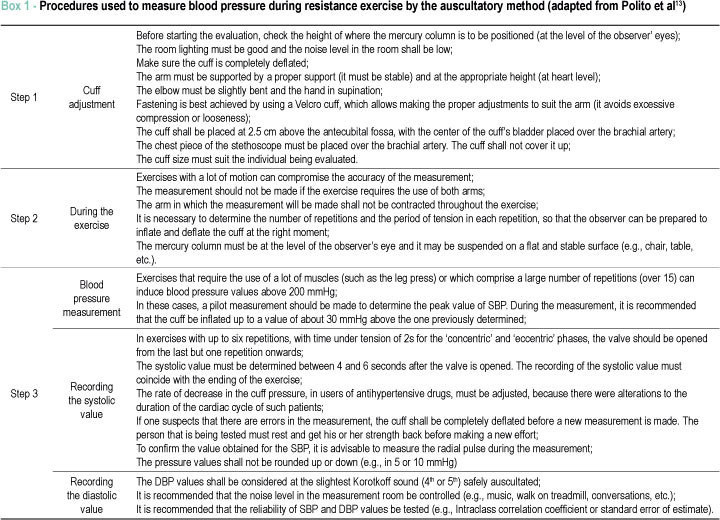
BACKGROUND: The control of cardiovascular responses during resistance exercise (RE) is important for patient safety. OBJECTIVE: To investigate the influence of repetition maximum (RM) and rest interval between sets (RI) on heart rate (HR), systolic blood pressure (SBP) and rate-pressure product (RPP) during RE. METHODS: Twenty healthy subjects (26 ± 5 years of age) underwent RE protocols involving three sets of leg press (6 and 12 RM) and RI proportional to the contraction time (1:3 and 1:5). The HR was checked on a continuous basis by using a cardiotachometer and the SBP was checked at the end of the sets, via a protocol validated by the auscultatory method. RESULTS: The HR was influenced by the workload (p = 0.008) and sets (p < 0.001), but not by the RI (p = 0.087). The SBP suffered from the isolated effect of the number of sets (p < 0.001) and RI (p = 0.017), but not from the workload (p = 0.95). The RPP rose in direct proportion to the workload (p = 0.036) and sets (p < 0.001), but in inverse proportion to the RI (p = 0.006). In 6 RM protocols, the variation in the HR was higher for RI = 1:3 (Δ = 11.2 ± 1.1 bpm) than for RI = 1:5 (Δ = 4.5 ± 0.2 bpm; p = 0.002), but there was no difference for 12 RM (Δ 1:3 = 21.1 ± 2.2 bpm; Δ 1:5 = 18.9 ± 2.0 bpm, p = 0.83). The RI influenced the variation in SBP in all loads (6 RM – Δ 1:3 = 10.6 ± 0.9 mmHg, Δ 1:5 = 6.6 ± 0.7 mmHg; p = 0.02 and 12 RM – Δ 1:3 = 15.2 ± 1.1 mmHg, Δ 1:5 = 8.4 ± 0.7 mmHg; p = 0.04). The RPP rose in proportion to the workload (p = 0.036) and to the sets (p < 0.001), but in inverse proportion to the RI (p = 0.006). With RI = 1:3, there was difference in RPP for 6 RM (Δ = 2,892 ± 189 mmHg.bpm) and 12 RM (Δ = 4,587 ± 300 mmHg.bpm; p = 0.018), but not with RI = 1:5 (6 RM: Δ = 1,224 ± 141 mmHg.bpm, 12 RM: Δ = 2,332 ± 194 mmHg.bpm; p = 0.58). CONCLUSION: Regardless of the workload, an increased RI was associated with lower cardiovascular responses during RE, especially of SBP.

  • Blood Pressure
  • Exercise
  • Heart Rate
  • Resistance Training
Read Full Article
Creative Commons Attribution (CC BY) Creative Commons license
03/09/2010 DOI: 10.1590/S0066-782X2010005000119

How to cite this article

EndNote RIS

Electronic Document Format (Vancouver)

Rodrigues CIS, Forjaz CLM, Bortolotto LA, Nadruz W, Brandão AA. Reply to the Letter to the Editor: “Should Resistance Training Also Be Considered a Mandatory Component?”. Arquivos Brasileiros de Cardiologia 2026;123(6):e20260362.

Electronic Document Format (ABNT)

Rodrigues, Cibele Isaac Saad; Forjaz, Claudia Lucia de Moraes; Bortolotto, Luiz Aparecido; Nadruz, Wilson; Brandão, Andréa A.. Reply to the Letter to the Editor: “Should Resistance Training Also Be Considered a Mandatory Component?”. Arquivos Brasileiros de Cardiologia, v. 123, n. 6, e20260362, Jul. 2026.

Electronic Document Format (APA)

Rodrigues, C. I. S., Forjaz, C. L. M., Bortolotto, L. A., Nadruz, W., & Brandão, A. A. (2026). Reply to the Letter to the Editor: “Should Resistance Training Also Be Considered a Mandatory Component?”. Arquivos Brasileiros de Cardiologia, 123(6), e20260362.

Electronic Document Format (ISO)

Rodrigues, Cibele Isaac Saad and Forjaz, Claudia Lucia de Moraes and Bortolotto, Luiz Aparecido and Nadruz, Wilson and Brandão, Andréa A.. Reply to the Letter to the Editor: “Should Resistance Training Also Be Considered a Mandatory Component?”. Arquivos Brasileiros de Cardiologia [online]. 2026, vol. 123, n. 6, [cited 2026-10-14], e20260362. Available from: <https://journals.cardiol.br/en/article/reply-to-the-letter-to-the-editor-should-resistance-training-also-be-considered-a-mandatory-component/>. ISSN 0066-782X

EndNote RIS

Electronic Document Format (Vancouver)

Abrahin O. Should Resistance Training Also Be Considered a Mandatory Component?. Arquivos Brasileiros de Cardiologia 2026;123(1):e20250653.

Electronic Document Format (ABNT)

Abrahin, Odilon. Should Resistance Training Also Be Considered a Mandatory Component?. Arquivos Brasileiros de Cardiologia, v. 123, n. 1, e20250653, Feb. 2026.

Electronic Document Format (APA)

Abrahin, O. (2026). Should Resistance Training Also Be Considered a Mandatory Component?. Arquivos Brasileiros de Cardiologia, 123(1), e20250653.

Electronic Document Format (ISO)

Abrahin, Odilon. Should Resistance Training Also Be Considered a Mandatory Component?. Arquivos Brasileiros de Cardiologia [online]. 2026, vol. 123, n. 1, [cited 2026-10-14], e20250653. Available from: <https://journals.cardiol.br/en/article/should-resistance-training-also-be-considered-a-mandatory-component/>. ISSN 0066-782X

EndNote RIS

Electronic Document Format (Vancouver)

Castro RRTD, Campos MB, Mello L, Silveira Neto JG. Systolic Subclinical Dysfunction in Anabolic Steroid Users: A Real Life Study. International Journal of Cardiovascular Sciences 2025;38:e20240193.

Electronic Document Format (ABNT)

Castro, Renata Rodrigues Teixeira De; Campos, Marcello de Brito; Mello, Luiz; Silveira Neto, João Giffoni. Systolic Subclinical Dysfunction in Anabolic Steroid Users: A Real Life Study. International Journal of Cardiovascular Sciences, v. 38, e20240193, May. 2025.

Electronic Document Format (APA)

Castro, R. R. T. D., Campos, M. B., Mello, L., & Silveira Neto, J. G. (2025). Systolic Subclinical Dysfunction in Anabolic Steroid Users: A Real Life Study. International Journal of Cardiovascular Sciences, 38, e20240193.

Electronic Document Format (ISO)

Castro, Renata Rodrigues Teixeira De and Campos, Marcello de Brito and Mello, Luiz and Silveira Neto, João Giffoni. Systolic Subclinical Dysfunction in Anabolic Steroid Users: A Real Life Study. International Journal of Cardiovascular Sciences [online]. 2025, vol. 38, [cited 2026-10-14], e20240193. Available from: <https://journals.cardiol.br/en/article/systolic-subclinical-dysfunction-in-anabolic-steroid-users-a-real-life-study/>. ISSN 2359-4802

EndNote RIS

Electronic Document Format (Vancouver)

Waclawovsky G, Pedralli ML, Eibel B, Schaun MI, Lehnen AM. Effects of Different Types of Exercise Training on Endothelial Function in Prehypertensive and Hypertensive Individuals: A Systematic Review. Arquivos Brasileiros de Cardiologia 2021;116(5):938-47.

Electronic Document Format (ABNT)

Waclawovsky, Gustavo; Pedralli, Marinei L.; Eibel, Bruna; Schaun, Maximiliano I.; Lehnen, Alexandre M.. Effects of Different Types of Exercise Training on Endothelial Function in Prehypertensive and Hypertensive Individuals: A Systematic Review. Arquivos Brasileiros de Cardiologia, v. 116, n. 5, p. 938-947, May. 2021.

Electronic Document Format (APA)

Waclawovsky, G., Pedralli, M. L., Eibel, B., Schaun, M. I., & Lehnen, A. M. (2021). Effects of Different Types of Exercise Training on Endothelial Function in Prehypertensive and Hypertensive Individuals: A Systematic Review. Arquivos Brasileiros de Cardiologia, 116(5), 938-947.

Electronic Document Format (ISO)

Waclawovsky, Gustavo and Pedralli, Marinei L. and Eibel, Bruna and Schaun, Maximiliano I. and Lehnen, Alexandre M.. Effects of Different Types of Exercise Training on Endothelial Function in Prehypertensive and Hypertensive Individuals: A Systematic Review. Arquivos Brasileiros de Cardiologia [online]. 2021, vol. 116, n. 5, [cited 2026-10-14], pp. 938-947. Available from: <https://journals.cardiol.br/en/article/effects-of-different-types-of-exercise-training-on-endothelial-function-in-prehypertensive-and-hypertensive-individuals-a-systematic-review/>. ISSN 0066-782X

EndNote RIS

Electronic Document Format (Vancouver)

Tenório MCC, Paz CL, Valladares F, Guimarães Junior M, Sá CKC, Correia L. Effects of Low-to-Moderate Doses of Anabolic Steroids on Lipid Profile and Muscle Hypertrophy in Resistance Training Practitioners: A Systematic Review with Meta-Analysis. International Journal of Cardiovascular Sciences 2021;34(5):531-4.

Electronic Document Format (ABNT)

Tenório, Mário César Carvalho; Paz, Cláudio Luiz; Valladares, Flávia; Guimarães Junior, Marcelo; Sá, Cloud Kennedy Couto de; Correia, Luis. Effects of Low-to-Moderate Doses of Anabolic Steroids on Lipid Profile and Muscle Hypertrophy in Resistance Training Practitioners: A Systematic Review with Meta-Analysis. International Journal of Cardiovascular Sciences, v. 34, n. 5, p. 531-541, May. 2021.

Electronic Document Format (APA)

Tenório, M. C. C., Paz, C. L., Valladares, F., Guimarães Junior, M., Sá, C. K. C. , & Correia, L. (2021). Effects of Low-to-Moderate Doses of Anabolic Steroids on Lipid Profile and Muscle Hypertrophy in Resistance Training Practitioners: A Systematic Review with Meta-Analysis. International Journal of Cardiovascular Sciences, 34(5), 531-541.

Electronic Document Format (ISO)

Tenório, Mário César Carvalho and Paz, Cláudio Luiz and Valladares, Flávia and Guimarães Junior, Marcelo and Sá, Cloud Kennedy Couto de and Correia, Luis. Effects of Low-to-Moderate Doses of Anabolic Steroids on Lipid Profile and Muscle Hypertrophy in Resistance Training Practitioners: A Systematic Review with Meta-Analysis. International Journal of Cardiovascular Sciences [online]. 2021, vol. 34, n. 5, [cited 2026-10-14], pp. 531-541. Available from: <https://journals.cardiol.br/en/article/effects-of-low-to-moderate-doses-of-anabolic-steroids-on-lipid-profile-and-muscle-hypertrophy-in-resistance-training-practitioners-a-systematic-review-with-meta-analysis/>. ISSN 2359-4802

EndNote RIS

Electronic Document Format (Vancouver)

Rodrigues GD, Soares PPS. Home-Based Resistance Training in Heart Diseases: Don’t Stop the Music, your Muscles are still Listening. International Journal of Cardiovascular Sciences 2021;34(2):157-8.

Electronic Document Format (ABNT)

Rodrigues, Gabriel Dias; Soares, Pedro Paulo da Silva. Home-Based Resistance Training in Heart Diseases: Don’t Stop the Music, your Muscles are still Listening. International Journal of Cardiovascular Sciences, v. 34, n. 2, p. 157-158, Mar. 2021.

Electronic Document Format (APA)

Rodrigues, G. D., & Soares, P. P. S. (2021). Home-Based Resistance Training in Heart Diseases: Don’t Stop the Music, your Muscles are still Listening. International Journal of Cardiovascular Sciences, 34(2), 157-158.

Electronic Document Format (ISO)

Rodrigues, Gabriel Dias and Soares, Pedro Paulo da Silva. Home-Based Resistance Training in Heart Diseases: Don’t Stop the Music, your Muscles are still Listening. International Journal of Cardiovascular Sciences [online]. 2021, vol. 34, n. 2, [cited 2026-10-14], pp. 157-158. Available from: <https://journals.cardiol.br/en/article/home-based-resistance-training-in-heart-diseases-dont-stop-the-music-your-muscles-are-still-listening/>. ISSN 2359-4802

EndNote RIS

Electronic Document Format (Vancouver)

Masuda AMM, Trevisan IB, Gouveia TS, Tacao GY, Ramos EMC, Ramos D. Acute Effect of Resistance Exercise on Mucociliary Clearance in Active Smokers. International Journal of Cardiovascular Sciences 2021;34(2):223-30.

Electronic Document Format (ABNT)

Masuda, Alessandra Mayumi Marques; Trevisan, Iara Buriola; Gouveia, Tamara dos Santos; Tacao, Guilherme Yassuyuki; Ramos, Ercy Mara Cipulo; Ramos, Dionei. Acute Effect of Resistance Exercise on Mucociliary Clearance in Active Smokers. International Journal of Cardiovascular Sciences, v. 34, n. 2, p. 223-230, Mar. 2021.

Electronic Document Format (APA)

Masuda, A. M. M., Trevisan, I. B., Gouveia, T. S., Tacao, G. Y., Ramos, E. M. C., & Ramos, D. (2021). Acute Effect of Resistance Exercise on Mucociliary Clearance in Active Smokers. International Journal of Cardiovascular Sciences, 34(2), 223-230.

Electronic Document Format (ISO)

Masuda, Alessandra Mayumi Marques and Trevisan, Iara Buriola and Gouveia, Tamara dos Santos and Tacao, Guilherme Yassuyuki and Ramos, Ercy Mara Cipulo and Ramos, Dionei. Acute Effect of Resistance Exercise on Mucociliary Clearance in Active Smokers. International Journal of Cardiovascular Sciences [online]. 2021, vol. 34, n. 2, [cited 2026-10-14], pp. 223-230. Available from: <https://journals.cardiol.br/en/article/acute-effect-of-resistance-exercise-on-mucociliary-clearance-in-active-smokers/>. ISSN 2359-4802

EndNote RIS

Electronic Document Format (Vancouver)

Conceição AF, Muniz DL, Santos CPC, Queiroz CO. Acute Blood Pressure Response to Different Resistance Programs in Trained Men. International Journal of Cardiovascular Sciences 2021;34(3):294-9.

Electronic Document Format (ABNT)

Conceição, Ariani França; Muniz, Daniell Lima; Santos, Clarcson Plácido Conceição dos; Queiroz, Ciro Oliveira. Acute Blood Pressure Response to Different Resistance Programs in Trained Men. International Journal of Cardiovascular Sciences, v. 34, n. 3, p. 294-299, Feb. 2021.

Electronic Document Format (APA)

Conceição, A. F., Muniz, D. L., Santos, C. P. C. , & Queiroz, C. O. (2021). Acute Blood Pressure Response to Different Resistance Programs in Trained Men. International Journal of Cardiovascular Sciences, 34(3), 294-299.

Electronic Document Format (ISO)

Conceição, Ariani França and Muniz, Daniell Lima and Santos, Clarcson Plácido Conceição dos and Queiroz, Ciro Oliveira. Acute Blood Pressure Response to Different Resistance Programs in Trained Men. International Journal of Cardiovascular Sciences [online]. 2021, vol. 34, n. 3, [cited 2026-10-14], pp. 294-299. Available from: <https://journals.cardiol.br/en/article/acute-blood-pressure-response-to-different-resistance-programs-in-trained-men/>. ISSN 2359-4802

EndNote RIS

Electronic Document Format (Vancouver)

Silva JPLN, Ferreira TIS, Cavalleri GC, Cruz MMA, Galindo BP, Silva NT, Silva BSA, et al. Short-Term Effects of a Resistance Training Program Using Elastic Tubing in Patients with Heart Disease. International Journal of Cardiovascular Sciences 2021;34(2):149-56.

Electronic Document Format (ABNT)

Silva, João Pedro Lucas Neves; Ferreira, Tamara Iasmin de Sá; Cavalleri, Gabriela Côrtes; Cruz, Mayara Moura Alves da; Galindo, Bianca Pinhal; Silva, Natália Turri da; Silva, Bruna Spolador de Alencar; Leite, Marceli Rocha; Freire, Ana Paula Coelho Figueira; Ramos, Ercy Mara Cipulo; Vanderlei, Luiz Carlos Marques; Pacagnelli, Francis Lopes. Short-Term Effects of a Resistance Training Program Using Elastic Tubing in Patients with Heart Disease. International Journal of Cardiovascular Sciences, v. 34, n. 2, p. 149-156, Feb. 2021.

Electronic Document Format (APA)

Silva, J. P. L. N., Ferreira, T. I. S., Cavalleri, G. C., Cruz, M. M. A. , Galindo, B. P., Silva, N. T. , Silva, B. S. A., Leite, M. R., Freire, A. P. C. F., Ramos, E. M. C., Vanderlei, L. C. M., & Pacagnelli, F. L. (2021). Short-Term Effects of a Resistance Training Program Using Elastic Tubing in Patients with Heart Disease. International Journal of Cardiovascular Sciences, 34(2), 149-156.

Electronic Document Format (ISO)

Silva, João Pedro Lucas Neves and Ferreira, Tamara Iasmin de Sá and Cavalleri, Gabriela Côrtes and Cruz, Mayara Moura Alves da and Galindo, Bianca Pinhal and Silva, Natália Turri da and Silva, Bruna Spolador de Alencar and Leite, Marceli Rocha and Freire, Ana Paula Coelho Figueira and Ramos, Ercy Mara Cipulo and Vanderlei, Luiz Carlos Marques and Pacagnelli, Francis Lopes. Short-Term Effects of a Resistance Training Program Using Elastic Tubing in Patients with Heart Disease. International Journal of Cardiovascular Sciences [online]. 2021, vol. 34, n. 2, [cited 2026-10-14], pp. 149-156. Available from: <https://journals.cardiol.br/en/article/short-term-effects-of-a-resistance-training-program-using-elastic-tubing-in-patients-with-heart-disease/>. ISSN 2359-4802

EndNote RIS

Electronic Document Format (Vancouver)

Miguel-dos-Santos R, Santos JF, Macedo FN, Marçal AC, Santana Filho VJ, Wichi RB, Lauton-Santos S, et al. Strength Training Reduces Cardiac and Renal Oxidative Stress in Rats with Renovascular Hypertension. Arquivos Brasileiros de Cardiologia 2021;116(1):4-11.

Electronic Document Format (ABNT)

Miguel-dos-Santos, Rodrigo; Santos, Jucilene Freitas dos; Macedo, Fabricio Nunes; Marçal, Anderson Carlos; Santana Filho, Valter J.; Wichi, Rogerio Brandão; Lauton-Santos, Sandra. Strength Training Reduces Cardiac and Renal Oxidative Stress in Rats with Renovascular Hypertension. Arquivos Brasileiros de Cardiologia, v. 116, n. 1, p. 4-11, Feb. 2021.

Electronic Document Format (APA)

Miguel-dos-Santos, R., Santos, J. F. , Macedo, F. N., Marçal, A. C., Santana Filho, V. J., Wichi, R. B., & Lauton-Santos, S. (2021). Strength Training Reduces Cardiac and Renal Oxidative Stress in Rats with Renovascular Hypertension. Arquivos Brasileiros de Cardiologia, 116(1), 4-11.

Electronic Document Format (ISO)

Miguel-dos-Santos, Rodrigo and Santos, Jucilene Freitas dos and Macedo, Fabricio Nunes and Marçal, Anderson Carlos and Santana Filho, Valter J. and Wichi, Rogerio Brandão and Lauton-Santos, Sandra. Strength Training Reduces Cardiac and Renal Oxidative Stress in Rats with Renovascular Hypertension. Arquivos Brasileiros de Cardiologia [online]. 2021, vol. 116, n. 1, [cited 2026-10-14], pp. 4-11. Available from: <https://journals.cardiol.br/en/article/strength-training-reduces-cardiac-and-renal-oxidative-stress-in-rats-with-renovascular-hypertension/>. ISSN 0066-782X

EndNote RIS

Electronic Document Format (Vancouver)

Cezar MDM, Oliveira Junior SA, Damatto RL. Moderate-Intensity Resistance Training Improves Oxidative Stress in Heart. Arquivos Brasileiros de Cardiologia 2021;116(1):12-3.

Electronic Document Format (ABNT)

Cezar, Marcelo Diarcadia Mariano; Oliveira Junior, Silvio Assis de; Damatto, Ricardo Luiz. Moderate-Intensity Resistance Training Improves Oxidative Stress in Heart. Arquivos Brasileiros de Cardiologia, v. 116, n. 1, p. 12-13, Feb. 2021.

Electronic Document Format (APA)

Cezar, M. D. M., Oliveira Junior, S. A. , & Damatto, R. L. (2021). Moderate-Intensity Resistance Training Improves Oxidative Stress in Heart. Arquivos Brasileiros de Cardiologia, 116(1), 12-13.

Electronic Document Format (ISO)

Cezar, Marcelo Diarcadia Mariano and Oliveira Junior, Silvio Assis de and Damatto, Ricardo Luiz. Moderate-Intensity Resistance Training Improves Oxidative Stress in Heart. Arquivos Brasileiros de Cardiologia [online]. 2021, vol. 116, n. 1, [cited 2026-10-14], pp. 12-13. Available from: <https://journals.cardiol.br/en/article/moderate-intensity-resistance-training-improves-oxidative-stress-in-heart/>. ISSN 0066-782X

EndNote RIS

Electronic Document Format (Vancouver)

Hossri CAC. Atrioventricular Conduction System Disorders and Potential Risks of Arrhythmic Events in Endurance Athletes. Arquivos Brasileiros de Cardiologia 2020;115(1):78-9.

Electronic Document Format (ABNT)

Hossri, Carlos Alberto Cordeiro. Atrioventricular Conduction System Disorders and Potential Risks of Arrhythmic Events in Endurance Athletes. Arquivos Brasileiros de Cardiologia, v. 115, n. 1, p. 78-79, Aug. 2020.

Electronic Document Format (APA)

Hossri, C. A. C. (2020). Atrioventricular Conduction System Disorders and Potential Risks of Arrhythmic Events in Endurance Athletes. Arquivos Brasileiros de Cardiologia, 115(1), 78-79.

Electronic Document Format (ISO)

Hossri, Carlos Alberto Cordeiro. Atrioventricular Conduction System Disorders and Potential Risks of Arrhythmic Events in Endurance Athletes. Arquivos Brasileiros de Cardiologia [online]. 2020, vol. 115, n. 1, [cited 2026-10-14], pp. 78-79. Available from: <https://journals.cardiol.br/en/article/atrioventricular-conduction-system-disorders-and-potential-risks-of-arrhythmic-events-in-endurance-athletes/>. ISSN 0066-782X

EndNote RIS

Electronic Document Format (Vancouver)

Benchimol-Barbosa PR, Nasario Junior O, Nadal J. Assessing Dynamic Atrioventricular Conduction Time to RR-interval Coupling in Athletes and Sedentary Subjects. Arquivos Brasileiros de Cardiologia 2020;115(1):71-7.

Electronic Document Format (ABNT)

Benchimol-Barbosa, Paulo Roberto; Nasario Junior, Olivassé; Nadal, Jurandir. Assessing Dynamic Atrioventricular Conduction Time to RR-interval Coupling in Athletes and Sedentary Subjects. Arquivos Brasileiros de Cardiologia, v. 115, n. 1, p. 71-77, May. 2020.

Electronic Document Format (APA)

Benchimol-Barbosa, P. R., Nasario Junior, O., & Nadal, J. (2020). Assessing Dynamic Atrioventricular Conduction Time to RR-interval Coupling in Athletes and Sedentary Subjects. Arquivos Brasileiros de Cardiologia, 115(1), 71-77.

Electronic Document Format (ISO)

Benchimol-Barbosa, Paulo Roberto and Nasario Junior, Olivassé and Nadal, Jurandir. Assessing Dynamic Atrioventricular Conduction Time to RR-interval Coupling in Athletes and Sedentary Subjects. Arquivos Brasileiros de Cardiologia [online]. 2020, vol. 115, n. 1, [cited 2026-10-14], pp. 71-77. Available from: <https://journals.cardiol.br/en/article/assessing-dynamic-atrioventricular-conduction-time-to-rr-interval-coupling-in-athletes-and-sedentary-subjects/>. ISSN 0066-782X

EndNote RIS

Electronic Document Format (Vancouver)

Helal L, Silveira AD. The Nature of Cardiac Remodeling Due to Physical Exercise: More Evidence Towards to the Normal Adaptive Responses of the Heart. Arquivos Brasileiros de Cardiologia 2018;111(6):782.

Electronic Document Format (ABNT)

Helal, Lucas; Silveira, Anderson Donelli da. The Nature of Cardiac Remodeling Due to Physical Exercise: More Evidence Towards to the Normal Adaptive Responses of the Heart. Arquivos Brasileiros de Cardiologia, v. 111, n. 6, p. 782-782, Nov. 2018.

Electronic Document Format (APA)

Helal, L., & Silveira, A. D. (2018). The Nature of Cardiac Remodeling Due to Physical Exercise: More Evidence Towards to the Normal Adaptive Responses of the Heart. Arquivos Brasileiros de Cardiologia, 111(6), 782-782.

Electronic Document Format (ISO)

Helal, Lucas and Silveira, Anderson Donelli da. The Nature of Cardiac Remodeling Due to Physical Exercise: More Evidence Towards to the Normal Adaptive Responses of the Heart. Arquivos Brasileiros de Cardiologia [online]. 2018, vol. 111, n. 6, [cited 2026-10-14], pp. 782-782. Available from: <https://journals.cardiol.br/en/article/the-nature-of-cardiac-remodeling-due-to-physical-exercise-more-evidence-towards-to-the-normal-adaptive-responses-of-the-heart/>. ISSN 0066-782X

EndNote RIS

Electronic Document Format (Vancouver)

Silva DV, Waclawovsky G, Kramer AB, Stein C, Eibel B, Grezzana GB, Schaun MI, et al. Comparison of Cardiac and Vascular Parameters in Powerlifters and Long-Distance Runners: Comparative Cross-Sectional Study. Arquivos Brasileiros de Cardiologia 2018;111(6):772-81.

Electronic Document Format (ABNT)

Silva, Diego Vidaletti; Waclawovsky, Gustavo; Kramer, Ana Beatriz; Stein, Cinara; Eibel, Bruna; Grezzana, Guilherme Brasil; Schaun, Maximiliano Isoppo; Lehnen, Alexandre Machado. Comparison of Cardiac and Vascular Parameters in Powerlifters and Long-Distance Runners: Comparative Cross-Sectional Study. Arquivos Brasileiros de Cardiologia, v. 111, n. 6, p. 772-781, Sep. 2018.

Electronic Document Format (APA)

Silva, D. V., Waclawovsky, G., Kramer, A. B., Stein, C., Eibel, B., Grezzana, G. B., Schaun, M. I., & Lehnen, A. M. (2018). Comparison of Cardiac and Vascular Parameters in Powerlifters and Long-Distance Runners: Comparative Cross-Sectional Study. Arquivos Brasileiros de Cardiologia, 111(6), 772-781.

Electronic Document Format (ISO)

Silva, Diego Vidaletti and Waclawovsky, Gustavo and Kramer, Ana Beatriz and Stein, Cinara and Eibel, Bruna and Grezzana, Guilherme Brasil and Schaun, Maximiliano Isoppo and Lehnen, Alexandre Machado. Comparison of Cardiac and Vascular Parameters in Powerlifters and Long-Distance Runners: Comparative Cross-Sectional Study. Arquivos Brasileiros de Cardiologia [online]. 2018, vol. 111, n. 6, [cited 2026-10-14], pp. 772-781. Available from: <https://journals.cardiol.br/en/article/comparison-of-cardiac-and-vascular-parameters-in-powerlifters-and-long-distance-runners-comparative-cross-sectional-study/>. ISSN 0066-782X

EndNote RIS

Electronic Document Format (Vancouver)

Giampá SQC, Mônico-Neto M, Souza HS, Mello MT, Tufik S, Portes LA, Serra AJ, et al. Effect Of Resistance Training On Myocardial Contractility In Vitro After Sleep Deprivation. International Journal of Cardiovascular Sciences 2017;30(1):20-31.

Electronic Document Format (ABNT)

Giampá, Sara Quaglia de Campos; Mônico-Neto, Marcos; Souza, Helton de Sá; Mello, Marco Túlio de; Tufik, Sergio; Portes, Leslie Andrews; Serra, Andrey Jorge; Tucci, Paulo José Ferreira; Antunes, Hanna Karen Moreira. Effect Of Resistance Training On Myocardial Contractility In Vitro After Sleep Deprivation. International Journal of Cardiovascular Sciences, v. 30, n. 1, p. 20-31, Dec. 2016.

Electronic Document Format (APA)

Giampá, S. Q. C., Mônico-Neto, M., Souza, H. S., Mello, M. T. , Tufik, S., Portes, L. A., Serra, A. J., Tucci, P. J. F., & Antunes, H. K. M. (2017). Effect Of Resistance Training On Myocardial Contractility In Vitro After Sleep Deprivation. International Journal of Cardiovascular Sciences, 30(1), 20-31.

Electronic Document Format (ISO)

Giampá, Sara Quaglia de Campos and Mônico-Neto, Marcos and Souza, Helton de Sá and Mello, Marco Túlio de and Tufik, Sergio and Portes, Leslie Andrews and Serra, Andrey Jorge and Tucci, Paulo José Ferreira and Antunes, Hanna Karen Moreira. Effect Of Resistance Training On Myocardial Contractility In Vitro After Sleep Deprivation. International Journal of Cardiovascular Sciences [online]. 2017, vol. 30, n. 1, [cited 2026-10-14], pp. 20-31. Available from: <https://journals.cardiol.br/en/article/effect-of-resistance-training-on-myocardial-contractility-in-vitro-after-sleep-deprivation/>. ISSN 2359-4802

EndNote RIS

Electronic Document Format (Vancouver)

Seron BB, Goessler KF, Modesto EL, Almeida EW, Greguol M. Blood Pressure and Hemodynamic Adaptations after a Training Program in Young Individuals with Down Syndrome. Arquivos Brasileiros de Cardiologia 2015;104(6):487-91.

Electronic Document Format (ABNT)

Seron, Bruna Barboza; Goessler, Karla Fabiana; Modesto, Everaldo Lambert; Almeida, Eloise Werle; Greguol, Márcia. Blood Pressure and Hemodynamic Adaptations after a Training Program in Young Individuals with Down Syndrome. Arquivos Brasileiros de Cardiologia, v. 104, n. 6, p. 487-491, Apr. 2015.

Electronic Document Format (APA)

Seron, B. B., Goessler, K. F., Modesto, E. L., Almeida, E. W., & Greguol, M. (2015). Blood Pressure and Hemodynamic Adaptations after a Training Program in Young Individuals with Down Syndrome. Arquivos Brasileiros de Cardiologia, 104(6), 487-491.

Electronic Document Format (ISO)

Seron, Bruna Barboza and Goessler, Karla Fabiana and Modesto, Everaldo Lambert and Almeida, Eloise Werle and Greguol, Márcia. Blood Pressure and Hemodynamic Adaptations after a Training Program in Young Individuals with Down Syndrome. Arquivos Brasileiros de Cardiologia [online]. 2015, vol. 104, n. 6, [cited 2026-10-14], pp. 487-491. Available from: <https://journals.cardiol.br/en/article/blood-pressure-and-hemodynamic-adaptations-after-a-training-program-in-young-individuals-with-down-syndrome/>. ISSN 0066-782X

EndNote RIS

Electronic Document Format (Vancouver)

Grans CF, Feriani DJ, Abssamra MEV, Rocha LY, Carrozzi NM, Mostarda C, Figueroa DM, et al. Resistance Training After Myocardial Infarction in Rats: Its Role on Cardiac and Autonomic Function. Arquivos Brasileiros de Cardiologia 2014;103(1):60-8.

Electronic Document Format (ABNT)

Grans, Camilla Figueiredo; Feriani, Daniele Jardim; Abssamra, Marcos Elias Vergilino; Rocha, Leandro Yanase; Carrozzi, Nicolle Martins; Mostarda, Cristiano; Figueroa, Diego Mendrot; Angelis, Kátia De; Irigoyen, Maria Cláudia; Rodrigues, Bruno. Resistance Training After Myocardial Infarction in Rats: Its Role on Cardiac and Autonomic Function. Arquivos Brasileiros de Cardiologia, v. 103, n. 1, p. 60-68, Jul. 2014.

Electronic Document Format (APA)

Grans, C. F., Feriani, D. J., Abssamra, M. E. V., Rocha, L. Y., Carrozzi, N. M., Mostarda, C., Figueroa, D. M., Angelis, K. D., Irigoyen, M. C., & Rodrigues, B. (2014). Resistance Training After Myocardial Infarction in Rats: Its Role on Cardiac and Autonomic Function. Arquivos Brasileiros de Cardiologia, 103(1), 60-68.

Electronic Document Format (ISO)

Grans, Camilla Figueiredo and Feriani, Daniele Jardim and Abssamra, Marcos Elias Vergilino and Rocha, Leandro Yanase and Carrozzi, Nicolle Martins and Mostarda, Cristiano and Figueroa, Diego Mendrot and Angelis, Kátia De and Irigoyen, Maria Cláudia and Rodrigues, Bruno. Resistance Training After Myocardial Infarction in Rats: Its Role on Cardiac and Autonomic Function. Arquivos Brasileiros de Cardiologia [online]. 2014, vol. 103, n. 1, [cited 2026-10-14], pp. 60-68. Available from: <https://journals.cardiol.br/en/article/resistance-training-after-myocardial-infarction-in-rats-its-role-on-cardiac-and-autonomic-function/>. ISSN 0066-782X

EndNote RIS

Electronic Document Format (Vancouver)

Castinheiras-Neto AG, Costa-Filho IR, Farinatti PTV. Cardiovascular responses to resistance exercise are affected by workload and intervals between sets. Arquivos Brasileiros de Cardiologia 2010;95(4):493-501.

Electronic Document Format (ABNT)

Castinheiras-Neto, Antonio Gil; Costa-Filho, Irineu Rodrigues da; Farinatti, Paulo Tarso Veras. Cardiovascular responses to resistance exercise are affected by workload and intervals between sets. Arquivos Brasileiros de Cardiologia, v. 95, n. 4, p. 493-501, Sep. 2010.

Electronic Document Format (APA)

Castinheiras-Neto, A. G., Costa-Filho, I. R. , & Farinatti, P. T. V. (2010). Cardiovascular responses to resistance exercise are affected by workload and intervals between sets. Arquivos Brasileiros de Cardiologia, 95(4), 493-501.

Electronic Document Format (ISO)

Castinheiras-Neto, Antonio Gil and Costa-Filho, Irineu Rodrigues da and Farinatti, Paulo Tarso Veras. Cardiovascular responses to resistance exercise are affected by workload and intervals between sets. Arquivos Brasileiros de Cardiologia [online]. 2010, vol. 95, n. 4, [cited 2026-10-14], pp. 493-501. Available from: <https://journals.cardiol.br/en/article/cardiovascular-responses-to-resistance-exercise-are-affected-by-workload-and-intervals-between-sets/>. ISSN 0066-782X

  • About ABC Family
  • Internal Regulation
  • Editorial Board
  • Brazilian Society of Cardiology (SBC)

Issues

SBC Guidelines

  • Videos
  • Podcasts
  • News