ABC Family Arquivos Brasileiros de Cardiologia International Journal of Cardiovascular Sciences ABC Heart Failure & Cardiomyopathy ABC Imagem Cardiovascular
Português English
ABC Family
Português English
  • About
    • About ABC Family
    • Internal Regulation
    • Editorial Board
    • Brazilian Society of Cardiology (SBC)
  • Issues
  • SBC Guidelines
  • Content
    • Videos
    • Podcasts
    • News
  • About
    • About ABC Family
    • Internal Regulation
    • Editorial Board
    • Brazilian Society of Cardiology (SBC)
  • Issues
  • SBC Guidelines
  • Content
    • Videos
    • Podcasts
    • News

ABC Family

  • ABC Family
  • Arquivos Brasileiros de Cardiologia
  • International Journal of Cardiovascular Sciences
  • ABC Heart Failure & Cardiomyopathy
  • ABC Imagem Cardiovascular
Search in

No content found.

Journals
Ordering
Article types
Others

  1. Home
  2. Keyword: Endothelium
ABC
Editorial

Applying EASIX in Osteoarthritis. The Link between Inflammation and Cardiovascular Risk

Marcio Roberto Moraes de Carvalho

Osteoarthritis (OA), long regarded as a mechanical wear-and-tear disease of the joints, is increasingly being reinterpreted in light of evidence identifying it as a chronic low-grade inflammatory disease. This shift is more than semantic; it fundamentally reshapes how we assess the systemic risks faced by these patients, particularly their cardiovascular risk (CVR). Given the growing recognition of endothelial dysfunction as a key manifestation of the inflammatory process involved in vascular event development, the pursuit of tools capable of detecting indicators of these underlying mechanisms is of substantial importance.

In this issue, we present a new application of the Endothelial Activation and Stress Index (EASIX) to predict CVR in OA patients. Originally developed for hematological conditions, particularly graft-versus-host disease (GVHD), EASIX integrates three widely available markers – LDH, serum creatinine, and platelet count – into a single index that reflects endothelial stress.,

[…]

  • Cardiovascular Diseases
  • Endothelium
  • Osteoarthritis
Read Full Article
Creative Commons Attribution (CC BY) Creative Commons license
25/08/2025 DOI: 10.36660/abc.20250314i
Comparison of the Effects of Alcoholic and Non-Alcoholic Red Wine on Flow-Mediated Dilation and Brachial Artery Vasodilation
IJCS
Original Article

Comparison of the Effects of Alcoholic and Non-Alcoholic Red Wine on Flow-Mediated Dilation and Brachial Artery Vasodilation

Daniel Medeiros Moreira et al. Luiza Frassetto Martins Lucca Antonini Savas Rafael Cegielka

Abstract

Background:

Cardiovascular diseases are the leading cause of mortality worldwide. Wine consumption has been associated with cardiovascular benefits, which are attributed to the presence of flavonoids.

Objectives:

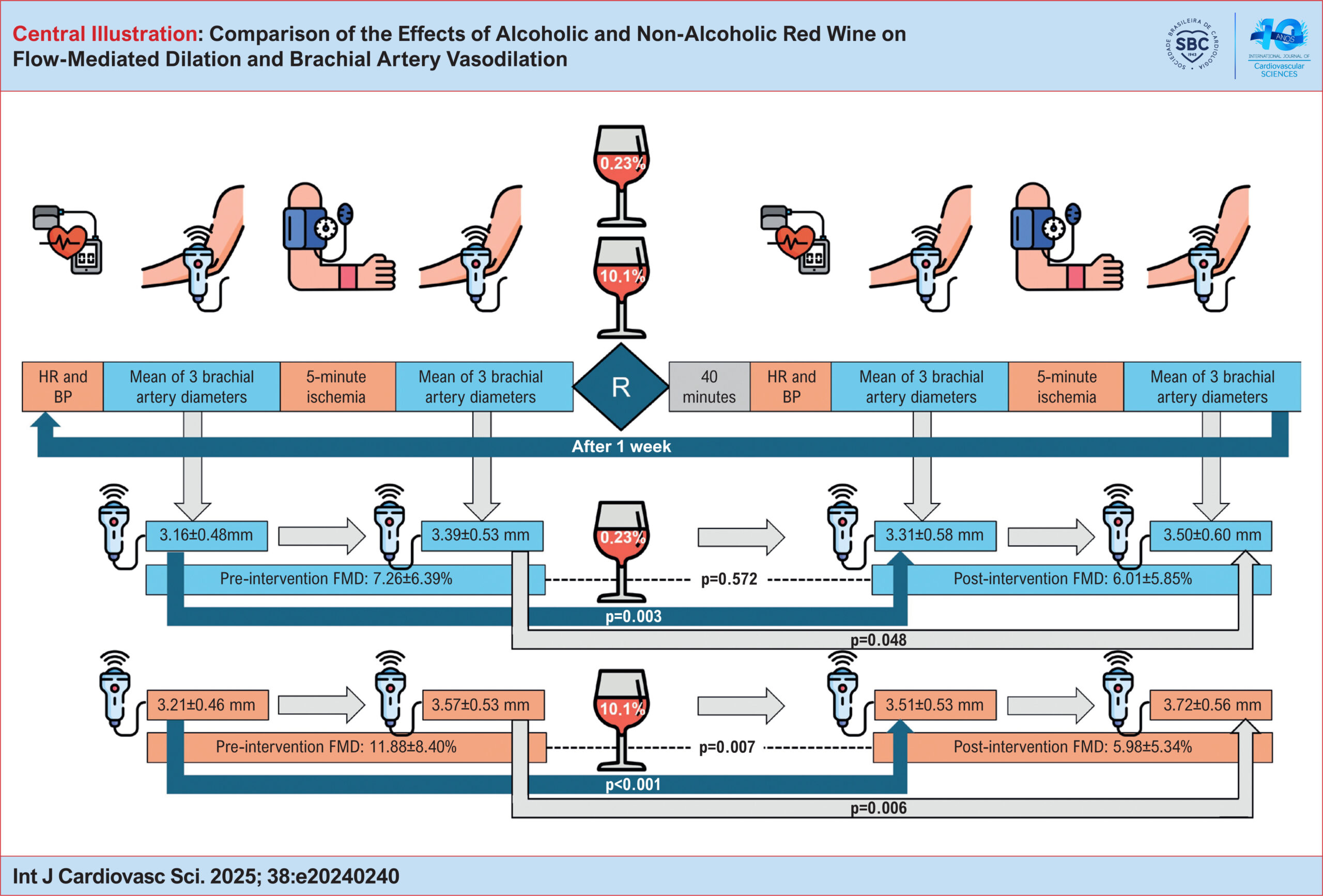
To assess the effects of alcoholic and non-alcoholic red wine on endothelial function by measuring variations in brachial artery flow-mediated dilation (FMD) and analyzing changes in arterial diameter, heart rate, and blood pressure.

Methods:

A randomized, parallel, controlled clinical trial was conducted with 22 participants assessed at 2 distinct time points. Participants consumed 200 mL of red wine and, after a 7-day washout period, received 200 mL of non-alcoholic wine. Data were analyzed using Student’s t test. P values < 0.05 were considered statistically significant.

Results:

Pre-ischemia brachial artery diameter increased after both interventions: with alcoholic wine (3.21 ± 0.46 mm before versus 3.51 ± 0.53 mm after; p < 0.001) and non-alcoholic wine (3.16 ± 0.48 mm before versus 3.31 ± 0.58 mm after; p = 0.003). FMD showed a decrease after consumption of alcoholic wine (11.88% ± 8.40% before versus 5.98% ± 5.34% after; p = 0.007), whereas consumption of non-alcoholic wine did not result in significant changes (7.26% ± 6.39% before versus 6.01% ± 5.85% after; p = 0.572). Other parameters, such as heart rate and blood pressure, did not show any significant differences.

Conclusion:

Consumption of red wine, with and without alcohol, increased brachial artery diameter. However, alcoholic red wine was associated with reduced FMD, suggesting that ethanol may negatively affect endothelial function.

  • Cardiovascular Diseases
  • Endothelium
  • Flavonoids
  • Resveratrol
  • Vasodilation
  • Wine
Read Full Article
Creative Commons Attribution (CC BY) Creative Commons license
15/08/2025 DOI: 10.36660/ijcs.20240240 Views 1
ABC
Editorial

Endothelial Function and Arterial Hypertension

Rui Póvoa

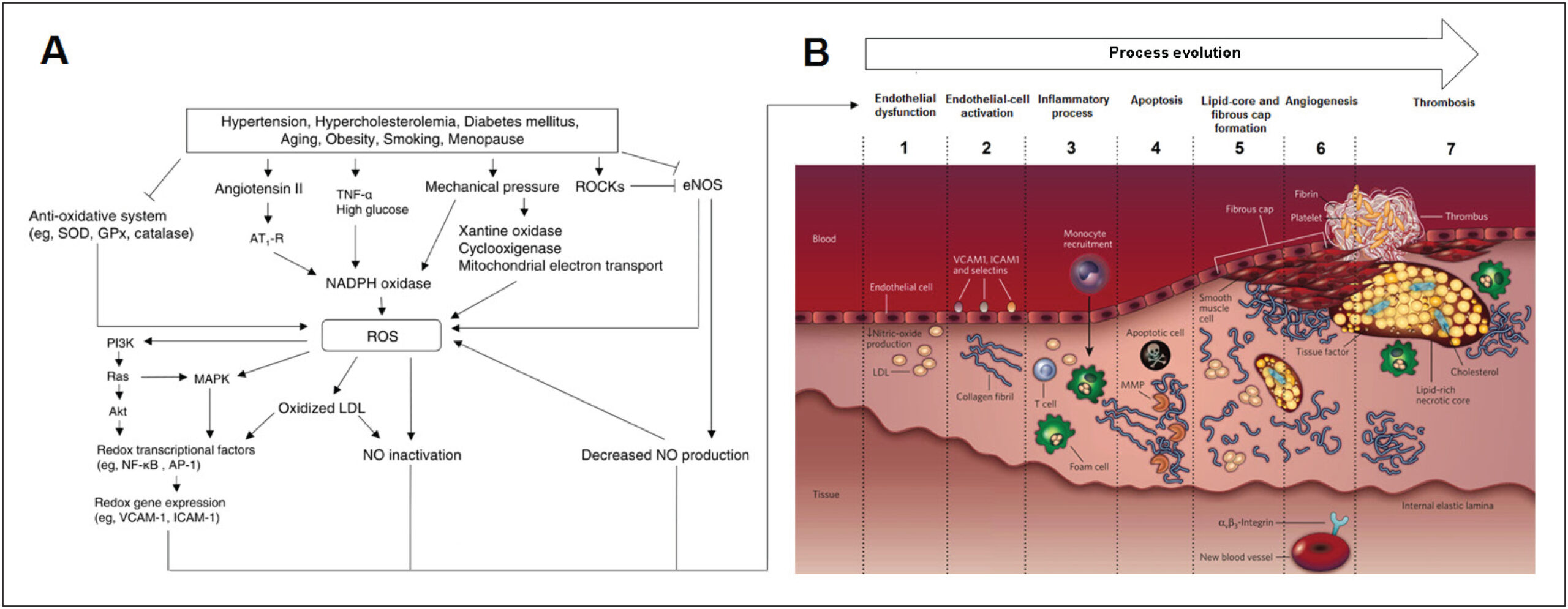
A few years ago, it was believed that the endothelium was simply the inner lining of blood vessels, representing a simple mechanical barrier. Today, there is profound evidence of the importance of this thin layer of cells in the regulation of vascular tone and in several other functions, mainly in cell growth, interaction between leukocytes, tissue inflammation, and synthesis of vasoregulatory substances. The regulation of vascular tone involves the nitric oxide (NO) signaling pathway, which has strong vasodilatory, anti-inflammatory, and antioxidant properties.

A healthy endothelium is important for good vascular homeostasis since endothelial dysfunction plays a significant role in the pathogenesis of many diseases, such as arterial and pulmonary hypertension, cardiomyopathies, vasculitis, and, quite objectively, in the formation of atherosclerosis., The bioavailability of NO is considered one of the critical factors in hypertensive patients, including in the early stages of the disease and not only in the final event of the dysfunction, which is atherosclerosis.

[…]

  • Endothelium
  • Hypertension
  • Vasodilation
Read Full Article
Creative Commons Attribution (CC BY) Creative Commons license
02/06/2025 DOI: 10.36660/abc.20250179i Views 2
Figure 1
ABC
Research Letter

Acupuncture for Essential Hypertension and Endothelial Dysfunction: A Randomized Clinical Trial

Amanda Rodrigues Bitencourt et al. Ana Luiza Lima Sousa Priscila Valverde de Oliveira Vitorino Mikaelle Costa Correia … Alexandre Massao Yoshizumi Weimar Kunz Sebba Barroso

Introduction

Arterial hypertension (AH) is one of the main modifiable risk factors for cardiovascular diseases, as it causes increased arterial stiffness and endothelial dysfunction since early stages.

Sympathetic hyperactivity and activation of the renin-angiotensin-aldosterone system (RAAS) are among the major pathophysiological mechanisms of AH, in addition to an overproduction of reactive oxygen species (ROS) and imbalances in the nitric oxide (NO) availability. The increase in endothelial permeability in response to low NO synthesis explains the correlation of AH with atherosclerosis and makes the analysis of endothelial function a useful tool for clinical assessment.,,

[…]

  • Acupuncture
  • Endothelium
  • Hypertension
  • Prehypertension
Read Full Article
Creative Commons Attribution (CC BY) Creative Commons license
17/02/2025 DOI: 10.36660/abc.20240596i Views 1
ABC
Editorial

Arterial Stiffness and Chronic Kidney Disease Prediction

Sayuri Inuzuka et al. Weimar Kunz Sebba Barroso

The kidney and the cardiovascular system have a functional connection, and this interaction has received increasing attention. Arterial stiffness is often associated with chronic kidney disease (CKD), and both conditions can aggravate each other, generating and increasing the risk of cardiovascular events and mortality. There is a two-way path between arterial stiffness and renal dysfunction. Increased arterial stiffness and the dysfunctional endothelium activate cytokines that favors thrombotic events, and dendritic cells and lymphocytes enhance the synthesis of pro-atherogenic cytokines. The vascular inflammation amplified by CKD stimulates vessel stiffening by proliferation of the vascular smooth muscle cells and fibrosis.

Thus, to attempt to answer the dilemma of which came first, the study by Cândido et al. investigated the relationship between arterial stiffening by carotid-femoral pulse wave velocity (cfPWV) and CKD. This longitudinal study followed up 11,647 participants of the ELSA-Brasil study for 4 years. The researchers concluded that higher cfPWV increased the chances of CKD in 42% and suggested that among normotensive, non-diabetic participants, this effect was even more pronounced, indicating that arterial stiffness could be a significant risk factor for CKD independent of these conditions.

[…]

  • Arterial Stiffness
  • Endothelium
  • Hypertension
  • Kidney, Diseases
  • Risk Factors
Read Full Article
Creative Commons Attribution (CC BY) Creative Commons license
04/03/2024 DOI: 10.36660/abc.20230779 Views 1
Figure 1
ABC
Original Article

Stearic Acid, but not Palmitic Acid, is Associated with Inflammatory and Endothelial Dysfunction Biomarkers in Individuals at Cardiovascular Risk

Gustavo Henrique Ferreira Gonçalinho et al. Geni Rodrigues Sampaio Rosana Aparecida Manólio Soares-Freitas Nágila Raquel Teixeira Damasceno

Abstract

Background

Several studies have associated dietary saturated fatty acids (SFAs) with cardiovascular risk but there are still many controversies. Most of these studies have focused on the effects of palmitic acid on circulating lipids. Stearic acid usually shows a neutral effect on blood lipids, however, there is a lack of clinical studies assessing the link with inflammatory and endothelial dysfunction markers.

Objective

To evaluate the association of red blood cell (RBC) SFA (palmitic and stearic acids) with circulating inflammatory and endothelial dysfunction biomarkers.

Methods

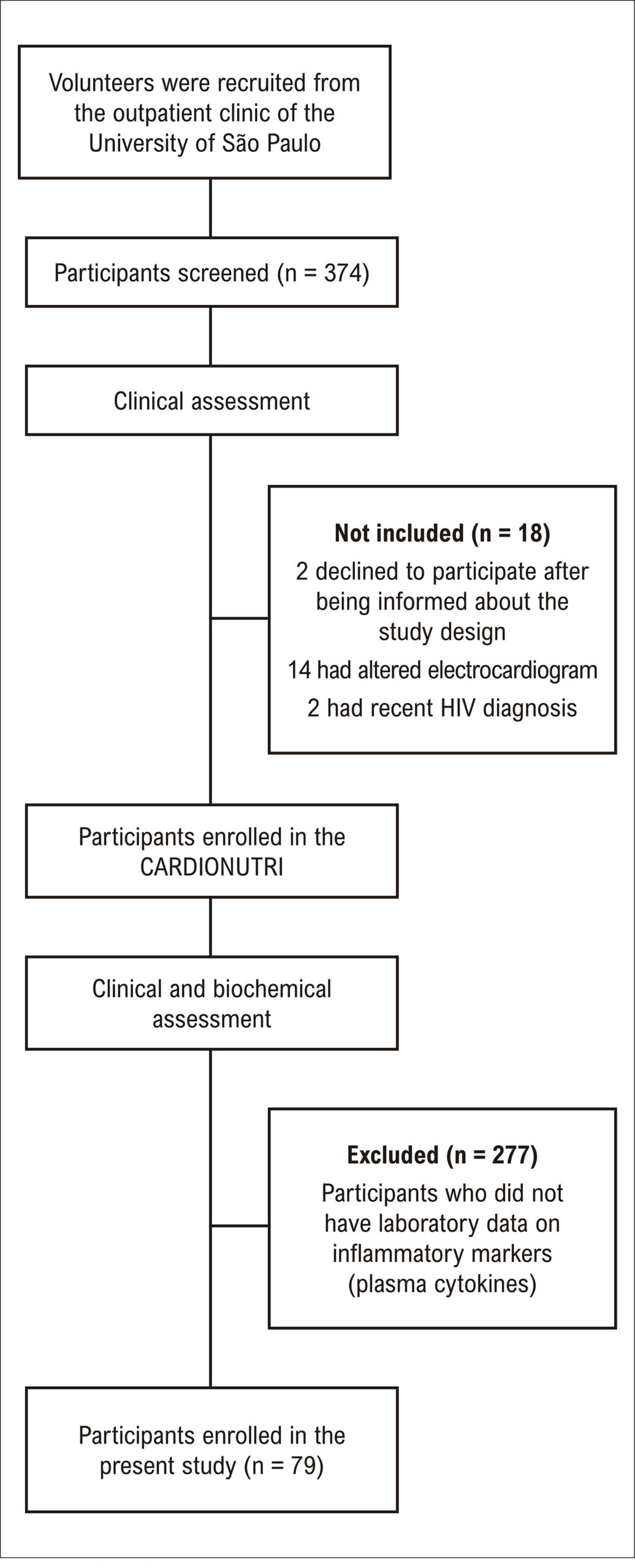
Cross-sectional study of 79 adults of both sexes with at least one cardiovascular risk factor but without previous events (acute myocardial infarction or stroke). Plasma biomarkers – lipids, glucometabolic markers, high-sensitivity C-reactive protein (hs-CRP), interleukin-6 (IL-6), interleukin-10 (IL-10), monocyte chemoattractant protein-1 (MCP-1), and tumor necrosis factor-α (TNF-α) – and RBC palmitic and stearic fatty acids were analyzed. The associations were assessed by correlation and multiple linear regression analyses, with statistical significance set at p < 0.05.

Results

Palmitic acid showed no significant associations with traditional cardiovascular risk factors or inflammatory markers. Stearic acid, on the other hand, was inversely correlated with blood cholesterol and triglycerides, but independently associated with hs-CRP, IL-6, and TNF-α.

Conclusion

Stearic acid is associated with inflammatory and endothelial dysfunction biomarkers in individuals with at least one cardiovascular risk factor.

  • Biomarkers
  • Cardiovascular Diseases
  • Endothelium
  • Fatty Acids
  • Inflammation
Read Full Article
Creative Commons Attribution (CC BY) Creative Commons license
01/09/2023 DOI: 10.36660/abc.20220598
Figure 1
ABC
Original Article

Acute Effects of Dietary Nitrate on Central Pressure and Endothelial Function in Hypertensive Patients: A Randomized, Placebo-Controlled Crossover Study

Samanta Mattos et al. Michelle Rabello Cunha Bianca Cristina Marques Jenifer d´El-Rei … Diego dos Santos Baião Vania M. F. Paschoalin Wille Oigman Mario Fritsch Neves Fernanda Medeiros

Abstract

Background

The diet’s inorganic nitrate (NO3–) may provide a physiological substrate for reducing nitrate (NO2–) to NO independent of the endothelium. Studies suggest that inorganic NO3– has beneficial effects on cardiovascular health.

Objective

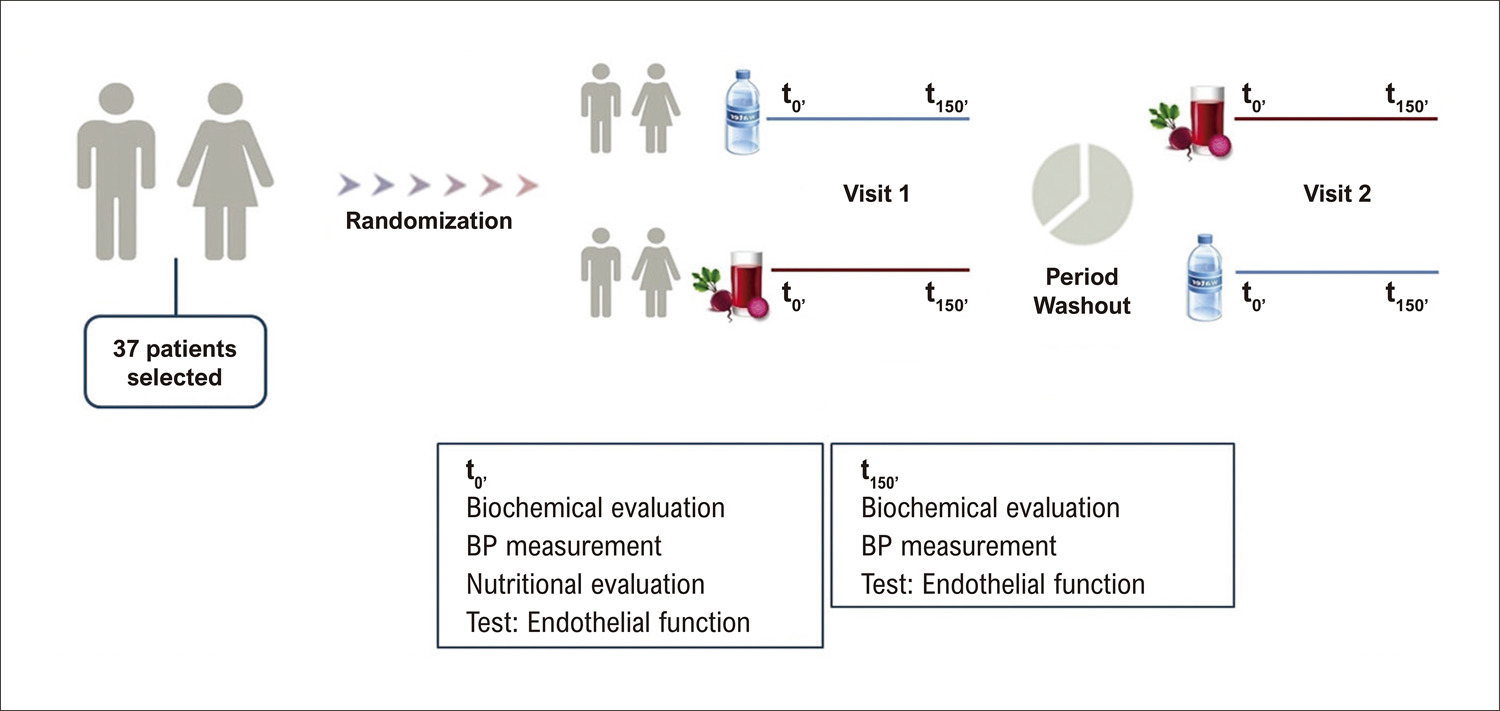
This study evaluated the acute effects of 500 mL nitrate-rich beetroot juice (BRJ; containing 11.5mmol NO3–) on blood pressure and endothelial function in treated hypertensive patients.

Methods

A randomized, placebo-controlled, crossover study was conducted in treated hypertensive patients (n=37; women=62%) who underwent clinical and nutritional evaluation and assessment of central hemodynamic parameters and microvascular reactivity. The significance level was p<0.05.

Results

The mean age was 59±7 years, and mean systolic and diastolic blood pressures were 142±10/83±9mmHg. There was a significant increase in the subendocardial viability ratio (SEVR; 149±25 vs. 165±30%, p<0.001) and reduction in ejection duration (ED; 37±4 vs. 34±4%, p<0.001) in the beetroot phase but no significant SEVR difference in the control phase. The % increase in perfusion (155 vs. 159 %, p=0.042) was significantly increased in the beetroot phase, which was not observed in the control phase. In the beetroot phase, the change in SEVR showed a significant correlation with the change in the area under the curve of post-occlusive reactive hyperemia (AUC-PORH) (r=0.45, p=0.012). The change in ED showed a significant correlation with the post-intervention perfusion peak (r=-0.37, p=0.031) and AUC-PORH (r=-0.36, p=0.046).

Conclusions

The acute ingestion of BRJ by hypertensive patients resulted in an improvement of endothelial function, which was associated with higher subendocardial viability and performance in myocardial contraction.

  • Beta Vulgaris
  • Endothelium
  • Hypertension
  • Nitric Oxide
Read Full Article
Creative Commons Attribution (CC BY) Creative Commons license
09/01/2023 DOI: 10.36660/abc.20220209 Views 2
ABC
Editorial

For which HIV Patients Aspirin and Statins are Good?

Théo Pezel et al. Layde R. Paim Otávio R. Coelho-Filho

While advances in antiretroviral treatment have revolutionized the prognosis of human immunodeficiency (HIV)-infected patients, cardiovascular complications remain the leading cause of death in these patients mainly due to an increased cardiovascular risk compared to the general population. Cardiovascular prevention programs have highlighted the importance of controlling traditional risk factors in risk evaluation strategies. However, HIV-infected individuals at low cardiovascular risk have a considerable residual cardiovascular risk for events that may justify additional preventive treatment. Indeed, compared with non-HIV-infected individuals, inflammation levels are higher in HIV-infected patients, even those with viral control, and this inflammation is an important factor in the genesis of atherosclerosis. Therefore, effective cardiovascular prevention strategies targeting HIV population are needed. In the therapeutic arsenal of cardiovascular prevention, aspirin and statins are the cornerstones of the management of HIV-infected patients. Both drugs have pleiotropic effects, including immunomodulatory, anti-thrombogenic, and anti-inflammatory effects, that improve endothelial function and prevent the progression of carotid thickening in these patients. However, the prescription of aspirin and statins in HIV-infected patients remains largely suboptimal, with only 50% of patients adequately treated. Although several studies have investigated the effects of statins and aspirin in decreasing inflammation, the results of these studies are contradictory.,

In this issue of the Arquivos Brasileiros de Cardiologia, Santos Jr et al. report the effect of the use of a combination of atorvastatin and aspirin for six months regarding the endothelial function improvement and carotid thickness in a cohort of 38 patients with HIV infection with viral control. Improvement in endothelial function was assessed using the brachial artery flow-mediated dilation. The authors have shown a relationship between treatment response and age; a stronger response was observed in individuals older than 40 years. This result may be explained by the fact that probably older individuals had a longer exposure to inflammation caused by HIV. Several studies have shown that these same patients also have a higher cardiovascular risk due to chronic inflammation. Therefore, this study supports the prescription of a combination of atorvastatin and aspirin for the primary prevention of cardiovascular events in HIV-infected patients, particularly for those over 40 years of age. In addition, some of the findings of this study suggest that HIV-positive women may have a better response to this drug combination than men. Considering that the currently used triple therapy has a significant effect on inflammation, a mechanism intrinsically linked to the progression of atherosclerosis could explain the greater response in women than in men.

[…]

  • Anti-HIV Agents/therapeutic use
  • Aspirin
  • Atherosclerosis
  • Cardiovascular Diseases/complications
  • Endothelium
  • HIV
  • HIV Infection
  • Mortality
  • Risk Factors
  • Statins
Read Full Article
Creative Commons Attribution (CC BY) Creative Commons license
06/09/2021 DOI: 10.36660/abc.20210560
ABC
Editorial

Still Trying to Understand the Role of Uric Acid in Cardiovascular Diseases

Gilson Soares Feitosa

In this issue of Arquivos Brasileiros de Cardiologia , Zhu et al. report an association between uric acid and the presence of pre-hypertension or hypertension in a cross-sectional study done in a population in North China, bringing about, once more, a possible role of uric acid in the determination of cardiovascular disease. In the study, the authors call our attention to the possibility of a relationship even though the measured uric acid serum level is relatively low as compared to what is referred to as normal in several Western populations, which presents a cutoff value of ≥7.0 mg/dL for men and ≥6.3 mg/dL for women in the United States and also so considered, a cutoff value of ≥7.0 mg/dL for men and ≥ 6.0 mg/dL for women in a Brazilian population of healthy individuals aged 20 to 55, in Rio de Janeiro, whereas in their the cut off values were ≥4.75 mg/dL and ≥4.04 mg/dL for men and women, respectively.

In workers from the Company of Generation and Distribution of Energy in Rio de Janeiro, Brazil, from both sexes, aged predominantly between 50 and 59, the mean uric acid level was 4.7±1.3 mg/dL.

[…]

  • Cardiovascular Diseases
  • Endothelium
  • Hyperurisemia
  • Obesity
  • Oxidative Stress
  • Risk Factors
  • uric acid
Read Full Article
Creative Commons Attribution (CC BY) Creative Commons license
14/06/2021 DOI: 10.36660/abc.20210390
ABC
Editorial

The Six-Minute Step Test as an Alternative for Functional Capacity Assessment in Patients with Cardiovascular Diseases

Raphael Mendes Ritti-Dias et al. Breno Quintella

Functional capacity is an important morbimortality marker in patients with cardiopulmonary diseases., Although the direct measurement of peak oxygen consumption (VO2peak), using cardiopulmonary tests (the gold standard), is the most adequate method for assessing functional capacity, its use in clinical practice is still restricted due to its high cost.,

The 6-minute step test (6MST), in addition to being fast, has as its main advantage the need for minimum space for its performance. These factors, added to the fact that it does not require audible signals, become very attractive for its use in clinics and hospitals. Step tests have been used for a long time to assess functional capacity, especially in healthy individuals or those with lung diseases. In patients with pulmonary diseases, a positive correlation (r = 0.76) was observed between the 6MST and the 6-minute walk test (6MWT), a test that requires more space to be carried out. Interestingly, correlation data between the 6MST and the direct measurement of functional capacity are scarce, especially in patients with cardiovascular diseases.

[…]

  • Athletes
  • Blood Pressure
  • Endothelium
  • Exercise
  • Football
  • Heredity/genetic;
  • Hypertension
  • Sports
Read Full Article
Creative Commons Attribution (CC BY) Creative Commons license
17/05/2021 DOI: 10.36660/abc.20210252 Views 1
Figure 1
ABC
Original Article

Effects of Different Types of Exercise Training on Endothelial Function in Prehypertensive and Hypertensive Individuals: A Systematic Review

Gustavo Waclawovsky et al. Marinei L. Pedralli Bruna Eibel Maximiliano I. Schaun Alexandre M. Lehnen

Abstract

Background:

Sustained high blood pressure can lead to vascular remodeling and endothelial cell injury, which may explain the endothelial dysfunction found in hypertensive individuals. Exercise training can improve vascular health in individuals with cardiovascular risk, but little is known about its effects in prehypertensive and hypertensive individuals.

Objective:

To review the literature showing evidence of changes in endothelial function in response to different modalities of exercise training in prehypertensive and hypertensive individuals.

Methods:

We conducted a systematic review of studies in the MEDLINE, Cochrane, LILACS, EMBASE, and SciELO databases following both the PRISMA guidelines (Preferred Reporting Items for Systematic Reviews and Meta-Analyses) and the PICO framework (patient/population, intervention, comparison and outcomes). Randomized clinical trials (RCTs) published up to April 2019 were selected and assessed by four independent reviewers. The methodological quality was assessed using the PEDro (Physiotherapy Evidence Database) scale.

Results:

Our search yielded 598 abstracts, and 10 studies were eligible for review. All of them had acceptable methodological quality by PEDro scale. Of the 10 studies, 7 involved aerobic training, 1 isometric resistance training, and 2 aerobic training and dynamic resistance training separately. Seven studies used flow-mediated dilation (FMD) to assess the vascular health, and three used plethysmography. Most training protocols involved hypertensive individuals and consisted of low and moderate-intensity exercise.

Conclusion:

Our systematic review showed that moderate continuous aerobic training is effective to improve vascular health in hypertensive individuals. In prehypertensive individuals, vigorous interval aerobic training seems to be an alternative to determine vascular health benefits. Resistance exercise training, either isometric or dynamic, can be used as a secondary alternative, but still requires further investigation.

  • Endothelium
  • Exercise
  • Hypertension
  • Resistance Training
  • Review
  • Stem Cells
Read Full Article
Creative Commons Attribution (CC BY) Creative Commons license
17/05/2021 DOI: 10.36660/abc.20190807 Views 1
Figure 1
ABC
Original Article

Visceral Obesity and High Systolic Blood Pressure as the Substrate of Endothelial Dysfunction in Obese Adolescents

Maria Fernanda Hussid et al. Felipe Xerez Cepeda Camila P. Jordão Rafaela R. P. Lopes-Vicente … Leslie Virmondes Keyla Y. Katayama Ezequiel F. de Oliveira Luis V. F. Oliveira Fernanda Marciano Consolim-Colombo Ivani Credidio Trombetta

Abstract

Background:

Obesity affects adolescence and may lead to metabolic syndrome (MetS) and endothelial dysfunction, an early marker of cardiovascular risk. Albeit obesity is strongly associated with obstructive sleep apnea (OSA), it is not clear the role of OSA in endothelial function in adolescents with obesity.

Objective:

To investigate whether obesity during adolescence leads to MetS and/or OSA; and causes endothelial dysfunction. In addition, we studied the possible association of MetS risk factors and apnea hypopnea index (AHI) with endothelial dysfunction.

Methods:

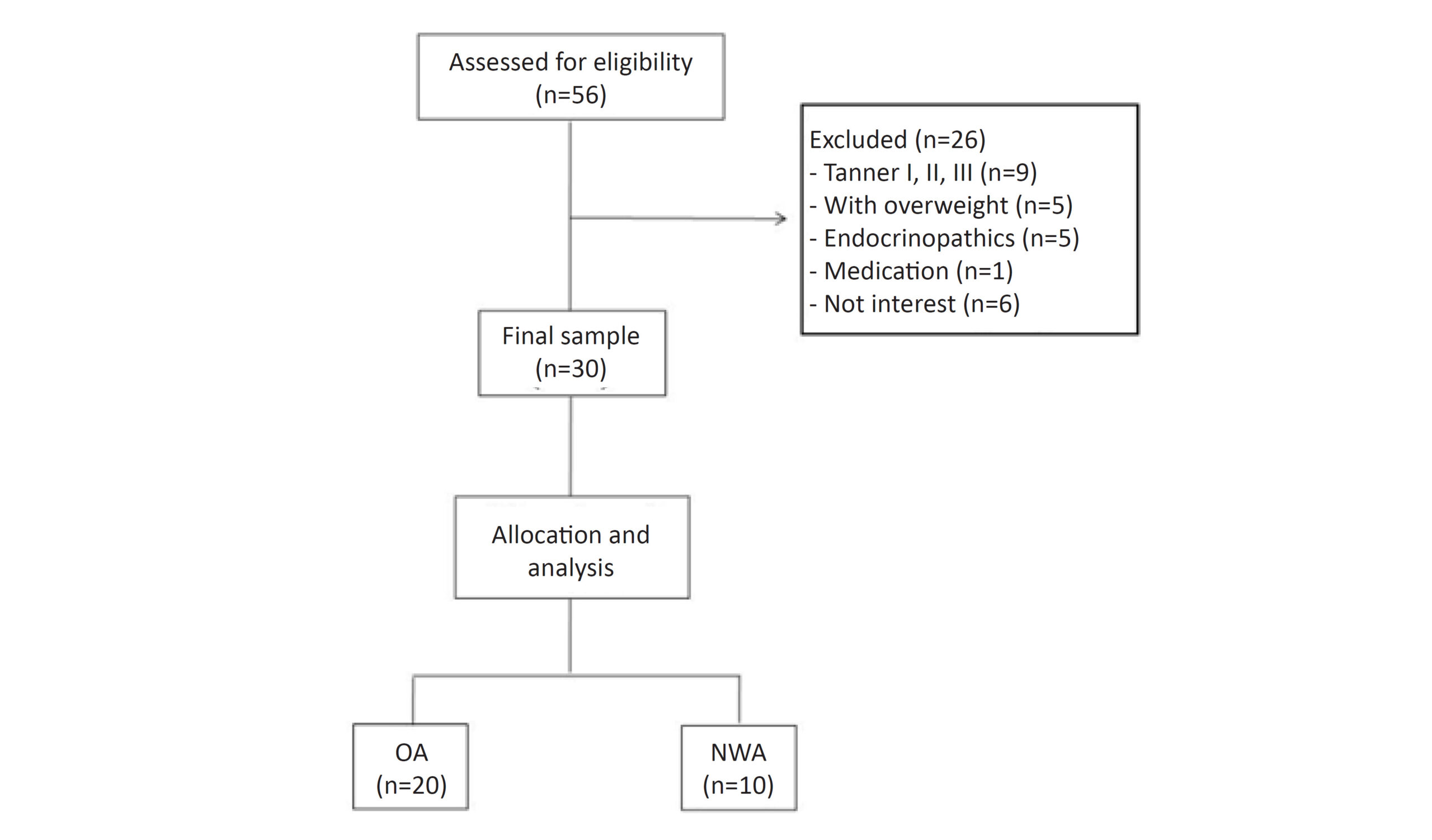
We studied 20 sedentary obese adolescents (OA; 14.2±1.6 years, 100.9±20.3kg), and 10 normal-weight adolescents (NWA, 15.2±1.2 years, 54.4±5.3kg) paired for sex. We assessed MetS risk factors (International Diabetes Federation criteria), vascular function (Flow-Mediated Dilation, FMD), functional capacity (VO2peak) and the presence of OSA (AHI>1event/h, by polysomnography). We considered statistically significant a P<0.05.

Results:

OA presented higher waist (WC), body fat, triglycerides, systolic (SBP) and diastolic blood pressure (DBP), LDL-c and lower HDL-c and VO2peak than NWA. MetS was presented in the 35% of OA, whereas OSA was present in 86.6% of OA and 50% of EA. There was no difference between groups in the AHI. The OA had lower FMD than NWA (6.17±2.72 vs. 9.37±2.20%, p=0.005). There was an association between FMD and WC (R=-0.506, p=0.008) and FMD and SBP (R=-0.493, p=0.006).

Conclusion:

In adolescents, obesity was associates with MetS and caused endothelial dysfunction. Increased WC and SBP could be involved in this alteration. OSA was observed in most adolescents, regardless of obesity. (Arq Bras Cardiol. 2021; 116(4):795-803)

  • Adolescent
  • diabetes
  • Endothelium
  • Hypertension
  • Metabolic Syndrome
  • Obesity
  • Risk Factors
  • Sleep Apnea, Obstructive
  • Waist Circumference
Read Full Article
Creative Commons Attribution (CC BY) Creative Commons license
16/04/2021 DOI: 10.36660/abc.20190541 Views 2
Figure 1
ABC
Original Article

Assessment of Peripheral Blood Mononuclear Cells Senescence and Endothelial Dysfunction among Adults with High Cardiovascular Risk

Vijay Raj et al. Soniya Charles Luxitaa Goenka Thilagavathi Ramamoorthy … Marimuthu C Emmanuel C Kanchana Mala Subramaniyan Kumarasamy Melvin George

Abstract

Background

Cardiovascular diseases (CVD) are one of the leading causes of mortality and morbidity worldwide. Biological aging has been associated with the occurrence of adverse cardiovascular outcomes; however, the underlying mechanism of this process remains unknown.

Objectives

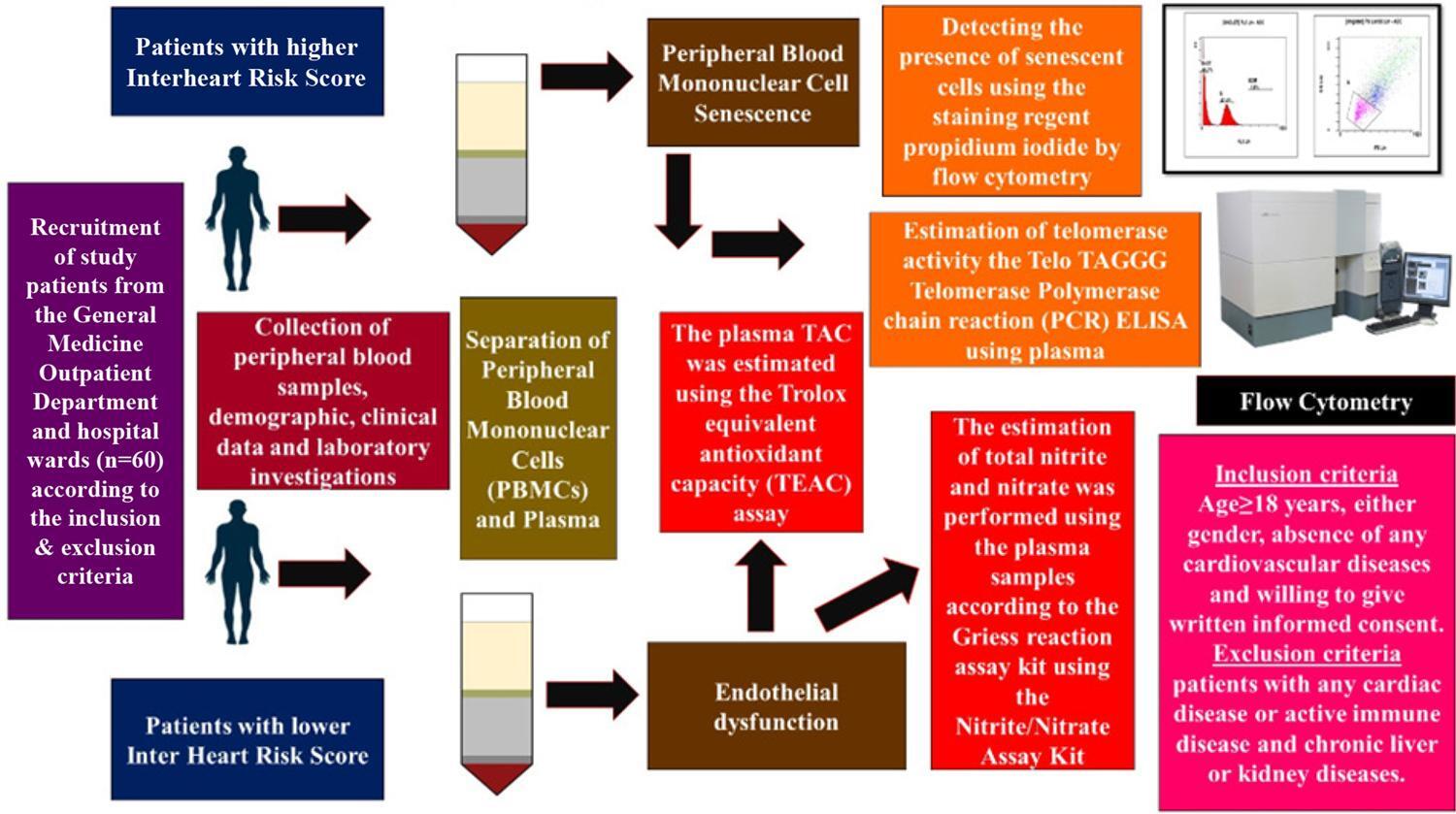
This study sought to evaluate if peripheral blood mononuclear cell (PBMC) senescence and endothelial biomarkers could influence cardiovascular (CV) risk and be suitable markers for the early detection of cardiovascular diseases in adults.

Methods

In this cross-sectional study patients free of CVD were classified as lower (n=32) and higher Interheart Risk (IHR) scores (n=28). PBMC senescence was assessed by estimating the telomerase activity (TA) and detecting the presence of senescent cells and endothelial dysfunction by estimating the concentration of nitrite and nitrate and of total antioxidant capacity (TAC). Statistical analysis was performed with SPSS version 16.0 (SPSS Inc., Chicago, IL). All p-values <0.05 were considered statistically significant.

Results

PBMC senescence 0.95 [p-value = 0.0001; 95% CI (0.874-1.026)] was a significant predictor of patients with higher IHR scores with a cut-off value of 21.65 with a sensitivity and specificity of 92% and 88% respectively. PBMC senescence, nitrite and nitrate and TA were found to be independently associated with high IHR scores.

Conclusion

PBMC senescence, TA and nitrite, and nitrate status are suitable measures to predict high cardiovascular risk in adults with CV risk. Nevertheless, long-term follow-up studies are needed to confirm these findings. (Arq Bras Cardiol. 2021; 116(1):37-47)

  • Biomarkers
  • Cardiovascular Diseases
  • Cell Aging
  • Endothelium
  • Propensity Score
  • Risk Factors
Read Full Article
Creative Commons Attribution (CC BY) Creative Commons license
03/02/2021 DOI: 10.36660/abc.20190409 Views 1
Figure 1
ABC
Research Letter

The Role of the Endothelium in Severe COVID-19

Simone Cristina Soares Brandão et al. Emmanuelle Tenório Albuquerque Madruga Godoi Júlia de Oliveira Xavier Ramos Leila Maria Magalhães Pessoa de Melo … Luca Terracini Dompieri Djair Falcão Brindeiro Filho Emanuel Sávio Cavalcanti Sarinho

Introduction

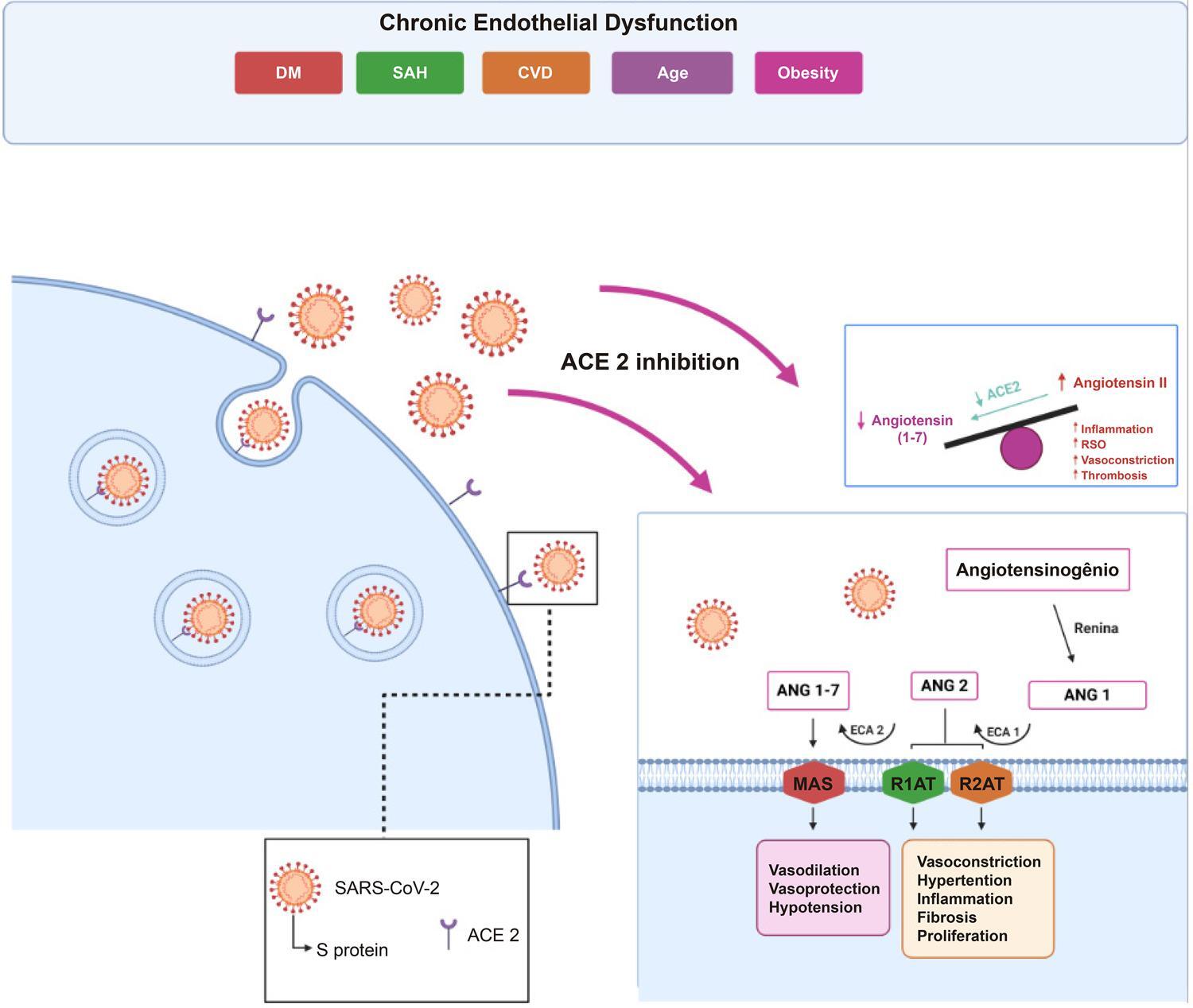
Studies have unveiled a significant link between the severity of COVID-19 ( CO rona VI rus D isease 2019) and immune markers. It is well-known that the endothelium participates actively in the immune response and interacts closely with the coagulation system. Chronic inflammatory processes of the endothelium are involved in the physiopathology of cardiovascular diseases (CVDs) and metabolic diseases. These diseases can negatively impact the evolution of COVID-19 and an exacerbated immune response of the endothelium seems to be a determining factor of this effect.

Coronavirus 2 of the Severe Acute Respiratory Syndrome (SARS-CoV-2) causes infection by means of the link of the S protein to the Angiotensin-Converting Enzyme 2 (ACE 2) on the surface of human cells. In this sense, a reduction in the availability of this enzyme can be observed, which is widely expressed in a number of bodily tissues, most notably, the lungs, heart, and endothelium, with a disorder in the modulation of the renin-angiotensin-aldosterone system (RAAS). Consequently, what can be seen is a favoring of the greater concentration of angiotensin 2 with a series of deleterious actions against our organism. Conditions associated with the chronic dysfunction of the endothelium, such as age, systemic arterial hypertension (SAH), CVD, diabetes, and obesity are the most common in patients with severe COVID-19 ( ). ,

[…]

  • Atherosclerosis
  • Betacoronavirus
  • Cardiovascular Diseases/physiopathology
  • COVID-19
  • Endothelium
  • Immunity
  • Thrombosis
Read Full Article
Creative Commons Attribution (CC BY) Creative Commons license
18/01/2021 DOI: 10.36660/abc.20200643 Views 1
Figure 1
ABC
Original Article

Microvascular Reactivity in Hypertensive Patients with High Body Adiposity

Jenifer d'El-Rei et al. Michelle Rabello Cunha Samanta de Souza Mattos Bianca Cristina Marques … Viviane Prangiel de Menezes Ana Rosa Cunha Érica Monteiro França Wille Oigman Mario Fritsch Neves

Abstract

Background:

Several anthropometric indexes have been proposed to determine the association between overweight and cardiovascular risk factors.

Objective:

To evaluate the relationship between body adiposity and microvascular reactivity in hypertensive patients under antihypertensive therapy.

Methods:

Treated hypertensive patients aged 40 to 70 were submitted to evaluation of anthropometric indexes: conicity (CI), body adiposity (BAI), visceral adiposity (VAI) and waist-to-height ratio (WHtR). Participants were divided by the terciles of fat percentage (%F) obtained by bioelectrical impedance. The patients underwent microvascular reactivity test (Laser Speckle Contrast Image) and pulse wave velocity (PWV) measurement. The p value <0.05 was considered statistically significant.

Results:

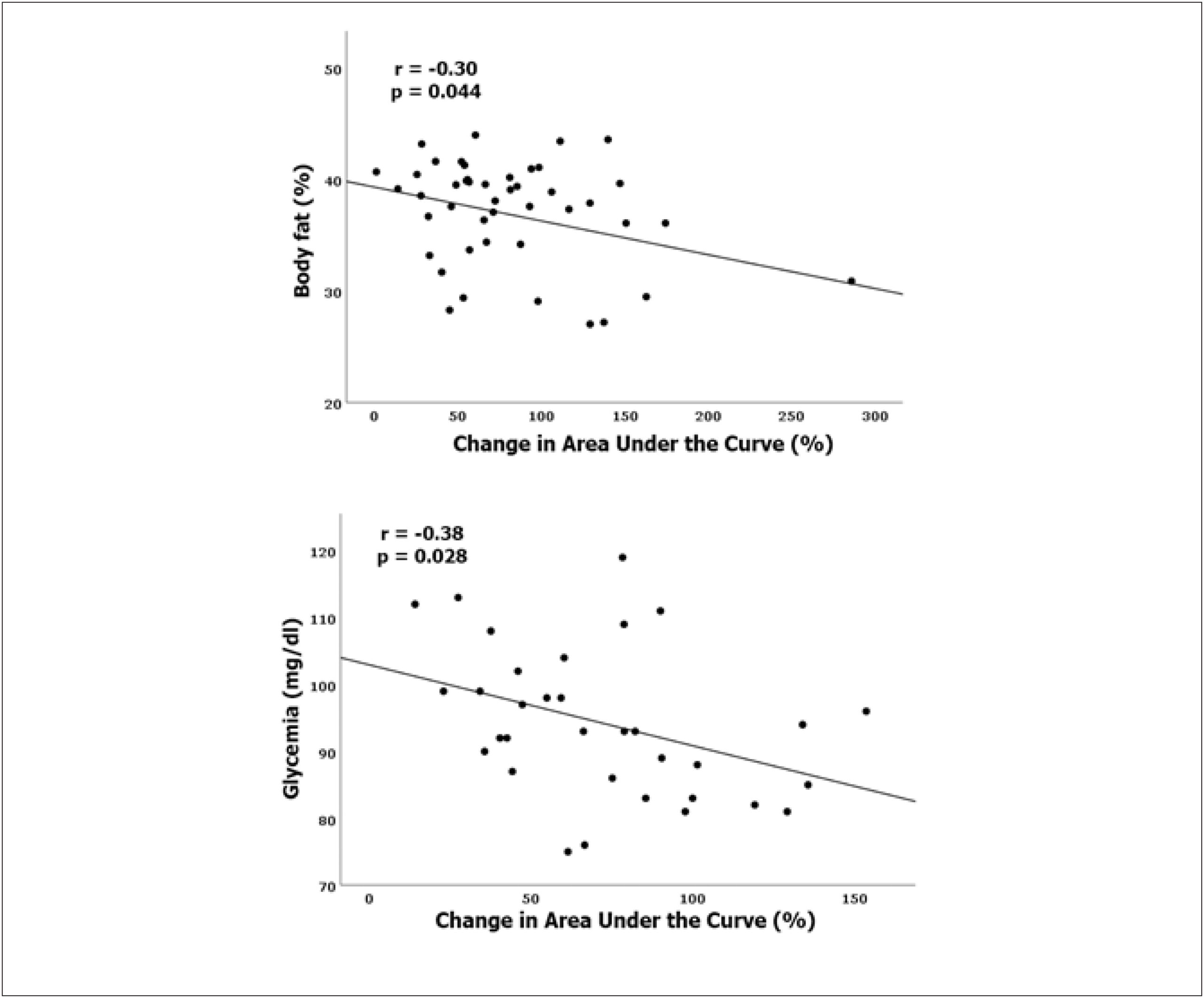
The variation of the area under the curve (AUC) of the skin perfusion was lower in the upper tercile (97±57% vs. 67±36%; p=0.027). %F showed significant correlation with WHtR (r=0.77; p<0.001), VAI (r=0.41; p=0.018), CI (r=0.60; p<0.001), BAI (r=0.65; p<0.001) in men and only with WHtR (r=0.55; p<0.001) and BAI (r=0.60; p<0.001) in women. In linear regression, AUC was independently associated with %F (β=−3.15; p=0.04) in women and with blood glucose (β=−1.15; p=0.02) in men. There was no difference in PWV measurements.

Conclusion:

Anthropometric indices were more associated with %F in men. Higher body adiposity was associated with lower microvascular reactivity, which was more evident in women. There was no difference in arterial stiffness, which may have been influenced by antihypertensive treatment.

  • Adiposity
  • Capillary Permeability
  • Endothelium
  • Hypertension/drug effects
Read Full Article
Creative Commons Attribution (CC BY) Creative Commons license
07/12/2020 DOI: 10.36660/abc.20190364
Figure 1
ABC
Review Article

A Meta-Analysis of Circulating Microvesicles in Patients with Myocardial Infarction

Zhida Wang et al. Wang Cai Shaolan Hu Yufei Xia … Yao Wang Qi Zhang Liming Chen

Abstract

Background:

Cell-derived microvesicles (MVs) are vesicles released from activated or apoptotic cells. However, the levels of MVs in myocardial infarction have been found inconsistent in researches.

Objective:

To assess the association between MVs and myocardial infarction by conducting a meta-analysis.

Methods:

A systematic literature search on PubMed, Embase, Cochran, Google Scholar electronic database was conducted. Comparison of the MVs levels between myocardial infarction patients and healthy persons were included in our study. Standard Mean Difference (SMD) and 95% confidence interval (CI) in groups were calculated and meta-analyzed.

Results:

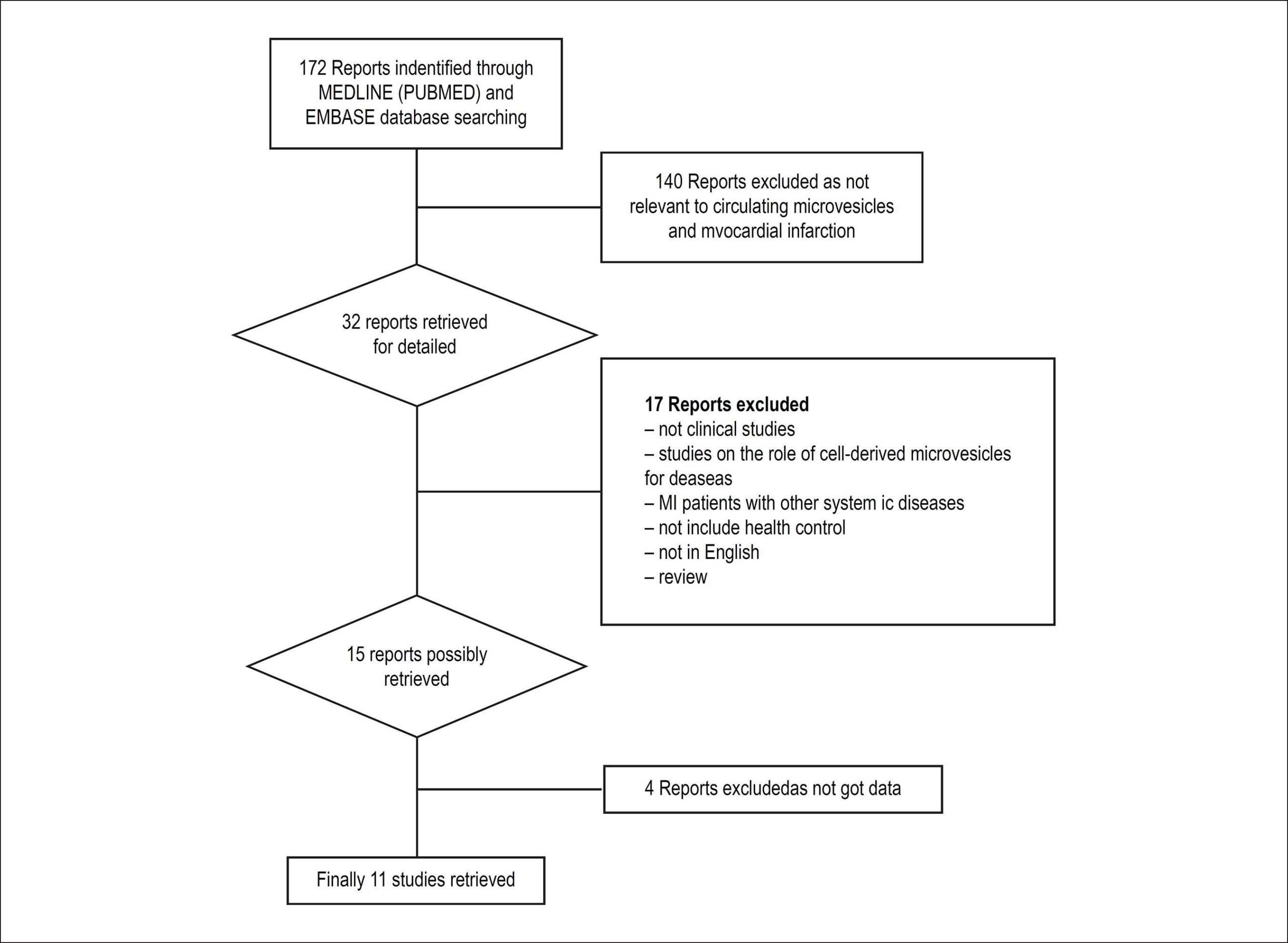
11 studies with a total of 436 participants were included. Compared with the health persons, AMVs [SMD = 3.65, 95% CI (1.03, 6.27)], PMVs [SMD = 2.88, 95% CI (1.82, 3.93),] and EMVs [SMD = 2.73, 95% CI (1.13, 4.34)], levels were higher in patients with myocardial infarction. However, LMVs levels [SMD = 0.73, 95% CI (-0.57, 2.03)] were not changed significantly in patients with myocardial infarction.

Conclusions:

AMVs, PMVs and EMVs might be potential biomarkers for myocardial infarction.

  • Annexion A5
  • Biomarkers
  • Blood Platelets
  • Cell-Derived Microparticles
  • Endothelium
  • Leukocytes
  • Myocardiaol Infarction
Read Full Article
Creative Commons Attribution (CC BY) Creative Commons license
10/07/2017 DOI: 10.5935/abc.20170102
Figure 1
ABC
Original Article

Effects of a Single Bout of Resistance Exercise in Different Volumes on Endothelium Adaptations in Healthy Animals

Marcelo Mendonça Mota et al. Tharciano Luiz Teixeira Braga da Silva Fabricio Nunes Macedo Thássio Ricardo Ribeiro Mesquita … Lucindo José Quintans Júnior Valter Joviniano de Santana-Filho Sandra Lauton-Santos Márcio Roberto Viana Santos

Abstract

Background:

Resistance exercise (RE) has been recommended for patients with cardiovascular diseases. Recently, a few studies have demonstrated that the intensity of a single bout of RE has an effect on endothelial adaptations to exercise. However, there is no data about the effects of different volumes of RE on endothelium function.

Objective:

The aim of the study was to evaluate the effects of different volumes of RE in a single bout on endothelium-dependent vasodilatation and nitric oxide (NO) synthesis in the mesenteric artery of healthy animals.

Methods:

Male Wistar rats were divided into three groups: Control (Ct); low-volume RE (LV, 5 sets x 10 repetitions) and high-volume RE (HV, 15 sets x 10 repetitions). The established intensity was 70% of the maximal repetition test. After the exercise protocol, rings of mesenteric artery were used for assessment of vascular reactivity, and other mesenteric arteries were prepared for detection of measure NO production by DAF-FM fluorescence. Insulin responsiveness on NO synthesis was evaluated by stimulating the vascular rings with insulin (10 nM).

Results:

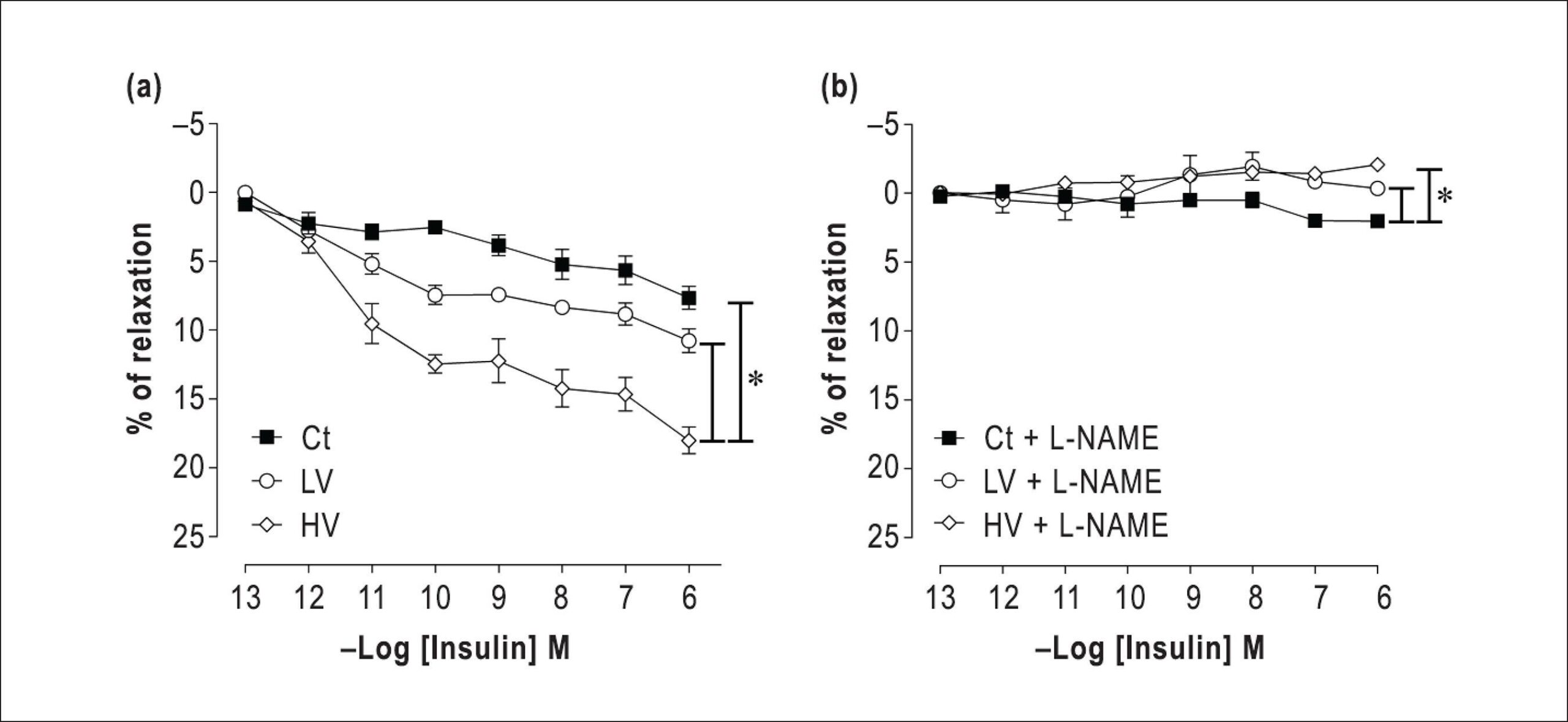
The maximal relaxation response to insulin increased in the HV group only as compared with the Ct group. Moreover, the inhibition of nitric oxide synthesis (L-NAME) completely abolished the insulin-induced vasorelaxation in exercised rats. NO production showed a volume-dependent increase in the endothelial and smooth muscle layer. In endothelial layer, only Ct and LV groups showed a significant increase in NO synthesis when compared to their respective group under basal condition. On the other hand, in smooth muscle layer, NO fluorescence increased in all groups when compared to their respective group under basal condition.

Conclusions:

Our results suggest that a single bout of RE promotes vascular endothelium changes in a volume-dependent manner. The 15 sets x 10 repetitions exercise plan induced the greatest levels of NO synthesis.

  • Endothelium
  • Exercise
  • Muscle, Smooth, Vascular
  • Nitric Oxide
  • Physical Conditioning, Animal
  • Rats
  • Vasodilatation
Read Full Article
Creative Commons Attribution (CC BY) Creative Commons license
01/05/2017 DOI: 10.5935/abc.20170060
Figure 1
ABC
Original Article

Effects of Continuous and Accumulated Exercise on Endothelial Function in Rat Aorta

Juliana Edwiges Martinez et al. Elane de Fátima Taipeiro Agnaldo Bruno Chies

Abstract

Background:

The practice of exercise in short bouts repeated throughout the day may be an alternative strategy to lift people out of physical inactivity.

Objective:

to evaluate if accumulated exercise, as occurs in continuous exercise training, improve endothelial function in rat aorta.

Methods:

Wistar male rats were divided into three groups: continuous exercise (CEx, 1 hour on the treadmill) or accumulated exercise (AEx, 4 bouts of 15 minutes / day) for 5 days/week for 8 weeks, or sedentary (SED). During the training period, body weight gain and increase in exercise performance were recorded. On sacrifice day, aorta was dissected into rings (3-5 mm) and mounted on the organ bath.

Results:

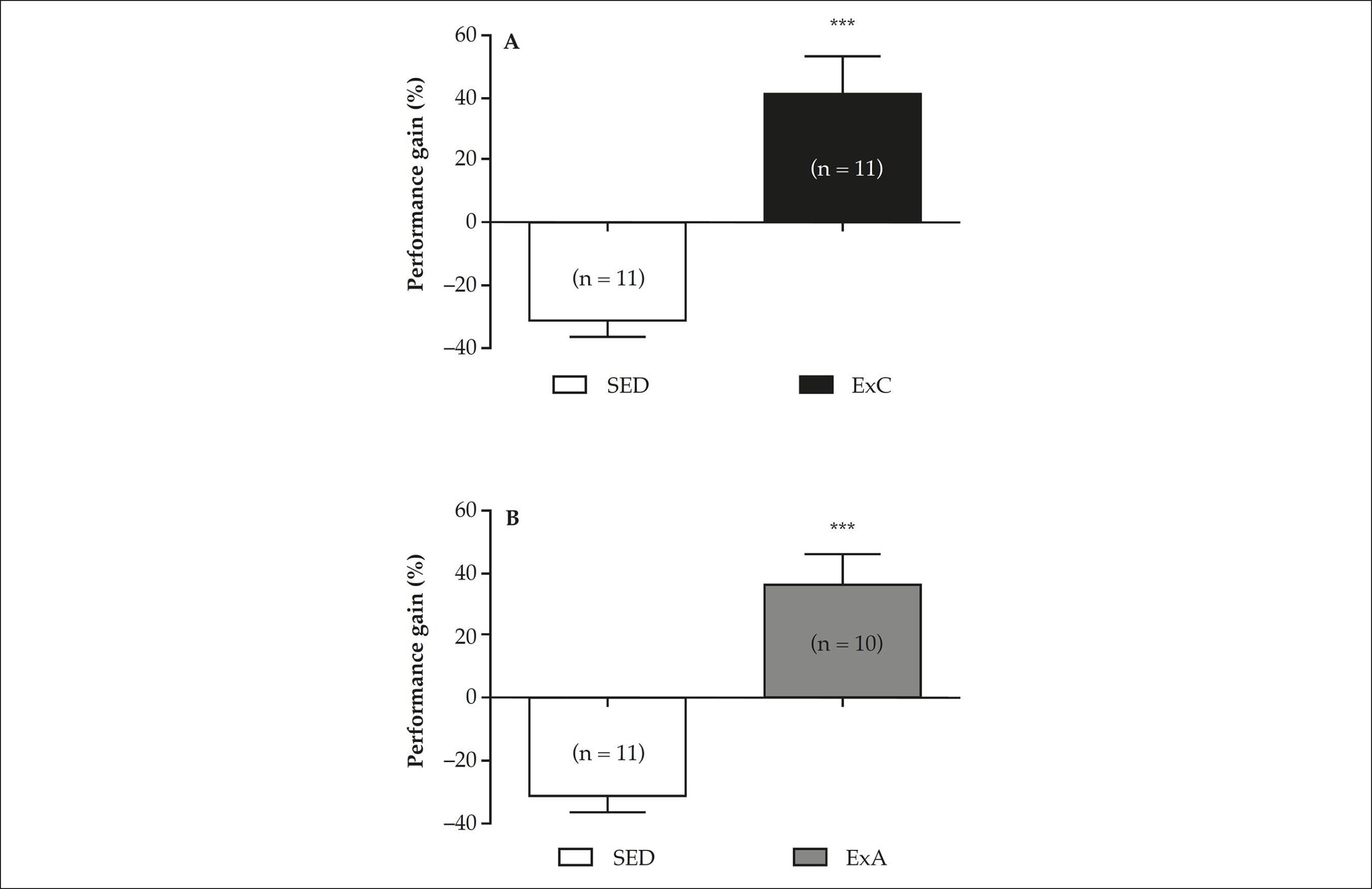
Fitness was significantly greater in CEx and AEx rats as compared with SED animals. In addition, compared with the SED group, CEx animals had a lower body mass gain, and the aorta obtained from these animals had reduced contractile response to norepinephrine and greater acetylcholine-induced relaxation. These results were not observed in ACEx animals.

Conclusions:

Both CEx and AEx improved fitness, but only CEx led to reduced body weight gain and improved endothelial function.

  • Acetylcholine
  • Endothelium
  • Exercise
  • Norepinephrine
  • physical fitness
  • Rats
  • Weight Loss
Read Full Article
Creative Commons Attribution (CC BY) Creative Commons license
01/04/2017 DOI: 10.5935/abc.20170036
Figure 1
IJCS
Original Article

Gallic Acid and Cyclosporine Mixture and their Effects on Cardiac Dysfunction Induced by Ischemia/Reperfusion and eNOS/iNOS Expression

Mohammad Badavi et al. Najmeh Sadeghi Mahin Dianat Alireza Samarbafzadeh

Abstract

Background:

Although many researches have been conducted on either a certain antioxidant or mPTP individually, little attention has been drawn to the effects of co-administration of an antioxidant and mPTP inhibitor together on cardiac dysfunction after I/R injury.

Objectives:

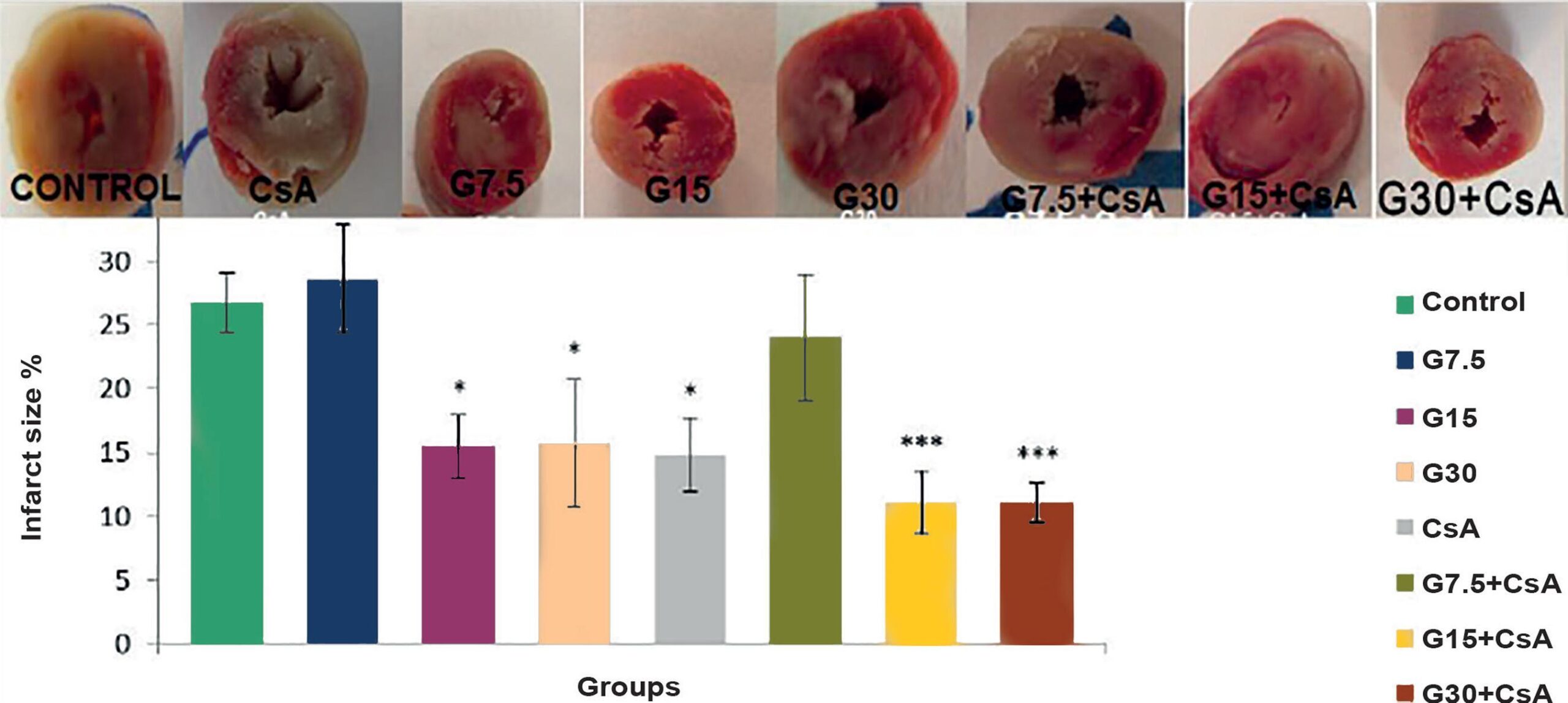
This study aims at determining the effects of gallic acid (as Antioxidant) combined with cyclosporine A (CsA) (as mPTP inhibitor) on I/R induced cardiac and endothelial (role of NO) dysfunction.

Methods:

Male Wistar rats were pretreated with gallic acid (7.5, 15, or 30 mg.kg-1 body weight, daily) for a period of 10 days. Then, the heart was isolated and exposed to 30-minute ischemia and perfused by CsA (0.2 µM) 20 min during reperfusion period.

Results:

The data have shown that infarct size was decreased significantly by CsA and gallic acid alone (p < 0.05, one way ANOVA followed by LSD test), however the combination of both drugs had more significant improving effects (p < 0.001). The combination of these two drugs improved more significantly maximum rate of rise and fall of ventricular pressure (±dp.dt-1 max), rate pressure product (RPP), left ventricular developed pressure (LVDP), heart rate and coronary flow rather than applying each one alone (p < 0.05, repeated measurement ANOVA followed by LSD test).

Conclusions:

In conclusion, benefiting from an antioxidant concomitant with an mPTP inhibitor could have more improving effects on the cardiac dysfunction induced by I/R injury.

  • Antioxidants
  • cyclosporine
  • Endothelium
  • Gallic Acid
  • nitric oxide Synthase
  • Rats
  • Reperfusion
  • Ventricular Function
Read Full Article
Creative Commons Attribution (CC BY) Creative Commons license
01/01/2017 DOI: 10.5935/2359-4802.20170047 Views 1
Figure 1
ABC
Original Article

Early Markers of Atherosclerotic Disease in Individuals with Excess Weight and Dyslipidemia

Eduardo Menti et al. Denise Zaffari Thais Galarraga João Regis da Conceição e Lessa … Bruna Pontin Lucia Campos Pellanda Vera Lúcia Portal

Abstract

Background:

Excessive weight is a cardiovascular risk factor since it generates a chronic inflammatory process that aggravates the endothelial function.

Objective:

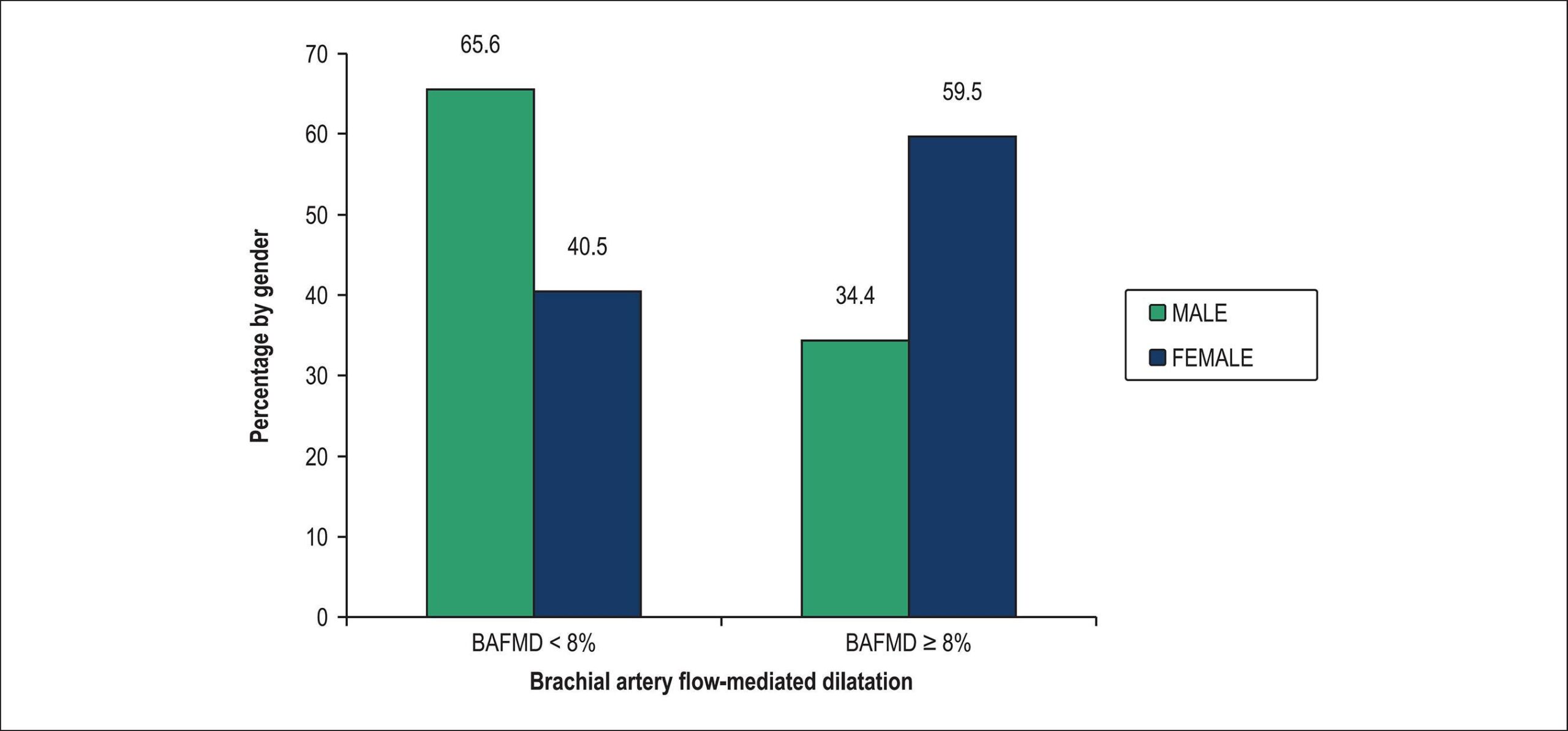
To evaluate the endothelial function in individuals with excess weight and mild dyslipidemia using brachial artery flow-mediated dilation (BAFMD), and the association of endothelial function with anthropometric and biochemical variables.

Methods:

Cross-sectional study that included 74 individuals and evaluated anthropometric variables (body mass index [BMI], waist-hip ratio [WHR], waist circumference [AC], and percentage of body fat [PBF]), biochemical (blood glucose, insulinemia, ultrasensitive C-reactive protein, fibrinogen, total cholesterol, HDL-cholesterol, triglycerides, and LDL-cholesterol) and endothelial function (BAFMD, evaluated by ultrasound). The statistical analysis was performed with SPSS, version 16.0. To study the association between the variables, we used chi-square, Student’s t and Mann-Whitney tests, and Pearson’s correlation. Logistic regression analyzed the independent influence of the factors. Values of p < 0.05 were considered significant.

Results:

The participants had a mean age of 50.8 years, and 57% were female. BMI, WC, WHR, and PBF showed no significant association with BAFMD. The male gender (p = 0.02) and higher serum levels of fibrinogen (p = 0.02) were significantly and independently associated with a BAFMD below 8%.

Conclusions:

In individuals with excess weight and mild untreated dyslipidemia, male gender and higher levels of fibrinogen were independently associated with worse BAFMD.

  • Atherosclerosis
  • Biomarkers
  • Dyslipidemias
  • Endothelium
  • Obesity
Read Full Article
Creative Commons Attribution (CC BY) Creative Commons license
03/05/2016 DOI: 10.5935/abc.20160060 Views 1
ABC
Artigo Original

Association between endothelial function and autonomic modulation in patients with chagas disease

Adriana Barni Truccolo et al. Thiago Dipp Bruna Eibel Rodrigo Antonini Ribeiro … Karina Rabello Casali Maria Claudia Irigoyen Iseu Gus Lucia Campos Pellanda Rodrigo Della Meã Plentz

BACKGROUND: Under homeostatic condition, the autonomic nervous system (ANS), through the release of vasoconstrictor neurotransmitters, and the endothelium, through the release of vasodilating substances, interact to maintain blood vessel tone. However, the association between those two systems in patients with Chagas disease in its indeterminate phase (IChD) has not been studied. OBJECTIVE: To assess the association between autonomic modulation parameters and endothelial function in patients with IChD. METHODS: Thirteen patients with IChD (59.2 ± 11.23 years) and no risk factors for cardiovascular disease were assessed for autonomic modulation by using the blood pressure oscillometric method (Finapress) and the heart rate variability technique (HRV) in the frequency domain. Endothelial function was assessed by use of the brachial artery flow-mediated dilation (FMD) method with high-resolution ultrasound images. RESULTS: In the dorsal decubitus position, correlation of FMD was observed with normalized high-frequency (r = 0.78; p = 0.007) and low-frequency spectral components (r = 0.68; p = 0.01), as well as with sympathovagal balance (r = -0.78; p = 0.004). CONCLUSIONS: Our study indicates the existence of a relationship between the changes in autonomic modulation and endothelial function in patients with IChD.

  • Autonomic Nervous System
  • Chagas disease
  • Endothelium
  • Heart Failure
Read Full Article
Creative Commons Attribution (CC BY) Creative Commons license
11/03/2013 DOI: 10.5935/abc.20130026 Views 1
ABC
Artigo Original

Endothelial function, uterine perfusion and central Flow in pregnancies complicated by Preeclampsia

Augusto Henriques Fulgêncio Brandão et al. Marcelo Araújo Cabral Henrique Vitor Leite Antônio Carlos Vieira Cabral

BACKGROUND: The physiopathology of Preeclampsia (PE) is characterized by a deficiency in the process of placentation, systemic endothelial dysfunction and Central Nervous System (CNS) hyperflow. From a clinical point of view, it would be interesting to determine the occurrence of these phenomena before the onset of clinical manifestations of the disease, raising the possibility of new methods for predicting PE. OBJECTIVE:Compare the process of placentation, endothelial function and CNS hyperflow in pregnant women at high risk for the development of PE who subsequently developed or not the syndrome. METHODS: A total of 74 pregnant women underwent the Flow-Mediated Dilation (FMD) of the brachial artery, Doppler study of uterine and ophthalmic arteries for the assessment of endothelial function, process of placentation and central hyperflow, respectively. The examinations were performed between 24 and 28 weeks of gestation and were followed until the postpartum period for data collection. RESULTS: Fifteen patients had PE and 59 remained normotensive until the puerperium. Patients who subsequently developed PE had between 24 and 28 weeks of gestation, higher pulsatility index of uterine arteries and lower values of FMD (p < 0.001 and p = 0.001, respectively). However, there was no difference in the values obtained in the resistive index in the ophthalmic artery (p = 0.08). CONCLUSION: The data obtained suggest that the deficiency in the process of placentation and endothelial dysfunction chronologically precede the clinical manifestations of PE, which does not occur with CNS hyperflow.

  • central nervous system
  • Endothelium
  • high-risk
  • placentation
  • Pre-Eclampsia
  • Pregnancy
Read Full Article
Creative Commons Attribution (CC BY) Creative Commons license
13/09/2012 DOI: 10.1590/S0066-782X2012005000087 Views 1
Impact of stenting and oral sirolimus on endothelium-dependent and independent coronary vasomotion
ABC
Artigo Original

Impact of stenting and oral sirolimus on endothelium-dependent and independent coronary vasomotion

Rósley Weber Alvarenga Fernandes et al. João Miguel Dantas Dinaldo Cavalcanti Oliveira Hiram Grando Bezerra … Fabio Sandoli Brito Jr. Valter C. Lima

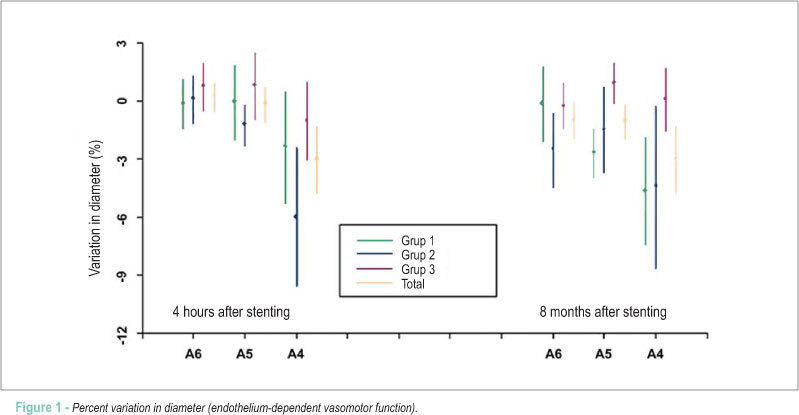
BACKGROUND: There is no consensus regarding the impact of stenting on long-term endothelial function. There have been reports of increased endothelial dysfunction with sirolimus-eluting stents as compared to bare metal stenting (BMS). OBJECTIVE: This study aims to assess the impact of BMS and the effect of oral sirolimus on endothelial function. METHODS: Forty-five patients were randomized into three groups: BMS + high-dose oral sirolimus (initial dose of 15 mg, followed by 6 mg/day for four weeks); BMS + low-dose sirolimus (6 mg followed by 2 mg daily for four weeks); and BMS without sirolimus. Changes in vasoconstriction or vasodilation in a 15 mm segment starting at the distal stent end in response to acetylcholine and nitroglycerin were assessed by quantitative angiography. RESULTS: The groups had similar angiographic characteristics. The percent variation in diameter in response to acetylcholine was similar in all groups at the two time points (p = 0.469). Four hours after stenting, the target segment presented an endothelial dysfunction that was maintained after eight months in all groups. In all groups, endothelium-independent vasomotion in response to nitroglycerin was similar at four hours and eight months, with increased target segment diameter after nitroglycerin infusion (p = 0.001). CONCLUSION: The endothelial dysfunction was similarly present at the 15 mm segment distal to the treated segment, at 4 hours and 8 months after stenting. Sirolimus administered orally during 4 weeks to prevent restenosis did not affect the status of endothelium-dependent and independent vasomotion.

  • Coronary Vessels
  • Endothelium
  • Sirolimus
  • Stents
Read Full Article
Creative Commons Attribution (CC BY) Creative Commons license
08/03/2012 DOI: 10.1590/S0066-782X2012005000022
Effects of different degrees of insulin sensitivity on endothelial function in obese patients
ABC
Artigo Original

Effects of different degrees of insulin sensitivity on endothelial function in obese patients

Roberto Galvão et al. Frida Liane Plavnik Fernando Flexa Ribeiro Sérgio Aron Ajzen … Dejaldo M. de J. Christofalo Osvaldo Kohlmann Jr.

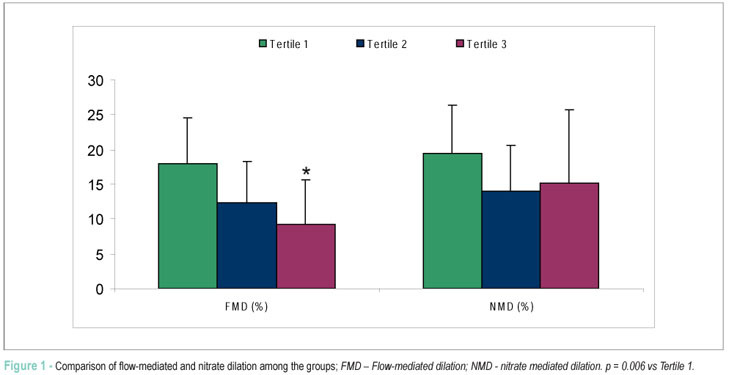
BACKGROUND: Obesity derived from intra-abdominal fat deposition tends to increase hormonal and cytokine production, thus worsening insulin sensitivity and leading to endothelial dysfunction. Hyperinsulinemia is considered an independent risk factor for ischemic heart disease and cause of endothelial dysfunction in healthy individuals. OBJECTIVE: To assess the impact of different degrees of insulin resistance, measured by HOMA-IR (Homeostasis Model Assessment of Insulin Resistance), on endothelial function in obese, non-diabetic patients without prior history of cardiovascular events and different metabolic syndrome components. METHODS: Forty obese individuals were submitted to anthropometric measurements, BP measurements at office and ABPM and laboratory tests, in addition to non-invasive ultrasound assessment of endothelial function. Patients were divided into 3 groups according to the level of insulin resistance: patients with HOMA-IR values from 0.590 to 1.082 were assigned to Group 1 (n=13), from 1.083 to 1.410 to Group 2 (n=14) and from 1.610 to 2.510 to Group 3 (n=13). RESULTS: We found a significant difference in flow-mediated dilation in group 3 compared to group 1 (9.2±7.0 vs 18.0±7.5 %, p=0.006). There was a negative correlation between endothelial function and insulin, HOMA-IR and triglycerides. CONCLUSION: Our data suggest that mild changes in insulin resistance levels assessed by HOMA-IR may have an impact on vasodilatatory endothelial function in uncomplicated obese individuals with different cardiovascular risk factors.

  • Diabetes Mellitus
  • Endothelium
  • Hypertension
  • Insulin Resistance
  • Obesity
Read Full Article
Creative Commons Attribution (CC BY) Creative Commons license
13/12/2011 DOI: 10.1590/S0066-782X2011005000119

Could not load more articles. Please try again.

How to cite this article

EndNote RIS

Electronic Document Format (Vancouver)

Carvalho MRM. Applying EASIX in Osteoarthritis. The Link between Inflammation and Cardiovascular Risk. Arquivos Brasileiros de Cardiologia 2025;122(7):e20250314.

Electronic Document Format (ABNT)

Carvalho, Marcio Roberto Moraes de. Applying EASIX in Osteoarthritis. The Link between Inflammation and Cardiovascular Risk. Arquivos Brasileiros de Cardiologia, v. 122, n. 7, e20250314, Aug. 2025.

Electronic Document Format (APA)

Carvalho, M. R. M. (2025). Applying EASIX in Osteoarthritis. The Link between Inflammation and Cardiovascular Risk. Arquivos Brasileiros de Cardiologia, 122(7), e20250314.

Electronic Document Format (ISO)

Carvalho, Marcio Roberto Moraes de. Applying EASIX in Osteoarthritis. The Link between Inflammation and Cardiovascular Risk. Arquivos Brasileiros de Cardiologia [online]. 2025, vol. 122, n. 7, [cited 2026-10-14], e20250314. Available from: <https://journals.cardiol.br/en/article/applying-easix-in-osteoarthritis-the-link-between-inflammation-and-cardiovascular-risk/>. ISSN 0066-782X

EndNote RIS

Electronic Document Format (Vancouver)

Moreira DM, Martins LF, Savas LA, Cegielka R. Comparison of the Effects of Alcoholic and Non-Alcoholic Red Wine on Flow-Mediated Dilation and Brachial Artery Vasodilation. International Journal of Cardiovascular Sciences 2025;38:e20240240.

Electronic Document Format (ABNT)

Moreira, Daniel Medeiros; Martins, Luiza Frassetto; Savas, Lucca Antonini; Cegielka, Rafael. Comparison of the Effects of Alcoholic and Non-Alcoholic Red Wine on Flow-Mediated Dilation and Brachial Artery Vasodilation. International Journal of Cardiovascular Sciences, v. 38, e20240240, Aug. 2025.

Electronic Document Format (APA)

Moreira, D. M., Martins, L. F., Savas, L. A., & Cegielka, R. (2025). Comparison of the Effects of Alcoholic and Non-Alcoholic Red Wine on Flow-Mediated Dilation and Brachial Artery Vasodilation. International Journal of Cardiovascular Sciences, 38, e20240240.

Electronic Document Format (ISO)

Moreira, Daniel Medeiros and Martins, Luiza Frassetto and Savas, Lucca Antonini and Cegielka, Rafael. Comparison of the Effects of Alcoholic and Non-Alcoholic Red Wine on Flow-Mediated Dilation and Brachial Artery Vasodilation. International Journal of Cardiovascular Sciences [online]. 2025, vol. 38, [cited 2026-10-14], e20240240. Available from: <https://journals.cardiol.br/en/article/comparison-of-the-effects-of-alcoholic-and-non-alcoholic-red-wine-on-flow-mediated-dilation-and-brachial-artery-vasodilation/>. ISSN 2359-4802

EndNote RIS

Electronic Document Format (Vancouver)

Póvoa R. Endothelial Function and Arterial Hypertension. Arquivos Brasileiros de Cardiologia 2025;122(5):e20250179.

Electronic Document Format (ABNT)

Póvoa, Rui. Endothelial Function and Arterial Hypertension. Arquivos Brasileiros de Cardiologia, v. 122, n. 5, e20250179, Jun. 2025.

Electronic Document Format (APA)

Póvoa, R. (2025). Endothelial Function and Arterial Hypertension. Arquivos Brasileiros de Cardiologia, 122(5), e20250179.

Electronic Document Format (ISO)

Póvoa, Rui. Endothelial Function and Arterial Hypertension. Arquivos Brasileiros de Cardiologia [online]. 2025, vol. 122, n. 5, [cited 2026-10-14], e20250179. Available from: <https://journals.cardiol.br/en/article/endothelial-function-and-arterial-hypertension/>. ISSN 0066-782X

EndNote RIS

Electronic Document Format (Vancouver)

Bitencourt AR, Sousa ALL, Vitorino PVO, Correia MC, Yoshizumi AM, Barroso WKS. Acupuncture for Essential Hypertension and Endothelial Dysfunction: A Randomized Clinical Trial. Arquivos Brasileiros de Cardiologia 2025;122(1):e20240596.

Electronic Document Format (ABNT)

Bitencourt, Amanda Rodrigues; Sousa, Ana Luiza Lima; Vitorino, Priscila Valverde de Oliveira; Correia, Mikaelle Costa; Yoshizumi, Alexandre Massao; Barroso, Weimar Kunz Sebba. Acupuncture for Essential Hypertension and Endothelial Dysfunction: A Randomized Clinical Trial. Arquivos Brasileiros de Cardiologia, v. 122, n. 1, e20240596, Feb. 2025.

Electronic Document Format (APA)

Bitencourt, A. R., Sousa, A. L. L., Vitorino, P. V. O., Correia, M. C., Yoshizumi, A. M., & Barroso, W. K. S. (2025). Acupuncture for Essential Hypertension and Endothelial Dysfunction: A Randomized Clinical Trial. Arquivos Brasileiros de Cardiologia, 122(1), e20240596.

Electronic Document Format (ISO)

Bitencourt, Amanda Rodrigues and Sousa, Ana Luiza Lima and Vitorino, Priscila Valverde de Oliveira and Correia, Mikaelle Costa and Yoshizumi, Alexandre Massao and Barroso, Weimar Kunz Sebba. Acupuncture for Essential Hypertension and Endothelial Dysfunction: A Randomized Clinical Trial. Arquivos Brasileiros de Cardiologia [online]. 2025, vol. 122, n. 1, [cited 2026-10-14], e20240596. Available from: <https://journals.cardiol.br/en/article/acupuncture-for-essential-hypertension-and-endothelial-dysfunction-a-randomized-clinical-trial/>. ISSN 0066-782X

EndNote RIS

Electronic Document Format (Vancouver)

Inuzuka S, Barroso WKS. Arterial Stiffness and Chronic Kidney Disease Prediction. Arquivos Brasileiros de Cardiologia 2024;120(12):e20230779.

Electronic Document Format (ABNT)

Inuzuka, Sayuri; Barroso, Weimar Kunz Sebba. Arterial Stiffness and Chronic Kidney Disease Prediction. Arquivos Brasileiros de Cardiologia, v. 120, n. 12, e20230779, Mar. 2024.

Electronic Document Format (APA)

Inuzuka, S., & Barroso, W. K. S. (2024). Arterial Stiffness and Chronic Kidney Disease Prediction. Arquivos Brasileiros de Cardiologia, 120(12), e20230779.

Electronic Document Format (ISO)

Inuzuka, Sayuri and Barroso, Weimar Kunz Sebba. Arterial Stiffness and Chronic Kidney Disease Prediction. Arquivos Brasileiros de Cardiologia [online]. 2024, vol. 120, n. 12, [cited 2026-10-14], e20230779. Available from: <https://journals.cardiol.br/en/article/arterial-stiffness-and-chronic-kidney-disease-prediction/>. ISSN 0066-782X

EndNote RIS

Electronic Document Format (Vancouver)

Gonçalinho GHF, Sampaio GR, Soares-Freitas RAM, Damasceno NRT. Stearic Acid, but not Palmitic Acid, is Associated with Inflammatory and Endothelial Dysfunction Biomarkers in Individuals at Cardiovascular Risk. Arquivos Brasileiros de Cardiologia 2023;120(8):e20220598.

Electronic Document Format (ABNT)

Gonçalinho, Gustavo Henrique Ferreira; Sampaio, Geni Rodrigues; Soares-Freitas, Rosana Aparecida Manólio; Damasceno, Nágila Raquel Teixeira. Stearic Acid, but not Palmitic Acid, is Associated with Inflammatory and Endothelial Dysfunction Biomarkers in Individuals at Cardiovascular Risk. Arquivos Brasileiros de Cardiologia, v. 120, n. 8, e20220598, Aug. 2023.

Electronic Document Format (APA)

Gonçalinho, G. H. F., Sampaio, G. R., Soares-Freitas, R. A. M., & Damasceno, N. R. T. (2023). Stearic Acid, but not Palmitic Acid, is Associated with Inflammatory and Endothelial Dysfunction Biomarkers in Individuals at Cardiovascular Risk. Arquivos Brasileiros de Cardiologia, 120(8), e20220598.

Electronic Document Format (ISO)

Gonçalinho, Gustavo Henrique Ferreira and Sampaio, Geni Rodrigues and Soares-Freitas, Rosana Aparecida Manólio and Damasceno, Nágila Raquel Teixeira. Stearic Acid, but not Palmitic Acid, is Associated with Inflammatory and Endothelial Dysfunction Biomarkers in Individuals at Cardiovascular Risk. Arquivos Brasileiros de Cardiologia [online]. 2023, vol. 120, n. 8, [cited 2026-10-14], e20220598. Available from: <https://journals.cardiol.br/en/article/stearic-acid-but-not-palmitic-acid-is-associated-with-inflammatory-and-endothelial-dysfunction-biomarkers-in-individuals-at-cardiovascular-risk/>. ISSN 0066-782X

EndNote RIS

Electronic Document Format (Vancouver)

Mattos S, Cunha MR, Marques BC, d´El-Rei J, Baião DS, Paschoalin VMF, Oigman W, et al. Acute Effects of Dietary Nitrate on Central Pressure and Endothelial Function in Hypertensive Patients: A Randomized, Placebo-Controlled Crossover Study. Arquivos Brasileiros de Cardiologia 2023;120(1):e20220209.

Electronic Document Format (ABNT)

Mattos, Samanta; Cunha, Michelle Rabello; Marques, Bianca Cristina; d´El-Rei, Jenifer; Baião, Diego dos Santos; Paschoalin, Vania M. F.; Oigman, Wille; Neves, Mario Fritsch; Medeiros, Fernanda. Acute Effects of Dietary Nitrate on Central Pressure and Endothelial Function in Hypertensive Patients: A Randomized, Placebo-Controlled Crossover Study. Arquivos Brasileiros de Cardiologia, v. 120, n. 1, e20220209, Jan. 2023.

Electronic Document Format (APA)

Mattos, S., Cunha, M. R., Marques, B. C., d´El-Rei, J., Baião, D. S., Paschoalin, V. M. F., Oigman, W., Neves, M. F., & Medeiros, F. (2023). Acute Effects of Dietary Nitrate on Central Pressure and Endothelial Function in Hypertensive Patients: A Randomized, Placebo-Controlled Crossover Study. Arquivos Brasileiros de Cardiologia, 120(1), e20220209.

Electronic Document Format (ISO)

Mattos, Samanta and Cunha, Michelle Rabello and Marques, Bianca Cristina and d´El-Rei, Jenifer and Baião, Diego dos Santos and Paschoalin, Vania M. F. and Oigman, Wille and Neves, Mario Fritsch and Medeiros, Fernanda. Acute Effects of Dietary Nitrate on Central Pressure and Endothelial Function in Hypertensive Patients: A Randomized, Placebo-Controlled Crossover Study. Arquivos Brasileiros de Cardiologia [online]. 2023, vol. 120, n. 1, [cited 2026-10-14], e20220209. Available from: <https://journals.cardiol.br/en/article/acute-effects-of-dietary-nitrate-on-central-pressure-and-endothelial-function-in-hypertensive-patients-a-randomized-placebo-controlled-crossover-study/>. ISSN 0066-782X

EndNote RIS

Electronic Document Format (Vancouver)

Pezel T, Paim LR, Coelho-Filho OR. For which HIV Patients Aspirin and Statins are Good?. Arquivos Brasileiros de Cardiologia 2021;117(2):376-7.

Electronic Document Format (ABNT)

Pezel, Théo; Paim, Layde R.; Coelho-Filho, Otávio R.. For which HIV Patients Aspirin and Statins are Good?. Arquivos Brasileiros de Cardiologia, v. 117, n. 2, p. 376-377, Sep. 2021.

Electronic Document Format (APA)

Pezel, T., Paim, L. R., & Coelho-Filho, O. R. (2021). For which HIV Patients Aspirin and Statins are Good?. Arquivos Brasileiros de Cardiologia, 117(2), 376-377.

Electronic Document Format (ISO)

Pezel, Théo and Paim, Layde R. and Coelho-Filho, Otávio R.. For which HIV Patients Aspirin and Statins are Good?. Arquivos Brasileiros de Cardiologia [online]. 2021, vol. 117, n. 2, [cited 2026-10-14], pp. 376-377. Available from: <https://journals.cardiol.br/en/article/for-which-hiv-patients-aspirin-and-statins-are-good/>. ISSN 0066-782X

EndNote RIS

Electronic Document Format (Vancouver)

Feitosa GS. Still Trying to Understand the Role of Uric Acid in Cardiovascular Diseases. Arquivos Brasileiros de Cardiologia 2021;116(6):1079.

Electronic Document Format (ABNT)

Feitosa, Gilson Soares. Still Trying to Understand the Role of Uric Acid in Cardiovascular Diseases. Arquivos Brasileiros de Cardiologia, v. 116, n. 6, p. 1079-1079, Jun. 2021.

Electronic Document Format (APA)

Feitosa, G. S. (2021). Still Trying to Understand the Role of Uric Acid in Cardiovascular Diseases. Arquivos Brasileiros de Cardiologia, 116(6), 1079-1079.

Electronic Document Format (ISO)

Feitosa, Gilson Soares. Still Trying to Understand the Role of Uric Acid in Cardiovascular Diseases. Arquivos Brasileiros de Cardiologia [online]. 2021, vol. 116, n. 6, [cited 2026-10-14], pp. 1079-1079. Available from: <https://journals.cardiol.br/en/article/still-trying-to-understand-the-role-of-uric-acid-in-cardiovascular-diseases/>. ISSN 0066-782X

EndNote RIS

Electronic Document Format (Vancouver)

Ritti-Dias RM, Quintella B. The Six-Minute Step Test as an Alternative for Functional Capacity Assessment in Patients with Cardiovascular Diseases. Arquivos Brasileiros de Cardiologia 2021;116(5):896-7.

Electronic Document Format (ABNT)

Ritti-Dias, Raphael Mendes; Quintella, Breno. The Six-Minute Step Test as an Alternative for Functional Capacity Assessment in Patients with Cardiovascular Diseases. Arquivos Brasileiros de Cardiologia, v. 116, n. 5, p. 896-897, May. 2021.

Electronic Document Format (APA)

Ritti-Dias, R. M., & Quintella, B. (2021). The Six-Minute Step Test as an Alternative for Functional Capacity Assessment in Patients with Cardiovascular Diseases. Arquivos Brasileiros de Cardiologia, 116(5), 896-897.

Electronic Document Format (ISO)

Ritti-Dias, Raphael Mendes and Quintella, Breno. The Six-Minute Step Test as an Alternative for Functional Capacity Assessment in Patients with Cardiovascular Diseases. Arquivos Brasileiros de Cardiologia [online]. 2021, vol. 116, n. 5, [cited 2026-10-14], pp. 896-897. Available from: <https://journals.cardiol.br/en/article/the-six-minute-step-test-as-an-alternative-for-functional-capacity-assessment-in-patients-with-cardiovascular-diseases/>. ISSN 0066-782X

EndNote RIS

Electronic Document Format (Vancouver)

Waclawovsky G, Pedralli ML, Eibel B, Schaun MI, Lehnen AM. Effects of Different Types of Exercise Training on Endothelial Function in Prehypertensive and Hypertensive Individuals: A Systematic Review. Arquivos Brasileiros de Cardiologia 2021;116(5):938-47.

Electronic Document Format (ABNT)

Waclawovsky, Gustavo; Pedralli, Marinei L.; Eibel, Bruna; Schaun, Maximiliano I.; Lehnen, Alexandre M.. Effects of Different Types of Exercise Training on Endothelial Function in Prehypertensive and Hypertensive Individuals: A Systematic Review. Arquivos Brasileiros de Cardiologia, v. 116, n. 5, p. 938-947, May. 2021.

Electronic Document Format (APA)

Waclawovsky, G., Pedralli, M. L., Eibel, B., Schaun, M. I., & Lehnen, A. M. (2021). Effects of Different Types of Exercise Training on Endothelial Function in Prehypertensive and Hypertensive Individuals: A Systematic Review. Arquivos Brasileiros de Cardiologia, 116(5), 938-947.

Electronic Document Format (ISO)

Waclawovsky, Gustavo and Pedralli, Marinei L. and Eibel, Bruna and Schaun, Maximiliano I. and Lehnen, Alexandre M.. Effects of Different Types of Exercise Training on Endothelial Function in Prehypertensive and Hypertensive Individuals: A Systematic Review. Arquivos Brasileiros de Cardiologia [online]. 2021, vol. 116, n. 5, [cited 2026-10-14], pp. 938-947. Available from: <https://journals.cardiol.br/en/article/effects-of-different-types-of-exercise-training-on-endothelial-function-in-prehypertensive-and-hypertensive-individuals-a-systematic-review/>. ISSN 0066-782X

EndNote RIS

Electronic Document Format (Vancouver)

Hussid MF, Cepeda FX, Jordão CP, Lopes-Vicente RRP, Virmondes L, Katayama KY, Oliveira EF, et al. Visceral Obesity and High Systolic Blood Pressure as the Substrate of Endothelial Dysfunction in Obese Adolescents. Arquivos Brasileiros de Cardiologia 2021;116(4):795-803.

Electronic Document Format (ABNT)

Hussid, Maria Fernanda; Cepeda, Felipe Xerez; Jordão, Camila P.; Lopes-Vicente, Rafaela R. P.; Virmondes, Leslie; Katayama, Keyla Y.; Oliveira, Ezequiel F. de; Oliveira, Luis V. F.; Consolim-Colombo, Fernanda Marciano; Trombetta, Ivani Credidio. Visceral Obesity and High Systolic Blood Pressure as the Substrate of Endothelial Dysfunction in Obese Adolescents. Arquivos Brasileiros de Cardiologia, v. 116, n. 4, p. 795-803, Apr. 2021.

Electronic Document Format (APA)

Hussid, M. F., Cepeda, F. X., Jordão, C. P., Lopes-Vicente, R. R. P., Virmondes, L., Katayama, K. Y., Oliveira, E. F. , Oliveira, L. V. F., Consolim-Colombo, F. M., & Trombetta, I. C. (2021). Visceral Obesity and High Systolic Blood Pressure as the Substrate of Endothelial Dysfunction in Obese Adolescents. Arquivos Brasileiros de Cardiologia, 116(4), 795-803.

Electronic Document Format (ISO)

Hussid, Maria Fernanda and Cepeda, Felipe Xerez and Jordão, Camila P. and Lopes-Vicente, Rafaela R. P. and Virmondes, Leslie and Katayama, Keyla Y. and Oliveira, Ezequiel F. de and Oliveira, Luis V. F. and Consolim-Colombo, Fernanda Marciano and Trombetta, Ivani Credidio. Visceral Obesity and High Systolic Blood Pressure as the Substrate of Endothelial Dysfunction in Obese Adolescents. Arquivos Brasileiros de Cardiologia [online]. 2021, vol. 116, n. 4, [cited 2026-10-14], pp. 795-803. Available from: <https://journals.cardiol.br/en/article/visceral-obesity-and-high-systolic-blood-pressure-as-the-substrate-of-endothelial-dysfunction-in-obese-adolescents/>. ISSN 0066-782X

EndNote RIS

Electronic Document Format (Vancouver)

Raj V, Charles S, Goenka L, Ramamoorthy T, C M, C E, Mala K, et al. Assessment of Peripheral Blood Mononuclear Cells Senescence and Endothelial Dysfunction among Adults with High Cardiovascular Risk. Arquivos Brasileiros de Cardiologia 2021;116(1):37-4.

Electronic Document Format (ABNT)

Raj, Vijay; Charles, Soniya; Goenka, Luxitaa; Ramamoorthy, Thilagavathi; C, Marimuthu; C, Emmanuel; Mala, Kanchana; Kumarasamy, Subramaniyan; George, Melvin. Assessment of Peripheral Blood Mononuclear Cells Senescence and Endothelial Dysfunction among Adults with High Cardiovascular Risk. Arquivos Brasileiros de Cardiologia, v. 116, n. 1, p. 37-47, Feb. 2021.

Electronic Document Format (APA)

Raj, V., Charles, S., Goenka, L., Ramamoorthy, T., C, M., C, E., Mala, K., Kumarasamy, S., & George, M. (2021). Assessment of Peripheral Blood Mononuclear Cells Senescence and Endothelial Dysfunction among Adults with High Cardiovascular Risk. Arquivos Brasileiros de Cardiologia, 116(1), 37-47.

Electronic Document Format (ISO)

Raj, Vijay and Charles, Soniya and Goenka, Luxitaa and Ramamoorthy, Thilagavathi and C, Marimuthu and C, Emmanuel and Mala, Kanchana and Kumarasamy, Subramaniyan and George, Melvin. Assessment of Peripheral Blood Mononuclear Cells Senescence and Endothelial Dysfunction among Adults with High Cardiovascular Risk. Arquivos Brasileiros de Cardiologia [online]. 2021, vol. 116, n. 1, [cited 2026-10-14], pp. 37-47. Available from: <https://journals.cardiol.br/en/article/assessment-of-peripheral-blood-mononuclear-cells-senescence-and-endothelial-dysfunction-among-adults-with-high-cardiovascular-risk/>. ISSN 0066-782X

EndNote RIS

Electronic Document Format (Vancouver)

Brandão SCS, Godoi ETAM, Ramos JOX, Melo LMMP, Dompieri LT, Brindeiro Filho DF, Sarinho ESC, et al. The Role of the Endothelium in Severe COVID-19. Arquivos Brasileiros de Cardiologia 2021;115(6):1184-9.

Electronic Document Format (ABNT)

Brandão, Simone Cristina Soares; Godoi, Emmanuelle Tenório Albuquerque Madruga; Ramos, Júlia de Oliveira Xavier; Melo, Leila Maria Magalhães Pessoa de; Dompieri, Luca Terracini; Brindeiro Filho, Djair Falcão; Sarinho, Emanuel Sávio Cavalcanti. The Role of the Endothelium in Severe COVID-19. Arquivos Brasileiros de Cardiologia, v. 115, n. 6, p. 1184-1189, Jan. 2021.

Electronic Document Format (APA)

Brandão, S. C. S., Godoi, E. T. A. M., Ramos, J. O. X., Melo, L. M. M. P. , Dompieri, L. T., Brindeiro Filho, D. F., & Sarinho, E. S. C. (2021). The Role of the Endothelium in Severe COVID-19. Arquivos Brasileiros de Cardiologia, 115(6), 1184-1189.

Electronic Document Format (ISO)

Brandão, Simone Cristina Soares and Godoi, Emmanuelle Tenório Albuquerque Madruga and Ramos, Júlia de Oliveira Xavier and Melo, Leila Maria Magalhães Pessoa de and Dompieri, Luca Terracini and Brindeiro Filho, Djair Falcão and Sarinho, Emanuel Sávio Cavalcanti. The Role of the Endothelium in Severe COVID-19. Arquivos Brasileiros de Cardiologia [online]. 2021, vol. 115, n. 6, [cited 2026-10-14], pp. 1184-1189. Available from: <https://journals.cardiol.br/en/article/the-role-of-the-endothelium-in-severe-covid-19/>. ISSN 0066-782X

EndNote RIS

Electronic Document Format (Vancouver)

d’El-Rei J, Cunha MR, Mattos SS, Marques BC, Menezes VP, Cunha AR, França M, et al. Microvascular Reactivity in Hypertensive Patients with High Body Adiposity. Arquivos Brasileiros de Cardiologia 2020;115(5):896-904.

Electronic Document Format (ABNT)

d’El-Rei, Jenifer; Cunha, Michelle Rabello; Mattos, Samanta de Souza; Marques, Bianca Cristina; Menezes, Viviane Prangiel de; Cunha, Ana Rosa; França, Érica Monteiro; Oigman, Wille; Neves, Mario Fritsch. Microvascular Reactivity in Hypertensive Patients with High Body Adiposity. Arquivos Brasileiros de Cardiologia, v. 115, n. 5, p. 896-904, Dec. 2020.

Electronic Document Format (APA)

d’El-Rei, J., Cunha, M. R., Mattos, S. S., Marques, B. C., Menezes, V. P. , Cunha, A. R., França, M., Oigman, W., & Neves, M. F. (2020). Microvascular Reactivity in Hypertensive Patients with High Body Adiposity. Arquivos Brasileiros de Cardiologia, 115(5), 896-904.

Electronic Document Format (ISO)

d’El-Rei, Jenifer and Cunha, Michelle Rabello and Mattos, Samanta de Souza and Marques, Bianca Cristina and Menezes, Viviane Prangiel de and Cunha, Ana Rosa and França, Érica Monteiro and Oigman, Wille and Neves, Mario Fritsch. Microvascular Reactivity in Hypertensive Patients with High Body Adiposity. Arquivos Brasileiros de Cardiologia [online]. 2020, vol. 115, n. 5, [cited 2026-10-14], pp. 896-904. Available from: <https://journals.cardiol.br/en/article/microvascular-reactivity-in-hypertensive-patients-with-high-body-adiposity/>. ISSN 0066-782X

EndNote RIS

Electronic Document Format (Vancouver)

Wang Z, Cai W, Hu S, Xia Y, Wang Y, Zhang Q, Chen L, et al. A Meta-Analysis of Circulating Microvesicles in Patients with Myocardial Infarction. Arquivos Brasileiros de Cardiologia 2017;109(2):156-64.

Electronic Document Format (ABNT)

Wang, Zhida; Cai, Wang; Hu, Shaolan; Xia, Yufei; Wang, Yao; Zhang, Qi; Chen, Liming. A Meta-Analysis of Circulating Microvesicles in Patients with Myocardial Infarction. Arquivos Brasileiros de Cardiologia, v. 109, n. 2, p. 156-164, Jul. 2017.

Electronic Document Format (APA)

Wang, Z., Cai, W., Hu, S., Xia, Y., Wang, Y., Zhang, Q., & Chen, L. (2017). A Meta-Analysis of Circulating Microvesicles in Patients with Myocardial Infarction. Arquivos Brasileiros de Cardiologia, 109(2), 156-164.

Electronic Document Format (ISO)

Wang, Zhida and Cai, Wang and Hu, Shaolan and Xia, Yufei and Wang, Yao and Zhang, Qi and Chen, Liming. A Meta-Analysis of Circulating Microvesicles in Patients with Myocardial Infarction. Arquivos Brasileiros de Cardiologia [online]. 2017, vol. 109, n. 2, [cited 2026-10-14], pp. 156-164. Available from: <https://journals.cardiol.br/en/article/a-meta-analysis-of-circulating-microvesicles-in-patients-with-myocardial-infarction/>. ISSN 0066-782X

EndNote RIS

Electronic Document Format (Vancouver)

Mota MM, Silva TLTB, Macedo FN, Mesquita TRR, Quintans Júnior LJ, Santana-Filho VJ, Lauton-Santos S, et al. Effects of a Single Bout of Resistance Exercise in Different Volumes on Endothelium Adaptations in Healthy Animals. Arquivos Brasileiros de Cardiologia 2017;108(5):436-42.

Electronic Document Format (ABNT)

Mota, Marcelo Mendonça; Silva, Tharciano Luiz Teixeira Braga da; Macedo, Fabricio Nunes; Mesquita, Thássio Ricardo Ribeiro; Quintans Júnior, Lucindo José; Santana-Filho, Valter Joviniano de; Lauton-Santos, Sandra; Santos, Márcio Roberto Viana. Effects of a Single Bout of Resistance Exercise in Different Volumes on Endothelium Adaptations in Healthy Animals. Arquivos Brasileiros de Cardiologia, v. 108, n. 5, p. 436-442, Apr. 2017.

Electronic Document Format (APA)

Mota, M. M., Silva, T. L. T. B. , Macedo, F. N., Mesquita, T. R. R., Quintans Júnior, L. J., Santana-Filho, V. J. , Lauton-Santos, S., & Santos, M. R. V. (2017). Effects of a Single Bout of Resistance Exercise in Different Volumes on Endothelium Adaptations in Healthy Animals. Arquivos Brasileiros de Cardiologia, 108(5), 436-442.

Electronic Document Format (ISO)

Mota, Marcelo Mendonça and Silva, Tharciano Luiz Teixeira Braga da and Macedo, Fabricio Nunes and Mesquita, Thássio Ricardo Ribeiro and Quintans Júnior, Lucindo José and Santana-Filho, Valter Joviniano de and Lauton-Santos, Sandra and Santos, Márcio Roberto Viana. Effects of a Single Bout of Resistance Exercise in Different Volumes on Endothelium Adaptations in Healthy Animals. Arquivos Brasileiros de Cardiologia [online]. 2017, vol. 108, n. 5, [cited 2026-10-14], pp. 436-442. Available from: <https://journals.cardiol.br/en/article/effects-of-a-single-bout-of-resistance-exercise-in-different-volumes-on-endothelium-adaptations-in-healthy-animals/>. ISSN 0066-782X

EndNote RIS

Electronic Document Format (Vancouver)

Martinez JE, Taipeiro EF, Chies AB. Effects of Continuous and Accumulated Exercise on Endothelial Function in Rat Aorta. Arquivos Brasileiros de Cardiologia 2017;108(4):315-22.

Electronic Document Format (ABNT)

Martinez, Juliana Edwiges; Taipeiro, Elane de Fátima; Chies, Agnaldo Bruno. Effects of Continuous and Accumulated Exercise on Endothelial Function in Rat Aorta. Arquivos Brasileiros de Cardiologia, v. 108, n. 4, p. 315-322, Mar. 2017.

Electronic Document Format (APA)

Martinez, J. E., Taipeiro, E. F., & Chies, A. B. (2017). Effects of Continuous and Accumulated Exercise on Endothelial Function in Rat Aorta. Arquivos Brasileiros de Cardiologia, 108(4), 315-322.

Electronic Document Format (ISO)

Martinez, Juliana Edwiges and Taipeiro, Elane de Fátima and Chies, Agnaldo Bruno. Effects of Continuous and Accumulated Exercise on Endothelial Function in Rat Aorta. Arquivos Brasileiros de Cardiologia [online]. 2017, vol. 108, n. 4, [cited 2026-10-14], pp. 315-322. Available from: <https://journals.cardiol.br/en/article/effects-of-continuous-and-accumulated-exercise-on-endothelial-function-in-rat-aorta/>. ISSN 0066-782X

EndNote RIS

Electronic Document Format (Vancouver)

Badavi M, Sadeghi N, Dianat M, Samarbafzadeh A. Gallic Acid and Cyclosporine Mixture and their Effects on Cardiac Dysfunction Induced by Ischemia/Reperfusion and eNOS/iNOS Expression. International Journal of Cardiovascular Sciences 2017;30(3):207-18.

Electronic Document Format (ABNT)

Badavi, Mohammad; Sadeghi, Najmeh; Dianat, Mahin; Samarbafzadeh, Alireza. Gallic Acid and Cyclosporine Mixture and their Effects on Cardiac Dysfunction Induced by Ischemia/Reperfusion and eNOS/iNOS Expression. International Journal of Cardiovascular Sciences, v. 30, n. 3, p. 207-218, Dec. 2016.

Electronic Document Format (APA)

Badavi, M., Sadeghi, N., Dianat, M., & Samarbafzadeh, A. (2017). Gallic Acid and Cyclosporine Mixture and their Effects on Cardiac Dysfunction Induced by Ischemia/Reperfusion and eNOS/iNOS Expression. International Journal of Cardiovascular Sciences, 30(3), 207-218.

Electronic Document Format (ISO)

Badavi, Mohammad and Sadeghi, Najmeh and Dianat, Mahin and Samarbafzadeh, Alireza. Gallic Acid and Cyclosporine Mixture and their Effects on Cardiac Dysfunction Induced by Ischemia/Reperfusion and eNOS/iNOS Expression. International Journal of Cardiovascular Sciences [online]. 2017, vol. 30, n. 3, [cited 2026-10-14], pp. 207-218. Available from: <https://journals.cardiol.br/en/article/gallic-acid-and-cyclosporine-mixture-and-their-effects-on-cardiac-dysfunction-induced-by-ischemia-reperfusion-and-enos-inos-expression/>. ISSN 2359-4802

EndNote RIS

Electronic Document Format (Vancouver)

Menti E, Zaffari D, Galarraga T, Lessa JRC, Pontin B, Pellanda LC, Portal VL, et al. Early Markers of Atherosclerotic Disease in Individuals with Excess Weight and Dyslipidemia. Arquivos Brasileiros de Cardiologia 2016;106(6):457-63.

Electronic Document Format (ABNT)

Menti, Eduardo; Zaffari, Denise; Galarraga, Thais; Lessa, João Regis da Conceição e; Pontin, Bruna; Pellanda, Lucia Campos; Portal, Vera Lúcia. Early Markers of Atherosclerotic Disease in Individuals with Excess Weight and Dyslipidemia. Arquivos Brasileiros de Cardiologia, v. 106, n. 6, p. 457-463, May. 2016.

Electronic Document Format (APA)

Menti, E., Zaffari, D., Galarraga, T., Lessa, J. R. C. , Pontin, B., Pellanda, L. C., & Portal, V. L. (2016). Early Markers of Atherosclerotic Disease in Individuals with Excess Weight and Dyslipidemia. Arquivos Brasileiros de Cardiologia, 106(6), 457-463.

Electronic Document Format (ISO)

Menti, Eduardo and Zaffari, Denise and Galarraga, Thais and Lessa, João Regis da Conceição e and Pontin, Bruna and Pellanda, Lucia Campos and Portal, Vera Lúcia. Early Markers of Atherosclerotic Disease in Individuals with Excess Weight and Dyslipidemia. Arquivos Brasileiros de Cardiologia [online]. 2016, vol. 106, n. 6, [cited 2026-10-14], pp. 457-463. Available from: <https://journals.cardiol.br/en/article/early-markers-of-atherosclerotic-disease-in-individuals-with-excess-weight-and-dyslipidemia/>. ISSN 0066-782X

EndNote RIS

Electronic Document Format (Vancouver)

Truccolo AB, Dipp T, Eibel B, Ribeiro RA, Casali KR, Irigoyen MC, Gus I, et al. Association between endothelial function and autonomic modulation in patients with chagas disease. Arquivos Brasileiros de Cardiologia 2013;100(2):135-40.

Electronic Document Format (ABNT)

Truccolo, Adriana Barni; Dipp, Thiago; Eibel, Bruna; Ribeiro, Rodrigo Antonini; Casali, Karina Rabello; Irigoyen, Maria Claudia; Gus, Iseu; Pellanda, Lucia Campos; Plentz, Rodrigo Della Meã. Association between endothelial function and autonomic modulation in patients with chagas disease. Arquivos Brasileiros de Cardiologia, v. 100, n. 2, p. 135-140, Mar. 2013.

Electronic Document Format (APA)

Truccolo, A. B., Dipp, T., Eibel, B., Ribeiro, R. A., Casali, K. R., Irigoyen, M. C., Gus, I., Pellanda, L. C., & Plentz, R. D. M. (2013). Association between endothelial function and autonomic modulation in patients with chagas disease. Arquivos Brasileiros de Cardiologia, 100(2), 135-140.

Electronic Document Format (ISO)

Truccolo, Adriana Barni and Dipp, Thiago and Eibel, Bruna and Ribeiro, Rodrigo Antonini and Casali, Karina Rabello and Irigoyen, Maria Claudia and Gus, Iseu and Pellanda, Lucia Campos and Plentz, Rodrigo Della Meã. Association between endothelial function and autonomic modulation in patients with chagas disease. Arquivos Brasileiros de Cardiologia [online]. 2013, vol. 100, n. 2, [cited 2026-10-14], pp. 135-140. Available from: <https://journals.cardiol.br/en/article/association-between-endothelial-function-and-autonomic-modulation-in-patients-with-chagas-disease/>. ISSN 0066-782X

EndNote RIS

Electronic Document Format (Vancouver)

Brandão AHF, Cabral MA, Leite HV, Cabral ACV. Endothelial function, uterine perfusion and central Flow in pregnancies complicated by Preeclampsia. Arquivos Brasileiros de Cardiologia 2012;99(4):931-5.

Electronic Document Format (ABNT)

Brandão, Augusto Henriques Fulgêncio; Cabral, Marcelo Araújo; Leite, Henrique Vitor; Cabral, Antônio Carlos Vieira. Endothelial function, uterine perfusion and central Flow in pregnancies complicated by Preeclampsia. Arquivos Brasileiros de Cardiologia, v. 99, n. 4, p. 931-935, Sep. 2012.

Electronic Document Format (APA)

Brandão, A. H. F., Cabral, M. A., Leite, H. V., & Cabral, A. C. V. (2012). Endothelial function, uterine perfusion and central Flow in pregnancies complicated by Preeclampsia. Arquivos Brasileiros de Cardiologia, 99(4), 931-935.

Electronic Document Format (ISO)

Brandão, Augusto Henriques Fulgêncio and Cabral, Marcelo Araújo and Leite, Henrique Vitor and Cabral, Antônio Carlos Vieira. Endothelial function, uterine perfusion and central Flow in pregnancies complicated by Preeclampsia. Arquivos Brasileiros de Cardiologia [online]. 2012, vol. 99, n. 4, [cited 2026-10-14], pp. 931-935. Available from: <https://journals.cardiol.br/en/article/endothelial-function-uterine-perfusion-and-central-flow-in-pregnancies-complicated-by-preeclampsia/>. ISSN 0066-782X

EndNote RIS

Electronic Document Format (Vancouver)

Fernandes RWA, Dantas JM, Oliveira DC, Bezerra HG, Brito Jr. FS, Lima VC. Impact of stenting and oral sirolimus on endothelium-dependent and independent coronary vasomotion. Arquivos Brasileiros de Cardiologia 2012;98(4):290-9.

Electronic Document Format (ABNT)

Fernandes, Rósley Weber Alvarenga; Dantas, João Miguel; Oliveira, Dinaldo Cavalcanti; Bezerra, Hiram Grando; Brito Jr., Fabio Sandoli; Lima, Valter C.. Impact of stenting and oral sirolimus on endothelium-dependent and independent coronary vasomotion. Arquivos Brasileiros de Cardiologia, v. 98, n. 4, p. 290-299, Mar. 2012.

Electronic Document Format (APA)

Fernandes, R. W. A., Dantas, J. M., Oliveira, D. C., Bezerra, H. G., Brito Jr., F. S., & Lima, V. C. (2012). Impact of stenting and oral sirolimus on endothelium-dependent and independent coronary vasomotion. Arquivos Brasileiros de Cardiologia, 98(4), 290-299.

Electronic Document Format (ISO)

Fernandes, Rósley Weber Alvarenga and Dantas, João Miguel and Oliveira, Dinaldo Cavalcanti and Bezerra, Hiram Grando and Brito Jr., Fabio Sandoli and Lima, Valter C.. Impact of stenting and oral sirolimus on endothelium-dependent and independent coronary vasomotion. Arquivos Brasileiros de Cardiologia [online]. 2012, vol. 98, n. 4, [cited 2026-10-14], pp. 290-299. Available from: <https://journals.cardiol.br/en/article/impact-of-stenting-and-oral-sirolimus-on-endothelium-dependent-and-independent-coronary-vasomotion/>. ISSN 0066-782X

EndNote RIS

Electronic Document Format (Vancouver)

Galvão R, Plavnik FL, Ribeiro FF, Ajzen SA, Christofalo DMJ, Kohlmann Jr. O. Effects of different degrees of insulin sensitivity on endothelial function in obese patients. Arquivos Brasileiros de Cardiologia 2011;98(1):45-51.

Electronic Document Format (ABNT)

Galvão, Roberto; Plavnik, Frida Liane; Ribeiro, Fernando Flexa; Ajzen, Sérgio Aron; Christofalo, Dejaldo M. de J.; Kohlmann Jr., Osvaldo. Effects of different degrees of insulin sensitivity on endothelial function in obese patients. Arquivos Brasileiros de Cardiologia, v. 98, n. 1, p. 45-51, Dec. 2011.

Electronic Document Format (APA)

Galvão, R., Plavnik, F. L., Ribeiro, F. F., Ajzen, S. A., Christofalo, D. M. J., & Kohlmann Jr., O. (2011). Effects of different degrees of insulin sensitivity on endothelial function in obese patients. Arquivos Brasileiros de Cardiologia, 98(1), 45-51.

Electronic Document Format (ISO)

Galvão, Roberto and Plavnik, Frida Liane and Ribeiro, Fernando Flexa and Ajzen, Sérgio Aron and Christofalo, Dejaldo M. de J. and Kohlmann Jr., Osvaldo. Effects of different degrees of insulin sensitivity on endothelial function in obese patients. Arquivos Brasileiros de Cardiologia [online]. 2011, vol. 98, n. 1, [cited 2026-10-14], pp. 45-51. Available from: <https://journals.cardiol.br/en/article/effects-of-different-degrees-of-insulin-sensitivity-on-endothelial-function-in-obese-patients/>. ISSN 0066-782X

  • About ABC Family
  • Internal Regulation
  • Editorial Board
  • Brazilian Society of Cardiology (SBC)

Issues

SBC Guidelines

  • Videos
  • Podcasts
  • News