ABC Family Arquivos Brasileiros de Cardiologia International Journal of Cardiovascular Sciences ABC Heart Failure & Cardiomyopathy ABC Imagem Cardiovascular
Português English
ABC Family
Português English
  • About
    • About ABC Family
    • Internal Regulation
    • Editorial Board
    • Brazilian Society of Cardiology (SBC)
  • Issues
  • SBC Guidelines
  • Content
    • Videos
    • Podcasts
    • News
  • About
    • About ABC Family
    • Internal Regulation
    • Editorial Board
    • Brazilian Society of Cardiology (SBC)
  • Issues
  • SBC Guidelines
  • Content
    • Videos
    • Podcasts
    • News

ABC Family

  • ABC Family
  • Arquivos Brasileiros de Cardiologia
  • International Journal of Cardiovascular Sciences
  • ABC Heart Failure & Cardiomyopathy
  • ABC Imagem Cardiovascular
Search in

No content found.

Journals
Ordering
Article types
Others

  1. Home
  2. Keyword: Cardiovascular Diseases/physiopathology
Figure 1
ABC
Image

“Lightning The Heart” with 3D Echo: Transillumination of a Prosthetic Mitral Valve Dehiscence

Mariana Ribeiro Silva et al. Ana Isabel Azevedo Francisco Sampaio José Ribeiro Ricardo Fontes-Carvalho

Case 1

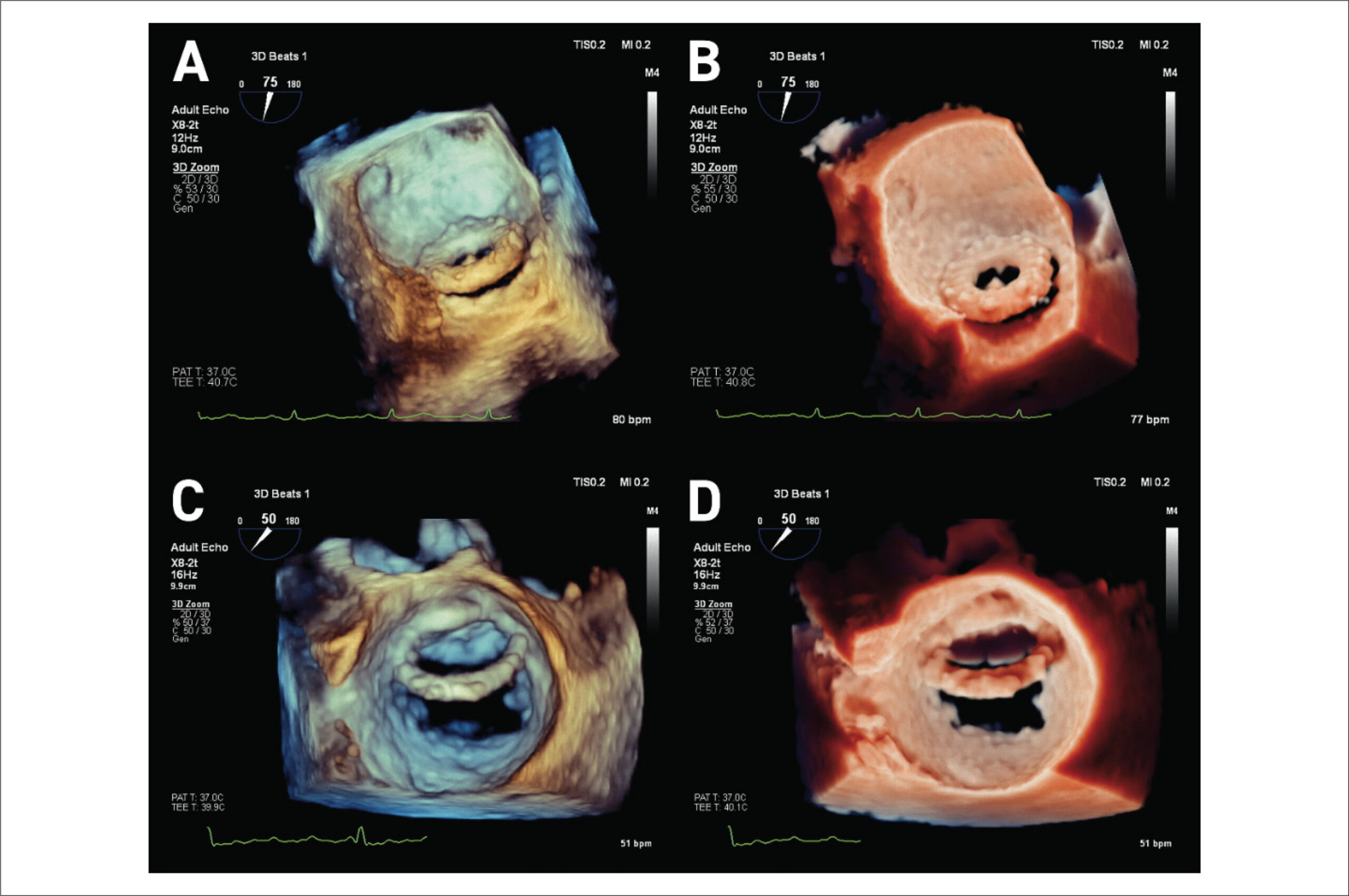
A 55-year-old man underwent mitral valve replacement with a caged-ball prosthesis (3M Starr-Edwards) at the age of 29. He was admitted with acute heart failure, functional New York Heart Association (NYHA) class III. Transthoracic echocardiography (TTE) showed a moderate-severe mitral periprosthetic leak; 3D-transesophageal echocardiography (TOE) showed prosthesis dehiscence, with a severe periprosthetic leak (). TI improved depth perception and accurate definition of the degree of prosthetic dehiscence, demonstrating a disinsertion of the mitral prosthesis, involving more than 50% of mitral circumference (; ).

[…]
  • Cardiovascular Diseases/diagnostic, imaging
  • Cardiovascular Diseases/physiopathology
  • Echocardiography, Three Dimensional / methods
  • Image Interpretation, Computer-Assisted
  • Mitral Valve/diagnosis
  • observer variation
  • Transillumination
Read Full Article
Creative Commons Attribution (CC BY) Creative Commons license
05/08/2022 DOI: 10.36660/abc.20210655
ABC
Editorial

Where are We Going with Natural Products? Exploring the True Potential of New Plant-Based Drugs in the Cardiovascular Field

Artur Santos-Miranda

Cardiovascular diseases are a leading cause of death worldwide. In the Brazilian population, it is estimated that approximately 41.6% of women and 63.5% of men are at medium to high risk of developing cardiovascular diseases in the next 10 years. Cardiac arrhythmias are common manifestations of cardiovascular diseases and configure an important cause of morbidity and mortality among cardiac diseases. After Vaughan-Williams’ classification of antiarrhythmic drugs based on their pharmacological actions, several new therapies and drugs were proposed, aiming to achieve a high efficacy with the least adverse effects. However, treatments with antiarrhythmic drugs and other agents used to treat cardiovascular conditions such as heart failure are often prone to pro-arrhythmic adverse responses., In addition, cardiac complications, such as arrhythmias, are also observed in treating other pathologies, including cancer, and during the use of antidepressants.,

Plant-based medicines have long been used in traditional/alternative medicine for the most diverse purposes. Its uses correlate with several factors, including family tradition, age, sex, education, socioeconomic status, and failure of conventional therapies. Among plant-based drugs, different types of terpenes have been explored as fragrances/repellents but also according to their medical potential in treating parasitic diseases, bacterial infection, wound healing, and as anti-inflammatory antioxidant agents. Moreover, the antiarrhythmic properties of some terpenes have been addressed using in vitro and experimental model approaches,, while other terpenes might actually have pro-arrhythmogenic activity.

[…]

  • Anti-Arrhythmics
  • Cardiotoxicity
  • Cardiovascular Diseases/physiopathology
  • Carvone
  • Medicinal Plants
  • Patch-Clamp Techniques
  • Risk Factors
  • Terpenes
Read Full Article
Creative Commons Attribution (CC BY) Creative Commons license
05/08/2022 DOI: 10.36660/abc.20220430 Views 1
ABC
Editorial

Prognosis of Heart Failure with Mid-Range Ejection Fraction: A Story or a Version?

Adriana Lopes Latado

The category “heart failure (HF) with mid-range ejection fraction” (HFmrEF), i.e., with left ventricular ejection fraction (LVEF) between 40-49%, was first described in 2016 in the European Society of Cardiology Guidelines on the syndrome. After that, much of the worldwide cardiology community has adopted HF’s classification into three categories of LVEF (reduced, mid-range and preserved), including the Brazilian Society of Cardiology (2018), despite existing uncertainties about the real meaning of the new classification and, more importantly, what the identification of HFmrEF subgroup would impact on clinical practice. Unlike most, the American Heart Association and the American College of Cardiology (2013) has used ‘borderline’ HF with preserved LVEF (HFpEF) to define patients with LVEF between 41 and 49%, which was not updated in the document of 2017.,

In this context, in 2021, different international cardiological societies published a report proposing a universal definition and classification of HF. Regarding the classification by LVEF, although attractive from a clinical and epidemiological point of view, authors reviewed the limitations of its use from different aspects and proposed HF categories in which therapeutic strategy would be different. HFmrEF became synonymous with “lightly reduced” LVEF HF, now including LVEF between 41-49%, which was also adopted by Brazilian HF Guidelines update, 2021.,

[…]

  • Atrial Fibrillation
  • Cardiovascular Diseases/physiopathology
  • Heart Failure/epidemiology
  • Heart Failure/physiopathology
  • Mortality
  • Prognosis
  • Stroke
Read Full Article
Creative Commons Attribution (CC BY) Creative Commons license
29/04/2022 DOI: 10.36660/abc.20220170
ABC
Editorial

Confinement and Cardiovascular Diagnosis in a Pandemic Season: The Difficult Balance on the Razor’s Edge

Nuno Bettencourt

The COVID-19 pandemic has had a strong impact on healthcare delivery worldwide. Cardiovascular diseases, including their acute forms, were no exception. In the first weeks of the pandemic, at the end of the first quarter of 2020, there was a clear reduction in resources to health services, both in scheduled care and in admissions for acute coronary syndromes, with a strong impact on the immediate prognosis and with future consequences not fully documented.,

In addition to the direct impact of the virus on the myocardium, which causes considerable morbidity and mortality,– there is also a reduction in access to health care – which occurred both as a result of a massive channeling of resources from the different health systems to the fighting the pandemic, as well as the population’s fear of resorting to these services during the pandemic – is having an important impact on the diagnosis and treatment of cardiovascular disease. Although the real dimension of this impact on the prognosis of patients with and without COVID has not yet been established, its importance likely exceeds the effects directly determined by the pandemic.

[…]

  • Cardiovascular Diseases/physiopathology
  • COVID-19
  • Health Status Disparities
  • Medical Care/methods
  • Needs Assessment/statistics & numerical data
  • Pandemics
  • Research/trends
Read Full Article
Creative Commons Attribution (CC BY) Creative Commons license
29/04/2022 DOI: 10.36660/abc.20220192 Views 1
Figure 1
IJCS
Original Article

Mortality from Cardiovascular Diseases: A Comparative Analysis between the Medical and Non-Medical Populations in Brazil

Giulia Guimarães Matos et al. Roberta Luise Carrilho Bittencourt Pacheco Lucélia Batista Neves Cunha Magalhães Katia de Miranda Avena

Abstract

Background:

Cardiovascular disease (CVD) is the leading cause of death worldwide, including among physicians. Professional peculiarities increase cardiovascular risk in this population, making it relevant to analyze mortality in the medical population (MPop) and non-medical population (NMPop).

Objectives:

To compare the CVD mortality coefficient (MC) in between MPop and NMPop in Brazil by analyzing the epidemiological profile and the main causes of deaths from CVD.

Methods:

Time-series study with data obtained from the Mortality Information System of the Federal Council of Medicine and the Brazilian Institute of Geography and Statistics, from 2014 to 2018. The variables age group, sex, race, occupation, and CVD that caused the death were assessed in MPop and NMPop. MC, relative risk and odds ratio between the populations were calculated. Tests for difference in proportions, with approximation to the normal distribution, and chi-squared tests were performed, assuming p<0.01 as statistically significant.

Results:

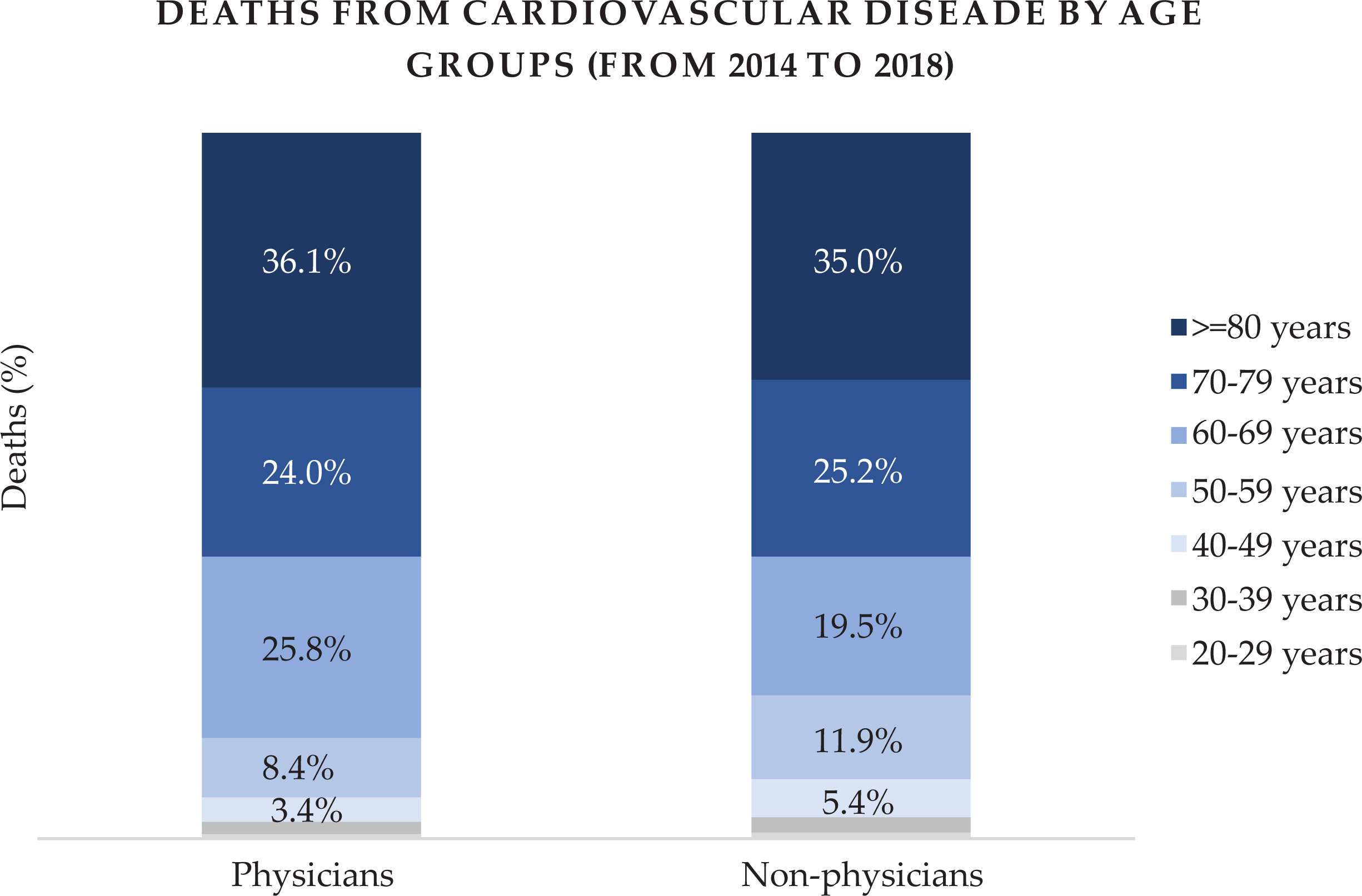
Both MPop and NMPop had a predominance of men (86.7% and 52.3%), senior citizens (85.9% and 79.7%) and white individuals (86.4% and 52.2%). The MCs of the MPop and NMPop was 92.2 and 255.1 deaths/100,000 individuals, respectively. The main cause of death was acute myocardial infarction (AMI) (32.5% and 24.6% in MPop and NMPop, respectively) followed by cerebrovascular accident (CVA) (5.1% and 10.5% in MPop and NMPop, respectively).

Conclusion:

In Brazil, mortality from CVD was more prevalent in white elderly males, and mainly caused by AMI and CVA. Being a doctor, man and over 60 years old represents a greater chance of death from CVD in comparison with non-physicians.

  • Brazil
  • Cardiovascular Diseases/physiopathology
  • Epidemiology
  • Mortality
  • Non-Physicians/statistics & numerical data
  • Physicians/statistics &numerical data
Read Full Article
Creative Commons Attribution (CC BY) Creative Commons license
25/02/2022 DOI: 10.36660/ijcs.20200406 Views 1
ABC
Editorial

Is Adolescents' Cardiometabolic Health Affected by Prolonged Periods of Inactivity?

Andrea Wendt

The current literature regarding physical activity (PA) and sedentary behavior (SB) highlights the negative effect of considerable amounts of time spent in activities such as sitting, TV viewing, computer use, and some work and study activities on cardiovascular health. SB may be defined as any waking behavior characterized by an energy expenditure ≤ 1.5 metabolic equivalents while in a sitting, reclining, or lying posture., Thus, SB is not the absence or low level of PA, but it can coexist with it. In this sense, a recent review showed an interaction between SB and PA, providing evidence that individuals with higher time spent in SB presented a higher risk of cardiovascular mortality. However, estimates have been less consistent in individuals with higher PA levels.

The literature cites a series of possible mechanisms for SB effects, independent of PA, on metabolic and cardiovascular outcomes. One of these mechanisms is the decrease in enzymatic activity responsible for HDL production and the capture of triglycerides in the blood chain due to sustained inactivity in sitting, reclining, or lying posture. In this regard, strategies reducing the time spent in SB or interrupting sustained inactivity have been studied. Some of these approaches focus on standing up for a while or a short period of movement between periods of sitting time (breaks in SB). A meta-analysis with adults found a positive effect of breaks in SB on adiposity control and glycemia. In addition, an experimental study showed that 1-to-2–minute breaks in sedentary work activities every half an hour resulted in small-to-moderate declines in total cholesterol, triglycerides, and fasting blood glucose.

[…]

  • Adolescent, Cholesterol
  • body mass index
  • Cardiovascular Diseases/physiopathology
  • Epidemiology
  • Metabolic Diseases
  • Motor Activity
  • Sedentarism
  • Triglycerides
Read Full Article
Creative Commons Attribution (CC BY) Creative Commons license
06/09/2021 DOI: 10.36660/abc.20210479
Figure 1
ABC
Original Article

Relationship between Innate Immune Response Toll-Like Receptor 4 (TLR-4) and the Pathophysiological Process of Obesity Cardiomyopathy

Pedro Henrique Rizzi Alves et al. Artur Junio Togneri Ferron Mariane Róvero Costa Fabiana Kurokawa Hasimoto … Cristina Schmitt Gregolin Jéssica Leite Garcia Dijon Henrique Salomé de Campos Antônio Carlos Cicogna Letícia de Mattei Fernando Moreto Silméia Garcia Zanati Bazan Fabiane Valentini Francisqueti-Ferron Camila Renata Corrêa

Abstract

Background

Obesity is a chronic low-grade inflammation condition related to cardiac disorders. However, the mechanism responsible for obesity-related cardiac inflammation is unclear. The toll-like receptor 4 (TLR-4) belongs to a receptor of the transmembrane family responsible for the immune response whose activation stimulates the production of proinflammatory cytokines.

Objective

To test whether the activation of the TLR-4 receptor participates in the obesity cardiomyopathy process, due to cytokine production through NF-ĸB activation.

Methods

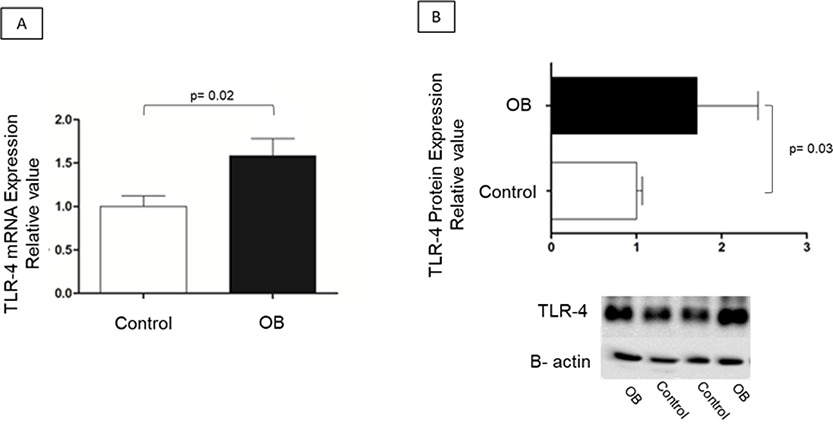
Male Wistar rats were randomized into two groups: the control group (C, n= 8 animals) that received standard diet/water and the obese group (OB, n= 8 animals) that were fed a high sugar-fat diet and water plus 25% of sucrose for 30 weeks. Nutritional analysis: body weight, adiposity index, food, water, and caloric intake. Obesity-related disorders analysis: plasma glucose, uric acid and triglycerides, HOMA-IR, systolic blood pressure, TNF-α in adipose tissue. Cardiac analysis included: TLR-4 and NF-ĸB protein expression, TNF-α and IL-6 levels. Comparison by unpaired Student’s t-test or Mann- Whitney test with a p-value < 0.05 as statistically significant.

Results

The OB group showed obesity, high glucose, triglycerides, uric acid, HOMA, systolic blood pressure, and TNF-α in adipose tissue. OB group presented cardiac remodeling and diastolic dysfunction. TLR-4 and NF-ĸB expression and cytokine levels were higher in OB.

Conclusion

Our findings conclude that, in an obesogenic condition, the inflammation derived from cardiac TLR-4 activation can be a mechanism able to lead to remodeling and cardiac dysfunction.

  • Adipocytes
  • Cardiovascular Diseases/physiopathology
  • Cytokines
  • Fatty Acid synthases
  • Inflammation
  • Nutrional Assessment
  • Obesity
Read Full Article
Creative Commons Attribution (CC BY) Creative Commons license
26/07/2021 DOI: 10.36660/abc.20190788 Views 1
Figure 1
ABC
Case Report

Dilated Cardiomyopathy: New Variant in the Filamin-C Gene

Murilo Zomer Frasson et al. Cristiano Pederneiras Jaeger

Case Report

This is a case report of a 50-year-old male patient who came to the emergency department of our institution with a complaint of progressive dyspnea for a week. The patient reported a previous history of fibromyalgia and denied other comorbidities, such as myocardial infarction or stroke. He denied current smoking, but occasionally used alcohol. His routine medications included duloxetine, pregabalin and zolpidem. His mother and cousins had a history of heart failure due to idiopathic dilated cardiomyopathy, with no other cardiovascular comorbidities in his family history.

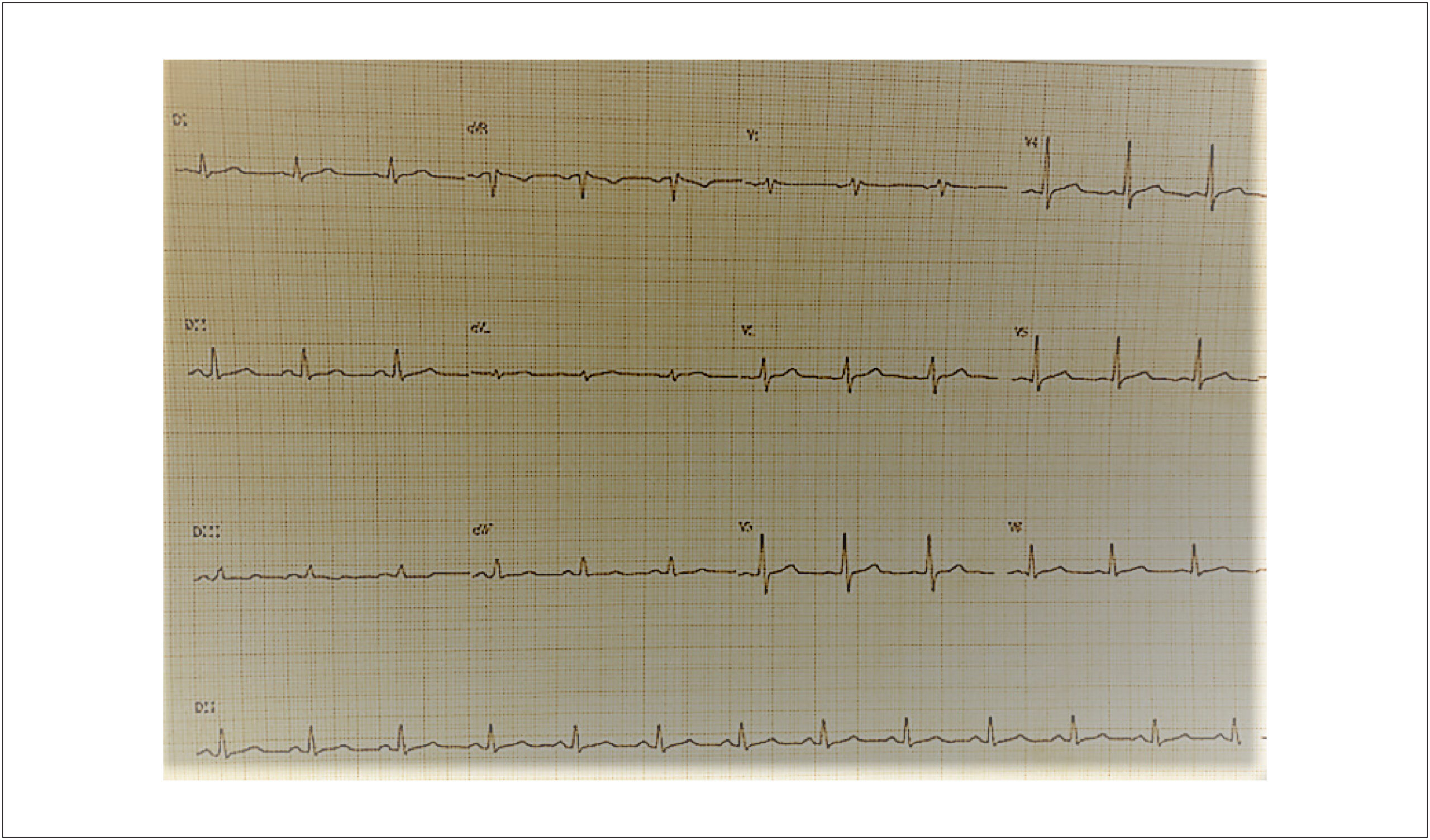
On physical examination, he showed stable vital signs, crackles in the lung bases and edema in the lower limbs. Cardiac auscultation showed normal heart sounds. The electrocardiogram showed sinus rhythm, with no signs of atrial or ventricular overload (). The chest radiography revealed cardiomegaly. The laboratory tests showed an NT-pro-BNP of 2335 pg/mL, and the series of ultrasensitive T-troponins revealed consecutive values of 0.074 ng/mL and 0.072 ng/mL (reference value < 0.014 ng/mL).

[…]

  • Cardiomyopathy, Dilated/genetics
  • Cardiovascular Diseases/physiopathology
  • Filamins
  • Heart Failure
Read Full Article
Creative Commons Attribution (CC BY) Creative Commons license
19/07/2021 DOI: 10.36660/abc.20200199 Views 1
Figure 1
ABC
Research Letter

The Role of the Endothelium in Severe COVID-19

Simone Cristina Soares Brandão et al. Emmanuelle Tenório Albuquerque Madruga Godoi Júlia de Oliveira Xavier Ramos Leila Maria Magalhães Pessoa de Melo … Luca Terracini Dompieri Djair Falcão Brindeiro Filho Emanuel Sávio Cavalcanti Sarinho

Introduction

Studies have unveiled a significant link between the severity of COVID-19 ( CO rona VI rus D isease 2019) and immune markers. It is well-known that the endothelium participates actively in the immune response and interacts closely with the coagulation system. Chronic inflammatory processes of the endothelium are involved in the physiopathology of cardiovascular diseases (CVDs) and metabolic diseases. These diseases can negatively impact the evolution of COVID-19 and an exacerbated immune response of the endothelium seems to be a determining factor of this effect.

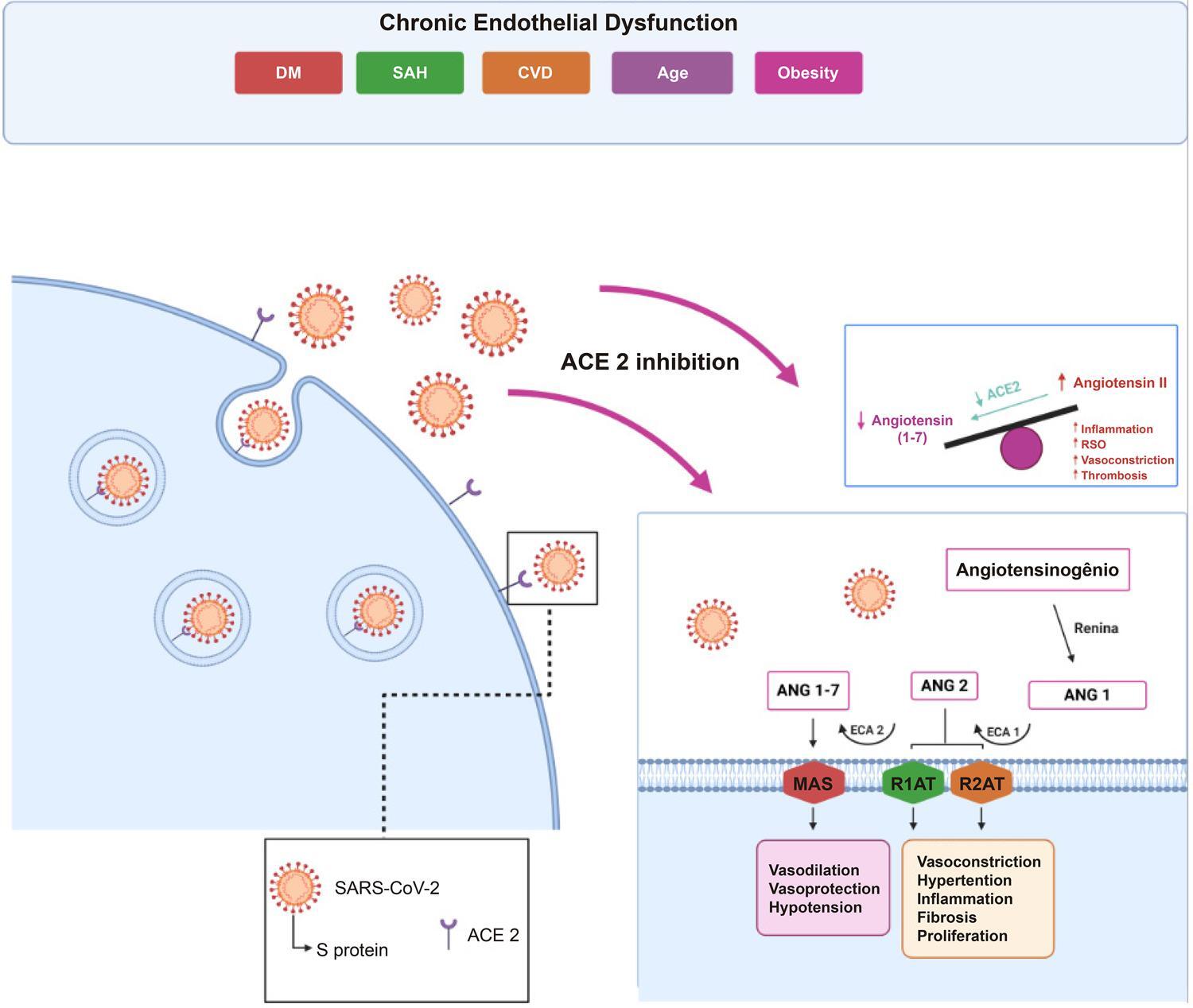
Coronavirus 2 of the Severe Acute Respiratory Syndrome (SARS-CoV-2) causes infection by means of the link of the S protein to the Angiotensin-Converting Enzyme 2 (ACE 2) on the surface of human cells. In this sense, a reduction in the availability of this enzyme can be observed, which is widely expressed in a number of bodily tissues, most notably, the lungs, heart, and endothelium, with a disorder in the modulation of the renin-angiotensin-aldosterone system (RAAS). Consequently, what can be seen is a favoring of the greater concentration of angiotensin 2 with a series of deleterious actions against our organism. Conditions associated with the chronic dysfunction of the endothelium, such as age, systemic arterial hypertension (SAH), CVD, diabetes, and obesity are the most common in patients with severe COVID-19 ( ). ,

[…]

  • Atherosclerosis
  • Betacoronavirus
  • Cardiovascular Diseases/physiopathology
  • COVID-19
  • Endothelium
  • Immunity
  • Thrombosis
Read Full Article
Creative Commons Attribution (CC BY) Creative Commons license
18/01/2021 DOI: 10.36660/abc.20200643 Views 1
Figure 1
ABC
Original Article

Implementation of a Best Practice in Cardiology (BPC) Program Adapted from Get With The Guidelines®in Brazilian Public Hospitals: Study Design and Rationale

Fabio Papa Taniguchi et al. Sabrina Bernardez-Pereira Suzana Alves Silva Antônio Luiz Pinho Ribeiro … Louise Morgan Anne B. Curtis Kathryn Taubert Denilson Campos de Albuquerque Bernadete Weber Pedro Paulo Magalhães Chrispim Camila Pereira Pinto Toth Erica Deji Moura Morosov Gregg C. Fonarow Sidney C Smith Jr Angelo Amato Vincenzo de Paola

Abstract

Background

There are substantial opportunities to improve the quality of cardiovascular care in developing countries through the implementation of a quality program.

Objective

To evaluate the effect of a Best Practice in Cardiology (BPC) program on performance measures and patient outcomes related to heart failure, atrial fibrillation and acute coronary syndromes in a subset of Brazilian public hospitals.

Methods

The Boas Práticas em Cardiologia (BPC) program was adapted from the American Heart Association’s (AHA) Get With The Guidelines (GWTG) Program for use in Brazil. The program is being started simultaneously in three care domains (acute coronary syndrome, atrial fibrillation and heart failure), which is an approach that has never been tested within the GWTG. There are six axes of interventions borrowed from knowledge translation literature that will address local barriers identified through structured interviews and regular audit and feedback meetings. The intervention is planned to include at least 10 hospitals and 1,500 patients per heart condition. The primary endpoint includes the rates of overall adherence to care measures recommended by the guidelines. Secondary endpoints include the effect of the program on length of stay, overall and specific mortality, readmission rates, quality of life, patients’ health perception and patients’ adherence to prescribed interventions.

Results

It is expected that participating hospitals will improve and sustain their overall adherence rates to evidence-based recommendations and patient outcomes. This is the first such cardiovascular quality improvement (QI) program in South America and will provide important information on how successful programs from developed countries like the United States can be adapted to meet the needs of countries with developing economies like Brazil. Also, a successful program will give valuable information for the development of QI programs in other developing countries.

Conclusions

This real-world study provides information for assessing and increasing adherence to cardiology guidelines in Brazil, as well as improvements in care processes. (Arq Bras Cardiol. 2020; [online].ahead print, PP.0-0)

  • Acute coronary syndrome
  • Atrial Fibrillation
  • Cardiovascular Diseases/physiopathology
  • Guidelines as Topic
  • Heart Failure
  • Quality Improvement/trends
Read Full Article
Creative Commons Attribution (CC BY) Creative Commons license
07/08/2020 DOI: 10.36660/abc.20190393
Figure 1
ABC
Original Article

Decreased Collagen Type I is Associated with Increased Metalloproteinase-2 Activity and Protein Expression of Leptin in the Myocardium of Obese Rats

Danielle Cristina Tomaz da Silva-Bertani et al. Danielle Fernandes Vileigas Gustavo Augusto Ferreira Mota Sérgio Luiz Borges de Souza … Loreta Casquel De Tomasi Dijon Henrique Salomé de Campos Adriana Fernandes de Deus Paula Paccielli Freire Carlos Augusto Barnabe Alves Carlos Roberto Padovani Antonio Carlos Cicogna

Abstract

Background

Obesity is a risk factor for medical complications, including the cardiovascular system. There is limited information on collagen in the heart in obesity. Our previous study showed decreased protein levels of myocardial collagen type I in obese rats fed a high-fat diet for 34 weeks. However, the mechanisms responsible for low levels are not fully elucidated.

Objective

The purpose of this study was to test the hypothesis that the reduction in collagen type I is associated with increased metalloproteinase-2 (MMP-2) activity, which is linked to elevated leptin in the myocardium of obese rats.

Methods

Thirty-day-old male Wistar rats were randomized into two groups, control (standard diet) and obese (high-fat diet), and fed for 34 weeks. The general animal characteristics and metabolic and endocrine profiles were evaluated. Myocardial protein expressions of collagen I, leptin, tissue inhibitors of metalloproteinases (TIMP), and MMP-2 activity were assessed. Pearson correlation was employed to determine the associations between variables. The level of significance was 5%.

Results

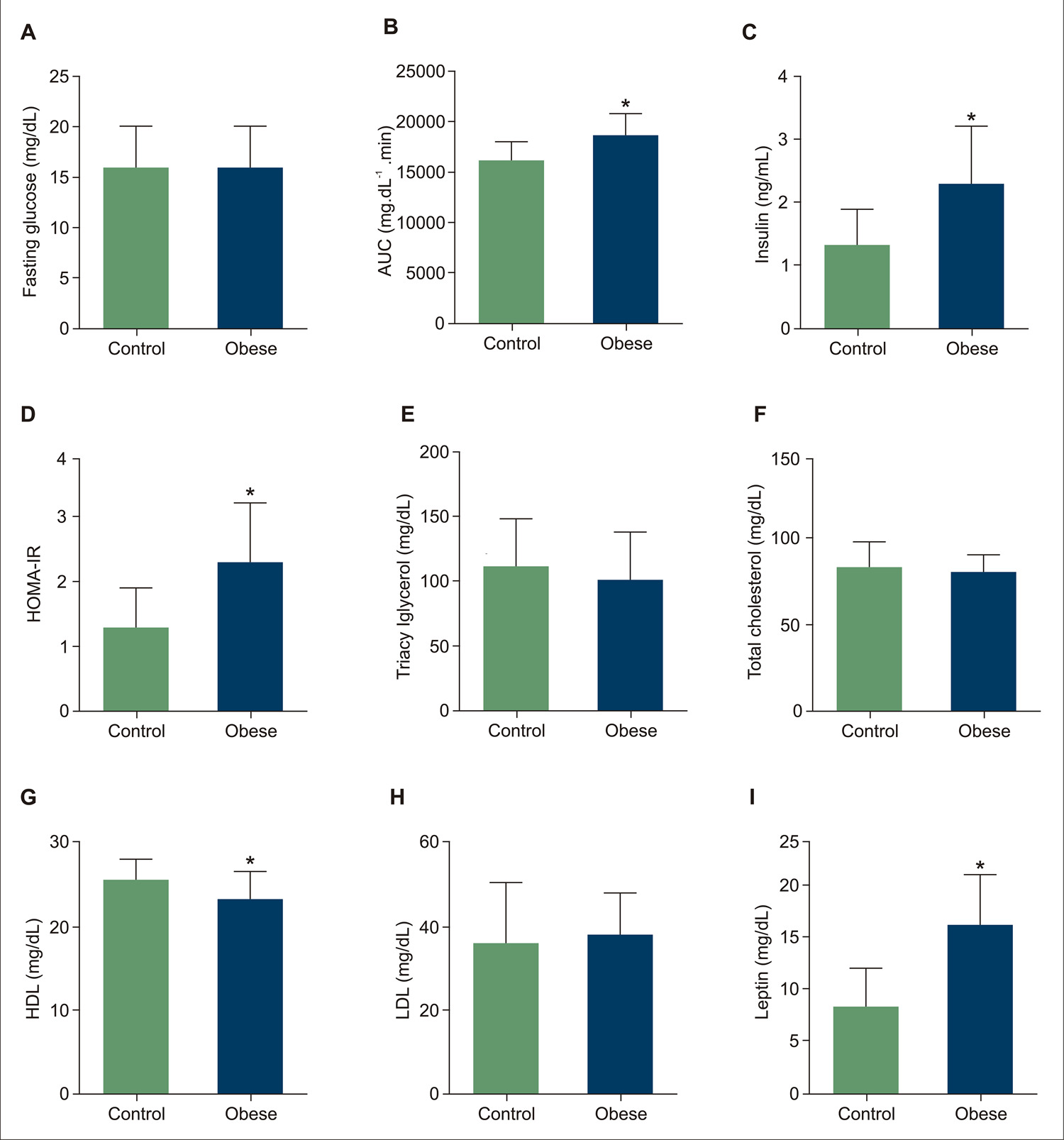
The obese animals had increased adiposity index compared to control. Comorbidities such as glucose intolerance, hyperinsulinemia, insulin resistance, hyperleptinemia, and hypertension were observed in obese rats. Obesity reduced collagen I, TIMP-1, and TIMP-2, and it increased leptin and MMP-2 in the myocardium. There was a negative correlation between collagen I and MMP-2 and a positive correlation between leptin and MMP-2.

Conclusion

The hypothesis was confirmed; the reduction in collagen type I is associated with increased MMP-2 activity and leptin expression in the myocardium of obese rats. (Arq Bras Cardiol. 2020; 115(1):61-70)

  • Adiposity
  • Cardiovascular Diseases/physiopathology
  • Collagen Type 1
  • Leptin
  • Metaloproteinase-2
  • Obesity
  • Rats
  • Tissue Inhibitor of Metalloproteinases
Read Full Article
Creative Commons Attribution (CC BY) Creative Commons license
07/08/2020 DOI: 10.36660/abc.20180143
Figure 1
IJCS
Original Article

Factors Associated with Quality of Life in Patients with Systemic Arterial Hypertension

Gustavo O. Silva et al. Aluísio Andrade-Lima Antônio Henrique Germano-Soares Dalton de Lima-Junior … Sergio L. C. Rodrigues Raphael M. Ritti-Dias Breno Q. Farah

Abstract

Background

Hypertensive patients present, in addition to worse cardiovascular health, lower health-related quality of life compared to normotensive subjects. Factors such as functional capacity, functional status, pain, participation in social activities, mental and emotional health, fatigue and energy level, along with perception of general health, seem to be relevant for evaluation in this population. However, evidence is unclear in hypertensive patients.

Objective

To analyze the factors associated with quality of life in hypertensive patients.

Methods

Forty-five patients were recruited. The dependent variables of the present study are the quality of life domains. Demographic data and clinical conditions were considered independent variables. The Medical Outcomes Short-Form Health Survey (SF-36) questionnaire was used to measure quality of life. Handgrip strength, blood pressure and anthropometric indicators were evaluated. Crude and adjusted linear regression analysis was used.

Results

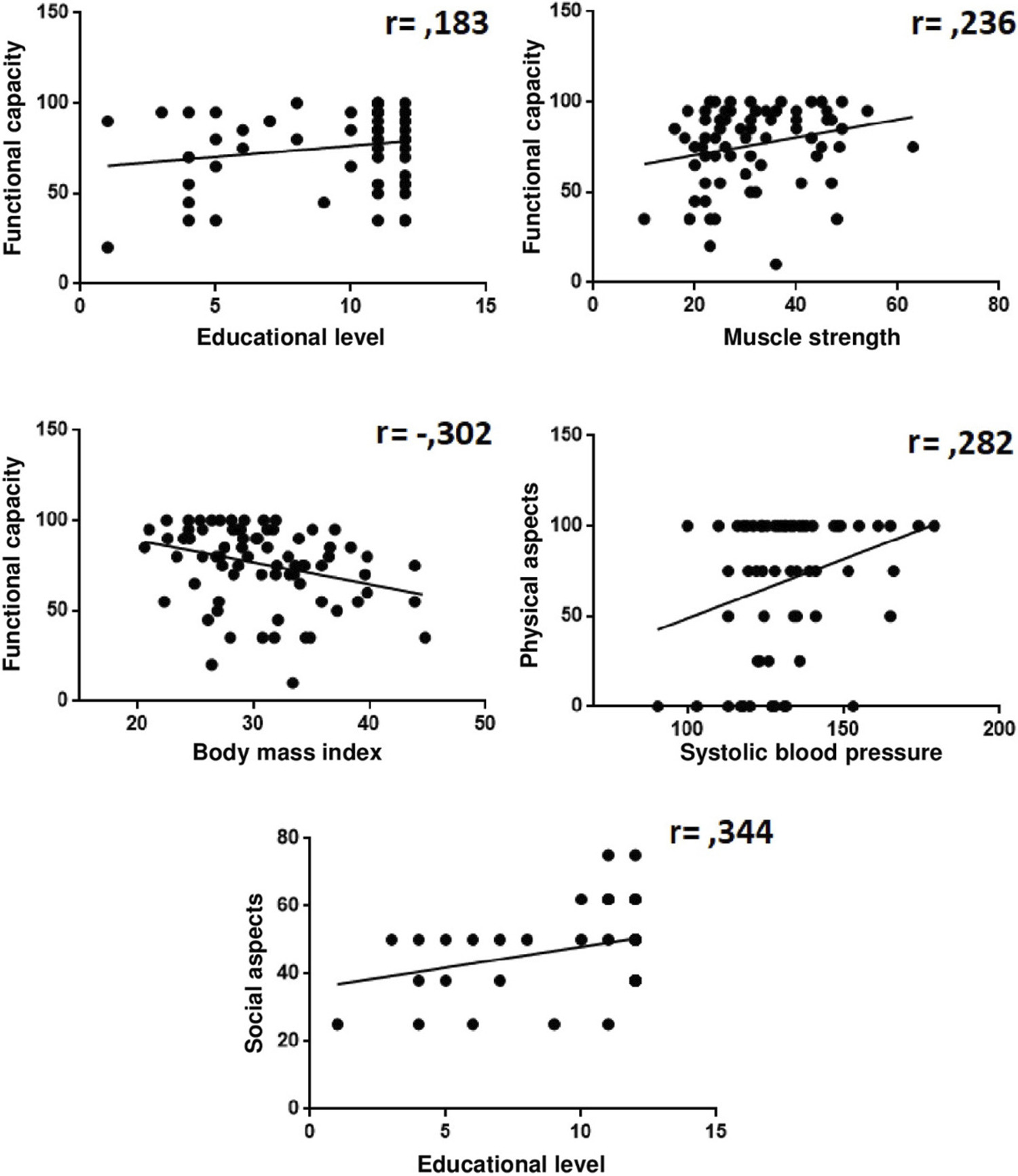
It was verified that education level, body mass index and muscle strength were associated with the functional capacity domain (p < 0,05), whereas systolic blood pressure was associated with the physical domain (p < 0,05). Women presented lower quality of life on the pain domain compared to men and educational level was associated with the social domain (p < 0,05).

Conclusion

Hypertensive patients with lower levels of body mass index, higher levels of education and muscle strength presented a better quality of life on the physical domain, while the social aspects presented a positive relationship with education level. Women presented a worse quality of life on the pain domain compared to men. (Int J Cardiovasc Sci. 2020; 33(2):133-142)

  • Cardiovascular Diseases/physiopathology
  • Exercise
  • Hypertension
  • Quality of life
  • Risk Factors
  • vital capacity
Read Full Article
Creative Commons Attribution (CC BY) Creative Commons license
03/04/2020 DOI: 10.5935/2359-4802.20190092 Views 2
Figure 1
ABC
Original Article

Left Ventricular Remodeling Patterns in Primary Healthcare

Roberto de Castro Meirelles de Almeida et al. Antonio José Lagoeiro Jorge Maria Luiza Garcia Rosa Adson Renato Leite … Dayse Mary S. Correia Evandro Tinoco Mesquita Sergio Chermont Jocemir Ronaldo Lugon Wolney de Andrade Martins

Abstract

Background:

Left ventricular remodeling (LVR) is related to both non-fatal and fatal outcomes.

Objective:

To describe the geometric patterns of the LV and their associations.

Methods:

A total of 636 individuals between the ages of 45 and 99 years in Rio de Janeiro, Brazil, were submitted to clinical evaluation, laboratory tests, electrocardiogram, and tissue Doppler echocardiography (TDE). The difference between categories was tested with Kruskall-Wallis with post hoc tests, once all variables studied are non-normally distributed and Pearson’s Qui-square (categorical variables). Gross and adjusted ORs were estimated by logistic regression. The level of significance was 5% for all tests. Subjects had LVR characterized as: normal geometry (NG), concentric remodeling (CR), concentric hypertrophy (CH), and eccentric hypertrophy (EH).

Results:

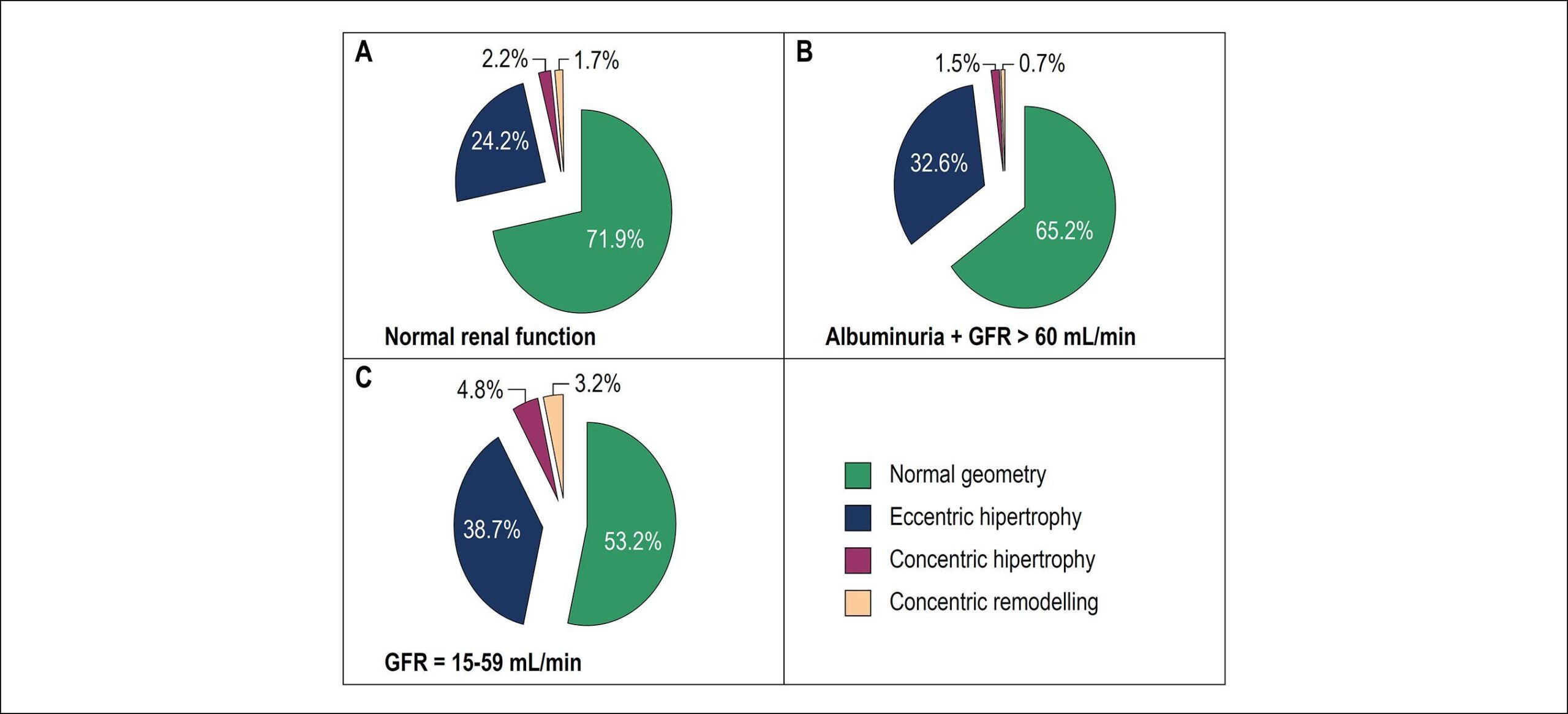
The prevalence of altered patterns was 33%. Subjects presented NG (n = 423; 67%); EH (n = 186; 29%); CH (n = 14; 2%); and CR (n = 13; 2%). The variables of gender, age, level of education and albumin/creatinine ratio (A/C), showed a relationship with the chance of EH even after adjustment.

Conclusion:

Approximately one third of the studied individuals had LVR and were at risk for developing heart failure. Altered A/C in urine was associated with EH, indicating an early relationship between cardiac and renal dysfunction.

  • Cardiovascular Diseases/physiopathology
  • Comorbidity
  • Heart Failure
  • Hypertrophy Left Ventricular
  • Renal Insufficiency
  • Risk Factors/complications
  • Ventricular Remodeling
Read Full Article
Creative Commons Attribution (CC BY) Creative Commons license
10/02/2020 DOI: 10.36660/abc.20180258
ABC
Editorial

Cardiovascular Risk Factors in Childhood Claim for Public Health Policies

Tania L. R. Martinez et al. Abel Pereira Anita L. R. Saldanha

Obesity is presently a pandemic public health problem not only in developed countries but also in developing ones. As its incidence is increasing in childhood and adolescence as well this issue becomes alarming considering its evolution and associations. The multiple comorbidities such as hypertension, hyperlipidemia and insulin resistance that accompany obesity increase the risk of cardiovascular mortality whilst worsening quality of life in adults. It is always appropriate to reinforce the fact that the atherosclerotic process starts at an early stage in life– as demonstrated in autopsies of children with strong association between LDL cholesterol levels prior to death and the presence of fatty streaks in the aorta. This observation has been documented in various reports in Brazil demonstrating that public health policies must be reinforced towards this problem.–

In different approaches in schoolchildren of a city in Sao Paulo for over ten years we have been studying the impact of biochemical, anthropometric, nutritional status, clinical, socio-cultural and economic conditions.

[…]

  • Cardiovascular Diseases/physiopathology
  • Child
  • Diabetes Mellitus
  • Hyperlipidemias
  • Hypertension
  • Insulin Resistance
  • Obesity
  • Risk Factors
Read Full Article
Creative Commons Attribution (CC BY) Creative Commons license
15/07/2019 DOI: 10.5935/abc.20190103
IJCS
Original Article

Cardiovascular Risk and Metabolic Syndrome in Individuals with Mental Disorders

Sarah de Melo Rocha Cabral et al. Marize Melo dos Santos

Abstract

Background:

Patients with mental disorders are more susceptible to cardiovascular diseases and metabolic disorders compared to the general population.

Objective:

To evaluate cardiovascular risk and metabolic syndrome in individuals with mental disorders.

Materials and methods:

A cross-sectional study, conducted at the Psychosocial Care Centers. Socioeconomic, clinical, biochemical and anthropometric data were collected using a standard form. Cardiovascular risk was assessed by the Framingham risk score. Metabolic syndrome (MS) was determined by the World Health- Organization (WHO), the National Cholesterol Education Program (NCEP) and the International Diabetes Federation (IDF) criteria. Data were analyzed by descriptive statistics, and associations were evaluated by the chi-square test and Fisher’s exact test, as well as Odds Ratio. The significance level adopted for all statistical tests was 5%.

Results:

The chance of individuals diagnosed with MS be at intermediate-to-high cardiovascular risk was greater (12.22, 8.01 and 6.23 times higher according to WHO, NCEP and IDF criteria, respectively) than those without MS.

Conclusion:

A high percentage of patients with mental disorders were at intermediate / high cardiovascular risk, and this was significantly associated with MS.

  • Cardiovascular Diseases/physiopathology
  • Mental Disorders
  • Mental Health
  • Metabolic Syndrome
  • Patient Care Team Psychosocial Support Systems
Read Full Article
Creative Commons Attribution (CC BY) Creative Commons license
01/04/2019 DOI: 10.5935/2359-4802.20190027 Views 3
Figure 1
ABC
Review Article

PCSK9 Inhibitors: Clinical Relevance, Molecular Mechanisms, and Safety in Clinical Practice

Filipe Ferrari et al. Ricardo Stein Marcelo Trotte Motta Emilio Hideyuki Moriguchi

Abstract

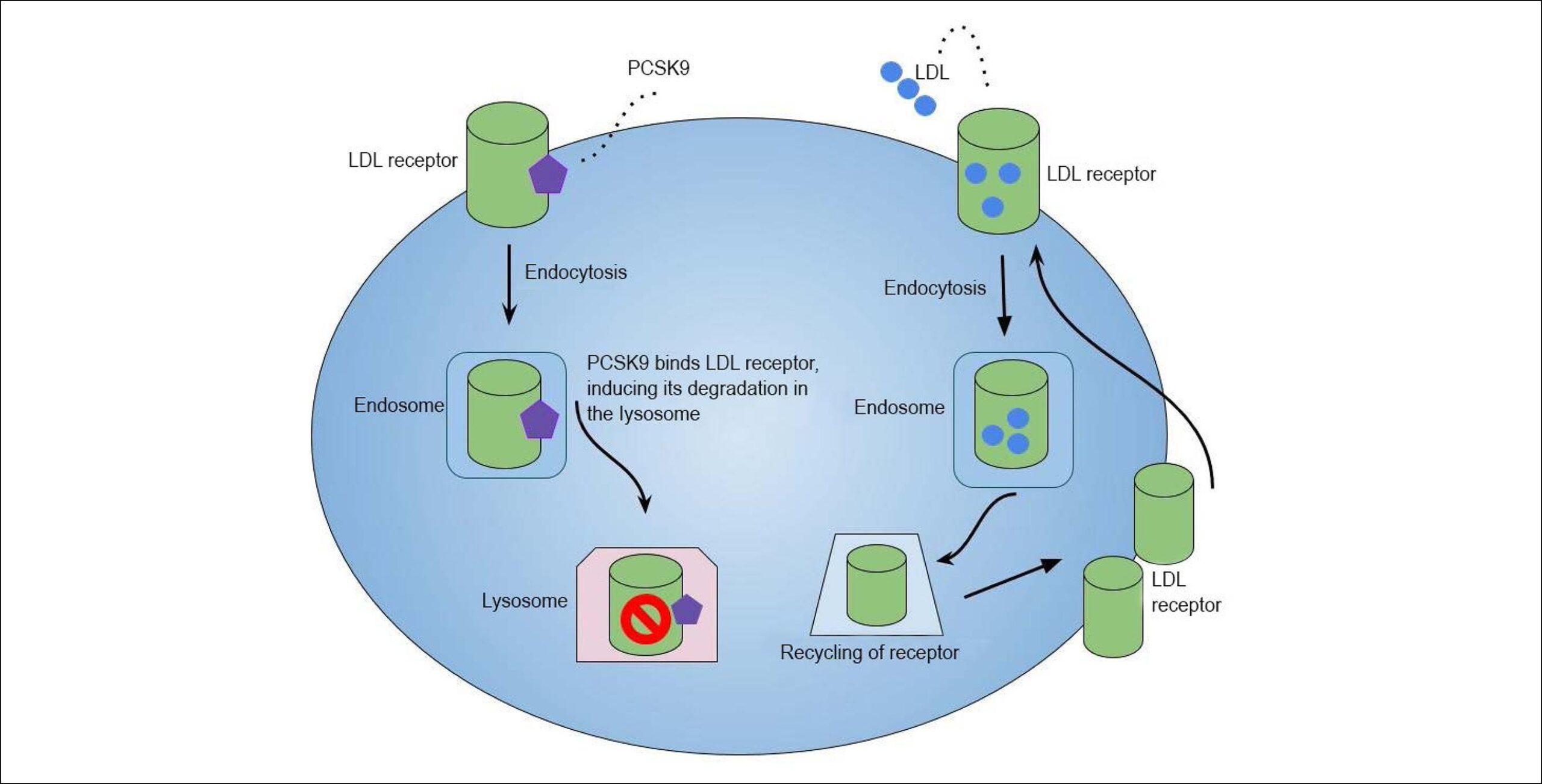
Coronary artery disease (CAD) is one of the leading causes of mortality. High circulating levels of low-density lipoprotein (LDL) in the blood are associated with cardiovascular mortality, whether through an etiological role or through its association with the progression of CAD per se. Randomized clinical trials have shown that, when LDL levels are reduced, cardiovascular risk is also reduced, which reinforces this association. The first major trial involving a hypolipidemic agent of the statin family, the Scandinavian Simvastatin Survival Study (4S), was published in 1994 and found a significant reduction in mortality in patients at high cardiovascular risk. However, even in subsequent studies with different statins, a residual risk persisted, and this seems not to have changed over time; it is speculated that this risk may be due to statin intolerance. In this scenario, the potential exists for novel hypolipidemic agents to drive a true revolution in the therapy of dyslipidemia. The recent discovery of PCSK9 inhibitors (PCSK9i), a class of hypolipidemic monoclonal antibodies, is extremely promising. PCSK9 inhibition is capable of promoting a mean LDL reduction of up to 60%, with potential for very significant clinical repercussions, as every 38 mg/dL reduction in LDL appears to be associated with a 22% reduction in cardiovascular risk. This review addresses a brief history of PCSK9i, major trials of these drugs, cardiovascular outcomes, and aspects related to their efficacy and safety. Finally, the molecular mechanisms and possible pleiotropic effects of PCSK9i are also discussed.

  • Anticholesteromic Agents
  • Cardiovascular Diseases/physiopathology
  • Cholesterol, LDL
  • Coronary Artery Disease / mortality
  • Lipoproteins
  • Proprotein Convertase 9
Read Full Article
Creative Commons Attribution (CC BY) Creative Commons license
28/02/2019 DOI: 10.5935/abc.20190029 Views 1
ABC
Original Article

Validation of the Brazilian Version of CADE-Q II to Assess Knowledge of Coronary Artery Disease Patients

Rafaella Zulianello dos Santos et al. Gabriela Lima Melo Ghisi Christiani Decker Batista Bonin Gabriela Chaves … Clarissa Machado Haase Raquel Rodrigues Britto Magnus Benetti

Abstract

Background:

The Coronary Artery Disease Education Questionnaire (CADE-Q), an instrument aimed at assessing patients’ knowledge about coronary artery disease (CAD), was originally developed and psychometrically validated in Brazil. It was later translated, cross-culturally adapted, and validated to English. Although both versions demonstrated good reliability and validity, new studies in the area have pointed out the need of implementing the CADE-Q with other components of cardiac rehabilitation (CR) programs, such as psychologic factors, which had not been considered in previous version and were added in the subsequent, adapted version. Thus, a second version of CADE-Q was developed in English, the CADE-Q II.

Objective:

to translate, culturally adapt and psychometrically validate the CADE-Q II in Brazilian Portuguese.

Methods:

After translation and review by a Committee of specialists in CR, a version in Brazilian Portuguese was generated and tested in 307 patients in CR. Test-retest reliability was assessed by intraclass correlation coefficient (ICC) in 49 patients; internal consistency was assessed using Cronbach’s alpha (α); and, criterion validity was assessed regarding patients’ educational level and family income. The level of significance adopted for all tests was 5%.

Results:

After the ICC analysis, 4 items were excluded. The questionnaire was considered internally consistent (α > 0.7). Associations were found between the mean total scores and the variables schooling (p < 0.001) and income (p < 0.001). Median total score was 53 (14) points corresponding to 65.4% of the total possible score.

Conclusion:

The Portuguese version of the CADE-Q II showed sufficient reliability, consistency and validity, supporting its use in future studies.

  • Cardiac Rehabilitation
  • Cardiovascular Diseases/physiopathology
  • Coronary Artery Disease
  • Patient Education as Topic
  • Surveys and Questionnaires
  • Validation Studies
Read Full Article
Creative Commons Attribution (CC BY) Creative Commons license
17/12/2018 DOI: 10.5935/abc.20180244 Views 1
IJCS
Original Article

Behavior of Pulmonary Function after Hospital Discharge in Patients Submitted to Myocardial Revascularization

André Luiz Lisboa Cordeiro et al. Letícia Gardênia Romualdo da Silva Milena Oliveira Pinto Jaclene da Silva Araújo … André Raimundo Guimarães Jefferson Petto

Abstract

Background:

Coronary artery bypass grafting (CABG) is a type of surgery where there is a compromise in one or more coronary arteries, with the objective of restoring function to the areas that have been compromised in the heart, possibly leading to respiratory compromise and postoperative complications. The return time of the pulmonary function to the preoperative condition is still indeterminate in the literature.

Objective:

To describe the behavior of pulmonary function after hospital discharge in patients submitted to CABG.

Methods:

This is a prospective cohort study. Only patients undergoing MRI, whose lung function was evaluated preoperatively, at hospital discharge and 30 days after surgery, were evaluated. This evaluation consisted of maximum inspiratory pressure (MIP) and expiratory (MEP), vital capacity (VC) and expiratory flow peak (EFP).

Results:

A total of 30 patients were evaluated, of which 18 (60%) were males, mean age 62 ± 9 years. A reduction in lung function from preoperative time to hospital discharge was observed in all variables. There was improvement in MIP (88 ± 9 vs 109 ± 5, p < 0.001), MEP (67 ± 10 for 90 ± 8, p < 0.001) and EFP (310 ± 59 for 390 ± 32, p < 0.001), high for review. At the time of the review, no variables returned to their preoperative value: MIP (116 ± 5 for 109 ± 5, p = 0.43), MEP (111 ± 8 for 90 ± 8, p < 0.001), VC (45 ± 12 for 39 ± 7, p = 0.33) and EFP (430 ± 40 for 390 ± 32, p < 0.001).

Conclusion:

It is concluded that MRI surgery reduces lung function and is not reestablished after 30 days of the procedure. Being the expiratory muscular force and the peak of expiratory flow the most affected.

  • Cardiovascular Diseases/physiopathology
  • Coronary Artery Bypass, Myocardial Infarction
  • Myocardial Revascularization
  • Patient Discharge
Read Full Article
Creative Commons Attribution (CC BY) Creative Commons license
17/12/2018 DOI: 10.5935/2359-4802.20180092 Views 1
Figure 1
ABC
Brief Communication

Is it Possible to Easily Identify Metabolically Healthy Obese Women?

Mauara Scorsatto et al. Glorimar Rosa Aline de Castro Pimentel Ronir Raggio Luiz Gláucia Maria Moraes de Oliveira

Abstract

Background: Obesity is recognized as a major risk factor for the development of several metabolic complications. However, some obese individuals have a favorable metabolic profile.

Objective: The aim of this study was to identify an easy parameter for recognizing metabolically healthy obese (MHO) women.

Methods: A total of 292 non-diabetic women with a body mass index (BMI) ≥ 30 kg/m2 were selected, and 239 composed the final cohort. We classified the participants according to their metabolic state determined by homeostasis model assessment (HOMA) into MHO or metabolically unhealthy obese (MUO). Both groups were compared regarding biochemical, anthropometric, and body composition characteristics.

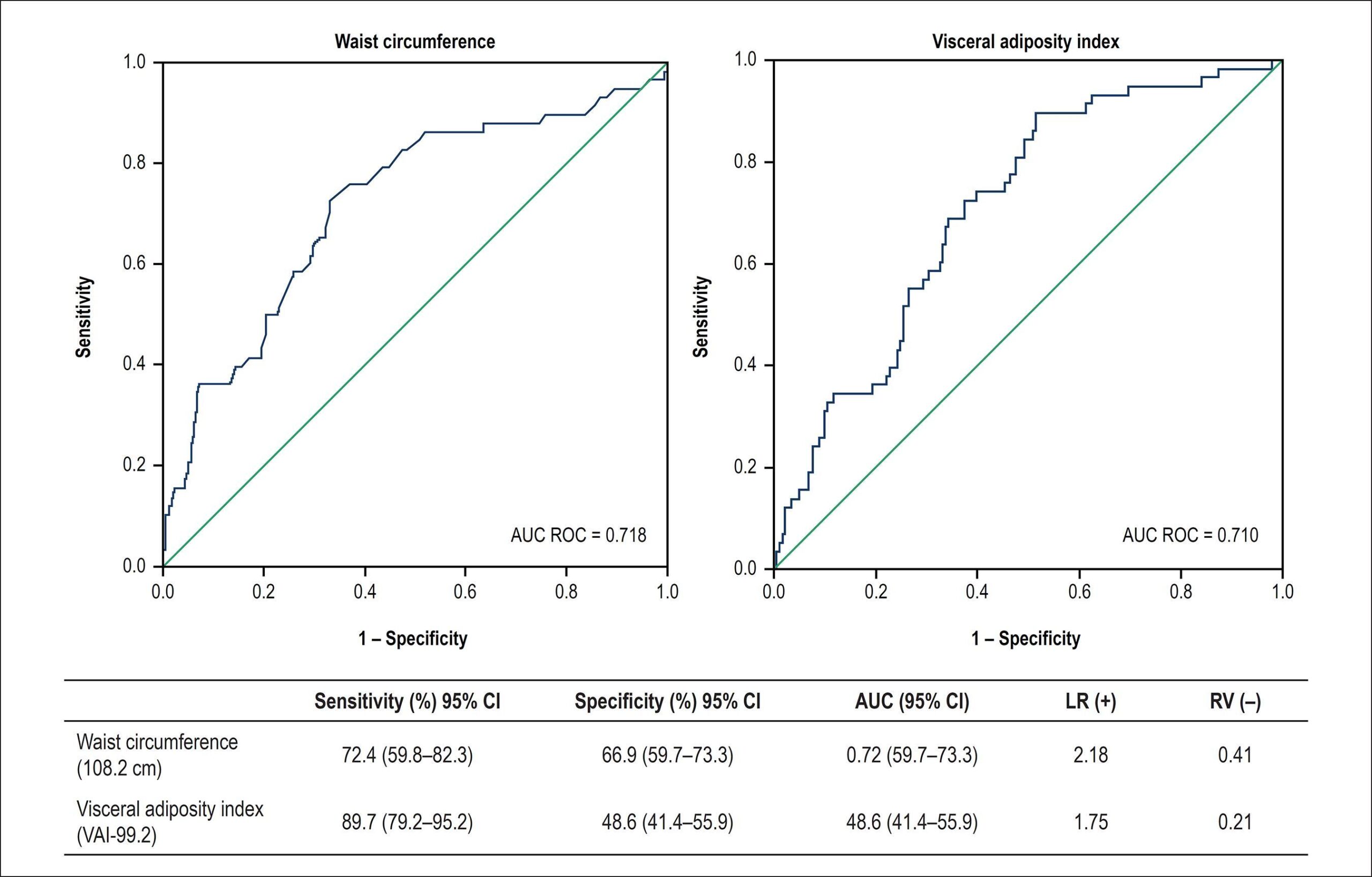
Results: The average age of the cohort was 43.9 ± 10.9 years and the average BMI was 37.2 ± 5.3 kg/m2. In total, 75.7% of the participants were classified as MHO by HOMA. A cutoff of 108.2 cm for waist circumference (WC) identified MHO participants with a sensitivity of 72.4% (95% confidence interval [CI]: 59.8-82.3%), specificity of 66.9% (95% CI: 59.71-73.3%), and negative likelihood ratio of 0.41 (95% CI: 0.36-0.47). Additionally, a visceral adiposity index cutoff value of 99.2 identified MHO women with a sensitivity of 89.7% (95% CI: 79.2-95.2%), specificity of 48.6% (95% CI: 41.4-55.9%), and negative likelihood ratio of 0.21 (95% CI: 0.15-0.30).

Conclusion: Women classified as MHO exhibited smaller WC measurements and lower body fat percentages, as well as lower blood glucose and insulin levels. WC emerged as an easy parameter for identifying MHO women.

  • Cardiovascular Diseases/physiopathology
  • Diabetes Mellitus
  • Dyslipidemias
  • Hypertension
  • Metabolic Syndrome
  • Obesity/prevalence
  • Women
Read Full Article
Creative Commons Attribution (CC BY) Creative Commons license
01/11/2018 DOI: 10.5935/abc.20180228 Views 1
Figure 1
ABC
Review Article

Role of miRNAs on the Pathophysiology of Cardiovascular Diseases

Debora Cristina Pereira da Silva et al. Felipe Demani Carneiro Kelly Costa de Almeida Caroline Fernandes-Santos

Abstract

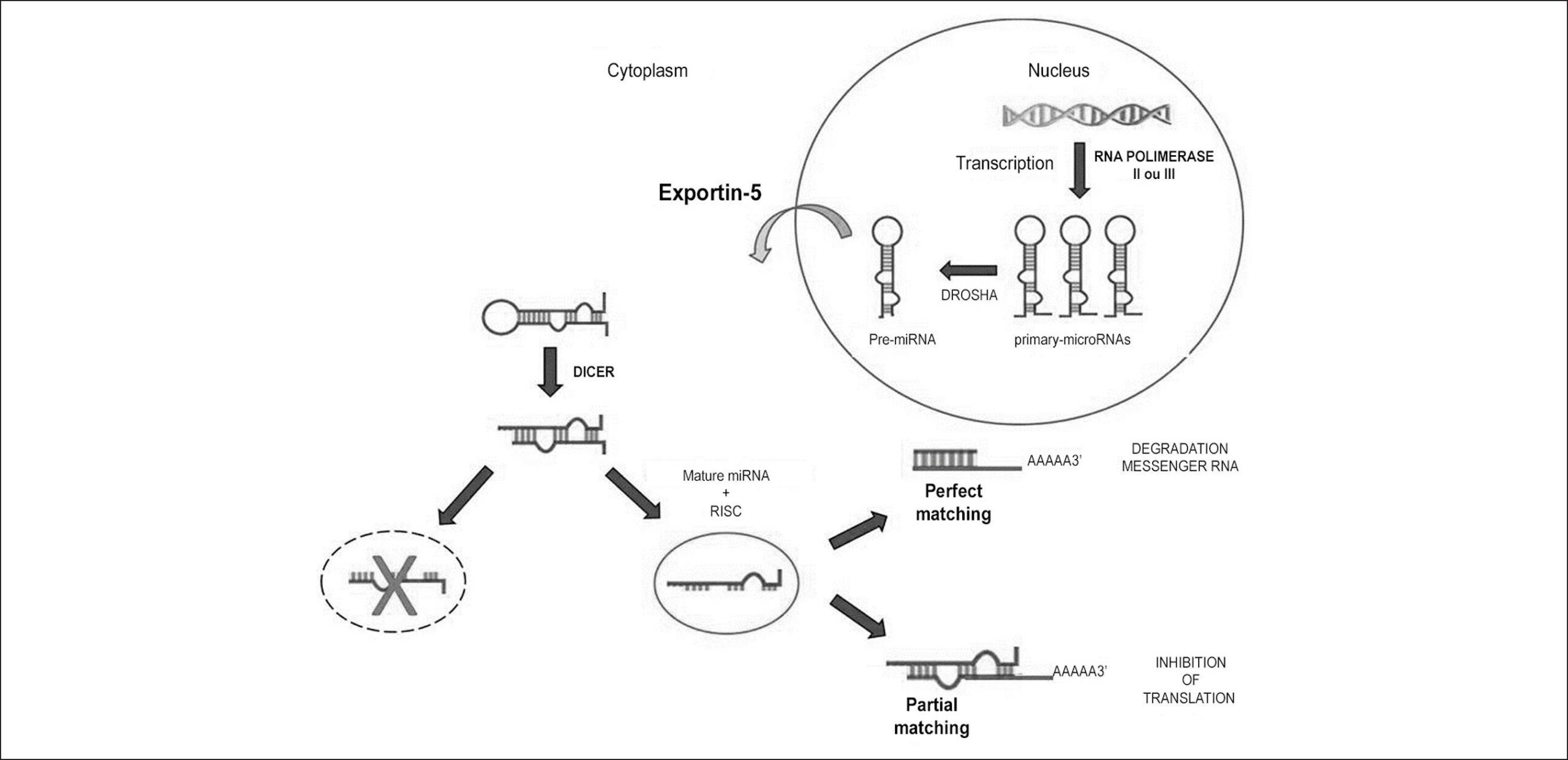
MiRNA (or microRNA) is a subclass of non-coding RNAs that is responsible for post-transcriptional gene regulation. It has approximately 22 nucleotides and regulates gene expression in plants and animals at the post-transcriptional level, by the cleavage of a target mRNA or by suppression of its translation. Although many of the processes and mechanisms have not yet been fully elucidated, there is a strong association between miRNA expression and several diseases. It is known that miRNAs are expressed in the cardiovascular system, but their role in cardiovascular diseases (CVDs) has not been clearly established. In this non-systematic review of the literature, we first present the definition of miRNAs and their action at the cellular level. Afterward, we discuss the role of miRNAs as circulating biomarkers of CVDs, and then their role in cardiac remodeling and atherosclerosis. Despite the complexity and challenges, it is crucial to identify deregulated miRNAs in CVDs, as it allows a better understanding of underlying cellular and molecular mechanisms and helps in the development of more accurate diagnostic and prognostic circulating biomarkers, and new therapeutic strategies for different stages of CVDs.

  • Atherosclerosis
  • Biomarkers/metabolism
  • Cardiac, Remodeling/genetics
  • Cardiovascular Diseases / genetics
  • Cardiovascular Diseases/diagnosis
  • Cardiovascular Diseases/physiopathology
  • MicroRNAs
Read Full Article
Creative Commons Attribution (CC BY) Creative Commons license
01/11/2018 DOI: 10.5935/abc.20180215 Views 1
ABC
Editorial

Microcirculation and Cardiovascular Diseases

Eduardo Tibiriçá et al. Andrea De Lorenzo Gláucia Maria Moraes de Oliveira

Human microcirculation has some aspects that make it unique in its capacity to adjust the supply of oxygen and nutrients to the metabolic demands of all cells throughout the body by adjusting vascular tone and releasing different vasoactive substances. Endothelium-dependent vasodilation response in humans may vary according to age, gender, the vascular bed involved and the presence of atherosclerotic disease. Vascular smooth muscle cells undergo different hyperpolarization and relaxation when exposed to nitric oxide (NO), prostacyclin and endothelium-derived hyperpolarizing factors (EDHF), among others, as a result of the factors described above.

In the last decade, the importance of assessing microvascular function has become evident in research on the pathophysiology of cardiovascular disease and cardiovascular risk stratification. In this context, cutaneous microcirculation has been considered an accessible and representative vascular bed for assessing microvascular reactivity. Indeed, there is evidence of an association between cutaneous microvascular reactivity and the microcirculatory function in different vascular beds, concerning both the underlying mechanisms and the intensity of the endothelium-dependent vasodilation response. Therefore, assessing cutaneous microvascular reactivity has been proposed as a prognosis marker both for chronic disease and for the action of drugs related to the microvascular endothelial function.

[…]

  • Cardiovascular Diseases/physiopathology
  • Diagnostic Imaging
  • Endothelium, Vascular/pysiology
  • Humans
  • Microcirculation/physiology
  • Risk Factors
  • Vasodilatation/physiology
Read Full Article
Creative Commons Attribution (CC BY) Creative Commons license
01/08/2018 DOI: 10.5935/abc.20180149
Figure 1
IJCS
Review Article

Neutrophil-Lymphocyte Ratio in Cardiovascular Disease Risk Assessment

Heitor Oliveira Santos et al. Luiz Fernando Moreira Izidoro

Abstract

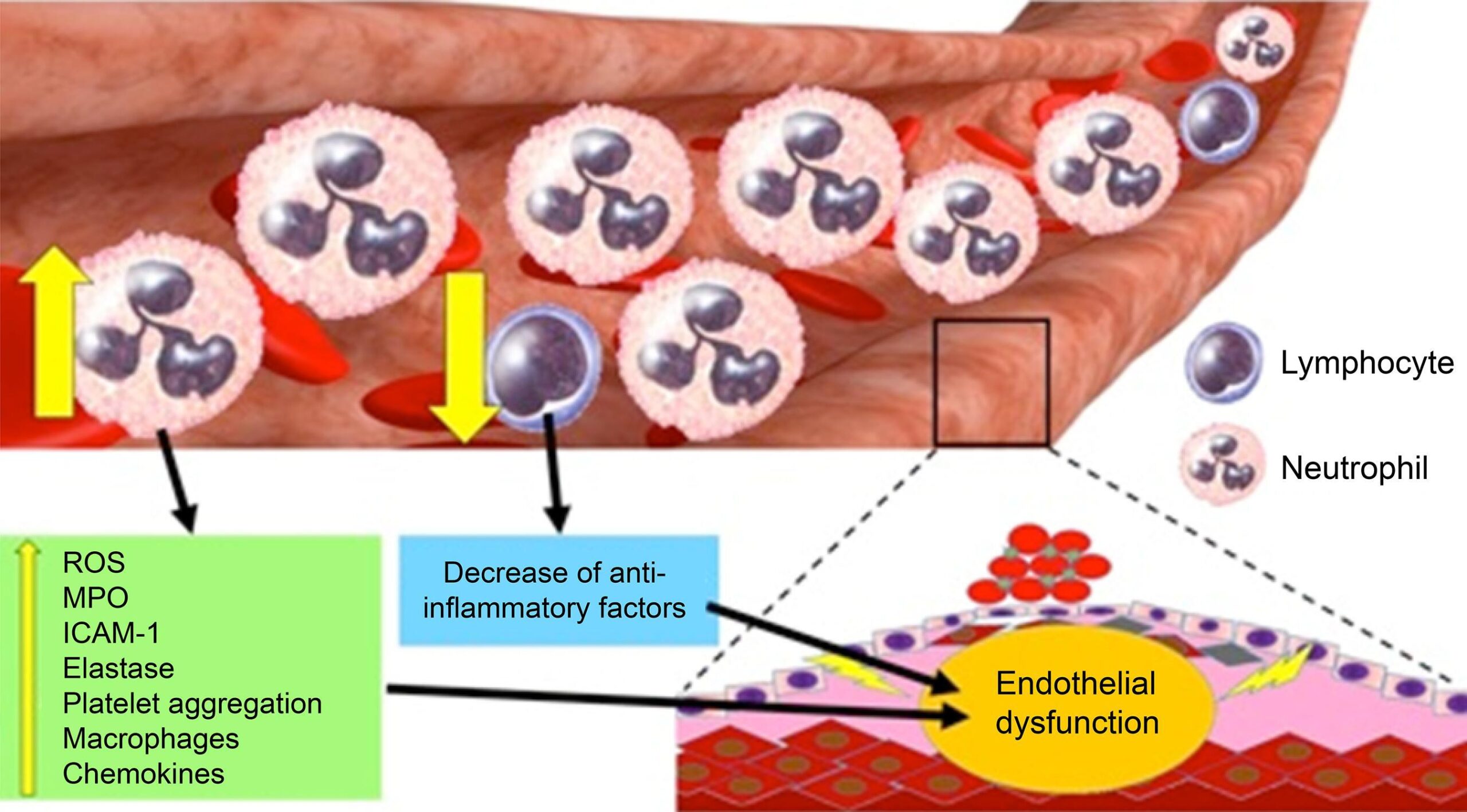
The development of cardiovascular diseases with atherosclerotic origin is associated with a severe inflammatory process. Neutrophils and lymphocytes are cells sensitive to this type of disorder and their ratio, known as the NLR (neutrophil/lymphocyte ratio), has shown to be useful in clinical practice. The aim of this study was to assess the role of NLR in cardiovascular disease risk assessment. We carried out a literature review in the PubMed databases searching for articles published between 2001 to 2017 and found that NLR is in fact a useful marker for cardiovascular disease. Using NLR in patients at cardiovascular risk would be useful to delineate the prognosis of patients with this disease pattern.

  • Atherosclerosis / physiopathology
  • Biomarkers
  • Cardiovascular Diseases/physiopathology
  • Inflammation
  • Leukocyte Count
  • Neutrophils
Read Full Article
Creative Commons Attribution (CC BY) Creative Commons license
02/07/2018 DOI: 10.5935/2359-4802.20180038 Views 1
IJCS
Editorial

Digital Tools and Cardiovascular Rehabilitation

Ricardo Stein et al. Leandro Tolfo Franzoni

Cardiovascular diseases are the leading cause of death worldwide. The inclusion of patients with such diseases in cardiovascular rehabilitation (CR) programs is an evidence-based conduct, since it has the potential to improve the individual’s clinical condition and manage several risk factors associated with these diseases. The association of aerobic and resistance exercises is a recommended combination in many CR programs. However, technological tools have been studied and used in order to increase the range of methods to optimize the results in the scenario of secondary prevention of cardiac diseases. In addition, combining modern strategies and conventional models can be a form of motivation for the patient by making CR interactive and funnier. In this case, virtual reality (VR) has also been used, including in our country.,

A study published by Silva et al. in this issue of the International Journal of Cardiovascular Sciences compares the effects of conventional rehabilitation with VR on body composition and functional capacity of patients with cardiac diseases. It is a randomized controlled trial (RCT) in which 27 patients with cardiac diseases were enrolled to participate in an eight-week CR program. The sample was divided into two groups: a) conventional rehabilitation; b) rehabilitation with VR. The sessions lasted 60 minutes for both groups and the weekly frequency was twice a week. Conventional rehabilitation consisted of two parts: 25 minutes of aerobic exercise followed by 25 minutes of exercises with weights (upper and lower limbs). The intensity control during aerobic exercise was performed by monitoring the heart rate reserve determined by the Karvonen equation (50% and 80%). For resistance exercises, intensity was controlled by rating of perceived exertion (up to 13 on the Borg scale). Rehabilitation with VR was performed using Microsoft’s Xbox 360 with Kinect. The twenty-five minutes of games consisted of exercises for the upper and lower limbs and 25 minutes of dancing with the Dance Central 3 game. In the first part, velcro weights were used in the ankle and dumbbells in the hands for the resistance exercises. The intensity was only controlled in the first part of the activity. Functional capacity was measured through a 6-minute walk test, which significantly increased in both groups. Similarly, both groups had the capillary blood glucose reduced. However, as opposed to what was expected, none of the two strategies significantly reduced fat percentage and body weight. In fact, the VR group presented a significant increase in these two variables compared to the conventional rehabilitation group.

[…]

  • Cardiac Rehabilitation
  • Cardiovascular Diseases/physiopathology
  • Exercise Movement Techniques/methods
  • Quality of life
  • Virtual reality
Read Full Article
Creative Commons Attribution (CC BY) Creative Commons license
01/01/2018 DOI: 10.5935/2359-4802.20180082 Views 1
Figure 1
ABC
Special Article

I Luso-Brazilian Positioning on Central Arterial Pressure

Andréa A. Brandão et al. Celso Amodeo Cristina Alcântara Eduardo Barbosa … Fernando Nobre Fernando Pinto José Fernando Vilela-Martin José Mesquita Bastos Juan Carlos Yugar-Toledo Marco Antônio Mota-Gomes Mario Fritsch Toros Neves Marcus Vinícius Bolívar Malachias Manuel de Carvalho Rodrigues Oswaldo Passarelli Junior Paulo César B. Veiga Jardim Pedro Guimarães Cunha Rui Póvoa Teresa Fonseca Vitor Paixão Dias Weimar Sebba Barroso Wille Oigman

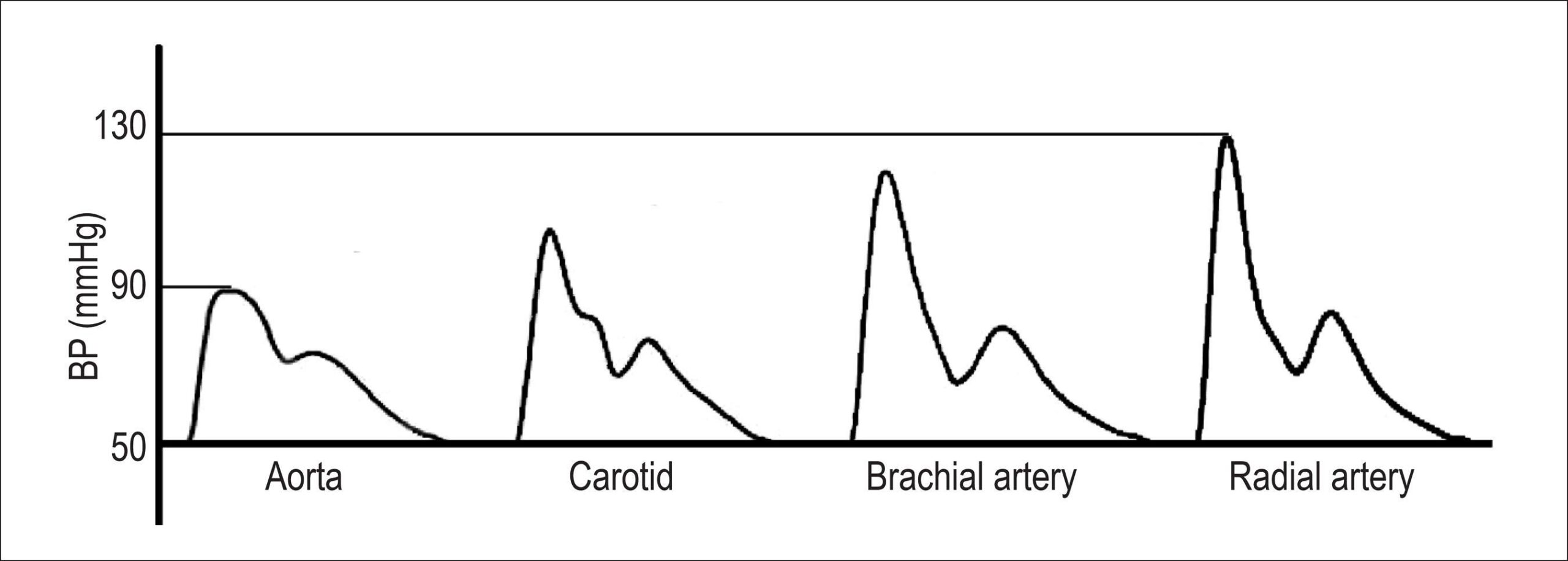
Natural and accelerated vascular aging. Involved mechanisms and factors

[…]

  • Arterial Pressure
  • Atherosclerosis
  • Cardiovascular Diseases/physiopathology
  • Coronary Diseases/physiopathology
  • Endothelium, Vascular
  • Risk Factors
Read Full Article
Creative Commons Attribution (CC BY) Creative Commons license
13/02/2017 DOI: 10.5935/abc.20170011 Views 2

Could not load more articles. Please try again.

How to cite this article

EndNote RIS

Electronic Document Format (Vancouver)

Silva MR, Azevedo AI, Sampaio F, Ribeiro J, Fontes-Carvalho R. “Lightning The Heart” with 3D Echo: Transillumination of a Prosthetic Mitral Valve Dehiscence. Arquivos Brasileiros de Cardiologia 2022;119(2):358-60.

Electronic Document Format (ABNT)

Silva, Mariana Ribeiro; Azevedo, Ana Isabel; Sampaio, Francisco; Ribeiro, José; Fontes-Carvalho, Ricardo. “Lightning The Heart” with 3D Echo: Transillumination of a Prosthetic Mitral Valve Dehiscence. Arquivos Brasileiros de Cardiologia, v. 119, n. 2, p. 358-360, Aug. 2022.

Electronic Document Format (APA)

Silva, M. R., Azevedo, A. I., Sampaio, F., Ribeiro, J., & Fontes-Carvalho, R. (2022). “Lightning The Heart” with 3D Echo: Transillumination of a Prosthetic Mitral Valve Dehiscence. Arquivos Brasileiros de Cardiologia, 119(2), 358-360.

Electronic Document Format (ISO)

Silva, Mariana Ribeiro and Azevedo, Ana Isabel and Sampaio, Francisco and Ribeiro, José and Fontes-Carvalho, Ricardo. “Lightning The Heart” with 3D Echo: Transillumination of a Prosthetic Mitral Valve Dehiscence. Arquivos Brasileiros de Cardiologia [online]. 2022, vol. 119, n. 2, [cited 2026-10-14], pp. 358-360. Available from: <https://journals.cardiol.br/en/article/lightning-the-heart-with-3d-echo-transillumination-of-a-prosthetic-mitral-valve-dehiscence/>. ISSN 0066-782X

EndNote RIS

Electronic Document Format (Vancouver)

Santos-Miranda A. Where are We Going with Natural Products? Exploring the True Potential of New Plant-Based Drugs in the Cardiovascular Field. Arquivos Brasileiros de Cardiologia 2022;119(2):305-6.

Electronic Document Format (ABNT)

Santos-Miranda, Artur. Where are We Going with Natural Products? Exploring the True Potential of New Plant-Based Drugs in the Cardiovascular Field. Arquivos Brasileiros de Cardiologia, v. 119, n. 2, p. 305-306, Aug. 2022.

Electronic Document Format (APA)

Santos-Miranda, A. (2022). Where are We Going with Natural Products? Exploring the True Potential of New Plant-Based Drugs in the Cardiovascular Field. Arquivos Brasileiros de Cardiologia, 119(2), 305-306.

Electronic Document Format (ISO)

Santos-Miranda, Artur. Where are We Going with Natural Products? Exploring the True Potential of New Plant-Based Drugs in the Cardiovascular Field. Arquivos Brasileiros de Cardiologia [online]. 2022, vol. 119, n. 2, [cited 2026-10-14], pp. 305-306. Available from: <https://journals.cardiol.br/en/article/where-are-we-going-with-natural-products-exploring-the-true-potential-of-new-plant-based-drugs-in-the-cardiovascular-field/>. ISSN 0066-782X

EndNote RIS

Electronic Document Format (Vancouver)

Latado AL. Prognosis of Heart Failure with Mid-Range Ejection Fraction: A Story or a Version?. Arquivos Brasileiros de Cardiologia 2022;118(4):701-2.

Electronic Document Format (ABNT)

Latado, Adriana Lopes. Prognosis of Heart Failure with Mid-Range Ejection Fraction: A Story or a Version?. Arquivos Brasileiros de Cardiologia, v. 118, n. 4, p. 701-702, Apr. 2022.

Electronic Document Format (APA)

Latado, A. L. (2022). Prognosis of Heart Failure with Mid-Range Ejection Fraction: A Story or a Version?. Arquivos Brasileiros de Cardiologia, 118(4), 701-702.

Electronic Document Format (ISO)

Latado, Adriana Lopes. Prognosis of Heart Failure with Mid-Range Ejection Fraction: A Story or a Version?. Arquivos Brasileiros de Cardiologia [online]. 2022, vol. 118, n. 4, [cited 2026-10-14], pp. 701-702. Available from: <https://journals.cardiol.br/en/article/prognosis-of-heart-failure-with-mid-range-ejection-fraction-a-story-or-a-version/>. ISSN 0066-782X

EndNote RIS

Electronic Document Format (Vancouver)

Bettencourt N. Confinement and Cardiovascular Diagnosis in a Pandemic Season: The Difficult Balance on the Razor’s Edge. Arquivos Brasileiros de Cardiologia 2022;118(4):754-5.

Electronic Document Format (ABNT)

Bettencourt, Nuno. Confinement and Cardiovascular Diagnosis in a Pandemic Season: The Difficult Balance on the Razor’s Edge. Arquivos Brasileiros de Cardiologia, v. 118, n. 4, p. 754-755, Apr. 2022.

Electronic Document Format (APA)

Bettencourt, N. (2022). Confinement and Cardiovascular Diagnosis in a Pandemic Season: The Difficult Balance on the Razor’s Edge. Arquivos Brasileiros de Cardiologia, 118(4), 754-755.

Electronic Document Format (ISO)

Bettencourt, Nuno. Confinement and Cardiovascular Diagnosis in a Pandemic Season: The Difficult Balance on the Razor’s Edge. Arquivos Brasileiros de Cardiologia [online]. 2022, vol. 118, n. 4, [cited 2026-10-14], pp. 754-755. Available from: <https://journals.cardiol.br/en/article/confinement-and-cardiovascular-diagnosis-in-a-pandemic-season-the-difficult-balance-on-the-razors-edge/>. ISSN 0066-782X

EndNote RIS

Electronic Document Format (Vancouver)

Matos GG, Pacheco RLCB, Magalhães LBNC, Avena KM. Mortality from Cardiovascular Diseases: A Comparative Analysis between the Medical and Non-Medical Populations in Brazil. International Journal of Cardiovascular Sciences 2022;35(4):488-97.

Electronic Document Format (ABNT)

Matos, Giulia Guimarães; Pacheco, Roberta Luise Carrilho Bittencourt; Magalhães, Lucélia Batista Neves Cunha; Avena, Katia de Miranda. Mortality from Cardiovascular Diseases: A Comparative Analysis between the Medical and Non-Medical Populations in Brazil. International Journal of Cardiovascular Sciences, v. 35, n. 4, p. 488-497, Feb. 2022.

Electronic Document Format (APA)

Matos, G. G., Pacheco, R. L. C. B., Magalhães, L. B. N. C., & Avena, K. M. (2022). Mortality from Cardiovascular Diseases: A Comparative Analysis between the Medical and Non-Medical Populations in Brazil. International Journal of Cardiovascular Sciences, 35(4), 488-497.

Electronic Document Format (ISO)

Matos, Giulia Guimarães and Pacheco, Roberta Luise Carrilho Bittencourt and Magalhães, Lucélia Batista Neves Cunha and Avena, Katia de Miranda. Mortality from Cardiovascular Diseases: A Comparative Analysis between the Medical and Non-Medical Populations in Brazil. International Journal of Cardiovascular Sciences [online]. 2022, vol. 35, n. 4, [cited 2026-10-14], pp. 488-497. Available from: <https://journals.cardiol.br/en/article/mortality-from-cardiovascular-diseases-a-comparative-analysis-between-the-medical-and-non-medical-populations-in-brazil/>. ISSN 2359-4802

EndNote RIS

Electronic Document Format (Vancouver)

Wendt A. Is Adolescents’ Cardiometabolic Health Affected by Prolonged Periods of Inactivity?. Arquivos Brasileiros de Cardiologia 2021;117(2):363-4.

Electronic Document Format (ABNT)

Wendt, Andrea. Is Adolescents’ Cardiometabolic Health Affected by Prolonged Periods of Inactivity?. Arquivos Brasileiros de Cardiologia, v. 117, n. 2, p. 363-364, Sep. 2021.

Electronic Document Format (APA)

Wendt, A. (2021). Is Adolescents’ Cardiometabolic Health Affected by Prolonged Periods of Inactivity?. Arquivos Brasileiros de Cardiologia, 117(2), 363-364.

Electronic Document Format (ISO)

Wendt, Andrea. Is Adolescents’ Cardiometabolic Health Affected by Prolonged Periods of Inactivity?. Arquivos Brasileiros de Cardiologia [online]. 2021, vol. 117, n. 2, [cited 2026-10-14], pp. 363-364. Available from: <https://journals.cardiol.br/en/article/is-adolescents-cardiometabolic-health-affected-by-prolonged-periods-of-inactivity/>. ISSN 0066-782X

EndNote RIS

Electronic Document Format (Vancouver)

Alves PHR, Ferron AJT, Costa MR, Hasimoto FK, Gregolin CS, Garcia JL, Campos DHS, et al. Relationship between Innate Immune Response Toll-Like Receptor 4 (TLR-4) and the Pathophysiological Process of Obesity Cardiomyopathy. Arquivos Brasileiros de Cardiologia 2021;117(1):91-9.

Electronic Document Format (ABNT)

Alves, Pedro Henrique Rizzi; Ferron, Artur Junio Togneri; Costa, Mariane Róvero; Hasimoto, Fabiana Kurokawa; Gregolin, Cristina Schmitt; Garcia, Jéssica Leite; Campos, Dijon Henrique Salomé de; Cicogna, Antônio Carlos; Mattei, Letícia de; Moreto, Fernando; Bazan, Silméia Garcia Zanati; Francisqueti-Ferron, Fabiane Valentini; Corrêa, Camila Renata. Relationship between Innate Immune Response Toll-Like Receptor 4 (TLR-4) and the Pathophysiological Process of Obesity Cardiomyopathy. Arquivos Brasileiros de Cardiologia, v. 117, n. 1, p. 91-99, Jul. 2021.

Electronic Document Format (APA)

Alves, P. H. R., Ferron, A. J. T., Costa, M. R., Hasimoto, F. K., Gregolin, C. S., Garcia, J. L., Campos, D. H. S. , Cicogna, A. C., Mattei, L. , Moreto, F., Bazan, S. G. Z., Francisqueti-Ferron, F. V., & Corrêa, C. R. (2021). Relationship between Innate Immune Response Toll-Like Receptor 4 (TLR-4) and the Pathophysiological Process of Obesity Cardiomyopathy. Arquivos Brasileiros de Cardiologia, 117(1), 91-99.

Electronic Document Format (ISO)

Alves, Pedro Henrique Rizzi and Ferron, Artur Junio Togneri and Costa, Mariane Róvero and Hasimoto, Fabiana Kurokawa and Gregolin, Cristina Schmitt and Garcia, Jéssica Leite and Campos, Dijon Henrique Salomé de and Cicogna, Antônio Carlos and Mattei, Letícia de and Moreto, Fernando and Bazan, Silméia Garcia Zanati and Francisqueti-Ferron, Fabiane Valentini and Corrêa, Camila Renata. Relationship between Innate Immune Response Toll-Like Receptor 4 (TLR-4) and the Pathophysiological Process of Obesity Cardiomyopathy. Arquivos Brasileiros de Cardiologia [online]. 2021, vol. 117, n. 1, [cited 2026-10-14], pp. 91-99. Available from: <https://journals.cardiol.br/en/article/relationship-between-innate-immune-response-toll-like-receptor-4-tlr-4-and-the-pathophysiological-process-of-obesity-cardiomyopathy/>. ISSN 0066-782X

EndNote RIS

Electronic Document Format (Vancouver)

Frasson MZ, Jaeger CP. Dilated Cardiomyopathy: New Variant in the Filamin-C Gene. Arquivos Brasileiros de Cardiologia 2021;117(1 suppl 1):16-8.

Electronic Document Format (ABNT)

Frasson, Murilo Zomer; Jaeger, Cristiano Pederneiras. Dilated Cardiomyopathy: New Variant in the Filamin-C Gene. Arquivos Brasileiros de Cardiologia, v. 117, n. 1 suppl 1, p. 16-18, Jul. 2021.

Electronic Document Format (APA)

Frasson, M. Z., & Jaeger, C. P. (2021). Dilated Cardiomyopathy: New Variant in the Filamin-C Gene. Arquivos Brasileiros de Cardiologia, 117(1 suppl 1), 16-18.

Electronic Document Format (ISO)

Frasson, Murilo Zomer and Jaeger, Cristiano Pederneiras. Dilated Cardiomyopathy: New Variant in the Filamin-C Gene. Arquivos Brasileiros de Cardiologia [online]. 2021, vol. 117, n. 1 suppl 1, [cited 2026-10-14], pp. 16-18. Available from: <https://journals.cardiol.br/en/article/dilated-cardiomyopathy-new-variant-in-the-filamin-c-gene/>. ISSN 0066-782X

EndNote RIS

Electronic Document Format (Vancouver)

Brandão SCS, Godoi ETAM, Ramos JOX, Melo LMMP, Dompieri LT, Brindeiro Filho DF, Sarinho ESC, et al. The Role of the Endothelium in Severe COVID-19. Arquivos Brasileiros de Cardiologia 2021;115(6):1184-9.

Electronic Document Format (ABNT)

Brandão, Simone Cristina Soares; Godoi, Emmanuelle Tenório Albuquerque Madruga; Ramos, Júlia de Oliveira Xavier; Melo, Leila Maria Magalhães Pessoa de; Dompieri, Luca Terracini; Brindeiro Filho, Djair Falcão; Sarinho, Emanuel Sávio Cavalcanti. The Role of the Endothelium in Severe COVID-19. Arquivos Brasileiros de Cardiologia, v. 115, n. 6, p. 1184-1189, Jan. 2021.

Electronic Document Format (APA)

Brandão, S. C. S., Godoi, E. T. A. M., Ramos, J. O. X., Melo, L. M. M. P. , Dompieri, L. T., Brindeiro Filho, D. F., & Sarinho, E. S. C. (2021). The Role of the Endothelium in Severe COVID-19. Arquivos Brasileiros de Cardiologia, 115(6), 1184-1189.

Electronic Document Format (ISO)

Brandão, Simone Cristina Soares and Godoi, Emmanuelle Tenório Albuquerque Madruga and Ramos, Júlia de Oliveira Xavier and Melo, Leila Maria Magalhães Pessoa de and Dompieri, Luca Terracini and Brindeiro Filho, Djair Falcão and Sarinho, Emanuel Sávio Cavalcanti. The Role of the Endothelium in Severe COVID-19. Arquivos Brasileiros de Cardiologia [online]. 2021, vol. 115, n. 6, [cited 2026-10-14], pp. 1184-1189. Available from: <https://journals.cardiol.br/en/article/the-role-of-the-endothelium-in-severe-covid-19/>. ISSN 0066-782X

EndNote RIS

Electronic Document Format (Vancouver)

Taniguchi FP, Bernardez-Pereira S, Silva SA, Ribeiro ALP, Morgan L, Curtis AB, Taubert K, et al. Implementation of a Best Practice in Cardiology (BPC) Program Adapted from Get With The Guidelines®in Brazilian Public Hospitals: Study Design and Rationale. Arquivos Brasileiros de Cardiologia 2020;115(1):92-9.

Electronic Document Format (ABNT)

Taniguchi, Fabio Papa; Bernardez-Pereira, Sabrina; Silva, Suzana Alves; Ribeiro, Antônio Luiz Pinho; Morgan, Louise; Curtis, Anne B.; Taubert, Kathryn; Albuquerque, Denilson Campos de; Weber, Bernadete; Chrispim, Pedro Paulo Magalhães; Toth, Camila Pereira Pinto; Morosov, Erica Deji Moura; Fonarow, Gregg C.; Smith Jr, Sidney C; Paola, Angelo Amato Vincenzo de. Implementation of a Best Practice in Cardiology (BPC) Program Adapted from Get With The Guidelines®in Brazilian Public Hospitals: Study Design and Rationale. Arquivos Brasileiros de Cardiologia, v. 115, n. 1, p. 92-99, Aug. 2020.

Electronic Document Format (APA)

Taniguchi, F. P., Bernardez-Pereira, S., Silva, S. A., Ribeiro, A. L. P., Morgan, L., Curtis, A. B., Taubert, K., Albuquerque, D. C. , Weber, B., Chrispim, P. P. M., Toth, C. P. P., Morosov, E. D. M., Fonarow, G. C., Smith Jr, S. C., & Paola, A. A. V. (2020). Implementation of a Best Practice in Cardiology (BPC) Program Adapted from Get With The Guidelines®in Brazilian Public Hospitals: Study Design and Rationale. Arquivos Brasileiros de Cardiologia, 115(1), 92-99.

Electronic Document Format (ISO)

Taniguchi, Fabio Papa and Bernardez-Pereira, Sabrina and Silva, Suzana Alves and Ribeiro, Antônio Luiz Pinho and Morgan, Louise and Curtis, Anne B. and Taubert, Kathryn and Albuquerque, Denilson Campos de and Weber, Bernadete and Chrispim, Pedro Paulo Magalhães and Toth, Camila Pereira Pinto and Morosov, Erica Deji Moura and Fonarow, Gregg C. and Smith Jr, Sidney C and Paola, Angelo Amato Vincenzo de. Implementation of a Best Practice in Cardiology (BPC) Program Adapted from Get With The Guidelines®in Brazilian Public Hospitals: Study Design and Rationale. Arquivos Brasileiros de Cardiologia [online]. 2020, vol. 115, n. 1, [cited 2026-10-14], pp. 92-99. Available from: <https://journals.cardiol.br/en/article/implementation-of-a-best-practice-in-cardiology-bpc-program-adapted-from-get-with-the-guidelinesin-brazilian-public-hospitals-study-design-and-rationale/>. ISSN 0066-782X

EndNote RIS

Electronic Document Format (Vancouver)

Silva-Bertani DCT, Vileigas DF, Mota GAF, Souza SLB, Tomasi LCD, Campos DHS, Deus AF, et al. Decreased Collagen Type I is Associated with Increased Metalloproteinase-2 Activity and Protein Expression of Leptin in the Myocardium of Obese Rats. Arquivos Brasileiros de Cardiologia 2020;115(1):61-70.

Electronic Document Format (ABNT)

Silva-Bertani, Danielle Cristina Tomaz da; Vileigas, Danielle Fernandes; Mota, Gustavo Augusto Ferreira; Souza, Sérgio Luiz Borges de; Tomasi, Loreta Casquel De; Campos, Dijon Henrique Salomé de; Deus, Adriana Fernandes de; Freire, Paula Paccielli; Alves, Carlos Augusto Barnabe; Padovani, Carlos Roberto; Cicogna, Antonio Carlos. Decreased Collagen Type I is Associated with Increased Metalloproteinase-2 Activity and Protein Expression of Leptin in the Myocardium of Obese Rats. Arquivos Brasileiros de Cardiologia, v. 115, n. 1, p. 61-70, Aug. 2020.

Electronic Document Format (APA)

Silva-Bertani, D. C. T. , Vileigas, D. F., Mota, G. A. F., Souza, S. L. B. , Tomasi, L. C. D., Campos, D. H. S. , Deus, A. F. , Freire, P. P., Alves, C. A. B., Padovani, C. R., & Cicogna, A. C. (2020). Decreased Collagen Type I is Associated with Increased Metalloproteinase-2 Activity and Protein Expression of Leptin in the Myocardium of Obese Rats. Arquivos Brasileiros de Cardiologia, 115(1), 61-70.

Electronic Document Format (ISO)

Silva-Bertani, Danielle Cristina Tomaz da and Vileigas, Danielle Fernandes and Mota, Gustavo Augusto Ferreira and Souza, Sérgio Luiz Borges de and Tomasi, Loreta Casquel De and Campos, Dijon Henrique Salomé de and Deus, Adriana Fernandes de and Freire, Paula Paccielli and Alves, Carlos Augusto Barnabe and Padovani, Carlos Roberto and Cicogna, Antonio Carlos. Decreased Collagen Type I is Associated with Increased Metalloproteinase-2 Activity and Protein Expression of Leptin in the Myocardium of Obese Rats. Arquivos Brasileiros de Cardiologia [online]. 2020, vol. 115, n. 1, [cited 2026-10-14], pp. 61-70. Available from: <https://journals.cardiol.br/en/article/decreased-collagen-type-i-is-associated-with-increased-metalloproteinase-2-activity-and-protein-expression-of-leptin-in-the-myocardium-of-obese-rats/>. ISSN 0066-782X

EndNote RIS

Electronic Document Format (Vancouver)

Silva GO, Andrade-Lima A, Germano-Soares AH, Lima-Junior D, Rodrigues SLC, Ritti-Dias RM, Farah BQ, et al. Factors Associated with Quality of Life in Patients with Systemic Arterial Hypertension. International Journal of Cardiovascular Sciences 2020;33(2):133-42.

Electronic Document Format (ABNT)

Silva, Gustavo O.; Andrade-Lima, Aluísio; Germano-Soares, Antônio Henrique; Lima-Junior, Dalton de; Rodrigues, Sergio L. C.; Ritti-Dias, Raphael M.; Farah, Breno Q.. Factors Associated with Quality of Life in Patients with Systemic Arterial Hypertension. International Journal of Cardiovascular Sciences, v. 33, n. 2, p. 133-142, Apr. 2020.

Electronic Document Format (APA)

Silva, G. O., Andrade-Lima, A., Germano-Soares, A. H., Lima-Junior, D. , Rodrigues, S. L. C., Ritti-Dias, R. M., & Farah, B. Q. (2020). Factors Associated with Quality of Life in Patients with Systemic Arterial Hypertension. International Journal of Cardiovascular Sciences, 33(2), 133-142.

Electronic Document Format (ISO)

Silva, Gustavo O. and Andrade-Lima, Aluísio and Germano-Soares, Antônio Henrique and Lima-Junior, Dalton de and Rodrigues, Sergio L. C. and Ritti-Dias, Raphael M. and Farah, Breno Q.. Factors Associated with Quality of Life in Patients with Systemic Arterial Hypertension. International Journal of Cardiovascular Sciences [online]. 2020, vol. 33, n. 2, [cited 2026-10-14], pp. 133-142. Available from: <https://journals.cardiol.br/en/article/factors-associated-with-quality-of-life-in-patients-with-systemic-arterial-hypertension/>. ISSN 2359-4802

EndNote RIS

Electronic Document Format (Vancouver)

Almeida RCM, Jorge AJL, Rosa MLG, Leite AR, Correia DMS, Mesquita ET, Chermont S, et al. Left Ventricular Remodeling Patterns in Primary Healthcare. Arquivos Brasileiros de Cardiologia 2020;114(1):59-65.

Electronic Document Format (ABNT)

Almeida, Roberto de Castro Meirelles de; Jorge, Antonio José Lagoeiro; Rosa, Maria Luiza Garcia; Leite, Adson Renato; Correia, Dayse Mary S.; Mesquita, Evandro Tinoco; Chermont, Sergio; Lugon, Jocemir Ronaldo; Martins, Wolney de Andrade. Left Ventricular Remodeling Patterns in Primary Healthcare. Arquivos Brasileiros de Cardiologia, v. 114, n. 1, p. 59-65, Feb. 2020.

Electronic Document Format (APA)

Almeida, R. C. M. , Jorge, A. J. L., Rosa, M. L. G., Leite, A. R., Correia, D. M. S., Mesquita, E. T., Chermont, S., Lugon, J. R., & Martins, W. A. (2020). Left Ventricular Remodeling Patterns in Primary Healthcare. Arquivos Brasileiros de Cardiologia, 114(1), 59-65.

Electronic Document Format (ISO)

Almeida, Roberto de Castro Meirelles de and Jorge, Antonio José Lagoeiro and Rosa, Maria Luiza Garcia and Leite, Adson Renato and Correia, Dayse Mary S. and Mesquita, Evandro Tinoco and Chermont, Sergio and Lugon, Jocemir Ronaldo and Martins, Wolney de Andrade. Left Ventricular Remodeling Patterns in Primary Healthcare. Arquivos Brasileiros de Cardiologia [online]. 2020, vol. 114, n. 1, [cited 2026-10-14], pp. 59-65. Available from: <https://journals.cardiol.br/en/article/left-ventricular-remodeling-patterns-in-primary-healthcare/>. ISSN 0066-782X

EndNote RIS

Electronic Document Format (Vancouver)

Martinez TLR, Pereira A, Saldanha ALR. Cardiovascular Risk Factors in Childhood Claim for Public Health Policies. Arquivos Brasileiros de Cardiologia 2019;112(6):737-8.

Electronic Document Format (ABNT)

Martinez, Tania L. R.; Pereira, Abel; Saldanha, Anita L. R.. Cardiovascular Risk Factors in Childhood Claim for Public Health Policies. Arquivos Brasileiros de Cardiologia, v. 112, n. 6, p. 737-738, Jul. 2019.

Electronic Document Format (APA)

Martinez, T. L. R., Pereira, A., & Saldanha, A. L. R. (2019). Cardiovascular Risk Factors in Childhood Claim for Public Health Policies. Arquivos Brasileiros de Cardiologia, 112(6), 737-738.

Electronic Document Format (ISO)

Martinez, Tania L. R. and Pereira, Abel and Saldanha, Anita L. R.. Cardiovascular Risk Factors in Childhood Claim for Public Health Policies. Arquivos Brasileiros de Cardiologia [online]. 2019, vol. 112, n. 6, [cited 2026-10-14], pp. 737-738. Available from: <https://journals.cardiol.br/en/article/cardiovascular-risk-factors-in-childhood-claim-for-public-health-policies/>. ISSN 0066-782X

EndNote RIS

Electronic Document Format (Vancouver)

Cabral SMR, Santos MM. Cardiovascular Risk and Metabolic Syndrome in Individuals with Mental Disorders. International Journal of Cardiovascular Sciences 2019;32(5):517-26.

Electronic Document Format (ABNT)

Cabral, Sarah de Melo Rocha; Santos, Marize Melo dos. Cardiovascular Risk and Metabolic Syndrome in Individuals with Mental Disorders. International Journal of Cardiovascular Sciences, v. 32, n. 5, p. 517-526, Mar. 2019.

Electronic Document Format (APA)

Cabral, S. M. R., & Santos, M. M. (2019). Cardiovascular Risk and Metabolic Syndrome in Individuals with Mental Disorders. International Journal of Cardiovascular Sciences, 32(5), 517-526.

Electronic Document Format (ISO)

Cabral, Sarah de Melo Rocha and Santos, Marize Melo dos. Cardiovascular Risk and Metabolic Syndrome in Individuals with Mental Disorders. International Journal of Cardiovascular Sciences [online]. 2019, vol. 32, n. 5, [cited 2026-10-14], pp. 517-526. Available from: <https://journals.cardiol.br/en/article/cardiovascular-risk-and-metabolic-syndrome-in-individuals-with-mental-disorders/>. ISSN 2359-4802

EndNote RIS

Electronic Document Format (Vancouver)

Ferrari F, Stein R, Motta MT, Moriguchi EH. PCSK9 Inhibitors: Clinical Relevance, Molecular Mechanisms, and Safety in Clinical Practice. Arquivos Brasileiros de Cardiologia 2019;112(4):453-60.

Electronic Document Format (ABNT)

Ferrari, Filipe; Stein, Ricardo; Motta, Marcelo Trotte; Moriguchi, Emilio Hideyuki. PCSK9 Inhibitors: Clinical Relevance, Molecular Mechanisms, and Safety in Clinical Practice. Arquivos Brasileiros de Cardiologia, v. 112, n. 4, p. 453-460, Feb. 2019.

Electronic Document Format (APA)

Ferrari, F., Stein, R., Motta, M. T., & Moriguchi, E. H. (2019). PCSK9 Inhibitors: Clinical Relevance, Molecular Mechanisms, and Safety in Clinical Practice. Arquivos Brasileiros de Cardiologia, 112(4), 453-460.

Electronic Document Format (ISO)

Ferrari, Filipe and Stein, Ricardo and Motta, Marcelo Trotte and Moriguchi, Emilio Hideyuki. PCSK9 Inhibitors: Clinical Relevance, Molecular Mechanisms, and Safety in Clinical Practice. Arquivos Brasileiros de Cardiologia [online]. 2019, vol. 112, n. 4, [cited 2026-10-14], pp. 453-460. Available from: <https://journals.cardiol.br/en/article/pcsk9-inhibitors-clinical-relevance-molecular-mechanisms-and-safety-in-clinical-practice/>. ISSN 0066-782X

EndNote RIS

Electronic Document Format (Vancouver)

Santos RZ, Ghisi GLM, Bonin CDB, Chaves G, Haase CM, Britto RR, Benetti M, et al. Validation of the Brazilian Version of CADE-Q II to Assess Knowledge of Coronary Artery Disease Patients. Arquivos Brasileiros de Cardiologia 2018;112(1):78-84.

Electronic Document Format (ABNT)

Santos, Rafaella Zulianello dos; Ghisi, Gabriela Lima Melo; Bonin, Christiani Decker Batista; Chaves, Gabriela; Haase, Clarissa Machado; Britto, Raquel Rodrigues; Benetti, Magnus. Validation of the Brazilian Version of CADE-Q II to Assess Knowledge of Coronary Artery Disease Patients. Arquivos Brasileiros de Cardiologia, v. 112, n. 1, p. 78-84, Dec. 2018.

Electronic Document Format (APA)

Santos, R. Z. , Ghisi, G. L. M., Bonin, C. D. B., Chaves, G., Haase, C. M., Britto, R. R., & Benetti, M. (2018). Validation of the Brazilian Version of CADE-Q II to Assess Knowledge of Coronary Artery Disease Patients. Arquivos Brasileiros de Cardiologia, 112(1), 78-84.

Electronic Document Format (ISO)

Santos, Rafaella Zulianello dos and Ghisi, Gabriela Lima Melo and Bonin, Christiani Decker Batista and Chaves, Gabriela and Haase, Clarissa Machado and Britto, Raquel Rodrigues and Benetti, Magnus. Validation of the Brazilian Version of CADE-Q II to Assess Knowledge of Coronary Artery Disease Patients. Arquivos Brasileiros de Cardiologia [online]. 2018, vol. 112, n. 1, [cited 2026-10-14], pp. 78-84. Available from: <https://journals.cardiol.br/en/article/validation-of-the-brazilian-version-of-cade-q-ii-to-assess-knowledge-of-coronary-artery-disease-patients/>. ISSN 0066-782X

EndNote RIS

Electronic Document Format (Vancouver)

Cordeiro ALL, Silva LGR, Pinto MO, Araújo JS, Guimarães AR, Petto J. Behavior of Pulmonary Function after Hospital Discharge in Patients Submitted to Myocardial Revascularization. International Journal of Cardiovascular Sciences 2018;32(2):104-9.

Electronic Document Format (ABNT)

Cordeiro, André Luiz Lisboa; Silva, Letícia Gardênia Romualdo da; Pinto, Milena Oliveira; Araújo, Jaclene da Silva; Guimarães, André Raimundo; Petto, Jefferson. Behavior of Pulmonary Function after Hospital Discharge in Patients Submitted to Myocardial Revascularization. International Journal of Cardiovascular Sciences, v. 32, n. 2, p. 104-109, Dec. 2018.

Electronic Document Format (APA)

Cordeiro, A. L. L., Silva, L. G. R. , Pinto, M. O., Araújo, J. S., Guimarães, A. R., & Petto, J. (2018). Behavior of Pulmonary Function after Hospital Discharge in Patients Submitted to Myocardial Revascularization. International Journal of Cardiovascular Sciences, 32(2), 104-109.

Electronic Document Format (ISO)

Cordeiro, André Luiz Lisboa and Silva, Letícia Gardênia Romualdo da and Pinto, Milena Oliveira and Araújo, Jaclene da Silva and Guimarães, André Raimundo and Petto, Jefferson. Behavior of Pulmonary Function after Hospital Discharge in Patients Submitted to Myocardial Revascularization. International Journal of Cardiovascular Sciences [online]. 2018, vol. 32, n. 2, [cited 2026-10-14], pp. 104-109. Available from: <https://journals.cardiol.br/en/article/behavior-of-pulmonary-function-after-hospital-discharge-in-patients-submitted-to-myocardial-revascularization/>. ISSN 2359-4802

EndNote RIS

Electronic Document Format (Vancouver)

Scorsatto M, Rosa G, Pimentel AC, Luiz RR, Oliveira GMM. Is it Possible to Easily Identify Metabolically Healthy Obese Women?. Arquivos Brasileiros de Cardiologia 2018;111(5):733-7.

Electronic Document Format (ABNT)

Scorsatto, Mauara; Rosa, Glorimar; Pimentel, Aline de Castro; Luiz, Ronir Raggio; Oliveira, Gláucia Maria Moraes de. Is it Possible to Easily Identify Metabolically Healthy Obese Women?. Arquivos Brasileiros de Cardiologia, v. 111, n. 5, p. 733-737, Oct. 2018.

Electronic Document Format (APA)

Scorsatto, M., Rosa, G., Pimentel, A. C., Luiz, R. R., & Oliveira, G. M. M. (2018). Is it Possible to Easily Identify Metabolically Healthy Obese Women?. Arquivos Brasileiros de Cardiologia, 111(5), 733-737.

Electronic Document Format (ISO)

Scorsatto, Mauara and Rosa, Glorimar and Pimentel, Aline de Castro and Luiz, Ronir Raggio and Oliveira, Gláucia Maria Moraes de. Is it Possible to Easily Identify Metabolically Healthy Obese Women?. Arquivos Brasileiros de Cardiologia [online]. 2018, vol. 111, n. 5, [cited 2026-10-14], pp. 733-737. Available from: <https://journals.cardiol.br/en/article/is-it-possible-to-easily-identify-metabolically-healthy-obese-women/>. ISSN 0066-782X

EndNote RIS

Electronic Document Format (Vancouver)

Silva DCP, Carneiro FD, Almeida KC, Fernandes-Santos C. Role of miRNAs on the Pathophysiology of Cardiovascular Diseases. Arquivos Brasileiros de Cardiologia 2018;111(5):738-46.

Electronic Document Format (ABNT)

Silva, Debora Cristina Pereira da; Carneiro, Felipe Demani; Almeida, Kelly Costa de; Fernandes-Santos, Caroline. Role of miRNAs on the Pathophysiology of Cardiovascular Diseases. Arquivos Brasileiros de Cardiologia, v. 111, n. 5, p. 738-746, Oct. 2018.

Electronic Document Format (APA)

Silva, D. C. P. , Carneiro, F. D., Almeida, K. C. , & Fernandes-Santos, C. (2018). Role of miRNAs on the Pathophysiology of Cardiovascular Diseases. Arquivos Brasileiros de Cardiologia, 111(5), 738-746.

Electronic Document Format (ISO)

Silva, Debora Cristina Pereira da and Carneiro, Felipe Demani and Almeida, Kelly Costa de and Fernandes-Santos, Caroline. Role of miRNAs on the Pathophysiology of Cardiovascular Diseases. Arquivos Brasileiros de Cardiologia [online]. 2018, vol. 111, n. 5, [cited 2026-10-14], pp. 738-746. Available from: <https://journals.cardiol.br/en/article/role-of-mirnas-on-the-pathophysiology-of-cardiovascular-diseases/>. ISSN 0066-782X

EndNote RIS

Electronic Document Format (Vancouver)

Tibiriçá E, Lorenzo AD, Oliveira GMM. Microcirculation and Cardiovascular Diseases. Arquivos Brasileiros de Cardiologia 2018;111(2):120-1.

Electronic Document Format (ABNT)

Tibiriçá, Eduardo; Lorenzo, Andrea De; Oliveira, Gláucia Maria Moraes de. Microcirculation and Cardiovascular Diseases. Arquivos Brasileiros de Cardiologia, v. 111, n. 2, p. 120-121, Jul. 2018.

Electronic Document Format (APA)

Tibiriçá, E., Lorenzo, A. D., & Oliveira, G. M. M. (2018). Microcirculation and Cardiovascular Diseases. Arquivos Brasileiros de Cardiologia, 111(2), 120-121.

Electronic Document Format (ISO)

Tibiriçá, Eduardo and Lorenzo, Andrea De and Oliveira, Gláucia Maria Moraes de. Microcirculation and Cardiovascular Diseases. Arquivos Brasileiros de Cardiologia [online]. 2018, vol. 111, n. 2, [cited 2026-10-14], pp. 120-121. Available from: <https://journals.cardiol.br/en/article/microcirculation-and-cardiovascular-diseases/>. ISSN 0066-782X

EndNote RIS

Electronic Document Format (Vancouver)

Santos HO, Izidoro LFM. Neutrophil-Lymphocyte Ratio in Cardiovascular Disease Risk Assessment. International Journal of Cardiovascular Sciences 2018;31(5):532-7.

Electronic Document Format (ABNT)

Santos, Heitor Oliveira; Izidoro, Luiz Fernando Moreira. Neutrophil-Lymphocyte Ratio in Cardiovascular Disease Risk Assessment. International Journal of Cardiovascular Sciences, v. 31, n. 5, p. 532-537, Jul. 2018.

Electronic Document Format (APA)

Santos, H. O., & Izidoro, L. F. M. (2018). Neutrophil-Lymphocyte Ratio in Cardiovascular Disease Risk Assessment. International Journal of Cardiovascular Sciences, 31(5), 532-537.

Electronic Document Format (ISO)

Santos, Heitor Oliveira and Izidoro, Luiz Fernando Moreira. Neutrophil-Lymphocyte Ratio in Cardiovascular Disease Risk Assessment. International Journal of Cardiovascular Sciences [online]. 2018, vol. 31, n. 5, [cited 2026-10-14], pp. 532-537. Available from: <https://journals.cardiol.br/en/article/neutrophil-lymphocyte-ratio-in-cardiovascular-disease-risk-assessment/>. ISSN 2359-4802

EndNote RIS

Electronic Document Format (Vancouver)

Stein R, Franzoni LT. Digital Tools and Cardiovascular Rehabilitation. International Journal of Cardiovascular Sciences 2018;31(6):558-9.

Electronic Document Format (ABNT)

Stein, Ricardo; Franzoni, Leandro Tolfo. Digital Tools and Cardiovascular Rehabilitation. International Journal of Cardiovascular Sciences, v. 31, n. 6, p. 558-559, Dec. 2017.

Electronic Document Format (APA)

Stein, R., & Franzoni, L. T. (2018). Digital Tools and Cardiovascular Rehabilitation. International Journal of Cardiovascular Sciences, 31(6), 558-559.

Electronic Document Format (ISO)

Stein, Ricardo and Franzoni, Leandro Tolfo. Digital Tools and Cardiovascular Rehabilitation. International Journal of Cardiovascular Sciences [online]. 2018, vol. 31, n. 6, [cited 2026-10-14], pp. 558-559. Available from: <https://journals.cardiol.br/en/article/digital-tools-and-cardiovascular-rehabilitation/>. ISSN 2359-4802

EndNote RIS

Electronic Document Format (Vancouver)

Brandão AA, Amodeo C, Alcântara C, Barbosa E, Nobre F, Pinto F, Vilela-Martin JF, et al. I Luso-Brazilian Positioning on Central Arterial Pressure. Arquivos Brasileiros de Cardiologia 2017;108(2):100-8.

Electronic Document Format (ABNT)

Brandão, Andréa A.; Amodeo, Celso; Alcântara, Cristina; Barbosa, Eduardo; Nobre, Fernando; Pinto, Fernando; Vilela-Martin, José Fernando; Bastos, José Mesquita; Yugar-Toledo, Juan Carlos; Mota-Gomes, Marco Antônio; Neves, Mario Fritsch Toros; Malachias, Marcus Vinícius Bolívar; Rodrigues, Manuel de Carvalho; Passarelli Junior, Oswaldo; Jardim, Paulo César B. Veiga; Cunha, Pedro Guimarães; Póvoa, Rui; Fonseca, Teresa; Dias, Vitor Paixão; Barroso, Weimar Sebba; Oigman, Wille. I Luso-Brazilian Positioning on Central Arterial Pressure. Arquivos Brasileiros de Cardiologia, v. 108, n. 2, p. 100-108, Feb. 2017.

Electronic Document Format (APA)

Brandão, A. A., Amodeo, C., Alcântara, C., Barbosa, E., Nobre, F., Pinto, F., Vilela-Martin, J. F., Bastos, J. M., Yugar-Toledo, J. C., Mota-Gomes, M. A., Neves, M. F. T., Malachias, M. V. B., Rodrigues, M. C., Passarelli Junior, O., Jardim, P. C. B. V., Cunha, P. G., Póvoa, R., Fonseca, T., Dias, V. P., Barroso, W. S., & Oigman, W. (2017). I Luso-Brazilian Positioning on Central Arterial Pressure. Arquivos Brasileiros de Cardiologia, 108(2), 100-108.

Electronic Document Format (ISO)

Brandão, Andréa A. and Amodeo, Celso and Alcântara, Cristina and Barbosa, Eduardo and Nobre, Fernando and Pinto, Fernando and Vilela-Martin, José Fernando and Bastos, José Mesquita and Yugar-Toledo, Juan Carlos and Mota-Gomes, Marco Antônio and Neves, Mario Fritsch Toros and Malachias, Marcus Vinícius Bolívar and Rodrigues, Manuel de Carvalho and Passarelli Junior, Oswaldo and Jardim, Paulo César B. Veiga and Cunha, Pedro Guimarães and Póvoa, Rui and Fonseca, Teresa and Dias, Vitor Paixão and Barroso, Weimar Sebba and Oigman, Wille. I Luso-Brazilian Positioning on Central Arterial Pressure. Arquivos Brasileiros de Cardiologia [online]. 2017, vol. 108, n. 2, [cited 2026-10-14], pp. 100-108. Available from: <https://journals.cardiol.br/en/article/i-luso-brazilian-positioning-on-central-arterial-pressure/>. ISSN 0066-782X

  • About ABC Family
  • Internal Regulation
  • Editorial Board
  • Brazilian Society of Cardiology (SBC)

Issues

SBC Guidelines

  • Videos
  • Podcasts
  • News