ABC Family Arquivos Brasileiros de Cardiologia International Journal of Cardiovascular Sciences ABC Heart Failure & Cardiomyopathy ABC Imagem Cardiovascular
Português English
ABC Family
Português English
  • About
    • About ABC Family
    • Internal Regulation
    • Editorial Board
    • Brazilian Society of Cardiology (SBC)
  • Issues
  • SBC Guidelines
  • Content
    • Videos
    • Podcasts
    • News
  • About
    • About ABC Family
    • Internal Regulation
    • Editorial Board
    • Brazilian Society of Cardiology (SBC)
  • Issues
  • SBC Guidelines
  • Content
    • Videos
    • Podcasts
    • News

ABC Family

  • ABC Family
  • Arquivos Brasileiros de Cardiologia
  • International Journal of Cardiovascular Sciences
  • ABC Heart Failure & Cardiomyopathy
  • ABC Imagem Cardiovascular
Search in

No content found.

Journals
Ordering
Article types
Others

  1. Home
  2. Keyword: Rehabilitation
Virtual Reality and Physical Activity in Patients with Heart Failure: Technology Validation and User Satisfaction – Pilot Study
IJCS
Original Article

Virtual Reality and Physical Activity in Patients with Heart Failure: Technology Validation and User Satisfaction – Pilot Study

Ariele dos Santos Costa et al. Caroline Bublitz Barbosa Solange Guizilini Vagner Rogério dos Santos … Carla Roberta Miura Múcio Tavares de Oliveira Junior Anabela Gonçalves da Silva Rita Simone Lopes Moreira

Abstract

Background

Digital health uses innovative information technology for healthcare needs. Virtual reality (VR) is increasingly adopted in healthcare, including cardiovascular rehabilitation (CVR), to improve performance and adherence. However, digital interventions must consider users’ perspectives to prevent VR from becoming a barrier.

Objective

This study aimed to assess the usability and enjoyment of physical activity associated with VR among inpatients with heart failure (HF).

Method

A prospective pilot study was conducted with ten patients diagnosed with HF. Participants completed an exercise program on a cycle ergometer with immersive VR for lower limb training. Anxiety and depression symptoms, physical activity enjoyment, and system usability were evaluated. Statistical analysis included descriptive and inferential analyses with a 5% significance level (p<0.05). Pearson's test was used for correlation analysis.

Results

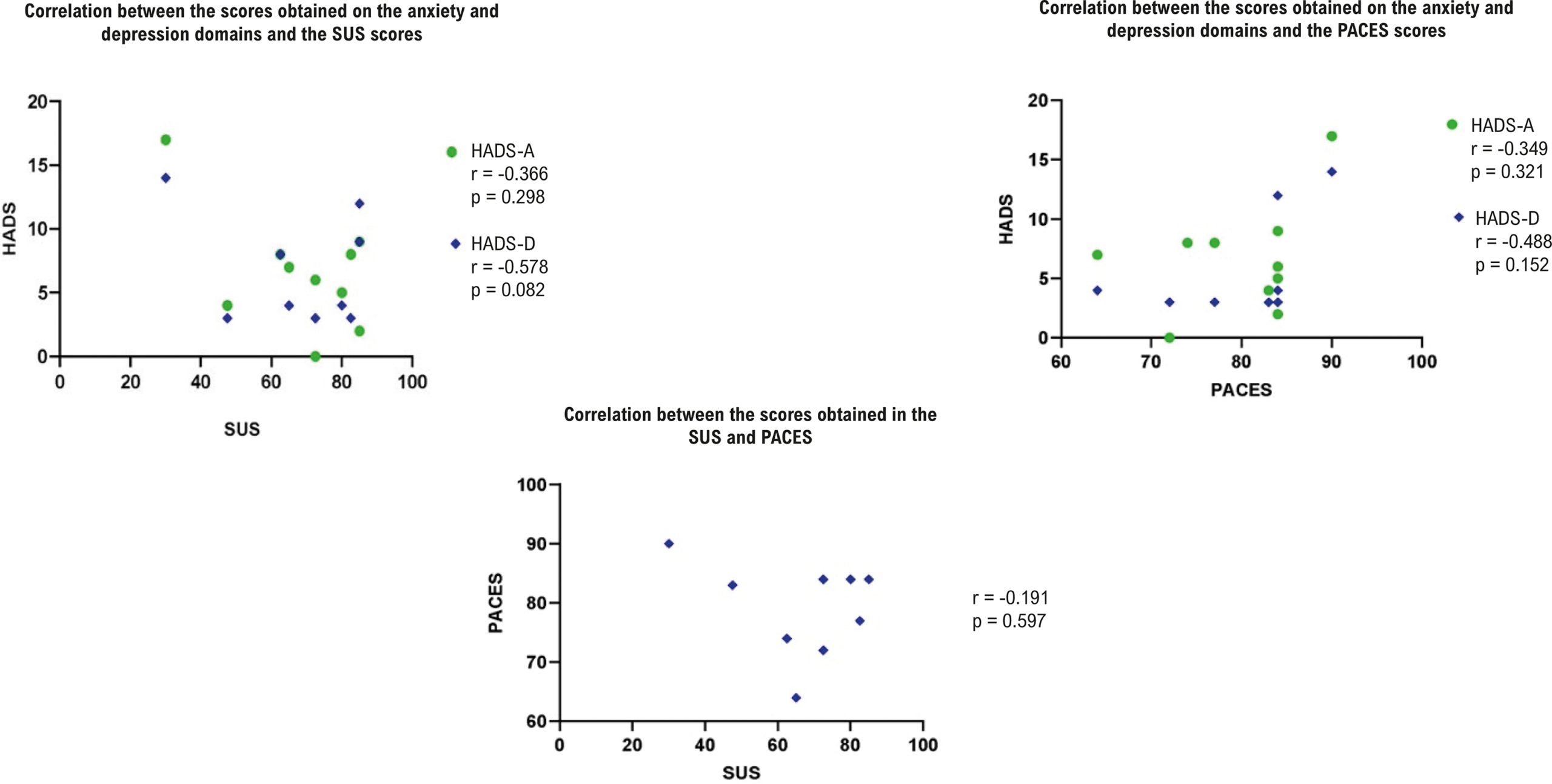
The population’s tendency to experience anxiety and depression was evaluated, and the sample favorably assessed the system’s usability, with a mean score of 68.2 (standard deviation ±17.8); exercise enjoyment scored 79.6 (±7.7). No significant correlations were found between anxiety and depression profiles and usability or exercise enjoyment, suggesting further study phases.

Conclusions

VR can complement rehabilitation programs for HF patients, potentially improving performance and adherence. Additional research is required to evaluate the effectiveness of VR-associated physical activity on clinical outcomes in HF patients.
  • digital health
  • Heart Failure
  • Rehabilitation
  • Virtual reality
Read Full Article
Creative Commons Attribution (CC BY) Creative Commons license
28/02/2025 DOI: 10.36660/ijcs.20240067 Views 2
Figure 1
IJCS
Original Article

Effectiveness of Early Mobilization in Prevention and Rehabilitation of Functional Impairment After Myocardial Revascularization Surgery: A Systematic Review

Marcia Cristina Lacerda das Judas et al. Rodrigo de Freitas Fontes Renata de Moura Larissa dos Santos … Mônica de Almeida Vinicius Gomes

Abstract

Introduction

Myocardial revascularization surgery is associated with high morbidity and mortality, due to factors like the general anesthesia and the surgical procedure itself. Physiotherapy, combined with early mobilization (EM), can provide the patient with better functional parameters.

Objective

To review, identify and describe the effectiveness of EM in the prevention and rehabilitation of functional parameters of coronary artery bypass graft surgery.

Methodology

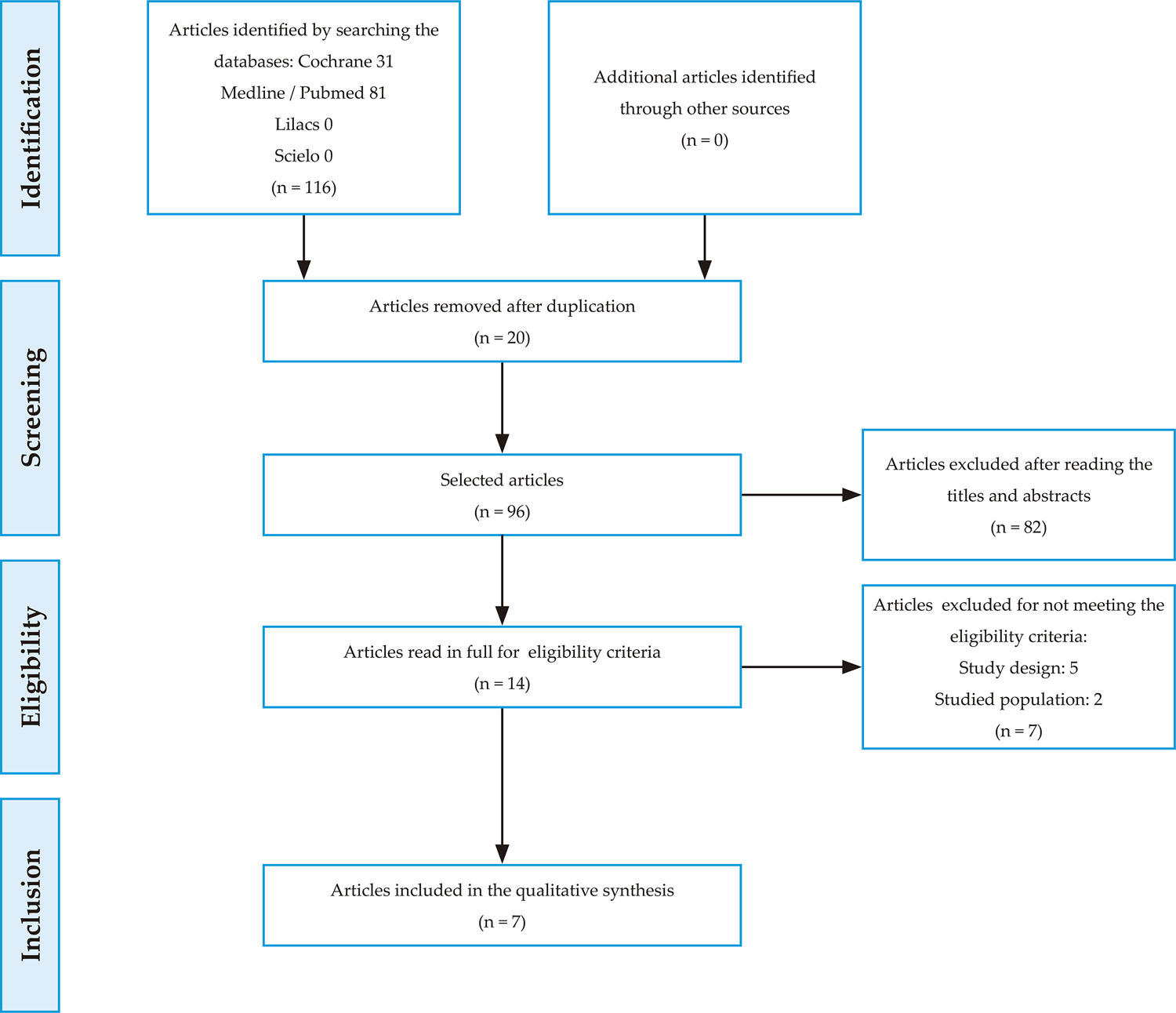
This is a systematic review conducted between February 2020 and 2021 of randomized clinical trials (RCTs) published in the Cochrane databases Library, LILACS, Scielo and Medline / PubMed. The Physiotherapy Evidence Database (PEDro) scale was used for assessment of the methodological quality of studies included.

Results

Four studies were reviewed. Two articles assessed functional capacity, one using the cycle ergometer and one with inspiratory muscle training (IMT) together with active exercises and early walking. One article reported a reduction in the incidence of atelectasis and pleural effusion with EM and one article reported improvements in the alveolus-artery gradient and inspiratory muscle power using an inspiratory muscle trainer combined with EM.

Conclusion

EM is effective in the prevention and rehabilitation of functional parameters after CABG surgery, by improving functional capacity, respiratory muscle power, quality of life and gas exchange, and reducing the incidence of atelectasis and pleural effusion.

  • Early mobilization
  • Myocardial Revascularization
  • Rehabilitation
Read Full Article
Creative Commons Attribution (CC BY) Creative Commons license
30/06/2023 DOI: 10.36660/ijcs.20210166
ABC
Editorial

Post-COVID Dysautonomias: The Importance of Early Recognition and Implementation of Recovery Programs

Denise Hachul et al. Tatiana Almeida Mauricio Scanavacca

The international scientific community has devoted all its efforts over the last three years to a better understanding and treatment of the SARS-COV-2 infection, which initially seemed to be limited to a severe acute respiratory syndrome. However, as time goes by, we are faced with a growing number of patients with multisystemic, persistent, intermittent, or late symptoms, which generate significant psycho-functional impairment of those affected and reveal to us the chronic and unpredictable nature of the disease.

The recognized Post-COVID Syndrome courses with a significant number of complaints described in case reports, population studies, and meta-analyses. Myocarditis, myocardial infarction, stroke, heart failure, arrhythmias, genitourinary, gastrointestinal, endocrinological, central, and peripheral neurological disorders of varying severities have been described in the subacute and chronic phases after contact with the virus.–

[…]

  • Depression
  • Dysautonomias/post-covid
  • Exercises
  • Memory/deficiency
  • Physiotherapy
  • Post-Covid/complications
  • Rehabilitation
  • SARS-CoV-2
Read Full Article
Creative Commons Attribution (CC BY) Creative Commons license
03/04/2023 DOI: 10.36660/abc.20230110 Views 1
Figure 1
ABCHF
Review Article

Cardiovascular Rehabilitation in Patients with Cancer

Pedro Vellosa Schwartzmann et al. Amanda Gonzales Renata R. T. Castro

Abstract

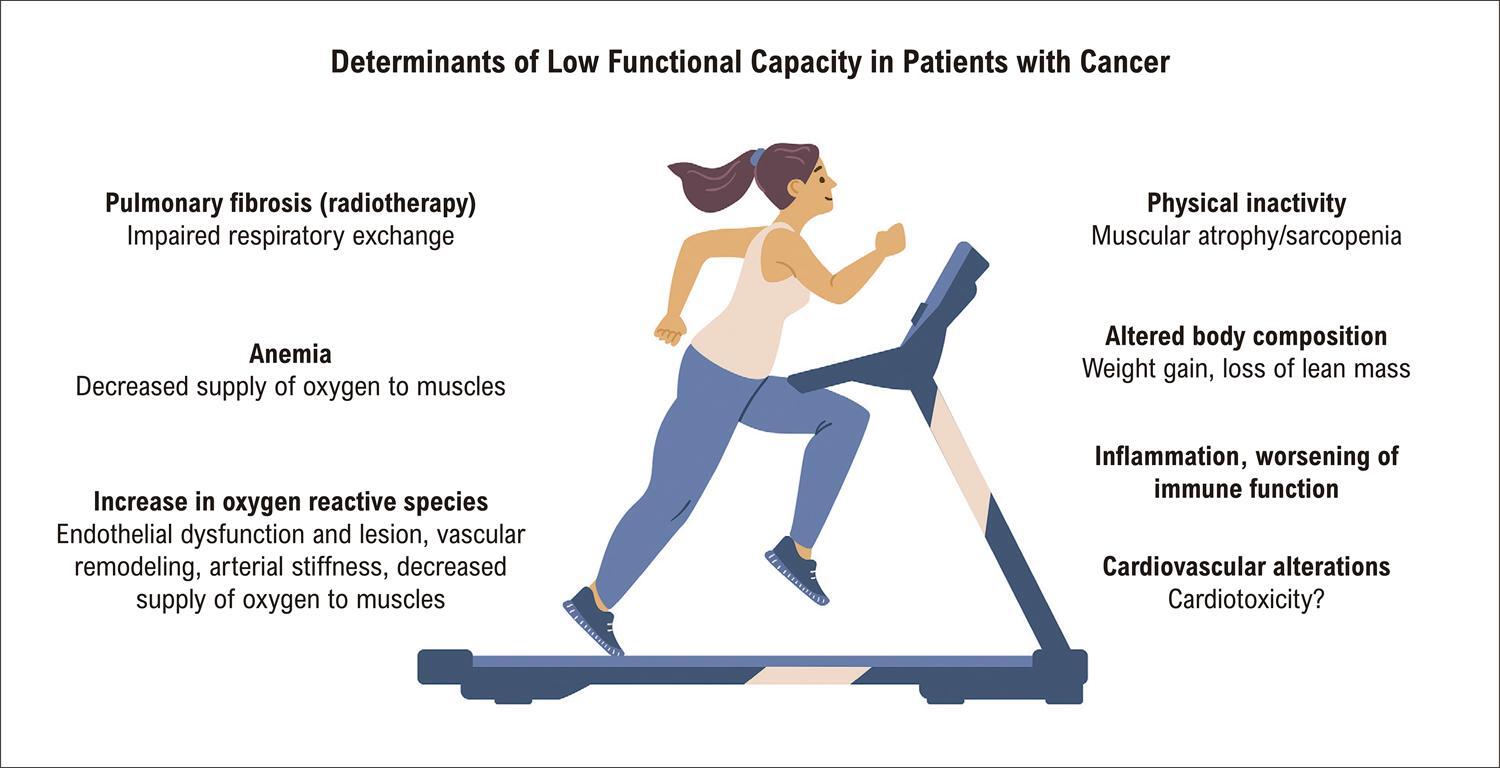
Advances in cancer treatment have increased patient survival, as well as susceptibility to cardiovascular disease, not only due to the increase in risk factors but also as a result of the treatment itself.Cardiotoxicity related to antineoplastic drugs is one of the most feared cardiovascular effects during or after chemotherapy treatment, and it is associated with unfavorable prognosis in cancer survivors. Moreover, it reduces physical capacity and quality of life. In this scenario, the multimodal model of cardio-oncological rehabilitation has become a fundamental strategy in patients with high cardiovascular risk or risk for the development of cardiotoxicity, as well as for those with already established heart disease.In this article, we will address the role of cardiac rehabilitation in patients with cancer and its particularities.

  • Cancer
  • Physical activity
  • Rehabilitation
Read Full Article
Creative Commons Attribution (CC BY) Creative Commons license
18/12/2022 DOI: 10.36660/abchf.20230005
ABC
Editorial

What is the Current Scenario of Cardiac Rehabilitation in Brazil and Portugal?

Ricardo Stein et al. Mauricio Milani Ana Abreu

What is the current scenario of cardiac rehabilitation in Brazil?

The scenario in Brazil is alarming. The number of documented CR programs is extremely insufficient in relation to the clinical need, and this is certainly harmful to the health of the Brazilian population with chronic heart diseases. Let’s look at the evidence: In a study published in 2020, Britto et al. estimated that, in Brazil, there is only 1 spot in a CR service for every 99 patients with ischemic heart disease, meaning that the availability is almost 3 times lower than that observed in another 32 countries evaluated (1 spot for every 32.7 patients). In another study that evaluated the worldwide availability and density of CR, this type of service was identified in 111 out of 203 countries, and the global ratio of spots for each patient with ischemic heart disease was 1 to 11, which demonstrates a sad reality.

Unpublished data on the availability of CR identified the operation of only 59 CR programs in Brazil; most of them (71%) were concentrated in the South (20%) and Southeast (51%) Regions of the country, which demonstrates not only the scarcity, but also the heterogeneity in the national distribution. In relation to available spots, the situation is even more concentrated, since 69% of them are in the Southeast Region, which exposes the large gap in spots and services in other Brazilian regions. Based on these data, the authors also calculated the national availability of CR spots for care after hospital discharge. The number of spots to provide care for these patients after a cardiovascular event represented less than 2% of the need.

[…]

  • Exercise
  • Heart
  • Rehabilitation
  • Secondary Prevention
Read Full Article
Creative Commons Attribution (CC BY) Creative Commons license
13/05/2022 DOI: 10.36660/abc.20220210 Views 1
ABC
Editorial

The Paradox of Exercise Intensity in Preventing Cardiovascular Events in Peripheral Arterial Occlusive Disease

Pablo de Souza et al. Cássio Perfete

Peripheral arterial disease (PAD) is characterized by narrowing of the arteries of the lower limbs due to atherosclerotic involvement. Its clinical manifestations go far beyond just a reduction in blood flow, leading to chronic ischemia. Current evidence shows that endothelial dysfunction, oxidative stress, arterial stiffness and inflammation also lead to functional impairment, consequently to patient decline.

All these factors end up impacting the quality of life of individuals, as it reduces their walking resistance, with intermittent claudication (IC) as the main symptom. Last but not least, we have also found progressive damage to muscle fibers caused by this chronic ischemia, further worsening the dysfunction of the skeletal muscle and metabolic morphology of the limb. This ends up creating an important barrier to the practice of physical activity, perpetuating and increasing the risk of cardiovascular events.–

[…]

  • Coronary Artery Disease
  • Exercise
  • Intermittent Claudication
  • Motor Activity
  • Rehabilitation
  • Risk Factors
  • walking
Read Full Article
Creative Commons Attribution (CC BY) Creative Commons license
06/09/2021 DOI: 10.36660/abc.20210595 Views 2
Figure 1
ABCHF
Original Article

Acute Inspiratory Muscle Training Modifies Hemodynamic Indices in Patients with Heart Failure with Preserved Ejection Fraction

Márcio Garcia Menezes et al. Eduardo Lima Garcia Leandro Tolfo Franzoni Vanessa Grings Luiz Claudio Danzmann

Abstract

Background:

Heart failure with preserved ejection fraction (HFpEF), a syndrome associated to decrease functional capacity, is quite difficult to manage. Inspiratory muscle training (IMT) has been used to treat symptoms and to improve functional capacity of patients with HFpEF. Thus, we aimed to evaluate the immediate effects and after 1 h of IMT on arterial pulsatile hemodynamics and on hemodynamic indices of left ventricular filling derived from Doppler echocardiography in patients with HFpEF.

Methods:

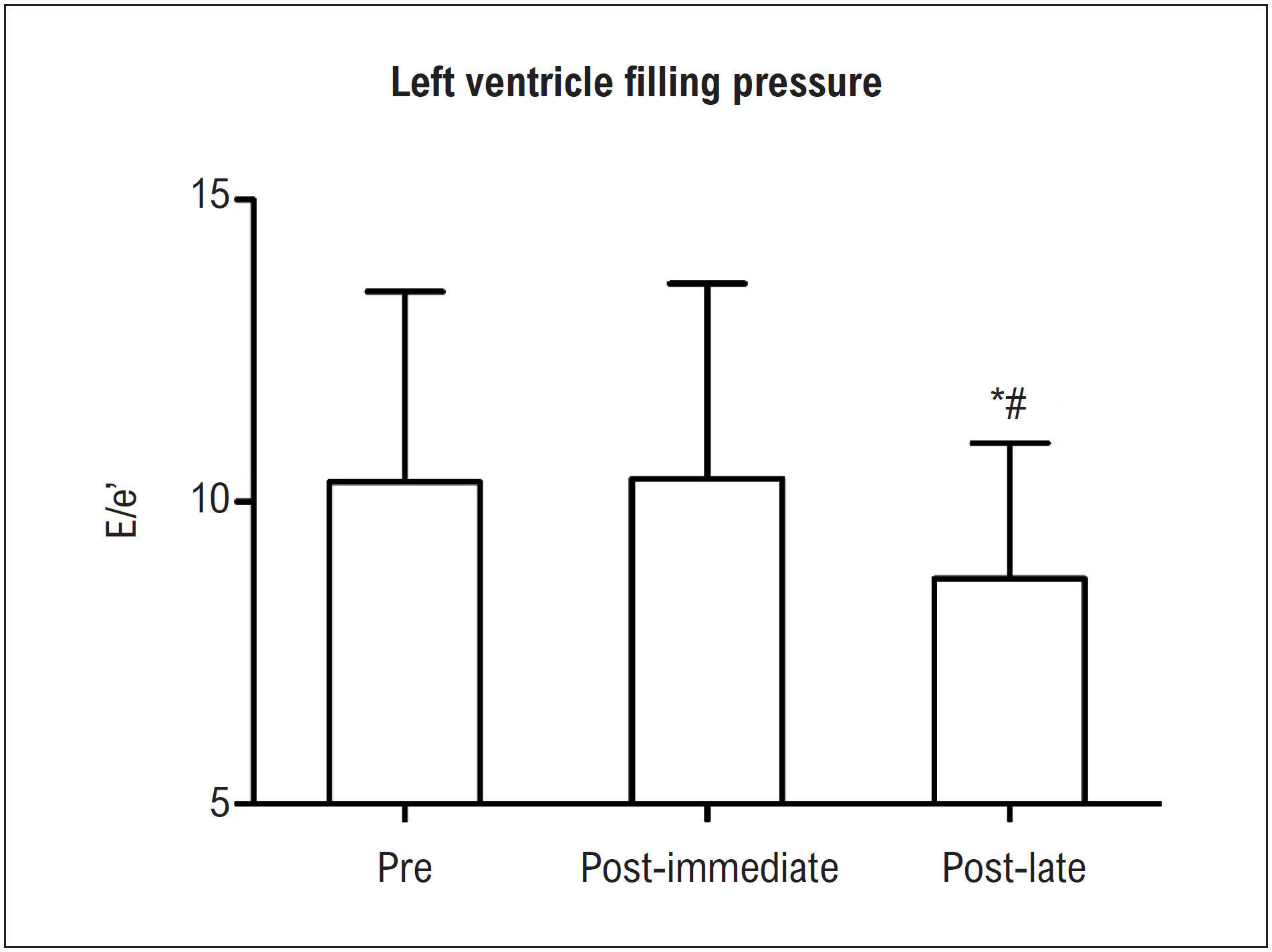
Eighteen patients with HFpEF who underwent IMT at an intensity of 80% of maximum inspiratory pressure were evaluated by Doppler echocardiogram in the pre, post-immediate and post-late periods; furthermore, pulsatile hemodynamic variables were collected. Functional capacity was assessed using the 6-minute walk test.

Results:

The population was composed predominantly of women (66.7%), mean age of 61.3 (7.2) years. Modifications were observed in the non-invasive LV filling pressure index (E/e’) (pre: 10.33 (SD, 3.15) vs post: 8.73 (SD, 2.24); p < 0.001) and in the pulse wave velocity (pre: 8.33 (SD, 1.67) vs post: 7.63 (SD, 1.66) m/s; p < 0.001), as well as pulse pressure (pre: 54.81 (SD, 18.73) vs post: 48.52 (SD, 15.74) mm Hg; p = 0.023).

Conclusion:

Our results demonstrated that a unique session of high-intensity IMT improved hemodynamic indices of LV filling and arterial stiffness in patients with HFpEF.

  • Dyspnea
  • Echocardiography/methods
  • Heart Failure/physiopathology
  • Hemodynamic
  • Inspiratory Reserve Volume
  • Pulmonary Medicine
  • Rehabilitation
  • Respiratory System
  • Stroke Volume
Read Full Article
Creative Commons Attribution (CC BY) Creative Commons license
06/07/2021 DOI: 10.36660/abchf.20210006
Figure 1
IJCS
Original Article

Continuous Aerobic Training and High Intensity Interval Training Increase Exercise Tolerance in Heart Failure Patients: A Retrospective Study

Diego Busin et al. Alexandre M. Lehnen Olga S. Tairova Eduardo P. Comparsi … Daniela Carneiro Micael Potter Luís F. Deresz Pedro Dal Lago Ramiro B. Nunes

Abstract

Background:

Conventional aerobic training is the first choice in cardiac rehabilitation for patients with chronic heart failure (CHF). However, high-intensity interval training (HIIT) may be an alternative, although it has little evidence.

Objectives:

To evaluate the effect of continuous aerobic training (CAT) or HIIT on exercise tolerance in CHF patients.

Methods:

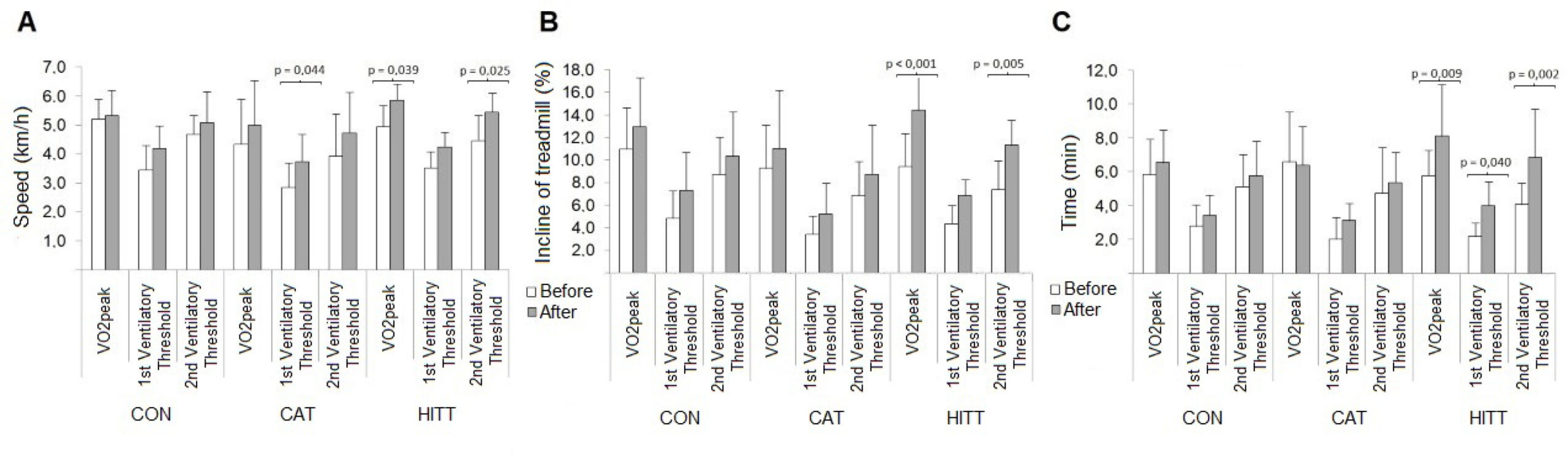
Retrospective study with 30 patients, of both genders, members of a 10-week CAT or HIIT program. The control group (CON) consisted of patients who did not participate voluntarily in the program. Peak oxygen uptake (VO2peak), thresholds (LV1 and LV2), and ventilatory efficiency in the production of dioxide (VE/VCO2 slope), oxygen uptake efficiency (OUES), and VO2 recovery kinetics were analyzed. A two-way or repeated measures ANOVA was used, followed by Fisher’s post-hoc test (p<0.05).

Results:

After 10 weeks of training, the CAT group increased the treadmill speed at LV1 (p=0.040), while the HIIT increased both the speed (p=0.030) and incline of the treadmill (p<0.001) for VO2peak and LV2, as well as the total time of the cardiopulmonary test. The VE/VCO2 slope was lower than that predicted for CAT (p=0.003) and HIIT (p=0.008). There was no change in VO2peak, recovery of heart rate (HR), and VO2, VE/VCO2, and OUES in both groups.

Conclusions:

After 10 weeks, both CAT and HIIT increased the tolerance to physical exercise. However, HIIT showed improvement in more parameters, differently from CAT.

  • Exercise Movement Techniques
  • Exercise Physical Exertion
  • Exercise Therapy
  • Heart Failure
  • Rehabilitation
Read Full Article
Creative Commons Attribution (CC BY) Creative Commons license
12/05/2021 DOI: 10.36660/ijcs.20200124 Views 1
ABC
Editorial

Reduction in Platelet Activation: A Potential Mechanistic Link between Regular Exercise and Its Benefits for Coronary Artery Disease

Christina Grüne de Souza e Silva

Exercise-based cardiac rehabilitation (CR) leads to significant reductions in mortality and risk for adverse cardiovascular events in coronary artery disease (CAD) patients., As a result, exercise-based CR is currently a Class 1A intervention for secondary prevention in CAD. However, despite considerable research efforts in the past several decades, the multidimensional mechanisms associated with the cardioprotective effects of regular exercise are still not fully elucidated.

On the other hand, increased platelet activity has been increasingly recognized as a key player in the pathogenesis and progression of atherosclerosis. Through the release of cytokines and chemokines, activated platelets mediate the recruitment of leukocytes to the vascular endothelium, favoring not only plaque rupture and thrombosis, but also contributing to the early steps of atherosclerosis and the later stages of atheroprogression.

[…]

  • Blood Platelets
  • Cardiovascular Diseases
  • Coronary Artery Disease
  • Exercise
  • Physical activity
  • Rehabilitation
Read Full Article
Creative Commons Attribution (CC BY) Creative Commons license
23/04/2021 DOI: 10.36660/abc.20201198
Figure 1
IJCS
Original Article

Acute Blood Pressure Response to Different Resistance Programs in Trained Men

Ariani França Conceição et al. Daniell Lima Muniz Clarcson Plácido Conceição dos Santos Ciro Oliveira Queiroz

Abstract

Background

Resistance training is used in different exercise programs, with different objectives and different levels of physical fitness. Training-related variables, such as volume, rest time and intensity, can affect the response of blood pressure (BP), but studies on the effect of these variables on BP are still needed.

Objective

To evaluate the acute response of BP in trained individuals undergoing two different methods of resistance training.

Methods

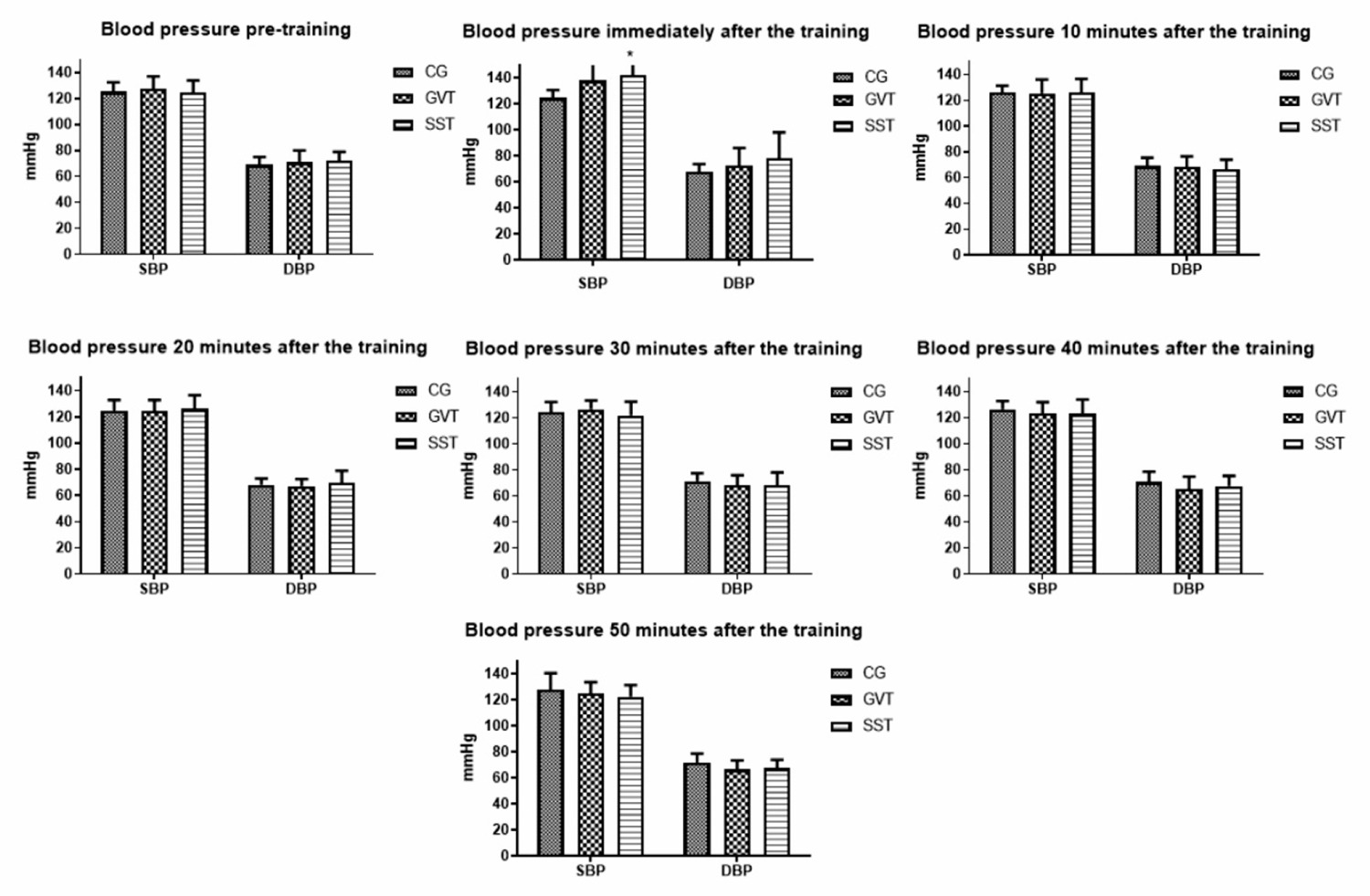
The sample was divided into three groups: (1) the German volume training (GVT) (n= 15), which consisted of 10 series of 10 repetitions at 50% of 1-repetition maximum (RM) with intervals of 30 seconds; (2) the sarcoplasm stimulating training (SST) (n= 16), performed at 8 RM and 85% of 1-RM and interval of 10 seconds until failure, followed by removal of 20% of weight and repetition of the whole series (total of three sets), and the control group (CG) (n= 15) who underwent BP measurements only. The two-way repeated measures ANOVA was used for analysis of variations, and a p< 0.05 was considered statistically significant.

Results

In the within-group analysis, a significant lowering of systolic blood pressure (SBP) was found at 10 minutes (125.4±10.8 mmHg, p= 0.045) and 20 minutes (124.5±8.5 mmHg, p= 0.044) post-training compared with immediately after training. In the between-group comparison, higher SBP values were observed immediately after training in the SST group (142.1±28.2, p= 0.048) compared with the CG.

Conclusion

High-volume and high-intensity resistance training programs did not cause abnormal changes in blood pressure. (Int J Cardiovasc Sci. 2021; [online].ahead print, PP.0-0)

  • Blood Pressure
  • Circuit Based Exercise
  • Exercise
  • Hypertension
  • Men
  • Rehabilitation
  • Resistance Training
Read Full Article
Creative Commons Attribution (CC BY) Creative Commons license
26/02/2021 DOI: 10.36660/ijcs.20190215 Views 1
Figure 1
IJCS
Original Article

Effects of Inspiratory Muscle Training Using an Electronic Device on Patients Undergoing Cardiac Surgery: A Randomized Controlled Trial

João Vyctor Silva Fortes et al. Mayara Gabrielle Barbosa Borges Maria Jhany da Silva Marques Rafaella Lima Oliveira … Liana Rodrigues da Rocha Érica Miranda de Castro Mateus Souza Esquivel Daniel Lago Borges

Abstract

Background

Cardiac surgery causes pathophysiological changes that favor the occurrence of pulmonary and functional complications.

Objective

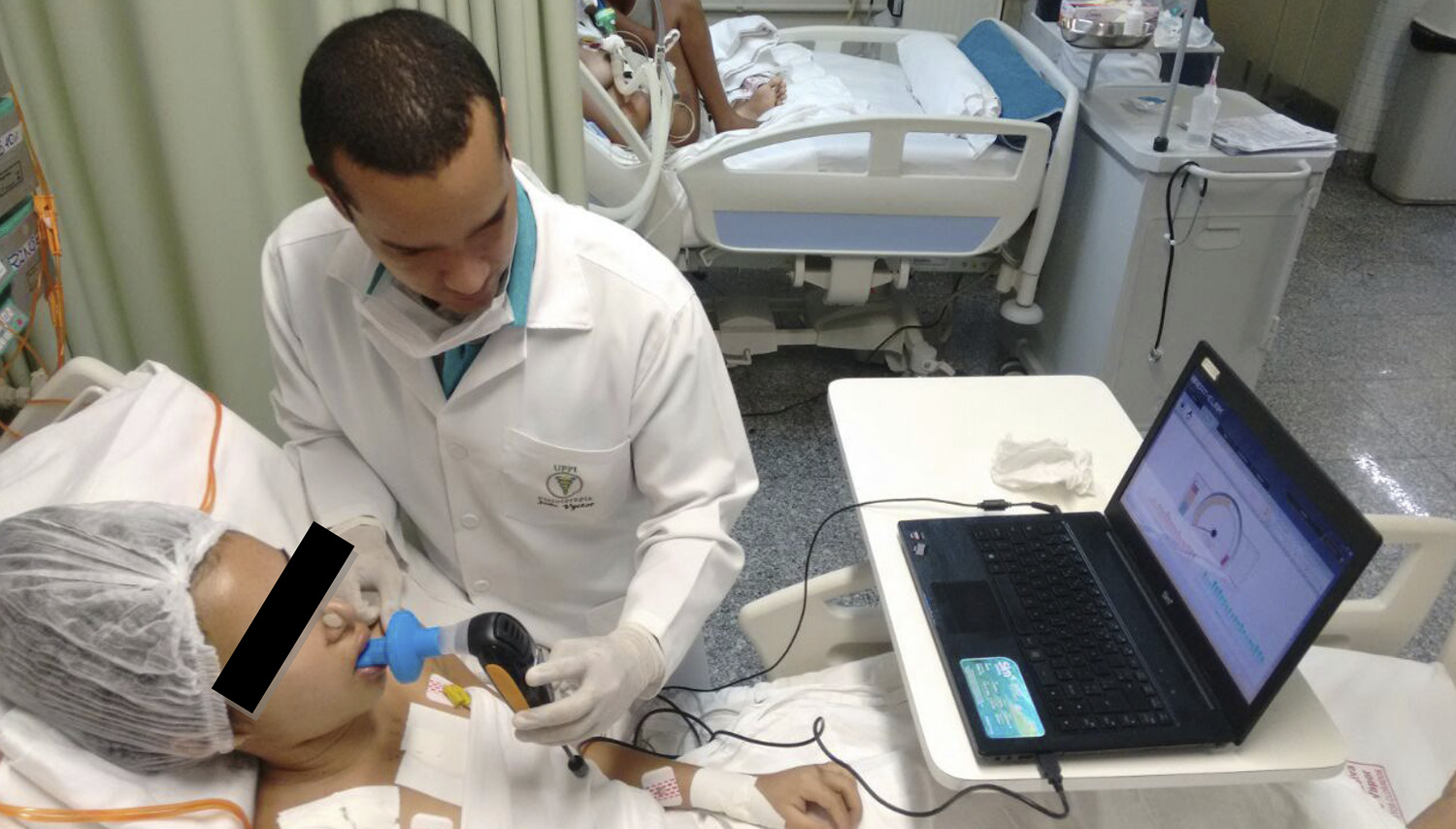
To investigate the effects of inspiratory muscle training (IMT) with an electronic device on patients undergoing cardiac surgery.

Methods

A randomized controlled trial was conducted with 30 adult patients undergoing elective cardiac surgery. A control group (CG) received conventional physical therapy care, and an intervention group (IG) received IMT using the POWERbreathe K5® electronic device. Two daily sessions of physical therapy were performed at the intensive care unit and one daily session at the ward until the sixth postoperative day. The following variables were measured preoperatively and on the sixth postoperative day, in both groups: inspiratory muscle strength, dynamic inspiratory muscle strength, and peak inspiratory flow. Data distribution was evaluated by the Shapiro-Wilk test. Analysis of variance was used, and the results were considered statistically significant when p < 0.05.

Results

Maximal inspiratory pressure (71.7 ± 17.1 cmH2O vs 63.3 ± 21.3 cmH2O; p = 0.11], S-index (52.61 ± 18.61 vs 51.08 ± 20.71), and peak inspiratory flow [(2.94 ± 1.09 vs 2.79 ± 1.26)] were maintained in the IG but had a significant reduction in the CG.

Conclusion

IMT performed with an electronic device was effective at maintaining inspiratory muscle strength, dynamic inspiratory muscle strength, and peak inspiratory flow when compared to conventional physical therapy. Int J Cardiovasc Sci. 2020; [online].ahead print, PP.0-0

  • Breathing Exercises
  • Cardiac Surgery/complications
  • Muscle Strength
  • Physiotherapy
  • Rehabilitation
  • Respiratory Tract Diseases/complications
Read Full Article
Creative Commons Attribution (CC BY) Creative Commons license
06/11/2020 DOI: 10.36660/ijcs.20190093 Views 1
IJCS
Review Article

Effects of Exercise Training on Cardiovascular and Autonomic Parameters in Stroke Survivors: A Systematic Review

Bruno Bavaresco Gambassi et al. Fabiano de Jesus Furtado Almeida Ana Eugênia Araújo Furtado Almeida João Alberto Ribeiro … Tânia Maria Gaspar Novais Paulo Adriano Schwingel Ciro Oliveira Queiroz Clarcson Plácido Conceição dos Santos Bruno Rodrigues

Abstract

Negative changes in cardiovascular and autonomic variables in stroke survivors have encouraged the global scientific community to focus on investigating therapeutic strategies to mitigate stroke damage. The objective of the present study was to describe the effects of exercise training on cardiovascular and autonomic variables in stroke survivors. We used the PICO (population, intervention, control/comparison, and outcome variables) model for the search of articles in PubMed and Physiotherapy Evidence Databases from 2009 to December 2018. The following data were also recorded: type of study, author, year of publication, participants (time after stroke, sample size, and age) and benefits of exercise training. A total of 544 articles were initially selected, of which nine peer-reviewed articles met the search criteria. These nine studies enrolled 611 participants (middle-aged or elderly), and pointed to positive effects of training on maximal oxygen uptake, peak aerobic capacity, 6-minute walk test and resting heart rate. However, more well-controlled studies are needed to confirm the benefits of exercise training on cardiovascular and autonomic variables in this population.

  • Autonomic Nervous System
  • Cardiovascular System
  • Exercise
  • physical fitness
  • Physiotherapy
  • Rehabilitation
  • Review
  • Stroke
Read Full Article
Creative Commons Attribution (CC BY) Creative Commons license
12/08/2019 DOI: 10.5935/2359-4802.20190047
ABC
Brief Communication

Influence of Aerobic Training on The Mechanics of Ventricular Contraction After Acute Myocardial Infarction: A Pilot Study

Giovani Luiz De Santi et al. Henrique Turin Moreira Eduardo Elias Vieira de Carvalho Júlio César Crescêncio … André Schmidt José Antônio Marin-Neto Lourenço Gallo-Júnior

Abstract

The study of myocardial contractility, based on the new anatomical concepts that govern cardiac mechanics, represents a promising strategy of analysis of myocardial adaptations related to physical training in the context of post-infarction.

We investigated the influence of aerobic training on physical capacity and on the evaluation parameters of left ventricular contraction mechanics in patients with myocardial infarction.

Thirty-one patients (55.1 ± 8.9 years) who had myocardial infarction in the anterior wall were prospectively investigated in three groups: interval training group (ITG) (n = 10), moderate training group (MTG) n = 10) and control group (CG) (n = 10). Before and after 12 weeks of clinical follow-up, patients underwent cardiopulmonary exercise testing and cardiac magnetic resonance imaging. The trained groups performed supervised aerobic training on treadmill, in two different intensities.

A statistically significant increase in peak oxygen uptake (VO2) was observed in the ITG (19.2 ± 5.1 at 21.9 ± 5.6 ml/kg/min, p < 0.01) and in the MTG 18.8 ± 3.7 to 21.6 ± 4.5 ml/kg/min, p < 0.01). The GC did not present a statistically significant change in peak VO2. A statistically significant increase in radial strain (STRAD) was observed in the CG: basal STRAD (57.4 ± 16.6 to 84.1 ± 30.9%, p < 0.05), medial STRAD (57.8 ± 27, 9 to 74.3 ± 36.1%, p < 0.05) and apical STRAD (38.2 ± 26.0 to 52.4 ± 29.8%, p < 0.01). The trained groups did not present a statistically significant change of the radial strain.

The present study points to a potential clinical application of the parameters of ventricular contraction mechanics analysis, especially radial strain, to discriminate post-infarction myocardial adaptations between patients submitted or not to aerobic training programs.

  • Exercise
  • Magnetic Resonance Imaging
  • Myocardial Contraction
  • Myocardial Infarction
  • Rehabilitation
  • Stroke Volume
Read Full Article
Creative Commons Attribution (CC BY) Creative Commons license
01/04/2018 DOI: 10.5935/abc.20180049 Views 2
Figure 1
ABC
Original Article

Safety and Efficacy of Aerobic Exercise Training Associated to Non-Invasive Ventilation in Patients with Acute Heart Failure

Mayron F. Oliveira et al. Rita C. Santos Suellen A. Artz Vanessa M. F. Mendez … Denise M. L. Lobo Edileide B. Correia Almir S. Ferraz Iracema I. K. Umeda Priscila A. Sperandio

Abstract

Background:

Exercise training (ET) improves functional capacity in chronic heart failure (HF). However, ET effects in acute HF are unknown.

Objective:

To investigate the effects of ET alone or combined with noninvasive ventilation (NIV) compared with standard medical treatment during hospitalization in acute HF patients.

Methods:

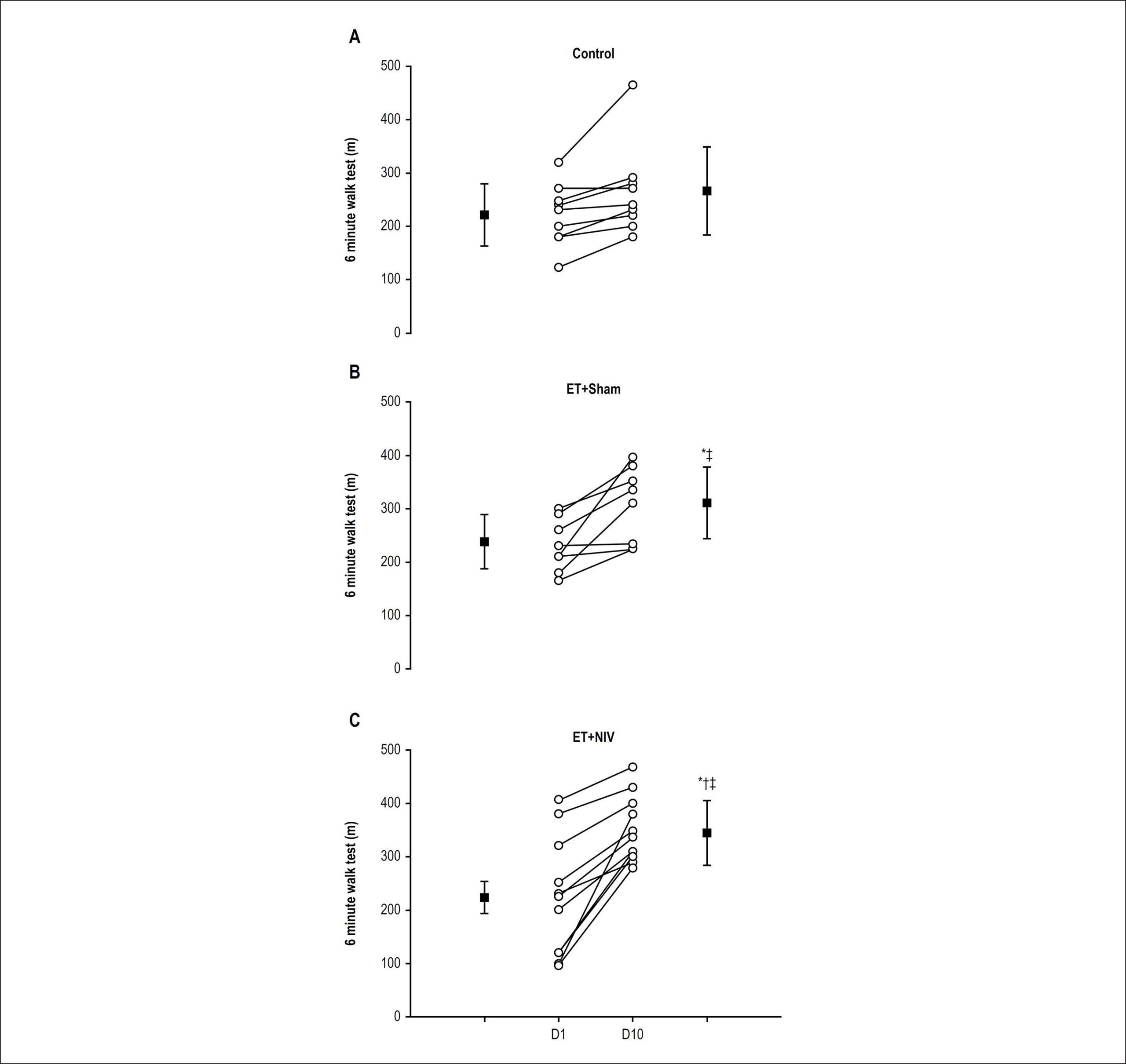
Twenty-nine patients (systolic HF) were randomized into three groups: control (Control – only standard medical treatment); ET with placebo NIV (ET+Sham) and ET+NIV (NIV with 14 and 8 cmH2O of inspiratory and expiratory pressure, respectively). The 6MWT was performed on day 1 and day 10 of hospitalization and the ET was performed on an unloaded cycle ergometer until patients’ tolerance limit (20 min or less) for eight consecutive days. For all analyses, statistical significance was set at 5% (p < 0.05).

Results:

None of the patients in either exercise groups had adverse events or required exercise interruption. The 6MWT distance was greater in ET+NIV (Δ120 ± 72 m) than in ET+Sham (Δ73 ± 26 m) and Control (Δ45 ± 32 m; p < 0.05). Total exercise time was greater (128 ± 10 vs. 92 ± 8 min; p < 0.05) and dyspnea was lower (3 ± 1 vs. 4 ± 1; p < 0.05) in ET+NIV than ET+Sham. The ET+NIV group had a shorter hospital stay (17 ± 10 days) than ET+Sham (23 ± 8 days) and Control (39 ± 15 days) groups (p < 0.05). Total exercise time in ET+Sham and ET+NIV had significant correlation with length of hospital stay (r = -0.75; p = 0.01).

Conclusion:

Exercise training in acute HF was safe, had no adverse events and, when combined with NIV, improved 6MWT and reduce dyspnea and length of stay.

  • Acute Heart Failure
  • Exercise
  • Non-Invasive Ventilation
  • Physiotherapy
  • Rehabilitation
Read Full Article
Creative Commons Attribution (CC BY) Creative Commons license
12/03/2018 DOI: 10.5935/abc.20180039 Views 1
ABC
Original Article

Development and Psychometric Validation of HIPER-Q to Assess Knowledge of Hypertensive Patients in Cardiac Rehabilitation

Rafaella Zulianello dos Santos et al. Christiani Decker Batista Bonin Eliara Ten Caten Martins Moacir Pereira Junior … Gabriela Lima de Melo Ghisi Kassia Rosangela Paz de Macedo Magnus Benetti

Abstract

Background:

The absence of instruments capable of measuring the level of knowledge of hypertensive patients in cardiac rehabilitation programs about their disease reflects the lack of specific recommendations for these patients.

Objective:

To develop and validate a questionnaire to evaluate the knowledge of hypertensive patients in cardiac rehabilitation programs about their disease.

Methods:

A total of 184 hypertensive patients (mean age 60.5 ± 10 years, 66.8% men) were evaluated. Reproducibility was assessed by calculation of the intraclass correlation coefficient using the test-retest method. Internal consistency was assessed by the Cronbach’s alpha and the construct validity by the exploratory factorial analysis.

Results:

The final version of the instrument had 17 questions organized in areas considered important for patient education. The instrument proposed showed a clarity index of 8.7 (0.25). The intraclass correlation coefficient was 0.804 and the Cronbach’s correlation coefficient was 0.648. Factor analysis revealed five factors associated with knowledge areas. Regarding the criterion validity, patients with higher education level and higher family income showed greater knowledge about hypertension.

Conclusion:

The instrument has a satisfactory clarity index and adequate validity, and can be used to evaluate the knowledge of hypertensive participants in cardiac rehabilitation programs.

  • Health Education
  • Hypertension / prevention & control
  • Rehabilitation
  • Validation Studies as Topic
Read Full Article
Creative Commons Attribution (CC BY) Creative Commons license
01/02/2018 DOI: 10.5935/abc.20170183
Figure 1
IJCS
Original Article

A Simpler and Shorter Neuromuscular Electrical Stimulation Protocol Improves Functional Status and Modulates Inflammatory Profile in Patients with End-Stage Congestive Heart Failure

Maria Carolina Basso Sacilotto et al. Carlos Fernando Ramos Lavagnoli Lindemberg Mota Silveira-Filho Karlos Alexandre de Souza Vilarinho … Elaine Soraya Barbosa de Oliveira Daniela Diógenes de Carvalho Pedro Paulo Martins de Oliveira Otávio Rizzi Coelho-Filho Orlando Petrucci Junior

Abstract

Background:

Neuromuscular electrical stimulation (NMES) using a stimulation wave for 5 days/week over 8 weeks has been used as a treatment option for congestive heart failure (CHF) patients who are unable to tolerate aerobic exercise.

Objective:

We assessed the impact of a shorter NMES protocol using a Russian stimulation wave on the functional status, quality of life (QoL) and inflammatory profile of end-stage CHF patients.

Methods:

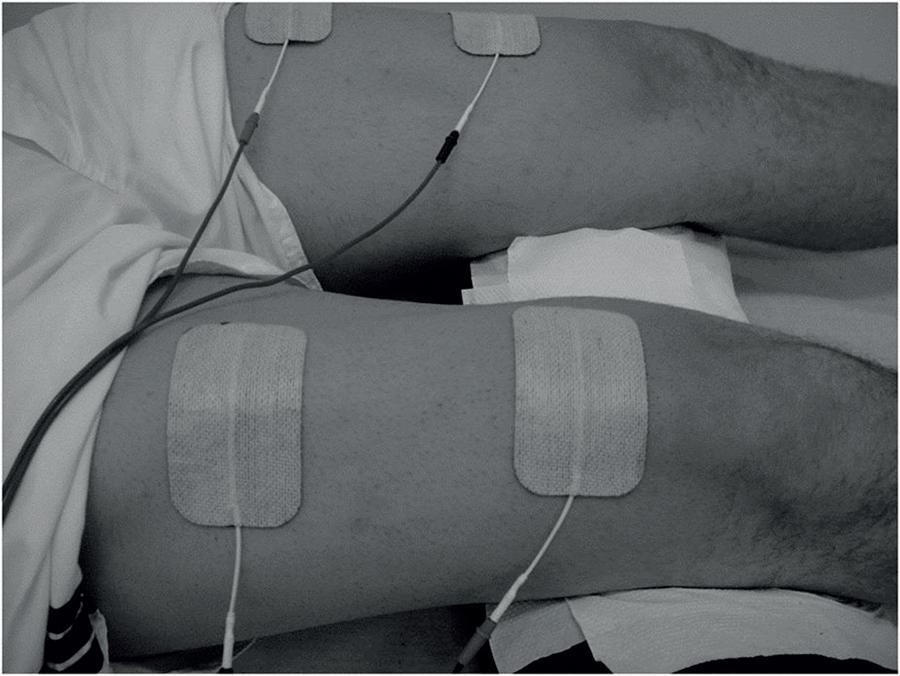
Twenty-eight patients with end-stage CHF (53 ± 11 years) were randomized to the NMES or control group. Treatment was an NMES training program with Russian stimulation wave, applied for 50 minutes to both quadriceps femoral muscles twice weekly over seven weeks. The stimulation intensity was chosen to elicit muscle contractions in the NMES group and current input up to sensory threshold in the control group. Distance in the 6-minute walk test (6MWT) and QoL score by the Minnesota Living with Heart Failure Questionnaire were evaluated before, immediately after and one month after NMES protocol completion. Peripheral leukocytes were obtained to measure the gene expression levels of inflammatory cytokines.

Results:

The NMES group showed increases in the 6MWT (324 ± 117 vs. 445 ± 100 m; p = 0.02) and QoL score (64 ± 22 vs. 45 ± 17; p < 0.01) immediately but not 1 month after protocol completion, as well as increased gene expression levels of IL-1β, IL-6 and IL-8 after protocol completion.

Conclusion:

Using a shorter and fewer sessions NMES protocol improved the QoL score and functional class of severe CHF patients, and modulated the gene expression levels of some cytokines. This protocol might be a good alternative for patients with severe CHF and limitations in protocol adherence. (Int J Cardiovasc Sci. 2017;30(6)484-495)

  • Electric Stimulation Therapy / adverse effects
  • Exercise
  • Exercise Tolerance
  • Heart Failure
  • Heart Transplantation
  • Rehabilitation
Read Full Article
Creative Commons Attribution (CC BY) Creative Commons license
01/01/2017 DOI: 10.5935/2359-4802.20170064
ABC
Original Article

Aerobic Training after Myocardial Infarction: Remodeling Evaluated by Cardiac Magnetic Resonance

Nataly Lino Izeli et al. Aurélia Juliana dos Santos Júlio César Crescêncio Ana Clara Campagnolo Real Gonçalves … Valéria Papa Fabiana Marques Antônio Pazin-Filho Lourenço Gallo-Júnior André Schmidt

Abstract

Background:

Numerous studies show the benefits of exercise training after myocardial infarction (MI). Nevertheless, the effects on function and remodeling are still controversial.

Objectives:

To evaluate, in patients after (MI), the effects of aerobic exercise of moderate intensity on ventricular remodeling by cardiac magnetic resonance imaging (CMR).

Methods:

26 male patients, 52.9 ± 7.9 years, after a first MI, were assigned to groups: trained group (TG), 18; and control group (CG), 8. The TG performed supervised aerobic exercise on treadmill twice a week, and unsupervised sessions on 2 additional days per week, for at least 3 months. Laboratory tests, anthropometric measurements, resting heart rate (HR), exercise test, and CMR were conducted at baseline and follow-up.

Results:

The TG showed a 10.8% reduction in fasting blood glucose (p = 0.01), and a 7.3-bpm reduction in resting HR in both sitting and supine positions (p < 0.0001). There was an increase in oxygen uptake only in the TG (35.4 ± 8.1 to 49.1 ± 9.6 mL/kg/min, p < 0.0001). There was a statistically significant decrease in the TG left ventricular mass (LVmass) (128.7 ± 38.9 to 117.2 ± 27.2 g, p = 0.0032). There were no statistically significant changes in the values of left ventricular end-diastolic volume (LVEDV) and ejection fraction in the groups. The LVmass/EDV ratio demonstrated a statistically significant positive remodeling in the TG (p = 0.015).

Conclusions:

Aerobic exercise of moderate intensity improved physical capacity and other cardiovascular variables. A positive remodeling was identified in the TG, where a left ventricular diastolic dimension increase was associated with LVmass reduction.

  • Exercise
  • Magnetic Resonance Spectroscopy
  • Myocardial Infarction
  • Rehabilitation
Read Full Article
Creative Commons Attribution (CC BY) Creative Commons license
08/03/2016 DOI: 10.5935/abc.20160031 Views 1
Figure 1
ABC
Original Article

Alternatives to Aerobic Exercise Prescription in Patients with Chronic Heart Failure

Mayron F Oliveira et al. Gabriela Zanussi Bianca Sprovieri Denise M. L. Lobo … Luiz E Mastrocolla Iracema I. K. Umeda Priscila A Sperandio

Background:

Exercise is essential for patients with heart failure as it leads to a reduction in morbidity and mortality as well as improved functional capacity and oxygen uptake (v̇O2). However, the need for an experienced physiologist and the cost of the exam may render the cardiopulmonary exercise test (CPET) unfeasible. Thus, the six-minute walk test (6MWT) and step test (ST) may be alternatives for exercise prescription.

Objective:

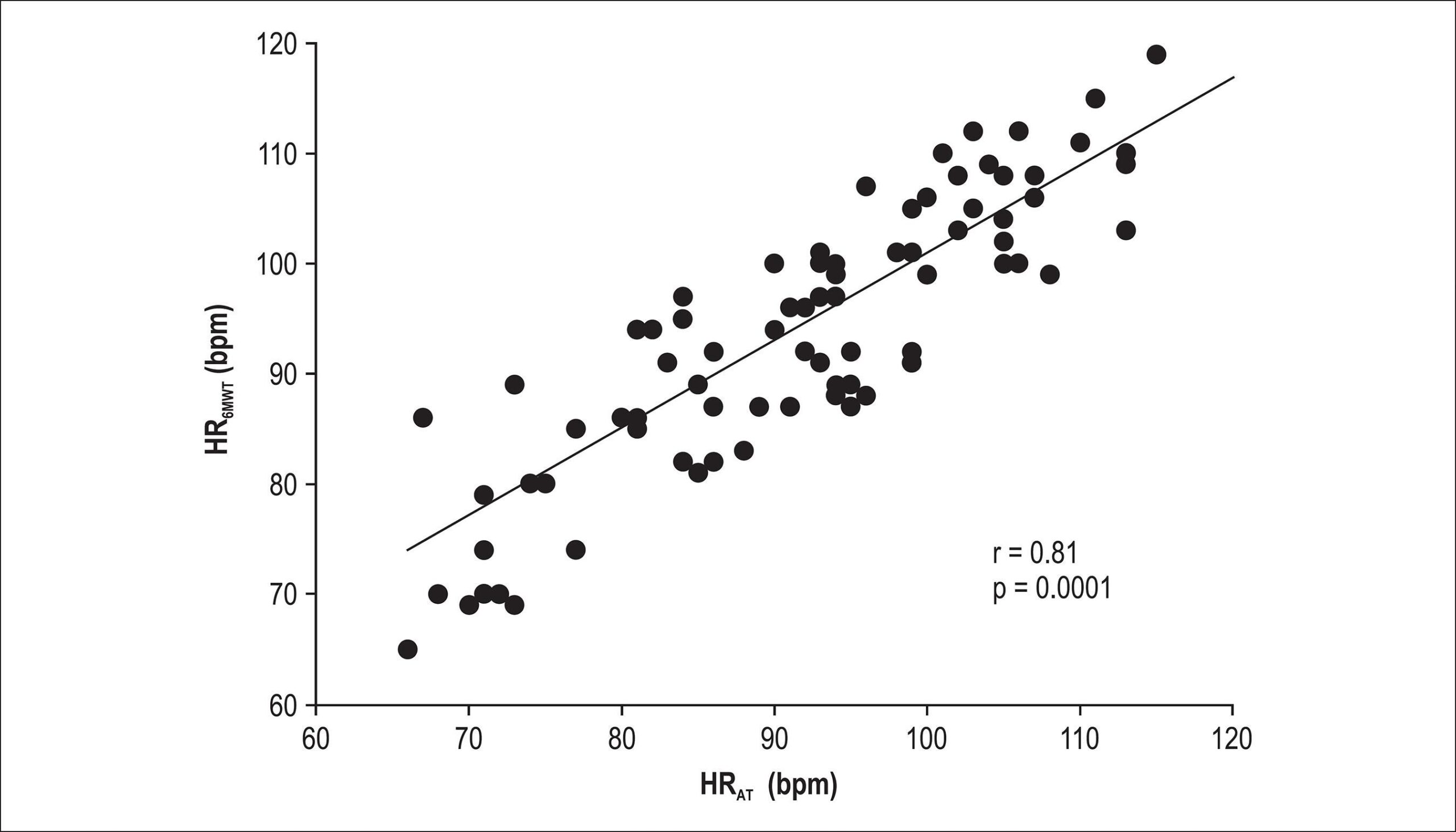
The aim was to correlate heart rate (HR) during the 6MWT and ST with HR at the anaerobic threshold (HRAT) and peak HR (HRP) obtained on the CPET.

Methods:

Eighty-three patients (58 ± 11 years) with heart failure (NYHA class II) were included and all subjects had optimized medication for at least 3 months. Evaluations involved CPET (v̇O2, HRAT, HRP), 6MWT (HR6MWT) and ST (HRST).

Results:

The participants exhibited severe ventricular dysfunction (ejection fraction: 31 ± 7%) and low peak v̇O2 (15.2 ± 3.1 mL.kg-1.min-1). HRP (113 ± 19 bpm) was higher than HRAT (92 ± 14 bpm; p < 0.05) and HR6MWT (94 ± 13 bpm; p < 0.05). No significant difference was found between HRP and HRST. Moreover, a strong correlation was found between HRAT and HR6MWT (r = 0.81; p < 0.0001), and between HRP and HRST (r = 0.89; p < 0.0001).

Conclusion:

These findings suggest that, in the absence of CPET, exercise prescription can be performed by use of 6MWT and ST, based on HR6MWT and HRST

  • Cardiopulmonary exercise test
  • chronic heart failure
  • exercise prescription
  • Rehabilitation
  • Six-minute walk test
Read Full Article
Creative Commons Attribution (CC BY) Creative Commons license
22/01/2016 DOI: 10.5935/abc.20160014
Figure 1
ABC
Original Article

Resistance Training After Myocardial Infarction in Rats: Its Role on Cardiac and Autonomic Function

Camilla Figueiredo Grans et al. Daniele Jardim Feriani Marcos Elias Vergilino Abssamra Leandro Yanase Rocha … Nicolle Martins Carrozzi Cristiano Mostarda Diego Mendrot Figueroa Kátia De Angelis Maria Cláudia Irigoyen Bruno Rodrigues

Background:

Although resistance exercise training is part of cardiovascular rehabilitation programs, little is known about its role on the cardiac and autonomic function after myocardial infarction.

Objective:

To evaluate the effects of resistance exercise training, started early after myocardial infarction, on cardiac function, hemodynamic profile, and autonomic modulation in rats.

Methods:

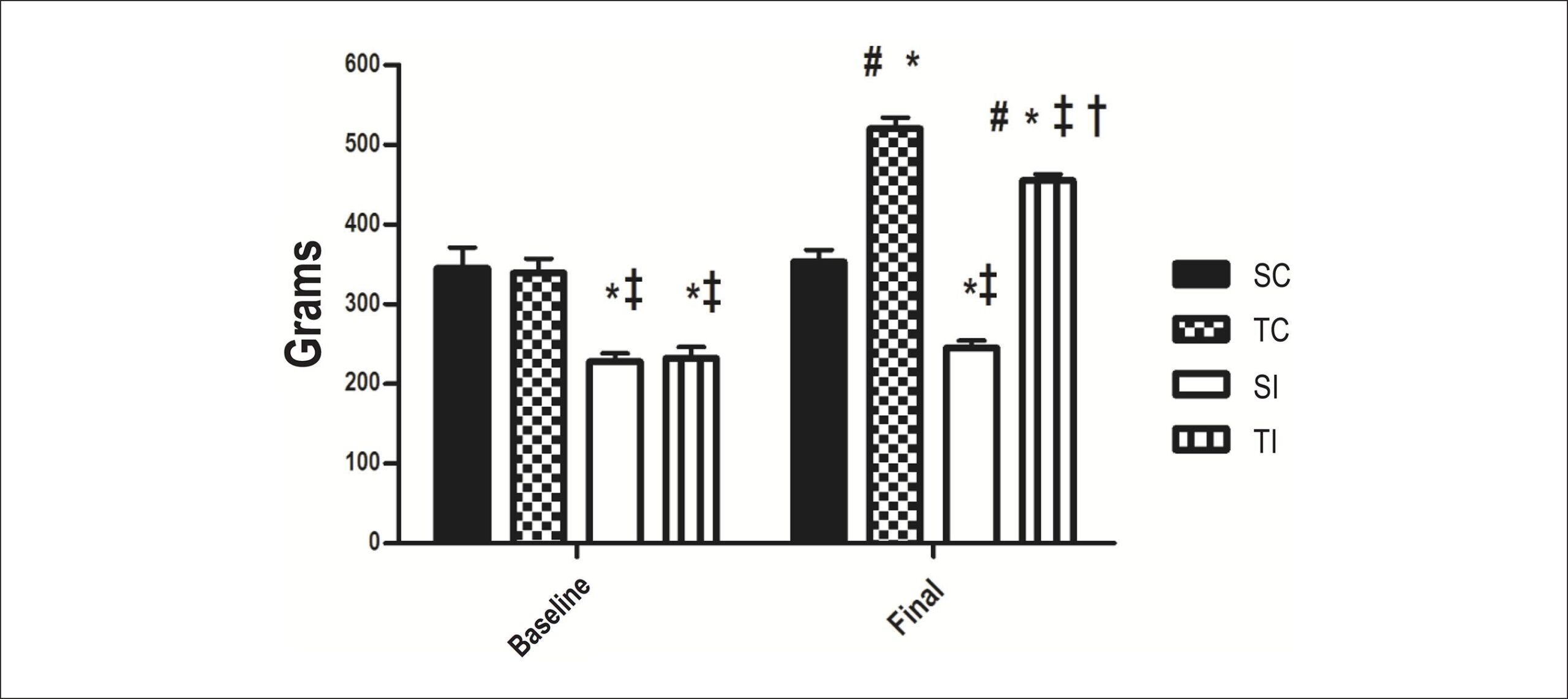
Male Wistar rats were divided into four groups: sedentary control, trained control, sedentary infarcted and trained infarcted rats. Each group with n = 9 rats. The animals underwent maximum load test and echocardiography at the beginning and at the end of the resistance exercise training (in an adapted ladder, 40% to 60% of the maximum load test, 3 months, 5 days/week). At the end, hemodynamic, baroreflex sensitivity and autonomic modulation assessments were made.

Results:

The maximum load test increased in groups trained control (+32%) and trained infarcted (+46%) in relation to groups sedentary control and sedentary infarcted. Although no change occurred regarding the myocardial infarction size and systolic function, the E/A ratio (-23%), myocardial performance index (-39%) and systolic blood pressure (+6%) improved with resistance exercise training in group trained infarcted. Concomitantly, the training provided additional benefits in the high frequency bands of the pulse interval (+45%), as well as in the low frequency band of systolic blood pressure (-46%) in rats from group trained infarcted in relation to group sedentary infarcted.

Conclusion:

Resistance exercise training alone may be an important and safe tool in the management of patients after myocardial infarction, considering that it does not lead to significant changes in the ventricular function, reduces the global cardiac stress, and significantly improves the vascular and cardiac autonomic modulation in infarcted rats.

  • Autonomic Nervous System
  • Exercise
  • Myocardial Infarction
  • Rats
  • Rehabilitation
  • Resistance Training
  • Ventricular Function
Read Full Article
Creative Commons Attribution (CC BY) Creative Commons license
09/07/2014 DOI: 10.5935/abc.20140093 Views 2
ABC
Artigo Original

Assessment of patient knowledge of cardiac rehabilitation: Brazil vs Canada

Gabriela Lima de Melo Ghisi et al. Paul Oh Scott Thomas Magnus Benetti

BACKGROUND: Much of the relationship between health status and knowledge about health and disease can be attributed to the combined effects of disparate health-related behavior, environmental conditions, and socioeconomic structures as well as contact with and delivery of health care. OBJECTIVE: The aim of this study was to describe and compare knowledge of patients with coronary artery disease (CAD) enrolled in cardiac rehabilitation (CR) programs in Brazil and Canada about CAD-related factors. METHODS: Two samples of 300 Brazilian and 300 Canadian patients enrolled in CR were compared cross-sectionally. Brazilian patients were recruited from 2 CR centers in Southern Brazil, whereas Canadian patients were recruited from 1 CR center in Ontario. Knowledge was assessed using the Coronary Artery Disease Education Questionnaire (CADE-Q), psychometrically validated in Portuguese and English. The data were processed through descriptive statistics, post-hoc and the Student’s t-tests. RESULTS: The mean total knowledge score for the whole sample was 41.42 ± 9.3. Canadian respondents had significantly greater mean total knowledge scores than Brazilian respondents. The most highly knowledgeably domain in both samples was physical exercise. In 13 of 19 questions, Canadian respondents reported significantly greater knowledge scores than Brazilian respondents. CONCLUSIONS: Canadian outpatients reported significantly greater knowledge than their Brazilian counterparts. The results also suggest that having a structured educational curriculum in CR programs may contribute to increased patient knowledge, which may ultimately facilitate behavioral changes.

  • Brazil, Canada, Knowledge
  • Cardiovascular disease
  • Exercise
  • PatientEducation as Topic
  • Rehabilitation
Read Full Article
Creative Commons Attribution (CC BY) Creative Commons license
26/07/2013 DOI: 10.5935/abc.20130145 Views 2
ABC
Artigo Original

Validation of the International Index of Erectile Function (IIFE) for use in Brazil

Ana Inês Gonzáles et al. Sabrina Weiss Sties Priscilla Geraldine Wittkopf Lourenço Sampaio de Mara … Anderson Zampier Ulbrich Fernando Luiz Cardoso Tales de Carvalho

BACKGROUND: The International Index of Erectile Function has been proposed as a method for assessing sexual function assisting the diagnosis and classification of erectile dysfunction. However, IIEF was not validated for the Portuguese language. OBJECTIVE: Validate the International Index of Erectile Function in patients with cardiopulmonary and metabolic diseases. METHODS: The sample consisted of 108 participants of to Cardiopulmonary and Metabolic program Rehabilitation (CPMR) in southern Brazil. The clarity assessment of the instrument was performed using a scale ranging from zero to 10. The construct validity was carried out by confirmatory factor analysis (KMO = 0.85; Barllet p < 0.001), internal consistency by Cronbach's alpha and reproducibility and interrater reliability via the test retest method. RESULTS: The items were considered very clear with averages superior to 9. The internal consistency resulted in 0.89. The majority of items related correctly with their domains, with exception of three questions from sexual satisfaction domain, and one from erectile function. All items showed excellent stability of measure and substantial to almost perfect agreement. CONCLUSION: The present study showed that the IIEF is valid and reliable for use in participants of a cardiopulmonary and metabolic rehabilitation program.

  • Cardiovascular Diseases
  • erectile dysfunction
  • Rehabilitation
  • Sexual Health
Read Full Article
Creative Commons Attribution (CC BY) Creative Commons license
09/07/2013 DOI: 10.5935/abc.20130141 Views 1
Effect of mitral valve repair on cardiopulmonary exercise testing variables in patients with chronic mitral regurgitation
ABC
Artigo Original

Effect of mitral valve repair on cardiopulmonary exercise testing variables in patients with chronic mitral regurgitation

Dorival Julio Della Togna et al. Alexandre Antônio da Cunha Abizaid Romeu Sérgio Meneghelo David Costa de Souza Le Bihan … Auristela Isabel de Oliveira Ramos Samira Kaissar Nasr Felipe Souza Maia Zilda Machado Meneghelo Amanda Guerra de Moraes Sousa

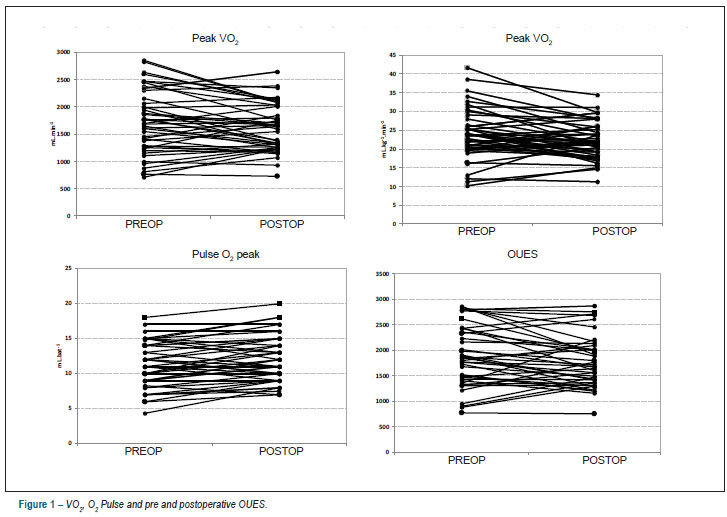
BACKGROUND: Mitral valve repair is the surgical procedure of choice for patients with chronic Mitral Regurgitation (MR). The good early and late results allow surgical indication before symptom onset. The cardiopulmonary exercise test (CPET) can objectively assess functional capacity, but little is known about the effect of surgery on their variables. OBJECTIVE: Evaluate the effects of mitral repair on CPET variables in patients with chronic MR. METHODS: A total of 47 patients with severe MR were selected; these patients underwent mitral valve repair and were submitted to CPET ± 30 days before surgery, as well as six to 12 months after the surgery. RESULTS: There was predominance of functional class I or II NYHA in 30 (63.8%) and 34 patients (72.3%), respectively. A significant decrease in oxygen consumption (VO2) was observed after surgery, from 1,719 ± 571 to 1609 ± 428 mL min-1, p = 0.036. There was a decrease in Oxygen Uptake Efficiency Slope (OUES) from 1,857 ± 594 to 1763 ± 514, p = 0.073 and oxygen pulse (O2) increased after surgery, from 11.1 ± 3.2 to 11.9 ± 3, 2 mL.beat-1 (p = 0.003). CONCLUSION: The mitral valve repair did not increase peak VO2 and OUES despite positive cardiac remodeling observed seven months after surgery. However, O2 pulse increased postoperatively, suggesting improved LV systolic performance. The CPET is a useful tool to assist in the medical management of patients with MR. (Arq Bras Cardiol. 2013; [online].ahead print, PP.0-0)

  • Exercise
  • Mitral Valve Insufficiency
  • Rehabilitation
Read Full Article
Creative Commons Attribution (CC BY) Creative Commons license
02/04/2013 DOI: 10.5935/abc.20130053 Views 3
Distance from home to exercise site did not influence the adherence of 796 participants
ABC
Artigo Original

Distance from home to exercise site did not influence the adherence of 796 participants

Antonio Cesar Cabral-de-Oliveira et al. Plínio Santos Ramos Claudio Gil Soares de Araújo

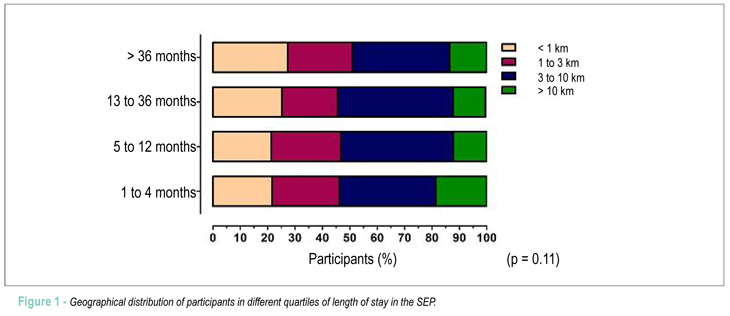
BACKGROUND: One of the difficulties in maintaining long-term adherence to exercise is the distance from home to the place of exercise. OBJECTIVE: To determine, for a private supervised exercise program (PSEP), the influence of the home-PSEP distance on adherence. METHODS: We identified 976 individuals and selected 796 who met the inclusion criteria. The home-PSEP distance was obtained by the Google Maps. Adherence was determined by quartiles (months): 1-4, 5-12, 13-36 and more than 36. The clinical conditions were stratified as healthy, obese and/or hypertensive and/or dyslipidemic and/or diabetic patients without coronary disease; coronary artery disease patients and other health problems like cancer, respiratory disease and panic. The home-PSEP distance was divided into (km): up to 1, 1 to 3, 3 to 10 and more than 10. For the statistical analysis, we used the Kruskal-Wallis ANOVA and the chi-square test. RESULTS: Of respondents, 46% lived up to 3 km, 39% lived between 3 and 10 km and about 15% lived more than 10 kilometers from the place of the PSEP. No differences were found between the medians of the months of participation in the PSEP as a function of home-PSEP distance (p = 0.11). CONCLUSION: For a given PSEP in the city of Rio de Janeiro, open from Monday through Saturday with free choice of time, the home-PSEP distance did not influence the adherence of participants. This was probably due to the quality of the service and/or lack of places closer to the participants’ home. (Arq Bras Cardiol. 2012; [online].ahead print, PP.0-0)

  • Coronary Artery Disease
  • Exercise
  • Rehabilitation
  • Training
Read Full Article
Creative Commons Attribution (CC BY) Creative Commons license
19/04/2012 DOI: 10.1590/S0066-782X2012005000039 Views 1
Hemodynamic responses to an isometric handgrip training protocol
ABC
Artigo Original

Hemodynamic responses to an isometric handgrip training protocol

Claudio Gil Soares de Araújo et al. Carlos Vieira Duarte Fábio de Albuquerque Gonçalves Hugo Baptista de Oliveira Medeiros … Flávio Areal Lemos André Luiz Gouvêa

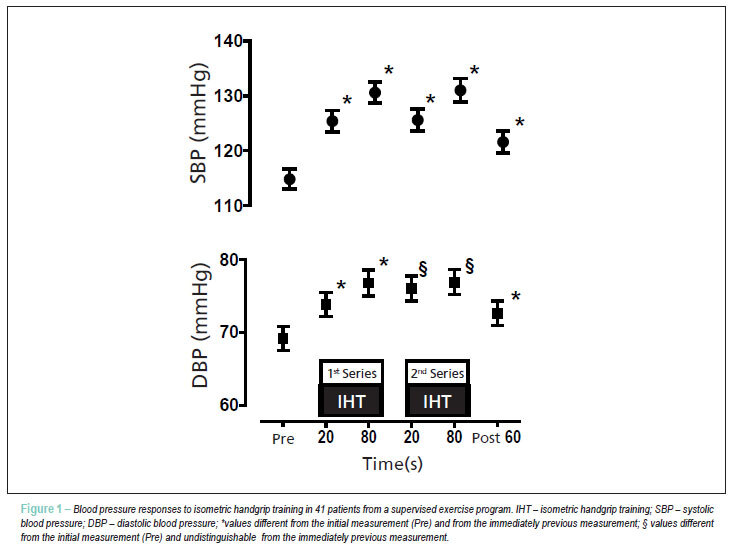
BACKGROUND: In the past, isometric exercises were proscribed for heart disease. However, recent evidence suggests that an isometric handgrip training (IHT) protocol – four sets of two minutes at 30% of maximum strength – produces favorable effects on the autonomic modulation and reduces resting systolic (SBP) and diastolic (DBP) blood pressure. OBJECTIVE: Aiming at obtaining support for broad clinical applicability, we quantified the main hemodynamic responses during an IHT session in patients from a supervised physical exercise program. METHODS: Forty-one patients (36 men) underwent the IHT with measurements of heart rate (HR) and BP before, during each of the two series performed with the left arm and one minute after completion. Measurements were obtained by an electrocardiogram signal in a digital Tango + oscillometric tensiometer, previously validated for physical exercise conditions. RESULTS: The IHT was appropriately carried out, with no clinical adverse reactions. There was a small increase in SBP and DBP levels, respectively, of 16 and 7 mmHg (p <0.05) and an even smaller increase in HR – 3 bpm – (p <0.05) when we compared the data obtained at 80 seconds of the last series with the pre-exercise CONCLUSION: IHT was well tolerated by patients undergoing exercise programs, resulting in a transient and modest hemodynamic effect, without inducing rapid cardiac vagal inactivation, characteristic of dynamic and short exercises.

  • Cardiovascular Diseases
  • Exercise
  • Heart Rate
  • Rehabilitation
Read Full Article
Creative Commons Attribution (CC BY) Creative Commons license
21/10/2011 DOI: 10.1590/S0066-782X2011005000102

Could not load more articles. Please try again.

How to cite this article

EndNote RIS

Electronic Document Format (Vancouver)

Costa AS, Barbosa CB, Guizilini S, Santos VR, Miura CR, Oliveira Junior MT, Silva AG, et al. Virtual Reality and Physical Activity in Patients with Heart Failure: Technology Validation and User Satisfaction – Pilot Study. International Journal of Cardiovascular Sciences 2025;38:e20240067.

Electronic Document Format (ABNT)

Costa, Ariele dos Santos; Barbosa, Caroline Bublitz; Guizilini, Solange; Santos, Vagner Rogério dos; Miura, Carla Roberta; Oliveira Junior, Múcio Tavares de; Silva, Anabela Gonçalves da; Moreira, Rita Simone Lopes. Virtual Reality and Physical Activity in Patients with Heart Failure: Technology Validation and User Satisfaction – Pilot Study. International Journal of Cardiovascular Sciences, v. 38, e20240067, Feb. 2025.

Electronic Document Format (APA)

Costa, A. S., Barbosa, C. B., Guizilini, S., Santos, V. R. , Miura, C. R., Oliveira Junior, M. T. , Silva, A. G. , & Moreira, R. S. L. (2025). Virtual Reality and Physical Activity in Patients with Heart Failure: Technology Validation and User Satisfaction – Pilot Study. International Journal of Cardiovascular Sciences, 38, e20240067.

Electronic Document Format (ISO)

Costa, Ariele dos Santos and Barbosa, Caroline Bublitz and Guizilini, Solange and Santos, Vagner Rogério dos and Miura, Carla Roberta and Oliveira Junior, Múcio Tavares de and Silva, Anabela Gonçalves da and Moreira, Rita Simone Lopes. Virtual Reality and Physical Activity in Patients with Heart Failure: Technology Validation and User Satisfaction – Pilot Study. International Journal of Cardiovascular Sciences [online]. 2025, vol. 38, [cited 2026-10-14], e20240067. Available from: <https://journals.cardiol.br/en/article/virtual-reality-and-physical-activity-in-patients-with-heart-failure-technology-validation-and-user-satisfaction-pilot-study/>. ISSN 2359-4802

EndNote RIS

Electronic Document Format (Vancouver)

Judas MCL, Fontes RF, Moura R, Santos L, Almeida M, Gomes V. Effectiveness of Early Mobilization in Prevention and Rehabilitation of Functional Impairment After Myocardial Revascularization Surgery: A Systematic Review. International Journal of Cardiovascular Sciences 2023;36:e20210166.

Electronic Document Format (ABNT)

Judas, Marcia Cristina Lacerda das; Fontes, Rodrigo de Freitas; Moura, Renata de; Santos, Larissa dos; Almeida, Mônica de; Gomes, Vinicius. Effectiveness of Early Mobilization in Prevention and Rehabilitation of Functional Impairment After Myocardial Revascularization Surgery: A Systematic Review. International Journal of Cardiovascular Sciences, v. 36, e20210166, Jun. 2023.

Electronic Document Format (APA)

Judas, M. C. L. , Fontes, R. F., Moura, R. , Santos, L. , Almeida, M. , & Gomes, V. (2023). Effectiveness of Early Mobilization in Prevention and Rehabilitation of Functional Impairment After Myocardial Revascularization Surgery: A Systematic Review. International Journal of Cardiovascular Sciences, 36, e20210166.

Electronic Document Format (ISO)

Judas, Marcia Cristina Lacerda das and Fontes, Rodrigo de Freitas and Moura, Renata de and Santos, Larissa dos and Almeida, Mônica de and Gomes, Vinicius. Effectiveness of Early Mobilization in Prevention and Rehabilitation of Functional Impairment After Myocardial Revascularization Surgery: A Systematic Review. International Journal of Cardiovascular Sciences [online]. 2023, vol. 36, [cited 2026-10-14], e20210166. Available from: <https://journals.cardiol.br/en/article/effectiveness-of-early-mobilization-in-prevention-and-rehabilitation-of-functional-impairment-after-myocardial-revascularization-surgery-a-systematic-review/>. ISSN 2359-4802

EndNote RIS

Electronic Document Format (Vancouver)

Hachul D, Almeida T, Scanavacca M. Post-COVID Dysautonomias: The Importance of Early Recognition and Implementation of Recovery Programs. Arquivos Brasileiros de Cardiologia 2023;120(3):e20230110.

Electronic Document Format (ABNT)

Hachul, Denise; Almeida, Tatiana; Scanavacca, Mauricio. Post-COVID Dysautonomias: The Importance of Early Recognition and Implementation of Recovery Programs. Arquivos Brasileiros de Cardiologia, v. 120, n. 3, e20230110, Apr. 2023.

Electronic Document Format (APA)

Hachul, D., Almeida, T., & Scanavacca, M. (2023). Post-COVID Dysautonomias: The Importance of Early Recognition and Implementation of Recovery Programs. Arquivos Brasileiros de Cardiologia, 120(3), e20230110.

Electronic Document Format (ISO)

Hachul, Denise and Almeida, Tatiana and Scanavacca, Mauricio. Post-COVID Dysautonomias: The Importance of Early Recognition and Implementation of Recovery Programs. Arquivos Brasileiros de Cardiologia [online]. 2023, vol. 120, n. 3, [cited 2026-10-14], e20230110. Available from: <https://journals.cardiol.br/en/article/post-covid-dysautonomias-the-importance-of-early-recognition-and-implementation-of-recovery-programs/>. ISSN 0066-782X

EndNote RIS

Electronic Document Format (Vancouver)

Schwartzmann PV, Gonzales A, Castro RRT. Cardiovascular Rehabilitation in Patients with Cancer. ABC: Heart Failure & Cardiomyopathy 2022;2(4):398-403.

Electronic Document Format (ABNT)

Schwartzmann, Pedro Vellosa; Gonzales, Amanda; Castro, Renata R. T.. Cardiovascular Rehabilitation in Patients with Cancer. ABC: Heart Failure & Cardiomyopathy, v. 2, n. 4, p. 398-403, Dec. 2022.

Electronic Document Format (APA)

Schwartzmann, P. V., Gonzales, A., & Castro, R. R. T. (2022). Cardiovascular Rehabilitation in Patients with Cancer. ABC: Heart Failure & Cardiomyopathy, 2(4), 398-403.

Electronic Document Format (ISO)

Schwartzmann, Pedro Vellosa and Gonzales, Amanda and Castro, Renata R. T.. Cardiovascular Rehabilitation in Patients with Cancer. ABC: Heart Failure & Cardiomyopathy [online]. 2022, vol. 2, n. 4, [cited 2026-10-14], pp. 398-403. Available from: <https://journals.cardiol.br/en/article/cardiovascular-rehabilitation-in-patients-with-cancer/>

EndNote RIS

Electronic Document Format (Vancouver)

Stein R, Milani M, Abreu A. What is the Current Scenario of Cardiac Rehabilitation in Brazil and Portugal?. Arquivos Brasileiros de Cardiologia 2022;118(5):858-60.

Electronic Document Format (ABNT)

Stein, Ricardo; Milani, Mauricio; Abreu, Ana. What is the Current Scenario of Cardiac Rehabilitation in Brazil and Portugal?. Arquivos Brasileiros de Cardiologia, v. 118, n. 5, p. 858-860, May. 2022.

Electronic Document Format (APA)

Stein, R., Milani, M., & Abreu, A. (2022). What is the Current Scenario of Cardiac Rehabilitation in Brazil and Portugal?. Arquivos Brasileiros de Cardiologia, 118(5), 858-860.

Electronic Document Format (ISO)

Stein, Ricardo and Milani, Mauricio and Abreu, Ana. What is the Current Scenario of Cardiac Rehabilitation in Brazil and Portugal?. Arquivos Brasileiros de Cardiologia [online]. 2022, vol. 118, n. 5, [cited 2026-10-14], pp. 858-860. Available from: <https://journals.cardiol.br/en/article/what-is-the-current-scenario-of-cardiac-rehabilitation-in-brazil-and-portugal/>. ISSN 0066-782X

EndNote RIS

Electronic Document Format (Vancouver)

Souza P, Perfete C. The Paradox of Exercise Intensity in Preventing Cardiovascular Events in Peripheral Arterial Occlusive Disease. Arquivos Brasileiros de Cardiologia 2021;117(2):317-8.

Electronic Document Format (ABNT)

Souza, Pablo de; Perfete, Cássio. The Paradox of Exercise Intensity in Preventing Cardiovascular Events in Peripheral Arterial Occlusive Disease. Arquivos Brasileiros de Cardiologia, v. 117, n. 2, p. 317-318, Sep. 2021.

Electronic Document Format (APA)

Souza, P. , & Perfete, C. (2021). The Paradox of Exercise Intensity in Preventing Cardiovascular Events in Peripheral Arterial Occlusive Disease. Arquivos Brasileiros de Cardiologia, 117(2), 317-318.

Electronic Document Format (ISO)

Souza, Pablo de and Perfete, Cássio. The Paradox of Exercise Intensity in Preventing Cardiovascular Events in Peripheral Arterial Occlusive Disease. Arquivos Brasileiros de Cardiologia [online]. 2021, vol. 117, n. 2, [cited 2026-10-14], pp. 317-318. Available from: <https://journals.cardiol.br/en/article/the-paradox-of-exercise-intensity-in-preventing-cardiovascular-events-in-peripheral-arterial-occlusive-disease/>. ISSN 0066-782X

EndNote RIS

Electronic Document Format (Vancouver)

Menezes MG, Garcia EL, Franzoni LT, Grings V, Danzmann LC. Acute Inspiratory Muscle Training Modifies Hemodynamic Indices in Patients with Heart Failure with Preserved Ejection Fraction. ABC: Heart Failure & Cardiomyopathy 2021;1(1):27-32.

Electronic Document Format (ABNT)

Menezes, Márcio Garcia; Garcia, Eduardo Lima; Franzoni, Leandro Tolfo; Grings, Vanessa; Danzmann, Luiz Claudio. Acute Inspiratory Muscle Training Modifies Hemodynamic Indices in Patients with Heart Failure with Preserved Ejection Fraction. ABC: Heart Failure & Cardiomyopathy, v. 1, n. 1, p. 27-32, Jul. 2021.

Electronic Document Format (APA)

Menezes, M. G., Garcia, E. L., Franzoni, L. T., Grings, V., & Danzmann, L. C. (2021). Acute Inspiratory Muscle Training Modifies Hemodynamic Indices in Patients with Heart Failure with Preserved Ejection Fraction. ABC: Heart Failure & Cardiomyopathy, 1(1), 27-32.

Electronic Document Format (ISO)

Menezes, Márcio Garcia and Garcia, Eduardo Lima and Franzoni, Leandro Tolfo and Grings, Vanessa and Danzmann, Luiz Claudio. Acute Inspiratory Muscle Training Modifies Hemodynamic Indices in Patients with Heart Failure with Preserved Ejection Fraction. ABC: Heart Failure & Cardiomyopathy [online]. 2021, vol. 1, n. 1, [cited 2026-10-14], pp. 27-32. Available from: <https://journals.cardiol.br/en/article/acute-inspiratory-muscle-training-modifies-hemodynamic-indices-in-patients-with-heart-failure-with-preserved-ejection-fraction/>

EndNote RIS

Electronic Document Format (Vancouver)

Busin D, Lehnen AM, Tairova OS, Comparsi EP, Carneiro D, Potter M, Deresz LF, et al. Continuous Aerobic Training and High Intensity Interval Training Increase Exercise Tolerance in Heart Failure Patients: A Retrospective Study. International Journal of Cardiovascular Sciences 2021;34(5):508-14.

Electronic Document Format (ABNT)

Busin, Diego; Lehnen, Alexandre M.; Tairova, Olga S.; Comparsi, Eduardo P.; Carneiro, Daniela; Potter, Micael; Deresz, Luís F.; Lago, Pedro Dal; Nunes, Ramiro B.. Continuous Aerobic Training and High Intensity Interval Training Increase Exercise Tolerance in Heart Failure Patients: A Retrospective Study. International Journal of Cardiovascular Sciences, v. 34, n. 5, p. 508-514, May. 2021.

Electronic Document Format (APA)

Busin, D., Lehnen, A. M., Tairova, O. S., Comparsi, E. P., Carneiro, D., Potter, M., Deresz, L. F., Lago, P. D., & Nunes, R. B. (2021). Continuous Aerobic Training and High Intensity Interval Training Increase Exercise Tolerance in Heart Failure Patients: A Retrospective Study. International Journal of Cardiovascular Sciences, 34(5), 508-514.

Electronic Document Format (ISO)

Busin, Diego and Lehnen, Alexandre M. and Tairova, Olga S. and Comparsi, Eduardo P. and Carneiro, Daniela and Potter, Micael and Deresz, Luís F. and Lago, Pedro Dal and Nunes, Ramiro B.. Continuous Aerobic Training and High Intensity Interval Training Increase Exercise Tolerance in Heart Failure Patients: A Retrospective Study. International Journal of Cardiovascular Sciences [online]. 2021, vol. 34, n. 5, [cited 2026-10-14], pp. 508-514. Available from: <https://journals.cardiol.br/en/article/continuous-aerobic-training-and-high-intensity-interval-training-increase-exercise-tolerance-in-heart-failure-patients-a-retrospective-study/>. ISSN 2359-4802

EndNote RIS

Electronic Document Format (Vancouver)

Silva CGS. Reduction in Platelet Activation: A Potential Mechanistic Link between Regular Exercise and Its Benefits for Coronary Artery Disease. Arquivos Brasileiros de Cardiologia 2021;116(3):441-2.

Electronic Document Format (ABNT)

Silva, Christina Grüne de Souza e. Reduction in Platelet Activation: A Potential Mechanistic Link between Regular Exercise and Its Benefits for Coronary Artery Disease. Arquivos Brasileiros de Cardiologia, v. 116, n. 3, p. 441-442, Apr. 2021.

Electronic Document Format (APA)

Silva, C. G. S. (2021). Reduction in Platelet Activation: A Potential Mechanistic Link between Regular Exercise and Its Benefits for Coronary Artery Disease. Arquivos Brasileiros de Cardiologia, 116(3), 441-442.

Electronic Document Format (ISO)

Silva, Christina Grüne de Souza e. Reduction in Platelet Activation: A Potential Mechanistic Link between Regular Exercise and Its Benefits for Coronary Artery Disease. Arquivos Brasileiros de Cardiologia [online]. 2021, vol. 116, n. 3, [cited 2026-10-14], pp. 441-442. Available from: <https://journals.cardiol.br/en/article/reduction-in-platelet-activation-a-potential-mechanistic-link-between-regular-exercise-and-its-benefits-for-coronary-artery-disease/>. ISSN 0066-782X

EndNote RIS

Electronic Document Format (Vancouver)

Conceição AF, Muniz DL, Santos CPC, Queiroz CO. Acute Blood Pressure Response to Different Resistance Programs in Trained Men. International Journal of Cardiovascular Sciences 2021;34(3):294-9.

Electronic Document Format (ABNT)

Conceição, Ariani França; Muniz, Daniell Lima; Santos, Clarcson Plácido Conceição dos; Queiroz, Ciro Oliveira. Acute Blood Pressure Response to Different Resistance Programs in Trained Men. International Journal of Cardiovascular Sciences, v. 34, n. 3, p. 294-299, Feb. 2021.

Electronic Document Format (APA)

Conceição, A. F., Muniz, D. L., Santos, C. P. C. , & Queiroz, C. O. (2021). Acute Blood Pressure Response to Different Resistance Programs in Trained Men. International Journal of Cardiovascular Sciences, 34(3), 294-299.

Electronic Document Format (ISO)

Conceição, Ariani França and Muniz, Daniell Lima and Santos, Clarcson Plácido Conceição dos and Queiroz, Ciro Oliveira. Acute Blood Pressure Response to Different Resistance Programs in Trained Men. International Journal of Cardiovascular Sciences [online]. 2021, vol. 34, n. 3, [cited 2026-10-14], pp. 294-299. Available from: <https://journals.cardiol.br/en/article/acute-blood-pressure-response-to-different-resistance-programs-in-trained-men/>. ISSN 2359-4802

EndNote RIS

Electronic Document Format (Vancouver)

Fortes JVS, Borges MGB, Marques MJS, Oliveira RL, Rocha LR, Castro M, Esquivel MS, et al. Effects of Inspiratory Muscle Training Using an Electronic Device on Patients Undergoing Cardiac Surgery: A Randomized Controlled Trial. International Journal of Cardiovascular Sciences 2020;34(1):44-52.

Electronic Document Format (ABNT)

Fortes, João Vyctor Silva; Borges, Mayara Gabrielle Barbosa; Marques, Maria Jhany da Silva; Oliveira, Rafaella Lima; Rocha, Liana Rodrigues da; Castro, Érica Miranda de; Esquivel, Mateus Souza; Borges, Daniel Lago. Effects of Inspiratory Muscle Training Using an Electronic Device on Patients Undergoing Cardiac Surgery: A Randomized Controlled Trial. International Journal of Cardiovascular Sciences, v. 34, n. 1, p. 44-52, Nov. 2020.

Electronic Document Format (APA)

Fortes, J. V. S., Borges, M. G. B., Marques, M. J. S., Oliveira, R. L., Rocha, L. R. , Castro, M. , Esquivel, M. S., & Borges, D. L. (2020). Effects of Inspiratory Muscle Training Using an Electronic Device on Patients Undergoing Cardiac Surgery: A Randomized Controlled Trial. International Journal of Cardiovascular Sciences, 34(1), 44-52.

Electronic Document Format (ISO)

Fortes, João Vyctor Silva and Borges, Mayara Gabrielle Barbosa and Marques, Maria Jhany da Silva and Oliveira, Rafaella Lima and Rocha, Liana Rodrigues da and Castro, Érica Miranda de and Esquivel, Mateus Souza and Borges, Daniel Lago. Effects of Inspiratory Muscle Training Using an Electronic Device on Patients Undergoing Cardiac Surgery: A Randomized Controlled Trial. International Journal of Cardiovascular Sciences [online]. 2020, vol. 34, n. 1, [cited 2026-10-14], pp. 44-52. Available from: <https://journals.cardiol.br/en/article/effects-of-inspiratory-muscle-training-using-an-electronic-device-on-patients-undergoing-cardiac-surgery-a-randomized-controlled-trial/>. ISSN 2359-4802

EndNote RIS

Electronic Document Format (Vancouver)

Gambassi BB, Almeida FJF, Almeida AEAF, Ribeiro JA, Novais TMG, Schwingel PA, Queiroz CO, et al. Effects of Exercise Training on Cardiovascular and Autonomic Parameters in Stroke Survivors: A Systematic Review. International Journal of Cardiovascular Sciences 2019;32(4):408-13.

Electronic Document Format (ABNT)

Gambassi, Bruno Bavaresco; Almeida, Fabiano de Jesus Furtado; Almeida, Ana Eugênia Araújo Furtado; Ribeiro, João Alberto; Novais, Tânia Maria Gaspar; Schwingel, Paulo Adriano; Queiroz, Ciro Oliveira; Santos, Clarcson Plácido Conceição dos; Rodrigues, Bruno. Effects of Exercise Training on Cardiovascular and Autonomic Parameters in Stroke Survivors: A Systematic Review. International Journal of Cardiovascular Sciences, v. 32, n. 4, p. 408-413, Aug. 2019.

Electronic Document Format (APA)

Gambassi, B. B., Almeida, F. J. F., Almeida, A. E. A. F., Ribeiro, J. A., Novais, T. M. G., Schwingel, P. A., Queiroz, C. O., Santos, C. P. C. , & Rodrigues, B. (2019). Effects of Exercise Training on Cardiovascular and Autonomic Parameters in Stroke Survivors: A Systematic Review. International Journal of Cardiovascular Sciences, 32(4), 408-413.

Electronic Document Format (ISO)

Gambassi, Bruno Bavaresco and Almeida, Fabiano de Jesus Furtado and Almeida, Ana Eugênia Araújo Furtado and Ribeiro, João Alberto and Novais, Tânia Maria Gaspar and Schwingel, Paulo Adriano and Queiroz, Ciro Oliveira and Santos, Clarcson Plácido Conceição dos and Rodrigues, Bruno. Effects of Exercise Training on Cardiovascular and Autonomic Parameters in Stroke Survivors: A Systematic Review. International Journal of Cardiovascular Sciences [online]. 2019, vol. 32, n. 4, [cited 2026-10-14], pp. 408-413. Available from: <https://journals.cardiol.br/en/article/effects-of-exercise-training-on-cardiovascular-and-autonomic-parameters-in-stroke-survivors-a-systematic-review/>. ISSN 2359-4802

EndNote RIS

Electronic Document Format (Vancouver)

Santi GLD, Moreira HT, Carvalho EEV, Crescêncio JC, Schmidt A, Marin-Neto JA, Gallo-Júnior L, et al. Influence of Aerobic Training on The Mechanics of Ventricular Contraction After Acute Myocardial Infarction: A Pilot Study. Arquivos Brasileiros de Cardiologia 2018;110(4):383-7.

Electronic Document Format (ABNT)

Santi, Giovani Luiz De; Moreira, Henrique Turin; Carvalho, Eduardo Elias Vieira de; Crescêncio, Júlio César; Schmidt, André; Marin-Neto, José Antônio; Gallo-Júnior, Lourenço. Influence of Aerobic Training on The Mechanics of Ventricular Contraction After Acute Myocardial Infarction: A Pilot Study. Arquivos Brasileiros de Cardiologia, v. 110, n. 4, p. 383-387, Mar. 2018.

Electronic Document Format (APA)

Santi, G. L. D., Moreira, H. T., Carvalho, E. E. V. , Crescêncio, J. C., Schmidt, A., Marin-Neto, J. A., & Gallo-Júnior, L. (2018). Influence of Aerobic Training on The Mechanics of Ventricular Contraction After Acute Myocardial Infarction: A Pilot Study. Arquivos Brasileiros de Cardiologia, 110(4), 383-387.

Electronic Document Format (ISO)

Santi, Giovani Luiz De and Moreira, Henrique Turin and Carvalho, Eduardo Elias Vieira de and Crescêncio, Júlio César and Schmidt, André and Marin-Neto, José Antônio and Gallo-Júnior, Lourenço. Influence of Aerobic Training on The Mechanics of Ventricular Contraction After Acute Myocardial Infarction: A Pilot Study. Arquivos Brasileiros de Cardiologia [online]. 2018, vol. 110, n. 4, [cited 2026-10-14], pp. 383-387. Available from: <https://journals.cardiol.br/en/article/influence-of-aerobic-training-on-the-mechanics-of-ventricular-contraction-after-acute-myocardial-infarction-a-pilot-study/>. ISSN 0066-782X

EndNote RIS

Electronic Document Format (Vancouver)

Oliveira MF, Santos RC, Artz SA, Mendez VMF, Lobo DML, Correia EB, Ferraz AS, et al. Safety and Efficacy of Aerobic Exercise Training Associated to Non-Invasive Ventilation in Patients with Acute Heart Failure. Arquivos Brasileiros de Cardiologia 2018;110(5):467-75.

Electronic Document Format (ABNT)

Oliveira, Mayron F.; Santos, Rita C.; Artz, Suellen A.; Mendez, Vanessa M. F.; Lobo, Denise M. L.; Correia, Edileide B.; Ferraz, Almir S.; Umeda, Iracema I. K.; Sperandio, Priscila A.. Safety and Efficacy of Aerobic Exercise Training Associated to Non-Invasive Ventilation in Patients with Acute Heart Failure. Arquivos Brasileiros de Cardiologia, v. 110, n. 5, p. 467-475, Mar. 2018.

Electronic Document Format (APA)

Oliveira, M. F., Santos, R. C., Artz, S. A., Mendez, V. M. F., Lobo, D. M. L., Correia, E. B., Ferraz, A. S., Umeda, I. I. K., & Sperandio, P. A. (2018). Safety and Efficacy of Aerobic Exercise Training Associated to Non-Invasive Ventilation in Patients with Acute Heart Failure. Arquivos Brasileiros de Cardiologia, 110(5), 467-475.

Electronic Document Format (ISO)

Oliveira, Mayron F. and Santos, Rita C. and Artz, Suellen A. and Mendez, Vanessa M. F. and Lobo, Denise M. L. and Correia, Edileide B. and Ferraz, Almir S. and Umeda, Iracema I. K. and Sperandio, Priscila A.. Safety and Efficacy of Aerobic Exercise Training Associated to Non-Invasive Ventilation in Patients with Acute Heart Failure. Arquivos Brasileiros de Cardiologia [online]. 2018, vol. 110, n. 5, [cited 2026-10-14], pp. 467-475. Available from: <https://journals.cardiol.br/en/article/safety-and-efficacy-of-aerobic-exercise-training-associated-to-non-invasive-ventilation-in-patients-with-acute-heart-failure/>. ISSN 0066-782X

EndNote RIS

Electronic Document Format (Vancouver)

Santos RZ, Bonin CDB, Martins ETC, Pereira Junior M, Ghisi GLM, Macedo KRP, Benetti M, et al. Development and Psychometric Validation of HIPER-Q to Assess Knowledge of Hypertensive Patients in Cardiac Rehabilitation. Arquivos Brasileiros de Cardiologia 2018;110(1):60-7.

Electronic Document Format (ABNT)

Santos, Rafaella Zulianello dos; Bonin, Christiani Decker Batista; Martins, Eliara Ten Caten; Pereira Junior, Moacir; Ghisi, Gabriela Lima de Melo; Macedo, Kassia Rosangela Paz de; Benetti, Magnus. Development and Psychometric Validation of HIPER-Q to Assess Knowledge of Hypertensive Patients in Cardiac Rehabilitation. Arquivos Brasileiros de Cardiologia, v. 110, n. 1, p. 60-67, Jan. 2018.

Electronic Document Format (APA)

Santos, R. Z. , Bonin, C. D. B., Martins, E. T. C., Pereira Junior, M., Ghisi, G. L. M., Macedo, K. R. P. , & Benetti, M. (2018). Development and Psychometric Validation of HIPER-Q to Assess Knowledge of Hypertensive Patients in Cardiac Rehabilitation. Arquivos Brasileiros de Cardiologia, 110(1), 60-67.

Electronic Document Format (ISO)

Santos, Rafaella Zulianello dos and Bonin, Christiani Decker Batista and Martins, Eliara Ten Caten and Pereira Junior, Moacir and Ghisi, Gabriela Lima de Melo and Macedo, Kassia Rosangela Paz de and Benetti, Magnus. Development and Psychometric Validation of HIPER-Q to Assess Knowledge of Hypertensive Patients in Cardiac Rehabilitation. Arquivos Brasileiros de Cardiologia [online]. 2018, vol. 110, n. 1, [cited 2026-10-14], pp. 60-67. Available from: <https://journals.cardiol.br/en/article/development-and-psychometric-validation-of-hiper-q-to-assess-knowledge-of-hypertensive-patients-in-cardiac-rehabilitation/>. ISSN 0066-782X

EndNote RIS

Electronic Document Format (Vancouver)

Sacilotto MCB, Lavagnoli CFR, Silveira-Filho LM, Vilarinho KAS, Oliveira ESB, Carvalho DD, Oliveira PPM, et al. A Simpler and Shorter Neuromuscular Electrical Stimulation Protocol Improves Functional Status and Modulates Inflammatory Profile in Patients with End-Stage Congestive Heart Failure. International Journal of Cardiovascular Sciences 2017;30(6):484-95.

Electronic Document Format (ABNT)

Sacilotto, Maria Carolina Basso; Lavagnoli, Carlos Fernando Ramos; Silveira-Filho, Lindemberg Mota; Vilarinho, Karlos Alexandre de Souza; Oliveira, Elaine Soraya Barbosa de; Carvalho, Daniela Diógenes de; Oliveira, Pedro Paulo Martins de; Coelho-Filho, Otávio Rizzi; Petrucci Junior, Orlando. A Simpler and Shorter Neuromuscular Electrical Stimulation Protocol Improves Functional Status and Modulates Inflammatory Profile in Patients with End-Stage Congestive Heart Failure. International Journal of Cardiovascular Sciences, v. 30, n. 6, p. 484-495, Dec. 2016.

Electronic Document Format (APA)

Sacilotto, M. C. B., Lavagnoli, C. F. R., Silveira-Filho, L. M., Vilarinho, K. A. S., Oliveira, E. S. B. , Carvalho, D. D. , Oliveira, P. P. M. , Coelho-Filho, O. R., & Petrucci Junior, O. (2017). A Simpler and Shorter Neuromuscular Electrical Stimulation Protocol Improves Functional Status and Modulates Inflammatory Profile in Patients with End-Stage Congestive Heart Failure. International Journal of Cardiovascular Sciences, 30(6), 484-495.

Electronic Document Format (ISO)

Sacilotto, Maria Carolina Basso and Lavagnoli, Carlos Fernando Ramos and Silveira-Filho, Lindemberg Mota and Vilarinho, Karlos Alexandre de Souza and Oliveira, Elaine Soraya Barbosa de and Carvalho, Daniela Diógenes de and Oliveira, Pedro Paulo Martins de and Coelho-Filho, Otávio Rizzi and Petrucci Junior, Orlando. A Simpler and Shorter Neuromuscular Electrical Stimulation Protocol Improves Functional Status and Modulates Inflammatory Profile in Patients with End-Stage Congestive Heart Failure. International Journal of Cardiovascular Sciences [online]. 2017, vol. 30, n. 6, [cited 2026-10-14], pp. 484-495. Available from: <https://journals.cardiol.br/en/article/a-simpler-and-shorter-neuromuscular-electrical-stimulation-protocol-improves-functional-status-and-modulates-inflammatory-profile-in-patients-with-end-stage-congestive-heart-failure/>. ISSN 2359-4802

EndNote RIS

Electronic Document Format (Vancouver)

Izeli NL, Santos AJ, Crescêncio JC, Gonçalves ACCR, Papa V, Marques F, Pazin-Filho A, et al. Aerobic Training after Myocardial Infarction: Remodeling Evaluated by Cardiac Magnetic Resonance. Arquivos Brasileiros de Cardiologia 2016;106(4):311-8.

Electronic Document Format (ABNT)

Izeli, Nataly Lino; Santos, Aurélia Juliana dos; Crescêncio, Júlio César; Gonçalves, Ana Clara Campagnolo Real; Papa, Valéria; Marques, Fabiana; Pazin-Filho, Antônio; Gallo-Júnior, Lourenço; Schmidt, André. Aerobic Training after Myocardial Infarction: Remodeling Evaluated by Cardiac Magnetic Resonance. Arquivos Brasileiros de Cardiologia, v. 106, n. 4, p. 311-318, Mar. 2016.

Electronic Document Format (APA)

Izeli, N. L., Santos, A. J. , Crescêncio, J. C., Gonçalves, A. C. C. R., Papa, V., Marques, F., Pazin-Filho, A., Gallo-Júnior, L., & Schmidt, A. (2016). Aerobic Training after Myocardial Infarction: Remodeling Evaluated by Cardiac Magnetic Resonance. Arquivos Brasileiros de Cardiologia, 106(4), 311-318.

Electronic Document Format (ISO)

Izeli, Nataly Lino and Santos, Aurélia Juliana dos and Crescêncio, Júlio César and Gonçalves, Ana Clara Campagnolo Real and Papa, Valéria and Marques, Fabiana and Pazin-Filho, Antônio and Gallo-Júnior, Lourenço and Schmidt, André. Aerobic Training after Myocardial Infarction: Remodeling Evaluated by Cardiac Magnetic Resonance. Arquivos Brasileiros de Cardiologia [online]. 2016, vol. 106, n. 4, [cited 2026-10-14], pp. 311-318. Available from: <https://journals.cardiol.br/en/article/aerobic-training-after-myocardial-infarction-remodeling-evaluated-by-cardiac-magnetic-resonance/>. ISSN 0066-782X

EndNote RIS

Electronic Document Format (Vancouver)

Oliveira MF, Zanussi G, Sprovieri B, Lobo DML, Mastrocolla LE, Umeda IIK, Sperandio PA, et al. Alternatives to Aerobic Exercise Prescription in Patients with Chronic Heart Failure. Arquivos Brasileiros de Cardiologia 2016;106(2):97-104.

Electronic Document Format (ABNT)

Oliveira, Mayron F; Zanussi, Gabriela; Sprovieri, Bianca; Lobo, Denise M. L.; Mastrocolla, Luiz E; Umeda, Iracema I. K.; Sperandio, Priscila A. Alternatives to Aerobic Exercise Prescription in Patients with Chronic Heart Failure. Arquivos Brasileiros de Cardiologia, v. 106, n. 2, p. 97-104, Jan. 2016.

Electronic Document Format (APA)

Oliveira, M. F., Zanussi, G., Sprovieri, B., Lobo, D. M. L., Mastrocolla, L. E., Umeda, I. I. K., & Sperandio, P. A. (2016). Alternatives to Aerobic Exercise Prescription in Patients with Chronic Heart Failure. Arquivos Brasileiros de Cardiologia, 106(2), 97-104.

Electronic Document Format (ISO)

Oliveira, Mayron F and Zanussi, Gabriela and Sprovieri, Bianca and Lobo, Denise M. L. and Mastrocolla, Luiz E and Umeda, Iracema I. K. and Sperandio, Priscila A. Alternatives to Aerobic Exercise Prescription in Patients with Chronic Heart Failure. Arquivos Brasileiros de Cardiologia [online]. 2016, vol. 106, n. 2, [cited 2026-10-14], pp. 97-104. Available from: <https://journals.cardiol.br/en/article/alternatives-to-aerobic-exercise-prescription-in-patients-with-chronic-heart-failure/>. ISSN 0066-782X

EndNote RIS

Electronic Document Format (Vancouver)

Grans CF, Feriani DJ, Abssamra MEV, Rocha LY, Carrozzi NM, Mostarda C, Figueroa DM, et al. Resistance Training After Myocardial Infarction in Rats: Its Role on Cardiac and Autonomic Function. Arquivos Brasileiros de Cardiologia 2014;103(1):60-8.

Electronic Document Format (ABNT)

Grans, Camilla Figueiredo; Feriani, Daniele Jardim; Abssamra, Marcos Elias Vergilino; Rocha, Leandro Yanase; Carrozzi, Nicolle Martins; Mostarda, Cristiano; Figueroa, Diego Mendrot; Angelis, Kátia De; Irigoyen, Maria Cláudia; Rodrigues, Bruno. Resistance Training After Myocardial Infarction in Rats: Its Role on Cardiac and Autonomic Function. Arquivos Brasileiros de Cardiologia, v. 103, n. 1, p. 60-68, Jul. 2014.

Electronic Document Format (APA)

Grans, C. F., Feriani, D. J., Abssamra, M. E. V., Rocha, L. Y., Carrozzi, N. M., Mostarda, C., Figueroa, D. M., Angelis, K. D., Irigoyen, M. C., & Rodrigues, B. (2014). Resistance Training After Myocardial Infarction in Rats: Its Role on Cardiac and Autonomic Function. Arquivos Brasileiros de Cardiologia, 103(1), 60-68.

Electronic Document Format (ISO)

Grans, Camilla Figueiredo and Feriani, Daniele Jardim and Abssamra, Marcos Elias Vergilino and Rocha, Leandro Yanase and Carrozzi, Nicolle Martins and Mostarda, Cristiano and Figueroa, Diego Mendrot and Angelis, Kátia De and Irigoyen, Maria Cláudia and Rodrigues, Bruno. Resistance Training After Myocardial Infarction in Rats: Its Role on Cardiac and Autonomic Function. Arquivos Brasileiros de Cardiologia [online]. 2014, vol. 103, n. 1, [cited 2026-10-14], pp. 60-68. Available from: <https://journals.cardiol.br/en/article/resistance-training-after-myocardial-infarction-in-rats-its-role-on-cardiac-and-autonomic-function/>. ISSN 0066-782X

EndNote RIS

Electronic Document Format (Vancouver)

Ghisi GLM, Oh P, Thomas S, Benetti M. Assessment of patient knowledge of cardiac rehabilitation: Brazil vs Canada. Arquivos Brasileiros de Cardiologia 2013;101(3):255-62.

Electronic Document Format (ABNT)

Ghisi, Gabriela Lima de Melo; Oh, Paul; Thomas, Scott; Benetti, Magnus. Assessment of patient knowledge of cardiac rehabilitation: Brazil vs Canada. Arquivos Brasileiros de Cardiologia, v. 101, n. 3, p. 255-262, Jul. 2013.

Electronic Document Format (APA)

Ghisi, G. L. M., Oh, P., Thomas, S., & Benetti, M. (2013). Assessment of patient knowledge of cardiac rehabilitation: Brazil vs Canada. Arquivos Brasileiros de Cardiologia, 101(3), 255-262.

Electronic Document Format (ISO)

Ghisi, Gabriela Lima de Melo and Oh, Paul and Thomas, Scott and Benetti, Magnus. Assessment of patient knowledge of cardiac rehabilitation: Brazil vs Canada. Arquivos Brasileiros de Cardiologia [online]. 2013, vol. 101, n. 3, [cited 2026-10-14], pp. 255-262. Available from: <https://journals.cardiol.br/en/article/assessment-of-patient-knowledge-of-cardiac-rehabilitation-brazil-vs-canada/>. ISSN 0066-782X

EndNote RIS

Electronic Document Format (Vancouver)

Gonzáles AI, Sties SW, Wittkopf PG, Mara LS, Ulbrich AZ, Cardoso FL, Carvalho T, et al. Validation of the International Index of Erectile Function (IIFE) for use in Brazil. Arquivos Brasileiros de Cardiologia 2013;101(2):176-82.

Electronic Document Format (ABNT)

Gonzáles, Ana Inês; Sties, Sabrina Weiss; Wittkopf, Priscilla Geraldine; Mara, Lourenço Sampaio de; Ulbrich, Anderson Zampier; Cardoso, Fernando Luiz; Carvalho, Tales de. Validation of the International Index of Erectile Function (IIFE) for use in Brazil. Arquivos Brasileiros de Cardiologia, v. 101, n. 2, p. 176-182, Jul. 2013.

Electronic Document Format (APA)

Gonzáles, A. I., Sties, S. W., Wittkopf, P. G., Mara, L. S. , Ulbrich, A. Z., Cardoso, F. L., & Carvalho, T. (2013). Validation of the International Index of Erectile Function (IIFE) for use in Brazil. Arquivos Brasileiros de Cardiologia, 101(2), 176-182.

Electronic Document Format (ISO)

Gonzáles, Ana Inês and Sties, Sabrina Weiss and Wittkopf, Priscilla Geraldine and Mara, Lourenço Sampaio de and Ulbrich, Anderson Zampier and Cardoso, Fernando Luiz and Carvalho, Tales de. Validation of the International Index of Erectile Function (IIFE) for use in Brazil. Arquivos Brasileiros de Cardiologia [online]. 2013, vol. 101, n. 2, [cited 2026-10-14], pp. 176-182. Available from: <https://journals.cardiol.br/en/article/validation-of-the-international-index-of-erectile-function-iife-for-use-in-brazil/>. ISSN 0066-782X

EndNote RIS

Electronic Document Format (Vancouver)

Togna DJD, Abizaid AAC, Meneghelo RS, Bihan DCSL, Ramos AIO, Nasr SK, Maia FS, et al. Effect of mitral valve repair on cardiopulmonary exercise testing variables in patients with chronic mitral regurgitation. Arquivos Brasileiros de Cardiologia 2013;100(4):368-75.

Electronic Document Format (ABNT)

Togna, Dorival Julio Della; Abizaid, Alexandre Antônio da Cunha; Meneghelo, Romeu Sérgio; Bihan, David Costa de Souza Le; Ramos, Auristela Isabel de Oliveira; Nasr, Samira Kaissar; Maia, Felipe Souza; Meneghelo, Zilda Machado; Sousa, Amanda Guerra de Moraes. Effect of mitral valve repair on cardiopulmonary exercise testing variables in patients with chronic mitral regurgitation. Arquivos Brasileiros de Cardiologia, v. 100, n. 4, p. 368-375, Apr. 2013.

Electronic Document Format (APA)

Togna, D. J. D., Abizaid, A. A. C., Meneghelo, R. S., Bihan, D. C. S. L., Ramos, A. I. O., Nasr, S. K., Maia, F. S., Meneghelo, Z. M., & Sousa, A. G. M. (2013). Effect of mitral valve repair on cardiopulmonary exercise testing variables in patients with chronic mitral regurgitation. Arquivos Brasileiros de Cardiologia, 100(4), 368-375.

Electronic Document Format (ISO)

Togna, Dorival Julio Della and Abizaid, Alexandre Antônio da Cunha and Meneghelo, Romeu Sérgio and Bihan, David Costa de Souza Le and Ramos, Auristela Isabel de Oliveira and Nasr, Samira Kaissar and Maia, Felipe Souza and Meneghelo, Zilda Machado and Sousa, Amanda Guerra de Moraes. Effect of mitral valve repair on cardiopulmonary exercise testing variables in patients with chronic mitral regurgitation. Arquivos Brasileiros de Cardiologia [online]. 2013, vol. 100, n. 4, [cited 2026-10-14], pp. 368-375. Available from: <https://journals.cardiol.br/en/article/effect-of-mitral-valve-repair-on-cardiopulmonary-exercise-testing-variables-in-patients-with-chronic-mitral-regurgitation/>. ISSN 0066-782X

EndNote RIS

Electronic Document Format (Vancouver)

Cabral-de-Oliveira AC, Ramos PS, Araújo CGS. Distance from home to exercise site did not influence the adherence of 796 participants. Arquivos Brasileiros de Cardiologia 2012;98(6):553-8.

Electronic Document Format (ABNT)

Cabral-de-Oliveira, Antonio Cesar; Ramos, Plínio Santos; Araújo, Claudio Gil Soares de. Distance from home to exercise site did not influence the adherence of 796 participants. Arquivos Brasileiros de Cardiologia, v. 98, n. 6, p. 553-558, Apr. 2012.

Electronic Document Format (APA)

Cabral-de-Oliveira, A. C., Ramos, P. S., & Araújo, C. G. S. (2012). Distance from home to exercise site did not influence the adherence of 796 participants. Arquivos Brasileiros de Cardiologia, 98(6), 553-558.

Electronic Document Format (ISO)

Cabral-de-Oliveira, Antonio Cesar and Ramos, Plínio Santos and Araújo, Claudio Gil Soares de. Distance from home to exercise site did not influence the adherence of 796 participants. Arquivos Brasileiros de Cardiologia [online]. 2012, vol. 98, n. 6, [cited 2026-10-14], pp. 553-558. Available from: <https://journals.cardiol.br/en/article/distance-from-home-to-exercise-site-did-not-influence-the-adherence-of-796-participants/>. ISSN 0066-782X

EndNote RIS

Electronic Document Format (Vancouver)

Araújo CGS, Duarte CV, Gonçalves FA, Medeiros HBO, Lemos FA, Gouvêa AL. Hemodynamic responses to an isometric handgrip training protocol. Arquivos Brasileiros de Cardiologia 2011;97(5):413-9.

Electronic Document Format (ABNT)

Araújo, Claudio Gil Soares de; Duarte, Carlos Vieira; Gonçalves, Fábio de Albuquerque; Medeiros, Hugo Baptista de Oliveira; Lemos, Flávio Areal; Gouvêa, André Luiz. Hemodynamic responses to an isometric handgrip training protocol. Arquivos Brasileiros de Cardiologia, v. 97, n. 5, p. 413-419, Oct. 2011.

Electronic Document Format (APA)

Araújo, C. G. S. , Duarte, C. V., Gonçalves, F. A., Medeiros, H. B. O., Lemos, F. A., & Gouvêa, A. L. (2011). Hemodynamic responses to an isometric handgrip training protocol. Arquivos Brasileiros de Cardiologia, 97(5), 413-419.

Electronic Document Format (ISO)

Araújo, Claudio Gil Soares de and Duarte, Carlos Vieira and Gonçalves, Fábio de Albuquerque and Medeiros, Hugo Baptista de Oliveira and Lemos, Flávio Areal and Gouvêa, André Luiz. Hemodynamic responses to an isometric handgrip training protocol. Arquivos Brasileiros de Cardiologia [online]. 2011, vol. 97, n. 5, [cited 2026-10-14], pp. 413-419. Available from: <https://journals.cardiol.br/en/article/hemodynamic-responses-to-an-isometric-handgrip-training-protocol/>. ISSN 0066-782X

  • About ABC Family
  • Internal Regulation
  • Editorial Board
  • Brazilian Society of Cardiology (SBC)

Issues

SBC Guidelines

  • Videos
  • Podcasts
  • News