ABC Family Arquivos Brasileiros de Cardiologia International Journal of Cardiovascular Sciences ABC Heart Failure & Cardiomyopathy ABC Imagem Cardiovascular
Português English
ABC Family
Português English
  • About
    • About ABC Family
    • Internal Regulation
    • Editorial Board
    • Brazilian Society of Cardiology (SBC)
  • Issues
  • SBC Guidelines
  • Content
    • Videos
    • Podcasts
    • News
  • About
    • About ABC Family
    • Internal Regulation
    • Editorial Board
    • Brazilian Society of Cardiology (SBC)
  • Issues
  • SBC Guidelines
  • Content
    • Videos
    • Podcasts
    • News

ABC Family

  • ABC Family
  • Arquivos Brasileiros de Cardiologia
  • International Journal of Cardiovascular Sciences
  • ABC Heart Failure & Cardiomyopathy
  • ABC Imagem Cardiovascular
Search in

No content found.

Journals
Ordering
Article types
Others

  1. Home
  2. Keyword: Cardiovascular System
IJCS
Editorial

Strengthening Our Understanding of Muscle Metaboreflex Control in Patients with Coronary Artery Disease: (Dis)association Between Physical Fitness and Hemodynamic Responses

André L. Teixeira

Ischemic Heart Disease remains a leading cause of mortality worldwide. In addition to pharmacologic therapy and coronary revascularization, healthy lifestyle interventions such as diet and exercise are essential components of disease management. Although exercise training is a Class I recommendation for patients with ischemic heart disease, physical exertion is not without risk in this population. Indeed, an exercise stress test is a well-established method for inducing myocardial ischemia. Furthermore, patients with ischemic heart disease often exhibit abnormal cardiovascular responses during exercise, which makes exercise prescription both challenging and potentially risky in this clinical population. Therefore, understanding the physiological mechanisms underlying the altered cardiovascular control at rest and during exercise, as well as the cardioprotective effects of exercise training in patients with ischemic heart disease, is critical for improving treatment strategies and optimizing disease management.

The cardiovascular responses to exercise are orchestrated by several integrative neural control mechanisms, including central command, the exercise pressor reflex, the arterial and cardiopulmonary baroreflexes, and the central and peripheral chemoreflexes. The exercise pressor reflex comprises group III and IV skeletal muscle afferents that discharge in response to mechanical deformation (i.e., muscle mechanoreflex) and the accumulation of metabolic by-products of muscle contraction (i.e., muscle metaboreflex)., Inputs from group III/IV afferent fibers synapse within cardiovascular control areas in the brainstem that reflexively decrease parasympathetic and increase sympathetic nerve activity, leading to increased Heart Rate (HR), cardiac output, total peripheral resistance, and arterial blood pressure during exercise., It has been shown that the blood pressure responses to exercise and metaboreflex activation are directly associated with absolute muscle strength in young, healthy adults., Moreover, exercise training-induced improvements in cardiorespiratory fitness can modulate metaboreflex control. Nevertheless, the extent to which the cardiovascular responses to muscle metaboreflex activation are related to markers of physical fitness in patients with Coronary Artery Disease (CAD) is currently unknown.

[…]

  • Cardiovascular System
  • Exercise
  • Myocardial Ischemia
Read Full Article
Creative Commons Attribution (CC BY) Creative Commons license
27/04/2026 DOI: 10.36660/ijcs.20250227 Views 2
Record-Breaking Endurance of 366 Marathons in 366 Days: A Case Study
ABC
Original Article

Record-Breaking Endurance of 366 Marathons in 366 Days: A Case Study

Francis Ribeiro de Souza et al. Renato Delascio Lopes Guilherme Wesley Peixoto da Fonseca Rodrigo Bellio de Mattos Barretto … Antonio Carlos Battaglia Filho Renata Margarida do Val Roberto Kalil-Filho Maria-Janieire de Nazaré Nunes Alves

Abstract

Background

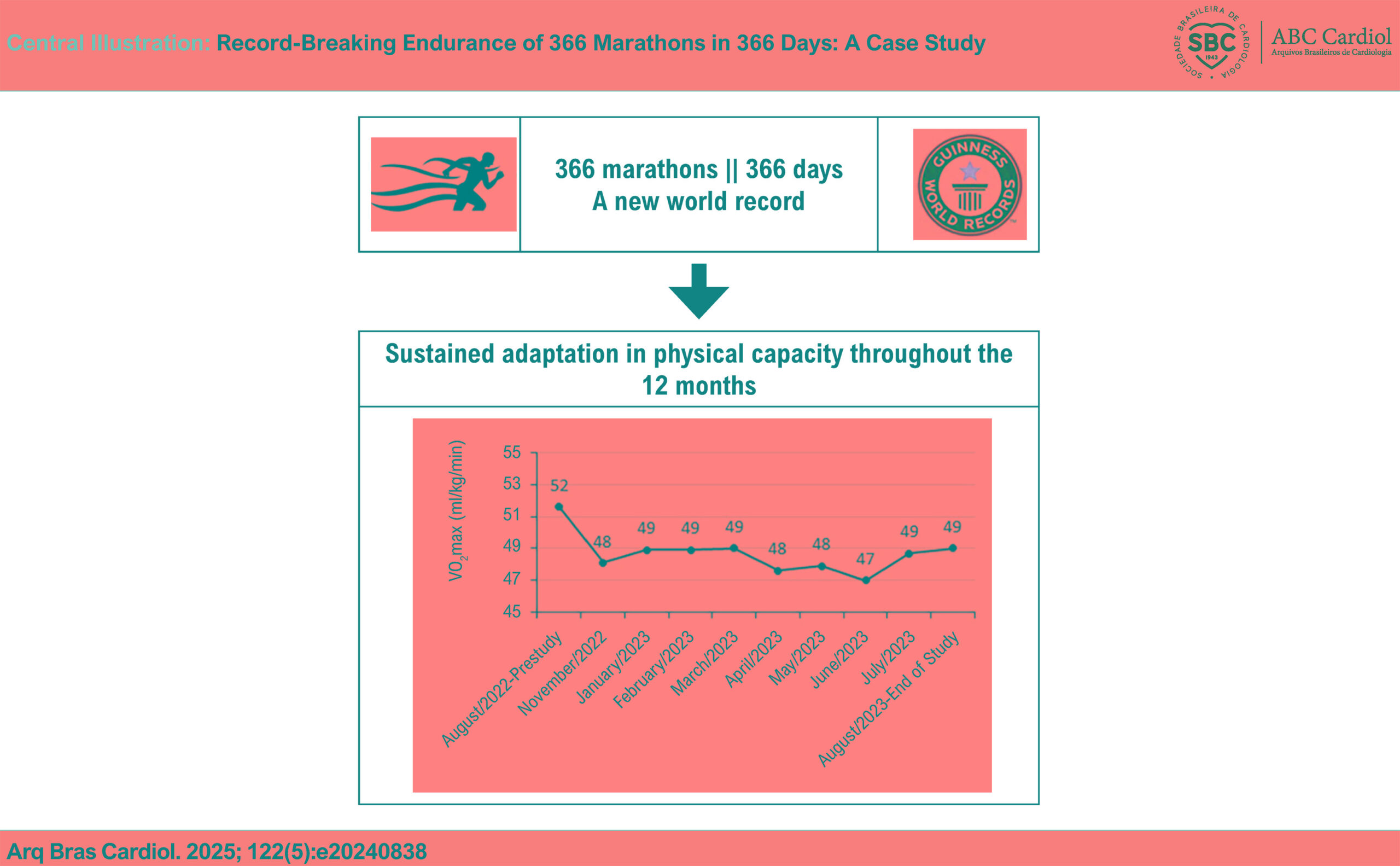
A Brazilian athlete has proposed setting a new world record for consecutive marathons by running 366 marathons in 366 consecutive days. The impact of such a feat on the cardiovascular system is unknown.

Objective

To monitor the cardiovascular system to assess the athlete’s cardiovascular adaptations or maladaptations over the period.

Methods

During the pre-study evaluation, we conducted the pre-participation clinical evaluation (PPE) composed of anamnesis, electrocardiogram, blood test, and functional capacity by maximum cardiopulmonary exercise test (CPET). At follow-up, serial CPET, body composition assessment, blood sample, and echocardiogram were periodically performed for 12 months.

Results

At PPE, male, 43-year-old, height: 1.83 m, weight: 76.9 kg, maximum oxygen consumption (VO2max): 52 ml/kg/min, body fat: 12.6%, systolic and diastolic blood pressure: 120/80 mmHg, blood glucose: 92 mg/dL, total cholesterol (TC): 185 mg/dL, high-sensitivity C-reactive protein (hs-CRP): 0.08 mg/dL, creatine phosphokinase (CPK): 183 U/L, and high-sensitivity troponin T (hs-TnT): 7.1 ng/L. At follow-up, the average of VO2max remained at 48.7 ± 1.2 ml/kg/min, left ventricular ejection fraction (LVEF) at 62 ± 2%, LV strain global longitudinal at 19 ± 1%, LV mass index at 83 ± 7 g/m2, hs-CRP at 0.07 ± 0.01 mg/L, CPK at 169 ± 36 U/L, hs-TnT at 8.2 ± 1.4 ng/L, and no malignant arrhythmias were observed.

Conclusion

The athlete’s cardiovascular system had adapted to an extremely high volume of consecutive marathons at moderate intensity for one year and remained functioning at normal range. In addition, the athlete set a new world record for most consecutive days to run a marathon, recognized by Guinness World Records.

  • Cardiovascular System
  • Marathon Running
  • Physical Endurance
Read Full Article
Creative Commons Attribution (CC BY) Creative Commons license
13/06/2025 DOI: 10.36660/abc.20240838i Views 2
ABC
Editorial

Vitamin D and the Cardiovascular System

Claudio Leinig Pereira da Cunha

Vitamin D (or calciferol) is a fat-soluble vitamin. It is a generic term and refers to a group of fat-soluble compounds with a four-ring cholesterol structure. Dermal synthesis, under the action of UV-B light on the skin, is the main natural source of this vitamin, as very few foods contain vitamin D naturally (fatty fish, such as salmon, tuna, sardines, trout, are the exception). This vitamin D, whether derived from the diet or dermal synthesis, is biologically inactive. It is presented as vitamin D3 (cholecalciferol) and vitamin D2 (ergocalciferol), which are enzymatically converted in the liver into 25(OH)D (25-hydroxyvitamin D = calcidiol), the main circulating form of vitamin D. Then, in the kidney, calcidiol is converted into calcitriol (1,25-dihydroxyvitamin D), the active form of vitamin D, which increases intestinal absorption of calcium, increases bone reabsorption and decreases renal excretion of calcium and phosphate.

The best laboratory indicator of vitamin D adequacy is the serum 25(OH)D concentration. However, there is no consensus on the ideal concentration; the National Academy of Medicine indicated that 20 ng/ml is suficiente, but most experts (Endocrine Society, National Osteoporosis Foundation, International Osteoporosis Foundation, American Geriatrics Society) suggest that a minimum level of 30ng/ml is necessary for adults.

[…]

  • Cardiovascular System
  • Cholecalciferol
  • Fat Soluble Vitamins
  • Vitamin D
Read Full Article
Creative Commons Attribution (CC BY) Creative Commons license
17/06/2024 DOI: 10.36660/abc.20240189i
Figure 1
ABCHF
Original Article

Post-COVID-19 Syndrome and the Autonomic Repercussions on Cardiovascular Variables

Giulia Yuni Davanço et al. Matheus Figueiredo Torres Neif Murad Glaucia Luciano da Veiga … Pedro Henrique Alves Reis Juliana de Vasconcellos Barbosa Beatriz da Costa Aguiar Alves Thaís Moura Gascón Rodrigo Daminello Raimundo Fernando Luiz Affonso Fonseca

Abstract

Background:

The SARS-CoV-2 virus is responsible for the COVID-19 pandemic. Several adverse effects on the cardiovascular system were observed in patients hospitalized for COVID-19. SARS-CoV-2 infection added another possible arrhythmia-causing agent due to increased cytokines. It is believed that patients who have had COVID-19 are more prone to develop cardiovascular disease after infection. Heart rate variability (HRV) is an important marker of heart health, with lower values indicating a decrease in vagal heart rate control.

Objectives:

To analyze the autonomic modulation of the heart rate of patients with Post-COVID-19 Syndrome.

Methods:

Our study assessed 50 patients, of both sexes, with at least six months of recovery from COVID-19 and who were attended to in a cardiology outpatient clinic. The recording of RR intervals was performed with a portable heart rate monitor.

Results:

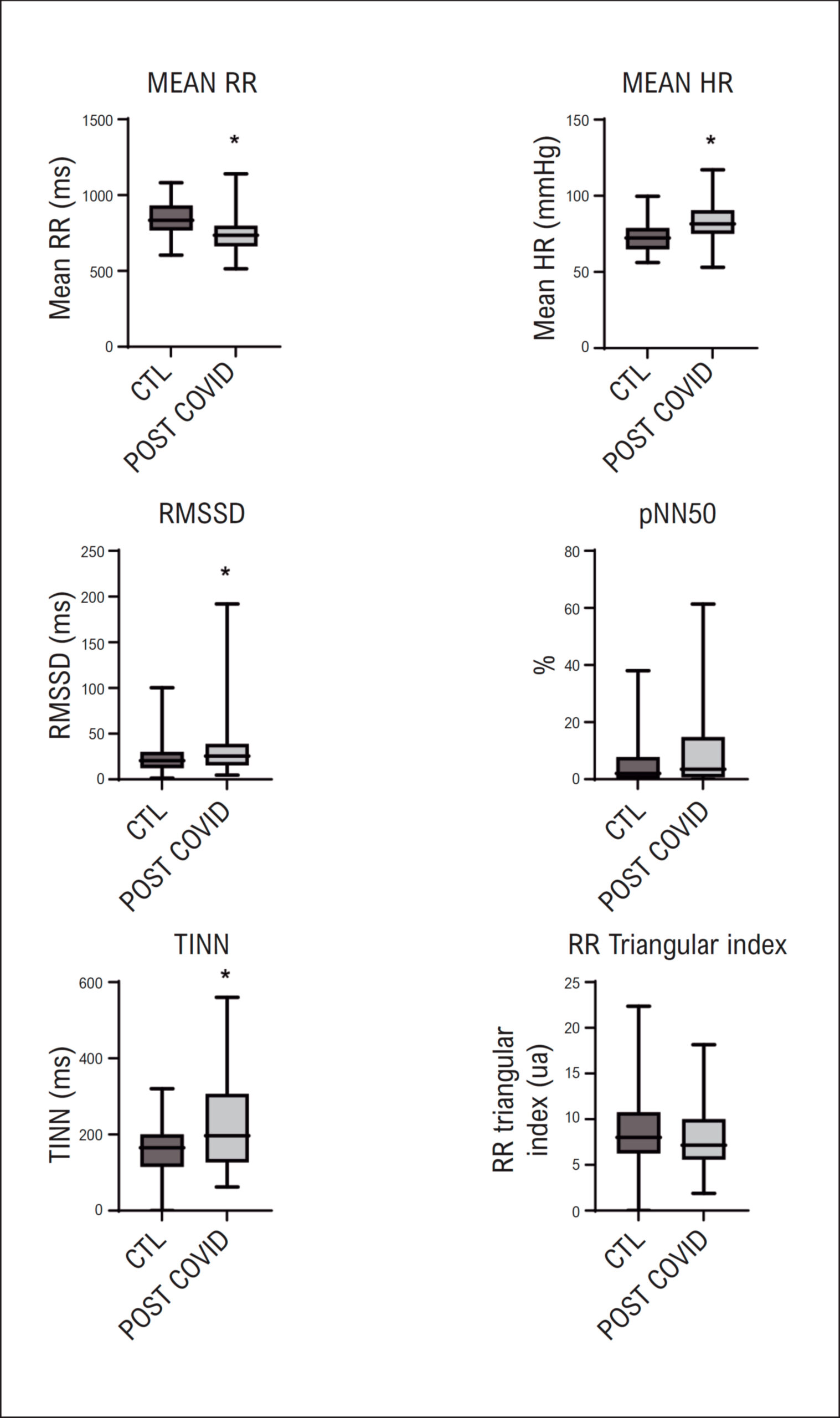
The values of the Root Mean Square of the Successive Differences (RMSSD) (36.3±35.7 ms, p=0.0363) and high frequency (HF) (446.3±632.2 ms2, p=0.0394) were higher in the post-COVID group when compared to the control group. In addition, TINN values (228.0±120.9 ms, p=0.009), LF/HF (3.8±3.8 a.u., p=0.1020), SD2 (40.1±19.3 a.u., p=0.005), and SD1/SD2 (2.2±1.0 a.u., p<0.0001) were lower in the post-COVID group.

Conclusion:

The present study showed an increase in parameters related to parasympathetic autonomic activity and its modulation. In addition, lower heart rate variability was observed in patients during a post-recovery period of COVID-19 when compared to a group that had not contracted the disease.

  • Autonomic Nervous System
  • Cardiovascular System
  • Coronavirus
  • Post-Acute COVID-19 Syndrome
Read Full Article
Creative Commons Attribution (CC BY) Creative Commons license
31/12/2023 DOI: 10.36660/abchf.20230056 Views 3
Frequent Cardiovascular Manifestations Associated With SARS Cov-2 Infection: Experience at a Tertiary Hospital In Cali, Colombia
IJCS
Original Article

Frequent Cardiovascular Manifestations Associated With SARS Cov-2 Infection: Experience at a Tertiary Hospital In Cali, Colombia

Duvan Arley Galindes-Casanova et al. Edith Norela Benitez-Escobar Luis Álvaro Melo-Burbano Nelson Eduardo Murillo-Benitez … Juan Carlos Avila-Valencia Jorge Enrique Daza-Arana

Abstract

Background:

Coronavirus disease 2019 (COVID-19) mainly affects the respiratory system, while the most common extrapulmonary complication of COVID-19 is cardiovascular involvement.

Objective:

To identify the frequency of electrocardiographic changes and cardiac arrhythmias in patients hospitalized with COVID-19 infection.

Methods:

This was a cross-sectional study, including patients aged >18 years with diagnosis of severe acute respiratory syndrome coronavirus 2 infection in a high-complexity hospital in Santiago de Cali, Colombia, from March to September 2020. A descriptive analysis with an analytical component and multiple logistic regression analysis were performed; all estimates were established with a 95% confidence level (CI) and a 5% significance level.

Results:

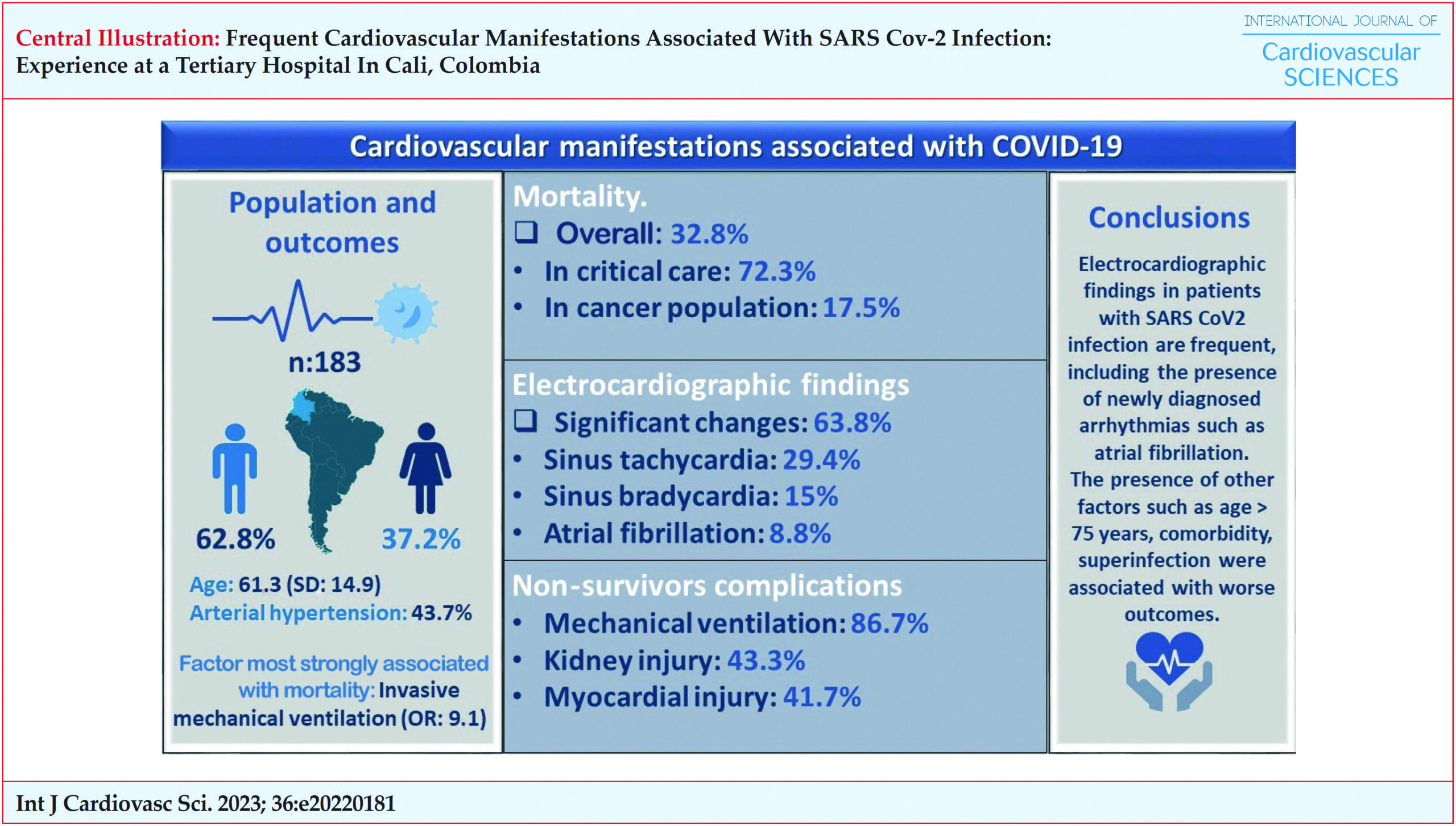
This study included 183 individuals; of whom 160 were considered for electrocardiographic analysis, 63% of which evidenced significant findings, the most frequent being sinus tachycardia (29.4%). The frequency of myocardial injury was 21.9% and was more common among non-survivors than among survivors (41.7% vs. 12.2%, p < 0.001). Myocardial injury was also significantly more common in patients who presented electrocardiographic findings than those who did not (26.5% vs. 12.1%, p = 0.032) and in those who required intensive care admission (31.8% vs 10.5%, p < 0.001). The strongest mortality-associated factor was the need for mechanical ventilation — odds ratio (OR), 9.14; 95% confidence interval, 3.4–24.5.

Conclusions:

Electrocardiographic findings in patients with COVID 19 are frequent, including newly diagnosed arrhythmias, justifying the use of cost-effective tools for the initial approach and follow-up of this affected population. Worse outcomes depend on factors such as invasive mechanical ventilation, comorbidities, age, and superinfection.

  • Arrhythmias Cardiac
  • Biomarkers
  • Cardiovascular System
  • COVID-19
  • Electrocardiography
Read Full Article
Creative Commons Attribution (CC BY) Creative Commons license
27/11/2023 DOI: 10.36660/ijcs.20220181
ABC
Editorial

The Action of the Energy Drink on the Recovery Heart Rate is Independent of the Functional Capacity

Rodrigo Freire Dutra et al. Francisco Eberth Marinho Marques Luciana Diniz Nagem Janot de Matos

The consumption of caffeinated energy drinks (ED) has increased considerably in recent years. Increased ability to concentrate, gain in work performance and increased performance in physical activity are some of the reasons that lead to the search for the drink.

During the pandemic, with changes in routine imposed by the need for social isolation, some works reported an increase in ED intake. There was also greater consumption in the young population motivated by factors such as better performance in sports and the ability to concentrate. ,

[…]

  • Autonomc Nervous System
  • Cardiovascular System
  • Dietary Supplements
  • Energy Drinks
  • Exercise
Read Full Article
Creative Commons Attribution (CC BY) Creative Commons license
21/10/2022 DOI: 10.36660/abc.20220596
Figure 1
ABC
Review Article

Clinical Reasoning in Cardiology: Past, Present and Future

Evandro Tinoco Mesquita et al. Mayara Gabriele Toledo Rodrigo da Silva Garcia Prieto Amanda Cunha Soares Eduardo Thadeu de Oliveira Correia

Abstract

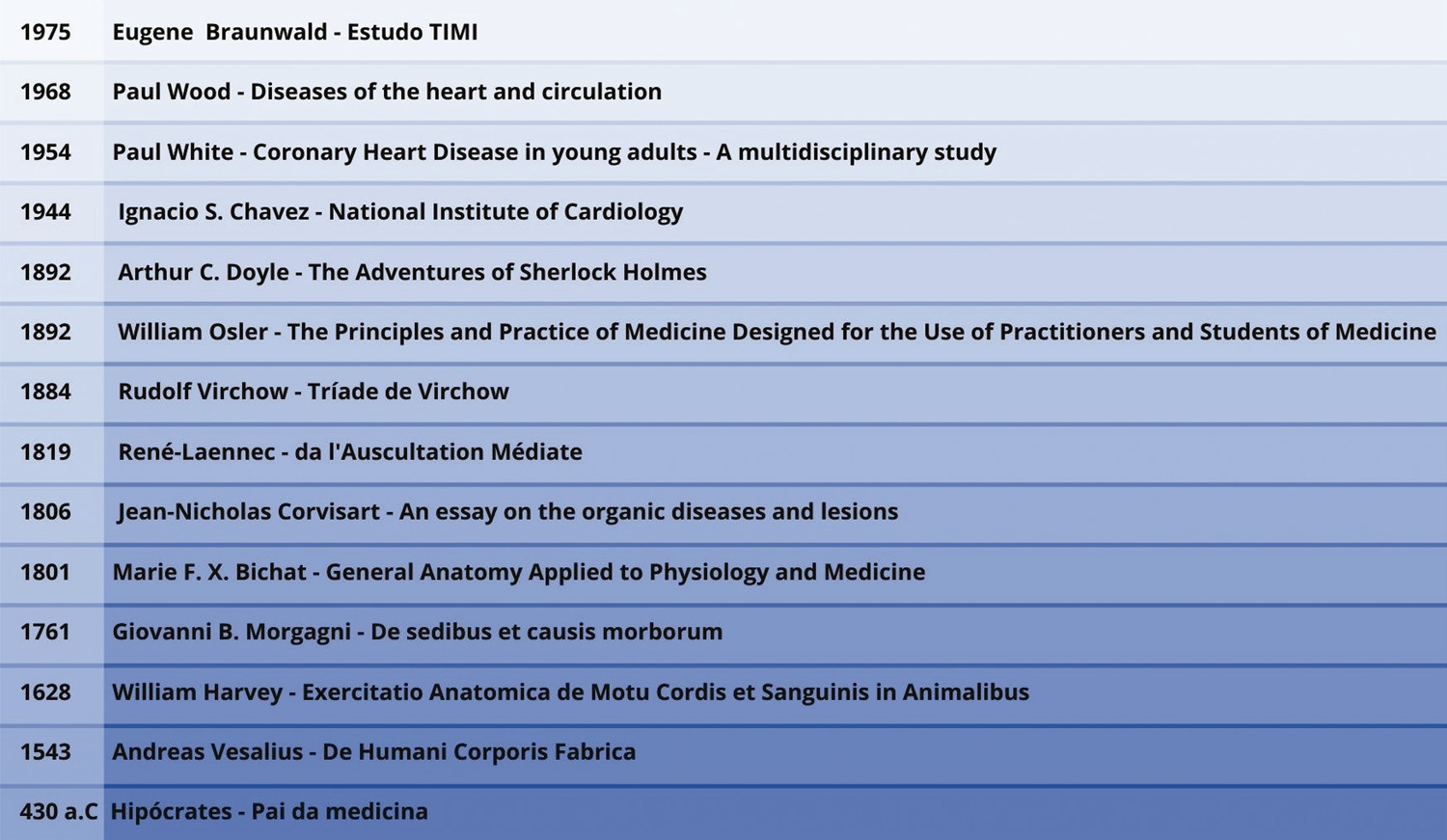
Clinical reasoning was born 2,500 years ago with Hippocrates, having evolved over the centuries, becoming a mixture of art and science. Several personalities throughout history have contributed to improving diagnostic accuracy. Nonetheless, diagnostic error is still common and causes a severe impact on healthcare systems. To face this challenge, several clinical reasoning models have emerged to systematize the clinical thinking process. This paper describes the history of clinical reasoning and current diagnostic reasoning methods, proposes a new clinical reasoning model, called Integrative Reasoning, and brings perspectives about the future of clinical reasoning.

  • Cardiology
  • Cardiovascular System
  • Diagnostic Errors
  • History of Medicine
Read Full Article
Creative Commons Attribution (CC BY) Creative Commons license
24/08/2022 DOI: 10.36660/abc.20220002
Figure 1
ABC
Original Article

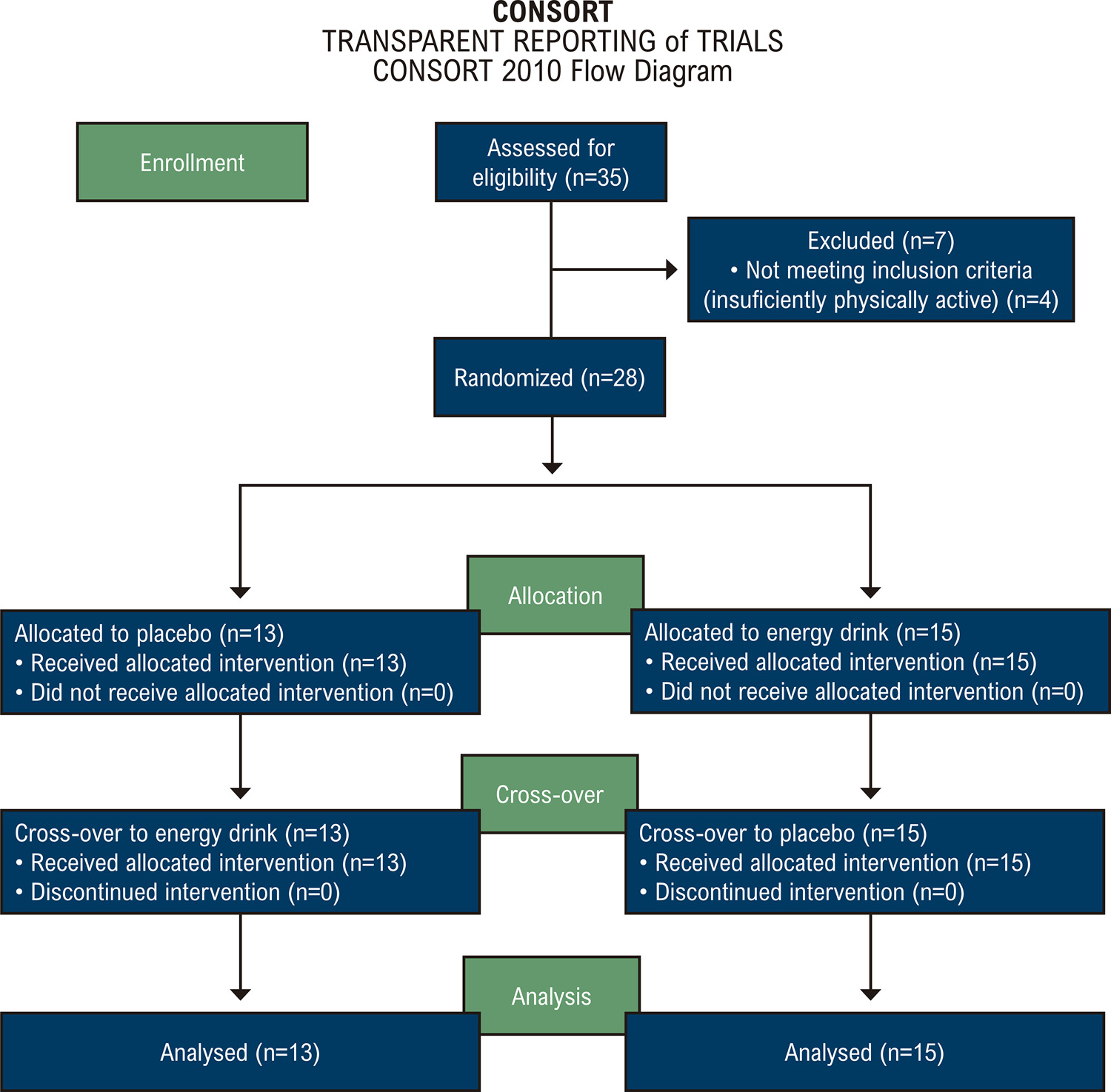
Acute Effects of Energy Drink on Autonomic and Cardiovascular Parameters Recovery in Individuals with Different Cardiorespiratory Fitness: A Randomized, Crossover, Double-Blind and Placebo-Controlled Trial

Andrey Alves Porto et al. Luana Almeida Gonzaga Cicero Jonas R Benjamim Carlos Roberto Bueno Jr … David M. Garner Luiz C.M Vanderlei Celso Ferreira Vitor Engrácia Valenti

Abstract

Background

It has been suggested that the consumption of energy drinks (ED) may affect cardiovascular activity.

Objectives

to investigate the acute effects of ED intake on heart rate variability (HRV) and cardiovascular recovery after moderate aerobic exercise in males with different cardiorespiratory capacities.

Methods

This is a randomized, double-blind, crossover, placebo-controlled study. Twenty-eight young adults were split into two groups according to their peak oxygen consumption (VO2peak) values: (1) High VO2 peak (HO) – VO2 peak > 52.15 mL/kg/min, and (2) low VO2 peak (LO) – peak VO2 <52.15 mL/kg/min. Subjects of both groups underwent two exercise protocols in randomized order: moderate aerobic exercise (60% of VO2peak) following the intake of 250 mL of water (placebo protocol) or 250 mL of ED (ED protocol). During the exercise tests, values of cardiorespiratory and HRV parameters were recorded.

Results

Significant differences were observed for the LF (normalized units) index between rest and Rec1 in HO energy and LO groups during the ED protocol. For the LF/HF ratio, significant differences were seen between rest and Rec1 in HO and LO during ED protocols.

Conclusion

Acute ED intake delayed heart rate recovery after exercise in subjects with low and high cardiorespiratory fitness.

  • Autonomic Nervous System
  • Cardiovascular System
  • Dietary Supplements
  • Energy Drinks
  • Exercise
Read Full Article
Creative Commons Attribution (CC BY) Creative Commons license
05/08/2022 DOI: 10.36660/abc.20210625
Figure 1
ABC
Original Article

Longitudinal Changes in Physical Activity Levels and Cardiovascular Risk Parameters in Patients with Symptomatic Peripheral Artery Disease

Francielly Monteiro et al. Marilia de Almeida Correia Breno Quintella Farah Diego Giuliano Destro Christofaro … Paulo Mesquita Longano de Oliveira Raphael Mendes Ritti-Dias Gabriel Grizzo Cucato

Background:

Previous cross-sectional studies have demonstrated that physical activity is associated with lower cardiovascular risk in patients with peripheral artery disease (PAD). However, it is not possible to establish causality, and longitudinal design studies are required.

Objective:

To analyze the changes in cardiovascular risk parameters and physical activity levels after a 2-year follow-up in patients with symptomatic PAD.

Methods:

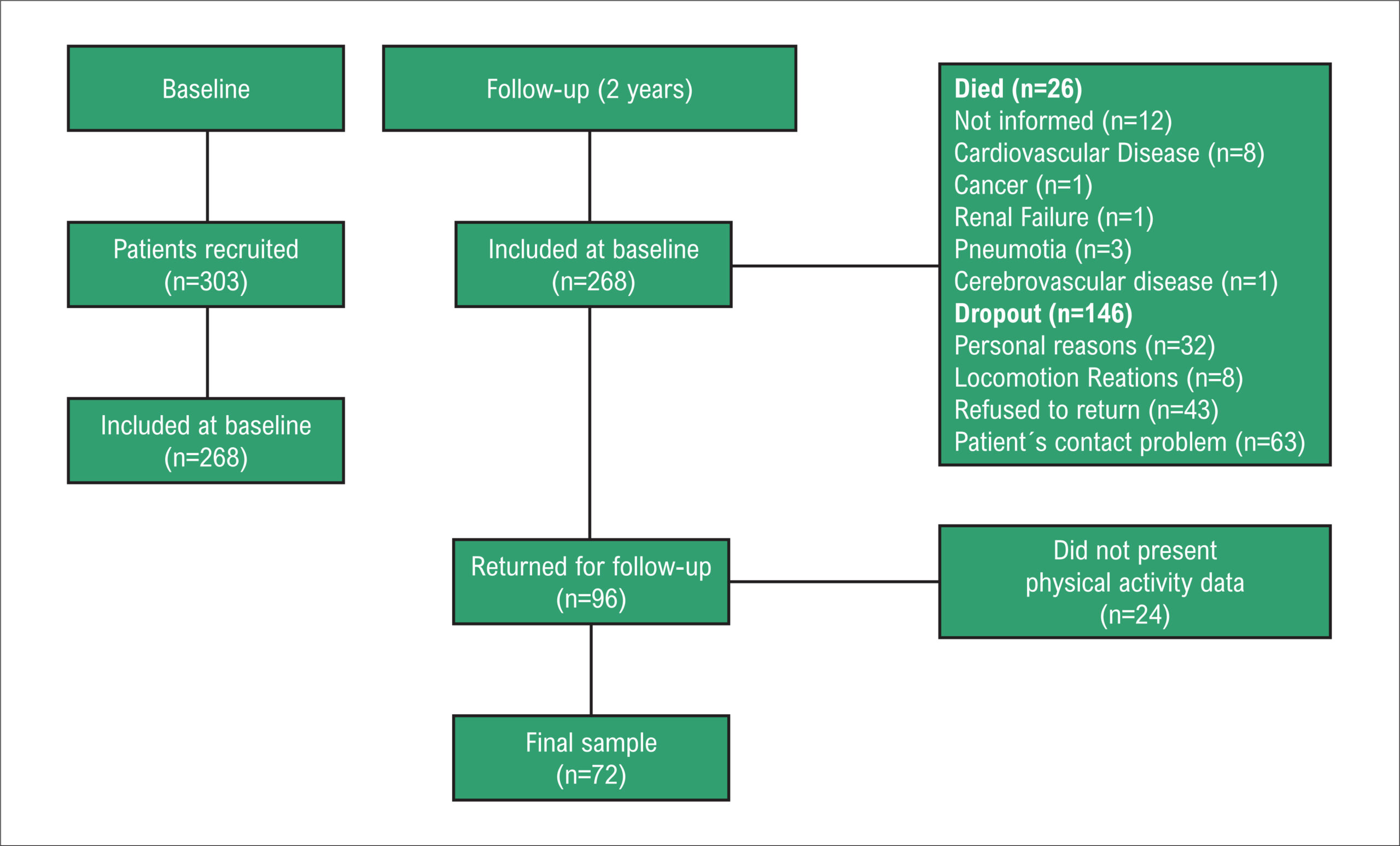
This study started in 2015. In the first phase, 268 patients were included. In the second phase, after 2 years (median = 26 months), 72 patients were re-evaluated. Cardiovascular risk parameters, such as blood pressure, cardiac autonomic modulation, and arterial stiffness, and physical activity levels were measured at baseline and after 2 years of follow-up. Association among delta changes (values from follow-up – baseline) in physical activity and cardiovascular parameters were analyzed by multiple linear regression. The significance level was set at p < 0.05.

Results:

Patients reduced their total physical activity levels compared to baseline (baseline = 2257.6 ± 774.5 versus follow-up = 2041 ± 676.2 min/week, p = 0.001). After follow-up, ankle-brachial index (0.62 ± 0.20 versus 0.54 ± 0.20, p = 0.003), and standard deviation of all RR intervals (43.4 ± 27.0 versus 25.1 ± 13.4 ms, p < 0.001) were lower, whereas carotid-femoral pulse wave velocity was higher (9.0 ± 3.0 versus 10.7 ± 3.4 m/s, p = 0.002) compared to baseline values. We did not observe any association among delta values of physical activity levels and cardiovascular risk parameters.

Conclusion:

Patients with PAD had reduced physical activity levels and impaired cardiovascular risk parameters during 2-year follow-up.

  • Arterial Pressure
  • Cardiovascular System
  • Exercise
  • Peripheral Arterial Disease
Read Full Article
Creative Commons Attribution (CC BY) Creative Commons license
03/06/2022 DOI: 10.36660/abc.20210386 Views 2
Figure 1
IJCS
Review Article

Effect of Physical Training on Nitric Oxide Levels in Patients with Arterial Hypertension: An Integrative Review

Tábata de Paula Facioli et al. Mariana Colombini Buranello Eloisa Maria Gatti Regueiro Renata Pedrolongo Basso-Vanelli Marina de Toledo Durand

Abstract

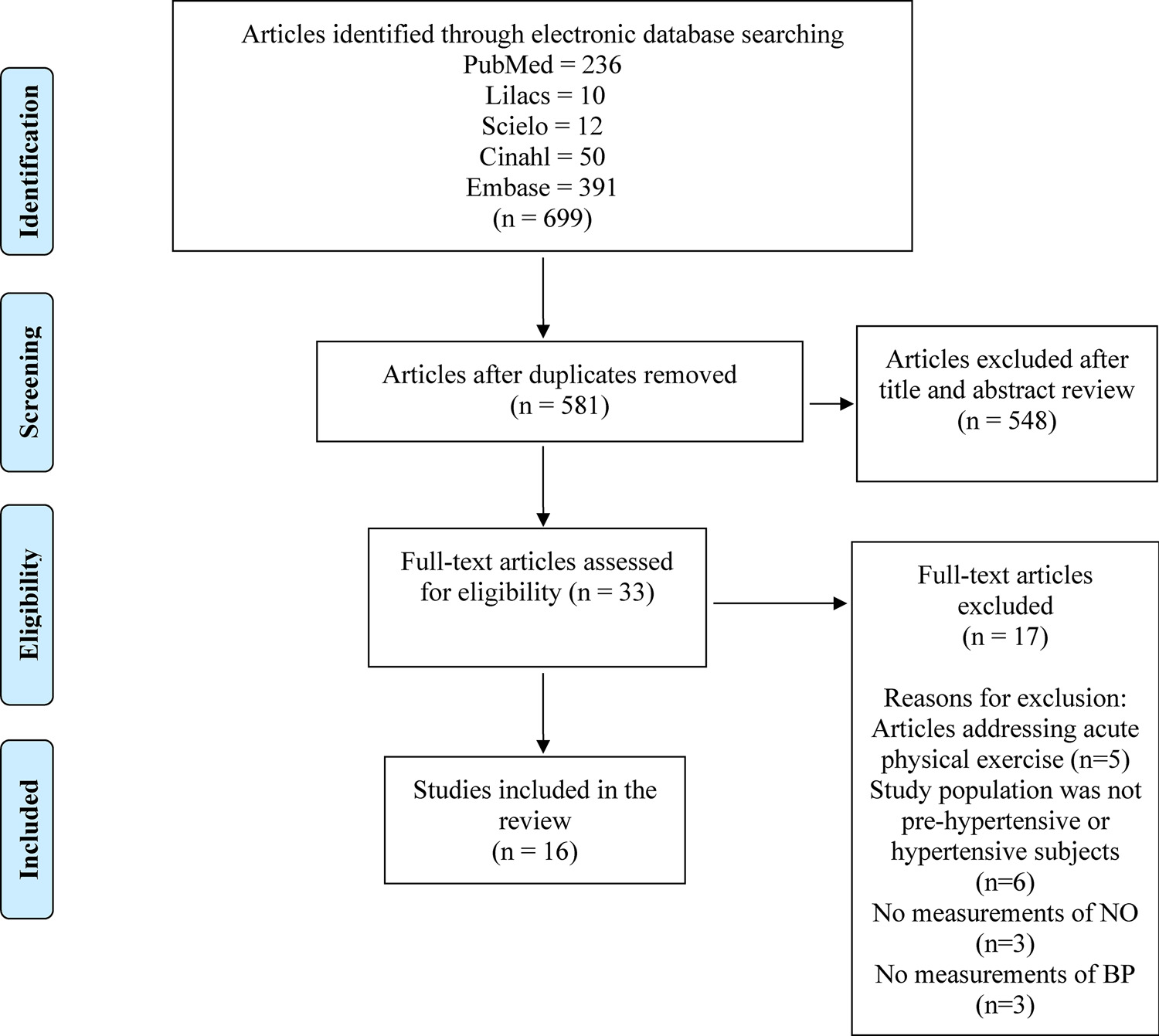
The regular practice of physical exercise as a non-pharmacological treatment of arterial hypertension (AH) has been encouraged due to causing a series of physiological responses in the cardiovascular system, such as the production of vasoactive substances, including nitric oxide (NO). NO is a relaxation factor released by the endothelium, and the decrease in its bioavailability is related to coronary and arterial diseases, such as AH. This study aimed to perform an integrative literature review to elucidate the effect of physical training on NO levels in patients with AH and to establish a relationship between these levels and blood pressure (BP) control. A literature review was was performed by searching PubMed / MEDLINE, Lilacs, Scielo, Cinahl and Embase databases. The search string used was (“arterial hypertension” OR hypertension) AND (exercise OR “physical exercise” OR “aerobic exercise” OR “exercise training” or “physical activity”) AND (“nitric oxide”). We included fully available controlled and uncontrolled clinical trials published in English and Portuguese languages in the last 10 years. The review consisted of 16 articles, of which 13 reported an increase in NO production after the physical training intervention, and three studies found no change. In addition, 15 studies observed a reduction in BP after the intervention. In conclusion, regular practice of physical exercises, advocating moderate intensity, can improve NO bioavailability in pre-hypertensive and hypertensive individuals, which seems to be one of the mechanisms responsible for BP reduction.

  • Blood Pressure
  • Cardiovascular System
  • Endothelium Dependent Relaxing Factors
  • Exercise
  • Hypertension
  • Nitric Oxide
  • Physical Conditioning Human
  • Vasoactive Substances
Read Full Article
Creative Commons Attribution (CC BY) Creative Commons license
09/06/2021 DOI: 10.36660/ijcs.20200244
Figure 1
IJCS
Review Article

Effects of Chloroquine and Hydroxychloroquine on the Cardiovascular System – Limitations for Use in the Treatment of COVID-19

Stephani Correia Brazão et al. Lis Jappour Autran Rosane de Oliveira Lopes Christianne Brêtas Vieira Scaramello … Fernanda Carla Ferreira de Brito Nadia Alice Vieira Motta

Abstract

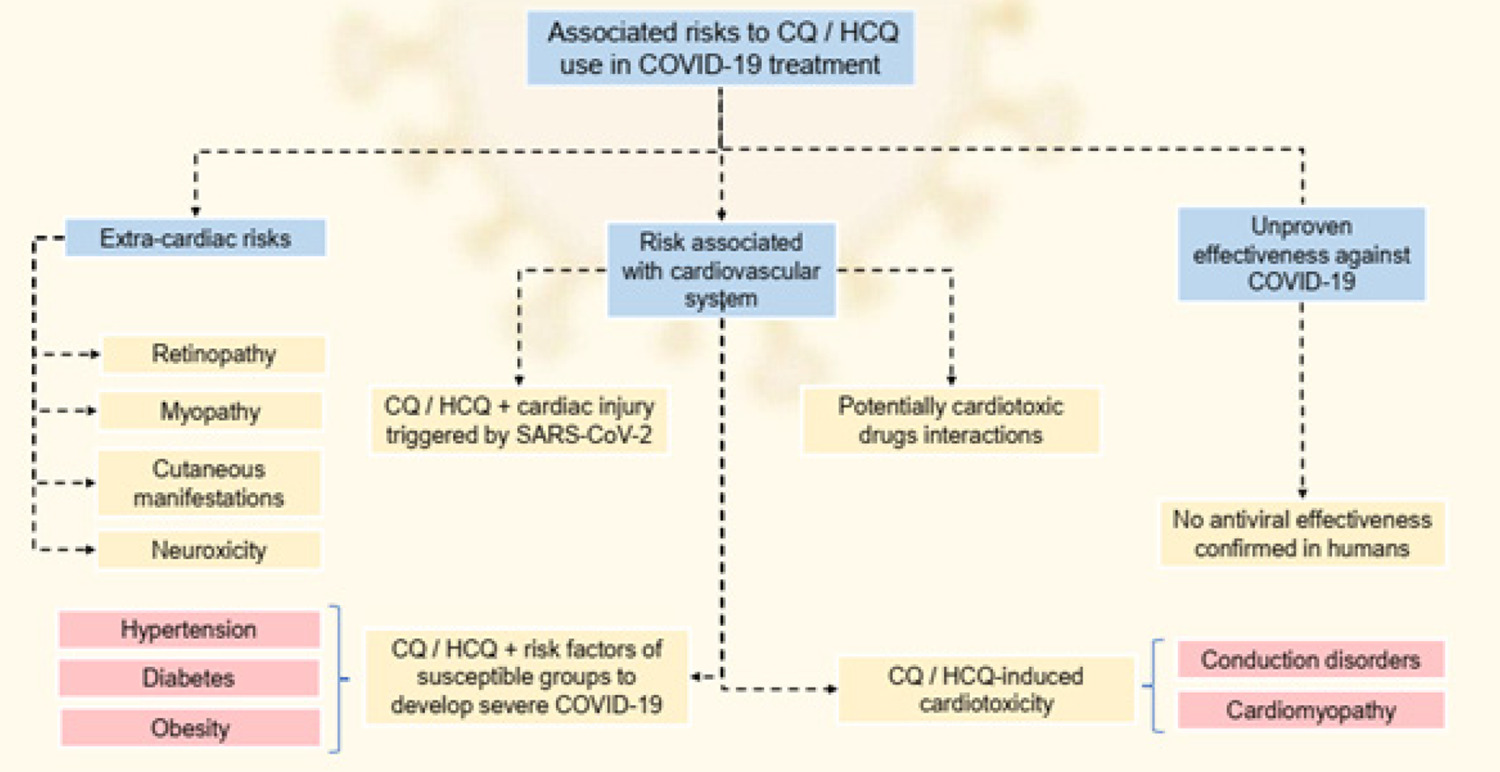
Chloroquine (CQ) and Hydroxychloroquine (HCQ) are antimalarial drugs, with anti-inflammatory properties that justify their use in the treatment of systemic lupus erythematosus and rheumatic diseases. A pandemic caused by the new coronavirus led the entire world’s scientific community to look for drugs already available on the market, capable of exercising beneficial actions in the fight against the disease. Preliminary studies in patients, as well as in vitro studies, suggested possible therapeutic effects associated with the use of HCQ and CQ in the treatment of COVID-19. Despite controversies over the effects of these drugs in combating the “cytokine storm” associated with COVID and the dismal of results in different clinical trials in Brazil, their use has been encouraged and several ongoing investigative studies are underway. In addition to the possible beneficial effects on the prognosis of patients with SARS-CoV-2, such drugs include varied effects on the cardiovascular system, ranging from positive developments related to their vasodilator properties to potential negative effects, such as cardiotoxicity. This work presents the main effects exerted by these drugs on the cardiovascular system, in order to contribute to a scientific discussion about the repurposing of these drugs in the context of COVID-19.

  • Azithromycin/ therapeutic use
  • Betacoronavirus
  • Cardiovascular System
  • Chloroquine/toxicity
  • COVID-19
  • Hydroxychloroquine/toxicity
Read Full Article
Creative Commons Attribution (CC BY) Creative Commons license
26/02/2021 DOI: 10.36660/ijcs.20200162 Views 1
IJCS
Review Article

Effects of Exercise Training on Cardiovascular and Autonomic Parameters in Stroke Survivors: A Systematic Review

Bruno Bavaresco Gambassi et al. Fabiano de Jesus Furtado Almeida Ana Eugênia Araújo Furtado Almeida João Alberto Ribeiro … Tânia Maria Gaspar Novais Paulo Adriano Schwingel Ciro Oliveira Queiroz Clarcson Plácido Conceição dos Santos Bruno Rodrigues

Abstract

Negative changes in cardiovascular and autonomic variables in stroke survivors have encouraged the global scientific community to focus on investigating therapeutic strategies to mitigate stroke damage. The objective of the present study was to describe the effects of exercise training on cardiovascular and autonomic variables in stroke survivors. We used the PICO (population, intervention, control/comparison, and outcome variables) model for the search of articles in PubMed and Physiotherapy Evidence Databases from 2009 to December 2018. The following data were also recorded: type of study, author, year of publication, participants (time after stroke, sample size, and age) and benefits of exercise training. A total of 544 articles were initially selected, of which nine peer-reviewed articles met the search criteria. These nine studies enrolled 611 participants (middle-aged or elderly), and pointed to positive effects of training on maximal oxygen uptake, peak aerobic capacity, 6-minute walk test and resting heart rate. However, more well-controlled studies are needed to confirm the benefits of exercise training on cardiovascular and autonomic variables in this population.

  • Autonomic Nervous System
  • Cardiovascular System
  • Exercise
  • physical fitness
  • Physiotherapy
  • Rehabilitation
  • Review
  • Stroke
Read Full Article
Creative Commons Attribution (CC BY) Creative Commons license
12/08/2019 DOI: 10.5935/2359-4802.20190047
Figure 1
ABC
Review Article

Development of Anatomophysiologic Knowledge Regarding the Cardiovascular System: From Egyptians to Harvey

Reinaldo Bulgarelli Bestetti et al. Carolina Baraldi A. Restini Lucélio B. Couto

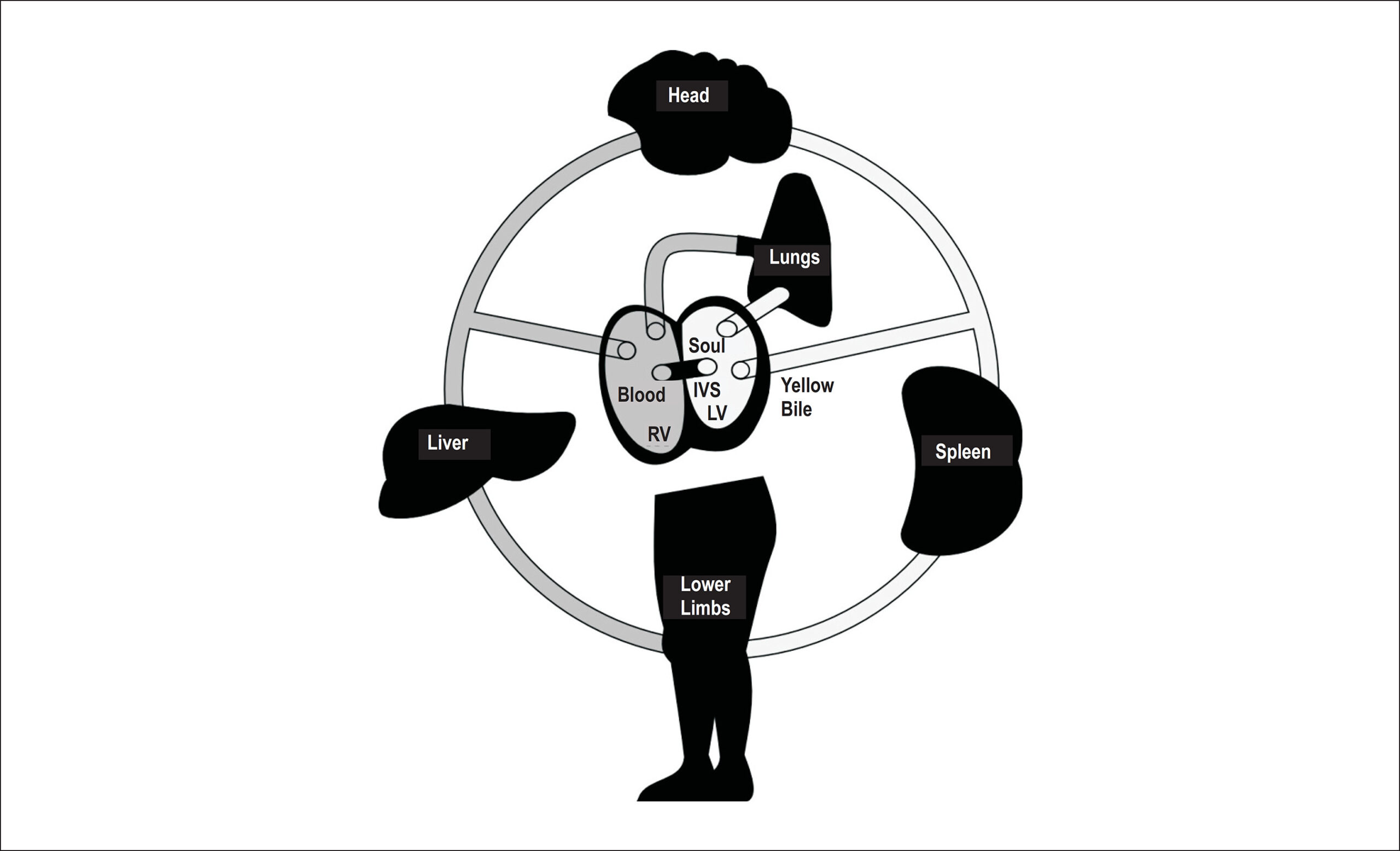
Our knowledge regarding the anatomophysiology of the cardiovascular system (CVS) has progressed since the fourth millennium BC. In Egypt (3500 BC), it was believed that a set of channels are interconnected to the heart, transporting air, urine, air, blood, and the soul. One thousand years later, the heart was established as the center of the CVS by the Hippocratic Corpus in the medical school of Kos, and some of the CVS anatomical characteristics were defined. The CVS was known to transport blood via the right ventricle through veins and the pneuma via the left ventricle through arteries. Two hundred years later, in Alexandria, following the development of human anatomical dissection, Herophilus discovered that arteries were 6 times thicker than veins, and Erasistratus described the semilunar valves, emphasizing that arteries were filled with blood when ventricles were empty. Further, 200 years later, Galen demonstrated that arteries contained blood and not air. With the decline of the Roman Empire, Greco-Roman medical knowledge about the CVS was preserved in Persia, and later in Islam where, Ibn Nafis inaccurately described pulmonary circulation. The resurgence of dissection of the human body in Europe in the 14th century was associated with the revival of the knowledge pertaining to the CVS. The main findings were the description of pulmonary circulation by Servetus, the anatomical discoveries of Vesalius, the demonstration of pulmonary circulation by Colombo, and the discovery of valves in veins by Fabricius. Following these developments, Harvey described blood circulation.

  • Anthropology, Cultural / trends
  • Cardiovascular System
  • Civilization / history
  • Egypt
  • Greek World / history
  • Knowledge
Read Full Article
Creative Commons Attribution (CC BY) Creative Commons license
10/10/2014 DOI: 10.5935/abc.20140148 Views 1
Effect of red wine associated with physical exercise in the cardiovascular system of spontaneously hipertensive rats
ABC
Artigo Original

Effect of red wine associated with physical exercise in the cardiovascular system of spontaneously hipertensive rats

Paulo Roberto Soares Filho et al. Iran Castro Adriene Stahlschmidt

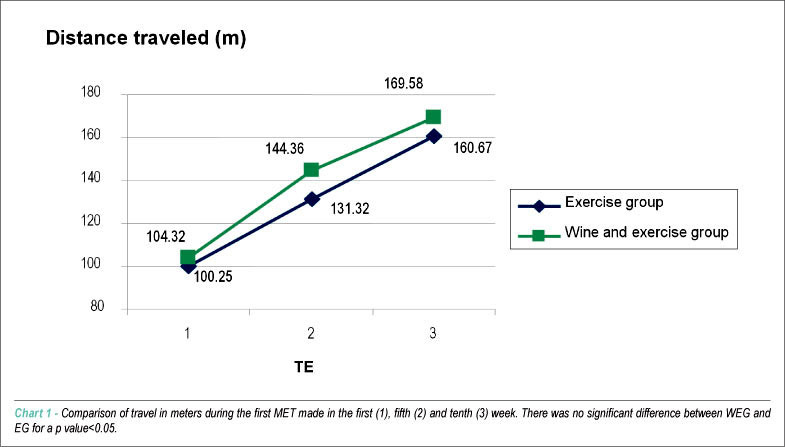
BACKGROUND: Physical exercise (PE) is effective in the treatment and prevention of hypertension associated with improved lipid profile and cardiac contractile function. Regular and moderate consumption of alcoholic beverages such as red wine brings a cardiovascular protective effect. Beverage-derived polyphenols have antioxidant properties benefiting blood vessels. There is little evidence on the consumption of red wine associated with PE and the influences on the cardiovascular system. OBJECTIVE: To investigate the effect of physical exercise (PE) and moderate red wine intake interaction on systolic blood pressure (SBP), high density lipoprotein (HDL) levels, physical performance (PP) and left ventricular ejection fraction (LVEF) in spontaneously hypertensive rats (SHR). METHODS: Sample of 32 SHRs divided into four groups: wine and exercise group (WEG), wine group (WG), exercise group (EG) and control group (CG). Red wine doses were given by intra-gastric gavage, during ten weeks, coincident with PE period, performed on treadmills. The SHRs received red wine doses of 3.715 ml/kg/day. Physical performance was analyzed by maximal exercise test (MET) and LVEF by echocardiographic measures. SBP measurement was made before and after the PE protocol. RESULTS: Demonstrated that the three groups which suffered intervention presented significant SBP reduction compared to CG. At the end of the protocol, WEG showed the largest reduction. Like in SBP results, WEG showed the best outcome on HDL levels at the experiment end. There was no significant difference of physical performance and LVEF between groups. CONCLUSION: PE associated with moderate red wine intake has cardioprotective effects on SBP and HDL levels in SHR. Their physical performance and LVEF are not modified.

  • Cardiovascular System
  • Exercise
  • HDL, Cholesterol
  • Hypertension
  • Wine
Read Full Article
Creative Commons Attribution (CC BY) Creative Commons license
25/02/2011 DOI: 10.1590/S0066-782X2011005000020
Cardiovascular repercussion of lodenafil carbonate, a new PDE5 inhibitor, with and without alcohol consumption
ABC
Artigo Original

Cardiovascular repercussion of lodenafil carbonate, a new PDE5 inhibitor, with and without alcohol consumption

Adauto Carvalho Silva et al. Odaly Toffoletto Luiz Antonio Galvão Lucio Paula Ferreira dos Santos … Jorge Barros Afiune João Massud Filho Sergio Tufik

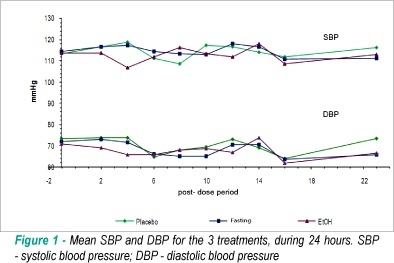
BACKGROUND: Millions of men around the world suffer from erectile dysfunction, for which phosphodiesterase 5 inhibitors (PDE-5 inhibitors) are currently the first treatment option. Sexual activity and alcohol consumption are closely related, and the simultaneous use of alcohol and PDE-5 inhibitors can happen. Lodenafil carbonate is a new PDE-5 inhibitor, developed by a Brazilian pharmaceutical company. OBJECTIVE: This work aimed at evaluating the cardiovascular safety of lodenafil carbonate, with and without simultaneous alcohol consumption. METHODS: Fifteen male volunteers received 160 mg lodenafil carbonate (LC), in three different moments. Participants were assigned to three groups, treated with LC in fasting condition, with alcohol or receiving only placebo. The volunteers were continuously monitored during 24 hours for physical impairment, blood pressure, heart rate, QT interval and lodenafil’s pharmacokinetic parameters. RESULTS: Lodenafil carbonate alone or with alcohol did not induce clinically relevant modifications in arterial blood pressure or heart rate. A statistically significant decrease in blood pressure was seen four hours after LC and alcohol intake, and an increase in heart rate six hours after intake of lodenafil carbonate alone. The QTc interval was not significantly modified. Lodenafil carbonate bioavailability was increased in 74% when drug intake was associated with alcohol. CONCLUSION: These results show that the use of lodenafil carbonate did not have clinically relevant effects on blood pressure or heart rate, and was not associated with QT interval prolongation. The association of lodenafil carbonate and alcohol affected its pharmacokinetic properties, increasing the bioavailability of the drug.

  • Alcohol Drinking
  • attributable risk
  • Cardiovascular System
  • erectile dysfunction
  • Phosphodiesterase Inhibitors
Read Full Article
Creative Commons Attribution (CC BY) Creative Commons license
05/05/2010 DOI: 10.1590/S0066-782X2010000200004 Views 2

How to cite this article

EndNote RIS

Electronic Document Format (Vancouver)

Teixeira AL. Strengthening Our Understanding of Muscle Metaboreflex Control in Patients with Coronary Artery Disease: (Dis)association Between Physical Fitness and Hemodynamic Responses. International Journal of Cardiovascular Sciences 2026;39:e20250227.

Electronic Document Format (ABNT)

Teixeira, André L.. Strengthening Our Understanding of Muscle Metaboreflex Control in Patients with Coronary Artery Disease: (Dis)association Between Physical Fitness and Hemodynamic Responses. International Journal of Cardiovascular Sciences, v. 39, e20250227, Apr. 2026.

Electronic Document Format (APA)

Teixeira, A. L. (2026). Strengthening Our Understanding of Muscle Metaboreflex Control in Patients with Coronary Artery Disease: (Dis)association Between Physical Fitness and Hemodynamic Responses. International Journal of Cardiovascular Sciences, 39, e20250227.

Electronic Document Format (ISO)

Teixeira, André L.. Strengthening Our Understanding of Muscle Metaboreflex Control in Patients with Coronary Artery Disease: (Dis)association Between Physical Fitness and Hemodynamic Responses. International Journal of Cardiovascular Sciences [online]. 2026, vol. 39, [cited 2026-10-14], e20250227. Available from: <https://journals.cardiol.br/en/article/strengthening-our-understanding-of-muscle-metaboreflex-control-in-patients-with-coronary-artery-disease-disassociation-between-physical-fitness-and-hemodynamic-responses/>. ISSN 2359-4802

EndNote RIS

Electronic Document Format (Vancouver)

Souza FR, Lopes RD, Fonseca GWP, Barretto RBM, Battaglia Filho AC, Val RM, Kalil-Filho R, et al. Record-Breaking Endurance of 366 Marathons in 366 Days: A Case Study. Arquivos Brasileiros de Cardiologia 2025;122(5):e20240838.

Electronic Document Format (ABNT)

Souza, Francis Ribeiro de; Lopes, Renato Delascio; Fonseca, Guilherme Wesley Peixoto da; Barretto, Rodrigo Bellio de Mattos; Battaglia Filho, Antonio Carlos; Val, Renata Margarida do; Kalil-Filho, Roberto; Alves, Maria-Janieire de Nazaré Nunes. Record-Breaking Endurance of 366 Marathons in 366 Days: A Case Study. Arquivos Brasileiros de Cardiologia, v. 122, n. 5, e20240838, Jun. 2025.

Electronic Document Format (APA)

Souza, F. R. , Lopes, R. D., Fonseca, G. W. P. , Barretto, R. B. M., Battaglia Filho, A. C., Val, R. M. , Kalil-Filho, R., & Alves, M. N. N. (2025). Record-Breaking Endurance of 366 Marathons in 366 Days: A Case Study. Arquivos Brasileiros de Cardiologia, 122(5), e20240838.

Electronic Document Format (ISO)

Souza, Francis Ribeiro de and Lopes, Renato Delascio and Fonseca, Guilherme Wesley Peixoto da and Barretto, Rodrigo Bellio de Mattos and Battaglia Filho, Antonio Carlos and Val, Renata Margarida do and Kalil-Filho, Roberto and Alves, Maria-Janieire de Nazaré Nunes. Record-Breaking Endurance of 366 Marathons in 366 Days: A Case Study. Arquivos Brasileiros de Cardiologia [online]. 2025, vol. 122, n. 5, [cited 2026-10-14], e20240838. Available from: <https://journals.cardiol.br/en/article/record-breaking-endurance-of-366-marathons-in-366-days-a-case-study/>. ISSN 0066-782X

EndNote RIS

Electronic Document Format (Vancouver)

Cunha CLP. Vitamin D and the Cardiovascular System. Arquivos Brasileiros de Cardiologia 2024;121(5):e20240189.

Electronic Document Format (ABNT)

Cunha, Claudio Leinig Pereira da. Vitamin D and the Cardiovascular System. Arquivos Brasileiros de Cardiologia, v. 121, n. 5, e20240189, Jun. 2024.

Electronic Document Format (APA)

Cunha, C. L. P. (2024). Vitamin D and the Cardiovascular System. Arquivos Brasileiros de Cardiologia, 121(5), e20240189.

Electronic Document Format (ISO)

Cunha, Claudio Leinig Pereira da. Vitamin D and the Cardiovascular System. Arquivos Brasileiros de Cardiologia [online]. 2024, vol. 121, n. 5, [cited 2026-10-14], e20240189. Available from: <https://journals.cardiol.br/en/article/vitamin-d-and-the-cardiovascular-system/>. ISSN 0066-782X

EndNote RIS

Electronic Document Format (Vancouver)

Davanço GY, Torres MF, Murad N, Veiga GL, Reis PHA, Barbosa JV, Alves BCA, et al. Post-COVID-19 Syndrome and the Autonomic Repercussions on Cardiovascular Variables. ABC Heart Fail Cardiomyop 2023;3(3):e20230056.

Electronic Document Format (ABNT)

Davanço, Giulia Yuni; Torres, Matheus Figueiredo; Murad, Neif; Veiga, Glaucia Luciano da; Reis, Pedro Henrique Alves; Barbosa, Juliana de Vasconcellos; Alves, Beatriz da Costa Aguiar; Gascón, Thaís Moura; Raimundo, Rodrigo Daminello; Fonseca, Fernando Luiz Affonso. Post-COVID-19 Syndrome and the Autonomic Repercussions on Cardiovascular Variables. ABC Heart Fail Cardiomyop, v. 3, n. 3, e20230056, Dec. 2023.

Electronic Document Format (APA)

Davanço, G. Y., Torres, M. F., Murad, N., Veiga, G. L. , Reis, P. H. A., Barbosa, J. V., Alves, B. C. A., Gascón, T. M., Raimundo, R. D., & Fonseca, F. L. A. (2023). Post-COVID-19 Syndrome and the Autonomic Repercussions on Cardiovascular Variables. ABC Heart Fail Cardiomyop, 3(3), e20230056.

Electronic Document Format (ISO)

Davanço, Giulia Yuni and Torres, Matheus Figueiredo and Murad, Neif and Veiga, Glaucia Luciano da and Reis, Pedro Henrique Alves and Barbosa, Juliana de Vasconcellos and Alves, Beatriz da Costa Aguiar and Gascón, Thaís Moura and Raimundo, Rodrigo Daminello and Fonseca, Fernando Luiz Affonso. Post-COVID-19 Syndrome and the Autonomic Repercussions on Cardiovascular Variables. ABC Heart Fail Cardiomyop [online]. 2023, vol. 3, n. 3, [cited 2026-10-14], e20230056. Available from: <https://journals.cardiol.br/en/article/post-covid-19-syndrome-and-the-autonomic-repercussions-on-cardiovascular-variables/>

EndNote RIS

Electronic Document Format (Vancouver)

Galindes-Casanova DA, Benitez-Escobar EN, Melo-Burbano L, Murillo-Benitez NE, Avila-Valencia JC, Daza-Arana JE. Frequent Cardiovascular Manifestations Associated With SARS Cov-2 Infection: Experience at a Tertiary Hospital In Cali, Colombia. International Journal of Cardiovascular Sciences 2023;36:e20220181.

Electronic Document Format (ABNT)

Galindes-Casanova, Duvan Arley; Benitez-Escobar, Edith Norela; Melo-Burbano, Luis Álvaro; Murillo-Benitez, Nelson Eduardo; Avila-Valencia, Juan Carlos; Daza-Arana, Jorge Enrique. Frequent Cardiovascular Manifestations Associated With SARS Cov-2 Infection: Experience at a Tertiary Hospital In Cali, Colombia. International Journal of Cardiovascular Sciences, v. 36, e20220181, Nov. 2023.

Electronic Document Format (APA)

Galindes-Casanova, D. A., Benitez-Escobar, E. N., Melo-Burbano, L. , Murillo-Benitez, N. E., Avila-Valencia, J. C., & Daza-Arana, J. E. (2023). Frequent Cardiovascular Manifestations Associated With SARS Cov-2 Infection: Experience at a Tertiary Hospital In Cali, Colombia. International Journal of Cardiovascular Sciences, 36, e20220181.

Electronic Document Format (ISO)

Galindes-Casanova, Duvan Arley and Benitez-Escobar, Edith Norela and Melo-Burbano, Luis Álvaro and Murillo-Benitez, Nelson Eduardo and Avila-Valencia, Juan Carlos and Daza-Arana, Jorge Enrique. Frequent Cardiovascular Manifestations Associated With SARS Cov-2 Infection: Experience at a Tertiary Hospital In Cali, Colombia. International Journal of Cardiovascular Sciences [online]. 2023, vol. 36, [cited 2026-10-14], e20220181. Available from: <https://journals.cardiol.br/en/article/frequent-cardiovascular-manifestations-associated-with-sars-cov-2-infection-experience-at-a-tertiary-hospital-in-cali-colombia/>. ISSN 2359-4802

EndNote RIS

Electronic Document Format (Vancouver)

Dutra RF, Marques FEM, Matos LDNJ. The Action of the Energy Drink on the Recovery Heart Rate is Independent of the Functional Capacity. Arquivos Brasileiros de Cardiologia 2022;119(4):562-3.

Electronic Document Format (ABNT)

Dutra, Rodrigo Freire; Marques, Francisco Eberth Marinho; Matos, Luciana Diniz Nagem Janot de. The Action of the Energy Drink on the Recovery Heart Rate is Independent of the Functional Capacity. Arquivos Brasileiros de Cardiologia, v. 119, n. 4, p. 562-563, Oct. 2022.

Electronic Document Format (APA)

Dutra, R. F., Marques, F. E. M., & Matos, L. D. N. J. (2022). The Action of the Energy Drink on the Recovery Heart Rate is Independent of the Functional Capacity. Arquivos Brasileiros de Cardiologia, 119(4), 562-563.

Electronic Document Format (ISO)

Dutra, Rodrigo Freire and Marques, Francisco Eberth Marinho and Matos, Luciana Diniz Nagem Janot de. The Action of the Energy Drink on the Recovery Heart Rate is Independent of the Functional Capacity. Arquivos Brasileiros de Cardiologia [online]. 2022, vol. 119, n. 4, [cited 2026-10-14], pp. 562-563. Available from: <https://journals.cardiol.br/en/article/the-action-of-the-energy-drink-on-the-recovery-heart-rate-is-independent-of-the-functional-capacity/>. ISSN 0066-782X

EndNote RIS

Electronic Document Format (Vancouver)

Mesquita ET, Toledo MG, Prieto RSG, Soares AC, Correia ETO. Clinical Reasoning in Cardiology: Past, Present and Future. Arquivos Brasileiros de Cardiologia 2022;119(5):793-800.

Electronic Document Format (ABNT)

Mesquita, Evandro Tinoco; Toledo, Mayara Gabriele; Prieto, Rodrigo da Silva Garcia; Soares, Amanda Cunha; Correia, Eduardo Thadeu de Oliveira. Clinical Reasoning in Cardiology: Past, Present and Future. Arquivos Brasileiros de Cardiologia, v. 119, n. 5, p. 793-800, Aug. 2022.

Electronic Document Format (APA)

Mesquita, E. T., Toledo, M. G., Prieto, R. S. G., Soares, A. C., & Correia, E. T. O. (2022). Clinical Reasoning in Cardiology: Past, Present and Future. Arquivos Brasileiros de Cardiologia, 119(5), 793-800.

Electronic Document Format (ISO)

Mesquita, Evandro Tinoco and Toledo, Mayara Gabriele and Prieto, Rodrigo da Silva Garcia and Soares, Amanda Cunha and Correia, Eduardo Thadeu de Oliveira. Clinical Reasoning in Cardiology: Past, Present and Future. Arquivos Brasileiros de Cardiologia [online]. 2022, vol. 119, n. 5, [cited 2026-10-14], pp. 793-800. Available from: <https://journals.cardiol.br/en/article/clinical-reasoning-in-cardiology-past-present-and-future/>. ISSN 0066-782X

EndNote RIS

Electronic Document Format (Vancouver)

Porto AA, Gonzaga LA, Benjamim CJR, Bueno Jr CR, Garner DM, Vanderlei LC, Ferreira C, et al. Acute Effects of Energy Drink on Autonomic and Cardiovascular Parameters Recovery in Individuals with Different Cardiorespiratory Fitness: A Randomized, Crossover, Double-Blind and Placebo-Controlled Trial. Arquivos Brasileiros de Cardiologia 2022;119(4):553-61.

Electronic Document Format (ABNT)

Porto, Andrey Alves; Gonzaga, Luana Almeida; Benjamim, Cicero Jonas R; Bueno Jr, Carlos Roberto; Garner, David M.; Vanderlei, Luiz C.M; Ferreira, Celso; Valenti, Vitor Engrácia. Acute Effects of Energy Drink on Autonomic and Cardiovascular Parameters Recovery in Individuals with Different Cardiorespiratory Fitness: A Randomized, Crossover, Double-Blind and Placebo-Controlled Trial. Arquivos Brasileiros de Cardiologia, v. 119, n. 4, p. 553-561, Aug. 2022.

Electronic Document Format (APA)

Porto, A. A., Gonzaga, L. A., Benjamim, C. J. R., Bueno Jr, C. R., Garner, D. M., Vanderlei, L. C., Ferreira, C., & Valenti, V. E. (2022). Acute Effects of Energy Drink on Autonomic and Cardiovascular Parameters Recovery in Individuals with Different Cardiorespiratory Fitness: A Randomized, Crossover, Double-Blind and Placebo-Controlled Trial. Arquivos Brasileiros de Cardiologia, 119(4), 553-561.

Electronic Document Format (ISO)

Porto, Andrey Alves and Gonzaga, Luana Almeida and Benjamim, Cicero Jonas R and Bueno Jr, Carlos Roberto and Garner, David M. and Vanderlei, Luiz C.M and Ferreira, Celso and Valenti, Vitor Engrácia. Acute Effects of Energy Drink on Autonomic and Cardiovascular Parameters Recovery in Individuals with Different Cardiorespiratory Fitness: A Randomized, Crossover, Double-Blind and Placebo-Controlled Trial. Arquivos Brasileiros de Cardiologia [online]. 2022, vol. 119, n. 4, [cited 2026-10-14], pp. 553-561. Available from: <https://journals.cardiol.br/en/article/acute-effects-of-energy-drink-on-autonomic-and-cardiovascular-parameters-recovery-in-individuals-with-different-cardiorespiratory-fitness-a-randomized-crossover-double-blind-and-placebo-controlled/>. ISSN 0066-782X

EndNote RIS

Electronic Document Format (Vancouver)

Monteiro F, Correia MA, Farah BQ, Christofaro DGD, Oliveira PML, Ritti-Dias RM, Cucato GG, et al. Longitudinal Changes in Physical Activity Levels and Cardiovascular Risk Parameters in Patients with Symptomatic Peripheral Artery Disease. Arquivos Brasileiros de Cardiologia 2022;119(1):59-66.

Electronic Document Format (ABNT)

Monteiro, Francielly; Correia, Marilia de Almeida; Farah, Breno Quintella; Christofaro, Diego Giuliano Destro; Oliveira, Paulo Mesquita Longano de; Ritti-Dias, Raphael Mendes; Cucato, Gabriel Grizzo. Longitudinal Changes in Physical Activity Levels and Cardiovascular Risk Parameters in Patients with Symptomatic Peripheral Artery Disease. Arquivos Brasileiros de Cardiologia, v. 119, n. 1, p. 59-66, Jun. 2022.

Electronic Document Format (APA)

Monteiro, F., Correia, M. A., Farah, B. Q., Christofaro, D. G. D., Oliveira, P. M. L. , Ritti-Dias, R. M., & Cucato, G. G. (2022). Longitudinal Changes in Physical Activity Levels and Cardiovascular Risk Parameters in Patients with Symptomatic Peripheral Artery Disease. Arquivos Brasileiros de Cardiologia, 119(1), 59-66.

Electronic Document Format (ISO)

Monteiro, Francielly and Correia, Marilia de Almeida and Farah, Breno Quintella and Christofaro, Diego Giuliano Destro and Oliveira, Paulo Mesquita Longano de and Ritti-Dias, Raphael Mendes and Cucato, Gabriel Grizzo. Longitudinal Changes in Physical Activity Levels and Cardiovascular Risk Parameters in Patients with Symptomatic Peripheral Artery Disease. Arquivos Brasileiros de Cardiologia [online]. 2022, vol. 119, n. 1, [cited 2026-10-14], pp. 59-66. Available from: <https://journals.cardiol.br/en/article/longitudinal-changes-in-physical-activity-levels-and-cardiovascular-risk-parameters-in-patients-with-symptomatic-peripheral-artery-disease/>. ISSN 0066-782X

EndNote RIS

Electronic Document Format (Vancouver)

Facioli TP, Buranello MC, Regueiro EMG, Basso-Vanelli RP, Durand MT. Effect of Physical Training on Nitric Oxide Levels in Patients with Arterial Hypertension: An Integrative Review. International Journal of Cardiovascular Sciences 2021;35(2):253-64.

Electronic Document Format (ABNT)

Facioli, Tábata de Paula; Buranello, Mariana Colombini; Regueiro, Eloisa Maria Gatti; Basso-Vanelli, Renata Pedrolongo; Durand, Marina de Toledo. Effect of Physical Training on Nitric Oxide Levels in Patients with Arterial Hypertension: An Integrative Review. International Journal of Cardiovascular Sciences, v. 35, n. 2, p. 253-264, Jun. 2021.

Electronic Document Format (APA)

Facioli, T. P., Buranello, M. C., Regueiro, E. M. G., Basso-Vanelli, R. P., & Durand, M. T. (2021). Effect of Physical Training on Nitric Oxide Levels in Patients with Arterial Hypertension: An Integrative Review. International Journal of Cardiovascular Sciences, 35(2), 253-264.

Electronic Document Format (ISO)

Facioli, Tábata de Paula and Buranello, Mariana Colombini and Regueiro, Eloisa Maria Gatti and Basso-Vanelli, Renata Pedrolongo and Durand, Marina de Toledo. Effect of Physical Training on Nitric Oxide Levels in Patients with Arterial Hypertension: An Integrative Review. International Journal of Cardiovascular Sciences [online]. 2021, vol. 35, n. 2, [cited 2026-10-14], pp. 253-264. Available from: <https://journals.cardiol.br/en/article/effect-of-physical-training-on-nitric-oxide-levels-in-patients-with-arterial-hypertension-an-integrative-review/>. ISSN 2359-4802

EndNote RIS

Electronic Document Format (Vancouver)

Brazão SC, Autran LJ, Lopes RO, Scaramello CBV, Brito FCF, Motta NAV. Effects of Chloroquine and Hydroxychloroquine on the Cardiovascular System – Limitations for Use in the Treatment of COVID-19. International Journal of Cardiovascular Sciences 2021;34(2):211-22.

Electronic Document Format (ABNT)

Brazão, Stephani Correia; Autran, Lis Jappour; Lopes, Rosane de Oliveira; Scaramello, Christianne Brêtas Vieira; Brito, Fernanda Carla Ferreira de; Motta, Nadia Alice Vieira. Effects of Chloroquine and Hydroxychloroquine on the Cardiovascular System – Limitations for Use in the Treatment of COVID-19. International Journal of Cardiovascular Sciences, v. 34, n. 2, p. 211-222, Feb. 2021.

Electronic Document Format (APA)

Brazão, S. C., Autran, L. J., Lopes, R. O., Scaramello, C. B. V., Brito, F. C. F. , & Motta, N. A. V. (2021). Effects of Chloroquine and Hydroxychloroquine on the Cardiovascular System – Limitations for Use in the Treatment of COVID-19. International Journal of Cardiovascular Sciences, 34(2), 211-222.

Electronic Document Format (ISO)

Brazão, Stephani Correia and Autran, Lis Jappour and Lopes, Rosane de Oliveira and Scaramello, Christianne Brêtas Vieira and Brito, Fernanda Carla Ferreira de and Motta, Nadia Alice Vieira. Effects of Chloroquine and Hydroxychloroquine on the Cardiovascular System – Limitations for Use in the Treatment of COVID-19. International Journal of Cardiovascular Sciences [online]. 2021, vol. 34, n. 2, [cited 2026-10-14], pp. 211-222. Available from: <https://journals.cardiol.br/en/article/effects-of-chloroquine-and-hydroxychloroquine-on-the-cardiovascular-system-limitations-for-use-in-the-treatment-of-covid-19/>. ISSN 2359-4802

EndNote RIS

Electronic Document Format (Vancouver)

Gambassi BB, Almeida FJF, Almeida AEAF, Ribeiro JA, Novais TMG, Schwingel PA, Queiroz CO, et al. Effects of Exercise Training on Cardiovascular and Autonomic Parameters in Stroke Survivors: A Systematic Review. International Journal of Cardiovascular Sciences 2019;32(4):408-13.

Electronic Document Format (ABNT)

Gambassi, Bruno Bavaresco; Almeida, Fabiano de Jesus Furtado; Almeida, Ana Eugênia Araújo Furtado; Ribeiro, João Alberto; Novais, Tânia Maria Gaspar; Schwingel, Paulo Adriano; Queiroz, Ciro Oliveira; Santos, Clarcson Plácido Conceição dos; Rodrigues, Bruno. Effects of Exercise Training on Cardiovascular and Autonomic Parameters in Stroke Survivors: A Systematic Review. International Journal of Cardiovascular Sciences, v. 32, n. 4, p. 408-413, Aug. 2019.

Electronic Document Format (APA)

Gambassi, B. B., Almeida, F. J. F., Almeida, A. E. A. F., Ribeiro, J. A., Novais, T. M. G., Schwingel, P. A., Queiroz, C. O., Santos, C. P. C. , & Rodrigues, B. (2019). Effects of Exercise Training on Cardiovascular and Autonomic Parameters in Stroke Survivors: A Systematic Review. International Journal of Cardiovascular Sciences, 32(4), 408-413.

Electronic Document Format (ISO)

Gambassi, Bruno Bavaresco and Almeida, Fabiano de Jesus Furtado and Almeida, Ana Eugênia Araújo Furtado and Ribeiro, João Alberto and Novais, Tânia Maria Gaspar and Schwingel, Paulo Adriano and Queiroz, Ciro Oliveira and Santos, Clarcson Plácido Conceição dos and Rodrigues, Bruno. Effects of Exercise Training on Cardiovascular and Autonomic Parameters in Stroke Survivors: A Systematic Review. International Journal of Cardiovascular Sciences [online]. 2019, vol. 32, n. 4, [cited 2026-10-14], pp. 408-413. Available from: <https://journals.cardiol.br/en/article/effects-of-exercise-training-on-cardiovascular-and-autonomic-parameters-in-stroke-survivors-a-systematic-review/>. ISSN 2359-4802

EndNote RIS

Electronic Document Format (Vancouver)

Bestetti RB, Restini CBA, Couto LB. Development of Anatomophysiologic Knowledge Regarding the Cardiovascular System: From Egyptians to Harvey. Arquivos Brasileiros de Cardiologia 2014;103(6):538-45.

Electronic Document Format (ABNT)

Bestetti, Reinaldo Bulgarelli; Restini, Carolina Baraldi A.; Couto, Lucélio B.. Development of Anatomophysiologic Knowledge Regarding the Cardiovascular System: From Egyptians to Harvey. Arquivos Brasileiros de Cardiologia, v. 103, n. 6, p. 538-545, Oct. 2014.

Electronic Document Format (APA)

Bestetti, R. B., Restini, C. B. A., & Couto, L. B. (2014). Development of Anatomophysiologic Knowledge Regarding the Cardiovascular System: From Egyptians to Harvey. Arquivos Brasileiros de Cardiologia, 103(6), 538-545.

Electronic Document Format (ISO)

Bestetti, Reinaldo Bulgarelli and Restini, Carolina Baraldi A. and Couto, Lucélio B.. Development of Anatomophysiologic Knowledge Regarding the Cardiovascular System: From Egyptians to Harvey. Arquivos Brasileiros de Cardiologia [online]. 2014, vol. 103, n. 6, [cited 2026-10-14], pp. 538-545. Available from: <https://journals.cardiol.br/en/article/development-of-anatomophysiologic-knowledge-regarding-the-cardiovascular-system-from-egyptians-to-harvey/>. ISSN 0066-782X

EndNote RIS

Electronic Document Format (Vancouver)

Soares Filho PR, Castro I, Stahlschmidt A. Effect of red wine associated with physical exercise in the cardiovascular system of spontaneously hipertensive rats. Arquivos Brasileiros de Cardiologia 2011;96(4):277-83.

Electronic Document Format (ABNT)

Soares Filho, Paulo Roberto; Castro, Iran; Stahlschmidt, Adriene. Effect of red wine associated with physical exercise in the cardiovascular system of spontaneously hipertensive rats. Arquivos Brasileiros de Cardiologia, v. 96, n. 4, p. 277-283, Feb. 2011.

Electronic Document Format (APA)

Soares Filho, P. R., Castro, I., & Stahlschmidt, A. (2011). Effect of red wine associated with physical exercise in the cardiovascular system of spontaneously hipertensive rats. Arquivos Brasileiros de Cardiologia, 96(4), 277-283.

Electronic Document Format (ISO)

Soares Filho, Paulo Roberto and Castro, Iran and Stahlschmidt, Adriene. Effect of red wine associated with physical exercise in the cardiovascular system of spontaneously hipertensive rats. Arquivos Brasileiros de Cardiologia [online]. 2011, vol. 96, n. 4, [cited 2026-10-14], pp. 277-283. Available from: <https://journals.cardiol.br/en/article/effect-of-red-wine-associated-with-physical-exercise-in-the-cardiovascular-system-of-spontaneously-hipertensive-rats/>. ISSN 0066-782X

EndNote RIS

Electronic Document Format (Vancouver)

Silva AC, Toffoletto O, Lucio LAG, Santos PF, Afiune JB, Massud Filho J, Tufik S, et al. Cardiovascular repercussion of lodenafil carbonate, a new PDE5 inhibitor, with and without alcohol consumption. Arquivos Brasileiros de Cardiologia 2010;94(2):160-7.

Electronic Document Format (ABNT)

Silva, Adauto Carvalho; Toffoletto, Odaly; Lucio, Luiz Antonio Galvão; Santos, Paula Ferreira dos; Afiune, Jorge Barros; Massud Filho, João; Tufik, Sergio. Cardiovascular repercussion of lodenafil carbonate, a new PDE5 inhibitor, with and without alcohol consumption. Arquivos Brasileiros de Cardiologia, v. 94, n. 2, p. 160-167, May. 2010.

Electronic Document Format (APA)

Silva, A. C., Toffoletto, O., Lucio, L. A. G., Santos, P. F. , Afiune, J. B., Massud Filho, J., & Tufik, S. (2010). Cardiovascular repercussion of lodenafil carbonate, a new PDE5 inhibitor, with and without alcohol consumption. Arquivos Brasileiros de Cardiologia, 94(2), 160-167.

Electronic Document Format (ISO)

Silva, Adauto Carvalho and Toffoletto, Odaly and Lucio, Luiz Antonio Galvão and Santos, Paula Ferreira dos and Afiune, Jorge Barros and Massud Filho, João and Tufik, Sergio. Cardiovascular repercussion of lodenafil carbonate, a new PDE5 inhibitor, with and without alcohol consumption. Arquivos Brasileiros de Cardiologia [online]. 2010, vol. 94, n. 2, [cited 2026-10-14], pp. 160-167. Available from: <https://journals.cardiol.br/en/article/cardiovascular-repercussion-of-lodenafil-carbonate-a-new-pde5-inhibitor-with-and-without-alcohol-consumption/>. ISSN 0066-782X

  • About ABC Family
  • Internal Regulation
  • Editorial Board
  • Brazilian Society of Cardiology (SBC)

Issues

SBC Guidelines

  • Videos
  • Podcasts
  • News