ABC Family Arquivos Brasileiros de Cardiologia International Journal of Cardiovascular Sciences ABC Heart Failure & Cardiomyopathy ABC Imagem Cardiovascular
Português English
ABC Family
Português English
  • About
    • About ABC Family
    • Internal Regulation
    • Editorial Board
    • Brazilian Society of Cardiology (SBC)
  • Issues
  • SBC Guidelines
  • Content
    • Videos
    • Podcasts
    • News
  • About
    • About ABC Family
    • Internal Regulation
    • Editorial Board
    • Brazilian Society of Cardiology (SBC)
  • Issues
  • SBC Guidelines
  • Content
    • Videos
    • Podcasts
    • News

ABC Family

  • ABC Family
  • Arquivos Brasileiros de Cardiologia
  • International Journal of Cardiovascular Sciences
  • ABC Heart Failure & Cardiomyopathy
  • ABC Imagem Cardiovascular
Search in

No content found.

Journals
Ordering
Article types
Others

  1. Home
  2. Keyword: Post-Acute COVID-19 Syndrome
Serial Echocardiographic Assessment of Right Ventricular Function and Its Association With Functional Capacity, Dyspnea, and Pulmonary Diffusion in Post-COVID-19 Survivors
ABCIC
Original Article

Serial Echocardiographic Assessment of Right Ventricular Function and Its Association With Functional Capacity, Dyspnea, and Pulmonary Diffusion in Post-COVID-19 Survivors

Marcelo Rogelin et al. Adriana Ferraz Martins Graça Aranha Fernanda Rodrigues Fonseca Rosemeri Maurici da Silva Guilherme Loureiro Fialho

Abstract

Background

Survivors of post-COVID-19 may experience persistent functional impairment and late cardiopulmonary sequelae. The right ventricle (RV) is particularly susceptible to injury, and RV free wall longitudinal strain (RVFWLS), measured by 2D speckle-tracking echocardiography (2D-STE), can detect subclinical RV systolic dysfunction.

Objective

To evaluate longitudinal changes in RV systolic function, assessed by RVFWLS, tricuspid annular plane systolic excursion (TAPSE), fractional area change (FAC), and tricuspid annular systolic velocity (S′), and to investigate their associations with functional capacity (30-second sit-to-stand test [30STS]), functional status (Post-COVID-19 Functional Status Scale [PCFS]), dyspnea (modified Medical Research Council [mMRC] scale), and carbon monoxide transfer coefficient (KCO) in post-COVID-19 survivors.

Methods

This observational analysis included participants from a prospective post-COVID-19 cohort evaluated at two follow-up visits (AV1 and AV2), approximately 4 and 13 months after the acute infection. Adults with confirmed SARS-CoV-2 infection and analyzable transthoracic echocardiography using 2D-STE were included. Statistical significance was defined as a two-sided p < 0.05.

Results

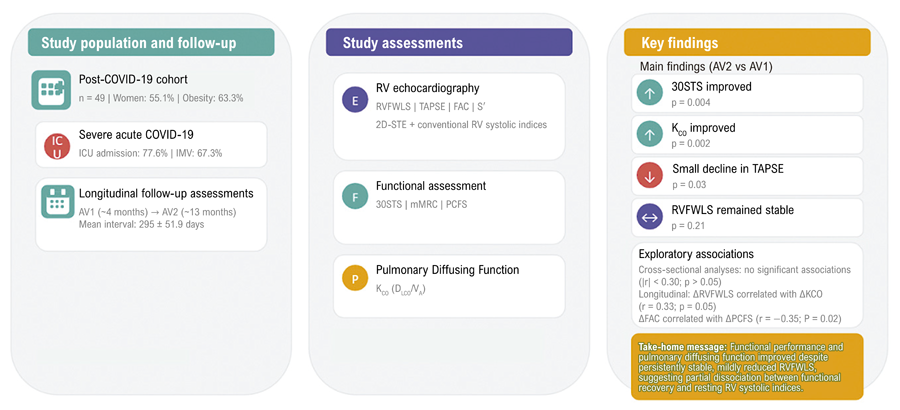
A total of 49 patients were included; 55.1% were women, the mean age was 50.7 ± 10.3 years, 63.3% had obesity, 77.6% required intensive care unit admission, and 67.3% underwent invasive mechanical ventilation. Performance on the 30STS improved (10.1 ± 3.3 vs 11.6 ± 3.1 repetitions; p = 0.004), and KCO increased (4.1 ± 0.7 vs 4.3 ± 0.8 mL/min/mmHg/L; p = 0.002), whereas mMRC scores (p = 0.43) and median PCFS scores (p = 0.11) remained unchanged. TAPSE decreased modestly but remained within the normal reference range (2.2 ± 0.3 vs 2.1 ± 0.2 cm; p = 0.03), while RVFWLS, FAC, and S′ showed no significant changes over time. Cross-sectional correlations between RV systolic indices and clinical outcomes were weak and nonsignificant at both AV1 and AV2 (|r| 0.05). Longitudinally, changes in RVFWLS were positively correlated with changes in KCO (r = 0.33; p = 0.05), whereas changes in FAC were inversely correlated with changes in PCFS scores (r = −0.35; p = 0.02).

Conclusios

In this cohort of post-COVID-19 survivors, functional capacity and pulmonary diffusing capacity improved over time, whereas RVFWLS remained persistently reduced without significant longitudinal change. These exploratory findings suggest that RV systolic indices should not be interpreted in isolation as markers of functional limitation during the late post-COVID-19 period and support the use of an integrated, multiparametric approach to patient assessment.
  • Echocardiography
  • Global Longitudinal Strain
  • Post-Acute COVID-19 Syndrome
  • Right Ventricular Dysfunction
Read Full Article
Creative Commons Attribution (CC BY) Creative Commons license
21/09/2026 DOI: 10.36660/abcimg.20260051i Views 2
ABC
Editorial

Arterial Stiffness and Functional Impairment in Post-COVID-19 Syndrome: A Multifactorial Puzzle

Mario Fritsch Neves et al. Michelle Rabello Cunha

The cross-sectional study presented in the manuscript “Arterial Stiffness, Clinical-Functional Outcomes, and Quality of Life in Post-COVID-19 Patients: A Cross-Sectional Study” contributes to our understanding of the persistent sequelae of SARS-CoV-2 infection. The authors demonstrate that individuals in the post-COVID-19 period, compared to healthy controls, have higher pulse wave velocity (PWV) values, the primary marker of arterial stiffness. They also report a higher augmentation index (AIx@75), which does not directly indicate arterial stiffness but is a parameter reflecting pulse wave reflection; this can be influenced by arterial stiffness as well as by other confounding factors. These findings are consistent with global evidence, such as the multicenter CARTESIAN study, which identified early vascular aging in survivors of the disease, with a particularly pronounced impact on women.

An intriguing aspect of the manuscript is the observation that, although PWV is elevated in the post-COVID group, the adjusted analysis suggests that this increase was predominantly driven by age and systolic blood pressure, rather than by the post-COVID-19 condition independently. On the other hand, some studies indicate that the deleterious effect of the virus on markers of arterial stiffness and endothelial function may persist for months after the acute phase has resolved.,

[…]

  • Post-Acute COVID-19 Syndrome
  • Vascular Stiffness
Read Full Article
Creative Commons Attribution (CC BY) Creative Commons license
10/08/2026 DOI: 10.36660/abc.20260519i
The Role of Platelets in Long COVID Development: A Literature Review
IJCS
Review Article

The Role of Platelets in Long COVID Development: A Literature Review

Gabriel Ferreira Lima et al. Lucas Miossi Amanda Gonçalves Jesus Silva Olivia Barros Pedreira Novais Fernanda Carla Ferreira Brito

Abstract

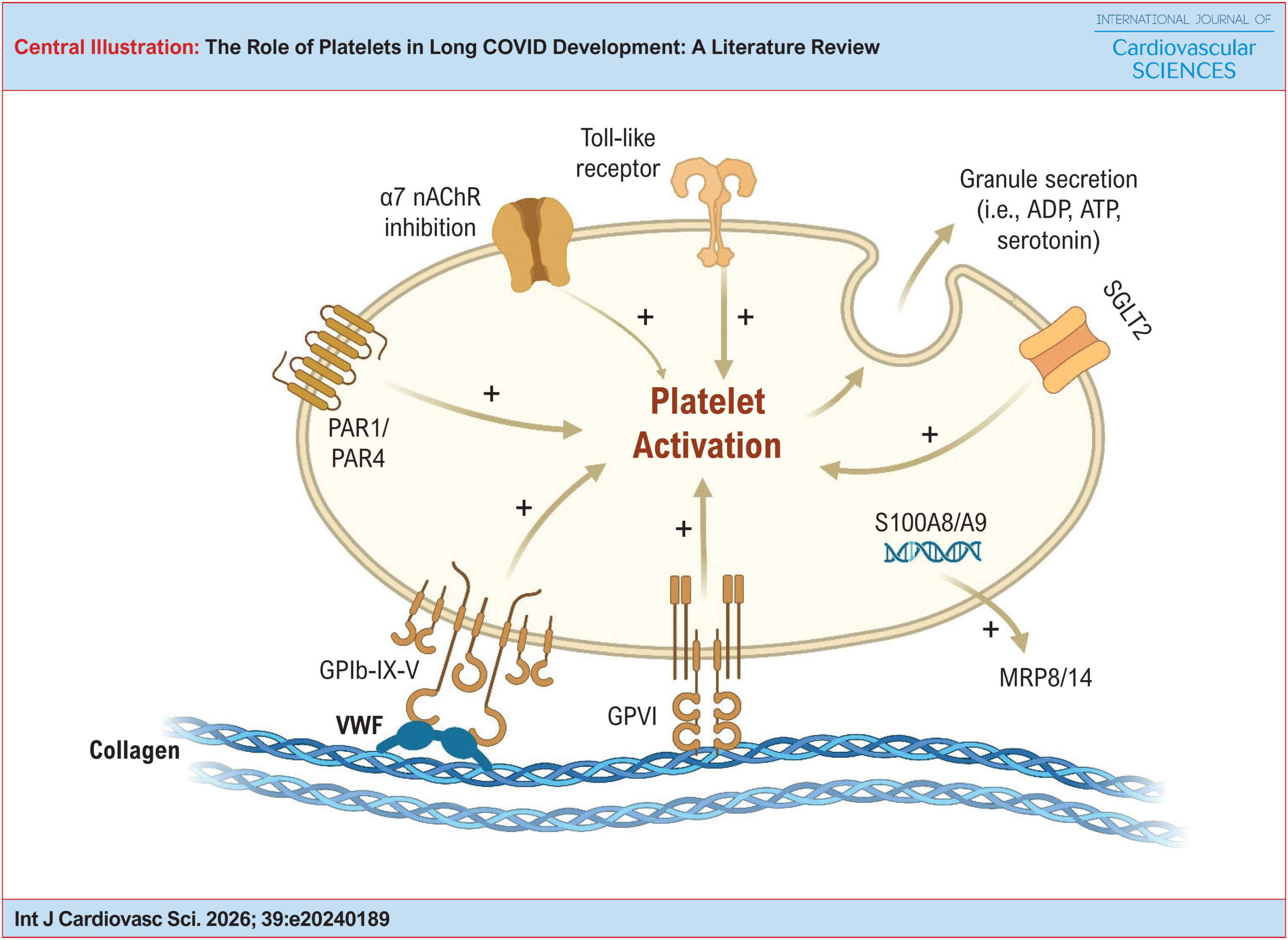
At its peak during the pandemic, coronavirus disease 2019 profoundly impacted global populations and introduced numerous post-infection complications, collectively referred to as long coronavirus disease. The mechanisms underlying the syndrome’s chronicity are multifaceted; however, a notable aspect of long coronavirus disease pathophysiology is its intricate association with platelets. The chronic inflammatory response triggered by severe acute respiratory syndrome coronavirus 2 is closely related to platelet activity, wherein inflammatory molecules bind to specific platelet receptors, inducing the release of platelet granules containing procoagulant and proinflammatory molecules. Consequently, there is a marked elevation in coagulation-related proteins, fostering the development of abnormal microthrombi and a dysfunctional fibrinolytic system. All these changes are indicative of an imbalance in coagulation regulation. Therefore, investigating pharmacological targets linked to this process is crucial for syndrome management, aiming to enhance the quality of life for affected individuals. This review aimed to highlight the importance of platelet function and activity in the pathophysiology of long coronavirus disease, as well as to identify molecular targets directly related to long coronavirus disease or coronavirus disease 2019–related disturbances in platelet homeostasis.

  • Blood Platelets
  • Inflammation
  • Post-Acute COVID-19 Syndrome
  • SARS-CoV-2
  • Thrombosis
Read Full Article
Creative Commons Attribution (CC BY) Creative Commons license
01/06/2026 DOI: 10.36660/ijcs.20240189
Central Illustration
ABCHF
Original Article

Efficacy of Cardiopulmonary Rehabilitation on Cardiorespiratory Function in Patients with Long COVID Syndrome

Silvia Sarullo et al. Cinzia Nugara Annamaria Lo Voi Antonino Zarcone … Gabriele Di Francesco Sergio Bosco Sergio Carollo Luigi Mazzara Francesco Giallauria Francesco Cappello Filippo M. Sarullo

Abstract

Background

Long COVID syndrome (LCS) refers to persistent sequelae following acute SARS-CoV-2 infection and affects approximately 5%-20% of individuals.

Objective

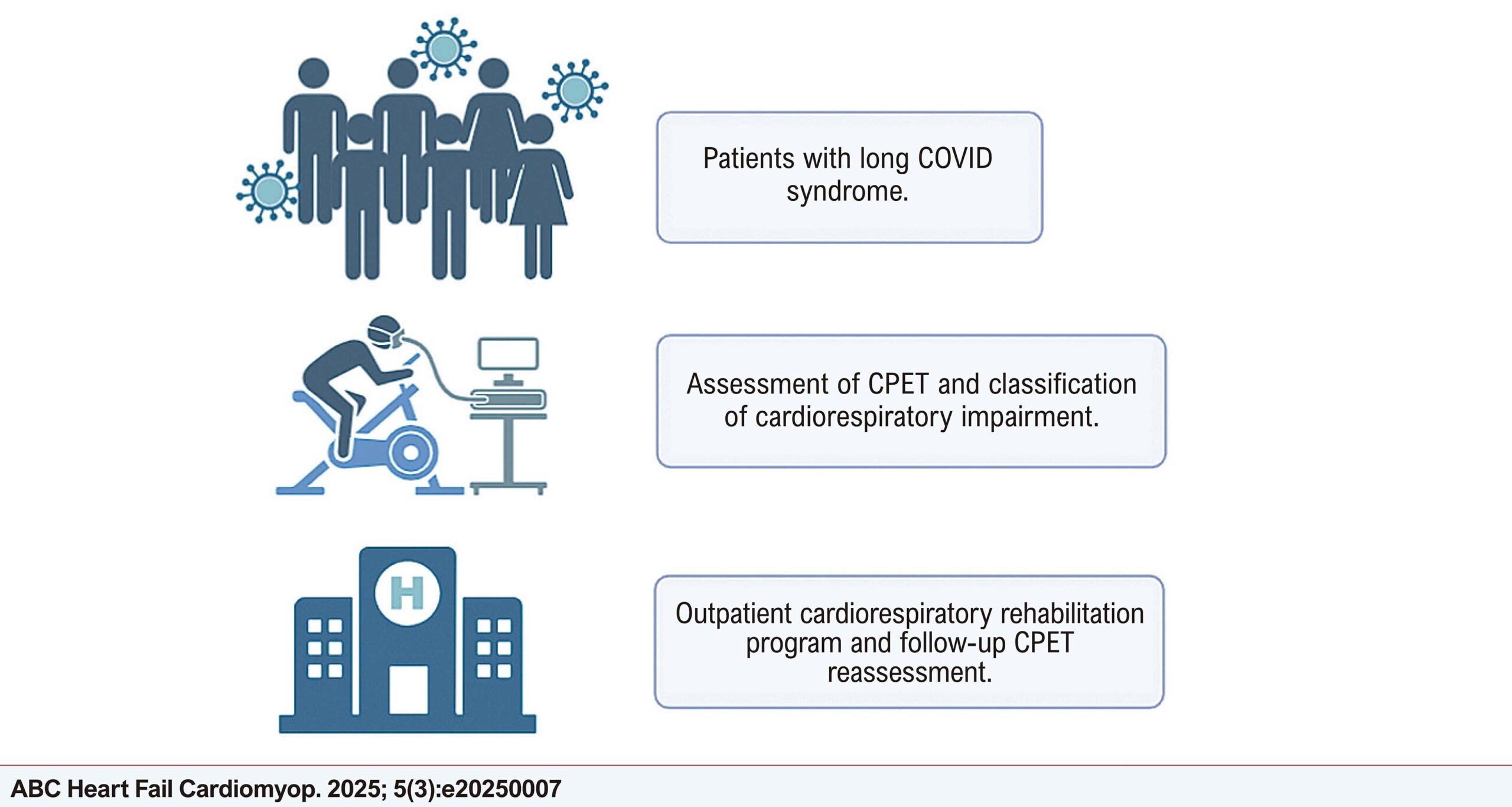
This study evaluated functional capacity limitations in patients with LCS using cardiopulmonary exercise testing (CPET) and quantified the effects of a structured cardiorespiratory rehabilitation (CR) program.

Methods

In this prospective observational study, 67 outpatients with LCS completed CPET before and after participation in a supervised CR program. At baseline, patients demonstrated reduced functional capacity, including decreased VO2peak (19.47 ± 7.86 mL/kg/min), lower O2 pulse (10.65 ± 3.11 mL/beat), increased VE/VCO2 slope (31.26 ± 7.98), and impaired ventilation (VE = 57.83 ± 17.37%). Most participants either did not achieve the anaerobic threshold (AT) or reached it prematurely, although VO2/work slope values remained within normal limits.

Results

After a median 45-day CR intervention, significant improvements were observed in several parameters: resting heart rate decreased by 8.88% (p < 0.0001), minute ventilation increased by 30.46% (p < 0.0001), VO2peak rose by 18.85% (p < 0.0001), and peak workload increased by 26.82% (p < 0.0001). Additionally, 95% of patients achieved AT following CR, with a 16.21% delay in AT onset (p < 0.0001). The VE/VCO2 slope showed a modest but significant reduction of 4.03% (p = 0.0443).

Conclusions

Exercise-based CR substantially improved functional capacity in patients with LCS, demonstrated by increases in VO2peak, O2 pulse, and ventilatory efficiency. Although these results support CR as a beneficial therapeutic strategy, the underlying pathophysiological mechanisms of LCS remain incompletely understood.

  • Cardiac Rehabilitation
  • exercise capacity
  • Exercise Test
  • Post-Acute COVID-19 Syndrome
Read Full Article
Creative Commons Attribution (CC BY) Creative Commons license
31/12/2025 DOI: 10.36660/abchf.20250007i
ABC
Editorial

Analysis of Cardiopulmonary Exercise Test in Pre- and Post-COVID-19

José Antônio Caldas Teixeira

The SARS-CoV-2 (COVID-19) pandemic that began in December 2019 in the city of Wuhan, Hubei Province, China, quickly became a pandemic affecting over 600 million people, resulting in over 6 million deaths. COVID-19 has been associated with significant mortality and morbidity, including adverse pulmonary and cardiac sequelae.

It is known that COVID-19 symptoms persist beyond the acute phase, leading to post-acute sequelae, known as Long COVID Syndrome, which lasts for more than 60 days or indefinitely. Although the precise mechanisms are not fully elucidated, it is associated with various symptoms, with fatigue and exercise intolerance being the most prevalent.

[…]

  • Exercise Test
  • physical fitness
  • Post-Acute COVID-19 Syndrome
Read Full Article
Creative Commons Attribution (CC BY) Creative Commons license
14/11/2025 DOI: 10.36660/abc.20250544i Views 1
Figure 1
ABCHF
Original Article

Post-COVID-19 Syndrome and the Autonomic Repercussions on Cardiovascular Variables

Giulia Yuni Davanço et al. Matheus Figueiredo Torres Neif Murad Glaucia Luciano da Veiga … Pedro Henrique Alves Reis Juliana de Vasconcellos Barbosa Beatriz da Costa Aguiar Alves Thaís Moura Gascón Rodrigo Daminello Raimundo Fernando Luiz Affonso Fonseca

Abstract

Background:

The SARS-CoV-2 virus is responsible for the COVID-19 pandemic. Several adverse effects on the cardiovascular system were observed in patients hospitalized for COVID-19. SARS-CoV-2 infection added another possible arrhythmia-causing agent due to increased cytokines. It is believed that patients who have had COVID-19 are more prone to develop cardiovascular disease after infection. Heart rate variability (HRV) is an important marker of heart health, with lower values indicating a decrease in vagal heart rate control.

Objectives:

To analyze the autonomic modulation of the heart rate of patients with Post-COVID-19 Syndrome.

Methods:

Our study assessed 50 patients, of both sexes, with at least six months of recovery from COVID-19 and who were attended to in a cardiology outpatient clinic. The recording of RR intervals was performed with a portable heart rate monitor.

Results:

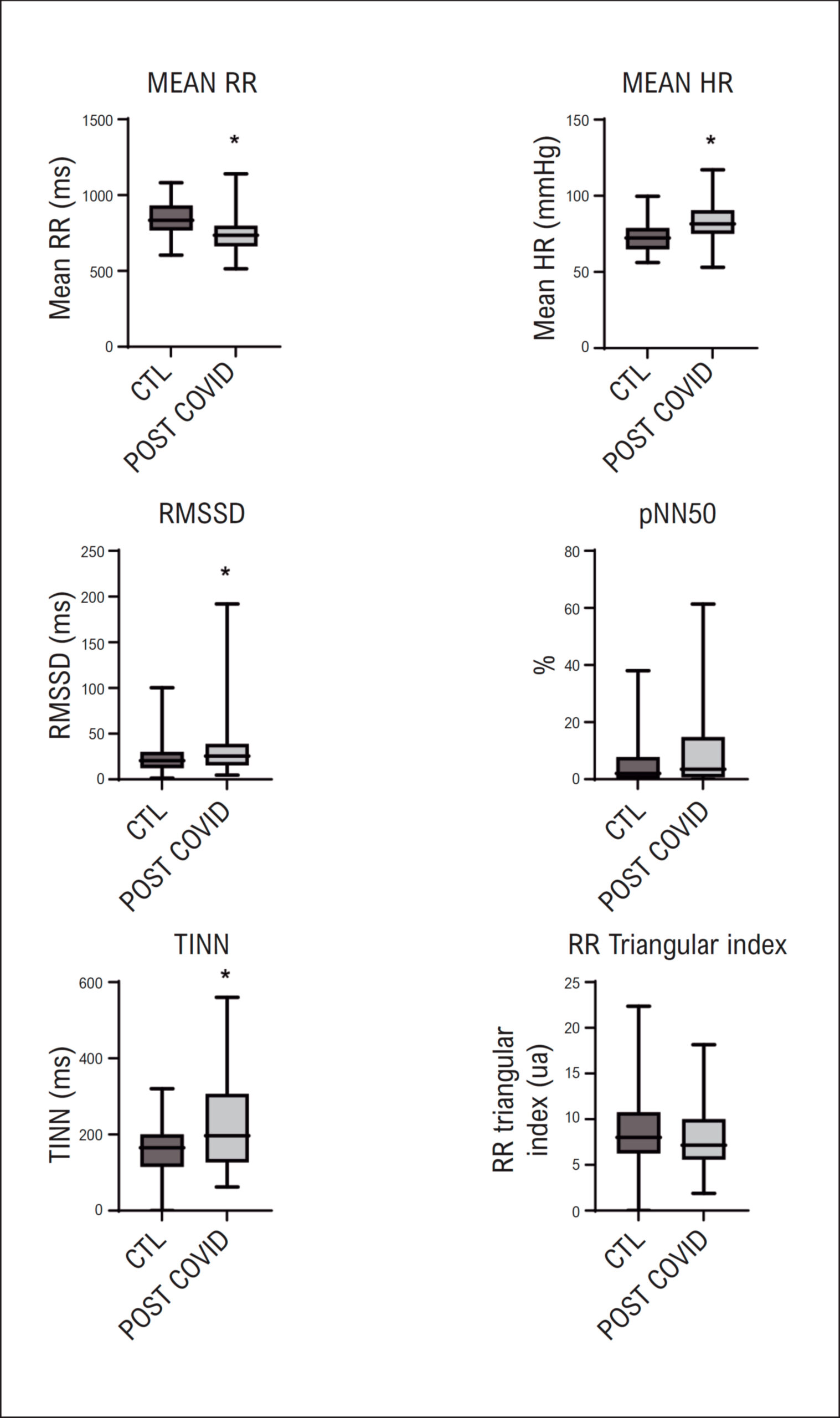
The values of the Root Mean Square of the Successive Differences (RMSSD) (36.3±35.7 ms, p=0.0363) and high frequency (HF) (446.3±632.2 ms2, p=0.0394) were higher in the post-COVID group when compared to the control group. In addition, TINN values (228.0±120.9 ms, p=0.009), LF/HF (3.8±3.8 a.u., p=0.1020), SD2 (40.1±19.3 a.u., p=0.005), and SD1/SD2 (2.2±1.0 a.u., p<0.0001) were lower in the post-COVID group.

Conclusion:

The present study showed an increase in parameters related to parasympathetic autonomic activity and its modulation. In addition, lower heart rate variability was observed in patients during a post-recovery period of COVID-19 when compared to a group that had not contracted the disease.

  • Autonomic Nervous System
  • Cardiovascular System
  • Coronavirus
  • Post-Acute COVID-19 Syndrome
Read Full Article
Creative Commons Attribution (CC BY) Creative Commons license
31/12/2023 DOI: 10.36660/abchf.20230056 Views 3
Figure 1
ABCHF
Case Report

Post-COVID Tachycardia Syndrome: Could It Be Myocarditis? A Case Report of a Patient Treated with Ivabradine

Davyson Gerhardt de Souza et al. Vanessa do Amaral Tinoco Ligia Cordeiro Matos Faial Humberto Villacorta

Abstract

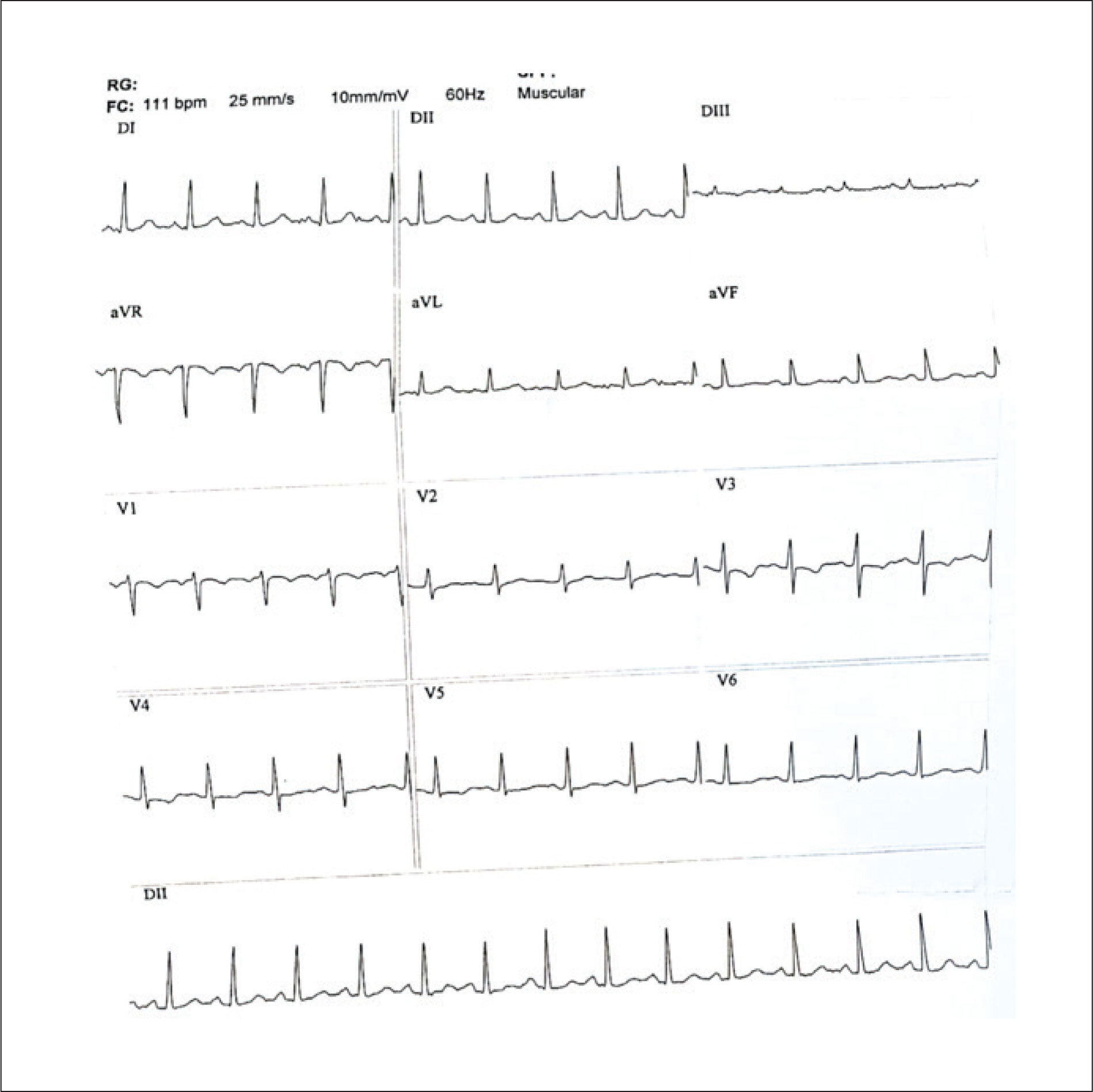
This report illustrates a case of acute myocarditis in a patient who was recently hospitalized for COVID-19. Myocarditis was suspected based on the presence of tachycardia, the only abnormality present on physical examination, as well as high levels of B-type natriuretic peptide. The diagnosis was confirmed with cardiac magnetic resonance image, which showed the presence of late enhancement, predominantly subepicardial, in the inferolateral and inferior walls of the left ventricle. The patient did not meet any of the criteria for endomyocardial biopsy (progressive heart failure, severe cardiac dysfunction, ventricular arrhythmias, atrioventricular blocks). Therefore, the treatment was focused on heart rate control. Beta-blocker is the first option for rate control, but the patient had a contraindication. Thus, ivabradine, a selective heart rate reducer was used. This drug has been poorly studied in the context of post-COVID-19 syndromes, and the present case suggests a benefit for heart rate control in patients with post-COVID-19 tachycardia syndrome.

  • Heart Injuries
  • Ivabradine
  • Myocarditis
  • Post-Acute COVID-19 Syndrome
  • Tachycardia
Read Full Article
Creative Commons Attribution (CC BY) Creative Commons license
31/12/2023 DOI: 10.36660/abchf.20230066 Views 3
ABC
Editorial

Post-COVID Syndrome or Long COVID: A New Challenge for the Healthcare System

José Geraldo Mill et al. Jéssica Polese

COVID-19 posed an unprecedented challenge to public health around the world. According to the ‘WHO Coronavirus (Covid-19) Dashboard’ (updated on 10/18/23), the disease affected 770 million people and caused 6.9 million deaths. In terms of the number of cases, Brazil occupies the 8 th position (38 million), rising to 2 nd in the number of deaths (more than 700 thousand) and, unfortunately, reaches 1 st in fatality rate with approximately 368 deaths/100 thousand inhabitants. These data indicate that if the pandemic was devastating for the world, it was even more drastic for the Brazilian population. The lethality of the disease worldwide was around 1%, and, also in this indicator, Brazil stands out negatively, with lethality close to 1.9%. As the disease affected a huge number of individuals, the number of survivors of the disease is also large.

Most individuals affected by SARS-CoV-2 fully recover after illness. An important portion, however, remains symptomatic for a variable period of time. The persistence of symptoms is more frequent and varied in more severe forms of the disease. In a cohort of 41 patients who required hospitalization for, on average, 9 days, 80% had reduced lung function 30 days after discharge, which persisted for up to 6 months in around 10% of patients, some of them with clear signs of restrictive pulmonary syndrome, limiting factor for physical effort. ,

[…]

  • COVID-19
  • Health Systems
  • Post-Acute COVID-19 Syndrome
Read Full Article
Creative Commons Attribution (CC BY) Creative Commons license
22/12/2023 DOI: 10.36660/abc.20230750
Long-term Health-Related Quality of Life and Outcomes after Hospitalization for COVID-19 in Brazil: Post-COVID Brazil 1 Study Protocol
ABC
Original Article

Long-term Health-Related Quality of Life and Outcomes after Hospitalization for COVID-19 in Brazil: Post-COVID Brazil 1 Study Protocol

Geraldine Trott et al. Fernando Luis Scolari Marciane Maria Rover Mariana Motta Dias da Silva … Denise de Souza Rosa da Rosa Minho dos Santos Raíne Fogliati de Carli Schardosim Gabriela Soares Rech Juliana de Mesquita Neto Gabriel Pozza Estivalete Hellen Jordan Martins Freitas Carolina Rothmann Itaqui Amanda Christina Kozesinski-Nakatani Andreia Biolo Milena Soriano Marcolino Bruna Brandão Barreto Paulo Roberto Schvartzman Ana Carolina Peçanha Antonio Caroline Cabral Robinson Maicon Falavigna Carisi Anne Polanczyk Regis Goulart Rosa

Abstract

Background

The long-term impact of hospitalization for COVID-19 on patients’ physical, mental, and cognitive health still needs further assessment.

Objectives

This study aims to evaluate factors associated with quality of life and cardiovascular and non-cardiovascular outcomes 12 months after hospitalization for COVID-19.

Methods

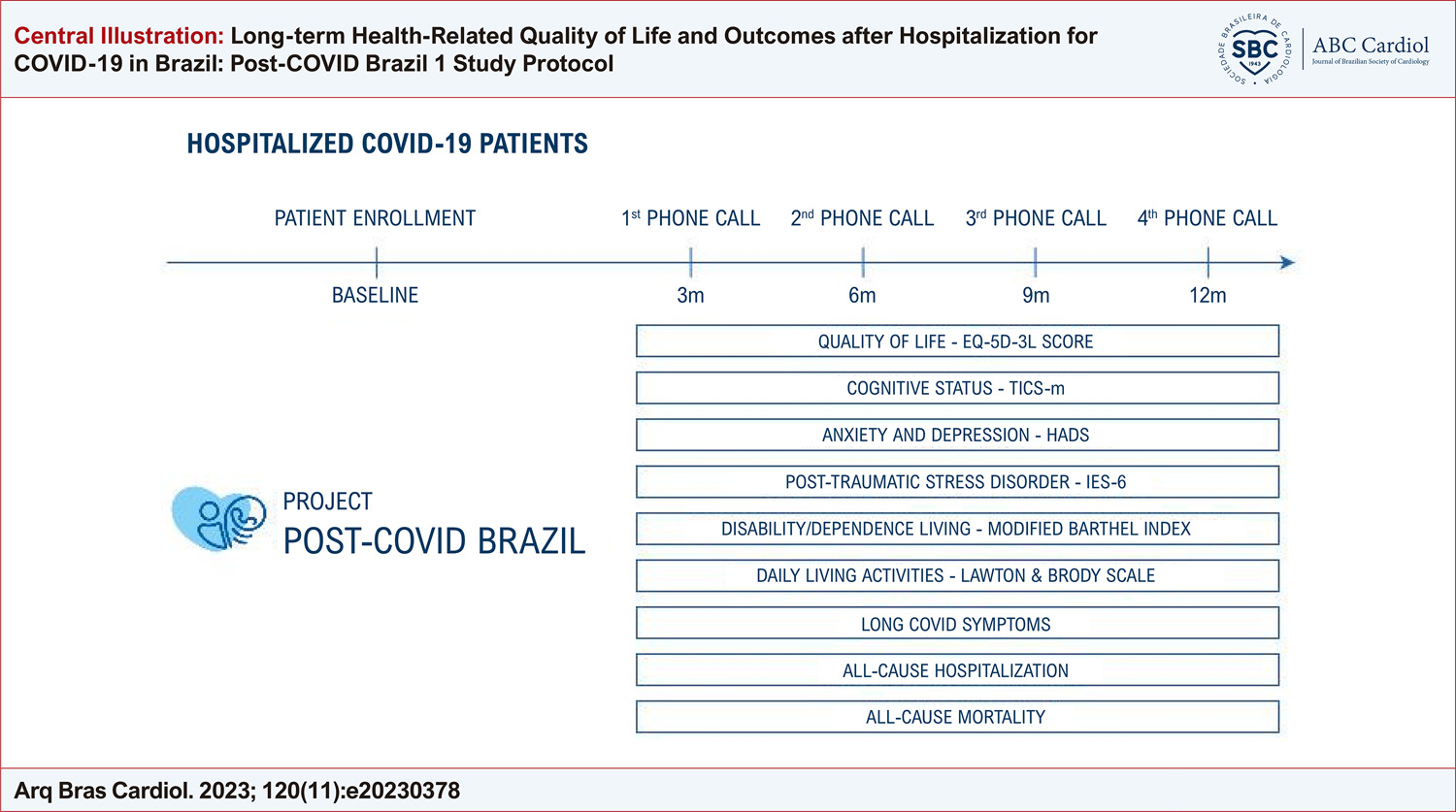
This prospective multicenter study intends to enroll 611 patients hospitalized due to COVID-19 (NCT05165979). Centralized telephone interviews are scheduled to occur at three, six, nine, and 12 months after hospital discharge. The primary endpoint is defined as the health-related quality-of-life utility score assessed by the EuroQol-5D-3L (EQ-5D-3L) questionnaire at 12 months. Secondary endpoints are defined as the EQ-5D-3L at three, six and nine months, return to work or education, persistent symptoms, new disabilities in instrumental activities of daily living, cognitive impairment, anxiety, depression, and post-traumatic stress symptoms, major cardiovascular events, rehospitalization, as well as all-cause mortality at 3, 6, 9, and 12 months after SARS-CoV-2 infection. A p-value <0.05 will be assumed as statistically significant for all analyses.

Results

The primary endpoint will be presented as the frequency of the EQ-5D-3L score 12 months after COVID-19 hospitalization. A sub-analysis to identify possible associations of independent variables with study outcomes will be presented.

Conclusions

This study will determine the impact of COVID-19 on the quality of life and cardiovascular and non-cardiovascular outcomes of hospitalized patients 12 months after discharge providing insights to the public health system in Brazil.

  • Post-Acute COVID-19 Syndrome
  • Quality of life
  • Time
Read Full Article
Creative Commons Attribution (CC BY) Creative Commons license
20/11/2023 DOI: 10.36660/abc.20230378 Views 1

How to cite this article

EndNote RIS

Electronic Document Format (Vancouver)

Rogelin M, Aranha AFMG, Fonseca FR, Silva RM, Fialho GL. Serial Echocardiographic Assessment of Right Ventricular Function and Its Association With Functional Capacity, Dyspnea, and Pulmonary Diffusion in Post-COVID-19 Survivors. ABC Imagem Cardiovascular 2026;39(3):e20260051.

Electronic Document Format (ABNT)

Rogelin, Marcelo; Aranha, Adriana Ferraz Martins Graça; Fonseca, Fernanda Rodrigues; Silva, Rosemeri Maurici da; Fialho, Guilherme Loureiro. Serial Echocardiographic Assessment of Right Ventricular Function and Its Association With Functional Capacity, Dyspnea, and Pulmonary Diffusion in Post-COVID-19 Survivors. ABC Imagem Cardiovascular, v. 39, n. 3, e20260051, Sep. 2026.

Electronic Document Format (APA)

Rogelin, M., Aranha, A. F. M. G., Fonseca, F. R., Silva, R. M. , & Fialho, G. L. (2026). Serial Echocardiographic Assessment of Right Ventricular Function and Its Association With Functional Capacity, Dyspnea, and Pulmonary Diffusion in Post-COVID-19 Survivors. ABC Imagem Cardiovascular, 39(3), e20260051.

Electronic Document Format (ISO)

Rogelin, Marcelo and Aranha, Adriana Ferraz Martins Graça and Fonseca, Fernanda Rodrigues and Silva, Rosemeri Maurici da and Fialho, Guilherme Loureiro. Serial Echocardiographic Assessment of Right Ventricular Function and Its Association With Functional Capacity, Dyspnea, and Pulmonary Diffusion in Post-COVID-19 Survivors. ABC Imagem Cardiovascular [online]. 2026, vol. 39, n. 3, [cited 2026-10-14], e20260051. Available from: <https://journals.cardiol.br/en/article/serial-echocardiographic-assessment-of-right-ventricular-function-and-its-association-with-functional-capacity-dyspnea-and-pulmonary-diffusion-in-post-covid-19-survivors/>. ISSN 2318-8219

EndNote RIS

Electronic Document Format (Vancouver)

Neves MF, Cunha MR. Arterial Stiffness and Functional Impairment in Post-COVID-19 Syndrome: A Multifactorial Puzzle. Arquivos Brasileiros de Cardiologia 2026;123(7):e20260519.

Electronic Document Format (ABNT)

Neves, Mario Fritsch; Cunha, Michelle Rabello. Arterial Stiffness and Functional Impairment in Post-COVID-19 Syndrome: A Multifactorial Puzzle. Arquivos Brasileiros de Cardiologia, v. 123, n. 7, e20260519, Aug. 2026.

Electronic Document Format (APA)

Neves, M. F., & Cunha, M. R. (2026). Arterial Stiffness and Functional Impairment in Post-COVID-19 Syndrome: A Multifactorial Puzzle. Arquivos Brasileiros de Cardiologia, 123(7), e20260519.

Electronic Document Format (ISO)

Neves, Mario Fritsch and Cunha, Michelle Rabello. Arterial Stiffness and Functional Impairment in Post-COVID-19 Syndrome: A Multifactorial Puzzle. Arquivos Brasileiros de Cardiologia [online]. 2026, vol. 123, n. 7, [cited 2026-10-14], e20260519. Available from: <https://journals.cardiol.br/en/article/arterial-stiffness-and-functional-impairment-in-post-covid-19-syndrome-a-multifactorial-puzzle/>. ISSN 0066-782X

EndNote RIS

Electronic Document Format (Vancouver)

Lima GF, Miossi L, Silva AGJ, Novais OBP, Brito FCF. The Role of Platelets in Long COVID Development: A Literature Review. International Journal of Cardiovascular Sciences 2026;39:e20240189.

Electronic Document Format (ABNT)

Lima, Gabriel Ferreira; Miossi, Lucas; Silva, Amanda Gonçalves Jesus; Novais, Olivia Barros Pedreira; Brito, Fernanda Carla Ferreira. The Role of Platelets in Long COVID Development: A Literature Review. International Journal of Cardiovascular Sciences, v. 39, e20240189, May. 2026.

Electronic Document Format (APA)

Lima, G. F., Miossi, L., Silva, A. G. J., Novais, O. B. P., & Brito, F. C. F. (2026). The Role of Platelets in Long COVID Development: A Literature Review. International Journal of Cardiovascular Sciences, 39, e20240189.

Electronic Document Format (ISO)

Lima, Gabriel Ferreira and Miossi, Lucas and Silva, Amanda Gonçalves Jesus and Novais, Olivia Barros Pedreira and Brito, Fernanda Carla Ferreira. The Role of Platelets in Long COVID Development: A Literature Review. International Journal of Cardiovascular Sciences [online]. 2026, vol. 39, [cited 2026-10-14], e20240189. Available from: <https://journals.cardiol.br/en/article/the-role-of-platelets-in-long-covid-development-a-literature-review/>. ISSN 2359-4802

EndNote RIS

Electronic Document Format (Vancouver)

Sarullo S, Nugara C, Voi AL, Zarcone A, Francesco GD, Bosco S, Carollo S, et al. Efficacy of Cardiopulmonary Rehabilitation on Cardiorespiratory Function in Patients with Long COVID Syndrome. ABC Heart Fail Cardiomyop 2025;5(3):e20250007.

Electronic Document Format (ABNT)

Sarullo, Silvia; Nugara, Cinzia; Voi, Annamaria Lo; Zarcone, Antonino; Francesco, Gabriele Di; Bosco, Sergio; Carollo, Sergio; Mazzara, Luigi; Giallauria, Francesco; Cappello, Francesco; Sarullo, Filippo M.. Efficacy of Cardiopulmonary Rehabilitation on Cardiorespiratory Function in Patients with Long COVID Syndrome. ABC Heart Fail Cardiomyop, v. 5, n. 3, e20250007, Dec. 2025.

Electronic Document Format (APA)

Sarullo, S., Nugara, C., Voi, A. L., Zarcone, A., Francesco, G. D., Bosco, S., Carollo, S., Mazzara, L., Giallauria, F., Cappello, F., & Sarullo, F. M. (2025). Efficacy of Cardiopulmonary Rehabilitation on Cardiorespiratory Function in Patients with Long COVID Syndrome. ABC Heart Fail Cardiomyop, 5(3), e20250007.

Electronic Document Format (ISO)

Sarullo, Silvia and Nugara, Cinzia and Voi, Annamaria Lo and Zarcone, Antonino and Francesco, Gabriele Di and Bosco, Sergio and Carollo, Sergio and Mazzara, Luigi and Giallauria, Francesco and Cappello, Francesco and Sarullo, Filippo M.. Efficacy of Cardiopulmonary Rehabilitation on Cardiorespiratory Function in Patients with Long COVID Syndrome. ABC Heart Fail Cardiomyop [online]. 2025, vol. 5, n. 3, [cited 2026-10-14], e20250007. Available from: <https://journals.cardiol.br/en/article/efficacy-of-cardiopulmonary-rehabilitation-on-cardiorespiratory-function-in-patients-with-long-covid-syndrome/>

EndNote RIS

Electronic Document Format (Vancouver)

Teixeira JAC. Analysis of Cardiopulmonary Exercise Test in Pre- and Post-COVID-19. Arquivos Brasileiros de Cardiologia 2025;122(9):e20250544.

Electronic Document Format (ABNT)

Teixeira, José Antônio Caldas. Analysis of Cardiopulmonary Exercise Test in Pre- and Post-COVID-19. Arquivos Brasileiros de Cardiologia, v. 122, n. 9, e20250544, Nov. 2025.

Electronic Document Format (APA)

Teixeira, J. A. C. (2025). Analysis of Cardiopulmonary Exercise Test in Pre- and Post-COVID-19. Arquivos Brasileiros de Cardiologia, 122(9), e20250544.

Electronic Document Format (ISO)

Teixeira, José Antônio Caldas. Analysis of Cardiopulmonary Exercise Test in Pre- and Post-COVID-19. Arquivos Brasileiros de Cardiologia [online]. 2025, vol. 122, n. 9, [cited 2026-10-14], e20250544. Available from: <https://journals.cardiol.br/en/article/analysis-of-cardiopulmonary-exercise-test-in-pre-and-post-covid-19/>. ISSN 0066-782X

EndNote RIS

Electronic Document Format (Vancouver)

Davanço GY, Torres MF, Murad N, Veiga GL, Reis PHA, Barbosa JV, Alves BCA, et al. Post-COVID-19 Syndrome and the Autonomic Repercussions on Cardiovascular Variables. ABC Heart Fail Cardiomyop 2023;3(3):e20230056.

Electronic Document Format (ABNT)

Davanço, Giulia Yuni; Torres, Matheus Figueiredo; Murad, Neif; Veiga, Glaucia Luciano da; Reis, Pedro Henrique Alves; Barbosa, Juliana de Vasconcellos; Alves, Beatriz da Costa Aguiar; Gascón, Thaís Moura; Raimundo, Rodrigo Daminello; Fonseca, Fernando Luiz Affonso. Post-COVID-19 Syndrome and the Autonomic Repercussions on Cardiovascular Variables. ABC Heart Fail Cardiomyop, v. 3, n. 3, e20230056, Dec. 2023.

Electronic Document Format (APA)

Davanço, G. Y., Torres, M. F., Murad, N., Veiga, G. L. , Reis, P. H. A., Barbosa, J. V., Alves, B. C. A., Gascón, T. M., Raimundo, R. D., & Fonseca, F. L. A. (2023). Post-COVID-19 Syndrome and the Autonomic Repercussions on Cardiovascular Variables. ABC Heart Fail Cardiomyop, 3(3), e20230056.

Electronic Document Format (ISO)

Davanço, Giulia Yuni and Torres, Matheus Figueiredo and Murad, Neif and Veiga, Glaucia Luciano da and Reis, Pedro Henrique Alves and Barbosa, Juliana de Vasconcellos and Alves, Beatriz da Costa Aguiar and Gascón, Thaís Moura and Raimundo, Rodrigo Daminello and Fonseca, Fernando Luiz Affonso. Post-COVID-19 Syndrome and the Autonomic Repercussions on Cardiovascular Variables. ABC Heart Fail Cardiomyop [online]. 2023, vol. 3, n. 3, [cited 2026-10-14], e20230056. Available from: <https://journals.cardiol.br/en/article/post-covid-19-syndrome-and-the-autonomic-repercussions-on-cardiovascular-variables/>

EndNote RIS

Electronic Document Format (Vancouver)

Souza DG, Tinoco VA, Faial LCM, Villacorta H. Post-COVID Tachycardia Syndrome: Could It Be Myocarditis? A Case Report of a Patient Treated with Ivabradine. ABC Heart Fail Cardiomyop 2023;3(3):e20230066.

Electronic Document Format (ABNT)

Souza, Davyson Gerhardt de; Tinoco, Vanessa do Amaral; Faial, Ligia Cordeiro Matos; Villacorta, Humberto. Post-COVID Tachycardia Syndrome: Could It Be Myocarditis? A Case Report of a Patient Treated with Ivabradine. ABC Heart Fail Cardiomyop, v. 3, n. 3, e20230066, Dec. 2023.

Electronic Document Format (APA)

Souza, D. G. , Tinoco, V. A., Faial, L. C. M., & Villacorta, H. (2023). Post-COVID Tachycardia Syndrome: Could It Be Myocarditis? A Case Report of a Patient Treated with Ivabradine. ABC Heart Fail Cardiomyop, 3(3), e20230066.

Electronic Document Format (ISO)

Souza, Davyson Gerhardt de and Tinoco, Vanessa do Amaral and Faial, Ligia Cordeiro Matos and Villacorta, Humberto. Post-COVID Tachycardia Syndrome: Could It Be Myocarditis? A Case Report of a Patient Treated with Ivabradine. ABC Heart Fail Cardiomyop [online]. 2023, vol. 3, n. 3, [cited 2026-10-14], e20230066. Available from: <https://journals.cardiol.br/en/article/post-covid-tachycardia-syndrome-could-it-be-myocarditis-a-case-report-of-a-patient-treated-with-ivabradine/>

EndNote RIS

Electronic Document Format (Vancouver)

Mill JG, Polese J. Post-COVID Syndrome or Long COVID: A New Challenge for the Healthcare System. Arquivos Brasileiros de Cardiologia 2023;120(11):e20230750.

Electronic Document Format (ABNT)

Mill, José Geraldo; Polese, Jéssica. Post-COVID Syndrome or Long COVID: A New Challenge for the Healthcare System. Arquivos Brasileiros de Cardiologia, v. 120, n. 11, e20230750, Dec. 2023.

Electronic Document Format (APA)

Mill, J. G., & Polese, J. (2023). Post-COVID Syndrome or Long COVID: A New Challenge for the Healthcare System. Arquivos Brasileiros de Cardiologia, 120(11), e20230750.

Electronic Document Format (ISO)

Mill, José Geraldo and Polese, Jéssica. Post-COVID Syndrome or Long COVID: A New Challenge for the Healthcare System. Arquivos Brasileiros de Cardiologia [online]. 2023, vol. 120, n. 11, [cited 2026-10-14], e20230750. Available from: <https://journals.cardiol.br/en/article/post-covid-syndrome-or-long-covid-a-new-challenge-for-the-healthcare-system/>. ISSN 0066-782X

EndNote RIS

Electronic Document Format (Vancouver)

Trott G, Scolari FL, Rover MM, Silva MMD, Souza D, Santos RRM, Schardosim RFC, et al. Long-term Health-Related Quality of Life and Outcomes after Hospitalization for COVID-19 in Brazil: Post-COVID Brazil 1 Study Protocol. Arquivos Brasileiros de Cardiologia 2023;120(11):e20230378.

Electronic Document Format (ABNT)

Trott, Geraldine; Scolari, Fernando Luis; Rover, Marciane Maria; Silva, Mariana Motta Dias da; Souza, Denise de; Santos, Rosa da Rosa Minho dos; Schardosim, Raíne Fogliati de Carli; Rech, Gabriela Soares; Mesquita Neto, Juliana de; Estivalete, Gabriel Pozza; Freitas, Hellen Jordan Martins; Itaqui, Carolina Rothmann; Kozesinski-Nakatani, Amanda Christina; Biolo, Andreia; Marcolino, Milena Soriano; Barreto, Bruna Brandão; Schvartzman, Paulo Roberto; Antonio, Ana Carolina Peçanha; Robinson, Caroline Cabral; Falavigna, Maicon; Polanczyk, Carisi Anne; Rosa, Regis Goulart. Long-term Health-Related Quality of Life and Outcomes after Hospitalization for COVID-19 in Brazil: Post-COVID Brazil 1 Study Protocol. Arquivos Brasileiros de Cardiologia, v. 120, n. 11, e20230378, Nov. 2023.

Electronic Document Format (APA)

Trott, G., Scolari, F. L., Rover, M. M., Silva, M. M. D. , Souza, D. , Santos, R. R. M. , Schardosim, R. F. C., Rech, G. S., Mesquita Neto, J. , Estivalete, G. P., Freitas, H. J. M., Itaqui, C. R., Kozesinski-Nakatani, A. C., Biolo, A., Marcolino, M. S., Barreto, B. B., Schvartzman, P. R., Antonio, A. C. P., Robinson, C. C., Falavigna, M., Polanczyk, C. A., & Rosa, R. G. (2023). Long-term Health-Related Quality of Life and Outcomes after Hospitalization for COVID-19 in Brazil: Post-COVID Brazil 1 Study Protocol. Arquivos Brasileiros de Cardiologia, 120(11), e20230378.

Electronic Document Format (ISO)

Trott, Geraldine and Scolari, Fernando Luis and Rover, Marciane Maria and Silva, Mariana Motta Dias da and Souza, Denise de and Santos, Rosa da Rosa Minho dos and Schardosim, Raíne Fogliati de Carli and Rech, Gabriela Soares and Mesquita Neto, Juliana de and Estivalete, Gabriel Pozza and Freitas, Hellen Jordan Martins and Itaqui, Carolina Rothmann and Kozesinski-Nakatani, Amanda Christina and Biolo, Andreia and Marcolino, Milena Soriano and Barreto, Bruna Brandão and Schvartzman, Paulo Roberto and Antonio, Ana Carolina Peçanha and Robinson, Caroline Cabral and Falavigna, Maicon and Polanczyk, Carisi Anne and Rosa, Regis Goulart. Long-term Health-Related Quality of Life and Outcomes after Hospitalization for COVID-19 in Brazil: Post-COVID Brazil 1 Study Protocol. Arquivos Brasileiros de Cardiologia [online]. 2023, vol. 120, n. 11, [cited 2026-10-14], e20230378. Available from: <https://journals.cardiol.br/en/article/long-term-health-related-quality-of-life-and-outcomes-after-hospitalization-for-covid-19-in-brazil-post-covid-brazil-1-study-protocol/>. ISSN 0066-782X

  • About ABC Family
  • Internal Regulation
  • Editorial Board
  • Brazilian Society of Cardiology (SBC)

Issues

SBC Guidelines

  • Videos
  • Podcasts
  • News