ABC Family Arquivos Brasileiros de Cardiologia International Journal of Cardiovascular Sciences ABC Heart Failure & Cardiomyopathy ABC Imagem Cardiovascular
Português English
ABC Family
Português English
  • About
    • About ABC Family
    • Internal Regulation
    • Editorial Board
    • Brazilian Society of Cardiology (SBC)
  • Issues
  • SBC Guidelines
  • Content
    • Videos
    • Podcasts
    • News
  • About
    • About ABC Family
    • Internal Regulation
    • Editorial Board
    • Brazilian Society of Cardiology (SBC)
  • Issues
  • SBC Guidelines
  • Content
    • Videos
    • Podcasts
    • News

ABC Family

  • ABC Family
  • Arquivos Brasileiros de Cardiologia
  • International Journal of Cardiovascular Sciences
  • ABC Heart Failure & Cardiomyopathy
  • ABC Imagem Cardiovascular
Search in

No content found.

Journals
Ordering
Article types
Others

  1. Home
  2. Keyword: Adults
Central Illustration
ABC
Original Article

Association between Arterial Hypertension and Laboratory Markers, Body Composition, Obstructive Sleep Apnea and Autonomic Parameters in Obese Patients

Clarcson Plácido Conceição Santos et al. Laura Souza Lagares Sarah Rafaela Mascarenhas Santos Mariana Sousa de Pina Silva … Rodrigo Colares de Macedo Luiz Alberto Bastos de Almeida Eric Simas Bomfim

Abstract

Background

Systemic arterial hypertension (SAH) is a multifactorial disease, highly prevalent and associated with health risks.

Objective

The purpose of this study was to investigate the association between SAH and laboratory, anthropometric, heart rate variability (HRV), and obstructive sleep apnea markers and, secondarily, to analyze the sensitivity and specificity of the variables that are independent factors in the association.

Methods

Cross-sectional study with 95 obese patients treated at an obesity referral clinic in Salvador, BA, Brazil. SAH data were obtained from electronic medical records. The sample was stratified in the Normotensive Group (NG) and the Hypertensive Group (HG), and laboratory markers, body composition, polysomnography, and HRV were measured to evaluate the association of SAH with the predictor variables. For the analysis, p<0.05 was adopted.

Results

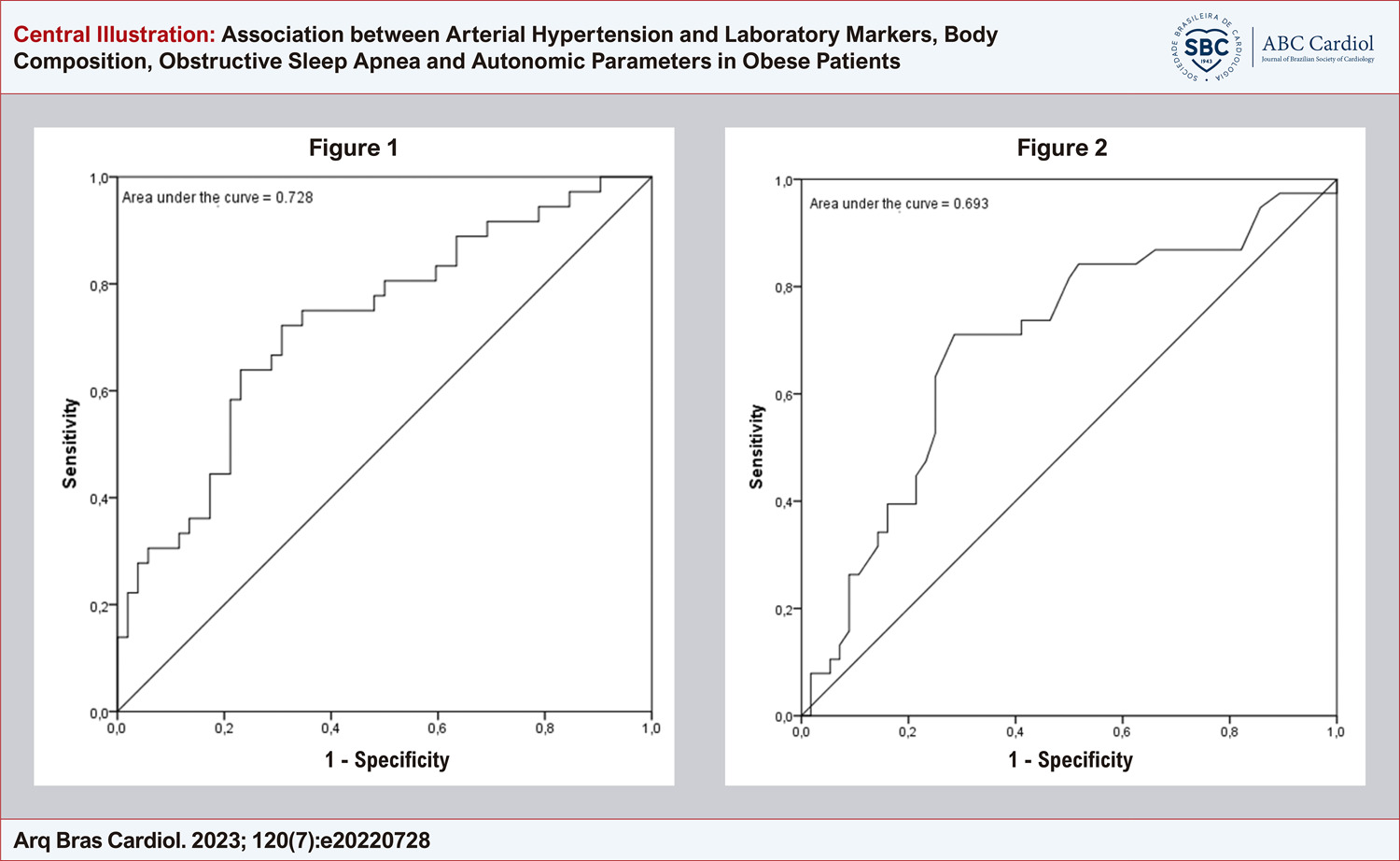
The average age of the NG was 36.3 ± 10.1 and HG 40.4 ± 10.6 years; 73.7% were women in the NG and 57.9% in HG; 82.4% in HG had insulin resistance. In the multivarious logistics regression model with adjustments in age, sex, height, and oxyhemoglobin saturation, SAH was inversely associated with fasting plasma glucose mg/dL (odds ratio [OR] = 0.96; 95% confidence interval [CI] = 0.92-0.99) and visceral fat area (VFA) cm2(OR = 0.98; 95% CI = 0.97-0.99). The area under the VFA curve was 0.728; CI 95% (0.620-0.836); fasting plasma glucose 0.693;CI 95% (0.582-0.804).

Conclusions

Lower VFA and fasting plasma glucose concentrations were inversely associated with SAH. In addition, fasting plasma glucose and VFA showed a high sensitivity for SAH screening.
  • Adults
  • Biomarkers, Body Composition
  • Heart Rate
  • Hypertension
  • Obesity
  • Sleep Apnea, Obstructive
Read Full Article
Creative Commons Attribution (CC BY) Creative Commons license
17/07/2023 DOI: 10.36660/abc.20220728 Views 1
Figure 1
IJCS
Original Article

Association between the Phytochemical Index and Risk Factors for Cardiovascular Disease in Adults

Vanessa Zanoni Carvalhaes et al. George César Ximenes Meireles Regina Maria Catarino Rosemeire Bueno

Abstract

Background

There are few publications about the association between the phytochemical index (PI) and risk factors for cardiovascular disease.

Objective

To evaluate the association between the PI and risk factors for cardiovascular disease in adults.

Methods

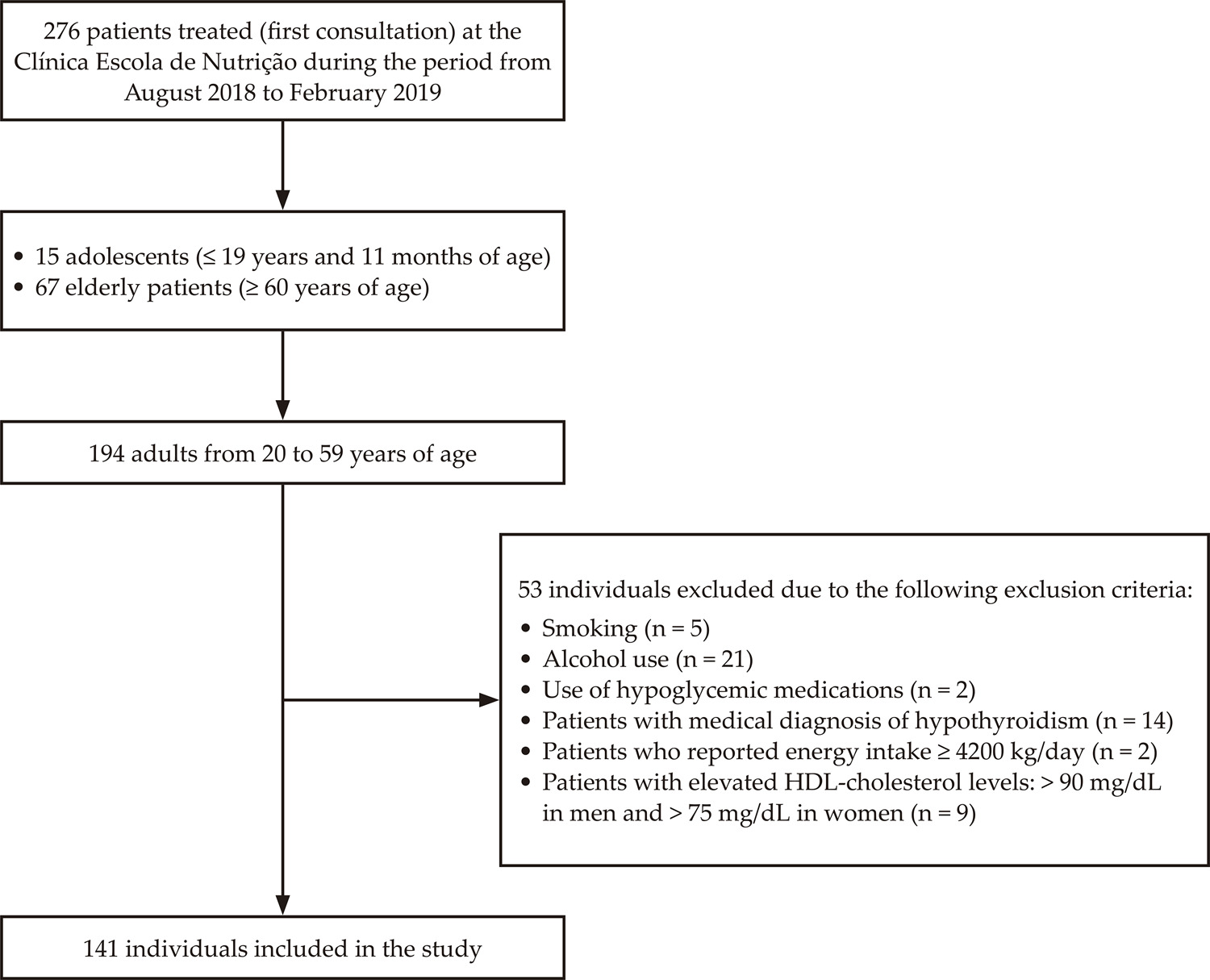
This was a cross-sectional study with 141 adults, between 20 and 59 years of age. We analyzed lifestyle (physical activity), sociodemographic data (sex, age), anthropometric data (body mass index [BMI], waist circumference [WC]), biochemical data (lipid profile, blood glucose), food consumption, and phytochemical intake (expressed as PI = daily energy derived from phytochemical-rich foods ÷ total daily energy intake × 100). We performed bivariate analyses (Spearman’s correlation) and multiple linear regression adjusted for potential confounders, considering p < 0.05 as significant.

Results

The median PI was 9.80 (interquartile range: 11.45). PI was inversely correlated with BMI (rs: −0.43) and WC (rs: −0.36) and positively correlated with high-density lipoprotein cholesterol (HDL-cholesterol) (rs: 0.25), all with p < 0.05. In multiple regression analysis, PI was inversely associated with BMI (B: −0.08; 95%CI: −0.15, −0.01) after adjusting for total energy, sex, age, and physical activity; and positively associated with HDL-cholesterol (Model 1 adjusted for total energy, sex, age, and physical activity [B: 0.21; 95% CI: 0.02, 0.41]; Model 2 adjusted for BMI, sex, age, and physical activity [B: 0.21; 95% CI: 0.008, 0.40]; Model 3 adjusted for WC, sex, age, and physical activity [B: 0.20; 95%CI: 0.01, 0.40]), all with p < 0.05.

Conclusion

The results have demonstrated that higher phytochemical intake, expressed by PI, was inversely associated with BMI and positively associated with HDL-cholesterol.

  • Adults
  • Cardiovascular Diseases
  • Phytochemicals
  • Risk Factors
Read Full Article
Creative Commons Attribution (CC BY) Creative Commons license
15/05/2023 DOI: 10.36660/ijcs.20220055 Views 1
ABC
Original Article

Microalbuminuria and its Prognostic Significance in Patients with Acute Heart Failure with Preserved, Mid-Range, and Reduced Ejection Fraction

Ömer Doğan Alataş et al. Murat Biteker Ahmet Demir Birdal Yıldırım … Ethem Acar Kemal Gökçek Aysel Gökçek

Abstract

Background

The prevalence and significance of microalbuminuria have not been well studied in patients with different heart failure subtypes.

Objective

The prevalence and significance of microalbuminuria have not been well studied in patients with different heart failure subtypes. Therefore, we aimed to investigate the frequency and prognostic value of microalbuminuria in patients hospitalized for acute heart failure (AHF) with preserved ejection fraction (HFpEF), mid-range ejection fraction (HFmrEF), and reduced ejection fraction (HFrEF).

Methods

All consecutive adult patients referred to the hospital due to AHF between June 2016 and June 2019 were enrolled. Microalbuminuria is defined as urinary albumin to creatinine ratio (UACR) level in the range of 30–300 mg/g. Hospital mortality was the endpoint of this study

Results

Of the 426 AHF patients (mean age 70.64 ± 10.03 years, 53.3 % female), 50% had HFrEF, 38.3% had HFpEF, and 11.7% had HFmrEF at presentation.The prevalence of microalbuminuria was 35.2%, 28.8%, and 28.0% in HFrEF, HFpEF, and HFmrEF, respectively. A total of 19 (4.5%) patients died during the in-hospital course, and in-hospital mortality was higher in HFrEF patients (6.6%) compared to patients with HFpEF (2.5%) and HFmrEF (2.0%). Multivariate analysis showed that the presence of microalbuminuria predicted in-hospital mortality in patients with HFrEF and HFmrEF but not in HFpEF.

Conclusion

Although microalbuminuria was common in all subgroups of AHF patients, it has been found to predict prognosis only in patients with HFrEF and HFmrEF.

  • Adults
  • Albuminuria/physiopathology
  • Heart Failure
  • Hospitalization
  • Mortality
  • Prognosis
  • Stroke Volume
Read Full Article
Creative Commons Attribution (CC BY) Creative Commons license
07/02/2022 DOI: 10.36660/abc.20201144
IJCS
Original Article

Cardiovascular Risk Factors in Patients with Chronic Kidney Disease Under Conservative Treatment

Cássia Oliveira et al. Priscila Moreira de Lima Pereira Iris Teixeira Soares Melina Gabriela Monteiro … Marcus Gomes Bastos Ana Paula Carlos Cândido

Abstract

Background

Cardiovascular disease (CVD) is commonly associated with chronic kidney disease (CKD). These diseases have a significant impact on life expectancy. Individuals with CKD are more likely to die from CVD than to progress to end-stage kidney disease.

Objective

To assess cardiovascular risk factors of patients with CKD under conservative treatment.

Methods

This was an observational, cross-sectional study. Socioeconomic, anthropometric, biochemical, and physical inactivity data were assessed, and 10-year risk for CVD were estimated using the Framingham Score in patients with CKD under conservative treatment. For statistical analysis, the Student’s t-test and Pearson’s chi-square test were performed.

Results

A total of 172 individuals were evaluated, 57% of whom were male, with an average age of 68.85 ± 11.41 years. The prevalence of hypertension and diabetes were 87.2% and 53.5%, respectively; 62.2% were physically inactive; 9.9% of men were smokers and 12.8% consumed alcohol. According to BMI, 82.4% of adults <60 years old and 60.6% of those older than 60 years were overweight. High waist circumference and a high waist-hip ratio were highly prevalent in females (91.9% and 83.8%, respectively) and males (64.3% and 39.8%, respectively); 92.4% had a high body fat percentage and 73.3% high uric acid levels. According to the Framingham score, 57% have a medium or high risk of developing CVD in 10 years.

Conclusion

There was a high prevalence of cardiovascular risk factors in the population studied. The assessment of cardiovascular risk factors in patients with CKD makes it possible to guide the conduct of health professionals to prevent mortality from cardiovascular causes. Int J Cardiovasc Sci. 2020; [online].ahead print, PP.0-0

  • abdominal circumference
  • Adults
  • Anthropometry
  • Cardiovascular Diseases/complications
  • Diabetes Mellitus
  • Hypertension
  • Renal Insufficiency, Chronic
  • Risk Factors
Read Full Article
Creative Commons Attribution (CC BY) Creative Commons license
06/11/2020 DOI: 10.36660/ijcs.20190195 Views 1
Figure 1
ABC
Original Article

Assessing Dynamic Atrioventricular Conduction Time to RR-interval Coupling in Athletes and Sedentary Subjects

Paulo Roberto Benchimol-Barbosa et al. Olivassé Nasario Junior Jurandir Nadal

Abstract

Background

Atrioventricular conduction time ( AVCT ) is influenced by autonomic input and subject to physiological remodeling.

Objective

To evaluate beat-by-beat AVCT and RR-interval variability in athletes and healthy sedentary subjects.

Methods

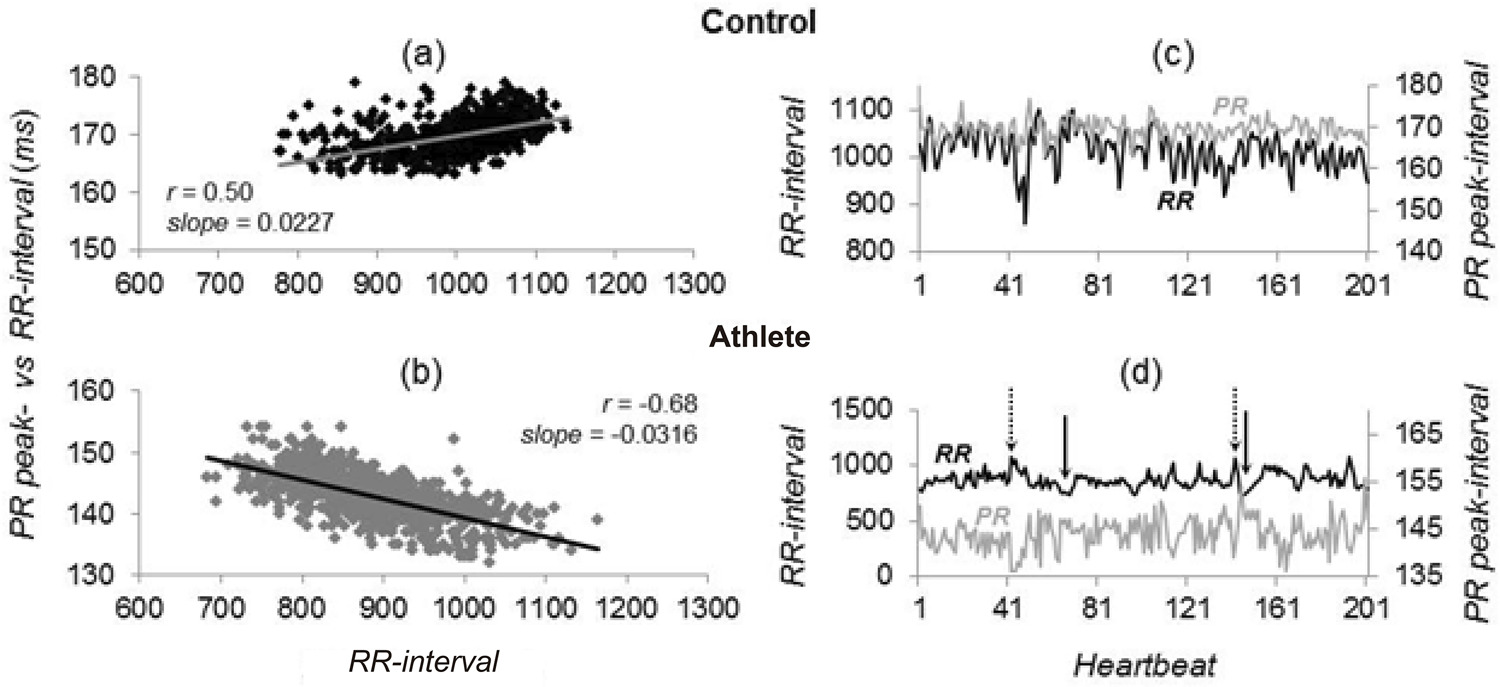
Twenty adults, including 10 healthy sedentary (Controls) and 10 elite long-distance runners (Athletes), age, weight and height-adjusted, underwent maximal metabolic equivalent (MET) assessment, and 15-min supine resting ECG recording seven days later. The interval between P-wave and R-wave peaks defined the AVCT . Mean (M) and standard deviation (SD) of consecutive RR-intervals (RR) and coupled AVCT were calculated, as well as regression lines of RR vs. AVCT (RR-AVCT) . Concordant AV conduction was defined as positive RR-AVCT slope and discordant otherwise. A multivariate linear regression model was developed to explain MET based on AVCT and RR-interval variability parameters. Significance-level: 5 %.

Results

In Athletes, M-RR and SD-RR values were higher than in Controls, whereas M-AVCT and SD-AVCT were not. RR-AVCT slopes were, respectively, 0.038 ± 0.022 and 0.0034 ± 0.017 (p < 0.05). Using a cut-off value of 0.0044 (AUC 0.92 ± 0.07; p < 0.001), RR-AVCT slope showed 100% specificity and 80% sensitivity. In a multivariate model, SD-RR and RR-AVCT slope were independent explanatory variables of MET (F-ratio: 17.2; p < 0.001), showing 100% specificity and 90% sensitivity (AUC 0.99 ± 0.02; p < 0.001).

Conclusion

In elite runners, AVCT to RR -interval dynamic coupling shows spontaneous discordant AV conduction, characterized by negative AVCT vs. RR -interval regression line slope. RR -intervals standard deviation and AVCT vs. RR -interval regression line slope are independent explanatory variables of MET (Arq Bras Cardiol. 2020; [online].ahead print, PP.0-0)

  • Adults
  • Athletes
  • Electrocardiography/methods
  • Heart Ventricles
  • physical fitness
  • Resistance Training
  • Sedentarism
  • Ventricular Function
  • Ventricular Remodeling
Read Full Article
Creative Commons Attribution (CC BY) Creative Commons license
08/05/2020 DOI: 10.36660/abc.20190281
Figure 1
ABC
Original Article

Subclinical Thyroid Dysfunction was not Associated with Cardiac Arrhythmias in a Cross-Sectional Analysis of the ELSA-Brasil Study

Kamilla Maria Araújo Brandão Rajão et al. Antônio Luiz Pinho Ribeiro Valéria Maria Azeredo Passos Isabela Judith Martins Benseñor … Pedro Guatimosim Vidigal Cleber Pinto Camacho Maria de Fátima Haueisen Sander Diniz

Abstract

Background:

The association of subclinical thyroid dysfunction (STD) with cardiac arrhythmias remains controversial, particularly in the non-elderly population.

Objective:

To investigate whether STD was associated with cardiac arrhythmias in a cohort of middle-aged and older adults.

Methods:

Baseline data of the Longitudinal Study of Adult Health, ELSA-Brasil (35-74 years) were collected from 2008 to 2010. After exclusion of clinical hypothyroidism and hyperthyroidism, participants were categorized as euthyroidism (TSH = 0.4-4.0 µU/mL), subclinical hypothyroidism (TSH > 4.0 µU/mL; FT4 = 0.8-1.9 ng/dL), and subclinical hyperthyroidism (TSH < 0.4 µU/mL; FT4 = 0.8-1.9 ng/dL). The prevalence rates of tachycardia (HR > 100) and bradycardia (HR < 60), atrial fibrillation/flutter, conduction disorders, extrasystoles, low QRS voltage, prolonged QT intervals, and persistent supraventricular rhythms were compared between groups after adjusting for age, sex, comorbidities, lifestyle, body mass index and medications.

Results:

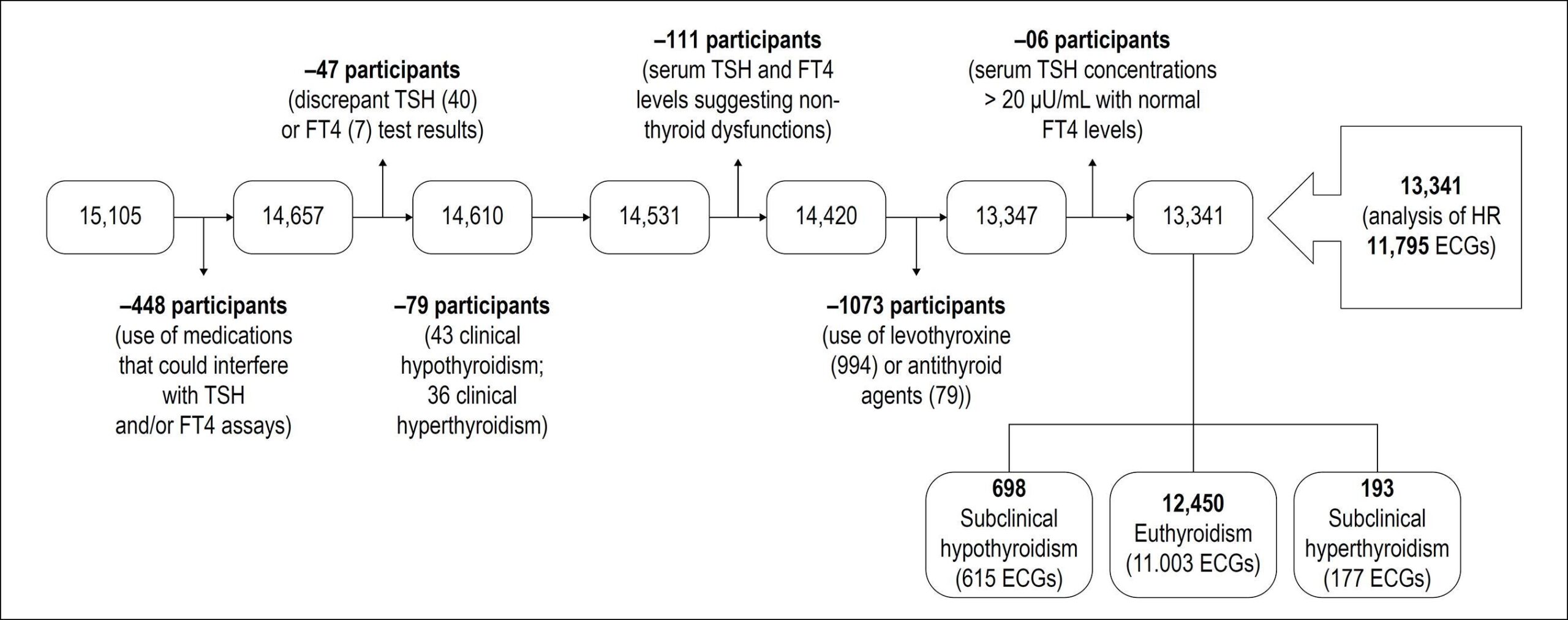
The HR data of 13,341 participants (52% female; median age, 51 years) and the electrocardiogram readings of 11,795 were analyzed; 698 participants (5.23%) were classified as subclinical hypothyroidism, 193 (1.45%) as subclinical hyperthyroidism, and 12,450 (93.32%) as euthyroidism. The prevalence of rhythm and conduction disorders was similar, as were HR medians, even in the subgroups with TSH 10.0 UI/mL or in older adults. Conduction disorders were less prevalent in older adults with subclinical hypothyroidism (adjusted OR = 0.44; 95% CI 0.24 to 0.80).

Conclusion:

In this large, multicenter and cross-sectional study, STD was not associated with cardiac arrhythmias, but a longitudinal assessment is necessary.

  • Adults
  • Arrhythmias Cardiac
  • Pathologic Processes
  • Thyroid Diseases/complications
  • Thyroropin (TSH)
Read Full Article
Creative Commons Attribution (CC BY) Creative Commons license
28/02/2019 DOI: 10.5935/abc.20190037 Views 2
IJCS
Original Article

Hemodynamic, Metabolic and Ventilatory Responses to Exercise in Adults with Congenital Heart Disease

Pablo Marino Corrêa Nascimento et al. Daniel Arkader Kopiler Fernando Cesar de Castro e Souza Maria Carolina Terra Cola … Marina Pereira Coelho Gabriella de Oliveira Lopes Eduardo Tibiriçá

Abstract

Background:

Congenital heart disease in adults shares some features with heart failure (HF), including exercise intolerance, ventilatory inefficiency, inflammatory and neurohormonal activation, cardiac arrhythmias and myocardial fibrosis. Over the last years, cardiopulmonary exercise test has gained importance in the diagnostic and prognostic evaluation of congenital heart diseases, as has already occurred in HF.

Objective:

To describe the behavior of hemodynamic, metabolic and ventilatory parameters in response to exercise in adults with congenital heart disease.

Methods:

Observational cross-sectional study evaluating 31 adults with congenital acyanotic or cyanotic heart disease, treated clinically, surgically or percutaneously, referred for cardiopulmonary exercise test. A descriptive analysis of the data was performed.

Results:

Patients aged 35.7 ± 14.2 years were included. Oxygen consumption (VO2) was 44.86 ± 18.01% of predicted at peak exercise and 36.92 ± 12.93% of predicted maximal VO2 at anaerobic threshold. We found an oxygen uptake efficiency slope (OUES) of 1.49 ± 0.89 (61.43 ± 26.63% of predicted), oxygen pulse of 58.90 ± 22.24% and increment in systolic arterial pressure during exercise was 31.42 ± 21.60 mmHg.

Conclusion:

Adults with congenital heart disease had similar responses to heart failure patients during exercise – reduced aerobic capacity, ventilatory inefficiency for oxygen consumption and limited inotropic response to exercise, characterized by reduced oxygen pulse and small increase in systolic arterial pressure.

  • Adults
  • cyanosis
  • Exercise
  • Exercise Test
  • Heart Defects, Congenital
  • Hemodynamics
  • Metabolism
Read Full Article
Creative Commons Attribution (CC BY) Creative Commons license
01/01/2019 DOI: 10.5935/2359-4802.20180073
ABC
Original Article

Serum Uric Acid Levels are Associated with Cardiometabolic Risk Factors in Healthy Young and Middle-Aged Adults

Thaís da Silva Ferreira et al. Julia Freitas Rodrigues Fernandes Luciene da Silva Araújo Lívia de Paula Nogueira … Priscila Mansur Leal Vanessa Parada Antunes Maria de Lourdes Guimarães Rodrigues Debora Cristina Torres Valença Sergio Emanuel Kaiser Márcia Regina Simas Torres Klein

Abstract

Background:

Observational studies have highlighted an association between serum uric acid (SUA) levels and cardiovascular risk factors. Despite the growing body of evidences, several studies were conducted in older individuals or in carriers of diseases susceptible to affect SUA levels and cardiometabolic risk markers.

Objective:

To evaluate the relationship of SUA with body adiposity, metabolic profile, oxidative stress, inflammatory biomarkers, blood pressure and endothelial function in healthy young and middle-aged adults.

Methods:

149 Brazilian adults aged 20-55 years, both sexes, underwent evaluation of body adiposity, SUA, fasting glucose and insulin, lipid profile, malondialdehyde (MDA), high sensitivity C-reactive protein (hs-CRP), adiponectin, blood pressure and endothelial function. Endothelial function was assessed by the reactive hyperemia index (RHI) derived from peripheral arterial tonometry method. Participants were allocated in two groups according to SUA levels: control group (CG; n = 130; men ≤ 7 mg/dL, women ≤ 6 mg/dL) and hyperuricemia group (HG; n = 19; men > 7 mg/dL, women > 6 mg/dL). A P-value < 0.05 was considered statistically significant.

Results:

After adjustment for confounders, participants in HG compared with those in CG displayed higher body mass index (BMI): 34.15(33.36-37.19) vs.31.80 (26.26-34.42) kg/m2,p = 0.008, higher MDA: 4.67(4.03-5.30) vs. 3.53(3.10-4.07) ng/mL, p < 0.0001 and lower RHI: 1.68 ± 0.30 vs. 2.05 ± 0.46, p = 0.03). In correlation analysis adjusted for confounders, SUA was positively associated (p < 0.05) with BMI, waist circumference, LDL-cholesterol, triglycerides and MDA, and negatively associated (p < 0.05) with HDL-cholesterol, adiponectin and RHI.

Conclusions:

This study suggests that in healthy young and middle-aged adults higher SUA levels are associated with higher body adiposity, unfavorable lipid and inflammatory phenotype, higher oxidative stress and impaired endothelial function.

  • Adults
  • Endothelium / dysfunction
  • Inflammation
  • Oxidative Stress
  • Uric Acid/metabolism
Read Full Article
Creative Commons Attribution (CC BY) Creative Commons license
11/10/2018 DOI: 10.5935/abc.20180197 Views 2
ABC
Original Article

Factors Associated with Inadequate Management of Antiplatelet Agents in Perioperative Period of Non-Cardiac Surgeries

Juliana Maria Dantas Mendonça Borges et al. Pamella de Assis Almeida Mariana Martins Gonzaga do Nascimento José Augusto Soares Barreto Filho … Mario Borges Rosa Antonio Carlos Sobral Sousa

Abstract

Background:

The current guidelines dispose recommendations to manage antiplatelet agents in the perioperative period; however, the daily medical practices lack standardization.

Objectives:

To asses factors associated with inadequate management of antiplatelet agents in the perioperative period of non-cardiac surgeries.

Methods:

Cross-sectional Study conducted in hospital from October 2014 to October 2016. The study dependent variable was a therapy that did not comply with the recommendations in the Brazilian Association of Cardiology (SBC) guidelines. The independent variables included some characteristics, the people in charge of the management and causes of lack of adherence to those guidelines. Variables were included in the multivariate model. Analysis was based on the odds ratio (OR) value and its respective 95% confidence interval (CI) estimated by means of logistic regression with 5% significance level.

Results:

The sample was composed of adult patients submitted to non-cardiac surgeries and who would use acetylsalicylic acid (aspirin) or clopidogrel (n = 161). The management failed to comply with the recommendations in the guidelines in 80.75% of the sample. Surgeons had the highest number of noncomplying orientations (n = 63). After multivariate analysis it was observed that patients with a higher level of schooling (OR = 0.24; CI95% 0.07-0.78) and those with a previous episode of acute myocardial infarction (AMI) (OR = 0.18; CI95% 0.04-0.95) had a higher probability of using a therapy complying with the guidelines.

Conclusion:

Positive association between patients’ schooling level, or those with a history of previous AMI, with management of the use of aspirin and clopidogrel in the perioperative period of non-cardiac surgeries. However, diverging conducts stress the need of having internal protocol defined.

  • Adults
  • Educational Status
  • Intraoperative Care
  • Myocardial Infarction
  • Platelet Aggregation
  • Surgery/perioperative care
Read Full Article
Creative Commons Attribution (CC BY) Creative Commons license
21/09/2018 DOI: 10.5935/abc.20180162 Views 1
Figure 1
ABC
Original Article

Is Lipid Accumulation Product Associated with an Atherogenic Lipoprotein Profile in Brazilian Subjects?

Flavia De Conti Cartolano et al. Caroline Pappiani Maria Camila Prupper de Freitas Antonio M. Figueiredo Neto … Antônio Augusto Ferreira Carioca Nágila Raquel Teixeira Damasceno

Abstract

Background:

Lipid accumulation product (LAP), a simple and low-cost tool, is a novel biomarker of central lipid accumulation and represents a potential surrogate marker for atherogenic lipoprotein profile. However, its association with lipoprotein subfractions has not been described in the literature.

Objective:

To determine whether LAP index could be used as a marker of low- and high-density lipoprotein (LDL and HDL) size in Brazilian individuals.

Methods:

This cross-sectional study included patients (n = 351) of both sexes and age between 30-74 years. Clinical and sociodemographic data and family history of diseases were evaluated. Lipoprotein size, and levels of total cholesterol (TC), lipoproteins, apolipoprotein AI and B (APO AI/APO B), glucose, insulin, insulin resistance index (HOMA-IR) and non-esterified fatty acids (NEFA) were assessed in blood samples. LAP was calculated by the formulas [(waist circumference[cm]-58) × (triglycerides[mmol/L]) for women and (waist circumference [cm]-65) × (triglycerides [mmol/L]) for men]. The association between LAP and metabolic parameters were tested by linear trend (general linear model, GLM test) before and after multiple adjustments for potential confounders (sex, age, smoking, statin, fibrate, and hypoglycemic drugs) at significant level p < 0.05.

Results:

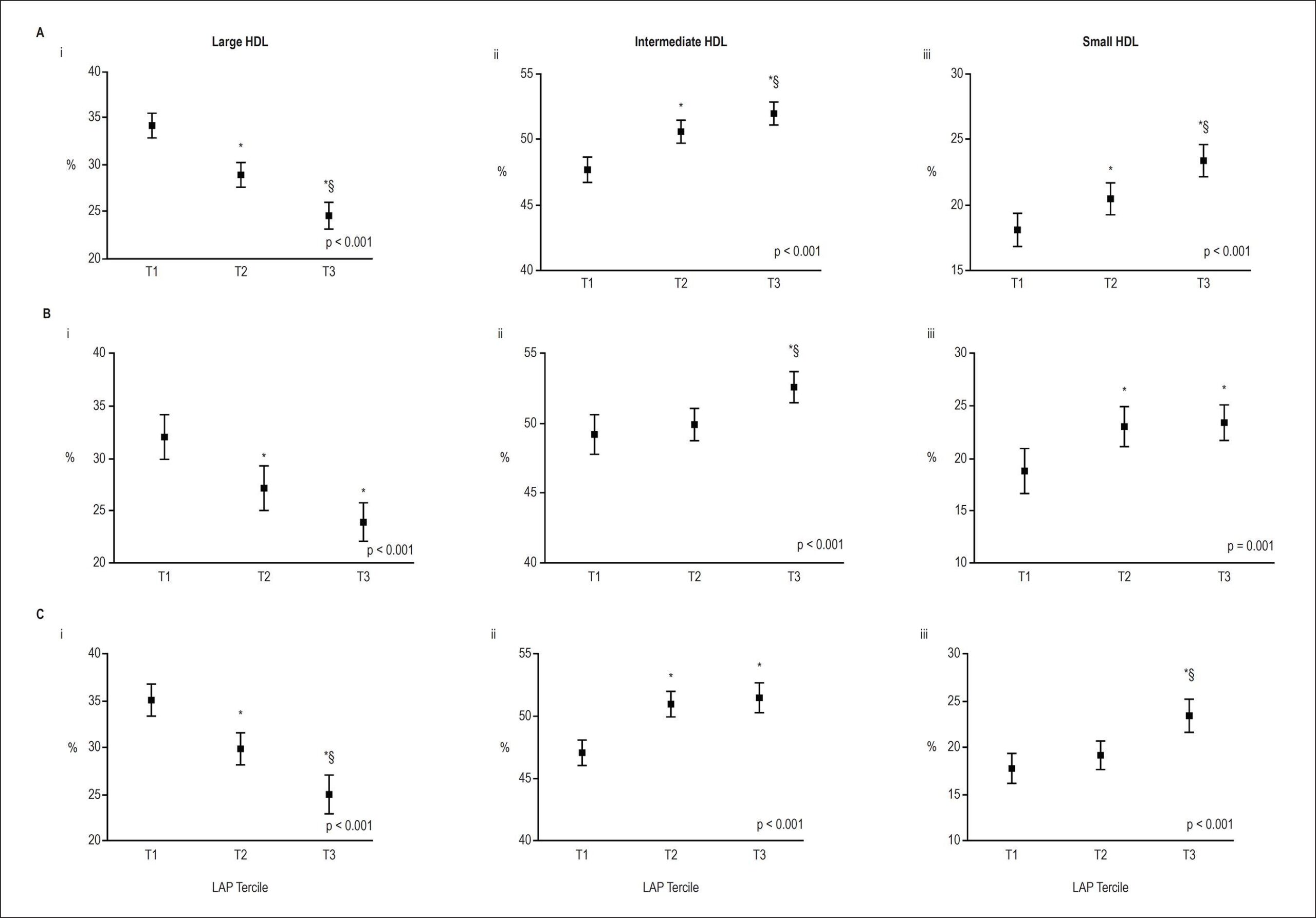
LAP was positively associated with TC, APO B, NEFA, glucose, insulin and HOMA-IR values, and negatively associated with HDL-C. Higher central lipid accumulation was corelated with higher percentage of intermediate HDL and of small LDL and HDL and less amount of large HDL. LDL size was also reduced in greater LAP index values. The negative impact of LAP was maintained after adjustment for multiple variables.

Conclusion:

LAP was robustly associated with atherogenic profile of lipoprotein subfractions, independently of multiple confounders.

  • Adults
  • Cardiovascular Diseases
  • Dyslipidemias
  • Insulin Resistance
  • Lipoproteins, HDL
  • Lipoproteins, LDL
  • Risk Factors
Read Full Article
Creative Commons Attribution (CC BY) Creative Commons license
01/04/2018 DOI: 10.5935/abc.20180054
Figure 1
ABC
Review Article

Association between Obstructive Sleep Apnea and Myocardial Infarction: A Systematic Review

Fernanda Porto et al. Yuri Saho Sakamoto Cristina Salles

Abstract

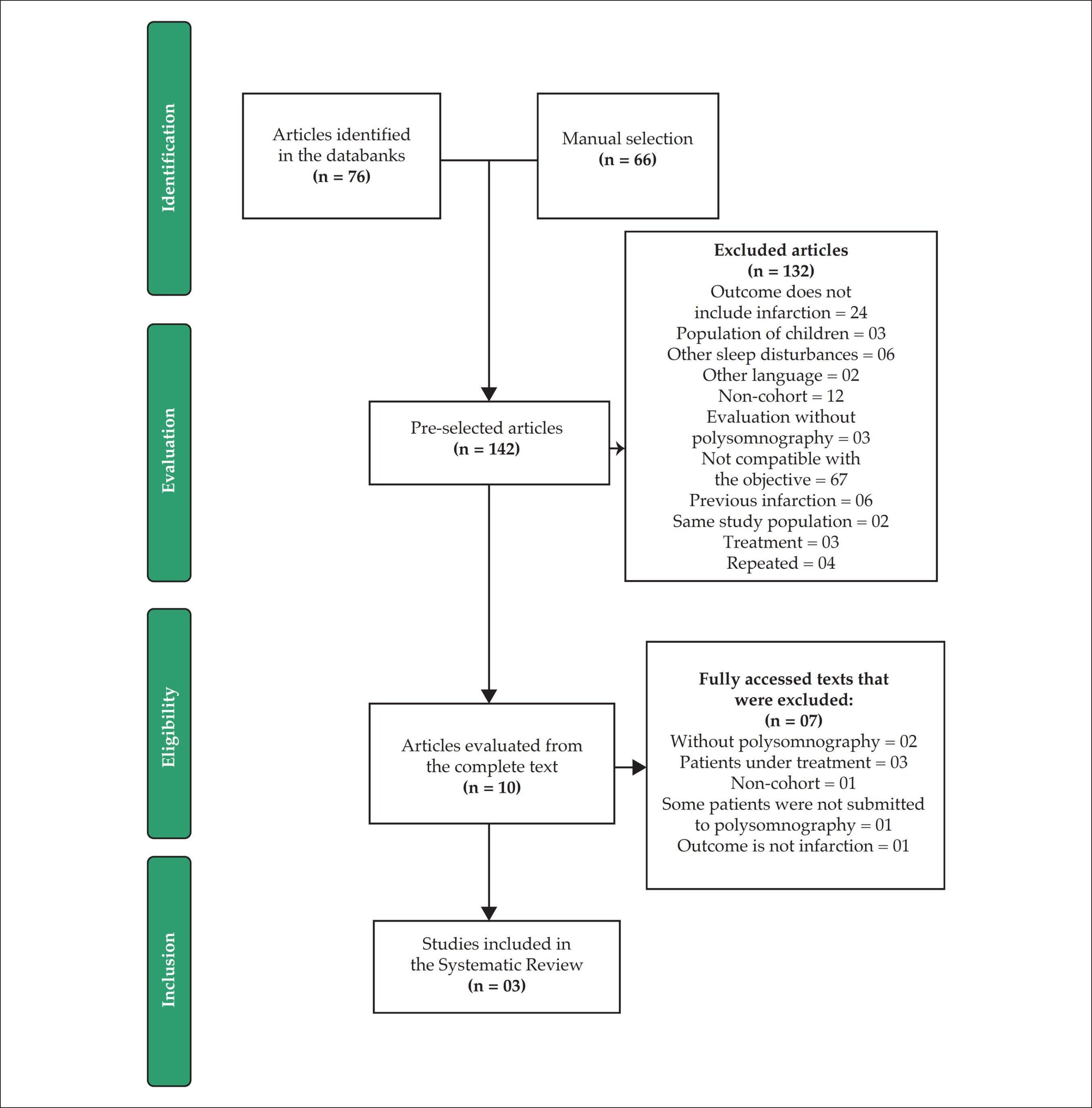
Obstructive sleep apnea (OSA) has been associated to cardiovascular risk factors. However, the association between OSA and cardiovascular disease is still controversial. The objective of the present study was to verify the association between OSA and myocardial infarction (MI). This is a systematic review of the literature performed through electronic data sources MEDLINE/PubMed, PubMed Central, Web of Science and BVS –Biblioteca Virtual em Saúde (Virtual Health Library). The descriptors used were: ‘obstructive sleep apnea’ AND ‘polysomnography’ AND ‘myocardial infarction’ AND ‘adults NOT ‘treatment.’ The present work analysed three prospective studies, selected from 142 articles. The studies followed a total sample of 5,067 OSA patients, mostly composed by male participants. All patients underwent night polysomnography, and all studies found an association between OSA and fatal and non-fatal cardiovascular outcomes. Thus, we were able to observe that 644 (12.7%) of the 5,067 patients suffered MI or stroke, or required a revascularization procedure, and 25.6% of these cardiovascular events were fatal. MI was responsible for 29.5% of all 644 analysed outcomes. There is an association between OSA and MI, in male patients, and apnea and hypopnea index (AHI) are the most reliable markers.

  • Adults
  • Myocardial Infarction
  • Polysomnography / methods
  • Review
  • Sleep Apnea, Obstructive
  • Sleep Wake Disorders
Read Full Article
Creative Commons Attribution (CC BY) Creative Commons license
30/03/2017 DOI: 10.5935/abc.20170031 Views 1
Figure 1
ABC
Original Article

Circulatory and Ventilatory Power: Characterization in Patients with Coronary Artery Disease

Viviane Castello-Simões et al. Vinicius Minatel Marlus Karsten Rodrigo Polaquini Simões … Natália Maria Perseguini Juliana Cristina Milan Ross Arena Laura Maria Tomazi Neves Audrey Borghi-Silva Aparecida Maria Catai

Background:

Circulatory power (CP) and ventilatory power (VP) are indices that have been used for the clinical evaluation of patients with heart failure; however, no study has evaluated these indices in patients with coronary artery disease (CAD) without heart failure.

Objective:

To characterize both indices in patients with CAD compared with healthy controls.

Methods:

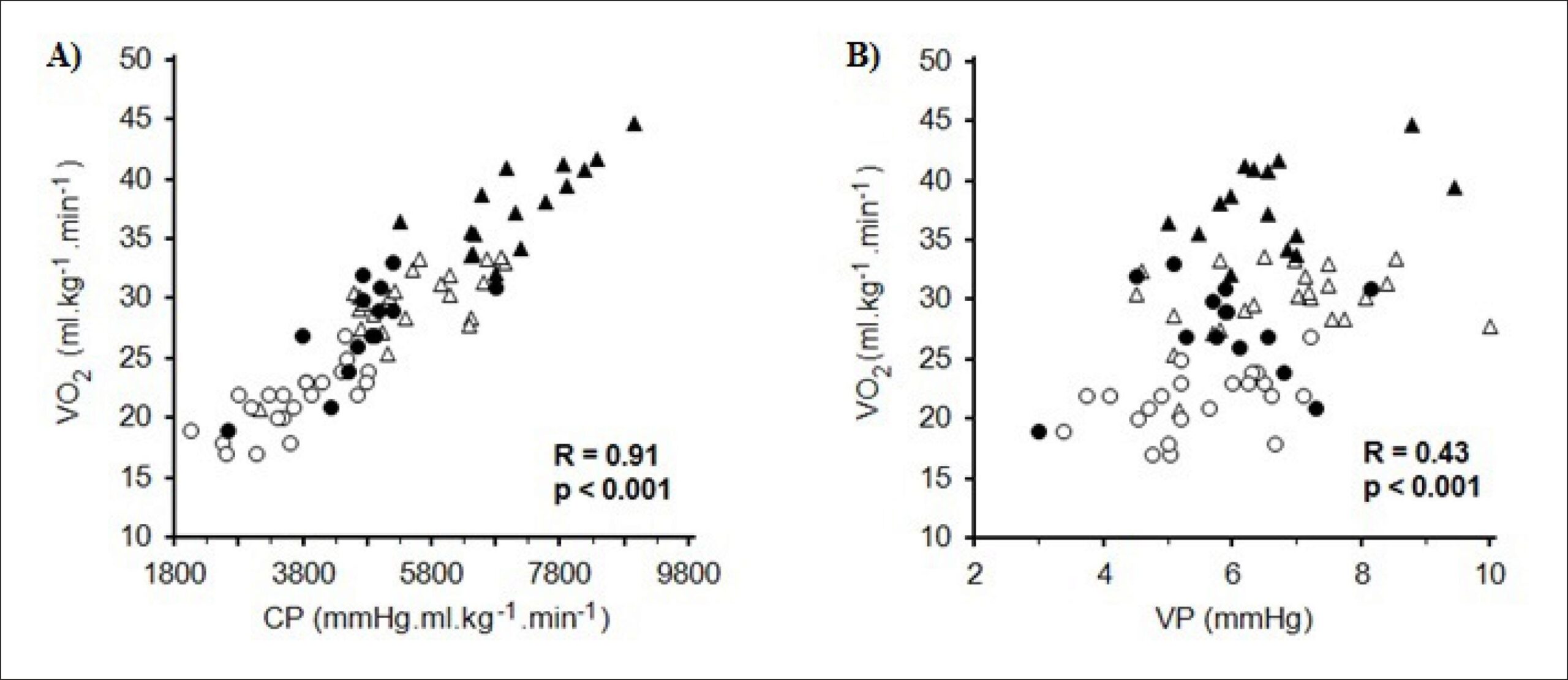
Eighty-seven men [CAD group = 42 subjects and healthy control group (CG) = 45 subjects] aged 40–65 years were included. Cardiopulmonary exercise testing was performed on a treadmill and the following parameters were measured: 1) peak oxygen consumption (VO2), 2) peak heart rate (HR), 3) peak blood pressure (BP), 4) peak rate-pressure product (peak systolic HR x peak BP), 5) peak oxygen pulse (peak VO2/peak HR), 6) oxygen uptake efficiency (OUES), 7) carbon dioxide production efficiency (minute ventilation/carbon dioxide production slope), 8) CP (peak VO2 x peak systolic BP) and 9) VP (peak systolic BP/carbon dioxide production efficiency).

Results:

The CAD group had significantly lower values for peak VO2 (p < 0.001), peak HR (p < 0.001), peak systolic BP (p < 0.001), peak rate-pressure product (p < 0.001), peak oxygen pulse (p = 0.008), OUES (p < 0.001), CP (p < 0.001), and VP (p < 0.001) and significantly higher values for peak diastolic BP (p = 0.004) and carbon dioxide production efficiency (p < 0.001) compared with CG. Stepwise regression analysis showed that CP was influenced by group (R2 = 0.44, p < 0.001) and VP was influenced by both group and number of vessels with stenosis after treatment (interaction effects: R2 = 0.46, p < 0.001).

Conclusion:

The indices CP and VP were lower in men with CAD than healthy controls.

  • Adults
  • Cardiopulmonary Exercise
  • Cardiovascular disease
  • Exercise
  • Oxygen Uptake
Read Full Article
Creative Commons Attribution (CC BY) Creative Commons license
05/05/2015 DOI: 10.5935/abc.20150035 Views 1
ABC
Artigo Original

Body mass index and hypertension in adult subjects in Brazil's Midwest

Nadia Mohamed Amer et al. Sonia Silva Marcon Rosangela Getirana Santana

BACKGROUND: Overweight and obesity are an important public health problem in society, due to the growth in all age groups and their association with various chronic diseases, especially hypertension OBJECTIVE: To investigate possible factors associated with changes in body mass index (BMI). METHODS: Study developed in the city of Nova Andradina, State of Mato Grosso do Sul, with 369 subjects registered in the Family Health Strategy Program in 2007. Data were collected at the subjects’ homes, by using a semi-structured interview and by an anthropometric assessment. In the analysis of data, we used the Chi-square and Mantel Haenszel tests, for categorical responses, and ANOVA and Tukey tests, for continuous responses. RESULTS: The prevalence of overweight and obesity was 33.3% and 23.0%, respectively. Most of the individuals had the following characteristics: they were female (85.4%), physically inactive (89.7%), their waist-hip ratio (WHR) was inadequate (83.7%) and they had some chronic health problem (31.9%), especially hypertension. Risk factors for overweight and obesity may be linked to variables such as widowed status, inadequate WHR, lower income and health problems. On the other hand, high blood pressure may be linked only to obesity. CONCLUSION: The percentage of people that were overweight and those who did not do exercises in Nova Andradina indicates that these issues are also an important challenge for the health sector in smaller cities. Therefore, it is urgent that multidisciplinary intervention programs be implemented in primary health care.

  • Adults
  • body mass index
  • Brazil
  • Hypertension
  • MGS
Read Full Article
Creative Commons Attribution (CC BY) Creative Commons license
19/11/2010 DOI: 10.1590/S0066-782X2010005000154 Views 2
ABC
Artigo Original

Relationship between leisure-time physical activity and blood pressure in adults

Francisco José Gondim Pitanga et al. Ines Lessa

BACKGROUND: High blood pressure (BP) is found at epidemic levels in adults of industrialized societies, thereby favoring an increase in the risk of development of numerous cardiovascular pathologies. OBJECTIVE: To investigate the relationship between leisure-time physical activity (LTPA) and high systolic blood pressure (SBP)/diastolic blood pressure (DBP) in adults, in the city of Salvador, state of Bahia. METHODS: A cross-sectional study was conducted with a sample of 2,292 adults of both sexes, aged > 20 years. Those who engaged in physical activity during their leisure time were considered to be active in their free time. We used logistic regression analysis to estimate the odds ratio (OR), with confidence interval of 95%. RESULTS: After the adjustment for age and stratification by sex, the relationships between LTPA and SBP/DBP were: SBP = 0.86 (0.85 to 0.87) for females and 0.65 (0.64 to 0.66) for males; DBP = 0.94 (0.92 to 0.95) for females and 0.64 (0.63 to 0.65) for males. CONCLUSION: The results of this study are important to public health and they must be used to raise awareness of the relevance of LTPA to prevent high levels of SBP/DBP.

  • Adults
  • Hypertension
  • Motor Activity
Read Full Article
Creative Commons Attribution (CC BY) Creative Commons license
17/09/2010 DOI: 10.1590/S0066-782X2010005000124 Views 2
Influence of prior nutritional status on the development of the metabolic syndrome in adults
ABC
Artigo Original

Influence of prior nutritional status on the development of the metabolic syndrome in adults

Renata Maria Souza Oliveira et al. Sylvia do Carmo Castro Franceschini Gilberto Paixão Rosado Silvia Eloiza Priore

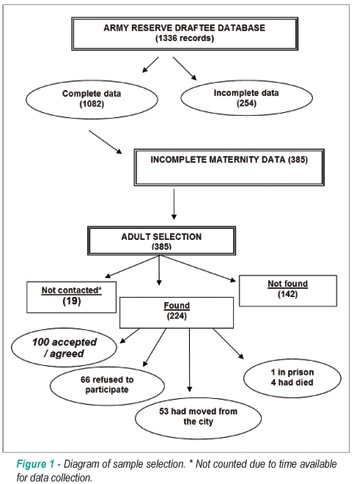
BACKGROUND: The increase in the prevalence of excess weight among people of increasingly younger age groups may lead to the early development of cardiovascular risks. OBJECTIVE: To investigate the prevalence of the metabolic syndrome among young adults and the impact of birth conditions and nutritional status during adolescence on this disorder. METHODS: One hundred individuals were evaluated at three different stages of life. By consulting the database of people enlisted in the army reserve military service, data were collected on weight, height, and waist circumference of all draftees of 1996, 1997, and 1999 in order to analyze their nutritional status during adolescence. Using the same database, information was sought at the maternity on their birth conditions and the adult individuals were identified. Anthropometric and biochemical data were obtained from these adults. The Metabolic Syndrome (MS) was classified according to ATP III NCEP. Body fat percentage was assessed with bioelectrical impedance and the statistical analysis was performed using the Sigma Stat 2.0 software. RESULTS: Prevalence of the MS was detected in 13% of the individuals. The birth conditions showed no relationship with the syndrome. In adolescence, those individuals diagnosed with MS had greater values for weight (11 kg; p =<0.001), WC (8 cm; p < 0.001), and BMI (2.5 kg/m²; p= 0.002). CONCLUSION: A significant part of the risk factors for cardiovascular conditions starts during childhood and adolescence, and is likely to persist throughout life; therefore, primary prevention measures are critical in the context of cardiovascular disease.

  • Adults
  • Metabolic Syndrome
  • nutritional status
Read Full Article
Creative Commons Attribution (CC BY) Creative Commons license
06/04/2009 DOI: 10.1590/S0066-782X2009000200006 Views 1
ABC
Artigo Original

Association between hyertension and overweight in adults in Belém, state of Pará (Brazil), 2005

Hilma Paixão Borges et al. Nilma do Carmo Cruz Erly Catarina Moura

BACKGROUND: Hypertension is a major public health issue affecting 20 to 25% of the global population of adults, and 12 to 35 % of Brazilians. OBJECTIVE: To evaluate the association between hypertension and overweight. METHODS: A cross-sectional study was conducted in 2005 with a probabilistic sampling of the population >18 years of age in Belém, capital of the state of Pará, in the Northern region of Brazil, using the telephone surveillance system for chronic diseases (SIMTEL). The dependent variable was hypertension, the explanatory variable was overweight and the confounding variables were age, level of education and lifestyle characteristics. The variables associated with hypertension were run through the regression logistic model and odds ratios were calculated for each variable. RESULTS: Hypertension affected 16.2% of men and 18.3% of women, and overweight affected 49.2% of men and 34.1% of women. The prevalence of hypertension was directly associated with age and overweight in both genders. Among men, hypertension was associated with intake of vegetables and low intake of beans (similar to kidney- and pinto-type beans); as for women, hypertension was associated with marital status (widow or separated), and inversely to education level. The risk of hypertension increased directly with weight for both genders (p<0.001), and it was 6.33 times higher among obese men and 3.33 among obese women as compared to normal-weight subjects. CONCLUSION: Overweight was associated with hypertension. However, variables such as age, education, and food consumption interfere in this relationship, creating circumstances favorable to reducing or increasing that risk.

  • Adults
  • Hipertension
  • Obesity
Read Full Article
Creative Commons Attribution (CC BY) Creative Commons license
08/08/2008 DOI: 10.1590/S0066-782X2008001400007 Views 1
Cardiovascular health profile of an adult population from the metropolitan region of São Paulo
ABC
Artigo Original

Cardiovascular health profile of an adult population from the metropolitan region of São Paulo

Renata Furlan Viebig et al. Maria Pastor Valero Fernando Araújo Alice Tatsuko Yamada Alfredo José Mansur

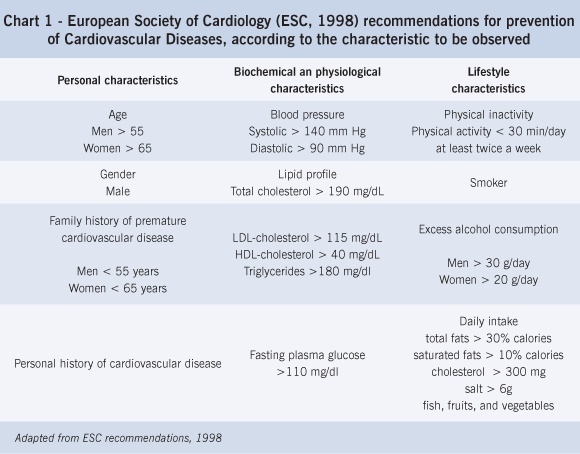
OBJECTIVE: To describe the cardiovascular health profile of an adult population from the metropolitan region of São Paulo, according to the European Society of Cardiology (ESC) criteria. METHODS: Two hundred volunteers of both sexes enrolled in the “Cardiac Evaluation” project of a general outpatient clinic were studied. Data collected included socioeconomic status, cigarette smoking, alcohol consumption, anthropometric measurements, diet, physical activity, serum lipids, blood glucose and blood pressure. Average intake of dietary cholesterol and total lipids was estimated from a 24-hour dietary recall. Physical activity level was assessed using the International Physical Activity Questionnaire (IPAQ-8) and exercise stress tests. RESULTS: Sample population composition was 61.5% female and 38.5% male, mean age 41.7 (median = 42.6) and 41.0 (median = 43.0%). Prevalence of smoking (22%) and daily alcohol consumption (14% males; no females) was low. The overweight prevalence was 47% (12% being obese), in addition to high levels of serum total cholesterol (> 190 mg/dl) in 56% and LDL-cholesterol (> 115 mg/dl) in 61%. The IPAQ-8 results showed that 6% were sedentary. CONCLUSION: The study population showed greater risk of cardiovascular diseases, according to ESC criteria, due especially to the high prevalence of overweight and hypercholesterolemia.

  • Adults
  • Cardiovascular Health
  • Risk Factors
Read Full Article
Creative Commons Attribution (CC BY) Creative Commons license
29/05/2006 DOI: 10.1590/S0066-782X2006000500005 Views 2

How to cite this article

EndNote RIS

Electronic Document Format (Vancouver)

Santos CPC, Lagares LS, Santos SRM, Silva MSP, Macedo RC, Almeida LAB, Bomfim ES, et al. Association between Arterial Hypertension and Laboratory Markers, Body Composition, Obstructive Sleep Apnea and Autonomic Parameters in Obese Patients. Arquivos Brasileiros de Cardiologia 2023;120(7):e20220728.

Electronic Document Format (ABNT)

Santos, Clarcson Plácido Conceição; Lagares, Laura Souza; Santos, Sarah Rafaela Mascarenhas; Silva, Mariana Sousa de Pina; Macedo, Rodrigo Colares de; Almeida, Luiz Alberto Bastos de; Bomfim, Eric Simas. Association between Arterial Hypertension and Laboratory Markers, Body Composition, Obstructive Sleep Apnea and Autonomic Parameters in Obese Patients. Arquivos Brasileiros de Cardiologia, v. 120, n. 7, e20220728, Jul. 2023.

Electronic Document Format (APA)

Santos, C. P. C., Lagares, L. S., Santos, S. R. M., Silva, M. S. P., Macedo, R. C. , Almeida, L. A. B. , & Bomfim, E. S. (2023). Association between Arterial Hypertension and Laboratory Markers, Body Composition, Obstructive Sleep Apnea and Autonomic Parameters in Obese Patients. Arquivos Brasileiros de Cardiologia, 120(7), e20220728.

Electronic Document Format (ISO)

Santos, Clarcson Plácido Conceição and Lagares, Laura Souza and Santos, Sarah Rafaela Mascarenhas and Silva, Mariana Sousa de Pina and Macedo, Rodrigo Colares de and Almeida, Luiz Alberto Bastos de and Bomfim, Eric Simas. Association between Arterial Hypertension and Laboratory Markers, Body Composition, Obstructive Sleep Apnea and Autonomic Parameters in Obese Patients. Arquivos Brasileiros de Cardiologia [online]. 2023, vol. 120, n. 7, [cited 2026-10-14], e20220728. Available from: <https://journals.cardiol.br/en/article/association-between-arterial-hypertension-and-laboratory-markers-body-composition-obstructive-sleep-apnea-and-autonomic-parameters-in-obese-patients/>. ISSN 0066-782X

EndNote RIS

Electronic Document Format (Vancouver)

Carvalhaes VZ, Meireles GCX, Catarino RM, Bueno R. Association between the Phytochemical Index and Risk Factors for Cardiovascular Disease in Adults. International Journal of Cardiovascular Sciences 2023;36:e20220055.

Electronic Document Format (ABNT)

Carvalhaes, Vanessa Zanoni; Meireles, George César Ximenes; Catarino, Regina Maria; Bueno, Rosemeire. Association between the Phytochemical Index and Risk Factors for Cardiovascular Disease in Adults. International Journal of Cardiovascular Sciences, v. 36, e20220055, May. 2023.

Electronic Document Format (APA)

Carvalhaes, V. Z., Meireles, G. C. X., Catarino, R. M., & Bueno, R. (2023). Association between the Phytochemical Index and Risk Factors for Cardiovascular Disease in Adults. International Journal of Cardiovascular Sciences, 36, e20220055.

Electronic Document Format (ISO)

Carvalhaes, Vanessa Zanoni and Meireles, George César Ximenes and Catarino, Regina Maria and Bueno, Rosemeire. Association between the Phytochemical Index and Risk Factors for Cardiovascular Disease in Adults. International Journal of Cardiovascular Sciences [online]. 2023, vol. 36, [cited 2026-10-14], e20220055. Available from: <https://journals.cardiol.br/en/article/association-between-the-phytochemical-index-and-risk-factors-for-cardiovascular-disease-in-adults/>. ISSN 2359-4802

EndNote RIS

Electronic Document Format (Vancouver)

Alataş D, Biteker M, Demir A, Yıldırım B, Acar E, Gökçek K, Gökçek A, et al. Microalbuminuria and its Prognostic Significance in Patients with Acute Heart Failure with Preserved, Mid-Range, and Reduced Ejection Fraction. Arquivos Brasileiros de Cardiologia 2022;118(4):703-9.

Electronic Document Format (ABNT)

Alataş, Ömer Doğan; Biteker, Murat; Demir, Ahmet; Yıldırım, Birdal; Acar, Ethem; Gökçek, Kemal; Gökçek, Aysel. Microalbuminuria and its Prognostic Significance in Patients with Acute Heart Failure with Preserved, Mid-Range, and Reduced Ejection Fraction. Arquivos Brasileiros de Cardiologia, v. 118, n. 4, p. 703-709, Feb. 2022.

Electronic Document Format (APA)

Alataş, D., Biteker, M., Demir, A., Yıldırım, B., Acar, E., Gökçek, K., & Gökçek, A. (2022). Microalbuminuria and its Prognostic Significance in Patients with Acute Heart Failure with Preserved, Mid-Range, and Reduced Ejection Fraction. Arquivos Brasileiros de Cardiologia, 118(4), 703-709.

Electronic Document Format (ISO)

Alataş, Ömer Doğan and Biteker, Murat and Demir, Ahmet and Yıldırım, Birdal and Acar, Ethem and Gökçek, Kemal and Gökçek, Aysel. Microalbuminuria and its Prognostic Significance in Patients with Acute Heart Failure with Preserved, Mid-Range, and Reduced Ejection Fraction. Arquivos Brasileiros de Cardiologia [online]. 2022, vol. 118, n. 4, [cited 2026-10-14], pp. 703-709. Available from: <https://journals.cardiol.br/en/article/microalbuminuria-and-its-prognostic-significance-in-patients-with-acute-heart-failure-with-preserved-mid-range-and-reduced-ejection-fraction/>. ISSN 0066-782X

EndNote RIS

Electronic Document Format (Vancouver)

Oliveira C, Pereira PML, Soares IT, Monteiro MG, Bastos MG, Cândido APC. Cardiovascular Risk Factors in Patients with Chronic Kidney Disease Under Conservative Treatment. International Journal of Cardiovascular Sciences 2020;34(2):170-8.

Electronic Document Format (ABNT)

Oliveira, Cássia; Pereira, Priscila Moreira de Lima; Soares, Iris Teixeira; Monteiro, Melina Gabriela; Bastos, Marcus Gomes; Cândido, Ana Paula Carlos. Cardiovascular Risk Factors in Patients with Chronic Kidney Disease Under Conservative Treatment. International Journal of Cardiovascular Sciences, v. 34, n. 2, p. 170-178, Nov. 2020.

Electronic Document Format (APA)

Oliveira, C., Pereira, P. M. L., Soares, I. T., Monteiro, M. G., Bastos, M. G., & Cândido, A. P. C. (2020). Cardiovascular Risk Factors in Patients with Chronic Kidney Disease Under Conservative Treatment. International Journal of Cardiovascular Sciences, 34(2), 170-178.

Electronic Document Format (ISO)

Oliveira, Cássia and Pereira, Priscila Moreira de Lima and Soares, Iris Teixeira and Monteiro, Melina Gabriela and Bastos, Marcus Gomes and Cândido, Ana Paula Carlos. Cardiovascular Risk Factors in Patients with Chronic Kidney Disease Under Conservative Treatment. International Journal of Cardiovascular Sciences [online]. 2020, vol. 34, n. 2, [cited 2026-10-14], pp. 170-178. Available from: <https://journals.cardiol.br/en/article/cardiovascular-risk-factors-in-patients-with-chronic-kidney-disease-under-conservative-treatment/>. ISSN 2359-4802

EndNote RIS

Electronic Document Format (Vancouver)

Benchimol-Barbosa PR, Nasario Junior O, Nadal J. Assessing Dynamic Atrioventricular Conduction Time to RR-interval Coupling in Athletes and Sedentary Subjects. Arquivos Brasileiros de Cardiologia 2020;115(1):71-7.

Electronic Document Format (ABNT)

Benchimol-Barbosa, Paulo Roberto; Nasario Junior, Olivassé; Nadal, Jurandir. Assessing Dynamic Atrioventricular Conduction Time to RR-interval Coupling in Athletes and Sedentary Subjects. Arquivos Brasileiros de Cardiologia, v. 115, n. 1, p. 71-77, May. 2020.

Electronic Document Format (APA)

Benchimol-Barbosa, P. R., Nasario Junior, O., & Nadal, J. (2020). Assessing Dynamic Atrioventricular Conduction Time to RR-interval Coupling in Athletes and Sedentary Subjects. Arquivos Brasileiros de Cardiologia, 115(1), 71-77.

Electronic Document Format (ISO)

Benchimol-Barbosa, Paulo Roberto and Nasario Junior, Olivassé and Nadal, Jurandir. Assessing Dynamic Atrioventricular Conduction Time to RR-interval Coupling in Athletes and Sedentary Subjects. Arquivos Brasileiros de Cardiologia [online]. 2020, vol. 115, n. 1, [cited 2026-10-14], pp. 71-77. Available from: <https://journals.cardiol.br/en/article/assessing-dynamic-atrioventricular-conduction-time-to-rr-interval-coupling-in-athletes-and-sedentary-subjects/>. ISSN 0066-782X

EndNote RIS

Electronic Document Format (Vancouver)

Rajão KMAB, Ribeiro ALP, Passos VMA, Benseñor IJM, Vidigal PG, Camacho CP, Diniz MFHS, et al. Subclinical Thyroid Dysfunction was not Associated with Cardiac Arrhythmias in a Cross-Sectional Analysis of the ELSA-Brasil Study. Arquivos Brasileiros de Cardiologia 2019;112(6):758-66.

Electronic Document Format (ABNT)

Rajão, Kamilla Maria Araújo Brandão; Ribeiro, Antônio Luiz Pinho; Passos, Valéria Maria Azeredo; Benseñor, Isabela Judith Martins; Vidigal, Pedro Guatimosim; Camacho, Cleber Pinto; Diniz, Maria de Fátima Haueisen Sander. Subclinical Thyroid Dysfunction was not Associated with Cardiac Arrhythmias in a Cross-Sectional Analysis of the ELSA-Brasil Study. Arquivos Brasileiros de Cardiologia, v. 112, n. 6, p. 758-766, Feb. 2019.

Electronic Document Format (APA)

Rajão, K. M. A. B., Ribeiro, A. L. P., Passos, V. M. A., Benseñor, I. J. M., Vidigal, P. G., Camacho, C. P., & Diniz, M. F. H. S. (2019). Subclinical Thyroid Dysfunction was not Associated with Cardiac Arrhythmias in a Cross-Sectional Analysis of the ELSA-Brasil Study. Arquivos Brasileiros de Cardiologia, 112(6), 758-766.

Electronic Document Format (ISO)

Rajão, Kamilla Maria Araújo Brandão and Ribeiro, Antônio Luiz Pinho and Passos, Valéria Maria Azeredo and Benseñor, Isabela Judith Martins and Vidigal, Pedro Guatimosim and Camacho, Cleber Pinto and Diniz, Maria de Fátima Haueisen Sander. Subclinical Thyroid Dysfunction was not Associated with Cardiac Arrhythmias in a Cross-Sectional Analysis of the ELSA-Brasil Study. Arquivos Brasileiros de Cardiologia [online]. 2019, vol. 112, n. 6, [cited 2026-10-14], pp. 758-766. Available from: <https://journals.cardiol.br/en/article/subclinical-thyroid-dysfunction-was-not-associated-with-cardiac-arrhythmias-in-a-cross-sectional-analysis-of-the-elsa-brasil-study/>. ISSN 0066-782X

EndNote RIS

Electronic Document Format (Vancouver)

Nascimento PMC, Kopiler DA, Souza FCC, Cola MCT, Coelho MP, Lopes GO, Tibiriçá E, et al. Hemodynamic, Metabolic and Ventilatory Responses to Exercise in Adults with Congenital Heart Disease. International Journal of Cardiovascular Sciences 2019;32(1):41-7.

Electronic Document Format (ABNT)

Nascimento, Pablo Marino Corrêa; Kopiler, Daniel Arkader; Souza, Fernando Cesar de Castro e; Cola, Maria Carolina Terra; Coelho, Marina Pereira; Lopes, Gabriella de Oliveira; Tibiriçá, Eduardo. Hemodynamic, Metabolic and Ventilatory Responses to Exercise in Adults with Congenital Heart Disease. International Journal of Cardiovascular Sciences, v. 32, n. 1, p. 41-47, Dec. 2018.

Electronic Document Format (APA)

Nascimento, P. M. C., Kopiler, D. A., Souza, F. C. C. , Cola, M. C. T., Coelho, M. P., Lopes, G. O., & Tibiriçá, E. (2019). Hemodynamic, Metabolic and Ventilatory Responses to Exercise in Adults with Congenital Heart Disease. International Journal of Cardiovascular Sciences, 32(1), 41-47.

Electronic Document Format (ISO)

Nascimento, Pablo Marino Corrêa and Kopiler, Daniel Arkader and Souza, Fernando Cesar de Castro e and Cola, Maria Carolina Terra and Coelho, Marina Pereira and Lopes, Gabriella de Oliveira and Tibiriçá, Eduardo. Hemodynamic, Metabolic and Ventilatory Responses to Exercise in Adults with Congenital Heart Disease. International Journal of Cardiovascular Sciences [online]. 2019, vol. 32, n. 1, [cited 2026-10-14], pp. 41-47. Available from: <https://journals.cardiol.br/en/article/hemodynamic-metabolic-and-ventilatory-responses-to-exercise-in-adults-with-congenital-heart-disease/>. ISSN 2359-4802

EndNote RIS

Electronic Document Format (Vancouver)

Ferreira TS, Fernandes JFR, Araújo LS, Nogueira LP, Leal PM, Antunes VP, Rodrigues MLG, et al. Serum Uric Acid Levels are Associated with Cardiometabolic Risk Factors in Healthy Young and Middle-Aged Adults. Arquivos Brasileiros de Cardiologia 2018;111(6):833-40.

Electronic Document Format (ABNT)

Ferreira, Thaís da Silva; Fernandes, Julia Freitas Rodrigues; Araújo, Luciene da Silva; Nogueira, Lívia de Paula; Leal, Priscila Mansur; Antunes, Vanessa Parada; Rodrigues, Maria de Lourdes Guimarães; Valença, Debora Cristina Torres; Kaiser, Sergio Emanuel; Klein, Márcia Regina Simas Torres. Serum Uric Acid Levels are Associated with Cardiometabolic Risk Factors in Healthy Young and Middle-Aged Adults. Arquivos Brasileiros de Cardiologia, v. 111, n. 6, p. 833-840, Oct. 2018.

Electronic Document Format (APA)

Ferreira, T. S., Fernandes, J. F. R., Araújo, L. S., Nogueira, L. P., Leal, P. M., Antunes, V. P., Rodrigues, M. L. G., Valença, D. C. T., Kaiser, S. E., & Klein, M. R. S. T. (2018). Serum Uric Acid Levels are Associated with Cardiometabolic Risk Factors in Healthy Young and Middle-Aged Adults. Arquivos Brasileiros de Cardiologia, 111(6), 833-840.

Electronic Document Format (ISO)

Ferreira, Thaís da Silva and Fernandes, Julia Freitas Rodrigues and Araújo, Luciene da Silva and Nogueira, Lívia de Paula and Leal, Priscila Mansur and Antunes, Vanessa Parada and Rodrigues, Maria de Lourdes Guimarães and Valença, Debora Cristina Torres and Kaiser, Sergio Emanuel and Klein, Márcia Regina Simas Torres. Serum Uric Acid Levels are Associated with Cardiometabolic Risk Factors in Healthy Young and Middle-Aged Adults. Arquivos Brasileiros de Cardiologia [online]. 2018, vol. 111, n. 6, [cited 2026-10-14], pp. 833-840. Available from: <https://journals.cardiol.br/en/article/serum-uric-acid-levels-are-associated-with-cardiometabolic-risk-factors-in-healthy-young-and-middle-aged-adults/>. ISSN 0066-782X

EndNote RIS

Electronic Document Format (Vancouver)

Borges JMDM, Almeida PA, Nascimento MMG, Barreto Filho JAS, Rosa MB, Sousa ACS. Factors Associated with Inadequate Management of Antiplatelet Agents in Perioperative Period of Non-Cardiac Surgeries. Arquivos Brasileiros de Cardiologia 2018;111(4):596-604.

Electronic Document Format (ABNT)

Borges, Juliana Maria Dantas Mendonça; Almeida, Pamella de Assis; Nascimento, Mariana Martins Gonzaga do; Barreto Filho, José Augusto Soares; Rosa, Mario Borges; Sousa, Antonio Carlos Sobral. Factors Associated with Inadequate Management of Antiplatelet Agents in Perioperative Period of Non-Cardiac Surgeries. Arquivos Brasileiros de Cardiologia, v. 111, n. 4, p. 596-604, Sep. 2018.

Electronic Document Format (APA)

Borges, J. M. D. M., Almeida, P. A., Nascimento, M. M. G. , Barreto Filho, J. A. S., Rosa, M. B., & Sousa, A. C. S. (2018). Factors Associated with Inadequate Management of Antiplatelet Agents in Perioperative Period of Non-Cardiac Surgeries. Arquivos Brasileiros de Cardiologia, 111(4), 596-604.

Electronic Document Format (ISO)

Borges, Juliana Maria Dantas Mendonça and Almeida, Pamella de Assis and Nascimento, Mariana Martins Gonzaga do and Barreto Filho, José Augusto Soares and Rosa, Mario Borges and Sousa, Antonio Carlos Sobral. Factors Associated with Inadequate Management of Antiplatelet Agents in Perioperative Period of Non-Cardiac Surgeries. Arquivos Brasileiros de Cardiologia [online]. 2018, vol. 111, n. 4, [cited 2026-10-14], pp. 596-604. Available from: <https://journals.cardiol.br/en/article/factors-associated-with-inadequate-management-of-antiplatelet-agents-in-perioperative-period-of-non-cardiac-surgeries/>. ISSN 0066-782X

EndNote RIS

Electronic Document Format (Vancouver)

Cartolano FDC, Pappiani C, Freitas MCP, Figueiredo Neto AM, Carioca AAF, Damasceno NRT. Is Lipid Accumulation Product Associated with an Atherogenic Lipoprotein Profile in Brazilian Subjects?. Arquivos Brasileiros de Cardiologia 2018;110(4):339-47.

Electronic Document Format (ABNT)

Cartolano, Flavia De Conti; Pappiani, Caroline; Freitas, Maria Camila Prupper de; Figueiredo Neto, Antonio M.; Carioca, Antônio Augusto Ferreira; Damasceno, Nágila Raquel Teixeira. Is Lipid Accumulation Product Associated with an Atherogenic Lipoprotein Profile in Brazilian Subjects?. Arquivos Brasileiros de Cardiologia, v. 110, n. 4, p. 339-347, Mar. 2018.

Electronic Document Format (APA)

Cartolano, F. D. C., Pappiani, C., Freitas, M. C. P. , Figueiredo Neto, A. M., Carioca, A. A. F., & Damasceno, N. R. T. (2018). Is Lipid Accumulation Product Associated with an Atherogenic Lipoprotein Profile in Brazilian Subjects?. Arquivos Brasileiros de Cardiologia, 110(4), 339-347.

Electronic Document Format (ISO)

Cartolano, Flavia De Conti and Pappiani, Caroline and Freitas, Maria Camila Prupper de and Figueiredo Neto, Antonio M. and Carioca, Antônio Augusto Ferreira and Damasceno, Nágila Raquel Teixeira. Is Lipid Accumulation Product Associated with an Atherogenic Lipoprotein Profile in Brazilian Subjects?. Arquivos Brasileiros de Cardiologia [online]. 2018, vol. 110, n. 4, [cited 2026-10-14], pp. 339-347. Available from: <https://journals.cardiol.br/en/article/is-lipid-accumulation-product-associated-with-an-atherogenic-lipoprotein-profile-in-brazilian-subjects/>. ISSN 0066-782X

EndNote RIS

Electronic Document Format (Vancouver)

Porto F, Sakamoto YS, Salles C. Association between Obstructive Sleep Apnea and Myocardial Infarction: A Systematic Review. Arquivos Brasileiros de Cardiologia 2017;108(4):361-9.

Electronic Document Format (ABNT)

Porto, Fernanda; Sakamoto, Yuri Saho; Salles, Cristina. Association between Obstructive Sleep Apnea and Myocardial Infarction: A Systematic Review. Arquivos Brasileiros de Cardiologia, v. 108, n. 4, p. 361-369, Mar. 2017.

Electronic Document Format (APA)

Porto, F., Sakamoto, Y. S., & Salles, C. (2017). Association between Obstructive Sleep Apnea and Myocardial Infarction: A Systematic Review. Arquivos Brasileiros de Cardiologia, 108(4), 361-369.

Electronic Document Format (ISO)

Porto, Fernanda and Sakamoto, Yuri Saho and Salles, Cristina. Association between Obstructive Sleep Apnea and Myocardial Infarction: A Systematic Review. Arquivos Brasileiros de Cardiologia [online]. 2017, vol. 108, n. 4, [cited 2026-10-14], pp. 361-369. Available from: <https://journals.cardiol.br/en/article/association-between-obstructive-sleep-apnea-and-myocardial-infarction-a-systematic-review/>. ISSN 0066-782X

EndNote RIS

Electronic Document Format (Vancouver)

Castello-Simões V, Minatel V, Karsten M, Simões RP, Perseguini NM, Milan JC, Arena R, et al. Circulatory and Ventilatory Power: Characterization in Patients with Coronary Artery Disease. Arquivos Brasileiros de Cardiologia 2015;104(6):476-85.

Electronic Document Format (ABNT)

Castello-Simões, Viviane; Minatel, Vinicius; Karsten, Marlus; Simões, Rodrigo Polaquini; Perseguini, Natália Maria; Milan, Juliana Cristina; Arena, Ross; Neves, Laura Maria Tomazi; Borghi-Silva, Audrey; Catai, Aparecida Maria. Circulatory and Ventilatory Power: Characterization in Patients with Coronary Artery Disease. Arquivos Brasileiros de Cardiologia, v. 104, n. 6, p. 476-485, May. 2015.

Electronic Document Format (APA)

Castello-Simões, V., Minatel, V., Karsten, M., Simões, R. P., Perseguini, N. M., Milan, J. C., Arena, R., Neves, L. M. T., Borghi-Silva, A., & Catai, A. M. (2015). Circulatory and Ventilatory Power: Characterization in Patients with Coronary Artery Disease. Arquivos Brasileiros de Cardiologia, 104(6), 476-485.

Electronic Document Format (ISO)

Castello-Simões, Viviane and Minatel, Vinicius and Karsten, Marlus and Simões, Rodrigo Polaquini and Perseguini, Natália Maria and Milan, Juliana Cristina and Arena, Ross and Neves, Laura Maria Tomazi and Borghi-Silva, Audrey and Catai, Aparecida Maria. Circulatory and Ventilatory Power: Characterization in Patients with Coronary Artery Disease. Arquivos Brasileiros de Cardiologia [online]. 2015, vol. 104, n. 6, [cited 2026-10-14], pp. 476-485. Available from: <https://journals.cardiol.br/en/article/circulatory-and-ventilatory-power-characterization-in-patients-with-coronary-artery-disease/>. ISSN 0066-782X

EndNote RIS

Electronic Document Format (Vancouver)

Amer NM, Marcon SS, Santana RG. Body mass index and hypertension in adult subjects in Brazil’s Midwest. Arquivos Brasileiros de Cardiologia 2010;96(1):47-53.

Electronic Document Format (ABNT)

Amer, Nadia Mohamed; Marcon, Sonia Silva; Santana, Rosangela Getirana. Body mass index and hypertension in adult subjects in Brazil’s Midwest. Arquivos Brasileiros de Cardiologia, v. 96, n. 1, p. 47-53, Nov. 2010.

Electronic Document Format (APA)

Amer, N. M., Marcon, S. S., & Santana, R. G. (2010). Body mass index and hypertension in adult subjects in Brazil’s Midwest. Arquivos Brasileiros de Cardiologia, 96(1), 47-53.

Electronic Document Format (ISO)

Amer, Nadia Mohamed and Marcon, Sonia Silva and Santana, Rosangela Getirana. Body mass index and hypertension in adult subjects in Brazil’s Midwest. Arquivos Brasileiros de Cardiologia [online]. 2010, vol. 96, n. 1, [cited 2026-10-14], pp. 47-53. Available from: <https://journals.cardiol.br/en/article/body-mass-index-and-hypertension-in-adult-subjects-in-brazils-midwest/>. ISSN 0066-782X

EndNote RIS

Electronic Document Format (Vancouver)

Pitanga FJG, Lessa I. Relationship between leisure-time physical activity and blood pressure in adults. Arquivos Brasileiros de Cardiologia 2010;95(4):480-5.

Electronic Document Format (ABNT)

Pitanga, Francisco José Gondim; Lessa, Ines. Relationship between leisure-time physical activity and blood pressure in adults. Arquivos Brasileiros de Cardiologia, v. 95, n. 4, p. 480-485, Sep. 2010.

Electronic Document Format (APA)

Pitanga, F. J. G., & Lessa, I. (2010). Relationship between leisure-time physical activity and blood pressure in adults. Arquivos Brasileiros de Cardiologia, 95(4), 480-485.

Electronic Document Format (ISO)

Pitanga, Francisco José Gondim and Lessa, Ines. Relationship between leisure-time physical activity and blood pressure in adults. Arquivos Brasileiros de Cardiologia [online]. 2010, vol. 95, n. 4, [cited 2026-10-14], pp. 480-485. Available from: <https://journals.cardiol.br/en/article/relationship-between-leisure-time-physical-activity-and-blood-pressure-in-adults/>. ISSN 0066-782X

EndNote RIS

Electronic Document Format (Vancouver)

Oliveira RMS, Franceschini SCC, Rosado GP, Priore SE. Influence of prior nutritional status on the development of the metabolic syndrome in adults. Arquivos Brasileiros de Cardiologia 2009;92(2):107-12.

Electronic Document Format (ABNT)

Oliveira, Renata Maria Souza; Franceschini, Sylvia do Carmo Castro; Rosado, Gilberto Paixão; Priore, Silvia Eloiza. Influence of prior nutritional status on the development of the metabolic syndrome in adults. Arquivos Brasileiros de Cardiologia, v. 92, n. 2, p. 107-112, Apr. 2009.

Electronic Document Format (APA)

Oliveira, R. M. S., Franceschini, S. C. C., Rosado, G. P., & Priore, S. E. (2009). Influence of prior nutritional status on the development of the metabolic syndrome in adults. Arquivos Brasileiros de Cardiologia, 92(2), 107-112.

Electronic Document Format (ISO)

Oliveira, Renata Maria Souza and Franceschini, Sylvia do Carmo Castro and Rosado, Gilberto Paixão and Priore, Silvia Eloiza. Influence of prior nutritional status on the development of the metabolic syndrome in adults. Arquivos Brasileiros de Cardiologia [online]. 2009, vol. 92, n. 2, [cited 2026-10-14], pp. 107-112. Available from: <https://journals.cardiol.br/en/article/influence-of-prior-nutritional-status-on-the-development-of-the-metabolic-syndrome-in-adults/>. ISSN 0066-782X

EndNote RIS

Electronic Document Format (Vancouver)

Borges HP, Cruz NC, Moura EC. Association between hyertension and overweight in adults in Belém, state of Pará (Brazil), 2005. Arquivos Brasileiros de Cardiologia 2008;91(2):110-8.

Electronic Document Format (ABNT)

Borges, Hilma Paixão; Cruz, Nilma do Carmo; Moura, Erly Catarina. Association between hyertension and overweight in adults in Belém, state of Pará (Brazil), 2005. Arquivos Brasileiros de Cardiologia, v. 91, n. 2, p. 110-118, Aug. 2008.

Electronic Document Format (APA)

Borges, H. P., Cruz, N. C., & Moura, E. C. (2008). Association between hyertension and overweight in adults in Belém, state of Pará (Brazil), 2005. Arquivos Brasileiros de Cardiologia, 91(2), 110-118.

Electronic Document Format (ISO)

Borges, Hilma Paixão and Cruz, Nilma do Carmo and Moura, Erly Catarina. Association between hyertension and overweight in adults in Belém, state of Pará (Brazil), 2005. Arquivos Brasileiros de Cardiologia [online]. 2008, vol. 91, n. 2, [cited 2026-10-14], pp. 110-118. Available from: <https://journals.cardiol.br/en/article/association-between-hyertension-and-overweight-in-adults-in-belem-state-of-para-brazil-2005/>. ISSN 0066-782X

EndNote RIS

Electronic Document Format (Vancouver)

Viebig RF, Valero MP, Araújo F, Yamada AT, Mansur AJ. Cardiovascular health profile of an adult population from the metropolitan region of São Paulo. Arquivos Brasileiros de Cardiologia 2006;86(5):353-60.

Electronic Document Format (ABNT)

Viebig, Renata Furlan; Valero, Maria Pastor; Araújo, Fernando; Yamada, Alice Tatsuko; Mansur, Alfredo José. Cardiovascular health profile of an adult population from the metropolitan region of São Paulo. Arquivos Brasileiros de Cardiologia, v. 86, n. 5, p. 353-360, May. 2006.

Electronic Document Format (APA)

Viebig, R. F., Valero, M. P., Araújo, F., Yamada, A. T., & Mansur, A. J. (2006). Cardiovascular health profile of an adult population from the metropolitan region of São Paulo. Arquivos Brasileiros de Cardiologia, 86(5), 353-360.

Electronic Document Format (ISO)

Viebig, Renata Furlan and Valero, Maria Pastor and Araújo, Fernando and Yamada, Alice Tatsuko and Mansur, Alfredo José. Cardiovascular health profile of an adult population from the metropolitan region of São Paulo. Arquivos Brasileiros de Cardiologia [online]. 2006, vol. 86, n. 5, [cited 2026-10-14], pp. 353-360. Available from: <https://journals.cardiol.br/en/article/cardiovascular-health-profile-of-an-adult-population-from-the-metropolitan-region-of-sao-paulo/>. ISSN 0066-782X

  • About ABC Family
  • Internal Regulation
  • Editorial Board
  • Brazilian Society of Cardiology (SBC)

Issues

SBC Guidelines

  • Videos
  • Podcasts
  • News