ABC Family Arquivos Brasileiros de Cardiologia International Journal of Cardiovascular Sciences ABC Heart Failure & Cardiomyopathy ABC Imagem Cardiovascular
Português English
ABC Family
Português English
  • About
    • About ABC Family
    • Internal Regulation
    • Editorial Board
    • Brazilian Society of Cardiology (SBC)
  • Issues
  • SBC Guidelines
  • Content
    • Videos
    • Podcasts
    • News
  • About
    • About ABC Family
    • Internal Regulation
    • Editorial Board
    • Brazilian Society of Cardiology (SBC)
  • Issues
  • SBC Guidelines
  • Content
    • Videos
    • Podcasts
    • News

ABC Family

  • ABC Family
  • Arquivos Brasileiros de Cardiologia
  • International Journal of Cardiovascular Sciences
  • ABC Heart Failure & Cardiomyopathy
  • ABC Imagem Cardiovascular
Search in

No content found.

Journals
Ordering
Article types
Others

  1. Home
  2. Keyword: Intermittent Claudication
Effects of Noninvasive Electrostimulation on Symptoms of lower Limb Peripheral Arterial Disease: a Systematic Review
IJCS
Original Article

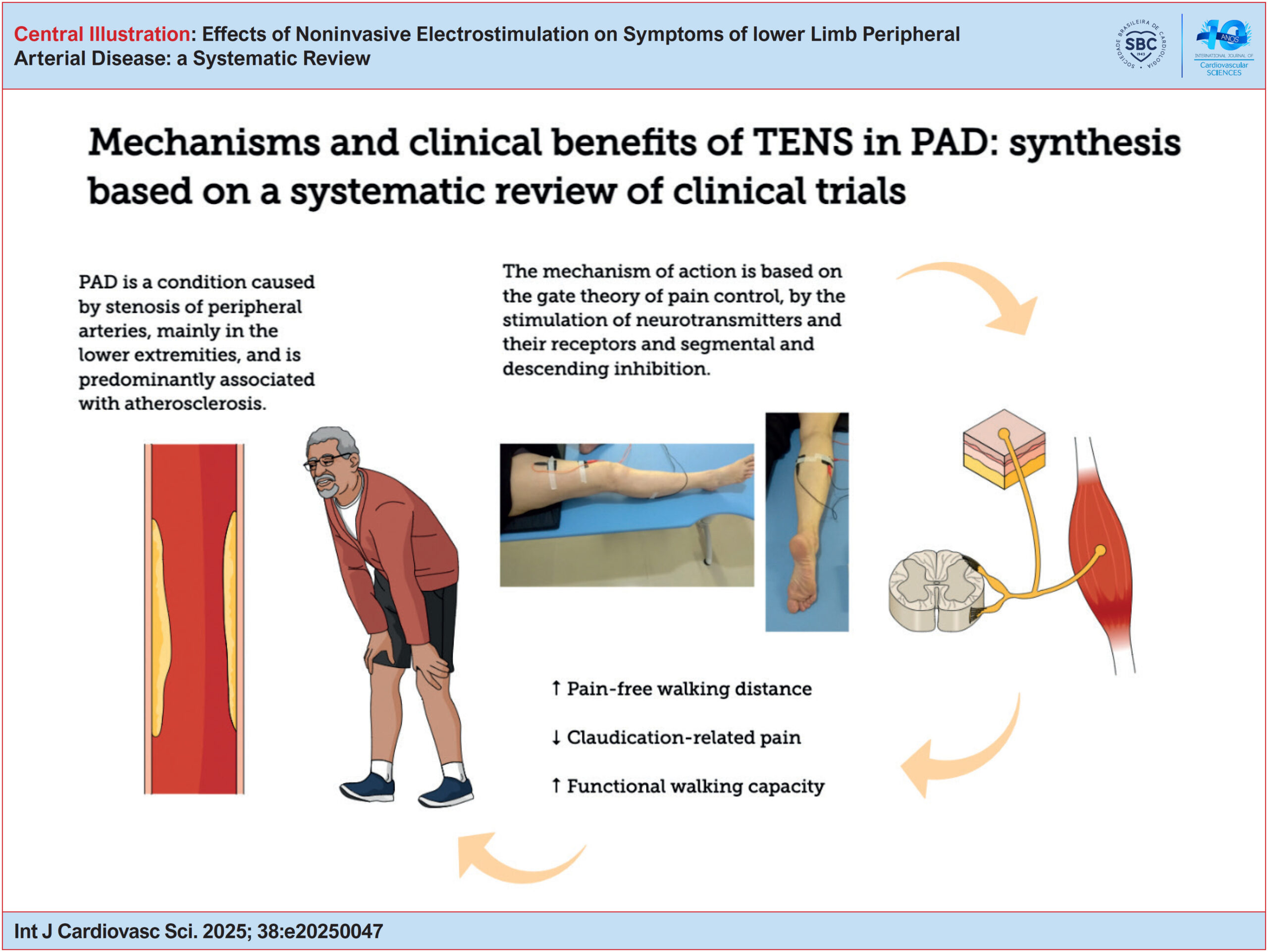
Effects of Noninvasive Electrostimulation on Symptoms of lower Limb Peripheral Arterial Disease: a Systematic Review

Ana Paula Ferreira et al. Ana Flávia Ferreira Plinio dos Santos Ramos Thiago Casali Rocha Djalma Rabelo Ricardo

Abstract

Background:

Peripheral arterial disease (PAD) is primarily characterized by intermittent claudication (IC), a symptom resulting from insufficient oxygen supply to skeletal muscles during physical activity. IC manifests as discomfort in the lower limbs during exertion due to muscle ischemia and is typically relieved by rest.

Objectives:

To evaluate the effects of noninvasive electrostimulation on walking distance and claudication-related pain in individuals with lower limb PAD.

Methods:

This systematic review was conducted in accordance with PRISMA guidelines. Clinical trials published in English, Portuguese, or Spanish were selected from the MedLine, PEDro, and SciELO databases up to December 2024. The search strategy was guided by the PICO framework, using descriptors related to “peripheral artery disease,” “intermittent claudication,” and “noninvasive electrostimulation.” Studies were included if they involved human participants diagnosed with PAD and presenting with Fontaine stage II intermittent claudication.

Results:

Seven clinical trials involving a total of 314 participants (mean age: 66.8 ± 3.6 years) were included. Four types of noninvasive electrostimulation were identified: neuromuscular electrical stimulation (NMES), transcutaneous electrical nerve stimulation (TENS), functional electrical stimulation (FES), and electroacupuncture. Most studies reported that electrostimulation improved both pain-free and maximum walking distances, as well as reduced claudication symptoms.

Conclusion:

Noninvasive electrostimulation appears to be a promising adjunctive therapy for individuals with peripheral arterial disease, offering potential benefits in symptom relief and walking capacity. Given its safety, low cost, and ease of application, this intervention may serve as a practical strategy to complement traditional treatment approaches. However, further high-quality clinical trials are needed to establish standardized protocols and optimize clinical outcomes.
  • Electrostimulation
  • Intermittent Claudication
  • Peripheral Arterial Disease
  • Transcutaneous Electrical Nerve Stimulation
Read Full Article
Creative Commons Attribution (CC BY) Creative Commons license
16/02/2026 DOI: 10.36660/ijcs.20250047 Views 4
ABC
Original Article

Physiological Responses to Maximal and Submaximal Walking in Patients with Symptomatic Peripheral Artery Disease

Marcel Chehuen et al. Aluisio Andrade-Lima Natan Silva Junior Roberto Miyasato … Rodrigo W. Alves de Souza Anthony Leicht Patricia Chakur Brum Edilamar M. Oliveira Nelson Wolosker Claudia Lucia de Moraes Forjaz

Abstract

Background:

Although maximal and submaximal walking are recommended for patients with peripheral artery disease (PAD), performing these exercises may induce different physiological responses.

Objectives:

To compare the acute effects of maximal and submaximal walking on post-exercise cardiovascular function, regulation, and associated pathophysiological processes in patients with symptomatic PAD.

Methods:

Thirty male patients underwent 2 sessions: maximal walking (Gardner’s protocol) and submaximal walking (15 bouts of 2 minutes of walking separated by 2 minutes of upright rest). In each session, blood pressure (BP), heart rate (HR), cardiac autonomic modulation (HR variability), forearm and calf blood flows (BF), vasodilatory capacity (reactive hyperemia), nitric oxide (NO), oxidative stress (lipid peroxidation), and inflammation (four markers) were measured pre- and post-walking. ANOVAs were employed, and p < 0.05 was considered significant.

Results:

Systolic and mean BP decreased after the submaximal session, but they increased after the maximal session (interactions, p 0.05), and it increased after maximal walking (interaction, p < 0.001). HR, sympathovagal balance, and BF increased similarly after both sessions (moment, p < 0.001, p = 0.04, and p 0.05). Vascular and intercellular adhesion molecules increased similarly after both maximal and submaximal walking sessions (moment, p = 0.001).

Conclusions:

In patients with symptomatic PAD, submaximal, but not maximal walking reduced post-exercise BP, while maximal walking maintained elevated cardiac overload during the recovery period. On the other hand, maximal and submaximal walking sessions similarly increased post-exercise HR, cardiac sympathovagal balance, and inflammation, while they did not change post-exercise NO bioavailability and oxidative stress.

  • Byomarkers
  • Hemodynamic Monitoring
  • Intermittent Claudication
  • Oxidative Stress
  • Peripheral Arterial Disease
  • walking
  • Walking Speed
Read Full Article
Creative Commons Attribution (CC BY) Creative Commons license
06/09/2021 DOI: 10.36660/abc.20200156 Views 2
ABC
Editorial

The Paradox of Exercise Intensity in Preventing Cardiovascular Events in Peripheral Arterial Occlusive Disease

Pablo de Souza et al. Cássio Perfete

Peripheral arterial disease (PAD) is characterized by narrowing of the arteries of the lower limbs due to atherosclerotic involvement. Its clinical manifestations go far beyond just a reduction in blood flow, leading to chronic ischemia. Current evidence shows that endothelial dysfunction, oxidative stress, arterial stiffness and inflammation also lead to functional impairment, consequently to patient decline.

All these factors end up impacting the quality of life of individuals, as it reduces their walking resistance, with intermittent claudication (IC) as the main symptom. Last but not least, we have also found progressive damage to muscle fibers caused by this chronic ischemia, further worsening the dysfunction of the skeletal muscle and metabolic morphology of the limb. This ends up creating an important barrier to the practice of physical activity, perpetuating and increasing the risk of cardiovascular events.–

[…]

  • Coronary Artery Disease
  • Exercise
  • Intermittent Claudication
  • Motor Activity
  • Rehabilitation
  • Risk Factors
  • walking
Read Full Article
Creative Commons Attribution (CC BY) Creative Commons license
06/09/2021 DOI: 10.36660/abc.20210595 Views 2
Figure 1
ABC
Original Article

Walking Training Improves Ambulatory Blood Pressure Variability in Claudication

Marcel da Rocha Chehuen et al. Gabriel Grizzo Cucato Celso Ricardo Fernandes de Carvalho Antonio Eduardo Zerati … Anthony Leicht Nelson Wolosker Raphael Mendes Ritti-Dias Claudia Lucia de Moraes Forjaz

Background:

Walking training (WT) improves walking capacity and reduces clinic blood pressure (BP) in patients with peripheral artery disease (PAD), but its effects on ambulatory BP remains unknown.

Objective:

To investigate the effect of 12 weeks of WT on ambulatory BP and its variability in patients with PAD.

Methods:

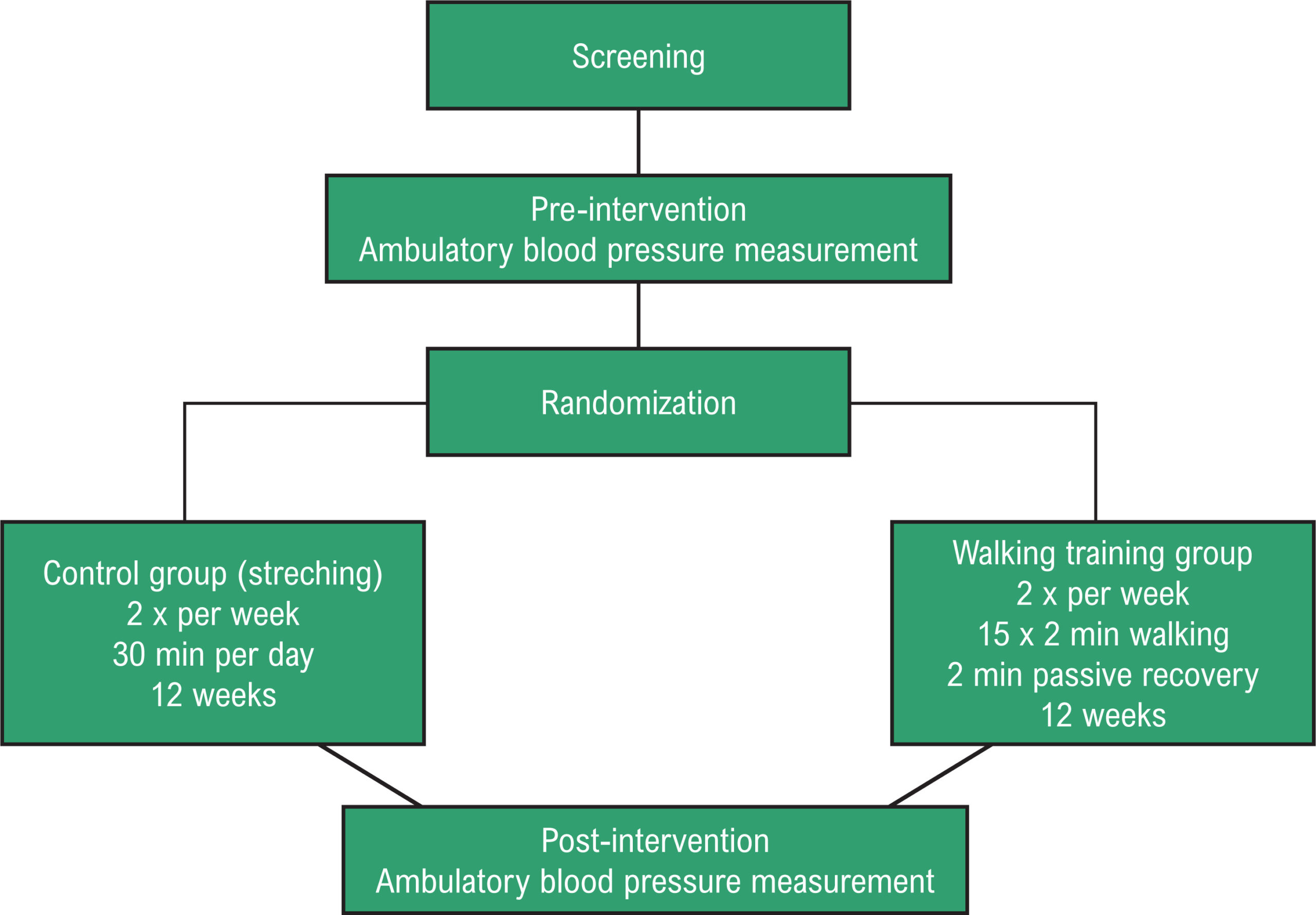
Thirty-five male patients with PAD and claudication symptoms were randomly allocated into two groups: control (n = 16, 30 min of stretching) and WT (n = 19, 15 bouts of 2 min of walking at the heart rate of leg pain threshold interspersed by 2 min of upright rest). Before and after 12 weeks, 24-hour ambulatory BP was assessed. Ambulatory BP variability indices assessed at both time points included the 24-hour standard deviation (SD24), the awake and asleep weighted standard deviation (SDdn), and the 24-hour average real variability (ARV24). Data were analyzed by mixed two-way ANOVAs, considering P<0.05 as significant.

Results:

After 12 weeks, neither group had significant changes in 24-hour, awake and sleep BPs. The WT decreased systolic and mean BP variabilities (Systolic BP – 13.3±2.8 vs 11.8±2.3, 12.1±2.84 vs 10.7±2.5 and 9.4±2.3 vs 8.8±2.2 mmHg); Mean BP – 11.0±1.7 vs 10.4±1.9, 10.1±1.6 vs 9.1±1.7 and 8.0.±1.7 vs 7.2±1.5 mmHg) for SD24, SDdn and ARV24, respectively). Neither group had significant changes in diastolic BP variabilities after 12 weeks.

Conclusions:

The WT does not change ambulatory BP levels but decreases ambulatory BP variability in patients with PAD. This improvement may have a favorable impact on the cardiovascular risk of patients with symptomatic PAD. (Arq Bras Cardiol. 2021; 116(5):898-905)

  • Blood Pressure
  • Blood Pressure Monitoring, Ambulatory
  • Endurance Training
  • Intermittent Claudication
  • Muscle Weakness
  • walking
Read Full Article
Creative Commons Attribution (CC BY) Creative Commons license
17/05/2021 DOI: 10.36660/abc.20190822 Views 1
Figure 1
ABC
Original Article

Exercise Intensity during 6-Minute Walk Test in Patients with Peripheral Artery Disease

Breno Quintella Farah et al. Raphael Mendes Ritti-Dias Polly Montgomery Gabriel Grizzo Cucato Andrew Gardner

Abstract

Background

Non-supervised ground walking has been recommended for patients with symptomatic peripheral artery disease (PAD). However, the magnitude of the effort required by this activity and the characteristics of patients whose ground walking is more intense are unclear.

Objectives

To determine whether ground walking exceeds the ventilatory threshold (VT), a recognized marker of exercise intensity, in patients with symptomatic PAD.

Methods

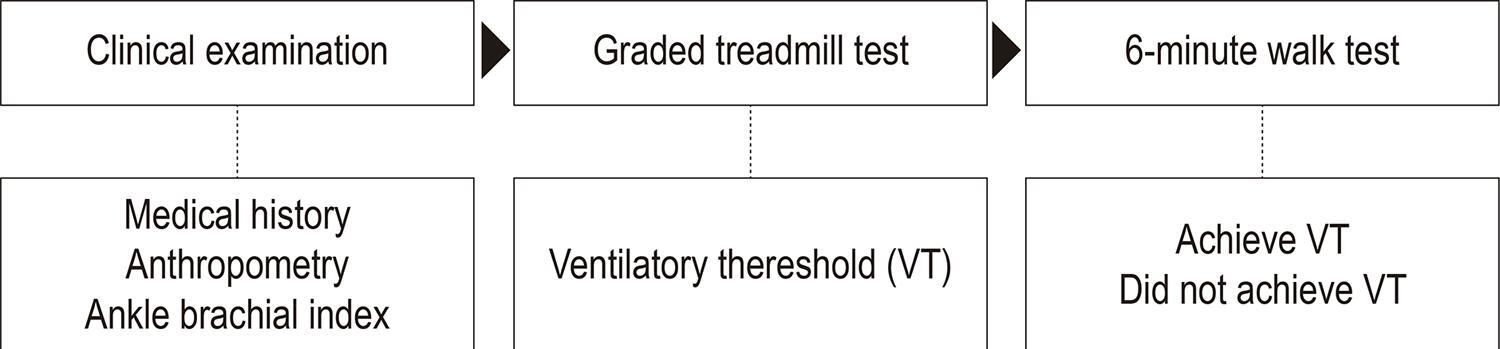
Seventy patients (61.4% male and aged 40 to 85 years old) with symptomatic PAD were recruited. Patients performed a graded treadmill test for VT determination. Then, they were submitted to a 6-minute walk test so the achievement of VT during ground ambulation could be identified. Multiple logistic regression was conducted to identify predictors of VT achievement during the 6-minute walk test. The significance level was set at p < 0.05 for all analyses.

Results

Sixty percent of patients achieved VT during the 6-minute walk test. Women (OR = 0.18 and 95%CI = 0.05 to 0.64) and patients with higher cardiorespiratory fitness (OR = 0.56 and 95%CI = 0.40 to 0.77) were less likely to achieve VT during ground walking compared to men and patients with lower cardiorespiratory fitness, respectively.

Conclusion

More than half of patients with symptomatic PAD achieved VT during the 6-minute walk test. Women and patients with higher cardiorespiratory fitness are less likely to achieve VT during the 6-minute walk test, which indicates that ground walking may be more intense for this group. This should be considered when prescribing ground walking exercise for these patients. (Arq Bras Cardiol. 2020; 114(3):486-492)

  • Exercise
  • Intermittent Claudication
  • Peripheral Arterial Disease/complications
  • Physical Exertion
  • Vital Capacity/physiology
  • Walk Test/methods
Read Full Article
Creative Commons Attribution (CC BY) Creative Commons license
06/04/2020 DOI: 10.36660/abc.20190053 Views 1
ABC
Editorial

Exercise and Six-Minute Walk Test in Lower Extremity Occlusive Peripheral Arterial Disease

Tales de Carvalho

The article “Exercise Intensity During 6-min Test in Patients with Peripheral Artery Disease” provides original, practically useful information to be considered in the diagnosis, prognosis and mainly in the functional assessment that allows a better prescription of physical exercise in the medical treatment of the disease. The study was conducted with the aim of determining whether overground walking would allows the detection of the first ventilatory threshold, also known as anaerobic threshold (AT), in symptomatic patients with lower extremity occlusive peripheral arterial disease (LE-OPAD). AT is a marker of exercise intensity, useful for the determination of the optimal zone for physical training focused on improvement in cardiorespiratory fitness.

LE-OPAD is an important public health problem. According to global epidemiology report, the disease affected 202 million individuals in 2010, and 237 million in 2015, with a 22% increase during this period. The association of OPAD with major cardiovascular events (MACE) has been well documented; in the severe stage of the disease, with presence of critical ischemia, there is a high risk of cardiovascular events, lower limb amputation and death, with association with elevated levels of cardiac troponin and N terminal pro-brain natriuretic peptide (NT-proBNP).

[…]

  • Anaerobic Threshold
  • Exercise
  • Intermittent Claudication
  • Peripheral Arterial Disease
  • Physical Activities of Daily Living
  • Walk Test
Read Full Article
Creative Commons Attribution (CC BY) Creative Commons license
06/04/2020 DOI: 10.36660/abc.20200068 Views 2
ABC
Editorial

Aspects of Non-Pharmacological Treatment in Peripheral Arterial Disease

Maria Janieire de N. Nunes Alves et al. Francis Ribeiro de Souza

Peripheral arterial disease (PAD) is one of the main atherosclerotic diseases in the elderly population which limits the performance of physical activity. Patients with PAD who have intermittent claudication may have gait impairment, which compromises daily living activities. In addition, these patients have other comorbidities that may increase cardiovascular risk., Regular exercise is a non-drug treatment recommended for the prevention and treatment of cardiovascular disease. On the other hand, maintaining adherence to a physical training program becomes a major challenge.

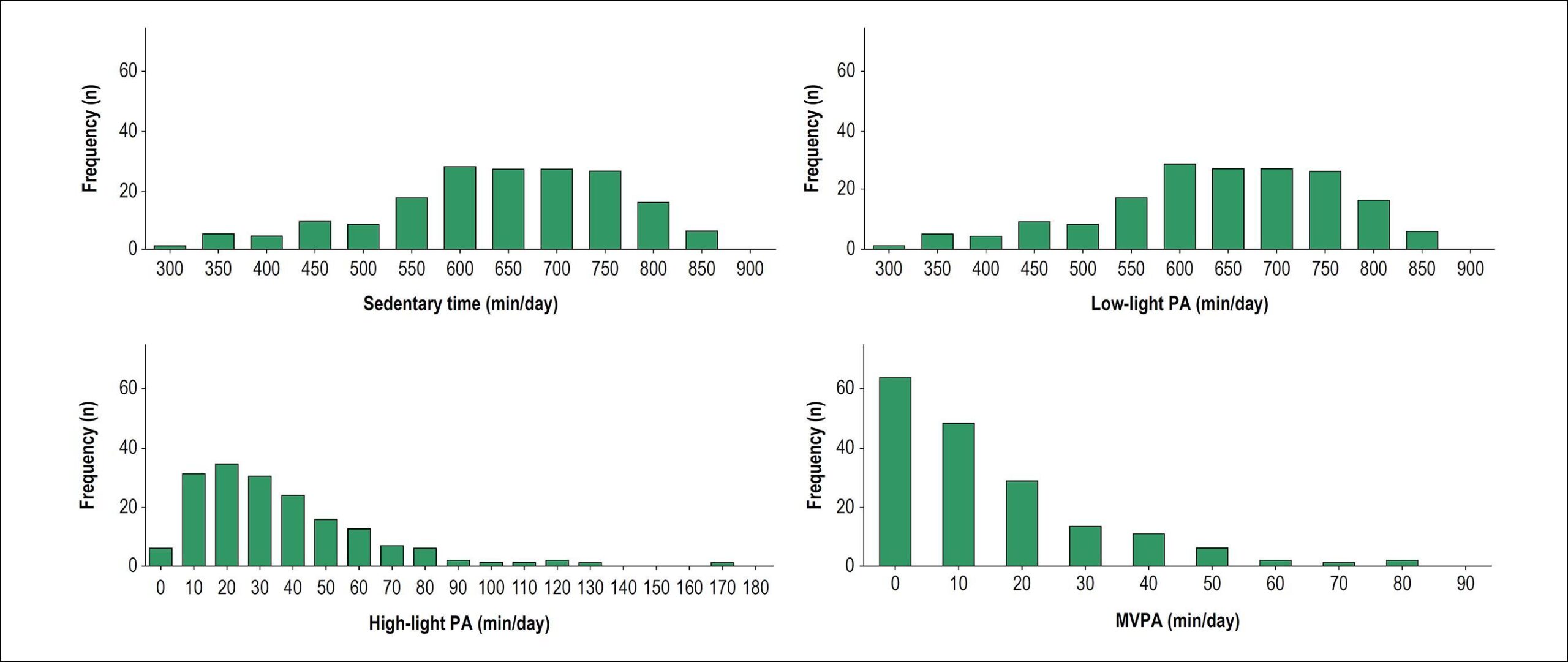
The present study exposes the physical activity pattern of patients with PAD and demonstrates the high rate of a sedentary lifestyle with aging. In fact, the disease itself leads to physical limitation, which in turn is also a worsening factor of the disease, since the recommendation of vigorous physical activity has therapeutic effects that contribute, in addition to the chronic use of arterial vasodilator drugs. In addition, chronic arterial vasodilation due to the use of medications may lead to reduced long-term peripheral flow, as arterial vasodilation promoted by medication further reduces perfusion pressure in the lower limb peripheral muscles and intensifies the low level of physical activity in patients with PAD, according to current physical activity recommendations.

[…]

  • Aged
  • Ankle Brachial Index
  • Exercise
  • Intermittent Claudication
  • Peripheral Arterial Disease/drug therapy
  • Peripheral Arterial Disease/physiopathology
  • Prevention and Control
Read Full Article
Creative Commons Attribution (CC BY) Creative Commons license
10/10/2019 DOI: 10.5935/abc.20190208 Views 1
Figure 1
ABC
Original Article

Physical Activity Levels in Peripheral Artery Disease Patients

Aline Mendes Gerage et al. Marilia de Almeida Correia Paulo Mesquita Longano de Oliveira Aline Cabral Palmeira … Wagner Jorge Ribeiro Domingues Antônio Eduardo Zeratti Pedro Puech-Leão Nelson Wolosker Raphael Mendes Ritti-Dias Gabriel Grizzo Cucato

Abstract

Background:

Increases in daily physical activity levels is recommended for patients with peripheral artery disease (PAD). However, despite this recommendation, little is known about the physical activity patterns of PAD patients.

Objective:

To describe the physical activity patterns of patients with symptomatic peripheral artery (PAD) disease.

Methods:

This cross-sectional study included 174 PAD patients with intermittent claudication symptoms. Patients were submitted to clinical, hemodynamic and functional evaluations. Physical activity was objectively measured by an accelerometer, and the time spent in sedentary, low-light, high-light and moderate-vigorous physical activities (MVPA) were obtained. Descriptive analysis was performed to summarize patient data and binary logistic regression was used to test the crude and adjusted associations between adherence to physical activity recommendation and sociodemographic and clinical factors. For all the statistical analyses, significance was accepted at p < 0.05.

Results:

Patients spent in average of 640 ± 121 min/day, 269 ± 94 min/day, 36 ± 27 min/day and 15 ± 16 min/day in sedentary, low-light, high-light and MVPA, respectively. The prevalence of patients who achieved physical activity recommendations was 3.4%. After adjustment for confounders, a significant inverse association was observed between adherence to physical activity recommendation and age (OR = 0.925; p = 0.004), while time of disease, ankle brachial index and total walking distance were not associated with this adherence criteria (p > 0.05).

Conclusion:

The patterns of physical activity of PAD patients are characterized by a large amount of time spent in sedentary behaviors and a low engagement in MVPA. Younger patients, regardless of the clinical and functional factors, were more likely to meet the current physical activity recommendations.

  • Exercise
  • Intermittent Claudication
  • Motor Activity
  • Peripheral Arterial Disease
  • Waling
Read Full Article
Creative Commons Attribution (CC BY) Creative Commons license
29/07/2019 DOI: 10.5935/abc.20190142 Views 2
Figure 1
IJCS
Case Report

Physical Exercise for Active Skin Ulceration Secondary to Peripheral Arterial Occlusive Disease

Jefferson Petto et al. Marvyn de Santana do Sacramento Fernanda Oliveira Baptista de Almeida Jorge Bomfim Frós de Farias Euvaldo de Almeida Rosa

Introduction

Peripheral arterial occlusive disease (PAOD) is a chronic, initially subclinical, and characteristically inflammatory disease that mainly affects the carotid arteries and lower limbs.,

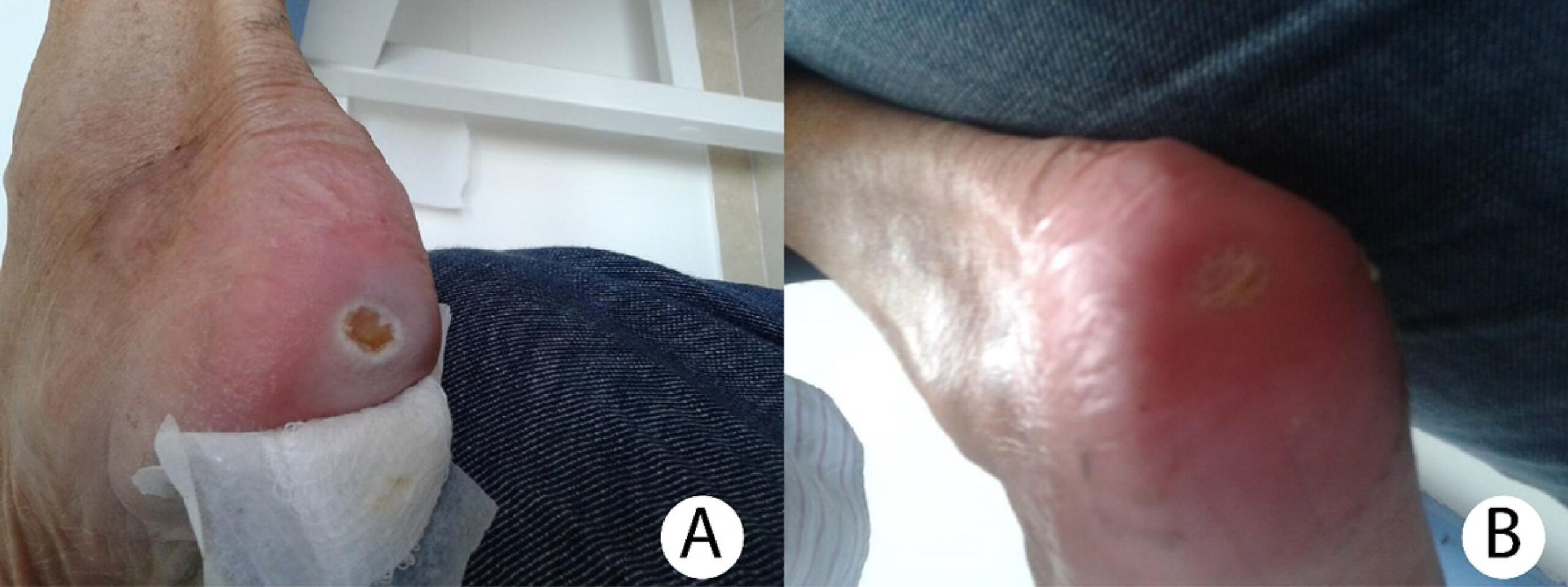
When in the lower limbs, it causes intermittent claudication, associated with a shortened leg gait, cyanotic extremities and decreased muscular force associated with sarcopenia below the obstruction site. At more advanced stages, it can cause ulcerations that are difficult to heal, due to the decrease in blood flow. The final stage of pathophysiology is completed with a trophic lesion and consequent amputation of the affected limb, leading to a decrease in the quality of life and to functional limitations in activities of daily living. This results in increased costs generated by the treatment and impaired productive capacity of these patients.,

[…]

  • Exercise
  • Intermittent Claudication
  • Peripheral Arterial Disease/complications
  • Risk Factors
  • Sarcopenia
  • Skin Ulcer/complications
Read Full Article
Creative Commons Attribution (CC BY) Creative Commons license
15/04/2019 DOI: 10.5935/2359-4802.20190021 Views 1
Figure 1
ABC
Original Article

Validation of a Brazilian Portuguese Version of the Walking Estimated-Limitation Calculated by History (WELCH)

Gabriel Grizzo Cucato et al. Marilia de Almeida Correia Breno Quintella Farah Glauco Fernandes Saes … Aluísio Henrique de Andrade Lima Raphael Mendes Ritti-Dias Nelson Wolosker

Abstract

Background:

The Walking Estimated-Limitation Calculated by History (WELCH) questionnaire has been proposed to evaluate walking impairment in patients with intermittent claudication (IC), presenting satisfactory psychometric properties. However, a Brazilian Portuguese version of the questionnaire is unavailable, limiting its application in Brazilian patients.

Objective:

To analyze the psychometric properties of a translated Brazilian Portuguese version of the WELCH in Brazilian patients with IC.

Methods:

Eighty-four patients with IC participated in the study. After translation and back-translation, carried out by two independent translators, the concurrent validity of the WELCH was analyzed by correlating the questionnaire scores with the walking capacity assessed with the Gardner treadmill test. To determine the reliability of the WELCH, internal consistency and test–retest reliability with a seven-day interval between the two questionnaire applications were calculated.

Results:

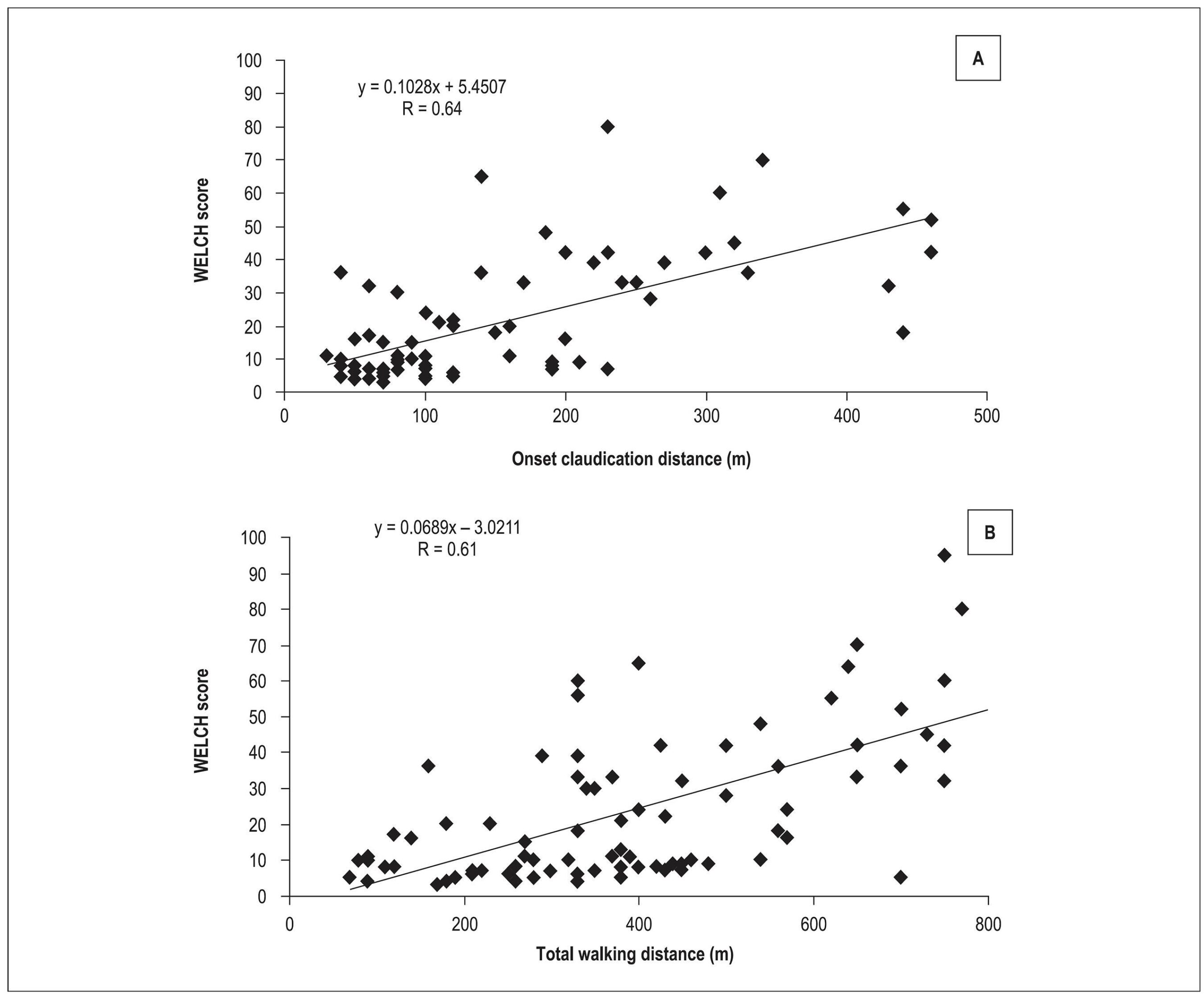
There were significant correlations between the WELCH score and the claudication onset distance (r = 0.64, p = 0.01) and total walking distance (r = 0.61, p = 0.01). The internal consistency was 0.84 and the intraclass correlation coefficient between questionnaire evaluations was 0.84. There were no differences in WELCH scores between the two questionnaire applications.

Conclusion:

The Brazilian Portuguese version of the WELCH presents adequate validity and reliability indicators, which support its application to Brazilian patients with IC.

  • Brazil
  • Disability Evaluation
  • Gait
  • Intermittent Claudication
  • Predictive Value of Tests
  • questionnaires
  • walking
Read Full Article
Creative Commons Attribution (CC BY) Creative Commons license
08/12/2015 DOI: 10.5935/abc.20160004 Views 2
Functional limitation and intermittent claudication: impact of blood pressure measurements
ABC
Artigo Original

Functional limitation and intermittent claudication: impact of blood pressure measurements

Rita de Cássia Gengo e Silva et al. Cassiana Rosa Galvão Giribela Nelson Wolosker Fernanda Marciano Consolim-Colombo

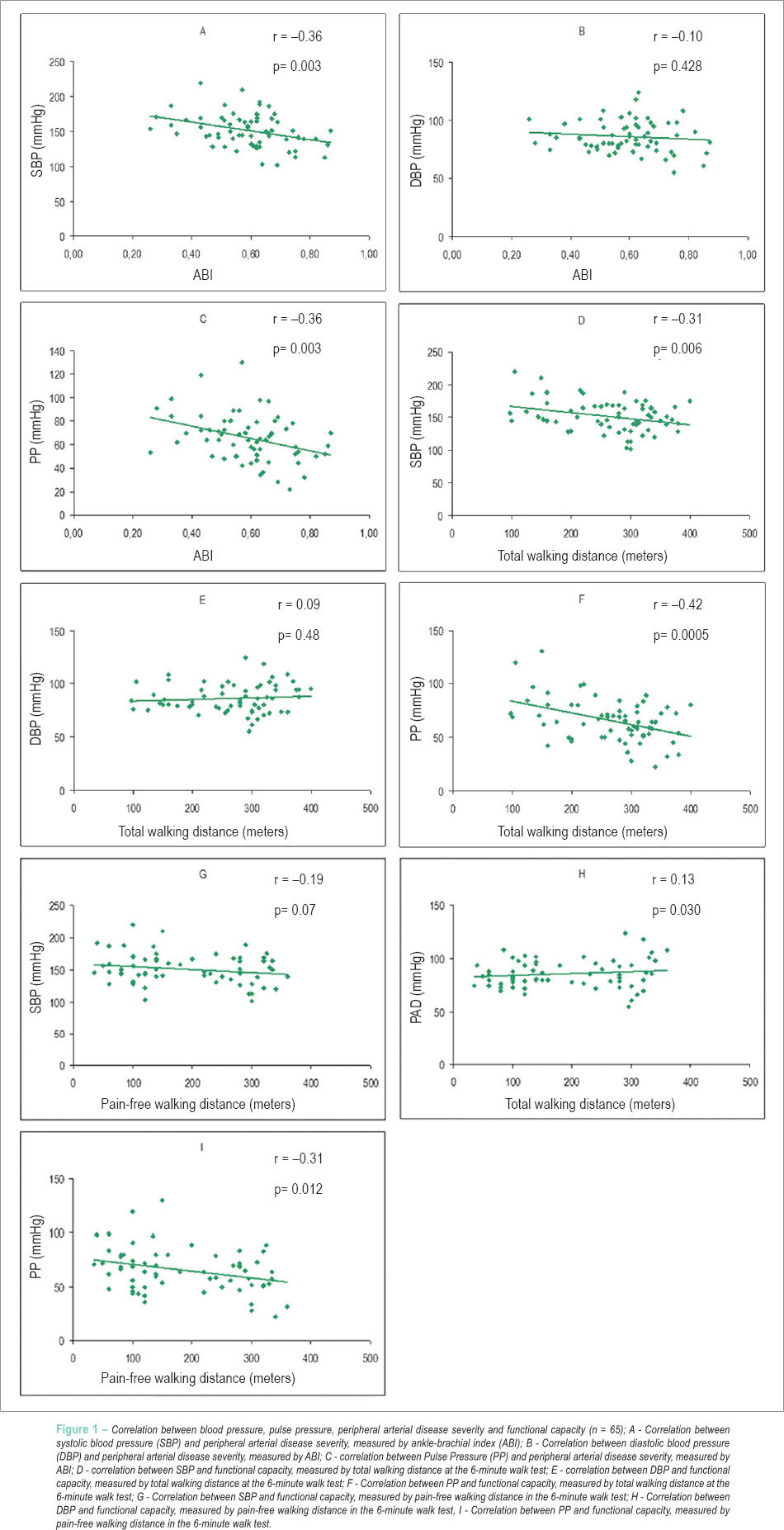
BACKGROUND: Arterial hypertension is an important risk factor for Lower-Limb Occlusive Arterial Disease (LLOAD). However, the correlation between blood pressure and pulse pressure (PP) with LLOAD severity and functional impairment resulting from this disease is not well established in the Brazilian population. OBJECTIVE: To verify whether there is a correlation between blood pressure, PP, LLOAD severity and functional capacity in patients with symptomatic LLOAD. METHODS: A total of 65 patients (62.2 + 8.1 years, 56.9% males) were evaluated. They were divided into two groups: normal (A) and high (B) blood pressure. LLOAD severity was assessed using the ankle-brachial index (ABI) and functional capacity by the total and pain-free walking distance at the 6-minute walking test (6MWT). RESULTS: Group A consisted of 17 (26.1%) patients. The systolic (SBP), diastolic blood pressure (DBP), and PP were, respectively, 125.4 ±11.7, 74.5 ± 9.1 and 50.9 ± 10.0 mmHg in group A and 160.7 ± 19.6, 90.0 ± 12.2 and 70.7 ± 20.2 mmHg in group B. The ABI was significantly lower in group B (0.66 ± 0.12 vs. 0.57 ± 0.13, p 40 mmHg walked shorter distances. CONCLUSION: SBP and PP significantly correlated with the distances walked in the 6MWT, suggesting they are clinical markers of functional capacity impairment in patients with symptomatic LLOAD.

  • Blood Pressure
  • Hypertension
  • Intermittent Claudication
  • Peripheral Arterial Disease
  • walking
Read Full Article
Creative Commons Attribution (CC BY) Creative Commons license
06/01/2012 DOI: 10.1590/S0066-782X2012005000001 Views 2
Cardiovascular responses during isokinetic muscle assessment in claudicant patients
ABC
Artigo Original

Cardiovascular responses during isokinetic muscle assessment in claudicant patients

Lucas Caseri Câmara et al. Raphael Mendes Ritti-Dias Claudia Lúcia de Moraes Forjaz Júlia Maria Greve … José Maria Santarém Wilson Jacob-Filho Pedro Puech-Leão Nelson Wolosker

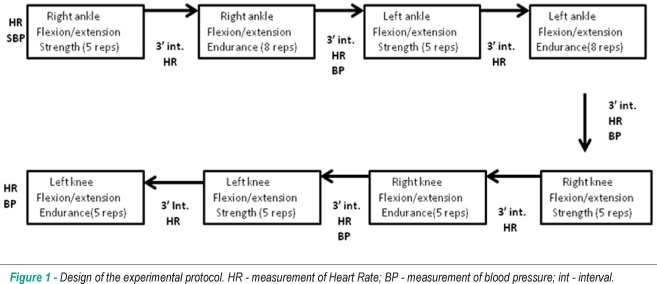
BACKGROUND: Isokinetic dynamometry is becoming increasingly important for the assessment of muscle function in individuals with intermittent claudication. However, there is still little information available about the cardiovascular responses of these patients during this type of assessment. OBJECTIVE: To assess and compare the cardiovascular responses recorded during the assessment of muscle strength and endurance for two exercises commonly used in patients with IC (plantar flexion/dorsiflexion and knee flexion/extension). METHODS: The sample consisted of 17 claudicant patients with stable disease for at least 6 months. During the isokinetic dynamometer testing, non-invasive measurements of heart rate, blood pressure and double product at rest and at peak exertion were obtained according to specific protocols established for muscle strength and endurance assessment. RESULTS: Except for diastolic blood pressure, heart rate, systolic blood pressure and double product values rose during the exercise compared to the resting stage (p < 0.05). Elevations in heart rate and double product values were higher during knee extension/flexion than during plantar flexion/dorsiflexion (p < 0.05). Increases in heart rate were also higher during the endurance assessment protocol than during muscle strength assessment. CONCLUSION: Isokinetic strength and endurance testing in patients with IC results in elevation of heart rate, systolic blood pressure and double product values during the exercises. These increases are higher during the muscle endurance exercises and in those involving greater muscle mass, suggesting that strength testing of small muscle groups causes less cardiovascular overload in these patients.

  • Exercise Test
  • Intermittent Claudication
  • Muscle Strength
  • muscle strength dynamometer
Read Full Article
Creative Commons Attribution (CC BY) Creative Commons license
12/11/2010 DOI: 10.1590/S0066-782X2010005000147 Views 1
ABC
Artigo Original

Translation and validation of the walking impairment questionnaire in Brazilian subjects with intermittent claudication

Raphael Mendes Ritti-Dias et al. Luis Alberto Gobbo Gabriel Grizzo Cucato Nelson Wolosker … Wilson Jacob Filho José Maria Santarém Celso Ricardo Fernandes Carvalho Cláudia Lúcia de Moraes Forjaz Maria de Fátima Nunes Marucci

BACKGROUND: The Walking Impairment Questionnaire (WIQ) has been used to evaluate walking impairment in subjects with intermittent claudication (IC). However, this questionnaire has yet to be translated to Brazilian Portuguese, which limits its use in Brazilian subjects. OBJECTIVE: To translate and analyze the validity and reliability of WIQ in Brazilian subjects with IC. METHODS: Forty-two patients with IC, determined by the ankle-brachial index < 0.90, participated in the study. After translation and re-translation, carried out by two independent translators, the construct validity of the WIQ was analyzed by correlating the WIQ scores with the Medical Outcome Study Questionnaire Short Form 36 (SF-36) scores and the physical fitness performance (treadmill and strength tests). The reliability was analyzed with a 7-day interval between two questionnaire applications. RESULTS: Significant correlations between the WIQ domains and the SF-36 (functional capacity, physical aspects, bodily pain and emotional aspects) and physical fitness performance (treadmill and strength tests) were observed. Moreover, the intraclass coefficient correlation ranged from 0.72 to 0.81, and there were no differences in WIQ scores between the two questionnaire applications. CONCLUSION: The Brazilian Portuguese version of the WIQ is valid and reliable to be used in Brazilian subjects with IC.

  • Exercise Tolerance
  • Intermittent Claudication
  • mobility limitation
  • Validation Studies
Read Full Article
Creative Commons Attribution (CC BY) Creative Commons license
06/04/2009 DOI: 10.1590/S0066-782X2009000200011 Views 2
Prevalence and risk factors associated with peripheral arterial disease in the hearts of Brazil project
ABC
Artigo Original

Prevalence and risk factors associated with peripheral arterial disease in the hearts of Brazil project

Marcia Makdisse et al. Alexandre da Costa Pereira David de Pádua Brasil Jairo Lins Borges … George Luiz Lins Machado-Coelho José Eduardo Krieger Raimundo Marques Nascimento Neto Antonio Carlos Palandri Chagas

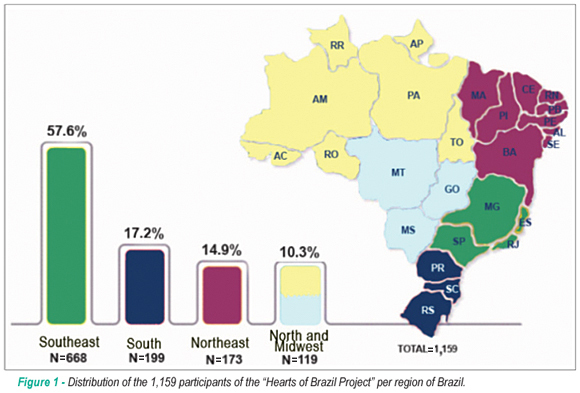
BACKGROUND: Peripheral arterial disease (PAD) is associated with increased cardiovascular risk. In Brazil, data on PAD prevalence and risk factors are scarce. OBJECTIVE: To assess prevalence and risk factors related to PAD in Brazilian urban centers with more than 100,000 inhabitants. METHODS: National, multicenter, cross-sectional study of 1,170 individuals (>18 years), from 72 major Brazilian urban centers participating in the “Hearts of Brazil Project”. PAD diagnosis was based on ankle-brachial index (ABI) < 0.90. The statistical analysis used the corrected Chi-square (Pearson) test for complex samples and confidence intervals. P< 0.05 was considered statitically significant. RESULTS: PAD prevalence was 10.5%. Intermittent claudication (IC) was present in only 9% of PAD patients. A significant association was found between PAD and the following factors: diabetes, total and abdominal obesity, stroke and ischemic heart disease (IHD). There was a trend of higher PAD prevalence among individuals with hypertension, heart failure, chronic renal failure on dialysis, as well as those who had smoked over 20 pack-years. For females, presence of IHD was associated with a 4.9-fold greater risk of PAD. Among males, a 6.6-fold increased risk of PAD was found for diabetic in comparison to non-diabetic individuals. CONCLUSION: PAD prevalence was markedly high, considering the low mean age of the studied population (44±14.7 yrs). IC was detected in a minority of PAD subjects, indicating a considerable number of asymptomatic individuals. Diabetes, obesity, stroke and IHD were the stronger predictors of PAD. The authors concluded that ABI measurement should be considered in the evaluation of moderate to high cardiovascular risk patients.

  • Arterial occlusive diseases
  • Brazil
  • Intermittent Claudication
  • Prevalence
  • Risk Factors
Read Full Article
Creative Commons Attribution (CC BY) Creative Commons license
05/01/2009 DOI: 10.1590/S0066-782X2008001800008 Views 1
Cross-cultural adaptation and validation of the Brazilian Portuguese version of the Edinburgh Claudication Questionnaire
ABC
Artigo Original

Cross-cultural adaptation and validation of the Brazilian Portuguese version of the Edinburgh Claudication Questionnaire

Marcia Makdisse et al. Raimundo Nascimento Neto Antonio Carlos Palandri Chagas David Brasil … Jairo Lins Borges Anderson Oliveira José Gordillo Gisele Balsalobre Luciana Crozariol Miriam Pinho Rafaela Oliveira Ana Fátima Salles

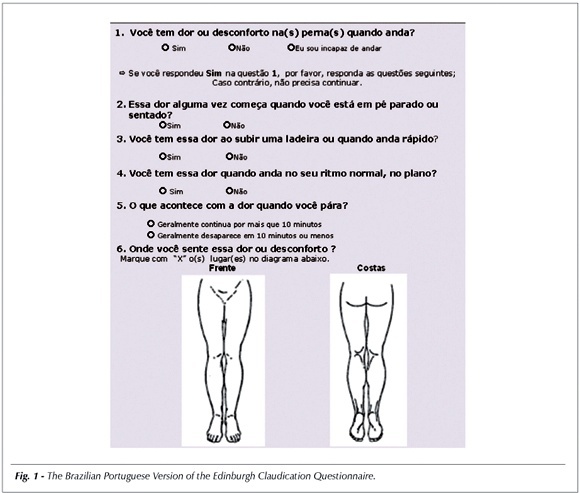
OBJECTIVE: Translation, cultural adaptation and validation of the Brazilian Portuguese version of the Edinburgh Claudication Questionnaire (ECQ) a specific tool to assess intermittent claudication. METHODS: The Brazilian Portuguese version of the ECQ was developed after authorization by the University of Edinburgh. It was applied to 217 individuals: São Paulo Capital District residents with complaints of leg pain. Individuals under research were invited through mass communication media to participate in the I Campaign to Fight Peripheral Arterial Disease (PAD). In stage 1, participants filled out the ECQ and another questionnaire on risk factors and cardiovascular history. In stage 2, participants had anthropometric measures and ankle-brachial index (ABI) at rest measured by vascular Doppler. In case of doubt, vascular treadmill test was applied (VTT). PAD condition was defined by ABI 65 years) and non-elderly subjects. CONCLUSION: The Brazilian Portuguese version of the Edinburgh claudication questionnaire maintained good sensitivity and specificity and can be recommended for screening of PAD in clinical practice and epidemiological research in Brazil.

  • Intermittent Claudication
  • questionaire
  • transcultural adaptation
  • translating
Read Full Article
Creative Commons Attribution (CC BY) Creative Commons license
15/06/2007 DOI: 10.1590/S0066-782X2007000500001
The Bambuí health and aging study (BHAS). Prevalence of intermittent claudication in the aged population of the community of Bambuí and its associated factors
ABC
Original Article

The Bambuí health and aging study (BHAS). Prevalence of intermittent claudication in the aged population of the community of Bambuí and its associated factors

Valéria Maria de Azeredo Passos et al. Sandhi Maria Barreto Henrique Leonardo Guerra Josélia Oliveira Araújo Firmo … Pedro Guatimosim Vidigal Maria Fernanda Furtado Lima-Costa

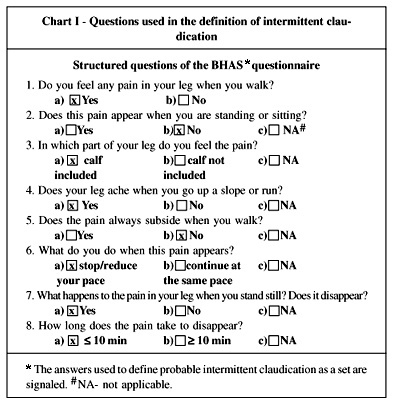
OBJECTIVE: To assess the prevalence of intermittent claudication in the aged population of Bambuí, Brazil, and to identify the factors associated with this disease. METHODS: Population-based cross-sectional study of the aged population ( > or = 60 years of age) of Bambuí. Participants were interviewed and examined, after written consent. Intermittent claudication was defined based on a standardized questionnaire. Analysis was performed using multiple logistic regression. RESULTS: Of the 1,742 elderly living in Bambuí, 1,485 (85.2%) were enrolled in the study. Thirty-seven individuals (2.5%) with intermittent claudication were identified: 28 (1.9%) males and 9 (0.6%) females. Their age brackets were: 16 (1.08%) individuals between 60 and 69 years of age, 17 (1.15%) between 70 and 79 years, and 4 (0.27%) > or = 80 years. A significant association between intermittent claudication and the following characteristics was found: male sex (OR=5.1; CI 2.4-11.0), smokers (OR=3.1; CI 1.2-8.5), ex-smokers (OR=3.4; CI 1.3-8.7), and more than 2 hospital admissions in the last 12 months (OR=2.8; CI 1.1-7.2). CONCLUSION: Disease prevalence was similar to that of other countries. The association between intermittent claudication and smoking strengthens the significance of tobacco in peripheral artery disease pathogenesis. The association of intermittent claudication and a higher number of hospital admissions suggests greater morbidity in the elderly affected.

  • Elderly
  • Intermittent Claudication
  • peripheral obstructive arterial disease
  • Prevalence
Read Full Article
Creative Commons Attribution (CC BY) Creative Commons license
31/01/2007 DOI: 10.1590/S0066-782X2001001100006 Views 1

How to cite this article

EndNote RIS

Electronic Document Format (Vancouver)

Ferreira AP, Ferreira AF, Ramos PS, Rocha TC, Ricardo DR. Effects of Noninvasive Electrostimulation on Symptoms of lower Limb Peripheral Arterial Disease: a Systematic Review. International Journal of Cardiovascular Sciences 2026;38:e20250047.

Electronic Document Format (ABNT)

Ferreira, Ana Paula; Ferreira, Ana Flávia; Ramos, Plinio dos Santos; Rocha, Thiago Casali; Ricardo, Djalma Rabelo. Effects of Noninvasive Electrostimulation on Symptoms of lower Limb Peripheral Arterial Disease: a Systematic Review. International Journal of Cardiovascular Sciences, v. 38, e20250047, Feb. 2026.

Electronic Document Format (APA)

Ferreira, A. P., Ferreira, A. F., Ramos, P. S., Rocha, T. C., & Ricardo, D. R. (2026). Effects of Noninvasive Electrostimulation on Symptoms of lower Limb Peripheral Arterial Disease: a Systematic Review. International Journal of Cardiovascular Sciences, 38, e20250047.

Electronic Document Format (ISO)

Ferreira, Ana Paula and Ferreira, Ana Flávia and Ramos, Plinio dos Santos and Rocha, Thiago Casali and Ricardo, Djalma Rabelo. Effects of Noninvasive Electrostimulation on Symptoms of lower Limb Peripheral Arterial Disease: a Systematic Review. International Journal of Cardiovascular Sciences [online]. 2026, vol. 38, [cited 2026-10-14], e20250047. Available from: <https://journals.cardiol.br/en/article/effects-of-noninvasive-electrostimulation-on-symptoms-of-lower-limb-peripheral-arterial-disease-a-systematic-review/>. ISSN 2359-4802

EndNote RIS

Electronic Document Format (Vancouver)

Chehuen M, Andrade-Lima A, Silva Junior N, Miyasato R, Souza RWA, Leicht A, Brum PC, et al. Physiological Responses to Maximal and Submaximal Walking in Patients with Symptomatic Peripheral Artery Disease. Arquivos Brasileiros de Cardiologia 2021;117(2):309-16.

Electronic Document Format (ABNT)

Chehuen, Marcel; Andrade-Lima, Aluisio; Silva Junior, Natan; Miyasato, Roberto; Souza, Rodrigo W. Alves de; Leicht, Anthony; Brum, Patricia Chakur; Oliveira, Edilamar M.; Wolosker, Nelson; Forjaz, Claudia Lucia de Moraes. Physiological Responses to Maximal and Submaximal Walking in Patients with Symptomatic Peripheral Artery Disease. Arquivos Brasileiros de Cardiologia, v. 117, n. 2, p. 309-316, Sep. 2021.

Electronic Document Format (APA)

Chehuen, M., Andrade-Lima, A., Silva Junior, N., Miyasato, R., Souza, R. W. A. , Leicht, A., Brum, P. C., Oliveira, E. M., Wolosker, N., & Forjaz, C. L. M. (2021). Physiological Responses to Maximal and Submaximal Walking in Patients with Symptomatic Peripheral Artery Disease. Arquivos Brasileiros de Cardiologia, 117(2), 309-316.

Electronic Document Format (ISO)

Chehuen, Marcel and Andrade-Lima, Aluisio and Silva Junior, Natan and Miyasato, Roberto and Souza, Rodrigo W. Alves de and Leicht, Anthony and Brum, Patricia Chakur and Oliveira, Edilamar M. and Wolosker, Nelson and Forjaz, Claudia Lucia de Moraes. Physiological Responses to Maximal and Submaximal Walking in Patients with Symptomatic Peripheral Artery Disease. Arquivos Brasileiros de Cardiologia [online]. 2021, vol. 117, n. 2, [cited 2026-10-14], pp. 309-316. Available from: <https://journals.cardiol.br/en/article/physiological-responses-to-maximal-and-submaximal-walking-in-patients-with-symptomatic-peripheral-artery-disease/>. ISSN 0066-782X

EndNote RIS

Electronic Document Format (Vancouver)

Souza P, Perfete C. The Paradox of Exercise Intensity in Preventing Cardiovascular Events in Peripheral Arterial Occlusive Disease. Arquivos Brasileiros de Cardiologia 2021;117(2):317-8.

Electronic Document Format (ABNT)

Souza, Pablo de; Perfete, Cássio. The Paradox of Exercise Intensity in Preventing Cardiovascular Events in Peripheral Arterial Occlusive Disease. Arquivos Brasileiros de Cardiologia, v. 117, n. 2, p. 317-318, Sep. 2021.

Electronic Document Format (APA)

Souza, P. , & Perfete, C. (2021). The Paradox of Exercise Intensity in Preventing Cardiovascular Events in Peripheral Arterial Occlusive Disease. Arquivos Brasileiros de Cardiologia, 117(2), 317-318.

Electronic Document Format (ISO)

Souza, Pablo de and Perfete, Cássio. The Paradox of Exercise Intensity in Preventing Cardiovascular Events in Peripheral Arterial Occlusive Disease. Arquivos Brasileiros de Cardiologia [online]. 2021, vol. 117, n. 2, [cited 2026-10-14], pp. 317-318. Available from: <https://journals.cardiol.br/en/article/the-paradox-of-exercise-intensity-in-preventing-cardiovascular-events-in-peripheral-arterial-occlusive-disease/>. ISSN 0066-782X

EndNote RIS

Electronic Document Format (Vancouver)

Chehuen MR, Cucato GG, Carvalho CRF, Zerati AE, Leicht A, Wolosker N, Ritti-Dias RM, et al. Walking Training Improves Ambulatory Blood Pressure Variability in Claudication. Arquivos Brasileiros de Cardiologia 2021;116(5):898-905.

Electronic Document Format (ABNT)

Chehuen, Marcel da Rocha; Cucato, Gabriel Grizzo; Carvalho, Celso Ricardo Fernandes de; Zerati, Antonio Eduardo; Leicht, Anthony; Wolosker, Nelson; Ritti-Dias, Raphael Mendes; Forjaz, Claudia Lucia de Moraes. Walking Training Improves Ambulatory Blood Pressure Variability in Claudication. Arquivos Brasileiros de Cardiologia, v. 116, n. 5, p. 898-905, May. 2021.

Electronic Document Format (APA)

Chehuen, M. R., Cucato, G. G., Carvalho, C. R. F. , Zerati, A. E., Leicht, A., Wolosker, N., Ritti-Dias, R. M., & Forjaz, C. L. M. (2021). Walking Training Improves Ambulatory Blood Pressure Variability in Claudication. Arquivos Brasileiros de Cardiologia, 116(5), 898-905.

Electronic Document Format (ISO)

Chehuen, Marcel da Rocha and Cucato, Gabriel Grizzo and Carvalho, Celso Ricardo Fernandes de and Zerati, Antonio Eduardo and Leicht, Anthony and Wolosker, Nelson and Ritti-Dias, Raphael Mendes and Forjaz, Claudia Lucia de Moraes. Walking Training Improves Ambulatory Blood Pressure Variability in Claudication. Arquivos Brasileiros de Cardiologia [online]. 2021, vol. 116, n. 5, [cited 2026-10-14], pp. 898-905. Available from: <https://journals.cardiol.br/en/article/walking-training-improves-ambulatory-blood-pressure-variability-in-claudication/>. ISSN 0066-782X

EndNote RIS

Electronic Document Format (Vancouver)

Farah BQ, Ritti-Dias RM, Montgomery P, Cucato GG, Gardner A. Exercise Intensity during 6-Minute Walk Test in Patients with Peripheral Artery Disease. Arquivos Brasileiros de Cardiologia 2020;114(3):486-92.

Electronic Document Format (ABNT)

Farah, Breno Quintella; Ritti-Dias, Raphael Mendes; Montgomery, Polly; Cucato, Gabriel Grizzo; Gardner, Andrew. Exercise Intensity during 6-Minute Walk Test in Patients with Peripheral Artery Disease. Arquivos Brasileiros de Cardiologia, v. 114, n. 3, p. 486-492, Apr. 2020.

Electronic Document Format (APA)

Farah, B. Q., Ritti-Dias, R. M., Montgomery, P., Cucato, G. G., & Gardner, A. (2020). Exercise Intensity during 6-Minute Walk Test in Patients with Peripheral Artery Disease. Arquivos Brasileiros de Cardiologia, 114(3), 486-492.

Electronic Document Format (ISO)

Farah, Breno Quintella and Ritti-Dias, Raphael Mendes and Montgomery, Polly and Cucato, Gabriel Grizzo and Gardner, Andrew. Exercise Intensity during 6-Minute Walk Test in Patients with Peripheral Artery Disease. Arquivos Brasileiros de Cardiologia [online]. 2020, vol. 114, n. 3, [cited 2026-10-14], pp. 486-492. Available from: <https://journals.cardiol.br/en/article/exercise-intensity-during-6-minute-walk-test-in-patients-with-peripheral-artery-disease/>. ISSN 0066-782X

EndNote RIS

Electronic Document Format (Vancouver)

Carvalho T. Exercise and Six-Minute Walk Test in Lower Extremity Occlusive Peripheral Arterial Disease. Arquivos Brasileiros de Cardiologia 2020;114(3):493-5.

Electronic Document Format (ABNT)

Carvalho, Tales de. Exercise and Six-Minute Walk Test in Lower Extremity Occlusive Peripheral Arterial Disease. Arquivos Brasileiros de Cardiologia, v. 114, n. 3, p. 493-495, Apr. 2020.

Electronic Document Format (APA)

Carvalho, T. (2020). Exercise and Six-Minute Walk Test in Lower Extremity Occlusive Peripheral Arterial Disease. Arquivos Brasileiros de Cardiologia, 114(3), 493-495.

Electronic Document Format (ISO)

Carvalho, Tales de. Exercise and Six-Minute Walk Test in Lower Extremity Occlusive Peripheral Arterial Disease. Arquivos Brasileiros de Cardiologia [online]. 2020, vol. 114, n. 3, [cited 2026-10-14], pp. 493-495. Available from: <https://journals.cardiol.br/en/article/exercise-and-six-minute-walk-test-in-lower-extremity-occlusive-peripheral-arterial-disease/>. ISSN 0066-782X

EndNote RIS

Electronic Document Format (Vancouver)

Alves MJNN, Souza FR. Aspects of Non-Pharmacological Treatment in Peripheral Arterial Disease. Arquivos Brasileiros de Cardiologia 2019;113(3):417-8.

Electronic Document Format (ABNT)

Alves, Maria Janieire de N. Nunes; Souza, Francis Ribeiro de. Aspects of Non-Pharmacological Treatment in Peripheral Arterial Disease. Arquivos Brasileiros de Cardiologia, v. 113, n. 3, p. 417-418, Oct. 2019.

Electronic Document Format (APA)

Alves, M. J. N. N., & Souza, F. R. (2019). Aspects of Non-Pharmacological Treatment in Peripheral Arterial Disease. Arquivos Brasileiros de Cardiologia, 113(3), 417-418.

Electronic Document Format (ISO)

Alves, Maria Janieire de N. Nunes and Souza, Francis Ribeiro de. Aspects of Non-Pharmacological Treatment in Peripheral Arterial Disease. Arquivos Brasileiros de Cardiologia [online]. 2019, vol. 113, n. 3, [cited 2026-10-14], pp. 417-418. Available from: <https://journals.cardiol.br/en/article/aspects-of-non-pharmacological-treatment-in-peripheral-arterial-disease/>. ISSN 0066-782X

EndNote RIS

Electronic Document Format (Vancouver)

Gerage AM, Correia MA, Oliveira PML, Palmeira AC, Domingues WJR, Zeratti AE, Puech-Leão P, et al. Physical Activity Levels in Peripheral Artery Disease Patients. Arquivos Brasileiros de Cardiologia 2019;113(3):410-6.

Electronic Document Format (ABNT)

Gerage, Aline Mendes; Correia, Marilia de Almeida; Oliveira, Paulo Mesquita Longano de; Palmeira, Aline Cabral; Domingues, Wagner Jorge Ribeiro; Zeratti, Antônio Eduardo; Puech-Leão, Pedro; Wolosker, Nelson; Ritti-Dias, Raphael Mendes; Cucato, Gabriel Grizzo. Physical Activity Levels in Peripheral Artery Disease Patients. Arquivos Brasileiros de Cardiologia, v. 113, n. 3, p. 410-416, Jul. 2019.

Electronic Document Format (APA)

Gerage, A. M., Correia, M. A., Oliveira, P. M. L. , Palmeira, A. C., Domingues, W. J. R., Zeratti, A. E., Puech-Leão, P., Wolosker, N., Ritti-Dias, R. M., & Cucato, G. G. (2019). Physical Activity Levels in Peripheral Artery Disease Patients. Arquivos Brasileiros de Cardiologia, 113(3), 410-416.

Electronic Document Format (ISO)

Gerage, Aline Mendes and Correia, Marilia de Almeida and Oliveira, Paulo Mesquita Longano de and Palmeira, Aline Cabral and Domingues, Wagner Jorge Ribeiro and Zeratti, Antônio Eduardo and Puech-Leão, Pedro and Wolosker, Nelson and Ritti-Dias, Raphael Mendes and Cucato, Gabriel Grizzo. Physical Activity Levels in Peripheral Artery Disease Patients. Arquivos Brasileiros de Cardiologia [online]. 2019, vol. 113, n. 3, [cited 2026-10-14], pp. 410-416. Available from: <https://journals.cardiol.br/en/article/physical-activity-levels-in-peripheral-artery-disease-patients/>. ISSN 0066-782X

EndNote RIS

Electronic Document Format (Vancouver)

Petto J, Sacramento MS, Almeida FOB, Farias JBF, Rosa EA. Physical Exercise for Active Skin Ulceration Secondary to Peripheral Arterial Occlusive Disease. International Journal of Cardiovascular Sciences 2019;32(6):645-9.

Electronic Document Format (ABNT)

Petto, Jefferson; Sacramento, Marvyn de Santana do; Almeida, Fernanda Oliveira Baptista de; Farias, Jorge Bomfim Frós de; Rosa, Euvaldo de Almeida. Physical Exercise for Active Skin Ulceration Secondary to Peripheral Arterial Occlusive Disease. International Journal of Cardiovascular Sciences, v. 32, n. 6, p. 645-649, Apr. 2019.

Electronic Document Format (APA)

Petto, J., Sacramento, M. S. , Almeida, F. O. B. , Farias, J. B. F. , & Rosa, E. A. (2019). Physical Exercise for Active Skin Ulceration Secondary to Peripheral Arterial Occlusive Disease. International Journal of Cardiovascular Sciences, 32(6), 645-649.

Electronic Document Format (ISO)

Petto, Jefferson and Sacramento, Marvyn de Santana do and Almeida, Fernanda Oliveira Baptista de and Farias, Jorge Bomfim Frós de and Rosa, Euvaldo de Almeida. Physical Exercise for Active Skin Ulceration Secondary to Peripheral Arterial Occlusive Disease. International Journal of Cardiovascular Sciences [online]. 2019, vol. 32, n. 6, [cited 2026-10-14], pp. 645-649. Available from: <https://journals.cardiol.br/en/article/physical-exercise-for-active-skin-ulceration-secondary-to-peripheral-arterial-occlusive-disease/>. ISSN 2359-4802

EndNote RIS

Electronic Document Format (Vancouver)

Cucato GG, Correia MA, Farah BQ, Saes GF, Lima AHA, Ritti-Dias RM, Wolosker N, et al. Validation of a Brazilian Portuguese Version of the Walking Estimated-Limitation Calculated by History (WELCH). Arquivos Brasileiros de Cardiologia 2015;106(1):49-55.

Electronic Document Format (ABNT)

Cucato, Gabriel Grizzo; Correia, Marilia de Almeida; Farah, Breno Quintella; Saes, Glauco Fernandes; Lima, Aluísio Henrique de Andrade; Ritti-Dias, Raphael Mendes; Wolosker, Nelson. Validation of a Brazilian Portuguese Version of the Walking Estimated-Limitation Calculated by History (WELCH). Arquivos Brasileiros de Cardiologia, v. 106, n. 1, p. 49-55, Dec. 2015.

Electronic Document Format (APA)

Cucato, G. G., Correia, M. A., Farah, B. Q., Saes, G. F., Lima, A. H. A., Ritti-Dias, R. M., & Wolosker, N. (2015). Validation of a Brazilian Portuguese Version of the Walking Estimated-Limitation Calculated by History (WELCH). Arquivos Brasileiros de Cardiologia, 106(1), 49-55.

Electronic Document Format (ISO)

Cucato, Gabriel Grizzo and Correia, Marilia de Almeida and Farah, Breno Quintella and Saes, Glauco Fernandes and Lima, Aluísio Henrique de Andrade and Ritti-Dias, Raphael Mendes and Wolosker, Nelson. Validation of a Brazilian Portuguese Version of the Walking Estimated-Limitation Calculated by History (WELCH). Arquivos Brasileiros de Cardiologia [online]. 2015, vol. 106, n. 1, [cited 2026-10-14], pp. 49-55. Available from: <https://journals.cardiol.br/en/article/validation-of-a-brazilian-portuguese-version-of-the-walking-estimated-limitation-calculated-by-history-welch/>. ISSN 0066-782X

EndNote RIS

Electronic Document Format (Vancouver)

Silva RCG, Giribela CRG, Wolosker N, Consolim-Colombo FM. Functional limitation and intermittent claudication: impact of blood pressure measurements. Arquivos Brasileiros de Cardiologia 2012;98(2):161-6.

Electronic Document Format (ABNT)

Silva, Rita de Cássia Gengo e; Giribela, Cassiana Rosa Galvão; Wolosker, Nelson; Consolim-Colombo, Fernanda Marciano. Functional limitation and intermittent claudication: impact of blood pressure measurements. Arquivos Brasileiros de Cardiologia, v. 98, n. 2, p. 161-166, Jan. 2012.

Electronic Document Format (APA)

Silva, R. C. G. , Giribela, C. R. G., Wolosker, N., & Consolim-Colombo, F. M. (2012). Functional limitation and intermittent claudication: impact of blood pressure measurements. Arquivos Brasileiros de Cardiologia, 98(2), 161-166.

Electronic Document Format (ISO)

Silva, Rita de Cássia Gengo e and Giribela, Cassiana Rosa Galvão and Wolosker, Nelson and Consolim-Colombo, Fernanda Marciano. Functional limitation and intermittent claudication: impact of blood pressure measurements. Arquivos Brasileiros de Cardiologia [online]. 2012, vol. 98, n. 2, [cited 2026-10-14], pp. 161-166. Available from: <https://journals.cardiol.br/en/article/functional-limitation-and-intermittent-claudication-impact-of-blood-pressure-measurements/>. ISSN 0066-782X

EndNote RIS

Electronic Document Format (Vancouver)

Câmara LC, Ritti-Dias RM, Forjaz CLM, Greve JM, Santarém JM, Jacob-Filho W, Puech-Leão P, et al. Cardiovascular responses during isokinetic muscle assessment in claudicant patients. Arquivos Brasileiros de Cardiologia 2010;95(5):571-6.

Electronic Document Format (ABNT)

Câmara, Lucas Caseri; Ritti-Dias, Raphael Mendes; Forjaz, Claudia Lúcia de Moraes; Greve, Júlia Maria; Santarém, José Maria; Jacob-Filho, Wilson; Puech-Leão, Pedro; Wolosker, Nelson. Cardiovascular responses during isokinetic muscle assessment in claudicant patients. Arquivos Brasileiros de Cardiologia, v. 95, n. 5, p. 571-576, Nov. 2010.

Electronic Document Format (APA)

Câmara, L. C., Ritti-Dias, R. M., Forjaz, C. L. M., Greve, J. M., Santarém, J. M., Jacob-Filho, W., Puech-Leão, P., & Wolosker, N. (2010). Cardiovascular responses during isokinetic muscle assessment in claudicant patients. Arquivos Brasileiros de Cardiologia, 95(5), 571-576.

Electronic Document Format (ISO)

Câmara, Lucas Caseri and Ritti-Dias, Raphael Mendes and Forjaz, Claudia Lúcia de Moraes and Greve, Júlia Maria and Santarém, José Maria and Jacob-Filho, Wilson and Puech-Leão, Pedro and Wolosker, Nelson. Cardiovascular responses during isokinetic muscle assessment in claudicant patients. Arquivos Brasileiros de Cardiologia [online]. 2010, vol. 95, n. 5, [cited 2026-10-14], pp. 571-576. Available from: <https://journals.cardiol.br/en/article/cardiovascular-responses-during-isokinetic-muscle-assessment-in-claudicant-patients/>. ISSN 0066-782X

EndNote RIS

Electronic Document Format (Vancouver)

Ritti-Dias RM, Gobbo LA, Cucato GG, Wolosker N, Jacob Filho W, Santarém JM, Carvalho CRF, et al. Translation and validation of the walking impairment questionnaire in Brazilian subjects with intermittent claudication. Arquivos Brasileiros de Cardiologia 2009;92(2):143-9.

Electronic Document Format (ABNT)

Ritti-Dias, Raphael Mendes; Gobbo, Luis Alberto; Cucato, Gabriel Grizzo; Wolosker, Nelson; Jacob Filho, Wilson; Santarém, José Maria; Carvalho, Celso Ricardo Fernandes; Forjaz, Cláudia Lúcia de Moraes; Marucci, Maria de Fátima Nunes. Translation and validation of the walking impairment questionnaire in Brazilian subjects with intermittent claudication. Arquivos Brasileiros de Cardiologia, v. 92, n. 2, p. 143-149, Apr. 2009.

Electronic Document Format (APA)

Ritti-Dias, R. M., Gobbo, L. A., Cucato, G. G., Wolosker, N., Jacob Filho, W., Santarém, J. M., Carvalho, C. R. F., Forjaz, C. L. M., & Marucci, M. F. N. (2009). Translation and validation of the walking impairment questionnaire in Brazilian subjects with intermittent claudication. Arquivos Brasileiros de Cardiologia, 92(2), 143-149.

Electronic Document Format (ISO)

Ritti-Dias, Raphael Mendes and Gobbo, Luis Alberto and Cucato, Gabriel Grizzo and Wolosker, Nelson and Jacob Filho, Wilson and Santarém, José Maria and Carvalho, Celso Ricardo Fernandes and Forjaz, Cláudia Lúcia de Moraes and Marucci, Maria de Fátima Nunes. Translation and validation of the walking impairment questionnaire in Brazilian subjects with intermittent claudication. Arquivos Brasileiros de Cardiologia [online]. 2009, vol. 92, n. 2, [cited 2026-10-14], pp. 143-149. Available from: <https://journals.cardiol.br/en/article/translation-and-validation-of-the-walking-impairment-questionnaire-in-brazilian-subjects-with-intermittent-claudication/>. ISSN 0066-782X

EndNote RIS

Electronic Document Format (Vancouver)

Makdisse M, Pereira AC, Brasil DP, Borges JL, Machado-Coelho GLL, Krieger JE, Nascimento Neto RM, et al. Prevalence and risk factors associated with peripheral arterial disease in the hearts of Brazil project. Arquivos Brasileiros de Cardiologia 2009;91(6):402-14.

Electronic Document Format (ABNT)

Makdisse, Marcia; Pereira, Alexandre da Costa; Brasil, David de Pádua; Borges, Jairo Lins; Machado-Coelho, George Luiz Lins; Krieger, José Eduardo; Nascimento Neto, Raimundo Marques; Chagas, Antonio Carlos Palandri. Prevalence and risk factors associated with peripheral arterial disease in the hearts of Brazil project. Arquivos Brasileiros de Cardiologia, v. 91, n. 6, p. 402-414, Jan. 2009.

Electronic Document Format (APA)

Makdisse, M., Pereira, A. C., Brasil, D. P., Borges, J. L., Machado-Coelho, G. L. L., Krieger, J. E., Nascimento Neto, R. M., & Chagas, A. C. P. (2009). Prevalence and risk factors associated with peripheral arterial disease in the hearts of Brazil project. Arquivos Brasileiros de Cardiologia, 91(6), 402-414.

Electronic Document Format (ISO)

Makdisse, Marcia and Pereira, Alexandre da Costa and Brasil, David de Pádua and Borges, Jairo Lins and Machado-Coelho, George Luiz Lins and Krieger, José Eduardo and Nascimento Neto, Raimundo Marques and Chagas, Antonio Carlos Palandri. Prevalence and risk factors associated with peripheral arterial disease in the hearts of Brazil project. Arquivos Brasileiros de Cardiologia [online]. 2009, vol. 91, n. 6, [cited 2026-10-14], pp. 402-414. Available from: <https://journals.cardiol.br/en/article/prevalence-and-risk-factors-associated-with-peripheral-arterial-disease-in-the-hearts-of-brazil-project/>. ISSN 0066-782X

EndNote RIS

Electronic Document Format (Vancouver)

Makdisse M, Nascimento Neto R, Chagas ACP, Brasil D, Borges JL, Oliveira A, Gordillo J, et al. Cross-cultural adaptation and validation of the Brazilian Portuguese version of the Edinburgh Claudication Questionnaire. Arquivos Brasileiros de Cardiologia 2007;88(5):501-6.

Electronic Document Format (ABNT)

Makdisse, Marcia; Nascimento Neto, Raimundo; Chagas, Antonio Carlos Palandri; Brasil, David; Borges, Jairo Lins; Oliveira, Anderson; Gordillo, José; Balsalobre, Gisele; Crozariol, Luciana; Pinho, Miriam; Oliveira, Rafaela; Salles, Ana Fátima. Cross-cultural adaptation and validation of the Brazilian Portuguese version of the Edinburgh Claudication Questionnaire. Arquivos Brasileiros de Cardiologia, v. 88, n. 5, p. 501-506, Jun. 2007.

Electronic Document Format (APA)

Makdisse, M., Nascimento Neto, R., Chagas, A. C. P., Brasil, D., Borges, J. L., Oliveira, A., Gordillo, J., Balsalobre, G., Crozariol, L., Pinho, M., Oliveira, R., & Salles, A. F. (2007). Cross-cultural adaptation and validation of the Brazilian Portuguese version of the Edinburgh Claudication Questionnaire. Arquivos Brasileiros de Cardiologia, 88(5), 501-506.

Electronic Document Format (ISO)

Makdisse, Marcia and Nascimento Neto, Raimundo and Chagas, Antonio Carlos Palandri and Brasil, David and Borges, Jairo Lins and Oliveira, Anderson and Gordillo, José and Balsalobre, Gisele and Crozariol, Luciana and Pinho, Miriam and Oliveira, Rafaela and Salles, Ana Fátima. Cross-cultural adaptation and validation of the Brazilian Portuguese version of the Edinburgh Claudication Questionnaire. Arquivos Brasileiros de Cardiologia [online]. 2007, vol. 88, n. 5, [cited 2026-10-14], pp. 501-506. Available from: <https://journals.cardiol.br/en/article/cross-cultural-adaptation-and-validation-of-the-brazilian-portuguese-version-of-the-edinburgh-claudication-questionnaire/>. ISSN 0066-782X

EndNote RIS

Electronic Document Format (Vancouver)

Passos VMA, Barreto SM, Guerra HL, Firmo JOA, Vidigal PG, Lima-Costa MFF. The Bambuí health and aging study (BHAS). Prevalence of intermittent claudication in the aged population of the community of Bambuí and its associated factors. Arquivos Brasileiros de Cardiologia 2007;77(5):458-62.

Electronic Document Format (ABNT)

Passos, Valéria Maria de Azeredo; Barreto, Sandhi Maria; Guerra, Henrique Leonardo; Firmo, Josélia Oliveira Araújo; Vidigal, Pedro Guatimosim; Lima-Costa, Maria Fernanda Furtado. The Bambuí health and aging study (BHAS). Prevalence of intermittent claudication in the aged population of the community of Bambuí and its associated factors. Arquivos Brasileiros de Cardiologia, v. 77, n. 5, p. 458-462, Jan. 2007.

Electronic Document Format (APA)

Passos, V. M. A., Barreto, S. M., Guerra, H. L., Firmo, J. O. A., Vidigal, P. G., & Lima-Costa, M. F. F. (2007). The Bambuí health and aging study (BHAS). Prevalence of intermittent claudication in the aged population of the community of Bambuí and its associated factors. Arquivos Brasileiros de Cardiologia, 77(5), 458-462.

Electronic Document Format (ISO)

Passos, Valéria Maria de Azeredo and Barreto, Sandhi Maria and Guerra, Henrique Leonardo and Firmo, Josélia Oliveira Araújo and Vidigal, Pedro Guatimosim and Lima-Costa, Maria Fernanda Furtado. The Bambuí health and aging study (BHAS). Prevalence of intermittent claudication in the aged population of the community of Bambuí and its associated factors. Arquivos Brasileiros de Cardiologia [online]. 2007, vol. 77, n. 5, [cited 2026-10-14], pp. 458-462. Available from: <https://journals.cardiol.br/en/article/the-bambui-health-and-aging-study-bhas-prevalence-of-intermittent-claudication-in-the-aged-population-of-the-community-of-bambui-and-its-associated-factors/>. ISSN 0066-782X

  • About ABC Family
  • Internal Regulation
  • Editorial Board
  • Brazilian Society of Cardiology (SBC)

Issues

SBC Guidelines

  • Videos
  • Podcasts
  • News