ABC Family Arquivos Brasileiros de Cardiologia International Journal of Cardiovascular Sciences ABC Heart Failure & Cardiomyopathy ABC Imagem Cardiovascular
Português English
ABC Family
Português English
  • About
    • About ABC Family
    • Internal Regulation
    • Editorial Board
    • Brazilian Society of Cardiology (SBC)
  • Issues
  • SBC Guidelines
  • Content
    • Videos
    • Podcasts
    • News
  • About
    • About ABC Family
    • Internal Regulation
    • Editorial Board
    • Brazilian Society of Cardiology (SBC)
  • Issues
  • SBC Guidelines
  • Content
    • Videos
    • Podcasts
    • News

ABC Family

  • ABC Family
  • Arquivos Brasileiros de Cardiologia
  • International Journal of Cardiovascular Sciences
  • ABC Heart Failure & Cardiomyopathy
  • ABC Imagem Cardiovascular
Search in

No content found.

Journals
Ordering
Article types
Others

  1. Home
  2. Keyword: Defibrillators, Implantable
Prognostic Evaluation of Microvolt T-Wave Alternans in Hypertrophic Cardiomyopathy: 9-year Clinical Follow-up
ABC
Original Article

Prognostic Evaluation of Microvolt T-Wave Alternans in Hypertrophic Cardiomyopathy: 9-year Clinical Follow-up

Murillo Oliveira Antunes et al. Edmundo Arteaga-Fernandez Nelson Samesima Horácio Gomes Pereira Filho … Afonso Yoshikiro Matsumoto Richard L. Verrier Carlos Alberto Pastore Charles Mady

Abstract

Background:

Sudden cardiac death (SCD) resulting from ventricular arrhythmia is the main complication of hypertrophic cardiomyopathy (HCM). Microvolt T-wave alternans (MTWA) is associated with the occurrence of ventricular arrhythmias in several heart diseases, but its role in HCM remains uncertain.

Objective:

To evaluate the association of MTWA with the occurrence of SCD or potentially fatal ventricular arrhythmias in HCM patients in a long-term follow-up.

Methods:

Patients diagnosed with HCM and NYHA functional class I-II were consecutively selected. At the beginning of the follow-up, the participants performed the MTWA evaluation using the modified moving average during the stress test. The results were classified as altered or normal. The composite endpoint of SCD, ventricular fibrillation, sustained ventricular tachycardia (SVT) or appropriate implantable cardiac defibrillation (ICD) therapy was assessed. The level of significance was set at 5%.

Results:

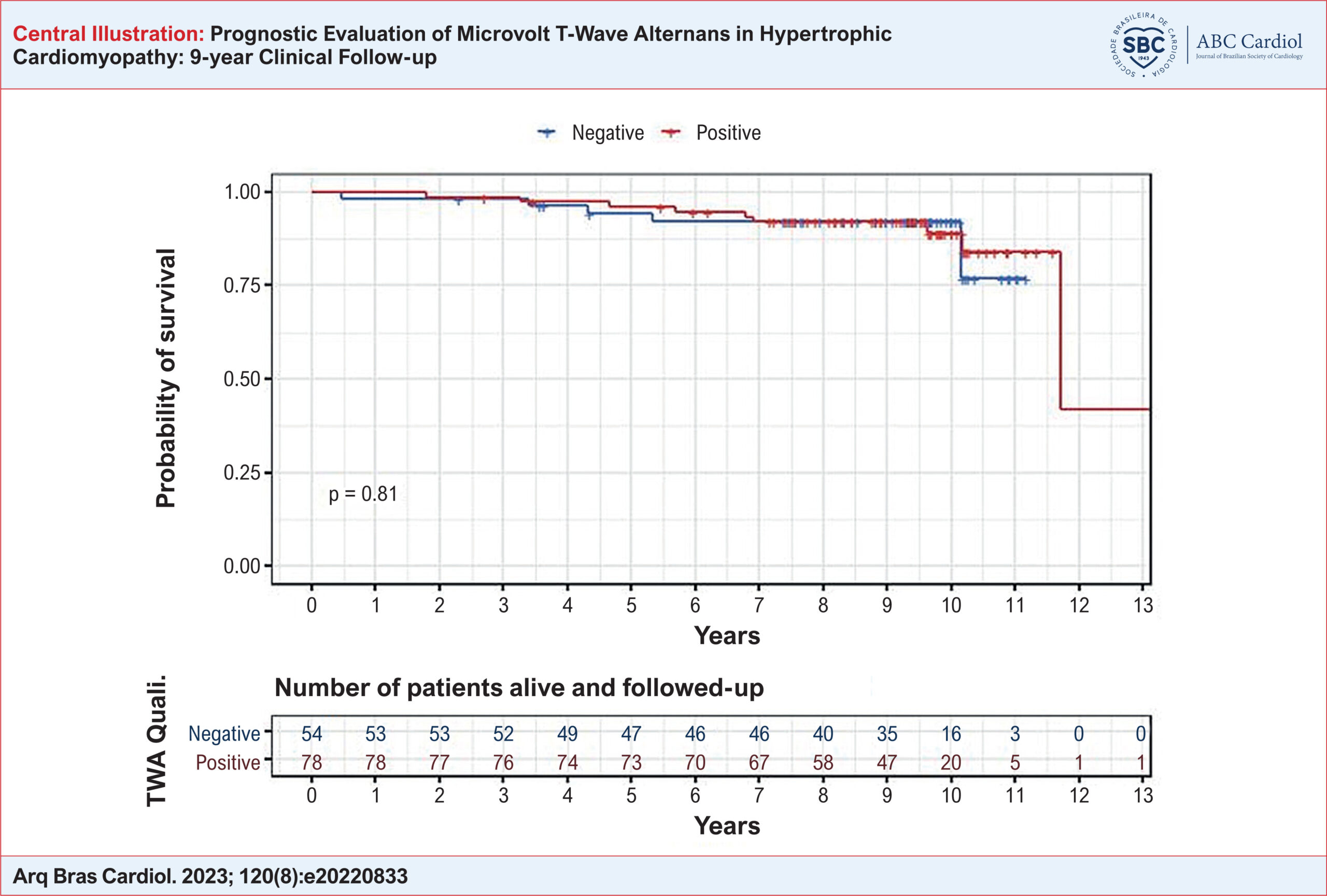
A total of 132 patients (mean age of 39.5 ± 12.6 years) were recruited and followed for a mean of 9.5 years. The MTWA test was altered in 74 (56%) participants and normal in 58 (44%). Nine events (6.8%) occurred during the follow-up, with a prevalence of 1.0%/year – six SCDs, two appropriate ICD shocks and one episode of (SVT). Altered MTWA was associated with non-sustained ventricular tachycardia on Holter (p = 0.016), septal thickness ≥30 mm (p < 0.001) and inadequate blood pressure response to effort (p = 0.046). Five patients with altered MTWA (7%) and four patients with normal MTWA (7%) had the primary outcome [OR = 0.85 (95% CI: 0.21 – 3.35, p=0.83)]. Kaplan-Meir event curves showed no differences between normal and altered MTWA.

Conclusion:

Altered MTWA was not associated with the occurrence of SCD or potentially fatal ventricular arrhythmias in HCM patients, and the low rate of these events during long-term follow-up suggests the good prognosis of this heart disease.
  • Arrhythmias Cardiac
  • Cardiomyopathy, Hypertrophic
  • Death, Sudden
  • Defibrillators, Implantable
Read Full Article
Creative Commons Attribution (CC BY) Creative Commons license
04/09/2023 DOI: 10.36660/abc.20220833 Views 1
IJCS
Original Article

Favorable Safety Experience of Local Dental Anesthesia in ICD Recipients with Cardiac Channelopathies

Ana Carolina Guimarães Oliveira et al. Itamara Lucia Itagiba Neves Luciana Sacilotto Natália Quintella Sangiorgi Olivetti … Savia Christina Pereira Bueno Gabrielle D’Arezzo Pessente Marcela Alves dos Santos-Paul Tânia Cristina Pedroso Montano Cíntia Maria Alencar de Carvalho Cesar José Grupi Sílvio Alves Barbosa Carlos Alberto Pastore Nelson Samesima Tan Chen Wu Denise Tessariol Hachul Maurício Ibrahim Scanavacca Ricardo Simões Neves Francisco Carlos da Costa Darrieux

Abstract

Background

Dental anesthetic management in implantable cardioverter defibrillator (ICD) recipients with cardiac channelopathies (CCh) can be challenging due to the potential risk of life-threatening arrhythmias and appropriate ICD therapies during procedural time.

Objectives

The present study assessed the hypothesis that the use of local dental anesthesia with 2% lidocaine with 1:100,000 epinephrine or without a vasoconstrictor can be safe in selected ICD and CCh patients, not resulting in life-threatening events (LTE).

Methods

Restorative dental treatment under local dental anesthesia was made in two sessions, with a wash-out period of 7 days (cross-over trial), conducting with a 28h – Holter monitoring, and 12-lead electrocardiography, digital sphygmomanometry, and anxiety scale assessments in 3 time periods. Statistical analysis carried out the paired Student’s t test and the Wilcoxon signed-rank test. In all cases, a significance level of 5% was adopted. All patients were in stable condition with no recent events before dental care.

Results

Twenty-four consecutive procedures were performed in 12 patients (9 women, 3 men) with CCh and ICD: 7 (58.3%) had long QT syndrome (LQTS), 4 (33.3%) Brugada syndrome (BrS), and 1 (8.3%) Catecholaminergic polymorphic ventricular tachycardia (CPVT). Holter analysis showed no increased heart rate (HR) or sustained arrhythmias. Blood pressure (BP), electrocardiographic changes and anxiety measurement showed no statistically significant differences. No LTE occurred during dental treatment, regardless of the type of anesthesia.

Conclusion

Lidocaine administration, with or without epinephrine, can be safely used in selected CCh-ICD patients without LTE. These preliminary findings need to be confirmed in a larger population with ICD and CCh.

  • Anesthesia, Dental/methods
  • Channelopathies, Epinephrine
  • Defibrillators, Implantable
  • Lidocaine
Read Full Article
Creative Commons Attribution (CC BY) Creative Commons license
03/04/2023 DOI: 10.36660/ijcs.20200312 Views 1
Figure 1
ABC
Review Article

Pacemaker Reuse in Portuguese Speaking Countries: A Clinical Reflection

Neiberg de Alcantara Lima et al. Eduardo Arrais Rocha Albertino Damasceno Ieda Prata Costa … José Ribeiro Bunda Ricardo Fernando Jorge Lopes Luis Dias Miryan Bandeira dos Prazeres Cassandra Soares Eric Puroll Kim A. Eagle Thomas C. Crawford

Abstract

There is a gap between high-income countries and others in terms of access to medical cardiac devices, such as pacemakers and implantable cardioverter defibrillators. Costs are one of the main barriers to the use of cardiac devices in these countries. There are international initiatives that aim to reduce the gap. The reuse of pacemakers has been discussed as a possible alternative to this problem. The concept of reusing pacemakers is not new; however, recent studies have proven to be safe, ethical, and effective for those who need cardiac implantable electronic devices and cannot afford them. Part of the Portuguese-speaking countries, especially in Africa, need an immediate response that benefits their countless patients who suffer from treatable arrhythmias.

  • Cardiac Pacing Artificial/trends
  • Defibrillators, Implantable
  • Health Status Disparities
  • Pacemaker, Artificial
  • Public Health,Administration
Read Full Article
Creative Commons Attribution (CC BY) Creative Commons license
13/03/2023 DOI: 10.36660/abc.20210941 Views 1
Figure 1
ABC
Original Article

Defibrillation Threshold Testing and Long-term Follow-up in Chagas Disease

Marco Paulo Cunha Campos et al. Luiz Fernando Gouveia Bernardes João Paulo Chaves de Melo Lucas Corsino dos Santos … Cristiano Honório Ribeiro Teixeira Maria Licia Ribeiro Cury Pavão Elerson Arfelli Adilson Scorzoni Filho Anis Rassi Jr José A. Marin-Neto André Schmidt

Abstract

Background

Sudden cardiac death is the most common cause of death in chronic Chagas cardiomyopathy (CCC). Because most CCC patients who are candidates for implantable cardioverter-defibrillators (ICD) meet criteria for high defibrillation threshold values, a defibrillator threshold test (DTT) is suggested.

Objectives

We investigated the use of DTT in CCC patients, focusing on deaths related to ICD and arrhythmic events, as well as treatment during long-term follow-up.

Methods

We retrospectively evaluated 133 CCC patients who received an ICD mainly for secondary prevention. Demographic, clinical, laboratory data, Rassi score, and DTT data were collected, with p < 0.05 considered significant.

Results

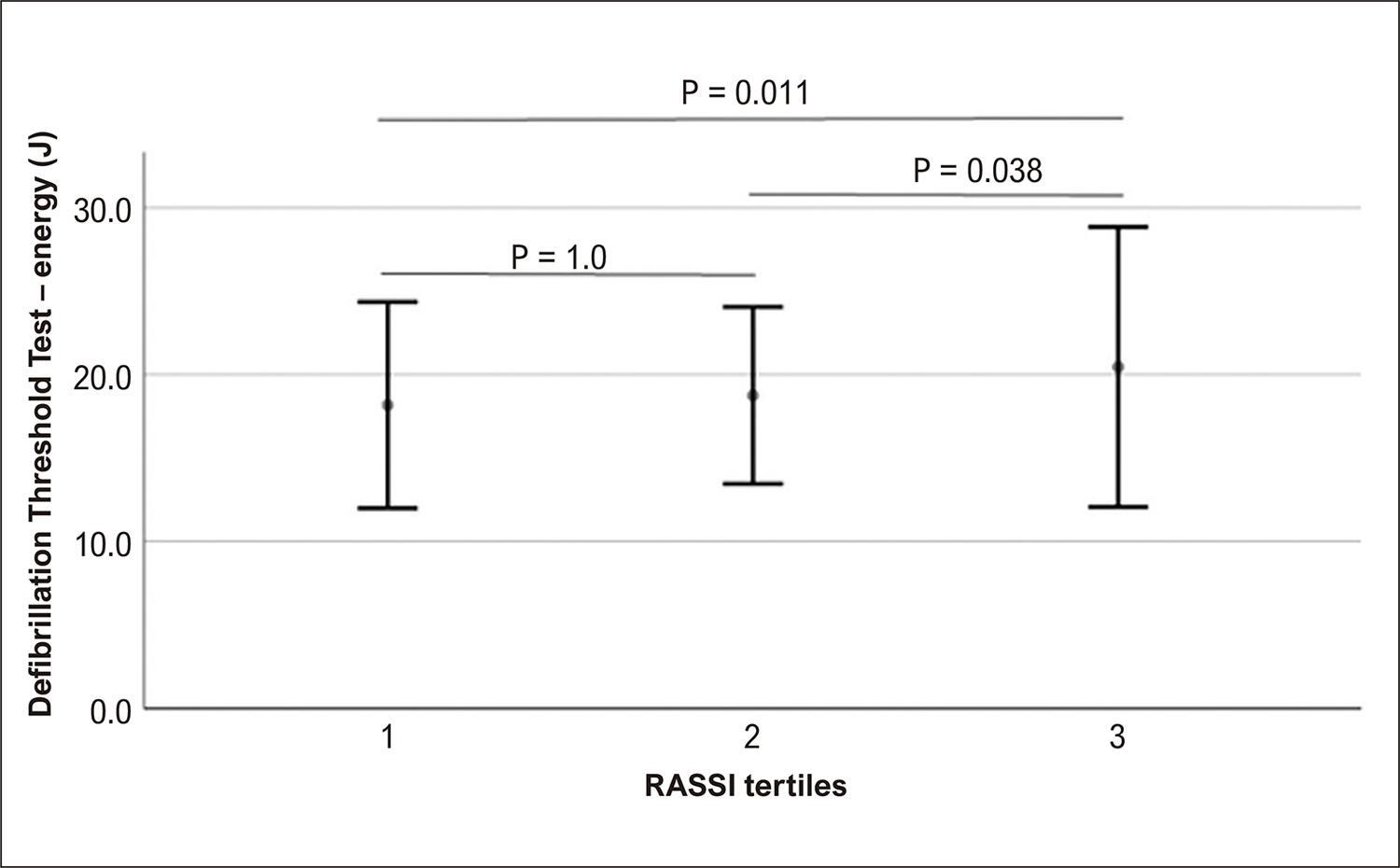
The mean patient age was 61 (SD, 13) years and 72% were men. The baseline left ventricular ejection fraction was 40 (SD, 15%) and the mean Rassi score was 10 (SD, 4). No deaths occurred during DTT and no ICD failures were documented. There was a relationship between higher baseline Rassi scores and higher DTT scores (ANOVA = 0.007). The mean time to first shock was 474 (SD, 628) days, although shock was only necessary for 28 (35%) patients with ventricular tachycardia, since most cases resolved spontaneously or through antitachycardia pacing. After a mean clinical follow-up of 1728 (SD, 1189) days, 43 deaths occurred, mainly related to progressive heart failure and sepsis.

Conclusions

A routine DTT may not be necessary for CCC patients who receive an ICD for secondary prevention. High DTT values seem to be unusual and may be related to high Rassi scores.

  • Chagas Cardiomyopathy
  • Chagas disease
  • Defibrillators, Implantable
  • Electric Countershock
  • Tachycardia, Ventricular
Read Full Article
Creative Commons Attribution (CC BY) Creative Commons license
10/10/2022 DOI: 10.36660/abc.20210770 Views 1
Figure 1
ABCHF
Review Article

Ventricular Arrythmias in Cardiac Amyloidosis: It is Possible to Prevent Sudden Death?

Carlos A. Dumont et al. María Inés Sosa Liprandi

Abstract

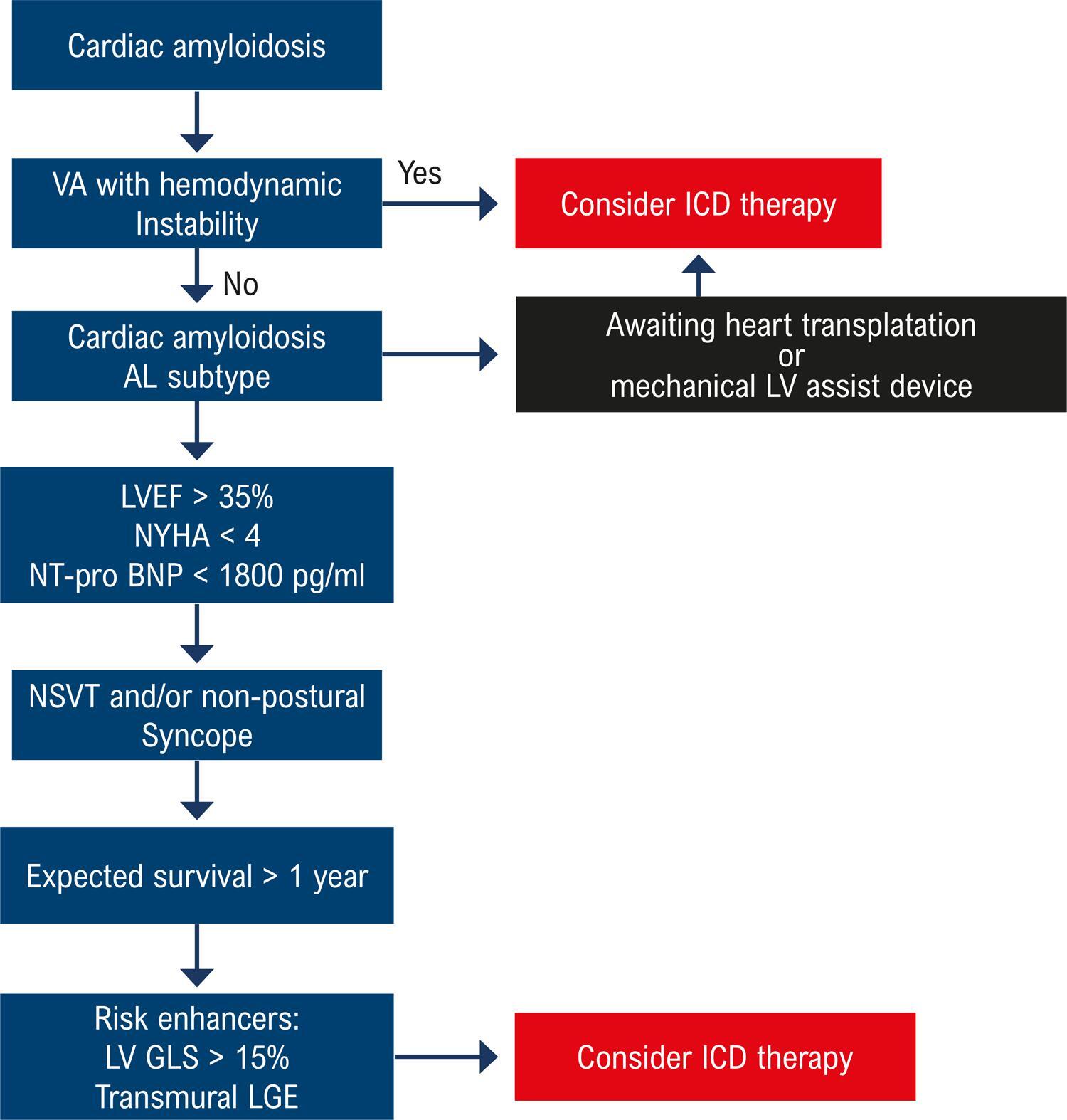
Cardiac amyloidosis (CA) is an infiltrative cardiomyopathy that occurs secondary to deposition of misfolded protein in the myocardium. The two most common subtypes are amyloid light chain amyloidosis and amyloid transthyretin amyloidosis. CA frequently results in congestive cardiac failure and arrhythmias, due to a disruption in cardiac substrate with subsequent electromechanical remodeling. Disease progression is usually demonstrated by development of progressive pump failure, which may be seen with a high arrhythmic burden, usually portending a poor prognosis. Arrhythmias are common, and many commonly used pharmacological therapies may be poorly tolerated and lead to clinical decompensation in this population, adding complexity to the co-management of these conditions. Studies are required to assess the risks and benefits of catheter ablation for ventricular tachycardia, with no current data showing a mortality benefit. The role of implantable cardioverter-defibrillator therapy is controversial, with benefits seen predominantly in early phases of the disease process. High-quality evidence and guideline recommendations are limited with regard to the management of arrhythmias. Providers are often left to clinical experience and expert consensus to aid in decision-making. This review summarizes both historical and contemporary data and describes evidence-based strategies for managing ventricular arrhythmias and their sequelae in patients with CA.

  • Amyloidosis
  • Death, Sudden, Cardiac
  • Defibrillators, Implantable
  • Tachycardia, Ventricular
Read Full Article
Creative Commons Attribution (CC BY) Creative Commons license
10/12/2021 DOI: 10.36660/abchf.20210035 Views 3
Figure 1
ABC
Research Letter

Impact of the COVID-19 Pandemic on Cardiac Implantable Electronic Devices Procedures in a Tertiary Referral Center

Roberto Costa et al. Katia Regina da Silva Sarah Caroline Martins Saucedo Laisa Arruda Silva … Elizabeth Sartori Crevelari Wagner Tadeu Jurevicius Nascimento Thiago Gonçalves Silveira Alfredo Fiorelli Martino Martinelli Filho Fabio Biscegli Jatene

Introduction

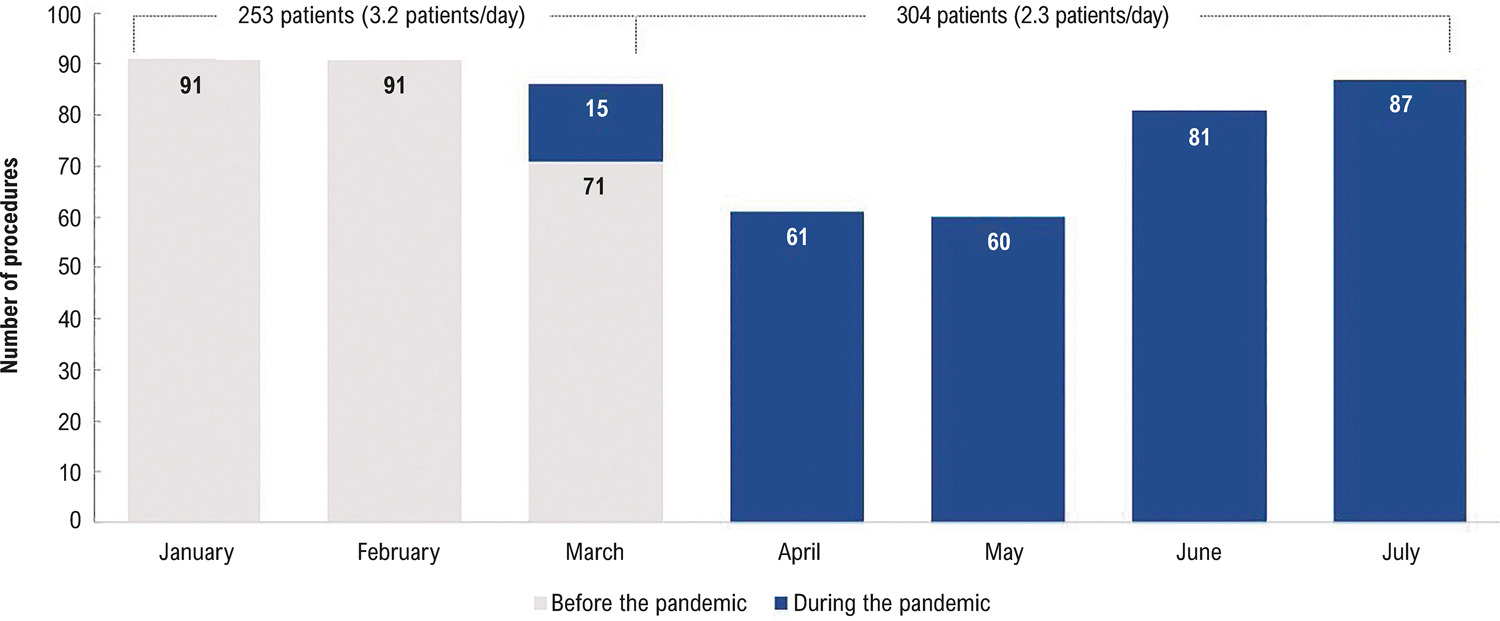
The COVID-19 pandemic has caused a change in the surgical practice of many medical specialties worldwide. – Medical societies have supported changes in cardiac pacing services routines and established new recommendations on the definition of case severity and urgency of surgical procedures. ,

The aim of the present study was to evaluate the impact of the measures implemented in surgical procedures performed for artificial cardiac pacing during the pandemic. We compared the number of patients operated, clinical profile of patients, characteristics of procedures, and the rate of confirmed COVID-19 cases in the peak of the pandemic, and compared them with the period immediately before the pandemic.

[…]

  • Cardiac Pacing, Artificial
  • Contamination
  • COVID-19
  • Defibrillators, Implantable
  • Hospitalization
  • Pacemaker, Artificial
  • Pandemic
  • Quality of Health Care
Read Full Article
Creative Commons Attribution (CC BY) Creative Commons license
25/10/2021 DOI: 10.36660/abc.20201378 Views 2
Figure 1
ABC
Original Article

Predictors of Total Mortality and Serious Arrhythmic Events in Non-Ischemic Heart Failure Patients: The Role of Galectin-3

Adriano Nunes Kochi et al. Mauricio Pimentel Michael Andrades Tiago Zimerman … Leandro Ioschpe Zimerman Luis Eduardo Rohde

Abstract

Background:

Risk stratification remains clinically challenging in patients with heart failure (HF) of non-ischemic etiology. Galectin-3 is a serum marker of fibrosis that might help in prognostication.

Objective:

To determine the role of galectin-3 as a predictor of major arrhythmic events and overall mortality.

Methods:

We conducted a prospective cohort study that enrolled 148 non-ischemic HF patients. All patients underwent a comprehensive baseline clinical and laboratory assessment, including levels of serum galectin-3. The primary outcome was the occurrence of arrhythmic syncope, appropriate implantable cardioverter defibrillator therapy, sustained ventricular tachycardia, or sudden cardiac death. The secondary outcome was all-cause death. For all statistical tests, a two-tailed p-value<0.05 was considered significant.

Results:

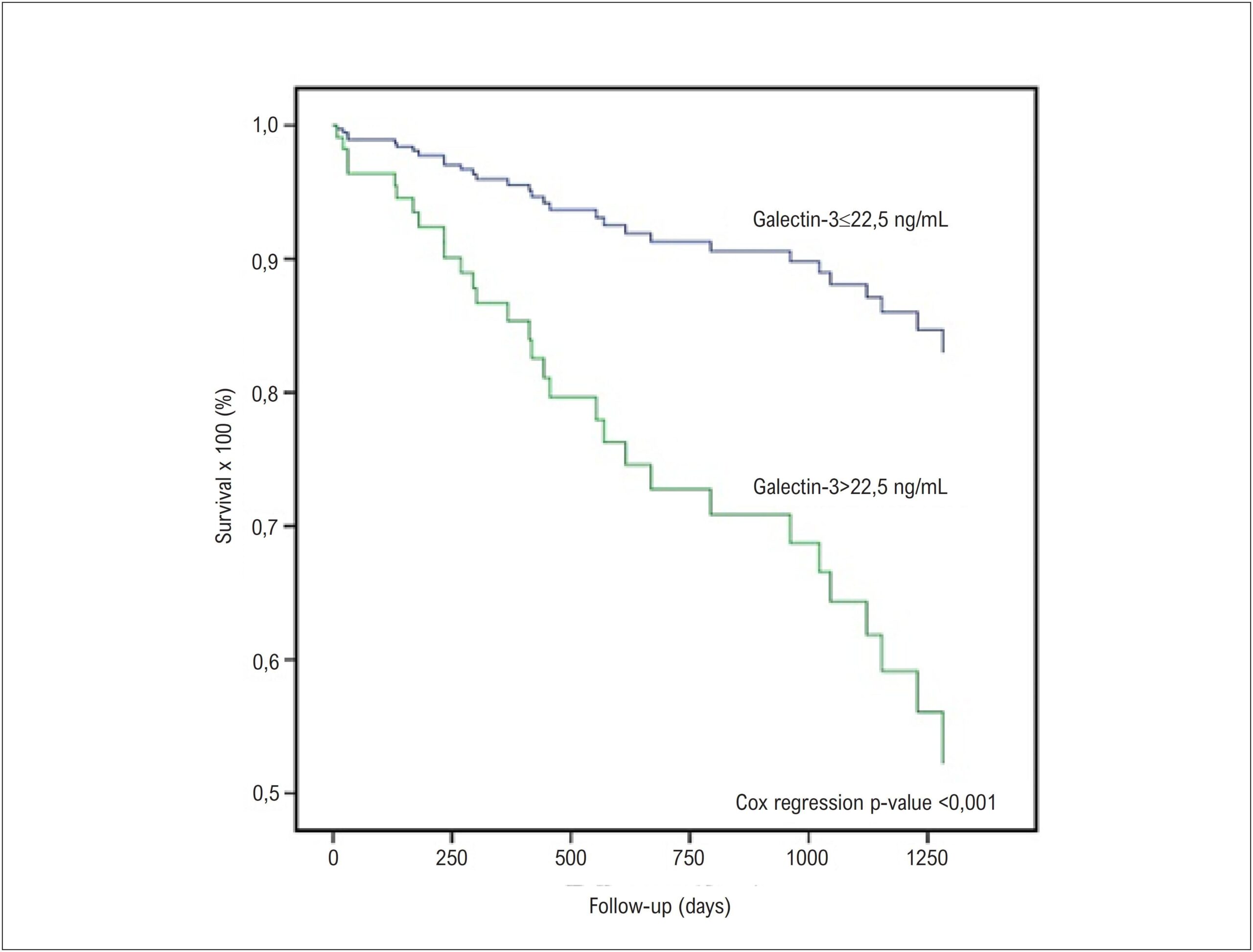
In a median follow-up of 941 days, the primary and secondary outcomes occurred in 26 (17.5%) and 30 (20%) patients, respectively. Serum galectin-3>22.5 ng/mL (highest quartile) did not predict serious arrhythmic events (HR: 1.98, p=0.152). Independent predictors of the primary outcome were left ventricular end-diastolic diameter (LVEDD)>73mm (HR: 3.70, p=0.001), exercise periodic breathing (EPB) on cardiopulmonary exercise testing (HR: 2.67, p=0.01), and non-sustained ventricular tachycardia (NSVT)>8 beats on Holter monitoring (HR: 3.47, p=0.027). Predictors of all-cause death were galectin-3>22.5 ng/mL (HR: 3.69, p=0.001), LVEDD>73mm (HR: 3.35, p=0.003), EPB (HR: 3.06, p=0.006), and NSVT>8 beats (HR: 3.95, p=0.007). The absence of all risk predictors was associated with a 91.1% negative predictive value for the primary outcome and 96.6% for total mortality.

Conclusions:

In non-ischemic HF patients, elevated galectin-3 levels did not predict major arrhythmic events but were associated with total mortality. Absence of risk predictors revealed a prevalent subgroup of HF patients with an excellent prognosis.

  • Apoptosis
  • Arrhythmias Cardiacs
  • Death, Sudden
  • Defibrillators, Implantable
  • Galectin 3
  • Heart Failure
  • Mortality
Read Full Article
Creative Commons Attribution (CC BY) Creative Commons license
20/09/2021 DOI: 10.36660/abc.20200353 Views 3
ABC
Letter to the Editor

Risk Stratification for Primary Prevention of Sudden Cardiac Death in Hypertrophic Cardiomyopathy

Styliani Vakrou et al. Charalampos Vlachopoulos Konstantinos A. Gatzoulis

Reply

Sudden cardiac death (SCD) is considered the most dramatic complication of hypertrophic cardiomyopathy (HCM) with an estimated annual incidence of 0.5–1%. Over the years, the ACC/AHA and the ESC have published consensus guidelines providing different approaches for SCD risk stratification based on independent clinical predictors. Despite the relatively low accuracy of these markers, current strategies are considered to have a reasonable discriminatory power for the recognition of high-risk patients. However, prognostic assessment is challenging in HCM, especially in low to moderate risk patients. SCD may arise in the absence of known risk factors and some approaches show conflicting results in different populations. Moreover, methodological discrepancies between the North American and the European guidelines may determine discordant levels of recommendation regarding implantable cardioverter defibrillator (ICD) in primary prevention. Therefore, risk stratification is still imprecise and requires further investigation.

The 2018 manuscript of Gatzoulis et al. reevaluates the role of electrophysiological study for prognostic assessment in a low to intermediate risk single-center HCM cohort stratified according to contemporary guidelines. The authors conclude that programmed ventricular stimulation (PVS) combined with current models add sensitivity and negative predictive value to risk stratification. Results are interesting but need to be confirmed in larger prospective trials. PVS has been downgraded to class III in current guidelines due to the low sensitivity and potential risks. Similarly, fractionation of right ventricle electrograms has been related to SCD but was not assimilated due to the invasive nature of the procedure, which may impact feasibility in some settings. Electrical instability is transitory in HCM and should be periodically evaluated such as other predictors with dynamic characteristics. , The guidelines recommend the reassessment of SCD risk during follow-up. Clinical and more easily acquired non-invasive approaches favor routine patient evaluation.

[…]

  • Defibrillators, Implantable
  • Hypertrophic Cardiomyopathy
  • Prevention and Control
  • Sudden Cardiac Death
  • Syncope
Read Full Article
Creative Commons Attribution (CC BY) Creative Commons license
26/07/2021 DOI: 10.36660/abc.20201339 Views 1
ABC
Research Letter

Emerging Topics in Heart Failure: Interventional Heart Failure Therapies

João Manoel Rossi Neto et al. Dirceu Rodrigues de Almeida Fernando Antibas Atik Monica Samuel Avila Marcely Gimenes Bonatto

Treatment of Secondary Mitral Regurgitation

Before considering percutaneous treatment of mitral regurgitation (MR) for patients with heart failure (HF) with reduced ejection fraction (HFrEF) and severe MR, we recommend that guideline-directed medical therapy be optimized, including cardiac resynchronization therapy and revascularization, where appropriate.

The use of the edge-to-edge device could benefit patients with moderately severe or severe secondary MR (effective regurgitant orifice area [EROA] ≥ 30 mm2 and/or regurgitant volume > 45 mL) with a left ventricular ejection fraction (LVEF) of 20 to 50%, left ventricular (LV) end-systolic diameter < 7.0 cm, and persistent symptoms despite maximized evidence-based medical therapy, with the participation of an experienced multidisciplinary team in the evaluation and treatment of HF and MR.

[…]

  • Catheter Ablation
  • Defibrillators, Implantable
  • Mitral Valve Insufficiency
  • Pacemaker, Artificial
  • Tricuspid Valve Insufficiency
Read Full Article
Creative Commons Attribution (CC BY) Creative Commons license
07/12/2020 DOI: 10.36660/abc.20201086 Views 1
ABC
Editorial

Which Risk Score Best Assesses Clinical Objectives in Patients with Hypertrophic Cardiomyopathy?

Eduardo Alberto de Castro Roque

Hypertrophic cardiomyopathy (HCM) is a genetic disorder characterized by commonly asymmetric unexplained left ventricular hypertrophy, with greater thickening of the basal interventricular septum. Left ventricular outflow tract obstruction is present at rest in around one third of patients and can be caused in another third. The histological features of HCM include hypertrophy and myocyte disorder, in addition to interstitial fibrosis. Hypertrophy is also often associated with left ventricular diastolic dysfunction.

The first case of HCM was described by Henri Liouville in 1869 in the Gazette Medecine Paris. In 1907, Dr. A. Schmincke, a German pathologist, described two hearts with left ventricular hypertrophy; both were seen in women in their fifth decade of life. Levy and von Glahn, in 1944, from the University of Colombia, in New York, published a series of cases that resembled HCM. In 1949, William Evans, a cardiologist from London, described the familial occurrence of cardiac hypertrophy in a series of patients similar to those described in the article by Levy and von Glahn. Dr. Eugene Braunwald and Dr. Andrew Glenn Morrow published a series of studies where they detailed the clinical and hemodynamic aspects of this disease, allowing the establishment of therapeutic objectives. –

[…]

  • Cardiomyopathy, Hypertrophic, Familial
  • Defibrillators, Implantable
  • Discrete Subaortic Stenosis
  • Hypertrophy Left Ventricular
  • Safety Management
Read Full Article
Creative Commons Attribution (CC BY) Creative Commons license
28/08/2020 DOI: 10.36660/abc.20200543 Views 1
ABC
Editorial

Florida Shock Anxiety Scale for Patients with Implantable Cardioverter-Defibrillator – Appreciating the Psychosocial Aspects

Eduardo Arrais Rocha et al. Ieda Prata Costa

The published study provides an important scale, already in its Brazilian Portuguese version and that has been validated for our population, which allows assessing the level of anxiety related to the presence of the Implantable Cardioverter-Defibrillator (ICD) and the shocks applied by the device.

This scale, as well emphasized in the study by Silva et al., was not designed to assess aspects of the patient’s adaptation to the ICD, or even its impacts on patient quality of life, and there is another scale that is appropriate for this purpose, such as the FPAS – Florida Patient Acceptance Survey.

[…]

  • Anxiety
  • Defibrillators, Implantable
  • Psychophysiologic Disorders
  • Psychosocial Impact
  • Quality of life
Read Full Article
Creative Commons Attribution (CC BY) Creative Commons license
01/06/2020 DOI: 10.36660/abc.20200262 Views 1
Chart 1
IJCS
Original Article

Cardiopulmonary Exercise Testing in Patients with Implantable Cardioverter-Defibrillator: A Retrospective Study

Carolina Mizzaci et al. Thiago Fagundes Felipe Malafaia Sandro Felicioni … Susimeire Buglia Carlos Alberto Hossri Almir Ferraz Rica Buchler Romeu Meneghelo Luiz Mastrocolla

Abstract

Background:

Cardiopulmonary exercise testing is widely used in the evaluation of patients with left ventricular dysfunction, and some of these patients have an implantable cardioverter-defibrillator (ICD). However, this test presents specific challenges because of the susceptibility to ventricular arrhythmias during maximal levels of exercise.

Objective:

To evaluate the safety of cardiopulmonary exercise testing in patients with ICD.

Methods:

The study included patients with ICD who underwent cardiopulmonary exercise testing between 2007 and 2015. The tests were completed once the electronic devices were programmed. The maximum allowed heart rate reached during exercise was 10 beats below the first therapy zone programmed.

Results:

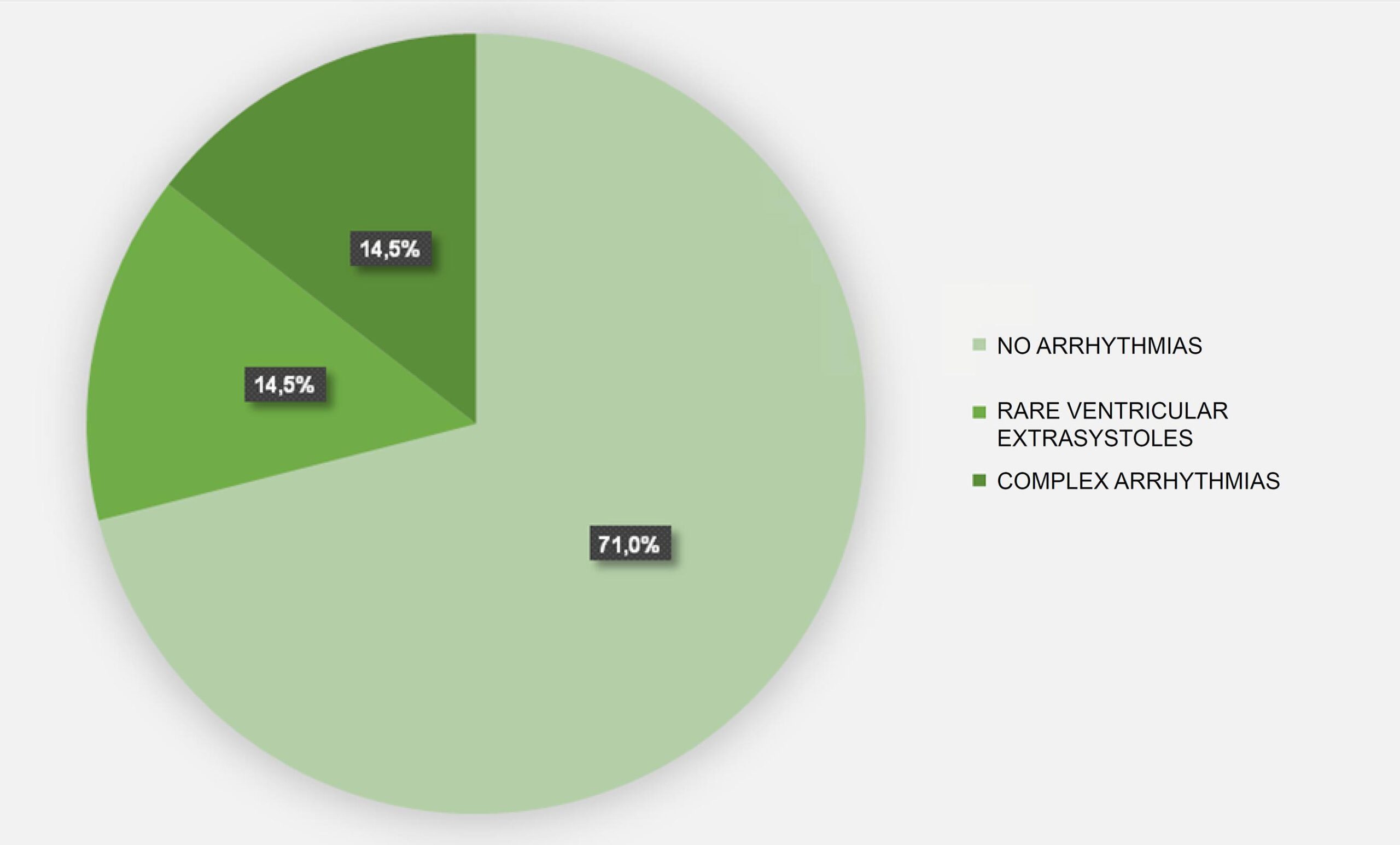
The study included 69 patients with mean age 53.7 ± 10.8 years, including 68% men. Exercise time was 8.7±2.3 minutes, with peak oxygen consumption of 13.3 ± 4.3 ml.kg-1.min-1. Peak heart rate was 62.9 ± 13.4% of the maximum rate predicted, with all patients taking specific medication. Ventricular arrhythmia was observed in 29% of the patients, and paired ventricular extrasystoles, ventricular bigeminism or non-sustained ventricular tachycardia were observed in only 14.5% of the patients. There was no sustained ventricular arrhythmia resulting in ICD therapy or other complications, such as inappropriate therapies. The frequency of severe events was 0%, 95% CI (0 – 5.2%).

Conclusion:

In the sample of patients evaluated, the cardiopulmonary exercise testing was shown to be safe during its performance in a hospital setting, following the safety standards.

  • Arrhythmias Cardiac
  • Breathing Exercise
  • Cardiovascular Diseases
  • Defibrillators, Implantable
  • Left Ventricular Dysfunction
  • Sudden Cardiac Death
Read Full Article
Creative Commons Attribution (CC BY) Creative Commons license
12/08/2019 DOI: 10.5935/2359-4802.20190066
ABC
Editorial

Unscheduled Return Visits to the Emergency Department after Cardiac Electronic Devices Implantation

Roberto Costa

In recent years, many initiatives have been made to improve the quality and efficiency of healthcare services leading to the creation and standardization of health quality indicators in order to improve the interaction between clinicians, researchers, and healthcare managers, enabling the generation of evidence-based strategies. In this context, the rate of hospital readmissions is one of the most important indicators to measure the quality of healthcare services.

The use of quality indicators to measure healthcare performance across different hospitals has been considered of great value for the improvement of healthcare routines, enhancing the expenditure rationalization of health services. In this scenario, the adoption of the International Consortium for Health Outcomes Measurement (ICHOM) as a strategy to measure outcomes across hospitals has increased worldwide and it is now gaining familiarity among Brazilian hospitals.

[…]

  • Cardiac Pacing, Artificial
  • Defibrillators, Implantable
  • Heart Failure
  • Intraoperative Complications/mortality
  • Pacemaker, Artificial/utilization
Read Full Article
Creative Commons Attribution (CC BY) Creative Commons license
06/06/2019 DOI: 10.5935/abc.20190063 Views 1
Figure 1
ABC
Original Article

Unscheduled Emergency Visits after Cardiac Devices Implantation: Comparison between Cardioverter Defibrillators and Cardiac Resynchronization Therapy Devices in less than one year of Follow Up

Stefan Warpechowski Neto et al. Laura Lessa Gaudie Ley Eduardo Dytz Almeida Marco Aurélio Lumertz Saffi … Luiza Zwan Dutra Antonio Lessa Gaudie Ley Roberto Tofani Sant'Anna Gustavo Glotz de Lima Renato Abdala Karam Kalil Tiago Luiz Luz Leiria

Abstract

Background:

The use of Cardiovascular Implantable Electronic Devices (CIED), such as the Implantable Cardioverter Defibrillator (ICD) and Cardiac Resynchronization Therapy (CRT), is increasing. The number of leads may vary according to the device. Lead placement in the left ventricle increases surgical time and may be associated with greater morbidity after hospital discharge, an event that is often confused with the underlying disease severity.

Objective:

To evaluate the rate of unscheduled emergency hospitalizations and death after implantable device surgery stratified by the type of device.

Methods:

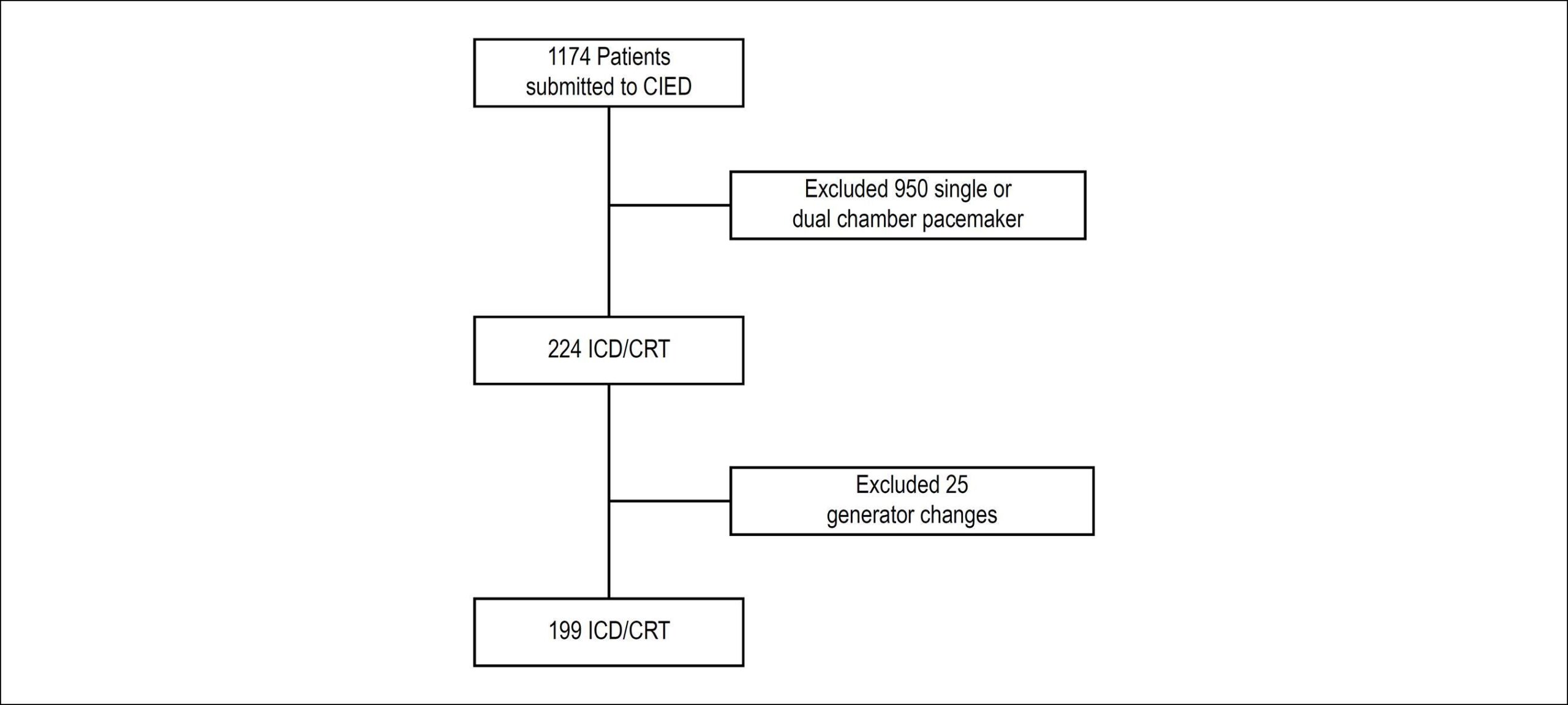
Prospective cohort study of 199 patients submitted to cardiac device implantation. The groups were stratified according to the type of device: ICD group (n = 124) and CRT group (n = 75). Probability estimates were analyzed by the Kaplan-Meier method according to the outcome. A value of p < 0.05 was considered significant in the statistical analyses.

Results:

Most of the sample comprised male patients (71.9%), with a mean age of 61.1 ± 14.2. Left ventricular ejection fraction was similar between the groups (CRT 37.4 ± 18.1 vs. ICD 39.1 ± 17.0, p = 0.532). The rate of unscheduled visits to the emergency unit related to the device was 4.8% in the ICD group and 10.6% in the CRT group (p = 0.20). The probability of device-related survival of the variable “death” was different between the groups (p = 0.008).

Conclusions:

Patients after CRT implantation show a higher probability of mortality after surgery at a follow-up of less than 1 year. The rate of unscheduled hospital visits, related or not to the implant, does not differ between the groups.

  • Cardiac resynchronization-therapy devices
  • Cardiac-Gated Imaging Techniques
  • Defibrillators, Implantable
  • Mortality
  • Patient Readmission
Read Full Article
Creative Commons Attribution (CC BY) Creative Commons license
21/02/2019 DOI: 10.5935/abc.20190018 Views 1
Figure 1
IJCS
Case Report

Acute Heart Failure Exacerbation in the Setting of Electrical Storm: Total Artificial Heart vs. Ventricle Assist Device

Juan Simon Rico et al. Daniela Arango-Isaza Megha Prasad Clara Saldarriaga

Introduction

Total artificial heart (TAH) is a novel device with over a thousand implantations worldwide, being a suitable option for patients as a bridge to transplantation (BTT). The following case was the second implantation of a TAH at our institution.

[…]

  • Arrhythmias Cardiac
  • Cardiac Resynchronization Therapy
  • Defibrillators, Implantable
  • Dilated Cardiomyopathy
  • Heart Failure
Read Full Article
Creative Commons Attribution (CC BY) Creative Commons license
01/01/2019 DOI: 10.5935/2359-4802.20180078
Figure 1
ABC
Review Article

Arrhythmogenic Right Ventricular Cardiomyopathy/Dysplasia (ARVC/D) – What We Have Learned after 40 Years of the Diagnosis of This Clinical Entity

Jorge Elias Neto et al. Joelci Tonet Robert Frank Guy Fontaine

Abstract

Arrhythmogenic right ventricular cardiomyopathy/dysplasia (ARVC/D) was initially recognized as a clinical entity by Fontaine and Marcus, who evaluated a group of patients with ventricular tachyarrhythmia from a structurally impaired right ventricle (RV). Since then, there have been significant advances in the understanding of the pathophysiology, manifestation and clinical progression, and prognosis of the pathology. The identification of genetic mutations impairing cardiac desmosomes led to the inclusion of this entity in the classification of cardiomyopathies. Classically, ARVC/D is an inherited disease characterized by ventricular arrhythmias, right and / or left ventricular dysfunction; and fibro-fatty substitution of cardiomyocytes; its identification can often be challenging, due to heterogeneous clinical presentation, highly variable intra- and inter-family expressiveness, and incomplete penetrance.

In the absence of a gold standard that allows the diagnosis of ARVC/D, several diagnostic categories were combined and recently reviewed for a higher diagnostic sensitivity, without compromising the specificity. The finding that electrical abnormalities, particularly ventricular arrhythmias, usually precede structural abnormalities is extremely important for risk stratification in positive genetic members. Among the complementary exams, cardiac magnetic resonance imaging (CMR) allows the early diagnosis of left ventricular impairment, even before morpho-functional abnormalities. Risk stratification remains a major clinical challenge, and antiarrhythmic drugs, catheter ablation and implantable cardioverter defibrillator are the currently available therapeutic tools. The disqualification of the sport prevents cases of sudden death because the effort can trigger not only the electrical instability, but also the onset and progression of the disease.

  • Arrhythmias, Cardiac/diagnostic imaging
  • Arrhythmogenic Right Ventricular Dysplasia/physiopathology
  • Catheter Ablation
  • Defibrillators, Implantable
  • Magnetic Resonance Imaging
Read Full Article
Creative Commons Attribution (CC BY) Creative Commons license
01/01/2019 DOI: 10.5935/abc.20180266 Views 1
ABC
Letter to the Editor

Incidence of Atrial High-Rate Episodes in Chagas Disease Patients

Emanoela Lima Freitas et al. Elieusa e Silva Sampaio Roque Aras

A

t

[…]

  • Atrial Fibrillation/complications
  • Cardiac Pacing, Artificial/methods
  • Chagas Disease/complications
  • Defibrillators, Implantable
  • Risk
  • Stroke/etiology
Read Full Article
Creative Commons Attribution (CC BY) Creative Commons license
01/04/2018 DOI: 10.5935/abc.20180060 Views 1
Figure 1
ABC
Review Article

Case 1/2018 – Young Male with Heart Disease Expressed Mainly as Ventricular Arrhythmia, Right Ventricular Dysfunction and Syncope

Desiderio Favarato et al. Luiz Alberto Benvenuti

Clinical aspects

The patient had syncope episodes since the age of 20 years, and heart failure since the age of 30 years, undergoing cardiac transplantation at the age of 36 years.

Since symptom onset, heart disease with marked left ventricular dilatation and moderate dysfunction was detected. The exercise test revealed frequent ventricular arrhythmia. His syncope episodes were attributed to malignant ventricular arrhythmias, and a cardioverter defibrillator was implanted.

[…]

  • Arrhythmias Cardiac
  • Catheter Ablation
  • Defibrillators, Implantable
  • Diagnostic Imaging
  • Heart Transplantation
  • Syncope
  • Ventricular Dysfunction Right
Read Full Article
Creative Commons Attribution (CC BY) Creative Commons license
01/02/2018 DOI: 10.5935/abc.20180031
ABC
Letter to the Editor

Prognosis Determinants after Cardioverter-Defibrillators Implantation in Brazil

Arn Migowski et al. Regina Maria de Aquino Xavier

The study by Silva et al. presented the results of a series of cases from a single-center registry of implantable cardiac devices, including 28 implantations of isolated cardioverter defibrillators (ICD) and 14 associated to resynchronization (CRT-ICD), in addition to procedures for generator replacement and handling of electrode cable. ICD and CRT-ICD implantations were considered the strongest predictors of re-admission into the hospital during a six-month period after the surgical procedure, although it is not clear whether there was adjustment by functional class or left ventricular ejection fraction.

We have recently published the results of short, medium, and long term follow-ups of all ICD and CRT-ICD implantations funded by The Brazilian Unified Healthcare System (SUS) in all of Brazil, between 2001 and 2007, including 3,295 ICD implantations in 85 hospitals and 681 CRT-ICD implantations in 50 hospitals.

[…]

  • Brazil
  • Cardiac Resynchronization
  • Chagas Cardiomyopathy
  • Defibrillators, Implantable
  • Survival Analysis
  • Therapy Devices
Read Full Article
Creative Commons Attribution (CC BY) Creative Commons license
01/03/2017 DOI: 10.5935/abc.20170034
IJCS
Original Article

Who Are the Super-Responders to Cardiac Resynchronization Therapy?

Eduardo Arrais Rocha et al. Francisca Tatiana Moreira Pereira Ana Rosa Pinto Quidute José Sebastião Abreu … José Wellington Oliveira Lima Carlos Roberto M Rodrigues Sobrinho Maurício Ibrahim Scanavacca

Abstract

Background:

Patients submitted to cardiac resynchronization may develop response patterns that are higher than expected, with normalization of clinical and echocardiographic parameters.

Objective:

To analyze the clinical and echocardiographic characteristics of this population of super-responders, comparing them with the other patients submitted to cardiac resynchronization therapy.

Methods:

A prospective, observational cohort study involving 146 patients consecutively submitted to cardiac resynchronization implants. Fisher’s exact test and Mann-Whitney test were performed to compare the variables. Patients with ejection fraction > 50% and functional class I/II (New York Heart Association) were considered super-responders after 6 months of cardiac resynchronization therapy.

Results:

Mean age was 64.8 ± 11.1 years, with 69.8% of males, with a median ejection fraction of 29%, 71.5% with left bundle-branch block, 12% with right bundle-branch block associated with hemiblocks; 16.3% wearing a definitive cardiac pacemaker, 29.3% with ischemic cardiomyopathy, 59.4% with dilated cardiomyopathy, and 11.2% with Chagasic cardiomyopathy. Twenty-four (16.4%) super-responders were observed, and 13 (8.9%) showed normalization of the ejection fraction, left ventricular diastolic diameters and functional class. When compared to the non-super-responder patients, in relation to the pre-implantation characteristics, the super-responders were more often females (58.3% vs. 22.8%, p = 0.002), had higher body mass index (26.8 vs. 25.5, p = 0.013), higher baseline ejection fraction (31.0 vs. 26.9, p = 0.0003), and lower left ventricular diastolic diameters (65.9 mm vs. 72.6 mm, p = 0.0032). Ten patients (41.6% of super-responders) with right bundle-branch block and hemiblock progressed to super-responders, although there was only one patient with Chagas’ disease among them, and only at the first assessment.

Conclusions:

Super-responders had less advanced heart disease at baseline and no differences regarding the type of conduction disorder at baseline. Patients with right bundle-branch block and hemiblock, but without Chagasic heart disease may also progress as super-responders.

  • Cardiac Resynchronization Therapy
  • Defibrillators, Implantable
  • Echocardiography
  • Heart Failure
Read Full Article
Creative Commons Attribution (CC BY) Creative Commons license
01/01/2017 DOI: 10.5935/2359-4802.20170020 Views 2
Figure 1
ABC
Original Article

Complications after Surgical Procedures in Patients with Cardiac Implantable Electronic Devices: Results of a Prospective Registry

Katia Regina da Silva et al. Caio Marcos de Moraes Albertini Elizabeth Sartori Crevelari Eduardo Infante Januzzi de Carvalho … Alfredo Inácio Fiorelli Martino Martinelli Filho Roberto Costa

Abstract

Background:

Complications after surgical procedures in patients with cardiac implantable electronic devices (CIED) are an emerging problem due to an increasing number of such procedures and aging of the population, which consequently increases the frequency of comorbidities.

Objective:

To identify the rates of postoperative complications, mortality, and hospital readmissions, and evaluate the risk factors for the occurrence of these events.

Methods:

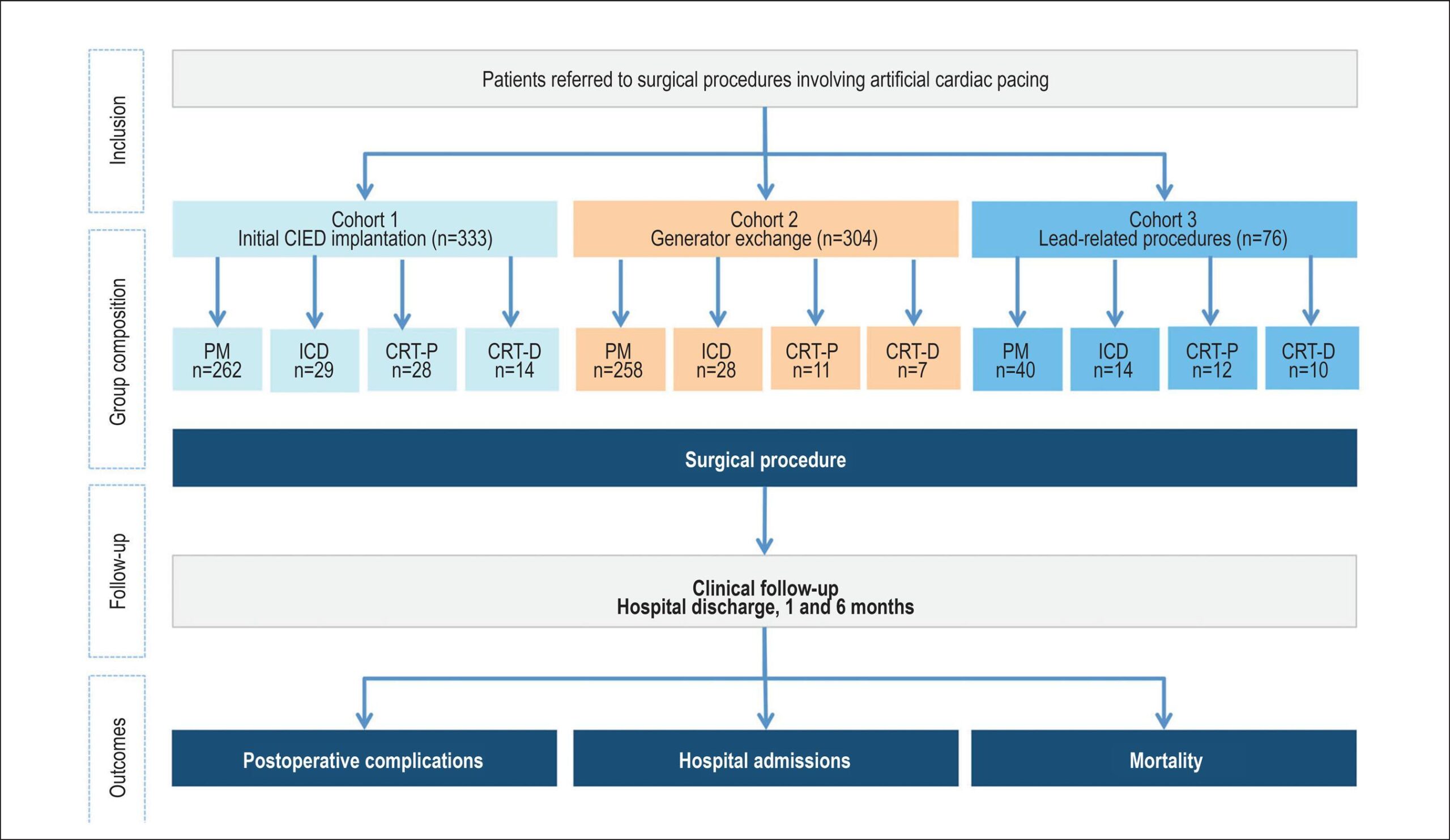
Prospective and unicentric study that included all individuals undergoing CIED surgical procedures from February to August 2011. The patients were distributed by type of procedure into the following groups: initial implantations (cohort 1), generator exchange (cohort 2), and lead-related procedures (cohort 3). The outcomes were evaluated by an independent committee. Univariate and multivariate analyses assessed the risk factors, and the Kaplan-Meier method was used for survival analysis.

Results:

A total of 713 patients were included in the study and distributed as follows: 333 in cohort 1, 304 in cohort 2, and 76 in cohort 3. Postoperative complications were detected in 7.5%, 1.6%, and 11.8% of the patients in cohorts 1, 2, and 3, respectively (p = 0.014). During a 6-month follow-up, there were 58 (8.1%) deaths and 75 (10.5%) hospital readmissions. Predictors of hospital readmission included the use of implantable cardioverter-defibrillators (odds ratio [OR] = 4.2), functional class III­-IV (OR = 1.8), and warfarin administration (OR = 1.9). Predictors of mortality included age over 80 years (OR = 2.4), ventricular dysfunction (OR = 2.2), functional class III-IV (OR = 3.3), and warfarin administration (OR = 2.3).

Conclusions:

Postoperative complications, hospital readmissions, and deaths occurred frequently and were strongly related to the type of procedure performed, type of CIED, and severity of the patient’s underlying heart disease.

  • Defibrillators, Implantable
  • Intraoperative Complications/mortality
  • Pacemaker, Artificial
  • Surgery/complications
Read Full Article
Creative Commons Attribution (CC BY) Creative Commons license
29/08/2016 DOI: 10.5935/abc.20160129
Figure 1
ABC
Original Article

Clinical Course After Cardioverter-Defibrillator Implantation: Chagasic Versus Ischemic Patients

Francisca Tatiana Moreira Pereira et al. Eduardo Arrais Rocha Marcelo de Paula Martins Monteiro Neiberg de Alcantara Lima … Carlos Roberto Martins Rodrigues Sobrinho Roberto da Justa Pires Neto

Abstract

Background:

The outcome of Chagas disease patients after receiving implantable cardioverter defibrillator (ICD) is still controversial.

Objective:

To compare clinical outcomes after ICD implantation in patients with chronic Chagas cardiomyopathy (CCC) and ischemic heart disease (IHD).

Methods:

Prospective study of a population of 153 patients receiving ICD (65 with CCC and 88 with IHD). The devices were implanted between 2003 and 2011. Survival rates and event-free survival were compared.

Results:

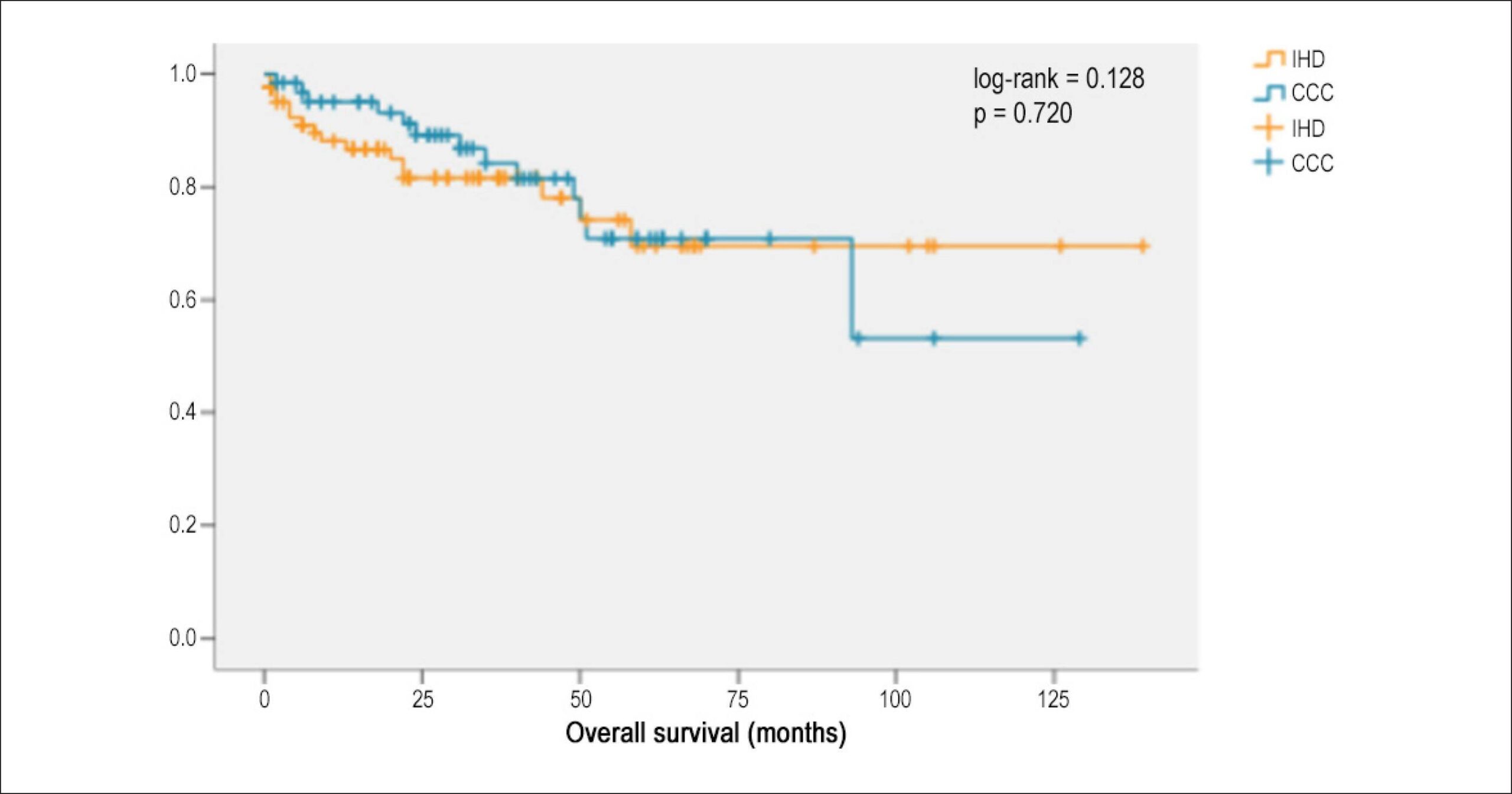
The groups were similar regarding sex, functional class and ejection fraction. Ischemic patients were, on average, 10 years older than CCC patients (p < 0.05). Patients with CCC had lower schooling and monthly income than IHD patients (p < 0.05). The number of appropriate therapies was 2.07 higher in CCC patients, who had a greater incidence of appropriate shock (p < 0.05). Annual mortality rate and electrical storm incidence were similar in both groups. There was no sudden death in CCC patients, and only one in IHD patients. Neither survival time (p = 0.720) nor event-free survival (p = 0.143) significantly differed between the groups.

Conclusion:

CCC doubles the risk of receiving appropriate therapies as compared to IHD, showing the greater complexity of arrhythmias in Chagas patients.

  • Chagas disease
  • Clinical Evolution
  • Defibrillators, Implantable
  • Myocardial Ischemia
Read Full Article
Creative Commons Attribution (CC BY) Creative Commons license
11/07/2016 DOI: 10.5935/abc.20160101 Views 1
Figure 1
ABC
Anatomopathological Session

Case 2/2016 – 76-Year-Old Male with Hypertensive Heart Disease, Renal Tumor and Shock

Marcela Anhesini Benetti et al. Rafael Amorim Belo Nunes Luiz Alberto Benvenuti

Clinical aspects

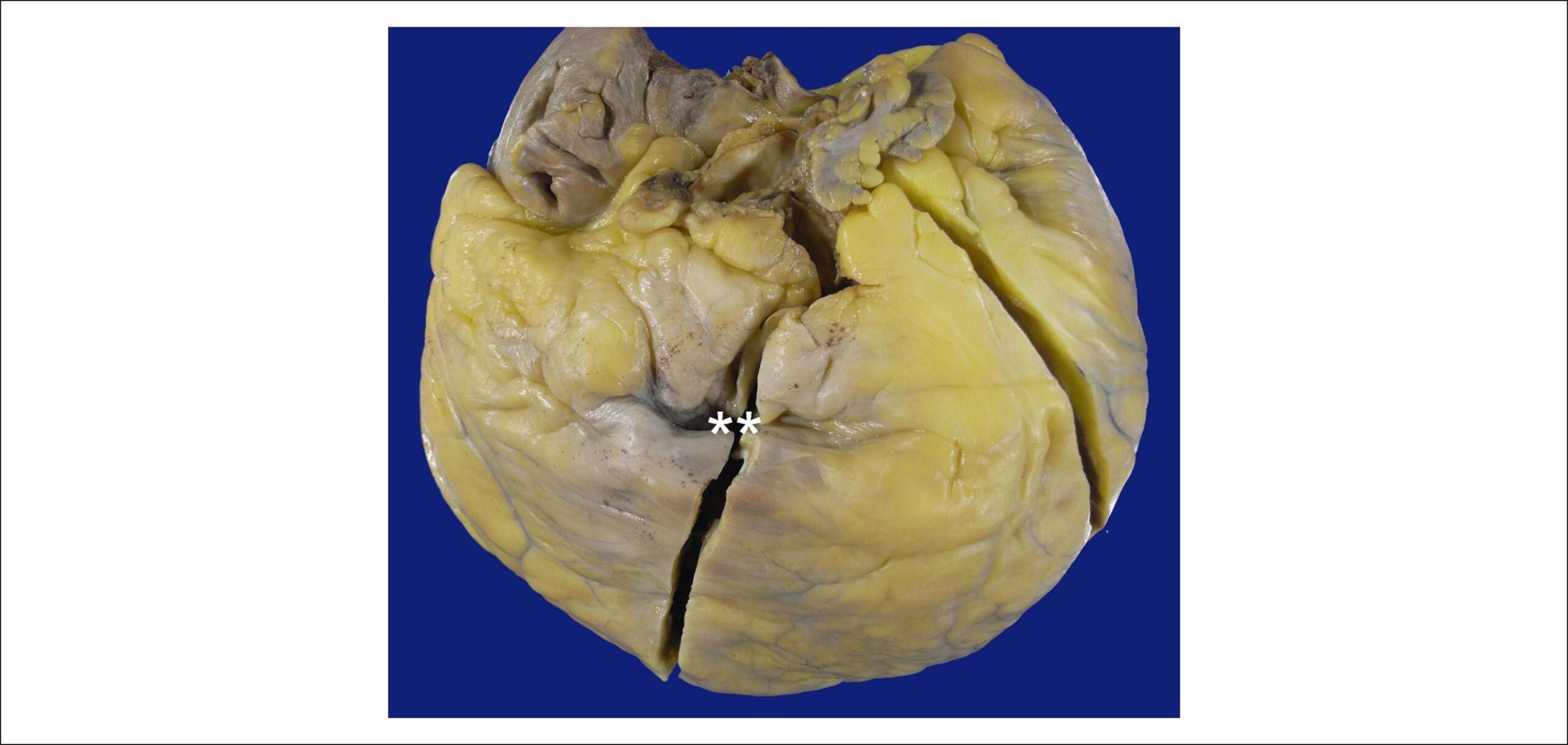
The patient had multiple comorbidities, chest pain and dyspnea on exertion. During follow-up, cardiomyopathy installed with segmental impairment of left ventricular contractility and complex ventricular arrhythmia. Initially, he had arterial hypertension and sinus bradycardia, with no other significant changes. Later, the patient experienced clinical worsening and new comorbidities: hyperuricemia, smoking and obesity. The ECG showed a significant change over time, and RBBB appeared. The functional assessment of myocardial ischemia revealed no significant change during follow-up. The symptoms progressively worsened, and, at the age of 72 years, the patient was hospitalized due to sustained ventricular tachycardia with hemodynamic instability. He reported previous surgery to treat malignant urinary bladder neoplasm, and gastrectomy to treat peptic ulcer. In 2011, the patient received an ICD to prevent sudden death, the last assessment being in March 2012. In June 2012, he was hospitalized due to presumed septic shock and eventually died.

During follow-up, the patient developed progressive cardiomyopathy with segmental impairment of left ventricular contractility associated with complex ventricular arrhythmias, and no significant coronary artery disease.

[…]

  • Cardiomyopathies
  • Defibrillators, Implantable
  • Hypertension
  • Kidney Neoplasms
Read Full Article
Creative Commons Attribution (CC BY) Creative Commons license
01/05/2016 DOI: 10.5935/abc.20160067
Figure 1
ABC
Case Report

Type 1 Brugada Pattern Unmasked During the Recovery Period of an Exercise Stress Test

Daniel García-Fuertes et al. Elena Villanueva-Fernández Manuel Crespín-Crespín Alberto Puchol … Marta Pachón Miguel Angel Arias

Introduction

Brugada syndrome (BrS) is an autosomal dominant channelopathy considered to be responsible for 4% to 12% of all sudden cardiac deaths and up to 20% of sudden cardiac deaths that occur in normal hearts. It is characterized by specific electrocardiographic findings in the right precordial leads. Although three patterns have been described, BrS is only diagnosed in patients with ST-segment elevation with type 1 morphology > 2 mm in at least 1 lead among the right precordial leads (V1, V2) occurring either spontaneously or after provocative drug test with intravenous administration of Class I antiarrhythmic drugs.

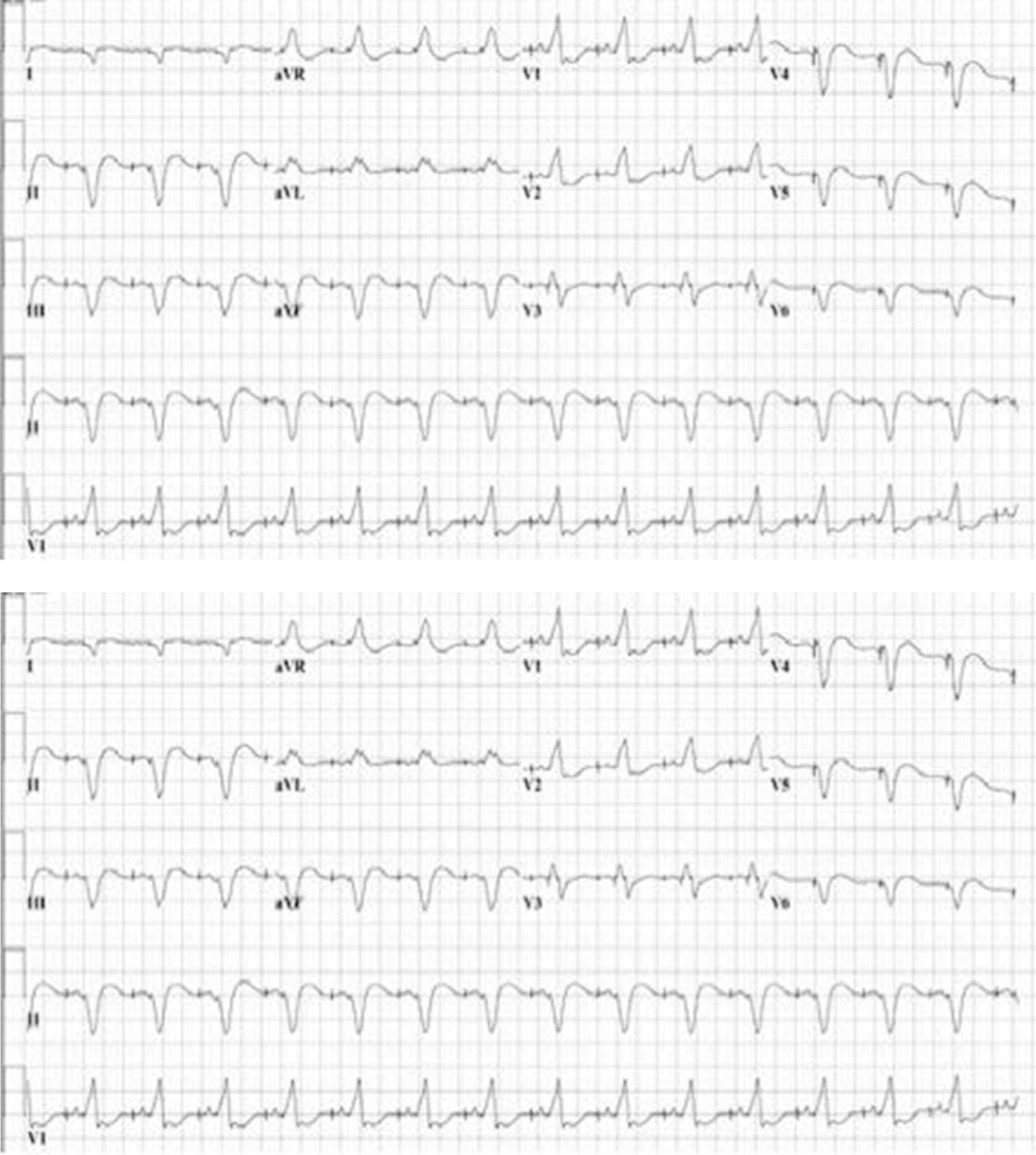
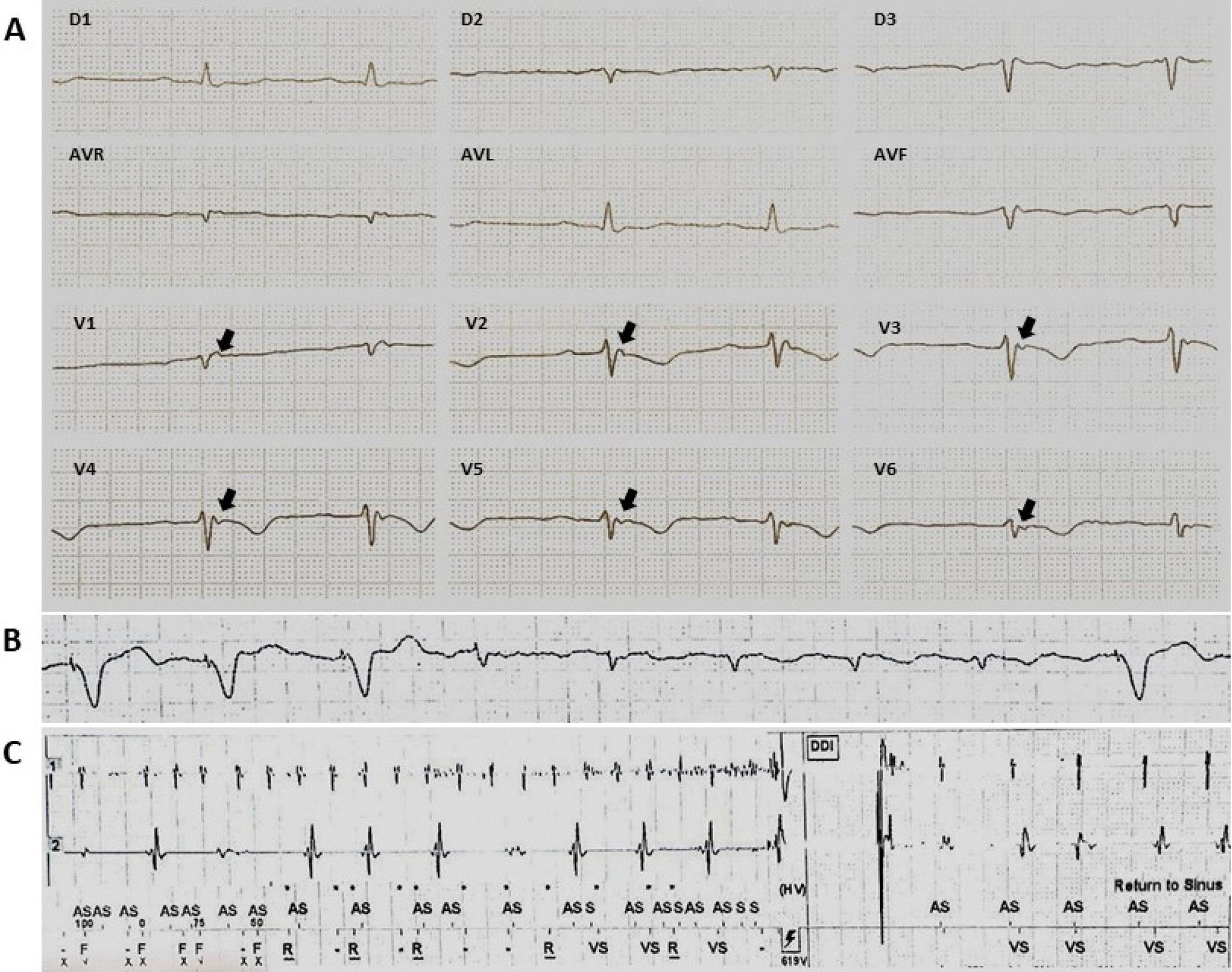
Symptoms often occur during rest or sleep, during febrile state, or in vagotonic conditions, as the recovery period of an exercise test could be considered. In fact, attenuation of ST-segment elevation at the peak of exercise stress test followed by its appearance during the recovery phase is considered not only supportive for the diagnosis of BrS, but also as a possible predictor of adverse outcomes. These data have been obtained from series of patients previously diagnosed because of a spontaneous or pharmacologically-induced type 1 pattern, but cases without previous evidence of this pattern where the diagnosis was unmasked by exercise testing are scarce.

[…]

  • Cardiomyopathies
  • Defibrillators, Implantable
  • Hypertension
  • Kidney Neoplasms
Read Full Article
Creative Commons Attribution (CC BY) Creative Commons license
01/05/2016 DOI: 10.5935/abc.20160071

Could not load more articles. Please try again.

How to cite this article

EndNote RIS

Electronic Document Format (Vancouver)

Antunes MO, Arteaga-Fernandez E, Samesima N, Pereira Filho HG, Matsumoto AY, Verrier RL, Pastore CA, et al. Prognostic Evaluation of Microvolt T-Wave Alternans in Hypertrophic Cardiomyopathy: 9-year Clinical Follow-up. Arquivos Brasileiros de Cardiologia 2023;120(8):e20220833.

Electronic Document Format (ABNT)

Antunes, Murillo Oliveira; Arteaga-Fernandez, Edmundo; Samesima, Nelson; Pereira Filho, Horácio Gomes; Matsumoto, Afonso Yoshikiro; Verrier, Richard L.; Pastore, Carlos Alberto; Mady, Charles. Prognostic Evaluation of Microvolt T-Wave Alternans in Hypertrophic Cardiomyopathy: 9-year Clinical Follow-up. Arquivos Brasileiros de Cardiologia, v. 120, n. 8, e20220833, Sep. 2023.

Electronic Document Format (APA)

Antunes, M. O., Arteaga-Fernandez, E., Samesima, N., Pereira Filho, H. G., Matsumoto, A. Y., Verrier, R. L., Pastore, C. A., & Mady, C. (2023). Prognostic Evaluation of Microvolt T-Wave Alternans in Hypertrophic Cardiomyopathy: 9-year Clinical Follow-up. Arquivos Brasileiros de Cardiologia, 120(8), e20220833.

Electronic Document Format (ISO)

Antunes, Murillo Oliveira and Arteaga-Fernandez, Edmundo and Samesima, Nelson and Pereira Filho, Horácio Gomes and Matsumoto, Afonso Yoshikiro and Verrier, Richard L. and Pastore, Carlos Alberto and Mady, Charles. Prognostic Evaluation of Microvolt T-Wave Alternans in Hypertrophic Cardiomyopathy: 9-year Clinical Follow-up. Arquivos Brasileiros de Cardiologia [online]. 2023, vol. 120, n. 8, [cited 2026-10-14], e20220833. Available from: <https://journals.cardiol.br/en/article/prognostic-evaluation-of-microvolt-t-wave-alternans-in-hypertrophic-cardiomyopathy-9-year-clinical-follow-up/>. ISSN 0066-782X

EndNote RIS

Electronic Document Format (Vancouver)

Oliveira ACG, Neves ILI, Sacilotto L, Olivetti NQS, Bueno SCP, Pessente GD, Santos-Paul MA, et al. Favorable Safety Experience of Local Dental Anesthesia in ICD Recipients with Cardiac Channelopathies. International Journal of Cardiovascular Sciences 2023;36:e20200312.

Electronic Document Format (ABNT)

Oliveira, Ana Carolina Guimarães; Neves, Itamara Lucia Itagiba; Sacilotto, Luciana; Olivetti, Natália Quintella Sangiorgi; Bueno, Savia Christina Pereira; Pessente, Gabrielle D’Arezzo; Santos-Paul, Marcela Alves dos; Montano, Tânia Cristina Pedroso; Carvalho, Cíntia Maria Alencar de; Grupi, Cesar José; Barbosa, Sílvio Alves; Pastore, Carlos Alberto; Samesima, Nelson; Wu, Tan Chen; Hachul, Denise Tessariol; Scanavacca, Maurício Ibrahim; Neves, Ricardo Simões; Darrieux, Francisco Carlos da Costa. Favorable Safety Experience of Local Dental Anesthesia in ICD Recipients with Cardiac Channelopathies. International Journal of Cardiovascular Sciences, v. 36, e20200312, Apr. 2023.

Electronic Document Format (APA)

Oliveira, A. C. G., Neves, I. L. I., Sacilotto, L., Olivetti, N. Q. S., Bueno, S. C. P., Pessente, G. D., Santos-Paul, M. A. , Montano, T. C. P., Carvalho, C. M. A. , Grupi, C. J., Barbosa, S. A., Pastore, C. A., Samesima, N., Wu, T. C., Hachul, D. T., Scanavacca, M. I., Neves, R. S., & Darrieux, F. C. C. (2023). Favorable Safety Experience of Local Dental Anesthesia in ICD Recipients with Cardiac Channelopathies. International Journal of Cardiovascular Sciences, 36, e20200312.

Electronic Document Format (ISO)

Oliveira, Ana Carolina Guimarães and Neves, Itamara Lucia Itagiba and Sacilotto, Luciana and Olivetti, Natália Quintella Sangiorgi and Bueno, Savia Christina Pereira and Pessente, Gabrielle D’Arezzo and Santos-Paul, Marcela Alves dos and Montano, Tânia Cristina Pedroso and Carvalho, Cíntia Maria Alencar de and Grupi, Cesar José and Barbosa, Sílvio Alves and Pastore, Carlos Alberto and Samesima, Nelson and Wu, Tan Chen and Hachul, Denise Tessariol and Scanavacca, Maurício Ibrahim and Neves, Ricardo Simões and Darrieux, Francisco Carlos da Costa. Favorable Safety Experience of Local Dental Anesthesia in ICD Recipients with Cardiac Channelopathies. International Journal of Cardiovascular Sciences [online]. 2023, vol. 36, [cited 2026-10-14], e20200312. Available from: <https://journals.cardiol.br/en/article/favorable-safety-experience-of-local-dental-anesthesia-in-icd-recipients-with-cardiac-channelopathies/>. ISSN 2359-4802

EndNote RIS

Electronic Document Format (Vancouver)

Lima NA, Rocha EA, Damasceno A, Costa IP, Ricardo JRB, Lopes FJ, Dias L, et al. Pacemaker Reuse in Portuguese Speaking Countries: A Clinical Reflection. Arquivos Brasileiros de Cardiologia 2023;120(2):e20210941.

Electronic Document Format (ABNT)

Lima, Neiberg de Alcantara; Rocha, Eduardo Arrais; Damasceno, Albertino; Costa, Ieda Prata; Ricardo, José Ribeiro Bunda; Lopes, Fernando Jorge; Dias, Luis; Soares, Miryan Bandeira dos Prazeres Cassandra; Puroll, Eric; Eagle, Kim A.; Crawford, Thomas C.. Pacemaker Reuse in Portuguese Speaking Countries: A Clinical Reflection. Arquivos Brasileiros de Cardiologia, v. 120, n. 2, e20210941, Mar. 2023.

Electronic Document Format (APA)

Lima, N. A., Rocha, E. A., Damasceno, A., Costa, I. P., Ricardo, J. R. B., Lopes, F. J., Dias, L., Soares, M. B. P. C., Puroll, E., Eagle, K. A., & Crawford, T. C. (2023). Pacemaker Reuse in Portuguese Speaking Countries: A Clinical Reflection. Arquivos Brasileiros de Cardiologia, 120(2), e20210941.

Electronic Document Format (ISO)

Lima, Neiberg de Alcantara and Rocha, Eduardo Arrais and Damasceno, Albertino and Costa, Ieda Prata and Ricardo, José Ribeiro Bunda and Lopes, Fernando Jorge and Dias, Luis and Soares, Miryan Bandeira dos Prazeres Cassandra and Puroll, Eric and Eagle, Kim A. and Crawford, Thomas C.. Pacemaker Reuse in Portuguese Speaking Countries: A Clinical Reflection. Arquivos Brasileiros de Cardiologia [online]. 2023, vol. 120, n. 2, [cited 2026-10-14], e20210941. Available from: <https://journals.cardiol.br/en/article/pacemaker-reuse-in-portuguese-speaking-countries-a-clinical-reflection/>. ISSN 0066-782X

EndNote RIS

Electronic Document Format (Vancouver)

Campos MPC, Bernardes LFG, Melo JPC, Santos LC, Teixeira CHR, Pavão MLRC, Arfelli E, et al. Defibrillation Threshold Testing and Long-term Follow-up in Chagas Disease. Arquivos Brasileiros de Cardiologia 2022;119(6):923-8.

Electronic Document Format (ABNT)

Campos, Marco Paulo Cunha; Bernardes, Luiz Fernando Gouveia; Melo, João Paulo Chaves de; Santos, Lucas Corsino dos; Teixeira, Cristiano Honório Ribeiro; Pavão, Maria Licia Ribeiro Cury; Arfelli, Elerson; Scorzoni Filho, Adilson; Rassi Jr, Anis; Marin-Neto, José A.; Schmidt, André. Defibrillation Threshold Testing and Long-term Follow-up in Chagas Disease. Arquivos Brasileiros de Cardiologia, v. 119, n. 6, p. 923-928, Oct. 2022.

Electronic Document Format (APA)

Campos, M. P. C., Bernardes, L. F. G., Melo, J. P. C. , Santos, L. C. , Teixeira, C. H. R., Pavão, M. L. R. C., Arfelli, E., Scorzoni Filho, A., Rassi Jr, A., Marin-Neto, J. A., & Schmidt, A. (2022). Defibrillation Threshold Testing and Long-term Follow-up in Chagas Disease. Arquivos Brasileiros de Cardiologia, 119(6), 923-928.

Electronic Document Format (ISO)

Campos, Marco Paulo Cunha and Bernardes, Luiz Fernando Gouveia and Melo, João Paulo Chaves de and Santos, Lucas Corsino dos and Teixeira, Cristiano Honório Ribeiro and Pavão, Maria Licia Ribeiro Cury and Arfelli, Elerson and Scorzoni Filho, Adilson and Rassi Jr, Anis and Marin-Neto, José A. and Schmidt, André. Defibrillation Threshold Testing and Long-term Follow-up in Chagas Disease. Arquivos Brasileiros de Cardiologia [online]. 2022, vol. 119, n. 6, [cited 2026-10-14], pp. 923-928. Available from: <https://journals.cardiol.br/en/article/defibrillation-threshold-testing-and-long-term-follow-up-in-chagas-disease/>. ISSN 0066-782X

EndNote RIS

Electronic Document Format (Vancouver)

Dumont CA, Liprandi MIS. Ventricular Arrythmias in Cardiac Amyloidosis: It is Possible to Prevent Sudden Death?. Phenomenology, Humanities and Sciences – Fenomenologia, Humanidades e Ciências 2021;1(2):103-11.

Electronic Document Format (ABNT)

Dumont, Carlos A.; Liprandi, María Inés Sosa. Ventricular Arrythmias in Cardiac Amyloidosis: It is Possible to Prevent Sudden Death?. Phenomenology, Humanities and Sciences – Fenomenologia, Humanidades e Ciências, v. 1, n. 2, p. 103-111, Dec. 2021.

Electronic Document Format (APA)

Dumont, C. A., & Liprandi, M. I. S. (2021). Ventricular Arrythmias in Cardiac Amyloidosis: It is Possible to Prevent Sudden Death?. Phenomenology, Humanities and Sciences – Fenomenologia, Humanidades e Ciências, 1(2), 103-111.

Electronic Document Format (ISO)

Dumont, Carlos A. and Liprandi, María Inés Sosa. Ventricular Arrythmias in Cardiac Amyloidosis: It is Possible to Prevent Sudden Death?. Phenomenology, Humanities and Sciences – Fenomenologia, Humanidades e Ciências [online]. 2021, vol. 1, n. 2, [cited 2026-10-14], pp. 103-111. Available from: <https://journals.cardiol.br/en/article/ventricular-arrythmias-in-cardiac-amyloidosis-it-is-possible-to-prevent-sudden-death/>

EndNote RIS

Electronic Document Format (Vancouver)

Costa R, Silva KR, Saucedo SCM, Silva LA, Crevelari ES, Nascimento WTJ, Silveira TG, et al. Impact of the COVID-19 Pandemic on Cardiac Implantable Electronic Devices Procedures in a Tertiary Referral Center. Arquivos Brasileiros de Cardiologia 2021;117(4):765-9.

Electronic Document Format (ABNT)

Costa, Roberto; Silva, Katia Regina da; Saucedo, Sarah Caroline Martins; Silva, Laisa Arruda; Crevelari, Elizabeth Sartori; Nascimento, Wagner Tadeu Jurevicius; Silveira, Thiago Gonçalves; Fiorelli, Alfredo; Martinelli Filho, Martino; Jatene, Fabio Biscegli. Impact of the COVID-19 Pandemic on Cardiac Implantable Electronic Devices Procedures in a Tertiary Referral Center. Arquivos Brasileiros de Cardiologia, v. 117, n. 4, p. 765-769, Oct. 2021.

Electronic Document Format (APA)

Costa, R., Silva, K. R. , Saucedo, S. C. M., Silva, L. A., Crevelari, E. S., Nascimento, W. T. J., Silveira, T. G., Fiorelli, A., Martinelli Filho, M., & Jatene, F. B. (2021). Impact of the COVID-19 Pandemic on Cardiac Implantable Electronic Devices Procedures in a Tertiary Referral Center. Arquivos Brasileiros de Cardiologia, 117(4), 765-769.

Electronic Document Format (ISO)

Costa, Roberto and Silva, Katia Regina da and Saucedo, Sarah Caroline Martins and Silva, Laisa Arruda and Crevelari, Elizabeth Sartori and Nascimento, Wagner Tadeu Jurevicius and Silveira, Thiago Gonçalves and Fiorelli, Alfredo and Martinelli Filho, Martino and Jatene, Fabio Biscegli. Impact of the COVID-19 Pandemic on Cardiac Implantable Electronic Devices Procedures in a Tertiary Referral Center. Arquivos Brasileiros de Cardiologia [online]. 2021, vol. 117, n. 4, [cited 2026-10-14], pp. 765-769. Available from: <https://journals.cardiol.br/en/article/impact-of-the-covid-19-pandemic-on-cardiac-implantable-electronic-devices-procedures-in-a-tertiary-referral-center/>. ISSN 0066-782X

EndNote RIS

Electronic Document Format (Vancouver)

Kochi AN, Pimentel M, Andrades M, Zimerman T, Zimerman LI, Rohde LE. Predictors of Total Mortality and Serious Arrhythmic Events in Non-Ischemic Heart Failure Patients: The Role of Galectin-3. Arquivos Brasileiros de Cardiologia 2021;117(3):531-4.

Electronic Document Format (ABNT)

Kochi, Adriano Nunes; Pimentel, Mauricio; Andrades, Michael; Zimerman, Tiago; Zimerman, Leandro Ioschpe; Rohde, Luis Eduardo. Predictors of Total Mortality and Serious Arrhythmic Events in Non-Ischemic Heart Failure Patients: The Role of Galectin-3. Arquivos Brasileiros de Cardiologia, v. 117, n. 3, p. 531-541, Sep. 2021.

Electronic Document Format (APA)

Kochi, A. N., Pimentel, M., Andrades, M., Zimerman, T., Zimerman, L. I., & Rohde, L. E. (2021). Predictors of Total Mortality and Serious Arrhythmic Events in Non-Ischemic Heart Failure Patients: The Role of Galectin-3. Arquivos Brasileiros de Cardiologia, 117(3), 531-541.

Electronic Document Format (ISO)

Kochi, Adriano Nunes and Pimentel, Mauricio and Andrades, Michael and Zimerman, Tiago and Zimerman, Leandro Ioschpe and Rohde, Luis Eduardo. Predictors of Total Mortality and Serious Arrhythmic Events in Non-Ischemic Heart Failure Patients: The Role of Galectin-3. Arquivos Brasileiros de Cardiologia [online]. 2021, vol. 117, n. 3, [cited 2026-10-14], pp. 531-541. Available from: <https://journals.cardiol.br/en/article/predictors-of-total-mortality-and-serious-arrhythmic-events-in-non-ischemic-heart-failure-patients-the-role-of-galectin-3/>. ISSN 0066-782X

EndNote RIS

Electronic Document Format (Vancouver)

Vakrou S, Vlachopoulos C, Gatzoulis KA. Risk Stratification for Primary Prevention of Sudden Cardiac Death in Hypertrophic Cardiomyopathy. Arquivos Brasileiros de Cardiologia 2021;117(1):157-9.

Electronic Document Format (ABNT)

Vakrou, Styliani; Vlachopoulos, Charalampos; Gatzoulis, Konstantinos A.. Risk Stratification for Primary Prevention of Sudden Cardiac Death in Hypertrophic Cardiomyopathy. Arquivos Brasileiros de Cardiologia, v. 117, n. 1, p. 157-159, Jul. 2021.

Electronic Document Format (APA)

Vakrou, S., Vlachopoulos, C., & Gatzoulis, K. A. (2021). Risk Stratification for Primary Prevention of Sudden Cardiac Death in Hypertrophic Cardiomyopathy. Arquivos Brasileiros de Cardiologia, 117(1), 157-159.

Electronic Document Format (ISO)

Vakrou, Styliani and Vlachopoulos, Charalampos and Gatzoulis, Konstantinos A.. Risk Stratification for Primary Prevention of Sudden Cardiac Death in Hypertrophic Cardiomyopathy. Arquivos Brasileiros de Cardiologia [online]. 2021, vol. 117, n. 1, [cited 2026-10-14], pp. 157-159. Available from: <https://journals.cardiol.br/en/article/risk-stratification-for-primary-prevention-of-sudden-cardiac-death-in-hypertrophic-cardiomyopathy/>. ISSN 0066-782X

EndNote RIS

Electronic Document Format (Vancouver)

Rossi Neto JM, Almeida DR, Atik FA, Avila MS, Bonatto MG. Emerging Topics in Heart Failure: Interventional Heart Failure Therapies. Arquivos Brasileiros de Cardiologia 2020;115(5):953-5.

Electronic Document Format (ABNT)

Rossi Neto, João Manoel; Almeida, Dirceu Rodrigues de; Atik, Fernando Antibas; Avila, Monica Samuel; Bonatto, Marcely Gimenes. Emerging Topics in Heart Failure: Interventional Heart Failure Therapies. Arquivos Brasileiros de Cardiologia, v. 115, n. 5, p. 953-955, Dec. 2020.

Electronic Document Format (APA)

Rossi Neto, J. M., Almeida, D. R. , Atik, F. A., Avila, M. S., & Bonatto, M. G. (2020). Emerging Topics in Heart Failure: Interventional Heart Failure Therapies. Arquivos Brasileiros de Cardiologia, 115(5), 953-955.

Electronic Document Format (ISO)

Rossi Neto, João Manoel and Almeida, Dirceu Rodrigues de and Atik, Fernando Antibas and Avila, Monica Samuel and Bonatto, Marcely Gimenes. Emerging Topics in Heart Failure: Interventional Heart Failure Therapies. Arquivos Brasileiros de Cardiologia [online]. 2020, vol. 115, n. 5, [cited 2026-10-14], pp. 953-955. Available from: <https://journals.cardiol.br/en/article/emerging-topics-in-heart-failure-interventional-heart-failure-therapies/>. ISSN 0066-782X

EndNote RIS

Electronic Document Format (Vancouver)

Roque EAC. Which Risk Score Best Assesses Clinical Objectives in Patients with Hypertrophic Cardiomyopathy?. Arquivos Brasileiros de Cardiologia 2020;115(2):205-6.

Electronic Document Format (ABNT)

Roque, Eduardo Alberto de Castro. Which Risk Score Best Assesses Clinical Objectives in Patients with Hypertrophic Cardiomyopathy?. Arquivos Brasileiros de Cardiologia, v. 115, n. 2, p. 205-206, Aug. 2020.

Electronic Document Format (APA)

Roque, E. A. C. (2020). Which Risk Score Best Assesses Clinical Objectives in Patients with Hypertrophic Cardiomyopathy?. Arquivos Brasileiros de Cardiologia, 115(2), 205-206.

Electronic Document Format (ISO)

Roque, Eduardo Alberto de Castro. Which Risk Score Best Assesses Clinical Objectives in Patients with Hypertrophic Cardiomyopathy?. Arquivos Brasileiros de Cardiologia [online]. 2020, vol. 115, n. 2, [cited 2026-10-14], pp. 205-206. Available from: <https://journals.cardiol.br/en/article/which-risk-score-best-assesses-clinical-objectives-in-patients-with-hypertrophic-cardiomyopathy/>. ISSN 0066-782X

EndNote RIS

Electronic Document Format (Vancouver)

Rocha EA, Costa IP. Florida Shock Anxiety Scale for Patients with Implantable Cardioverter-Defibrillator – Appreciating the Psychosocial Aspects. Arquivos Brasileiros de Cardiologia 2020;114(5):773-4.

Electronic Document Format (ABNT)

Rocha, Eduardo Arrais; Costa, Ieda Prata. Florida Shock Anxiety Scale for Patients with Implantable Cardioverter-Defibrillator – Appreciating the Psychosocial Aspects. Arquivos Brasileiros de Cardiologia, v. 114, n. 5, p. 773-774, May. 2020.

Electronic Document Format (APA)

Rocha, E. A., & Costa, I. P. (2020). Florida Shock Anxiety Scale for Patients with Implantable Cardioverter-Defibrillator – Appreciating the Psychosocial Aspects. Arquivos Brasileiros de Cardiologia, 114(5), 773-774.

Electronic Document Format (ISO)

Rocha, Eduardo Arrais and Costa, Ieda Prata. Florida Shock Anxiety Scale for Patients with Implantable Cardioverter-Defibrillator – Appreciating the Psychosocial Aspects. Arquivos Brasileiros de Cardiologia [online]. 2020, vol. 114, n. 5, [cited 2026-10-14], pp. 773-774. Available from: <https://journals.cardiol.br/en/article/florida-shock-anxiety-scale-for-patients-with-implantable-cardioverter-defibrillator-appreciating-the-psychosocial-aspects/>. ISSN 0066-782X

EndNote RIS

Electronic Document Format (Vancouver)

Mizzaci C, Fagundes T, Malafaia F, Felicioni S, Buglia S, Hossri CA, Ferraz A, et al. Cardiopulmonary Exercise Testing in Patients with Implantable Cardioverter-Defibrillator: A Retrospective Study. International Journal of Cardiovascular Sciences 2019;32(4):368-73.

Electronic Document Format (ABNT)

Mizzaci, Carolina; Fagundes, Thiago; Malafaia, Felipe; Felicioni, Sandro; Buglia, Susimeire; Hossri, Carlos Alberto; Ferraz, Almir; Buchler, Rica; Meneghelo, Romeu; Mastrocolla, Luiz. Cardiopulmonary Exercise Testing in Patients with Implantable Cardioverter-Defibrillator: A Retrospective Study. International Journal of Cardiovascular Sciences, v. 32, n. 4, p. 368-373, Aug. 2019.

Electronic Document Format (APA)

Mizzaci, C., Fagundes, T., Malafaia, F., Felicioni, S., Buglia, S., Hossri, C. A., Ferraz, A., Buchler, R., Meneghelo, R., & Mastrocolla, L. (2019). Cardiopulmonary Exercise Testing in Patients with Implantable Cardioverter-Defibrillator: A Retrospective Study. International Journal of Cardiovascular Sciences, 32(4), 368-373.

Electronic Document Format (ISO)

Mizzaci, Carolina and Fagundes, Thiago and Malafaia, Felipe and Felicioni, Sandro and Buglia, Susimeire and Hossri, Carlos Alberto and Ferraz, Almir and Buchler, Rica and Meneghelo, Romeu and Mastrocolla, Luiz. Cardiopulmonary Exercise Testing in Patients with Implantable Cardioverter-Defibrillator: A Retrospective Study. International Journal of Cardiovascular Sciences [online]. 2019, vol. 32, n. 4, [cited 2026-10-14], pp. 368-373. Available from: <https://journals.cardiol.br/en/article/cardiopulmonary-exercise-testing-in-patients-with-implantable-cardioverter-defibrillator-a-retrospective-study/>. ISSN 2359-4802

EndNote RIS

Electronic Document Format (Vancouver)

Costa R. Unscheduled Return Visits to the Emergency Department after Cardiac Electronic Devices Implantation. Arquivos Brasileiros de Cardiologia 2019;112(5):499-500.

Electronic Document Format (ABNT)

Costa, Roberto. Unscheduled Return Visits to the Emergency Department after Cardiac Electronic Devices Implantation. Arquivos Brasileiros de Cardiologia, v. 112, n. 5, p. 499-500, Jun. 2019.

Electronic Document Format (APA)

Costa, R. (2019). Unscheduled Return Visits to the Emergency Department after Cardiac Electronic Devices Implantation. Arquivos Brasileiros de Cardiologia, 112(5), 499-500.

Electronic Document Format (ISO)

Costa, Roberto. Unscheduled Return Visits to the Emergency Department after Cardiac Electronic Devices Implantation. Arquivos Brasileiros de Cardiologia [online]. 2019, vol. 112, n. 5, [cited 2026-10-14], pp. 499-500. Available from: <https://journals.cardiol.br/en/article/unscheduled-return-visits-to-the-emergency-department-after-cardiac-electronic-devices-implantation/>. ISSN 0066-782X

EndNote RIS

Electronic Document Format (Vancouver)

Warpechowski Neto S, Ley LLG, Almeida ED, Saffi MAL, Dutra LZ, Ley ALG, Sant’Anna RT, et al. Unscheduled Emergency Visits after Cardiac Devices Implantation: Comparison between Cardioverter Defibrillators and Cardiac Resynchronization Therapy Devices in less than one year of Follow Up. Arquivos Brasileiros de Cardiologia 2019;112(5):491-8.

Electronic Document Format (ABNT)

Warpechowski Neto, Stefan; Ley, Laura Lessa Gaudie; Almeida, Eduardo Dytz; Saffi, Marco Aurélio Lumertz; Dutra, Luiza Zwan; Ley, Antonio Lessa Gaudie; Sant’Anna, Roberto Tofani; Lima, Gustavo Glotz de; Kalil, Renato Abdala Karam; Leiria, Tiago Luiz Luz. Unscheduled Emergency Visits after Cardiac Devices Implantation: Comparison between Cardioverter Defibrillators and Cardiac Resynchronization Therapy Devices in less than one year of Follow Up. Arquivos Brasileiros de Cardiologia, v. 112, n. 5, p. 491-498, Feb. 2019.

Electronic Document Format (APA)

Warpechowski Neto, S., Ley, L. L. G., Almeida, E. D., Saffi, M. A. L., Dutra, L. Z., Ley, A. L. G., Sant’Anna, R. T., Lima, G. G. , Kalil, R. A. K., & Leiria, T. L. L. (2019). Unscheduled Emergency Visits after Cardiac Devices Implantation: Comparison between Cardioverter Defibrillators and Cardiac Resynchronization Therapy Devices in less than one year of Follow Up. Arquivos Brasileiros de Cardiologia, 112(5), 491-498.

Electronic Document Format (ISO)

Warpechowski Neto, Stefan and Ley, Laura Lessa Gaudie and Almeida, Eduardo Dytz and Saffi, Marco Aurélio Lumertz and Dutra, Luiza Zwan and Ley, Antonio Lessa Gaudie and Sant’Anna, Roberto Tofani and Lima, Gustavo Glotz de and Kalil, Renato Abdala Karam and Leiria, Tiago Luiz Luz. Unscheduled Emergency Visits after Cardiac Devices Implantation: Comparison between Cardioverter Defibrillators and Cardiac Resynchronization Therapy Devices in less than one year of Follow Up. Arquivos Brasileiros de Cardiologia [online]. 2019, vol. 112, n. 5, [cited 2026-10-14], pp. 491-498. Available from: <https://journals.cardiol.br/en/article/unscheduled-emergency-visits-after-cardiac-devices-implantation-comparison-between-cardioverter-defibrillators-and-cardiac-resynchronization-therapy-devices-in-less-than-one-year-of-follow-up/>. ISSN 0066-782X

EndNote RIS

Electronic Document Format (Vancouver)

Rico JS, Arango-Isaza D, Prasad M, Saldarriaga C. Acute Heart Failure Exacerbation in the Setting of Electrical Storm: Total Artificial Heart vs. Ventricle Assist Device. International Journal of Cardiovascular Sciences 2019;32(1):87-90.

Electronic Document Format (ABNT)

Rico, Juan Simon; Arango-Isaza, Daniela; Prasad, Megha; Saldarriaga, Clara. Acute Heart Failure Exacerbation in the Setting of Electrical Storm: Total Artificial Heart vs. Ventricle Assist Device. International Journal of Cardiovascular Sciences, v. 32, n. 1, p. 87-90, Dec. 2018.

Electronic Document Format (APA)

Rico, J. S., Arango-Isaza, D., Prasad, M., & Saldarriaga, C. (2019). Acute Heart Failure Exacerbation in the Setting of Electrical Storm: Total Artificial Heart vs. Ventricle Assist Device. International Journal of Cardiovascular Sciences, 32(1), 87-90.

Electronic Document Format (ISO)

Rico, Juan Simon and Arango-Isaza, Daniela and Prasad, Megha and Saldarriaga, Clara. Acute Heart Failure Exacerbation in the Setting of Electrical Storm: Total Artificial Heart vs. Ventricle Assist Device. International Journal of Cardiovascular Sciences [online]. 2019, vol. 32, n. 1, [cited 2026-10-14], pp. 87-90. Available from: <https://journals.cardiol.br/en/article/acute-heart-failure-exacerbation-in-the-setting-of-electrical-storm-total-artificial-heart-vs-ventricle-assist-device/>. ISSN 2359-4802

EndNote RIS

Electronic Document Format (Vancouver)

Elias Neto J, Tonet J, Frank R, Fontaine G. Arrhythmogenic Right Ventricular Cardiomyopathy/Dysplasia (ARVC/D) – What We Have Learned after 40 Years of the Diagnosis of This Clinical Entity. Arquivos Brasileiros de Cardiologia 2019;112(1):91-103.

Electronic Document Format (ABNT)

Elias Neto, Jorge; Tonet, Joelci; Frank, Robert; Fontaine, Guy. Arrhythmogenic Right Ventricular Cardiomyopathy/Dysplasia (ARVC/D) – What We Have Learned after 40 Years of the Diagnosis of This Clinical Entity. Arquivos Brasileiros de Cardiologia, v. 112, n. 1, p. 91-103, Dec. 2018.

Electronic Document Format (APA)

Elias Neto, J., Tonet, J., Frank, R., & Fontaine, G. (2019). Arrhythmogenic Right Ventricular Cardiomyopathy/Dysplasia (ARVC/D) – What We Have Learned after 40 Years of the Diagnosis of This Clinical Entity. Arquivos Brasileiros de Cardiologia, 112(1), 91-103.

Electronic Document Format (ISO)

Elias Neto, Jorge and Tonet, Joelci and Frank, Robert and Fontaine, Guy. Arrhythmogenic Right Ventricular Cardiomyopathy/Dysplasia (ARVC/D) – What We Have Learned after 40 Years of the Diagnosis of This Clinical Entity. Arquivos Brasileiros de Cardiologia [online]. 2019, vol. 112, n. 1, [cited 2026-10-14], pp. 91-103. Available from: <https://journals.cardiol.br/en/article/arrhythmogenic-right-ventricular-cardiomyopathy-dysplasia-arvc-d-what-we-have-learned-after-40-years-of-the-diagnosis-of-this-clinical-entity/>. ISSN 0066-782X

EndNote RIS

Electronic Document Format (Vancouver)

Freitas EL, Sampaio ES, Aras R. Incidence of Atrial High-Rate Episodes in Chagas Disease Patients. Arquivos Brasileiros de Cardiologia 2018;110(4):399.

Electronic Document Format (ABNT)

Freitas, Emanoela Lima; Sampaio, Elieusa e Silva; Aras, Roque. Incidence of Atrial High-Rate Episodes in Chagas Disease Patients. Arquivos Brasileiros de Cardiologia, v. 110, n. 4, p. 399-399, Mar. 2018.

Electronic Document Format (APA)

Freitas, E. L., Sampaio, E. S., & Aras, R. (2018). Incidence of Atrial High-Rate Episodes in Chagas Disease Patients. Arquivos Brasileiros de Cardiologia, 110(4), 399-399.

Electronic Document Format (ISO)

Freitas, Emanoela Lima and Sampaio, Elieusa e Silva and Aras, Roque. Incidence of Atrial High-Rate Episodes in Chagas Disease Patients. Arquivos Brasileiros de Cardiologia [online]. 2018, vol. 110, n. 4, [cited 2026-10-14], pp. 399-399. Available from: <https://journals.cardiol.br/en/article/incidence-of-atrial-high-rate-episodes-in-chagas-disease-patients/>. ISSN 0066-782X

EndNote RIS

Electronic Document Format (Vancouver)

Favarato D, Benvenuti LA. Case 1/2018 – Young Male with Heart Disease Expressed Mainly as Ventricular Arrhythmia, Right Ventricular Dysfunction and Syncope. Arquivos Brasileiros de Cardiologia 2018;110(2):195-200.

Electronic Document Format (ABNT)

Favarato, Desiderio; Benvenuti, Luiz Alberto. Case 1/2018 – Young Male with Heart Disease Expressed Mainly as Ventricular Arrhythmia, Right Ventricular Dysfunction and Syncope. Arquivos Brasileiros de Cardiologia, v. 110, n. 2, p. 195-200, Jan. 2018.

Electronic Document Format (APA)

Favarato, D., & Benvenuti, L. A. (2018). Case 1/2018 – Young Male with Heart Disease Expressed Mainly as Ventricular Arrhythmia, Right Ventricular Dysfunction and Syncope. Arquivos Brasileiros de Cardiologia, 110(2), 195-200.

Electronic Document Format (ISO)

Favarato, Desiderio and Benvenuti, Luiz Alberto. Case 1/2018 – Young Male with Heart Disease Expressed Mainly as Ventricular Arrhythmia, Right Ventricular Dysfunction and Syncope. Arquivos Brasileiros de Cardiologia [online]. 2018, vol. 110, n. 2, [cited 2026-10-14], pp. 195-200. Available from: <https://journals.cardiol.br/en/article/case-1-2018-young-male-with-heart-disease-expressed-mainly-as-ventricular-arrhythmia-right-ventricular-dysfunction-and-syncope/>. ISSN 0066-782X

EndNote RIS

Electronic Document Format (Vancouver)

Migowski A, Xavier RMA. Prognosis Determinants after Cardioverter-Defibrillators Implantation in Brazil. Arquivos Brasileiros de Cardiologia 2017;108(3):283-4.

Electronic Document Format (ABNT)

Migowski, Arn; Xavier, Regina Maria de Aquino. Prognosis Determinants after Cardioverter-Defibrillators Implantation in Brazil. Arquivos Brasileiros de Cardiologia, v. 108, n. 3, p. 283-284, Feb. 2017.

Electronic Document Format (APA)

Migowski, A., & Xavier, R. M. A. (2017). Prognosis Determinants after Cardioverter-Defibrillators Implantation in Brazil. Arquivos Brasileiros de Cardiologia, 108(3), 283-284.

Electronic Document Format (ISO)

Migowski, Arn and Xavier, Regina Maria de Aquino. Prognosis Determinants after Cardioverter-Defibrillators Implantation in Brazil. Arquivos Brasileiros de Cardiologia [online]. 2017, vol. 108, n. 3, [cited 2026-10-14], pp. 283-284. Available from: <https://journals.cardiol.br/en/article/prognosis-determinants-after-cardioverter-defibrillators-implantation-in-brazil/>. ISSN 0066-782X

EndNote RIS

Electronic Document Format (Vancouver)

Rocha EA, Pereira FTM, Quidute ARP, Abreu JS, Lima JWO, Sobrinho CRMR, Scanavacca MI, et al. Who Are the Super-Responders to Cardiac Resynchronization Therapy?. International Journal of Cardiovascular Sciences 2017;30(1):61-9.

Electronic Document Format (ABNT)

Rocha, Eduardo Arrais; Pereira, Francisca Tatiana Moreira; Quidute, Ana Rosa Pinto; Abreu, José Sebastião; Lima, José Wellington Oliveira; Sobrinho, Carlos Roberto M Rodrigues; Scanavacca, Maurício Ibrahim. Who Are the Super-Responders to Cardiac Resynchronization Therapy?. International Journal of Cardiovascular Sciences, v. 30, n. 1, p. 61-69, Dec. 2016.

Electronic Document Format (APA)

Rocha, E. A., Pereira, F. T. M., Quidute, A. R. P., Abreu, J. S., Lima, J. W. O., Sobrinho, C. R. M. R., & Scanavacca, M. I. (2017). Who Are the Super-Responders to Cardiac Resynchronization Therapy?. International Journal of Cardiovascular Sciences, 30(1), 61-69.

Electronic Document Format (ISO)

Rocha, Eduardo Arrais and Pereira, Francisca Tatiana Moreira and Quidute, Ana Rosa Pinto and Abreu, José Sebastião and Lima, José Wellington Oliveira and Sobrinho, Carlos Roberto M Rodrigues and Scanavacca, Maurício Ibrahim. Who Are the Super-Responders to Cardiac Resynchronization Therapy?. International Journal of Cardiovascular Sciences [online]. 2017, vol. 30, n. 1, [cited 2026-10-14], pp. 61-69. Available from: <https://journals.cardiol.br/en/article/who-are-the-super-responders-to-cardiac-resynchronization-therapy/>. ISSN 2359-4802

EndNote RIS

Electronic Document Format (Vancouver)

Silva KR, Albertini CMM, Crevelari ES, Carvalho EIJ, Fiorelli AI, Martinelli Filho M, Costa R, et al. Complications after Surgical Procedures in Patients with Cardiac Implantable Electronic Devices: Results of a Prospective Registry. Arquivos Brasileiros de Cardiologia 2016;107(3):245-56.

Electronic Document Format (ABNT)

Silva, Katia Regina da; Albertini, Caio Marcos de Moraes; Crevelari, Elizabeth Sartori; Carvalho, Eduardo Infante Januzzi de; Fiorelli, Alfredo Inácio; Martinelli Filho, Martino; Costa, Roberto. Complications after Surgical Procedures in Patients with Cardiac Implantable Electronic Devices: Results of a Prospective Registry. Arquivos Brasileiros de Cardiologia, v. 107, n. 3, p. 245-256, Aug. 2016.

Electronic Document Format (APA)

Silva, K. R. , Albertini, C. M. M., Crevelari, E. S., Carvalho, E. I. J. , Fiorelli, A. I., Martinelli Filho, M., & Costa, R. (2016). Complications after Surgical Procedures in Patients with Cardiac Implantable Electronic Devices: Results of a Prospective Registry. Arquivos Brasileiros de Cardiologia, 107(3), 245-256.

Electronic Document Format (ISO)

Silva, Katia Regina da and Albertini, Caio Marcos de Moraes and Crevelari, Elizabeth Sartori and Carvalho, Eduardo Infante Januzzi de and Fiorelli, Alfredo Inácio and Martinelli Filho, Martino and Costa, Roberto. Complications after Surgical Procedures in Patients with Cardiac Implantable Electronic Devices: Results of a Prospective Registry. Arquivos Brasileiros de Cardiologia [online]. 2016, vol. 107, n. 3, [cited 2026-10-14], pp. 245-256. Available from: <https://journals.cardiol.br/en/article/complications-after-surgical-procedures-in-patients-with-cardiac-implantable-electronic-devices-results-of-a-prospective-registry/>. ISSN 0066-782X

EndNote RIS

Electronic Document Format (Vancouver)

Pereira FTM, Rocha EA, Monteiro MPM, Lima NA, Sobrinho CRMR, Pires Neto RJ. Clinical Course After Cardioverter-Defibrillator Implantation: Chagasic Versus Ischemic Patients. Arquivos Brasileiros de Cardiologia 2016;107(2):99-100.

Electronic Document Format (ABNT)

Pereira, Francisca Tatiana Moreira; Rocha, Eduardo Arrais; Monteiro, Marcelo de Paula Martins; Lima, Neiberg de Alcantara; Sobrinho, Carlos Roberto Martins Rodrigues; Pires Neto, Roberto da Justa. Clinical Course After Cardioverter-Defibrillator Implantation: Chagasic Versus Ischemic Patients. Arquivos Brasileiros de Cardiologia, v. 107, n. 2, p. 99-100, Jul. 2016.

Electronic Document Format (APA)

Pereira, F. T. M., Rocha, E. A., Monteiro, M. P. M., Lima, N. A., Sobrinho, C. R. M. R., & Pires Neto, R. J. (2016). Clinical Course After Cardioverter-Defibrillator Implantation: Chagasic Versus Ischemic Patients. Arquivos Brasileiros de Cardiologia, 107(2), 99-100.

Electronic Document Format (ISO)

Pereira, Francisca Tatiana Moreira and Rocha, Eduardo Arrais and Monteiro, Marcelo de Paula Martins and Lima, Neiberg de Alcantara and Sobrinho, Carlos Roberto Martins Rodrigues and Pires Neto, Roberto da Justa. Clinical Course After Cardioverter-Defibrillator Implantation: Chagasic Versus Ischemic Patients. Arquivos Brasileiros de Cardiologia [online]. 2016, vol. 107, n. 2, [cited 2026-10-14], pp. 99-100. Available from: <https://journals.cardiol.br/en/article/clinical-course-after-cardioverter-defibrillator-implantation-chagasic-versus-ischemic-patients/>. ISSN 0066-782X

EndNote RIS

Electronic Document Format (Vancouver)

Benetti MA, Nunes RAB, Benvenuti LA. Case 2/2016 – 76-Year-Old Male with Hypertensive Heart Disease, Renal Tumor and Shock. Arquivos Brasileiros de Cardiologia 2016;106(5):439-46.

Electronic Document Format (ABNT)

Benetti, Marcela Anhesini; Nunes, Rafael Amorim Belo; Benvenuti, Luiz Alberto. Case 2/2016 – 76-Year-Old Male with Hypertensive Heart Disease, Renal Tumor and Shock. Arquivos Brasileiros de Cardiologia, v. 106, n. 5, p. 439-446, Apr. 2016.

Electronic Document Format (APA)

Benetti, M. A., Nunes, R. A. B., & Benvenuti, L. A. (2016). Case 2/2016 – 76-Year-Old Male with Hypertensive Heart Disease, Renal Tumor and Shock. Arquivos Brasileiros de Cardiologia, 106(5), 439-446.

Electronic Document Format (ISO)

Benetti, Marcela Anhesini and Nunes, Rafael Amorim Belo and Benvenuti, Luiz Alberto. Case 2/2016 – 76-Year-Old Male with Hypertensive Heart Disease, Renal Tumor and Shock. Arquivos Brasileiros de Cardiologia [online]. 2016, vol. 106, n. 5, [cited 2026-10-14], pp. 439-446. Available from: <https://journals.cardiol.br/en/article/case-2-2016-76-year-old-male-with-hypertensive-heart-disease-renal-tumor-and-shock/>. ISSN 0066-782X

EndNote RIS

Electronic Document Format (Vancouver)

García-Fuertes D, Villanueva-Fernández E, Crespín-Crespín M, Puchol A, Pachón M, Arias MA. Type 1 Brugada Pattern Unmasked During the Recovery Period of an Exercise Stress Test. Arquivos Brasileiros de Cardiologia 2016;106(5):447-9.

Electronic Document Format (ABNT)

García-Fuertes, Daniel; Villanueva-Fernández, Elena; Crespín-Crespín, Manuel; Puchol, Alberto; Pachón, Marta; Arias, Miguel Angel. Type 1 Brugada Pattern Unmasked During the Recovery Period of an Exercise Stress Test. Arquivos Brasileiros de Cardiologia, v. 106, n. 5, p. 447-449, Apr. 2016.

Electronic Document Format (APA)

García-Fuertes, D., Villanueva-Fernández, E., Crespín-Crespín, M., Puchol, A., Pachón, M., & Arias, M. A. (2016). Type 1 Brugada Pattern Unmasked During the Recovery Period of an Exercise Stress Test. Arquivos Brasileiros de Cardiologia, 106(5), 447-449.

Electronic Document Format (ISO)

García-Fuertes, Daniel and Villanueva-Fernández, Elena and Crespín-Crespín, Manuel and Puchol, Alberto and Pachón, Marta and Arias, Miguel Angel. Type 1 Brugada Pattern Unmasked During the Recovery Period of an Exercise Stress Test. Arquivos Brasileiros de Cardiologia [online]. 2016, vol. 106, n. 5, [cited 2026-10-14], pp. 447-449. Available from: <https://journals.cardiol.br/en/article/type-1-brugada-pattern-unmasked-during-the-recovery-period-of-an-exercise-stress-test/>. ISSN 0066-782X

  • About ABC Family
  • Internal Regulation
  • Editorial Board
  • Brazilian Society of Cardiology (SBC)

Issues

SBC Guidelines

  • Videos
  • Podcasts
  • News