ABC Family Arquivos Brasileiros de Cardiologia International Journal of Cardiovascular Sciences ABC Heart Failure & Cardiomyopathy ABC Imagem Cardiovascular
Português English
ABC Family
Português English
  • About
    • About ABC Family
    • Internal Regulation
    • Editorial Board
    • Brazilian Society of Cardiology (SBC)
  • Issues
  • SBC Guidelines
  • Content
    • Videos
    • Podcasts
    • News
  • About
    • About ABC Family
    • Internal Regulation
    • Editorial Board
    • Brazilian Society of Cardiology (SBC)
  • Issues
  • SBC Guidelines
  • Content
    • Videos
    • Podcasts
    • News

ABC Family

  • ABC Family
  • Arquivos Brasileiros de Cardiologia
  • International Journal of Cardiovascular Sciences
  • ABC Heart Failure & Cardiomyopathy
  • ABC Imagem Cardiovascular
Search in

No content found.

Journals
Ordering
Article types
Others

  1. Home
  2. Keyword: medication adherence
Assessment of Adherence to Drug Therapy in Patients with Heart Failure Followed at a Specialized Outpatient Clinic
IJCS
Original Article

Assessment of Adherence to Drug Therapy in Patients with Heart Failure Followed at a Specialized Outpatient Clinic

Breno Gabriel Araújo Sampaio de Jesus et al. Felipe Barros Oliveira Felipe Caires Araújo Meira Lívia Brito Oliveira … Fabio Figueirêdo Costa Adriana Lopes Latado

Abstract

Background:

Heart failure (HF) is a severe syndrome with high global prevalence. Despite safe and effective pharmacological therapies, its prognosis remains unfavorable, and low treatment adherence is the leading cause of rehospitalizations and worse outcomes.

Objective:

To assess treatment adherence and its determinants in patients with HF followed at cardiology outpatient clinics of a specialized hospital.

Methods:

A single-center, cross-sectional, observational study was conducted, with data collection via in-person interviews. Treatment adherence was measured using the Brief Medication Questionnaire (BMQ). Variables associated with adherence with p < 0.10 were included in a multivariate model, considering a significance level of 5%.

Results:

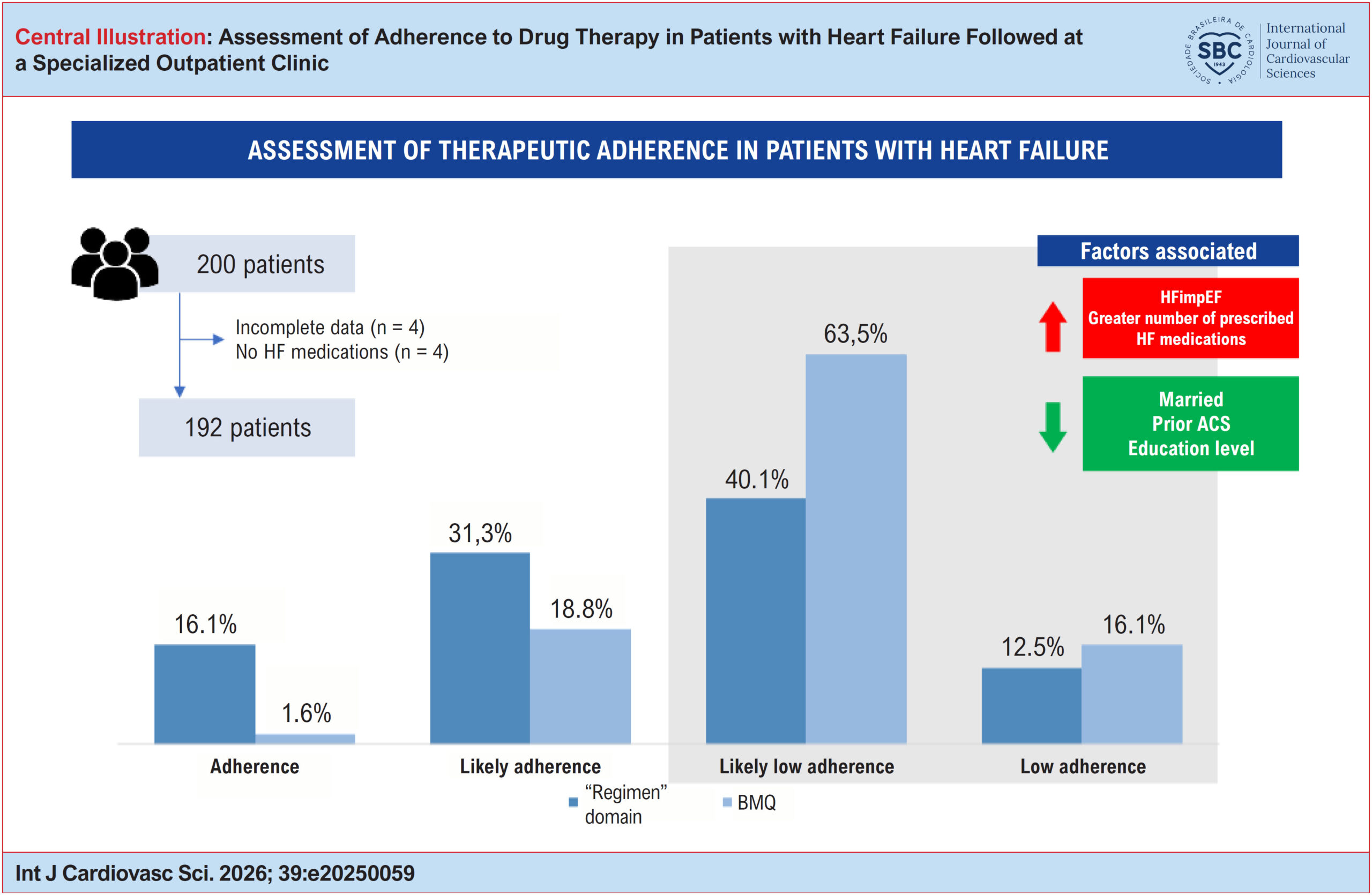
A total of 200 patients were included; 79.6% showed low adherence according to the BMQ, and 52.6% showed low adherence in the “regimen” domain. Only 3 (1.6%) patients presented no barriers to adherence. In multivariate analysis, being married (odds ratio [OR] 0.40; 95% confidence interval [CI] 0.16–0.96; p = 0.042), prior acute coronary syndrome (ACS) (OR 0.21; 95% CI 0.08–0.51; p < 0.001), education level (OR 0.90; 95% CI 0.82–0.98; p = 0.018), higher number of prescribed medications (OR 1.44; 95% CI 1.03–2.05; p = 0.037), and HF with improved ejection fraction (OR 2.76; 95% CI 1.06–7.63; p = 0.042) were independent predictors of low adherence.

Conclusion:

Low therapeutic adherence among patients with HF is prevalent and influenced by socioeconomic factors, social support, polypharmacy, and clinical characteristics. The results reinforce the need for health education and the simplification of therapeutic regimens.
  • Ambulatory Care
  • Heart Failure
  • medication adherence
Read Full Article
Creative Commons Attribution (CC BY) Creative Commons license
13/08/2026 DOI: 10.36660/ijcs.20250059 Views 1
Association between Self-Care Behaviors and Inadequate Glycemic Control in ELSA-Brasil Participants with Type 2 Diabetes
ABC
Original Article

Association between Self-Care Behaviors and Inadequate Glycemic Control in ELSA-Brasil Participants with Type 2 Diabetes

Gisele de Souza Tupinambá et al. Odaleia Barbosa de Aguiar Bruno Pereira de Moura Maria Inês Schmidt … Maria Del Carmen Bisi Molina Rosane Harter Griep Maria de Jesus Mendes da Fonseca

Abstract

Background

Type 2 diabetes is a prevalent chronic condition, often associated with metabolic and cardiovascular complications.

Objective

This study aimed to evaluate the association between self-care behaviors, such as consumption of ultra-processed foods, vegetables, greens and fruits, physical activity, adherence to pharmacological treatment and smoking, and inadequate glycemic control in ELSA-Brasil participants with type 2 diabetes.

Methods

This is a cross-sectional study with 2,567 individuals, in which the associations between the variables of interest were analyzed by multiple logistic regression (p<0.05).

Results

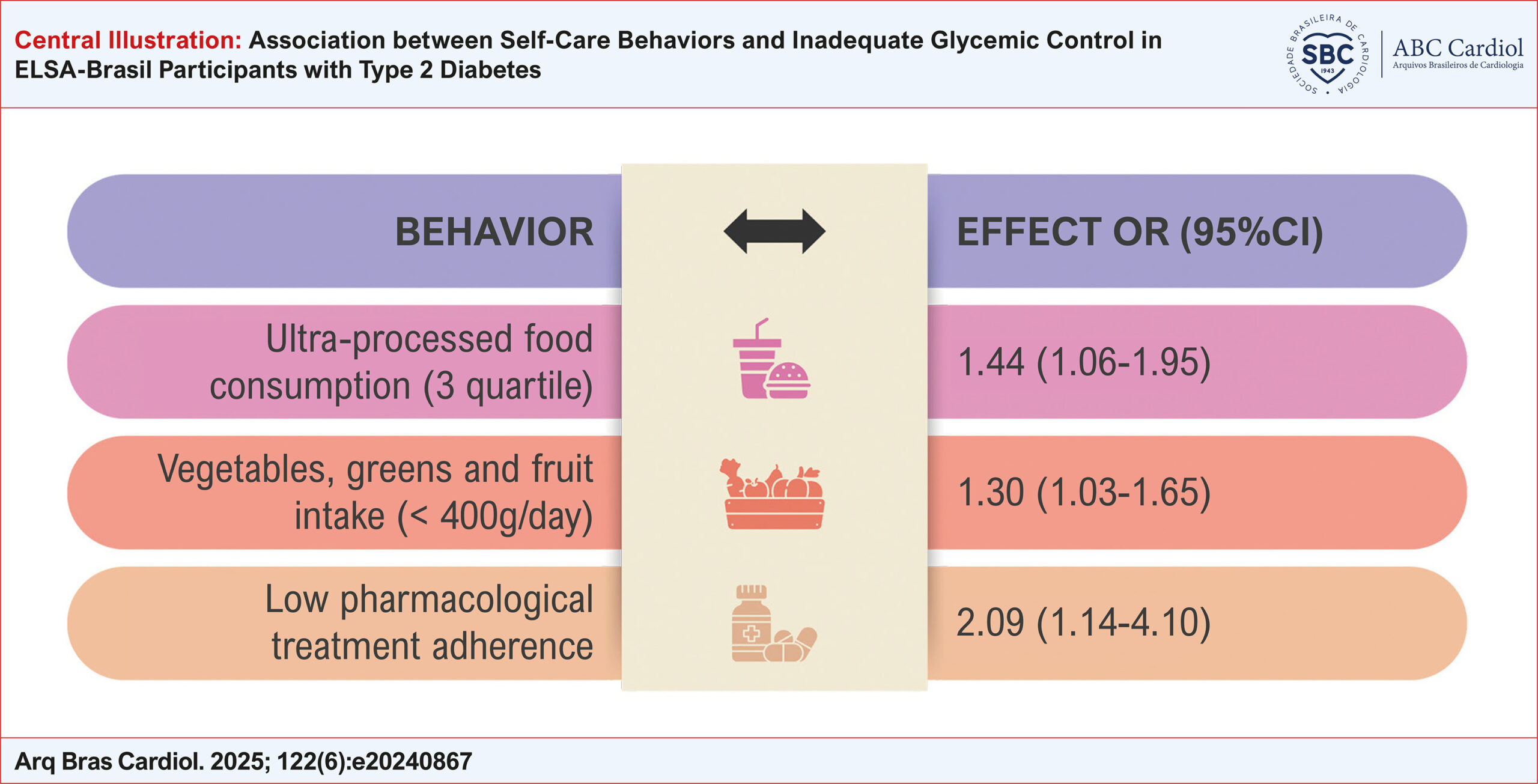
Adherence to pharmacological treatment was the only behavior consistently associated with inadequate glycemic control. Participants with low adherence were more than twice as likely to have inadequate levels of glycated hemoglobin (OR: 2.09; 95%CI 1.14–4.10). Consumption of ultra-processed foods and insufficient intake of leafy vegetables showed initial associations that did not remain significant after adjustments, suggesting the influence of additional factors, such as socioeconomic conditions.

Conclusion

These results reinforce the need for interventions that combine health education, self-care support and public policies aimed at equality of treatment access, contributing to glycemic control and the reduction of complications associated with type 2 diabetes.

  • Glycemic Control
  • medication adherence
  • Processed Food
  • Self-Care
  • Type 2 Diabetes Mellitus
Read Full Article
Creative Commons Attribution (CC BY) Creative Commons license
07/07/2025 DOI: 10.36660/abc.20240867i Views 1
Figure 1
ABC
Editorial

Technologies for Better Blood Pressure Control: Do the Applications Offer the Necessary Quality?

Roberto Dischinger Miranda et al. Bruna de Oliveira Laurindo Maria Eduarda Augusto Licco

Chronic diseases are highly prevalent among the Brazilian adult population, with a tendency to increase in the coming years, mainly due to population aging. Among them, systemic arterial hypertension (AH) stands out, affecting Around 27.9% of Brazilians. This condition is the main modifiable risk factor for cardiovascular disease, chronic kidney disease, and premature death, and in 2021, the mortality rate from hypertension reached the highest value in the last ten years, with 18.7 deaths per 100,000 inhabitants.,

Among the challenges in controlling hypertension is the fact that it is an asymptomatic condition, which makes it difficult to adhere to treatment, which includes lifestyle changes and regular use of antihypertensive medications. It is estimated that, among hypertensive patients, less than half use their medications properly, and poor medication adherence has been declared a public health problem by the World Health Organization. Among the causes of poor adherence are the reported lack of health education, lack of perception of improvement with the use of medication, the occurrence of adverse effects, and forgetting about the use of medications.,

[…]

  • Essential Hypertension
  • Hypertension
  • medication adherence
  • Mobile Applications
  • Smartphone
  • Technology
Read Full Article
Creative Commons Attribution (CC BY) Creative Commons license
28/04/2025 DOI: 10.36660/abc.20250085i Views 1
Spirituality/Religiosity and Adherence to Treatment in Hypertensive Individuals
ABC
Original Article

Spirituality/Religiosity and Adherence to Treatment in Hypertensive Individuals

Yanne da Silva Camargo et al. Aliny Serafim Borges Ferreira Luana Araújo Macedo Scalia Patrícia Magnabosco … Aline Guarato da Cunha Bragato Maria Beatriz Guimarães Raponi Nelson Dinamarco Valéria Nasser Figueiredo

Abstract

Background

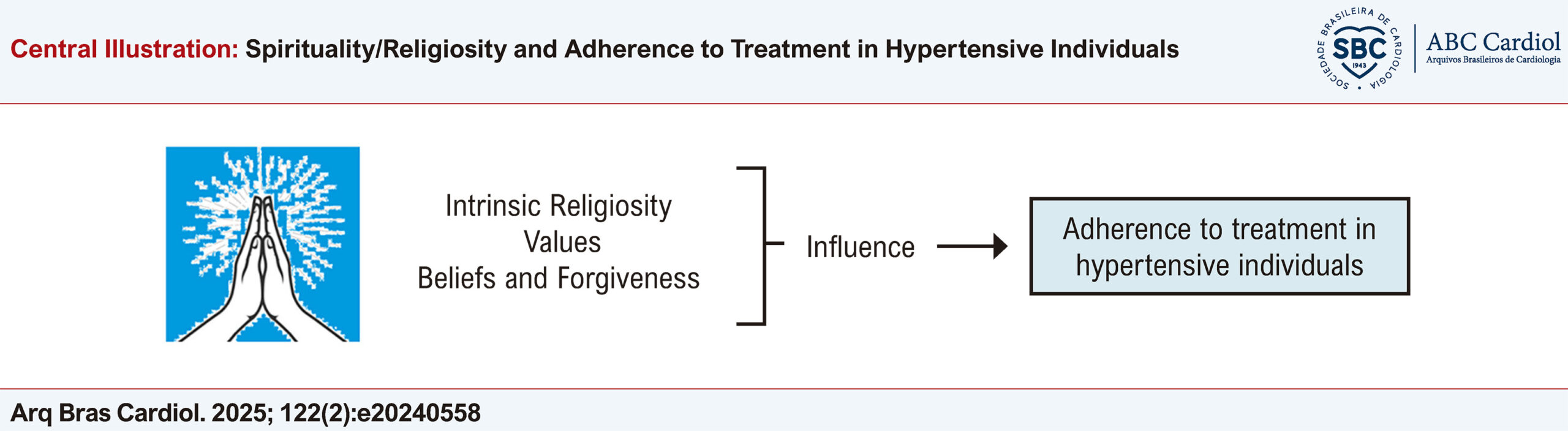
Adherence to drug and non-drug treatment for hypertension has a major socioeconomic impact, in addition to reducing the risk of cardiovascular events and morbidity and mortality. It is known that spirituality and religiosity can be incorporated into coping and managing hypertension.

Objective

To analyze possible factors associated with adherence to treatment in hypertensive patients and the role of spirituality/religiosity in this context.

Methods

Observational, cross-sectional, quantitative study, carried out with 237 hypertensive individuals monitored in a large Brazilian teaching hospital. Sociodemographic, clinical and lifestyle data were collected, in addition to measuring anthropometric data and performing a physical examination. To determine adherence to drug and non-drug treatment for hypertension, the QATSAH instrument was used and, to assess the level of spirituality/religiosity, the Duke Religion Index and the Brief Multidimensional Measure of Religiousness/Spirituality were applied.

Results

Higher levels of adherence to treatment were observed when aged ≥65 years, physically active, and who did not consume alcohol (p<0.05). Regarding religiosity and spirituality, intrinsic religiosity (β = 0.24, 95%CI [0.22, 1.13], p = 0.004), values and beliefs (β = -0.18, 95%CI [-1.58, -0.20], p = 0.012), and forgiveness (β = 0.16, 95%CI [0.13, 1.19], p = 0.015) were statistically significant predictors of treatment adherence. Organizational religiosity, non-organizational religiosity, and daily spiritual experiences were not significant.

Conclusion

Greater intrinsic religiosity, lower scores in Values and Beliefs and higher scores in Forgiveness increase the level of medication and non-medication adherence in hypertensive individuals.

  • Hypertension
  • medication adherence
  • Spirituality
  • Treatment Adherence and Compliance
Read Full Article
Creative Commons Attribution (CC BY) Creative Commons license
21/02/2025 DOI: 10.36660/abc.20240558i
Risk of Adverse Health Outcomes in Patients with Poor Adherence to Cardiovascular Medication Treatment: A Systematic Review
ABC
Original Article

Risk of Adverse Health Outcomes in Patients with Poor Adherence to Cardiovascular Medication Treatment: A Systematic Review

Marcus Vinícius Bolívar Malachias et al. Sergio Emanuel Kaiser Denilson Campos de Albuquerque Andrea Araújo Brandão … Andrei Carvalho Sposito Lidia Zytysnky Moura Lucélia Batista Neves Cunha Magalhães Marco Antonio Mota-Gomes Nadine Clausell Paulo César Veiga Jardim Wilson Nadruz Bruno Monteiro Barros Leonardo Castro Luna Weimar Kunz Sebba Barroso

Abstract

Background

Cardiovascular diseases (CVD) remain the leading cause of mortality worldwide. Medication adherence is an important issue in managing chronic CVD, directly influencing outcomes and healthcare costs.

Objectives

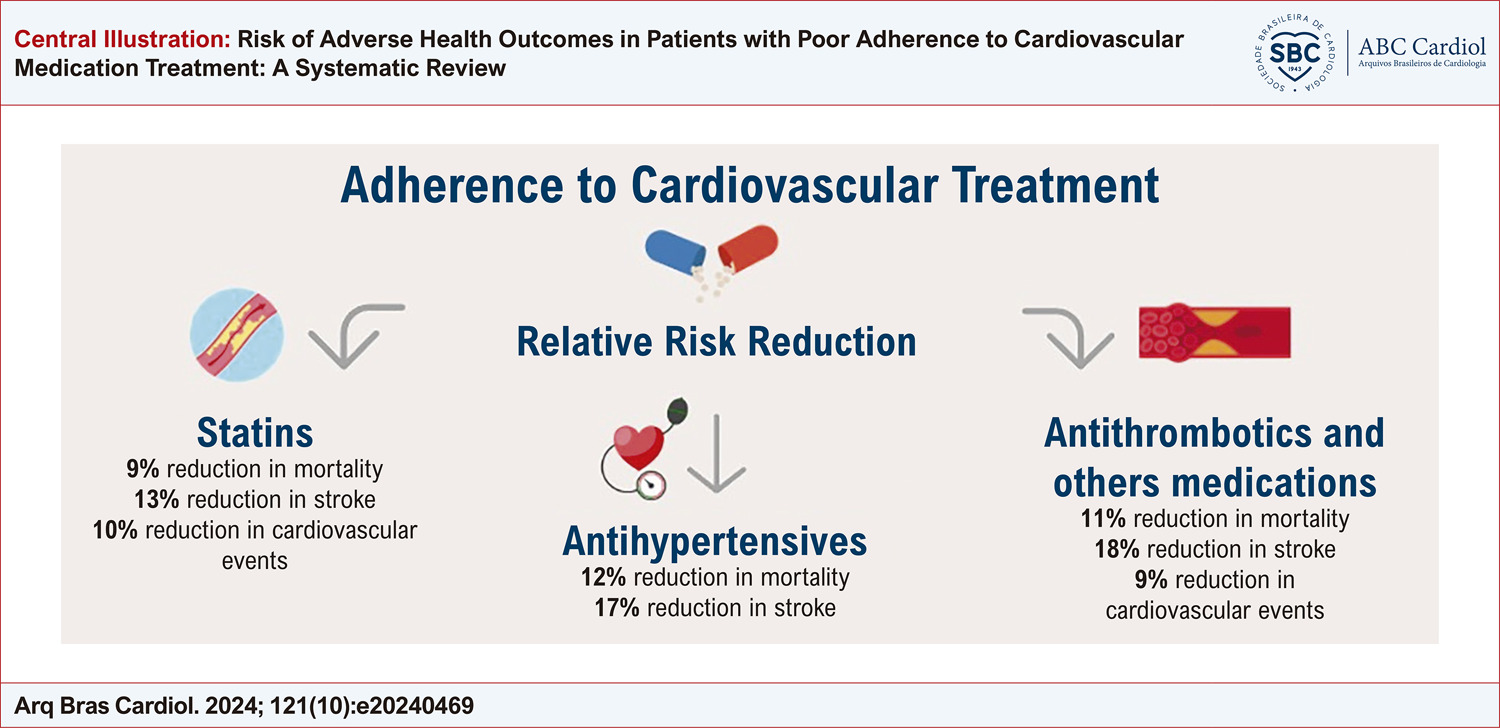
This systematic review, supported by the Brazilian Society of Cardiology, evaluates the impact of poor adherence to cardiovascular medications on critical clinical outcomes such as death and cardiovascular events.

Methods

A comprehensive search was conducted across four databases, including Medline, Embase, Lilacs, and the Cochrane Library. The review included systematic reviews with meta-analyses that reported risk estimates for adherence to cardiovascular medications. Four systematic reviews, each incorporating observational studies, were selected.

Results

An increase in adherence to medications significantly reduces the risk of cardiovascular events, stroke, and all-cause death. Specifically, a 20% improvement in adherence to antihypertensive, lipid-lowering, and other cardiovascular medications correlated with reductions in cardiovascular events by 7%, 10%, and 9%, respectively; stroke by 17%, 13%, and 18%; and death by 12%, 9%, and 10%. The certainty of the evidence was moderate, suggesting that these effects are likely present. These findings emphasize the importance of enhancing medication adherence to improve clinical outcomes in CVD management.

Conclusions

Evidence has demonstrated reductions in hard endpoints in both primary and secondary prevention through the control of conditions such as hypertension and elevated LDL cholesterol concentrations, as well as the benefits of antiplatelet therapy in atherosclerotic disease. However, additional studies are needed to better elucidate the relationship between adherence to cardiovascular medications and the improvement of critical clinical outcomes.

  • Cardiovascular Diseases
  • medication adherence
  • Patient Compliance
Read Full Article
Creative Commons Attribution (CC BY) Creative Commons license
22/11/2024 DOI: 10.36660/abc.20240469i Views 2
Potentially Inappropriate Cardioverter Defibrillator Implants in Secondary Prevention of Death
ABC
Original Article

Potentially Inappropriate Cardioverter Defibrillator Implants in Secondary Prevention of Death

William Neves de Carvalho et al. Tainá Teixeira Viana Clara Salles Figueiredo Fernanda Martins Luiz Carlos Santana Passos

Abstract

Background:

Implantable cardioverter defibrillators (ICDs) are recommended for patients experiencing malignant tachyarrhythmias due to irreversible causes, who are clinically stable, and have a life expectancy exceeding one year. However, adverse socioeconomic and psychosocial conditions can adversely affect short-term survival and may render implantation inappropriate.

Objective:

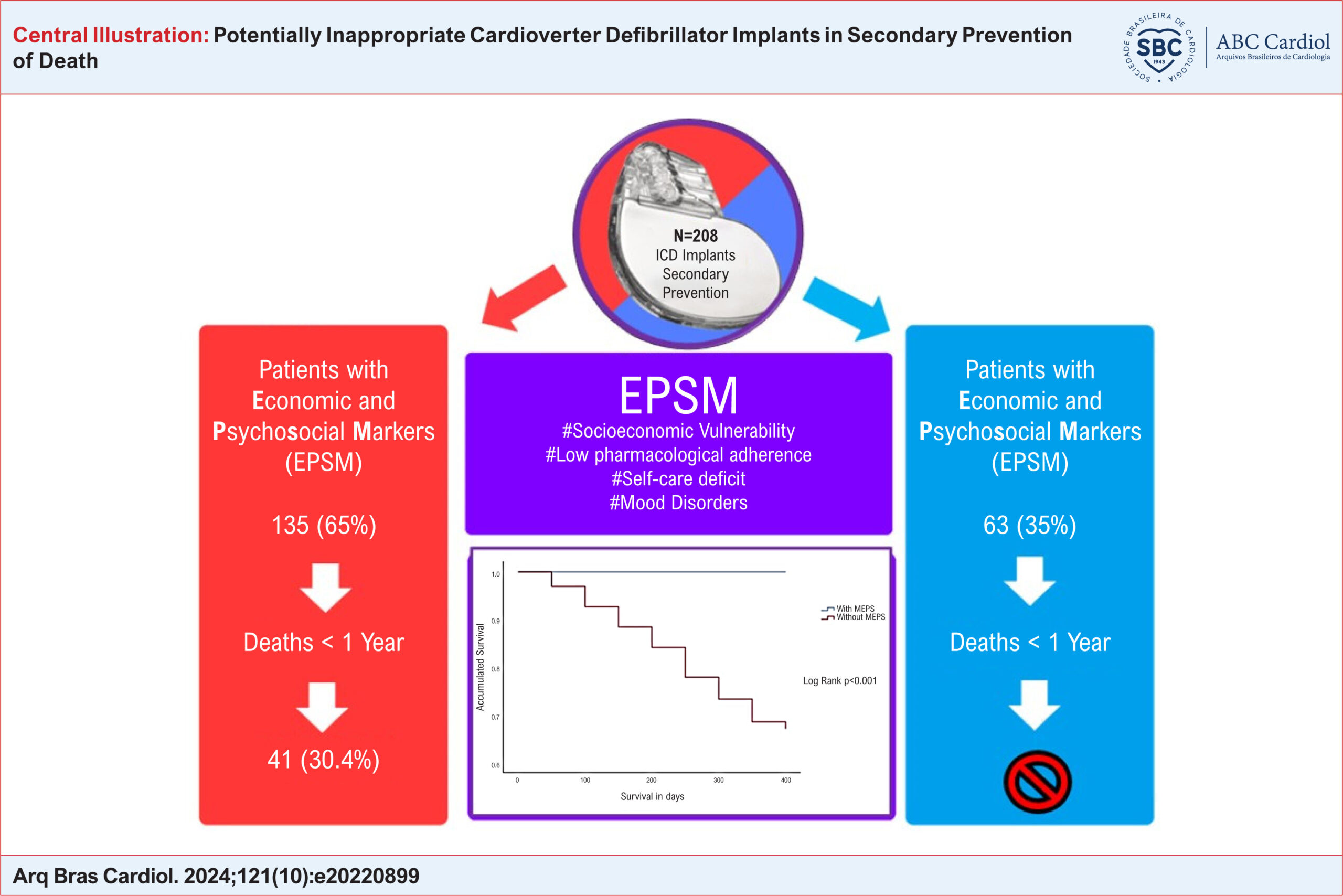
To assess whether economic and psychosocial markers (EPSM) are associated with higher mortality in the first year (indicating potentially inappropriate implants) following ICD implantation.

Methods:

A prospective cohort study conducted between 2017 and 2021 included patients with heart failure and left ventricular ejection fraction (LVEF) < 50% who underwent ICD implantation for secondary prophylaxis. Prior to the procedure, patients were evaluated by an MDT, which examined four EPSM variables, namely socioeconomic vulnerability, self-care capacity, pharmacological adherence, and mood disorders. The participants were monitored for at least 12 months. Statistical significance was considered to be p-values < 0.05.

Results:

A total of 208 individuals were included, with 144 (68.9%) being male. The mean LVEF was 32% ±9 and 107 (51%) had Chagas disease etiology. The mortality rate in the first year was 54/208 (25.8%). All patients who died had at least one of the EPSM and there no deaths were reported among the 73 (35.4%) who did not have EPSM. In multivariate analysis, having EPSM and LVEF were the only independent predictors of mortality under 1 year: RR 20.48 (2.75 – 52.29); p=0.003 and RR 0.97 (0.93 – 0.99); p=0.047, respectively.

Conclusion:

Socioeconomic and psychosocial conditions should be identified and, where possible, resolved before implantation, as they may make device implantation a potentially inappropriate procedure.

  • Implantable Defibrillators
  • medication adherence
  • Patient Care Team
  • Social Vulnerability
  • Treatment Adherence and Compliance
Read Full Article
Creative Commons Attribution (CC BY) Creative Commons license
11/11/2024 DOI: 10.36660/abc.20220899i
Therapeutic Adherence According to the Morisky Scale in Patients with Hypertension
IJCS
Original Article

Therapeutic Adherence According to the Morisky Scale in Patients with Hypertension

Vinícius Encenha Lanza et al. Gabriel Oliveira Silva Celi Cristina Calamita Quiroga Margaret Assad Cavalcante … Weimar Kunz Sebba Barroso Andréa Araujo Brandão Eduardo Costa Duarte Barbosa Marcus Vinicius Bolivar Malachias Marco Mota Gomes Celso Amodeo Rui Manoel dos Santos Povoa Dalton Bertolim Précoma Antônio Carlos Sobral Sousa João Miguel Malta Dantas Evandro José Cesarino Pedro G. M. de Barros e Silva Paulo Cesar B. Veiga Jardim Renato D. Lopes

Abstract

Background

In view of the high prevalence of hypertension and the importance of adequate drug therapy in the prevention of complications, it is necessary to know the adherence to drug treatment in this population.

Objective

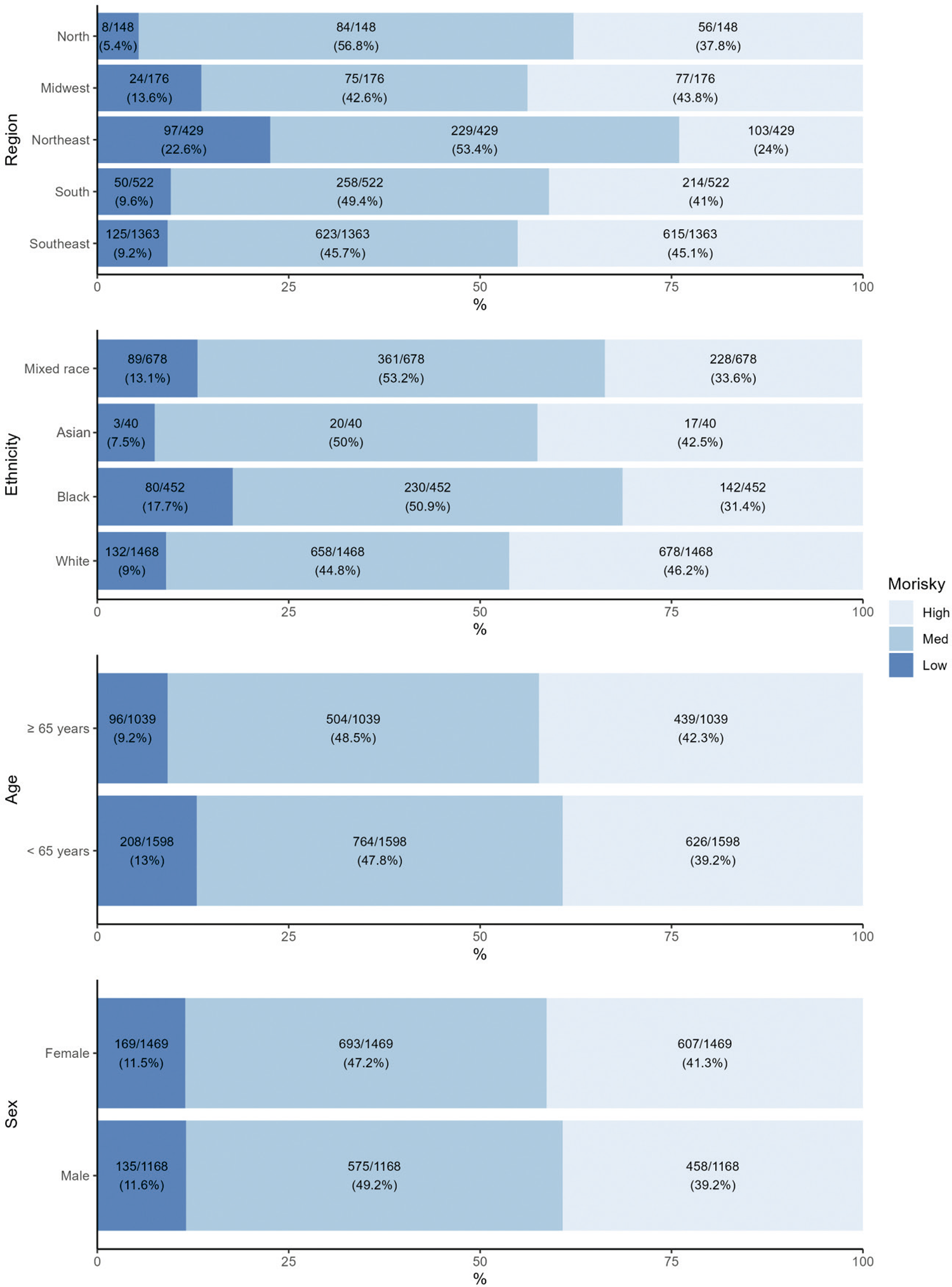
To verify adherence to antihypertensive drug treatment in Brazilian patients with hypertension using the Morisky-Green Test (MGT), relating it with demographic data.

Methods

Prospective, observational, multicenter, national registry study, with 2,578 hypertensive patients participating in study I, the Brazilian Cardiovascular Registry of Arterial Hypertension (I-RBH), recruited in the five regions of Brazil. The analyses carried out on the data were descriptive statistics, qui-square tests, ANOVA, and logistic regression, adopting 5% as the significance level for the tests.

Results

The research shows that 56.13% of patients in the sample were female; 56.71% were elderly (≥ 65 years); 55.86% were White; 52.37% were from the Southeast Region; and 59.74% were non-adherent. Logistic regression showed an independent relationship between patients’ age, ethnicity, and region with medication adherence.

Conclusion

Adherence to treatment is the key to reducing high rates of cardiovascular complications. The study brings a successful outcome in the relationship between the factors ethnicity, age, and region of patients with hypertension and medication adherence. To this end, it is necessary to understand these factors, considering systematic evaluation in the care of patients with hypertension and other chronic non-communicable diseases. This study is a significant contribution to multidisciplinary teams, as it highlights which risk factors interfere with medication adherence, incorporating better strategies in health education.

  • Cardiovascular Diseases
  • Hypertension
  • medication adherence
Read Full Article
Creative Commons Attribution (CC BY) Creative Commons license
08/03/2024 DOI: 10.36660/ijcs.20220138 Views 2
IJCS
Editorial

Challenging Health Literacy, Patient Knowledge, and Adherence to Oral Anticoagulation in Primary Care Units

Alfredo José Mansur

Care of patients and therapeutics in clinical practice has evolved based on scientific and technological advances, mainly in patients living in societies with appropriate social, educational, and economic conditions, as well as supported facilities that are able to be elicited when needed. However social disparities, whether in social and economic background or in education can vary among population subsets in a way that may hinder the proper care necessary to fulfill expected results. These disparities influence adherence that may be less than optimal. Health literacy is a public concern recognized by different agencies, including the World Health Organization (WHO). Moreover, the healthcare network in different countries may vary.

In Brazil, reports of experiences in primary care facilities, which present interesting opportunities to add to the clinical experience, were evaluated in the city of Divinópolis, in the southeastern region of Brazil, with estimated population of 242,505 inhabitants. Primary care facilities in Divinópolis are organized in 43 primary care units. In the current study, the authors evaluated 162 participants (mean age 64.8±12.7 years-old, 55.6% women) concerning chronic treatments with warfarin, 50% of which were identified due to nonvalvular atrial fibrillation or venous thromboembolism. Participants were evaluated with tests devised to check for oral anticoagulation knowledge, adherence to treatment, health literacy, and the medication complexity index. The relationship of the studied variables with the therapeutic range of INR was unclear; the sample size may well have been a key limitation to estimating associations. The mean follow-up time was 16.5 months after recruitment in March 2020. There were 16 deaths, two of which may have been related to hemorrhage and two possibly related to thromboembolism. The study revealed insufficient knowledge about warfarin therapy and low health literacy in primary care facilities.

[…]

  • Fibrinolytic Agents
  • Health Education
  • Health Status Disparities
  • medication adherence
  • Oral Anticoagulants
  • Warfarin
Read Full Article
Creative Commons Attribution (CC BY) Creative Commons license
15/09/2023 DOI: 10.36660/ijcs.20230095
Figure 1
IJCS
Original Article

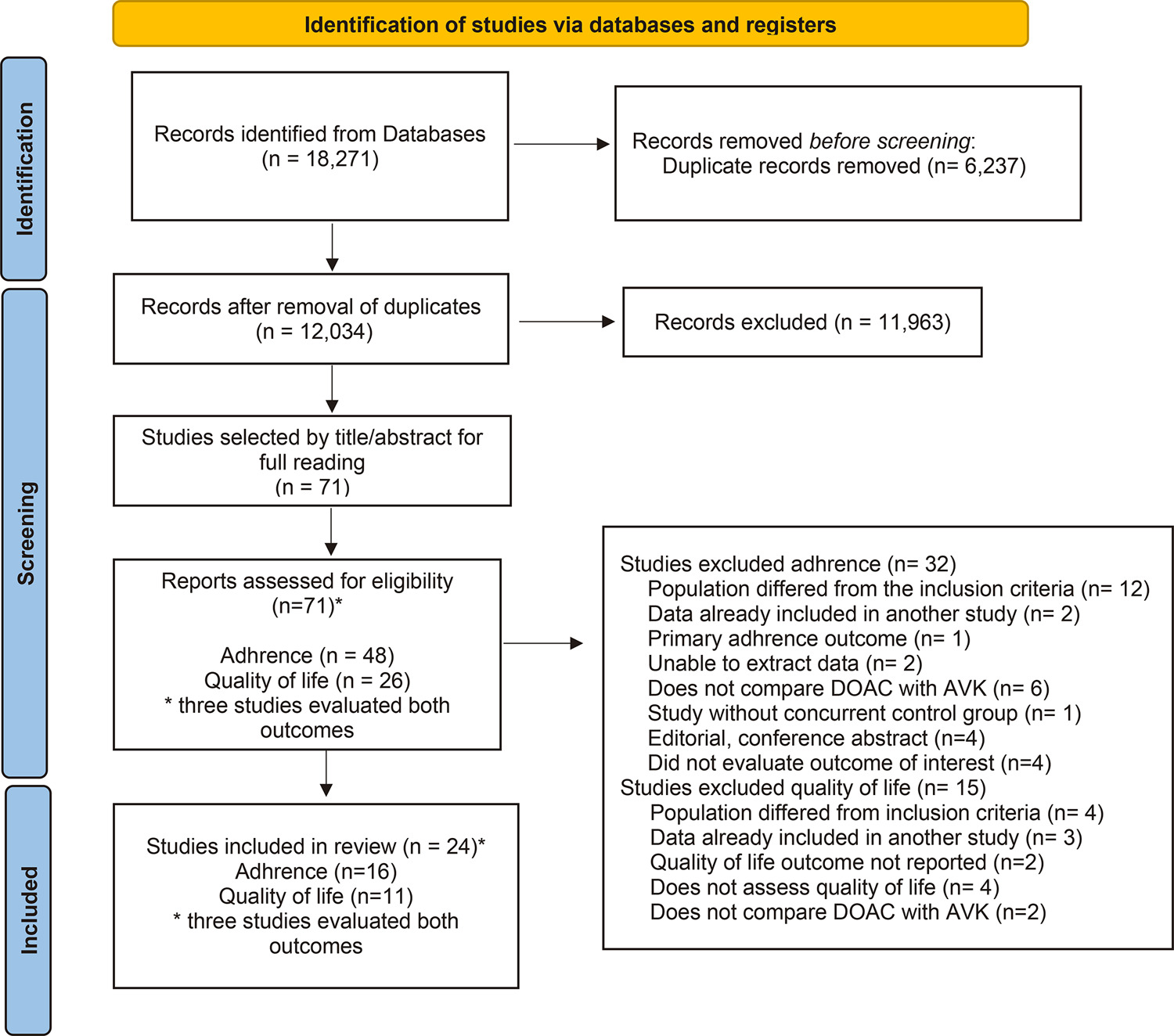
Adherence and Quality of Life in Non-Valvular Atrial Fibrillation With Direct Oral Anticoagulants Versus Vitamin K Antagonists: A Systematic Review

Vanelise Zortea et al. Karine Duarte Curvello Diogo Pilger Antonios Douros … Lisiane Freitas Leal Tatiana da Silva Sempé Tatiane da Silva Dal Pizzol

Abstract

Background

Direct anticoagulants (DOACs) and vitamin K antagonists (VKAs) differ in pharmacokinetic characteristics, intensity of required laboratory monitoring, and costs. These differences could affect patients’ adherence to treatment and quality of life (QoL).

Objective

To assess whether patients with non-valvular atrial fibrillation (AF) using DOACs have better treatment adherence and QoL when compared to patients using VKAs.

Methods

We conducted a systematic review in Medline, Embase, LILACS, SciELO, CINAHL, and Cochrane Central, until June 9, 2021. We included studies that estimated and compared treatment adherence and QoL between DOACs and VKAs in adults with non-valvular AF. The methodological quality of the studies was assessed using the Joanna Briggs Institute (JBI) tools. The protocol was registered in the PROSPERO (CRD 42020165238).

Results

Sixteen studies, including 122,458 patients with non-valvular AF, evaluated adherence, and eleven studies, including 5,687 patients, assessed QoL. A variety of methods was used to measure adherence. Eleven studies showed no difference in adherence between DOACs and VKAs, while three studies favored VKAs over DOACs and two studies favored DOACs over VKAs. QoL was measured by specific (n = 3) or generic questionnaires (n = 8); results favored DOACs over VKAs in four studies, while in the other seven studies the results showed no difference between the groups. Meta-analyses were not performed due to high methodological heterogeneity among studies.

Conclusions

Available evidence regarding treatment adherence and QoL with DOACs and VKAs is characterized by methodological heterogeneity and conflicting findings.

  • Anticoagulants
  • Atrial Fibrillation
  • medication adherence
  • Quality of life
  • systematic review
Read Full Article
Creative Commons Attribution (CC BY) Creative Commons license
17/07/2023 DOI: 10.36660/ijcs.20220115 Views 1
IJCS
Editorial

The Role of Pharmacists in Antihypertensive Pharmacotherapy

Christianne Bretas Vieira Scaramello et al. Flavia Valeria dos Santos Almeida

Hypertension encompasses a preventable risk factor associated with a significant global burden of cardiovascular disease (CVD) and premature death. Its prevalence is rising worldwide due to population aging, unbalanced diets, and sedentary, especially in low- and middle-income countries. Prevalence data in Brazil vary according to the database. However, about 30% of adults present blood pressure of 140/90 mmHg or more, with CVD representing 22.6% premature passing. This link between hypertension and CVDs-related deaths highlights the relevance of blood pressure control.

In 2021, the World Health Organization elaborated evidence-based guidance for the pharmacological treatment of nonpregnant adults with an accurate diagnosis of hypertension who have already received counseling for lifestyle modification. It is crucial to set blood pressure threshold to pharmacological therapy beginning and treatment targets. In addition, the determination of follow-up visits to adjust monotherapy or dual therapy embracing single or dual pill combination medications is mandatory. Comorbidities, unwanted effects, cost, and acceptability must also be evaluated. In 2020, the Brazilian Society of Cardiology also published decision and therapeutic goals for hypertension management.

[…]

  • Epidemiology
  • Hypertension
  • medication adherence
  • Mortality and Morbidity
  • Patient Care Management
  • Risk Factors
  • Urban Area
Read Full Article
Creative Commons Attribution (CC BY) Creative Commons license
04/09/2022 DOI: 10.36660/ijcs.20220065 Views 3
Figure 1
IJCS
Original Article

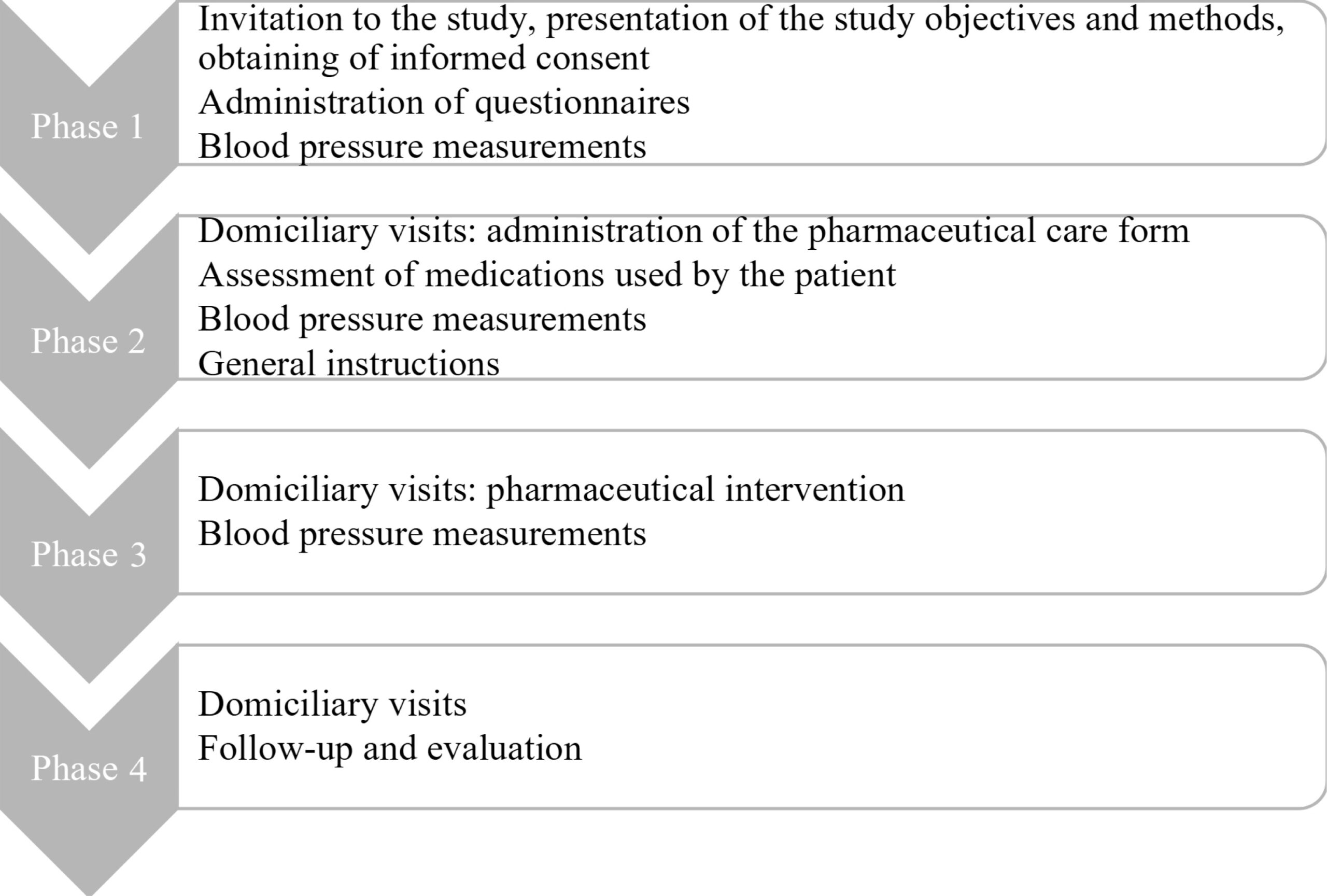
Pharmaceutical Care in Primary Care: an Experience with Hypertensive Patients in the North of Brazil

Ilvia Silva Gomes et al. Elaine Menezes Rossi Samara Jamile Mendes Brigitte Rieckmann Martins dos Santos Wilson Sabino

Abstract

Background:

Uncontrolled blood pressure has been associated with poor adherence to drug treatment.

Objectives:

To assess blood pressure control in hypertensive patients attending primary health centers after implementation of a pharmaceutical follow-up program in a city of the north of Brazil.

Methods:

Observational, cross sectional, descriptive study with 163 hypertensive patients attending public primary health care centers – one located on the riverside and one in the urban area of the city of Santarem, western Pará, Brazil. Adherence to the anti-hypertensive treatment was assessed using the eight-item Morisky test. Pharmacotherapy follow-up (Dader method) of patients with uncontrolled hypertension and non-adherent to anti-hypertensive treatment was performed. Results of the normality test showed that the data did not follow a normal distribution. Continuous variables were then compared using the Wilcoxon signed-rank test, and categorical variables by the likelihood ratio and the McNemar tests. Statistical significance was set at 5%.

Results:

Of the total sample, 94.5% were not adherent to anti-hypertensive drug therapy and 77.2% had uncontrolled hypertension. Adherence rate was higher in men than women (p=0.006). Pharmacotherapy follow-up improved blood pressure levels, particularly systolic blood pressure (p<0.001).

Conclusion:

An individualized pharmacotherapeutic follow-up, considering regional and cultural specificities, can contribute to the treatment of hypertensin in the primary care.

  • Epidemiology
  • Hypertension
  • medication adherence
  • Morbidity and Mortality
  • Patient Care Management
  • Risk Factors
  • Urban Area
Read Full Article
Creative Commons Attribution (CC BY) Creative Commons license
25/02/2022 DOI: 10.36660/ijcs.20200257 Views 2
IJCS
Editorial

Blood Pressure Control and Therapeutic Adherence – The Challenges of Hypertension

Elizabeth Silaid Muxfeldt

Blood pressure control is the greatest challenge in the treatment of hypertension., The control rate varies from 10% to 32% among continents, and it is related to the development level of each country, with averages ranging from 27% in low- and middle-income countries to 51% in high-income countries. In Brazil, the rates of awareness (22% – 77%), treatment (11% – 78%), and blood pressure control (10% – 36%) also vary depending on the population studied. Clinical inertia, inappropriate lifestyle, and poor therapeutic adherence are the main reasons for difficulty in reaching the therapeutic target.

Several factors affect adherence to treatment, including sociodemographic factors, as well as factors related to patients, drug treatment, and healthcare providers., The main sociodemographic factors are age (younger and very elderly patients), poverty, ethnicity (minorities), and lack of social support. Few studies have assessed the difference in adherence between men and women, and they present controversial results.

[…]

  • Blood Pressure
  • Hypertension
  • medication adherence
  • Prevalence
Read Full Article
Creative Commons Attribution (CC BY) Creative Commons license
19/07/2021 DOI: 10.36660/ijcs.20210172 Views 1
Clinical Characteristics and Therapeutic Adherence of Women in a Referral Outpatient Clinic for Severe Hypertension
IJCS
Original Article

Clinical Characteristics and Therapeutic Adherence of Women in a Referral Outpatient Clinic for Severe Hypertension

Pedro Henrique Barletta et al. Eduardo Faria Soares de Magalhães Vitor Fernandes de Almeida Júlia Lasserre Moreira … Murilo Jorge da Silva Cristiano Macedo Roque Aras

Abstract

Background

Cardiovascular disease is the main cause of death worldwide. There is a lack of studies addressing this issue in women and its risk factors, such as hypertension.

Objective

To evaluate the clinical and therapeutic profile of women with hypertension and to determine which factors are related to treatment adherence and blood pressure control.

Methods

Cross-sectional study of 181 hypertensive women treated at an outpatient referral clinic. Data were obtained from medical records, face-to-face interviews, and physical examination, using a standardized form. Statistical analysis was performed with prevalence ratio, chi-square and Student’s t test. Significance was accepted at p<0.05.

Results

Most patients were mixed-race or black (91.7%) and the mean age was 66.09 years. Only 44.2% of patients had controlled blood pressure. The prevalence of stroke was 14.9%, whereas the prevalence of coronary artery disease was 19.3%. The mean number of oral antihypertensive drugs prescribed to each individual was 3.41. A history of stroke was more often found in patients with uncontrolled blood pressure (p=0.013) and in those using three or more antihypertensives (p=0.023). Eighty patients (44.2%) had high treatment adherence. Depression was more frequently reported by patients with poorer adherence to treatment (p=0.026).

Conclusion

Women with hypertension presented a high prevalence of cardiovascular risk factors and cardiovascular events, including a significantly higher prevalence of stroke in those with uncontrolled hypertension. Self-reported depression may help identify patients at risk of nonadherence to treatment.

  • antihypertensive agents
  • Blood Pressure
  • Hypertension
  • medication adherence
  • Women
Read Full Article
Creative Commons Attribution (CC BY) Creative Commons license
16/07/2021 DOI: 10.36660/ijcs.20200417 Views 1
IJCS
Original Article

Influence of Factors Affecting Quality of Life on in-Hospital Cardiovascular Events of Patients with Acute Myocardial Infarction with and without ST-segment Elevation

Monique Tavares de Jesus et al. Ingrid Maria Novais Barros de Carvalho Costa Danielle Góes da Silva José Rodrigo Santos Silva … José Augusto Soares Barreto-Filho Marcos Antonio Almeida-Santos Joselina Luzia Meneses Oliveira Mirella Dornelas Batalha Moreira Buarque Fabrício Anjos de Andrade Antônio Carlos Sobral Sousa

Abstract

Background

Acute myocardial infarction (AMI), with and without ST-segment elevation (STEMI and NSTEMI, respectively), is the principal cause of cardiovascular morbidity and mortality in Brazil and around the world. Modifiable risk factors (RF) and quality of life (QOL) may correlate with the type of AMI.

Objective

To evaluate the influence of QOL and RF on the type of AMI and in-hospital cardiovascular events in STEMI and NSTEMI patients.

Methods

This was an observational, cross-sectional study. Patients with AMI attending four referral hospitals (three private and one public) for cardiovascular disease treatment were assessed for QOL using the Brazilian version of the 36-item short form survey. A p < 0.05 was considered statistically significant.

Results

We evaluated 480 volunteers; 51% were treated in one of the private hospitals. In total, 55.6% presented with STEMI, and 44.4% with NSTEMI. Patients from the public hospital were 8.56 times more likely to have STEMI compared to those from the private hospitals. There was a higher prevalence of smokers in STEMI (p < 0.028) patients. QOL was not associated with the type of AMI. A negative patient perception of the physical health and pain domains was observed. Although a significant difference between the physical and the mental health domains was not observed, individual domains were correlated with some in-hospital outcomes.

Conclusion

There was a higher prevalence of smokers among individuals with STEMI. Domains of QOL showed a statistically significant relationship with the occurrence of in-hospital cardiovascular events, with no difference between the types of AMI.

  • Cardiovascular Diseases / epidemiology
  • Coronary Acute, Syndrome
  • medication adherence
  • Myocardial Infarction
  • Risk Factors
Read Full Article
Creative Commons Attribution (CC BY) Creative Commons license
07/07/2021 DOI: 10.36660/ijcs.20190185
Figure 1
IJCS
Original Article

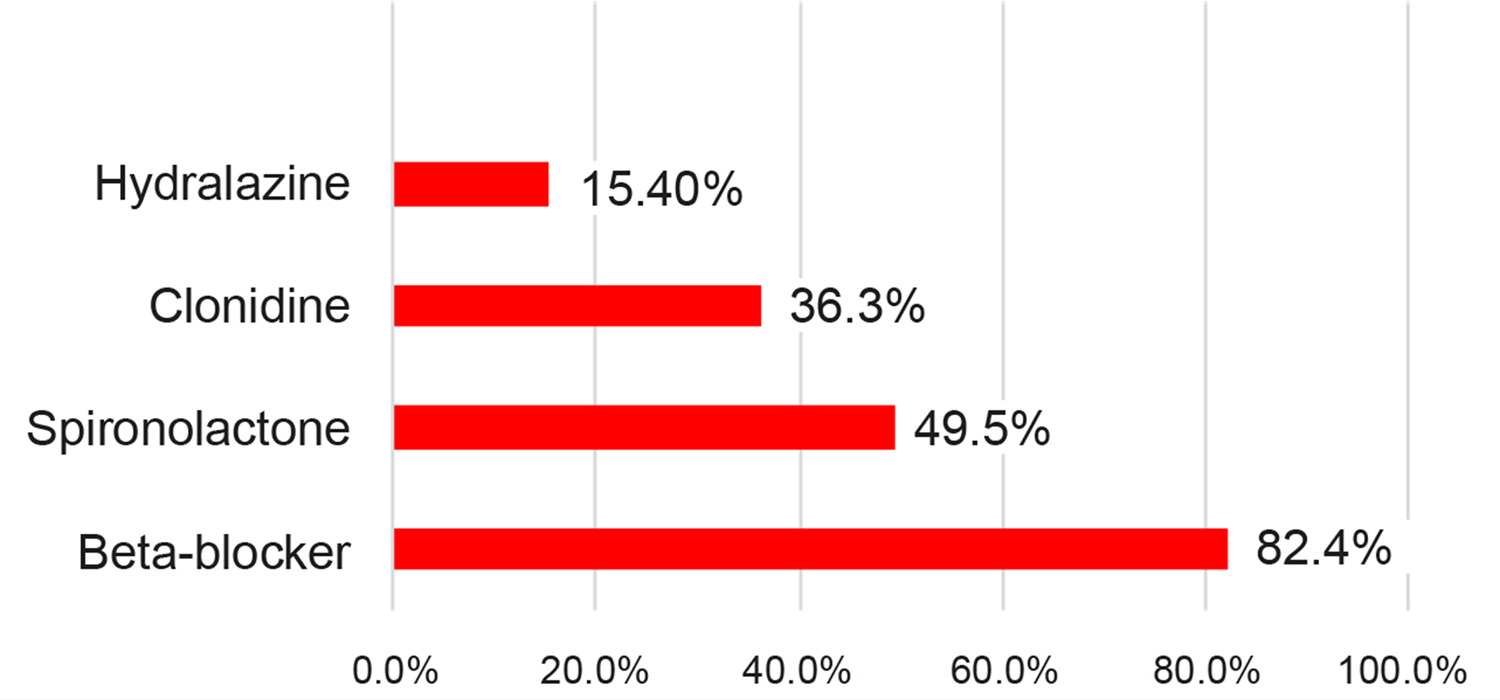
Drug Profile and Therapeutic Adherence of African-Brazilians with Apparent Resistant Hypertension

Pedro Henrique Andrade Araújo Salvatore Barletta et al. Júlia Lasserre Moreira Vitor Fernandes de Almeida Mateus Andrade Bomfim Machado … Breno Lima de Almeida Tayla Samanta Silva dos Santos Yana Mendonça Nascimento Thaise Almeida Silva Roque Aras Cristiano Macedo

Abstract

Background

Resistant hypertension (RH) is manifested by the presence of blood pressure values resistant to antihypertensive therapy. RH is highly prevalent among black individuals, increasing cardiovascular risk in this population and requiring effective control of this comorbidity.

Objectives

To investigate the medication profile and therapeutic adherence in black people with apparent RH.

Methods

This is a cross-sectional study, with a convenience sample of individuals with apparent RH. Data were obtained from medical records. Therapeutic adherence was assessed using the Morisky Therapeutic Adherence Scale of 8 items (MMAS-8) and statistical analysis was performed using the SPSS, version 23. Significance was set at p <0.05.

Results

Of the 120 individuals, 90 (75%) were women and 72 (60%) were black. Mean SBP was 153.09 (SD 25.59) mm Hg and mean DBP, 90.82 (SD 16.91) mm Hg, with a statistical difference in relation to the target pressure for SBP. Regarding the medication profile, 79.2% of the individuals used the recommended regimen for RH (ACEI / ARB + Diuretic + CCB), with the fourth most used drug being beta-blockers. The average score in MMAS-8 was 6.62 (SD 1.38) points, with 19.2%, 50.0%, and 30.8% showing low, medium, and high adherence, respectively.

Conclusions

It was evidenced that two-thirds of the individuals did not have high therapeutic adherence and not all used the ideal regimen for the management of RH, nor full doses. Thus, most individuals were probably affected by pseudoresistance, which was initially diagnosed as apparent RH. (Int J Cardiovasc Sci. 2021; [online].ahead print, PP.0-0)

  • African Continental Ancestry Group
  • Antihipertensive Agents
  • Blood Pressure
  • drug resistance
  • Hypertension
  • medication adherence
Read Full Article
Creative Commons Attribution (CC BY) Creative Commons license
22/02/2021 DOI: 10.36660/ijcs.20200117
Figure 1
ABC
Original Article

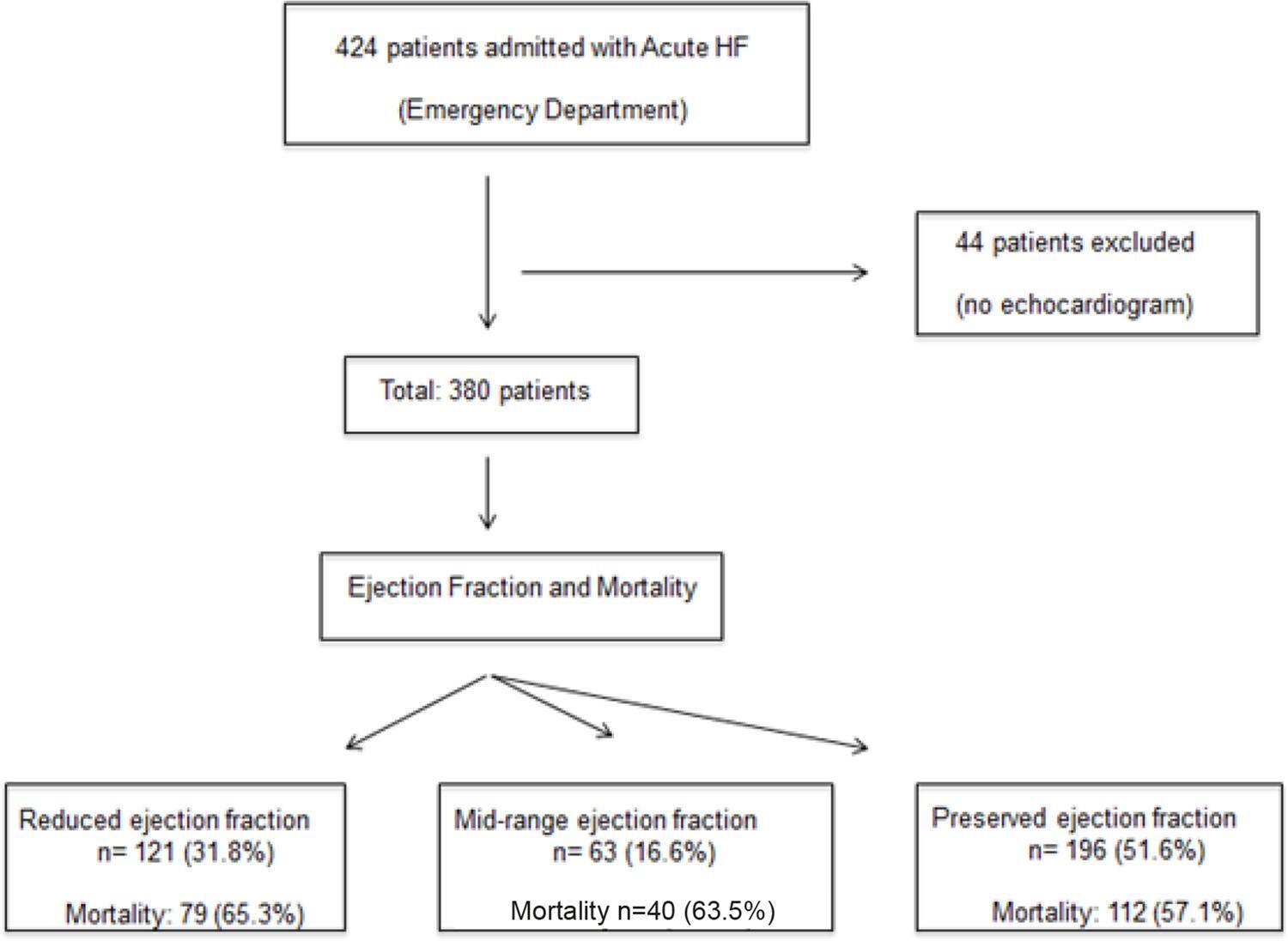
Survival of Patients with Acute Heart Failure and Mid-range Ejection Fraction in a Developing Country – A Cohort Study in South Brazil

Lucas Celia Petersen et al. Luiz Claudio Danzmann Eduardo Bartholomay Luiz Carlos Bodanese … Brenda Gonçalves Donay Ellen Hettwer Magedanz Adriana Vier Azevedo Gustavo Farias Porciuncula Marcelo Haertel Miglioranza

Abstract

Background

Heart Failure with mid-range Ejection Fraction (HFmEF) was recently described by European and Brazilian guidelines on Heart Failure (HF). The ejection fraction (EF) is an important parameter to guide therapy and prognosis. Studies have shown conflicting results without representative data from developing countries.

Objective

To analyze and compare survival rate in patients with HFmEF, HF patients with reduced EF (HFrEF), and HF patients with preserved EF (HFpEF), and to evaluate the clinical characteristics of these patients.

Methods

A cohort study that included adult patients with acute HF admitted through the emergency department to a tertiary hospital, reference in cardiology, in south Brazil from 2009 to 2011. The sample was divided into three groups according to EF: reduced, mid-range and preserved. A Kaplan-Meier curve was analyzed according to the EF, and a logistic regression analysis was done. Statistical significance was established as p < 0.05.

Results

A total of 380 patients were analyzed. Most patients had HFpEF (51%), followed by patients with HFrEF (32%) and HFmEF (17%). Patients with HFmEF showed intermediate characteristics related to age, blood pressure and ventricular diameters, and most patients were of ischemic etiology. Median follow-up time was 4.0 years. There was no statistical difference in overall survival or cardiovascular mortality (p=.0031) between the EF groups (reduced EF: 40.5% mortality; mid-range EF 39.7% and preserved EF 26%). Hospital mortality was 7.6%.

Conclusion

There was no difference in overall survival rate between the EF groups. Patients with HFmEF showed higher mortality from cardiovascular diseases in comparison with HFpEF patients. (Arq Bras Cardiol. 2021; 116(1):14-23)

  • Epidemiology
  • Heart Failure
  • medication adherence
  • Mortality
  • Prognosis
  • Stroke Volume
  • Survivorship
Read Full Article
Creative Commons Attribution (CC BY) Creative Commons license
03/02/2021 DOI: 10.36660/abc.20190427 Views 2
ABC
Editorial

Heart Failure Mid-Range Ejection Fraction

Paula Felippe Martinez et al. Marina Politi Okoshi Katashi Okoshi Silvio Assis de Oliveira-Junior

Heart failure (HF) is a clinical syndrome with typical symptoms caused by structural and/or functional cardiac abnormalities. It has a prevalence of up to 1-2% in adults from developed countries with high mortality due to cardiovascular causes., Elevated morbidity and mortality can also be seen in developing countries such as Brazil.

The main terminology used to classify HF is based on left ventricular ejection fraction (LVEF) values. In 2016, the European Society of Cardiology (ESC) Task Force for the Diagnosis and Treatment of Acute and Chronic Heart Failure introduced a new HF class consisting of patients with an LVEF between 40 and 49%, which was called HF with mid-range ejection fraction (HFmrEF). A grey area between heart failure with reduced (HFrEF) and preserved (HFpEF) ejection fraction had been recognized in previous studies. The introduction of this new HF classification led to a rapid increase in the number of studies on HFmrEF over the next few years,, with many conflicting results in terms of survival and the clinical characteristics of HFmrEF being reported in literature. Although mortality and morbidity in HFrEF has been reduced by improving treatment in the last thirty years, similar results were not seen in HFpEF and few studies were specifically designed to evaluate mortality in patients with HFmrEF.

[…]

  • Heart Failure / mortality
  • medication adherence
  • Prognostic
  • Stroke Volume
Read Full Article
Creative Commons Attribution (CC BY) Creative Commons license
03/02/2021 DOI: 10.36660/abc.20200576 Views 1
ABC
Editorial

Heart Rate Control in Heart Failure

Mariana Janini Gomes et al. Luana Urbano Pagan

Heart failure (HF) is an important public health issue due to its high prevalence and the severity of clinical manifestations. , The increment in population longevity has increased the number of hospitalizations and deaths due to HF. Recent data by DATASUS (2020) show the occurrence of 26,482 deaths from HF.

This syndrome has a multifactorial characteristic and its treatment requires a multidisciplinary team to meet the recommendations proposed in the guidelines for the treatment of HF. Follow-up and monitoring of patients are essential for improving the clinical outcomes. –

[…]

  • Heart Failure/treatment
  • Heart Rate
  • medication adherence
  • Patient Care Team
Read Full Article
Creative Commons Attribution (CC BY) Creative Commons license
18/01/2021 DOI: 10.36660/abc.20200572
Figure 1
ABC
Original Article

Is Current Drug Therapy for Heart Failure Sufficient to Control Heart Rate of Patients?

Juliano Cardoso et al. Mateus Dressler de Espíndola Mauricio Cunha Enock Netto … Cristina Cardoso Milena Novaes Carlos Henrique Del Carlo Euler Brancalhão Alessandro Lyra Name Antonio Carlos Pereira Barretto

Abstract

Background

Studies have shown that heart failure (HF) patients with heart rate (HR) 70 bpm. However, many HF patients maintain an elevated HR.

Objective

To evaluate HR and the prescription of medications known to reduce mortality in HF patients attending an outpatient cardiology clinic.

Methods

We consecutively evaluated patients seen in an outpatient cardiology clinic, aged older than 18 years, with diagnosis of HF and left ventricular ejection fraction (LVEF) 70 bpm (G2). The Student’s t-test and the chi-square test were used in the statistical analysis, and a p-value < 0.05 was considered statistically significant. The SPSS software was used for the analyses.

Results

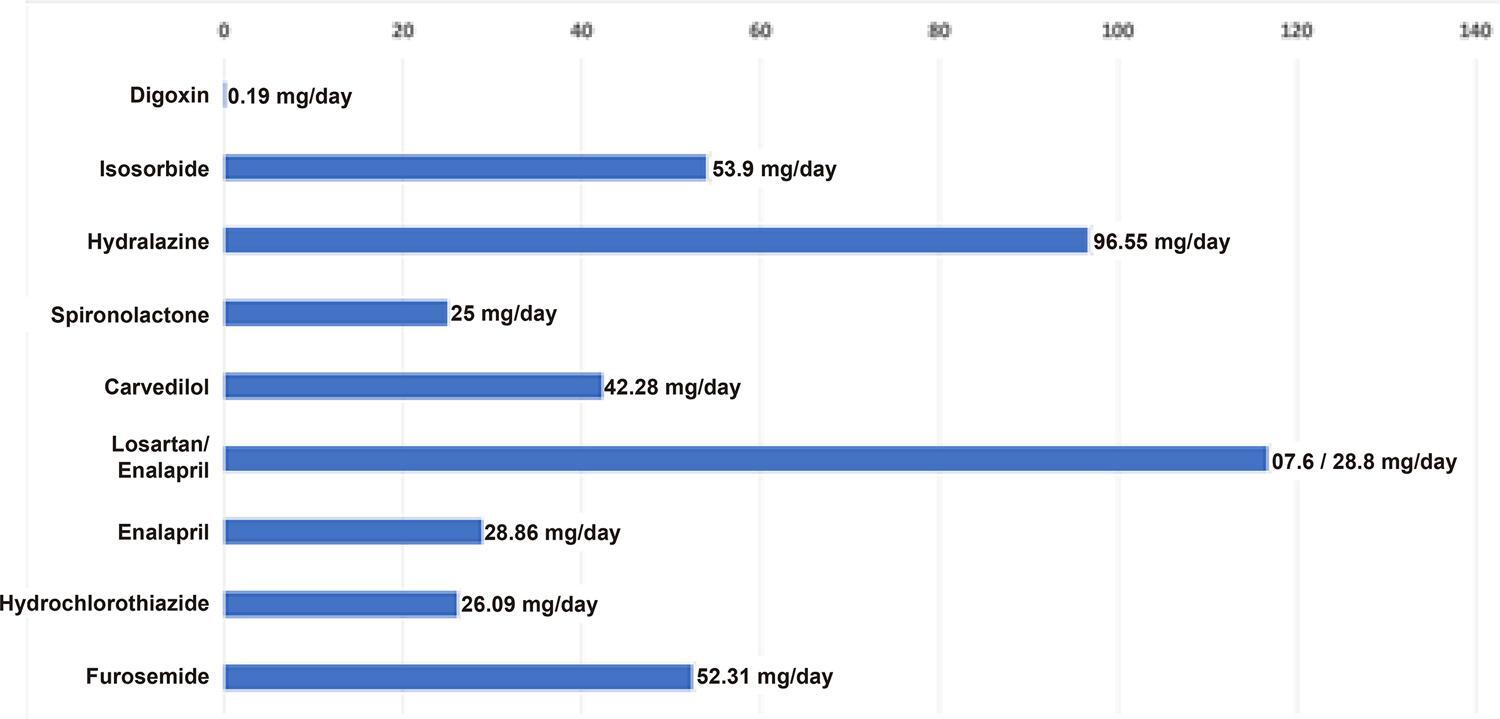
A total of 212 consecutive patients were studied; 41 (19.3%) had atrial fibrillation or had a pacemaker implanted and were excluded from the analysis, yielding 171 patients. Mean age of patients was 63.80 ± 11.77 years, 59.6% were men, and mean LVEF 36.64±7.79%. The most prevalent HF etiology was ischemic (n=102; 59.6%), followed by Chagasic (n=17; 9.9%). One-hundred thirty-one patients (76.6%) were hypertensive and 63 (36.8%) diabetic. Regarding HR, 101 patients had a HR ≤70 bpm (59.1%) and 70 patients (40.93%) had a HR >70 bpm (G2). Mean HR of G1 and G2 was 61.5±5.3 bpm and 81.8±9.5 bpm, respectively (p<0.001). Almost all patients (98.8%) were receiving carvedilol, prescribed at a mean dose of 42.1±18.5 mg/day in G1 and 42.5±21.1mg/day in G2 (p=0.911). Digoxin was used in 5.9% of patients of G1 and 8.5% of G2 (p=0.510). Mean dose of digoxin in G1 and G2 was 0.19±0.1 mg/day and 0.19±0.06 mg/day, respectively (p=0,999). Most patients (87.7%) used angiotensin converting enzyme inhibitors (ACEI) or angiotensin II receptor blockers (ARB), and 56.7% used spironolactone. Mean dose of enalapril was 28.9±12.7 mg/day and mean dose of ARB was 87.8±29.8 mg/day. The doses of ACEI and ARB were adequate in most of patients.

Conclusion

The study revealed that HR of 40.9% of patients with HF was above 70 bpm, despite treatment with high doses of beta blockers. Further measures should be applied for HR control in HF patients who maintain an elevated rate despite adequate treatment with beta blocker. (Arq Bras Cardiol. 2020; 115(6):1063-1069)

  • Atrial Fibrillation
  • Digoxine
  • Drug Therapy
  • Heart Failure
  • Heart Rate
  • medication adherence
  • Morbidity & Mortality
  • Pacemaker, Artificial
Read Full Article
Creative Commons Attribution (CC BY) Creative Commons license
18/01/2021 DOI: 10.36660/abc.20190090
Figure 1
ABC
Viewpoint

Pharmacological Treatment of Hypertension: From the Golden Trio to the Octet

Audes Diógenes Magalhães Feitosa et al. Marco Mota-Gomes Oswaldo Passarelli Júnior Weimar Kunz Sebba Barroso … Roberto Dischinger Miranda Eduardo Costa Duarte Barbosa Andrea A. Brandão Wilson Nadruz

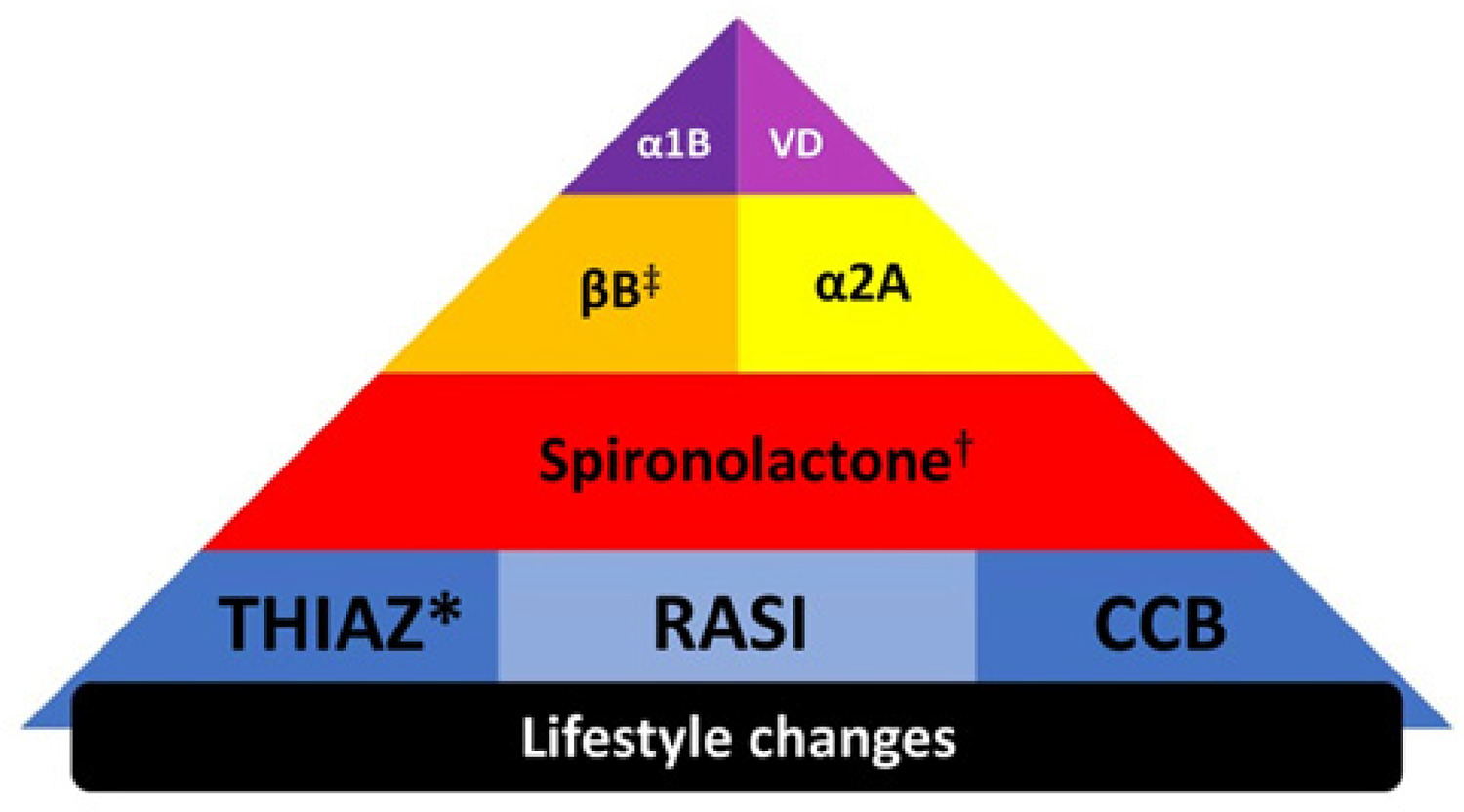
The treatment of hypertension comprises numerous pharmacological options, which may hinder patient management standardization, thus contributing to therapeutic failure. However, in more recent years, several studies and guidelines from diverse hypertension and cardiology societies have suggested preferential pharmacological classes to treat hypertension. – Based on this evidence, the present report aims to propose a simple and practical pharmacological treatment algorithm that can be applied to patients ranging from stage 1 to refractory hypertension cases ( ).

[…]

  • antihypertensive agents
  • Drug Therapy
  • Exercise
  • Hypertension
  • Life Style
  • medication adherence
  • Weight Loss
Read Full Article
Creative Commons Attribution (CC BY) Creative Commons license
28/08/2020 DOI: 10.36660/abc.20190780 Views 1
ABC
Editorial

Blood Pressure Control: The secret is…Team Work!

Andrea Pio-Abreu et al. Luciano F. Drager

Hypertension is one of the leading causes of cardiovascular death. Indeed, data from the Heart and Stroke Statistics showed that 45% of the cardiovascular mortality is potentially attributed to hypertension. This worrying scenario has not been changing in the last decades despite the availability of non-pharmacological interventions and the development of several anti-hypertensive classes that effectively contributed to blood pressure (BP) control. – The reasons for our low effectiveness in controlling BP at the population level are multiple, including the lack of organized public policies regulating salt consumption and increasing awareness, early detection, and effective treatment. Additional challenges include the asymptomatic characteristic of hypertension, therapeutic inertia, among others.

In this edition of the Arquivos Brasileiros de Cardiologia , Jardim et al. reported data from a retrospective study exploring a multidisciplinary team strategy in the rate of BP control (set at the traditional <140/90 mmHg). The authors evaluated demographic and clinical data of 1548 hypertensive patients from a specialized hypertension center who have been followed up regularly for 7.6 ± 7.1 years (mean age 62 years, 73.6% women). The multidisciplinary approach described by the authors consisted by the availability of nurses, nutritionists, occupational therapists, physical educators, psychologists and music therapists working in conjunction with the staff physicians (general practitioners, cardiologists, endocrinologists, and nephrologists). The maximal interval for medical outpatient visits was 3 months. According to the patients’ needs (determined by the clinical evaluation), the physicians scheduled visits to the professionals mentioned above in a flexible demand. In addition, educational and health promotion activities were performed every two weeks with patients. All this information was recorded on a standardized form. Using this strategy, the authors found that this multidisciplinary team approach was associated with an overall 68% BP control, being more prominent in those aged ≥60 years (OR 1.45; 95% CI [1.13-1.90]), and females (OR 1.36; 95% CI [1.09-1.88]). In contrast, patients with diabetes were associated with a lower probability of reaching the BP target compared to patients without diabetes. Interestingly, no significant differences in the number of anti-hypertensive drugs were observed in the groups who controlled or not BP. This finding suggests that the adherence of this multidisciplinary approach may vary as usually observed with any other intervention.

[…]

  • antihypertensive agents
  • Blood Pressure
  • Hypertension
  • medication adherence
  • Patient Care Team/trends
  • Prevention and Control
  • Risk Factors
Read Full Article
Creative Commons Attribution (CC BY) Creative Commons license
28/08/2020 DOI: 10.36660/abc.20200544 Views 1
ABC
Editorial

Dietary Salt Reduction: Illusion or Reality?

Nereida Kilza da Costa Lima

In spite of ample knowledge regarding systemic arterial hypertension as the main risk factor for cardiovascular diseases, the rates of control have shown a modest progressive increase, especially in Brazil. Brazilian studies have provided evidence that 50% to 60% of people with hypertension are receiving treatment, while only 20% to 30% of all people with hypertension are controlled.

The main difficulty in controlling systemic arterial hypertension lies in managing long-term patient adherence, given that the majority of patients are asymptomatic, and they eventually begin to have symptoms as a result of antihypertensive medication use.

[…]

  • Cardiovascular Diseases, mortality
  • Developing Countries
  • Hypertension/prevention and control
  • medication adherence
  • Sodium Chloride, Dietary
Read Full Article
Creative Commons Attribution (CC BY) Creative Commons license
06/04/2020 DOI: 10.36660/abc.20200155 Views 1
IJCS
Editorial

The Challenge of Controlling Resistant Hypertension

Marcus Vinicius Bolivar Malachias

Hypertension is the main risk factor for cardiovascular disease, stroke, disability and death. Despite the accumulated knowledge about hypertension and many treatment options, some hypertensive patients do not achieve the recommended blood pressure goals even receiving non-pharmacological treatment and three antihypertensive drugs. These individuals have the so-called “resistant hypertension” and are at increased risk of involvement of target organs, higher morbidity and mortality.

Several international scientific societies, including the Brazilian Society of Cardiology, have dedicated to publishing evidence-based guidelines for the management of arterial hypertension,, and specific position statements on resistant hypertension have also been produced., The Department of Hypertension of the Brazilian Society of Cardiology is about to issue an updated statement on the subject.

[…]

  • Blood Pressure
  • drug resistance
  • Hypertension/prevention and control
  • medication adherence
  • Morbidity
Read Full Article
Creative Commons Attribution (CC BY) Creative Commons license
03/04/2020 DOI: 10.36660/ijcs.20200009 Views 1
ABC
Editorial

From Journals to Bedside: We Must Improve the Compliance with Practice Guidelines

Barbara Kumagai et al. Bruno Caramelli

In this issue of “Arquivos Brasileiros de Cardiologia”, Borges et al. described the rate of non-compliance with practice guidelines in a Hospital-based study regarding the use of antiplatelet agents in the perioperative setting of non-cardiac surgery. The authors found an extremely high non-compliance rate of 80.75%, and depicted a significant negative association among non-compliance, patient education level, and the presence of previous myocardial infarction. The authors concluded that local procedures and protocols must be urgently defined.

Perioperative care underwent profound changes in the past decades. Initially, evaluation was limited to issues related to the anesthetic procedures, or to the cancellation of interventions for patients at high risk of complications. Eventually, population aging, the improvement in surgical techniques, and the development of less invasive procedures brought to operation theaters patients at an increased risk of complications, especially cardiovascular ones. Perioperative care specialists had to develop new and interdisciplinary skills to deal with several aspects of medicine, kindly deserving the nickname Chameleon doctor.–

[…]

  • medication adherence
  • Myocardial Infarction
  • Perioperative Care
  • Platelet Aggregation Inhibitors/therapeutic use
  • Practice Guidelines as Topic
  • Treatment Refusal
Read Full Article
Creative Commons Attribution (CC BY) Creative Commons license
01/10/2018 DOI: 10.5935/abc.20180186 Views 2

Could not load more articles. Please try again.

How to cite this article

EndNote RIS

Electronic Document Format (Vancouver)

Jesus BGAS, Oliveira FB, Meira FCA, Oliveira LB, Costa FF, Latado AL. Assessment of Adherence to Drug Therapy in Patients with Heart Failure Followed at a Specialized Outpatient Clinic. International Journal of Cardiovascular Sciences 2026;39:e20250059.

Electronic Document Format (ABNT)

Jesus, Breno Gabriel Araújo Sampaio de; Oliveira, Felipe Barros; Meira, Felipe Caires Araújo; Oliveira, Lívia Brito; Costa, Fabio Figueirêdo; Latado, Adriana Lopes. Assessment of Adherence to Drug Therapy in Patients with Heart Failure Followed at a Specialized Outpatient Clinic. International Journal of Cardiovascular Sciences, v. 39, e20250059, Aug. 2026.

Electronic Document Format (APA)

Jesus, B. G. A. S. , Oliveira, F. B., Meira, F. C. A., Oliveira, L. B., Costa, F. F., & Latado, A. L. (2026). Assessment of Adherence to Drug Therapy in Patients with Heart Failure Followed at a Specialized Outpatient Clinic. International Journal of Cardiovascular Sciences, 39, e20250059.

Electronic Document Format (ISO)

Jesus, Breno Gabriel Araújo Sampaio de and Oliveira, Felipe Barros and Meira, Felipe Caires Araújo and Oliveira, Lívia Brito and Costa, Fabio Figueirêdo and Latado, Adriana Lopes. Assessment of Adherence to Drug Therapy in Patients with Heart Failure Followed at a Specialized Outpatient Clinic. International Journal of Cardiovascular Sciences [online]. 2026, vol. 39, [cited 2026-10-14], e20250059. Available from: <https://journals.cardiol.br/en/article/assessment-of-adherence-to-drug-therapy-in-patients-with-heart-failure-followed-at-a-specialized-outpatient-clinic/>. ISSN 2359-4802

EndNote RIS

Electronic Document Format (Vancouver)

Tupinambá GS, Aguiar OB, Moura BP, Schmidt MI, Molina MDCB, Griep RH, Fonseca MJM, et al. Association between Self-Care Behaviors and Inadequate Glycemic Control in ELSA-Brasil Participants with Type 2 Diabetes. Arquivos Brasileiros de Cardiologia 2025;122(6):e20240867.

Electronic Document Format (ABNT)

Tupinambá, Gisele de Souza; Aguiar, Odaleia Barbosa de; Moura, Bruno Pereira de; Schmidt, Maria Inês; Molina, Maria Del Carmen Bisi; Griep, Rosane Harter; Fonseca, Maria de Jesus Mendes da. Association between Self-Care Behaviors and Inadequate Glycemic Control in ELSA-Brasil Participants with Type 2 Diabetes. Arquivos Brasileiros de Cardiologia, v. 122, n. 6, e20240867, Jul. 2025.

Electronic Document Format (APA)

Tupinambá, G. S., Aguiar, O. B. , Moura, B. P. , Schmidt, M. I., Molina, M. D. C. B., Griep, R. H., & Fonseca, M. J. M. (2025). Association between Self-Care Behaviors and Inadequate Glycemic Control in ELSA-Brasil Participants with Type 2 Diabetes. Arquivos Brasileiros de Cardiologia, 122(6), e20240867.

Electronic Document Format (ISO)

Tupinambá, Gisele de Souza and Aguiar, Odaleia Barbosa de and Moura, Bruno Pereira de and Schmidt, Maria Inês and Molina, Maria Del Carmen Bisi and Griep, Rosane Harter and Fonseca, Maria de Jesus Mendes da. Association between Self-Care Behaviors and Inadequate Glycemic Control in ELSA-Brasil Participants with Type 2 Diabetes. Arquivos Brasileiros de Cardiologia [online]. 2025, vol. 122, n. 6, [cited 2026-10-14], e20240867. Available from: <https://journals.cardiol.br/en/article/association-between-self-care-behaviors-and-inadequate-glycemic-control-in-elsa-brasil-participants-with-type-2-diabetes/>. ISSN 0066-782X

EndNote RIS

Electronic Document Format (Vancouver)

Miranda RD, Laurindo BO, Licco MEA. Technologies for Better Blood Pressure Control: Do the Applications Offer the Necessary Quality?. Arquivos Brasileiros de Cardiologia 2025;122(2):e20250085.

Electronic Document Format (ABNT)

Miranda, Roberto Dischinger; Laurindo, Bruna de Oliveira; Licco, Maria Eduarda Augusto. Technologies for Better Blood Pressure Control: Do the Applications Offer the Necessary Quality?. Arquivos Brasileiros de Cardiologia, v. 122, n. 2, e20250085, Apr. 2025.

Electronic Document Format (APA)

Miranda, R. D., Laurindo, B. O., & Licco, M. E. A. (2025). Technologies for Better Blood Pressure Control: Do the Applications Offer the Necessary Quality?. Arquivos Brasileiros de Cardiologia, 122(2), e20250085.

Electronic Document Format (ISO)

Miranda, Roberto Dischinger and Laurindo, Bruna de Oliveira and Licco, Maria Eduarda Augusto. Technologies for Better Blood Pressure Control: Do the Applications Offer the Necessary Quality?. Arquivos Brasileiros de Cardiologia [online]. 2025, vol. 122, n. 2, [cited 2026-10-14], e20250085. Available from: <https://journals.cardiol.br/en/article/technologies-for-better-blood-pressure-control-do-the-applications-offer-the-necessary-quality/>. ISSN 0066-782X

EndNote RIS

Electronic Document Format (Vancouver)

Camargo YS, Ferreira ASB, Scalia LAM, Magnabosco P, Bragato AGC, Raponi MBG, Dinamarco N, et al. Spirituality/Religiosity and Adherence to Treatment in Hypertensive Individuals. Arquivos Brasileiros de Cardiologia 2025;122(2):e20240558.

Electronic Document Format (ABNT)

Camargo, Yanne da Silva; Ferreira, Aliny Serafim Borges; Scalia, Luana Araújo Macedo; Magnabosco, Patrícia; Bragato, Aline Guarato da Cunha; Raponi, Maria Beatriz Guimarães; Dinamarco, Nelson; Figueiredo, Valéria Nasser. Spirituality/Religiosity and Adherence to Treatment in Hypertensive Individuals. Arquivos Brasileiros de Cardiologia, v. 122, n. 2, e20240558, Feb. 2025.

Electronic Document Format (APA)

Camargo, Y. S., Ferreira, A. S. B., Scalia, L. A. M., Magnabosco, P., Bragato, A. G. C., Raponi, M. B. G., Dinamarco, N., & Figueiredo, V. N. (2025). Spirituality/Religiosity and Adherence to Treatment in Hypertensive Individuals. Arquivos Brasileiros de Cardiologia, 122(2), e20240558.

Electronic Document Format (ISO)

Camargo, Yanne da Silva and Ferreira, Aliny Serafim Borges and Scalia, Luana Araújo Macedo and Magnabosco, Patrícia and Bragato, Aline Guarato da Cunha and Raponi, Maria Beatriz Guimarães and Dinamarco, Nelson and Figueiredo, Valéria Nasser. Spirituality/Religiosity and Adherence to Treatment in Hypertensive Individuals. Arquivos Brasileiros de Cardiologia [online]. 2025, vol. 122, n. 2, [cited 2026-10-14], e20240558. Available from: <https://journals.cardiol.br/en/article/spirituality-religiosity-and-adherence-to-treatment-in-hypertensive-individuals/>. ISSN 0066-782X

EndNote RIS

Electronic Document Format (Vancouver)

Malachias MVB, Kaiser SE, Albuquerque DC, Brandão AA, Sposito AC, Moura LZ, Magalhães LBNC, et al. Risk of Adverse Health Outcomes in Patients with Poor Adherence to Cardiovascular Medication Treatment: A Systematic Review. Arquivos Brasileiros de Cardiologia 2024;121(10):e20240469.

Electronic Document Format (ABNT)

Malachias, Marcus Vinícius Bolívar; Kaiser, Sergio Emanuel; Albuquerque, Denilson Campos de; Brandão, Andrea Araújo; Sposito, Andrei Carvalho; Moura, Lidia Zytysnky; Magalhães, Lucélia Batista Neves Cunha; Mota-Gomes, Marco Antonio; Clausell, Nadine; Jardim, Paulo César Veiga; Nadruz, Wilson; Barros, Bruno Monteiro; Luna, Leonardo Castro; Barroso, Weimar Kunz Sebba. Risk of Adverse Health Outcomes in Patients with Poor Adherence to Cardiovascular Medication Treatment: A Systematic Review. Arquivos Brasileiros de Cardiologia, v. 121, n. 10, e20240469, Nov. 2024.

Electronic Document Format (APA)

Malachias, M. V. B., Kaiser, S. E., Albuquerque, D. C. , Brandão, A. A., Sposito, A. C., Moura, L. Z., Magalhães, L. B. N. C., Mota-Gomes, M. A., Clausell, N., Jardim, P. C. V., Nadruz, W., Barros, B. M., Luna, L. C., & Barroso, W. K. S. (2024). Risk of Adverse Health Outcomes in Patients with Poor Adherence to Cardiovascular Medication Treatment: A Systematic Review. Arquivos Brasileiros de Cardiologia, 121(10), e20240469.

Electronic Document Format (ISO)

Malachias, Marcus Vinícius Bolívar and Kaiser, Sergio Emanuel and Albuquerque, Denilson Campos de and Brandão, Andrea Araújo and Sposito, Andrei Carvalho and Moura, Lidia Zytysnky and Magalhães, Lucélia Batista Neves Cunha and Mota-Gomes, Marco Antonio and Clausell, Nadine and Jardim, Paulo César Veiga and Nadruz, Wilson and Barros, Bruno Monteiro and Luna, Leonardo Castro and Barroso, Weimar Kunz Sebba. Risk of Adverse Health Outcomes in Patients with Poor Adherence to Cardiovascular Medication Treatment: A Systematic Review. Arquivos Brasileiros de Cardiologia [online]. 2024, vol. 121, n. 10, [cited 2026-10-14], e20240469. Available from: <https://journals.cardiol.br/en/article/risk-of-adverse-health-outcomes-in-patients-with-poor-adherence-to-cardiovascular-medication-treatment-a-systematic-review/>. ISSN 0066-782X

EndNote RIS

Electronic Document Format (Vancouver)

Carvalho WN, Viana TT, Figueiredo CS, Martins F, Passos LCS. Potentially Inappropriate Cardioverter Defibrillator Implants in Secondary Prevention of Death. Arquivos Brasileiros de Cardiologia 2024;121(10):e20220899.

Electronic Document Format (ABNT)

Carvalho, William Neves de; Viana, Tainá Teixeira; Figueiredo, Clara Salles; Martins, Fernanda; Passos, Luiz Carlos Santana. Potentially Inappropriate Cardioverter Defibrillator Implants in Secondary Prevention of Death. Arquivos Brasileiros de Cardiologia, v. 121, n. 10, e20220899, Nov. 2024.

Electronic Document Format (APA)

Carvalho, W. N. , Viana, T. T., Figueiredo, C. S., Martins, F., & Passos, L. C. S. (2024). Potentially Inappropriate Cardioverter Defibrillator Implants in Secondary Prevention of Death. Arquivos Brasileiros de Cardiologia, 121(10), e20220899.

Electronic Document Format (ISO)

Carvalho, William Neves de and Viana, Tainá Teixeira and Figueiredo, Clara Salles and Martins, Fernanda and Passos, Luiz Carlos Santana. Potentially Inappropriate Cardioverter Defibrillator Implants in Secondary Prevention of Death. Arquivos Brasileiros de Cardiologia [online]. 2024, vol. 121, n. 10, [cited 2026-10-14], e20220899. Available from: <https://journals.cardiol.br/en/article/potentially-inappropriate-cardioverter-defibrillator-implants-in-secondary-prevention-of-death/>. ISSN 0066-782X

EndNote RIS

Electronic Document Format (Vancouver)

Lanza VE, Silva GO, Quiroga CCC, Cavalcante MA, Barroso WKS, Brandão AA, Barbosa ECD, et al. Therapeutic Adherence According to the Morisky Scale in Patients with Hypertension. International Journal of Cardiovascular Sciences 2024;37:e20220138.

Electronic Document Format (ABNT)

Lanza, Vinícius Encenha; Silva, Gabriel Oliveira; Quiroga, Celi Cristina Calamita; Cavalcante, Margaret Assad; Barroso, Weimar Kunz Sebba; Brandão, Andréa Araujo; Barbosa, Eduardo Costa Duarte; Malachias, Marcus Vinicius Bolivar; Gomes, Marco Mota; Amodeo, Celso; Povoa, Rui Manoel dos Santos; Précoma, Dalton Bertolim; Sousa, Antônio Carlos Sobral; Dantas, João Miguel Malta; Cesarino, Evandro José; Silva, Pedro G. M. de Barros e; Jardim, Paulo Cesar B. Veiga; Lopes, Renato D.. Therapeutic Adherence According to the Morisky Scale in Patients with Hypertension. International Journal of Cardiovascular Sciences, v. 37, e20220138, Mar. 2024.

Electronic Document Format (APA)

Lanza, V. E., Silva, G. O., Quiroga, C. C. C., Cavalcante, M. A., Barroso, W. K. S., Brandão, A. A., Barbosa, E. C. D., Malachias, M. V. B., Gomes, M. M., Amodeo, C., Povoa, R. M. S., Précoma, D. B., Sousa, A. C. S., Dantas, J. M. M., Cesarino, E. J., Silva, P. G. M. B. , Jardim, P. C. B. V., & Lopes, R. D. (2024). Therapeutic Adherence According to the Morisky Scale in Patients with Hypertension. International Journal of Cardiovascular Sciences, 37, e20220138.

Electronic Document Format (ISO)

Lanza, Vinícius Encenha and Silva, Gabriel Oliveira and Quiroga, Celi Cristina Calamita and Cavalcante, Margaret Assad and Barroso, Weimar Kunz Sebba and Brandão, Andréa Araujo and Barbosa, Eduardo Costa Duarte and Malachias, Marcus Vinicius Bolivar and Gomes, Marco Mota and Amodeo, Celso and Povoa, Rui Manoel dos Santos and Précoma, Dalton Bertolim and Sousa, Antônio Carlos Sobral and Dantas, João Miguel Malta and Cesarino, Evandro José and Silva, Pedro G. M. de Barros e and Jardim, Paulo Cesar B. Veiga and Lopes, Renato D.. Therapeutic Adherence According to the Morisky Scale in Patients with Hypertension. International Journal of Cardiovascular Sciences [online]. 2024, vol. 37, [cited 2026-10-14], e20220138. Available from: <https://journals.cardiol.br/en/article/therapeutic-adherence-according-to-the-morisky-scale-in-patients-with-hypertension/>. ISSN 2359-4802

EndNote RIS

Electronic Document Format (Vancouver)

Mansur AJ. Challenging Health Literacy, Patient Knowledge, and Adherence to Oral Anticoagulation in Primary Care Units. International Journal of Cardiovascular Sciences 2023;36:e20230095.

Electronic Document Format (ABNT)

Mansur, Alfredo José. Challenging Health Literacy, Patient Knowledge, and Adherence to Oral Anticoagulation in Primary Care Units. International Journal of Cardiovascular Sciences, v. 36, e20230095, Sep. 2023.

Electronic Document Format (APA)

Mansur, A. J. (2023). Challenging Health Literacy, Patient Knowledge, and Adherence to Oral Anticoagulation in Primary Care Units. International Journal of Cardiovascular Sciences, 36, e20230095.

Electronic Document Format (ISO)

Mansur, Alfredo José. Challenging Health Literacy, Patient Knowledge, and Adherence to Oral Anticoagulation in Primary Care Units. International Journal of Cardiovascular Sciences [online]. 2023, vol. 36, [cited 2026-10-14], e20230095. Available from: <https://journals.cardiol.br/en/article/challenging-health-literacy-patient-knowledge-and-adherence-to-oral-anticoagulation-in-primary-care-units/>. ISSN 2359-4802

EndNote RIS

Electronic Document Format (Vancouver)

Zortea V, Curvello KD, Pilger D, Douros A, Leal LF, Sempé TS, Pizzol TSD, et al. Adherence and Quality of Life in Non-Valvular Atrial Fibrillation With Direct Oral Anticoagulants Versus Vitamin K Antagonists: A Systematic Review. International Journal of Cardiovascular Sciences 2023;36:e20220115.

Electronic Document Format (ABNT)

Zortea, Vanelise; Curvello, Karine Duarte; Pilger, Diogo; Douros, Antonios; Leal, Lisiane Freitas; Sempé, Tatiana da Silva; Pizzol, Tatiane da Silva Dal. Adherence and Quality of Life in Non-Valvular Atrial Fibrillation With Direct Oral Anticoagulants Versus Vitamin K Antagonists: A Systematic Review. International Journal of Cardiovascular Sciences, v. 36, e20220115, Jul. 2023.

Electronic Document Format (APA)

Zortea, V., Curvello, K. D., Pilger, D., Douros, A., Leal, L. F., Sempé, T. S., & Pizzol, T. S. D. (2023). Adherence and Quality of Life in Non-Valvular Atrial Fibrillation With Direct Oral Anticoagulants Versus Vitamin K Antagonists: A Systematic Review. International Journal of Cardiovascular Sciences, 36, e20220115.

Electronic Document Format (ISO)

Zortea, Vanelise and Curvello, Karine Duarte and Pilger, Diogo and Douros, Antonios and Leal, Lisiane Freitas and Sempé, Tatiana da Silva and Pizzol, Tatiane da Silva Dal. Adherence and Quality of Life in Non-Valvular Atrial Fibrillation With Direct Oral Anticoagulants Versus Vitamin K Antagonists: A Systematic Review. International Journal of Cardiovascular Sciences [online]. 2023, vol. 36, [cited 2026-10-14], e20220115. Available from: <https://journals.cardiol.br/en/article/adherence-and-quality-of-life-in-non-valvular-atrial-fibrillation-with-direct-oral-anticoagulants-versus-vitamin-k-antagonists-a-systematic-review/>. ISSN 2359-4802

EndNote RIS

Electronic Document Format (Vancouver)

Scaramello CBV, Almeida FVS. The Role of Pharmacists in Antihypertensive Pharmacotherapy. International Journal of Cardiovascular Sciences 2022;35(3):327-8.

Electronic Document Format (ABNT)

Scaramello, Christianne Bretas Vieira; Almeida, Flavia Valeria dos Santos. The Role of Pharmacists in Antihypertensive Pharmacotherapy. International Journal of Cardiovascular Sciences, v. 35, n. 3, p. 327-328, Nov. 2021.

Electronic Document Format (APA)

Scaramello, C. B. V., & Almeida, F. V. S. (2022). The Role of Pharmacists in Antihypertensive Pharmacotherapy. International Journal of Cardiovascular Sciences, 35(3), 327-328.

Electronic Document Format (ISO)

Scaramello, Christianne Bretas Vieira and Almeida, Flavia Valeria dos Santos. The Role of Pharmacists in Antihypertensive Pharmacotherapy. International Journal of Cardiovascular Sciences [online]. 2022, vol. 35, n. 3, [cited 2026-10-14], pp. 327-328. Available from: <https://journals.cardiol.br/en/article/the-role-of-pharmacists-in-antihypertensive-pharmacotherapy/>. ISSN 2359-4802

EndNote RIS

Electronic Document Format (Vancouver)

Gomes IS, Rossi EM, Mendes SJ, Santos BRM, Sabino W. Pharmaceutical Care in Primary Care: an Experience with Hypertensive Patients in the North of Brazil. International Journal of Cardiovascular Sciences 2022;35(3):318-26.

Electronic Document Format (ABNT)

Gomes, Ilvia Silva; Rossi, Elaine Menezes; Mendes, Samara Jamile; Santos, Brigitte Rieckmann Martins dos; Sabino, Wilson. Pharmaceutical Care in Primary Care: an Experience with Hypertensive Patients in the North of Brazil. International Journal of Cardiovascular Sciences, v. 35, n. 3, p. 318-326, Feb. 2022.

Electronic Document Format (APA)

Gomes, I. S., Rossi, E. M., Mendes, S. J., Santos, B. R. M. , & Sabino, W. (2022). Pharmaceutical Care in Primary Care: an Experience with Hypertensive Patients in the North of Brazil. International Journal of Cardiovascular Sciences, 35(3), 318-326.

Electronic Document Format (ISO)

Gomes, Ilvia Silva and Rossi, Elaine Menezes and Mendes, Samara Jamile and Santos, Brigitte Rieckmann Martins dos and Sabino, Wilson. Pharmaceutical Care in Primary Care: an Experience with Hypertensive Patients in the North of Brazil. International Journal of Cardiovascular Sciences [online]. 2022, vol. 35, n. 3, [cited 2026-10-14], pp. 318-326. Available from: <https://journals.cardiol.br/en/article/pharmaceutical-care-in-primary-care-an-experience-with-hypertensive-patients-in-the-north-of-brazil/>. ISSN 2359-4802

EndNote RIS

Electronic Document Format (Vancouver)

Muxfeldt ES. Blood Pressure Control and Therapeutic Adherence – The Challenges of Hypertension. International Journal of Cardiovascular Sciences 2021;34(4):409-10.

Electronic Document Format (ABNT)

Muxfeldt, Elizabeth Silaid. Blood Pressure Control and Therapeutic Adherence – The Challenges of Hypertension. International Journal of Cardiovascular Sciences, v. 34, n. 4, p. 409-410, Jul. 2021.

Electronic Document Format (APA)

Muxfeldt, E. S. (2021). Blood Pressure Control and Therapeutic Adherence – The Challenges of Hypertension. International Journal of Cardiovascular Sciences, 34(4), 409-410.

Electronic Document Format (ISO)

Muxfeldt, Elizabeth Silaid. Blood Pressure Control and Therapeutic Adherence – The Challenges of Hypertension. International Journal of Cardiovascular Sciences [online]. 2021, vol. 34, n. 4, [cited 2026-10-14], pp. 409-410. Available from: <https://journals.cardiol.br/en/article/blood-pressure-control-and-therapeutic-adherence-the-challenges-of-hypertension/>. ISSN 2359-4802

EndNote RIS

Electronic Document Format (Vancouver)

Barletta PH, Magalhães EFS, Almeida VF, Moreira JL, Silva MJ, Macedo C, Aras R, et al. Clinical Characteristics and Therapeutic Adherence of Women in a Referral Outpatient Clinic for Severe Hypertension. International Journal of Cardiovascular Sciences 2021;34(4):400-8.

Electronic Document Format (ABNT)

Barletta, Pedro Henrique; Magalhães, Eduardo Faria Soares de; Almeida, Vitor Fernandes de; Moreira, Júlia Lasserre; Silva, Murilo Jorge da; Macedo, Cristiano; Aras, Roque. Clinical Characteristics and Therapeutic Adherence of Women in a Referral Outpatient Clinic for Severe Hypertension. International Journal of Cardiovascular Sciences, v. 34, n. 4, p. 400-408, Jul. 2021.

Electronic Document Format (APA)

Barletta, P. H., Magalhães, E. F. S. , Almeida, V. F. , Moreira, J. L., Silva, M. J. , Macedo, C., & Aras, R. (2021). Clinical Characteristics and Therapeutic Adherence of Women in a Referral Outpatient Clinic for Severe Hypertension. International Journal of Cardiovascular Sciences, 34(4), 400-408.

Electronic Document Format (ISO)

Barletta, Pedro Henrique and Magalhães, Eduardo Faria Soares de and Almeida, Vitor Fernandes de and Moreira, Júlia Lasserre and Silva, Murilo Jorge da and Macedo, Cristiano and Aras, Roque. Clinical Characteristics and Therapeutic Adherence of Women in a Referral Outpatient Clinic for Severe Hypertension. International Journal of Cardiovascular Sciences [online]. 2021, vol. 34, n. 4, [cited 2026-10-14], pp. 400-408. Available from: <https://journals.cardiol.br/en/article/clinical-characteristics-and-therapeutic-adherence-of-women-in-a-referral-outpatient-clinic-for-severe-hypertension/>. ISSN 2359-4802

EndNote RIS

Electronic Document Format (Vancouver)

Jesus MT, Costa IMNBC, Silva DG, Silva JRS, Barreto-Filho JAS, Almeida-Santos MA, Oliveira JLM, et al. Influence of Factors Affecting Quality of Life on in-Hospital Cardiovascular Events of Patients with Acute Myocardial Infarction with and without ST-segment Elevation. International Journal of Cardiovascular Sciences 2021;34(5 Supl 1):68-77.

Electronic Document Format (ABNT)

Jesus, Monique Tavares de; Costa, Ingrid Maria Novais Barros de Carvalho; Silva, Danielle Góes da; Silva, José Rodrigo Santos; Barreto-Filho, José Augusto Soares; Almeida-Santos, Marcos Antonio; Oliveira, Joselina Luzia Meneses; Buarque, Mirella Dornelas Batalha Moreira; Andrade, Fabrício Anjos de; Sousa, Antônio Carlos Sobral. Influence of Factors Affecting Quality of Life on in-Hospital Cardiovascular Events of Patients with Acute Myocardial Infarction with and without ST-segment Elevation. International Journal of Cardiovascular Sciences, v. 34, n. 5 Supl 1, p. 68-77, Jul. 2021.

Electronic Document Format (APA)

Jesus, M. T. , Costa, I. M. N. B. C., Silva, D. G. , Silva, J. R. S., Barreto-Filho, J. A. S., Almeida-Santos, M. A., Oliveira, J. L. M., Buarque, M. D. B. M., Andrade, F. A. , & Sousa, A. C. S. (2021). Influence of Factors Affecting Quality of Life on in-Hospital Cardiovascular Events of Patients with Acute Myocardial Infarction with and without ST-segment Elevation. International Journal of Cardiovascular Sciences, 34(5 Supl 1), 68-77.

Electronic Document Format (ISO)

Jesus, Monique Tavares de and Costa, Ingrid Maria Novais Barros de Carvalho and Silva, Danielle Góes da and Silva, José Rodrigo Santos and Barreto-Filho, José Augusto Soares and Almeida-Santos, Marcos Antonio and Oliveira, Joselina Luzia Meneses and Buarque, Mirella Dornelas Batalha Moreira and Andrade, Fabrício Anjos de and Sousa, Antônio Carlos Sobral. Influence of Factors Affecting Quality of Life on in-Hospital Cardiovascular Events of Patients with Acute Myocardial Infarction with and without ST-segment Elevation. International Journal of Cardiovascular Sciences [online]. 2021, vol. 34, n. 5 Supl 1, [cited 2026-10-14], pp. 68-77. Available from: <https://journals.cardiol.br/en/article/influence-of-factors-affecting-quality-of-life-on-in-hospital-cardiovascular-events-of-patients-with-acute-myocardial-infarction-with-and-without-st-segment-elevation/>. ISSN 2359-4802

EndNote RIS

Electronic Document Format (Vancouver)

Barletta PHAAS, Moreira JL, Almeida VF, Machado MAB, Almeida BL, Santos TSS, Nascimento YM, et al. Drug Profile and Therapeutic Adherence of African-Brazilians with Apparent Resistant Hypertension. International Journal of Cardiovascular Sciences 2021;34(3):300-6.

Electronic Document Format (ABNT)

Barletta, Pedro Henrique Andrade Araújo Salvatore; Moreira, Júlia Lasserre; Almeida, Vitor Fernandes de; Machado, Mateus Andrade Bomfim; Almeida, Breno Lima de; Santos, Tayla Samanta Silva dos; Nascimento, Yana Mendonça; Silva, Thaise Almeida; Aras, Roque; Macedo, Cristiano. Drug Profile and Therapeutic Adherence of African-Brazilians with Apparent Resistant Hypertension. International Journal of Cardiovascular Sciences, v. 34, n. 3, p. 300-306, Feb. 2021.

Electronic Document Format (APA)

Barletta, P. H. A. A. S., Moreira, J. L., Almeida, V. F. , Machado, M. A. B., Almeida, B. L. , Santos, T. S. S. , Nascimento, Y. M., Silva, T. A., Aras, R., & Macedo, C. (2021). Drug Profile and Therapeutic Adherence of African-Brazilians with Apparent Resistant Hypertension. International Journal of Cardiovascular Sciences, 34(3), 300-306.

Electronic Document Format (ISO)

Barletta, Pedro Henrique Andrade Araújo Salvatore and Moreira, Júlia Lasserre and Almeida, Vitor Fernandes de and Machado, Mateus Andrade Bomfim and Almeida, Breno Lima de and Santos, Tayla Samanta Silva dos and Nascimento, Yana Mendonça and Silva, Thaise Almeida and Aras, Roque and Macedo, Cristiano. Drug Profile and Therapeutic Adherence of African-Brazilians with Apparent Resistant Hypertension. International Journal of Cardiovascular Sciences [online]. 2021, vol. 34, n. 3, [cited 2026-10-14], pp. 300-306. Available from: <https://journals.cardiol.br/en/article/drug-profile-and-therapeutic-adherence-of-african-brazilians-with-apparent-resistant-hypertension/>. ISSN 2359-4802

EndNote RIS

Electronic Document Format (Vancouver)

Petersen LC, Danzmann LC, Bartholomay E, Bodanese LC, Donay BG, Magedanz EH, Azevedo AV, et al. Survival of Patients with Acute Heart Failure and Mid-range Ejection Fraction in a Developing Country – A Cohort Study in South Brazil. Arquivos Brasileiros de Cardiologia 2021;116(1):14-23.

Electronic Document Format (ABNT)

Petersen, Lucas Celia; Danzmann, Luiz Claudio; Bartholomay, Eduardo; Bodanese, Luiz Carlos; Donay, Brenda Gonçalves; Magedanz, Ellen Hettwer; Azevedo, Adriana Vier; Porciuncula, Gustavo Farias; Miglioranza, Marcelo Haertel. Survival of Patients with Acute Heart Failure and Mid-range Ejection Fraction in a Developing Country – A Cohort Study in South Brazil. Arquivos Brasileiros de Cardiologia, v. 116, n. 1, p. 14-23, Feb. 2021.

Electronic Document Format (APA)

Petersen, L. C., Danzmann, L. C., Bartholomay, E., Bodanese, L. C., Donay, B. G., Magedanz, E. H., Azevedo, A. V., Porciuncula, G. F., & Miglioranza, M. H. (2021). Survival of Patients with Acute Heart Failure and Mid-range Ejection Fraction in a Developing Country – A Cohort Study in South Brazil. Arquivos Brasileiros de Cardiologia, 116(1), 14-23.

Electronic Document Format (ISO)

Petersen, Lucas Celia and Danzmann, Luiz Claudio and Bartholomay, Eduardo and Bodanese, Luiz Carlos and Donay, Brenda Gonçalves and Magedanz, Ellen Hettwer and Azevedo, Adriana Vier and Porciuncula, Gustavo Farias and Miglioranza, Marcelo Haertel. Survival of Patients with Acute Heart Failure and Mid-range Ejection Fraction in a Developing Country – A Cohort Study in South Brazil. Arquivos Brasileiros de Cardiologia [online]. 2021, vol. 116, n. 1, [cited 2026-10-14], pp. 14-23. Available from: <https://journals.cardiol.br/en/article/survival-of-patients-with-acute-heart-failure-and-mid-range-ejection-fraction-in-a-developing-country-a-cohort-study-in-south-brazil/>. ISSN 0066-782X

EndNote RIS

Electronic Document Format (Vancouver)

Martinez PF, Okoshi MP, Okoshi K, Oliveira-Junior SA. Heart Failure Mid-Range Ejection Fraction. Arquivos Brasileiros de Cardiologia 2021;116(1):24-5.

Electronic Document Format (ABNT)

Martinez, Paula Felippe; Okoshi, Marina Politi; Okoshi, Katashi; Oliveira-Junior, Silvio Assis de. Heart Failure Mid-Range Ejection Fraction. Arquivos Brasileiros de Cardiologia, v. 116, n. 1, p. 24-25, Feb. 2021.

Electronic Document Format (APA)

Martinez, P. F., Okoshi, M. P., Okoshi, K., & Oliveira-Junior, S. A. (2021). Heart Failure Mid-Range Ejection Fraction. Arquivos Brasileiros de Cardiologia, 116(1), 24-25.

Electronic Document Format (ISO)

Martinez, Paula Felippe and Okoshi, Marina Politi and Okoshi, Katashi and Oliveira-Junior, Silvio Assis de. Heart Failure Mid-Range Ejection Fraction. Arquivos Brasileiros de Cardiologia [online]. 2021, vol. 116, n. 1, [cited 2026-10-14], pp. 24-25. Available from: <https://journals.cardiol.br/en/article/heart-failure-mid-range-ejection-fraction/>. ISSN 0066-782X

EndNote RIS

Electronic Document Format (Vancouver)

Gomes MJ, Pagan LU. Heart Rate Control in Heart Failure. Arquivos Brasileiros de Cardiologia 2021;115(6):1070-1.

Electronic Document Format (ABNT)

Gomes, Mariana Janini; Pagan, Luana Urbano. Heart Rate Control in Heart Failure. Arquivos Brasileiros de Cardiologia, v. 115, n. 6, p. 1070-1071, Jan. 2021.

Electronic Document Format (APA)

Gomes, M. J., & Pagan, L. U. (2021). Heart Rate Control in Heart Failure. Arquivos Brasileiros de Cardiologia, 115(6), 1070-1071.

Electronic Document Format (ISO)

Gomes, Mariana Janini and Pagan, Luana Urbano. Heart Rate Control in Heart Failure. Arquivos Brasileiros de Cardiologia [online]. 2021, vol. 115, n. 6, [cited 2026-10-14], pp. 1070-1071. Available from: <https://journals.cardiol.br/en/article/heart-rate-control-in-heart-failure/>. ISSN 0066-782X

EndNote RIS

Electronic Document Format (Vancouver)

Cardoso J, Espíndola MD, Cunha M, Netto E, Cardoso C, Novaes M, Carlo HD, et al. Is Current Drug Therapy for Heart Failure Sufficient to Control Heart Rate of Patients?. Arquivos Brasileiros de Cardiologia 2021;115(6):1063-9.

Electronic Document Format (ABNT)

Cardoso, Juliano; Espíndola, Mateus Dressler de; Cunha, Mauricio; Netto, Enock; Cardoso, Cristina; Novaes, Milena; Carlo, s Henrique Del; Brancalhão, Euler; Name, Alessandro Lyra; Barretto, Antonio Carlos Pereira. Is Current Drug Therapy for Heart Failure Sufficient to Control Heart Rate of Patients?. Arquivos Brasileiros de Cardiologia, v. 115, n. 6, p. 1063-1069, Jan. 2021.

Electronic Document Format (APA)

Cardoso, J., Espíndola, M. D. , Cunha, M., Netto, E., Cardoso, C., Novaes, M., Carlo, H. D., Brancalhão, E., Name, A. L., & Barretto, A. C. P. (2021). Is Current Drug Therapy for Heart Failure Sufficient to Control Heart Rate of Patients?. Arquivos Brasileiros de Cardiologia, 115(6), 1063-1069.

Electronic Document Format (ISO)

Cardoso, Juliano and Espíndola, Mateus Dressler de and Cunha, Mauricio and Netto, Enock and Cardoso, Cristina and Novaes, Milena and Carlo, s Henrique Del and Brancalhão, Euler and Name, Alessandro Lyra and Barretto, Antonio Carlos Pereira. Is Current Drug Therapy for Heart Failure Sufficient to Control Heart Rate of Patients?. Arquivos Brasileiros de Cardiologia [online]. 2021, vol. 115, n. 6, [cited 2026-10-14], pp. 1063-1069. Available from: <https://journals.cardiol.br/en/article/is-current-drug-therapy-for-heart-failure-sufficient-to-control-heart-rate-of-patients/>. ISSN 0066-782X

EndNote RIS

Electronic Document Format (Vancouver)

Feitosa ADM, Mota-Gomes M, Passarelli Júnior O, Barroso WKS, Miranda RD, Barbosa ECD, Brandão AA, et al. Pharmacological Treatment of Hypertension: From the Golden Trio to the Octet. Arquivos Brasileiros de Cardiologia 2020;115(2):270-2.

Electronic Document Format (ABNT)

Feitosa, Audes Diógenes Magalhães; Mota-Gomes, Marco; Passarelli Júnior, Oswaldo; Barroso, Weimar Kunz Sebba; Miranda, Roberto Dischinger; Barbosa, Eduardo Costa Duarte; Brandão, Andrea A.; Nadruz, Wilson. Pharmacological Treatment of Hypertension: From the Golden Trio to the Octet. Arquivos Brasileiros de Cardiologia, v. 115, n. 2, p. 270-272, Aug. 2020.

Electronic Document Format (APA)

Feitosa, A. D. M., Mota-Gomes, M., Passarelli Júnior, O., Barroso, W. K. S., Miranda, R. D., Barbosa, E. C. D., Brandão, A. A., & Nadruz, W. (2020). Pharmacological Treatment of Hypertension: From the Golden Trio to the Octet. Arquivos Brasileiros de Cardiologia, 115(2), 270-272.

Electronic Document Format (ISO)

Feitosa, Audes Diógenes Magalhães and Mota-Gomes, Marco and Passarelli Júnior, Oswaldo and Barroso, Weimar Kunz Sebba and Miranda, Roberto Dischinger and Barbosa, Eduardo Costa Duarte and Brandão, Andrea A. and Nadruz, Wilson. Pharmacological Treatment of Hypertension: From the Golden Trio to the Octet. Arquivos Brasileiros de Cardiologia [online]. 2020, vol. 115, n. 2, [cited 2026-10-14], pp. 270-272. Available from: <https://journals.cardiol.br/en/article/pharmacological-treatment-of-hypertension-from-the-golden-trio-to-the-octet/>. ISSN 0066-782X

EndNote RIS

Electronic Document Format (Vancouver)

Pio-Abreu A, Drager LF. Blood Pressure Control: The secret is…Team Work!. Arquivos Brasileiros de Cardiologia 2020;115(2):182-3.

Electronic Document Format (ABNT)

Pio-Abreu, Andrea; Drager, Luciano F.. Blood Pressure Control: The secret is…Team Work!. Arquivos Brasileiros de Cardiologia, v. 115, n. 2, p. 182-183, Aug. 2020.

Electronic Document Format (APA)

Pio-Abreu, A., & Drager, L. F. (2020). Blood Pressure Control: The secret is…Team Work!. Arquivos Brasileiros de Cardiologia, 115(2), 182-183.

Electronic Document Format (ISO)

Pio-Abreu, Andrea and Drager, Luciano F.. Blood Pressure Control: The secret is…Team Work!. Arquivos Brasileiros de Cardiologia [online]. 2020, vol. 115, n. 2, [cited 2026-10-14], pp. 182-183. Available from: <https://journals.cardiol.br/en/article/blood-pressure-control-the-secret-isteam-work/>. ISSN 0066-782X

EndNote RIS

Electronic Document Format (Vancouver)

Lima NKC. Dietary Salt Reduction: Illusion or Reality?. Arquivos Brasileiros de Cardiologia 2020;114(3):562-3.

Electronic Document Format (ABNT)

Lima, Nereida Kilza da Costa. Dietary Salt Reduction: Illusion or Reality?. Arquivos Brasileiros de Cardiologia, v. 114, n. 3, p. 562-563, Apr. 2020.

Electronic Document Format (APA)

Lima, N. K. C. (2020). Dietary Salt Reduction: Illusion or Reality?. Arquivos Brasileiros de Cardiologia, 114(3), 562-563.

Electronic Document Format (ISO)

Lima, Nereida Kilza da Costa. Dietary Salt Reduction: Illusion or Reality?. Arquivos Brasileiros de Cardiologia [online]. 2020, vol. 114, n. 3, [cited 2026-10-14], pp. 562-563. Available from: <https://journals.cardiol.br/en/article/dietary-salt-reduction-illusion-or-reality/>. ISSN 0066-782X

EndNote RIS

Electronic Document Format (Vancouver)

Malachias MVB. The Challenge of Controlling Resistant Hypertension. International Journal of Cardiovascular Sciences 2020;33(2):119-20.

Electronic Document Format (ABNT)

Malachias, Marcus Vinicius Bolivar. The Challenge of Controlling Resistant Hypertension. International Journal of Cardiovascular Sciences, v. 33, n. 2, p. 119-120, Apr. 2020.

Electronic Document Format (APA)

Malachias, M. V. B. (2020). The Challenge of Controlling Resistant Hypertension. International Journal of Cardiovascular Sciences, 33(2), 119-120.

Electronic Document Format (ISO)

Malachias, Marcus Vinicius Bolivar. The Challenge of Controlling Resistant Hypertension. International Journal of Cardiovascular Sciences [online]. 2020, vol. 33, n. 2, [cited 2026-10-14], pp. 119-120. Available from: <https://journals.cardiol.br/en/article/the-challenge-of-controlling-resistant-hypertension/>. ISSN 2359-4802

EndNote RIS

Electronic Document Format (Vancouver)

Kumagai B, Caramelli B. From Journals to Bedside: We Must Improve the Compliance with Practice Guidelines. Arquivos Brasileiros de Cardiologia 2018;111(4):605-6.

Electronic Document Format (ABNT)

Kumagai, Barbara; Caramelli, Bruno. From Journals to Bedside: We Must Improve the Compliance with Practice Guidelines. Arquivos Brasileiros de Cardiologia, v. 111, n. 4, p. 605-606, Sep. 2018.

Electronic Document Format (APA)

Kumagai, B., & Caramelli, B. (2018). From Journals to Bedside: We Must Improve the Compliance with Practice Guidelines. Arquivos Brasileiros de Cardiologia, 111(4), 605-606.

Electronic Document Format (ISO)

Kumagai, Barbara and Caramelli, Bruno. From Journals to Bedside: We Must Improve the Compliance with Practice Guidelines. Arquivos Brasileiros de Cardiologia [online]. 2018, vol. 111, n. 4, [cited 2026-10-14], pp. 605-606. Available from: <https://journals.cardiol.br/en/article/from-journals-to-bedside-we-must-improve-the-compliance-with-practice-guidelines/>. ISSN 0066-782X

  • About ABC Family
  • Internal Regulation
  • Editorial Board
  • Brazilian Society of Cardiology (SBC)

Issues

SBC Guidelines

  • Videos
  • Podcasts
  • News