ABC Family Arquivos Brasileiros de Cardiologia International Journal of Cardiovascular Sciences ABC Heart Failure & Cardiomyopathy ABC Imagem Cardiovascular
Português English
ABC Family
Português English
  • About
    • About ABC Family
    • Internal Regulation
    • Editorial Board
    • Brazilian Society of Cardiology (SBC)
  • Issues
  • SBC Guidelines
  • Content
    • Videos
    • Podcasts
    • News
  • About
    • About ABC Family
    • Internal Regulation
    • Editorial Board
    • Brazilian Society of Cardiology (SBC)
  • Issues
  • SBC Guidelines
  • Content
    • Videos
    • Podcasts
    • News

ABC Family

  • ABC Family
  • Arquivos Brasileiros de Cardiologia
  • International Journal of Cardiovascular Sciences
  • ABC Heart Failure & Cardiomyopathy
  • ABC Imagem Cardiovascular
Search in

No content found.

Journals
Ordering
Article types
Others

  1. Home
  2. Keyword: Patient Discharge
Figure 1
ABC
Original Article

A Simple Clinical Risk Score to Predict Post-Discharge Mortality in Chinese Patients Hospitalized with Heart Failure

Lei Wang et al. Li-Qin Wang Mo-Li Gu Liang Li … Chen Wang Yun-Feng Xia

Abstract

Background

Cardiovascular diseases are the leading causes of death in China. However, present efforts to identify the risk factors for death in patients hospitalized with heart failure (HF) are primarily focused on in-hospital mortality and 30-day mortality in the United States. Thus, a model similar to the model used for predicting the risk in patients considered for cardiovascular surgical procedures is needed to evaluate the risk of the patients admitted with a diagnosis of HF.

Objective

To identify variables that can predict post-discharge one-year HF mortality and develop a risk score to assess the risk of dying within one year.

Methods

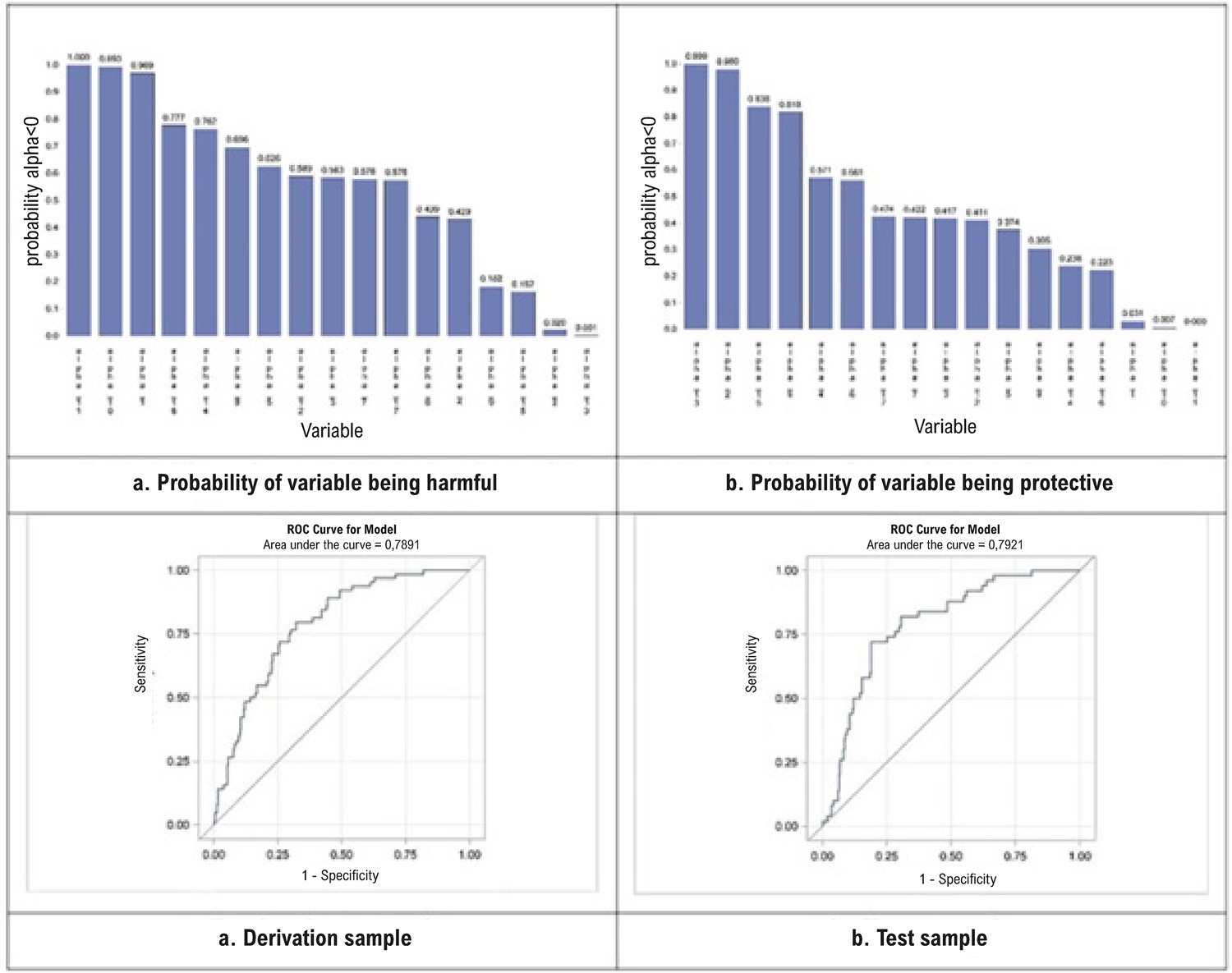
In the present study, 1,742 Chinese patients with HF were randomly divided into two groups: a derivation sample group and a test sample group. A Markov Chain Monte Carlo simulation method was used to identify variables that can predict the one-year post-discharge mortality. Variables with a frequency of >1% in the bivariate analysis and that were considered clinically meaningful were eligible for further modeling analyses. The posterior probability that a variable was statistically and significantly associated with the outcome was calculated as the total number of times that the variable’s 95% CI did not overlap with 1 (i.e., the reference point) divided by the total number of iterations. A variable with a probability of 0.9 or higher was considered a robust risk factor for predicting the outcome, and this was included in the final variable list. The level of statistical significance adopted was 5%.

Results

Five variables that could robustly predict the one-year post-discharge mortality were identified: age, female gender, New York Heart Association functional classification score >3, left atrial diameter, and body mass index. Both derivation and test models had a receiver operating curve area of 0.79. These selected variables were used to assess the one-year HF mortality risk score, and these were divided into three groups (low, moderate, and high). The high-risk group corresponds to nearly 86% of the deaths, while the moderate group corresponds to 12% of the deaths.

Conclusion

A simple 5-variable risk score can be used to assess the one-year post-discharge mortality of hospitalized Chinese patients with HF.
  • Epidemiology
  • Heart Failure
  • Mortality
  • Patient Discharge
  • Propensity Score
Read Full Article
Creative Commons Attribution (CC BY) Creative Commons license
13/08/2021 DOI: 10.36660/abc.20200435 Views 2
Figure 1
IJCS
Viewpoint

The Athlete's Return in the Post-COVID-19

José Antônio Caldas Teixeira et al. Mateus Freitas Teixeira Pedro Soares Teixeira Juliana Grael Jorge

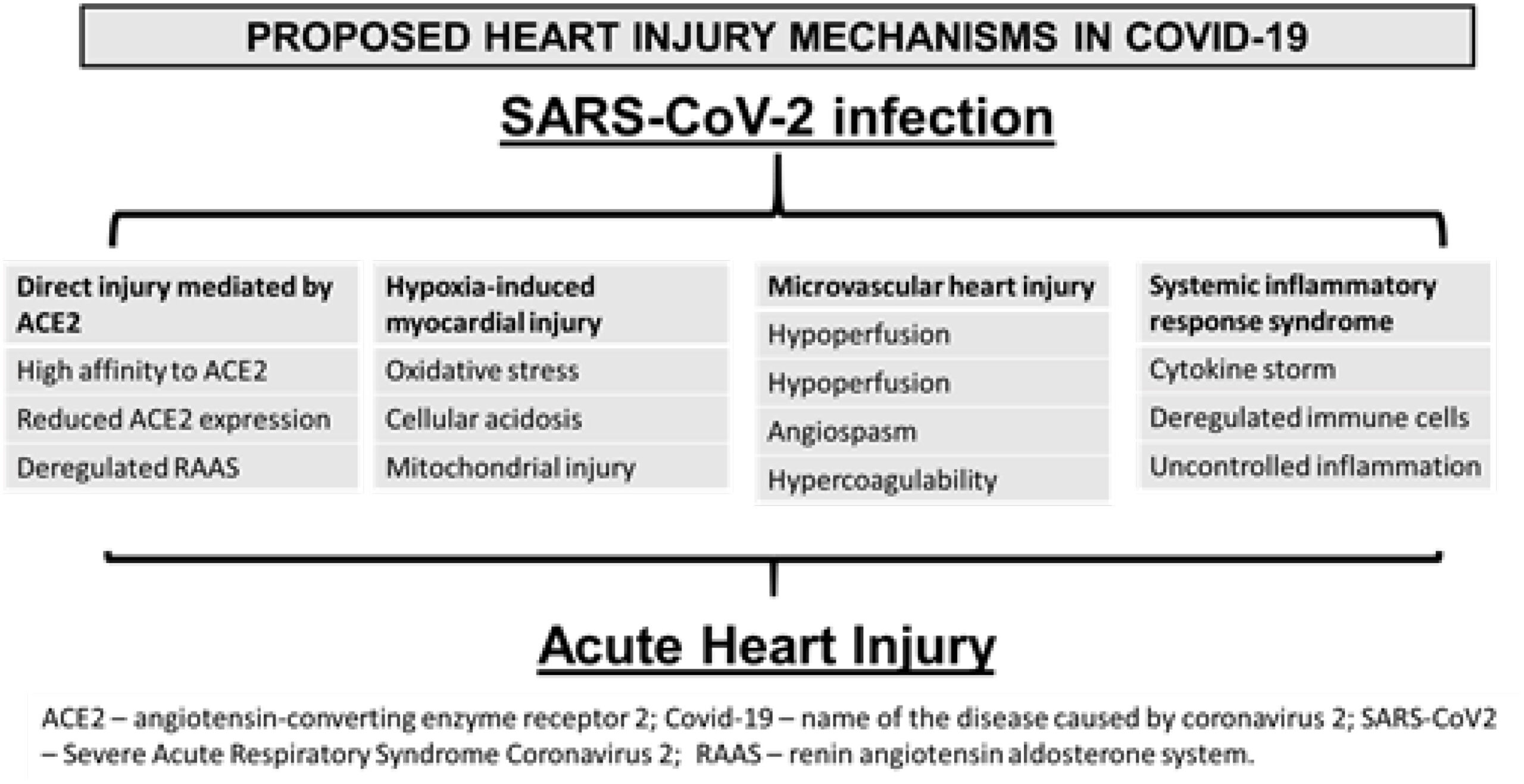
Specific Complications in the Organs and Influences in Athletes

[…]

  • Athletes
  • Betacoronavirus
  • COVID-19
  • Exercise
  • Pandemic
  • Patient Discharge
  • Return to Sport/psychology
  • Sport
Read Full Article
Creative Commons Attribution (CC BY) Creative Commons license
30/04/2021 DOI: 10.36660/ijcs.20200181
Figure 1
ABC
Original Article

Worsening Renal Function and Congestion in Patients with Acute Heart Failure: A Study with Bioelectrical Impedance Vector Analysis (BIVA) and Neutrophil Gelatinase-Associated Lipocalin (NGAL)

Humberto Villacorta et al. Aline Sterque Villacorta Leonardo Simões de Castro Villacorta Analucia Rampazzo Xavier … Salim Kanaan Felipe Mafort Rohen Leonardo Dinis Albuquerque Daniele Dantas Bastilho Cecília de Oliveira Cudischevitch

Abstract

Background:

Worsening renal function (WRF) is frequently observed in the setting of aggressive diuresis for the treatment of acute decompensated heart failure (ADHF) and is associated with poor outcomes in some studies.

Objective:

We sought to assess the relationship of WRF and congestion at discharge with events (cardiac death or heart failure hospitalization).

Methods:

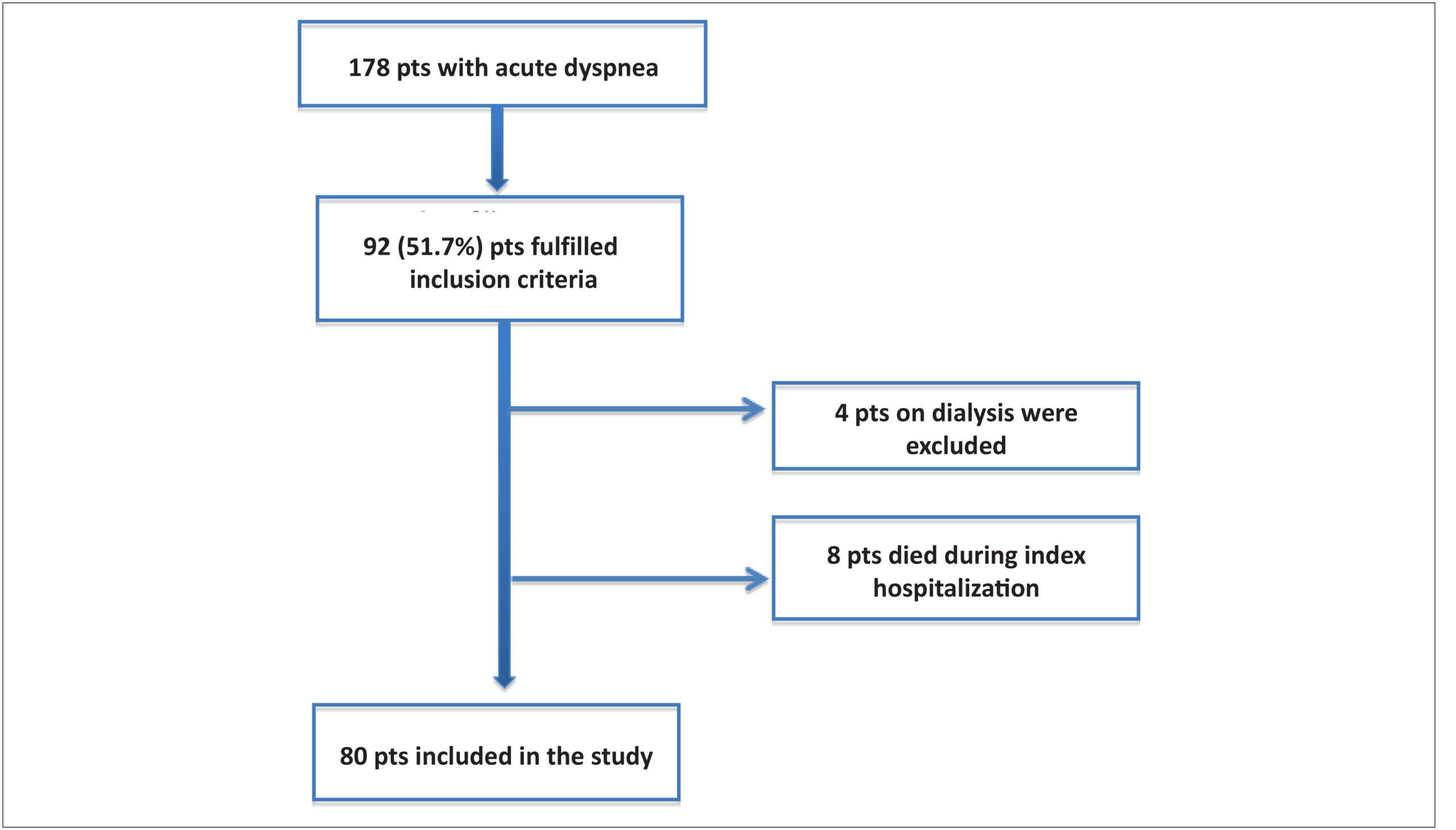
Eighty patients with ADHF were studied. WRF was defined by an absolute increase in serum creatinine of ≥0.5 mg/dL from the values measured at the time of admission. B-type natriuretic peptide (BNP) and plasma neutrophil gelatinase-associated lipocalin (NGAL) were measured at admission and at discharge. Congestive state at discharge was assessed using bioelectrical impedance vector analysis (BIVA). Primary endpoint was time to first event defined as a combination of cardiac death or heart failure hospitalization. Receiver operating characteristic (ROC) curve analysis was used to determine the best hydration index cutoff to predict events. Kaplan-Meier event-free survival curves were constructed and compared using the log-rank test. Cox proportional hazards models were used to investigate the association with events. The criterion for determining statistical significance was p<0.05.

Results:

Mean age was 60.6±15 years, and 48 (60%) were male. Mean ejection fraction was 35.3±7.8%. WRF occurred in 37.5% of the sample. Baseline creatinine was associated with WRF (p<0.001), but neither admission BNP (p=0.35) nor admission NGAL (p=0.18) was predictor of WRF. Using Cox proportional hazard models, hydration index at discharge calculated with BIVA was significantly associated with events (HR 1.39, 95% CI 1.25-1.54, p<0.0001) but not WRF (HR 2.14, 95% CI 0.62-7.35, p=0.22).

Conclusion:

Persistent congestion at discharge was associated with worse outcomes. WRF seems to be related to hemodynamic changes during the decongestion process but not to kidney tubular injuries.

  • Diuretics/therapeutic use
  • Electric Impedance
  • Heart Failure
  • Hemodynamic
  • Hospitalization
  • Mortality
  • Patient Discharge
  • Renal Insufficiency
Read Full Article
Creative Commons Attribution (CC BY) Creative Commons license
16/04/2021 DOI: 10.36660/abc.20190465
IJCS
Original Article

Behavior of Pulmonary Function after Hospital Discharge in Patients Submitted to Myocardial Revascularization

André Luiz Lisboa Cordeiro et al. Letícia Gardênia Romualdo da Silva Milena Oliveira Pinto Jaclene da Silva Araújo … André Raimundo Guimarães Jefferson Petto

Abstract

Background:

Coronary artery bypass grafting (CABG) is a type of surgery where there is a compromise in one or more coronary arteries, with the objective of restoring function to the areas that have been compromised in the heart, possibly leading to respiratory compromise and postoperative complications. The return time of the pulmonary function to the preoperative condition is still indeterminate in the literature.

Objective:

To describe the behavior of pulmonary function after hospital discharge in patients submitted to CABG.

Methods:

This is a prospective cohort study. Only patients undergoing MRI, whose lung function was evaluated preoperatively, at hospital discharge and 30 days after surgery, were evaluated. This evaluation consisted of maximum inspiratory pressure (MIP) and expiratory (MEP), vital capacity (VC) and expiratory flow peak (EFP).

Results:

A total of 30 patients were evaluated, of which 18 (60%) were males, mean age 62 ± 9 years. A reduction in lung function from preoperative time to hospital discharge was observed in all variables. There was improvement in MIP (88 ± 9 vs 109 ± 5, p < 0.001), MEP (67 ± 10 for 90 ± 8, p < 0.001) and EFP (310 ± 59 for 390 ± 32, p < 0.001), high for review. At the time of the review, no variables returned to their preoperative value: MIP (116 ± 5 for 109 ± 5, p = 0.43), MEP (111 ± 8 for 90 ± 8, p < 0.001), VC (45 ± 12 for 39 ± 7, p = 0.33) and EFP (430 ± 40 for 390 ± 32, p < 0.001).

Conclusion:

It is concluded that MRI surgery reduces lung function and is not reestablished after 30 days of the procedure. Being the expiratory muscular force and the peak of expiratory flow the most affected.

  • Cardiovascular Diseases/physiopathology
  • Coronary Artery Bypass, Myocardial Infarction
  • Myocardial Revascularization
  • Patient Discharge
Read Full Article
Creative Commons Attribution (CC BY) Creative Commons license
17/12/2018 DOI: 10.5935/2359-4802.20180092 Views 1
Figure 1
ABC
Viewpoint

Post-Hospital Syndrome: A New Challenge in Cardiovascular Practice

Evandro Tinoco Mesquita et al. Larissa Nascimento Cruz Bruna Melo Mariano Antonio José Lagoeiro Jorge

Abstract

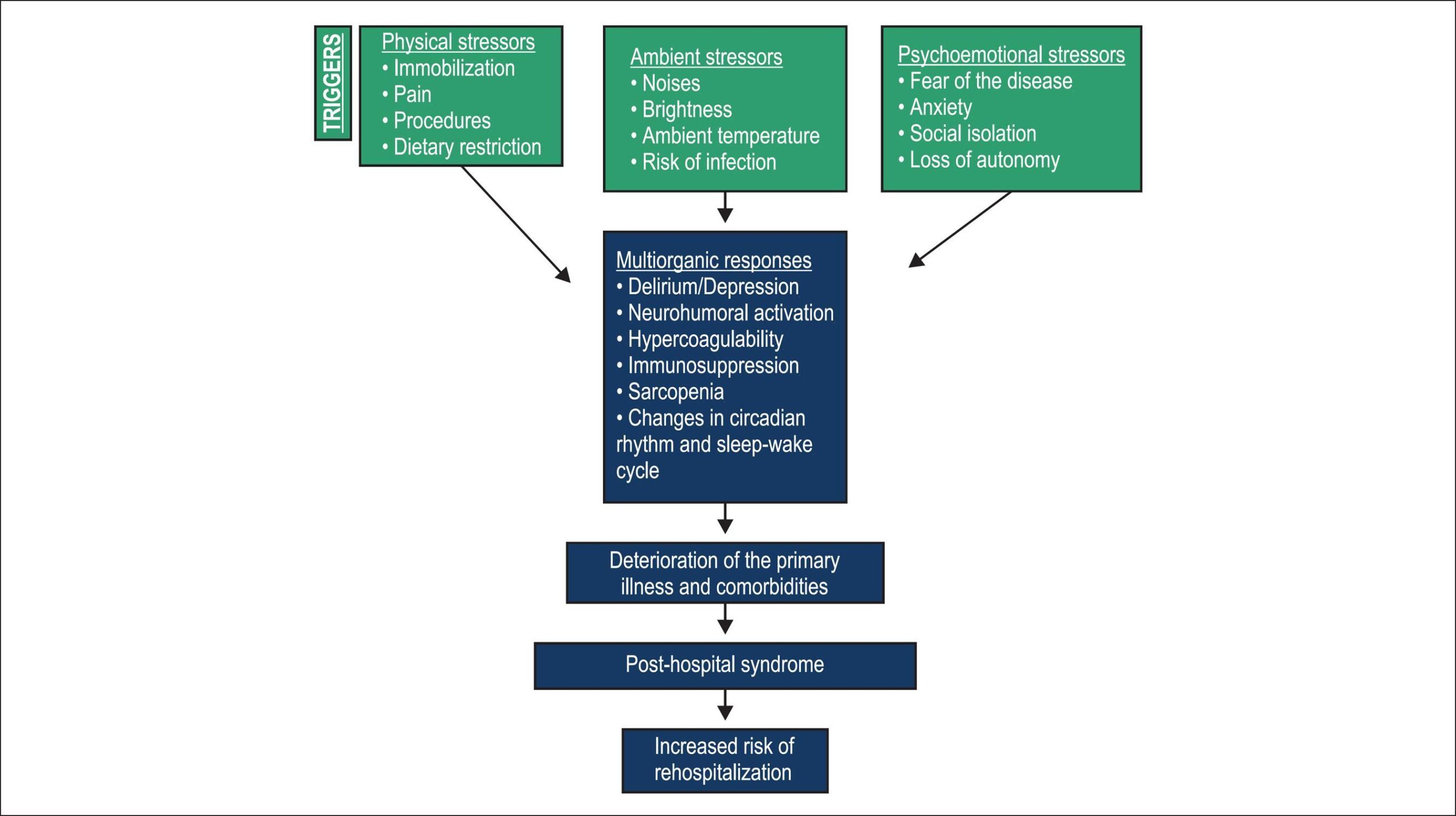
The image of the hospital representing the modern medicine and its diagnostic and therapeutic advances becomes more evident in the face of an aging population and patients with multiple comorbidities requiring highly complex care. However, recent studies have shown a growing number of hospital readmissions within 30 days after discharge. The post-hospital syndrome is a new clinical entity associated with multiple vulnerabilities that contribute to hospital readmissions. During hospitalization, the patient is exposed to different stressors of physical, environmental, and psychosocial natures that trigger pathophysiological and multisystemic responses and increase the risk of complications after hospital discharge. Patients with a cardiac disease have high rates of readmission within 30 days. Therefore, it is important for cardiologists to recognize the post-hospital syndrome since it may impact their daily practice. This review aims at discussing the current scientific evidence regarding predictors and stressors involved in the post-hospital syndrome and the measures that are currently being taken to minimize their effects.

  • Comorbidity / trends
  • Patient Discharge
  • Patient Readmission / trends
  • Stress, Physiological
Read Full Article
Creative Commons Attribution (CC BY) Creative Commons license
01/11/2015 DOI: 10.5935/abc.20150141
Figure 1
ABC
Original Article

Improving Post-Discharge Medication Adherence in Patients with CVD: A Pilot Randomized Trial

Alfredo D. Oliveira-Filho et al. Donald E. Morisky Francisco A. Costa Sara T. Pacheco … Sabrina F. Neves Divaldo P. Lyra-Jr

Background:

Effective interventions to improve medication adherence are usually complex and expensive.

Objective:

To assess the impact of a low-cost intervention designed to improve medication adherence and clinical outcomes in post-discharge patients with CVD.

Method:

A pilot RCT was conducted at a teaching hospital. Intervention was based on the four-item Morisky Medication Adherence Scale (MMAS-4). The primary outcome measure was medication adherence assessed using the eight-item MMAS at baseline, at 1 month post hospital discharge and re-assessed 1 year after hospital discharge. Other outcomes included readmission and mortality rates.

Results:

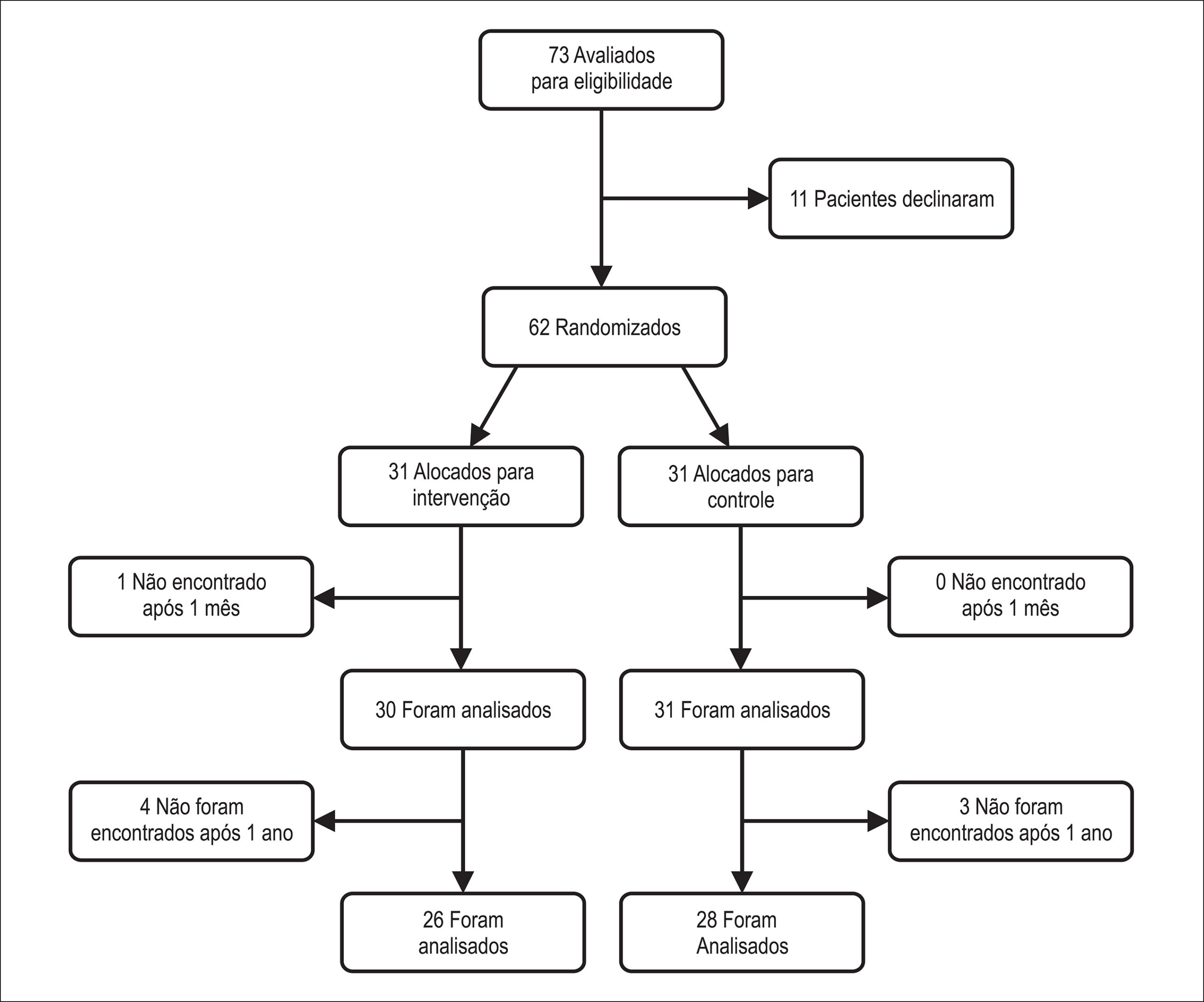
61 patients were randomized to intervention (n = 30) and control (n = 31) groups. The mean age of the patients was 61 years (SD 12.73), 52.5% were males, and 57.4% were married or living with a partner. Mean number of prescribed medications per patient was 4.5 (SD 3.3). Medication adherence was correlated to intervention (p = 0.04) and after 1 month, 48.4% of patients in the control group and 83.3% in the intervention group were considered adherent. However, this difference decreased after 1 year, when adherence was 34.8% and 60.9%, respectively. Readmission and mortality rates were related to low adherence in both groups.

Conclusion:

The intervention based on a validated patient self-report instrument for assessing adherence is a potentially effective method to improve adherent behavior and can be successfully used as a tool to guide adherence counseling in the clinical visit. However, a larger study is required to assess the real impact of intervention on these outcomes.

  • Cardiovascular Diseases
  • medication adherence
  • Patient Discharge
  • Patient Discharge Summaries
  • Randomized Controlled Trial
Read Full Article
Creative Commons Attribution (CC BY) Creative Commons license
14/10/2014 DOI: 10.5935/abc.20140151

How to cite this article

EndNote RIS

Electronic Document Format (Vancouver)

Wang L, Wang L, Gu M, Li , Wang C, Xia Y. A Simple Clinical Risk Score to Predict Post-Discharge Mortality in Chinese Patients Hospitalized with Heart Failure. Arquivos Brasileiros de Cardiologia 2021;117(4):615-23.

Electronic Document Format (ABNT)

Wang, Lei; Wang, Li-Qin; Gu, Mo-Li; Li, ang; Wang, Chen; Xia, Yun-Feng. A Simple Clinical Risk Score to Predict Post-Discharge Mortality in Chinese Patients Hospitalized with Heart Failure. Arquivos Brasileiros de Cardiologia, v. 117, n. 4, p. 615-623, Aug. 2021.

Electronic Document Format (APA)

Wang, L., Wang, L., Gu, M., Li, , Wang, C., & Xia, Y. (2021). A Simple Clinical Risk Score to Predict Post-Discharge Mortality in Chinese Patients Hospitalized with Heart Failure. Arquivos Brasileiros de Cardiologia, 117(4), 615-623.

Electronic Document Format (ISO)

Wang, Lei and Wang, Li-Qin and Gu, Mo-Li and Li, ang and Wang, Chen and Xia, Yun-Feng. A Simple Clinical Risk Score to Predict Post-Discharge Mortality in Chinese Patients Hospitalized with Heart Failure. Arquivos Brasileiros de Cardiologia [online]. 2021, vol. 117, n. 4, [cited 2026-10-14], pp. 615-623. Available from: <https://journals.cardiol.br/en/article/a-simple-clinical-risk-score-to-predict-post-discharge-mortality-in-chinese-patients-hospitalized-with-heart-failure/>. ISSN 0066-782X

EndNote RIS

Electronic Document Format (Vancouver)

Teixeira JAC, Teixeira MF, Teixeira PS, Jorge JG. The Athlete’s Return in the Post-COVID-19. International Journal of Cardiovascular Sciences 2021;34(5):575-81.

Electronic Document Format (ABNT)

Teixeira, José Antônio Caldas; Teixeira, Mateus Freitas; Teixeira, Pedro Soares; Jorge, Juliana Grael. The Athlete’s Return in the Post-COVID-19. International Journal of Cardiovascular Sciences, v. 34, n. 5, p. 575-581, Apr. 2021.

Electronic Document Format (APA)

Teixeira, J. A. C., Teixeira, M. F., Teixeira, P. S., & Jorge, J. G. (2021). The Athlete’s Return in the Post-COVID-19. International Journal of Cardiovascular Sciences, 34(5), 575-581.

Electronic Document Format (ISO)

Teixeira, José Antônio Caldas and Teixeira, Mateus Freitas and Teixeira, Pedro Soares and Jorge, Juliana Grael. The Athlete’s Return in the Post-COVID-19. International Journal of Cardiovascular Sciences [online]. 2021, vol. 34, n. 5, [cited 2026-10-14], pp. 575-581. Available from: <https://journals.cardiol.br/en/article/the-athletes-return-in-the-post-covid-19/>. ISSN 2359-4802

EndNote RIS

Electronic Document Format (Vancouver)

Villacorta H, Villacorta AS, Villacorta LSC, Xavier AR, Kanaan S, Rohen FM, Albuquerque LD, et al. Worsening Renal Function and Congestion in Patients with Acute Heart Failure: A Study with Bioelectrical Impedance Vector Analysis (BIVA) and Neutrophil Gelatinase-Associated Lipocalin (NGAL). Arquivos Brasileiros de Cardiologia 2021;116(4):715-24.

Electronic Document Format (ABNT)

Villacorta, Humberto; Villacorta, Aline Sterque; Villacorta, Leonardo Simões de Castro; Xavier, Analucia Rampazzo; Kanaan, Salim; Rohen, Felipe Mafort; Albuquerque, Leonardo Dinis; Bastilho, Daniele Dantas; Cudischevitch, Cecília de Oliveira. Worsening Renal Function and Congestion in Patients with Acute Heart Failure: A Study with Bioelectrical Impedance Vector Analysis (BIVA) and Neutrophil Gelatinase-Associated Lipocalin (NGAL). Arquivos Brasileiros de Cardiologia, v. 116, n. 4, p. 715-724, Apr. 2021.

Electronic Document Format (APA)

Villacorta, H., Villacorta, A. S., Villacorta, L. S. C., Xavier, A. R., Kanaan, S., Rohen, F. M., Albuquerque, L. D., Bastilho, D. D., & Cudischevitch, C. O. (2021). Worsening Renal Function and Congestion in Patients with Acute Heart Failure: A Study with Bioelectrical Impedance Vector Analysis (BIVA) and Neutrophil Gelatinase-Associated Lipocalin (NGAL). Arquivos Brasileiros de Cardiologia, 116(4), 715-724.

Electronic Document Format (ISO)

Villacorta, Humberto and Villacorta, Aline Sterque and Villacorta, Leonardo Simões de Castro and Xavier, Analucia Rampazzo and Kanaan, Salim and Rohen, Felipe Mafort and Albuquerque, Leonardo Dinis and Bastilho, Daniele Dantas and Cudischevitch, Cecília de Oliveira. Worsening Renal Function and Congestion in Patients with Acute Heart Failure: A Study with Bioelectrical Impedance Vector Analysis (BIVA) and Neutrophil Gelatinase-Associated Lipocalin (NGAL). Arquivos Brasileiros de Cardiologia [online]. 2021, vol. 116, n. 4, [cited 2026-10-14], pp. 715-724. Available from: <https://journals.cardiol.br/en/article/worsening-renal-function-and-congestion-in-patients-with-acute-heart-failure-a-study-with-bioelectrical-impedance-vector-analysis-biva-and-neutrophil-gelatinase-associated-lipocalin-ngal/>. ISSN 0066-782X

EndNote RIS

Electronic Document Format (Vancouver)

Cordeiro ALL, Silva LGR, Pinto MO, Araújo JS, Guimarães AR, Petto J. Behavior of Pulmonary Function after Hospital Discharge in Patients Submitted to Myocardial Revascularization. International Journal of Cardiovascular Sciences 2018;32(2):104-9.

Electronic Document Format (ABNT)

Cordeiro, André Luiz Lisboa; Silva, Letícia Gardênia Romualdo da; Pinto, Milena Oliveira; Araújo, Jaclene da Silva; Guimarães, André Raimundo; Petto, Jefferson. Behavior of Pulmonary Function after Hospital Discharge in Patients Submitted to Myocardial Revascularization. International Journal of Cardiovascular Sciences, v. 32, n. 2, p. 104-109, Dec. 2018.

Electronic Document Format (APA)

Cordeiro, A. L. L., Silva, L. G. R. , Pinto, M. O., Araújo, J. S., Guimarães, A. R., & Petto, J. (2018). Behavior of Pulmonary Function after Hospital Discharge in Patients Submitted to Myocardial Revascularization. International Journal of Cardiovascular Sciences, 32(2), 104-109.

Electronic Document Format (ISO)

Cordeiro, André Luiz Lisboa and Silva, Letícia Gardênia Romualdo da and Pinto, Milena Oliveira and Araújo, Jaclene da Silva and Guimarães, André Raimundo and Petto, Jefferson. Behavior of Pulmonary Function after Hospital Discharge in Patients Submitted to Myocardial Revascularization. International Journal of Cardiovascular Sciences [online]. 2018, vol. 32, n. 2, [cited 2026-10-14], pp. 104-109. Available from: <https://journals.cardiol.br/en/article/behavior-of-pulmonary-function-after-hospital-discharge-in-patients-submitted-to-myocardial-revascularization/>. ISSN 2359-4802

EndNote RIS

Electronic Document Format (Vancouver)

Mesquita ET, Cruz LN, Mariano BM, Jorge AJL. Post-Hospital Syndrome: A New Challenge in Cardiovascular Practice. Arquivos Brasileiros de Cardiologia 2015;105(5):540-4.

Electronic Document Format (ABNT)

Mesquita, Evandro Tinoco; Cruz, Larissa Nascimento; Mariano, Bruna Melo; Jorge, Antonio José Lagoeiro. Post-Hospital Syndrome: A New Challenge in Cardiovascular Practice. Arquivos Brasileiros de Cardiologia, v. 105, n. 5, p. 540-544, Oct. 2015.

Electronic Document Format (APA)

Mesquita, E. T., Cruz, L. N., Mariano, B. M., & Jorge, A. J. L. (2015). Post-Hospital Syndrome: A New Challenge in Cardiovascular Practice. Arquivos Brasileiros de Cardiologia, 105(5), 540-544.

Electronic Document Format (ISO)

Mesquita, Evandro Tinoco and Cruz, Larissa Nascimento and Mariano, Bruna Melo and Jorge, Antonio José Lagoeiro. Post-Hospital Syndrome: A New Challenge in Cardiovascular Practice. Arquivos Brasileiros de Cardiologia [online]. 2015, vol. 105, n. 5, [cited 2026-10-14], pp. 540-544. Available from: <https://journals.cardiol.br/en/article/post-hospital-syndrome-a-new-challenge-in-cardiovascular-practice/>. ISSN 0066-782X

EndNote RIS

Electronic Document Format (Vancouver)

Oliveira-Filho AD, Morisky DE, Costa FA, Pacheco ST, Neves SF, Lyra-Jr DP. Improving Post-Discharge Medication Adherence in Patients with CVD: A Pilot Randomized Trial. Arquivos Brasileiros de Cardiologia 2014;103(6):503-12.

Electronic Document Format (ABNT)

Oliveira-Filho, Alfredo D.; Morisky, Donald E.; Costa, Francisco A.; Pacheco, Sara T.; Neves, Sabrina F.; Lyra-Jr, Divaldo P.. Improving Post-Discharge Medication Adherence in Patients with CVD: A Pilot Randomized Trial. Arquivos Brasileiros de Cardiologia, v. 103, n. 6, p. 503-512, Oct. 2014.

Electronic Document Format (APA)

Oliveira-Filho, A. D., Morisky, D. E., Costa, F. A., Pacheco, S. T., Neves, S. F., & Lyra-Jr, D. P. (2014). Improving Post-Discharge Medication Adherence in Patients with CVD: A Pilot Randomized Trial. Arquivos Brasileiros de Cardiologia, 103(6), 503-512.

Electronic Document Format (ISO)

Oliveira-Filho, Alfredo D. and Morisky, Donald E. and Costa, Francisco A. and Pacheco, Sara T. and Neves, Sabrina F. and Lyra-Jr, Divaldo P.. Improving Post-Discharge Medication Adherence in Patients with CVD: A Pilot Randomized Trial. Arquivos Brasileiros de Cardiologia [online]. 2014, vol. 103, n. 6, [cited 2026-10-14], pp. 503-512. Available from: <https://journals.cardiol.br/en/article/improving-post-discharge-medication-adherence-in-patients-with-cvd-a-pilot-randomized-trial/>. ISSN 0066-782X

  • About ABC Family
  • Internal Regulation
  • Editorial Board
  • Brazilian Society of Cardiology (SBC)

Issues

SBC Guidelines

  • Videos
  • Podcasts
  • News