ABC Family Arquivos Brasileiros de Cardiologia International Journal of Cardiovascular Sciences ABC Heart Failure & Cardiomyopathy ABC Imagem Cardiovascular
Português English
ABC Family
Português English
  • About
    • About ABC Family
    • Internal Regulation
    • Editorial Board
    • Brazilian Society of Cardiology (SBC)
  • Issues
  • SBC Guidelines
  • Content
    • Videos
    • Podcasts
    • News
  • About
    • About ABC Family
    • Internal Regulation
    • Editorial Board
    • Brazilian Society of Cardiology (SBC)
  • Issues
  • SBC Guidelines
  • Content
    • Videos
    • Podcasts
    • News

ABC Family

  • ABC Family
  • Arquivos Brasileiros de Cardiologia
  • International Journal of Cardiovascular Sciences
  • ABC Heart Failure & Cardiomyopathy
  • ABC Imagem Cardiovascular
Search in

No content found.

Journals
Ordering
Article types
Others

  1. Home
  2. Keyword: Arterial Pressure
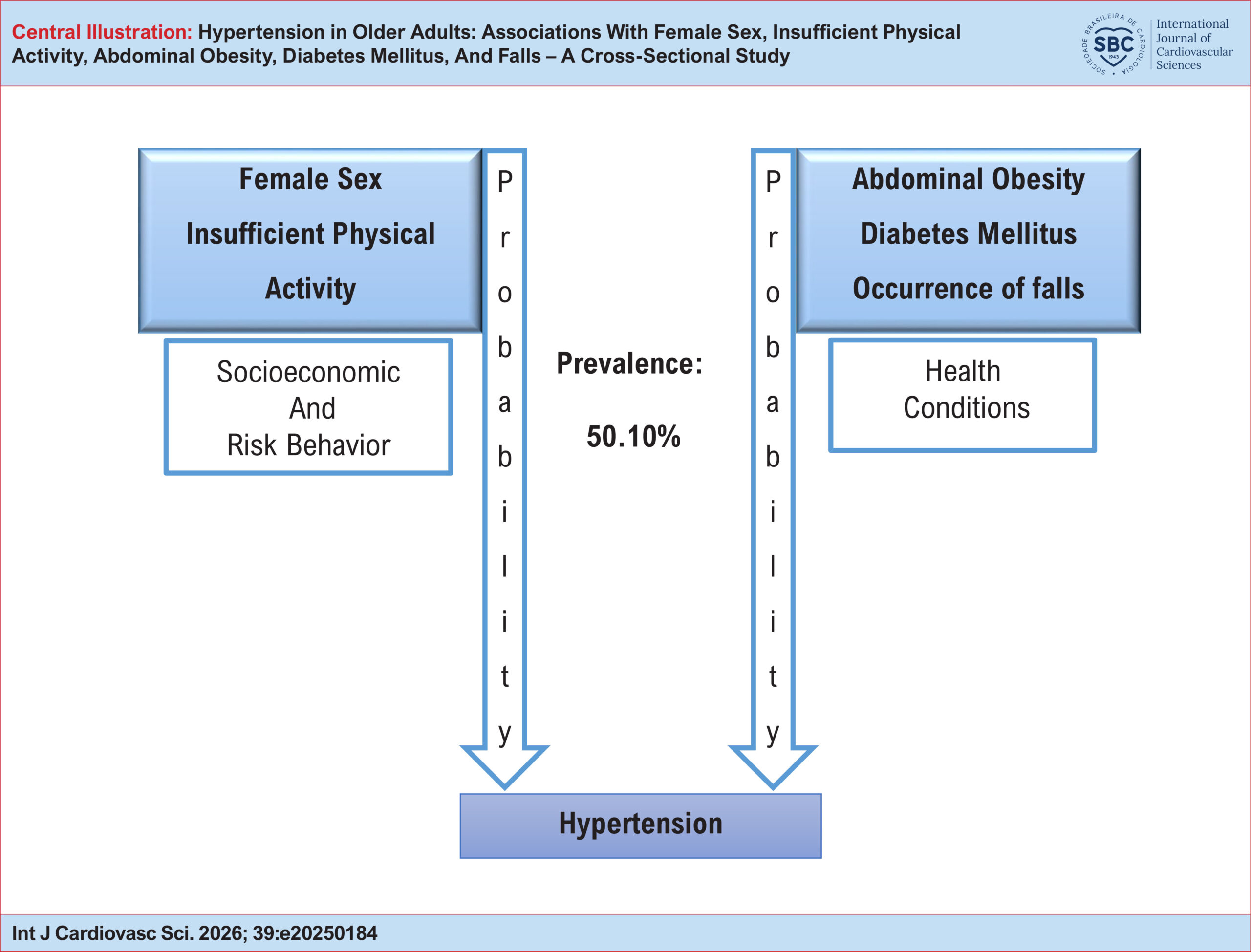
Hypertension in Older Adults: Associations With Female Sex, Insufficient Physical Activity, Abdominal Obesity, Diabetes Mellitus, And Falls – A Cross-Sectional Study
IJCS
Original Article

Hypertension in Older Adults: Associations With Female Sex, Insufficient Physical Activity, Abdominal Obesity, Diabetes Mellitus, And Falls – A Cross-Sectional Study

Emylly Carlos da Silva et al. Paulo da Fonseca Valença Neto Cezar Augusto Casotti Claudio Bispo de Almeida … Débora Jesus da Silva Saulo Sacramento Meira Beatriz Cardoso Roriz Janayna Araújo Viana Vanessa Silva Souza Viana Renata de Sá Ribeiro Késia Chaves da Silva Dennis Gonçalves Novais Maiara Bernardes Marques Lunalva Aurelio Pedroso Sallet Lucas dos Santos

Abstract

Background:

Systemic Arterial Hypertension (SAH) is a major public health issue, particularly among older adults, due to its high prevalence and impact on morbidity and mortality.

Objective:

To investigate factors associated with SAH in older adults from a small municipality in northeastern Brazil.

Methods:

A population-based cross-sectional epidemiological study was conducted among 232 community-dwelling older adults. Independent variables included socioeconomic, behavioral, and health-related factors, with SAH as the outcome. Prevalence ratios (PR) and 95% confidence intervals (CI) were calculated using Poisson regression with a robust estimator. Crude models were followed by a hierarchical multiple explanatory model (Level 1: socioeconomic variables; Level 2: behavioral aspects; Level 3: health conditions). Associations were considered statistically significant at the 5% level (p < 0.05).

Results:

The prevalence of SAH was 59.1% (men: 50.0%; women: 65.4%). An increased likelihood of SAH was associated with female sex (PR: 1.33; 95% CI: 1.05–1.68), insufficient physical activity (PR: 1.24; 95% CI: 1.01–1.54), abdominal obesity (PR: 1.40; 95% CI: 1.09–1.79), diabetes mellitus (PR: 1.30; 95% CI: 1.03–1.64), and falls (PR: 1.37; 95% CI: 1.07–1.74).

Conclusion:

A high prevalence of SAH was identified, particularly among women and those with insufficient physical activity, abdominal obesity, diabetes mellitus, and a history of falls.
  • aging
  • Arterial Pressure
  • Epidemiology
  • Public Health
Read Full Article
Creative Commons Attribution (CC BY) Creative Commons license
10/07/2026 DOI: 10.36660/ijcs.20250184 Views 2
ABC
Editorial

Reduction of Salt in the Diet and Improvement in Blood Pressure: Low Cost, Robust Evidence, and Challenges in Implementation

Paulo César B. Veiga Jardim

We must see the topic of “reducing salt in the diet and its benefits on blood pressure” addressed technically, thereby reinforcing the evidence of the positive results of this practice, which are always demonstrated but almost never effectively adopted.

First, let us focus on the excellent work by Kelly et al. From a quality standpoint, this is a Systematic Review and Meta-Analysis conducted with extremely careful methodology, making this article yet another reference on this crucial topic. The care taken by the authors ensures the reliability of the results, which demonstrate, once again, that reducing sodium intake effectively affects blood pressure in a manner equivalent to the use of an antihypertensive drug. The authors, elegantly concluding this finding, are also careful to point out that more information is needed in this regard, with larger studies, over longer periods, and demonstrating benefits in blood pressure control and cardiovascular outcomes.

[…]

  • Arterial Pressure
  • Dietary Sodium Chloride
  • Hypertension
Read Full Article
Creative Commons Attribution (CC BY) Creative Commons license
15/06/2026 DOI: 10.36660/abc.20260262i Views 2
Efficacy of a Salt Substitute on the Incidence of Hypertension: A Systematic Review with Meta-Analysis
ABC
Original Article

Efficacy of a Salt Substitute on the Incidence of Hypertension: A Systematic Review with Meta-Analysis

Francinny Alves Kelly et al. Clara Rocha Dantas Luis Eduardo Rodrigues Sobreira Artur Menegaz de Almeida … Fernando Baía Bezerra Márcio Gonçalves de Sousa Fernanda Consolim Antonio Gabriele Laurinavicius

Abstract

Background

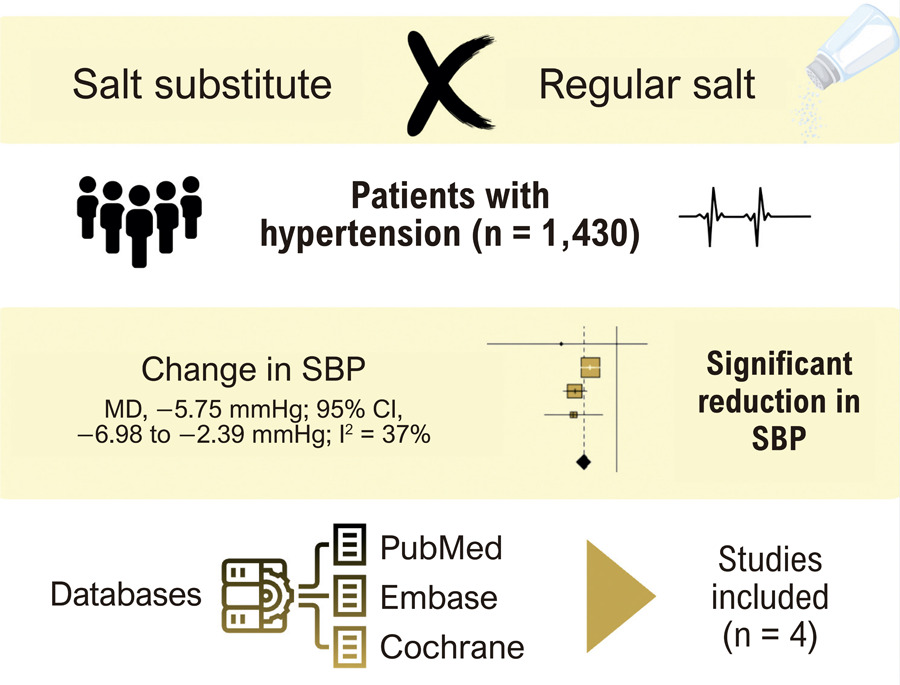
A potassium-enriched salt substitute, in which part of sodium chloride is replaced with potassium chloride, has shown considerable potential as a population-level strategy to reduce sodium intake and prevent cardiovascular disease. In recent years, research has focused primarily on individuals with hypertension, demonstrating that salt substitutes can influence blood pressure (BP).

Objective

To perform a meta-analysis quantifying the magnitude of BP reduction in patients with hypertension using regular salt compared with those using a salt substitute.

Methods

PubMed, Scopus, and Web of Science were searched for randomized controlled trials (RCTs) comparing regular salt with a salt substitute. Mean differences (MD) with 95% CIs were calculated using a random-effects model. Heterogeneity was assessed using the I2 statistic. A p-value < 0.05 was considered statistically significant.

Results

Four RCTs involving 1,430 participants were included, of whom 725 (49.57%) received the salt substitute. The use of a salt substitute was associated with a significant reduction in systolic BP (SBP) (MD, −5.75 mmHg; 95% CI, −6.98 to −2.39 mmHg; I2 = 37%; p < 0.01) and a significant reduction in diastolic BP (DBP) (MD, −1.62 mmHg; 95% CI, −2.34 to −0.91 mmHg; I2 = 0%; p < 0.001).

Conclusion

In patients with hypertension, the use of a salt substitute is associated with a significant reduction in both SBP and DBP compared with regular salt.

  • Arterial Pressure
  • Cardiovascular Diseases
  • Hypertension
Read Full Article
Creative Commons Attribution (CC BY) Creative Commons license
01/05/2026 DOI: 10.36660/abc.20250440i Views 2
ABC
Editorial

Beyond the Scale: Obesity as a Structural Driver of Refractory Hypertension

Eduardo Tibirica

Arterial hypertension remains a global challenge, yet its extreme phenotypes—Resistant Hypertension (RAH) and Refractory (RefH) Hypertension—represent the forefront of cardiovascular risk. While RAH involves uncontrolled blood pressure (BP) despite three drug classes, RefH is its most severe manifestation, defined by failure with five or more drugs. In Brazil, RAH is highly prevalent; the ELSA-Brasil study reported an 11% prevalence among treated patients, with higher risks for older, Black, and obese individuals.

Expanding this landscape, Costa et al. provide a timely analysis of a high-complexity cohort. Their findings reveal a striking correlation between body mass index and pharmacological burden (r = 0.45; p < 0.01). This "dose-response" relationship suggests that in obese individuals, the "ceiling effect" of conventional therapy is reached sooner, necessitating an escalation of polypharmacy. Furthermore, by focusing on a cohort predominantly composed of Afro-descendant women over 60 years of age, the authors address a critical gap regarding vulnerable groups often underrepresented in clinical research.

[…]

  • Arterial Pressure
  • Hypertension
  • Obesity
Read Full Article
Creative Commons Attribution (CC BY) Creative Commons license
20/04/2026 DOI: 10.36660/abc.20260139i
Figure 1
ABC
Brief Communication

Treadmill Test and Ambulatory Blood Pressure Monitoring: Can They Be Performed on the Same Day? Can the Effort Reached on the Treadmill Interfere?

Paulo Magno Martins Dourado et al. Larissa de Almeida Dourado Letícia Raiane dos Anjos Silva Jaciara Gomes de Oliveira … Karolyne de Oliveira Matos João Paulo de Almeida Dourado Ludhmila Abrahão Hajjar Pedro Gabriel Senger Braga

Abstract

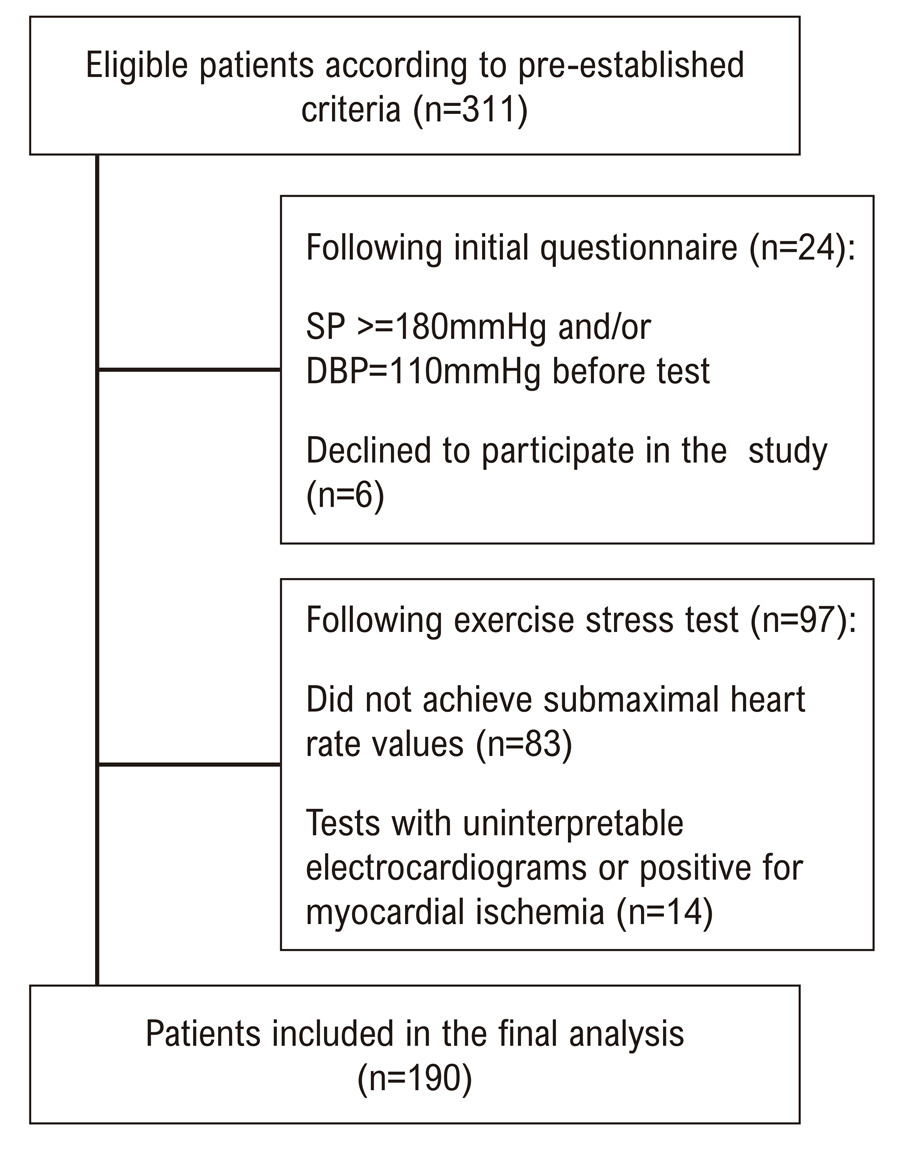
The present study aimed to assess whether the exercise stress test influences the results of ambulatory blood pressure monitoring (ABPM) in individuals who undergo both examinations on the same day, and whether the intensity reached during the test affects the blood pressure values obtained through ABPM. A total of 190 adults participated in the study, which included two analyses: performing the tests on the same day (n=145) versus on different days (n=45) and reaching submaximal (n=95) versus maximal (n=50) heart rate during the exercise stress test. Performing the exercise stress test and ABPM on the same day did not affect maximum systolic blood pressure during wakefulness (p=0.5307) or sleep (p=0.7383), maximum diastolic pressure during wakefulness (p=0.2691) or sleep (p=0.3974), minimum systolic pressure during wakefulness (p=0.4615) or sleep (p=0.5584), or minimum diastolic pressure during wakefulness (p=0.1289) or sleep (p=0.8075). When comparing the intensity of effort reached, there were no differences in maximum systolic pressure during wakefulness (p=0.1029) or sleep (p=0.2149), maximum diastolic pressure during wakefulness (p=0.2062) or sleep (p=0.1851), minimum systolic pressure during wakefulness (p=0.7964) or sleep (p=0.8991), and minimum diastolic pressure during wakefulness (p=0.8864) or sleep (p=0.4892). No differences were found in ABPM blood pressure values between individuals who performed the exercise stress test on the same day and those who did so on different days. Additionally, the intensity reached during the test, whether submaximal or maximal, did not influence ABPM results.

  • Ambulatory Blood Pressure Monitoring
  • Arterial Pressure
  • Exercise Test
Read Full Article
Creative Commons Attribution (CC BY) Creative Commons license
02/03/2026 DOI: 10.36660/abc.20250412i Views 1
ABC
Letter to the Editor

Should Resistance Training Also Be Considered a Mandatory Component?

Odilon Abrahin

I have read with interest the Brazilian Guidelines for Hypertension 2025, specifically Chapter 6: Nonpharmacological Measures (Physical Activity and Exercise). Although the current guideline has interesting practical applications for endurance training, some methodological issues might be of interest to readers, especially regarding the practice of resistance training (RT) for hypertensive patients.

The guideline states that aerobic training is a mandatory component, whereas RT is considered only complementary. However, this approach underestimates the clinical relevance of RT. Recent international guidelines– recommend a structured exercise program that includes both aerobic exercise and/or RT. Notably, the Japanese Society of Hypertension highlights that regular aerobic and RT are equally effective in lowering blood pressure, and both are therefore strongly recommended.

[…]

  • Arterial Pressure
  • Endurance Training
  • Resistance Training
Read Full Article
Creative Commons Attribution (CC BY) Creative Commons license
13/02/2026 DOI: 10.36660/abc.20250653i
ABC
Editorial

The Importance of Identifying Phenotypes in Arterial Hypertension

Rui Póvoa

Assessing blood pressure (BP) levels involves understanding the relationship between BP and overall health. This requires accurate measurement, following the criteria recommended in the guidelines, to determine the true meaning of the measurement in the office and beyond. Within this hypertensive spectrum, with measurements at varying times, we can define various hypertensive phenotypes and their significance for cardiovascular risk. This knowledge has accumulated over time and has been increasingly refined with the advancement of medical and technological knowledge.

The first experimental measurement of BP was made in 1711 by Stephen Halles using a cannula in the crural artery of a horse and connecting it to a glass tube that raised the blood two and a half meters above the height of the animal. However, arterial hypertension was only clinically valued in 1896 with the invention of the first mercury column sphygmomanometer by the Italian Scipione Riva-Rocci, using a 4.4 cm wide cuff.

[…]

  • Arterial Pressure
  • Hypertension
  • Phenotype
Read Full Article
Creative Commons Attribution (CC BY) Creative Commons license
01/12/2025 DOI: 10.36660/abc.20250530i Views 2
Identification of Hypertension Phenotypes by Sex: A Real-World Study of 7,852 Treated Patients
ABC
Original Article

Identification of Hypertension Phenotypes by Sex: A Real-World Study of 7,852 Treated Patients

Eduardo Costa Duarte Barbosa et al. Sérgio Kakuta Kato Audes Feitosa Marco Antonio Mota-Gomes … Roberto Dischinger Miranda Andréa Araujo Brandão Weimar Kunz Sebba Barroso Bruna Eibel

Abstract

Background

Although blood pressure (BP) thresholds are well established, there is a lack of data on potential hypertension phenotypes across sexes.

Objectives

To identify hypertension phenotypes in men and women undergoing antihypertensive treatment.

Methods

Adults aged 18 to 80 years with diagnosed hypertension and undergoing pharmacological treatment were opportunistically recruited from various regions of Brazil. Assessments included office BP measurements and home blood pressure monitoring (HBPM). Four hypertension phenotypes were defined: (i) controlled hypertension: office BP < 140/90 mmHg and HBPM < 130/80 mmHg; (ii) white-coat uncontrolled hypertension: office BP ≥ 140/90 mmHg and HBPM < 130/80 mmHg; (iii) masked uncontrolled hypertension: office BP < 140/90 mmHg and HBPM ≥ 130/80 mmHg; (iv) sustained uncontrolled hypertension: office BP ≥ 140/90 mmHg and HBPM ≥ 130/80 mmHg. A significance level of 5% (p < 0.05) was adopted.

Results

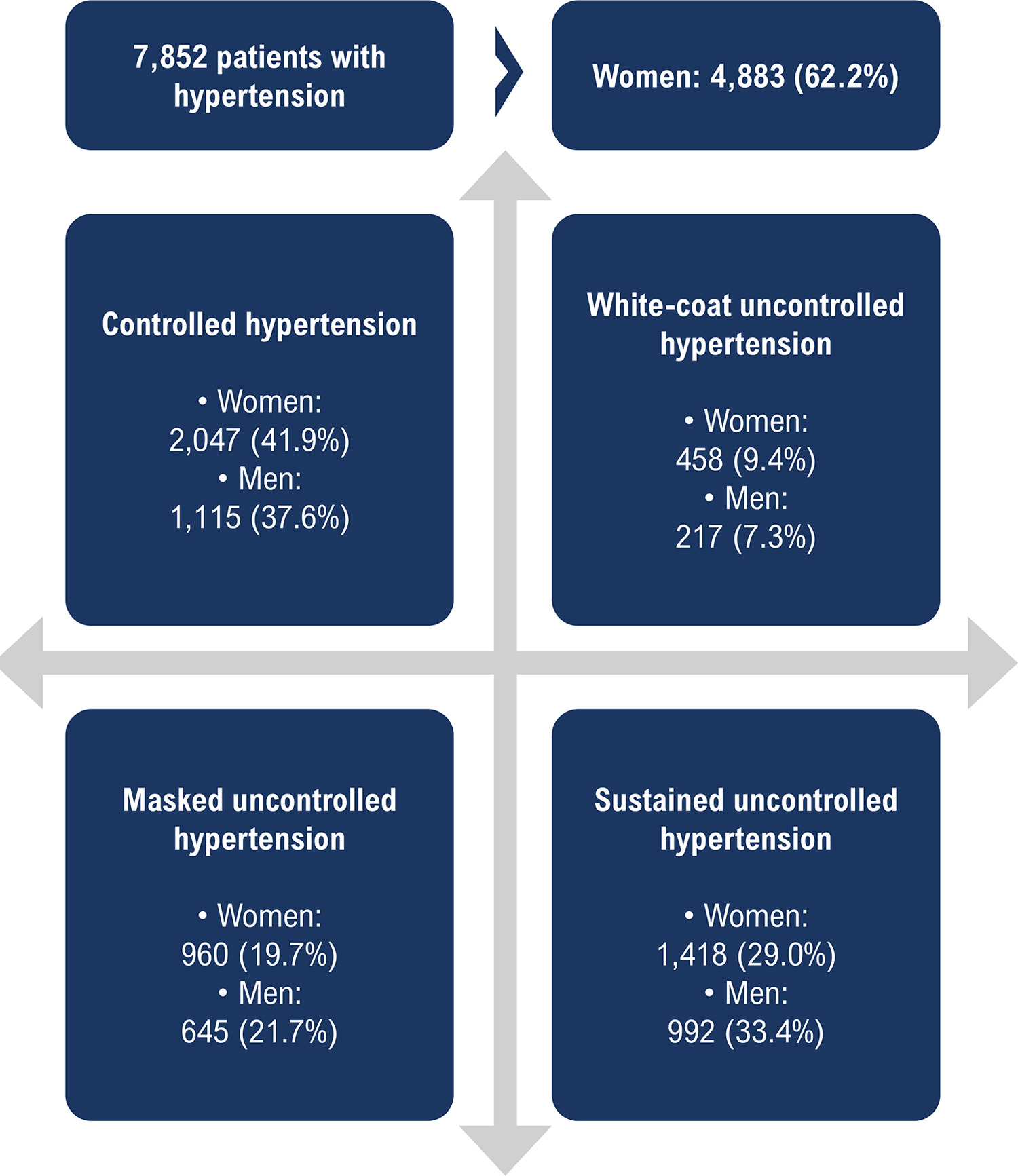
Among the 7,852 patients on antihypertensive therapy, 3,162 (40.3%) had controlled hypertension, including 1,115 (37.6%) men and 2,047 (41.9%) women (p < 0.001); 675 (8.6%) had white-coat uncontrolled hypertension, with 217 (7.3%) men and 458 (9.4%) women (p < 0.001); 1,605 (20.4%) had masked uncontrolled hypertension, including 645 (21.7%) men and 960 (19.7%) women (p < 0.001); and 2,410 (30.7%) had sustained uncontrolled hypertension, including 992 (33.4%) men and 1,418 (29%) women (p < 0.001).

Conclusions

This is the first Brazilian population-based study to assess hypertension phenotypes by sex. Women demonstrated better BP control than men, both in clinical settings and at home.

  • Arterial Pressure
  • Hypertension
  • Phenotype
Read Full Article
Creative Commons Attribution (CC BY) Creative Commons license
29/09/2025 DOI: 10.36660/abc.20250037i Views 2
A New Corrected Formula for Correct Estimation of Mean Central Aortic Pressure from Peripheral Cuff Measurements
ABC
Original Article

A New Corrected Formula for Correct Estimation of Mean Central Aortic Pressure from Peripheral Cuff Measurements

Mehmet Ozgeyik et al. Onur Kaypakli

Abstract

Background

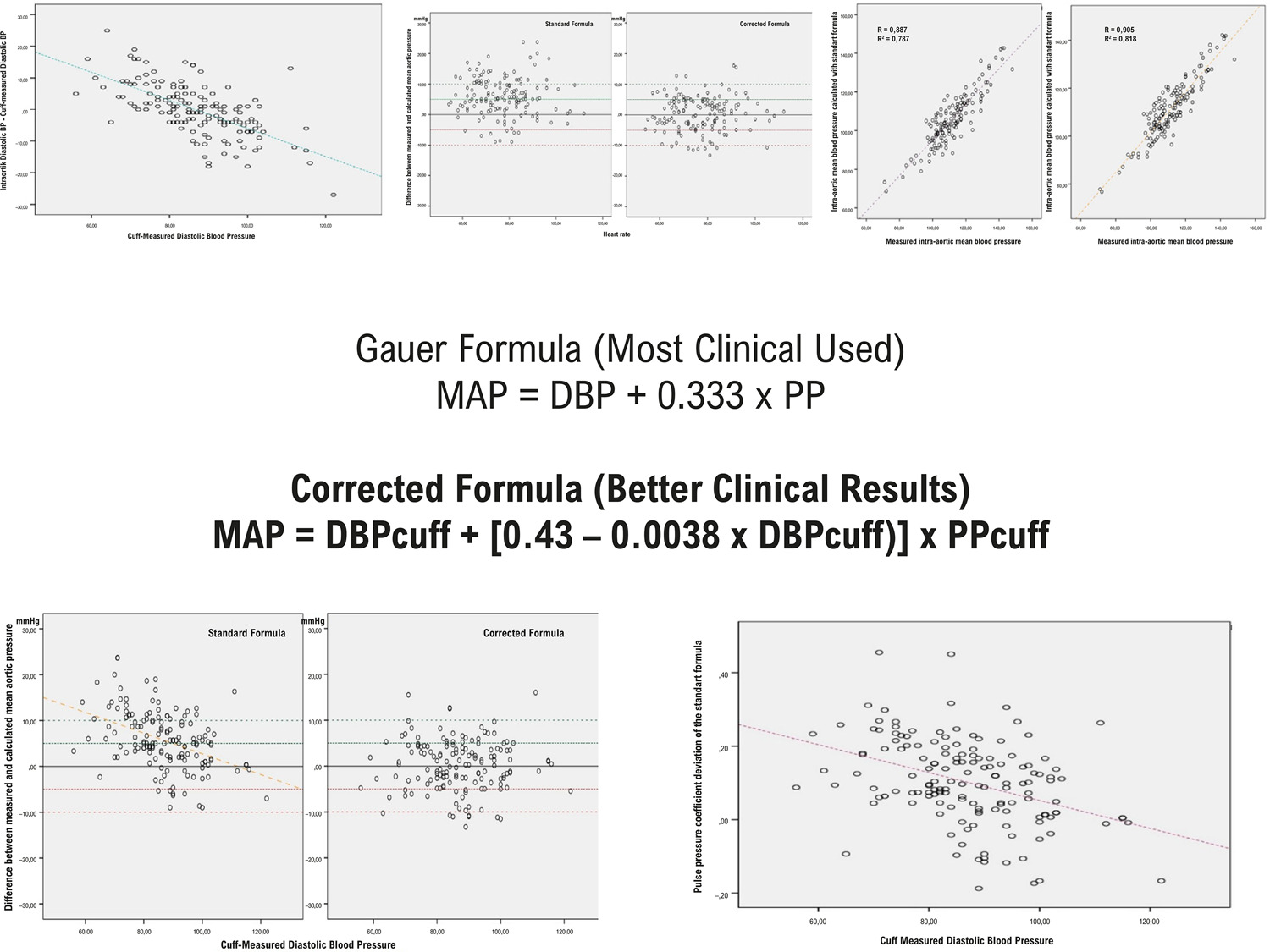
Mean arterial pressure (MAP) has critical importance in tissue perfusion. In clinical practice, the most used formula was suggested by Gauer, which uses systolic (SBP), diastolic (DBP), and pulse (PP) pressures gathered via the iliac artery (MAP = DBP + 0.333 x PP). However, its results are not reliable for noninvasive recordings as blood pressures are higher.

Objectives

We derived a corrected formula for the correct calculation of MAP from the noninvasive cuff blood pressure recordings: MAP = DBPcuff + [0.33 + (0.43 – 0.0038 x DBPcuff)] x PPcuff.

Methods

149 patients were included in this study. Intra-aortic and cuff blood pressure tracings were obtained simultaneously. The PP coefficient of the standard formula is 0.333 for all calculations. The PP coefficient deviation of the standard formula was calculated with the formula of PP coefficient − 0.333. These two formulas were compared using linear regression analysis and Akaike information criterion (AIC). The level of significance was set at 5% in the statistical analysis.

Results

The measured intra-aortic mean pressure was 111.5±13.0 mmHg. The calculated intra-aortic mean pressure by the standard formula and the corrected formula was 105.8±13.5 and 111.3±12.1, respectively. The R, R2, and AIC of the corrected formula were better than the standard formula [(0.905 vs 0.887), (0.818 vs 0.787), and (858.9 vs 1002.7), respectively].

Conclusion

To the best of our knowledge, this is the first study for the calculation of the MAP from cuff measurements, and the corrected formula has better accuracy than the standard formula for estimation of the MAP.

  • Arterial Pressure
  • Palpation
  • Pulso
Read Full Article
Creative Commons Attribution (CC BY) Creative Commons license
29/09/2025 DOI: 10.36660/abc.20240880i Views 1
ABC
Editorial

Ideal Blood Pressure Levels: So Long the J-Curve, Lower is Better

Marcio Sommer Bittencourt

While hypertension is one of the most well-recognized risk factors for cardiovascular disease, there are no clear universally accepted ideal blood pressure levels. Original data from the Framingham heart study in the 1970s suggested no normality threshold for high blood pressure, indicating that “the lower, the better”, particularly for systolic blood pressure. However, subsequent reanalysis of the same data suggests a J-curve association between diastolic blood pressure and outcomes. Interestingly, the J-curve pattern was restricted to the diastolic blood pressure as the associations of systolic blood pressure with mortality and cardiovascular outcomes have always been linear with no clear threshold at least to levels as low as 90-110 mmHg. Based on such epidemiological data as well as clinical knowledge that lower blood pressure levels may cause symptoms, hypertension guidelines have recommended a parsimonious definition of blood pressure target tailored to the individual patient risk. In the 1970s, the first version of the Joint National Committee treatment was only consistently indicated with diastolic blood pressures above 105 mmHg, but since then, targets have been progressively lower.

This J-curve has been reassessed in multiple studies since then. An interesting sub-analysis of the SPRINT trial demonstrated that although lower diastolic blood pressure is associated with an increased risk of cardiovascular events, further aggressive reduction of systolic blood pressure to the study target still leads to a reduction in cardiovascular events, even in individuals with lower diastolic blood pressure levels. Another large epidemiologic study demonstrated that while low diastolic blood pressure is associated with increased events, the effect is no longer present once adjusted for age, sex, risk factors, and systolic blood pressure levels. This study also demonstrated that the increased risk associated with low diastolic blood pressure was mostly explained by its association with older age and higher systolic blood pressure. Collectively, the evidence indicates that low diastolic BP does not cause worse outcomes; its association with cardiovascular events only represents reverse causation and confounding effects.

[…]

  • Arterial Pressure
  • Cardiovascular Diseases
  • Hypertension
Read Full Article
Creative Commons Attribution (CC BY) Creative Commons license
09/05/2025 DOI: 10.36660/abc.20250150i
Content Analysis of Brazilian Mobile Applications Targeting Blood Pressure Management: A Systematic Search
ABC
Original Article

Content Analysis of Brazilian Mobile Applications Targeting Blood Pressure Management: A Systematic Search

Eduardo Braghini Johann et al. Marcelo Baggio Nicolle Abreu Pauli Artur Dilli … Rafael Teixeira Ilkiu Raphael Mendes Ritti-Dias Aline Mendes Gerage

Abstract

Background

Several mobile applications have been developed to assist in managing hypertension, but little is known about their quality in the Brazilian scenario.

Objective

To identify and analyze the quality of the apps targeting blood pressure (BP) management available in Portuguese.

Methods

A systematic search was carried out through Brazilian virtual app stores in the Android and iOS platforms from November 2021 to March 2022, with an update in March 2024. The search was based on the standards of systematic review (PRISMA), using predefined keywords, including apps in Portuguese, free and available for use during the search. Three independent reviewers analyzed the apps using the five-point Mobile App Rating Scale (MARS), and for the presence of tools/content related to the BP control.

Results

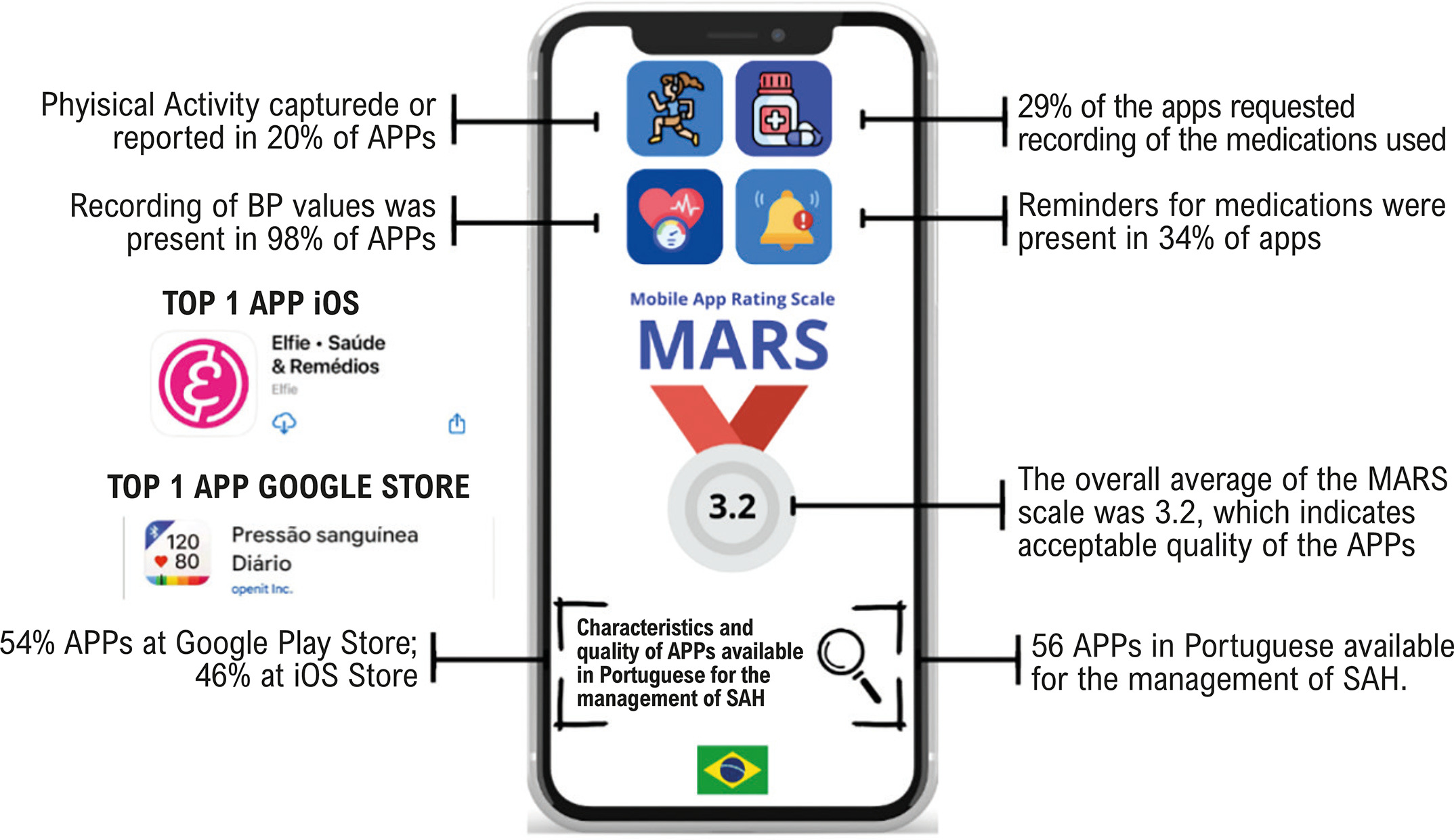
Fifty-six applications met the criteria for data extraction. The most prevalent tool was the recording of BP values (98%). The tool for adherence to medication and reminders to their use was present in only 29% and 34% of the APPs, respectively. The mean overall MARS score was 3.4 ± 0.74 and 3.1 ± 0.61 for Android and iOS APPs, respectively, which classified then as acceptable. The best rated item was “functionality” for both Android and iOS apps.

Conclusion

The present study identified numerous apps with acceptable quality aimed at monitoring BP. However, most of them did not include important factors related to disease control, particularly regarding treatment adherence, physical activity and presence of comorbidities.

  • Arterial Pressure
  • digital health
  • Hypertension
  • Medical Assistance
  • Telemedicine
Read Full Article
Creative Commons Attribution (CC BY) Creative Commons license
10/02/2025 DOI: 10.36660/abc.20240339i Views 1
ABC
Editorial

Blood Pressure Response and Exercise Stress Echocardiography: New Perspectives on a Contemporary Challenge

Eduardo M. Vilela et al. Ricardo Fontes-Carvalho

Exercise substantially impacts the cardiovascular system and is associated with many potential benefits across different momentums of the cardiovascular continuum. , On the other hand, physical exercise has for several decades been postulated as a possible approach to assess the cardiovascular response. As such, this methodology could be of interest for diagnostic purposes while also providing prognostic information. While the maturation of protocols encompassing the electrocardiographic response to exercise provided major breakthroughs, novel techniques have allowed an expanded view of the complex interplay between exercise and the cardiovascular system. –

Exercise stress echocardiography (ESE) has progressively evolved into a highly relevant framework, namely when assessing coronary artery disease (CAD). Echocardiography also has the advantage of assessing components such as exercise capacity, diastolic function, dynamic gradients, and valvular heart disease. , Furthermore, blood pressure (BP) and electrocardiographic monitoring also provide pivotal inputs . Recent data also showcases the potential of combining with other techniques, such as lung ultrasound, to assess congestion. While, as illustrated in contemporary guidelines, ESE has garnered great interest (being preferred to pharmacological testing in patients able to exercise), there are still some caveats in its optimal application. ,

[…]

  • Arterial Pressure
  • Coronary Artery Disease
  • Echocardiography, Stress / methods
  • Echocardiography/methods
  • Echocardiography/trends
Read Full Article
Creative Commons Attribution (CC BY) Creative Commons license
22/12/2023 DOI: 10.36660/abc.20230737
Exaggerated Systolic Blood Pressure Increase with Exercise and Myocardial Ischemia on Exercise Stress Echocardiography
ABC
Original Article

Exaggerated Systolic Blood Pressure Increase with Exercise and Myocardial Ischemia on Exercise Stress Echocardiography

Cláudia Bispo Martins-Santos et al. Lara Teles Alencar Duarte Cleovaldo Ribeiro Ferreira-Junior Allexa Gabriele Teixeira Feitosa … Edvaldo Victor Gois Oliveira Iana Carine Machado Bispo Campos Enaldo Vieira de Melo Stephanie Macedo Andrade Antônio Carlos Sobral Sousa Joselina Luzia Menezes Oliveira

Abstract

Background

The association between exaggerated systolic blood pressure response to exercise (ESBPRE) and myocardial ischemia is controversial and little studied in patients with established or suspected chronic coronary syndrome.

Objective

To verify the relationship between myocardial ischemia and ESBPRE in patients undergoing exercise stress echocardiography (ESE).

Methods

This is a cross-sectional study with 14,367 patients undergoing ESE, from January 2000 to January 2022, divided into the following 2 groups: G1, composed of patients whose peak systolic pressure increased ≥ 90 mmHg (value corresponding to the 95th percentile of the study population), and G2, patients who did not demonstrate an exaggerated hypertensive response. The groups were compared using Student’s t and chi-square tests. P values < 0.05 were considered significant. Logistic regression was also performed to identify independent risk factors for myocardial ischemia, ESBPRE, complaints of typical chest pain prior to the exam, and angina during the test.

Results

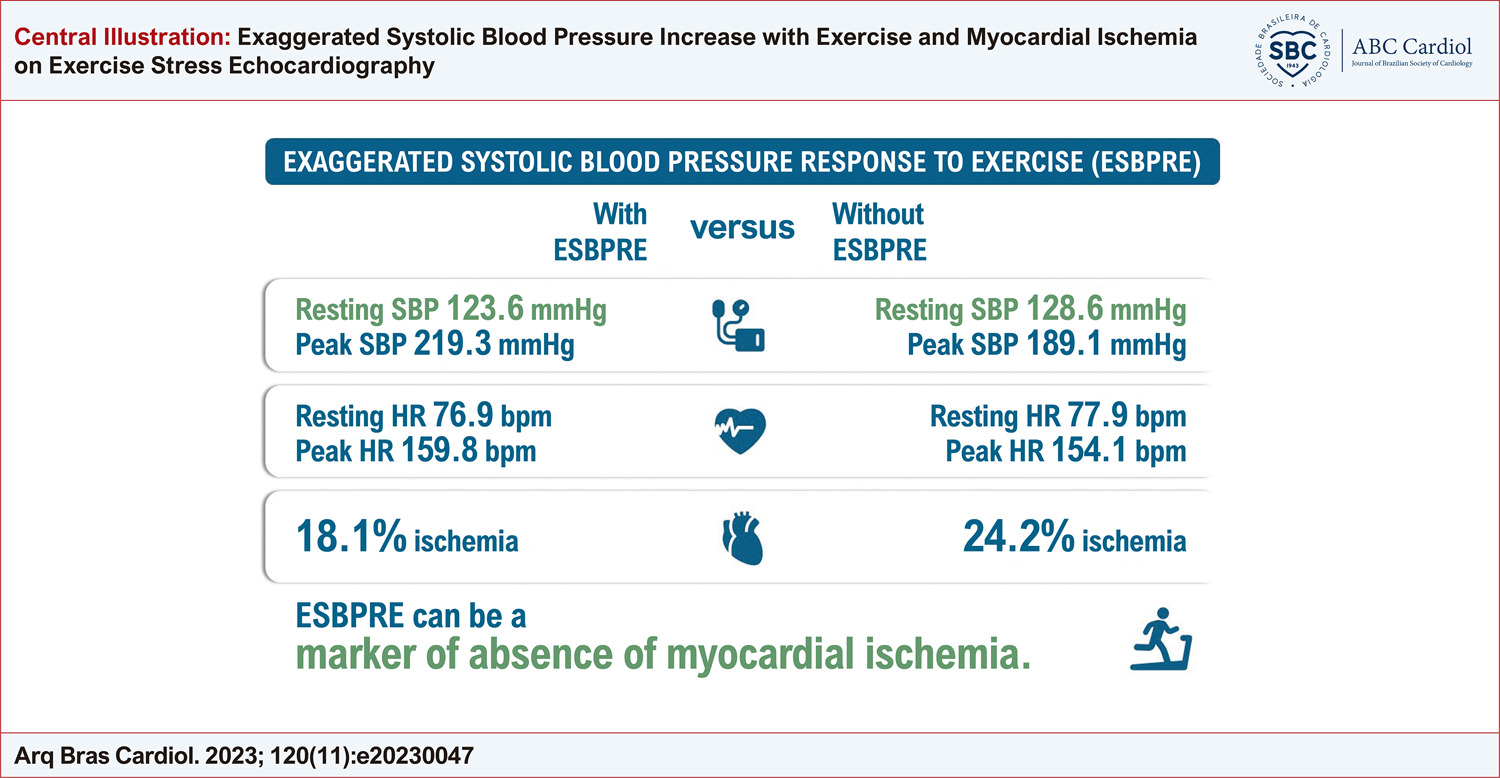
Of the 14,367 patients, 1,500 (10.4%) developed ESBPRE, and 7,471 (52.0%) were female. The percentages of previous complaints of typical chest pain, angina during the test, and myocardial ischemia in patients with ESBPRE were 5.8%, 2.4% and 18.1%, compared to 7.4%, 3.9%, and 24.2%, in patients without ESBPRE, respectively (p = 0.021,p = 0.004, p < 0.001). In multivariate analysis, ESBPRE was independently associated with a lower probability of myocardial ischemia (odds ratio: 0.73; 95% confidence interval: 0.58 to 0.93; p = 0.009).

Conclusion

Exaggerated increase in systolic blood pressure during ESE may be a marker for excluding myocardial ischemia.

  • Arterial Pressure
  • Coronary Artery Disease
  • Exercise Test
  • Myocardial Ischemia
  • Stress echocardiography
Read Full Article
Creative Commons Attribution (CC BY) Creative Commons license
18/12/2023 DOI: 10.36660/abc.20230047 Views 1
Figure 1
ABC
Research Letter

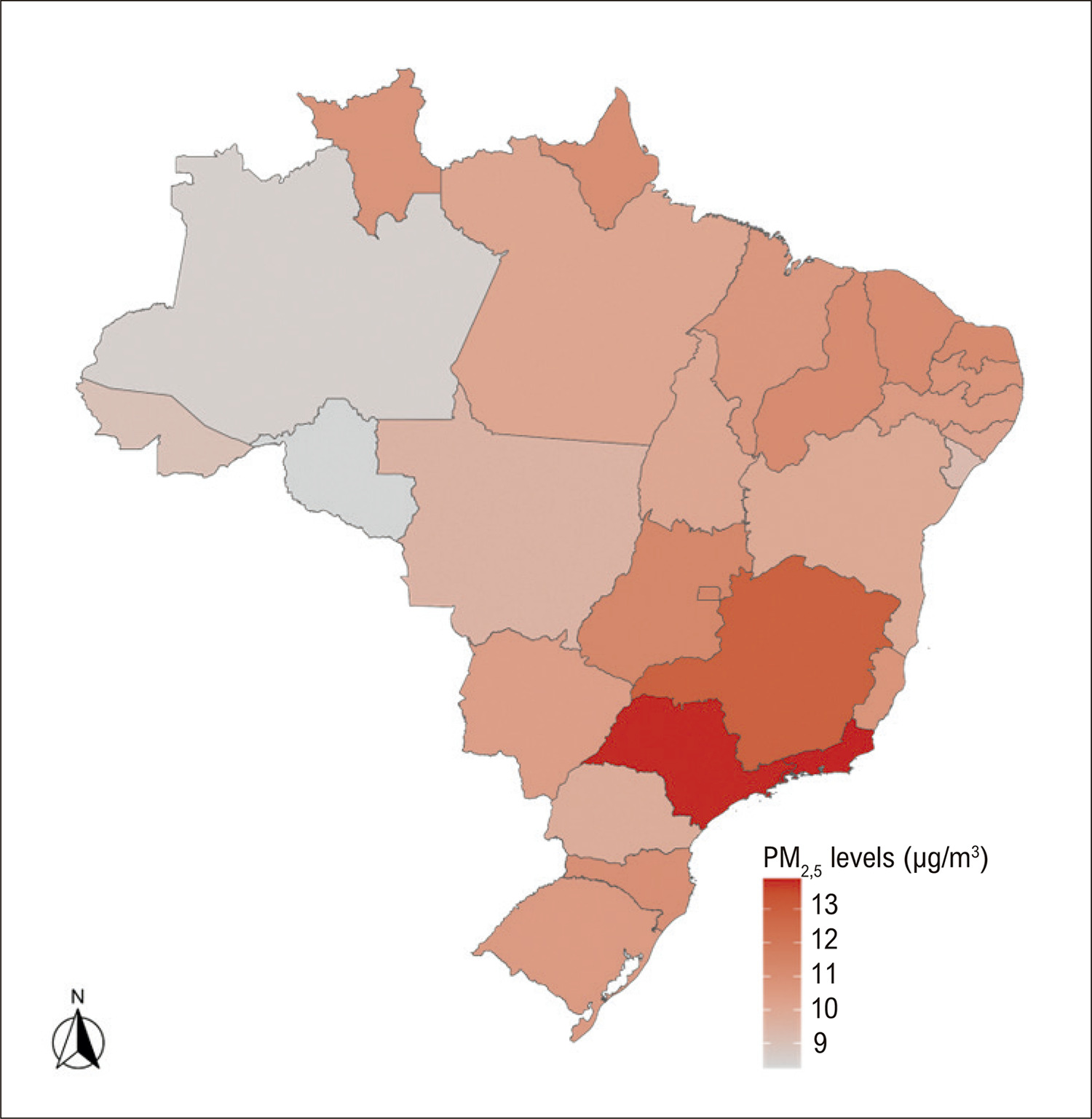
Excess Systolic Blood Pressure Associated with Fine Particulate Matter Air Pollution above the WHO Guidelines in Brazil

Pedro Rafael Vieira de Oliveira Salerno et al. Issam Motairek Luis Augusto Palma Dallan Brendan Bourges-Sevenier … Sanjay Rajagopalan Sadeer G. Al-Kindi

Introduction

Cardiovascular disease remains the leading cause of mortality worldwide, and hypertension has been implicated as having the highest association of causation among all of the cardiovascular disease risk factors. Thus, unsurprisingly, hypertension is the main risk factor for death and the second major cause of disability-adjusted life years in Brazil, heavily impacting its population and national healthcare system. It is also directly linked to air pollution, especially fine particulate matter < 2.5 microns (PM 2.5 ), which has been identified as an independent risk factor for increased systolic blood pressure (SBP). In Brazil, as in most countries, the main source of exposure to air pollution in urban areas primarily results from the burning of fossil fuels via vehicular traffic and industrial power generation, while, in rural Brazil, air pollution mainly results from the burning of biomass as well as deforestation.

In Brazil, previous studies have been conducted investigating the effects of PM 2.5 exposure on blood pressure in outdoor workers who are most susceptible to ambient air pollution from vehicular emissions, such as traffic controllers, demonstrating the link between PM 2.5 concentration and increased SBP. , However, these studies tend to focus on metropolitan and urban regions. , Thus, due to Brazil’s large geographical size and regional diversity, there exists a substantial gap in knowledge in the less populated areas. In this study, we aimed to estimate the excess SBP attributable to PM 2.5 concentrations above the threshold of the World Health Organization (WHO) guidelines in Brazil, as well as in all its states and regions.

[…]

  • Air Pollution
  • Arterial Pressure
  • Environment
  • Public Health
Read Full Article
Creative Commons Attribution (CC BY) Creative Commons license
18/12/2023 DOI: 10.36660/abc.20230347 Views 2
Pulse Wave Velocity of 8.2 m/s as a Threshold Associated with Cardiovascular Target Organ Damage Presence
ABC
Original Article

Pulse Wave Velocity of 8.2 m/s as a Threshold Associated with Cardiovascular Target Organ Damage Presence

Sayuri Inuzuka et al. Priscila Valverde de Oliveria Vitorino Adriana Sebba Barroso Fabrício Galdino Magalhães … Andrea Cristina Sousa Robson Pierre Pacífico Alves Filho Victoria Alves Melo Luiz Fernando de Oliveira Ana Luiza Lima Sousa Paulo Cesar B. Veiga Jardim Antonio Coca Weimar Kunz Sebba Barroso

Abstract

Background

Previous studies have established normal and reference values for Pulse Wave Velocity (PWV). However, the PWV value that has the strongest association with cardiovascular biomarkers remains poorly understood.

Objective

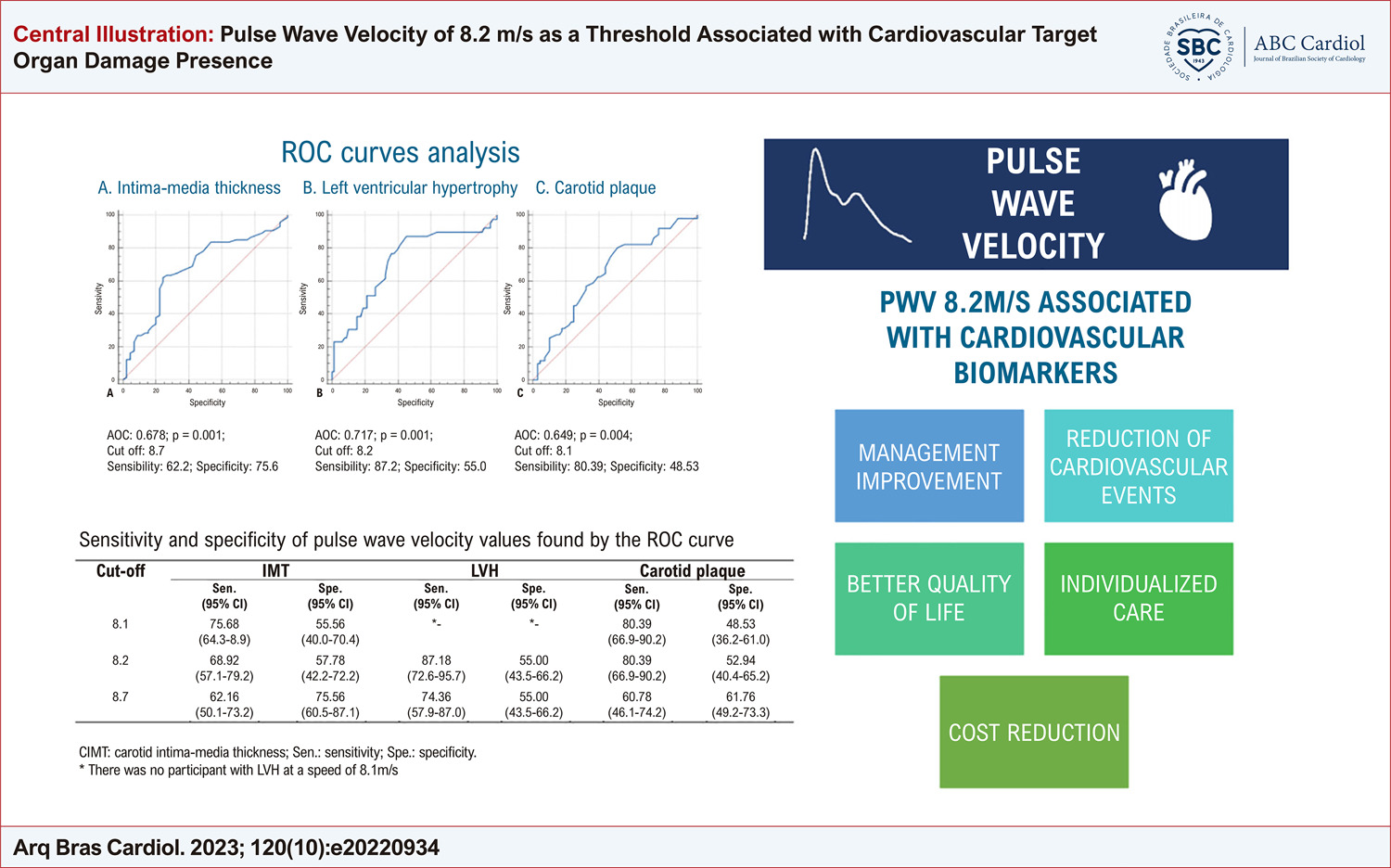
This study aimed to determine the PWV value more likely to be associated with left ventricular hypertrophy (LVH), increased intima-media thickness (IMT), and presence of carotid plaques in patients with hypertension.

Methods

This cross-sectional study included 119 patients. Analysis of receiver operating characteristic (ROC) curves was performed for each cardiovascular biomarker. Statistical significance was set at p < 0.05.

Results

According to the ROC curve analysis, the PWV values were 8.1 m/s, 8.2 m/s, and 8.7 for the LVH, IMT, and presence of carotid plaques, respectively. A PWV value of 8.2 m/s was identified as the best parameter to determine the three TOD biomarkers. PWV above 8.2 m/s was associated with increased CIMT (p = 0.004) and the presence of carotid plaques (p = 0.003) and LVH (p<0.001). PWV above 8.2 showed greater sensitivity for increased CIMT (AUC = 0.678, sensitivity = 62.2), LVH (AUC = 0.717, sensitivity = 87.2), and the presence of plaques (AUC = 0.649, sensitivity = 74.51) in the ROC curve analysis.

Conclusion

The PWV value 8.2 m/s was more sensitive in early identifying the existence of cardiovascular biomarkers of TOD.

  • Arterial Pressure
  • Hypertension
  • Pulse Wave Analysis
  • Vascular Stiffness
Read Full Article
Creative Commons Attribution (CC BY) Creative Commons license
30/10/2023 DOI: 10.36660/abc.20220934 Views 1
The Relationship between Nocturnal Dipping Status, Morning Blood Pressure Surge, and Hospital Admissions in Patients with Systolic Heart Failure
ABC
Original Article

The Relationship between Nocturnal Dipping Status, Morning Blood Pressure Surge, and Hospital Admissions in Patients with Systolic Heart Failure

Ümmü Taş et al. Sedat Taş Efe Edem

Abstract

Background

Hypertension is a known risk factor for developing heart failure. However, there is limited data to investigate the association between morning blood pressure surge (MBPS), dipping status, echocardiographic parameters, and hospital admissions in patients with systolic heart failure.

Objectives

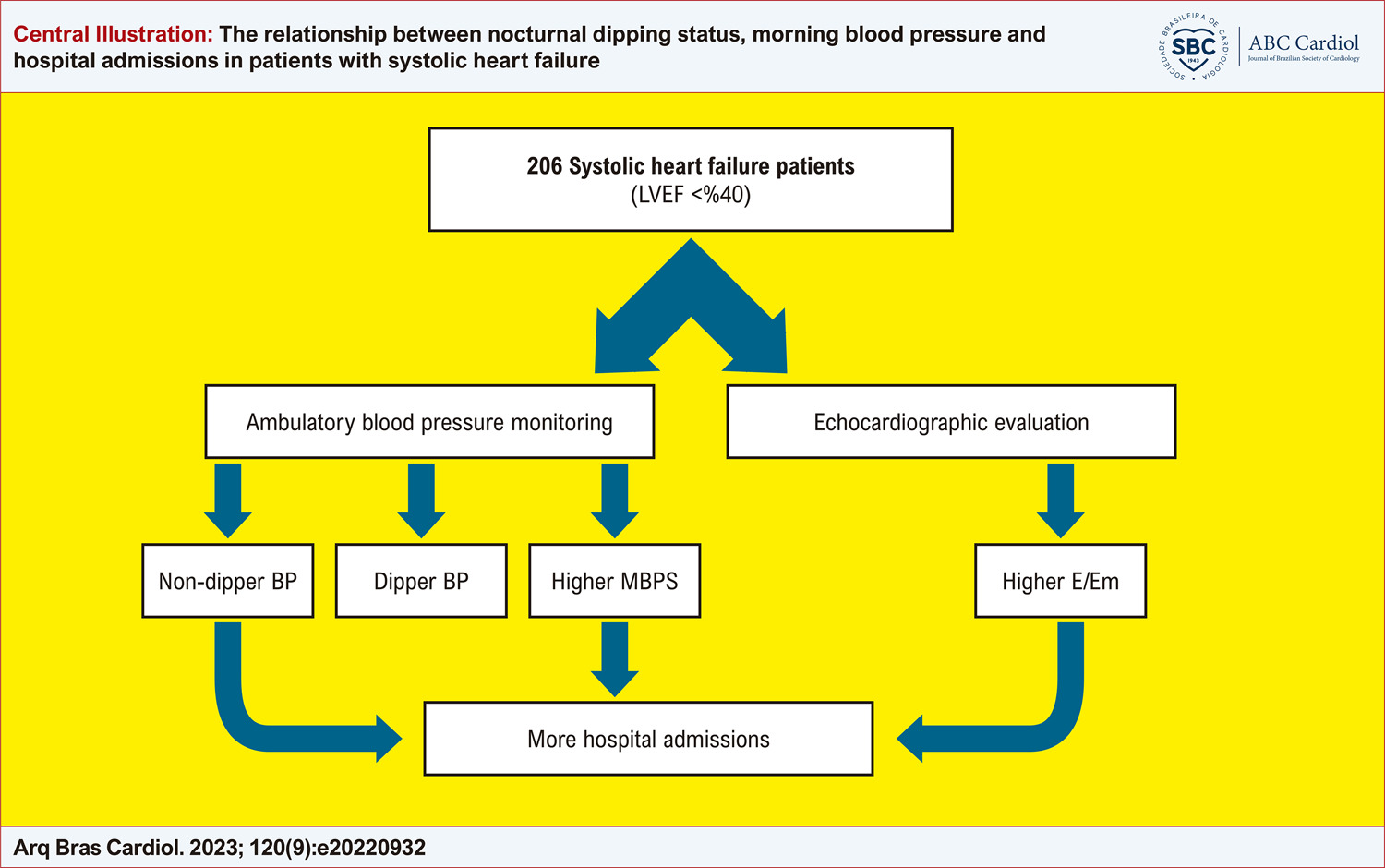
To evaluate the relationship between morning blood pressure surge, non-dipper blood pressure pattern, echocardiographic parameters, and hospital admissions in patients with systolic heart failure.

Methods

We retrospectively analyzed data from 206 consecutive patients with hypertension and a left ventricular ejection fraction below 40%. We divided the patients into two groups according to 24-hour ambulatory blood pressure monitoring (ABPM) results: dippers (n=110) and non-dippers (n=96). Morning blood pressure surge was calculated. Echocardiographic findings and hospital admissions during follow-up were noted. Statistical significance was defined as p < 0.05.

Results

The study group comprised 206 patients with a male predominance and mean age of 63.5 ± 16.1 years. The non-dipper group had significantly more hospital admissions compared to dippers. There was a positive correlation between MBPS and left atrial volume index (r=0.331, p=0.001), the ratio between early mitral inflow velocity and flow propagation velocity (r= 0.326, p=0.001), and the ratio between early mitral inflow velocity and mitral annular early diastolic velocity (E/Em) (r= 0.314, p=0.001). Non-dipper BP, MBPS, and E/Em pattern were found to be independently associated with increased hospital admissions.

Conclusion

MBPS is associated with diastolic dysfunction and may be a sensitive predictor of hospital admission in patients with systolic heart failure.

  • Arterial Pressure
  • Blood Pressure Monitoring, Ambulatory
  • Heart Failure
  • Hospitalization
Read Full Article
Creative Commons Attribution (CC BY) Creative Commons license
18/09/2023 DOI: 10.36660/abc.20220932 Views 2
Figure 1
ABC
Original Article

Influence of Arm Fat on the Indirect Measurement of Blood Pressure: A Statistical and Machine Learning Approach

Paôla de Oliveira Souza et al. José Maria Parente de Oliveira Letícia Helena Januário

Abstract

Background

The indirect measurement of blood pressure (BP) is known to be influenced by many factors such as the technique, observer, and equipment; however, the influence of arm composition has not been investigated yet.

Objective

To identify the influence of arm fat on the indirect measurement of blood pressure using statistical inference and machine learning models.

Methods

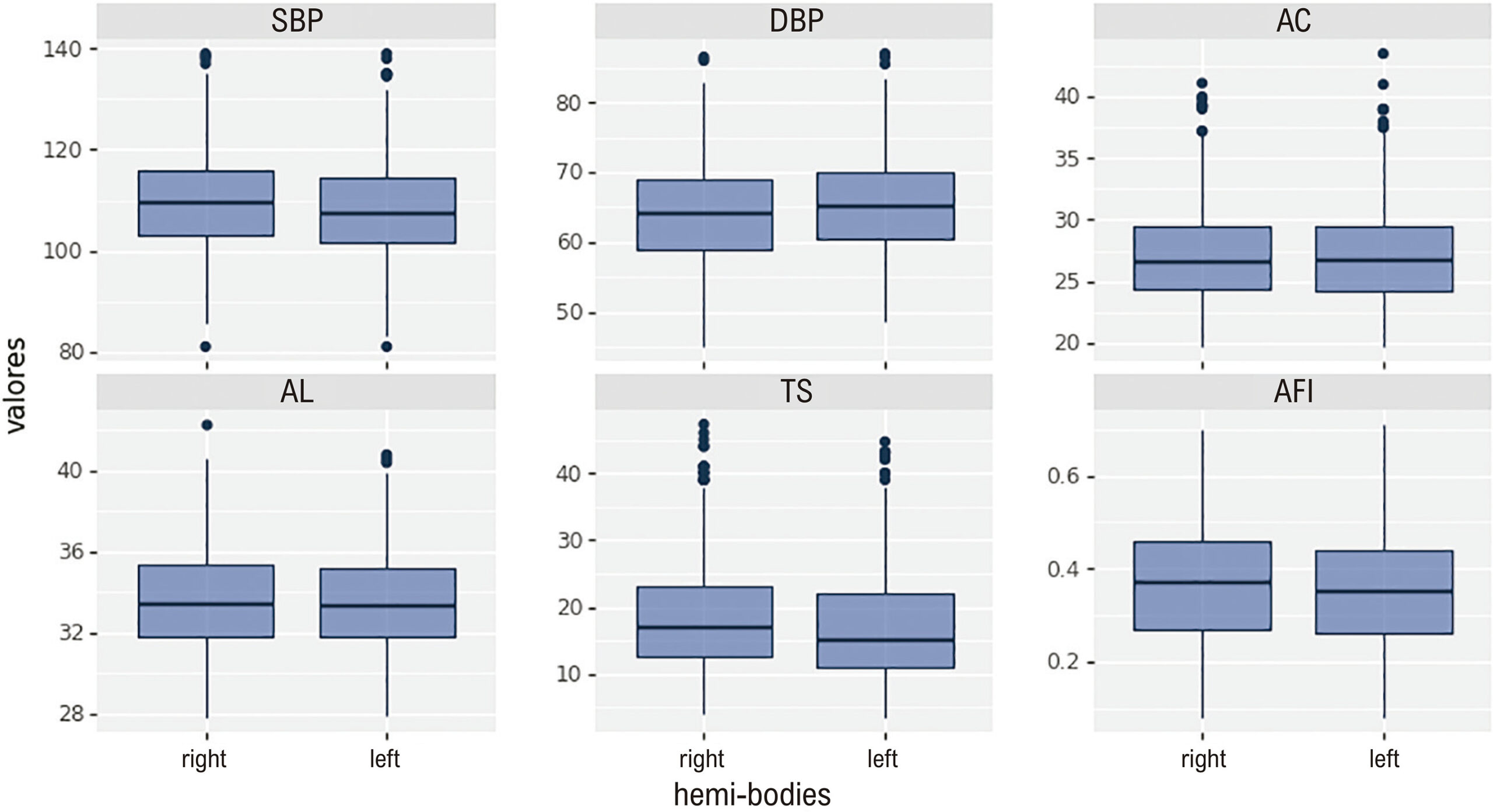
Cross-sectional study, with 489 healthy young adults aged from 18 to 29 years old. Measurements of arm length (AL), arm circumference (AC) and arm fat index (AFI) were taken. BP was measured in both arms simultaneously. Data were processed using Python 3.0 and its specific packages for descriptive analysis, regression and cluster analysis. Significance levels: 5% for all calculations.

Results

BP and anthropometric measurements were different between the hemi-bodies. In the right arm, systolic blood pressure (SBP), AL and AFI were higher, while AC was similar compared with the left arm. AL and AC showed positive correlation with SBP. According to the regression model, for a fixed value of AC and AL, SBP readings could be reduced by a mean of 1.80 mmHg in the right arm, and 1.62 mmHg in the left arm for every 10% increase in AFI. Clustering analysis corroborated the regression results.

Conclusion

There was a significant influence of AFI on BP readings. SBP had a positive correlation with AL and AC, and a negative correlation with AFI, suggesting the need for further investigations on the relationship between BP and percentages of arm muscle and fat.

  • Arm
  • Arterial Pressure
  • Cluster Analysis
  • Regression Analysis
Read Full Article
Creative Commons Attribution (CC BY) Creative Commons license
15/05/2023 DOI: 10.36660/abc.20220484 Views 2
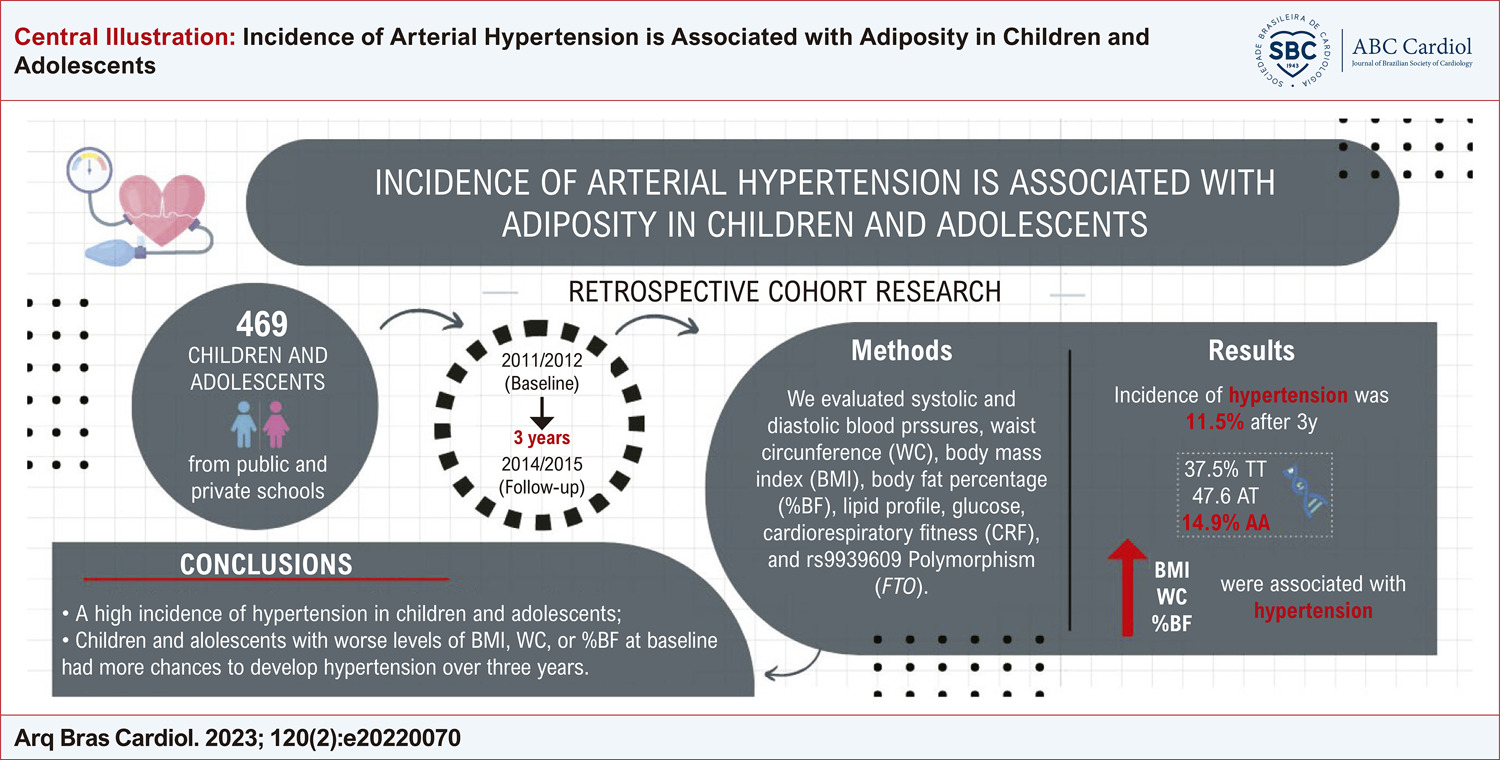
Central Illustration
ABC
Original Article

Incidence of Arterial Hypertension is Associated with Adiposity in Children and Adolescents

Letícia Welser et al. Karin Allor Pfeiffer João Francisco de Castro Silveira Andreia Rosane de Moura Valim … Jane Dagmar Pollo Renner Cézane Priscila Reuter

Abstract

Background

The increase of hypertension in children and adolescents has attracted the attention of the scientific community largely due to its association with the obesity epidemic.

Objectives

To describe the incidence of hypertension and its relationship with the cardiometabolic and genetic profile in children and adolescents from a city in southern Brazil in a three-year period.

Methods

This longitudinal study followed 469 children and adolescents, aged 7-17 years old (43.1% boys), assessed at two-time points. We evaluated systolic and diastolic blood pressures (SBP and DBP), waist circumference (WC), body mass index (BMI), body fat percentage (%BF), lipid profile, glucose, cardiorespiratory fitness (CRF), and rs9939609 Polymorphism ( FTO ). Cumulative incidence of hypertension was calculated, and multinomial logistic regression was conducted. The statistical significance was established as p < 0.05.

Results

After three years, the incidence of hypertension was 11.5%. Overweight or obese individuals were more likely to become borderline hypertensive (overweight OR: 3.22, 95% CI: 1.08-9.55; obesity OR: 4.05, 95% CI: 1.68-9.75), and obese individuals were more likely to become hypertensive (obesity OR: 4.84, 95% CI: 1.57-14.95). High-risk WC and %BF values were associated with hypertension development (OR: 3.41, 95% CI: 1.26-9.19; OR: 2.49, 95% CI: 1.08-5.75, respectively).

Conclusions

We found a higher incidence of hypertension in children and adolescents as compared with previous studies. Individuals with higher values of BMI, WC and %BF at baseline were more likely to develop hypertension, suggesting the importance of adiposity in the development of hypertension even in such a young population.

  • Arterial Pressure
  • Cardiovascular Diseases
  • Obesity
Read Full Article
Creative Commons Attribution (CC BY) Creative Commons license
06/03/2023 DOI: 10.36660/abc.20220070 Views 2
ABC
Original Article

Within-Visit Blood Pressure Variability and Cardiovascular Risk in ELSA-Brasil Study Participants

André Sant’Anna Zarife et al. Helena Fraga-Maia José Geraldo Mill Paulo Lotufo … Rosane Harter Griep Maria de Jesus Mendes da Fonseca Luciara Leite Brito Maria da Conceição Almeida Roque Aras Sheila Maria Alvim Matos

Abstract

Background

Blood pressure variability (BPV) is of prognostic value for fatal and non-fatal cardiovascular outcomes.

Objective

This study aimed to evaluate the association between within-visit BPV and cardiovascular risk among participants of the Brazilian Longitudinal Study of Adult Health (ELSA-Brasil).

Methods

The present cross-sectional study was carried out using baseline data (2008-2010) of 14,357 ELSA-Brasil participants with no prior history of cardiovascular disease. Within-visit BPV was quantified by the coefficient of variation of three standardized systolic blood pressure (SBP) measurements using an oscillometer. Anthropometric measurements and laboratory tests were also performed. Cardiovascular risk was assessed using the atherosclerotic cardiovascular disease risk estimator (ASCVD) and multivariate logistic regression analysis was employed with a significance level of 5%.

Results

Significantly higher cardiovascular risk was determined by increased BPV for both sexes. A significantly higher prevalence of high risk was found in men than women across all quartiles, with the highest difference observed in the fourth quartile of variability (48.3% vs. 17.1%). Comparisons among quartiles in each sex revealed a significantly higher cardiovascular risk for men in the third (OR=1.20; 95%CI: 1.02 – 1.40) and fourth quartiles (OR=1.46; 95%CI: 1.25 -1.71), and for women in the fourth quartile (OR=1.27; 95%CI: 1.03 – 1.57).

Conclusion

Analysis of baseline data of the ELSA-Brasil participants revealed that blood pressure variability was associated with increased cardiovascular risk, especially in men.

  • Arterial Pressure
  • Heart Disease Risk Factors
  • Hypertension
Read Full Article
Creative Commons Attribution (CC BY) Creative Commons license
02/09/2022 DOI: 10.36660/abc.20210804 Views 1
Figure 1
ABC
Research Letter

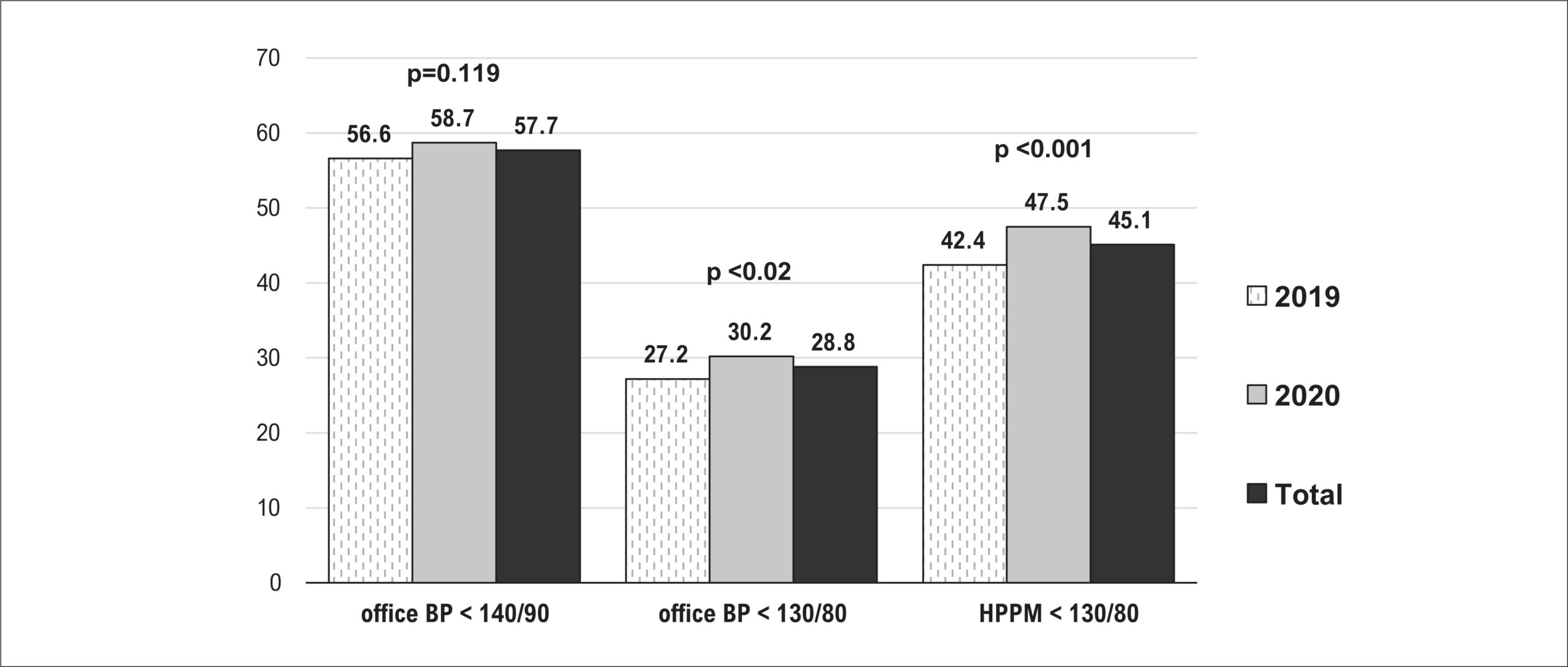
Home Blood Pressure Monitoring and Blood Pressure Control in Treated Hypertensives

Andréa Araujo Brandão et al. Weimar Kunz Sebba Barroso Audes Feitosa Eduardo Costa Duarte Barbosa … Roberto Dischinger Miranda Priscila Valverde de Oliveira Vitorino Roberto Pozzan Lucio Paulo Ribeiro Abraham Epelman Giovanni Alves Saraiva Fabio Serra Silveira Antônio Almeida Braga Marco Mota Gomes

Introduction

Blood pressure (BP) control rates are very low in Brazil and in the world, around 20% only.– Patients with uncontrolled hypertension despite treatment remain at high risk for cardiovascular (CV) events and mortality, comparably to untreated individuals.

According to recent recommendations,,,, BP control should be monitored by both office BP and out-of-office BP measurements. In this way, it is possible to determine different hypertension phenotypes,,,, which is very important to determine the prognosis and individualized therapy.,,-

[…]

  • Arterial Pressure
  • Blood Pressure Monitors/methods
  • Control
  • Hypertension
  • Risk Factors
  • Telemedicine
  • Telemonitoring
Read Full Article
Creative Commons Attribution (CC BY) Creative Commons license
05/08/2022 DOI: 10.36660/abc.20220038 Views 3
Figure 1
ABC
Original Article

Longitudinal Changes in Physical Activity Levels and Cardiovascular Risk Parameters in Patients with Symptomatic Peripheral Artery Disease

Francielly Monteiro et al. Marilia de Almeida Correia Breno Quintella Farah Diego Giuliano Destro Christofaro … Paulo Mesquita Longano de Oliveira Raphael Mendes Ritti-Dias Gabriel Grizzo Cucato

Background:

Previous cross-sectional studies have demonstrated that physical activity is associated with lower cardiovascular risk in patients with peripheral artery disease (PAD). However, it is not possible to establish causality, and longitudinal design studies are required.

Objective:

To analyze the changes in cardiovascular risk parameters and physical activity levels after a 2-year follow-up in patients with symptomatic PAD.

Methods:

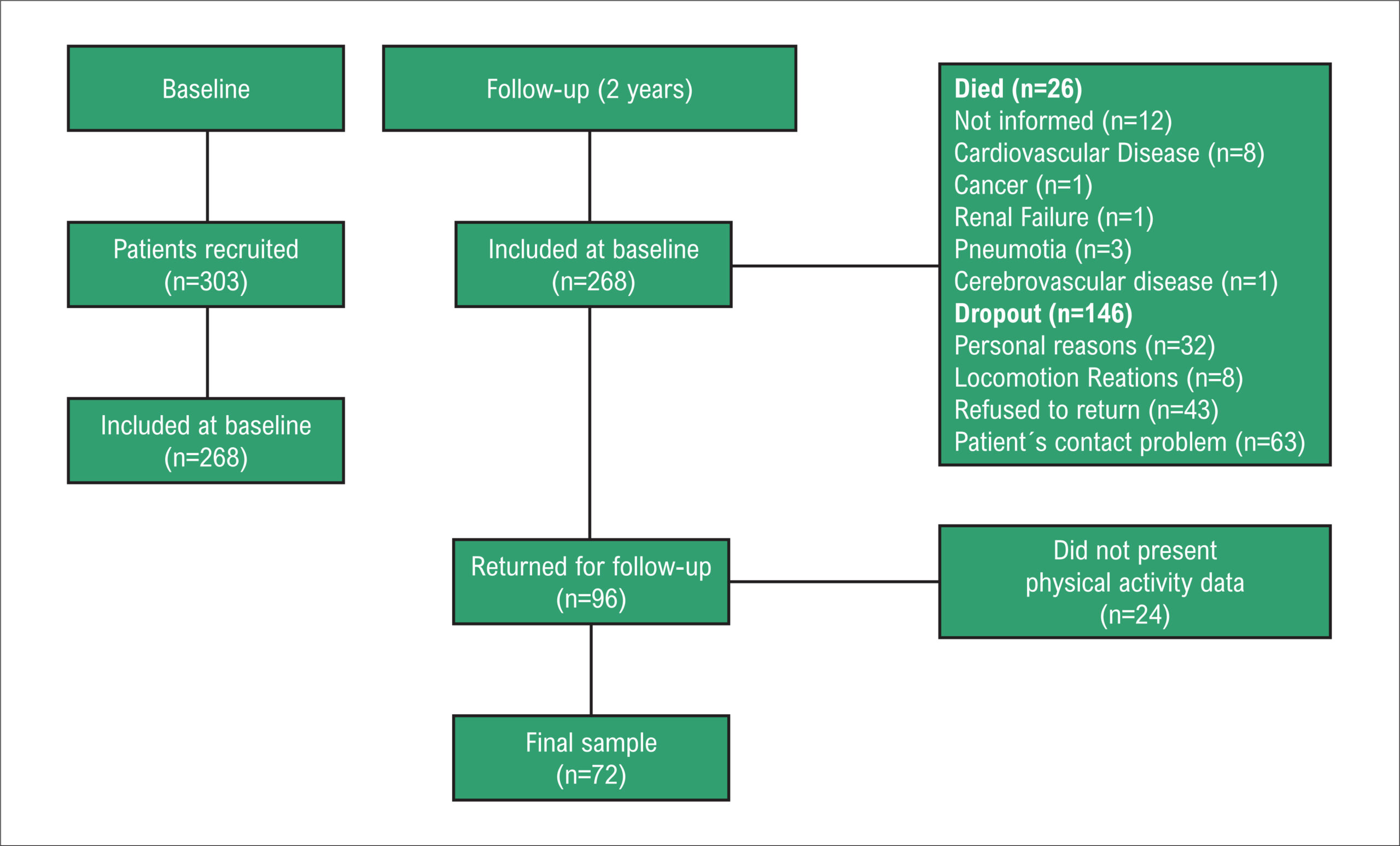
This study started in 2015. In the first phase, 268 patients were included. In the second phase, after 2 years (median = 26 months), 72 patients were re-evaluated. Cardiovascular risk parameters, such as blood pressure, cardiac autonomic modulation, and arterial stiffness, and physical activity levels were measured at baseline and after 2 years of follow-up. Association among delta changes (values from follow-up – baseline) in physical activity and cardiovascular parameters were analyzed by multiple linear regression. The significance level was set at p < 0.05.

Results:

Patients reduced their total physical activity levels compared to baseline (baseline = 2257.6 ± 774.5 versus follow-up = 2041 ± 676.2 min/week, p = 0.001). After follow-up, ankle-brachial index (0.62 ± 0.20 versus 0.54 ± 0.20, p = 0.003), and standard deviation of all RR intervals (43.4 ± 27.0 versus 25.1 ± 13.4 ms, p < 0.001) were lower, whereas carotid-femoral pulse wave velocity was higher (9.0 ± 3.0 versus 10.7 ± 3.4 m/s, p = 0.002) compared to baseline values. We did not observe any association among delta values of physical activity levels and cardiovascular risk parameters.

Conclusion:

Patients with PAD had reduced physical activity levels and impaired cardiovascular risk parameters during 2-year follow-up.

  • Arterial Pressure
  • Cardiovascular System
  • Exercise
  • Peripheral Arterial Disease
Read Full Article
Creative Commons Attribution (CC BY) Creative Commons license
03/06/2022 DOI: 10.36660/abc.20210386 Views 2
ABC
Editorial

Pre-Hypertension in Adolescents: A New Old Issue

Katya Rigatto

As there is no doubt that the risk of hypertension is proportional to the increase in blood pressure (BP) and has no specific threshold, the higher the pressure, the higher the risk. In this context, the identification of individuals with increased cardiovascular risk in the subclinical asymptomatic stage is of paramount importance in the future to improve patients’ quality of life and reduce the costs and burden of health services.

From the first attempt to measure the arterial pulse, performed by Santorio Sanctorius (1561 – 1636), to Riva-Rocci, who put an end to the search for a simple clinical method for BP assessment, BP control has gained more and more prominence among clinicians and researchers. Consequently, BP values considered to be normal have gradually become lower and lower.

[…]

  • Adolescents
  • Arterial Pressure
  • Early Medical Intervention/trends
  • Hypertension
  • Prehypertension
  • Quality of life
  • Risk Factors
  • Sedentarism
Read Full Article
Creative Commons Attribution (CC BY) Creative Commons license
25/10/2021 DOI: 10.36660/abc.20210702 Views 1
ABC
Editorial

Walking Training Improve Ambulatorial Blood Pressure Variability in Claudicants

Leandro Franzoni et al. Gabriel Pereira de Reis Zubaran Stephanie Bastos da Motta

Peripheral arterial disease (PAD) has been shown to be increasingly prevalent worldwide. Clinical diagnosis is based on evaluation of the ankle brachial index (ABI), where the ankle systolic blood pressure (BP) is divided by the systolic BP of the arm.² Value <0.9 indicate the presence of PAD. Reduction in systolic BP of the ankle is due to atherosclerosis in the lower limbs. Individuals with PAD have significant hemodynamic abnormalities, such as an increase in BP levels. In addition, high BP variability is correlated with the development of PAD in diabetic individuals.

It is important to reduce BP levels in PAD individuals. Physical training is a useful tool that can assist the treatment of clinical symptoms., It was what Chehuen et al. did; they investigated the effect of walking training (WT) on ambulatory BP variability in PAD individuals. It is an elegant randomized clinical trial in which individuals with PAD and claudication symptoms were divided into two groups: control (n=16) and WT (n=19). 24-hour ambulatory BP was assessed before and after 12 weeks. As an outcome, they evaluated the mean systolic BP and ambulatory diastolic BP, as well as variables representing systolic, diastolic and average BP variability (24-hour standard deviation – SD24, awake and asleep weighted standard deviation – SDdn, and 24-hour average real variability – ARV24).

[…]

  • Ankle Brachial Index
  • Arterial Pressure
  • Atherosclerosis
  • Diabetes Melllitus
  • Intermittent Clauduication
  • Peripheral Arterial Disease
  • Prevalence
  • walking
Read Full Article
Creative Commons Attribution (CC BY) Creative Commons license
17/05/2021 DOI: 10.36660/abc.20210140
ABC
Editorial

High-intensity Interval Training versus Continuous Exercise: Is There a Difference Regarding the Magnitude of Blood Pressure Reduction?

Filipe Ferrari et al. Vítor Magnus Martins

Short Editorial related to the article Acute Effect of Interval vs. Continuous Exercise on Blood Pressure: Systematic Review and Meta-Analysis

Systemic arterial hypertension (SAH) is strongly associated with adverse cardiovascular events, including heart failure, ischemic heart disease and cerebrovascular diseases.With a high prevalence worldwide, SAH is commonly associated with risk factors such as family history, obesity, high sodium intake and physical inactivity. Therefore, it is estimated that countries such as the United States and England have 1/3 of hypertensive individuals.In Brazil, specifically in 2016, a prevalence rate > 32% of SAH (36 million) was reported in adult individuals, being > 60% in the elderly. SAH contributed, directly or indirectly, to 50% of deaths from cardiovascular diseases.

[…]

  • Arterial Pressure
  • Exercise
  • Exercise Therapy
  • Heart Failure
  • Hypertension
  • Life Style
  • Post-Exercise Hypotension
  • Risk Factors
Read Full Article
Creative Commons Attribution (CC BY) Creative Commons license
07/08/2020 DOI: 10.36660/abc.20200261 Views 1

Could not load more articles. Please try again.

How to cite this article

EndNote RIS

Electronic Document Format (Vancouver)

Silva EC, Valença Neto PF, Casotti CA, Almeida CB, Silva DJ, Meira SS, Roriz BC, et al. Hypertension in Older Adults: Associations With Female Sex, Insufficient Physical Activity, Abdominal Obesity, Diabetes Mellitus, And Falls – A Cross-Sectional Study. International Journal of Cardiovascular Sciences 2026;39:e20250184.

Electronic Document Format (ABNT)

Silva, Emylly Carlos da; Valença Neto, Paulo da Fonseca; Casotti, Cezar Augusto; Almeida, Claudio Bispo de; Silva, Débora Jesus da; Meira, Saulo Sacramento; Roriz, Beatriz Cardoso; Viana, Janayna Araújo; Viana, Vanessa Silva Souza; Ribeiro, Renata de Sá; Silva, Késia Chaves da; Novais, Dennis Gonçalves; Marques, Maiara Bernardes; Sallet, Lunalva Aurelio Pedroso; Santos, Lucas dos. Hypertension in Older Adults: Associations With Female Sex, Insufficient Physical Activity, Abdominal Obesity, Diabetes Mellitus, And Falls – A Cross-Sectional Study. International Journal of Cardiovascular Sciences, v. 39, e20250184, Jul. 2026.

Electronic Document Format (APA)

Silva, E. C. , Valença Neto, P. F., Casotti, C. A., Almeida, C. B. , Silva, D. J. , Meira, S. S., Roriz, B. C., Viana, J. A., Viana, V. S. S., Ribeiro, R. S., Silva, K. C. , Novais, D. G., Marques, M. B., Sallet, L. A. P., & Santos, L. (2026). Hypertension in Older Adults: Associations With Female Sex, Insufficient Physical Activity, Abdominal Obesity, Diabetes Mellitus, And Falls – A Cross-Sectional Study. International Journal of Cardiovascular Sciences, 39, e20250184.

Electronic Document Format (ISO)

Silva, Emylly Carlos da and Valença Neto, Paulo da Fonseca and Casotti, Cezar Augusto and Almeida, Claudio Bispo de and Silva, Débora Jesus da and Meira, Saulo Sacramento and Roriz, Beatriz Cardoso and Viana, Janayna Araújo and Viana, Vanessa Silva Souza and Ribeiro, Renata de Sá and Silva, Késia Chaves da and Novais, Dennis Gonçalves and Marques, Maiara Bernardes and Sallet, Lunalva Aurelio Pedroso and Santos, Lucas dos. Hypertension in Older Adults: Associations With Female Sex, Insufficient Physical Activity, Abdominal Obesity, Diabetes Mellitus, And Falls – A Cross-Sectional Study. International Journal of Cardiovascular Sciences [online]. 2026, vol. 39, [cited 2026-10-14], e20250184. Available from: <https://journals.cardiol.br/en/article/hypertension-in-older-adults-associations-with-female-sex-insufficient-physical-activity-abdominal-obesity-diabetes-mellitus-and-falls-a-cross-sectional-study/>. ISSN 2359-4802

EndNote RIS

Electronic Document Format (Vancouver)

Jardim PCBV. Reduction of Salt in the Diet and Improvement in Blood Pressure: Low Cost, Robust Evidence, and Challenges in Implementation. Arquivos Brasileiros de Cardiologia 2026;123(3):e20260252.

Electronic Document Format (ABNT)

Jardim, Paulo César B. Veiga. Reduction of Salt in the Diet and Improvement in Blood Pressure: Low Cost, Robust Evidence, and Challenges in Implementation. Arquivos Brasileiros de Cardiologia, v. 123, n. 3, e20260252, Jun. 2026.

Electronic Document Format (APA)

Jardim, P. C. B. V. (2026). Reduction of Salt in the Diet and Improvement in Blood Pressure: Low Cost, Robust Evidence, and Challenges in Implementation. Arquivos Brasileiros de Cardiologia, 123(3), e20260252.

Electronic Document Format (ISO)

Jardim, Paulo César B. Veiga. Reduction of Salt in the Diet and Improvement in Blood Pressure: Low Cost, Robust Evidence, and Challenges in Implementation. Arquivos Brasileiros de Cardiologia [online]. 2026, vol. 123, n. 3, [cited 2026-10-14], e20260252. Available from: <https://journals.cardiol.br/en/article/reduction-of-salt-in-the-diet-and-improvement-in-blood-pressure-low-cost-robust-evidence-and-challenges-in-implementation/>. ISSN 0066-782X

EndNote RIS

Electronic Document Format (Vancouver)

Kelly FA, Dantas CR, Sobreira LER, Almeida AM, Bezerra FB, Sousa MG, Consolim F, et al. Efficacy of a Salt Substitute on the Incidence of Hypertension: A Systematic Review with Meta-Analysis. Arquivos Brasileiros de Cardiologia 2026;123(3):e20250440.

Electronic Document Format (ABNT)

Kelly, Francinny Alves; Dantas, Clara Rocha; Sobreira, Luis Eduardo Rodrigues; Almeida, Artur Menegaz de; Bezerra, Fernando Baía; Sousa, Márcio Gonçalves de; Consolim, Fernanda; Laurinavicius, Antonio Gabriele. Efficacy of a Salt Substitute on the Incidence of Hypertension: A Systematic Review with Meta-Analysis. Arquivos Brasileiros de Cardiologia, v. 123, n. 3, e20250440, Apr. 2026.

Electronic Document Format (APA)

Kelly, F. A., Dantas, C. R., Sobreira, L. E. R., Almeida, A. M. , Bezerra, F. B., Sousa, M. G. , Consolim, F., & Laurinavicius, A. G. (2026). Efficacy of a Salt Substitute on the Incidence of Hypertension: A Systematic Review with Meta-Analysis. Arquivos Brasileiros de Cardiologia, 123(3), e20250440.

Electronic Document Format (ISO)

Kelly, Francinny Alves and Dantas, Clara Rocha and Sobreira, Luis Eduardo Rodrigues and Almeida, Artur Menegaz de and Bezerra, Fernando Baía and Sousa, Márcio Gonçalves de and Consolim, Fernanda and Laurinavicius, Antonio Gabriele. Efficacy of a Salt Substitute on the Incidence of Hypertension: A Systematic Review with Meta-Analysis. Arquivos Brasileiros de Cardiologia [online]. 2026, vol. 123, n. 3, [cited 2026-10-14], e20250440. Available from: <https://journals.cardiol.br/en/article/efficacy-of-a-salt-substitute-on-the-incidence-of-hypertension-a-systematic-review-with-meta-analysis/>. ISSN 0066-782X

EndNote RIS

Electronic Document Format (Vancouver)

Tibirica E. Beyond the Scale: Obesity as a Structural Driver of Refractory Hypertension. Arquivos Brasileiros de Cardiologia 2026;123(2):e20260139.

Electronic Document Format (ABNT)

Tibirica, Eduardo. Beyond the Scale: Obesity as a Structural Driver of Refractory Hypertension. Arquivos Brasileiros de Cardiologia, v. 123, n. 2, e20260139, Apr. 2026.

Electronic Document Format (APA)

Tibirica, E. (2026). Beyond the Scale: Obesity as a Structural Driver of Refractory Hypertension. Arquivos Brasileiros de Cardiologia, 123(2), e20260139.

Electronic Document Format (ISO)

Tibirica, Eduardo. Beyond the Scale: Obesity as a Structural Driver of Refractory Hypertension. Arquivos Brasileiros de Cardiologia [online]. 2026, vol. 123, n. 2, [cited 2026-10-14], e20260139. Available from: <https://journals.cardiol.br/en/article/beyond-the-scale-obesity-as-a-structural-driver-of-refractory-hypertension/>. ISSN 0066-782X

EndNote RIS

Electronic Document Format (Vancouver)

Dourado PMM, Dourado LA, Silva LRA, Oliveira JG, Matos KO, Dourado JPA, Hajjar LA, et al. Treadmill Test and Ambulatory Blood Pressure Monitoring: Can They Be Performed on the Same Day? Can the Effort Reached on the Treadmill Interfere?. Arquivos Brasileiros de Cardiologia 2026;123(1):e20250412.

Electronic Document Format (ABNT)

Dourado, Paulo Magno Martins; Dourado, Larissa de Almeida; Silva, Letícia Raiane dos Anjos; Oliveira, Jaciara Gomes de; Matos, Karolyne de Oliveira; Dourado, João Paulo de Almeida; Hajjar, Ludhmila Abrahão; Braga, Pedro Gabriel Senger. Treadmill Test and Ambulatory Blood Pressure Monitoring: Can They Be Performed on the Same Day? Can the Effort Reached on the Treadmill Interfere?. Arquivos Brasileiros de Cardiologia, v. 123, n. 1, e20250412, Mar. 2026.

Electronic Document Format (APA)

Dourado, P. M. M., Dourado, L. A., Silva, L. R. A., Oliveira, J. G. , Matos, K. O., Dourado, J. P. A., Hajjar, L. A., & Braga, P. G. S. (2026). Treadmill Test and Ambulatory Blood Pressure Monitoring: Can They Be Performed on the Same Day? Can the Effort Reached on the Treadmill Interfere?. Arquivos Brasileiros de Cardiologia, 123(1), e20250412.

Electronic Document Format (ISO)

Dourado, Paulo Magno Martins and Dourado, Larissa de Almeida and Silva, Letícia Raiane dos Anjos and Oliveira, Jaciara Gomes de and Matos, Karolyne de Oliveira and Dourado, João Paulo de Almeida and Hajjar, Ludhmila Abrahão and Braga, Pedro Gabriel Senger. Treadmill Test and Ambulatory Blood Pressure Monitoring: Can They Be Performed on the Same Day? Can the Effort Reached on the Treadmill Interfere?. Arquivos Brasileiros de Cardiologia [online]. 2026, vol. 123, n. 1, [cited 2026-10-14], e20250412. Available from: <https://journals.cardiol.br/en/article/treadmill-test-and-ambulatory-blood-pressure-monitoring-can-they-be-performed-on-the-same-day-can-the-effort-reached-on-the-treadmill-interfere/>. ISSN 0066-782X

EndNote RIS

Electronic Document Format (Vancouver)

Abrahin O. Should Resistance Training Also Be Considered a Mandatory Component?. Arquivos Brasileiros de Cardiologia 2026;123(1):e20250653.

Electronic Document Format (ABNT)

Abrahin, Odilon. Should Resistance Training Also Be Considered a Mandatory Component?. Arquivos Brasileiros de Cardiologia, v. 123, n. 1, e20250653, Feb. 2026.

Electronic Document Format (APA)

Abrahin, O. (2026). Should Resistance Training Also Be Considered a Mandatory Component?. Arquivos Brasileiros de Cardiologia, 123(1), e20250653.

Electronic Document Format (ISO)

Abrahin, Odilon. Should Resistance Training Also Be Considered a Mandatory Component?. Arquivos Brasileiros de Cardiologia [online]. 2026, vol. 123, n. 1, [cited 2026-10-14], e20250653. Available from: <https://journals.cardiol.br/en/article/should-resistance-training-also-be-considered-a-mandatory-component/>. ISSN 0066-782X

EndNote RIS

Electronic Document Format (Vancouver)

Póvoa R. The Importance of Identifying Phenotypes in Arterial Hypertension. Arquivos Brasileiros de Cardiologia 2025;122(9):e20250530.

Electronic Document Format (ABNT)

Póvoa, Rui. The Importance of Identifying Phenotypes in Arterial Hypertension. Arquivos Brasileiros de Cardiologia, v. 122, n. 9, e20250530, Nov. 2025.

Electronic Document Format (APA)

Póvoa, R. (2025). The Importance of Identifying Phenotypes in Arterial Hypertension. Arquivos Brasileiros de Cardiologia, 122(9), e20250530.

Electronic Document Format (ISO)

Póvoa, Rui. The Importance of Identifying Phenotypes in Arterial Hypertension. Arquivos Brasileiros de Cardiologia [online]. 2025, vol. 122, n. 9, [cited 2026-10-14], e20250530. Available from: <https://journals.cardiol.br/en/article/the-importance-of-identifying-phenotypes-in-arterial-hypertension/>. ISSN 0066-782X

EndNote RIS

Electronic Document Format (Vancouver)

Barbosa ECD, Kato SK, Feitosa A, Mota-Gomes MA, Miranda RD, Brandão AA, Barroso WKS, et al. Identification of Hypertension Phenotypes by Sex: A Real-World Study of 7,852 Treated Patients. Arquivos Brasileiros de Cardiologia 2025;122(9):e20250037.

Electronic Document Format (ABNT)

Barbosa, Eduardo Costa Duarte; Kato, Sérgio Kakuta; Feitosa, Audes; Mota-Gomes, Marco Antonio; Miranda, Roberto Dischinger; Brandão, Andréa Araujo; Barroso, Weimar Kunz Sebba; Eibel, Bruna. Identification of Hypertension Phenotypes by Sex: A Real-World Study of 7,852 Treated Patients. Arquivos Brasileiros de Cardiologia, v. 122, n. 9, e20250037, Sep. 2025.

Electronic Document Format (APA)

Barbosa, E. C. D., Kato, S. K., Feitosa, A., Mota-Gomes, M. A., Miranda, R. D., Brandão, A. A., Barroso, W. K. S., & Eibel, B. (2025). Identification of Hypertension Phenotypes by Sex: A Real-World Study of 7,852 Treated Patients. Arquivos Brasileiros de Cardiologia, 122(9), e20250037.

Electronic Document Format (ISO)

Barbosa, Eduardo Costa Duarte and Kato, Sérgio Kakuta and Feitosa, Audes and Mota-Gomes, Marco Antonio and Miranda, Roberto Dischinger and Brandão, Andréa Araujo and Barroso, Weimar Kunz Sebba and Eibel, Bruna. Identification of Hypertension Phenotypes by Sex: A Real-World Study of 7,852 Treated Patients. Arquivos Brasileiros de Cardiologia [online]. 2025, vol. 122, n. 9, [cited 2026-10-14], e20250037. Available from: <https://journals.cardiol.br/en/article/identification-of-hypertension-phenotypes-by-sex-a-real-world-study-of-7852-treated-patients/>. ISSN 0066-782X

EndNote RIS

Electronic Document Format (Vancouver)

Ozgeyik M, Kaypakli O. A New Corrected Formula for Correct Estimation of Mean Central Aortic Pressure from Peripheral Cuff Measurements. Arquivos Brasileiros de Cardiologia 2025;122(9):e20240880.

Electronic Document Format (ABNT)

Ozgeyik, Mehmet; Kaypakli, Onur. A New Corrected Formula for Correct Estimation of Mean Central Aortic Pressure from Peripheral Cuff Measurements. Arquivos Brasileiros de Cardiologia, v. 122, n. 9, e20240880, Sep. 2025.

Electronic Document Format (APA)

Ozgeyik, M., & Kaypakli, O. (2025). A New Corrected Formula for Correct Estimation of Mean Central Aortic Pressure from Peripheral Cuff Measurements. Arquivos Brasileiros de Cardiologia, 122(9), e20240880.

Electronic Document Format (ISO)

Ozgeyik, Mehmet and Kaypakli, Onur. A New Corrected Formula for Correct Estimation of Mean Central Aortic Pressure from Peripheral Cuff Measurements. Arquivos Brasileiros de Cardiologia [online]. 2025, vol. 122, n. 9, [cited 2026-10-14], e20240880. Available from: <https://journals.cardiol.br/en/article/a-new-corrected-formula-for-correct-estimation-of-mean-central-aortic-pressure-from-peripheral-cuff-measurements/>. ISSN 0066-782X

EndNote RIS

Electronic Document Format (Vancouver)

Bittencourt MS. Ideal Blood Pressure Levels: So Long the J-Curve, Lower is Better. Arquivos Brasileiros de Cardiologia 2025;122(3):e20250150.

Electronic Document Format (ABNT)

Bittencourt, Marcio Sommer. Ideal Blood Pressure Levels: So Long the J-Curve, Lower is Better. Arquivos Brasileiros de Cardiologia, v. 122, n. 3, e20250150, May. 2025.

Electronic Document Format (APA)

Bittencourt, M. S. (2025). Ideal Blood Pressure Levels: So Long the J-Curve, Lower is Better. Arquivos Brasileiros de Cardiologia, 122(3), e20250150.

Electronic Document Format (ISO)

Bittencourt, Marcio Sommer. Ideal Blood Pressure Levels: So Long the J-Curve, Lower is Better. Arquivos Brasileiros de Cardiologia [online]. 2025, vol. 122, n. 3, [cited 2026-10-14], e20250150. Available from: <https://journals.cardiol.br/en/article/ideal-blood-pressure-levels-so-long-the-j-curve-lower-is-better/>. ISSN 0066-782X

EndNote RIS

Electronic Document Format (Vancouver)

Johann EB, Baggio M, Pauli NA, Dilli A, Ilkiu RT, Ritti-Dias RM, Gerage AM, et al. Content Analysis of Brazilian Mobile Applications Targeting Blood Pressure Management: A Systematic Search. Arquivos Brasileiros de Cardiologia 2025;122(2):e20240339.

Electronic Document Format (ABNT)

Johann, Eduardo Braghini; Baggio, Marcelo; Pauli, Nicolle Abreu; Dilli, Artur; Ilkiu, Rafael Teixeira; Ritti-Dias, Raphael Mendes; Gerage, Aline Mendes. Content Analysis of Brazilian Mobile Applications Targeting Blood Pressure Management: A Systematic Search. Arquivos Brasileiros de Cardiologia, v. 122, n. 2, e20240339, Feb. 2025.

Electronic Document Format (APA)

Johann, E. B., Baggio, M., Pauli, N. A., Dilli, A., Ilkiu, R. T., Ritti-Dias, R. M., & Gerage, A. M. (2025). Content Analysis of Brazilian Mobile Applications Targeting Blood Pressure Management: A Systematic Search. Arquivos Brasileiros de Cardiologia, 122(2), e20240339.

Electronic Document Format (ISO)

Johann, Eduardo Braghini and Baggio, Marcelo and Pauli, Nicolle Abreu and Dilli, Artur and Ilkiu, Rafael Teixeira and Ritti-Dias, Raphael Mendes and Gerage, Aline Mendes. Content Analysis of Brazilian Mobile Applications Targeting Blood Pressure Management: A Systematic Search. Arquivos Brasileiros de Cardiologia [online]. 2025, vol. 122, n. 2, [cited 2026-10-14], e20240339. Available from: <https://journals.cardiol.br/en/article/content-analysis-of-brazilian-mobile-applications-targeting-blood-pressure-management-a-systematic-search/>. ISSN 0066-782X

EndNote RIS

Electronic Document Format (Vancouver)

Vilela EM, Fontes-Carvalho R. Blood Pressure Response and Exercise Stress Echocardiography: New Perspectives on a Contemporary Challenge. Arquivos Brasileiros de Cardiologia 2023;120(11):e20230737.

Electronic Document Format (ABNT)

Vilela, Eduardo M.; Fontes-Carvalho, Ricardo. Blood Pressure Response and Exercise Stress Echocardiography: New Perspectives on a Contemporary Challenge. Arquivos Brasileiros de Cardiologia, v. 120, n. 11, e20230737, Dec. 2023.

Electronic Document Format (APA)

Vilela, E. M., & Fontes-Carvalho, R. (2023). Blood Pressure Response and Exercise Stress Echocardiography: New Perspectives on a Contemporary Challenge. Arquivos Brasileiros de Cardiologia, 120(11), e20230737.

Electronic Document Format (ISO)

Vilela, Eduardo M. and Fontes-Carvalho, Ricardo. Blood Pressure Response and Exercise Stress Echocardiography: New Perspectives on a Contemporary Challenge. Arquivos Brasileiros de Cardiologia [online]. 2023, vol. 120, n. 11, [cited 2026-10-14], e20230737. Available from: <https://journals.cardiol.br/en/article/blood-pressure-response-and-exercise-stress-echocardiography-new-perspectives-on-a-contemporary-challenge/>. ISSN 0066-782X

EndNote RIS

Electronic Document Format (Vancouver)

Martins-Santos CB, Duarte LTA, Ferreira-Junior CR, Feitosa AGT, Oliveira EVG, Campos ICMB, Melo EV, et al. Exaggerated Systolic Blood Pressure Increase with Exercise and Myocardial Ischemia on Exercise Stress Echocardiography. Arquivos Brasileiros de Cardiologia 2023;120(11):e20230047.

Electronic Document Format (ABNT)

Martins-Santos, Cláudia Bispo; Duarte, Lara Teles Alencar; Ferreira-Junior, Cleovaldo Ribeiro; Feitosa, Allexa Gabriele Teixeira; Oliveira, Edvaldo Victor Gois; Campos, Iana Carine Machado Bispo; Melo, Enaldo Vieira de; Andrade, Stephanie Macedo; Sousa, Antônio Carlos Sobral; Oliveira, Joselina Luzia Menezes. Exaggerated Systolic Blood Pressure Increase with Exercise and Myocardial Ischemia on Exercise Stress Echocardiography. Arquivos Brasileiros de Cardiologia, v. 120, n. 11, e20230047, Dec. 2023.

Electronic Document Format (APA)

Martins-Santos, C. B., Duarte, L. T. A., Ferreira-Junior, C. R., Feitosa, A. G. T., Oliveira, E. V. G., Campos, I. C. M. B., Melo, E. V. , Andrade, S. M., Sousa, A. C. S., & Oliveira, J. L. M. (2023). Exaggerated Systolic Blood Pressure Increase with Exercise and Myocardial Ischemia on Exercise Stress Echocardiography. Arquivos Brasileiros de Cardiologia, 120(11), e20230047.

Electronic Document Format (ISO)

Martins-Santos, Cláudia Bispo and Duarte, Lara Teles Alencar and Ferreira-Junior, Cleovaldo Ribeiro and Feitosa, Allexa Gabriele Teixeira and Oliveira, Edvaldo Victor Gois and Campos, Iana Carine Machado Bispo and Melo, Enaldo Vieira de and Andrade, Stephanie Macedo and Sousa, Antônio Carlos Sobral and Oliveira, Joselina Luzia Menezes. Exaggerated Systolic Blood Pressure Increase with Exercise and Myocardial Ischemia on Exercise Stress Echocardiography. Arquivos Brasileiros de Cardiologia [online]. 2023, vol. 120, n. 11, [cited 2026-10-14], e20230047. Available from: <https://journals.cardiol.br/en/article/exaggerated-systolic-blood-pressure-increase-with-exercise-and-myocardial-ischemia-on-exercise-stress-echocardiography/>. ISSN 0066-782X

EndNote RIS

Electronic Document Format (Vancouver)

Salerno PRVO, Motairek I, Dallan LAP, Bourges-Sevenier B, Rajagopalan S, Al-Kindi SG. Excess Systolic Blood Pressure Associated with Fine Particulate Matter Air Pollution above the WHO Guidelines in Brazil. Arquivos Brasileiros de Cardiologia 2023;120(11):e20230347.

Electronic Document Format (ABNT)

Salerno, Pedro Rafael Vieira de Oliveira; Motairek, Issam; Dallan, Luis Augusto Palma; Bourges-Sevenier, Brendan; Rajagopalan, Sanjay; Al-Kindi, Sadeer G.. Excess Systolic Blood Pressure Associated with Fine Particulate Matter Air Pollution above the WHO Guidelines in Brazil. Arquivos Brasileiros de Cardiologia, v. 120, n. 11, e20230347, Dec. 2023.

Electronic Document Format (APA)

Salerno, P. R. V. O., Motairek, I., Dallan, L. A. P., Bourges-Sevenier, B., Rajagopalan, S., & Al-Kindi, S. G. (2023). Excess Systolic Blood Pressure Associated with Fine Particulate Matter Air Pollution above the WHO Guidelines in Brazil. Arquivos Brasileiros de Cardiologia, 120(11), e20230347.

Electronic Document Format (ISO)

Salerno, Pedro Rafael Vieira de Oliveira and Motairek, Issam and Dallan, Luis Augusto Palma and Bourges-Sevenier, Brendan and Rajagopalan, Sanjay and Al-Kindi, Sadeer G.. Excess Systolic Blood Pressure Associated with Fine Particulate Matter Air Pollution above the WHO Guidelines in Brazil. Arquivos Brasileiros de Cardiologia [online]. 2023, vol. 120, n. 11, [cited 2026-10-14], e20230347. Available from: <https://journals.cardiol.br/en/article/excess-systolic-blood-pressure-associated-with-fine-particulate-matter-air-pollution-above-the-who-guidelines-in-brazil/>. ISSN 0066-782X

EndNote RIS

Electronic Document Format (Vancouver)

Inuzuka S, Vitorino PVO, Barroso AS, Magalhães FG, Sousa AC, Alves Filho RPP, Melo VA, et al. Pulse Wave Velocity of 8.2 m/s as a Threshold Associated with Cardiovascular Target Organ Damage Presence. Arquivos Brasileiros de Cardiologia 2023;120(10):e20220934.

Electronic Document Format (ABNT)

Inuzuka, Sayuri; Vitorino, Priscila Valverde de Oliveria; Barroso, Adriana Sebba; Magalhães, Fabrício Galdino; Sousa, Andrea Cristina; Alves Filho, Robson Pierre Pacífico; Melo, Victoria Alves; Oliveira, Luiz Fernando de; Sousa, Ana Luiza Lima; Jardim, Paulo Cesar B. Veiga; Coca, Antonio; Barroso, Weimar Kunz Sebba. Pulse Wave Velocity of 8.2 m/s as a Threshold Associated with Cardiovascular Target Organ Damage Presence. Arquivos Brasileiros de Cardiologia, v. 120, n. 10, e20220934, Oct. 2023.

Electronic Document Format (APA)

Inuzuka, S., Vitorino, P. V. O., Barroso, A. S., Magalhães, F. G., Sousa, A. C., Alves Filho, R. P. P., Melo, V. A., Oliveira, L. F. , Sousa, A. L. L., Jardim, P. C. B. V., Coca, A., & Barroso, W. K. S. (2023). Pulse Wave Velocity of 8.2 m/s as a Threshold Associated with Cardiovascular Target Organ Damage Presence. Arquivos Brasileiros de Cardiologia, 120(10), e20220934.

Electronic Document Format (ISO)

Inuzuka, Sayuri and Vitorino, Priscila Valverde de Oliveria and Barroso, Adriana Sebba and Magalhães, Fabrício Galdino and Sousa, Andrea Cristina and Alves Filho, Robson Pierre Pacífico and Melo, Victoria Alves and Oliveira, Luiz Fernando de and Sousa, Ana Luiza Lima and Jardim, Paulo Cesar B. Veiga and Coca, Antonio and Barroso, Weimar Kunz Sebba. Pulse Wave Velocity of 8.2 m/s as a Threshold Associated with Cardiovascular Target Organ Damage Presence. Arquivos Brasileiros de Cardiologia [online]. 2023, vol. 120, n. 10, [cited 2026-10-14], e20220934. Available from: <https://journals.cardiol.br/en/article/pulse-wave-velocity-of-8-2-m-s-as-a-threshold-associated-with-cardiovascular-target-organ-damage-presence/>. ISSN 0066-782X

EndNote RIS

Electronic Document Format (Vancouver)

Taş , Taş S, Edem E. The Relationship between Nocturnal Dipping Status, Morning Blood Pressure Surge, and Hospital Admissions in Patients with Systolic Heart Failure. Arquivos Brasileiros de Cardiologia 2023;120(9):e20220932.

Electronic Document Format (ABNT)

Taş, Ümmü; Taş, Sedat; Edem, Efe. The Relationship between Nocturnal Dipping Status, Morning Blood Pressure Surge, and Hospital Admissions in Patients with Systolic Heart Failure. Arquivos Brasileiros de Cardiologia, v. 120, n. 9, e20220932, Sep. 2023.

Electronic Document Format (APA)

Taş, , Taş, S., & Edem, E. (2023). The Relationship between Nocturnal Dipping Status, Morning Blood Pressure Surge, and Hospital Admissions in Patients with Systolic Heart Failure. Arquivos Brasileiros de Cardiologia, 120(9), e20220932.

Electronic Document Format (ISO)

Taş, Ümmü and Taş, Sedat and Edem, Efe. The Relationship between Nocturnal Dipping Status, Morning Blood Pressure Surge, and Hospital Admissions in Patients with Systolic Heart Failure. Arquivos Brasileiros de Cardiologia [online]. 2023, vol. 120, n. 9, [cited 2026-10-14], e20220932. Available from: <https://journals.cardiol.br/en/article/the-relationship-between-nocturnal-dipping-status-morning-blood-pressure-surge-and-hospital-admissions-in-patients-with-systolic-heart-failure/>. ISSN 0066-782X

EndNote RIS

Electronic Document Format (Vancouver)

Souza PO, Oliveira JMP, Januário LH. Influence of Arm Fat on the Indirect Measurement of Blood Pressure: A Statistical and Machine Learning Approach. Arquivos Brasileiros de Cardiologia 2023;120(5):e20220484.

Electronic Document Format (ABNT)

Souza, Paôla de Oliveira; Oliveira, José Maria Parente de; Januário, Letícia Helena. Influence of Arm Fat on the Indirect Measurement of Blood Pressure: A Statistical and Machine Learning Approach. Arquivos Brasileiros de Cardiologia, v. 120, n. 5, e20220484, May. 2023.

Electronic Document Format (APA)

Souza, P. O., Oliveira, J. M. P. , & Januário, L. H. (2023). Influence of Arm Fat on the Indirect Measurement of Blood Pressure: A Statistical and Machine Learning Approach. Arquivos Brasileiros de Cardiologia, 120(5), e20220484.

Electronic Document Format (ISO)

Souza, Paôla de Oliveira and Oliveira, José Maria Parente de and Januário, Letícia Helena. Influence of Arm Fat on the Indirect Measurement of Blood Pressure: A Statistical and Machine Learning Approach. Arquivos Brasileiros de Cardiologia [online]. 2023, vol. 120, n. 5, [cited 2026-10-14], e20220484. Available from: <https://journals.cardiol.br/en/article/influence-of-arm-fat-on-the-indirect-measurement-of-blood-pressure-a-statistical-and-machine-learning-approach/>. ISSN 0066-782X

EndNote RIS

Electronic Document Format (Vancouver)

Welser L, Pfeiffer KA, Silveira JFC, Valim ARM, Renner JDP, Reuter CP. Incidence of Arterial Hypertension is Associated with Adiposity in Children and Adolescents. Arquivos Brasileiros de Cardiologia 2023;120(2):e20220070.

Electronic Document Format (ABNT)

Welser, Letícia; Pfeiffer, Karin Allor; Silveira, João Francisco de Castro; Valim, Andreia Rosane de Moura; Renner, Jane Dagmar Pollo; Reuter, Cézane Priscila. Incidence of Arterial Hypertension is Associated with Adiposity in Children and Adolescents. Arquivos Brasileiros de Cardiologia, v. 120, n. 2, e20220070, Mar. 2023.

Electronic Document Format (APA)

Welser, L., Pfeiffer, K. A., Silveira, J. F. C., Valim, A. R. M., Renner, J. D. P., & Reuter, C. P. (2023). Incidence of Arterial Hypertension is Associated with Adiposity in Children and Adolescents. Arquivos Brasileiros de Cardiologia, 120(2), e20220070.

Electronic Document Format (ISO)

Welser, Letícia and Pfeiffer, Karin Allor and Silveira, João Francisco de Castro and Valim, Andreia Rosane de Moura and Renner, Jane Dagmar Pollo and Reuter, Cézane Priscila. Incidence of Arterial Hypertension is Associated with Adiposity in Children and Adolescents. Arquivos Brasileiros de Cardiologia [online]. 2023, vol. 120, n. 2, [cited 2026-10-14], e20220070. Available from: <https://journals.cardiol.br/en/article/incidence-of-arterial-hypertension-is-associated-with-adiposity-in-children-and-adolescents/>. ISSN 0066-782X

EndNote RIS

Electronic Document Format (Vancouver)

Zarife AS, Fraga-Maia H, Mill JG, Lotufo P, Griep RH, Fonseca MJM, Brito LL, et al. Within-Visit Blood Pressure Variability and Cardiovascular Risk in ELSA-Brasil Study Participants. Arquivos Brasileiros de Cardiologia 2022;119(4):505-11.

Electronic Document Format (ABNT)

Zarife, André Sant’Anna; Fraga-Maia, Helena; Mill, José Geraldo; Lotufo, Paulo; Griep, Rosane Harter; Fonseca, Maria de Jesus Mendes da; Brito, Luciara Leite; Almeida, Maria da Conceição; Aras, Roque; Matos, Sheila Maria Alvim. Within-Visit Blood Pressure Variability and Cardiovascular Risk in ELSA-Brasil Study Participants. Arquivos Brasileiros de Cardiologia, v. 119, n. 4, p. 505-511, Sep. 2022.

Electronic Document Format (APA)

Zarife, A. S., Fraga-Maia, H., Mill, J. G., Lotufo, P., Griep, R. H., Fonseca, M. J. M. , Brito, L. L., Almeida, M. C., Aras, R., & Matos, S. M. A. (2022). Within-Visit Blood Pressure Variability and Cardiovascular Risk in ELSA-Brasil Study Participants. Arquivos Brasileiros de Cardiologia, 119(4), 505-511.

Electronic Document Format (ISO)

Zarife, André Sant’Anna and Fraga-Maia, Helena and Mill, José Geraldo and Lotufo, Paulo and Griep, Rosane Harter and Fonseca, Maria de Jesus Mendes da and Brito, Luciara Leite and Almeida, Maria da Conceição and Aras, Roque and Matos, Sheila Maria Alvim. Within-Visit Blood Pressure Variability and Cardiovascular Risk in ELSA-Brasil Study Participants. Arquivos Brasileiros de Cardiologia [online]. 2022, vol. 119, n. 4, [cited 2026-10-14], pp. 505-511. Available from: <https://journals.cardiol.br/en/article/within-visit-blood-pressure-variability-and-cardiovascular-risk-in-elsa-brasil-study-participants/>. ISSN 0066-782X

EndNote RIS

Electronic Document Format (Vancouver)

Brandão AA, Barroso WKS, Feitosa A, Barbosa ECD, Miranda RD, Vitorino PVO, Pozzan R, et al. Home Blood Pressure Monitoring and Blood Pressure Control in Treated Hypertensives. Arquivos Brasileiros de Cardiologia 2022;119(2):353-7.

Electronic Document Format (ABNT)

Brandão, Andréa Araujo; Barroso, Weimar Kunz Sebba; Feitosa, Audes; Barbosa, Eduardo Costa Duarte; Miranda, Roberto Dischinger; Vitorino, Priscila Valverde de Oliveira; Pozzan, Roberto; Ribeiro, Lucio Paulo; Epelman, Abraham; Saraiva, Giovanni Alves; Silveira, Fabio Serra; Braga, Antônio Almeida; Gomes, Marco Mota. Home Blood Pressure Monitoring and Blood Pressure Control in Treated Hypertensives. Arquivos Brasileiros de Cardiologia, v. 119, n. 2, p. 353-357, Aug. 2022.

Electronic Document Format (APA)

Brandão, A. A., Barroso, W. K. S., Feitosa, A., Barbosa, E. C. D., Miranda, R. D., Vitorino, P. V. O., Pozzan, R., Ribeiro, L. P., Epelman, A., Saraiva, G. A., Silveira, F. S., Braga, A. A., & Gomes, M. M. (2022). Home Blood Pressure Monitoring and Blood Pressure Control in Treated Hypertensives. Arquivos Brasileiros de Cardiologia, 119(2), 353-357.

Electronic Document Format (ISO)

Brandão, Andréa Araujo and Barroso, Weimar Kunz Sebba and Feitosa, Audes and Barbosa, Eduardo Costa Duarte and Miranda, Roberto Dischinger and Vitorino, Priscila Valverde de Oliveira and Pozzan, Roberto and Ribeiro, Lucio Paulo and Epelman, Abraham and Saraiva, Giovanni Alves and Silveira, Fabio Serra and Braga, Antônio Almeida and Gomes, Marco Mota. Home Blood Pressure Monitoring and Blood Pressure Control in Treated Hypertensives. Arquivos Brasileiros de Cardiologia [online]. 2022, vol. 119, n. 2, [cited 2026-10-14], pp. 353-357. Available from: <https://journals.cardiol.br/en/article/home-blood-pressure-monitoring-and-blood-pressure-control-in-treated-hypertensives/>. ISSN 0066-782X

EndNote RIS

Electronic Document Format (Vancouver)

Monteiro F, Correia MA, Farah BQ, Christofaro DGD, Oliveira PML, Ritti-Dias RM, Cucato GG, et al. Longitudinal Changes in Physical Activity Levels and Cardiovascular Risk Parameters in Patients with Symptomatic Peripheral Artery Disease. Arquivos Brasileiros de Cardiologia 2022;119(1):59-66.

Electronic Document Format (ABNT)

Monteiro, Francielly; Correia, Marilia de Almeida; Farah, Breno Quintella; Christofaro, Diego Giuliano Destro; Oliveira, Paulo Mesquita Longano de; Ritti-Dias, Raphael Mendes; Cucato, Gabriel Grizzo. Longitudinal Changes in Physical Activity Levels and Cardiovascular Risk Parameters in Patients with Symptomatic Peripheral Artery Disease. Arquivos Brasileiros de Cardiologia, v. 119, n. 1, p. 59-66, Jun. 2022.

Electronic Document Format (APA)

Monteiro, F., Correia, M. A., Farah, B. Q., Christofaro, D. G. D., Oliveira, P. M. L. , Ritti-Dias, R. M., & Cucato, G. G. (2022). Longitudinal Changes in Physical Activity Levels and Cardiovascular Risk Parameters in Patients with Symptomatic Peripheral Artery Disease. Arquivos Brasileiros de Cardiologia, 119(1), 59-66.

Electronic Document Format (ISO)

Monteiro, Francielly and Correia, Marilia de Almeida and Farah, Breno Quintella and Christofaro, Diego Giuliano Destro and Oliveira, Paulo Mesquita Longano de and Ritti-Dias, Raphael Mendes and Cucato, Gabriel Grizzo. Longitudinal Changes in Physical Activity Levels and Cardiovascular Risk Parameters in Patients with Symptomatic Peripheral Artery Disease. Arquivos Brasileiros de Cardiologia [online]. 2022, vol. 119, n. 1, [cited 2026-10-14], pp. 59-66. Available from: <https://journals.cardiol.br/en/article/longitudinal-changes-in-physical-activity-levels-and-cardiovascular-risk-parameters-in-patients-with-symptomatic-peripheral-artery-disease/>. ISSN 0066-782X

EndNote RIS

Electronic Document Format (Vancouver)

Rigatto K. Pre-Hypertension in Adolescents: A New Old Issue. Arquivos Brasileiros de Cardiologia 2021;117(4):655-6.

Electronic Document Format (ABNT)

Rigatto, Katya. Pre-Hypertension in Adolescents: A New Old Issue. Arquivos Brasileiros de Cardiologia, v. 117, n. 4, p. 655-656, Oct. 2021.

Electronic Document Format (APA)

Rigatto, K. (2021). Pre-Hypertension in Adolescents: A New Old Issue. Arquivos Brasileiros de Cardiologia, 117(4), 655-656.

Electronic Document Format (ISO)

Rigatto, Katya. Pre-Hypertension in Adolescents: A New Old Issue. Arquivos Brasileiros de Cardiologia [online]. 2021, vol. 117, n. 4, [cited 2026-10-14], pp. 655-656. Available from: <https://journals.cardiol.br/en/article/pre-hypertension-in-adolescents-a-new-old-issue/>. ISSN 0066-782X

EndNote RIS

Electronic Document Format (Vancouver)

Franzoni L, Zubaran GPR, Motta SB. Walking Training Improve Ambulatorial Blood Pressure Variability in Claudicants. Arquivos Brasileiros de Cardiologia 2021;116(5):906-7.

Electronic Document Format (ABNT)

Franzoni, Leandro; Zubaran, Gabriel Pereira de Reis; Motta, Stephanie Bastos da. Walking Training Improve Ambulatorial Blood Pressure Variability in Claudicants. Arquivos Brasileiros de Cardiologia, v. 116, n. 5, p. 906-907, May. 2021.

Electronic Document Format (APA)

Franzoni, L., Zubaran, G. P. R., & Motta, S. B. (2021). Walking Training Improve Ambulatorial Blood Pressure Variability in Claudicants. Arquivos Brasileiros de Cardiologia, 116(5), 906-907.

Electronic Document Format (ISO)

Franzoni, Leandro and Zubaran, Gabriel Pereira de Reis and Motta, Stephanie Bastos da. Walking Training Improve Ambulatorial Blood Pressure Variability in Claudicants. Arquivos Brasileiros de Cardiologia [online]. 2021, vol. 116, n. 5, [cited 2026-10-14], pp. 906-907. Available from: <https://journals.cardiol.br/en/article/walking-training-improve-ambulatorial-blood-pressure-variability-in-claudicants/>. ISSN 0066-782X

EndNote RIS

Electronic Document Format (Vancouver)

Ferrari F, Martins VM. High-intensity Interval Training versus Continuous Exercise: Is There a Difference Regarding the Magnitude of Blood Pressure Reduction?. Arquivos Brasileiros de Cardiologia 2020;115(1):15-6.

Electronic Document Format (ABNT)

Ferrari, Filipe; Martins, Vítor Magnus. High-intensity Interval Training versus Continuous Exercise: Is There a Difference Regarding the Magnitude of Blood Pressure Reduction?. Arquivos Brasileiros de Cardiologia, v. 115, n. 1, p. 15-16, Aug. 2020.

Electronic Document Format (APA)

Ferrari, F., & Martins, V. M. (2020). High-intensity Interval Training versus Continuous Exercise: Is There a Difference Regarding the Magnitude of Blood Pressure Reduction?. Arquivos Brasileiros de Cardiologia, 115(1), 15-16.

Electronic Document Format (ISO)

Ferrari, Filipe and Martins, Vítor Magnus. High-intensity Interval Training versus Continuous Exercise: Is There a Difference Regarding the Magnitude of Blood Pressure Reduction?. Arquivos Brasileiros de Cardiologia [online]. 2020, vol. 115, n. 1, [cited 2026-10-14], pp. 15-16. Available from: <https://journals.cardiol.br/en/article/high-intensity-interval-training-versus-continuous-exercise-is-there-a-difference-regarding-the-magnitude-of-blood-pressure-reduction/>. ISSN 0066-782X

  • About ABC Family
  • Internal Regulation
  • Editorial Board
  • Brazilian Society of Cardiology (SBC)

Issues

SBC Guidelines

  • Videos
  • Podcasts
  • News