ABC Family Arquivos Brasileiros de Cardiologia International Journal of Cardiovascular Sciences ABC Heart Failure & Cardiomyopathy ABC Imagem Cardiovascular
Português English
ABC Family
Português English
  • About
    • About ABC Family
    • Internal Regulation
    • Editorial Board
    • Brazilian Society of Cardiology (SBC)
  • Issues
  • SBC Guidelines
  • Content
    • Videos
    • Podcasts
    • News
  • About
    • About ABC Family
    • Internal Regulation
    • Editorial Board
    • Brazilian Society of Cardiology (SBC)
  • Issues
  • SBC Guidelines
  • Content
    • Videos
    • Podcasts
    • News

ABC Family

  • ABC Family
  • Arquivos Brasileiros de Cardiologia
  • International Journal of Cardiovascular Sciences
  • ABC Heart Failure & Cardiomyopathy
  • ABC Imagem Cardiovascular
Search in

No content found.

Journals
Ordering
Article types
Others

  1. Home
  2. Keyword: body mass index
ABC
Editorial

Beyond Remission: The Cardiometabolic Burden of ANCA-Associated Vasculitis

Manuela Fiuza

The intersection between systemic inflammation and cardiometabolic disease has emerged as a defining paradigm in contemporary medicine. Antineutrophil cytoplasmic antibody (ANCA)-associated vasculitides (AAV)—including granulomatosis with polyangiitis (GPA), microscopic polyangiitis (MPA), and eosinophilic granulomatosis with polyangiitis (EGPA)—represent a particularly compelling model where immune-mediated vascular injury coexists with a substantial and often underrecognized metabolic burden. In this issue, Bezerra et al. provide important data regarding the prevalence and predictors of metabolic syndrome (MetS) within this population.

Using the NCEP ATP III criteria, the authors report a MetS prevalence of 43.5% in a cohort of 62 consecutive AAV patients followed at a Brazilian tertiary referral center, compared with only 13.2% in age- and sex-matched controls (p=0.001). In multivariable analysis restricted to AAV patients, male sex (OR=11.43; 95%CI=2.81–46.52) and higher body mass index (OR=1.13; 95%CI=1.02–1.25) emerged as independent predictors of MetS. These findings align with prior reports in AAV populations, where MetS prevalence has ranged from 43% to 51%,– mirroring patterns seen across a broad spectrum of systemic autoimmune rheumatic diseases, including systemic lupus erythematosus, rheumatoid arthritis, and systemic sclerosis.,

[…]

  • body mass index
  • Metabolic Syndrome
  • rheumatic diseases
  • vasculitis
Read Full Article
Creative Commons Attribution (CC BY) Creative Commons license
20/07/2026 DOI: 10.36660/abc.20260373i Views 1
Figure 1
ABC
Research Letter

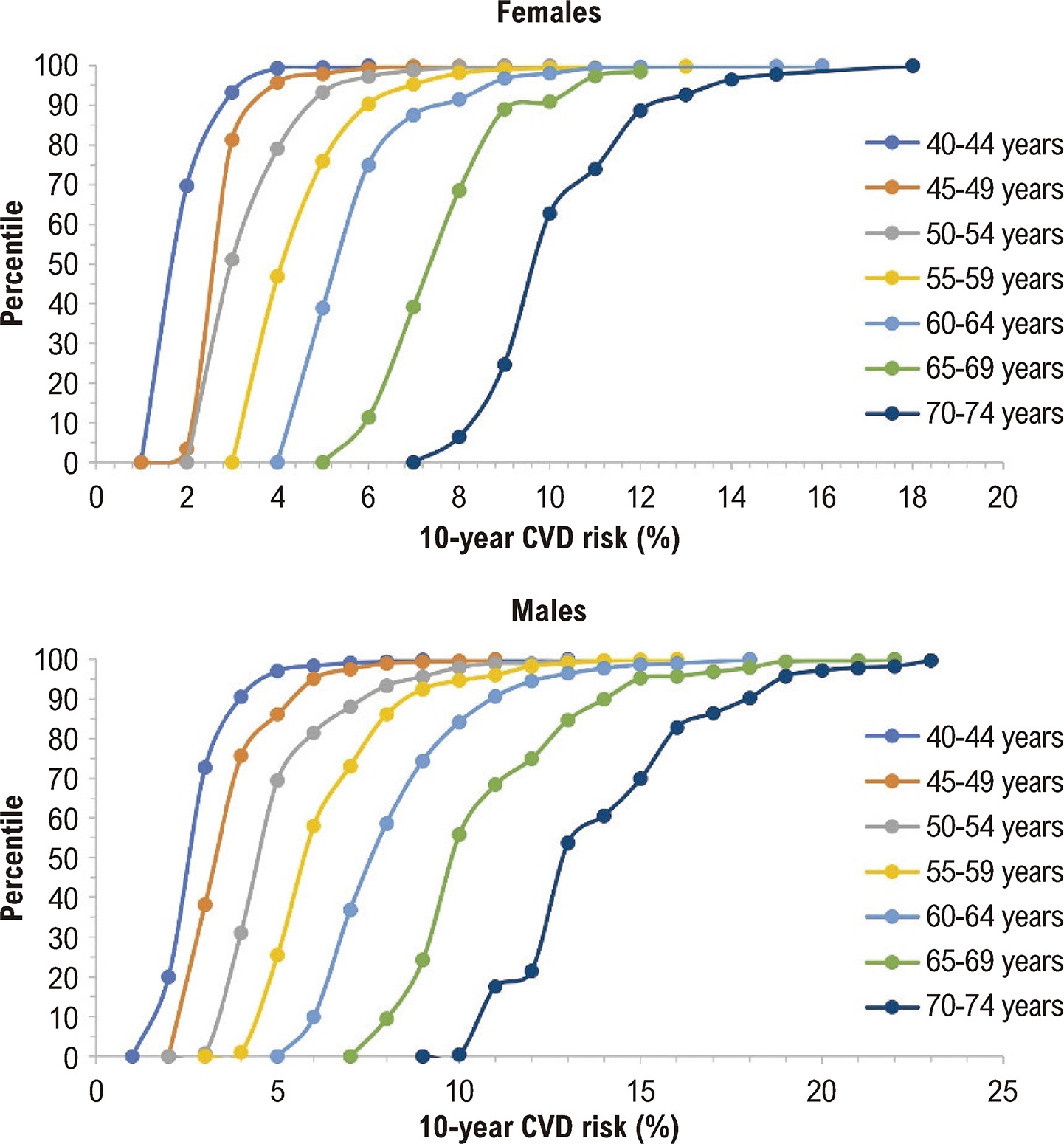
The WHO Cardiovascular Disease Risk (Non-Laboratory-Based) in a Selected Brazilian Population: Percentiles of Distribution And Agreement With Laboratory-Based Scores

Fernando Yue Cesena et al. Giuliano Generoso Itamar de S. Santos Alexandre C. Pereira … Marcio S. Bittencourt Raul D. Santos Paulo A. Lotufo Isabela M. Benseñor

Introduction

In 2019, the World Health Organization (WHO) published revised charts for estimating the 10-year risk of cardiovascular disease (CVD). Two models are proposed: one based on laboratory tests including plasma total cholesterol and presence or absence of diabetes mellitus as predictors, and another based on the body mass index (BMI). In low-resource and office settings, when cholesterol levels and information on diabetes are not available, the BMI-based score can be used.

In a previous study, we determined laboratory-based percentiles of the WHO CVD risk distribution, according to sex and age, in the Brazilian Longitudinal Study of Adult Health (ELSA-Brasil) baseline population. These percentiles were associated with the calculated risk of atherosclerotic CVD up to 75 years, regardless of the estimated 10-year risk. Expressing the risk percentile has been proposed to increase risk awareness and improve adherence to preventive measures.–

[…]

  • body mass index
  • Cardiovascular Diseases
  • Heart Disease Risk Factors
  • Risk Assessment
  • World Health Organization
Read Full Article
Creative Commons Attribution (CC BY) Creative Commons license
26/08/2024 DOI: 10.36660/abc.20240002i
Figure 1
ABC
Original Article

Clinical Significance of Peptidase M20 Domain Containing 1 Ii Patients with Carotid Atherosclerosis

Xincheng Huang et al. Peiyuan He Linling Wu

Abstract

Background

Atherosclerosis is the main cause for most cardiovascular diseases, and new biomarkers for this condition are always needed. Peptidase M20 domain containing 1 (PM20D1) is associated with both lipid metabolism and obesity. However, no study focuses on the role of PM20D1 in carotid atherosclerosis.

Objective

The present study aimed to investigate the role of PM20D1 in carotid atherosclerosis patients.

Methods

The present prospective observational study contained a total of 231 carotid atherosclerosis patients, who went to our department between July 2018 and December 2019. Blood samples and medical characteristics were also obtained from 231 healthy individuals with the same body mass index distribution of carotid atherosclerosis patients. Serum PM20D1 was determined using enzyme-linked immunosorbent assay. Clinical and demographic characteristics of all patients were collected, including age, sex, body mass index and medical history. Levels of C-reactive protein, tumor necrosis factor, homocysteine, as well as total cholesterol, triglyceride, high-density leptin cholesterol and low-density leptin cholesterol were recorded. Statistical analysis was conducted using the SPSS software, with p<0.05 as statistically different.

Results

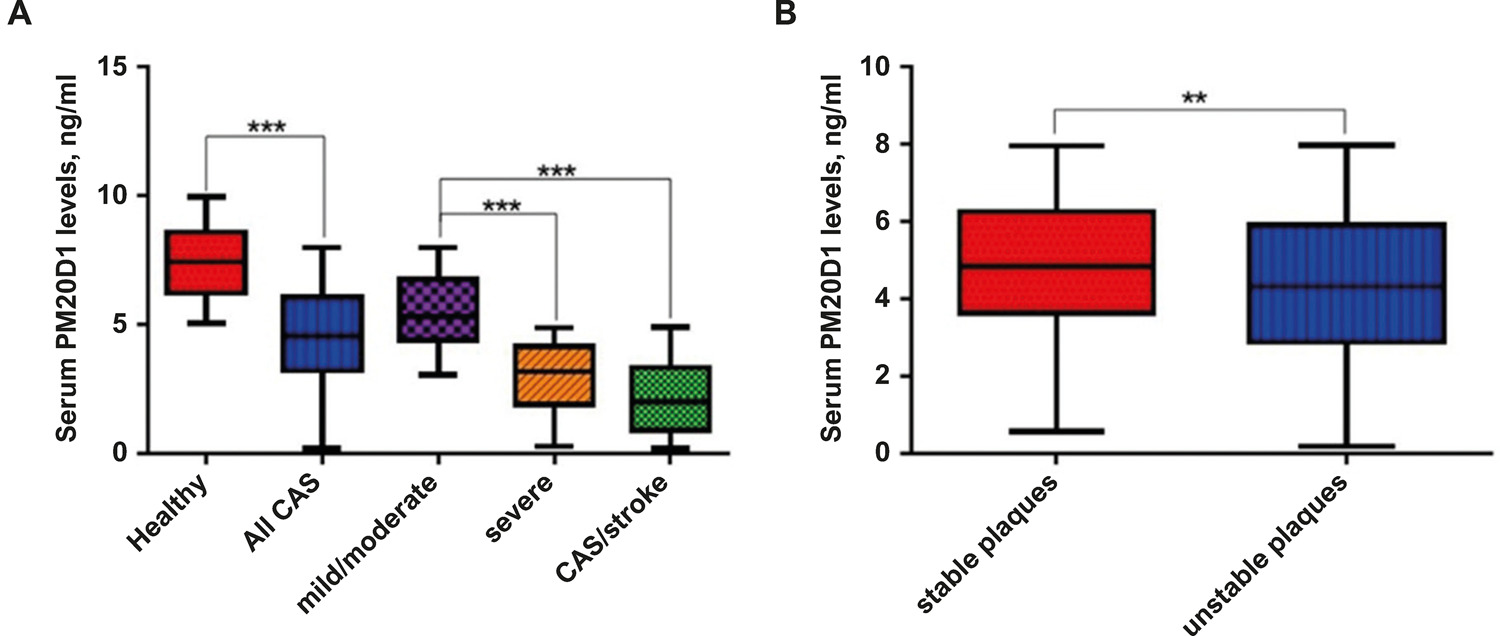
Serum PM20D1 levels were markedly lower in carotid atherosclerosis patients when compared to the healthy control, which were significantly lower in severe carotid atherosclerosis patients and carotid atherosclerosis/stroke patients. Patients with unstable plaques showed markedly lower PM20D1 when compared to patients with stable plaques. No significant difference was found among carotid atherosclerosis patients with different body mass index. Patients with higher PM20D1 levels showed significantly lower expression of C-reactive protein, tumor necrosis factor, homocysteine, triglyceride, total cholesterol and low-density leptin cholesterol. PM20D1 was negatively correlated with C-reactive protein, tumor necrosis factor, homocysteine, total cholesterol and low-density leptin cholesterol in carotid atherosclerosis patients, and could be used as a biomarker for severe carotid atherosclerosis patients or carotid atherosclerosis patients with stroke. Sex, tumor necrosis factor, homocysteine and PM20D1 were risk factors for carotid atherosclerosis.

Conclusion

PM20D1 was decreased in carotid atherosclerosis patients and was associated with severity, plaque stability, and levels of C-reactive protein, tumor necrosis factor, homocysteine, triglyceride, total cholesterol and low-density leptin cholesterol in carotid atherosclerosis patients.

  • body mass index
  • Carotid Artery Diseases
  • Lipids
Read Full Article
Creative Commons Attribution (CC BY) Creative Commons license
09/05/2022 DOI: 10.36660/abc.20210799 Views 1
Figure 1
ABC
Review Article

Crossroads between Estrogen Loss, Obesity, and Heart Failure with Preserved Ejection Fraction

Allan Kardec Nogueira de Alencar et al. Hao Wang Gláucia Maria Moraes de Oliveira Xuming Sun … Gisele Zapata-Sudo Leanne Groban

Abstract

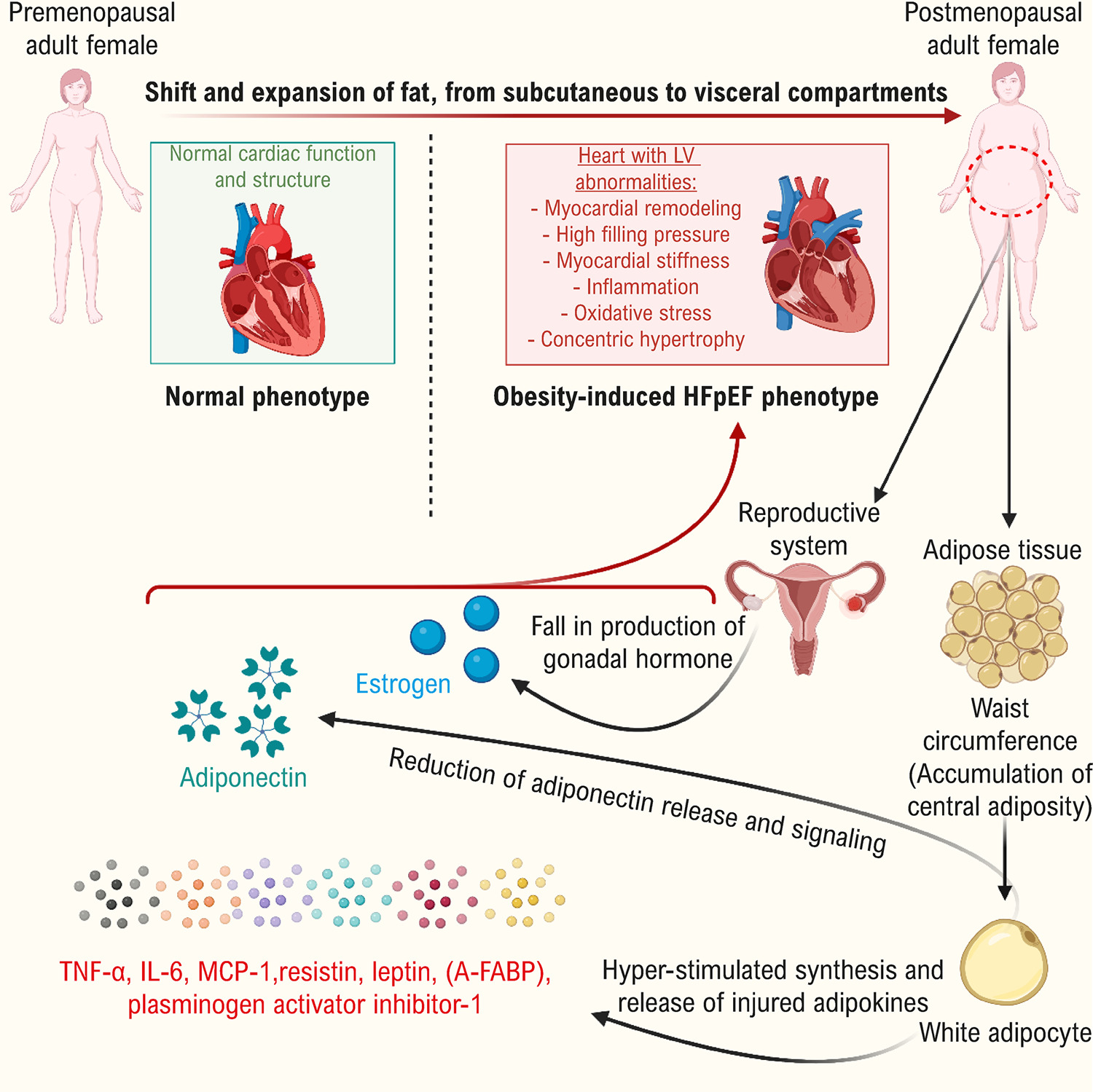
The prevalence of obesity and heart failure with preserved ejection fraction (HFpEF) increases significantly in postmenopausal women. Although obesity is a risk factor for left ventricular diastolic dysfunction (LVDD), the mechanisms that link the cessation of ovarian hormone production, and particularly estrogens, to the development of obesity, LVDD, and HFpEF in aging females are unclear. Clinical, and epidemiologic studies show that postmenopausal women with abdominal obesity (defined by waist circumference) are at greater risk for developing HFpEF than men or women without abdominal obesity. The study presents a review of clinical data that support a mechanistic link between estrogen loss plus obesity and left ventricular remodeling with LVDD. It also seeks to discuss potential cell and molecular mechanisms for estrogen-mediated protection against adverse adipocyte cell types, tissue depots, function, and metabolism that may contribute to LVDD and HFpEF.

  • Adiposity
  • body mass index
  • Echocardiography/methods
  • Estrogens
  • Heart Failure
  • Menopause
  • Obesity
  • Overweight
  • Stroke Volume
Read Full Article
Creative Commons Attribution (CC BY) Creative Commons license
08/10/2021 DOI: 10.36660/abc.20200855
Figure 1
IJCS
Original Article

Hypertension and Different Levels of Body Mass Index and Cardiorespiratory Fitness Amongst Adolescents

Cleiton Bertollo et al. Claúdia Daniela Barbian Letícia de Borba Schneiders João Francisco de Castro Silveira … Bruna Dahmer Vogt Elza Daniel de Mello Leandro Tibiriçá Burgos James Philip Hobkirk Cézane Priscila Reuter

Abstract

Background

Hypertension is an increasingly common problem in adolescents; amongst the associated factors, physical inactivity and obesity are increasing the risk of developing cardiovascular diseases.

Objective

To verify whether there is an association between higher blood pressure levels amongst adolescents with the relationship between different levels of body mass index (BMI) and cardiorespiratory fitness (CRF).

Method

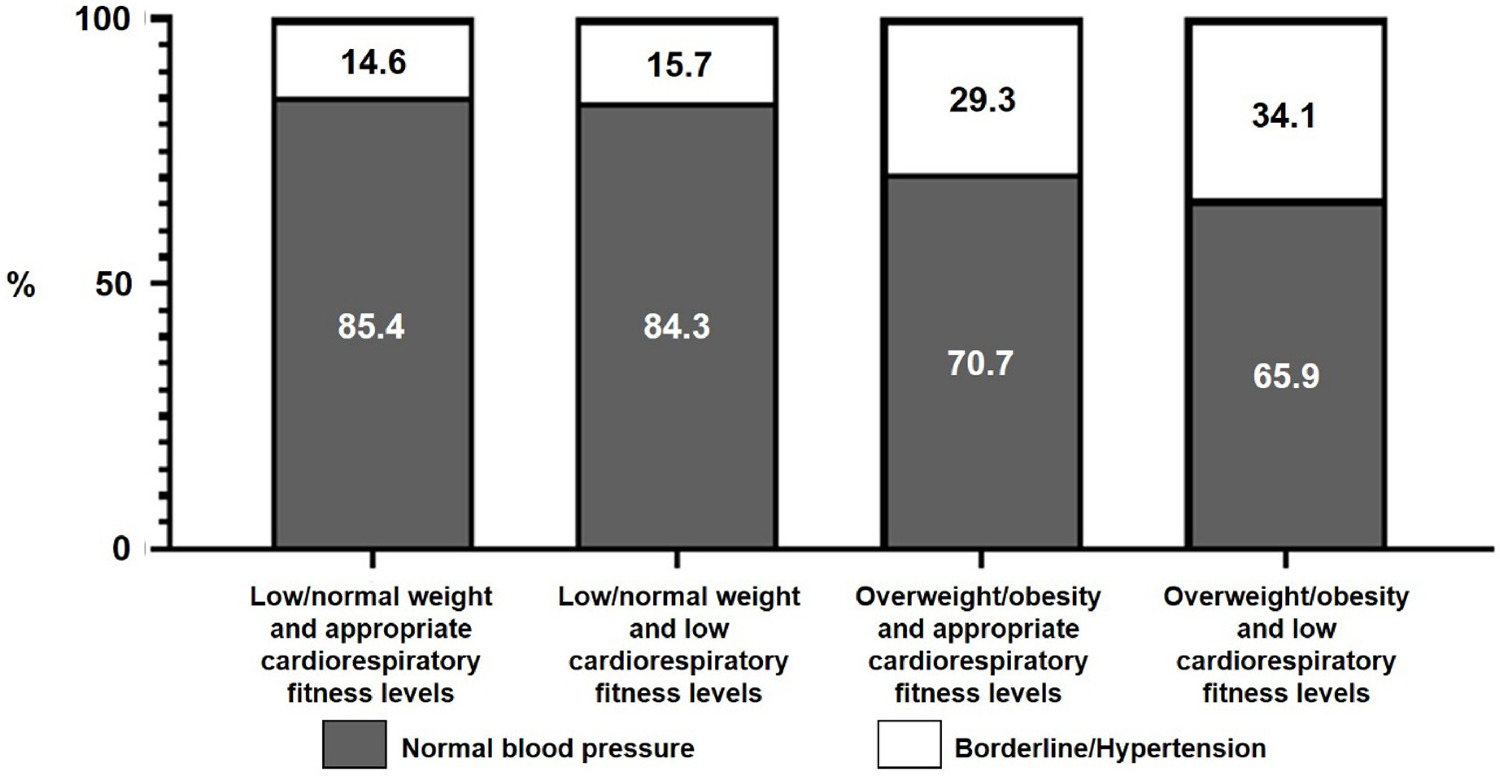
Cross-sectional study consisting of 860 adolescents. Higher blood pressure (BP) was considered as borderline and hypertension as the classification. BMI was categorized as low-normal weight and overweight-obesity. The CRF was assessed by a nine-minute run/walk test and classified into low or appropriate levels (less and more favorable to health, respectively). Later, BMI and CRF were grouped into one categorical variable: (I) low/normal weight and appropriate CRF levels; (II) low/normal weight and low CRF levels; (III) overweight/obesity and appropriate CRF levels; and (IV) overweight/obesity and low CRF levels. Data were analyzed using Poisson regression, through the prevalence ratio (PR) and 95% confidence intervals (CI). The p-values of p <0.05 were considered significant.

Results

Adolescents with overweight/obesity and low CRF levels had a 22% higher BP prevalence. Moreover, children with overweight/obesity, but with appropriate CRF levels, have a 15% higher BP prevalence.

Conclusion

Adolescents with overweight/obesity had a higher prevalence of BP, regardless of CRF levels. It is suggested that maintaining normal BMI is a protective factor for less favorable BP.

  • Blood Pressure, Adolescent, Cardiorespiratory Fitness
  • body mass index
  • Exercise
  • Exercise Therapy
  • Hypertension
  • Obesity
Read Full Article
Creative Commons Attribution (CC BY) Creative Commons license
20/09/2021 DOI: 10.36660/ijcs.20200038 Views 1
ABC
Editorial

Chronological Age or Biological Age, Mainly a Matter of Lifestyle

Paulo César B. Veiga Jardim et al. Thiago de Souza Veiga Jardim

Despite the significant global socioeconomic disparities, the world’s population has grown exponentially, and the average life continues to increase significantly.–

If at the beginning of the 19th century, life expectancy in Europe was around 35 years, at present, only the African continent has populations with an average life expectancy of fewer than 60 years.–

[…]

  • Aged
  • body mass index
  • Genetics
  • Healthy Aging
  • Life Style
  • Obesity
  • Sedentarism
  • Spirituality
  • Stress
  • Vascular Stiffness
Read Full Article
Creative Commons Attribution (CC BY) Creative Commons license
20/09/2021 DOI: 10.36660/abc.20210732
ABC
Editorial

Is Adolescents' Cardiometabolic Health Affected by Prolonged Periods of Inactivity?

Andrea Wendt

The current literature regarding physical activity (PA) and sedentary behavior (SB) highlights the negative effect of considerable amounts of time spent in activities such as sitting, TV viewing, computer use, and some work and study activities on cardiovascular health. SB may be defined as any waking behavior characterized by an energy expenditure ≤ 1.5 metabolic equivalents while in a sitting, reclining, or lying posture., Thus, SB is not the absence or low level of PA, but it can coexist with it. In this sense, a recent review showed an interaction between SB and PA, providing evidence that individuals with higher time spent in SB presented a higher risk of cardiovascular mortality. However, estimates have been less consistent in individuals with higher PA levels.

The literature cites a series of possible mechanisms for SB effects, independent of PA, on metabolic and cardiovascular outcomes. One of these mechanisms is the decrease in enzymatic activity responsible for HDL production and the capture of triglycerides in the blood chain due to sustained inactivity in sitting, reclining, or lying posture. In this regard, strategies reducing the time spent in SB or interrupting sustained inactivity have been studied. Some of these approaches focus on standing up for a while or a short period of movement between periods of sitting time (breaks in SB). A meta-analysis with adults found a positive effect of breaks in SB on adiposity control and glycemia. In addition, an experimental study showed that 1-to-2–minute breaks in sedentary work activities every half an hour resulted in small-to-moderate declines in total cholesterol, triglycerides, and fasting blood glucose.

[…]

  • Adolescent, Cholesterol
  • body mass index
  • Cardiovascular Diseases/physiopathology
  • Epidemiology
  • Metabolic Diseases
  • Motor Activity
  • Sedentarism
  • Triglycerides
Read Full Article
Creative Commons Attribution (CC BY) Creative Commons license
06/09/2021 DOI: 10.36660/abc.20210479
Figure 1
ABC
Original Article

Individual and Combined Performance of Indicators of Overall and Central Obesity to Estimate Coronary Risk in ELSA-Brasil Participants

Rogério Tosta de Almeida et al. Sheila Maria Alvim Matos Estela M. L. Aquino

Abstract

Background:

Anthropometric indicators have been used in clinical practice and epidemiological studies for screening of health risk factors.

Objectives:

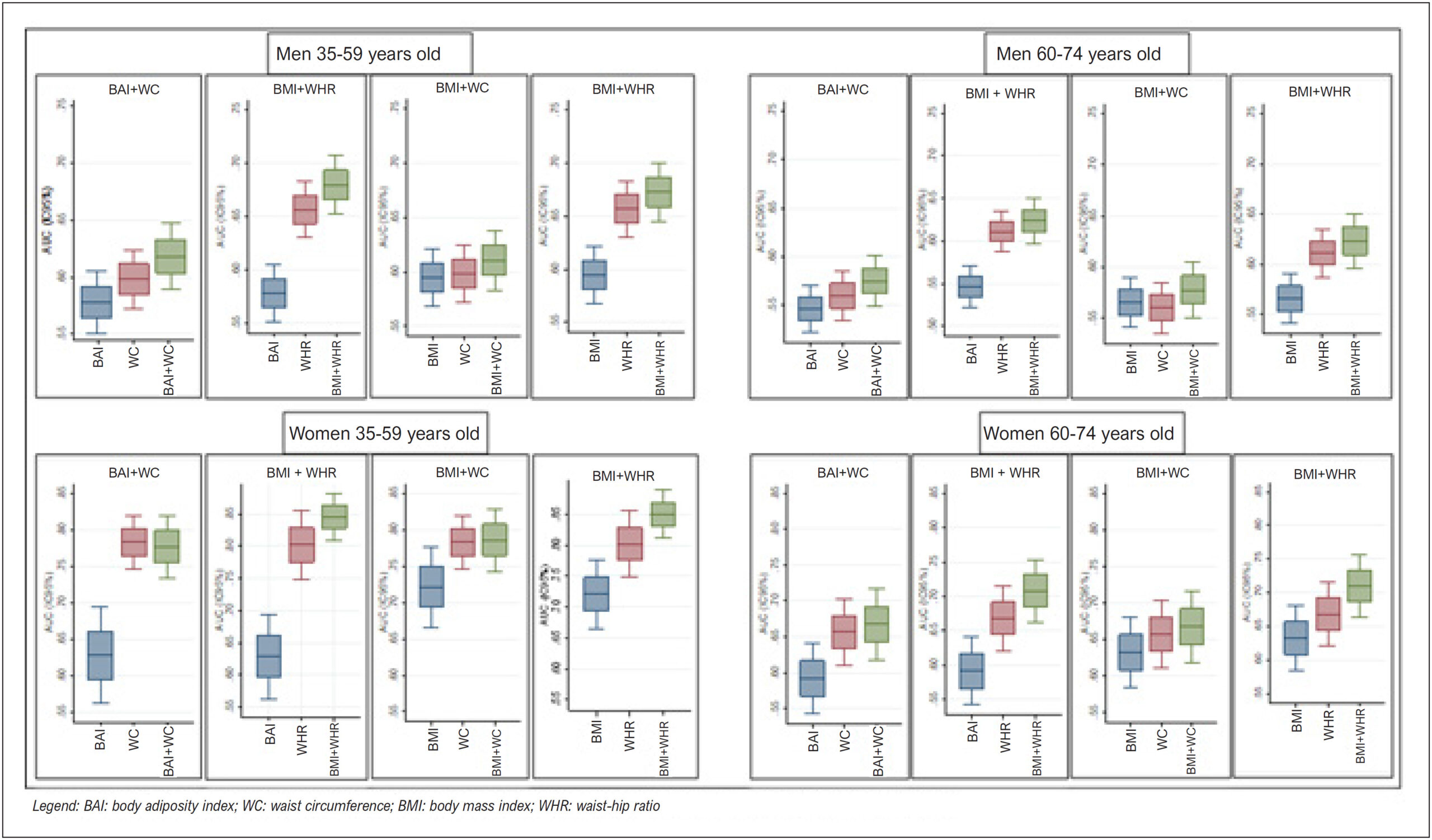
To evaluate the individual discriminatory power of body adiposity index (BAI), body mass index (BMI), waist circumference (WC) and waist-hip-ratio (WHR) to identify individuals at risk for coronary heart disease and to evaluate whether combinations of anthropometric indicators of overall obesity with indicators of central obesity improve predictive ability in adults.

Methods:

A total of 15,092 participants (54.4% women) aged 35-74years were assessed at baseline of the ELSA-Brasil study. Individuals at risk for coronary heart disease were identified using the Framingham risk score and divided into very-high risk (VHR 20%) and high risk (HR10%). Measures of diagnostic accuracy and area under the ROC curves (AUC) were analyzed. Associations were tested using Poisson regression analysis with robust variance, according to age and sex. Statistical significance was set at 5%.

Results:

WHR showed the highest discriminatory power for VHR20% in all groups, with higher predictive ability in women (AUC: 0.802; 95%CI: 0.748-0.856 vs 0.657; 95%CI: 0.630-0.683 in the age range of 35-59 years, and AUC: 0.668; 95%CI: 0.621-0.715 vs 0.611; 95%CI: 0.587-0.635 in the age range of 60-74 years). BAI + WHR and BMI + WHR had the highest predictive power in men and women, respectively. Combinations of indicators of overall obesity with indicators of central obesity were more strongly associated with VHR20% and HR10% in all subgroups.

Conclusion:

Combined indicators had greater predictive ability than indicators taken individually. BAI+ WHR and BMI + WHR were the best estimators of coronary risk in men and women, respectively, and WHR had the best individual performance.

  • Adiposity
  • Anthropometry
  • body mass index
  • Cardiovascular disease
  • Epidemiology
  • Obesity
  • Risk Factors
  • Waist Circumference
Read Full Article
Creative Commons Attribution (CC BY) Creative Commons license
30/07/2021 DOI: 10.36660/abc.20200360
ABC
Original Article

The Direct Effect of Body Mass Index on Cardiovascular Outcomes among Participants Without Central Obesity by Targeted Maximum Likelihood Estimation

Hossein Mozafar Saadati et al. Siamak Sabour Mohammad Ali Mansournia Yadollah Mehrabi Seyed Saeed Hashemi Nazari

Background:

Body mass index (BMI) is the most commonly used index to categorize a person as obese or non-obese, which is subject to important limitations.

Objective:

To evaluate the direct effect of BMI on cardiovascular outcomes among participants without central obesity.

Methods:

This analysis included 14,983 males and females aged 45-75 years from the Atherosclerosis Risk in Communities Study (ARIC). BMI was measured as general obesity, and waist circumference (WC), waist-to-hip ratio (WHR) and hip circumference as central obesity. Targeted maximum likelihood estimation (TMLE) was used to estimate the total effects (TEs) and the controlled direct effects (CDEs). The proportion of TE that would be eliminated if all participants were non-obese regarding central obesity was computed using the proportion eliminated (PE) index. P <0.05 was considered statistically significant. Analyses were performed in the TMLE R package.

Results:

The risk of cardiovascular outcomes attributed to BMI was significantly reversed by eliminating WHR obesity (p<0.001). The proportion eliminated of BMI effects was more tangible for non-obese participants regarding WC (PE=127%; 95%CI (126,128)) and WHR (PE=97%; 95%CI (96,98)) for coronary heart disease (CHD), and WHR (PE=92%; 95%CI (91,94)) for stroke, respectively. With respect to sex, the proportion eliminated of BMI effects was more tangible for non-obese participants regarding WHR (PE=428%; 95%CI (408,439)) for CHD in males, and WC (PE=99%; 95%CI (89,111)) for stroke in females, respectively.

Conclusion:

These results indicate different potential effects of eliminating central obesity on the association between BMI and cardiovascular outcomes for males and females. (Arq Bras Cardiol. 2021; 116(5):879-886)

  • body mass index
  • cardiovascular
  • Central obesity
  • controlled direct effect
  • proportion eliminated
Read Full Article
Creative Commons Attribution (CC BY) Creative Commons license
17/05/2021 DOI: 10.36660/abc.20200231 Views 1
ABC
Editorial

Obesity, Body Fat Content and Cardiovascular Outcome: Beyond Body Mass Index

Desiderio Favarato

Obesity pandemic has been associated with an increment of cardiovascular disease (CVD). Diagnosis of CVD is delivered ten years early in obese people.

Although body mass index (BMI) has been widely used as the main index of obesity, it is not an accurate predictor of cardiovascular disease. There are other ways to measure obesity, varying from a simple waist circumference (WC) measurement to more sophisticated methods, like bioelectrical impedance and dual energy X-ray densitometry.

[…]

  • abdominal circumference
  • Adipose Tissue
  • body mass index
  • Cardiovascular Diseases
  • Obesity
  • Risk Factors
Read Full Article
Creative Commons Attribution (CC BY) Creative Commons license
17/05/2021 DOI: 10.36660/abc.20210074
ABC
Editorial

Pulmonary Hypertension in Polycystic Ovarian Syndrome

Yogesh N. V. Reddy

Polycystic Ovarian Syndrome (PCOS) is a complex endocrinological syndrome that presents in women with obesity, insulin resistance and sex hormone abnormalities. It is intriguing that in otherwise ‘idiopathic’ pulmonary hypertension, there also seems to be a high prevalence of the same features of obesity, insulin resistance, and sex hormone abnormalities.– However, despite this overlap and a theoretical risk of pulmonary hypertension in PCOS, little is known about the intersection of the two conditions. Given the young age of patients at the time of PCOS diagnosis, only subtle impairments in left heart function have been consistently described,, with overt cardiovascular disease often manifesting many decades later., But, surprisingly, little is known about subclinical right heart remodeling or pulmonary hypertension in this condition.

On this background, Abacioglu et al. provide novel information on cardiac structural remodeling in patients with PCOS, with careful attention to right heart structure and function. They included 44 patients with PCOS and 60 matched controls who underwent comprehensive echocardiography and insulin resistance assessment by the Homeostatic Model Assessment for Insulin Resistance (HOMA-IR). In addition to left heart measures of diastolic function, the authors also performed pulse wave Doppler of the right ventricular outflow tract to estimate pulmonary arterial stiffness, and used the well validated TAPSE/RVSP ratio to quantify RV-PA coupling.

[…]

  • body mass index
  • Echocardiography/methods
  • Insulin Resistance
  • Obesity
  • Polycystic Ovary Syndrome
  • Pulmonary Hypertension
  • Ventricular Remodeling
Read Full Article
Creative Commons Attribution (CC BY) Creative Commons license
16/04/2021 DOI: 10.36660/abc.20210106
Figure 1
ABC
Case Report

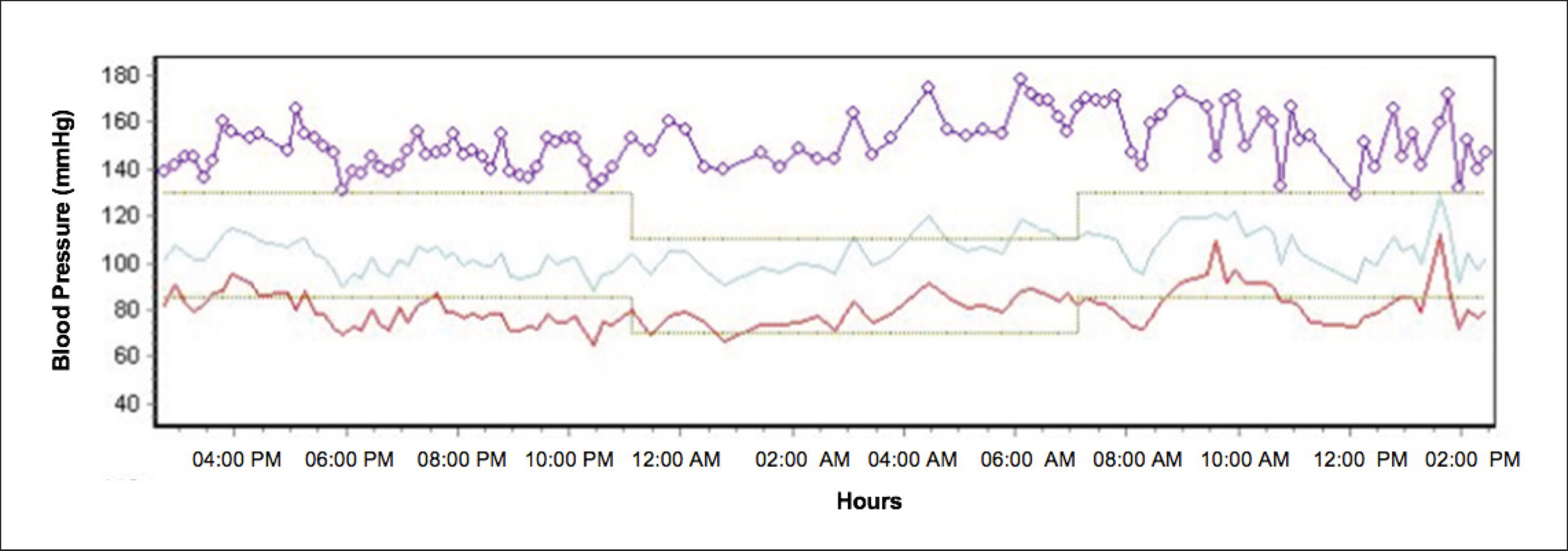
Very Long Apneas during Prone Position in a Lean Patient with Coronary Artery Disease: Implications for the Cardiovascular Risk

Sofia Fontanello Furlan et al. Viktor Sinkunas Pedro Rodrigues Genta Geraldo Lorenzi Filho Luciano F. Drager

Introduction

Obstructive sleep apnea (OSA) is a common condition characterized by recurrent upper airway obstructions during sleep, promoting intermittent hypoxia and sleep fragmentation. Traditional risk factors for OSA include male gender and obesity. Overall, patients with severe OSA presented longer events and more severe hypoxemia. Supine sleep is consistently associated with more severe OSA rates in adults. However, the relationship between OSA indices and prone position is inconsistent. Here, we reported a very peculiar presentation of OSA characterized by very long respiratory events in a prone position in a lean female patient with a history of high blood pressure, diabetes mellitus, chronic kidney disease under dialysis therapy and a recent diagnosis of coronary artery disease (CAD).

[…]

  • Angioplasty
  • Blood Pressure Monitoring, Ambulatory
  • body mass index
  • Coronary Artery Disease
  • Obesity
  • Oxymetria
  • Percutaneous Coronary Intervention
  • Sleep Apnea, Obstructive
Read Full Article
Creative Commons Attribution (CC BY) Creative Commons license
05/02/2021 DOI: 10.36660/abc.20200191
ABC
Editorial

Is the Obesity Paradox in Heart Failure Dependent on Cardiorespiratory Fitness?

Jari A. Laukkanen et al. Setor K. Kunutsor

Heart failure (HF) is a global public health menace which is associated with increased hospitalization, morbidity, mortality and high economic costs. However, HF which has ischemic heart disease as a common underlying disease, is a preventable condition. Cardiorespiratory fitness (CRF) is an index of habitual physical activity levels and is considered the gold standard for aerobic exercise capacity. Cardiorespiratory fitness, an important component of physical fitness and directly measured by peak oxygen uptake (pVO2), and ventilatory efficiency slope (VE/VCO2 slope), has been identified as one of the most important predictors of health outcomes and survival. We have previously reported that directly assessed pVO2 is strongly, independently and inversely related to a lowered risk of cardiometabolic conditions such as HF,, atrial fibrillation,, ventricular fibrillation, diabetes as well as mortality from cardiovascular diseases (CVDs)., Our recent population-based study based on UK Biobank suggests that CRF is a strong risk indicator for mortality and addition of CRF to a conventional risk factor score improved the overall discrimination of mortality risk and, more importantly, the predictive value of CRF varied across levels of some relevant risk factors, including age, sex, and smoking. This is an indicator of the potential of CRF to be a valuable risk assessment tool in clinical practice.

It is well-known that obesity, as measured by body mass index (BMI), is related to the development of cardiovascular outcomes. However, the combined effect of obesity and CRF on the risk of future HF still requires further study. It is of clinical relevance to understand if CRF attenuates the association of obesity with later risk of HF due to other underlying CVDs. The majority of previous studies on higher BMI, other obesity parameters, and HF risk have not taken into account the differences in CRF levels. Though high BMI is a risk factor for HF, there are findings of a non-linear relationship between BMI and CVD outcomes in HF patients which indicates an unusual relationship. In patients with established HF, accumulating evidence suggests that overweight and obese (higher BMI) individuals have improved survival compared to those with normal BMI, a known concept which has been called the “obesity paradox” or “reverse epidemiology”. Some mechanisms have been proposed to explain the HF obesity paradox which includes HF therapy being more effective in obese patients. It has been reported that CRF might play also play a role by either mitigating or negating the “obesity paradox”.,

[…]

  • body mass index
  • Cardiorespiratory Fitness
  • Exercise
  • Heart Failure
  • Hospitalization
  • Morbity and Mortality
  • Obesity
Read Full Article
Creative Commons Attribution (CC BY) Creative Commons license
23/10/2020 DOI: 10.36660/abc.20200522
Figure 1
ABC
Original Article

Impact of Cardiorespiratory Fitness on the Obesity Paradox in Heart Failure with Reduced Ejection Fraction

Rita Ilhão Moreira et al. Tiago Pereira Silva António Valentim Gonçalves Joana Feliciano … Pedro Rio Rui Soares Rui Cruz Ferreira

Abstract

Background:

Higher body mass index (BMI) has been associated with improved outcomes in heart failure with reduced ejection fraction. This finding has led to the concept of the obesity paradox.

Objective:

To investigate the impact of exercise tolerance and cardiorespiratory capacity on the obesity paradox.

Methods:

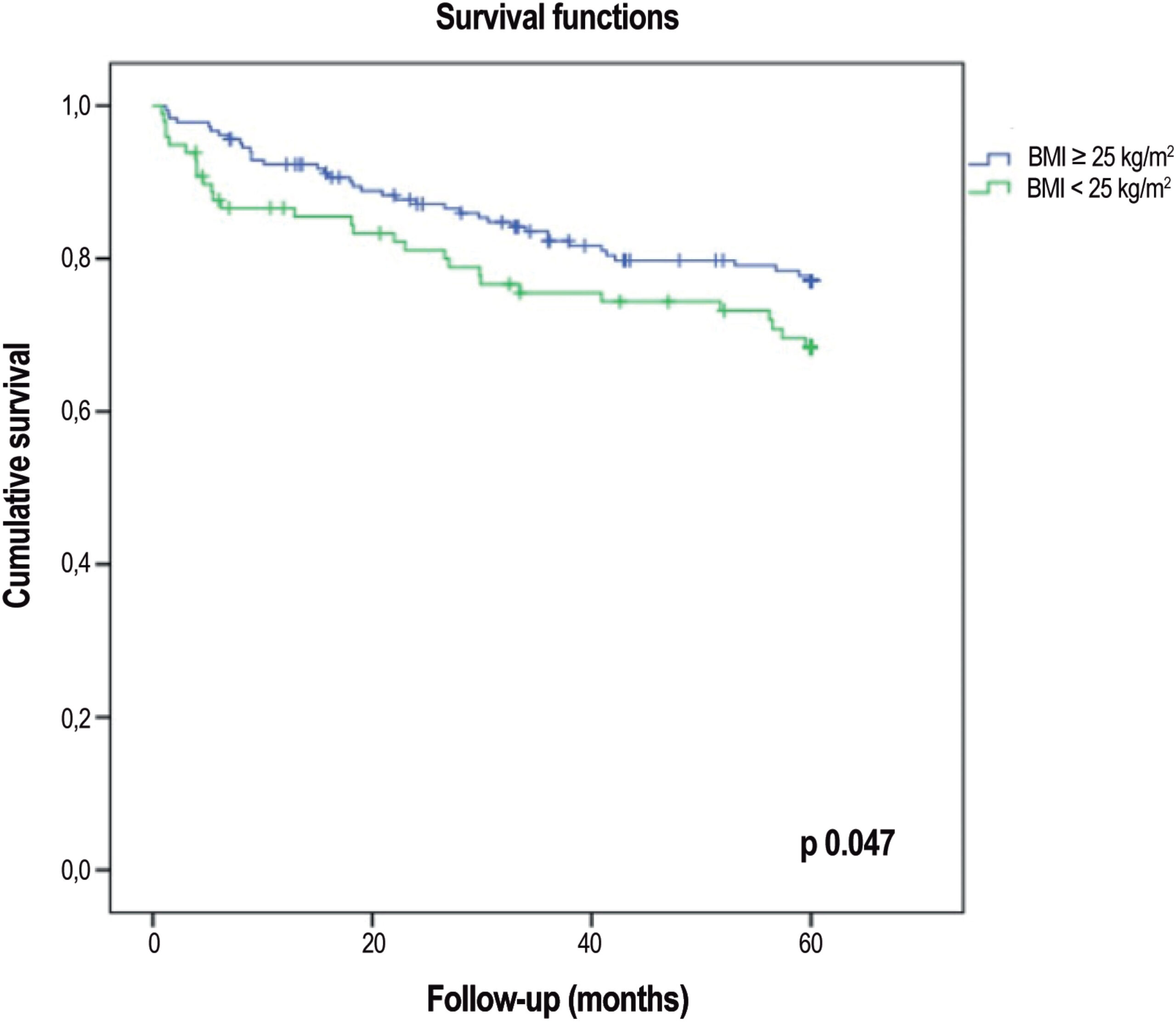
Outpatients with symptomatic heart failure and left ventricular ejection fraction (LVEF) ≤ 40%, followed up in our center, prospectively underwent baseline comprehensive evaluation including clinical, laboratorial, electrocardiographic, echocardiographic, and cardiopulmonary exercise testing parameters. The study population was divided according to BMI (< 25, 25 – 29.9, and ≥ 30 kg/m2). All patients were followed for 60 months. The combined endpoint was defined as cardiac death, urgent heart transplantation, or need for mechanical circulatory support. P value < 0.05 was considered significant.

Results:

In the 282 enrolled patients (75% male, 54 ± 12 years, BMI 27 ± 4 kg/m2, LVEF 27% ± 7%), the composite endpoint occurred in 24.4% during follow-up. Patients with higher BMI were older, and they had higher LVEF and serum sodium levels, as well as lower ventilatory efficiency (VE/VCO2) slope. VE/VCO2 and peak oxygen consumption (pVO2) were strong predictors of prognosis (p < 0.001). In univariable Cox regression analysis, higher BMI was associated with better outcomes (HR 0.940, CI 0.886 – 0.998, p 0.042). However, after adjusting for either VE/VCO2 slope or pVO2, the protective role of BMI disappeared. Survival benefit of BMI was not evident when patients were grouped according to cardiorespiratory fitness class (VE/VCO2, cut-off value 35, and pVO2, cut-off value 14 mL/kg/min).

Conclusion:

These results suggest that cardiorespiratory fitness outweighs the relationship between BMI and survival in patients with heart failure.

  • body mass index
  • Breathing Exercises
  • Cardiorespiratory Fitness
  • Heart Failure
  • Obesity
  • Respiratory Function Tests
  • Stroke Volume
Read Full Article
Creative Commons Attribution (CC BY) Creative Commons license
23/10/2020 DOI: 10.36660/abc.20190337 Views 1
ABC
Original Article

Hypertensive Measures In Schoolchildren: Risk Of Central Obesity And Protective Effect Of Moderate-To-Vigorous Physical Activity

Tatiana Affornali Tozo et al. Beatriz Oliveira Pereira Francisco José de Menezes Junior Cristianne Morgado Montenegro … Carla Marisa Maia Moreira Neiva Leite

Abstract

Background

The proportion of arterial hypertension (AH) has increased in children and adolescents and is associated with several comorbidities.

Objective

To verify the association of arterial hypertension with central and general obesity as well as according to the level of physical activity in schoolchildren.

Methods

336 children and adolescents aged 11 to 17 participated in the study. Height, body weight, waist circumference (WC) and blood pressure (BP) were measured. The body mass index z-score (BMI-z) was calculated. The level of physical activity was assessed by the short form of the International Physical Activity Questionnaire (IPAQ) according to the practice of moderate-to-vigorous physical activities (AF-mv). Students with systolic (SBP) and/or diastolic blood pressure (DBP) higher than the 95thpercentile according to sex, age and height or ≥120/80 were considered hypertensive. Statistical tests of t-Student, Chi-square, Mann-Whitney and binary logistic regression model were used, considering the significance level of p<0.05.

Results

It was found that 40.5% of the students had AH, 35.11% were overweight (12.5% obese), 13.39% had high WC and 40.2% were considered insufficiently active in AF-mv. The chances of AH were related to high WC (OR = 6.11; 95% CI: 2.59¬–14.42) and overweight (OR = 2.91; 95% CI: 1.76–4.79). In addition, adolescents who practiced AF-mv had a lower risk of high DBP (OR = 0.33; 95% CI: 0.15–0.72).

Conclusion

Central obesity was the best predictor of AH in children and adolescents, as well as general obesity and males. The practice of AF-mv demonstrated a protective effect on high DBP in schoolchildren. (Arq Bras Cardiol. 2020; 115(1):42-49)

  • Adolescent
  • Blood Pressure
  • body mass index
  • Child
  • Hipertension
  • Physical activity
  • School Children
  • Waist Circumference
Read Full Article
Creative Commons Attribution (CC BY) Creative Commons license
07/08/2020 DOI: 10.36660/abc.20180391 Views 1
IJCS
Original Article

Lipoprotein(a) levels in children and adolescents: Ouro Preto Study

Ana Paula C Cândido et al. Alekson Mendonça-Mendes Débora RC Cândido Roney LC Nicolato George LL Machado-Coelho

Abstract

Background

Lipoprotein (a) is a cardiovascular risk factor in adult. Studies have shown the presence of this emergent risk factor in school children, which may contribute to the development of atherosclerosis in adulthood.

Objective

To evaluate the association between lipoprotein (a) and cardiovascular risk factors in school children.

Methods

Lipoprotein (a) levels were measured in 320 school children (6-14 years) selected from a population survey carried out in Ouro Preto (southeast of Brazil). Demographic (sex and age), biochemical (total cholesterol, high-density lipoprotein-cholesterol, low-density lipoprotein-cholesterol, triglycerides, and glucose), anthropometric (body mass index, waist circumference, body fat percentage), clinical (arterial blood pressure, pubertal stage and birth weight) and economic (family income) parameters, as well as family history (obese and/or hypertensive parents) were analyzed. Non-parametric analysis was used to evaluate lipoprotein (a) levels in each subgroup. Variables with p≤0.20 in the univariate analysis were included in binary regression logistic model. Differences with p < 0.05 were considered significant.

Results

Lipoprotein (a) levels were associated with total cholesterol (p=0.04), body fat (p=0.009), and mother´s systolic (p=0.02) and diastolic blood pressure (p=0.04). In a logistic regression analysis, children with high lipoprotein (a) levels and body fat, and children born from hypertensive mothers were, respectively, at 3.2(p=0.01) and 1.4 (p=0.03) times higher risk than other children. In clustering these factors, elevated lipoprotein (a) was 2.6 times more likely to be seen in school children with high body fat and born hypertensive mothers.

Conclusions

Lipoprotein (a) was correlated with cardiovascular risk factors in children and adolescents. Persistence of these risk factors in childhood suggests a contribution of elevated lipoprotein (a) to future cardiovascular disease. (Int J Cardiovasc Sci. 2020; [online].ahead print, PP.0-0)

  • Adiposity
  • Adolescents
  • Bod Fat
  • body mass index
  • Children
  • Cholesterol
  • Epidemiology
  • Hypertension
  • Lipoproteins
Read Full Article
Creative Commons Attribution (CC BY) Creative Commons license
17/04/2020 DOI: 10.36660/ijcs.20190107 Views 2
Figure 1
ABC
Original Article

Determinants of Aortic Prosthesis Mismatch in a Brazilian Public Health System Hospital: Big Patients or Small Prosthesis?

Maria Estefania Otto et al. Fernando Antibas Atik Marcelo do Nascimento Moreira Luiz Carlos Madruga Ribeiro … Bianca Corrêa Rocha de Mello Joyce Gomes Elias Lima Maiara Sanchez Ribeiro Ana Carolina Pereira Matos Domingues Reyna Pinheiro Calzada Armindo Jreige Jr. Larissa Lucas Schloicka Philippe Pibarot

Abstract

Background:

Prosthesis-patient mismatch (PPM) is associated with worse outcomes.

Objective:

Determine the frequency and evaluate preoperatory variables independently associated with severe PPM in a tertiary hospital focused on Public Health Care.

Methods:

A total of 316 patients submitted to aortic valve replacement, who had echocardiography performed within the first 30 days after surgery, were retrospectively analyzed. The indexed effective orifice area (iEOA) of the prosthesis was used to classify the patients into three groups, according to PPM, considering body mass index (BMI): severe PPM (iEOA) < 0.65 cm2/m2), mild to moderate PPM (iEOA, 0.65 cm2/m2 – 0.85 cm2/m2) and without PPM (iEOA > 0.85 cm2/m2) for a BMI < 30 kg/m2 and severe PPM (iEOA) < 0.55 cm2/m2), mild to moderate (iEOA, 0.55 cm2/m2– 0.70 cm2/m2) and without PPM (iEOA > 0.7 cm2/m2) for a BMI > 30 kg/m2. Statistical significance was considered when p < 0.05.

Results:

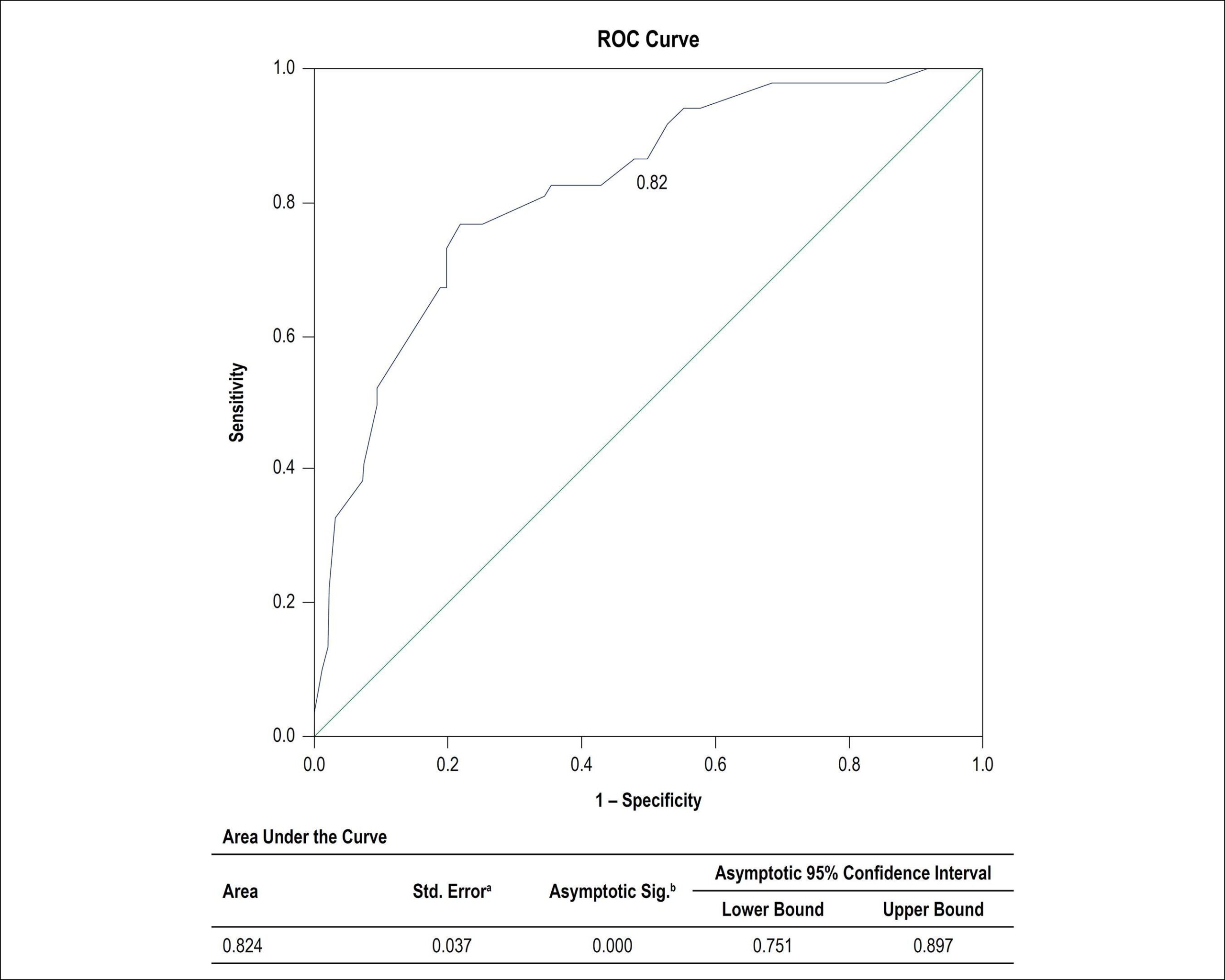
iEOA was obtained in 176 patients. The frequency of severe and moderate PPM was 33.4% and 36.2%, respectively. Severe PPM patients were younger and had larger BMI, but smaller left ventricular outflow tract diameter (LVOTD). The independent variables used to predict severe PPM were male gender, BMI > 25 kg/m2, age < 60 years, LVOTD < 21 mm, and rheumatic etiology with an area under the ROC curve of 0.82.

Conclusion:

The frequency of severe PPM is high in a Brazilian population representative of the Public Health System, and it is possible to predict PPM from preoperative variables such as rheumatic valvular disease, gender, BMI, age and LVOTD.

  • body mass index
  • Echocardiography/methods
  • Heart Valve Prosthesis/surgery
  • Postoperative Care
  • Preoperative Care
  • Size Perception
Read Full Article
Creative Commons Attribution (CC BY) Creative Commons license
28/10/2019 DOI: 10.5935/abc.20190231
Figure 1
IJCS
Original Article

Relationship between Obesity and Coronary Artery Disease Defined by Coronary Computed Tomography Angiography

Lara Luiza Silvello Pereira et al. Gisele Marochi de Moraes Adriano Camargo de Castro Carneiro Valéria de Melo Moreira … Juliana Hiromi Silva Matsumoto Bello Carlos Eduardo Elias dos Prazeres Carlos Eduardo Rochitte Tiago Magalhaes

Abstract

Background:

Although associated with traditional cardiovascular risk factors, it is unclear whether obesity alone is associated with coronary artery disease (CAD).

Objective:

To investigate the role of obesity as a risk factor for CAD, defined by coronary computed tomography angiography (CCTA).

Methods:

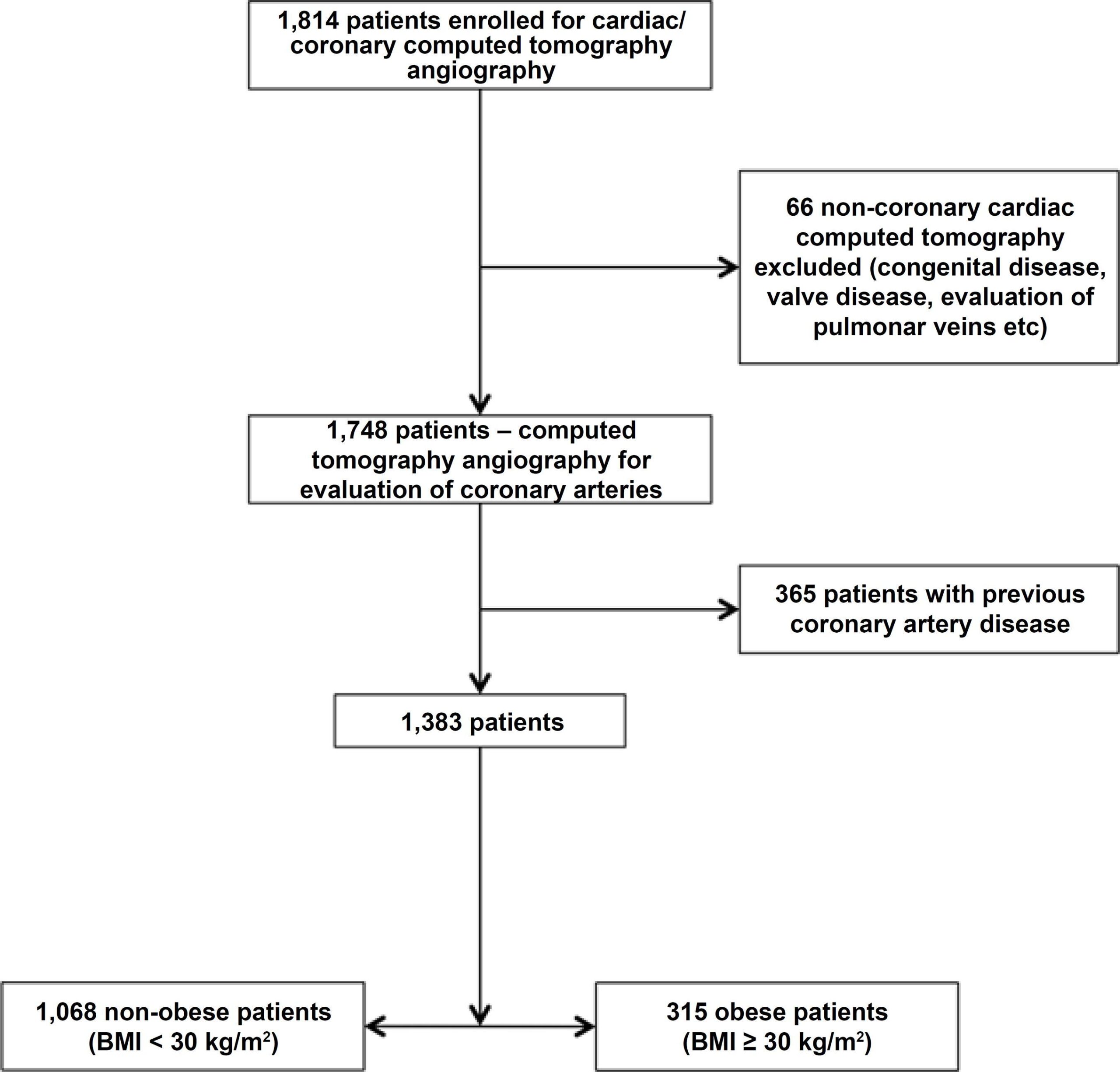
This study retrospectively included 1,814 patients referred for CCTA in a hospital in São Paulo, from August 2010 to July 2012. CAD was identified by coronary calcium score and presence of coronary stenosis > 50%. Images were analyzed by two specialists, and the coronary findings were compared between obese and non-obese groups. A multivariate analysis model was used to assess obesity as an independent variable for the occurrence of obstructive CAD.

Results:

Among the study population, mean age was 58.5 +/- 11.5 years, 22.8% were obese (BMI = 30 kg/m2) and 66.3% were male. The prevalence of obstructive CAD was 18.4% in both groups. Obese patients had higher median calcium score compared to non-obese subjects (14.7 vs. 1.4, respectively, p = 0.019). In the multivariate analysis, obesity was not an independent factor for obstructive CAD (coefficient = -0.035, p = 0.102).

Conclusion:

Although no differences were observed in the prevalence of obstructive CAD between obese and non-obese individuals, coronary calcium scores were significantly in lower the latter group.

  • body mass index
  • Coronary Angiography/methods
  • Coronary Artery Disease
  • Dyslipidemias
  • Obesity
  • Prevalence
  • Risk Factors
  • Tomography/métodos
Read Full Article
Creative Commons Attribution (CC BY) Creative Commons license
01/04/2019 DOI: 10.5935/2359-4802.20190029 Views 1
IJCS
Original Article

Heart Failure: Correlation between Anthropometric Parameters, Body Composition and Cell Integrity

Tathiana Carestiato Faria et al. Denise Tavares Giannini Patrícia Vasconcelos Fontana Gasparini Ricardo Mourilhe Rocha

Abstract

Background:

Knowledge about phase angle and its use as a prognostic determinant in patients with heart failure is still scarce.

Objective:

To evaluate the correlation between anthropometric indicators, cardiac function and cell integrity in patients with heart failure with reduced ejection fraction.

Methods:

This was a cross-sectional study that evaluated patients with heart failure with reduced ejection fraction by anthropometry and bioelectrical impedance analysis. Chi-square test and Student’s t test were used to analyze differences, and Pearson’s linear correlation was used to evaluate associations, using p < 0.05 to indicate statistical significance.

Results:

We evaluated 41 subjects aged 30-74 years, of which 34 were men (82.9%). Mean phase angle was higher among women (7.1%), but significant differences between men and women were found only for body fat percentage. Phase angle correlated with body mass index (r = 0.44, p = 0.004) and there was a trend of correlation of the phase angle with waist-to-height ratio (r = 0.29, p = 0.06) and the left ventricular ejection fraction (r = 0.29, p = 0.07).

Conclusions:

Phase angle showed a good correlation with body mass index and showed a trend of correlation with the left ventricular ejection fraction, supporting the obesity paradox and the prognostic importance of this marker. Further studies on the applicability of the phase angle in the prognosis of these patients are still needed.

  • Body Composition
  • body mass index
  • Heart Failure
  • Obesity
  • Stroke Volume
Read Full Article
Creative Commons Attribution (CC BY) Creative Commons license
01/01/2018 DOI: 10.5935/2359-4802.20180006 Views 1
IJCS
Original Article

Hypertensive Adolescents: Correlation with Body Mass Index and Lipid and Glucose Profiles

Liz Andréa Villela Baroncini et al. Lucimary de Castro Sylvestre Camila Varotto Baroncini Marcieli da Luz Giroldo … Dalton Bertolim Précoma Roberto Pecoits Filho

Abstract

Background:

The occurrence of hypertension during adolescence correlates with metabolic changes, obesity, and overweight.

Objective:

To correlate the lipid and glucose profiles of hypertensive and nonhypertensive adolescents with age, gender, body mass index (BMI), weight, and height.

Methods:

We selected 53 hypertensive adolescents and 182 healthy, nonhypertensive adolescents. The adolescents were divided into three groups: group I (GI; n = 108, 58 males, mean age 15.2 ± 2.2 years), consisted of healthy, nonhypertensive adolescents of healthy parents without a diagnosis of hypertension, dyslipidemia, or diabetes; group II (GII, n = 53, 28 males, mean age 13.9 ± 1.4 years), consisted of adolescents with confirmed hypertension; and group III (GIII; n = 74, 31 males, mean age 14.9 ± 2.2 years), consisted of healthy, nonhypertensive adolescents of parents with a diagnosis of hypertension, dyslipidemia, or diabetes.

Results:

Gender and weight did not differ significantly among the groups. The subjects in GII were overall younger (around 1 year), shorter, and had a higher BMI compared with those in GI and GIII. After adjustment for age and BMI, GII presented higher glucose and LDL-C levels and lower HDL-C levels compared with GI and GIII. Total cholesterol and triglycerides levels showed no differences between groups. GI and GIII had no significant differences with regard to the analyzed variables.

Conclusion:

Hypertensive adolescents showed higher values of BMI, and serum glucose and LDL-C levels, and lower serum HDL-C levels. These findings reveal that the changes in lipid profile and glucose metabolism that occur during adolescence may be influenced by the occurrence of hypertension during this developmental phase.

  • Adolescent
  • body mass index
  • Dyslipidemias
  • Hypertension
  • Obesity
  • Overwehight
Read Full Article
Creative Commons Attribution (CC BY) Creative Commons license
01/01/2017 DOI: 10.5935/2359-4802.20170067
Figure 1
ABC
Original Article

Relationship Between Neck Circumference and Epicardial Fat Thickness in a Healthy Male Population

Uğur Küçük et al. Hilal Olgun Küçük Ferhat Cüce Sevket Balta

Abstract

Background:

Epicardial fat is an upper body visceral fat depot that may play a significant role in the development of adverse metabolic and cardiovascular risk profiles. There is a significant direct relationship between the amount of epicardial fat and general body adiposity (body mass index, BMI), but data regarding subcutaneous adiposity is limited.

Objective:

We conducted a study to determine the association between neck circumference and epicardial fat thickness in healthy young male individuals, and assess their individual correlations with general body adiposity and cardiometabolic risk factors.

Methods:

One hundred consecutive male patients aged 18 years or older with no known major medical conditions were included in the study. All participants underwent detailed physical examination including measurement of blood pressure, weight, height, waist/hip ratio, and neck circumference. Blood was collected to determine fasting glucose and lipid parameters. A standard echocardiographic examination was performed with additional epicardial fat thickness determination.

Results:

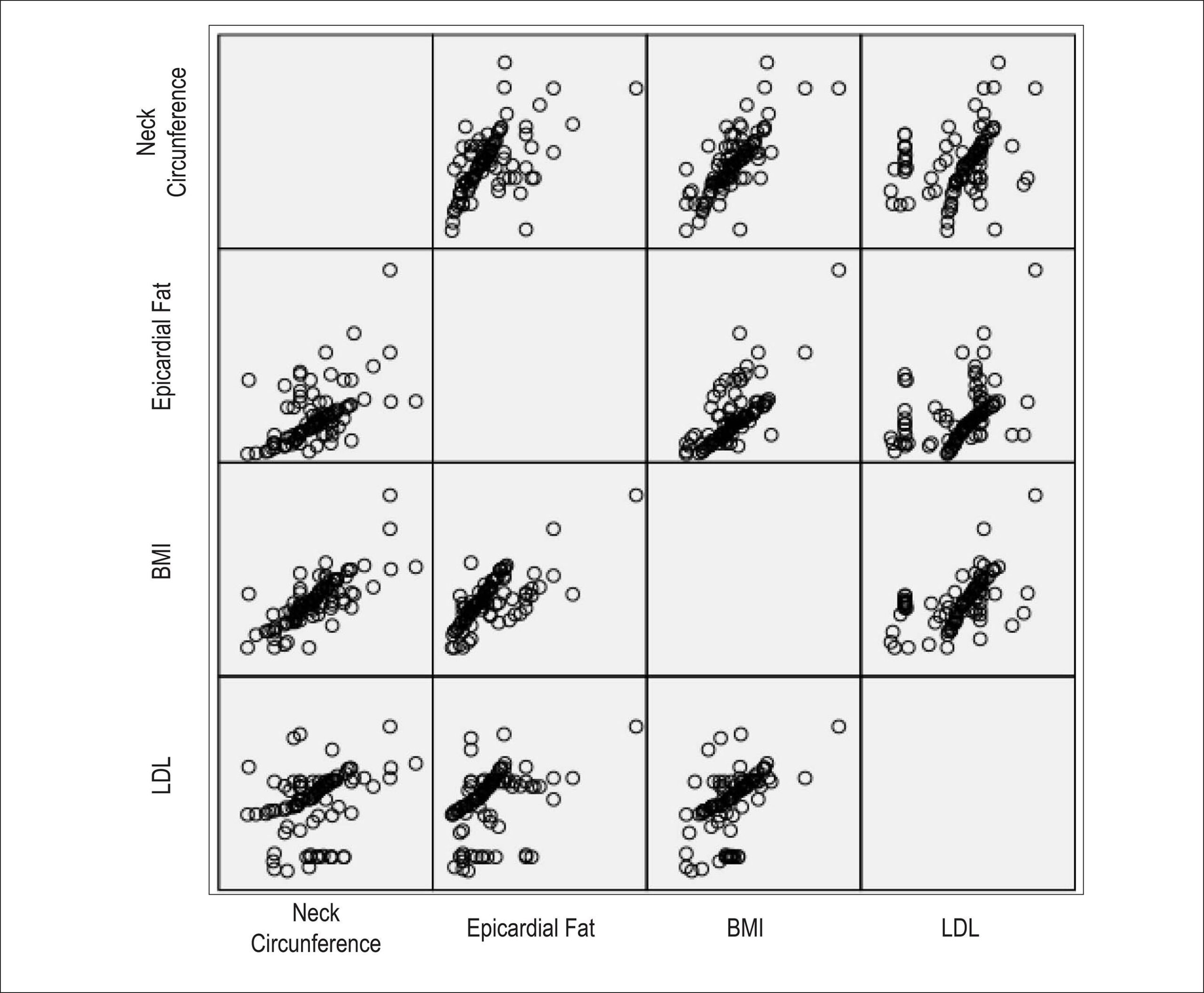
Among 100 study participants, neck circumference correlated significantly with weight, waist circumference, BMI, blood glucose, serum total cholesterol, low-density (LDL)-cholesterol, and triglycerides levels. No significant correlation was found between neck circumference and high-density lipoprotein (HDL)-cholesterol levels. Neck circumference correlated moderately and positively with echocardiographic epicardial fat thickness.

Conclusion:

Among patients with low cardiometabolic risk, increased neck circumference was associated with increased epicardial fat thickness.

  • Blood Glucose
  • Blood Pressure
  • body mass index
  • Cardiovascular Diseases
  • Echocardiography, Diagnosis
  • Intra-Abdominal Fat
  • Neck
Read Full Article
Creative Commons Attribution (CC BY) Creative Commons license
08/08/2016 DOI: 10.5935/abc.20160112
Figure 1
ABC
Original Article

Correlation of Insulin Resistance with Anthropometric Measures and Blood Pressure in Adolescents

Polyana Resende Silva de Morais et al. Ana Luiza Lima Sousa Thiago de Souza Veiga Jardim Flávia Miquetichuc Nogueira Nascente … Karla Lorena Mendonça Thaís Inácio Rolim Povoa Carolina de Souza Carneiro Vanessa Roriz Ferreira Weimar Kunz Sebba Barroso de Souza Paulo César Brandão Veiga Jardim

Abstract

Background:

Blood pressure is directly related to body mass index, and individuals with increased waist circumference have higher risk of developing hypertension, insulin resistance, and other metabolic changes, since adolescence.

Objective:

to evaluate the correlation of blood pressure with insulin resistance, waist circumference and body mass index in adolescents.

Methods:

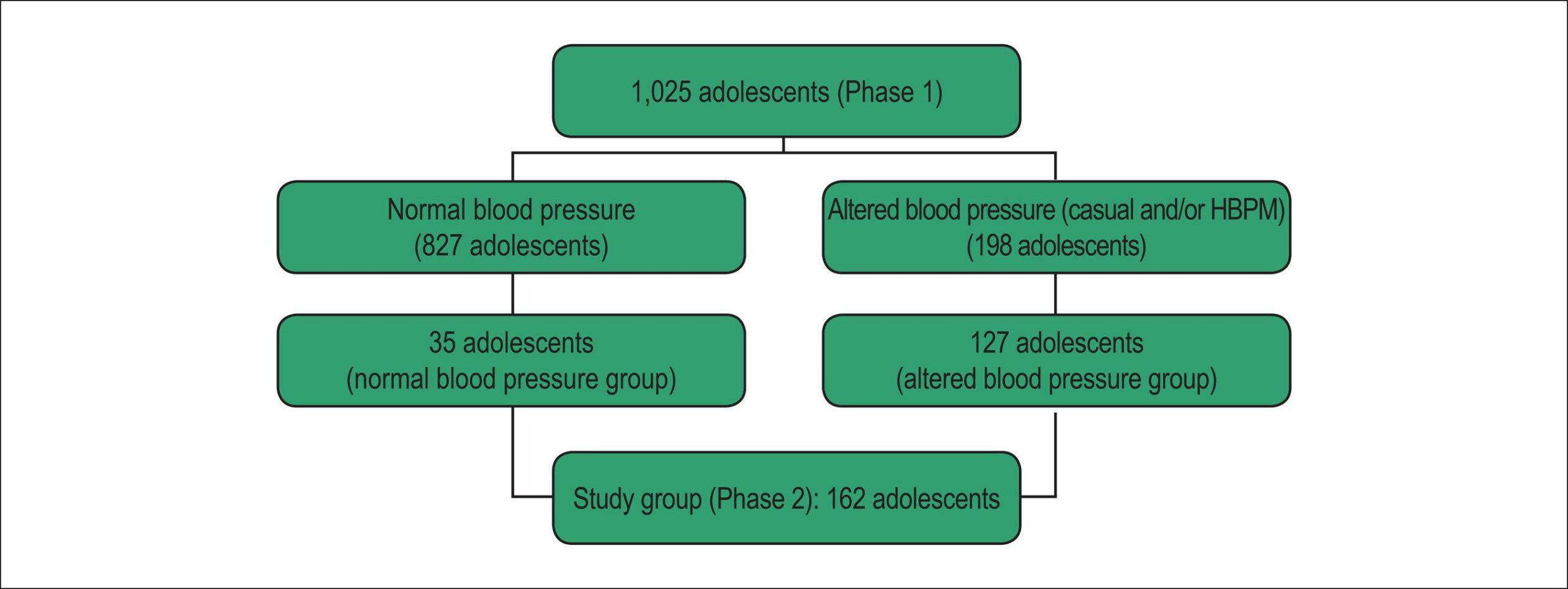
Cross-section study on a representative sample of adolescent students. One group of adolescents with altered blood pressure detected by casual blood pressure and/or home blood pressure monitoring (blood pressure > 90th percentile) and one group of normotensive adolescents were studied. Body mass index, waist circumference were measured, and fasting glucose and plasma insulin levels were determined, using the HOMA-IR index to identify insulin resistance.

Results:

A total of 162 adolescents (35 with normal blood pressure and 127 with altered blood pressure) were studied; 61% (n = 99) of them were boys and the mean age was 14.9 ± 1.62 years. Thirty-eight (23.5%) adolescents had altered HOMA-IR. The group with altered blood pressure had higher values of waist circumference, body mass index and HOMA-IR (p<0.05). Waist circumference was higher among boys in both groups (p<0.05) and girls with altered blood pressure had higher HOMA-IR than boys (p<0.05). There was a significant moderate correlation between body mass index and HOMA-IR in the group with altered blood pressure (ρ = 0.394; p < 0.001), and such correlation was stronger than in the normotensive group. There was also a significant moderate correlation between waist circumference and HOMA-IR in both groups (ρ = 0.345; p < 0.05). Logistic regression showed that HOMA-IR was as predictor of altered blood pressure (odds ratio – OR = 2.0; p = 0.001).

Conclusion:

There was a significant association of insulin resistance with blood pressure and the impact of insulin resistance on blood pressure since childhood. The correlation and association between markers of cardiovascular diseases was more pronounced in adolescents with altered blood pressure, suggesting that primary prevention strategies for cardiovascular risk factors should be early implemented in childhood and adolescence.

  • Adolescent
  • Anthropometry
  • Blood Pressure
  • body mass index
  • Insulin Resistance
Read Full Article
Creative Commons Attribution (CC BY) Creative Commons license
22/03/2016 DOI: 10.5935/abc.20160041 Views 1
Figure 1
ABC
Original Article

Blood Pressure Variation Throughout Pregnancy According to Early Gestational BMI: A Brazilian Cohort

Fernanda Rebelo et al. Dayana Rodrigues Farias Roberta Hack Mendes Michael Maia Schlüssel Gilberto Kac

Background:

The maternal cardiovascular system undergoes progressive adaptations throughout pregnancy, causing blood pressure fluctuations. However, no consensus has been established on its normal variation in uncomplicated pregnancies.

Objective:

To describe the variation in systolic blood pressure (SBP) and diastolic blood pressure (DBP) levels during pregnancy according to early pregnancy body mass index (BMI).

Methods:

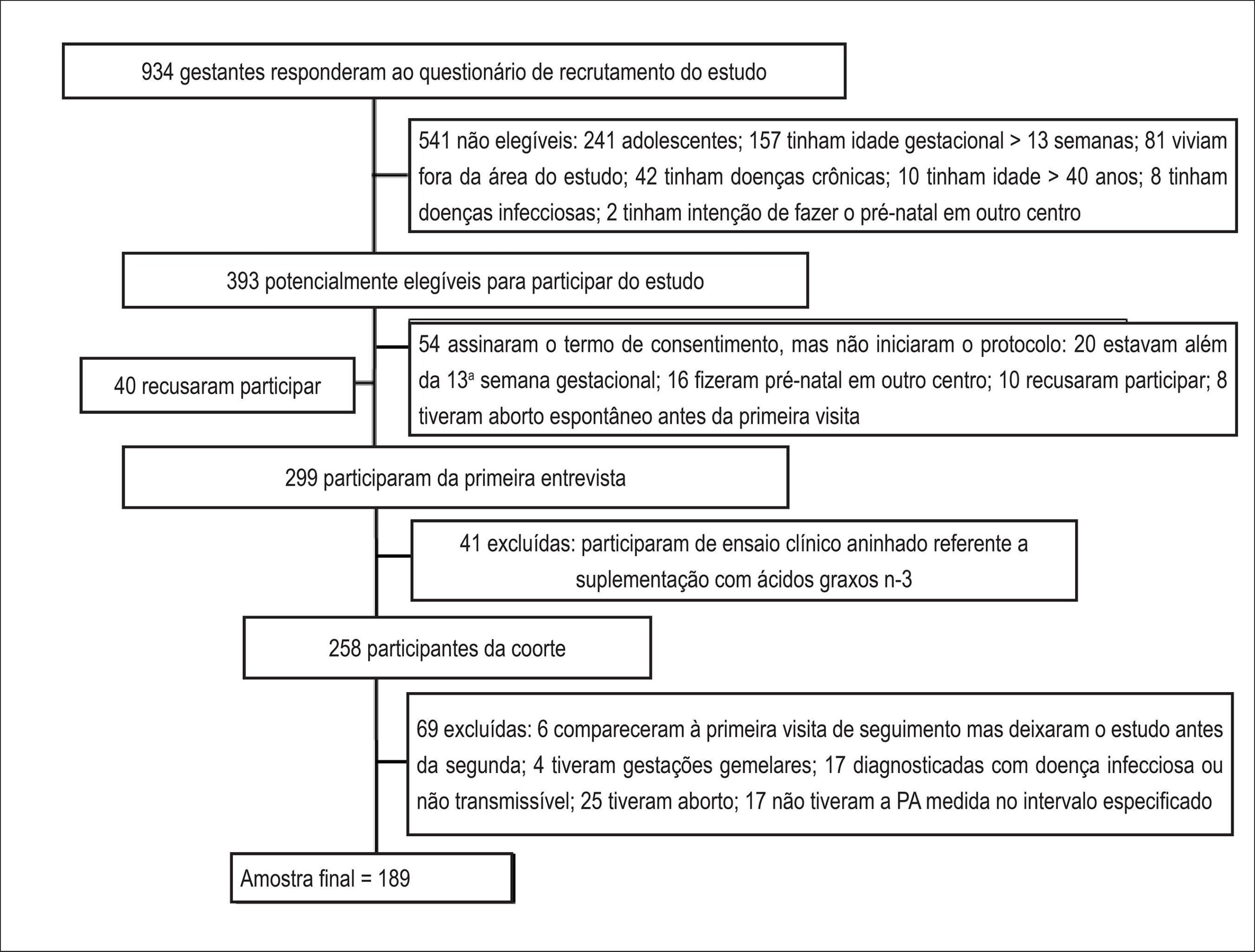
SBP and DBP were measured during the first, second and third trimesters and at 30-45 days postpartum in a prospective cohort of 189 women aged 20-40 years. BMI (kg/m2) was measured up to the 13th gestational week and classified as normal-weight (<25.0) or excessive weight (≥25.0). Longitudinal linear mixed-effects models were used for statistical analysis.

Results:

A decrease in SBP and DBP was observed from the first to the second trimester (βSBP=-0.394; 95%CI: -0.600- -0.188 and βDBP=-0.617; 95%CI: -0.780- -0.454), as was an increase in SBP and DBP up to 30-45 postpartum days (βSBP=0.010; 95%CI: 0.006-0.014 and βDBP=0.015; 95%CI: 0.012-0.018). Women with excessive weight at early pregnancy showed higher mean SBP in all gestational trimesters, and higher mean DBP in the first and third trimesters. Excessive early pregnancy BMI was positively associated with prospective changes in SBP (βSBP=7.055; 95%CI: 4.499-9.610) and in DBP (βDBP=3.201; 95%CI: 1.136-5.266).

Conclusion:

SBP and DBP decreased from the first to the second trimester and then increased up to the postpartum period. Women with excessive early pregnancy BMI had higher SBP and DBP than their normal-weight counterparts throughout pregnancy, but not in the postpartum period.

  • Arterial Pressure
  • body mass index
  • Cohort StudiesCohort Studies
  • Pregnancy
  • Pregnant Women
Read Full Article
Creative Commons Attribution (CC BY) Creative Commons license
13/02/2015 DOI: 10.5935/abc.20150007 Views 1
Figure 1
ABC
Artigo Original

High blood Pressure in children and its correlation with three definitions of obesity in childhood

Leonardo Iezzi de Moraes et al. Thaís Coutinho Nicola Julyanna Silva Araújo de Jesus Eduardo Roberty Badiani Alves … Nayara Paula Bernurdes Giovaninni Daniele Gasparini Marcato Jéssica Dutra Sampaio Jeanne Teixeira Bessa Fuly Everlayny Fiorot Costalonga

BACKGROUND:

Several authors have correlated the increase of cardiovascular risk with the nutritional status, however there are different criteria for the classification of overweight and obesity in children.

OBJECTIVES:

To evaluate the performance of three nutritional classification criteria in children, as definers of the presence of obesity and predictors of high blood pressure in schoolchildren.

METHODS:

Eight hundred and seventeen children ranging 6 to 13 years old, enrolled in public schools in the municipality of Vila Velha (ES) were submitted to anthropometric evaluation and blood pressure measurement. The classification of the nutritional status was established by two international criteria (CDC/NCHS 2000 and IOTF 2000) and one Brazilian criterion (Conde e Monteiro 2006).

RESULTS:

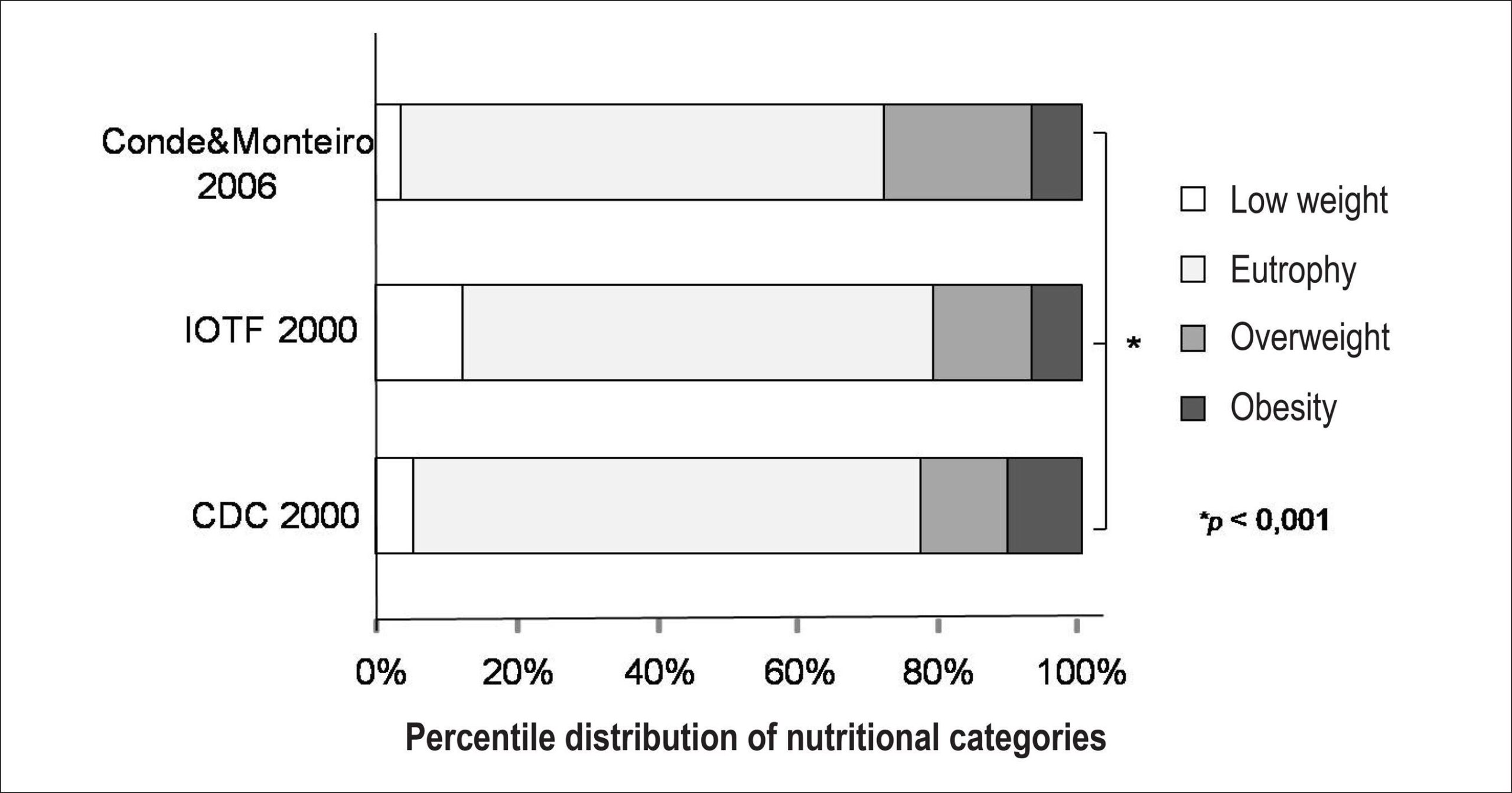
The prevalence of overweight was higher when the criterion of Conde e Monteiro (27%) was used, and inferior by the IOTF (15%) criteria. High blood pressure was observed in 7.3% of children. It was identified a strong association between the presence of overweight and the occurrence of high blood pressure, regardless of the test used (p < 0.001). The test showing the highest sensitivity in predicting elevated BP was the Conde e Monteiro (44%), while the highest specificity (94%) and greater overall accuracy (63%), was the CDC criterion.

CONCLUSIONS:

The prevalence of overweight in Brazilian children is higher when using the classification criterion of Conde e Monteiro, and lower when the criterion used is IOTF. The Brazilian classification criterion proved to be the most sensitive predictor of high BP risk in this sample.

  • body mass index
  • Child
  • Hypertension
  • Obesity
Read Full Article
Creative Commons Attribution (CC BY) Creative Commons license
09/11/2013 DOI: 10.5935/abc.20130233

Could not load more articles. Please try again.

How to cite this article

EndNote RIS

Electronic Document Format (Vancouver)

Fiuza M. Beyond Remission: The Cardiometabolic Burden of ANCA-Associated Vasculitis. Arquivos Brasileiros de Cardiologia 2026;123(4):e20260373.

Electronic Document Format (ABNT)

Fiuza, Manuela. Beyond Remission: The Cardiometabolic Burden of ANCA-Associated Vasculitis. Arquivos Brasileiros de Cardiologia, v. 123, n. 4, e20260373, Jul. 2026.

Electronic Document Format (APA)

Fiuza, M. (2026). Beyond Remission: The Cardiometabolic Burden of ANCA-Associated Vasculitis. Arquivos Brasileiros de Cardiologia, 123(4), e20260373.

Electronic Document Format (ISO)

Fiuza, Manuela. Beyond Remission: The Cardiometabolic Burden of ANCA-Associated Vasculitis. Arquivos Brasileiros de Cardiologia [online]. 2026, vol. 123, n. 4, [cited 2026-10-14], e20260373. Available from: <https://journals.cardiol.br/en/article/beyond-remission-the-cardiometabolic-burden-of-anca-associated-vasculitis/>. ISSN 0066-782X

EndNote RIS

Electronic Document Format (Vancouver)

Cesena FY, Generoso G, Santos IS, Pereira AC, Bittencourt MS, Santos RD, Lotufo PA, et al. The WHO Cardiovascular Disease Risk (Non-Laboratory-Based) in a Selected Brazilian Population: Percentiles of Distribution And Agreement With Laboratory-Based Scores. Arquivos Brasileiros de Cardiologia 2024;121(7):e20240002.

Electronic Document Format (ABNT)

Cesena, Fernando Yue; Generoso, Giuliano; Santos, Itamar de S.; Pereira, Alexandre C.; Bittencourt, Marcio S.; Santos, Raul D.; Lotufo, Paulo A.; Benseñor, Isabela M.. The WHO Cardiovascular Disease Risk (Non-Laboratory-Based) in a Selected Brazilian Population: Percentiles of Distribution And Agreement With Laboratory-Based Scores. Arquivos Brasileiros de Cardiologia, v. 121, n. 7, e20240002, Aug. 2024.

Electronic Document Format (APA)

Cesena, F. Y., Generoso, G., Santos, I. S., Pereira, A. C., Bittencourt, M. S., Santos, R. D., Lotufo, P. A., & Benseñor, I. M. (2024). The WHO Cardiovascular Disease Risk (Non-Laboratory-Based) in a Selected Brazilian Population: Percentiles of Distribution And Agreement With Laboratory-Based Scores. Arquivos Brasileiros de Cardiologia, 121(7), e20240002.

Electronic Document Format (ISO)

Cesena, Fernando Yue and Generoso, Giuliano and Santos, Itamar de S. and Pereira, Alexandre C. and Bittencourt, Marcio S. and Santos, Raul D. and Lotufo, Paulo A. and Benseñor, Isabela M.. The WHO Cardiovascular Disease Risk (Non-Laboratory-Based) in a Selected Brazilian Population: Percentiles of Distribution And Agreement With Laboratory-Based Scores. Arquivos Brasileiros de Cardiologia [online]. 2024, vol. 121, n. 7, [cited 2026-10-14], e20240002. Available from: <https://journals.cardiol.br/en/article/the-who-cardiovascular-disease-risk-non-laboratory-based-in-a-selected-brazilian-population-percentiles-of-distribution-and-agreement-with-laboratory-based-scores/>. ISSN 0066-782X

EndNote RIS

Electronic Document Format (Vancouver)

Huang X, He P, Wu L. Clinical Significance of Peptidase M20 Domain Containing 1 Ii Patients with Carotid Atherosclerosis. Arquivos Brasileiros de Cardiologia 2022;119(3):372-9.

Electronic Document Format (ABNT)

Huang, Xincheng; He, Peiyuan; Wu, Linling. Clinical Significance of Peptidase M20 Domain Containing 1 Ii Patients with Carotid Atherosclerosis. Arquivos Brasileiros de Cardiologia, v. 119, n. 3, p. 372-379, May. 2022.

Electronic Document Format (APA)

Huang, X., He, P., & Wu, L. (2022). Clinical Significance of Peptidase M20 Domain Containing 1 Ii Patients with Carotid Atherosclerosis. Arquivos Brasileiros de Cardiologia, 119(3), 372-379.

Electronic Document Format (ISO)

Huang, Xincheng and He, Peiyuan and Wu, Linling. Clinical Significance of Peptidase M20 Domain Containing 1 Ii Patients with Carotid Atherosclerosis. Arquivos Brasileiros de Cardiologia [online]. 2022, vol. 119, n. 3, [cited 2026-10-14], pp. 372-379. Available from: <https://journals.cardiol.br/en/article/clinical-significance-of-peptidase-m20-domain-containing-1-ii-patients-with-carotid-atherosclerosis/>. ISSN 0066-782X

EndNote RIS

Electronic Document Format (Vancouver)

Alencar AKN, Wang H, Oliveira GMM, Sun X, Zapata-Sudo G, Groban L. Crossroads between Estrogen Loss, Obesity, and Heart Failure with Preserved Ejection Fraction. Arquivos Brasileiros de Cardiologia 2021;117(6):1191-20.

Electronic Document Format (ABNT)

Alencar, Allan Kardec Nogueira de; Wang, Hao; Oliveira, Gláucia Maria Moraes de; Sun, Xuming; Zapata-Sudo, Gisele; Groban, Leanne. Crossroads between Estrogen Loss, Obesity, and Heart Failure with Preserved Ejection Fraction. Arquivos Brasileiros de Cardiologia, v. 117, n. 6, p. 1191-1201, Oct. 2021.

Electronic Document Format (APA)

Alencar, A. K. N. , Wang, H., Oliveira, G. M. M. , Sun, X., Zapata-Sudo, G., & Groban, L. (2021). Crossroads between Estrogen Loss, Obesity, and Heart Failure with Preserved Ejection Fraction. Arquivos Brasileiros de Cardiologia, 117(6), 1191-1201.

Electronic Document Format (ISO)

Alencar, Allan Kardec Nogueira de and Wang, Hao and Oliveira, Gláucia Maria Moraes de and Sun, Xuming and Zapata-Sudo, Gisele and Groban, Leanne. Crossroads between Estrogen Loss, Obesity, and Heart Failure with Preserved Ejection Fraction. Arquivos Brasileiros de Cardiologia [online]. 2021, vol. 117, n. 6, [cited 2026-10-14], pp. 1191-1201. Available from: <https://journals.cardiol.br/en/article/crossroads-between-estrogen-loss-obesity-and-heart-failure-with-preserved-ejection-fraction/>. ISSN 0066-782X

EndNote RIS

Electronic Document Format (Vancouver)

Bertollo C, Barbian CD, Schneiders LB, Silveira JFC, Vogt BD, Mello ED, Burgos LT, et al. Hypertension and Different Levels of Body Mass Index and Cardiorespiratory Fitness Amongst Adolescents. International Journal of Cardiovascular Sciences 2021;34(6):610-6.

Electronic Document Format (ABNT)

Bertollo, Cleiton; Barbian, Claúdia Daniela; Schneiders, Letícia de Borba; Silveira, João Francisco de Castro; Vogt, Bruna Dahmer; Mello, Elza Daniel de; Burgos, Leandro Tibiriçá; Hobkirk, James Philip; Reuter, Cézane Priscila. Hypertension and Different Levels of Body Mass Index and Cardiorespiratory Fitness Amongst Adolescents. International Journal of Cardiovascular Sciences, v. 34, n. 6, p. 610-616, Sep. 2021.

Electronic Document Format (APA)

Bertollo, C., Barbian, C. D., Schneiders, L. B., Silveira, J. F. C., Vogt, B. D., Mello, E. D. , Burgos, L. T., Hobkirk, J. P., & Reuter, C. P. (2021). Hypertension and Different Levels of Body Mass Index and Cardiorespiratory Fitness Amongst Adolescents. International Journal of Cardiovascular Sciences, 34(6), 610-616.

Electronic Document Format (ISO)

Bertollo, Cleiton and Barbian, Claúdia Daniela and Schneiders, Letícia de Borba and Silveira, João Francisco de Castro and Vogt, Bruna Dahmer and Mello, Elza Daniel de and Burgos, Leandro Tibiriçá and Hobkirk, James Philip and Reuter, Cézane Priscila. Hypertension and Different Levels of Body Mass Index and Cardiorespiratory Fitness Amongst Adolescents. International Journal of Cardiovascular Sciences [online]. 2021, vol. 34, n. 6, [cited 2026-10-14], pp. 610-616. Available from: <https://journals.cardiol.br/en/article/hypertension-and-different-levels-of-body-mass-index-and-cardiorespiratory-fitness-amongst-adolescents/>. ISSN 2359-4802

EndNote RIS

Electronic Document Format (Vancouver)

Jardim PCBV, Jardim TSV. Chronological Age or Biological Age, Mainly a Matter of Lifestyle. Arquivos Brasileiros de Cardiologia 2021;117(3):463-4.

Electronic Document Format (ABNT)

Jardim, Paulo César B. Veiga; Jardim, Thiago de Souza Veiga. Chronological Age or Biological Age, Mainly a Matter of Lifestyle. Arquivos Brasileiros de Cardiologia, v. 117, n. 3, p. 463-464, Sep. 2021.

Electronic Document Format (APA)

Jardim, P. C. B. V., & Jardim, T. S. V. (2021). Chronological Age or Biological Age, Mainly a Matter of Lifestyle. Arquivos Brasileiros de Cardiologia, 117(3), 463-464.

Electronic Document Format (ISO)

Jardim, Paulo César B. Veiga and Jardim, Thiago de Souza Veiga. Chronological Age or Biological Age, Mainly a Matter of Lifestyle. Arquivos Brasileiros de Cardiologia [online]. 2021, vol. 117, n. 3, [cited 2026-10-14], pp. 463-464. Available from: <https://journals.cardiol.br/en/article/chronological-age-or-biological-age-mainly-a-matter-of-lifestyle/>. ISSN 0066-782X

EndNote RIS

Electronic Document Format (Vancouver)

Wendt A. Is Adolescents’ Cardiometabolic Health Affected by Prolonged Periods of Inactivity?. Arquivos Brasileiros de Cardiologia 2021;117(2):363-4.

Electronic Document Format (ABNT)

Wendt, Andrea. Is Adolescents’ Cardiometabolic Health Affected by Prolonged Periods of Inactivity?. Arquivos Brasileiros de Cardiologia, v. 117, n. 2, p. 363-364, Sep. 2021.

Electronic Document Format (APA)

Wendt, A. (2021). Is Adolescents’ Cardiometabolic Health Affected by Prolonged Periods of Inactivity?. Arquivos Brasileiros de Cardiologia, 117(2), 363-364.

Electronic Document Format (ISO)

Wendt, Andrea. Is Adolescents’ Cardiometabolic Health Affected by Prolonged Periods of Inactivity?. Arquivos Brasileiros de Cardiologia [online]. 2021, vol. 117, n. 2, [cited 2026-10-14], pp. 363-364. Available from: <https://journals.cardiol.br/en/article/is-adolescents-cardiometabolic-health-affected-by-prolonged-periods-of-inactivity/>. ISSN 0066-782X

EndNote RIS

Electronic Document Format (Vancouver)

Almeida RT, Matos SMA, Aquino EML. Individual and Combined Performance of Indicators of Overall and Central Obesity to Estimate Coronary Risk in ELSA-Brasil Participants. Arquivos Brasileiros de Cardiologia 2021;117(4):701-12.

Electronic Document Format (ABNT)

Almeida, Rogério Tosta de; Matos, Sheila Maria Alvim; Aquino, Estela M. L.. Individual and Combined Performance of Indicators of Overall and Central Obesity to Estimate Coronary Risk in ELSA-Brasil Participants. Arquivos Brasileiros de Cardiologia, v. 117, n. 4, p. 701-712, Jul. 2021.

Electronic Document Format (APA)

Almeida, R. T. , Matos, S. M. A., & Aquino, E. M. L. (2021). Individual and Combined Performance of Indicators of Overall and Central Obesity to Estimate Coronary Risk in ELSA-Brasil Participants. Arquivos Brasileiros de Cardiologia, 117(4), 701-712.

Electronic Document Format (ISO)

Almeida, Rogério Tosta de and Matos, Sheila Maria Alvim and Aquino, Estela M. L.. Individual and Combined Performance of Indicators of Overall and Central Obesity to Estimate Coronary Risk in ELSA-Brasil Participants. Arquivos Brasileiros de Cardiologia [online]. 2021, vol. 117, n. 4, [cited 2026-10-14], pp. 701-712. Available from: <https://journals.cardiol.br/en/article/individual-and-combined-performance-of-indicators-of-overall-and-central-obesity-to-estimate-coronary-risk-in-elsa-brasil-participants/>. ISSN 0066-782X

EndNote RIS

Electronic Document Format (Vancouver)

Saadati HM, Sabour S, Mansournia MA, Mehrabi Y, Nazari SSH. The Direct Effect of Body Mass Index on Cardiovascular Outcomes among Participants Without Central Obesity by Targeted Maximum Likelihood Estimation. Arquivos Brasileiros de Cardiologia 2021;116(5):879-86.

Electronic Document Format (ABNT)

Saadati, Hossein Mozafar; Sabour, Siamak; Mansournia, Mohammad Ali; Mehrabi, Yadollah; Nazari, Seyed Saeed Hashemi. The Direct Effect of Body Mass Index on Cardiovascular Outcomes among Participants Without Central Obesity by Targeted Maximum Likelihood Estimation. Arquivos Brasileiros de Cardiologia, v. 116, n. 5, p. 879-886, May. 2021.

Electronic Document Format (APA)

Saadati, H. M., Sabour, S., Mansournia, M. A., Mehrabi, Y., & Nazari, S. S. H. (2021). The Direct Effect of Body Mass Index on Cardiovascular Outcomes among Participants Without Central Obesity by Targeted Maximum Likelihood Estimation. Arquivos Brasileiros de Cardiologia, 116(5), 879-886.

Electronic Document Format (ISO)

Saadati, Hossein Mozafar and Sabour, Siamak and Mansournia, Mohammad Ali and Mehrabi, Yadollah and Nazari, Seyed Saeed Hashemi. The Direct Effect of Body Mass Index on Cardiovascular Outcomes among Participants Without Central Obesity by Targeted Maximum Likelihood Estimation. Arquivos Brasileiros de Cardiologia [online]. 2021, vol. 116, n. 5, [cited 2026-10-14], pp. 879-886. Available from: <https://journals.cardiol.br/en/article/the-direct-effect-of-body-mass-index-on-cardiovascular-outcomes-among-participants-without-central-obesity-by-targeted-maximum-likelihood-estimation/>. ISSN 0066-782X

EndNote RIS

Electronic Document Format (Vancouver)

Favarato D. Obesity, Body Fat Content and Cardiovascular Outcome: Beyond Body Mass Index. Arquivos Brasileiros de Cardiologia 2021;116(5):887-8.

Electronic Document Format (ABNT)

Favarato, Desiderio. Obesity, Body Fat Content and Cardiovascular Outcome: Beyond Body Mass Index. Arquivos Brasileiros de Cardiologia, v. 116, n. 5, p. 887-888, May. 2021.

Electronic Document Format (APA)

Favarato, D. (2021). Obesity, Body Fat Content and Cardiovascular Outcome: Beyond Body Mass Index. Arquivos Brasileiros de Cardiologia, 116(5), 887-888.

Electronic Document Format (ISO)

Favarato, Desiderio. Obesity, Body Fat Content and Cardiovascular Outcome: Beyond Body Mass Index. Arquivos Brasileiros de Cardiologia [online]. 2021, vol. 116, n. 5, [cited 2026-10-14], pp. 887-888. Available from: <https://journals.cardiol.br/en/article/obesity-body-fat-content-and-cardiovascular-outcome-beyond-body-mass-index/>. ISSN 0066-782X

EndNote RIS

Electronic Document Format (Vancouver)

Reddy YNV. Pulmonary Hypertension in Polycystic Ovarian Syndrome. Arquivos Brasileiros de Cardiologia 2021;116(4):812-3.

Electronic Document Format (ABNT)

Reddy, Yogesh N. V.. Pulmonary Hypertension in Polycystic Ovarian Syndrome. Arquivos Brasileiros de Cardiologia, v. 116, n. 4, p. 812-813, Apr. 2021.

Electronic Document Format (APA)

Reddy, Y. N. V. (2021). Pulmonary Hypertension in Polycystic Ovarian Syndrome. Arquivos Brasileiros de Cardiologia, 116(4), 812-813.

Electronic Document Format (ISO)

Reddy, Yogesh N. V.. Pulmonary Hypertension in Polycystic Ovarian Syndrome. Arquivos Brasileiros de Cardiologia [online]. 2021, vol. 116, n. 4, [cited 2026-10-14], pp. 812-813. Available from: <https://journals.cardiol.br/en/article/pulmonary-hypertension-in-polycystic-ovarian-syndrome/>. ISSN 0066-782X

EndNote RIS

Electronic Document Format (Vancouver)

Furlan SF, Sinkunas V, Genta PR, Lorenzi Filho G, Drager LF. Very Long Apneas during Prone Position in a Lean Patient with Coronary Artery Disease: Implications for the Cardiovascular Risk. Arquivos Brasileiros de Cardiologia 2021;116(2 suppl 1):25-7.

Electronic Document Format (ABNT)

Furlan, Sofia Fontanello; Sinkunas, Viktor; Genta, Pedro Rodrigues; Lorenzi Filho, Geraldo; Drager, Luciano F.. Very Long Apneas during Prone Position in a Lean Patient with Coronary Artery Disease: Implications for the Cardiovascular Risk. Arquivos Brasileiros de Cardiologia, v. 116, n. 2 suppl 1, p. 25-27, Feb. 2021.

Electronic Document Format (APA)

Furlan, S. F., Sinkunas, V., Genta, P. R., Lorenzi Filho, G., & Drager, L. F. (2021). Very Long Apneas during Prone Position in a Lean Patient with Coronary Artery Disease: Implications for the Cardiovascular Risk. Arquivos Brasileiros de Cardiologia, 116(2 suppl 1), 25-27.

Electronic Document Format (ISO)

Furlan, Sofia Fontanello and Sinkunas, Viktor and Genta, Pedro Rodrigues and Lorenzi Filho, Geraldo and Drager, Luciano F.. Very Long Apneas during Prone Position in a Lean Patient with Coronary Artery Disease: Implications for the Cardiovascular Risk. Arquivos Brasileiros de Cardiologia [online]. 2021, vol. 116, n. 2 suppl 1, [cited 2026-10-14], pp. 25-27. Available from: <https://journals.cardiol.br/en/article/very-long-apneas-during-prone-position-in-a-lean-patient-with-coronary-artery-disease-implications-for-the-cardiovascular-risk/>. ISSN 0066-782X

EndNote RIS

Electronic Document Format (Vancouver)

Laukkanen JA, Kunutsor SK. Is the Obesity Paradox in Heart Failure Dependent on Cardiorespiratory Fitness?. Arquivos Brasileiros de Cardiologia 2020;115(4):646-8.

Electronic Document Format (ABNT)

Laukkanen, Jari A.; Kunutsor, Setor K.. Is the Obesity Paradox in Heart Failure Dependent on Cardiorespiratory Fitness?. Arquivos Brasileiros de Cardiologia, v. 115, n. 4, p. 646-648, Oct. 2020.

Electronic Document Format (APA)

Laukkanen, J. A., & Kunutsor, S. K. (2020). Is the Obesity Paradox in Heart Failure Dependent on Cardiorespiratory Fitness?. Arquivos Brasileiros de Cardiologia, 115(4), 646-648.

Electronic Document Format (ISO)

Laukkanen, Jari A. and Kunutsor, Setor K.. Is the Obesity Paradox in Heart Failure Dependent on Cardiorespiratory Fitness?. Arquivos Brasileiros de Cardiologia [online]. 2020, vol. 115, n. 4, [cited 2026-10-14], pp. 646-648. Available from: <https://journals.cardiol.br/en/article/is-the-obesity-paradox-in-heart-failure-dependent-on-cardiorespiratory-fitness/>. ISSN 0066-782X

EndNote RIS

Electronic Document Format (Vancouver)

Moreira RI, Silva TP, Gonçalves AV, Feliciano J, Rio P, Soares R, Ferreira RC, et al. Impact of Cardiorespiratory Fitness on the Obesity Paradox in Heart Failure with Reduced Ejection Fraction. Arquivos Brasileiros de Cardiologia 2020;115(4):639-45.

Electronic Document Format (ABNT)

Moreira, Rita Ilhão; Silva, Tiago Pereira; Gonçalves, António Valentim; Feliciano, Joana; Rio, Pedro; Soares, Rui; Ferreira, Rui Cruz. Impact of Cardiorespiratory Fitness on the Obesity Paradox in Heart Failure with Reduced Ejection Fraction. Arquivos Brasileiros de Cardiologia, v. 115, n. 4, p. 639-645, Oct. 2020.

Electronic Document Format (APA)

Moreira, R. I., Silva, T. P., Gonçalves, A. V., Feliciano, J., Rio, P., Soares, R., & Ferreira, R. C. (2020). Impact of Cardiorespiratory Fitness on the Obesity Paradox in Heart Failure with Reduced Ejection Fraction. Arquivos Brasileiros de Cardiologia, 115(4), 639-645.

Electronic Document Format (ISO)

Moreira, Rita Ilhão and Silva, Tiago Pereira and Gonçalves, António Valentim and Feliciano, Joana and Rio, Pedro and Soares, Rui and Ferreira, Rui Cruz. Impact of Cardiorespiratory Fitness on the Obesity Paradox in Heart Failure with Reduced Ejection Fraction. Arquivos Brasileiros de Cardiologia [online]. 2020, vol. 115, n. 4, [cited 2026-10-14], pp. 639-645. Available from: <https://journals.cardiol.br/en/article/impact-of-cardiorespiratory-fitness-on-the-obesity-paradox-in-heart-failure-with-reduced-ejection-fraction/>. ISSN 0066-782X

EndNote RIS

Electronic Document Format (Vancouver)

Tozo TA, Pereira BO, Menezes Junior FJ, Montenegro CM, Moreira CMM, Leite N. Hypertensive Measures In Schoolchildren: Risk Of Central Obesity And Protective Effect Of Moderate-To-Vigorous Physical Activity. Arquivos Brasileiros de Cardiologia 2020;115(1):42-9.

Electronic Document Format (ABNT)

Tozo, Tatiana Affornali; Pereira, Beatriz Oliveira; Menezes Junior, Francisco José de; Montenegro, Cristianne Morgado; Moreira, Carla Marisa Maia; Leite, Neiva. Hypertensive Measures In Schoolchildren: Risk Of Central Obesity And Protective Effect Of Moderate-To-Vigorous Physical Activity. Arquivos Brasileiros de Cardiologia, v. 115, n. 1, p. 42-49, Aug. 2020.

Electronic Document Format (APA)

Tozo, T. A., Pereira, B. O., Menezes Junior, F. J. , Montenegro, C. M., Moreira, C. M. M., & Leite, N. (2020). Hypertensive Measures In Schoolchildren: Risk Of Central Obesity And Protective Effect Of Moderate-To-Vigorous Physical Activity. Arquivos Brasileiros de Cardiologia, 115(1), 42-49.

Electronic Document Format (ISO)

Tozo, Tatiana Affornali and Pereira, Beatriz Oliveira and Menezes Junior, Francisco José de and Montenegro, Cristianne Morgado and Moreira, Carla Marisa Maia and Leite, Neiva. Hypertensive Measures In Schoolchildren: Risk Of Central Obesity And Protective Effect Of Moderate-To-Vigorous Physical Activity. Arquivos Brasileiros de Cardiologia [online]. 2020, vol. 115, n. 1, [cited 2026-10-14], pp. 42-49. Available from: <https://journals.cardiol.br/en/article/hypertensive-measures-in-schoolchildren-risk-of-central-obesity-and-protective-effect-of-moderate-to-vigorous-physical-activity/>. ISSN 0066-782X

EndNote RIS

Electronic Document Format (Vancouver)

Cândido APC, Mendonça-Mendes A, Cândido DR, Nicolato RL, Machado-Coelho GL. Lipoprotein(a) levels in children and adolescents: Ouro Preto Study. International Journal of Cardiovascular Sciences 2020;34(1):10-8.

Electronic Document Format (ABNT)

Cândido, Ana Paula C; Mendonça-Mendes, Alekson; Cândido, Débora RC; Nicolato, Roney LC; Machado-Coelho, George LL. Lipoprotein(a) levels in children and adolescents: Ouro Preto Study. International Journal of Cardiovascular Sciences, v. 34, n. 1, p. 10-18, Apr. 2020.

Electronic Document Format (APA)

Cândido, A. P. C., Mendonça-Mendes, A., Cândido, D. R., Nicolato, R. L., & Machado-Coelho, G. L. (2020). Lipoprotein(a) levels in children and adolescents: Ouro Preto Study. International Journal of Cardiovascular Sciences, 34(1), 10-18.

Electronic Document Format (ISO)

Cândido, Ana Paula C and Mendonça-Mendes, Alekson and Cândido, Débora RC and Nicolato, Roney LC and Machado-Coelho, George LL. Lipoprotein(a) levels in children and adolescents: Ouro Preto Study. International Journal of Cardiovascular Sciences [online]. 2020, vol. 34, n. 1, [cited 2026-10-14], pp. 10-18. Available from: <https://journals.cardiol.br/en/article/lipoproteina-levels-in-children-and-adolescents-ouro-preto-study/>. ISSN 2359-4802

EndNote RIS

Electronic Document Format (Vancouver)

Otto ME, Atik FA, Moreira MN, Ribeiro LCM, Mello BCR, Lima JGE, Ribeiro MS, et al. Determinants of Aortic Prosthesis Mismatch in a Brazilian Public Health System Hospital: Big Patients or Small Prosthesis?. Arquivos Brasileiros de Cardiologia 2019;114(1):12-2.

Electronic Document Format (ABNT)

Otto, Maria Estefania; Atik, Fernando Antibas; Moreira, Marcelo do Nascimento; Ribeiro, Luiz Carlos Madruga; Mello, Bianca Corrêa Rocha de; Lima, Joyce Gomes Elias; Ribeiro, Maiara Sanchez; Domingues, Ana Carolina Pereira Matos; Calzada, Reyna Pinheiro; Jreige Jr., Armindo; Schloicka, Larissa Lucas; Pibarot, Philippe. Determinants of Aortic Prosthesis Mismatch in a Brazilian Public Health System Hospital: Big Patients or Small Prosthesis?. Arquivos Brasileiros de Cardiologia, v. 114, n. 1, p. 12-22, Oct. 2019.

Electronic Document Format (APA)

Otto, M. E., Atik, F. A., Moreira, M. N., Ribeiro, L. C. M., Mello, B. C. R. , Lima, J. G. E., Ribeiro, M. S., Domingues, A. C. P. M., Calzada, R. P., Jreige Jr., A., Schloicka, L. L., & Pibarot, P. (2019). Determinants of Aortic Prosthesis Mismatch in a Brazilian Public Health System Hospital: Big Patients or Small Prosthesis?. Arquivos Brasileiros de Cardiologia, 114(1), 12-22.

Electronic Document Format (ISO)

Otto, Maria Estefania and Atik, Fernando Antibas and Moreira, Marcelo do Nascimento and Ribeiro, Luiz Carlos Madruga and Mello, Bianca Corrêa Rocha de and Lima, Joyce Gomes Elias and Ribeiro, Maiara Sanchez and Domingues, Ana Carolina Pereira Matos and Calzada, Reyna Pinheiro and Jreige Jr., Armindo and Schloicka, Larissa Lucas and Pibarot, Philippe. Determinants of Aortic Prosthesis Mismatch in a Brazilian Public Health System Hospital: Big Patients or Small Prosthesis?. Arquivos Brasileiros de Cardiologia [online]. 2019, vol. 114, n. 1, [cited 2026-10-14], pp. 12-22. Available from: <https://journals.cardiol.br/en/article/determinants-of-aortic-prosthesis-mismatch-in-a-brazilian-public-health-system-hospital-big-patients-or-small-prosthesis/>. ISSN 0066-782X

EndNote RIS

Electronic Document Format (Vancouver)

Pereira LLS, Moraes GM, Carneiro ACC, Moreira VM, Bello JHSM, Prazeres CEE, Rochitte CE, et al. Relationship between Obesity and Coronary Artery Disease Defined by Coronary Computed Tomography Angiography. International Journal of Cardiovascular Sciences 2019;33(1):57-64.

Electronic Document Format (ABNT)

Pereira, Lara Luiza Silvello; Moraes, Gisele Marochi de; Carneiro, Adriano Camargo de Castro; Moreira, Valéria de Melo; Bello, Juliana Hiromi Silva Matsumoto; Prazeres, Carlos Eduardo Elias dos; Rochitte, Carlos Eduardo; Magalhaes, Tiago. Relationship between Obesity and Coronary Artery Disease Defined by Coronary Computed Tomography Angiography. International Journal of Cardiovascular Sciences, v. 33, n. 1, p. 57-64, Mar. 2019.

Electronic Document Format (APA)

Pereira, L. L. S., Moraes, G. M. , Carneiro, A. C. C., Moreira, V. M., Bello, J. H. S. M., Prazeres, C. E. E. , Rochitte, C. E., & Magalhaes, T. (2019). Relationship between Obesity and Coronary Artery Disease Defined by Coronary Computed Tomography Angiography. International Journal of Cardiovascular Sciences, 33(1), 57-64.

Electronic Document Format (ISO)

Pereira, Lara Luiza Silvello and Moraes, Gisele Marochi de and Carneiro, Adriano Camargo de Castro and Moreira, Valéria de Melo and Bello, Juliana Hiromi Silva Matsumoto and Prazeres, Carlos Eduardo Elias dos and Rochitte, Carlos Eduardo and Magalhaes, Tiago. Relationship between Obesity and Coronary Artery Disease Defined by Coronary Computed Tomography Angiography. International Journal of Cardiovascular Sciences [online]. 2019, vol. 33, n. 1, [cited 2026-10-14], pp. 57-64. Available from: <https://journals.cardiol.br/en/article/relationship-between-obesity-and-coronary-artery-disease-defined-by-coronary-computed-tomography-angiography/>. ISSN 2359-4802

EndNote RIS

Electronic Document Format (Vancouver)

Faria TC, Giannini DT, Gasparini PVF, Rocha RM. Heart Failure: Correlation between Anthropometric Parameters, Body Composition and Cell Integrity. International Journal of Cardiovascular Sciences 2018;31(3):226-34.

Electronic Document Format (ABNT)

Faria, Tathiana Carestiato; Giannini, Denise Tavares; Gasparini, Patrícia Vasconcelos Fontana; Rocha, Ricardo Mourilhe. Heart Failure: Correlation between Anthropometric Parameters, Body Composition and Cell Integrity. International Journal of Cardiovascular Sciences, v. 31, n. 3, p. 226-234, Dec. 2017.

Electronic Document Format (APA)

Faria, T. C., Giannini, D. T., Gasparini, P. V. F., & Rocha, R. M. (2018). Heart Failure: Correlation between Anthropometric Parameters, Body Composition and Cell Integrity. International Journal of Cardiovascular Sciences, 31(3), 226-234.

Electronic Document Format (ISO)

Faria, Tathiana Carestiato and Giannini, Denise Tavares and Gasparini, Patrícia Vasconcelos Fontana and Rocha, Ricardo Mourilhe. Heart Failure: Correlation between Anthropometric Parameters, Body Composition and Cell Integrity. International Journal of Cardiovascular Sciences [online]. 2018, vol. 31, n. 3, [cited 2026-10-14], pp. 226-234. Available from: <https://journals.cardiol.br/en/article/heart-failure-correlation-between-anthropometric-parameters-body-composition-and-cell-integrity/>. ISSN 2359-4802

EndNote RIS

Electronic Document Format (Vancouver)

Baroncini LAV, Sylvestre LC, Baroncini CV, Giroldo ML, Précoma DB, Pecoits Filho R. Hypertensive Adolescents: Correlation with Body Mass Index and Lipid and Glucose Profiles. International Journal of Cardiovascular Sciences 2017;30(5):401-7.

Electronic Document Format (ABNT)

Baroncini, Liz Andréa Villela; Sylvestre, Lucimary de Castro; Baroncini, Camila Varotto; Giroldo, Marcieli da Luz; Précoma, Dalton Bertolim; Pecoits Filho, Roberto. Hypertensive Adolescents: Correlation with Body Mass Index and Lipid and Glucose Profiles. International Journal of Cardiovascular Sciences, v. 30, n. 5, p. 401-407, Dec. 2016.

Electronic Document Format (APA)

Baroncini, L. A. V., Sylvestre, L. C., Baroncini, C. V., Giroldo, M. L., Précoma, D. B., & Pecoits Filho, R. (2017). Hypertensive Adolescents: Correlation with Body Mass Index and Lipid and Glucose Profiles. International Journal of Cardiovascular Sciences, 30(5), 401-407.

Electronic Document Format (ISO)

Baroncini, Liz Andréa Villela and Sylvestre, Lucimary de Castro and Baroncini, Camila Varotto and Giroldo, Marcieli da Luz and Précoma, Dalton Bertolim and Pecoits Filho, Roberto. Hypertensive Adolescents: Correlation with Body Mass Index and Lipid and Glucose Profiles. International Journal of Cardiovascular Sciences [online]. 2017, vol. 30, n. 5, [cited 2026-10-14], pp. 401-407. Available from: <https://journals.cardiol.br/en/article/hypertensive-adolescents-correlation-with-body-mass-index-and-lipid-and-glucose-profiles/>. ISSN 2359-4802

EndNote RIS

Electronic Document Format (Vancouver)

Küçük U, Küçük HO, Cüce F, Balta S. Relationship Between Neck Circumference and Epicardial Fat Thickness in a Healthy Male Population. Arquivos Brasileiros de Cardiologia 2016;107(3):266-70.

Electronic Document Format (ABNT)

Küçük, Uğur; Küçük, Hilal Olgun; Cüce, Ferhat; Balta, Sevket. Relationship Between Neck Circumference and Epicardial Fat Thickness in a Healthy Male Population. Arquivos Brasileiros de Cardiologia, v. 107, n. 3, p. 266-270, Aug. 2016.

Electronic Document Format (APA)

Küçük, U., Küçük, H. O., Cüce, F., & Balta, S. (2016). Relationship Between Neck Circumference and Epicardial Fat Thickness in a Healthy Male Population. Arquivos Brasileiros de Cardiologia, 107(3), 266-270.

Electronic Document Format (ISO)

Küçük, Uğur and Küçük, Hilal Olgun and Cüce, Ferhat and Balta, Sevket. Relationship Between Neck Circumference and Epicardial Fat Thickness in a Healthy Male Population. Arquivos Brasileiros de Cardiologia [online]. 2016, vol. 107, n. 3, [cited 2026-10-14], pp. 266-270. Available from: <https://journals.cardiol.br/en/article/relationship-between-neck-circumference-and-epicardial-fat-thickness-in-a-healthy-male-population/>. ISSN 0066-782X

EndNote RIS

Electronic Document Format (Vancouver)

Morais PRS, Sousa ALL, Jardim TSV, Nascente FMN, Mendonça KL, Povoa TIR, Carneiro CS, et al. Correlation of Insulin Resistance with Anthropometric Measures and Blood Pressure in Adolescents. Arquivos Brasileiros de Cardiologia 2016;106(4):319-26.

Electronic Document Format (ABNT)

Morais, Polyana Resende Silva de; Sousa, Ana Luiza Lima; Jardim, Thiago de Souza Veiga; Nascente, Flávia Miquetichuc Nogueira; Mendonça, Karla Lorena; Povoa, Thaís Inácio Rolim; Carneiro, Carolina de Souza; Ferreira, Vanessa Roriz; Souza, Weimar Kunz Sebba Barroso de; Jardim, Paulo César Brandão Veiga. Correlation of Insulin Resistance with Anthropometric Measures and Blood Pressure in Adolescents. Arquivos Brasileiros de Cardiologia, v. 106, n. 4, p. 319-326, Mar. 2016.

Electronic Document Format (APA)

Morais, P. R. S. , Sousa, A. L. L., Jardim, T. S. V., Nascente, F. M. N., Mendonça, K. L., Povoa, T. I. R., Carneiro, C. S., Ferreira, V. R., Souza, W. K. S. B. , & Jardim, P. C. B. V. (2016). Correlation of Insulin Resistance with Anthropometric Measures and Blood Pressure in Adolescents. Arquivos Brasileiros de Cardiologia, 106(4), 319-326.

Electronic Document Format (ISO)

Morais, Polyana Resende Silva de and Sousa, Ana Luiza Lima and Jardim, Thiago de Souza Veiga and Nascente, Flávia Miquetichuc Nogueira and Mendonça, Karla Lorena and Povoa, Thaís Inácio Rolim and Carneiro, Carolina de Souza and Ferreira, Vanessa Roriz and Souza, Weimar Kunz Sebba Barroso de and Jardim, Paulo César Brandão Veiga. Correlation of Insulin Resistance with Anthropometric Measures and Blood Pressure in Adolescents. Arquivos Brasileiros de Cardiologia [online]. 2016, vol. 106, n. 4, [cited 2026-10-14], pp. 319-326. Available from: <https://journals.cardiol.br/en/article/correlation-of-insulin-resistance-with-anthropometric-measures-and-blood-pressure-in-adolescents/>. ISSN 0066-782X

EndNote RIS

Electronic Document Format (Vancouver)

Rebelo F, Farias DR, Mendes RH, Schlüssel MM, Kac G. Blood Pressure Variation Throughout Pregnancy According to Early Gestational BMI: A Brazilian Cohort. Arquivos Brasileiros de Cardiologia 2015;104(4):284-91.

Electronic Document Format (ABNT)

Rebelo, Fernanda; Farias, Dayana Rodrigues; Mendes, Roberta Hack; Schlüssel, Michael Maia; Kac, Gilberto. Blood Pressure Variation Throughout Pregnancy According to Early Gestational BMI: A Brazilian Cohort. Arquivos Brasileiros de Cardiologia, v. 104, n. 4, p. 284-291, Feb. 2015.

Electronic Document Format (APA)

Rebelo, F., Farias, D. R., Mendes, R. H., Schlüssel, M. M., & Kac, G. (2015). Blood Pressure Variation Throughout Pregnancy According to Early Gestational BMI: A Brazilian Cohort. Arquivos Brasileiros de Cardiologia, 104(4), 284-291.

Electronic Document Format (ISO)

Rebelo, Fernanda and Farias, Dayana Rodrigues and Mendes, Roberta Hack and Schlüssel, Michael Maia and Kac, Gilberto. Blood Pressure Variation Throughout Pregnancy According to Early Gestational BMI: A Brazilian Cohort. Arquivos Brasileiros de Cardiologia [online]. 2015, vol. 104, n. 4, [cited 2026-10-14], pp. 284-291. Available from: <https://journals.cardiol.br/en/article/blood-pressure-variation-throughout-pregnancy-according-to-early-gestational-bmi-a-brazilian-cohort/>. ISSN 0066-782X

EndNote RIS

Electronic Document Format (Vancouver)

Moraes LI, Nicola TC, Jesus JSA, Alves ERB, Giovaninni NPB, Marcato DG, Sampaio JD, et al. High blood Pressure in children and its correlation with three definitions of obesity in childhood. Arquivos Brasileiros de Cardiologia 2013;102(2):175-80.

Electronic Document Format (ABNT)

Moraes, Leonardo Iezzi de; Nicola, Thaís Coutinho; Jesus, Julyanna Silva Araújo de; Alves, Eduardo Roberty Badiani; Giovaninni, Nayara Paula Bernurdes; Marcato, Daniele Gasparini; Sampaio, Jéssica Dutra; Fuly, Jeanne Teixeira Bessa; Costalonga, Everlayny Fiorot. High blood Pressure in children and its correlation with three definitions of obesity in childhood. Arquivos Brasileiros de Cardiologia, v. 102, n. 2, p. 175-180, Nov. 2013.

Electronic Document Format (APA)

Moraes, L. I. , Nicola, T. C., Jesus, J. S. A. , Alves, E. R. B., Giovaninni, N. P. B., Marcato, D. G., Sampaio, J. D., Fuly, J. T. B., & Costalonga, E. F. (2013). High blood Pressure in children and its correlation with three definitions of obesity in childhood. Arquivos Brasileiros de Cardiologia, 102(2), 175-180.

Electronic Document Format (ISO)

Moraes, Leonardo Iezzi de and Nicola, Thaís Coutinho and Jesus, Julyanna Silva Araújo de and Alves, Eduardo Roberty Badiani and Giovaninni, Nayara Paula Bernurdes and Marcato, Daniele Gasparini and Sampaio, Jéssica Dutra and Fuly, Jeanne Teixeira Bessa and Costalonga, Everlayny Fiorot. High blood Pressure in children and its correlation with three definitions of obesity in childhood. Arquivos Brasileiros de Cardiologia [online]. 2013, vol. 102, n. 2, [cited 2026-10-14], pp. 175-180. Available from: <https://journals.cardiol.br/en/article/high-blood-pressure-in-children-and-its-correlation-with-three-definitions-of-obesity-in-childhood/>. ISSN 0066-782X

  • About ABC Family
  • Internal Regulation
  • Editorial Board
  • Brazilian Society of Cardiology (SBC)

Issues

SBC Guidelines

  • Videos
  • Podcasts
  • News