ABC Family Arquivos Brasileiros de Cardiologia International Journal of Cardiovascular Sciences ABC Heart Failure & Cardiomyopathy ABC Imagem Cardiovascular
Português English
ABC Family
Português English
  • About
    • About ABC Family
    • Internal Regulation
    • Editorial Board
    • Brazilian Society of Cardiology (SBC)
  • Issues
  • SBC Guidelines
  • Content
    • Videos
    • Podcasts
    • News
  • About
    • About ABC Family
    • Internal Regulation
    • Editorial Board
    • Brazilian Society of Cardiology (SBC)
  • Issues
  • SBC Guidelines
  • Content
    • Videos
    • Podcasts
    • News

ABC Family

  • ABC Family
  • Arquivos Brasileiros de Cardiologia
  • International Journal of Cardiovascular Sciences
  • ABC Heart Failure & Cardiomyopathy
  • ABC Imagem Cardiovascular
Search in

No content found.

Journals
Ordering
Article types
Others

  1. Home
  2. Keyword: MicroRNAs
ABC
Editorial

Diabetic Cardiomyopathy: Unraveling Pathophysiological Mechanisms via Non-coding RNAs

Elida Paula Benquique Ojopi et al. Éder Anderson Rodrigues Gustavo Augusto Ferreira Mota Marina Politi Okoshi Luana Urbano Pagan

Diabetic cardiomyopathy (DCM) is a serious complication of diabetes mellitus (DM) characterized by changes that result in cardiac remodeling with ventricular dysfunction and eventually heart failure in the absence of other conditions such as arterial hypertension, valvular heart disease, coronary artery disease, and congenital heart disease. DCM develops independently of other cardiovascular risk factors and is associated with metabolic abnormalities, including hyperglycemia and hyperlipidemia. Multiple mechanisms contribute to DCM pathogenesis, such as impaired cardiac insulin signaling, mitochondrial dysfunction, oxidative stress, inflammation, and calcium handling defects. Despite its increasing prevalence, the underlying mechanisms of DCM remain largely unelucidated, and effective treatment is still needed.

Non-coding RNAs (ncRNAs) are transcriptional outputs that do not translate into proteins, exhibiting a diverse range of biogenesis, size, shape, and function. The most extensively studied ncRNAs are microRNAs (miRNAs) and long non-coding RNAs (lncRNAs). It has become a broadly accepted definition that ncRNAs over 200 nucleotides in length are classified as lncRNAs. miRNAs belong to a broader class of ncRNAs known as ‘small RNAs’, which are defined by their size (20–28 nucleotides) and association with Argonaute (Ago) family proteins. Small RNAs act as guides, directing Ago proteins to target nucleic acids to induce gene silencing. miRNAs and lncRNAs regulate various processes involved in DCM, including oxidative stress, inflammation, apoptosis, and autophagy. Therefore, they have been explored as potential biomarkers and therapeutic targets.,

[…]
  • Diabetic Cardiomyopathies
  • Long Noncoding RNA
  • MicroRNAs
Read Full Article
Creative Commons Attribution (CC BY) Creative Commons license
25/08/2025 DOI: 10.36660/abc.20250395i Views 1
Potential Biomarkers in Myocardial Fibrosis: A Bioinformatic Analysis
ABC
Original Article

Potential Biomarkers in Myocardial Fibrosis: A Bioinformatic Analysis

Wang Cheng-Mei et al. Gang Luo Ping Liu Wei Ren Sijin Yang

Abstract

Background

Myocardial fibrosis (MF) occurs throughout the onset and progression of cardiovascular disease, and early diagnosis of MF is beneficial for improving cardiac function, but there is a lack of research on early biomarkers of MF.

Objectives

Utilizing bioinformatics techniques, we identified potential biomarkers for MF.

Methods

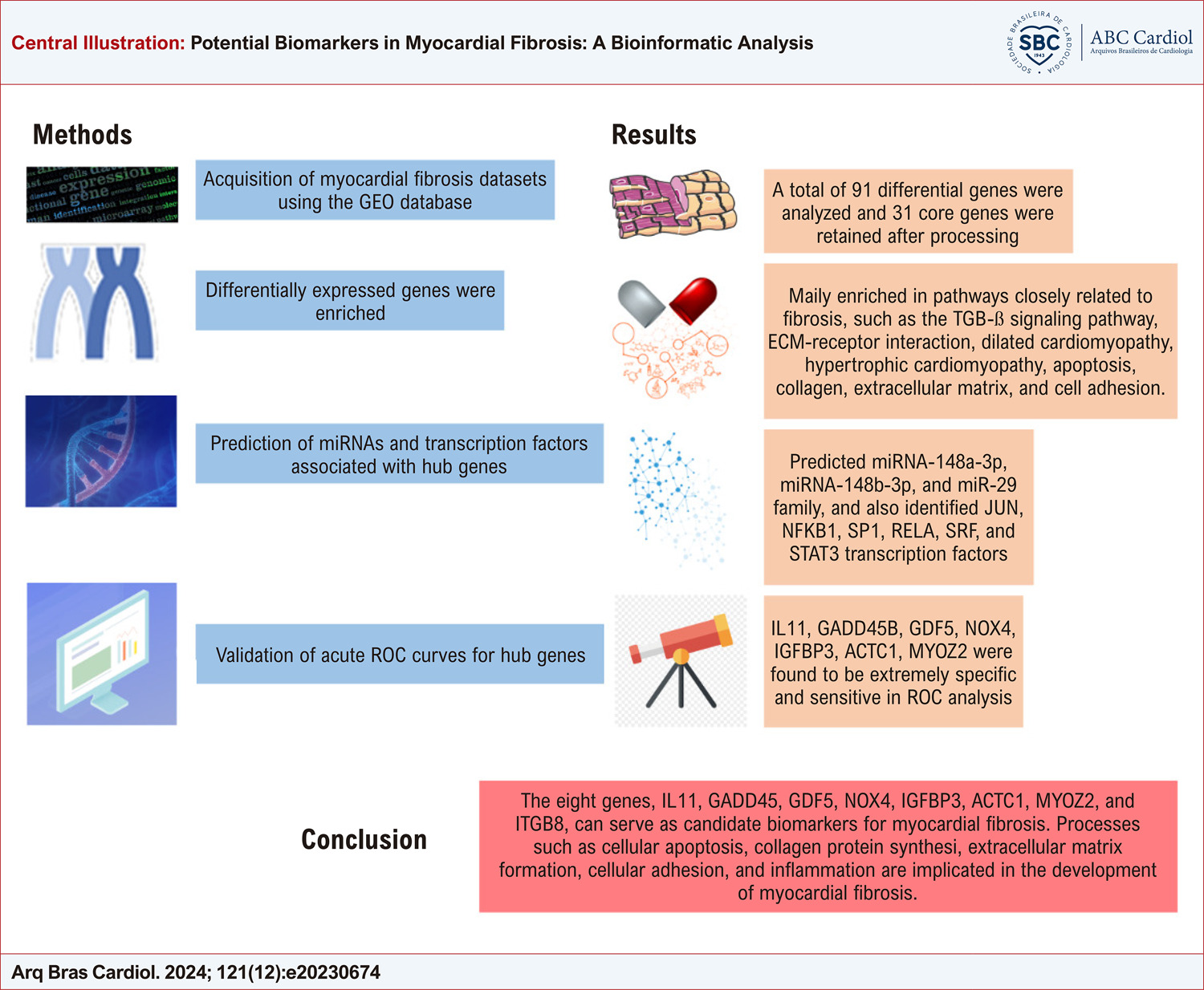
Datasets related to MF were sourced from the GEO database. After processing the data, differentially expressed genes were screened. Differentially expressed genes were enriched, and subsequently, protein-protein interaction (PPI) was performed to analyze the differential genes. The associated miRNAs and transcription factors were predicted for these core genes. Finally, ROC validation was performed on the core genes to determine their specificity and sensitivity as potential biomarkers. The level of significance adopted was 5% (p < 0.05).

Results

A total of 91 differentially expressed genes were identified, and PPI analysis yielded 31 central genes. Enrichment analysis showed that apoptosis, collagen, extracellular matrix, cell adhesion, and inflammation were involved in MF. One hundred and forty-two potential miRNAs were identified. the transcription factors JUN, NF-κB1, SP1, RELA, serum response factor (SRF), and STAT3 were enriched in most of the core targets. Ultimately, IL11, GADD45B, GDF5, NOX4, IGFBP3, ACTC1, MYOZ2, and ITGB8 had higher diagnostic accuracy and sensitivity in predicting MF based on ROC curve analysis.

Conclusion

Eight genes, IL11, GADD45B, GDF5, NOX4, IGFBP3, ACTC1, MYOZ2, and ITGB8, can serve as candidate biomarkers for MF. Processes such as cellular apoptosis, collagen protein synthesis, extracellular matrix formation, cellular adhesion, and inflammation are implicated in the development of MF.

  • Biomarkers
  • Fibrosis Endomiocárdica
  • MicroRNAs
Read Full Article
Creative Commons Attribution (CC BY) Creative Commons license
13/12/2024 DOI: 10.36660/abc.20230674i Views 1
Figure 1
IJCS
Viewpoint

The Role of MicroRNAs in the Pathogenesis of Chagas Disease

Cristiane Tefe-Silva et al. Laura de Oliveira Teixeira Laura Ramos Durigan Maria Clara Silva Cardoso … Maria Laura de Castro Davi Paula Altieri Pin Stephanie Milanez Veronica Cestari Lourenço Thálita Cristina de Sousa Beine Eloisa Yara Araujo Clemente

Abstract

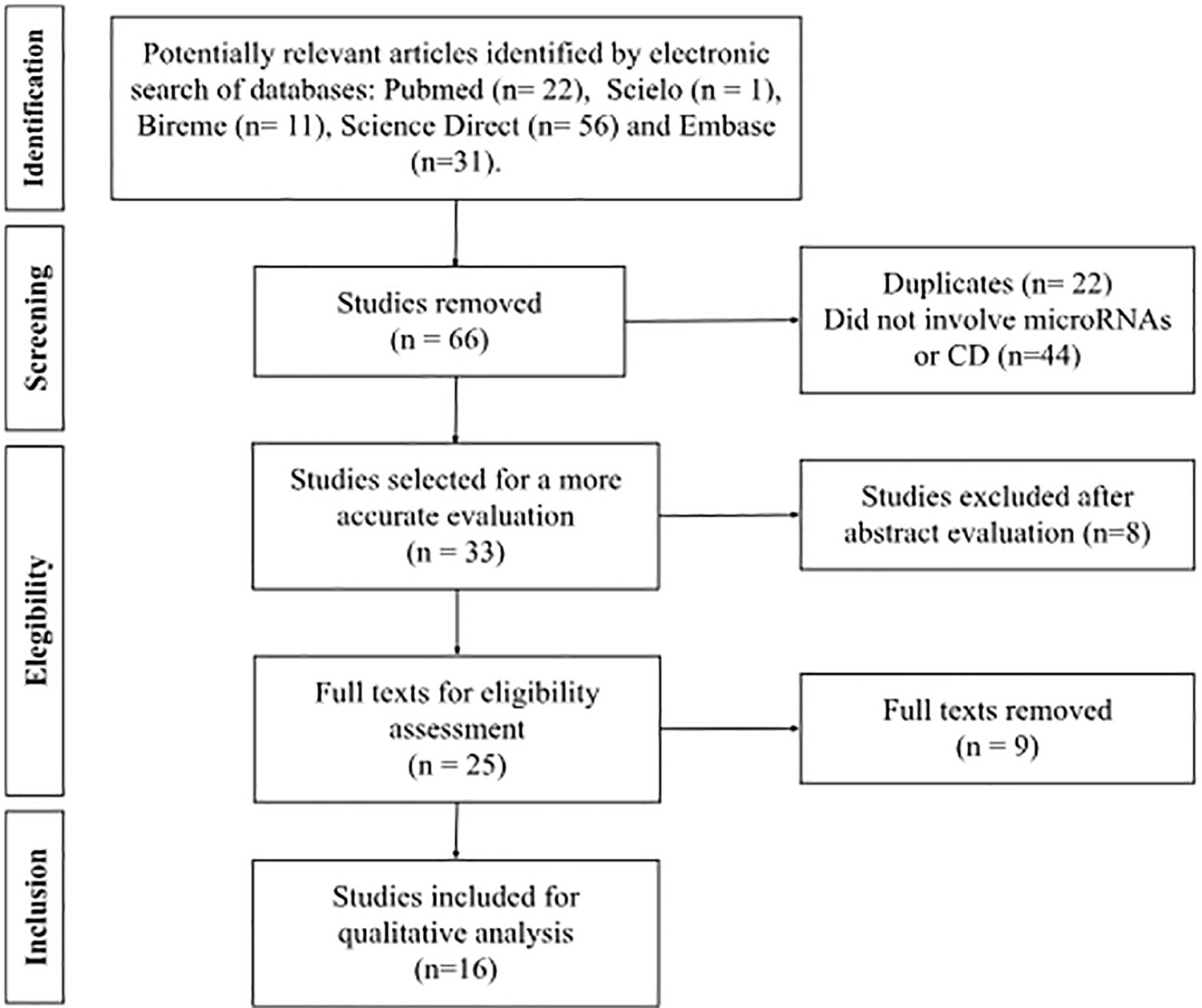
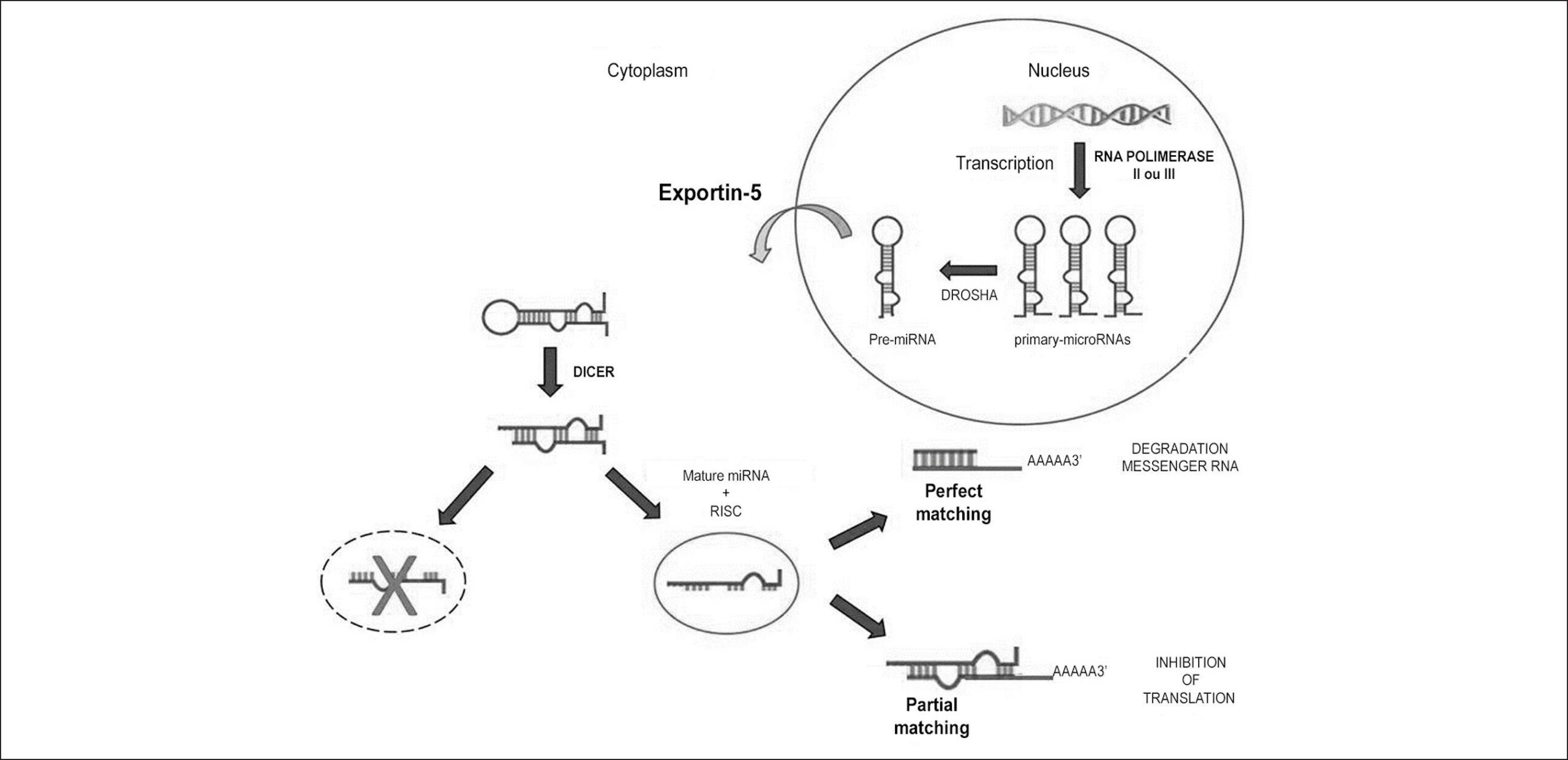
Chagas disease (CD) is caused by the protozoan Trypanosoma cruzi and affects about six to seven million individuals worldwide. The distribution of cases is concentrated mainly throughout Latin America, especially in rural areas. This study aims to evaluate microRNAs (miRNAs) as indicators in CD diagnosis for possible contributions to its management. This is a literature review study, carried out in the PubMed, SciELO, Bireme Library, NCBI, Science Direct, and Embase databases, through which a total of 12 articles were included for qualitative analysis. The discussion of this review was based on the thematic axes regarding the modulation of T. cruzi in the immune system and the expression of miRNAs, their production and action, the modulation mechanism of host gene expression, how they act as biomarkers, the importance of miRNAs in the diagnosis of CD, and how their regulation occurs in Chronic Chagas Cardiomyopathy (CCC). Moreover, T. cruzi infection is associated with the downregulation of several miRNAs, which directly related to the findings of hypertrophy and fibrosis. When quantified, these could be used as consistent indicators for CD to support the diagnosis of patients with CD complications, as well as a possible therapeutic target. However, the need for clinical studies that evaluate the usefulness of this biomarker in humans is emphasized, considering that in the present study, only experimental in vitro studies were evaluated, reflecting a lack of studies with practical applicability.

  • Chagas disease
  • Immunomodulation
  • MicroRNAs
Read Full Article
Creative Commons Attribution (CC BY) Creative Commons license
22/12/2023 DOI: 10.36660/ijcs.20220210 Views 3
miR-27a/b Level is Associated with ABCA1 Expression and is a Potential PBMC-Based Biomarker for Coronary Artery Disease
IJCS
Original Article

miR-27a/b Level is Associated with ABCA1 Expression and is a Potential PBMC-Based Biomarker for Coronary Artery Disease

Farshad Mirzavi et al. Safieh Ebrahimi Arezoo Rajabian Hossein Hosseini Behnam Alipoor

Abstract

Background:

Coronary artery disease (CAD) is the most common form of cardiac disease with high morbidity and mortality rates.

Objectives:

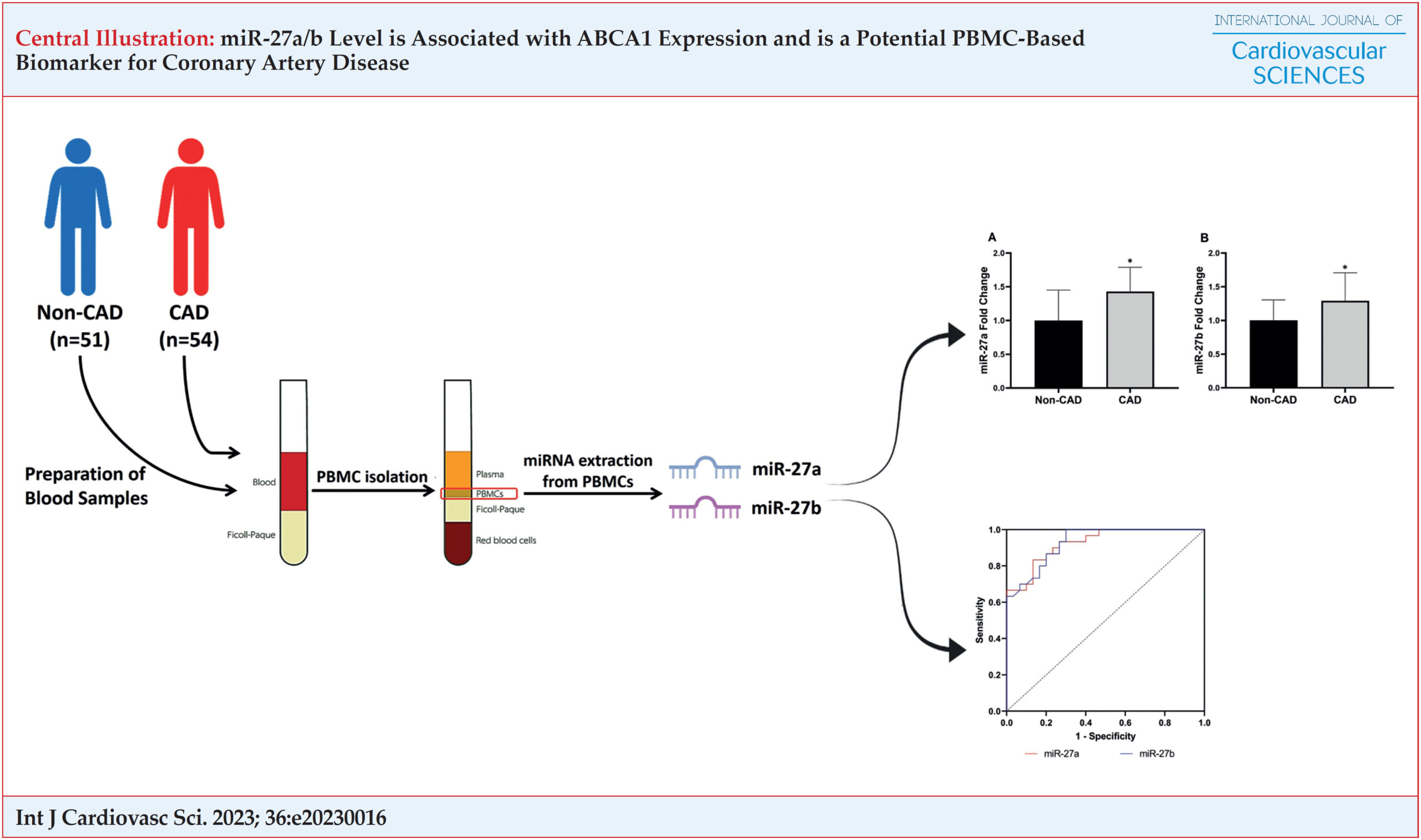
In this study, we evaluated the expression of miR-27a and miR-27b as biomarkers in peripheral blood mononuclear cells (PBMCs) of patients with CAD and investigated its correlation with cholesterol-efflux transporter, ATP-binding cassette transporter A1 (ABCA1).

Method:

This study was performed on 54 men with CAD and 51 healthy, sex- and age-matched control participants. The expression of miR-27a/b and ABCA1 genes in PBMCs were measured by quantitative real-time polymerase chain reaction (qRT-PCR). The protein expression of ABCA1 was assessed by Western blotting. Concurrently, the specificity and sensitivity of miR-27a/b was evaluated through receiver operating characteristic (ROC) curve. The significance level adopted in the statistical analysis was 5%.

Results:

We found that miR-27a and miR-27b expression were significantly increased, while both mRNA and protein expression of ABCA1 were markedly reduced in the PBMCs of CAD patients in comparison to non-CAD controls. miR-27a/27b expression was also shown to be inversely correlated with ABCA1. ROC analysis showed that the miR-27a had an area under the ROC curve (AUC) of about 92.6 (sensitivity 83.3٪ and specificity 86.6٪) and miR-27b had an AUC of about 93.0 (sensitivity 86.6٪ and specificity 80.0 (%, suggesting the diagnostic potential of miR-27a/b in CAD patients.

Conclusions:

Our data suggested a possible role of miR-27a/b in CAD pathogenesis. Additionally, we proposed that miR-27a/b expression in PBMCs may have potential clinical implications in the diagnosis of CAD patients, but further validations in large cohorts are required.

  • Biomarkers
  • Coronary Artery Disease
  • MicroRNAs
Read Full Article
Creative Commons Attribution (CC BY) Creative Commons license
27/11/2023 DOI: 10.36660/ijcs.20230016 Views 1
Figure 1
ABC
Review Article

Physical Exercise Training and Chagas Disease: Potential Role of MicroRNAs

Alex Cleber Improta-Caria et al. Roque Aras Júnior

Abstract

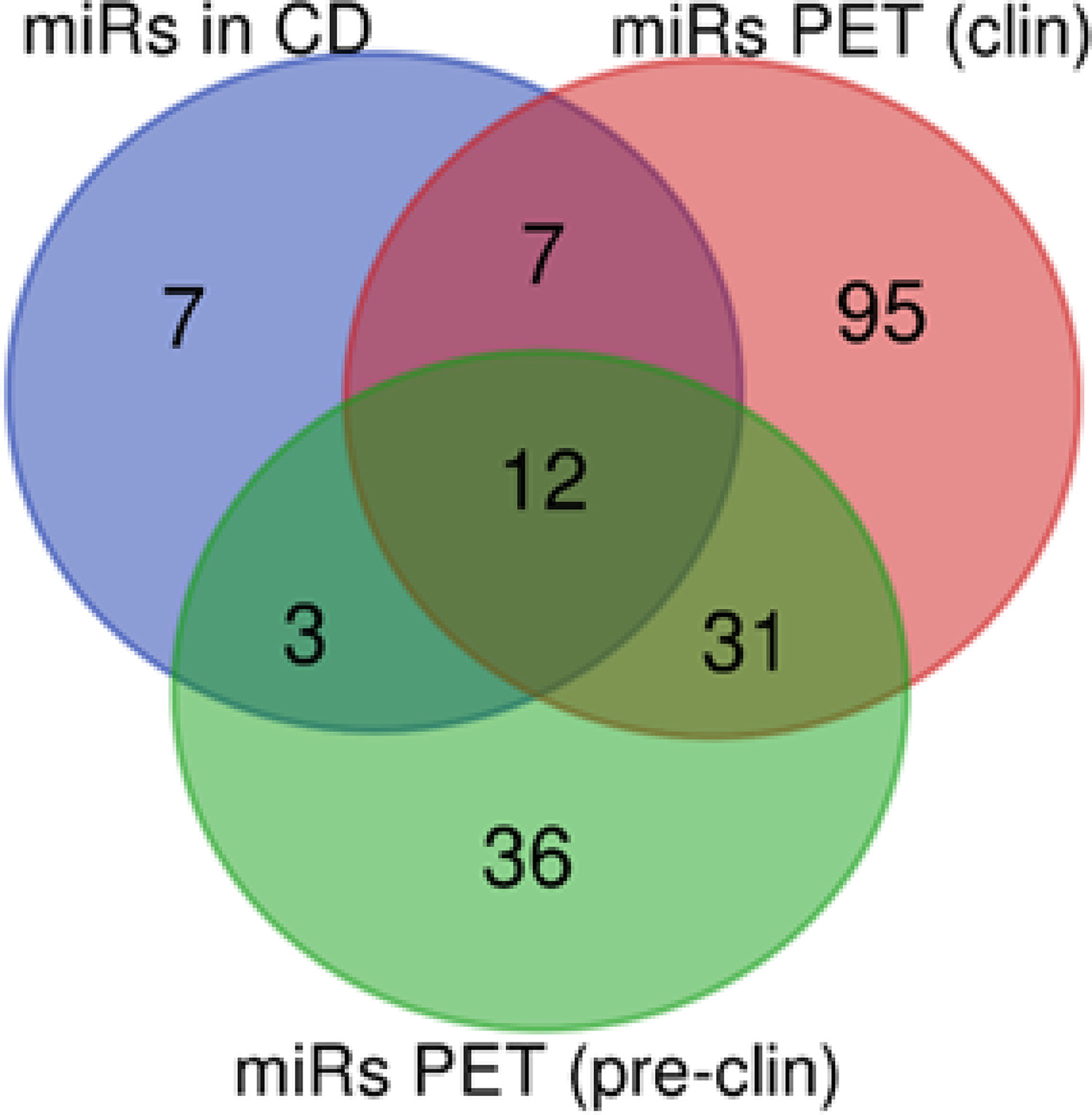
Chagas disease (CD) is caused by Trypanosoma Cruzi. This parasite can infect several organs of the human body, mainly the heart, causing inflammation, fibrosis, arrhythmias, and cardiac remodeling, promoting long-term Chronic Chagas Cardiomyopathy (CCC). However, little scientific evidence has elucidated the molecular mechanisms that govern the pathophysiological processes in this disease. MicroRNAs (miRNAs) are regulators of post-transcriptional gene expression that modulate signaling pathways, participating in pathophysiological mechanisms in CD, but the understanding of miRNAs in this disease is limited. On the other hand, a wide range of scientific evidence shows that physical exercise training (PET) modulates the expression of miRNAs by modifying different signaling pathways in healthy individuals. Some studies also show that PET is beneficial for individuals with CD; however, these did not evaluate the miRNA expressions. Thus, there is no evidence showing the role of PET in the expression of miRNAs in CD. Therefore, this review aimed to identify miRNAs expressed in CD that could potentially be modified by PET.

  • Chagas disease
  • Exercise
  • MicroRNAs
Read Full Article
Creative Commons Attribution (CC BY) Creative Commons license
26/07/2021 DOI: 10.36660/abc.20200330 Views 1
ABC
Editorial

Exercise and Garlic Modulate microRNAs Involved in Diabetic Cardiopathy

Aline Regina Ruiz Lima

Diabetes mellitus (DM) is a major risk factor for cardiovascular disorders and stroke development and is associated with increased morbidity and mortality. The prevalence of diabetes is increasing at an alarming rate worldwide. Indeed, according to estimates of the International Diabetes Federation, 552 million people are expected to be diabetic in 2030. Although a definitive cure is not on the horizon, with proper management, diabetic patients can attenuate the development of serious complications that reduce life quality and expectancy. Facing a considerable rate of occurrence and prognosis complications, studies focusing on high efficiency and low toxicity treatments are of great importance.

MicroRNAs are small non-coding RNAs controlling gene expression and participating in many physiopathological processes. These small molecules are getting a lot of attention nowadays since they are universally recognized as major regulators of gene expression and as key controllers of several biological and pathological processes. They are essential intracellular mediators in a variety of cellular processes, such as inflammation, mitochondrial metabolism, apoptosis, among others. Therefore, miRNAs could be potential targets to treat some chronic diseases. Besides, these molecules can also be used as early biomarkers, once they are released in urine and blood when in presence of tissue lesion. Recently, it was verified that miRNAs are also involved in cardiovascular disorders, especially those which impaired angiogenesis is observed.

[…]

  • Angiogenesis Inducing Agents
  • Diabetes Mellitus/complications
  • Exercise/prevention & control
  • Heart Diseases
  • MicroRNAs
Read Full Article
Creative Commons Attribution (CC BY) Creative Commons license
01/02/2019 DOI: 10.5935/abc.20180259 Views 1
Figure 1
ABC
Original Article

The Effect of Garlic and Voluntary Exercise on Cardiac Angiogenesis in Diabetes: The Role of MiR-126 and MiR-210

Roya Naderi et al. Gisou Mohaddes Mustafa Mohammadi Alireza Alihemmati … Amirmahdi Khamaneh Rafighe Ghyasi Rana Ghaznavi

Abstract

Background:

Diabetes mellitus (DM) is one of the major risk factors for cardiovascular disease, leading to endothelial dysfunction and angiogenesis impairment . MiR-126 and miR-210 support angiogenic response in endothelial cells.

Objective:

The present study sought to explore the effect of garlic and voluntary exercise, alone or together, on miR-126 and miR-210 expressions and cardiac angiogenesis in rats with type 1 diabetes.

Methods:

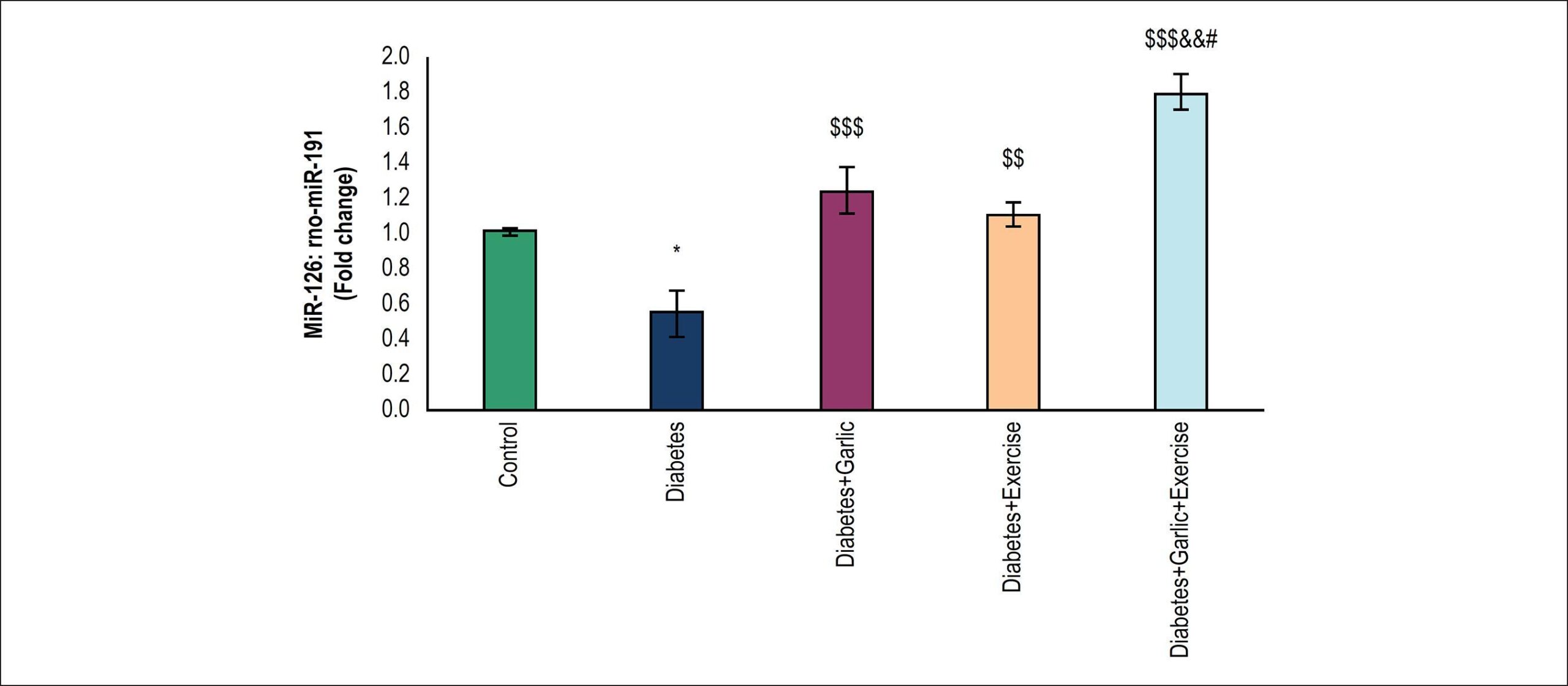
Male Wistar rats were divided into five groups (n = 7): Control, Diabetes, Diabetes+Garlic, Diabetes+Exercise, and Diabetes+Garlic+Exercise. Diabetes was induced in the animals by streptozotocin (ip, 50 mg/kg). The rats were then fed raw fresh garlic homogenate (250 mg/kg) or were subjected to voluntary exercise, or to combined garlic and voluntary exercise for 6 weeks. MiR-126 and miR-210 expressions in the myocardium were determined by real time PCR, and the serum lipid profile was measured by enzymatic kits. Angiogenesis was evaluated by immunostaining for PECAM-1/ CD31 in the myocardium.

Results:

Diabetes reduced both cardiac miR-126 expression and angiogenesis (p < 0.05). On the other hand, there was a miR-210 expression increase in the myocardium of diabetic animals (p < 0.001). However, those effects reversed either with garlic or voluntary exercise (p < 0.01). Moreover, treating diabetic rats with garlic and voluntary exercise combined had an additional effect on the expressions of miR-126 and miR-210 (p < 0.001). Furthermore, both voluntary exercise and garlic significantly improved serum lipid profiles (p < 0.001).

Conclusion:

The induction of diabetes decreased angiogenesis in the myocardium, whereas our treatment using long-term voluntary exercise and garlic improved myocardial angiogenesis. These changes were possibly owing to the enhancement of myocardial miR-126 and miR-210 expressions.

  • Allium Sativum
  • Angiogenesis Inducing Agents
  • Diabetes Mellitus
  • Exercise
  • Garlic
  • MicroRNAs
  • Neovascularization
  • Physologic
  • Rats
Read Full Article
Creative Commons Attribution (CC BY) Creative Commons license
01/02/2019 DOI: 10.5935/abc.20190002
Figure 1
ABC
Review Article

Role of miRNAs on the Pathophysiology of Cardiovascular Diseases

Debora Cristina Pereira da Silva et al. Felipe Demani Carneiro Kelly Costa de Almeida Caroline Fernandes-Santos

Abstract

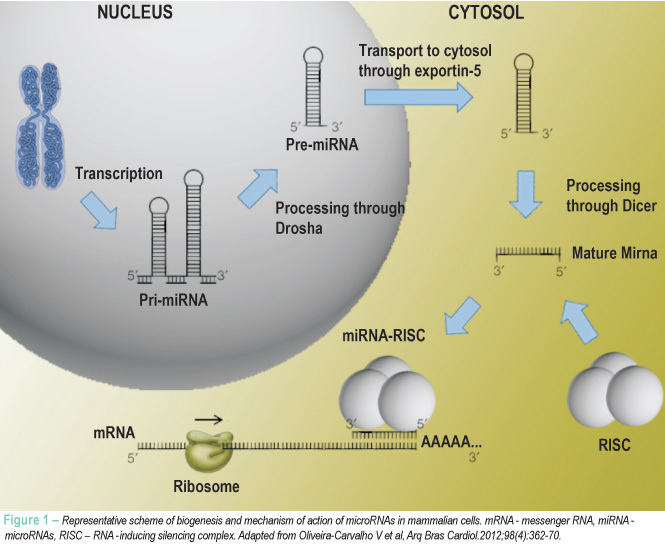
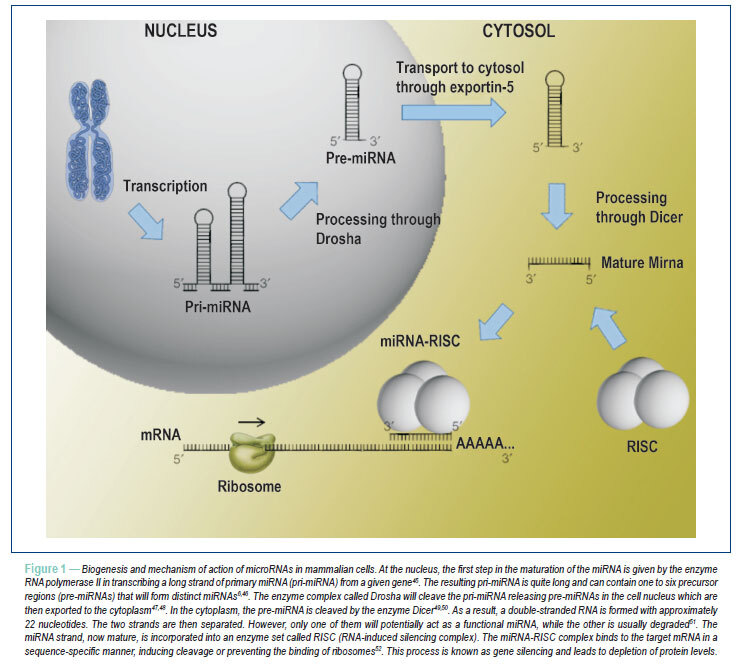
MiRNA (or microRNA) is a subclass of non-coding RNAs that is responsible for post-transcriptional gene regulation. It has approximately 22 nucleotides and regulates gene expression in plants and animals at the post-transcriptional level, by the cleavage of a target mRNA or by suppression of its translation. Although many of the processes and mechanisms have not yet been fully elucidated, there is a strong association between miRNA expression and several diseases. It is known that miRNAs are expressed in the cardiovascular system, but their role in cardiovascular diseases (CVDs) has not been clearly established. In this non-systematic review of the literature, we first present the definition of miRNAs and their action at the cellular level. Afterward, we discuss the role of miRNAs as circulating biomarkers of CVDs, and then their role in cardiac remodeling and atherosclerosis. Despite the complexity and challenges, it is crucial to identify deregulated miRNAs in CVDs, as it allows a better understanding of underlying cellular and molecular mechanisms and helps in the development of more accurate diagnostic and prognostic circulating biomarkers, and new therapeutic strategies for different stages of CVDs.

  • Atherosclerosis
  • Biomarkers/metabolism
  • Cardiac, Remodeling/genetics
  • Cardiovascular Diseases / genetics
  • Cardiovascular Diseases/diagnosis
  • Cardiovascular Diseases/physiopathology
  • MicroRNAs
Read Full Article
Creative Commons Attribution (CC BY) Creative Commons license
01/11/2018 DOI: 10.5935/abc.20180215 Views 1
Figure 1
ABC
Original Article

Role of microRNAs 221/222 on Statin Induced Nitric Oxide Release in Human Endothelial Cells

Alvaro Cerda et al. Cristina Moreno Fajardo Rodrigo Gouveia Basso Mario Hiroyuki Hirata Rosario Dominguez Crespo Hirata

Background:

Nitric oxide (NO) has been largely associated with cardiovascular protection through improvement of endothelial function. Recently, new evidence about modulation of NO release by microRNAs (miRs) has been reported, which could be involved with statin-dependent pleiotropic effects, including anti-inflammatory properties related to vascular endothelium function.

Objective:

To evaluate the effects of cholesterol-lowering drugs including the inhibitors of cholesterol synthesis, atorvastatin and simvastatin, and the inhibitor of cholesterol absorption ezetimibe on NO release, NOS3 mRNA expression and miRs potentially involved in NO bioavailability.

Methods:

Human umbilical vein endothelial cells (HUVEC) were exposed to atorvastatin, simvastatin or ezetimibe (0 to 5.0 μM). Cells were submitted to total RNA extraction and relative quantification of NOS3 mRNA and miRs -221, -222 and -1303 by qPCR. NO release was measured in supernatants by ozone-chemiluminescence.

Results:

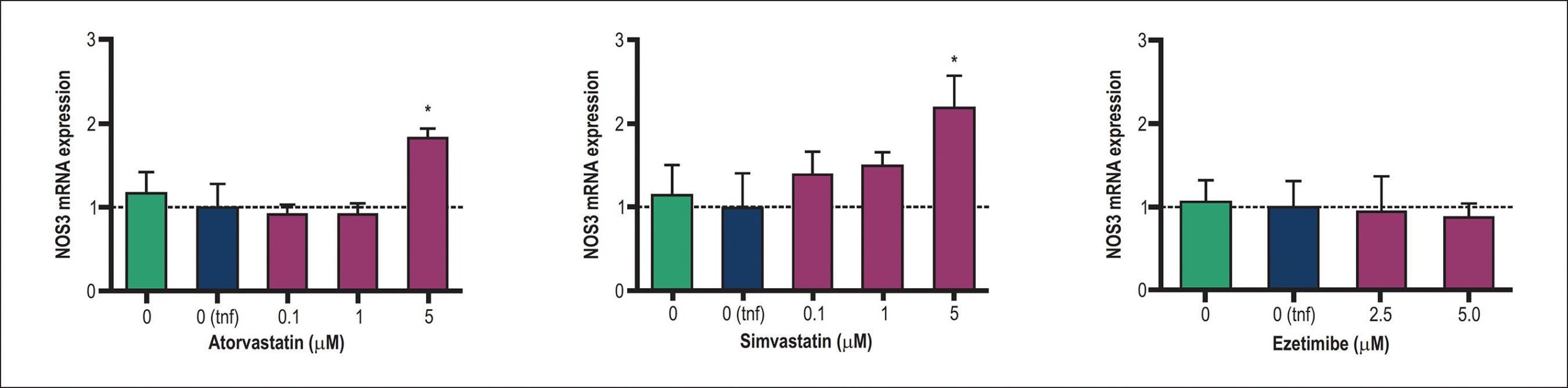
Both statins increased NO levels and NOS3 mRNA expression but no influence was observed for ezetimibe treatment. Atorvastatin, simvastatin and ezetimibe down-regulated the expression of miR-221, whereas miR-222 was reduced only after the atorvastatin treatment. The magnitude of the reduction of miR-221 and miR-222 after treatment with statins correlated with the increment in NOS3 mRNA levels. No influence was observed on the miR-1303 expression after treatments.

Conclusion:

NO release in endothelial cells is increased by statins but not by the inhibitor of cholesterol absorption, ezetimibe. Our results provide new evidence about the participation of regulatory miRs 221/222 on NO release induction mediated by statins. Although ezetimibe did not modulate NO levels, the down-regulation of miR-221 could involve potential effects on endothelial function.

  • Cholesterol
  • Endothelial Cells
  • Hydroxymethylglutaryl-CoA Reductase Inhibitors
  • MicroRNAs
  • Nitric Oxide
Read Full Article
Creative Commons Attribution (CC BY) Creative Commons license
16/12/2014 DOI: 10.5935/abc.20140192
Physical exercise and microRNAs: new frontiers in heart failure
ABC
Review Article

Physical exercise and microRNAs: new frontiers in heart failure

Miguel Morita Fernandes-Silva et al. Vagner Oliveira Carvalho Guilherme Veiga Guimarães Fernando Bacal Edimar Alcides Bocchi

Although the impact of exercise on survival of patients with heart failure has been recently questioned, exercise training improves quality of life, functional capacity, inflammation, endothelial and autonomic function. In recent years, interest has increased regarding a group of small non-protein coding RNAs called microRNAs. Studies have shown that the expression of these molecules changes in several pathological conditions, such as myocardial infarction, myocardial ischemia and heart failure, and when clinical improvement occurs, they seem to normalize. With the potential for practical applicability, markers that may be useful in diagnostic and prognostic assessment of heart failure have been identified, such as miR-423-5p. In addition, results of experimental studies have indicated that there are potential therapeutic effects of microRNAs. MicroRNAs are involved in the regulation of gene expression during fetal development and in adult individuals, increasing or decreasing in the heart in response to physiological stress, injury or hemodynamic overload. Thus, the study of the behavior of these molecules in physical exercise has brought important information about the effects of this therapeutic modality and represents a new era in the understanding of heart failure. This review aims to integrate the evidence on microRNAs in heart failure with greater relevance in the study of physical exercise.

  • Exercise
  • Heart Rate
  • MicroRNAs
Read Full Article
Creative Commons Attribution (CC BY) Creative Commons license
31/07/2012 DOI: 10.1590/S0066-782X2012000500012 Views 2
MicroRNAs: a new paradigm in the treatment and diagnosis of Heart failure?
ABC
Review Article

MicroRNAs: a new paradigm in the treatment and diagnosis of Heart failure?

Vagner Oliveira-Carvalho et al. Vitor Oliveira Carvalho Miguel Morita Silva Guilherme Veiga Guimarães Edimar Alcides Bocchi

MicroRNAs (miRNAs) are a group of newly discovered small RNAs, non-coding, which represent one of the most exciting areas of modern medical science as they modulate a huge and complex regulatory network of gene expression. Lines of evidence have recently suggested that miRNAs play a key role in the pathogenesis of heart failure. Some miRNAs highly expressed in the heart, such as miR-1, miR-133 and miR-208, are strongly associated with the development of cardiac hypertrophy, while the exact role of miR-21 in the cardiovascular system remains controversial. Serum levels of circulating miRNAs such as miR-423-5p are being evaluated as potential biomarkers in the diagnosis and prognosis of heart failure. On the other hand, the manipulation of levels of miRNAs using techniques such as mimicking the miRNAs (miRmimics) and antagonistic miRNAs (antagomiRs) is making increasingly evident the enormous potential of miRNAs as promising therapeutic strategies in heart failure.

  • Cardiomegaly
  • Heart Failure
  • MicroRNAs
Read Full Article
Creative Commons Attribution (CC BY) Creative Commons license
21/06/2012 DOI: 10.1590/S0066-782X2012000400011

How to cite this article

EndNote RIS

Electronic Document Format (Vancouver)

Ojopi EPB, Rodrigues A, Mota GAF, Okoshi MP, Pagan LU. Diabetic Cardiomyopathy: Unraveling Pathophysiological Mechanisms via Non-coding RNAs. Arquivos Brasileiros de Cardiologia 2025;122(7):e20250395.

Electronic Document Format (ABNT)

Ojopi, Elida Paula Benquique; Rodrigues, Éder Anderson; Mota, Gustavo Augusto Ferreira; Okoshi, Marina Politi; Pagan, Luana Urbano. Diabetic Cardiomyopathy: Unraveling Pathophysiological Mechanisms via Non-coding RNAs. Arquivos Brasileiros de Cardiologia, v. 122, n. 7, e20250395, Aug. 2025.

Electronic Document Format (APA)

Ojopi, E. P. B., Rodrigues, A., Mota, G. A. F., Okoshi, M. P., & Pagan, L. U. (2025). Diabetic Cardiomyopathy: Unraveling Pathophysiological Mechanisms via Non-coding RNAs. Arquivos Brasileiros de Cardiologia, 122(7), e20250395.

Electronic Document Format (ISO)

Ojopi, Elida Paula Benquique and Rodrigues, Éder Anderson and Mota, Gustavo Augusto Ferreira and Okoshi, Marina Politi and Pagan, Luana Urbano. Diabetic Cardiomyopathy: Unraveling Pathophysiological Mechanisms via Non-coding RNAs. Arquivos Brasileiros de Cardiologia [online]. 2025, vol. 122, n. 7, [cited 2026-10-15], e20250395. Available from: <https://journals.cardiol.br/en/article/diabetic-cardiomyopathy-unraveling-pathophysiological-mechanisms-via-non-coding-rnas/>. ISSN 0066-782X

EndNote RIS

Electronic Document Format (Vancouver)

Cheng-Mei W, Luo G, Liu P, Ren W, Yang S. Potential Biomarkers in Myocardial Fibrosis: A Bioinformatic Analysis. Arquivos Brasileiros de Cardiologia 2024;121(12):e20230674.

Electronic Document Format (ABNT)

Cheng-Mei, Wang; Luo, Gang; Liu, Ping; Ren, Wei; Yang, Sijin. Potential Biomarkers in Myocardial Fibrosis: A Bioinformatic Analysis. Arquivos Brasileiros de Cardiologia, v. 121, n. 12, e20230674, Dec. 2024.

Electronic Document Format (APA)

Cheng-Mei, W., Luo, G., Liu, P., Ren, W., & Yang, S. (2024). Potential Biomarkers in Myocardial Fibrosis: A Bioinformatic Analysis. Arquivos Brasileiros de Cardiologia, 121(12), e20230674.

Electronic Document Format (ISO)

Cheng-Mei, Wang and Luo, Gang and Liu, Ping and Ren, Wei and Yang, Sijin. Potential Biomarkers in Myocardial Fibrosis: A Bioinformatic Analysis. Arquivos Brasileiros de Cardiologia [online]. 2024, vol. 121, n. 12, [cited 2026-10-15], e20230674. Available from: <https://journals.cardiol.br/en/article/potential-biomarkers-in-myocardial-fibrosis-a-bioinformatic-analysis/>. ISSN 0066-782X

EndNote RIS

Electronic Document Format (Vancouver)

Tefe-Silva C, Teixeira LO, Durigan LR, Cardoso MCS, Davi MLC, Pin PA, Milanez S, et al. The Role of MicroRNAs in the Pathogenesis of Chagas Disease. International Journal of Cardiovascular Sciences 2023;36:e20220210.

Electronic Document Format (ABNT)

Tefe-Silva, Cristiane; Teixeira, Laura de Oliveira; Durigan, Laura Ramos; Cardoso, Maria Clara Silva; Davi, Maria Laura de Castro; Pin, Paula Altieri; Milanez, Stephanie; Lourenço, Veronica Cestari; Beine, Thálita Cristina de Sousa; Clemente, Eloisa Yara Araujo. The Role of MicroRNAs in the Pathogenesis of Chagas Disease. International Journal of Cardiovascular Sciences, v. 36, e20220210, Dec. 2023.

Electronic Document Format (APA)

Tefe-Silva, C., Teixeira, L. O., Durigan, L. R., Cardoso, M. C. S., Davi, M. L. C., Pin, P. A., Milanez, S., Lourenço, V. C., Beine, T. C. S., & Clemente, E. Y. A. (2023). The Role of MicroRNAs in the Pathogenesis of Chagas Disease. International Journal of Cardiovascular Sciences, 36, e20220210.

Electronic Document Format (ISO)

Tefe-Silva, Cristiane and Teixeira, Laura de Oliveira and Durigan, Laura Ramos and Cardoso, Maria Clara Silva and Davi, Maria Laura de Castro and Pin, Paula Altieri and Milanez, Stephanie and Lourenço, Veronica Cestari and Beine, Thálita Cristina de Sousa and Clemente, Eloisa Yara Araujo. The Role of MicroRNAs in the Pathogenesis of Chagas Disease. International Journal of Cardiovascular Sciences [online]. 2023, vol. 36, [cited 2026-10-15], e20220210. Available from: <https://journals.cardiol.br/en/article/the-role-of-micrornas-in-the-pathogenesis-of-chagas-disease/>. ISSN 2359-4802

EndNote RIS

Electronic Document Format (Vancouver)

Mirzavi F, Ebrahimi S, Rajabian A, Hosseini H, Alipoor B. miR-27a/b Level is Associated with ABCA1 Expression and is a Potential PBMC-Based Biomarker for Coronary Artery Disease. International Journal of Cardiovascular Sciences 2023;36:e20230016.

Electronic Document Format (ABNT)

Mirzavi, Farshad; Ebrahimi, Safieh; Rajabian, Arezoo; Hosseini, Hossein; Alipoor, Behnam. miR-27a/b Level is Associated with ABCA1 Expression and is a Potential PBMC-Based Biomarker for Coronary Artery Disease. International Journal of Cardiovascular Sciences, v. 36, e20230016, Nov. 2023.

Electronic Document Format (APA)

Mirzavi, F., Ebrahimi, S., Rajabian, A., Hosseini, H., & Alipoor, B. (2023). miR-27a/b Level is Associated with ABCA1 Expression and is a Potential PBMC-Based Biomarker for Coronary Artery Disease. International Journal of Cardiovascular Sciences, 36, e20230016.

Electronic Document Format (ISO)

Mirzavi, Farshad and Ebrahimi, Safieh and Rajabian, Arezoo and Hosseini, Hossein and Alipoor, Behnam. miR-27a/b Level is Associated with ABCA1 Expression and is a Potential PBMC-Based Biomarker for Coronary Artery Disease. International Journal of Cardiovascular Sciences [online]. 2023, vol. 36, [cited 2026-10-15], e20230016. Available from: <https://journals.cardiol.br/en/article/mir-27a-b-level-is-associated-with-abca1-expression-and-is-a-potential-pbmc-based-biomarker-for-coronary-artery-disease/>. ISSN 2359-4802

EndNote RIS

Electronic Document Format (Vancouver)

Improta-Caria AC, Aras Júnior R. Physical Exercise Training and Chagas Disease: Potential Role of MicroRNAs. Arquivos Brasileiros de Cardiologia 2021;117(1):132-41.

Electronic Document Format (ABNT)

Improta-Caria, Alex Cleber; Aras Júnior, Roque. Physical Exercise Training and Chagas Disease: Potential Role of MicroRNAs. Arquivos Brasileiros de Cardiologia, v. 117, n. 1, p. 132-141, Jul. 2021.

Electronic Document Format (APA)

Improta-Caria, A. C., & Aras Júnior, R. (2021). Physical Exercise Training and Chagas Disease: Potential Role of MicroRNAs. Arquivos Brasileiros de Cardiologia, 117(1), 132-141.

Electronic Document Format (ISO)

Improta-Caria, Alex Cleber and Aras Júnior, Roque. Physical Exercise Training and Chagas Disease: Potential Role of MicroRNAs. Arquivos Brasileiros de Cardiologia [online]. 2021, vol. 117, n. 1, [cited 2026-10-15], pp. 132-141. Available from: <https://journals.cardiol.br/en/article/physical-exercise-training-and-chagas-disease-potential-role-of-micrornas/>. ISSN 0066-782X

EndNote RIS

Electronic Document Format (Vancouver)

Lima ARR. Exercise and Garlic Modulate microRNAs Involved in Diabetic Cardiopathy. Arquivos Brasileiros de Cardiologia 2019;112(2):163-4.

Electronic Document Format (ABNT)

Lima, Aline Regina Ruiz. Exercise and Garlic Modulate microRNAs Involved in Diabetic Cardiopathy. Arquivos Brasileiros de Cardiologia, v. 112, n. 2, p. 163-164, Jan. 2019.

Electronic Document Format (APA)

Lima, A. R. R. (2019). Exercise and Garlic Modulate microRNAs Involved in Diabetic Cardiopathy. Arquivos Brasileiros de Cardiologia, 112(2), 163-164.

Electronic Document Format (ISO)

Lima, Aline Regina Ruiz. Exercise and Garlic Modulate microRNAs Involved in Diabetic Cardiopathy. Arquivos Brasileiros de Cardiologia [online]. 2019, vol. 112, n. 2, [cited 2026-10-15], pp. 163-164. Available from: <https://journals.cardiol.br/en/article/exercise-and-garlic-modulate-micrornas-involved-in-diabetic-cardiopathy/>. ISSN 0066-782X

EndNote RIS

Electronic Document Format (Vancouver)

Naderi R, Mohaddes G, Mohammadi M, Alihemmati A, Khamaneh A, Ghyasi R, Ghaznavi R, et al. The Effect of Garlic and Voluntary Exercise on Cardiac Angiogenesis in Diabetes: The Role of MiR-126 and MiR-210. Arquivos Brasileiros de Cardiologia 2019;112(2):154-62.

Electronic Document Format (ABNT)

Naderi, Roya; Mohaddes, Gisou; Mohammadi, Mustafa; Alihemmati, Alireza; Khamaneh, Amirmahdi; Ghyasi, Rafighe; Ghaznavi, Rana. The Effect of Garlic and Voluntary Exercise on Cardiac Angiogenesis in Diabetes: The Role of MiR-126 and MiR-210. Arquivos Brasileiros de Cardiologia, v. 112, n. 2, p. 154-162, Jan. 2019.

Electronic Document Format (APA)

Naderi, R., Mohaddes, G., Mohammadi, M., Alihemmati, A., Khamaneh, A., Ghyasi, R., & Ghaznavi, R. (2019). The Effect of Garlic and Voluntary Exercise on Cardiac Angiogenesis in Diabetes: The Role of MiR-126 and MiR-210. Arquivos Brasileiros de Cardiologia, 112(2), 154-162.

Electronic Document Format (ISO)

Naderi, Roya and Mohaddes, Gisou and Mohammadi, Mustafa and Alihemmati, Alireza and Khamaneh, Amirmahdi and Ghyasi, Rafighe and Ghaznavi, Rana. The Effect of Garlic and Voluntary Exercise on Cardiac Angiogenesis in Diabetes: The Role of MiR-126 and MiR-210. Arquivos Brasileiros de Cardiologia [online]. 2019, vol. 112, n. 2, [cited 2026-10-15], pp. 154-162. Available from: <https://journals.cardiol.br/en/article/the-effect-of-garlic-and-voluntary-exercise-on-cardiac-angiogenesis-in-diabetes-the-role-of-mir-126-and-mir-210/>. ISSN 0066-782X

EndNote RIS

Electronic Document Format (Vancouver)

Silva DCP, Carneiro FD, Almeida KC, Fernandes-Santos C. Role of miRNAs on the Pathophysiology of Cardiovascular Diseases. Arquivos Brasileiros de Cardiologia 2018;111(5):738-46.

Electronic Document Format (ABNT)

Silva, Debora Cristina Pereira da; Carneiro, Felipe Demani; Almeida, Kelly Costa de; Fernandes-Santos, Caroline. Role of miRNAs on the Pathophysiology of Cardiovascular Diseases. Arquivos Brasileiros de Cardiologia, v. 111, n. 5, p. 738-746, Oct. 2018.

Electronic Document Format (APA)

Silva, D. C. P. , Carneiro, F. D., Almeida, K. C. , & Fernandes-Santos, C. (2018). Role of miRNAs on the Pathophysiology of Cardiovascular Diseases. Arquivos Brasileiros de Cardiologia, 111(5), 738-746.

Electronic Document Format (ISO)

Silva, Debora Cristina Pereira da and Carneiro, Felipe Demani and Almeida, Kelly Costa de and Fernandes-Santos, Caroline. Role of miRNAs on the Pathophysiology of Cardiovascular Diseases. Arquivos Brasileiros de Cardiologia [online]. 2018, vol. 111, n. 5, [cited 2026-10-15], pp. 738-746. Available from: <https://journals.cardiol.br/en/article/role-of-mirnas-on-the-pathophysiology-of-cardiovascular-diseases/>. ISSN 0066-782X

EndNote RIS

Electronic Document Format (Vancouver)

Cerda A, Fajardo CM, Basso RG, Hirata MH, Hirata RDC. Role of microRNAs 221/222 on Statin Induced Nitric Oxide Release in Human Endothelial Cells. Arquivos Brasileiros de Cardiologia 2014;104(3):195-201.

Electronic Document Format (ABNT)

Cerda, Alvaro; Fajardo, Cristina Moreno; Basso, Rodrigo Gouveia; Hirata, Mario Hiroyuki; Hirata, Rosario Dominguez Crespo. Role of microRNAs 221/222 on Statin Induced Nitric Oxide Release in Human Endothelial Cells. Arquivos Brasileiros de Cardiologia, v. 104, n. 3, p. 195-201, Dec. 2014.

Electronic Document Format (APA)

Cerda, A., Fajardo, C. M., Basso, R. G., Hirata, M. H., & Hirata, R. D. C. (2014). Role of microRNAs 221/222 on Statin Induced Nitric Oxide Release in Human Endothelial Cells. Arquivos Brasileiros de Cardiologia, 104(3), 195-201.

Electronic Document Format (ISO)

Cerda, Alvaro and Fajardo, Cristina Moreno and Basso, Rodrigo Gouveia and Hirata, Mario Hiroyuki and Hirata, Rosario Dominguez Crespo. Role of microRNAs 221/222 on Statin Induced Nitric Oxide Release in Human Endothelial Cells. Arquivos Brasileiros de Cardiologia [online]. 2014, vol. 104, n. 3, [cited 2026-10-15], pp. 195-201. Available from: <https://journals.cardiol.br/en/article/role-of-micrornas-221-222-on-statin-induced-nitric-oxide-release-in-human-endothelial-cells/>. ISSN 0066-782X

EndNote RIS

Electronic Document Format (Vancouver)

Fernandes-Silva MM, Carvalho VO, Guimarães GV, Bacal F, Bocchi EA. Physical exercise and microRNAs: new frontiers in heart failure. Arquivos Brasileiros de Cardiologia 2012;98(5):459-66.

Electronic Document Format (ABNT)

Fernandes-Silva, Miguel Morita; Carvalho, Vagner Oliveira; Guimarães, Guilherme Veiga; Bacal, Fernando; Bocchi, Edimar Alcides. Physical exercise and microRNAs: new frontiers in heart failure. Arquivos Brasileiros de Cardiologia, v. 98, n. 5, p. 459-466, Jul. 2012.

Electronic Document Format (APA)

Fernandes-Silva, M. M., Carvalho, V. O., Guimarães, G. V., Bacal, F., & Bocchi, E. A. (2012). Physical exercise and microRNAs: new frontiers in heart failure. Arquivos Brasileiros de Cardiologia, 98(5), 459-466.

Electronic Document Format (ISO)

Fernandes-Silva, Miguel Morita and Carvalho, Vagner Oliveira and Guimarães, Guilherme Veiga and Bacal, Fernando and Bocchi, Edimar Alcides. Physical exercise and microRNAs: new frontiers in heart failure. Arquivos Brasileiros de Cardiologia [online]. 2012, vol. 98, n. 5, [cited 2026-10-15], pp. 459-466. Available from: <https://journals.cardiol.br/en/article/physical-exercise-and-micrornas-new-frontiers-in-heart-failure/>. ISSN 0066-782X

EndNote RIS

Electronic Document Format (Vancouver)

Oliveira-Carvalho V, Carvalho VO, Silva MM, Guimarães GV, Bocchi EA. MicroRNAs: a new paradigm in the treatment and diagnosis of Heart failure?. Arquivos Brasileiros de Cardiologia 2012;98(4):362-70.

Electronic Document Format (ABNT)

Oliveira-Carvalho, Vagner; Carvalho, Vitor Oliveira; Silva, Miguel Morita; Guimarães, Guilherme Veiga; Bocchi, Edimar Alcides. MicroRNAs: a new paradigm in the treatment and diagnosis of Heart failure?. Arquivos Brasileiros de Cardiologia, v. 98, n. 4, p. 362-370, Jun. 2012.

Electronic Document Format (APA)

Oliveira-Carvalho, V., Carvalho, V. O., Silva, M. M., Guimarães, G. V., & Bocchi, E. A. (2012). MicroRNAs: a new paradigm in the treatment and diagnosis of Heart failure?. Arquivos Brasileiros de Cardiologia, 98(4), 362-370.

Electronic Document Format (ISO)

Oliveira-Carvalho, Vagner and Carvalho, Vitor Oliveira and Silva, Miguel Morita and Guimarães, Guilherme Veiga and Bocchi, Edimar Alcides. MicroRNAs: a new paradigm in the treatment and diagnosis of Heart failure?. Arquivos Brasileiros de Cardiologia [online]. 2012, vol. 98, n. 4, [cited 2026-10-15], pp. 362-370. Available from: <https://journals.cardiol.br/en/article/micrornas-a-new-paradigm-in-the-treatment-and-diagnosis-of-heart-failure/>. ISSN 0066-782X

  • About ABC Family
  • Internal Regulation
  • Editorial Board
  • Brazilian Society of Cardiology (SBC)

Issues

SBC Guidelines

  • Videos
  • Podcasts
  • News