ABC Family Arquivos Brasileiros de Cardiologia International Journal of Cardiovascular Sciences ABC Heart Failure & Cardiomyopathy ABC Imagem Cardiovascular
Português English
ABC Family
Português English
  • About
    • About ABC Family
    • Internal Regulation
    • Editorial Board
    • Brazilian Society of Cardiology (SBC)
  • Issues
  • SBC Guidelines
  • Content
    • Videos
    • Podcasts
    • News
  • About
    • About ABC Family
    • Internal Regulation
    • Editorial Board
    • Brazilian Society of Cardiology (SBC)
  • Issues
  • SBC Guidelines
  • Content
    • Videos
    • Podcasts
    • News

ABC Family

  • ABC Family
  • Arquivos Brasileiros de Cardiologia
  • International Journal of Cardiovascular Sciences
  • ABC Heart Failure & Cardiomyopathy
  • ABC Imagem Cardiovascular
Search in

No content found.

Journals
Ordering
Article types
Others

  1. Home
  2. Keyword: Renal Insufficiency
ABC
Original Article

Type 1 Cardiorenal Syndrome in Decompensated Heart Failure Patients in a Low-Income Region in Brazil: Incidence of Acute Kidney Injury (AKIN and KDIGO Criteria), Need for Dialysis and Mortality

Ginivaldo Victor Ribeiro do Nascimento et al. Heitor Carlos Domingues de Brito Carlos Eduardo Batista de Lima

Abstract

Background:

Type 1 cardiorenal syndrome is associated with higher mortality in heart failure patients. However, few studies have compared the diagnostic criteria of acute kidney injury (AKI) in this population.

Objective:

To assess clinical and functional features and factors associated AKI in patients with heart failure.

Method:

Retrospective, cohort study on patients with decompensated heart failure or recent acute myocardial infarction, conducted in a tertiary hospital in a low-income region of Brazil. Clinical, laboratory and echocardiographic features were compared between patients with and without AKI according to the Acute Kidney Network (AKIN) and Kidney Disease: Improving Global Outcomes (KDIGO) criteria. The level of statistical significance was set at p < 0.05.

Results:

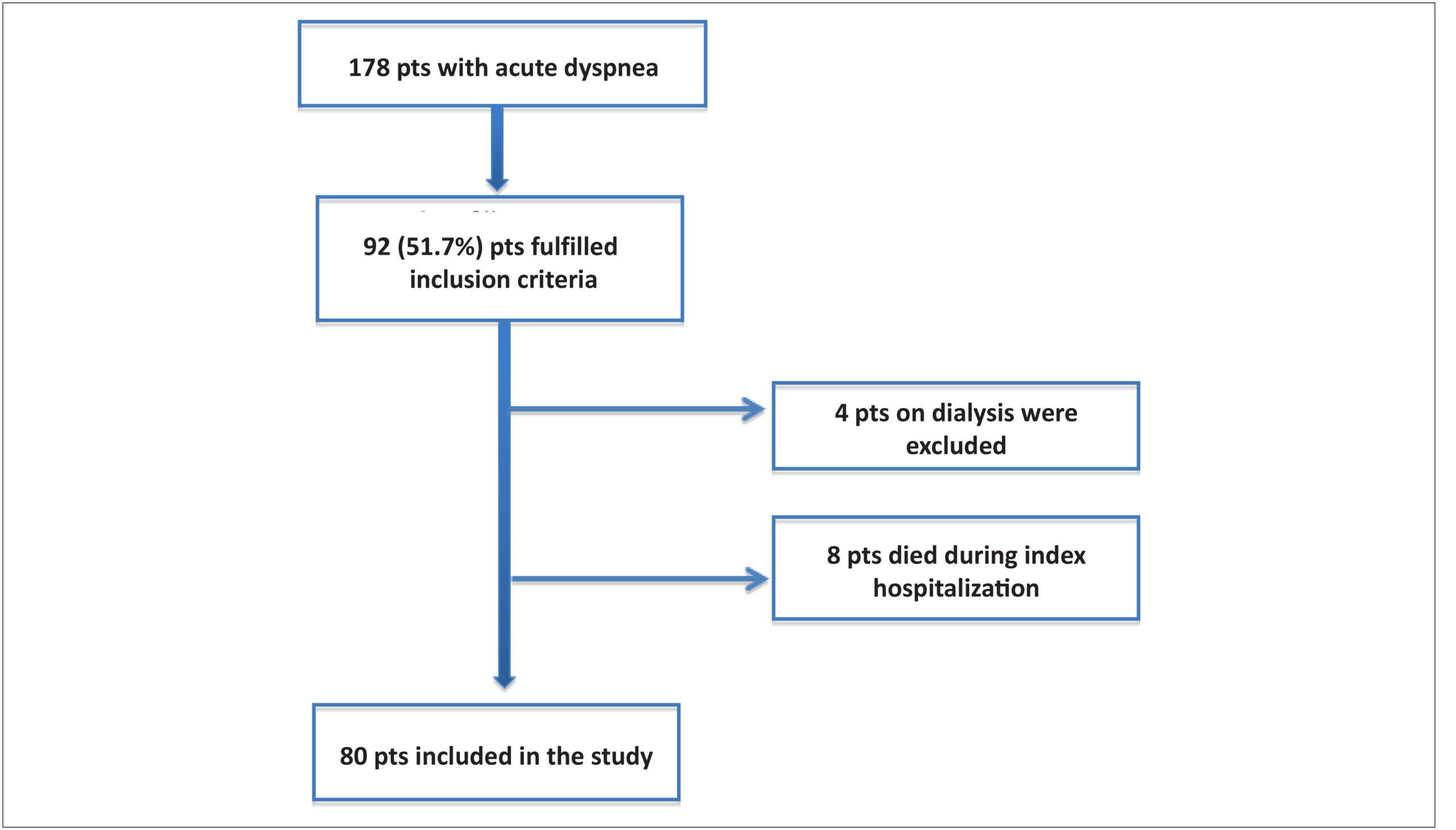
Of 81 patients, 61.73% had AKI. Mean creatinine and urea levels were 1.79±1.0 mg/dL and 81.5±46.0 mg/dL, respectively, and higher in the group with AKI (p < 0.05). No evidence of a relationship between cardiac changes and reduced renal function. Chronic renal disease was associated with higher prevalence of AKI. Higher mortality was observed in patients with AKI than in patients without AKI (32.0% vs. 9.8%, p = 0.04, OR 8.187 ad 95% confidence interval 1.402-17.190, p = 0.020).

Conclusion:

In this population of patients with heart failure, AKI was highly prevalent and considered an independent risk factor for mortality. Cardiac changes were not associated with AKI, and the KDIGO and AKIN criteria showed similar performance.

  • Acute Kidney, Injury/standards(AKIN)
  • Cardio-Renal Syndrome/complications
  • Kidney Disease Improving Global Outcome/standards(KDIGO)
  • Renal Insufficiency
Read Full Article
Creative Commons Attribution (CC BY) Creative Commons license
06/09/2021 DOI: 10.36660/abc.20200097 Views 2
Figure 1
ABC
Original Article

Worsening Renal Function and Congestion in Patients with Acute Heart Failure: A Study with Bioelectrical Impedance Vector Analysis (BIVA) and Neutrophil Gelatinase-Associated Lipocalin (NGAL)

Humberto Villacorta et al. Aline Sterque Villacorta Leonardo Simões de Castro Villacorta Analucia Rampazzo Xavier … Salim Kanaan Felipe Mafort Rohen Leonardo Dinis Albuquerque Daniele Dantas Bastilho Cecília de Oliveira Cudischevitch

Abstract

Background:

Worsening renal function (WRF) is frequently observed in the setting of aggressive diuresis for the treatment of acute decompensated heart failure (ADHF) and is associated with poor outcomes in some studies.

Objective:

We sought to assess the relationship of WRF and congestion at discharge with events (cardiac death or heart failure hospitalization).

Methods:

Eighty patients with ADHF were studied. WRF was defined by an absolute increase in serum creatinine of ≥0.5 mg/dL from the values measured at the time of admission. B-type natriuretic peptide (BNP) and plasma neutrophil gelatinase-associated lipocalin (NGAL) were measured at admission and at discharge. Congestive state at discharge was assessed using bioelectrical impedance vector analysis (BIVA). Primary endpoint was time to first event defined as a combination of cardiac death or heart failure hospitalization. Receiver operating characteristic (ROC) curve analysis was used to determine the best hydration index cutoff to predict events. Kaplan-Meier event-free survival curves were constructed and compared using the log-rank test. Cox proportional hazards models were used to investigate the association with events. The criterion for determining statistical significance was p<0.05.

Results:

Mean age was 60.6±15 years, and 48 (60%) were male. Mean ejection fraction was 35.3±7.8%. WRF occurred in 37.5% of the sample. Baseline creatinine was associated with WRF (p<0.001), but neither admission BNP (p=0.35) nor admission NGAL (p=0.18) was predictor of WRF. Using Cox proportional hazard models, hydration index at discharge calculated with BIVA was significantly associated with events (HR 1.39, 95% CI 1.25-1.54, p<0.0001) but not WRF (HR 2.14, 95% CI 0.62-7.35, p=0.22).

Conclusion:

Persistent congestion at discharge was associated with worse outcomes. WRF seems to be related to hemodynamic changes during the decongestion process but not to kidney tubular injuries.

  • Diuretics/therapeutic use
  • Electric Impedance
  • Heart Failure
  • Hemodynamic
  • Hospitalization
  • Mortality
  • Patient Discharge
  • Renal Insufficiency
Read Full Article
Creative Commons Attribution (CC BY) Creative Commons license
16/04/2021 DOI: 10.36660/abc.20190465
ABC
Editorial

Managing Patients with Infectious Endocarditis and Neurological Complication — The Big Dilemma that Persists Until these Days

Claudio Querido Fortes et al. Natália Rodrigues Querido Fortes

Endocarditis is an extremely challenging disease, both regarding diagnosis and due to the diversity of its presentation, as well as its management, which requires an endocarditis team including professionals from different specialties. An infectious disease specialist, clinical microbiologist, cardiologist, cardiac surgeon, neurologist and imaging specialist are of the essence, and assistance from other specialists is also desirable depending on each case. Its incidence has been increasing in recent decades, especially due to population aging, the growing number of individuals undergoing renal replacement therapy, the higher frequency of patients with prosthetic valves and cardiac electrical devices and also due to the technological advances in invasive diagnostic and therapeutic methods, in addition to the current “epidemic” of recreational intravenous drugs, which have become a serious public health problem in some countries. Despite all the progress made in the diagnosis and treatment of endocarditis, its mortality remains alarmingly high. The persistence of this high mortality may be partially explained by the increase in the number of older fragile patients with multiple comorbidities and patients with prostheses.

The main objectives of the article “ Neurological Complications in Patients with Infective Endocarditis: Insights from a Tertiary Centre” are to evaluate the predictors of neurological complications in patients with infective endocarditis, the predictors of mortality in this group, and to compare the results of clinical treatment with a general practitioner and a surgeon, both among the study population, and stratifying the group of patients with neurological complications.

[…]

  • aging
  • Bacterial/complications
  • Embolization
  • Endocarditis
  • Heart Valve Prosthesis
  • Mortality
  • Neurologic, Complications
  • Pandemics/complications
  • Renal Insufficiency
Read Full Article
Creative Commons Attribution (CC BY) Creative Commons license
16/04/2021 DOI: 10.36660/abc.20210198 Views 1
ABC
Original Article

Effect of Heroin on Electrocardiographic Parameters

Ersin Yildirim et al. Murat Selcuk Faysal Saylik Ferit Onur Mutluer Ozgur Deniz

Abstract

Background

Heroin addiction is currently a significant health problem, and information on the electrocardiographic effects of heroin is limited.

Objetivo

The aim of the present study is to investigate effects of heroin addiction on electrocardiographic parameters.

Methods

A total of 136 individuals, including 66 individuals who smoke heroin as the study group and 70 healthy individuals with no drug addiction as the control group, were included in the study. Individuals who inject heroin were excluded. Electrocardiographic (ECG) evaluation of those using heroin was performed and compared with those of the control group. In addition, pre-treatment and post-treatment ECG of the heroin group were compared. A p-value of <0.05 was accepted as statistically significant.

Results

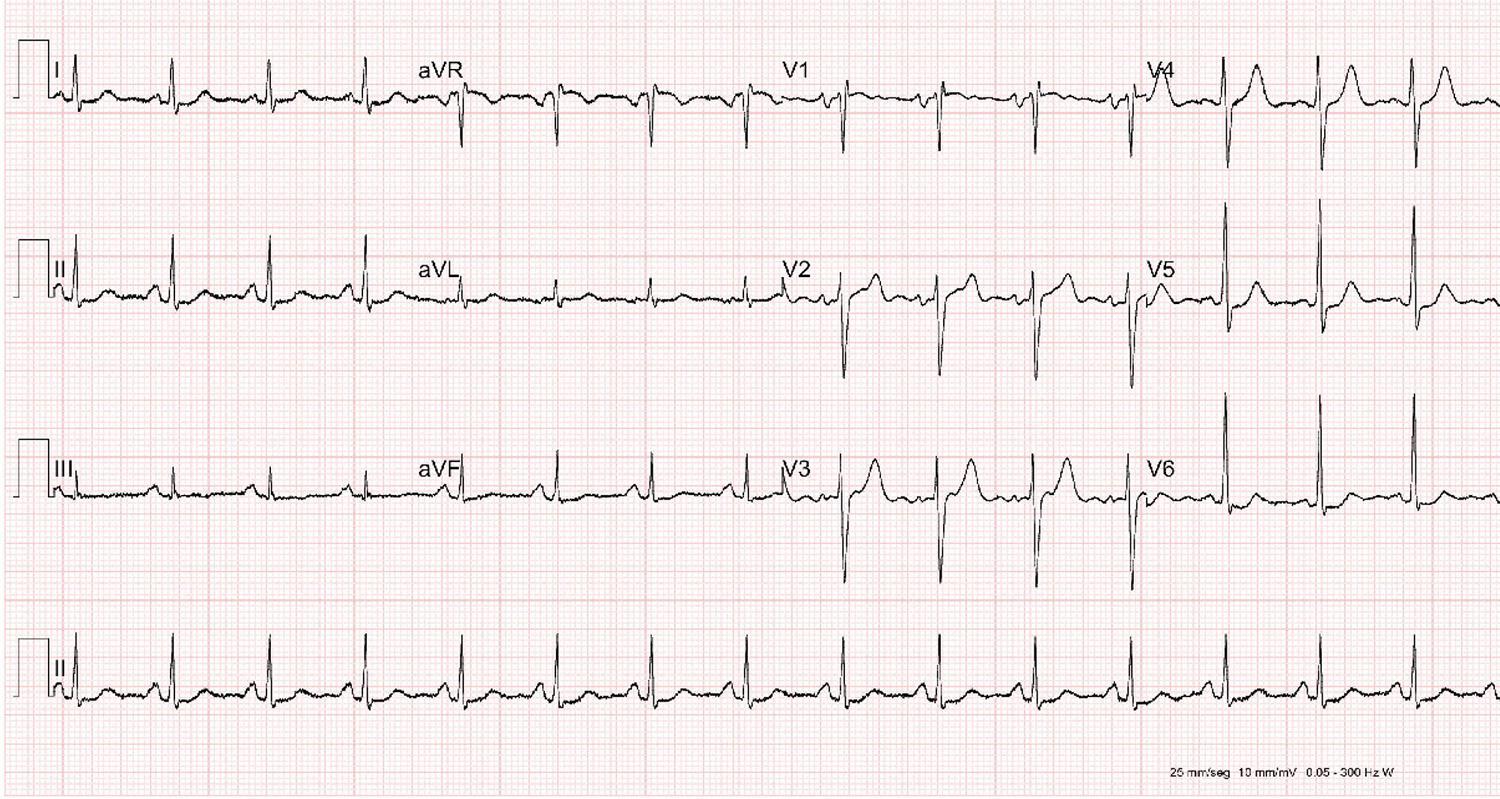
Heart rate (77.2±12.8 versus 71.4±11.2; p=0.02) were found to be higher in the heroin group compared to the control group. QT (341.50±25.80 versus 379.11±45.23; p=0.01), QTc intervals (385.12±29.11 versus 411.3±51.70; p<0.01), and T peak to end time (Tpe) (65.41±10.82 versus 73.3±10.13; p<0.01) were significantly shorter in the heroin group. No difference was observed between the groups with regard to Tpe/QT and Tpe/QTc ratios. In the subgroup analysis of the heroin group, QT (356.81±37.49 versus 381.18±40.03; p<0.01) and QTc (382.06±26.41 versus 396.06±29.80; p<0.01) intervals were significantly shorter in the pre-treatment period.

Conclusion

Heroin addiction significantly affects the QT, QTc, and Tpe time intervals. The arrhythmia effects of these parameters are well known. More attention to the electrocardiographic parameters of these individuals should be given. (Arq Bras Cardiol. 2020; 115(6):1135-1141)

  • Arrhythmias, Cardiac/adverse effects
  • Heroin
  • Heroin Dependence
  • Leukoencephalopaties
  • Long QT Syndrome
  • Narcotics/toxicity
  • Pulmonary Edema
  • Renal Insufficiency
Read Full Article
Creative Commons Attribution (CC BY) Creative Commons license
18/01/2021 DOI: 10.36660/abc.20190296 Views 1
Figure 1
IJCS
Case Report

Cardiac Arrest Due to Hypocalcemia

Fernanda Aburesi Salvadori et al. Eduardo Martelli Moreira Murilo Bacchini Dias Amaro Nunes Duarte-Neto Edison Ferreira de Paiva

Discussion

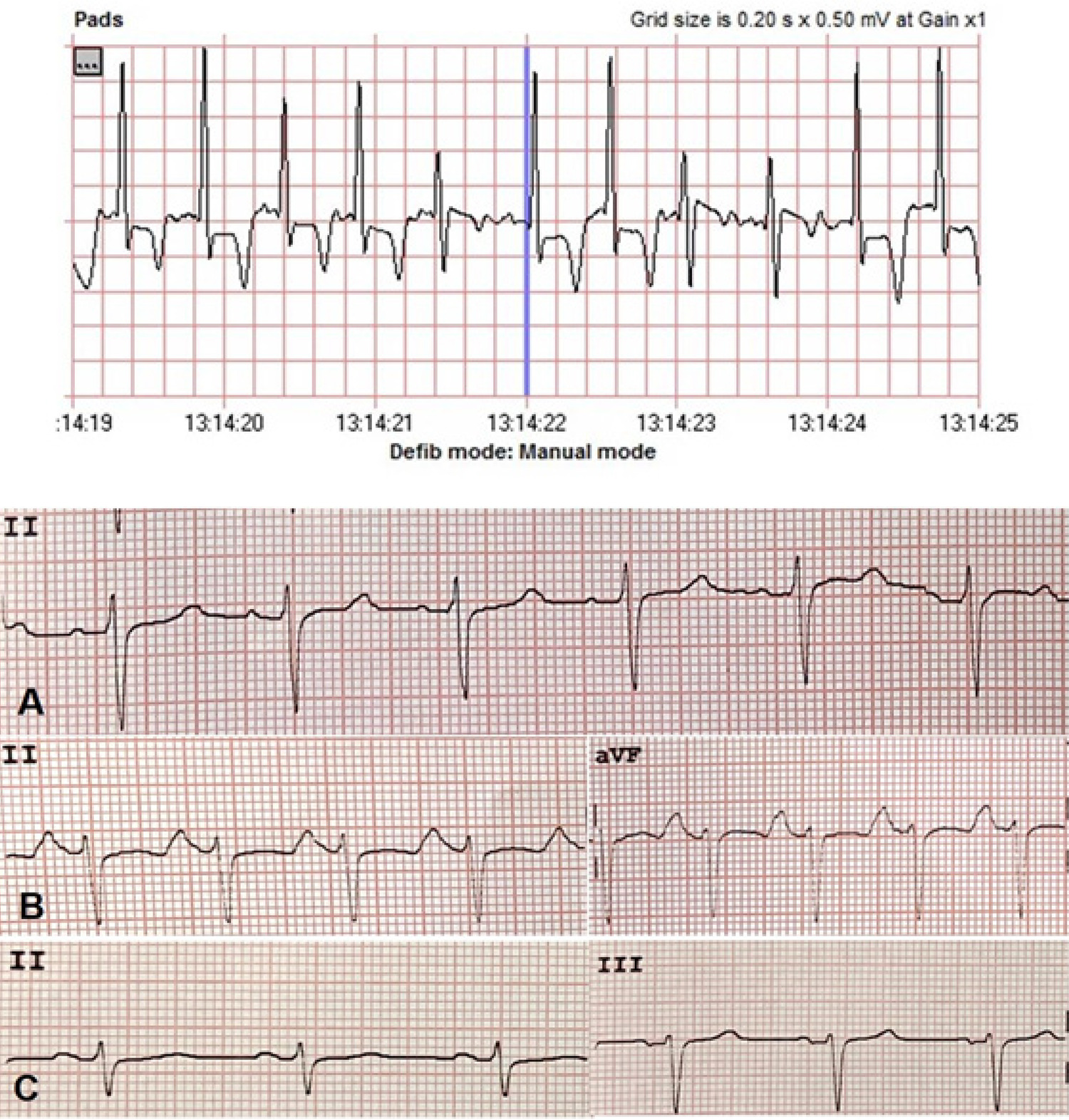
Long QT syndrome (LQTS) can be congenital or acquired. The causes of acquired LQTS include hypocalcemia, due to prolongation of the phase 2 of the action potential (AP), medications (amiodarone, antidepressants and neuroleptics), hypokalemia, hypomagnesemia and severe bradycardia. – LQTS is associated with a specific polymorphic ventricular tachycardia (VT), named as torsades de pointes (TdP), because of the characteristic shift in the QRS axis that gives the impression of a “torsion”.

The QT interval is a marker of the AP duration. In LQTS patients, the AP is prolonged unevenly across the myocardium, so as to cause high dispersion of repolarization. The AP prolongation favors the formation of early afterdepolarization (EAD), which are deformities in the plateau and rapid repolarization phases (2 and 3) capable of inducing ventricular extrasystoles. EADs in the unevenly repolarized myocardium are the cause of TdP. Tachycardia is sustained due to focal electric activity and/or a reentrant mechanism. It may either cease spontaneously or degenerate into ventricular fibrillation and cardiac arrest , .

[…]

  • Cardiopulmonary Resuscitation
  • Heart Arrest
  • Hypertension
  • Hypocalcemia
  • Kidney Transplantation
  • renal dialysis
  • Renal Insufficiency
  • Tachycardia, Ventricular
Read Full Article
Creative Commons Attribution (CC BY) Creative Commons license
23/11/2020 DOI: 10.36660/ijcs.20200034
IJCS
Original Article

The Role of Cardiovascular Risk Factors and Risk Scoring Systems in Predicting Coronary Atherosclerosis

Suat Gormel et al. Uygar Cagdas Yuksel Murat Celik Salim Yasar … Erkan Yildirim Baris Bugan Yalcin Gokoglan Hasan Kutsi Kabul Salim Yasar Mustafa Köklü Cem Barçın

Abstract

Background

Comparative data on the performance of cardiovascular risk scoring systems (CRSSs) in patients with severe coronary artery disease (CAD) are lacking.

Objectives

To compare different CRSSs regarding their ability to discriminate patients with severe CAD.

Method

A total of 414 patients (297 men; 61.3±12.3 years of age) undergoing coronary angiography were enrolled and evaluated for major risk factors. Cardiovascular risk and risk category were defined for each patient using the Framingham, Systemic Coronary Risk Evaluation (SCORE), and Pooled Cohort Risk Assessment Equation (PCRAE) tools. Severe CAD was defined as ≥ 50% stenosis in at least one major coronary artery and/or previous coronary stenting or coronary artery bypass grafting. A p < 0.05 was considered statistically significant.

Results

Severe CAD was identified in 271 (65.4%) patients. The ROC curves of the 3 CRSSs for predicting severe CAD were compared and showed no significant difference: the area under the ROC curve was 0.727, 0.694, and 0.717 for the Framingham, SCORE, and PCRAE tools, respectively (p > 0.05). However, when individual patients were classified as having low, intermediate, or high cardiovascular risk, the rate of patients in the high-risk group was significantly different between the PCRAE, Framingham, and SCORE tools (73.4%, 27.5%, and 37.9%, respectively; p < 0.001).

Discussion

PCRAE had higher positive and negative predictive values for detecting severe CAD in high-risk patients than the Framingham and SCORE tools.

Conclusion

We can speculate that currently used CRSSs are not sufficient, and new scoring systems are needed. In addition, other risk factors, such as serum creatinine, should be considered in future CRSSs. Int J Cardiovasc Sci. 2020; [online].ahead print, PP.0-0

  • Atherosclerosis
  • Cardiovascular Diseases
  • Coronary Angiography
  • Coronary Artery Diseases
  • Diabetes Mellitus
  • Epidemiology
  • Heredity
  • Hypertension
  • Renal Insufficiency
  • Risk Factors
Read Full Article
Creative Commons Attribution (CC BY) Creative Commons license
06/11/2020 DOI: 10.36660/ijcs.20190134 Views 1
Figure 1
ABC
Review Article

Acute Cardiorenal Syndrome: Which Diagnostic Criterion to Use And What is its Importance for Prognosis?

Andréa de Melo Leite et al. Bruno Ferraz de Oliveira Gomes André Casarsa Marques João Luiz Fernandes Petriz … Denilson Campos de Albuquerque Pedro Pimenta de Mello Spineti Antonio José Lagoeiro Jorge Humberto Villacorta Wolney de Andrade Martins

Abstract

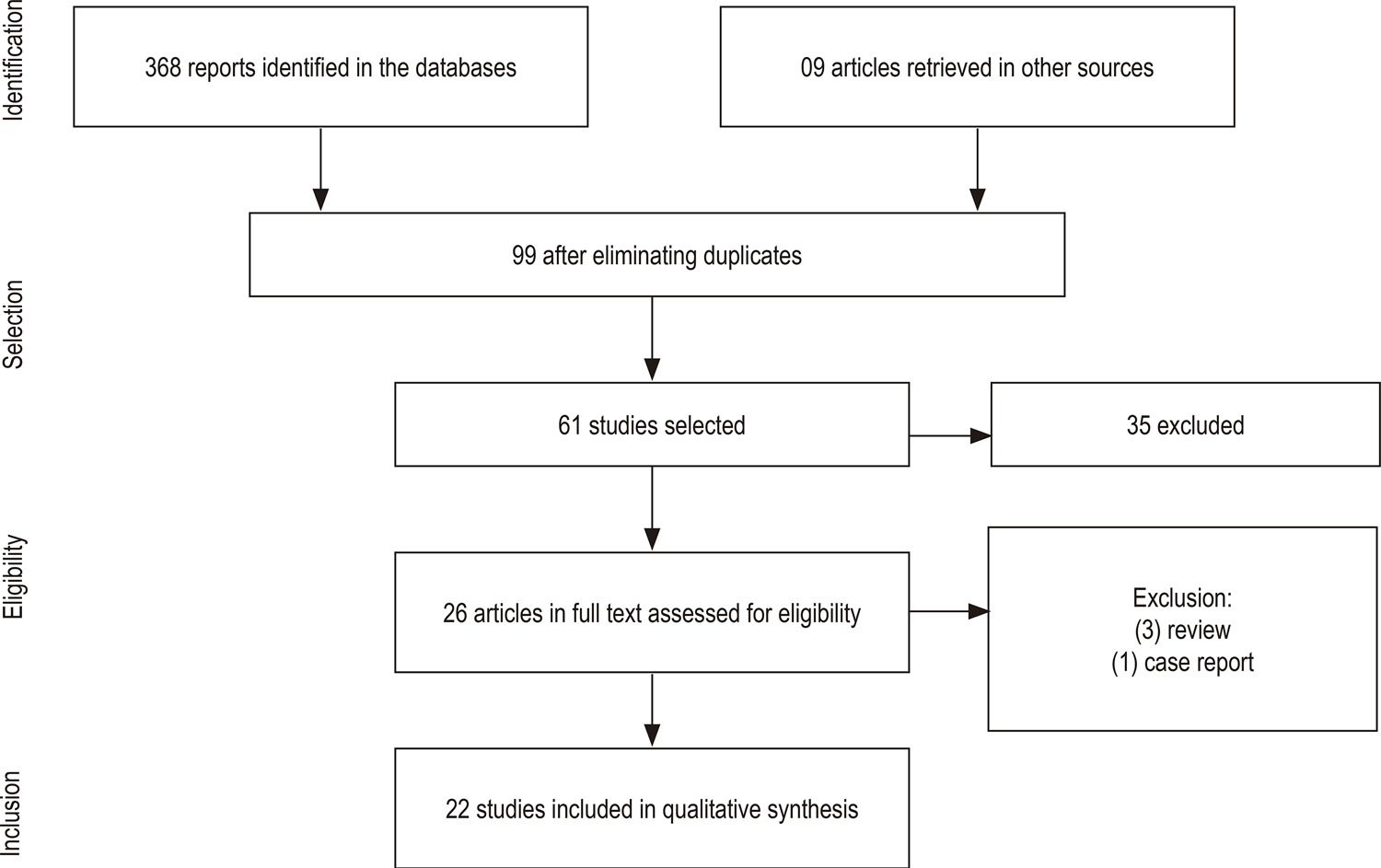
The absence of a consensus about the diagnostic criteria for acute cardiorenal syndrome (ACRS) affects its prognosis. This study aimed at assessing the diagnostic criteria for ACRS and their impact on prognosis. A systematic review was conducted using PRISMA methodology and PICO criteria in the MEDLINE, EMBASE and LILACS databases. The search included original publications, such as clinical trials, cohort studies, case-control studies, and meta-analyses, issued from January 1998 to June 2018. Neither literature nor heart failure guidelines provided a clear definition of the diagnostic criteria for ACRS. The serum creatinine increase by at least 0.3 mg/dL from baseline creatinine is the most used diagnostic criterion. However, the definition of baseline creatinine, as well as which serum creatinine should be used as reference for critical patients, is still controversial. This systematic review suggests that ACRS criteria should be revised to include the diagnosis of ACRS on hospital admission. Reference serum creatinine should reflect baseline renal function before the beginning of acute kidney injury.

  • Cardiorenal Syndrome
  • Creatinine
  • Heart Failure
  • Prognosis
  • Renal Insufficiency
  • systematic review
Read Full Article
Creative Commons Attribution (CC BY) Creative Commons license
07/08/2020 DOI: 10.36660/abc.20190207
Figure 1
ABC
Anatomopathological Correlation

Case 1/2020 – A 56 Year-Old Woman Developed Heart Failure after a Presumed Diagnosis of Acute Myocardial Infarction and Mitral Valve Regurgitation with Rupture of Chordae Tendineae

Desiderio Favarato et al. Luiz Alberto Benvenuti

Clinical aspects

A 55-year-old patient with arterial hypertension and heart failure for one year and with chest pain, had a cardiorespiratory arrest five months before, developed heart failure and mitral regurgitation due to mitral valve prolapse and rupture of chordae tendineae.

The diagnostic impression is that heart failure due to mitral valve disease preceded the episode of precordial pain and severe dyspnea.

[…]

  • Heart Failure/physiopathology
  • Mitral Valve Prolapse/surgery
  • Myocardial Infarction
  • Postoperative Care
  • Renal Insufficiency
  • Sepsis
  • Shock, Cardiogenic
Read Full Article
Creative Commons Attribution (CC BY) Creative Commons license
18/05/2020 DOI: 10.36660/abc.20200024
Figure 1
ABC
Case Report

A Life-threatening Combination: Indomethacin and Dabigatran

Adem Adar et al. Orhan Onalan Fahri Cakan

Introduction

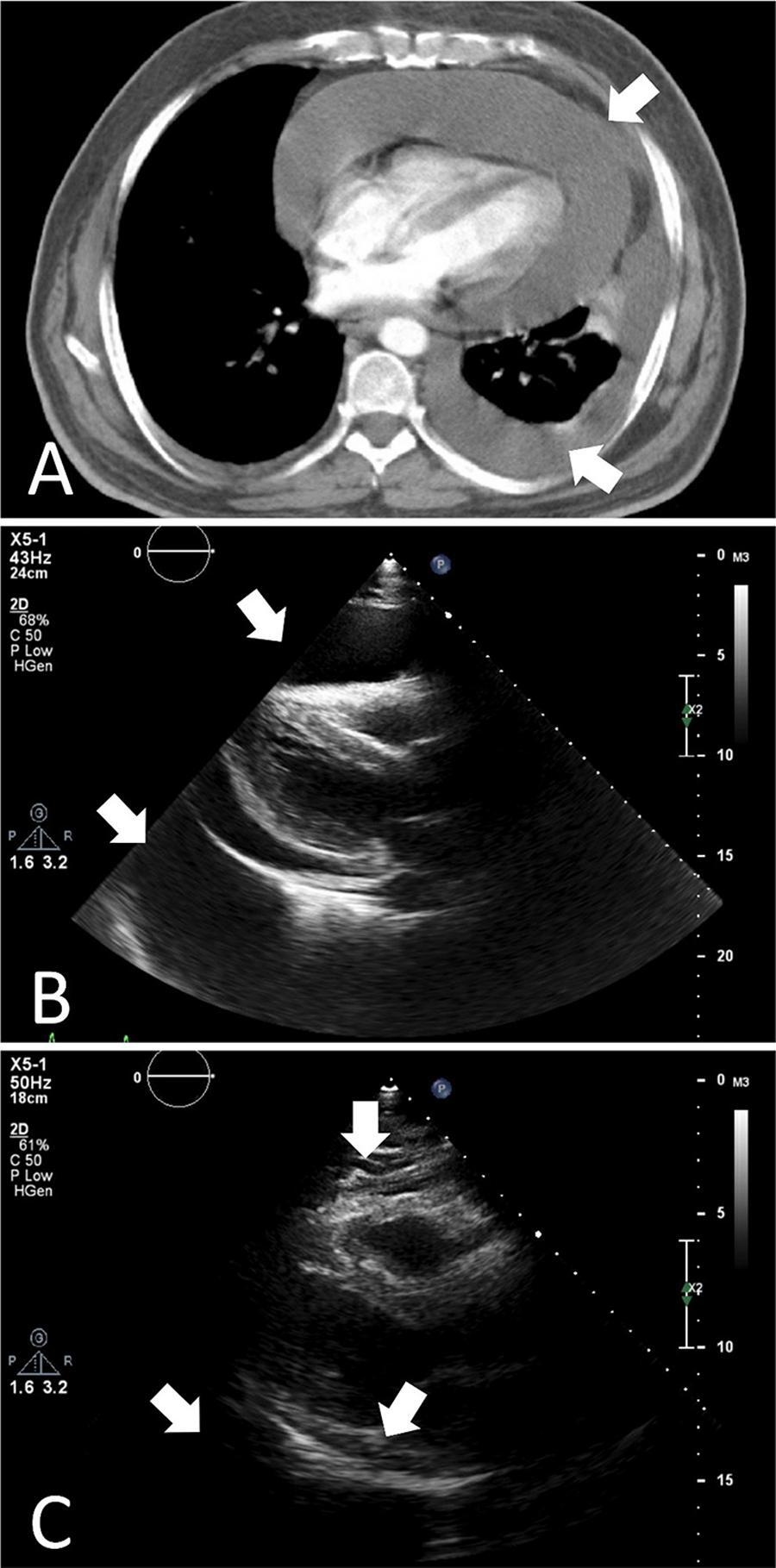
Although rare, several bleeding complications may occur in patients receiving dabigatran. The risk of bleeding is particularly high in patients with impaired kidney functions or in patients who are on concomitant nephrotoxic drugs. We report a case of massive pleuropericardial effusion developed after the initiation of indomethacin treatment in a patient who was receiving dabigatran for deep venous thrombosis.

[…]

  • Cardiomegaly
  • Dabigatran/administration & dosage
  • Echocardiography
  • Indomenthacin/administration & dosage
  • Pleural Effusion
  • Renal Insufficiency
Read Full Article
Creative Commons Attribution (CC BY) Creative Commons license
18/05/2020 DOI: 10.36660/abc.20180159 Views 1
Figure 1
ABC
Original Article

Left Ventricular Remodeling Patterns in Primary Healthcare

Roberto de Castro Meirelles de Almeida et al. Antonio José Lagoeiro Jorge Maria Luiza Garcia Rosa Adson Renato Leite … Dayse Mary S. Correia Evandro Tinoco Mesquita Sergio Chermont Jocemir Ronaldo Lugon Wolney de Andrade Martins

Abstract

Background:

Left ventricular remodeling (LVR) is related to both non-fatal and fatal outcomes.

Objective:

To describe the geometric patterns of the LV and their associations.

Methods:

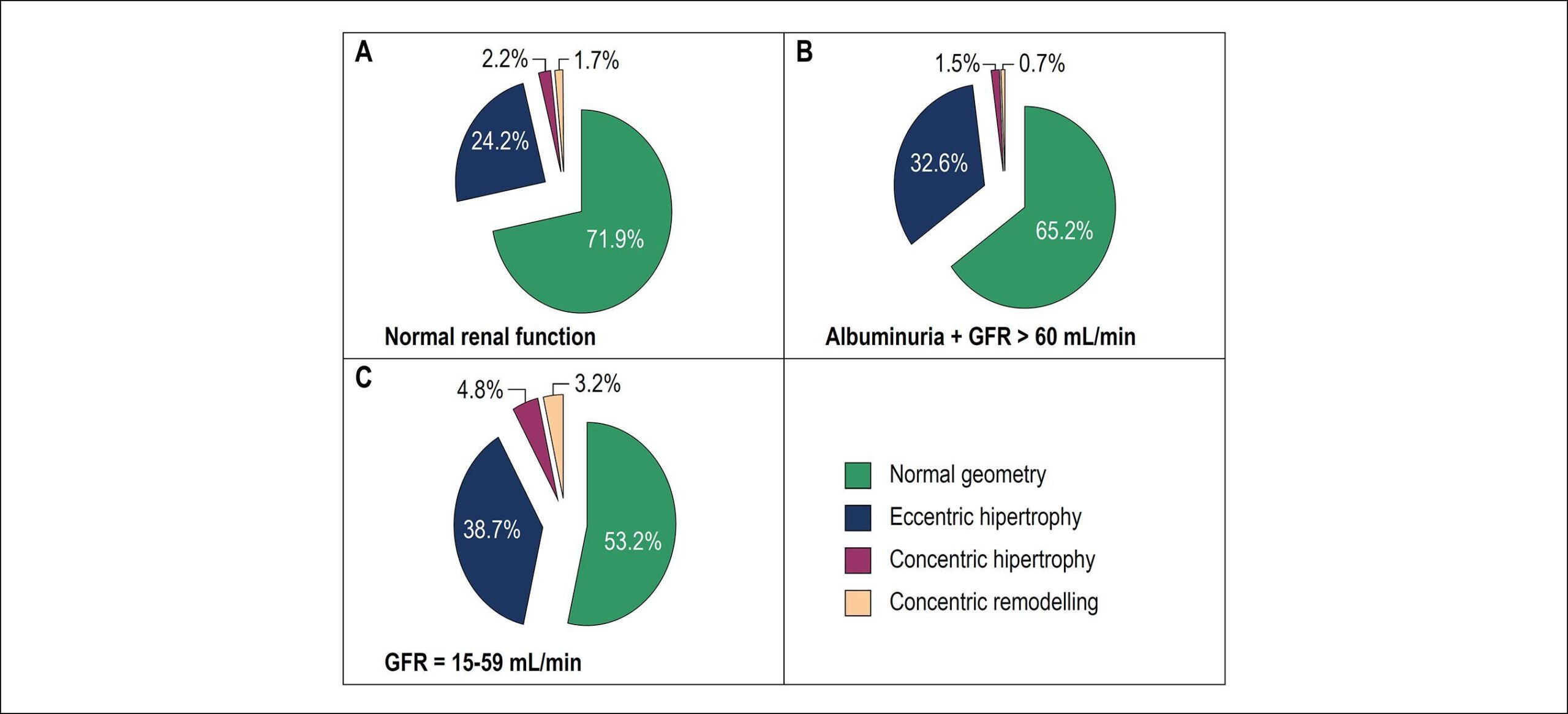
A total of 636 individuals between the ages of 45 and 99 years in Rio de Janeiro, Brazil, were submitted to clinical evaluation, laboratory tests, electrocardiogram, and tissue Doppler echocardiography (TDE). The difference between categories was tested with Kruskall-Wallis with post hoc tests, once all variables studied are non-normally distributed and Pearson’s Qui-square (categorical variables). Gross and adjusted ORs were estimated by logistic regression. The level of significance was 5% for all tests. Subjects had LVR characterized as: normal geometry (NG), concentric remodeling (CR), concentric hypertrophy (CH), and eccentric hypertrophy (EH).

Results:

The prevalence of altered patterns was 33%. Subjects presented NG (n = 423; 67%); EH (n = 186; 29%); CH (n = 14; 2%); and CR (n = 13; 2%). The variables of gender, age, level of education and albumin/creatinine ratio (A/C), showed a relationship with the chance of EH even after adjustment.

Conclusion:

Approximately one third of the studied individuals had LVR and were at risk for developing heart failure. Altered A/C in urine was associated with EH, indicating an early relationship between cardiac and renal dysfunction.

  • Cardiovascular Diseases/physiopathology
  • Comorbidity
  • Heart Failure
  • Hypertrophy Left Ventricular
  • Renal Insufficiency
  • Risk Factors/complications
  • Ventricular Remodeling
Read Full Article
Creative Commons Attribution (CC BY) Creative Commons license
10/02/2020 DOI: 10.36660/abc.20180258
Figure 1
ABC
Original Article

Effects and Mechanisms of Radiofrequency Ablation of Renal Sympathetic Nerve on Anti-Hypertension in Canine

Wei Chen et al. Xiaohong Tang Xiaofang Yang Chunyan Weng … Kan Yang Juan Wen Hong Liu Yang Wu

Abstract

Background:

Radiofrequency ablation of renal sympathetic nerve (RDN) shows effective BP reduction in hypertensive patients while the specific mechanisms remain unclear.

Objective:

We hypothesized that abnormal levels of norepinephrine (NE) and changes in NE-related enzymes and angiotensinconverting enzyme 2 (ACE2), angiotensin (Ang)-(1-7) and Mas receptor mediate the anti-hypertensive effects of RDN.

Methods:

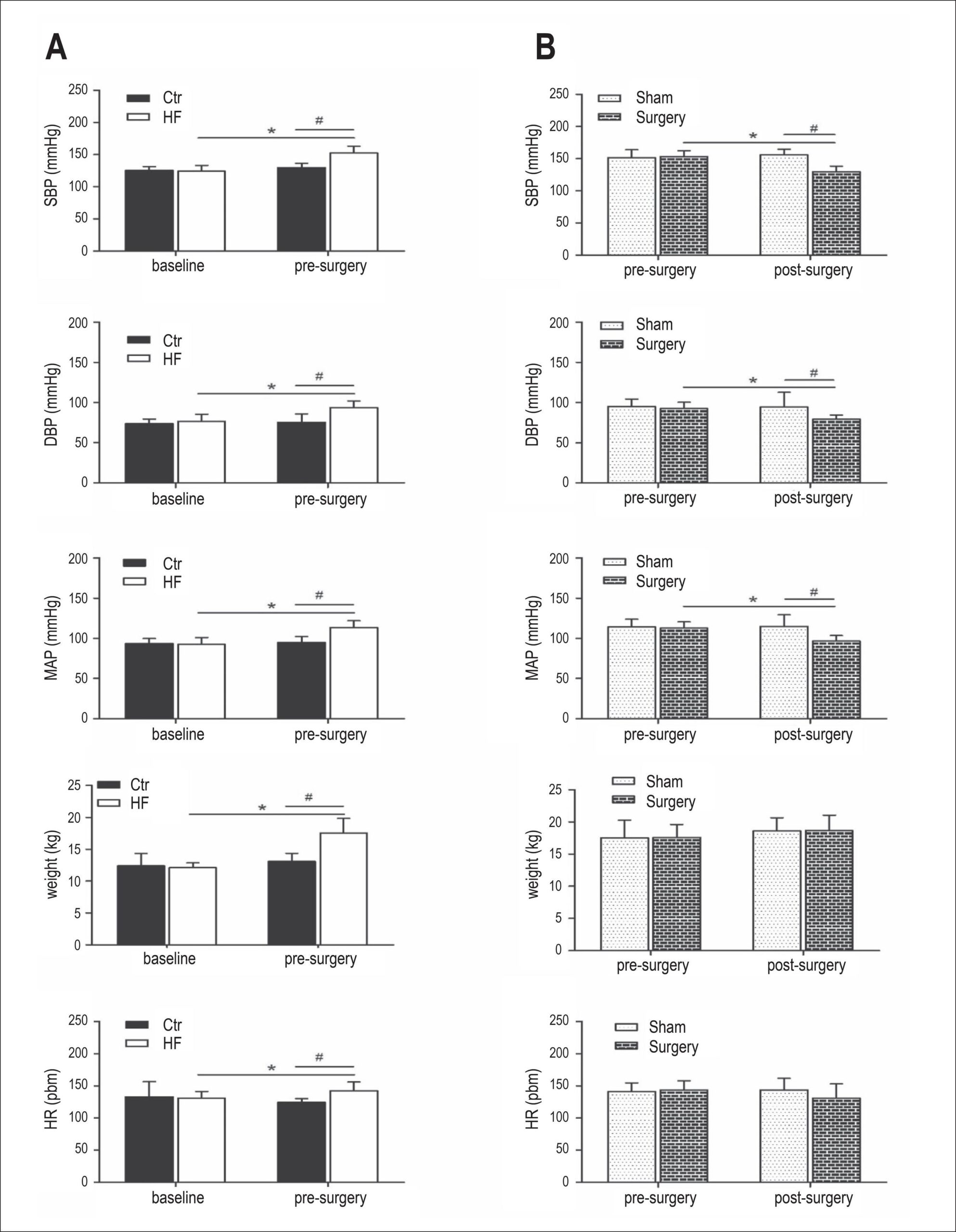
Mean values of systolic blood pressure (SBP), diastolic blood pressure (DBP) and mean arterial pressure (MAP) were assessed at baseline and follow-up. Plasma and renal norepinephrine (NE) concentrations were determined using highperformance liquid chromatography with electrochemical detection, and levels of NE-related enzyme and ACE2-Ang(1-7)- Mas were measured using real time PCR, Western blot and immunohistochemistry or Elisa in a hypertensive canine model fed with high-fat diet and treated with RDN. The parameters were also determined in a sham group treated with renal arteriography and a control group fed with normal diet.

Results:

RDN decreased SBP, DBP, MAP, plasma and renal NE. Compared with the sham group, renal tyrosine hydroxylase (TH) expression was lower and renalase expression was higher in the RDN group. Compared with the control group, renal TH and catechol-o-methyl transferase (COMT) were higher and renalase was lower in the sham group. Moreover, renal ACE2, Ang-(1-7) and Mas levels of the RDN group were higher than those of the sham group, which were lower than those of the control group.

Conclusion:

RDN shows anti-hypertensive effect with reduced NE and activation of ACE2-Ang(1-7)-Mas, indicating that it may contribute to the anti-hypertensive effect of RDN.

  • Dogs
  • Hypertension
  • Radio Waves
  • Renal Insufficiency
  • Sympatectomy
Read Full Article
Creative Commons Attribution (CC BY) Creative Commons license
06/03/2017 DOI: 10.5935/abc.20170014 Views 1
Prognostic factors in patients with acute coronary syndrome without ST segment elevation
ABC
Artigo Original

Prognostic factors in patients with acute coronary syndrome without ST segment elevation

Jessica Carolina Matos D'Almeida Santos et al. Mário de Seixas Rocha Marcos da Silva Araújo

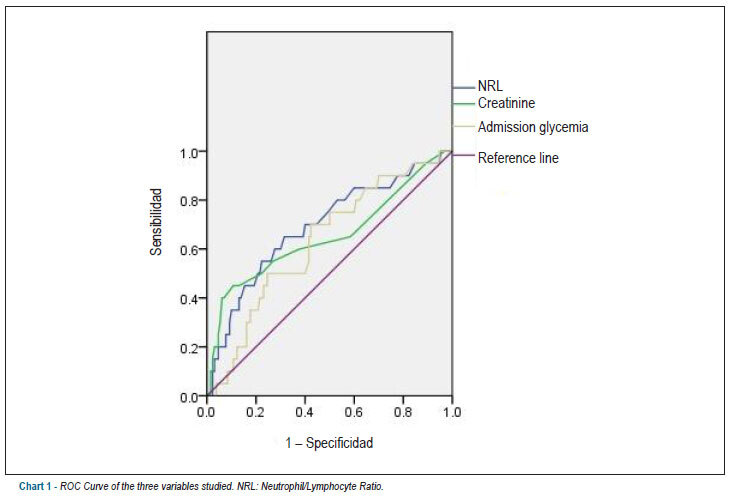
BACKGROUND: In patients with acute coronary syndromes (ACS) without ST segment elevation (SSE), it is suggested that a series of markers (inflammatory cells, hyperglycemia and renal function) can identify individuals with increased risk for cardiovascular events. OBJECTIVE: To evaluate the impact of these laboratory parameters on intra-hospital outcomes of patients with ACS with no SSE. METHODS: We prospectively evaluated 195 patients consecutively admitted with ACS with no SSE. Demographic and clinical laboratory data were recorded during the course of the hospitalization period in relation to the occurrence of combined events. RESULTS: Mean age was 67 ± 12 years, and 52% were men. In analyzing the area under the ROC curve, only neutrophil/lymphocyte ratios (AUC: 70%, CI 95% 56%-82%, p = 0.006) and creatinine (AUC: 62%, CI 95% 50%-80%, p = 0.03) discriminated those patients with ACS with no SSE who presented an adverse outcome. The patients who suffered an adverse event during hospitalization had lower lymphocyte counts (1502 ± 731/mm ³ vs. 2020 ± 862/mm³; p = 0.002), lower glomerular filtration rates (51 ± 27 mL / min vs. 77 ± 34 mL/min; p < 0,001) and higher serum creatinine levels (2.1 ± 2.7 mg/dL vs. 1.1 ± 1.3 mg/dL; p = 0.047) than those who progressed through hospitalization without incident. The logistic regression analysis showed that variables remaining as independent and significant predictors were: glomerular filtration rate (OR: 1.03; CI 95%: 1.00 – 1.13, p = 0.002), and lymphocyte count (OR: 1.02; CI95%: 1.01 to 1.04, p = 0.03). CONCLUSION: Assessment of renal function and lymphocyte count provide potentially useful information for the prognostic stratification in patients with ACS with no SSE (Arq Bras Cardiol. 2013; [online].ahead print, PP.0-0).

  • Acute coronary syndrome
  • Hyperglycemia
  • Leukocyte Count
  • Renal Insufficiency
Read Full Article
Creative Commons Attribution (CC BY) Creative Commons license
12/04/2013 DOI: 10.5935/abc.20130077 Views 1
Impact of chronic kidney disease on the efficacy of drug-eluting stents: long-term follow-up study
ABC
Artigo Original

Impact of chronic kidney disease on the efficacy of drug-eluting stents: long-term follow-up study

Vitor Osório Gomes et al. Patrícia Blaya Ricardo Lasevitch Denise Oliveira … Patrícia Hickmann Luís Smidt Carisi Polanczyk Paulo Caramori

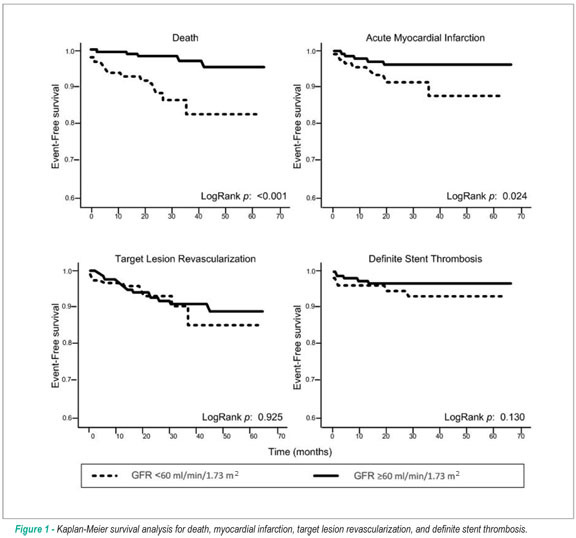
BACKGROUND: Patients with chronic kidney disease (CKD) submitted to coronary angioplasty have higher rates of target lesion revascularization (TLR) and mortality. Drug-eluting stents (DES) are associated with a lower rate of restenosis, compared to bare metal stents (BMS), although data on DES efficacy and safety is limited in patients with CKD. OBJECTIVE: We sought to evaluate the safety and efficacy of DES in patients with significant CKD as compared to patients without normal renal function in a real world registry. METHODS: 504 patients who underwent percutaneous coronary intervention with DES in two centers were included. Outcomes were stratified based on the presence of CKD, defined as a baseline glomerular filtration rate (GFR) < 60 ml/min/1.73 m². RESULTS: The mean follow-up was 22.7 months. CKD was present in 165 patients (32.7%). Patients with CKD were older, had a higher incidence of hypertension and diabetes. CKD patients presented an increased incidence of death (12.3% vs 2.4%, p < 0.001) and myocardial infarction (MI) (7.4% vs 3.3%, p = 0.04) compared to patients without CKD. TLR rates were similar between groups (4.8% vs 5.6%, p = 0.7, CKD and no CKD patients, respectively). Independent predictors of death were CKD (HR 6.93; 2.4 – 19.5, p < 0.001), current smoking (HR 3.66; 1.20 – 11.10, p = 0.02) and diabetes (HR 2.66; 1.03 – 6.60, p = 0.045). CONCLUSION: In this registry, coronary intervention with DES in patients with CKD was associated with similar TLR compared to patients without CKD, demonstrating the efficacy of DES in preventing in-stent restenosis in this patient population. CKD was related to significantly increased MI and mortality rates.

  • Chronic
  • Drug-Eluting Stents
  • Efficacy
  • Follow-Up Studies
  • Renal Insufficiency
Read Full Article
Creative Commons Attribution (CC BY) Creative Commons license
15/04/2011 DOI: 10.1590/S0066-782X2011005000045 Views 1
ABC
Anatomopathological Session

Case 1 /2011- seventy-four-year-old female patient with sudden apnea and acute cholecystitis, five days after acute myocardial infarction without critical coronary lesions

Ricardo Casalino Sanches de Moraes et al. Leonardo Celeste Mangili Luiz Alberto Benvenuti

ANATOMOPATHOLOGICAL SESSION

[…]

  • cholecystitis, acute
  • Dyspnea
  • Infarction
  • Renal Insufficiency
Read Full Article
Creative Commons Attribution (CC BY) Creative Commons license
31/03/2011 DOI: 10.1590/S0066-782X2011000300016 Views 1
Coronary calcium score as predictor of stenosis and events in pretransplant renal chronic failure
ABC
Artigo Original

Coronary calcium score as predictor of stenosis and events in pretransplant renal chronic failure

Miguel Abraão Rosário et al. José Jayme de Lima José R. Parga Luiz F. Ávila … Luis H. Gowdak Pedro A. Lemos Carlos E. Rochitte

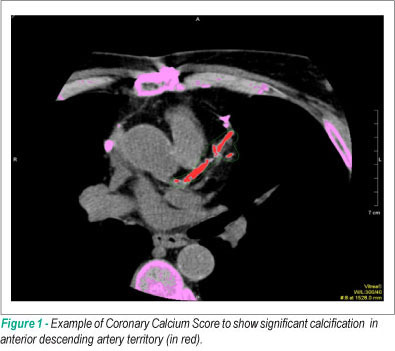
BACKGROUND: Coronary artery disease (CAD) is the major cause of death among chronic renal failure (CRF) patients. Traditional, non-invasive exams to detect CAD and to predict events have shown insufficient results in this group. CT Scan evaluation of Coronary Calcium Score (CCS) has proven to be of prognostic value for the population reporting no renal condition. OBJECTIVE: To investigate CCS accuracy in detecting obstructive CAD and in predicting cardiovascular events in candidates to renal transplant as compared to quantitative invasive coronary angiography (ICA). METHODS: Ninety-seven (97) CRF patients aged > 35 were evaluated. Obstructive CAD was considered as >50% or >70% stenosis on ICA. Descriptive data, concordance, diagnostic tests, Kaplan-Meier, and multivariate analysis were used. RESULTS: Agatston mean score was 580.6 ± 1,102.2. Minimum and maximum values were 0 and 7,994, with median at 176. Only 14 patients had zero calcium score. No differences were reported in regard to ethnicity. Highest regional calcium was associated to the highest probability of coronary stenosis in the same segment. Agatston calcium score showed high accuracy for the diagnosis of >50% and >70% stenosis, with area under ROC curve (AUC) of 0.75 and 0.70, respectively. At the threshold of 400, calcium score identified a subgroup with a higher rate of cardiovascular events at an average follow-up time of 29±11.0 months. CONCLUSION: CCS proved to have good diagnostic and prognostic performance for cardiovascular events evaluation in CRF patients.

  • calcio score
  • Chronic
  • Coronary Artery Disease
  • determination
  • emission-computed
  • Prognostic
  • Renal Insufficiency
  • Tomography
Read Full Article
Creative Commons Attribution (CC BY) Creative Commons license
05/05/2010 DOI: 10.1590/S0066-782X2010000200018 Views 2
Renal dysfunction and anemia in patients with heart failure with reduced versus normal ejection fraction
ABC
Artigo Original

Renal dysfunction and anemia in patients with heart failure with reduced versus normal ejection fraction

Humberto Villacorta et al. Bolivar F. Saenz-Tello Eduarda Barcellos dos Santos Ricardo Steffen … Christiane Wiefels Luiz Costa Lima Ana Luíza F. Sales Pedro Soares Evandro Tinoco Mesquita

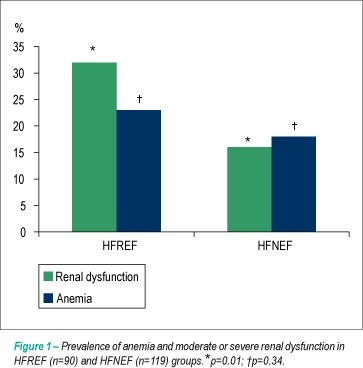
BACKGROUND: The presence of anemia and renal dysfunction grants a bad prognosis for patients with heart failure and reduced ejection fraction (HFREF). The impact on patients with heart failure and normal ejection fraction (HFNEF) is not widely studied. OBJECTIVES: To study the prevalence and the prognosis of anemia and renal dysfunction (RD) in patients with heart failure according to the type of ventricular dysfunction. METHODS: A total of 209 patients with chronic and stable heart failure were prospectively studied. Individuals with ejection fraction <50% were considered as HFREF patients. Anemia was defined, based on WHO criteria, as hemoglobin <13 g/dl for men and <12 g/dl for women. Renal function was calculated by means of the Simplified Modified Diet Renal Disease (sMDRD) formula. Hospitalizations, emergency admittances and obit by cardiac causes were considered as cardiac events. RESULTS: Ninety patients had HFREF and 119 had HFNEF. The glomerular filtration rate (GFR) was smaller in HFREF group (57.6 ± 66.2 versus 94.8 ± 36.6 ml/min/1.73m²; p=0.01). There was no difference in the prevalence of anemia between groups (23.3% versus 18.5%; p=0.34). Moderate to severe RD prevalence was higher in HFREF group (32.2% versus 16.8%; p=0.01). RD was the only factor associated with anemia that was independently associated with cardiac events (HR 2.52; 95%CI=1.27-5.2; p=0.01). CONCLUSION: RD was less prevalent in HFNEF, while the prevalence of anemia did not differ between groups. RD was predictor of cardiac events independently on ejection fraction.

  • Anemia
  • Heart Failure
  • Renal Insufficiency
Read Full Article
Creative Commons Attribution (CC BY) Creative Commons license
28/04/2010 DOI: 10.1590/S0066-782X2010000300016
Renal resistance index predicting outcome of renal revascularization for renovascular hypertension
ABC
Artigo Original

Renal resistance index predicting outcome of renal revascularization for renovascular hypertension

Simone N. Santos et al. Luiz R. Leite Tak Sun Tse Rebecca Beck … Robert A. Lee Roger F. J. Shepherd

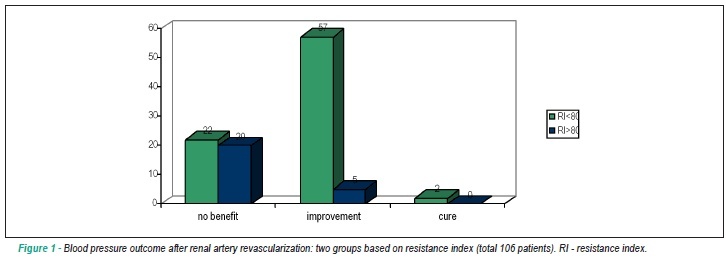
BACKGROUND: Renal artery stenosis (RAS) is a potentially correctable cause of hypertension and ischemic nephropathy. Despite successful renal revascularization, not all patients (pt) overcome it and some get worse. OBJECTIVE: This study was designed to assess the value of renal resistance index (RI) in predicting the outcome of renal revascularization. METHODS: Between Jan 1998 and Feb 2001, 2,933 pts were referred to renal duplex ultrasound. 106 out of these had significant RAS and underwent angiography and renal revascularization. Arterial blood pressure (BP) was measured before and after the intervention, at intervals of up to 2 years and medications recorded. Prior to revascularization, RI was measured at 3 sites of each kidney and averaged. RESULTS: Out of the 106 patients, 81 had RI80. RAS was corrected with angioplasty (PTA) alone in 25 pts, PTA + stent in 56 pts and corrected by surgery in 25 pts. Of patients who benefited from renal revascularization; 57 of the 81 patients with RI 80. Using a multiple logistic regression model, RI was significantly associated with BP outcome (p=0.001), adjusted for the effects of age, sex, SBP, DBP, duration of hypertension, type of revascularization, number of medication in use, creatinine level, presence of diabetes mellitus, hypercholesterolemia, stroke, peripheral and coronary artery disease and kidney size (OR 99.6 – 95%CI for OR 6.1 to 1,621.2). CONCLUSION: Intrarenal arterial resistance measured by duplex ultrasound plays an important role in predicting BP outcome after renal revascularization for RAS.

  • Hypertension
  • Kidney
  • Renal Artery Obstruction
  • Renal Insufficiency
  • renovascular
Read Full Article
Creative Commons Attribution (CC BY) Creative Commons license
26/03/2010 DOI: 10.1590/S0066-782X2010005000018 Views 2
Acute kidney injury after on-pump coronary artery bypass graft surgery
ABC
Artigo Original

Acute kidney injury after on-pump coronary artery bypass graft surgery

Maurício de Nassau Machado et al. Rafael Carlos Miranda Isabela Thomaz Takakura Eduardo Palmegiani … Carlos Alberto dos Santos Marcos Aurélio Oliveira Osana M. Mouco Mauro E. Hernandes Maria Angélica Lemos Lília N. Maia

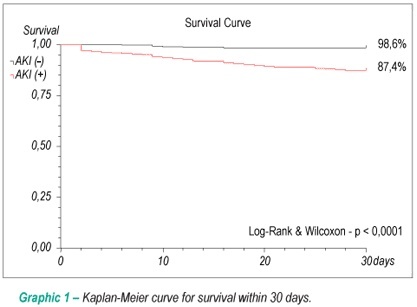
BACKGROUND: The acute kidney injury (AKI) is a complex disease for which there is no accepted standard definition nowadays. The Acute Kidney Injury Network (AKIN) represents an attempt to standardize the criteria for diagnosis and staging of acute renal dysfunction based on recently published RIFLE criteria, that means, (Risk, Injury, Failure, Loss, and End-stage kidney disease). OBJECTIVES: To evaluate the incidence and associated mortality of AKI in patients submitted to on-pump coronary artery bypass graft surgery (on-pump CABG). METHODS: A total of 817 patients were divided into two groups: negative AKI (-), with 421 patients (51.5%), and positive AKI (+), with 396 patients (48.5%). Increase of 0.3 mg/dL in creatinine or of 50% in creatinine’s basal value was considered as AKI. RESULTS: The rate of patient’s mortality with or without AKI within 30 days after cardiac surgery was 12.6% and 1.4%, respectively (p14 days) (14 versus 2%; p=0.0001). CONCLUSION: In the studied population, even a discrete alteration in renal function, based on AKIN criteria, was an independent predictor of death in 30 days after on-pump CABG. (ClinicalTrials.gov Registry: NCT00780845).

  • acute
  • Extracorporeal Circulation
  • Mortality
  • Myocardial Revascularization
  • Renal Insufficiency
Read Full Article
Creative Commons Attribution (CC BY) Creative Commons license
28/01/2010 DOI: 10.1590/S0066-782X2009000900008
Prevalence of anemia and renal insufficiency in non-hospitalized patients with heart failure
ABC
Artigo Original

Prevalence of anemia and renal insufficiency in non-hospitalized patients with heart failure

Francisco José Farias Borges dos Reis et al. André Maurício Souza Fernandes Almir Galvão Vieira Bitencourt Flávia Branco Cerqueira Serra Neves … André Yoichi Kuwano Victor Hugo Pinheiro França Cristiano Ricardo Bastos de Macedo Cristiano Gonçalves da Cruz Viviane Sahade Roque Aras Júnior

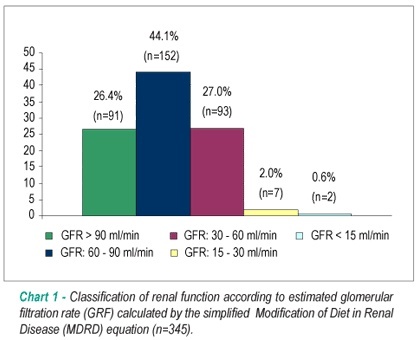
BACKGROUND: Heart Failure (HF) is a common disease with a high rate of mortality. Anemia and renal failure (RF) are often found in patients with HF associated with higher severity of the heart disease and a worse prognosis. OBJECTIVE: To evaluate the prevalence of anemia and RF, as well as the association between these two conditions, in non-hospitalized patients with HF. METHODS: Patients treated at the HF Outpatient Clinic of a university hospital were followed from July 2003 to November 2006. Anemia was defined as hemoglobin levels < 13 mg/dl for men and 12 mg/dl for women. Renal function was assessed by the glomerular filtration rate (GFR), calculated by the simplified formula of the MDRD (Modification of Diet in Renal Disease) study. RESULTS: Of the 345 patients included in this study, 26.4% (n = 91) had anemia and 29.6% had moderate to severe renal failure (GFR < 60 ml/min). The association between anemia and a higher prevalence of renal failure was statistically significant (41.8% vs. 25.2%; p = 0.005). The patients at functional class III and IV presented a higher incidence of anemia (39.0% vs. 19.4%; p <0.001) and renal failure (38.2% vs. 24.8%; p = 0.007). No association was observed between anemia or renal failure and history of hypertension, diabetes, systolic function or etiology of HF. CONCLUSION: The prevalence of anemia and renal failure was high in this population and was associated with the severity of the HF (functional classes III and IV).

  • Anemia
  • Heart Failure
  • Renal Insufficiency
Read Full Article
Creative Commons Attribution (CC BY) Creative Commons license
22/10/2009 DOI: 10.1590/S0066-782X2009000900011
Oxidative stress and endothelial dysfunction in chronic kidney disease
ABC
Artigo Original

Oxidative stress and endothelial dysfunction in chronic kidney disease

Valeria Costa-Hong et al. Luiz Aparecido Bortolotto Vanda Jorgetti Fernanda Consolim-Colombo … Eduardo M Krieger Jose Jayme Galvão de Lima

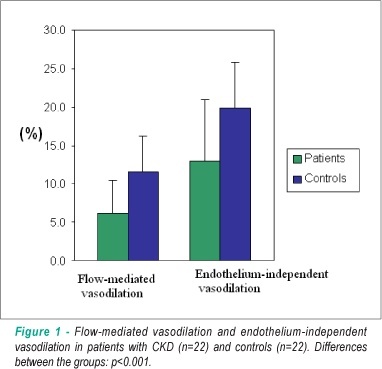
BACKGROUND: Chronic kidney disease (CKD) is characterized by the high prevalence of atherosclerosis. Considering that endothelial dysfunction and oxidative stress are promoters of atherosclerosis, it is of interest to verify whether the two conditions are associated in CKD patients still free of clinical cardiovascular disease (CVD). OBJECTIVE: To evaluate the association between oxidative stress and endothelial function in end-stage CKD patients without clinically evident CVD. METHODS: We studied 22 nondiabetic, nonsmoker CKD patients without clinical CVD treated by maintenance hemodialysis and 22 healthy controls. Endothelium- dependent and independent vascular reactivity and oxidative stress, as determined by the plasma levels of thiobarbituric acid-reactive substances – TBARS, were evaluated in all subjects. RESULTS: Endothelium-dependent (6.0 ± 4.25 vs. 11.3 ± 4.46 %, p< 0.001) and endothelium-independent (11.9 ± 7.68 vs. 19.1 % ± 6.43 %, p< 0.001) vascular reactivity were reduced, while TBARS (2.63 ± 0.51 vs. 1.49 ± 0.42 nmols/mL) was increased in CKD patients when compared to controls. TBARS levels were significantly related to endothelium-dependent vascular reactivity (r= – 0.56, p< 0.001) and to systolic blood pressure (r= – 0.48, p= 0.002). CONCLUSION: Oxidative stress is increased in CKD patients free of CVD and is associated with endothelial dysfunction in patients and controls. The results suggest that oxidative stress and endothelial dysfunction may be involved in the increased susceptibility of CKD patients to CVD and cardiovascular complications.

  • Atherosclerosis
  • Kidney Failure, Chronic
  • Oxidative Stress
  • renal dialysis
  • Renal Insufficiency
Read Full Article
Creative Commons Attribution (CC BY) Creative Commons license
21/07/2009 DOI: 10.1590/S0066-782X2009000500013 Views 1
Three cases of hypertension and Renal Arteriovenous fistula with a de novo fistula
ABC
Case Report

Three cases of hypertension and Renal Arteriovenous fistula with a de novo fistula

Natalia Correa Vieira Melo et al. Juliano Sacramento Mundim Elerson Carlos Costalonga Antonio Marmo Lucon … Jose Luiz Santello Jose Nery Praxedes

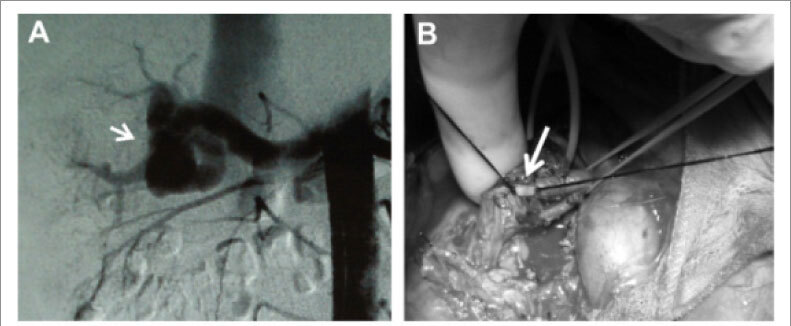
The Renal Arteriovenous Fistula (RAVF) is a rare and potentially reversible cause of hypertension and kidney and/or heart failure. The treatment of RAVF aims at preserving the most of the renal parenchyma and, concomitantly, eradicating the symptoms and hemodynamic effects caused by the RAVF. The present study reports three cases of RAVF, including one case of a de novo idiopathic RAVF, which presented with hypertension and kidney and/or heart failure and describes the therapeutic measures used to treat these patients as well as the outcomes.

  • Arteriovenous Fistula
  • Heart Failure
  • Hypertension
  • Renal Insufficiency
Read Full Article
Creative Commons Attribution (CC BY) Creative Commons license
20/07/2009 DOI: 10.1590/S0066-782X2009000500018 Views 1
Hypertonic saline solution for renal failure prevention in patients with decompensated heart failure
ABC
Artigo Original

Hypertonic saline solution for renal failure prevention in patients with decompensated heart failure

Victor Sarli Issa et al. Fernando Bacal Sandrigo Mangini Rodrigo Moreno Dias Carneiro … Cristiano Humberto Naves de Freitas Azevedo Paulo Roberto Chizzola Silvia Moreira Ayub Ferreira Edimar Alcides Bocchi

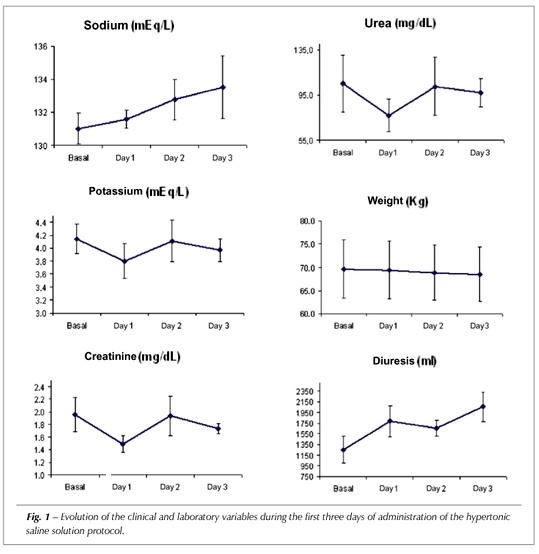
BACKGROUND: Hyponatremia and congestive phenomena indicate a bad prognosis in decompensated heart failure. The occurrence of renal failure is associated to an increased death risk. OBJECTIVE: To evaluate the safety and efficacy of the hypertonic saline solution in patients with decompensated heart failure for renal failure prevention. METHODS: Patients with decompensated heart failure, congestion and hyponatremia participated in the study. In addition to the standard treatment, the patients received hypertonic saline solution and were submitted to clinical as well as laboratory assessment. RESULTS: Nine patients were enrolled in the study. Mean age was 55 + 14.2 years, being 5 male (55.5%) and 4 (44.5%) female patients. All of them presented functional class III-IV of the New York Heart Association (NYHA), and 5 (55.5%) received dobutamine. All of them presented initial creatinine > 1.4 mg/dl. The mean tonicity of the solution was 4.39% + 0.018% (2.5% to 7.5%) and the duration of treatment was 4.9 days + 4.1 days (1-15 days). There were no severe adverse effects; none of the patients presented clinical worsening or neurologic disorders; hypokalemia occurred in 4 cases (44.5%). The comparison of the variables before and after treatment showed a decrease in urea (105 mg/dl + 74.8 mg/dl vs. 88 mg/dl + 79.4 mg/dl; p = 0.03) and increase in the urinary volume (1,183 ml/day vs. 1,778 ml/day; p = 0.03); there was no tendency to creatinine decrease (2.0 mg/dl + 0.8 mg/dl vs. 1.7 mg/dl + 1.0 mg/dl; p = 0.08). Despite the elevation in sodium levels (131 mEq/l + 2.8 mEq/l vs. 134 mEq/l + 4.9 mEq/l) and weight decrease (69.5 kg + 18.6 kg vs. 68.2 kg + 17.1 kg), there was no statistically significant difference. CONCLUSION: The use of hypertonic saline solution in patients with decompensated heart failure can be a safe therapeutic method and potentially related to clinical improvement and renal failure prevention.

  • Heart Failure
  • Hypertonic solutions
  • Hyponatremia
  • Renal Insufficiency
Read Full Article
Creative Commons Attribution (CC BY) Creative Commons license
18/04/2008 DOI: 10.1590/S0066-782X2007001600007
ABC
Artigo Original

Renal function outcome in acute myocardial infarction as a prognostic factor of in-hospital events and at one-year follow-up

Eduardo Pimenta et al. Rui Fernando Ramos Carlos Gun Elizabeth S. Santos … Ari Timerman Leopoldo S. Piegas

OBJECTIVE: To analyze the role of renal dysfunction at admission or during hospitalization in patients with acute myocardial infarction (AMI). METHODS: Two hundred and seventy-four patients with AMI were assessed between January 2000 and December 2001. Renal function was monitored by serum creatinine (Cr) measurement at admission and peak level during hospitalization. Creatinine clearance (CrCl) was estimated by the Cockcroft-Gault formula. In-hospital and one-year morbidity and mortality were evaluated. RESULTS: Mean age of the population studied was 62.2 ± 13.5, and 73% of the patients were male. Renal function was more reduced in male patients and in those with systemic arterial hypertension and prior CABG. Multivariate analysis showed higher hospital mortality rates associated with increased peak serum Cr levels (OR: 1.18 95% CI:1.18-2.77 p = 0.006), decreased baseline CrCl (OR:0.96 95% CI:0.93-0.99 p = 0.025) and peak CrCl (OR:0.96 95% CI:0.92-0.99 p = 0.023). Percent difference between baseline CrCl and the lowest CrCl obtained during hospitalization also indicated higher mortality rates (OR: 1.04 95% CI: 1.00-1.07 p = 0.033). No change was observed in the one-year morbidity and mortality from worsening of renal function. CONCLUSION: Renal dysfunction at admission and its deterioration during hospitalization have proved to be a major prognostic marker for immediate poor outcome.

  • Acute Myocardial Infarction
  • Cardiovascular Diseases
  • Renal Insufficiency
Read Full Article
Creative Commons Attribution (CC BY) Creative Commons license
30/03/2006 DOI: 10.1590/S0066-782X2006000300003 Views 1

How to cite this article

EndNote RIS

Electronic Document Format (Vancouver)

Nascimento GVR, Brito HCD, Lima CEB. Type 1 Cardiorenal Syndrome in Decompensated Heart Failure Patients in a Low-Income Region in Brazil: Incidence of Acute Kidney Injury (AKIN and KDIGO Criteria), Need for Dialysis and Mortality. Arquivos Brasileiros de Cardiologia 2021;117(2):385-91.

Electronic Document Format (ABNT)

Nascimento, Ginivaldo Victor Ribeiro do; Brito, Heitor Carlos Domingues de; Lima, Carlos Eduardo Batista de. Type 1 Cardiorenal Syndrome in Decompensated Heart Failure Patients in a Low-Income Region in Brazil: Incidence of Acute Kidney Injury (AKIN and KDIGO Criteria), Need for Dialysis and Mortality. Arquivos Brasileiros de Cardiologia, v. 117, n. 2, p. 385-391, Sep. 2021.

Electronic Document Format (APA)

Nascimento, G. V. R. , Brito, H. C. D. , & Lima, C. E. B. (2021). Type 1 Cardiorenal Syndrome in Decompensated Heart Failure Patients in a Low-Income Region in Brazil: Incidence of Acute Kidney Injury (AKIN and KDIGO Criteria), Need for Dialysis and Mortality. Arquivos Brasileiros de Cardiologia, 117(2), 385-391.

Electronic Document Format (ISO)

Nascimento, Ginivaldo Victor Ribeiro do and Brito, Heitor Carlos Domingues de and Lima, Carlos Eduardo Batista de. Type 1 Cardiorenal Syndrome in Decompensated Heart Failure Patients in a Low-Income Region in Brazil: Incidence of Acute Kidney Injury (AKIN and KDIGO Criteria), Need for Dialysis and Mortality. Arquivos Brasileiros de Cardiologia [online]. 2021, vol. 117, n. 2, [cited 2026-10-14], pp. 385-391. Available from: <https://journals.cardiol.br/en/article/type-1-cardiorenal-syndrome-in-decompensated-heart-failure-patients-in-a-low-income-region-in-brazil-incidence-of-acute-kidney-injury-akin-and-kdigo-criteria-need-for-dialysis-and-mortality/>. ISSN 0066-782X

EndNote RIS

Electronic Document Format (Vancouver)

Villacorta H, Villacorta AS, Villacorta LSC, Xavier AR, Kanaan S, Rohen FM, Albuquerque LD, et al. Worsening Renal Function and Congestion in Patients with Acute Heart Failure: A Study with Bioelectrical Impedance Vector Analysis (BIVA) and Neutrophil Gelatinase-Associated Lipocalin (NGAL). Arquivos Brasileiros de Cardiologia 2021;116(4):715-24.

Electronic Document Format (ABNT)

Villacorta, Humberto; Villacorta, Aline Sterque; Villacorta, Leonardo Simões de Castro; Xavier, Analucia Rampazzo; Kanaan, Salim; Rohen, Felipe Mafort; Albuquerque, Leonardo Dinis; Bastilho, Daniele Dantas; Cudischevitch, Cecília de Oliveira. Worsening Renal Function and Congestion in Patients with Acute Heart Failure: A Study with Bioelectrical Impedance Vector Analysis (BIVA) and Neutrophil Gelatinase-Associated Lipocalin (NGAL). Arquivos Brasileiros de Cardiologia, v. 116, n. 4, p. 715-724, Apr. 2021.

Electronic Document Format (APA)

Villacorta, H., Villacorta, A. S., Villacorta, L. S. C., Xavier, A. R., Kanaan, S., Rohen, F. M., Albuquerque, L. D., Bastilho, D. D., & Cudischevitch, C. O. (2021). Worsening Renal Function and Congestion in Patients with Acute Heart Failure: A Study with Bioelectrical Impedance Vector Analysis (BIVA) and Neutrophil Gelatinase-Associated Lipocalin (NGAL). Arquivos Brasileiros de Cardiologia, 116(4), 715-724.

Electronic Document Format (ISO)

Villacorta, Humberto and Villacorta, Aline Sterque and Villacorta, Leonardo Simões de Castro and Xavier, Analucia Rampazzo and Kanaan, Salim and Rohen, Felipe Mafort and Albuquerque, Leonardo Dinis and Bastilho, Daniele Dantas and Cudischevitch, Cecília de Oliveira. Worsening Renal Function and Congestion in Patients with Acute Heart Failure: A Study with Bioelectrical Impedance Vector Analysis (BIVA) and Neutrophil Gelatinase-Associated Lipocalin (NGAL). Arquivos Brasileiros de Cardiologia [online]. 2021, vol. 116, n. 4, [cited 2026-10-14], pp. 715-724. Available from: <https://journals.cardiol.br/en/article/worsening-renal-function-and-congestion-in-patients-with-acute-heart-failure-a-study-with-bioelectrical-impedance-vector-analysis-biva-and-neutrophil-gelatinase-associated-lipocalin-ngal/>. ISSN 0066-782X

EndNote RIS

Electronic Document Format (Vancouver)

Fortes CQ, Fortes NRQ. Managing Patients with Infectious Endocarditis and Neurological Complication — The Big Dilemma that Persists Until these Days. Arquivos Brasileiros de Cardiologia 2021;116(4):692-4.

Electronic Document Format (ABNT)

Fortes, Claudio Querido; Fortes, Natália Rodrigues Querido. Managing Patients with Infectious Endocarditis and Neurological Complication — The Big Dilemma that Persists Until these Days. Arquivos Brasileiros de Cardiologia, v. 116, n. 4, p. 692-694, Apr. 2021.

Electronic Document Format (APA)

Fortes, C. Q., & Fortes, N. R. Q. (2021). Managing Patients with Infectious Endocarditis and Neurological Complication — The Big Dilemma that Persists Until these Days. Arquivos Brasileiros de Cardiologia, 116(4), 692-694.

Electronic Document Format (ISO)

Fortes, Claudio Querido and Fortes, Natália Rodrigues Querido. Managing Patients with Infectious Endocarditis and Neurological Complication — The Big Dilemma that Persists Until these Days. Arquivos Brasileiros de Cardiologia [online]. 2021, vol. 116, n. 4, [cited 2026-10-14], pp. 692-694. Available from: <https://journals.cardiol.br/en/article/managing-patients-with-infectious-endocarditis-and-neurological-complication-the-big-dilemma-that-persists-until-these-days/>. ISSN 0066-782X

EndNote RIS

Electronic Document Format (Vancouver)

Yildirim E, Selcuk M, Saylik F, Mutluer FO, Deniz O. Effect of Heroin on Electrocardiographic Parameters. Arquivos Brasileiros de Cardiologia 2021;115(6):1135-41.

Electronic Document Format (ABNT)

Yildirim, Ersin; Selcuk, Murat; Saylik, Faysal; Mutluer, Ferit Onur; Deniz, Ozgur. Effect of Heroin on Electrocardiographic Parameters. Arquivos Brasileiros de Cardiologia, v. 115, n. 6, p. 1135-1141, Jan. 2021.

Electronic Document Format (APA)

Yildirim, E., Selcuk, M., Saylik, F., Mutluer, F. O., & Deniz, O. (2021). Effect of Heroin on Electrocardiographic Parameters. Arquivos Brasileiros de Cardiologia, 115(6), 1135-1141.

Electronic Document Format (ISO)

Yildirim, Ersin and Selcuk, Murat and Saylik, Faysal and Mutluer, Ferit Onur and Deniz, Ozgur. Effect of Heroin on Electrocardiographic Parameters. Arquivos Brasileiros de Cardiologia [online]. 2021, vol. 115, n. 6, [cited 2026-10-14], pp. 1135-1141. Available from: <https://journals.cardiol.br/en/article/effect-of-heroin-on-electrocardiographic-parameters/>. ISSN 0066-782X

EndNote RIS

Electronic Document Format (Vancouver)

Salvadori FA, Moreira EM, Dias MB, Duarte-Neto AN, Paiva EF. Cardiac Arrest Due to Hypocalcemia. International Journal of Cardiovascular Sciences 2020;34(5 Supl 1):154-7.

Electronic Document Format (ABNT)

Salvadori, Fernanda Aburesi; Moreira, Eduardo Martelli; Dias, Murilo Bacchini; Duarte-Neto, Amaro Nunes; Paiva, Edison Ferreira de. Cardiac Arrest Due to Hypocalcemia. International Journal of Cardiovascular Sciences, v. 34, n. 5 Supl 1, p. 154-157, Nov. 2020.

Electronic Document Format (APA)

Salvadori, F. A., Moreira, E. M., Dias, M. B., Duarte-Neto, A. N., & Paiva, E. F. (2020). Cardiac Arrest Due to Hypocalcemia. International Journal of Cardiovascular Sciences, 34(5 Supl 1), 154-157.

Electronic Document Format (ISO)

Salvadori, Fernanda Aburesi and Moreira, Eduardo Martelli and Dias, Murilo Bacchini and Duarte-Neto, Amaro Nunes and Paiva, Edison Ferreira de. Cardiac Arrest Due to Hypocalcemia. International Journal of Cardiovascular Sciences [online]. 2020, vol. 34, n. 5 Supl 1, [cited 2026-10-14], pp. 154-157. Available from: <https://journals.cardiol.br/en/article/cardiac-arrest-due-to-hypocalcemia/>. ISSN 2359-4802

EndNote RIS

Electronic Document Format (Vancouver)

Gormel S, Yuksel UC, Celik M, Yasar S, Yildirim E, Bugan B, Gokoglan Y, et al. The Role of Cardiovascular Risk Factors and Risk Scoring Systems in Predicting Coronary Atherosclerosis. International Journal of Cardiovascular Sciences 2020;34(1):32-8.

Electronic Document Format (ABNT)

Gormel, Suat; Yuksel, Uygar Cagdas; Celik, Murat; Yasar, Salim; Yildirim, Erkan; Bugan, Baris; Gokoglan, Yalcin; Kabul, Hasan Kutsi; Yasar, Salim; Köklü, Mustafa; Barçın, Cem. The Role of Cardiovascular Risk Factors and Risk Scoring Systems in Predicting Coronary Atherosclerosis. International Journal of Cardiovascular Sciences, v. 34, n. 1, p. 32-38, Nov. 2020.

Electronic Document Format (APA)

Gormel, S., Yuksel, U. C., Celik, M., Yasar, S., Yildirim, E., Bugan, B., Gokoglan, Y., Kabul, H. K., Yasar, S., Köklü, M., & Barçın, C. (2020). The Role of Cardiovascular Risk Factors and Risk Scoring Systems in Predicting Coronary Atherosclerosis. International Journal of Cardiovascular Sciences, 34(1), 32-38.

Electronic Document Format (ISO)

Gormel, Suat and Yuksel, Uygar Cagdas and Celik, Murat and Yasar, Salim and Yildirim, Erkan and Bugan, Baris and Gokoglan, Yalcin and Kabul, Hasan Kutsi and Yasar, Salim and Köklü, Mustafa and Barçın, Cem. The Role of Cardiovascular Risk Factors and Risk Scoring Systems in Predicting Coronary Atherosclerosis. International Journal of Cardiovascular Sciences [online]. 2020, vol. 34, n. 1, [cited 2026-10-14], pp. 32-38. Available from: <https://journals.cardiol.br/en/article/the-role-of-cardiovascular-risk-factors-and-risk-scoring-systems-in-predicting-coronary-atherosclerosis/>. ISSN 2359-4802

EndNote RIS

Electronic Document Format (Vancouver)

Leite AM, Gomes BFO, Marques AC, Petriz JLF, Albuquerque DC, Spineti PPM, Jorge AJL, et al. Acute Cardiorenal Syndrome: Which Diagnostic Criterion to Use And What is its Importance for Prognosis?. Arquivos Brasileiros de Cardiologia 2020;115(1):127-33.

Electronic Document Format (ABNT)

Leite, Andréa de Melo; Gomes, Bruno Ferraz de Oliveira; Marques, André Casarsa; Petriz, João Luiz Fernandes; Albuquerque, Denilson Campos de; Spineti, Pedro Pimenta de Mello; Jorge, Antonio José Lagoeiro; Villacorta, Humberto; Martins, Wolney de Andrade. Acute Cardiorenal Syndrome: Which Diagnostic Criterion to Use And What is its Importance for Prognosis?. Arquivos Brasileiros de Cardiologia, v. 115, n. 1, p. 127-133, Aug. 2020.

Electronic Document Format (APA)

Leite, A. M., Gomes, B. F. O., Marques, A. C., Petriz, J. L. F., Albuquerque, D. C. , Spineti, P. P. M., Jorge, A. J. L., Villacorta, H., & Martins, W. A. (2020). Acute Cardiorenal Syndrome: Which Diagnostic Criterion to Use And What is its Importance for Prognosis?. Arquivos Brasileiros de Cardiologia, 115(1), 127-133.

Electronic Document Format (ISO)

Leite, Andréa de Melo and Gomes, Bruno Ferraz de Oliveira and Marques, André Casarsa and Petriz, João Luiz Fernandes and Albuquerque, Denilson Campos de and Spineti, Pedro Pimenta de Mello and Jorge, Antonio José Lagoeiro and Villacorta, Humberto and Martins, Wolney de Andrade. Acute Cardiorenal Syndrome: Which Diagnostic Criterion to Use And What is its Importance for Prognosis?. Arquivos Brasileiros de Cardiologia [online]. 2020, vol. 115, n. 1, [cited 2026-10-14], pp. 127-133. Available from: <https://journals.cardiol.br/en/article/acute-cardiorenal-syndrome-which-diagnostic-criterion-to-use-and-what-is-its-importance-for-prognosis/>. ISSN 0066-782X

EndNote RIS

Electronic Document Format (Vancouver)

Favarato D, Benvenuti LA. Case 1/2020 – A 56 Year-Old Woman Developed Heart Failure after a Presumed Diagnosis of Acute Myocardial Infarction and Mitral Valve Regurgitation with Rupture of Chordae Tendineae. Arquivos Brasileiros de Cardiologia 2020;114(4 suppl 1):47-56.

Electronic Document Format (ABNT)

Favarato, Desiderio; Benvenuti, Luiz Alberto. Case 1/2020 – A 56 Year-Old Woman Developed Heart Failure after a Presumed Diagnosis of Acute Myocardial Infarction and Mitral Valve Regurgitation with Rupture of Chordae Tendineae. Arquivos Brasileiros de Cardiologia, v. 114, n. 4 suppl 1, p. 47-56, May. 2020.

Electronic Document Format (APA)

Favarato, D., & Benvenuti, L. A. (2020). Case 1/2020 – A 56 Year-Old Woman Developed Heart Failure after a Presumed Diagnosis of Acute Myocardial Infarction and Mitral Valve Regurgitation with Rupture of Chordae Tendineae. Arquivos Brasileiros de Cardiologia, 114(4 suppl 1), 47-56.

Electronic Document Format (ISO)

Favarato, Desiderio and Benvenuti, Luiz Alberto. Case 1/2020 – A 56 Year-Old Woman Developed Heart Failure after a Presumed Diagnosis of Acute Myocardial Infarction and Mitral Valve Regurgitation with Rupture of Chordae Tendineae. Arquivos Brasileiros de Cardiologia [online]. 2020, vol. 114, n. 4 suppl 1, [cited 2026-10-14], pp. 47-56. Available from: <https://journals.cardiol.br/en/article/case-1-2020-a-56-year-old-woman-developed-heart-failure-after-a-presumed-diagnosis-of-acute-myocardial-infarction-and-mitral-valve-regurgitation-with-rupture-of-chordae-tendineae/>. ISSN 0066-782X

EndNote RIS

Electronic Document Format (Vancouver)

Adar A, Onalan O, Cakan F. A Life-threatening Combination: Indomethacin and Dabigatran. Arquivos Brasileiros de Cardiologia 2020;114(4 suppl 1):13-5.

Electronic Document Format (ABNT)

Adar, Adem; Onalan, Orhan; Cakan, Fahri. A Life-threatening Combination: Indomethacin and Dabigatran. Arquivos Brasileiros de Cardiologia, v. 114, n. 4 suppl 1, p. 13-15, May. 2020.

Electronic Document Format (APA)

Adar, A., Onalan, O., & Cakan, F. (2020). A Life-threatening Combination: Indomethacin and Dabigatran. Arquivos Brasileiros de Cardiologia, 114(4 suppl 1), 13-15.

Electronic Document Format (ISO)

Adar, Adem and Onalan, Orhan and Cakan, Fahri. A Life-threatening Combination: Indomethacin and Dabigatran. Arquivos Brasileiros de Cardiologia [online]. 2020, vol. 114, n. 4 suppl 1, [cited 2026-10-14], pp. 13-15. Available from: <https://journals.cardiol.br/en/article/a-life-threatening-combination-indomethacin-and-dabigatran/>. ISSN 0066-782X

EndNote RIS

Electronic Document Format (Vancouver)

Almeida RCM, Jorge AJL, Rosa MLG, Leite AR, Correia DMS, Mesquita ET, Chermont S, et al. Left Ventricular Remodeling Patterns in Primary Healthcare. Arquivos Brasileiros de Cardiologia 2020;114(1):59-65.

Electronic Document Format (ABNT)

Almeida, Roberto de Castro Meirelles de; Jorge, Antonio José Lagoeiro; Rosa, Maria Luiza Garcia; Leite, Adson Renato; Correia, Dayse Mary S.; Mesquita, Evandro Tinoco; Chermont, Sergio; Lugon, Jocemir Ronaldo; Martins, Wolney de Andrade. Left Ventricular Remodeling Patterns in Primary Healthcare. Arquivos Brasileiros de Cardiologia, v. 114, n. 1, p. 59-65, Feb. 2020.

Electronic Document Format (APA)

Almeida, R. C. M. , Jorge, A. J. L., Rosa, M. L. G., Leite, A. R., Correia, D. M. S., Mesquita, E. T., Chermont, S., Lugon, J. R., & Martins, W. A. (2020). Left Ventricular Remodeling Patterns in Primary Healthcare. Arquivos Brasileiros de Cardiologia, 114(1), 59-65.

Electronic Document Format (ISO)

Almeida, Roberto de Castro Meirelles de and Jorge, Antonio José Lagoeiro and Rosa, Maria Luiza Garcia and Leite, Adson Renato and Correia, Dayse Mary S. and Mesquita, Evandro Tinoco and Chermont, Sergio and Lugon, Jocemir Ronaldo and Martins, Wolney de Andrade. Left Ventricular Remodeling Patterns in Primary Healthcare. Arquivos Brasileiros de Cardiologia [online]. 2020, vol. 114, n. 1, [cited 2026-10-14], pp. 59-65. Available from: <https://journals.cardiol.br/en/article/left-ventricular-remodeling-patterns-in-primary-healthcare/>. ISSN 0066-782X

EndNote RIS

Electronic Document Format (Vancouver)

Chen W, Tang X, Yang X, Weng C, Yang K, Wen J, Liu H, et al. Effects and Mechanisms of Radiofrequency Ablation of Renal Sympathetic Nerve on Anti-Hypertension in Canine. Arquivos Brasileiros de Cardiologia 2017;108(3):237-45.

Electronic Document Format (ABNT)

Chen, Wei; Tang, Xiaohong; Yang, Xiaofang; Weng, Chunyan; Yang, Kan; Wen, Juan; Liu, Hong; Wu, Yang. Effects and Mechanisms of Radiofrequency Ablation of Renal Sympathetic Nerve on Anti-Hypertension in Canine. Arquivos Brasileiros de Cardiologia, v. 108, n. 3, p. 237-245, Mar. 2017.

Electronic Document Format (APA)

Chen, W., Tang, X., Yang, X., Weng, C., Yang, K., Wen, J., Liu, H., & Wu, Y. (2017). Effects and Mechanisms of Radiofrequency Ablation of Renal Sympathetic Nerve on Anti-Hypertension in Canine. Arquivos Brasileiros de Cardiologia, 108(3), 237-245.

Electronic Document Format (ISO)

Chen, Wei and Tang, Xiaohong and Yang, Xiaofang and Weng, Chunyan and Yang, Kan and Wen, Juan and Liu, Hong and Wu, Yang. Effects and Mechanisms of Radiofrequency Ablation of Renal Sympathetic Nerve on Anti-Hypertension in Canine. Arquivos Brasileiros de Cardiologia [online]. 2017, vol. 108, n. 3, [cited 2026-10-14], pp. 237-245. Available from: <https://journals.cardiol.br/en/article/effects-and-mechanisms-of-radiofrequency-ablation-of-renal-sympathetic-nerve-on-anti-hypertension-in-canine/>. ISSN 0066-782X

EndNote RIS

Electronic Document Format (Vancouver)

Santos JCMD, Rocha MS, Araújo MS. Prognostic factors in patients with acute coronary syndrome without ST segment elevation. Arquivos Brasileiros de Cardiologia 2013;100(5):412-21.

Electronic Document Format (ABNT)

Santos, Jessica Carolina Matos D’Almeida; Rocha, Mário de Seixas; Araújo, Marcos da Silva. Prognostic factors in patients with acute coronary syndrome without ST segment elevation. Arquivos Brasileiros de Cardiologia, v. 100, n. 5, p. 412-421, Apr. 2013.

Electronic Document Format (APA)

Santos, J. C. M. D., Rocha, M. S., & Araújo, M. S. (2013). Prognostic factors in patients with acute coronary syndrome without ST segment elevation. Arquivos Brasileiros de Cardiologia, 100(5), 412-421.

Electronic Document Format (ISO)

Santos, Jessica Carolina Matos D’Almeida and Rocha, Mário de Seixas and Araújo, Marcos da Silva. Prognostic factors in patients with acute coronary syndrome without ST segment elevation. Arquivos Brasileiros de Cardiologia [online]. 2013, vol. 100, n. 5, [cited 2026-10-14], pp. 412-421. Available from: <https://journals.cardiol.br/en/article/prognostic-factors-in-patients-with-acute-coronary-syndrome-without-st-segment-elevation/>. ISSN 0066-782X

EndNote RIS

Electronic Document Format (Vancouver)

Gomes VO, Blaya P, Lasevitch R, Oliveira D, Hickmann P, Smidt L, Polanczyk C, et al. Impact of chronic kidney disease on the efficacy of drug-eluting stents: long-term follow-up study. Arquivos Brasileiros de Cardiologia 2011;96(5):346-52.

Electronic Document Format (ABNT)

Gomes, Vitor Osório; Blaya, Patrícia; Lasevitch, Ricardo; Oliveira, Denise; Hickmann, Patrícia; Smidt, Luís; Polanczyk, Carisi; Caramori, Paulo. Impact of chronic kidney disease on the efficacy of drug-eluting stents: long-term follow-up study. Arquivos Brasileiros de Cardiologia, v. 96, n. 5, p. 346-352, Apr. 2011.

Electronic Document Format (APA)

Gomes, V. O., Blaya, P., Lasevitch, R., Oliveira, D., Hickmann, P., Smidt, L., Polanczyk, C., & Caramori, P. (2011). Impact of chronic kidney disease on the efficacy of drug-eluting stents: long-term follow-up study. Arquivos Brasileiros de Cardiologia, 96(5), 346-352.

Electronic Document Format (ISO)

Gomes, Vitor Osório and Blaya, Patrícia and Lasevitch, Ricardo and Oliveira, Denise and Hickmann, Patrícia and Smidt, Luís and Polanczyk, Carisi and Caramori, Paulo. Impact of chronic kidney disease on the efficacy of drug-eluting stents: long-term follow-up study. Arquivos Brasileiros de Cardiologia [online]. 2011, vol. 96, n. 5, [cited 2026-10-14], pp. 346-352. Available from: <https://journals.cardiol.br/en/article/impact-of-chronic-kidney-disease-on-the-efficacy-of-drug-eluting-stents-long-term-follow-up-study/>. ISSN 0066-782X

EndNote RIS

Electronic Document Format (Vancouver)

Moraes RCS, Mangili LC, Benvenuti LA. Case 1 /2011- seventy-four-year-old female patient with sudden apnea and acute cholecystitis, five days after acute myocardial infarction without critical coronary lesions. Arquivos Brasileiros de Cardiologia 2011;96(3):e35-41.

Electronic Document Format (ABNT)

Moraes, Ricardo Casalino Sanches de; Mangili, Leonardo Celeste; Benvenuti, Luiz Alberto. Case 1 /2011- seventy-four-year-old female patient with sudden apnea and acute cholecystitis, five days after acute myocardial infarction without critical coronary lesions. Arquivos Brasileiros de Cardiologia, v. 96, n. 3, p. e35-e41, Mar. 2011.

Electronic Document Format (APA)

Moraes, R. C. S. , Mangili, L. C., & Benvenuti, L. A. (2011). Case 1 /2011- seventy-four-year-old female patient with sudden apnea and acute cholecystitis, five days after acute myocardial infarction without critical coronary lesions. Arquivos Brasileiros de Cardiologia, 96(3), e35-e41.

Electronic Document Format (ISO)

Moraes, Ricardo Casalino Sanches de and Mangili, Leonardo Celeste and Benvenuti, Luiz Alberto. Case 1 /2011- seventy-four-year-old female patient with sudden apnea and acute cholecystitis, five days after acute myocardial infarction without critical coronary lesions. Arquivos Brasileiros de Cardiologia [online]. 2011, vol. 96, n. 3, [cited 2026-10-14], pp. e35-e41. Available from: <https://journals.cardiol.br/en/article/case-1-2011-seventy-four-year-old-female-patient-with-sudden-apnea-and-acute-cholecystitis-five-days-after-acute-myocardial-infarction-without-critical-coronary-lesions/>. ISSN 0066-782X

EndNote RIS

Electronic Document Format (Vancouver)

Rosário MA, Lima JJ, Parga JR, Ávila LF, Gowdak LH, Lemos PA, Rochitte CE, et al. Coronary calcium score as predictor of stenosis and events in pretransplant renal chronic failure. Arquivos Brasileiros de Cardiologia 2010;94(2):252-60.

Electronic Document Format (ABNT)

Rosário, Miguel Abraão; Lima, José Jayme de; Parga, José R.; Ávila, Luiz F.; Gowdak, Luis H.; Lemos, Pedro A.; Rochitte, Carlos E.. Coronary calcium score as predictor of stenosis and events in pretransplant renal chronic failure. Arquivos Brasileiros de Cardiologia, v. 94, n. 2, p. 252-260, May. 2010.

Electronic Document Format (APA)

Rosário, M. A., Lima, J. J. , Parga, J. R., Ávila, L. F., Gowdak, L. H., Lemos, P. A., & Rochitte, C. E. (2010). Coronary calcium score as predictor of stenosis and events in pretransplant renal chronic failure. Arquivos Brasileiros de Cardiologia, 94(2), 252-260.

Electronic Document Format (ISO)

Rosário, Miguel Abraão and Lima, José Jayme de and Parga, José R. and Ávila, Luiz F. and Gowdak, Luis H. and Lemos, Pedro A. and Rochitte, Carlos E.. Coronary calcium score as predictor of stenosis and events in pretransplant renal chronic failure. Arquivos Brasileiros de Cardiologia [online]. 2010, vol. 94, n. 2, [cited 2026-10-14], pp. 252-260. Available from: <https://journals.cardiol.br/en/article/coronary-calcium-score-as-predictor-of-stenosis-and-events-in-pretransplant-renal-chronic-failure/>. ISSN 0066-782X

EndNote RIS

Electronic Document Format (Vancouver)

Villacorta H, Saenz-Tello BF, Santos EB, Steffen R, Wiefels C, Lima LC, Sales ALF, et al. Renal dysfunction and anemia in patients with heart failure with reduced versus normal ejection fraction. Arquivos Brasileiros de Cardiologia 2010;94(3):378-84.

Electronic Document Format (ABNT)

Villacorta, Humberto; Saenz-Tello, Bolivar F.; Santos, Eduarda Barcellos dos; Steffen, Ricardo; Wiefels, Christiane; Lima, Luiz Costa; Sales, Ana Luíza F.; Soares, Pedro; Mesquita, Evandro Tinoco. Renal dysfunction and anemia in patients with heart failure with reduced versus normal ejection fraction. Arquivos Brasileiros de Cardiologia, v. 94, n. 3, p. 378-384, Apr. 2010.

Electronic Document Format (APA)

Villacorta, H., Saenz-Tello, B. F., Santos, E. B. , Steffen, R., Wiefels, C., Lima, L. C., Sales, A. L. F., Soares, P., & Mesquita, E. T. (2010). Renal dysfunction and anemia in patients with heart failure with reduced versus normal ejection fraction. Arquivos Brasileiros de Cardiologia, 94(3), 378-384.

Electronic Document Format (ISO)

Villacorta, Humberto and Saenz-Tello, Bolivar F. and Santos, Eduarda Barcellos dos and Steffen, Ricardo and Wiefels, Christiane and Lima, Luiz Costa and Sales, Ana Luíza F. and Soares, Pedro and Mesquita, Evandro Tinoco. Renal dysfunction and anemia in patients with heart failure with reduced versus normal ejection fraction. Arquivos Brasileiros de Cardiologia [online]. 2010, vol. 94, n. 3, [cited 2026-10-14], pp. 378-384. Available from: <https://journals.cardiol.br/en/article/renal-dysfunction-and-anemia-in-patients-with-heart-failure-with-reduced-versus-normal-ejection-fraction/>. ISSN 0066-782X

EndNote RIS

Electronic Document Format (Vancouver)

Santos SN, Leite LR, Tse TS, Beck R, Lee RA, Shepherd RFJ. Renal resistance index predicting outcome of renal revascularization for renovascular hypertension. Arquivos Brasileiros de Cardiologia 2010;94(4):452-6.

Electronic Document Format (ABNT)

Santos, Simone N.; Leite, Luiz R.; Tse, Tak Sun; Beck, Rebecca; Lee, Robert A.; Shepherd, Roger F. J.. Renal resistance index predicting outcome of renal revascularization for renovascular hypertension. Arquivos Brasileiros de Cardiologia, v. 94, n. 4, p. 452-456, Mar. 2010.

Electronic Document Format (APA)

Santos, S. N., Leite, L. R., Tse, T. S., Beck, R., Lee, R. A., & Shepherd, R. F. J. (2010). Renal resistance index predicting outcome of renal revascularization for renovascular hypertension. Arquivos Brasileiros de Cardiologia, 94(4), 452-456.

Electronic Document Format (ISO)

Santos, Simone N. and Leite, Luiz R. and Tse, Tak Sun and Beck, Rebecca and Lee, Robert A. and Shepherd, Roger F. J.. Renal resistance index predicting outcome of renal revascularization for renovascular hypertension. Arquivos Brasileiros de Cardiologia [online]. 2010, vol. 94, n. 4, [cited 2026-10-14], pp. 452-456. Available from: <https://journals.cardiol.br/en/article/renal-resistance-index-predicting-outcome-of-renal-revascularization-for-renovascular-hypertension/>. ISSN 0066-782X

EndNote RIS

Electronic Document Format (Vancouver)

Machado MN, Miranda RC, Takakura IT, Palmegiani E, Santos CA, Oliveira MA, Mouco OM, et al. Acute kidney injury after on-pump coronary artery bypass graft surgery. Arquivos Brasileiros de Cardiologia 2010;93(3):247-52.

Electronic Document Format (ABNT)

Machado, Maurício de Nassau; Miranda, Rafael Carlos; Takakura, Isabela Thomaz; Palmegiani, Eduardo; Santos, Carlos Alberto dos; Oliveira, Marcos Aurélio; Mouco, Osana M.; Hernandes, Mauro E.; Lemos, Maria Angélica; Maia, Lília N.. Acute kidney injury after on-pump coronary artery bypass graft surgery. Arquivos Brasileiros de Cardiologia, v. 93, n. 3, p. 247-252, Jan. 2010.

Electronic Document Format (APA)

Machado, M. N., Miranda, R. C., Takakura, I. T., Palmegiani, E., Santos, C. A. , Oliveira, M. A., Mouco, O. M., Hernandes, M. E., Lemos, M. A., & Maia, L. N. (2010). Acute kidney injury after on-pump coronary artery bypass graft surgery. Arquivos Brasileiros de Cardiologia, 93(3), 247-252.

Electronic Document Format (ISO)

Machado, Maurício de Nassau and Miranda, Rafael Carlos and Takakura, Isabela Thomaz and Palmegiani, Eduardo and Santos, Carlos Alberto dos and Oliveira, Marcos Aurélio and Mouco, Osana M. and Hernandes, Mauro E. and Lemos, Maria Angélica and Maia, Lília N.. Acute kidney injury after on-pump coronary artery bypass graft surgery. Arquivos Brasileiros de Cardiologia [online]. 2010, vol. 93, n. 3, [cited 2026-10-14], pp. 247-252. Available from: <https://journals.cardiol.br/en/article/acute-kidney-injury-after-on-pump-coronary-artery-bypass-graft-surgery/>. ISSN 0066-782X

EndNote RIS

Electronic Document Format (Vancouver)

Reis FJFB, Fernandes AMS, Bitencourt AGV, Neves FBCS, Kuwano AY, França VHP, Macedo CRB, et al. Prevalence of anemia and renal insufficiency in non-hospitalized patients with heart failure. Arquivos Brasileiros de Cardiologia 2009;93(3):268-74.

Electronic Document Format (ABNT)

Reis, Francisco José Farias Borges dos; Fernandes, André Maurício Souza; Bitencourt, Almir Galvão Vieira; Neves, Flávia Branco Cerqueira Serra; Kuwano, André Yoichi; França, Victor Hugo Pinheiro; Macedo, Cristiano Ricardo Bastos de; Cruz, Cristiano Gonçalves da; Sahade, Viviane; Aras Júnior, Roque. Prevalence of anemia and renal insufficiency in non-hospitalized patients with heart failure. Arquivos Brasileiros de Cardiologia, v. 93, n. 3, p. 268-274, Oct. 2009.

Electronic Document Format (APA)

Reis, F. J. F. B. , Fernandes, A. M. S., Bitencourt, A. G. V., Neves, F. B. C. S., Kuwano, A. Y., França, V. H. P., Macedo, C. R. B. , Cruz, C. G. , Sahade, V., & Aras Júnior, R. (2009). Prevalence of anemia and renal insufficiency in non-hospitalized patients with heart failure. Arquivos Brasileiros de Cardiologia, 93(3), 268-274.

Electronic Document Format (ISO)

Reis, Francisco José Farias Borges dos and Fernandes, André Maurício Souza and Bitencourt, Almir Galvão Vieira and Neves, Flávia Branco Cerqueira Serra and Kuwano, André Yoichi and França, Victor Hugo Pinheiro and Macedo, Cristiano Ricardo Bastos de and Cruz, Cristiano Gonçalves da and Sahade, Viviane and Aras Júnior, Roque. Prevalence of anemia and renal insufficiency in non-hospitalized patients with heart failure. Arquivos Brasileiros de Cardiologia [online]. 2009, vol. 93, n. 3, [cited 2026-10-14], pp. 268-274. Available from: <https://journals.cardiol.br/en/article/prevalence-of-anemia-and-renal-insufficiency-in-non-hospitalized-patients-with-heart-failure/>. ISSN 0066-782X

EndNote RIS

Electronic Document Format (Vancouver)

Costa-Hong V, Bortolotto LA, Jorgetti V, Consolim-Colombo F, Krieger EM, Lima JJG. Oxidative stress and endothelial dysfunction in chronic kidney disease. Arquivos Brasileiros de Cardiologia 2009;92(5):413-8.

Electronic Document Format (ABNT)

Costa-Hong, Valeria; Bortolotto, Luiz Aparecido; Jorgetti, Vanda; Consolim-Colombo, Fernanda; Krieger, Eduardo M; Lima, Jose Jayme Galvão de. Oxidative stress and endothelial dysfunction in chronic kidney disease. Arquivos Brasileiros de Cardiologia, v. 92, n. 5, p. 413-418, Jul. 2009.

Electronic Document Format (APA)

Costa-Hong, V., Bortolotto, L. A., Jorgetti, V., Consolim-Colombo, F., Krieger, E. M., & Lima, J. J. G. (2009). Oxidative stress and endothelial dysfunction in chronic kidney disease. Arquivos Brasileiros de Cardiologia, 92(5), 413-418.

Electronic Document Format (ISO)

Costa-Hong, Valeria and Bortolotto, Luiz Aparecido and Jorgetti, Vanda and Consolim-Colombo, Fernanda and Krieger, Eduardo M and Lima, Jose Jayme Galvão de. Oxidative stress and endothelial dysfunction in chronic kidney disease. Arquivos Brasileiros de Cardiologia [online]. 2009, vol. 92, n. 5, [cited 2026-10-14], pp. 413-418. Available from: <https://journals.cardiol.br/en/article/oxidative-stress-and-endothelial-dysfunction-in-chronic-kidney-disease/>. ISSN 0066-782X

EndNote RIS

Electronic Document Format (Vancouver)

Melo NCV, Mundim JS, Costalonga EC, Lucon AM, Santello JL, Praxedes JN. Three cases of hypertension and Renal Arteriovenous fistula with a de novo fistula. Arquivos Brasileiros de Cardiologia 2009;92(5):e63-5.

Electronic Document Format (ABNT)

Melo, Natalia Correa Vieira; Mundim, Juliano Sacramento; Costalonga, Elerson Carlos; Lucon, Antonio Marmo; Santello, Jose Luiz; Praxedes, Jose Nery. Three cases of hypertension and Renal Arteriovenous fistula with a de novo fistula. Arquivos Brasileiros de Cardiologia, v. 92, n. 5, p. e63-e65, Jul. 2009.

Electronic Document Format (APA)

Melo, N. C. V., Mundim, J. S., Costalonga, E. C., Lucon, A. M., Santello, J. L., & Praxedes, J. N. (2009). Three cases of hypertension and Renal Arteriovenous fistula with a de novo fistula. Arquivos Brasileiros de Cardiologia, 92(5), e63-e65.

Electronic Document Format (ISO)

Melo, Natalia Correa Vieira and Mundim, Juliano Sacramento and Costalonga, Elerson Carlos and Lucon, Antonio Marmo and Santello, Jose Luiz and Praxedes, Jose Nery. Three cases of hypertension and Renal Arteriovenous fistula with a de novo fistula. Arquivos Brasileiros de Cardiologia [online]. 2009, vol. 92, n. 5, [cited 2026-10-14], pp. e63-e65. Available from: <https://journals.cardiol.br/en/article/three-cases-of-hypertension-and-renal-arteriovenous-fistula-with-a-de-novo-fistula/>. ISSN 0066-782X

EndNote RIS

Electronic Document Format (Vancouver)

Issa VS, Bacal F, Mangini S, Carneiro RMD, Azevedo CHNF, Chizzola PR, Ferreira SMA, et al. Hypertonic saline solution for renal failure prevention in patients with decompensated heart failure. Arquivos Brasileiros de Cardiologia 2008;89(4):251-5.

Electronic Document Format (ABNT)

Issa, Victor Sarli; Bacal, Fernando; Mangini, Sandrigo; Carneiro, Rodrigo Moreno Dias; Azevedo, Cristiano Humberto Naves de Freitas; Chizzola, Paulo Roberto; Ferreira, Silvia Moreira Ayub; Bocchi, Edimar Alcides. Hypertonic saline solution for renal failure prevention in patients with decompensated heart failure. Arquivos Brasileiros de Cardiologia, v. 89, n. 4, p. 251-255, Apr. 2008.

Electronic Document Format (APA)

Issa, V. S., Bacal, F., Mangini, S., Carneiro, R. M. D., Azevedo, C. H. N. F., Chizzola, P. R., Ferreira, S. M. A., & Bocchi, E. A. (2008). Hypertonic saline solution for renal failure prevention in patients with decompensated heart failure. Arquivos Brasileiros de Cardiologia, 89(4), 251-255.

Electronic Document Format (ISO)

Issa, Victor Sarli and Bacal, Fernando and Mangini, Sandrigo and Carneiro, Rodrigo Moreno Dias and Azevedo, Cristiano Humberto Naves de Freitas and Chizzola, Paulo Roberto and Ferreira, Silvia Moreira Ayub and Bocchi, Edimar Alcides. Hypertonic saline solution for renal failure prevention in patients with decompensated heart failure. Arquivos Brasileiros de Cardiologia [online]. 2008, vol. 89, n. 4, [cited 2026-10-14], pp. 251-255. Available from: <https://journals.cardiol.br/article/hypertonic-saline-solution-for-renal-failure-prevention-in-patients-with-decompensated-heart-failure/>. ISSN 0066-782X

EndNote RIS

Electronic Document Format (Vancouver)

Pimenta E, Ramos RF, Gun C, Santos ES, Timerman A, Piegas LS. Renal function outcome in acute myocardial infarction as a prognostic factor of in-hospital events and at one-year follow-up. Arquivos Brasileiros de Cardiologia 2006;86(3):170-4.

Electronic Document Format (ABNT)

Pimenta, Eduardo; Ramos, Rui Fernando; Gun, Carlos; Santos, Elizabeth S.; Timerman, Ari; Piegas, Leopoldo S.. Renal function outcome in acute myocardial infarction as a prognostic factor of in-hospital events and at one-year follow-up. Arquivos Brasileiros de Cardiologia, v. 86, n. 3, p. 170-174, Mar. 2006.

Electronic Document Format (APA)

Pimenta, E., Ramos, R. F., Gun, C., Santos, E. S., Timerman, A., & Piegas, L. S. (2006). Renal function outcome in acute myocardial infarction as a prognostic factor of in-hospital events and at one-year follow-up. Arquivos Brasileiros de Cardiologia, 86(3), 170-174.

Electronic Document Format (ISO)

Pimenta, Eduardo and Ramos, Rui Fernando and Gun, Carlos and Santos, Elizabeth S. and Timerman, Ari and Piegas, Leopoldo S.. Renal function outcome in acute myocardial infarction as a prognostic factor of in-hospital events and at one-year follow-up. Arquivos Brasileiros de Cardiologia [online]. 2006, vol. 86, n. 3, [cited 2026-10-14], pp. 170-174. Available from: <https://journals.cardiol.br/en/article/renal-function-outcome-in-acute-myocardial-infarction-as-a-prognostic-factor-of-in-hospital-events-and-at-one-year-follow-up/>. ISSN 0066-782X

  • About ABC Family
  • Internal Regulation
  • Editorial Board
  • Brazilian Society of Cardiology (SBC)

Issues

SBC Guidelines

  • Videos
  • Podcasts
  • News