ABC Family Arquivos Brasileiros de Cardiologia International Journal of Cardiovascular Sciences ABC Heart Failure & Cardiomyopathy ABC Imagem Cardiovascular
Português English
ABC Family
Português English
  • About
    • About ABC Family
    • Internal Regulation
    • Editorial Board
    • Brazilian Society of Cardiology (SBC)
  • Issues
  • SBC Guidelines
  • Content
    • Videos
    • Podcasts
    • News
  • About
    • About ABC Family
    • Internal Regulation
    • Editorial Board
    • Brazilian Society of Cardiology (SBC)
  • Issues
  • SBC Guidelines
  • Content
    • Videos
    • Podcasts
    • News

ABC Family

  • ABC Family
  • Arquivos Brasileiros de Cardiologia
  • International Journal of Cardiovascular Sciences
  • ABC Heart Failure & Cardiomyopathy
  • ABC Imagem Cardiovascular
Search in

No content found.

Journals
Ordering
Article types
Others

  1. Home
  2. Keyword: Health Status Disparities
ABC
Letter to the Editor

Methodological Considerations on Ethno-Racial Disparities and Blood Pressure Control

Maikon Lucian Madeira Quarti et al. Arina Peixoto Nobre Gabriel Kaleb Martins

Dear Editor,

We read with interest the Original Article by Euzébio et al., “Comparison of Blood Pressure Values and Antihypertensive Medications Used in Non-Afro-Descendant and Afro-Descendant Brazilians with Hypertension”, published in the Arquivos Brasileiros de Cardiologia. The topic is relevant given the ethnic-racial inequalities in cardiovascular outcomes in Brazil. However, some methodological and analytical aspects deserve consideration.

[…]

  • Ethnicity
  • Health Status Disparities
  • Hypertension
  • Methodology as a Subject
Read Full Article
Creative Commons Attribution (CC BY) Creative Commons license
07/08/2026 DOI: 10.36660/abc.20260128i Views 2
ABC
Editorial

Bridging Global Calls to Local Action: Advancing Cardiovascular Equity for Women in Brazil

Ariane Vieira Scarlatelli Macedo et al. Fernanda Souza de Carvalho Teresa Glynn Neil Johnson … Karen Padilla Cabrera Marlene Oliveira

The Global Burden of Disease 2023 highlights the catastrophic impact of cardiovascular disease, accounting for 19.2 million deaths worldwide in 2023. Women experience 20% higher post-myocardial infarction mortality, a greater prevalence of heart failure with preserved ejection fraction, and faster-rising metabolic risks (such as body mass index) compared with men. Critically, 79.6% of the global cardiovascular burden is attributable to modifiable risk factors – including high blood pressure, dyslipidemia, diet, and air pollution – yet age-standardized rates remain highest in low-income settings, where women are disproportionately affected.,

Evidence consistently shows that women face specific disadvantages across the cardiovascular care continuum.– They are more likely to experience late, missed, or misdiagnosed heart disease, driven by gaps in symptom recognition, male-centered diagnostic pathways, underrepresentation in research, and fragmented care., These systemic inequities contribute to delayed diagnosis and poorer treatment outcomes for women.

[…]

  • Cardiovascular Diseases
  • Health Equity
  • Health Status Disparities
  • Primary Prevention
  • Women
Read Full Article
Creative Commons Attribution (CC BY) Creative Commons license
11/05/2026 DOI: 10.36660/abc.20260110i Views 2
ABC
Editorial

Hypertension in Indigenous Brazilians: A Rapidly Emerging Public Health Crisis

Allan K. N. Alencar

The increasing burden of systemic arterial hypertension among Brazil’s Indigenous populations is a clear indicator of the country’s ongoing epidemiological transition, marked by a shift from infectious diseases and malnutrition to non-communicable chronic diseases (NCDs) such as hypertension. In the recent study by Araújo et al., conducted in a specialized outpatient clinic for Indigenous health in Passo Fundo (RS), 26.0% of Indigenous adults were found to be hypertensive. This prevalence is consistent with previous reports from other Indigenous populations in Brazil, such as those from the Xingu Indigenous Park (26.7%) and the Upper Rio Negro region (29.0%), suggesting that the findings reflect a broader national trend of increasing cardiovascular risk among Indigenous communities. Multiple studies highlight this transition, noting that Indigenous communities are experiencing rising rates of hypertension and other cardiometabolic conditions as a result of rapid cultural, economic, and lifestyle changes, including urbanization, dietary shifts, and increased interaction with non-Indigenous society.– National surveys confirm the emergence of obesity, hypertension, and diabetes in a growing number of Indigenous communities across all regions of Brazil, further underscoring the epidemiological transition., Once considered virtually absent in these communities, hypertension is now emerging as a critical health concern, with prevalence rates approaching or even surpassing national averages.

The study by Araújo et al. adds nuance to this epidemiological picture by identifying factors independently associated with hypertension: age ≥60 years, having a spouse, and diabetes mellitus. The finding that 58% of older individuals in this population are hypertensive is especially troubling when juxtaposed with demographic data showing that only 20.1% of Indigenous people in Rio Grande do Sul are over 60 years old. This suggests a high disease burden among the elderly and reinforces the urgency of implementing age-specific preventive strategies.

[…]

  • Health of Indigenous Peoples
  • Health Status Disparities
  • Health Transition
  • Heart Disease Risk Factors
  • Hypertension
Read Full Article
Creative Commons Attribution (CC BY) Creative Commons license
14/11/2025 DOI: 10.36660/abc.20250567i Views 1
IJCS
Editorial

Challenging Health Literacy, Patient Knowledge, and Adherence to Oral Anticoagulation in Primary Care Units

Alfredo José Mansur

Care of patients and therapeutics in clinical practice has evolved based on scientific and technological advances, mainly in patients living in societies with appropriate social, educational, and economic conditions, as well as supported facilities that are able to be elicited when needed. However social disparities, whether in social and economic background or in education can vary among population subsets in a way that may hinder the proper care necessary to fulfill expected results. These disparities influence adherence that may be less than optimal. Health literacy is a public concern recognized by different agencies, including the World Health Organization (WHO). Moreover, the healthcare network in different countries may vary.

In Brazil, reports of experiences in primary care facilities, which present interesting opportunities to add to the clinical experience, were evaluated in the city of Divinópolis, in the southeastern region of Brazil, with estimated population of 242,505 inhabitants. Primary care facilities in Divinópolis are organized in 43 primary care units. In the current study, the authors evaluated 162 participants (mean age 64.8±12.7 years-old, 55.6% women) concerning chronic treatments with warfarin, 50% of which were identified due to nonvalvular atrial fibrillation or venous thromboembolism. Participants were evaluated with tests devised to check for oral anticoagulation knowledge, adherence to treatment, health literacy, and the medication complexity index. The relationship of the studied variables with the therapeutic range of INR was unclear; the sample size may well have been a key limitation to estimating associations. The mean follow-up time was 16.5 months after recruitment in March 2020. There were 16 deaths, two of which may have been related to hemorrhage and two possibly related to thromboembolism. The study revealed insufficient knowledge about warfarin therapy and low health literacy in primary care facilities.

[…]

  • Fibrinolytic Agents
  • Health Education
  • Health Status Disparities
  • medication adherence
  • Oral Anticoagulants
  • Warfarin
Read Full Article
Creative Commons Attribution (CC BY) Creative Commons license
15/09/2023 DOI: 10.36660/ijcs.20230095
Figure 1
ABC
Review Article

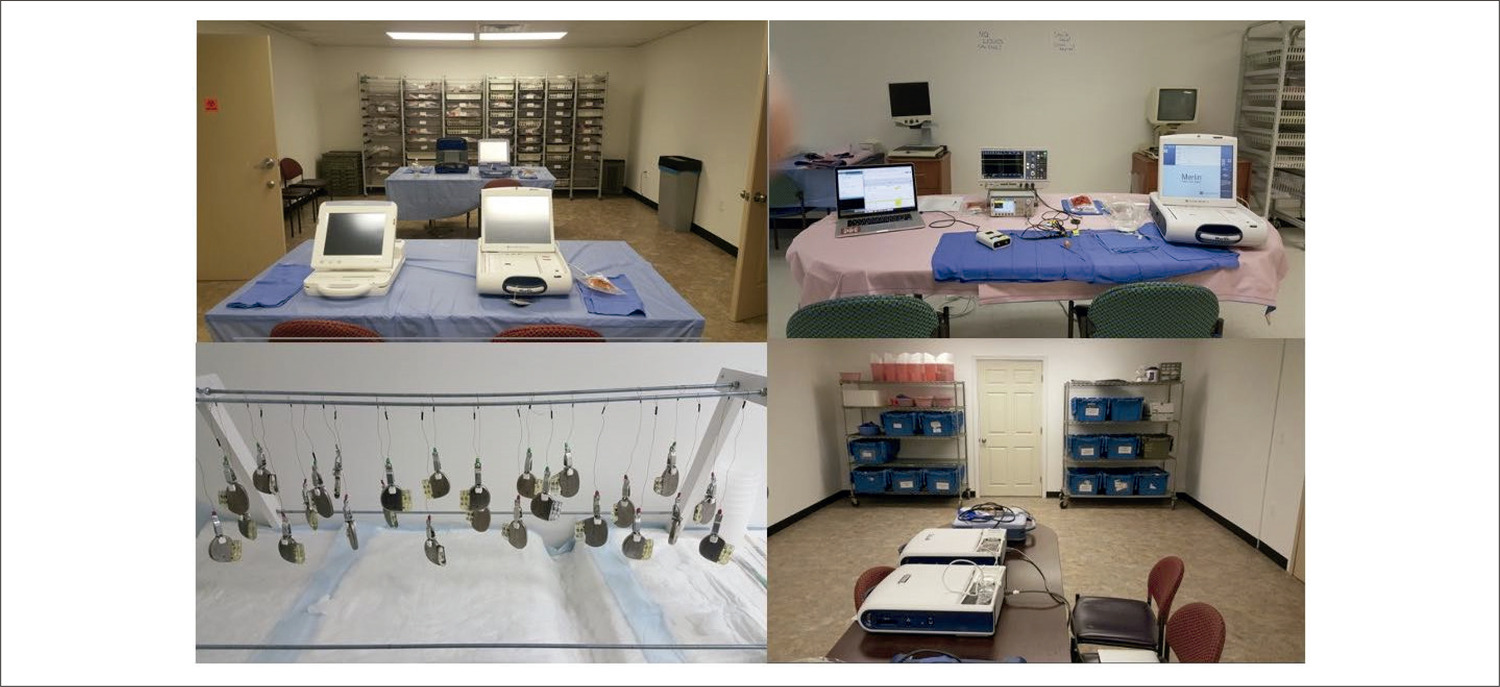
Pacemaker Reuse in Portuguese Speaking Countries: A Clinical Reflection

Neiberg de Alcantara Lima et al. Eduardo Arrais Rocha Albertino Damasceno Ieda Prata Costa … José Ribeiro Bunda Ricardo Fernando Jorge Lopes Luis Dias Miryan Bandeira dos Prazeres Cassandra Soares Eric Puroll Kim A. Eagle Thomas C. Crawford

Abstract

There is a gap between high-income countries and others in terms of access to medical cardiac devices, such as pacemakers and implantable cardioverter defibrillators. Costs are one of the main barriers to the use of cardiac devices in these countries. There are international initiatives that aim to reduce the gap. The reuse of pacemakers has been discussed as a possible alternative to this problem. The concept of reusing pacemakers is not new; however, recent studies have proven to be safe, ethical, and effective for those who need cardiac implantable electronic devices and cannot afford them. Part of the Portuguese-speaking countries, especially in Africa, need an immediate response that benefits their countless patients who suffer from treatable arrhythmias.

  • Cardiac Pacing Artificial/trends
  • Defibrillators, Implantable
  • Health Status Disparities
  • Pacemaker, Artificial
  • Public Health,Administration
Read Full Article
Creative Commons Attribution (CC BY) Creative Commons license
13/03/2023 DOI: 10.36660/abc.20210941 Views 1
ABC
Editorial

Confinement and Cardiovascular Diagnosis in a Pandemic Season: The Difficult Balance on the Razor’s Edge

Nuno Bettencourt

The COVID-19 pandemic has had a strong impact on healthcare delivery worldwide. Cardiovascular diseases, including their acute forms, were no exception. In the first weeks of the pandemic, at the end of the first quarter of 2020, there was a clear reduction in resources to health services, both in scheduled care and in admissions for acute coronary syndromes, with a strong impact on the immediate prognosis and with future consequences not fully documented.,

In addition to the direct impact of the virus on the myocardium, which causes considerable morbidity and mortality,– there is also a reduction in access to health care – which occurred both as a result of a massive channeling of resources from the different health systems to the fighting the pandemic, as well as the population’s fear of resorting to these services during the pandemic – is having an important impact on the diagnosis and treatment of cardiovascular disease. Although the real dimension of this impact on the prognosis of patients with and without COVID has not yet been established, its importance likely exceeds the effects directly determined by the pandemic.

[…]

  • Cardiovascular Diseases/physiopathology
  • COVID-19
  • Health Status Disparities
  • Medical Care/methods
  • Needs Assessment/statistics & numerical data
  • Pandemics
  • Research/trends
Read Full Article
Creative Commons Attribution (CC BY) Creative Commons license
29/04/2022 DOI: 10.36660/abc.20220192 Views 1
Figure 1
ABC
Original Article

Co-occurrence of Smoking and Unhealthy Diet in the Brazilian Adult Population

Priscila Maria Stolses Bergamo Francisco et al. Daniela de Assumpção Deborah Carvalho Malta

Abstract

Background:

Smoking and an inadequate diet are behavioral risk factors that contribute to the majority of deaths and disabilities caused by noncommunicable diseases.

Objectives:

To estimate the prevalence of the co-occurrence of smoking and inadequate diet and identify associated factors in adults.

Methods:

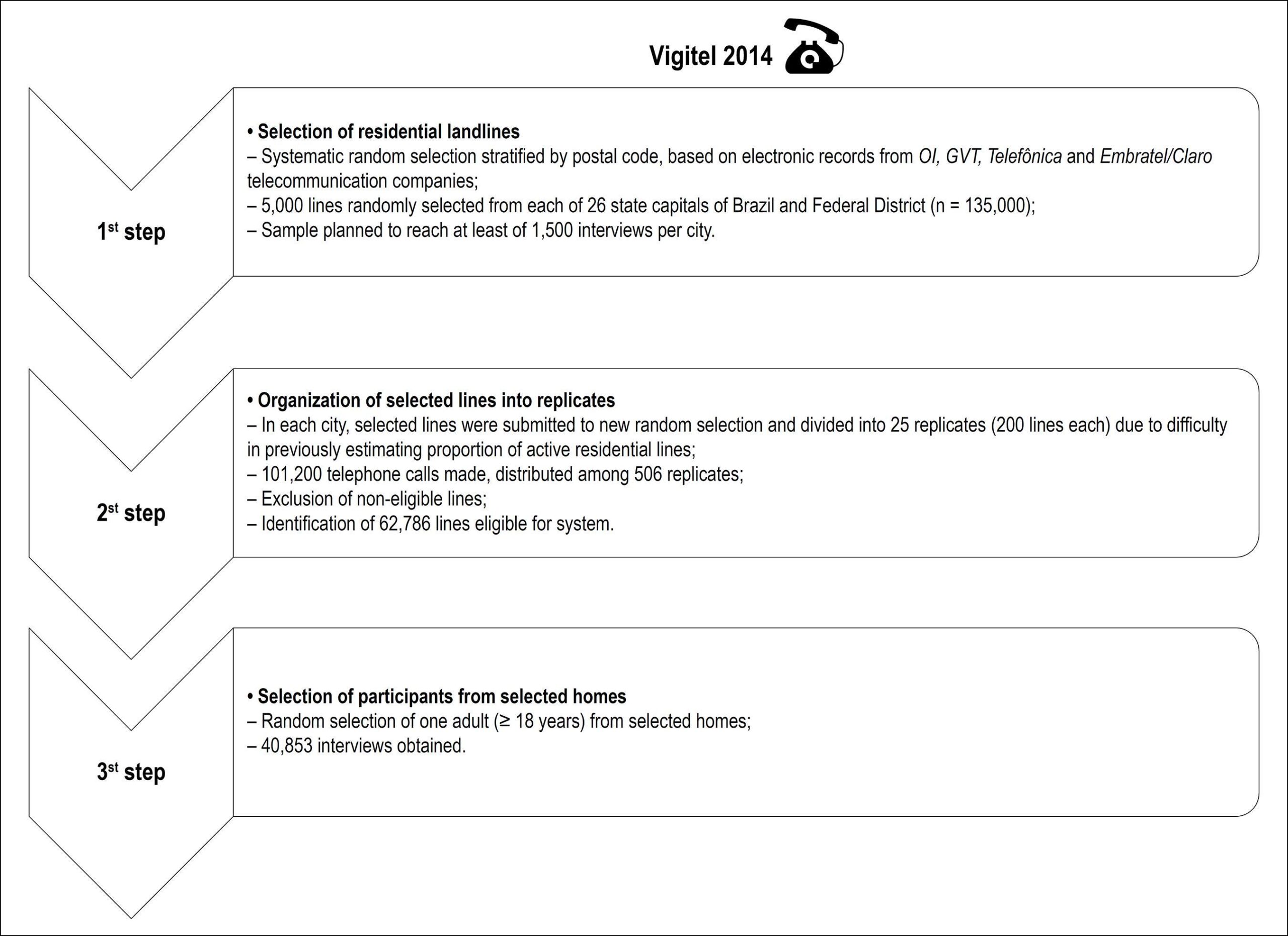
A cross-sectional population-based study was conducted with a sample of 28,950 Brazilian adults (18 to 59 years old). Data were obtained from Sistema de Vigilância por Inquérito Telefônico (Vigitel [Brazilian Health Surveillance Telephone Survey]) in 2014. Independent associations were investigated using Poisson hierarchical regression analysis with 5% significance level.

Results:

The prevalence of the co-occurrence of smoking and unhealthy eating was 8.6% (95% CI: 7.9-9.3) and was higher among individuals residing in the southern region of the country than in those living in the central western region (PR = 1.50; 95% CI: 1.18-1.89), those with no private health insurance (PR = 1.14; 95% CI: 1.03-1.25), those who drank alcohol abusively (binge drinkers) (PR = 3.22; 95% CI: 2.70-3.85) and those who self-rated their health as fair (PR = 1.65; 95% CI: 1.36-1.99) or poor/very poor (PR = 1.70; 95% CI: 1.18-2.44). The prevalence of both factors was lower among individuals residing in the northeastern region of the country, women, individuals with brown skin color, those with a spouse, the more educated ones and those with overweight or obesity.

Conclusion:

The more vulnerable segments to the co-occurrence of the risk factors studied were men residing in the southern region of the country, individuals with a lower socioeconomic status and those who reported binge drinking. Interventions addressing multiple behavioral risk factors adapted to specific contexts could have a greater impact on the Brazilian population.

  • Adult Health
  • Chronic Disease
  • Feeding
  • Health Status Disparities
  • Risk Factors
  • Risk reduction Behavior
  • Tobacco Use Disorders
Read Full Article
Creative Commons Attribution (CC BY) Creative Commons license
04/11/2019 DOI: 10.5935/abc.20190222 Views 1

How to cite this article

EndNote RIS

Electronic Document Format (Vancouver)

Quarti MLM, Nobre AP, Martins GK. Methodological Considerations on Ethno-Racial Disparities and Blood Pressure Control. Arquivos Brasileiros de Cardiologia 2026;123(5):e20260128.

Electronic Document Format (ABNT)

Quarti, Maikon Lucian Madeira; Nobre, Arina Peixoto; Martins, Gabriel Kaleb. Methodological Considerations on Ethno-Racial Disparities and Blood Pressure Control. Arquivos Brasileiros de Cardiologia, v. 123, n. 5, e20260128, Aug. 2026.

Electronic Document Format (APA)

Quarti, M. L. M., Nobre, A. P., & Martins, G. K. (2026). Methodological Considerations on Ethno-Racial Disparities and Blood Pressure Control. Arquivos Brasileiros de Cardiologia, 123(5), e20260128.

Electronic Document Format (ISO)

Quarti, Maikon Lucian Madeira and Nobre, Arina Peixoto and Martins, Gabriel Kaleb. Methodological Considerations on Ethno-Racial Disparities and Blood Pressure Control. Arquivos Brasileiros de Cardiologia [online]. 2026, vol. 123, n. 5, [cited 2026-10-14], e20260128. Available from: <https://journals.cardiol.br/en/article/methodological-considerations-on-ethno-racial-disparities-and-blood-pressure-control/>. ISSN 0066-782X

EndNote RIS

Electronic Document Format (Vancouver)

Macedo AVS, Carvalho FS, Glynn T, Johnson N, Cabrera KP, Oliveira M. Bridging Global Calls to Local Action: Advancing Cardiovascular Equity for Women in Brazil. Arquivos Brasileiros de Cardiologia 2026;123(3):e20260110.

Electronic Document Format (ABNT)

Macedo, Ariane Vieira Scarlatelli; Carvalho, Fernanda Souza de; Glynn, Teresa; Johnson, Neil; Cabrera, Karen Padilla; Oliveira, Marlene. Bridging Global Calls to Local Action: Advancing Cardiovascular Equity for Women in Brazil. Arquivos Brasileiros de Cardiologia, v. 123, n. 3, e20260110, May. 2026.

Electronic Document Format (APA)

Macedo, A. V. S., Carvalho, F. S. , Glynn, T., Johnson, N., Cabrera, K. P., & Oliveira, M. (2026). Bridging Global Calls to Local Action: Advancing Cardiovascular Equity for Women in Brazil. Arquivos Brasileiros de Cardiologia, 123(3), e20260110.

Electronic Document Format (ISO)

Macedo, Ariane Vieira Scarlatelli and Carvalho, Fernanda Souza de and Glynn, Teresa and Johnson, Neil and Cabrera, Karen Padilla and Oliveira, Marlene. Bridging Global Calls to Local Action: Advancing Cardiovascular Equity for Women in Brazil. Arquivos Brasileiros de Cardiologia [online]. 2026, vol. 123, n. 3, [cited 2026-10-14], e20260110. Available from: <https://journals.cardiol.br/en/article/bridging-global-calls-to-local-action-advancing-cardiovascular-equity-for-women-in-brazil/>. ISSN 0066-782X

EndNote RIS

Electronic Document Format (Vancouver)

Alencar AKN. Hypertension in Indigenous Brazilians: A Rapidly Emerging Public Health Crisis. Arquivos Brasileiros de Cardiologia 2025;122(9):e20250567.

Electronic Document Format (ABNT)

Alencar, Allan K. N.. Hypertension in Indigenous Brazilians: A Rapidly Emerging Public Health Crisis. Arquivos Brasileiros de Cardiologia, v. 122, n. 9, e20250567, Nov. 2025.

Electronic Document Format (APA)

Alencar, A. K. N. (2025). Hypertension in Indigenous Brazilians: A Rapidly Emerging Public Health Crisis. Arquivos Brasileiros de Cardiologia, 122(9), e20250567.

Electronic Document Format (ISO)

Alencar, Allan K. N.. Hypertension in Indigenous Brazilians: A Rapidly Emerging Public Health Crisis. Arquivos Brasileiros de Cardiologia [online]. 2025, vol. 122, n. 9, [cited 2026-10-14], e20250567. Available from: <https://journals.cardiol.br/en/article/hypertension-in-indigenous-brazilians-a-rapidly-emerging-public-health-crisis/>. ISSN 0066-782X

EndNote RIS

Electronic Document Format (Vancouver)

Mansur AJ. Challenging Health Literacy, Patient Knowledge, and Adherence to Oral Anticoagulation in Primary Care Units. International Journal of Cardiovascular Sciences 2023;36:e20230095.

Electronic Document Format (ABNT)

Mansur, Alfredo José. Challenging Health Literacy, Patient Knowledge, and Adherence to Oral Anticoagulation in Primary Care Units. International Journal of Cardiovascular Sciences, v. 36, e20230095, Sep. 2023.

Electronic Document Format (APA)

Mansur, A. J. (2023). Challenging Health Literacy, Patient Knowledge, and Adherence to Oral Anticoagulation in Primary Care Units. International Journal of Cardiovascular Sciences, 36, e20230095.

Electronic Document Format (ISO)

Mansur, Alfredo José. Challenging Health Literacy, Patient Knowledge, and Adherence to Oral Anticoagulation in Primary Care Units. International Journal of Cardiovascular Sciences [online]. 2023, vol. 36, [cited 2026-10-14], e20230095. Available from: <https://journals.cardiol.br/en/article/challenging-health-literacy-patient-knowledge-and-adherence-to-oral-anticoagulation-in-primary-care-units/>. ISSN 2359-4802

EndNote RIS

Electronic Document Format (Vancouver)

Lima NA, Rocha EA, Damasceno A, Costa IP, Ricardo JRB, Lopes FJ, Dias L, et al. Pacemaker Reuse in Portuguese Speaking Countries: A Clinical Reflection. Arquivos Brasileiros de Cardiologia 2023;120(2):e20210941.

Electronic Document Format (ABNT)

Lima, Neiberg de Alcantara; Rocha, Eduardo Arrais; Damasceno, Albertino; Costa, Ieda Prata; Ricardo, José Ribeiro Bunda; Lopes, Fernando Jorge; Dias, Luis; Soares, Miryan Bandeira dos Prazeres Cassandra; Puroll, Eric; Eagle, Kim A.; Crawford, Thomas C.. Pacemaker Reuse in Portuguese Speaking Countries: A Clinical Reflection. Arquivos Brasileiros de Cardiologia, v. 120, n. 2, e20210941, Mar. 2023.

Electronic Document Format (APA)

Lima, N. A., Rocha, E. A., Damasceno, A., Costa, I. P., Ricardo, J. R. B., Lopes, F. J., Dias, L., Soares, M. B. P. C., Puroll, E., Eagle, K. A., & Crawford, T. C. (2023). Pacemaker Reuse in Portuguese Speaking Countries: A Clinical Reflection. Arquivos Brasileiros de Cardiologia, 120(2), e20210941.

Electronic Document Format (ISO)

Lima, Neiberg de Alcantara and Rocha, Eduardo Arrais and Damasceno, Albertino and Costa, Ieda Prata and Ricardo, José Ribeiro Bunda and Lopes, Fernando Jorge and Dias, Luis and Soares, Miryan Bandeira dos Prazeres Cassandra and Puroll, Eric and Eagle, Kim A. and Crawford, Thomas C.. Pacemaker Reuse in Portuguese Speaking Countries: A Clinical Reflection. Arquivos Brasileiros de Cardiologia [online]. 2023, vol. 120, n. 2, [cited 2026-10-14], e20210941. Available from: <https://journals.cardiol.br/en/article/pacemaker-reuse-in-portuguese-speaking-countries-a-clinical-reflection/>. ISSN 0066-782X

EndNote RIS

Electronic Document Format (Vancouver)

Bettencourt N. Confinement and Cardiovascular Diagnosis in a Pandemic Season: The Difficult Balance on the Razor’s Edge. Arquivos Brasileiros de Cardiologia 2022;118(4):754-5.

Electronic Document Format (ABNT)

Bettencourt, Nuno. Confinement and Cardiovascular Diagnosis in a Pandemic Season: The Difficult Balance on the Razor’s Edge. Arquivos Brasileiros de Cardiologia, v. 118, n. 4, p. 754-755, Apr. 2022.

Electronic Document Format (APA)

Bettencourt, N. (2022). Confinement and Cardiovascular Diagnosis in a Pandemic Season: The Difficult Balance on the Razor’s Edge. Arquivos Brasileiros de Cardiologia, 118(4), 754-755.

Electronic Document Format (ISO)

Bettencourt, Nuno. Confinement and Cardiovascular Diagnosis in a Pandemic Season: The Difficult Balance on the Razor’s Edge. Arquivos Brasileiros de Cardiologia [online]. 2022, vol. 118, n. 4, [cited 2026-10-14], pp. 754-755. Available from: <https://journals.cardiol.br/en/article/confinement-and-cardiovascular-diagnosis-in-a-pandemic-season-the-difficult-balance-on-the-razors-edge/>. ISSN 0066-782X

EndNote RIS

Electronic Document Format (Vancouver)

Francisco PMSB, Assumpção D, Malta DC. Co-occurrence of Smoking and Unhealthy Diet in the Brazilian Adult Population. Arquivos Brasileiros de Cardiologia 2019;113(4):699-70.

Electronic Document Format (ABNT)

Francisco, Priscila Maria Stolses Bergamo; Assumpção, Daniela de; Malta, Deborah Carvalho. Co-occurrence of Smoking and Unhealthy Diet in the Brazilian Adult Population. Arquivos Brasileiros de Cardiologia, v. 113, n. 4, p. 699-709, Nov. 2019.

Electronic Document Format (APA)

Francisco, P. M. S. B., Assumpção, D. , & Malta, D. C. (2019). Co-occurrence of Smoking and Unhealthy Diet in the Brazilian Adult Population. Arquivos Brasileiros de Cardiologia, 113(4), 699-709.

Electronic Document Format (ISO)

Francisco, Priscila Maria Stolses Bergamo and Assumpção, Daniela de and Malta, Deborah Carvalho. Co-occurrence of Smoking and Unhealthy Diet in the Brazilian Adult Population. Arquivos Brasileiros de Cardiologia [online]. 2019, vol. 113, n. 4, [cited 2026-10-14], pp. 699-709. Available from: <https://journals.cardiol.br/en/article/co-occurrence-of-smoking-and-unhealthy-diet-in-the-brazilian-adult-population/>. ISSN 0066-782X

  • About ABC Family
  • Internal Regulation
  • Editorial Board
  • Brazilian Society of Cardiology (SBC)

Issues

SBC Guidelines

  • Videos
  • Podcasts
  • News