ABC Family Arquivos Brasileiros de Cardiologia International Journal of Cardiovascular Sciences ABC Heart Failure & Cardiomyopathy ABC Imagem Cardiovascular
Português English
ABC Family
Português English
  • About
    • About ABC Family
    • Internal Regulation
    • Editorial Board
    • Brazilian Society of Cardiology (SBC)
  • Issues
  • SBC Guidelines
  • Content
    • Videos
    • Podcasts
    • News
  • About
    • About ABC Family
    • Internal Regulation
    • Editorial Board
    • Brazilian Society of Cardiology (SBC)
  • Issues
  • SBC Guidelines
  • Content
    • Videos
    • Podcasts
    • News

ABC Family

  • ABC Family
  • Arquivos Brasileiros de Cardiologia
  • International Journal of Cardiovascular Sciences
  • ABC Heart Failure & Cardiomyopathy
  • ABC Imagem Cardiovascular
Search in

No content found.

Journals
Ordering
Article types
Others

  1. Home
  2. Keyword: Lipoproteins
Association between Estimated Small Dense Low-Density Lipoprotein-cholesterol (sdLDL-C) and Atherosclerotic Cardiovascular Disease Risk
ABC
Original Article

Association between Estimated Small Dense Low-Density Lipoprotein-cholesterol (sdLDL-C) and Atherosclerotic Cardiovascular Disease Risk

Shutang Zhang et al. Jinjie Du Peng Wang Min Lei … Canye Zhong Yang Ou Zhen Sun

Abstract

Background

A new formula for estimating small, dense, low-density lipoprotein cholesterol (sdLDL-C) based on the results of the standard lipid panel is proposed.

Objectives

To assess the association between estimated sdLDL-C (EsdLDL-C) and atherosclerotic cardiovascular disease (ASCVD) risk.

Methods

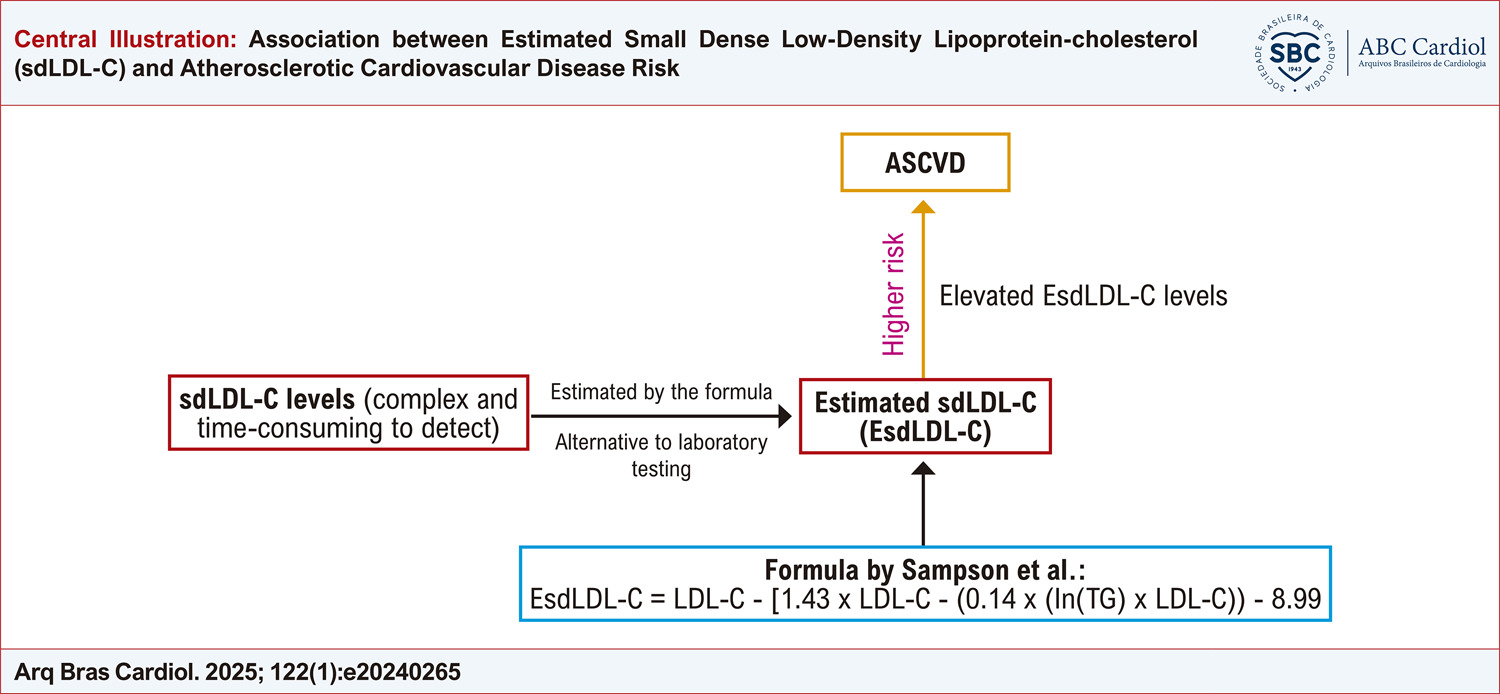
A total of 12,192 participants from the Korea National Health and Nutrition Examination Survey (KNHANES) database between 2010 and 2020 were included in this cross-sectional study. EsdLDL-C was calculated as EsdLDL-C= LDL-C – [1.43 × LDL-C – (0.14 × (ln (TG) × LDL-C)) – 8.99]. Logistic regression analyses were utilized to assess the association between EsdLDL-C and ASCVD risk. Subgroup analyses were performed based on age, body mass index (BMI), hypertension, and diabetes. An odds ratio (OR) with a 95% confidence interval (CI) was used for evaluation. P<0.05 was considered statistically significant.

Results

Among 12,192 participants, 1,239 (10.16%) had ASCVD. The mean sdLDL-C of participants was estimated to be 42.43±14.75 mg/dL using the formula. Elevated EsdLDL-C levels (OR=1.33; 95%CI, 1.06-1.66) were associated with an increased risk of ASCVD. Subgroup analyses found that there may be an interaction between EsdLDL-C (Pinteraction= 0.001) or non-HDL-C (Pinteraction= 0.015) and hypertension on ASCVD risk.

Conclusions

Elevated estimated sdLDL-C levels were associated with the risk of ASCVD, and estimated sdLDL-C might be an alternative to sdLDL-C measurement for ASCVD risk assessment.
  • Atherosclerosis
  • Lipoproteins
  • Risk Factors
Read Full Article
Creative Commons Attribution (CC BY) Creative Commons license
03/02/2025 DOI: 10.36660/abc.20240265i Views 2
Use of Atherogenic Indices as Assessment Methods of Clinical Atherosclerotic Diseases
ABC
Original Article

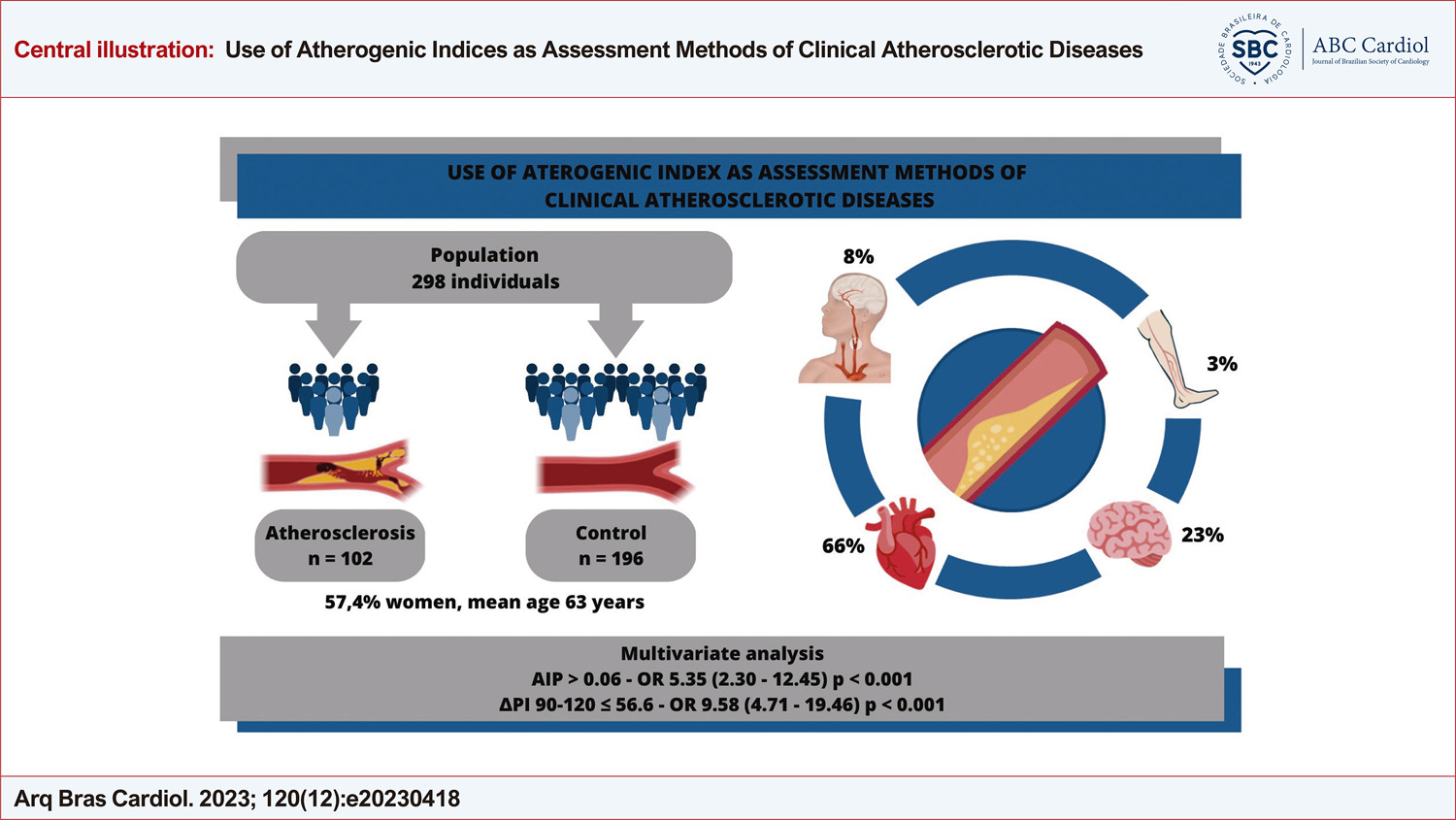
Use of Atherogenic Indices as Assessment Methods of Clinical Atherosclerotic Diseases

Yuri Barbosa Araújo et al. Ana Beatriz Rocha Almeida Márcio Fellipe Menezes Viana Rafael Alexandre Meneguz-Moreno

Abstract

Background

The search for clinically useful methods to assess atherosclerotic diseases (ASCVD) with good accuracy, low cost, non-invasiveness, and easy handling has been stimulated for years. Thus, the atherogenic indices evaluated in this study may fit this growing demand.

Objectives

To assess the potential of atherogenic indices to evaluate patients with clinical atherosclerosis.

Methods

Single-center cross-sectional study, through which the Castelli I and II indices, the atherogenic index of plasma (AIP), the lipoprotein combine index, and the variation in the peripheral perfusion index between 90 and 120 seconds after an endothelium-dependent (ΔPI90-120) vasodilator stimulus were evaluated in the prediction of atherosclerosis. Statistical significance was set at p < 0.05.

Results

The sample consisted of 298 individuals with an average age of 63.0±16.1 years, of which 57.4% were women. Paired comparisons of the ROC curve analysis of the indices that reached the area under the curve (AUC) > 0.6 show that ΔPI90-120 and AIP were superior to other indices, and no differences were observed between them (difference between AUC = 0.056; 95%CI -0.003–0.115). Furthermore, both the ΔPI90-120 [odds ratio (OR) 9.58; 95%CI 4.71–19.46)] and AIP (OR 5.35; 95%CI 2.30–12.45) were independent predictors of clinical atherosclerosis.

Conclusions

The AIP and ΔPI90-120 represented better accuracy in discriminating clinical ASCVD. Moreover, they were independent predictors of clinical ASCVD, evidencing a promising possibility for developing preventive and control strategies for cardiovascular diseases. Therefore, they are markers for multicenter studies from the point of view of practicality, low cost, and external validity.

  • Atherosclerosis
  • Atherosclerotic Plaque
  • Lipoproteins
  • Perfusion Index
Read Full Article
Creative Commons Attribution (CC BY) Creative Commons license
22/12/2023 DOI: 10.36660/abc.20230418 Views 1
ABC
Editorial

Saturated Fatty Acids and Implications for Cardiovascular Disease

Matheus Augusto Callegari et al. Ricardo Luiz Damatto Priscila Portugal dos Santos

Cardiovascular diseases (CVD) are the leading cause of mortality, accounting for 17.9 million deaths in 2019, 32% of all global deaths. It is important to detect CVD early to start treatment. For this, there are several standard risk factors in CVD prediction, but interest in finding more sensitive and accurate biomarkers is intense. Gonçalinho et al. propose that the use of inflammation and endothelial dysfunction biomarkers may reflect CVD and predict worse prognosis, regardless of traditional risk factors. Most CVDs can be prevented by addressing behavioral risk factors like diet. Dietary fat intake is one of the major modifiable risk factors implicated in the causation of CVD. Gonçalinho et al. showed that stearic acid (SA) is associated with inflammatory biomarkers and endothelial dysfunction in individuals at cardiovascular risk.

To study the association of fatty acids (FA) with cardiovascular risk factors, Gonçalinho et al. used FA from membrane phospholipids of red blood cells (RBC) as a biomarker of FA status. This analysis has been used since these FAs can be incorporated from the serum lipoproteins. Additionally, it offers an advantage over analysis of plasma because RBC last on average 120 days compared to 3 weeks for plasma lipids, reflecting better long-term dietary FA intake. However, it is important to highlight that the cost of preparing RBC exceeds the plasmatic method and that there are different analytical strategies., Therefore, for FA from RBC membrane phospholipids to become a biomarker of the nutritional status of dietary FA in clinical practice, there remains a need for investigations of cost-effectiveness and method standardization.

[…]

  • Fatty Acids
  • Heart Disease Risk Factors
  • Lipoproteins
  • Palmitic Acid
  • Stearic Acids
Read Full Article
Creative Commons Attribution (CC BY) Creative Commons license
30/10/2023 DOI: 10.36660/abc.20230612 Views 1
Central Illustration
ABC
Original Article

Investigation of the Relationship Between Triglycerides-Glucose İndex and Coronary Slow Flow: A Retrospective Case-Control Study

Mustafa Kaplangoray et al. Kenan Toprak Fuat Başanalan Ali Palice … Cihan Aydın Aykut Demirkıran Yusuf Cekici

Abstract

Background

Coronary slow flow (CSF) refers to delayed distal vessel opacification in the absence of epicardial coronary artery stenosis. The etiopathogenic mechanism of CSF is still unclear.

Objectives

This study investigates the relationship between CSF and the triglyceride-glucose (TyG) index.

Methods

The study sample consisted of 118 CSF patients and 105 patients with normal coronary flow (NCF). The coronary flow rate was measured via the Thrombolysis in Myocardial Infarction (TIMI) frame count (TFC) method in all patients. The TyG index was calculated as the logarithm of the [fasting triglyceride (mg/dL)×fasting glucose (mg/dL)]/2 value. A significance level of < 0.05 was adopted as statistically significant.

Results

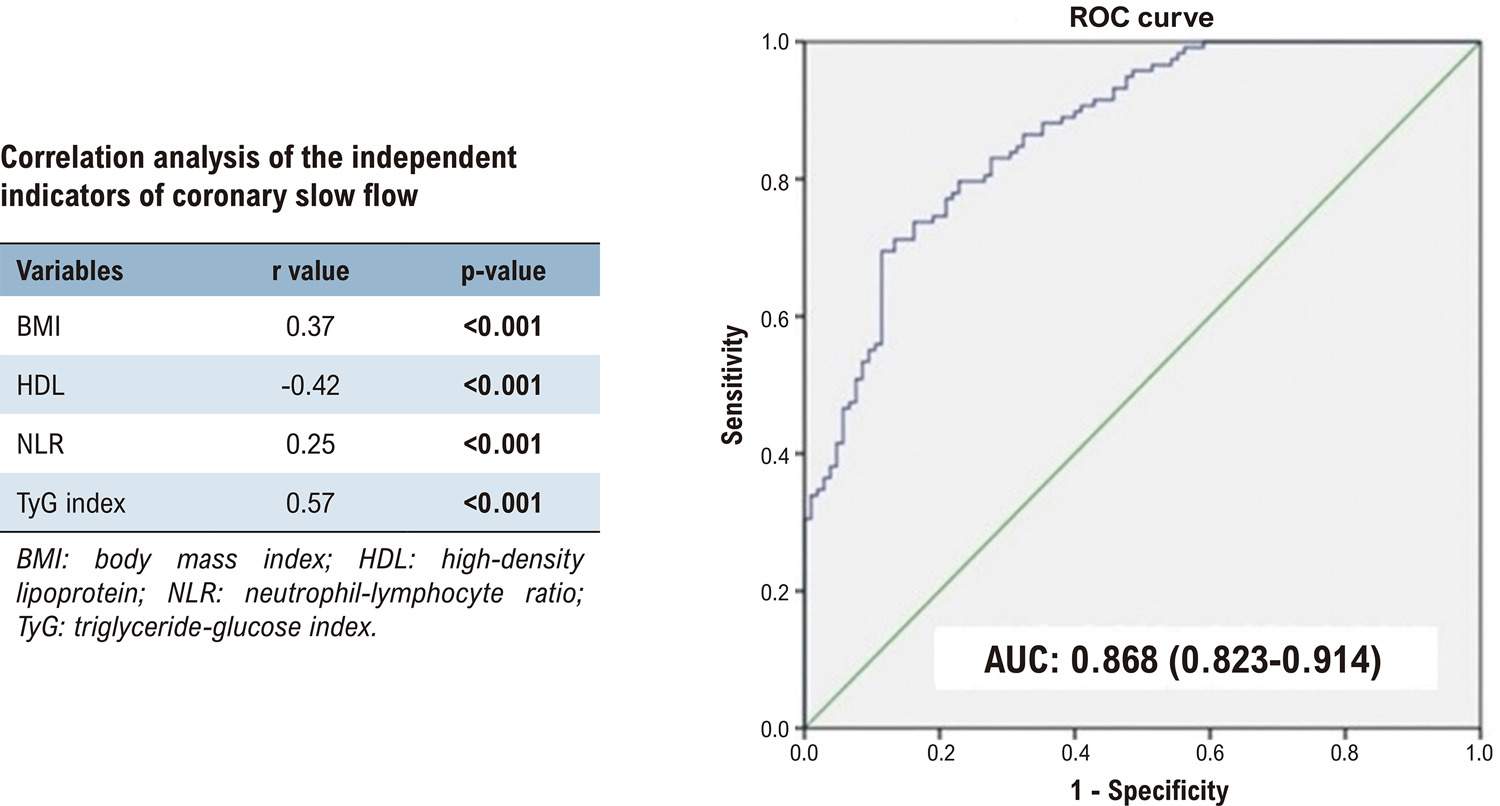
The TyG index, low-density lipoprotein (LDL), body mass index (BMI), neutrophil-to-lymphocyte ratio (NLR) and TFC values, male ratio, and the ratio of smokers were higher, whereas high-density lipoprotein (HDL) levels were significantly lower in the CSF group compared to the NCF group (p<0,05). The correlation analysis revealed that CSF was significantly correlated with TyG index, BMI, NLR, and HDL values. The strongest of these correlations was between CSF and TyG index (r= 0.57, p<0.001). Additionally, the multivariate analysis revealed that TyG index, BMI, NLR ratio, and male gender were independent predictors for CSF (p<0.05). Receiver operating characteristic (ROC) curve analysis indicated that a cut-off value of ≥ 9.28 for the TyG index predicted CSF with a sensitivity of 78% and a specificity of 78.1% [Area under the curve (AUC): 0.868 and 95% Confidence Interval (CI): 0.823-0.914].

Conclusion

The findings of this study revealed a very strong relationship between CSF and TyG index.

  • Blood flow velocity
  • Coronary Artery Disease
  • LDL
  • Lipoproteins
  • Myocardial Ischemic
  • Triglicerideos-Glucose
Read Full Article
Creative Commons Attribution (CC BY) Creative Commons license
26/05/2023 DOI: 10.36660/abc.20220679 Views 1
ABC
Editorial

The Relationship between CAR and CAE: Association of C-Reactive Protein to Albumin Ratio in Patients with Isolated Coronary Artery Ectasia

Iran Castro et al. Hugo Antonio Fontana Filho

Coronary artery ectasia (CAE), defined as an increase in coronary diameter 1.5 times the diameter of the normal adjacent bed, is an uncommon finding in coronary angiography, with an incidence of 1.2 to 4.9%. Most of the times, it is related to coronary atherosclerotic disease (CAD), and they have several factors in common, such as lipoprotein accumulation f in the intimal layer, inflammatory cell infiltration, activation of the renin-angiotensin system and oxidative stress generation, with arterial expansion and remodeling. The high levels of nitric oxide cause vasodilation and excessive activation of extracellular matrix metalloproteinases, resulting in vascular dilation. Less commonly, it can also be related to Kawasaky disease, connective tissue, infectious or autoimmune diseases.

The incidence is higher in men, hypertensive individuals and smokers. Cocaine users have a higher incidence of CAE and coronary aneurysms. Interestingly, Diabetes Mellitus (DM) seems to be unrelated to CAE, and may even be a protective factor, a fact related to the inhibition of the expression of extracellular matrix metalloproteinases.

[…]

  • Atherosclerosis
  • Coronary Artery Disease
  • Dilatation, Pathologic
  • Lipoproteins
  • Oxidative Stress
  • Risk Factors
Read Full Article
Creative Commons Attribution (CC BY) Creative Commons license
03/02/2021 DOI: 10.36660/abc.20200580 Views 1
Figure 1
ABC
Research Letter

Statins and COVID-19: To Suspend or Not to Suspend? That is the Question!

Filipe Ferrari et al. Raul D. Santos

Introduction

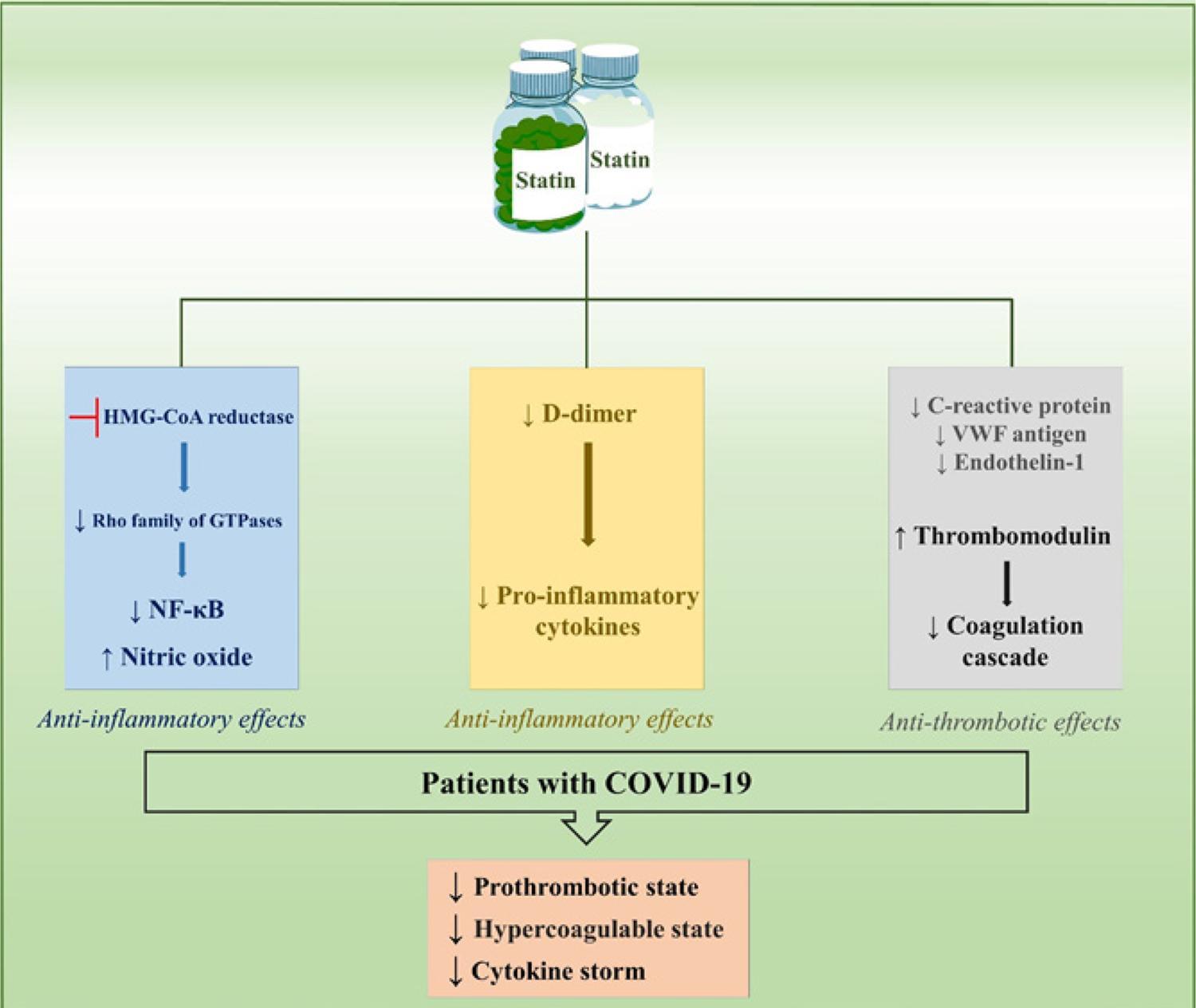
In the midst of so many uncertainties that permeate the new coronavirus disease 2019 (COVID-19), the evidence relating the presence of dyslipidemia to disease severity and consequent prognostic implications are still scarce. In May 2020, a retrospective Chinese study investigated the association between changes in cholesterol levels and prognosis in approximately 600 patients with COVID-19, who were paired by age and sex with healthy controls. First, it was observed that low-density lipoprotein cholesterol (LDL-C) and total cholesterol levels were significantly lower in patients with COVID-19. Second, there was a trend for LDL-C and total cholesterol levels to decrease as the severity of infection increased (mild, severe, and critical, respectively). In that study, high-density lipoprotein cholesterol (HDL-C) levels were also decreased in severe cases. Similar data were observed by Fan et al.,where levels of LDL-C were inversely associated with the severity of COVID-19. These data suggested a possible relation between low cholesterol levels and worsening of COVID-19 infection. In addition, experimental studies have shown that statins might increase the abundance of the angiotensin-converting enzyme 2 (ACE2), which could in part contribute to the entry of the virus into the cell and increase the risk of infectivity.

Based on these previous findings, it was hypothesized that use of lipid-lowering therapies like statins could aggravate COVID-19 infection. However, it is known that serum cholesterol levels may drop in patients with active viral or bacterial infections,, since LDL and HDL have a role in the immune system. On the other hand, hyperlipidemia can compromise the immune response and further exacerbate the inflammatory status of COVID-19 patients, increasing cardiovascular risk.So, the question that ensues is, should statins be suspended or not in patients with COVID-19?

[…]

  • Betacoronavirus
  • Cholesterol
  • Coronavirus
  • COVID-19
  • Dydroxymethylglutaryl-CoA Reductase Inhibitors
  • Dyslipidemias
  • Infection
  • Lipoproteins
  • Pandemics
Read Full Article
Creative Commons Attribution (CC BY) Creative Commons license
03/02/2021 DOI: 10.36660/abc.20200949 Views 2
IJCS
Original Article

Lipoprotein(a) levels in children and adolescents: Ouro Preto Study

Ana Paula C Cândido et al. Alekson Mendonça-Mendes Débora RC Cândido Roney LC Nicolato George LL Machado-Coelho

Abstract

Background

Lipoprotein (a) is a cardiovascular risk factor in adult. Studies have shown the presence of this emergent risk factor in school children, which may contribute to the development of atherosclerosis in adulthood.

Objective

To evaluate the association between lipoprotein (a) and cardiovascular risk factors in school children.

Methods

Lipoprotein (a) levels were measured in 320 school children (6-14 years) selected from a population survey carried out in Ouro Preto (southeast of Brazil). Demographic (sex and age), biochemical (total cholesterol, high-density lipoprotein-cholesterol, low-density lipoprotein-cholesterol, triglycerides, and glucose), anthropometric (body mass index, waist circumference, body fat percentage), clinical (arterial blood pressure, pubertal stage and birth weight) and economic (family income) parameters, as well as family history (obese and/or hypertensive parents) were analyzed. Non-parametric analysis was used to evaluate lipoprotein (a) levels in each subgroup. Variables with p≤0.20 in the univariate analysis were included in binary regression logistic model. Differences with p < 0.05 were considered significant.

Results

Lipoprotein (a) levels were associated with total cholesterol (p=0.04), body fat (p=0.009), and mother´s systolic (p=0.02) and diastolic blood pressure (p=0.04). In a logistic regression analysis, children with high lipoprotein (a) levels and body fat, and children born from hypertensive mothers were, respectively, at 3.2(p=0.01) and 1.4 (p=0.03) times higher risk than other children. In clustering these factors, elevated lipoprotein (a) was 2.6 times more likely to be seen in school children with high body fat and born hypertensive mothers.

Conclusions

Lipoprotein (a) was correlated with cardiovascular risk factors in children and adolescents. Persistence of these risk factors in childhood suggests a contribution of elevated lipoprotein (a) to future cardiovascular disease. (Int J Cardiovasc Sci. 2020; [online].ahead print, PP.0-0)

  • Adiposity
  • Adolescents
  • Bod Fat
  • body mass index
  • Children
  • Cholesterol
  • Epidemiology
  • Hypertension
  • Lipoproteins
Read Full Article
Creative Commons Attribution (CC BY) Creative Commons license
17/04/2020 DOI: 10.36660/ijcs.20190107 Views 2
ABC
Editorial

Biomarkers in Heart Failure

Pedro Pimenta de Mello Spineti

The World Health Organization defines biomarker as any substance, structure, or process that can be measured in the body or its products and influences or predicts the incidence or outcome of a disease.Biomarkers can serve multiple purposes: diagnostic, disease staging, prognostic and prediction and monitoring of responses to an intervention.

A useful biomarker should allow repeated and accurate measurements with a rapid turnaround time at a reasonable cost, should provide information that is not already available from careful clinical assessment and its performance should be superior to other available tests, and should assist decision making and enhance clinical care.

[…]

  • Biomarkers
  • Diabetes Mellitus
  • Heart Failure
  • Hypertension
  • Lipoproteins
Read Full Article
Creative Commons Attribution (CC BY) Creative Commons license
02/09/2019 DOI: 10.5935/abc.20190167
Figure 1
IJCS
Original Article

Nutritional Status, Lifestyle and Lipid Profile in Vegetarians

Carolina Vieira de Mello Barros Pimentel et al. Sônia Tucunduva Philippi Viviane Lazari Simomura Elisabeth Teodorov

Abstract

Background:

Vegetarian diets have been linked to reduced risk of chronic noncommunicable diseases, since they positively modulate biochemical parameters, particularly those related with glycemic control and lipemia, and considered as potential strategy for weight control.

Objective:

To compare the nutritional status, lifestyle and lipid profile of adult vegetarians with omnivores in a sample of individuals in the city of São Paulo.

Methods:

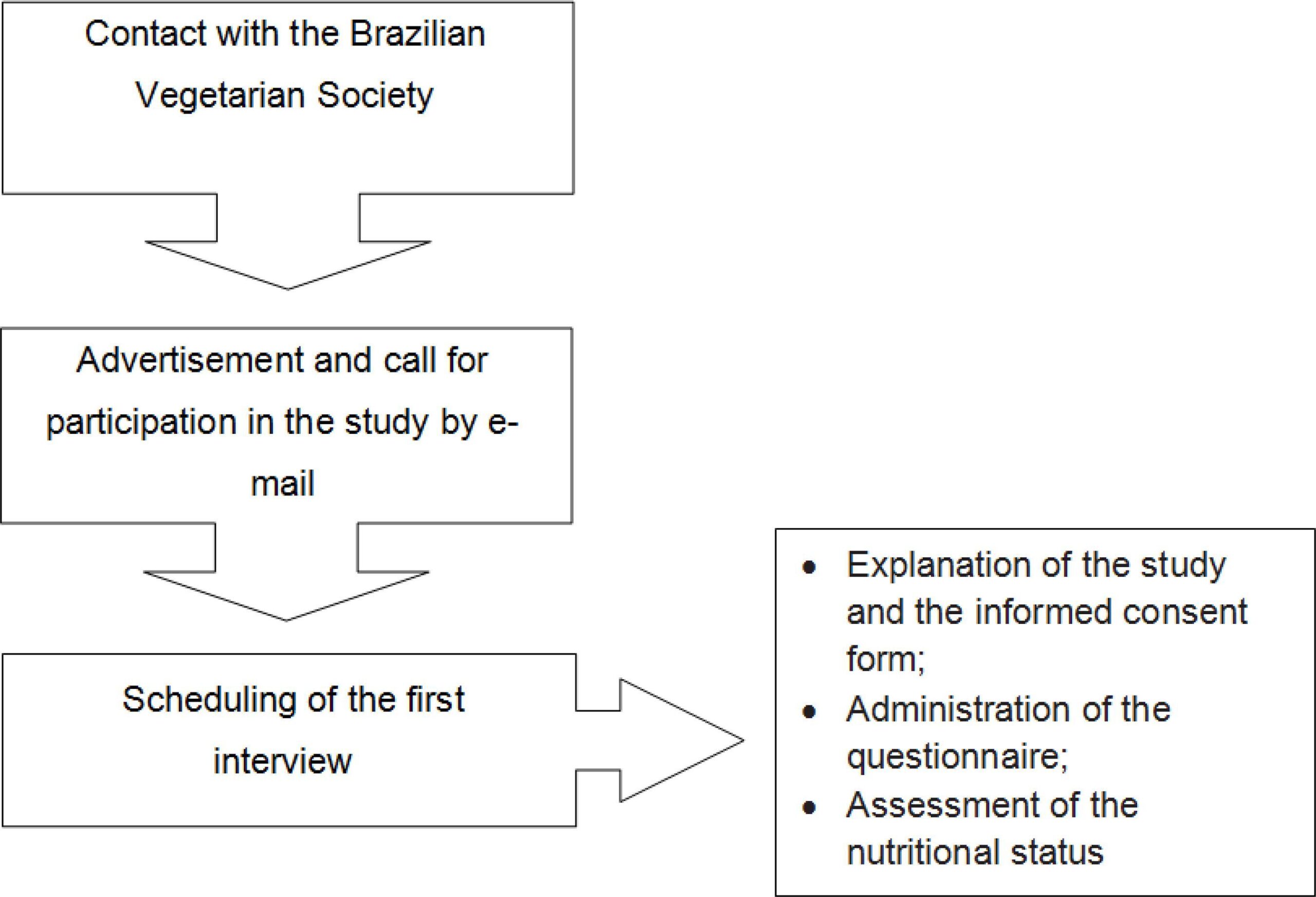
This was a cross-sectional study. Anthropometric, biochemical and lifestyle variables were compared between vegetarians and omnivores. A significance level of 5% was considered for all analyses.

Results:

Vegetarians were more likely to practice physical activity (64.3% vs 42.5%, p = 0.056) and consuming dietary supplements (48.1% vs 20.5%, p = 0.012). There was no statistically significant difference for the variables: age, sex, triglycerides, total cholesterol and low-density lipoprotein between the two groups. Vegetarians had significantly lower weight [60.8 kg (56.7 – 69.4) vs 71.1 kg (58.0 – 75.4), p = 0.038], BMI [22.4 kg/m2 (20.9 – 23.8) vs 24.6 kg/m2 (21.7 – 26.1), p = 0.001], and waist circumference [(81.8 ± 8.2 vs 87.8 ± 10.9 cm, p = 0.003)], and higher high-density lipoprotein (54.88 ± 14.44 vs 47.30 ± 12.27 mg /dL p = 0.008) than omnivores.

Conclusion:

Compared with omnivores, vegetarians had a better nutritional status, with lower BMI and waist circumference, significantly higher levels of plasma lipoprotein high-density, and healthier lifestyle.

  • Body Weight and Measures
  • Chronic Disease
  • Diet, Vegetarian
  • Dyslipidemias
  • Epidemiology
  • ife Style
  • Lipoproteins
Read Full Article
Creative Commons Attribution (CC BY) Creative Commons license
08/08/2019 DOI: 10.5935/2359-4802.20190044 Views 1
Figure 1
ABC
Original Article

High Level of Lipoprotein(a) as Predictor for Recurrent Heart Failure in Patients with Chronic Heart Failure: a Cohort Study

Jianlong Yan et al. Yanbin Pan Junhui Xiao Wenxue Ma … Li Li Mingjiang Zhong Haiquan Long Fanliang Kong Wenming Shao

Abstract

Background:

Elevated plasma levels of Lipoprotein(a) [Lp(a)] are recognized as a significant risk factor for atherosclerotic vascular disease. However, there are limited data regarding association between Lp(a) and recurrent heart failure (HF) in patients with chronic HF caused by coronary heart disease (CHD).

Objective:

Elevated levels of Lp(a) might have a prognostic impact on recurrent HF in patients with chronic HF caused by CHD.

Methods:

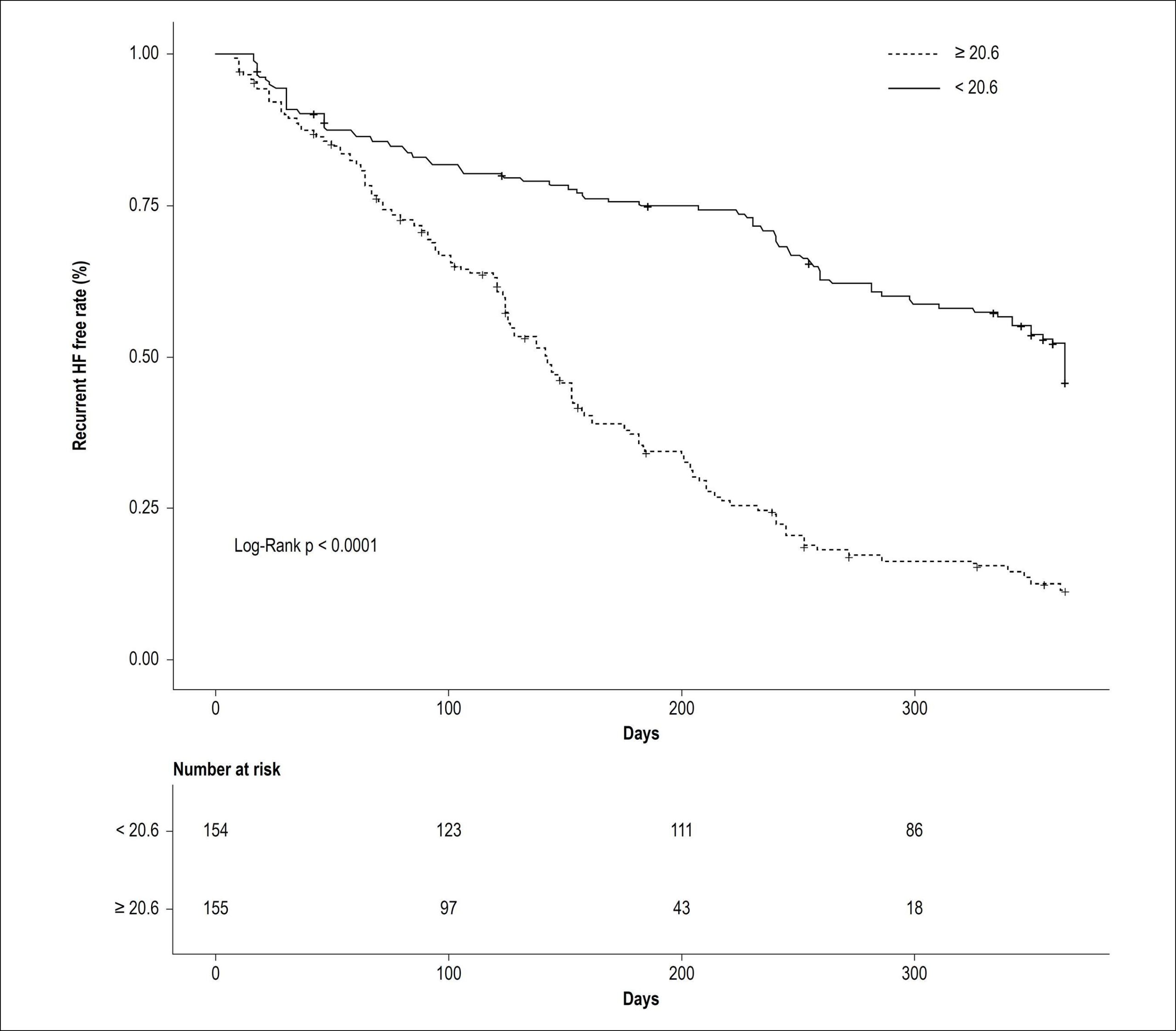
A total of 309 patients with chronic HF caused by CHD were consecutively enrolled in this study. The patients were divided into 2 groups according to whether Lp(a) levels were above or below the median level for the entire cohort (20.6 mg/dL): the high Lp(a) group (n = 155) and the low Lp(a) group (n = 154). A 2-sided p < 0.05 was statistically considered significant.

Results:

During the median follow-up period of 186 days, 31 cases out of a total of 309 patients (10.03%) could not be reached during follow-up. A Kaplan-Meier analysis demonstrated that patients with higher Lp(a) levels had a higher incidence of recurrent HF than those with lower Lp(a) levels (log-rank < 0.0001). A multivariate Cox regression analysis revealed that Lp(a) levels were independently correlated with the incidence of recurrent HF after adjustment of potential confounders (hazard ratio: 2.720, 95 % confidence interval: 1.730-4.277, p < 0.0001).

Conclusions:

In Chinese patients with chronic HF caused by CHD, elevated levels of Lp(a) are independently associated with recurrent HF.

  • Apolipoproteins
  • Cohort Studies
  • Coronary Artery Disease
  • Diabetes Mellitus
  • Echocardiography/methods
  • Heart Failure
  • Hypertension
  • Lipoproteins
Read Full Article
Creative Commons Attribution (CC BY) Creative Commons license
18/07/2019 DOI: 10.5935/abc.20190120
Figure 1
ABC
Review Article

PCSK9 Inhibitors: Clinical Relevance, Molecular Mechanisms, and Safety in Clinical Practice

Filipe Ferrari et al. Ricardo Stein Marcelo Trotte Motta Emilio Hideyuki Moriguchi

Abstract

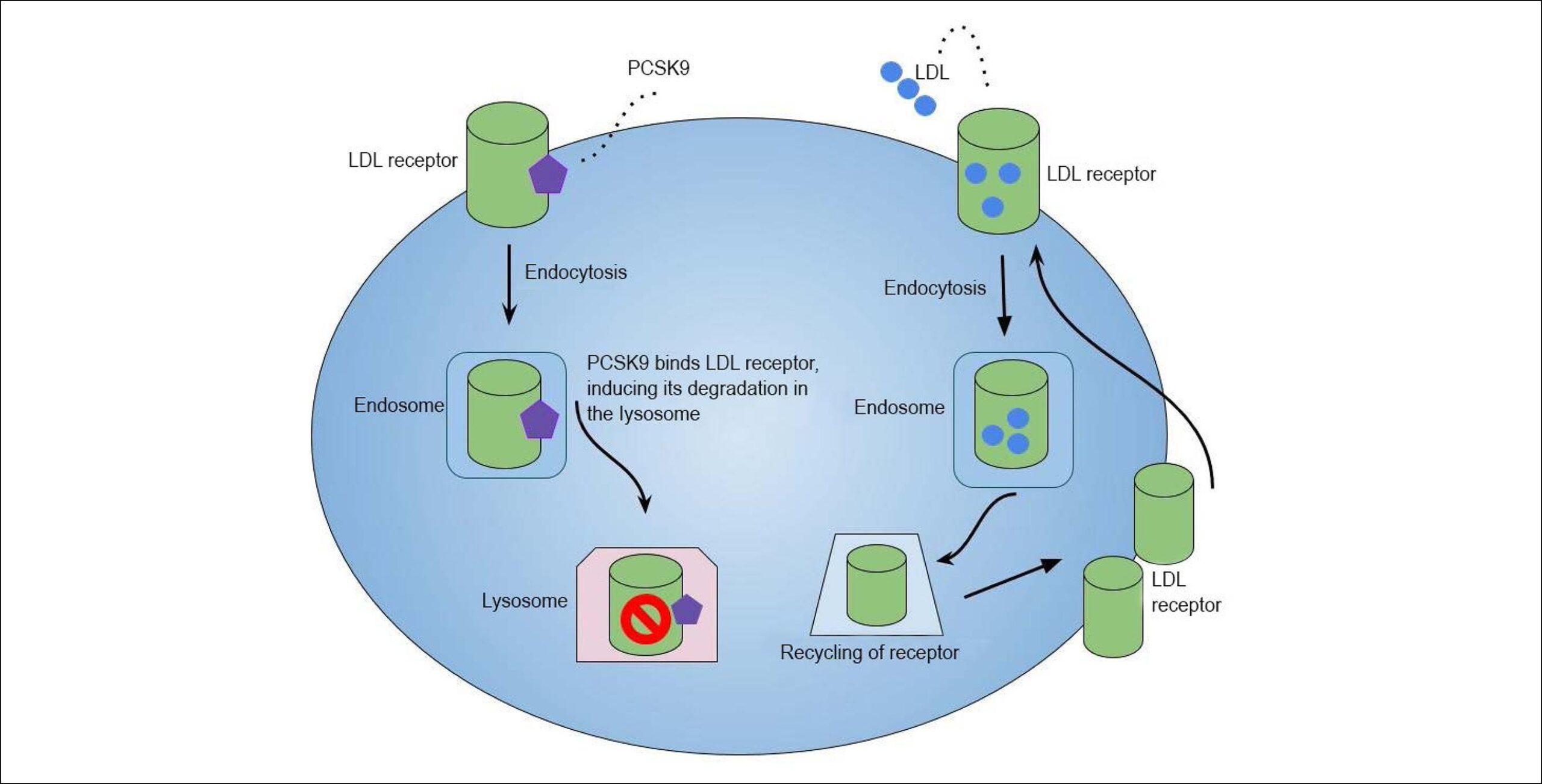
Coronary artery disease (CAD) is one of the leading causes of mortality. High circulating levels of low-density lipoprotein (LDL) in the blood are associated with cardiovascular mortality, whether through an etiological role or through its association with the progression of CAD per se. Randomized clinical trials have shown that, when LDL levels are reduced, cardiovascular risk is also reduced, which reinforces this association. The first major trial involving a hypolipidemic agent of the statin family, the Scandinavian Simvastatin Survival Study (4S), was published in 1994 and found a significant reduction in mortality in patients at high cardiovascular risk. However, even in subsequent studies with different statins, a residual risk persisted, and this seems not to have changed over time; it is speculated that this risk may be due to statin intolerance. In this scenario, the potential exists for novel hypolipidemic agents to drive a true revolution in the therapy of dyslipidemia. The recent discovery of PCSK9 inhibitors (PCSK9i), a class of hypolipidemic monoclonal antibodies, is extremely promising. PCSK9 inhibition is capable of promoting a mean LDL reduction of up to 60%, with potential for very significant clinical repercussions, as every 38 mg/dL reduction in LDL appears to be associated with a 22% reduction in cardiovascular risk. This review addresses a brief history of PCSK9i, major trials of these drugs, cardiovascular outcomes, and aspects related to their efficacy and safety. Finally, the molecular mechanisms and possible pleiotropic effects of PCSK9i are also discussed.

  • Anticholesteromic Agents
  • Cardiovascular Diseases/physiopathology
  • Cholesterol, LDL
  • Coronary Artery Disease / mortality
  • Lipoproteins
  • Proprotein Convertase 9
Read Full Article
Creative Commons Attribution (CC BY) Creative Commons license
28/02/2019 DOI: 10.5935/abc.20190029 Views 1
Figure 1
IJCS
Original Article

Evaluation of Lipid Profile in Adolescents

Eduardo del Bosco Brunetti Cunha et al. Rafael Pereira Fagundes Edson Emílio Scalabrin Roberto Hirochi Herai

Abstract

Background:

Atherosclerosis is a chronic, multifactorial and insidious disease that can begin in childhood and adolescence, and whose major consequences appear during adulthood. Serum levels of lipoproteins, such as LDL-c, total cholesterol (TC), HDL-c, and non-HDL-c can be used as a screening method for disease diagnosis. In Brazil, few studies have correlated the serum levels of those lipoproteins with age.

Objective:

To evaluate the serum concentrations of TC, LDL-c, HDL-c, VLDL-c, non-HDL-c and triglycerides (TG) of adolescents aged 10 to 19 years in the municipality of Araucária, Paraná state.

Methods:

Cross-sectional retrospective study, collecting the following data from 600 adolescents: age, sex and serum levels of TC, LDL-c, HDL-c and TG from June to December 2016. Data were analyzed using the SPSS software 2.0, with Mann-Whitney U test and Spearman coefficient of correlation to identify statistical significance (p < 0.05).

Results:

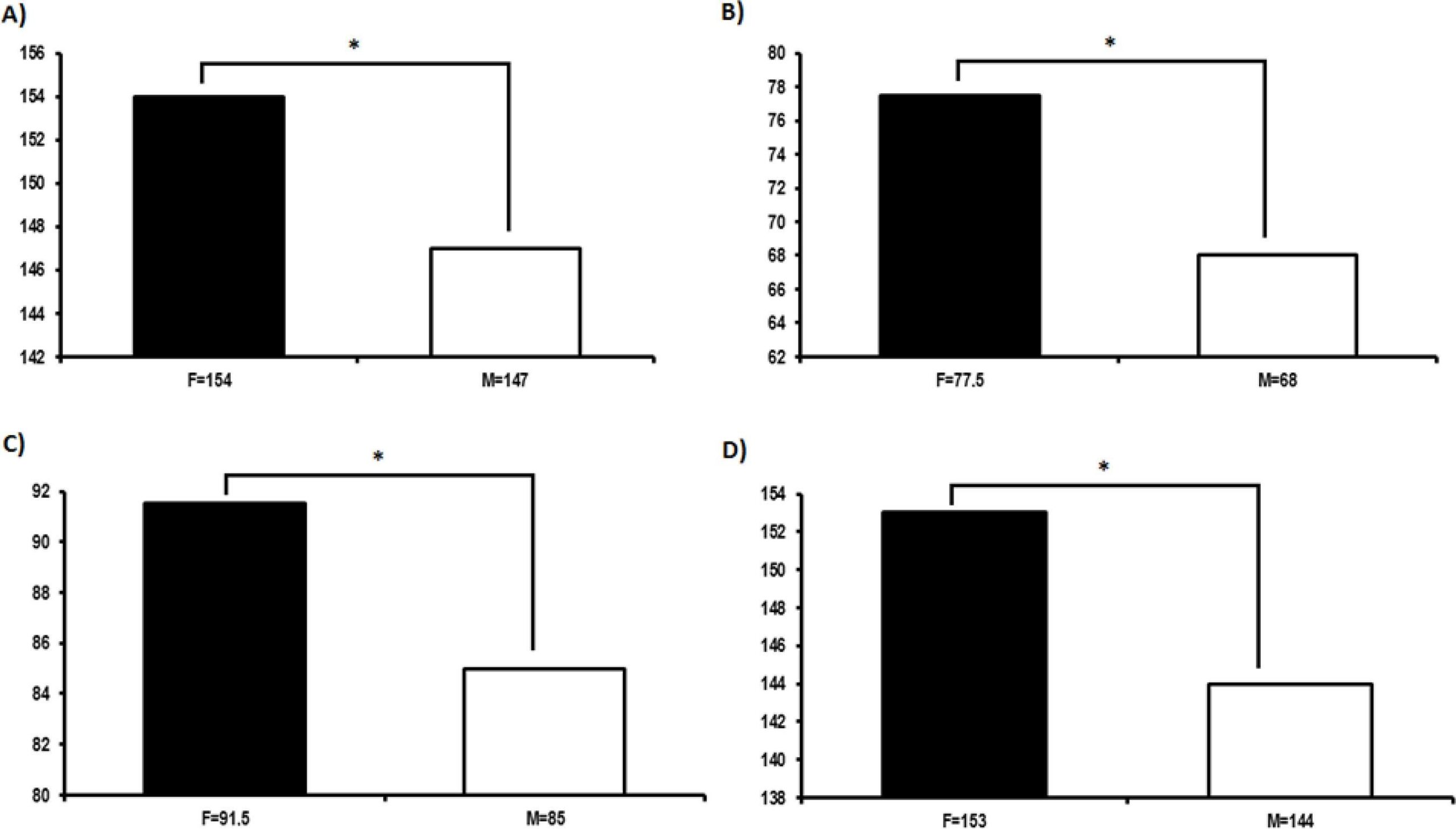
The female sex showed higher serum levels of TC, TG and LDL-c than the male sex. The HDL-c levels were identical in both sexes, with 48% of desirable values and 52% of low values. This study identified a strong correlation between the lipids and association with the age group of 10 to 14 years.

Conclusion:

Non-HDL-c showed stronger correlation with the other lipids (TG, LDL-c and TC) as compared to LDL-c, suggesting that non-HDL-c can be used as an effective complementary diagnostic method to assess the risks for atherosclerosis in adolescents.

  • Adolescent
  • Dyslipidemias / epidemiology
  • Hypercholesterolemia/epidemiology
  • Lipoproteins
Read Full Article
Creative Commons Attribution (CC BY) Creative Commons license
14/06/2018 DOI: 10.5935/2359-4802.20180034 Views 1
Imaging assessment of visceral adipose tissue area and its correlations with metabolic alterations
ABC
Artigo Original

Imaging assessment of visceral adipose tissue area and its correlations with metabolic alterations

Anna Karla Carneiro Roriz et al. Adriana Lima Mello Juliana Fontes Guimarães Fabiana Cajuhy dos Santos … Jairza Maria Barreto Medeiros Lílian Ramos Sampaio

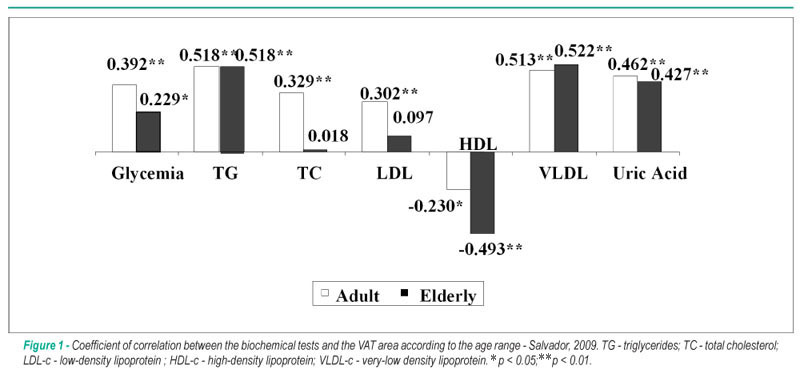
BACKGROUND: Androgenic obesity is associated with a higher risk of metabolic disorders, thus favoring the occurrence of cardiovascular diseases and other morbidities. OBJECTIVE: To verify the influence of the visceral adipose tissue (VAT) area, measured by computed tomography (CT), on the metabolic alterations in adult and elderly individuals. METHODS: CT results and lipoprotein levels, total cholesterol and fractions, triglycerides, glycemia and uric acid levels, were obtained from 194 individuals stratified by sex, age group and body mass and analyzed using the tests of correlation and means. RESULTS: The elderly individuals presented higher VAT area, glycemia, uric acid and total cholesterol levels. The most important correlations were observed between VAT area, triglycerides (TG) and VLDL-c (r > 0.5; p < 0.01), in both age groups. The mean VAT area was always higher when TG and glycemia levels were altered, in both age groups. CONCLUSION: Most tests showed a strong correlation with VAT area, which was considered as risk for metabolic alterations. In elderly individuals, the risk VAT area seems to be higher than that of adult individuals.

  • Abdominal Fat
  • Blood Glucose
  • Computed Tomography
  • Lipoproteins
  • uric acid
Read Full Article
Creative Commons Attribution (CC BY) Creative Commons license
10/12/2010 DOI: 10.1590/S0066-782X2010005000159 Views 1
Lipid transfer to HDL in type-2 diabetic patients: associations with microalbuminuria, statin, and insulin
ABC
Artigo Original

Lipid transfer to HDL in type-2 diabetic patients: associations with microalbuminuria, statin, and insulin

Gilson Soares Feitosa-Filho et al. Talita de Mattos Seydell Alina Coutinho Rodrigues Feitosa Raul Cavalcante Maranhão José Antônio Franchini Ramires

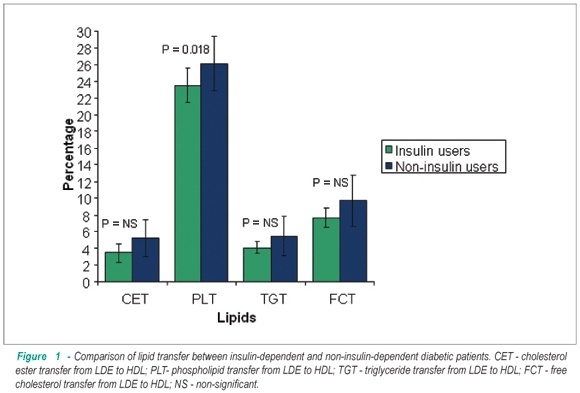
BACKGROUND: Type-2 diabetes mellitus (T2DM) is an isolated risk factor for coronary artery disease, especially when associated with microalbuminuria (MA). Structural and functional changes in lipoproteins have not yet been fully elucidated in this context. OBJECTIVE: To assess lipid transfer (T) to HDL in type-2 diabetic patients and its association with microalbuminuria and treatment with statins or insulin. METHODS: Thirty-three patients with type-2 diabetes mellitus and 34 age-matched control subjects were studied. A synthetic cholesterol-rich nanoemulsion radiolabeled with ³H- triglycerides (TG) and 14C-free cholesterol (FC) or ³H- cholesteryl ester (CE) and 14C-phospholipids (PL) was incubated with plasma. Both the nanoemulsion and lipoproteins were precipitated, except for HDL, which was counted for radioactivity. RESULTS: PLT (%) was higher in the T2DM group than in the control group (25.2 ± 3.2 and 19.7 ± 3.2 respectively; p < 0.001), as was free cholesterol (% FC): 9.1 ± 2.7 and 6.3 ± 1.5 respectively; p < 0.001. The diagnosis of microalbuminuria (MA) was not associated with changes in lipid transfers. Insulin therapy was associated with lower PLT rates: 23.5 ± 2.1 versus 26.1 ± 3.3; p = 0.018. Statin therapy, in turn, was associated with a drop in all lipid transfers – CET 3.5 ± 0.9; PLT: 23.8 ± 2.0; TGT: 3.9 ± 0.8; FCT: 7.4 ± 1.3 – as compared to the group that was not on statin therapy (CET: 5.9 ± 2.4; PLT: 26.9 ± 3.6; TGT: 6.4 ± 2.2; FCT: 11.1 ± 2.6). CONCLUSION:Type-2 diabetes mellitus increased lipid transfer to HDL particles, whereas statin therapy decreased all lipid transfers. The presence of MA was not associated with changes in lipid transfer.

  • albuminuria
  • Cholesterol, HDL
  • Diabetes Mellitus, Type 2
  • diabetic nephropathies
  • Hydroxymethylglutaryl-CoA Reductase Inhibitors
  • Insulin
  • Lipoproteins
Read Full Article
Creative Commons Attribution (CC BY) Creative Commons license
06/04/2009 DOI: 10.1590/S0066-782X2009000200005
ABC
Artigo Original

The S447X polymorphism of lipoprotein lipase: effect on the incidence of premature coronary disease and on plasma lipids

Kátia A. Almeida et al. Célia M. C. Strunz Raul C. Maranhão Antonio P. Mansur

OBJECTIVE: The objective of this study was to evaluate the effect of polymorphism S447X on plasma lipids of patients with premature coronary artery disease (CAD). METHODS: Plasma lipids and genotypes were determined in 2 groups: 313 patients with premature CAD (<55 years of age) and 150 controls without CAD. RESULTS: Frequency of the S447X polymorphism was 18% in patients with CAD and 23% in the control group. The S447X polymorphism of lipoprotein lipase is related to a decrease in plasma triglyceride concentrations in male patients with CAD, but this correlation is not observed in female patients. CONCLUSION: The presence of the S447X lipoprotein lipase polymorphism was not associated with the incidence of CAD.

  • Cholesterol
  • Lipoprotein lipase mutations
  • Lipoproteins
  • Triglycerides
Read Full Article
Creative Commons Attribution (CC BY) Creative Commons license
21/05/2007 DOI: 10.1590/S0066-782X2007000300008 Views 2
ABC
Artigo Original

Lipid profile and nutrition counseling effects in adolescents with family history of premature coronary artery disease

Gislaine A. Mendes et al. Tania L. Martinez Maria C. Izar Olga M. Amancio … Neil F. Novo Simone C. Matheus Marcelo C. Bertolami Francisco Antonio Helfenstein Fonseca

OBJECTIVE: To assess lipid profile and nutritional parameters from adolescents with family history of premature coronary artery disease (CAD) and assess the effects of nutritional counseling. METHODS: The study included 48 adolescents of both gender and with ages ranging from 10 and 19 years old (case group, n=18; control group, n=30). RESULTS: Offspring of young individuals with coronary artery disease showed higher values of total cholesterol (189 ± 30 vs. 167 ± 26 mg/dl, p < 0.01), LDL-C (144 ± 20 vs. 100 ± 27 mg/dl, p < 0.001) and apoB (80 ± 15 vs. 61 ± 18 mg/dl, p = 0.001) and lower values of HDL-C (45 ± 9 vs. 51 ± 13 mg/dl, p < 0.02) than control young individuals. Differences were not found for triglycerides and apoA-I. With a dietotherapeutic counseling, we obtained a reduction in alimentary consumption of saturated fatty acids (pre: 15.5 ± 4.7% vs. post: 6.6 ± 3.7%, p = 0.003) and an improvement in lipid profile: TC (-8%, p = 0.033), LDL-C (-18.2%, p = 0.001), TG (-53%, p = 0.002) rates in offspring of premature CAD patients who showed hyperlipidemia. CONCLUSION: The presence of dyslipidemia was more prevalent among offspring adolescents of premature CAD patients, but it was responsive to nutritional intervention.

  • Apolipoproteins
  • Diet
  • Lipids
  • Lipoproteins
  • Teen health
Read Full Article
Creative Commons Attribution (CC BY) Creative Commons license
29/05/2006 DOI: 10.1590/S0066-782X2006000500006 Views 1
Lack of effect of captopril on the metabolism of an artificial lipid emulsion similar to chylomicrons in hypertensive hypercholesterolemic patients
ABC
Artigo Original

Lack of effect of captopril on the metabolism of an artificial lipid emulsion similar to chylomicrons in hypertensive hypercholesterolemic patients

Renato J. Alves et al. Jayme Diament Rosângela F. Amâncio Neusa Forti Raul C. Maranhão

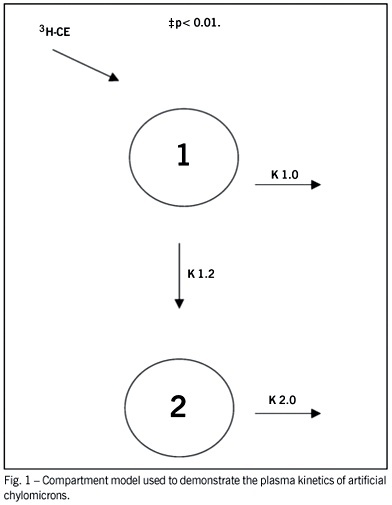
OBJECTIVE: To assess the effect of captopril, an angiotensin-converting enzyme inhibitor, on the metabolism of chylomicrons and their remnants and the possible alterations in the concentrations of plasma lipids caused by the drug in hypertensive hypercholesterolemic individuals. METHODS: The metabolism of chylomicrons was tested with the method of artificial lipid emulsion of chylomicrons labeled with ³H-cholesteryl oleate. The emulsion was injected intravenously in 10 patients with mild-moderate arterial hypertension before and 45 days after treatment with captopril (50 mg/day). After injection, blood samples were collected during 60 minutes at pre-established time intervals for determining the decay curve, the fractional catabolic rate (FCR in min-1), and the plasma residence time of the artificial lipid emulsion by analyzing different compartments. The plasma concentrations of the lipids were also assessed before and after treatment. RESULTS: The fractional catabolic rate (min-1) of the lipid emulsion before and after treatment with captopril (0.012±0.003 and 0.011±0.003, respectively; p=0.85, n.s.) and the plasma residence time of the emulsion (83.3±20.8 and 90.9±22.5 min, n.s.) did not change, but the total cholesterol and LDL-C levels decreased by 7% and 10%, respectively (p=0.02). The concentrations of HDL-C, triglycerides, Lp(a), and apolipoproteins AI and B did not change. CONCLUSION: Treatment with captopril, evaluated with the artificial lipid emulsion method, does not cause deleterious changes in the metabolism of chylomicrons and their remnants.

  • captopril
  • chylomicrons
  • Lipoproteins
  • Metabolism
Read Full Article
Creative Commons Attribution (CC BY) Creative Commons license
07/01/2005 DOI: 10.1590/S0066-782X2004001800009
Lipid metabolism in rats fed diets containing different types of lipids
ABC
Original Article

Lipid metabolism in rats fed diets containing different types of lipids

Márcia Barbosa Águila et al. Carla Cota Loureiro Alessandra da Rocha Pinheiro Carlos Alberto Mandarim-de-Lacerda

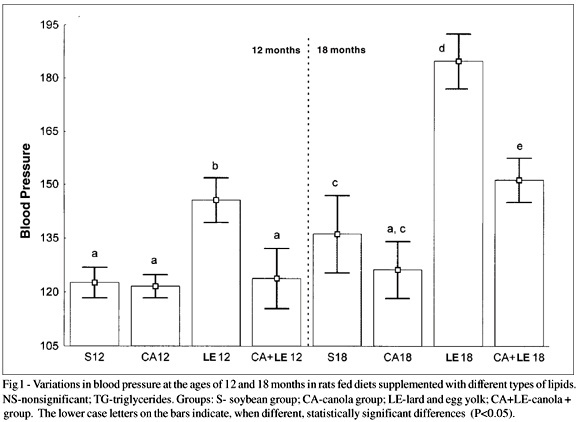
OBJECTIVE: To assess the effect of different types of lipid diets on the lipid metabolism of aging rats. METHODS: Fifty male Wistar rats were studied from the time of weaning to 12 and 18 months of age. Their diets were supplemented as follows: with soybean oil (S), canola oil (CA), lard and egg yolk (LE), and canola oil + lard and egg yolk (CA + LE). Blood pressure (BP) was measured every month, and the heart/body ratio (H/BR) was determined. The rats were euthanized at the age of 12 and 18 months, and blood samples were collected for lipid analysis as follows: total cholesterol (TC), LDL-C, VLDL-C, HDL-C, triglycerides (TG), and glucose. RESULTS: The type of oil ingested by the animals significantly altered BP, H/BR, and serum lipid levels in rats at 12 and 18 months. No difference was observed in the survival curve of the animals in the different groups. The LE group had the highest BP, and the CA group was the only one in which BP did not change with aging. A reduction in the H/BR was observed in the LE and CA+LE animals. At the age of 12 months, differences in TC, HDL-C, LDL-C, VLDL-C, TG, and glucose were observed. At the age of 18 months, a significant difference in TC, HDL-C, and glucose was observed. The highest TC value was found in the CA group and the lowest in the S group. CONCLUSION: No increase in BP occurred, and an improvement was evident in the lipid profile of rats fed a diet supplemented with CA, in which an elevation in HDL-C levels was observed, as compared with levels with the other types of diet.

  • canola oil
  • Lipoproteins
  • Rats
Read Full Article
Creative Commons Attribution (CC BY) Creative Commons license
19/02/2002 DOI: 10.1590/S0066-782X2002000100003 Views 1
Changes in the profile of lipoprotein subfractions associated with hormone replacement therapy
ABC
Original Article

Changes in the profile of lipoprotein subfractions associated with hormone replacement therapy

José Luiz da Costa Vieira et al. Marcos Emanuel W. Gomes Áurea Beltrão de Almeida Emílio H. Moriguchi

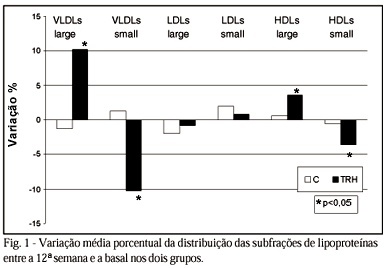
OBJECTIVE: To report the effects of 2 regimens of hormone replacement therapy during the postmenopausal period on the profile of the major lipoprotein subfractions (HDL, LDL, and VLDL). METHODS: We carried out a cohort study in 38 postmenopausal patients who were starting their hormone replacement therapy due to gynecological indications, for a period of 12 weeks. Analysis of lipoprotein subclasses was performed through nuclear magnetic resonance spectroscopy. RESULTS: Hormone replacement therapy cause an increase in the proportion of larger subfractions of VLDL and HDL (p=0.008 and 0.03, respectively) and in the proportion of larger particles of VLDL due to a 36% increase in the levels of larger particles (p=0.004), concomitantly with a 15% reduction in the levels of smaller particles (p=0.04). In regard to HDL, the increase occurred only a 17% increase in the levels of larger particles (p=0.002). No significant change occurred in the distribution pattern of LDL subfractions. CONCLUSION: The proportion of larger subfractions of VLDL and HDL increases after hormone replacement therapy. The increase in the proportion of larger particles of VLDL occurs due to an increase in the levels of the larger subclasses concomitantly with a reduction in the smaller particles. However, an increase in the proportion of larger particles of HDL occurs only due to an increase in the levels of the larger subfractions.

  • coronary heart disease
  • hormone replacement therapy
  • Lipoproteins
Read Full Article
Creative Commons Attribution (CC BY) Creative Commons license
08/01/2002 DOI: 10.1590/S0066-782X2001000300001 Views 1
Are apolipoproteins A and B better than lipoproteins for assessing risk of obstructive coronary heart disease?
ABC
Original Article

Are apolipoproteins A and B better than lipoproteins for assessing risk of obstructive coronary heart disease?

Waldomiro Carlos Manfroi et al. Alcides José Zago Marcelo Campos Alexandre Alves … Maria Lúcia Brisolara Josiane de Souza Rafael Henriques Candiago Luciana Kirschnick Letícia Ribeiro Kárem Ordovás Cristiane Leitão Rosana Cruz

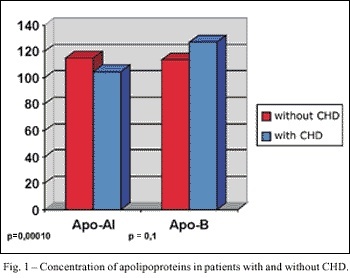
OBJECTIVE: To evaluate whether apolipoproteins A-I (Apo A-I) and B (Apo B) have, higher ensitivity (SN), specificity (SP) and positive predictive value (PPV) than lipoproteins (LP), total cholesterol (TC), high density lipoprotein (HDL), low density lipoprotein (LDL), very low density lipoprotein (VLDL), and triglycerides (TGL) in assessing the risk of coronary heart disease (CHD). METHODS: This is a transversal case-control study of 241 patients, who were divided into two groups: 1) 145 patients with CHD, and 2) 96 patients without coronary disease. A model of logistic regression to evaluate the relation between the LPs and CHD was developed in which variables with a p-alpha <0.1 were included. RESULTS: Apo A-I levels were higher in the patients without CHD, (OR 2.08, CI 1.20-3.57). There were no statistical differences between the values of Apo A-I and the remaining lipid fractions (Apo A-I: 67%; Apo B: 100%; PPV: TC= 71%; TGC=71%; HDL=71%; LDL=71%). The costs of the tests in Reais were as follows: Apo A-I: R$ 56.60; Apo B-100: R$ 56.60; TC: R$ 9.94; HDL: R$ 21.30; LDL: R$ 28.40; TGL: R$ 14.20. CONCLUSION: Levels of Apo A-I and Apo B have no advantage over conventional lipoproteins in predicting the risk of CHD, despite the statistical association between Apo A-I and CHD; in addition, their costs are higher than those of the conventional lipoproteins.

  • coronary heart disease
  • Lipoproteins
  • Risk Factors
Read Full Article
Creative Commons Attribution (CC BY) Creative Commons license
08/01/2002 DOI: 10.1590/S0066-782X1999000600001
ABC
Original Article

Physical activity, cardiorespiratory fitness, dietary content, and risk factors that cause a predisposition towards cardiovascular disease

Dartagnan Pinto Guedes et al. Joana Elisabete Ribeiro Pinto Guedes

OBJECTIVE: To analyze associations between levels of physical activity, cardiorespiratory fitness, dietary content, and risk factors that cause a predisposition towards cardiovascular disease. METHODS: Sixty-two individuals aged between 20 and 45 years were evaluated. Levels of physical activity were established by estimates of energy demand corresponding to everyday activity; indices for cardiorespiratory fitness were obtained from estimates of maximal oxygen consumption; information about dietary content was obtained from dietary records kept on seven consecutive days. To indicate risk factors that cause a predisposition towards cardiovascular disease, use was made of body mass indexes, waist-hip circumference relationships, levels of arterial pressure and of plasma lipid-lipoprotein concentration. To establish associations between the variables studied, multiple regression analysis was used. RESULTS: Physical activity levels and cardiorespiratory fitness levels were inversely correlated with the amount and distribution of body fat and arterial pressure. Taken together, the two variables were responsible for between 16% and 19% of the variation in arterial pressure. Total and saturated fat ingestion was associated with higher serum lipid levels. Both dietary components were responsible for between 49% and 61% of the variation in LDL-cholesterol. CONCLUSION: High ingestion of food rich in total and saturated fat and decreased levels of physical activity and of cardiorespiratory fitness are associated with an increased risk of cardiovascular disease, which supports previous data.

  • Blood Pressure
  • body fat
  • Lipoproteins
  • plasma lipids
Read Full Article
Creative Commons Attribution (CC BY) Creative Commons license
18/09/2001 DOI: 10.1590/S0066-782X2001000900005

How to cite this article

EndNote RIS

Electronic Document Format (Vancouver)

Zhang S, Du J, Wang P, Lei M, Zhong C, Ou Y, Sun Z, et al. Association between Estimated Small Dense Low-Density Lipoprotein-cholesterol (sdLDL-C) and Atherosclerotic Cardiovascular Disease Risk. Arquivos Brasileiros de Cardiologia 2025;122(1):e20240265.

Electronic Document Format (ABNT)

Zhang, Shutang; Du, Jinjie; Wang, Peng; Lei, Min; Zhong, Canye; Ou, Yang; Sun, Zhen. Association between Estimated Small Dense Low-Density Lipoprotein-cholesterol (sdLDL-C) and Atherosclerotic Cardiovascular Disease Risk. Arquivos Brasileiros de Cardiologia, v. 122, n. 1, e20240265, Feb. 2025.

Electronic Document Format (APA)

Zhang, S., Du, J., Wang, P., Lei, M., Zhong, C., Ou, Y., & Sun, Z. (2025). Association between Estimated Small Dense Low-Density Lipoprotein-cholesterol (sdLDL-C) and Atherosclerotic Cardiovascular Disease Risk. Arquivos Brasileiros de Cardiologia, 122(1), e20240265.

Electronic Document Format (ISO)

Zhang, Shutang and Du, Jinjie and Wang, Peng and Lei, Min and Zhong, Canye and Ou, Yang and Sun, Zhen. Association between Estimated Small Dense Low-Density Lipoprotein-cholesterol (sdLDL-C) and Atherosclerotic Cardiovascular Disease Risk. Arquivos Brasileiros de Cardiologia [online]. 2025, vol. 122, n. 1, [cited 2026-10-14], e20240265. Available from: <https://journals.cardiol.br/en/article/association-between-estimated-small-dense-low-density-lipoprotein-cholesterol-sdldl-c-and-atherosclerotic-cardiovascular-disease-risk/>. ISSN 0066-782X

EndNote RIS

Electronic Document Format (Vancouver)

Araújo YB, Almeida ABR, Viana MFM, Meneguz-Moreno RA. Use of Atherogenic Indices as Assessment Methods of Clinical Atherosclerotic Diseases. Arquivos Brasileiros de Cardiologia 2023;120(12):e20230418.

Electronic Document Format (ABNT)

Araújo, Yuri Barbosa; Almeida, Ana Beatriz Rocha; Viana, Márcio Fellipe Menezes; Meneguz-Moreno, Rafael Alexandre. Use of Atherogenic Indices as Assessment Methods of Clinical Atherosclerotic Diseases. Arquivos Brasileiros de Cardiologia, v. 120, n. 12, e20230418, Dec. 2023.

Electronic Document Format (APA)

Araújo, Y. B., Almeida, A. B. R., Viana, M. F. M., & Meneguz-Moreno, R. A. (2023). Use of Atherogenic Indices as Assessment Methods of Clinical Atherosclerotic Diseases. Arquivos Brasileiros de Cardiologia, 120(12), e20230418.

Electronic Document Format (ISO)

Araújo, Yuri Barbosa and Almeida, Ana Beatriz Rocha and Viana, Márcio Fellipe Menezes and Meneguz-Moreno, Rafael Alexandre. Use of Atherogenic Indices as Assessment Methods of Clinical Atherosclerotic Diseases. Arquivos Brasileiros de Cardiologia [online]. 2023, vol. 120, n. 12, [cited 2026-10-14], e20230418. Available from: <https://journals.cardiol.br/en/article/use-of-atherogenic-indices-as-assessment-methods-of-clinical-atherosclerotic-diseases/>. ISSN 0066-782X

EndNote RIS

Electronic Document Format (Vancouver)

Callegari MA, Damatto RL, Santos PP. Saturated Fatty Acids and Implications for Cardiovascular Disease. Arquivos Brasileiros de Cardiologia 2023;120(8):e20230612.

Electronic Document Format (ABNT)

Callegari, Matheus Augusto; Damatto, Ricardo Luiz; Santos, Priscila Portugal dos. Saturated Fatty Acids and Implications for Cardiovascular Disease. Arquivos Brasileiros de Cardiologia, v. 120, n. 8, e20230612, Oct. 2023.

Electronic Document Format (APA)

Callegari, M. A., Damatto, R. L., & Santos, P. P. (2023). Saturated Fatty Acids and Implications for Cardiovascular Disease. Arquivos Brasileiros de Cardiologia, 120(8), e20230612.

Electronic Document Format (ISO)

Callegari, Matheus Augusto and Damatto, Ricardo Luiz and Santos, Priscila Portugal dos. Saturated Fatty Acids and Implications for Cardiovascular Disease. Arquivos Brasileiros de Cardiologia [online]. 2023, vol. 120, n. 8, [cited 2026-10-14], e20230612. Available from: <https://journals.cardiol.br/en/article/saturated-fatty-acids-and-implications-for-cardiovascular-disease/>. ISSN 0066-782X

EndNote RIS

Electronic Document Format (Vancouver)

Kaplangoray M, Toprak K, Başanalan F, Palice A, Aydın C, Demirkıran A, Cekici Y, et al. Investigation of the Relationship Between Triglycerides-Glucose İndex and Coronary Slow Flow: A Retrospective Case-Control Study. Arquivos Brasileiros de Cardiologia 2023;120(6):e20220679.

Electronic Document Format (ABNT)

Kaplangoray, Mustafa; Toprak, Kenan; Başanalan, Fuat; Palice, Ali; Aydın, Cihan; Demirkıran, Aykut; Cekici, Yusuf. Investigation of the Relationship Between Triglycerides-Glucose İndex and Coronary Slow Flow: A Retrospective Case-Control Study. Arquivos Brasileiros de Cardiologia, v. 120, n. 6, e20220679, May. 2023.

Electronic Document Format (APA)

Kaplangoray, M., Toprak, K., Başanalan, F., Palice, A., Aydın, C., Demirkıran, A., & Cekici, Y. (2023). Investigation of the Relationship Between Triglycerides-Glucose İndex and Coronary Slow Flow: A Retrospective Case-Control Study. Arquivos Brasileiros de Cardiologia, 120(6), e20220679.

Electronic Document Format (ISO)

Kaplangoray, Mustafa and Toprak, Kenan and Başanalan, Fuat and Palice, Ali and Aydın, Cihan and Demirkıran, Aykut and Cekici, Yusuf. Investigation of the Relationship Between Triglycerides-Glucose İndex and Coronary Slow Flow: A Retrospective Case-Control Study. Arquivos Brasileiros de Cardiologia [online]. 2023, vol. 120, n. 6, [cited 2026-10-14], e20220679. Available from: <https://journals.cardiol.br/en/article/investigation-of-the-relationship-between-triglycerides-glucose-index-and-coronary-slow-flow-a-retrospective-case-control-study/>. ISSN 0066-782X

EndNote RIS

Electronic Document Format (Vancouver)

Castro I, Fontana Filho HA. The Relationship between CAR and CAE: Association of C-Reactive Protein to Albumin Ratio in Patients with Isolated Coronary Artery Ectasia. Arquivos Brasileiros de Cardiologia 2021;116(1):55.

Electronic Document Format (ABNT)

Castro, Iran; Fontana Filho, Hugo Antonio. The Relationship between CAR and CAE: Association of C-Reactive Protein to Albumin Ratio in Patients with Isolated Coronary Artery Ectasia. Arquivos Brasileiros de Cardiologia, v. 116, n. 1, p. 55-55, Feb. 2021.

Electronic Document Format (APA)

Castro, I., & Fontana Filho, H. A. (2021). The Relationship between CAR and CAE: Association of C-Reactive Protein to Albumin Ratio in Patients with Isolated Coronary Artery Ectasia. Arquivos Brasileiros de Cardiologia, 116(1), 55-55.

Electronic Document Format (ISO)

Castro, Iran and Fontana Filho, Hugo Antonio. The Relationship between CAR and CAE: Association of C-Reactive Protein to Albumin Ratio in Patients with Isolated Coronary Artery Ectasia. Arquivos Brasileiros de Cardiologia [online]. 2021, vol. 116, n. 1, [cited 2026-10-14], pp. 55-55. Available from: <https://journals.cardiol.br/en/article/the-relationship-between-car-and-cae-association-of-c-reactive-protein-to-albumin-ratio-in-patients-with-isolated-coronary-artery-ectasia/>. ISSN 0066-782X

EndNote RIS

Electronic Document Format (Vancouver)

Ferrari F, Santos RD. Statins and COVID-19: To Suspend or Not to Suspend? That is the Question!. Arquivos Brasileiros de Cardiologia 2021;116(1):147-52.

Electronic Document Format (ABNT)

Ferrari, Filipe; Santos, Raul D.. Statins and COVID-19: To Suspend or Not to Suspend? That is the Question!. Arquivos Brasileiros de Cardiologia, v. 116, n. 1, p. 147-152, Feb. 2021.

Electronic Document Format (APA)

Ferrari, F., & Santos, R. D. (2021). Statins and COVID-19: To Suspend or Not to Suspend? That is the Question!. Arquivos Brasileiros de Cardiologia, 116(1), 147-152.

Electronic Document Format (ISO)

Ferrari, Filipe and Santos, Raul D.. Statins and COVID-19: To Suspend or Not to Suspend? That is the Question!. Arquivos Brasileiros de Cardiologia [online]. 2021, vol. 116, n. 1, [cited 2026-10-14], pp. 147-152. Available from: <https://journals.cardiol.br/en/article/statins-and-covid-19-to-suspend-or-not-to-suspend-that-is-the-question/>. ISSN 0066-782X

EndNote RIS

Electronic Document Format (Vancouver)

Cândido APC, Mendonça-Mendes A, Cândido DR, Nicolato RL, Machado-Coelho GL. Lipoprotein(a) levels in children and adolescents: Ouro Preto Study. International Journal of Cardiovascular Sciences 2020;34(1):10-8.

Electronic Document Format (ABNT)

Cândido, Ana Paula C; Mendonça-Mendes, Alekson; Cândido, Débora RC; Nicolato, Roney LC; Machado-Coelho, George LL. Lipoprotein(a) levels in children and adolescents: Ouro Preto Study. International Journal of Cardiovascular Sciences, v. 34, n. 1, p. 10-18, Apr. 2020.

Electronic Document Format (APA)

Cândido, A. P. C., Mendonça-Mendes, A., Cândido, D. R., Nicolato, R. L., & Machado-Coelho, G. L. (2020). Lipoprotein(a) levels in children and adolescents: Ouro Preto Study. International Journal of Cardiovascular Sciences, 34(1), 10-18.

Electronic Document Format (ISO)

Cândido, Ana Paula C and Mendonça-Mendes, Alekson and Cândido, Débora RC and Nicolato, Roney LC and Machado-Coelho, George LL. Lipoprotein(a) levels in children and adolescents: Ouro Preto Study. International Journal of Cardiovascular Sciences [online]. 2020, vol. 34, n. 1, [cited 2026-10-14], pp. 10-18. Available from: <https://journals.cardiol.br/en/article/lipoproteina-levels-in-children-and-adolescents-ouro-preto-study/>. ISSN 2359-4802

EndNote RIS

Electronic Document Format (Vancouver)

Spineti PPM. Biomarkers in Heart Failure. Arquivos Brasileiros de Cardiologia 2019;113(2):205-6.

Electronic Document Format (ABNT)

Spineti, Pedro Pimenta de Mello. Biomarkers in Heart Failure. Arquivos Brasileiros de Cardiologia, v. 113, n. 2, p. 205-206, Sep. 2019.

Electronic Document Format (APA)

Spineti, P. P. M. (2019). Biomarkers in Heart Failure. Arquivos Brasileiros de Cardiologia, 113(2), 205-206.

Electronic Document Format (ISO)

Spineti, Pedro Pimenta de Mello. Biomarkers in Heart Failure. Arquivos Brasileiros de Cardiologia [online]. 2019, vol. 113, n. 2, [cited 2026-10-14], pp. 205-206. Available from: <https://journals.cardiol.br/en/article/biomarkers-in-heart-failure/>. ISSN 0066-782X

EndNote RIS

Electronic Document Format (Vancouver)

Pimentel CVMB, Philippi ST, Simomura VL, Teodorov E. Nutritional Status, Lifestyle and Lipid Profile in Vegetarians. International Journal of Cardiovascular Sciences 2019;32(6):623-34.

Electronic Document Format (ABNT)

Pimentel, Carolina Vieira de Mello Barros; Philippi, Sônia Tucunduva; Simomura, Viviane Lazari; Teodorov, Elisabeth. Nutritional Status, Lifestyle and Lipid Profile in Vegetarians. International Journal of Cardiovascular Sciences, v. 32, n. 6, p. 623-634, Aug. 2019.

Electronic Document Format (APA)

Pimentel, C. V. M. B., Philippi, S. T., Simomura, V. L., & Teodorov, E. (2019). Nutritional Status, Lifestyle and Lipid Profile in Vegetarians. International Journal of Cardiovascular Sciences, 32(6), 623-634.

Electronic Document Format (ISO)

Pimentel, Carolina Vieira de Mello Barros and Philippi, Sônia Tucunduva and Simomura, Viviane Lazari and Teodorov, Elisabeth. Nutritional Status, Lifestyle and Lipid Profile in Vegetarians. International Journal of Cardiovascular Sciences [online]. 2019, vol. 32, n. 6, [cited 2026-10-14], pp. 623-634. Available from: <https://journals.cardiol.br/en/article/nutritional-status-lifestyle-and-lipid-profile-in-vegetarians/>. ISSN 2359-4802

EndNote RIS

Electronic Document Format (Vancouver)

Yan J, Pan Y, Xiao J, Ma W, Li , Zhong M, Long H, et al. High Level of Lipoprotein(a) as Predictor for Recurrent Heart Failure in Patients with Chronic Heart Failure: a Cohort Study. Arquivos Brasileiros de Cardiologia 2019;113(2):197-204.

Electronic Document Format (ABNT)

Yan, Jianlong; Pan, Yanbin; Xiao, Junhui; Ma, Wenxue; Li, ; Zhong, Mingjiang; Long, Haiquan; Kong, Fanliang; Shao, Wenming. High Level of Lipoprotein(a) as Predictor for Recurrent Heart Failure in Patients with Chronic Heart Failure: a Cohort Study. Arquivos Brasileiros de Cardiologia, v. 113, n. 2, p. 197-204, Jul. 2019.

Electronic Document Format (APA)

Yan, J., Pan, Y., Xiao, J., Ma, W., Li, , Zhong, M., Long, H., Kong, F., & Shao, W. (2019). High Level of Lipoprotein(a) as Predictor for Recurrent Heart Failure in Patients with Chronic Heart Failure: a Cohort Study. Arquivos Brasileiros de Cardiologia, 113(2), 197-204.

Electronic Document Format (ISO)

Yan, Jianlong and Pan, Yanbin and Xiao, Junhui and Ma, Wenxue and Li and Zhong, Mingjiang and Long, Haiquan and Kong, Fanliang and Shao, Wenming. High Level of Lipoprotein(a) as Predictor for Recurrent Heart Failure in Patients with Chronic Heart Failure: a Cohort Study. Arquivos Brasileiros de Cardiologia [online]. 2019, vol. 113, n. 2, [cited 2026-10-14], pp. 197-204. Available from: <https://journals.cardiol.br/en/article/high-level-of-lipoproteina-as-predictor-for-recurrent-heart-failure-in-patients-with-chronic-heart-failure-a-cohort-study/>. ISSN 0066-782X

EndNote RIS

Electronic Document Format (Vancouver)

Ferrari F, Stein R, Motta MT, Moriguchi EH. PCSK9 Inhibitors: Clinical Relevance, Molecular Mechanisms, and Safety in Clinical Practice. Arquivos Brasileiros de Cardiologia 2019;112(4):453-60.

Electronic Document Format (ABNT)

Ferrari, Filipe; Stein, Ricardo; Motta, Marcelo Trotte; Moriguchi, Emilio Hideyuki. PCSK9 Inhibitors: Clinical Relevance, Molecular Mechanisms, and Safety in Clinical Practice. Arquivos Brasileiros de Cardiologia, v. 112, n. 4, p. 453-460, Feb. 2019.

Electronic Document Format (APA)

Ferrari, F., Stein, R., Motta, M. T., & Moriguchi, E. H. (2019). PCSK9 Inhibitors: Clinical Relevance, Molecular Mechanisms, and Safety in Clinical Practice. Arquivos Brasileiros de Cardiologia, 112(4), 453-460.

Electronic Document Format (ISO)

Ferrari, Filipe and Stein, Ricardo and Motta, Marcelo Trotte and Moriguchi, Emilio Hideyuki. PCSK9 Inhibitors: Clinical Relevance, Molecular Mechanisms, and Safety in Clinical Practice. Arquivos Brasileiros de Cardiologia [online]. 2019, vol. 112, n. 4, [cited 2026-10-14], pp. 453-460. Available from: <https://journals.cardiol.br/en/article/pcsk9-inhibitors-clinical-relevance-molecular-mechanisms-and-safety-in-clinical-practice/>. ISSN 0066-782X

EndNote RIS

Electronic Document Format (Vancouver)

Cunha EBB, Fagundes RP, Scalabrin EE, Herai RH. Evaluation of Lipid Profile in Adolescents. International Journal of Cardiovascular Sciences 2018;31(4):367-73.

Electronic Document Format (ABNT)

Cunha, Eduardo del Bosco Brunetti; Fagundes, Rafael Pereira; Scalabrin, Edson Emílio; Herai, Roberto Hirochi. Evaluation of Lipid Profile in Adolescents. International Journal of Cardiovascular Sciences, v. 31, n. 4, p. 367-373, Jun. 2018.

Electronic Document Format (APA)

Cunha, E. B. B., Fagundes, R. P., Scalabrin, E. E., & Herai, R. H. (2018). Evaluation of Lipid Profile in Adolescents. International Journal of Cardiovascular Sciences, 31(4), 367-373.

Electronic Document Format (ISO)

Cunha, Eduardo del Bosco Brunetti and Fagundes, Rafael Pereira and Scalabrin, Edson Emílio and Herai, Roberto Hirochi. Evaluation of Lipid Profile in Adolescents. International Journal of Cardiovascular Sciences [online]. 2018, vol. 31, n. 4, [cited 2026-10-14], pp. 367-373. Available from: <https://journals.cardiol.br/en/article/evaluation-of-lipid-profile-in-adolescents/>. ISSN 2359-4802

EndNote RIS

Electronic Document Format (Vancouver)

Roriz AKC, Mello AL, Guimarães JF, Santos FC, Medeiros JMB, Sampaio LR. Imaging assessment of visceral adipose tissue area and its correlations with metabolic alterations. Arquivos Brasileiros de Cardiologia 2010;95(6):698-704.

Electronic Document Format (ABNT)

Roriz, Anna Karla Carneiro; Mello, Adriana Lima; Guimarães, Juliana Fontes; Santos, Fabiana Cajuhy dos; Medeiros, Jairza Maria Barreto; Sampaio, Lílian Ramos. Imaging assessment of visceral adipose tissue area and its correlations with metabolic alterations. Arquivos Brasileiros de Cardiologia, v. 95, n. 6, p. 698-704, Dec. 2010.

Electronic Document Format (APA)

Roriz, A. K. C., Mello, A. L., Guimarães, J. F., Santos, F. C. , Medeiros, J. M. B., & Sampaio, L. R. (2010). Imaging assessment of visceral adipose tissue area and its correlations with metabolic alterations. Arquivos Brasileiros de Cardiologia, 95(6), 698-704.

Electronic Document Format (ISO)

Roriz, Anna Karla Carneiro and Mello, Adriana Lima and Guimarães, Juliana Fontes and Santos, Fabiana Cajuhy dos and Medeiros, Jairza Maria Barreto and Sampaio, Lílian Ramos. Imaging assessment of visceral adipose tissue area and its correlations with metabolic alterations. Arquivos Brasileiros de Cardiologia [online]. 2010, vol. 95, n. 6, [cited 2026-10-14], pp. 698-704. Available from: <https://journals.cardiol.br/en/article/imaging-assessment-of-visceral-adipose-tissue-area-and-its-correlations-with-metabolic-alterations/>. ISSN 0066-782X

EndNote RIS

Electronic Document Format (Vancouver)

Feitosa-Filho GS, Seydell TM, Feitosa ACR, Maranhão RC, Ramires JAF. Lipid transfer to HDL in type-2 diabetic patients: associations with microalbuminuria, statin, and insulin. Arquivos Brasileiros de Cardiologia 2009;92(2):100-6.

Electronic Document Format (ABNT)

Feitosa-Filho, Gilson Soares; Seydell, Talita de Mattos; Feitosa, Alina Coutinho Rodrigues; Maranhão, Raul Cavalcante; Ramires, José Antônio Franchini. Lipid transfer to HDL in type-2 diabetic patients: associations with microalbuminuria, statin, and insulin. Arquivos Brasileiros de Cardiologia, v. 92, n. 2, p. 100-106, Apr. 2009.

Electronic Document Format (APA)

Feitosa-Filho, G. S., Seydell, T. M., Feitosa, A. C. R., Maranhão, R. C., & Ramires, J. A. F. (2009). Lipid transfer to HDL in type-2 diabetic patients: associations with microalbuminuria, statin, and insulin. Arquivos Brasileiros de Cardiologia, 92(2), 100-106.

Electronic Document Format (ISO)

Feitosa-Filho, Gilson Soares and Seydell, Talita de Mattos and Feitosa, Alina Coutinho Rodrigues and Maranhão, Raul Cavalcante and Ramires, José Antônio Franchini. Lipid transfer to HDL in type-2 diabetic patients: associations with microalbuminuria, statin, and insulin. Arquivos Brasileiros de Cardiologia [online]. 2009, vol. 92, n. 2, [cited 2026-10-14], pp. 100-106. Available from: <https://journals.cardiol.br/en/article/lipid-transfer-to-hdl-in-type-2-diabetic-patients-associations-with-microalbuminuria-statin-and-insulin/>. ISSN 0066-782X

EndNote RIS

Electronic Document Format (Vancouver)

Almeida KA, Strunz CMC, Maranhão RC, Mansur AP. The S447X polymorphism of lipoprotein lipase: effect on the incidence of premature coronary disease and on plasma lipids. Arquivos Brasileiros de Cardiologia 2007;88(3):297-303.

Electronic Document Format (ABNT)

Almeida, Kátia A.; Strunz, Célia M. C.; Maranhão, Raul C.; Mansur, Antonio P.. The S447X polymorphism of lipoprotein lipase: effect on the incidence of premature coronary disease and on plasma lipids. Arquivos Brasileiros de Cardiologia, v. 88, n. 3, p. 297-303, May. 2007.

Electronic Document Format (APA)

Almeida, K. A., Strunz, C. M. C., Maranhão, R. C., & Mansur, A. P. (2007). The S447X polymorphism of lipoprotein lipase: effect on the incidence of premature coronary disease and on plasma lipids. Arquivos Brasileiros de Cardiologia, 88(3), 297-303.

Electronic Document Format (ISO)

Almeida, Kátia A. and Strunz, Célia M. C. and Maranhão, Raul C. and Mansur, Antonio P.. The S447X polymorphism of lipoprotein lipase: effect on the incidence of premature coronary disease and on plasma lipids. Arquivos Brasileiros de Cardiologia [online]. 2007, vol. 88, n. 3, [cited 2026-10-14], pp. 297-303. Available from: <https://journals.cardiol.br/en/article/the-s447x-polymorphism-of-lipoprotein-lipase-effect-on-the-incidence-of-premature-coronary-disease-and-on-plasma-lipids/>. ISSN 0066-782X

EndNote RIS

Electronic Document Format (Vancouver)

Mendes GA, Martinez TL, Izar MC, Amancio OM, Novo NF, Matheus SC, Bertolami MC, et al. Lipid profile and nutrition counseling effects in adolescents with family history of premature coronary artery disease. Arquivos Brasileiros de Cardiologia 2006;86(5):361-5.

Electronic Document Format (ABNT)

Mendes, Gislaine A.; Martinez, Tania L.; Izar, Maria C.; Amancio, Olga M.; Novo, Neil F.; Matheus, Simone C.; Bertolami, Marcelo C.; Fonseca, Francisco Antonio Helfenstein. Lipid profile and nutrition counseling effects in adolescents with family history of premature coronary artery disease. Arquivos Brasileiros de Cardiologia, v. 86, n. 5, p. 361-365, May. 2006.

Electronic Document Format (APA)

Mendes, G. A., Martinez, T. L., Izar, M. C., Amancio, O. M., Novo, N. F., Matheus, S. C., Bertolami, M. C., & Fonseca, F. A. H. (2006). Lipid profile and nutrition counseling effects in adolescents with family history of premature coronary artery disease. Arquivos Brasileiros de Cardiologia, 86(5), 361-365.

Electronic Document Format (ISO)

Mendes, Gislaine A. and Martinez, Tania L. and Izar, Maria C. and Amancio, Olga M. and Novo, Neil F. and Matheus, Simone C. and Bertolami, Marcelo C. and Fonseca, Francisco Antonio Helfenstein. Lipid profile and nutrition counseling effects in adolescents with family history of premature coronary artery disease. Arquivos Brasileiros de Cardiologia [online]. 2006, vol. 86, n. 5, [cited 2026-10-14], pp. 361-365. Available from: <https://journals.cardiol.br/en/article/lipid-profile-and-nutrition-counseling-effects-in-adolescents-with-family-history-of-premature-coronary-artery-disease/>. ISSN 0066-782X

EndNote RIS

Electronic Document Format (Vancouver)

Alves RJ, Diament J, Amâncio RF, Forti N, Maranhão RC. Lack of effect of captopril on the metabolism of an artificial lipid emulsion similar to chylomicrons in hypertensive hypercholesterolemic patients. Arquivos Brasileiros de Cardiologia 2005;83(6):508-11.

Electronic Document Format (ABNT)

Alves, Renato J.; Diament, Jayme; Amâncio, Rosângela F.; Forti, Neusa; Maranhão, Raul C.. Lack of effect of captopril on the metabolism of an artificial lipid emulsion similar to chylomicrons in hypertensive hypercholesterolemic patients. Arquivos Brasileiros de Cardiologia, v. 83, n. 6, p. 508-511, Jan. 2005.

Electronic Document Format (APA)

Alves, R. J., Diament, J., Amâncio, R. F., Forti, N., & Maranhão, R. C. (2005). Lack of effect of captopril on the metabolism of an artificial lipid emulsion similar to chylomicrons in hypertensive hypercholesterolemic patients. Arquivos Brasileiros de Cardiologia, 83(6), 508-511.

Electronic Document Format (ISO)

Alves, Renato J. and Diament, Jayme and Amâncio, Rosângela F. and Forti, Neusa and Maranhão, Raul C.. Lack of effect of captopril on the metabolism of an artificial lipid emulsion similar to chylomicrons in hypertensive hypercholesterolemic patients. Arquivos Brasileiros de Cardiologia [online]. 2005, vol. 83, n. 6, [cited 2026-10-14], pp. 508-511. Available from: <https://journals.cardiol.br/article/lack-of-effect-of-captopril-on-the-metabolism-of-an-artificial-lipid-emulsion-similar-to-chylomicrons-in-hypertensive-hypercholesterolemic-patients/>. ISSN 0066-782X

EndNote RIS

Electronic Document Format (Vancouver)

Águila MB, Loureiro CC, Pinheiro AR, Mandarim-de-Lacerda CA. Lipid metabolism in rats fed diets containing different types of lipids. Arquivos Brasileiros de Cardiologia 2002;78(1):32-8.

Electronic Document Format (ABNT)

Águila, Márcia Barbosa; Loureiro, Carla Cota; Pinheiro, Alessandra da Rocha; Mandarim-de-Lacerda, Carlos Alberto. Lipid metabolism in rats fed diets containing different types of lipids. Arquivos Brasileiros de Cardiologia, v. 78, n. 1, p. 32-38, Feb. 2002.

Electronic Document Format (APA)

Águila, M. B., Loureiro, C. C., Pinheiro, A. R., & Mandarim-de-Lacerda, C. A. (2002). Lipid metabolism in rats fed diets containing different types of lipids. Arquivos Brasileiros de Cardiologia, 78(1), 32-38.

Electronic Document Format (ISO)

Águila, Márcia Barbosa and Loureiro, Carla Cota and Pinheiro, Alessandra da Rocha and Mandarim-de-Lacerda, Carlos Alberto. Lipid metabolism in rats fed diets containing different types of lipids. Arquivos Brasileiros de Cardiologia [online]. 2002, vol. 78, n. 1, [cited 2026-10-14], pp. 32-38. Available from: <https://journals.cardiol.br/en/article/lipid-metabolism-in-rats-fed-diets-containing-different-types-of-lipids/>. ISSN 0066-782X

EndNote RIS

Electronic Document Format (Vancouver)

Vieira JLC, Gomes MEW, Almeida B, Moriguchi EH. Changes in the profile of lipoprotein subfractions associated with hormone replacement therapy. Arquivos Brasileiros de Cardiologia 2002;76(3):183-8.

Electronic Document Format (ABNT)

Vieira, José Luiz da Costa; Gomes, Marcos Emanuel W.; Almeida, Áurea Beltrão de; Moriguchi, Emílio H.. Changes in the profile of lipoprotein subfractions associated with hormone replacement therapy. Arquivos Brasileiros de Cardiologia, v. 76, n. 3, p. 183-188, Jan. 2002.

Electronic Document Format (APA)

Vieira, J. L. C., Gomes, M. E. W., Almeida, B. , & Moriguchi, E. H. (2002). Changes in the profile of lipoprotein subfractions associated with hormone replacement therapy. Arquivos Brasileiros de Cardiologia, 76(3), 183-188.

Electronic Document Format (ISO)

Vieira, José Luiz da Costa and Gomes, Marcos Emanuel W. and Almeida, Áurea Beltrão de and Moriguchi, Emílio H.. Changes in the profile of lipoprotein subfractions associated with hormone replacement therapy. Arquivos Brasileiros de Cardiologia [online]. 2002, vol. 76, n. 3, [cited 2026-10-14], pp. 183-188. Available from: <https://journals.cardiol.br/en/article/changes-in-the-profile-of-lipoprotein-subfractions-associated-with-hormone-replacement-therapy/>. ISSN 0066-782X

EndNote RIS

Electronic Document Format (Vancouver)

Manfroi WC, Zago AJ, Campos M, Alves A, Brisolara ML, Souza J, Candiago RH, et al. Are apolipoproteins A and B better than lipoproteins for assessing risk of obstructive coronary heart disease?. Arquivos Brasileiros de Cardiologia 2002;72(6):663-7.

Electronic Document Format (ABNT)

Manfroi, Waldomiro Carlos; Zago, Alcides José; Campos, Marcelo; Alves, Alexandre; Brisolara, Maria Lúcia; Souza, Josiane de; Candiago, Rafael Henriques; Kirschnick, Luciana; Ribeiro, Letícia; Ordovás, Kárem; Leitão, Cristiane; Cruz, Rosana. Are apolipoproteins A and B better than lipoproteins for assessing risk of obstructive coronary heart disease?. Arquivos Brasileiros de Cardiologia, v. 72, n. 6, p. 663-667, Jan. 2002.

Electronic Document Format (APA)

Manfroi, W. C., Zago, A. J., Campos, M., Alves, A., Brisolara, M. L., Souza, J. , Candiago, R. H., Kirschnick, L., Ribeiro, L., Ordovás, K., Leitão, C., & Cruz, R. (2002). Are apolipoproteins A and B better than lipoproteins for assessing risk of obstructive coronary heart disease?. Arquivos Brasileiros de Cardiologia, 72(6), 663-667.

Electronic Document Format (ISO)

Manfroi, Waldomiro Carlos and Zago, Alcides José and Campos, Marcelo and Alves, Alexandre and Brisolara, Maria Lúcia and Souza, Josiane de and Candiago, Rafael Henriques and Kirschnick, Luciana and Ribeiro, Letícia and Ordovás, Kárem and Leitão, Cristiane and Cruz, Rosana. Are apolipoproteins A and B better than lipoproteins for assessing risk of obstructive coronary heart disease?. Arquivos Brasileiros de Cardiologia [online]. 2002, vol. 72, n. 6, [cited 2026-10-14], pp. 663-667. Available from: <https://journals.cardiol.br/en/article/are-apolipoproteins-a-and-b-better-than-lipoproteins-for-assessing-risk-of-obstructive-coronary-heart-disease/>. ISSN 0066-782X

EndNote RIS

Electronic Document Format (Vancouver)

Guedes DP, Guedes JERP. Physical activity, cardiorespiratory fitness, dietary content, and risk factors that cause a predisposition towards cardiovascular disease. Arquivos Brasileiros de Cardiologia 2001;77(3):251-7.

Electronic Document Format (ABNT)

Guedes, Dartagnan Pinto; Guedes, Joana Elisabete Ribeiro Pinto. Physical activity, cardiorespiratory fitness, dietary content, and risk factors that cause a predisposition towards cardiovascular disease. Arquivos Brasileiros de Cardiologia, v. 77, n. 3, p. 251-257, Sep. 2001.

Electronic Document Format (APA)

Guedes, D. P., & Guedes, J. E. R. P. (2001). Physical activity, cardiorespiratory fitness, dietary content, and risk factors that cause a predisposition towards cardiovascular disease. Arquivos Brasileiros de Cardiologia, 77(3), 251-257.

Electronic Document Format (ISO)

Guedes, Dartagnan Pinto and Guedes, Joana Elisabete Ribeiro Pinto. Physical activity, cardiorespiratory fitness, dietary content, and risk factors that cause a predisposition towards cardiovascular disease. Arquivos Brasileiros de Cardiologia [online]. 2001, vol. 77, n. 3, [cited 2026-10-14], pp. 251-257. Available from: <https://journals.cardiol.br/en/article/physical-activity-cardiorespiratory-fitness-dietary-content-and-risk-factors-that-cause-a-predisposition-towards-cardiovascular-disease/>. ISSN 0066-782X

  • About ABC Family
  • Internal Regulation
  • Editorial Board
  • Brazilian Society of Cardiology (SBC)

Issues

SBC Guidelines

  • Videos
  • Podcasts
  • News