ABC Family Arquivos Brasileiros de Cardiologia International Journal of Cardiovascular Sciences ABC Heart Failure & Cardiomyopathy ABC Imagem Cardiovascular
Português English
ABC Family
Português English
  • About
    • About ABC Family
    • Internal Regulation
    • Editorial Board
    • Brazilian Society of Cardiology (SBC)
  • Issues
  • SBC Guidelines
  • Content
    • Videos
    • Podcasts
    • News
  • About
    • About ABC Family
    • Internal Regulation
    • Editorial Board
    • Brazilian Society of Cardiology (SBC)
  • Issues
  • SBC Guidelines
  • Content
    • Videos
    • Podcasts
    • News

ABC Family

  • ABC Family
  • Arquivos Brasileiros de Cardiologia
  • International Journal of Cardiovascular Sciences
  • ABC Heart Failure & Cardiomyopathy
  • ABC Imagem Cardiovascular
Search in

No content found.

Journals
Ordering
Article types
Others

  1. Home
  2. Keyword: Cytokines
Investigating the Causal Role of Inflammatory Cytokines in the Development of Cardiovascular, Kidney, and Metabolic Diseases
ABC
Original Article

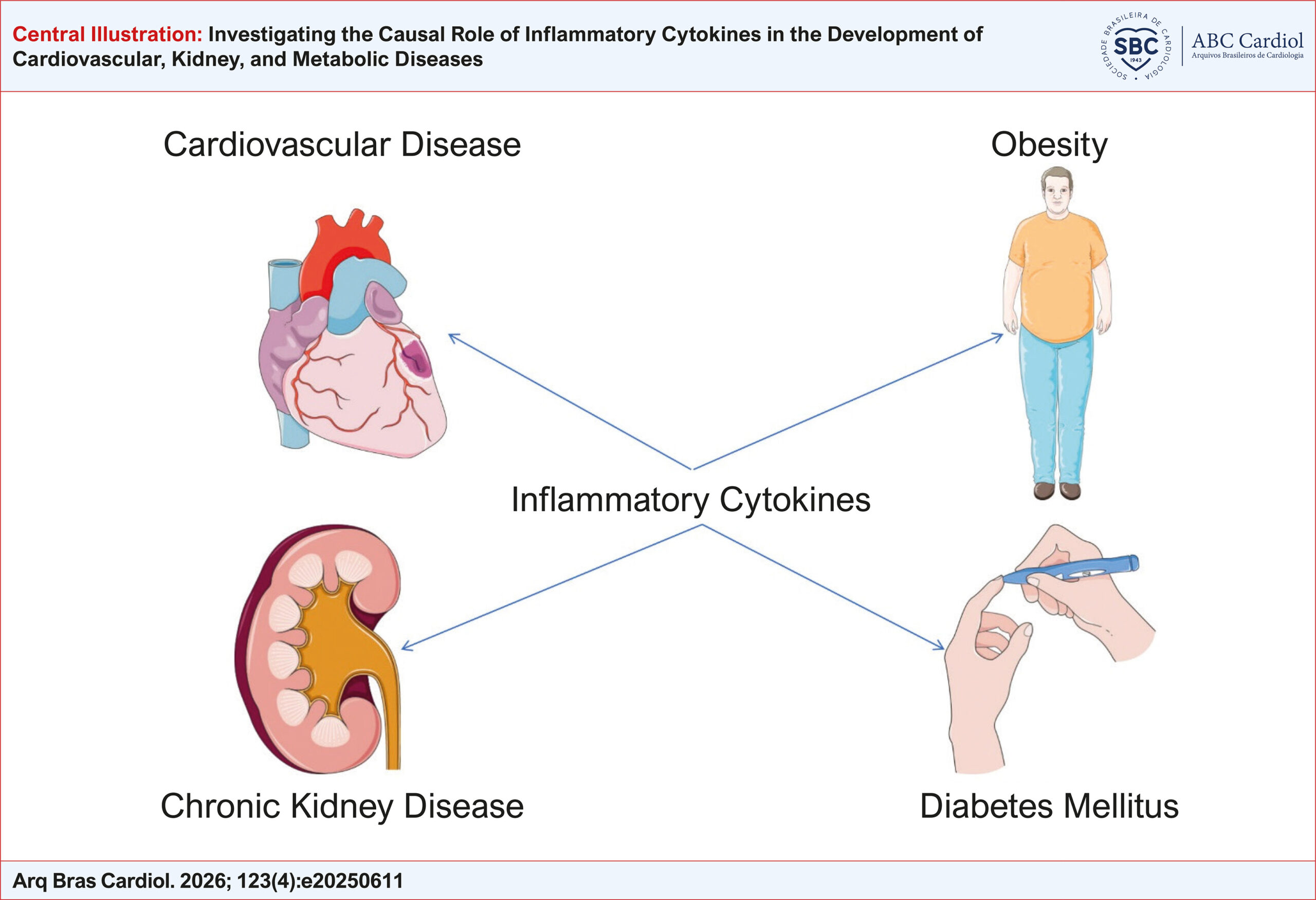
Investigating the Causal Role of Inflammatory Cytokines in the Development of Cardiovascular, Kidney, and Metabolic Diseases

Mengjin Hu et al. Zhaoting Gong Xiaosong Li Chunlin Yin

Abstract

Background

Observational studies have linked inflammatory cytokines to cardiometabolic disorders; however, whether these associations reflect causal effects across interconnected organ systems remains unclear.

Objectives

This Mendelian randomization (MR) study investigates causality between 91 inflammatory cytokines and multiorgan dysfunction across cardiovascular, kidney, and metabolic systems in the cardiovascular-kidney-metabolic (CKM) syndrome era.

Methods

Genetic instruments associated with 91 inflammatory cytokines were obtained from the Olink Target Inflammation panel across 11 European-ancestry cohorts. The inverse variance weighting (IVW) method was considered as the main analysis, complemented by sensitivity analyses including MR-Egger and weighted median methods.

Results

Genetically predicted levels of inflammatory cytokines showed widespread causal associations across CKM-related traits. Specifically, 31 cytokines were associated with cardiovascular outcomes, 26 with kidney traits, 10 with obesity-related traits, and 21 with diabetes-related traits, yielding a total of 60 cytokines with at least one significant association. Notably, FGF5 and IL6 emerged as paradoxical regulators, exerting opposing effects across different organ systems, while MCSF was consistently identified as a pan-vascular risk amplifier for cardiovascular diseases.

Conclusions

This comprehensive MR analysis reveals substantial causal heterogeneity in inflammatory cytokine effects across cardiovascular, kidney, and metabolic systems. These findings highlight the clinical importance of tissue- and context-specific inflammatory modulation, supporting the development of precision therapeutic strategies for CKM syndrome.
  • Cardiovascular Diseases
  • chronic renal insufficiency
  • Cytokines
  • Inflammation
  • Interleukin-6
  • Mendelian Randomization Analysis
Read Full Article
Creative Commons Attribution (CC BY) Creative Commons license
06/07/2026 DOI: 10.36660/abc.20250611i Views 2
Graphic 1
IJCS
Review Article

Inflammation in Cardiovascular Disease: Current Status and Future Perspectives

Francisco Antonio Helfenstein Fonseca et al. Maria Cristina Izar

Abstract

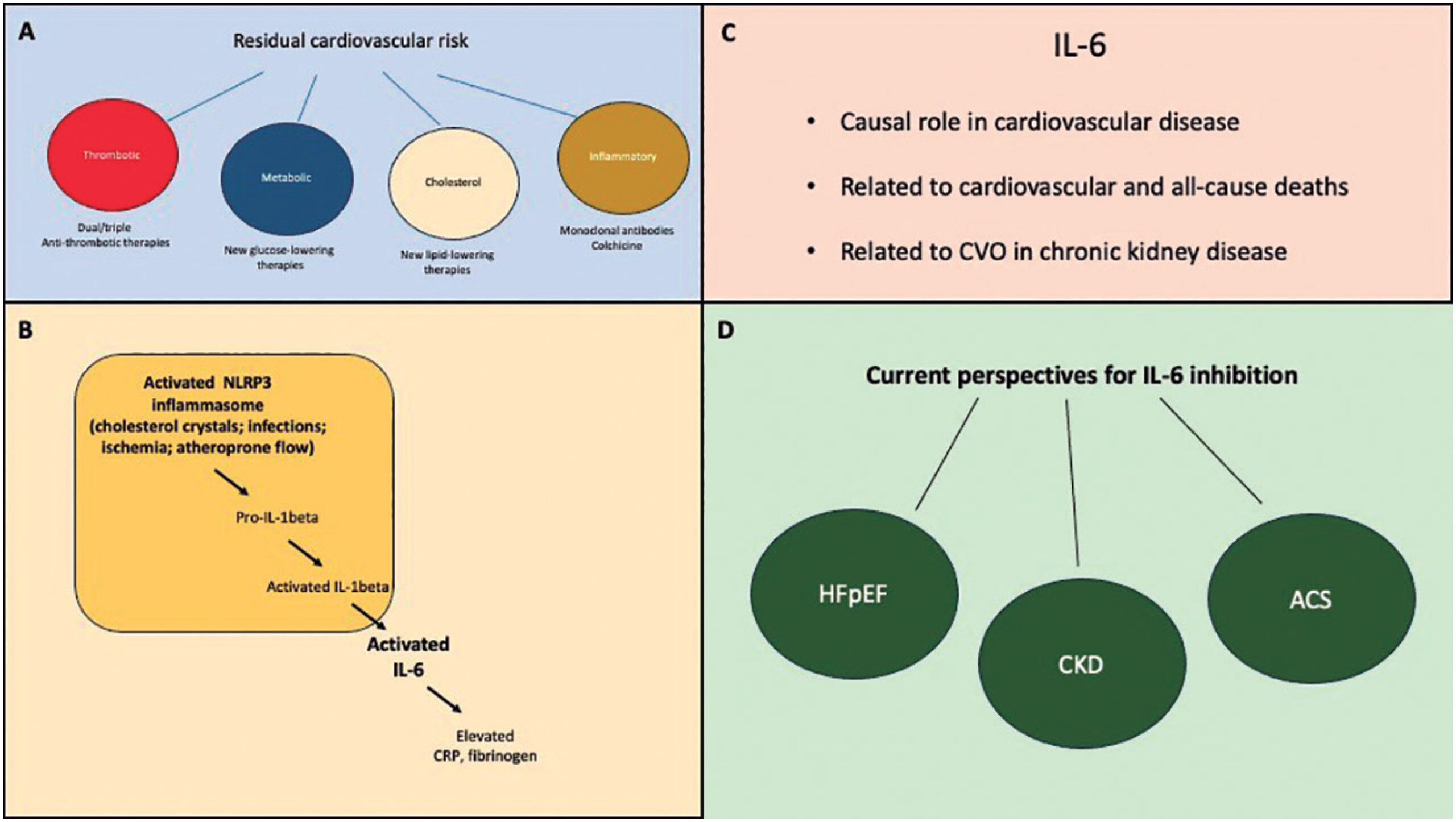
Atherosclerosis has been defined as an inflammatory disease. Three decades of research have pointed to a pivotal role of interleukin 6 for many aspects of cardiovascular disease, not the least of which is atherosclerosis. In this review, experimental and clinical studies are reported on a timeline, exploring mechanisms and possible explanations that form the basis of current knowledge. Some successful clinical trials were proof of concept studies, showing that not only inflammatory biomarkers are related to cardiovascular outcomes, but also that decreasing inflammation can reduce cardiovascular events. Great advances have been made in the management of residual cardiovascular risk due to cholesterol, thrombosis, and metabolic diseases, but the next frontier now seems to be targeting inflammation. In the upcoming years, the importance of inflammation will be evaluated in high-risk patients with chronic kidney disease, after acute coronary heart disease or heart failure with preserved ejection fraction. Inflammation seems to precede the development of cardiovascular risk factors. Moreover, counseling for a heathy lifestyle and, when necessary, the use of cardiometabolic therapies capable of decreasing inflammation, might be important.

  • C-Reactive Protein
  • Cytokines
  • Inflammasomes
  • Interleukin-6
  • Lymphocytes
Read Full Article
Creative Commons Attribution (CC BY) Creative Commons license
28/08/2023 DOI: 10.36660/ijcs.20230072 Views 1
Figure 1
ABC
Original Article

Pharmacoinvasive Strategy in Elderly Up to 75 Years or Non-Elderly: Analysis of Biochemical and Cardiac Magnetic Resonance Imaging Parameters

Amanda S. Bacchin et al. Francisco A. H. Fonseca Rui Povoa Gilberto Szarf … Ibraim Masciarelli Pinto Adriano Mendes Caixeta Daniela Teixeira Ieda Longo Maugeri Mayari E. Ishimura Maria E. R. Coste Henrique Tria Bianco Carolina N. França Maria Cristina Izar

Abstract

Background

Pharmacoinvasive strategy is an alternative when primary percutaneous coronary intervention (PCI) is not feasible.

Objectives

This study aimed to evaluate the effects of early pharmacoinvasive strategy on the infarct size and left ventricular ejection fraction in elderly and non-elderly patients. The role of inflammatory markers was also examined.

Methods

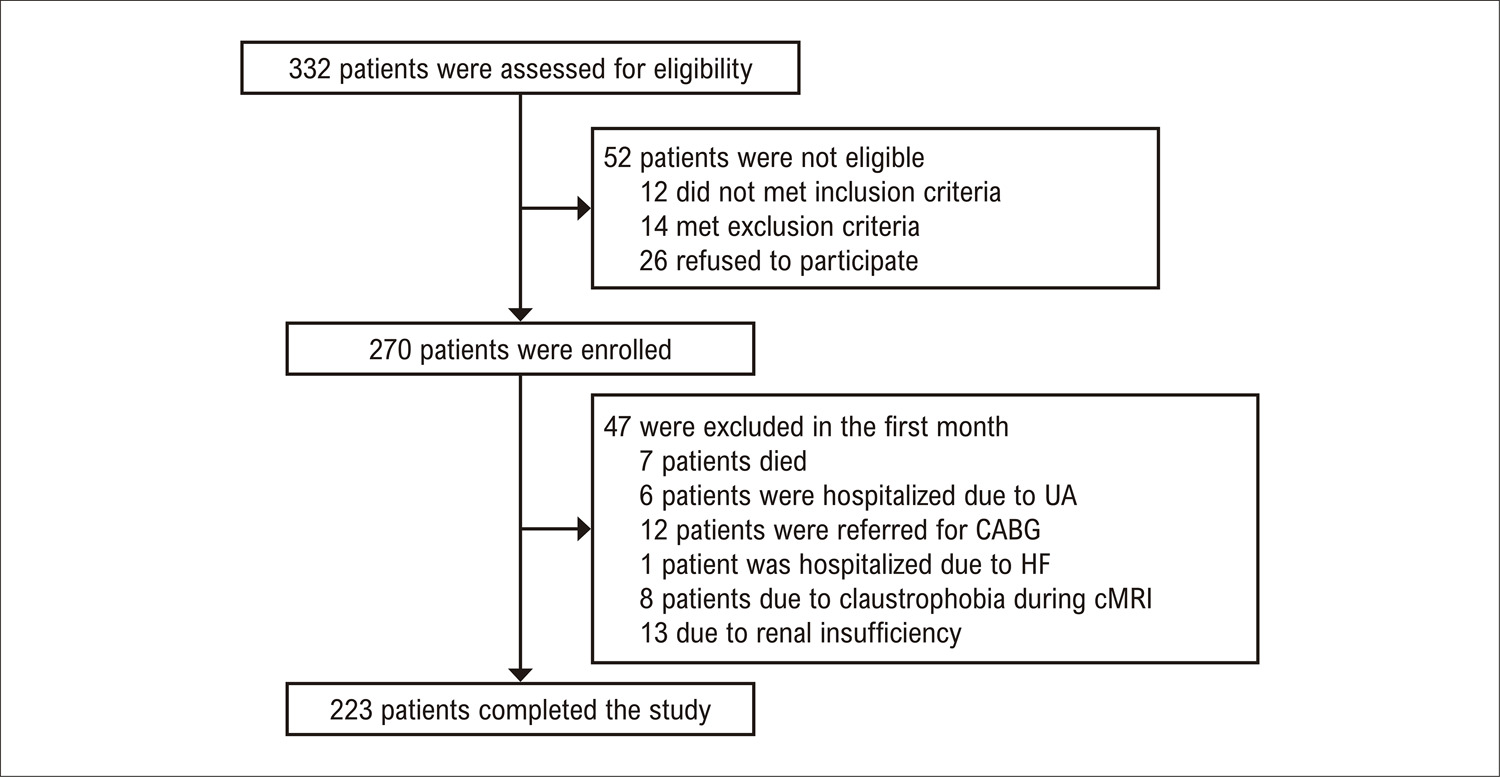
Patients (n=223) with ST segment elevation myocardial infarction (STEMI) were prospectively included and submitted to pharmacological thrombolysis in the first six hours, and underwent coronary angiogram and PCI when necessary, in the first 24 hours. Blood samples were collected in the first day (D1) and after 30 days (D30). Cardiac magnetic resonance imaging (cMRI) was performed at D30. Significance was set at p<0.05.

Results

Elderly and non-elderly patients showed similar percentage of infarcted mass (13.7 [6.9-17.0] vs. 14.0 [7.3-26.0], respectively, p=0.13) (median [interquartile range]). However, elderly patients had better left ventricular ejection fraction (53 [45-62] vs. 49 [39-58], p=0.025). Titers of interleukin (IL)1beta, IL-4, IL-6, and IL-10 did not differ between D1 and D30, but elderly patients had higher titers for IL-18 at D1 and D30. Absolute numbers of B and T lymphocytes were similar in both groups at D1 and D30, but elderly patients had higher neutrophil/lymphocyte ratio at D30. Multivariate linear regression analysis of cMRI outcomes in the whole population showed that the independent predictors were not different between elderly and non-elderly patients.

Conclusion

Pharmacoinvasive strategy in elderly patients was associated with small differences in inflammatory parameters, similar infarct size and better left ventricular function than non-elderly patients.

  • Cytokines
  • Lymphocytes
  • ST Elevation Myocardial Infarction
Read Full Article
Creative Commons Attribution (CC BY) Creative Commons license
09/01/2023 DOI: 10.36660/abc.20220177 Views 1
ABC
Editorial

Interleukin 35 (IL35): A New Biomarker for Coronary Artery Disease?

Gilson Soares Feitosa

In general terms, biomarkers are biologic parameters associated with an illness’s presence and severity. Biomarkers can be detected by several means, including the physical exam and evaluation by laboratory tests or by image.

A more recent and objectively directed definition restricts its realms to a proteic substance – enzyme, hormone or without known function- that relates to health status, indicating a good status of health or disease, thus allowing for diagnosing a given disease, or its severity, or else being a therapeutic target, or serving the purpose of therapeutic guidance, that can be obtained from the blood, urine, saliva or other body fluids or tissues.

[…]

  • Biomarkers
  • Coronary Artery Disease
  • Cytokines
  • Diagnostic Imaging
  • Interleukin 35
  • Troponin
Read Full Article
Creative Commons Attribution (CC BY) Creative Commons license
07/03/2022 DOI: 10.36660/abc.20210991 Views 2
Figure 1
IJCS
Editorial

Cardiotrophin-1 in Patients with Acute Coronary Syndromes: Does it Have a Role?

Humberto Villacorta

Acute coronary syndromes are among the most common diagnoses in the emergency department (ED). It has been estimated that 300,000 to 400,000 cases are seen each year in Brazil. The diagnosis of acute myocardial infarction (AMI) is made on the basis of symptoms, electrocardiogram, and biological markers of myocardial necrosis. Troponins are the most specific cardiac markers, and in the era of highly sensitive assays, they have been shown to make the exclusion of AMI in the ED more rapid, being particularly helpful in patients with atypical presentations.

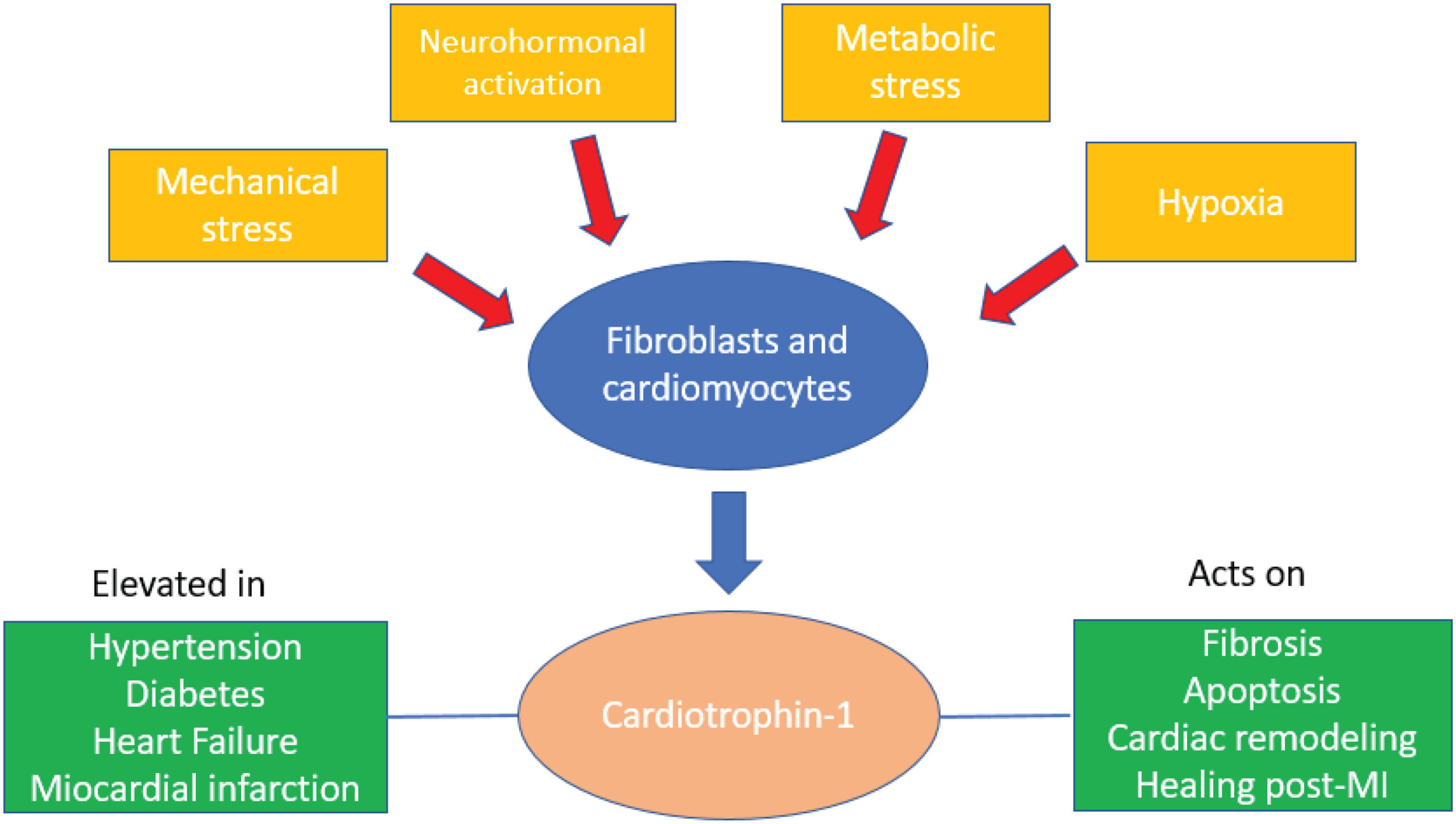
Cardiotrophin-1 (CT-1) is a member of the interleukin-6 superfamily of proinflammatory cytokines. It is expressed in many tissues, including heart and vessels. CT-1 is upregulated in cardiac fibroblasts and cardiomyocytes in response to mechanical, humoral, metabolic, and hypoxic stress (). It is elevated in the myocardium and plasma of heart failure (HF) patients and has also been associated with hypertension, diabetes, cardiac hypertrophy, and fibrosis, both in patients and experimental studies., CT-1 is expressed after an AMI and seems to be involved in the healing and remodeling process that occurs after myocardial infarction., In the study by Freed et al., CT-1 was able to initiate each of the processes related to scar formation, including fibroblast migration and proliferation, and collagen synthesis.

[…]

  • Biomarkers
  • Coronary Artery Disease
  • Cytokines
  • Electrocardiography/methods
  • Myocardial Infarction
Read Full Article
Creative Commons Attribution (CC BY) Creative Commons license
01/11/2021 DOI: 10.36660/ijcs.20210189 Views 1
Figure 1
ABC
Original Article

Relationship between Innate Immune Response Toll-Like Receptor 4 (TLR-4) and the Pathophysiological Process of Obesity Cardiomyopathy

Pedro Henrique Rizzi Alves et al. Artur Junio Togneri Ferron Mariane Róvero Costa Fabiana Kurokawa Hasimoto … Cristina Schmitt Gregolin Jéssica Leite Garcia Dijon Henrique Salomé de Campos Antônio Carlos Cicogna Letícia de Mattei Fernando Moreto Silméia Garcia Zanati Bazan Fabiane Valentini Francisqueti-Ferron Camila Renata Corrêa

Abstract

Background

Obesity is a chronic low-grade inflammation condition related to cardiac disorders. However, the mechanism responsible for obesity-related cardiac inflammation is unclear. The toll-like receptor 4 (TLR-4) belongs to a receptor of the transmembrane family responsible for the immune response whose activation stimulates the production of proinflammatory cytokines.

Objective

To test whether the activation of the TLR-4 receptor participates in the obesity cardiomyopathy process, due to cytokine production through NF-ĸB activation.

Methods

Male Wistar rats were randomized into two groups: the control group (C, n= 8 animals) that received standard diet/water and the obese group (OB, n= 8 animals) that were fed a high sugar-fat diet and water plus 25% of sucrose for 30 weeks. Nutritional analysis: body weight, adiposity index, food, water, and caloric intake. Obesity-related disorders analysis: plasma glucose, uric acid and triglycerides, HOMA-IR, systolic blood pressure, TNF-α in adipose tissue. Cardiac analysis included: TLR-4 and NF-ĸB protein expression, TNF-α and IL-6 levels. Comparison by unpaired Student’s t-test or Mann- Whitney test with a p-value < 0.05 as statistically significant.

Results

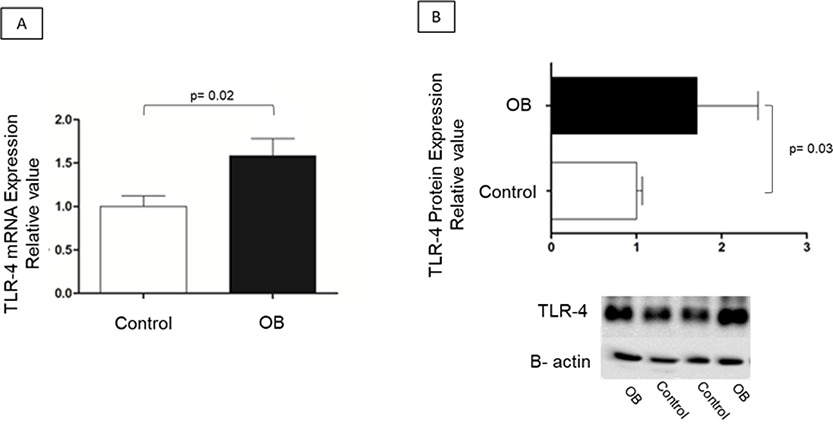
The OB group showed obesity, high glucose, triglycerides, uric acid, HOMA, systolic blood pressure, and TNF-α in adipose tissue. OB group presented cardiac remodeling and diastolic dysfunction. TLR-4 and NF-ĸB expression and cytokine levels were higher in OB.

Conclusion

Our findings conclude that, in an obesogenic condition, the inflammation derived from cardiac TLR-4 activation can be a mechanism able to lead to remodeling and cardiac dysfunction.

  • Adipocytes
  • Cardiovascular Diseases/physiopathology
  • Cytokines
  • Fatty Acid synthases
  • Inflammation
  • Nutrional Assessment
  • Obesity
Read Full Article
Creative Commons Attribution (CC BY) Creative Commons license
26/07/2021 DOI: 10.36660/abc.20190788 Views 1
Figure 2
ABC
Review Article

GDF-15 as a Biomarker in Cardiovascular Disease

Bruna Miers May et al. Mauricio Pimentel Leandro Ioschpe Zimerman Luis Eduardo Rohde

Abstract

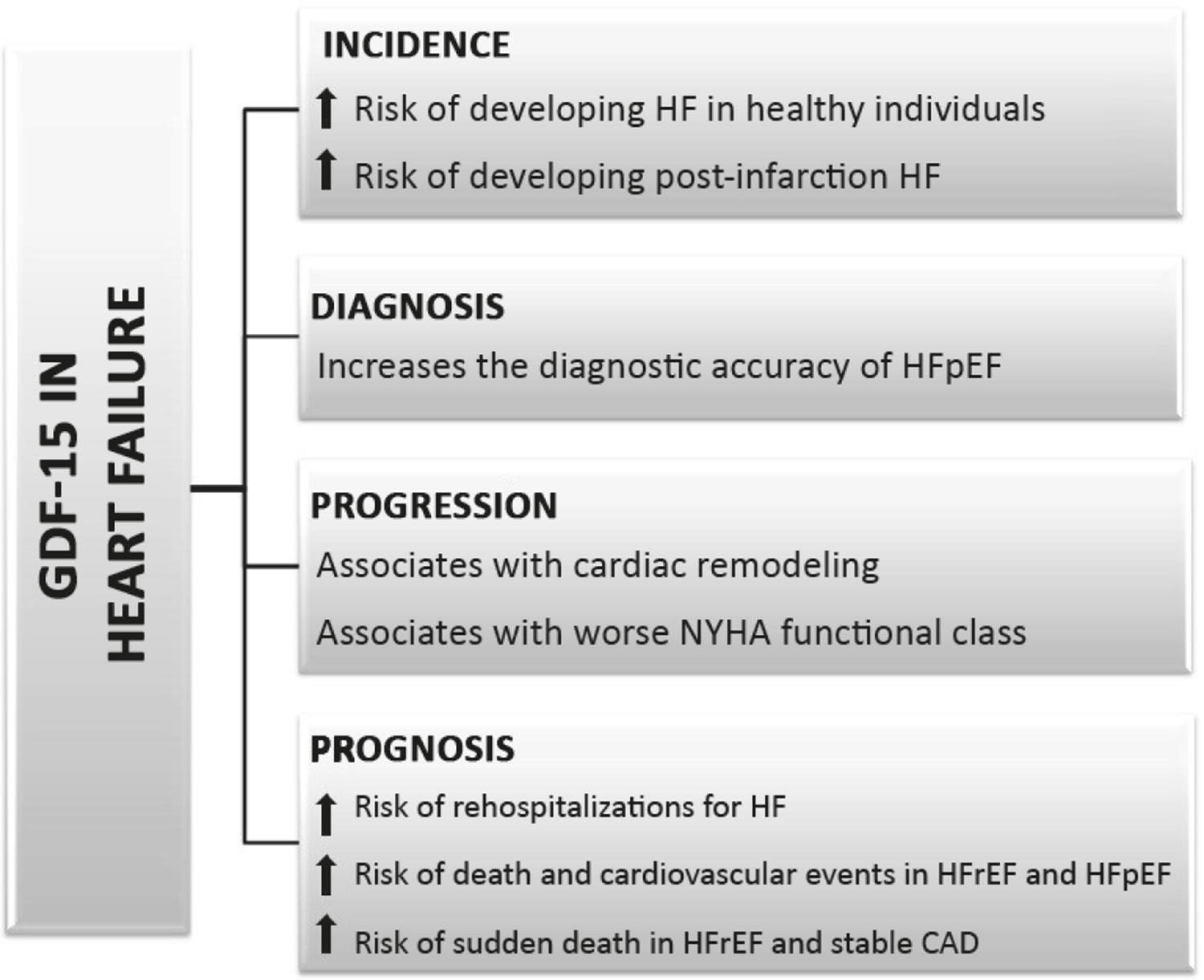
In the last years, several diagnostic and prognostic biomarkers have been studied in cardiovascular disease. Growth differentiation factor-15 (GDF-15), a cytokine belonging to the transforming growth factor- (TGF-) family, is highly up-regulated in stress and inflammatory conditions and has been correlated to myocardial injury and pressure cardiac overload in animal models. This new biomarker has been positively correlated with increased risk of cardiovascular events in population studies and shown an independent predictor of mortality in patients with coronary artery disease and heart failure. This review aimed to summarize the current evidence on the diagnostic and prognostic value of GDF-15 in different settings in cardiology.

  • Biomarkers
  • Cardiovascular Diseases
  • Cytokines
  • GDF-15 Growth Differentiation Factor 15
  • Inflammation, Prognostic
  • Stress
Read Full Article
Creative Commons Attribution (CC BY) Creative Commons license
08/02/2021 DOI: 10.36660/abc.20200426 Views 2
ABC
Editorial

Inflammation Post-Acute Myocardial Infarction: “Doctor or Monster”

Ricardo Wang et al. Fernando Carvalho Neuenschwander Bruno Ramos Nascimento

As in the short story “The Strange Case of Dr. Jekyll and Mr. Hyde ”, inflammation has a good side, which is the protection against pathogens, and helps in the process of cellular and tissue repair after an injury; on the other hand, it may also perpetuate and worsen the injury and, in the case of acute myocardial infarction (AMI), it may be the trigger of coronary occlusion. In the acute phase of AMI, the immune system is activated in the process of myocardial repair, in which the necrotic tissue is replaced by the scar tissue (fibrosis). From anatomopathological studies, we know that in the first hours after coronary occlusion, neutrophils are mainly recruited to the injury site. The local neutrophil population peaks around the third day, then a progressive decline is observed. From the fifth day, they are replaced by macrophages and both are responsible for clearing non-viable myocytes. In addition to this role, together with smooth muscle cells macrophages are responsible for angiogenesis and collagen production. The scarring process begins at the periphery of the infarcted area and extends to the nucleus, and this repair mechanism is completed in about 4–8 weeks, depending on the infarction size. ,

If we know how the inflammatory process occurs at the cellular level post-AMI, why do we continue to study inflammation? And why concentrating efforts on studies on cytokine expression? Whereas, on the one hand, the inflammatory process is necessary for the repair process, in the context of AMI, inflammation also plays an important role in complications. Such effect is observed in cardiogenic shock (causing vasodilation, vasoplegia and worsening shock), mechanical complications (papillary muscle rupture and ventricular free wall, and interventricular communication), in ventricular remodeling (fibrotic expansion and replacement of the affected wall) and, in the long run, it has been related to new cardiovascular events. Cytokines are molecules that mediate immune and inflammatory reactions and are responsible for activating inappropriate pathways or exaggerated responses (hypersensitivity). Therefore, understanding its kinetics can help to clarify the pathways associated with favorable outcomes and the pathways that, when activated, may lead to an increase in unfavorable events and have the potential to be the target of future therapeutic approaches.

[…]

  • B-Lymphocytes
  • Cytokines
  • Inflammation/complications
  • Myocardial Infarction
  • Shock, Cardiogenic
  • Vasoplegia
Read Full Article
Creative Commons Attribution (CC BY) Creative Commons license
18/01/2021 DOI: 10.36660/abc.20201250 Views 1
ABC
Research Letter

Actions Against Covid-19 in the Down Syndrome Population

Giorgia Castilho Russo et al. Nathalia Bernardes Natália Rezende Baraldi Denise Jeanine Berlinger Saraiva … Kátia De Angelis Carla Janice Baister Lantieri José Francisco Saraiva

The World Health Organization (WHO) declared, on January 30, 2020, that the outbreak of the new coronavirus disease (COVID-19) constituted a Public Health Emergency of International Importance — the organization’s highest alert level as per its International Health Regulations. On March 11, 2020, COVID-19 was declared a pandemic. The fact that the lethality of COVID-19 is associated with common comorbidities has caused great concern among professionals who work with people with Down Syndrome (DS). The prevalence of cardiovascular diseases in people with DS is 40-50%,, and they are also more prone to overweight and obesity; moreover, patients with DS present changes in airways that facilitate infection by the virus, which can worsen the effects of COVID-19. In addition, children with DS are more susceptible to infections due to changes in cytokines regulation, while adults frequently display increased proinflammatory biomarkers. These changes can impact the patients’ anatomical disorders and increase the incidence of chronic inflammatory conditions and mortality by sepsis.

Currently, the only recognized strategy to prevent infection by the severe acute respiratory syndrome coronavirus 2 (SARS-CoV-2) is avoiding exposure to the virus. Social isolation was advised by several Brazilian states with the aim of separating healthy people from those with suspected COVID-19, or who had contact with suspected or confirmed COVID-19 cases. It is worth noting that socialization is a very important aspect of the treatment of people with DS that contributes to a better quality of life and autonomy; therefore, social isolation represents a major challenge for this population.

[…]

  • Cardiovascular Diseases
  • Coronavirus
  • COVID-19
  • Cytokines
  • Diet, Healthy
  • Down Syndrome
  • Infections
  • Pandemics
  • Personal Autonomy
  • Public Health/organization and administration
  • Quality of life
Read Full Article
Creative Commons Attribution (CC BY) Creative Commons license
07/12/2020 DOI: 10.36660/abc.20200685 Views 2
Figure 1
ABC
Original Article

A Proposed Inflammatory Score of Circulating Cytokines/Adipokines Associated with Resistant Hypertension, but Dependent on Obesity Parameters

Ana Paula de Faria et al. Alessandra Mileni Versuti Ritter Carolina Souza Gasparetti Nathália Batista Corrêa … Veridiana Brunelli Aurélio Almeida Nayara Fraccari Pires Rodrigo Modolo Heitor Moreno Junior

Abstract

Background:

There is evidence that subclinical systemic inflammation is present in resistant hypertension (RHTN).

Objective:

The aim of the study was to develop an integrated measure of circulating cytokines/adipokines involved in the pathophysiology of RHTN.

Methods:

RHTN (n = 112) and mild to moderate hypertensive (HTN) subjects (n=112) were studied in a cross-sectional design. Plasma cytokines/adipokines (TNF-alpha, interleukins [IL]-6, -8, -10, leptin and adiponectin) values were divided into tertiles, to which a score ranging from 1 (lowest tertile) to 3 (highest tertile) was assigned. The inflammatory score (IS) of each subject was the sum of each pro-inflammatory cytokine scores from which anti-inflammatory cytokines (adiponectin and IL-10) scores were subtracted. The level of significance accepted was alpha = 0.05.

Results:

IS was higher in RHTN subjects compared with HTN subjects [4 (2-6) vs. 3 (2-5); p = 0.02, respectively]. IS positively correlated with body fat parameters, such as body mass index (r = 0.40; p < 0.001), waist circumference (r = 0.30; p < 0.001) and fat mass assessed by bioelectrical impedance analysis (r = 0.31; p < 0.001) in all hypertensive subjects. Logistic regression analyses revealed that IS was an independent predictor of RHTN (OR = 1.20; p = 0.02), independent of age, gender and race, although it did not remain significant after adjustment for body fat parameters.

Conclusion:

A state of subclinical inflammation defined by an IS including TNF-alpha, IL-6, IL-8, IL-10, leptin and adiponectin is associated with obese RHTN. In addition, this score correlates with obesity parameters, independently of hypertensive status. The IS may be used for the evaluation of conditions involving low-grade inflammation, such as obesity-related RHTN. Indeed, it also highlights the strong relationship between obesity and inflammatory process.

  • Adipokines
  • Cytokines
  • Hypertension/physiopathology
  • Inflammation
  • Obesity
  • Probability
  • Risk Factors
Read Full Article
Creative Commons Attribution (CC BY) Creative Commons license
28/02/2019 DOI: 10.5935/abc.20190032 Views 1
Figure 1
ABC
Original Article

MCP-1 Levels are Associated with Cardiac Remodeling but not with Resistant Hypertension

Alessandra Mileni Versuti Ritter et al. Ana Paula Cabral de Faria Andrea Sabbatini Nathalia Batista Corrêa … Veridiana Brunelli Rodrigo Modolo Heitor Moreno

Abstract

Background:

Hypertension is a chronic, low-grade inflammation process associated with the release of cytokines and development of target organ damage. Deregulated monocyte chemoattractant protein-1 (MCP-1) levels have been associated with high blood pressure and cardiovascular complications; however, the mechanisms involved are complex and not fully understood.

Objective:

This study aimed to compare the levels of MCP-1 in patients with resistant (RH) versus mild-to-moderate (HTN) hypertension and their association with the presence or absence of left ventricular hypertrophy (LVH) in all hypertensive subjects.

Methods:

We enrolled 256 hypertensive subjects: 120 RH and 136 HTN, investigating the relationship between circulating MCP-1 levels and blood pressure, biochemical data, hematologic profile, and cardiac damage within the RH and HTN groups. Plasma MCP-1 levels were measured by ELISA and LVH was assessed by echocardiography.

Results:

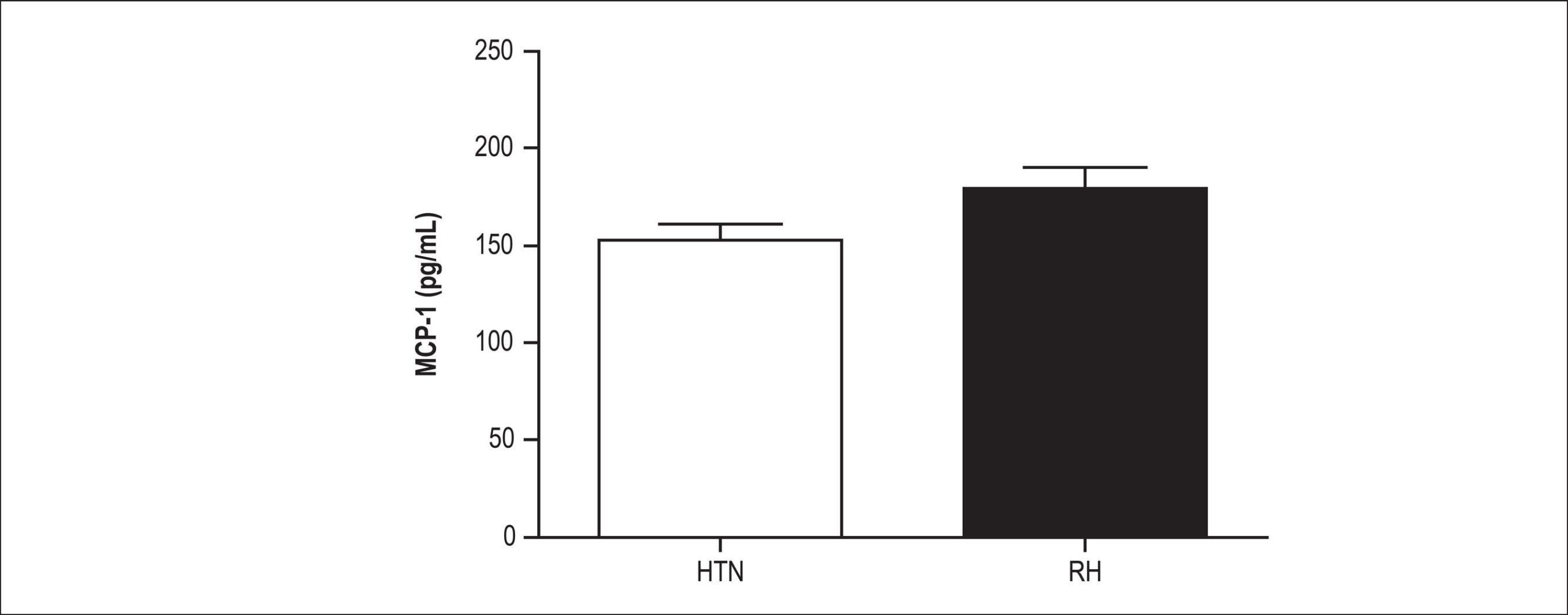
We found no difference in MCP-1 levels between RH and HTN subjects. On the other hand, we encountered lower MCP-1 levels in patients with LVH (105 pg/mL [100 – 260 pg/mL] versus 136 pg/mL (100 – 200 pg/mL), p = 0.005, respectively] compared with those without LVH. A logistic regression model adjusted for body mass index (BMI), age, race, aldosterone levels, and presence of diabetes and RH demonstrated that median levels of MCP-1 (2.55 pg/mL [1.22 – 5.2 pg/mL], p = 0.01) were independently associated with LVH in the entire hypertensive population.

Conclusion:

Since MCP-1 levels were similar in both RH and HTN subjects and decreased in hypertensive patients with existing LVH, our study suggests a possible downregulation in MCP-1 levels in hypertensive individuals with LVH, regardless of hypertension strata.

  • Cytokines
  • Left Ventricular Hypertrophy
  • Monocyte Chemoattractant Proteins
  • Refractory Hypertension
Read Full Article
Creative Commons Attribution (CC BY) Creative Commons license
30/03/2017 DOI: 10.5935/abc.20170033
Changes in the production of IL-10 and TNF-α in skeletal muscle of rats with heart failure secondary to acute myocardial infarction
ABC
Artigo Original

Changes in the production of IL-10 and TNF-α in skeletal muscle of rats with heart failure secondary to acute myocardial infarction

Renato Delacio Lopes et al. Miguel Luiz Batista Júnior José Cesar Rosa Fabio Santos de Lira … Eivor Martins Jr Alex Yamashita Shimura Patrícia Chakur Brum Antonio Herbert Lancha Jr Marília C. L. Seelaender Antonio Carlos Lopes

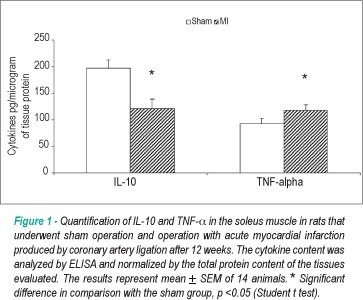
BACKGROUND: Recent studies show that the expression of inflammatory mediators, such as cytokines, is an important factor for the development and progression of heart failure (HF), especially in the presence of left ventricular dysfunction. These changes have been demonstrated both in the plasma and heart muscle and, more recently, in skeletal muscle of rats and in patients with HF. OBJECTIVE: To investigate the production and expression of tumor necrosis factor-α (TNF) and interleukin-10 (IL-10) in the soleus and the extensor digitorum longus (EDL) muscles of animals with left ventricular dysfunction after myocardial infarction (MI). METHODS: We used male Wistar rats that underwent ligation of the left coronary artery without reperfusion. Four weeks after this procedure, the animals underwent echocardiography and were divided into the following experimental groups: sham operated (sham) and IM. They remained under observation for a further period of 8 weeks. RESULTS: The level of the cytokine TNF-α increased by 26.5% (p <0.05), and its gene expression increased 3 times (p <0.01). The level of IL-10 decreased by 38.2% (p <0.05). Both changes occurred only in the soleus muscle, with no change in the EDL. The decrease (36.5%, p <0.05) in the IL-10/TNF-α ratio was due to both increased tissue levels of TNF-α and decreased tissue levels of IL-10. CONCLUSION: Our results showed significant changes in the IL-10/TNF-α ratio, which may have an additive role in the assessment of deterioration and progression of left ventricular dysfunction post-MI. Furthermore, our study suggests that these changes seem to be related to the muscle fiber type. (Arq Bras Cardiol 2010; 94(3):293-300)

  • Cytokines
  • Inflammation
  • muscle, skeletal
  • Ventricular Dysfunction, Left
Read Full Article
Creative Commons Attribution (CC BY) Creative Commons license
28/04/2010 DOI: 10.1590/S0066-782X2010000300006 Views 1
Immune-inflammatory activation in heart failure
ABC
Revisão

Immune-inflammatory activation in heart failure

Angelo Michele de Candia et al. Humberto Villacorta Júnior Evandro Tinoco Mesquita

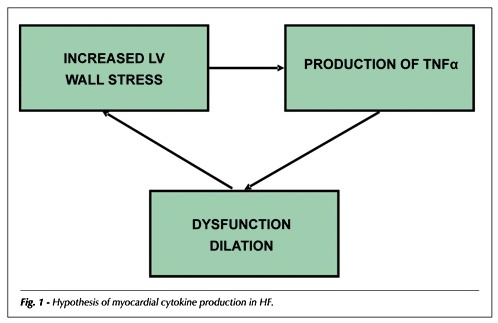
Despite being relatively recent, a growing and significant accumulation of experimental and clinical evidence has been observed that points to a gradual state of immune-inflammatory activation in patients with heart failure (HF). High levels of several cytokines are found in the circulation and cardiac muscle of individuals with HF, and invariably correlate with the severity of the disease. These cytokines act on endothelial dysfunction, oxidative stress, induction of anemia, myocyte apoptosis, and on the progressive loss of skeletal muscle mass – which is conventionally called the inflammatory paradigm of HF. Not only the myocardium, but also several tissues seem to synthesize these cytokines and perpetuate this continuous inflammatory state at a low degree, including leukocytes, monocytes, skeletal muscle cells and endothelial cells – in response to hemodynamic and infectious stimuli, to hypoxia, to oxidative stress, to neurohumoral activation, and others. Thus, a network of molecules that interact with each other is formed, and connections with other axes that effectively contribute to the clinical deterioration of the patients are also established – which fits into the pathophysiological model of multisystemic involvement that has been increasingly attributed to HF. Although the determination of these biomarkers in peripheral blood provides solid evidence of prognostic power, the results of therapeutic trials that modulated the immune-inflammatory loop in the clinical phase have been, so far, hardly encouraging. Therefore, we believe that a better understanding of the inflammatory activation and its multifaceted relation with the axes of decompensation of the disease is key for new therapeutic perspectives with a relevant impact to be established in the near future.

  • Adjuvants, immunologic
  • cardiac output, low
  • Cytokines
  • Inflammation
Read Full Article
Creative Commons Attribution (CC BY) Creative Commons license
25/09/2007 DOI: 10.1590/S0066-782X2007001500009 Views 2
C-reactive protein: an inflammatory marker with prognostic value in patients with decompensated heart failure
ABC
Artigo Original

C-reactive protein: an inflammatory marker with prognostic value in patients with decompensated heart failure

Humberto Villacorta et al. Antonio Claudio Masetto Evandro Tinoco Mesquita

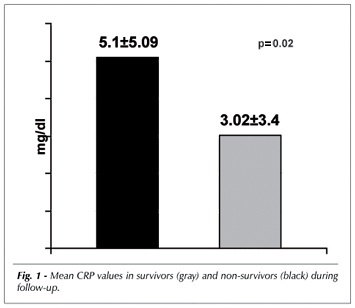
BACKGROUND: Inflammation has been implicated in the pathophysiology of a series of cardiovascular diseases. C-reactive protein (CRP) is a marker of inflammation easily obtained in the emergency room. OBJECTIVE: To study the prognostic value of CRP in patients admitted for acute decompensated heart failure (ADHF). METHODS: A prospective cohort of 119 patients with ADHF treated in the emergency room. Mean age was 74±11 years and 76 (64%) of patients were male. All were New York Heart Association Functional Class III or IV. CRP was measured by nephelometry at admission. Patients were followed after hospital discharge for an average of 12±9.7 months and cardiovascular mortality was the outcome analyzed. RESULTS: There were 44 (36.9%) deaths, all from cardiovascular causes. Individuals with CRP > 3 mg/dl had higher mortality than those below this level (p=0.018). In the multivariate analysis using Cox proportional model, CRP proved to be the most important independent prognostic factor (odds ratio 0.0916 [95% CI = 0.0341 – 0.1490] for each one-unit increment in CRP). CONCLUSION: CRP is an independent cardiovascular mortality predictor in patients with ADHF, indicating that inflammation represents an important component in the pathophysiology of the disease.

  • C-Reactive Protein
  • Cardiac Output
  • Cytokines
  • Heart Failure
  • Inflammation
  • low
Read Full Article
Creative Commons Attribution (CC BY) Creative Commons license
15/06/2007 DOI: 10.1590/S0066-782X2007000500014 Views 2
Cytokines and troponin-I in cardiac dysfunction after coronary artery grafting with cardiopulmonary bypass
ABC
Original Article

Cytokines and troponin-I in cardiac dysfunction after coronary artery grafting with cardiopulmonary bypass

Neverton Savaris et al. Carisi Polanczyk Nadine Clausell

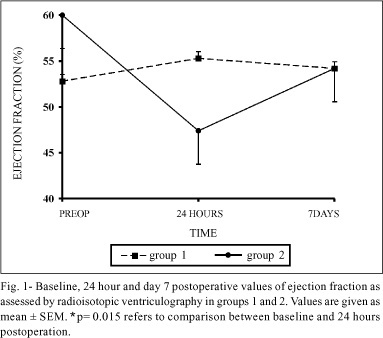
OBJECTIVE: The association between cytokines and troponin-I with cardiac function after cardiac surgery with cardiopulmonary bypass remains a topic of continued investigation. METHODS: Serial measurements, within 24h following surgery, of tumor necrosis factor-alpha, its soluble receptors, and troponin-I were performed in patients with normal ejection fraction undergoing coronary artery bypass grafting. Ejection fraction was measured by radioisotopic ventriculography preoperatively, at 24h and at day 7 postoperatively. RESULTS: Of 19 patients studied (59±8.5 years), 10 (group 1) showed no changes in ejection fraction, 53±8% to 55±7%, and 9 (group 2) had a decrease in ejection fraction, 60±11% to 47±11% (p=0.015) before and 24h after coronary artery bypass grafting, respectively. All immunological variables, except tumor necrosis factor-alpha soluble receptor I at 3h postoperation (5.5± 0.5 in group 1 versus 5.9±0.2 pg/ml in group 2; p=0.048), were similar between groups. Postoperative troponin-I had an inverse correlation with ejection fraction at 24h (r= -0.44). CONCLUSIONS: Inflammatory activity, assessed based on tumor necrosis factor-alpha and its receptors, appears to play a minor role in cardiac dysfunction after cardiac surgery. Troponin I levels are inversely associated with early postoperative ejection fraction.

  • Cytokines
  • inflammatory response
  • myocardial function
  • Troponin I
Read Full Article
Creative Commons Attribution (CC BY) Creative Commons license
21/08/2001 DOI: 10.1590/S0066-782X2001000800002 Views 2

How to cite this article

EndNote RIS

Electronic Document Format (Vancouver)

Hu M, Gong Z, Li X, Yin C. Investigating the Causal Role of Inflammatory Cytokines in the Development of Cardiovascular, Kidney, and Metabolic Diseases. Arquivos Brasileiros de Cardiologia 2026;123(4):e20250611.

Electronic Document Format (ABNT)

Hu, Mengjin; Gong, Zhaoting; Li, Xiaosong; Yin, Chunlin. Investigating the Causal Role of Inflammatory Cytokines in the Development of Cardiovascular, Kidney, and Metabolic Diseases. Arquivos Brasileiros de Cardiologia, v. 123, n. 4, e20250611, Jul. 2026.

Electronic Document Format (APA)

Hu, M., Gong, Z., Li, X., & Yin, C. (2026). Investigating the Causal Role of Inflammatory Cytokines in the Development of Cardiovascular, Kidney, and Metabolic Diseases. Arquivos Brasileiros de Cardiologia, 123(4), e20250611.

Electronic Document Format (ISO)

Hu, Mengjin and Gong, Zhaoting and Li, Xiaosong and Yin, Chunlin. Investigating the Causal Role of Inflammatory Cytokines in the Development of Cardiovascular, Kidney, and Metabolic Diseases. Arquivos Brasileiros de Cardiologia [online]. 2026, vol. 123, n. 4, [cited 2026-10-14], e20250611. Available from: <https://journals.cardiol.br/en/article/investigating-the-causal-role-of-inflammatory-cytokines-in-the-development-of-cardiovascular-kidney-and-metabolic-diseases/>. ISSN 0066-782X

EndNote RIS

Electronic Document Format (Vancouver)

Fonseca FAH, Izar MC. Inflammation in Cardiovascular Disease: Current Status and Future Perspectives. International Journal of Cardiovascular Sciences 2023;36:e20230072.

Electronic Document Format (ABNT)

Fonseca, Francisco Antonio Helfenstein; Izar, Maria Cristina. Inflammation in Cardiovascular Disease: Current Status and Future Perspectives. International Journal of Cardiovascular Sciences, v. 36, e20230072, Aug. 2023.

Electronic Document Format (APA)

Fonseca, F. A. H., & Izar, M. C. (2023). Inflammation in Cardiovascular Disease: Current Status and Future Perspectives. International Journal of Cardiovascular Sciences, 36, e20230072.

Electronic Document Format (ISO)

Fonseca, Francisco Antonio Helfenstein and Izar, Maria Cristina. Inflammation in Cardiovascular Disease: Current Status and Future Perspectives. International Journal of Cardiovascular Sciences [online]. 2023, vol. 36, [cited 2026-10-14], e20230072. Available from: <https://journals.cardiol.br/en/article/inflammation-in-cardiovascular-disease-current-status-and-future-perspectives/>. ISSN 2359-4802

EndNote RIS

Electronic Document Format (Vancouver)

Bacchin AS, Fonseca FAH, Povoa R, Szarf G, Pinto IM, Caixeta AM, Teixeira D, et al. Pharmacoinvasive Strategy in Elderly Up to 75 Years or Non-Elderly: Analysis of Biochemical and Cardiac Magnetic Resonance Imaging Parameters. Arquivos Brasileiros de Cardiologia 2023;120(1):e20220177.

Electronic Document Format (ABNT)

Bacchin, Amanda S.; Fonseca, Francisco A. H.; Povoa, Rui; Szarf, Gilberto; Pinto, Ibraim Masciarelli; Caixeta, Adriano Mendes; Teixeira, Daniela; Maugeri, Ieda Longo; Ishimura, Mayari E.; Coste, Maria E. R.; Bianco, Henrique Tria; França, Carolina N.; Izar, Maria Cristina. Pharmacoinvasive Strategy in Elderly Up to 75 Years or Non-Elderly: Analysis of Biochemical and Cardiac Magnetic Resonance Imaging Parameters. Arquivos Brasileiros de Cardiologia, v. 120, n. 1, e20220177, Jan. 2023.

Electronic Document Format (APA)

Bacchin, A. S., Fonseca, F. A. H., Povoa, R., Szarf, G., Pinto, I. M., Caixeta, A. M., Teixeira, D., Maugeri, I. L., Ishimura, M. E., Coste, M. E. R., Bianco, H. T., França, C. N., & Izar, M. C. (2023). Pharmacoinvasive Strategy in Elderly Up to 75 Years or Non-Elderly: Analysis of Biochemical and Cardiac Magnetic Resonance Imaging Parameters. Arquivos Brasileiros de Cardiologia, 120(1), e20220177.

Electronic Document Format (ISO)

Bacchin, Amanda S. and Fonseca, Francisco A. H. and Povoa, Rui and Szarf, Gilberto and Pinto, Ibraim Masciarelli and Caixeta, Adriano Mendes and Teixeira, Daniela and Maugeri, Ieda Longo and Ishimura, Mayari E. and Coste, Maria E. R. and Bianco, Henrique Tria and França, Carolina N. and Izar, Maria Cristina. Pharmacoinvasive Strategy in Elderly Up to 75 Years or Non-Elderly: Analysis of Biochemical and Cardiac Magnetic Resonance Imaging Parameters. Arquivos Brasileiros de Cardiologia [online]. 2023, vol. 120, n. 1, [cited 2026-10-14], e20220177. Available from: <https://journals.cardiol.br/en/article/pharmacoinvasive-strategy-in-elderly-up-to-75-years-or-non-elderly-analysis-of-biochemical-and-cardiac-magnetic-resonance-imaging-parameters/>. ISSN 0066-782X

EndNote RIS

Electronic Document Format (Vancouver)

Feitosa GS. Interleukin 35 (IL35): A New Biomarker for Coronary Artery Disease?. Arquivos Brasileiros de Cardiologia 2022;118(2):409-10.

Electronic Document Format (ABNT)

Feitosa, Gilson Soares. Interleukin 35 (IL35): A New Biomarker for Coronary Artery Disease?. Arquivos Brasileiros de Cardiologia, v. 118, n. 2, p. 409-410, Mar. 2022.

Electronic Document Format (APA)

Feitosa, G. S. (2022). Interleukin 35 (IL35): A New Biomarker for Coronary Artery Disease?. Arquivos Brasileiros de Cardiologia, 118(2), 409-410.

Electronic Document Format (ISO)

Feitosa, Gilson Soares. Interleukin 35 (IL35): A New Biomarker for Coronary Artery Disease?. Arquivos Brasileiros de Cardiologia [online]. 2022, vol. 118, n. 2, [cited 2026-10-14], pp. 409-410. Available from: <https://journals.cardiol.br/en/article/interleukin-35-il35-a-new-biomarker-for-coronary-artery-disease/>. ISSN 0066-782X

EndNote RIS

Electronic Document Format (Vancouver)

Villacorta H. Cardiotrophin-1 in Patients with Acute Coronary Syndromes: Does it Have a Role?. International Journal of Cardiovascular Sciences 2021;34(5 Supl 1):22-3.

Electronic Document Format (ABNT)

Villacorta, Humberto. Cardiotrophin-1 in Patients with Acute Coronary Syndromes: Does it Have a Role?. International Journal of Cardiovascular Sciences, v. 34, n. 5 Supl 1, p. 22-23, Oct. 2021.

Electronic Document Format (APA)

Villacorta, H. (2021). Cardiotrophin-1 in Patients with Acute Coronary Syndromes: Does it Have a Role?. International Journal of Cardiovascular Sciences, 34(5 Supl 1), 22-23.

Electronic Document Format (ISO)

Villacorta, Humberto. Cardiotrophin-1 in Patients with Acute Coronary Syndromes: Does it Have a Role?. International Journal of Cardiovascular Sciences [online]. 2021, vol. 34, n. 5 Supl 1, [cited 2026-10-14], pp. 22-23. Available from: <https://journals.cardiol.br/en/article/cardiotrophin-1-in-patients-with-acute-coronary-syndromes-does-it-have-a-role/>. ISSN 2359-4802

EndNote RIS

Electronic Document Format (Vancouver)

Alves PHR, Ferron AJT, Costa MR, Hasimoto FK, Gregolin CS, Garcia JL, Campos DHS, et al. Relationship between Innate Immune Response Toll-Like Receptor 4 (TLR-4) and the Pathophysiological Process of Obesity Cardiomyopathy. Arquivos Brasileiros de Cardiologia 2021;117(1):91-9.

Electronic Document Format (ABNT)

Alves, Pedro Henrique Rizzi; Ferron, Artur Junio Togneri; Costa, Mariane Róvero; Hasimoto, Fabiana Kurokawa; Gregolin, Cristina Schmitt; Garcia, Jéssica Leite; Campos, Dijon Henrique Salomé de; Cicogna, Antônio Carlos; Mattei, Letícia de; Moreto, Fernando; Bazan, Silméia Garcia Zanati; Francisqueti-Ferron, Fabiane Valentini; Corrêa, Camila Renata. Relationship between Innate Immune Response Toll-Like Receptor 4 (TLR-4) and the Pathophysiological Process of Obesity Cardiomyopathy. Arquivos Brasileiros de Cardiologia, v. 117, n. 1, p. 91-99, Jul. 2021.

Electronic Document Format (APA)

Alves, P. H. R., Ferron, A. J. T., Costa, M. R., Hasimoto, F. K., Gregolin, C. S., Garcia, J. L., Campos, D. H. S. , Cicogna, A. C., Mattei, L. , Moreto, F., Bazan, S. G. Z., Francisqueti-Ferron, F. V., & Corrêa, C. R. (2021). Relationship between Innate Immune Response Toll-Like Receptor 4 (TLR-4) and the Pathophysiological Process of Obesity Cardiomyopathy. Arquivos Brasileiros de Cardiologia, 117(1), 91-99.

Electronic Document Format (ISO)

Alves, Pedro Henrique Rizzi and Ferron, Artur Junio Togneri and Costa, Mariane Róvero and Hasimoto, Fabiana Kurokawa and Gregolin, Cristina Schmitt and Garcia, Jéssica Leite and Campos, Dijon Henrique Salomé de and Cicogna, Antônio Carlos and Mattei, Letícia de and Moreto, Fernando and Bazan, Silméia Garcia Zanati and Francisqueti-Ferron, Fabiane Valentini and Corrêa, Camila Renata. Relationship between Innate Immune Response Toll-Like Receptor 4 (TLR-4) and the Pathophysiological Process of Obesity Cardiomyopathy. Arquivos Brasileiros de Cardiologia [online]. 2021, vol. 117, n. 1, [cited 2026-10-14], pp. 91-99. Available from: <https://journals.cardiol.br/en/article/relationship-between-innate-immune-response-toll-like-receptor-4-tlr-4-and-the-pathophysiological-process-of-obesity-cardiomyopathy/>. ISSN 0066-782X

EndNote RIS

Electronic Document Format (Vancouver)

May BM, Pimentel M, Zimerman LI, Rohde LE. GDF-15 as a Biomarker in Cardiovascular Disease. Arquivos Brasileiros de Cardiologia 2021;116(3):494-500.

Electronic Document Format (ABNT)

May, Bruna Miers; Pimentel, Mauricio; Zimerman, Leandro Ioschpe; Rohde, Luis Eduardo. GDF-15 as a Biomarker in Cardiovascular Disease. Arquivos Brasileiros de Cardiologia, v. 116, n. 3, p. 494-500, Feb. 2021.

Electronic Document Format (APA)

May, B. M., Pimentel, M., Zimerman, L. I., & Rohde, L. E. (2021). GDF-15 as a Biomarker in Cardiovascular Disease. Arquivos Brasileiros de Cardiologia, 116(3), 494-500.

Electronic Document Format (ISO)

May, Bruna Miers and Pimentel, Mauricio and Zimerman, Leandro Ioschpe and Rohde, Luis Eduardo. GDF-15 as a Biomarker in Cardiovascular Disease. Arquivos Brasileiros de Cardiologia [online]. 2021, vol. 116, n. 3, [cited 2026-10-14], pp. 494-500. Available from: <https://journals.cardiol.br/en/article/gdf-15-as-a-biomarker-in-cardiovascular-disease/>. ISSN 0066-782X

EndNote RIS

Electronic Document Format (Vancouver)

Wang R, Neuenschwander FC, Nascimento BR. Inflammation Post-Acute Myocardial Infarction: “Doctor or Monster”. Arquivos Brasileiros de Cardiologia 2021;115(6):1-2.

Electronic Document Format (ABNT)

Wang, Ricardo; Neuenschwander, Fernando Carvalho; Nascimento, Bruno Ramos. Inflammation Post-Acute Myocardial Infarction: “Doctor or Monster”. Arquivos Brasileiros de Cardiologia, v. 115, n. 6, p. 1-2, Jan. 2021.

Electronic Document Format (APA)

Wang, R., Neuenschwander, F. C., & Nascimento, B. R. (2021). Inflammation Post-Acute Myocardial Infarction: “Doctor or Monster”. Arquivos Brasileiros de Cardiologia, 115(6), 1-2.

Electronic Document Format (ISO)

Wang, Ricardo and Neuenschwander, Fernando Carvalho and Nascimento, Bruno Ramos. Inflammation Post-Acute Myocardial Infarction: “Doctor or Monster”. Arquivos Brasileiros de Cardiologia [online]. 2021, vol. 115, n. 6, [cited 2026-10-14], pp. 1-2. Available from: <https://journals.cardiol.br/en/article/inflammation-post-acute-myocardial-infarction-doctor-or-monster/>. ISSN 0066-782X

EndNote RIS

Electronic Document Format (Vancouver)

Russo GC, Bernardes N, Baraldi NR, Saraiva DJB, Angelis KD, Lantieri CJB, Saraiva JF, et al. Actions Against Covid-19 in the Down Syndrome Population. Arquivos Brasileiros de Cardiologia 2020;115(5):939-41.

Electronic Document Format (ABNT)

Russo, Giorgia Castilho; Bernardes, Nathalia; Baraldi, Natália Rezende; Saraiva, Denise Jeanine Berlinger; Angelis, Kátia De; Lantieri, Carla Janice Baister; Saraiva, José Francisco. Actions Against Covid-19 in the Down Syndrome Population. Arquivos Brasileiros de Cardiologia, v. 115, n. 5, p. 939-941, Dec. 2020.

Electronic Document Format (APA)

Russo, G. C., Bernardes, N., Baraldi, N. R., Saraiva, D. J. B., Angelis, K. D., Lantieri, C. J. B., & Saraiva, J. F. (2020). Actions Against Covid-19 in the Down Syndrome Population. Arquivos Brasileiros de Cardiologia, 115(5), 939-941.

Electronic Document Format (ISO)

Russo, Giorgia Castilho and Bernardes, Nathalia and Baraldi, Natália Rezende and Saraiva, Denise Jeanine Berlinger and Angelis, Kátia De and Lantieri, Carla Janice Baister and Saraiva, José Francisco. Actions Against Covid-19 in the Down Syndrome Population. Arquivos Brasileiros de Cardiologia [online]. 2020, vol. 115, n. 5, [cited 2026-10-14], pp. 939-941. Available from: <https://journals.cardiol.br/en/article/actions-against-covid-19-in-the-down-syndrome-population/>. ISSN 0066-782X

EndNote RIS

Electronic Document Format (Vancouver)

Faria AP, Ritter AMV, Gasparetti CS, Corrêa NB, Brunelli V, Almeida A, Pires NF, et al. A Proposed Inflammatory Score of Circulating Cytokines/Adipokines Associated with Resistant Hypertension, but Dependent on Obesity Parameters. Arquivos Brasileiros de Cardiologia 2019;112(4):383-9.

Electronic Document Format (ABNT)

Faria, Ana Paula de; Ritter, Alessandra Mileni Versuti; Gasparetti, Carolina Souza; Corrêa, Nathália Batista; Brunelli, Veridiana; Almeida, Aurélio; Pires, Nayara Fraccari; Modolo, Rodrigo; Moreno Junior, Heitor. A Proposed Inflammatory Score of Circulating Cytokines/Adipokines Associated with Resistant Hypertension, but Dependent on Obesity Parameters. Arquivos Brasileiros de Cardiologia, v. 112, n. 4, p. 383-389, Feb. 2019.

Electronic Document Format (APA)

Faria, A. P. , Ritter, A. M. V., Gasparetti, C. S., Corrêa, N. B., Brunelli, V., Almeida, A., Pires, N. F., Modolo, R., & Moreno Junior, H. (2019). A Proposed Inflammatory Score of Circulating Cytokines/Adipokines Associated with Resistant Hypertension, but Dependent on Obesity Parameters. Arquivos Brasileiros de Cardiologia, 112(4), 383-389.

Electronic Document Format (ISO)

Faria, Ana Paula de and Ritter, Alessandra Mileni Versuti and Gasparetti, Carolina Souza and Corrêa, Nathália Batista and Brunelli, Veridiana and Almeida, Aurélio and Pires, Nayara Fraccari and Modolo, Rodrigo and Moreno Junior, Heitor. A Proposed Inflammatory Score of Circulating Cytokines/Adipokines Associated with Resistant Hypertension, but Dependent on Obesity Parameters. Arquivos Brasileiros de Cardiologia [online]. 2019, vol. 112, n. 4, [cited 2026-10-14], pp. 383-389. Available from: <https://journals.cardiol.br/en/article/a-proposed-inflammatory-score-of-circulating-cytokines-adipokines-associated-with-resistant-hypertension-but-dependent-on-obesity-parameters/>. ISSN 0066-782X

EndNote RIS

Electronic Document Format (Vancouver)

Ritter AMV, Faria APC, Sabbatini A, Corrêa NB, Brunelli V, Modolo R, Moreno H, et al. MCP-1 Levels are Associated with Cardiac Remodeling but not with Resistant Hypertension. Arquivos Brasileiros de Cardiologia 2017;108(4):331-8.

Electronic Document Format (ABNT)

Ritter, Alessandra Mileni Versuti; Faria, Ana Paula Cabral de; Sabbatini, Andrea; Corrêa, Nathalia Batista; Brunelli, Veridiana; Modolo, Rodrigo; Moreno, Heitor. MCP-1 Levels are Associated with Cardiac Remodeling but not with Resistant Hypertension. Arquivos Brasileiros de Cardiologia, v. 108, n. 4, p. 331-338, Mar. 2017.

Electronic Document Format (APA)

Ritter, A. M. V., Faria, A. P. C. , Sabbatini, A., Corrêa, N. B., Brunelli, V., Modolo, R., & Moreno, H. (2017). MCP-1 Levels are Associated with Cardiac Remodeling but not with Resistant Hypertension. Arquivos Brasileiros de Cardiologia, 108(4), 331-338.

Electronic Document Format (ISO)

Ritter, Alessandra Mileni Versuti and Faria, Ana Paula Cabral de and Sabbatini, Andrea and Corrêa, Nathalia Batista and Brunelli, Veridiana and Modolo, Rodrigo and Moreno, Heitor. MCP-1 Levels are Associated with Cardiac Remodeling but not with Resistant Hypertension. Arquivos Brasileiros de Cardiologia [online]. 2017, vol. 108, n. 4, [cited 2026-10-14], pp. 331-338. Available from: <https://journals.cardiol.br/en/article/mcp-1-levels-are-associated-with-cardiac-remodeling-but-not-with-resistant-hypertension/>. ISSN 0066-782X

EndNote RIS

Electronic Document Format (Vancouver)

Lopes RD, Batista Júnior ML, Rosa JC, Lira FS, Martins Jr E, Shimura AY, Brum PC, et al. Changes in the production of IL-10 and TNF-α in skeletal muscle of rats with heart failure secondary to acute myocardial infarction. Arquivos Brasileiros de Cardiologia 2010;94(3):313-20.

Electronic Document Format (ABNT)

Lopes, Renato Delacio; Batista Júnior, Miguel Luiz; Rosa, José Cesar; Lira, Fabio Santos de; Martins Jr, Eivor; Shimura, Alex Yamashita; Brum, Patrícia Chakur; Lancha Jr, Antonio Herbert; Seelaender, Marília C. L.; Lopes, Antonio Carlos. Changes in the production of IL-10 and TNF-α in skeletal muscle of rats with heart failure secondary to acute myocardial infarction. Arquivos Brasileiros de Cardiologia, v. 94, n. 3, p. 313-320, Apr. 2010.

Electronic Document Format (APA)

Lopes, R. D., Batista Júnior, M. L., Rosa, J. C., Lira, F. S. , Martins Jr, E., Shimura, A. Y., Brum, P. C., Lancha Jr, A. H., Seelaender, M. C. L., & Lopes, A. C. (2010). Changes in the production of IL-10 and TNF-α in skeletal muscle of rats with heart failure secondary to acute myocardial infarction. Arquivos Brasileiros de Cardiologia, 94(3), 313-320.

Electronic Document Format (ISO)

Lopes, Renato Delacio and Batista Júnior, Miguel Luiz and Rosa, José Cesar and Lira, Fabio Santos de and Martins Jr, Eivor and Shimura, Alex Yamashita and Brum, Patrícia Chakur and Lancha Jr, Antonio Herbert and Seelaender, Marília C. L. and Lopes, Antonio Carlos. Changes in the production of IL-10 and TNF-α in skeletal muscle of rats with heart failure secondary to acute myocardial infarction. Arquivos Brasileiros de Cardiologia [online]. 2010, vol. 94, n. 3, [cited 2026-10-14], pp. 313-320. Available from: <https://journals.cardiol.br/en/article/changes-in-the-production-of-il-10-and-tnf-%ce%b1-in-skeletal-muscle-of-rats-with-heart-failure-secondary-to-acute-myocardial-infarction/>. ISSN 0066-782X

EndNote RIS

Electronic Document Format (Vancouver)

Candia AM, Villacorta Júnior H, Mesquita ET. Immune-inflammatory activation in heart failure. Arquivos Brasileiros de Cardiologia 2007;89(3):201-8.

Electronic Document Format (ABNT)

Candia, Angelo Michele de; Villacorta Júnior, Humberto; Mesquita, Evandro Tinoco. Immune-inflammatory activation in heart failure. Arquivos Brasileiros de Cardiologia, v. 89, n. 3, p. 201-208, Sep. 2007.

Electronic Document Format (APA)

Candia, A. M. , Villacorta Júnior, H., & Mesquita, E. T. (2007). Immune-inflammatory activation in heart failure. Arquivos Brasileiros de Cardiologia, 89(3), 201-208.

Electronic Document Format (ISO)

Candia, Angelo Michele de and Villacorta Júnior, Humberto and Mesquita, Evandro Tinoco. Immune-inflammatory activation in heart failure. Arquivos Brasileiros de Cardiologia [online]. 2007, vol. 89, n. 3, [cited 2026-10-14], pp. 201-208. Available from: <https://journals.cardiol.br/en/article/immune-inflammatory-activation-in-heart-failure/>. ISSN 0066-782X

EndNote RIS

Electronic Document Format (Vancouver)

Villacorta H, Masetto AC, Mesquita ET. C-reactive protein: an inflammatory marker with prognostic value in patients with decompensated heart failure. Arquivos Brasileiros de Cardiologia 2007;88(5):585-9.

Electronic Document Format (ABNT)

Villacorta, Humberto; Masetto, Antonio Claudio; Mesquita, Evandro Tinoco. C-reactive protein: an inflammatory marker with prognostic value in patients with decompensated heart failure. Arquivos Brasileiros de Cardiologia, v. 88, n. 5, p. 585-589, Jun. 2007.

Electronic Document Format (APA)

Villacorta, H., Masetto, A. C., & Mesquita, E. T. (2007). C-reactive protein: an inflammatory marker with prognostic value in patients with decompensated heart failure. Arquivos Brasileiros de Cardiologia, 88(5), 585-589.

Electronic Document Format (ISO)

Villacorta, Humberto and Masetto, Antonio Claudio and Mesquita, Evandro Tinoco. C-reactive protein: an inflammatory marker with prognostic value in patients with decompensated heart failure. Arquivos Brasileiros de Cardiologia [online]. 2007, vol. 88, n. 5, [cited 2026-10-14], pp. 585-589. Available from: <https://journals.cardiol.br/en/article/c-reactive-protein-an-inflammatory-marker-with-prognostic-value-in-patients-with-decompensated-heart-failure/>. ISSN 0066-782X

EndNote RIS

Electronic Document Format (Vancouver)

Savaris N, Polanczyk C, Clausell N. Cytokines and troponin-I in cardiac dysfunction after coronary artery grafting with cardiopulmonary bypass. Arquivos Brasileiros de Cardiologia 2001;77(2):114-9.

Electronic Document Format (ABNT)

Savaris, Neverton; Polanczyk, Carisi; Clausell, Nadine. Cytokines and troponin-I in cardiac dysfunction after coronary artery grafting with cardiopulmonary bypass. Arquivos Brasileiros de Cardiologia, v. 77, n. 2, p. 114-119, Aug. 2001.

Electronic Document Format (APA)

Savaris, N., Polanczyk, C., & Clausell, N. (2001). Cytokines and troponin-I in cardiac dysfunction after coronary artery grafting with cardiopulmonary bypass. Arquivos Brasileiros de Cardiologia, 77(2), 114-119.

Electronic Document Format (ISO)

Savaris, Neverton and Polanczyk, Carisi and Clausell, Nadine. Cytokines and troponin-I in cardiac dysfunction after coronary artery grafting with cardiopulmonary bypass. Arquivos Brasileiros de Cardiologia [online]. 2001, vol. 77, n. 2, [cited 2026-10-14], pp. 114-119. Available from: <https://journals.cardiol.br/en/article/cytokines-and-troponin-i-in-cardiac-dysfunction-after-coronary-artery-grafting-with-cardiopulmonary-bypass/>. ISSN 0066-782X

  • About ABC Family
  • Internal Regulation
  • Editorial Board
  • Brazilian Society of Cardiology (SBC)

Issues

SBC Guidelines

  • Videos
  • Podcasts
  • News