ABC Family Arquivos Brasileiros de Cardiologia International Journal of Cardiovascular Sciences ABC Heart Failure & Cardiomyopathy ABC Imagem Cardiovascular
Português English
ABC Family
Português English
  • About
    • About ABC Family
    • Internal Regulation
    • Editorial Board
    • Brazilian Society of Cardiology (SBC)
  • Issues
  • SBC Guidelines
  • Content
    • Videos
    • Podcasts
    • News
  • About
    • About ABC Family
    • Internal Regulation
    • Editorial Board
    • Brazilian Society of Cardiology (SBC)
  • Issues
  • SBC Guidelines
  • Content
    • Videos
    • Podcasts
    • News

ABC Family

  • ABC Family
  • Arquivos Brasileiros de Cardiologia
  • International Journal of Cardiovascular Sciences
  • ABC Heart Failure & Cardiomyopathy
  • ABC Imagem Cardiovascular
Search in

No content found.

Journals
Ordering
Article types
Others

  1. Home
  2. Keyword: Endothelium, Vascular
ABC
Editorial

Beetroot Juice May Be a Dietary Ingredient to Protect Vascular Endothelium

Roberto J. S. Franco

The first Dietary Recommendations originated in 1941 by order of President Franklin Roosevelt, when he convened the “National Conference on Nutrition in Defense” to guarantee a population fit for war, minimizing diseases due to deficiency of nutrients.In the same year, the American Medical Association declared that “nutrition research should be encouraged” with primary objectives of “estimating the amounts of essential nutrients in foods,” “detection of nutritional deficiency states,” and more precise determination of “optimal and minimum requirements” for each nutrient.

In humans, after absorption through the stomach wall, 25% of the nitrate consumed enters the entero-salivary circulation, where it is reduced to nitrite (NO2) by bacterial nitrate reductases of facultative anaerobes on the dorsal surface of the tongue. , This nitrite is swallowed and, in the stomach’s acidic environment, is reduced to nitric oxide (NO) or re-enters the circulation as nitrite. Thus, dietary nitrate may represent an intravascular source of the pleiotropic vasoprotective molecule NO and acts as a potent dilator of blood pressure and delays atherogenesis by inhibiting the recruitment of inflammatory cells and platelet aggregation. Thus, protecting the vascular endothelium influences numerous cardiovascular pathologies (prehypertension, hypertension, atherosclerosis, and stroke) associated with endothelial dysfunction and decreased NObioactivity. Recently, studies have shown that nitrite confers marked protection against ischemia/reperfusion (I/R) injury to the myocardium, kidney, lung, and cerebral vasculature. ,

[…]

  • Beta Vulgaris
  • Endothelium, Vascular
  • Oxide Nitric
  • Reactivity
  • stability
Read Full Article
Creative Commons Attribution (CC BY) Creative Commons license
13/02/2023 DOI: 10.36660/abc.20220906 Views 1
ABC
Editorial

COVID-19 and Late Cardiovascular Manifestations – Building Up Evidence

Sofia Cabral

In early 2020, the world faced the outbreak of a new pandemic, Coronavirus Disease 2019 (COVID-19), caused by a novel coronavirus (SARS-CoV-2 virus). We soon discovered that while the respiratory tract was the prime target, many other organ systems might also be affected. COVID-19 cardiovascular (CV) manifestations are among the most common and feared and may manifest as myocardial injury, arrhythmias, acute coronary syndromes, heart failure, vascular dysfunction, and thromboembolic disease. Both pre-existing and comorbid cardiovascular disease and the concurrent presence of CV risk factors are harbingers of a poorer disease course and prognosis. Notably, acute CV involvement is a strong independent predictor of COVID-19 in-hospital mortality. The way in which the infection interacts with the CV system remains a subject of study, but apart from direct cell injury by the virus, the activation of inflammatory pathways is thought to play a key role. A comprehensive account of the pathophysiology of CV involvement in COVID-19 is beyond the scope of this commentary and has been extensively covered elsewhere.

While it is now clear that both cardiac and vascular dysregulations are to be expected during the active stage of the infection, concerns now focus on long-term residual CV abnormalities. Huang et al. reported that more than half of convalescent COVID-19 patients displayed signs of myocardial inflammation or fibrosis on cardiac magnetic resonance (CMR) imaging. Similarly, the meta-analysis by Kim et al. showed that nearly half of recovered COVID-19 patients exhibited one or more abnormal CMR results. Likewise, and somewhat unsurprisingly, the infection may also induce enduring vascular injury. In light of the tropism of SARS-CoV-2 for membrane-bound angiotensin-converting enzyme 2-expressing cells, it is no wonder that the vascular endothelium is a major player in the infection. Nonetheless, the effects of COVID-19 infection on vascular endothelium and the complex interplay between the two are still poorly understood. In essence, CV homeostasis is primarily dependent on the role of the endothelium. It regulates vascular tone, cell adhesion, thromboresistance, smooth muscle cell proliferation, and ultimately, vessel wall inflammation. Whenever the endothelium is activated, resulting in endothelial dysfunction, cell-signaling shifts from nitric oxide – mediated vasodilatory to vasoconstrictor redox processes. This can occur as a transient acute phenomenon, with little to no consequences, or as a sustained detrimental endothelium activation, eventually leading to a pro-atherogenic, pro-thrombotic milieu.

[…]

  • Covid-19/complications
  • Endothelium, Vascular
  • Flow Dilatation
  • Inflammation
  • Ultrasonography/methods
Read Full Article
Creative Commons Attribution (CC BY) Creative Commons license
05/08/2022 DOI: 10.36660/abc.20220435
Figure 1
ABC
Original Article

Association between Helicobacter Pylori Infection and Systemic Arterial Hypertension: A Meta-Analysis

Mengyun Huang et al. Lijun Zhu Yuelong Jin Zhengmei Fang … Yan Chen Yingshui Yao

Abstract

Background:

Recent epidemiological studies have shown that alterations in microbiota and its metabolites are associated with systemic arterial hypertension. Helicobacter pylori (H. pylori) is one of the most common bacterial pathogens, and the potential association between H. pylori infection and hypertension are controversial.

Objective:

This study aimed to clarify their association and provide a new theoretical basis for uncovering the pathogenesis of hypertension.

Methods:

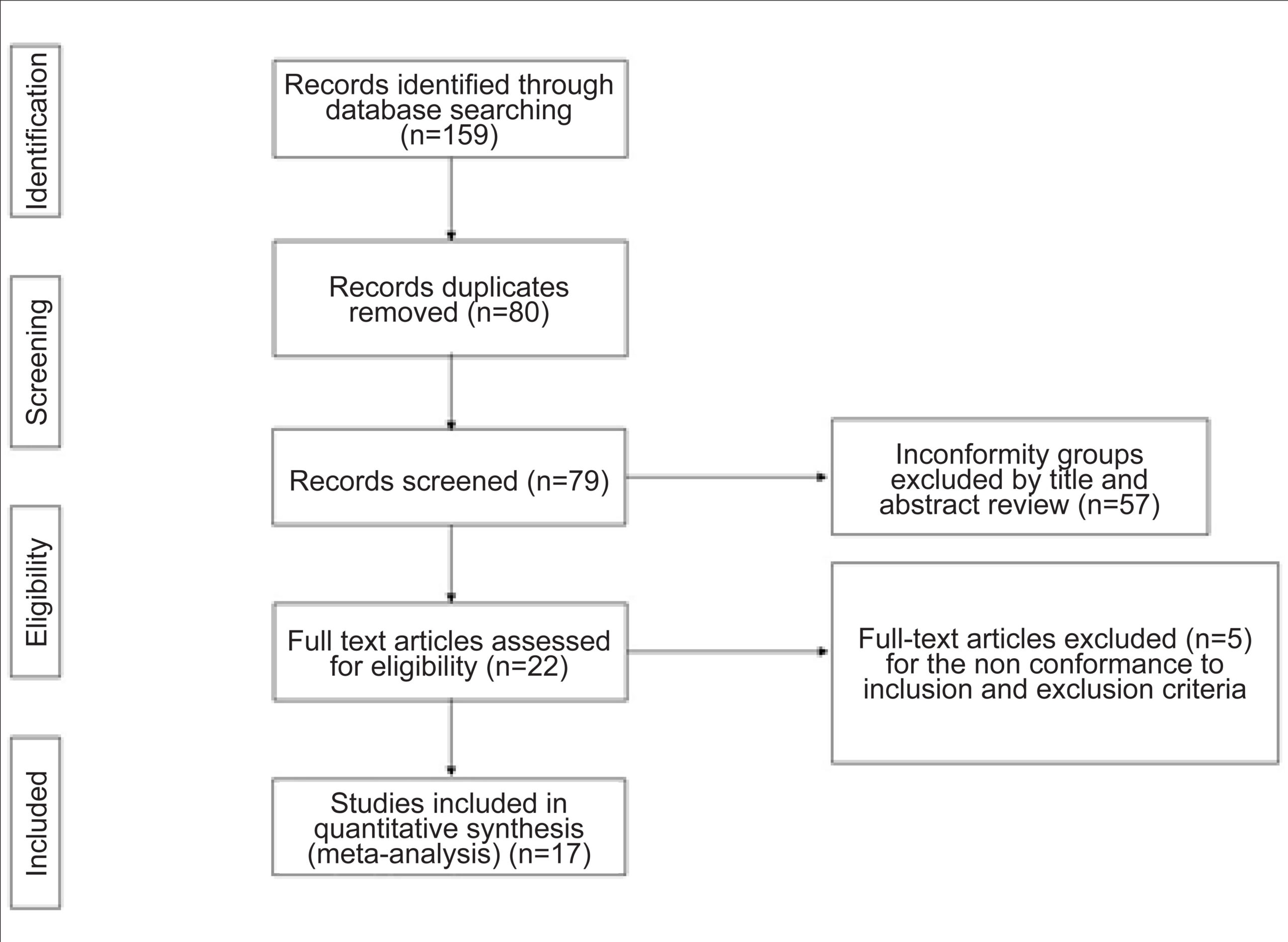
Case-control and cross-sectional studies on the association between H. pylori and hypertension published from 1996 to 2019 indexed in PubMed, Google Scholar, Chinese Wan Fang Data, and Chinese National Knowledge Infrastructure (CNKI). The pooled odds ratios (OR) and 95% confidence interval (CI) were estimated. I2 was performed to evaluate the statistical heterogeneity. Publication bias was evaluated using Begg’s and Egger’s test. The extracted data was analyzed in Stata 12.0. Statistical significance was defined as p-value < 0.05.

Results:

A total of 17 studies involving 6,376 cases of hypertension and 10,850 controls were enrolled. H. pylori infection rate in hypertension patients and controls were 64.9% and 56.3%, respectively. A significantly positive association was shown between H. pylori infection and hypertension with an overall OR of 2.07 (95% CI: 1.46–2.94; p < 0.05). Subgroup analysis revealed that the prevalence of H. pylori infection was associated with hypertension in the region of Asia and the case-control group, ORs (95% CI) were 2.26 (1.51-3.38) and 2.53 (1.72-3.72), respectively. After stratifying by detection methods, differences still existed in subgroups (all p < 0.05).

Conclusion:

This meta-analysis indicated that H. pylori infection is positively associated with hypertension.

  • Blood Pressure
  • Cardiovascular Diseases
  • Endothelium, Vascular
  • Epidemiology
  • Helicobacter Pylori
  • Hypertension
  • Infection
  • Meta-Analysis
  • Microbiota
  • Risk Factors
Read Full Article
Creative Commons Attribution (CC BY) Creative Commons license
20/09/2021 DOI: 10.36660/abc.20200186 Views 2
ABC
Editorial

Exercise Training and Endothelial Function in Hypertension: Effects of Aerobic and Resistance Training

Gustavo F. Oliveira et al. Thais C. Marin Cláudia L. M. Forjaz Leandro C. Brito

Hypertension is one of the most important risk factors for cardiovascular events, which is strongly related with endothelial dysfunction. Endothelial function assessed by flow-mediated dilation (FMD) is 3.2% lower in hypertensives than in normotensives. The negative balance between damage and regeneration of endothelial cells indicated by a high number of circulating endothelial microparticles (EMP) and reduced levels of endothelial progenitor cells (EPC) is predictor of cardiovascular events in hypertensives. Thus, therapies able to positively influence endothelial function are important to improve prognosis in hypertension.

Regular practice of exercise is recommended not only for the benefit of lowering blood pressure, but also for reducing cardiovascular morbidity and mortality in hypertensives. Important exercise-induced vascular adaptations, mainly resulting in increased endothelium-dependent vasodilation, may partially explain these exercise benefits. A previous meta-analysis showed positive effects of aerobic exercise on the endothelial function of hypertensives. However, the variation of results suggests that different exercise protocols (types and intensity) and subjects’ characteristics may influence the response of endothelial function to exercise training. In addition, the underlying mechanisms for endothelial improvement need to be known.

[…]

  • Endothelium, Vascular
  • Endurance Training
  • Exercise
  • Hypertension
  • Physical Resistance
Read Full Article
Creative Commons Attribution (CC BY) Creative Commons license
17/05/2021 DOI: 10.36660/abc.20210111 Views 2
ABC
Letter to the Editor

Serum Levels of BDNF in Cardiovascular Protection and in Response to Exercise

Carla Paixão Miranda et al. Fernando Antônio Botoni Manoel Otávio da Costa Rocha

Dear Editor,

I read with interest the article published by Trombetta et al. In this sense, the importance of disseminating new markers in cardiovascular disease is increasingly known. I bring to the discussion a protein called growth factor / differential 15 (GDF-15) that was first identified as cytokine 1 or MIC-1 of the TGF-beta family, it has pleiotropic effects depending on the model being studied. The interesting thing about this discussion is the interface with which the Brain-derived neurotrophic factor (BDNF) interacts with the GDF-15 molecule, which also has effects on the vascular system, but in high concentrations it can present an adverse response, considered an independent prognostic marker for the cardiovascular disease there is evidence that physical exercise controls serum GDF-15 levels, protecting us from heart/coronary diseases, metabolic diseases, and oncological diseases., In this context, BDNF is also a prognostic marker in cardiovascular disease with function beyond the brain receptor in order to promote the maturation of GDF-15. According to the theoretical rationale, the proprotein convertase subtilisin/kexin 9 (PCSK-9) presents in its constitution a triad with an amino acid sequence (Asp-His-Ser) with a catalytic function that promotes cleavage of GDF-15 and maturation to the intracellular medium. Evidence shows that GDF-15 precursors that are not cleaved and in large amounts in the extracellular matrix correlate with an increased risk of a worse clinical outcome in heart failure.

[…]

  • BDNF
  • Brain-Derived Neurotrophic Factor
  • Cardiovascular Diseases, mortality
  • Endothelium, Vascular
  • Exercise
  • Nerve Growth Factors
  • Polymorfism
Read Full Article
Creative Commons Attribution (CC BY) Creative Commons license
23/04/2021 DOI: 10.36660/abc.20201001 Views 1
Figure 1
ABC
Brief Communication

HIV-Infected Naïve Patients Exhibit Endothelial Dysfunction Concomitant with Decreased Natural Antibodies Against Defined Apolipoprotein B Autoantigens

Henrique Andrade R. Fonseca et al. Magnus Gidlund Viviane Rodrigues Sant’Anna Esteferson Rodrigues Fernandes … Francisco A. H. Fonseca Maria Cristina Izar

Abstract

Backgorund:

Traditional and HIV-defined risk factors may be associated with an increase in cardiovascular events. Recent studies have suggested that the humoral immune response to modified LDL may be associated with the process of atherosclerosis.

Objectives:

To evaluate the presence of anti-oxLDL and apolipoprotein B-derived peptides in the blood, and their association with the endothelial function in HIV-infection.

Methods:

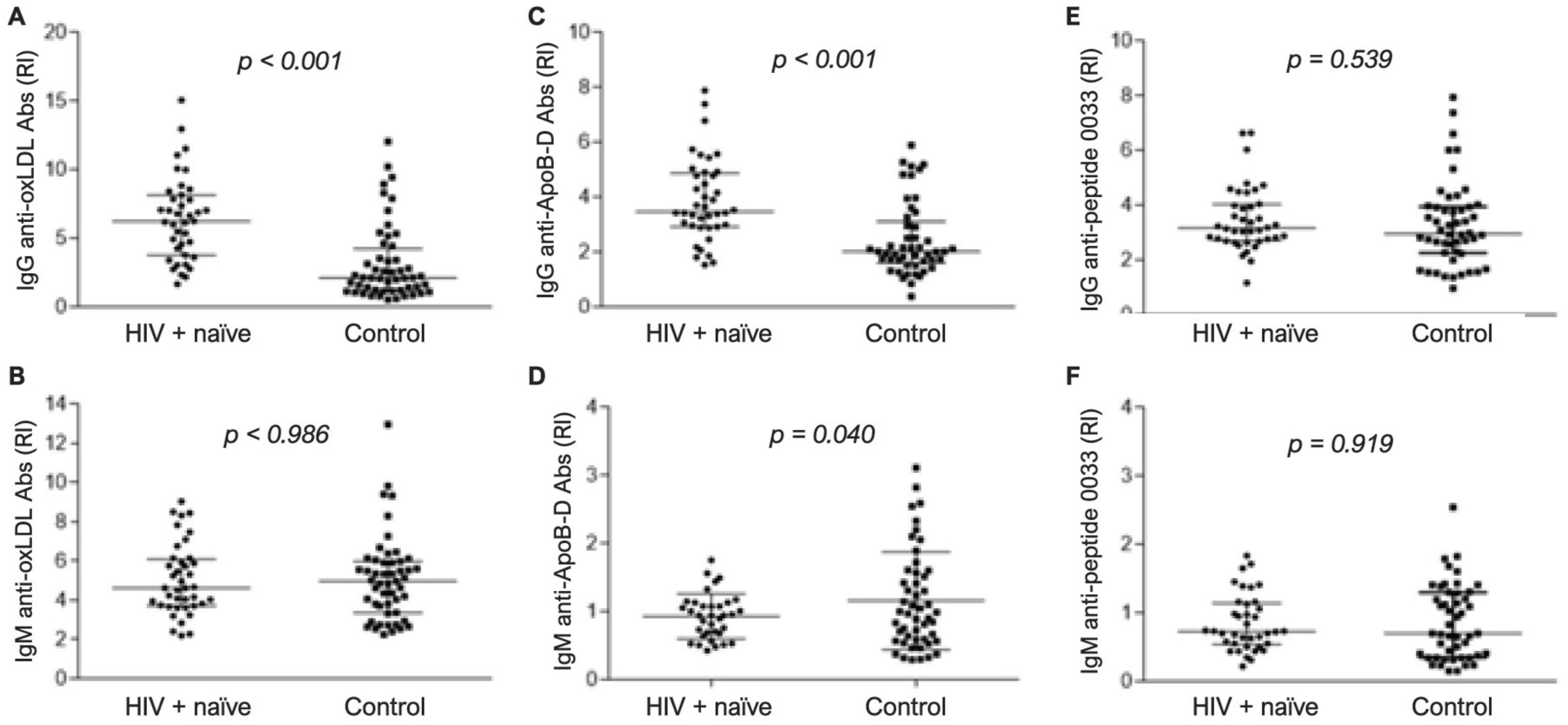
This study consecutively included subjects matched for age, gender, and demographic data in two groups: (1) HIV-infected and naïve for antiviral therapy and (2) uninfected individuals. Subclinical atherosclerosis was assessed by intimal-media thickness, using ultrasonography of the carotid arteries. Endothelial function was determined by flow-mediated dilatation (FMD) of the brachial artery by ultrasonography. Autoantibodies (IgM, IgG) anti-oxidized low-density lipoprotein (oxLDL), anti-apolipoprotein B-peptide fragments (ApoB-D and 0033G-Cys peptides), and cytokine levels were evaluated by ELISA.

Results:

This study’s results showed no difference in subclinical atherosclerosis between groups; however, HIV-infected subjects showed a lower FMD, when compared to non-infected subjects. Therefore, HIV-infected subjects showed higher levels of inflammatory cytokines, titers of IgG anti-oxLDL, and IgG anti-ApoB-D. In contrast, titers of IgM anti-ApoB-D were lower in HIV-infected individuals and associated with reduced endothelial functions.

Conclusions:

This study’s results show that HIV infection, in naïve subjects, is associated with endothelial dysfunction and a decline of natural antibodies to apo-B antigens.

  • Apolipoproteunes B, Carotid Arteries/ultrasonography
  • Atherosclerosis
  • Endothelium, Vascular
  • HIV Infection
Read Full Article
Creative Commons Attribution (CC BY) Creative Commons license
16/04/2021 DOI: 10.36660/abc.20200062 Views 1
Figure 1
ABC
Review Article

Serum Levels of BDNF in Cardiovascular Protection and in Response to Exercise

Ivani Credidio Trombetta et al. José Roberto DeMoura Cleber Rene Alves Renato Carbonari-Brito … Felipe Xerez Cepeda José Ribeiro Lemos Jr

Abstract

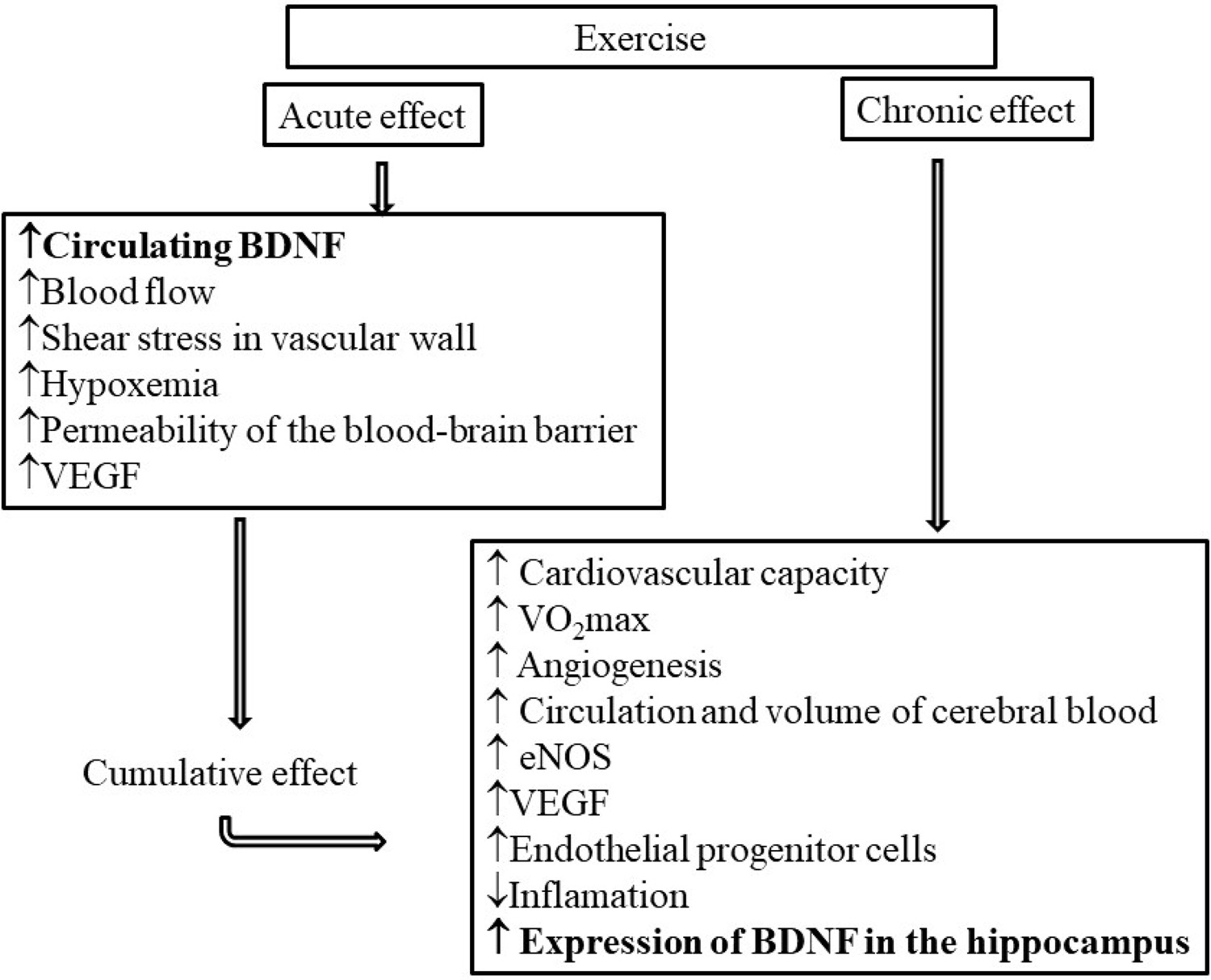
Cardiovascular disease (CVD) is currently the leading cause of death in Brazil and worldwide. In 2016, CVD accounted for more than 17 million deaths, representing 31% of all deaths globally. Molecular and genetic mechanisms may be involved in vascular protection and should be considered in new therapeutic approaches. In this sense, recent studies have reported that brain-derived neurotrophic factor (BDNF) is reduced in individuals predisposed to develop CVD, and that aerobic physical training increases the amounts of circulating BDNF. BDNF is a neurotrophin found at high concentrations in the hippocampus and cerebral cortex and is considered a key molecule for the maintenance of synaptic plasticity and survival of neuronal cells. In addition to neuronal plasticity, BDNF is also important in vascular function, promoting angiogenesis through the regulation of reactive oxygen species (ROS). However, a variant of the BDNF gene in humans, the Val66Met polymorphism (substitution of the amino acid valine for a methionine at position 66 of the codon), occurring in 20-30% of the Caucasian population, may affect plasma BDNF concentrations and its activity in all peripheral tissues containing tyrosine kinase B receptors (TrkB), such as the endothelium. Thus, we will present a discussion about the role of serum BDNF levels in cardiovascular protection, Val66Met genetic variant in vascular reactivity and the effect of physical exercise.

  • BDNF
  • Brain-Derived Neurotrophic Factor
  • Cardiovascular Diseases, mortality
  • Endothelium, Vascular
  • Exercise
  • Nerve Growth Factors
  • Neuronal Plasticity
  • polymorphism
Read Full Article
Creative Commons Attribution (CC BY) Creative Commons license
28/08/2020 DOI: 10.36660/abc.20190368 Views 2
Figure 1
IJCS
Original Article

Endothelial Dysfunction and Pulse Wave Reflection in Women with Polycystic Ovarian Syndrome

Marcelo Burlá et al. Ana Rosa Cunha Ronaldo Gismondi Wille Oigman … Mario Fritsch Neves Fernanda Medeiros

Abstract

Background:

Patients with polycystic ovarian syndrome (PCOS) have an increased prevalence of metabolic syndrome and traditional atherosclerotic risk factors, such as dyslipidemia, diabetes and hypertension. Endothelial function and vascular stiffness are surrogate markers of early atherosclerosis, able to predict cardiovascular events.

Objective:

To compare endothelial function and pulse wave reflection between women with PCOS and healthy controls.

Methods:

Observational and cross-sectional study that included women with PCOS, age between 18 and 40 years-old and body mass index between 25.0 and 35.0 kg/m2, and healthy controls. Rotterdan criteria was used to diagnose PCOS. Subjects underwent clinical and anthropometric evaluation, laboratory and hormonal assays and imaging tests to measure pulse wave velocity (PWV), augmentation index (AIx) and brachial artery flow-mediated vasodilation (FMD). Kolmogorov-Smirnov test showed normal distribution of most parameters. Unpaired Student t-test was used with significance level established at p < 0.05.

Results:

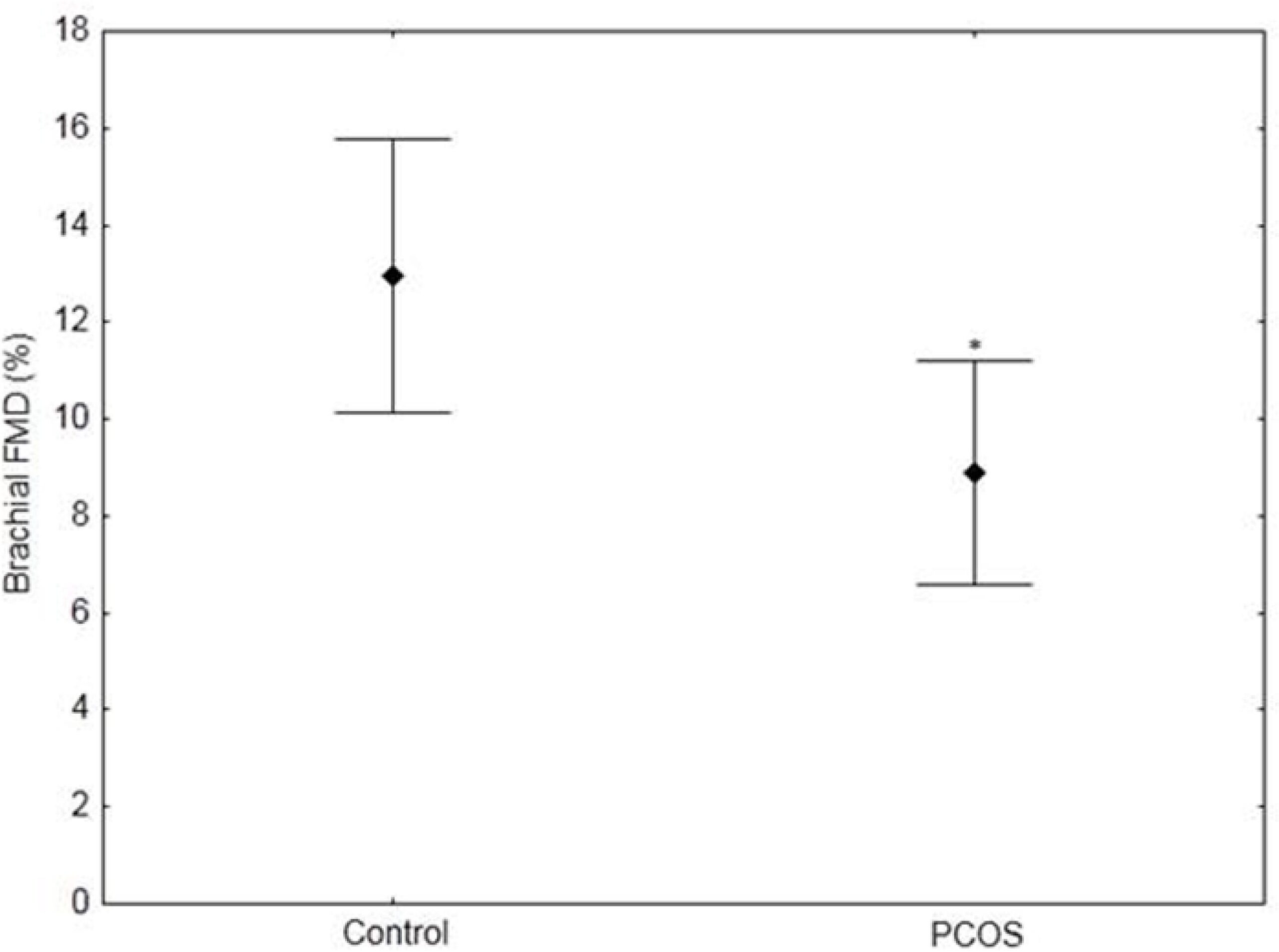
A total of 52 patients were included, 29 (56%) in PCOS group and 23 (44%) in control group. Clinical and laboratory parameters were similar between the groups. Women with PCOS had lower FMD (8.8 ± 1.0 vs 12.8 ± 1.2%, p = 0.021); PWV and AIx were similar between the groups (7.5 ± 0.2 vs 7.5 ± 0.3 m/s, p = 0.671 and 21.0 ± 1 vs. 20 ± 2%, p = 0.716, respectively). In the PCOS group, women with higher testosterone levels had higher AIx (25 ± 2 vs. 17 ± 3%, p = 0.045).

Conclusions:

PCOS women had endothelial dysfunction and those with higher testosterone levels had higher pulse wave reflection as compared with controls.

  • Endothelium, Vascular
  • Insulin Resistance
  • Metabolic Syndrome
  • Polycistic Ovary Syndrome
  • Testosterone
  • Vascular,Stiffness
Read Full Article
Creative Commons Attribution (CC BY) Creative Commons license
01/01/2019 DOI: 10.5935/2359-4802.20180067 Views 1
Figure 1
ABC
Original Article

A Single Resistance Exercise Session Improves Aortic Endothelial Function in Hypertensive Rats

Thaís de Oliveira Faria et al. Jhuli Keli Angeli Luiz Guilherme Marchesi Mello Gustavo Costa Pinto … Ivanita Stefanon Dalton Valentim Vassallo Juliana Hott de Fúcio Lizardo

Abstract

Background:

Physical exercise is an important tool for the improvement of endothelial function.

Objective:

To assess the effects of acute dynamic resistance exercise on the endothelial function of spontaneously hypertensive rats (SHR).

Methods:

Ten minutes after exercise, the aorta was removed to evaluate the expression of endothelial nitric oxide synthase (eNOS), phosphorylated endothelial nitric oxide synthase (p-eNOS1177) and inducible nitric oxide synthase (iNOS) and to generate concentration-response curves to acetylcholine (ACh) and to phenylephrine (PHE). The PHE protocol was also performed with damaged endothelium and before and after NG-nitro-L-arginine methyl ester (L-NAME) and indomethacin administration. The maximal response (Emax) and the sensitivity (EC50) to these drugs were evaluated.

Results:

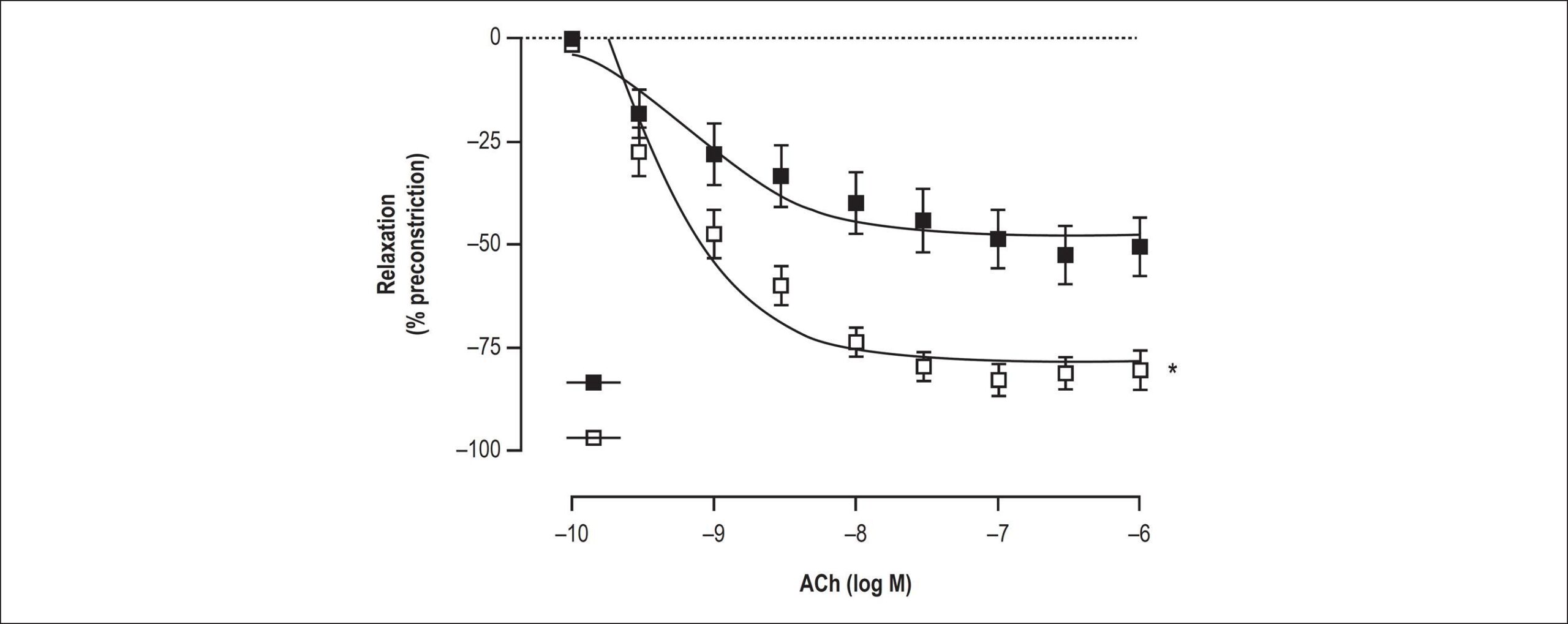
ACh-induced relaxation increased in the aortic rings of exercised (Ex) rats (Emax= -80 ± 4.6%, p < 0.05) when compared to those of controls (Ct) (Emax = -50 ± 6.8%). The Emax to PHE was decreased following exercise conditions (95 ± 7.9%, p < 0.05) when compared to control conditions (120 ± 4.2%). This response was abolished after L-NAME administration or endothelial damage. In the presence of indomethacin, the aortic rings' reactivity to PHE was decreased in both groups (EC50= Ex -5.9 ± 0.14 vs. Ct -6.6 ± 0.33 log µM, p < 0.05 / Emax = Ex 9.5 ± 2.9 vs. Ct 17 ± 6.2%, p < 0.05). Exercise did not alter the expression of eNOS and iNOS, but increased the level of p-eNOS.

Conclusion:

A single resistance exercise session improves endothelial function in hypertensive rats. This response seems to be mediated by increased NO production through eNOS activation.

  • Endothelium, Vascular
  • Exercise
  • Hypertension
  • Nitric Oxide
  • Rats
Read Full Article
Creative Commons Attribution (CC BY) Creative Commons license
01/03/2017 DOI: 10.5935/abc.20170023
Figure 1
ABC
Special Article

I Luso-Brazilian Positioning on Central Arterial Pressure

Andréa A. Brandão et al. Celso Amodeo Cristina Alcântara Eduardo Barbosa … Fernando Nobre Fernando Pinto José Fernando Vilela-Martin José Mesquita Bastos Juan Carlos Yugar-Toledo Marco Antônio Mota-Gomes Mario Fritsch Toros Neves Marcus Vinícius Bolívar Malachias Manuel de Carvalho Rodrigues Oswaldo Passarelli Junior Paulo César B. Veiga Jardim Pedro Guimarães Cunha Rui Póvoa Teresa Fonseca Vitor Paixão Dias Weimar Sebba Barroso Wille Oigman

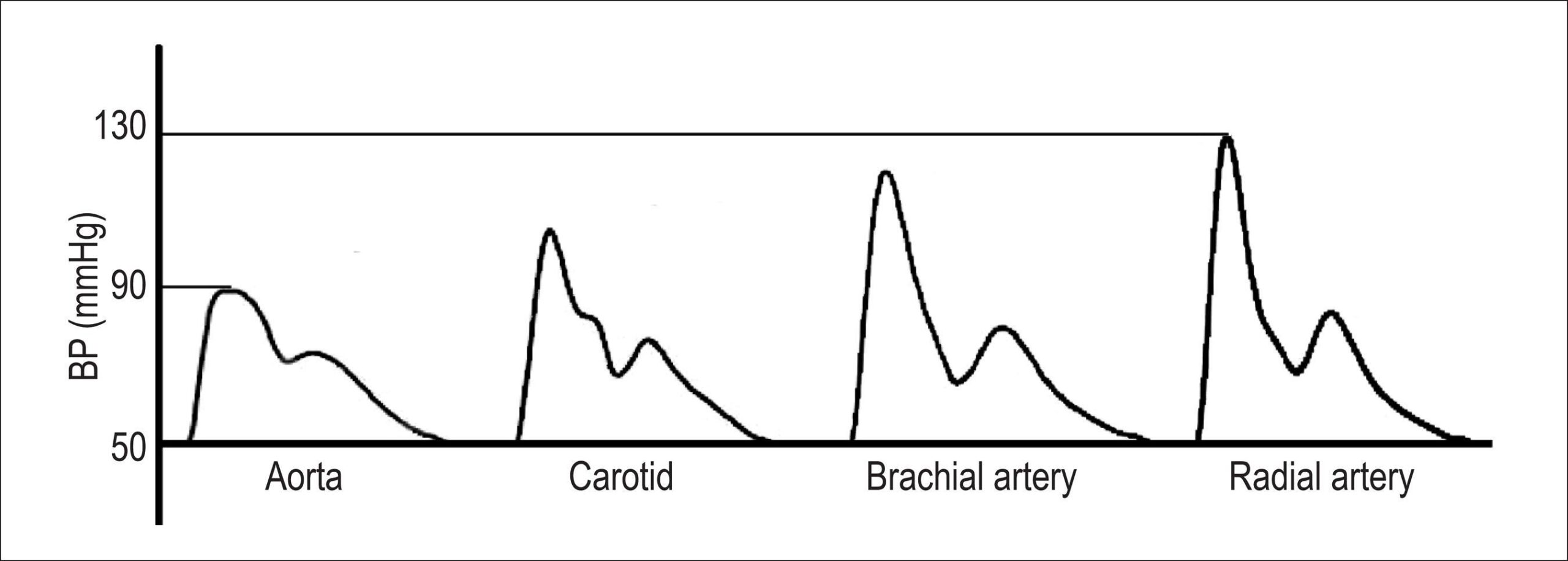
Natural and accelerated vascular aging. Involved mechanisms and factors

[…]

  • Arterial Pressure
  • Atherosclerosis
  • Cardiovascular Diseases/physiopathology
  • Coronary Diseases/physiopathology
  • Endothelium, Vascular
  • Risk Factors
Read Full Article
Creative Commons Attribution (CC BY) Creative Commons license
13/02/2017 DOI: 10.5935/abc.20170011 Views 2
Figure 1
ABC
Original Article

Resveratrol Treatment Normalizes the Endothelial Function and Blood Pressure in Ovariectomized Rats

Victor Fabricio et al. Jorge Camargo Oishi Bruna Gabriele Biffe Leandro Dias Gonçalves Ruffoni … Karina Ana da Silva Keico Okino Nonaka Gerson Jhonatan Rodrigues

Abstract

Background:

Despite knowing that resveratrol has effects on blood vessels, blood pressure and that phytostrogens can also improve the endothelium-dependent relaxation/vasodilation, there are no reports of reveratrol’s direct effect on the endothelial function and blood pressure of animals with estrogen deficit (mimicking post-menopausal increased blood pressure).

Objective:

To verify the effect of two different periods of preventive treatment with resveratrol on blood pressure and endothelial function in ovariectomized young adult rats.

Methods:

3-month old female Wistar rats were used and distributed in 6 groups: intact groups with 60 or 90 days, ovariectomized groups with 60 or 90 days, and ovariectomized treated with resveratrol (10 mg/kg of body weight per day) for 60 or 90 days. The number of days in each group corresponds to the duration of the experimental period. Vascular reactivity study was performed in abdominal aortic rings, systolic blood pressure was measured and serum nitric oxide (NO) concentration was quantified.

Results:

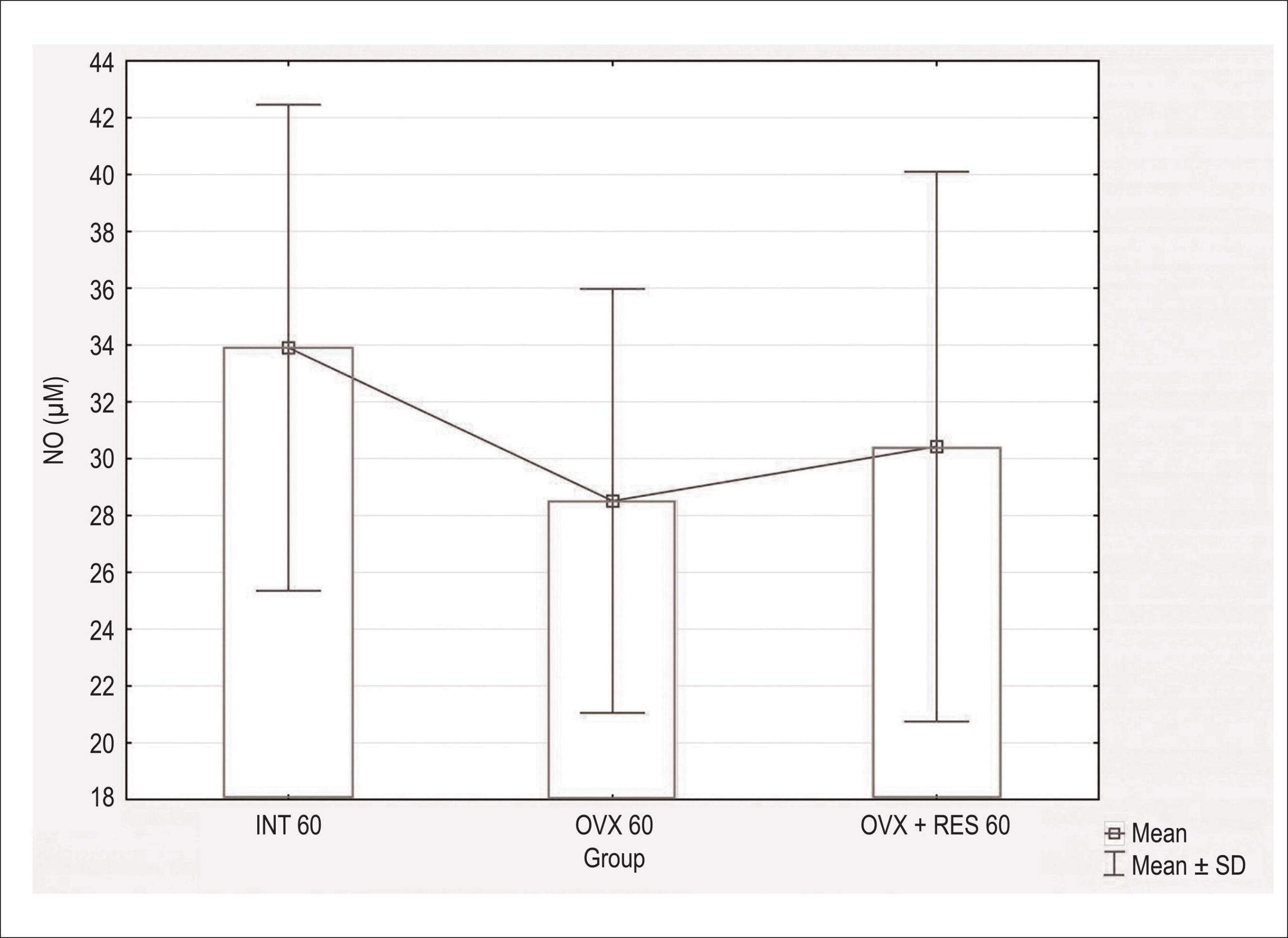
Ovariectomy induced blood pressure increase 60 and 90 days after surgery, whereas the endothelial function decreased only 90 days after surgery, with no difference in NO concentration among the groups. Only longer treatment (90 days) with resveratrol was able to improve the endothelial function and normalize blood pressure.

Conclusion:

Our results suggest that 90 days of treatment with resveratrol is able to improve the endothelial function and decrease blood pressure in ovariectomized rats.

  • Blood Pressure
  • Endothelium, Vascular
  • Ovariectomy
  • Phytoestrogens
  • Rats Wistar
  • Resveratrol
Read Full Article
Creative Commons Attribution (CC BY) Creative Commons license
01/02/2017 DOI: 10.5935/abc.20170012 Views 1
IJCS
Review Article

Methods of Endothelial Function Assessment: Description and Applications

Amanda Sampaio Storch et al. João Dario de Mattos Renata Alves Iuri dos Santos Galdino Helena Naly Miguens Rocha

Introduction

The endothelium is a monolayer of cells, called endothelial cells, that lines the interior of blood vessels, including arteries, veins and cardiac chambers, acting as a protective layer between circulating blood and other tissues. The endothelium is crucial for the control of vascular homeostasis, and is involved in the regulation of intracellular signaling, vascular tonus and permeability, coagulation cascade and angiogenesis, among others. One of the main activities of the endothelium is the release of autocrine and paracrine substances in response to stimuli. Injuries to the endothelium trigger an inflammatory response with participation of several cell types – lymphocytes, monocytes, platelets and smooth muscle cells – culminating in endothelial cell dysfunction, stiffness of vessel wall and atherosclerotic plaque formation.

Endothelial dysfunction is an early, key characteristic of development and progression of atherosclerotic plaque and subsequent complications. This is characterized by a reduced bioavailability of endothelium-derived vasodilators, such as nitric oxide (NO), along with a relative or absolute increase in available vasoconstrictors. Such unbalanced condition impairs the endothelium-dependent vasodilation, a functional marker of endothelial dysfunction.

[…]

  • Atherosclerosis
  • Endothelium, Vascular
  • Function, Endothelim
  • Vasodilatation
Read Full Article
Creative Commons Attribution (CC BY) Creative Commons license
01/01/2017 DOI: 10.5935/2359-4802.20170034 Views 3
Vascular endothelial function in patients with coronary slow flow and the effects of nebivolol
ABC
Artigo Original

Vascular endothelial function in patients with coronary slow flow and the effects of nebivolol

Yilmaz Gunes et al. Hasan Ali Gumrukcuoglu Serkan Akdag Hakki Simsek … Musa Sahin Mustafa Tuncer

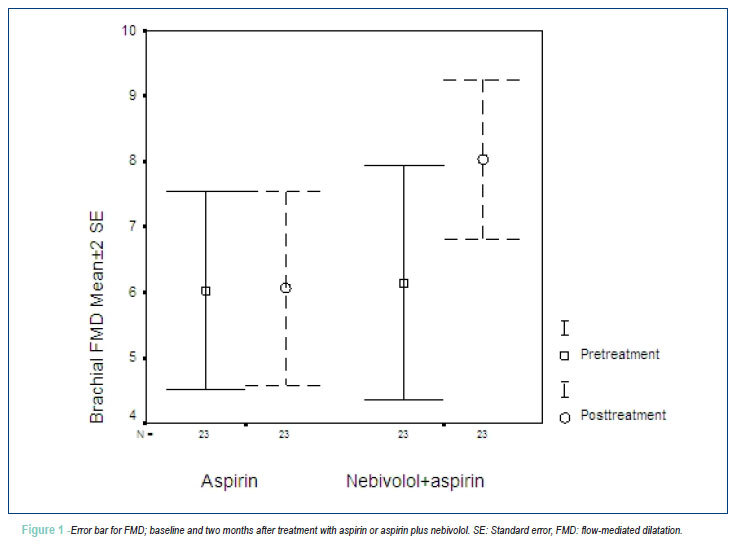
BACKGROUND: Brachial endothelial function has been associated with coronary slow flow (CSF). Increasing blood flow to brachial artery provokes endothelium to release nitric oxide (NO) with subsequent vasodilatation. Besides its β1-blocker activity, nebivolol causes vasodilatation by increasing endothelial NO release. OBJECTIVE: To assess the effects of nebivolol on vascular endothelial function in patients with CSF. METHODS: Forty-six patients with CSF and 23 individuals with normal epicardial coronary arteries were examined with transthoracic echocardiography and brachial artery ultrasonography. The patients were reevaluated two months after treatment with aspirin or aspirin plus nebivolol. RESULTS: Patients with CSF had higher body mass index (26.5 ± 3.3 vs. 23.8 ± 2.8, p < 0.001), mitral inflow isovolumetric relaxation time (IVRT) (114.9 ± 18.0 vs. 95.0 ± 22.0 msec, p < 0.001) and lower left ventricular ejection fraction (LVEF) (63.5 ± 3.1% vs. 65.4 ± 2.2, p = 0.009), HDL-cholesterol (39.4 ± 8.5 vs. 45.8 ± 7.7 mg/dL, p = 0.003) and brachial flow-mediated dilatation (FMD) (6.1 ± 3.9% vs. 17.6 ± 4.5%, p < 0.001). There were significant correlations between FMD and the presence of CSF (r = 0.800, p < 0.001) and HDL-cholesterol (r = 0.349, p = 0.003). Among Patients with CSF, although pretreatment mean FMD values were similar (6.1 ± 4.3% vs. 6.0 ± ,6%, p = 0.917) compared to aspirin alone group, posttreatment FMD was significantly higher in patients treated with aspirin plus nebivolol (6.0 ± 3.5% vs. 8.0 ± 2.9%, p = 0.047). Treatment with nebivolol was associated with a significant increase in FMD (6.0 ± 3.6 to 8.0 ± 2.9 %, p = 0.030) whereas treatment with aspirin alone was not. CONCLUSION: Endothelial function may be impaired in both coronary and brachial arteries in patients with CSF and nebivolol may be effective in the improvement of endothelial function in patients with CSF.

  • calcium channel blockers
  • Endothelium, Vascular
  • Regional Blood Flow
Read Full Article
Creative Commons Attribution (CC BY) Creative Commons license
21/10/2011 DOI: 10.1590/S0066-782X2011005000105
Vascular alterations in high-fat diet-obese rats: role of Endothelial L-arginine/NO Pathway
ABC
Artigo Original

Vascular alterations in high-fat diet-obese rats: role of Endothelial L-arginine/NO Pathway

Thiago Bruder Nascimento et al. Rafaela de Fátima Ferreira Baptista Priscila Cristina Pereira Dijon Henrique Salomé Campos … André Soares Leopoldo Ana Paula Lima Leopoldo Silvio A. Oliveira Júnior Carlos Roberto Padovani Antônio Carlos Cicogna Sandra Cordellini

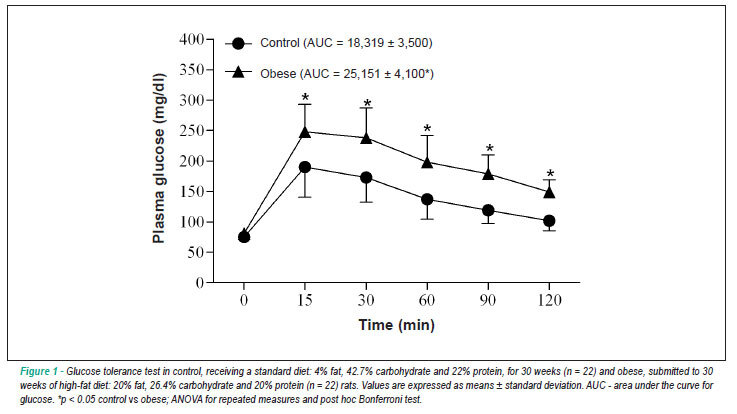
BACKGROUND: Mechanisms underlying vascular abnormalities in obesity remain to be completely clarified. OBJECTIVE: L-arginine/nitric oxide pathway was evaluated on vascular response of high-fat diet-obese rats, focusing on endothelial and smooth muscle cells. METHODS: 30-day-old rats were divided in two groups: control (C) and obese (OB, high-fat diet for 30 weeks). After 30 weeks, body weight, adiposity index, blood pressure, and metabolic and endocrine profiles of the animals were recorded. Curves to noradrenaline were obtained in absence and presence of nitric oxide synthase inhibitor (L-NAME, 3×10⁻⁴M) on intact and denuded thoracic aorta from C and OB rats. RESULTS: Body weight, adiposity index, leptin and insulin levels were increased in OB, while blood pressure was unchanged. Obesity also produced glucose tolerance and insulin resistance. Reactivity to noradrenaline of intact aorta was similar in C and OB rats. L-NAME presence produced a similar increase in maximal responses, but a higher leftward shift of noradrenaline responses in intact aorta from C than in OB rats [EC50 (x10-7M): C = 1.84 (0.83-4.07), O = 2.49 (1.41-4.38); L-NAME presence C = 0.02 (0.01-0.04)*, O = 0.21 (0.11-0.40)*†,*p < 0.05 vs respective control, †p < 0.05 vs control plus L-NAME, n = 6-7]. None of the protocols altered the reactivity to noradrenaline of denuded aortas. CONCLUSION: High-fat diet-induced obesity promotes metabolic and vascular alterations. The vascular alteration involved an endothelial L-arginine/NO pathway improvement was probably correlated to diet-induced hyperinsulinemia and hyperleptinemia. The greater resistance to L-NAME effects in aorta of obese rats raises concerns about the lower cardiovascular vulnerability of obese individuals in the presence of associated pathologies that impair NO-system activity.

  • Dietary Fats
  • Endothelium, Vascular
  • Nitric Oxide
  • Obesity
  • Rats
Read Full Article
Creative Commons Attribution (CC BY) Creative Commons license
20/05/2011 DOI: 10.1590/S0066-782X2011005000063
Physical exercise and endothelial dysfunction
ABC
Clinical Update

Physical exercise and endothelial dysfunction

Gabriela Lima de Melo Ghisi et al. Adriana Durieux Ricardo Pinho Magnus Benetti

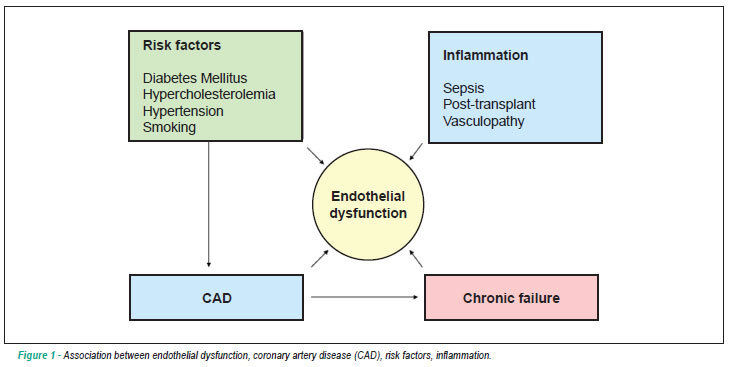
The role of the endothelium was considered mainly as a selective barrier for the diffusion of macromolecules from the lumen of blood vessels to the interstitial space. During the last 20 years, many other functions have been defined for the endothelium, such as the regulation of the vagal tonus, the promotion and inhibition of neovascular growth and the modulation of inflammation, of platelet aggregation and coagulation. This finding is considered one of the most important concepts in modern vascular biology. Currently, atherosclerosis is the prototype of the disease characterized in all its phases by an endothelial dysfunction, defined as an insufficient offer of nitric oxide (NO), which predisposes the endothelium to oxidative stress, inflammation, erosion and vasoconstriction. In this sense, several experimental studies have demonstrated that physical exercise is capable of restoring and improving the endothelial function. The impact of exercise on the endothelium has been broadly discussed. Considering its vasodilating effect and the risk factors, the possibility of treating coronary artery disease and its outcomes without the inclusion of physical exercise became unconceivable. However, the literature is still controversial regarding the intensity of physical effort that is necessary to cause significant protective alterations in endothelial functions. Moreover, the association between intense physical exercises and increased oxygen consumption, with a consequent increase in free radical formation, is also discussed.

  • Coronary Artery Disease
  • Endothelium
  • Endothelium, Vascular
  • Exercise
Read Full Article
Creative Commons Attribution (CC BY) Creative Commons license
13/04/2011 DOI: 10.1590/S0066-782X2010001500025
ABC
Revisão

Coronary heart disease, physical exercise and oxidative stress

Ricardo Aurino de Pinho et al. Marília Costa de Araújo Gabriela Lima de Melo Ghisi Magnus Benetti

Cardiovascular diseases are the leaders in morbidity and mortality rates in Brazil and worldwide, being coronary heart disease (CHD) the cause of a large number of deaths and high expenditure on medical assistance. Quite a number of risk factors for CHD are directly related to endothelial dysfunction. Those risk factors induce decreased bioavailability of nitric oxide (NO), the increase of free radicals (FR), and increased endothelial activity. Those changes may lead to vasodilation impairment. Many interventions are performed to treat CHD. Pharmacological agents, a change in eating habits, nutritional supplements and physical exercise on a regular basis are some of those interventions. The benefits of physical exercise on a regular basis over endothelial function have been demonstrated in experiments with animals and humans. However, data in the literature are still controversial as to the required intensity level to result in significantly protective changes in endothelial function. Intense exercising is also related to higher oxygen consumption and to a resulting increase of oxygen free radicals (OFR).

  • Coronary Artery Disease
  • Endothelium, Vascular
  • Exercise
  • free radicals
Read Full Article
Creative Commons Attribution (CC BY) Creative Commons license
22/09/2010 DOI: 10.1590/S0066-782X2010000400018 Views 1
ABC
Artigo Original

Study of vascular reactivity in HIV patients whether or not receiving protease inhibitor

Hamilton Nenrod Pereira Teixeira et al. Evandro Tinoco Mesquita Mário Luiz Ribeiro Anna Ricordi Bazin … Cláudio Tinoco Mesquita Manuel Pereira Teixeira Rafael da Cunha Pellegrini Antonio Claudio Lucas da Nóbrega

BACKGROUND: A great number of HIV-infected patients using antiretroviral drugs develop endothelial dysfunction and atherothrombosis, which lead to a high medical and social burden. Thus, it is important to identify pathophysiological mechanisms involved with the endothelial function in these patients, so that early intervention can be made to avoid disease progression. OBJECTIVE: To evaluate endothelial function using endothelium-dependent and independent vasodilation in HIV-positive patients and in a control group. METHODS: A total of 27 HIV-positive patients and 16 controls were evaluated. Endothelium-dependent (reactive hyperemia) and independent (SL nitroglycerine) vasodilation of the brachial artery was used to evaluate the endothelial function. RESULTS: HIV-positive patients receiving protease inhibitors (PI) showed significantly lower endothelium-independent vasodilation than the HIV-negative (p=0.020) and HIV-positive without PI (p=0.034) subgroups. The change in brachial artery diameter during active hyperemia was not statistically significant in any subgroup. Multiple linear regression analysis showed that only PI was associated with the relative delta of brachial reactivity to vasodilator in HIV-positive patients at 60s and 90s. CONCLUSION: HIV-positive patients receiving PI presented endothelium-independent dysfunction when compared to HIV-positive patients not receiving PI and to the control group.

  • Endothelium, Vascular
  • HIV
  • protease inhibitors
Read Full Article
Creative Commons Attribution (CC BY) Creative Commons license
24/11/2009 DOI: 10.1590/S0066-782X2009001000009
Novel no-touch technique of harvesting the saphenous vein for coronary artery bypass grafting
ABC
Artigo Original

Novel no-touch technique of harvesting the saphenous vein for coronary artery bypass grafting

Fabio de Rueda et al. Domingos Souza Ricardo de Carvalho Lima Alexandre Menezes … Benny Johansson Michael Dashwood Emmanuel Thé Mário Gesteira Mozart Escobar Frederico Vasconcelos

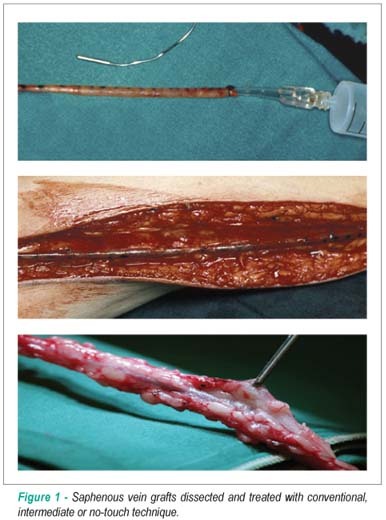
BACKGROUND: Optimization of the saphenous vein for myocardial revascularization. OBJECTIVE: To present the no-touch technique of the saphenous vein preparation. This technique consists of harvesting the vein with a pedicle of surrounding tissue, which protects the vein from spasms, obviating the need for distension. METHODS: A prospective, randomized study with 156 patients who underwent artery bypass grafting was performed comparing three saphenous vein harvesting techniques: conventional, intermediate, and no-touch. A morphological study of the endothelium was carried out using scanning microscopy. An angiographic assessment of the vein graft patency was performed at a mean follow-up time of 18 months. Also, an immunohistochemical assessment was carried out to identify the endothelial enzyme nitric oxide synthase (eNOS) in the vein wall RESULTS: The preservation of the endothelial cell integrity was greater in the no-touch technique than in the other procedures. At angiographic follow-up, the patency for the no-touch group was 95.4%, 88.9% for the grafts of the conventional technique group, and 86.2% for the grafts performed in the intermediate technique group. The immunohistochemical assessment revealed eNOS in all three layers of the vein wall in the no-touch group and reduction of this enzyme in the conventional group. CONCLUSION: The endothelial integrity and eNOS activity were better preserved when using the no-touch technique for vein graft harvesting. The mechanical protection provided by the cushion of surrounding tissue in the no-touch group, the vasorelaxation and thromboresistant activities of nitric oxide may be responsible for the reduction of vasospasms and improved patency rate.

  • Endothelium, Vascular
  • Myocardial Revascularization
  • Saphenous Vein
Read Full Article
Creative Commons Attribution (CC BY) Creative Commons license
26/06/2008 DOI: 10.1590/S0066-782X2008000600002 Views 2

How to cite this article

EndNote RIS

Electronic Document Format (Vancouver)

Franco RJS. Beetroot Juice May Be a Dietary Ingredient to Protect Vascular Endothelium. Arquivos Brasileiros de Cardiologia 2023;120(1):e20220906.

Electronic Document Format (ABNT)

Franco, Roberto J. S.. Beetroot Juice May Be a Dietary Ingredient to Protect Vascular Endothelium. Arquivos Brasileiros de Cardiologia, v. 120, n. 1, e20220906, Feb. 2023.

Electronic Document Format (APA)

Franco, R. J. S. (2023). Beetroot Juice May Be a Dietary Ingredient to Protect Vascular Endothelium. Arquivos Brasileiros de Cardiologia, 120(1), e20220906.

Electronic Document Format (ISO)

Franco, Roberto J. S.. Beetroot Juice May Be a Dietary Ingredient to Protect Vascular Endothelium. Arquivos Brasileiros de Cardiologia [online]. 2023, vol. 120, n. 1, [cited 2026-10-14], e20220906. Available from: <https://journals.cardiol.br/en/article/beetroot-juice-may-be-a-dietary-ingredient-to-protect-vascular-endothelium/>. ISSN 0066-782X

EndNote RIS

Electronic Document Format (Vancouver)

Cabral S. COVID-19 and Late Cardiovascular Manifestations – Building Up Evidence. Arquivos Brasileiros de Cardiologia 2022;119(2):326-7.

Electronic Document Format (ABNT)

Cabral, Sofia. COVID-19 and Late Cardiovascular Manifestations – Building Up Evidence. Arquivos Brasileiros de Cardiologia, v. 119, n. 2, p. 326-327, Aug. 2022.

Electronic Document Format (APA)

Cabral, S. (2022). COVID-19 and Late Cardiovascular Manifestations – Building Up Evidence. Arquivos Brasileiros de Cardiologia, 119(2), 326-327.

Electronic Document Format (ISO)

Cabral, Sofia. COVID-19 and Late Cardiovascular Manifestations – Building Up Evidence. Arquivos Brasileiros de Cardiologia [online]. 2022, vol. 119, n. 2, [cited 2026-10-14], pp. 326-327. Available from: <https://journals.cardiol.br/en/article/covid-19-and-late-cardiovascular-manifestations-building-up-evidence/>. ISSN 0066-782X

EndNote RIS

Electronic Document Format (Vancouver)

Huang M, Zhu L, Jin Y, Fang Z, Chen Y, Yao Y. Association between Helicobacter Pylori Infection and Systemic Arterial Hypertension: A Meta-Analysis. Arquivos Brasileiros de Cardiologia 2021;117(4):626-3.

Electronic Document Format (ABNT)

Huang, Mengyun; Zhu, Lijun; Jin, Yuelong; Fang, Zhengmei; Chen, Yan; Yao, Yingshui. Association between Helicobacter Pylori Infection and Systemic Arterial Hypertension: A Meta-Analysis. Arquivos Brasileiros de Cardiologia, v. 117, n. 4, p. 626-636, Sep. 2021.

Electronic Document Format (APA)

Huang, M., Zhu, L., Jin, Y., Fang, Z., Chen, Y., & Yao, Y. (2021). Association between Helicobacter Pylori Infection and Systemic Arterial Hypertension: A Meta-Analysis. Arquivos Brasileiros de Cardiologia, 117(4), 626-636.

Electronic Document Format (ISO)

Huang, Mengyun and Zhu, Lijun and Jin, Yuelong and Fang, Zhengmei and Chen, Yan and Yao, Yingshui. Association between Helicobacter Pylori Infection and Systemic Arterial Hypertension: A Meta-Analysis. Arquivos Brasileiros de Cardiologia [online]. 2021, vol. 117, n. 4, [cited 2026-10-14], pp. 626-636. Available from: <https://journals.cardiol.br/en/article/association-between-helicobacter-pylori-infection-and-systemic-arterial-hypertension-a-meta-analysis/>. ISSN 0066-782X

EndNote RIS

Electronic Document Format (Vancouver)

Oliveira GF, Marin TC, Forjaz CLM, Brito LC. Exercise Training and Endothelial Function in Hypertension: Effects of Aerobic and Resistance Training. Arquivos Brasileiros de Cardiologia 2021;116(5):948-9.

Electronic Document Format (ABNT)

Oliveira, Gustavo F.; Marin, Thais C.; Forjaz, Cláudia L. M.; Brito, Leandro C.. Exercise Training and Endothelial Function in Hypertension: Effects of Aerobic and Resistance Training. Arquivos Brasileiros de Cardiologia, v. 116, n. 5, p. 948-949, May. 2021.

Electronic Document Format (APA)

Oliveira, G. F., Marin, T. C., Forjaz, C. L. M., & Brito, L. C. (2021). Exercise Training and Endothelial Function in Hypertension: Effects of Aerobic and Resistance Training. Arquivos Brasileiros de Cardiologia, 116(5), 948-949.

Electronic Document Format (ISO)

Oliveira, Gustavo F. and Marin, Thais C. and Forjaz, Cláudia L. M. and Brito, Leandro C.. Exercise Training and Endothelial Function in Hypertension: Effects of Aerobic and Resistance Training. Arquivos Brasileiros de Cardiologia [online]. 2021, vol. 116, n. 5, [cited 2026-10-14], pp. 948-949. Available from: <https://journals.cardiol.br/en/article/exercise-training-and-endothelial-function-in-hypertension-effects-of-aerobic-and-resistance-training/>. ISSN 0066-782X

EndNote RIS

Electronic Document Format (Vancouver)

Miranda CP, Botoni FA, Rocha MOC. Serum Levels of BDNF in Cardiovascular Protection and in Response to Exercise. Arquivos Brasileiros de Cardiologia 2021;116(3):510.

Electronic Document Format (ABNT)

Miranda, Carla Paixão; Botoni, Fernando Antônio; Rocha, Manoel Otávio da Costa. Serum Levels of BDNF in Cardiovascular Protection and in Response to Exercise. Arquivos Brasileiros de Cardiologia, v. 116, n. 3, p. 510-510, Apr. 2021.

Electronic Document Format (APA)

Miranda, C. P., Botoni, F. A., & Rocha, M. O. C. (2021). Serum Levels of BDNF in Cardiovascular Protection and in Response to Exercise. Arquivos Brasileiros de Cardiologia, 116(3), 510-510.

Electronic Document Format (ISO)

Miranda, Carla Paixão and Botoni, Fernando Antônio and Rocha, Manoel Otávio da Costa. Serum Levels of BDNF in Cardiovascular Protection and in Response to Exercise. Arquivos Brasileiros de Cardiologia [online]. 2021, vol. 116, n. 3, [cited 2026-10-14], pp. 510-510. Available from: <https://journals.cardiol.br/en/article/serum-levels-of-bdnf-in-cardiovascular-protection-and-in-response-to-exercise-2/>. ISSN 0066-782X

EndNote RIS

Electronic Document Format (Vancouver)

Fonseca HAR, Gidlund M, Sant’Anna VR, Fernandes ER, Fonseca FAH, Izar MC. HIV-Infected Naïve Patients Exhibit Endothelial Dysfunction Concomitant with Decreased Natural Antibodies Against Defined Apolipoprotein B Autoantigens. Arquivos Brasileiros de Cardiologia 2021;116(4):844-9.

Electronic Document Format (ABNT)

Fonseca, Henrique Andrade R.; Gidlund, Magnus; Sant’Anna, Viviane Rodrigues; Fernandes, Esteferson Rodrigues; Fonseca, Francisco A. H.; Izar, Maria Cristina. HIV-Infected Naïve Patients Exhibit Endothelial Dysfunction Concomitant with Decreased Natural Antibodies Against Defined Apolipoprotein B Autoantigens. Arquivos Brasileiros de Cardiologia, v. 116, n. 4, p. 844-849, Apr. 2021.

Electronic Document Format (APA)

Fonseca, H. A. R., Gidlund, M., Sant’Anna, V. R., Fernandes, E. R., Fonseca, F. A. H., & Izar, M. C. (2021). HIV-Infected Naïve Patients Exhibit Endothelial Dysfunction Concomitant with Decreased Natural Antibodies Against Defined Apolipoprotein B Autoantigens. Arquivos Brasileiros de Cardiologia, 116(4), 844-849.

Electronic Document Format (ISO)

Fonseca, Henrique Andrade R. and Gidlund, Magnus and Sant’Anna, Viviane Rodrigues and Fernandes, Esteferson Rodrigues and Fonseca, Francisco A. H. and Izar, Maria Cristina. HIV-Infected Naïve Patients Exhibit Endothelial Dysfunction Concomitant with Decreased Natural Antibodies Against Defined Apolipoprotein B Autoantigens. Arquivos Brasileiros de Cardiologia [online]. 2021, vol. 116, n. 4, [cited 2026-10-14], pp. 844-849. Available from: <https://journals.cardiol.br/en/article/hiv-infected-naive-patients-exhibit-endothelial-dysfunction-concomitant-with-decreased-natural-antibodies-against-defined-apolipoprotein-b-autoantigens/>. ISSN 0066-782X

EndNote RIS

Electronic Document Format (Vancouver)

Trombetta IC, DeMoura JR, Alves CR, Carbonari-Brito R, Cepeda FX, Lemos Jr JR. Serum Levels of BDNF in Cardiovascular Protection and in Response to Exercise. Arquivos Brasileiros de Cardiologia 2020;115(2):263-9.

Electronic Document Format (ABNT)

Trombetta, Ivani Credidio; DeMoura, José Roberto; Alves, Cleber Rene; Carbonari-Brito, Renato; Cepeda, Felipe Xerez; Lemos Jr, José Ribeiro. Serum Levels of BDNF in Cardiovascular Protection and in Response to Exercise. Arquivos Brasileiros de Cardiologia, v. 115, n. 2, p. 263-269, Aug. 2020.

Electronic Document Format (APA)

Trombetta, I. C., DeMoura, J. R., Alves, C. R., Carbonari-Brito, R., Cepeda, F. X., & Lemos Jr, J. R. (2020). Serum Levels of BDNF in Cardiovascular Protection and in Response to Exercise. Arquivos Brasileiros de Cardiologia, 115(2), 263-269.

Electronic Document Format (ISO)

Trombetta, Ivani Credidio and DeMoura, José Roberto and Alves, Cleber Rene and Carbonari-Brito, Renato and Cepeda, Felipe Xerez and Lemos Jr, José Ribeiro. Serum Levels of BDNF in Cardiovascular Protection and in Response to Exercise. Arquivos Brasileiros de Cardiologia [online]. 2020, vol. 115, n. 2, [cited 2026-10-14], pp. 263-269. Available from: <https://journals.cardiol.br/en/article/serum-levels-of-bdnf-in-cardiovascular-protection-and-in-response-to-exercise/>. ISSN 0066-782X

EndNote RIS

Electronic Document Format (Vancouver)

Burlá M, Cunha AR, Gismondi R, Oigman W, Neves MF, Medeiros F. Endothelial Dysfunction and Pulse Wave Reflection in Women with Polycystic Ovarian Syndrome. International Journal of Cardiovascular Sciences 2019;32(1):3-9.

Electronic Document Format (ABNT)

Burlá, Marcelo; Cunha, Ana Rosa; Gismondi, Ronaldo; Oigman, Wille; Neves, Mario Fritsch; Medeiros, Fernanda. Endothelial Dysfunction and Pulse Wave Reflection in Women with Polycystic Ovarian Syndrome. International Journal of Cardiovascular Sciences, v. 32, n. 1, p. 3-9, Dec. 2018.

Electronic Document Format (APA)

Burlá, M., Cunha, A. R., Gismondi, R., Oigman, W., Neves, M. F., & Medeiros, F. (2019). Endothelial Dysfunction and Pulse Wave Reflection in Women with Polycystic Ovarian Syndrome. International Journal of Cardiovascular Sciences, 32(1), 3-9.

Electronic Document Format (ISO)

Burlá, Marcelo and Cunha, Ana Rosa and Gismondi, Ronaldo and Oigman, Wille and Neves, Mario Fritsch and Medeiros, Fernanda. Endothelial Dysfunction and Pulse Wave Reflection in Women with Polycystic Ovarian Syndrome. International Journal of Cardiovascular Sciences [online]. 2019, vol. 32, n. 1, [cited 2026-10-14], pp. 3-9. Available from: <https://journals.cardiol.br/en/article/endothelial-dysfunction-and-pulse-wave-reflection-in-women-with-polycystic-ovarian-syndrome/>. ISSN 2359-4802

EndNote RIS

Electronic Document Format (Vancouver)

Faria TO, Angeli JK, Mello LGM, Pinto GC, Stefanon I, Vassallo DV, Lizardo JHF, et al. A Single Resistance Exercise Session Improves Aortic Endothelial Function in Hypertensive Rats. Arquivos Brasileiros de Cardiologia 2017;108(3):228-36.

Electronic Document Format (ABNT)

Faria, Thaís de Oliveira; Angeli, Jhuli Keli; Mello, Luiz Guilherme Marchesi; Pinto, Gustavo Costa; Stefanon, Ivanita; Vassallo, Dalton Valentim; Lizardo, Juliana Hott de Fúcio. A Single Resistance Exercise Session Improves Aortic Endothelial Function in Hypertensive Rats. Arquivos Brasileiros de Cardiologia, v. 108, n. 3, p. 228-236, Feb. 2017.

Electronic Document Format (APA)

Faria, T. O., Angeli, J. K., Mello, L. G. M., Pinto, G. C., Stefanon, I., Vassallo, D. V., & Lizardo, J. H. F. (2017). A Single Resistance Exercise Session Improves Aortic Endothelial Function in Hypertensive Rats. Arquivos Brasileiros de Cardiologia, 108(3), 228-236.

Electronic Document Format (ISO)

Faria, Thaís de Oliveira and Angeli, Jhuli Keli and Mello, Luiz Guilherme Marchesi and Pinto, Gustavo Costa and Stefanon, Ivanita and Vassallo, Dalton Valentim and Lizardo, Juliana Hott de Fúcio. A Single Resistance Exercise Session Improves Aortic Endothelial Function in Hypertensive Rats. Arquivos Brasileiros de Cardiologia [online]. 2017, vol. 108, n. 3, [cited 2026-10-14], pp. 228-236. Available from: <https://journals.cardiol.br/en/article/a-single-resistance-exercise-session-improves-aortic-endothelial-function-in-hypertensive-rats/>. ISSN 0066-782X

EndNote RIS

Electronic Document Format (Vancouver)

Brandão AA, Amodeo C, Alcântara C, Barbosa E, Nobre F, Pinto F, Vilela-Martin JF, et al. I Luso-Brazilian Positioning on Central Arterial Pressure. Arquivos Brasileiros de Cardiologia 2017;108(2):100-8.

Electronic Document Format (ABNT)

Brandão, Andréa A.; Amodeo, Celso; Alcântara, Cristina; Barbosa, Eduardo; Nobre, Fernando; Pinto, Fernando; Vilela-Martin, José Fernando; Bastos, José Mesquita; Yugar-Toledo, Juan Carlos; Mota-Gomes, Marco Antônio; Neves, Mario Fritsch Toros; Malachias, Marcus Vinícius Bolívar; Rodrigues, Manuel de Carvalho; Passarelli Junior, Oswaldo; Jardim, Paulo César B. Veiga; Cunha, Pedro Guimarães; Póvoa, Rui; Fonseca, Teresa; Dias, Vitor Paixão; Barroso, Weimar Sebba; Oigman, Wille. I Luso-Brazilian Positioning on Central Arterial Pressure. Arquivos Brasileiros de Cardiologia, v. 108, n. 2, p. 100-108, Feb. 2017.

Electronic Document Format (APA)

Brandão, A. A., Amodeo, C., Alcântara, C., Barbosa, E., Nobre, F., Pinto, F., Vilela-Martin, J. F., Bastos, J. M., Yugar-Toledo, J. C., Mota-Gomes, M. A., Neves, M. F. T., Malachias, M. V. B., Rodrigues, M. C., Passarelli Junior, O., Jardim, P. C. B. V., Cunha, P. G., Póvoa, R., Fonseca, T., Dias, V. P., Barroso, W. S., & Oigman, W. (2017). I Luso-Brazilian Positioning on Central Arterial Pressure. Arquivos Brasileiros de Cardiologia, 108(2), 100-108.

Electronic Document Format (ISO)

Brandão, Andréa A. and Amodeo, Celso and Alcântara, Cristina and Barbosa, Eduardo and Nobre, Fernando and Pinto, Fernando and Vilela-Martin, José Fernando and Bastos, José Mesquita and Yugar-Toledo, Juan Carlos and Mota-Gomes, Marco Antônio and Neves, Mario Fritsch Toros and Malachias, Marcus Vinícius Bolívar and Rodrigues, Manuel de Carvalho and Passarelli Junior, Oswaldo and Jardim, Paulo César B. Veiga and Cunha, Pedro Guimarães and Póvoa, Rui and Fonseca, Teresa and Dias, Vitor Paixão and Barroso, Weimar Sebba and Oigman, Wille. I Luso-Brazilian Positioning on Central Arterial Pressure. Arquivos Brasileiros de Cardiologia [online]. 2017, vol. 108, n. 2, [cited 2026-10-14], pp. 100-108. Available from: <https://journals.cardiol.br/en/article/i-luso-brazilian-positioning-on-central-arterial-pressure/>. ISSN 0066-782X

EndNote RIS

Electronic Document Format (Vancouver)

Fabricio V, Oishi JC, Biffe BG, Ruffoni LDG, Silva KA, Nonaka KO, Rodrigues GJ, et al. Resveratrol Treatment Normalizes the Endothelial Function and Blood Pressure in Ovariectomized Rats. Arquivos Brasileiros de Cardiologia 2017;108(2):116-21.

Electronic Document Format (ABNT)

Fabricio, Victor; Oishi, Jorge Camargo; Biffe, Bruna Gabriele; Ruffoni, Leandro Dias Gonçalves; Silva, Karina Ana da; Nonaka, Keico Okino; Rodrigues, Gerson Jhonatan. Resveratrol Treatment Normalizes the Endothelial Function and Blood Pressure in Ovariectomized Rats. Arquivos Brasileiros de Cardiologia, v. 108, n. 2, p. 116-121, Jan. 2017.

Electronic Document Format (APA)

Fabricio, V., Oishi, J. C., Biffe, B. G., Ruffoni, L. D. G., Silva, K. A. , Nonaka, K. O., & Rodrigues, G. J. (2017). Resveratrol Treatment Normalizes the Endothelial Function and Blood Pressure in Ovariectomized Rats. Arquivos Brasileiros de Cardiologia, 108(2), 116-121.

Electronic Document Format (ISO)

Fabricio, Victor and Oishi, Jorge Camargo and Biffe, Bruna Gabriele and Ruffoni, Leandro Dias Gonçalves and Silva, Karina Ana da and Nonaka, Keico Okino and Rodrigues, Gerson Jhonatan. Resveratrol Treatment Normalizes the Endothelial Function and Blood Pressure in Ovariectomized Rats. Arquivos Brasileiros de Cardiologia [online]. 2017, vol. 108, n. 2, [cited 2026-10-14], pp. 116-121. Available from: <https://journals.cardiol.br/en/article/resveratrol-treatment-normalizes-the-endothelial-function-and-blood-pressure-in-ovariectomized-rats/>. ISSN 0066-782X

EndNote RIS

Electronic Document Format (Vancouver)

Storch AS, Mattos JD, Alves R, Galdino IS, Rocha HNM. Methods of Endothelial Function Assessment: Description and Applications. International Journal of Cardiovascular Sciences 2017;30(3):262-73.

Electronic Document Format (ABNT)

Storch, Amanda Sampaio; Mattos, João Dario de; Alves, Renata; Galdino, Iuri dos Santos; Rocha, Helena Naly Miguens. Methods of Endothelial Function Assessment: Description and Applications. International Journal of Cardiovascular Sciences, v. 30, n. 3, p. 262-273, Dec. 2016.

Electronic Document Format (APA)

Storch, A. S., Mattos, J. D. , Alves, R., Galdino, I. S., & Rocha, H. N. M. (2017). Methods of Endothelial Function Assessment: Description and Applications. International Journal of Cardiovascular Sciences, 30(3), 262-273.

Electronic Document Format (ISO)

Storch, Amanda Sampaio and Mattos, João Dario de and Alves, Renata and Galdino, Iuri dos Santos and Rocha, Helena Naly Miguens. Methods of Endothelial Function Assessment: Description and Applications. International Journal of Cardiovascular Sciences [online]. 2017, vol. 30, n. 3, [cited 2026-10-14], pp. 262-273. Available from: <https://journals.cardiol.br/en/article/methods-of-endothelial-function-assessment-description-and-applications/>. ISSN 2359-4802

EndNote RIS

Electronic Document Format (Vancouver)

Gunes Y, Gumrukcuoglu HA, Akdag S, Simsek H, Sahin M, Tuncer M. Vascular endothelial function in patients with coronary slow flow and the effects of nebivolol. Arquivos Brasileiros de Cardiologia 2011;97(4):275-80.

Electronic Document Format (ABNT)

Gunes, Yilmaz; Gumrukcuoglu, Hasan Ali; Akdag, Serkan; Simsek, Hakki; Sahin, Musa; Tuncer, Mustafa. Vascular endothelial function in patients with coronary slow flow and the effects of nebivolol. Arquivos Brasileiros de Cardiologia, v. 97, n. 4, p. 275-280, Oct. 2011.

Electronic Document Format (APA)

Gunes, Y., Gumrukcuoglu, H. A., Akdag, S., Simsek, H., Sahin, M., & Tuncer, M. (2011). Vascular endothelial function in patients with coronary slow flow and the effects of nebivolol. Arquivos Brasileiros de Cardiologia, 97(4), 275-280.

Electronic Document Format (ISO)

Gunes, Yilmaz and Gumrukcuoglu, Hasan Ali and Akdag, Serkan and Simsek, Hakki and Sahin, Musa and Tuncer, Mustafa. Vascular endothelial function in patients with coronary slow flow and the effects of nebivolol. Arquivos Brasileiros de Cardiologia [online]. 2011, vol. 97, n. 4, [cited 2026-10-14], pp. 275-280. Available from: <https://journals.cardiol.br/en/article/vascular-endothelial-function-in-patients-with-coronary-slow-flow-and-the-effects-of-nebivolol/>. ISSN 0066-782X

EndNote RIS

Electronic Document Format (Vancouver)

Nascimento TB, Baptista RFF, Pereira PC, Campos DHS, Leopoldo AS, Leopoldo APL, Oliveira Júnior SA, et al. Vascular alterations in high-fat diet-obese rats: role of Endothelial L-arginine/NO Pathway. Arquivos Brasileiros de Cardiologia 2011;97(1):40-5.

Electronic Document Format (ABNT)

Nascimento, Thiago Bruder; Baptista, Rafaela de Fátima Ferreira; Pereira, Priscila Cristina; Campos, Dijon Henrique Salomé; Leopoldo, André Soares; Leopoldo, Ana Paula Lima; Oliveira Júnior, Silvio A.; Padovani, Carlos Roberto; Cicogna, Antônio Carlos; Cordellini, Sandra. Vascular alterations in high-fat diet-obese rats: role of Endothelial L-arginine/NO Pathway. Arquivos Brasileiros de Cardiologia, v. 97, n. 1, p. 40-45, May. 2011.

Electronic Document Format (APA)

Nascimento, T. B., Baptista, R. F. F., Pereira, P. C., Campos, D. H. S., Leopoldo, A. S., Leopoldo, A. P. L., Oliveira Júnior, S. A., Padovani, C. R., Cicogna, A. C., & Cordellini, S. (2011). Vascular alterations in high-fat diet-obese rats: role of Endothelial L-arginine/NO Pathway. Arquivos Brasileiros de Cardiologia, 97(1), 40-45.

Electronic Document Format (ISO)

Nascimento, Thiago Bruder and Baptista, Rafaela de Fátima Ferreira and Pereira, Priscila Cristina and Campos, Dijon Henrique Salomé and Leopoldo, André Soares and Leopoldo, Ana Paula Lima and Oliveira Júnior, Silvio A. and Padovani, Carlos Roberto and Cicogna, Antônio Carlos and Cordellini, Sandra. Vascular alterations in high-fat diet-obese rats: role of Endothelial L-arginine/NO Pathway. Arquivos Brasileiros de Cardiologia [online]. 2011, vol. 97, n. 1, [cited 2026-10-14], pp. 40-45. Available from: <https://journals.cardiol.br/en/article/vascular-alterations-in-high-fat-diet-obese-rats-role-of-endothelial-l-arginine-no-pathway/>. ISSN 0066-782X

EndNote RIS

Electronic Document Format (Vancouver)

Ghisi GLM, Durieux A, Pinho R, Benetti M. Physical exercise and endothelial dysfunction. Arquivos Brasileiros de Cardiologia 2011;95(5):e130-7.

Electronic Document Format (ABNT)

Ghisi, Gabriela Lima de Melo; Durieux, Adriana; Pinho, Ricardo; Benetti, Magnus. Physical exercise and endothelial dysfunction. Arquivos Brasileiros de Cardiologia, v. 95, n. 5, p. e130-e137, Apr. 2011.

Electronic Document Format (APA)

Ghisi, G. L. M., Durieux, A., Pinho, R., & Benetti, M. (2011). Physical exercise and endothelial dysfunction. Arquivos Brasileiros de Cardiologia, 95(5), e130-e137.

Electronic Document Format (ISO)

Ghisi, Gabriela Lima de Melo and Durieux, Adriana and Pinho, Ricardo and Benetti, Magnus. Physical exercise and endothelial dysfunction. Arquivos Brasileiros de Cardiologia [online]. 2011, vol. 95, n. 5, [cited 2026-10-14], pp. e130-e137. Available from: <https://journals.cardiol.br/en/article/physical-exercise-and-endothelial-dysfunction/>. ISSN 0066-782X

EndNote RIS

Electronic Document Format (Vancouver)

Pinho RA, Araújo MC, Ghisi GLM, Benetti M. Coronary heart disease, physical exercise and oxidative stress. Arquivos Brasileiros de Cardiologia 2010;94(4):549-55.

Electronic Document Format (ABNT)

Pinho, Ricardo Aurino de; Araújo, Marília Costa de; Ghisi, Gabriela Lima de Melo; Benetti, Magnus. Coronary heart disease, physical exercise and oxidative stress. Arquivos Brasileiros de Cardiologia, v. 94, n. 4, p. 549-555, Sep. 2010.

Electronic Document Format (APA)

Pinho, R. A. , Araújo, M. C. , Ghisi, G. L. M., & Benetti, M. (2010). Coronary heart disease, physical exercise and oxidative stress. Arquivos Brasileiros de Cardiologia, 94(4), 549-555.

Electronic Document Format (ISO)

Pinho, Ricardo Aurino de and Araújo, Marília Costa de and Ghisi, Gabriela Lima de Melo and Benetti, Magnus. Coronary heart disease, physical exercise and oxidative stress. Arquivos Brasileiros de Cardiologia [online]. 2010, vol. 94, n. 4, [cited 2026-10-14], pp. 549-555. Available from: <https://journals.cardiol.br/en/article/coronary-heart-disease-physical-exercise-and-oxidative-stress/>. ISSN 0066-782X

EndNote RIS

Electronic Document Format (Vancouver)

Teixeira HNP, Mesquita ET, Ribeiro ML, Bazin AR, Mesquita CT, Teixeira MP, Pellegrini RC, et al. Study of vascular reactivity in HIV patients whether or not receiving protease inhibitor. Arquivos Brasileiros de Cardiologia 2009;93(4):367-73.

Electronic Document Format (ABNT)

Teixeira, Hamilton Nenrod Pereira; Mesquita, Evandro Tinoco; Ribeiro, Mário Luiz; Bazin, Anna Ricordi; Mesquita, Cláudio Tinoco; Teixeira, Manuel Pereira; Pellegrini, Rafael da Cunha; Nóbrega, Antonio Claudio Lucas da. Study of vascular reactivity in HIV patients whether or not receiving protease inhibitor. Arquivos Brasileiros de Cardiologia, v. 93, n. 4, p. 367-373, Nov. 2009.

Electronic Document Format (APA)

Teixeira, H. N. P., Mesquita, E. T., Ribeiro, M. L., Bazin, A. R., Mesquita, C. T., Teixeira, M. P., Pellegrini, R. C., & Nóbrega, A. C. L. (2009). Study of vascular reactivity in HIV patients whether or not receiving protease inhibitor. Arquivos Brasileiros de Cardiologia, 93(4), 367-373.

Electronic Document Format (ISO)

Teixeira, Hamilton Nenrod Pereira and Mesquita, Evandro Tinoco and Ribeiro, Mário Luiz and Bazin, Anna Ricordi and Mesquita, Cláudio Tinoco and Teixeira, Manuel Pereira and Pellegrini, Rafael da Cunha and Nóbrega, Antonio Claudio Lucas da. Study of vascular reactivity in HIV patients whether or not receiving protease inhibitor. Arquivos Brasileiros de Cardiologia [online]. 2009, vol. 93, n. 4, [cited 2026-10-14], pp. 367-373. Available from: <https://journals.cardiol.br/en/article/study-of-vascular-reactivity-in-hiv-patients-whether-or-not-receiving-protease-inhibitor/>. ISSN 0066-782X

EndNote RIS

Electronic Document Format (Vancouver)

Rueda F, Souza D, Lima RC, Menezes A, Johansson B, Dashwood M, Thé E, et al. Novel no-touch technique of harvesting the saphenous vein for coronary artery bypass grafting. Arquivos Brasileiros de Cardiologia 2008;90(6):388-95.

Electronic Document Format (ABNT)

Rueda, Fabio de; Souza, Domingos; Lima, Ricardo de Carvalho; Menezes, Alexandre; Johansson, Benny; Dashwood, Michael; Thé, Emmanuel; Gesteira, Mário; Escobar, Mozart; Vasconcelos, Frederico. Novel no-touch technique of harvesting the saphenous vein for coronary artery bypass grafting. Arquivos Brasileiros de Cardiologia, v. 90, n. 6, p. 388-395, Jun. 2008.

Electronic Document Format (APA)

Rueda, F. , Souza, D., Lima, R. C., Menezes, A., Johansson, B., Dashwood, M., Thé, E., Gesteira, M., Escobar, M., & Vasconcelos, F. (2008). Novel no-touch technique of harvesting the saphenous vein for coronary artery bypass grafting. Arquivos Brasileiros de Cardiologia, 90(6), 388-395.

Electronic Document Format (ISO)

Rueda, Fabio de and Souza, Domingos and Lima, Ricardo de Carvalho and Menezes, Alexandre and Johansson, Benny and Dashwood, Michael and Thé, Emmanuel and Gesteira, Mário and Escobar, Mozart and Vasconcelos, Frederico. Novel no-touch technique of harvesting the saphenous vein for coronary artery bypass grafting. Arquivos Brasileiros de Cardiologia [online]. 2008, vol. 90, n. 6, [cited 2026-10-14], pp. 388-395. Available from: <https://journals.cardiol.br/en/article/novel-no-touch-technique-of-harvesting-the-saphenous-vein-for-coronary-artery-bypass-grafting/>. ISSN 0066-782X

  • About ABC Family
  • Internal Regulation
  • Editorial Board
  • Brazilian Society of Cardiology (SBC)

Issues

SBC Guidelines

  • Videos
  • Podcasts
  • News