ABC Family Arquivos Brasileiros de Cardiologia International Journal of Cardiovascular Sciences ABC Heart Failure & Cardiomyopathy ABC Imagem Cardiovascular
Português English
ABC Family
Português English
  • About
    • About ABC Family
    • Internal Regulation
    • Editorial Board
    • Brazilian Society of Cardiology (SBC)
  • Issues
  • SBC Guidelines
  • Content
    • Videos
    • Podcasts
    • News
  • About
    • About ABC Family
    • Internal Regulation
    • Editorial Board
    • Brazilian Society of Cardiology (SBC)
  • Issues
  • SBC Guidelines
  • Content
    • Videos
    • Podcasts
    • News

ABC Family

  • ABC Family
  • Arquivos Brasileiros de Cardiologia
  • International Journal of Cardiovascular Sciences
  • ABC Heart Failure & Cardiomyopathy
  • ABC Imagem Cardiovascular
Search in

No content found.

Journals
Ordering
Article types
Others

  1. Home
  2. Keyword: Validation Studies
Figure 2
ABC
Original Article

Validation of an Artificial Intelligence Algorithm for Diagnostic Prediction of Coronary Disease: Comparison with a Traditional Statistical Model

Luis Correia et al. Daniel Lopes João Vítor Porto Yasmin F. Lacerda … Vitor C. A. Correia Gabriela O. Bagano Bruna S. B. Pontes Milton Henrique Vitoria de Melo Thomaz E. A. Silva André C Meireles

Abstract

Background:

Multivariate prognostic analysis has been traditionally performed by regression models. However, many algorithms capable of translating an infinity of patterns into probabilities have emerged. The comparative accuracy of artificial intelligence and traditional statistical models has not been established in the medical field.

Objective:

To test the artificial intelligence as an accurate algorithm for predicting coronary disease in the scenario of acute chest pain and evaluate whether its performance is superior to traditional statistical model.

Methods:

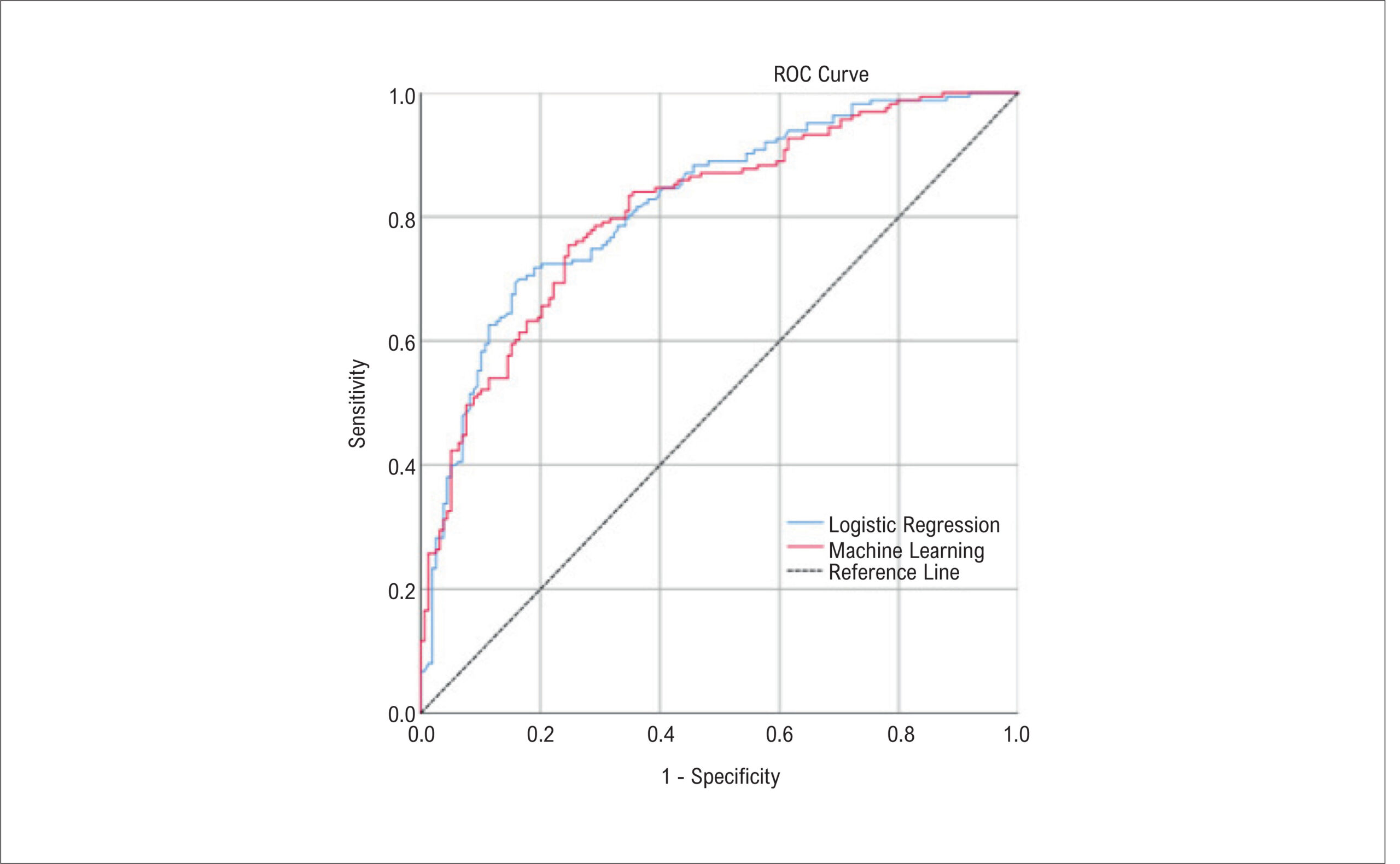
A consecutive sample of 962 patients admitted with chest pain was analyzed. Two probabilistic models of coronary disease were built using the first two-thirds of patients: a machine learning algorithm and a traditional logistic model. The performance of these two predictive strategies were evaluated in the remaining third of patients. The final logistic regression model had significant variables only, at the 5% significance level.

Results:

The training sample had an average age of 59 ± 15 years, 58% males, and a 52% prevalence of coronary disease. The logistic model was composed of nine independent predictors. The machine learning algorithm was composed of all candidates for predictors. In the test sample, the area under the ROC curve for prediction of coronary disease was 0.81 (95% CI = 0.77 – 0.86) for the machine learning algorithm, similar to that obtained in logistic model (0.82; 95% CI = 0.77 – 0.87), p = 0.68.

Conclusion:

The present study suggests that an accurate machine learning prediction tool did not prove to be superior to the statistical model of logistic regression.
  • Artificial Intelligence
  • Coronary Artery Disease/diagnostic
  • Data Interpretacion
  • Statistical
  • Validation Studies
Read Full Article
Creative Commons Attribution (CC BY) Creative Commons license
03/12/2021 DOI: 10.36660/abc.20200302 Views 2
Figure 1
IJCS
Original Article

CLINIMEX Aerobic Fitness Questionnaire: Proposal and Validation

Claudio Gil S. Araújo et al. Claudia Lucia Castro João Felipe Franca Christina Grüne de Souza e Silva

Abstract

Background:

Cardiorespiratory (aerobic) fitness is strongly and directly related to major health outcomes, including all-cause mortality. Maximum oxygen uptake (VO2max), directly measured by maximal cardiopulmonary exercise test (CPET), represents the subject’s aerobic fitness. However, as CPET is not always available, aerobic fitness estimation tools are necessary.

Objectives:

a) to propose the CLINIMEX Aerobic Fitness Questionnaire (C-AFQ); b) to validate C-AFQ against measured VO2max; and c) to analyze the influence of some potentially relevant variables on the error of estimate.

Methods:

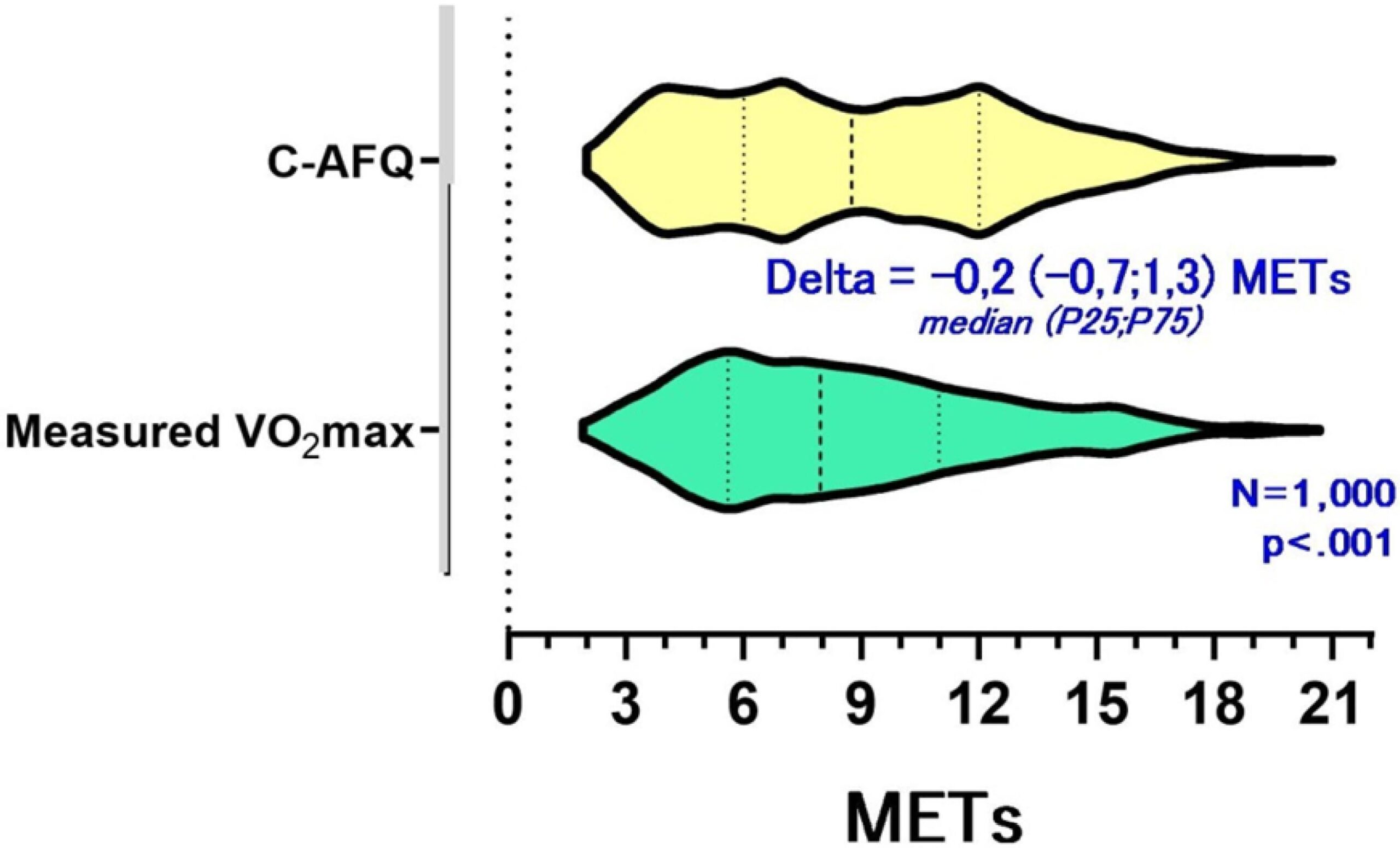
We prospectively studied 1,000 healthy and unhealthy subjects (68.6% men) aged from 14 to 96 years that underwent a CPET. The two-step C-AFQ describes physical activities with corresponding values in metabolic equivalents (METs) – ranging from 0.9 to 21 METs.

Results:

Application of C-AFQ took less than two minutes. Linear regression analysis indicated a very strong association between estimated (C-AFQ) and measured (CPET) maximal METs – r2 = 0.83 (Sy.x = 1.63; p < .001) – with median difference of only 0.2 METs between both values and interquartile range (percentiles 25 and 75) of 2 METs. The difference between estimated and measured METs was not influenced by age, sex, body mass index, clinical condition, ß-blocker use or sitting-rising test scores.

Conclusion:

C-AFQ is a simple and valid tool for estimating aerobic fitness when CPET is unavailable and it is also useful in planning individual ramp protocols. However, individual error of estimate is quite high, so C-AFQ should not be considered a perfect substitute for CPET’s measured VO2max.

  • Breathing Exercises
  • Exercise
  • Exercise Test
  • Exercise Therapy
  • Health Impact
  • Surveys and Questionnaires
  • Validation Studies
Read Full Article
Creative Commons Attribution (CC BY) Creative Commons license
12/08/2019 DOI: 10.5935/2359-4802.20190064 Views 1
ABC
Original Article

Validation of the Brazilian Version of CADE-Q II to Assess Knowledge of Coronary Artery Disease Patients

Rafaella Zulianello dos Santos et al. Gabriela Lima Melo Ghisi Christiani Decker Batista Bonin Gabriela Chaves … Clarissa Machado Haase Raquel Rodrigues Britto Magnus Benetti

Abstract

Background:

The Coronary Artery Disease Education Questionnaire (CADE-Q), an instrument aimed at assessing patients’ knowledge about coronary artery disease (CAD), was originally developed and psychometrically validated in Brazil. It was later translated, cross-culturally adapted, and validated to English. Although both versions demonstrated good reliability and validity, new studies in the area have pointed out the need of implementing the CADE-Q with other components of cardiac rehabilitation (CR) programs, such as psychologic factors, which had not been considered in previous version and were added in the subsequent, adapted version. Thus, a second version of CADE-Q was developed in English, the CADE-Q II.

Objective:

to translate, culturally adapt and psychometrically validate the CADE-Q II in Brazilian Portuguese.

Methods:

After translation and review by a Committee of specialists in CR, a version in Brazilian Portuguese was generated and tested in 307 patients in CR. Test-retest reliability was assessed by intraclass correlation coefficient (ICC) in 49 patients; internal consistency was assessed using Cronbach’s alpha (α); and, criterion validity was assessed regarding patients’ educational level and family income. The level of significance adopted for all tests was 5%.

Results:

After the ICC analysis, 4 items were excluded. The questionnaire was considered internally consistent (α > 0.7). Associations were found between the mean total scores and the variables schooling (p < 0.001) and income (p < 0.001). Median total score was 53 (14) points corresponding to 65.4% of the total possible score.

Conclusion:

The Portuguese version of the CADE-Q II showed sufficient reliability, consistency and validity, supporting its use in future studies.

  • Cardiac Rehabilitation
  • Cardiovascular Diseases/physiopathology
  • Coronary Artery Disease
  • Patient Education as Topic
  • Surveys and Questionnaires
  • Validation Studies
Read Full Article
Creative Commons Attribution (CC BY) Creative Commons license
17/12/2018 DOI: 10.5935/abc.20180244 Views 1
ABC
Original Article

Quality of Life on Arterial Hypertension: Validity of Known Groups of MINICHAL

Ana Lúcia Soares Soutello et al. Roberta Cunha Matheus Rodrigues Fernanda Freire Jannuzzi Thaís Moreira São-João … Gabriela Giordano Martinix Wilson Nadruz Jr. Maria-Cecília Bueno Jayme Gallani

Introductions:

In the care of hypertension, it is important that health professionals possess available tools that allow evaluating the impairment of the health-related quality of life, according to the severity of hypertension and the risk for cardiovascular events. Among the instruments developed for the assessment of health-related quality of life, there is the Mini-Cuestionario of Calidad de Vida en la Hipertensión Arterial (MINICHAL) recently adapted to the Brazilian culture.

Objective:

To estimate the validity of known groups of the Brazilian version of the MINICHAL regarding the classification of risk for cardiovascular events, symptoms, severity of dyspnea and target-organ damage.

Methods:

Data of 200 hypertensive outpatients concerning sociodemographic and clinical information and health-related quality of life were gathered by consulting the medical charts and the application of the Brazilian version of MINICHAL. The Mann-Whitney test was used to compare health-related quality of life in relation to symptoms and target-organ damage. The Kruskal-Wallis test and ANOVA with ranks transformation were used to compare health-related quality of life in relation to the classification of risk for cardiovascular events and intensity of dyspnea, respectively.

Results:

The MINICHAL was able to discriminate health-related quality of life in relation to symptoms and kidney damage, but did not discriminate health-related quality of life in relation to the classification of risk for cardiovascular events.

Conclusion:

The Brazilian version of the MINICHAL is a questionnaire capable of discriminating differences on the health‑related quality of life regarding dyspnea, chest pain, palpitation, lipothymy, cephalea and renal damage.

  • Clinical Trial
  • Hypertensions
  • Psychometry
  • Quality of life
  • questionnaires
  • Validation Studies
Read Full Article
Creative Commons Attribution (CC BY) Creative Commons license
27/02/2015 DOI: 10.5935/abc.20150009 Views 2
Figure 1
ABC
Artigo Original

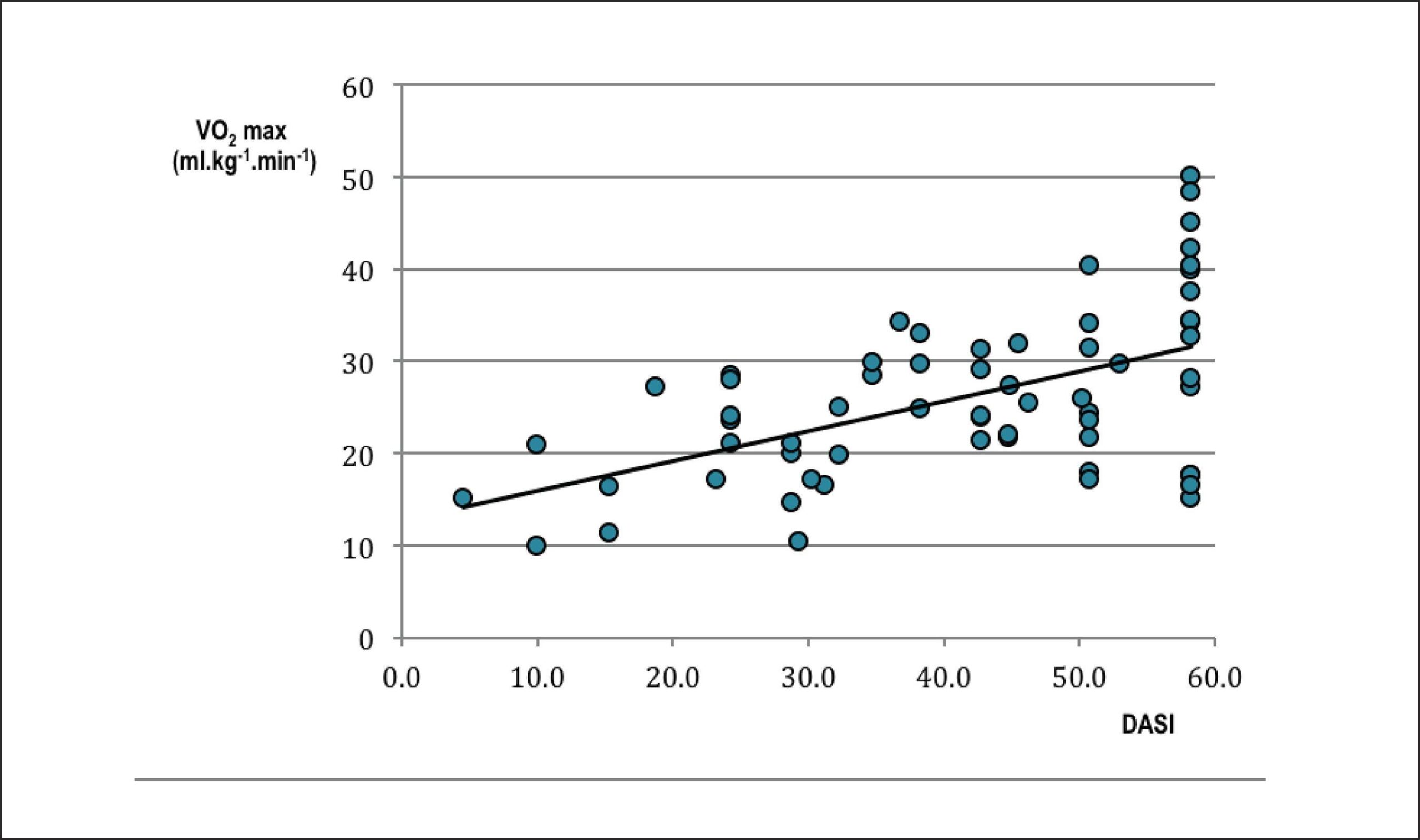
Duke Activity Status Index for Cardiovascular Diseases: Validation of the Portuguese Translation

Mariana A. Coutinho-Myrrha et al. Rosângela C. Dias Aline A. Fernandes Christiano G. Araújo … Mark A. Hlatky Danielle G. Pereira Raquel R. Britto

Background:

The Duke Activity Status Index (DASI) assesses the functional capacity of patients with cardiovascular disease (CVD), but there is no Portuguese version validated for CVD.

Objectives:

To translate and adapt cross-culturally the DASI for the Portuguese-Brazil language, and to verify its psychometric properties in the assessment of functional capacity of patients with CVD.

Methods:

The DASI was translated into Portuguese, then checked by back-translation into English and evaluated by an expert committee. The pre-test version was first evaluated in 30 subjects. The psychometric properties and correlation with exercise testing was performed in a second group of 67 subjects. An exploratory factor analyses was performed in all 97 subjects to verify the construct validity of the DASI.

Results:

The intraclass correlation coefficient for test-retest reliability was 0.87 and for the inter-rater reliability was 0.84. Cronbach’s α for internal consistency was 0.93. The concurrent validity was verified by significant positive correlations of DASI scores with the VO2max (r = 0.51, p < 0.001). The factor analysis yielded two factors, which explained 54% of the total variance, with factor 1 accounting for 40% of the variance. Application of the DASI required between one and three and a half minutes per patient.

Conclusions:

The Brazilian version of the DASI appears to be a valid, reliable, fast and easy to administer tool to assess functional capacity among patients with CVD.

  • Cardiovascular Diseases
  • Exercise Test
  • Practice guidelines
  • questionnaires
  • Validation Studies
  • Work capacity evaluation
Read Full Article
Creative Commons Attribution (CC BY) Creative Commons license
17/02/2014 DOI: 10.5935/abc.20140031 Views 1
ABC
Artigo Original

Construction and Validation of a Questionnaire about Heart Failure Patients' Knowledge of Their Disease

Christiani Decker Batista Bonin et al. Rafaella Zulianello dos Santos Gabriela Lima de Melo Ghisi Ariany Marques Vieira … Ricardo Amboni Magnus Benetti

Background:

The lack of tools to measure heart failure patients’ knowledge about their syndrome when participating in rehabilitation programs demonstrates the need for specific recommendations regarding the amount or content of information required.

Objectives:

To develop and validate a questionnaire to assess heart failure patients’ knowledge about their syndrome when participating in cardiac rehabilitation programs.

Methods:

The tool was developed based on the Coronary Artery Disease Education Questionnaire and applied to 96 patients with heart failure, with a mean age of 60.22 ± 11.6 years, 64% being men. Reproducibility was obtained via the intraclass correlation coefficient, using the test-retest method. Internal consistency was assessed by use of Cronbach’s alpha, and construct validity, by use of exploratory factor analysis.

Results:

The final version of the tool had 19 questions arranged in ten areas of importance for patient education. The proposed questionnaire had a clarity index of 8.94 ± 0.83. The intraclass correlation coefficient was 0.856, and Cronbach’s alpha, 0.749. Factor analysis revealed five factors associated with the knowledge areas. Comparing the final scores with the characteristics of the population evidenced that low educational level and low income are significantly associated with low levels of knowledge.

Conclusion:

The instrument has satisfactory clarity and validity indices, and can be used to assess the heart failure patients’ knowledge about their syndrome when participating in cardiac rehabilitation programs.

  • Heart failure / rehabilitation
  • questionnaires
  • Validation Studies
Read Full Article
Creative Commons Attribution (CC BY) Creative Commons license
17/02/2014 DOI: 10.5935/abc.20140032 Views 1
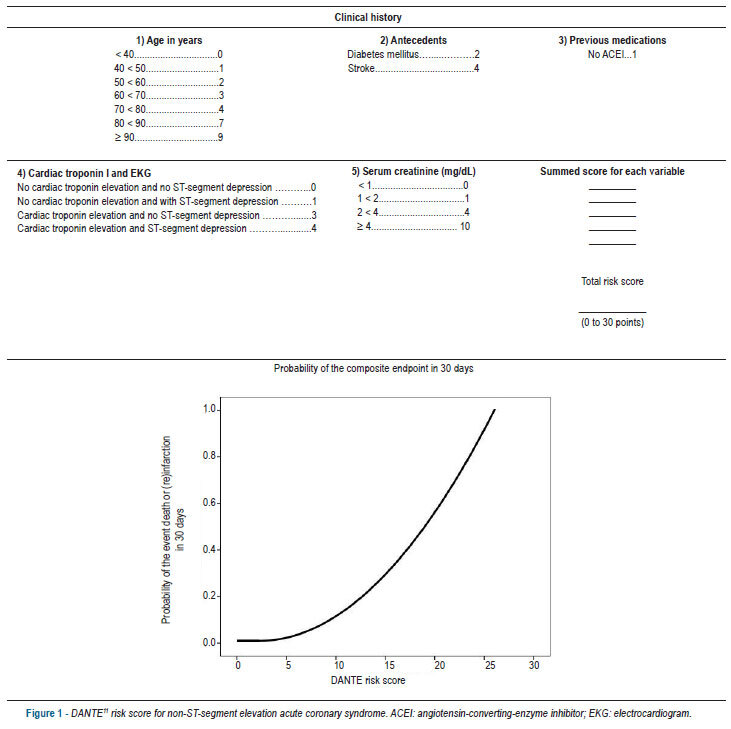
Prospective validation of the dante pazzanese risk score in non-ST-segment elevation acute coronary syndrome
ABC
Artigo Original

Prospective validation of the dante pazzanese risk score in non-ST-segment elevation acute coronary syndrome

Elizabete Silva dos Santos et al. Luiz Minuzzo Roberta de Souza Ari Timerman

BACKGROUND: In non-ST-segment elevation acute coronary syndrome (ACS), the likelihood of adverse events should be estimated. Guidelines recommend risk stratification models for that purpose. The Dante Pazzanese risk score (DANTE score) is a simple risk stratification model composed with the following variables: age increase (0 to 9 points); history of diabetes mellitus (2 points) or stroke (4 points); no use of angiotensin-converting-enzyme inhibitor (1 point); creatinine elevation (0 to 10 points); combination of troponin elevation and ST-segment depression (0 to 4 points). OBJECTIVE: To validate the DANTE score in patients with non-ST-segment elevation ACS. METHODS: Prospective, observational study including 457 patients, from September 2009 to October 2010. The patients were grouped in risk categories according to the original model score as follows: very low; low; intermediate; and high. The predictive ability of the score was assessed by using C-statistics. RESULTS: The sample comprised 291 (63.7%) men, the mean age being 62.1 years (SD=11.04). The event death or (re)infarction in 30 days was observed in 17 patients (3.7%). Progressive increase in the proportion of events was observed as the score increased: very low risk = 0.0%; low risk = 3.9%; intermediate risk = 10.9%; high risk = 60.0%; p < 0.0001. C-statistics was 0.87 (95% CI: 0.81-0.94; p < 0.0001). CONCLUSION: DANTE score showed an excellent capacity to predict the specific events, and can be incorporated to the prognostic assessment of patients with non-ST-segment elevation ACS.

  • Acute coronary syndrome
  • Probability
  • Propensity Score
  • Risk
  • Validation Studies
Read Full Article
Creative Commons Attribution (CC BY) Creative Commons license
14/08/2013 DOI: 10.5935/abc.20130163 Views 1
ABC
Original Article

Validity of self-reported hypertension is inversely associated with the level of education in Brazilian individuals

Soraya Sant'Ana de Castro Selem et al. Michele Alessandra Castro Chester Luiz Galvão César Dirce Maria Lobo Marchioni Regina Mara Fisberg

BACKGROUND: Self-reported hypertension is an important piece of information for public health that is available in epidemiological studies. For proper use of this information, such studies should be validated. OBJECTIVE: To validate self-reported hypertension and associated factors in adults and elderly individuals in São Paulo, Brazil. METHODS: Participants were selected from the sample of a population-based cross-sectional health survey carried out in São Paulo (ISA Capital-2008). Their age was 20 years or older, they were from both genders, and had their blood pressure measured (n = 535). Hypertension was defined as blood pressure > 140/90 mmHg and/or use of medication for hypertension. Sensitivity, specificity, positive predictive value (PPV), negative predictive value (NPV) and Kappa coefficient were calculated. Poisson regression was used to identify factors associated with sensitivity of self-reported hypertension. RESULTS: Sensitivity of self-reported hypertension was 71.1% (95%CI: 64.8 to 76.9), specificity 80.5% (95%CI: 75.6 to 84.8), PPV 73.7% (95%CI: 67.4 to 79.3), and NPV 78.5% (95%CI: 73.5 to 82.9). There was moderate agreement between self-reported hypertension and hypertension as diagnosed by blood pressure measurement (kappa = 0.52, 95%CI: 0.45 to 0.59). Body mass index and level of education were independently associated with sensitivity (body mass index > 25 kg/m²: PR = 1.42, 95% CI: 1.15 to 1.76; schooling > 9 years: PR = 0.71 95%CI: 0.54-0.94). CONCLUSION: Self-reported hypertension was shown to be valid in adults and the elderly in the city of São Paulo, and is thus an appropriate indicator for the surveillance of hypertension prevalence in the absence of blood pressure measurement. Overweight was positively associated with validity of self-reported hypertension. Further studies are needed to elucidate the inverse association between the validity of self-reported hypertension and level of education.

  • Brazil
  • Cardiovascular Diseases
  • Educational Status
  • Hypertension
  • Validation Studies
Read Full Article
Creative Commons Attribution (CC BY) Creative Commons license
18/12/2012 DOI: 10.1590/S0066-782X2012005000119
Validity of a wrist digital monitor for blood pressure measurement in comparison to a mercury sphygmomanometer
ABC
Artigo Original

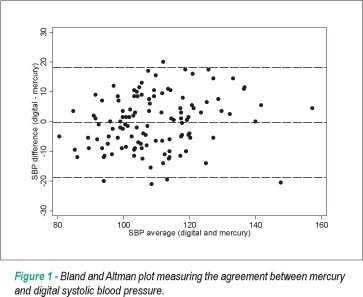
Validity of a wrist digital monitor for blood pressure measurement in comparison to a mercury sphygmomanometer

Ana M. B. Menezes et al. Samuel C. Dumith Ricardo B. Noal Ana Paula Nunes … Fernanda I. Mendonça Cora L. P. Araújo Marta A. Duval Paulo E. Caruso Pedro C. Hallal

BACKGROUND: Valid measurements of blood pressure, both at clinical and community settings, are essential for monitoring this variable at the population level. OBJECTIVE: To evaluate the validity of a wrist digital monitor for measuring blood pressure among adolescents in comparison to a mercury sphygmomanometer. METHODS: A validation study was carried out in the city of Pelotas, Southern Brazil. Blood pressure was measured twice using two different sphygmomanometers; an OMRON wrist digital and a desktop BD mercury one. Half of the sample was measured first with the digital manometer and subsequently with the mercury one, whereas the remaining half was evaluated in the opposite order. Agreement between both measures was evaluated using the Bland and Altman method. RESULTS: 120 adolescents aged 14 to 15 years were included (50% of each sex). Mean systolic blood pressure among boys was 113.7 mmHg (SD 14.2) when using the mercury manometer and 115.5 mmHg (SD 15.2) when using the digital one. Equivalent values for diastolic blood pressure were 61.5 mmHg (SD 9.9) and 69.6 mmHg (10.2), respectively. Among girls, the mean systolic blood pressure was 104.7 mmHg (SD 10.1) when using the mercury manometer and 102.4 mmHg (SD 11.9) when using the digital device. Values for diastolic blood pressure were 60.0 mmHg (SD 10.4) and 65.7 mmHg (SD 7.7), respectively. CONCLUSIONS: The digital device showed a high level of agreement with the mercury manometer when measuring systolic blood pressure. The level of agreement was lower for diastolic blood pressure. The use of correction equations may be an alternative for studies using this wrist digital monitor in adolescent patients.

  • Adolescent
  • blood pressure determination
  • blood pressure monitors
  • Sphygmomanometers
  • Validation Studies
Read Full Article
Creative Commons Attribution (CC BY) Creative Commons license
28/04/2010 DOI: 10.1590/S0066-782X2010000300014 Views 1
ABC
Artigo Original

Translation and validation of the walking impairment questionnaire in Brazilian subjects with intermittent claudication

Raphael Mendes Ritti-Dias et al. Luis Alberto Gobbo Gabriel Grizzo Cucato Nelson Wolosker … Wilson Jacob Filho José Maria Santarém Celso Ricardo Fernandes Carvalho Cláudia Lúcia de Moraes Forjaz Maria de Fátima Nunes Marucci

BACKGROUND: The Walking Impairment Questionnaire (WIQ) has been used to evaluate walking impairment in subjects with intermittent claudication (IC). However, this questionnaire has yet to be translated to Brazilian Portuguese, which limits its use in Brazilian subjects. OBJECTIVE: To translate and analyze the validity and reliability of WIQ in Brazilian subjects with IC. METHODS: Forty-two patients with IC, determined by the ankle-brachial index < 0.90, participated in the study. After translation and re-translation, carried out by two independent translators, the construct validity of the WIQ was analyzed by correlating the WIQ scores with the Medical Outcome Study Questionnaire Short Form 36 (SF-36) scores and the physical fitness performance (treadmill and strength tests). The reliability was analyzed with a 7-day interval between two questionnaire applications. RESULTS: Significant correlations between the WIQ domains and the SF-36 (functional capacity, physical aspects, bodily pain and emotional aspects) and physical fitness performance (treadmill and strength tests) were observed. Moreover, the intraclass coefficient correlation ranged from 0.72 to 0.81, and there were no differences in WIQ scores between the two questionnaire applications. CONCLUSION: The Brazilian Portuguese version of the WIQ is valid and reliable to be used in Brazilian subjects with IC.

  • Exercise Tolerance
  • Intermittent Claudication
  • mobility limitation
  • Validation Studies
Read Full Article
Creative Commons Attribution (CC BY) Creative Commons license
06/04/2009 DOI: 10.1590/S0066-782X2009000200011 Views 2

How to cite this article

EndNote RIS

Electronic Document Format (Vancouver)

Correia L, Lopes D, Porto JV, Lacerda YF, Correia VCA, Bagano GO, Pontes BSB, et al. Validation of an Artificial Intelligence Algorithm for Diagnostic Prediction of Coronary Disease: Comparison with a Traditional Statistical Model. Arquivos Brasileiros de Cardiologia 2021;117(6):1061-70.

Electronic Document Format (ABNT)

Correia, Luis; Lopes, Daniel; Porto, João Vítor; Lacerda, Yasmin F.; Correia, Vitor C. A.; Bagano, Gabriela O.; Pontes, Bruna S. B.; Melo, Milton Henrique Vitoria de; Silva, Thomaz E. A.; Meireles, André C. Validation of an Artificial Intelligence Algorithm for Diagnostic Prediction of Coronary Disease: Comparison with a Traditional Statistical Model. Arquivos Brasileiros de Cardiologia, v. 117, n. 6, p. 1061-1070, Dec. 2021.

Electronic Document Format (APA)

Correia, L., Lopes, D., Porto, J. V., Lacerda, Y. F., Correia, V. C. A., Bagano, G. O., Pontes, B. S. B., Melo, M. H. V. , Silva, T. E. A., & Meireles, A. C. (2021). Validation of an Artificial Intelligence Algorithm for Diagnostic Prediction of Coronary Disease: Comparison with a Traditional Statistical Model. Arquivos Brasileiros de Cardiologia, 117(6), 1061-1070.

Electronic Document Format (ISO)

Correia, Luis and Lopes, Daniel and Porto, João Vítor and Lacerda, Yasmin F. and Correia, Vitor C. A. and Bagano, Gabriela O. and Pontes, Bruna S. B. and Melo, Milton Henrique Vitoria de and Silva, Thomaz E. A. and Meireles, André C. Validation of an Artificial Intelligence Algorithm for Diagnostic Prediction of Coronary Disease: Comparison with a Traditional Statistical Model. Arquivos Brasileiros de Cardiologia [online]. 2021, vol. 117, n. 6, [cited 2026-10-14], pp. 1061-1070. Available from: <https://journals.cardiol.br/en/article/validation-of-an-artificial-intelligence-algorithm-for-diagnostic-prediction-of-coronary-disease-comparison-with-a-traditional-statistical-model/>. ISSN 0066-782X

EndNote RIS

Electronic Document Format (Vancouver)

Araújo CGS, Castro CL, Franca JF, Silva CGS. CLINIMEX Aerobic Fitness Questionnaire: Proposal and Validation. International Journal of Cardiovascular Sciences 2019;32(4):331-42.

Electronic Document Format (ABNT)

Araújo, Claudio Gil S.; Castro, Claudia Lucia; Franca, João Felipe; Silva, Christina Grüne de Souza e. CLINIMEX Aerobic Fitness Questionnaire: Proposal and Validation. International Journal of Cardiovascular Sciences, v. 32, n. 4, p. 331-342, Aug. 2019.

Electronic Document Format (APA)

Araújo, C. G. S., Castro, C. L., Franca, J. F., & Silva, C. G. S. (2019). CLINIMEX Aerobic Fitness Questionnaire: Proposal and Validation. International Journal of Cardiovascular Sciences, 32(4), 331-342.

Electronic Document Format (ISO)

Araújo, Claudio Gil S. and Castro, Claudia Lucia and Franca, João Felipe and Silva, Christina Grüne de Souza e. CLINIMEX Aerobic Fitness Questionnaire: Proposal and Validation. International Journal of Cardiovascular Sciences [online]. 2019, vol. 32, n. 4, [cited 2026-10-14], pp. 331-342. Available from: <https://journals.cardiol.br/en/article/clinimex-aerobic-fitness-questionnaire-proposal-and-validation/>. ISSN 2359-4802

EndNote RIS

Electronic Document Format (Vancouver)

Santos RZ, Ghisi GLM, Bonin CDB, Chaves G, Haase CM, Britto RR, Benetti M, et al. Validation of the Brazilian Version of CADE-Q II to Assess Knowledge of Coronary Artery Disease Patients. Arquivos Brasileiros de Cardiologia 2018;112(1):78-84.

Electronic Document Format (ABNT)

Santos, Rafaella Zulianello dos; Ghisi, Gabriela Lima Melo; Bonin, Christiani Decker Batista; Chaves, Gabriela; Haase, Clarissa Machado; Britto, Raquel Rodrigues; Benetti, Magnus. Validation of the Brazilian Version of CADE-Q II to Assess Knowledge of Coronary Artery Disease Patients. Arquivos Brasileiros de Cardiologia, v. 112, n. 1, p. 78-84, Dec. 2018.

Electronic Document Format (APA)

Santos, R. Z. , Ghisi, G. L. M., Bonin, C. D. B., Chaves, G., Haase, C. M., Britto, R. R., & Benetti, M. (2018). Validation of the Brazilian Version of CADE-Q II to Assess Knowledge of Coronary Artery Disease Patients. Arquivos Brasileiros de Cardiologia, 112(1), 78-84.

Electronic Document Format (ISO)

Santos, Rafaella Zulianello dos and Ghisi, Gabriela Lima Melo and Bonin, Christiani Decker Batista and Chaves, Gabriela and Haase, Clarissa Machado and Britto, Raquel Rodrigues and Benetti, Magnus. Validation of the Brazilian Version of CADE-Q II to Assess Knowledge of Coronary Artery Disease Patients. Arquivos Brasileiros de Cardiologia [online]. 2018, vol. 112, n. 1, [cited 2026-10-14], pp. 78-84. Available from: <https://journals.cardiol.br/en/article/validation-of-the-brazilian-version-of-cade-q-ii-to-assess-knowledge-of-coronary-artery-disease-patients/>. ISSN 0066-782X

EndNote RIS

Electronic Document Format (Vancouver)

Soutello ALS, Rodrigues RCM, Jannuzzi FF, São-João TM, Martinix GG, Nadruz Jr. W, Gallani MBJ, et al. Quality of Life on Arterial Hypertension: Validity of Known Groups of MINICHAL. Arquivos Brasileiros de Cardiologia 2015;104(4):299-307.

Electronic Document Format (ABNT)

Soutello, Ana Lúcia Soares; Rodrigues, Roberta Cunha Matheus; Jannuzzi, Fernanda Freire; São-João, Thaís Moreira; Martinix, Gabriela Giordano; Nadruz Jr., Wilson; Gallani, Maria-Cecília Bueno Jayme. Quality of Life on Arterial Hypertension: Validity of Known Groups of MINICHAL. Arquivos Brasileiros de Cardiologia, v. 104, n. 4, p. 299-307, Feb. 2015.

Electronic Document Format (APA)

Soutello, A. L. S., Rodrigues, R. C. M., Jannuzzi, F. F., São-João, T. M., Martinix, G. G., Nadruz Jr., W., & Gallani, M. B. J. (2015). Quality of Life on Arterial Hypertension: Validity of Known Groups of MINICHAL. Arquivos Brasileiros de Cardiologia, 104(4), 299-307.

Electronic Document Format (ISO)

Soutello, Ana Lúcia Soares and Rodrigues, Roberta Cunha Matheus and Jannuzzi, Fernanda Freire and São-João, Thaís Moreira and Martinix, Gabriela Giordano and Nadruz Jr., Wilson and Gallani, Maria-Cecília Bueno Jayme. Quality of Life on Arterial Hypertension: Validity of Known Groups of MINICHAL. Arquivos Brasileiros de Cardiologia [online]. 2015, vol. 104, n. 4, [cited 2026-10-14], pp. 299-307. Available from: <https://journals.cardiol.br/en/article/quality-of-life-on-arterial-hypertension-validity-of-known-groups-of-minichal/>. ISSN 0066-782X

EndNote RIS

Electronic Document Format (Vancouver)

Coutinho-Myrrha MA, Dias RC, Fernandes AA, Araújo CG, Hlatky MA, Pereira DG, Britto RR, et al. Duke Activity Status Index for Cardiovascular Diseases: Validation of the Portuguese Translation. Arquivos Brasileiros de Cardiologia 2014;102(4):383-90.

Electronic Document Format (ABNT)

Coutinho-Myrrha, Mariana A.; Dias, Rosângela C.; Fernandes, Aline A.; Araújo, Christiano G.; Hlatky, Mark A.; Pereira, Danielle G.; Britto, Raquel R.. Duke Activity Status Index for Cardiovascular Diseases: Validation of the Portuguese Translation. Arquivos Brasileiros de Cardiologia, v. 102, n. 4, p. 383-390, Feb. 2014.

Electronic Document Format (APA)

Coutinho-Myrrha, M. A., Dias, R. C., Fernandes, A. A., Araújo, C. G., Hlatky, M. A., Pereira, D. G., & Britto, R. R. (2014). Duke Activity Status Index for Cardiovascular Diseases: Validation of the Portuguese Translation. Arquivos Brasileiros de Cardiologia, 102(4), 383-390.

Electronic Document Format (ISO)

Coutinho-Myrrha, Mariana A. and Dias, Rosângela C. and Fernandes, Aline A. and Araújo, Christiano G. and Hlatky, Mark A. and Pereira, Danielle G. and Britto, Raquel R.. Duke Activity Status Index for Cardiovascular Diseases: Validation of the Portuguese Translation. Arquivos Brasileiros de Cardiologia [online]. 2014, vol. 102, n. 4, [cited 2026-10-14], pp. 383-390. Available from: <https://journals.cardiol.br/en/article/duke-activity-status-index-for-cardiovascular-diseases-validation-of-the-portuguese-translation/>. ISSN 0066-782X

EndNote RIS

Electronic Document Format (Vancouver)

Bonin CDB, Santos RZ, Ghisi GLM, Vieira AM, Amboni R, Benetti M. Construction and Validation of a Questionnaire about Heart Failure Patients’ Knowledge of Their Disease. Arquivos Brasileiros de Cardiologia 2014;102(4):364-73.

Electronic Document Format (ABNT)

Bonin, Christiani Decker Batista; Santos, Rafaella Zulianello dos; Ghisi, Gabriela Lima de Melo; Vieira, Ariany Marques; Amboni, Ricardo; Benetti, Magnus. Construction and Validation of a Questionnaire about Heart Failure Patients’ Knowledge of Their Disease. Arquivos Brasileiros de Cardiologia, v. 102, n. 4, p. 364-373, Feb. 2014.

Electronic Document Format (APA)

Bonin, C. D. B., Santos, R. Z. , Ghisi, G. L. M., Vieira, A. M., Amboni, R., & Benetti, M. (2014). Construction and Validation of a Questionnaire about Heart Failure Patients’ Knowledge of Their Disease. Arquivos Brasileiros de Cardiologia, 102(4), 364-373.

Electronic Document Format (ISO)

Bonin, Christiani Decker Batista and Santos, Rafaella Zulianello dos and Ghisi, Gabriela Lima de Melo and Vieira, Ariany Marques and Amboni, Ricardo and Benetti, Magnus. Construction and Validation of a Questionnaire about Heart Failure Patients’ Knowledge of Their Disease. Arquivos Brasileiros de Cardiologia [online]. 2014, vol. 102, n. 4, [cited 2026-10-14], pp. 364-373. Available from: <https://journals.cardiol.br/en/article/construction-and-validation-of-a-questionnaire-about-heart-failure-patients-knowledge-of-their-disease/>. ISSN 0066-782X

EndNote RIS

Electronic Document Format (Vancouver)

Santos ES, Minuzzo L, Souza R, Timerman A. Prospective validation of the dante pazzanese risk score in non-ST-segment elevation acute coronary syndrome. Arquivos Brasileiros de Cardiologia 2013;101(3):197-204.

Electronic Document Format (ABNT)

Santos, Elizabete Silva dos; Minuzzo, Luiz; Souza, Roberta de; Timerman, Ari. Prospective validation of the dante pazzanese risk score in non-ST-segment elevation acute coronary syndrome. Arquivos Brasileiros de Cardiologia, v. 101, n. 3, p. 197-204, Aug. 2013.

Electronic Document Format (APA)

Santos, E. S. , Minuzzo, L., Souza, R. , & Timerman, A. (2013). Prospective validation of the dante pazzanese risk score in non-ST-segment elevation acute coronary syndrome. Arquivos Brasileiros de Cardiologia, 101(3), 197-204.

Electronic Document Format (ISO)

Santos, Elizabete Silva dos and Minuzzo, Luiz and Souza, Roberta de and Timerman, Ari. Prospective validation of the dante pazzanese risk score in non-ST-segment elevation acute coronary syndrome. Arquivos Brasileiros de Cardiologia [online]. 2013, vol. 101, n. 3, [cited 2026-10-14], pp. 197-204. Available from: <https://journals.cardiol.br/en/article/prospective-validation-of-the-dante-pazzanese-risk-score-in-non-st-segment-elevation-acute-coronary-syndrome/>. ISSN 0066-782X

EndNote RIS

Electronic Document Format (Vancouver)

Selem SSC, Castro MA, César CLG, Marchioni DML, Fisberg RM. Validity of self-reported hypertension is inversely associated with the level of education in Brazilian individuals. Arquivos Brasileiros de Cardiologia 2012;100(1):52-9.

Electronic Document Format (ABNT)

Selem, Soraya Sant’Ana de Castro; Castro, Michele Alessandra; César, Chester Luiz Galvão; Marchioni, Dirce Maria Lobo; Fisberg, Regina Mara. Validity of self-reported hypertension is inversely associated with the level of education in Brazilian individuals. Arquivos Brasileiros de Cardiologia, v. 100, n. 1, p. 52-59, Dec. 2012.

Electronic Document Format (APA)

Selem, S. S. C., Castro, M. A., César, C. L. G., Marchioni, D. M. L., & Fisberg, R. M. (2012). Validity of self-reported hypertension is inversely associated with the level of education in Brazilian individuals. Arquivos Brasileiros de Cardiologia, 100(1), 52-59.

Electronic Document Format (ISO)

Selem, Soraya Sant’Ana de Castro and Castro, Michele Alessandra and César, Chester Luiz Galvão and Marchioni, Dirce Maria Lobo and Fisberg, Regina Mara. Validity of self-reported hypertension is inversely associated with the level of education in Brazilian individuals. Arquivos Brasileiros de Cardiologia [online]. 2012, vol. 100, n. 1, [cited 2026-10-14], pp. 52-59. Available from: <https://journals.cardiol.br/en/article/validity-of-self-reported-hypertension-is-inversely-associated-with-the-level-of-education-in-brazilian-individuals/>. ISSN 0066-782X

EndNote RIS

Electronic Document Format (Vancouver)

Menezes AMB, Dumith SC, Noal RB, Nunes AP, Mendonça FI, Araújo CLP, Duval MA, et al. Validity of a wrist digital monitor for blood pressure measurement in comparison to a mercury sphygmomanometer. Arquivos Brasileiros de Cardiologia 2010;94(3):365-70.

Electronic Document Format (ABNT)

Menezes, Ana M. B.; Dumith, Samuel C.; Noal, Ricardo B.; Nunes, Ana Paula; Mendonça, Fernanda I.; Araújo, Cora L. P.; Duval, Marta A.; Caruso, Paulo E.; Hallal, Pedro C.. Validity of a wrist digital monitor for blood pressure measurement in comparison to a mercury sphygmomanometer. Arquivos Brasileiros de Cardiologia, v. 94, n. 3, p. 365-370, Apr. 2010.

Electronic Document Format (APA)

Menezes, A. M. B., Dumith, S. C., Noal, R. B., Nunes, A. P., Mendonça, F. I., Araújo, C. L. P., Duval, M. A., Caruso, P. E., & Hallal, P. C. (2010). Validity of a wrist digital monitor for blood pressure measurement in comparison to a mercury sphygmomanometer. Arquivos Brasileiros de Cardiologia, 94(3), 365-370.

Electronic Document Format (ISO)

Menezes, Ana M. B. and Dumith, Samuel C. and Noal, Ricardo B. and Nunes, Ana Paula and Mendonça, Fernanda I. and Araújo, Cora L. P. and Duval, Marta A. and Caruso, Paulo E. and Hallal, Pedro C.. Validity of a wrist digital monitor for blood pressure measurement in comparison to a mercury sphygmomanometer. Arquivos Brasileiros de Cardiologia [online]. 2010, vol. 94, n. 3, [cited 2026-10-14], pp. 365-370. Available from: <https://journals.cardiol.br/en/article/validity-of-a-wrist-digital-monitor-for-blood-pressure-measurement-in-comparison-to-a-mercury-sphygmomanometer/>. ISSN 0066-782X

EndNote RIS

Electronic Document Format (Vancouver)

Ritti-Dias RM, Gobbo LA, Cucato GG, Wolosker N, Jacob Filho W, Santarém JM, Carvalho CRF, et al. Translation and validation of the walking impairment questionnaire in Brazilian subjects with intermittent claudication. Arquivos Brasileiros de Cardiologia 2009;92(2):143-9.

Electronic Document Format (ABNT)

Ritti-Dias, Raphael Mendes; Gobbo, Luis Alberto; Cucato, Gabriel Grizzo; Wolosker, Nelson; Jacob Filho, Wilson; Santarém, José Maria; Carvalho, Celso Ricardo Fernandes; Forjaz, Cláudia Lúcia de Moraes; Marucci, Maria de Fátima Nunes. Translation and validation of the walking impairment questionnaire in Brazilian subjects with intermittent claudication. Arquivos Brasileiros de Cardiologia, v. 92, n. 2, p. 143-149, Apr. 2009.

Electronic Document Format (APA)

Ritti-Dias, R. M., Gobbo, L. A., Cucato, G. G., Wolosker, N., Jacob Filho, W., Santarém, J. M., Carvalho, C. R. F., Forjaz, C. L. M., & Marucci, M. F. N. (2009). Translation and validation of the walking impairment questionnaire in Brazilian subjects with intermittent claudication. Arquivos Brasileiros de Cardiologia, 92(2), 143-149.

Electronic Document Format (ISO)

Ritti-Dias, Raphael Mendes and Gobbo, Luis Alberto and Cucato, Gabriel Grizzo and Wolosker, Nelson and Jacob Filho, Wilson and Santarém, José Maria and Carvalho, Celso Ricardo Fernandes and Forjaz, Cláudia Lúcia de Moraes and Marucci, Maria de Fátima Nunes. Translation and validation of the walking impairment questionnaire in Brazilian subjects with intermittent claudication. Arquivos Brasileiros de Cardiologia [online]. 2009, vol. 92, n. 2, [cited 2026-10-14], pp. 143-149. Available from: <https://journals.cardiol.br/en/article/translation-and-validation-of-the-walking-impairment-questionnaire-in-brazilian-subjects-with-intermittent-claudication/>. ISSN 0066-782X

  • About ABC Family
  • Internal Regulation
  • Editorial Board
  • Brazilian Society of Cardiology (SBC)

Issues

SBC Guidelines

  • Videos
  • Podcasts
  • News