ABC Family Arquivos Brasileiros de Cardiologia International Journal of Cardiovascular Sciences ABC Heart Failure & Cardiomyopathy ABC Imagem Cardiovascular
Português English
ABC Family
Português English
  • About
    • About ABC Family
    • Internal Regulation
    • Editorial Board
    • Brazilian Society of Cardiology (SBC)
  • Issues
  • SBC Guidelines
  • Content
    • Videos
    • Podcasts
    • News
  • About
    • About ABC Family
    • Internal Regulation
    • Editorial Board
    • Brazilian Society of Cardiology (SBC)
  • Issues
  • SBC Guidelines
  • Content
    • Videos
    • Podcasts
    • News

ABC Family

  • ABC Family
  • Arquivos Brasileiros de Cardiologia
  • International Journal of Cardiovascular Sciences
  • ABC Heart Failure & Cardiomyopathy
  • ABC Imagem Cardiovascular
Search in

No content found.

Journals
Ordering
Article types
Others

  1. Home
  2. Keyword: Insulin Resistance
IJCS
Editorial

Integrating Insulin Resistance and Coronary Artery Disease Severity: Will Triglyceride-Glucose Index Be the Easiest Way?

Frederico Toledo Campo Dall’Orto et al. Flávia Bittar Brito Arantes Remo H. M. Furtado Pedro G. M. de Barros e Silva

Insulin resistance (IR) is a complex metabolic abnormality associated with genetic and environmental factors, which begins with low glucose metabolism in tissues, particularly in muscle, liver, and adipocytes, with consequent stimulation of pancreatic beta cells to increase insulin production and release.– Accumulation of lipids in a variety of tissues, including muscle, liver, and pancreas, contributes to this process in a phenomenon known as “lipotoxicity.” As IR increases, it stimulates hyperinsulinemia, and this negative cycle perpetuates a metabolic disorder that is a main cause of cardiovascular diseases. In addition, insulin also acts on lipid metabolism, increasing lipid synthesis in liver and adipose cells, in addition to turning off the release of triglycerides (TG) and fatty acids in adipose and muscle tissues.

Several tests are used to identify IR, such as the oral glucose tolerance test, insulin dosage, and the hyperinsulinemic-euglycemic clamp (HIEC), which is considered the gold standard. However, HIEC is complex and time-consuming, which limits its widespread use in clinical practice. Currently, the most widely used test to assess IR is the homeostasis model assessment of insulin resistance (HOMA-IR), which has several limitations including lack of standardization (e.g., variations in laboratory, patients using antidiabetic drugs, low body mass index), calculation based on fasting parameters (which may not be representative of the entire day), and assumptions about IR that are not totally true (e.g., the assumption that IR is proportional to insulin levels and is similar in the liver and peripheral tissues, without considering variation in beta cell function)., Recently, a new marker of IR has been designed, which is the triglyceride-glucose (TyG) index that predicts the risk of IR, diabetes, and cardiovascular disease. The TyG index is calculated by multiplying the TG value by the serum glucose level, in mg/dl, and dividing the result by 2. The TyG index is a non-invasive, low-cost marker for cardiovascular risk stratification. Since IR can be related to the development of more extensive coronary disease, this marker could also be useful to this evaluation.

[…]
  • Coronary Artery Disease
  • Insulin
  • Insulin Resistance
  • Triglyceride-Glucose Index
  • Triglycerides
Read Full Article
Creative Commons Attribution (CC BY) Creative Commons license
28/04/2025 DOI: 10.36660/ijcs.20240215 Views 2
IJCS
Editorial

Increased Circulating Fetuin-A Levels in Patients With Atrial Fibrillation: Are We Really There?

Claudia da Silva Fragata

Fetuin-A is a protein almost exclusively secreted by the liver. Circulating fetuin-A levels are elevated in humans with metabolic syndrome and insulin resistance, conditions that are associated with increased risk of cardiovascular disease. Fetuin-A is a natural inhibitor of the insulin-stimulated insulin receptor tyrosine kinase and was shown to induce insulin resistance in rodents., Studies in humans have demonstrated that circulating fetuin-A levels are positively associated with fat accumulation in the liver, insulin resistance, and metabolic syndrome. To our knowledge, the potential association between fetuin-A and atrial fibrillation (AF) has not been studied to date. Therefore, the present study aimed to determine circulating fetuin-A levels in AF patients and revealed that higher plasma fetuin-A levels were associated with AF after adjustments for some confounding factors.

Fetuin-A seems to be involved in many normal and pathological processes, such as in response to systemic inflammation, hepatocyte-growth-factor activity and regulation of insulin activity, inhibition of unwanted mineralization, osteogenesis, and bone resorption.

[…]

  • Atrial Fibrillation
  • Diabetes Mellitus
  • Fetuin-A Levels
  • Increased Circulatings
  • Insulin Resistance
  • Metabolic Syndrome
Read Full Article
Creative Commons Attribution (CC BY) Creative Commons license
04/03/2024 DOI: 10.36660/ijcs.20230191 Views 2
ABC
Editorial

Triglycerides-Glucose İndex and Coronary Slow Flow: A New Diagnostic Tool?

Maria Cristina Costa de Almeida et al. Marildes Luiza de Castro

Cardiovascular disease (CVD) is the primary cause of death and disability worldwide, accounting for the majority of deaths from noncommunicable diseases. Important risk factors such as smoking, diabetes mellitus (DM), hypertension, or dyslipidemia draw more attention from physicians. However, individuals can develop subclinical atherosclerosis even if they do not have traditional cardiovascular risk factors or symptoms since it is a slowly progressive disease, with arteries affected by thickening, stiffness, loss of elasticity, and increased wall fragility to stenosis and lumen occlusion.

Insulin resistance (IR) may be one of the potential mechanisms of the development of CVD, being recognized as an indicator of systemic inflammation and metabolic disorders closely related to atherosclerotic CVD. Moreover, it is considered a high-risk factor for DM and CVD.

[…]

  • Cardiovascular disease
  • Coronary Slow Flow
  • Insulin Resistance
  • Triglyceride-Glucose Index
Read Full Article
Creative Commons Attribution (CC BY) Creative Commons license
04/08/2023 DOI: 10.36660/abc.20230373
ABC
Editorial

Endothelial Biomarkers and Translational Medicine: Still a Challenge

Renato Jorge Alves

The article “Can the Serum Endocan Level Be Used as a Biomarker to Predict Subclinical Atherosclerosis in Patients with Prediabetes?” addressed a topic of the greatest relevance and originality, the diagnostic investigation of subclinical atherosclerosis in pre-diabetic patients. Therefore, the study evaluated the endothelial cell-specific molecule-1 (ESM-1) endocan concentration in pre-diabetic patients to verify the role of serum endocan levels in detecting subclinical atherosclerosis, aided by measuring the intima-media layer of the carotid arteries thickness (IMT).

Due to the global epidemic of obesity, there is an increasing number of patients diagnosed with type 2 diabetes. However, preceding this morbidity, an even greater contingent of individuals is hidden, those in the pre-diabetic or insulin resistance phase.

[…]

  • Atherosclerosis
  • Carotid Intima-Media Thickness
  • Diabetes Mellitus
  • Insulin Resistance
  • Obesity
  • Prediabetic State
Read Full Article
Creative Commons Attribution (CC BY) Creative Commons license
21/10/2022 DOI: 10.36660/abc.20220533 Views 2
ABC
Editorial

Can PM20D1 be a New Kid on the Block in Cardiovascular Risk Stratification? Do Not Run before You Can Walk

Ana Teresa Timóteo

Cardiovascular diseases are the leading cause of death worldwide, representing around 30% of all deaths, particularly in developed countries, including cardiovascular and cerebral-vascular diseases. Furthermore, in the analysis of the Global Burden of Diseases 2019 report, cardiovascular risk factors represent 75% of all cardiovascular burden, particularly hypertension, with an important impact on mortality. This is also relevant in Portuguese-speaking countries. Carotid intima-media thickness has long been recognized as a surrogate marker for coronary artery disease and has a relevant prognostic impact. For that reason, it is a useful tool in cardiovascular risk stratification.

N-acyl amino acids (NAAA) are a family of cold-inducible circulating lipids that stimulate thermogenesis, and their biosynthesis in brown adipocytes is mediated by a secreted enzyme called Peptidase M20 domain containing 1 (PM20D1). PM20D1 and NAAA activity regulation in blood plasma is still largely unknown. However, what is already known is that PM20D1 circulates in tight association with both low- and high-density lipoproteins that are powerful co-activators of PM20D1 activity in vitro and NAAA biosynthesis in vivo. Serum albumin is also a physiologic NAAA carrier that separates NAAA away from their sites of production, conferring resistance to hydrolytic degradation and establishing an equilibrium between thermogenic “free” versus inactive “bound” fractions. It has been hypothesized that lipoprotein particles are probably the main extracellular sites of NAAA biosynthesis, and this supports the concept that a lipoprotein-albumin network regulates the activity of circulating thermogenic lipid family.

[…]

  • Alzheimer Diseases
  • Cardiovascular Diseases
  • Carotid Artery Diseases
  • Diabetes Mellitus, Type 2
  • Hypertension
  • Insulin Resistance
  • Metabolic Syndrome
  • Neurodegenerative Diseases
  • Obesity
  • PM20D1
Read Full Article
Creative Commons Attribution (CC BY) Creative Commons license
05/09/2022 DOI: 10.36660/abc.20220462 Views 1
ABC
Editorial

Hypertension in Adolescence, a Direct Relationship to Obesity and Insulin Resistance

Mario Fritsch Neves

Hypertension is the main modifiable risk factor for developing cardiovascular diseases, and its occurrence at an earlier age favors accelerated vascular aging in the following years. The increase in blood pressure in adolescence does not usually occur in isolation and is associated with other risk factors such as excessive salt intake, reduced physical activity, and, especially, overweight/obesity., Considering that a high-fat percentage in childhood and adolescence has early adverse effects on blood pressure, adequate body fat measurements can determine more accurate markers of higher adiposity and predictors of the incidence of hypertension in younger individuals.

Major advances in technology are present in adolescents’ daily lives and generally favor physical inactivity and weight gain, which are directly related to blood pressure levels. In addition to a sedentary lifestyle strongly associated with hypertension in adolescence, physical exercise plays a protective role, reducing blood pressure by several mechanisms. A cross-sectional study with children and adolescents aged 11 to 17 years showed the association of male gender and central obesity with hypertension in these students. On the other hand, the same study pointed to moderate and vigorous physical activities as an effective way to prevent the increase in diastolic blood pressure in young people of this age.

[…]

  • Adolescent
  • Epidemiology
  • Hypertension
  • Insulin Resistance
  • Obesity
  • Risk Factors
  • Sedentarism
Read Full Article
Creative Commons Attribution (CC BY) Creative Commons license
29/04/2022 DOI: 10.36660/abc.20220188 Views 1
Figure 1
ABC
Original Article

The Role of ANP Level Response in Interdisciplinary Weight Loss Therapy on Cardiometabolic Risk and Body Composition in Adolescents with Obesity

Ana Claudia Pelissari Kravchychyn et al. Raquel Munhoz da Silveira Campos Yasmin Alaby Martins Ferreira Sofia Emanuelle de Castro Ferreira Vicente … Flávia Campos Corgosinho Lila Missae Oyama Valter Tadeu Boldarine Lian Tock David Thivel Ana Raimunda Dâmaso

Abstract

Background

The action of atrial natriuretic peptide (ANP) on natriuresis, diuresis and vasodilatation, insulin resistance, liver, kidney, and adipose tissue may contribute to the healthy metabolic and cardiovascular development. Even though the circulating level of ANP is reduced in patients with obesity, its response to weight loss remains poorly explored in pediatric populations.

Objective

To evaluate the effects of ANP variations in response to interdisciplinary weight loss intervention on metabolic syndrome (MetS) and cardiometabolic risks in adolescents with obesity.

Methods

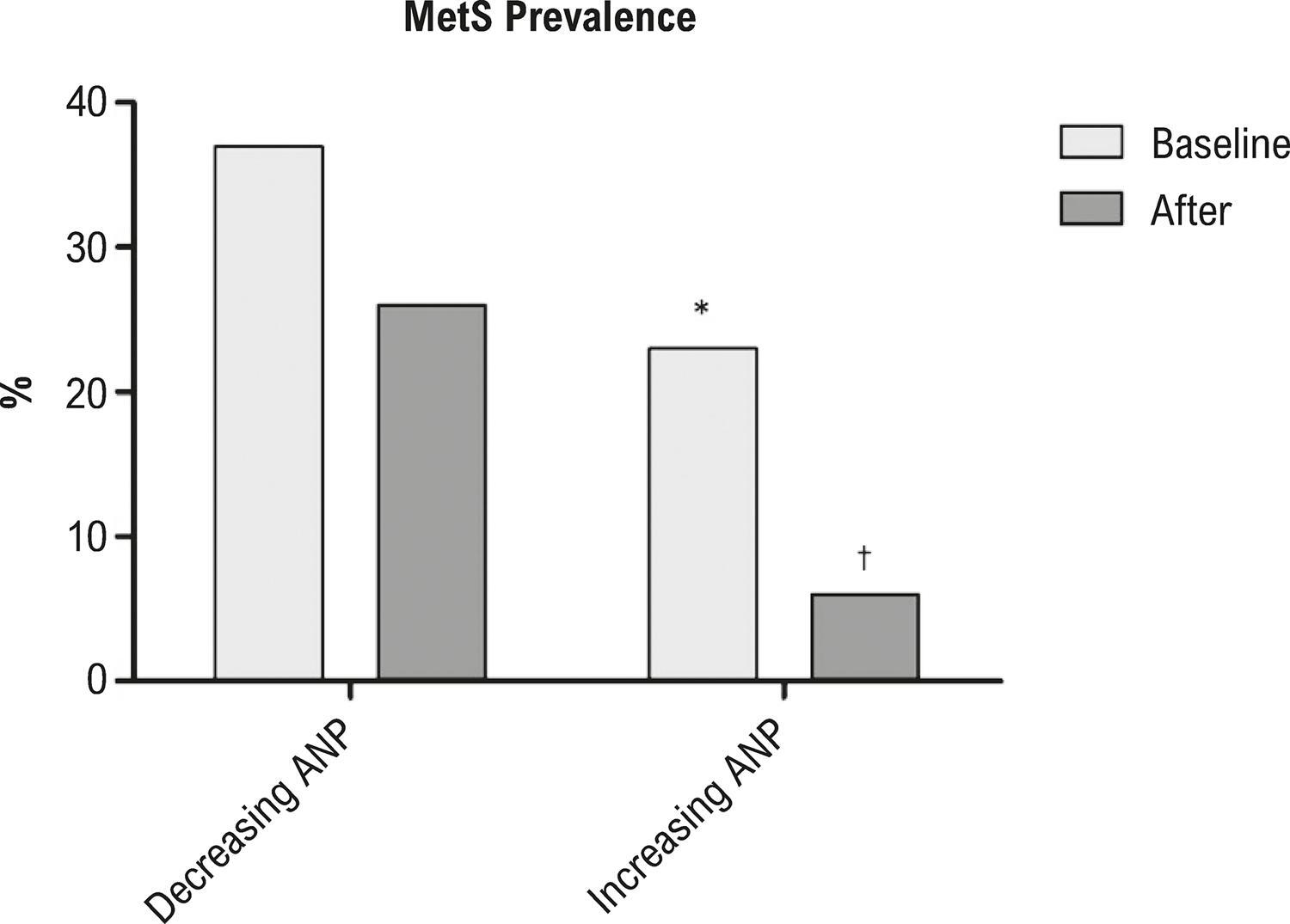
73 adolescents with obesity attended a 20-week clinical interdisciplinary weight loss therapy including clinical, nutritional, psychological and exercise training approach. Body composition, biochemical analyses and blood pressure were evaluated. MetS was classified according to the International Diabetes Federation (IDF) (2007). After the treatment, volunteers were divided according to Increasing (n=31) or Decreasing (n=19) ANP plasma levels.

Results

Both groups present significant reduction of body weight, Body Mass Index (BMI), waist, neck and hip circumferences (WC, NC and HC, respectively) and increasing fat-free mass (FFM). Interestingly, a significant reduction in body fat, TG/HDL-c ratio and MetS prevalence (from 23% to 6%) was observed in the Increased ANP group only.

Conclusion

This study suggests that an increase in ANP serum levels after weight loss therapy could be associated with improvements in cardiometabolic risks and the reduced prevalence of MetS in adolescents with obesity.

  • Adolescent
  • Atrial Natriuretic Peptide
  • Insulin Resistance
  • Metabolic Syndrome
  • Metabolism
  • Obesity
  • Weight Loss
Read Full Article
Creative Commons Attribution (CC BY) Creative Commons license
21/02/2022 DOI: 10.36660/abc.20200735 Views 1
Figure 1
ABC
Original Article

Exercise Training Improves Functions of Endothelial Progenitor Cells in Patients with Metabolic Syndrome

Qiang Tan et al. Yang Li Yao Guo

Abstract

Background

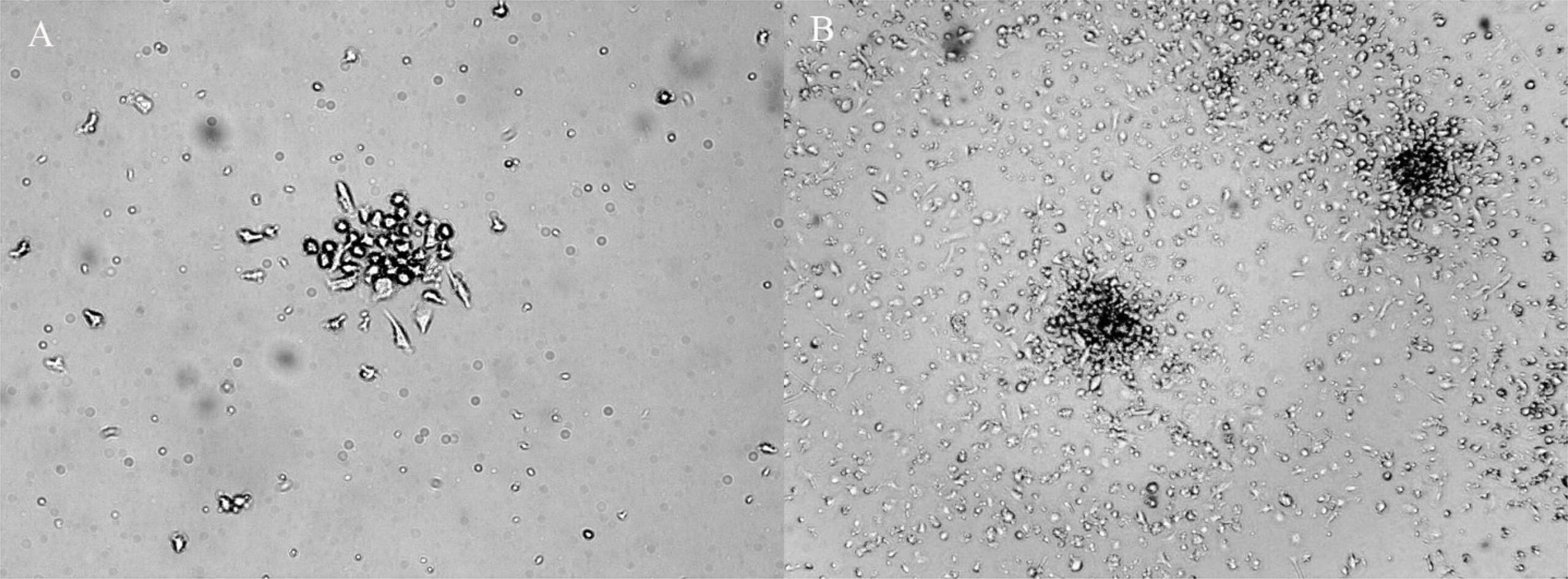
Endothelial progenitor cells (EPCs) play an important role in maintaining endothelial function. Metabolic syndrome (MetS) is associated with EPC dysfunction. Although physical exercise has a beneficial impact on EPC activity, its mechanism is not completely clear yet.

Objective

The purpose of this study is to investigate the effects of physical exercise on the functions of EPCs and the underlying mechanisms in patients with MetS.

Methods

Volunteers with MetS were divided into exercise group (n=15) and control group (n=15). Before and after 8 weeks exercise training, EPCs were isolated from peripheral blood. Colony forming unit (CFU) assay, tube-formation assay, the protein expression of endothelial nitric oxide synthase (eNOS), phosphatidylinositol-3-kinase (PI3-K) and protein kinase B (AKT) were determined. A probability value <0.05 was considered to indicate statistical significance.

Results

After 8 weeks, the number of CFUs was significantly increased in the exercise group compared to the control group (p<0.05). In addition, we observed a significant decrease of homeostasis model assessment for insulin resistance (HOMA-IR), endothelin-1, high-sensitive C-reactive protein, and homocysteine levels in the exercise group. Exercise intervention could also enhance tube-formation capacity of EPCs and increase phosphorylation level of eNOS, PI3-K and AKT.

Conclusion

Physical exercise enhanced the functions of EPCs. The mechanism may be related to exercise, activating the PI3-K/AKT/eNOS pathway.

  • Cardiovascular Diseases
  • Endothelial Progenitor Cells/citology
  • Exercise
  • Inflammation
  • Insulin Resistance
  • Metabolic Syndrome
  • Nitric Oxide
  • Obesity
  • Physical activity
  • Risk Factors
Read Full Article
Creative Commons Attribution (CC BY) Creative Commons license
26/07/2021 DOI: 10.36660/abc.20200028
ABC
Editorial

Pulmonary Hypertension in Polycystic Ovarian Syndrome

Yogesh N. V. Reddy

Polycystic Ovarian Syndrome (PCOS) is a complex endocrinological syndrome that presents in women with obesity, insulin resistance and sex hormone abnormalities. It is intriguing that in otherwise ‘idiopathic’ pulmonary hypertension, there also seems to be a high prevalence of the same features of obesity, insulin resistance, and sex hormone abnormalities.– However, despite this overlap and a theoretical risk of pulmonary hypertension in PCOS, little is known about the intersection of the two conditions. Given the young age of patients at the time of PCOS diagnosis, only subtle impairments in left heart function have been consistently described,, with overt cardiovascular disease often manifesting many decades later., But, surprisingly, little is known about subclinical right heart remodeling or pulmonary hypertension in this condition.

On this background, Abacioglu et al. provide novel information on cardiac structural remodeling in patients with PCOS, with careful attention to right heart structure and function. They included 44 patients with PCOS and 60 matched controls who underwent comprehensive echocardiography and insulin resistance assessment by the Homeostatic Model Assessment for Insulin Resistance (HOMA-IR). In addition to left heart measures of diastolic function, the authors also performed pulse wave Doppler of the right ventricular outflow tract to estimate pulmonary arterial stiffness, and used the well validated TAPSE/RVSP ratio to quantify RV-PA coupling.

[…]

  • body mass index
  • Echocardiography/methods
  • Insulin Resistance
  • Obesity
  • Polycystic Ovary Syndrome
  • Pulmonary Hypertension
  • Ventricular Remodeling
Read Full Article
Creative Commons Attribution (CC BY) Creative Commons license
16/04/2021 DOI: 10.36660/abc.20210106
ABC
Letter to the Editor

Epicardial Adipose Tissue: A New Cardiovascular Imaging Parameter Deeply Connected with Cardiovascular Diseases

Eduardo Thadeu de Oliveira Correia et al. Letícia Mara dos Santos Barbetta

Dear Editor,

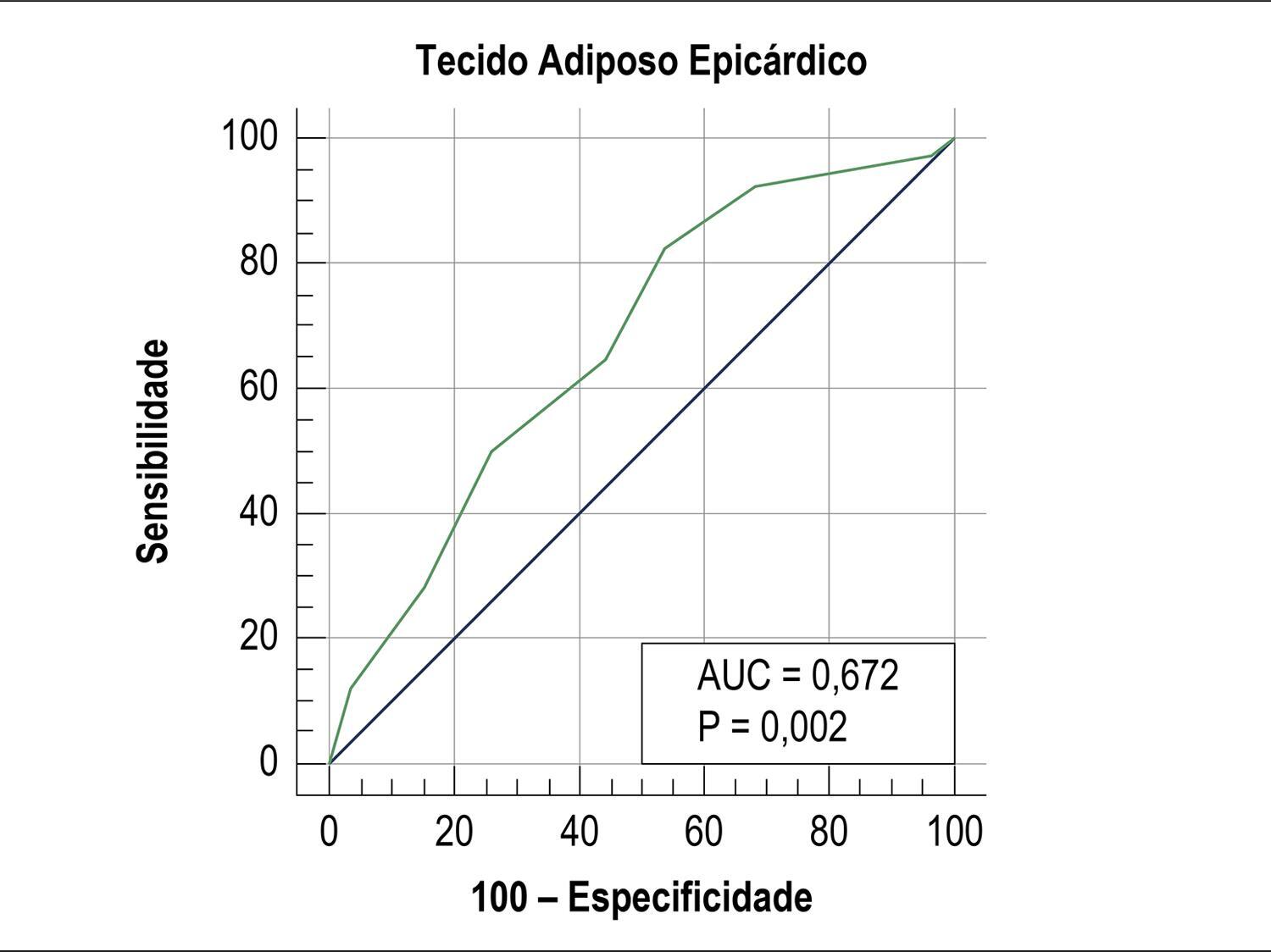
We read with great interest the article entitled “The Relationship Between Epicardial Adipose Tissue and Insulin Resistance in Obese Children”. In that paper, the authors performed tissue doppler echocardiography to evaluate epicardial adipose tissue (EAT) thickness, electromechanical delay (EMD) and other standard measurements in 94 obese pediatric patients. Patients with Homeostatic Model Assessment for Insulin Resistance (HOMA-IR) greater than the 90th percentile in an age and sex-specific percentile curve were labeled as having insulin resistance (IR). This study found that the group with IR had significant higher thickness of EAT than patients included without IR (7.15 vs. 5.5 mm, p<0.004, respectively) and inter and intra-atrial EMD was prolonged in the IR group compared to the non-IR group (p3.85 mm could predict IR with 92.5% specificity and 68.5% sensitivity (p=0.002). The study then concluded that EAT could be used to identify IR among children, as it is stated that EAT is a cheap and accessible parameter that could be easily measured with echocardiography.

[…]

  • Adipose Tissue
  • Child
  • Echocardiography/methods
  • Insulin Resistance
  • Obesity
  • Pericardium
Read Full Article
Creative Commons Attribution (CC BY) Creative Commons license
07/12/2020 DOI: 10.36660/abc.20200309
Figure 1
ABC
Original Article

The Relationship Between Epicardial Adipose Tissue and Insulin Resistance in Obese Children

Hatice Güneş et al. Hakan Güneş Fatih Temiz

Abstract

Background

Insulin resistance (IR) is an important disorder in obese children because it is closely related to cardiovascular diseases. Epicardial adipose tissue (EAT) plays a role in the development of IR due to secreted bioactive molecules, and the inflammatory process of these molecules may cause atrial electromechanical delay (EMD).

Objective

The objective of our study was to determine the relationship between EAT and EMD with IR in obese children.

Methods

Ninety-four obese patients were included in the study. IR was calculated using the Homeostatic Model Assessment for Insulin Resistance (HOMA-IR) and defined as HOMA-IR greater than the 90thpercentile in an age- and sex-specific percentile curve. Patients were divided into two groups according to their IR. All patients underwent echocardiographic examinations. Statistical significance was set to a two-sided p-value < 0.05.

Results

EAT was significantly higher in the IR group (p 3.85 mm, with 92.5% specificity and 68.5% sensitivity (p = 0.002). In the multivariate logistic regression model, EAT (OR = 1.256, 95% CI: 1.016–1.53, p = 0.035) was also associated with IR after adjustment for variables found to be statistically significant in univariate analysis. Inter- and intra-atrial EMD was significantly prolonged in the IR group compared to the group without IR (p < 0.010; p = 0.032 respectively). Conclusion: In our study, we revealed that EAT was positively correlated with IR and was an independent predictor of IR. (Arq Bras Cardiol. 2020; [online].ahead print, PP.0-0)

  • Adipose Tissue
  • Child
  • Echocardiography/methods
  • Insulin Resistance
  • Obesity
  • Pericardium
Read Full Article
Creative Commons Attribution (CC BY) Creative Commons license
13/03/2020 DOI: 10.36660/abc.20190197
ABC
Editorial

A New Rodent Model of Non-Alcoholic Steatohepatitis and Metabolic Syndrome

Fernando Gomes Romeiro et al. Lívia Alves Amaral Santos

Obesity is markedly linked to an increased risk of all-cause mortality and its prevalence has risen to unacceptable levels in the developed world., Obesity and insulin resistance compose the core of most cases of metabolic syndrome (MS), which is a group of conditions and traits associated with an increased risk of cardiovascular disease and diabetes (approximately 2-fold and 5-fold, respectively). Non-alcoholic fatty liver disease (NAFLD) is the hepatic manifestation of MS and has gained attention not only for obesity-related disorders but also for the progression to non-alcoholic steatohepatitis (NASH), liver cirrhosis, and hepatocellular carcinoma. Similar to the other metabolic components involved in MS, NAFLD treatment is based on lifestyle changes that are difficult to achieve in clinical trials, making preclinical studies an excellent option to increase the knowledge about the disease and to test the interventions proposed.

However, in vitro models have severe limitations to evaluate the hepatic and extrahepatic findings of human NASH due to its multifactorial etiology. As a result, data obtained from animals are largely assessed, with a growing interest in the development of mice models. Even if many of these models do not develop steatohepatitis as the strict definition applied to human liver tissue, they are still an outstanding source of knowledge about NAFLD and NASH.

[…]

  • Fatty Liver
  • Inflammation
  • Insulin Resistance
  • Liver Disease
  • Metabolic Diseases
  • Obesity
  • Rats
  • Stress, Oxidative
  • Syndrome Metabolic
Read Full Article
Creative Commons Attribution (CC BY) Creative Commons license
02/12/2019 DOI: 10.5935/abc.20190219
Figure 1
ABC
Review Article

Biochemical and Molecular Mechanisms of Glucose Uptake Stimulated by Physical Exercise in Insulin Resistance State: Role of Inflammation

Filipe Ferrari et al. Patrícia Martins Bock Marcelo Trotte Motta Lucas Helal

Abstract

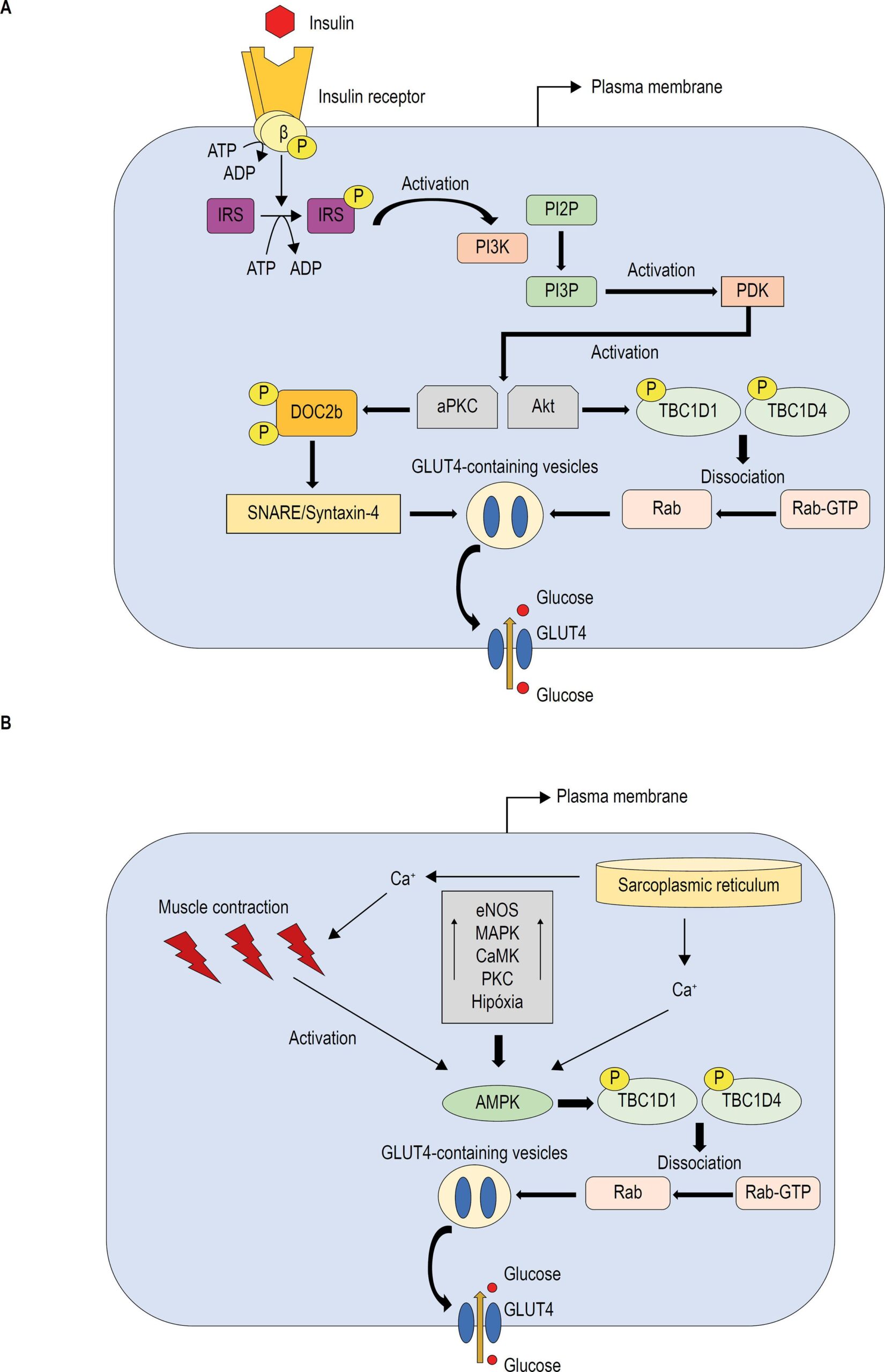
Obesity associated with systemic inflammation induces insulin resistance (IR), with consequent chronic hyperglycemia. A series of reactions are involved in this process, including increased release of proinflammatory cytokines, and activation of c-Jun N-terminal kinase (JNK), nuclear factor-kappa B (NF-κB) and toll-like receptor 4 (TLR4) receptors. Among the therapeutic tools available nowadays, physical exercise (PE) has a known hypoglycemic effect explained by complex molecular mechanisms, including an increase in insulin receptor phosphorylation, in AMP-activated protein kinase (AMPK) activity, in the Ca2+/calmodulin-dependent protein kinase kinase (CaMKK) pathway, with subsequent activation of peroxisome proliferator-activated receptor gamma coactivator 1-alpha (PGC-1α), Rac1, TBC1 domain family member 1 and 4 (TBC1D1 and TBC1D4), in addition to a variety of signaling molecules, such as GTPases, Rab and soluble N-ethylmaleimide-sensitive factor attached protein receptor (SNARE) proteins. These pathways promote greater translocation of GLUT4 and consequent glucose uptake by the skeletal muscle. Phosphoinositide-dependent kinase (PDK), atypical protein kinase C (aPKC) and some of its isoforms, such as PKC-iota/lambda also seem to play a fundamental role in the transport of glucose. In this sense, the association between autophagy and exercise has also demonstrated a relevant role in the uptake of muscle glucose. Insulin, in turn, uses a phosphoinositide 3-kinase (PI3K)-dependent mechanism, while exercise signal may be triggered by the release of calcium from the sarcoplasmic reticulum. The objective of this review is to describe the main molecular mechanisms of IR and the relationship between PE and glucose uptake.

  • Anti-Inflammatoty Agents
  • Chronic Inflammation
  • Exercise
  • Glucose Metabolism Disorders
  • Glucose Transporter Type 4
  • Insulin Resistance
Read Full Article
Creative Commons Attribution (CC BY) Creative Commons license
21/10/2019 DOI: 10.5935/abc.20190224 Views 1
ABC
Editorial

Cardiovascular Risk Factors in Childhood Claim for Public Health Policies

Tania L. R. Martinez et al. Abel Pereira Anita L. R. Saldanha

Obesity is presently a pandemic public health problem not only in developed countries but also in developing ones. As its incidence is increasing in childhood and adolescence as well this issue becomes alarming considering its evolution and associations. The multiple comorbidities such as hypertension, hyperlipidemia and insulin resistance that accompany obesity increase the risk of cardiovascular mortality whilst worsening quality of life in adults. It is always appropriate to reinforce the fact that the atherosclerotic process starts at an early stage in life– as demonstrated in autopsies of children with strong association between LDL cholesterol levels prior to death and the presence of fatty streaks in the aorta. This observation has been documented in various reports in Brazil demonstrating that public health policies must be reinforced towards this problem.–

In different approaches in schoolchildren of a city in Sao Paulo for over ten years we have been studying the impact of biochemical, anthropometric, nutritional status, clinical, socio-cultural and economic conditions.

[…]

  • Cardiovascular Diseases/physiopathology
  • Child
  • Diabetes Mellitus
  • Hyperlipidemias
  • Hypertension
  • Insulin Resistance
  • Obesity
  • Risk Factors
Read Full Article
Creative Commons Attribution (CC BY) Creative Commons license
15/07/2019 DOI: 10.5935/abc.20190103
Figure 1
IJCS
Original Article

Endothelial Dysfunction and Pulse Wave Reflection in Women with Polycystic Ovarian Syndrome

Marcelo Burlá et al. Ana Rosa Cunha Ronaldo Gismondi Wille Oigman … Mario Fritsch Neves Fernanda Medeiros

Abstract

Background:

Patients with polycystic ovarian syndrome (PCOS) have an increased prevalence of metabolic syndrome and traditional atherosclerotic risk factors, such as dyslipidemia, diabetes and hypertension. Endothelial function and vascular stiffness are surrogate markers of early atherosclerosis, able to predict cardiovascular events.

Objective:

To compare endothelial function and pulse wave reflection between women with PCOS and healthy controls.

Methods:

Observational and cross-sectional study that included women with PCOS, age between 18 and 40 years-old and body mass index between 25.0 and 35.0 kg/m2, and healthy controls. Rotterdan criteria was used to diagnose PCOS. Subjects underwent clinical and anthropometric evaluation, laboratory and hormonal assays and imaging tests to measure pulse wave velocity (PWV), augmentation index (AIx) and brachial artery flow-mediated vasodilation (FMD). Kolmogorov-Smirnov test showed normal distribution of most parameters. Unpaired Student t-test was used with significance level established at p < 0.05.

Results:

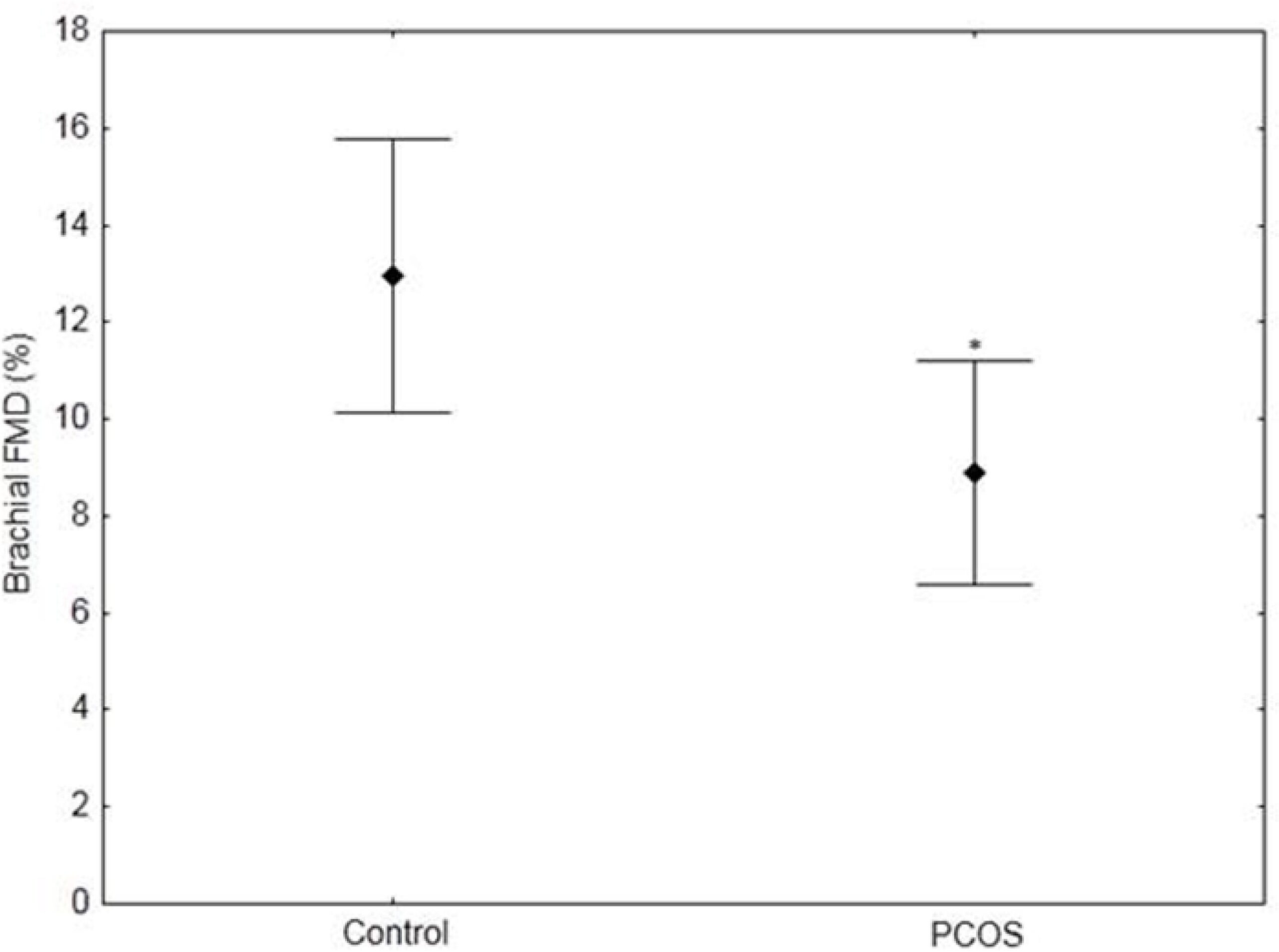
A total of 52 patients were included, 29 (56%) in PCOS group and 23 (44%) in control group. Clinical and laboratory parameters were similar between the groups. Women with PCOS had lower FMD (8.8 ± 1.0 vs 12.8 ± 1.2%, p = 0.021); PWV and AIx were similar between the groups (7.5 ± 0.2 vs 7.5 ± 0.3 m/s, p = 0.671 and 21.0 ± 1 vs. 20 ± 2%, p = 0.716, respectively). In the PCOS group, women with higher testosterone levels had higher AIx (25 ± 2 vs. 17 ± 3%, p = 0.045).

Conclusions:

PCOS women had endothelial dysfunction and those with higher testosterone levels had higher pulse wave reflection as compared with controls.

  • Endothelium, Vascular
  • Insulin Resistance
  • Metabolic Syndrome
  • Polycistic Ovary Syndrome
  • Testosterone
  • Vascular,Stiffness
Read Full Article
Creative Commons Attribution (CC BY) Creative Commons license
01/01/2019 DOI: 10.5935/2359-4802.20180067 Views 1
Figure 1
ABC
Original Article

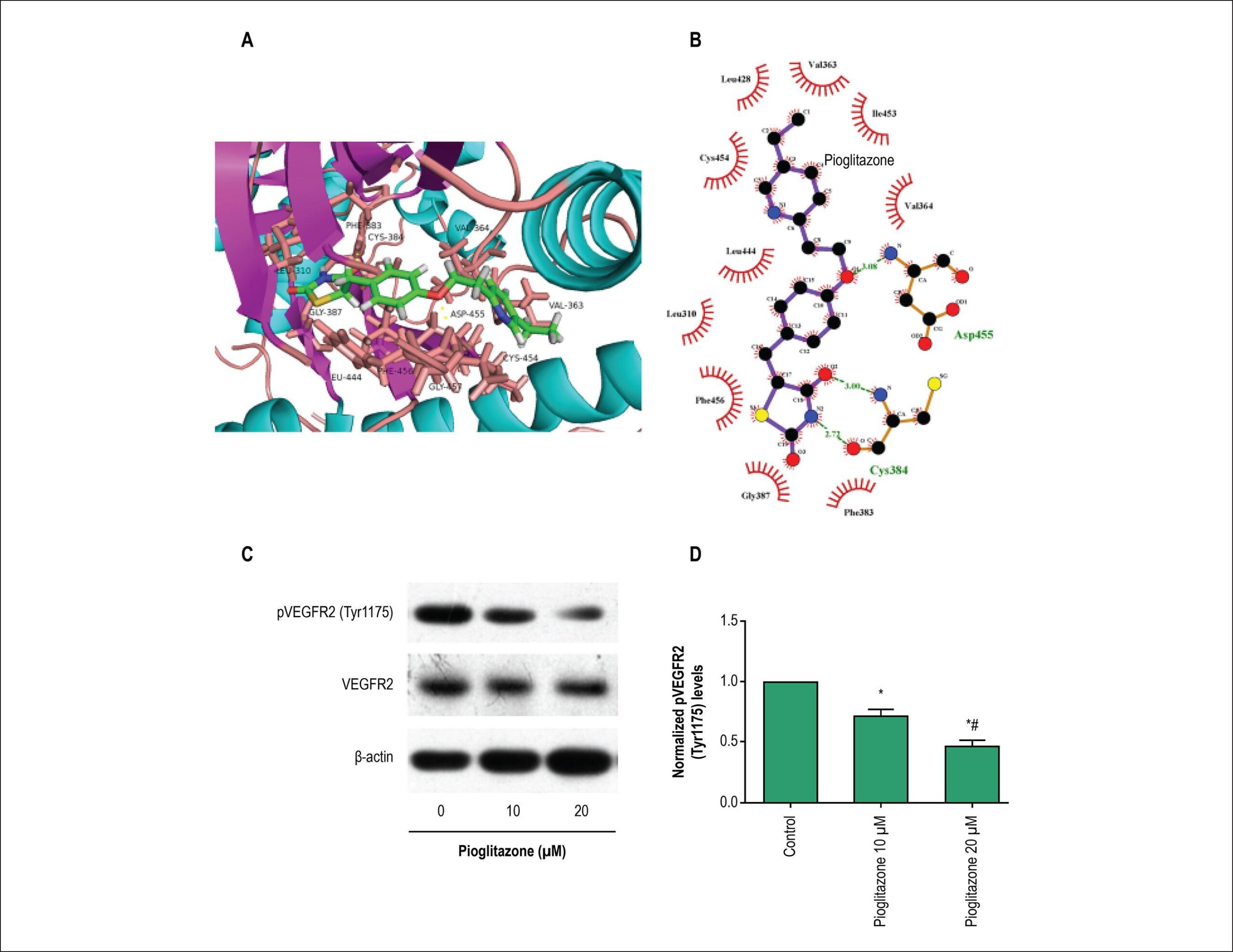
Pioglitazone Induces Cardiomyocyte Apoptosis and Inhibits Cardiomyocyte Hypertrophy Via VEGFR-2 Signaling Pathway

Wenliang Zhong et al. Wen Jin Shanghua Xu Yanqing Wu … Shunxiang Luo Minlie Liang Lianglong Chen

Abstract

Background:

Pioglitazone has been widely used as an insulin-sensitizing agent for improving glycemic control in patients with type 2 diabetes mellitus. However, cardiovascular risk and protective effects of pioglitazone remain controversial.

Objectives:

In this study, we investigated whether pioglitazone affects cardiomyocyte apoptosis and hypertrophy by regulating the VEGFR-2 signaling pathway.

Methods:

Cardiomyocytes were enzymatically isolated from 1- to 3-day-old Sprague-Dawley rat ventricles. Effects of pioglitazone and the VEGFR-2-selective inhibitor apatinib on cardiomyocyte apoptotic rate was determined using flow cytometry, and hypertrophy was evaluated using [3H]-leucine incorporation. The protein expressions of unphosphorylated and phosphorylated VEGFR-2, Akt, P53, and mTOR were determined by Western-Blotting. Analysis of variance (ANOVA) was used to assess the differences between groups.

Results:

Pioglitazone and VEGFR-2-selective inhibitor apatinib reduced rat cardiomyocyte viability and cardiomyocyte hypertrophy induced by angiotensin II in vitro. Furthermore, in the same in vitro model, pioglitazone and apatinib significantly increased the expression of Bax and phosphorylated P53 and decreased the expression of phosphorylated VEGFR-2, Akt, and mTOR, which promote cardiomyocyte hypertrophy.

Conclusions:

These findings indicate that pioglitazone induces cardiomyocyte apoptosis and inhibits cardiomyocyte hypertrophy by modulating the VEGFR-2 signaling pathway.

  • antihypertensive agents
  • Apoptosis
  • Cardiomegaly
  • Heart Failure/physiopathology
  • Insulin Resistance
  • Myocytes, Cardiac
  • Thiazolidinediones
Read Full Article
Creative Commons Attribution (CC BY) Creative Commons license
02/07/2018 DOI: 10.5935/abc.20180108
Figure 1
ABC
Original Article

Is Lipid Accumulation Product Associated with an Atherogenic Lipoprotein Profile in Brazilian Subjects?

Flavia De Conti Cartolano et al. Caroline Pappiani Maria Camila Prupper de Freitas Antonio M. Figueiredo Neto … Antônio Augusto Ferreira Carioca Nágila Raquel Teixeira Damasceno

Abstract

Background:

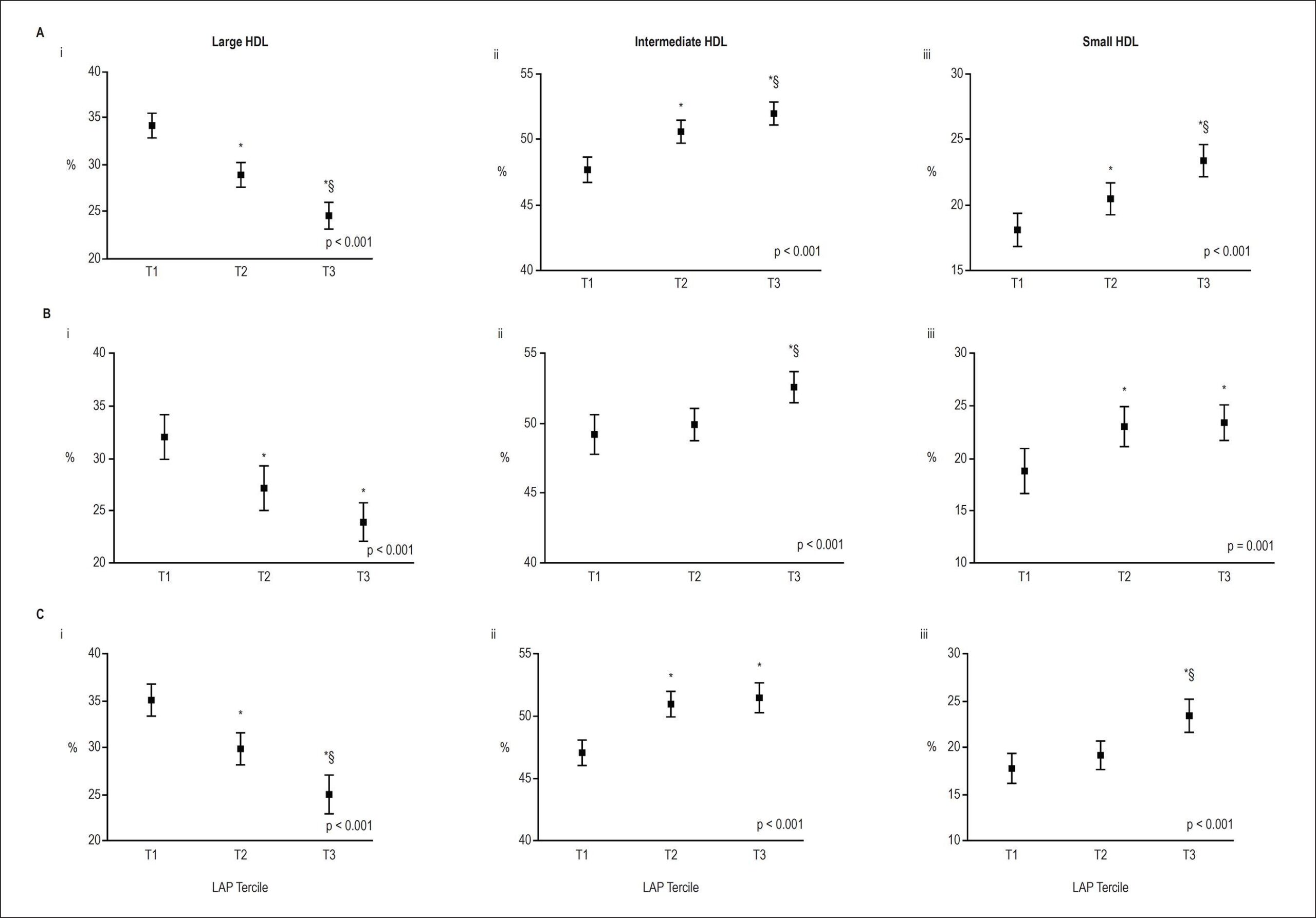
Lipid accumulation product (LAP), a simple and low-cost tool, is a novel biomarker of central lipid accumulation and represents a potential surrogate marker for atherogenic lipoprotein profile. However, its association with lipoprotein subfractions has not been described in the literature.

Objective:

To determine whether LAP index could be used as a marker of low- and high-density lipoprotein (LDL and HDL) size in Brazilian individuals.

Methods:

This cross-sectional study included patients (n = 351) of both sexes and age between 30-74 years. Clinical and sociodemographic data and family history of diseases were evaluated. Lipoprotein size, and levels of total cholesterol (TC), lipoproteins, apolipoprotein AI and B (APO AI/APO B), glucose, insulin, insulin resistance index (HOMA-IR) and non-esterified fatty acids (NEFA) were assessed in blood samples. LAP was calculated by the formulas [(waist circumference[cm]-58) × (triglycerides[mmol/L]) for women and (waist circumference [cm]-65) × (triglycerides [mmol/L]) for men]. The association between LAP and metabolic parameters were tested by linear trend (general linear model, GLM test) before and after multiple adjustments for potential confounders (sex, age, smoking, statin, fibrate, and hypoglycemic drugs) at significant level p < 0.05.

Results:

LAP was positively associated with TC, APO B, NEFA, glucose, insulin and HOMA-IR values, and negatively associated with HDL-C. Higher central lipid accumulation was corelated with higher percentage of intermediate HDL and of small LDL and HDL and less amount of large HDL. LDL size was also reduced in greater LAP index values. The negative impact of LAP was maintained after adjustment for multiple variables.

Conclusion:

LAP was robustly associated with atherogenic profile of lipoprotein subfractions, independently of multiple confounders.

  • Adults
  • Cardiovascular Diseases
  • Dyslipidemias
  • Insulin Resistance
  • Lipoproteins, HDL
  • Lipoproteins, LDL
  • Risk Factors
Read Full Article
Creative Commons Attribution (CC BY) Creative Commons license
01/04/2018 DOI: 10.5935/abc.20180054
IJCS
Original Article

Metabolic Syndrome and Insulin Resistance by HOMA-IR in Menopause

Érika Joseth Nogueira da Cruz Fonseca et al. Tânia Pavão Oliveira Rocha Iara Antônia Lustosa Nogueira Jorgileia Braga de Melo … Bianca Lima e Silva Elenice Jardim Lopes Claudiana Batalha Serra Maria Vaneide Gomes Andrade Surama Maria Bandeira de Sousa José Albuquerque de Figueredo Neto

Abstract

Background:

Metabolic syndrome is an important cardiovascular risk factor, and its prevalence increases after menopause. However, it is still uncertain whether menopause is an independent risk factor for metabolic syndrome. One of the pathophysiological basis for metabolic syndrome is insulin resistance, which can be calculated by the Homeostatic Model Assessment-Insulin Resistance (HOMA-IR) method, and the association between insulin resistance and menopause is little known.

Objective:

To evaluate the association between metabolic syndrome and insulin resistance in menopausal women.

Method:

Descriptive study, which evaluated 150 women, aged 40 to 65, treated at a Gynecology Outpatient Clinic of a tertiary public hospital, from May to December of 2013. The sample was divided into two groups: Group I, comprising women in the premenopausal period and Group II, comprising women in the post-menopausal period. The presence of metabolic syndrome and its components were evaluated, as well as occurrence of insulin resistance in both groups. The association of menopausal status and the assessed variables was assessed using the Mann-Whitney, Chi-square and Fisher’s exact tests. The significance level was set at 5%. The statistical analysis was performed using STATA 12.0.

Results:

Metabolic syndrome and its components were more prevalent in postmenopausal women. Postmenopausal women also had a higher prevalence of insulin resistance, but no statistical association was observed between the findings.

Conclusion:

The menopausal status was not significantly associated with metabolic syndrome and insulin resistance. Insulin resistance was considered an independent risk factor for the development of metabolic syndrome only in the postmenopausal group.

  • Cardiovascular Diseases
  • Climacteric
  • Insulin Resistance
  • Menopause
  • Metabolic Syndrome
Read Full Article
Creative Commons Attribution (CC BY) Creative Commons license
01/01/2018 DOI: 10.5935/2359-4802.20180009 Views 1
Figure 1
ABC
Original Article

Correlation of Insulin Resistance with Anthropometric Measures and Blood Pressure in Adolescents

Polyana Resende Silva de Morais et al. Ana Luiza Lima Sousa Thiago de Souza Veiga Jardim Flávia Miquetichuc Nogueira Nascente … Karla Lorena Mendonça Thaís Inácio Rolim Povoa Carolina de Souza Carneiro Vanessa Roriz Ferreira Weimar Kunz Sebba Barroso de Souza Paulo César Brandão Veiga Jardim

Abstract

Background:

Blood pressure is directly related to body mass index, and individuals with increased waist circumference have higher risk of developing hypertension, insulin resistance, and other metabolic changes, since adolescence.

Objective:

to evaluate the correlation of blood pressure with insulin resistance, waist circumference and body mass index in adolescents.

Methods:

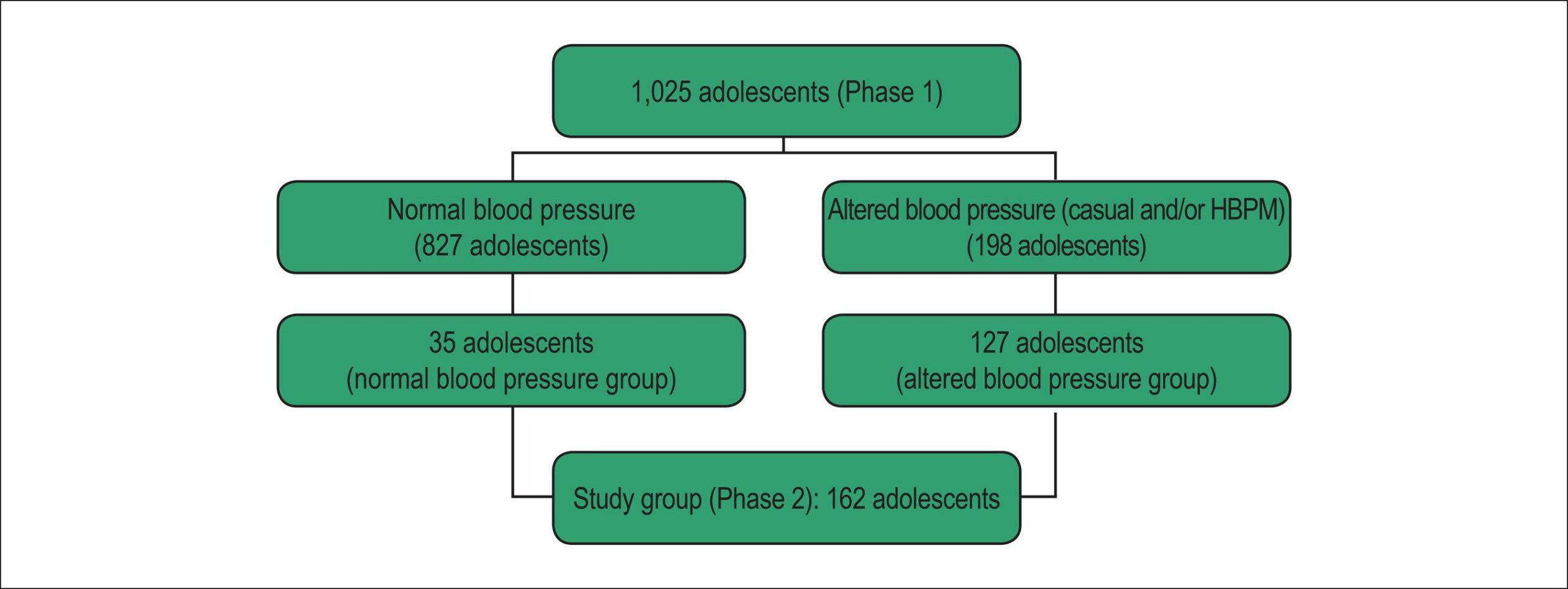
Cross-section study on a representative sample of adolescent students. One group of adolescents with altered blood pressure detected by casual blood pressure and/or home blood pressure monitoring (blood pressure > 90th percentile) and one group of normotensive adolescents were studied. Body mass index, waist circumference were measured, and fasting glucose and plasma insulin levels were determined, using the HOMA-IR index to identify insulin resistance.

Results:

A total of 162 adolescents (35 with normal blood pressure and 127 with altered blood pressure) were studied; 61% (n = 99) of them were boys and the mean age was 14.9 ± 1.62 years. Thirty-eight (23.5%) adolescents had altered HOMA-IR. The group with altered blood pressure had higher values of waist circumference, body mass index and HOMA-IR (p<0.05). Waist circumference was higher among boys in both groups (p<0.05) and girls with altered blood pressure had higher HOMA-IR than boys (p<0.05). There was a significant moderate correlation between body mass index and HOMA-IR in the group with altered blood pressure (ρ = 0.394; p < 0.001), and such correlation was stronger than in the normotensive group. There was also a significant moderate correlation between waist circumference and HOMA-IR in both groups (ρ = 0.345; p < 0.05). Logistic regression showed that HOMA-IR was as predictor of altered blood pressure (odds ratio – OR = 2.0; p = 0.001).

Conclusion:

There was a significant association of insulin resistance with blood pressure and the impact of insulin resistance on blood pressure since childhood. The correlation and association between markers of cardiovascular diseases was more pronounced in adolescents with altered blood pressure, suggesting that primary prevention strategies for cardiovascular risk factors should be early implemented in childhood and adolescence.

  • Adolescent
  • Anthropometry
  • Blood Pressure
  • body mass index
  • Insulin Resistance
Read Full Article
Creative Commons Attribution (CC BY) Creative Commons license
22/03/2016 DOI: 10.5935/abc.20160041 Views 1
ABC
Original Article

Metabolic Syndrome and Importance of Associated Variables in Children and Adolescents in Guabiruba – SC, Brazil

Nilton Rosini et al. Solange A. Z. Oppermann Moura Rodrigo Diegoli Rosini Marcos José Machado Edson Luiz da Silva

Background:

The risk factors that characterize metabolic syndrome (MetS) may be present in childhood and adolescence, increasing the risk of cardiovascular disease in adulthood.

Objective:

Evaluate the prevalence of MetS and the importance of its associated variables, including insulin resistance (IR), in children and adolescents in the city of Guabiruba-SC, Brazil.

Methods:

Cross-sectional study with 1011 students (6–14 years, 52.4% girls, 58.5% children). Blood samples were collected for measurement of biochemical parameters by routine laboratory methods. IR was estimated by the HOMA-IR index, and weight, height, waist circumference and blood pressure were determined. Multivariate logistic regression models were used to examine the associations between risk variables and MetS.

Results:

The prevalence of MetS, IR, overweight and obesity in the cohort were 14%, 8.5%, 21% and 13%, respectively. Among students with MetS, 27% had IR, 33% were overweight, 45.5% were obese and 22% were eutrophic. IR was more common in overweight (48%) and obese (41%) students when compared with eutrophic individuals (11%; p = 0.034). The variables with greatest influence on the development of MetS were obesity (OR = 32.7), overweight (OR = 6.1), IR (OR = 4.4; p ≤ 0.0001 for all) and age (OR = 1.15; p = 0.014).

Conclusion:

There was a high prevalence of MetS in children and adolescents evaluated in this study. Students who were obese, overweight or insulin resistant had higher chances of developing the syndrome.

  • Insulin Resistance
  • Metabolic Syndrome
  • Overweight
  • Risk Factors
  • students
Read Full Article
Creative Commons Attribution (CC BY) Creative Commons license
08/05/2015 DOI: 10.5935/abc.20150040 Views 1
ABC
Original Article

Insulin Resistance, Dyslipidemia and Cardiovascular Changes in a Group of Obese Children

António Pires et al. Paula Martins Ana Margarida Pereira Patricia Vaz Silva … Joana Marinho Margarida Marques Eduardo Castela Cristina Sena Raquel Seiça

Introduction:

Obesity-related comorbidities are present in young obese children, providing a platform for early adult cardiovascular disorders.

Objectives:

To compare and correlate markers of adiposity to metabolic disturbances, vascular and cardiac morphology in a European pediatric obese cohort.

Methods:

We carried out an observational and transversal analysis in a cohort consisting of 121 obese children of both sexes, between the ages of 6 and 17 years. The control group consisted of 40 children with normal body mass index within the same age range. Markers of adiposity, plasma lipids and lipoproteins, homeostasis model assessment-insulin resistance, common carotid artery intima-media thickness and left ventricular diameters were analyzed.

Results:

There were statistically significant differences between the control and obese groups for the variables analyzed, all higher in the obese group, except for age, high-density lipoprotein cholesterol and adiponectin, higher in the control group. In the obese group, body mass index was directly correlated to left ventricular mass (r=0.542; p=0.001), the homeostasis model assessment-insulin resistance (r=0.378; p=<0.001) and mean common carotid artery intima-media thickness (r=0.378; p=<0.001). In that same group, insulin resistance was present in 38.1%, 12.5% had a combined dyslipidemic pattern, and eccentric hypertrophy was the most common left ventricular geometric pattern.

Conclusions:

These results suggest that these markers may be used in clinical practice to stratify cardiovascular risk, as well as to assess the impact of weight control programs.

  • Cardiovascular Diseases
  • Dyslipidemias
  • Insulin Resistance
  • Pediatric Obesity
Read Full Article
Creative Commons Attribution (CC BY) Creative Commons license
23/01/2015 DOI: 10.5935/abc.20140206 Views 1
Serum adiponectin and cardiometabolic risk in patients with acute coronary syndromes
ABC
Artigo Original

Serum adiponectin and cardiometabolic risk in patients with acute coronary syndromes

Gustavo Bernardes de Figueiredo Oliveira et al. João Ítalo Dias França Leopoldo Soares Piegas

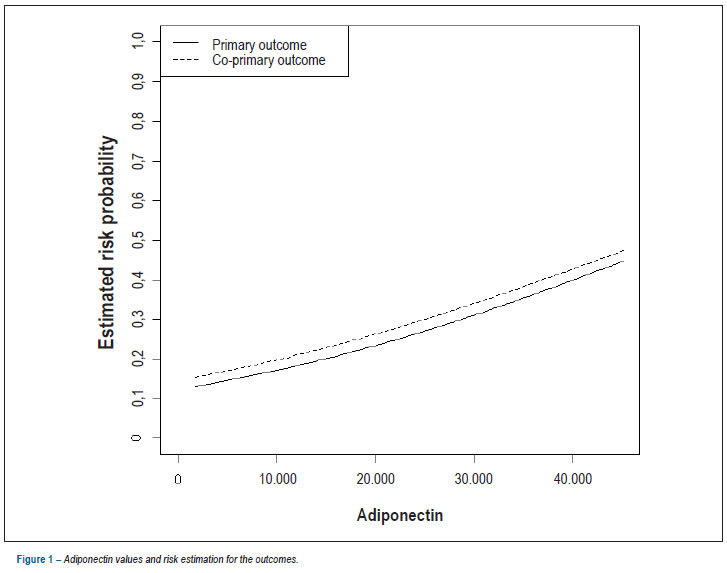
BACKGROUND: The adipose tissue is considered not only a storable energy source, but mainly an endocrine organ that secretes several cytokines. Adiponectin, a novel protein similar to collagen, has been found to be an adipocyte-specific cytokine and a promising cardiovascular risk marker. OBJECTIVES: To evaluate the association between serum adiponectin levels and the risk for cardiovascular events in patients with acute coronary syndromes (ACS), as well as the correlations between adiponectin and metabolic, inflammatory, and myocardial biomarkers. METHODS: We recruited 114 patients with ACS and a mean 1.13-year follow-up to measure clinical outcomes. Clinical characteristics and biomarkers were compared according to adiponectin quartiles. Cox proportional hazard regression models with Firth’s penalization were applied to assess the independent association between adiponectin and the subsequent risk for both primary (composite of cardiovascular death/non-fatal acute myocardial infarction (AMI)/non-fatal stroke) and co-primary outcomes (composite of cardiovascular death/non-fatal AMI/non-fatal stroke/rehospitalization requiring revascularization). RESULTS: There were significant direct correlations between adiponectin and age, HDL-cholesterol, and B-type natriuretic peptide (BNP), and significant inverse correlations between adiponectin and waist circumference, body weight, body mass index, Homeostasis Model Assessment (HOMA) index, triglycerides, and insulin. Adiponectin was associated with higher risk for primary and co-primary outcomes (adjusted HR 1.08 and 1.07/increment of 1000; p = 0.01 and p = 0.02, respectively). CONCLUSION: In ACS patients, serum adiponectin was an independent predictor of cardiovascular events. In addition to the anthropometric and metabolic correlations, there was a significant direct correlation between adiponectin and BNP.

  • Acute coronary syndrome
  • Adiponectin
  • Insulin Resistance
  • Metabolic Syndrome X
  • Risk Factors
Read Full Article
Creative Commons Attribution (CC BY) Creative Commons license
13/09/2013 DOI: 10.5935/abc.20130186 Views 1
ABC
Artigo Original

Insulin resistance can impair reduction on carotid intima-media thickness in obese adolescents

Priscila de Lima Sanches et al. Marco Túlio de Mello Francisco Antonio Helfestein Fonseca Natália Elias … Aline de Piano June Carnier Lian Tock Lila Missae Oyama Sergio Tufik Ana Dâmaso

BACKGROUND: The atherosclerotic process at the endothelial level begins in early ages and seems to be associated with obesity and its comorbidities as insulin resistance. OBJECTIVE: The aim of this study was to verify the influence of insulin resistance on inflammatory and subclinical markers of atherosclerosis in obese adolescents. METHODS: Sixty-six post-pubescent obese adolescents were divided in two groups according to homeostasis model assessment of insulin resistance (HOMA-IR) measurement: with insulin resistance (IR) n=39 and without insulin resistance (NIR) n=27, and submitted to an interdisciplinary intervention over the course of 1 year. Common carotid artery intima-media thickness (cIMT), visceral and subcutaneous adipose tissue was determined by ultrasound. Body composition, blood pressure, HOMA-IR, lipid profile and adipokines concentrations [leptin, adiponectin, and plasminogen activator inhibitor type (PAI-1)] were analyzed before and after the therapy. RESULTS: Both groups presented significant improvements in body composition, inflammatory state (reduction of leptin and PAI-1 concentration; increasing of plasma adiponectin) and reduction of cIMT. Only NIR group showed positive correlation between changes in visceral fat (∆Visceral) and changes in cIMT (∆ cIMT) (r = 0.42; p < 0.05). Simple linear regression analyze revealed ∆Visceral to be an independent predictor to reduction of cIMT in this group (R2 adjusted = 0.14, p = 0.04). The final values of cIMT remained significantly higher in IR group when compared to NIR group. CONCLUSION: The presence of insulin resistance can impair changes in cIMT leading to early development of atherosclerosis in obese adolescents submitted to an interdisciplinary intervention..

  • Adolescents
  • Atherosclerosis
  • Insulin Resistance
  • Obesity
  • Risk Factors
Read Full Article
Creative Commons Attribution (CC BY) Creative Commons license
30/08/2012 DOI: 10.1590/S0066-782X2012005000077 Views 2
ABC
Review Article

Emerging role of the GH/IGF-I on cardiometabolic control

Carla R.P Oliveira et al. Rafael A Meneguz-Moreno Manuel H Aguiar-Oliveira José A. S Barreto-Filho

Growth hormone (GH), the main regulator for post-natal growth, has important metabolic actions on different tissues, similar or opposite to insulin like growth factor I (IGF-I), mainly produced by the liver after the binding of GH to its receptor. Experiments with animal models indicate an important role of GH on insulin resistance although the IGF-I role is not yet completely established. In humans, GH promotes an increase on lypolisis and lipid oxidation, while IGF-I leads to an increase on lipid oxidation only in a chronic way. While growth actions are time-limited, metabolic and cardiovascular actions of the GH/IGF-I axis are throughout life. GH anabolic effects have been used on chronic and hypercatabolic conditions, although investigations on the clinical outcomes are still scarce. In this paper, we intend to review GH metabolic actions experienced by animal models, studies with normal humans and GH deficient individuals, individuals with diabetes mellitus type 1 and metabolic syndrome individuals, hypercatabolic states and the relationship between GH and adipokines, endothelial disfunction and atherogenesis

  • ghrelin
  • Insulin Resistance
  • insulin-like growth factor I
  • Lypolisis
  • Metabolism
Read Full Article
Creative Commons Attribution (CC BY) Creative Commons license
20/12/2011 DOI: 10.1590/S0066-782X2011001400012

Could not load more articles. Please try again.

How to cite this article

EndNote RIS

Electronic Document Format (Vancouver)

Dall’Orto FTC, Arantes FBB, Furtado RHM, Silva PGMB. Integrating Insulin Resistance and Coronary Artery Disease Severity: Will Triglyceride-Glucose Index Be the Easiest Way?. International Journal of Cardiovascular Sciences 2025;38:e20240215.

Electronic Document Format (ABNT)

Dall’Orto, Frederico Toledo Campo; Arantes, Flávia Bittar Brito; Furtado, Remo H. M.; Silva, Pedro G. M. de Barros e. Integrating Insulin Resistance and Coronary Artery Disease Severity: Will Triglyceride-Glucose Index Be the Easiest Way?. International Journal of Cardiovascular Sciences, v. 38, e20240215, Apr. 2025.

Electronic Document Format (APA)

Dall’Orto, F. T. C., Arantes, F. B. B., Furtado, R. H. M., & Silva, P. G. M. B. (2025). Integrating Insulin Resistance and Coronary Artery Disease Severity: Will Triglyceride-Glucose Index Be the Easiest Way?. International Journal of Cardiovascular Sciences, 38, e20240215.

Electronic Document Format (ISO)

Dall’Orto, Frederico Toledo Campo and Arantes, Flávia Bittar Brito and Furtado, Remo H. M. and Silva, Pedro G. M. de Barros e. Integrating Insulin Resistance and Coronary Artery Disease Severity: Will Triglyceride-Glucose Index Be the Easiest Way?. International Journal of Cardiovascular Sciences [online]. 2025, vol. 38, [cited 2026-10-14], e20240215. Available from: <https://journals.cardiol.br/en/article/integrating-insulin-resistance-and-coronary-artery-disease-severity-will-triglyceride-glucose-index-be-the-easiest-way/>. ISSN 2359-4802

EndNote RIS

Electronic Document Format (Vancouver)

Fragata CS. Increased Circulating Fetuin-A Levels in Patients With Atrial Fibrillation: Are We Really There?. International Journal of Cardiovascular Sciences 2024;37:e20230191.

Electronic Document Format (ABNT)

Fragata, Claudia da Silva. Increased Circulating Fetuin-A Levels in Patients With Atrial Fibrillation: Are We Really There?. International Journal of Cardiovascular Sciences, v. 37, e20230191, Mar. 2024.

Electronic Document Format (APA)

Fragata, C. S. (2024). Increased Circulating Fetuin-A Levels in Patients With Atrial Fibrillation: Are We Really There?. International Journal of Cardiovascular Sciences, 37, e20230191.

Electronic Document Format (ISO)

Fragata, Claudia da Silva. Increased Circulating Fetuin-A Levels in Patients With Atrial Fibrillation: Are We Really There?. International Journal of Cardiovascular Sciences [online]. 2024, vol. 37, [cited 2026-10-14], e20230191. Available from: <https://journals.cardiol.br/en/article/increased-circulating-fetuin-a-levels-in-patients-with-atrial-fibrillation-are-we-really-there/>. ISSN 2359-4802

EndNote RIS

Electronic Document Format (Vancouver)

Almeida MCC, Castro ML. Triglycerides-Glucose İndex and Coronary Slow Flow: A New Diagnostic Tool?. Arquivos Brasileiros de Cardiologia 2023;120(6):e20230373.

Electronic Document Format (ABNT)

Almeida, Maria Cristina Costa de; Castro, Marildes Luiza de. Triglycerides-Glucose İndex and Coronary Slow Flow: A New Diagnostic Tool?. Arquivos Brasileiros de Cardiologia, v. 120, n. 6, e20230373, Aug. 2023.

Electronic Document Format (APA)

Almeida, M. C. C. , & Castro, M. L. (2023). Triglycerides-Glucose İndex and Coronary Slow Flow: A New Diagnostic Tool?. Arquivos Brasileiros de Cardiologia, 120(6), e20230373.

Electronic Document Format (ISO)

Almeida, Maria Cristina Costa de and Castro, Marildes Luiza de. Triglycerides-Glucose İndex and Coronary Slow Flow: A New Diagnostic Tool?. Arquivos Brasileiros de Cardiologia [online]. 2023, vol. 120, n. 6, [cited 2026-10-14], e20230373. Available from: <https://journals.cardiol.br/en/article/triglycerides-glucose-index-and-coronary-slow-flow-a-new-diagnostic-tool/>. ISSN 0066-782X

EndNote RIS

Electronic Document Format (Vancouver)

Alves RJ. Endothelial Biomarkers and Translational Medicine: Still a Challenge. Arquivos Brasileiros de Cardiologia 2022;119(4):551-2.

Electronic Document Format (ABNT)

Alves, Renato Jorge. Endothelial Biomarkers and Translational Medicine: Still a Challenge. Arquivos Brasileiros de Cardiologia, v. 119, n. 4, p. 551-552, Oct. 2022.

Electronic Document Format (APA)

Alves, R. J. (2022). Endothelial Biomarkers and Translational Medicine: Still a Challenge. Arquivos Brasileiros de Cardiologia, 119(4), 551-552.

Electronic Document Format (ISO)

Alves, Renato Jorge. Endothelial Biomarkers and Translational Medicine: Still a Challenge. Arquivos Brasileiros de Cardiologia [online]. 2022, vol. 119, n. 4, [cited 2026-10-14], pp. 551-552. Available from: <https://journals.cardiol.br/en/article/endothelial-biomarkers-and-translational-medicine-still-a-challenge/>. ISSN 0066-782X

EndNote RIS

Electronic Document Format (Vancouver)

Timóteo AT. Can PM20D1 be a New Kid on the Block in Cardiovascular Risk Stratification? Do Not Run before You Can Walk. Arquivos Brasileiros de Cardiologia 2022;119(3):380-1.

Electronic Document Format (ABNT)

Timóteo, Ana Teresa. Can PM20D1 be a New Kid on the Block in Cardiovascular Risk Stratification? Do Not Run before You Can Walk. Arquivos Brasileiros de Cardiologia, v. 119, n. 3, p. 380-381, Sep. 2022.

Electronic Document Format (APA)

Timóteo, A. T. (2022). Can PM20D1 be a New Kid on the Block in Cardiovascular Risk Stratification? Do Not Run before You Can Walk. Arquivos Brasileiros de Cardiologia, 119(3), 380-381.

Electronic Document Format (ISO)

Timóteo, Ana Teresa. Can PM20D1 be a New Kid on the Block in Cardiovascular Risk Stratification? Do Not Run before You Can Walk. Arquivos Brasileiros de Cardiologia [online]. 2022, vol. 119, n. 3, [cited 2026-10-14], pp. 380-381. Available from: <https://journals.cardiol.br/en/article/can-pm20d1-be-a-new-kid-on-the-block-in-cardiovascular-risk-stratification-do-not-run-before-you-can-walk/>. ISSN 0066-782X

EndNote RIS

Electronic Document Format (Vancouver)

Neves MF. Hypertension in Adolescence, a Direct Relationship to Obesity and Insulin Resistance. Arquivos Brasileiros de Cardiologia 2022;118(4):727-9.

Electronic Document Format (ABNT)

Neves, Mario Fritsch. Hypertension in Adolescence, a Direct Relationship to Obesity and Insulin Resistance. Arquivos Brasileiros de Cardiologia, v. 118, n. 4, p. 727-729, Apr. 2022.

Electronic Document Format (APA)

Neves, M. F. (2022). Hypertension in Adolescence, a Direct Relationship to Obesity and Insulin Resistance. Arquivos Brasileiros de Cardiologia, 118(4), 727-729.

Electronic Document Format (ISO)

Neves, Mario Fritsch. Hypertension in Adolescence, a Direct Relationship to Obesity and Insulin Resistance. Arquivos Brasileiros de Cardiologia [online]. 2022, vol. 118, n. 4, [cited 2026-10-14], pp. 727-729. Available from: <https://journals.cardiol.br/en/article/hypertension-in-adolescence-a-direct-relationship-to-obesity-and-insulin-resistance/>. ISSN 0066-782X

EndNote RIS

Electronic Document Format (Vancouver)

Kravchychyn ACP, Campos RMS, Ferreira YAM, Vicente SECF, Corgosinho FC, Oyama LM, Boldarine VT, et al. The Role of ANP Level Response in Interdisciplinary Weight Loss Therapy on Cardiometabolic Risk and Body Composition in Adolescents with Obesity. Arquivos Brasileiros de Cardiologia 2022;118(1):33-40.

Electronic Document Format (ABNT)

Kravchychyn, Ana Claudia Pelissari; Campos, Raquel Munhoz da Silveira; Ferreira, Yasmin Alaby Martins; Vicente, Sofia Emanuelle de Castro Ferreira; Corgosinho, Flávia Campos; Oyama, Lila Missae; Boldarine, Valter Tadeu; Tock, Lian; Thivel, David; Dâmaso, Ana Raimunda. The Role of ANP Level Response in Interdisciplinary Weight Loss Therapy on Cardiometabolic Risk and Body Composition in Adolescents with Obesity. Arquivos Brasileiros de Cardiologia, v. 118, n. 1, p. 33-40, Feb. 2022.

Electronic Document Format (APA)

Kravchychyn, A. C. P., Campos, R. M. S., Ferreira, Y. A. M., Vicente, S. E. C. F., Corgosinho, F. C., Oyama, L. M., Boldarine, V. T., Tock, L., Thivel, D., & Dâmaso, A. R. (2022). The Role of ANP Level Response in Interdisciplinary Weight Loss Therapy on Cardiometabolic Risk and Body Composition in Adolescents with Obesity. Arquivos Brasileiros de Cardiologia, 118(1), 33-40.

Electronic Document Format (ISO)

Kravchychyn, Ana Claudia Pelissari and Campos, Raquel Munhoz da Silveira and Ferreira, Yasmin Alaby Martins and Vicente, Sofia Emanuelle de Castro Ferreira and Corgosinho, Flávia Campos and Oyama, Lila Missae and Boldarine, Valter Tadeu and Tock, Lian and Thivel, David and Dâmaso, Ana Raimunda. The Role of ANP Level Response in Interdisciplinary Weight Loss Therapy on Cardiometabolic Risk and Body Composition in Adolescents with Obesity. Arquivos Brasileiros de Cardiologia [online]. 2022, vol. 118, n. 1, [cited 2026-10-14], pp. 33-40. Available from: <https://journals.cardiol.br/en/article/the-role-of-anp-level-response-in-interdisciplinary-weight-loss-therapy-on-cardiometabolic-risk-and-body-composition-in-adolescents-with-obesity/>. ISSN 0066-782X

EndNote RIS

Electronic Document Format (Vancouver)

Tan Q, Li Y, Guo Y. Exercise Training Improves Functions of Endothelial Progenitor Cells in Patients with Metabolic Syndrome. Arquivos Brasileiros de Cardiologia 2021;117(1):108-17.

Electronic Document Format (ABNT)

Tan, Qiang; Li, Yang; Guo, Yao. Exercise Training Improves Functions of Endothelial Progenitor Cells in Patients with Metabolic Syndrome. Arquivos Brasileiros de Cardiologia, v. 117, n. 1, p. 108-117, Jul. 2021.

Electronic Document Format (APA)

Tan, Q., Li, Y., & Guo, Y. (2021). Exercise Training Improves Functions of Endothelial Progenitor Cells in Patients with Metabolic Syndrome. Arquivos Brasileiros de Cardiologia, 117(1), 108-117.

Electronic Document Format (ISO)

Tan, Qiang and Li, Yang and Guo, Yao. Exercise Training Improves Functions of Endothelial Progenitor Cells in Patients with Metabolic Syndrome. Arquivos Brasileiros de Cardiologia [online]. 2021, vol. 117, n. 1, [cited 2026-10-14], pp. 108-117. Available from: <https://journals.cardiol.br/en/article/exercise-training-improves-functions-of-endothelial-progenitor-cells-in-patients-with-metabolic-syndrome/>. ISSN 0066-782X

EndNote RIS

Electronic Document Format (Vancouver)

Reddy YNV. Pulmonary Hypertension in Polycystic Ovarian Syndrome. Arquivos Brasileiros de Cardiologia 2021;116(4):812-3.

Electronic Document Format (ABNT)

Reddy, Yogesh N. V.. Pulmonary Hypertension in Polycystic Ovarian Syndrome. Arquivos Brasileiros de Cardiologia, v. 116, n. 4, p. 812-813, Apr. 2021.

Electronic Document Format (APA)

Reddy, Y. N. V. (2021). Pulmonary Hypertension in Polycystic Ovarian Syndrome. Arquivos Brasileiros de Cardiologia, 116(4), 812-813.

Electronic Document Format (ISO)

Reddy, Yogesh N. V.. Pulmonary Hypertension in Polycystic Ovarian Syndrome. Arquivos Brasileiros de Cardiologia [online]. 2021, vol. 116, n. 4, [cited 2026-10-14], pp. 812-813. Available from: <https://journals.cardiol.br/en/article/pulmonary-hypertension-in-polycystic-ovarian-syndrome/>. ISSN 0066-782X

EndNote RIS

Electronic Document Format (Vancouver)

Correia ETO, Barbetta LMS. Epicardial Adipose Tissue: A New Cardiovascular Imaging Parameter Deeply Connected with Cardiovascular Diseases. Arquivos Brasileiros de Cardiologia 2020;115(5):971-2.

Electronic Document Format (ABNT)

Correia, Eduardo Thadeu de Oliveira; Barbetta, Letícia Mara dos Santos. Epicardial Adipose Tissue: A New Cardiovascular Imaging Parameter Deeply Connected with Cardiovascular Diseases. Arquivos Brasileiros de Cardiologia, v. 115, n. 5, p. 971-972, Dec. 2020.

Electronic Document Format (APA)

Correia, E. T. O., & Barbetta, L. M. S. (2020). Epicardial Adipose Tissue: A New Cardiovascular Imaging Parameter Deeply Connected with Cardiovascular Diseases. Arquivos Brasileiros de Cardiologia, 115(5), 971-972.

Electronic Document Format (ISO)

Correia, Eduardo Thadeu de Oliveira and Barbetta, Letícia Mara dos Santos. Epicardial Adipose Tissue: A New Cardiovascular Imaging Parameter Deeply Connected with Cardiovascular Diseases. Arquivos Brasileiros de Cardiologia [online]. 2020, vol. 115, n. 5, [cited 2026-10-14], pp. 971-972. Available from: <https://journals.cardiol.br/en/article/epicardial-adipose-tissue-a-new-cardiovascular-imaging-parameter-deeply-connected-with-cardiovascular-diseases/>. ISSN 0066-782X

EndNote RIS

Electronic Document Format (Vancouver)

Güneş H, Güneş H, Temiz F. The Relationship Between Epicardial Adipose Tissue and Insulin Resistance in Obese Children. Arquivos Brasileiros de Cardiologia 2020;114(4):675-82.

Electronic Document Format (ABNT)

Güneş, Hatice; Güneş, Hakan; Temiz, Fatih. The Relationship Between Epicardial Adipose Tissue and Insulin Resistance in Obese Children. Arquivos Brasileiros de Cardiologia, v. 114, n. 4, p. 675-682, Mar. 2020.

Electronic Document Format (APA)

Güneş, H., Güneş, H., & Temiz, F. (2020). The Relationship Between Epicardial Adipose Tissue and Insulin Resistance in Obese Children. Arquivos Brasileiros de Cardiologia, 114(4), 675-682.

Electronic Document Format (ISO)

Güneş, Hatice and Güneş, Hakan and Temiz, Fatih. The Relationship Between Epicardial Adipose Tissue and Insulin Resistance in Obese Children. Arquivos Brasileiros de Cardiologia [online]. 2020, vol. 114, n. 4, [cited 2026-10-14], pp. 675-682. Available from: <https://journals.cardiol.br/en/article/the-relationship-between-epicardial-adipose-tissue-and-insulin-resistance-in-obese-children/>. ISSN 0066-782X

EndNote RIS

Electronic Document Format (Vancouver)

Romeiro FG, Santos LAA. A New Rodent Model of Non-Alcoholic Steatohepatitis and Metabolic Syndrome. Arquivos Brasileiros de Cardiologia 2019;113(5):903-4.

Electronic Document Format (ABNT)

Romeiro, Fernando Gomes; Santos, Lívia Alves Amaral. A New Rodent Model of Non-Alcoholic Steatohepatitis and Metabolic Syndrome. Arquivos Brasileiros de Cardiologia, v. 113, n. 5, p. 903-904, Dec. 2019.

Electronic Document Format (APA)

Romeiro, F. G., & Santos, L. A. A. (2019). A New Rodent Model of Non-Alcoholic Steatohepatitis and Metabolic Syndrome. Arquivos Brasileiros de Cardiologia, 113(5), 903-904.

Electronic Document Format (ISO)

Romeiro, Fernando Gomes and Santos, Lívia Alves Amaral. A New Rodent Model of Non-Alcoholic Steatohepatitis and Metabolic Syndrome. Arquivos Brasileiros de Cardiologia [online]. 2019, vol. 113, n. 5, [cited 2026-10-14], pp. 903-904. Available from: <https://journals.cardiol.br/en/article/a-new-rodent-model-of-non-alcoholic-steatohepatitis-and-metabolic-syndrome/>. ISSN 0066-782X

EndNote RIS

Electronic Document Format (Vancouver)

Ferrari F, Bock PM, Motta MT, Helal L. Biochemical and Molecular Mechanisms of Glucose Uptake Stimulated by Physical Exercise in Insulin Resistance State: Role of Inflammation. Arquivos Brasileiros de Cardiologia 2019;113(6):1139-48.

Electronic Document Format (ABNT)

Ferrari, Filipe; Bock, Patrícia Martins; Motta, Marcelo Trotte; Helal, Lucas. Biochemical and Molecular Mechanisms of Glucose Uptake Stimulated by Physical Exercise in Insulin Resistance State: Role of Inflammation. Arquivos Brasileiros de Cardiologia, v. 113, n. 6, p. 1139-1148, Oct. 2019.

Electronic Document Format (APA)

Ferrari, F., Bock, P. M., Motta, M. T., & Helal, L. (2019). Biochemical and Molecular Mechanisms of Glucose Uptake Stimulated by Physical Exercise in Insulin Resistance State: Role of Inflammation. Arquivos Brasileiros de Cardiologia, 113(6), 1139-1148.

Electronic Document Format (ISO)

Ferrari, Filipe and Bock, Patrícia Martins and Motta, Marcelo Trotte and Helal, Lucas. Biochemical and Molecular Mechanisms of Glucose Uptake Stimulated by Physical Exercise in Insulin Resistance State: Role of Inflammation. Arquivos Brasileiros de Cardiologia [online]. 2019, vol. 113, n. 6, [cited 2026-10-14], pp. 1139-1148. Available from: <https://journals.cardiol.br/en/article/biochemical-and-molecular-mechanisms-of-glucose-uptake-stimulated-by-physical-exercise-in-insulin-resistance-state-role-of-inflammation/>. ISSN 0066-782X

EndNote RIS

Electronic Document Format (Vancouver)

Martinez TLR, Pereira A, Saldanha ALR. Cardiovascular Risk Factors in Childhood Claim for Public Health Policies. Arquivos Brasileiros de Cardiologia 2019;112(6):737-8.

Electronic Document Format (ABNT)

Martinez, Tania L. R.; Pereira, Abel; Saldanha, Anita L. R.. Cardiovascular Risk Factors in Childhood Claim for Public Health Policies. Arquivos Brasileiros de Cardiologia, v. 112, n. 6, p. 737-738, Jul. 2019.

Electronic Document Format (APA)

Martinez, T. L. R., Pereira, A., & Saldanha, A. L. R. (2019). Cardiovascular Risk Factors in Childhood Claim for Public Health Policies. Arquivos Brasileiros de Cardiologia, 112(6), 737-738.

Electronic Document Format (ISO)

Martinez, Tania L. R. and Pereira, Abel and Saldanha, Anita L. R.. Cardiovascular Risk Factors in Childhood Claim for Public Health Policies. Arquivos Brasileiros de Cardiologia [online]. 2019, vol. 112, n. 6, [cited 2026-10-14], pp. 737-738. Available from: <https://journals.cardiol.br/en/article/cardiovascular-risk-factors-in-childhood-claim-for-public-health-policies/>. ISSN 0066-782X

EndNote RIS

Electronic Document Format (Vancouver)

Burlá M, Cunha AR, Gismondi R, Oigman W, Neves MF, Medeiros F. Endothelial Dysfunction and Pulse Wave Reflection in Women with Polycystic Ovarian Syndrome. International Journal of Cardiovascular Sciences 2019;32(1):3-9.

Electronic Document Format (ABNT)

Burlá, Marcelo; Cunha, Ana Rosa; Gismondi, Ronaldo; Oigman, Wille; Neves, Mario Fritsch; Medeiros, Fernanda. Endothelial Dysfunction and Pulse Wave Reflection in Women with Polycystic Ovarian Syndrome. International Journal of Cardiovascular Sciences, v. 32, n. 1, p. 3-9, Dec. 2018.

Electronic Document Format (APA)

Burlá, M., Cunha, A. R., Gismondi, R., Oigman, W., Neves, M. F., & Medeiros, F. (2019). Endothelial Dysfunction and Pulse Wave Reflection in Women with Polycystic Ovarian Syndrome. International Journal of Cardiovascular Sciences, 32(1), 3-9.

Electronic Document Format (ISO)

Burlá, Marcelo and Cunha, Ana Rosa and Gismondi, Ronaldo and Oigman, Wille and Neves, Mario Fritsch and Medeiros, Fernanda. Endothelial Dysfunction and Pulse Wave Reflection in Women with Polycystic Ovarian Syndrome. International Journal of Cardiovascular Sciences [online]. 2019, vol. 32, n. 1, [cited 2026-10-14], pp. 3-9. Available from: <https://journals.cardiol.br/en/article/endothelial-dysfunction-and-pulse-wave-reflection-in-women-with-polycystic-ovarian-syndrome/>. ISSN 2359-4802

EndNote RIS

Electronic Document Format (Vancouver)

Zhong W, Jin W, Xu S, Wu Y, Luo S, Liang M, Chen L, et al. Pioglitazone Induces Cardiomyocyte Apoptosis and Inhibits Cardiomyocyte Hypertrophy Via VEGFR-2 Signaling Pathway. Arquivos Brasileiros de Cardiologia 2018;111(2):162-9.

Electronic Document Format (ABNT)

Zhong, Wenliang; Jin, Wen; Xu, Shanghua; Wu, Yanqing; Luo, Shunxiang; Liang, Minlie; Chen, Lianglong. Pioglitazone Induces Cardiomyocyte Apoptosis and Inhibits Cardiomyocyte Hypertrophy Via VEGFR-2 Signaling Pathway. Arquivos Brasileiros de Cardiologia, v. 111, n. 2, p. 162-169, Jul. 2018.

Electronic Document Format (APA)

Zhong, W., Jin, W., Xu, S., Wu, Y., Luo, S., Liang, M., & Chen, L. (2018). Pioglitazone Induces Cardiomyocyte Apoptosis and Inhibits Cardiomyocyte Hypertrophy Via VEGFR-2 Signaling Pathway. Arquivos Brasileiros de Cardiologia, 111(2), 162-169.

Electronic Document Format (ISO)

Zhong, Wenliang and Jin, Wen and Xu, Shanghua and Wu, Yanqing and Luo, Shunxiang and Liang, Minlie and Chen, Lianglong. Pioglitazone Induces Cardiomyocyte Apoptosis and Inhibits Cardiomyocyte Hypertrophy Via VEGFR-2 Signaling Pathway. Arquivos Brasileiros de Cardiologia [online]. 2018, vol. 111, n. 2, [cited 2026-10-14], pp. 162-169. Available from: <https://journals.cardiol.br/en/article/pioglitazone-induces-cardiomyocyte-apoptosis-and-inhibits-cardiomyocyte-hypertrophy-via-vegfr-2-signaling-pathway/>. ISSN 0066-782X

EndNote RIS

Electronic Document Format (Vancouver)

Cartolano FDC, Pappiani C, Freitas MCP, Figueiredo Neto AM, Carioca AAF, Damasceno NRT. Is Lipid Accumulation Product Associated with an Atherogenic Lipoprotein Profile in Brazilian Subjects?. Arquivos Brasileiros de Cardiologia 2018;110(4):339-47.

Electronic Document Format (ABNT)

Cartolano, Flavia De Conti; Pappiani, Caroline; Freitas, Maria Camila Prupper de; Figueiredo Neto, Antonio M.; Carioca, Antônio Augusto Ferreira; Damasceno, Nágila Raquel Teixeira. Is Lipid Accumulation Product Associated with an Atherogenic Lipoprotein Profile in Brazilian Subjects?. Arquivos Brasileiros de Cardiologia, v. 110, n. 4, p. 339-347, Mar. 2018.

Electronic Document Format (APA)

Cartolano, F. D. C., Pappiani, C., Freitas, M. C. P. , Figueiredo Neto, A. M., Carioca, A. A. F., & Damasceno, N. R. T. (2018). Is Lipid Accumulation Product Associated with an Atherogenic Lipoprotein Profile in Brazilian Subjects?. Arquivos Brasileiros de Cardiologia, 110(4), 339-347.

Electronic Document Format (ISO)

Cartolano, Flavia De Conti and Pappiani, Caroline and Freitas, Maria Camila Prupper de and Figueiredo Neto, Antonio M. and Carioca, Antônio Augusto Ferreira and Damasceno, Nágila Raquel Teixeira. Is Lipid Accumulation Product Associated with an Atherogenic Lipoprotein Profile in Brazilian Subjects?. Arquivos Brasileiros de Cardiologia [online]. 2018, vol. 110, n. 4, [cited 2026-10-14], pp. 339-347. Available from: <https://journals.cardiol.br/en/article/is-lipid-accumulation-product-associated-with-an-atherogenic-lipoprotein-profile-in-brazilian-subjects/>. ISSN 0066-782X

EndNote RIS

Electronic Document Format (Vancouver)

Fonseca JNC, Rocha TPO, Nogueira IAL, Melo JB, Silva BL, Lopes EJ, Serra CB, et al. Metabolic Syndrome and Insulin Resistance by HOMA-IR in Menopause. International Journal of Cardiovascular Sciences 2018;31(3):201-8.

Electronic Document Format (ABNT)

Fonseca, Érika Joseth Nogueira da Cruz; Rocha, Tânia Pavão Oliveira; Nogueira, Iara Antônia Lustosa; Melo, Jorgileia Braga de; Silva, Bianca Lima e; Lopes, Elenice Jardim; Serra, Claudiana Batalha; Andrade, Maria Vaneide Gomes; Sousa, Surama Maria Bandeira de; Figueredo Neto, José Albuquerque de. Metabolic Syndrome and Insulin Resistance by HOMA-IR in Menopause. International Journal of Cardiovascular Sciences, v. 31, n. 3, p. 201-208, Dec. 2017.

Electronic Document Format (APA)

Fonseca, J. N. C., Rocha, T. P. O., Nogueira, I. A. L., Melo, J. B. , Silva, B. L. , Lopes, E. J., Serra, C. B., Andrade, M. V. G., Sousa, S. M. B. , & Figueredo Neto, J. A. (2018). Metabolic Syndrome and Insulin Resistance by HOMA-IR in Menopause. International Journal of Cardiovascular Sciences, 31(3), 201-208.

Electronic Document Format (ISO)

Fonseca, Érika Joseth Nogueira da Cruz and Rocha, Tânia Pavão Oliveira and Nogueira, Iara Antônia Lustosa and Melo, Jorgileia Braga de and Silva, Bianca Lima e and Lopes, Elenice Jardim and Serra, Claudiana Batalha and Andrade, Maria Vaneide Gomes and Sousa, Surama Maria Bandeira de and Figueredo Neto, José Albuquerque de. Metabolic Syndrome and Insulin Resistance by HOMA-IR in Menopause. International Journal of Cardiovascular Sciences [online]. 2018, vol. 31, n. 3, [cited 2026-10-14], pp. 201-208. Available from: <https://journals.cardiol.br/en/article/metabolic-syndrome-and-insulin-resistance-by-homa-ir-in-menopause/>. ISSN 2359-4802

EndNote RIS

Electronic Document Format (Vancouver)

Morais PRS, Sousa ALL, Jardim TSV, Nascente FMN, Mendonça KL, Povoa TIR, Carneiro CS, et al. Correlation of Insulin Resistance with Anthropometric Measures and Blood Pressure in Adolescents. Arquivos Brasileiros de Cardiologia 2016;106(4):319-26.

Electronic Document Format (ABNT)

Morais, Polyana Resende Silva de; Sousa, Ana Luiza Lima; Jardim, Thiago de Souza Veiga; Nascente, Flávia Miquetichuc Nogueira; Mendonça, Karla Lorena; Povoa, Thaís Inácio Rolim; Carneiro, Carolina de Souza; Ferreira, Vanessa Roriz; Souza, Weimar Kunz Sebba Barroso de; Jardim, Paulo César Brandão Veiga. Correlation of Insulin Resistance with Anthropometric Measures and Blood Pressure in Adolescents. Arquivos Brasileiros de Cardiologia, v. 106, n. 4, p. 319-326, Mar. 2016.

Electronic Document Format (APA)

Morais, P. R. S. , Sousa, A. L. L., Jardim, T. S. V., Nascente, F. M. N., Mendonça, K. L., Povoa, T. I. R., Carneiro, C. S., Ferreira, V. R., Souza, W. K. S. B. , & Jardim, P. C. B. V. (2016). Correlation of Insulin Resistance with Anthropometric Measures and Blood Pressure in Adolescents. Arquivos Brasileiros de Cardiologia, 106(4), 319-326.

Electronic Document Format (ISO)

Morais, Polyana Resende Silva de and Sousa, Ana Luiza Lima and Jardim, Thiago de Souza Veiga and Nascente, Flávia Miquetichuc Nogueira and Mendonça, Karla Lorena and Povoa, Thaís Inácio Rolim and Carneiro, Carolina de Souza and Ferreira, Vanessa Roriz and Souza, Weimar Kunz Sebba Barroso de and Jardim, Paulo César Brandão Veiga. Correlation of Insulin Resistance with Anthropometric Measures and Blood Pressure in Adolescents. Arquivos Brasileiros de Cardiologia [online]. 2016, vol. 106, n. 4, [cited 2026-10-14], pp. 319-326. Available from: <https://journals.cardiol.br/en/article/correlation-of-insulin-resistance-with-anthropometric-measures-and-blood-pressure-in-adolescents/>. ISSN 0066-782X

EndNote RIS

Electronic Document Format (Vancouver)

Rosini N, Moura SAZO, Rosini RD, Machado MJ, Silva EL. Metabolic Syndrome and Importance of Associated Variables in Children and Adolescents in Guabiruba – SC, Brazil. Arquivos Brasileiros de Cardiologia 2015;105(1):37-44.

Electronic Document Format (ABNT)

Rosini, Nilton; Moura, Solange A. Z. Oppermann; Rosini, Rodrigo Diegoli; Machado, Marcos José; Silva, Edson Luiz da. Metabolic Syndrome and Importance of Associated Variables in Children and Adolescents in Guabiruba – SC, Brazil. Arquivos Brasileiros de Cardiologia, v. 105, n. 1, p. 37-44, May. 2015.

Electronic Document Format (APA)

Rosini, N., Moura, S. A. Z. O., Rosini, R. D., Machado, M. J., & Silva, E. L. (2015). Metabolic Syndrome and Importance of Associated Variables in Children and Adolescents in Guabiruba – SC, Brazil. Arquivos Brasileiros de Cardiologia, 105(1), 37-44.

Electronic Document Format (ISO)

Rosini, Nilton and Moura, Solange A. Z. Oppermann and Rosini, Rodrigo Diegoli and Machado, Marcos José and Silva, Edson Luiz da. Metabolic Syndrome and Importance of Associated Variables in Children and Adolescents in Guabiruba – SC, Brazil. Arquivos Brasileiros de Cardiologia [online]. 2015, vol. 105, n. 1, [cited 2026-10-14], pp. 37-44. Available from: <https://journals.cardiol.br/en/article/metabolic-syndrome-and-importance-of-associated-variables-in-children-and-adolescents-in-guabiruba-sc-brazil/>. ISSN 0066-782X

EndNote RIS

Electronic Document Format (Vancouver)

Pires A, Martins P, Pereira AM, Silva PV, Marinho J, Marques M, Castela E, et al. Insulin Resistance, Dyslipidemia and Cardiovascular Changes in a Group of Obese Children. Arquivos Brasileiros de Cardiologia 2015;104(4):266-73.

Electronic Document Format (ABNT)

Pires, António; Martins, Paula; Pereira, Ana Margarida; Silva, Patricia Vaz; Marinho, Joana; Marques, Margarida; Castela, Eduardo; Sena, Cristina; Seiça, Raquel. Insulin Resistance, Dyslipidemia and Cardiovascular Changes in a Group of Obese Children. Arquivos Brasileiros de Cardiologia, v. 104, n. 4, p. 266-273, Jan. 2015.

Electronic Document Format (APA)

Pires, A., Martins, P., Pereira, A. M., Silva, P. V., Marinho, J., Marques, M., Castela, E., Sena, C., & Seiça, R. (2015). Insulin Resistance, Dyslipidemia and Cardiovascular Changes in a Group of Obese Children. Arquivos Brasileiros de Cardiologia, 104(4), 266-273.

Electronic Document Format (ISO)

Pires, António and Martins, Paula and Pereira, Ana Margarida and Silva, Patricia Vaz and Marinho, Joana and Marques, Margarida and Castela, Eduardo and Sena, Cristina and Seiça, Raquel. Insulin Resistance, Dyslipidemia and Cardiovascular Changes in a Group of Obese Children. Arquivos Brasileiros de Cardiologia [online]. 2015, vol. 104, n. 4, [cited 2026-10-14], pp. 266-273. Available from: <https://journals.cardiol.br/en/article/insulin-resistance-dyslipidemia-and-cardiovascular-changes-in-a-group-of-obese-children/>. ISSN 0066-782X

EndNote RIS

Electronic Document Format (Vancouver)

Oliveira GBF, França JD, Piegas LS. Serum adiponectin and cardiometabolic risk in patients with acute coronary syndromes. Arquivos Brasileiros de Cardiologia 2013;101(5):399-40.

Electronic Document Format (ABNT)

Oliveira, Gustavo Bernardes de Figueiredo; França, João Ítalo Dias; Piegas, Leopoldo Soares. Serum adiponectin and cardiometabolic risk in patients with acute coronary syndromes. Arquivos Brasileiros de Cardiologia, v. 101, n. 5, p. 399-409, Sep. 2013.

Electronic Document Format (APA)

Oliveira, G. B. F., França, J. D., & Piegas, L. S. (2013). Serum adiponectin and cardiometabolic risk in patients with acute coronary syndromes. Arquivos Brasileiros de Cardiologia, 101(5), 399-409.

Electronic Document Format (ISO)

Oliveira, Gustavo Bernardes de Figueiredo and França, João Ítalo Dias and Piegas, Leopoldo Soares. Serum adiponectin and cardiometabolic risk in patients with acute coronary syndromes. Arquivos Brasileiros de Cardiologia [online]. 2013, vol. 101, n. 5, [cited 2026-10-14], pp. 399-409. Available from: <https://journals.cardiol.br/en/article/serum-adiponectin-and-cardiometabolic-risk-in-patients-with-acute-coronary-syndromes/>. ISSN 0066-782X

EndNote RIS

Electronic Document Format (Vancouver)

Sanches PL, Mello MT, Fonseca FAH, Elias N, Piano A, Carnier J, Tock L, et al. Insulin resistance can impair reduction on carotid intima-media thickness in obese adolescents. Arquivos Brasileiros de Cardiologia 2012;99(4):892-9.

Electronic Document Format (ABNT)

Sanches, Priscila de Lima; Mello, Marco Túlio de; Fonseca, Francisco Antonio Helfestein; Elias, Natália; Piano, Aline de; Carnier, June; Tock, Lian; Oyama, Lila Missae; Tufik, Sergio; Dâmaso, Ana. Insulin resistance can impair reduction on carotid intima-media thickness in obese adolescents. Arquivos Brasileiros de Cardiologia, v. 99, n. 4, p. 892-899, Aug. 2012.

Electronic Document Format (APA)

Sanches, P. L., Mello, M. T. , Fonseca, F. A. H., Elias, N., Piano, A. , Carnier, J., Tock, L., Oyama, L. M., Tufik, S., & Dâmaso, A. (2012). Insulin resistance can impair reduction on carotid intima-media thickness in obese adolescents. Arquivos Brasileiros de Cardiologia, 99(4), 892-899.

Electronic Document Format (ISO)

Sanches, Priscila de Lima and Mello, Marco Túlio de and Fonseca, Francisco Antonio Helfestein and Elias, Natália and Piano, Aline de and Carnier, June and Tock, Lian and Oyama, Lila Missae and Tufik, Sergio and Dâmaso, Ana. Insulin resistance can impair reduction on carotid intima-media thickness in obese adolescents. Arquivos Brasileiros de Cardiologia [online]. 2012, vol. 99, n. 4, [cited 2026-10-14], pp. 892-899. Available from: <https://journals.cardiol.br/en/article/insulin-resistance-can-impair-reduction-on-carotid-intima-media-thickness-in-obese-adolescents/>. ISSN 0066-782X

EndNote RIS

Electronic Document Format (Vancouver)

Oliveira CR, Meneguz-Moreno RA, Aguiar-Oliveira MH, Barreto-Filho JAS. Emerging role of the GH/IGF-I on cardiometabolic control. Arquivos Brasileiros de Cardiologia 2011;97(5):434-9.

Electronic Document Format (ABNT)

Oliveira, Carla R.P; Meneguz-Moreno, Rafael A; Aguiar-Oliveira, Manuel H; Barreto-Filho, José A. S. Emerging role of the GH/IGF-I on cardiometabolic control. Arquivos Brasileiros de Cardiologia, v. 97, n. 5, p. 434-439, Dec. 2011.

Electronic Document Format (APA)

Oliveira, C. R., Meneguz-Moreno, R. A., Aguiar-Oliveira, M. H., & Barreto-Filho, J. A. S. (2011). Emerging role of the GH/IGF-I on cardiometabolic control. Arquivos Brasileiros de Cardiologia, 97(5), 434-439.

Electronic Document Format (ISO)

Oliveira, Carla R.P and Meneguz-Moreno, Rafael A and Aguiar-Oliveira, Manuel H and Barreto-Filho, José A. S. Emerging role of the GH/IGF-I on cardiometabolic control. Arquivos Brasileiros de Cardiologia [online]. 2011, vol. 97, n. 5, [cited 2026-10-14], pp. 434-439. Available from: <https://journals.cardiol.br/en/article/emerging-role-of-the-gh-igf-i-on-cardiometabolic-control/>. ISSN 0066-782X

  • About ABC Family
  • Internal Regulation
  • Editorial Board
  • Brazilian Society of Cardiology (SBC)

Issues

SBC Guidelines

  • Videos
  • Podcasts
  • News