| ABC
ABC Family Arquivos Brasileiros de Cardiologia International Journal of Cardiovascular Sciences ABC Heart Failure & Cardiomyopathy ABC Imagem Cardiovascular
Português English
ABC Family | ABC
Português English
  • About
    • About the Journal
    • Internal Regulation
    • Editors Section
    • Editorial Board
    • History
    • SBC Award
  • Instructions to Authors
    • Guidelines for Publication
    • Editorial Policy
    • Ethics Policy
    • Policy on the Use of Artificial Intelligence
    • Mandatory Publication Form
    • Publication Fee
  • Issues
  • SBC Guidelines
  • Abstracts
    • How to Publish an Abstract Supplement?
    • Supplements from the Brazilian Congress of Cardiology
  • About
    • About the Journal
    • Internal Regulation
    • Editors Section
    • Editorial Board
    • History
    • SBC Award
  • Instructions to Authors
    • Guidelines for Publication
    • Editorial Policy
    • Ethics Policy
    • Policy on the Use of Artificial Intelligence
    • Mandatory Publication Form
    • Publication Fee
  • Issues
  • SBC Guidelines
  • Abstracts
    • How to Publish an Abstract Supplement?
    • Supplements from the Brazilian Congress of Cardiology

ABC Family

  • ABC Family
  • Arquivos Brasileiros de Cardiologia
  • International Journal of Cardiovascular Sciences
  • ABC Heart Failure & Cardiomyopathy
  • ABC Imagem Cardiovascular
Search in

No content found.

Journals
Ordering
Article types
Others

  1. Home
  2. ABC
  3. Issues
  4. 2020, Volume 115, Number 1
Figure 1
Original Article

AT1Receptor Blockade Improves Myocardial Functional Performance in Obesity

Silvio Assis de Oliveira-Junior et al. Nayara de Araújo Muzili Marianna Rabelo de Carvalho Gabriel Elias Ota … Camila Souza de Morais Larissa Fregapani da Costa Vieira Mateus Oliveira Ortiz Dijon H. S. Campos Marcelo Diacardia Mariano Cezar Marina Politi Okoshi Katashi Okoshi Antonio C. Cicogna Paula Felippe Martinez

Abstract

Background

Obesity has been associated with chronic activation of the renin-angiotensin-aldosterone system and with significant changes in cardiac performance.

Objective

To assess the impact of a blockade of angiotensin-II receptor type 1 (AT1receptor) on morphology and on myocardial functional performance in rats with high-fat diet- induced obesity.

Methods

Wistar rats (n=48) were submitted to control (2.9 kcal/g) or high-fat (3.6 kcal/g) diet for 20 weeks. After the 16thweek they were divided into four groups: Control (CO), Obese (OB), Control Losartan (CL) and Obese Losartan (OL). CL and OL received losartan (30 mg/kg/day) in drinking water for four weeks. Subsequently, body composition, systolic blood pressure (SBP) and echocardiographic variables were analyzed. Papillary muscle function was assessed at baseline with 2.50 mM calcium concentration ([Ca2+]o) and after inotropic maneuvers: post-pause potentiation (PPP), [Ca2+]oelevation, and during beta-adrenergic stimulation with isoproterenol. Analysis of the results was performed by the Two-Way ANOVA and by the appropriate comparison test. The level of significance was set at 5%.

Results

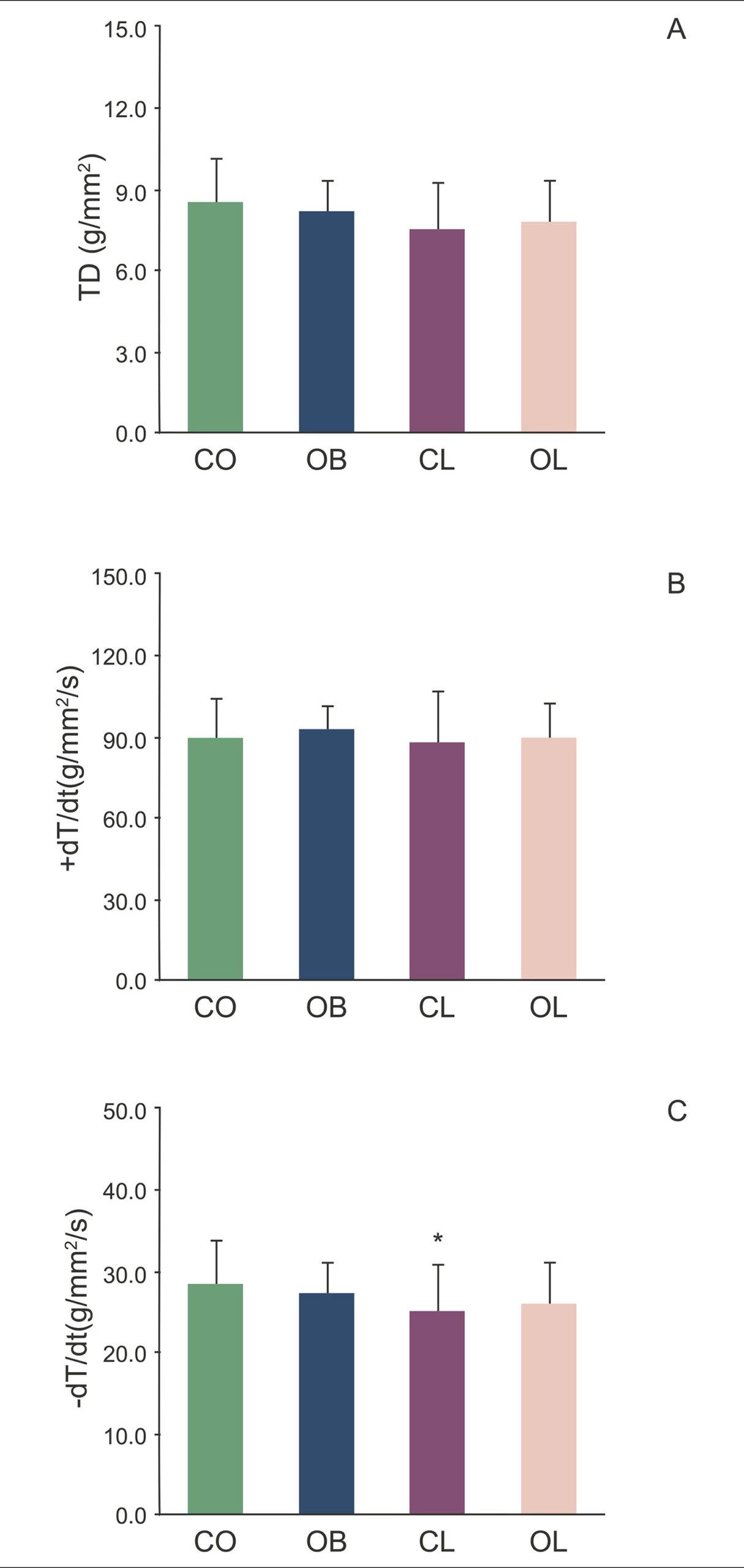
Although SBP change had been not maintained at the end of the experiment, obesity was associated with cardiac hypertrophy and with increased left ventricle posterior wall shortening velocity. In the study of papillary muscles in basal condition, CL showed lower developed tension maximum negative variation velocity (-dT/dt) than CO. The 60s PPP promoted lower -dT/dt and maximum developed tension (DT) in OB and CL compared with CO, and higher relative DT variation and maximum positive variation velocity (+dT/dt) in OL compared with CL and OB. Under 1.5, 2.0, and 2.5mM [Ca2+]o, the OL group showed higher -dT/dt than CL.

Conclusion

Losartan improves myocardial function in high-fat diet-induced obesity. (Arq Bras Cardiol. 2020;115(1):17-28)
  • Angiotensin II Type 1 Receptor Blockers/therapeutic use
  • Cardiovascular Diseases
  • Diet, High-fat/methods
  • Losartan/therapeutic use
  • Obesity
  • Rats
Read Full Article
Creative Commons Attribution (CC BY) Creative Commons license
07/08/2020 DOI: 10.36660/abc.20190131 Views 1
Erratum

Erratum

April 2020 Issue, vol. 114 (4), pages 732-735

In the Brief Communication “Inotropic and Antiarrhythmic Transmural Actions of Ranolazine in a Cellular Model of Type 3 Long QT Syndrome”, with DOI number: https://doi.org/10.36660/abc.20190220, published in the periodical Arquivos Brasileiros de Cardiologia, 114(4):732-735, on page 732: consider Danilo Roman-Campos as the correct form for the name of the author Danilo Roman Campos.

[…]

Read Full Article
Creative Commons Attribution (CC BY) Creative Commons license
07/08/2020 DOI: 10.36660/abc.20200730
Figure 1
Original Article

Clinical Characteristics of Resistant vs. Refractory Hypertension in a Population of Hypertensive Afrodescendants

Cristiano Macedo et al. Roque Aras Junior Isabella Sales de Macedo

Abstract

Background

Afrodescendants have been associated with a greater severity of arterial hypertension and a higher incidence of cardiovascular complications. Characteristics in the presentation of resistant hypertension (RH) or refractory hypertension (RfH), specifically in this ethnic group, have not been properly studied.

Objectives

The study compares clinical and epidemiological characteristics and prevalence of cardiovascular events in people of African descent diagnosed with RH or RfH.

Methods

Cross-sectional study carried out in a referral clinic for patients with severe hypertension. The level of significance was 5%.

Results

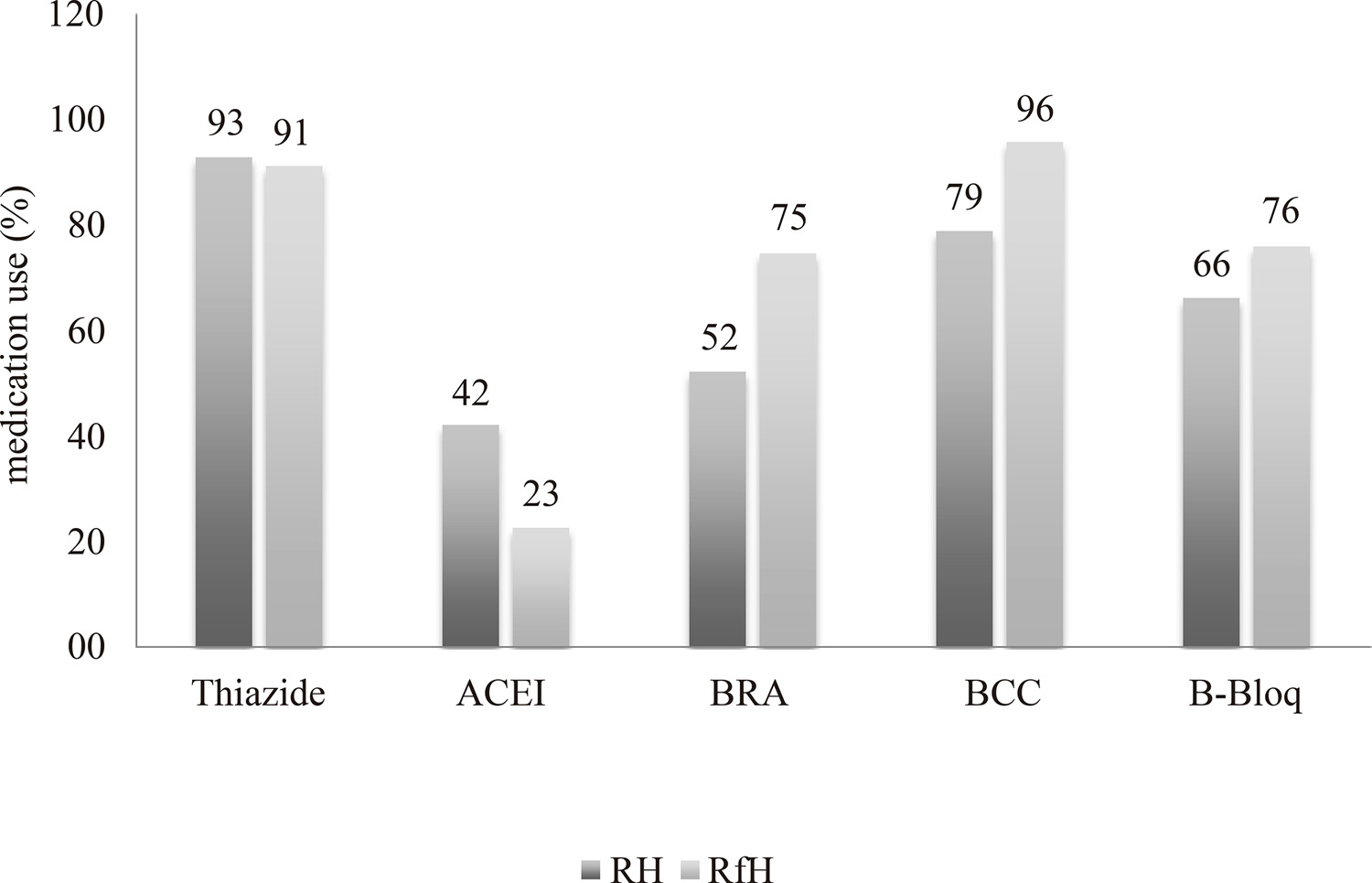
146 consecutive patients were evaluated, of which 68.7% were female. The average age was 61.8 years, with 88.4% of Afrodescendants (mixed race or black). 51% had RfH. There was a high prevalence of cardiovascular risk factors: 34.2% of subjects had diabetes, 69.4% dyslipidemia, 36.1% obesity, and 38.3% history of smoking. Reduced renal function was seen in 34.2%. Previous cardiovascular events occurred in 21.8% for myocardial infarction and in 19.9% for stroke. The Framingham’s risk score was moderate/high at 61%. RfH patients were younger (mean age 59.38±11.69 years versus 64.10±12.23 years, p=0.02), had more dyslipidemia (83.8 versus 66.7%, p=0.021), and stroke (30.4 versus 12.3%, p=0.011) when compared to those with RH. The use of a combination of ACEi/ARB+CCB+Diuretic, chlortalidone and spironolactone was also more frequent in individuals with RfH.

Conclusion

Africandescendant people with RH had a high cardiovascular risk, a high prevalence of RfH, a higher frequency of dyslipidemia and stroke, compatible with a high incidence of injury to target organs. (Arq Bras Cardiol.2020; 115(1):31-39)

  • African Continental Ancestry Grup/genetic
  • Comparative Stuy
  • Epidemiology
  • Hypertension/complications
  • Myocardial Infarction
  • Stroke
Read Full Article
Creative Commons Attribution (CC BY) Creative Commons license
07/08/2020 DOI: 10.36660/abc.20190218 Views 2
Figure 1
Original Article

Quercetin Ameliorates Lipid and Apolipoprotein Profile in High-Dose Glucocorticoid Treated Rats

Hoda Derakhshanian et al. Mahmoud Djalali Abolghassem Djazayery Mohammad Hassan Javanbakht … Mahnaz Zarei Azita Hekmatdoost Ghazaleh Eslamian Seyyedeh Somayyeh Mirhashemi Ahmad Reza Dehpour

Abstract

Background

Glucocorticoids (GCs) are widely prescribed for the treatment of numerous clinical disorders due to their anti-inflammatory and immune-modulatory properties and one of the most common untoward effects of these drugs is dyslipidemia.

Objective

To evaluate the effect of quercetin, a plant-derived flavonoid, on the lipid profile of high-dose glucocorticoid treated rats.

Methods

A total of 32 Sprague-Dawley rats, were randomly distributed among four groups (8 rats per group) and treated for 6 weeks with one of the following: (i) normal saline; (ii) 40 mg/kg methylprednisolone sodium succinate (MP); (iii) MP + 50 mg/kg quercetin; (iv) MP + 150 mg/kg quercetin. MP was injected subcutaneously, and quercetin was administered by oral gavage 3 days a week. At the end of the study, the animals’ lipid profile was measured by enzymatic kits. Data were analyzed and statistical significance was set at p<0.05.

Results

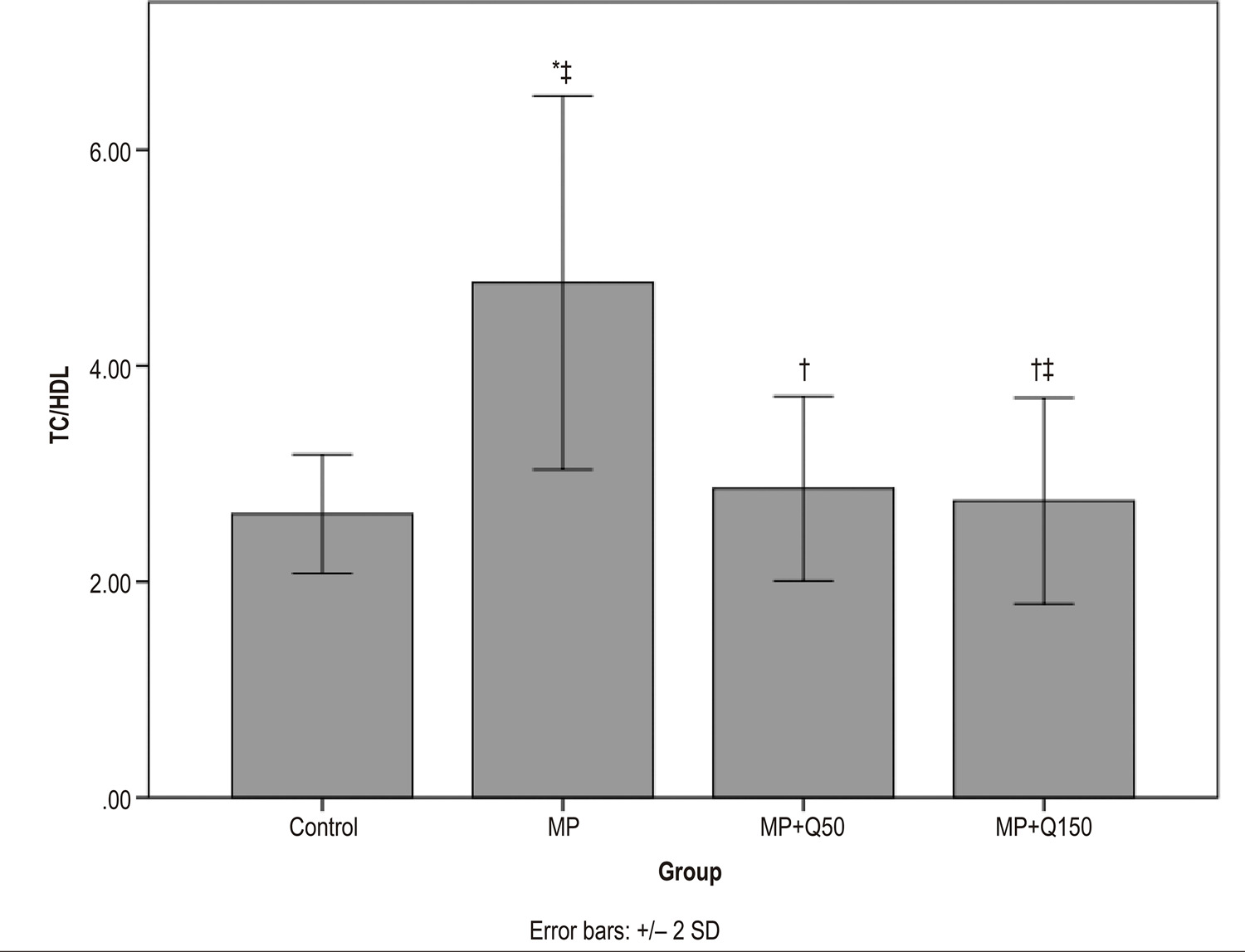
The mean serum total cholesterol (TC), triglyceride (TG) and LDL levels were drastically increased in GC-treated animals compared with the control group. Both doses of quercetin (50 and 150 mg/kg) ameliorated TC (43% and 45%), LDL (56% and 56%) and TG (46% and 55% respectively). Apo B/A1 ratio decreased more than 20% following quercetin intake and the decline in TC/HDL, TG/HL, LDL/HDL ratios were significant.

Conclusions

These data suggest that quercetin intake with both doses of 50 and 150 mg/kg could be considered as a protective agent for glucocorticoid-induced dyslipidemia. (Arq Bras Cardiol. 2020; 115(1):102-108.)

  • Anti-Inflammatory Agents
  • Cholesterol
  • Dyslipidemias
  • Glucocorticoids
  • Quercetin
  • Rats, Sprague-Dawley
  • Triglycerides
Read Full Article
Creative Commons Attribution (CC BY) Creative Commons license
07/08/2020 DOI: 10.36660/abc.20180397 Views 1
Figure 1
Case Report

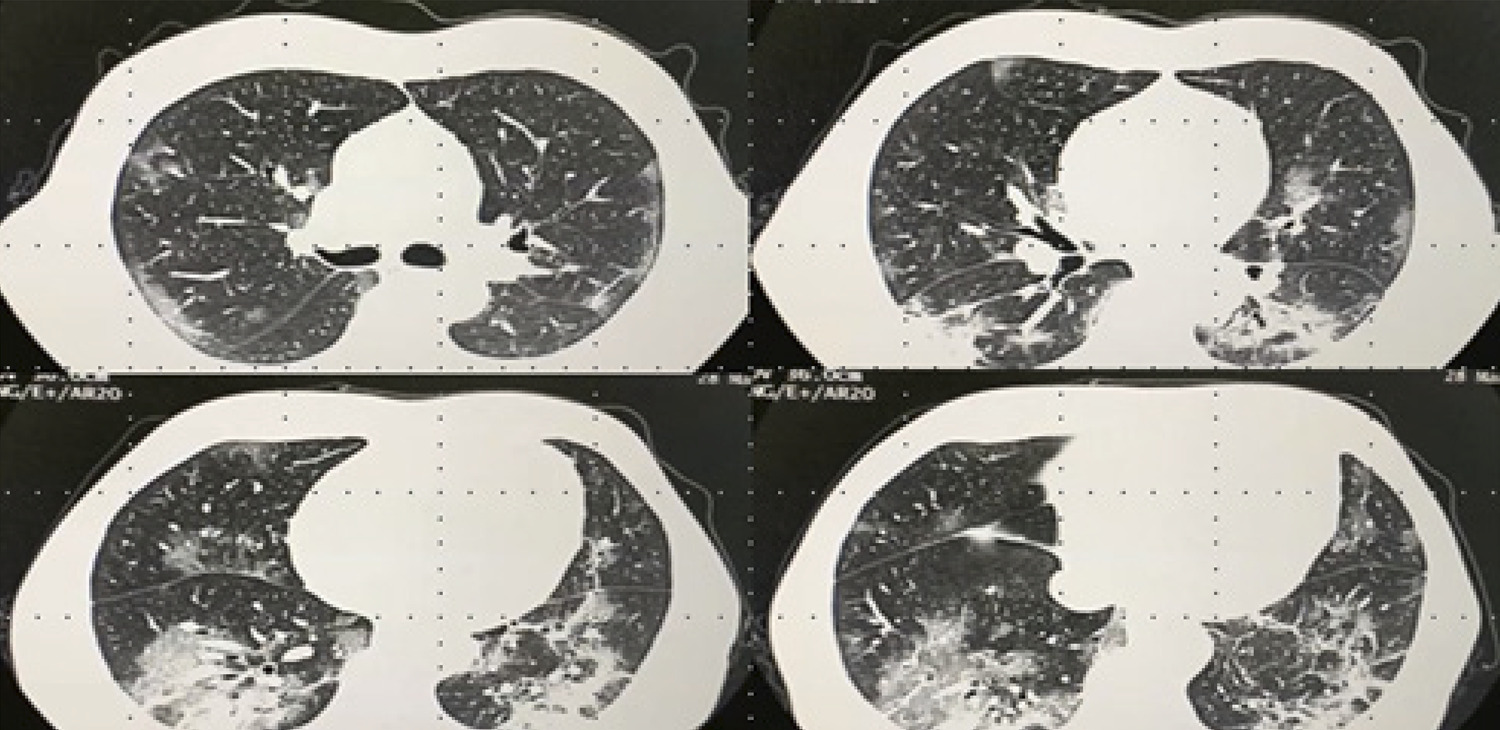
SARS-Cov-2 Infection and Pulmonary Thromboembolism – The Prothrombotic State in COVID-19

Hellen Dutra Passos et al. Mariana Carvalho Alves Leonardo Baumworcel João Paulo Cerqueira Vieira … Juliane Dantas Seabra Garcez Antônio Carlos Sobral Sousa

Introduction

The COVID-19 caused by new coronavirus, named by the World Health Organization as Severe Acute Respiratory Syndrome CoronaVirus 2 (SARS-CoV-2), has spread all over the world with astonishing speed. In Brazil, the spread risk (R0) of COVID-19 has been 3.0, which explains its rapid dissemination all over the states.

Individuals with cardiovascular diseases, systemic arterial hypertension, diabetes mellitus, chronic obstructive pulmonary disease, and immunosuppressed patients are at higher risk for adverse outcomes.

[…]

  • Anticoagulants
  • Coronavirus
  • COVID-19
  • Diagnostic Imaging
  • Pulmonary embolism
  • Severe Acute Respiratory Syndrome
Read Full Article
Creative Commons Attribution (CC BY) Creative Commons license
07/08/2020 DOI: 10.36660/abc.20200427 Views 1
Figure 1
Review Article

Acute Cardiorenal Syndrome: Which Diagnostic Criterion to Use And What is its Importance for Prognosis?

Andréa de Melo Leite et al. Bruno Ferraz de Oliveira Gomes André Casarsa Marques João Luiz Fernandes Petriz … Denilson Campos de Albuquerque Pedro Pimenta de Mello Spineti Antonio José Lagoeiro Jorge Humberto Villacorta Wolney de Andrade Martins

Abstract

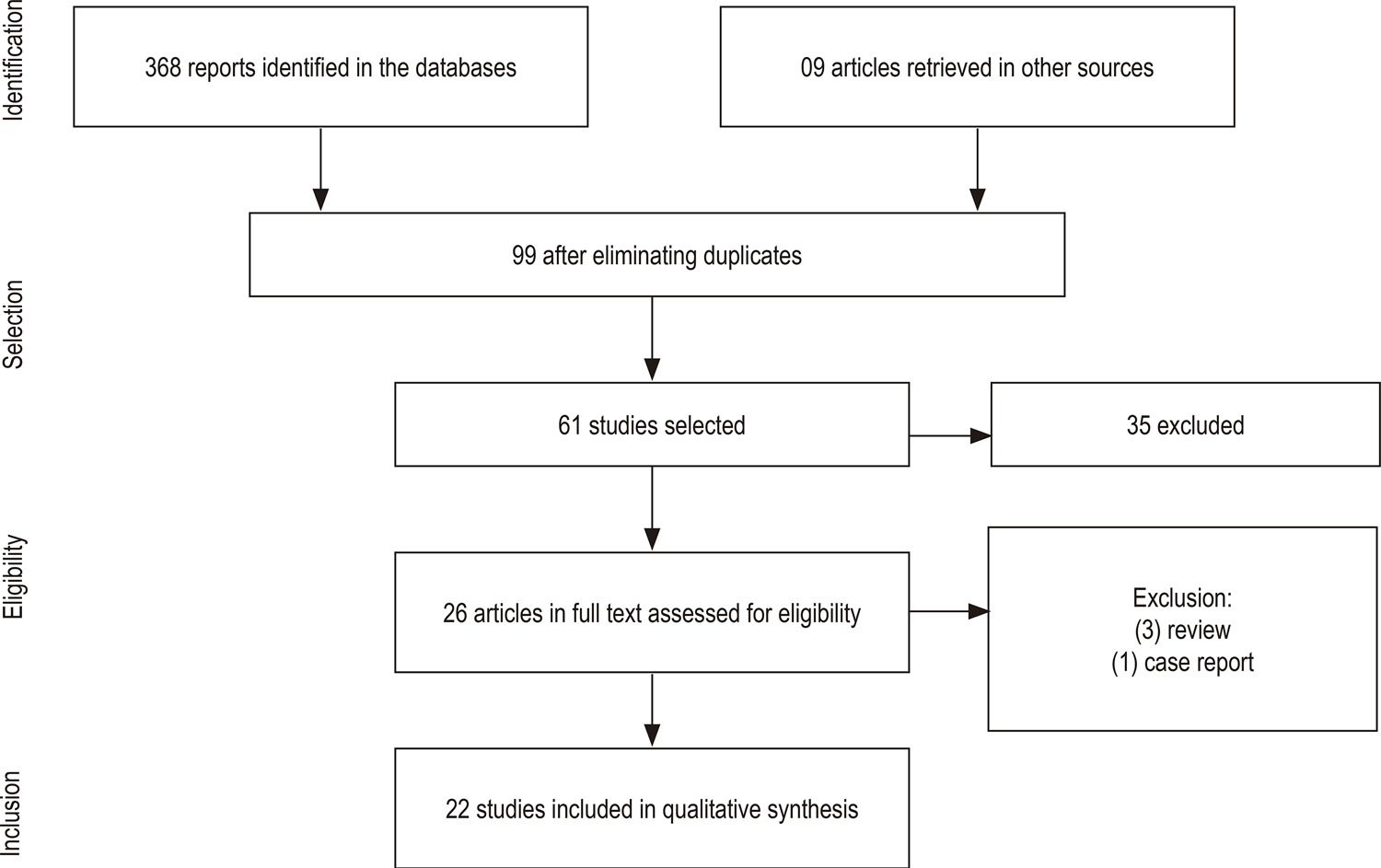
The absence of a consensus about the diagnostic criteria for acute cardiorenal syndrome (ACRS) affects its prognosis. This study aimed at assessing the diagnostic criteria for ACRS and their impact on prognosis. A systematic review was conducted using PRISMA methodology and PICO criteria in the MEDLINE, EMBASE and LILACS databases. The search included original publications, such as clinical trials, cohort studies, case-control studies, and meta-analyses, issued from January 1998 to June 2018. Neither literature nor heart failure guidelines provided a clear definition of the diagnostic criteria for ACRS. The serum creatinine increase by at least 0.3 mg/dL from baseline creatinine is the most used diagnostic criterion. However, the definition of baseline creatinine, as well as which serum creatinine should be used as reference for critical patients, is still controversial. This systematic review suggests that ACRS criteria should be revised to include the diagnosis of ACRS on hospital admission. Reference serum creatinine should reflect baseline renal function before the beginning of acute kidney injury.

  • Cardiorenal Syndrome
  • Creatinine
  • Heart Failure
  • Prognosis
  • Renal Insufficiency
  • systematic review
Read Full Article
Creative Commons Attribution (CC BY) Creative Commons license
07/08/2020 DOI: 10.36660/abc.20190207
Editorial

Physical Activity in the Present Can Be the Recipe to Avoid the Ills of Obesity and Hypertension in the Future

Roberto Jorge da Silva Franco

Short Editorial related to the article: Hypertensive Measures In Schoolchildren: Risk Of Central Obesity And Protective Effect Of Moderate-To-Vigorous Physical Activity

Arterial hypertension is one of the most important causes of premature death in the world. Nearly one billion are affected and it is estimated that by 2025, 1.5 billion adults will be living with AH. Fortunately, AH is a major modifiable risk factor for cardiovascular diseases with roots in childhood making both the development of the disease and death to be preventable.

[…]

  • Adolecents
  • Adult
  • Cardiovascular Diseases, mortality
  • Hypertension
  • Obesity
  • Physical,Activity
  • Risk Factors
  • Sedentarism
Read Full Article
Creative Commons Attribution (CC BY) Creative Commons license
07/08/2020 DOI: 10.36660/abc.20200483 Views 1
Figure 1
Review Article

Cardiovascular Imaging and Interventional Procedures in Patients with Novel Coronavirus Infection

Isabela Bispo Santos da Silva Costa et al. Carlos Eduardo Rochitte Carlos M. Campos Silvio Henrique Barberato … Gláucia Maria Moraes de Oliveira Marcelo Antônio Cartaxo Queiroga Lopes Cesar Higa Nomura Alexandre A. Abizaid Giovanni Cerri Roberto Kalil Filho Ludhmila Abrahão Hajjar

Abstract

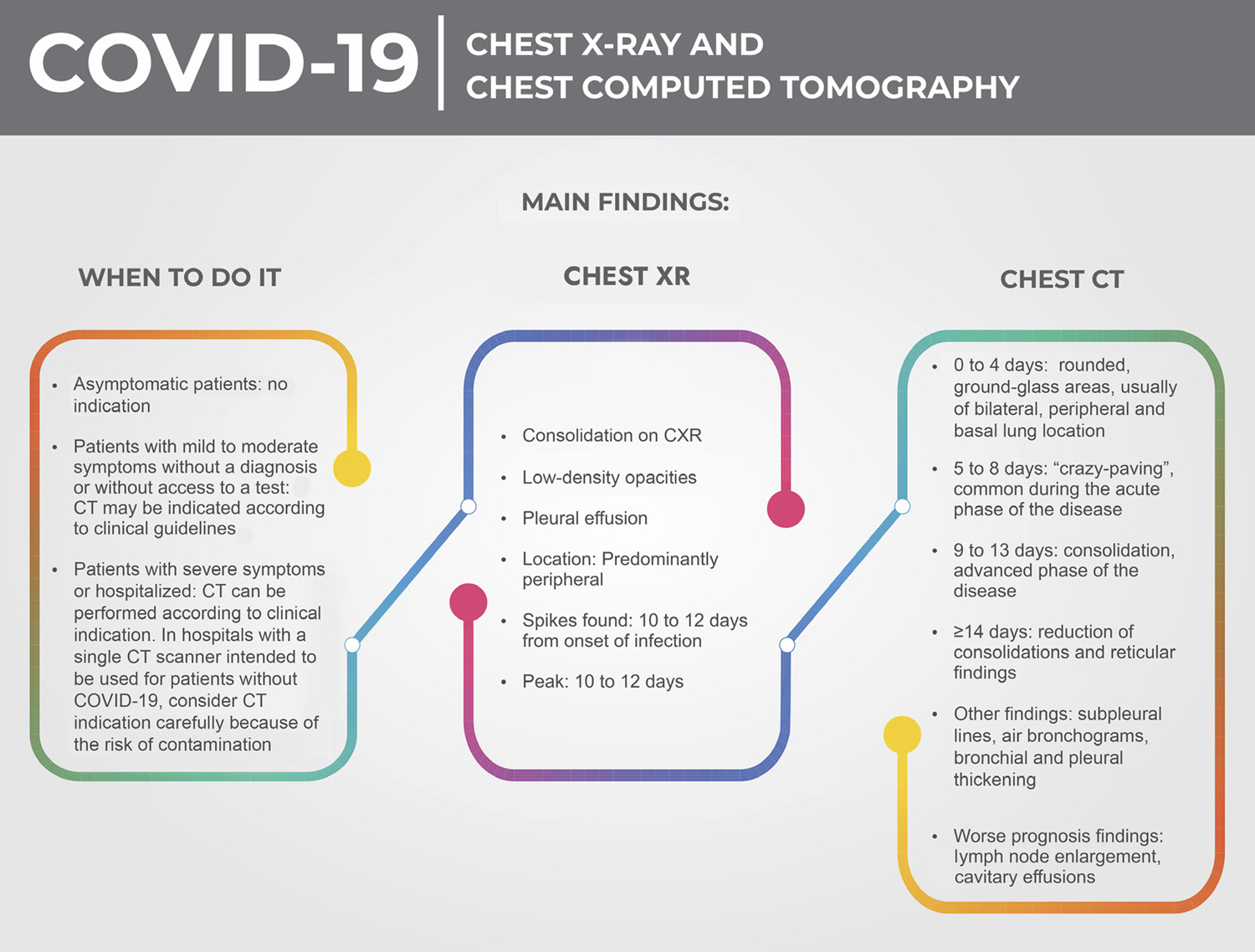
The coronavirus disease 2019 (COVID-19) pandemic is a huge challenge to the health system because of the exponential increase in the number of individuals affected. The rational use of resources and correct and judicious indication for imaging exams and interventional procedures are necessary, prioritizing patient, healthcare personnel, and environmental safety. This review was aimed at guiding health professionals in safely and effectively performing imaging exams and interventional procedures.

  • Cardiovascular Diseases/prevention and control
  • Communicable Diseases, Emergency
  • Coronavirus
  • COVID-19
  • Diagnostic Imaging
  • Diagnostic Techniques and Procedures
  • Medical Examination/methods
  • Pandemics
Read Full Article
Creative Commons Attribution (CC BY) Creative Commons license
07/08/2020 DOI: 10.36660/abc.20200370
Editorial

Heart Rate Variability as an Indicator of Cardiovascular Risk in Young Individuals

Breno Quintella Farah

The autonomic nervous system, which consists of the sympathetic and parasympathetic systems, plays an important role in regulating the functions of several systems in the human body, such as the cardiovascular system. Neural control of the heart is directly related to changes in heart rate and baroreceptor reflex activity, of which oscillation results from environmental stimuli. , These stimuli can lead to heart rate reduction through the parasympathetic nervous system, by decreasing the frequency of sinus node depolarization through the effect of acetylcholine on the cardiac neuroeffector junction. In turn, the sympathetic nervous system promotes an increase in heart rate through the norepinephrine release, which acts through the connection with β-adrenergic receptors, increasing the depolarization rate of the sinus pacemaker. ,

Healthy individuals or athletes, with an intact autonomic nervous system, show a predominance of parasympathetic modulation to the detriment of sympathetic modulation to the heart. On the other hand, in individuals with cardiovascular diseases, such as arterial hypertension, this pattern is reversed, with greater sympathetic modulation and less parasympathetic modulation being observed, which characterizes a picture of cardiac autonomic dysfunction. – This is particularly important, considering that changes in cardiac autonomic modulation and, consequently, in heart rate, can have a direct impact on cardiac output, which can result in BP changes.

[…]

  • Athletes
  • Blood Pressure
  • Endothelial function
  • Heredity/genetics
  • Hypertension
  • Soccer
  • Youth Sports
Read Full Article
Creative Commons Attribution (CC BY) Creative Commons license
07/08/2020 DOI: 10.36660/abc.20200444
Figure 1
Image

Myocardial Injury in COVID-19: a Challenge for Clinical Cardiologists

Roberto Cintra de Azevedo Aragão et al. Mariana Carvalho Alves Hellen Dutra Passos Luiz Flavio Galvão Gonçalves … Leonardo Baumworcel José Augusto Soares Barreto Filho

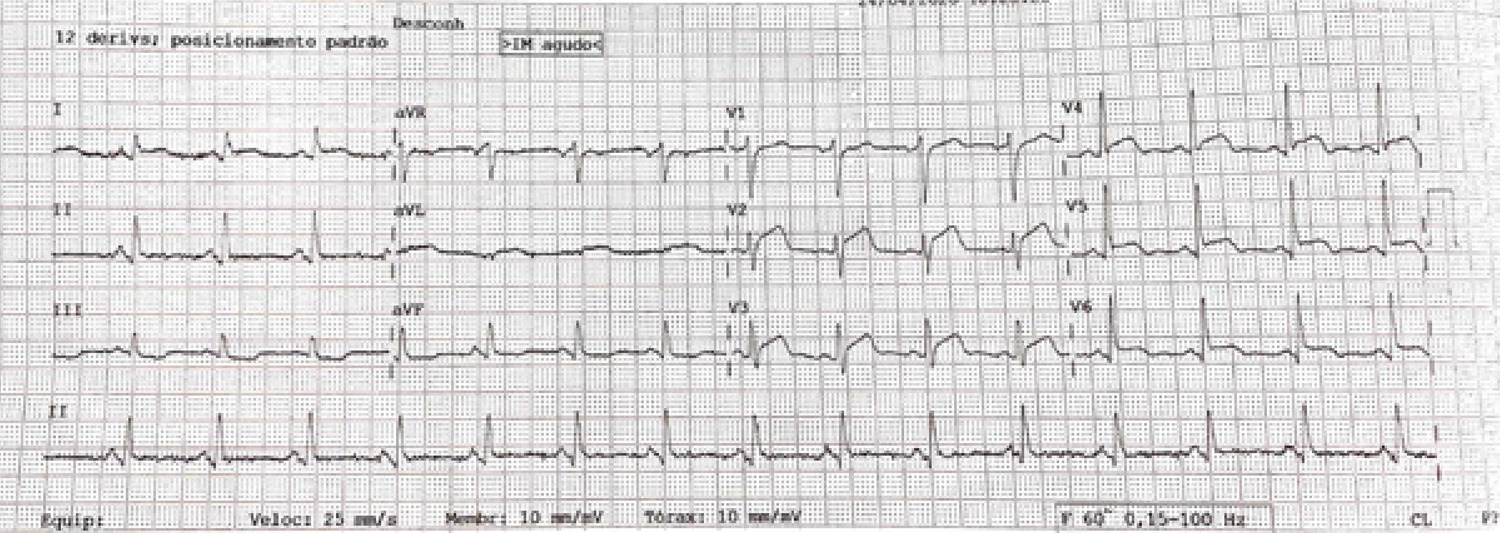
A 39-year-old male patient, with no previous comorbidities, was admitted to the emergency department presenting intense chest pain, associated with nausea, sweating, and mild respiratory distress. The pain was oppressive, and it radiated to both shoulders. The patient reported onset of asthenia, lack of appetite, and fever (38.9 ºC) 2 days prior, and he presented with polymorphic erythematous skin lesions on his back 1 day after admission.

Physical examination revealed the following: blood pressure = 140/100 mmHg, heart rate = 90 bpm, no fever, SpO2= 98% in room air, regular cardiac rhythm with 2 beats, no murmurs, clean lungs, good peripheral perfusion, and no edema.

[…]

  • Cardiac Injury
  • Cardiovascular Diseases
  • Chest Pain
  • Coronavirus
  • COVID-19
  • Myocarditis
  • Pandemic
Read Full Article
Creative Commons Attribution (CC BY) Creative Commons license
07/08/2020 DOI: 10.36660/abc.20200434 Views 1
Figure 1
Original Article

Decreased Collagen Type I is Associated with Increased Metalloproteinase-2 Activity and Protein Expression of Leptin in the Myocardium of Obese Rats

Danielle Cristina Tomaz da Silva-Bertani et al. Danielle Fernandes Vileigas Gustavo Augusto Ferreira Mota Sérgio Luiz Borges de Souza … Loreta Casquel De Tomasi Dijon Henrique Salomé de Campos Adriana Fernandes de Deus Paula Paccielli Freire Carlos Augusto Barnabe Alves Carlos Roberto Padovani Antonio Carlos Cicogna

Abstract

Background

Obesity is a risk factor for medical complications, including the cardiovascular system. There is limited information on collagen in the heart in obesity. Our previous study showed decreased protein levels of myocardial collagen type I in obese rats fed a high-fat diet for 34 weeks. However, the mechanisms responsible for low levels are not fully elucidated.

Objective

The purpose of this study was to test the hypothesis that the reduction in collagen type I is associated with increased metalloproteinase-2 (MMP-2) activity, which is linked to elevated leptin in the myocardium of obese rats.

Methods

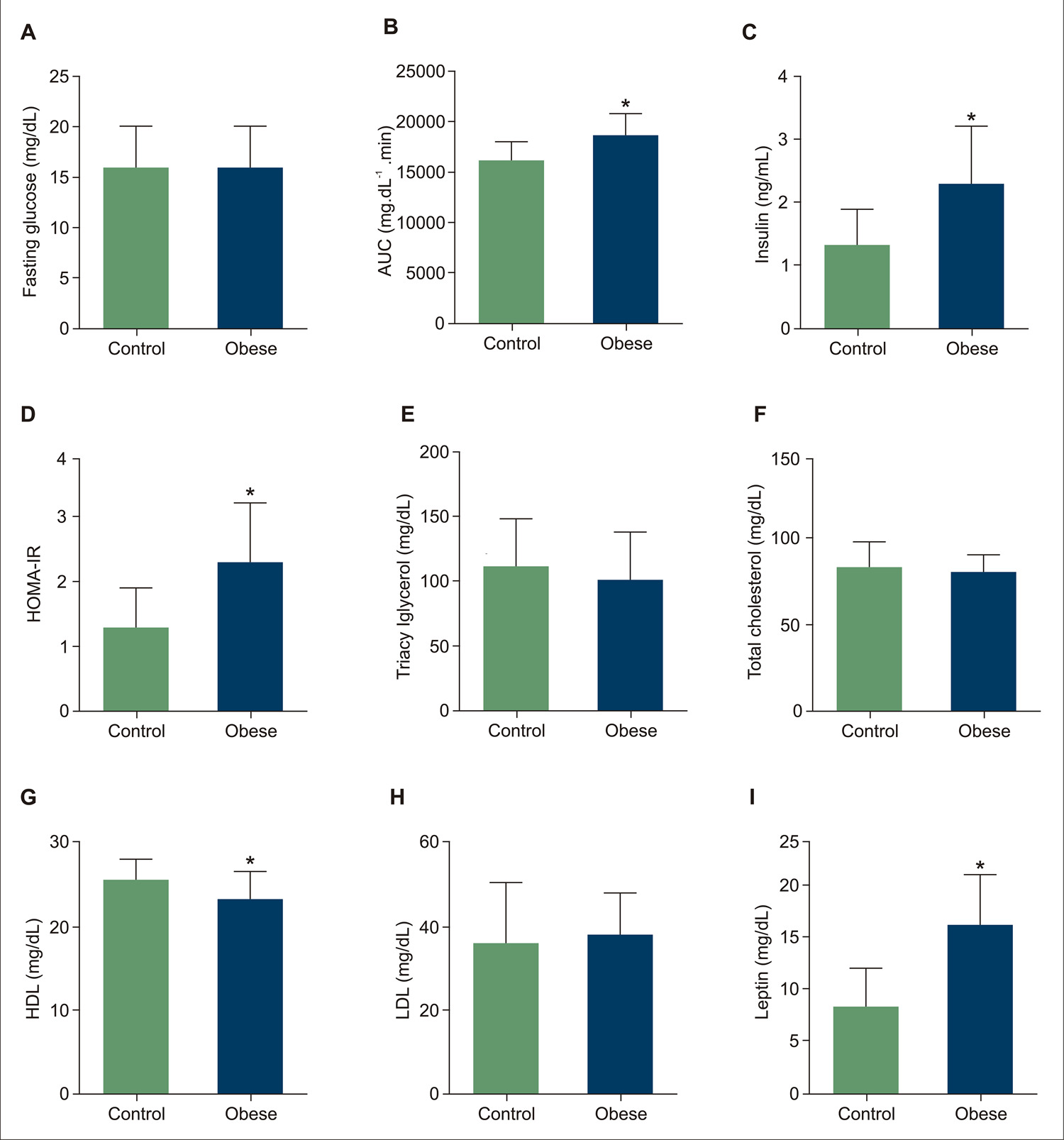
Thirty-day-old male Wistar rats were randomized into two groups, control (standard diet) and obese (high-fat diet), and fed for 34 weeks. The general animal characteristics and metabolic and endocrine profiles were evaluated. Myocardial protein expressions of collagen I, leptin, tissue inhibitors of metalloproteinases (TIMP), and MMP-2 activity were assessed. Pearson correlation was employed to determine the associations between variables. The level of significance was 5%.

Results

The obese animals had increased adiposity index compared to control. Comorbidities such as glucose intolerance, hyperinsulinemia, insulin resistance, hyperleptinemia, and hypertension were observed in obese rats. Obesity reduced collagen I, TIMP-1, and TIMP-2, and it increased leptin and MMP-2 in the myocardium. There was a negative correlation between collagen I and MMP-2 and a positive correlation between leptin and MMP-2.

Conclusion

The hypothesis was confirmed; the reduction in collagen type I is associated with increased MMP-2 activity and leptin expression in the myocardium of obese rats. (Arq Bras Cardiol. 2020; 115(1):61-70)

  • Adiposity
  • Cardiovascular Diseases/physiopathology
  • Collagen Type 1
  • Leptin
  • Metaloproteinase-2
  • Obesity
  • Rats
  • Tissue Inhibitor of Metalloproteinases
Read Full Article
Creative Commons Attribution (CC BY) Creative Commons license
07/08/2020 DOI: 10.36660/abc.20180143
Editorial

Short Editorial: Quercetin Ameliorates Lipid and Apolipoprotein Profile in High-Dose Glucocorticoid Treated Rats

Bruna Paola Murino Rafacho

Short Editorial related to the article: Quercetin Ameliorates Lipid and Apolipoprotein Profile in High-Dose Glucocorticoid Treated Rats

Flavonoids, such as anthocyanins, flavonols, flavanols, flavanones, flavones, and isoflavones are the most abundant polyphenols in the human diet. The flavonol quercetin is one of the most studied among these compounds. – Quercetin is a secondary plant metabolite of the flavonol subclass of flavonoids present in many fruits and vegetables, e.g. apples, grapes, onions and peppers. ,

[…]

  • Anti-Inflamatórios Agents
  • Antioxidants
  • Flavonoids
  • Glucocorticoids
  • Quercetin
  • Rats
Read Full Article
Creative Commons Attribution (CC BY) Creative Commons license
07/08/2020 DOI: 10.36660/abc.20200461 Views 1
Figure 3
Original Article

Acute Effect of Interval vs. Continuous Exercise on Blood Pressure: Systematic Review and Meta-Analysis

Raphael José Perrier-Melo et al. Eduardo Caldas Costa Breno Quintella Farah Manoel da Cunha Costa

Abstract

Background

Continuous aerobic exercise (CE) is one of the main non-pharmacological recommendations for hypertension prevention and treatment. CE is safe and effective to reduce blood pressure chronically, as well as in the first few hours after its performance, a phenomenon known as post-exercise hypotension (PEH). Interval exercise (IE) also results in PEH.

Objective

This systematic review and meta-analysis sought to compare the magnitude of PEH between CE and IE in adults.

Methods

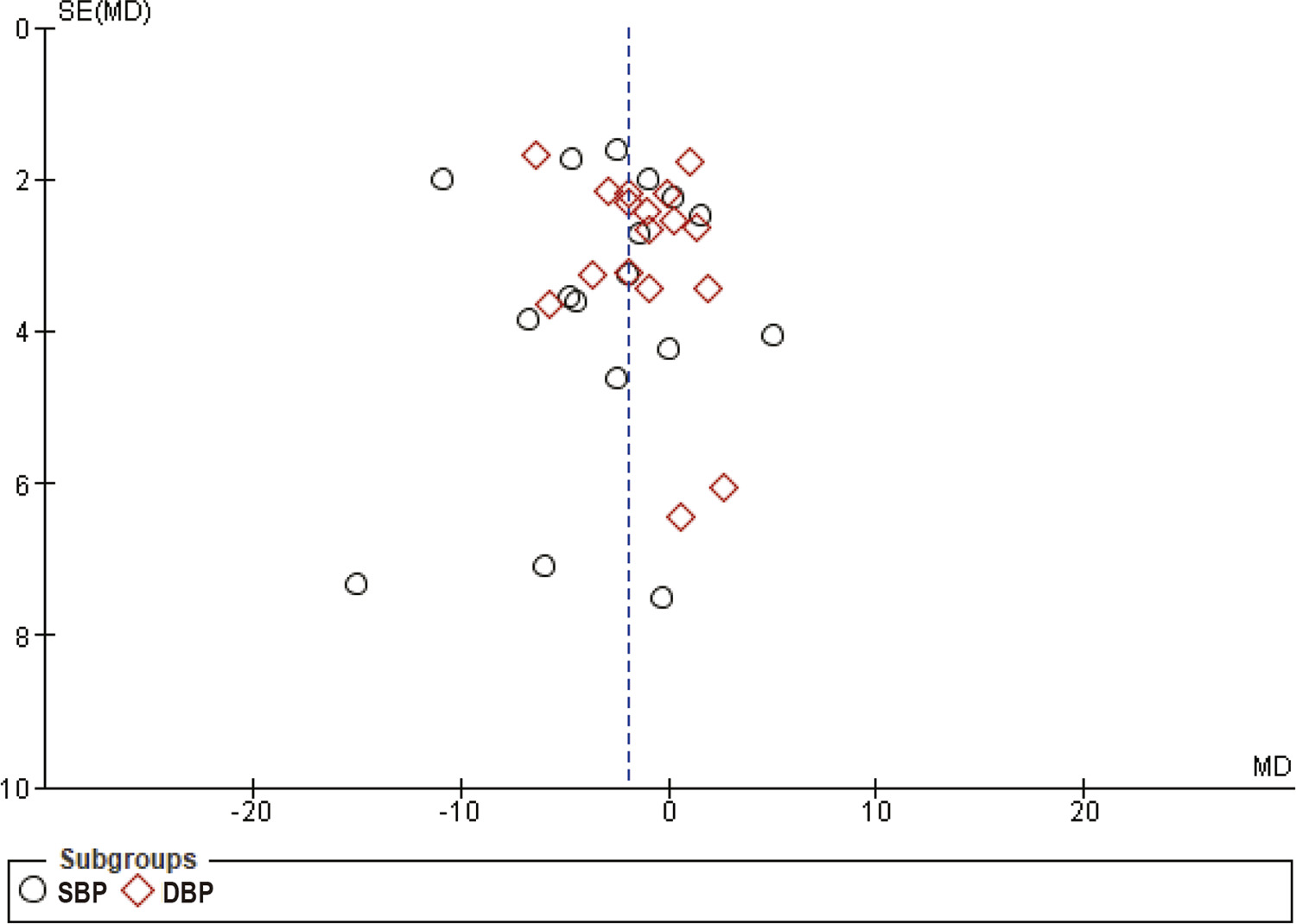
A systematic review of studies published in journals indexed in the PubMed, Web of Knowledge, Scopus and CENTRAL databases was performed until March 2020, which compared the magnitude of PEH between CE and IE. PEH was defined as between 45-60 minutes post-exercise. The differences between groups on blood pressure were analyzed using the random effects model. Data were reported as weighted mean difference (WMD) and 95% confidence interval (CI). A p-value <0.05 was considered statistically significant. The TESTEX scale (0-15) was used to verify the methodological quality of the studies.

Results

The IE showed a higher magnitude of PEH on systolic blood pressure (WMD: -2.93 mmHg [95% CI: -4.96, -0.90], p = 0.005, I2 = 50%) and diastolic blood pressure (WMD: -1,73 mmHg [IC95%: 2,94, -0,51], p= 0.005, I2= 0%) when compared to CE (12 studies, 196 participants). The scores of the studies on the TEXTEX scale varied from 10 to 11 points.

Conclusions

The IE resulted in a higher magnitude of PEH when compared to CE between 45 and 60 minutes post-exercise. The absence of adverse event data during IE and CE in the studies prevents comparisons of the safety of these strategies. (Arq Bras Cardiol. 2020; 115(1):5-14)

  • Blood Pressure
  • Exercise
  • Exercise Therapy
  • Hypertension
  • Post-Exercise Hypotension
  • Review
Read Full Article
Creative Commons Attribution (CC BY) Creative Commons license
07/08/2020 DOI: 10.36660/abc.20190107 Views 3
Editorial

COVID-19: A New Challenge in Pregnancy and Heart Disease

Walkiria Samuel Avila et al. Regina Coeli de Carvalho

The outbreak of coronavirus disease 2019 (COVID-19), caused by the severe acute respiratory syndrome coronavirus 2 (SARS-CoV-2), was declared a pandemic by the World Health Organization on March 11, 2020. Although SARS-CoV-2 isolation, gene sequencing, and structural analysis have been completed,therapies for COVID-19.

The first epidemiological data have pointed to a worse outcomes and higher mortality of COVID-19 in patients with chronic diseases, such as heart disease and arterial hypertension. Subsequently, the Brazilian Health Ministry included in the high-risk group pregnant, puerperal and post-abortion women.

[…]

  • Coronavirus
  • COVID19
  • Hypertension/prevention and control
  • Morbidity
  • Mortality
  • Pandemics
  • Pneumonia
  • Pregnancy
  • Pregnancy / high-risk
  • Risk Factors
  • Severe Acute Respiratory Syndrome
Read Full Article
Creative Commons Attribution (CC BY) Creative Commons license
07/08/2020 DOI: 10.36660/abc.20200511 Views 2
Editorial

Targeting the Renin-Angiotensin-Aldosterone System in Obesity

Ariane Vieira Scarlatelli Macedo

Short Editorial related to the article: AT1Receptor Blockade Improves Myocardial Functional Performance in Obesity

Obesity has been increasing across the globe and markedly raising the prevalence of cardiovascular diseases (CVD). Obesity, particularly severe obesity, causes hemodynamic alterations that contribute to changing cardiac morphology, which may predispose to impaired ventricular function and heart failure. These alterations include a high cardiac output state in most cases, as well as left ventricular hypertrophy (LVH) and left ventricular (LV) diastolic dysfunction. Experimental studies and some investigations on humans propose that specific neurohormonal and metabolic alterations generally associated with obesity may lead to changes in cardiac structure and function.

[…]

  • Cardiovascular Diseases
  • Heart Failure
  • Left Ventricular Hypertrofy
  • Obesity
  • Prevalence
  • Renin-Angiotensin System
Read Full Article
Creative Commons Attribution (CC BY) Creative Commons license
07/08/2020 DOI: 10.36660/abc.20200345 Views 2
Editorial

Drug-Eluting Stents for Everyone: Is the Price Worth It?

Marcos Danillo P Oliveira et al. Vanessa Teich Adriano Caixeta

Despite their initial revolutionary role for the interventional cardiology development, bare-metal stents (BMS) have as main drawback in-stent restenosis (ISR), which occurs in a significant proportion (up to 44%) of patients undergoing to percutaneous coronary interventions (PCI).

Drug-eluting stents (DES) became first available in the year 2,000. By locally releasing antiproliferative and anti-inflammatory drugs, there is an inhibition to the proliferation of smooth muscle cells, thereby mitigating a key factor to ISR. The introduction of second-generation DES, including everolimus-eluting and zotarolimus-eluting stents, has led to claims of improved safety with non-inferior efficacy compared with first generation DES devices, supported by numerous clinical trials.

[…]

  • Coronary Reestenosis
  • Cost-Benefit Analysis
  • Drug-Eluting Stents
  • Myocardial Infarction
  • Percutaneous Coronary Intervention
  • Unified Health System (SUS
Read Full Article
Creative Commons Attribution (CC BY) Creative Commons license
07/08/2020 DOI: 10.36660/abc.20200530
Figure 1
Original Article

Implementation of a Best Practice in Cardiology (BPC) Program Adapted from Get With The Guidelines®in Brazilian Public Hospitals: Study Design and Rationale

Fabio Papa Taniguchi et al. Sabrina Bernardez-Pereira Suzana Alves Silva Antônio Luiz Pinho Ribeiro … Louise Morgan Anne B. Curtis Kathryn Taubert Denilson Campos de Albuquerque Bernadete Weber Pedro Paulo Magalhães Chrispim Camila Pereira Pinto Toth Erica Deji Moura Morosov Gregg C. Fonarow Sidney C Smith Jr Angelo Amato Vincenzo de Paola

Abstract

Background

There are substantial opportunities to improve the quality of cardiovascular care in developing countries through the implementation of a quality program.

Objective

To evaluate the effect of a Best Practice in Cardiology (BPC) program on performance measures and patient outcomes related to heart failure, atrial fibrillation and acute coronary syndromes in a subset of Brazilian public hospitals.

Methods

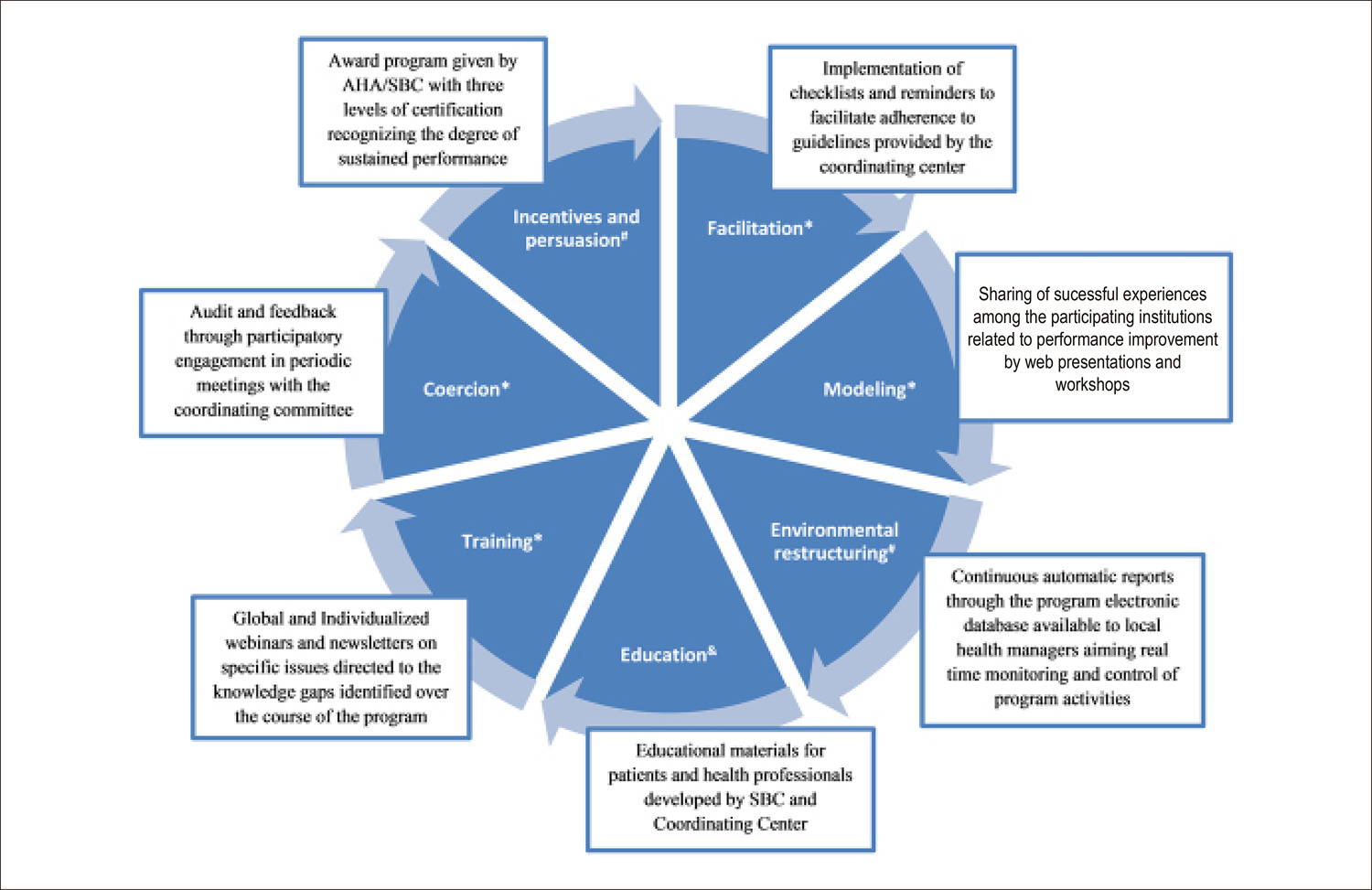
The Boas Práticas em Cardiologia (BPC) program was adapted from the American Heart Association’s (AHA) Get With The Guidelines (GWTG) Program for use in Brazil. The program is being started simultaneously in three care domains (acute coronary syndrome, atrial fibrillation and heart failure), which is an approach that has never been tested within the GWTG. There are six axes of interventions borrowed from knowledge translation literature that will address local barriers identified through structured interviews and regular audit and feedback meetings. The intervention is planned to include at least 10 hospitals and 1,500 patients per heart condition. The primary endpoint includes the rates of overall adherence to care measures recommended by the guidelines. Secondary endpoints include the effect of the program on length of stay, overall and specific mortality, readmission rates, quality of life, patients’ health perception and patients’ adherence to prescribed interventions.

Results

It is expected that participating hospitals will improve and sustain their overall adherence rates to evidence-based recommendations and patient outcomes. This is the first such cardiovascular quality improvement (QI) program in South America and will provide important information on how successful programs from developed countries like the United States can be adapted to meet the needs of countries with developing economies like Brazil. Also, a successful program will give valuable information for the development of QI programs in other developing countries.

Conclusions

This real-world study provides information for assessing and increasing adherence to cardiology guidelines in Brazil, as well as improvements in care processes. (Arq Bras Cardiol. 2020; [online].ahead print, PP.0-0)

  • Acute coronary syndrome
  • Atrial Fibrillation
  • Cardiovascular Diseases/physiopathology
  • Guidelines as Topic
  • Heart Failure
  • Quality Improvement/trends
Read Full Article
Creative Commons Attribution (CC BY) Creative Commons license
07/08/2020 DOI: 10.36660/abc.20190393
Figure 1
Original Article

Family History of Hypertension Impairs the Autonomic Balance, but not the Endothelial Function, in Young Soccer Players

Walter Vargas et al. Katya Rigatto

Abstract

Background

The family history of hypertension (FHH) imposes consistent risk for diverse chronic diseases that are accompanied by hypertension. Furthermore, the heart rate variability (HRV) and flow-mediated dilation (FMD) are both related to maximal oxygen uptake (VO2max), and are usually impaired during hypertension

Objective

To compare the autonomic modulation, the endothelial function (EF) and maximum oxygen uptake (VO2max) of young athletes, separated according to their parents’ blood pressure (BP) history, in order to study the influence of their genetic background on those parameters.

Methods

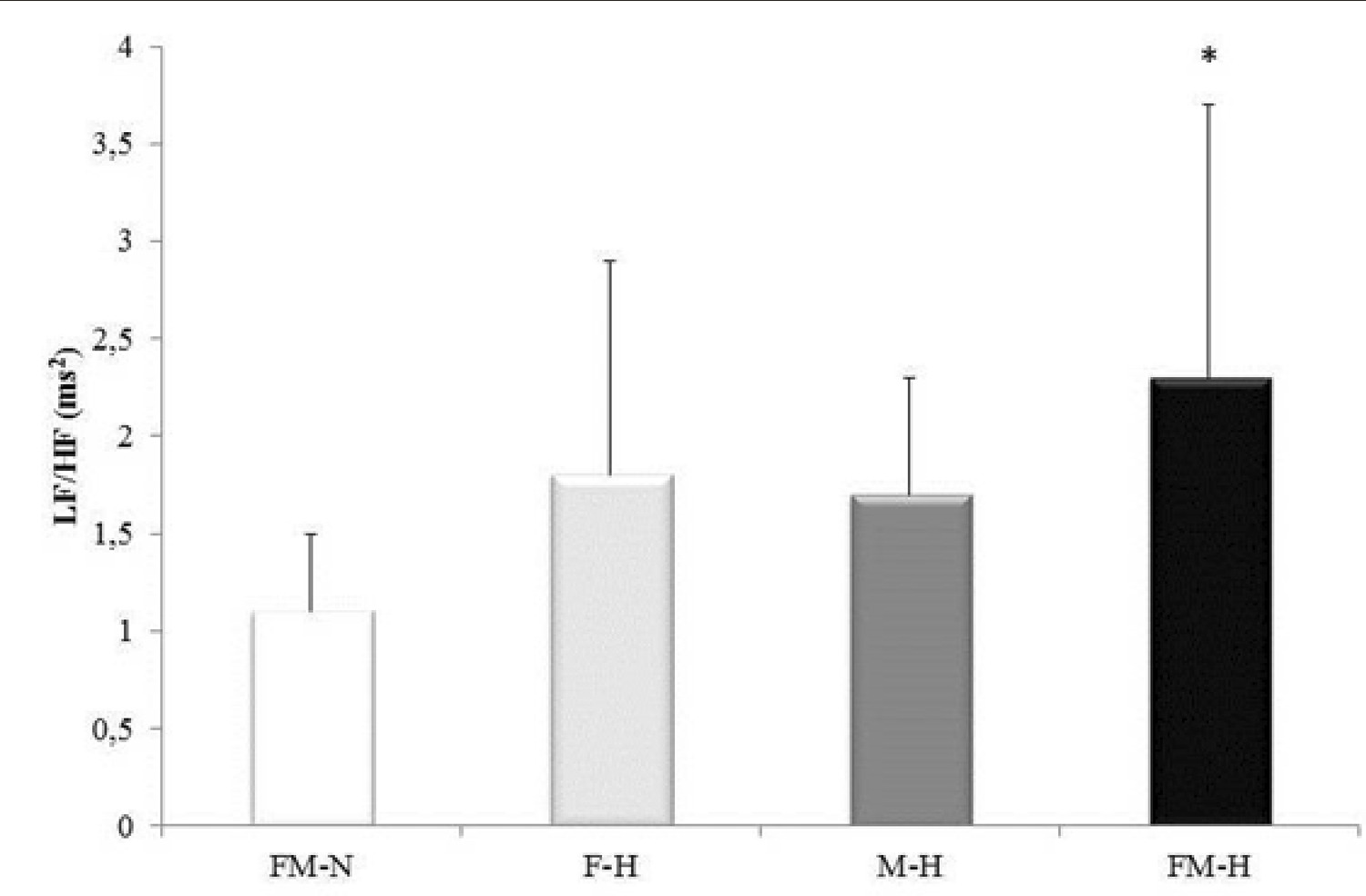
A total of 46 young male soccer players (18±2 years of age) were divided into four groups: 1-normotensive father and mother (FM-N); 2-only father was hypertensive (F-H); 3-only mother was hypertensive (M-H); 4-father and mother were hypertensive (FM-H). Measurements of BP, FMD, HRV and VO2maxwere performed. The significance level adopted in the statistical analysis was 5%.

Results

The standard deviation of normal RR intervals (SDNN; FM-N=314±185; FM-H=182.4± 57.8), the square root of the mean squared differences in successive RR intervals (RMSSD; FM-N=248±134; FM-H=87±51), the number of interval differences of successive NN intervals greater than 50ms (NN50; FM-N=367±83.4; FM-H=229±55), the ratio derived by dividing NN50 by the total number of NN intervals (pNN50; FM-N=32.4±6.2; FM-H=21.1±5.3) and the high (HF; FM-N=49±8.9; FM-H=35.3±12) and low-frequency (LF; FM-N=50.9±8.9; FM-H=64.6±12) components, in normalized units (%), were significantly lower in the FM-H group than in the FM-N group (p<0.05). On the other hand, the LF/HF ratio (ms2) was significantly higher (p<0.05). We found no significant difference between the groups in VO2maxand FMD (p<0.05).

Conclusions

In young male soccer players, the FHH plays a potentially role in autonomic balance impairment, especially when both parents are hypertensive, but present no changes in VO2maxand FMD. In this case, there is a decrease in the sympathetic-vagal control, which seems to precede the endothelial damage (Arq Bras Cardiol. 2020; 115(1):52-58)

  • Athletes
  • Blood Pressure
  • Endothelium/function
  • Heredity/genetics
  • Hypertension
  • Soccer
  • Youth Sports
Read Full Article
Creative Commons Attribution (CC BY) Creative Commons license
07/08/2020 DOI: 10.36660/abc.20180441 Views 2
Editorial

Short Editorial: Clinical Characteristics of Resistant vs. Refractory Hypertension in a Population of Hypertensive Afro-descendants

Rui Póvoa

Differences in the clinical behavior of arterial hypertension (AH) in diverse ethnic groups have long been the object of intense scientific investigation. The American Heart Association statistics for 2015 found that Afro-descendants have the highest prevalence of hypertension worldwide. In black, non-Hispanic men and women, the prevalence was 44.9% and 46.1%, respectively. Although such figures are not universal for all Afro-descendant populations, there are groups in which blood pressure levels are much higher, such as South-African blacks, in whom systolic blood pressure is 9.7 mmHg higher when compared to African-Americans. ,

Target-organ lesions and complications are more prevalent in Afro-descendants, when compared to Caucasians or Hispanics for the same pressure levels, in addition to the fact that they are more resistant to treatment. ,

[…]

  • African Continental Ancestry Group/genetics
  • Comparative Studies
  • Epidemiology
  • Hypertension/complications
  • Myocardial Infarction
  • Stroke
Read Full Article
Creative Commons Attribution (CC BY) Creative Commons license
07/08/2020 DOI: 10.36660/abc.20200344 Views 2
Figure 1
Viewpoint

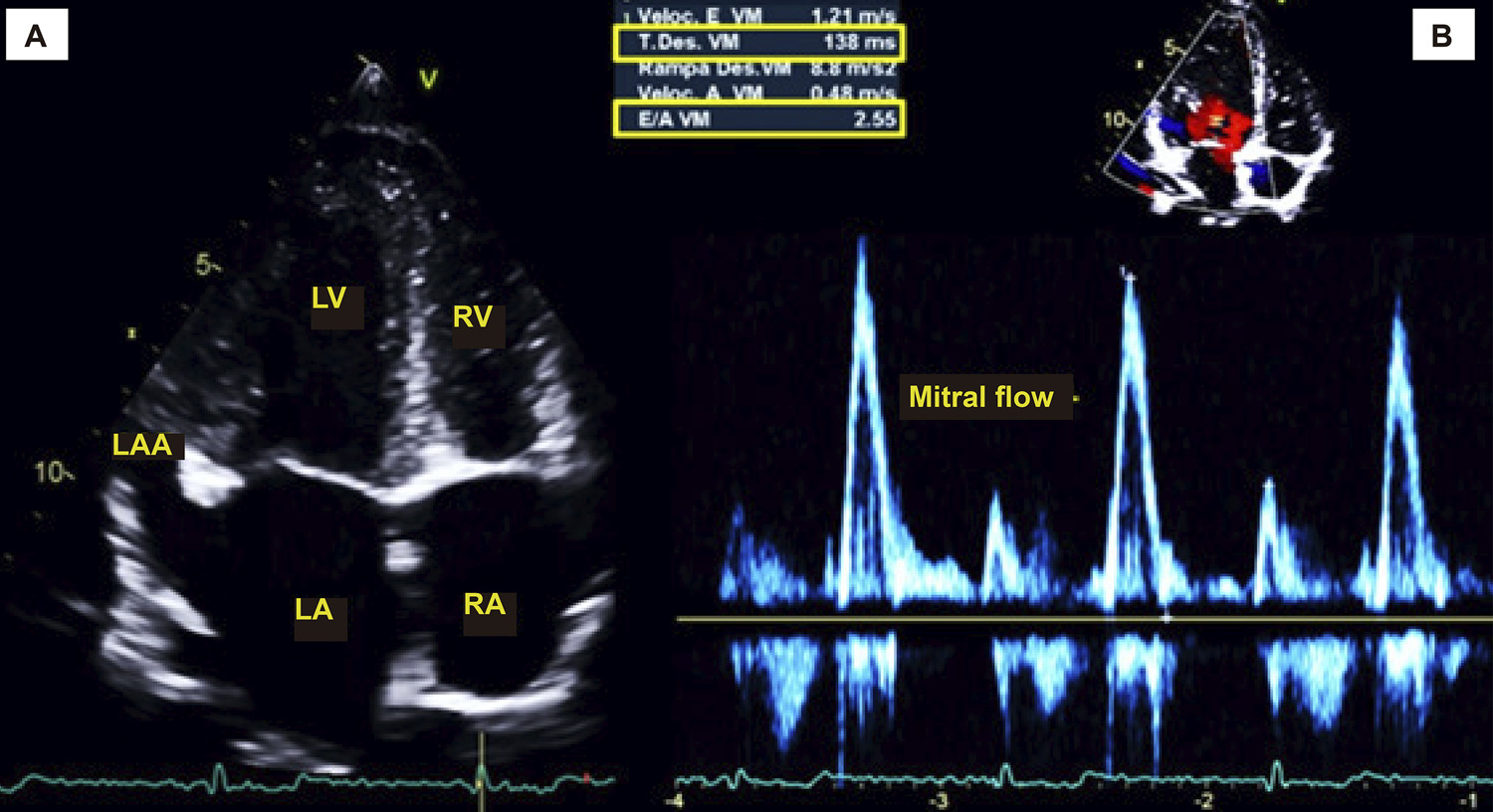
Appropriate Use of Diastolic Function Guideline When Evaluating Athletes: It is not Always what it Seems to Be

Carlos Eduardo Suaide Silva

The complete echocardiographic evaluation of the diastolic function has always been a great challenge for cardiologists and sonographers, either because of frequent changes found in every new guideline, due to a great amount of recent information about this complex subject, or because of some confusion created by the guidelines themselves, which are many times contradictory or not explanatory. However, we are moving towards a better understanding of what really happens on this important phase of the cardiac cycle. The last published guideline of 2016, despite presenting some inconsistencies and still not making certain situations clear, clarified several points and corrected some distortions of the previous one.

As usual in Medicine, every time we have a paradigm shift or a new clinical entity appears, we pass first through a moment of overdiagnosis followed by some discredit to finally reach a balance with the maturity and the knowledge acquired over time. The same happened with mitral valve prolapse, which showed an incidence of more than 30% in young women in the early 1970s, but nowadays it is known of about 2.5% in both sexes. Ventricular non-compaction and many other diseases followed the same pattern, as well as diastolic disfunction. How many healthy elderly people were diagnosed with mild diastolic disfunction (or grade I) due to presence of E/A inversion on spectral Doppler of the mitral inflow? Almeida et al. tested the impact of using the 2009 guidelines against 2016 for diagnosing diastolic disfunction in 1,000 elderly individuals (over 45 y/o). They found that only 1.4% had some degree of diastolic disfunction according to the 2016 guideline. On the other hand, if the 2009 guideline had been used, this number would rise to 38.2%.

[…]

  • Athletes
  • Diagnostic Imaging
  • Echocardiography/methods
  • Exercise
  • Guidelines as Topic
  • Sports
  • Ventricular Dysfunction
Read Full Article
Creative Commons Attribution (CC BY) Creative Commons license
07/08/2020 DOI: 10.36660/abc.20190689
Editorial

Implementation of Healthcare Quality Improvement Programs

Felix J. A. Ramires

The incidence and prevalence of cardiovascular disease are increasing worldwide. – This is partly due to population aging and the accumulation of risk factors associated with these diseases. In Brazil, the life expectancy of the population in 2019 was estimated at 76.6 years in a population of 211,652,819 people, assessed by IBGE. In the same year, approximately 12,168,390 hospitalizations were registered in the public healthcare system (in Brazil, SUS) — Ministry of Health — with approximately 1,200,000 due to cardiovascular diseases (10% of the total). In addition, the mortality related to cardiovascular diseases remains high, around 29% of the annual causes of death. Therefore, we observe the great impact of these diseases with regard to the occupation of hospital beds and mortality in Brazil. In this scenario, chronic disease management programs have shown that monitored and multidisciplinary monitoring improves adherence to pharmacological and non-pharmacological treatment determines optimization of therapy, decreases the number of hospitalizations directly related to the disease, promoting an important improvement in the quality of life and reduction of hospital costs. – Brazilian records have shown adherence to extremely low medical guidelines. The reasons for poor performance in implementing clinical guidelines include barriers related to the health system itself, medical commitment and improvement, multidisciplinary involvement and the patient’s own involvement in healthcare. Some studies suggest that about 30%–40% of patients do not receive healthcare according to the current scientific evidence, while 20% or more of the healthcare provided are not necessary or potentially harmful. The strategies developed to optimize adherence to current guidelines have demonstrated success in the management of these patients. This chronic disease management, focused on the quality of evidence-based care, can promote the reduction of clinical events. Some studies on management and quality improvement have shown reduced rates of hospital readmission in 30 days with the adoption of these measures. , Other models, in performance monitoring associated with strategies for implementing guidelines, promote the improvement of healthcare and reduction of outcomes. The encouragement of healthcare and quality measures are heterogeneous in different regions and among Brazilian institutions, resulting in extremely varied outcomes. The association of performance measures, detection of opportunities for improvement and development of strategies to increase adherence to good health practices are fundamental to optimize results.

In this scenario, the development of national protocols and studies on the management of cardiovascular diseases, focusing on the implementation of models and tools to improve the quality of healthcare and implementation of adherence to best practices, has a fundamental role in assessing feasibility and results.

[…]

  • aging
  • Bed Occupancy
  • Cardiovascular Diseases, mortality
  • Cost Savings
  • Drug Therapy
  • Guidelines as Topic
  • Prevalence
  • Quality Improvement
  • Risk Factors
Read Full Article
Creative Commons Attribution (CC BY) Creative Commons license
07/08/2020 DOI: 10.36660/abc.20200679 Views 2
Editorial

High-intensity Interval Training versus Continuous Exercise: Is There a Difference Regarding the Magnitude of Blood Pressure Reduction?

Filipe Ferrari et al. Vítor Magnus Martins

Short Editorial related to the article Acute Effect of Interval vs. Continuous Exercise on Blood Pressure: Systematic Review and Meta-Analysis

Systemic arterial hypertension (SAH) is strongly associated with adverse cardiovascular events, including heart failure, ischemic heart disease and cerebrovascular diseases.With a high prevalence worldwide, SAH is commonly associated with risk factors such as family history, obesity, high sodium intake and physical inactivity. Therefore, it is estimated that countries such as the United States and England have 1/3 of hypertensive individuals.In Brazil, specifically in 2016, a prevalence rate > 32% of SAH (36 million) was reported in adult individuals, being > 60% in the elderly. SAH contributed, directly or indirectly, to 50% of deaths from cardiovascular diseases.

[…]

  • Arterial Pressure
  • Exercise
  • Exercise Therapy
  • Heart Failure
  • Hypertension
  • Life Style
  • Post-Exercise Hypotension
  • Risk Factors
Read Full Article
Creative Commons Attribution (CC BY) Creative Commons license
07/08/2020 DOI: 10.36660/abc.20200261 Views 1
Figure 1
Original Article

Cost-effectiveness of Drug-Eluting Stents in Percutaneous Coronary Intervention in Brazil’s Unified Public Health System (SUS)

João Addison Pessoa et al. Esmeralci Ferreira Denizar Viana Araújo Edirley Maia … Felipe Souza Maia da Silva Maurício Salles de Oliveira Denilson Campos de Albuquerque

Abstract

Background

The use of drug-eluting stents (DESs), compared with bare-metal stents (BMSs), in percutaneous coronary intervention (PCI) has reduced the rate of restenosis, without an impact on mortality but with an increase in costs. Medical literature lacks randomized studies that economically compare these 2 stent types within the reality of the Brazilian Unified Public Health System (SUS).

Objective

To estimate the incremental cost-effectiveness ratio (ICER) between DES and BMS in SUS patients with single-vessel coronary artery disease.

Methods

Over a 3-year period, patients with symptomatic single-vessel coronary artery disease were randomized in a 1:2 ratio to receive a DES or BMS during PCI, with a 1-year clinical follow-up. The evaluation included in-stent restenosis (ISR), target lesion revascularization (TLR), major adverse events, and cost-effectiveness for each group. P-values <0.05 were considered significant.

Results

In the DES group, of 74 patients (96.1%) who completed the follow-up, 1 developed ISR (1.4%), 1 had TLR (1.4%), and 1 died (1.4%), with no cases of thrombosis. In the BMS group, of 141 patients (91.5%), ISR occurred in 14 (10.1%), TLR in 10 (7.3%), death in 3 (2.1%), and thrombosis in 1 (0.74%). In the economic analysis, the cost of the procedure was R$ 5,722.21 in the DES group and R$ 4,085.21 in the BMS group. The effectiveness by ISR and TLR was 8.7% for DES and 5.9% for BMS, with an ICER of R$ 18,816.09 and R$ 27,745.76, respectively.

Conclusions

In the SUS, DESs were cost-effective in accordance with the cost-effectiveness threshold recommended by the World Health Organization (Arq Bras Cardiol. 2020; 115(1):80-89)

  • Coronary Reestenosis
  • Cost-Benefit Analysis
  • Drug-Eluting Stents
  • Myocardial Infarction
  • Percutaneous Coronary Intervention
  • Unified Health System (SUS
Read Full Article
Creative Commons Attribution (CC BY) Creative Commons license
07/08/2020 DOI: 10.36660/abc.20180292 Views 1
Editorial

Atrioventricular Conduction System Disorders and Potential Risks of Arrhythmic Events in Endurance Athletes

Carlos Alberto Cordeiro Hossri

Short Editorial related to the article: Assessing Dynamic Atrioventricular Conduction Time to RR-interval Coupling in Athletes and Sedentary Subjects

Some disorders found on electrocardiograms are commonly seen in endurance or high-performance athletes and often have characteristics that are similar to those observed in elderly individuals or in those with cardiovascular disease. –

[…]

  • Arrhythmias Cardiac
  • Eletrocardiography/methods
  • Keywords: Athletes
  • physical fitness
  • Resistance Training
  • Sedentarism
  • Ventricular Function
  • Ventricular Remodeling
Read Full Article
Creative Commons Attribution (CC BY) Creative Commons license
07/08/2020 DOI: 10.36660/abc.20200668

Could not load more articles. Please try again.

How to cite this article

EndNote RIS

Electronic Document Format (Vancouver)

Oliveira-Junior SA, Muzili NA, Carvalho MR, Ota GE, Morais CS, Vieira LFC, Ortiz MO, et al. AT1Receptor Blockade Improves Myocardial Functional Performance in Obesity. Arquivos Brasileiros de Cardiologia 2020;115(1):17-28.

Electronic Document Format (ABNT)

Oliveira-Junior, Silvio Assis de; Muzili, Nayara de Araújo; Carvalho, Marianna Rabelo de; Ota, Gabriel Elias; Morais, Camila Souza de; Vieira, Larissa Fregapani da Costa; Ortiz, Mateus Oliveira; Campos, Dijon H. S.; Cezar, Marcelo Diacardia Mariano; Okoshi, Marina Politi; Okoshi, Katashi; Cicogna, Antonio C.; Martinez, Paula Felippe. AT1Receptor Blockade Improves Myocardial Functional Performance in Obesity. Arquivos Brasileiros de Cardiologia, v. 115, n. 1, p. 17-28, Aug. 2020.

Electronic Document Format (APA)

Oliveira-Junior, S. A. , Muzili, N. A., Carvalho, M. R. , Ota, G. E., Morais, C. S. , Vieira, L. F. C., Ortiz, M. O., Campos, D. H. S., Cezar, M. D. M., Okoshi, M. P., Okoshi, K., Cicogna, A. C., & Martinez, P. F. (2020). AT1Receptor Blockade Improves Myocardial Functional Performance in Obesity. Arquivos Brasileiros de Cardiologia, 115(1), 17-28.

Electronic Document Format (ISO)

Oliveira-Junior, Silvio Assis de and Muzili, Nayara de Araújo and Carvalho, Marianna Rabelo de and Ota, Gabriel Elias and Morais, Camila Souza de and Vieira, Larissa Fregapani da Costa and Ortiz, Mateus Oliveira and Campos, Dijon H. S. and Cezar, Marcelo Diacardia Mariano and Okoshi, Marina Politi and Okoshi, Katashi and Cicogna, Antonio C. and Martinez, Paula Felippe. AT1Receptor Blockade Improves Myocardial Functional Performance in Obesity. Arquivos Brasileiros de Cardiologia [online]. 2020, vol. 115, n. 1, [cited 2026-10-14], pp. 17-28. Available from: <https://journals.cardiol.br/en/article/at1receptor-blockade-improves-myocardial-functional-performance-in-obesity/>. ISSN 0066-782X

EndNote RIS

Electronic Document Format (Vancouver)

. Erratum. Arquivos Brasileiros de Cardiologia 2020;115(1):148.

Electronic Document Format (ABNT)

. Erratum. Arquivos Brasileiros de Cardiologia, v. 115, n. 1, p. 148-148, Aug. 2020.

Electronic Document Format (APA)

(2020). Erratum. Arquivos Brasileiros de Cardiologia, 115(1), 148-148.

Electronic Document Format (ISO)

. Erratum. Arquivos Brasileiros de Cardiologia [online]. 2020, vol. 115, n. 1, [cited 2026-10-14], pp. 148-148. Available from: <https://journals.cardiol.br/en/article/erratum-34/>. ISSN 0066-782X

EndNote RIS

Electronic Document Format (Vancouver)

Macedo C, Aras Junior R, Macedo IS. Clinical Characteristics of Resistant vs. Refractory Hypertension in a Population of Hypertensive Afrodescendants. Arquivos Brasileiros de Cardiologia 2020;115(1):31-9.

Electronic Document Format (ABNT)

Macedo, Cristiano; Aras Junior, Roque; Macedo, Isabella Sales de. Clinical Characteristics of Resistant vs. Refractory Hypertension in a Population of Hypertensive Afrodescendants. Arquivos Brasileiros de Cardiologia, v. 115, n. 1, p. 31-39, Aug. 2020.

Electronic Document Format (APA)

Macedo, C., Aras Junior, R., & Macedo, I. S. (2020). Clinical Characteristics of Resistant vs. Refractory Hypertension in a Population of Hypertensive Afrodescendants. Arquivos Brasileiros de Cardiologia, 115(1), 31-39.

Electronic Document Format (ISO)

Macedo, Cristiano and Aras Junior, Roque and Macedo, Isabella Sales de. Clinical Characteristics of Resistant vs. Refractory Hypertension in a Population of Hypertensive Afrodescendants. Arquivos Brasileiros de Cardiologia [online]. 2020, vol. 115, n. 1, [cited 2026-10-14], pp. 31-39. Available from: <https://journals.cardiol.br/en/article/clinical-characteristics-of-resistant-vs-refractory-hypertension-in-a-population-of-hypertensive-afrodescendants/>. ISSN 0066-782X

EndNote RIS

Electronic Document Format (Vancouver)

Derakhshanian H, Djalali M, Djazayery A, Javanbakht MH, Zarei M, Hekmatdoost A, Eslamian G, et al. Quercetin Ameliorates Lipid and Apolipoprotein Profile in High-Dose Glucocorticoid Treated Rats. Arquivos Brasileiros de Cardiologia 2020;115(1):102-8.

Electronic Document Format (ABNT)

Derakhshanian, Hoda; Djalali, Mahmoud; Djazayery, Abolghassem; Javanbakht, Mohammad Hassan; Zarei, Mahnaz; Hekmatdoost, Azita; Eslamian, Ghazaleh; Mirhashemi, Seyyedeh Somayyeh; Dehpour, Ahmad Reza. Quercetin Ameliorates Lipid and Apolipoprotein Profile in High-Dose Glucocorticoid Treated Rats. Arquivos Brasileiros de Cardiologia, v. 115, n. 1, p. 102-108, Aug. 2020.

Electronic Document Format (APA)

Derakhshanian, H., Djalali, M., Djazayery, A., Javanbakht, M. H., Zarei, M., Hekmatdoost, A., Eslamian, G., Mirhashemi, S. S., & Dehpour, A. R. (2020). Quercetin Ameliorates Lipid and Apolipoprotein Profile in High-Dose Glucocorticoid Treated Rats. Arquivos Brasileiros de Cardiologia, 115(1), 102-108.

Electronic Document Format (ISO)

Derakhshanian, Hoda and Djalali, Mahmoud and Djazayery, Abolghassem and Javanbakht, Mohammad Hassan and Zarei, Mahnaz and Hekmatdoost, Azita and Eslamian, Ghazaleh and Mirhashemi, Seyyedeh Somayyeh and Dehpour, Ahmad Reza. Quercetin Ameliorates Lipid and Apolipoprotein Profile in High-Dose Glucocorticoid Treated Rats. Arquivos Brasileiros de Cardiologia [online]. 2020, vol. 115, n. 1, [cited 2026-10-14], pp. 102-108. Available from: <https://journals.cardiol.br/en/article/quercetin-ameliorates-lipid-and-apolipoprotein-profile-in-high-dose-glucocorticoid-treated-rats/>. ISSN 0066-782X

EndNote RIS

Electronic Document Format (Vancouver)

Passos HD, Alves MC, Baumworcel L, Vieira JPC, Garcez JDS, Sousa ACS. SARS-Cov-2 Infection and Pulmonary Thromboembolism – The Prothrombotic State in COVID-19. Arquivos Brasileiros de Cardiologia 2020;115(1):142-5.

Electronic Document Format (ABNT)

Passos, Hellen Dutra; Alves, Mariana Carvalho; Baumworcel, Leonardo; Vieira, João Paulo Cerqueira; Garcez, Juliane Dantas Seabra; Sousa, Antônio Carlos Sobral. SARS-Cov-2 Infection and Pulmonary Thromboembolism – The Prothrombotic State in COVID-19. Arquivos Brasileiros de Cardiologia, v. 115, n. 1, p. 142-145, Aug. 2020.

Electronic Document Format (APA)

Passos, H. D., Alves, M. C., Baumworcel, L., Vieira, J. P. C., Garcez, J. D. S., & Sousa, A. C. S. (2020). SARS-Cov-2 Infection and Pulmonary Thromboembolism – The Prothrombotic State in COVID-19. Arquivos Brasileiros de Cardiologia, 115(1), 142-145.

Electronic Document Format (ISO)

Passos, Hellen Dutra and Alves, Mariana Carvalho and Baumworcel, Leonardo and Vieira, João Paulo Cerqueira and Garcez, Juliane Dantas Seabra and Sousa, Antônio Carlos Sobral. SARS-Cov-2 Infection and Pulmonary Thromboembolism – The Prothrombotic State in COVID-19. Arquivos Brasileiros de Cardiologia [online]. 2020, vol. 115, n. 1, [cited 2026-10-14], pp. 142-145. Available from: <https://journals.cardiol.br/en/article/sars-cov-2-infection-and-pulmonary-thromboembolism-the-prothrombotic-state-in-covid-19/>. ISSN 0066-782X

EndNote RIS

Electronic Document Format (Vancouver)

Leite AM, Gomes BFO, Marques AC, Petriz JLF, Albuquerque DC, Spineti PPM, Jorge AJL, et al. Acute Cardiorenal Syndrome: Which Diagnostic Criterion to Use And What is its Importance for Prognosis?. Arquivos Brasileiros de Cardiologia 2020;115(1):127-33.

Electronic Document Format (ABNT)

Leite, Andréa de Melo; Gomes, Bruno Ferraz de Oliveira; Marques, André Casarsa; Petriz, João Luiz Fernandes; Albuquerque, Denilson Campos de; Spineti, Pedro Pimenta de Mello; Jorge, Antonio José Lagoeiro; Villacorta, Humberto; Martins, Wolney de Andrade. Acute Cardiorenal Syndrome: Which Diagnostic Criterion to Use And What is its Importance for Prognosis?. Arquivos Brasileiros de Cardiologia, v. 115, n. 1, p. 127-133, Aug. 2020.

Electronic Document Format (APA)

Leite, A. M., Gomes, B. F. O., Marques, A. C., Petriz, J. L. F., Albuquerque, D. C. , Spineti, P. P. M., Jorge, A. J. L., Villacorta, H., & Martins, W. A. (2020). Acute Cardiorenal Syndrome: Which Diagnostic Criterion to Use And What is its Importance for Prognosis?. Arquivos Brasileiros de Cardiologia, 115(1), 127-133.

Electronic Document Format (ISO)

Leite, Andréa de Melo and Gomes, Bruno Ferraz de Oliveira and Marques, André Casarsa and Petriz, João Luiz Fernandes and Albuquerque, Denilson Campos de and Spineti, Pedro Pimenta de Mello and Jorge, Antonio José Lagoeiro and Villacorta, Humberto and Martins, Wolney de Andrade. Acute Cardiorenal Syndrome: Which Diagnostic Criterion to Use And What is its Importance for Prognosis?. Arquivos Brasileiros de Cardiologia [online]. 2020, vol. 115, n. 1, [cited 2026-10-14], pp. 127-133. Available from: <https://journals.cardiol.br/en/article/acute-cardiorenal-syndrome-which-diagnostic-criterion-to-use-and-what-is-its-importance-for-prognosis/>. ISSN 0066-782X

EndNote RIS

Electronic Document Format (Vancouver)

Franco RJS. Physical Activity in the Present Can Be the Recipe to Avoid the Ills of Obesity and Hypertension in the Future. Arquivos Brasileiros de Cardiologia 2020;115(1):50-1.

Electronic Document Format (ABNT)

Franco, Roberto Jorge da Silva. Physical Activity in the Present Can Be the Recipe to Avoid the Ills of Obesity and Hypertension in the Future. Arquivos Brasileiros de Cardiologia, v. 115, n. 1, p. 50-51, Aug. 2020.

Electronic Document Format (APA)

Franco, R. J. S. (2020). Physical Activity in the Present Can Be the Recipe to Avoid the Ills of Obesity and Hypertension in the Future. Arquivos Brasileiros de Cardiologia, 115(1), 50-51.

Electronic Document Format (ISO)

Franco, Roberto Jorge da Silva. Physical Activity in the Present Can Be the Recipe to Avoid the Ills of Obesity and Hypertension in the Future. Arquivos Brasileiros de Cardiologia [online]. 2020, vol. 115, n. 1, [cited 2026-10-14], pp. 50-51. Available from: <https://journals.cardiol.br/en/article/physical-activity-in-the-present-can-be-the-recipe-to-avoid-the-ills-of-obesity-and-hypertension-in-the-future/>. ISSN 0066-782X

EndNote RIS

Electronic Document Format (Vancouver)

Costa IBSS, Rochitte CE, Campos CM, Barberato SH, Oliveira GMM, Lopes MACQ, Nomura CH, et al. Cardiovascular Imaging and Interventional Procedures in Patients with Novel Coronavirus Infection. Arquivos Brasileiros de Cardiologia 2020;115(1):111-26.

Electronic Document Format (ABNT)

Costa, Isabela Bispo Santos da Silva; Rochitte, Carlos Eduardo; Campos, Carlos M.; Barberato, Silvio Henrique; Oliveira, Gláucia Maria Moraes de; Lopes, Marcelo Antônio Cartaxo Queiroga; Nomura, Cesar Higa; Abizaid, Alexandre A.; Cerri, Giovanni; Kalil Filho, Roberto; Hajjar, Ludhmila Abrahão. Cardiovascular Imaging and Interventional Procedures in Patients with Novel Coronavirus Infection. Arquivos Brasileiros de Cardiologia, v. 115, n. 1, p. 111-126, Aug. 2020.

Electronic Document Format (APA)

Costa, I. B. S. S., Rochitte, C. E., Campos, C. M., Barberato, S. H., Oliveira, G. M. M. , Lopes, M. A. C. Q., Nomura, C. H., Abizaid, A. A., Cerri, G., Kalil Filho, R., & Hajjar, L. A. (2020). Cardiovascular Imaging and Interventional Procedures in Patients with Novel Coronavirus Infection. Arquivos Brasileiros de Cardiologia, 115(1), 111-126.

Electronic Document Format (ISO)

Costa, Isabela Bispo Santos da Silva and Rochitte, Carlos Eduardo and Campos, Carlos M. and Barberato, Silvio Henrique and Oliveira, Gláucia Maria Moraes de and Lopes, Marcelo Antônio Cartaxo Queiroga and Nomura, Cesar Higa and Abizaid, Alexandre A. and Cerri, Giovanni and Kalil Filho, Roberto and Hajjar, Ludhmila Abrahão. Cardiovascular Imaging and Interventional Procedures in Patients with Novel Coronavirus Infection. Arquivos Brasileiros de Cardiologia [online]. 2020, vol. 115, n. 1, [cited 2026-10-14], pp. 111-126. Available from: <https://journals.cardiol.br/en/article/cardiovascular-imaging-and-interventional-procedures-in-patients-with-novel-coronavirus-infection/>. ISSN 0066-782X

EndNote RIS

Electronic Document Format (Vancouver)

Farah BQ. Heart Rate Variability as an Indicator of Cardiovascular Risk in Young Individuals. Arquivos Brasileiros de Cardiologia 2020;115(1):59-60.

Electronic Document Format (ABNT)

Farah, Breno Quintella. Heart Rate Variability as an Indicator of Cardiovascular Risk in Young Individuals. Arquivos Brasileiros de Cardiologia, v. 115, n. 1, p. 59-60, Aug. 2020.

Electronic Document Format (APA)

Farah, B. Q. (2020). Heart Rate Variability as an Indicator of Cardiovascular Risk in Young Individuals. Arquivos Brasileiros de Cardiologia, 115(1), 59-60.

Electronic Document Format (ISO)

Farah, Breno Quintella. Heart Rate Variability as an Indicator of Cardiovascular Risk in Young Individuals. Arquivos Brasileiros de Cardiologia [online]. 2020, vol. 115, n. 1, [cited 2026-10-14], pp. 59-60. Available from: <https://journals.cardiol.br/en/article/heart-rate-variability-as-an-indicator-of-cardiovascular-risk-in-young-individuals/>. ISSN 0066-782X

EndNote RIS

Electronic Document Format (Vancouver)

Aragão RCA, Alves MC, Passos HD, Gonçalves LFG, Baumworcel L, Barreto Filho JAS. Myocardial Injury in COVID-19: a Challenge for Clinical Cardiologists. Arquivos Brasileiros de Cardiologia 2020;115(1):139-41.

Electronic Document Format (ABNT)

Aragão, Roberto Cintra de Azevedo; Alves, Mariana Carvalho; Passos, Hellen Dutra; Gonçalves, Luiz Flavio Galvão; Baumworcel, Leonardo; Barreto Filho, José Augusto Soares. Myocardial Injury in COVID-19: a Challenge for Clinical Cardiologists. Arquivos Brasileiros de Cardiologia, v. 115, n. 1, p. 139-141, Aug. 2020.

Electronic Document Format (APA)

Aragão, R. C. A., Alves, M. C., Passos, H. D., Gonçalves, L. F. G., Baumworcel, L., & Barreto Filho, J. A. S. (2020). Myocardial Injury in COVID-19: a Challenge for Clinical Cardiologists. Arquivos Brasileiros de Cardiologia, 115(1), 139-141.

Electronic Document Format (ISO)

Aragão, Roberto Cintra de Azevedo and Alves, Mariana Carvalho and Passos, Hellen Dutra and Gonçalves, Luiz Flavio Galvão and Baumworcel, Leonardo and Barreto Filho, José Augusto Soares. Myocardial Injury in COVID-19: a Challenge for Clinical Cardiologists. Arquivos Brasileiros de Cardiologia [online]. 2020, vol. 115, n. 1, [cited 2026-10-14], pp. 139-141. Available from: <https://journals.cardiol.br/en/article/myocardial-injury-in-covid-19-a-challenge-for-clinical-cardiologists/>. ISSN 0066-782X

EndNote RIS

Electronic Document Format (Vancouver)

Silva-Bertani DCT, Vileigas DF, Mota GAF, Souza SLB, Tomasi LCD, Campos DHS, Deus AF, et al. Decreased Collagen Type I is Associated with Increased Metalloproteinase-2 Activity and Protein Expression of Leptin in the Myocardium of Obese Rats. Arquivos Brasileiros de Cardiologia 2020;115(1):61-70.

Electronic Document Format (ABNT)

Silva-Bertani, Danielle Cristina Tomaz da; Vileigas, Danielle Fernandes; Mota, Gustavo Augusto Ferreira; Souza, Sérgio Luiz Borges de; Tomasi, Loreta Casquel De; Campos, Dijon Henrique Salomé de; Deus, Adriana Fernandes de; Freire, Paula Paccielli; Alves, Carlos Augusto Barnabe; Padovani, Carlos Roberto; Cicogna, Antonio Carlos. Decreased Collagen Type I is Associated with Increased Metalloproteinase-2 Activity and Protein Expression of Leptin in the Myocardium of Obese Rats. Arquivos Brasileiros de Cardiologia, v. 115, n. 1, p. 61-70, Aug. 2020.

Electronic Document Format (APA)

Silva-Bertani, D. C. T. , Vileigas, D. F., Mota, G. A. F., Souza, S. L. B. , Tomasi, L. C. D., Campos, D. H. S. , Deus, A. F. , Freire, P. P., Alves, C. A. B., Padovani, C. R., & Cicogna, A. C. (2020). Decreased Collagen Type I is Associated with Increased Metalloproteinase-2 Activity and Protein Expression of Leptin in the Myocardium of Obese Rats. Arquivos Brasileiros de Cardiologia, 115(1), 61-70.

Electronic Document Format (ISO)

Silva-Bertani, Danielle Cristina Tomaz da and Vileigas, Danielle Fernandes and Mota, Gustavo Augusto Ferreira and Souza, Sérgio Luiz Borges de and Tomasi, Loreta Casquel De and Campos, Dijon Henrique Salomé de and Deus, Adriana Fernandes de and Freire, Paula Paccielli and Alves, Carlos Augusto Barnabe and Padovani, Carlos Roberto and Cicogna, Antonio Carlos. Decreased Collagen Type I is Associated with Increased Metalloproteinase-2 Activity and Protein Expression of Leptin in the Myocardium of Obese Rats. Arquivos Brasileiros de Cardiologia [online]. 2020, vol. 115, n. 1, [cited 2026-10-14], pp. 61-70. Available from: <https://journals.cardiol.br/en/article/decreased-collagen-type-i-is-associated-with-increased-metalloproteinase-2-activity-and-protein-expression-of-leptin-in-the-myocardium-of-obese-rats/>. ISSN 0066-782X

EndNote RIS

Electronic Document Format (Vancouver)

Rafacho BPM. Short Editorial: Quercetin Ameliorates Lipid and Apolipoprotein Profile in High-Dose Glucocorticoid Treated Rats. Arquivos Brasileiros de Cardiologia 2020;115(1):109-10.

Electronic Document Format (ABNT)

Rafacho, Bruna Paola Murino. Short Editorial: Quercetin Ameliorates Lipid and Apolipoprotein Profile in High-Dose Glucocorticoid Treated Rats. Arquivos Brasileiros de Cardiologia, v. 115, n. 1, p. 109-110, Aug. 2020.

Electronic Document Format (APA)

Rafacho, B. P. M. (2020). Short Editorial: Quercetin Ameliorates Lipid and Apolipoprotein Profile in High-Dose Glucocorticoid Treated Rats. Arquivos Brasileiros de Cardiologia, 115(1), 109-110.

Electronic Document Format (ISO)

Rafacho, Bruna Paola Murino. Short Editorial: Quercetin Ameliorates Lipid and Apolipoprotein Profile in High-Dose Glucocorticoid Treated Rats. Arquivos Brasileiros de Cardiologia [online]. 2020, vol. 115, n. 1, [cited 2026-10-14], pp. 109-110. Available from: <https://journals.cardiol.br/en/article/short-editorial-quercetin-ameliorates-lipid-and-apolipoprotein-profile-in-high-dose-glucocorticoid-treated-rats/>. ISSN 0066-782X

EndNote RIS

Electronic Document Format (Vancouver)

Perrier-Melo RJ, Costa EC, Farah BQ, Costa MC. Acute Effect of Interval vs. Continuous Exercise on Blood Pressure: Systematic Review and Meta-Analysis. Arquivos Brasileiros de Cardiologia 2020;115(1):5-14.

Electronic Document Format (ABNT)

Perrier-Melo, Raphael José; Costa, Eduardo Caldas; Farah, Breno Quintella; Costa, Manoel da Cunha. Acute Effect of Interval vs. Continuous Exercise on Blood Pressure: Systematic Review and Meta-Analysis. Arquivos Brasileiros de Cardiologia, v. 115, n. 1, p. 5-14, Aug. 2020.

Electronic Document Format (APA)

Perrier-Melo, R. J., Costa, E. C., Farah, B. Q., & Costa, M. C. (2020). Acute Effect of Interval vs. Continuous Exercise on Blood Pressure: Systematic Review and Meta-Analysis. Arquivos Brasileiros de Cardiologia, 115(1), 5-14.

Electronic Document Format (ISO)

Perrier-Melo, Raphael José and Costa, Eduardo Caldas and Farah, Breno Quintella and Costa, Manoel da Cunha. Acute Effect of Interval vs. Continuous Exercise on Blood Pressure: Systematic Review and Meta-Analysis. Arquivos Brasileiros de Cardiologia [online]. 2020, vol. 115, n. 1, [cited 2026-10-14], pp. 5-14. Available from: <https://journals.cardiol.br/en/article/acute-effect-of-interval-vs-continuous-exercise-on-blood-pressure-systematic-review-and-meta-analysis/>. ISSN 0066-782X

EndNote RIS

Electronic Document Format (Vancouver)

Avila WS, Carvalho RC. COVID-19: A New Challenge in Pregnancy and Heart Disease. Arquivos Brasileiros de Cardiologia 2020;115(1):1-4.

Electronic Document Format (ABNT)

Avila, Walkiria Samuel; Carvalho, Regina Coeli de. COVID-19: A New Challenge in Pregnancy and Heart Disease. Arquivos Brasileiros de Cardiologia, v. 115, n. 1, p. 1-4, Aug. 2020.

Electronic Document Format (APA)

Avila, W. S., & Carvalho, R. C. (2020). COVID-19: A New Challenge in Pregnancy and Heart Disease. Arquivos Brasileiros de Cardiologia, 115(1), 1-4.

Electronic Document Format (ISO)

Avila, Walkiria Samuel and Carvalho, Regina Coeli de. COVID-19: A New Challenge in Pregnancy and Heart Disease. Arquivos Brasileiros de Cardiologia [online]. 2020, vol. 115, n. 1, [cited 2026-10-14], pp. 1-4. Available from: <https://journals.cardiol.br/en/article/covid-19-a-new-challenge-in-pregnancy-and-heart-disease/>. ISSN 0066-782X

EndNote RIS

Electronic Document Format (Vancouver)

Macedo AVS. Targeting the Renin-Angiotensin-Aldosterone System in Obesity. Arquivos Brasileiros de Cardiologia 2020;115(1):29-30.

Electronic Document Format (ABNT)

Macedo, Ariane Vieira Scarlatelli. Targeting the Renin-Angiotensin-Aldosterone System in Obesity. Arquivos Brasileiros de Cardiologia, v. 115, n. 1, p. 29-30, Aug. 2020.

Electronic Document Format (APA)

Macedo, A. V. S. (2020). Targeting the Renin-Angiotensin-Aldosterone System in Obesity. Arquivos Brasileiros de Cardiologia, 115(1), 29-30.

Electronic Document Format (ISO)

Macedo, Ariane Vieira Scarlatelli. Targeting the Renin-Angiotensin-Aldosterone System in Obesity. Arquivos Brasileiros de Cardiologia [online]. 2020, vol. 115, n. 1, [cited 2026-10-14], pp. 29-30. Available from: <https://journals.cardiol.br/en/article/targeting-the-renin-angiotensin-aldosterone-system-in-obesity/>. ISSN 0066-782X

EndNote RIS

Electronic Document Format (Vancouver)

Oliveira MDP, Teich V, Caixeta A. Drug-Eluting Stents for Everyone: Is the Price Worth It?. Arquivos Brasileiros de Cardiologia 2020;115(1):90-1.

Electronic Document Format (ABNT)

Oliveira, Marcos Danillo P; Teich, Vanessa; Caixeta, Adriano. Drug-Eluting Stents for Everyone: Is the Price Worth It?. Arquivos Brasileiros de Cardiologia, v. 115, n. 1, p. 90-91, Aug. 2020.

Electronic Document Format (APA)

Oliveira, M. D. P., Teich, V., & Caixeta, A. (2020). Drug-Eluting Stents for Everyone: Is the Price Worth It?. Arquivos Brasileiros de Cardiologia, 115(1), 90-91.

Electronic Document Format (ISO)

Oliveira, Marcos Danillo P and Teich, Vanessa and Caixeta, Adriano. Drug-Eluting Stents for Everyone: Is the Price Worth It?. Arquivos Brasileiros de Cardiologia [online]. 2020, vol. 115, n. 1, [cited 2026-10-14], pp. 90-91. Available from: <https://journals.cardiol.br/en/article/drug-eluting-stents-for-everyone-is-the-price-worth-it/>. ISSN 0066-782X

EndNote RIS

Electronic Document Format (Vancouver)

Taniguchi FP, Bernardez-Pereira S, Silva SA, Ribeiro ALP, Morgan L, Curtis AB, Taubert K, et al. Implementation of a Best Practice in Cardiology (BPC) Program Adapted from Get With The Guidelines®in Brazilian Public Hospitals: Study Design and Rationale. Arquivos Brasileiros de Cardiologia 2020;115(1):92-9.

Electronic Document Format (ABNT)

Taniguchi, Fabio Papa; Bernardez-Pereira, Sabrina; Silva, Suzana Alves; Ribeiro, Antônio Luiz Pinho; Morgan, Louise; Curtis, Anne B.; Taubert, Kathryn; Albuquerque, Denilson Campos de; Weber, Bernadete; Chrispim, Pedro Paulo Magalhães; Toth, Camila Pereira Pinto; Morosov, Erica Deji Moura; Fonarow, Gregg C.; Smith Jr, Sidney C; Paola, Angelo Amato Vincenzo de. Implementation of a Best Practice in Cardiology (BPC) Program Adapted from Get With The Guidelines®in Brazilian Public Hospitals: Study Design and Rationale. Arquivos Brasileiros de Cardiologia, v. 115, n. 1, p. 92-99, Aug. 2020.

Electronic Document Format (APA)

Taniguchi, F. P., Bernardez-Pereira, S., Silva, S. A., Ribeiro, A. L. P., Morgan, L., Curtis, A. B., Taubert, K., Albuquerque, D. C. , Weber, B., Chrispim, P. P. M., Toth, C. P. P., Morosov, E. D. M., Fonarow, G. C., Smith Jr, S. C., & Paola, A. A. V. (2020). Implementation of a Best Practice in Cardiology (BPC) Program Adapted from Get With The Guidelines®in Brazilian Public Hospitals: Study Design and Rationale. Arquivos Brasileiros de Cardiologia, 115(1), 92-99.

Electronic Document Format (ISO)

Taniguchi, Fabio Papa and Bernardez-Pereira, Sabrina and Silva, Suzana Alves and Ribeiro, Antônio Luiz Pinho and Morgan, Louise and Curtis, Anne B. and Taubert, Kathryn and Albuquerque, Denilson Campos de and Weber, Bernadete and Chrispim, Pedro Paulo Magalhães and Toth, Camila Pereira Pinto and Morosov, Erica Deji Moura and Fonarow, Gregg C. and Smith Jr, Sidney C and Paola, Angelo Amato Vincenzo de. Implementation of a Best Practice in Cardiology (BPC) Program Adapted from Get With The Guidelines®in Brazilian Public Hospitals: Study Design and Rationale. Arquivos Brasileiros de Cardiologia [online]. 2020, vol. 115, n. 1, [cited 2026-10-14], pp. 92-99. Available from: <https://journals.cardiol.br/en/article/implementation-of-a-best-practice-in-cardiology-bpc-program-adapted-from-get-with-the-guidelinesin-brazilian-public-hospitals-study-design-and-rationale/>. ISSN 0066-782X

EndNote RIS

Electronic Document Format (Vancouver)

Vargas W, Rigatto K. Family History of Hypertension Impairs the Autonomic Balance, but not the Endothelial Function, in Young Soccer Players. Arquivos Brasileiros de Cardiologia 2020;115(1):52-8.

Electronic Document Format (ABNT)

Vargas, Walter; Rigatto, Katya. Family History of Hypertension Impairs the Autonomic Balance, but not the Endothelial Function, in Young Soccer Players. Arquivos Brasileiros de Cardiologia, v. 115, n. 1, p. 52-58, Aug. 2020.

Electronic Document Format (APA)

Vargas, W., & Rigatto, K. (2020). Family History of Hypertension Impairs the Autonomic Balance, but not the Endothelial Function, in Young Soccer Players. Arquivos Brasileiros de Cardiologia, 115(1), 52-58.

Electronic Document Format (ISO)

Vargas, Walter and Rigatto, Katya. Family History of Hypertension Impairs the Autonomic Balance, but not the Endothelial Function, in Young Soccer Players. Arquivos Brasileiros de Cardiologia [online]. 2020, vol. 115, n. 1, [cited 2026-10-14], pp. 52-58. Available from: <https://journals.cardiol.br/en/article/family-history-of-hypertension-impairs-the-autonomic-balance-but-not-the-endothelial-function-in-young-soccer-players/>. ISSN 0066-782X

EndNote RIS

Electronic Document Format (Vancouver)

Póvoa R. Short Editorial: Clinical Characteristics of Resistant vs. Refractory Hypertension in a Population of Hypertensive Afro-descendants. Arquivos Brasileiros de Cardiologia 2020;115(1):40-1.

Electronic Document Format (ABNT)

Póvoa, Rui. Short Editorial: Clinical Characteristics of Resistant vs. Refractory Hypertension in a Population of Hypertensive Afro-descendants. Arquivos Brasileiros de Cardiologia, v. 115, n. 1, p. 40-41, Aug. 2020.

Electronic Document Format (APA)

Póvoa, R. (2020). Short Editorial: Clinical Characteristics of Resistant vs. Refractory Hypertension in a Population of Hypertensive Afro-descendants. Arquivos Brasileiros de Cardiologia, 115(1), 40-41.

Electronic Document Format (ISO)

Póvoa, Rui. Short Editorial: Clinical Characteristics of Resistant vs. Refractory Hypertension in a Population of Hypertensive Afro-descendants. Arquivos Brasileiros de Cardiologia [online]. 2020, vol. 115, n. 1, [cited 2026-10-14], pp. 40-41. Available from: <https://journals.cardiol.br/en/article/short-editorial-clinical-characteristics-of-resistant-vs-refractory-hypertension-in-a-population-of-hypertensive-afro-descendants/>. ISSN 0066-782X

EndNote RIS

Electronic Document Format (Vancouver)

Silva CES. Appropriate Use of Diastolic Function Guideline When Evaluating Athletes: It is not Always what it Seems to Be. Arquivos Brasileiros de Cardiologia 2020;115(1):134-8.

Electronic Document Format (ABNT)

Silva, Carlos Eduardo Suaide. Appropriate Use of Diastolic Function Guideline When Evaluating Athletes: It is not Always what it Seems to Be. Arquivos Brasileiros de Cardiologia, v. 115, n. 1, p. 134-138, Aug. 2020.

Electronic Document Format (APA)

Silva, C. E. S. (2020). Appropriate Use of Diastolic Function Guideline When Evaluating Athletes: It is not Always what it Seems to Be. Arquivos Brasileiros de Cardiologia, 115(1), 134-138.

Electronic Document Format (ISO)

Silva, Carlos Eduardo Suaide. Appropriate Use of Diastolic Function Guideline When Evaluating Athletes: It is not Always what it Seems to Be. Arquivos Brasileiros de Cardiologia [online]. 2020, vol. 115, n. 1, [cited 2026-10-14], pp. 134-138. Available from: <https://journals.cardiol.br/en/article/appropriate-use-of-diastolic-function-guideline-when-evaluating-athletes-it-is-not-always-what-it-seems-to-be/>. ISSN 0066-782X

EndNote RIS

Electronic Document Format (Vancouver)

Ramires FJA. Implementation of Healthcare Quality Improvement Programs. Arquivos Brasileiros de Cardiologia 2020;115(1):100-1.

Electronic Document Format (ABNT)

Ramires, Felix J. A.. Implementation of Healthcare Quality Improvement Programs. Arquivos Brasileiros de Cardiologia, v. 115, n. 1, p. 100-101, Aug. 2020.

Electronic Document Format (APA)

Ramires, F. J. A. (2020). Implementation of Healthcare Quality Improvement Programs. Arquivos Brasileiros de Cardiologia, 115(1), 100-101.

Electronic Document Format (ISO)

Ramires, Felix J. A.. Implementation of Healthcare Quality Improvement Programs. Arquivos Brasileiros de Cardiologia [online]. 2020, vol. 115, n. 1, [cited 2026-10-14], pp. 100-101. Available from: <https://journals.cardiol.br/en/article/implementation-of-healthcare-quality-improvement-programs/>. ISSN 0066-782X

EndNote RIS

Electronic Document Format (Vancouver)

Ferrari F, Martins VM. High-intensity Interval Training versus Continuous Exercise: Is There a Difference Regarding the Magnitude of Blood Pressure Reduction?. Arquivos Brasileiros de Cardiologia 2020;115(1):15-6.

Electronic Document Format (ABNT)

Ferrari, Filipe; Martins, Vítor Magnus. High-intensity Interval Training versus Continuous Exercise: Is There a Difference Regarding the Magnitude of Blood Pressure Reduction?. Arquivos Brasileiros de Cardiologia, v. 115, n. 1, p. 15-16, Aug. 2020.

Electronic Document Format (APA)

Ferrari, F., & Martins, V. M. (2020). High-intensity Interval Training versus Continuous Exercise: Is There a Difference Regarding the Magnitude of Blood Pressure Reduction?. Arquivos Brasileiros de Cardiologia, 115(1), 15-16.

Electronic Document Format (ISO)

Ferrari, Filipe and Martins, Vítor Magnus. High-intensity Interval Training versus Continuous Exercise: Is There a Difference Regarding the Magnitude of Blood Pressure Reduction?. Arquivos Brasileiros de Cardiologia [online]. 2020, vol. 115, n. 1, [cited 2026-10-14], pp. 15-16. Available from: <https://journals.cardiol.br/en/article/high-intensity-interval-training-versus-continuous-exercise-is-there-a-difference-regarding-the-magnitude-of-blood-pressure-reduction/>. ISSN 0066-782X

EndNote RIS

Electronic Document Format (Vancouver)

Pessoa JA, Ferreira E, Araújo DV, Maia E, Silva FSM, Oliveira MS, Albuquerque DC, et al. Cost-effectiveness of Drug-Eluting Stents in Percutaneous Coronary Intervention in Brazil’s Unified Public Health System (SUS). Arquivos Brasileiros de Cardiologia 2020;115(1):80-9.

Electronic Document Format (ABNT)

Pessoa, João Addison; Ferreira, Esmeralci; Araújo, Denizar Viana; Maia, Edirley; Silva, Felipe Souza Maia da; Oliveira, Maurício Salles de; Albuquerque, Denilson Campos de. Cost-effectiveness of Drug-Eluting Stents in Percutaneous Coronary Intervention in Brazil’s Unified Public Health System (SUS). Arquivos Brasileiros de Cardiologia, v. 115, n. 1, p. 80-89, Aug. 2020.

Electronic Document Format (APA)

Pessoa, J. A., Ferreira, E., Araújo, D. V., Maia, E., Silva, F. S. M. , Oliveira, M. S. , & Albuquerque, D. C. (2020). Cost-effectiveness of Drug-Eluting Stents in Percutaneous Coronary Intervention in Brazil’s Unified Public Health System (SUS). Arquivos Brasileiros de Cardiologia, 115(1), 80-89.

Electronic Document Format (ISO)

Pessoa, João Addison and Ferreira, Esmeralci and Araújo, Denizar Viana and Maia, Edirley and Silva, Felipe Souza Maia da and Oliveira, Maurício Salles de and Albuquerque, Denilson Campos de. Cost-effectiveness of Drug-Eluting Stents in Percutaneous Coronary Intervention in Brazil’s Unified Public Health System (SUS). Arquivos Brasileiros de Cardiologia [online]. 2020, vol. 115, n. 1, [cited 2026-10-14], pp. 80-89. Available from: <https://journals.cardiol.br/en/article/cost-effectiveness-of-drug-eluting-stents-in-percutaneous-coronary-intervention-in-brazils-unified-public-health-system-sus/>. ISSN 0066-782X

EndNote RIS

Electronic Document Format (Vancouver)

Hossri CAC. Atrioventricular Conduction System Disorders and Potential Risks of Arrhythmic Events in Endurance Athletes. Arquivos Brasileiros de Cardiologia 2020;115(1):78-9.

Electronic Document Format (ABNT)

Hossri, Carlos Alberto Cordeiro. Atrioventricular Conduction System Disorders and Potential Risks of Arrhythmic Events in Endurance Athletes. Arquivos Brasileiros de Cardiologia, v. 115, n. 1, p. 78-79, Aug. 2020.

Electronic Document Format (APA)

Hossri, C. A. C. (2020). Atrioventricular Conduction System Disorders and Potential Risks of Arrhythmic Events in Endurance Athletes. Arquivos Brasileiros de Cardiologia, 115(1), 78-79.

Electronic Document Format (ISO)

Hossri, Carlos Alberto Cordeiro. Atrioventricular Conduction System Disorders and Potential Risks of Arrhythmic Events in Endurance Athletes. Arquivos Brasileiros de Cardiologia [online]. 2020, vol. 115, n. 1, [cited 2026-10-14], pp. 78-79. Available from: <https://journals.cardiol.br/en/article/atrioventricular-conduction-system-disorders-and-potential-risks-of-arrhythmic-events-in-endurance-athletes/>. ISSN 0066-782X

Sede – Rio de Janeiro
Av. Marechal Câmara, 160
3º andar – Sala: 330 – Centro
Rio de Janeiro – CEP: 20020-907
Tel.: (55 +21) 3478-2700
ou (21) 99386-3961
E-mail: revista@cardiol.br

Sede – São Paulo
Alameda Santos, 705 – 11º andar
Cerqueira César | São Paulo
CEP: 01419-001
Tel.: (55 +11) 3411-5500
E-mail: revista@cardiol.br

  • About the Journal
  • Internal Regulation
  • Editors Section
  • Editorial Board
  • History
  • SBC Award

  • Guidelines for Publication
  • Editorial Policy
  • Ethics Policy
  • Policy on the Use of Artificial Intelligence
  • Mandatory Publication Form
  • Publication Fee

Issues

SBC Guidelines

  • How to Publish an Abstract Supplement?
  • Supplements from the Brazilian Congress of Cardiology