ABC Family Arquivos Brasileiros de Cardiologia International Journal of Cardiovascular Sciences ABC Heart Failure & Cardiomyopathy ABC Imagem Cardiovascular
Português English
ABC Family
Português English
  • About
    • About ABC Family
    • Internal Regulation
    • Editorial Board
    • Brazilian Society of Cardiology (SBC)
  • Issues
  • SBC Guidelines
  • Content
    • Videos
    • Podcasts
    • News
  • About
    • About ABC Family
    • Internal Regulation
    • Editorial Board
    • Brazilian Society of Cardiology (SBC)
  • Issues
  • SBC Guidelines
  • Content
    • Videos
    • Podcasts
    • News

ABC Family

  • ABC Family
  • Arquivos Brasileiros de Cardiologia
  • International Journal of Cardiovascular Sciences
  • ABC Heart Failure & Cardiomyopathy
  • ABC Imagem Cardiovascular
Search in

No content found.

Journals
Ordering
Article types
Others

  1. Home
  2. Keyword: aging
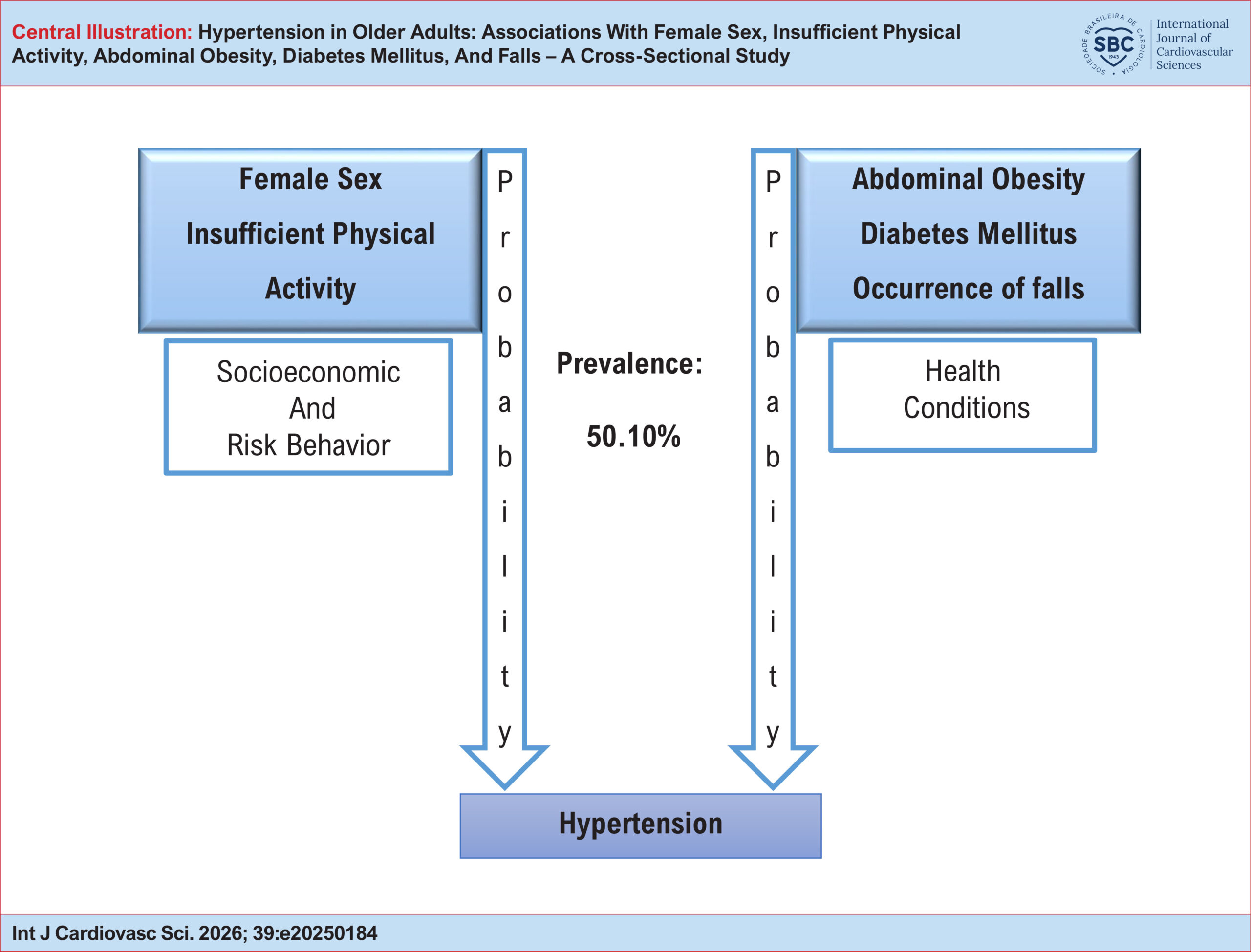
Hypertension in Older Adults: Associations With Female Sex, Insufficient Physical Activity, Abdominal Obesity, Diabetes Mellitus, And Falls – A Cross-Sectional Study
IJCS
Original Article

Hypertension in Older Adults: Associations With Female Sex, Insufficient Physical Activity, Abdominal Obesity, Diabetes Mellitus, And Falls – A Cross-Sectional Study

Emylly Carlos da Silva et al. Paulo da Fonseca Valença Neto Cezar Augusto Casotti Claudio Bispo de Almeida … Débora Jesus da Silva Saulo Sacramento Meira Beatriz Cardoso Roriz Janayna Araújo Viana Vanessa Silva Souza Viana Renata de Sá Ribeiro Késia Chaves da Silva Dennis Gonçalves Novais Maiara Bernardes Marques Lunalva Aurelio Pedroso Sallet Lucas dos Santos

Abstract

Background:

Systemic Arterial Hypertension (SAH) is a major public health issue, particularly among older adults, due to its high prevalence and impact on morbidity and mortality.

Objective:

To investigate factors associated with SAH in older adults from a small municipality in northeastern Brazil.

Methods:

A population-based cross-sectional epidemiological study was conducted among 232 community-dwelling older adults. Independent variables included socioeconomic, behavioral, and health-related factors, with SAH as the outcome. Prevalence ratios (PR) and 95% confidence intervals (CI) were calculated using Poisson regression with a robust estimator. Crude models were followed by a hierarchical multiple explanatory model (Level 1: socioeconomic variables; Level 2: behavioral aspects; Level 3: health conditions). Associations were considered statistically significant at the 5% level (p < 0.05).

Results:

The prevalence of SAH was 59.1% (men: 50.0%; women: 65.4%). An increased likelihood of SAH was associated with female sex (PR: 1.33; 95% CI: 1.05–1.68), insufficient physical activity (PR: 1.24; 95% CI: 1.01–1.54), abdominal obesity (PR: 1.40; 95% CI: 1.09–1.79), diabetes mellitus (PR: 1.30; 95% CI: 1.03–1.64), and falls (PR: 1.37; 95% CI: 1.07–1.74).

Conclusion:

A high prevalence of SAH was identified, particularly among women and those with insufficient physical activity, abdominal obesity, diabetes mellitus, and a history of falls.
  • aging
  • Arterial Pressure
  • Epidemiology
  • Public Health
Read Full Article
Creative Commons Attribution (CC BY) Creative Commons license
10/07/2026 DOI: 10.36660/ijcs.20250184 Views 2
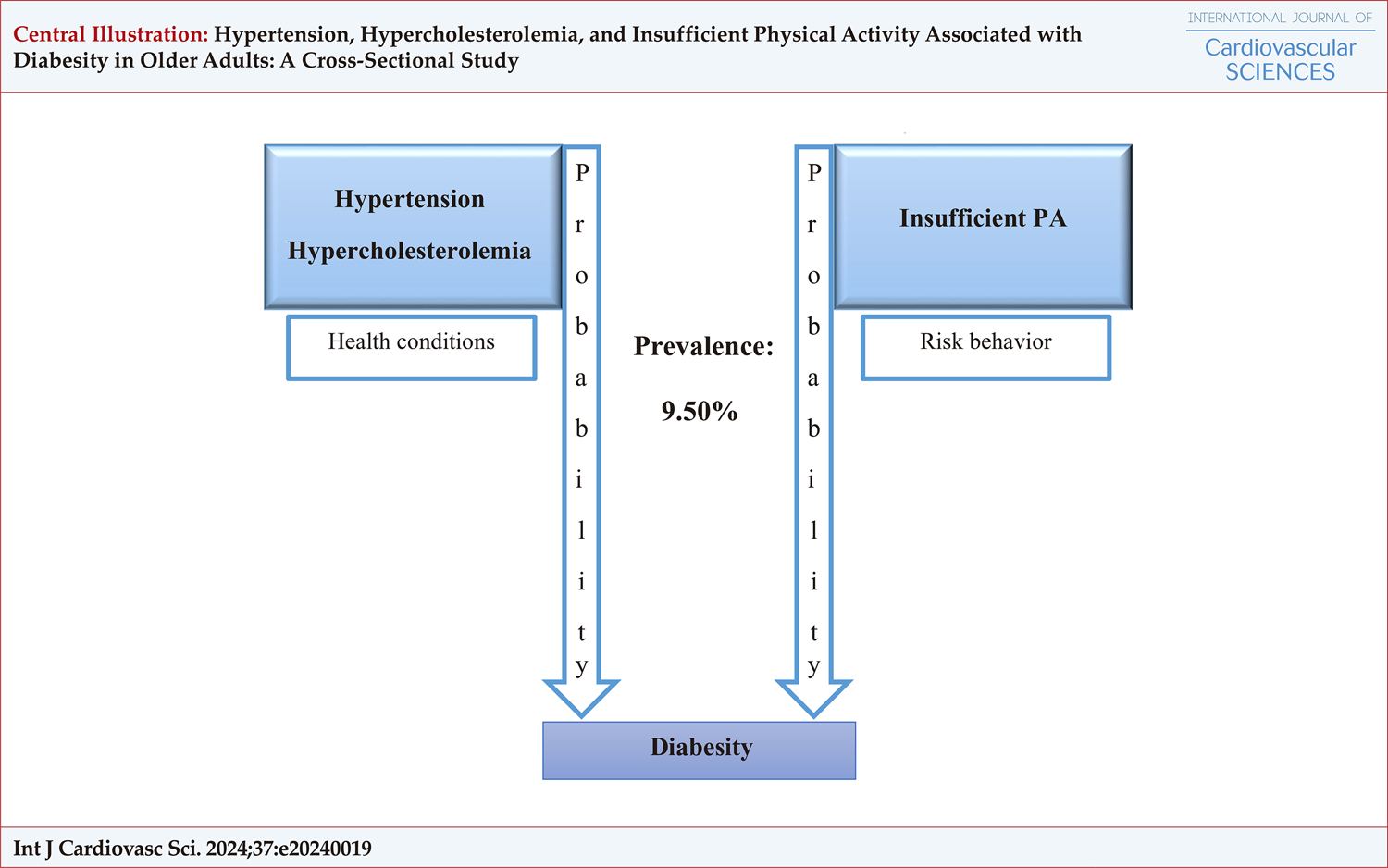
Hypertension, Hypercholesterolemia, and Insufficient Physical Activity Associated with Diabesity in Older Adults: A Cross-Sectional Study
IJCS
Original Article

Hypertension, Hypercholesterolemia, and Insufficient Physical Activity Associated with Diabesity in Older Adults: A Cross-Sectional Study

Gabriel Alves Godinho et al. Paulo da Fonseca Valença Neto Claudio Bispo de Almeida Saulo Sacramento Meira … Beatriz Cardoso Roriz Raquel dos Santos Barbosa Cezar Augusto Casotti Lucas dos Santos

Abstract

Background

During aging, physiological and behavioral changes occur that lead to the development of diabesity (diabetes + obesity). Hence, the hypothesis that behavioral and health aspects can increase the probability of this outcome is plausible. In this framework, it is essential to carry out health surveys to investigate the factors that increase the probability of diabesity, as this information could be used to help monitor this outcome in the older population more accurately.

Objective

To verify the factors associated with diabesity in older adults.

Methods

This is an epidemiological survey, with a cross-sectional design, conducted with 211 older adults (58.80% women) from Aiquara, Bahia, Brazil. To assess the outcome, body mass index (BMI > 27 kg/m2) and the concomitant presence of diabetes mellitus were used. In the inferential analyses, crude models and, subsequently, a multiple hierarchical explanatory model were constructed (level 1: socioeconomic variables; level 2: behavioral aspects; level 3: health conditions). This was performed using Poisson regression, with a robust estimator, calculations of prevalence ratios (PR) and their relevant 95% confidence intervals (CI).

Results

The prevalence of diabesity observed was around 9.50%. Furthermore, older adults who were insufficiently active (RP: 2.55; 95% CI: 1.20 to 6.36), those with arterial hypertension (PR: 5.32; 95% CI: 1.10 to 25.73), and those with hypercholesterolemia (PR: 2.80; 95% CI: 1.08 to 7.23) were more likely to have this outcome.

Conclusion

In the older population of Aiquara, Bahia, Brazil, the factors associated with diabesity were insufficient level of physical activity (PA), arterial hypertension, and hypercholesterolemia.

  • aging
  • Epidemiology
  • Heart Disease Risk Factors
Read Full Article
Creative Commons Attribution (CC BY) Creative Commons license
09/08/2024 DOI: 10.36660/ijcs.20240019 Views 1
Central Illustration
ABCIC
Review Article

Echocardiographic Assessment of Left Atrial Function in Aging Adults

Fernando Rodrigues da Camara Oliveira et al. Marcos Valerio Coimbra de Resende Marcelo Luiz Campos Vieira

Abstract

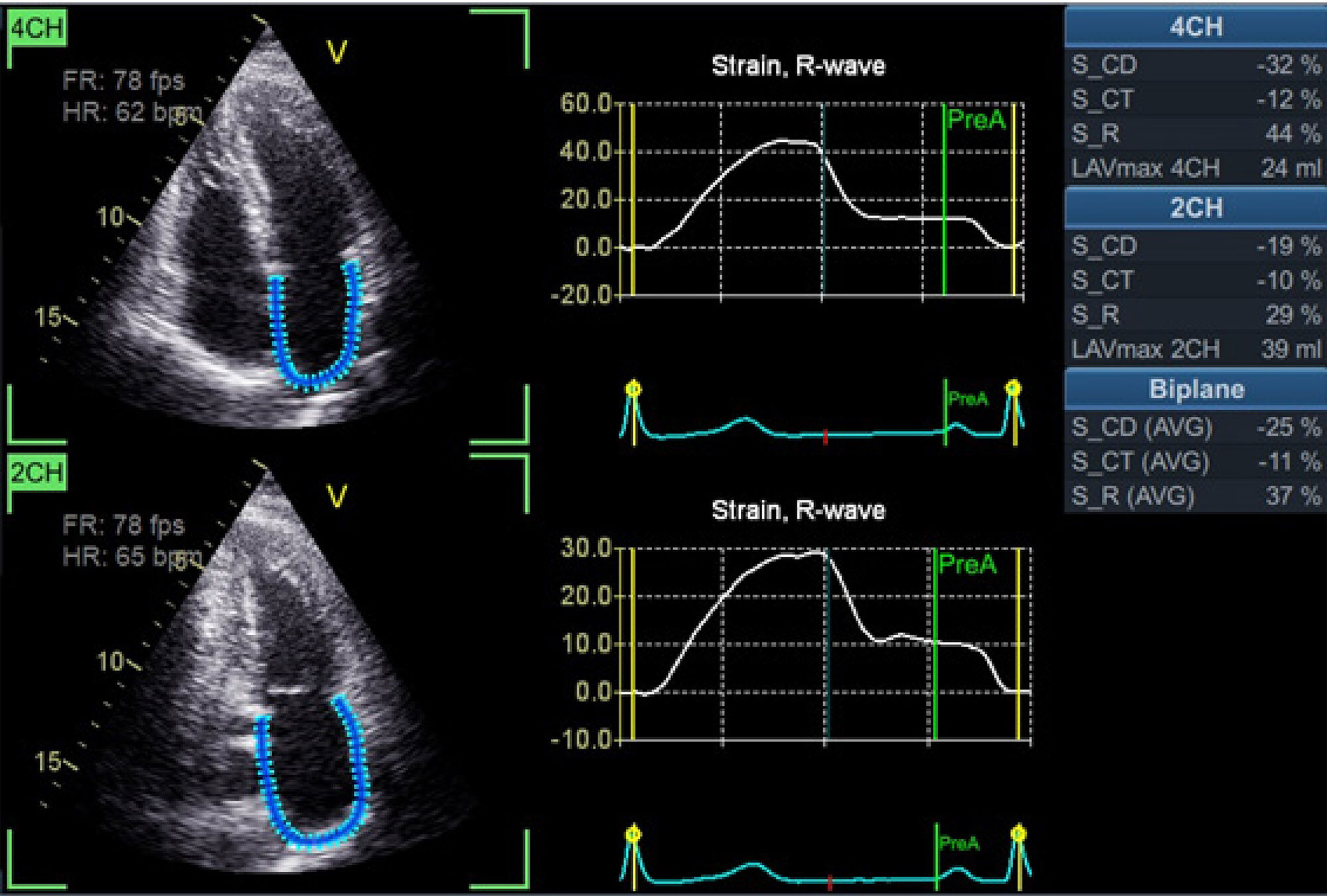
Cardiovascular diseases (CVD) are the main cause of death in Brazil, with aging being a major risk factor. Research indicates that there is a higher occurrence of cardiovascular disease as individuals age, impacting ventricular hypertrophy, diastolic dysfunction, and atrial fibrillation. Atrial myopathy, associated with aging, has received considerable attention, with oxidative stress and chronic inflammation under investigation as contributing factors. Left atrial function has been extensively studied, focusing on its role in cardiac performance. Modern echocardiographic techniques, such as speckle tracking, provide a detailed assessment of atrial function, offering advantages over traditional methods of assessing maximum atrial volume. Studies reveal the important role of atrial strain in predicting cardiovascular events. The aging process brings a progressive reduction in atrial functions, and new measures are being developed to detect atrial dysfunction early, with a potential impact on future guidelines and the definition of normal age-related standards.

  • aging
  • Atrial cardiomyopathy
  • left atrial strain
  • Speckle tracking echocardiography
Read Full Article
Creative Commons Attribution (CC BY) Creative Commons license
02/08/2024 DOI: 10.36660/abcimg.20240043i Views 2
ABC
Editorial

Chronic Coronary Syndrome In Brazil: We Need To Know More

Adriana Lopes Latado et al. Julio Cesar Vieira Braga

Chronic coronary syndrome (CCS) is a heterogeneous group of diseases encompassing obstructive and non-obstructive coronary atherosclerotic disease with or without previous myocardial infarction (MI) or coronary revascularization, in addition to the disease diagnosed only by non-invasive tests. According to data from the Global Burden of Disease (GBD) Study, the total number of people living with ischemic heart disease in Brazil, whether symptomatic or not, increased from 1.48 million to more than 4 million between 1990 and 2019. Population growth, aging, and the increase in diagnosis are the main justifications for this phenomenon.,

Although remaining the main cause of death, mortality from ischemic heart disease has decreased over the last three decades in practically all of Brazil, although some regional variations have been described.– Men are more affected than women, and an inverse relationship is described between the mortality rate from ischemic heart disease and the educational or economic level of the regions., Despite the growing existence of national data on ischemic heart disease, regional or local cohorts to assess its long-term prognosis are scarce, even more so if we consider the need for frequent updates regarding emerging treatment strategies.

[…]

  • aging
  • Cardiovascular Diseases
  • Coronary Artery Disease
  • Epidemiology
  • Mortality
  • Prognosis, Syndrome Acute Coronary
Read Full Article
Creative Commons Attribution (CC BY) Creative Commons license
05/01/2024 DOI: 10.36660/abc.20230723 Views 1
ABC
Editorial

Sarcopenia: An Important Entity Still Underinvestigated in Heart Failure

Roberto Magalhães Saraiva et al. Andréa Rodrigues da Costa

Sarcopenia is considered an age-dependent syndrome characterized by a gradual decline in skeletal muscle mass, strength, and physical performance that was recognized as a specific clinical entity by the World Health Organization only in 2016. The diagnostic criteria have been a matter of debate. However, the European Working Group on Sarcopenia in Older People (EWGSOP), in their revised consensus, defined that sarcopenia diagnosis must start with low muscle strength as the first criterion to identify patients with probable sarcopenia, which added to low muscle quantity/quality criterion would confirm the diagnosis of sarcopenia, and added to low physical performance would confirm severe sarcopenia. The different methods and their cut-offs to evaluate muscle mass, force, and exercise capacity for men and women were recently reviewed elsewhere.

Sarcopenia worsens with age; an annual loss of 1-2% in muscle mass is expected after 50 years old, and an annual 3% increase in sarcopenia prevalence occurs after 60 years old. However, patients with heart failure (HF) present a higher prevalence of sarcopenia than their counter mates with similar age but no HF. A recent meta-analysis described that the prevalence of sarcopenia in HF patients was 31%. In fact, the pathophysiology pathways of sarcopenia and HF share important components, such as hormonal changes, inflammation, oxidative stress, apoptosis, and overactivation of the ubiquitin-proteasome system, and some aspects of HF, such as low muscle blood flow, may favor sarcopenia, which may explain the higher prevalence of sarcopenia in HF patients and their poorer prognosis. , However, there is little evidence on therapeutical interventions to address sarcopenia in HF patients. Pharmacological, nutritional, hormonal, and exercise-based approaches have been postulated to be beneficial. Angiotensin-converting enzyme (ACE) inhibitors and angiotensin receptor blockers (ARBs) have been shown to have muscle-protective properties in pre-clinical studies, but clinical studies failed to prove that these drugs can improve walk distance or muscle strength and function in the elderly. Spironolactone may delay sarcopenia progress. Vitamin D supplementation increases skeletal muscle strength in elderly subjects and may help sarcopenic HF patients. Another potential therapy could be testosterone supplementation therapy to reach the physiological range, but its safety in HF patients is yet to be tested. A therapy combining nutritional supplementation and cardiac rehabilitation, including exercise, is the best approach to treat sarcopenia. ,

[…]

  • aging
  • Heart Failure
  • Sarcopenia
Read Full Article
Creative Commons Attribution (CC BY) Creative Commons license
07/08/2023 DOI: 10.36660/abc.20230387 Views 1
Figure 1
ABC
Original Article

Characteristics of Older Patients with Takayasu’s Arteritis: A Two-Center, Cross-Sectional, Retrospective Cohort Study

João Calvino Soares de Oliveira et al. Alexandre Moura dos Santos Mariana Freitas de Aguiar Jucier Gonçalves Junior … Alexandre Wagner Silva de Souza Rosa Maria R. Pereira Samuel Katsuyuki Shinjo

Abstract

Background

Few studies have assessed elderly patients with Takayasu’s arteritis (TAK).

Objectives

To evaluate the progression of TAK in different age groups and its possible effects on drug treatment and disease activity.

Methods

This cross-sectional and retrospective cohort study included 66 TAK patients. Patients were interviewed and data of the 12 preceding months were collected from electronic medical records. The patients were divided into four quartiles according to current age and compared for clinical and laboratory data, treatment, comorbidities, disease status, and functional status. Statistical significance was set at p<0.05.

Results

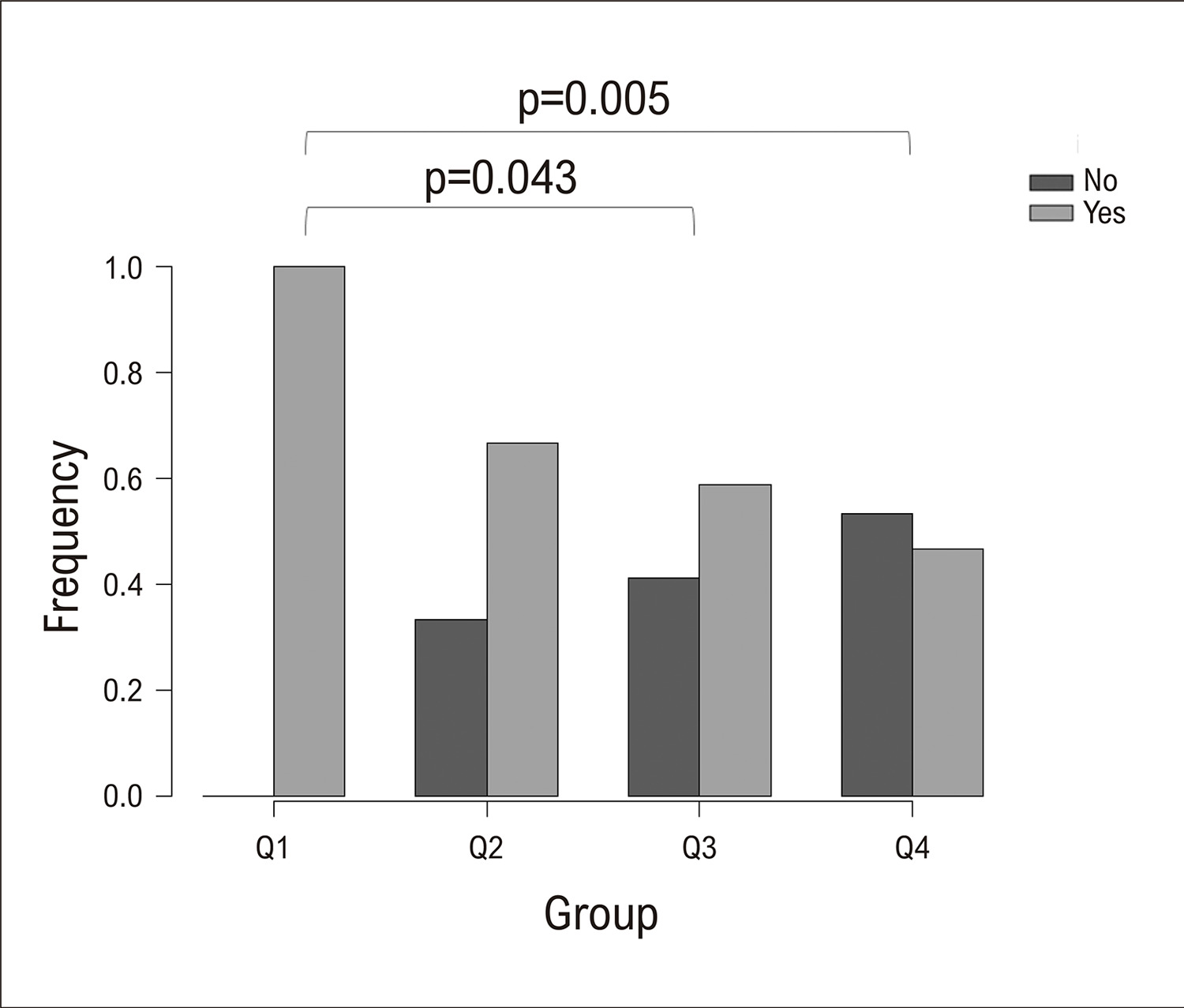
The groups were Q1(22-36 years, n=16), Q2(37-42 years, n=18), Q3(43-49 years, n=17), and Q4(51-66 years, n=15). The frequency of patients with disease activity, fatigue, comorbidities and vascular impairments, and the TAK disease extent index were also comparable between the groups. With age, disease duration was longer (p=0.001), fewer patients used prednisone (Q1:43.8%, Q2:33.3%, Q3:11.8%, and Q4:6.7%; p=0.049) and immunosuppressive drugs [Q1:100.0%, Q2:66.7%, Q3:58.8%, and Q4:46.7%; Q1 versus Q3 (p=0.043), and Q1 versus Q4 (p=0.005) in post-hoc analyses], and patients had greater functional status impairment (Q2 versus Q3, p=0.003). In addition, the levels of disease damage, new TAK symptoms, and complications in the preceding 12 months were not different between the groups.

Conclusions

Older patients with TAK require minimal drug treatment, and have greater impairment of functional status, which may be attributed to aging-related factors.

  • aging
  • Aortic Diseases
  • Systemic Vasculitis
Read Full Article
Creative Commons Attribution (CC BY) Creative Commons license
09/01/2023 DOI: 10.36660/abc.20220463 Views 2
Figure 1
IJCS
Original Article

The Influence of Primary Atherosclerotic Diseases on the Occurrence of Secondary Disease

Paula Monique Chiconi de Picoli et al. Creusa Sayuri Tahara Amaral Eliane Trovatti

Abstract

Background

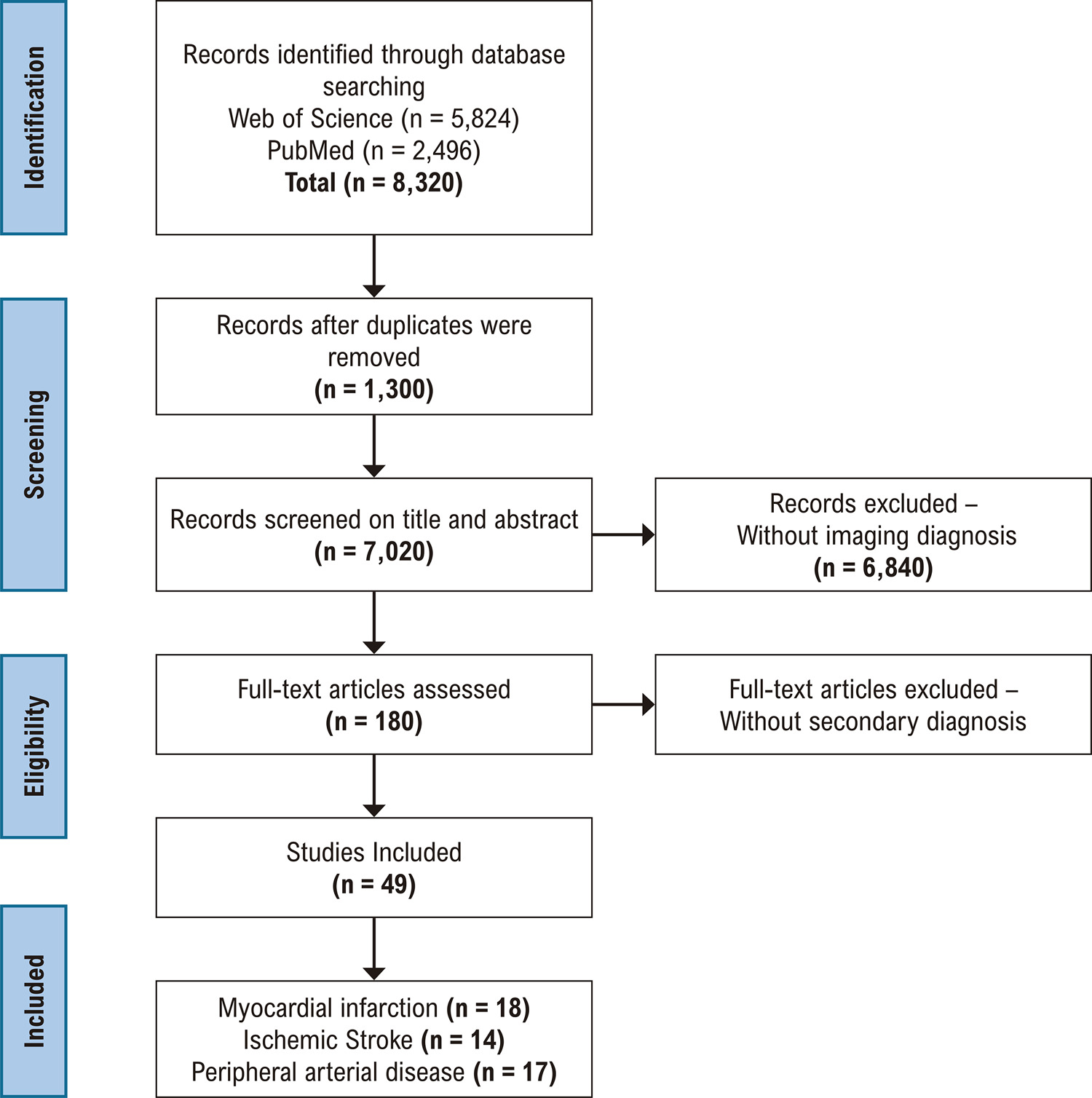
Atherosclerosis is a condition in which fats, cholesterol, fibrin, and other substances accumulate into plaque on the arterial walls. Plaque can harden and narrow the arteries, in turn limiting the blood flow and resulting in diseases, such as acute myocardial infarction (AMI), ischemic stroke (IS), or peripheral arterial disease (PAD). There is a fairly high risk of a secondary atherosclerotic event if patients are not treated after the primary episode.

Objective

To calculate the statistical probability of developing AMI, IS, or PAD after treating the primary disease.

Methods

Data for statistical probability studies included 507,690 patients with primary atherosclerotic disease, who were in treatment during the study period and who did or did not develop a secondary atherosclerotic disease event.

Result

Statistical probability data indicate that few AMI patients can develop IS (2.99%) or PAD (2.86%) as a secondary disease. Patients with primary diagnoses of IS showed a 5.07% risk of developing PAD and a 0.95% risk of developing AMI; however, PAD patients showed a higher probability for both AMI (9.17%) and IS (8.79%).

Conclusion

Secondary atherosclerotic disease episodes after IS, AMI, and PAD were confirmed by statistical probability and are consistent with data from the literature. The study revealed that a primary PAD event leads to high rates of secondary episodes, and special attention should be given to the diagnosis and treatment of PAD in order to decrease the occurrence of secondary events.

  • aging
  • Amputation
  • Cerebrovascular Disease
  • Diabetes Mellitus
  • Lower Extremity
  • Myocardial Ischemia
  • Peripheral Arterial Disease
Read Full Article
Creative Commons Attribution (CC BY) Creative Commons license
01/08/2022 DOI: 10.36660/ijcs.20210251 Views 2
Figure 1
ABCHF
Original Article

Association of Age with Optimal Medical Therapy in Patients with Chronic Heart Failure

Vitoria A. A. Koga et al. Luiza Dall’Asta Thiago L. P. Jacyntho Leonardo C. De-Marchi … Rodrigo P. Mulinari Bruna A. Ladeira Maria E. R. F. Nemeth Odilson M. Silvestre Marcely Gimenes Bonatto Lidia Ana Zytynski Moura Miguel Morita Fernandes-Silva

Abstract

Background:

The adherence to guideline-directed medical therapy in patients with heart failure (HF) remains suboptimal.

Objectives:

We evaluated the association between age and adherence to guideline-directed medical therapy in patients with chronic HF and explored whether polypharmacy and comorbidities might explain this association.

Methods:

We performed a cross-sectional study of 374 patients with chronic HF and left ventricle ejection fraction < 50% (23 to 89 years old, 33% women) between 2018 and 2019. GDMT was defined as using HF-related disease-modifying medications at the target dose according to guidelines. Patients were classified in 3 age groups (23 to 57, 58 to 67, and 68 to 89 years old).

Results:

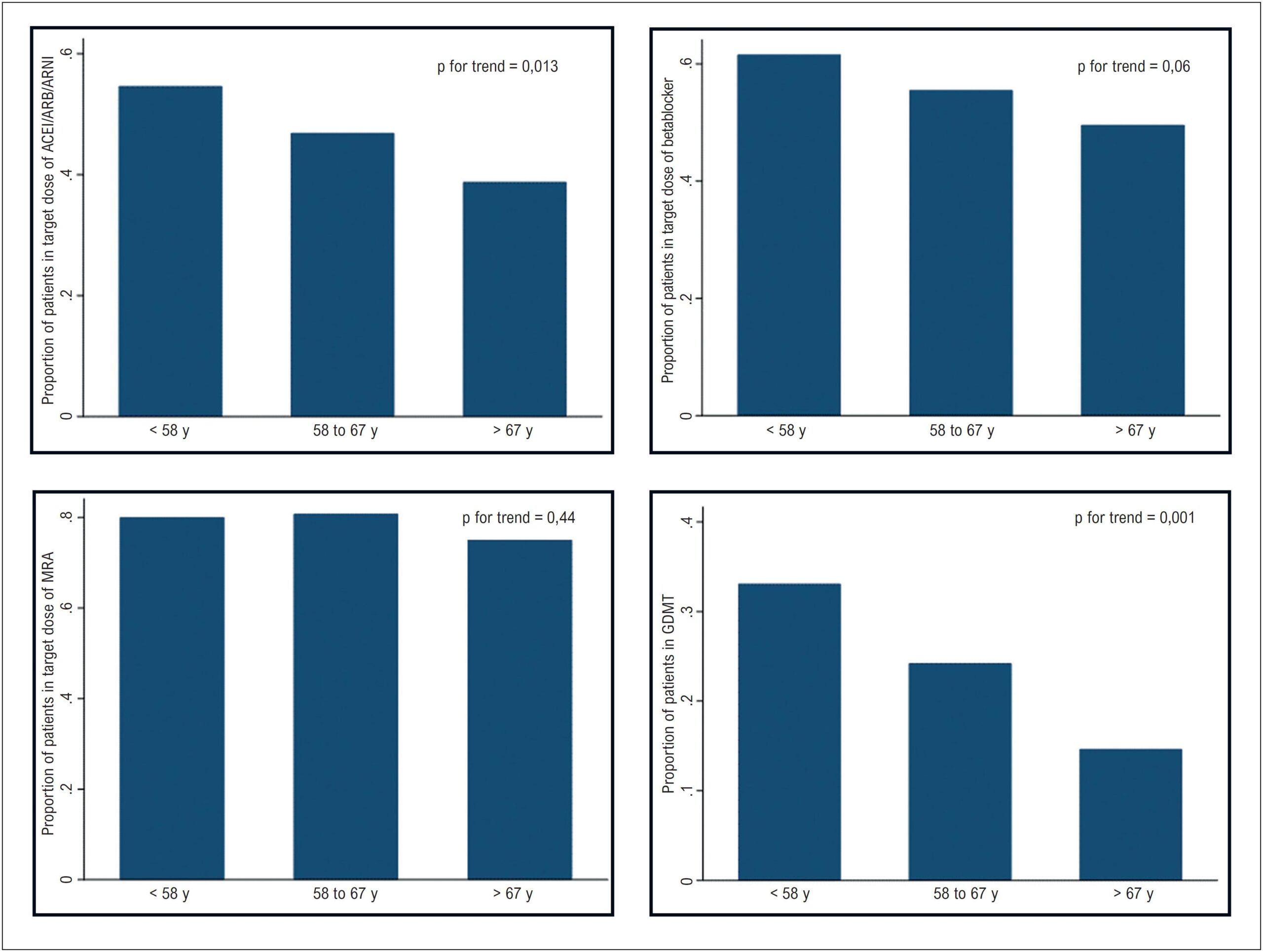
Older patients were less likely to receive optimal therapy (33% versus 24% versus 15%, p < 0.001 for each age category, respectively). After adjusting for potential confounders, the chances of receiving medical therapy at optimal dose significantly reduced for each age-decade increase (OR 0.66 [95% confidence interval 0.48 – 0.92], p = 0.013). The proportion of this association that was explained by polypharmacy (0% [0% – 3.5%]) or comorbidities (7% [0% – 41%]) was negligible.

Conclusion:

We found that age was inversely associated with optimal drug therapy for HF, and polypharmacy or comorbidities do not appear to explain this.

  • aging
  • Drug Therapy
  • Heart Failure
  • Polypharmacy
Read Full Article
Creative Commons Attribution (CC BY) Creative Commons license
29/06/2022 DOI: 10.36660/abchf.20220050 Views 1
IJCS
Original Article

Demographic and Epidemiological Profile of Aging and Elderly Patients Receiving Heart Transplant During the Period from 2009 to 2018

Joseane de Souza Ribeiro et al. Maria Liz Cunha de Oliveira

Abstract

Background:

The aging process may be associated with the accumulation of a wide variety of health damages, such as cardiovascular diseases. HF is the final common path of the majority of these diseases, and, in its refractory form, heart transplantation continues to be the best treatment choice.

Objective:

To describe the demographic and epidemiological profile of aging and elderly patients receiving heart transplant from 2009 to 2018.

Methods:

Retrospective, descriptive longitudinal study on heart transplantation in aging and elderly patients using data from medical records and institutional documents.

Results:

From a total of 234 transplant recipients, 127 were 45 years or older. For the demographic profile, the variables used were sex, age, marital status, home state, and profession. For the epidemiological profile, the variables used were previous diagnosis, comorbidities before and after transplantation, and survival. Age varied from 45 to 74 years, with a mean of 57 years. The male sex accounted for 58.27% of recipients, and 59.84% were from the Federal District. Chagas, dilated, and ischemic cardiomyopathy accounted for 66.14%, 18.9%, and 14.17% of transplants, respectively. The main comorbidities were Chagas disease (66.14%), malignant arrhythmia requiring cardioverter-defibrillator implantation (28.35%), arterial hypertension (27.56%), and dyslipidemia (15.75%). Mean survival was 3 years and 4 months.

Conclusion:

The demographic profile showed that the majority of patients were aging, male, married, and from the Federal District. The epidemiological profile showed that Chagas cardiomyopathy was the main cause of HF, followed by dilated cardiomyopathy.

  • Aged
  • aging
  • Epidemiology
  • Heart Transplantation
  • Immunology
  • postoperative complications
  • Thoracic,Surgery/complications
Read Full Article
Creative Commons Attribution (CC BY) Creative Commons license
30/05/2022 DOI: 10.36660/ijcs.20210176 Views 1
Figure 1
IJCS
Original Article

Use of Diuretics is Associated with Higher Risk of Sarcopenia in Older Adults with Hypertension

Francisco de Assis Dias Martins Junior et al. Dahany Pamela Acta Mateo Fábio Junior de Miranda Silva Samara Silva de Moura … Emerson Cruz Oliveira Daniel Barbosa Coelho Eduardo Bearzoti Kelerson Mauro de Castro Pinto Lenice Kappes Becker

Abstract

Background:

Sarcopenia is a disease that involves skeletal muscle mass loss and is highly prevalent in the older adult population. Moreover, the incidence of sarcopenia is increased in patients with hypertension.

Objectives:

The study aimed to evaluate the association between the classes of the drugs used for arterial hypertension treatment and the presence or absence of sarcopenia.

Methods:

129 older adults with hypertension were evaluated by the researchers who registered the participants medication for arterial hypertension treatment. Sarcopenia level was measured by anthropometric parameters, muscular strength, and functional capacity. The data were analyzed by one-way ANOVA followed by post-hoc test and Fisher’s exact test; statistical significance was set at 0.05.

Results:

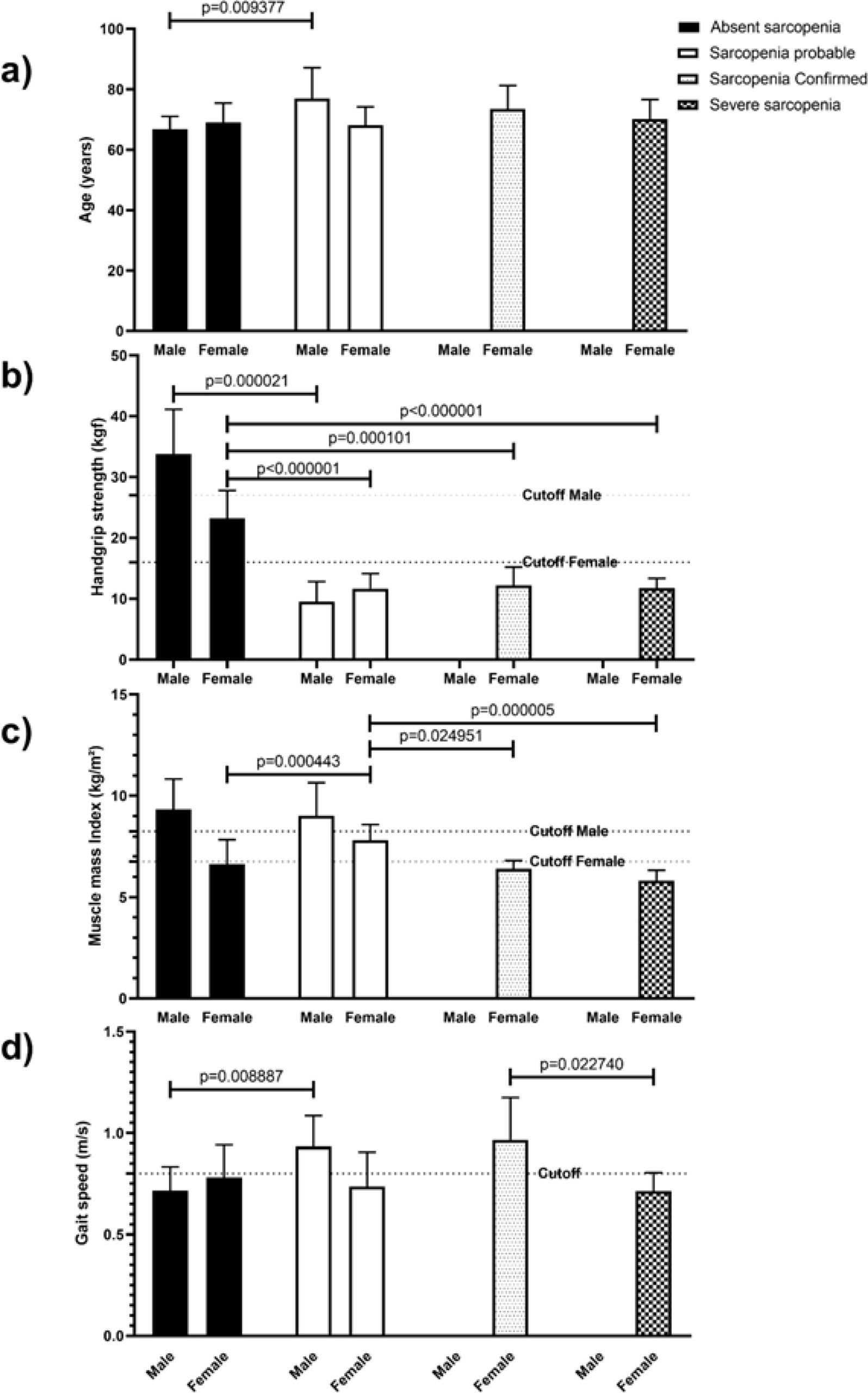
Age was not different between women with different levels of sarcopenia, but significant differences were observed between men with absent sarcopenia (66.8±4.2 years) and men with probable sarcopenia (77.0±10.2 years). Individuals with absent sarcopenia showed higher handgrip strength (men: 33.8±7.4, women: 23.2±4.6 Kgf) in comparison with those with sarcopenia (men with probable sarcopenia: 9.5±3.3 Kgf, women with probable, confirmed, and severe sarcopenia: 11.7±2.5, 12.2±3.0, 11.8±1.8 Kgf, respectively). The analysis showed an association between the type of medication and degree of sarcopenia; diuretics were significantly associated with probable sarcopenia, and angiotensin II receptor blockers (alone or in combination with diuretics) was associated with absence of sarcopenia.

Conclusion:

In conclusion, handgrip strength was a good method to diagnose sarcopenia, and diuretics were associated with increased risk of sarcopenia in older adults with hypertension.

  • aging
  • Angiotensin Receptor Blockers
  • Diuretics/therapeutic use
  • Hypertension
  • Sarcopenia/complications
Read Full Article
Creative Commons Attribution (CC BY) Creative Commons license
28/02/2022 DOI: 10.36660/ijcs.20200279 Views 2
ABC
Editorial

Precordial Pain and Infarction in the Elderly. It´S no so Elementary, My Dear Watson!

Ricardo Wang et al. José Carlos da Costa Zanon Fernando Carvalho Neuschwander

In Medical School, we learn the traditional way to conduct the investigative process in order to reach a diagnosis. This process is traditionally based on the collection of anamnesis and clinical exams, clinical reasoning, the generation of a hypothesis, and tests with complementary exams. In general, we follow the the Occam’s razor principle: “the simplest answer is usually the correct answer,” or as William Osler’s aphorism: “Where you hear hoofs, you don´t think of zebras”. However, in this investigative process, the clinical reasoning is challenged in an elderly population over 80 years of age, and not always is the simplest answer the most correct. In this age group, the presence of comorbidities is quite common and can interfere, changing the perception of cardiovascular symptoms (depression, dementia, medications that interfere in the central nervous system, diabetes, analgesics, etc.), or even modify the symptomatology. The presence of atypical symptoms, such as dyspnea, sudoresis, vomiting, diarrhea, epigastric pain, and mental confusion can all mask the cardiovascular pathology. ,

Many studies have shown the difficulty in diagnosing acute myocardial infarction (AMI) in this population, which clearly entails delays in or the lack of treatment. Even when the diagnosis and early treatment of AMI is established, the mortality rate remains high in this population. The under-treatment or lack of treatment contribute to the increase in mortality in this age group. – Understanding the factors that make the diagnosis difficult is of utmost importance in establishing protocols directed toward the older age elderly patient.

[…]

  • Acute Coronary Syndrome / diagnosis
  • Aged
  • aging
  • Angina Pectoris
  • Chest Pain
  • Myocardial Infarction / Diagnosis
Read Full Article
Creative Commons Attribution (CC BY) Creative Commons license
14/06/2021 DOI: 10.36660/abc.20210331 Views 1
Figure 1
ABC
Original Article

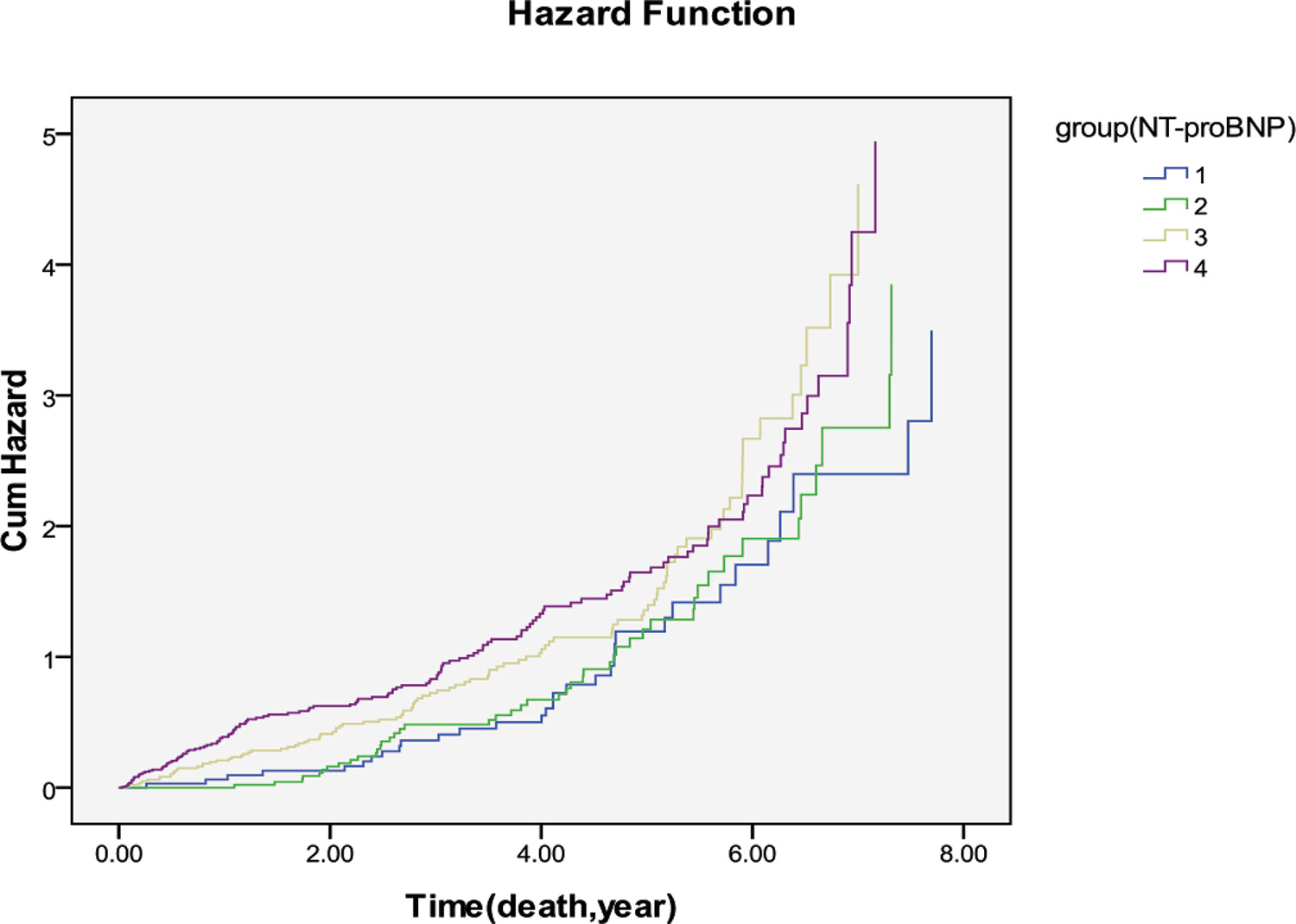
Prognostic Value of Plasma NT-proBNP levels in Hospitalized Patients Older than 80 Years of Age in a Hospital in Beijing, China

Qiwei Zhu et al. Peng Gao Shihui Fu Hao Wang … Yongyi Bai Leiming Luo Ping Ye

Abstract

Background

Despite growing evidence that N-terminal pro-brain natriuretic peptide (NT-proBNP) has an important prognostic value in older adults, there is limited data on its prognostic predictive value.

Objectives

The aim of this study is to evaluate the clinical significance of NT-proBNP in hospitalized patients older than 80 years of age in Beijing, China.

Methods

This prospective, observational study was conducted in 724 very elderly patients in a geriatric ward (age ≥80 years, range, 80100 years, mean, 86.6 3.0 years). Multivariate linear regression analysis was used to screen for factors independently associated with NT-proBNP, and the Cox proportional hazard regression model was used to screen for relationships between NT-proBNP levels and major endpoints. The major endpoints assessed were all-cause death and MACEs. P values < 0.05 were considered statistically significant.

Results

The prevalence rates of coronary heart disease, hypertension, and diabetes mellitus were 81.4%, 75.1%, and 41.2%, respectively. The mean NT-proBNP level was 770 ± 818 pg/mL. Using multivariate linear regression analyses, correlations were found between plasma NT-proBNP and body mass index, atrial fibrillation, estimated glomerular filtration rate, left atrial diameter, left ventricular ejection fraction, use of betablocker, levels of hemoglobin, plasma albumin, triglycerides, serum creatinine, and blood urea nitrogen. The risk of all-cause death (HR, 1.63; 95% CI, 1.0052.642; P = 0.04) and major adverse cardiovascular events (MACE; HR, 1.77; 95% CI, 1.2893.531; P = 0.04) in the group with the highest NT-proBNP level was significantly higher than that in the group with the lowest level, according to Cox regression models after adjusting for multiple factors. As expected, echocardiography parameters adjusted the prognostic value of NT-proBNP in the model.

Conclusions

NT-proBNP was identified as an independent predictor of all-cause death and MACE in hospitalized patients older than 80 years of age.

  • Aged, 80 and Over
  • aging
  • Coronary Artery Disease
  • Diabetes Mellitus
  • Echocardiography/methods
  • Hospitalization
  • Hypertension
  • Natriuretic Peptide, Brain
  • Prognosis
Read Full Article
Creative Commons Attribution (CC BY) Creative Commons license
14/06/2021 DOI: 10.36660/abc.20190158 Views 1
ABC
Editorial

“Know the Enemy and Know Yourself”. Cardiovascular Risk in the National Health Survey

Itamar S. Santos

The Art of War by Sun Tzu is a masterpiece about military strategy published around 2,500 years ago. In his work, Tzu states: “If you know the enemy and know yourself, you need not fear the result of a hundred battles.” Although we are not army generals, teachings from Tzu may be proven useful in cardiovascular science as well. They reinforce the need for understanding the current picture of cardiovascular epidemiology in our society and how it evolves, as a primary weapon to determine how resources and efforts may be more efficiently applied.

Cardiovascular diseases remain a major cause of death and disability worldwide. Although research in the past decades have substantially improved our knowledge about the main drivers of cardiovascular disease epidemiology, the high rates of cardiovascular morbimortality yields a very heterogeneous picture around the globe. In our country, for example, in the past few decades we have experienced a sharp decline in smoking in all Brazilian states. However, we also observed raising trends for other risk factors such as diabetes and other obesity-related metabolic changes, as well as population aging, producing mixed impacts on cardiovascular morbimortality rates.

[…]

  • aging
  • Cardiovascular Diseases, mortality
  • Epidemiology
  • Obesity
  • Risk Factors
Read Full Article
Creative Commons Attribution (CC BY) Creative Commons license
23/04/2021 DOI: 10.36660/abc.20210105 Views 2
Figure 1
ABC
Editorial

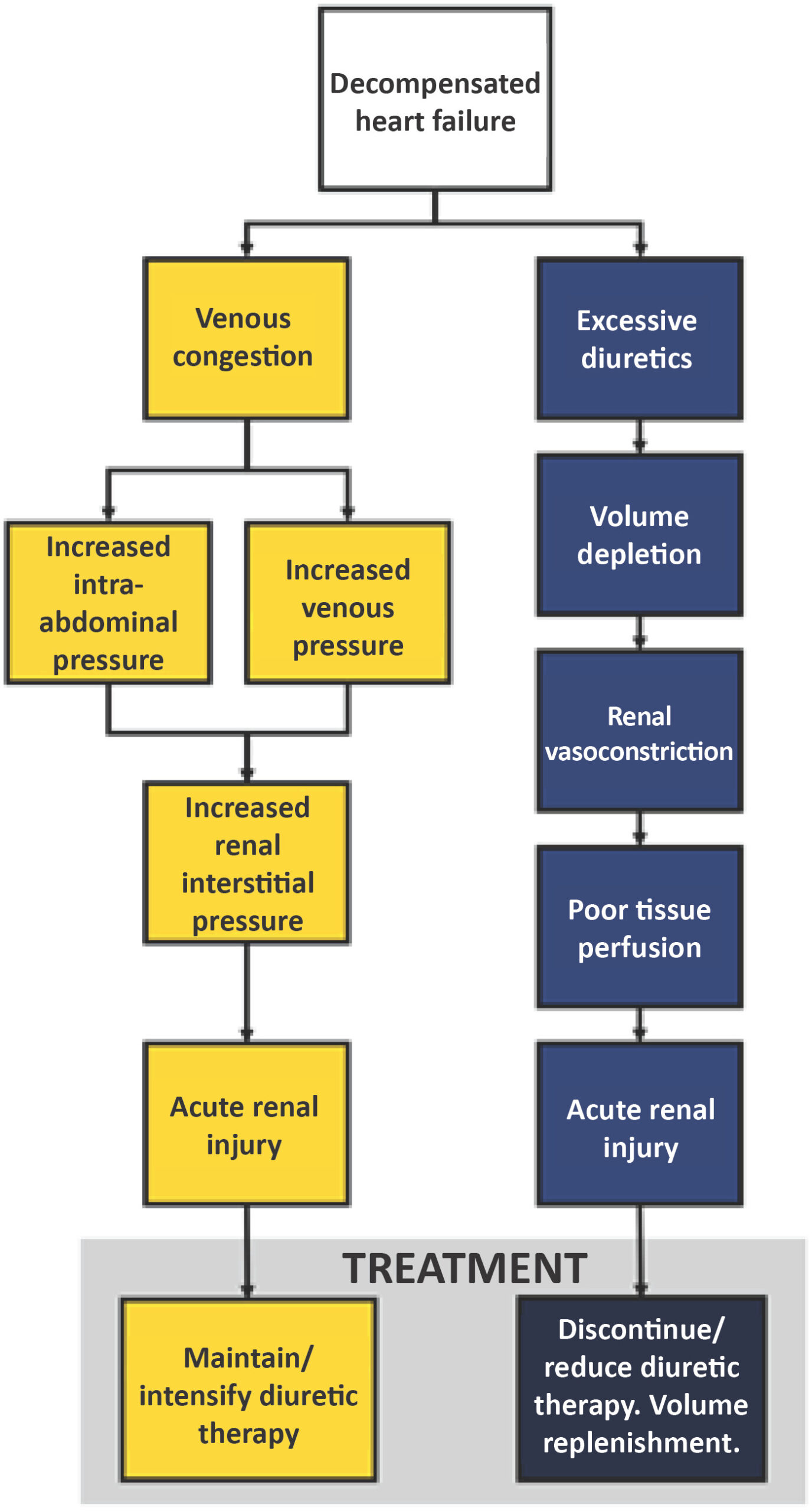
Use of Diuretic Therapy in Patients with Decompensated Heart Failure and Acute Kidney Injury. What to do in this Dilemma?

Rafael Marques Calazans et al. Mariana Bellaguarda de Castro Sepulvida Egli Belinazzi Quadrado Roberto Dischinger Miranda

Heart failure (HF) is a severe public health problem due to its high prevalence, morbidity and mortality. It is the main cause of hospitalization in the United States. The prevalence of the disease increases with age, making elderly patients even more susceptible to the repercussions of this disease. This increases the importance of precise treatment of HF and its complications, including decompensated HF (dHF).

In patients with dHF, who require diuretic therapy, concomitant acute kidney injury (AKI) is a common finding. The big question when it comes to treatment with diuretics in situations where kidney function is altered is to know the reason for the dysfunction: Is the patient is still congested, requiring optimization of diuretic therapy (type I cardiorenal syndrome)? Or is it a patient whose diuretic therapy was carried out excessively, causing hypovolemia, which led to low renal perfusion (pre-renal AKI) or even an acute tubular necrosis?

[…]

  • aging
  • Creatinine
  • Diuretics
  • Electric Impedance
  • Health Public
  • Heart Failure/complications
  • Hospitalization
  • Lipocalins
  • Markers Biological
  • Mortality
  • Renal Insufficiency Chronic/complications
Read Full Article
Creative Commons Attribution (CC BY) Creative Commons license
16/04/2021 DOI: 10.36660/abc.20210238 Views 1
ABC
Editorial

Managing Patients with Infectious Endocarditis and Neurological Complication — The Big Dilemma that Persists Until these Days

Claudio Querido Fortes et al. Natália Rodrigues Querido Fortes

Endocarditis is an extremely challenging disease, both regarding diagnosis and due to the diversity of its presentation, as well as its management, which requires an endocarditis team including professionals from different specialties. An infectious disease specialist, clinical microbiologist, cardiologist, cardiac surgeon, neurologist and imaging specialist are of the essence, and assistance from other specialists is also desirable depending on each case. Its incidence has been increasing in recent decades, especially due to population aging, the growing number of individuals undergoing renal replacement therapy, the higher frequency of patients with prosthetic valves and cardiac electrical devices and also due to the technological advances in invasive diagnostic and therapeutic methods, in addition to the current “epidemic” of recreational intravenous drugs, which have become a serious public health problem in some countries. Despite all the progress made in the diagnosis and treatment of endocarditis, its mortality remains alarmingly high. The persistence of this high mortality may be partially explained by the increase in the number of older fragile patients with multiple comorbidities and patients with prostheses.

The main objectives of the article “ Neurological Complications in Patients with Infective Endocarditis: Insights from a Tertiary Centre” are to evaluate the predictors of neurological complications in patients with infective endocarditis, the predictors of mortality in this group, and to compare the results of clinical treatment with a general practitioner and a surgeon, both among the study population, and stratifying the group of patients with neurological complications.

[…]

  • aging
  • Bacterial/complications
  • Embolization
  • Endocarditis
  • Heart Valve Prosthesis
  • Mortality
  • Neurologic, Complications
  • Pandemics/complications
  • Renal Insufficiency
Read Full Article
Creative Commons Attribution (CC BY) Creative Commons license
16/04/2021 DOI: 10.36660/abc.20210198 Views 1
Figure 1
ABC
Case Report

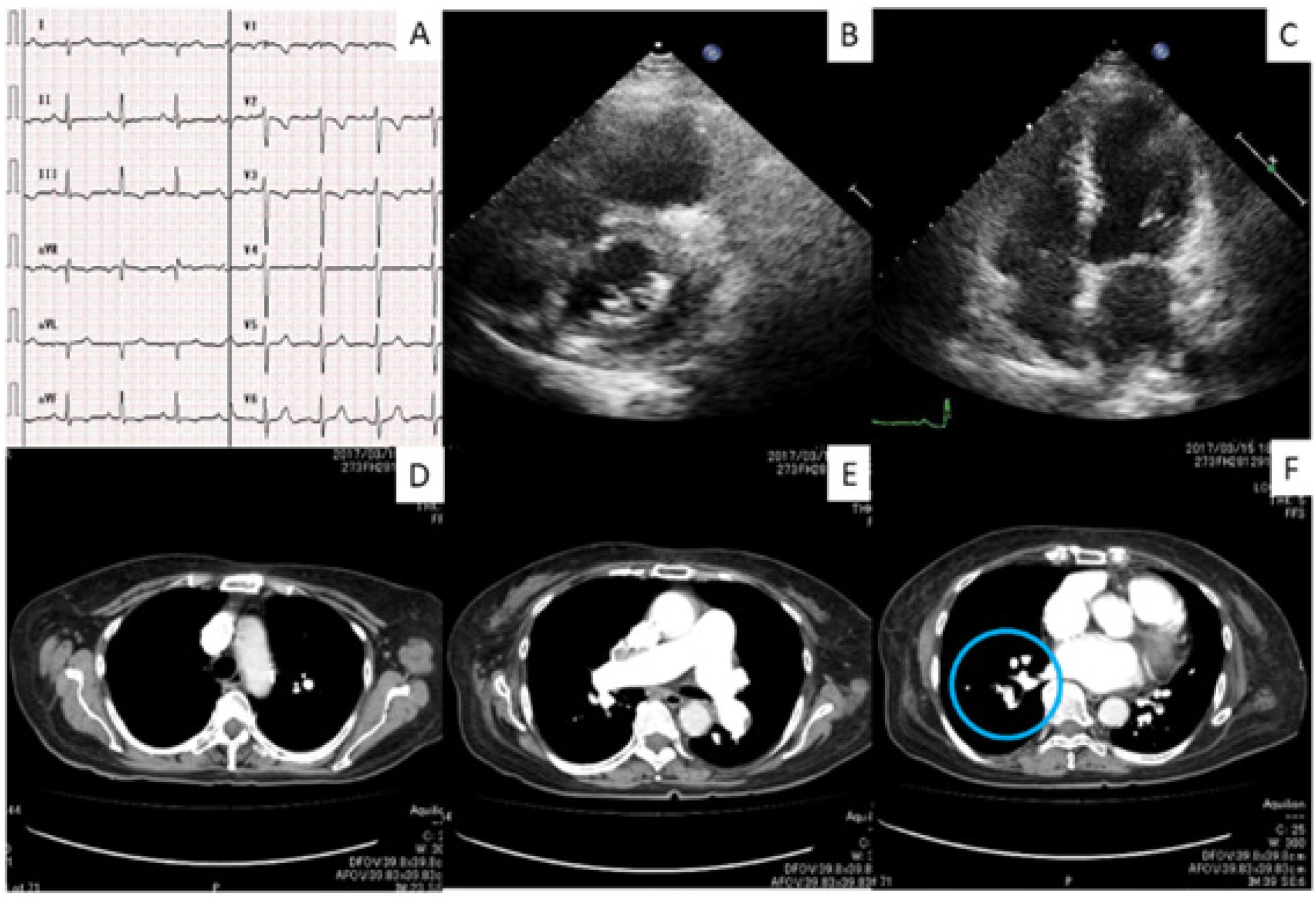
Systematic Staged Percutaneous Balloon Pulmonary Angioplasty in Severe Inoperable Chronic Thromboembolic Pulmonary Hypertension

Kazuhiro Dan et al. Akira Shionoda Hiromi Matsubara

Introduction

The treatment for chronic thromboembolic pulmonary hypertension (CTEPH) is limited to pulmonary endarterectomy (PEA), drug therapy, and percutaneous balloon pulmonary angioplasty (BPA). The gold-standard treatment is PEA, and patients with CTEPH and proximal lesions are generally good surgical candidates. Perioperative complications and persistent pulmonary hypertension due to incomplete endarterectomy or secondary vasculopathy are typical problems after the procedure. A meta-analysis has shown that the efficacy of drug therapy for severe CTEPH is limited, and many patients do not achieve sufficiently reduced pulmonary artery (PA) pressure, even if exercise tolerance is marginally improved. Percutaneous BPA was first reported in 2001, but its safety was not proven at that time. As recently as one decade ago, pulmonary hypertension was first associated with poor prognosis. Fortunately, treatments for pulmonary hypertension have dramatically improved ever since, particularly for patients with CTEPH. BPA is still a challenging strategy, limited to a specific operator and facility, but its results have been improving.

[…]

  • aging
  • Angioplasty, Balloon, Pulmonary
  • Fragility
  • Hypertension Pulmonary
  • Pulmonary embolism
Read Full Article
Creative Commons Attribution (CC BY) Creative Commons license
05/02/2021 DOI: 10.36660/abc.20190717 Views 2
ABC
Original Article

Therapeutic Effects of Triple Antiplatelet Therapy in Elderly Female Patients with Diabetes and Acute Myocardial Infarction

Yang Liu et al. Yanyan Gao Hengliang Liu Qi Chen … Jinrui Ji Kailong Jia

Abstract

Background

Dual antiplatelet therapy (DAPT) is the cornerstone treatment of acute myocardial infarction (AMI).

Objective

The present study aimed to investigate the efficacy and safety of triple antiplatelet therapy (TAPT) in elderly female patients with diabetes and ST segment elevation myocardial infarction (STEMI), who had undergone percutaneous coronary intervention (PCI).

Methods

We designed a randomized, single-blind study. Control group A (97 elderly male patients with diabetes and STEMI, whose CRUSADE scores were 31) received aspirin and ticagrelor. Group C (93 patients with CRUSADE score < 30) received aspirin, ticagrelor and tirofiban. P values < 0.05 were considered statistically significant.

Results

Compared to the findings in group A, post-PCI Thrombolysis in Myocardial Infarction (TIMI) grade 3 blood flow and TIMI myocardial perfusion grade 3 were significantly less prevalent in group B (p < 0.05). When compared to groups A and C, the incidence of major adverse complications was significantly higher in group B (p < 0.05).

Conclusion

TAPT could effectively reduce the incidence of major complications in elderly female patients with diabetes and STEMI. However, close attention should be paid to hemorrhage in patients receiving TAPT. (Arq Bras Cardiol. 2020; [online].ahead print, PP.0-0)

  • aging
  • Diabetes Mellitus
  • Myocardial Infarction
  • Percutaneous Coronary Intervention/methods
  • Platelet Aggregation
  • Stroke
  • Woman
Read Full Article
Creative Commons Attribution (CC BY) Creative Commons license
01/01/2021 DOI: 10.36660/abc.20190442 Views 1
ABC
Editorial

Lifestyle in the Very Elderly Matters

Fernando H. Y. Cesena

According to the estimates and projections of the 2019 Revision of World Population Prospects, life expectancy will continue to rise in the following 30 years worldwide, the percentage of the population aged 65 years or over will jump from 9% in 2020 to 16% in 2050, and the number of persons aged 80 years or over will triple up to 2050.

The biology of aging and implicated genes has been studied for a long time as a basis for the search for therapies that may mitigate age-related processes, such as dementia and cardiovascular disease. Among the multitude of aspects that have been explored, the research involving apolipoprotein E (apoE) assumes particular relevance. ApoE is a 299-amino acid protein mainly synthesized by the hepatocytes. Like any other apolipoprotein, apoE is a constituent of lipoproteins and, therefore, has a role in lipid metabolism. In the plasma, apoE is primarily carried by triglyceride-rich lipoproteins and mediates the clearance of their remnants by the low-density lipoprotein receptor. In the brain, in situ produced apoE acts on the redistribution of lipids to neurons, as well as in the clearance of β-amyloid, much known for its association with Alzheimer disease.,

[…]

  • aging
  • Apolipoproteins E
  • Life Style
Read Full Article
Creative Commons Attribution (CC BY) Creative Commons license
07/12/2020 DOI: 10.36660/abc.20200586 Views 1
Figure 1
IJCS
Editorial

Chagas Disease – Past and Future

Aurea Lúcia Alves de Azevedo Grippa de Souza et al. Claudio Tinoco Mesquita

After 111 years of its discovery, Chagas disease remains a major public health challenge in Brazil and in other Latin American countries, reason why it continues to be a relevant topic in discussion panels worldwide. The disease was first described in 1909 by Carlos Justiniano Ribeiro das Chagas after his observations during an expedition to eradicate malaria in the rural areas of the state of Minas Gerais, in the city of Lassance. Carlos Chagas’ magnificent life journey makes him a unique figure in the history of medicine, as he alone described all the stages of a new infectious disease: pathological findings, means of transmission (Triatoma infestans), etiology, clinical manifestations, and epidemiology. For this reason, he was one of the few Brazilians to be nominated for a Nobel Prize, which, unfortunately, he did not win. This issue of the International Journal of Cardiovascular Sciences (IJCS) focuses on Chagas disease and its repercussions on the cardiovascular system.

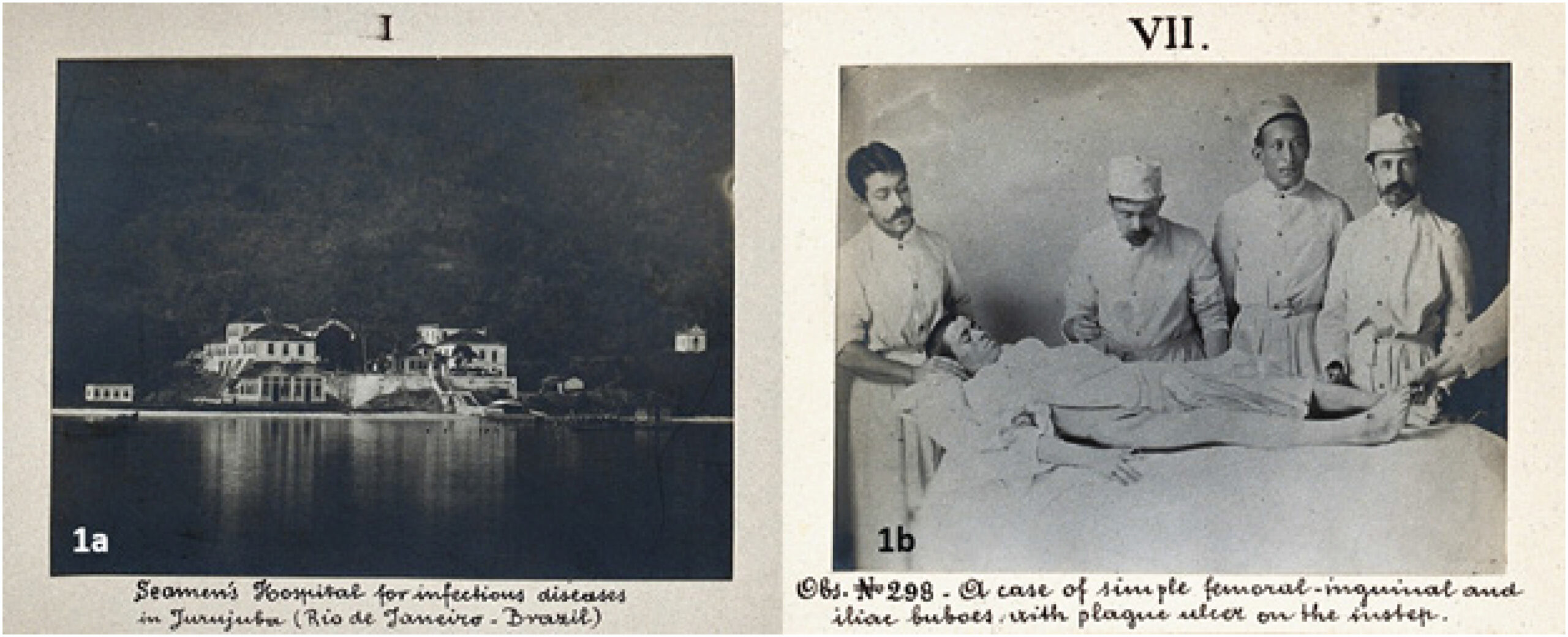
Carlos Chagas graduated in 1904 in Rio de Janeiro and began his professional life in the city of Niterói as a physician of the Public Hygiene Committee at Santa Isabel Maritime Hospital, after declining Oswaldo Cruz’s invitation to work at Manguinhos. The Maritime Hospital, a beautiful architectural complex () built during the 19th century from an old farm, was considered a reference for the treatment of infectious diseases until the end of the 4th decade of the 20th century. Sailors, immigrants and local residents with bubonic plague, yellow fever or tuberculosis were treated at the institution. In this hospital, the Italian physician Camillo Terni, from the Serum Therapy Institute of Messina, conducted pioneering studies on a plague vaccine (). After working for 1 year at the Maritime Hospital, Chagas left to Manguinhos, where he began his journey to eradicate yellow fever and malaria, which led him to discover the disease caused by the insect known as barbeiro (kissing bug).

[…]

  • aging
  • Chagas disease, Carlos Chagas, Trypanosoma Cruzi, Heart Failure
  • Myocardial Infarction
  • Percutaneous Coronary Intervention
  • Platelet Aggregation
  • Women
Read Full Article
Creative Commons Attribution (CC BY) Creative Commons license
25/11/2020 DOI: 10.36660/ijcs.20200351 Views 1
Figure 1
IJCS
Original Article

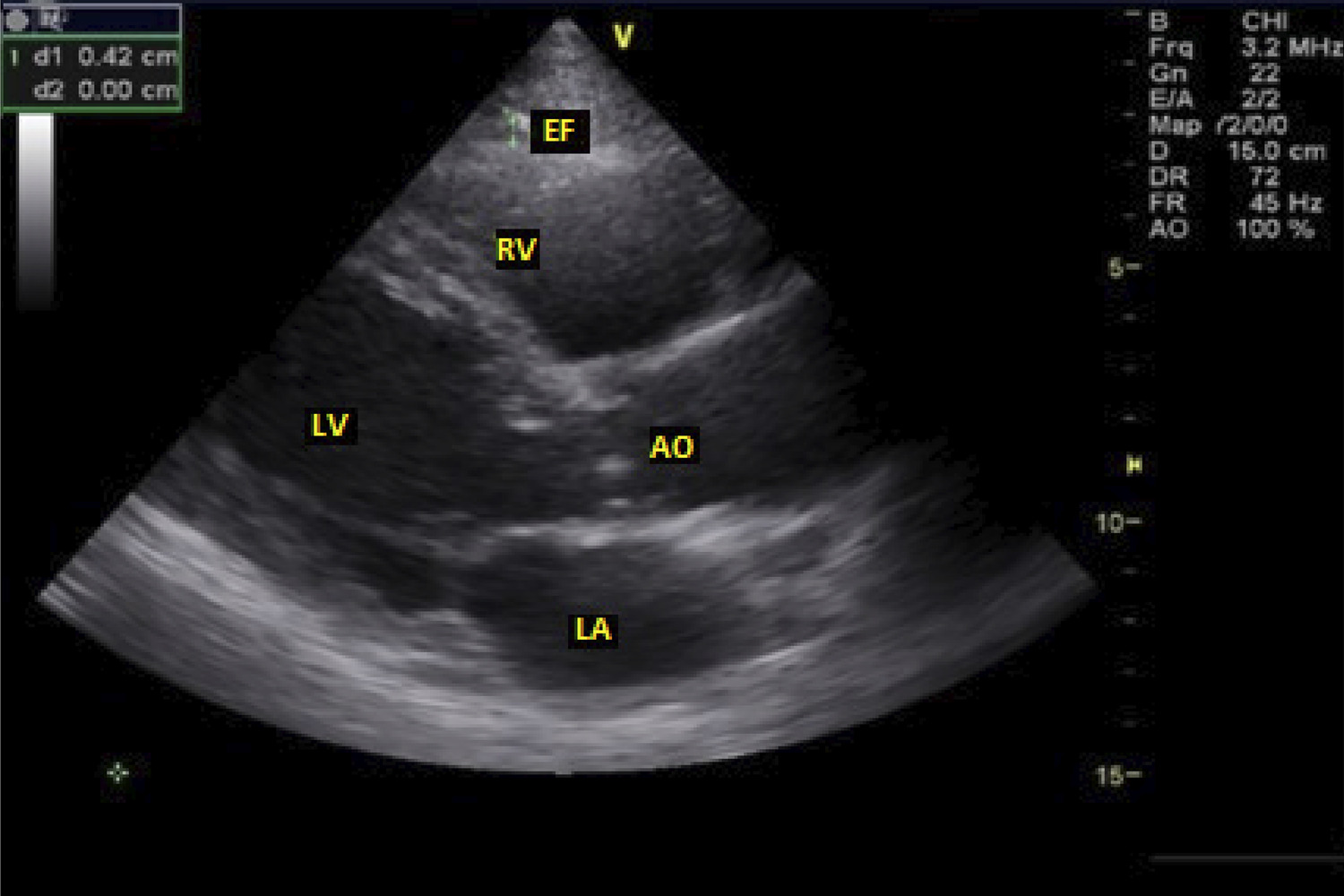
Correlation between Epicardial Fat Thickness and Clinical and Anthropometric Variables in an Elderly Population

Joaquim Castanheira et al. Cristiana Nunes Telmo Pereira

Abstract

Background

Epicardial fat (EF) thickness is a marker of visceral adiposity and consequently considered an important predictive marker of cardiovascular and metabolic risk.

Objective

To describe echocardiographic features of the heart in an elderly population and to study the correlation between EF thickness and clinical and anthropometric variables.

Methods

A sample of 34 individuals (25 women) aged between 65 and 92 years, who attended a private institution in the central region of Continental Portugal, was analyzed. A standardized sociodemographic questionnaire was applied, and anthropometric assessment, echocardiography and blood pressure measurement were performed in all subjects. A correlational analysis of EF thickness with anthropometric and clinical parameters was performed. The association between variables was tested by Pearson’s correlation and point-biserial correlation. A value of p < 0.05 was defined as statistically significant.

Results

EF thickness was higher in males (6.0 ± 1.4 mm vs 5.2 ± 0.9 mm in females), and ranged from 4 to 9 mm. There were statistically significant correlations between EF thickness and weight (r = 0.4; p = 0.02), body surface area (r = 0.4; p = 0.02), lean mass (r = 0.4; p = 0.03), calf circumference (r = 0.5; p = 0.01) and left ventricular end-diastolic diameter (r = 0.3; p = 0.04).

Conclusion

EF thickness was higher in males and was significantly correlated with anthropometric parameters of adiposity and left ventricular end-diastolic diameter. Int J Cardiovasc Sci. 2020; [online].ahead print, PP.0-0

  • Adiposity
  • aging
  • Anthropometry
  • Blood Pressure
  • Diabetes Mellitus
  • Echocardiography/methods
  • Epicardial Fat
  • Hypertension
  • Risk Factors
Read Full Article
Creative Commons Attribution (CC BY) Creative Commons license
06/11/2020 DOI: 10.36660/ijcs.20190179 Views 1
Figure 1
ABC
Research Letter

ACE2 Expression and Risk Factors for COVID-19 Severity in Patients with Advanced Age

Caio de Assis Moura Tavares et al. Thiago Junqueira Avelino-Silva Gil Benard Francisco Akira Malta Cardozo … Juliana Ruiz Fernandes Adriana Castello Costa Girardi Wilson Jacob Filho

ACE2, SARS-CoV-2 Infection and Aging

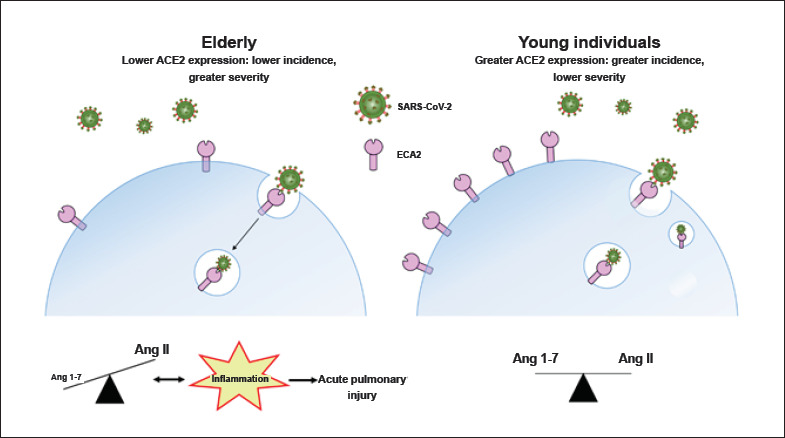
Abnormalities induced by aging in metabolic pathways may partly explain the higher rate of COVID-19 morbidity and mortality in elderly patients. These include those belonging to the renin-angiotensin system (RAS), given the crucial role that this system plays both in viral transmissibility and in the pathogenesis of acute lung injury and its most severe form: acute respiratory distress syndrome (ARDS).

ACE2 is known to act as a receptor for SARS-CoV-2 1 structural protein S (spike), through which the virus gains access to the host cell. This mechanism involves interaction of viral S protein with ACE2 extracellular domain, triggering conformational changes that destabilize the cell membrane, allowing the internalization of SARS-CoV-2 and ACE2, viral replication, and cell-to-cell transmission.,

[…]

  • aging
  • COVID-19
  • Frailty
  • Immunosenescence
  • Multimorbidity
Read Full Article
Creative Commons Attribution (CC BY) Creative Commons license
23/10/2020 DOI: 10.36660/abc.20200487 Views 1
ABC
Editorial

Implementation of Healthcare Quality Improvement Programs

Felix J. A. Ramires

The incidence and prevalence of cardiovascular disease are increasing worldwide. – This is partly due to population aging and the accumulation of risk factors associated with these diseases. In Brazil, the life expectancy of the population in 2019 was estimated at 76.6 years in a population of 211,652,819 people, assessed by IBGE. In the same year, approximately 12,168,390 hospitalizations were registered in the public healthcare system (in Brazil, SUS) — Ministry of Health — with approximately 1,200,000 due to cardiovascular diseases (10% of the total). In addition, the mortality related to cardiovascular diseases remains high, around 29% of the annual causes of death. Therefore, we observe the great impact of these diseases with regard to the occupation of hospital beds and mortality in Brazil. In this scenario, chronic disease management programs have shown that monitored and multidisciplinary monitoring improves adherence to pharmacological and non-pharmacological treatment determines optimization of therapy, decreases the number of hospitalizations directly related to the disease, promoting an important improvement in the quality of life and reduction of hospital costs. – Brazilian records have shown adherence to extremely low medical guidelines. The reasons for poor performance in implementing clinical guidelines include barriers related to the health system itself, medical commitment and improvement, multidisciplinary involvement and the patient’s own involvement in healthcare. Some studies suggest that about 30%–40% of patients do not receive healthcare according to the current scientific evidence, while 20% or more of the healthcare provided are not necessary or potentially harmful. The strategies developed to optimize adherence to current guidelines have demonstrated success in the management of these patients. This chronic disease management, focused on the quality of evidence-based care, can promote the reduction of clinical events. Some studies on management and quality improvement have shown reduced rates of hospital readmission in 30 days with the adoption of these measures. , Other models, in performance monitoring associated with strategies for implementing guidelines, promote the improvement of healthcare and reduction of outcomes. The encouragement of healthcare and quality measures are heterogeneous in different regions and among Brazilian institutions, resulting in extremely varied outcomes. The association of performance measures, detection of opportunities for improvement and development of strategies to increase adherence to good health practices are fundamental to optimize results.

In this scenario, the development of national protocols and studies on the management of cardiovascular diseases, focusing on the implementation of models and tools to improve the quality of healthcare and implementation of adherence to best practices, has a fundamental role in assessing feasibility and results.

[…]

  • aging
  • Bed Occupancy
  • Cardiovascular Diseases, mortality
  • Cost Savings
  • Drug Therapy
  • Guidelines as Topic
  • Prevalence
  • Quality Improvement
  • Risk Factors
Read Full Article
Creative Commons Attribution (CC BY) Creative Commons license
07/08/2020 DOI: 10.36660/abc.20200679 Views 2
Figure 1
ABC
Viewpoint

Treatment of Aortic Stenosis in Elderly Individuals in Brazil: How Long Can We Wait?

Marcelo Antônio Cartaxo Queiroga Lopes et al. Bruno Ramos Nascimento Gláucia Maria Moraes de Oliveira

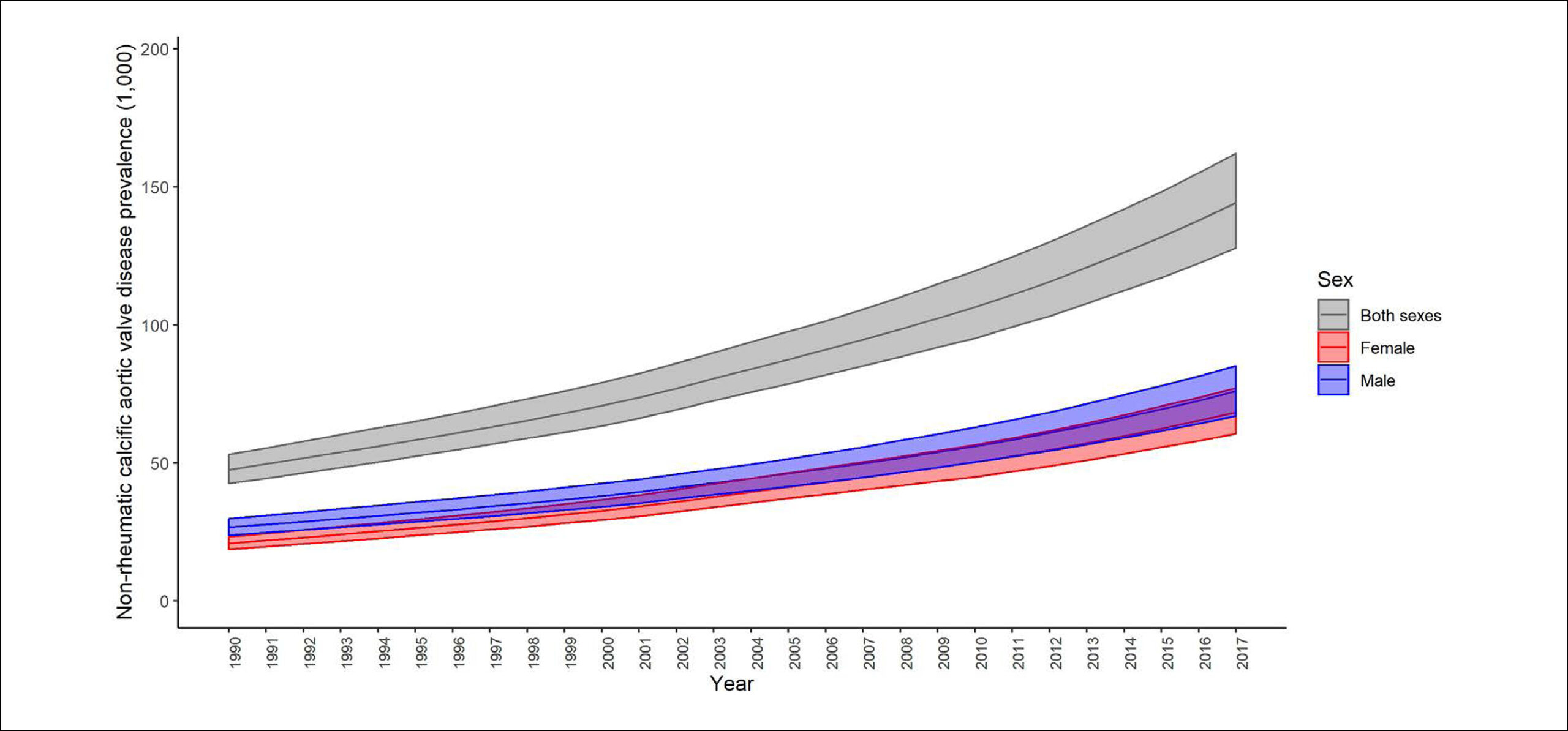
The growing life expectancy of the population is increasing the occurrence of diseases affecting the elderly age group, notably the non-rheumatic degenerative valvular diseases and, in particular, aortic stenosis, whose prevalence in elderly individuals older than 75 years has been estimated at 3 to 5%. This is the most common valvular heart disease among elderly individuals, and its severe form is associated with high morbidity and mortality. The life expectancy of patients with aortic stenosis presenting with heart failure and rhythm disturbances is estimated to be less than 2 years. The standard treatment for this disease is cardiac surgery with replacement of the aortic valve by a prosthesis. However, due to high surgical risk, especially in very elderly patients with associated comorbidities, cardiac surgery is contraindicated in about 30% of the cases or is performed with high morbidity and mortality rates according to preoperative scores. For these critically ill patients, a new, less invasive technique consisting of transcatheter aortic valve implantation (TAVI) of a bioprosthesis has been considered the therapeutic option of choice, initially tested in patients at very high surgical risk, but currently with evidence of noninferiority compared to open surgery in lower-risk individuals., The first TAVI procedure in the world was performed in France in 2002 by Professor Alain Cribier, and the method was pioneered in Brazil in 2008. Since then, a considerable number of patients has been treated. However, despite robust evidence of safety and efficacy, this therapy has still not been incorporated into the supplemental or public health care systems (Sistema Único de Saúde [SUS]) in the country.

Despite the fact that TAVI has already been evaluated and accepted in the health care systems of several countries with evidence of cost-effectiveness even in individuals at intermediate operative risk, the Ministry of Health, based on a position stand from the National Commission for Incorporation of Technologies in the SUS (Conitec), established in 2013, in response to a request by the Brazilian Society for Hemodynamics and of Interventional Cardiology (SBHCI) acting as the petitioner, considered that there was no convenience in incorporating this therapy in Brazil. Conitec, at the time, based on the opinion of a reviewer and disregarding the opinion of prestigious national universities presented in a public consultation on the subject, recommended against the incorporation of the procedure, justifying this decision on three points: a) TAVI would not be a safe and effective procedure due to an allegedly high incidence of stroke within the first 30 days after the procedure, b) the budgetary impact of incorporating TAVI into the SUS would approach 1 billion reais per year, and c) methodological inaccuracies could have affected the economic model presented by the petitioner and the PARTNER B study, which served as the main background for the incorporation of this procedure by all health technology assessment agencies in the world that have requested the incorporation of this technology.

[…]

  • Aged
  • aging
  • Heart Valve Prosthesis
  • Heart Valve Prosthesis Implantation
  • Life Expectancy
  • Stenosis Valve Aortic/surgery
  • Transcatheter Aortic Valve Replacement/trends
Read Full Article
Creative Commons Attribution (CC BY) Creative Commons license
20/03/2020 DOI: 10.36660/abc.2020003 Views 1
ABC
Editorial

Postural Changes and their Influence on Functional Behavior of the Great Arteries

Luiz Aparecido Bortolotto

The large arteries, especially the aorta, are known to play a major role in the circulation of blood flow both during ventricular ejection and during diastole, thus providing the blood supply required by the organs. Additionally, the damping function exercised by the aorta plays a fundamental role in central hemodynamics, providing adequate ventricular-arterial coupling during the cardiac cycle.The loss of this function due to increased arterial stiffness plays a role in the development of hypertension and left ventricular hypertrophy and has been associated with the development of atherosclerosis and myocardial ischemia. Noninvasive methods for assessing the function of large arteries, such as pulse wave velocity (PWV) measurement, have provided a better understanding of the correlations of arterial stiffness with cardiovascular disease, and have been used as prognostic markers in different populations.However, due to methodological limitations, all studies have been performed in the supine position, and the impact of postural changes, especially orthostasis, has not been evaluated on these vascular properties. Thus, the study by Elias Neto et al. published in this issue, as the first to evaluate the effect of orthostasis on the aortic functional properties in normotensive and hypertensive individuals not treated by the aortic PWV measurement in humans, provides important information to understand the role of these properties in the physiological adaptation of central hemodynamics in relation to the gravity effects. The authors evaluated nearly 100 individuals with no evident cardiovascular disease by measuring carotid-femoral PWV performed in the supine and standing positions after the 70° tilt test and demonstrated a significant and sustained increase in PWV throughout the tilt test, in both young and older individuals. Interestingly, although there was a direct and significant association between baseline and post-orthostasis PWV values and systolic blood pressure (SBP ), SBP remained unaltered or showed a slight decrease during the tilt test and, therefore, the increase in PWV during inclination occurred by other mechanisms of circulatory adaptation, including an increase in peripheral arterial resistance (indirectly suggested by the observed increase in mean BP ) and changes in circulatory dynamics promoted by the gravitational force, which are related to the differential structural and geometric characteristics of the aorta throughout its trajectory. In a study with a smaller number of individuals and another methodology for PWV assessment, the authors also found an increase in PWV with the tilt test and attributed this increase to increased hydrostatic pressure and greater sympathetic activity.

Due to gravitational effect, blood flow increases in the more distal arterial segments, which have smaller diameter and less elasticity, causing an increase in PWV and also in BP in the infradiaphragmatic territories. The consequence of this increase in carotid-femoral PWV would be the early return of the retrograde wave to the heart, increasing pulse pressure at the aortic root, which could contribute to maintaining a more adequate cerebral blood flow with the biped position assumed by humans. It is noteworthy that this same mechanism of early wave reflection in the aortic root is one of the main factors responsible for SBP increase in the elderly, as a consequence of the increase in arterial stiffness observed with aging. Evaluating the results of the study by Elias Neto et al., the PWV of young individuals after orthostasis showed values similar to those found in the elderly in the dorsal position, corroborating the role of increased PWV with increased retrograde wave in the individual’s adaptation to the orthostatic position.

[…]

  • aging
  • Aorta/physiopathology
  • Blood Flow
  • Gravitation
  • Hypertension
  • Hypertrophy,Left Ventricular
  • Pulse Wave Analysis
  • Stending Position
Read Full Article
Creative Commons Attribution (CC BY) Creative Commons license
02/12/2019 DOI: 10.36660/abc.20190691 Views 2

Could not load more articles. Please try again.

How to cite this article

EndNote RIS

Electronic Document Format (Vancouver)

Silva EC, Valença Neto PF, Casotti CA, Almeida CB, Silva DJ, Meira SS, Roriz BC, et al. Hypertension in Older Adults: Associations With Female Sex, Insufficient Physical Activity, Abdominal Obesity, Diabetes Mellitus, And Falls – A Cross-Sectional Study. International Journal of Cardiovascular Sciences 2026;39:e20250184.

Electronic Document Format (ABNT)

Silva, Emylly Carlos da; Valença Neto, Paulo da Fonseca; Casotti, Cezar Augusto; Almeida, Claudio Bispo de; Silva, Débora Jesus da; Meira, Saulo Sacramento; Roriz, Beatriz Cardoso; Viana, Janayna Araújo; Viana, Vanessa Silva Souza; Ribeiro, Renata de Sá; Silva, Késia Chaves da; Novais, Dennis Gonçalves; Marques, Maiara Bernardes; Sallet, Lunalva Aurelio Pedroso; Santos, Lucas dos. Hypertension in Older Adults: Associations With Female Sex, Insufficient Physical Activity, Abdominal Obesity, Diabetes Mellitus, And Falls – A Cross-Sectional Study. International Journal of Cardiovascular Sciences, v. 39, e20250184, Jul. 2026.

Electronic Document Format (APA)

Silva, E. C. , Valença Neto, P. F., Casotti, C. A., Almeida, C. B. , Silva, D. J. , Meira, S. S., Roriz, B. C., Viana, J. A., Viana, V. S. S., Ribeiro, R. S., Silva, K. C. , Novais, D. G., Marques, M. B., Sallet, L. A. P., & Santos, L. (2026). Hypertension in Older Adults: Associations With Female Sex, Insufficient Physical Activity, Abdominal Obesity, Diabetes Mellitus, And Falls – A Cross-Sectional Study. International Journal of Cardiovascular Sciences, 39, e20250184.

Electronic Document Format (ISO)

Silva, Emylly Carlos da and Valença Neto, Paulo da Fonseca and Casotti, Cezar Augusto and Almeida, Claudio Bispo de and Silva, Débora Jesus da and Meira, Saulo Sacramento and Roriz, Beatriz Cardoso and Viana, Janayna Araújo and Viana, Vanessa Silva Souza and Ribeiro, Renata de Sá and Silva, Késia Chaves da and Novais, Dennis Gonçalves and Marques, Maiara Bernardes and Sallet, Lunalva Aurelio Pedroso and Santos, Lucas dos. Hypertension in Older Adults: Associations With Female Sex, Insufficient Physical Activity, Abdominal Obesity, Diabetes Mellitus, And Falls – A Cross-Sectional Study. International Journal of Cardiovascular Sciences [online]. 2026, vol. 39, [cited 2026-10-14], e20250184. Available from: <https://journals.cardiol.br/en/article/hypertension-in-older-adults-associations-with-female-sex-insufficient-physical-activity-abdominal-obesity-diabetes-mellitus-and-falls-a-cross-sectional-study/>. ISSN 2359-4802

EndNote RIS

Electronic Document Format (Vancouver)

Godinho GA, Valença Neto PF, Almeida CB, Meira SS, Roriz BC, Barbosa RS, Casotti CA, et al. Hypertension, Hypercholesterolemia, and Insufficient Physical Activity Associated with Diabesity in Older Adults: A Cross-Sectional Study. International Journal of Cardiovascular Sciences 2024;37:e20240019.

Electronic Document Format (ABNT)

Godinho, Gabriel Alves; Valença Neto, Paulo da Fonseca; Almeida, Claudio Bispo de; Meira, Saulo Sacramento; Roriz, Beatriz Cardoso; Barbosa, Raquel dos Santos; Casotti, Cezar Augusto; Santos, Lucas dos. Hypertension, Hypercholesterolemia, and Insufficient Physical Activity Associated with Diabesity in Older Adults: A Cross-Sectional Study. International Journal of Cardiovascular Sciences, v. 37, e20240019, Aug. 2024.

Electronic Document Format (APA)

Godinho, G. A., Valença Neto, P. F., Almeida, C. B. , Meira, S. S., Roriz, B. C., Barbosa, R. S., Casotti, C. A., & Santos, L. (2024). Hypertension, Hypercholesterolemia, and Insufficient Physical Activity Associated with Diabesity in Older Adults: A Cross-Sectional Study. International Journal of Cardiovascular Sciences, 37, e20240019.

Electronic Document Format (ISO)

Godinho, Gabriel Alves and Valença Neto, Paulo da Fonseca and Almeida, Claudio Bispo de and Meira, Saulo Sacramento and Roriz, Beatriz Cardoso and Barbosa, Raquel dos Santos and Casotti, Cezar Augusto and Santos, Lucas dos. Hypertension, Hypercholesterolemia, and Insufficient Physical Activity Associated with Diabesity in Older Adults: A Cross-Sectional Study. International Journal of Cardiovascular Sciences [online]. 2024, vol. 37, [cited 2026-10-14], e20240019. Available from: <https://journals.cardiol.br/en/article/hypertension-hypercholesterolemia-and-insufficient-physical-activity-associated-with-diabesity-in-older-adults-a-cross-sectional-study/>. ISSN 2359-4802

EndNote RIS

Electronic Document Format (Vancouver)

Oliveira FRC, Resende MVC, Vieira MLC. Echocardiographic Assessment of Left Atrial Function in Aging Adults. ABC Imagem Cardiovascular 2024;37(3):e20240043.

Electronic Document Format (ABNT)

Oliveira, Fernando Rodrigues da Camara; Resende, Marcos Valerio Coimbra de; Vieira, Marcelo Luiz Campos. Echocardiographic Assessment of Left Atrial Function in Aging Adults. ABC Imagem Cardiovascular, v. 37, n. 3, e20240043, Aug. 2024.

Electronic Document Format (APA)

Oliveira, F. R. C., Resende, M. V. C. , & Vieira, M. L. C. (2024). Echocardiographic Assessment of Left Atrial Function in Aging Adults. ABC Imagem Cardiovascular, 37(3), e20240043.

Electronic Document Format (ISO)

Oliveira, Fernando Rodrigues da Camara and Resende, Marcos Valerio Coimbra de and Vieira, Marcelo Luiz Campos. Echocardiographic Assessment of Left Atrial Function in Aging Adults. ABC Imagem Cardiovascular [online]. 2024, vol. 37, n. 3, [cited 2026-10-14], e20240043. Available from: <https://journals.cardiol.br/en/article/echocardiographic-assessment-of-left-atrial-function-in-aging-adults/>. ISSN 2318-8219

EndNote RIS

Electronic Document Format (Vancouver)

Latado AL, Braga JCV. Chronic Coronary Syndrome In Brazil: We Need To Know More. Arquivos Brasileiros de Cardiologia 2024;120(10):e20230723.

Electronic Document Format (ABNT)

Latado, Adriana Lopes; Braga, Julio Cesar Vieira. Chronic Coronary Syndrome In Brazil: We Need To Know More. Arquivos Brasileiros de Cardiologia, v. 120, n. 10, e20230723, Jan. 2024.

Electronic Document Format (APA)

Latado, A. L., & Braga, J. C. V. (2024). Chronic Coronary Syndrome In Brazil: We Need To Know More. Arquivos Brasileiros de Cardiologia, 120(10), e20230723.

Electronic Document Format (ISO)

Latado, Adriana Lopes and Braga, Julio Cesar Vieira. Chronic Coronary Syndrome In Brazil: We Need To Know More. Arquivos Brasileiros de Cardiologia [online]. 2024, vol. 120, n. 10, [cited 2026-10-14], e20230723. Available from: <https://journals.cardiol.br/en/article/chronic-coronary-syndrome-in-brazil-we-need-to-know-more/>. ISSN 0066-782X

EndNote RIS

Electronic Document Format (Vancouver)

Saraiva RM, Costa AR. Sarcopenia: An Important Entity Still Underinvestigated in Heart Failure. Arquivos Brasileiros de Cardiologia 2023;120(7):e20230387.

Electronic Document Format (ABNT)

Saraiva, Roberto Magalhães; Costa, Andréa Rodrigues da. Sarcopenia: An Important Entity Still Underinvestigated in Heart Failure. Arquivos Brasileiros de Cardiologia, v. 120, n. 7, e20230387, Aug. 2023.

Electronic Document Format (APA)

Saraiva, R. M., & Costa, A. R. (2023). Sarcopenia: An Important Entity Still Underinvestigated in Heart Failure. Arquivos Brasileiros de Cardiologia, 120(7), e20230387.

Electronic Document Format (ISO)

Saraiva, Roberto Magalhães and Costa, Andréa Rodrigues da. Sarcopenia: An Important Entity Still Underinvestigated in Heart Failure. Arquivos Brasileiros de Cardiologia [online]. 2023, vol. 120, n. 7, [cited 2026-10-14], e20230387. Available from: <https://journals.cardiol.br/en/article/sarcopenia-an-important-entity-still-underinvestigated-in-heart-failure/>. ISSN 0066-782X

EndNote RIS

Electronic Document Format (Vancouver)

Oliveira JCS, Santos AM, Aguiar MF, Gonçalves Junior J, Souza AWS, Pereira RMR, Shinjo SK, et al. Characteristics of Older Patients with Takayasu’s Arteritis: A Two-Center, Cross-Sectional, Retrospective Cohort Study. Arquivos Brasileiros de Cardiologia 2023;120(1):e20220463.

Electronic Document Format (ABNT)

Oliveira, João Calvino Soares de; Santos, Alexandre Moura dos; Aguiar, Mariana Freitas de; Gonçalves Junior, Jucier; Souza, Alexandre Wagner Silva de; Pereira, Rosa Maria R.; Shinjo, Samuel Katsuyuki. Characteristics of Older Patients with Takayasu’s Arteritis: A Two-Center, Cross-Sectional, Retrospective Cohort Study. Arquivos Brasileiros de Cardiologia, v. 120, n. 1, e20220463, Jan. 2023.

Electronic Document Format (APA)

Oliveira, J. C. S. , Santos, A. M. , Aguiar, M. F. , Gonçalves Junior, J., Souza, A. W. S. , Pereira, R. M. R., & Shinjo, S. K. (2023). Characteristics of Older Patients with Takayasu’s Arteritis: A Two-Center, Cross-Sectional, Retrospective Cohort Study. Arquivos Brasileiros de Cardiologia, 120(1), e20220463.

Electronic Document Format (ISO)

Oliveira, João Calvino Soares de and Santos, Alexandre Moura dos and Aguiar, Mariana Freitas de and Gonçalves Junior, Jucier and Souza, Alexandre Wagner Silva de and Pereira, Rosa Maria R. and Shinjo, Samuel Katsuyuki. Characteristics of Older Patients with Takayasu’s Arteritis: A Two-Center, Cross-Sectional, Retrospective Cohort Study. Arquivos Brasileiros de Cardiologia [online]. 2023, vol. 120, n. 1, [cited 2026-10-14], e20220463. Available from: <https://journals.cardiol.br/en/article/characteristics-of-older-patients-with-takayasus-arteritis-a-two-center-cross-sectional-retrospective-cohort-study/>. ISSN 0066-782X

EndNote RIS

Electronic Document Format (Vancouver)

Picoli PMC, Amaral CST, Trovatti E. The Influence of Primary Atherosclerotic Diseases on the Occurrence of Secondary Disease. International Journal of Cardiovascular Sciences 2022;36:e20210251.

Electronic Document Format (ABNT)

Picoli, Paula Monique Chiconi de; Amaral, Creusa Sayuri Tahara; Trovatti, Eliane. The Influence of Primary Atherosclerotic Diseases on the Occurrence of Secondary Disease. International Journal of Cardiovascular Sciences, v. 36, e20210251, Jul. 2022.

Electronic Document Format (APA)

Picoli, P. M. C. , Amaral, C. S. T., & Trovatti, E. (2022). The Influence of Primary Atherosclerotic Diseases on the Occurrence of Secondary Disease. International Journal of Cardiovascular Sciences, 36, e20210251.

Electronic Document Format (ISO)

Picoli, Paula Monique Chiconi de and Amaral, Creusa Sayuri Tahara and Trovatti, Eliane. The Influence of Primary Atherosclerotic Diseases on the Occurrence of Secondary Disease. International Journal of Cardiovascular Sciences [online]. 2022, vol. 36, [cited 2026-10-14], e20210251. Available from: <https://journals.cardiol.br/en/article/the-influence-of-primary-atherosclerotic-diseases-on-the-occurrence-of-secondary-disease-3/>. ISSN 2359-4802

EndNote RIS

Electronic Document Format (Vancouver)

Koga VAA, Dall’Asta L, Jacyntho TLP, De-Marchi LC, Mulinari RP, Ladeira BA, Nemeth MERF, et al. Association of Age with Optimal Medical Therapy in Patients with Chronic Heart Failure. ABC: Heart Failure & Cardiomyopathy 2022;2(2):138-45.

Electronic Document Format (ABNT)

Koga, Vitoria A. A.; Dall’Asta, Luiza; Jacyntho, Thiago L. P.; De-Marchi, Leonardo C.; Mulinari, Rodrigo P.; Ladeira, Bruna A.; Nemeth, Maria E. R. F.; Silvestre, Odilson M.; Bonatto, Marcely Gimenes; Moura, Lidia Ana Zytynski; Fernandes-Silva, Miguel Morita. Association of Age with Optimal Medical Therapy in Patients with Chronic Heart Failure. ABC: Heart Failure & Cardiomyopathy, v. 2, n. 2, p. 138-145, Jun. 2022.

Electronic Document Format (APA)

Koga, V. A. A., Dall’Asta, L., Jacyntho, T. L. P., De-Marchi, L. C., Mulinari, R. P., Ladeira, B. A., Nemeth, M. E. R. F., Silvestre, O. M., Bonatto, M. G., Moura, L. A. Z., & Fernandes-Silva, M. M. (2022). Association of Age with Optimal Medical Therapy in Patients with Chronic Heart Failure. ABC: Heart Failure & Cardiomyopathy, 2(2), 138-145.

Electronic Document Format (ISO)

Koga, Vitoria A. A. and Dall’Asta, Luiza and Jacyntho, Thiago L. P. and De-Marchi, Leonardo C. and Mulinari, Rodrigo P. and Ladeira, Bruna A. and Nemeth, Maria E. R. F. and Silvestre, Odilson M. and Bonatto, Marcely Gimenes and Moura, Lidia Ana Zytynski and Fernandes-Silva, Miguel Morita. Association of Age with Optimal Medical Therapy in Patients with Chronic Heart Failure. ABC: Heart Failure & Cardiomyopathy [online]. 2022, vol. 2, n. 2, [cited 2026-10-14], pp. 138-145. Available from: <https://journals.cardiol.br/en/article/association-of-age-with-optimal-medical-therapy-in-patients-with-chronic-heart-failure/>

EndNote RIS

Electronic Document Format (Vancouver)

Ribeiro JS, Oliveira MLC. Demographic and Epidemiological Profile of Aging and Elderly Patients Receiving Heart Transplant During the Period from 2009 to 2018. International Journal of Cardiovascular Sciences 2022;35(6):730-9.

Electronic Document Format (ABNT)

Ribeiro, Joseane de Souza; Oliveira, Maria Liz Cunha de. Demographic and Epidemiological Profile of Aging and Elderly Patients Receiving Heart Transplant During the Period from 2009 to 2018. International Journal of Cardiovascular Sciences, v. 35, n. 6, p. 730-739, May. 2022.

Electronic Document Format (APA)

Ribeiro, J. S., & Oliveira, M. L. C. (2022). Demographic and Epidemiological Profile of Aging and Elderly Patients Receiving Heart Transplant During the Period from 2009 to 2018. International Journal of Cardiovascular Sciences, 35(6), 730-739.

Electronic Document Format (ISO)

Ribeiro, Joseane de Souza and Oliveira, Maria Liz Cunha de. Demographic and Epidemiological Profile of Aging and Elderly Patients Receiving Heart Transplant During the Period from 2009 to 2018. International Journal of Cardiovascular Sciences [online]. 2022, vol. 35, n. 6, [cited 2026-10-14], pp. 730-739. Available from: <https://journals.cardiol.br/en/article/demographic-and-epidemiological-profile-of-aging-and-elderly-patients-receiving-heart-transplant-during-the-period-from-2009-to-2018/>. ISSN 2359-4802

EndNote RIS

Electronic Document Format (Vancouver)

Martins Junior FAD, Mateo DPA, Silva FJM, Moura SS, Oliveira EC, Coelho DB, Bearzoti E, et al. Use of Diuretics is Associated with Higher Risk of Sarcopenia in Older Adults with Hypertension. International Journal of Cardiovascular Sciences 2022;35(4):476-85.

Electronic Document Format (ABNT)

Martins Junior, Francisco de Assis Dias; Mateo, Dahany Pamela Acta; Silva, Fábio Junior de Miranda; Moura, Samara Silva de; Oliveira, Emerson Cruz; Coelho, Daniel Barbosa; Bearzoti, Eduardo; Pinto, Kelerson Mauro de Castro; Becker, Lenice Kappes. Use of Diuretics is Associated with Higher Risk of Sarcopenia in Older Adults with Hypertension. International Journal of Cardiovascular Sciences, v. 35, n. 4, p. 476-485, Feb. 2022.

Electronic Document Format (APA)

Martins Junior, F. A. D., Mateo, D. P. A., Silva, F. J. M., Moura, S. S. , Oliveira, E. C., Coelho, D. B., Bearzoti, E., Pinto, K. M. C., & Becker, L. K. (2022). Use of Diuretics is Associated with Higher Risk of Sarcopenia in Older Adults with Hypertension. International Journal of Cardiovascular Sciences, 35(4), 476-485.

Electronic Document Format (ISO)

Martins Junior, Francisco de Assis Dias and Mateo, Dahany Pamela Acta and Silva, Fábio Junior de Miranda and Moura, Samara Silva de and Oliveira, Emerson Cruz and Coelho, Daniel Barbosa and Bearzoti, Eduardo and Pinto, Kelerson Mauro de Castro and Becker, Lenice Kappes. Use of Diuretics is Associated with Higher Risk of Sarcopenia in Older Adults with Hypertension. International Journal of Cardiovascular Sciences [online]. 2022, vol. 35, n. 4, [cited 2026-10-14], pp. 476-485. Available from: <https://journals.cardiol.br/en/article/use-of-diuretics-is-associated-with-higher-risk-of-sarcopenia-in-older-adults-with-hypertension/>. ISSN 2359-4802

EndNote RIS

Electronic Document Format (Vancouver)

Wang R, Zanon JCC, Neuschwander FC. Precordial Pain and Infarction in the Elderly. It´S no so Elementary, My Dear Watson!. Arquivos Brasileiros de Cardiologia 2021;116(6):1046-7.

Electronic Document Format (ABNT)

Wang, Ricardo; Zanon, José Carlos da Costa; Neuschwander, Fernando Carvalho. Precordial Pain and Infarction in the Elderly. It´S no so Elementary, My Dear Watson!. Arquivos Brasileiros de Cardiologia, v. 116, n. 6, p. 1046-1047, Jun. 2021.

Electronic Document Format (APA)

Wang, R., Zanon, J. C. C., & Neuschwander, F. C. (2021). Precordial Pain and Infarction in the Elderly. It´S no so Elementary, My Dear Watson!. Arquivos Brasileiros de Cardiologia, 116(6), 1046-1047.

Electronic Document Format (ISO)

Wang, Ricardo and Zanon, José Carlos da Costa and Neuschwander, Fernando Carvalho. Precordial Pain and Infarction in the Elderly. It´S no so Elementary, My Dear Watson!. Arquivos Brasileiros de Cardiologia [online]. 2021, vol. 116, n. 6, [cited 2026-10-14], pp. 1046-1047. Available from: <https://journals.cardiol.br/en/article/precordial-pain-and-infarction-in-the-elderly-its-no-so-elementary-my-dear-watson/>. ISSN 0066-782X

EndNote RIS

Electronic Document Format (Vancouver)

Zhu Q, Gao P, Fu S, Wang H, Bai Y, Luo L, Ye P, et al. Prognostic Value of Plasma NT-proBNP levels in Hospitalized Patients Older than 80 Years of Age in a Hospital in Beijing, China. Arquivos Brasileiros de Cardiologia 2021;116(6):1027-36.

Electronic Document Format (ABNT)

Zhu, Qiwei; Gao, Peng; Fu, Shihui; Wang, Hao; Bai, Yongyi; Luo, Leiming; Ye, Ping. Prognostic Value of Plasma NT-proBNP levels in Hospitalized Patients Older than 80 Years of Age in a Hospital in Beijing, China. Arquivos Brasileiros de Cardiologia, v. 116, n. 6, p. 1027-1036, Jun. 2021.

Electronic Document Format (APA)

Zhu, Q., Gao, P., Fu, S., Wang, H., Bai, Y., Luo, L., & Ye, P. (2021). Prognostic Value of Plasma NT-proBNP levels in Hospitalized Patients Older than 80 Years of Age in a Hospital in Beijing, China. Arquivos Brasileiros de Cardiologia, 116(6), 1027-1036.

Electronic Document Format (ISO)

Zhu, Qiwei and Gao, Peng and Fu, Shihui and Wang, Hao and Bai, Yongyi and Luo, Leiming and Ye, Ping. Prognostic Value of Plasma NT-proBNP levels in Hospitalized Patients Older than 80 Years of Age in a Hospital in Beijing, China. Arquivos Brasileiros de Cardiologia [online]. 2021, vol. 116, n. 6, [cited 2026-10-14], pp. 1027-1036. Available from: <https://journals.cardiol.br/en/article/prognostic-value-of-plasma-nt-probnp-levels-in-hospitalized-patients-older-than-80-years-of-age-in-a-hospital-in-beijing-china/>. ISSN 0066-782X

EndNote RIS

Electronic Document Format (Vancouver)

Santos IS. “Know the Enemy and Know Yourself”. Cardiovascular Risk in the National Health Survey. Arquivos Brasileiros de Cardiologia 2021;116(3):432-3.

Electronic Document Format (ABNT)

Santos, Itamar S.. “Know the Enemy and Know Yourself”. Cardiovascular Risk in the National Health Survey. Arquivos Brasileiros de Cardiologia, v. 116, n. 3, p. 432-433, Apr. 2021.

Electronic Document Format (APA)

Santos, I. S. (2021). “Know the Enemy and Know Yourself”. Cardiovascular Risk in the National Health Survey. Arquivos Brasileiros de Cardiologia, 116(3), 432-433.

Electronic Document Format (ISO)

Santos, Itamar S.. “Know the Enemy and Know Yourself”. Cardiovascular Risk in the National Health Survey. Arquivos Brasileiros de Cardiologia [online]. 2021, vol. 116, n. 3, [cited 2026-10-14], pp. 432-433. Available from: <https://journals.cardiol.br/en/article/know-the-enemy-and-know-yourself-cardiovascular-risk-in-the-national-health-survey/>. ISSN 0066-782X

EndNote RIS

Electronic Document Format (Vancouver)

Calazans RM, Sepulvida MBC, Quadrado EB, Miranda RD. Use of Diuretic Therapy in Patients with Decompensated Heart Failure and Acute Kidney Injury. What to do in this Dilemma?. Arquivos Brasileiros de Cardiologia 2021;116(4):725-6.

Electronic Document Format (ABNT)

Calazans, Rafael Marques; Sepulvida, Mariana Bellaguarda de Castro; Quadrado, Egli Belinazzi; Miranda, Roberto Dischinger. Use of Diuretic Therapy in Patients with Decompensated Heart Failure and Acute Kidney Injury. What to do in this Dilemma?. Arquivos Brasileiros de Cardiologia, v. 116, n. 4, p. 725-726, Apr. 2021.

Electronic Document Format (APA)

Calazans, R. M., Sepulvida, M. B. C., Quadrado, E. B., & Miranda, R. D. (2021). Use of Diuretic Therapy in Patients with Decompensated Heart Failure and Acute Kidney Injury. What to do in this Dilemma?. Arquivos Brasileiros de Cardiologia, 116(4), 725-726.

Electronic Document Format (ISO)

Calazans, Rafael Marques and Sepulvida, Mariana Bellaguarda de Castro and Quadrado, Egli Belinazzi and Miranda, Roberto Dischinger. Use of Diuretic Therapy in Patients with Decompensated Heart Failure and Acute Kidney Injury. What to do in this Dilemma?. Arquivos Brasileiros de Cardiologia [online]. 2021, vol. 116, n. 4, [cited 2026-10-14], pp. 725-726. Available from: <https://journals.cardiol.br/en/article/use-of-diuretic-therapy-in-patients-with-decompensated-heart-failure-and-acute-kidney-injury-what-to-do-in-this-dilemma/>. ISSN 0066-782X

EndNote RIS

Electronic Document Format (Vancouver)

Fortes CQ, Fortes NRQ. Managing Patients with Infectious Endocarditis and Neurological Complication — The Big Dilemma that Persists Until these Days. Arquivos Brasileiros de Cardiologia 2021;116(4):692-4.

Electronic Document Format (ABNT)

Fortes, Claudio Querido; Fortes, Natália Rodrigues Querido. Managing Patients with Infectious Endocarditis and Neurological Complication — The Big Dilemma that Persists Until these Days. Arquivos Brasileiros de Cardiologia, v. 116, n. 4, p. 692-694, Apr. 2021.

Electronic Document Format (APA)

Fortes, C. Q., & Fortes, N. R. Q. (2021). Managing Patients with Infectious Endocarditis and Neurological Complication — The Big Dilemma that Persists Until these Days. Arquivos Brasileiros de Cardiologia, 116(4), 692-694.

Electronic Document Format (ISO)

Fortes, Claudio Querido and Fortes, Natália Rodrigues Querido. Managing Patients with Infectious Endocarditis and Neurological Complication — The Big Dilemma that Persists Until these Days. Arquivos Brasileiros de Cardiologia [online]. 2021, vol. 116, n. 4, [cited 2026-10-14], pp. 692-694. Available from: <https://journals.cardiol.br/en/article/managing-patients-with-infectious-endocarditis-and-neurological-complication-the-big-dilemma-that-persists-until-these-days/>. ISSN 0066-782X

EndNote RIS

Electronic Document Format (Vancouver)

Dan K, Shionoda A, Matsubara H. Systematic Staged Percutaneous Balloon Pulmonary Angioplasty in Severe Inoperable Chronic Thromboembolic Pulmonary Hypertension. Arquivos Brasileiros de Cardiologia 2021;116(2 suppl 1):21-4.

Electronic Document Format (ABNT)

Dan, Kazuhiro; Shionoda, Akira; Matsubara, Hiromi. Systematic Staged Percutaneous Balloon Pulmonary Angioplasty in Severe Inoperable Chronic Thromboembolic Pulmonary Hypertension. Arquivos Brasileiros de Cardiologia, v. 116, n. 2 suppl 1, p. 21-24, Feb. 2021.

Electronic Document Format (APA)

Dan, K., Shionoda, A., & Matsubara, H. (2021). Systematic Staged Percutaneous Balloon Pulmonary Angioplasty in Severe Inoperable Chronic Thromboembolic Pulmonary Hypertension. Arquivos Brasileiros de Cardiologia, 116(2 suppl 1), 21-24.

Electronic Document Format (ISO)

Dan, Kazuhiro and Shionoda, Akira and Matsubara, Hiromi. Systematic Staged Percutaneous Balloon Pulmonary Angioplasty in Severe Inoperable Chronic Thromboembolic Pulmonary Hypertension. Arquivos Brasileiros de Cardiologia [online]. 2021, vol. 116, n. 2 suppl 1, [cited 2026-10-14], pp. 21-24. Available from: <https://journals.cardiol.br/en/article/systematic-staged-percutaneous-balloon-pulmonary-angioplasty-in-severe-inoperable-chronic-thromboembolic-pulmonary-hypertension/>. ISSN 0066-782X

EndNote RIS

Electronic Document Format (Vancouver)

Liu Y, Gao Y, Liu H, Chen Q, Ji , Jia K. Therapeutic Effects of Triple Antiplatelet Therapy in Elderly Female Patients with Diabetes and Acute Myocardial Infarction. Arquivos Brasileiros de Cardiologia 2021;116(2):229-35.

Electronic Document Format (ABNT)

Liu, Yang; Gao, Yanyan; Liu, Hengliang; Chen, Qi; Ji, nrui; Jia, Kailong. Therapeutic Effects of Triple Antiplatelet Therapy in Elderly Female Patients with Diabetes and Acute Myocardial Infarction. Arquivos Brasileiros de Cardiologia, v. 116, n. 2, p. 229-235, Jan. 2021.

Electronic Document Format (APA)

Liu, Y., Gao, Y., Liu, H., Chen, Q., Ji, , & Jia, K. (2021). Therapeutic Effects of Triple Antiplatelet Therapy in Elderly Female Patients with Diabetes and Acute Myocardial Infarction. Arquivos Brasileiros de Cardiologia, 116(2), 229-235.

Electronic Document Format (ISO)

Liu, Yang and Gao, Yanyan and Liu, Hengliang and Chen, Qi and Ji, nrui and Jia, Kailong. Therapeutic Effects of Triple Antiplatelet Therapy in Elderly Female Patients with Diabetes and Acute Myocardial Infarction. Arquivos Brasileiros de Cardiologia [online]. 2021, vol. 116, n. 2, [cited 2026-10-14], pp. 229-235. Available from: <https://journals.cardiol.br/en/article/therapeutic-effects-of-triple-antiplatelet-therapy-in-elderly-female-patients-with-diabetes-and-acute-myocardial-infarction/>. ISSN 0066-782X

EndNote RIS

Electronic Document Format (Vancouver)

Cesena FHY. Lifestyle in the Very Elderly Matters. Arquivos Brasileiros de Cardiologia 2020;115(5):882-4.

Electronic Document Format (ABNT)

Cesena, Fernando H. Y.. Lifestyle in the Very Elderly Matters. Arquivos Brasileiros de Cardiologia, v. 115, n. 5, p. 882-884, Dec. 2020.

Electronic Document Format (APA)

Cesena, F. H. Y. (2020). Lifestyle in the Very Elderly Matters. Arquivos Brasileiros de Cardiologia, 115(5), 882-884.

Electronic Document Format (ISO)

Cesena, Fernando H. Y.. Lifestyle in the Very Elderly Matters. Arquivos Brasileiros de Cardiologia [online]. 2020, vol. 115, n. 5, [cited 2026-10-14], pp. 882-884. Available from: <https://journals.cardiol.br/en/article/lifestyle-in-the-very-elderly-matters/>. ISSN 0066-782X

EndNote RIS

Electronic Document Format (Vancouver)

Souza ALAAG, Mesquita CT. Chagas Disease – Past and Future. International Journal of Cardiovascular Sciences 2020;33(6):601-3.

Electronic Document Format (ABNT)

Souza, Aurea Lúcia Alves de Azevedo Grippa de; Mesquita, Claudio Tinoco. Chagas Disease – Past and Future. International Journal of Cardiovascular Sciences, v. 33, n. 6, p. 601-603, Nov. 2020.

Electronic Document Format (APA)

Souza, A. L. A. A. G. , & Mesquita, C. T. (2020). Chagas Disease – Past and Future. International Journal of Cardiovascular Sciences, 33(6), 601-603.

Electronic Document Format (ISO)

Souza, Aurea Lúcia Alves de Azevedo Grippa de and Mesquita, Claudio Tinoco. Chagas Disease – Past and Future. International Journal of Cardiovascular Sciences [online]. 2020, vol. 33, n. 6, [cited 2026-10-14], pp. 601-603. Available from: <https://journals.cardiol.br/en/article/chagas-disease-past-and-future/>. ISSN 2359-4802

EndNote RIS

Electronic Document Format (Vancouver)

Castanheira J, Nunes C, Pereira T. Correlation between Epicardial Fat Thickness and Clinical and Anthropometric Variables in an Elderly Population. International Journal of Cardiovascular Sciences 2020;34(2):136-4.

Electronic Document Format (ABNT)

Castanheira, Joaquim; Nunes, Cristiana; Pereira, Telmo. Correlation between Epicardial Fat Thickness and Clinical and Anthropometric Variables in an Elderly Population. International Journal of Cardiovascular Sciences, v. 34, n. 2, p. 136-146, Nov. 2020.

Electronic Document Format (APA)

Castanheira, J., Nunes, C., & Pereira, T. (2020). Correlation between Epicardial Fat Thickness and Clinical and Anthropometric Variables in an Elderly Population. International Journal of Cardiovascular Sciences, 34(2), 136-146.

Electronic Document Format (ISO)

Castanheira, Joaquim and Nunes, Cristiana and Pereira, Telmo. Correlation between Epicardial Fat Thickness and Clinical and Anthropometric Variables in an Elderly Population. International Journal of Cardiovascular Sciences [online]. 2020, vol. 34, n. 2, [cited 2026-10-14], pp. 136-146. Available from: <https://journals.cardiol.br/en/article/correlation-between-epicardial-fat-thickness-and-clinical-and-anthropometric-variables-in-an-elderly-population/>. ISSN 2359-4802

EndNote RIS

Electronic Document Format (Vancouver)

Tavares CAM, Avelino-Silva TJ, Benard G, Cardozo FAM, Fernandes JR, Girardi ACC, Jacob Filho W, et al. ACE2 Expression and Risk Factors for COVID-19 Severity in Patients with Advanced Age. Arquivos Brasileiros de Cardiologia 2020;115(4):701-7.

Electronic Document Format (ABNT)

Tavares, Caio de Assis Moura; Avelino-Silva, Thiago Junqueira; Benard, Gil; Cardozo, Francisco Akira Malta; Fernandes, Juliana Ruiz; Girardi, Adriana Castello Costa; Jacob Filho, Wilson. ACE2 Expression and Risk Factors for COVID-19 Severity in Patients with Advanced Age. Arquivos Brasileiros de Cardiologia, v. 115, n. 4, p. 701-707, Oct. 2020.

Electronic Document Format (APA)

Tavares, C. A. M., Avelino-Silva, T. J., Benard, G., Cardozo, F. A. M., Fernandes, J. R., Girardi, A. C. C., & Jacob Filho, W. (2020). ACE2 Expression and Risk Factors for COVID-19 Severity in Patients with Advanced Age. Arquivos Brasileiros de Cardiologia, 115(4), 701-707.

Electronic Document Format (ISO)

Tavares, Caio de Assis Moura and Avelino-Silva, Thiago Junqueira and Benard, Gil and Cardozo, Francisco Akira Malta and Fernandes, Juliana Ruiz and Girardi, Adriana Castello Costa and Jacob Filho, Wilson. ACE2 Expression and Risk Factors for COVID-19 Severity in Patients with Advanced Age. Arquivos Brasileiros de Cardiologia [online]. 2020, vol. 115, n. 4, [cited 2026-10-14], pp. 701-707. Available from: <https://journals.cardiol.br/en/article/ace2-expression-and-risk-factors-for-covid-19-severity-in-patients-with-advanced-age/>. ISSN 0066-782X

EndNote RIS

Electronic Document Format (Vancouver)

Ramires FJA. Implementation of Healthcare Quality Improvement Programs. Arquivos Brasileiros de Cardiologia 2020;115(1):100-1.

Electronic Document Format (ABNT)

Ramires, Felix J. A.. Implementation of Healthcare Quality Improvement Programs. Arquivos Brasileiros de Cardiologia, v. 115, n. 1, p. 100-101, Aug. 2020.

Electronic Document Format (APA)

Ramires, F. J. A. (2020). Implementation of Healthcare Quality Improvement Programs. Arquivos Brasileiros de Cardiologia, 115(1), 100-101.

Electronic Document Format (ISO)

Ramires, Felix J. A.. Implementation of Healthcare Quality Improvement Programs. Arquivos Brasileiros de Cardiologia [online]. 2020, vol. 115, n. 1, [cited 2026-10-14], pp. 100-101. Available from: <https://journals.cardiol.br/en/article/implementation-of-healthcare-quality-improvement-programs/>. ISSN 0066-782X

EndNote RIS

Electronic Document Format (Vancouver)

Lopes MACQ, Nascimento BR, Oliveira GMM. Treatment of Aortic Stenosis in Elderly Individuals in Brazil: How Long Can We Wait?. Arquivos Brasileiros de Cardiologia 2020;114(2):313-8.

Electronic Document Format (ABNT)

Lopes, Marcelo Antônio Cartaxo Queiroga; Nascimento, Bruno Ramos; Oliveira, Gláucia Maria Moraes de. Treatment of Aortic Stenosis in Elderly Individuals in Brazil: How Long Can We Wait?. Arquivos Brasileiros de Cardiologia, v. 114, n. 2, p. 313-318, Mar. 2020.

Electronic Document Format (APA)

Lopes, M. A. C. Q., Nascimento, B. R., & Oliveira, G. M. M. (2020). Treatment of Aortic Stenosis in Elderly Individuals in Brazil: How Long Can We Wait?. Arquivos Brasileiros de Cardiologia, 114(2), 313-318.

Electronic Document Format (ISO)

Lopes, Marcelo Antônio Cartaxo Queiroga and Nascimento, Bruno Ramos and Oliveira, Gláucia Maria Moraes de. Treatment of Aortic Stenosis in Elderly Individuals in Brazil: How Long Can We Wait?. Arquivos Brasileiros de Cardiologia [online]. 2020, vol. 114, n. 2, [cited 2026-10-14], pp. 313-318. Available from: <https://journals.cardiol.br/en/article/treatment-of-aortic-stenosis-in-elderly-individuals-in-brazil-how-long-can-we-wait/>. ISSN 0066-782X

EndNote RIS

Electronic Document Format (Vancouver)

Bortolotto LA. Postural Changes and their Influence on Functional Behavior of the Great Arteries. Arquivos Brasileiros de Cardiologia 2019;113(6):1082-3.

Electronic Document Format (ABNT)

Bortolotto, Luiz Aparecido. Postural Changes and their Influence on Functional Behavior of the Great Arteries. Arquivos Brasileiros de Cardiologia, v. 113, n. 6, p. 1082-1083, Dec. 2019.

Electronic Document Format (APA)

Bortolotto, L. A. (2019). Postural Changes and their Influence on Functional Behavior of the Great Arteries. Arquivos Brasileiros de Cardiologia, 113(6), 1082-1083.

Electronic Document Format (ISO)

Bortolotto, Luiz Aparecido. Postural Changes and their Influence on Functional Behavior of the Great Arteries. Arquivos Brasileiros de Cardiologia [online]. 2019, vol. 113, n. 6, [cited 2026-10-14], pp. 1082-1083. Available from: <https://journals.cardiol.br/en/article/postural-changes-and-their-influence-on-functional-behavior-of-the-great-arteries/>. ISSN 0066-782X

  • About ABC Family
  • Internal Regulation
  • Editorial Board
  • Brazilian Society of Cardiology (SBC)

Issues

SBC Guidelines

  • Videos
  • Podcasts
  • News