
ABC Family Arquivos Brasileiros de Cardiologia International Journal of Cardiovascular Sciences ABC Heart Failure & Cardiomyopathy ABC Imagem Cardiovascular
Português English
ABC Family
Português English
  • About
    • About ABC Family
    • Internal Regulation
    • Editorial Board
    • Brazilian Society of Cardiology (SBC)
  • Issues
  • SBC Guidelines
  • Content
    • Videos
    • Podcasts
    • News
  • About
    • About ABC Family
    • Internal Regulation
    • Editorial Board
    • Brazilian Society of Cardiology (SBC)
  • Issues
  • SBC Guidelines
  • Content
    • Videos
    • Podcasts
    • News

ABC Family

  • ABC Family
  • Arquivos Brasileiros de Cardiologia
  • International Journal of Cardiovascular Sciences
  • ABC Heart Failure & Cardiomyopathy
  • ABC Imagem Cardiovascular
Search in

No content found.

Journals
Ordering
Article types
Others

  1. Home
  2. Keyword: Pregnancy
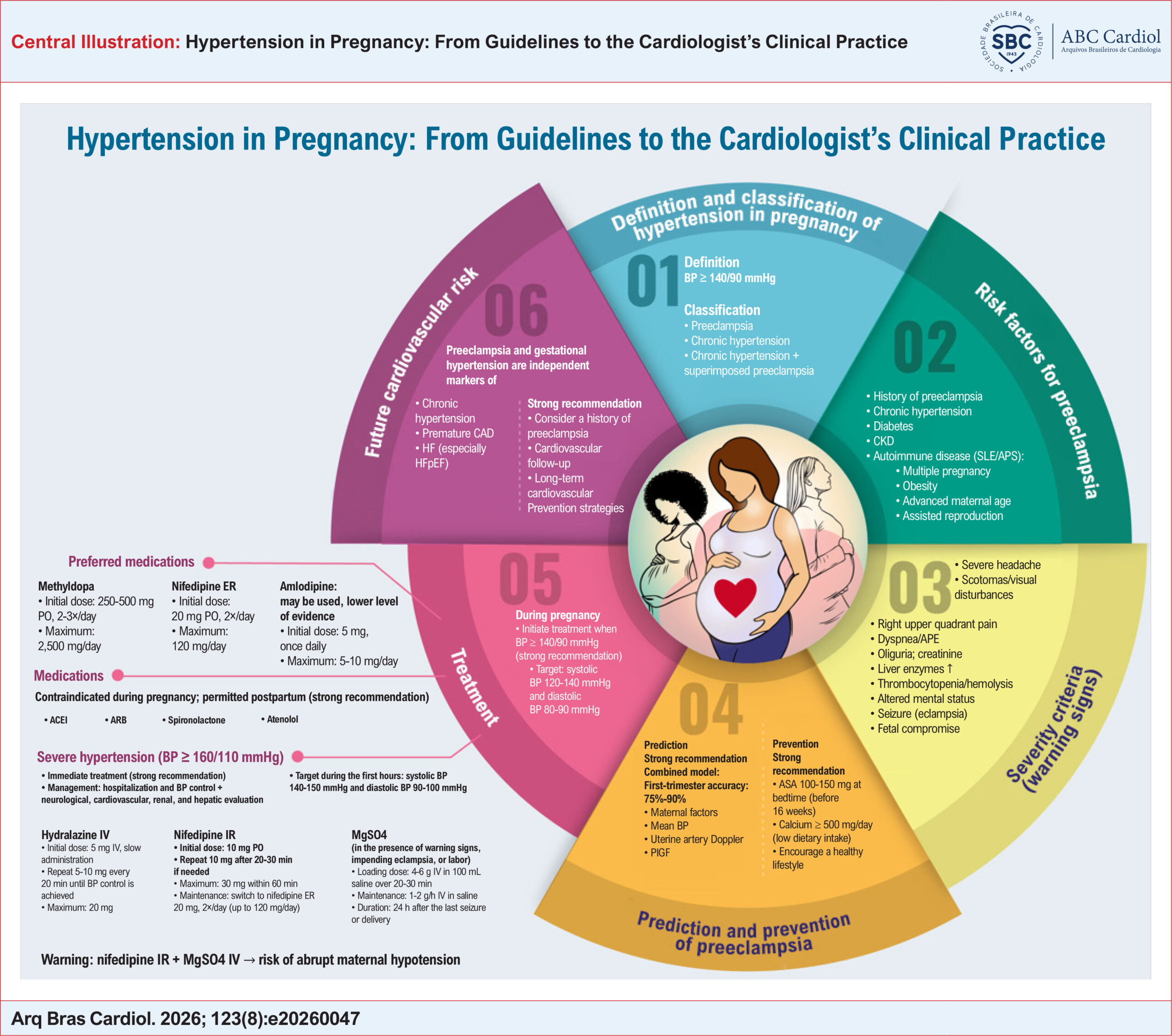
Hypertension in Pregnancy: From Guidelines to the Cardiologist's Clinical Practice
ABC
Research Letter

Hypertension in Pregnancy: From Guidelines to the Cardiologist's Clinical Practice

Walkiria Samuel Ávila

Introduction

The Brazilian Guidelines of Hypertension– 2025 of the Brazilian Society of Cardiology objectively address hypertension during pregnancy, dedicating a specific chapter to the topic. The document covers diagnostic definitions, strategies for the prediction and prevention of preeclampsia, therapeutic management during pregnancy and the postpartum period as well as the assessment of future cardiovascular risk associated with hypertensive disorders of pregnancy (HDPs).

In the international setting, the 2025 European Society of Cardiology (ESC) Guidelines for the Management of Cardiovascular Disease During Pregnancy provide detailed algorithms for proteinuria assessment, emergency management, and the treatment of hypertension and preeclampsia. Their recommendations are based predominantly on expert consensus, reflecting the scarcity of randomized clinical trials in this field.

[…]

  • Heart Disease Risk Factors
  • Hipertension
  • Practice Guideline
  • Pre-Eclampsia
  • Pregnancy
Read Full Article
Creative Commons Attribution (CC BY) Creative Commons license
14/09/2026 DOI: 10.36660/abc.20260047i Views 1
Figure 1
ABC
Editorial

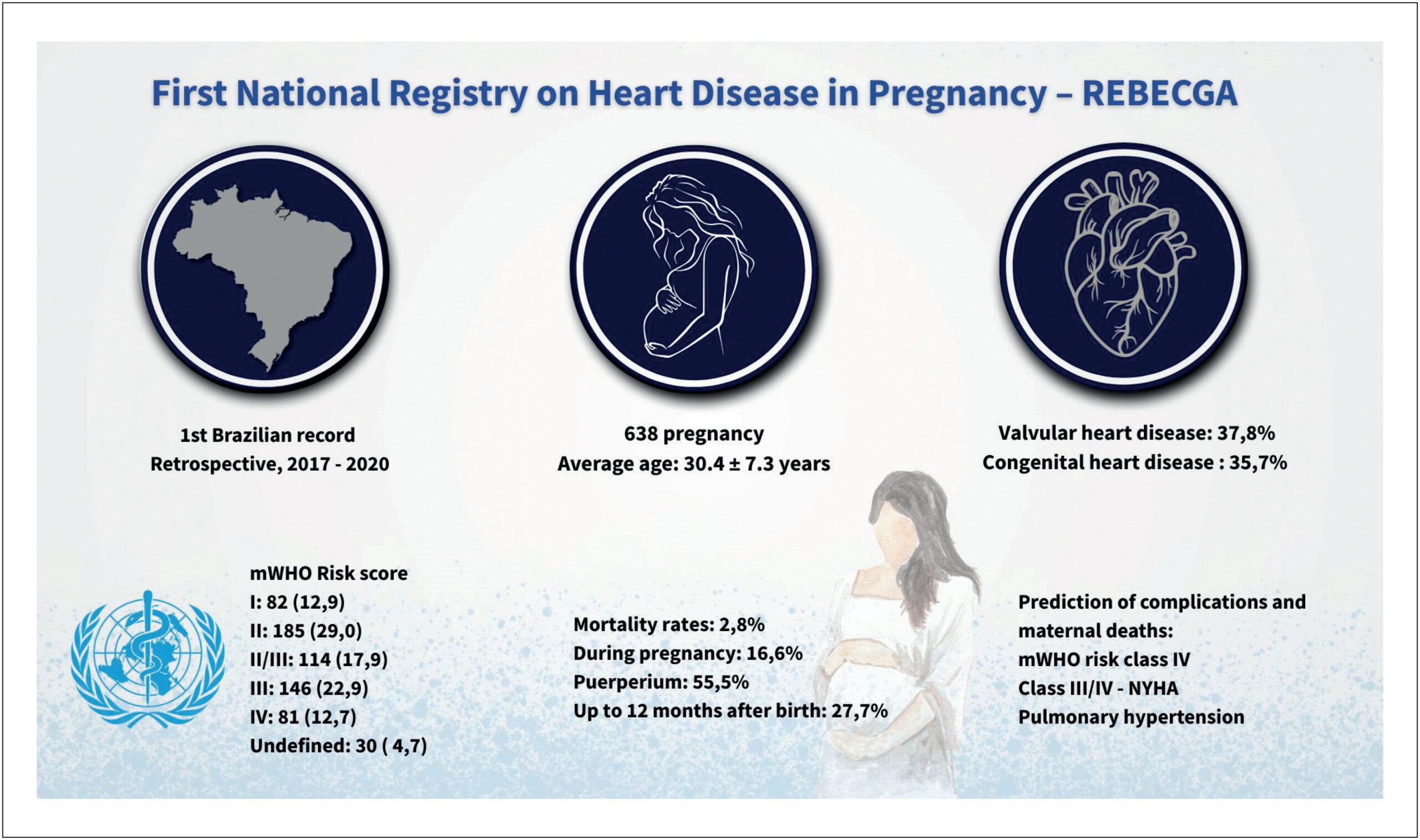
The REBECGA Registry: A Landmark in the Care of Pregnant Women with Heart Disease in Brazil

Imara Correia de Queiroz Barbosa et al. Gláucia Maria Moraes de Oliveira

Pregnancy is a major life event for almost every woman. It has been estimated that 1-4% of pregnant women have some form of congenital or acquired cardiac disease, the main non-obstetric cause of maternal mortality worldwide.– Although many women with heart disease tolerate the hemodynamic changes of pregnancy, others may face significant immediate or late risks of pregnancy, including volume overload, arrhythmias, progressive cardiac dysfunction, and death.,

There is a growing prevalence of heart disease during pregnancy, driven by two main factors: advances in the treatment of congenital heart disease (CHD), which have allowed more children to survive into adulthood and consider pregnancy, and the trend of delayed childbearing.,, As maternal age increases, so does the prevalence of comorbidities such as hypertension, diabetes, and hypercholesterolemia, contributing to a higher incidence of acquired heart disease complicating pregnancy.,

[…]

  • Cardiovascular Diseases
  • Congenital Heart Defects
  • Maternal mortality
  • Pregnancy
Read Full Article
Creative Commons Attribution (CC BY) Creative Commons license
19/09/2025 DOI: 10.36660/abc.20250370i Views 1
REBECGA: Brazilian Registry of Heart Disease and Pregnancy. Multicenter Epidemiological Study of Heart Diseases in Pregnancy: Retrospective Cohort
ABC
Original Article

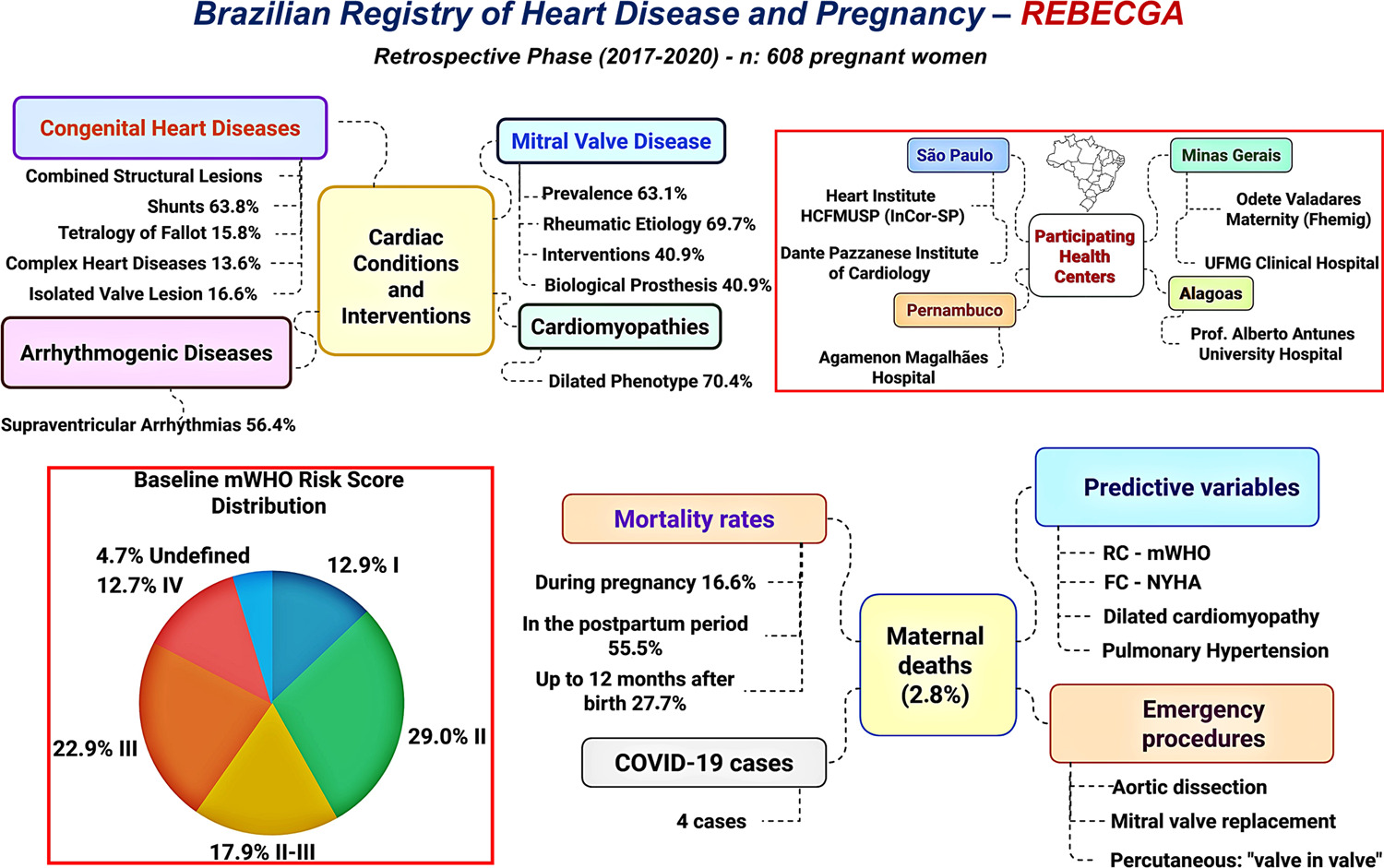
REBECGA: Brazilian Registry of Heart Disease and Pregnancy. Multicenter Epidemiological Study of Heart Diseases in Pregnancy: Retrospective Cohort

Walkiria Samuel Avila et al. Alexandre Jorge Gomes de Lucena Claudia Maria Vilas Freire Fabio Bruno da Silva … Ivan Romero Rivera Juliana Rodrigues Soares Oliveira Maria Alayde Mendonça Rivera Regina Coeli de Carvalho Vicente Avila Neto Flávio Tarasoutchi

Abstract

Background

Heart disease, which affects approximately 4% of pregnancies, is the leading non-obstetric cause of maternal death. It is estimated that 40% of these deaths could be prevented with a better understanding of pregnancy risks.

Objectives

To develop the Brazilian Registry of Heart Diseases in Pregnancy (REBECGA) to study the prevalence, complications, and maternal mortality associated with heart diseases during pregnancy and postpartum.

Methods

A multicenter retrospective study of pregnancy and postpartum follow up until 12 months after delivery in women with heart diseases, including analysis of predictive variables for maternal outcomes. A two-tailed significance level of 5% was adopted for statistical analysis.

Results

A total of 638 pregnant women were included, with the following diagnoses: valvular disease (37.8%), congenital heart diseases (35.7%), arrhythmias without structural heart damage (14.7%), cardiomyopathies (11.3%), and other heart diseases (6.4%). The main complications were heart failure (16.7%), arrhythmia (10.7%), and syncope (8.0%), with 18 maternal deaths (2.8%), 10 of which occurred during the postpartum period. Cesarean delivery was indicated in 62.9% of cases, with 25.7% preterm births and 3.2% fetal losses. Multivariate analysis identified WHO class IV risk classification (OR 3.51; 95% CI 1.75–7.04; p < 0.001); NYHA class III/IV (OR 2.27; 95% CI 1.12–4.60; p = 0.023), and pulmonary hypertension (OR 2.45; 95% CI 1.05–5.70; p = 0.037) as predictive variables for maternal complications and deaths.

Conclusions

REBECGA highlighted the prevalence of valvular disease, heart failure as the main complication, the postpartum period as a critical time for maternal deaths, and identified predictive risk variables for adverse pregnancy outcomes in women with heart disease.

  • Heart Diseases
  • Maternal mortality
  • Pregnancy
  • registry
Read Full Article
Creative Commons Attribution (CC BY) Creative Commons license
25/08/2025 DOI: 10.36660/abc.20240807i Views 1
ABC
Editorial

Cardiac Valve Prosthesis and Pregnancy: Challenges and Strategies

Marcelo Luis Nomura

Pregnancy in women with valvular prostheses is challenging for caregivers for several reasons. Despite advances in understanding cardiovascular physiology, the intense hemodynamic changes posed by pregnancy itself and the interactions between the mother, placenta, and fetus, along with the unique environment created by the cardiac adaptation, make management one of the most complex situations for maternal-fetal specialists and cardiologists. Add to it the need for effective and safe anticoagulation for both mother and fetus to prevent the greatest threat of valve thrombosis and dysfunction.

In this issue, a large observational and elegant study presented data on the perinatal outcomes of 128 pregnancies in women with cardiac prosthetic valves. As a single-center study, the authors sought to evaluate pregnancy outcomes and 12-month postpartum complications rate and also to compare these results between mechanical and biological prosthetic heart valves. A successful pregnancy was defined by an uneventful term birth and puerperium for both mother and newborn and occurred in 50% of the cases. At first glance, one might look at it as a half-full or half-empty glass situation. At a closer look, however, roughly half of the patients experienced cardiac complications, and one in three had at least one of the following during pregnancy: heart failure, atrial fibrillation, thromboembolism, or infective endocarditis. There were five maternal deaths, which, by any means of comparison, is an extremely high figure. Regarding obstetrical outcomes, the main findings were a high rate of spontaneous miscarriage in the mechanical prosthetic heart valves group and also a high rate of preterm birth in the bioprosthetic valve group. The overall fetal and neonatal loss rate was 30% (miscarriages, stillbirths, and neonatal deaths).

[…]

  • Cardiovascular Diseases
  • Maternal mortality
  • Pregnancy
Read Full Article
Creative Commons Attribution (CC BY) Creative Commons license
28/02/2025 DOI: 10.36660/abc.20240602i Views 2
Choosing a Valve Prosthesis for a Successful Pregnancy. The “Tip of the Iceberg” for a Disease of Complex Evolution
ABC
Original Article

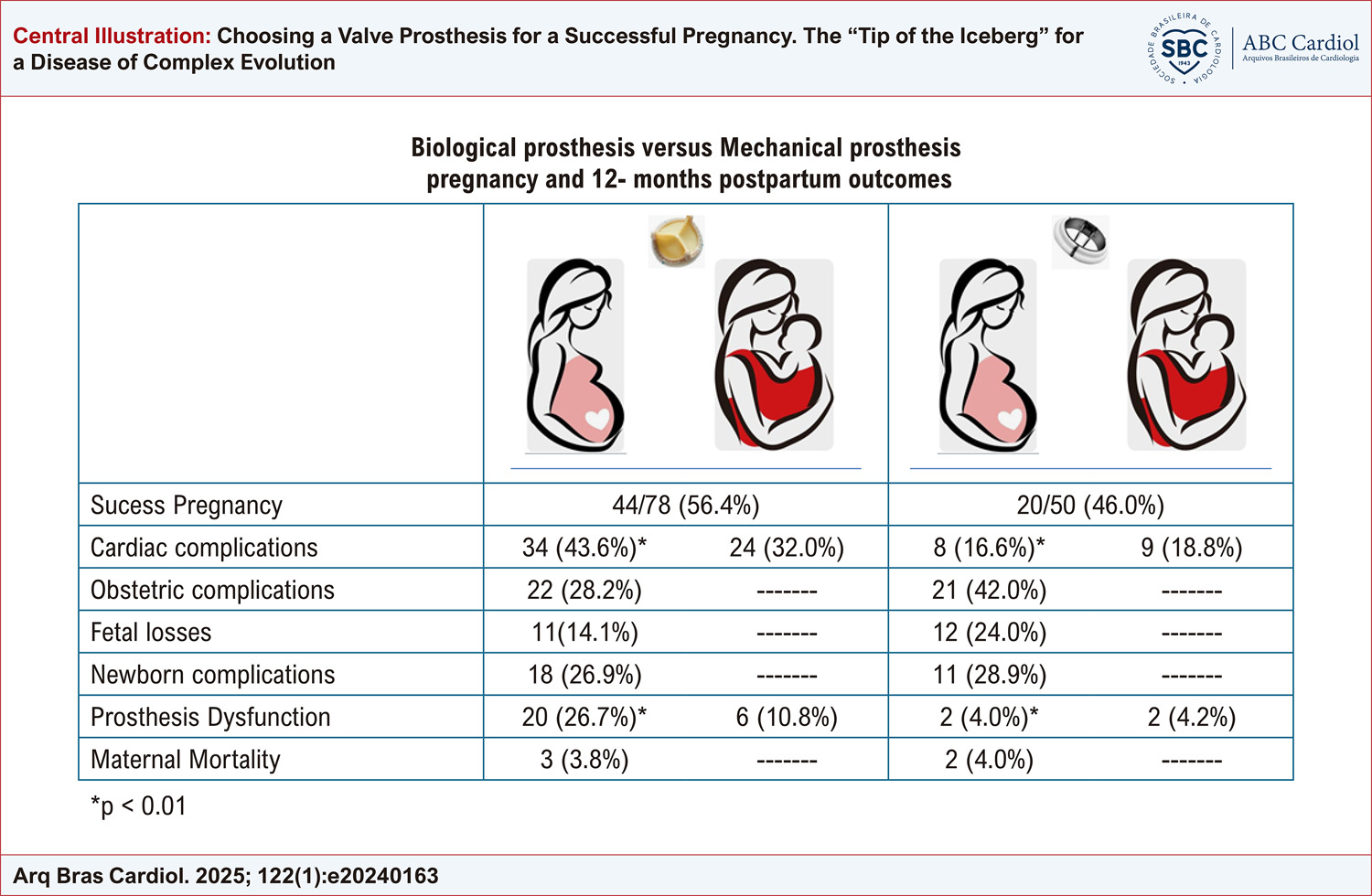
Choosing a Valve Prosthesis for a Successful Pregnancy. The “Tip of the Iceberg” for a Disease of Complex Evolution

Walkiria Samuel Avila et al. Daniel Vinicius Rodrigues Pinto Jessica Sol Brugnara Marilia Moro … Talita Carla Stratti Moreira Isabelle Borges Nana Miura Flávio Tarasoutchi

Abstract

Background

The choice of valve prosthesis in women planning a pregnancy is still controversial. The durability of biological prostheses and the characteristic thrombogenic of mechanical prostheses are limitations to the pregnancy’s successful Objectives: To study the pregnancy success rate after valve prosthesis implantation, and identify the variables related to maternal outcomes.

Methods

Prospective study with 78 pregnant women with bovine pericardial prosthesis (Group BP) and 50 with a mechanical prosthesis (Group MP), who received prior guidance on the risks of pregnancy. The pregnancy success rate was considered in the absence of complications cardiac, obstetric and/or fetal complications.

Results

Successful pregnancy was achieved in 64 (50.0%) patients, not differing between groups (BP 56.4% vs MP 40.0% – p=0.103). The BP group had a higher cardiac events rate and prosthesis dysfunction (43.6% vs 16.0% p<0.001; 26.9% vs 2.0% p<0.001). The frequency of fetal losses (14.1% vs 24.0% p=0.165) and obstetric complications (28.2% vs 42% p=0.127) were not different between the BP and MP groups. The pre-existence of heart failure (odds ratio 8.5; 95% CI [1.4; 50.7]; p=0.019), atrial fibrillation (odds ratio 16.7; 95% CI [5.7; 49 .1]; p<0.001) and dysfunction of the biological prosthesis (odds ratio 12.6; 95% CI [3.0; 52.7]; p=0.001) were the variables predicting complications and/or deaths

Conclusions

Patients with valve prostheses had low maternal-fetal success due to the complicating factors of valve disease, the limited structural survival of biological prostheses and the lack of anticoagulants to guarantee pregnancy. The choice of a prosthesis, whether biological or mechanical, should not be considered an isolated decision, but rather a consequence of a complex outcome of the heart disease.

  • Anticoagulants
  • Heart Valve Prosthesis
  • Maternal Death
  • Pregnancy
Read Full Article
Creative Commons Attribution (CC BY) Creative Commons license
28/02/2025 DOI: 10.36660/abc.20240163i Views 2
Figure 1
IJCS
Editorial

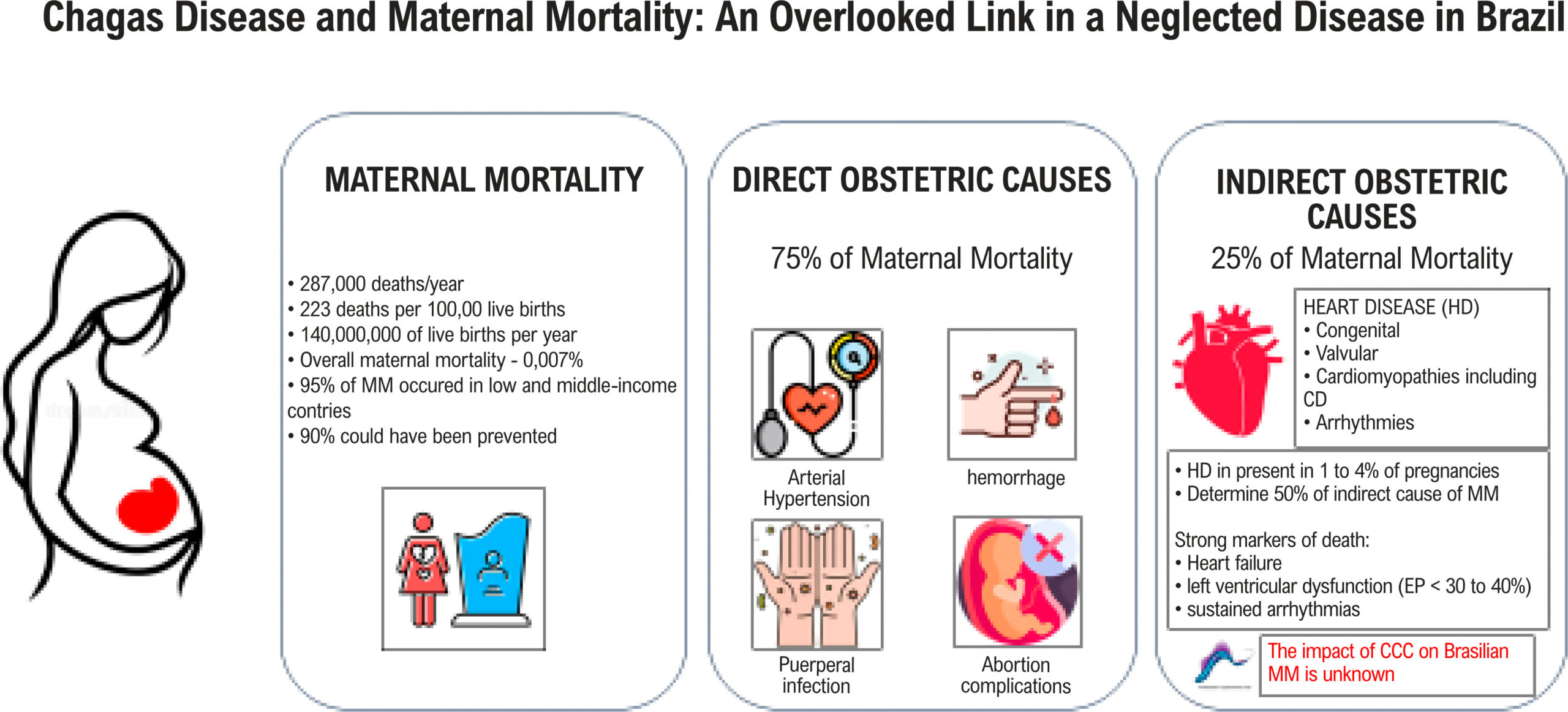
Chagas Disease and Maternal Mortality: An Overlooked Link in a Neglected Disease in Brazil

Maria Alayde Mendonça Rivera et al. Ivan Romero Rivera Glaucia Maria Moraes de Oliveira Ana G. Múnera Echeverri Walkiria Avila

Maternal mortality (MM), defined as the death of a woman during pregnancy, childbirth, or within 42 days postpartum, is a key indicator of maternal health and the quality of care provided by the health care system to prevent and manage complications during this period.

In 2020, there were 287,000 maternal deaths worldwide, resulting in a maternal mortality ratio (MMR) of 223 deaths per 100,000 live births. According to the World Health Organization (WHO), 95% of these deaths will occur in low- and middle-income countries, and 90% will be preventable.

[…]

  • Cardiovascular Diseases
  • Chagas disease
  • Maternal mortality
  • Pregnancy
Read Full Article
Creative Commons Attribution (CC BY) Creative Commons license
04/11/2024 DOI: 10.36660/ijcs.20240148 Views 1
Figure 1
ABC
Letter to the Editor

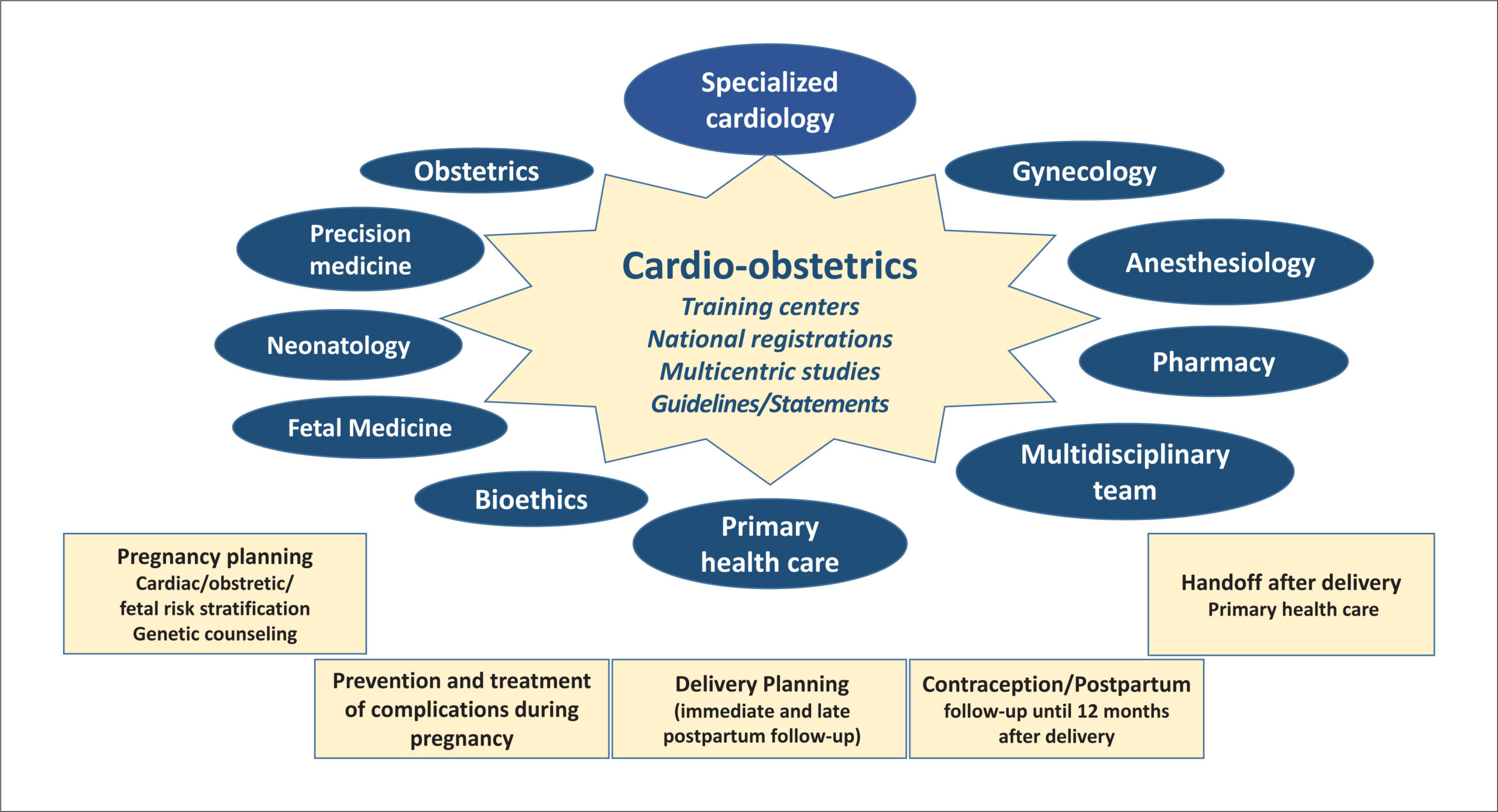
Cardio-Obstetrics: A Critical, Growing Subspecialty

Walkiria Samuel Avila et al. Alexandre Jorge Gomes de Lucena

In the last decades, cardiovascular diseases have become the leading cause of pregnancy-related deaths. This is due to the increasing prevalence of risk factors for cardiovascular disease in young women, late pregnancy planning, and the increasing number of cases of adult congenital heart disease.,

In Brazil, it is estimated that 4% of pregnancies occur in women with heart disease, which represents the main non-obstetric cause of maternal death. In addition, the preventable and probably preventable causes of deaths reach up to 80%, and two thirds of deaths occur within 12 months after delivery.

[…]

  • Heart Diseases
  • Mentoring
  • Pregnancy
Read Full Article
Creative Commons Attribution (CC BY) Creative Commons license
05/04/2024 DOI: 10.36660/abc.20230433 Views 1
Figure 1
ABCHF
Review Article

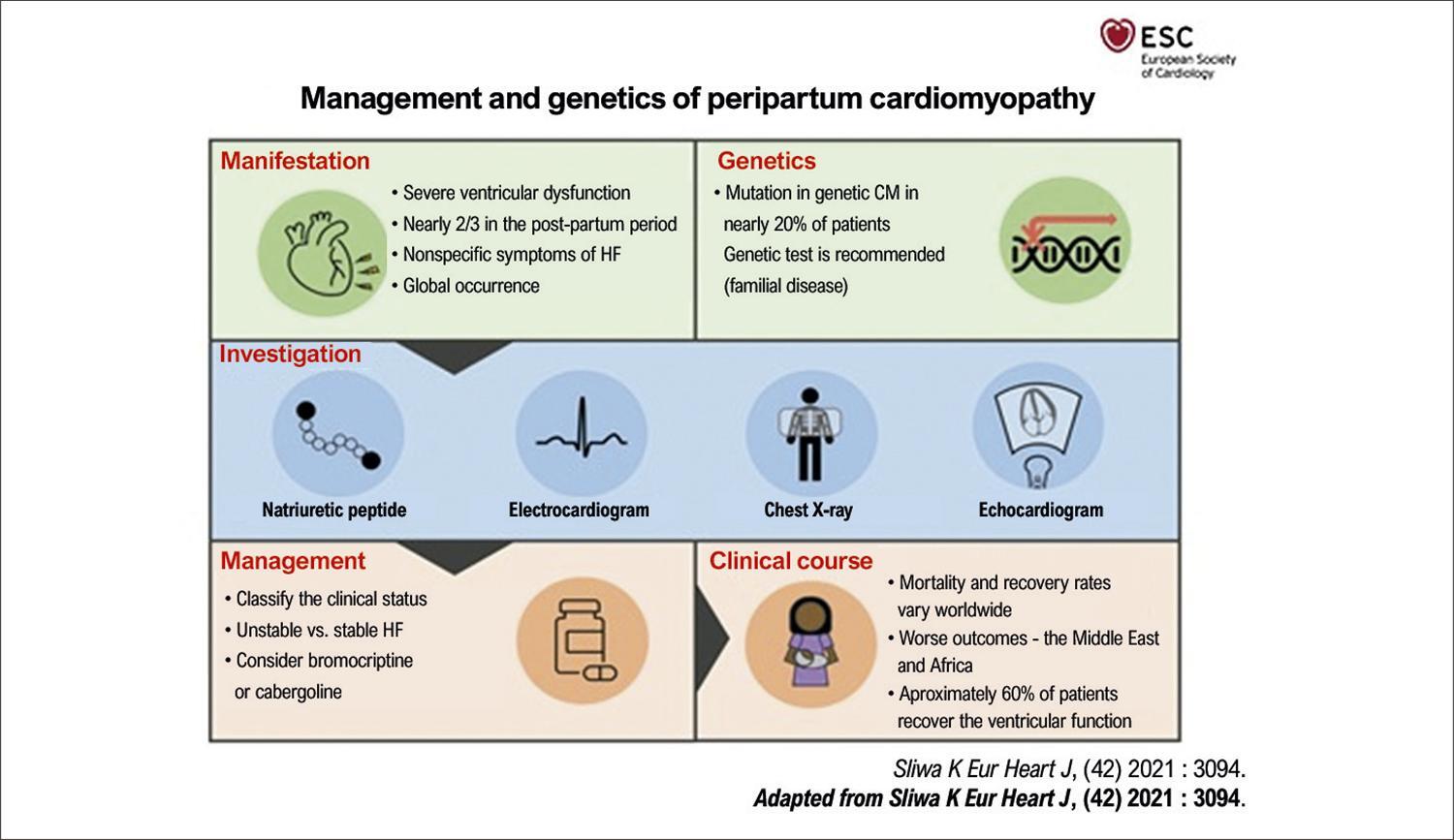
Peripartum Cardiomyopathy

Walkiria Samuel Ávila et al. Regina Coeli Marques de Carvalho

Abstract

Peripartum cardiomyopathy (PPCM) is a low frequent, but potentially fatal disease, that manifests with heart failure and reduced ejection fraction, with no other identified cause, and related to the puerperal pregnancy cycle. It is a global disease with different clinical manifestations and prognosis. Known risks include preeclampsia, advanced maternal age, multifetal gestation, and African ascendence. Genetic tests have shown that up to 20% of women with PPCM have an identifiable variant of cardiomyopathy. The etiopathogenesis of PPCM, although still unclear, is characterized by endothelial dysfunction caused by anti-angiogenic agents in the placenta, and prolactin degradation products. Clinical manifestation of PPCM does not differ from that of heart failure in other cardiomyopathies, with symptoms varying from mild to cardiogenic shock. Mortality rates in PPCM patients vary widely, and are related to cardiogenic shock, thromboembolism, and complex arrhythmias. The disease may progress rapidly to severe HF, with indication for mechanical circulatory support or cardiac transplant. The treatment of PPCM during gestation is distinct due to potential adverse effects of drugs to pregnancy. However, a careful selection of beta-blockers, diuretics and vasodilators has achieved therapeutic success for the mother and the fetus. Although the treatment meets traditional guidelines developed for nonpregnant adults, the use of bromocriptine (ergot alkaloid) and cabergoline (dopamine D2 receptor agonist) has shown favorable results in ventricular recovery in patients with LVEF < 35% when treated with optimized treatment for heart failure.

  • cardiomyopathy
  • Heart Failure
  • Maternal mortality
  • Pregnancy
Read Full Article
Creative Commons Attribution (CC BY) Creative Commons license
10/07/2023 DOI: 10.36660/abchf.20230020 Views 2
ABC
Editorial

Statins and Pregnancy – New FDA Recommendations

Marcio Sommer Bittencourt

The Food and Drug Administration (FDA), the agency responsible for controlling the safety and efficacy of drugs in the United States, has traditionally adopted a risk classification for the use of drugs during pregnancy. Statins were considered a Category X drug, which indicates that the demonstrated risk of these drugs to cause birth defects surpassed their benefits. However, in July 2021, the FDA withdrew this recommendation.

Before this change, the FDA recommended the discontinuation of statins from conception attempts until the end of breastfeeding. In cases where dyslipidemia is not severe, statin discontinuation may confer no additional risk. However, based on this recommendation, the duration of discontinuation may be substantial. In a study with more than 100 women with familial hypercholesterolemia in Norway and Netherlands, the mean length of time without statins was longer than two years for each pregnancy. Although two years is a long period, it still may be a conservative estimate. In this study, the mean interval between conception planning and pregnancy was two months. Data in the literature, however, suggest that the median time to pregnancy is longer, probably around six months for nulliparous women. Also, in this study, mean breastfeeding duration was four months. Considering that the World Health Organization recommends exclusive breastfeeding for the first six months of life, and continued breastfeeding along with introducing complementary foods after this period, the real impact of statin discontinuation during the gestation period may be even greater than two years. Also, many women who use statins are older and may desire more than one child, which may prolong the period of time without statins for more than five years during their reproductive period.

[…]

  • Dyslipidemias
  • Hydroxymethylglutaryl-CoA Reductase Inhibitors
  • Pregnancy
Read Full Article
Creative Commons Attribution (CC BY) Creative Commons license
11/07/2022 DOI: 10.36660/abc.20220413
Figure 1
IJCS
Case Report

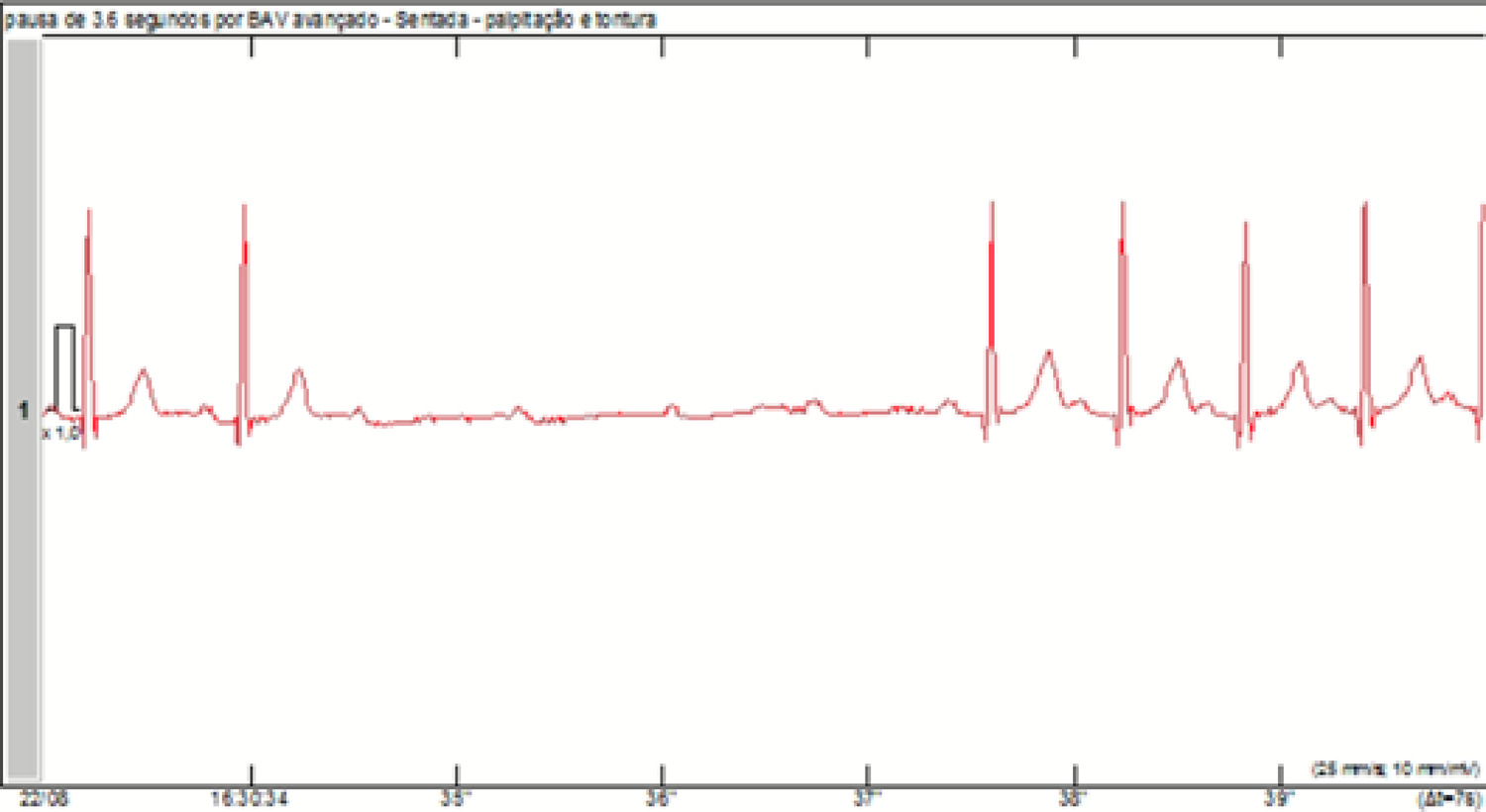
Pacemaker Implantation without Fluoroscopy and Guided by Anatomical Mapping

Mauricio Montemezzo et al. Ahmed AlTurki Marcos Jakolinski Jose Carlos Moura Jorge

Introduction

Cardiogenic syncope is an uncommon pathology in the context of pregnancy, and an associated transient atrioventricular block is even more rare. The harmful effects of radiation exposure for fetus are already well-known. Thus, alternative guiding techniques are being proposed as an alternative in order to avoid radiation exposure. Previous reports have described the use of intracardiac echocardiography or three-dimensional (3D) electroanatomical mapping. Despite efforts to develop non-fluoroscopic approaches, cardiac device implantation still requires some fluoroscopic imaging. Each hour of fluoroscopic imaging is estimated to increase the lifetime risk of developing a fatal malignancy by up to 1%, as well as being an increased risk of a genetic defect in up to 20 in every 1 million births. ,

With technological advancement, the use of less invasive techniques, together with short procedure times and less radiation exposure is essential. Therefore, repurposing technologies, which were originally developed for other applications, but that have been proven to be safe, should be encouraged. In this light, the present study advocates the use of the CARTO system technology (Biosense Webster, INC., Diamond Bar, CA) to delineate right atrium and right ventricle geometry so as to allow the pacemaker lead to be identified as a catheter to navigate the cardiac cavity without fluoroscopic exposure.

[…]

  • Artificial Pacemaker
  • Fluoroscopy
  • Pregnancy
Read Full Article
Creative Commons Attribution (CC BY) Creative Commons license
09/05/2022 DOI: 10.36660/ijcs.20210005 Views 1
ABCIC
Case Report

Heart failure in pregnancy – another possibility beyond peripartum cardiomyopathy

Antonio José Lagoeiro Jorge et al. Deborah Luz Diniz Martins Diane Xavier de Ávila Otávio Souza de Martino … Mário Luiz Ribeiro Daniel Gama das Neves Wolney de Andrade Martins

Abstract

Non-compacted myocardium is a rare primary genetic cardiomyopathy described as an abnormality in endomyocardial morphogenesis where there is interruption of myocardial fiber compaction, generating a loose trabecular tissue. It is manifested with heart failure, embolism and ventricular arrhythmia. This is the case of systemic non-compacted cardiomyopathy in a 22-year-old woman, who had recently given birth and has type 1 diabetes mellitus.

  • Diagnosis
  • Myocardium
  • Pregnancy
Read Full Article
Creative Commons Attribution (CC BY) Creative Commons license
14/01/2022 DOI: 10.5935/2318-8219.20190042 Views 1
IJCS
Original Article

The REBECGA Brazilian Registry of Pregnancy and Heart Disease: Rationale and Design

Walkiria Samuel Avila et al. Maria Alayde Mendonça Rivera Celi Marques-Santos Ivan Romero Rivera … Maria Elizabeth Navegantes Caetano Costa Alexandre Jorge Gomes de Lucena Claudia Maria Vilas Freire Regina Coeli Marques de Carvalho Daniel Born Felipe Favorette Campanharo Fabio Bruno Silva

Abstract

Background:

Maternal mortality rates in Brazil remain above the goals established by the United Nations Sustainable Development Goals. Heart disease is estimated to affect 4% of all pregnancies and remains by itself the main indirect obstetric cause of maternal death. In the last decades, a significant improvement in the prognosis of heart diseases has made pregnancy possible in women with heart disease and provided better maternal and fetal outcomes.

Objective:

To establish a multicenter Brazilian Registry of pregnant women with heart disease; to study the causes of immediate and late maternal mortality; and to assess the prevalence of heart disease in the country’s macro-regions.

Method:

This is an observational study, with retrospective and prospective stages, of the clinical and obstetric progression of pregnant women with heart disease. These women consecutively received care during pregnancy and will be followed up for up to a year after delivery at public and private hospitals with infrastructure for the execution of this project, a principal investigator, and approval by Ethics and Research Committees.

Results:

Our results will be presented after data collection and statistical analysis, aiming to demonstrate immediate and late maternal mortality rates, as well as the prevalence of heart disease in the country and its cardiovascular and obstetric complications during pregnancy.

Conclusion:

REBECGA will be the Brazilian Registry of heart disease and pregnancy and it will contribute to planning preventive measures, raising financial resources for the improvement of high-risk prenatal care, and reducing immediate and late maternal mortality due to heart disease.

  • Cardiovascular Pregnancy Complications
  • Heart Diseases
  • Maternal mortality
  • Pregnancy
Read Full Article
Creative Commons Attribution (CC BY) Creative Commons license
19/07/2021 DOI: 10.36660/ijcs.20200419 Views 1
Figure 1
IJCS
Review Article

Nutrition and Cardiovascular Diseases: Programming and Reprogramming

Emiliana Barbosa Marques et al. Karyne Pollo de Souza Thaís Alvim-Silva Ivis Levy Fernandes Martins … Samuel Pedro Christianne Bretas Vieira Scaramello

Abstract

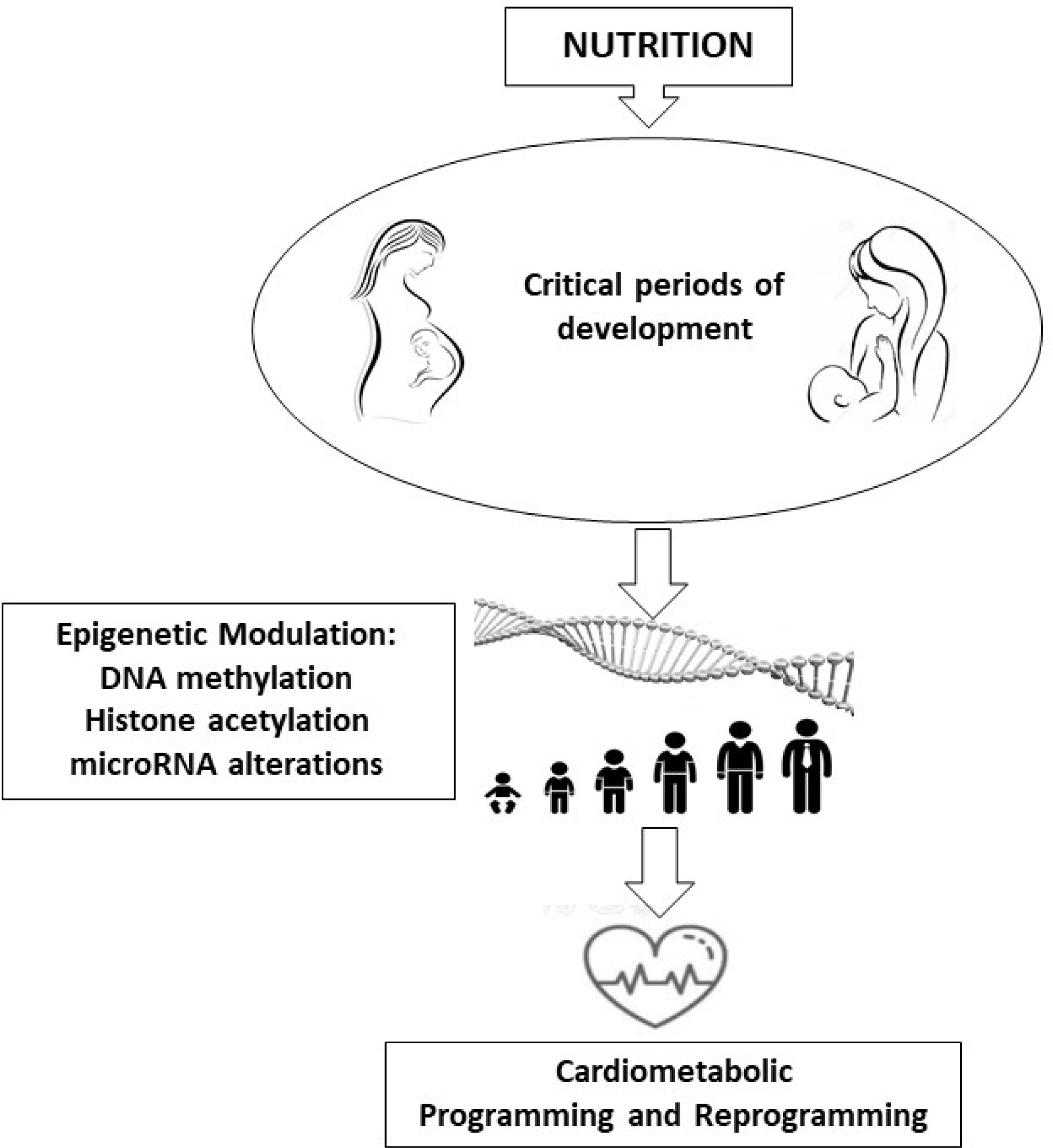
The Developmental Origin of Health and Disease (DOHaD) is an area of science dedicated to studying the processes by which insults during critical periods of mammals development leading to physiological changes resultig in diseases throughout life. Studies point to a complex interaction between nutritional status in early life and cardiovascular system homeostasis in which maternal malnutrition during gestation and/or lactation, as well as early weaning, are associated with development of cardiovascular diseases in adulthood. In this context, epigenetic changes, such as DNA methylation, histone acetylation, and change in microRNA expression have been considered molecular bases of cellular plasticity, which can also be gender-dependent. Experimental studies have demonstrated that interventions encompassing the consumption of functional food/bioactive compounds, as well as energetic and nutrients adjustments on the diet, may attenuate or even prevent consequences associated with plasticity of development, improving cardiovascular health. This review aimed to gather and discuss the findings within this context, published over the last ten years.

  • Cardiovascular Diseases
  • Epigenomics
  • Functional Food
  • Lactation
  • Nutrition
  • Pregnancy
Read Full Article
Creative Commons Attribution (CC BY) Creative Commons license
12/03/2021 DOI: 10.36660/ijcs.20200031 Views 2
ABC
Editorial

COVID-19: A New Challenge in Pregnancy and Heart Disease

Walkiria Samuel Avila et al. Regina Coeli de Carvalho

The outbreak of coronavirus disease 2019 (COVID-19), caused by the severe acute respiratory syndrome coronavirus 2 (SARS-CoV-2), was declared a pandemic by the World Health Organization on March 11, 2020. Although SARS-CoV-2 isolation, gene sequencing, and structural analysis have been completed,therapies for COVID-19.

The first epidemiological data have pointed to a worse outcomes and higher mortality of COVID-19 in patients with chronic diseases, such as heart disease and arterial hypertension. Subsequently, the Brazilian Health Ministry included in the high-risk group pregnant, puerperal and post-abortion women.

[…]

  • Coronavirus
  • COVID19
  • Hypertension/prevention and control
  • Morbidity
  • Mortality
  • Pandemics
  • Pneumonia
  • Pregnancy
  • Pregnancy / high-risk
  • Risk Factors
  • Severe Acute Respiratory Syndrome
Read Full Article
Creative Commons Attribution (CC BY) Creative Commons license
07/08/2020 DOI: 10.36660/abc.20200511 Views 2
Figure 1
ABC
Original Article

Pregnancy in Women with Complex Congenital Heart Disease. A Constant Challenge

Walkiria Samuel Avila et al. Veronica Martins Ribeiro Eduardo Giusti Rossi Maria Angelica Binotto … Maria Rita Bortolotto Carolina Testa Rossana Francisco Ludhmilla Abraão Hajjar Nana Miura

Abstract

Background:

The improvement in surgical techniques has contributed to an increasing number of childbearing women with complex congenital heart disease (CCC). However, adequate counseling about pregnancy in this situation is uncertain, due to a wide variety of residual cardiac lesions.

Objectives:

To evaluate fetal and maternal outcomes in pregnant women with CCC and to analyze the predictive variables of prognosis.

Methods:

During 10 years we followed 435 consecutive pregnancies in patients (pts) with congenital heart disease. Among of them, we selected 42 pregnancies in 40 (mean age of 25.5 ± 4.5 years) pts with CCC, who had been advised against pregnancy. The distribution of underlying cardiac lesions were: D-Transposition of the great arteries, pulmonary atresia, tricuspid atresia, single ventricle, double-outlet ventricle and truncus arteriosus. The surgical procedures performed before gestation were: Fontan, Jatene, Rastelli, Senning, Mustard and other surgical techniques, including Blalock, Taussing, and Glenn. Eight (20,0%) pts did not have previous surgery. Nineteen 19 (47.5%) pts had hypoxemia. The clinical follow-up protocol included oxygen saturation recording, hemoglobin and hematocrit values; medication adjustment to pregnancy, anticoagulation use, when necessary, and hospitalization from 28 weeks, in severe cases. The statistical significance level considered was p < 0.05.

Results:

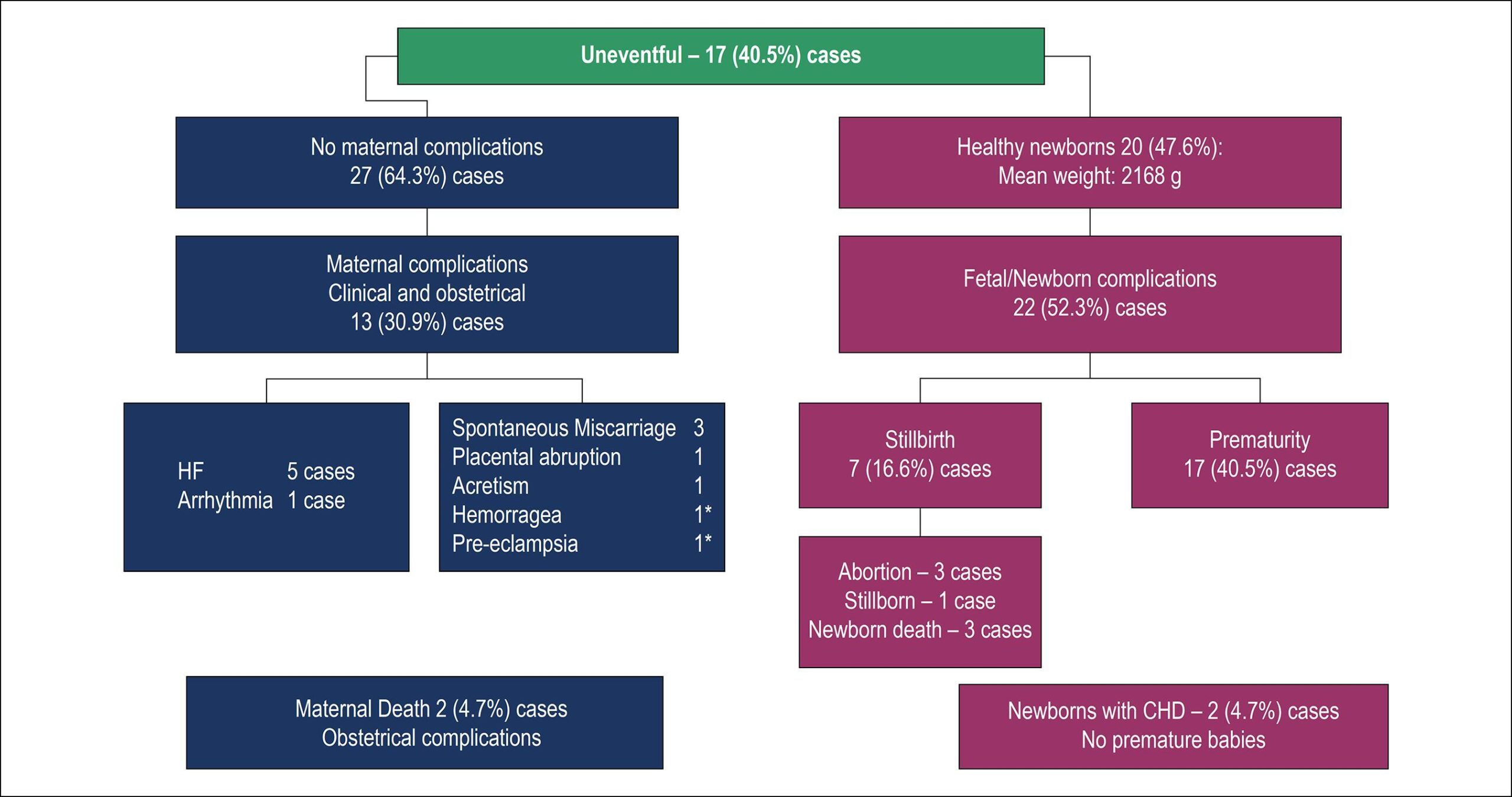
Only seventeen (40.5%) pregnancies had maternal and fetal uneventful courses. There were 13 (30.9%) maternal complications, two (4.7%) maternal deaths due to hemorrhage pos-partum and severe pre-eclampsia, both of them in women with hypoxemia. There were 7 (16.6%) stillbirths and 17 (40.5%) premature babies. Congenital heart disease was identified in two (4.1%) infants. Maternal and fetal complications were higher (p < 0.05) in women with hypoxemia.

Conclusions:

Pregnancy in women with CCC was associated to high maternal and offspring risks. Hypoxemia was a predictive variable of poor maternal and fetal outcomes. Women with CCC should be advised against pregnancy, even when treated in specialized care centers.

  • Congenital/complications Maternal Mortality
  • Fetal Mortality
  • Heart Defects
  • Maternal and Fetal Outcomes
  • Pregnancy
Read Full Article
Creative Commons Attribution (CC BY) Creative Commons license
03/10/2019 DOI: 10.5935/abc.20190197 Views 1
Figure 1
ABC
Case Report

Chronic Aortic Dissection and Pregnancy: Clinical Case Report

Giulia de Miranda Taglialegna et al. Leila Katz Larissa Mayara Aristóteles de Albuquerque Milena Máximo de Freitas … Alexandre Jorge Gomes de Lucena Melania Maria Ramos de Amorim

Introduction

Aortic complications during pregnancy can occur in women without risk factors, but they are more often associated with collagen diseases (Marfan and Ehlers-Danlos syndromes) and structural cardiac malformations (aortic coarctation and bivalve aortic valve)., Approximately half of these events occur during pregnancy in women under 40 years of age, particularly in the third trimester, or in the postpartum period. It is an extremely rare event, accounting for 0.1% to 0.4% of all aortic dissections, affecting 5.5 (95% CI: 4.0 – 7.8) women per 1 million during pregnancy and puerperium.,, It is believed that the physiological hemodynamic changes during pregnancy, structural changes determined by compression of the gravid uterus and the hormonal action can aggravate this aortic pathology.,

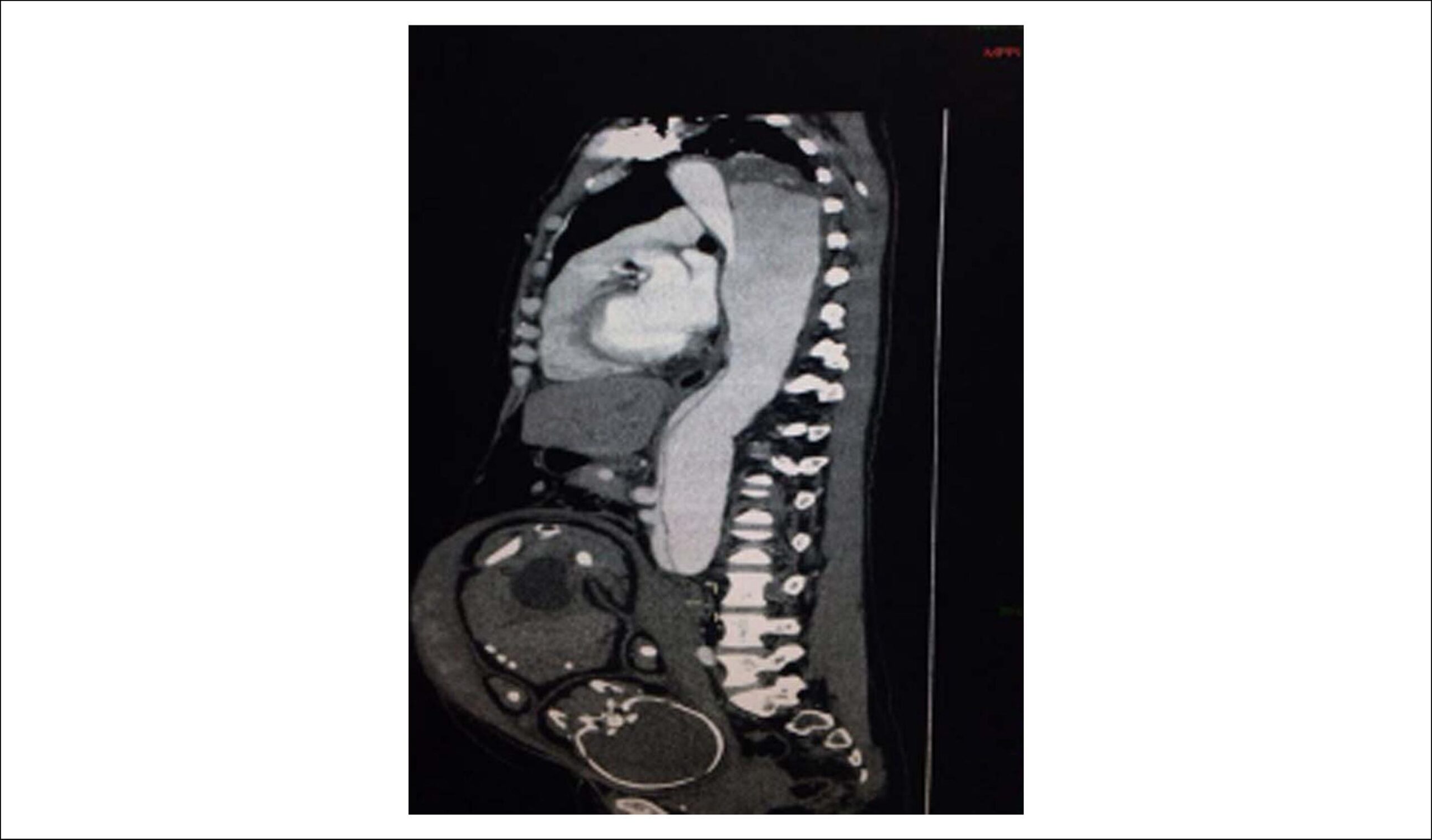
The most commonly used classifications are based on the affected anatomical portion. The Stanford group considers: type A (dissection involving ascending aorta) and type B (descending aorta only). Depending on the duration of symptoms until the clinical presentation, aortic dissection can be classified as chronic, if it occurs two weeks or more after symptom onset.

[…]

  • Aneurysm, Dissecting/surgery
  • Aortic Coarction
  • Collagen Diseases/complications
  • Marfan Syndrome Ehlers-Danlos Syndrome
  • Postpartum Period
  • Pregnancy
Read Full Article
Creative Commons Attribution (CC BY) Creative Commons license
01/03/2019 DOI: 10.5935/abc.20190044 Views 1
Figure 1
ABC
Original Article

Sex-Related Effects of Prenatal Stress on Region-Specific Expression of Monoamine Oxidase A and β Adrenergic Receptors in Rat Hearts

Tanja Jevdjovic et al. Tamara Dakic Sonja Kopanja Iva Lakic … Predrag Vujovic Nebojsa Jasnic Jelena Djordjevic

Abstract

Background:

Prenatal stress may increase risk of developing cardiovascular disorders in adulthood. The cardiotoxic effects of catecholamines are mediated via prolonged adrenergic receptor stimulation and increased oxidative stress upon their degradation by monoamine oxidase A (MAO-A).

Objectives:

We investigated long-term effects of prenatal stress on β (1, 2, 3) adrenergic receptors and MAO-A gene expression in the hearts of adult rat offspring.

Methods:

Pregnant rats were exposed to unpredictable mild stress during the third week of gestation. RNA was isolated from left ventricular apex and base of adult offspring. Quantitative PCR was used to measure gene expression in collected ventricular tissue samples. The level of significance was set to p < 0.05.

Results:

β3 adrenergic receptor mRNA was undetectable in rat left ventricle. β1 adrenergic receptor was the predominantly expressed subtype at the apical and basal left ventricular myocardium in the control females. Male offspring from unstressed mothers displayed higher apical cardiac β1 than β2 adrenergic receptor mRNA levels. However, β1 and β2 adrenergic receptor mRNAs were similarly expressed at the ventricular basal myocardium in males. Unlike males, prenatally stressed females exhibited decreased β1 adrenergic receptor mRNA expression at the apical myocardium. Prenatal stress did not affect cardiac MAO-A gene expression.

Conclusions:

Collectively, our results show that prenatal stress may have exerted region- and sex-specific β1 and β2 adrenergic receptor expression patterns within the left ventricle.

  • Adrenergic beta1 beta2 Receptor Antagonists
  • Cardiotoxicity
  • Catecholamines
  • Female
  • Heart
  • Oxidative Stress
  • Pregnancy
  • Rats
  • Sex
  • Stress, Physiological
Read Full Article
Creative Commons Attribution (CC BY) Creative Commons license
13/12/2018 DOI: 10.5935/abc.20190001
Figure 1
ABC
Anatomopathological Correlation

Case 5 / 2018 – Acute Respiratory Failure and Cardiogenic Shock in a Patient in the First Trimester of Pregnancy with Mechanical Mitral Valve Prosthesis Implant

Walkíria Samuel Ávila et al. Vinícius Araújo de Freitas Chagas Caldas Daniel Valente Batista Paulo Sampaio Gutierrez

Clinical aspects

The case reported is of a 36-year-old pregnant woman with repaired complex congenital heart disease, with a mechanical mitral valve prosthesis implanted 28 years before, paroxysmal atrial fibrillation, and a history of thromboembolism, a triad that characterizes a high thromboembolic risk.

Notwithstanding, the patient maintained the adequate anticoagulation goal (INR = 3) until the pregnancy diagnosis, when the anticoagulation regimen of warfarin was replaced by enoxaparin due to the risk of fetal warfarin syndrome, which occurs between the 6th and 12th weeks of gestation (characterized by nasal hypoplasia, dysplasia of the bony epiphyses, limb deformities, neurological and respiratory problems). However, there is less evidence of the erratic bioavailability and distribution of enoxaparin during pregnancy, although it constitutes a current challenge to define the best anticoagulation strategy in this population with high thromboembolic risk.

[…]

  • Heart Defects, Congenital
  • Heart Valve Prosthesis
  • Pregnancy
  • Respiratory Insufficiency
  • Shock, Cardiogenic
Read Full Article
Creative Commons Attribution (CC BY) Creative Commons license
01/10/2018 DOI: 10.5935/abc.20180205 Views 1
Figure 1
ABC
Original Article

Genetic Testing and Pregnancy Outcome Analysis of 362 Fetuses with Congenital Heart Disease Identified by Prenatal Ultrasound

Shiyu Luo et al. Dahua Meng Qifei Li Xuehua Hu … Yuhua Chen Chun He Bobo Xie Shangyang She Yingfeng Li Chunyun Fu

Abstract

Background:

Congenital heart defects (CHD), as the most common congenital anomaly, have been reported to be associated with chromosomal abnormalities. Currently, patients with CHD are routinely offered karyotyping and chromosomal microarray (CMA) testing, but the genotype-phenotype relationship has not yet been fully established.

Objective:

To determine the type and frequency of chromosomal abnormalities in fetuses with CHD and to analyze pregnancy outcomes of fetuses with heart abnormalities caused by different genetic factors.

Methods:

A total of 362 cases of CHD were enrolled from 2009 to 2016. Detailed ultrasound and laboratory examinations, including karyotyping and CMA, were performed. Outcome was obtained from discharge summaries.

Results:

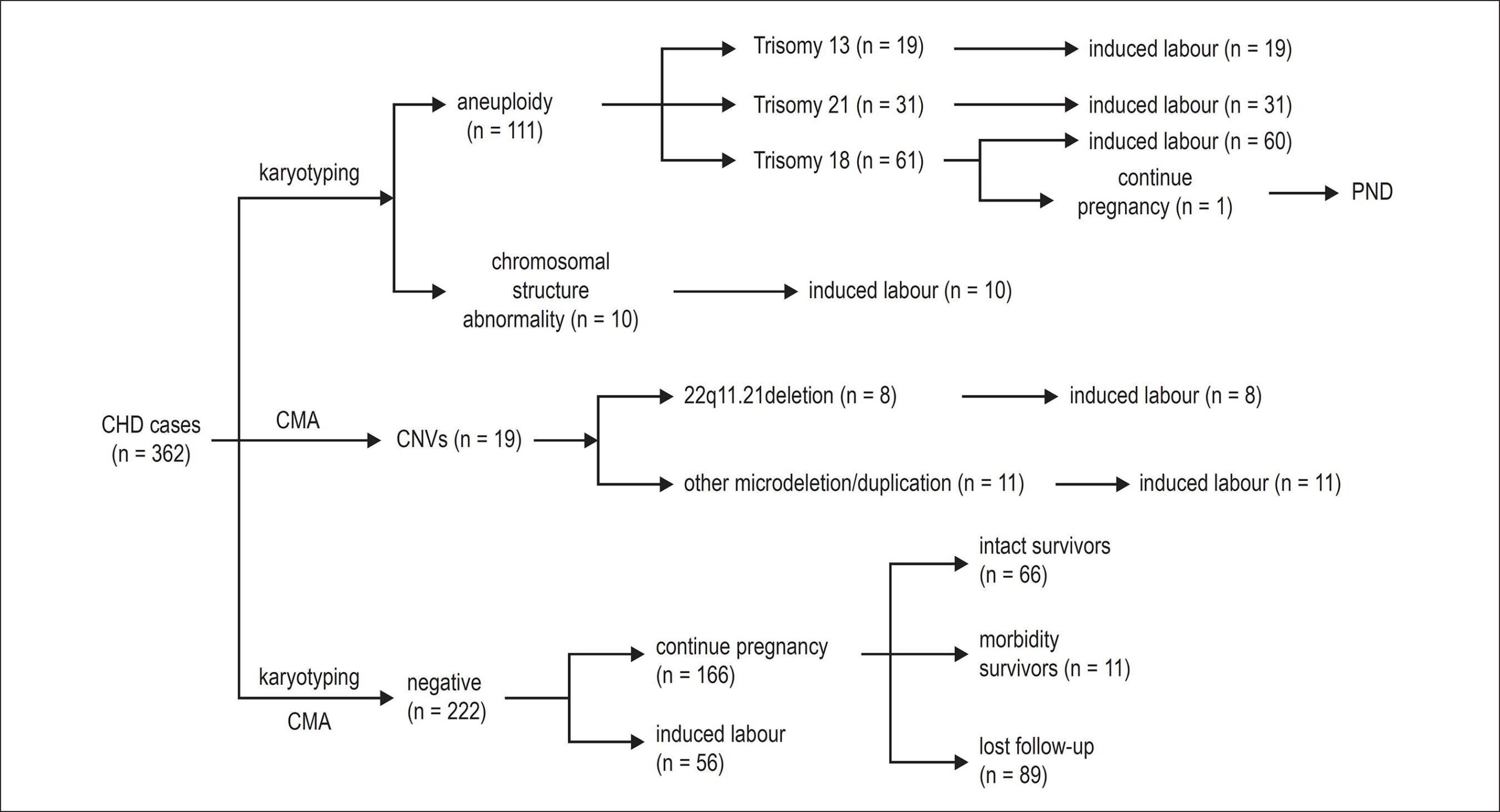
Of the 362 fetuses, 220 were found with an isolated CHD, and 142 had CHD with extracardiac anomaly. Among these 362 fetuses, 140 were identified with a genetic cause, including 111 cases with aneuploidy, 10 cases with abnormality of chromosomal structure by karyotyping and 19 cases with pathogenic or likely pathogenic copy-number variations (CNVs) by CMA. The detection rate is close to 38.7%. Only one (identified as trisomy 18 syndrome) in 140 positive cases resulted in perinatal death, with the others being induced. The remaining 222 cases had negative results for both genetic testing and of these cases, 56 resulted in induced labor, and 77 had natural childbirth or caesarean births. The pregnancy outcome of the remaining 89 cases was uncertain.

Conclusions:

Karyotyping and CMA are effective and accurate prenatal genetic techniques for identifying fetal chromosomal abnormalities associated with cardiac defects, and this can assist clinical doctors to perform appropriate genetic counselling with regard to the etiology and outcome of CHD.

  • Chromosome Disorders
  • Fetus
  • Heart Defects, Congenital
  • Pregnancy
  • Spectral Karyotyping
  • Ultrasonography
Read Full Article
Creative Commons Attribution (CC BY) Creative Commons license
20/08/2018 DOI: 10.5935/abc.20180144 Views 1
Figure 1
ABC
Case Report

A Prenatal Case of Arrhythmogenic Right Ventricular Dysplasia

Lilian Maria Lopes et al. Juliana Torres Pacheco Regina Schultz Rossana Pulcineli Vieira Francisco Marcelo Zugaib

Introduction

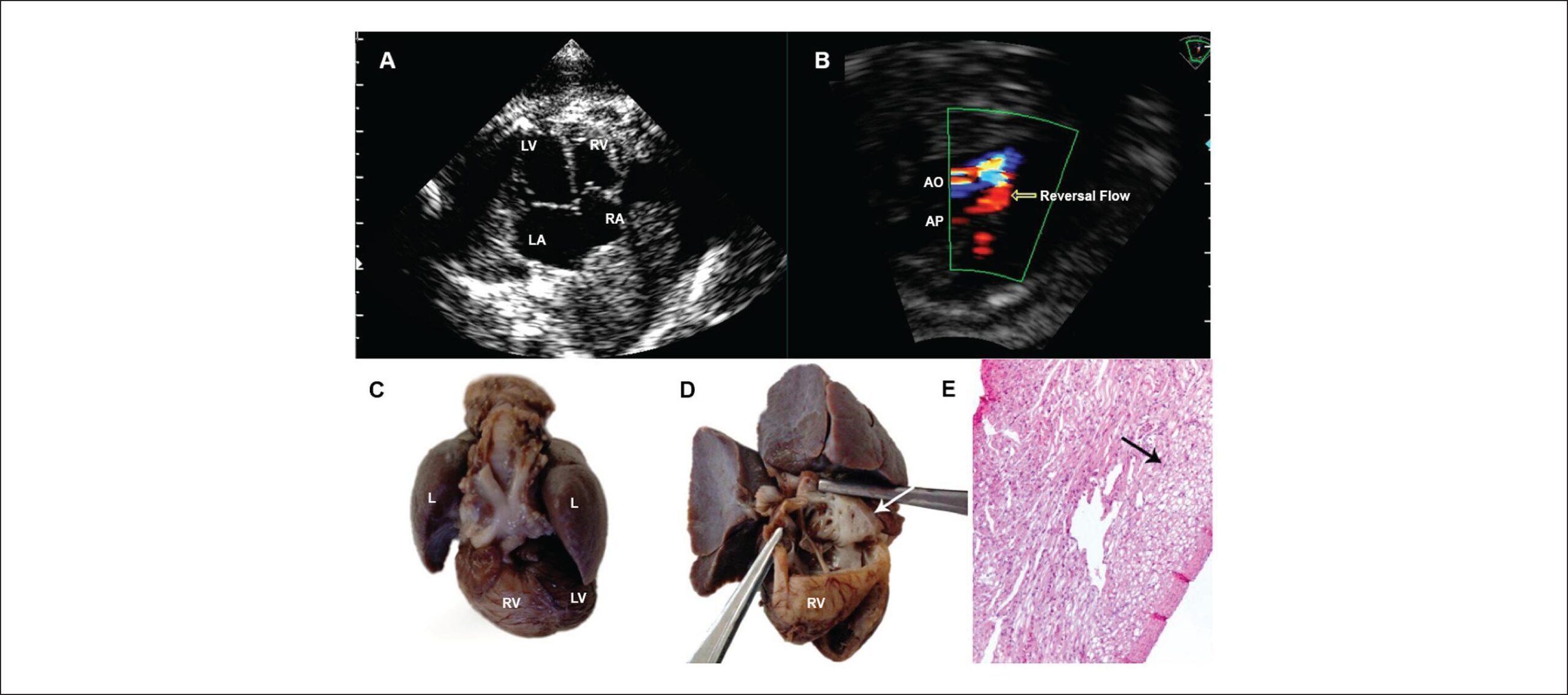
Arrhythmogenic right ventricular dysplasia (ARVD) is a heart muscle disorder that is characterized pathologically by fibrofatty replacement of the right (and sometimes left) ventricular myocardium. In 30-90% of cases, it is an inherited condition, with an autosomal dominant form of transmission. Disease expression is variable. In this article, we discuss a rare case of fetal ARVD and its difficult prenatal diagnosis, only confirmed at post-natal autopsy.

[…]

  • Arrhythmogenic right ventricular dysplasia;
  • Fetus / echocardiography
  • Pregnancy
  • Prenatal Care
Read Full Article
Creative Commons Attribution (CC BY) Creative Commons license
01/02/2018 DOI: 10.5935/abc.20180022
Figure 1
ABC
Case Report

Pregnancy in Woman with Kawasaki Disease and Multiple Coronary Artery Aneurysms

Walkiria Samuel Avila et al. Antônio Fernando Diniz Freire Alexandre Anderson de Sousa Soares Ana Neri Rodrigues Epitácio Pereira José Carlos Nicolau

Introduction

Kawasaki disease (KD), first described in 1967, is a systemic vasculitis of unknown cause. It is an important cause of cardiac diseases in children aged younger than five years. KD is an autoimmune disorder whose clinical features include high fever, exanthema, conjunctivitis, cervical linfadenopathy and peripheral edema. Laboratory tests are compatible with acute inflammatory condition.

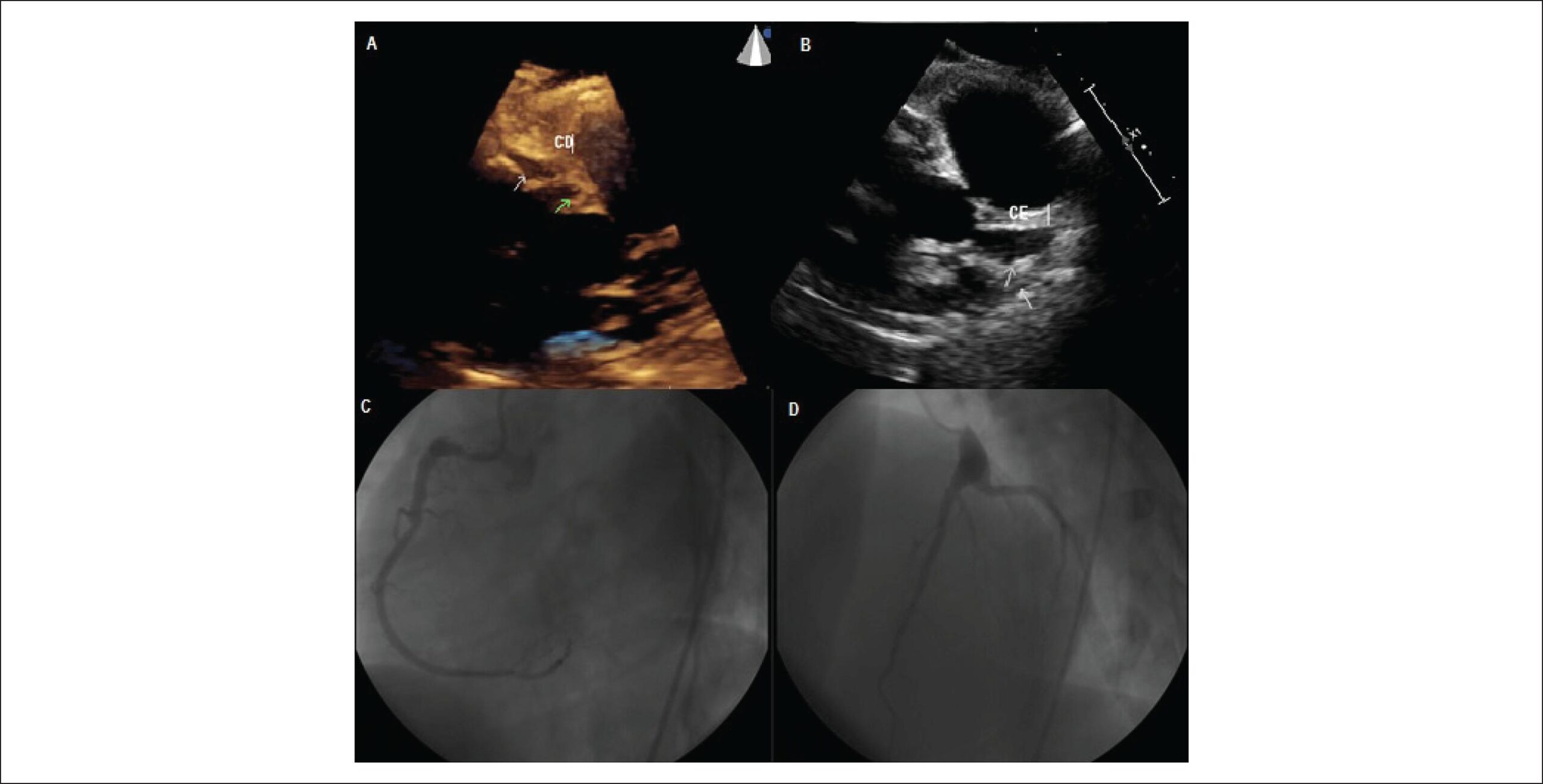
KD predominantly affects the coronary arteries, which is the most important clinical manifestation of the disease, varying from dilation and stenosis to aneurysm (incidence of 5% in patients with adequate treatment, and 25% in untreated patients). Giant coronary artery aneurysms (CAAs), i.e., CAAs with diameters > 8 mm, are associated with increased risk of thrombosis, acute myocardial infarction (AMI) and sudden death.

[…]

  • Coronary Aneurysm
  • Mucocutaneous Lymph Node Syndrome
  • Pregnancy
Read Full Article
Creative Commons Attribution (CC BY) Creative Commons license
01/01/2018 DOI: 10.5935/abc.20170185 Views 1
Figure 1
ABC
Original Article

Gestational Protein Restriction Increases Cardiac Connexin 43 mRNA levels in male adult rat offspring

Kamila Fernanda Rossini et al. Camila Andrea de Oliveira Hércules Jonas Rebelato Marcelo Augusto Marreto Esquisatto Rosana Catisti

Abstract

Background:

The dietary limitation during pregnancy influences the growth and development of the fetus and offspring and their health into adult life. The mechanisms underlying the adverse effects of gestational protein restriction (GPR) in the development of the offspring hearts are not well understood.

Objectives:

The aim of this study was to evaluate the effects of GPR on cardiac structure in male rat offspring at day 60 after birth (d60).

Methods:

Pregnant Wistar rats were fed a normal-protein (NP, 17% casein) or low-protein (LP, 6% casein) diet. Blood pressure (BP) values from 60-day-old male offspring were measured by an indirect tail-cuff method using an electro sphygmomanometer. Hearts (d60) were collected for assessment of connexin 43 (Cx43) mRNA expression and morphological and morphometric analysis.

Results:

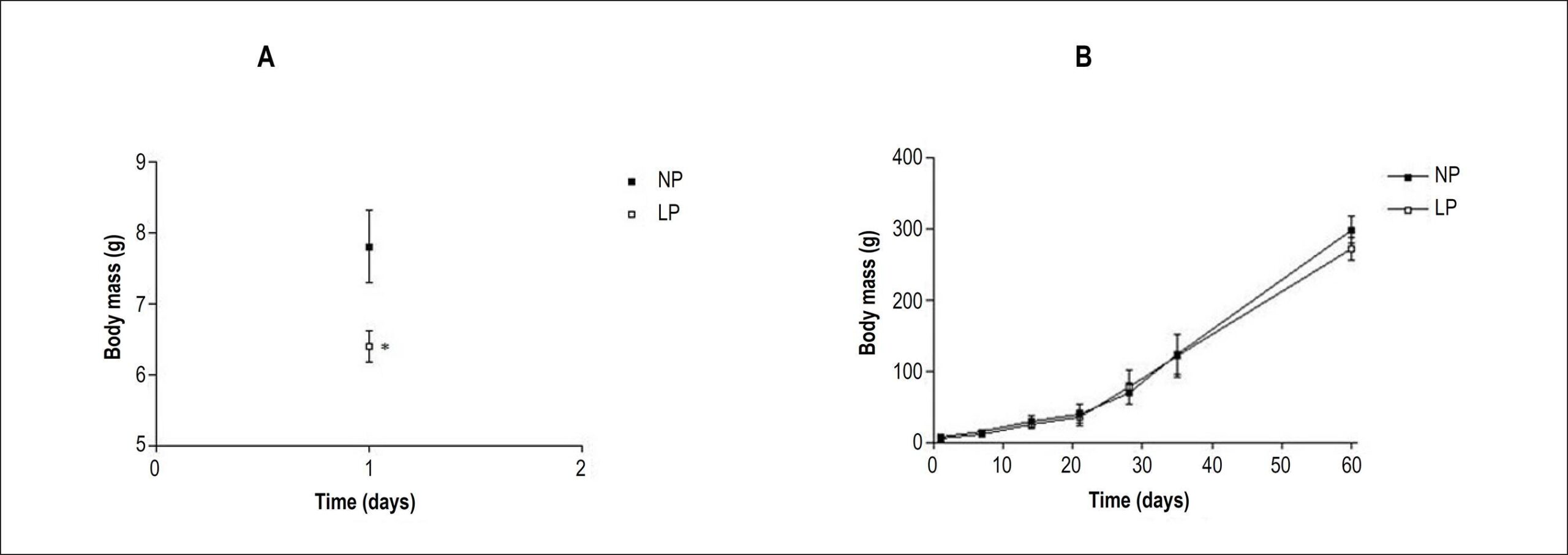
LP offspring showed no difference in body weight, although they were born lighter than NP offspring. BP levels were significantly higher in the LP group. We observed a significant increase in the area occupied by collagen fibers, a decrease in the number of cardiomyocytes by 104 µm2, and an increase in cardiomyocyte area associated with an increased Cx43 expression.

Conclusion:

GPR changes myocardial levels of Cx43 mRNA in male young adult rats, suggesting that this mechanism aims to compensate the fibrotic process by the accumulation of collagen fibers in the heart interstitium.

  • Connexin 43
  • Fetal Development
  • Metabolism
  • Pregnancy
Read Full Article
Creative Commons Attribution (CC BY) Creative Commons license
29/06/2017 DOI: 10.5935/abc.20170081
Figure 1
ABC
Point of view

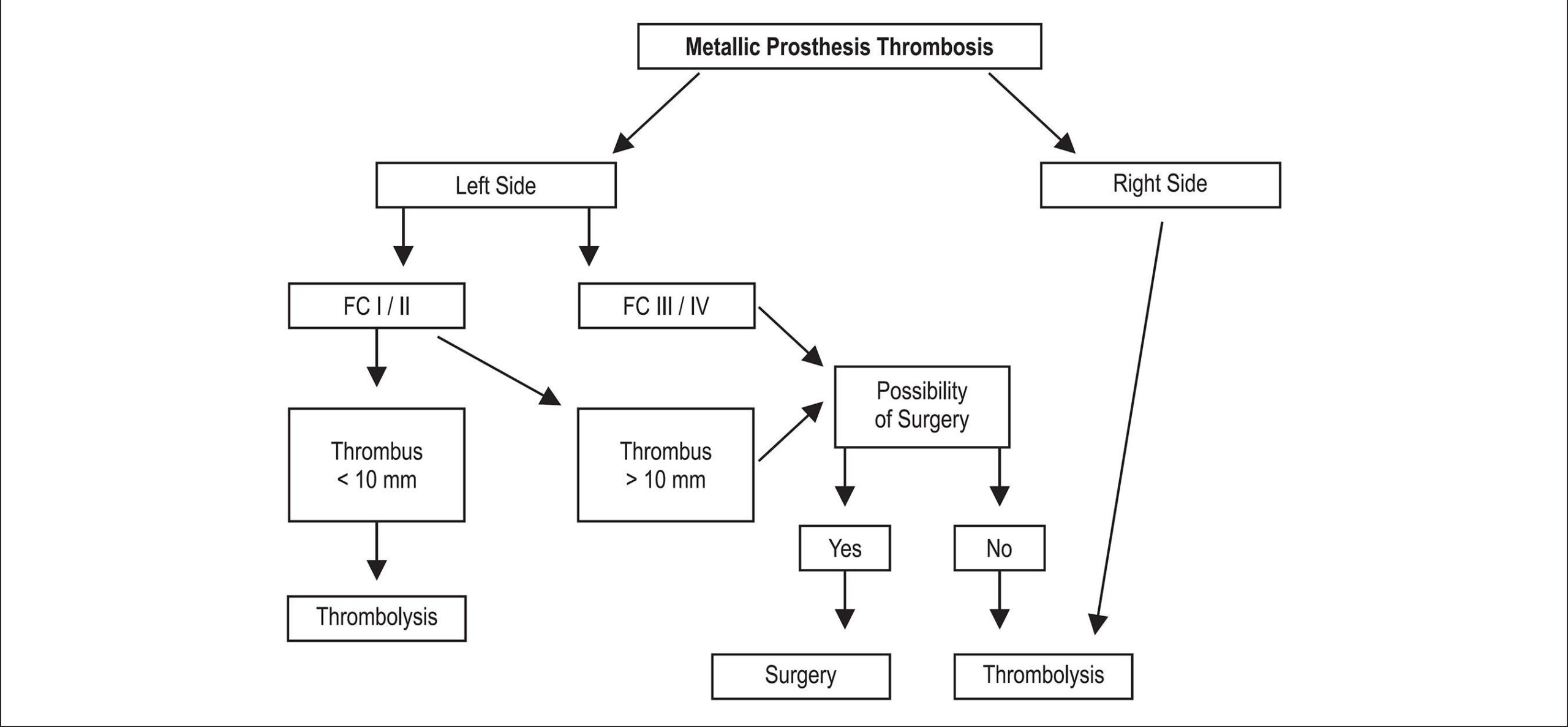
Patient Management with Metallic Valve Prosthesis during Pregnancy and Postpartum Period

Juliane Dantas Seabra Garcez et al. Vitor Emer Egypto Rosa Antonio Sergio de Santis Andrade Lopes Tarso Augusto Duenhas Accorsi … João Ricardo Cordeiro Fernandes Pablo Maria Pomerantzeff Walkiria Samuel Avila Flavio Tarasoutchi

Abstract

Prosthetic thrombosis is a rare complication, but it has high mortality and morbidity. Young women of childbearing age that have prosthetic heart valves are at increased risk of thrombosis during pregnancy due to changes in coagulation factors. Anticoagulation with adequate control and frequent follow-up if pregnancy occurs must be performed in order to prevent complications related to anticoagulant use. Surgery remains the treatment of choice for prosthetic heart valve thrombosis in most clinical conditions.

Patients with metallic prosthetic valves have an estimated 5% risk of thrombosis during pregnancy and maternal mortality of 1.5% related to the event. Anticoagulation with vitamin K antagonists during pregnancy is related to varying degrees of complications at each stage of the pregnancy and postpartum periods. Warfarin sodium crosses the placental barrier and when used in the first trimester of pregnancy is a teratogenic agent, causing 1-3% of malformations characterized by fetal warfarin syndrome and also constitutes a major cause of miscarriage in 10-30% of cases. In the third trimester and at delivery, the use of warfarin is associated with maternal and neonatal bleeding in approximately 5 to 15% of cases, respectively. On the other hand, inadequate anticoagulation, including the suspension of the oral anticoagulants aiming at fetal protection, carries a maternal risk of about 25% of metallic prosthesis thrombosis, particularly in the mitral valve. This fact is also due to the state of maternal hypercoagulability with activation of coagulation factors V, VI, VII, IX, X, platelet activity and fibrinogen synthesis, and decrease in protein S levels.

[…]

  • Abortion, Spontaneous
  • Anticoagulants / therapeutic use
  • Heart Valve Prosthesis
  • Mortality
  • Pregnancy
  • Thrombosis
Read Full Article
Creative Commons Attribution (CC BY) Creative Commons license
01/10/2015 DOI: 10.5935/abc.20150130 Views 2
Figure 1
ABC
Original Article

Blood Pressure Variation Throughout Pregnancy According to Early Gestational BMI: A Brazilian Cohort

Fernanda Rebelo et al. Dayana Rodrigues Farias Roberta Hack Mendes Michael Maia Schlüssel Gilberto Kac

Background:

The maternal cardiovascular system undergoes progressive adaptations throughout pregnancy, causing blood pressure fluctuations. However, no consensus has been established on its normal variation in uncomplicated pregnancies.

Objective:

To describe the variation in systolic blood pressure (SBP) and diastolic blood pressure (DBP) levels during pregnancy according to early pregnancy body mass index (BMI).

Methods:

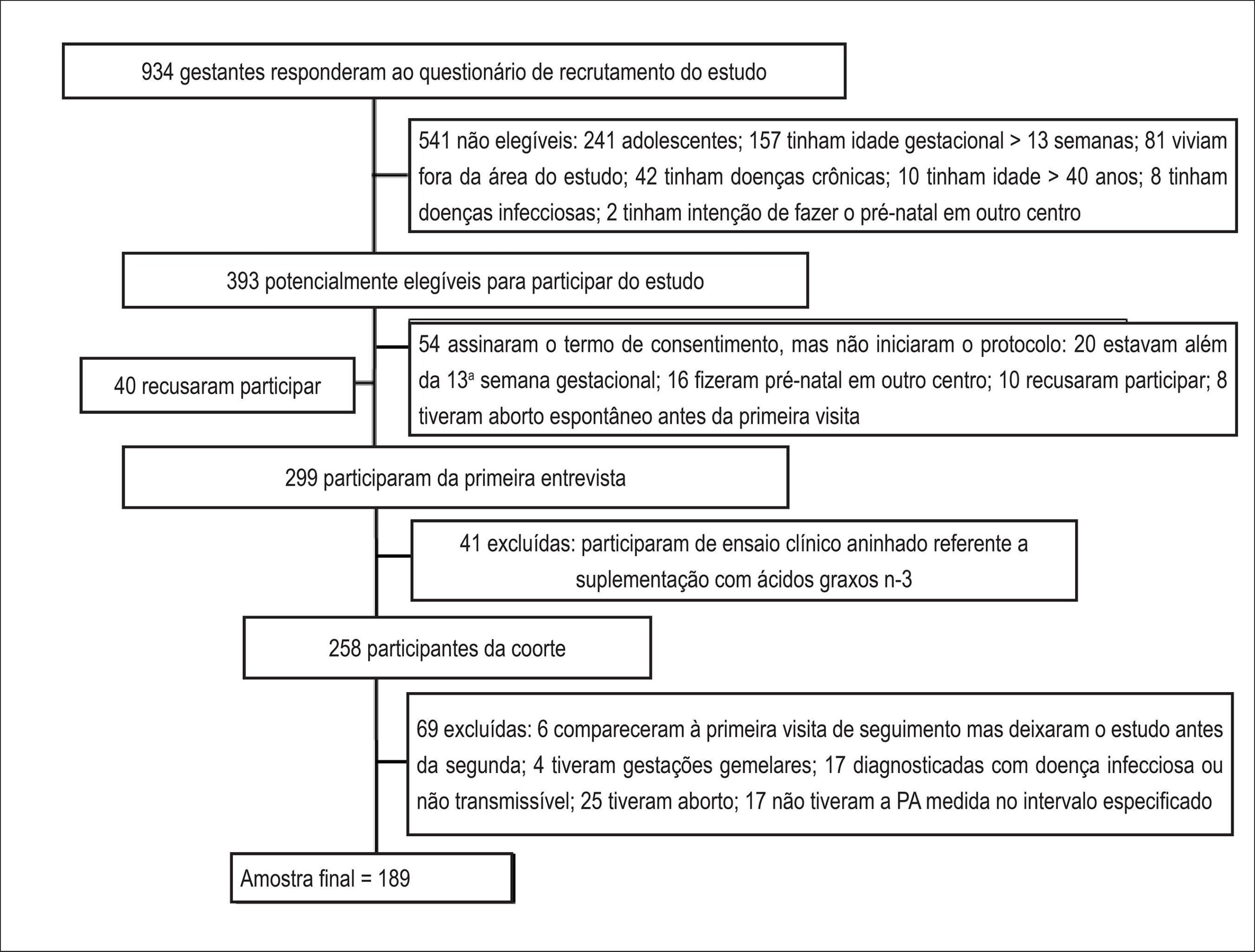
SBP and DBP were measured during the first, second and third trimesters and at 30-45 days postpartum in a prospective cohort of 189 women aged 20-40 years. BMI (kg/m2) was measured up to the 13th gestational week and classified as normal-weight (<25.0) or excessive weight (≥25.0). Longitudinal linear mixed-effects models were used for statistical analysis.

Results:

A decrease in SBP and DBP was observed from the first to the second trimester (βSBP=-0.394; 95%CI: -0.600- -0.188 and βDBP=-0.617; 95%CI: -0.780- -0.454), as was an increase in SBP and DBP up to 30-45 postpartum days (βSBP=0.010; 95%CI: 0.006-0.014 and βDBP=0.015; 95%CI: 0.012-0.018). Women with excessive weight at early pregnancy showed higher mean SBP in all gestational trimesters, and higher mean DBP in the first and third trimesters. Excessive early pregnancy BMI was positively associated with prospective changes in SBP (βSBP=7.055; 95%CI: 4.499-9.610) and in DBP (βDBP=3.201; 95%CI: 1.136-5.266).

Conclusion:

SBP and DBP decreased from the first to the second trimester and then increased up to the postpartum period. Women with excessive early pregnancy BMI had higher SBP and DBP than their normal-weight counterparts throughout pregnancy, but not in the postpartum period.

  • Arterial Pressure
  • body mass index
  • Cohort StudiesCohort Studies
  • Pregnancy
  • Pregnant Women
Read Full Article
Creative Commons Attribution (CC BY) Creative Commons license
13/02/2015 DOI: 10.5935/abc.20150007 Views 1

Could not load more articles. Please try again.

How to cite this article

EndNote RIS

Electronic Document Format (Vancouver)

Ávila WS. Hypertension in Pregnancy: From Guidelines to the Cardiologist’s Clinical Practice. Arquivos Brasileiros de Cardiologia 2026;123(8):e20260047.

Electronic Document Format (ABNT)

Ávila, Walkiria Samuel. Hypertension in Pregnancy: From Guidelines to the Cardiologist’s Clinical Practice. Arquivos Brasileiros de Cardiologia, v. 123, n. 8, e20260047, Sep. 2026.

Electronic Document Format (APA)

Ávila, W. S. (2026). Hypertension in Pregnancy: From Guidelines to the Cardiologist’s Clinical Practice. Arquivos Brasileiros de Cardiologia, 123(8), e20260047.

Electronic Document Format (ISO)

Ávila, Walkiria Samuel. Hypertension in Pregnancy: From Guidelines to the Cardiologist’s Clinical Practice. Arquivos Brasileiros de Cardiologia [online]. 2026, vol. 123, n. 8, [cited 2026-10-14], e20260047. Available from: <https://journals.cardiol.br/en/article/hypertension-in-pregnancy-from-guidelines-to-the-cardiologists-clinical-practice/>. ISSN 0066-782X

EndNote RIS

Electronic Document Format (Vancouver)

Barbosa ICQ, Oliveira GMM. The REBECGA Registry: A Landmark in the Care of Pregnant Women with Heart Disease in Brazil. Arquivos Brasileiros de Cardiologia 2025;122(8):e20250370.

Electronic Document Format (ABNT)

Barbosa, Imara Correia de Queiroz; Oliveira, Gláucia Maria Moraes de. The REBECGA Registry: A Landmark in the Care of Pregnant Women with Heart Disease in Brazil. Arquivos Brasileiros de Cardiologia, v. 122, n. 8, e20250370, Sep. 2025.

Electronic Document Format (APA)

Barbosa, I. C. Q., & Oliveira, G. M. M. (2025). The REBECGA Registry: A Landmark in the Care of Pregnant Women with Heart Disease in Brazil. Arquivos Brasileiros de Cardiologia, 122(8), e20250370.

Electronic Document Format (ISO)

Barbosa, Imara Correia de Queiroz and Oliveira, Gláucia Maria Moraes de. The REBECGA Registry: A Landmark in the Care of Pregnant Women with Heart Disease in Brazil. Arquivos Brasileiros de Cardiologia [online]. 2025, vol. 122, n. 8, [cited 2026-10-14], e20250370. Available from: <https://journals.cardiol.br/en/article/the-rebecga-registry-a-landmark-in-the-care-of-pregnant-women-with-heart-disease-in-brazil/>. ISSN 0066-782X

EndNote RIS

Electronic Document Format (Vancouver)

Avila WS, Lucena AJG, Freire CMV, Silva FB, Rivera IR, Oliveira JRS, Rivera MAM, et al. REBECGA: Brazilian Registry of Heart Disease and Pregnancy. Multicenter Epidemiological Study of Heart Diseases in Pregnancy: Retrospective Cohort. Arquivos Brasileiros de Cardiologia 2025;122(8):e20240807.

Electronic Document Format (ABNT)

Avila, Walkiria Samuel; Lucena, Alexandre Jorge Gomes de; Freire, Claudia Maria Vilas; Silva, Fabio Bruno da; Rivera, Ivan Romero; Oliveira, Juliana Rodrigues Soares; Rivera, Maria Alayde Mendonça; Carvalho, Regina Coeli de; Avila Neto, Vicente; Tarasoutchi, Flávio. REBECGA: Brazilian Registry of Heart Disease and Pregnancy. Multicenter Epidemiological Study of Heart Diseases in Pregnancy: Retrospective Cohort. Arquivos Brasileiros de Cardiologia, v. 122, n. 8, e20240807, Aug. 2025.

Electronic Document Format (APA)

Avila, W. S., Lucena, A. J. G. , Freire, C. M. V., Silva, F. B. , Rivera, I. R., Oliveira, J. R. S., Rivera, M. A. M., Carvalho, R. C. , Avila Neto, V., & Tarasoutchi, F. (2025). REBECGA: Brazilian Registry of Heart Disease and Pregnancy. Multicenter Epidemiological Study of Heart Diseases in Pregnancy: Retrospective Cohort. Arquivos Brasileiros de Cardiologia, 122(8), e20240807.

Electronic Document Format (ISO)

Avila, Walkiria Samuel and Lucena, Alexandre Jorge Gomes de and Freire, Claudia Maria Vilas and Silva, Fabio Bruno da and Rivera, Ivan Romero and Oliveira, Juliana Rodrigues Soares and Rivera, Maria Alayde Mendonça and Carvalho, Regina Coeli de and Avila Neto, Vicente and Tarasoutchi, Flávio. REBECGA: Brazilian Registry of Heart Disease and Pregnancy. Multicenter Epidemiological Study of Heart Diseases in Pregnancy: Retrospective Cohort. Arquivos Brasileiros de Cardiologia [online]. 2025, vol. 122, n. 8, [cited 2026-10-14], e20240807. Available from: <https://journals.cardiol.br/en/article/rebecga-brazilian-registry-of-heart-disease-and-pregnancy-multicenter-epidemiological-study-of-heart-diseases-in-pregnancy-retrospective-cohort/>. ISSN 0066-782X

EndNote RIS

Electronic Document Format (Vancouver)

Nomura ML. Cardiac Valve Prosthesis and Pregnancy: Challenges and Strategies. Arquivos Brasileiros de Cardiologia 2025;122(1):e20240602.

Electronic Document Format (ABNT)

Nomura, Marcelo Luis. Cardiac Valve Prosthesis and Pregnancy: Challenges and Strategies. Arquivos Brasileiros de Cardiologia, v. 122, n. 1, e20240602, Feb. 2025.

Electronic Document Format (APA)

Nomura, M. L. (2025). Cardiac Valve Prosthesis and Pregnancy: Challenges and Strategies. Arquivos Brasileiros de Cardiologia, 122(1), e20240602.

Electronic Document Format (ISO)

Nomura, Marcelo Luis. Cardiac Valve Prosthesis and Pregnancy: Challenges and Strategies. Arquivos Brasileiros de Cardiologia [online]. 2025, vol. 122, n. 1, [cited 2026-10-14], e20240602. Available from: <https://journals.cardiol.br/en/article/cardiac-valve-prosthesis-and-pregnancy-challenges-and-strategies/>. ISSN 0066-782X

EndNote RIS

Electronic Document Format (Vancouver)

Avila WS, Pinto DVR, Brugnara JS, Moro M, Moreira TCS, Borges I, Miura N, et al. Choosing a Valve Prosthesis for a Successful Pregnancy. The “Tip of the Iceberg” for a Disease of Complex Evolution. Arquivos Brasileiros de Cardiologia 2025;122(1):e20240163.

Electronic Document Format (ABNT)

Avila, Walkiria Samuel; Pinto, Daniel Vinicius Rodrigues; Brugnara, Jessica Sol; Moro, Marilia; Moreira, Talita Carla Stratti; Borges, Isabelle; Miura, Nana; Tarasoutchi, Flávio. Choosing a Valve Prosthesis for a Successful Pregnancy. The “Tip of the Iceberg” for a Disease of Complex Evolution. Arquivos Brasileiros de Cardiologia, v. 122, n. 1, e20240163, Feb. 2025.

Electronic Document Format (APA)

Avila, W. S., Pinto, D. V. R., Brugnara, J. S., Moro, M., Moreira, T. C. S., Borges, I., Miura, N., & Tarasoutchi, F. (2025). Choosing a Valve Prosthesis for a Successful Pregnancy. The “Tip of the Iceberg” for a Disease of Complex Evolution. Arquivos Brasileiros de Cardiologia, 122(1), e20240163.

Electronic Document Format (ISO)

Avila, Walkiria Samuel and Pinto, Daniel Vinicius Rodrigues and Brugnara, Jessica Sol and Moro, Marilia and Moreira, Talita Carla Stratti and Borges, Isabelle and Miura, Nana and Tarasoutchi, Flávio. Choosing a Valve Prosthesis for a Successful Pregnancy. The “Tip of the Iceberg” for a Disease of Complex Evolution. Arquivos Brasileiros de Cardiologia [online]. 2025, vol. 122, n. 1, [cited 2026-10-14], e20240163. Available from: <https://journals.cardiol.br/en/article/choosing-a-valve-prosthesis-for-a-successful-pregnancy-the-tip-of-the-iceberg-for-a-disease-of-complex-evolution/>. ISSN 0066-782X

EndNote RIS

Electronic Document Format (Vancouver)

Rivera MAM, Rivera IR, Oliveira GMM, Echeverri AGM, Avila W. Chagas Disease and Maternal Mortality: An Overlooked Link in a Neglected Disease in Brazil. International Journal of Cardiovascular Sciences 2024;37:e20240148.

Electronic Document Format (ABNT)

Rivera, Maria Alayde Mendonça; Rivera, Ivan Romero; Oliveira, Glaucia Maria Moraes de; Echeverri, Ana G. Múnera; Avila, Walkiria. Chagas Disease and Maternal Mortality: An Overlooked Link in a Neglected Disease in Brazil. International Journal of Cardiovascular Sciences, v. 37, e20240148, Nov. 2024.

Electronic Document Format (APA)

Rivera, M. A. M., Rivera, I. R., Oliveira, G. M. M. , Echeverri, A. G. M., & Avila, W. (2024). Chagas Disease and Maternal Mortality: An Overlooked Link in a Neglected Disease in Brazil. International Journal of Cardiovascular Sciences, 37, e20240148.

Electronic Document Format (ISO)

Rivera, Maria Alayde Mendonça and Rivera, Ivan Romero and Oliveira, Glaucia Maria Moraes de and Echeverri, Ana G. Múnera and Avila, Walkiria. Chagas Disease and Maternal Mortality: An Overlooked Link in a Neglected Disease in Brazil. International Journal of Cardiovascular Sciences [online]. 2024, vol. 37, [cited 2026-10-14], e20240148. Available from: <https://journals.cardiol.br/en/article/chagas-disease-and-maternal-mortality-an-overlooked-link-in-a-neglected-disease-in-brazil/>. ISSN 2359-4802

EndNote RIS

Electronic Document Format (Vancouver)

Avila WS, Lucena AJG. Cardio-Obstetrics: A Critical, Growing Subspecialty. Arquivos Brasileiros de Cardiologia 2024;121(2):e20230433.

Electronic Document Format (ABNT)

Avila, Walkiria Samuel; Lucena, Alexandre Jorge Gomes de. Cardio-Obstetrics: A Critical, Growing Subspecialty. Arquivos Brasileiros de Cardiologia, v. 121, n. 2, e20230433, Apr. 2024.

Electronic Document Format (APA)

Avila, W. S., & Lucena, A. J. G. (2024). Cardio-Obstetrics: A Critical, Growing Subspecialty. Arquivos Brasileiros de Cardiologia, 121(2), e20230433.

Electronic Document Format (ISO)

Avila, Walkiria Samuel and Lucena, Alexandre Jorge Gomes de. Cardio-Obstetrics: A Critical, Growing Subspecialty. Arquivos Brasileiros de Cardiologia [online]. 2024, vol. 121, n. 2, [cited 2026-10-14], e20230433. Available from: <https://journals.cardiol.br/en/article/cardio-obstetrics-a-critical-growing-subspecialty/>. ISSN 0066-782X

EndNote RIS

Electronic Document Format (Vancouver)

Ávila WS, Carvalho RCM. Peripartum Cardiomyopathy. ABC Heart Fail Cardiomyop 2023;3(1):e20230020.

Electronic Document Format (ABNT)

Ávila, Walkiria Samuel; Carvalho, Regina Coeli Marques de. Peripartum Cardiomyopathy. ABC Heart Fail Cardiomyop, v. 3, n. 1, e20230020, Jul. 2023.

Electronic Document Format (APA)

Ávila, W. S., & Carvalho, R. C. M. (2023). Peripartum Cardiomyopathy. ABC Heart Fail Cardiomyop, 3(1), e20230020.

Electronic Document Format (ISO)

Ávila, Walkiria Samuel and Carvalho, Regina Coeli Marques de. Peripartum Cardiomyopathy. ABC Heart Fail Cardiomyop [online]. 2023, vol. 3, n. 1, [cited 2026-10-14], e20230020. Available from: <https://journals.cardiol.br/en/article/peripartum-cardiomyopathy/>

EndNote RIS

Electronic Document Format (Vancouver)

Bittencourt MS. Statins and Pregnancy – New FDA Recommendations. Arquivos Brasileiros de Cardiologia 2022;119(1):1-2.

Electronic Document Format (ABNT)

Bittencourt, Marcio Sommer. Statins and Pregnancy – New FDA Recommendations. Arquivos Brasileiros de Cardiologia, v. 119, n. 1, p. 1-2, Jul. 2022.

Electronic Document Format (APA)

Bittencourt, M. S. (2022). Statins and Pregnancy – New FDA Recommendations. Arquivos Brasileiros de Cardiologia, 119(1), 1-2.

Electronic Document Format (ISO)

Bittencourt, Marcio Sommer. Statins and Pregnancy – New FDA Recommendations. Arquivos Brasileiros de Cardiologia [online]. 2022, vol. 119, n. 1, [cited 2026-10-14], pp. 1-2. Available from: <https://journals.cardiol.br/en/article/statins-and-pregnancy-new-fda-recommendations/>. ISSN 0066-782X

EndNote RIS

Electronic Document Format (Vancouver)

Montemezzo M, AlTurki A, Jakolinski M, Jorge JCM. Pacemaker Implantation without Fluoroscopy and Guided by Anatomical Mapping. International Journal of Cardiovascular Sciences 2022;35(5):676-80.

Electronic Document Format (ABNT)

Montemezzo, Mauricio; AlTurki, Ahmed; Jakolinski, Marcos; Jorge, Jose Carlos Moura. Pacemaker Implantation without Fluoroscopy and Guided by Anatomical Mapping. International Journal of Cardiovascular Sciences, v. 35, n. 5, p. 676-680, May. 2022.

Electronic Document Format (APA)

Montemezzo, M., AlTurki, A., Jakolinski, M., & Jorge, J. C. M. (2022). Pacemaker Implantation without Fluoroscopy and Guided by Anatomical Mapping. International Journal of Cardiovascular Sciences, 35(5), 676-680.

Electronic Document Format (ISO)

Montemezzo, Mauricio and AlTurki, Ahmed and Jakolinski, Marcos and Jorge, Jose Carlos Moura. Pacemaker Implantation without Fluoroscopy and Guided by Anatomical Mapping. International Journal of Cardiovascular Sciences [online]. 2022, vol. 35, n. 5, [cited 2026-10-14], pp. 676-680. Available from: <https://journals.cardiol.br/en/article/pacemaker-implantation-without-fluoroscopy-and-guided-by-anatomical-mapping/>. ISSN 2359-4802

EndNote RIS

Electronic Document Format (Vancouver)

Jorge AJL, Martins DLD, Ávila DX, Martino OS, Ribeiro ML, Neves DG, Martins WA, et al. Heart failure in pregnancy – another possibility beyond peripartum cardiomyopathy. Arquivos Brasileiros de Cardiologia Imagem cardiovascular 2022;32(3):229-32.

Electronic Document Format (ABNT)

Jorge, Antonio José Lagoeiro; Martins, Deborah Luz Diniz; Ávila, Diane Xavier de; Martino, Otávio Souza de; Ribeiro, Mário Luiz; Neves, Daniel Gama das; Martins, Wolney de Andrade. Heart failure in pregnancy – another possibility beyond peripartum cardiomyopathy. Arquivos Brasileiros de Cardiologia Imagem cardiovascular, v. 32, n. 3, p. 229-232, Jan. 2022.

Electronic Document Format (APA)

Jorge, A. J. L., Martins, D. L. D., Ávila, D. X. , Martino, O. S. , Ribeiro, M. L., Neves, D. G. , & Martins, W. A. (2022). Heart failure in pregnancy – another possibility beyond peripartum cardiomyopathy. Arquivos Brasileiros de Cardiologia Imagem cardiovascular, 32(3), 229-232.

Electronic Document Format (ISO)

Jorge, Antonio José Lagoeiro and Martins, Deborah Luz Diniz and Ávila, Diane Xavier de and Martino, Otávio Souza de and Ribeiro, Mário Luiz and Neves, Daniel Gama das and Martins, Wolney de Andrade. Heart failure in pregnancy – another possibility beyond peripartum cardiomyopathy. Arquivos Brasileiros de Cardiologia Imagem cardiovascular [online]. 2022, vol. 32, n. 3, [cited 2026-10-14], pp. 229-232. Available from: <https://journals.cardiol.br/en/article/heart-failure-in-pregnancy-another-possibility-beyond-peripartum-cardiomyopathy/>. ISSN 2318-8219

EndNote RIS

Electronic Document Format (Vancouver)

Avila WS, Rivera MAM, Marques-Santos C, Rivera IR, Costa MENC, Lucena AJG, Freire CMV, et al. The REBECGA Brazilian Registry of Pregnancy and Heart Disease: Rationale and Design. International Journal of Cardiovascular Sciences 2021;34(4):452-8.

Electronic Document Format (ABNT)

Avila, Walkiria Samuel; Rivera, Maria Alayde Mendonça; Marques-Santos, Celi; Rivera, Ivan Romero; Costa, Maria Elizabeth Navegantes Caetano; Lucena, Alexandre Jorge Gomes de; Freire, Claudia Maria Vilas; Carvalho, Regina Coeli Marques de; Born, Daniel; Campanharo, Felipe Favorette; Silva, Fabio Bruno. The REBECGA Brazilian Registry of Pregnancy and Heart Disease: Rationale and Design. International Journal of Cardiovascular Sciences, v. 34, n. 4, p. 452-458, Jul. 2021.

Electronic Document Format (APA)

Avila, W. S., Rivera, M. A. M., Marques-Santos, C., Rivera, I. R., Costa, M. E. N. C., Lucena, A. J. G. , Freire, C. M. V., Carvalho, R. C. M. , Born, D., Campanharo, F. F., & Silva, F. B. (2021). The REBECGA Brazilian Registry of Pregnancy and Heart Disease: Rationale and Design. International Journal of Cardiovascular Sciences, 34(4), 452-458.

Electronic Document Format (ISO)

Avila, Walkiria Samuel and Rivera, Maria Alayde Mendonça and Marques-Santos, Celi and Rivera, Ivan Romero and Costa, Maria Elizabeth Navegantes Caetano and Lucena, Alexandre Jorge Gomes de and Freire, Claudia Maria Vilas and Carvalho, Regina Coeli Marques de and Born, Daniel and Campanharo, Felipe Favorette and Silva, Fabio Bruno. The REBECGA Brazilian Registry of Pregnancy and Heart Disease: Rationale and Design. International Journal of Cardiovascular Sciences [online]. 2021, vol. 34, n. 4, [cited 2026-10-14], pp. 452-458. Available from: <https://journals.cardiol.br/en/article/the-rebecga-brazilian-registry-of-pregnancy-and-heart-disease-rationale-and-design/>. ISSN 2359-4802

EndNote RIS

Electronic Document Format (Vancouver)

Marques EB, Souza KP, Alvim-Silva T, Martins ILF, Pedro S, Scaramello CBV. Nutrition and Cardiovascular Diseases: Programming and Reprogramming. International Journal of Cardiovascular Sciences 2021;34(2):197-210.

Electronic Document Format (ABNT)

Marques, Emiliana Barbosa; Souza, Karyne Pollo de; Alvim-Silva, Thaís; Martins, Ivis Levy Fernandes; Pedro, Samuel; Scaramello, Christianne Bretas Vieira. Nutrition and Cardiovascular Diseases: Programming and Reprogramming. International Journal of Cardiovascular Sciences, v. 34, n. 2, p. 197-210, Mar. 2021.

Electronic Document Format (APA)

Marques, E. B., Souza, K. P. , Alvim-Silva, T., Martins, I. L. F., Pedro, S., & Scaramello, C. B. V. (2021). Nutrition and Cardiovascular Diseases: Programming and Reprogramming. International Journal of Cardiovascular Sciences, 34(2), 197-210.

Electronic Document Format (ISO)

Marques, Emiliana Barbosa and Souza, Karyne Pollo de and Alvim-Silva, Thaís and Martins, Ivis Levy Fernandes and Pedro, Samuel and Scaramello, Christianne Bretas Vieira. Nutrition and Cardiovascular Diseases: Programming and Reprogramming. International Journal of Cardiovascular Sciences [online]. 2021, vol. 34, n. 2, [cited 2026-10-14], pp. 197-210. Available from: <https://journals.cardiol.br/en/article/nutrition-and-cardiovascular-diseases-programming-and-reprogramming/>. ISSN 2359-4802

EndNote RIS

Electronic Document Format (Vancouver)

Avila WS, Carvalho RC. COVID-19: A New Challenge in Pregnancy and Heart Disease. Arquivos Brasileiros de Cardiologia 2020;115(1):1-4.

Electronic Document Format (ABNT)

Avila, Walkiria Samuel; Carvalho, Regina Coeli de. COVID-19: A New Challenge in Pregnancy and Heart Disease. Arquivos Brasileiros de Cardiologia, v. 115, n. 1, p. 1-4, Aug. 2020.

Electronic Document Format (APA)

Avila, W. S., & Carvalho, R. C. (2020). COVID-19: A New Challenge in Pregnancy and Heart Disease. Arquivos Brasileiros de Cardiologia, 115(1), 1-4.

Electronic Document Format (ISO)

Avila, Walkiria Samuel and Carvalho, Regina Coeli de. COVID-19: A New Challenge in Pregnancy and Heart Disease. Arquivos Brasileiros de Cardiologia [online]. 2020, vol. 115, n. 1, [cited 2026-10-14], pp. 1-4. Available from: <https://journals.cardiol.br/en/article/covid-19-a-new-challenge-in-pregnancy-and-heart-disease/>. ISSN 0066-782X

EndNote RIS

Electronic Document Format (Vancouver)

Avila WS, Ribeiro VM, Rossi EG, Binotto MA, Bortolotto MR, Testa C, Francisco R, et al. Pregnancy in Women with Complex Congenital Heart Disease. A Constant Challenge. Arquivos Brasileiros de Cardiologia 2019;113(6):1062-9.

Electronic Document Format (ABNT)

Avila, Walkiria Samuel; Ribeiro, Veronica Martins; Rossi, Eduardo Giusti; Binotto, Maria Angelica; Bortolotto, Maria Rita; Testa, Carolina; Francisco, Rossana; Hajjar, Ludhmilla Abraão; Miura, Nana. Pregnancy in Women with Complex Congenital Heart Disease. A Constant Challenge. Arquivos Brasileiros de Cardiologia, v. 113, n. 6, p. 1062-1069, Oct. 2019.

Electronic Document Format (APA)

Avila, W. S., Ribeiro, V. M., Rossi, E. G., Binotto, M. A., Bortolotto, M. R., Testa, C., Francisco, R., Hajjar, L. A., & Miura, N. (2019). Pregnancy in Women with Complex Congenital Heart Disease. A Constant Challenge. Arquivos Brasileiros de Cardiologia, 113(6), 1062-1069.

Electronic Document Format (ISO)

Avila, Walkiria Samuel and Ribeiro, Veronica Martins and Rossi, Eduardo Giusti and Binotto, Maria Angelica and Bortolotto, Maria Rita and Testa, Carolina and Francisco, Rossana and Hajjar, Ludhmilla Abraão and Miura, Nana. Pregnancy in Women with Complex Congenital Heart Disease. A Constant Challenge. Arquivos Brasileiros de Cardiologia [online]. 2019, vol. 113, n. 6, [cited 2026-10-14], pp. 1062-1069. Available from: <https://journals.cardiol.br/en/article/pregnancy-in-women-with-complex-congenital-heart-disease-a-constant-challenge/>. ISSN 0066-782X

EndNote RIS

Electronic Document Format (Vancouver)

Taglialegna GM, Katz L, Albuquerque LMA, Freitas MM, Lucena AJG, Amorim MMR. Chronic Aortic Dissection and Pregnancy: Clinical Case Report. Arquivos Brasileiros de Cardiologia 2019;112(3):321-3.

Electronic Document Format (ABNT)

Taglialegna, Giulia de Miranda; Katz, Leila; Albuquerque, Larissa Mayara Aristóteles de; Freitas, Milena Máximo de; Lucena, Alexandre Jorge Gomes de; Amorim, Melania Maria Ramos de. Chronic Aortic Dissection and Pregnancy: Clinical Case Report. Arquivos Brasileiros de Cardiologia, v. 112, n. 3, p. 321-323, Feb. 2019.

Electronic Document Format (APA)

Taglialegna, G. M., Katz, L., Albuquerque, L. M. A. , Freitas, M. M. , Lucena, A. J. G. , & Amorim, M. M. R. (2019). Chronic Aortic Dissection and Pregnancy: Clinical Case Report. Arquivos Brasileiros de Cardiologia, 112(3), 321-323.

Electronic Document Format (ISO)

Taglialegna, Giulia de Miranda and Katz, Leila and Albuquerque, Larissa Mayara Aristóteles de and Freitas, Milena Máximo de and Lucena, Alexandre Jorge Gomes de and Amorim, Melania Maria Ramos de. Chronic Aortic Dissection and Pregnancy: Clinical Case Report. Arquivos Brasileiros de Cardiologia [online]. 2019, vol. 112, n. 3, [cited 2026-10-14], pp. 321-323. Available from: <https://journals.cardiol.br/en/article/chronic-aortic-dissection-and-pregnancy-clinical-case-report/>. ISSN 0066-782X

EndNote RIS

Electronic Document Format (Vancouver)

Jevdjovic T, Dakic T, Kopanja S, Lakic I, Vujovic P, Jasnic N, Djordjevic J, et al. Sex-Related Effects of Prenatal Stress on Region-Specific Expression of Monoamine Oxidase A and β Adrenergic Receptors in Rat Hearts. Arquivos Brasileiros de Cardiologia 2018;112(1):67-75.

Electronic Document Format (ABNT)

Jevdjovic, Tanja; Dakic, Tamara; Kopanja, Sonja; Lakic, Iva; Vujovic, Predrag; Jasnic, Nebojsa; Djordjevic, Jelena. Sex-Related Effects of Prenatal Stress on Region-Specific Expression of Monoamine Oxidase A and β Adrenergic Receptors in Rat Hearts. Arquivos Brasileiros de Cardiologia, v. 112, n. 1, p. 67-75, Dec. 2018.

Electronic Document Format (APA)

Jevdjovic, T., Dakic, T., Kopanja, S., Lakic, I., Vujovic, P., Jasnic, N., & Djordjevic, J. (2018). Sex-Related Effects of Prenatal Stress on Region-Specific Expression of Monoamine Oxidase A and β Adrenergic Receptors in Rat Hearts. Arquivos Brasileiros de Cardiologia, 112(1), 67-75.

Electronic Document Format (ISO)

Jevdjovic, Tanja and Dakic, Tamara and Kopanja, Sonja and Lakic, Iva and Vujovic, Predrag and Jasnic, Nebojsa and Djordjevic, Jelena. Sex-Related Effects of Prenatal Stress on Region-Specific Expression of Monoamine Oxidase A and β Adrenergic Receptors in Rat Hearts. Arquivos Brasileiros de Cardiologia [online]. 2018, vol. 112, n. 1, [cited 2026-10-14], pp. 67-75. Available from: <https://journals.cardiol.br/en/article/sex-related-effects-of-prenatal-stress-on-region-specific-expression-of-monoamine-oxidase-a-and-%ce%b2-adrenergic-receptors-in-rat-hearts/>. ISSN 0066-782X

EndNote RIS

Electronic Document Format (Vancouver)

Ávila WS, Caldas VAFC, Batista DV, Gutierrez PS. Case 5 / 2018 – Acute Respiratory Failure and Cardiogenic Shock in a Patient in the First Trimester of Pregnancy with Mechanical Mitral Valve Prosthesis Implant. Arquivos Brasileiros de Cardiologia 2018;111(4):629-34.

Electronic Document Format (ABNT)

Ávila, Walkíria Samuel; Caldas, Vinícius Araújo de Freitas Chagas; Batista, Daniel Valente; Gutierrez, Paulo Sampaio. Case 5 / 2018 – Acute Respiratory Failure and Cardiogenic Shock in a Patient in the First Trimester of Pregnancy with Mechanical Mitral Valve Prosthesis Implant. Arquivos Brasileiros de Cardiologia, v. 111, n. 4, p. 629-634, Sep. 2018.

Electronic Document Format (APA)

Ávila, W. S., Caldas, V. A. F. C., Batista, D. V., & Gutierrez, P. S. (2018). Case 5 / 2018 – Acute Respiratory Failure and Cardiogenic Shock in a Patient in the First Trimester of Pregnancy with Mechanical Mitral Valve Prosthesis Implant. Arquivos Brasileiros de Cardiologia, 111(4), 629-634.

Electronic Document Format (ISO)

Ávila, Walkíria Samuel and Caldas, Vinícius Araújo de Freitas Chagas and Batista, Daniel Valente and Gutierrez, Paulo Sampaio. Case 5 / 2018 – Acute Respiratory Failure and Cardiogenic Shock in a Patient in the First Trimester of Pregnancy with Mechanical Mitral Valve Prosthesis Implant. Arquivos Brasileiros de Cardiologia [online]. 2018, vol. 111, n. 4, [cited 2026-10-14], pp. 629-634. Available from: <https://journals.cardiol.br/en/article/case-5-2018-acute-respiratory-failure-and-cardiogenic-shock-in-a-patient-in-the-first-trimester-of-pregnancy-with-mechanical-mitral-valve-prosthesis-implant/>. ISSN 0066-782X

EndNote RIS

Electronic Document Format (Vancouver)

Luo S, Meng D, Li Q, Hu X, Chen Y, He C, Xie B, et al. Genetic Testing and Pregnancy Outcome Analysis of 362 Fetuses with Congenital Heart Disease Identified by Prenatal Ultrasound. Arquivos Brasileiros de Cardiologia 2018;111(4):571-7.

Electronic Document Format (ABNT)

Luo, Shiyu; Meng, Dahua; Li, Qifei; Hu, Xuehua; Chen, Yuhua; He, Chun; Xie, Bobo; She, Shangyang; Li, Yingfeng; Fu, Chunyun. Genetic Testing and Pregnancy Outcome Analysis of 362 Fetuses with Congenital Heart Disease Identified by Prenatal Ultrasound. Arquivos Brasileiros de Cardiologia, v. 111, n. 4, p. 571-577, Aug. 2018.

Electronic Document Format (APA)

Luo, S., Meng, D., Li, Q., Hu, X., Chen, Y., He, C., Xie, B., She, S., Li, Y., & Fu, C. (2018). Genetic Testing and Pregnancy Outcome Analysis of 362 Fetuses with Congenital Heart Disease Identified by Prenatal Ultrasound. Arquivos Brasileiros de Cardiologia, 111(4), 571-577.

Electronic Document Format (ISO)

Luo, Shiyu and Meng, Dahua and Li, Qifei and Hu, Xuehua and Chen, Yuhua and He, Chun and Xie, Bobo and She, Shangyang and Li, Yingfeng and Fu, Chunyun. Genetic Testing and Pregnancy Outcome Analysis of 362 Fetuses with Congenital Heart Disease Identified by Prenatal Ultrasound. Arquivos Brasileiros de Cardiologia [online]. 2018, vol. 111, n. 4, [cited 2026-10-14], pp. 571-577. Available from: <https://journals.cardiol.br/en/article/genetic-testing-and-pregnancy-outcome-analysis-of-362-fetuses-with-congenital-heart-disease-identified-by-prenatal-ultrasound/>. ISSN 0066-782X

EndNote RIS

Electronic Document Format (Vancouver)

Lopes LM, Pacheco JT, Schultz R, Francisco RPV, Zugaib M. A Prenatal Case of Arrhythmogenic Right Ventricular Dysplasia. Arquivos Brasileiros de Cardiologia 2018;110(2):201-2.

Electronic Document Format (ABNT)

Lopes, Lilian Maria; Pacheco, Juliana Torres; Schultz, Regina; Francisco, Rossana Pulcineli Vieira; Zugaib, Marcelo. A Prenatal Case of Arrhythmogenic Right Ventricular Dysplasia. Arquivos Brasileiros de Cardiologia, v. 110, n. 2, p. 201-202, Jan. 2018.

Electronic Document Format (APA)

Lopes, L. M., Pacheco, J. T., Schultz, R., Francisco, R. P. V., & Zugaib, M. (2018). A Prenatal Case of Arrhythmogenic Right Ventricular Dysplasia. Arquivos Brasileiros de Cardiologia, 110(2), 201-202.

Electronic Document Format (ISO)

Lopes, Lilian Maria and Pacheco, Juliana Torres and Schultz, Regina and Francisco, Rossana Pulcineli Vieira and Zugaib, Marcelo. A Prenatal Case of Arrhythmogenic Right Ventricular Dysplasia. Arquivos Brasileiros de Cardiologia [online]. 2018, vol. 110, n. 2, [cited 2026-10-14], pp. 201-202. Available from: <https://journals.cardiol.br/en/article/a-prenatal-case-of-arrhythmogenic-right-ventricular-dysplasia/>. ISSN 0066-782X

EndNote RIS

Electronic Document Format (Vancouver)

Avila WS, Freire AFD, Soares AAS, Pereira ANRE, Nicolau JC. Pregnancy in Woman with Kawasaki Disease and Multiple Coronary Artery Aneurysms. Arquivos Brasileiros de Cardiologia 2018;110(1):97-100.

Electronic Document Format (ABNT)

Avila, Walkiria Samuel; Freire, Antônio Fernando Diniz; Soares, Alexandre Anderson de Sousa; Pereira, Ana Neri Rodrigues Epitácio; Nicolau, José Carlos. Pregnancy in Woman with Kawasaki Disease and Multiple Coronary Artery Aneurysms. Arquivos Brasileiros de Cardiologia, v. 110, n. 1, p. 97-100, Dec. 2017.

Electronic Document Format (APA)

Avila, W. S., Freire, A. F. D., Soares, A. A. S., Pereira, A. N. R. E., & Nicolau, J. C. (2018). Pregnancy in Woman with Kawasaki Disease and Multiple Coronary Artery Aneurysms. Arquivos Brasileiros de Cardiologia, 110(1), 97-100.

Electronic Document Format (ISO)

Avila, Walkiria Samuel and Freire, Antônio Fernando Diniz and Soares, Alexandre Anderson de Sousa and Pereira, Ana Neri Rodrigues Epitácio and Nicolau, José Carlos. Pregnancy in Woman with Kawasaki Disease and Multiple Coronary Artery Aneurysms. Arquivos Brasileiros de Cardiologia [online]. 2018, vol. 110, n. 1, [cited 2026-10-14], pp. 97-100. Available from: <https://journals.cardiol.br/en/article/pregnancy-in-woman-with-kawasaki-disease-and-multiple-coronary-artery-aneurysms/>. ISSN 0066-782X

EndNote RIS

Electronic Document Format (Vancouver)

Rossini KF, Oliveira CA, Rebelato HJ, Esquisatto MAM, Catisti R. Gestational Protein Restriction Increases Cardiac Connexin 43 mRNA levels in male adult rat offspring. Arquivos Brasileiros de Cardiologia 2017;109(1):63-70.

Electronic Document Format (ABNT)

Rossini, Kamila Fernanda; Oliveira, Camila Andrea de; Rebelato, Hércules Jonas; Esquisatto, Marcelo Augusto Marreto; Catisti, Rosana. Gestational Protein Restriction Increases Cardiac Connexin 43 mRNA levels in male adult rat offspring. Arquivos Brasileiros de Cardiologia, v. 109, n. 1, p. 63-70, Jun. 2017.

Electronic Document Format (APA)

Rossini, K. F., Oliveira, C. A. , Rebelato, H. J., Esquisatto, M. A. M., & Catisti, R. (2017). Gestational Protein Restriction Increases Cardiac Connexin 43 mRNA levels in male adult rat offspring. Arquivos Brasileiros de Cardiologia, 109(1), 63-70.

Electronic Document Format (ISO)

Rossini, Kamila Fernanda and Oliveira, Camila Andrea de and Rebelato, Hércules Jonas and Esquisatto, Marcelo Augusto Marreto and Catisti, Rosana. Gestational Protein Restriction Increases Cardiac Connexin 43 mRNA levels in male adult rat offspring. Arquivos Brasileiros de Cardiologia [online]. 2017, vol. 109, n. 1, [cited 2026-10-14], pp. 63-70. Available from: <https://journals.cardiol.br/en/article/gestational-protein-restriction-increases-cardiac-connexin-43-mrna-levels-in-male-adult-rat-offspring/>. ISSN 0066-782X

EndNote RIS

Electronic Document Format (Vancouver)

Garcez JDS, Rosa VEE, Lopes ASSA, Accorsi TAD, Fernandes JRC, Pomerantzeff PM, Avila WS, et al. Patient Management with Metallic Valve Prosthesis during Pregnancy and Postpartum Period. Arquivos Brasileiros de Cardiologia 2015;105(4):426-9.

Electronic Document Format (ABNT)

Garcez, Juliane Dantas Seabra; Rosa, Vitor Emer Egypto; Lopes, Antonio Sergio de Santis Andrade; Accorsi, Tarso Augusto Duenhas; Fernandes, João Ricardo Cordeiro; Pomerantzeff, Pablo Maria; Avila, Walkiria Samuel; Tarasoutchi, Flavio. Patient Management with Metallic Valve Prosthesis during Pregnancy and Postpartum Period. Arquivos Brasileiros de Cardiologia, v. 105, n. 4, p. 426-429, Sep. 2015.

Electronic Document Format (APA)

Garcez, J. D. S., Rosa, V. E. E., Lopes, A. S. S. A., Accorsi, T. A. D., Fernandes, J. R. C., Pomerantzeff, P. M., Avila, W. S., & Tarasoutchi, F. (2015). Patient Management with Metallic Valve Prosthesis during Pregnancy and Postpartum Period. Arquivos Brasileiros de Cardiologia, 105(4), 426-429.

Electronic Document Format (ISO)

Garcez, Juliane Dantas Seabra and Rosa, Vitor Emer Egypto and Lopes, Antonio Sergio de Santis Andrade and Accorsi, Tarso Augusto Duenhas and Fernandes, João Ricardo Cordeiro and Pomerantzeff, Pablo Maria and Avila, Walkiria Samuel and Tarasoutchi, Flavio. Patient Management with Metallic Valve Prosthesis during Pregnancy and Postpartum Period. Arquivos Brasileiros de Cardiologia [online]. 2015, vol. 105, n. 4, [cited 2026-10-14], pp. 426-429. Available from: <https://journals.cardiol.br/en/article/patient-management-with-metallic-valve-prosthesis-during-pregnancy-and-postpartum-period/>. ISSN 0066-782X

EndNote RIS

Electronic Document Format (Vancouver)

Rebelo F, Farias DR, Mendes RH, Schlüssel MM, Kac G. Blood Pressure Variation Throughout Pregnancy According to Early Gestational BMI: A Brazilian Cohort. Arquivos Brasileiros de Cardiologia 2015;104(4):284-91.

Electronic Document Format (ABNT)

Rebelo, Fernanda; Farias, Dayana Rodrigues; Mendes, Roberta Hack; Schlüssel, Michael Maia; Kac, Gilberto. Blood Pressure Variation Throughout Pregnancy According to Early Gestational BMI: A Brazilian Cohort. Arquivos Brasileiros de Cardiologia, v. 104, n. 4, p. 284-291, Feb. 2015.

Electronic Document Format (APA)

Rebelo, F., Farias, D. R., Mendes, R. H., Schlüssel, M. M., & Kac, G. (2015). Blood Pressure Variation Throughout Pregnancy According to Early Gestational BMI: A Brazilian Cohort. Arquivos Brasileiros de Cardiologia, 104(4), 284-291.

Electronic Document Format (ISO)

Rebelo, Fernanda and Farias, Dayana Rodrigues and Mendes, Roberta Hack and Schlüssel, Michael Maia and Kac, Gilberto. Blood Pressure Variation Throughout Pregnancy According to Early Gestational BMI: A Brazilian Cohort. Arquivos Brasileiros de Cardiologia [online]. 2015, vol. 104, n. 4, [cited 2026-10-14], pp. 284-291. Available from: <https://journals.cardiol.br/en/article/blood-pressure-variation-throughout-pregnancy-according-to-early-gestational-bmi-a-brazilian-cohort/>. ISSN 0066-782X

  • About ABC Family
  • Internal Regulation
  • Editorial Board
  • Brazilian Society of Cardiology (SBC)

Issues

SBC Guidelines

  • Videos
  • Podcasts
  • News