ABC Family Arquivos Brasileiros de Cardiologia International Journal of Cardiovascular Sciences ABC Heart Failure & Cardiomyopathy ABC Imagem Cardiovascular
Português English
ABC Family
Português English
  • About
    • About ABC Family
    • Internal Regulation
    • Editorial Board
    • Brazilian Society of Cardiology (SBC)
  • Issues
  • SBC Guidelines
  • Content
    • Videos
    • Podcasts
    • News
  • About
    • About ABC Family
    • Internal Regulation
    • Editorial Board
    • Brazilian Society of Cardiology (SBC)
  • Issues
  • SBC Guidelines
  • Content
    • Videos
    • Podcasts
    • News

ABC Family

  • ABC Family
  • Arquivos Brasileiros de Cardiologia
  • International Journal of Cardiovascular Sciences
  • ABC Heart Failure & Cardiomyopathy
  • ABC Imagem Cardiovascular
Search in

No content found.

Journals
Ordering
Article types
Others

  1. Home
  2. Keyword: Ventricular Dysfunction
Exploring the Link Between ITGB3 Gene Polymorphism and Diastolic Dysfunction in Arterial Hypertension Patients
IJCS
Original Article

Exploring the Link Between ITGB3 Gene Polymorphism and Diastolic Dysfunction in Arterial Hypertension Patients

Vafa Nazirova et al. Zumrud Ismibayli Ismail Gafarov Faig Guliyev Konstantinos Kyriazis

Abstract

Background:

Arterial hypertension (AH) is a significant risk factor for cardiovascular diseases (CVDs), including myocardial infarction and stroke. The ITGB3 gene polymorphism, particularly T1565C (rs5918), has been implicated in various cardiovascular conditions, suggesting a potential role in diastolic dysfunction (DD) among AH patients.

Objectives:

The clinical-genetic relationship was studied between ITGB3 gene polymorphisms and DD in Azerbaijani patients with AH, with or without ischemic heart disease (IHD) and type 2 diabetes (T2D) mellitus.

Methods:

The study included 100 Azerbaijani patients, divided into case (n = 76) and control (n = 24) groups. Echocardiography was used to assess left ventricular diastolic function. ITGB3 gene was identified using the MassArray system. Statistical analysis involved both parametric and non-parametric tests using the IBM SPSS Statistics 26.

Results:

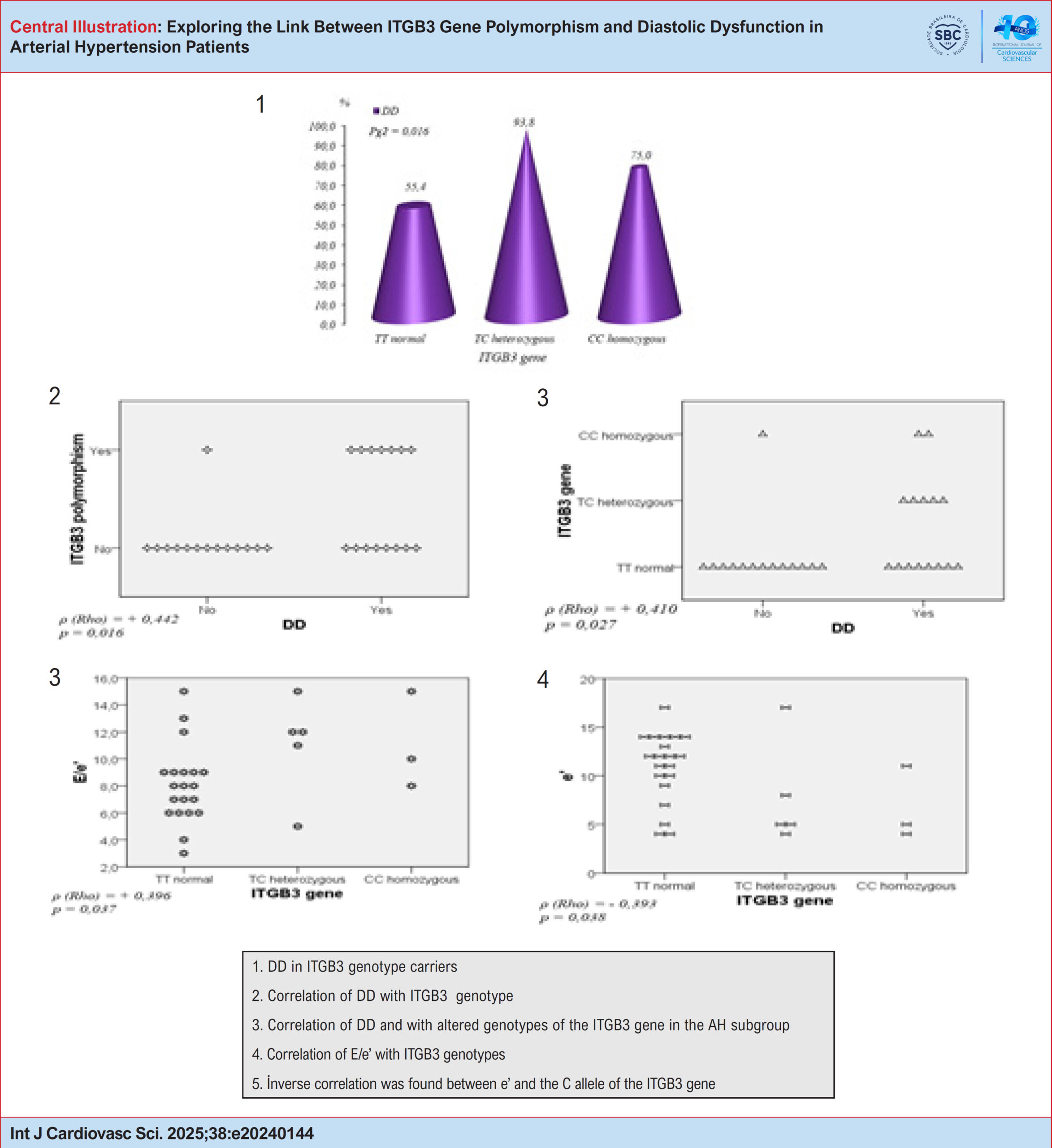
The study reported a significant association between ITGB3 gene polymorphisms and DD in AH patients. The T/C, C/C genotypes were particularly correlated with DD. The C/C variant, while more frequent in the AH group, did not reach statistical significance. A direct correlation was observed between DD and the C allele of the ITGB3 gene, with a higher E/e’ ratio and lower e’ velocity among carriers.

Conclusion:

This study highlights a significant association between ITGB3 gene polymorphisms and DD in Azerbaijani patients with AH. These findings suggest the potential for genetic screening to identify individuals at higher risk of DD among hypertensive patients, underscoring the importance of personalized approaches in managing hypertension and its complications. Further research with larger and more diverse cohorts is needed to validate these results and explore the underlying mechanisms.
  • Genetic Polymorphism
  • Hypertension
  • Ventricular Dysfunction
Read Full Article
Creative Commons Attribution (CC BY) Creative Commons license
02/06/2025 DOI: 10.36660/ijcs.20240144 Views 1
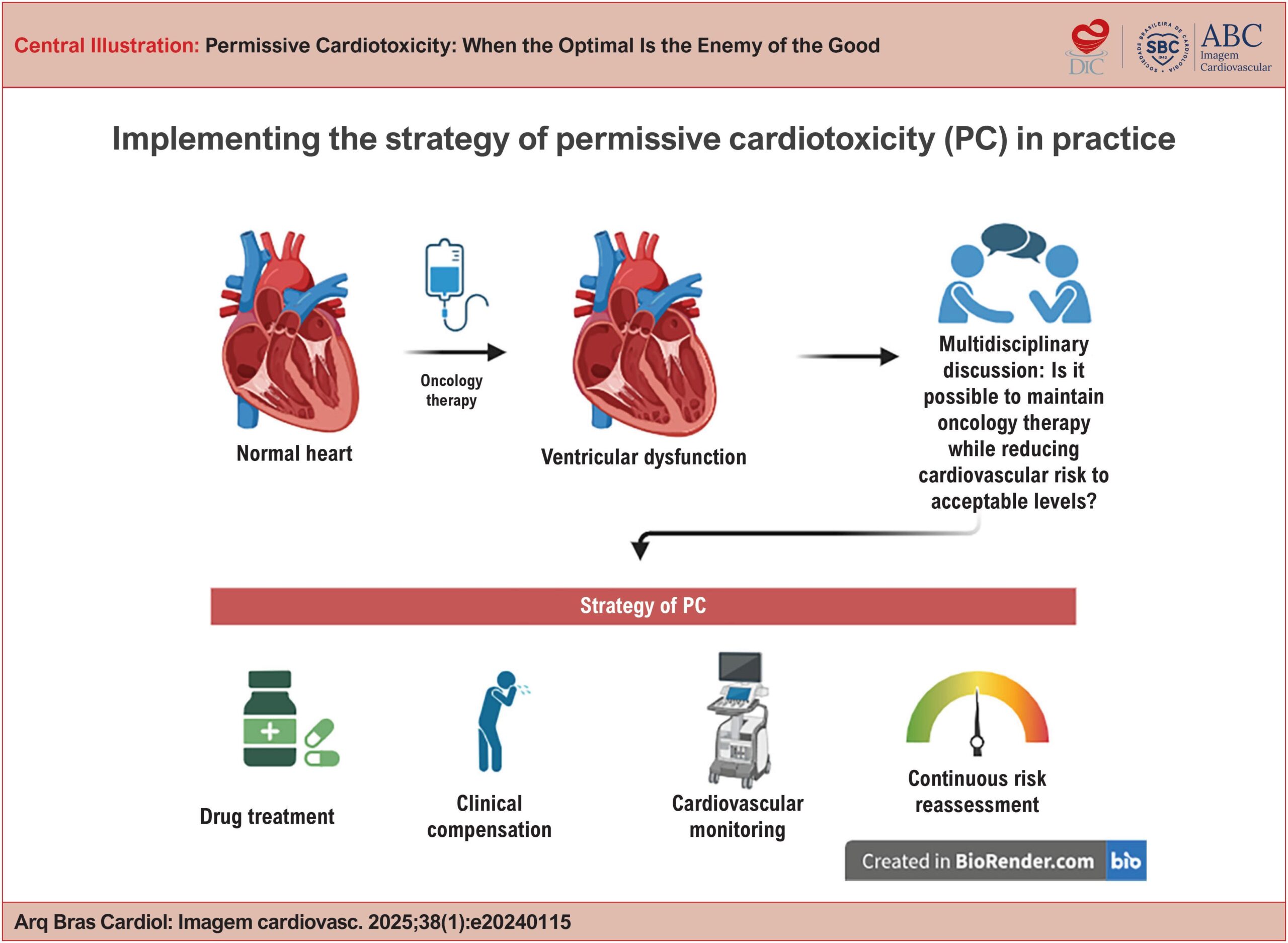
Central Illustration
ABCIC
Review Article

Permissive Cardiotoxicity: When the Optimal Is the Enemy of the Good

Carolina Maria Pinto Domingues Carvalho Silva et al. Juliane Dantas Seabra-Garcez Ana Palmira Lima Neves Ariane Vieira Scarlatelli Macedo

Abstract

Cancer and cardiovascular diseases are the leading causes of mortality worldwide. As these diseases share common metabolic pathways, patients with cancer are currently seen as having subclinical alterations with great potential for developing cardiovascular diseases (and vice versa). This tenuous interrelationship has led to the emergence of cardio-oncology (CO) as an area of study and discussion, with a major impact on the management of these cases.

In clinical practice, CO is dominated by the dilemma of how to best manage cardiovascular toxicity during cancer treatment. The management of these cases focuses not only on restoring cardiovascular balance, but also on ensuring that the best oncological treatment will be offered, without suspensions or interruptions.

Within this context, the concept of permissive cardiotoxicity (PC) has emerged, proposing the idea of maintaining antitumor treatment in the event that ventricular dysfunction is detected, with no pauses or interruptions, provided that certain premises are respected.

This review aims to examine the concept of PC in depth, contextualizing its emergence, reviewing definitions, and analyzing the evidence from experimental clinical studies. Furthermore, management strategies are detailed, discussing the central role of cardiovascular imaging in guiding this management. Finally, limitations and gaps in the literature in the area are discussed.

  • Antineoplastic Agents
  • Cardio-Oncology
  • Cardiotoxicity
  • Neoplasms
  • Ventricular Dysfunction
Read Full Article
Creative Commons Attribution (CC BY) Creative Commons license
28/03/2025 DOI: 10.36660/abcimg.20240115i
Figure 1
ABCIC
Original Article

Left Ventricular Global Longitudinal Strain: an Early Marker of Diabetic Cardiomyopathy

Ana Carolina Saran et al. Stephanie Corradini Tormin Jennifer Vogel Rogério Krakauer João Eduardo Nunes Salles

Abstract

Background:

Diabetic cardiomyopathy (DCM) leads to abnormal myocardial structure and function in the absence of cardiac risk factors. Screening in the pre-clinical phase is not well established. Global longitudinal strain (GLS) has been measured as an important echocardiography parameter in asymptomatic patients.

Objective:

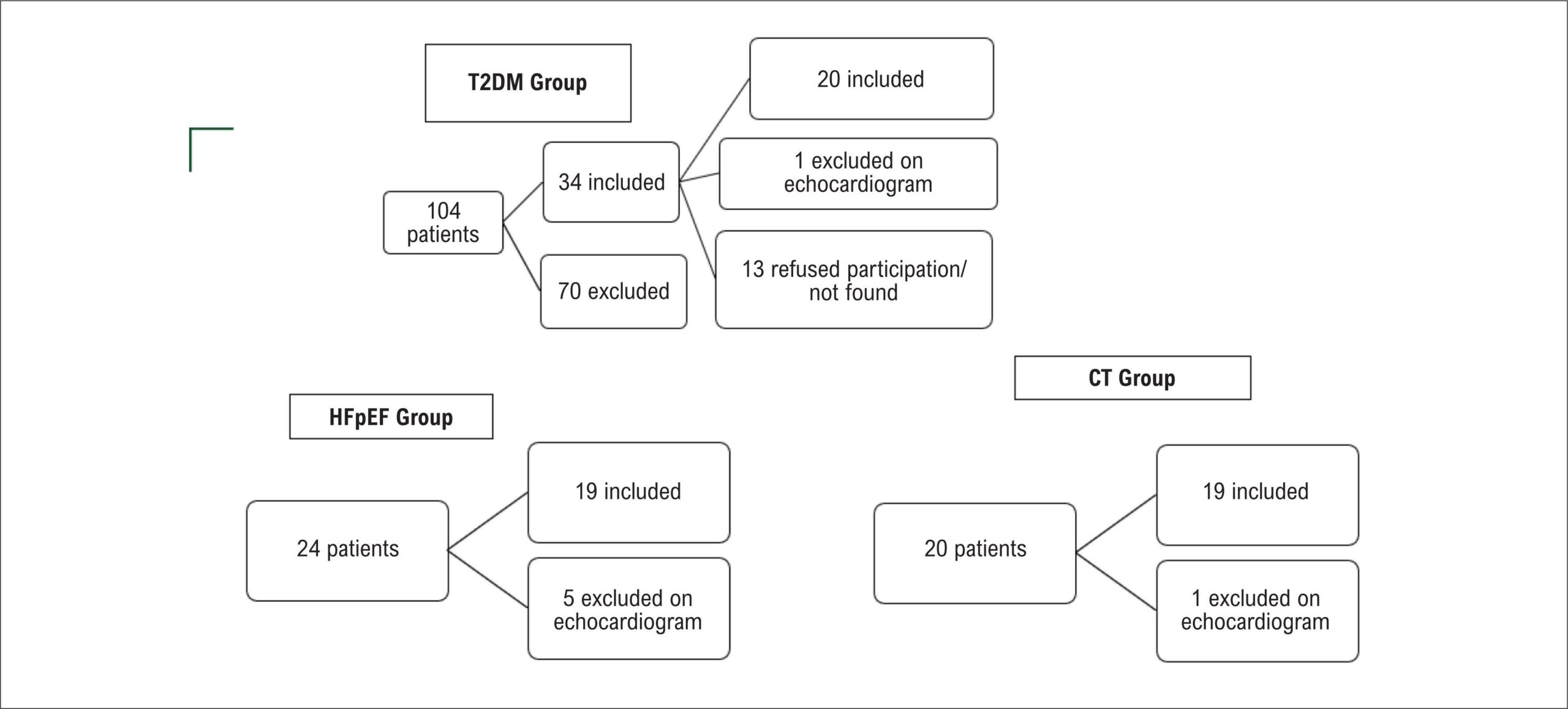
To describe the presence of early parameters of DCM in patients with type 2 diabetes (T2DM) without cardiovascular disease and to compare results against 2 control groups (CT groups).

Methods:

A total of 58 patients were divided into the following 3 groups: T2DM (n = 20); heart failure (HF) with preserved ejection fraction (HFpEF) without T2DM (n = 19); and control without T2DM or HFpEF (n = 19). Patients with cardiovascular disease and those using SGLT2 inhibitors, pioglitazone or saxagliptin were excluded.

Results:

The mean overall prevalence of GLS was 16% (standard deviation [SD] ± 2.9), and 41% of participants had abnormal values, comprising 10 (50%) patients from the T2DM, 11 (58%) from the HFpEF, and 3 (16%) from the CT groups (p = 0.019). Mean GLS values in the T2DM, HFpEF, and CT groups were 16.1%, 14.8%, and 17.5%, respectively (p = 0.015). There was a negative moderate association between HbA1c levels and GLS values in the T2DM group (p = 0.043).

Conclusions:

GLS proved to be a potential early marker of left ventricular (LV) cardiac changes in patients with T2DM, given the similarity between this patient group and the HFpEF group studied.

  • Diabetes Mellitus
  • Diabetic Cardiomyopathies
  • Echocardiography
  • Ventricular Dysfunction
Read Full Article
Creative Commons Attribution (CC BY) Creative Commons license
30/01/2025 DOI: 10.36660/abcimg.20240082i Views 1
Figure 1
ABCIC
Case Report

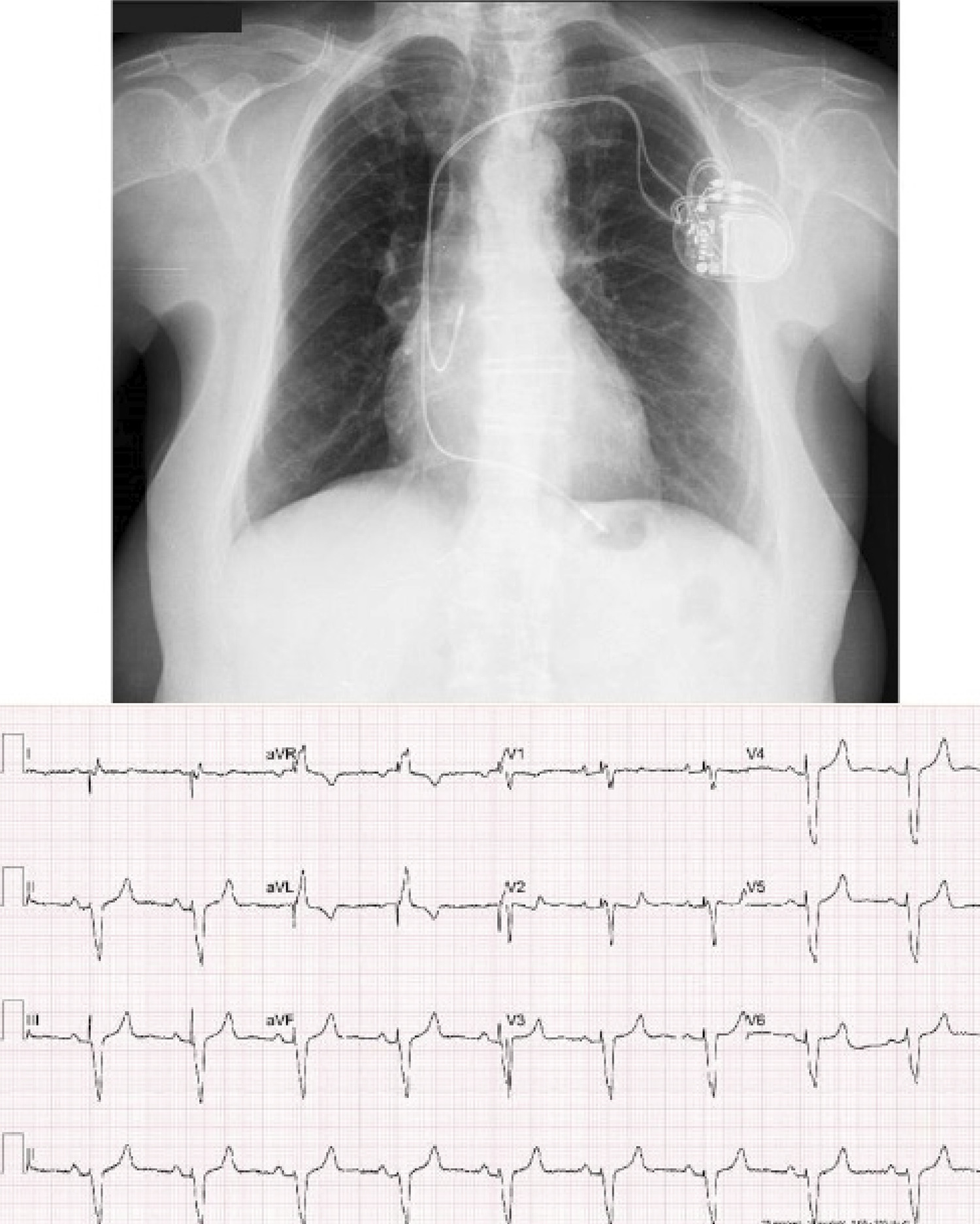
Takotsubo Syndrome After Mitral Valve Surgery: Multimedia Presentation of a Rare Diagnosis

Adnaldo da Silveira Maia et al. Germano de Sousa Leão Jhonathan Gouveia da Mota Dante Togeiro Bastos Filgueiras … Verônica Noronha Rodrigues Luiz Minuzzo Mario Issa

Introduction

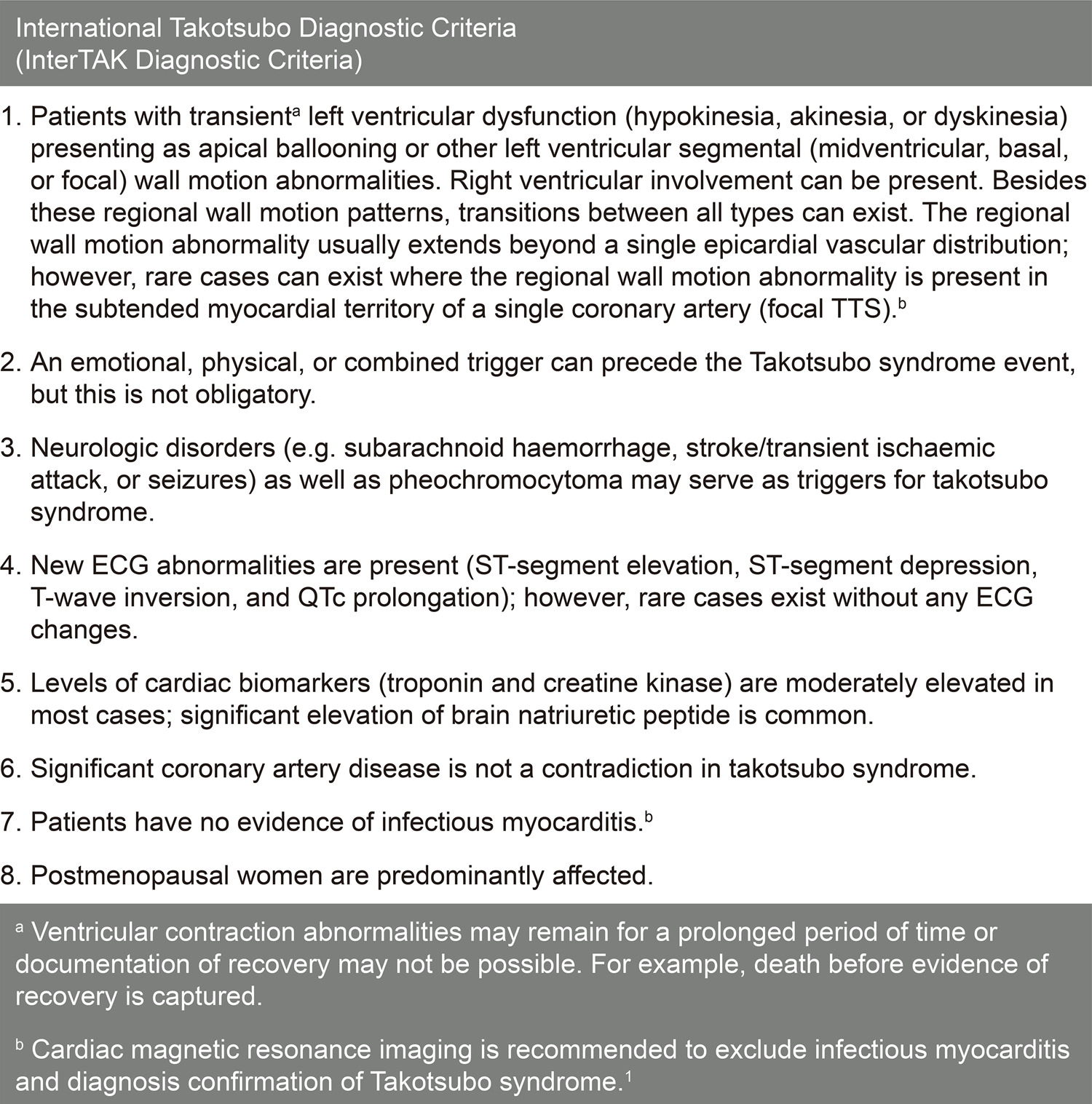
The Takotsubo Syndrome, also known as “broken heart syndrome”, is characterized by a severe and transitory left ventricular dysfunction, with the presence of alterations in the contraction of the basal, medial, or apical segments of the left ventricular walls. The syndrome can be caused by an emotional or physical trigger, or by a combination of both; however, this is not a mandatory criterion for its diagnosis.

This study describes a case of Takotsubo Syndrome after mitral valve surgery to replace the valve with a mechanical prosthesis.

[…]

  • Mitral Valve
  • Takotsubo Cardiomyopathy
  • Ventricular Dysfunction
Read Full Article
Creative Commons Attribution (CC BY) Creative Commons license
10/05/2023 DOI: 10.36660/abcimg.2023362i Views 1
ABCHF
Viewpoint

Preoperative Evaluation and Perioperative Complications in Patients with Cancer and Ventricular Dysfunction

Aurora Felice Castro Issa et al. Gabriela Zagni Vithoria Vidotti Tereza Cristina Felippe Guimarães … Milena Rego dos Santos Carolina Maria Pinto Domingues Carvalho Silva

During cancer treatment, surgery may be indicated for patients with diverse purposes, such as diagnosis, staging, oncologic cure, palliative treatment, support, or restorative treatment. Oncologic surgery may be conducted as an initial cancer treatment or after conducting treatments such as chemotherapy or radiotherapy, thus underscoring the cardiotoxic potential of different cancer therapies.

In patients undergoing non-cardiac surgeries, the prevalence of comorbidities, the clinical condition before surgery, and factors inherent to the surgical procedure, such as urgency, magnitude, type, and duration, in addition to local experience, infrastructure, and the surgical team contribute to the risk of perioperative complications. In oncologic surgery, risk factors include the type and stage of the tumor and concomitant cancer therapies.

[…]

  • Neoplasms
  • Preoperative Period
  • Ventricular Dysfunction
Read Full Article
Creative Commons Attribution (CC BY) Creative Commons license
18/12/2022 DOI: 10.36660/abchf.20220094 Views 1
Figure 1
ABCIC
Original Article

Correlation Between Echocardiographic and Hemodynamic Measurements in Right Atrium and Right Ventricle Assessments of Patients with Pulmonary Hypertension

Ana Tereza Azeredo Bastos Brito et al. João Batista Masson Silva Daniela do Carmo Rassi Daniela Graner Schuwartz Tannus Silva … Sandra Araújo Costa Diogo Sampaio de Oliveira Flavio de Souza Veiga Jardim Leandro Zacarias F. de Freitas Aguinaldo F. de Freitas Júnior Salvador Rassi

Abstract

Introduction

Pulmonary hypertension (PH), a serious clinical condition, can lead to right ventricular systolic dysfunction (RVSD) with prognostic implications. Patients with suspected PH should undergo transthoracic echocardiography (TTE) for diagnosis and evaluation as the main screening and follow-up exam.

Objective

To verify the associations of and agreement between measurements of mean pressure in the right atrium (RA) and RVSD with TTE

Method

Individuals diagnosed with PH were included. All patients underwent TTE and RCC. The following were evaluated by TTE: right atrial area (RAA), mean right atrial pressure through the diameter and collapsibility of the inferior vena cava (RMAPTTE), RA strain (RAS), tricuspid annular plane systolic excursion, fractional area change, RV free wall strain, and tricuspid s’ wave. Mean RA pressure (RMAPRCC) and cardiac index (CI) were evaluated through the RCC.

Results

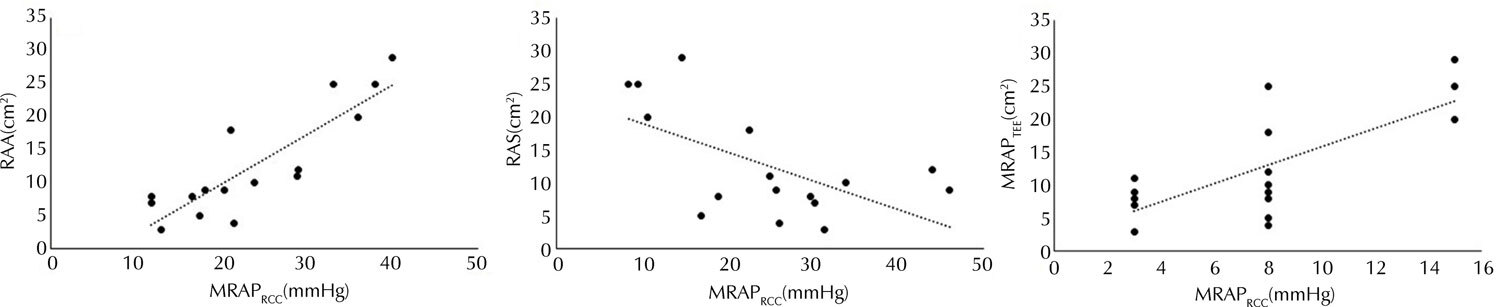
Of the 16 patients, 13 were female. The mean patient age was 44.4 (±14.9) years. An association was found between RMAPRCC and AAD, RMAPTTE, and RAS (r=0.845, r=0.621, and r=-0.523, respectively; p<0.05). There was an association between the mortality risk categories measured by the RAA and RMAPRCC measures (X2=10.42; p=0.003), with moderate agreement (k=0.44; p=0.012). RVSDJ was present in 10 patients. There was an association between RVSD (present or absent) and CI (r=0.522; p=0.04) with moderate agreement (k=0.43; p=0.037).

Conclusion

The TTE and RCC measurements showed an association in the assessment of mean right atrial pressure, especially between RAA and RMAPRCC. An association with RVSD and moderate agreement between methods were also noted.

  • Catheterization
  • Echocardiography
  • Hypertension
  • Pulmonary
  • Right
  • Ventricular Dysfunction
Read Full Article
Creative Commons Attribution (CC BY) Creative Commons license
23/09/2022 DOI: 10.47593/2675-312X/20223503eabc308 Views 1
ABC
Editorial

Utility of Biomarkers in Suspected Cardiac Amyloidosis: Opportunity for More Frequent and Early Diagnosis

João Marcos Barbosa-Ferreira et al. Andreza Araújo de Oliveira

The meta-analysis entitled “Diagnostic Role of NT-proBNP in Patients with Cardiac Amyloidosis Involvement: A Meta-Analysis” brings us an important review of the usefulness of NT-proBNP measurement in patients with cardiac involvement by amyloidosis. The demonstration of good sensitivity and specificity of this biomarker reinforces its usefulness in the diagnosis of cardiac amyloidosis (CA).

Cardiac amyloidosis has been increasingly diagnosed, especially in patients with the heart failure phenotype of preserved ejection fraction. Just over half of the patients with symptoms of heart failure have preserved ejection fraction, especially elderly individuals. This finding is usually considered only as age-related diastolic dysfunction and associated comorbidities. However, this factor should be one of the warning signs for diagnosing CA, especially when associated with high levels of biomarkers. A great variability in the frequency of diagnosis of CA in the general population has been described, ranging from 5 to 74% between the various studies. This variability may be related to factors such as low clinical suspicion or difficulties accessing complementary exams necessary for diagnosing cardiac involvement in amyloidosis. The diagnostic flowchart in patients with suspected cardiac involvement by amyloidosis is mainly based on imaging tests.– These tests can be expensive, such as myocardial scintigraphy, strain echocardiography and cardiac magnetic resonance, and, often, they are only available at cardiology referral centers, making the diagnosis of CA more difficult and delayed. In addition, it is important to note that the late diagnosis of these patients can directly influence the prognosis by delaying the start of treatment, leading to a median of 6 months of survival after the development of symptoms in the AL form of amyloidosis for example.

[…]

  • Amyloidosis, Cardiac
  • Biomarkers
  • diagnostic
  • Heart Failure
  • Imaging/methods
  • NT-proBNP
  • Stroke Volume
  • Ventricular Dysfunction
Read Full Article
Creative Commons Attribution (CC BY) Creative Commons license
05/08/2022 DOI: 10.36660/abc.20220437
Figure 1
ABCIC
Review Article

Myocardial Involvement in Chagas Disease: From the Perspective of Cardiovascular Magnetic Ressonance Assessment

Henrique Turin Moreira et al. Gustavo Jardim Volpe André Schmidt

Abstract

Chagas disease represents an important public health problem, especially in endemic countries in Latin America. Chronic cardiomyopathy is its most frequent clinical presentation. Myocardial involvement has a multifactorial pathogenesis and can lead to heart failure, thromboembolic events, arrhythmias, and sudden death. In this context, cardiovascular magnetic resonance imaging (CMR) is an excellent noninvasive method for investigating myocardial damage and understanding the mechanisms and consequences of these injuries. CMR has high spatial resolution and tissue characterization capacity, enabling a highly reliable morphofunctional analysis and the identification of risk markers for adverse events in patients with Chagas disease. This exam is very useful for the diagnosis and follow-up of these patients in the routine clinical setting.

  • Chagas disease
  • Magnetic Resonance Imaging
  • Ventricular Dysfunction
Read Full Article
Creative Commons Attribution (CC BY) Creative Commons license
30/03/2022 DOI: 10.47593/2675-312X/20223501eabc285
Figure 1
ABCIC
Original Article

Early Diastolic Dysfunction in Breast Cancer Patients Undergoing Chemotherapy

Geanne Maria Holanda de Menezes Barroso et al. Paulo Victor de Jesus Silva Júlio César Oliveira Costa Teles Vinícius Antônio Santos Aragão … Karin Yasmin Santos Fonsêca Marília Marques Aquino Ullany Maria Lima Amorim Coelho de Albuquerque Enaldo Vieira de Melo Antônio Carlos Sobral Sousa Joselina Luzia Menezes Oliveira

Abstract

Background

Chemotherapy for breast cancer is associated with serious cardiovascular complications such as heart failure. The left ventricular ejection fraction is the main parameter used to assess systolic function in these patients. However, the occurrence of diastolic dysfunction may precede that of systolic dysfunction.

Objectives

To evaluate left ventricle diastolic and systolic functions in women with breast cancer undergoing chemotherapy using anthracyclines.

Methods

This observational, longitudinal, analytical, and prospective study included 62 women with breast cancer aged 21–75 years old who underwent echocardiography at baseline and after three months of treatment. Diastolic function parameters were evaluated, and the patients were classified as diastolic dysfunction type 1, 2, or 3. Systolic dysfunction was defined as a left ventricular ejection fraction ≤ 53%.

Results

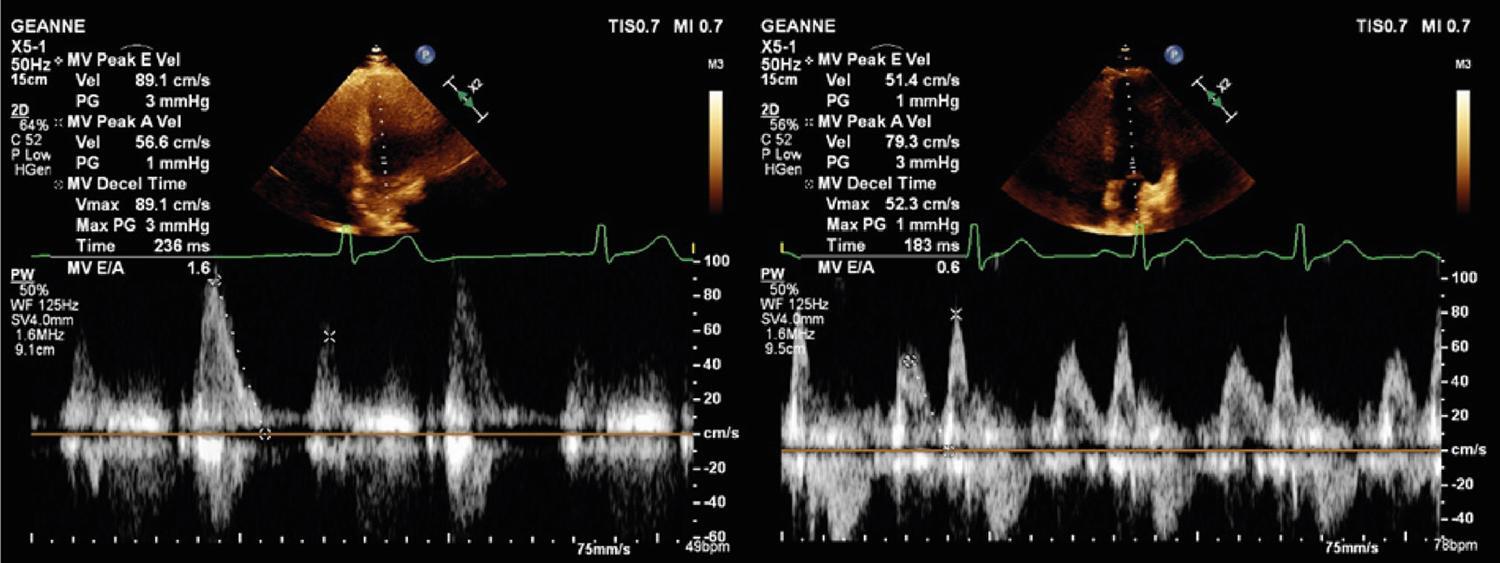
After three months of treatment, 35 patients (56.4%) had type 1 diastolic dysfunction, while one (1.6%) had type 2. Diastolic dysfunction was identified in 26 patients at baseline and developed in 10 patients during treatment. Diastolic function parameters, E wave velocity, and E/A ratio decreased significantly (p < 0.05) with chemotherapy; however, the others showed no significant variations. Only three patients had systolic dysfunction, but there was a greater reduction in left ventricular ejection fraction in the group that developed diastolic dysfunction during treatment versus the group with diastolic dysfunction at baseline (p = 0.04).

Conclusion

Diastolic dysfunction occurs early in women with breast cancer undergoing chemotherapy. Its onset during the course of treatment is associated with a significantly reduced left ventricular ejection fraction.

  • Breast Neoplasms
  • Cardiotoxicity
  • Echocardiography
  • Ventricular Dysfunction
Read Full Article
Creative Commons Attribution (CC BY) Creative Commons license
25/03/2022 DOI: 10.47593/2675-312X/20213404eabc215 Views 2
ABCIC
Original Article

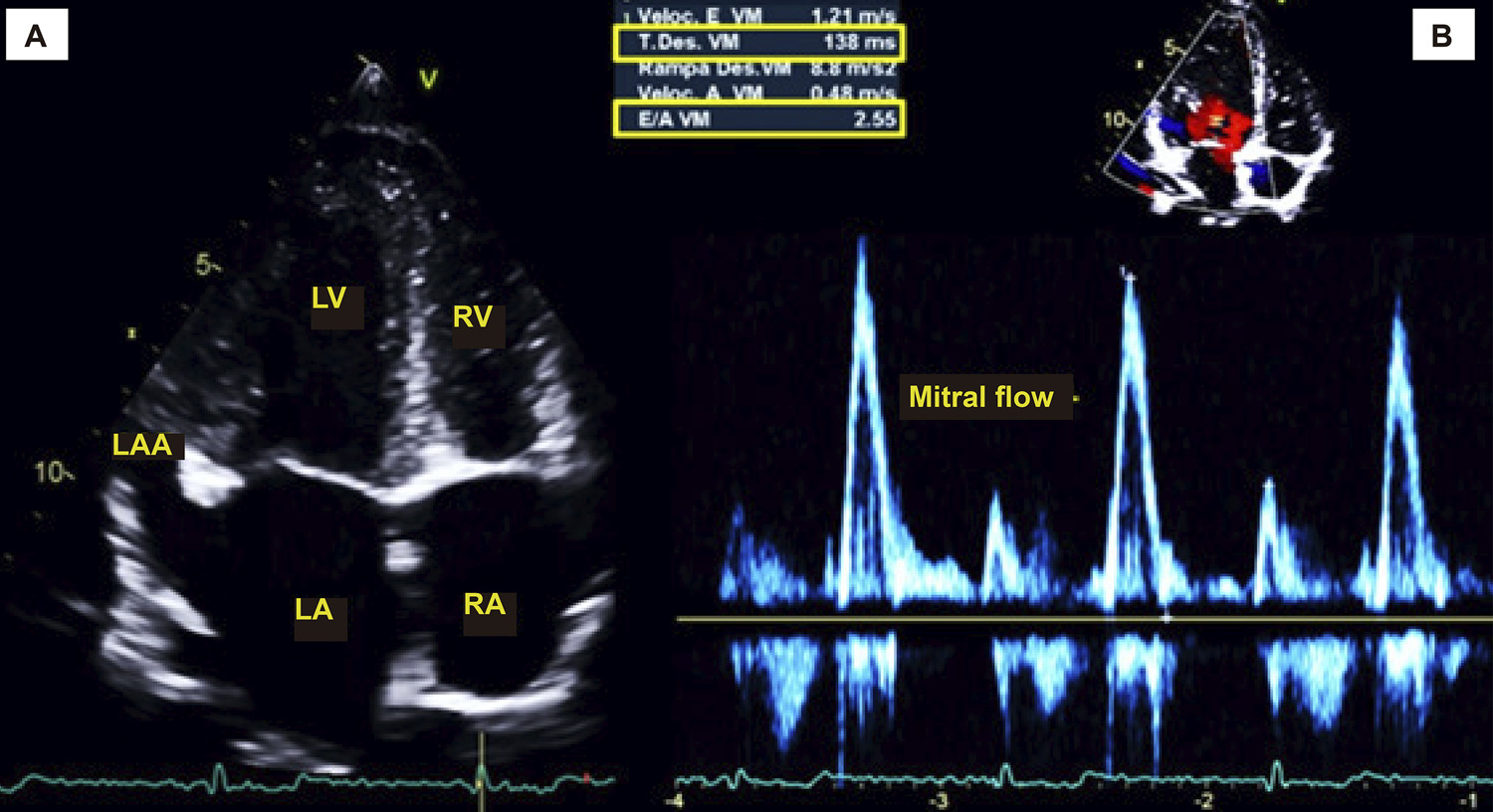
Association among Dyspnea and the Degrees of Diastolic Dysfunction at Echocardiography

Martha Beatriz de Souza Tavares Passos et al. Isabelle Sasso Teixeira Paulo Henrique Botan Medeiros Bortolon Carlos Eduardo Carniel Beltrami Ana Cristina Camarozano

Summary

Introduction

The left ventricle diastolic dysfuntion (LVDD) can lead to heart failure with preserved ejection fraction. Echocardiography, especially the tissue Doppler, is the main exam. The clinic has dyspnea as a typical symptom, which is evaluated by modified Medical Research Council (mMRC). However, there are few studies that investigate what is the association between the symptom and LVDD.

Objective

Evaluate if dyspnea is associated with the advancement of LVDD and if there is a linkage between mMRC and the degrees of LVDD.

Method

Case-control transversal study, with 60 participants, with clinical (mMRC) and echocardiographic (bidimensional parameters, spectral and tissue Doppler) evaluation. Among the participants, 49 constituted the case group (LVDD with dyspnea) and 11 the control group (LVDD without dyspnea). Participants with co-morbidity or other echocardiographic abnormalities related to dyspnea were excluded.

Results

The average age was 61,7 (± 7,9) years and 72% were women. In overwall, 82% of the participants had dyspnea. Among them, 82% had LVDD degree I. All of the study population had preserved ventricular systolic function. The presence of dyspnea was associated with the degree of LVDD (p = 0,04), however, the symptom severity was not (p = 0,72).

Conclusion

Dyspnea was associated with the degree of LVDD, but there was no association between the symptom severity and the evolution of LVDD. The aging, the increase of left atrium and coronary artery disease were associated with the advanced grades of LVDD. (Arq Bras Cardiol: Imagem cardiovasc. 2018;31(2):82-89)

  • Dyspnea/complications
  • Echocardiography, Doppler
  • Heart Failure
  • Stroke Volume
  • Ventricular Dysfunction
Read Full Article
Creative Commons Attribution (CC BY) Creative Commons license
20/01/2022 DOI: 10.5935/2318-8219.20180011 Views 1
ABCIC
Review Article

Applications of Strain and Strain Rate in the Evaluation of Left Ventricular Diastolic Function

José Maria Del Castillo et al. Carlos Mazzarollo Waldemiro Carvalho Jonny Vitor Diniz … Katarina Barros Oliveira Deborah Costa Lima Araujo Eugenio Soares Albuquerque

Abstract

The analysis of diastolic function using conventional echocardiography (two-dimensional method, spectral Doppler and tissue Doppler) may not determine some cases of diastolic dysfunction or high left atrial pressure. The parameters that study myocardial strain (left atrial strain rate and longitudinal strain) may help diagnosis. This study describes the diastolic strain rate methods during isovolumetric relaxation time and at peak filling, apical twisting rate and maximal longitudinal left atrial strain, analyzing their applications and advantages.

  • Diastolic Pressure
  • Strains
  • Systolic Pressure
  • Ventricular Dysfunction
Read Full Article
Creative Commons Attribution (CC BY) Creative Commons license
14/01/2022 DOI: 10.5935/2318-8219.20190023 Views 1
Figure 1
IJCS
Original Article

Subclinical Systolic Dysfunction during Chemotherapy for Breast Cancer

Geanne Maria Holanda de Menezes Barroso et al. Júlio César Oliveira Costa Teles Paulo Victor de Jesus Silva Karin Yasmin Santos Fonseca … Vinícius Antônio Santos Aragão Marília Marques Aquino Enaldo Vieira de Melo Karina Oliveira Ferreira Ronnei José Feitosa de Assis Michel Fabiano Silva Alves Antônio Carlos Sobral Sousa Joselina Luzia Menezes Oliveira

Abstract

Background

Cardiotoxicity is the main complication related to cancer therapy. Studies indicate that global longitudinal strain is an early detector of subclinical dysfunction of the left ventricle, preceding the decline in ejection fraction (EF). However, the reproducibility of such methodology has not been tested outside specialized centers.

Objectives

To assess the frequency of subclinical cardiotoxicity and to compare global longitudinal strain and EF measurements during the clinical course of patients undergoing chemotherapy for breast cancer.

Methods

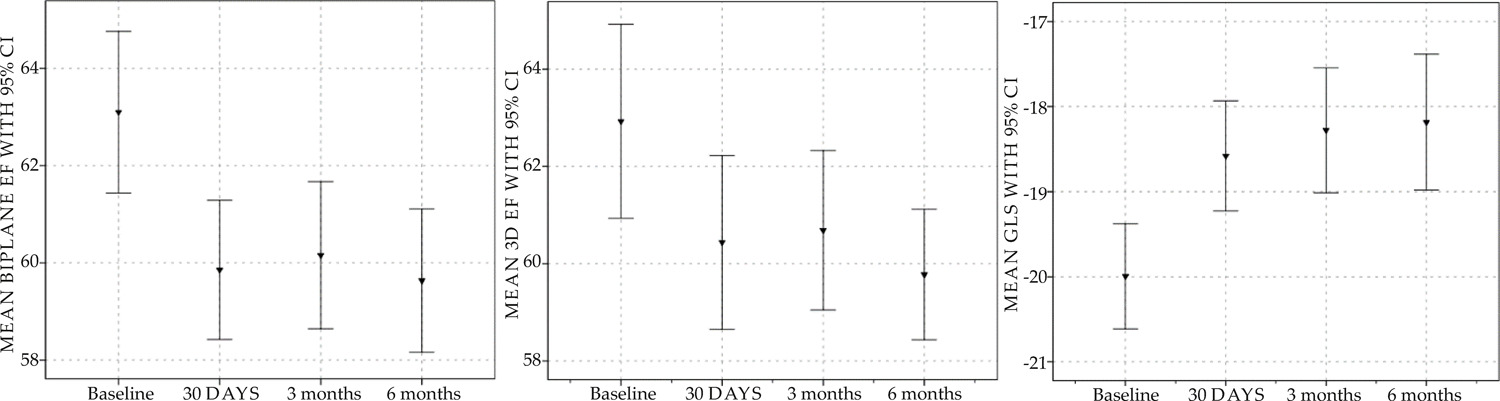
This was an observational prospective study of 78 adult women who underwent serial echocardiograms (baseline and 1, 3, and 6 months after the beginning of chemotherapy), to evaluate biplane and 3D EF and global longitudinal strain. Cardiotoxicity and subclinical dysfunction were defined according to American Society of Echocardiography/European Association of Cardiovascular Imaging criteria. Statistical significance was set at p < 0.05.

Results

The mean age of the patients was 50.1 ± 11.48 years. The frequency of subclinical cardiotoxicity (defined by global longitudinal strain) was 14.9% after 30 days of chemotherapy, 16.7% after 3 months, and 19.7% after 6 months, compared to 4.5%, 3%, and 6.6%, respectively, when clinical cardiotoxicity was determined according to EF. The group that developed subclinical cardiotoxicity by 30 days (group A) had a higher frequency of clinical cardiotoxicity at 3 months (p=0.028) and a lower mean biplane EF after 30 days (p= 0.036) than the group that showed no evidence of subclinical cardiotoxicity (group B).

Conclusion

Subclinical cardiotoxicity was frequent and began early, being associated with a drop in EF during the clinical course.

  • Breast Neoplasms
  • Drug Therapy
  • Echocardiography/methods
  • Strain
  • Ventricular Dysfunction
Read Full Article
Creative Commons Attribution (CC BY) Creative Commons license
13/12/2021 DOI: 10.36660/ijcs.20210089
Figure 1
ABCIC
Image

Left Ventricular Diverticulum

Márcio Silva Miguel Lima

A

[…]

  • Cardiomyopathies
  • cardiomyopathy
  • hypertrophic
  • left
  • Ventricular Dysfunction
Read Full Article
Creative Commons Attribution (CC BY) Creative Commons license
26/11/2021 DOI: 10.47593/2675-312X/20213403eabc234
Figure 1
ABC
Original Article

Revascularization Strategies in Patients with Acute Myocardial Infarction and Cardiogenic Shock: Results from the Portuguese Registry on Acute Coronary Syndromes

Sofia Alegria et al. Ana Marques Ana Catarina Gomes Ana Rita F. Pereira … Daniel Sebaiti Gonçalo Morgado Rita Calé Cristina Martins Adriana Belo Inês Rangel Hélder Pereira

Abstract

Background:

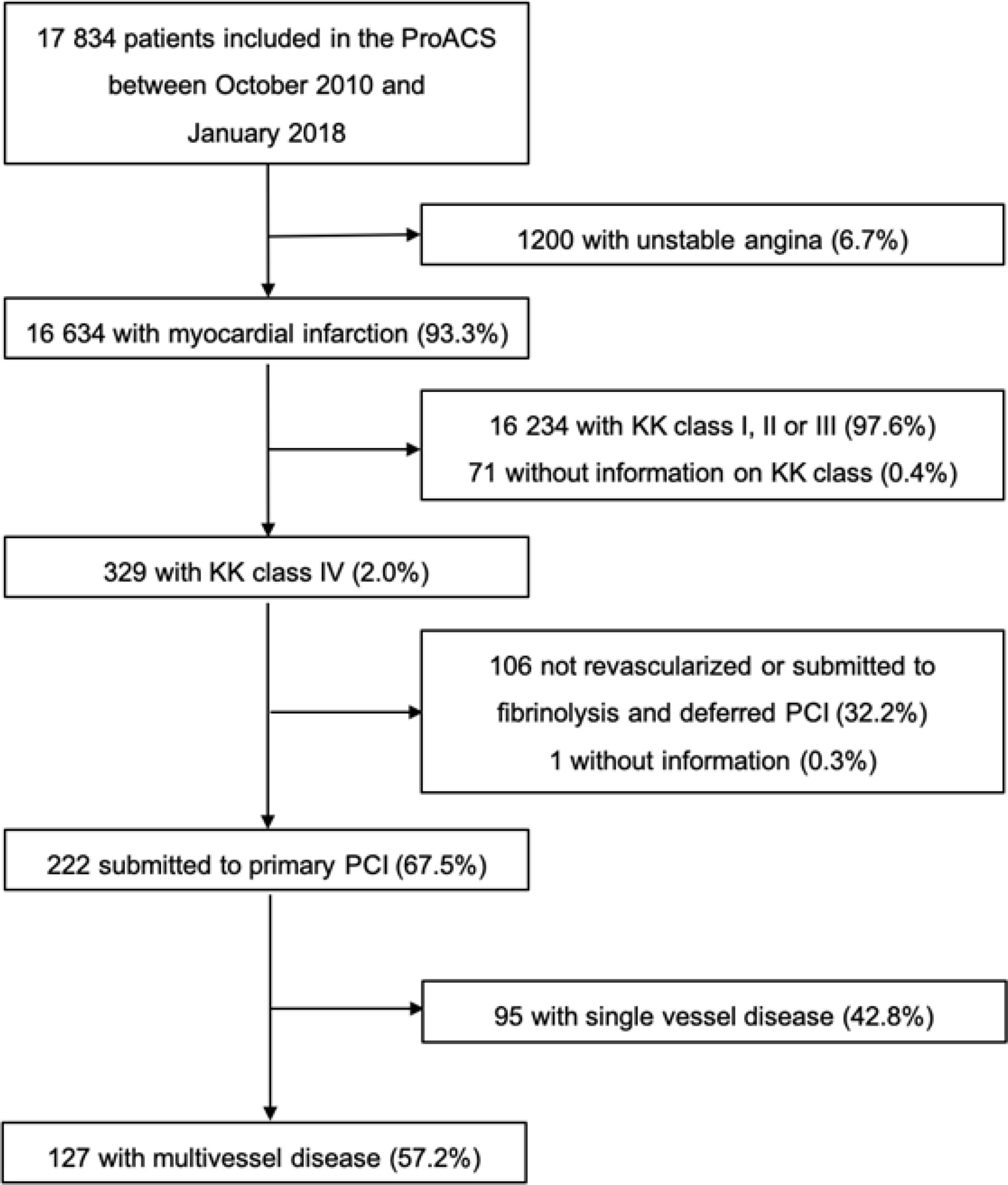
In patients with acute myocardial infarction (MI), cardiogenic shock (CS), and multivessel disease (MVD) questions remain unanswered when it comes to intervention on non-culprit arteries.

Objective:

This article aims to 1) characterize patients with MI, CS and MVD included in the Portuguese Registry on Acute Coronary Syndromes (ProACS); 2) compare different revascularization strategies in the sample; 3) identify predictors of in-hospital mortality among these patients.

Methods:

Observational retrospective study of patients with MI, CS and MVD included in the ProACS between 2010 and 2018. Two revascularization strategies were compared: complete during the index procedure (group 1); and complete or incomplete during the index hospitalization (groups 2-3). The primary endpoint was a composite of in-hospital death or MI. Statistical significance was defined by a p-value <0.05.

Results:

We identified 127 patients with MI, CS, and MVD (18.1% in group 1, and 81.9% in groups 2-3), with a mean age of 7012 years, and 92.9% of the sample being diagnosed with ST-segment elevation MI (STEMI). The primary endpoint occurred in 47.8% of the patients in group 1 and 37.5% in group 2-3 (p = 0.359). The rates of in-hospital death, recurrent MI, stroke, and major bleeding were also similar. The predictors of in-hospital death in this sample were the presence of left ventricle systolic dysfunction on admission (OR 16.8), right bundle branch block (OR 7.6), and anemia (OR 5.2) (p ≤ 0.02 for both).

Conclusions:

Among patients with MI, CS, and MVD included in the ProACS, there was no significant difference between complete and incomplete revascularization during the index hospitalization regarding the occurrence of in-hospital death or MI. (Arq Bras Cardiol. 2021; 116(5):867-876)

  • Acute coronary syndrome
  • Biomarkers
  • Cardiogenic
  • Intracranial Hemorrhage
  • left
  • Mortality
  • Myocardial Infarction
  • Myocardial Revascularization
  • Shock
  • Ventricular Dysfunction
Read Full Article
Creative Commons Attribution (CC BY) Creative Commons license
17/05/2021 DOI: 10.36660/abc.20190739
ABC
Editorial

The Importance of Post-Infarction Exercise Programs

José Antônio Caldas Teixeira

Physical activity and exercising are said to reduce the risk of cardiovascular mortality in the general population by 30%–50%, and mortality from any cause by 20%–50%. In cardiac patients, for each 1 Met increment (3.5 mL O2 kg−1 min−1) in functional capacity (FC) obtained in a cardiac rehabilitation program (CRP), we have a reduction in overall mortality of up to 13%., They reduce global hospitalization by 18%, and improve quality of life (QoL) in this population., After an angioplasty, CRP results in a 20% reduction in cardiac events and in the number of hospitalizations compared to individuals who remained sedentary.,,

In this context, CRPs have established themselves as a safe therapeutic strategy, which mitigates the effects of progressive physical deconditioning resulting from cardiovascular diseases (CD). Well-oriented exercise is the cornerstone in handling CD and its main risk factors.– CRPs, especially in post-acute coronary syndrome (ACS) and patients with ventricular dysfunction, bring important benefits of clinical impact, with an evidence level IA in this population, referenced by numerous consensuses, meta analyses and guidelines.–,,

[…]

  • Cardiac Rehabilitation
  • Echocardiography/methods
  • Exercise
  • Myocardial Infarction/mortality
  • Physical activity
  • Rats
  • Ventricular Dysfunction
Read Full Article
Creative Commons Attribution (CC BY) Creative Commons license
16/04/2021 DOI: 10.36660/abc.20210109 Views 1
Figure 1
ABC
Original Article

Effects of Late Aerobic Exercise on Cardiac Remodeling of Rats with Small-Sized Myocardial Infarction

Lidiane M. Souza et al. Marina P. Okoshi Mariana J. Gomes Mariana Gatto … Eder A. Rodrigues Thierres H. D. Pontes Felipe C. Damatto Leiliane R. S. Oliveira Patrícia Aparecida Borim Aline R. R. Lima Leonardo A. M. Zornoff Katashi Okoshi Luana U. Pagan

Abstract

Background:

Physical exercise has been considered an important non-pharmacological therapy for the prevention and treatment of cardiovascular diseases. However, its effects on minor cardiac remodeling are not clear.

Objective:

To evaluate the influence of aerobic exercise on the functional capacity, cardiac structure, left ventricular (LV) function, and gene expression of NADPH oxidase subunits in rats with small-sized myocardial infarction (MI).

Methods:

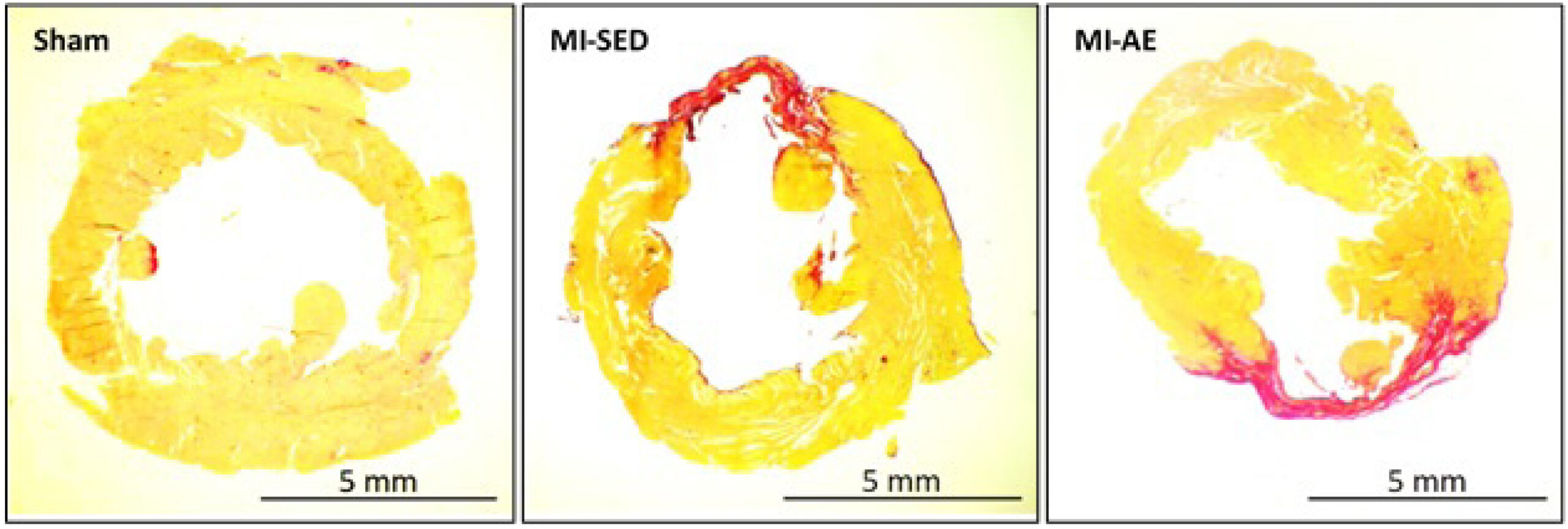
Three months after MI induction, Wistar rats were divided into three groups: Sham; sedentary MI (MI-SED); and aerobic exercised MI (MI-AE). The rats exercised on a treadmill three times a week for 12 weeks. An echocardiogram was performed before and after training. The infarction size was evaluated by histology, and gene expression was assessed by RT-PCR. The significance level for statistical analysis was set at 5%.

Results:

Rats with MI lower than 30% of the LV total area were included in the study. Functional capacity was higher in MI-AE than in Sham and MI-SED rats. The infarction size did not differ between groups. Infarcted rats had increased LV diastolic and systolic diameter, left atrial diameter, and LV mass, with systolic dysfunction. Relative wall thickness was lower in MI-SED than in the MI-AE and Sham groups. Gene expression of the NADPH oxidase subunits NOX2, NOX4, p22phox, and p47phox did not differ between groups.

Conclusion:

Small-sized MI changes cardiac structure and LV systolic function. Late aerobic exercise is able to improve functional capacity and cardiac remodeling by preserving the left ventricular geometry. NADPH oxidase subunits gene expression is not involved in cardiac remodeling or modulated by aerobic exercise in rats with small-sized MI.

  • Echocardiography/methods
  • Exercise, Physical Exercise
  • Myocardial Infarction
  • NADPH Oxidase
  • Rats
  • Ventricular Dysfunction
  • Ventricular Remodeling
Read Full Article
Creative Commons Attribution (CC BY) Creative Commons license
16/04/2021 DOI: 10.36660/abc.20190813 Views 1
Figure 1
IJCS
Original Article

The Clinical Course of Takotsubo Syndrome Diagnosed According to the InterTAK Criteria

Nelson Henrique Fantin Fundão et al. Henrique Barbosa Ribeiro Carlos de Magalhães Campos Vinicius Bocchino Seleme … Alexandre de Matos Soeiro Marcelo Luiz Campos Vieira Wilson Mathias Jr Ludhmilla Abraão Hajjar Expedito E. Ribeiro Roberto Kalil Filho

Abstract

Background

There has been an increase in the number of cases of Takotsubo syndrome (TTS) and of scientific publications on the theme over the last years. However, little is known about the status of this disease in Brazilian hospitals.

Objective

To assess mortality and major adverse cardiovascular events (MACE) during hospitalization and follow-up of TTS patients seen in a tertiary hospital in Brazil.

Methods

This was a retrospective, observational study on 48 patients. Clinical data, signs and symptoms, complementary tests, MACE and all-cause mortality were assessed on admission and during follow-up. Kaplan-Meier curves were used for analysis of all-cause mortality and risk for MACE at median follow-up. The 95% confidence interval was also calculated for a significance level of 5%.

Results

Mean age of patients was 71 years (SD±13 years), and most patients were women (n=41; 85.4%). During hospitalization, four patients (8.3%) died and five (10.4%) developed MACE. At median follow-up of 354.5 days (IQR of 81.5-896.5 days), the risk of all-cause mortality and MACE was 11.1% (95% CI= 1.8-20.3%) and 12.7% (95% CI= 3.3-22.3%), respectively.

Conclusion

TTS was associated with high morbidity and mortality rates in a tertiary hospital in Brazil, which were comparable to those observed in acute coronary syndrome. Therefore, the severity of TTS should not be underestimated, and new therapeutic strategies are required. Int J Cardiovasc Sci. 2020; [online].ahead print, PP.0-0

  • Acute coronary syndrome
  • Heart Failure
  • Shock, Cardiogenic
  • Takotsubo Cardiomyopathy
  • Ventricular Dysfunction
Read Full Article
Creative Commons Attribution (CC BY) Creative Commons license
06/11/2020 DOI: 10.36660/ijcs.20190133
Figure 1
ABC
Clinicoradiological Correlation

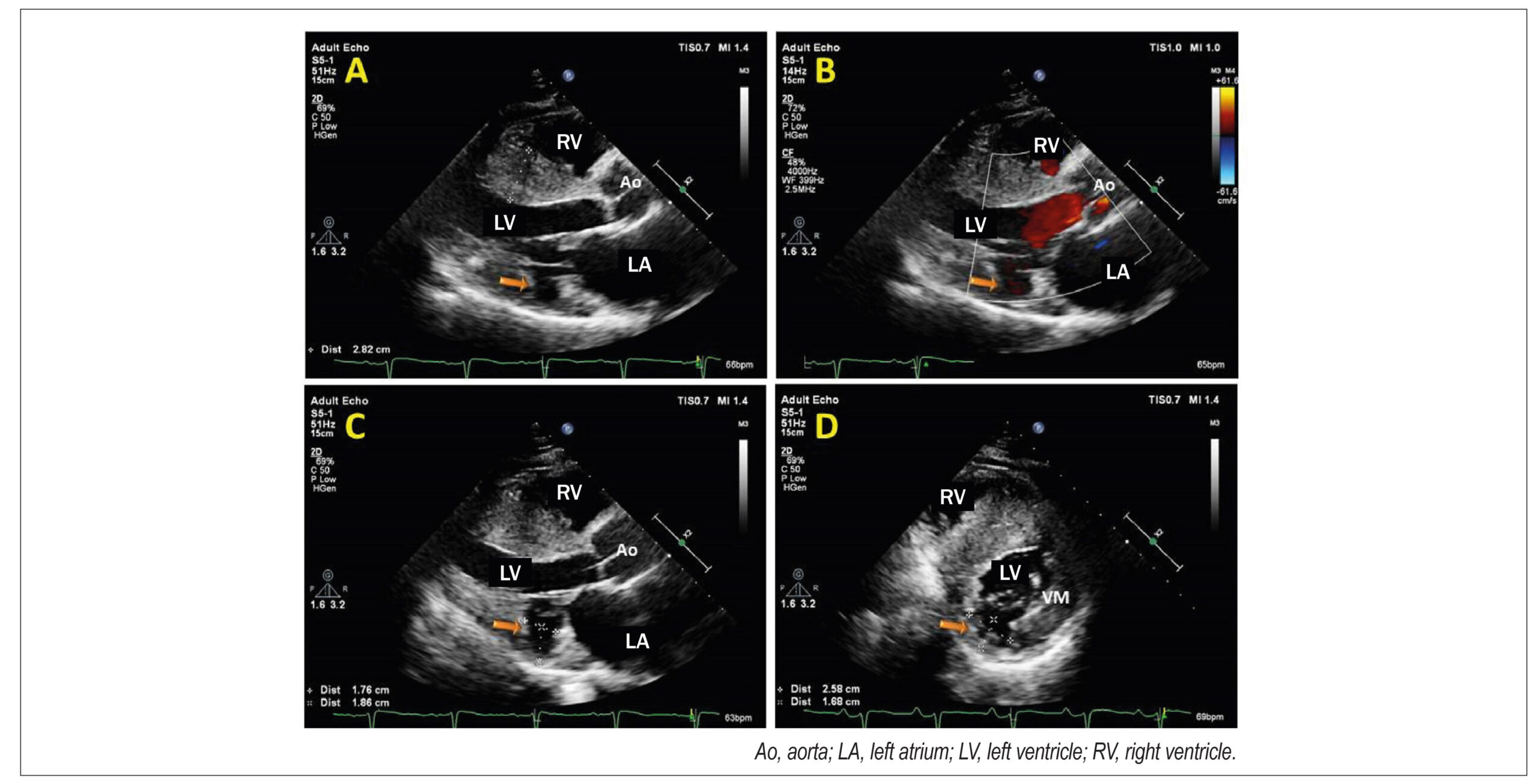
Case 5/2020 – Corrected Transposition of the Great Arteries, with Good Natural Evolution in a 65-Year-Old Woman

Edmar Atik et al. Renato Maluf Auge Alessandra Costa Barreto Maria Angélica Binotto

Clinical data

The patient evolved without symptoms, doing her usual activities of daily living, such as housekeeping and dressmaking, when total atrioventricular block was identified during a routine evaluation with a heart rate of 66 bpm. At this time, a diagnosis of corrected transposition of the great arteries was made through the echocardiogram, with mild left atrioventricular valve regurgitation. Due to insufficient chronotropism and binodal disease, an atrioventricular pacemaker was placed on the right when she was 59 years old. She remained asymptomatic using antihypertensive medication, amlodipine, enalapril and hydrochlorothiazide. She denied any symptoms such as palpitations, chest pain or fatigue.

Physical examination: good overall status, eupneic, acyanotic, normal pulses in the four limbs. Weight: 61 Kgs, Height: 147 cm, BP=118×70 mmHg: 118 x 70 mm Hg, HR: 72 bpm.

[…]

  • Adult
  • Atrioventricular block
  • Congenitally Corrected Transposition of the Great Arteries/surgery
  • Diagnostic Imaging
  • Pacemaker, Artificial
  • Ventricular Dysfunction
Read Full Article
Creative Commons Attribution (CC BY) Creative Commons license
14/09/2020 DOI: 10.36660/abc.20190489
Figure 1
ABC
Editorial

Takotsubo Syndrome, Does it Exist as a Specific Disease?

Bruno Caramelli

The name syndrome combines two Greek roots to describe a condition gathering a group of signs and symptoms existing together in patients. It seems that Avicenna first used it in his 1025 publication “The Canon of Medicine”. In genetics, the use of the name syndrome generally assumes that the underlying cause of the disease is known. On the other hand, in medicine, syndrome refers to conditions both with a known and unknown cause.

Historically, associated signs and symptoms found to be of improbable correlation were eventually known to have an underlying cause responsible for all of them. Even after the cause is unraveled, the original word remains, sometimes with the name of the first describer, and this is probably the reason for the existence nowadays of syndromes with identified and unidentified causes.

[…]

  • Coronary Artery Disease
  • Diagnosis,Differencial
  • Diagnostic,Imaging
  • Takotsubo Cardiomyopathy
  • Ventricular Dysfunction
Read Full Article
Creative Commons Attribution (CC BY) Creative Commons license
28/08/2020 DOI: 10.36660/abc.20200470
Figure 1
ABC
Viewpoint

Appropriate Use of Diastolic Function Guideline When Evaluating Athletes: It is not Always what it Seems to Be

Carlos Eduardo Suaide Silva

The complete echocardiographic evaluation of the diastolic function has always been a great challenge for cardiologists and sonographers, either because of frequent changes found in every new guideline, due to a great amount of recent information about this complex subject, or because of some confusion created by the guidelines themselves, which are many times contradictory or not explanatory. However, we are moving towards a better understanding of what really happens on this important phase of the cardiac cycle. The last published guideline of 2016, despite presenting some inconsistencies and still not making certain situations clear, clarified several points and corrected some distortions of the previous one.

As usual in Medicine, every time we have a paradigm shift or a new clinical entity appears, we pass first through a moment of overdiagnosis followed by some discredit to finally reach a balance with the maturity and the knowledge acquired over time. The same happened with mitral valve prolapse, which showed an incidence of more than 30% in young women in the early 1970s, but nowadays it is known of about 2.5% in both sexes. Ventricular non-compaction and many other diseases followed the same pattern, as well as diastolic disfunction. How many healthy elderly people were diagnosed with mild diastolic disfunction (or grade I) due to presence of E/A inversion on spectral Doppler of the mitral inflow? Almeida et al. tested the impact of using the 2009 guidelines against 2016 for diagnosing diastolic disfunction in 1,000 elderly individuals (over 45 y/o). They found that only 1.4% had some degree of diastolic disfunction according to the 2016 guideline. On the other hand, if the 2009 guideline had been used, this number would rise to 38.2%.

[…]

  • Athletes
  • Diagnostic Imaging
  • Echocardiography/methods
  • Exercise
  • Guidelines as Topic
  • Sports
  • Ventricular Dysfunction
Read Full Article
Creative Commons Attribution (CC BY) Creative Commons license
07/08/2020 DOI: 10.36660/abc.20190689
IJCS
Editorial

The Ejection Fraction Returns to Hyde Park Session's Speakers' Corner

Wolney de Andrade Martins et al. Antonio José Lagoeiro Jorge

The ejection fraction returns to Hyde Park Session’s Speakers’ Corner

About two decades ago, the Heart Failure Society of America created the Hyde Park Session at its annual meeting. The analogy with the free and innovative proposals that took place in the historic London park were transposed to that scientific event. One of the first proposals made there was the extinction of the left ventricular ejection fraction (LVEF) as if it was an absolutist tyrant determining the life of his/her subjects. The proposition took no breath. The overwhelming majority of heart failure (HF) trials used LVEF as an inclusion criterion. The cutoff points varied. Magical numbers had little pathophysiological or clinical foundation. LVEF was measured by noninvasive methods, especially echocardiography, with high intra-and inter-examiner variability, dependent on preload and afterload changes.

Later, in 2001, a clinical entity was recognized, where acute pulmonary edema of cardiogenic cause occurred despite LVEF at levels above 50%. The following years saw incredulous initial acceptance until the epidemiological and clinical characterization of what we today call “heart failure with preserved ejection fraction (HFpEF).” From rare, it became frequent, especially in primary care. Considered benign, the prognosis became almost as reserved as heart failure with reduced ejection fraction (HFrEF). There were different proposals for diagnosis, prognostic scores, but such evolution in the knowledge of HFpEF resulted in a frustrating succession of negative therapeutic trials.

[…]

  • Heart Failure/physiopathology
  • Prognosis
  • Stroke Volume / physiology
  • Ventricular Dysfunction
Read Full Article
Creative Commons Attribution (CC BY) Creative Commons license
17/02/2020 DOI: 10.36660/ijcs.20190230
ABC
Editorial

Clinical Management of Patients with First-Episode Atrial Fibrillation Detected in the Acute Phase of Myocardial Infarction

Mauricio Scanavacca et al. Tan Chen Wu

Atrial fibrillation (AF) episodes have been traditionally observed in up to 20% of the patients who suffer an acute myocardial infarction (AMI); 5-10% of them, as a “first episode”, during hospital admission. The etiology of AF, in this phase of AMI, includes several factors, such as elevated atrial pressure resulting from acute ventricular dysfunction, associated atrial ischemia (more common in inferior wall AMI), secondary inflammatory reaction, changes in autonomic nervous system behavior and in the neurohumoral pattern related to the pathophysiology of AMI, especially in those with ventricular dysfunction.–

A recent study published in the Arquivos Brasileiros de Cardiologia by Congo et al. suggest that, in the last years, the incidence of AF in the acute phase of AMI may be decreasing, due to the greater access of patients to early reperfusion and to better clinical treatment, associated with the more frequent use of angiotensin converting enzyme inhibitors (ACE inhibitors), beta blockers, statins and antiplatelet therapy. In addition, the study corroborates previous observations that new onset AF is associated to poorer clinical evolution and raises awareness of the clinical management of these patients, in particular in relation to the non-use of oral anticoagulants at hospital discharge.

[…]

  • Anthypertensive Agents
  • Anticoagulants
  • Atrial Fibrillation/complications
  • Myocardial Infarction/complications
  • Stroke
  • Ventricular Dysfunction
Read Full Article
Creative Commons Attribution (CC BY) Creative Commons license
02/12/2019 DOI: 10.36660/abc.20190733 Views 1
ABC
Editorial

Usefulness of Myocardial Deformation Indices in Preventing Cardiotoxicity in Breast Cancer Patients

Marcelo Dantas Tavares de Melo et al. Vera Maria Cury Salemi

The first description of chemotherapy-induced heart failure (Stage C) was published in 1967. There has been a therapeutic evolution in oncological treatment since then, as shown by the fact that, as of 2005, the survival rate exceeded that of mortality. This has resulted in a new epidemiological problem for these survivors, since at least 30% of them will show some degree of cardiotoxicity, which can occur up to decades after the end of the chemotherapy. Moreover, cardiovascular mortality is already considered the second most common cause of death, second only to cancer.–

The classically accepted definition for cardiotoxicity during treatment was proposed in 2014, which described it as an absolute decrease in left ventricular (LV) ejection fraction of 10 percentage points to values below 53%, with its re-evaluation being recommended after 2 to 3 weeks. Additionally, the subclinical lesion is based on the relative decrease in global LV longitudinal strain by 15% in relation to the baseline. The major concern is that systolic dysfunction can lead to a therapeutic dose adjustment, less effective alternative therapy regimens, or, in the worst-case scenario, to chemotherapy discontinuation.

[…]

  • Antineoplastic Agents
  • Breast Cancer
  • Cardiotoxicity
  • Drug Therapy
  • Ventricular Dysfunction
Read Full Article
Creative Commons Attribution (CC BY) Creative Commons license
01/01/2019 DOI: 10.5935/abc.20190009
ABC
Editorial

Cardiovascular Aggression by Doxorubicin: The Search for Mechanisms

Wolney de Andrade Martins

Cardio-oncology is an emerging subject in cardiology events and journals. Increased cancer (CA) incidence and survival rates, easier access to health care and the multiplicity of chemotherapy regimens all contribute to the increase in the diagnosis of cardiovascular complications in patients with CA. The increase in CA prevalence and mortality, as well as its cardiovascular complications, is the price that nations pay for the aging of their populations in an oncogenic environment. Therefore, we are faced with an epidemiological problem and major clinical challenges.

The discovery, in the 1960s, in the Adriatic Sea coast, of a red pigment produced by a fungus with great cytotoxic power has changed paradigms and introduced the concept of cure in clinical cancerology. Reports of toxicity previously presented with other chemotherapeutic agents had also been confirmed with the new class of anthracyclines. The novelty was the real possibility of cure. In the risk-benefit evaluation, adverse effects were neglected on behalf of the decision to use it. Warnings on the cardiotoxicity of doxorubicin (DOXO) came with the description of the classic ‘von Hoff curve’, where the risk of heart failure incidence at cumulative doses above 500 mg/m was demonstrated.

[…]

  • Cardiotoxicity
  • Cardiovascular Diseases/complications
  • Cyclophosphamida
  • Doxorubicin
  • Drug-Related Side Effects and Adverse Reactions
  • Neoplasms
  • Vascular Stiffness
  • Ventricular Dysfunction
Read Full Article
Creative Commons Attribution (CC BY) Creative Commons license
01/11/2018 DOI: 10.5935/abc.20180214 Views 1

Could not load more articles. Please try again.

How to cite this article

EndNote RIS

Electronic Document Format (Vancouver)

Nazirova V, Ismibayli Z, Gafarov I, Guliyev F, Kyriazis K. Exploring the Link Between ITGB3 Gene Polymorphism and Diastolic Dysfunction in Arterial Hypertension Patients. International Journal of Cardiovascular Sciences 2025;38:e20240144.

Electronic Document Format (ABNT)

Nazirova, Vafa; Ismibayli, Zumrud; Gafarov, Ismail; Guliyev, Faig; Kyriazis, Konstantinos. Exploring the Link Between ITGB3 Gene Polymorphism and Diastolic Dysfunction in Arterial Hypertension Patients. International Journal of Cardiovascular Sciences, v. 38, e20240144, Jun. 2025.

Electronic Document Format (APA)

Nazirova, V., Ismibayli, Z., Gafarov, I., Guliyev, F., & Kyriazis, K. (2025). Exploring the Link Between ITGB3 Gene Polymorphism and Diastolic Dysfunction in Arterial Hypertension Patients. International Journal of Cardiovascular Sciences, 38, e20240144.

Electronic Document Format (ISO)

Nazirova, Vafa and Ismibayli, Zumrud and Gafarov, Ismail and Guliyev, Faig and Kyriazis, Konstantinos. Exploring the Link Between ITGB3 Gene Polymorphism and Diastolic Dysfunction in Arterial Hypertension Patients. International Journal of Cardiovascular Sciences [online]. 2025, vol. 38, [cited 2026-10-14], e20240144. Available from: <https://journals.cardiol.br/en/article/exploring-the-link-between-itgb3-gene-polymorphism-and-diastolic-dysfunction-in-arterial-hypertension-patients/>. ISSN 2359-4802

EndNote RIS

Electronic Document Format (Vancouver)

Silva CMPDC, Seabra-Garcez JD, Neves APL, Macedo AVS. Permissive Cardiotoxicity: When the Optimal Is the Enemy of the Good. ABC Imagem Cardiovascular 2025;38(1):e20240115.

Electronic Document Format (ABNT)

Silva, Carolina Maria Pinto Domingues Carvalho; Seabra-Garcez, Juliane Dantas; Neves, Ana Palmira Lima; Macedo, Ariane Vieira Scarlatelli. Permissive Cardiotoxicity: When the Optimal Is the Enemy of the Good. ABC Imagem Cardiovascular, v. 38, n. 1, e20240115, Mar. 2025.

Electronic Document Format (APA)

Silva, C. M. P. D. C., Seabra-Garcez, J. D., Neves, A. P. L., & Macedo, A. V. S. (2025). Permissive Cardiotoxicity: When the Optimal Is the Enemy of the Good. ABC Imagem Cardiovascular, 38(1), e20240115.

Electronic Document Format (ISO)

Silva, Carolina Maria Pinto Domingues Carvalho and Seabra-Garcez, Juliane Dantas and Neves, Ana Palmira Lima and Macedo, Ariane Vieira Scarlatelli. Permissive Cardiotoxicity: When the Optimal Is the Enemy of the Good. ABC Imagem Cardiovascular [online]. 2025, vol. 38, n. 1, [cited 2026-10-14], e20240115. Available from: <https://journals.cardiol.br/en/article/permissive-cardiotoxicity-when-the-optimal-is-the-enemy-of-the-good/>. ISSN 2318-8219

EndNote RIS

Electronic Document Format (Vancouver)

Saran AC, Tormin SC, Vogel J, Krakauer R, Salles JEN. Left Ventricular Global Longitudinal Strain: an Early Marker of Diabetic Cardiomyopathy. ABC Imagem Cardiovascular 2025;38(1):e20240082.

Electronic Document Format (ABNT)

Saran, Ana Carolina; Tormin, Stephanie Corradini; Vogel, Jennifer; Krakauer, Rogério; Salles, João Eduardo Nunes. Left Ventricular Global Longitudinal Strain: an Early Marker of Diabetic Cardiomyopathy. ABC Imagem Cardiovascular, v. 38, n. 1, e20240082, Jan. 2025.

Electronic Document Format (APA)

Saran, A. C., Tormin, S. C., Vogel, J., Krakauer, R., & Salles, J. E. N. (2025). Left Ventricular Global Longitudinal Strain: an Early Marker of Diabetic Cardiomyopathy. ABC Imagem Cardiovascular, 38(1), e20240082.

Electronic Document Format (ISO)

Saran, Ana Carolina and Tormin, Stephanie Corradini and Vogel, Jennifer and Krakauer, Rogério and Salles, João Eduardo Nunes. Left Ventricular Global Longitudinal Strain: an Early Marker of Diabetic Cardiomyopathy. ABC Imagem Cardiovascular [online]. 2025, vol. 38, n. 1, [cited 2026-10-14], e20240082. Available from: <https://journals.cardiol.br/en/article/left-ventricular-global-longitudinal-strain-an-early-marker-of-diabetic-cardiomyopathy/>. ISSN 2318-8219

EndNote RIS

Electronic Document Format (Vancouver)

Maia AS, Leão GS, Mota JG, Filgueiras DTB, Rodrigues VN, Minuzzo L, Issa M, et al. Takotsubo Syndrome After Mitral Valve Surgery: Multimedia Presentation of a Rare Diagnosis. ABC Imagem Cardiovascular 2023;36(2):e362.

Electronic Document Format (ABNT)

Maia, Adnaldo da Silveira; Leão, Germano de Sousa; Mota, Jhonathan Gouveia da; Filgueiras, Dante Togeiro Bastos; Rodrigues, Verônica Noronha; Minuzzo, Luiz; Issa, Mario. Takotsubo Syndrome After Mitral Valve Surgery: Multimedia Presentation of a Rare Diagnosis. ABC Imagem Cardiovascular, v. 36, n. 2, e362, May. 2023.

Electronic Document Format (APA)

Maia, A. S., Leão, G. S., Mota, J. G. , Filgueiras, D. T. B., Rodrigues, V. N., Minuzzo, L., & Issa, M. (2023). Takotsubo Syndrome After Mitral Valve Surgery: Multimedia Presentation of a Rare Diagnosis. ABC Imagem Cardiovascular, 36(2), e362.

Electronic Document Format (ISO)

Maia, Adnaldo da Silveira and Leão, Germano de Sousa and Mota, Jhonathan Gouveia da and Filgueiras, Dante Togeiro Bastos and Rodrigues, Verônica Noronha and Minuzzo, Luiz and Issa, Mario. Takotsubo Syndrome After Mitral Valve Surgery: Multimedia Presentation of a Rare Diagnosis. ABC Imagem Cardiovascular [online]. 2023, vol. 36, n. 2, [cited 2026-10-14], e362. Available from: <https://journals.cardiol.br/en/article/takotsubo-syndrome-after-mitral-valve-surgery-multimedia-presentation-of-a-rare-diagnosis/>. ISSN 2318-8219

EndNote RIS

Electronic Document Format (Vancouver)

Issa AFC, Zagni G, Vidotti V, Guimarães TCF, Santos MR, Silva CMPDC. Preoperative Evaluation and Perioperative Complications in Patients with Cancer and Ventricular Dysfunction. ABC: Heart Failure & Cardiomyopathy 2022;2(4):422-4.

Electronic Document Format (ABNT)

Issa, Aurora Felice Castro; Zagni, Gabriela; Vidotti, Vithoria; Guimarães, Tereza Cristina Felippe; Santos, Milena Rego dos; Silva, Carolina Maria Pinto Domingues Carvalho. Preoperative Evaluation and Perioperative Complications in Patients with Cancer and Ventricular Dysfunction. ABC: Heart Failure & Cardiomyopathy, v. 2, n. 4, p. 422-424, Dec. 2022.

Electronic Document Format (APA)

Issa, A. F. C., Zagni, G., Vidotti, V., Guimarães, T. C. F., Santos, M. R. , & Silva, C. M. P. D. C. (2022). Preoperative Evaluation and Perioperative Complications in Patients with Cancer and Ventricular Dysfunction. ABC: Heart Failure & Cardiomyopathy, 2(4), 422-424.

Electronic Document Format (ISO)

Issa, Aurora Felice Castro and Zagni, Gabriela and Vidotti, Vithoria and Guimarães, Tereza Cristina Felippe and Santos, Milena Rego dos and Silva, Carolina Maria Pinto Domingues Carvalho. Preoperative Evaluation and Perioperative Complications in Patients with Cancer and Ventricular Dysfunction. ABC: Heart Failure & Cardiomyopathy [online]. 2022, vol. 2, n. 4, [cited 2026-10-14], pp. 422-424. Available from: <https://journals.cardiol.br/en/article/preoperative-evaluation-and-perioperative-complications-in-patients-with-cancer-and-ventricular-dysfunction/>

EndNote RIS

Electronic Document Format (Vancouver)

Brito ATAB, Silva JBM, Rassi DC, Silva DGST, Costa SA, Oliveira DS, Jardim FSV, et al. Correlation Between Echocardiographic and Hemodynamic Measurements in Right Atrium and Right Ventricle Assessments of Patients with Pulmonary Hypertension. ABC Imagem Cardiovascular 2022;35(3):eabc308.

Electronic Document Format (ABNT)

Brito, Ana Tereza Azeredo Bastos; Silva, João Batista Masson; Rassi, Daniela do Carmo; Silva, Daniela Graner Schuwartz Tannus; Costa, Sandra Araújo; Oliveira, Diogo Sampaio de; Jardim, Flavio de Souza Veiga; Freitas, Leandro Zacarias F. de; Freitas Júnior, Aguinaldo F. de; Rassi, Salvador. Correlation Between Echocardiographic and Hemodynamic Measurements in Right Atrium and Right Ventricle Assessments of Patients with Pulmonary Hypertension. ABC Imagem Cardiovascular, v. 35, n. 3, eabc308, Sep. 2022.

Electronic Document Format (APA)

Brito, A. T. A. B., Silva, J. B. M., Rassi, D. C., Silva, D. G. S. T., Costa, S. A., Oliveira, D. S. , Jardim, F. S. V., Freitas, L. Z. F. , Freitas Júnior, A. F. , & Rassi, S. (2022). Correlation Between Echocardiographic and Hemodynamic Measurements in Right Atrium and Right Ventricle Assessments of Patients with Pulmonary Hypertension. ABC Imagem Cardiovascular, 35(3), eabc308.

Electronic Document Format (ISO)

Brito, Ana Tereza Azeredo Bastos and Silva, João Batista Masson and Rassi, Daniela do Carmo and Silva, Daniela Graner Schuwartz Tannus and Costa, Sandra Araújo and Oliveira, Diogo Sampaio de and Jardim, Flavio de Souza Veiga and Freitas, Leandro Zacarias F. de and Freitas Júnior, Aguinaldo F. de and Rassi, Salvador. Correlation Between Echocardiographic and Hemodynamic Measurements in Right Atrium and Right Ventricle Assessments of Patients with Pulmonary Hypertension. ABC Imagem Cardiovascular [online]. 2022, vol. 35, n. 3, [cited 2026-10-14], eabc308. Available from: <https://journals.cardiol.br/en/article/correlation-between-echocardiographic-and-hemodynamic-measurements-in-right-atrium-and-right-ventricle-assessments-of-patients-with-pulmonary-hypertension/>. ISSN 2318-8219

EndNote RIS

Electronic Document Format (Vancouver)

Barbosa-Ferreira JM, Oliveira AA. Utility of Biomarkers in Suspected Cardiac Amyloidosis: Opportunity for More Frequent and Early Diagnosis. Arquivos Brasileiros de Cardiologia 2022;119(2):223-4.

Electronic Document Format (ABNT)

Barbosa-Ferreira, João Marcos; Oliveira, Andreza Araújo de. Utility of Biomarkers in Suspected Cardiac Amyloidosis: Opportunity for More Frequent and Early Diagnosis. Arquivos Brasileiros de Cardiologia, v. 119, n. 2, p. 223-224, Aug. 2022.

Electronic Document Format (APA)

Barbosa-Ferreira, J. M., & Oliveira, A. A. (2022). Utility of Biomarkers in Suspected Cardiac Amyloidosis: Opportunity for More Frequent and Early Diagnosis. Arquivos Brasileiros de Cardiologia, 119(2), 223-224.

Electronic Document Format (ISO)

Barbosa-Ferreira, João Marcos and Oliveira, Andreza Araújo de. Utility of Biomarkers in Suspected Cardiac Amyloidosis: Opportunity for More Frequent and Early Diagnosis. Arquivos Brasileiros de Cardiologia [online]. 2022, vol. 119, n. 2, [cited 2026-10-14], pp. 223-224. Available from: <https://journals.cardiol.br/en/article/utility-of-biomarkers-in-suspected-cardiac-amyloidosis-opportunity-for-more-frequent-and-early-diagnosis/>. ISSN 0066-782X

EndNote RIS

Electronic Document Format (Vancouver)

Moreira HT, Volpe GJ, Schmidt A. Myocardial Involvement in Chagas Disease: From the Perspective of Cardiovascular Magnetic Ressonance Assessment. ABC Imagem Cardiovascular 2022;35(1):eabc285.

Electronic Document Format (ABNT)

Moreira, Henrique Turin; Volpe, Gustavo Jardim; Schmidt, André. Myocardial Involvement in Chagas Disease: From the Perspective of Cardiovascular Magnetic Ressonance Assessment. ABC Imagem Cardiovascular, v. 35, n. 1, eabc285, Mar. 2022.

Electronic Document Format (APA)

Moreira, H. T., Volpe, G. J., & Schmidt, A. (2022). Myocardial Involvement in Chagas Disease: From the Perspective of Cardiovascular Magnetic Ressonance Assessment. ABC Imagem Cardiovascular, 35(1), eabc285.

Electronic Document Format (ISO)

Moreira, Henrique Turin and Volpe, Gustavo Jardim and Schmidt, André. Myocardial Involvement in Chagas Disease: From the Perspective of Cardiovascular Magnetic Ressonance Assessment. ABC Imagem Cardiovascular [online]. 2022, vol. 35, n. 1, [cited 2026-10-14], eabc285. Available from: <https://journals.cardiol.br/en/article/myocardial-involvement-in-chagas-disease-from-the-perspective-of-cardiovascular-magnetic-ressonance-assessment/>. ISSN 2318-8219

EndNote RIS

Electronic Document Format (Vancouver)

Barroso GMHM, Silva PVJ, Teles JCOC, Aragão VAS, Fonsêca KYS, Aquino MM, Albuquerque UMLAC, et al. Early Diastolic Dysfunction in Breast Cancer Patients Undergoing Chemotherapy. Arquivos Brasileiros de Cardiologia Imagem cardiovascular 2022;34(4):eabc215.

Electronic Document Format (ABNT)

Barroso, Geanne Maria Holanda de Menezes; Silva, Paulo Victor de Jesus; Teles, Júlio César Oliveira Costa; Aragão, Vinícius Antônio Santos; Fonsêca, Karin Yasmin Santos; Aquino, Marília Marques; Albuquerque, Ullany Maria Lima Amorim Coelho de; Melo, Enaldo Vieira de; Sousa, Antônio Carlos Sobral; Oliveira, Joselina Luzia Menezes. Early Diastolic Dysfunction in Breast Cancer Patients Undergoing Chemotherapy. Arquivos Brasileiros de Cardiologia Imagem cardiovascular, v. 34, n. 4, eabc215, Mar. 2022.

Electronic Document Format (APA)

Barroso, G. M. H. M., Silva, P. V. J., Teles, J. C. O. C., Aragão, V. A. S., Fonsêca, K. Y. S., Aquino, M. M., Albuquerque, U. M. L. A. C. , Melo, E. V. , Sousa, A. C. S., & Oliveira, J. L. M. (2022). Early Diastolic Dysfunction in Breast Cancer Patients Undergoing Chemotherapy. Arquivos Brasileiros de Cardiologia Imagem cardiovascular, 34(4), eabc215.

Electronic Document Format (ISO)

Barroso, Geanne Maria Holanda de Menezes and Silva, Paulo Victor de Jesus and Teles, Júlio César Oliveira Costa and Aragão, Vinícius Antônio Santos and Fonsêca, Karin Yasmin Santos and Aquino, Marília Marques and Albuquerque, Ullany Maria Lima Amorim Coelho de and Melo, Enaldo Vieira de and Sousa, Antônio Carlos Sobral and Oliveira, Joselina Luzia Menezes. Early Diastolic Dysfunction in Breast Cancer Patients Undergoing Chemotherapy. Arquivos Brasileiros de Cardiologia Imagem cardiovascular [online]. 2022, vol. 34, n. 4, [cited 2026-10-14], eabc215. Available from: <https://journals.cardiol.br/en/article/early-diastolic-dysfunction-in-breast-cancer-patients-undergoing-chemotherapy/>. ISSN 2318-8219

EndNote RIS

Electronic Document Format (Vancouver)

Passos MBST, Teixeira IS, Bortolon PHBM, Beltrami CEC, Camarozano AC. Association among Dyspnea and the Degrees of Diastolic Dysfunction at Echocardiography. Arquivos Brasileiros de Cardiologia Imagem cardiovascular 2022;31(2):82-9.

Electronic Document Format (ABNT)

Passos, Martha Beatriz de Souza Tavares; Teixeira, Isabelle Sasso; Bortolon, Paulo Henrique Botan Medeiros; Beltrami, Carlos Eduardo Carniel; Camarozano, Ana Cristina. Association among Dyspnea and the Degrees of Diastolic Dysfunction at Echocardiography. Arquivos Brasileiros de Cardiologia Imagem cardiovascular, v. 31, n. 2, p. 82-89, Jan. 2022.

Electronic Document Format (APA)

Passos, M. B. S. T., Teixeira, I. S., Bortolon, P. H. B. M., Beltrami, C. E. C., & Camarozano, A. C. (2022). Association among Dyspnea and the Degrees of Diastolic Dysfunction at Echocardiography. Arquivos Brasileiros de Cardiologia Imagem cardiovascular, 31(2), 82-89.

Electronic Document Format (ISO)

Passos, Martha Beatriz de Souza Tavares and Teixeira, Isabelle Sasso and Bortolon, Paulo Henrique Botan Medeiros and Beltrami, Carlos Eduardo Carniel and Camarozano, Ana Cristina. Association among Dyspnea and the Degrees of Diastolic Dysfunction at Echocardiography. Arquivos Brasileiros de Cardiologia Imagem cardiovascular [online]. 2022, vol. 31, n. 2, [cited 2026-10-14], pp. 82-89. Available from: <https://journals.cardiol.br/en/article/association-among-dyspnea-and-the-degrees-of-diastolic-dysfunction-at-echocardiography/>. ISSN 2318-8219

EndNote RIS

Electronic Document Format (Vancouver)

Castillo JMD, Mazzarollo C, Carvalho W, Diniz JV, Oliveira KB, Araujo DCL, Albuquerque ES, et al. Applications of Strain and Strain Rate in the Evaluation of Left Ventricular Diastolic Function. Arquivos Brasileiros de Cardiologia Imagem cardiovascular 2022;32(2):109-15.

Electronic Document Format (ABNT)

Castillo, José Maria Del; Mazzarollo, Carlos; Carvalho, Waldemiro; Diniz, Jonny Vitor; Oliveira, Katarina Barros; Araujo, Deborah Costa Lima; Albuquerque, Eugenio Soares. Applications of Strain and Strain Rate in the Evaluation of Left Ventricular Diastolic Function. Arquivos Brasileiros de Cardiologia Imagem cardiovascular, v. 32, n. 2, p. 109-115, Jan. 2022.

Electronic Document Format (APA)

Castillo, J. M. D., Mazzarollo, C., Carvalho, W., Diniz, J. V., Oliveira, K. B., Araujo, D. C. L., & Albuquerque, E. S. (2022). Applications of Strain and Strain Rate in the Evaluation of Left Ventricular Diastolic Function. Arquivos Brasileiros de Cardiologia Imagem cardiovascular, 32(2), 109-115.

Electronic Document Format (ISO)

Castillo, José Maria Del and Mazzarollo, Carlos and Carvalho, Waldemiro and Diniz, Jonny Vitor and Oliveira, Katarina Barros and Araujo, Deborah Costa Lima and Albuquerque, Eugenio Soares. Applications of Strain and Strain Rate in the Evaluation of Left Ventricular Diastolic Function. Arquivos Brasileiros de Cardiologia Imagem cardiovascular [online]. 2022, vol. 32, n. 2, [cited 2026-10-14], pp. 109-115. Available from: <https://journals.cardiol.br/en/article/applications-of-strain-and-strain-rate-in-the-evaluation-of-left-ventricular-diastolic-function/>. ISSN 2318-8219

EndNote RIS

Electronic Document Format (Vancouver)

Barroso GMHM, Teles JCOC, Silva PVJ, Fonseca KYS, Aragão VAS, Aquino MM, Melo EV, et al. Subclinical Systolic Dysfunction during Chemotherapy for Breast Cancer. International Journal of Cardiovascular Sciences 2021;35(2):220-9.

Electronic Document Format (ABNT)

Barroso, Geanne Maria Holanda de Menezes; Teles, Júlio César Oliveira Costa; Silva, Paulo Victor de Jesus; Fonseca, Karin Yasmin Santos; Aragão, Vinícius Antônio Santos; Aquino, Marília Marques; Melo, Enaldo Vieira de; Ferreira, Karina Oliveira; Assis, Ronnei José Feitosa de; Alves, Michel Fabiano Silva; Sousa, Antônio Carlos Sobral; Oliveira, Joselina Luzia Menezes. Subclinical Systolic Dysfunction during Chemotherapy for Breast Cancer. International Journal of Cardiovascular Sciences, v. 35, n. 2, p. 220-229, Dec. 2021.

Electronic Document Format (APA)

Barroso, G. M. H. M., Teles, J. C. O. C., Silva, P. V. J., Fonseca, K. Y. S., Aragão, V. A. S., Aquino, M. M., Melo, E. V. , Ferreira, K. O., Assis, R. J. F. , Alves, M. F. S., Sousa, A. C. S., & Oliveira, J. L. M. (2021). Subclinical Systolic Dysfunction during Chemotherapy for Breast Cancer. International Journal of Cardiovascular Sciences, 35(2), 220-229.

Electronic Document Format (ISO)

Barroso, Geanne Maria Holanda de Menezes and Teles, Júlio César Oliveira Costa and Silva, Paulo Victor de Jesus and Fonseca, Karin Yasmin Santos and Aragão, Vinícius Antônio Santos and Aquino, Marília Marques and Melo, Enaldo Vieira de and Ferreira, Karina Oliveira and Assis, Ronnei José Feitosa de and Alves, Michel Fabiano Silva and Sousa, Antônio Carlos Sobral and Oliveira, Joselina Luzia Menezes. Subclinical Systolic Dysfunction during Chemotherapy for Breast Cancer. International Journal of Cardiovascular Sciences [online]. 2021, vol. 35, n. 2, [cited 2026-10-14], pp. 220-229. Available from: <https://journals.cardiol.br/en/article/subclinical-systolic-dysfunction-during-chemotherapy-for-breast-cancer/>. ISSN 2359-4802

EndNote RIS

Electronic Document Format (Vancouver)

Lima MSM. Left Ventricular Diverticulum. ABC Imagem Cardiovascular 2021;34(3):eabc234.

Electronic Document Format (ABNT)

Lima, Márcio Silva Miguel. Left Ventricular Diverticulum. ABC Imagem Cardiovascular, v. 34, n. 3, eabc234, Nov. 2021.

Electronic Document Format (APA)

Lima, M. S. M. (2021). Left Ventricular Diverticulum. ABC Imagem Cardiovascular, 34(3), eabc234.

Electronic Document Format (ISO)

Lima, Márcio Silva Miguel. Left Ventricular Diverticulum. ABC Imagem Cardiovascular [online]. 2021, vol. 34, n. 3, [cited 2026-10-14], eabc234. Available from: <https://journals.cardiol.br/en/article/left-ventricular-diverticulum/>. ISSN 2318-8219

EndNote RIS

Electronic Document Format (Vancouver)

Alegria S, Marques A, Gomes AC, Pereira ARF, Sebaiti D, Morgado G, Calé R, et al. Revascularization Strategies in Patients with Acute Myocardial Infarction and Cardiogenic Shock: Results from the Portuguese Registry on Acute Coronary Syndromes. Arquivos Brasileiros de Cardiologia 2021;116(5):867-76.

Electronic Document Format (ABNT)

Alegria, Sofia; Marques, Ana; Gomes, Ana Catarina; Pereira, Ana Rita F.; Sebaiti, Daniel; Morgado, Gonçalo; Calé, Rita; Martins, Cristina; Belo, Adriana; Rangel, Inês; Pereira, Hélder. Revascularization Strategies in Patients with Acute Myocardial Infarction and Cardiogenic Shock: Results from the Portuguese Registry on Acute Coronary Syndromes. Arquivos Brasileiros de Cardiologia, v. 116, n. 5, p. 867-876, May. 2021.

Electronic Document Format (APA)

Alegria, S., Marques, A., Gomes, A. C., Pereira, A. R. F., Sebaiti, D., Morgado, G., Calé, R., Martins, C., Belo, A., Rangel, I., & Pereira, H. (2021). Revascularization Strategies in Patients with Acute Myocardial Infarction and Cardiogenic Shock: Results from the Portuguese Registry on Acute Coronary Syndromes. Arquivos Brasileiros de Cardiologia, 116(5), 867-876.

Electronic Document Format (ISO)

Alegria, Sofia and Marques, Ana and Gomes, Ana Catarina and Pereira, Ana Rita F. and Sebaiti, Daniel and Morgado, Gonçalo and Calé, Rita and Martins, Cristina and Belo, Adriana and Rangel, Inês and Pereira, Hélder. Revascularization Strategies in Patients with Acute Myocardial Infarction and Cardiogenic Shock: Results from the Portuguese Registry on Acute Coronary Syndromes. Arquivos Brasileiros de Cardiologia [online]. 2021, vol. 116, n. 5, [cited 2026-10-14], pp. 867-876. Available from: <https://journals.cardiol.br/en/article/revascularization-strategies-in-patients-with-acute-myocardial-infarction-and-cardiogenic-shock-results-from-the-portuguese-registry-on-acute-coronary-syndromes/>. ISSN 0066-782X

EndNote RIS

Electronic Document Format (Vancouver)

Teixeira JAC. The Importance of Post-Infarction Exercise Programs. Arquivos Brasileiros de Cardiologia 2021;116(4):793-4.

Electronic Document Format (ABNT)

Teixeira, José Antônio Caldas. The Importance of Post-Infarction Exercise Programs. Arquivos Brasileiros de Cardiologia, v. 116, n. 4, p. 793-794, Apr. 2021.

Electronic Document Format (APA)

Teixeira, J. A. C. (2021). The Importance of Post-Infarction Exercise Programs. Arquivos Brasileiros de Cardiologia, 116(4), 793-794.

Electronic Document Format (ISO)

Teixeira, José Antônio Caldas. The Importance of Post-Infarction Exercise Programs. Arquivos Brasileiros de Cardiologia [online]. 2021, vol. 116, n. 4, [cited 2026-10-14], pp. 793-794. Available from: <https://journals.cardiol.br/en/article/the-importance-of-post-infarction-exercise-programs/>. ISSN 0066-782X

EndNote RIS

Electronic Document Format (Vancouver)

Souza LM, Okoshi MP, Gomes MJ, Gatto M, Rodrigues EA, Pontes THD, Damatto FC, et al. Effects of Late Aerobic Exercise on Cardiac Remodeling of Rats with Small-Sized Myocardial Infarction. Arquivos Brasileiros de Cardiologia 2021;116(4):784-92.

Electronic Document Format (ABNT)

Souza, Lidiane M.; Okoshi, Marina P.; Gomes, Mariana J.; Gatto, Mariana; Rodrigues, Eder A.; Pontes, Thierres H. D.; Damatto, Felipe C.; Oliveira, Leiliane R. S.; Borim, Patrícia Aparecida; Lima, Aline R. R.; Zornoff, Leonardo A. M.; Okoshi, Katashi; Pagan, Luana U.. Effects of Late Aerobic Exercise on Cardiac Remodeling of Rats with Small-Sized Myocardial Infarction. Arquivos Brasileiros de Cardiologia, v. 116, n. 4, p. 784-792, Apr. 2021.

Electronic Document Format (APA)

Souza, L. M., Okoshi, M. P., Gomes, M. J., Gatto, M., Rodrigues, E. A., Pontes, T. H. D., Damatto, F. C., Oliveira, L. R. S., Borim, P. A., Lima, A. R. R., Zornoff, L. A. M., Okoshi, K., & Pagan, L. U. (2021). Effects of Late Aerobic Exercise on Cardiac Remodeling of Rats with Small-Sized Myocardial Infarction. Arquivos Brasileiros de Cardiologia, 116(4), 784-792.

Electronic Document Format (ISO)

Souza, Lidiane M. and Okoshi, Marina P. and Gomes, Mariana J. and Gatto, Mariana and Rodrigues, Eder A. and Pontes, Thierres H. D. and Damatto, Felipe C. and Oliveira, Leiliane R. S. and Borim, Patrícia Aparecida and Lima, Aline R. R. and Zornoff, Leonardo A. M. and Okoshi, Katashi and Pagan, Luana U.. Effects of Late Aerobic Exercise on Cardiac Remodeling of Rats with Small-Sized Myocardial Infarction. Arquivos Brasileiros de Cardiologia [online]. 2021, vol. 116, n. 4, [cited 2026-10-14], pp. 784-792. Available from: <https://journals.cardiol.br/en/article/effects-of-late-aerobic-exercise-on-cardiac-remodeling-of-rats-with-small-sized-myocardial-infarction/>. ISSN 0066-782X

EndNote RIS

Electronic Document Format (Vancouver)

Fundão NHF, Ribeiro HB, Campos CM, Seleme VB, Soeiro AM, Vieira MLC, Mathias Jr W, et al. The Clinical Course of Takotsubo Syndrome Diagnosed According to the InterTAK Criteria. International Journal of Cardiovascular Sciences 2020;33(6):637-4.

Electronic Document Format (ABNT)

Fundão, Nelson Henrique Fantin; Ribeiro, Henrique Barbosa; Campos, Carlos de Magalhães; Seleme, Vinicius Bocchino; Soeiro, Alexandre de Matos; Vieira, Marcelo Luiz Campos; Mathias Jr, Wilson; Hajjar, Ludhmilla Abraão; Ribeiro, Expedito E.; Kalil Filho, Roberto. The Clinical Course of Takotsubo Syndrome Diagnosed According to the InterTAK Criteria. International Journal of Cardiovascular Sciences, v. 33, n. 6, p. 637-647, Nov. 2020.

Electronic Document Format (APA)

Fundão, N. H. F., Ribeiro, H. B., Campos, C. M., Seleme, V. B., Soeiro, A. M., Vieira, M. L. C., Mathias Jr, W., Hajjar, L. A., Ribeiro, E. E., & Kalil Filho, R. (2020). The Clinical Course of Takotsubo Syndrome Diagnosed According to the InterTAK Criteria. International Journal of Cardiovascular Sciences, 33(6), 637-647.

Electronic Document Format (ISO)

Fundão, Nelson Henrique Fantin and Ribeiro, Henrique Barbosa and Campos, Carlos de Magalhães and Seleme, Vinicius Bocchino and Soeiro, Alexandre de Matos and Vieira, Marcelo Luiz Campos and Mathias Jr, Wilson and Hajjar, Ludhmilla Abraão and Ribeiro, Expedito E. and Kalil Filho, Roberto. The Clinical Course of Takotsubo Syndrome Diagnosed According to the InterTAK Criteria. International Journal of Cardiovascular Sciences [online]. 2020, vol. 33, n. 6, [cited 2026-10-14], pp. 637-647. Available from: <https://journals.cardiol.br/en/article/the-clinical-course-of-takotsubo-syndrome-diagnosed-according-to-the-intertak-criteria/>. ISSN 2359-4802

EndNote RIS

Electronic Document Format (Vancouver)

Atik E, Auge RM, Barreto AC, Binotto MA. Case 5/2020 – Corrected Transposition of the Great Arteries, with Good Natural Evolution in a 65-Year-Old Woman. Arquivos Brasileiros de Cardiologia 2020;115(1 suppl 1):34-6.

Electronic Document Format (ABNT)

Atik, Edmar; Auge, Renato Maluf; Barreto, Alessandra Costa; Binotto, Maria Angélica. Case 5/2020 – Corrected Transposition of the Great Arteries, with Good Natural Evolution in a 65-Year-Old Woman. Arquivos Brasileiros de Cardiologia, v. 115, n. 1 suppl 1, p. 34-36, Sep. 2020.

Electronic Document Format (APA)

Atik, E., Auge, R. M., Barreto, A. C., & Binotto, M. A. (2020). Case 5/2020 – Corrected Transposition of the Great Arteries, with Good Natural Evolution in a 65-Year-Old Woman. Arquivos Brasileiros de Cardiologia, 115(1 suppl 1), 34-36.

Electronic Document Format (ISO)

Atik, Edmar and Auge, Renato Maluf and Barreto, Alessandra Costa and Binotto, Maria Angélica. Case 5/2020 – Corrected Transposition of the Great Arteries, with Good Natural Evolution in a 65-Year-Old Woman. Arquivos Brasileiros de Cardiologia [online]. 2020, vol. 115, n. 1 suppl 1, [cited 2026-10-14], pp. 34-36. Available from: <https://journals.cardiol.br/en/article/case-5-2020-corrected-transposition-of-the-great-arteries-with-good-natural-evolution-in-a-65-year-old-woman/>. ISSN 0066-782X

EndNote RIS

Electronic Document Format (Vancouver)

Caramelli B. Takotsubo Syndrome, Does it Exist as a Specific Disease?. Arquivos Brasileiros de Cardiologia 2020;115(2):217-8.

Electronic Document Format (ABNT)

Caramelli, Bruno. Takotsubo Syndrome, Does it Exist as a Specific Disease?. Arquivos Brasileiros de Cardiologia, v. 115, n. 2, p. 217-218, Aug. 2020.

Electronic Document Format (APA)

Caramelli, B. (2020). Takotsubo Syndrome, Does it Exist as a Specific Disease?. Arquivos Brasileiros de Cardiologia, 115(2), 217-218.

Electronic Document Format (ISO)

Caramelli, Bruno. Takotsubo Syndrome, Does it Exist as a Specific Disease?. Arquivos Brasileiros de Cardiologia [online]. 2020, vol. 115, n. 2, [cited 2026-10-14], pp. 217-218. Available from: <https://journals.cardiol.br/en/article/takotsubo-syndrome-does-it-exist-as-a-specific-disease/>. ISSN 0066-782X

EndNote RIS

Electronic Document Format (Vancouver)

Silva CES. Appropriate Use of Diastolic Function Guideline When Evaluating Athletes: It is not Always what it Seems to Be. Arquivos Brasileiros de Cardiologia 2020;115(1):134-8.

Electronic Document Format (ABNT)

Silva, Carlos Eduardo Suaide. Appropriate Use of Diastolic Function Guideline When Evaluating Athletes: It is not Always what it Seems to Be. Arquivos Brasileiros de Cardiologia, v. 115, n. 1, p. 134-138, Aug. 2020.

Electronic Document Format (APA)

Silva, C. E. S. (2020). Appropriate Use of Diastolic Function Guideline When Evaluating Athletes: It is not Always what it Seems to Be. Arquivos Brasileiros de Cardiologia, 115(1), 134-138.

Electronic Document Format (ISO)

Silva, Carlos Eduardo Suaide. Appropriate Use of Diastolic Function Guideline When Evaluating Athletes: It is not Always what it Seems to Be. Arquivos Brasileiros de Cardiologia [online]. 2020, vol. 115, n. 1, [cited 2026-10-14], pp. 134-138. Available from: <https://journals.cardiol.br/en/article/appropriate-use-of-diastolic-function-guideline-when-evaluating-athletes-it-is-not-always-what-it-seems-to-be/>. ISSN 0066-782X

EndNote RIS

Electronic Document Format (Vancouver)

Martins WA, Jorge AJL. The Ejection Fraction Returns to Hyde Park Session’s Speakers’ Corner. International Journal of Cardiovascular Sciences 2020;33(1):43-4.

Electronic Document Format (ABNT)

Martins, Wolney de Andrade; Jorge, Antonio José Lagoeiro. The Ejection Fraction Returns to Hyde Park Session’s Speakers’ Corner. International Journal of Cardiovascular Sciences, v. 33, n. 1, p. 43-44, Feb. 2020.

Electronic Document Format (APA)

Martins, W. A., & Jorge, A. J. L. (2020). The Ejection Fraction Returns to Hyde Park Session’s Speakers’ Corner. International Journal of Cardiovascular Sciences, 33(1), 43-44.

Electronic Document Format (ISO)

Martins, Wolney de Andrade and Jorge, Antonio José Lagoeiro. The Ejection Fraction Returns to Hyde Park Session’s Speakers’ Corner. International Journal of Cardiovascular Sciences [online]. 2020, vol. 33, n. 1, [cited 2026-10-14], pp. 43-44. Available from: <https://journals.cardiol.br/en/article/the-ejection-fraction-returns-to-hyde-park-sessions-speakers-corner/>. ISSN 2359-4802

EndNote RIS

Electronic Document Format (Vancouver)

Scanavacca M, Wu TC. Clinical Management of Patients with First-Episode Atrial Fibrillation Detected in the Acute Phase of Myocardial Infarction. Arquivos Brasileiros de Cardiologia 2019;113(5):958-9.

Electronic Document Format (ABNT)

Scanavacca, Mauricio; Wu, Tan Chen. Clinical Management of Patients with First-Episode Atrial Fibrillation Detected in the Acute Phase of Myocardial Infarction. Arquivos Brasileiros de Cardiologia, v. 113, n. 5, p. 958-959, Dec. 2019.

Electronic Document Format (APA)

Scanavacca, M., & Wu, T. C. (2019). Clinical Management of Patients with First-Episode Atrial Fibrillation Detected in the Acute Phase of Myocardial Infarction. Arquivos Brasileiros de Cardiologia, 113(5), 958-959.

Electronic Document Format (ISO)

Scanavacca, Mauricio and Wu, Tan Chen. Clinical Management of Patients with First-Episode Atrial Fibrillation Detected in the Acute Phase of Myocardial Infarction. Arquivos Brasileiros de Cardiologia [online]. 2019, vol. 113, n. 5, [cited 2026-10-14], pp. 958-959. Available from: <https://journals.cardiol.br/en/article/clinical-management-of-patients-with-first-episode-atrial-fibrillation-detected-in-the-acute-phase-of-myocardial-infarction/>. ISSN 0066-782X

EndNote RIS

Electronic Document Format (Vancouver)

Melo MDT, Salemi VMC. Usefulness of Myocardial Deformation Indices in Preventing Cardiotoxicity in Breast Cancer Patients. Arquivos Brasileiros de Cardiologia 2019;112(1):57-8.

Electronic Document Format (ABNT)

Melo, Marcelo Dantas Tavares de; Salemi, Vera Maria Cury. Usefulness of Myocardial Deformation Indices in Preventing Cardiotoxicity in Breast Cancer Patients. Arquivos Brasileiros de Cardiologia, v. 112, n. 1, p. 57-58, Dec. 2018.

Electronic Document Format (APA)

Melo, M. D. T. , & Salemi, V. M. C. (2019). Usefulness of Myocardial Deformation Indices in Preventing Cardiotoxicity in Breast Cancer Patients. Arquivos Brasileiros de Cardiologia, 112(1), 57-58.

Electronic Document Format (ISO)

Melo, Marcelo Dantas Tavares de and Salemi, Vera Maria Cury. Usefulness of Myocardial Deformation Indices in Preventing Cardiotoxicity in Breast Cancer Patients. Arquivos Brasileiros de Cardiologia [online]. 2019, vol. 112, n. 1, [cited 2026-10-14], pp. 57-58. Available from: <https://journals.cardiol.br/en/article/usefulness-of-myocardial-deformation-indices-in-preventing-cardiotoxicity-in-breast-cancer-patients/>. ISSN 0066-782X

EndNote RIS

Electronic Document Format (Vancouver)

Martins WA. Cardiovascular Aggression by Doxorubicin: The Search for Mechanisms. Arquivos Brasileiros de Cardiologia 2018;111(5):729-30.

Electronic Document Format (ABNT)

Martins, Wolney de Andrade. Cardiovascular Aggression by Doxorubicin: The Search for Mechanisms. Arquivos Brasileiros de Cardiologia, v. 111, n. 5, p. 729-730, Oct. 2018.

Electronic Document Format (APA)

Martins, W. A. (2018). Cardiovascular Aggression by Doxorubicin: The Search for Mechanisms. Arquivos Brasileiros de Cardiologia, 111(5), 729-730.

Electronic Document Format (ISO)

Martins, Wolney de Andrade. Cardiovascular Aggression by Doxorubicin: The Search for Mechanisms. Arquivos Brasileiros de Cardiologia [online]. 2018, vol. 111, n. 5, [cited 2026-10-14], pp. 729-730. Available from: <https://journals.cardiol.br/en/article/cardiovascular-aggression-by-doxorubicin-the-search-for-mechanisms/>. ISSN 0066-782X

  • About ABC Family
  • Internal Regulation
  • Editorial Board
  • Brazilian Society of Cardiology (SBC)

Issues

SBC Guidelines

  • Videos
  • Podcasts
  • News