ABC Family Arquivos Brasileiros de Cardiologia International Journal of Cardiovascular Sciences ABC Heart Failure & Cardiomyopathy ABC Imagem Cardiovascular
Português English
ABC Family
Português English
  • About
    • About ABC Family
    • Internal Regulation
    • Editorial Board
    • Brazilian Society of Cardiology (SBC)
  • Issues
  • SBC Guidelines
  • Content
    • Videos
    • Podcasts
    • News
  • About
    • About ABC Family
    • Internal Regulation
    • Editorial Board
    • Brazilian Society of Cardiology (SBC)
  • Issues
  • SBC Guidelines
  • Content
    • Videos
    • Podcasts
    • News

ABC Family

  • ABC Family
  • Arquivos Brasileiros de Cardiologia
  • International Journal of Cardiovascular Sciences
  • ABC Heart Failure & Cardiomyopathy
  • ABC Imagem Cardiovascular
Search in

No content found.

Journals
Ordering
Article types
Others

  1. Home
  2. Keyword: Pulmonary embolism
ABC
Editorial

Beyond Baseline: Dynamic Prognostic Assessment in Acute Pulmonary Embolism

Marcio Roberto Moraes de Carvalho

Acute pulmonary embolism (PE) remains one of the most challenging cardiovascular emergencies. Diagnostic accuracy has improved substantially, and current therapeutic strategies include systemic thrombolysis, catheter-based interventions, and multidisciplinary response teams. However, the greatest clinical uncertainty persists in patients with intermediate-to-high-risk PE, in whom the natural progression of right ventricular (RV) dysfunction must be balanced against the risk of bleeding associated with reperfusion therapy.

This uncertainty reflects a major limitation of current risk assessment. Contemporary prognostic models rely largely on variables measured at hospital admission. Clinical scores, biomarkers, and imaging studies have substantially improved early prognostic discrimination; however, they derive their prognostic value primarily from the initial assessment (PESI). Acute PE is inherently a dynamic disease. RV adaptation, pulmonary vascular resistance, systemic arterial pressure, and myocardial injury continue to evolve after treatment begins. Consequently, prognostic information should also reflect the patient’s physiological trajectory.

[…]

  • Prognosis
  • Pulmonary embolism
  • Right Ventricular Dysfunction
Read Full Article
Creative Commons Attribution (CC BY) Creative Commons license
21/09/2026 DOI: 10.36660/abc.20260580i Views 1
ABC
Original Article

Persistent Right Ventricular Dysfunction and Hemodynamic Evolution Predict In-Hospital Deterioration in Intermediate-High- and High-Risk Pulmonary Embolism

Miguel A. Quintana et al. Joaquín Perea Ricardo Villarreal Mauricio Soto … Marildes Castro Rafael Cortês Patricio Sanhueza Iván Saavedra Yhaquelina Quispe Roger Tenezaca Roberto Colque Alexandra Arias Alex Rivera Toquica Manuel Álvarez Ysmenia D. Pérez Paola Morejón Karina G. Fernández Adriana Mogollón Marcelo Cardona Gonzalo Emanuel Pérez Arnaldo López-Ruiz

Abstract

Background

Risk stratification in acute pulmonary embolism (PE) is based primarily on findings obtained at hospital admission. However, whether serial assessment of right ventricular (RV) dysfunction and hemodynamic changes provides incremental prognostic value beyond the initial risk stratification remains uncertain.

Objectives

To evaluate longitudinal clinical and imaging variables associated with adverse in-hospital outcomes in patients with intermediate-high- and high-risk acute PE.

Methods

This prospective registry included patients with intermediate-high- and high-risk acute PE. The primary composite endpoint comprised in-hospital mortality, invasive mechanical ventilation, persistent shock or hypotension, and extracorporeal membrane oxygenation. Longitudinal variables were assessed 24-72 hours after admission. All statistical tests were two-tailed, and a p-value < 0.05 was considered statistically significant. Multivariable logistic regression models were constructed, and discriminative performance was evaluated using the area under the receiver operating characteristic curve (AUC-ROC). A prespecified missing-data analysis was performed to assess the availability of follow-up computed tomography pulmonary angiography (CTPA).

Results

The primary composite endpoint occurred in 21.2% of the 151 patients, with an in-hospital mortality rate of 9.3%. Persistent RV dysfunction on follow-up CTPA (χ2 = 15.48; p < 0.001) and follow-up systolic blood pressure (SBP; p < 0.001) were the strongest individual predictors of adverse outcomes. In the longitudinal multivariable model (n = 60), persistent RV dysfunction on follow-up CTPA (OR 9.70; 95%CI, 1.96-47.89; p = 0.005) and follow-up SBP (OR 0.90; 95%CI, 0.83-0.96; p = 0.003) remained independent predictors. The model demonstrated excellent discrimination (AUC-ROC = 0.874) and adequate calibration. The missing-data analysis showed that patients without follow-up CTPA were more severely ill at baseline, consistent with a missing not at random mechanism.

Conclusions

Reassessment of established risk markers during hospitalization may improve identification of patients who remain at high risk despite initial risk classification and treatment. Persistent RV dysfunction and lower follow-up SBP were independently associated with adverse in-hospital outcomes, which supports the use of dynamic risk stratification in acute PE.

  • Cardiogenic shock
  • Hemodynamics
  • Logistic Models
  • Prognosis
  • Pulmonary embolism
  • Reperfusion
  • Right Ventricular Dysfunction
  • Thrombectomy
Read Full Article
Creative Commons Attribution (CC BY) Creative Commons license
18/09/2026 DOI: 10.36660/abc.20260468i Views 3
A Predictive Model for Pulmonary Embolism in Patients with Atrial Fibrillation Based on Thromboelastography and Coagulation Parameters
ABC
Original Article

A Predictive Model for Pulmonary Embolism in Patients with Atrial Fibrillation Based on Thromboelastography and Coagulation Parameters

Xingqi Huang et al. Jianmei Liu

Abstract

Background

Patients with atrial fibrillation (AF) face an elevated risk of pulmonary embolism (PE), yet existing prediction tools demonstrate limited accuracy.

Objectives

This study aimed to develop and validate a novel predictive model integrating thromboelastography (TEG) parameters with conventional coagulation markers for PE risk assessment in AF patients.

Methods

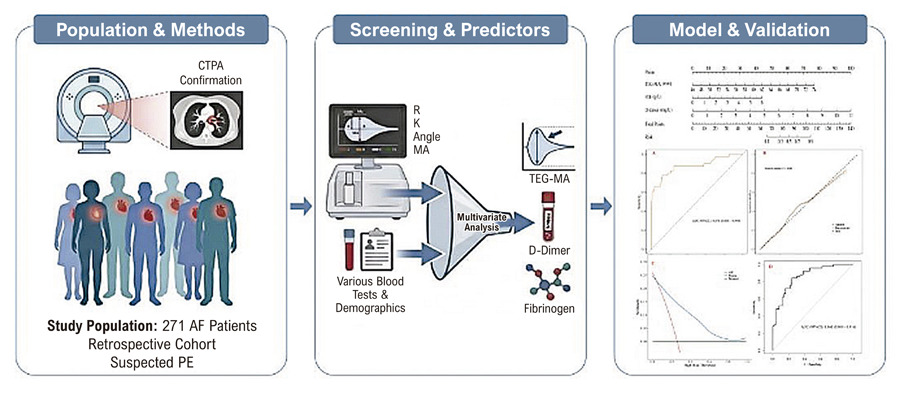
We conducted a retrospective study of 271 hospitalized AF patients who underwent CTPA for suspected PE (41 with PE, 230 without). The mean age was 76.5 years, 56.5% were male, and hypertension was the most common comorbidity (67.5%). PE diagnosis was confirmed by computed tomography pulmonary angiography. Baseline characteristics, TEG parameters (including reaction time, maximum amplitude [MA], and α-angle), and standard coagulation markers (D-dimer, fibrinogen) were analyzed. Statistical significance was defined as a two-sided P-value < 0.05. Multivariate logistic regression identified independent predictors, which were incorporated into a nomogram. Model performance was evaluated using receiver operating characteristic (ROC) analysis, calibration curves, and decision curve analysis (DCA).

Results

The prevalence of PE was 15.1%. Patients with PE exhibited significantly higher TEG-MA, D-dimer, and fibrinogen levels compared to the non-PE group (all P<0.05). Multivariate analysis identified these three markers as independent predictors. The nomogram demonstrated excellent discrimination (AUC=0.878, 95% CI:0.806-0.949), with 87.8% sensitivity and 78.0% specificity at the optimal cutoff. The model showed good calibration (Hosmer-Lemeshow p=0.965) and significant clinical utility.

Conclusion

The TEG-based nomogram combining MA, D-dimer, and fibrinogen provides accurate, bedside-accessible PE risk stratification for AF patients. This tool may facilitate early identification of high-risk individuals and guide clinical decision-making regarding anticoagulation therapy. Further prospective studies are warranted to validate these findings.

  • Atrial Fibrillation
  • Pulmonary embolism
  • Thrombelastography
Read Full Article
Creative Commons Attribution (CC BY) Creative Commons license
28/08/2026 DOI: 10.36660/abc.20250683i Views 3
Central Illustration
ABCIC
Review Article

Assessment of Acute Chest Pain in the Emergency Department: How Point-of-Care Ultrasound Can Assist the Cardiologist

Alexandre de Matos Soeiro et al. Lucas Lentini Herling de Oliveira Rômulo Fonseca de Moraes Tatiana de Carvalho Andreucci Torres Leal

Abstract

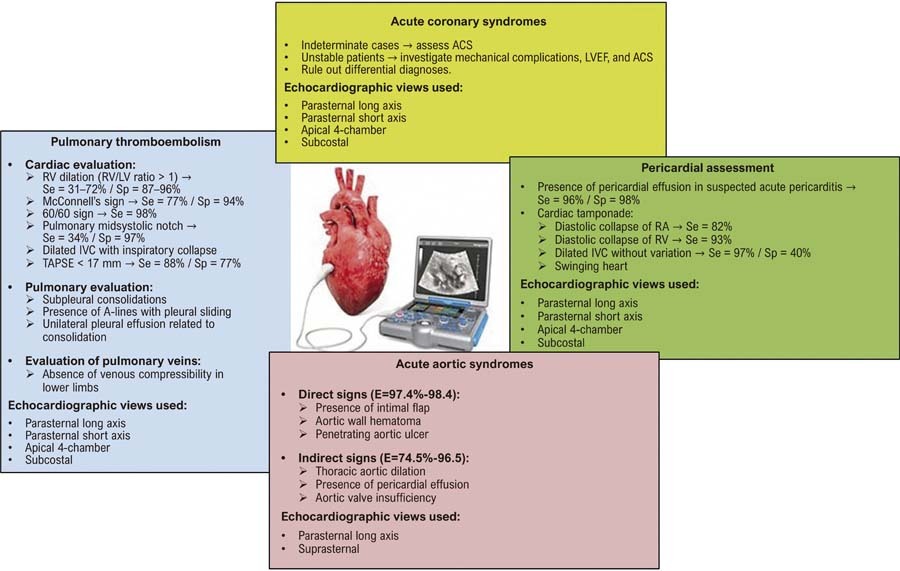
The use of point-of-care ultrasound (POCUS) in emergency settings is now well established as part of the initial assessment of critically ill patients. In cases of acute chest pain, POCUS plays a significant role in differential diagnosis, helping to reduce diagnostic errors and, most importantly, preventing the discharge of patients with potentially life-threatening conditions. In this context, the main diagnostic considerations include acute coronary syndrome (ACS), pericarditis, pulmonary thromboembolism (PTE), and acute aortic syndromes (AAS). POCUS has proven effective in all of these scenarios and can be widely applied with proper training, both by novice physicians and experienced echocardiographers. This article aims to discuss the key ways in which POCUS can specifically aid in the differential diagnosis of chest pain.

  • Acute coronary syndrome
  • Aortic Dissection
  • Emergencies
  • Pulmonary embolism
Read Full Article
Creative Commons Attribution (CC BY) Creative Commons license
08/10/2025 DOI: 10.36660/abcimg.20250045i
Catheter-Directed Therapy for the Management of Intermediate-High-Risk and High-Risk Pulmonary Embolism: Experience from a Single-Centre in Portugal
IJCS
Original Article

Catheter-Directed Therapy for the Management of Intermediate-High-Risk and High-Risk Pulmonary Embolism: Experience from a Single-Centre in Portugal

André Alexandre et al. Bárbara Gonçalves Bruno Brochado David Sá-Couto … Mariana Santos Diana Ribeiro Raquel Baggen-Santos André Luz João Silveira Severo Torres

Abstract

Background:

Acute pulmonary embolism (PE) is a significant cause of morbimortality. Epidemiological data in Portugal are limited, potentially leading to underdiagnosis. Catheter-directed therapy (CDT) is a promising alternative treatment, particularly for high-risk patients.

Objectives:

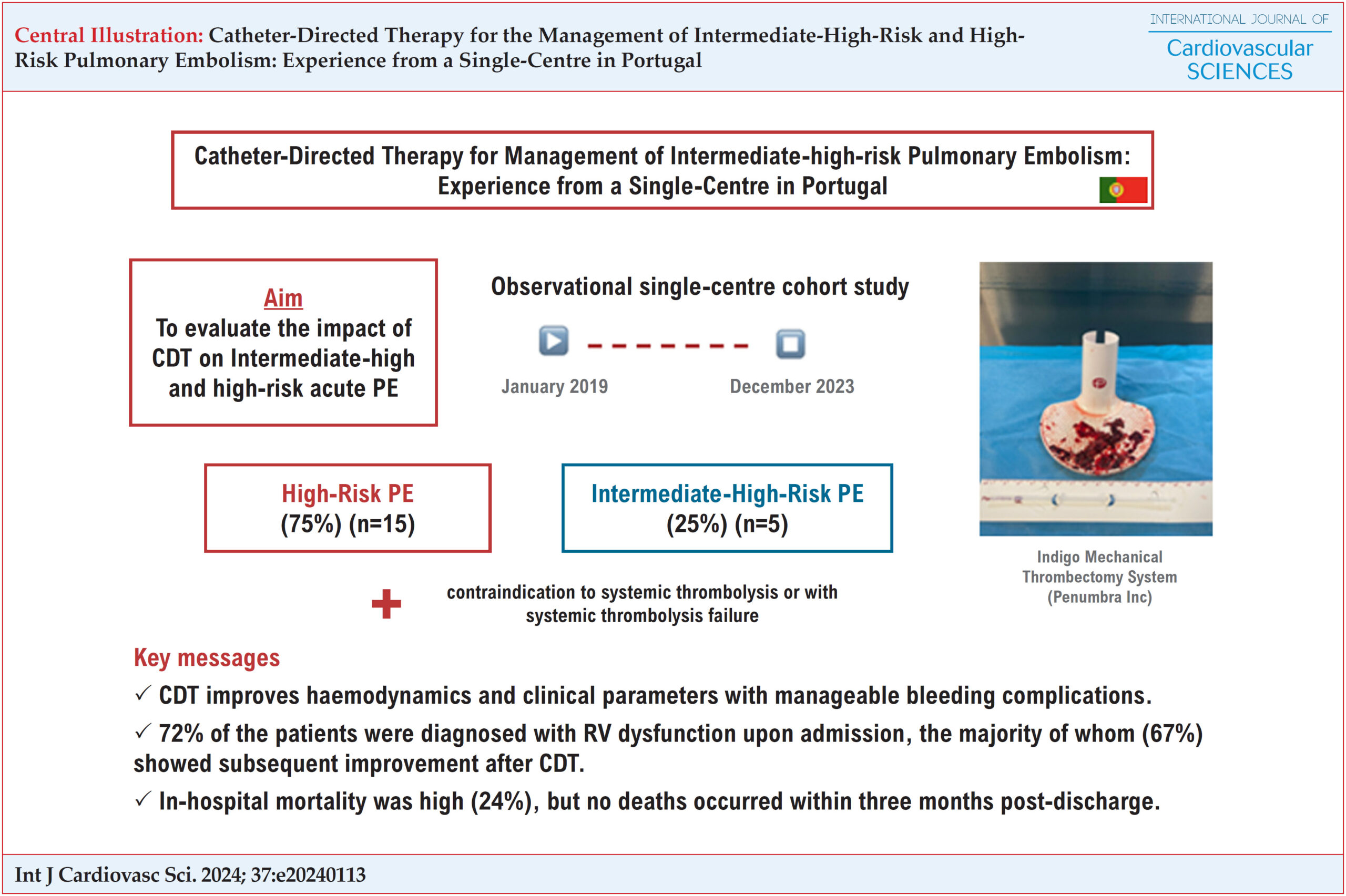
To evaluate the impact of CDT on intermediate-high-risk and high-risk acute PE.

Methods:

This is a retrospective single-centre study conducted from 2019 to 2023 in Portugal. Data included patient demographics, clinical presentation, procedural characteristics, and outcomes. Comparisons before and after the procedure were carried out, using two-sided paired Student´s T-test or McNemar´s test. P-value < 0.05 was considered statistically significant.

Results:

Among the 21 patients included in this study, the mean age was 62.5 (±16.8) years and 57% (n = 12) were female. Bilateral PE was predominant (n=18, 86%), with fifteen patients (75%) classified as high-risk PE and five (25%) as intermediate-high-risk PE. Overweight (n = 12, 57%), hypertension (n = 9, 45%), dyslipidaemia (n = 8, 40%), immobility (n = 4, 20%), and active cancer (n=3, 14%) were prevalent comorbidities. The median Charlson Comorbidity Index score was 3.5 (IQR 1.2–4.0). Two-thirds (n = 10, 67%) of the patients with high-risk PE exhibited contraindications to systemic fibrinolysis, while one-third (n = 5, 33%) had previously undergone failed thrombolysis. CDT improved hemodynamic parameters, significantly reducing the right ventricular (RV) dysfunction after the procedure (72.2% vs 23.5%, p=0.008). There was a low incidence of bleeding complications, with only one patient (5%) experiencing life-threatening haemorrhage. Despite these improvements, in-hospital mortality remained high (n = 5, 24%). No deaths occurred within three months post-discharge.

Conclusions:

Despite being in its early stages, CDT showed encouraging results in improving hemodynamic and clinical parameters in intermediate-high-risk and high-risk acute PE patients. Larger trials are warranted to further evaluate its efficacy and establish its role in treatment protocols.

  • Pulmonary embolism
  • Thrombectomy
  • Thrombolytic Therapy
Read Full Article
Creative Commons Attribution (CC BY) Creative Commons license
02/12/2024 DOI: 10.36660/ijcs.20240113 Views 2
Figure 1
IJCS
Case Report

Massive Pulmonary Embolism After Leg Massage: A Case Report

Stevan Kristian Lionardi et al. Ignatius Ivan Tommy Alexander

Introduction

Venous thromboembolism (VTE) incidents encompass occurrences of both deep vein thrombosis (DVT) and pulmonary embolisms (PE). This occurrence is frequently observed, with an annual incidence rate of 122/100,000 individuals. These two entities share a common pathological pathway, but they are believed to appear in different ways.

In Indonesia, traditional massage is a commonly acknowledged practice applied to individuals experiencing muscle pain or injuries, involving soft tissue manipulation to alleviate pain, induce muscle relaxation, or serve therapeutic purposes as an alternative medical intervention prior to seeking hospital care. Nevertheless, there is limited understanding regarding its effectiveness and safety. Here, we present a case involving a massive PE in a female patient occurring two hours following a traditional lower leg massage, a scenario that has rarely been documented in scientific literature.

[…]

  • Massage
  • Pulmonary embolism
  • Venous Thrombosis
Read Full Article
Creative Commons Attribution (CC BY) Creative Commons license
26/04/2024 DOI: 10.36660/ijcs.20230162 Views 1
Figure 1
ABC
Editorial

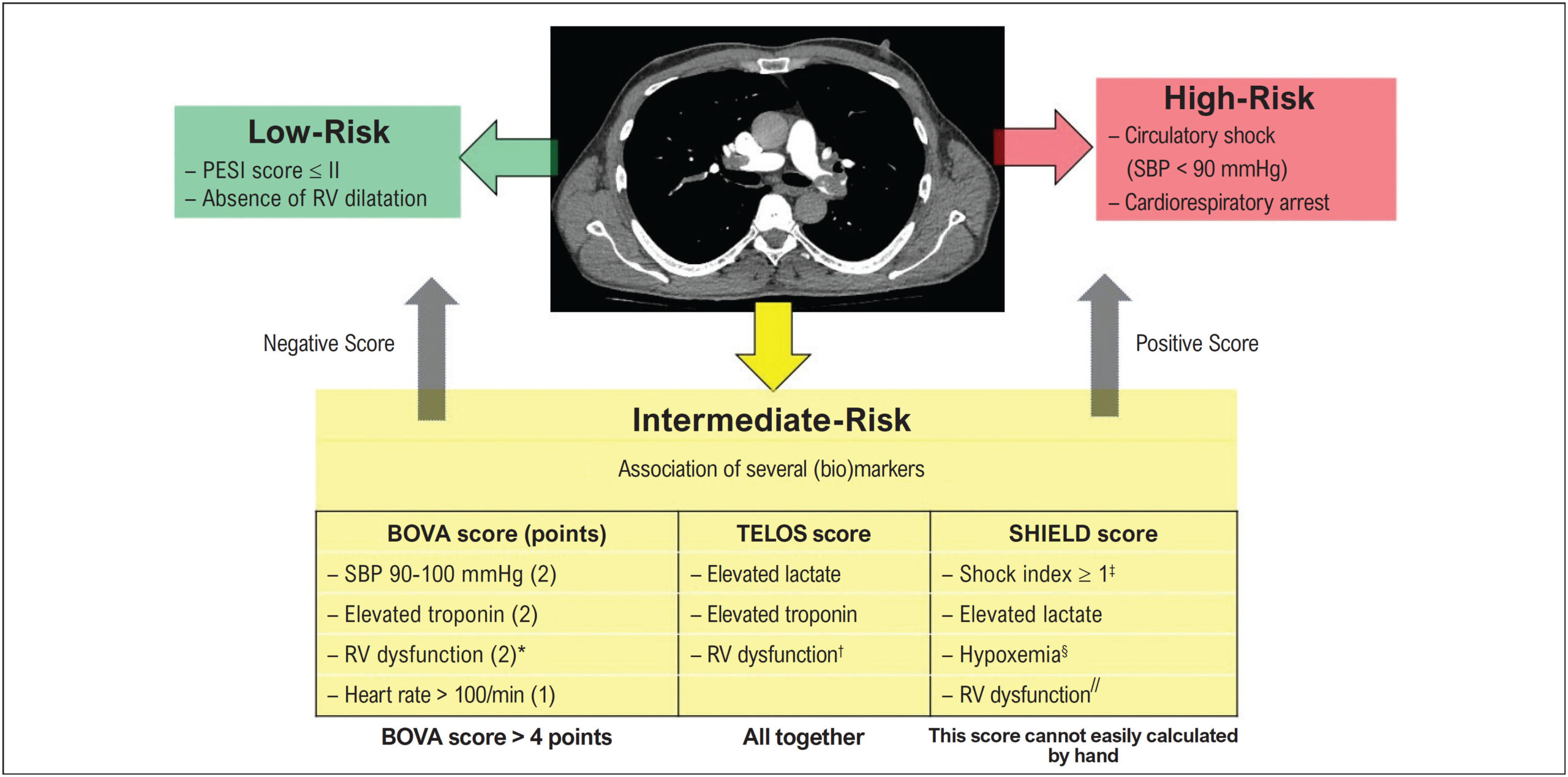
Focus on Intermediate-Risk Acute Pulmonary Embolism. Is the Combination of Biomarkers the Solution?

Carlos Henrique Miranda

The incidence of acute pulmonary embolism (APE) has been increasing over time throughout the world, including in Brazil. This behavior is probably secondary to the aging of the population associated with increased prevalence and better prognosis related to cancer.

The clinical presentation of APE has two extremes that are easy to identify. A high-risk group, around 4% of patients, which is characterized by circulatory shock or cardiorespiratory arrest, with a high mortality rate. In this group, treatment with thrombolytics is well-established.

[…]

  • Biomarkers
  • Echocardiography
  • Pulmonary embolism
Read Full Article
Creative Commons Attribution (CC BY) Creative Commons license
26/04/2024 DOI: 10.36660/abc.20240075 Views 1
ABC
Editorial

How Can COVID-19 Influence the Evolution of Patients with Acute Coronary Syndromes?

Alexandre de Matos Soeiro

The pandemic caused by the COVID-19 virus has changed the way we view infectious diseases. In a more intense way than in other situations, COVID-19 was from the beginning related to a greater number of thrombotic events, whether in its acute presentation, with pulmonary microthrombi worsening the hypoxia, or even in its late evolution with a large number of pulmonary embolic events. The interface between the endothelium and the coagulation cascade was modified, and different pro-thrombotic mechanisms were deregulated, with elevated expression of tissue factor, CD40, leukocyte adhesion molecules, pro-inflammatory cytokines, thromboxane, and reduced production of nitric oxide. Along with the lungs, the heart is one of the organs most affected by the disease with global involvement, whether myocardial, arrhythmogenic, or coronary.–

Thus, the study presented by Baytugan et al. describes patients with ST-elevation acute coronary syndrome (ST-ACS) with COVID-19, comparing them with the group without COVID-19 in relation to the clinical outcomes found. Some interesting points should be highlighted, including the fact that it takes longer for patients to present themselves to the hospital. This was very common during the pandemic and certainly worsened outcomes related to ACS. It was also observed that patients with COVID-19 were older and had more comorbidities, such as diabetes and chronic obstructive pulmonary disease. Finally, in an incisive and clear way, patients with COVID-19 developed worse outcomes, such as a greater number of stent thromboses, more cardiogenic shock, and higher mortality. A curious fact was the description of higher troponin levels in the COVID-19 group. More simply, we can relate this to the greater diagnostic delay; however, it is worth highlighting the possibility of direct cardiac aggression caused by COVID-19, in addition to the greater thrombotic and inflammatory load that the disease can cause.

[…]

  • Coronavirus infections
  • COVID-19
  • Hospitalization
  • Percutaneous Coronary Intervention/methods
  • Pulmonary embolism
  • ST Elevation Myocardial Infarction
Read Full Article
Creative Commons Attribution (CC BY) Creative Commons license
18/03/2024 DOI: 10.36660/abc.20230888 Views 2
Association of soluble ST2 Level with 6-month Mortality and/or Recurrent Cardiovascular-Related Hospitalization in Pulmonary Embolism
ABC
Original Article

Association of soluble ST2 Level with 6-month Mortality and/or Recurrent Cardiovascular-Related Hospitalization in Pulmonary Embolism

Hakan Gunes et al. Handan Gunes Musa Dagli Mehmet Kirişçi … Meryem Özbek Nurhan Atilla Mehmet Birhan Yılmaz

Abstract

Background:

The association of soluble suppression of tumorigenesis-2 (sST2) levels with prognosis in pulmonary embolism (PE) is unknown.

Objective:

This study aimed to investigate the relationship between sST2 levels in patients with acute PE and 6-month mortality and recurrent hospitalizations.

Methods:

This prospective study included 100 patients with acute PE. Patients were classified into two groups according to 6-month mortality and the presence of recurrent Cardiovascular-Related hospitalizations. Two groups were compared. A p-value of 0.05 was considered statistically significant.

Results:

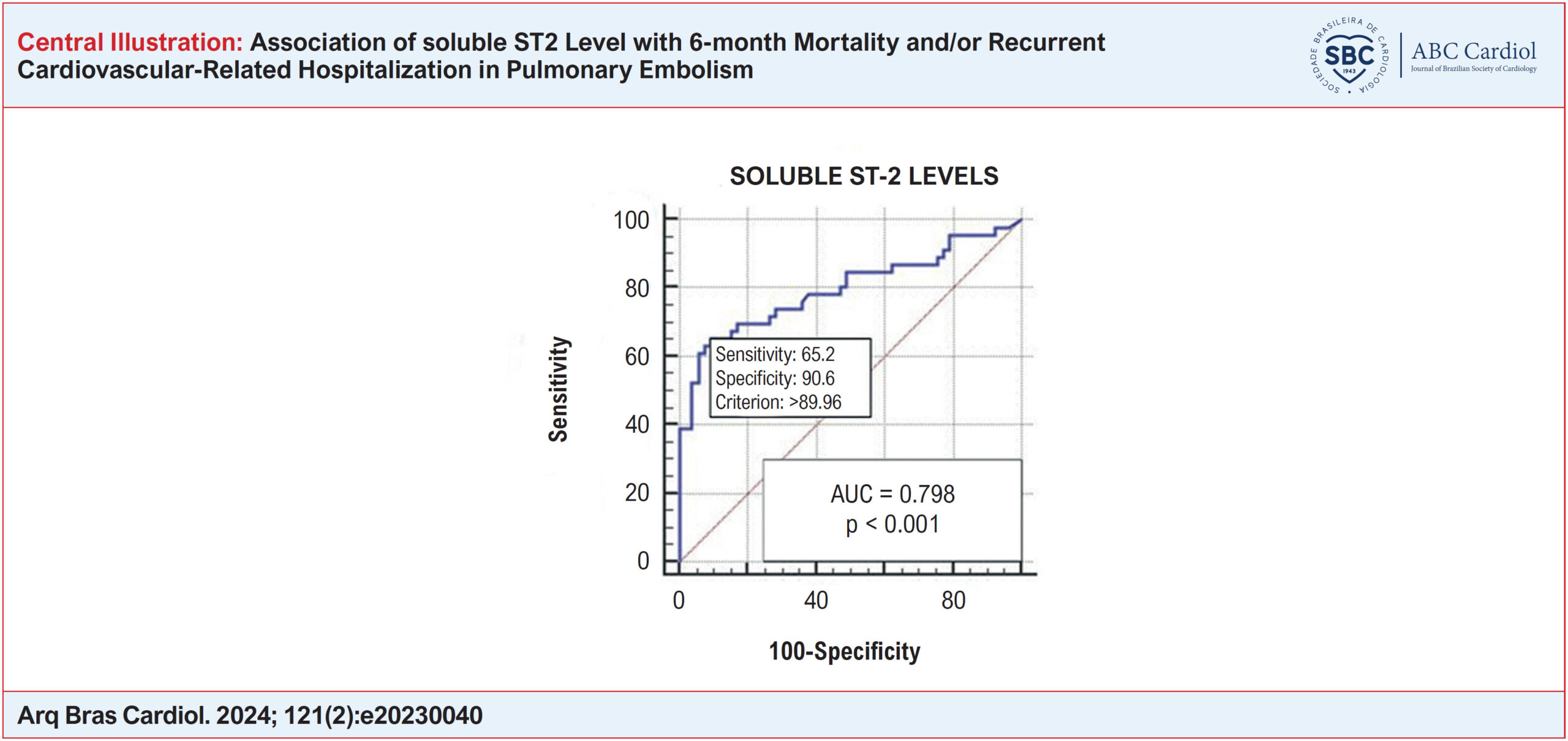
Soluble ST2 levels were significantly higher in the group with mortality and recurrent hospitalizations. (138.6 ng/mL (56.7-236.8) vs. 38 ng/mL (26.3-75.4); p89.9 with a specificity of 90.6% and a sensitivity of 65.2%, according to the receiver operating characteristic curve (area under the curve = 0.798; 95% CI, 0.705–0.891; p <0.0001). After adjusting for confounding factors that were either statistically significant in the univariate analysis or for the variables correlated with the sST2 levels, sST2 level (OR = 1.019, 95% CI: 1.009-1.028, p 0.001) and C-reactive protein (CRP ) (OR = 1.010, 95% CI: 1.001-1.021, p = 0.046) continued to be significant predictors of 6-month mortality and/or recurrent Cardiovascular-Related hospitalization in the multiple logistic regression model via backward stepwise method.

Conclusion:

Soluble ST2 level seems to be a biomarker to predict 6-month mortality and/or recurrent Cardiovascular-Related hospitalization in patients with acute PE.

  • Hospitalization
  • Mortality
  • Pulmonary embolism
Read Full Article
Creative Commons Attribution (CC BY) Creative Commons license
23/02/2024 DOI: 10.36660/abc.20230040 Views 2
Figure 1
ABCIC
Case Report

Acute Coronary Syndrome Followed by Pulmonary Thromboembolism and Identification of a Large Fixed Thrombus between Atria in a Patient with Severe COVID-19: A Case Report

Alice Mirane Malta Carrijo et al. Veronica Perius de Brito Gabriel Alvarenga Santos Samuel Gomes Tomaz da Silva João Lucas O’Connell

Introduction

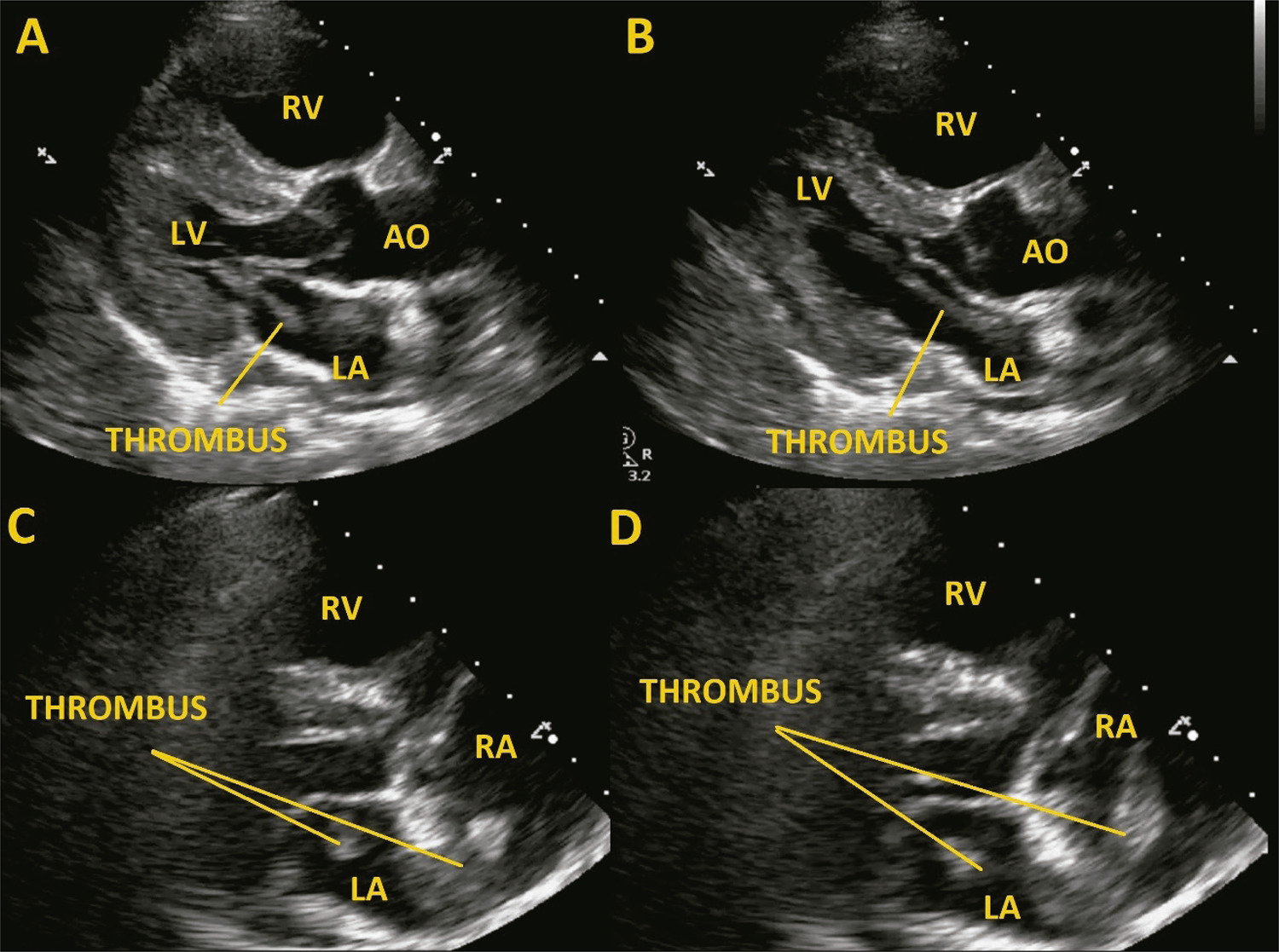
Patent foramen ovale (PFO) is a relatively frequent congenital heart defect; however, the identification of large thrombi between the atria through a PFO is a rare condition. When visualized, they represent a major clinical challenge and require emergency treatment.

The severity of this condition becomes even more accentuated when associated with other thrombotic events, such as pulmonary embolism. In turn, these events may have their genesis in hyperinflammatory states with high thrombogenic and angiopathic potential, as in the case of severe acute respiratory syndrome coronavirus 2 (SARS-CoV-2) infection.

[…]

  • Case Reports
  • Patent Oval Foramen
  • Pulmonary embolism
Read Full Article
Creative Commons Attribution (CC BY) Creative Commons license
27/06/2023 DOI: 10.36660/abcimg.2023351i
Figure 1
ABC
Research Letter

Left Ventricular Thrombosis and Pulmonary Thromboembolism in an Asymptomatic Covid-19 Patient

Natalia Lorenzo et al. Veronica Hernandez Alvaro Montes Fernando Rivero … Guillermo Reyes* Rio Aguilar

Research Letter

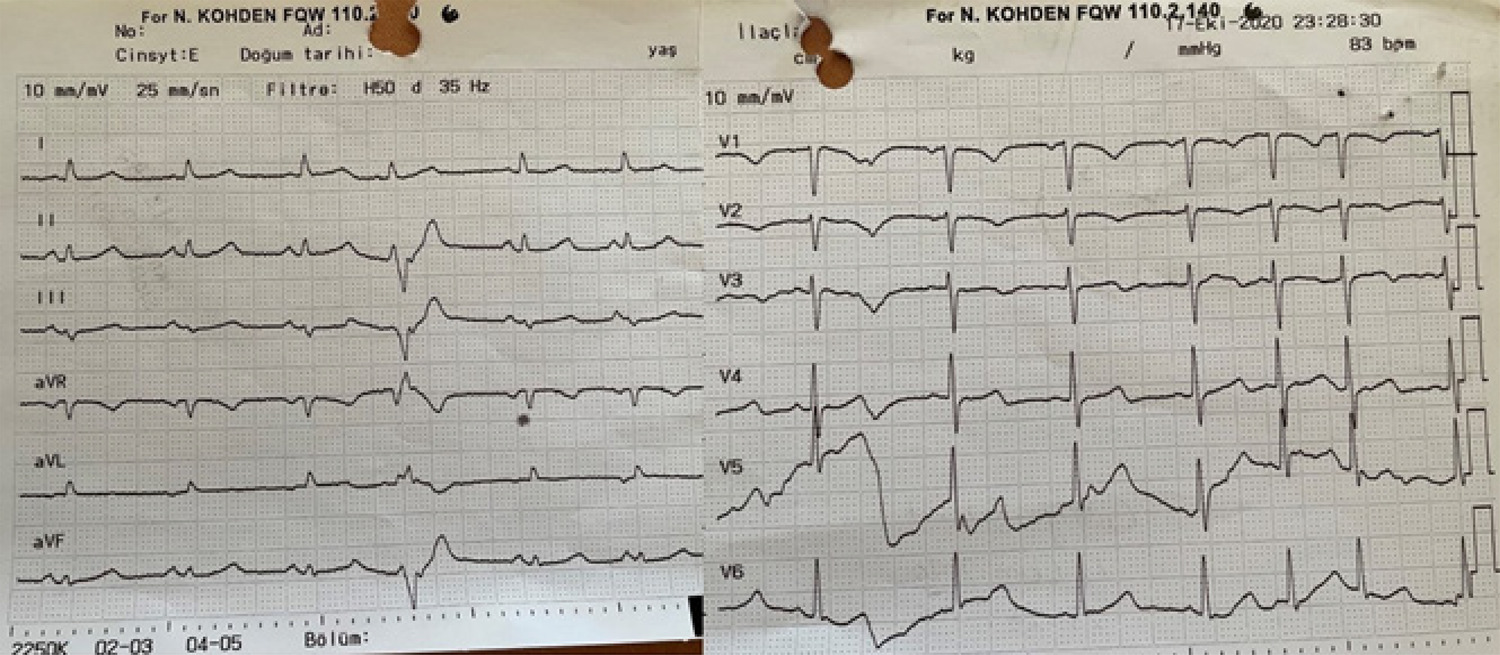
A 48-year-old-man presented to the emergency room with abdominal pain and vomiting of 12-hour duration. He had a history of porto-splenic venous thrombosis ten years before admission that was treated with 6 months of oral anticoagulation and felt to be due to moderate protein C deficiency, which was not confirmed in subsequent laboratory tests. Vital signs were normal, he was afebrile and no remarkable findings were found on physical examination except for pain on palpation in the left flank. The reverse transcriptase polymerase chain reaction (RT-PCR) test for COVID-19 was negative. Blood tests showed significant elevation of acute phase reactants (c-reactive protein: 138.3 mg/L, fibrinogen > 500mg/dL and leukocites 12.99 10^3/μL). Coagulation parameters where in normal range: phrotrombin time (PT) 12.1 seconds, partial thromboplastin time (PTT) 36.3 seconds, prothrombin activity (PA) 86%, international normalized ratio (INR) 1.08 and platelets 326.000/μL.

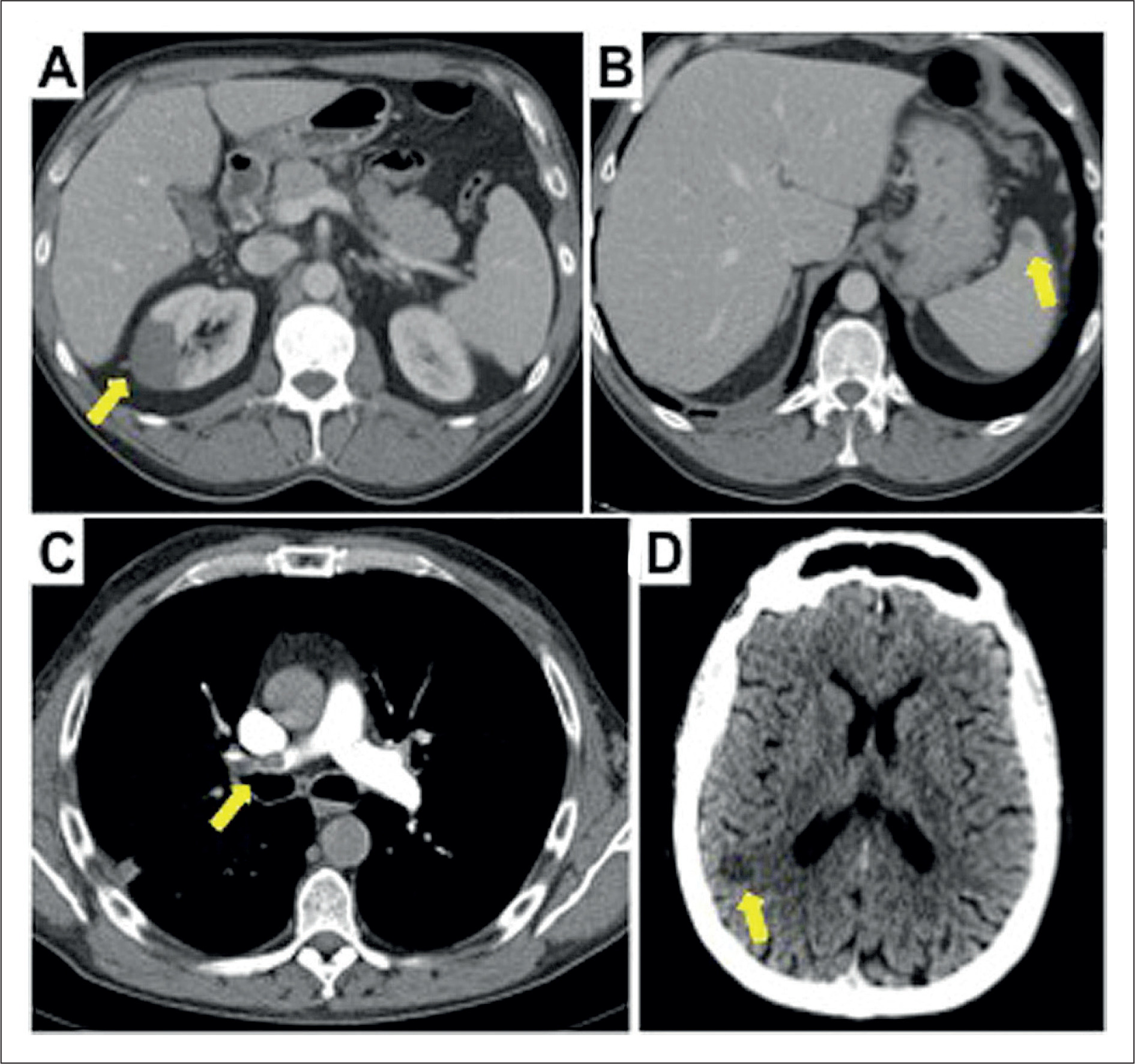
The abdominal ultrasound-scan did not show releant findings, so a computed tomography (CT) scan study was completed. CT abdominal scan found multiple infarcts in the right kidney () and isolated in spleen (), furthermore, a filling defect in the left ventricle was observed (). Transthoracic echocardiogram confirmed the presence of a pedunculated hyperechogenic and homogeneous mobile mass (3.1x2cm) with regular borders (, , ), anchored to the middle third of the septum of left ventricle (LV). Anatomy of LV was normal, with normal dimensions and normal ejection fraction without wall motion abnormalities.

[…]

  • Covid-19/complications
  • Diagnostic Imaging/methods
  • Infarction, Myocardial
  • Pulmonary embolism
  • SARS-CoV-2
  • Severe Acute Respiratory Syndrome/complications
  • Ventricular Dysfunction, Left
Read Full Article
Creative Commons Attribution (CC BY) Creative Commons license
19/12/2022 DOI: 10.36660/abc.20210590
Figure 1
ABC
Original Article

Sonothrombolysis Promotes Improvement in Left Ventricular Wall Motion and Perfusion Scores after Acute Myocardial Infarction

Bruno G. Tavares et al. Miguel Osman Aguiar Jeane Tsutsui Mucio Oliveira … Alexandre de Matos Soeiro José Nicolau Henrique Ribeiro Hsu PoChiang João Sbano Carlos Eduardo Rochitte Bernardo Lopes José Ramirez Roberto Kalil Filho Wilson Mathias

Abstract

Background

It has recently been demonstrated that the application of high-energy ultrasound and microbubbles, in a technique known as sonothrombolysis, dissolves intravascular thrombi and increases the angiographic recanalization rate in patients with ST-segment–elevation myocardial infarction (STEMI).

Objective

To evaluate the effects of sonothrombolysis on left ventricular wall motion and myocardial perfusion in patients with STEMI, using real-time myocardial perfusion echocardiography (RTMPE).

Methods

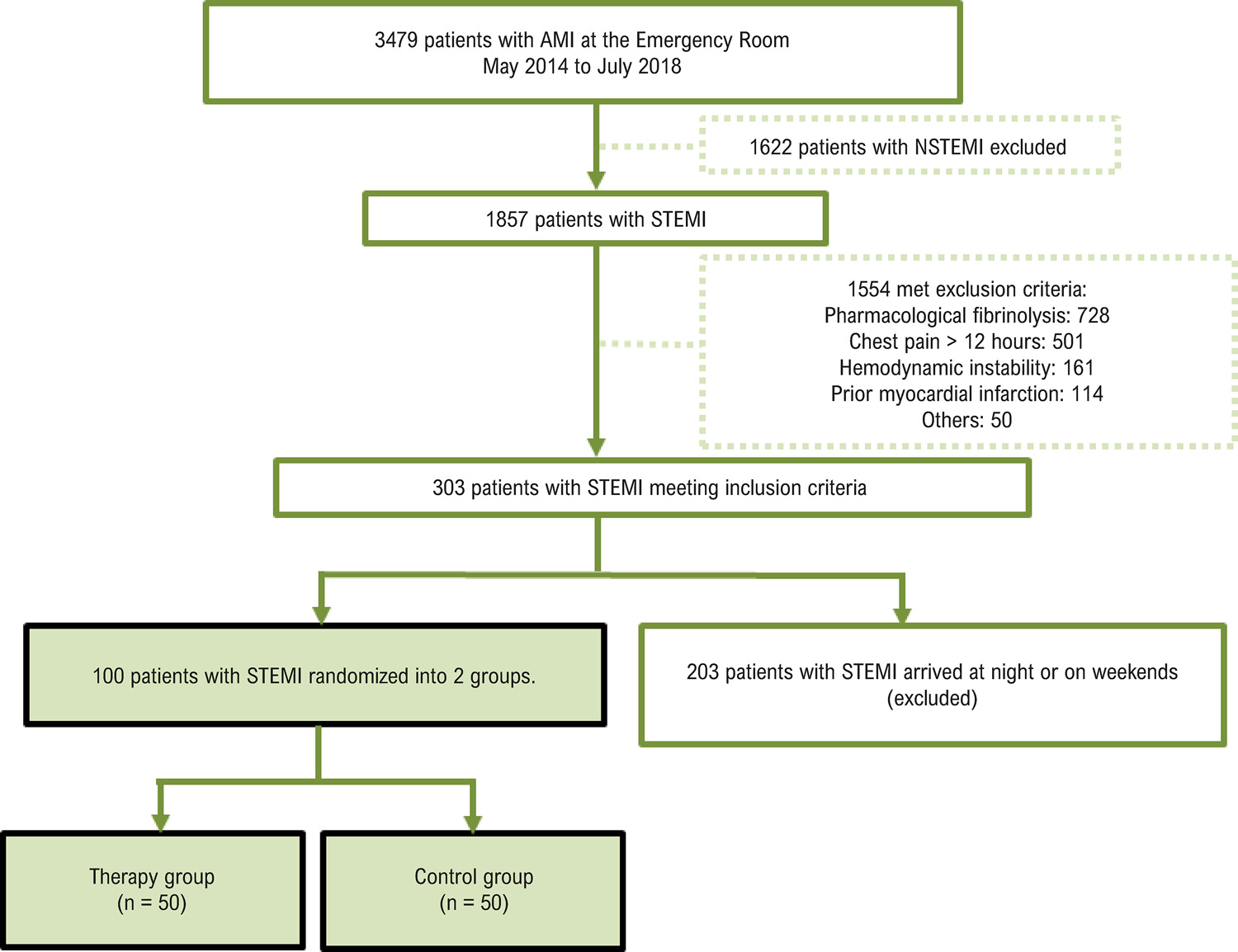
One hundred patients with STEMI were randomized into the following 2 groups: therapy (50 patients treated with sonothrombolysis and primary coronary angioplasty) and control (50 patients treated with primary coronary angioplasty). The patients underwent RTMPE for analysis of left ventricular ejection fraction (LVEF), wall motion score index (WMSI), and number of segments with myocardial perfusion defects 72 hours after STEMI and at 6 months of follow-up. P < 0.05 was considered statistically significant.

Results

Patients treated with sonothrombolysis had higher LVEF than the control group at 72 hours (50% ± 10% versus 44% ± 10%; p = 0.006), and this difference was maintained at 6 months of follow-up (53% ± 10% versus 48% ± 12%; p = 0.008). The WMSI was similar in the therapy and control groups at 72 hours (1.62 ± 0.39 versus 1.75 ± 0.40; p = 0.09), but it was lower in the therapy group at 6 months (1.46 ± 0.36 versus 1.64 ± 0.44; p = 0.02). The number of segments with perfusion defects on RTMPE was similar in therapy and control group at 72 hours (5.92 ± 3.47 versus 6.94 ± 3.39; p = 0.15), but it was lower in the therapy group at 6 months (4.64 ± 3.31 versus 6.57 ± 4.29; p = 0.01).

Conclusion

Sonothrombolysis in patients with STEMI resulted in improved wall motion and ventricular perfusion scores over time.

  • Contrast Media
  • Microbubbles
  • Myocardial Infarction
  • Pulmonary embolism
  • Sonothrombolysis
  • Ventricular Function, Left
Read Full Article
Creative Commons Attribution (CC BY) Creative Commons license
29/04/2022 DOI: 10.36660/abc.20200651 Views 1
Figure 1
ABC
Research Letter

A Rare Presentation of COVID-19 with Pulmonary Embolism

Özgenur Günçkan et al. Önder Öztürk Veysel Atilla Ayyıldız Volkan Bağlan … Münire Çakır Ahmet Akkaya

Abstract

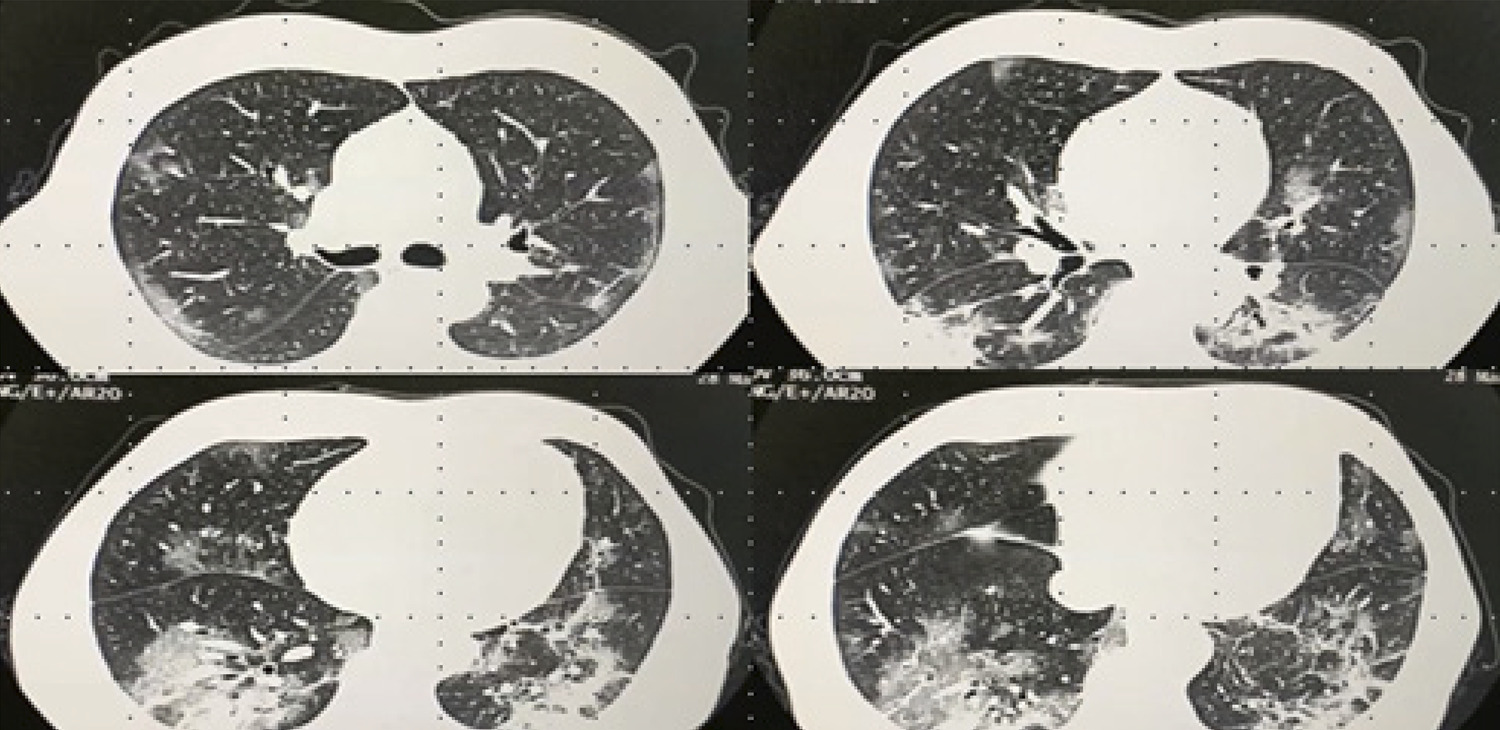
Coronavirus disease 2019 (COVID-19) has been reported in almost every country in the world since December 2019. Infection with SARS-CoV-2 is often asymptomatic or with mild symptoms, but it may also lead to hypoxia, a hyperinflammatory state, and coagulopathy. The abnormal coagulation parameters are associated with thrombotic complications, including pulmonary embolism in COVID-19, but little is known about the mechanisms. The similarity of initial symptoms of both diseases can also be confusing, therefore the physicians should be aware of the potential for concurrent conditions. Herein, we present a case who did not have ground-glass opacities in the lungs, yet presented with pulmonary embolism and pleural effusions in association with COVID-19 infection.

  • COVID-19
  • Pleural Effusion
  • Pulmonary embolism
Read Full Article
Creative Commons Attribution (CC BY) Creative Commons license
07/03/2022 DOI: 10.36660/abc.20210350
Figure 1
ABC
Research Letter

A Step-By-Step Fight for Life in a Young Woman with High-Risk Pulmonary Embolism and Bilateral Renal Artery Occlusion

Miruna Stefan et al. Roxana Cristina Rimbas Rozina Vornicu Ruxandra Daneţ … Vlad Damian Vintila Bogdan Dorobat Alexandra Carp Vinereanu Dragos

Introduction

Right heart thrombus-in-transit is rare in the context of acute pulmonary embolism (APE) and is associated with high mortality and morbidity. , Transthoracic echocardiography (TTE) should always be performed in patients presenting dyspnea, chest pain, and hemodynamic instability. This case illustrates the importance of multimodality imaging in managing difficult cases with APE and right heart thrombus in transit, as well as the complications of this condition. A therapeutic approach should be decided on by multidisciplinary teams.

[…]

  • Multimodal Imaging
  • Pulmonary embolism
  • Thrombolytic Therapy
Read Full Article
Creative Commons Attribution (CC BY) Creative Commons license
07/03/2022 DOI: 10.36660/abc.20210189
ABC
Editorial

Thrombolysis in Pulmonary Embolism: Octagenarians Deserve More Attention!

Hugo Hyung Bok Yoo

Pulmonary embolism (PE) is a common cardiovascular disease that may be life threatening, and its incidence increases with age. It is the third most common cause of cardiovascular mortality and is also responsible for 100,000 to 180,000 deaths per year. Right-sided heart failure and recurrences are the main causes of death associated with PE. Most deaths occur within the first hour of patients presenting hemodynamic instability. Therefore, the prognostic of those patients depends on rapid treatment.,

To determine a suitable therapeutic management approach in patients with PE, the appropriate risk stratification is decisive in order to begin effective treatment as early as possible and to prevent death. Thus, patients at a low-risk of mortality may be candidates for home anticoagulant treatment or early hospital discharge. Patients at intermediate risk may require antithrombotic therapy and close clinical observation to escalate the treatment regime in case of clinical impairment, whereas patients at high-risk should proceed to prompt revascularization either by pharmacologic or percutaneous catheter-directed or surgical treatment.

[…]

  • Aged, 80 and Over
  • Anticoagulants / therapeutic use
  • Heart Failure / mortality
  • Hemorrhage
  • Pulmonary embolism
  • Thrombolytic Therapy
Read Full Article
Creative Commons Attribution (CC BY) Creative Commons license
21/02/2022 DOI: 10.36660/abc.20210912
Figure 1
ABC
Research Letter

Endomyocardial Fibrosis as a Rare Cause of Heart Transplantation and its Association with Thrombophilia: A Case Report

Laura Caroline Tavares Hastenteufel et al. Nadine Oliveira Clausell Francine Hehn de Oliveira Santiago Alonso Tobar Leitão Lívia Adams Goldraich

Introduction

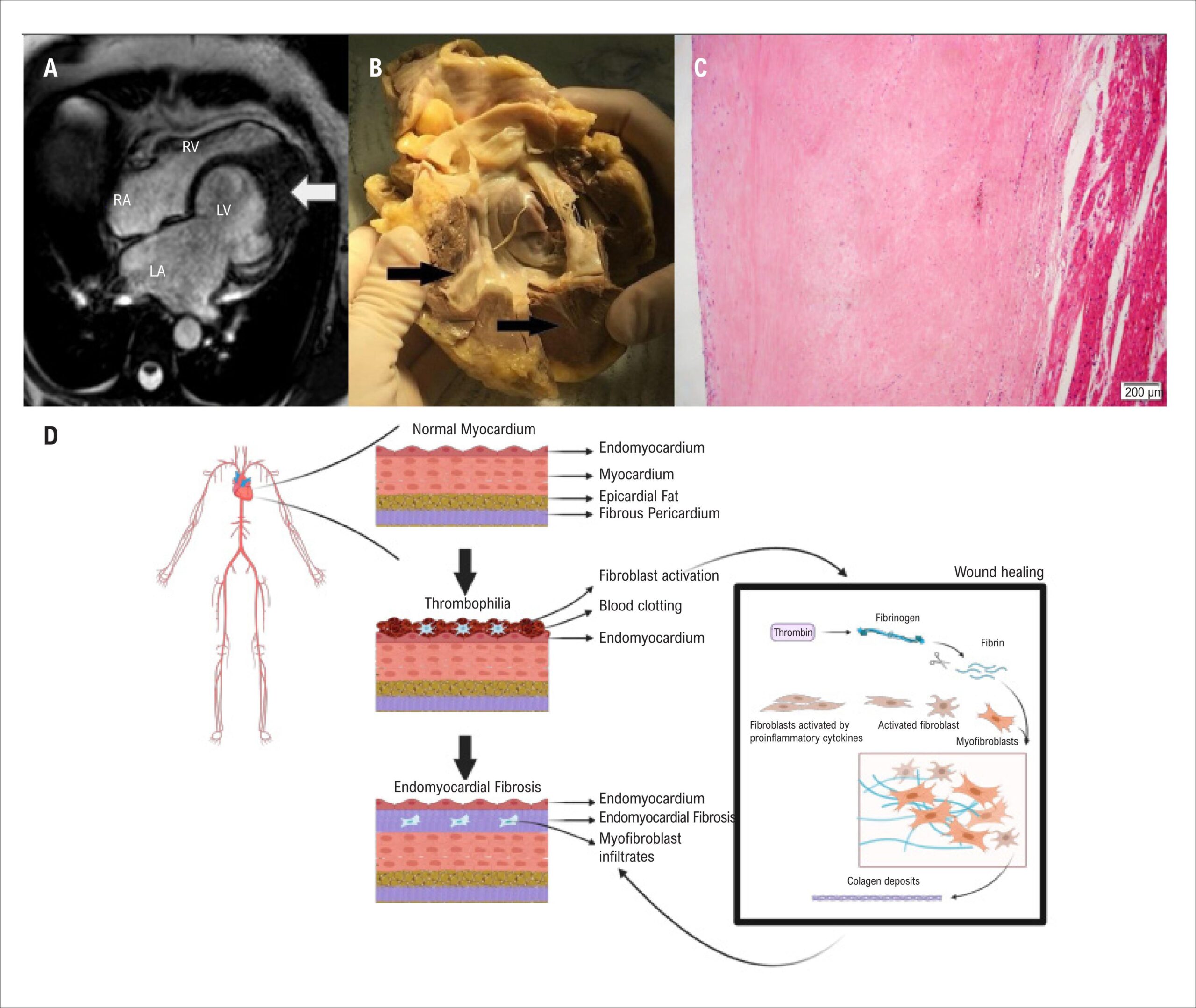
Endomyocardial fibrosis (EMF) is a rare disease of unknown etiology characterized by endomyocardial fibrous tissue deposition affecting either one or both ventricles and the atrioventricular valve apparatus. Increased stiffness and progressively reduced diameter of the involved ventricle lead to a restrictive pattern, which appears as heart failure, thromboembolic events, non-fatal arrhythmias, or less frequently, sudden cardiac death.. Though earlier studies report poor survival rates among EMF patients, in contemporary series prognosis, it is uncertain. Genetic, immune, infectious, and environmental factors, among others, have been proposed to explain its pathogenesis; however, there is no consensus on a unified causal theory., Despite its poor prognosis and limited disease modifying therapeutic options, endocardectomy among them as a palliative measure, there is a paucity of data in the literature reporting heart transplantation as a therapeutic alternative for patients with EMF. The present study describes the favorable outcome of a patient with EMF who underwent heart transplantation. In the present case, there was also an association of EMF with both factor V Leiden and prothrombin gene mutation as part of the phenotypic presentation, which has not been previously reported.

[…]

  • Endomyocardiol Fibrosis/transplantation
  • Heart Failure
  • Heart Transplantation
  • Mortality
  • prothrombin
  • Pulmonary embolism
  • Thromphilia
  • Venous Thrombosis
Read Full Article
Creative Commons Attribution (CC BY) Creative Commons license
21/02/2022 DOI: 10.36660/abc.20210040 Views 2
ABCIC
Case Report

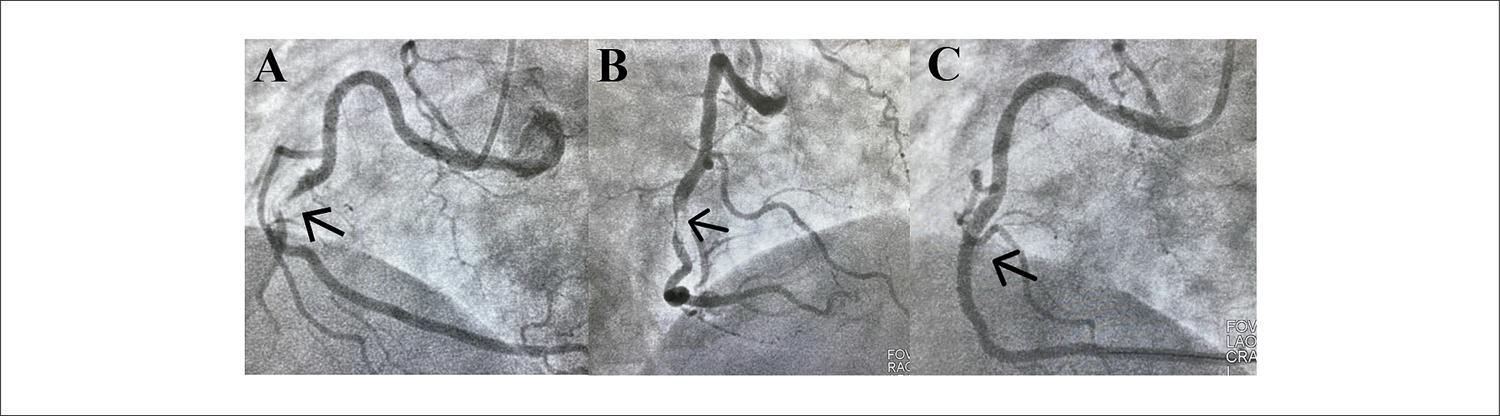
Thrombus-in-transit and Paradoxical Embolism in Patient with ST-Segment Elevation Acute Coronary Syndrome

Daniel Lucena de Aguiar et al. Gisele Nogueira Bezerra Isabella Cabral Marinho Plens Lúcia de Sousa Belém Danielli Oliveira da Costa Lino

[…]

  • Acute coronary syndrome
  • Anticoagulants
  • Doppler/methods
  • Echocardiography/methods
  • Embolism
  • Foramen Ovale
  • Paradoxal
  • Patent
  • Pulmonary embolism
  • Ultrassonography
Read Full Article
Creative Commons Attribution (CC BY) Creative Commons license
04/02/2022 DOI: 10.5935/2318-8219.20180043
ABCIC
Case Report

A Young Patient with Chest Pain: Going Beyond the Obvious

Sebastian Gallo Bernal et al. Azucena Martínez Juan F Vasquez-Rodriguez Nicolás Isaza … Daniel Isaza Camilo A Calixto Claudia Jaimes

Abstract

Background

Myocardial infarction with nonobstructive coronary arteries (MINOCA) is diagnostically and therapeutically challenging for clinicians, as a large spectrum of causes may result in this clinical condition, multiple entities can mimic it, and there are relatively few evidence-based recommendations for its assessment.

Discussion

Accurate diagnosis of the underlying etiology of MINOCA requires a systematic and dynamic evaluation of the clinical history and work-up of each patient, as well as the use of additional diagnostic tools that allow more in-depth characterization of the cardiac anatomy and coronary function, such as cardiac magnetic resonance imaging, coronary vascular imaging (intravascular ultrasound, optical coherence tomography), and coronary functional assessments. The prognosis of MINOCA highly depends on its underlying cause, and therefore, an accurate diagnosis of its etiology is necessary.

  • Antiphospholipid syndrome
  • Chest Pain
  • Pulmonary embolism
Read Full Article
Creative Commons Attribution (CC BY) Creative Commons license
17/12/2021 DOI: 10.47593/2675-312X/20203304eabc113 Views 1
IJCS
Editorial

Rivaroxaban: is it Really Need to Monitor its Anticoagulant Effect in Clinical Practice?

Luiz Eduardo Montenegro Camanho et al. Gustavo Vignoli dos Santos

Oral anticoagulation (OAC) has been the cornerstone for the treatment of atrial fibrillation (AF) patients. The vitamin K antagonist warfarin has been considered the drug of choice in stroke prevention with proven efficacy for more than 60 years. The great inter-patient and intra-patient dose variability and need for routine International Normalized Ratio (INR), are among the main disadvantages of warfarin. The direct-acting oral anticoagulants (DOACs), including direct thrombin inhibitors (dabigatran) and factors Xa inhibitors (apixaban, edoxaban, and rivaroxaban), are currently the therapy of choice for preventing thromboembolic events in patients with atrial fibrillation. Unlike warfarin and other vitamin K antagonists, the DOACs are administered in fixed doses and do not require routine laboratory monitoring.

Rivaroxaban is an oral inhibitor of free and clot-associated factor Xa through reversible, competitive interactions with its active site. Bioavailability following oral administration is dose-dependent, and it is highly bound to plasma proteins. Plasma levels peak 2 to 4 h following oral administration, partially excreted by the kidneys, and has a half-life depending on the dose and age. Factor Xa inhibitors variably affect prothrombin time (PT), with concentration-dependent PT prolongation. The sensitivity of the different assays varies widely, depending on the thromboplastin reagent, and it is recommended to check the sensitivity of PT in each institution. At therapeutic doses, rivaroxaban has a relatively weak effect on PT, but there is a more pronounced effect on supratherapeutic doses.

[…]

  • Anticoagulants
  • Atrial Fibrillation
  • Pulmonary embolism
  • Rivaroxaban/therapeutic use
  • Stroke
  • Thrombosis
Read Full Article
Creative Commons Attribution (CC BY) Creative Commons license
12/03/2021 DOI: 10.36660/ijcs.20200373
Figure 1
ABC
Research Letter

Cardiopulmonary Transplantation: When to Indicate?

Paulo Manuel Pêgo Fernandes et al. Gabriela Favaro Faria Flávio Pola dos Reis Luís Gustavo Abdalla … José Eduardo Afonso Junior Fernando Bacal

Introduction

Cardiopulmonary transplantation (CPT) peaked in the late 1980s and early 1990s, with almost 300 transplants performed each year worldwide. With the advances in the treatment of heart and lung failure, this number has dropped considerably, and in 2017 only 62 CPTs were performed worldwide., There is a huge discussion about the profile of patients who can benefit from CPT and the best time for its indication.

[…]

  • Atrial Fibrillation
  • Heart–Lung Transplantation/trends
  • Hypertenson Pulmonary
  • Lithiasis
  • Pulmonary embolism
  • Stroke
Read Full Article
Creative Commons Attribution (CC BY) Creative Commons license
01/03/2021 DOI: 10.36660/abc.20200536
Figure 1
ABC
Case Report

Systematic Staged Percutaneous Balloon Pulmonary Angioplasty in Severe Inoperable Chronic Thromboembolic Pulmonary Hypertension

Kazuhiro Dan et al. Akira Shionoda Hiromi Matsubara

Introduction

The treatment for chronic thromboembolic pulmonary hypertension (CTEPH) is limited to pulmonary endarterectomy (PEA), drug therapy, and percutaneous balloon pulmonary angioplasty (BPA). The gold-standard treatment is PEA, and patients with CTEPH and proximal lesions are generally good surgical candidates. Perioperative complications and persistent pulmonary hypertension due to incomplete endarterectomy or secondary vasculopathy are typical problems after the procedure. A meta-analysis has shown that the efficacy of drug therapy for severe CTEPH is limited, and many patients do not achieve sufficiently reduced pulmonary artery (PA) pressure, even if exercise tolerance is marginally improved. Percutaneous BPA was first reported in 2001, but its safety was not proven at that time. As recently as one decade ago, pulmonary hypertension was first associated with poor prognosis. Fortunately, treatments for pulmonary hypertension have dramatically improved ever since, particularly for patients with CTEPH. BPA is still a challenging strategy, limited to a specific operator and facility, but its results have been improving.

[…]

  • aging
  • Angioplasty, Balloon, Pulmonary
  • Fragility
  • Hypertension Pulmonary
  • Pulmonary embolism
Read Full Article
Creative Commons Attribution (CC BY) Creative Commons license
05/02/2021 DOI: 10.36660/abc.20190717 Views 2
Figure 1
IJCS
Case Report

Pulmonary Embolism in Patients with Covid-19 in Direct Oral Anticoagulant

Fabio Augusto De Luca et al. Guilherme Arruda Vinicius Esteves André Feldman … Ítalo Bruno dos Santos Sousa José Célio Vieira Brandão Raquel Muarrek Garcia Olga Ferreira de Souza

Introduction

The global pandemic caused by the new coronavirus (COVID-19) has been promoting major challenges and unprecedented clinical decisions in the medical scenario. Currently, according to the World Health Organization, the disease affects over 185 countries, with over 12 million people infected and nearly 500 thousand deaths.

Among the most serious manifestations of the syndrome, the high prevalence of thromboembolic events, up to 31% of the patients hospitalized in intensive care units, according to an international series, calls attention.– Different mechanisms of action related to the infection by SARS-CoV-2 may be related to thrombosis: excessive inflammation, tissue hypoxia, immobilization, and disseminated intravascular coagulation (DIC); however, one question remains: Is the etiology linked to some specific effect of the virus or a reflex of the severity of the case? Despite the anticoagulant therapy emerging as a major weapon in the therapeutic arsenal, data is still scarce in the literature regarding the efficacy and safety of warfarin or direct oral anticoagulants (DOAC) in this specific setting. It should be highlighted that, of the 1.5 million people currently infected in Brazil, a significant number present a history of cardiovascular disease and are presently taking anticoagulants. This class of drugs may show serious interactions with investigational therapies currently employed for COVID-19, which could increase the risk of thrombotic or hemorrhagic events. In this context, it becomes imperative to highlight that the thrombosis associated with COVID-19 and anticoagulant therapy is a unique scenario and must be investigated.

[…]

  • Anticoagulants
  • COVID-19
  • Pandemics
  • Pulmonary embolism
  • Respiratory Acute Syndrome
Read Full Article
Creative Commons Attribution (CC BY) Creative Commons license
22/01/2021 DOI: 10.36660/ijcs.20200157 Views 1
Figure 1
ABC
Original Article

Pulmonary Vascular Volume Estimated by Automated Software is a Mortality Predictor after Acute Pulmonary Embolism

Leonardo Soriano et al. Marcel Koenigkam Santos Danilo Tadeu Wada Kelvin Vilalva … Talita Tavares Castro Oliver Weinheimer Valdair Francisco Muglia Antonio Pazin Filho Carlos Henrique Miranda

Abstract

Background:

Acute pulmonary embolism (APE) has a variable clinical outcome. Computed tomography pulmonary angiography (CTPA) is the gold standard for this diagnosis.

Objective:

To evaluate if the pulmonary vascular volume (PVV) quantified by automated software is a mortality predictor after APE.

Methods:

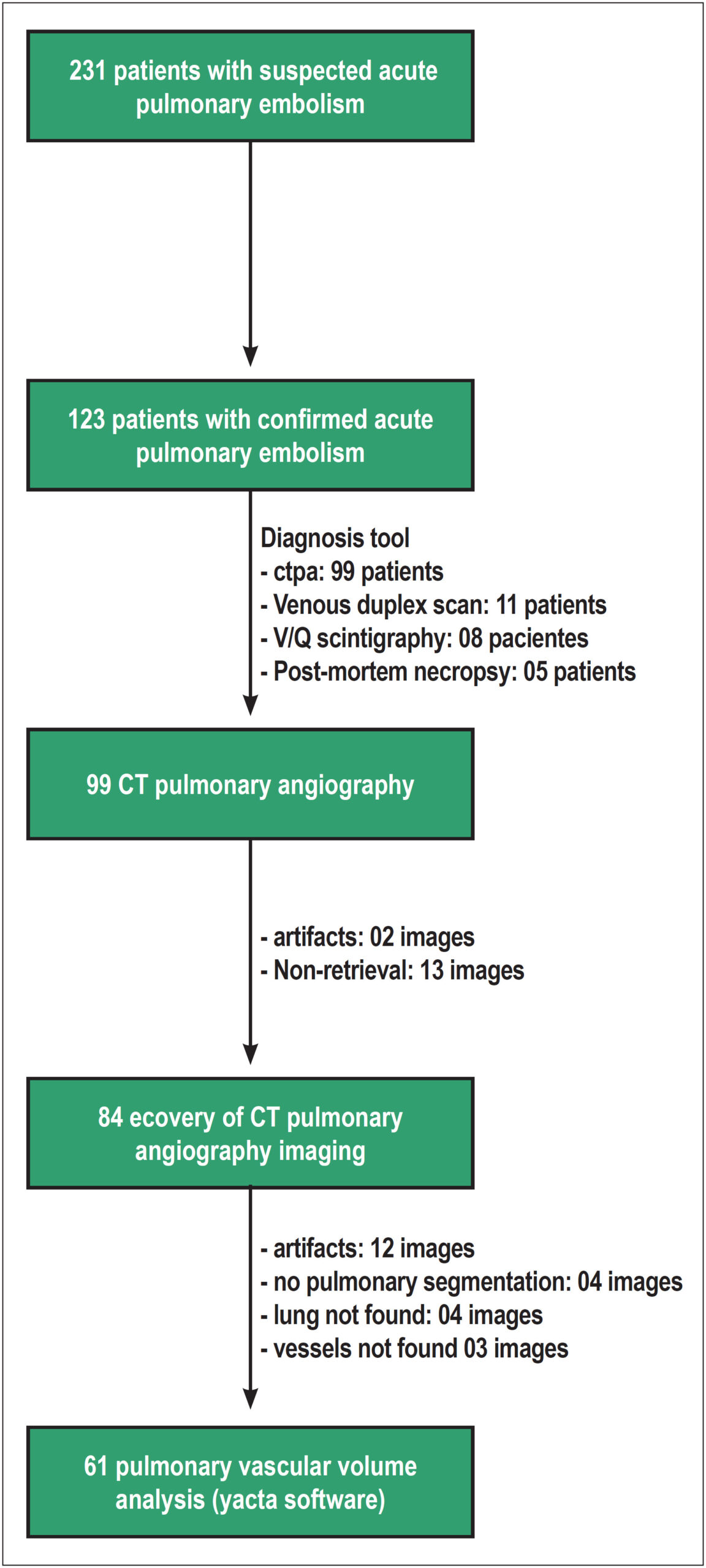
Retrospective cohort study where the CTPA imaging of 61 patients with APE was reanalyzed. Pulmonary vascular volume (PVV) and pulmonary volume (PV) were automatically estimated using the Yacta software. We calculated the adjusted PVV by the ratio: PVV(cm3)/PV(liters). Classical prognostic CTPA parameters (clot load index, right ventricle/left ventricle diameter ratio, pulmonary artery/aorta diameter ratio, ventricular septal bowing, pulmonary infarction and reflux of contrast into the hepatic vein) were assessed. The outcome assessed was one-month mortality. We considered a p-value <0.05 as statistically significant.

Results:

Seven deaths (11%) occurred at one month among these 61 patients. PVV<23cm3/L was an independent predictor of one-month mortality in the univariate [odds ratio (OR): 26; 95% confidence interval (CI): 3-244; p=0.004] and multivariate analyses [adjusted OR: 19; 95%CI: 1.3-270; p=0.03]. The classical CTPA parameters were not associated with one-month mortality in this sample. The PVV<23cm3/L showed a sensitivity of 86%, a specificity of 82%, a negative predictive value of 94% and a positive predictive value of 64% to identify the patients who died.

Conclusion:

PVV<23cm3/L was an independent predictor of one-month mortality after APE. This parameter showed better prognostic performance than other classical CTPA findings. (Arq Bras Cardiol. 2020; 115(5):809-818)

  • Diagnostic Imaging
  • Emergency Medical Services
  • Mortality
  • Prognosis
  • Pulmonary Circulation
  • Pulmonary embolism
  • Tomography Computed
Read Full Article
Creative Commons Attribution (CC BY) Creative Commons license
07/12/2020 DOI: 10.36660/abc.20190392 Views 2
Figure 1
ABC
Case Report

SARS-Cov-2 Infection and Pulmonary Thromboembolism – The Prothrombotic State in COVID-19

Hellen Dutra Passos et al. Mariana Carvalho Alves Leonardo Baumworcel João Paulo Cerqueira Vieira … Juliane Dantas Seabra Garcez Antônio Carlos Sobral Sousa

Introduction

The COVID-19 caused by new coronavirus, named by the World Health Organization as Severe Acute Respiratory Syndrome CoronaVirus 2 (SARS-CoV-2), has spread all over the world with astonishing speed. In Brazil, the spread risk (R0) of COVID-19 has been 3.0, which explains its rapid dissemination all over the states.

Individuals with cardiovascular diseases, systemic arterial hypertension, diabetes mellitus, chronic obstructive pulmonary disease, and immunosuppressed patients are at higher risk for adverse outcomes.

[…]

  • Anticoagulants
  • Coronavirus
  • COVID-19
  • Diagnostic Imaging
  • Pulmonary embolism
  • Severe Acute Respiratory Syndrome
Read Full Article
Creative Commons Attribution (CC BY) Creative Commons license
07/08/2020 DOI: 10.36660/abc.20200427 Views 1

Could not load more articles. Please try again.

How to cite this article

EndNote RIS

Electronic Document Format (Vancouver)

Carvalho MRM. Beyond Baseline: Dynamic Prognostic Assessment in Acute Pulmonary Embolism. Arquivos Brasileiros de Cardiologia 2026;123(7):e2060580.

Electronic Document Format (ABNT)

Carvalho, Marcio Roberto Moraes de. Beyond Baseline: Dynamic Prognostic Assessment in Acute Pulmonary Embolism. Arquivos Brasileiros de Cardiologia, v. 123, n. 7, e2060580, Sep. 2026.

Electronic Document Format (APA)

Carvalho, M. R. M. (2026). Beyond Baseline: Dynamic Prognostic Assessment in Acute Pulmonary Embolism. Arquivos Brasileiros de Cardiologia, 123(7), e2060580.

Electronic Document Format (ISO)

Carvalho, Marcio Roberto Moraes de. Beyond Baseline: Dynamic Prognostic Assessment in Acute Pulmonary Embolism. Arquivos Brasileiros de Cardiologia [online]. 2026, vol. 123, n. 7, [cited 2026-10-14], e2060580. Available from: <https://journals.cardiol.br/en/article/beyond-baseline-dynamic-prognostic-assessment-in-acute-pulmonary-embolism/>. ISSN 0066-782X

EndNote RIS

Electronic Document Format (Vancouver)

Quintana MA, Perea J, Villarreal R, Soto M, Castro M, Cortês R, Sanhueza P, et al. Persistent Right Ventricular Dysfunction and Hemodynamic Evolution Predict In-Hospital Deterioration in Intermediate-High- and High-Risk Pulmonary Embolism. Arquivos Brasileiros de Cardiologia 2026;123(7):e20260468.

Electronic Document Format (ABNT)

Quintana, Miguel A.; Perea, Joaquín; Villarreal, Ricardo; Soto, Mauricio; Castro, Marildes; Cortês, Rafael; Sanhueza, Patricio; Saavedra, Iván; Quispe, Yhaquelina; Tenezaca, Roger; Colque, Roberto; Arias, Alexandra; Toquica, Alex Rivera; Álvarez, Manuel; Pérez, Ysmenia D.; Morejón, Paola; Fernández, Karina G.; Mogollón, Adriana; Cardona, Marcelo; Pérez, Gonzalo Emanuel; López-Ruiz, Arnaldo. Persistent Right Ventricular Dysfunction and Hemodynamic Evolution Predict In-Hospital Deterioration in Intermediate-High- and High-Risk Pulmonary Embolism. Arquivos Brasileiros de Cardiologia, v. 123, n. 7, e20260468, Sep. 2026.

Electronic Document Format (APA)

Quintana, M. A., Perea, J., Villarreal, R., Soto, M., Castro, M., Cortês, R., Sanhueza, P., Saavedra, I., Quispe, Y., Tenezaca, R., Colque, R., Arias, A., Toquica, A. R., Álvarez, M., Pérez, Y. D., Morejón, P., Fernández, K. G., Mogollón, A., Cardona, M., Pérez, G. E., & López-Ruiz, A. (2026). Persistent Right Ventricular Dysfunction and Hemodynamic Evolution Predict In-Hospital Deterioration in Intermediate-High- and High-Risk Pulmonary Embolism. Arquivos Brasileiros de Cardiologia, 123(7), e20260468.

Electronic Document Format (ISO)

Quintana, Miguel A. and Perea, Joaquín and Villarreal, Ricardo and Soto, Mauricio and Castro, Marildes and Cortês, Rafael and Sanhueza, Patricio and Saavedra, Iván and Quispe, Yhaquelina and Tenezaca, Roger and Colque, Roberto and Arias, Alexandra and Toquica, Alex Rivera and Álvarez, Manuel and Pérez, Ysmenia D. and Morejón, Paola and Fernández, Karina G. and Mogollón, Adriana and Cardona, Marcelo and Pérez, Gonzalo Emanuel and López-Ruiz, Arnaldo. Persistent Right Ventricular Dysfunction and Hemodynamic Evolution Predict In-Hospital Deterioration in Intermediate-High- and High-Risk Pulmonary Embolism. Arquivos Brasileiros de Cardiologia [online]. 2026, vol. 123, n. 7, [cited 2026-10-14], e20260468. Available from: <https://journals.cardiol.br/en/article/persistent-right-ventricular-dysfunction-and-hemodynamic-evolution-predict-in-hospital-deterioration-in-intermediate-high-and-high-risk-pulmonary-embolism/>. ISSN 0066-782X

EndNote RIS

Electronic Document Format (Vancouver)

Huang X, Liu J. A Predictive Model for Pulmonary Embolism in Patients with Atrial Fibrillation Based on Thromboelastography and Coagulation Parameters. Arquivos Brasileiros de Cardiologia 2026;123(8):e20250683.

Electronic Document Format (ABNT)

Huang, Xingqi; Liu, Jianmei. A Predictive Model for Pulmonary Embolism in Patients with Atrial Fibrillation Based on Thromboelastography and Coagulation Parameters. Arquivos Brasileiros de Cardiologia, v. 123, n. 8, e20250683, Aug. 2026.

Electronic Document Format (APA)

Huang, X., & Liu, J. (2026). A Predictive Model for Pulmonary Embolism in Patients with Atrial Fibrillation Based on Thromboelastography and Coagulation Parameters. Arquivos Brasileiros de Cardiologia, 123(8), e20250683.

Electronic Document Format (ISO)

Huang, Xingqi and Liu, Jianmei. A Predictive Model for Pulmonary Embolism in Patients with Atrial Fibrillation Based on Thromboelastography and Coagulation Parameters. Arquivos Brasileiros de Cardiologia [online]. 2026, vol. 123, n. 8, [cited 2026-10-14], e20250683. Available from: <https://journals.cardiol.br/en/article/a-predictive-model-for-pulmonary-embolism-in-patients-with-atrial-fibrillation-based-on-thromboelastography-and-coagulation-parameters/>. ISSN 0066-782X

EndNote RIS

Electronic Document Format (Vancouver)

Soeiro AM, Oliveira LLH, Moraes RF, Leal TCAT. Assessment of Acute Chest Pain in the Emergency Department: How Point-of-Care Ultrasound Can Assist the Cardiologist. ABC Imagem Cardiovascular 2025;38(3):e20250045.

Electronic Document Format (ABNT)

Soeiro, Alexandre de Matos; Oliveira, Lucas Lentini Herling de; Moraes, Rômulo Fonseca de; Leal, Tatiana de Carvalho Andreucci Torres. Assessment of Acute Chest Pain in the Emergency Department: How Point-of-Care Ultrasound Can Assist the Cardiologist. ABC Imagem Cardiovascular, v. 38, n. 3, e20250045, Oct. 2025.

Electronic Document Format (APA)

Soeiro, A. M., Oliveira, L. L. H. , Moraes, R. F. , & Leal, T. C. A. T. (2025). Assessment of Acute Chest Pain in the Emergency Department: How Point-of-Care Ultrasound Can Assist the Cardiologist. ABC Imagem Cardiovascular, 38(3), e20250045.

Electronic Document Format (ISO)

Soeiro, Alexandre de Matos and Oliveira, Lucas Lentini Herling de and Moraes, Rômulo Fonseca de and Leal, Tatiana de Carvalho Andreucci Torres. Assessment of Acute Chest Pain in the Emergency Department: How Point-of-Care Ultrasound Can Assist the Cardiologist. ABC Imagem Cardiovascular [online]. 2025, vol. 38, n. 3, [cited 2026-10-14], e20250045. Available from: <https://journals.cardiol.br/en/article/assessment-of-acute-chest-pain-in-the-emergency-department-how-point-of-care-ultrasound-can-assist-the-cardiologist/>. ISSN 2318-8219

EndNote RIS

Electronic Document Format (Vancouver)

Alexandre A, Gonçalves B, Brochado B, Sá-Couto D, Santos M, Ribeiro D, Baggen-Santos R, et al. Catheter-Directed Therapy for the Management of Intermediate-High-Risk and High-Risk Pulmonary Embolism: Experience from a Single-Centre in Portugal. International Journal of Cardiovascular Sciences 2024;37:e20240113.

Electronic Document Format (ABNT)

Alexandre, André; Gonçalves, Bárbara; Brochado, Bruno; Sá-Couto, David; Santos, Mariana; Ribeiro, Diana; Baggen-Santos, Raquel; Luz, André; Silveira, João; Torres, Severo. Catheter-Directed Therapy for the Management of Intermediate-High-Risk and High-Risk Pulmonary Embolism: Experience from a Single-Centre in Portugal. International Journal of Cardiovascular Sciences, v. 37, e20240113, Dec. 2024.

Electronic Document Format (APA)

Alexandre, A., Gonçalves, B., Brochado, B., Sá-Couto, D., Santos, M., Ribeiro, D., Baggen-Santos, R., Luz, A., Silveira, J., & Torres, S. (2024). Catheter-Directed Therapy for the Management of Intermediate-High-Risk and High-Risk Pulmonary Embolism: Experience from a Single-Centre in Portugal. International Journal of Cardiovascular Sciences, 37, e20240113.

Electronic Document Format (ISO)

Alexandre, André and Gonçalves, Bárbara and Brochado, Bruno and Sá-Couto, David and Santos, Mariana and Ribeiro, Diana and Baggen-Santos, Raquel and Luz, André and Silveira, João and Torres, Severo. Catheter-Directed Therapy for the Management of Intermediate-High-Risk and High-Risk Pulmonary Embolism: Experience from a Single-Centre in Portugal. International Journal of Cardiovascular Sciences [online]. 2024, vol. 37, [cited 2026-10-14], e20240113. Available from: <https://journals.cardiol.br/en/article/catheter-directed-therapy-for-the-management-of-intermediate-high-risk-and-high-risk-pulmonary-embolism-experience-from-a-single-centre-in-portugal/>. ISSN 2359-4802

EndNote RIS

Electronic Document Format (Vancouver)

Lionardi SK, Ivan I, Alexander T. Massive Pulmonary Embolism After Leg Massage: A Case Report. International Journal of Cardiovascular Sciences 2024;37:e20230162.

Electronic Document Format (ABNT)

Lionardi, Stevan Kristian; Ivan, Ignatius; Alexander, Tommy. Massive Pulmonary Embolism After Leg Massage: A Case Report. International Journal of Cardiovascular Sciences, v. 37, e20230162, Apr. 2024.

Electronic Document Format (APA)

Lionardi, S. K., Ivan, I., & Alexander, T. (2024). Massive Pulmonary Embolism After Leg Massage: A Case Report. International Journal of Cardiovascular Sciences, 37, e20230162.

Electronic Document Format (ISO)

Lionardi, Stevan Kristian and Ivan, Ignatius and Alexander, Tommy. Massive Pulmonary Embolism After Leg Massage: A Case Report. International Journal of Cardiovascular Sciences [online]. 2024, vol. 37, [cited 2026-10-14], e20230162. Available from: <https://journals.cardiol.br/en/article/massive-pulmonary-embolism-after-leg-massage-a-case-report/>. ISSN 2359-4802

EndNote RIS

Electronic Document Format (Vancouver)

Miranda CH. Focus on Intermediate-Risk Acute Pulmonary Embolism. Is the Combination of Biomarkers the Solution?. Arquivos Brasileiros de Cardiologia 2024;121(2):e20240075.

Electronic Document Format (ABNT)

Miranda, Carlos Henrique. Focus on Intermediate-Risk Acute Pulmonary Embolism. Is the Combination of Biomarkers the Solution?. Arquivos Brasileiros de Cardiologia, v. 121, n. 2, e20240075, Apr. 2024.

Electronic Document Format (APA)

Miranda, C. H. (2024). Focus on Intermediate-Risk Acute Pulmonary Embolism. Is the Combination of Biomarkers the Solution?. Arquivos Brasileiros de Cardiologia, 121(2), e20240075.

Electronic Document Format (ISO)

Miranda, Carlos Henrique. Focus on Intermediate-Risk Acute Pulmonary Embolism. Is the Combination of Biomarkers the Solution?. Arquivos Brasileiros de Cardiologia [online]. 2024, vol. 121, n. 2, [cited 2026-10-14], e20240075. Available from: <https://journals.cardiol.br/en/article/focus-on-intermediate-risk-acute-pulmonary-embolism-is-the-combination-of-biomarkers-the-solution/>. ISSN 0066-782X

EndNote RIS

Electronic Document Format (Vancouver)

Soeiro AM. How Can COVID-19 Influence the Evolution of Patients with Acute Coronary Syndromes?. Arquivos Brasileiros de Cardiologia 2024;121(1):e20230888.

Electronic Document Format (ABNT)

Soeiro, Alexandre de Matos. How Can COVID-19 Influence the Evolution of Patients with Acute Coronary Syndromes?. Arquivos Brasileiros de Cardiologia, v. 121, n. 1, e20230888, Mar. 2024.

Electronic Document Format (APA)

Soeiro, A. M. (2024). How Can COVID-19 Influence the Evolution of Patients with Acute Coronary Syndromes?. Arquivos Brasileiros de Cardiologia, 121(1), e20230888.

Electronic Document Format (ISO)

Soeiro, Alexandre de Matos. How Can COVID-19 Influence the Evolution of Patients with Acute Coronary Syndromes?. Arquivos Brasileiros de Cardiologia [online]. 2024, vol. 121, n. 1, [cited 2026-10-14], e20230888. Available from: <https://journals.cardiol.br/en/article/how-can-covid-19-influence-the-evolution-of-patients-with-acute-coronary-syndromes/>. ISSN 0066-782X

EndNote RIS

Electronic Document Format (Vancouver)

Gunes H, Gunes H, Dagli M, Kirişçi M, Özbek M, Atilla N, Yılmaz MB, et al. Association of soluble ST2 Level with 6-month Mortality and/or Recurrent Cardiovascular-Related Hospitalization in Pulmonary Embolism. Arquivos Brasileiros de Cardiologia 2024;121(2):e20230040.

Electronic Document Format (ABNT)

Gunes, Hakan; Gunes, Handan; Dagli, Musa; Kirişçi, Mehmet; Özbek, Meryem; Atilla, Nurhan; Yılmaz, Mehmet Birhan. Association of soluble ST2 Level with 6-month Mortality and/or Recurrent Cardiovascular-Related Hospitalization in Pulmonary Embolism. Arquivos Brasileiros de Cardiologia, v. 121, n. 2, e20230040, Feb. 2024.

Electronic Document Format (APA)

Gunes, H., Gunes, H., Dagli, M., Kirişçi, M., Özbek, M., Atilla, N., & Yılmaz, M. B. (2024). Association of soluble ST2 Level with 6-month Mortality and/or Recurrent Cardiovascular-Related Hospitalization in Pulmonary Embolism. Arquivos Brasileiros de Cardiologia, 121(2), e20230040.

Electronic Document Format (ISO)

Gunes, Hakan and Gunes, Handan and Dagli, Musa and Kirişçi, Mehmet and Özbek, Meryem and Atilla, Nurhan and Yılmaz, Mehmet Birhan. Association of soluble ST2 Level with 6-month Mortality and/or Recurrent Cardiovascular-Related Hospitalization in Pulmonary Embolism. Arquivos Brasileiros de Cardiologia [online]. 2024, vol. 121, n. 2, [cited 2026-10-14], e20230040. Available from: <https://journals.cardiol.br/en/article/association-of-soluble-st2-level-with-6-month-mortality-and-or-recurrent-cardiovascular-related-hospitalization-in-pulmonary-embolism/>. ISSN 0066-782X

EndNote RIS

Electronic Document Format (Vancouver)

Carrijo AMM, Brito VP, Santos GA, Silva SGT, O’Connell JL. Acute Coronary Syndrome Followed by Pulmonary Thromboembolism and Identification of a Large Fixed Thrombus between Atria in a Patient with Severe COVID-19: A Case Report. ABC Imagem Cardiovascular 2023;36(2):e351.

Electronic Document Format (ABNT)

Carrijo, Alice Mirane Malta; Brito, Veronica Perius de; Santos, Gabriel Alvarenga; Silva, Samuel Gomes Tomaz da; O’Connell, João Lucas. Acute Coronary Syndrome Followed by Pulmonary Thromboembolism and Identification of a Large Fixed Thrombus between Atria in a Patient with Severe COVID-19: A Case Report. ABC Imagem Cardiovascular, v. 36, n. 2, e351, Jun. 2023.

Electronic Document Format (APA)

Carrijo, A. M. M., Brito, V. P. , Santos, G. A., Silva, S. G. T. , & O’Connell, J. L. (2023). Acute Coronary Syndrome Followed by Pulmonary Thromboembolism and Identification of a Large Fixed Thrombus between Atria in a Patient with Severe COVID-19: A Case Report. ABC Imagem Cardiovascular, 36(2), e351.

Electronic Document Format (ISO)

Carrijo, Alice Mirane Malta and Brito, Veronica Perius de and Santos, Gabriel Alvarenga and Silva, Samuel Gomes Tomaz da and O’Connell, João Lucas. Acute Coronary Syndrome Followed by Pulmonary Thromboembolism and Identification of a Large Fixed Thrombus between Atria in a Patient with Severe COVID-19: A Case Report. ABC Imagem Cardiovascular [online]. 2023, vol. 36, n. 2, [cited 2026-10-14], e351. Available from: <https://journals.cardiol.br/en/article/acute-coronary-syndrome-followed-by-pulmonary-thromboembolism-and-identification-of-a-large-fixed-thrombus-between-atria-in-a-patient-with-severe-covid-19-a-case-report/>. ISSN 2318-8219

EndNote RIS

Electronic Document Format (Vancouver)

Lorenzo N, Hernandez V, Montes A, Rivero F, Reyes* G, Aguilar R. Left Ventricular Thrombosis and Pulmonary Thromboembolism in an Asymptomatic Covid-19 Patient. Arquivos Brasileiros de Cardiologia 2022;119(6):996-8.

Electronic Document Format (ABNT)

Lorenzo, Natalia; Hernandez, Veronica; Montes, Alvaro; Rivero, Fernando; Reyes*, Guillermo; Aguilar, Rio. Left Ventricular Thrombosis and Pulmonary Thromboembolism in an Asymptomatic Covid-19 Patient. Arquivos Brasileiros de Cardiologia, v. 119, n. 6, p. 996-998, Dec. 2022.

Electronic Document Format (APA)

Lorenzo, N., Hernandez, V., Montes, A., Rivero, F., Reyes*, G., & Aguilar, R. (2022). Left Ventricular Thrombosis and Pulmonary Thromboembolism in an Asymptomatic Covid-19 Patient. Arquivos Brasileiros de Cardiologia, 119(6), 996-998.

Electronic Document Format (ISO)

Lorenzo, Natalia and Hernandez, Veronica and Montes, Alvaro and Rivero, Fernando and Reyes*, Guillermo and Aguilar, Rio. Left Ventricular Thrombosis and Pulmonary Thromboembolism in an Asymptomatic Covid-19 Patient. Arquivos Brasileiros de Cardiologia [online]. 2022, vol. 119, n. 6, [cited 2026-10-14], pp. 996-998. Available from: <https://journals.cardiol.br/en/article/left-ventricular-thrombosis-and-pulmonary-thromboembolism-in-an-asymptomatic-covid-19-patient/>. ISSN 0066-782X

EndNote RIS

Electronic Document Format (Vancouver)

Tavares BG, Aguiar MO, Tsutsui J, Oliveira M, Soeiro AM, Nicolau J, Ribeiro H, et al. Sonothrombolysis Promotes Improvement in Left Ventricular Wall Motion and Perfusion Scores after Acute Myocardial Infarction. Arquivos Brasileiros de Cardiologia 2022;118(4):756-65.

Electronic Document Format (ABNT)

Tavares, Bruno G.; Aguiar, Miguel Osman; Tsutsui, Jeane; Oliveira, Mucio; Soeiro, Alexandre de Matos; Nicolau, José; Ribeiro, Henrique; PoChiang, Hsu; Sbano, João; Rochitte, Carlos Eduardo; Lopes, Bernardo; Ramirez, José; Kalil Filho, Roberto; Mathias, Wilson. Sonothrombolysis Promotes Improvement in Left Ventricular Wall Motion and Perfusion Scores after Acute Myocardial Infarction. Arquivos Brasileiros de Cardiologia, v. 118, n. 4, p. 756-765, Apr. 2022.

Electronic Document Format (APA)

Tavares, B. G., Aguiar, M. O., Tsutsui, J., Oliveira, M., Soeiro, A. M., Nicolau, J., Ribeiro, H., PoChiang, H., Sbano, J., Rochitte, C. E., Lopes, B., Ramirez, J., Kalil Filho, R., & Mathias, W. (2022). Sonothrombolysis Promotes Improvement in Left Ventricular Wall Motion and Perfusion Scores after Acute Myocardial Infarction. Arquivos Brasileiros de Cardiologia, 118(4), 756-765.

Electronic Document Format (ISO)

Tavares, Bruno G. and Aguiar, Miguel Osman and Tsutsui, Jeane and Oliveira, Mucio and Soeiro, Alexandre de Matos and Nicolau, José and Ribeiro, Henrique and PoChiang, Hsu and Sbano, João and Rochitte, Carlos Eduardo and Lopes, Bernardo and Ramirez, José and Kalil Filho, Roberto and Mathias, Wilson. Sonothrombolysis Promotes Improvement in Left Ventricular Wall Motion and Perfusion Scores after Acute Myocardial Infarction. Arquivos Brasileiros de Cardiologia [online]. 2022, vol. 118, n. 4, [cited 2026-10-14], pp. 756-765. Available from: <https://journals.cardiol.br/en/article/sonothrombolysis-promotes-improvement-in-left-ventricular-wall-motion-and-perfusion-scores-after-acute-myocardial-infarction/>. ISSN 0066-782X

EndNote RIS

Electronic Document Format (Vancouver)

Günçkan , Öztürk , Ayyıldız VA, Bağlan V, Çakır M, Akkaya A. A Rare Presentation of COVID-19 with Pulmonary Embolism. Arquivos Brasileiros de Cardiologia 2022;118(2):525-9.

Electronic Document Format (ABNT)

Günçkan, Özgenur; Öztürk, Önder; Ayyıldız, Veysel Atilla; Bağlan, Volkan; Çakır, Münire; Akkaya, Ahmet. A Rare Presentation of COVID-19 with Pulmonary Embolism. Arquivos Brasileiros de Cardiologia, v. 118, n. 2, p. 525-529, Mar. 2022.

Electronic Document Format (APA)

Günçkan, , Öztürk, , Ayyıldız, V. A., Bağlan, V., Çakır, M., & Akkaya, A. (2022). A Rare Presentation of COVID-19 with Pulmonary Embolism. Arquivos Brasileiros de Cardiologia, 118(2), 525-529.

Electronic Document Format (ISO)

Günçkan, Özgenur and Öztürk, Önder and Ayyıldız, Veysel Atilla and Bağlan, Volkan and Çakır, Münire and Akkaya, Ahmet. A Rare Presentation of COVID-19 with Pulmonary Embolism. Arquivos Brasileiros de Cardiologia [online]. 2022, vol. 118, n. 2, [cited 2026-10-14], pp. 525-529. Available from: <https://journals.cardiol.br/en/article/a-rare-presentation-of-covid-19-with-pulmonary-embolism/>. ISSN 0066-782X

EndNote RIS

Electronic Document Format (Vancouver)

Stefan M, Rimbas RC, Vornicu R, Daneţ R, Vintila VD, Dorobat B, Carp A, et al. A Step-By-Step Fight for Life in a Young Woman with High-Risk Pulmonary Embolism and Bilateral Renal Artery Occlusion. Arquivos Brasileiros de Cardiologia 2022;118(2):530-5.

Electronic Document Format (ABNT)

Stefan, Miruna; Rimbas, Roxana Cristina; Vornicu, Rozina; Daneţ, Ruxandra; Vintila, Vlad Damian; Dorobat, Bogdan; Carp, Alexandra; Dragos, Vinereanu. A Step-By-Step Fight for Life in a Young Woman with High-Risk Pulmonary Embolism and Bilateral Renal Artery Occlusion. Arquivos Brasileiros de Cardiologia, v. 118, n. 2, p. 530-535, Mar. 2022.

Electronic Document Format (APA)

Stefan, M., Rimbas, R. C., Vornicu, R., Daneţ, R., Vintila, V. D., Dorobat, B., Carp, A., & Dragos, V. (2022). A Step-By-Step Fight for Life in a Young Woman with High-Risk Pulmonary Embolism and Bilateral Renal Artery Occlusion. Arquivos Brasileiros de Cardiologia, 118(2), 530-535.

Electronic Document Format (ISO)

Stefan, Miruna and Rimbas, Roxana Cristina and Vornicu, Rozina and Daneţ, Ruxandra and Vintila, Vlad Damian and Dorobat, Bogdan and Carp, Alexandra and Dragos, Vinereanu. A Step-By-Step Fight for Life in a Young Woman with High-Risk Pulmonary Embolism and Bilateral Renal Artery Occlusion. Arquivos Brasileiros de Cardiologia [online]. 2022, vol. 118, n. 2, [cited 2026-10-14], pp. 530-535. Available from: <https://journals.cardiol.br/en/article/a-step-by-step-fight-for-life-in-a-young-woman-with-high-risk-pulmonary-embolism-and-bilateral-renal-artery-occlusion/>. ISSN 0066-782X

EndNote RIS

Electronic Document Format (Vancouver)

Yoo HHB. Thrombolysis in Pulmonary Embolism: Octagenarians Deserve More Attention!. Arquivos Brasileiros de Cardiologia 2022;118(1):75-6.

Electronic Document Format (ABNT)

Yoo, Hugo Hyung Bok. Thrombolysis in Pulmonary Embolism: Octagenarians Deserve More Attention!. Arquivos Brasileiros de Cardiologia, v. 118, n. 1, p. 75-76, Feb. 2022.

Electronic Document Format (APA)

Yoo, H. H. B. (2022). Thrombolysis in Pulmonary Embolism: Octagenarians Deserve More Attention!. Arquivos Brasileiros de Cardiologia, 118(1), 75-76.

Electronic Document Format (ISO)

Yoo, Hugo Hyung Bok. Thrombolysis in Pulmonary Embolism: Octagenarians Deserve More Attention!. Arquivos Brasileiros de Cardiologia [online]. 2022, vol. 118, n. 1, [cited 2026-10-14], pp. 75-76. Available from: <https://journals.cardiol.br/en/article/thrombolysis-in-pulmonary-embolism-octagenarians-deserve-more-attention/>. ISSN 0066-782X

EndNote RIS

Electronic Document Format (Vancouver)

Hastenteufel LCT, Clausell NO, Oliveira FH, Leitão SAT, Goldraich LA. Endomyocardial Fibrosis as a Rare Cause of Heart Transplantation and its Association with Thrombophilia: A Case Report. Arquivos Brasileiros de Cardiologia 2022;118(1):103-5.

Electronic Document Format (ABNT)

Hastenteufel, Laura Caroline Tavares; Clausell, Nadine Oliveira; Oliveira, Francine Hehn de; Leitão, Santiago Alonso Tobar; Goldraich, Lívia Adams. Endomyocardial Fibrosis as a Rare Cause of Heart Transplantation and its Association with Thrombophilia: A Case Report. Arquivos Brasileiros de Cardiologia, v. 118, n. 1, p. 103-105, Feb. 2022.

Electronic Document Format (APA)

Hastenteufel, L. C. T., Clausell, N. O., Oliveira, F. H. , Leitão, S. A. T., & Goldraich, L. A. (2022). Endomyocardial Fibrosis as a Rare Cause of Heart Transplantation and its Association with Thrombophilia: A Case Report. Arquivos Brasileiros de Cardiologia, 118(1), 103-105.

Electronic Document Format (ISO)

Hastenteufel, Laura Caroline Tavares and Clausell, Nadine Oliveira and Oliveira, Francine Hehn de and Leitão, Santiago Alonso Tobar and Goldraich, Lívia Adams. Endomyocardial Fibrosis as a Rare Cause of Heart Transplantation and its Association with Thrombophilia: A Case Report. Arquivos Brasileiros de Cardiologia [online]. 2022, vol. 118, n. 1, [cited 2026-10-14], pp. 103-105. Available from: <https://journals.cardiol.br/en/article/endomyocardial-fibrosis-as-a-rare-cause-of-heart-transplantation-and-its-association-with-thrombophilia-a-case-report/>. ISSN 0066-782X

EndNote RIS

Electronic Document Format (Vancouver)

Aguiar DL, Bezerra GN, Plens ICM, Belém LS, Lino DOC. Thrombus-in-transit and Paradoxical Embolism in Patient with ST-Segment Elevation Acute Coronary Syndrome. Arquivos Brasileiros de Cardiologia Imagem cardiovascular 2022;31(4):310-3.

Electronic Document Format (ABNT)

Aguiar, Daniel Lucena de; Bezerra, Gisele Nogueira; Plens, Isabella Cabral Marinho; Belém, Lúcia de Sousa; Lino, Danielli Oliveira da Costa. Thrombus-in-transit and Paradoxical Embolism in Patient with ST-Segment Elevation Acute Coronary Syndrome. Arquivos Brasileiros de Cardiologia Imagem cardiovascular, v. 31, n. 4, p. 310-313, Feb. 2022.

Electronic Document Format (APA)

Aguiar, D. L. , Bezerra, G. N., Plens, I. C. M., Belém, L. S., & Lino, D. O. C. (2022). Thrombus-in-transit and Paradoxical Embolism in Patient with ST-Segment Elevation Acute Coronary Syndrome. Arquivos Brasileiros de Cardiologia Imagem cardiovascular, 31(4), 310-313.

Electronic Document Format (ISO)

Aguiar, Daniel Lucena de and Bezerra, Gisele Nogueira and Plens, Isabella Cabral Marinho and Belém, Lúcia de Sousa and Lino, Danielli Oliveira da Costa. Thrombus-in-transit and Paradoxical Embolism in Patient with ST-Segment Elevation Acute Coronary Syndrome. Arquivos Brasileiros de Cardiologia Imagem cardiovascular [online]. 2022, vol. 31, n. 4, [cited 2026-10-14], pp. 310-313. Available from: <https://journals.cardiol.br/en/article/thrombus-in-transit-and-paradoxical-embolism-in-patient-with-st-segment-elevation-acute-coronary-syndrome/>. ISSN 2318-8219

EndNote RIS

Electronic Document Format (Vancouver)

Bernal SG, Martínez A, Vasquez-Rodriguez JF, Isaza N, Isaza D, Calixto CA, Jaimes C, et al. A Young Patient with Chest Pain: Going Beyond the Obvious. Arquivos Brasileiros de Cardiologia Imagem cardiovascular 2021;33(4):1-5.

Electronic Document Format (ABNT)

Bernal, Sebastian Gallo; Martínez, Azucena; Vasquez-Rodriguez, Juan F; Isaza, Nicolás; Isaza, Daniel; Calixto, Camilo A; Jaimes, Claudia. A Young Patient with Chest Pain: Going Beyond the Obvious. Arquivos Brasileiros de Cardiologia Imagem cardiovascular, v. 33, n. 4, p. 1-5, Dec. 2021.

Electronic Document Format (APA)

Bernal, S. G., Martínez, A., Vasquez-Rodriguez, J. F., Isaza, N., Isaza, D., Calixto, C. A., & Jaimes, C. (2021). A Young Patient with Chest Pain: Going Beyond the Obvious. Arquivos Brasileiros de Cardiologia Imagem cardiovascular, 33(4), 1-5.

Electronic Document Format (ISO)

Bernal, Sebastian Gallo and Martínez, Azucena and Vasquez-Rodriguez, Juan F and Isaza, Nicolás and Isaza, Daniel and Calixto, Camilo A and Jaimes, Claudia. A Young Patient with Chest Pain: Going Beyond the Obvious. Arquivos Brasileiros de Cardiologia Imagem cardiovascular [online]. 2021, vol. 33, n. 4, [cited 2026-10-14], pp. 1-5. Available from: <https://journals.cardiol.br/en/article/a-young-patient-with-chest-pain-going-beyond-the-obvious/>. ISSN 2318-8219

EndNote RIS

Electronic Document Format (Vancouver)

Camanho LEM, Santos GV. Rivaroxaban: is it Really Need to Monitor its Anticoagulant Effect in Clinical Practice?. International Journal of Cardiovascular Sciences 2021;34(2):122-3.

Electronic Document Format (ABNT)

Camanho, Luiz Eduardo Montenegro; Santos, Gustavo Vignoli dos. Rivaroxaban: is it Really Need to Monitor its Anticoagulant Effect in Clinical Practice?. International Journal of Cardiovascular Sciences, v. 34, n. 2, p. 122-123, Mar. 2021.

Electronic Document Format (APA)

Camanho, L. E. M., & Santos, G. V. (2021). Rivaroxaban: is it Really Need to Monitor its Anticoagulant Effect in Clinical Practice?. International Journal of Cardiovascular Sciences, 34(2), 122-123.

Electronic Document Format (ISO)

Camanho, Luiz Eduardo Montenegro and Santos, Gustavo Vignoli dos. Rivaroxaban: is it Really Need to Monitor its Anticoagulant Effect in Clinical Practice?. International Journal of Cardiovascular Sciences [online]. 2021, vol. 34, n. 2, [cited 2026-10-14], pp. 122-123. Available from: <https://journals.cardiol.br/en/article/rivaroxaban-is-it-really-need-to-monitor-its-anticoagulant-effect-in-clinical-practice/>. ISSN 2359-4802

EndNote RIS

Electronic Document Format (Vancouver)

Fernandes PMP, Faria GF, Reis FP, Abdalla LG, Afonso Junior JE, Bacal F. Cardiopulmonary Transplantation: When to Indicate?. Arquivos Brasileiros de Cardiologia 2021;116(2):346-8.

Electronic Document Format (ABNT)

Fernandes, Paulo Manuel Pêgo; Faria, Gabriela Favaro; Reis, Flávio Pola dos; Abdalla, Luís Gustavo; Afonso Junior, José Eduardo; Bacal, Fernando. Cardiopulmonary Transplantation: When to Indicate?. Arquivos Brasileiros de Cardiologia, v. 116, n. 2, p. 346-348, Feb. 2021.

Electronic Document Format (APA)

Fernandes, P. M. P., Faria, G. F., Reis, F. P. , Abdalla, L. G., Afonso Junior, J. E., & Bacal, F. (2021). Cardiopulmonary Transplantation: When to Indicate?. Arquivos Brasileiros de Cardiologia, 116(2), 346-348.

Electronic Document Format (ISO)

Fernandes, Paulo Manuel Pêgo and Faria, Gabriela Favaro and Reis, Flávio Pola dos and Abdalla, Luís Gustavo and Afonso Junior, José Eduardo and Bacal, Fernando. Cardiopulmonary Transplantation: When to Indicate?. Arquivos Brasileiros de Cardiologia [online]. 2021, vol. 116, n. 2, [cited 2026-10-14], pp. 346-348. Available from: <https://journals.cardiol.br/en/article/cardiopulmonary-transplantation-when-to-indicate/>. ISSN 0066-782X

EndNote RIS

Electronic Document Format (Vancouver)

Dan K, Shionoda A, Matsubara H. Systematic Staged Percutaneous Balloon Pulmonary Angioplasty in Severe Inoperable Chronic Thromboembolic Pulmonary Hypertension. Arquivos Brasileiros de Cardiologia 2021;116(2 suppl 1):21-4.

Electronic Document Format (ABNT)

Dan, Kazuhiro; Shionoda, Akira; Matsubara, Hiromi. Systematic Staged Percutaneous Balloon Pulmonary Angioplasty in Severe Inoperable Chronic Thromboembolic Pulmonary Hypertension. Arquivos Brasileiros de Cardiologia, v. 116, n. 2 suppl 1, p. 21-24, Feb. 2021.

Electronic Document Format (APA)

Dan, K., Shionoda, A., & Matsubara, H. (2021). Systematic Staged Percutaneous Balloon Pulmonary Angioplasty in Severe Inoperable Chronic Thromboembolic Pulmonary Hypertension. Arquivos Brasileiros de Cardiologia, 116(2 suppl 1), 21-24.

Electronic Document Format (ISO)

Dan, Kazuhiro and Shionoda, Akira and Matsubara, Hiromi. Systematic Staged Percutaneous Balloon Pulmonary Angioplasty in Severe Inoperable Chronic Thromboembolic Pulmonary Hypertension. Arquivos Brasileiros de Cardiologia [online]. 2021, vol. 116, n. 2 suppl 1, [cited 2026-10-14], pp. 21-24. Available from: <https://journals.cardiol.br/en/article/systematic-staged-percutaneous-balloon-pulmonary-angioplasty-in-severe-inoperable-chronic-thromboembolic-pulmonary-hypertension/>. ISSN 0066-782X

EndNote RIS

Electronic Document Format (Vancouver)

Luca FAD, Arruda G, Esteves V, Feldman A, Sousa BS, Brandão JCV, Garcia RM, et al. Pulmonary Embolism in Patients with Covid-19 in Direct Oral Anticoagulant. International Journal of Cardiovascular Sciences 2021;35(1):140-4.

Electronic Document Format (ABNT)

Luca, Fabio Augusto De; Arruda, Guilherme; Esteves, Vinicius; Feldman, André; Sousa, Ítalo Bruno dos Santos; Brandão, José Célio Vieira; Garcia, Raquel Muarrek; Souza, Olga Ferreira de. Pulmonary Embolism in Patients with Covid-19 in Direct Oral Anticoagulant. International Journal of Cardiovascular Sciences, v. 35, n. 1, p. 140-144, Jan. 2021.

Electronic Document Format (APA)

Luca, F. A. D., Arruda, G., Esteves, V., Feldman, A., Sousa, B. S., Brandão, J. C. V., Garcia, R. M., & Souza, O. F. (2021). Pulmonary Embolism in Patients with Covid-19 in Direct Oral Anticoagulant. International Journal of Cardiovascular Sciences, 35(1), 140-144.

Electronic Document Format (ISO)

Luca, Fabio Augusto De and Arruda, Guilherme and Esteves, Vinicius and Feldman, André and Sousa, Ítalo Bruno dos Santos and Brandão, José Célio Vieira and Garcia, Raquel Muarrek and Souza, Olga Ferreira de. Pulmonary Embolism in Patients with Covid-19 in Direct Oral Anticoagulant. International Journal of Cardiovascular Sciences [online]. 2021, vol. 35, n. 1, [cited 2026-10-14], pp. 140-144. Available from: <https://journals.cardiol.br/en/article/pulmonary-embolism-in-patients-with-covid-19-in-direct-oral-anticoagulant/>. ISSN 2359-4802

EndNote RIS

Electronic Document Format (Vancouver)

Soriano L, Santos MK, Wada DT, Vilalva K, Castro TT, Weinheimer O, Muglia VF, et al. Pulmonary Vascular Volume Estimated by Automated Software is a Mortality Predictor after Acute Pulmonary Embolism. Arquivos Brasileiros de Cardiologia 2020;115(5):809-18.

Electronic Document Format (ABNT)

Soriano, Leonardo; Santos, Marcel Koenigkam; Wada, Danilo Tadeu; Vilalva, Kelvin; Castro, Talita Tavares; Weinheimer, Oliver; Muglia, Valdair Francisco; Pazin Filho, Antonio; Miranda, Carlos Henrique. Pulmonary Vascular Volume Estimated by Automated Software is a Mortality Predictor after Acute Pulmonary Embolism. Arquivos Brasileiros de Cardiologia, v. 115, n. 5, p. 809-818, Dec. 2020.

Electronic Document Format (APA)

Soriano, L., Santos, M. K., Wada, D. T., Vilalva, K., Castro, T. T., Weinheimer, O., Muglia, V. F., Pazin Filho, A., & Miranda, C. H. (2020). Pulmonary Vascular Volume Estimated by Automated Software is a Mortality Predictor after Acute Pulmonary Embolism. Arquivos Brasileiros de Cardiologia, 115(5), 809-818.

Electronic Document Format (ISO)

Soriano, Leonardo and Santos, Marcel Koenigkam and Wada, Danilo Tadeu and Vilalva, Kelvin and Castro, Talita Tavares and Weinheimer, Oliver and Muglia, Valdair Francisco and Pazin Filho, Antonio and Miranda, Carlos Henrique. Pulmonary Vascular Volume Estimated by Automated Software is a Mortality Predictor after Acute Pulmonary Embolism. Arquivos Brasileiros de Cardiologia [online]. 2020, vol. 115, n. 5, [cited 2026-10-14], pp. 809-818. Available from: <https://journals.cardiol.br/en/article/pulmonary-vascular-volume-estimated-by-automated-software-is-a-mortality-predictor-after-acute-pulmonary-embolism/>. ISSN 0066-782X

EndNote RIS

Electronic Document Format (Vancouver)

Passos HD, Alves MC, Baumworcel L, Vieira JPC, Garcez JDS, Sousa ACS. SARS-Cov-2 Infection and Pulmonary Thromboembolism – The Prothrombotic State in COVID-19. Arquivos Brasileiros de Cardiologia 2020;115(1):142-5.

Electronic Document Format (ABNT)

Passos, Hellen Dutra; Alves, Mariana Carvalho; Baumworcel, Leonardo; Vieira, João Paulo Cerqueira; Garcez, Juliane Dantas Seabra; Sousa, Antônio Carlos Sobral. SARS-Cov-2 Infection and Pulmonary Thromboembolism – The Prothrombotic State in COVID-19. Arquivos Brasileiros de Cardiologia, v. 115, n. 1, p. 142-145, Aug. 2020.

Electronic Document Format (APA)

Passos, H. D., Alves, M. C., Baumworcel, L., Vieira, J. P. C., Garcez, J. D. S., & Sousa, A. C. S. (2020). SARS-Cov-2 Infection and Pulmonary Thromboembolism – The Prothrombotic State in COVID-19. Arquivos Brasileiros de Cardiologia, 115(1), 142-145.

Electronic Document Format (ISO)

Passos, Hellen Dutra and Alves, Mariana Carvalho and Baumworcel, Leonardo and Vieira, João Paulo Cerqueira and Garcez, Juliane Dantas Seabra and Sousa, Antônio Carlos Sobral. SARS-Cov-2 Infection and Pulmonary Thromboembolism – The Prothrombotic State in COVID-19. Arquivos Brasileiros de Cardiologia [online]. 2020, vol. 115, n. 1, [cited 2026-10-14], pp. 142-145. Available from: <https://journals.cardiol.br/en/article/sars-cov-2-infection-and-pulmonary-thromboembolism-the-prothrombotic-state-in-covid-19/>. ISSN 0066-782X

  • About ABC Family
  • Internal Regulation
  • Editorial Board
  • Brazilian Society of Cardiology (SBC)

Issues

SBC Guidelines

  • Videos
  • Podcasts
  • News