ABC Family Arquivos Brasileiros de Cardiologia International Journal of Cardiovascular Sciences ABC Heart Failure & Cardiomyopathy ABC Imagem Cardiovascular
Português English
ABC Family
Português English
  • About
    • About ABC Family
    • Internal Regulation
    • Editorial Board
    • Brazilian Society of Cardiology (SBC)
  • Issues
  • SBC Guidelines
  • Content
    • Videos
    • Podcasts
    • News
  • About
    • About ABC Family
    • Internal Regulation
    • Editorial Board
    • Brazilian Society of Cardiology (SBC)
  • Issues
  • SBC Guidelines
  • Content
    • Videos
    • Podcasts
    • News

ABC Family

  • ABC Family
  • Arquivos Brasileiros de Cardiologia
  • International Journal of Cardiovascular Sciences
  • ABC Heart Failure & Cardiomyopathy
  • ABC Imagem Cardiovascular
Search in

No content found.

Journals
Ordering
Article types
Others

  1. Home
  2. Keyword: Antioxidants
ABC
Editorial

Recent Advances in Oxidative Stress and Cardiovascular Diseases

Gabriela Brandão et al. Carolina R. Tonon Marina P. Okoshi

Cardiovascular diseases are the leading causes of morbidity and mortality worldwide. Oxidative stress plays an important role in the pathogenesis and progression of cardiovascular diseases such as atherosclerosis, myocardial ischemia, heart failure, and systemic and pulmonary arterial hypertension.,

Oxidative stress is characterized by an imbalance between free radical production and antioxidant defenses. Free radicals are molecules with an unpaired electron, making them highly reactive and capable of causing cellular damage. The most common free radicals are reactive oxygen species (ROS) and reactive nitrogen species (RNS). ROS include superoxide, hydroxyl radical, and hydrogen peroxide, whereas RNS comprise nitric oxide, peroxynitrite, and nitrogen dioxide. Free radicals can be produced in various cellular compartments, such as the cytoplasm, cell membrane, endoplasmic reticulum, mitochondria, and peroxisomes, mainly resulting from enzymatic reactions.

[…]

  • Antioxidants
  • Cardiovascular Diseases
  • Physiology
  • Reactive Oxygen Species
Read Full Article
Creative Commons Attribution (CC BY) Creative Commons license
29/09/2025 DOI: 10.36660/abc.20250478i Views 2
ABC
Editorial

Pulmonary Arterial Hypertension and Cardioprotective Interventions

Elida Paula Benquique Ojopi et al. Carolina Rodrigues Tonon Katashi Okoshi Marina Politi Okoshi

The normal pulmonary vasculature is a low-pressure system compared with the systemic vasculature. Pulmonary hypertension is characterized by a mean pulmonary artery pressure higher than 25 mmHg. The primary pathophysiological process of pulmonary hypertension is a restriction of blood flow through the pulmonary circulation, which leads to increased pulmonary vascular resistance and eventual failure of the right ventricle. Pulmonary hypertension may be idiopathic (PAH) or aconsequence of chronic diseases, including left-sided heart failure, parenchymal lung diseases, and thromboembolic disease.

Pathological structural and functional changes of the ventricles are known as cardiac remodeling, which is associated with a poor prognosis in PAH. Currently, no specific treatment is recommended for PAH-induced cardiac remodeling.

[…]

  • Antioxidants
  • Homeostasis
  • Pulmonary Arterial Hypertension
  • Right Ventricular Dysfunction
Read Full Article
Creative Commons Attribution (CC BY) Creative Commons license
13/09/2024 DOI: 10.36660/abc.20240445i
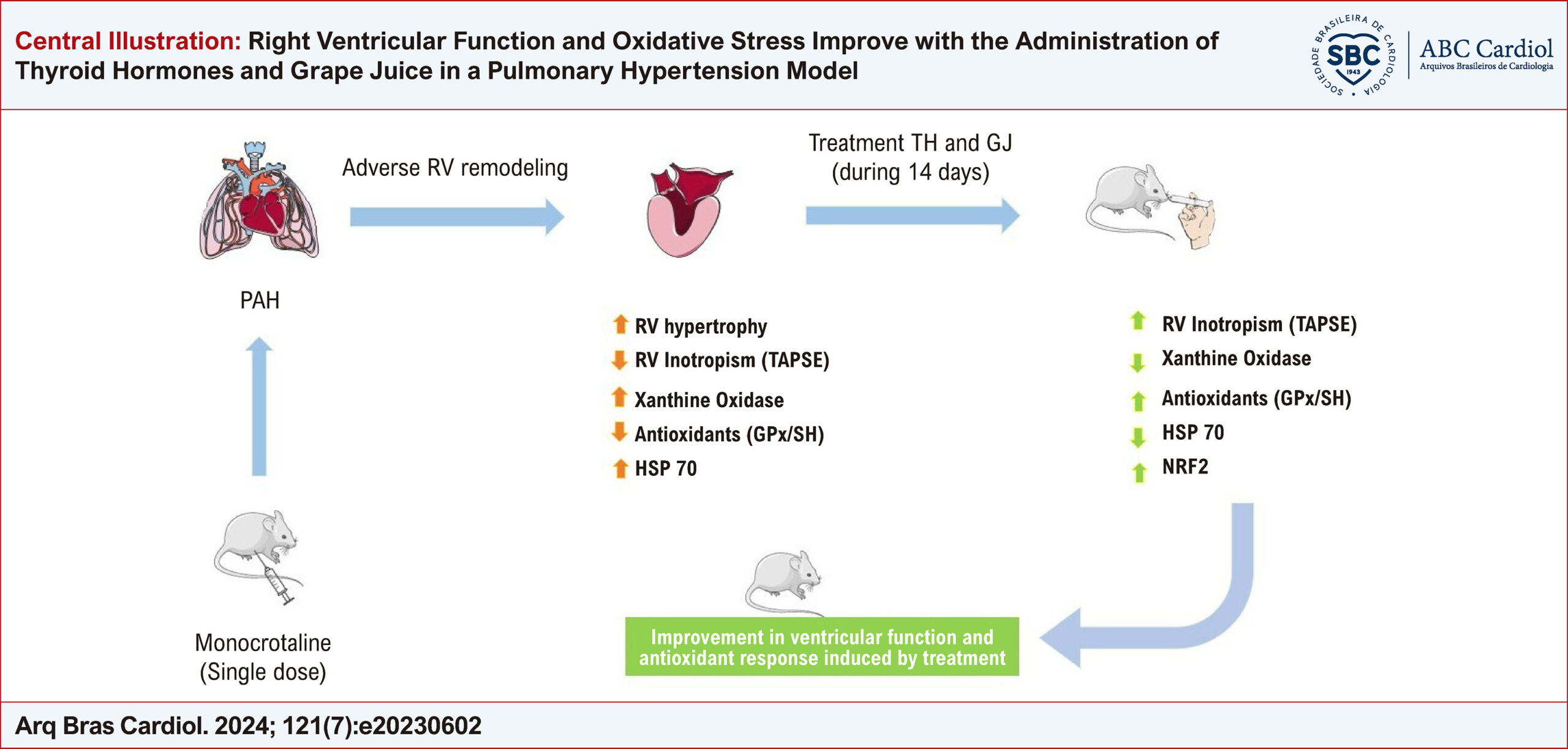
Right Ventricular Function and Oxidative Stress Improve with the Administration of Thyroid Hormones and Grape Juice in a Pulmonary Hypertension Model
ABC
Original Article

Right Ventricular Function and Oxidative Stress Improve with the Administration of Thyroid Hormones and Grape Juice in a Pulmonary Hypertension Model

Isabel Proença et al. Patrick Turck Vanessa Ortiz Cristina Campos-Carraro … Adriane Bello Klein Alexandre de Castro Caroline Dani Alex Sander da Rosa Araujo

Abstract

Background

Adverse remodeling of lung vessels elevates pulmonary pressure and provokes pulmonary arterial hypertension (PAH). PAH results in increased right ventricle (RV) afterload, causing ventricular hypertrophy and the onset of heart failure. There is no specific treatment for maladaptive RV remodeling secondary to PAH.

Objectives

This study aims to explore two therapeutic approaches, grape juice (GJ) and thyroid hormones (TH), on PAH-induced oxidative stress and cardiac functional changes.

Methods

Parameters of echocardiography related to lung vessel resistance (AT/ET ratio), RV contractility (TAPSE), and RV diastolic function (E/A peaks ratio) were evaluated. Also, total ROS, lipid peroxidation, antioxidant enzymes, calcium handling proteins, pro-oxidant and antioxidant protein expression were measured. Values of p<0.05 were considered statistically significant.

Results

Both GJ and TH treatments demonstrated reductions in pulmonary resistance (~22%) and improvements in TAPSE (inotropism ~11%) and AT/ET ratio (~26%) (p<0.05). There were no changes amongst groups regarding the E/A peak ratio. Although ROS and TBARS were not statistically significant, GJ and TH treatments decreased xanthine oxidase (~49%) levels and normalized HSP70 and calcium handling protein expression (p<0.05). However, only TH treatment ameliorated diastolic function (~50%) and augmented NRF2 immunocontent (~48%) (p<0.05).

Conclusions

To the best of our knowledge, this study stands as a pioneer in showing that TH administered together with GJ promoted functional and biochemical improvements in a PAH model. Moreover, our data suggest that GJ and TH treatments were cardioprotective, combined or not, and exhibited their beneficial effects by modulating oxidative stress and calcium-handling proteins.

  • Antioxidants
  • Calcium Handling Disorders
  • Monocrotaline
  • NF-E2-Related Factor 2
Read Full Article
Creative Commons Attribution (CC BY) Creative Commons license
15/07/2024 DOI: 10.36660/abc.20230602i Views 1
Figure 1
ABC
Original Article

Pterostilbene Reduces Experimental Myocardial Infarction-Induced Oxidative Stress in Lung and Right Ventricle

Silvio Tasca et al. Cristina Campos Denise Lacerda Vanessa D. Ortiz … Patrick Turck Sara E. Bianchi Alexandre L. de Castro Adriane Belló-Klein Valquiria Bassani Alex Sander da Rosa Araújo

Abstract

Background

Pterostilbene (PS), a natural and antioxidant polyphenolic compound emerges as a promising intervention in improving the myocardial infarction (MI) damages.

Objetives

This study aimed to evaluate PS actions in promoting redox homeostasis in lungs and right ventricle (RV) of infarcted animals.

Methods

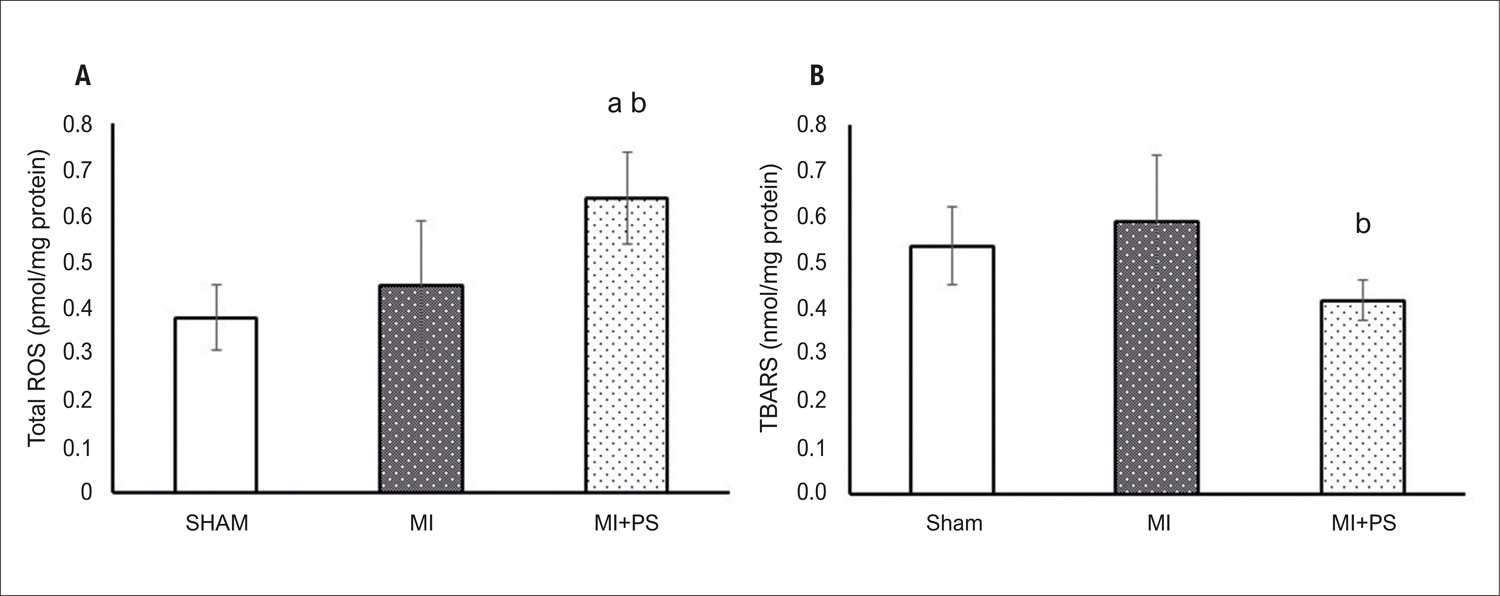
Male Wistar rats (60 day-old) were randomized into three groups: SHAM, MI (infarcted), and MI+PS (MI+pterostilbene). Seven days after MI procedure, rats were treated with PS (100 mg/kg/day) via gavage for eight days. Animals were euthanized and the lungs and RV were harvested for analyses of redox balance (Differences were considered significant when p<0.05).

Results

Our results show that MI triggers a redox disruption scenario in RV and lungs, which can contribute to MI-induced damage on these organs. Consistently, PS mitigated oxidative stress and restored antioxidant defenses (GSH in lungs: SHAM= 0.79±0.07; MI=0.67±0.05; MI+PS=0.86±0.14; p<0.05), indicating its protective role in this scenario.

Conclusions

Our work evidences the PS potential use as an adjuvant therapeutic approach after MI focusing on protecting pulmonary and right-sided heart tissues.

  • Antioxidants
  • Homeostasis
  • Hormesis
  • Myocardial Infarction
  • NADPH Oxidases
  • Oxidative Stress, Nitric Oxidase Synthase
  • Pterostilbene
  • Rats
Read Full Article
Creative Commons Attribution (CC BY) Creative Commons license
07/03/2022 DOI: 10.36660/abc.20201155 Views 2
ABC
Editorial

Cardioprotection during Chemotherapy: Prospects of Antioxidant Strategies

Thiago Gomes Heck

The concept of oxidative stress, well defined as a situation in which cells, tissues, or the whole body present an imbalance between reactive oxygen species (ROS) and antioxidant defenses in favor of ROS levels, is found in several acute and chronic diseases, including cancer. The equilibrium between ROS production and the ability of cells to avoid oxidative damage is a natural challenge for mammalian species since the energy production by oxidative pathways in mitochondria allows the continuous production of free radical and oxidative molecules. Pharmacological agents may generally use the modulation of oxidative balance to treat some diseases, or oxidative imbalance may represent a side effect of the drugs. Also, we need to keep in mind that oxidative stress caused by environmental (e.g., air pollution) and metabolic (e.g., obesity and diabetes) conditions is also associated with an increased risk of a variety of cancers.

Hyperproliferation of tumor cells is accompanied by high ROS production, but it is well known that cell stress response, antioxidant defenses, and resistance against the cytotoxic effects of chemotherapy is quite different in tumor compared to immune cells and other tissues. Thus, the tumor is able to adapt to conditions of oxidative burden while other cells may not present sufficient self-defense against oxidative damage. The mechanism of tumor self-protection involves increasing the levels of the major non-enzymatic antioxidant defense, glutathione (GSH). As a “hungry” cell, considering the common high-energy demand mainly by glucose uptake, tumors activate glucose-6-phosphate dehydrogenase (G6PD) and reroute glucose metabolism from glycolysis through the oxidative arm of the pentose phosphate pathway (PPP) toward nucleotide synthesis. In turn, the increase in nicotinamide adenine dinucleotide phosphate (NADPH) allows the increase in GSH and other antioxidant systems. Also, at a molecular level, the tumor evocates many transcription factors, including activator protein 1 (AP-1), heat shock factor 1 (HSF1), nuclear factor κB (NF-κB), nuclear factor-erythroid 2 p45-related factor 2 (NRF2), and tumor protein p53, representing a proliferative strategy accompanied by a robust cell stress defense.,

[…]

  • Antioxidants
  • Cardioprotection
  • Drug Therapy
  • Oxidative Stress
  • Resveratrol
Read Full Article
Creative Commons Attribution (CC BY) Creative Commons license
03/12/2021 DOI: 10.36660/abc.20210914 Views 1
Figure 1
ABC
Original Article

Influence of Consumption of Orange Juice (Citrus Sinensis) on Cardiac Remodeling of Rats Submitted to Myocardial Infarction

Bruna C. Oliveira et al. Priscila P. Santos Amanda M. Figueiredo Bruna P. M. Rafacho … Larissa Ishikawa Silméia G. Zanati Ana A. H. Fernandes Paula S. Azevedo Bertha F. Polegato Leonardo A. M. Zornoff Marcos F. Minicucci Sergio A. R. Paiva

Abstract

Background

Orange juice (OJ) is rich in polyphenols with anti-inflammatory and antioxidant properties. After myocardial infarction (MI), complex changes occur in cardiac structure and function, which is known as cardiac remodeling (CR). Oxidative stress and inflammation can modulate this process. We hypothesized that the consumption of OJ attenuates the CR after MI.

Objectives

To evaluate the influence of OJ on CR after MI by analysis of functional, morphological, oxidative stress, inflammation, and energy metabolism variables.

Methods

A total of 242 male rats weighing 200-250 g were submitted to a surgical procedure (coronary artery ligation or simulated surgery). Seven days after surgery, survivors were assigned to one of the four groups 1) SM, sham animals with water and maltodextrin (n= 20); 2) SOJ, sham animals with OJ (n= 20); 3) IM, infarcted animals with water and maltodextrin (n= 40); and 4) IOJ, infarcted animals with OJ (n = 40). Statistical analysis was performed by the two-way ANOVA supplemented by Holm-Sidak. Results are presented as mean ± standard deviation, the level of significance adopted was 5%.

Results

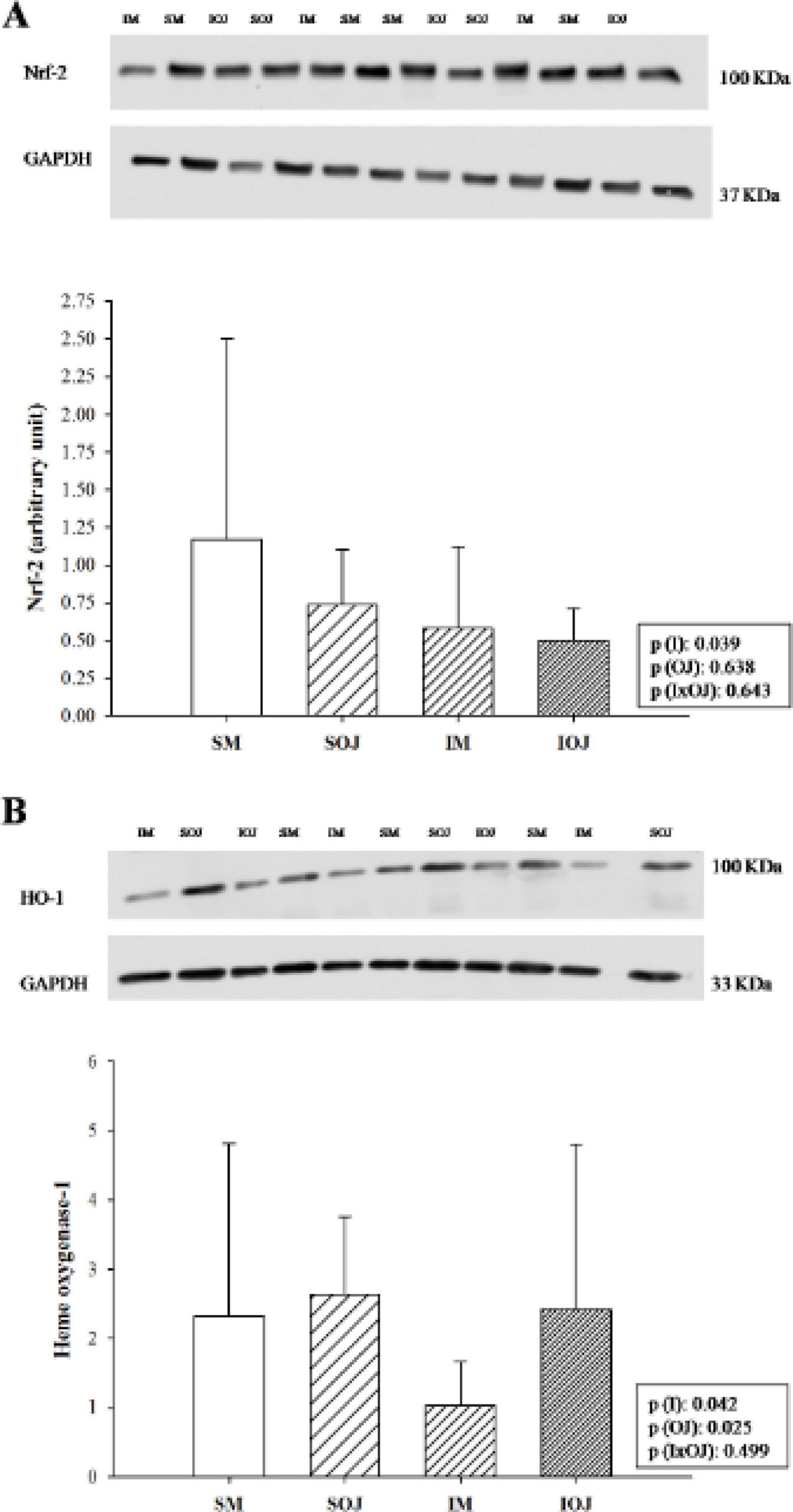
After 3 months, MI led to left ventricular (LV) hypertrophy, with systolic and diastolic dysfunction, and increased oxidative stress and inflammatory mediators. OJ intake reduced LV cavity and improved systolic and diastolic function. The OJ animals presented lower activity of glutathione peroxidase and higher expression of heme-oxygenase-1 (HO-1).

Conclusion

OJ attenuated CR in infarcted rats and HO-1 may be play an important role in this process.

  • Anti-Inflammatory Agents
  • Antioxidants
  • Fruits Juices (orange)
  • Myocardial Infarction
  • Polyphenols
  • Ventricular Remodeling
Read Full Article
Creative Commons Attribution (CC BY) Creative Commons license
14/06/2021 DOI: 10.36660/abc.20190397 Views 2
ABC
Editorial

Antioxidant and Anti-Inflammatory Effects of Orange Juice

Paula Felippe Martinez et al. Marianna Rabelo de Carvalho Maria Lua Marques Mendonça Marina Politi Okoshi Silvio Assis de Oliveira-Junior

Post myocardial infarction cardiac remodelling progression is a complex event involving several biological reactions; these include oxidative stress and inflammatory response. – The release of reactive oxygen species (ROS) after myocardial ischemia stimulates pro-inflammatory mediators involved in fibroblast proliferation and tissue repair in the infarcted area. However, sustained ROS production in combination with hemodynamic overload and antioxidant system incapacity leads to oxidative stress in non-infarcted areas, which also undergo cardiac remodelling. – These changes, associated with energy metabolism disorders, metalloproteinases activation, cardiomyocyte death and hypertrophy, interstitial fibrosis, and cardiac dysfunction characterize the cardiac remodelling process.

Studies on various bioactive compounds, often extracted from food, have been undertaken to assess their attenuating powers on disorders common to cardiac remodelling, such as oxidative stress and inflammation. – However, the extraction and isolation of these substances can require a complex network of costly specialized technical procedures making it financially difficult for a large part of the population to access this resource. Additionally, taken in isolation one cannot evaluate the potential effects of interactions between food matrix components and the organism which may alter the metabolic effects. Alternatively, consuming the food in its entirety acts as a buffer in the digestive system allowing greater bioavailability of its active compounds. Therefore, nutritional approaches involving ingestion of natural foods, such as fruits and their products (peels, juices, pulps, puree, and jams, etc), which contain substances with antioxidant and anti-inflammatory properties, have increasingly gained interest. , It is worth mentioning citrus fruits, which are rich in bioactive compounds that may change the metabolism and protect tissues from ROS accumulation injuries. Citrus fruit juices, in general, are abundant sources of vitamin C and other nutrients, such as potassium, folate, magnesium, vitamin A, and polyphenolic compounds. In this sense, orange juice is a complex food matrix with cardioprotective potential due to its antioxidant and anti-inflammatory capacity. –

[…]

  • Anti-Inflammatory Agents
  • Antioxidants
  • Citrus Sinensis
  • Fruit and Vegetable Juices
  • Metabolism
  • Oxidative Stress
  • Ventricular Remodeling
Read Full Article
Creative Commons Attribution (CC BY) Creative Commons license
14/06/2021 DOI: 10.36660/abc.20210418 Views 1
Figure 1
ABC
Original Article

Strength Training Reduces Cardiac and Renal Oxidative Stress in Rats with Renovascular Hypertension

Rodrigo Miguel-dos-Santos et al. Jucilene Freitas dos Santos Fabricio Nunes Macedo Anderson Carlos Marçal … Valter J. Santana Filho Rogerio Brandão Wichi Sandra Lauton-Santos

Abstract

Background

Strength training has beneficial effects on kidney disease, in addition to helping improve antioxidant defenses in healthy animals.

Objective

To verify if strength training reduces oxidative damage to the heart and contralateral kidney caused by the renovascular hypertension induction surgery, as well as to evaluate alterations in the activity of superoxide dismutase (SOD), catalase (CAT), and glutathione peroxidase (GPx) endogenous antioxidant enzymes.

Methods

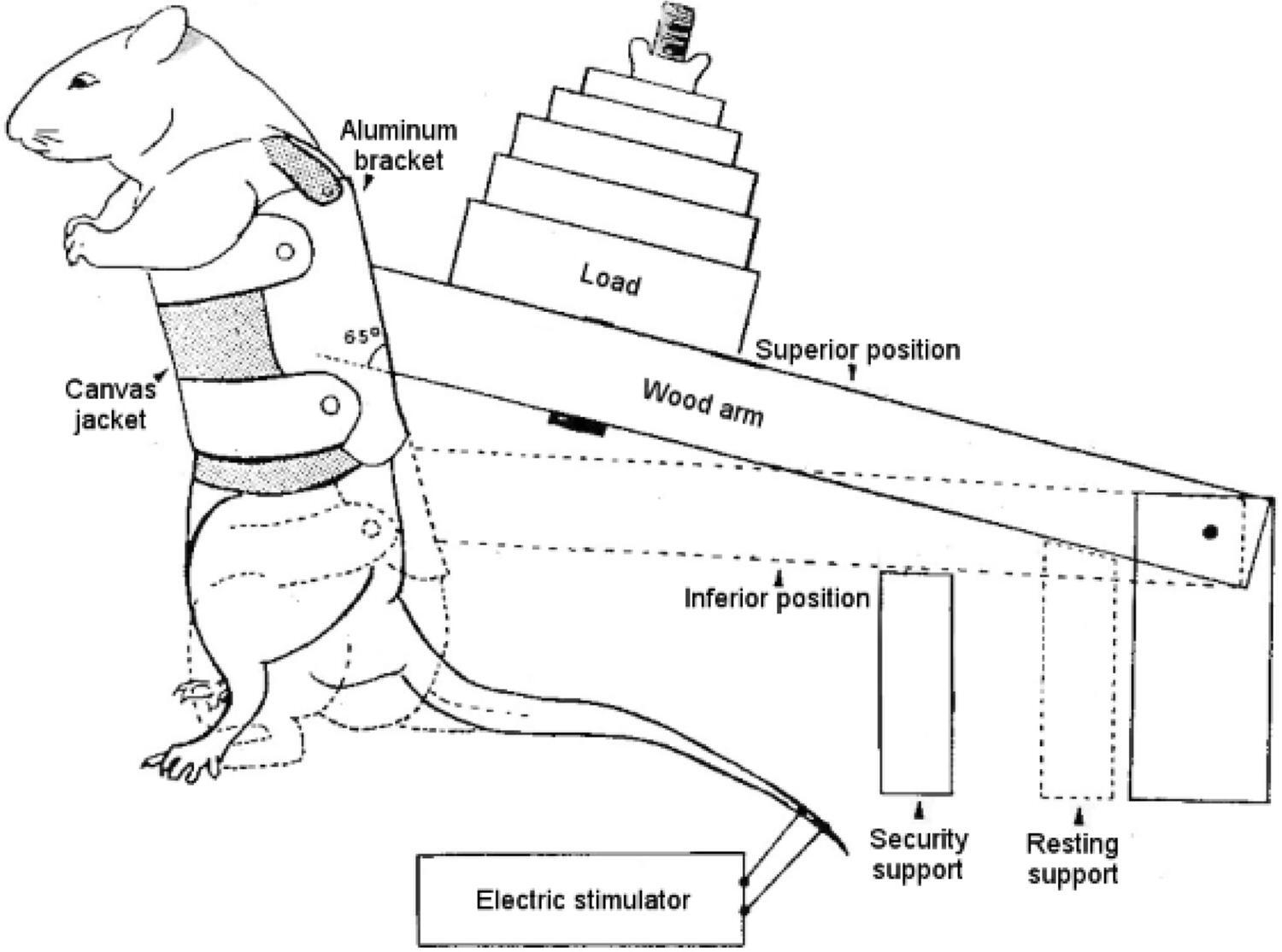
Eighteen male rats were divided into three groups (n=6/group): sham, hypertensive, and trained hypertensive. The animals were induced to renovascular hypertension through left renal artery ligation. Strength training was initiated four weeks after the induction of renovascular hypertension, continued for a 12-weeks period, and was performed at 70% of 1RM. After the training period, the animals were euthanized and the right kidney and heart were removed for quantitation of hydroperoxides, malondialdehyde and sulfhydryl groups, which are markers of oxidative damage. In addition, the activity of SOD, CAT, and GPx antioxidant enzymes was also measured. The adopted significance level was 5% (p < 0.05).

Results

After strength training, a reduction in oxidative damage to lipids and proteins was observed, as could be seen by reducing hydroperoxides and total sulfhydryl levels, respectively. Furthermore, an increased activity of superoxide dismutase, catalase, and glutathione peroxidase antioxidant enzymes was observed.

Conclusion

Strength training is able to potentially reduce oxidative damage by increasing the activity of antioxidant enzymes. (Arq Bras Cardiol. 2021; 116(1):4-11)

  • Antioxidants
  • hypertension, renovascular
  • Oxidation-Reduction
  • Oxidative Stress
  • Renal Arterial Obstruction
  • Resistance Training
Read Full Article
Creative Commons Attribution (CC BY) Creative Commons license
03/02/2021 DOI: 10.36660/abc.20190391
ABC
Editorial

Short Editorial: Quercetin Ameliorates Lipid and Apolipoprotein Profile in High-Dose Glucocorticoid Treated Rats

Bruna Paola Murino Rafacho

Short Editorial related to the article: Quercetin Ameliorates Lipid and Apolipoprotein Profile in High-Dose Glucocorticoid Treated Rats

Flavonoids, such as anthocyanins, flavonols, flavanols, flavanones, flavones, and isoflavones are the most abundant polyphenols in the human diet. The flavonol quercetin is one of the most studied among these compounds. – Quercetin is a secondary plant metabolite of the flavonol subclass of flavonoids present in many fruits and vegetables, e.g. apples, grapes, onions and peppers. ,

[…]

  • Anti-Inflamatórios Agents
  • Antioxidants
  • Flavonoids
  • Glucocorticoids
  • Quercetin
  • Rats
Read Full Article
Creative Commons Attribution (CC BY) Creative Commons license
07/08/2020 DOI: 10.36660/abc.20200461 Views 1
Figure 1
ABC
Original Article

Bradycardic and Antiarrhythmic Effects of the D-Limonene in Rats

Gildenisson Araújo do Nascimento et al. Diego Santos de Souza Bruno Santos Lima Carla Maria Lins de Vasconcelos … Adriano Antunes de Souza Araújo Aimée Obolari Durço Lucindo José Quintans-Junior Jackson Roberto Guedes da Silva Almeida Aldeída Pereira Oliveira Valter Joviniano de Santana-Filho André Sales Barreto Márcio Roberto Viana dos Santos

Abstract

Background:

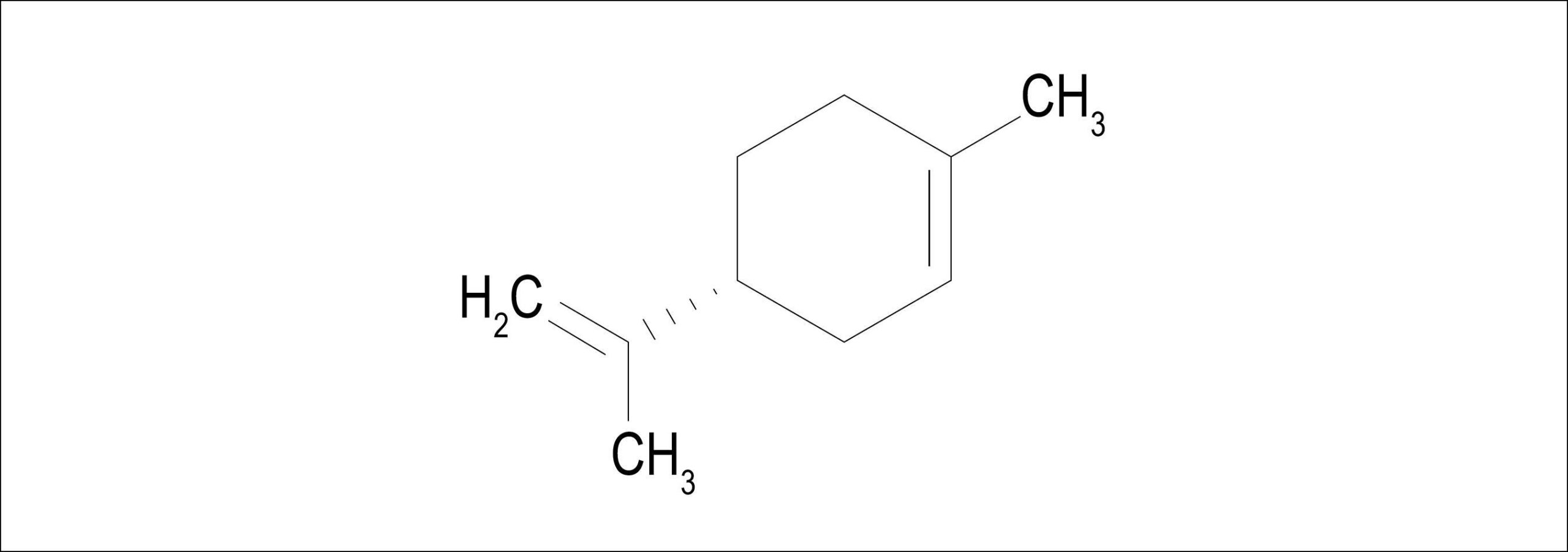
D-limonene (DL) is a monoterpene and is the major component in the essential oil of citrus fruit. It presents antihyperglycemic and vasodilatation activities.

Objectives:

This study evaluated the cardiovascular effects and potential antiarrhythmic of DL in rats.

Methods:

Hemodynamic and electrocardiographic (ECG) parameters were measured in male Wistar rats, which under anesthesia had been cannulated in the abdominal aorta and lower vena cava and had electrodes subcutaneously implanted. In the in vitro approach, the heart was removed and perfused using the Langendorff technique. The significance level adopted was 5% (p < 0.05).

Results:

DL, in doses of 10, 20, and 40 mg/kg (i.v), produced intense and persistent bradycardia associated with hypotension. Bradycardia with prolonged QTc was observed in the ECG in vivo recording. In the in vivo model of arrhythmia induced by Bay K8644, DL (10 mg/kg) decreased the arrhythmia score from 15.33 ± 3.52 to 4.0 ± 2.64 u.a (p < 0.05, n = 4). In isolated perfused hearts, DL (10-3 M) promoted significant reductions in heart rate (from 228.6 ± 8.5 ms to 196.0 ± 9.3 bpm; p < 0.05) and left ventricular development pressure (from 25.2 ± 3.4 to 5.9 ± 1.8 mmHg; n = 5, p < 0.05).

Conclusions:

DL produces bradycardia and antiarrhythmic activity in rat heart.

  • Anti-Arrhythmia Agents
  • Antioxidants
  • Arrhythmias Cardiac
  • Bradycardia
  • Limonene
  • Monoterpenes
  • Rats
Read Full Article
Creative Commons Attribution (CC BY) Creative Commons license
02/09/2019 DOI: 10.5935/abc.20190173 Views 1
Figure 1
IJCS
Original Article

Curcuma Longa Abolishes Phenylephrine-Induced Contractions in Isolated Aortic Artery of Rats

Natacha Pinheiro Melo Brozzo et al. Efraim dos Santos Ferreira Eduardo Andrade Gonçalves Dionatas Ulises de Oliveira Meneguetti … Delano Aníbal da Silva Renildo Moura da Cunha

Abstract

Background:

Curcuma longa has biological effects. Its cardiovascular activities are yet to be scientifically studied.

Objectives:

To investigate the vasorelaxant effects of the aqueous extract of Curcuma longa (AECL).

Methods:

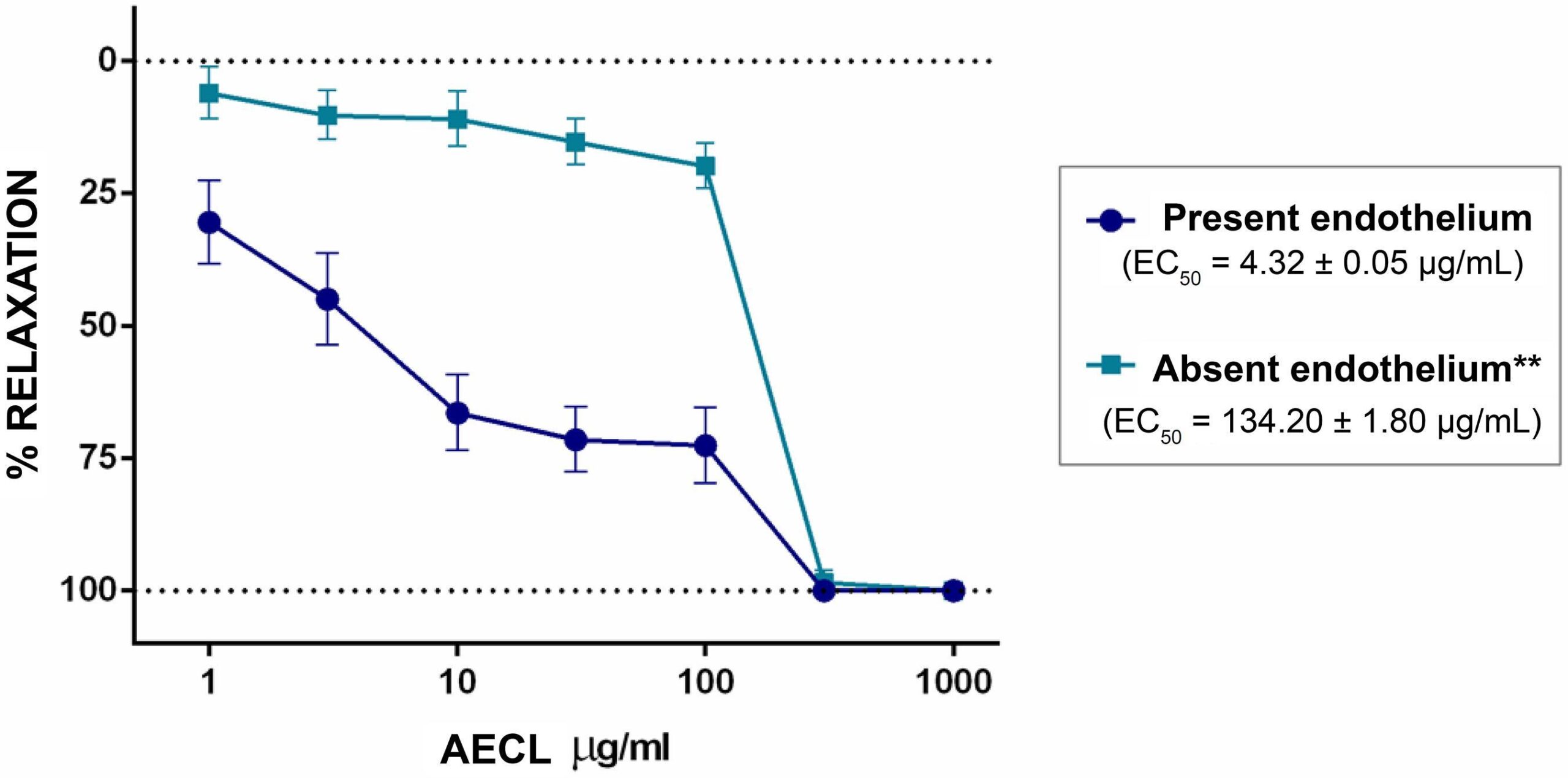
Aortic annuli of normotensive rats, with or without endothelium, were set up in a data storage system with nutrient solution in recipients, with scientifically recommended temperature, aeration and tension. Over contraction by Phenylephrine, the AECL (1, 3, 10, 30, 100, 300 and 1000 µg/mL) was incubated before and after incubation with atropine or L-name or indomethacin. An AECL concentration-response curve was also built over contractions caused by elevation of extracellular K+. Data were significant when p < 0.05, with GraphPad Prism 6.0 software resolutions.

Results:

The AECL induced 100% vasorelaxation also in the endothelium-free annuli. The part of the endothelium-dependent effect had EC50 = 4.32 ± 0.05 µg/mL. With inhibition of NO production, the EC50 increased to 126.50 ± 2.35 µg/mL; after inhibition of prostacyclin production, to 124.6 ± 0.05 µg/mL; and after muscarinic blockade, to 437.10 ± 0.2 µg/mL. Opening of K+ channels (relaxation of 56.98%) and VOCC blockade (relaxation of 31.56%) were evident.

Conclusion:

AECL induced significant vasorelaxation, being more significant in the presence of endothelium. The muscarinic pathway seems to be the main one involved in this effect, followed by the NO production and prostacyclin pathways. The activity in K+ channels by AECL was more significant than its VOCC blockade. The use of other models and tools to study action mechanisms will be important and elucidating.

  • Antioxidants
  • Cardiotonic Agents
  • Crocus
  • Curcuma/adverse effects
  • Hypertension
  • Receptors, Muscarinic
  • Vasodilator Agents
Read Full Article
Creative Commons Attribution (CC BY) Creative Commons license
07/03/2019 DOI: 10.5935/2359-4802.20190009 Views 1
ABC
Viewpoint

Update of the Impact of Consumption of Whole Chicken Eggs on the Lipid Profile: to What Extent are They Impacting?

Heitor Oliveira Santos

Introduction

The older literature (mid 1980-90) shows that increased dietary cholesterol intake can raise total serum cholesterol and LDL levels., Some more current positions question the recommendation of daily cholesterol intake, as well as the impact of the whole chicken egg, inquiring whether it is a harmful or beneficial classification food in this context., In the midst of controversial issues, it is essential to analyze variables such as food consumption in general and how much dietary cholesterol intake is impacting on the parameters of the lipid profile, thus obtaining a more reliable information, mainly when the focus is the clinical conduct.

One of the foods most known to contain cholesterol is the egg, and it is in the yolk where the cholesterol is concentrated. The chicken egg is the most consumed worldwide, being a food of affordable price, and, above all, of practical cooking and good nutritional profile.

[…]

  • Antioxidants
  • Cholesterol / chemistry
  • Egg Proteins
  • Egg Proteins, Dietary
  • Eggs / utilization
Read Full Article
Creative Commons Attribution (CC BY) Creative Commons license
01/06/2018 DOI: 10.5935/abc.20180092 Views 3
Figure 1
ABC
Original Article

Plasma Total Antioxidant Capacity and Cardiometabolic Risk in Non-Obese and Clinically Healthy Young Adults

Jamille Oliveira Costa et al. Cecília M. Passos Vásquez Gleiciane de Jesus Santana Natanael de Jesus Silva … Juciene de Matos Braz Amélia M. Ribeiro de Jesus Danielle Góes da Silva Luana Celina Seraphim Cunha Kiriaque Barra Ferreira Barbosa

Abstract

Background:

The oxidative biomarkers play an important role in the genesis of cardiometabolic risk-related processes.

Objective:

To investigate the total antioxidant capacity of plasma and its association with cardiometabolic risk in non-obese and clinically healthy young adults.

Methods:

University students of the state of Sergipe, Brazil, aged between 18 and 25 years, were recruited for this study from May of 2013 and October of 2014. Anthropometric, clinical and biochemical parameters were measured and analyzed using protocols which were previously standardized and described in the literature. The measurement of plasma total antioxidant capacity was based on the ability that all the antioxidants present in the sample (plasma) have to inhibit the oxidation of the oxidizable substrate ABTS (2,2`- Azino-di-[3-ethylbenzthiazoline sulphonate]) to ABTS•+ by metmyoglobin.

Results:

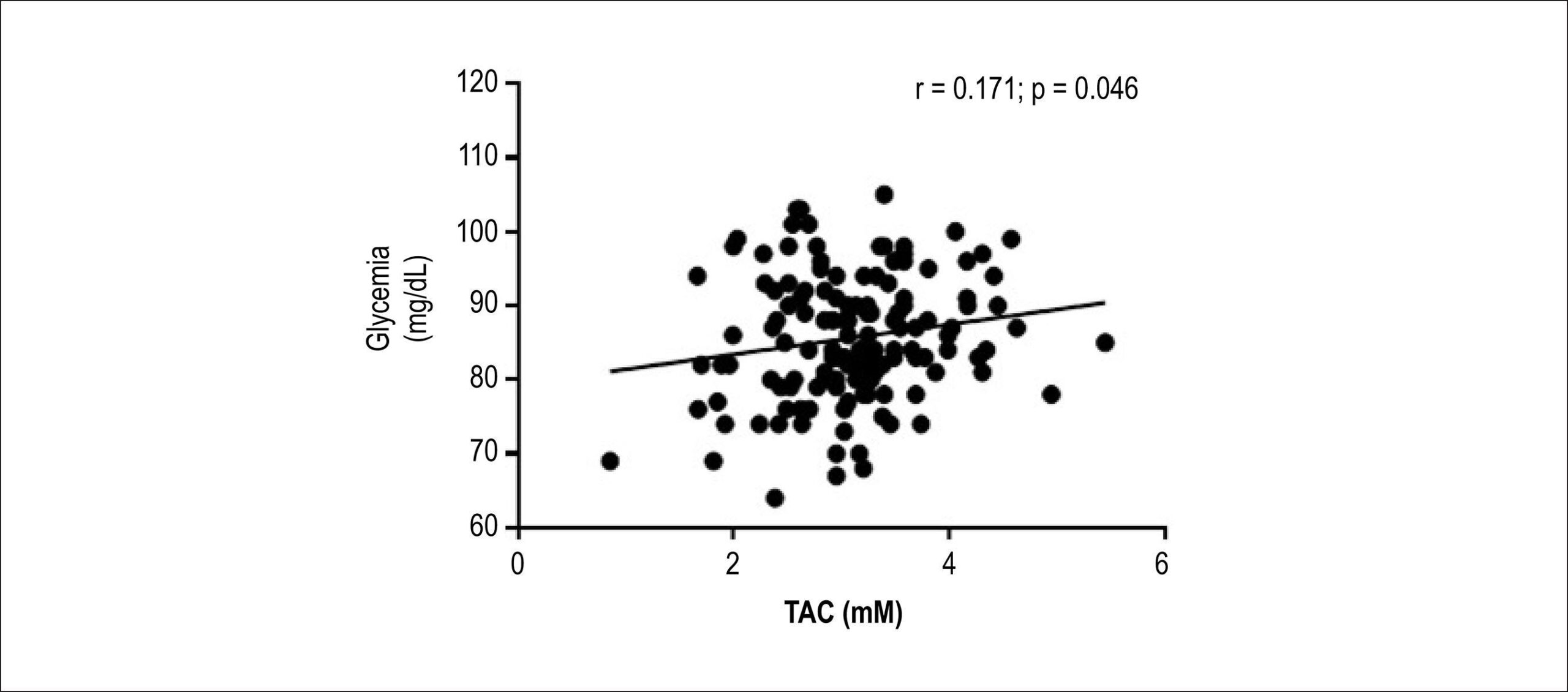
Approximately 25% of the sample presented more than one component of cardiometabolic risk. Low HDL-cholesterol was the most prevalent component. Compared to absence of components, the subjects with at least one component presented greater body weight and waist circumference, higher levels of diastolic blood pressure and fasting glucose, greater total cholesterol/HDL-c ratio, and lower levels of HDL-c (p < 0.05). Fasting glycemia was the only parameter which was associated with total antioxidant capacity (R2 = 0.10; β = 0.17; p = 0.001).

Conclusions:

The plasma total antioxidant capacity was not able to predict the cardiometabolic risk components due possibly to the establishment of compensatory mechanisms that become activated in physiological conditions.

  • Antioxidants
  • Cardiovascular Diseases
  • Metabolic Syndrome
  • Oxidative Stress
  • Risk Factors
  • Young Adult
Read Full Article
Creative Commons Attribution (CC BY) Creative Commons license
10/07/2017 DOI: 10.5935/abc.20170095 Views 1
Figure 1
ABC
Original Article

Cardioprotective Effect of Crocin Combined with Voluntary Exercise in Rat: Role of Mir-126 and Mir-210 in Heart Angiogenesis

Vajihe Ghorbanzadeh et al. Mustafa Mohammadi Hassan Dariushnejad Alireza Abhari … Leila Chodari Gisou Mohaddes

Abstract

Background:

Crocin is reported to have a wide range of biological activities such as cardiovascular protection. Recent epidemiologic studies have shown that exercise reduces cardiovascular morbidity and mortality in the general population.

Objective:

The aim of this study was to evaluate the effect of crocin and voluntary exercise on miR-126 and miR-210 expression levels and angiogenesis in the heart tissue.

Methods:

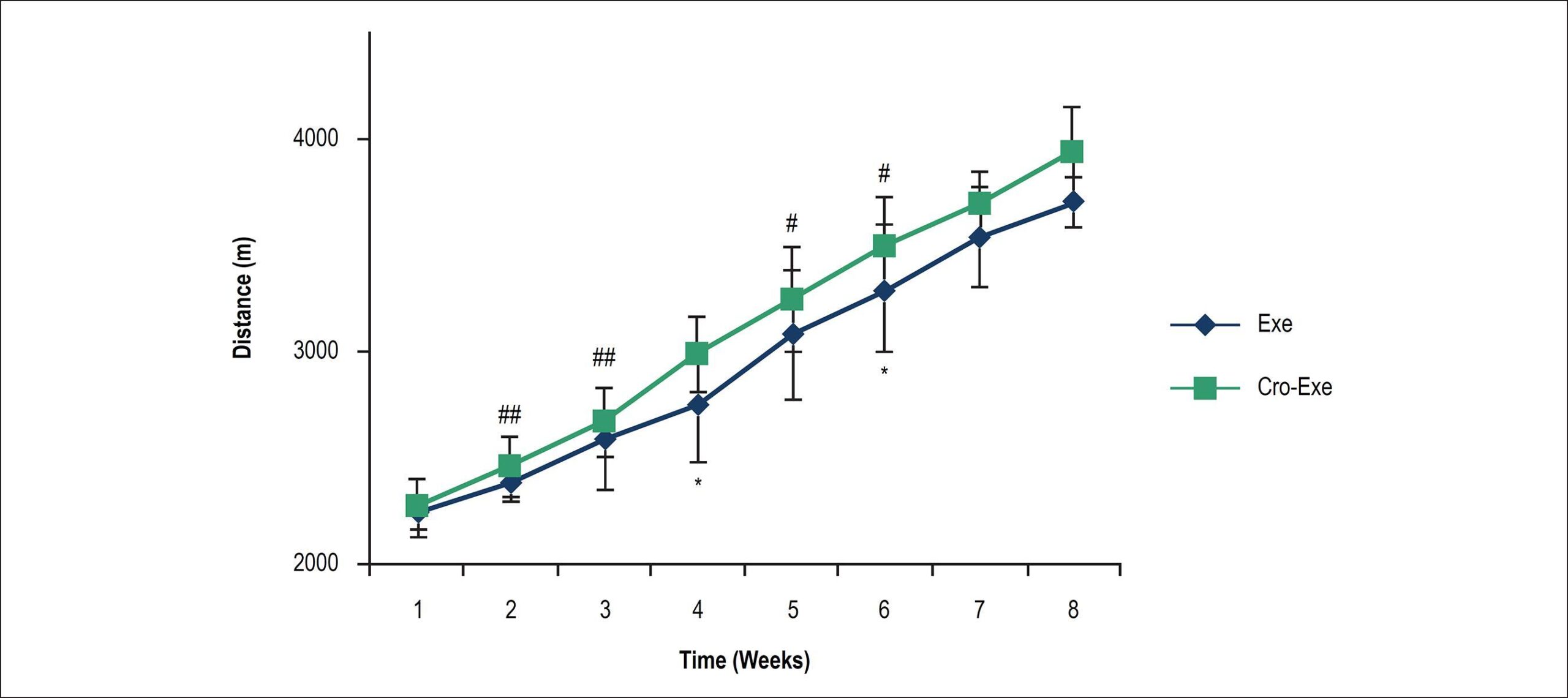
Animals were divided into 4 groups: control, exercise, crocin, and exercise-crocin. Animals received oral administration of crocin (50 mg/kg) or performed voluntary exercise alone or together for 8 weeks. Akt, ERK1/2 protein levels, miR-126 and miR-210 expression were measured in the heart tissue. Immunohistochemical method was used to detect CD31 in the heart tissue.

Results:

Akt and ERK1/2 levels of the heart tissue were higher in crocin treated group and voluntary exercise trained group after 8 weeks. Combination of crocin and exercise also significantly enhanced Akt and ERK1/2 levels in the heart tissue. MiR-126, miR-210 expression and CD31 in the heart increased in both crocin and voluntary exercise groups compared with control group. In addition, combination of exercise and crocin amplified their effect on miR-126 and miR-210 expression, and angiogenesis.

Conclusion:

Crocin and voluntary exercise improve heart angiogenesis possibly through enhancement of miR-126 and miR-210 expression. Voluntary exercise and diet supplementation with crocin could have beneficial effects in prevention of cardiovascular disease.

  • Angiogenesis Modulating Agents
  • Antioxidants
  • Crocus Sativus
  • Exercise
  • miR-126
  • miR-210
  • Rats
Read Full Article
Creative Commons Attribution (CC BY) Creative Commons license
29/06/2017 DOI: 10.5935/abc.20170087
Figure 1
IJCS
Original Article

Green Tea Attenuates Hypotension Induced by Physical Exercise: A Randomized, Placebo Controlled Study

Manoel Miranda Neto et al. Raquel Suelen Brito da Silva Taís Feitosa da Silva Fabiano Ferreira de Lima Alexandre Sérgio Silva

Abstract

Background:

Studies have shown that chronic administration of green tea decreases blood pressure (BP) at rest, while a single exercise session also promotes reduction of BP.

Objective:

To investigate whether if a single dose of green tea prior to aerobic exercise session improves post-exercise hypotension (PEH).

Methods:

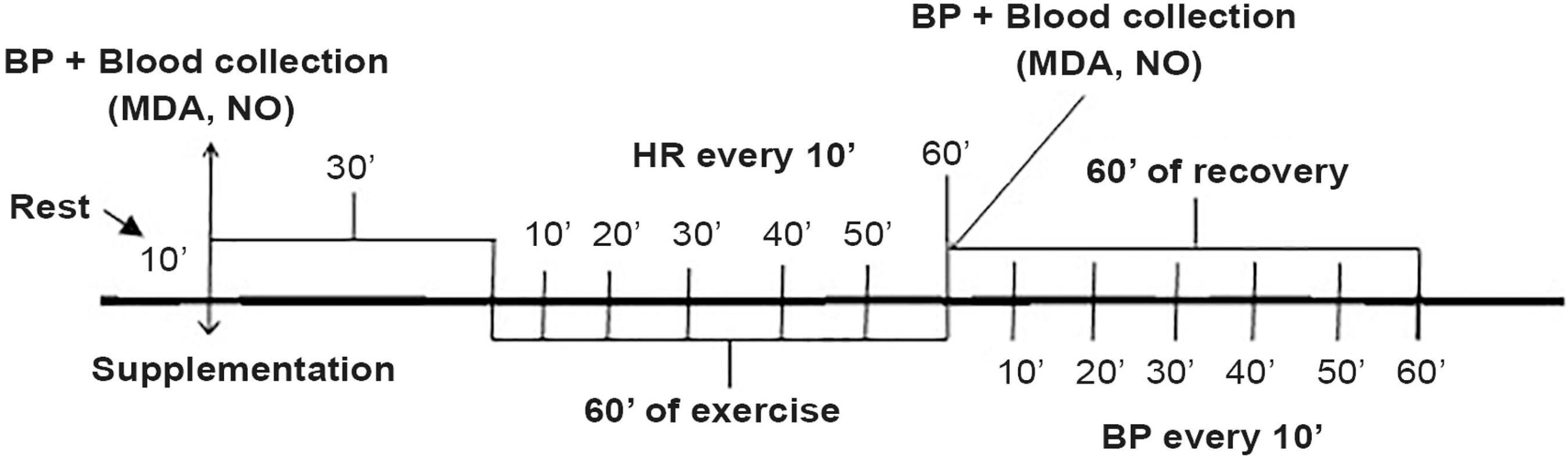
Randomized, double-blind, placebo controlled study. Fifteen hypertensive patients (53 ± 3.3 years) participated in two study sessions: green tea+exercise (GTE) and placebo+exercise (PLE). Thirty minutes after ingesting 2 g of green tea or placebo, they performed 60 minutes of treadmill walking at 60 to 85% of maximum heart rate. BP was measured at rest and at every 10 minutes after exercise for 60 minutes. Blood samples were taken before ingestion of green tea or placebo and immediately after exercise to determine malondialdehyde (MDA) and nitrite (NO) concentrations.

Results:

On PLE day, systolic PEH was detected at all post-exercise time points (BP reduction by 6.5-11.8 mmHg), whereas on GTE day, PEH was found only at 20 and 40 minutes post-exercise (BP reduction by 5.9 and 5.8 mmHg, respectively). BP reduction was significantly higher in PLE at 10, 20 and 30 minutes post-exercise compared with GTE. In addition, GTE resulted in hypertensive diastolic response, while on PLE day, diastolic PEH was seen only at 20 minutes post-exercise. No changes in MDA or NO concentrations in response to exercise were observed.

Conclusion:

Green tea supplementation prior to an aerobic exercise session attenuated systolic PEH and induced diastolic hypertensive response to aerobic exercise in hypertensive patients.

  • Antioxidants
  • Camellia sinensis / drug effects
  • Exercise
  • Hypotension
  • Oxidative Stress
Read Full Article
Creative Commons Attribution (CC BY) Creative Commons license
01/01/2017 DOI: 10.5935/2359-4802.20170062
Figure 1
IJCS
Original Article

Assessment of Bioactive Compounds, Physicochemical Composition, and In Vitro Antioxidant Activity of Eggplant Flour

Mauara Scorsatto et al. Aline de Castro Pimentel Antonio Jorge Ribeiro da Silva Kebba Sabally … Glorimar Rosa Gláucia Maria Moraes de Oliveira

Abstract

Background:

The eggplant (Solanum melongena) is a fruit of world consumption. Its processing in the form of flour is a way to avoid losses and to take advantage of its nutritional characteristics.

Objective:

This study assessed the physicochemical composition (moisture, proteins, lipids, crude fiber, carbohydrates, minerals, niacin, saponins, titratable acidity, dietary fiber, and total phenols) of eggplant flour prepared from the whole fruit dehydrated in an oven.

Methods:

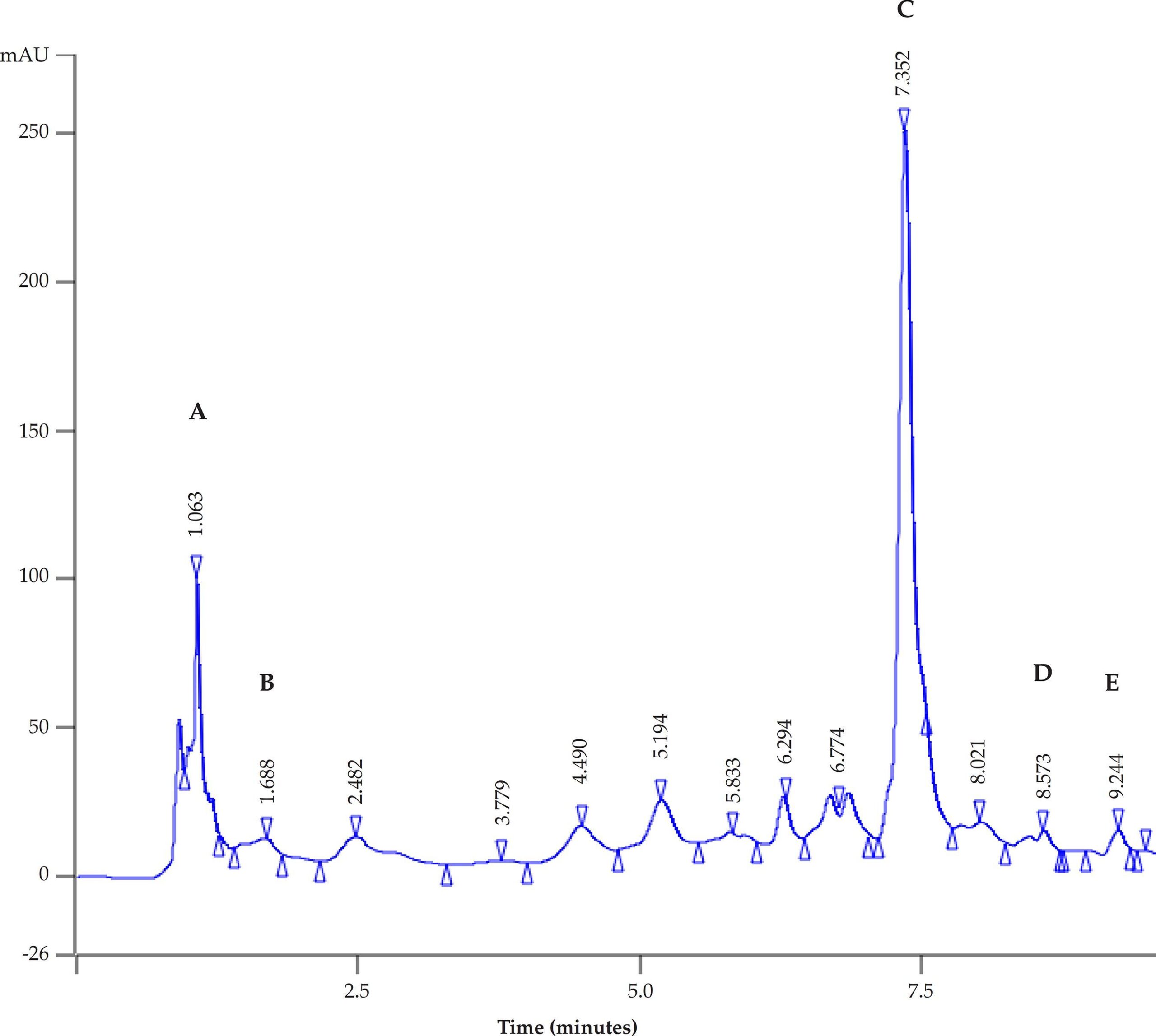
In vitro antioxidant activity was assessed using the following methods: 2.2-diphenyl-1-picrylhydrazyl radical (DPPH); Ferric Reducing/Antioxidant Power (FRAP); and analysis of polyphenols using HPLC (chlorogenic acid, caffeic acid, ferulic acid, and rutin).

Results:

It was possible to observe: 23.09% carbohydrates; 13.34% proteins; 1.85% lipids; 39.19% total fibers; 1,540 mg/100 g total soluble phenolic compounds; 840 mg/100 g saponins; minerals (potassium, magnesium, copper, iron, zinc, manganese); and niacin. In vitro antioxidant activity was observed through DPPH (455.6 mg ascorbic acid/100 g) and FRAP (486.8 mg ascorbic acid/100 g). The HPLC method determined the presence of ascorbic acid, tyrosine, and phenolic acids (chlorogenic acid, caffeic acid, and ferulic acid).

Conclusion:

The eggplant flour had great fiber content in addition to good content of phenolic compounds and saponins with important antioxidant capacity observed through in vitro assays. As a result, eggplant flour is a good addition to the diet of the population, since it can bring potential health benefits.

  • Antioxidants
  • Diet
  • Hyperlipidemias
  • Nutrition
  • Phenolic Compounds
  • Solanum Melongena
Read Full Article
Creative Commons Attribution (CC BY) Creative Commons license
01/01/2017 DOI: 10.5935/2359-4802.20170046 Views 2
Figure 1
IJCS
Original Article

Gallic Acid and Cyclosporine Mixture and their Effects on Cardiac Dysfunction Induced by Ischemia/Reperfusion and eNOS/iNOS Expression

Mohammad Badavi et al. Najmeh Sadeghi Mahin Dianat Alireza Samarbafzadeh

Abstract

Background:

Although many researches have been conducted on either a certain antioxidant or mPTP individually, little attention has been drawn to the effects of co-administration of an antioxidant and mPTP inhibitor together on cardiac dysfunction after I/R injury.

Objectives:

This study aims at determining the effects of gallic acid (as Antioxidant) combined with cyclosporine A (CsA) (as mPTP inhibitor) on I/R induced cardiac and endothelial (role of NO) dysfunction.

Methods:

Male Wistar rats were pretreated with gallic acid (7.5, 15, or 30 mg.kg-1 body weight, daily) for a period of 10 days. Then, the heart was isolated and exposed to 30-minute ischemia and perfused by CsA (0.2 µM) 20 min during reperfusion period.

Results:

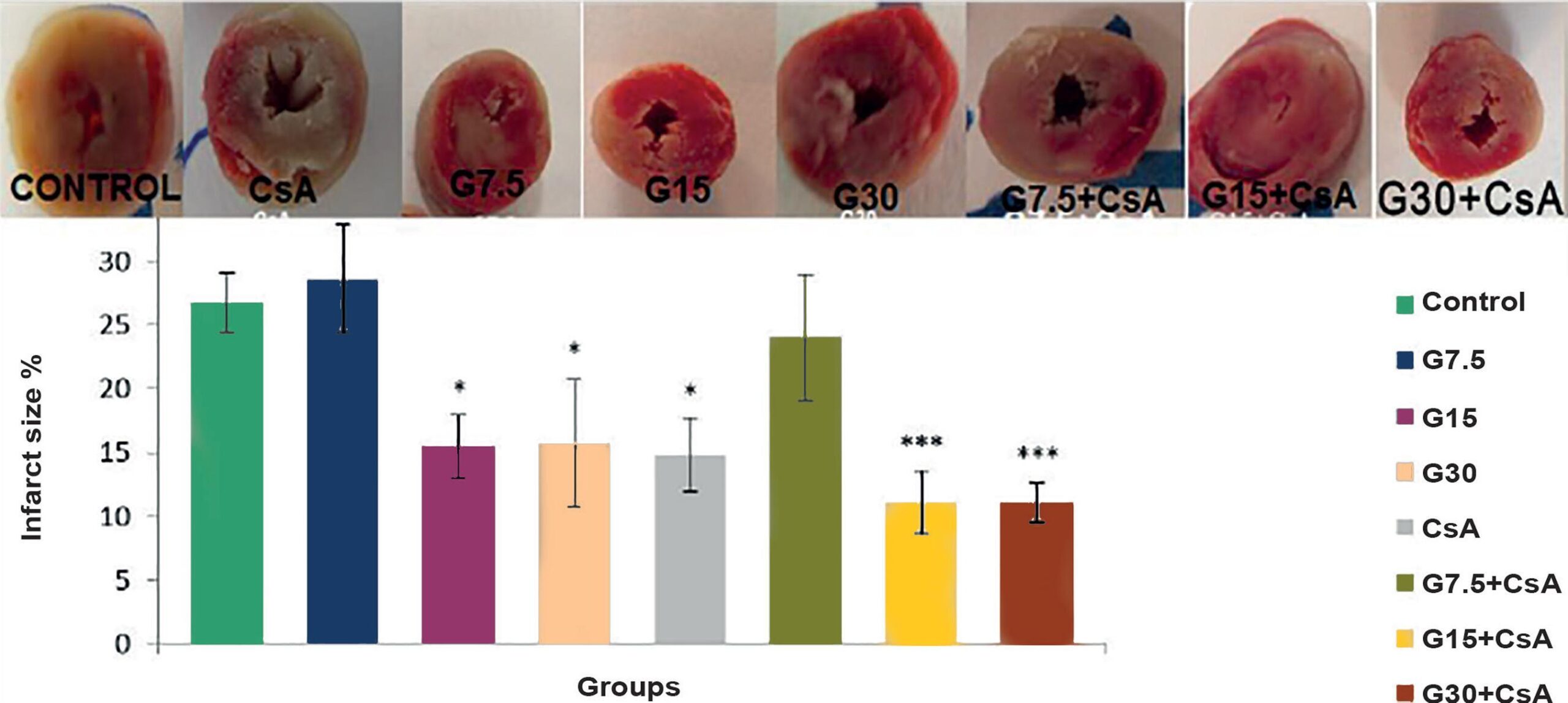
The data have shown that infarct size was decreased significantly by CsA and gallic acid alone (p < 0.05, one way ANOVA followed by LSD test), however the combination of both drugs had more significant improving effects (p < 0.001). The combination of these two drugs improved more significantly maximum rate of rise and fall of ventricular pressure (±dp.dt-1 max), rate pressure product (RPP), left ventricular developed pressure (LVDP), heart rate and coronary flow rather than applying each one alone (p < 0.05, repeated measurement ANOVA followed by LSD test).

Conclusions:

In conclusion, benefiting from an antioxidant concomitant with an mPTP inhibitor could have more improving effects on the cardiac dysfunction induced by I/R injury.

  • Antioxidants
  • cyclosporine
  • Endothelium
  • Gallic Acid
  • nitric oxide Synthase
  • Rats
  • Reperfusion
  • Ventricular Function
Read Full Article
Creative Commons Attribution (CC BY) Creative Commons license
01/01/2017 DOI: 10.5935/2359-4802.20170047 Views 1
ABC
Letter to the Editor

Immunopharmacological Approach of Carvedilol in Chronic Chagas Heart Disease

Carla Paixão Miranda et al. Fernando Antônio Botoni Manoel Otávio da Costa Rocha

Dear Editor,

Evidence suggests that approximately 12 million individuals in Latin America are infected with Trypanosoma cruzi and present Chagas disease. Even though the disease was described more than 100 years ago, chemotherapy directed against its etiological agent is restricted to two compounds which are only effective in the acute phase of the disease, benznidazole and nifurtimox. Within this context, chronic Chagas heart disease (CHCD) lacks immunopharmacological studies, given that its pathogenesis involves an imbalance in the host’s immune system. In the chronic phase, CHCD is associated with increased oxidative stress with intense and extensive inflammation and fibrosis in the myocardium, with consequent autonomic dysfunction and production of antibodies directed to the myocytes, beta adrenergic receptors, and neurons–. Rocha et al demonstrate in their study that patients who develop CHCD present increased levels of TNF-alpha and CCL-2 when compared with individuals with the indeterminate form of Chagas disease. A parallel then may be drawn with studies conducted by Yue et al. who reported that the production of superoxide anions occurs from activation of the NADPH system promoted by proinflammatory cytokines, in particular, TNF-alpha. In fact, studies suggest that the antioxidant effects of carvedilol are very effective in the treatment of patients with CHCD. In addition to that, the presence of carbazole groups and hydroxylated metabolites in the molecular structure confers to carvedilol a high antioxidant activity,. Studies highlight the ability of carvedilol to act as a transition metal when donating electrons to reactive oxygen species (ROS) and reactive nitrogen species (RNS) in an attempt to neutralize the effects of oxidative damage caused by T. cruzi in the acute phase, which persist until the chronic phase. Budni et al in their study confirm this hypothesis showing that before a therapeutic intervention with carvedilol, patients with cardiac involvement showed high levels of oxidative markers, whereas patients who received an intervention with carvedilol showed increased levels of nitric oxide (NO) and adenosine deaminase (ADA), important supporting elements in oxidative defense and improvement of immune response,. Therefore, studies are needed to identify treatments able to prevent cardiac damage caused by this infection and to offer tools to improve survival and provide a better quality of life to affected individuals.

[…]

  • Adenosine Desaminase/drug effects
  • Antioxidants
  • Chagas Cardiomyopathy
  • Drug-Related Side Effects and Adverses Reactions
Read Full Article
Creative Commons Attribution (CC BY) Creative Commons license
01/10/2014 DOI: 10.5935/abc.20140153 Views 1
ABC
Artigo Original

Carvedilol enhances the antioxidant effect of vitamins E and C in chronic chagas heart disease

Patrícia Budni et al. Roberto Coury Pedrosa Eduardo Monguilhott Dalmarco Juliana Bastos Dalmarco … Tânia Sílvia Frode Danilo Wilhelm Filho

BACKGROUND: Chagas disease is still an important endemic disease in Brazil, and the cardiac involvement is its more severe manifestation. OBJECTIVE: To verify whether the concomitant use of carvedilol will enhance the antioxidant effect of vitamins E and C in reducing the systemic oxidative stress in chronic Chagas heart disease. METHODS: A total of 42 patients with Chagas heart disease were studied. They were divided into four groups according to the modified Los Andes classification: 10 patients in group IA (normal electrocardiogram and echocardiogram; no cardiac involvement); 20 patients in group IB (normal electrocardiogram and abnormal echocardiogram; mild cardiac involvement); eight patients in group II (abnormal electrocardiogram and echocardiogram; no heart failure; moderate cardiac involvement); and four patients in group III (abnormal electrocardiogram and echocardiogram with heart failure; severe cardiac involvement). Blood levels of markers of oxidative stress were determined before and after a six-month period of treatment with carvedilol, and six months after combined therapy of carvedilol with vitamins E and C. The markers analyzed were as follows: activities of superoxide dismutase, catalase, glutathione peroxidase, glutathione S-transferase and reductase, myeloperoxidade and adenosine deaminase; and the levels of reduced glutathione, thiobarbituric-acid reactive substances, protein carbonyls, vitamin E, and nitric oxide. RESULTS: After treatment with carvedilol, all groups showed significant decrease in protein carbonyls and reduced glutathione levels, whereas nitric oxide levels and adenosine activity increased significantly only in the less severely affected group (IA). In addition, the activity of most of the antioxidant enzymes was decreased in the less severely affected groups (IA and IB). By combining the vitamins with carvedilol, a reduction in protein damage, in glutathione levels, and in the activity of most of the antioxidant enzymes were observed. CONCLUSIONS: The decrease in oxidative stress levels observed by means of the markers tested was more significant when carvedilol was used in combination with the antioxidant vitamins. The findings suggest that both carvedilol alone and in combination with the vitamins were effective in attenuating the systemic oxidative stress in patients with Chagas heart disease, especially those less severely affected, thus suggesting the possibility of synergism between these compounds.

  • Adrenergic beta-Antagonists
  • Antioxidants
  • Chagas Cardiomyopathy
  • Vitamin C
  • Vitamin E
Read Full Article
Creative Commons Attribution (CC BY) Creative Commons license
06/09/2013 DOI: 10.5935/abc.20130184 Views 1
Antioxidant micronutrients and cardiovascular risk in patients with diabetes: a systematic review
ABC
Artigo Original

Antioxidant micronutrients and cardiovascular risk in patients with diabetes: a systematic review

Roberta Aguiar Sarmento et al. Flávia Moraes Silva Graciele Sbruzzi Beatriz D'Agord Schaan Jussara Carnevale de Almeida

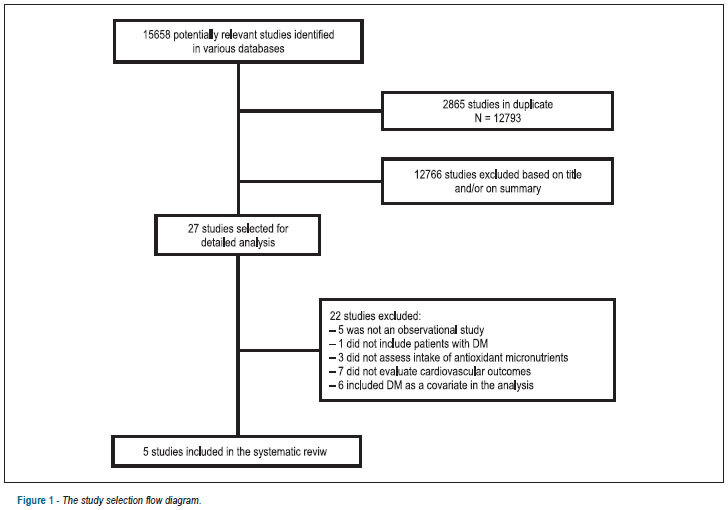
BACKGROUND: Inverse associations between micronutrient intake and cardiovascular outcomes have been previously shown, but did not focus on diabetic patients. OBJECTIVE: To systematically review the role of micronutrients in the development/presence of cardiovascular outcomes in patients with diabetes. METHODS: We searched Medline, Embase, and Scopus (January/1949-March/2012) for observational studies that evaluated micronutrients and cardiovascular outcomes in patients with diabetes, and then selected and extracted the data (two independent reviewers). RESULTS: From the 15 658 studies identified, five were included, comprising three case-control and two cohorts, with a follow-up of 7-15 years. A meta-analysis was not performed due to the different antioxidant micronutrients (types and measurement methods) and outcomes evaluated. The micronutrients assessed were vitamin C intake in diet and/or supplementation, chromium and selenium in toenail samples, and α-tocopherol and zinc in serum levels. Intake of >300 mg of vitamin C through supplementation was associated with increased risk of cardiovascular disease, coronary artery disease (CAD), and stroke (RR 1.69-2.37). High levels of α-tocopherol in serum were associated with 30% lower CAD risk in another study (HR 0.71; 95%CI 0.53-0.94). Among minerals (zinc, selenium, and chromium), an inverse association between zinc and CAD was observed; levels lower than 14.1 µmol/L were associated with an increased risk for CAD (RR 1.70; 95%CI 1.21-2.38). CONCLUSION: The information available on this issue is scarce. Further prospective studies are needed to elucidate the role of these nutrients in the cardiovascular risk of patients with diabetes.

  • Antioxidants
  • Cardiovascular Diseases
  • Diabetes Mellitus
  • Micronutrients
  • Risk Factors
Read Full Article
Creative Commons Attribution (CC BY) Creative Commons license
23/07/2013 DOI: 10.5935/abc.20130146 Views 2
Resveratrol causes antiatherogenic effects in an animal model of atherosclerosis
ABC
Artigo Original

Resveratrol causes antiatherogenic effects in an animal model of atherosclerosis

Rossane Serafim Matos et al. Lis Andréa Villela Baroncini Leonardo Brandão Précoma Guilherme Winter … Pedro Henrique Lambach Caron Flávia Kaiber Dalton Bertolim Précoma

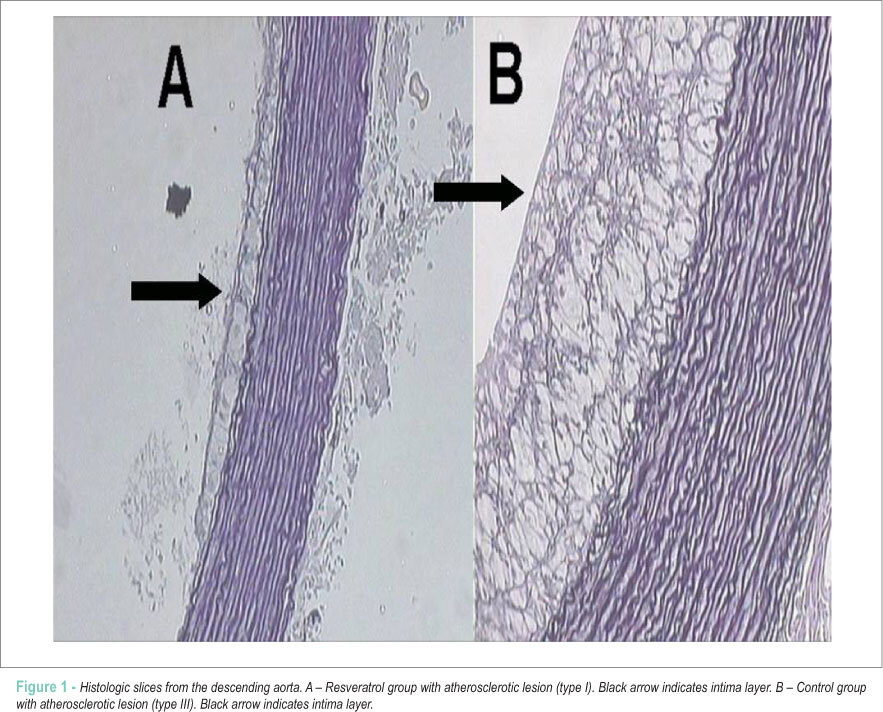
BACKGROUND: Resveratrol protects the cardiovascular system by a number of mechanisms, including antioxidant and anti-platelet activities. OBJECTIVE: To assess the potential anti-inflammatory and antiatherogenic effects of resveratrol using rabbits fed a hypercholesterolemic diet (1% cholesterol). METHODS: Twenty white male rabbits were selected and divided into two groups: control group (CG), 10 rabbits; and resveratrol group (RG), 10 rabbits. The animals were fed a hypercholesterolemic diet for 56 days. For the RG diet, resveratrol (2mg/kg weight/day) was added from days 33 – 56. RESULTS: There was no significant difference in the total serum cholesterol, HDL-cholesterol, LDL-cholesterol, and triglycerides between the groups. Of the CG, 70% had advanced aortic atherosclerotic lesions (types III, IV, V, or VI). All animals from the RG had mild aortic atherosclerotic lesions (types I or II, or no lesions). The intima area and the intima/media layer area ratio was significantly lower in the RG as compared to the CG (p<0.001). Positive areas for VCAM-1 molecules were lower in the RG (p=0.007). The MCP-1 and IL-6 concentrations were lower in the RG than the CG (p=0.039 and p=0.015, respectively). CONCLUSION: Resveratrol had significant anti-atherogenic and anti-inflammatory effects in an animal model with rabbits fed a hypercholesterolemic diet (1% cholesterol).

  • Antioxidants
  • Atherosclerosis
  • Dyslipidemias
  • Revesratrol
Read Full Article
Creative Commons Attribution (CC BY) Creative Commons license
09/01/2012 DOI: 10.1590/S0066-782X2012005000006
ABC
Artigo Original

Markers of redox imbalance in the blood of hypertensive patients of a community in Northeastern Brazil

Sandra Mary Lima Vasconcelos et al. Marília Oliveira Fonseca Goulart Maria Alayde Mendonça da Silva Vanusa Manfredini … Mara da Silveira Benfato Luiza Antas Rabelo Gilberto Fontes

BACKGROUND: Recent studies describe the participation of reactive oxygen and nitrogen species in hypertension. OBJECTIVE: To identify the redox imbalance in the blood of hypertensive. METHODS: Superoxide dismutase (SOD), catalase (CAT), glutathione peroxidase (GPx), glutathione (GSH), vitamin C, transferrin, ceruloplasmin, malondialdehyde (MDA) and carbonyl group were quantified in the blood of 20 hypertensives and 21 controls. The individuals had a Body Mass Index of > 18.5 and < 30 kg/m², glycemia < 100 mg/dL, serum cholesterol < 200 mg/dL, and were nonsmokers, non-pregnant and non-lactating women, non-users of alopurinol and probucol, with hypertensives on antihypertensive medication. All individuals underwent a preparatory period of 4 weeks without alcohol, vitamin supplements, dexamethasone and paracetamol. RESULTS: Reduced levels of CAT (p 0.013), GSH (p 0.003) and MDA (p 0.014), and high levels of GPx (p 0.001) and ceruloplasmin (p 0.015) were obtained in the hypertensive group compared with controls. A positive correlation between systolic pressure and MDA in hypertensive and diastolic pressure and CAT in controls was obtained. CONCLUSION: The data obtained suggest that the hypertensives were in redox imbalance, despite the possibly attenuating effect of their antihypertensive medication.

  • Antioxidants
  • Biological Markers
  • enzymes
  • Hypertension
  • Oxidative Stress
Read Full Article
Creative Commons Attribution (CC BY) Creative Commons license
04/10/2011 DOI: 10.1590/S0066-782X2011001100008 Views 1

How to cite this article

EndNote RIS

Electronic Document Format (Vancouver)

Brandão G, Tonon CR, Okoshi MP. Recent Advances in Oxidative Stress and Cardiovascular Diseases. Arquivos Brasileiros de Cardiologia 2025;122(8):e20250478.

Electronic Document Format (ABNT)

Brandão, Gabriela; Tonon, Carolina R.; Okoshi, Marina P.. Recent Advances in Oxidative Stress and Cardiovascular Diseases. Arquivos Brasileiros de Cardiologia, v. 122, n. 8, e20250478, Sep. 2025.

Electronic Document Format (APA)

Brandão, G., Tonon, C. R., & Okoshi, M. P. (2025). Recent Advances in Oxidative Stress and Cardiovascular Diseases. Arquivos Brasileiros de Cardiologia, 122(8), e20250478.

Electronic Document Format (ISO)

Brandão, Gabriela and Tonon, Carolina R. and Okoshi, Marina P.. Recent Advances in Oxidative Stress and Cardiovascular Diseases. Arquivos Brasileiros de Cardiologia [online]. 2025, vol. 122, n. 8, [cited 2026-10-14], e20250478. Available from: <https://journals.cardiol.br/en/article/recent-advances-in-oxidative-stress-and-cardiovascular-diseases/>. ISSN 0066-782X

EndNote RIS

Electronic Document Format (Vancouver)

Ojopi EPB, Tonon CR, Okoshi K, Okoshi MP. Pulmonary Arterial Hypertension and Cardioprotective Interventions. Arquivos Brasileiros de Cardiologia 2024;121(7):e20240445.

Electronic Document Format (ABNT)

Ojopi, Elida Paula Benquique; Tonon, Carolina Rodrigues; Okoshi, Katashi; Okoshi, Marina Politi. Pulmonary Arterial Hypertension and Cardioprotective Interventions. Arquivos Brasileiros de Cardiologia, v. 121, n. 7, e20240445, Sep. 2024.

Electronic Document Format (APA)

Ojopi, E. P. B., Tonon, C. R., Okoshi, K., & Okoshi, M. P. (2024). Pulmonary Arterial Hypertension and Cardioprotective Interventions. Arquivos Brasileiros de Cardiologia, 121(7), e20240445.

Electronic Document Format (ISO)

Ojopi, Elida Paula Benquique and Tonon, Carolina Rodrigues and Okoshi, Katashi and Okoshi, Marina Politi. Pulmonary Arterial Hypertension and Cardioprotective Interventions. Arquivos Brasileiros de Cardiologia [online]. 2024, vol. 121, n. 7, [cited 2026-10-14], e20240445. Available from: <https://journals.cardiol.br/en/article/pulmonary-arterial-hypertension-and-cardioprotective-interventions/>. ISSN 0066-782X

EndNote RIS

Electronic Document Format (Vancouver)

Proença I, Turck P, Ortiz V, Campos-Carraro C, Klein AB, Castro A, Dani C, et al. Right Ventricular Function and Oxidative Stress Improve with the Administration of Thyroid Hormones and Grape Juice in a Pulmonary Hypertension Model. Arquivos Brasileiros de Cardiologia 2024;121(7):e20230602.

Electronic Document Format (ABNT)

Proença, Isabel; Turck, Patrick; Ortiz, Vanessa; Campos-Carraro, Cristina; Klein, Adriane Bello; Castro, Alexandre de; Dani, Caroline; Araujo, Alex Sander da Rosa. Right Ventricular Function and Oxidative Stress Improve with the Administration of Thyroid Hormones and Grape Juice in a Pulmonary Hypertension Model. Arquivos Brasileiros de Cardiologia, v. 121, n. 7, e20230602, Jul. 2024.

Electronic Document Format (APA)

Proença, I., Turck, P., Ortiz, V., Campos-Carraro, C., Klein, A. B., Castro, A. , Dani, C., & Araujo, A. S. R. (2024). Right Ventricular Function and Oxidative Stress Improve with the Administration of Thyroid Hormones and Grape Juice in a Pulmonary Hypertension Model. Arquivos Brasileiros de Cardiologia, 121(7), e20230602.

Electronic Document Format (ISO)

Proença, Isabel and Turck, Patrick and Ortiz, Vanessa and Campos-Carraro, Cristina and Klein, Adriane Bello and Castro, Alexandre de and Dani, Caroline and Araujo, Alex Sander da Rosa. Right Ventricular Function and Oxidative Stress Improve with the Administration of Thyroid Hormones and Grape Juice in a Pulmonary Hypertension Model. Arquivos Brasileiros de Cardiologia [online]. 2024, vol. 121, n. 7, [cited 2026-10-14], e20230602. Available from: <https://journals.cardiol.br/en/article/right-ventricular-function-and-oxidative-stress-improve-with-the-administration-of-thyroid-hormones-and-grape-juice-in-a-pulmonary-hypertension-model/>. ISSN 0066-782X

EndNote RIS

Electronic Document Format (Vancouver)

Tasca S, Campos C, Lacerda D, Ortiz VD, Turck P, Bianchi SE, Castro AL, et al. Pterostilbene Reduces Experimental Myocardial Infarction-Induced Oxidative Stress in Lung and Right Ventricle. Arquivos Brasileiros de Cardiologia 2022;118(2):435-4.

Electronic Document Format (ABNT)

Tasca, Silvio; Campos, Cristina; Lacerda, Denise; Ortiz, Vanessa D.; Turck, Patrick; Bianchi, Sara E.; Castro, Alexandre L. de; Belló-Klein, Adriane; Bassani, Valquiria; Araújo, Alex Sander da Rosa. Pterostilbene Reduces Experimental Myocardial Infarction-Induced Oxidative Stress in Lung and Right Ventricle. Arquivos Brasileiros de Cardiologia, v. 118, n. 2, p. 435-445, Mar. 2022.

Electronic Document Format (APA)

Tasca, S., Campos, C., Lacerda, D., Ortiz, V. D., Turck, P., Bianchi, S. E., Castro, A. L. , Belló-Klein, A., Bassani, V., & Araújo, A. S. R. (2022). Pterostilbene Reduces Experimental Myocardial Infarction-Induced Oxidative Stress in Lung and Right Ventricle. Arquivos Brasileiros de Cardiologia, 118(2), 435-445.

Electronic Document Format (ISO)

Tasca, Silvio and Campos, Cristina and Lacerda, Denise and Ortiz, Vanessa D. and Turck, Patrick and Bianchi, Sara E. and Castro, Alexandre L. de and Belló-Klein, Adriane and Bassani, Valquiria and Araújo, Alex Sander da Rosa. Pterostilbene Reduces Experimental Myocardial Infarction-Induced Oxidative Stress in Lung and Right Ventricle. Arquivos Brasileiros de Cardiologia [online]. 2022, vol. 118, n. 2, [cited 2026-10-14], pp. 435-445. Available from: <https://journals.cardiol.br/en/article/pterostilbene-reduces-experimental-myocardial-infarction-induced-oxidative-stress-in-lung-and-right-ventricle/>. ISSN 0066-782X

EndNote RIS

Electronic Document Format (Vancouver)

Heck TG. Cardioprotection during Chemotherapy: Prospects of Antioxidant Strategies. Arquivos Brasileiros de Cardiologia 2021;117(6):1159-60.

Electronic Document Format (ABNT)

Heck, Thiago Gomes. Cardioprotection during Chemotherapy: Prospects of Antioxidant Strategies. Arquivos Brasileiros de Cardiologia, v. 117, n. 6, p. 1159-1160, Dec. 2021.

Electronic Document Format (APA)

Heck, T. G. (2021). Cardioprotection during Chemotherapy: Prospects of Antioxidant Strategies. Arquivos Brasileiros de Cardiologia, 117(6), 1159-1160.

Electronic Document Format (ISO)

Heck, Thiago Gomes. Cardioprotection during Chemotherapy: Prospects of Antioxidant Strategies. Arquivos Brasileiros de Cardiologia [online]. 2021, vol. 117, n. 6, [cited 2026-10-14], pp. 1159-1160. Available from: <https://journals.cardiol.br/en/article/cardioprotection-during-chemotherapy-prospects-of-antioxidant-strategies/>. ISSN 0066-782X

EndNote RIS

Electronic Document Format (Vancouver)

Oliveira BC, Santos PP, Figueiredo AM, Rafacho BPM, Ishikawa L, Zanati SG, Fernandes AAH, et al. Influence of Consumption of Orange Juice (Citrus Sinensis) on Cardiac Remodeling of Rats Submitted to Myocardial Infarction. Arquivos Brasileiros de Cardiologia 2021;116(6):1127-36.

Electronic Document Format (ABNT)

Oliveira, Bruna C.; Santos, Priscila P.; Figueiredo, Amanda M.; Rafacho, Bruna P. M.; Ishikawa, Larissa; Zanati, Silméia G.; Fernandes, Ana A. H.; Azevedo, Paula S.; Polegato, Bertha F.; Zornoff, Leonardo A. M.; Minicucci, Marcos F.; Paiva, Sergio A. R.. Influence of Consumption of Orange Juice (Citrus Sinensis) on Cardiac Remodeling of Rats Submitted to Myocardial Infarction. Arquivos Brasileiros de Cardiologia, v. 116, n. 6, p. 1127-1136, Jun. 2021.

Electronic Document Format (APA)

Oliveira, B. C., Santos, P. P., Figueiredo, A. M., Rafacho, B. P. M., Ishikawa, L., Zanati, S. G., Fernandes, A. A. H., Azevedo, P. S., Polegato, B. F., Zornoff, L. A. M., Minicucci, M. F., & Paiva, S. A. R. (2021). Influence of Consumption of Orange Juice (Citrus Sinensis) on Cardiac Remodeling of Rats Submitted to Myocardial Infarction. Arquivos Brasileiros de Cardiologia, 116(6), 1127-1136.

Electronic Document Format (ISO)

Oliveira, Bruna C. and Santos, Priscila P. and Figueiredo, Amanda M. and Rafacho, Bruna P. M. and Ishikawa, Larissa and Zanati, Silméia G. and Fernandes, Ana A. H. and Azevedo, Paula S. and Polegato, Bertha F. and Zornoff, Leonardo A. M. and Minicucci, Marcos F. and Paiva, Sergio A. R.. Influence of Consumption of Orange Juice (Citrus Sinensis) on Cardiac Remodeling of Rats Submitted to Myocardial Infarction. Arquivos Brasileiros de Cardiologia [online]. 2021, vol. 116, n. 6, [cited 2026-10-14], pp. 1127-1136. Available from: <https://journals.cardiol.br/en/article/influence-of-consumption-of-orange-juice-citrus-sinensis-on-cardiac-remodeling-of-rats-submitted-to-myocardial-infarction/>. ISSN 0066-782X

EndNote RIS

Electronic Document Format (Vancouver)

Martinez PF, Carvalho MR, Mendonça MLM, Okoshi MP, Oliveira-Junior SA. Antioxidant and Anti-Inflammatory Effects of Orange Juice. Arquivos Brasileiros de Cardiologia 2021;116(6):1137-8.

Electronic Document Format (ABNT)

Martinez, Paula Felippe; Carvalho, Marianna Rabelo de; Mendonça, Maria Lua Marques; Okoshi, Marina Politi; Oliveira-Junior, Silvio Assis de. Antioxidant and Anti-Inflammatory Effects of Orange Juice. Arquivos Brasileiros de Cardiologia, v. 116, n. 6, p. 1137-1138, Jun. 2021.

Electronic Document Format (APA)

Martinez, P. F., Carvalho, M. R. , Mendonça, M. L. M., Okoshi, M. P., & Oliveira-Junior, S. A. (2021). Antioxidant and Anti-Inflammatory Effects of Orange Juice. Arquivos Brasileiros de Cardiologia, 116(6), 1137-1138.

Electronic Document Format (ISO)

Martinez, Paula Felippe and Carvalho, Marianna Rabelo de and Mendonça, Maria Lua Marques and Okoshi, Marina Politi and Oliveira-Junior, Silvio Assis de. Antioxidant and Anti-Inflammatory Effects of Orange Juice. Arquivos Brasileiros de Cardiologia [online]. 2021, vol. 116, n. 6, [cited 2026-10-14], pp. 1137-1138. Available from: <https://journals.cardiol.br/en/article/antioxidant-and-anti-inflammatory-effects-of-orange-juice/>. ISSN 0066-782X

EndNote RIS

Electronic Document Format (Vancouver)

Miguel-dos-Santos R, Santos JF, Macedo FN, Marçal AC, Santana Filho VJ, Wichi RB, Lauton-Santos S, et al. Strength Training Reduces Cardiac and Renal Oxidative Stress in Rats with Renovascular Hypertension. Arquivos Brasileiros de Cardiologia 2021;116(1):4-11.

Electronic Document Format (ABNT)

Miguel-dos-Santos, Rodrigo; Santos, Jucilene Freitas dos; Macedo, Fabricio Nunes; Marçal, Anderson Carlos; Santana Filho, Valter J.; Wichi, Rogerio Brandão; Lauton-Santos, Sandra. Strength Training Reduces Cardiac and Renal Oxidative Stress in Rats with Renovascular Hypertension. Arquivos Brasileiros de Cardiologia, v. 116, n. 1, p. 4-11, Feb. 2021.

Electronic Document Format (APA)

Miguel-dos-Santos, R., Santos, J. F. , Macedo, F. N., Marçal, A. C., Santana Filho, V. J., Wichi, R. B., & Lauton-Santos, S. (2021). Strength Training Reduces Cardiac and Renal Oxidative Stress in Rats with Renovascular Hypertension. Arquivos Brasileiros de Cardiologia, 116(1), 4-11.

Electronic Document Format (ISO)

Miguel-dos-Santos, Rodrigo and Santos, Jucilene Freitas dos and Macedo, Fabricio Nunes and Marçal, Anderson Carlos and Santana Filho, Valter J. and Wichi, Rogerio Brandão and Lauton-Santos, Sandra. Strength Training Reduces Cardiac and Renal Oxidative Stress in Rats with Renovascular Hypertension. Arquivos Brasileiros de Cardiologia [online]. 2021, vol. 116, n. 1, [cited 2026-10-14], pp. 4-11. Available from: <https://journals.cardiol.br/en/article/strength-training-reduces-cardiac-and-renal-oxidative-stress-in-rats-with-renovascular-hypertension/>. ISSN 0066-782X

EndNote RIS

Electronic Document Format (Vancouver)

Rafacho BPM. Short Editorial: Quercetin Ameliorates Lipid and Apolipoprotein Profile in High-Dose Glucocorticoid Treated Rats. Arquivos Brasileiros de Cardiologia 2020;115(1):109-10.

Electronic Document Format (ABNT)

Rafacho, Bruna Paola Murino. Short Editorial: Quercetin Ameliorates Lipid and Apolipoprotein Profile in High-Dose Glucocorticoid Treated Rats. Arquivos Brasileiros de Cardiologia, v. 115, n. 1, p. 109-110, Aug. 2020.

Electronic Document Format (APA)

Rafacho, B. P. M. (2020). Short Editorial: Quercetin Ameliorates Lipid and Apolipoprotein Profile in High-Dose Glucocorticoid Treated Rats. Arquivos Brasileiros de Cardiologia, 115(1), 109-110.

Electronic Document Format (ISO)

Rafacho, Bruna Paola Murino. Short Editorial: Quercetin Ameliorates Lipid and Apolipoprotein Profile in High-Dose Glucocorticoid Treated Rats. Arquivos Brasileiros de Cardiologia [online]. 2020, vol. 115, n. 1, [cited 2026-10-14], pp. 109-110. Available from: <https://journals.cardiol.br/en/article/short-editorial-quercetin-ameliorates-lipid-and-apolipoprotein-profile-in-high-dose-glucocorticoid-treated-rats/>. ISSN 0066-782X

EndNote RIS

Electronic Document Format (Vancouver)

Nascimento GA, Souza DS, Lima BS, Vasconcelos CML, Araújo AAS, Durço AO, Quintans-Junior LJ, et al. Bradycardic and Antiarrhythmic Effects of the D-Limonene in Rats. Arquivos Brasileiros de Cardiologia 2019;113(5):925-32.

Electronic Document Format (ABNT)

Nascimento, Gildenisson Araújo do; Souza, Diego Santos de; Lima, Bruno Santos; Vasconcelos, Carla Maria Lins de; Araújo, Adriano Antunes de Souza; Durço, Aimée Obolari; Quintans-Junior, Lucindo José; Almeida, Jackson Roberto Guedes da Silva; Oliveira, Aldeída Pereira; Santana-Filho, Valter Joviniano de; Barreto, André Sales; Santos, Márcio Roberto Viana dos. Bradycardic and Antiarrhythmic Effects of the D-Limonene in Rats. Arquivos Brasileiros de Cardiologia, v. 113, n. 5, p. 925-932, Sep. 2019.

Electronic Document Format (APA)

Nascimento, G. A. , Souza, D. S. , Lima, B. S., Vasconcelos, C. M. L. , Araújo, A. A. S., Durço, A. O., Quintans-Junior, L. J., Almeida, J. R. G. S., Oliveira, A. P., Santana-Filho, V. J. , Barreto, A. S., & Santos, M. R. V. (2019). Bradycardic and Antiarrhythmic Effects of the D-Limonene in Rats. Arquivos Brasileiros de Cardiologia, 113(5), 925-932.

Electronic Document Format (ISO)

Nascimento, Gildenisson Araújo do and Souza, Diego Santos de and Lima, Bruno Santos and Vasconcelos, Carla Maria Lins de and Araújo, Adriano Antunes de Souza and Durço, Aimée Obolari and Quintans-Junior, Lucindo José and Almeida, Jackson Roberto Guedes da Silva and Oliveira, Aldeída Pereira and Santana-Filho, Valter Joviniano de and Barreto, André Sales and Santos, Márcio Roberto Viana dos. Bradycardic and Antiarrhythmic Effects of the D-Limonene in Rats. Arquivos Brasileiros de Cardiologia [online]. 2019, vol. 113, n. 5, [cited 2026-10-14], pp. 925-932. Available from: <https://journals.cardiol.br/en/article/bradycardic-and-antiarrhythmic-effects-of-the-d-limonene-in-rats/>. ISSN 0066-782X

EndNote RIS

Electronic Document Format (Vancouver)

Brozzo NPM, Ferreira ES, Gonçalves EA, Meneguetti DUO, Silva DA, Cunha RM. Curcuma Longa Abolishes Phenylephrine-Induced Contractions in Isolated Aortic Artery of Rats. International Journal of Cardiovascular Sciences 2019;32(3):207-16.

Electronic Document Format (ABNT)

Brozzo, Natacha Pinheiro Melo; Ferreira, Efraim dos Santos; Gonçalves, Eduardo Andrade; Meneguetti, Dionatas Ulises de Oliveira; Silva, Delano Aníbal da; Cunha, Renildo Moura da. Curcuma Longa Abolishes Phenylephrine-Induced Contractions in Isolated Aortic Artery of Rats. International Journal of Cardiovascular Sciences, v. 32, n. 3, p. 207-216, Mar. 2019.

Electronic Document Format (APA)

Brozzo, N. P. M., Ferreira, E. S., Gonçalves, E. A., Meneguetti, D. U. O., Silva, D. A. , & Cunha, R. M. (2019). Curcuma Longa Abolishes Phenylephrine-Induced Contractions in Isolated Aortic Artery of Rats. International Journal of Cardiovascular Sciences, 32(3), 207-216.

Electronic Document Format (ISO)

Brozzo, Natacha Pinheiro Melo and Ferreira, Efraim dos Santos and Gonçalves, Eduardo Andrade and Meneguetti, Dionatas Ulises de Oliveira and Silva, Delano Aníbal da and Cunha, Renildo Moura da. Curcuma Longa Abolishes Phenylephrine-Induced Contractions in Isolated Aortic Artery of Rats. International Journal of Cardiovascular Sciences [online]. 2019, vol. 32, n. 3, [cited 2026-10-14], pp. 207-216. Available from: <https://journals.cardiol.br/en/article/curcuma-longa-abolishes-phenylephrine-induced-contractions-in-isolated-aortic-artery-of-rats/>. ISSN 2359-4802

EndNote RIS

Electronic Document Format (Vancouver)

Santos HO. Update of the Impact of Consumption of Whole Chicken Eggs on the Lipid Profile: to What Extent are They Impacting?. Arquivos Brasileiros de Cardiologia 2018;110(6):585-7.

Electronic Document Format (ABNT)

Santos, Heitor Oliveira. Update of the Impact of Consumption of Whole Chicken Eggs on the Lipid Profile: to What Extent are They Impacting?. Arquivos Brasileiros de Cardiologia, v. 110, n. 6, p. 585-587, May. 2018.

Electronic Document Format (APA)

Santos, H. O. (2018). Update of the Impact of Consumption of Whole Chicken Eggs on the Lipid Profile: to What Extent are They Impacting?. Arquivos Brasileiros de Cardiologia, 110(6), 585-587.

Electronic Document Format (ISO)

Santos, Heitor Oliveira. Update of the Impact of Consumption of Whole Chicken Eggs on the Lipid Profile: to What Extent are They Impacting?. Arquivos Brasileiros de Cardiologia [online]. 2018, vol. 110, n. 6, [cited 2026-10-14], pp. 585-587. Available from: <https://journals.cardiol.br/en/article/update-of-the-impact-of-consumption-of-whole-chicken-eggs-on-the-lipid-profile-to-what-extent-are-they-impacting/>. ISSN 0066-782X

EndNote RIS

Electronic Document Format (Vancouver)

Costa JO, Vásquez CMP, Santana GJ, Silva NJ, Braz JM, Jesus AMR, Silva DG, et al. Plasma Total Antioxidant Capacity and Cardiometabolic Risk in Non-Obese and Clinically Healthy Young Adults. Arquivos Brasileiros de Cardiologia 2017;109(2):140-7.

Electronic Document Format (ABNT)

Costa, Jamille Oliveira; Vásquez, Cecília M. Passos; Santana, Gleiciane de Jesus; Silva, Natanael de Jesus; Braz, Juciene de Matos; Jesus, Amélia M. Ribeiro de; Silva, Danielle Góes da; Cunha, Luana Celina Seraphim; Barbosa, Kiriaque Barra Ferreira. Plasma Total Antioxidant Capacity and Cardiometabolic Risk in Non-Obese and Clinically Healthy Young Adults. Arquivos Brasileiros de Cardiologia, v. 109, n. 2, p. 140-147, Jul. 2017.

Electronic Document Format (APA)

Costa, J. O., Vásquez, C. M. P., Santana, G. J., Silva, N. J., Braz, J. M., Jesus, A. M. R. , Silva, D. G. , Cunha, L. C. S., & Barbosa, K. B. F. (2017). Plasma Total Antioxidant Capacity and Cardiometabolic Risk in Non-Obese and Clinically Healthy Young Adults. Arquivos Brasileiros de Cardiologia, 109(2), 140-147.

Electronic Document Format (ISO)

Costa, Jamille Oliveira and Vásquez, Cecília M. Passos and Santana, Gleiciane de Jesus and Silva, Natanael de Jesus and Braz, Juciene de Matos and Jesus, Amélia M. Ribeiro de and Silva, Danielle Góes da and Cunha, Luana Celina Seraphim and Barbosa, Kiriaque Barra Ferreira. Plasma Total Antioxidant Capacity and Cardiometabolic Risk in Non-Obese and Clinically Healthy Young Adults. Arquivos Brasileiros de Cardiologia [online]. 2017, vol. 109, n. 2, [cited 2026-10-14], pp. 140-147. Available from: <https://journals.cardiol.br/en/article/plasma-total-antioxidant-capacity-and-cardiometabolic-risk-in-non-obese-and-clinically-healthy-young-adults/>. ISSN 0066-782X

EndNote RIS

Electronic Document Format (Vancouver)

Ghorbanzadeh V, Mohammadi M, Dariushnejad H, Abhari A, Chodari L, Mohaddes G. Cardioprotective Effect of Crocin Combined with Voluntary Exercise in Rat: Role of Mir-126 and Mir-210 in Heart Angiogenesis. Arquivos Brasileiros de Cardiologia 2017;109(1):54-62.

Electronic Document Format (ABNT)

Ghorbanzadeh, Vajihe; Mohammadi, Mustafa; Dariushnejad, Hassan; Abhari, Alireza; Chodari, Leila; Mohaddes, Gisou. Cardioprotective Effect of Crocin Combined with Voluntary Exercise in Rat: Role of Mir-126 and Mir-210 in Heart Angiogenesis. Arquivos Brasileiros de Cardiologia, v. 109, n. 1, p. 54-62, Jun. 2017.

Electronic Document Format (APA)

Ghorbanzadeh, V., Mohammadi, M., Dariushnejad, H., Abhari, A., Chodari, L., & Mohaddes, G. (2017). Cardioprotective Effect of Crocin Combined with Voluntary Exercise in Rat: Role of Mir-126 and Mir-210 in Heart Angiogenesis. Arquivos Brasileiros de Cardiologia, 109(1), 54-62.

Electronic Document Format (ISO)

Ghorbanzadeh, Vajihe and Mohammadi, Mustafa and Dariushnejad, Hassan and Abhari, Alireza and Chodari, Leila and Mohaddes, Gisou. Cardioprotective Effect of Crocin Combined with Voluntary Exercise in Rat: Role of Mir-126 and Mir-210 in Heart Angiogenesis. Arquivos Brasileiros de Cardiologia [online]. 2017, vol. 109, n. 1, [cited 2026-10-14], pp. 54-62. Available from: <https://journals.cardiol.br/en/article/cardioprotective-effect-of-crocin-combined-with-voluntary-exercise-in-rat-role-of-mir-126-and-mir-210-in-heart-angiogenesis/>. ISSN 0066-782X

EndNote RIS

Electronic Document Format (Vancouver)

Miranda Neto M, Silva RSB, Silva TF, Lima FF, Silva AS. Green Tea Attenuates Hypotension Induced by Physical Exercise: A Randomized, Placebo Controlled Study. International Journal of Cardiovascular Sciences 2017;30(4):325-33.

Electronic Document Format (ABNT)

Miranda Neto, Manoel; Silva, Raquel Suelen Brito da; Silva, Taís Feitosa da; Lima, Fabiano Ferreira de; Silva, Alexandre Sérgio. Green Tea Attenuates Hypotension Induced by Physical Exercise: A Randomized, Placebo Controlled Study. International Journal of Cardiovascular Sciences, v. 30, n. 4, p. 325-333, Dec. 2016.

Electronic Document Format (APA)

Miranda Neto, M., Silva, R. S. B. , Silva, T. F. , Lima, F. F. , & Silva, A. S. (2017). Green Tea Attenuates Hypotension Induced by Physical Exercise: A Randomized, Placebo Controlled Study. International Journal of Cardiovascular Sciences, 30(4), 325-333.

Electronic Document Format (ISO)

Miranda Neto, Manoel and Silva, Raquel Suelen Brito da and Silva, Taís Feitosa da and Lima, Fabiano Ferreira de and Silva, Alexandre Sérgio. Green Tea Attenuates Hypotension Induced by Physical Exercise: A Randomized, Placebo Controlled Study. International Journal of Cardiovascular Sciences [online]. 2017, vol. 30, n. 4, [cited 2026-10-14], pp. 325-333. Available from: <https://journals.cardiol.br/en/article/green-tea-attenuates-hypotension-induced-by-physical-exercise-a-randomized-placebo-controlled-study/>. ISSN 2359-4802

EndNote RIS

Electronic Document Format (Vancouver)

Scorsatto M, Pimentel AC, Silva AJR, Sabally K, Rosa G, Oliveira GMM. Assessment of Bioactive Compounds, Physicochemical Composition, and In Vitro Antioxidant Activity of Eggplant Flour. International Journal of Cardiovascular Sciences 2017;30(3):235-42.

Electronic Document Format (ABNT)

Scorsatto, Mauara; Pimentel, Aline de Castro; Silva, Antonio Jorge Ribeiro da; Sabally, Kebba; Rosa, Glorimar; Oliveira, Gláucia Maria Moraes de. Assessment of Bioactive Compounds, Physicochemical Composition, and In Vitro Antioxidant Activity of Eggplant Flour. International Journal of Cardiovascular Sciences, v. 30, n. 3, p. 235-242, Dec. 2016.

Electronic Document Format (APA)

Scorsatto, M., Pimentel, A. C., Silva, A. J. R. , Sabally, K., Rosa, G., & Oliveira, G. M. M. (2017). Assessment of Bioactive Compounds, Physicochemical Composition, and In Vitro Antioxidant Activity of Eggplant Flour. International Journal of Cardiovascular Sciences, 30(3), 235-242.

Electronic Document Format (ISO)

Scorsatto, Mauara and Pimentel, Aline de Castro and Silva, Antonio Jorge Ribeiro da and Sabally, Kebba and Rosa, Glorimar and Oliveira, Gláucia Maria Moraes de. Assessment of Bioactive Compounds, Physicochemical Composition, and In Vitro Antioxidant Activity of Eggplant Flour. International Journal of Cardiovascular Sciences [online]. 2017, vol. 30, n. 3, [cited 2026-10-14], pp. 235-242. Available from: <https://journals.cardiol.br/en/article/assessment-of-bioactive-compounds-physicochemical-composition-and-in-vitro-antioxidant-activity-of-eggplant-flour/>. ISSN 2359-4802

EndNote RIS

Electronic Document Format (Vancouver)

Badavi M, Sadeghi N, Dianat M, Samarbafzadeh A. Gallic Acid and Cyclosporine Mixture and their Effects on Cardiac Dysfunction Induced by Ischemia/Reperfusion and eNOS/iNOS Expression. International Journal of Cardiovascular Sciences 2017;30(3):207-18.

Electronic Document Format (ABNT)

Badavi, Mohammad; Sadeghi, Najmeh; Dianat, Mahin; Samarbafzadeh, Alireza. Gallic Acid and Cyclosporine Mixture and their Effects on Cardiac Dysfunction Induced by Ischemia/Reperfusion and eNOS/iNOS Expression. International Journal of Cardiovascular Sciences, v. 30, n. 3, p. 207-218, Dec. 2016.

Electronic Document Format (APA)

Badavi, M., Sadeghi, N., Dianat, M., & Samarbafzadeh, A. (2017). Gallic Acid and Cyclosporine Mixture and their Effects on Cardiac Dysfunction Induced by Ischemia/Reperfusion and eNOS/iNOS Expression. International Journal of Cardiovascular Sciences, 30(3), 207-218.

Electronic Document Format (ISO)

Badavi, Mohammad and Sadeghi, Najmeh and Dianat, Mahin and Samarbafzadeh, Alireza. Gallic Acid and Cyclosporine Mixture and their Effects on Cardiac Dysfunction Induced by Ischemia/Reperfusion and eNOS/iNOS Expression. International Journal of Cardiovascular Sciences [online]. 2017, vol. 30, n. 3, [cited 2026-10-14], pp. 207-218. Available from: <https://journals.cardiol.br/en/article/gallic-acid-and-cyclosporine-mixture-and-their-effects-on-cardiac-dysfunction-induced-by-ischemia-reperfusion-and-enos-inos-expression/>. ISSN 2359-4802

EndNote RIS

Electronic Document Format (Vancouver)

Miranda CP, Botoni FA, Rocha MOC. Immunopharmacological Approach of Carvedilol in Chronic Chagas Heart Disease. Arquivos Brasileiros de Cardiologia 2014;103(4):358.

Electronic Document Format (ABNT)

Miranda, Carla Paixão; Botoni, Fernando Antônio; Rocha, Manoel Otávio da Costa. Immunopharmacological Approach of Carvedilol in Chronic Chagas Heart Disease. Arquivos Brasileiros de Cardiologia, v. 103, n. 4, p. 358-358, Sep. 2014.

Electronic Document Format (APA)

Miranda, C. P., Botoni, F. A., & Rocha, M. O. C. (2014). Immunopharmacological Approach of Carvedilol in Chronic Chagas Heart Disease. Arquivos Brasileiros de Cardiologia, 103(4), 358-358.

Electronic Document Format (ISO)

Miranda, Carla Paixão and Botoni, Fernando Antônio and Rocha, Manoel Otávio da Costa. Immunopharmacological Approach of Carvedilol in Chronic Chagas Heart Disease. Arquivos Brasileiros de Cardiologia [online]. 2014, vol. 103, n. 4, [cited 2026-10-14], pp. 358-358. Available from: <https://journals.cardiol.br/en/article/immunopharmacological-approach-of-carvedilol-in-chronic-chagas-heart-disease/>. ISSN 0066-782X

EndNote RIS

Electronic Document Format (Vancouver)

Budni P, Pedrosa RC, Dalmarco EM, Dalmarco JB, Frode TS, Wilhelm Filho D. Carvedilol enhances the antioxidant effect of vitamins E and C in chronic chagas heart disease. Arquivos Brasileiros de Cardiologia 2013;101(4):304-10.

Electronic Document Format (ABNT)

Budni, Patrícia; Pedrosa, Roberto Coury; Dalmarco, Eduardo Monguilhott; Dalmarco, Juliana Bastos; Frode, Tânia Sílvia; Wilhelm Filho, Danilo. Carvedilol enhances the antioxidant effect of vitamins E and C in chronic chagas heart disease. Arquivos Brasileiros de Cardiologia, v. 101, n. 4, p. 304-310, Sep. 2013.

Electronic Document Format (APA)

Budni, P., Pedrosa, R. C., Dalmarco, E. M., Dalmarco, J. B., Frode, T. S., & Wilhelm Filho, D. (2013). Carvedilol enhances the antioxidant effect of vitamins E and C in chronic chagas heart disease. Arquivos Brasileiros de Cardiologia, 101(4), 304-310.

Electronic Document Format (ISO)

Budni, Patrícia and Pedrosa, Roberto Coury and Dalmarco, Eduardo Monguilhott and Dalmarco, Juliana Bastos and Frode, Tânia Sílvia and Wilhelm Filho, Danilo. Carvedilol enhances the antioxidant effect of vitamins E and C in chronic chagas heart disease. Arquivos Brasileiros de Cardiologia [online]. 2013, vol. 101, n. 4, [cited 2026-10-14], pp. 304-310. Available from: <https://journals.cardiol.br/en/article/carvedilol-enhances-the-antioxidant-effect-of-vitamins-e-and-c-in-chronic-chagas-heart-disease/>. ISSN 0066-782X

EndNote RIS

Electronic Document Format (Vancouver)

Sarmento RA, Silva FM, Sbruzzi G, Schaan BD, Almeida JC. Antioxidant micronutrients and cardiovascular risk in patients with diabetes: a systematic review. Arquivos Brasileiros de Cardiologia 2013;101(3):240-8.

Electronic Document Format (ABNT)

Sarmento, Roberta Aguiar; Silva, Flávia Moraes; Sbruzzi, Graciele; Schaan, Beatriz D’Agord; Almeida, Jussara Carnevale de. Antioxidant micronutrients and cardiovascular risk in patients with diabetes: a systematic review. Arquivos Brasileiros de Cardiologia, v. 101, n. 3, p. 240-248, Jul. 2013.

Electronic Document Format (APA)

Sarmento, R. A., Silva, F. M., Sbruzzi, G., Schaan, B. D., & Almeida, J. C. (2013). Antioxidant micronutrients and cardiovascular risk in patients with diabetes: a systematic review. Arquivos Brasileiros de Cardiologia, 101(3), 240-248.

Electronic Document Format (ISO)

Sarmento, Roberta Aguiar and Silva, Flávia Moraes and Sbruzzi, Graciele and Schaan, Beatriz D’Agord and Almeida, Jussara Carnevale de. Antioxidant micronutrients and cardiovascular risk in patients with diabetes: a systematic review. Arquivos Brasileiros de Cardiologia [online]. 2013, vol. 101, n. 3, [cited 2026-10-14], pp. 240-248. Available from: <https://journals.cardiol.br/en/article/antioxidant-micronutrients-and-cardiovascular-risk-in-patients-with-diabetes-a-systematic-review/>. ISSN 0066-782X

EndNote RIS

Electronic Document Format (Vancouver)

Matos RS, Baroncini LAV, Précoma LB, Winter G, Lambach PH, Caron , Kaiber F, et al. Resveratrol causes antiatherogenic effects in an animal model of atherosclerosis. Arquivos Brasileiros de Cardiologia 2012;98(2):136-42.

Electronic Document Format (ABNT)

Matos, Rossane Serafim; Baroncini, Lis Andréa Villela; Précoma, Leonardo Brandão; Winter, Guilherme; Lambach, Pedro Henrique; Caron, ; Kaiber, Flávia; Précoma, Dalton Bertolim. Resveratrol causes antiatherogenic effects in an animal model of atherosclerosis. Arquivos Brasileiros de Cardiologia, v. 98, n. 2, p. 136-142, Jan. 2012.

Electronic Document Format (APA)

Matos, R. S., Baroncini, L. A. V., Précoma, L. B., Winter, G., Lambach, P. H., Caron, , Kaiber, F., & Précoma, D. B. (2012). Resveratrol causes antiatherogenic effects in an animal model of atherosclerosis. Arquivos Brasileiros de Cardiologia, 98(2), 136-142.

Electronic Document Format (ISO)

Matos, Rossane Serafim and Baroncini, Lis Andréa Villela and Précoma, Leonardo Brandão and Winter, Guilherme and Lambach, Pedro Henrique and Caron and Kaiber, Flávia and Précoma, Dalton Bertolim. Resveratrol causes antiatherogenic effects in an animal model of atherosclerosis. Arquivos Brasileiros de Cardiologia [online]. 2012, vol. 98, n. 2, [cited 2026-10-14], pp. 136-142. Available from: <https://journals.cardiol.br/en/article/resveratrol-causes-antiatherogenic-effects-in-an-animal-model-of-atherosclerosis-2/>. ISSN 0066-782X

EndNote RIS

Electronic Document Format (Vancouver)

Vasconcelos SML, Goulart MOF, Silva MAM, Manfredini V, Benfato MS, Rabelo LA, Fontes G, et al. Markers of redox imbalance in the blood of hypertensive patients of a community in Northeastern Brazil. Arquivos Brasileiros de Cardiologia 2011;97(2):141-7.

Electronic Document Format (ABNT)

Vasconcelos, Sandra Mary Lima; Goulart, Marília Oliveira Fonseca; Silva, Maria Alayde Mendonça da; Manfredini, Vanusa; Benfato, Mara da Silveira; Rabelo, Luiza Antas; Fontes, Gilberto. Markers of redox imbalance in the blood of hypertensive patients of a community in Northeastern Brazil. Arquivos Brasileiros de Cardiologia, v. 97, n. 2, p. 141-147, Oct. 2011.

Electronic Document Format (APA)

Vasconcelos, S. M. L., Goulart, M. O. F., Silva, M. A. M. , Manfredini, V., Benfato, M. S., Rabelo, L. A., & Fontes, G. (2011). Markers of redox imbalance in the blood of hypertensive patients of a community in Northeastern Brazil. Arquivos Brasileiros de Cardiologia, 97(2), 141-147.

Electronic Document Format (ISO)

Vasconcelos, Sandra Mary Lima and Goulart, Marília Oliveira Fonseca and Silva, Maria Alayde Mendonça da and Manfredini, Vanusa and Benfato, Mara da Silveira and Rabelo, Luiza Antas and Fontes, Gilberto. Markers of redox imbalance in the blood of hypertensive patients of a community in Northeastern Brazil. Arquivos Brasileiros de Cardiologia [online]. 2011, vol. 97, n. 2, [cited 2026-10-14], pp. 141-147. Available from: <https://journals.cardiol.br/en/article/markers-of-redox-imbalance-in-the-blood-of-hypertensive-patients-of-a-community-in-northeastern-brazil/>. ISSN 0066-782X

  • About ABC Family
  • Internal Regulation
  • Editorial Board
  • Brazilian Society of Cardiology (SBC)

Issues

SBC Guidelines

  • Videos
  • Podcasts
  • News