ABC Family Arquivos Brasileiros de Cardiologia International Journal of Cardiovascular Sciences ABC Heart Failure & Cardiomyopathy ABC Imagem Cardiovascular
Português English
ABC Family
Português English
  • About
    • About ABC Family
    • Internal Regulation
    • Editorial Board
    • Brazilian Society of Cardiology (SBC)
  • Issues
  • SBC Guidelines
  • Content
    • Videos
    • Podcasts
    • News
  • About
    • About ABC Family
    • Internal Regulation
    • Editorial Board
    • Brazilian Society of Cardiology (SBC)
  • Issues
  • SBC Guidelines
  • Content
    • Videos
    • Podcasts
    • News

ABC Family

  • ABC Family
  • Arquivos Brasileiros de Cardiologia
  • International Journal of Cardiovascular Sciences
  • ABC Heart Failure & Cardiomyopathy
  • ABC Imagem Cardiovascular
Search in

No content found.

Journals
Ordering
Article types
Others

  1. Home
  2. Keyword: Anti-Inflammatory Agents
In Vivo Anti-Inflammatory Activity of D-Limonene in a Rat Model of Monocrotaline-Induced Pulmonary Hypertension: Implications to the Heart Function
ABC
Original Article

In Vivo Anti-Inflammatory Activity of D-Limonene in a Rat Model of Monocrotaline-Induced Pulmonary Hypertension: Implications to the Heart Function

Jorge Lucas Teixeira-Fonseca et al. Diego Jose Belato y Orts Polyana Leal da Silva Michael Ramon de Lima Conceição … Hernan Hermes Carlos R. Prudencio Danilo Roman-Campos

Abstract

Background

D-limonene (D-L) is the major monocyclic monoterpene in citrus plants with anti-inflammatory properties. Pulmonary hypertension (PH) can cause right heart dysfunction and increases the risk of death, partially due to inflammatory response in the heart.

Objective

To evaluate the possible protective effect of D-L on cardiac function in a rat model of monocrotaline-induced PH (MCT-PH).

Methods

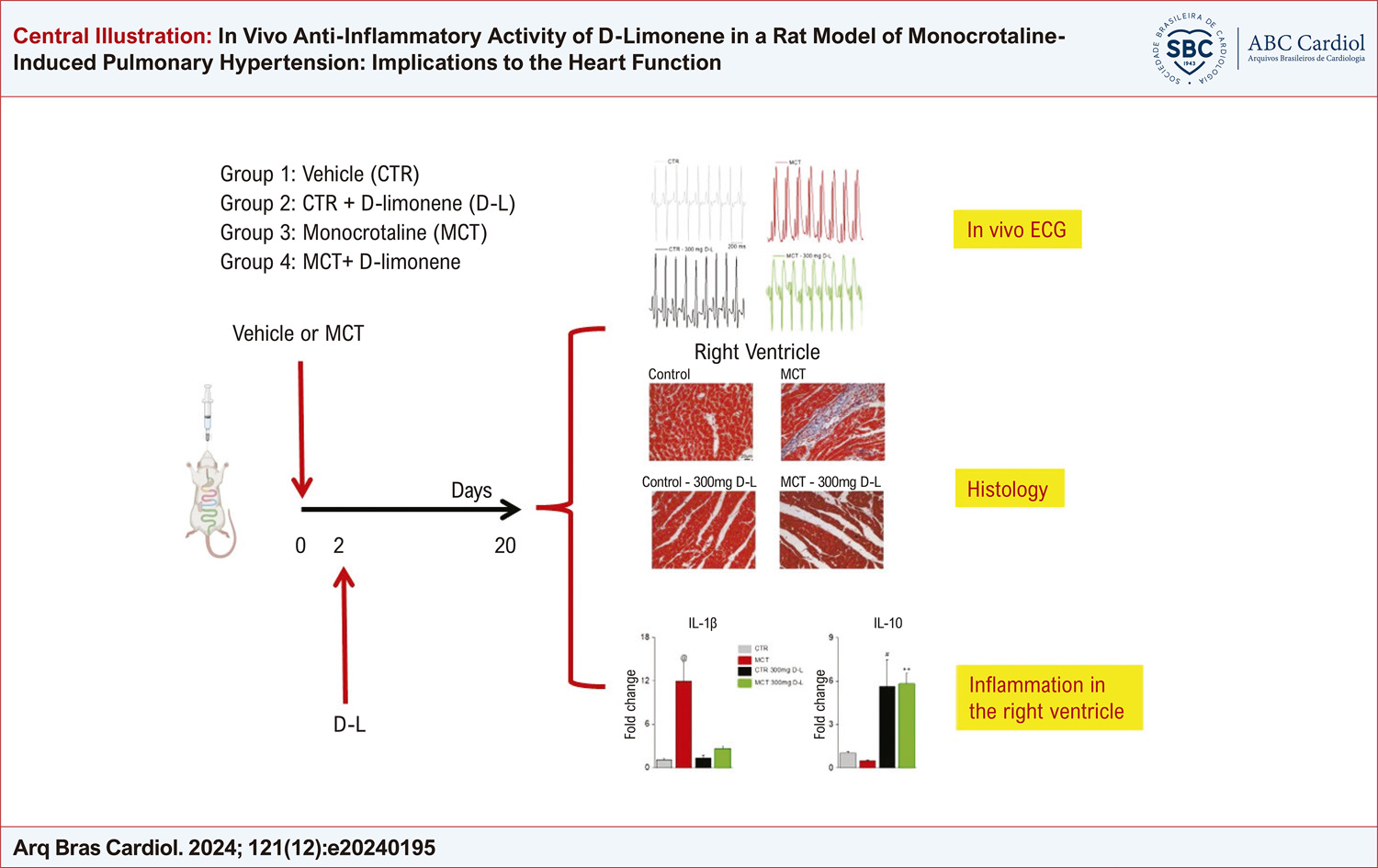
Electrocardiogram was monitored in vivo. Masson Trichrome technique was deployed to verify fibrosis in the heart. Contractility function of isolated atrial tissue was studied using organ bath chamber. Real-time quantitative PCR was applied to quantify inflammation in the right ventricle.

Results

The MCT-PH group showed electrical and structural heart remodeling, with the presence of fibrosis in the cardiac tissue and in vivo electrocardiographic changes. Treatment with D-L partially prevented the development of tissue fibrosis and the increase in P wave duration in the MCT-PH group. The contraction and relaxation velocity of isolated right and left atrium were accelerated in CTR and MCT-PH animals treated with D-L. Finally, D-L was able to prevent the abnormal expression of the key inflammatory cytokines (interleukin 1-β, interleukin 6 and tumor necrosis factor-α) in the right ventricle of MCT-PH animals. D-L was able to enhance the production of the anti-inflammatory cytokine Interleukin-10.

Conclusion

Our results showed that in vivo administration of D-L partially prevented the molecular, structural and functional remodeling of the heart in the MCT-PH model with attenuation of the inflammatory response in the heart.
  • Anti-Inflammatory Agents
  • Biological Products
  • Pulmonary Hypertension
Read Full Article
Creative Commons Attribution (CC BY) Creative Commons license
13/12/2024 DOI: 10.36660/abc.20240195i Views 1
ABC
Editorial

CTRP-3 Levels in Patients with Stable Coronary Artery Disease and Paroxysmal Atrial Fibrillation: A New Potential Biomarker in Cardiovascular Diseases

Ricardo Mourilhe-Rocha et al. Marcelo Imbroinise Bittencourt

The C1q tumor necrosis factor-related protein (CTRP) family, comprised of 15 members (CTRP1-CTRP15), is a newly discovered and highly conserved paralogue of adiponectin. Despite structural similarities between CTRP family and adiponectin, they exert pleiotropic effects on cell metabolism and have different regulation patterns.– CTRP3 (also known as CORS-26, cartducin and cartonectin) is a member of this family. CTRP3 is a potent anti-inflammatory adipokine that inhibits proinflammatory pathways in monocytes and microcells, exerting anti-inflammatory, anti-apoptotic and cardioprotective effect during development of coronary artery disease (CAD).– Also, this adipokine has cardioprotective properties and is inversely associated with insulin resistance parameters; its circulating levels drop in obesity and hypertension.

One of the first studies to evaluate circulating CTRP-3 and progranulin levels in patients with CAD was conducted on 362 Korean adults with acute coronary syndrome (ACS), stable angina pectoris and control subjects with various cardiometabolic risk factors. CTRP-3 concentrations were significantly decreased in patients with ACS or stable angina compared to control subjects. Correlation analysis adjusted for age and gender showed that CTRP-3 levels had a significant negative relationship with glucose and high sensitive C-reactive protein levels, and a positive relationship with HDL-cholesterol and adiponectin levels. In a multivariate logistic regression analysis, the odds ratio for CAD was 5.14 in the second tertile, and 9.04 in the first tertile of CTRP-3 levels compared to the third tertile, after adjusting for other cardiometabolic risk variables. These results suggest that CTRP-3 might be useful for assessing the risk of CAD.

[…]

  • Adiponectin
  • Anti-Inflammatory Agents
  • Atrial Fibrillation
  • C1q (Immunologic Factors)
  • Coronary Artery Disease
  • Risk Factors
  • Tumor Necrosis Factors
Read Full Article
Creative Commons Attribution (CC BY) Creative Commons license
21/02/2022 DOI: 10.36660/abc.20210940 Views 1
Figure 1
ABC
Original Article

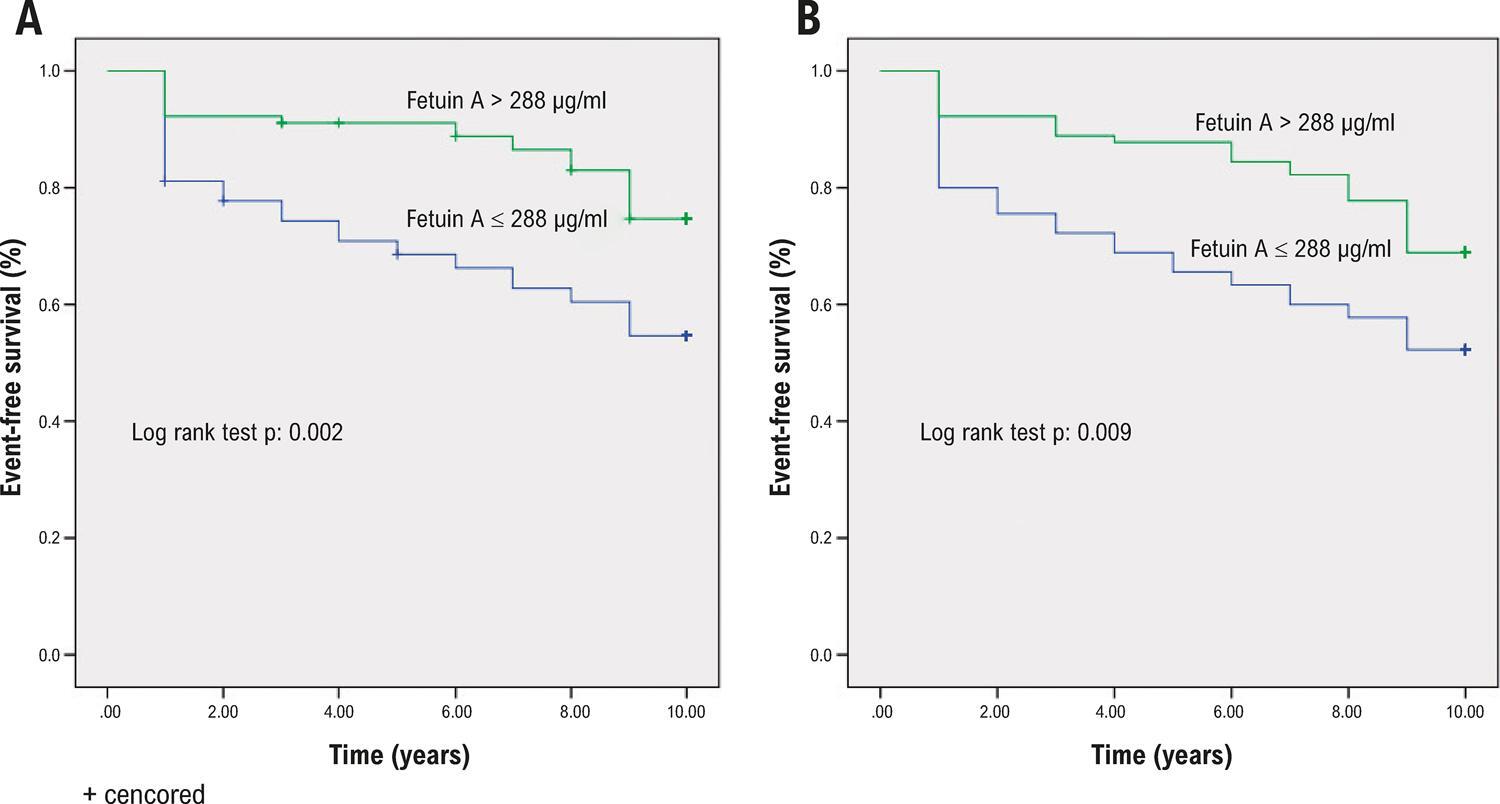
Lower Serum Fetuin-A Levels are Associated with a Higher Ten-Year Mortality Risk in Patients with ST-Elevation Myocardial Infarction

Hakan Çakır et al. Selçuk Kanat Hilal Çakır Erhan Tenekecioğlu

Abstract

Background

Fetuin-A is an anti-inflammatory and anti-calcification factor involved in the course of coronary artery disease (CAD). In line with these functions, fetuin-A has been investigated as a cardiovascular risk marker in many studies. However, the association between fetuin-A and the prognosis of CAD patients is still controversial.

Objectives

The present study was conducted to identify the association between serum fetuin-A level and long-term cardiovascular disease (CVD) and all-cause mortality of ST-elevation acute myocardial infarction (STEMI).

Methods

One hundred eigthy consecutive patients with STEMI were enrolled in the study. The study population was divided into subgroups (lower, ≤288 µg/ml; and higher, >288 µg/ml) according to the median fetuin-A level. Clinical follow-up data was obtained by annual contact with the patients or family members by telephone. The causes of death were also confirmed by the national health database. Two-sided p-values<0.05 were considered statistically significant.

Results

During a median follow-up of 10 years, 71 deaths were recorded , 62 of whom died from CVD. Both CVD and all-cause mortality were found to be significantly higher in the lower fetuin-A group than the higher fetuin-A group (44% vs 24%, p= 0.005; 48% vs 31%, p= 0.022, respectively). In Cox regression proportional hazard analyses, fetuin-A was found to be an independent predictor of CVD and all-cause mortality.

Conclusions

Low fetuin-A concentration is associated with a poor long-term prognosis after STEMI, regardless of the traditional cardiovascular risk factors. Our findings have strengthened previous studies that consistently demonstrate the determining role of anti-inflammatory mediators in acute coronary syndromes.

  • Anti-Inflammatory Agents
  • Coronary Artery Disease
  • Echocardiography/methods
  • Fetuin Alpha
  • Globulins
  • Mortality
  • ST Elevation Myocardial Infarction
Read Full Article
Creative Commons Attribution (CC BY) Creative Commons license
21/02/2022 DOI: 10.36660/abc.20201057 Views 1
Figure 1
ABC
Original Article

Influence of Consumption of Orange Juice (Citrus Sinensis) on Cardiac Remodeling of Rats Submitted to Myocardial Infarction

Bruna C. Oliveira et al. Priscila P. Santos Amanda M. Figueiredo Bruna P. M. Rafacho … Larissa Ishikawa Silméia G. Zanati Ana A. H. Fernandes Paula S. Azevedo Bertha F. Polegato Leonardo A. M. Zornoff Marcos F. Minicucci Sergio A. R. Paiva

Abstract

Background

Orange juice (OJ) is rich in polyphenols with anti-inflammatory and antioxidant properties. After myocardial infarction (MI), complex changes occur in cardiac structure and function, which is known as cardiac remodeling (CR). Oxidative stress and inflammation can modulate this process. We hypothesized that the consumption of OJ attenuates the CR after MI.

Objectives

To evaluate the influence of OJ on CR after MI by analysis of functional, morphological, oxidative stress, inflammation, and energy metabolism variables.

Methods

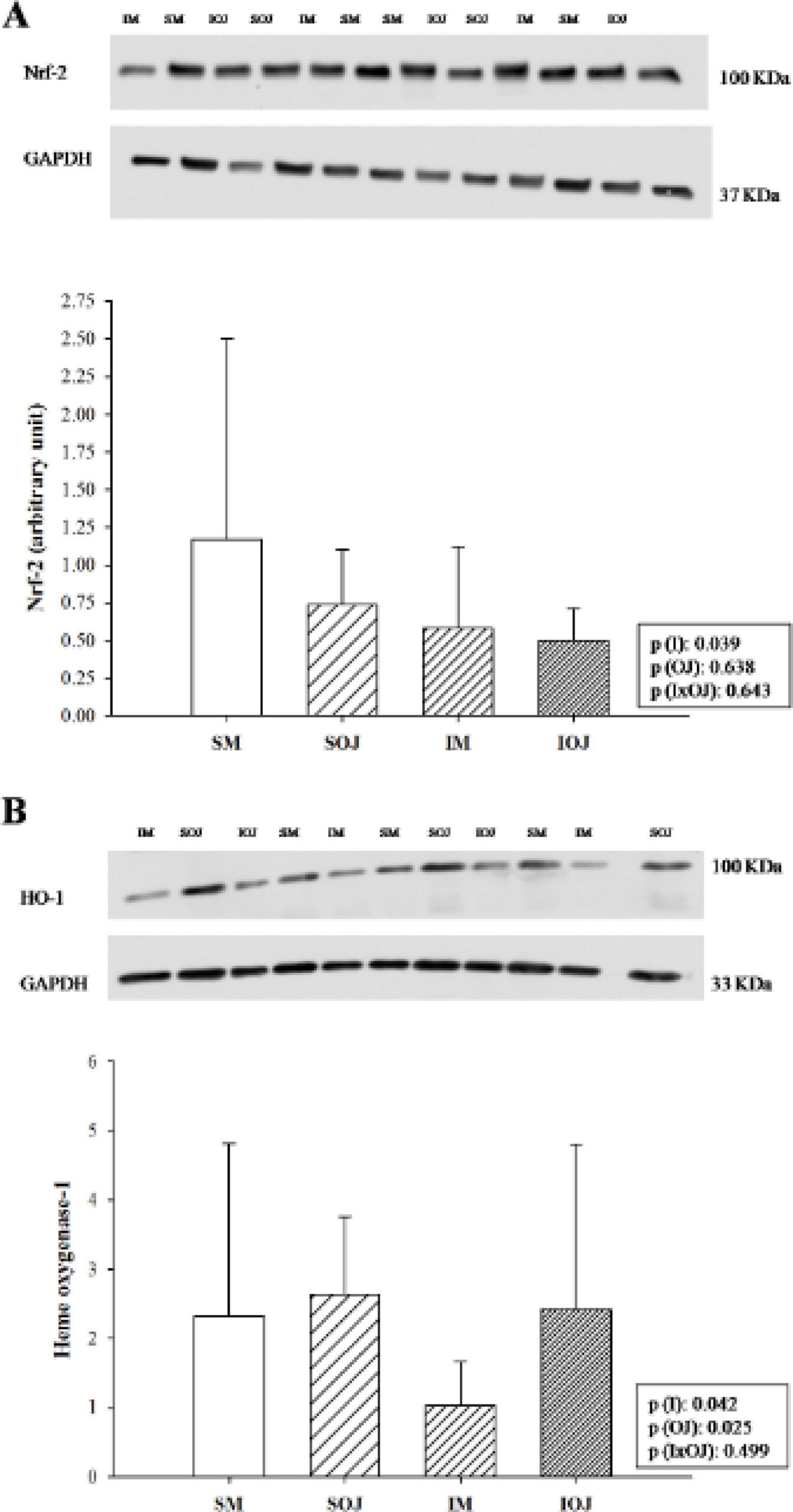
A total of 242 male rats weighing 200-250 g were submitted to a surgical procedure (coronary artery ligation or simulated surgery). Seven days after surgery, survivors were assigned to one of the four groups 1) SM, sham animals with water and maltodextrin (n= 20); 2) SOJ, sham animals with OJ (n= 20); 3) IM, infarcted animals with water and maltodextrin (n= 40); and 4) IOJ, infarcted animals with OJ (n = 40). Statistical analysis was performed by the two-way ANOVA supplemented by Holm-Sidak. Results are presented as mean ± standard deviation, the level of significance adopted was 5%.

Results

After 3 months, MI led to left ventricular (LV) hypertrophy, with systolic and diastolic dysfunction, and increased oxidative stress and inflammatory mediators. OJ intake reduced LV cavity and improved systolic and diastolic function. The OJ animals presented lower activity of glutathione peroxidase and higher expression of heme-oxygenase-1 (HO-1).

Conclusion

OJ attenuated CR in infarcted rats and HO-1 may be play an important role in this process.

  • Anti-Inflammatory Agents
  • Antioxidants
  • Fruits Juices (orange)
  • Myocardial Infarction
  • Polyphenols
  • Ventricular Remodeling
Read Full Article
Creative Commons Attribution (CC BY) Creative Commons license
14/06/2021 DOI: 10.36660/abc.20190397 Views 2
ABC
Editorial

Antioxidant and Anti-Inflammatory Effects of Orange Juice

Paula Felippe Martinez et al. Marianna Rabelo de Carvalho Maria Lua Marques Mendonça Marina Politi Okoshi Silvio Assis de Oliveira-Junior

Post myocardial infarction cardiac remodelling progression is a complex event involving several biological reactions; these include oxidative stress and inflammatory response. – The release of reactive oxygen species (ROS) after myocardial ischemia stimulates pro-inflammatory mediators involved in fibroblast proliferation and tissue repair in the infarcted area. However, sustained ROS production in combination with hemodynamic overload and antioxidant system incapacity leads to oxidative stress in non-infarcted areas, which also undergo cardiac remodelling. – These changes, associated with energy metabolism disorders, metalloproteinases activation, cardiomyocyte death and hypertrophy, interstitial fibrosis, and cardiac dysfunction characterize the cardiac remodelling process.

Studies on various bioactive compounds, often extracted from food, have been undertaken to assess their attenuating powers on disorders common to cardiac remodelling, such as oxidative stress and inflammation. – However, the extraction and isolation of these substances can require a complex network of costly specialized technical procedures making it financially difficult for a large part of the population to access this resource. Additionally, taken in isolation one cannot evaluate the potential effects of interactions between food matrix components and the organism which may alter the metabolic effects. Alternatively, consuming the food in its entirety acts as a buffer in the digestive system allowing greater bioavailability of its active compounds. Therefore, nutritional approaches involving ingestion of natural foods, such as fruits and their products (peels, juices, pulps, puree, and jams, etc), which contain substances with antioxidant and anti-inflammatory properties, have increasingly gained interest. , It is worth mentioning citrus fruits, which are rich in bioactive compounds that may change the metabolism and protect tissues from ROS accumulation injuries. Citrus fruit juices, in general, are abundant sources of vitamin C and other nutrients, such as potassium, folate, magnesium, vitamin A, and polyphenolic compounds. In this sense, orange juice is a complex food matrix with cardioprotective potential due to its antioxidant and anti-inflammatory capacity. –

[…]

  • Anti-Inflammatory Agents
  • Antioxidants
  • Citrus Sinensis
  • Fruit and Vegetable Juices
  • Metabolism
  • Oxidative Stress
  • Ventricular Remodeling
Read Full Article
Creative Commons Attribution (CC BY) Creative Commons license
14/06/2021 DOI: 10.36660/abc.20210418 Views 1
Figure 1
ABC
Original Article

Quercetin Ameliorates Lipid and Apolipoprotein Profile in High-Dose Glucocorticoid Treated Rats

Hoda Derakhshanian et al. Mahmoud Djalali Abolghassem Djazayery Mohammad Hassan Javanbakht … Mahnaz Zarei Azita Hekmatdoost Ghazaleh Eslamian Seyyedeh Somayyeh Mirhashemi Ahmad Reza Dehpour

Abstract

Background

Glucocorticoids (GCs) are widely prescribed for the treatment of numerous clinical disorders due to their anti-inflammatory and immune-modulatory properties and one of the most common untoward effects of these drugs is dyslipidemia.

Objective

To evaluate the effect of quercetin, a plant-derived flavonoid, on the lipid profile of high-dose glucocorticoid treated rats.

Methods

A total of 32 Sprague-Dawley rats, were randomly distributed among four groups (8 rats per group) and treated for 6 weeks with one of the following: (i) normal saline; (ii) 40 mg/kg methylprednisolone sodium succinate (MP); (iii) MP + 50 mg/kg quercetin; (iv) MP + 150 mg/kg quercetin. MP was injected subcutaneously, and quercetin was administered by oral gavage 3 days a week. At the end of the study, the animals’ lipid profile was measured by enzymatic kits. Data were analyzed and statistical significance was set at p<0.05.

Results

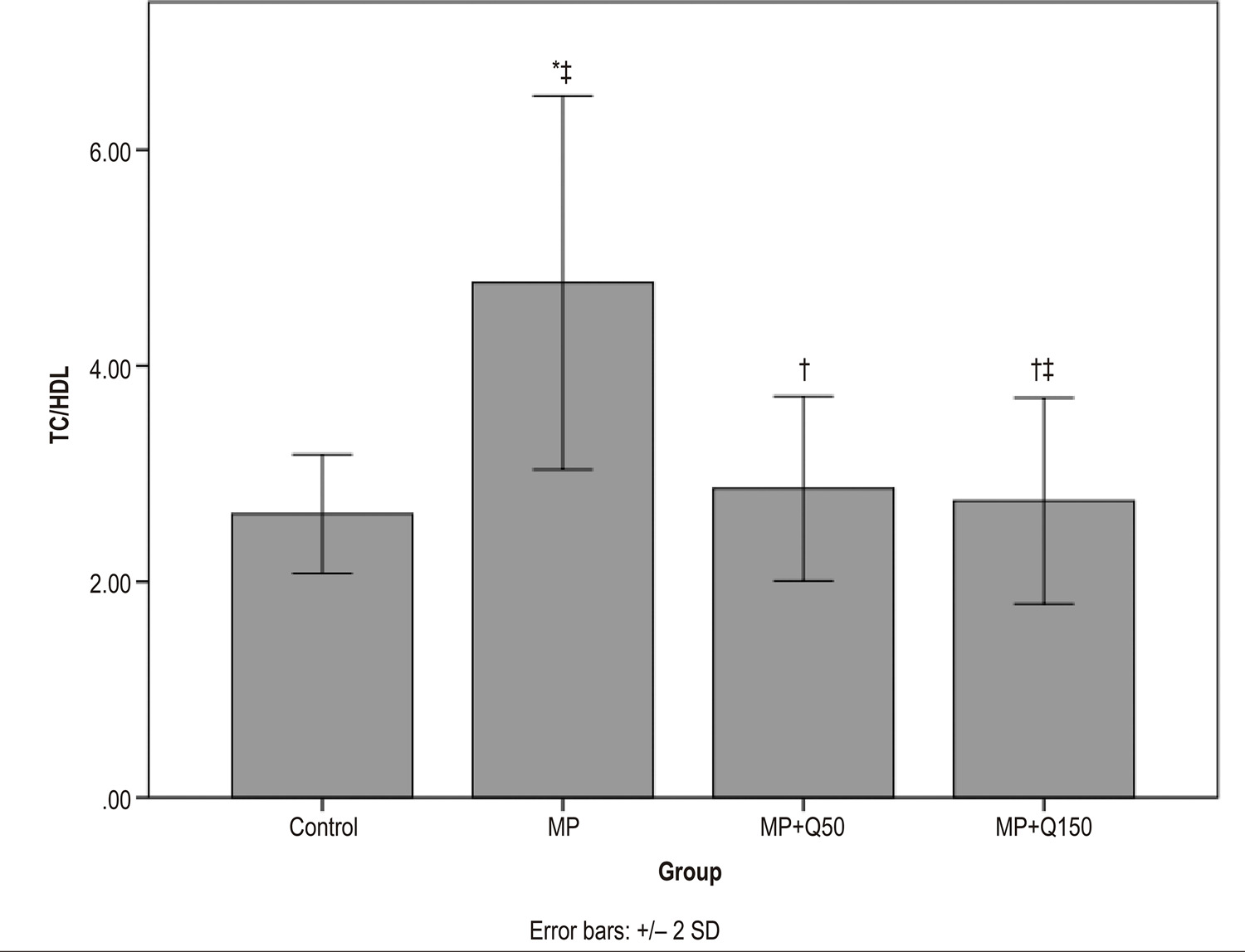
The mean serum total cholesterol (TC), triglyceride (TG) and LDL levels were drastically increased in GC-treated animals compared with the control group. Both doses of quercetin (50 and 150 mg/kg) ameliorated TC (43% and 45%), LDL (56% and 56%) and TG (46% and 55% respectively). Apo B/A1 ratio decreased more than 20% following quercetin intake and the decline in TC/HDL, TG/HL, LDL/HDL ratios were significant.

Conclusions

These data suggest that quercetin intake with both doses of 50 and 150 mg/kg could be considered as a protective agent for glucocorticoid-induced dyslipidemia. (Arq Bras Cardiol. 2020; 115(1):102-108.)

  • Anti-Inflammatory Agents
  • Cholesterol
  • Dyslipidemias
  • Glucocorticoids
  • Quercetin
  • Rats, Sprague-Dawley
  • Triglycerides
Read Full Article
Creative Commons Attribution (CC BY) Creative Commons license
07/08/2020 DOI: 10.36660/abc.20180397 Views 1
ABC
Editorial

Use of Moringa Oleifera Seeds in Water Treatment

Marcia Kiyomi Koike et al. Akimi Kokanj Kochi Denise Yamada Gomes Pinto

Moringa oleifera Lamarck (MO) is a plant of the Moringaceae family, native to the Himalayas and adapted on several continents, is widely cultivated in Asia, Africa and the Americas. Rapidly growing, the whole plant has a wide variety of applications in diet and folk medicine.

However, scientific evidence of its properties began to emerge only in the beginning of 2000. In experimental studies in vitro or ex-vivo , leaves and seeds showed several biological effects, such as anti-inflammatory and wound healing, antitumor, antidiabetic, antioxidant , and sexual function. ,

[…]

  • Anti-Inflammatory Agents
  • Glycosides
  • Moringa Oleifera
  • Plant Lectins
  • Water Security
Read Full Article
Creative Commons Attribution (CC BY) Creative Commons license
03/07/2020 DOI: 10.36660/abc.20200390
IJCS
Editorial

Consumption of Brazil Nuts Provides Cardiovascular Health Benefits

Mariana Sarto Figueiredo

Indroduction

The prevalence of chronic diseases, such as metabolic syndrome, obesity, dyslipidemia, type 2 diabetes mellitus (DM2), cancer, and neurodegenerative and cardiovascular disorders have been increasing in the world population. However, cardiovascular diseases remain the leading cause of mortality and morbidity worldwide. According to the Barker’s Theory (1993), hormonal, nutritional or environmental changes during critical periods of development such as gestation, lactation or adolescence may result in changes to the basic functions of the human body in childhood and “program” the progeny for the emergence of chronic diseases in the adult life, like DM2, obesity, cardiovascular diseases, intestinal dysbiosis, and hormonal and metabolic dysregulation. This phenomenon is known as “metabolic programming” or “developmental plasticity”.,

In the same direction, many authors have demonstrated the impact of an unhealthy diet on the development of chronic diseases such as metabolic syndrome, obesity, dyslipidemia, type 2 diabetes mellitus, cancer, neurodegenerative diseases and increased cardiovascular disorders., On the other hand, we know that the regular consumption of plant-based foods (cereals, fruits, vegetables, legumes, tree nuts and seeds), moderate consumption of seafood, fish and dairy and reduced consumption of alcohol, red meat and meat products may prevent and/or protect against diseases and provide health benefits, which is now widely recognized by health professionals.,

[…]

  • Anti-Inflammatory Agents
  • Brazil Nuts
  • Cardiovascular Diseases
  • Healthy Diet
  • Nuts
  • Risk reduction Behavior
Read Full Article
Creative Commons Attribution (CC BY) Creative Commons license
20/05/2019 DOI: 10.5935/2359-4802.20190037
Figure 1
IJCS
Review Article

Nuts and Cardiovascular Diseases: Focus on Brazil Nuts

Ana Carla Tavares da Silva et al. Ludmila F. M. F. Cardozo Beatriz Oliveira da Cruz Denise Mafra Milena Barcza Stockler-Pinto

Abstract

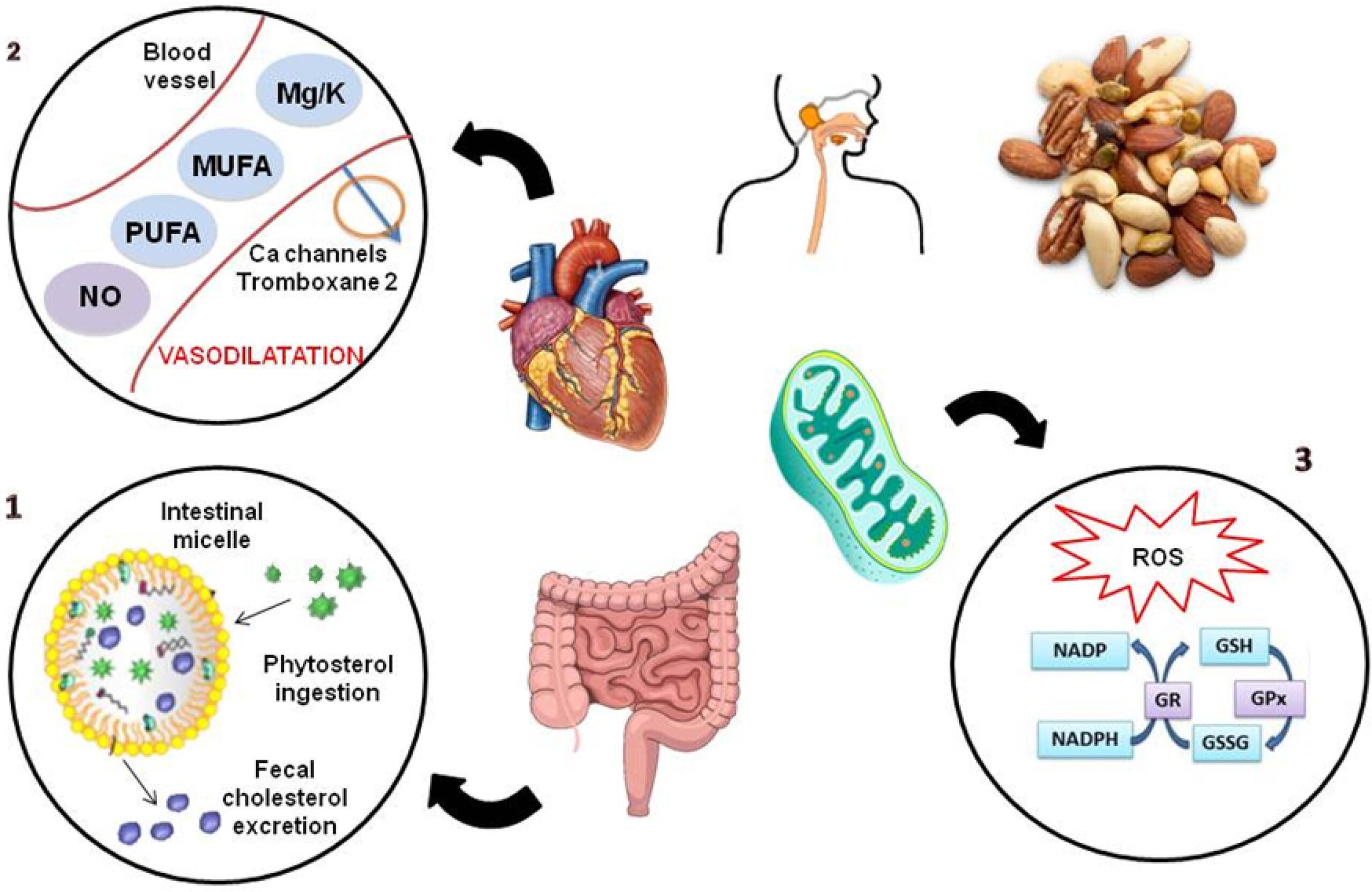
Cardiovascular diseases (CVD) are the main cause of death globally and most CVD can be prevented by addressing their risk factors, such as an unhealthy diet. Many authors have studied the benefits of nut consumption on CVD. Nuts contain high amounts of vegetable protein, unsaturated fatty acids, dietary fibers, vitamins, minerals and many other bioactive compounds, like phytosterols and phenolic compounds, which are able to reduce cholesterol levels and promote antioxidant and anti-inflammatory effects, thereby reducing cardiovascular risks. This review aims to describe studies involving the consumption of nuts, including Brazil nuts and CVD risk factors with positive results in the improvement of lipid profile, glucose metabolism, vascular function, and inflammatory and oxidative stress biomarkers.

  • Anti-Inflammatory Agents
  • Anti-Oxidants
  • Cardiovascular Diseases
  • Cholesterol
  • Diet, High-Protein
  • Nuts
  • Seeds
Read Full Article
Creative Commons Attribution (CC BY) Creative Commons license
01/04/2019 DOI: 10.5935/2359-4802.20190016
Maternal restriction of polyphenols and fetal ductal dynamics in normal pregnancy: an open clinical trial
ABC
Artigo Original

Maternal restriction of polyphenols and fetal ductal dynamics in normal pregnancy: an open clinical trial

Paulo Zielinsky et al. Antônio Luiz Piccoli Jr. Izabele Vian Ana Maria Zílio … Alexandre Antônio Naujorks Luiz Henrique Nicoloso Carolina Weiss Barbisan Stefano Busato Mauro Lopes Caroline Klein

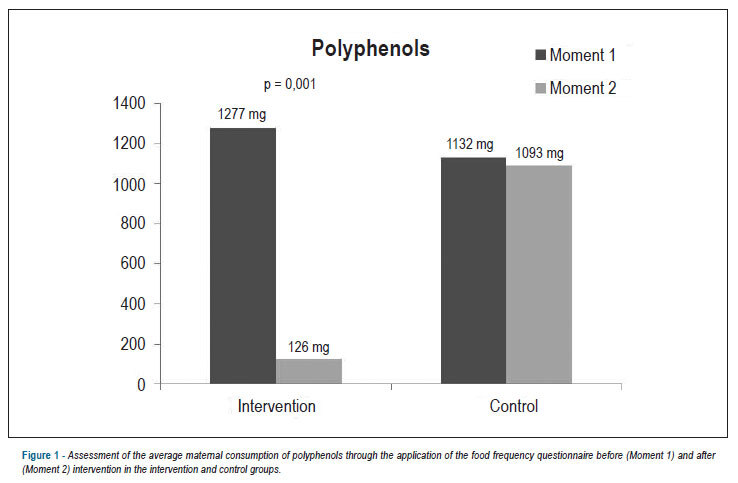
BACKGROUND:We have recently demonstrated reversal of fetal ductal constriction after dietary maternal restriction of polyphenol-rich foods (PRF), due to its inhibitory action on prostaglandin synthesis. OBJECTIVE: To test the hyphotesis that normal third trimester fetuses also improve ductus arteriosus dynamics after maternal restriction of polyphenols. METHODS: Open clinical trial with 46 fetuses with gestational age (GA) > 28 weeks submitted to 2 Doppler echocardiographic studies with an interval of at least 2 weeks, being the examiners blinded to maternal dietary habits. A validated food frequency questionnaire was applied and a diet based on polyphenol-poor foods (<30mg/100mg) was recommended. A control group of 26 third trimester fetuses was submitted to the same protocol. Statistics used t test for independent samples. RESULTS: Mean GA was 33±2 weeks. Mean daily maternal estimated polyphenol intake (DMPI) was 1277mg, decreasing to 126mg after dietary orientation (p=0.0001). Significant decreases in systolic (SDV) and diastolic (DDV) ductal velocities, and RV/LV diameters ratio, as well as increase in ductal PI were observed [DSV=1.2±0.4m/s (0.7-1.6) to 0.9±0.3m/s (0.6-1.3) (p=0.018); DDV=0.21±0.09m/s (0.15-0.32) to 0.18±0.06m/s (0.11-0.25) (p=0.016); RV/LV ratio =1.3±0.2 (0.9-1.4) to 1.1±0.2 (0.8-1.3) (p=0.004); ductal PI=2.2±0.03 (2.0-2.7) to 2.4±0.4(2.2-2.9) (p=0.04)]. In the control group, with GA of 32±4 weeks, there were no significant differences in DMPI, mean SDV, DDV, PI and RV/LV ratio. CONCLUSION: The oriented restriction of third trimester maternal ingestion of polyphenol-rich foods for a period of 2 weeks or more improve fetal ductus arteriosus flow dynamics and right ventricular dimensions.

  • Anti-Inflammatory Agents
  • Constriction
  • Ductus Arteriosus
  • fetal heart
  • Polyphenols
  • Pregnancy
  • Prostaglandins
Read Full Article
Creative Commons Attribution (CC BY) Creative Commons license
14/08/2013 DOI: 10.5935/abc.20130166 Views 3

How to cite this article

EndNote RIS

Electronic Document Format (Vancouver)

Teixeira-Fonseca JL, Orts DJB, Silva PL, Conceição MRL, Hermes H, Prudencio CR, Roman-Campos D, et al. In Vivo Anti-Inflammatory Activity of D-Limonene in a Rat Model of Monocrotaline-Induced Pulmonary Hypertension: Implications to the Heart Function. Arquivos Brasileiros de Cardiologia 2024;121(12):e20240195.

Electronic Document Format (ABNT)

Teixeira-Fonseca, Jorge Lucas; Orts, Diego Jose Belato y; Silva, Polyana Leal da; Conceição, Michael Ramon de Lima; Hermes, Hernan; Prudencio, Carlos R.; Roman-Campos, Danilo. In Vivo Anti-Inflammatory Activity of D-Limonene in a Rat Model of Monocrotaline-Induced Pulmonary Hypertension: Implications to the Heart Function. Arquivos Brasileiros de Cardiologia, v. 121, n. 12, e20240195, Dec. 2024.

Electronic Document Format (APA)

Teixeira-Fonseca, J. L., Orts, D. J. B. , Silva, P. L. , Conceição, M. R. L., Hermes, H., Prudencio, C. R., & Roman-Campos, D. (2024). In Vivo Anti-Inflammatory Activity of D-Limonene in a Rat Model of Monocrotaline-Induced Pulmonary Hypertension: Implications to the Heart Function. Arquivos Brasileiros de Cardiologia, 121(12), e20240195.

Electronic Document Format (ISO)

Teixeira-Fonseca, Jorge Lucas and Orts, Diego Jose Belato y and Silva, Polyana Leal da and Conceição, Michael Ramon de Lima and Hermes, Hernan and Prudencio, Carlos R. and Roman-Campos, Danilo. In Vivo Anti-Inflammatory Activity of D-Limonene in a Rat Model of Monocrotaline-Induced Pulmonary Hypertension: Implications to the Heart Function. Arquivos Brasileiros de Cardiologia [online]. 2024, vol. 121, n. 12, [cited 2026-10-14], e20240195. Available from: <https://journals.cardiol.br/en/article/in-vivo-anti-inflammatory-activity-of-d-limonene-in-a-rat-model-of-monocrotaline-induced-pulmonary-hypertension-implications-to-the-heart-function/>. ISSN 0066-782X

EndNote RIS

Electronic Document Format (Vancouver)

Mourilhe-Rocha R, Bittencourt MI. CTRP-3 Levels in Patients with Stable Coronary Artery Disease and Paroxysmal Atrial Fibrillation: A New Potential Biomarker in Cardiovascular Diseases. Arquivos Brasileiros de Cardiologia 2022;118(1):59-60.

Electronic Document Format (ABNT)

Mourilhe-Rocha, Ricardo; Bittencourt, Marcelo Imbroinise. CTRP-3 Levels in Patients with Stable Coronary Artery Disease and Paroxysmal Atrial Fibrillation: A New Potential Biomarker in Cardiovascular Diseases. Arquivos Brasileiros de Cardiologia, v. 118, n. 1, p. 59-60, Feb. 2022.

Electronic Document Format (APA)

Mourilhe-Rocha, R., & Bittencourt, M. I. (2022). CTRP-3 Levels in Patients with Stable Coronary Artery Disease and Paroxysmal Atrial Fibrillation: A New Potential Biomarker in Cardiovascular Diseases. Arquivos Brasileiros de Cardiologia, 118(1), 59-60.

Electronic Document Format (ISO)

Mourilhe-Rocha, Ricardo and Bittencourt, Marcelo Imbroinise. CTRP-3 Levels in Patients with Stable Coronary Artery Disease and Paroxysmal Atrial Fibrillation: A New Potential Biomarker in Cardiovascular Diseases. Arquivos Brasileiros de Cardiologia [online]. 2022, vol. 118, n. 1, [cited 2026-10-14], pp. 59-60. Available from: <https://journals.cardiol.br/en/article/ctrp-3-levels-in-patients-with-stable-coronary-artery-disease-and-paroxysmal-atrial-fibrillation-a-new-potential-biomarker-in-cardiovascular-diseases/>. ISSN 0066-782X

EndNote RIS

Electronic Document Format (Vancouver)

Çakır H, Kanat S, Çakır H, Tenekecioğlu E. Lower Serum Fetuin-A Levels are Associated with a Higher Ten-Year Mortality Risk in Patients with ST-Elevation Myocardial Infarction. Arquivos Brasileiros de Cardiologia 2022;118(1):14-21.

Electronic Document Format (ABNT)

Çakır, Hakan; Kanat, Selçuk; Çakır, Hilal; Tenekecioğlu, Erhan. Lower Serum Fetuin-A Levels are Associated with a Higher Ten-Year Mortality Risk in Patients with ST-Elevation Myocardial Infarction. Arquivos Brasileiros de Cardiologia, v. 118, n. 1, p. 14-21, Feb. 2022.

Electronic Document Format (APA)

Çakır, H., Kanat, S., Çakır, H., & Tenekecioğlu, E. (2022). Lower Serum Fetuin-A Levels are Associated with a Higher Ten-Year Mortality Risk in Patients with ST-Elevation Myocardial Infarction. Arquivos Brasileiros de Cardiologia, 118(1), 14-21.

Electronic Document Format (ISO)

Çakır, Hakan and Kanat, Selçuk and Çakır, Hilal and Tenekecioğlu, Erhan. Lower Serum Fetuin-A Levels are Associated with a Higher Ten-Year Mortality Risk in Patients with ST-Elevation Myocardial Infarction. Arquivos Brasileiros de Cardiologia [online]. 2022, vol. 118, n. 1, [cited 2026-10-14], pp. 14-21. Available from: <https://journals.cardiol.br/en/article/lower-serum-fetuin-a-levels-are-associated-with-a-higher-ten-year-mortality-risk-in-patients-with-st-elevation-myocardial-infarction/>. ISSN 0066-782X

EndNote RIS

Electronic Document Format (Vancouver)

Oliveira BC, Santos PP, Figueiredo AM, Rafacho BPM, Ishikawa L, Zanati SG, Fernandes AAH, et al. Influence of Consumption of Orange Juice (Citrus Sinensis) on Cardiac Remodeling of Rats Submitted to Myocardial Infarction. Arquivos Brasileiros de Cardiologia 2021;116(6):1127-36.

Electronic Document Format (ABNT)

Oliveira, Bruna C.; Santos, Priscila P.; Figueiredo, Amanda M.; Rafacho, Bruna P. M.; Ishikawa, Larissa; Zanati, Silméia G.; Fernandes, Ana A. H.; Azevedo, Paula S.; Polegato, Bertha F.; Zornoff, Leonardo A. M.; Minicucci, Marcos F.; Paiva, Sergio A. R.. Influence of Consumption of Orange Juice (Citrus Sinensis) on Cardiac Remodeling of Rats Submitted to Myocardial Infarction. Arquivos Brasileiros de Cardiologia, v. 116, n. 6, p. 1127-1136, Jun. 2021.

Electronic Document Format (APA)

Oliveira, B. C., Santos, P. P., Figueiredo, A. M., Rafacho, B. P. M., Ishikawa, L., Zanati, S. G., Fernandes, A. A. H., Azevedo, P. S., Polegato, B. F., Zornoff, L. A. M., Minicucci, M. F., & Paiva, S. A. R. (2021). Influence of Consumption of Orange Juice (Citrus Sinensis) on Cardiac Remodeling of Rats Submitted to Myocardial Infarction. Arquivos Brasileiros de Cardiologia, 116(6), 1127-1136.

Electronic Document Format (ISO)

Oliveira, Bruna C. and Santos, Priscila P. and Figueiredo, Amanda M. and Rafacho, Bruna P. M. and Ishikawa, Larissa and Zanati, Silméia G. and Fernandes, Ana A. H. and Azevedo, Paula S. and Polegato, Bertha F. and Zornoff, Leonardo A. M. and Minicucci, Marcos F. and Paiva, Sergio A. R.. Influence of Consumption of Orange Juice (Citrus Sinensis) on Cardiac Remodeling of Rats Submitted to Myocardial Infarction. Arquivos Brasileiros de Cardiologia [online]. 2021, vol. 116, n. 6, [cited 2026-10-14], pp. 1127-1136. Available from: <https://journals.cardiol.br/en/article/influence-of-consumption-of-orange-juice-citrus-sinensis-on-cardiac-remodeling-of-rats-submitted-to-myocardial-infarction/>. ISSN 0066-782X

EndNote RIS

Electronic Document Format (Vancouver)

Martinez PF, Carvalho MR, Mendonça MLM, Okoshi MP, Oliveira-Junior SA. Antioxidant and Anti-Inflammatory Effects of Orange Juice. Arquivos Brasileiros de Cardiologia 2021;116(6):1137-8.

Electronic Document Format (ABNT)

Martinez, Paula Felippe; Carvalho, Marianna Rabelo de; Mendonça, Maria Lua Marques; Okoshi, Marina Politi; Oliveira-Junior, Silvio Assis de. Antioxidant and Anti-Inflammatory Effects of Orange Juice. Arquivos Brasileiros de Cardiologia, v. 116, n. 6, p. 1137-1138, Jun. 2021.

Electronic Document Format (APA)

Martinez, P. F., Carvalho, M. R. , Mendonça, M. L. M., Okoshi, M. P., & Oliveira-Junior, S. A. (2021). Antioxidant and Anti-Inflammatory Effects of Orange Juice. Arquivos Brasileiros de Cardiologia, 116(6), 1137-1138.

Electronic Document Format (ISO)

Martinez, Paula Felippe and Carvalho, Marianna Rabelo de and Mendonça, Maria Lua Marques and Okoshi, Marina Politi and Oliveira-Junior, Silvio Assis de. Antioxidant and Anti-Inflammatory Effects of Orange Juice. Arquivos Brasileiros de Cardiologia [online]. 2021, vol. 116, n. 6, [cited 2026-10-14], pp. 1137-1138. Available from: <https://journals.cardiol.br/en/article/antioxidant-and-anti-inflammatory-effects-of-orange-juice/>. ISSN 0066-782X

EndNote RIS

Electronic Document Format (Vancouver)

Derakhshanian H, Djalali M, Djazayery A, Javanbakht MH, Zarei M, Hekmatdoost A, Eslamian G, et al. Quercetin Ameliorates Lipid and Apolipoprotein Profile in High-Dose Glucocorticoid Treated Rats. Arquivos Brasileiros de Cardiologia 2020;115(1):102-8.

Electronic Document Format (ABNT)

Derakhshanian, Hoda; Djalali, Mahmoud; Djazayery, Abolghassem; Javanbakht, Mohammad Hassan; Zarei, Mahnaz; Hekmatdoost, Azita; Eslamian, Ghazaleh; Mirhashemi, Seyyedeh Somayyeh; Dehpour, Ahmad Reza. Quercetin Ameliorates Lipid and Apolipoprotein Profile in High-Dose Glucocorticoid Treated Rats. Arquivos Brasileiros de Cardiologia, v. 115, n. 1, p. 102-108, Aug. 2020.

Electronic Document Format (APA)

Derakhshanian, H., Djalali, M., Djazayery, A., Javanbakht, M. H., Zarei, M., Hekmatdoost, A., Eslamian, G., Mirhashemi, S. S., & Dehpour, A. R. (2020). Quercetin Ameliorates Lipid and Apolipoprotein Profile in High-Dose Glucocorticoid Treated Rats. Arquivos Brasileiros de Cardiologia, 115(1), 102-108.

Electronic Document Format (ISO)

Derakhshanian, Hoda and Djalali, Mahmoud and Djazayery, Abolghassem and Javanbakht, Mohammad Hassan and Zarei, Mahnaz and Hekmatdoost, Azita and Eslamian, Ghazaleh and Mirhashemi, Seyyedeh Somayyeh and Dehpour, Ahmad Reza. Quercetin Ameliorates Lipid and Apolipoprotein Profile in High-Dose Glucocorticoid Treated Rats. Arquivos Brasileiros de Cardiologia [online]. 2020, vol. 115, n. 1, [cited 2026-10-14], pp. 102-108. Available from: <https://journals.cardiol.br/en/article/quercetin-ameliorates-lipid-and-apolipoprotein-profile-in-high-dose-glucocorticoid-treated-rats/>. ISSN 0066-782X

EndNote RIS

Electronic Document Format (Vancouver)

Koike MK, Kochi AK, Pinto DYG. Use of Moringa Oleifera Seeds in Water Treatment. Arquivos Brasileiros de Cardiologia 2020;114(6):1038-9.

Electronic Document Format (ABNT)

Koike, Marcia Kiyomi; Kochi, Akimi Kokanj; Pinto, Denise Yamada Gomes. Use of Moringa Oleifera Seeds in Water Treatment. Arquivos Brasileiros de Cardiologia, v. 114, n. 6, p. 1038-1039, Jul. 2020.

Electronic Document Format (APA)

Koike, M. K., Kochi, A. K., & Pinto, D. Y. G. (2020). Use of Moringa Oleifera Seeds in Water Treatment. Arquivos Brasileiros de Cardiologia, 114(6), 1038-1039.

Electronic Document Format (ISO)

Koike, Marcia Kiyomi and Kochi, Akimi Kokanj and Pinto, Denise Yamada Gomes. Use of Moringa Oleifera Seeds in Water Treatment. Arquivos Brasileiros de Cardiologia [online]. 2020, vol. 114, n. 6, [cited 2026-10-14], pp. 1038-1039. Available from: <https://journals.cardiol.br/en/article/use-of-moringa-oleifera-seeds-in-water-treatment/>. ISSN 0066-782X

EndNote RIS

Electronic Document Format (Vancouver)

Figueiredo MS. Consumption of Brazil Nuts Provides Cardiovascular Health Benefits. International Journal of Cardiovascular Sciences 2019;32(3):205-6.

Electronic Document Format (ABNT)

Figueiredo, Mariana Sarto. Consumption of Brazil Nuts Provides Cardiovascular Health Benefits. International Journal of Cardiovascular Sciences, v. 32, n. 3, p. 205-206, May. 2019.

Electronic Document Format (APA)

Figueiredo, M. S. (2019). Consumption of Brazil Nuts Provides Cardiovascular Health Benefits. International Journal of Cardiovascular Sciences, 32(3), 205-206.

Electronic Document Format (ISO)

Figueiredo, Mariana Sarto. Consumption of Brazil Nuts Provides Cardiovascular Health Benefits. International Journal of Cardiovascular Sciences [online]. 2019, vol. 32, n. 3, [cited 2026-10-14], pp. 205-206. Available from: <https://journals.cardiol.br/en/article/consumption-of-brazil-nuts-provides-cardiovascular-health-benefits/>. ISSN 2359-4802

EndNote RIS

Electronic Document Format (Vancouver)

Silva ACT, Cardozo LFMF, Cruz BO, Mafra D, Stockler-Pinto MB. Nuts and Cardiovascular Diseases: Focus on Brazil Nuts. International Journal of Cardiovascular Sciences 2019;32(3):274-82.

Electronic Document Format (ABNT)

Silva, Ana Carla Tavares da; Cardozo, Ludmila F. M. F.; Cruz, Beatriz Oliveira da; Mafra, Denise; Stockler-Pinto, Milena Barcza. Nuts and Cardiovascular Diseases: Focus on Brazil Nuts. International Journal of Cardiovascular Sciences, v. 32, n. 3, p. 274-282, Mar. 2019.

Electronic Document Format (APA)

Silva, A. C. T. , Cardozo, L. F. M. F., Cruz, B. O. , Mafra, D., & Stockler-Pinto, M. B. (2019). Nuts and Cardiovascular Diseases: Focus on Brazil Nuts. International Journal of Cardiovascular Sciences, 32(3), 274-282.

Electronic Document Format (ISO)

Silva, Ana Carla Tavares da and Cardozo, Ludmila F. M. F. and Cruz, Beatriz Oliveira da and Mafra, Denise and Stockler-Pinto, Milena Barcza. Nuts and Cardiovascular Diseases: Focus on Brazil Nuts. International Journal of Cardiovascular Sciences [online]. 2019, vol. 32, n. 3, [cited 2026-10-14], pp. 274-282. Available from: <https://journals.cardiol.br/en/article/nuts-and-cardiovascular-diseases-focus-on-brazil-nuts/>. ISSN 2359-4802

EndNote RIS

Electronic Document Format (Vancouver)

Zielinsky P, Piccoli Jr. AL, Vian I, Zílio AM, Naujorks AA, Nicoloso LH, Barbisan CW, et al. Maternal restriction of polyphenols and fetal ductal dynamics in normal pregnancy: an open clinical trial. Arquivos Brasileiros de Cardiologia 2013;101(3):217-25.

Electronic Document Format (ABNT)

Zielinsky, Paulo; Piccoli Jr., Antônio Luiz; Vian, Izabele; Zílio, Ana Maria; Naujorks, Alexandre Antônio; Nicoloso, Luiz Henrique; Barbisan, Carolina Weiss; Busato, Stefano; Lopes, Mauro; Klein, Caroline. Maternal restriction of polyphenols and fetal ductal dynamics in normal pregnancy: an open clinical trial. Arquivos Brasileiros de Cardiologia, v. 101, n. 3, p. 217-225, Aug. 2013.

Electronic Document Format (APA)

Zielinsky, P., Piccoli Jr., A. L., Vian, I., Zílio, A. M., Naujorks, A. A., Nicoloso, L. H., Barbisan, C. W., Busato, S., Lopes, M., & Klein, C. (2013). Maternal restriction of polyphenols and fetal ductal dynamics in normal pregnancy: an open clinical trial. Arquivos Brasileiros de Cardiologia, 101(3), 217-225.

Electronic Document Format (ISO)

Zielinsky, Paulo and Piccoli Jr., Antônio Luiz and Vian, Izabele and Zílio, Ana Maria and Naujorks, Alexandre Antônio and Nicoloso, Luiz Henrique and Barbisan, Carolina Weiss and Busato, Stefano and Lopes, Mauro and Klein, Caroline. Maternal restriction of polyphenols and fetal ductal dynamics in normal pregnancy: an open clinical trial. Arquivos Brasileiros de Cardiologia [online]. 2013, vol. 101, n. 3, [cited 2026-10-14], pp. 217-225. Available from: <https://journals.cardiol.br/en/article/maternal-restriction-of-polyphenols-and-fetal-ductal-dynamics-in-normal-pregnancy-an-open-clinical-trial/>. ISSN 0066-782X

  • About ABC Family
  • Internal Regulation
  • Editorial Board
  • Brazilian Society of Cardiology (SBC)

Issues

SBC Guidelines

  • Videos
  • Podcasts
  • News