| ABC
ABC Family Arquivos Brasileiros de Cardiologia International Journal of Cardiovascular Sciences ABC Heart Failure & Cardiomyopathy ABC Imagem Cardiovascular
Português English
ABC Family | ABC
Português English
  • About
    • About the Journal
    • Internal Regulation
    • Editors Section
    • Editorial Board
    • History
    • SBC Award
  • Instructions to Authors
    • Guidelines for Publication
    • Editorial Policy
    • Ethics Policy
    • Policy on the Use of Artificial Intelligence
    • Mandatory Publication Form
    • Publication Fee
  • Issues
  • SBC Guidelines
  • Abstracts
    • How to Publish an Abstract Supplement?
    • Supplements from the Brazilian Congress of Cardiology
  • About
    • About the Journal
    • Internal Regulation
    • Editors Section
    • Editorial Board
    • History
    • SBC Award
  • Instructions to Authors
    • Guidelines for Publication
    • Editorial Policy
    • Ethics Policy
    • Policy on the Use of Artificial Intelligence
    • Mandatory Publication Form
    • Publication Fee
  • Issues
  • SBC Guidelines
  • Abstracts
    • How to Publish an Abstract Supplement?
    • Supplements from the Brazilian Congress of Cardiology

ABC Family

  • ABC Family
  • Arquivos Brasileiros de Cardiologia
  • International Journal of Cardiovascular Sciences
  • ABC Heart Failure & Cardiomyopathy
  • ABC Imagem Cardiovascular
Search in

No content found.

Journals
Ordering
Article types
Others

  1. Home
  2. ABC
  3. Issues
  4. 2021, Volume 117, Number 1
Figure 1
Carta Científica

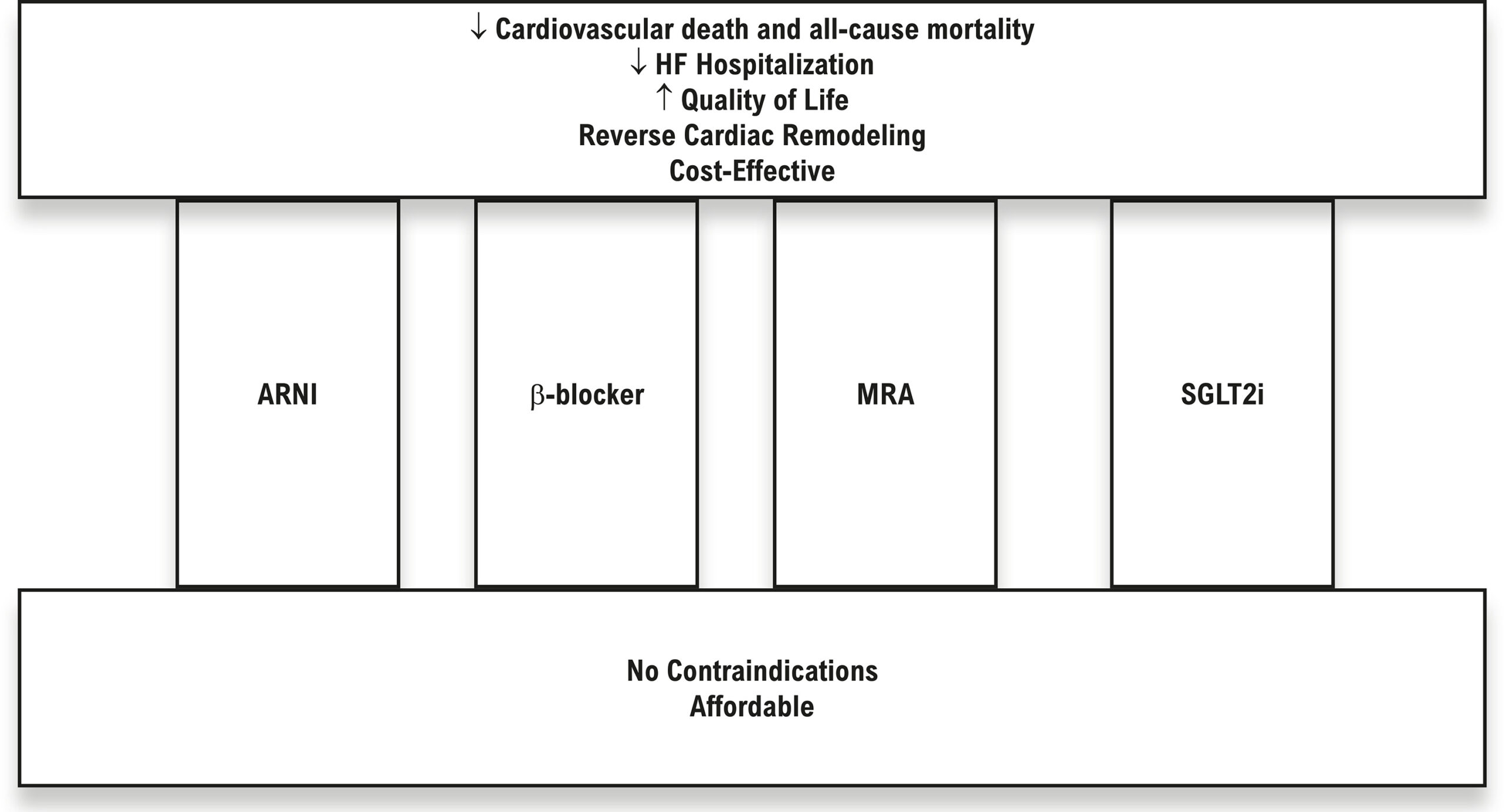
Is It Time for a New Standard Therapy for Heart Failure with Reduced Ejection Fraction?

Eduardo Thadeu de Oliveira Correia et al. Letícia Mara dos Santos Barbetta Evandro Tinoco Mesquita

Introduction

Heart failure (HF) with reduced ejection fraction (HFrEF) leads to mortality and impairment in one’s quality of life, and causes a major impact on the healthcare system. Despite trials showing the benefits of angiotensin receptor–neprilysin inhibitor (ARNI) over angiotensin-converting enzyme inhibitors (ACEi), and the superiority of sodium-glucose cotransporter-2 inhibitors (SGLT2i) over placebos, current guidelines still recommend ACEi, mineralocorticoid receptor antagonists (MRA), and beta-blockers as first-line therapy in HFrEF.– In this letter, we will discuss the potential benefits and risks of adopting ARNI and SGLT2i as first-line therapies in HFrEF.

[…]
  • Angiotensins
  • Drug Therapy
  • Heart Failure
  • Hospitalization
  • Mortality
  • Neprilysin
  • Stroke Volume
  • Ventricular Modeling
Read Full Article
Creative Commons Attribution (CC BY) Creative Commons license
26/07/2021 DOI: 10.36660/abc.20200983
Figure 1.1
Diretrizes

Brazilian Society of Cardiology Guidelines on Unstable Angina and Acute Myocardial Infarction without ST-Segment Elevation – 2021

José Carlos Nicolau et al. Gilson Soares Feitosa Filho João Luiz Petriz Remo Holanda de Mendonça Furtado … Dalton Bertolim Précoma Walmor Lemke Renato Delascio Lopes Ari Timerman José A. Marin Neto Luiz Bezerra Neto Bruno Ferraz de Oliveira Gomes Eduardo Cavalcanti Lapa Santos Leopoldo Soares Piegas Alexandre de Matos Soeiro Alexandre Jorge de Andrade Negri Andre Franci Brivaldo Markman Filho Bruno Mendonça Baccaro Carlos Eduardo Lucena Montenegro Carlos Eduardo Rochitte Carlos José Dornas Gonçalves Barbosa Cláudio Marcelo Bittencourt das Virgens Edson Stefanini Euler Roberto Fernandes Manenti Felipe Gallego Lima Francisco das Chagas Monteiro Júnior Harry Correa Filho Henrique Patrus Mundim Pena Ibraim Masciarelli Francisco Pinto João Luiz de Alencar Araripe Falcão Joberto Pinheiro Sena José Maria Peixoto Juliana Ascenção de Souza Leonardo Sara da Silva Lilia Nigro Maia Louis Nakayama Ohe Luciano Moreira Baracioli Luís Alberto de Oliveira Dallan Luis Augusto Palma Dallan Luiz Alberto Piva e Mattos Luiz Carlos Bodanese Luiz Eduardo Fonteles Ritt Manoel Fernandes Canesin Marcelo Bueno da Silva Rivas Marcelo Franken Marcos José Gomes Magalhães Múcio Tavares de Oliveira Júnior Nivaldo Menezes Filgueiras Filho Oscar Pereira Dutra Otávio Rizzi Coelho Paulo Ernesto Leães Paulo Roberto Ferreira Rossi Paulo Rogério Soares Pedro Alves Lemos Neto Pedro Silvio Farsky Rafael Rebêlo C. Cavalcanti Renato Jorge Alves Renato Abdala Karam Kalil Roberto Esporcatte Roberto Luiz Marino Roberto Rocha Corrêa Veiga Giraldez Romeu Sérgio Meneghelo Ronaldo de Souza Leão Lima Rui Fernando Ramos Sandra Nivea dos Reis Saraiva Falcão Talia Falcão Dalçóquio Viviana de Mello Guzzo Lemke William Azem Chalela Wilson Mathias Júnior

Definitions of Recommendations and Evidence

[…]

Read Full Article
Creative Commons Attribution (CC BY) Creative Commons license
26/07/2021 DOI: 10.36660/abc.20210180 Views 4
Editorial

Mortality Due to Ischemic Heart Disease in Brazil – Northeast Disparities

Denise da Silva Pinheiro et al. Paulo Cesar B. Veiga Jardim

Cardiovascular Diseases (CVD) have emerged as a global health concern responsible for more than 17 million deaths annually, representing the main cause of death since the 1960s. In particular, Ischemic Heart Diseases (IHD) constitute the most prevalent CVD, occupying the position of leading cause of death worldwide considering data until 2019, having been responsible for 8.9 million deaths in 2019 (16% of all causes of death) associated with an increase of more than 2 million deaths in the past two decades.

In Brazil, it has been undertaken an effort to provide more comprehensive statistics of the national panorama of CVD, with the production of an annual report 2 which includes the Ministry of Health official statistics and data from epidemiological studies, including the Global Burden of Disease Study (GBD), among other sources. It was verified a rate of 83 deaths due to IHD per 100 thousand inhabitants in 2017,3 with IHD being the main cause of death in all Brazilian states that year, differently from 1990, when stroke was still leading in some states in the northeast region.

[…]

  • Brazil
  • Cardiovascular Diseases
  • Mortality
  • Myocardial Ischemia
Read Full Article
Creative Commons Attribution (CC BY) Creative Commons license
26/07/2021 DOI: 10.36660/abc.20210419 Views 1
Editorial

Analysis of Sensitivity and Specificity of Cutoff Points for Resting Heart Rate in 6,794 Brazilian Adolescents: A Cross-Sectional Study

Luana Anaisse Azoubel et al. Erika Ribeiro Carneiro Nilviane Pires Allan Kardec Barros Carlos José Dias

Resting heart rate (RHR) is an accessible measure that may reflect the balance between the sympathetic and parasympathetic nervous system. Elevated RHR levels are associated with cardiovascular events in adults and cardiovascular risk factors, such as overweight, abdominal obesity and high blood pressure have been associated with high RHR. Therefore, obtaining a cutoff point for the RHR in children and adolescents is essential for better screening and subsequent clinical follow-up.

Furthermore, the early identification and screening of cardiovascular changes and cardiac autonomic modulation can be reflected by simple measures such as the RHR, since sedentary adolescents with abdominal obesity have lower heart rate variability (HRV) and, consequently, greater sympathetic stimulation, maintaining the RHR high and increasing the risk of developing heart damage throughout life.

[…]

  • Adiposity
  • Adolescent
  • Blood Pressure
  • Cross-sectional studies/methods
  • Epidemiology
  • Heart Rate/physiology
  • Obesity
Read Full Article
Creative Commons Attribution (CC BY) Creative Commons license
26/07/2021 DOI: 10.36660/abc.20210512 Views 1
Figure 1
Research Letter

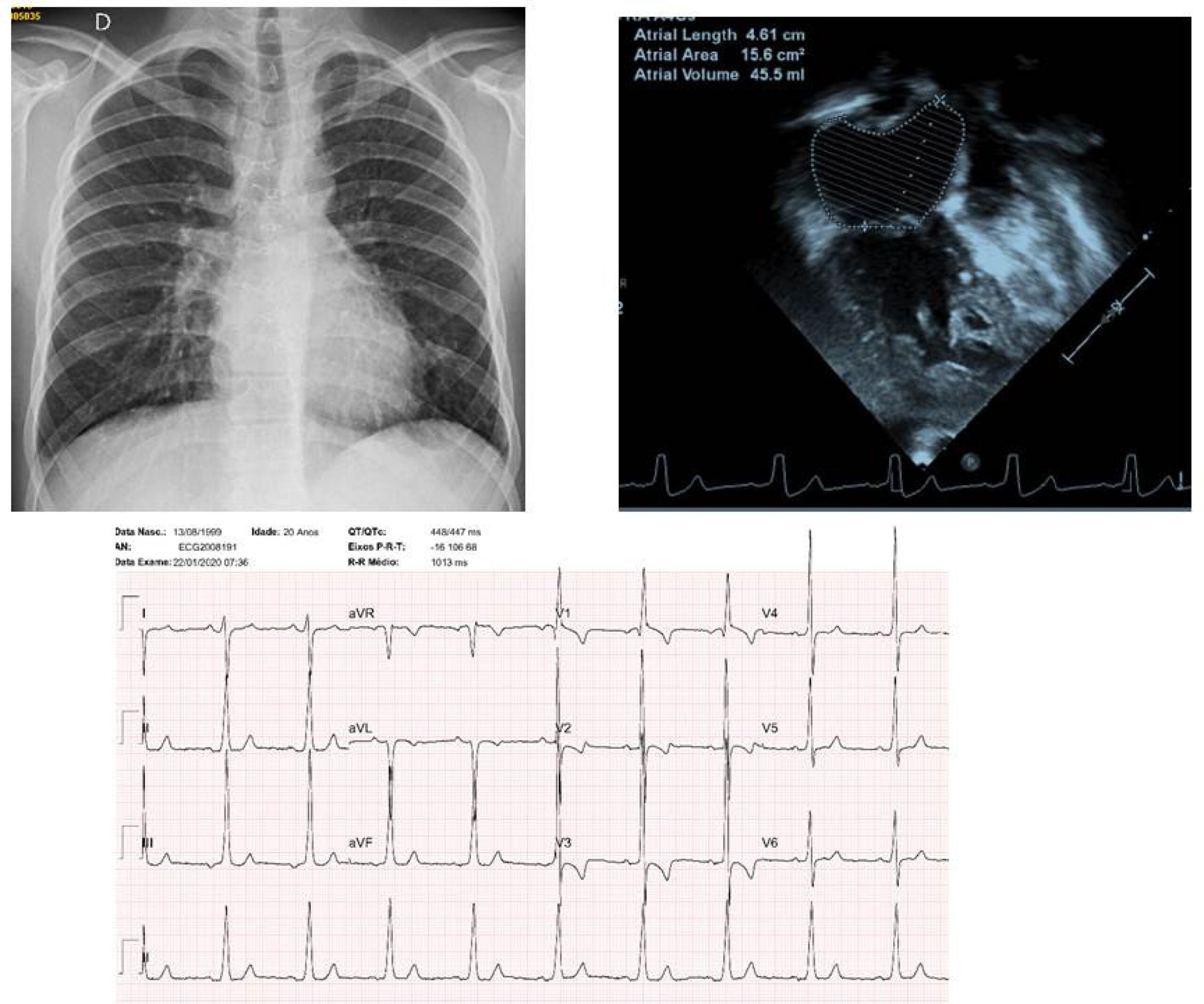
Left Heart Hypoplasia Evolving Up to 21 Years, After Total Cavopulmonary Operation Performed at 5 Years of Age

Edmar Atik

Introduction

Hypoplasia of the left heart is characterized by very small dimensions of the left cardiac cavities, represented by the left atrium, mitral valve, left ventricle, aortic ring and ascending aorta. Systemic circulation thus becomes dependent on the ductus arteriosus with reverse flow from the hypertensive pulmonary artery to the descending aorta, and also to the ascending aorta. Coronary circulation is also dependent on this reverse flow, which is why there is a high chance of myocardial infarction, even in the first days of life. It is easy to imagine that, on decreased pulmonary arterial pressure or ductus arteriosus caliber, there is an unfavorable evolution towards low cardiac output. The right heart is enlarged and atrial septal defect invariably accompanies this defect. When this atrial defect appears to be of reduced dimensions, known as restrictive, it causes retrograde pulmonary hypertension. On the other hand, when larger, it may favor the faster involution of pulmonary hypertension, with congestive symptoms and low output. In the rare cases of intact atrial septum, anomalous pulmonary vein drainage remains in order of maintenance and viability of circulation. Left heart hypoplasia is the fourth most common heart disease in the neonatal period, with high mortality, even in this period, and corresponds to 1.5% of all congenital heart diseases.

How it is externalized and evolves: Dynamic instability favors the advent of very early signs and symptoms in life, in the first hours or days of life. These signs are characterized by congestive condition (with large atrial defect) or low systemic output (decreased pulmonary arterial pressure and/or constriction of the ductus arteriosus), with pallor, dyspnea, discomfort, irritability and variable cyanosis. The most favorable picture corresponds to the one with restrictive atrial septal defect, which, in view of the maintenance of pulmonary hypertension, the cardiac output is maintained at a satisfactory level.

[…]

  • Cardiac Surgical Procedures
  • Fontan Procedure
  • Hypoplastic Left Heart Syndrome
Read Full Article
Creative Commons Attribution (CC BY) Creative Commons license
26/07/2021 DOI: 10.36660/abc.20201012 Views 1
Editorial

ST-Segment Elevation Regression as a Predictor of Reperfusion in Acute Myocardial Infarction: A Persistent Unknown

Frederico V. B. Macedo et al. Domingos Sávio G. Ferreira Filho Marcelo Augusto A. Nogueira Victor Raggazzi H. da Silva Bruno R. Nascimento

Ischemic heart disease is the leading cause of death worldwide, as well as in Brazil. Its most severe presentation is the ST-segment elevation myocardial infarction (STEMI), for which early reperfusion constitutes the main therapy to decrease mortality. Although primary percutaneous coronary intervention (PCI) is considered the “gold standard” treatment for STEMI, it is not sufficiently available, and access to PCI is still unequal., The electrocardiogram (ECG) is the main tool for the early diagnosis of AMI and for the decision about the ideal therapy to be implemented. Considering the ease to obtain the ECG, as well as its availability and feasibility in the emergency department, the ST-segment elevation reduction (STR) is proposed as the best tool to predict therapeutic success after thrombolysis. However, the method has recognized limitations, which have motivated further investigations.

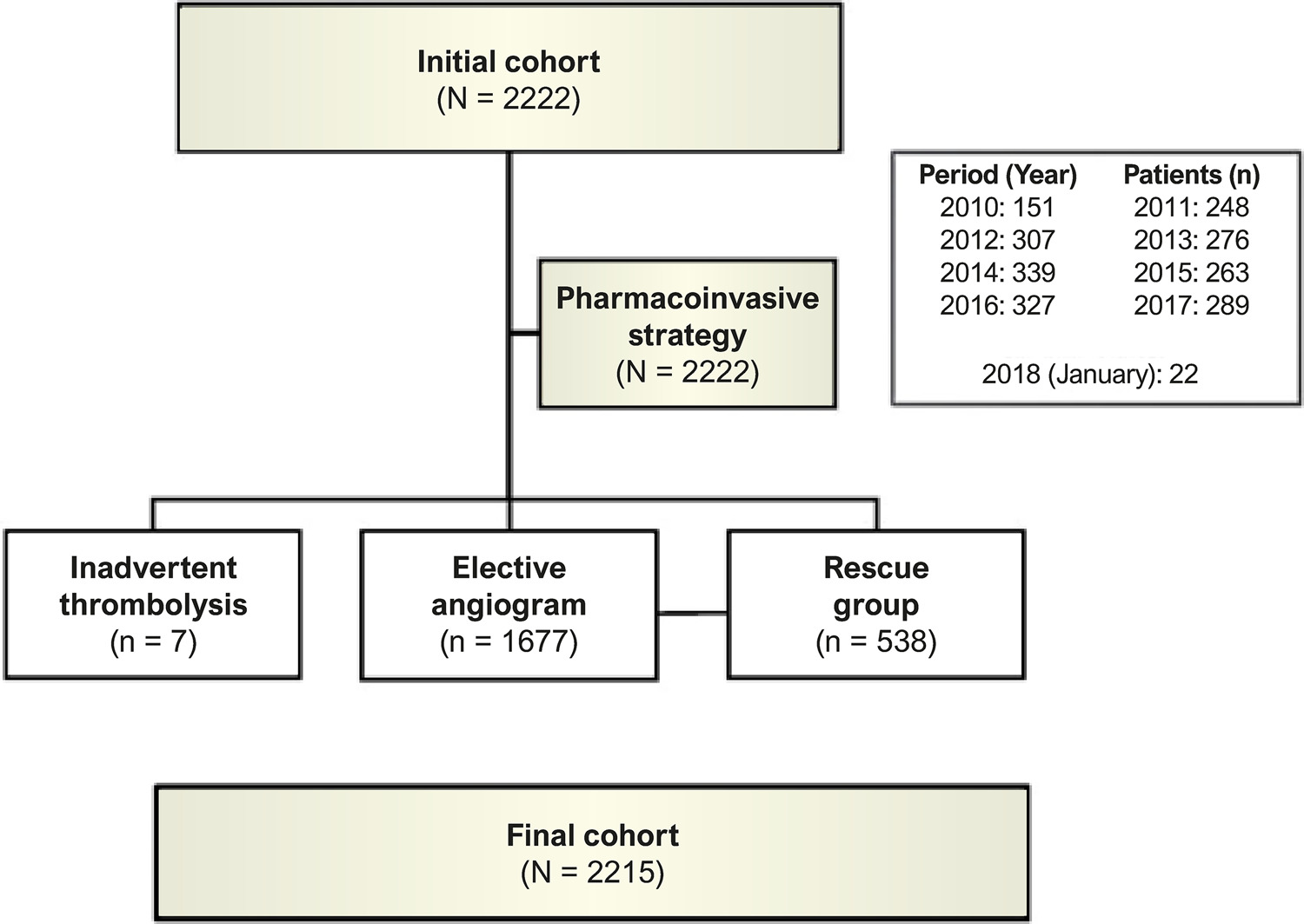
In this context, the article “Accuracy of Post-thrombolysis ST-segment Reduction as an Adequate Reperfusion Predictor in the Pharmaco-Invasive Approach” aimed to assess changes in the post-fibrinolysis ST-segment and its power to predict adequate reperfusion using the angiographic scores TIMI-flow and myocardial blush grade (MBG) as criteria for ideal reperfusion. In this study, 2,215 patients diagnosed with STEMI were submitted to fibrinolysis and referred for angiography within 24 hours, or immediately referred to rescue PCI in case of failure. The ECG was performed pre-Tenecteplase (TNK) and 60 min after, and the patients were categorized into: those with ideal reperfusion (TIMI-3 and MBG-3) and those with inadequate reperfusion (TIMI flow 50%. The reperfusion criterion at the ECG showed a positive predictive value (PPV) of 56%; negative predictive value (NPV) of 66%; 79% of sensitivity; and 40% of specificity. There was a weak positive correlation between the STR and the ideal reperfusion angiographic data (r = 0.21; p <0.001) and low diagnostic precision, with an area under the ROC curve of 0.60 (95% CI; 0.57-0.62). The results showed that the STR was unable to accurately identify patients with appropriate angiographic reperfusion. Therefore, it is proposed that even patients with apparently successful reperfusion in the ECG should be referred to angiography, to ensure an adequate macro/microvascular flow.

[…]

  • Predictor
  • Regression
  • Reperfusion
  • ST-segment elevation
Read Full Article
Creative Commons Attribution (CC BY) Creative Commons license
26/07/2021 DOI: 10.36660/abc.20210426 Views 1
Editorial

Coronary Reperfusion in Acute Myocardial Infarction: Trying the Optimal. Executing the Possible

Brivaldo Markman Filho et al. Sandro Gonçalves de Lima

The infarction-related artery reperfusion strategy began in the 1970s with the intracoronary administration of fibrinolytics., This was followed by intravenous administration and mechanical thrombolysis of the “culprit” artery, initially with simple angioplasty and, later, with stenting. All of these procedures had a common goal: to reduce the ischemic/necrotic area, preserve muscle, improve ventricular function and, consequently, survival.

The success of the procedure depends on the time from the onset of symptoms to the moment of the chosen intervention, whether chemical or percutaneous. According to different guidelines, this interval is about 12 hours. The earlier the diagnosis and intervention, the better the clinical outcomes will be.

[…]

  • Cardiovascular Diseases
  • Fibrinolytic Agents
  • Myocardial Infarction
  • Myocardial Reperfusion
  • Percutaneous Coronary Intervention
Read Full Article
Creative Commons Attribution (CC BY) Creative Commons license
26/07/2021 DOI: 10.36660/abc.20210500 Views 1
Letter to the Editor

Risk Stratification for Primary Prevention of Sudden Cardiac Death in Hypertrophic Cardiomyopathy

Styliani Vakrou et al. Charalampos Vlachopoulos Konstantinos A. Gatzoulis

Reply

Sudden cardiac death (SCD) is considered the most dramatic complication of hypertrophic cardiomyopathy (HCM) with an estimated annual incidence of 0.5–1%. Over the years, the ACC/AHA and the ESC have published consensus guidelines providing different approaches for SCD risk stratification based on independent clinical predictors. Despite the relatively low accuracy of these markers, current strategies are considered to have a reasonable discriminatory power for the recognition of high-risk patients. However, prognostic assessment is challenging in HCM, especially in low to moderate risk patients. SCD may arise in the absence of known risk factors and some approaches show conflicting results in different populations. Moreover, methodological discrepancies between the North American and the European guidelines may determine discordant levels of recommendation regarding implantable cardioverter defibrillator (ICD) in primary prevention. Therefore, risk stratification is still imprecise and requires further investigation.

The 2018 manuscript of Gatzoulis et al. reevaluates the role of electrophysiological study for prognostic assessment in a low to intermediate risk single-center HCM cohort stratified according to contemporary guidelines. The authors conclude that programmed ventricular stimulation (PVS) combined with current models add sensitivity and negative predictive value to risk stratification. Results are interesting but need to be confirmed in larger prospective trials. PVS has been downgraded to class III in current guidelines due to the low sensitivity and potential risks. Similarly, fractionation of right ventricle electrograms has been related to SCD but was not assimilated due to the invasive nature of the procedure, which may impact feasibility in some settings. Electrical instability is transitory in HCM and should be periodically evaluated such as other predictors with dynamic characteristics. , The guidelines recommend the reassessment of SCD risk during follow-up. Clinical and more easily acquired non-invasive approaches favor routine patient evaluation.

[…]

  • Defibrillators, Implantable
  • Hypertrophic Cardiomyopathy
  • Prevention and Control
  • Sudden Cardiac Death
  • Syncope
Read Full Article
Creative Commons Attribution (CC BY) Creative Commons license
26/07/2021 DOI: 10.36660/abc.20201339 Views 1
Figure 1
Review Article

Physical Exercise Training and Chagas Disease: Potential Role of MicroRNAs

Alex Cleber Improta-Caria et al. Roque Aras Júnior

Abstract

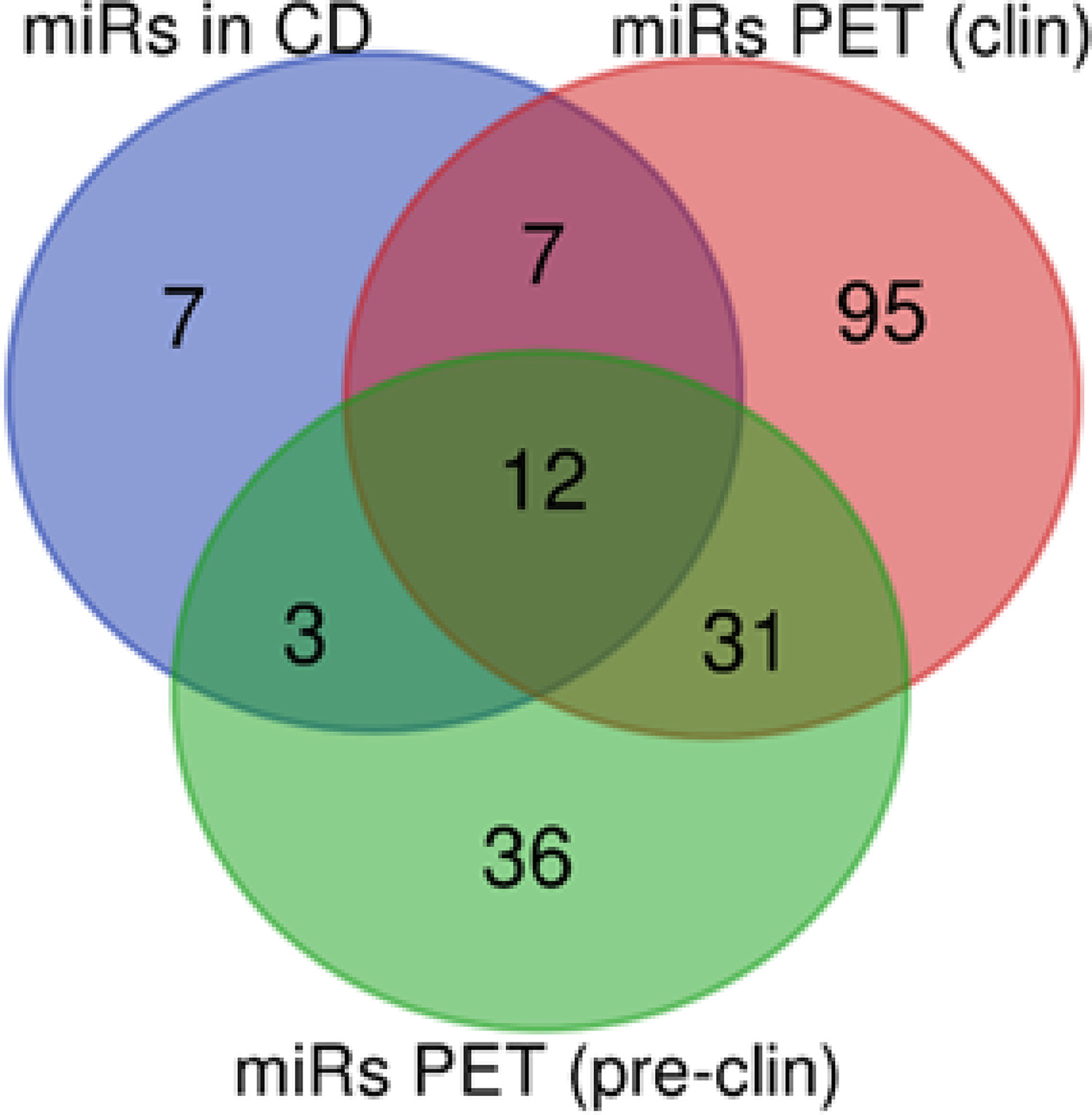
Chagas disease (CD) is caused by Trypanosoma Cruzi. This parasite can infect several organs of the human body, mainly the heart, causing inflammation, fibrosis, arrhythmias, and cardiac remodeling, promoting long-term Chronic Chagas Cardiomyopathy (CCC). However, little scientific evidence has elucidated the molecular mechanisms that govern the pathophysiological processes in this disease. MicroRNAs (miRNAs) are regulators of post-transcriptional gene expression that modulate signaling pathways, participating in pathophysiological mechanisms in CD, but the understanding of miRNAs in this disease is limited. On the other hand, a wide range of scientific evidence shows that physical exercise training (PET) modulates the expression of miRNAs by modifying different signaling pathways in healthy individuals. Some studies also show that PET is beneficial for individuals with CD; however, these did not evaluate the miRNA expressions. Thus, there is no evidence showing the role of PET in the expression of miRNAs in CD. Therefore, this review aimed to identify miRNAs expressed in CD that could potentially be modified by PET.

  • Chagas disease
  • Exercise
  • MicroRNAs
Read Full Article
Creative Commons Attribution (CC BY) Creative Commons license
26/07/2021 DOI: 10.36660/abc.20200330 Views 1
Editorial

Coronary Artery Fistulae

Dario Buccheri

Abstract

Coronary artery fistula is a rare anatomic abnormality of the coronary arteries that affects 0.002% of the general population and represents 14% of all anomalies of coronary arteries. Its clinical relevance focuses mainly on the mechanism of the coronary steal phenomenon, causing myocardial functional ischemia, even in the absence of stenosis; therefore, angina and effort dyspnea are common symptoms. The suggested diagnostic approach is driven by patients’ symptoms, and it consists of a number of instrumental examinations like ECG, treadmill test, echocardiography, computed tomography scan, cardiac magnetic resonance, and coronary angiography. If it is not an incidental finding, coronary angiography is required in view of optimal therapeutic planning. Small fistulae are usually asymptomatic, and prognosis is excellent if they are managed medically with clinical follow-up and echocardiography every 2 to 5 years. Large/giant, symptomatic fistulae, on the contrary, should undergo invasive closure, via either transcatheter approach or surgical ligation, whose results are equivalent at long-term follow-up. Antibiotic prophylaxis for prevention of bacterial endocarditis is recommended in all patients with coronary artery fistulae who undergo dental, gastrointestinal, or urological procedures. Life-long follow-up is always essential to ensure that the patient does not undergo progression of the disease or further cardiac complications.

  • Anti-Bacterial Agents/therapeutic use
  • Arterio-arterial fistula/diagnostic imaging
  • Arterio-arterial fistula/surgery
  • Closure Techniques/trends
  • Coronary Angiography/methods
  • Myocardial Ischemia
Read Full Article
Creative Commons Attribution (CC BY) Creative Commons license
26/07/2021 DOI: 10.36660/abc.20210501
Figure 1
Image

Transbaffle Puncture Using Multimodality Imaging and 3-D Mapping with CT Image Integration in a Patient with Atrial Flutter Post-Senning Procedure

Andreia Palma et al. Pedro A. Sousa Patrícia V. Silva António Pires

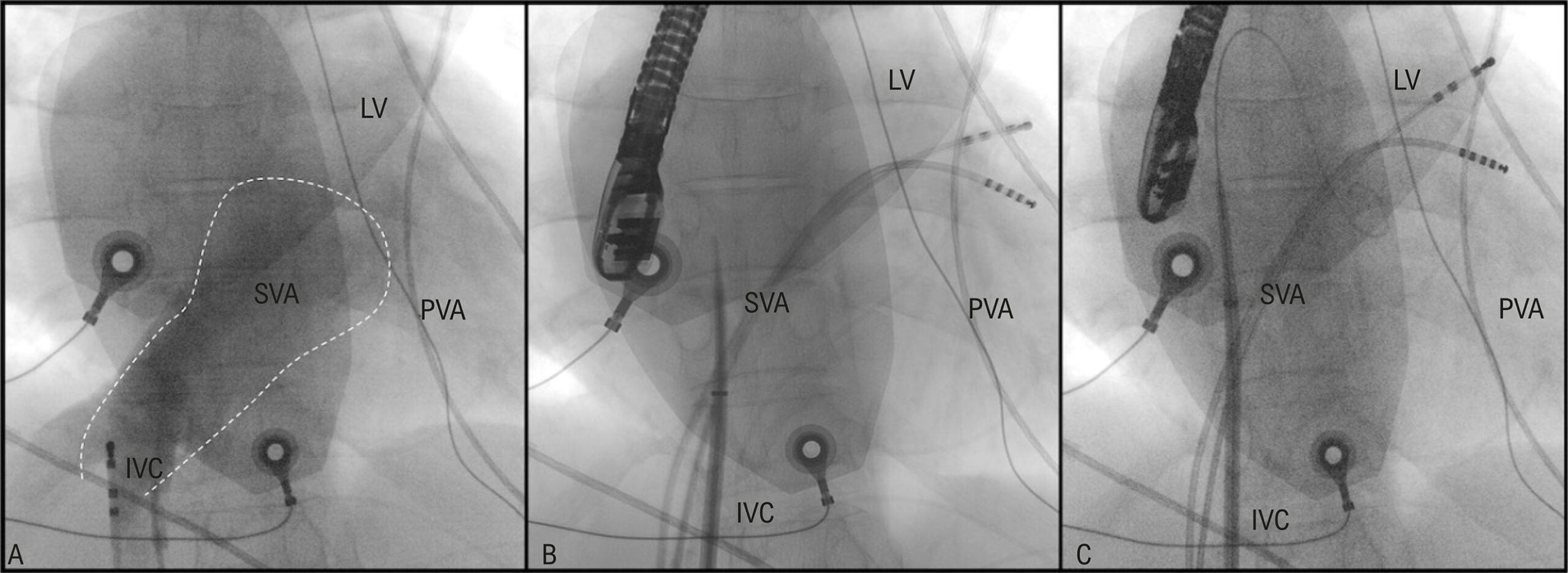
The complex post-surgical anatomy after the Senning procedure presents several challenges for catheter ablation. Transbaffle approach allows access to the pulmonary venous atrium and better catheter manipulation. However, this modified transseptal puncture can be challenging to perform.

The authors present the case of a 29-year-old woman who underwent a Senning procedure for dextro-transposition of the great arteries. The patient had recurrent episodes of atrial flutter despite adequate antiarrhythmic therapy and was referred for catheter ablation.

[…]

  • Arterial Switch Operation
  • Atrial flutter
  • Catheter Ablation
  • Senning Surgery
  • Transeptal Puncture
Read Full Article
Creative Commons Attribution (CC BY) Creative Commons license
26/07/2021 DOI: 10.36660/abc.20201267
Erratum

Erratum

March 2021 Issue, vol. 116 (3), pages 383-392

In Original Article “Prognostic Value of Lung Ultrasound for Clinical Outcomes in Heart Failure Patients: A Systematic Review and Meta-Analysis”, with DOI number: https://doi.org/10.36660/abc.20190662, published in the Journal Arquivos Brasileiros de Cardiologia, 116(3):383-392, on page 383, correct the name of the institution Chengdu City First People’s Hospital to: Department of Cardiology, Chengdu First People’s Hospital; correct the name of the institution Chengdu Sixth People’s Hospital to: Department of Cardiology, The Sixth People’s Hospital of Chengdu. And correct Dr. Min Ma’s affiliation to: Department of Cardiology, The Sixth People’s Hospital of Chengdu.

[…]

Read Full Article
Creative Commons Attribution (CC BY) Creative Commons license
26/07/2021 DOI: 10.36660/abc.20210556
Figure 1
Original Article

Accuracy of Post-thrombolysis ST-segment Reduction as an Adequate Reperfusion Predictor in the Pharmaco-Invasive Approach

Henrique Tria Bianco et al. Rui Povoa Maria Cristina Izar Braulio Luna Filho … Flavio Tocci Moreira Edson Stefanini Henrique Andrade Fonseca Adriano Henrique Pereira Barbosa Claudia Maria Rodrigues Alves Adriano Mendes Caixeta Iran Gonçalves Jr Pedro Ivo de Marqui Moraes Renato Delascio Lopes Angelo Amato Vincenzo de Paola Dirceu Almeida Valdir Ambrosio Moises Francisco A. H. Fonseca

Abstract

Background

Primary percutaneous coronary intervention is considered the “gold standard” for coronary reperfusion. However, when not available, the drug-invasive strategy is an alternative method and the electrocardiogram (ECG) has been used to identify reperfusion success.

Objectives

Our study aimed to assess ST-Segment changes in post-thrombolysis and their power to predict recanalization and using the angiographic scores TIMI-flow and Myocardial Blush Grade (MBG) as an ideal reperfusion criterion.

Methods

2,215 patients with ST-Segment Elevation Myocardial Infarction (STEMI) undergoing fibrinolysis [(Tenecteplase)-TNK] and referred to coronary angiography within 24 h post-fibrinolysis or immediately referred to rescue therapy were studied. The ECG was performed pre- and 60 min-post-TNK. The patients were categorized into 2 groups: those with ideal reperfusion (TIMI-3 and MBG-3) and those with inadequate reperfusion (TIMI and MBG 50%. A p-value <0.05 was considered for the analyses, with bicaudal tests.

Results

The ECG reperfusion criterion showed a positive predictive value of 56%; negative predictive value of 66%; sensitivity of 79%; and specificity of 40%. There was a weak positive correlation between ST-Segment reduction and ideal reperfusion angiographic data (r = 0.21; p <0.001) and low diagnostic accuracy, with an AUC of 0.60 (95%CI: 0.57-0.62).

Conclusion

The ST-Segment reduction was not able to accurately identify patients with adequate angiographic reperfusion. Therefore, even patients with apparently successful reperfusion should be referred to angiography soon, to ensure adequate macro and microvascular coronary flow.

  • Chest Pain
  • Coronary Angiography
  • Electrocardiography/methods
  • Myocardial Infarction
  • Myocardial Reperfusion
  • Percutaneous Coronary Intervention
  • Thrombolytic Therapy
Read Full Article
Creative Commons Attribution (CC BY) Creative Commons license
26/07/2021 DOI: 10.36660/abc.20200241 Views 2
Figure 1
Original Article

Temporal Trend of Mortality Due to Ischemic Heart Diseases in Northeastern Brazil (1996–2016): An Analysis According to Gender and Age Group

Gibson Barros de Almeida Santana et al. Thiago Cavalcanti Leal João Paulo Silva de Paiva Leonardo Feitosa da Silva … Lucas Gomes Santos Tatiana Farias de Oliveira Rodrigo da Rosa Mesquita Jéssica Alves Gomes Carlos Dornels Freire de Souza Amanda Karine Barros Ferreira Rodrigues

Abstract

Background

Ischemic heart disease (IHD) is the leading cause of death among cardiovascular diseases (CVD).

Objective

To describe the sociodemographic profile and analyze the trend in the mortality rate due to IHD, according to sex and by age group, in the states of the Northeast region of Brazil, from 1996 to 2016.

Methods

Ecological study involving IHD mortality in the northeastern states. Variables analyzed: sex, age, education, marital status, ICD-10 category and state of residence. Crude and standardized rates were calculated. Death data were collected from the Mortality Information System (SIM) and population data from the Brazilian Institute of Geography and Statistics (IBGE). In temporal analyzes the regression model by inflection points was used, with the calculation of annual percent change (APC) and average annual percent change of the period (AAPC). A 95% confidence interval and a significance level of 5% were considered.

Results

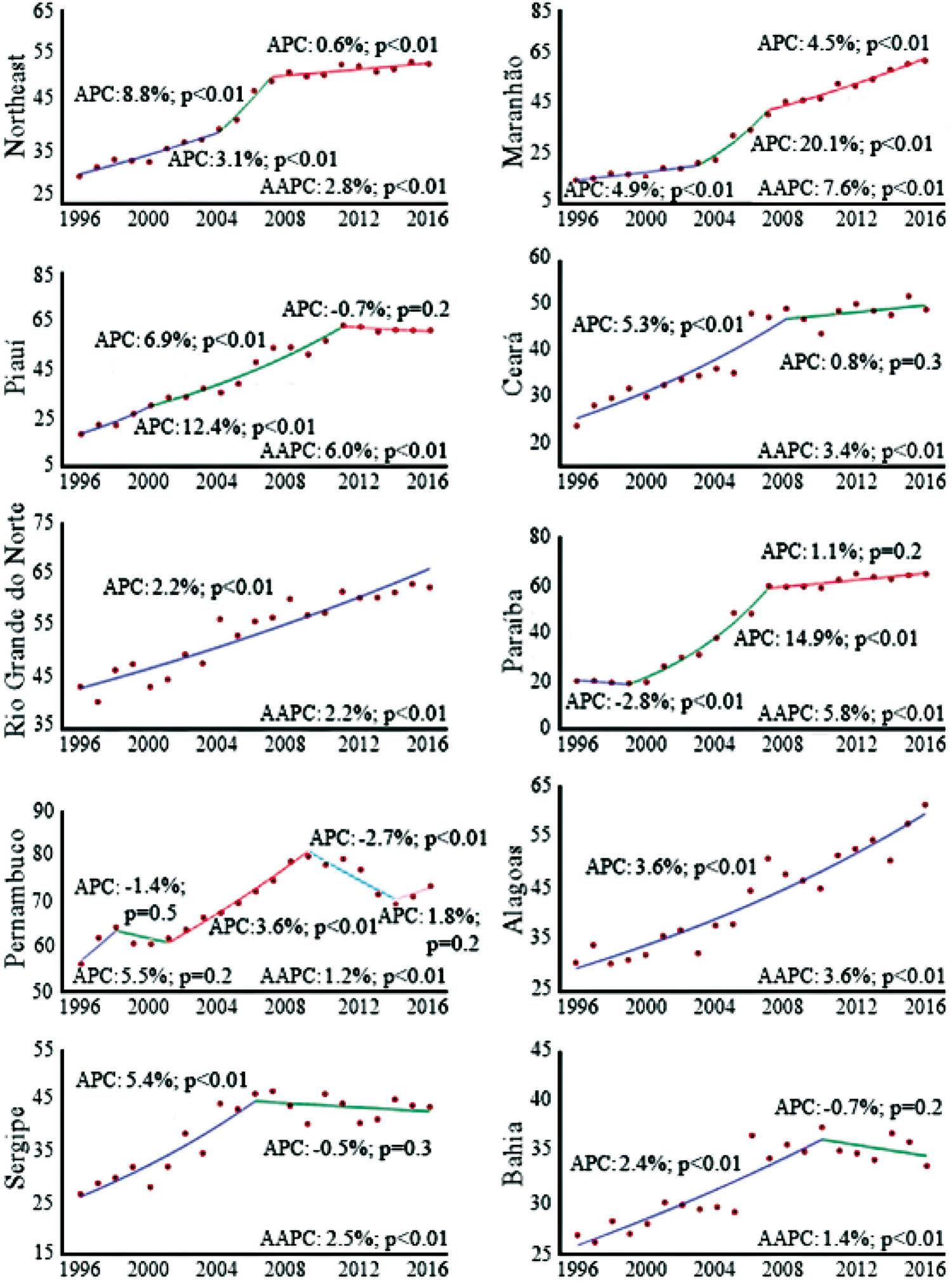
405916 deaths due to IHD were registered in the northeast region during the study period. The death profile is characterized by men (n=229006; 56,42%), elderly (n=301379; 74,25%), race/color brown (n=197936; 48,76%), elementary or <4 years at school (n=232599; 57,30%) and married (n=179599; 44,25%). There was an unusual highlight to the increase in the annual growth rate in the age group of adolescents (AAPC: 5,2%, p <0.01). The standardized regional mortality rate grew from 30,7 per 100,000 inhabitants in 1996 to 53.8 per 100,000 in 2016 (AAPC 2.8%; p<0.01). All nine states presented a statistically significant growth trend, with emphasis on Maranhão (AAPC 7,6%; p<0.01) and Piauí (AAPC 6,0%; p<0.01).

Conclusion

The prevalent observed profile was male, elderly, race/color brown, low education level and married. Mortality due to IHD presented an upward trend in all states, although with an uneven pattern among the federated units.

  • Deaths
  • Demography
  • Epidemiology
  • Myocardial Ischemia / mortality
  • Public Health
  • Socioeconomic Factors
  • Statistical Analysis
Read Full Article
Creative Commons Attribution (CC BY) Creative Commons license
26/07/2021 DOI: 10.36660/abc.20200222 Views 1
Figure 1
Original Article

Influence of Geographical Location on Access to Reperfusion Therapies and Mortality of Patients with STEMI in Sergipe: VICTIM Register

Jeferson Cunha Oliveira et al. Guilherme José dos Santos Ferreira Jussiely Cunha Oliveira Ticiane Clair Remacre Munareto Lima … Ikaro Daniel de Carvalho Barreto Laís Costa Souza Oliveira Larissa Andreline Maia Arcelino Antônio Carlos Sousa José Augusto Soares Barreto-Filho

Abstract

Background

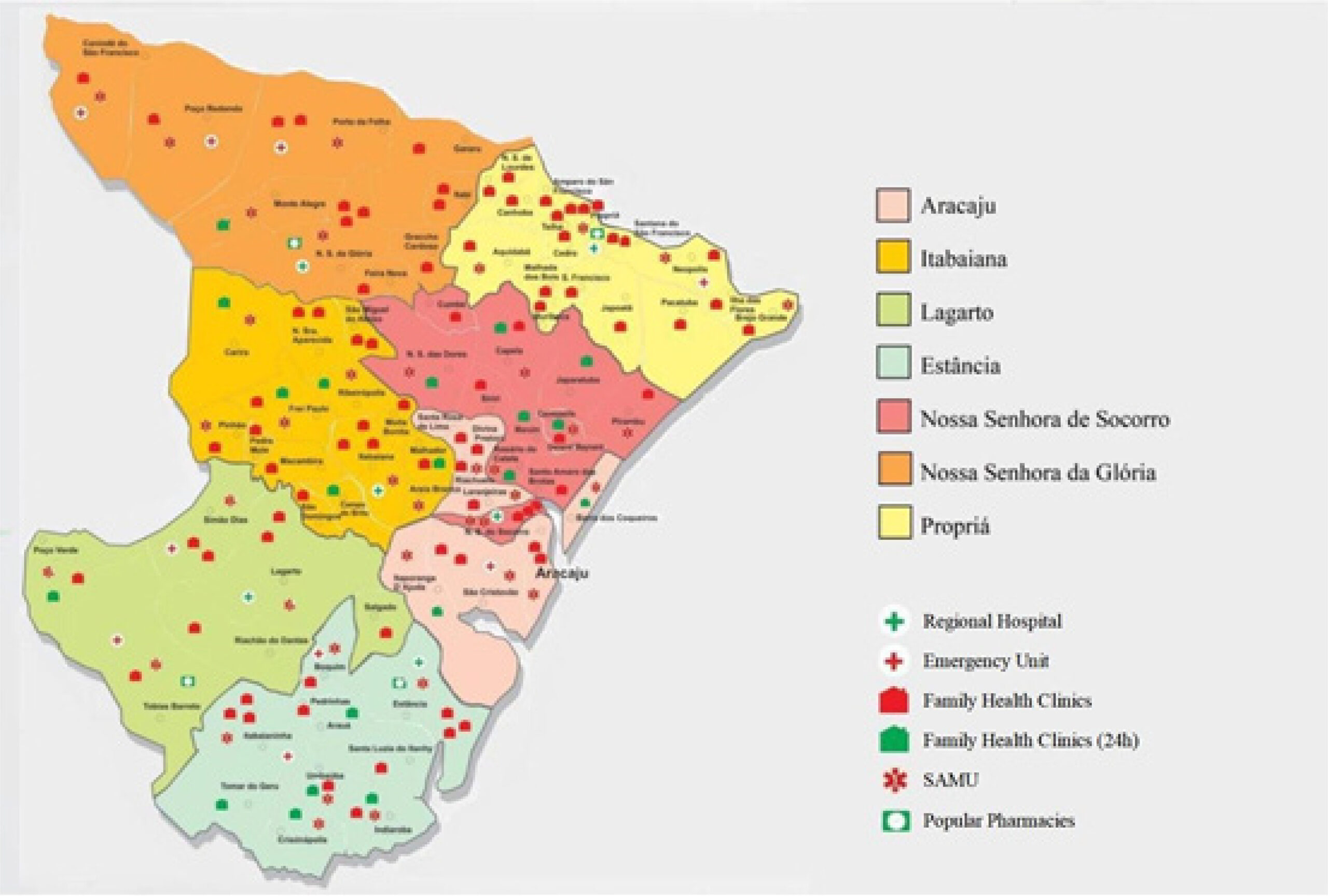
The concentration of high-complexity services in Aracaju, Sergipe can impose certain disparity in the quality of care for the patients with ST-segment elevation acute myocardial infarction (STEMI) (STEMI) who receive care from Brazil’s Unified Health System (SUS, acronym in Portuguese) and whose symptoms started in other health regions of the state.

Objective

To evaluate disparities in access to reperfusion therapies and 30-day mortality, among patients with STEMI, who were users of SUS, in each of the 7 health regions of Sergipe.

Methods

A total of 844 patients with STEMI in the period from 2014 to 2018, assisted by the only hospital with the capacity to offer primary percutaneous coronary intervention (PPCI) to SUS users in the state of Sergipe, were evaluated. The patients were divided into 7 groups according to the location at the onset of symptoms, following the existing division of health regions in the state. For comparison between groups, a significant difference was considered when p < 0.05.

Results

Of the total of 844 patients suffering from STEMI who were transferred to the hospital with PPCI that serves SUS patients, 386 patients (45.8%) underwent primary angioplasty. The mean rate of fibrinolytic use was 2.6%, with no differences between the regions. The mean total time of arrival to the hospital with PPCI was 21 hours and 55 minutes, with a median of 10 hours and 22 minutes (6 hours and 30 minutes to 22 hours and 52 minutes). Total 30-day mortality was 12.8%, but without differences between the regions, even when adjusted for age and sex.

Conclusions

This study reveals that fibrinolytics are underused throughout the state and that there is a significant delay in access to the hospital with PPCI, in all health regions of Sergipe.

  • Cardiovascular Diseases
  • Cross-Sectional Studies
  • Epidemiology
  • Mortality
  • Myocardial Infarction
  • Myocardial Reperfusion
Read Full Article
Creative Commons Attribution (CC BY) Creative Commons license
26/07/2021 DOI: 10.36660/abc.20200015 Views 1
Figure 1
Original Article

Relationship between Innate Immune Response Toll-Like Receptor 4 (TLR-4) and the Pathophysiological Process of Obesity Cardiomyopathy

Pedro Henrique Rizzi Alves et al. Artur Junio Togneri Ferron Mariane Róvero Costa Fabiana Kurokawa Hasimoto … Cristina Schmitt Gregolin Jéssica Leite Garcia Dijon Henrique Salomé de Campos Antônio Carlos Cicogna Letícia de Mattei Fernando Moreto Silméia Garcia Zanati Bazan Fabiane Valentini Francisqueti-Ferron Camila Renata Corrêa

Abstract

Background

Obesity is a chronic low-grade inflammation condition related to cardiac disorders. However, the mechanism responsible for obesity-related cardiac inflammation is unclear. The toll-like receptor 4 (TLR-4) belongs to a receptor of the transmembrane family responsible for the immune response whose activation stimulates the production of proinflammatory cytokines.

Objective

To test whether the activation of the TLR-4 receptor participates in the obesity cardiomyopathy process, due to cytokine production through NF-ĸB activation.

Methods

Male Wistar rats were randomized into two groups: the control group (C, n= 8 animals) that received standard diet/water and the obese group (OB, n= 8 animals) that were fed a high sugar-fat diet and water plus 25% of sucrose for 30 weeks. Nutritional analysis: body weight, adiposity index, food, water, and caloric intake. Obesity-related disorders analysis: plasma glucose, uric acid and triglycerides, HOMA-IR, systolic blood pressure, TNF-α in adipose tissue. Cardiac analysis included: TLR-4 and NF-ĸB protein expression, TNF-α and IL-6 levels. Comparison by unpaired Student’s t-test or Mann- Whitney test with a p-value < 0.05 as statistically significant.

Results

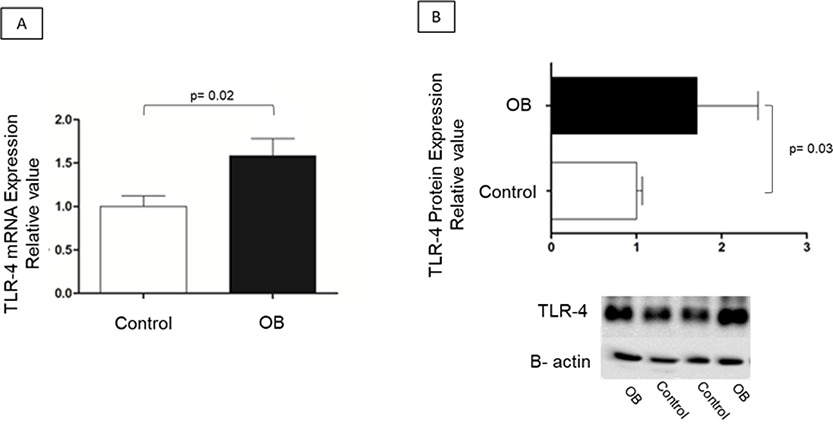
The OB group showed obesity, high glucose, triglycerides, uric acid, HOMA, systolic blood pressure, and TNF-α in adipose tissue. OB group presented cardiac remodeling and diastolic dysfunction. TLR-4 and NF-ĸB expression and cytokine levels were higher in OB.

Conclusion

Our findings conclude that, in an obesogenic condition, the inflammation derived from cardiac TLR-4 activation can be a mechanism able to lead to remodeling and cardiac dysfunction.

  • Adipocytes
  • Cardiovascular Diseases/physiopathology
  • Cytokines
  • Fatty Acid synthases
  • Inflammation
  • Nutrional Assessment
  • Obesity
Read Full Article
Creative Commons Attribution (CC BY) Creative Commons license
26/07/2021 DOI: 10.36660/abc.20190788 Views 1
Figure 1
Original Article

Reconnection Sites in Redo Ablation after Cryoballoon Pulmonary Vein Isolation in Patients with Paroxysmal Atrial Fibrillation

Rogelio Robledo Nolasco et al. Gerardo De Leon-Larios David Eduardo Bazzini-Carranza Elias Zavaleta Omar Calixto-Vargas

Abstract

Background

In paroxysmal atrial fibrillation (PAF), pulmonary vein isolation using cryoballoon (CB-PVI) has similar efficacy as radiofrequency ablation (RF-PVI) has. In redo ablation procedures following RF-PVI, PV reconnection is high, whereas in patients with redo following CB-PVI, information is scarce.

Objective

To determine the sites of PV reconnection in patients who underwent redo ablation after initial CB-PVI.

Methods

Patients who underwent an AF redo procedure, following an initial CB-PVI for PAF were included. LA electroanatomic mapping was used. A reconnection site was defined as the presence of a voltage of 0.3mV or greater in the PV and unidirectional or bidirectional conduction in the PV during sinus rhythm. Reconnections sites were identified using a clock-face view description and were ablated with radiofrequency afterwards.

Results

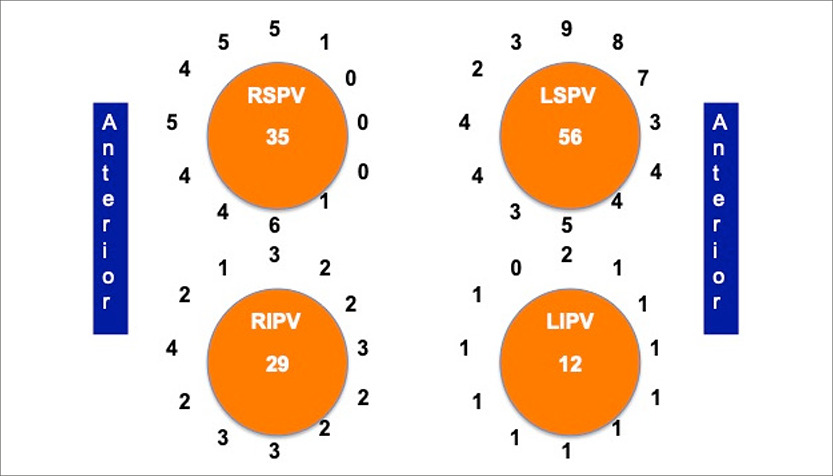
Out of the 165 patients who underwent initial PVI, 27 required redo ablations, of which 18 (66.6%) were males, with a mean age of 55+12.3 years. The time of recurrence was 8.9+6.4 months. PV reconnection was found in 21 (77.8%) patients. There was a total of 132 conduction gaps, six per patient, 3.6 per PV. A significant number of gaps were in the anterosuperior region of the left superior PV (LSPV), and in the septal and inferior regions of the right superior PV (RSPV).

Conclusions

The upper PVs had the most reconnection sites, mostly at the anterior region of the LSPV and the septal region of the RSPV. The reason behind this may be due to greater atrial wall thickness, and difficulty in achieving adequate cryoballoon contact.

  • Arrhythmias Cardiac
  • Atrial Fibrillation, Pulmonary Veins
  • Electrocardiography, Ambulatory
  • Electrocardiography/methods
  • Holter
  • Radio Waves
  • Tachycardia, Ectopic Atrial
Read Full Article
Creative Commons Attribution (CC BY) Creative Commons license
26/07/2021 DOI: 10.36660/abc.20190503
Editorial

Education as a Social Determinant Associated with Cardiovascular Risk

Dalton Bertolim Precoma

Final considerations

Currently, the importance of SDH and cardiovascular disease is well established. Despite the modern diagnostic and treatment resources, the implementation of preventive measures can be greatly affected by the non-observance of the multiple factors that comprise the social determinants.

It is essential that the other SDH are taken into account and more broadly studied, aiming to establish the real dimension of the problem and then, solutions can be proposed. Countries must provide the broadest discussion and collaborate in joint decision-making.

[…]

  • Determinantes Sociais da Saúde
  • Doenças Cardiovasculares
  • Educação
  • Mortalidade
Read Full Article
Creative Commons Attribution (CC BY) Creative Commons license
26/07/2021 DOI: 10.36660/abc.20210444
Figure 1
Original Article

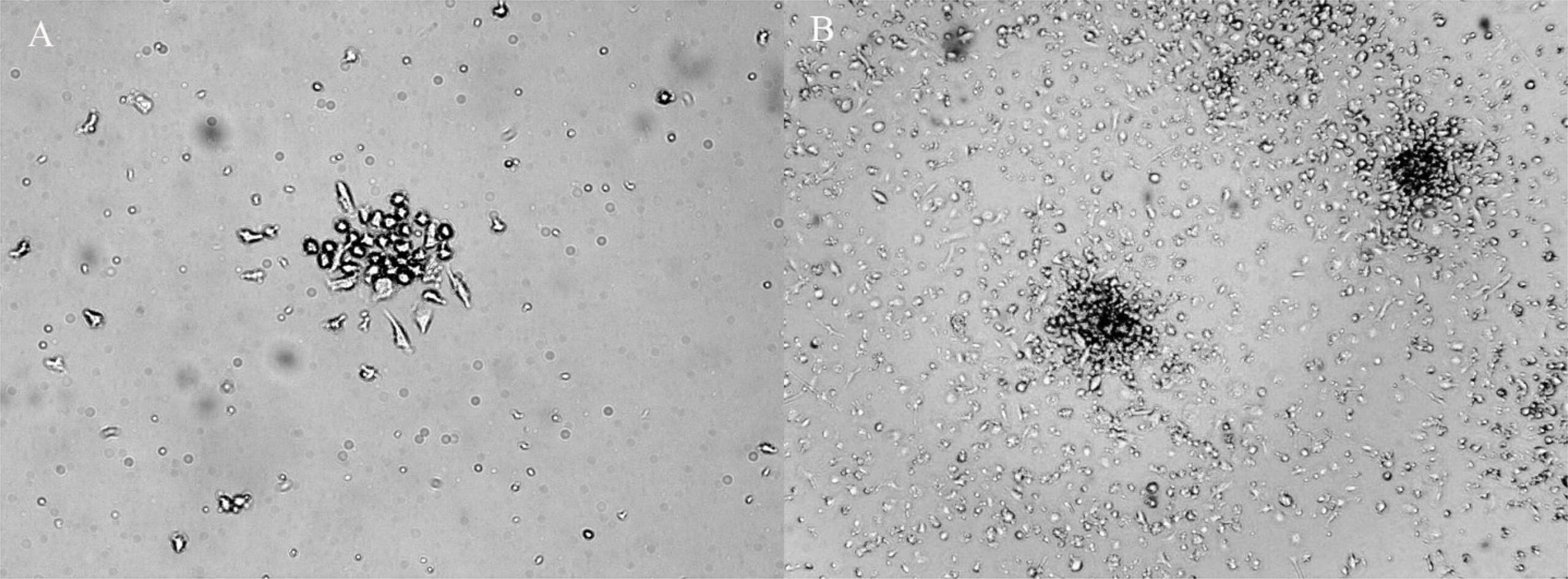
Exercise Training Improves Functions of Endothelial Progenitor Cells in Patients with Metabolic Syndrome

Qiang Tan et al. Yang Li Yao Guo

Abstract

Background

Endothelial progenitor cells (EPCs) play an important role in maintaining endothelial function. Metabolic syndrome (MetS) is associated with EPC dysfunction. Although physical exercise has a beneficial impact on EPC activity, its mechanism is not completely clear yet.

Objective

The purpose of this study is to investigate the effects of physical exercise on the functions of EPCs and the underlying mechanisms in patients with MetS.

Methods

Volunteers with MetS were divided into exercise group (n=15) and control group (n=15). Before and after 8 weeks exercise training, EPCs were isolated from peripheral blood. Colony forming unit (CFU) assay, tube-formation assay, the protein expression of endothelial nitric oxide synthase (eNOS), phosphatidylinositol-3-kinase (PI3-K) and protein kinase B (AKT) were determined. A probability value <0.05 was considered to indicate statistical significance.

Results

After 8 weeks, the number of CFUs was significantly increased in the exercise group compared to the control group (p<0.05). In addition, we observed a significant decrease of homeostasis model assessment for insulin resistance (HOMA-IR), endothelin-1, high-sensitive C-reactive protein, and homocysteine levels in the exercise group. Exercise intervention could also enhance tube-formation capacity of EPCs and increase phosphorylation level of eNOS, PI3-K and AKT.

Conclusion

Physical exercise enhanced the functions of EPCs. The mechanism may be related to exercise, activating the PI3-K/AKT/eNOS pathway.

  • Cardiovascular Diseases
  • Endothelial Progenitor Cells/citology
  • Exercise
  • Inflammation
  • Insulin Resistance
  • Metabolic Syndrome
  • Nitric Oxide
  • Obesity
  • Physical activity
  • Risk Factors
Read Full Article
Creative Commons Attribution (CC BY) Creative Commons license
26/07/2021 DOI: 10.36660/abc.20200028
Figure 1
Editorial

Fúlvio Pileggi: An Icon of Brazilian Cardiology

Protásio L. da Luz et al. Charles Mady Roberto Kalil Filho Carlos Eduardo Rochitte

Carlos Eduardo Rochitte

In this special editorial, we would like to pay tribute to an icon of Brazilian Cardiology who was directly responsible for developing one of the greatest cardiology institutions in the world, The Heart Institute (InCor), at the Hospital das Clínicas of the Faculty of Medicine of the University of São Paulo (USP). In the words of 3 people who were very close to him (Professors Kalil, Mady, and Protásio da Luz), we shall remember the career and the personality traits that characterized him as an undisputed leader for a generation of cardiologists. As a resident of InCor, I had the honor of meeting and interacting with Professor Pileggi, and he played a fundamental role in my academic career. First, there was apparently an obstacle to getting into a postgraduate program, “To enroll in a postgraduate program, you must have completed an internship abroad.” This, in association with the fact that nearly all scholarships to study abroad required, as a pre-requisite, that the applicant be enrolled in a postgraduate program, seemed to be an insurmountable barrier, which only served to stimulate me to look even harder for alternative ways to surmount it. And, in fact, he was the one who opened all the doors to make it possible for me to complete an internship at Johns Hopkins University. After that, the rest was history. I am eternally indebted to him for his teachings.

[…]

  • Cardiology
  • History
  • Humanism
  • Research
  • Teaching
Read Full Article
Creative Commons Attribution (CC BY) Creative Commons license
26/07/2021 DOI: 10.36660/abc.20210461 Views 1
Figure 1
Original Article

Late Outcomes of Aortic Valve Replacement with Bioprosthesis and Mechanical Prosthesis

Larissa Ventura Ribeiro Bruscky et al. Carlos Gun Auristela Isabel de Oliveira Ramos Alice Lemos Morais

Abstract

Background

Despite constant improvement and refinement of the prostheses, the decision between mechanical and biological valves for aortic valve replacement is still controversial.

Objective

To compare outcomes of aortic valve replacement with bioprosthesis and mechanical prosthesis.

Methods

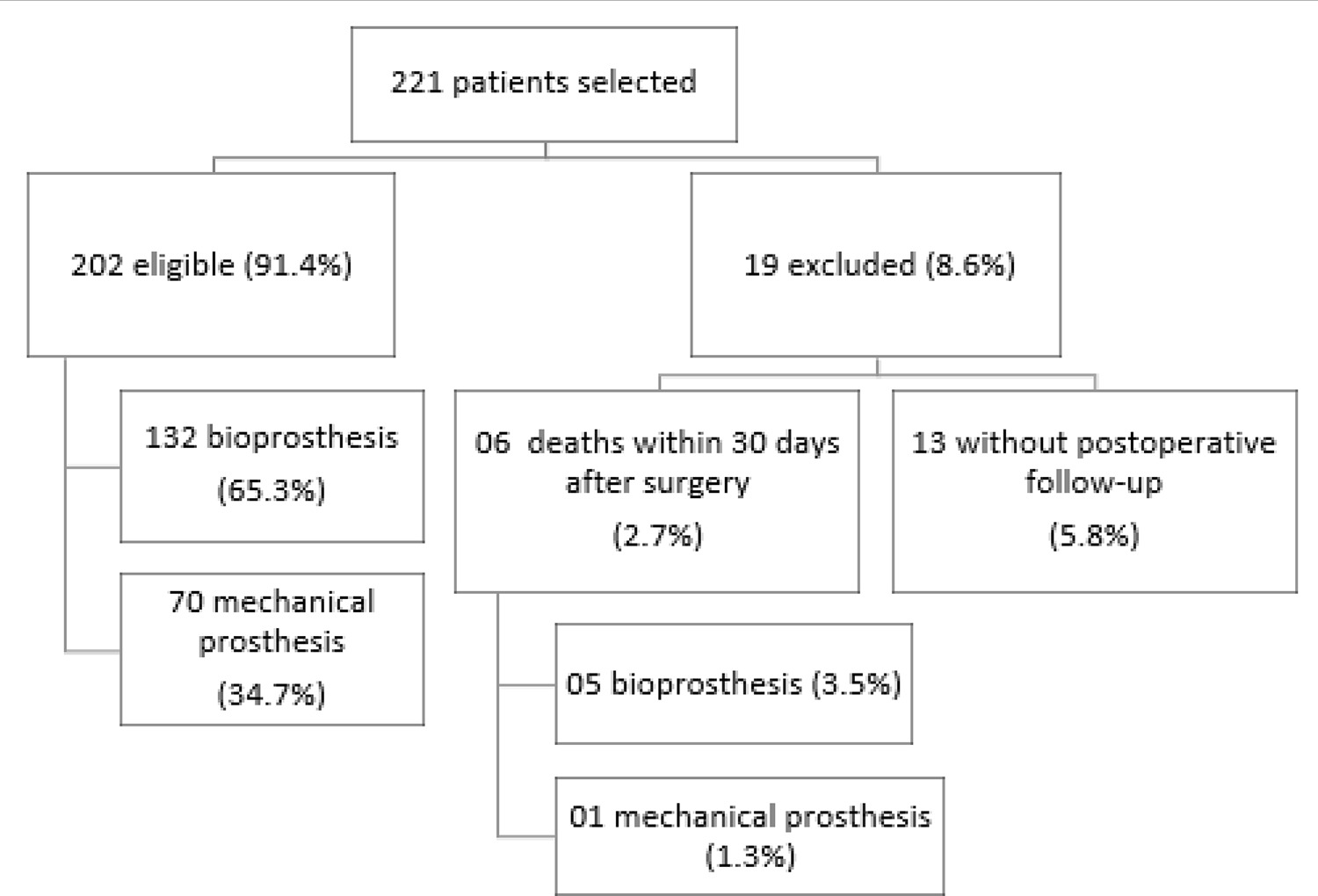
This was an observational, historical cohort study with review of medical records. A total of 202 patients who underwent heart valve replacement surgery between 2004 and 2008 were selected, with a mean follow-up of 10 years. The level of significance set at 5%.

Results

Mean age of patients was approximately 50 years; most patients were male (70%). Overall mortality- and reoperation-free survival was significantly higher in patients with mechanical prosthesis (HR=0.33; 95%CI=0.13-0.79; p=0.013). No difference was found in late mortality between the two groups. On the other hand, the risk of reoperation was significantly higher in patients with bioprosthesis than mechanical prosthesis (HR=0.062; 95%CI=0.008-0.457; p=0.006). The risk of composite adverse events – stroke, bleeding, endocarditis, thrombosis and paravalvular leak – was similar between the groups (HR=1.20; 95%CI= 0.74-1.93; p=0.44). The risk of bleeding was significantly higher in patients with mechanical prosthesis (HR=3.65; 95%CI= 1.43-9.29; p = 0.0064), although no case of fatal bleeding was reported.

Conclusion

No difference in 10-year mortality was found between the groups. The risk of reoperation significantly increases with the use of bioprosthesis, especially for patients younger than 30 years. Patients with mechanical prosthesis are at increased risk of nonfatal bleeding.

  • Aortic Valve
  • Bioprosthesis/trends
  • Heart Valve Prosthesis
  • Heart Valve Prosthesis Implantation/complications
  • Rheumatic Fever
Read Full Article
Creative Commons Attribution (CC BY) Creative Commons license
26/07/2021 DOI: 10.36660/abc.20200135 Views 1
Editorial

The Importance of Recognizing the Co-Occurrence of Cardiometabolic Risk Factors in the Population to Establish Priorities in Public Policies

Helena Cramer Veiga Rey

Cardiometabolic disease (CMD) is the leading cause of morbidity and mortality around the globe. Metabolic syndrome (MS) is a collection of risk factors for metabolic disease, including elevated blood pressure, hypertension, hyperglycemia, dyslipidemia, and obesity. When these risk factors are present in combination, the likelihood of future cardiovascular issues increases more than when any of these risks is present alone.

MS has an estimated frequency between 20% and 25% in the adult population worldwide, and the prevalence increases with age.;

[…]

  • C-Reactive Protein
  • Carotid Intima-Media Thickness
  • Diabetes Mellitus
  • Hypertension
  • Metabolic Syndrome X
  • Morbimortality
  • Obesity
  • Public Health
  • Risk Factors
Read Full Article
Creative Commons Attribution (CC BY) Creative Commons license
26/07/2021 DOI: 10.36660/abc.20210511 Views 2
Figure 1
Original Article

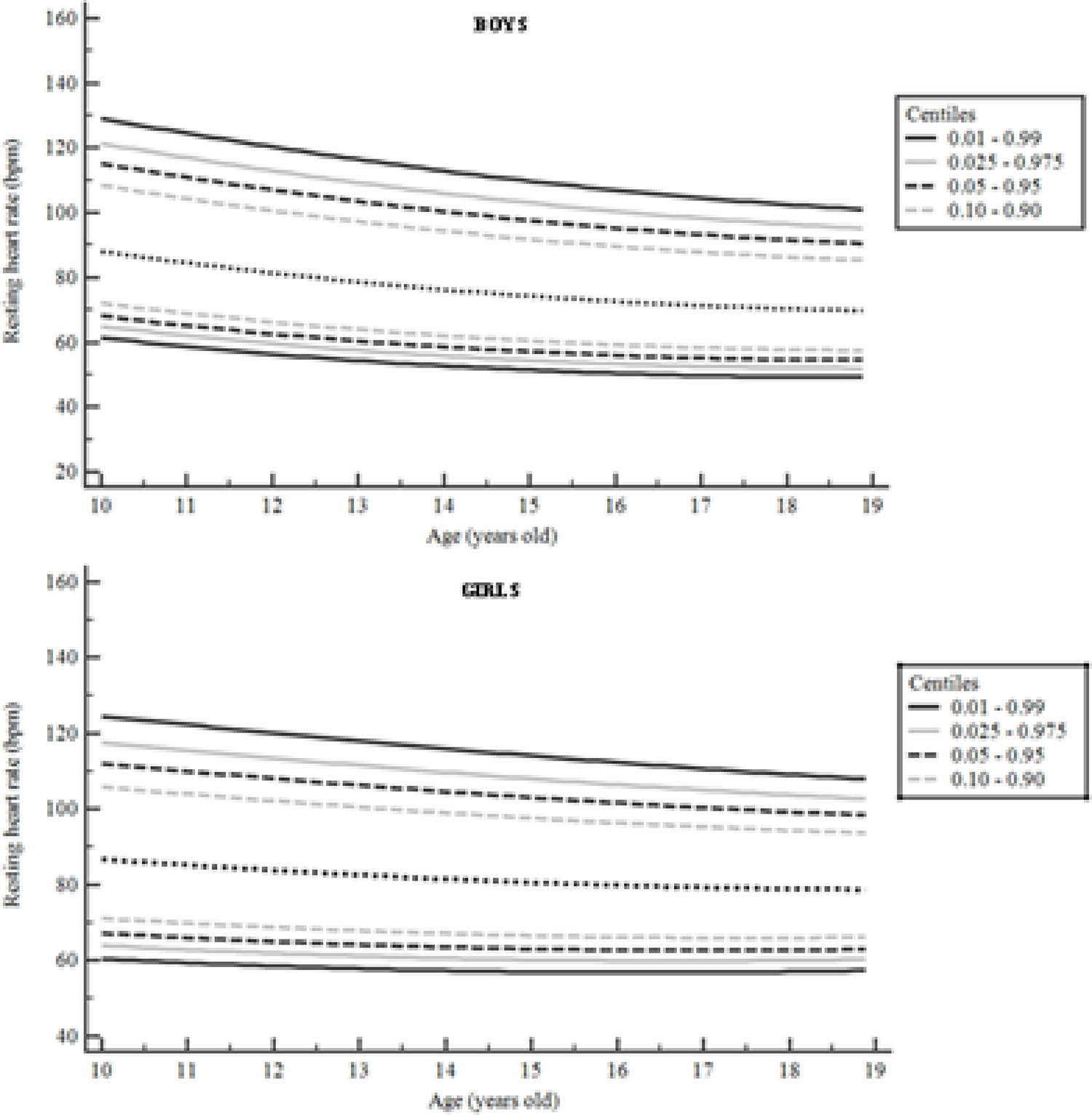
Sensitivity and Specificity of Cutoff Points of Resting Heart Rate from 6,794 Brazilian Adolescents: A Cross-Sectional Study

Breno Quintella Farah et al. Diego Giulliano Destro Christofaro Aluísio Andrade-Lima Antonio Henrique Germano-Soares … William Rodrigues Tebar Mauro Virgílio Gomes de Barros Raphael Mendes Ritti-Dias

Abstract

Background

Resting heart rate (RHR) may be a useful screening tool for cardiovascular risk. However, RHR cutoff points, an interesting clinical approach, have never been described in young populations.

Objective

To establish RHR cutoff points in Brazilian adolescents and to analyze whether cutoff points are associated with cardiovascular risk factors.

Methods

The sample was composed of 6,794 adolescents (10 to 19 years old). Blood pressure and RHR were assessed by oscillometric device. Body mass index and waist circumference were also assessed. Receiver operating characteristic curve was adopted to analyze the sensitivity and specificity, and associations of high RHR with cardiovascular risk factors were analyzed by binary logistic regression. A p value < 0.05 was considered statistically significant for all the analyses.

Results

Mean RHR values were higher among participants ages 10 to 14 years than 15 to 19 years, for boys (p < 0.001) and girls ( 92 bpm) and 15 to 19 years (> 82 bpm), as well as for girls ages 15 to 19 years (> 82 bpm) (p 0.05). Proposed RHR cutoff points were associated with abdominal obesity, overweight, and high blood pressure in boys in girls. RHR cutoff points were associated with the cluster of cardiovascular risk factors in adolescents ages 15 to 19 years.

Conclusion

The proposed RHR cutoff points were associated with cardiovascular risk factors in adolescents.

  • Adiposity
  • Adolescent
  • Blood Arterial
  • Cross-Sectional Studies
  • Epidemiology
  • Heart Rate
  • Obesity
  • Risk Factors
Read Full Article
Creative Commons Attribution (CC BY) Creative Commons license
26/07/2021 DOI: 10.36660/abc.20200111 Views 1
Editorial

Endothelial Progenitor Cells and Exercise: Working Together to Target Endothelial Dysfunction in Metabolic Syndrome

Christina Grüne de Souza e Silva

Our understanding of the crucial role played by the endothelium in cardiovascular biology has evolved over the past couple of decades, with the recognition that it is a dynamically-regulated organ, essential in maintaining vascular homeostasis. A healthy endothelium is able to adequately respond to physical and chemical signals and, through the release of a wide range of mediators, regulate, among others, vascular tone and growth, cellular adhesion, thrombogenicity, and inflammation.

Furthermore, it has been acknowledged that when the endothelium loses its physiological properties due to an imbalance between its injury and its appropriate recovery, a tendency towards vasoconstriction, pro-thrombotic, and pro-inflammatory states are shown. This condition, termed endothelial dysfunction, has been shown to precede the development of pro-atherosclerotic changes, leading to atherosclerotic plaque formation and its later clinical complications.

[…]

  • Cardiovascular disease
  • Endothelial function
  • Metabolic Syndrome
  • Nitric Oxide
  • Physical activity
Read Full Article
Creative Commons Attribution (CC BY) Creative Commons license
26/07/2021 DOI: 10.36660/abc.20210399 Views 1

Could not load more articles. Please try again.

How to cite this article

EndNote RIS

Electronic Document Format (Vancouver)

Correia ETO, Barbetta LMS, Mesquita ET. Is It Time for a New Standard Therapy for Heart Failure with Reduced Ejection Fraction?. Arquivos Brasileiros de Cardiologia 2021;117(1):149-52.

Electronic Document Format (ABNT)

Correia, Eduardo Thadeu de Oliveira; Barbetta, Letícia Mara dos Santos; Mesquita, Evandro Tinoco. Is It Time for a New Standard Therapy for Heart Failure with Reduced Ejection Fraction?. Arquivos Brasileiros de Cardiologia, v. 117, n. 1, p. 149-152, Jul. 2021.

Electronic Document Format (APA)

Correia, E. T. O., Barbetta, L. M. S., & Mesquita, E. T. (2021). Is It Time for a New Standard Therapy for Heart Failure with Reduced Ejection Fraction?. Arquivos Brasileiros de Cardiologia, 117(1), 149-152.

Electronic Document Format (ISO)

Correia, Eduardo Thadeu de Oliveira and Barbetta, Letícia Mara dos Santos and Mesquita, Evandro Tinoco. Is It Time for a New Standard Therapy for Heart Failure with Reduced Ejection Fraction?. Arquivos Brasileiros de Cardiologia [online]. 2021, vol. 117, n. 1, [cited 2026-10-14], pp. 149-152. Available from: <https://journals.cardiol.br/en/article/is-it-time-for-a-new-standard-therapy-for-heart-failure-with-reduced-ejection-fraction/>. ISSN 0066-782X

EndNote RIS

Electronic Document Format (Vancouver)

Nicolau JC, Feitosa Filho GS, Petriz JL, Furtado RHM, Précoma DB, Lemke W, Lopes RD, et al. Brazilian Society of Cardiology Guidelines on Unstable Angina and Acute Myocardial Infarction without ST-Segment Elevation – 2021. Arquivos Brasileiros de Cardiologia 2021;117(1):181-264.

Electronic Document Format (ABNT)

Nicolau, José Carlos; Feitosa Filho, Gilson Soares; Petriz, João Luiz; Furtado, Remo Holanda de Mendonça; Précoma, Dalton Bertolim; Lemke, Walmor; Lopes, Renato Delascio; Timerman, Ari; Marin Neto, José A.; Bezerra Neto, Luiz; Gomes, Bruno Ferraz de Oliveira; Santos, Eduardo Cavalcanti Lapa; Piegas, Leopoldo Soares; Soeiro, Alexandre de Matos; Negri, Alexandre Jorge de Andrade; Franci, Andre; Markman Filho, Brivaldo; Baccaro, Bruno Mendonça; Montenegro, Carlos Eduardo Lucena; Rochitte, Carlos Eduardo; Barbosa, Carlos José Dornas Gonçalves; Virgens, Cláudio Marcelo Bittencourt das; Stefanini, Edson; Manenti, Euler Roberto Fernandes; Lima, Felipe Gallego; Monteiro Júnior, Francisco das Chagas; Correa Filho, Harry; Pena, Henrique Patrus Mundim; Pinto, Ibraim Masciarelli Francisco; Falcão, João Luiz de Alencar Araripe; Sena, Joberto Pinheiro; Peixoto, José Maria; Souza, Juliana Ascenção de; Silva, Leonardo Sara da; Maia, Lilia Nigro; Ohe, Louis Nakayama; Baracioli, Luciano Moreira; Dallan, Luís Alberto de Oliveira; Dallan, Luis Augusto Palma; Mattos, Luiz Alberto Piva e; Bodanese, Luiz Carlos; Ritt, Luiz Eduardo Fonteles; Canesin, Manoel Fernandes; Rivas, Marcelo Bueno da Silva; Franken, Marcelo; Magalhães, Marcos José Gomes; Oliveira Júnior, Múcio Tavares de; Filgueiras Filho, Nivaldo Menezes; Dutra, Oscar Pereira; Coelho, Otávio Rizzi; Leães, Paulo Ernesto; Rossi, Paulo Roberto Ferreira; Soares, Paulo Rogério; Lemos Neto, Pedro Alves; Farsky, Pedro Silvio; Cavalcanti, Rafael Rebêlo C.; Alves, Renato Jorge; Kalil, Renato Abdala Karam; Esporcatte, Roberto; Marino, Roberto Luiz; Giraldez, Roberto Rocha Corrêa Veiga; Meneghelo, Romeu Sérgio; Lima, Ronaldo de Souza Leão; Ramos, Rui Fernando; Falcão, Sandra Nivea dos Reis Saraiva; Dalçóquio, Talia Falcão; Lemke, Viviana de Mello Guzzo; Chalela, William Azem; Mathias Júnior, Wilson. Brazilian Society of Cardiology Guidelines on Unstable Angina and Acute Myocardial Infarction without ST-Segment Elevation – 2021. Arquivos Brasileiros de Cardiologia, v. 117, n. 1, p. 181-264, Jul. 2021.

Electronic Document Format (APA)

Nicolau, J. C., Feitosa Filho, G. S., Petriz, J. L., Furtado, R. H. M., Précoma, D. B., Lemke, W., Lopes, R. D., Timerman, A., Marin Neto, J. A., Bezerra Neto, L., Gomes, B. F. O., Santos, E. C. L., Piegas, L. S., Soeiro, A. M., Negri, A. J. A., Franci, A., Markman Filho, B., Baccaro, B. M., Montenegro, C. E. L., Rochitte, C. E., Barbosa, C. J. D. G., Virgens, C. M. B. , Stefanini, E., Manenti, E. R. F., Lima, F. G., Monteiro Júnior, F. C., Correa Filho, H., Pena, H. P. M., Pinto, I. M. F., Falcão, J. L. A. A., Sena, J. P., Peixoto, J. M., Souza, J. A. , Silva, L. S. , Maia, L. N., Ohe, L. N., Baracioli, L. M., Dallan, L. A. O., Dallan, L. A. P., Mattos, L. A. P. , Bodanese, L. C., Ritt, L. E. F., Canesin, M. F., Rivas, M. B. S., Franken, M., Magalhães, M. J. G., Oliveira Júnior, M. T. , Filgueiras Filho, N. M., Dutra, O. P., Coelho, O. R., Leães, P. E., Rossi, P. R. F., Soares, P. R., Lemos Neto, P. A., Farsky, P. S., Cavalcanti, R. R. C., Alves, R. J., Kalil, R. A. K., Esporcatte, R., Marino, R. L., Giraldez, R. R. C. V., Meneghelo, R. S., Lima, R. S. L., Ramos, R. F., Falcão, S. N. R. S., Dalçóquio, T. F., Lemke, V. M. G., Chalela, W. A., & Mathias Júnior, W. (2021). Brazilian Society of Cardiology Guidelines on Unstable Angina and Acute Myocardial Infarction without ST-Segment Elevation – 2021. Arquivos Brasileiros de Cardiologia, 117(1), 181-264.

Electronic Document Format (ISO)

Nicolau, José Carlos and Feitosa Filho, Gilson Soares and Petriz, João Luiz and Furtado, Remo Holanda de Mendonça and Précoma, Dalton Bertolim and Lemke, Walmor and Lopes, Renato Delascio and Timerman, Ari and Marin Neto, José A. and Bezerra Neto, Luiz and Gomes, Bruno Ferraz de Oliveira and Santos, Eduardo Cavalcanti Lapa and Piegas, Leopoldo Soares and Soeiro, Alexandre de Matos and Negri, Alexandre Jorge de Andrade and Franci, Andre and Markman Filho, Brivaldo and Baccaro, Bruno Mendonça and Montenegro, Carlos Eduardo Lucena and Rochitte, Carlos Eduardo and Barbosa, Carlos José Dornas Gonçalves and Virgens, Cláudio Marcelo Bittencourt das and Stefanini, Edson and Manenti, Euler Roberto Fernandes and Lima, Felipe Gallego and Monteiro Júnior, Francisco das Chagas and Correa Filho, Harry and Pena, Henrique Patrus Mundim and Pinto, Ibraim Masciarelli Francisco and Falcão, João Luiz de Alencar Araripe and Sena, Joberto Pinheiro and Peixoto, José Maria and Souza, Juliana Ascenção de and Silva, Leonardo Sara da and Maia, Lilia Nigro and Ohe, Louis Nakayama and Baracioli, Luciano Moreira and Dallan, Luís Alberto de Oliveira and Dallan, Luis Augusto Palma and Mattos, Luiz Alberto Piva e and Bodanese, Luiz Carlos and Ritt, Luiz Eduardo Fonteles and Canesin, Manoel Fernandes and Rivas, Marcelo Bueno da Silva and Franken, Marcelo and Magalhães, Marcos José Gomes and Oliveira Júnior, Múcio Tavares de and Filgueiras Filho, Nivaldo Menezes and Dutra, Oscar Pereira and Coelho, Otávio Rizzi and Leães, Paulo Ernesto and Rossi, Paulo Roberto Ferreira and Soares, Paulo Rogério and Lemos Neto, Pedro Alves and Farsky, Pedro Silvio and Cavalcanti, Rafael Rebêlo C. and Alves, Renato Jorge and Kalil, Renato Abdala Karam and Esporcatte, Roberto and Marino, Roberto Luiz and Giraldez, Roberto Rocha Corrêa Veiga and Meneghelo, Romeu Sérgio and Lima, Ronaldo de Souza Leão and Ramos, Rui Fernando and Falcão, Sandra Nivea dos Reis Saraiva and Dalçóquio, Talia Falcão and Lemke, Viviana de Mello Guzzo and Chalela, William Azem and Mathias Júnior, Wilson. Brazilian Society of Cardiology Guidelines on Unstable Angina and Acute Myocardial Infarction without ST-Segment Elevation – 2021. Arquivos Brasileiros de Cardiologia [online]. 2021, vol. 117, n. 1, [cited 2026-10-14], pp. 181-264. Available from: <https://journals.cardiol.br/en/article/brazilian-society-of-cardiology-guidelines-on-unstable-angina-and-acute-myocardial-infarction-without-st-segment-elevation-2021/>. ISSN 0066-782X

EndNote RIS

Electronic Document Format (Vancouver)

Pinheiro DS, Jardim PCBV. Mortality Due to Ischemic Heart Disease in Brazil – Northeast Disparities. Arquivos Brasileiros de Cardiologia 2021;117(1):61-2.

Electronic Document Format (ABNT)

Pinheiro, Denise da Silva; Jardim, Paulo Cesar B. Veiga. Mortality Due to Ischemic Heart Disease in Brazil – Northeast Disparities. Arquivos Brasileiros de Cardiologia, v. 117, n. 1, p. 61-62, Jul. 2021.

Electronic Document Format (APA)

Pinheiro, D. S., & Jardim, P. C. B. V. (2021). Mortality Due to Ischemic Heart Disease in Brazil – Northeast Disparities. Arquivos Brasileiros de Cardiologia, 117(1), 61-62.

Electronic Document Format (ISO)

Pinheiro, Denise da Silva and Jardim, Paulo Cesar B. Veiga. Mortality Due to Ischemic Heart Disease in Brazil – Northeast Disparities. Arquivos Brasileiros de Cardiologia [online]. 2021, vol. 117, n. 1, [cited 2026-10-14], pp. 61-62. Available from: <https://journals.cardiol.br/en/article/mortality-due-to-ischemic-heart-disease-in-brazil-northeast-disparities/>. ISSN 0066-782X

EndNote RIS

Electronic Document Format (Vancouver)

Azoubel LA, Carneiro ER, Pires N, Barros AK, Dias CJ. Analysis of Sensitivity and Specificity of Cutoff Points for Resting Heart Rate in 6,794 Brazilian Adolescents: A Cross-Sectional Study. Arquivos Brasileiros de Cardiologia 2021;117(1):82-3.

Electronic Document Format (ABNT)

Azoubel, Luana Anaisse; Carneiro, Erika Ribeiro; Pires, Nilviane; Barros, Allan Kardec; Dias, Carlos José. Analysis of Sensitivity and Specificity of Cutoff Points for Resting Heart Rate in 6,794 Brazilian Adolescents: A Cross-Sectional Study. Arquivos Brasileiros de Cardiologia, v. 117, n. 1, p. 82-83, Jul. 2021.

Electronic Document Format (APA)

Azoubel, L. A., Carneiro, E. R., Pires, N., Barros, A. K., & Dias, C. J. (2021). Analysis of Sensitivity and Specificity of Cutoff Points for Resting Heart Rate in 6,794 Brazilian Adolescents: A Cross-Sectional Study. Arquivos Brasileiros de Cardiologia, 117(1), 82-83.

Electronic Document Format (ISO)

Azoubel, Luana Anaisse and Carneiro, Erika Ribeiro and Pires, Nilviane and Barros, Allan Kardec and Dias, Carlos José. Analysis of Sensitivity and Specificity of Cutoff Points for Resting Heart Rate in 6,794 Brazilian Adolescents: A Cross-Sectional Study. Arquivos Brasileiros de Cardiologia [online]. 2021, vol. 117, n. 1, [cited 2026-10-14], pp. 82-83. Available from: <https://journals.cardiol.br/en/article/analysis-of-sensitivity-and-specificity-of-cutoff-points-for-resting-heart-rate-in-6794-brazilian-adolescents-a-cross-sectional-study/>. ISSN 0066-782X

EndNote RIS

Electronic Document Format (Vancouver)

Atik E. Left Heart Hypoplasia Evolving Up to 21 Years, After Total Cavopulmonary Operation Performed at 5 Years of Age. Arquivos Brasileiros de Cardiologia 2021;117(1):142-5.

Electronic Document Format (ABNT)

Atik, Edmar. Left Heart Hypoplasia Evolving Up to 21 Years, After Total Cavopulmonary Operation Performed at 5 Years of Age. Arquivos Brasileiros de Cardiologia, v. 117, n. 1, p. 142-145, Jul. 2021.

Electronic Document Format (APA)

Atik, E. (2021). Left Heart Hypoplasia Evolving Up to 21 Years, After Total Cavopulmonary Operation Performed at 5 Years of Age. Arquivos Brasileiros de Cardiologia, 117(1), 142-145.

Electronic Document Format (ISO)

Atik, Edmar. Left Heart Hypoplasia Evolving Up to 21 Years, After Total Cavopulmonary Operation Performed at 5 Years of Age. Arquivos Brasileiros de Cardiologia [online]. 2021, vol. 117, n. 1, [cited 2026-10-14], pp. 142-145. Available from: <https://journals.cardiol.br/en/article/left-heart-hypoplasia-evolving-up-to-21-years-after-total-cavopulmonary-operation-performed-at-5-years-of-age/>. ISSN 0066-782X

EndNote RIS

Electronic Document Format (Vancouver)

Macedo FVB, Ferreira Filho DSG, Nogueira MAA, Silva VRH, Nascimento BR. ST-Segment Elevation Regression as a Predictor of Reperfusion in Acute Myocardial Infarction: A Persistent Unknown. Arquivos Brasileiros de Cardiologia 2021;117(1):26-7.

Electronic Document Format (ABNT)

Macedo, Frederico V. B.; Ferreira Filho, Domingos Sávio G.; Nogueira, Marcelo Augusto A.; Silva, Victor Raggazzi H. da; Nascimento, Bruno R.. ST-Segment Elevation Regression as a Predictor of Reperfusion in Acute Myocardial Infarction: A Persistent Unknown. Arquivos Brasileiros de Cardiologia, v. 117, n. 1, p. 26-27, Jul. 2021.

Electronic Document Format (APA)

Macedo, F. V. B., Ferreira Filho, D. S. G., Nogueira, M. A. A., Silva, V. R. H. , & Nascimento, B. R. (2021). ST-Segment Elevation Regression as a Predictor of Reperfusion in Acute Myocardial Infarction: A Persistent Unknown. Arquivos Brasileiros de Cardiologia, 117(1), 26-27.

Electronic Document Format (ISO)

Macedo, Frederico V. B. and Ferreira Filho, Domingos Sávio G. and Nogueira, Marcelo Augusto A. and Silva, Victor Raggazzi H. da and Nascimento, Bruno R.. ST-Segment Elevation Regression as a Predictor of Reperfusion in Acute Myocardial Infarction: A Persistent Unknown. Arquivos Brasileiros de Cardiologia [online]. 2021, vol. 117, n. 1, [cited 2026-10-14], pp. 26-27. Available from: <https://journals.cardiol.br/en/article/st-segment-elevation-regression-as-a-predictor-of-reperfusion-in-acute-myocardial-infarction-a-persistent-unknown/>. ISSN 0066-782X

EndNote RIS

Electronic Document Format (Vancouver)

Markman Filho B, Lima SG. Coronary Reperfusion in Acute Myocardial Infarction: Trying the Optimal. Executing the Possible. Arquivos Brasileiros de Cardiologia 2021;117(1):130-1.

Electronic Document Format (ABNT)

Markman Filho, Brivaldo; Lima, Sandro Gonçalves de. Coronary Reperfusion in Acute Myocardial Infarction: Trying the Optimal. Executing the Possible. Arquivos Brasileiros de Cardiologia, v. 117, n. 1, p. 130-131, Jul. 2021.

Electronic Document Format (APA)

Markman Filho, B., & Lima, S. G. (2021). Coronary Reperfusion in Acute Myocardial Infarction: Trying the Optimal. Executing the Possible. Arquivos Brasileiros de Cardiologia, 117(1), 130-131.

Electronic Document Format (ISO)

Markman Filho, Brivaldo and Lima, Sandro Gonçalves de. Coronary Reperfusion in Acute Myocardial Infarction: Trying the Optimal. Executing the Possible. Arquivos Brasileiros de Cardiologia [online]. 2021, vol. 117, n. 1, [cited 2026-10-14], pp. 130-131. Available from: <https://journals.cardiol.br/en/article/coronary-reperfusion-in-acute-myocardial-infarction-trying-the-optimal-executing-the-possible/>. ISSN 0066-782X

EndNote RIS

Electronic Document Format (Vancouver)

Vakrou S, Vlachopoulos C, Gatzoulis KA. Risk Stratification for Primary Prevention of Sudden Cardiac Death in Hypertrophic Cardiomyopathy. Arquivos Brasileiros de Cardiologia 2021;117(1):157-9.

Electronic Document Format (ABNT)

Vakrou, Styliani; Vlachopoulos, Charalampos; Gatzoulis, Konstantinos A.. Risk Stratification for Primary Prevention of Sudden Cardiac Death in Hypertrophic Cardiomyopathy. Arquivos Brasileiros de Cardiologia, v. 117, n. 1, p. 157-159, Jul. 2021.

Electronic Document Format (APA)

Vakrou, S., Vlachopoulos, C., & Gatzoulis, K. A. (2021). Risk Stratification for Primary Prevention of Sudden Cardiac Death in Hypertrophic Cardiomyopathy. Arquivos Brasileiros de Cardiologia, 117(1), 157-159.

Electronic Document Format (ISO)

Vakrou, Styliani and Vlachopoulos, Charalampos and Gatzoulis, Konstantinos A.. Risk Stratification for Primary Prevention of Sudden Cardiac Death in Hypertrophic Cardiomyopathy. Arquivos Brasileiros de Cardiologia [online]. 2021, vol. 117, n. 1, [cited 2026-10-14], pp. 157-159. Available from: <https://journals.cardiol.br/en/article/risk-stratification-for-primary-prevention-of-sudden-cardiac-death-in-hypertrophic-cardiomyopathy/>. ISSN 0066-782X

EndNote RIS

Electronic Document Format (Vancouver)

Improta-Caria AC, Aras Júnior R. Physical Exercise Training and Chagas Disease: Potential Role of MicroRNAs. Arquivos Brasileiros de Cardiologia 2021;117(1):132-41.

Electronic Document Format (ABNT)

Improta-Caria, Alex Cleber; Aras Júnior, Roque. Physical Exercise Training and Chagas Disease: Potential Role of MicroRNAs. Arquivos Brasileiros de Cardiologia, v. 117, n. 1, p. 132-141, Jul. 2021.

Electronic Document Format (APA)

Improta-Caria, A. C., & Aras Júnior, R. (2021). Physical Exercise Training and Chagas Disease: Potential Role of MicroRNAs. Arquivos Brasileiros de Cardiologia, 117(1), 132-141.

Electronic Document Format (ISO)

Improta-Caria, Alex Cleber and Aras Júnior, Roque. Physical Exercise Training and Chagas Disease: Potential Role of MicroRNAs. Arquivos Brasileiros de Cardiologia [online]. 2021, vol. 117, n. 1, [cited 2026-10-14], pp. 132-141. Available from: <https://journals.cardiol.br/en/article/physical-exercise-training-and-chagas-disease-potential-role-of-micrornas/>. ISSN 0066-782X

EndNote RIS

Electronic Document Format (Vancouver)

Buccheri D. Coronary Artery Fistulae. Arquivos Brasileiros de Cardiologia 2021;117(1):89-90.

Electronic Document Format (ABNT)

Buccheri, Dario. Coronary Artery Fistulae. Arquivos Brasileiros de Cardiologia, v. 117, n. 1, p. 89-90, Jul. 2021.

Electronic Document Format (APA)

Buccheri, D. (2021). Coronary Artery Fistulae. Arquivos Brasileiros de Cardiologia, 117(1), 89-90.

Electronic Document Format (ISO)

Buccheri, Dario. Coronary Artery Fistulae. Arquivos Brasileiros de Cardiologia [online]. 2021, vol. 117, n. 1, [cited 2026-10-14], pp. 89-90. Available from: <https://journals.cardiol.br/en/article/coronary-artery-fistulae/>. ISSN 0066-782X

EndNote RIS

Electronic Document Format (Vancouver)

Palma A, Sousa PA, Silva PV, Pires A. Transbaffle Puncture Using Multimodality Imaging and 3-D Mapping with CT Image Integration in a Patient with Atrial Flutter Post-Senning Procedure. Arquivos Brasileiros de Cardiologia 2021;117(1):153-6.

Electronic Document Format (ABNT)

Palma, Andreia; Sousa, Pedro A.; Silva, Patrícia V.; Pires, António. Transbaffle Puncture Using Multimodality Imaging and 3-D Mapping with CT Image Integration in a Patient with Atrial Flutter Post-Senning Procedure. Arquivos Brasileiros de Cardiologia, v. 117, n. 1, p. 153-156, Jul. 2021.

Electronic Document Format (APA)

Palma, A., Sousa, P. A., Silva, P. V., & Pires, A. (2021). Transbaffle Puncture Using Multimodality Imaging and 3-D Mapping with CT Image Integration in a Patient with Atrial Flutter Post-Senning Procedure. Arquivos Brasileiros de Cardiologia, 117(1), 153-156.

Electronic Document Format (ISO)

Palma, Andreia and Sousa, Pedro A. and Silva, Patrícia V. and Pires, António. Transbaffle Puncture Using Multimodality Imaging and 3-D Mapping with CT Image Integration in a Patient with Atrial Flutter Post-Senning Procedure. Arquivos Brasileiros de Cardiologia [online]. 2021, vol. 117, n. 1, [cited 2026-10-14], pp. 153-156. Available from: <https://journals.cardiol.br/en/article/transbaffle-puncture-using-multimodality-imaging-and-3-d-mapping-with-ct-image-integration-in-a-patient-with-atrial-flutter-post-senning-procedure/>. ISSN 0066-782X

EndNote RIS

Electronic Document Format (Vancouver)

. Erratum. Arquivos Brasileiros de Cardiologia 2021;117(1):265.

Electronic Document Format (ABNT)

. Erratum. Arquivos Brasileiros de Cardiologia, v. 117, n. 1, p. 265-265, Jul. 2021.

Electronic Document Format (APA)

(2021). Erratum. Arquivos Brasileiros de Cardiologia, 117(1), 265-265.

Electronic Document Format (ISO)

. Erratum. Arquivos Brasileiros de Cardiologia [online]. 2021, vol. 117, n. 1, [cited 2026-10-14], pp. 265-265. Available from: <https://journals.cardiol.br/en/article/erratum-42/>. ISSN 0066-782X

EndNote RIS

Electronic Document Format (Vancouver)

Bianco HT, Povoa R, Izar MC, Luna Filho B, Moreira FT, Stefanini E, Fonseca HA, et al. Accuracy of Post-thrombolysis ST-segment Reduction as an Adequate Reperfusion Predictor in the Pharmaco-Invasive Approach. Arquivos Brasileiros de Cardiologia 2021;117(1):15-2.

Electronic Document Format (ABNT)

Bianco, Henrique Tria; Povoa, Rui; Izar, Maria Cristina; Luna Filho, Braulio; Moreira, Flavio Tocci; Stefanini, Edson; Fonseca, Henrique Andrade; Barbosa, Adriano Henrique Pereira; Alves, Claudia Maria Rodrigues; Caixeta, Adriano Mendes; Gonçalves Jr, Iran; Moraes, Pedro Ivo de Marqui; Lopes, Renato Delascio; Paola, Angelo Amato Vincenzo de; Almeida, Dirceu; Moises, Valdir Ambrosio; Fonseca, Francisco A. H.. Accuracy of Post-thrombolysis ST-segment Reduction as an Adequate Reperfusion Predictor in the Pharmaco-Invasive Approach. Arquivos Brasileiros de Cardiologia, v. 117, n. 1, p. 15-25, Jul. 2021.

Electronic Document Format (APA)

Bianco, H. T., Povoa, R., Izar, M. C., Luna Filho, B., Moreira, F. T., Stefanini, E., Fonseca, H. A., Barbosa, A. H. P., Alves, C. M. R., Caixeta, A. M., Gonçalves Jr, I., Moraes, P. I. M., Lopes, R. D., Paola, A. A. V. , Almeida, D., Moises, V. A., & Fonseca, F. A. H. (2021). Accuracy of Post-thrombolysis ST-segment Reduction as an Adequate Reperfusion Predictor in the Pharmaco-Invasive Approach. Arquivos Brasileiros de Cardiologia, 117(1), 15-25.

Electronic Document Format (ISO)

Bianco, Henrique Tria and Povoa, Rui and Izar, Maria Cristina and Luna Filho, Braulio and Moreira, Flavio Tocci and Stefanini, Edson and Fonseca, Henrique Andrade and Barbosa, Adriano Henrique Pereira and Alves, Claudia Maria Rodrigues and Caixeta, Adriano Mendes and Gonçalves Jr, Iran and Moraes, Pedro Ivo de Marqui and Lopes, Renato Delascio and Paola, Angelo Amato Vincenzo de and Almeida, Dirceu and Moises, Valdir Ambrosio and Fonseca, Francisco A. H.. Accuracy of Post-thrombolysis ST-segment Reduction as an Adequate Reperfusion Predictor in the Pharmaco-Invasive Approach. Arquivos Brasileiros de Cardiologia [online]. 2021, vol. 117, n. 1, [cited 2026-10-14], pp. 15-25. Available from: <https://journals.cardiol.br/en/article/accuracy-of-post-thrombolysis-st-segment-reduction-as-an-adequate-reperfusion-predictor-in-the-pharmaco-invasive-approach/>. ISSN 0066-782X

EndNote RIS

Electronic Document Format (Vancouver)

Santana GBA, Leal TC, Paiva JPS, Silva LF, Santos LG, Oliveira TF, Mesquita RR, et al. Temporal Trend of Mortality Due to Ischemic Heart Diseases in Northeastern Brazil (1996–2016): An Analysis According to Gender and Age Group. Arquivos Brasileiros de Cardiologia 2021;117(1):51-60.

Electronic Document Format (ABNT)

Santana, Gibson Barros de Almeida; Leal, Thiago Cavalcanti; Paiva, João Paulo Silva de; Silva, Leonardo Feitosa da; Santos, Lucas Gomes; Oliveira, Tatiana Farias de; Mesquita, Rodrigo da Rosa; Gomes, Jéssica Alves; Souza, Carlos Dornels Freire de; Rodrigues, Amanda Karine Barros Ferreira. Temporal Trend of Mortality Due to Ischemic Heart Diseases in Northeastern Brazil (1996–2016): An Analysis According to Gender and Age Group. Arquivos Brasileiros de Cardiologia, v. 117, n. 1, p. 51-60, Jul. 2021.

Electronic Document Format (APA)

Santana, G. B. A., Leal, T. C., Paiva, J. P. S. , Silva, L. F. , Santos, L. G., Oliveira, T. F. , Mesquita, R. R., Gomes, J. A., Souza, C. D. F. , & Rodrigues, A. K. B. F. (2021). Temporal Trend of Mortality Due to Ischemic Heart Diseases in Northeastern Brazil (1996–2016): An Analysis According to Gender and Age Group. Arquivos Brasileiros de Cardiologia, 117(1), 51-60.

Electronic Document Format (ISO)

Santana, Gibson Barros de Almeida and Leal, Thiago Cavalcanti and Paiva, João Paulo Silva de and Silva, Leonardo Feitosa da and Santos, Lucas Gomes and Oliveira, Tatiana Farias de and Mesquita, Rodrigo da Rosa and Gomes, Jéssica Alves and Souza, Carlos Dornels Freire de and Rodrigues, Amanda Karine Barros Ferreira. Temporal Trend of Mortality Due to Ischemic Heart Diseases in Northeastern Brazil (1996–2016): An Analysis According to Gender and Age Group. Arquivos Brasileiros de Cardiologia [online]. 2021, vol. 117, n. 1, [cited 2026-10-14], pp. 51-60. Available from: <https://journals.cardiol.br/en/article/temporal-trend-of-mortality-due-to-ischemic-heart-diseases-in-northeastern-brazil-1996-2016-an-analysis-according-to-gender-and-age-group/>. ISSN 0066-782X

EndNote RIS

Electronic Document Format (Vancouver)

Oliveira JC, Ferreira GJS, Oliveira JC, Lima TCRM, Barreto IDC, Oliveira LCS, Arcelino LAM, et al. Influence of Geographical Location on Access to Reperfusion Therapies and Mortality of Patients with STEMI in Sergipe: VICTIM Register. Arquivos Brasileiros de Cardiologia 2021;117(1):120-9.

Electronic Document Format (ABNT)

Oliveira, Jeferson Cunha; Ferreira, Guilherme José dos Santos; Oliveira, Jussiely Cunha; Lima, Ticiane Clair Remacre Munareto; Barreto, Ikaro Daniel de Carvalho; Oliveira, Laís Costa Souza; Arcelino, Larissa Andreline Maia; Sousa, Antônio Carlos; Barreto-Filho, José Augusto Soares. Influence of Geographical Location on Access to Reperfusion Therapies and Mortality of Patients with STEMI in Sergipe: VICTIM Register. Arquivos Brasileiros de Cardiologia, v. 117, n. 1, p. 120-129, Jul. 2021.

Electronic Document Format (APA)

Oliveira, J. C., Ferreira, G. J. S., Oliveira, J. C., Lima, T. C. R. M., Barreto, I. D. C., Oliveira, L. C. S., Arcelino, L. A. M., Sousa, A. C., & Barreto-Filho, J. A. S. (2021). Influence of Geographical Location on Access to Reperfusion Therapies and Mortality of Patients with STEMI in Sergipe: VICTIM Register. Arquivos Brasileiros de Cardiologia, 117(1), 120-129.

Electronic Document Format (ISO)

Oliveira, Jeferson Cunha and Ferreira, Guilherme José dos Santos and Oliveira, Jussiely Cunha and Lima, Ticiane Clair Remacre Munareto and Barreto, Ikaro Daniel de Carvalho and Oliveira, Laís Costa Souza and Arcelino, Larissa Andreline Maia and Sousa, Antônio Carlos and Barreto-Filho, José Augusto Soares. Influence of Geographical Location on Access to Reperfusion Therapies and Mortality of Patients with STEMI in Sergipe: VICTIM Register. Arquivos Brasileiros de Cardiologia [online]. 2021, vol. 117, n. 1, [cited 2026-10-14], pp. 120-129. Available from: <https://journals.cardiol.br/en/article/influence-of-geographical-location-on-access-to-reperfusion-therapies-and-mortality-of-patients-with-stemi-in-sergipe-victim-register/>. ISSN 0066-782X

EndNote RIS

Electronic Document Format (Vancouver)

Alves PHR, Ferron AJT, Costa MR, Hasimoto FK, Gregolin CS, Garcia JL, Campos DHS, et al. Relationship between Innate Immune Response Toll-Like Receptor 4 (TLR-4) and the Pathophysiological Process of Obesity Cardiomyopathy. Arquivos Brasileiros de Cardiologia 2021;117(1):91-9.

Electronic Document Format (ABNT)

Alves, Pedro Henrique Rizzi; Ferron, Artur Junio Togneri; Costa, Mariane Róvero; Hasimoto, Fabiana Kurokawa; Gregolin, Cristina Schmitt; Garcia, Jéssica Leite; Campos, Dijon Henrique Salomé de; Cicogna, Antônio Carlos; Mattei, Letícia de; Moreto, Fernando; Bazan, Silméia Garcia Zanati; Francisqueti-Ferron, Fabiane Valentini; Corrêa, Camila Renata. Relationship between Innate Immune Response Toll-Like Receptor 4 (TLR-4) and the Pathophysiological Process of Obesity Cardiomyopathy. Arquivos Brasileiros de Cardiologia, v. 117, n. 1, p. 91-99, Jul. 2021.

Electronic Document Format (APA)

Alves, P. H. R., Ferron, A. J. T., Costa, M. R., Hasimoto, F. K., Gregolin, C. S., Garcia, J. L., Campos, D. H. S. , Cicogna, A. C., Mattei, L. , Moreto, F., Bazan, S. G. Z., Francisqueti-Ferron, F. V., & Corrêa, C. R. (2021). Relationship between Innate Immune Response Toll-Like Receptor 4 (TLR-4) and the Pathophysiological Process of Obesity Cardiomyopathy. Arquivos Brasileiros de Cardiologia, 117(1), 91-99.

Electronic Document Format (ISO)

Alves, Pedro Henrique Rizzi and Ferron, Artur Junio Togneri and Costa, Mariane Róvero and Hasimoto, Fabiana Kurokawa and Gregolin, Cristina Schmitt and Garcia, Jéssica Leite and Campos, Dijon Henrique Salomé de and Cicogna, Antônio Carlos and Mattei, Letícia de and Moreto, Fernando and Bazan, Silméia Garcia Zanati and Francisqueti-Ferron, Fabiane Valentini and Corrêa, Camila Renata. Relationship between Innate Immune Response Toll-Like Receptor 4 (TLR-4) and the Pathophysiological Process of Obesity Cardiomyopathy. Arquivos Brasileiros de Cardiologia [online]. 2021, vol. 117, n. 1, [cited 2026-10-14], pp. 91-99. Available from: <https://journals.cardiol.br/en/article/relationship-between-innate-immune-response-toll-like-receptor-4-tlr-4-and-the-pathophysiological-process-of-obesity-cardiomyopathy/>. ISSN 0066-782X

EndNote RIS

Electronic Document Format (Vancouver)

Nolasco RR, Leon-Larios GD, Bazzini-Carranza DE, Zavaleta E, Calixto-Vargas O. Reconnection Sites in Redo Ablation after Cryoballoon Pulmonary Vein Isolation in Patients with Paroxysmal Atrial Fibrillation. Arquivos Brasileiros de Cardiologia 2021;117(1):100-5.

Electronic Document Format (ABNT)

Nolasco, Rogelio Robledo; Leon-Larios, Gerardo De; Bazzini-Carranza, David Eduardo; Zavaleta, Elias; Calixto-Vargas, Omar. Reconnection Sites in Redo Ablation after Cryoballoon Pulmonary Vein Isolation in Patients with Paroxysmal Atrial Fibrillation. Arquivos Brasileiros de Cardiologia, v. 117, n. 1, p. 100-105, Jul. 2021.

Electronic Document Format (APA)

Nolasco, R. R., Leon-Larios, G. D., Bazzini-Carranza, D. E., Zavaleta, E., & Calixto-Vargas, O. (2021). Reconnection Sites in Redo Ablation after Cryoballoon Pulmonary Vein Isolation in Patients with Paroxysmal Atrial Fibrillation. Arquivos Brasileiros de Cardiologia, 117(1), 100-105.

Electronic Document Format (ISO)

Nolasco, Rogelio Robledo and Leon-Larios, Gerardo De and Bazzini-Carranza, David Eduardo and Zavaleta, Elias and Calixto-Vargas, Omar. Reconnection Sites in Redo Ablation after Cryoballoon Pulmonary Vein Isolation in Patients with Paroxysmal Atrial Fibrillation. Arquivos Brasileiros de Cardiologia [online]. 2021, vol. 117, n. 1, [cited 2026-10-14], pp. 100-105. Available from: <https://journals.cardiol.br/en/article/reconnection-sites-in-redo-ablation-after-cryoballoon-pulmonary-vein-isolation-in-patients-with-paroxysmal-atrial-fibrillation/>. ISSN 0066-782X

EndNote RIS

Electronic Document Format (Vancouver)

Precoma DB. Education as a Social Determinant Associated with Cardiovascular Risk. Arquivos Brasileiros de Cardiologia 2021;117(1):13-4.

Electronic Document Format (ABNT)

Precoma, Dalton Bertolim. Education as a Social Determinant Associated with Cardiovascular Risk. Arquivos Brasileiros de Cardiologia, v. 117, n. 1, p. 13-14, Jul. 2021.

Electronic Document Format (APA)

Precoma, D. B. (2021). Education as a Social Determinant Associated with Cardiovascular Risk. Arquivos Brasileiros de Cardiologia, 117(1), 13-14.

Electronic Document Format (ISO)

Precoma, Dalton Bertolim. Education as a Social Determinant Associated with Cardiovascular Risk. Arquivos Brasileiros de Cardiologia [online]. 2021, vol. 117, n. 1, [cited 2026-10-14], pp. 13-14. Available from: <https://journals.cardiol.br/en/article/education-as-a-social-determinant-associated-with-cardiovascular-risk/>. ISSN 0066-782X

EndNote RIS

Electronic Document Format (Vancouver)

Tan Q, Li Y, Guo Y. Exercise Training Improves Functions of Endothelial Progenitor Cells in Patients with Metabolic Syndrome. Arquivos Brasileiros de Cardiologia 2021;117(1):108-17.

Electronic Document Format (ABNT)

Tan, Qiang; Li, Yang; Guo, Yao. Exercise Training Improves Functions of Endothelial Progenitor Cells in Patients with Metabolic Syndrome. Arquivos Brasileiros de Cardiologia, v. 117, n. 1, p. 108-117, Jul. 2021.

Electronic Document Format (APA)

Tan, Q., Li, Y., & Guo, Y. (2021). Exercise Training Improves Functions of Endothelial Progenitor Cells in Patients with Metabolic Syndrome. Arquivos Brasileiros de Cardiologia, 117(1), 108-117.

Electronic Document Format (ISO)

Tan, Qiang and Li, Yang and Guo, Yao. Exercise Training Improves Functions of Endothelial Progenitor Cells in Patients with Metabolic Syndrome. Arquivos Brasileiros de Cardiologia [online]. 2021, vol. 117, n. 1, [cited 2026-10-14], pp. 108-117. Available from: <https://journals.cardiol.br/en/article/exercise-training-improves-functions-of-endothelial-progenitor-cells-in-patients-with-metabolic-syndrome/>. ISSN 0066-782X

EndNote RIS

Electronic Document Format (Vancouver)

Luz PL, Mady C, Kalil Filho R, Rochitte CE. Fúlvio Pileggi: An Icon of Brazilian Cardiology. Arquivos Brasileiros de Cardiologia 2021;117(1):1-4.

Electronic Document Format (ABNT)

Luz, Protásio L. da; Mady, Charles; Kalil Filho, Roberto; Rochitte, Carlos Eduardo. Fúlvio Pileggi: An Icon of Brazilian Cardiology. Arquivos Brasileiros de Cardiologia, v. 117, n. 1, p. 1-4, Jul. 2021.

Electronic Document Format (APA)

Luz, P. L. , Mady, C., Kalil Filho, R., & Rochitte, C. E. (2021). Fúlvio Pileggi: An Icon of Brazilian Cardiology. Arquivos Brasileiros de Cardiologia, 117(1), 1-4.

Electronic Document Format (ISO)

Luz, Protásio L. da and Mady, Charles and Kalil Filho, Roberto and Rochitte, Carlos Eduardo. Fúlvio Pileggi: An Icon of Brazilian Cardiology. Arquivos Brasileiros de Cardiologia [online]. 2021, vol. 117, n. 1, [cited 2026-10-14], pp. 1-4. Available from: <https://journals.cardiol.br/en/article/fulvio-pileggi-an-icon-of-brazilian-cardiology/>. ISSN 0066-782X

EndNote RIS

Electronic Document Format (Vancouver)

Bruscky LVR, Gun C, Ramos AIO, Morais AL. Late Outcomes of Aortic Valve Replacement with Bioprosthesis and Mechanical Prosthesis. Arquivos Brasileiros de Cardiologia 2021;117(1):28-36.

Electronic Document Format (ABNT)

Bruscky, Larissa Ventura Ribeiro; Gun, Carlos; Ramos, Auristela Isabel de Oliveira; Morais, Alice Lemos. Late Outcomes of Aortic Valve Replacement with Bioprosthesis and Mechanical Prosthesis. Arquivos Brasileiros de Cardiologia, v. 117, n. 1, p. 28-36, Jul. 2021.

Electronic Document Format (APA)

Bruscky, L. V. R., Gun, C., Ramos, A. I. O., & Morais, A. L. (2021). Late Outcomes of Aortic Valve Replacement with Bioprosthesis and Mechanical Prosthesis. Arquivos Brasileiros de Cardiologia, 117(1), 28-36.

Electronic Document Format (ISO)

Bruscky, Larissa Ventura Ribeiro and Gun, Carlos and Ramos, Auristela Isabel de Oliveira and Morais, Alice Lemos. Late Outcomes of Aortic Valve Replacement with Bioprosthesis and Mechanical Prosthesis. Arquivos Brasileiros de Cardiologia [online]. 2021, vol. 117, n. 1, [cited 2026-10-14], pp. 28-36. Available from: <https://journals.cardiol.br/en/article/late-outcomes-of-aortic-valve-replacement-with-bioprosthesis-and-mechanical-prosthesis/>. ISSN 0066-782X

EndNote RIS

Electronic Document Format (Vancouver)

Rey HCV. The Importance of Recognizing the Co-Occurrence of Cardiometabolic Risk Factors in the Population to Establish Priorities in Public Policies. Arquivos Brasileiros de Cardiologia 2021;117(1):49-50.

Electronic Document Format (ABNT)

Rey, Helena Cramer Veiga. The Importance of Recognizing the Co-Occurrence of Cardiometabolic Risk Factors in the Population to Establish Priorities in Public Policies. Arquivos Brasileiros de Cardiologia, v. 117, n. 1, p. 49-50, Jul. 2021.

Electronic Document Format (APA)

Rey, H. C. V. (2021). The Importance of Recognizing the Co-Occurrence of Cardiometabolic Risk Factors in the Population to Establish Priorities in Public Policies. Arquivos Brasileiros de Cardiologia, 117(1), 49-50.

Electronic Document Format (ISO)

Rey, Helena Cramer Veiga. The Importance of Recognizing the Co-Occurrence of Cardiometabolic Risk Factors in the Population to Establish Priorities in Public Policies. Arquivos Brasileiros de Cardiologia [online]. 2021, vol. 117, n. 1, [cited 2026-10-14], pp. 49-50. Available from: <https://journals.cardiol.br/en/article/the-importance-of-recognizing-the-co-occurrence-of-cardiometabolic-risk-factors-in-the-population-to-establish-priorities-in-public-policies/>. ISSN 0066-782X

EndNote RIS

Electronic Document Format (Vancouver)

Farah BQ, Christofaro DGD, Andrade-Lima A, Germano-Soares AH, Tebar WR, Barros MVG, Ritti-Dias RM, et al. Sensitivity and Specificity of Cutoff Points of Resting Heart Rate from 6,794 Brazilian Adolescents: A Cross-Sectional Study. Arquivos Brasileiros de Cardiologia 2021;117(1):74-81.

Electronic Document Format (ABNT)

Farah, Breno Quintella; Christofaro, Diego Giulliano Destro; Andrade-Lima, Aluísio; Germano-Soares, Antonio Henrique; Tebar, William Rodrigues; Barros, Mauro Virgílio Gomes de; Ritti-Dias, Raphael Mendes. Sensitivity and Specificity of Cutoff Points of Resting Heart Rate from 6,794 Brazilian Adolescents: A Cross-Sectional Study. Arquivos Brasileiros de Cardiologia, v. 117, n. 1, p. 74-81, Jul. 2021.

Electronic Document Format (APA)

Farah, B. Q., Christofaro, D. G. D., Andrade-Lima, A., Germano-Soares, A. H., Tebar, W. R., Barros, M. V. G. , & Ritti-Dias, R. M. (2021). Sensitivity and Specificity of Cutoff Points of Resting Heart Rate from 6,794 Brazilian Adolescents: A Cross-Sectional Study. Arquivos Brasileiros de Cardiologia, 117(1), 74-81.

Electronic Document Format (ISO)

Farah, Breno Quintella and Christofaro, Diego Giulliano Destro and Andrade-Lima, Aluísio and Germano-Soares, Antonio Henrique and Tebar, William Rodrigues and Barros, Mauro Virgílio Gomes de and Ritti-Dias, Raphael Mendes. Sensitivity and Specificity of Cutoff Points of Resting Heart Rate from 6,794 Brazilian Adolescents: A Cross-Sectional Study. Arquivos Brasileiros de Cardiologia [online]. 2021, vol. 117, n. 1, [cited 2026-10-14], pp. 74-81. Available from: <https://journals.cardiol.br/en/article/sensitivity-and-specificity-of-cutoff-points-of-resting-heart-rate-from-6794-brazilian-adolescents-a-cross-sectional-study/>. ISSN 0066-782X

EndNote RIS

Electronic Document Format (Vancouver)

Silva CGS. Endothelial Progenitor Cells and Exercise: Working Together to Target Endothelial Dysfunction in Metabolic Syndrome. Arquivos Brasileiros de Cardiologia 2021;117(1):118-9.

Electronic Document Format (ABNT)

Silva, Christina Grüne de Souza e. Endothelial Progenitor Cells and Exercise: Working Together to Target Endothelial Dysfunction in Metabolic Syndrome. Arquivos Brasileiros de Cardiologia, v. 117, n. 1, p. 118-119, Jul. 2021.

Electronic Document Format (APA)

Silva, C. G. S. (2021). Endothelial Progenitor Cells and Exercise: Working Together to Target Endothelial Dysfunction in Metabolic Syndrome. Arquivos Brasileiros de Cardiologia, 117(1), 118-119.

Electronic Document Format (ISO)

Silva, Christina Grüne de Souza e. Endothelial Progenitor Cells and Exercise: Working Together to Target Endothelial Dysfunction in Metabolic Syndrome. Arquivos Brasileiros de Cardiologia [online]. 2021, vol. 117, n. 1, [cited 2026-10-14], pp. 118-119. Available from: <https://journals.cardiol.br/en/article/endothelial-progenitor-cells-and-exercise-working-together-to-target-endothelial-dysfunction-in-metabolic-syndrome/>. ISSN 0066-782X

Sede – Rio de Janeiro
Av. Marechal Câmara, 160
3º andar – Sala: 330 – Centro
Rio de Janeiro – CEP: 20020-907
Tel.: (55 +21) 3478-2700
ou (21) 99386-3961
E-mail: revista@cardiol.br

Sede – São Paulo
Alameda Santos, 705 – 11º andar
Cerqueira César | São Paulo
CEP: 01419-001
Tel.: (55 +11) 3411-5500
E-mail: revista@cardiol.br

  • About the Journal
  • Internal Regulation
  • Editors Section
  • Editorial Board
  • History
  • SBC Award

  • Guidelines for Publication
  • Editorial Policy
  • Ethics Policy
  • Policy on the Use of Artificial Intelligence
  • Mandatory Publication Form
  • Publication Fee

Issues

SBC Guidelines

  • How to Publish an Abstract Supplement?
  • Supplements from the Brazilian Congress of Cardiology