ABC Family Arquivos Brasileiros de Cardiologia International Journal of Cardiovascular Sciences ABC Heart Failure & Cardiomyopathy ABC Imagem Cardiovascular
Português English
ABC Family
Português English
  • About
    • About ABC Family
    • Internal Regulation
    • Editorial Board
    • Brazilian Society of Cardiology (SBC)
  • Issues
  • SBC Guidelines
  • Content
    • Videos
    • Podcasts
    • News
  • About
    • About ABC Family
    • Internal Regulation
    • Editorial Board
    • Brazilian Society of Cardiology (SBC)
  • Issues
  • SBC Guidelines
  • Content
    • Videos
    • Podcasts
    • News

ABC Family

  • ABC Family
  • Arquivos Brasileiros de Cardiologia
  • International Journal of Cardiovascular Sciences
  • ABC Heart Failure & Cardiomyopathy
  • ABC Imagem Cardiovascular
Search in

No content found.

Journals
Ordering
Article types
Others

  1. Home
  2. Keyword: Thrombolytic Therapy
Geographic Variation in Door-to-Needle Time among Patients with STEMI from the Metropolitan Region of Rio de Janeiro: Results of the EQUITY-MI Cohort
ABC
Original Article

Geographic Variation in Door-to-Needle Time among Patients with STEMI from the Metropolitan Region of Rio de Janeiro: Results of the EQUITY-MI Cohort

Eric Costa de Almeida et al. Felipe Neves Albuquerque Esmeralci Ferreira Roberto Pozzan … Pedro Pimenta de Mello Spineti Pâmela Sousa Monteiro Williana Oliveira de Araújo Rhayana Vitória da Rosa Silva Carla Maciel Caminhas Thales Cardoso Whately João Gabriel Monteiro Junqueira Denilson Campos de Albuquerque

Abstract

Background

There is a gap in information regarding the reperfusion strategies used and the evolution of patients with ST-segment elevation myocardial infarction (STEMI) in the state of Rio de Janeiro.

Objective

To assess thrombolysis time in the diverse regions of the state capital and metropolitan area of Rio de Janeiro, as well as the outcome of post-infarction heart failure.

Methods

EQUITY-MI is a prospective cohort study of patients diagnosed with STEMI and referred to a single reperfusion center. Continuous variables were analyzed using the Kruskal–Wallis test, and categorical variables were analyzed using the chi-square test. In order to estimate the effect of door-to-needle time (DNT), generalized linear regression models with gamma distribution and log link function were applied, in addition to quantile regression to estimate the effect at the 25%, 50%, and 75% quantiles, both adjusted for sex, age, race, and education level. The significance level applied was 0.05.

Results

The study included 457 patients, with a mean age of 60.4 years, 79% of whom received thrombolysis, with a median DNT of 77 minutes, and 20.9% were thrombolyzed within 30 minutes, with no statistical difference between regions (p = 0.23). The Baixada Fluminense region presented the highest adjusted mean DNT (165.9 minutes), with a time difference compared to the North Zone (0.61; 0.44 to 0.87; p = 0.003) and West Zone (0.69; 0.51 to 0.96; p = 0.022). It also presented the highest DNT in all intervals (Q25, Q50, Q75). After infarction, 63.5% of patients presented heart failure.

Conclusion

There was a general delay in DNT for patients included in the EQUITY-MI study, with worse systematic performance in the Baixada Fluminense region, in addition to a high incidence of post-infarction heart failure.
  • Health Policy
  • Mortality
  • Myocardial Infarction
  • Myocardial Reperfusion
  • Thrombolytic Therapy
Read Full Article
Creative Commons Attribution (CC BY) Creative Commons license
27/02/2026 DOI: 10.36660/abc.20250401i Views 24
Catheter-Directed Therapy for the Management of Intermediate-High-Risk and High-Risk Pulmonary Embolism: Experience from a Single-Centre in Portugal
IJCS
Original Article

Catheter-Directed Therapy for the Management of Intermediate-High-Risk and High-Risk Pulmonary Embolism: Experience from a Single-Centre in Portugal

André Alexandre et al. Bárbara Gonçalves Bruno Brochado David Sá-Couto … Mariana Santos Diana Ribeiro Raquel Baggen-Santos André Luz João Silveira Severo Torres

Abstract

Background:

Acute pulmonary embolism (PE) is a significant cause of morbimortality. Epidemiological data in Portugal are limited, potentially leading to underdiagnosis. Catheter-directed therapy (CDT) is a promising alternative treatment, particularly for high-risk patients.

Objectives:

To evaluate the impact of CDT on intermediate-high-risk and high-risk acute PE.

Methods:

This is a retrospective single-centre study conducted from 2019 to 2023 in Portugal. Data included patient demographics, clinical presentation, procedural characteristics, and outcomes. Comparisons before and after the procedure were carried out, using two-sided paired Student´s T-test or McNemar´s test. P-value < 0.05 was considered statistically significant.

Results:

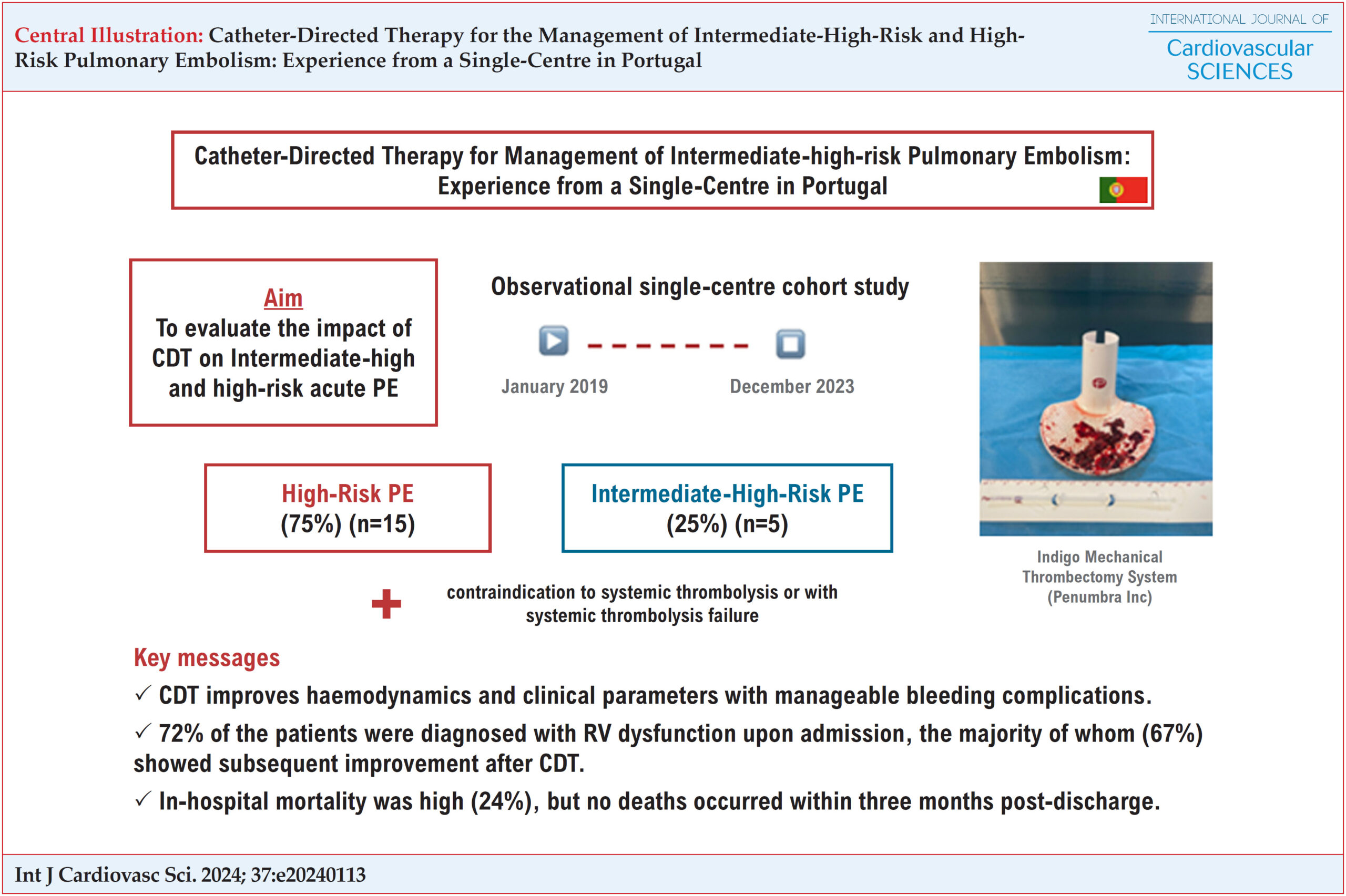
Among the 21 patients included in this study, the mean age was 62.5 (±16.8) years and 57% (n = 12) were female. Bilateral PE was predominant (n=18, 86%), with fifteen patients (75%) classified as high-risk PE and five (25%) as intermediate-high-risk PE. Overweight (n = 12, 57%), hypertension (n = 9, 45%), dyslipidaemia (n = 8, 40%), immobility (n = 4, 20%), and active cancer (n=3, 14%) were prevalent comorbidities. The median Charlson Comorbidity Index score was 3.5 (IQR 1.2–4.0). Two-thirds (n = 10, 67%) of the patients with high-risk PE exhibited contraindications to systemic fibrinolysis, while one-third (n = 5, 33%) had previously undergone failed thrombolysis. CDT improved hemodynamic parameters, significantly reducing the right ventricular (RV) dysfunction after the procedure (72.2% vs 23.5%, p=0.008). There was a low incidence of bleeding complications, with only one patient (5%) experiencing life-threatening haemorrhage. Despite these improvements, in-hospital mortality remained high (n = 5, 24%). No deaths occurred within three months post-discharge.

Conclusions:

Despite being in its early stages, CDT showed encouraging results in improving hemodynamic and clinical parameters in intermediate-high-risk and high-risk acute PE patients. Larger trials are warranted to further evaluate its efficacy and establish its role in treatment protocols.

  • Pulmonary embolism
  • Thrombectomy
  • Thrombolytic Therapy
Read Full Article
Creative Commons Attribution (CC BY) Creative Commons license
02/12/2024 DOI: 10.36660/ijcs.20240113 Views 2
ABC
Editorial

Pharmacoinvasive Strategy in ST-Elevation Myocardial Infarction in Brazil: Female Sex as a Prognostic Factor

Fernando Cesena

Primary percutaneous coronary intervention (PCI) is the recommended therapy in patients with acute ST-elevation myocardial infarction (STEMI). In locations without immediate PCI capability or in the presence of an anticipated delay from hospital presentation to primary PCI >120 minutes, fibrinolysis is indicated. In these cases, invasive angiography and PCI 3 to 24 hours after fibrinolysis may improve the prognosis and are recommended as class 2a by the recent ACC/AHA/SCAI Guideline for Coronary Artery Revascularization. The rationale for early routine PCI after fibrinolysis, the so-called pharmacoinvasive strategy, is that lytic therapy provides adequate (TIMI 3 grade) blood flow in only 50-60% of the cases. PCI can then relieve residual stenosis and restore normal flow, which is related to the benefit of reperfusion in reducing mortality. Importantly, early invasive angiography should follow fibrinolysis independently of the resolution of the ST-segment elevation since electrocardiogram changes have poor accuracy in identifying adequate reperfusion.

The recommendation for the pharmacoinvasive strategy is supported by several randomized controlled trials (RCTs) and meta-analyses demonstrating clinical benefits over previous standard therapy. Moreover, the STREAM trial provided evidence that pre-hospital fibrinolysis followed by PCI after 6 to 24 hours is as efficacious as primary PCI in STEMI patients who cannot undergo primary PCI within 1 hour after the diagnosis.,

[…]

  • Percutaneous Coronary Intervention
  • Sex Differences
  • ST Elevation Myocardial Infarction
  • Thrombolytic Therapy
Read Full Article
Creative Commons Attribution (CC BY) Creative Commons license
25/11/2022 DOI: 10.36660/abc.20220688 Views 2
Figure 1
ABC
Research Letter

A Step-By-Step Fight for Life in a Young Woman with High-Risk Pulmonary Embolism and Bilateral Renal Artery Occlusion

Miruna Stefan et al. Roxana Cristina Rimbas Rozina Vornicu Ruxandra Daneţ … Vlad Damian Vintila Bogdan Dorobat Alexandra Carp Vinereanu Dragos

Introduction

Right heart thrombus-in-transit is rare in the context of acute pulmonary embolism (APE) and is associated with high mortality and morbidity. , Transthoracic echocardiography (TTE) should always be performed in patients presenting dyspnea, chest pain, and hemodynamic instability. This case illustrates the importance of multimodality imaging in managing difficult cases with APE and right heart thrombus in transit, as well as the complications of this condition. A therapeutic approach should be decided on by multidisciplinary teams.

[…]

  • Multimodal Imaging
  • Pulmonary embolism
  • Thrombolytic Therapy
Read Full Article
Creative Commons Attribution (CC BY) Creative Commons license
07/03/2022 DOI: 10.36660/abc.20210189
ABC
Editorial

Thrombolysis in Pulmonary Embolism: Octagenarians Deserve More Attention!

Hugo Hyung Bok Yoo

Pulmonary embolism (PE) is a common cardiovascular disease that may be life threatening, and its incidence increases with age. It is the third most common cause of cardiovascular mortality and is also responsible for 100,000 to 180,000 deaths per year. Right-sided heart failure and recurrences are the main causes of death associated with PE. Most deaths occur within the first hour of patients presenting hemodynamic instability. Therefore, the prognostic of those patients depends on rapid treatment.,

To determine a suitable therapeutic management approach in patients with PE, the appropriate risk stratification is decisive in order to begin effective treatment as early as possible and to prevent death. Thus, patients at a low-risk of mortality may be candidates for home anticoagulant treatment or early hospital discharge. Patients at intermediate risk may require antithrombotic therapy and close clinical observation to escalate the treatment regime in case of clinical impairment, whereas patients at high-risk should proceed to prompt revascularization either by pharmacologic or percutaneous catheter-directed or surgical treatment.

[…]

  • Aged, 80 and Over
  • Anticoagulants / therapeutic use
  • Heart Failure / mortality
  • Hemorrhage
  • Pulmonary embolism
  • Thrombolytic Therapy
Read Full Article
Creative Commons Attribution (CC BY) Creative Commons license
21/02/2022 DOI: 10.36660/abc.20210912
ABC
Original Article

Thrombolytic Therapy in Octogenarians with Acute Pulmonary Embolism

Ahmet Zengin et al. Mehmet Baran Karataş Yiğit Çanga Özge Güzelburç … Nizamettin Selçuk Yelgeç Ayşe Emre

Abstract

Background

Despite the high proportion of octogenarians with acute pulmonary embolism, there is little information indicating the optimal management strategy, mainly therapeutic measures, such as lytic therapy.

Objectives

The number of elderly patients diagnosed with acute pulmonary embolism increases constantly. However, the role of thrombolytic treatment is not clearly defined among octogenarians. Our objective is to evaluate the effectiveness of lytic therapy in octogenarian patients diagnosed with pulmonary embolism.

Methods

One hundred and forty eight subjects (70.3% women, n=104) aged more than eighty years were included in the study. The patients were divided in two groups: thrombolytic versus non-thrombolytic treatment. In-hospital mortality rates and bleeding events were defined as study outcomes. P-value <0.05 was considered as statistical significance.

Results

In-hospital mortality decreased significantly in the thrombolytic group compared to the non-thrombolytic group (10.5% vs. 24.2% p=0.03). Minor bleeding events were more common in the arm that received thrombolytic treatment, but major hemorrhage did not differ between the groups (35.1% vs. 13.2%, p<0.01; 7% vs. 5.5% p=0.71, respectively). High PESI score (OR: 1.03 95%CI; 1.01-1.04 p<0.01), thrombolytic therapy (OR: 0.15 95%CI; 0.01-0.25, p< 0.01) and high troponin levels (OR: 1.20 95%CI; 1.01-1.43, p=0.03) were independently associated with in-hospital mortality rates in the multivariate regression analysis.

Conclusion

Thrombolytic therapy was associated with reduced in-hospital mortality at the expense of increased overall bleeding complications in octogenarians.

  • Aged, 80 and Over
  • Hemorrhage/complications
  • Mortality
  • Prognosis
  • Risk Factors
  • Thrombolytic Therapy
Read Full Article
Creative Commons Attribution (CC BY) Creative Commons license
21/02/2022 DOI: 10.36660/abc.20201060 Views 1
ABCIC
Case Report

Controversial Fibrinolytic Therapy for Submassive Pulmonary Embolism Related to Right Heart Thrombus

Eduardo Cavalcanti Lapa Santos et al. Diego Roberto Barbosa Pereira Sergio Oliveira de Lima Alexandre de Matos Soeiro … Maria Amellia do Rego Aquino Luca Terracini Dompieri

[…]

  • Echocardiography
  • Pulmonary Artery
  • Pulmonary Embolism/therapy
  • Thrombolytic Therapy
Read Full Article
Creative Commons Attribution (CC BY) Creative Commons license
20/01/2022 DOI: 10.5935/2318-8219.20180005 Views 2
Figure 1
ABC
Original Article

Accuracy of Post-thrombolysis ST-segment Reduction as an Adequate Reperfusion Predictor in the Pharmaco-Invasive Approach

Henrique Tria Bianco et al. Rui Povoa Maria Cristina Izar Braulio Luna Filho … Flavio Tocci Moreira Edson Stefanini Henrique Andrade Fonseca Adriano Henrique Pereira Barbosa Claudia Maria Rodrigues Alves Adriano Mendes Caixeta Iran Gonçalves Jr Pedro Ivo de Marqui Moraes Renato Delascio Lopes Angelo Amato Vincenzo de Paola Dirceu Almeida Valdir Ambrosio Moises Francisco A. H. Fonseca

Abstract

Background

Primary percutaneous coronary intervention is considered the “gold standard” for coronary reperfusion. However, when not available, the drug-invasive strategy is an alternative method and the electrocardiogram (ECG) has been used to identify reperfusion success.

Objectives

Our study aimed to assess ST-Segment changes in post-thrombolysis and their power to predict recanalization and using the angiographic scores TIMI-flow and Myocardial Blush Grade (MBG) as an ideal reperfusion criterion.

Methods

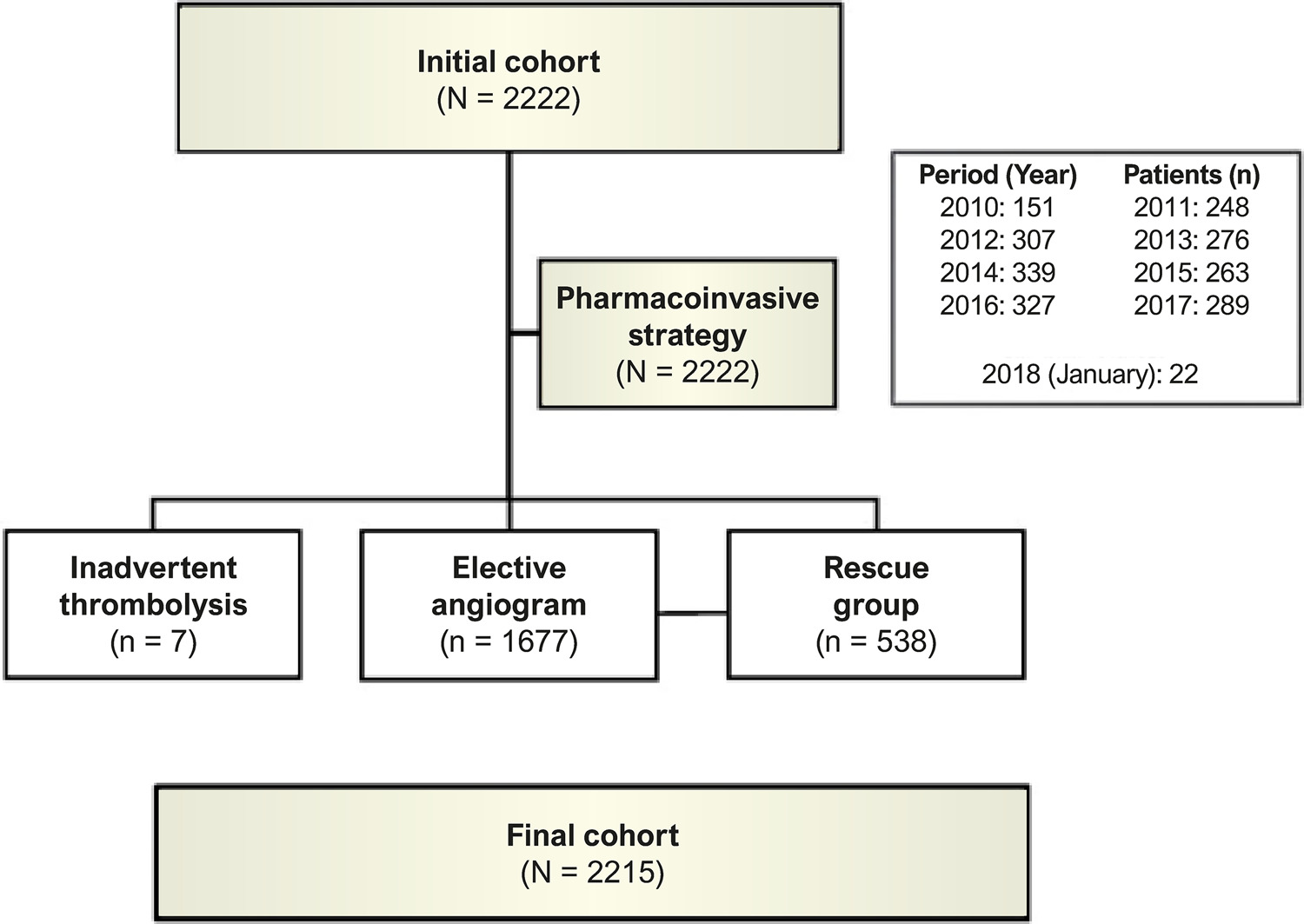
2,215 patients with ST-Segment Elevation Myocardial Infarction (STEMI) undergoing fibrinolysis [(Tenecteplase)-TNK] and referred to coronary angiography within 24 h post-fibrinolysis or immediately referred to rescue therapy were studied. The ECG was performed pre- and 60 min-post-TNK. The patients were categorized into 2 groups: those with ideal reperfusion (TIMI-3 and MBG-3) and those with inadequate reperfusion (TIMI and MBG 50%. A p-value <0.05 was considered for the analyses, with bicaudal tests.

Results

The ECG reperfusion criterion showed a positive predictive value of 56%; negative predictive value of 66%; sensitivity of 79%; and specificity of 40%. There was a weak positive correlation between ST-Segment reduction and ideal reperfusion angiographic data (r = 0.21; p <0.001) and low diagnostic accuracy, with an AUC of 0.60 (95%CI: 0.57-0.62).

Conclusion

The ST-Segment reduction was not able to accurately identify patients with adequate angiographic reperfusion. Therefore, even patients with apparently successful reperfusion should be referred to angiography soon, to ensure adequate macro and microvascular coronary flow.

  • Chest Pain
  • Coronary Angiography
  • Electrocardiography/methods
  • Myocardial Infarction
  • Myocardial Reperfusion
  • Percutaneous Coronary Intervention
  • Thrombolytic Therapy
Read Full Article
Creative Commons Attribution (CC BY) Creative Commons license
26/07/2021 DOI: 10.36660/abc.20200241 Views 2
IJCS
Editorial

AVC – Optimizing Pre-Hospital Care For A Time-Sensitive Disease

André Volschan

The care of patients with acute illnesses, in which the time to start treatment can have an important influence on the prognosis, requires a strategy based on well-defined structure and processes. Acute stroke is a disease whose prognosis is causally related to the length of care, and the possibility of implementing cerebral reperfusion therapies and neuroprotective measures. The recommendations suggest that the time should be optimized in the different phases of care, in the recognition of signs and symptoms, medical evaluation, computed tomography and thrombolysis, for patients who meet the criteria for their performance. The instruction of the population to identify the clinical manifestations of stroke, prioritizing the search for assistance, is an important step in this chain of treatment, which can modify the outcomes of this disease.

As a result, access to treatment is another major challenge. Interventions that effectively demonstrated an impact on outcomes in acute ischemic stroke, need a structure that can be supported, in large part, by telemedicine, significantly increasing patient access. National experiences have shown important results in improving the rate of pharmacological thrombolysis and thrombectomy, when designing a service network strategy with the support of neurologists, neuroradiologists and neurointerventionists.

[…]

  • Brain Ischemia/diagnostic imaging
  • Epidemiology
  • Hospitalization
  • Prognosis
  • Stroke / complications
  • Thrombolytic Therapy
Read Full Article
Creative Commons Attribution (CC BY) Creative Commons license
03/05/2021 DOI: 10.36660/ijcs.20210092
Figure 1
IJCS
Original Article

How much do the Patients with Acute Myocardial Infarction Know about Chest Pain, Thrombolytic Therapy, and Other Factors Affecting the Treatment Time in the Emergency Room?

Banu Ozmen et al. Cenk Conkbayir Refika Hural Didem Melis Oztas … Murat Ugurlucan Barış Okcun Zerrin Yiğit

Abstract

Background:

Treatment time in the emergency room for acute myocardial infarction is very important and can be life-saving if one understands the importance of a patient’s chest pain.

Objetice:

The aim of this study is to evaluate how much patients entering the emergency room due to acute myocardial infection (AMI) know about chest pain and thrombolytic therapy.

Materials and Methods:

One hundred fifty patients (126 males,14 females) from three different institutes with complaints of chest pain were randomly chosen to participate in this study. The mean age of the patients was 55.4 ± 11.2 years (71+33). Patients were asked to fill out a questionnaire consisting of 70 questions within the first seven days. All differences in categorical variables were computed using the χ2-test and Fisher Exact test. A two-tailed hypothesis was used in all statistical evaluations, and p<0.05 was considered significant.

Results:

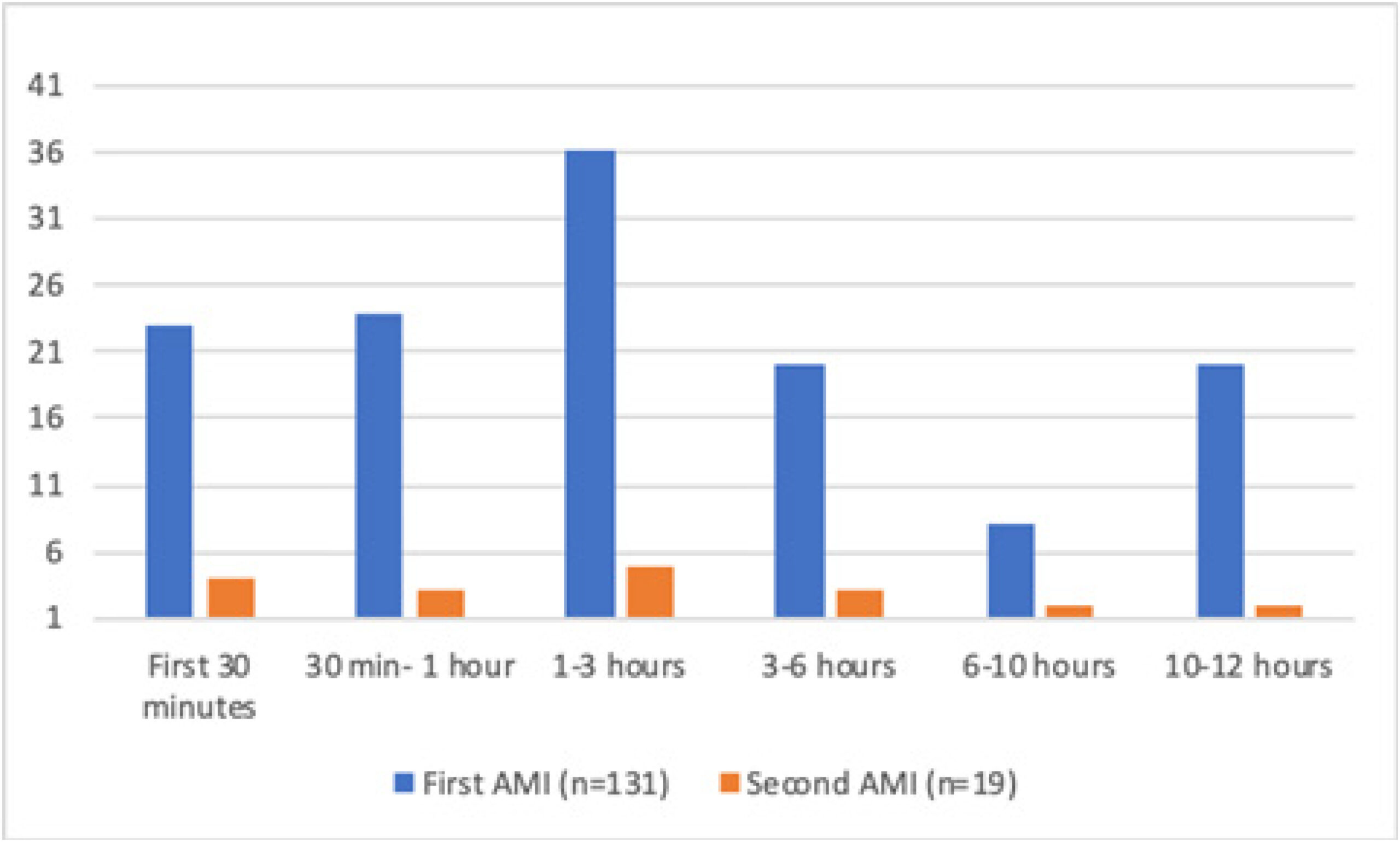
It was observed that 17% of the patients came to the hospital within the first 30 minutes; 18.3% of them came to the hospital between 30 minutes and 1 hour; 27.5% of them came to the hospital between 1 hour and 3 hours; and 21.4% of them came to the hospital more than 6 hours after symptoms began. It was also observed that 68% of the patients were not aware of the AMI, and 96% of them had no prior knowledge of antithrombolytic therapy.

Conclusion:

Because the majority of the patients did not have enough information about AMI, a training program should be implemented to ensure that people to come to the hospital earlier. (Int J Cardiovasc Sci. 2021; [online].ahead print, PP.0-0)

  • Chest Pain
  • Coronary Artery Disease
  • Emergency Medical Services
  • Myocardial Infarction
  • Thrombolytic Therapy
Read Full Article
Creative Commons Attribution (CC BY) Creative Commons license
30/04/2021 DOI: 10.36660/ijcs.20200187 Views 1
Figure 1
ABC
Image

Acute Myocardial Infarction with Coronary Thrombosis in a Covid-19 Patient without Risk Factors for Cardiovascular Disease

Tainá Viana et al. Mariana Lins Baptista Guedes Bezerra Rodrigo Morel Vieira de Melo Cristiano Guedes Bezerra … Vítor Mamédio Gabriela Pio Dourado Clara Salles Figueiredo Luiz Carlos Santana Passos

Case Report

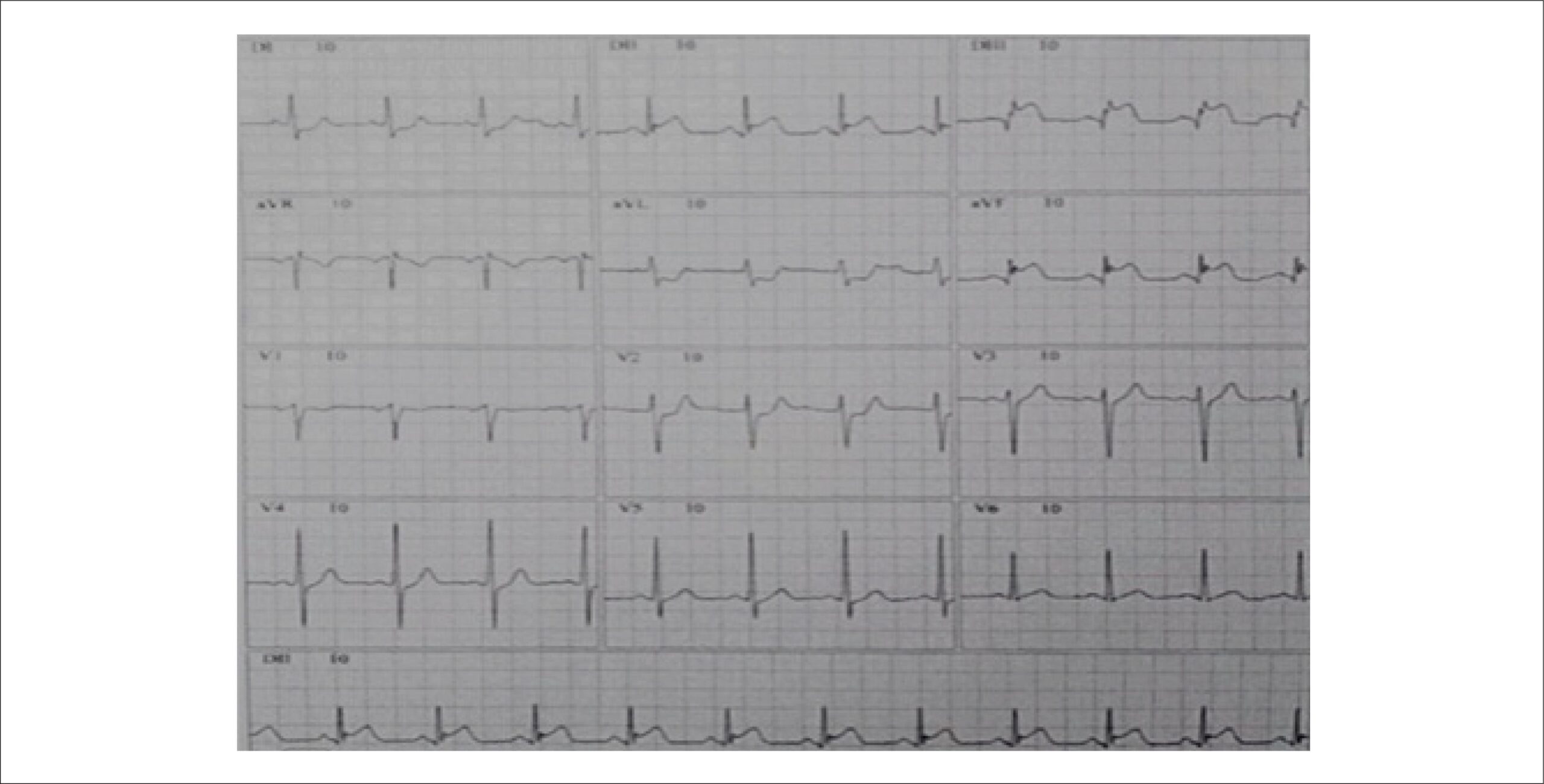
A 32-year-old young man, without cardiovascular risk factors, sought an Emergency Unit due to severe chest pain 30 minutes before admission, without irradiation. Admission vital signs: T 36.1°C, heart rate of 89 bpm and peripheral O2 saturation of 96% in room air. During systematic interrogation, anosmia and ageusia were reported two days ago and fever or any other respiratory symptom was denied.

He was previously healthy and denied use of illicit drugs or previous history of angina. He denies a family history of acute myocardial infarction or coronary artery disease.

[…]

  • Betacoronavirus
  • Coronary Thrombosis
  • COVID-19
  • Myocardial Infarction
  • Thrombolytic Therapy
  • Young Adult
Read Full Article
Creative Commons Attribution (CC BY) Creative Commons license
23/04/2021 DOI: 10.36660/abc.20200972 Views 2
ABC
Editorial

Time is Muscle

Luiz Maurino Abreu

Before the 80’s, the treatment of patients with ST–segment elevation myocardial infarction (STEMI) had as main goals the control of pain, arrhythmia and reduction of cardiac work, aiming to limit the extent of myocardial necrosis. These measures were partially effective, but the morbidity and mortality of acute myocardial infarction (AMI) remained high.

From the findings of Dewood, angiographically showing the presence of coronary occlusion by a thrombus in the culprit artery of the STEMI, strategies of reperfusion have emerged both thrombolytic therapy and primary percutaneous transluminal coronary angioplasty (PCI). The treatment of STEMI changes from contemplation to intervention.

[…]

  • Angioplasty
  • Myocardal Infarction/diagnosis
  • Myocardial Infarction/mortality
  • Myocardial Infarction/therapy
  • ST Elevation Myocardial Infarction/physiopathology
  • Survival Rate
  • Thrombolytic Therapy
  • Time Factors
Read Full Article
Creative Commons Attribution (CC BY) Creative Commons license
15/04/2019 DOI: 10.5935/abc.20190059
Figure 1
ABC
Case Report

Partial Papillary Muscle Rupture after Myocardial Infarction and Early Severe Obstructive Bioprosthetic Valve Thrombosis: an Unusual Combination

Inês Silveira et al. Marta Oliveira Catarina Gomes Sofia Cabral … André Luz Severo Torres

Introduction

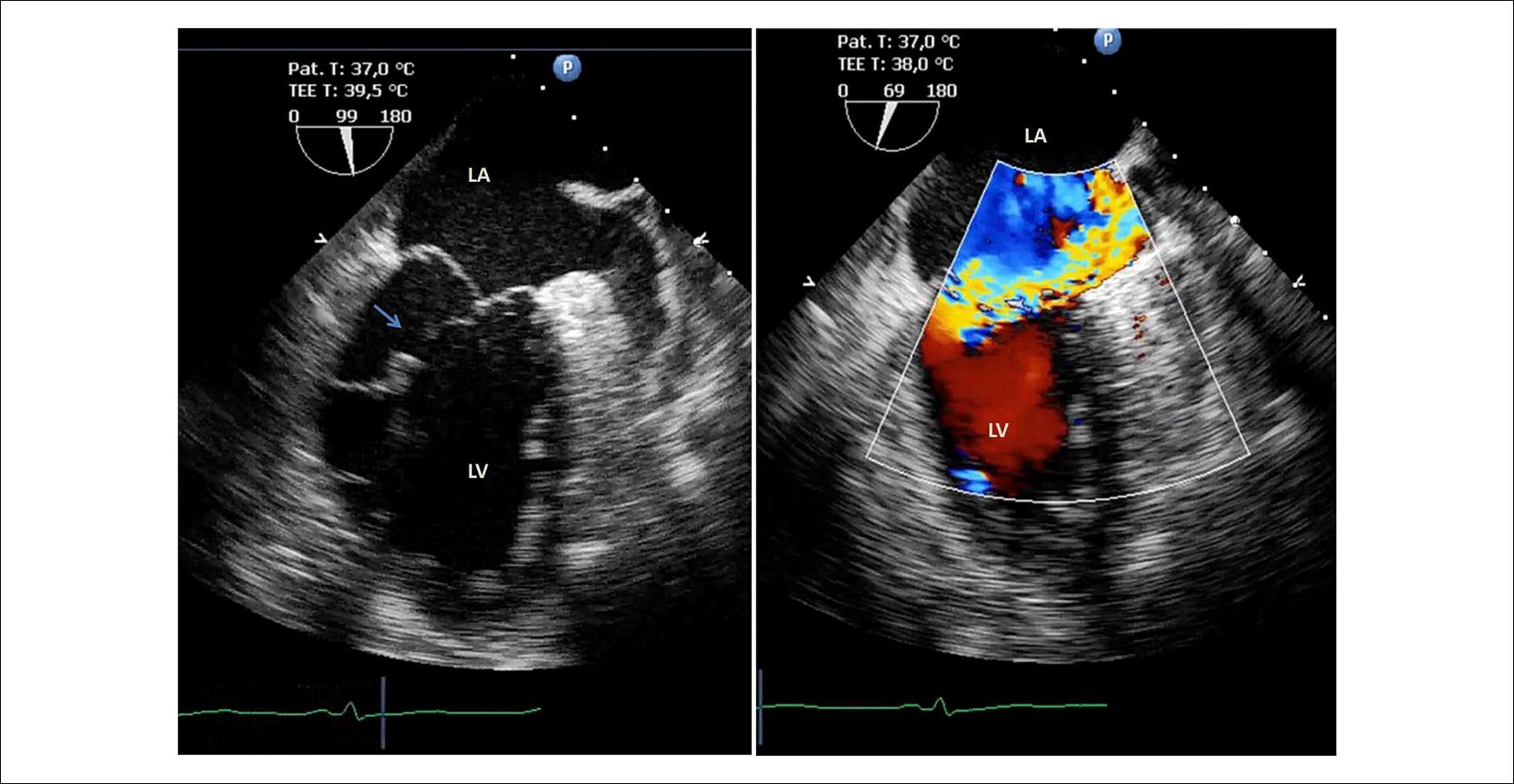
Mechanical complications after myocardial infarction (MI) have become uncommon since the introduction of primary angioplasty. They can lead to a rapid clinical deterioration and a fatal outcome, with patient’s survival being depen­dent on their prompt recognition and intervention. We describe a case of two rare mechanical complications: a partial papillary muscle rupture after MI, followed by an early severe obstructive thrombosis of the implanted bioprosthetic valve.

[…]

  • Atrioventricular Block/complications
  • Bioprosthesis
  • Heart Arrest
  • Heart Rupture
  • Myocardial Infarction/complications
  • Pacemaker, Artificial
  • Post-Infarction
  • Thrombolytic Therapy
Read Full Article
Creative Commons Attribution (CC BY) Creative Commons license
01/09/2018 DOI: 10.5935/abc.20180179 Views 2
Thrombolysis in massive pulmonary embolism based on the volumetric capnography
ABC
Case Report

Thrombolysis in massive pulmonary embolism based on the volumetric capnography

Marcos Mello Moreira et al. Renato Giuseppe Giovanni Terzi Ilma Aparecida Paschoal Luiz Cláudio Martins … Evandro Pinto da Luz Oliveira Antonio Luis Eiras Falcão

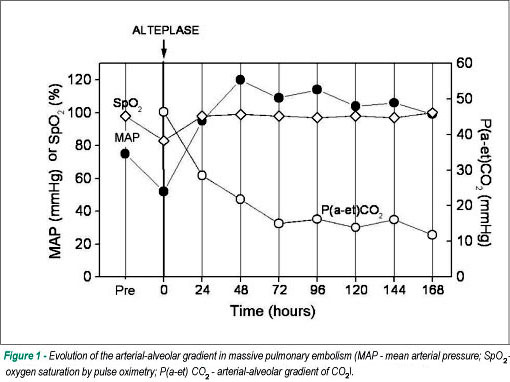
This is the first report of a patient submitted to chemical thrombolysis due to massive pulmonary embolism (PE) during the postoperative period of neurosurgery, in whom due to the lack of adequate clinical conditions, no imaging assessment was performed. Clinical, gasometric and capnographic data allowed the decision to perform the thrombolysis with safety. The P(a-et)CO2 gradient decreased from 46.4 mmHg to 11.8 mmHg (normal < 5 mmHg) and the end-tidal alveolar dead space fraction decreased from 0.85 to 0.37 (normal < 0.15) from the pre-thrombolysis period to the 7th day post-thrombolysis. We conclude that the volumetric capnography (VC) was useful in the patient's diagnosis and clinical follow-up.

  • capnography
  • Pulmonary embolism
  • Thrombolytic Therapy
Read Full Article
Creative Commons Attribution (CC BY) Creative Commons license
26/01/2011 DOI: 10.1590/S0066-782X2010001400025
Treatment of a cohort of patients with acute myocardial infarction and ST-segment elevation
ABC
Artigo Original

Treatment of a cohort of patients with acute myocardial infarction and ST-segment elevation

Jamil da Silva Soares et al. Nelson Robson Mendes de Souza Jair Nogueira Filho Cristiane C. Cunha … Georgina Severo Ribeiro Ronald Souza Peixoto Carlos Eduardo C. Soares Leandro C. Soares Aldo Franklyn Reis Carlos Augusto Cardozo de Faria

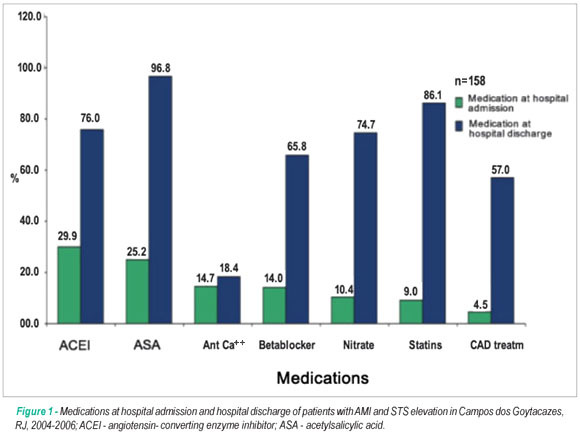
BACKGROUND: Although thrombolysis and primary CTA are well-established procedures, they are not administered in a large proportion of the patients with STEMI who arrive to the emergency rooms. OBJECTIVE: Describe initial and final the results in a cohort of STEMI patients METHODS: The study included, from hospital admission to the discharge, 158 patients diagnosed with STEMI, from a total of 351 patients with ACS admitted to hospitals in Campos dos Goytacazes, RJ, Brazil, between 2004 and 2006. RESULTS: Of the 158 patients with STEMI, 67.7% arrived to the hospital within 180 minutes, 81.3% within 360 minutes, and 8.4% after twelve hours from the symptoms. Cinecoronariographic studies (148) were performed (93,7%). Lesions of over 70% were observed in 266 artery territories. The initial treatment was CTA in 41 (26%), thrombolytics in 50 (32%), 80% of success. Clinical treatment in 67 (42%). Approximately 35% of the patients should have undergone thrombolysis, but they didn´t. During the final treatment, 93 CTAs were performed: 89 with angiographic success (95.7%), bleeding 2 (2.2%), subacute occlusion 2 (2.2%), trunk dissection 1 (1.1%), pseudoaneurism 1 (1.1%). No deaths during angioplasty; during evolution, there were two deaths (2.1%). Twelve patients underwent myocardial revascularization surgery (MRS), while 53 underwent clinical treatment, with 11 deaths (20.7%). Global lethality was 9.5%, considering the three types of treatment. CONCLUSIONS: Patients were suitable for reperfusion, but one third of them did not have the procedure. Two deaths during evolution. The most predominant treatment was CTA, with low morbidity. Low global lethality.

  • Evidence-Based Medicine
  • Health Profile
  • lethality
  • Myocardial Infarction
  • Thrombolytic Therapy
Read Full Article
Creative Commons Attribution (CC BY) Creative Commons license
17/07/2009 DOI: 10.1590/S0066-782X2009000600009 Views 1
Cost-effectiveness of prehospital versus inhospital thrombolysis in acute myocardial infarction
ABC
Artigo Original

Cost-effectiveness of prehospital versus inhospital thrombolysis in acute myocardial infarction

Denizar Vianna Araújo et al. Bernardo Rangel Tura Antonio Luiz Brasileiro Heitor Luz Neto … Ana Luiza Braz Pavão Vanessa Teich

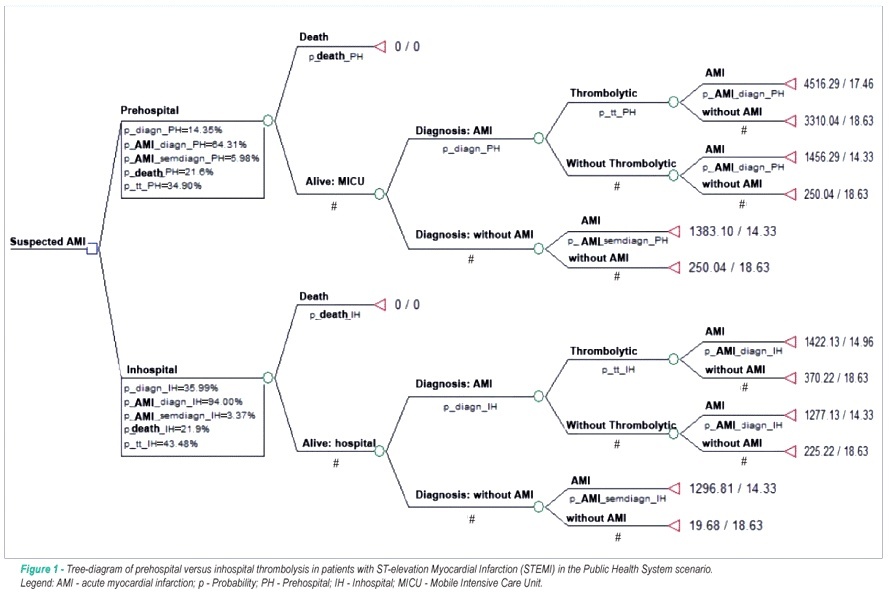
BACKGROUND: There is evidence that prehospital thrombolysis improves the outcome in ST-elevation myocardial infarction (STEMI). OBJECTIVE: This study aimed at comparing the cost-effectiveness of prehospital compared to inhospital thrombolysis for STEMI from the National Health System perspective. METHODS: A decision-analytic model was used to compare these two strategies. The study endpoint was life-years gained. Resource use and costs were estimated from the National Health System perspective. The Decision tree and Markov Model were constructed using the results of published clinical trials. Costs were expressed in Reais (R$), for the year 2005. RESULTS: For a time horizon of 20 years, prehospital thrombolysis had an average life expectancy of 11.48 years and inhospital thrombolysis had an average life expectancy of 11.32 years. Costs were R$ 5,640 for prehospital thrombolysis and R$ 5,816 for inhospital thrombolysis. Inhospital thrombolysis led to an additional cost of R$ 176 per patient. Pre-hospital thrombolysis led to additional 0.15 years of life-expectancy gain compared with inhospital thrombolysis. CONCLUSION: This model suggests that, from the National Health System perspective, implementing prehospital thrombolysis for ST-elevation myocardial infarction (STEMI) may lead to extra survival and fewer costs when compared to inhospital thrombolysis.

  • Cost-Effectiveness-Evaluation
  • Myocardial Infarction
  • Thrombolytic Therapy
Read Full Article
Creative Commons Attribution (CC BY) Creative Commons license
28/04/2008 DOI: 10.1590/S0066-782X2008000200005 Views 1
Acute thrombosis of mechanical mitral valve prosthesis successfully treated with thrombolysis
ABC
Case Report

Acute thrombosis of mechanical mitral valve prosthesis successfully treated with thrombolysis

Wilson Coelho Pereira Filho et al. Abrahão Hallack Neto Leandro Caetano Pimentel Glauco Resende Bonato … Felipe de Sousa Possani Moisés Caminatti

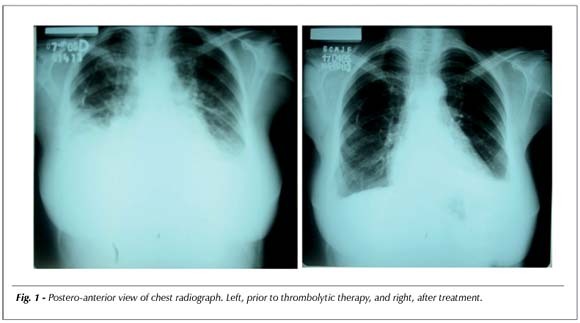
A 61-year-old female patient using a mechanical prosthesis for 11 years was admitted to the hospital with sudden dyspnea, pallor and atrial fibrillation. The diagnostic evaluation included transesophageal echocardiogram, which showed a significantly reduced motion of one of the leaflets of the mitral prosthesis and immobility of the other, in addition to a thickened structure compatible with a thrombus adherent to the valve. The patient was diagnosed with thrombosis of mechanical mitral valve prosthesis. Thrombolytic therapy (rtPA) was started successfully. The patient has been followed up for more than one year with a favorable outcome.

  • Fibrinolysis
  • Heart Valve Prosthesis
  • Thrombolytic Therapy
  • Thrombosis
Read Full Article
Creative Commons Attribution (CC BY) Creative Commons license
15/06/2007 DOI: 10.1590/S0066-782X2007000500024

How to cite this article

EndNote RIS

Electronic Document Format (Vancouver)

Almeida EC, Albuquerque FN, Ferreira E, Pozzan R, Spineti PPM, Monteiro PS, Araújo WO, et al. Geographic Variation in Door-to-Needle Time among Patients with STEMI from the Metropolitan Region of Rio de Janeiro: Results of the EQUITY-MI Cohort. Arquivos Brasileiros de Cardiologia 2026;122(12):e20250401.

Electronic Document Format (ABNT)

Almeida, Eric Costa de; Albuquerque, Felipe Neves; Ferreira, Esmeralci; Pozzan, Roberto; Spineti, Pedro Pimenta de Mello; Monteiro, Pâmela Sousa; Araújo, Williana Oliveira de; Silva, Rhayana Vitória da Rosa; Caminhas, Carla Maciel; Whately, Thales Cardoso; Junqueira, João Gabriel Monteiro; Albuquerque, Denilson Campos de. Geographic Variation in Door-to-Needle Time among Patients with STEMI from the Metropolitan Region of Rio de Janeiro: Results of the EQUITY-MI Cohort. Arquivos Brasileiros de Cardiologia, v. 122, n. 12, e20250401, Feb. 2026.

Electronic Document Format (APA)

Almeida, E. C. , Albuquerque, F. N., Ferreira, E., Pozzan, R., Spineti, P. P. M., Monteiro, P. S., Araújo, W. O. , Silva, R. V. R., Caminhas, C. M., Whately, T. C., Junqueira, J. G. M., & Albuquerque, D. C. (2026). Geographic Variation in Door-to-Needle Time among Patients with STEMI from the Metropolitan Region of Rio de Janeiro: Results of the EQUITY-MI Cohort. Arquivos Brasileiros de Cardiologia, 122(12), e20250401.

Electronic Document Format (ISO)

Almeida, Eric Costa de and Albuquerque, Felipe Neves and Ferreira, Esmeralci and Pozzan, Roberto and Spineti, Pedro Pimenta de Mello and Monteiro, Pâmela Sousa and Araújo, Williana Oliveira de and Silva, Rhayana Vitória da Rosa and Caminhas, Carla Maciel and Whately, Thales Cardoso and Junqueira, João Gabriel Monteiro and Albuquerque, Denilson Campos de. Geographic Variation in Door-to-Needle Time among Patients with STEMI from the Metropolitan Region of Rio de Janeiro: Results of the EQUITY-MI Cohort. Arquivos Brasileiros de Cardiologia [online]. 2026, vol. 122, n. 12, [cited 2026-10-14], e20250401. Available from: <https://journals.cardiol.br/en/article/geographic-variation-in-door-to-needle-time-among-patients-with-stemi-from-the-metropolitan-region-of-rio-de-janeiro-results-of-the-equity-mi-cohort/>. ISSN 0066-782X

EndNote RIS

Electronic Document Format (Vancouver)

Alexandre A, Gonçalves B, Brochado B, Sá-Couto D, Santos M, Ribeiro D, Baggen-Santos R, et al. Catheter-Directed Therapy for the Management of Intermediate-High-Risk and High-Risk Pulmonary Embolism: Experience from a Single-Centre in Portugal. International Journal of Cardiovascular Sciences 2024;37:e20240113.

Electronic Document Format (ABNT)

Alexandre, André; Gonçalves, Bárbara; Brochado, Bruno; Sá-Couto, David; Santos, Mariana; Ribeiro, Diana; Baggen-Santos, Raquel; Luz, André; Silveira, João; Torres, Severo. Catheter-Directed Therapy for the Management of Intermediate-High-Risk and High-Risk Pulmonary Embolism: Experience from a Single-Centre in Portugal. International Journal of Cardiovascular Sciences, v. 37, e20240113, Dec. 2024.

Electronic Document Format (APA)

Alexandre, A., Gonçalves, B., Brochado, B., Sá-Couto, D., Santos, M., Ribeiro, D., Baggen-Santos, R., Luz, A., Silveira, J., & Torres, S. (2024). Catheter-Directed Therapy for the Management of Intermediate-High-Risk and High-Risk Pulmonary Embolism: Experience from a Single-Centre in Portugal. International Journal of Cardiovascular Sciences, 37, e20240113.

Electronic Document Format (ISO)

Alexandre, André and Gonçalves, Bárbara and Brochado, Bruno and Sá-Couto, David and Santos, Mariana and Ribeiro, Diana and Baggen-Santos, Raquel and Luz, André and Silveira, João and Torres, Severo. Catheter-Directed Therapy for the Management of Intermediate-High-Risk and High-Risk Pulmonary Embolism: Experience from a Single-Centre in Portugal. International Journal of Cardiovascular Sciences [online]. 2024, vol. 37, [cited 2026-10-14], e20240113. Available from: <https://journals.cardiol.br/en/article/catheter-directed-therapy-for-the-management-of-intermediate-high-risk-and-high-risk-pulmonary-embolism-experience-from-a-single-centre-in-portugal/>. ISSN 2359-4802

EndNote RIS

Electronic Document Format (Vancouver)

Cesena F. Pharmacoinvasive Strategy in ST-Elevation Myocardial Infarction in Brazil: Female Sex as a Prognostic Factor. Arquivos Brasileiros de Cardiologia 2022;119(5):703-4.

Electronic Document Format (ABNT)

Cesena, Fernando. Pharmacoinvasive Strategy in ST-Elevation Myocardial Infarction in Brazil: Female Sex as a Prognostic Factor. Arquivos Brasileiros de Cardiologia, v. 119, n. 5, p. 703-704, Nov. 2022.

Electronic Document Format (APA)

Cesena, F. (2022). Pharmacoinvasive Strategy in ST-Elevation Myocardial Infarction in Brazil: Female Sex as a Prognostic Factor. Arquivos Brasileiros de Cardiologia, 119(5), 703-704.

Electronic Document Format (ISO)

Cesena, Fernando. Pharmacoinvasive Strategy in ST-Elevation Myocardial Infarction in Brazil: Female Sex as a Prognostic Factor. Arquivos Brasileiros de Cardiologia [online]. 2022, vol. 119, n. 5, [cited 2026-10-14], pp. 703-704. Available from: <https://journals.cardiol.br/en/article/pharmacoinvasive-strategy-in-st-elevation-myocardial-infarction-in-brazil-female-sex-as-a-prognostic-factor/>. ISSN 0066-782X

EndNote RIS

Electronic Document Format (Vancouver)

Stefan M, Rimbas RC, Vornicu R, Daneţ R, Vintila VD, Dorobat B, Carp A, et al. A Step-By-Step Fight for Life in a Young Woman with High-Risk Pulmonary Embolism and Bilateral Renal Artery Occlusion. Arquivos Brasileiros de Cardiologia 2022;118(2):530-5.

Electronic Document Format (ABNT)

Stefan, Miruna; Rimbas, Roxana Cristina; Vornicu, Rozina; Daneţ, Ruxandra; Vintila, Vlad Damian; Dorobat, Bogdan; Carp, Alexandra; Dragos, Vinereanu. A Step-By-Step Fight for Life in a Young Woman with High-Risk Pulmonary Embolism and Bilateral Renal Artery Occlusion. Arquivos Brasileiros de Cardiologia, v. 118, n. 2, p. 530-535, Mar. 2022.

Electronic Document Format (APA)

Stefan, M., Rimbas, R. C., Vornicu, R., Daneţ, R., Vintila, V. D., Dorobat, B., Carp, A., & Dragos, V. (2022). A Step-By-Step Fight for Life in a Young Woman with High-Risk Pulmonary Embolism and Bilateral Renal Artery Occlusion. Arquivos Brasileiros de Cardiologia, 118(2), 530-535.

Electronic Document Format (ISO)

Stefan, Miruna and Rimbas, Roxana Cristina and Vornicu, Rozina and Daneţ, Ruxandra and Vintila, Vlad Damian and Dorobat, Bogdan and Carp, Alexandra and Dragos, Vinereanu. A Step-By-Step Fight for Life in a Young Woman with High-Risk Pulmonary Embolism and Bilateral Renal Artery Occlusion. Arquivos Brasileiros de Cardiologia [online]. 2022, vol. 118, n. 2, [cited 2026-10-14], pp. 530-535. Available from: <https://journals.cardiol.br/en/article/a-step-by-step-fight-for-life-in-a-young-woman-with-high-risk-pulmonary-embolism-and-bilateral-renal-artery-occlusion/>. ISSN 0066-782X

EndNote RIS

Electronic Document Format (Vancouver)

Yoo HHB. Thrombolysis in Pulmonary Embolism: Octagenarians Deserve More Attention!. Arquivos Brasileiros de Cardiologia 2022;118(1):75-6.

Electronic Document Format (ABNT)

Yoo, Hugo Hyung Bok. Thrombolysis in Pulmonary Embolism: Octagenarians Deserve More Attention!. Arquivos Brasileiros de Cardiologia, v. 118, n. 1, p. 75-76, Feb. 2022.

Electronic Document Format (APA)

Yoo, H. H. B. (2022). Thrombolysis in Pulmonary Embolism: Octagenarians Deserve More Attention!. Arquivos Brasileiros de Cardiologia, 118(1), 75-76.

Electronic Document Format (ISO)

Yoo, Hugo Hyung Bok. Thrombolysis in Pulmonary Embolism: Octagenarians Deserve More Attention!. Arquivos Brasileiros de Cardiologia [online]. 2022, vol. 118, n. 1, [cited 2026-10-14], pp. 75-76. Available from: <https://journals.cardiol.br/en/article/thrombolysis-in-pulmonary-embolism-octagenarians-deserve-more-attention/>. ISSN 0066-782X

EndNote RIS

Electronic Document Format (Vancouver)

Zengin A, Karataş MB, Çanga Y, Güzelburç , Yelgeç NS, Emre A. Thrombolytic Therapy in Octogenarians with Acute Pulmonary Embolism. Arquivos Brasileiros de Cardiologia 2022;118(1):68-74.

Electronic Document Format (ABNT)

Zengin, Ahmet; Karataş, Mehmet Baran; Çanga, Yiğit; Güzelburç, Özge; Yelgeç, Nizamettin Selçuk; Emre, Ayşe. Thrombolytic Therapy in Octogenarians with Acute Pulmonary Embolism. Arquivos Brasileiros de Cardiologia, v. 118, n. 1, p. 68-74, Feb. 2022.

Electronic Document Format (APA)

Zengin, A., Karataş, M. B., Çanga, Y., Güzelburç, , Yelgeç, N. S., & Emre, A. (2022). Thrombolytic Therapy in Octogenarians with Acute Pulmonary Embolism. Arquivos Brasileiros de Cardiologia, 118(1), 68-74.

Electronic Document Format (ISO)

Zengin, Ahmet and Karataş, Mehmet Baran and Çanga, Yiğit and Güzelburç, Özge and Yelgeç, Nizamettin Selçuk and Emre, Ayşe. Thrombolytic Therapy in Octogenarians with Acute Pulmonary Embolism. Arquivos Brasileiros de Cardiologia [online]. 2022, vol. 118, n. 1, [cited 2026-10-14], pp. 68-74. Available from: <https://journals.cardiol.br/en/article/thrombolytic-therapy-in-octogenarians-with-acute-pulmonary-embolism/>. ISSN 0066-782X

EndNote RIS

Electronic Document Format (Vancouver)

Santos ECL, Pereira DRB, Lima SO, Soeiro AM, Aquino MAR, Dompieri LT. Controversial Fibrinolytic Therapy for Submassive Pulmonary Embolism Related to Right Heart Thrombus. Arquivos Brasileiros de Cardiologia Imagem cardiovascular 2022;31(1):14-6.

Electronic Document Format (ABNT)

Santos, Eduardo Cavalcanti Lapa; Pereira, Diego Roberto Barbosa; Lima, Sergio Oliveira de; Soeiro, Alexandre de Matos; Aquino, Maria Amellia do Rego; Dompieri, Luca Terracini. Controversial Fibrinolytic Therapy for Submassive Pulmonary Embolism Related to Right Heart Thrombus. Arquivos Brasileiros de Cardiologia Imagem cardiovascular, v. 31, n. 1, p. 14-16, Jan. 2022.

Electronic Document Format (APA)

Santos, E. C. L., Pereira, D. R. B., Lima, S. O. , Soeiro, A. M., Aquino, M. A. R., & Dompieri, L. T. (2022). Controversial Fibrinolytic Therapy for Submassive Pulmonary Embolism Related to Right Heart Thrombus. Arquivos Brasileiros de Cardiologia Imagem cardiovascular, 31(1), 14-16.

Electronic Document Format (ISO)

Santos, Eduardo Cavalcanti Lapa and Pereira, Diego Roberto Barbosa and Lima, Sergio Oliveira de and Soeiro, Alexandre de Matos and Aquino, Maria Amellia do Rego and Dompieri, Luca Terracini. Controversial Fibrinolytic Therapy for Submassive Pulmonary Embolism Related to Right Heart Thrombus. Arquivos Brasileiros de Cardiologia Imagem cardiovascular [online]. 2022, vol. 31, n. 1, [cited 2026-10-14], pp. 14-16. Available from: <https://journals.cardiol.br/en/article/controversial-fibrinolytic-therapy-for-submassive-pulmonary-embolism-related-to-right-heart-thrombus/>. ISSN 2318-8219

EndNote RIS

Electronic Document Format (Vancouver)

Bianco HT, Povoa R, Izar MC, Luna Filho B, Moreira FT, Stefanini E, Fonseca HA, et al. Accuracy of Post-thrombolysis ST-segment Reduction as an Adequate Reperfusion Predictor in the Pharmaco-Invasive Approach. Arquivos Brasileiros de Cardiologia 2021;117(1):15-2.

Electronic Document Format (ABNT)

Bianco, Henrique Tria; Povoa, Rui; Izar, Maria Cristina; Luna Filho, Braulio; Moreira, Flavio Tocci; Stefanini, Edson; Fonseca, Henrique Andrade; Barbosa, Adriano Henrique Pereira; Alves, Claudia Maria Rodrigues; Caixeta, Adriano Mendes; Gonçalves Jr, Iran; Moraes, Pedro Ivo de Marqui; Lopes, Renato Delascio; Paola, Angelo Amato Vincenzo de; Almeida, Dirceu; Moises, Valdir Ambrosio; Fonseca, Francisco A. H.. Accuracy of Post-thrombolysis ST-segment Reduction as an Adequate Reperfusion Predictor in the Pharmaco-Invasive Approach. Arquivos Brasileiros de Cardiologia, v. 117, n. 1, p. 15-25, Jul. 2021.

Electronic Document Format (APA)

Bianco, H. T., Povoa, R., Izar, M. C., Luna Filho, B., Moreira, F. T., Stefanini, E., Fonseca, H. A., Barbosa, A. H. P., Alves, C. M. R., Caixeta, A. M., Gonçalves Jr, I., Moraes, P. I. M., Lopes, R. D., Paola, A. A. V. , Almeida, D., Moises, V. A., & Fonseca, F. A. H. (2021). Accuracy of Post-thrombolysis ST-segment Reduction as an Adequate Reperfusion Predictor in the Pharmaco-Invasive Approach. Arquivos Brasileiros de Cardiologia, 117(1), 15-25.

Electronic Document Format (ISO)

Bianco, Henrique Tria and Povoa, Rui and Izar, Maria Cristina and Luna Filho, Braulio and Moreira, Flavio Tocci and Stefanini, Edson and Fonseca, Henrique Andrade and Barbosa, Adriano Henrique Pereira and Alves, Claudia Maria Rodrigues and Caixeta, Adriano Mendes and Gonçalves Jr, Iran and Moraes, Pedro Ivo de Marqui and Lopes, Renato Delascio and Paola, Angelo Amato Vincenzo de and Almeida, Dirceu and Moises, Valdir Ambrosio and Fonseca, Francisco A. H.. Accuracy of Post-thrombolysis ST-segment Reduction as an Adequate Reperfusion Predictor in the Pharmaco-Invasive Approach. Arquivos Brasileiros de Cardiologia [online]. 2021, vol. 117, n. 1, [cited 2026-10-14], pp. 15-25. Available from: <https://journals.cardiol.br/en/article/accuracy-of-post-thrombolysis-st-segment-reduction-as-an-adequate-reperfusion-predictor-in-the-pharmaco-invasive-approach/>. ISSN 0066-782X

EndNote RIS

Electronic Document Format (Vancouver)

Volschan A. AVC – Optimizing Pre-Hospital Care For A Time-Sensitive Disease. International Journal of Cardiovascular Sciences 2021;34(3):253-4.

Electronic Document Format (ABNT)

Volschan, André. AVC – Optimizing Pre-Hospital Care For A Time-Sensitive Disease. International Journal of Cardiovascular Sciences, v. 34, n. 3, p. 253-254, May. 2021.

Electronic Document Format (APA)

Volschan, A. (2021). AVC – Optimizing Pre-Hospital Care For A Time-Sensitive Disease. International Journal of Cardiovascular Sciences, 34(3), 253-254.

Electronic Document Format (ISO)

Volschan, André. AVC – Optimizing Pre-Hospital Care For A Time-Sensitive Disease. International Journal of Cardiovascular Sciences [online]. 2021, vol. 34, n. 3, [cited 2026-10-14], pp. 253-254. Available from: <https://journals.cardiol.br/en/article/avc-optimizing-pre-hospital-care-for-a-time-sensitive-disease/>. ISSN 2359-4802

EndNote RIS

Electronic Document Format (Vancouver)

Ozmen B, Conkbayir C, Hural R, Oztas DM, Ugurlucan M, Okcun B, Yiğit Z, et al. How much do the Patients with Acute Myocardial Infarction Know about Chest Pain, Thrombolytic Therapy, and Other Factors Affecting the Treatment Time in the Emergency Room?. International Journal of Cardiovascular Sciences 2021;34(5):557-65.

Electronic Document Format (ABNT)

Ozmen, Banu; Conkbayir, Cenk; Hural, Refika; Oztas, Didem Melis; Ugurlucan, Murat; Okcun, Barış; Yiğit, Zerrin. How much do the Patients with Acute Myocardial Infarction Know about Chest Pain, Thrombolytic Therapy, and Other Factors Affecting the Treatment Time in the Emergency Room?. International Journal of Cardiovascular Sciences, v. 34, n. 5, p. 557-565, Apr. 2021.

Electronic Document Format (APA)

Ozmen, B., Conkbayir, C., Hural, R., Oztas, D. M., Ugurlucan, M., Okcun, B., & Yiğit, Z. (2021). How much do the Patients with Acute Myocardial Infarction Know about Chest Pain, Thrombolytic Therapy, and Other Factors Affecting the Treatment Time in the Emergency Room?. International Journal of Cardiovascular Sciences, 34(5), 557-565.

Electronic Document Format (ISO)

Ozmen, Banu and Conkbayir, Cenk and Hural, Refika and Oztas, Didem Melis and Ugurlucan, Murat and Okcun, Barış and Yiğit, Zerrin. How much do the Patients with Acute Myocardial Infarction Know about Chest Pain, Thrombolytic Therapy, and Other Factors Affecting the Treatment Time in the Emergency Room?. International Journal of Cardiovascular Sciences [online]. 2021, vol. 34, n. 5, [cited 2026-10-14], pp. 557-565. Available from: <https://journals.cardiol.br/en/article/how-much-do-the-patients-with-acute-myocardial-infarction-know-about-chest-pain-thrombolytic-therapy-and-other-factors-affecting-the-treatment-time-in-the-emergency-room/>. ISSN 2359-4802

EndNote RIS

Electronic Document Format (Vancouver)

Viana T, Bezerra MLBG, Melo RMV, Bezerra CG, Mamédio V, Dourado GP, Figueiredo CS, et al. Acute Myocardial Infarction with Coronary Thrombosis in a Covid-19 Patient without Risk Factors for Cardiovascular Disease. Arquivos Brasileiros de Cardiologia 2021;116(3):511-5.

Electronic Document Format (ABNT)

Viana, Tainá; Bezerra, Mariana Lins Baptista Guedes; Melo, Rodrigo Morel Vieira de; Bezerra, Cristiano Guedes; Mamédio, Vítor; Dourado, Gabriela Pio; Figueiredo, Clara Salles; Passos, Luiz Carlos Santana. Acute Myocardial Infarction with Coronary Thrombosis in a Covid-19 Patient without Risk Factors for Cardiovascular Disease. Arquivos Brasileiros de Cardiologia, v. 116, n. 3, p. 511-515, Apr. 2021.

Electronic Document Format (APA)

Viana, T., Bezerra, M. L. B. G., Melo, R. M. V. , Bezerra, C. G., Mamédio, V., Dourado, G. P., Figueiredo, C. S., & Passos, L. C. S. (2021). Acute Myocardial Infarction with Coronary Thrombosis in a Covid-19 Patient without Risk Factors for Cardiovascular Disease. Arquivos Brasileiros de Cardiologia, 116(3), 511-515.

Electronic Document Format (ISO)

Viana, Tainá and Bezerra, Mariana Lins Baptista Guedes and Melo, Rodrigo Morel Vieira de and Bezerra, Cristiano Guedes and Mamédio, Vítor and Dourado, Gabriela Pio and Figueiredo, Clara Salles and Passos, Luiz Carlos Santana. Acute Myocardial Infarction with Coronary Thrombosis in a Covid-19 Patient without Risk Factors for Cardiovascular Disease. Arquivos Brasileiros de Cardiologia [online]. 2021, vol. 116, n. 3, [cited 2026-10-14], pp. 511-515. Available from: <https://journals.cardiol.br/en/article/acute-myocardial-infarction-with-coronary-thrombosis-in-a-covid-19-patient-without-risk-factors-for-cardiovascular-disease/>. ISSN 0066-782X

EndNote RIS

Electronic Document Format (Vancouver)

Abreu LM. Time is Muscle. Arquivos Brasileiros de Cardiologia 2019;112(4):408-9.

Electronic Document Format (ABNT)

Abreu, Luiz Maurino. Time is Muscle. Arquivos Brasileiros de Cardiologia, v. 112, n. 4, p. 408-409, Apr. 2019.

Electronic Document Format (APA)

Abreu, L. M. (2019). Time is Muscle. Arquivos Brasileiros de Cardiologia, 112(4), 408-409.

Electronic Document Format (ISO)

Abreu, Luiz Maurino. Time is Muscle. Arquivos Brasileiros de Cardiologia [online]. 2019, vol. 112, n. 4, [cited 2026-10-14], pp. 408-409. Available from: <https://journals.cardiol.br/en/article/time-is-muscle/>. ISSN 0066-782X

EndNote RIS

Electronic Document Format (Vancouver)

Silveira I, Oliveira M, Gomes C, Cabral S, Luz A, Torres S. Partial Papillary Muscle Rupture after Myocardial Infarction and Early Severe Obstructive Bioprosthetic Valve Thrombosis: an Unusual Combination. Arquivos Brasileiros de Cardiologia 2018;111(3):430-3.

Electronic Document Format (ABNT)

Silveira, Inês; Oliveira, Marta; Gomes, Catarina; Cabral, Sofia; Luz, André; Torres, Severo. Partial Papillary Muscle Rupture after Myocardial Infarction and Early Severe Obstructive Bioprosthetic Valve Thrombosis: an Unusual Combination. Arquivos Brasileiros de Cardiologia, v. 111, n. 3, p. 430-433, Aug. 2018.

Electronic Document Format (APA)

Silveira, I., Oliveira, M., Gomes, C., Cabral, S., Luz, A., & Torres, S. (2018). Partial Papillary Muscle Rupture after Myocardial Infarction and Early Severe Obstructive Bioprosthetic Valve Thrombosis: an Unusual Combination. Arquivos Brasileiros de Cardiologia, 111(3), 430-433.

Electronic Document Format (ISO)

Silveira, Inês and Oliveira, Marta and Gomes, Catarina and Cabral, Sofia and Luz, André and Torres, Severo. Partial Papillary Muscle Rupture after Myocardial Infarction and Early Severe Obstructive Bioprosthetic Valve Thrombosis: an Unusual Combination. Arquivos Brasileiros de Cardiologia [online]. 2018, vol. 111, n. 3, [cited 2026-10-14], pp. 430-433. Available from: <https://journals.cardiol.br/en/article/partial-papillary-muscle-rupture-after-myocardial-infarction-and-early-severe-obstructive-bioprosthetic-valve-thrombosis-an-unusual-combination/>. ISSN 0066-782X

EndNote RIS

Electronic Document Format (Vancouver)

Moreira MM, Terzi RGG, Paschoal IA, Martins LC, Oliveira EPL, Falcão ALE. Thrombolysis in massive pulmonary embolism based on the volumetric capnography. Arquivos Brasileiros de Cardiologia 2011;95(4):e97-e100.

Electronic Document Format (ABNT)

Moreira, Marcos Mello; Terzi, Renato Giuseppe Giovanni; Paschoal, Ilma Aparecida; Martins, Luiz Cláudio; Oliveira, Evandro Pinto da Luz; Falcão, Antonio Luis Eiras. Thrombolysis in massive pulmonary embolism based on the volumetric capnography. Arquivos Brasileiros de Cardiologia, v. 95, n. 4, p. e97-e100, Jan. 2011.

Electronic Document Format (APA)

Moreira, M. M., Terzi, R. G. G., Paschoal, I. A., Martins, L. C., Oliveira, E. P. L., & Falcão, A. L. E. (2011). Thrombolysis in massive pulmonary embolism based on the volumetric capnography. Arquivos Brasileiros de Cardiologia, 95(4), e97-e100.

Electronic Document Format (ISO)

Moreira, Marcos Mello and Terzi, Renato Giuseppe Giovanni and Paschoal, Ilma Aparecida and Martins, Luiz Cláudio and Oliveira, Evandro Pinto da Luz and Falcão, Antonio Luis Eiras. Thrombolysis in massive pulmonary embolism based on the volumetric capnography. Arquivos Brasileiros de Cardiologia [online]. 2011, vol. 95, n. 4, [cited 2026-10-14], pp. e97-e100. Available from: <https://journals.cardiol.br/en/article/thrombolysis-in-massive-pulmonary-embolism-based-on-the-volumetric-capnography/>. ISSN 0066-782X

EndNote RIS

Electronic Document Format (Vancouver)

Soares JS, Souza NRM, Nogueira Filho J, Cunha CC, Ribeiro GS, Peixoto RS, Soares CEC, et al. Treatment of a cohort of patients with acute myocardial infarction and ST-segment elevation. Arquivos Brasileiros de Cardiologia 2009;92(6):464-71.

Electronic Document Format (ABNT)

Soares, Jamil da Silva; Souza, Nelson Robson Mendes de; Nogueira Filho, Jair; Cunha, Cristiane C.; Ribeiro, Georgina Severo; Peixoto, Ronald Souza; Soares, Carlos Eduardo C.; Soares, Leandro C.; Reis, Aldo Franklyn; Faria, Carlos Augusto Cardozo de. Treatment of a cohort of patients with acute myocardial infarction and ST-segment elevation. Arquivos Brasileiros de Cardiologia, v. 92, n. 6, p. 464-471, Jul. 2009.

Electronic Document Format (APA)

Soares, J. S., Souza, N. R. M. , Nogueira Filho, J., Cunha, C. C., Ribeiro, G. S., Peixoto, R. S., Soares, C. E. C., Soares, L. C., Reis, A. F., & Faria, C. A. C. (2009). Treatment of a cohort of patients with acute myocardial infarction and ST-segment elevation. Arquivos Brasileiros de Cardiologia, 92(6), 464-471.

Electronic Document Format (ISO)

Soares, Jamil da Silva and Souza, Nelson Robson Mendes de and Nogueira Filho, Jair and Cunha, Cristiane C. and Ribeiro, Georgina Severo and Peixoto, Ronald Souza and Soares, Carlos Eduardo C. and Soares, Leandro C. and Reis, Aldo Franklyn and Faria, Carlos Augusto Cardozo de. Treatment of a cohort of patients with acute myocardial infarction and ST-segment elevation. Arquivos Brasileiros de Cardiologia [online]. 2009, vol. 92, n. 6, [cited 2026-10-14], pp. 464-471. Available from: <https://journals.cardiol.br/en/article/treatment-of-a-cohort-of-patients-with-acute-myocardial-infarction-and-st-segment-elevation/>. ISSN 0066-782X

EndNote RIS

Electronic Document Format (Vancouver)

Araújo DV, Tura BR, Brasileiro AL, Luz Neto H, Pavão ALB, Teich V. Cost-effectiveness of prehospital versus inhospital thrombolysis in acute myocardial infarction. Arquivos Brasileiros de Cardiologia 2008;90(2):100-7.

Electronic Document Format (ABNT)

Araújo, Denizar Vianna; Tura, Bernardo Rangel; Brasileiro, Antonio Luiz; Luz Neto, Heitor; Pavão, Ana Luiza Braz; Teich, Vanessa. Cost-effectiveness of prehospital versus inhospital thrombolysis in acute myocardial infarction. Arquivos Brasileiros de Cardiologia, v. 90, n. 2, p. 100-107, Apr. 2008.

Electronic Document Format (APA)

Araújo, D. V., Tura, B. R., Brasileiro, A. L., Luz Neto, H., Pavão, A. L. B., & Teich, V. (2008). Cost-effectiveness of prehospital versus inhospital thrombolysis in acute myocardial infarction. Arquivos Brasileiros de Cardiologia, 90(2), 100-107.

Electronic Document Format (ISO)

Araújo, Denizar Vianna and Tura, Bernardo Rangel and Brasileiro, Antonio Luiz and Luz Neto, Heitor and Pavão, Ana Luiza Braz and Teich, Vanessa. Cost-effectiveness of prehospital versus inhospital thrombolysis in acute myocardial infarction. Arquivos Brasileiros de Cardiologia [online]. 2008, vol. 90, n. 2, [cited 2026-10-14], pp. 100-107. Available from: <https://journals.cardiol.br/en/article/cost-effectiveness-of-prehospital-versus-inhospital-thrombolysis-in-acute-myocardial-infarction/>. ISSN 0066-782X

EndNote RIS

Electronic Document Format (Vancouver)

Pereira Filho WC, Hallack Neto A, Pimentel LC, Bonato GR, Possani FS, Caminatti M. Acute thrombosis of mechanical mitral valve prosthesis successfully treated with thrombolysis. Arquivos Brasileiros de Cardiologia 2007;88(5):e115-7.

Electronic Document Format (ABNT)

Pereira Filho, Wilson Coelho; Hallack Neto, Abrahão; Pimentel, Leandro Caetano; Bonato, Glauco Resende; Possani, Felipe de Sousa; Caminatti, Moisés. Acute thrombosis of mechanical mitral valve prosthesis successfully treated with thrombolysis. Arquivos Brasileiros de Cardiologia, v. 88, n. 5, p. e115-e117, Jun. 2007.

Electronic Document Format (APA)

Pereira Filho, W. C., Hallack Neto, A., Pimentel, L. C., Bonato, G. R., Possani, F. S., & Caminatti, M. (2007). Acute thrombosis of mechanical mitral valve prosthesis successfully treated with thrombolysis. Arquivos Brasileiros de Cardiologia, 88(5), e115-e117.

Electronic Document Format (ISO)

Pereira Filho, Wilson Coelho and Hallack Neto, Abrahão and Pimentel, Leandro Caetano and Bonato, Glauco Resende and Possani, Felipe de Sousa and Caminatti, Moisés. Acute thrombosis of mechanical mitral valve prosthesis successfully treated with thrombolysis. Arquivos Brasileiros de Cardiologia [online]. 2007, vol. 88, n. 5, [cited 2026-10-14], pp. e115-e117. Available from: <https://journals.cardiol.br/en/article/acute-thrombosis-of-mechanical-mitral-valve-prosthesis-successfully-treated-with-thrombolysis/>. ISSN 0066-782X

  • About ABC Family
  • Internal Regulation
  • Editorial Board
  • Brazilian Society of Cardiology (SBC)

Issues

SBC Guidelines

  • Videos
  • Podcasts
  • News