ABC Family Arquivos Brasileiros de Cardiologia International Journal of Cardiovascular Sciences ABC Heart Failure & Cardiomyopathy ABC Imagem Cardiovascular
Português English
ABC Family
Português English
  • About
    • About ABC Family
    • Internal Regulation
    • Editorial Board
    • Brazilian Society of Cardiology (SBC)
  • Issues
  • SBC Guidelines
  • Content
    • Videos
    • Podcasts
    • News
  • About
    • About ABC Family
    • Internal Regulation
    • Editorial Board
    • Brazilian Society of Cardiology (SBC)
  • Issues
  • SBC Guidelines
  • Content
    • Videos
    • Podcasts
    • News

ABC Family

  • ABC Family
  • Arquivos Brasileiros de Cardiologia
  • International Journal of Cardiovascular Sciences
  • ABC Heart Failure & Cardiomyopathy
  • ABC Imagem Cardiovascular
Search in

No content found.

Journals
Ordering
Article types
Others

  1. Home
  2. Keyword: Reperfusion
ABC
Original Article

Persistent Right Ventricular Dysfunction and Hemodynamic Evolution Predict In-Hospital Deterioration in Intermediate-High- and High-Risk Pulmonary Embolism

Miguel A. Quintana et al. Joaquín Perea Ricardo Villarreal Mauricio Soto … Marildes Castro Rafael Cortês Patricio Sanhueza Iván Saavedra Yhaquelina Quispe Roger Tenezaca Roberto Colque Alexandra Arias Alex Rivera Toquica Manuel Álvarez Ysmenia D. Pérez Paola Morejón Karina G. Fernández Adriana Mogollón Marcelo Cardona Gonzalo Emanuel Pérez Arnaldo López-Ruiz

Abstract

Background

Risk stratification in acute pulmonary embolism (PE) is based primarily on findings obtained at hospital admission. However, whether serial assessment of right ventricular (RV) dysfunction and hemodynamic changes provides incremental prognostic value beyond the initial risk stratification remains uncertain.

Objectives

To evaluate longitudinal clinical and imaging variables associated with adverse in-hospital outcomes in patients with intermediate-high- and high-risk acute PE.

Methods

This prospective registry included patients with intermediate-high- and high-risk acute PE. The primary composite endpoint comprised in-hospital mortality, invasive mechanical ventilation, persistent shock or hypotension, and extracorporeal membrane oxygenation. Longitudinal variables were assessed 24-72 hours after admission. All statistical tests were two-tailed, and a p-value < 0.05 was considered statistically significant. Multivariable logistic regression models were constructed, and discriminative performance was evaluated using the area under the receiver operating characteristic curve (AUC-ROC). A prespecified missing-data analysis was performed to assess the availability of follow-up computed tomography pulmonary angiography (CTPA).

Results

The primary composite endpoint occurred in 21.2% of the 151 patients, with an in-hospital mortality rate of 9.3%. Persistent RV dysfunction on follow-up CTPA (χ2 = 15.48; p < 0.001) and follow-up systolic blood pressure (SBP; p < 0.001) were the strongest individual predictors of adverse outcomes. In the longitudinal multivariable model (n = 60), persistent RV dysfunction on follow-up CTPA (OR 9.70; 95%CI, 1.96-47.89; p = 0.005) and follow-up SBP (OR 0.90; 95%CI, 0.83-0.96; p = 0.003) remained independent predictors. The model demonstrated excellent discrimination (AUC-ROC = 0.874) and adequate calibration. The missing-data analysis showed that patients without follow-up CTPA were more severely ill at baseline, consistent with a missing not at random mechanism.

Conclusions

Reassessment of established risk markers during hospitalization may improve identification of patients who remain at high risk despite initial risk classification and treatment. Persistent RV dysfunction and lower follow-up SBP were independently associated with adverse in-hospital outcomes, which supports the use of dynamic risk stratification in acute PE.
  • Cardiogenic shock
  • Hemodynamics
  • Logistic Models
  • Prognosis
  • Pulmonary embolism
  • Reperfusion
  • Right Ventricular Dysfunction
  • Thrombectomy
Read Full Article
Creative Commons Attribution (CC BY) Creative Commons license
18/09/2026 DOI: 10.36660/abc.20260468i Views 3
IJCS
Editorial

Challenges in Worldwide Cardiovascular Urgencies and Emergencies

Daniel Piskorz et al. Ignacio Piskorz

The Sustainable Health Agenda for the Americas 2018-2030 represents the highest level of strategic planning and policy framework in the Americas. Approved by the Pan American Sanitary Conference — the top authority of the Pan American Health Organization (PAHO) — one of its main objectives is to achieve the highest attainable standard of health care. In this context, timely, affordable, and high-quality access to urgent and emergency health care is an essential requirement. The original research by Uchimura et al. aimed to identify the various challenges that hinder the effectiveness of urgent and emergency care networks. These challenges include inadequate regulatory mechanisms, difficulties in financial management across different levels of government, a lack of evaluation and monitoring culture, and weaknesses in information systems.

Over the past decade, the mortality profile in the Americas was dominated by noncommunicable diseases, which accounted for 78% of all deaths. The leading causes of death in the region were ischemic heart diseases (I20-I25), which accounted for 14.1% of total deaths, and cerebrovascular diseases (I60-I69), which accounted for 7.2% of total deaths.

[…]

  • Guideline Adherence
  • Reperfusion
  • ST Elevation Myocardial Infarction
Read Full Article
Creative Commons Attribution (CC BY) Creative Commons license
04/11/2024 DOI: 10.36660/ijcs.20240147 Views 1
Central Illustration
ABC
Original Article

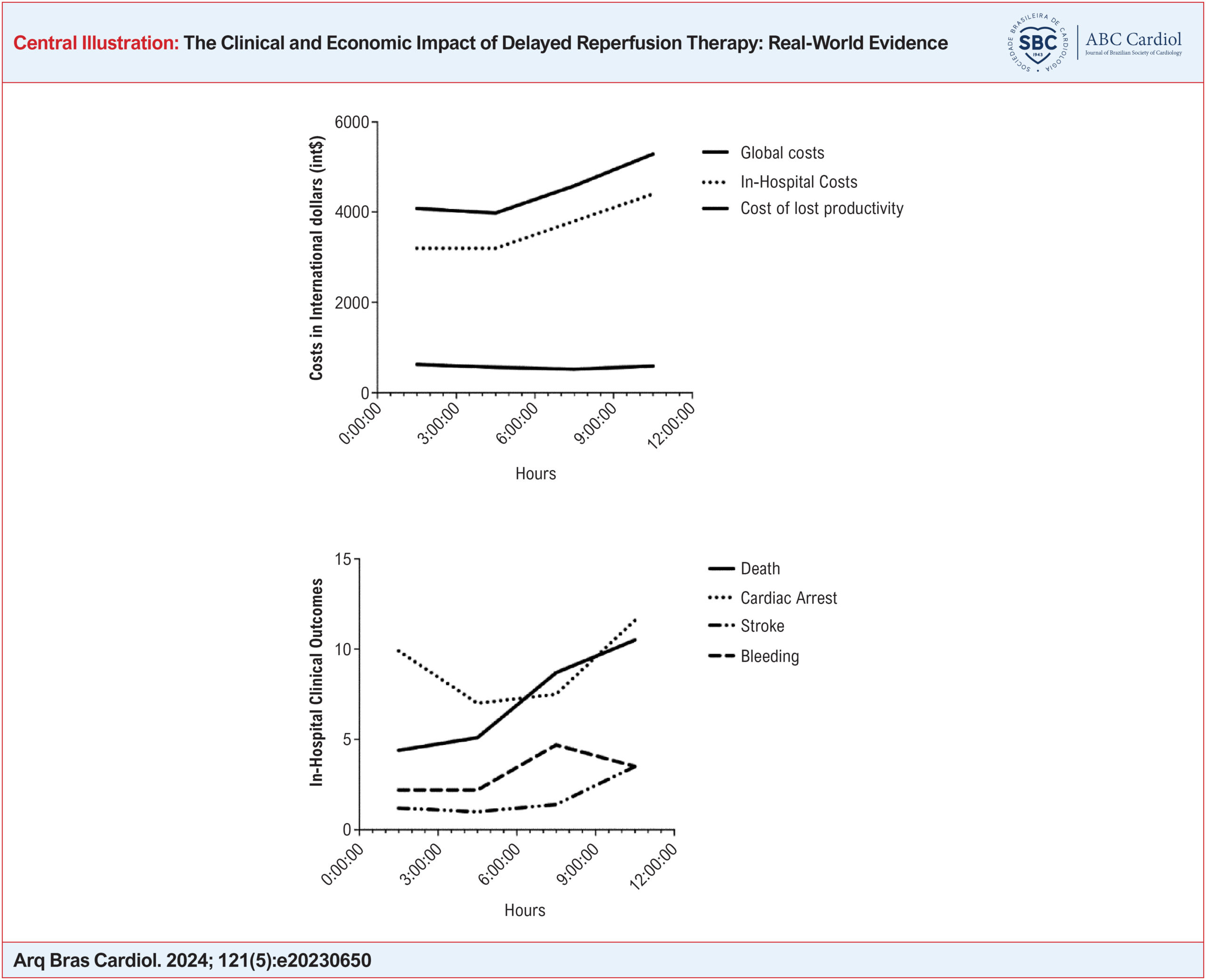
The Clinical and Economic Impact of Delayed Reperfusion Therapy: Real-World Evidence

Silvio Gioppatto et al. Paulo Sousa Prado Mariana Araújo Lima Elias Verônica Homem de Carvalho … Caio Resende da Costa Paiva Gustavo de Almeida Alexim Ricardo Torres Bispo Reis Ana Claudia Cavalcante Nogueira Alexandre Anderson de Sousa Munhoz Soares Wilson Nadruz Luiz Sergio F. de Carvalho Andrei C. Sposito

Abstract

Background:

Early reperfusion therapy is acknowledged as the most effective approach for reducing case fatality rates in patients with ST-segment elevation myocardial infarction (STEMI).

Objective:

Estimate the clinical and economic consequences of delaying reperfusion in patients with STEMI.

Methods:

This retrospective cohort study evaluated mortality rates and the total expenses incurred by delaying reperfusion therapy among 2622 individuals with STEMI. Costs of in-hospital care and lost productivity due to death or disability were estimated from the perspective of the Brazilian Unified Health System indexed in international dollars (Int$) adjusted by purchase power parity. A p < 0.05 was considered statistically significant.

Results:

Each additional hour of delay in reperfusion therapy was associated with a 6.2% increase (95% CI: 0.3% to 11.8%, p = 0.032) in the risk of in-hospital mortality. The overall expenses were 45% higher among individuals who received treatment after 9 hours compared to those who were treated within the first 3 hours, primarily driven by in-hospital costs (p = 0.005). A multivariate linear regression model indicated that for every 3-hour delay in thrombolysis, there was an increase in in-hospital costs of Int$497 ± 286 (p = 0.003).

Conclusions:

The findings of our study offer further evidence that emphasizes the crucial role of prompt reperfusion therapy in saving lives and preserving public health resources. These results underscore the urgent need for implementing a network to manage STEMI cases.

  • Acute coronary syndrome
  • Percutaneous Coronary Intervention
  • Reperfusion
  • ST Elevation Myocardial Infarction
Read Full Article
Creative Commons Attribution (CC BY) Creative Commons license
13/05/2024 DOI: 10.36660/abc.20230650i Views 2
Figure 1
IJCS
Original Article

The Impact of the COVID-19 Pandemic on ST Elevation Myocardial Infarction Care Indicators at a Public Hospital in Brazil

Túlio Torres Vargas et al. Lucas Yuji Sonoda Maria da Graça Lepre Hawerroth Stefania de Figueiredo Coutinho … Gabriela Gonçalves Ferreira Mariane da Mata Morato Mendes Marilene Ribeiro Almeida Costa André Schmidt Antonio Pazin Filho

Abstract

Background

International publications have shown that the COVID-19 pandemic has negatively impacted the indicators of care for ST-segment elevation acute myocardial infarction (STEMI), with a potential increase in morbidity and mortality.

Objectives

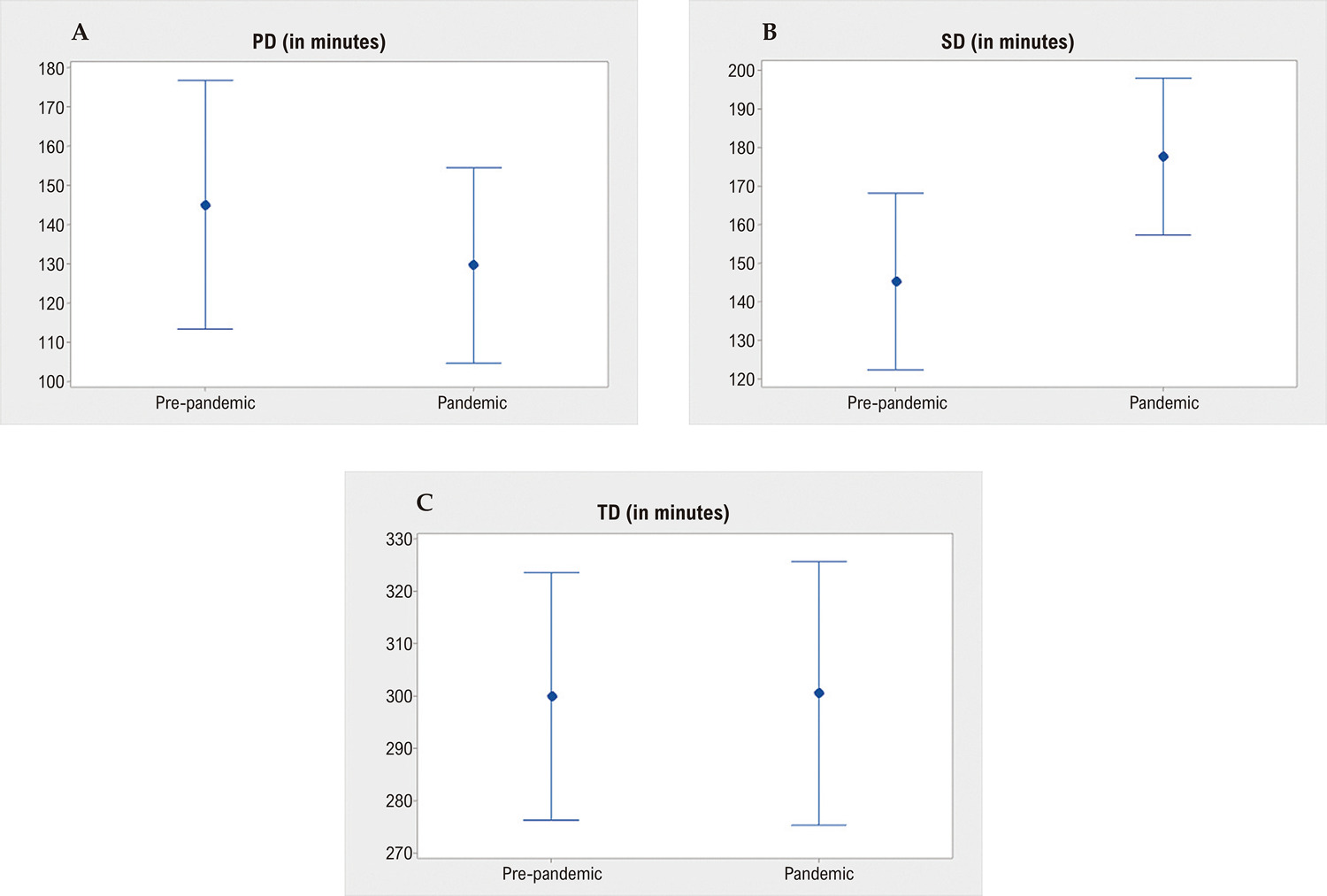
To compare mortality, time from symptom onset to primary angioplasty (total delay [TD]), time from symptom onset to initial medical contact (patient delay [PD]), and time from initial medical contact to guidewire insertion in the hemodynamics laboratory (system delay [SD]) among patients admitted for STEMI at the Hemodynamics Service of Santa Casa de Passos, Minas Gerais, Brazil before and after the declaration of the COVID-19 pandemic by the World Health Organization, assessing the impact of the COVID-19 pandemic on STEMI care indicators.

Methods

This is a before-and-after study involving patients hospitalized with STEMI undergoing primary angioplasty. Data were collected retrospectively through medical record review. Clinical and demographic profiles and outcomes between the pre-pandemic and pandemic groups were compared using the chi-square test for categorical variables or Student’s t-test for continuous variables. A significance level of p < 0.05 was adopted.

Results

There were no differences in TD (pre-pandemic: 300 min [± 159 min], 95% CI 277.1 to 322.6; pandemic: 300 min [± 148 min], 95% CI 274.3 to 326.6, p = 0.97). However, there was an increase in SD (pre-pandemic: 145 min [± 97 min], 95% CI 122.7 to 167.9; pandemic: 178 min [± 96 min], 95% CI 157.4 to 197.9, p = 0.037). There was no increase in PD (pre-pandemic: 145 min ± 133 min; pandemic: 130 min ± 117 min, p = 0.44), and no differences in mortality were observed (pre-pandemic: 9.7%; pandemic: 12%, p = 0.49).

Conclusion

The COVID-19 pandemic increased SD in the management of STEMI in the region of Passos, Minas Gerais. There were no differences in PD, TD, and in-hospital mortality.

  • COVID-19
  • Quality Indicators, Health Care
  • Reperfusion
  • ST Elevation Myocardial Infarction
Read Full Article
Creative Commons Attribution (CC BY) Creative Commons license
04/08/2023 DOI: 10.36660/ijcs.20220009 Views 1
ABC
Editorial

ST-Segment Elevation Regression as a Predictor of Reperfusion in Acute Myocardial Infarction: A Persistent Unknown

Frederico V. B. Macedo et al. Domingos Sávio G. Ferreira Filho Marcelo Augusto A. Nogueira Victor Raggazzi H. da Silva Bruno R. Nascimento

Ischemic heart disease is the leading cause of death worldwide, as well as in Brazil. Its most severe presentation is the ST-segment elevation myocardial infarction (STEMI), for which early reperfusion constitutes the main therapy to decrease mortality. Although primary percutaneous coronary intervention (PCI) is considered the “gold standard” treatment for STEMI, it is not sufficiently available, and access to PCI is still unequal., The electrocardiogram (ECG) is the main tool for the early diagnosis of AMI and for the decision about the ideal therapy to be implemented. Considering the ease to obtain the ECG, as well as its availability and feasibility in the emergency department, the ST-segment elevation reduction (STR) is proposed as the best tool to predict therapeutic success after thrombolysis. However, the method has recognized limitations, which have motivated further investigations.

In this context, the article “Accuracy of Post-thrombolysis ST-segment Reduction as an Adequate Reperfusion Predictor in the Pharmaco-Invasive Approach” aimed to assess changes in the post-fibrinolysis ST-segment and its power to predict adequate reperfusion using the angiographic scores TIMI-flow and myocardial blush grade (MBG) as criteria for ideal reperfusion. In this study, 2,215 patients diagnosed with STEMI were submitted to fibrinolysis and referred for angiography within 24 hours, or immediately referred to rescue PCI in case of failure. The ECG was performed pre-Tenecteplase (TNK) and 60 min after, and the patients were categorized into: those with ideal reperfusion (TIMI-3 and MBG-3) and those with inadequate reperfusion (TIMI flow 50%. The reperfusion criterion at the ECG showed a positive predictive value (PPV) of 56%; negative predictive value (NPV) of 66%; 79% of sensitivity; and 40% of specificity. There was a weak positive correlation between the STR and the ideal reperfusion angiographic data (r = 0.21; p <0.001) and low diagnostic precision, with an area under the ROC curve of 0.60 (95% CI; 0.57-0.62). The results showed that the STR was unable to accurately identify patients with appropriate angiographic reperfusion. Therefore, it is proposed that even patients with apparently successful reperfusion in the ECG should be referred to angiography, to ensure an adequate macro/microvascular flow.

[…]

  • Predictor
  • Regression
  • Reperfusion
  • ST-segment elevation
Read Full Article
Creative Commons Attribution (CC BY) Creative Commons license
26/07/2021 DOI: 10.36660/abc.20210426 Views 1
Figure 1
IJCS
Original Article

Gallic Acid and Cyclosporine Mixture and their Effects on Cardiac Dysfunction Induced by Ischemia/Reperfusion and eNOS/iNOS Expression

Mohammad Badavi et al. Najmeh Sadeghi Mahin Dianat Alireza Samarbafzadeh

Abstract

Background:

Although many researches have been conducted on either a certain antioxidant or mPTP individually, little attention has been drawn to the effects of co-administration of an antioxidant and mPTP inhibitor together on cardiac dysfunction after I/R injury.

Objectives:

This study aims at determining the effects of gallic acid (as Antioxidant) combined with cyclosporine A (CsA) (as mPTP inhibitor) on I/R induced cardiac and endothelial (role of NO) dysfunction.

Methods:

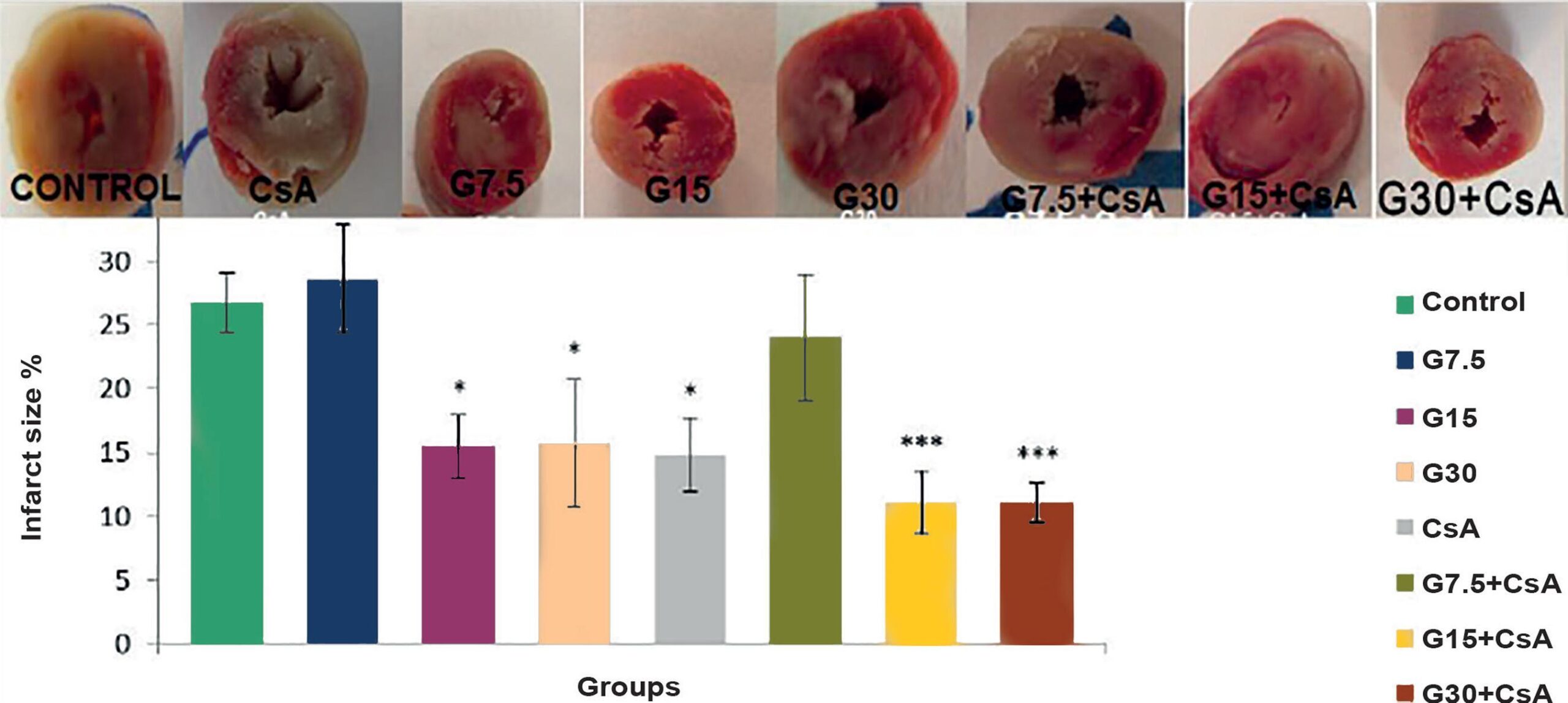
Male Wistar rats were pretreated with gallic acid (7.5, 15, or 30 mg.kg-1 body weight, daily) for a period of 10 days. Then, the heart was isolated and exposed to 30-minute ischemia and perfused by CsA (0.2 µM) 20 min during reperfusion period.

Results:

The data have shown that infarct size was decreased significantly by CsA and gallic acid alone (p < 0.05, one way ANOVA followed by LSD test), however the combination of both drugs had more significant improving effects (p < 0.001). The combination of these two drugs improved more significantly maximum rate of rise and fall of ventricular pressure (±dp.dt-1 max), rate pressure product (RPP), left ventricular developed pressure (LVDP), heart rate and coronary flow rather than applying each one alone (p < 0.05, repeated measurement ANOVA followed by LSD test).

Conclusions:

In conclusion, benefiting from an antioxidant concomitant with an mPTP inhibitor could have more improving effects on the cardiac dysfunction induced by I/R injury.

  • Antioxidants
  • cyclosporine
  • Endothelium
  • Gallic Acid
  • nitric oxide Synthase
  • Rats
  • Reperfusion
  • Ventricular Function
Read Full Article
Creative Commons Attribution (CC BY) Creative Commons license
01/01/2017 DOI: 10.5935/2359-4802.20170047 Views 1
Figure 1
ABC
Original Article

Is Local Nitric Oxide Availability Responsible for Myocardial Salvage after Remote Preconditioning?

Esbeidira Aranet Arroyo-Martínez et al. Alejandra Meaney Gabriela Gutiérrez-Salmeán Juan Miguel Rivera-Capello … Vidal González-Coronado Alejandro Alcocer-Chauvet Genaro Castillo Nayelli Nájera Guillermo Ceballos Eduardo Meaney

Abstract

Background:

Remote ischemic preconditioning (RIPC) represents an attractive therapy for myocardial protection, particularly when ischemic events can be anticipated. Although several hypothetic mechanisms have been proposed, no definite molecular pathways have been elucidated.

Objective:

We evaluated the effect of brachial circulation cuff occlusion on myocardial ischemic tolerance, necrosis, and nitric oxide (NO) in patients with ischemic heart disease undergoing elective percutaneous coronary interventions (PCI).

Methods:

46 patients were randomly allocated into two groups: control and RIPC before PCI procedures. Electrocardiographic analysis, serum concentrations of troponin I (cTn-I) were measured at baseline and 24 hours after PCI. A blood sample from the atherosclerotic plaque was drawn to determine nitrate and nitrites.

Results:

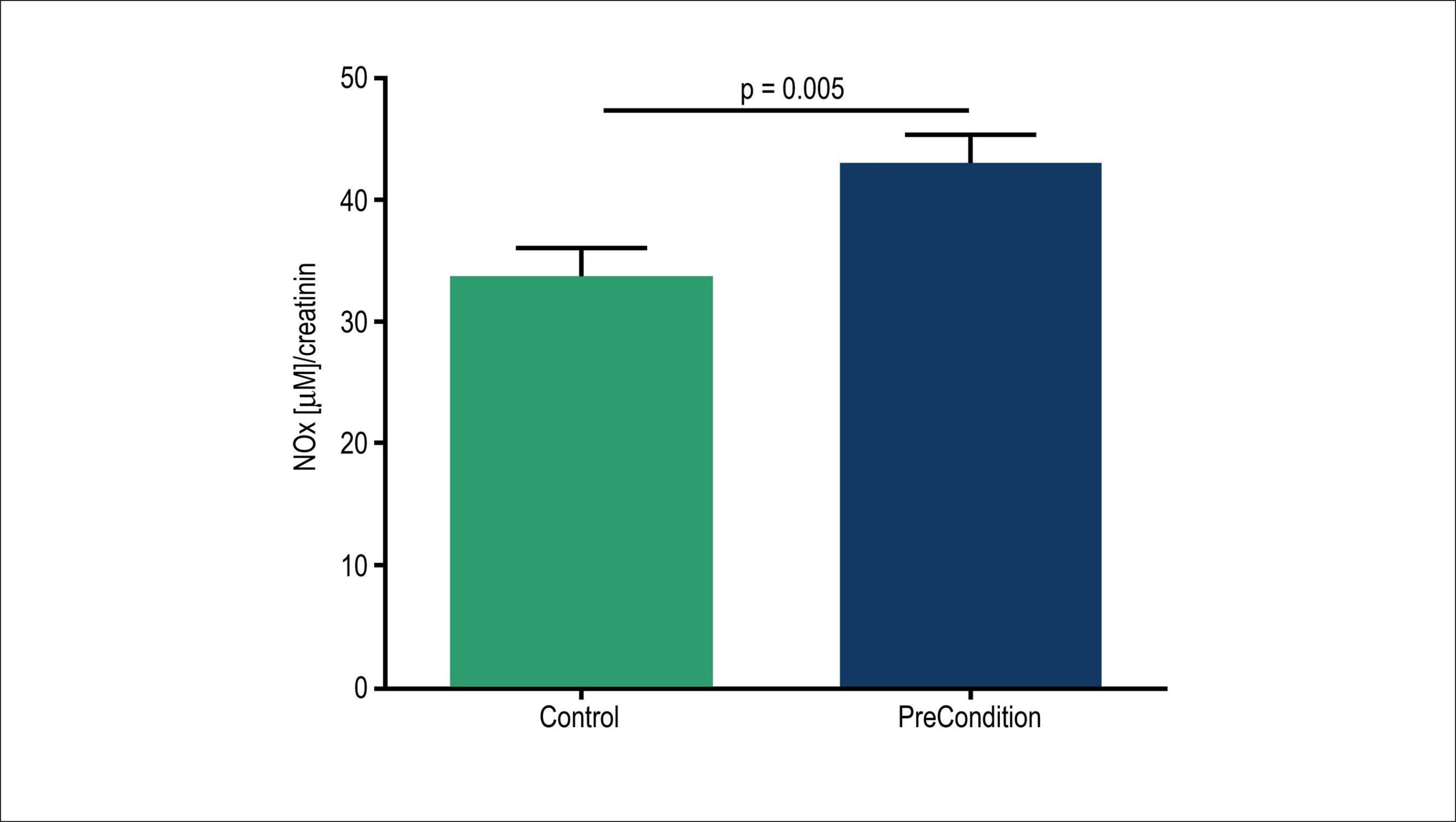
RIPC increased the availability of NO in the stented coronary artery. Control patients presented a small but significant increase in cTn-I, whilst it remained unchanged in preconditioned group. The preconditioning maneuver not only preserved but also enhanced the sum of R waves.

Conclusions:

RIPC induced an intracoronary increase of NO levels associated with a decrease in myocardial damage (measured as no increase in cTn-I) with electrocardiographic increases in the sum of R waves, suggesting an improved myocardium after elective PCI.

  • Ischemia
  • Ischemic Preconditioning Myocardial
  • Nitric Oxide
  • Reperfusion
Read Full Article
Creative Commons Attribution (CC BY) Creative Commons license
11/07/2016 DOI: 10.5935/abc.20160100 Views 1
Figure 1
ABC
Original Article

Effects of Ischemic Postconditioning on the Hemodynamic Parameters and Heart Nitric Oxide Levels of Hypothyroid Rats

Sajad Jeddi et al. Jalal Zaman Asghar Ghasemi

Background:

Ischemic postconditioning (IPost) is a method of protecting the heart against ischemia-reperfusion (IR) injury. However, the effectiveness of IPost in cases of ischemic heart disease accompanied by co-morbidities such as hypothyroidism remains unclear.

Objective:

The aim of this study was to determine the effect of IPost on myocardial IR injury in hypothyroid male rats.

Methods:

Propylthiouracil in drinking water (500 mg/L) was administered to male rats for 21 days to induce hypothyroidism. The hearts from control and hypothyroid rats were perfused in a Langendorff apparatus and exposed to 30 min of global ischemia, followed by 120 min of reperfusion. IPost was induced immediately following ischemia.

Results:

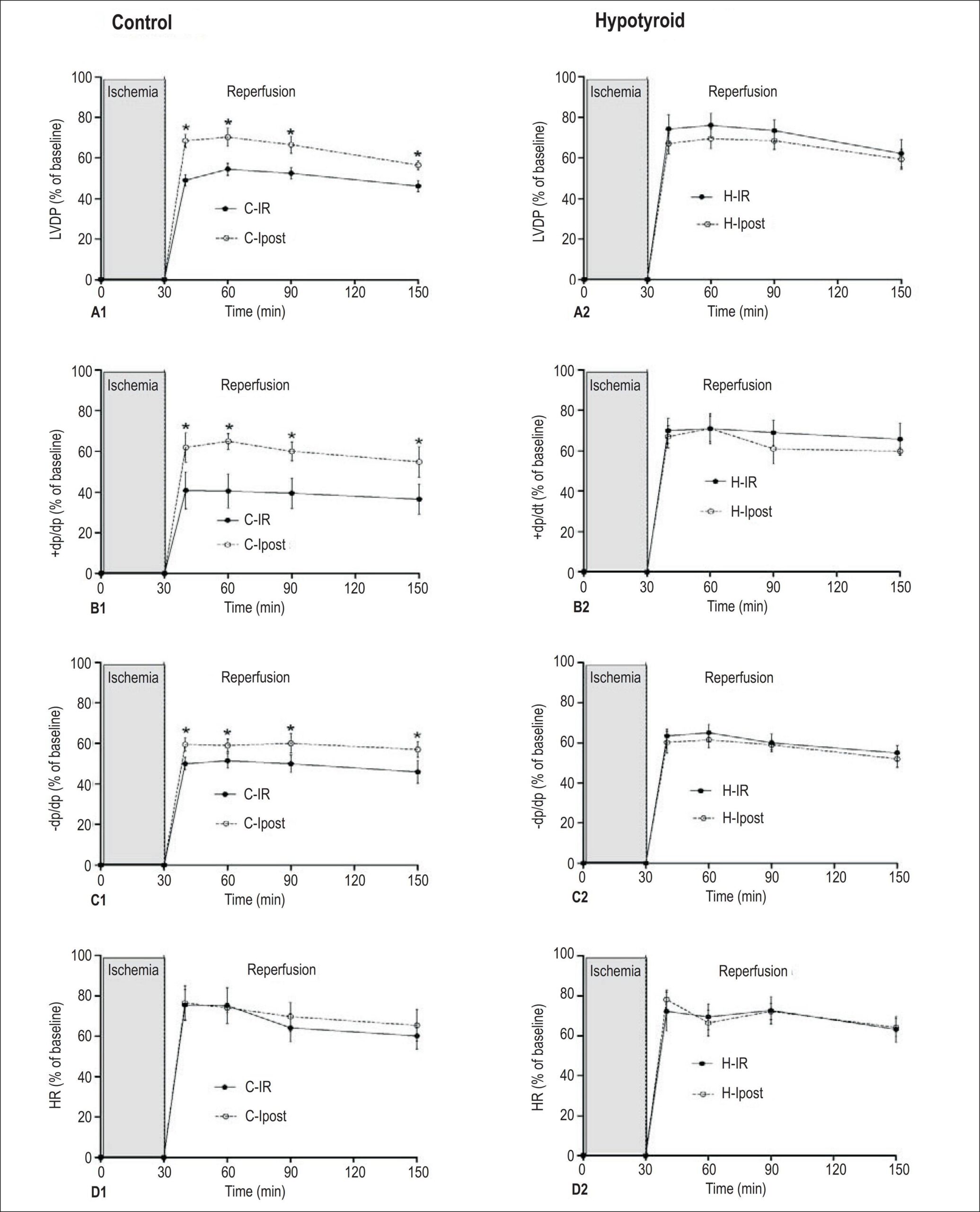
Hypothyroidism and IPost significantly improved the left ventricular developed pressure (LVDP) and peak rates of positive and negative changes in left ventricular pressure (±dp/dt) during reperfusion in control rats (p < 0.05). However, IPost had no add-on effect on the recovery of LVDP and ±dp/dt in hypothyroid rats. Furthermore, hypothyroidism significantly decreased the basal NO metabolite (NOx) levels of the serum (72.5 ± 4.2 vs. 102.8 ± 3.7 μmol/L; p < 0.05) and heart (7.9 ± 1.6 vs. 18.8 ± 3.2 μmol/L; p < 0.05). Heart NOx concentration in the hypothyroid groups did not change after IR and IPost, whereas these were significantly (p < 0.05) higher and lower after IR and IPost, respectively, in the control groups.

Conclusion:

Hypothyroidism protects the heart from IR injury, which may be due to a decrease in basal nitric oxide (NO) levels in the serum and heart and a decrease in NO after IR. IPost did not decrease the NO level and did not provide further cardioprotection in the hypothyroid group.

  • Hypothyroidism
  • Ischemic Postconditioning
  • Nitric Oxide
  • Rats
  • Reperfusion
Read Full Article
Creative Commons Attribution (CC BY) Creative Commons license
28/11/2014 DOI: 10.5935/abc.20140181
Chagas cardiomyopathy: prognosis in clinical and hemodynamic profile C
ABC
Artigo Original

Chagas cardiomyopathy: prognosis in clinical and hemodynamic profile C

Juliano Cardoso et al. Milena Novaes Marcelo Ochiai Kelly Regina … Paulo Morgado Robinson Munhoz Euler Brancalhão Marcelo Lima Antonio Carlos Pereira Barretto

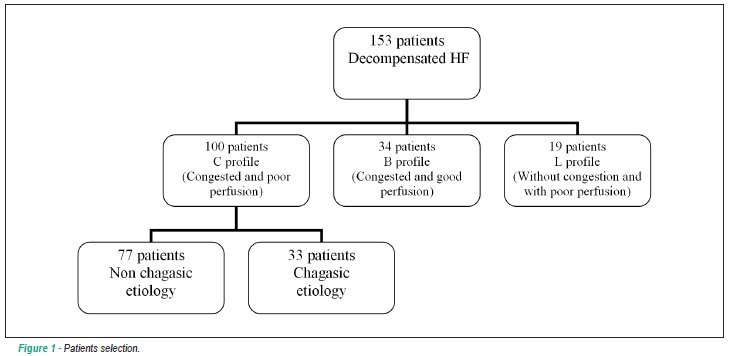
BACKGROUND: Patients with heart failure (HF) who are admitted showing poor perfusion and congestion (clinical-hemodynamic profile C) are the group that evolves with the worst prognosis in decompensated heart failure. However, there is little information in literature on the etiology of cardiopathy influences the outcome of patients in advanced stage. OBJECTIVE: To assess the outcome of patients admitted with clinical and hemodynamic profile C and verify the role of the etiology in this phase. METHODS: A cohort study was performed including patients with left ventricle ejection fraction (LVEF) < 45.0%, functional class IV and hospitalization presenting clinical-hemodynamic profile C. The group was divided into patients with chagasic (Ch) and non chagasic (NCh) cardiomyopathy. Statistical analysis used Student t test, Fisher exact test, chi-square and SPSS tests. The significance of p < 0.05 was considered. RESULTS: One hundred patients, with mean age 57.6 ± 15.1 years and mean LVEF of 23.8 ± 8.5%, were included. Among the patients studied, 33.0% were chagasic and, in comparison with NCh, had lower systolic blood pressure (Ch 89.3 ± 17.1 mmHg versus NCh 98.8 ± 21.7 mmHg, p = 0.03 ) and lowest average age – Ch 52.9 ± 14.5 years versus NCh 59.8 ± 14.9 years, p = 0.03). During follow-up of 25 months, mortality was 66.7% for Ch and 37.3% in NCh (p = 0.019). The Chagas disease etiology was an independent marker of poor prognosis in multivariate analysis with risk ratio of 2.75 (HF 95.0%, from 1.35 to 5.63). CONCLUSION: In patients with advanced HF, Chagas disease is an important predictor of the worst prognosis.

  • Chagas Cardiomyopathy
  • Heart Failure
  • Prognostic
  • Reperfusion
Read Full Article
Creative Commons Attribution (CC BY) Creative Commons license
27/08/2010 DOI: 10.1590/S0066-782X2010005000112 Views 1
ABC
Artigo Original

A comparison of rescue and primary percutaneous coronary interventions for acute myocardial infarction: a multicenter registry report of 9,371 patients

Luiz Alberto Mattos et al. Amanda G.M.R. Sousa Ibraim M.F. Pinto Expedito R. Silva … José Klauber Carneiro J. Eduardo Sousa José Armando Mangione Paulo Caramori Valter Lima Ronaldo L. Bueno

OBJECTIVE: To perform a comparative analysis of in-hospital results obtained from AMI patients who underwent rescue or primary PTCA. METHODS: From the Brazilian Interventional National Registry (CENIC), we selected all consecutive patients who underwent a percutaneous coronary intervention for myocardial infarction (< 24 hours), between 1997 and 2000, analyzing those undergoing a rescue (n=840) or a primary (n=8,531) procedure, and comparing their in-hospital results. RESULTS: Rescue patients were significantly younger males with anterior wall infarctions, associated with left ventricular dysfunction, but had less multivessel disease, compared with those treated with primary intervention. Coronary stents were implanted in at similar rates (56.9% vs. 54.9%; P=0.283). Procedural success were lower for rescue cases (88.1% vs. 91.2%; P<0.001), with higher mortality (7.4% vs. 5.6%; P=0.034), compared with the primary intervention group; target vessel revascularization (< 0.5%), emergency bypass surgery (< 0.3%) and reinfarction (< 2.6%) rates were similar for both strategies. Multivariate analysis identified the rescue procedure as a predictor of in-hospital death [OR(CI=95%) = 1.60 (1.17-2.19); P=0.003]. CONCLUSION: Patients who underwent a rescue coronary intervention had higher in-hospital death rates compared with those who underwent a primary coronary intervention.

  • Angioplasty
  • Myocardial Infarction
  • platelet inhibitors
  • Reperfusion
  • stent
  • thrombolysis
Read Full Article
Creative Commons Attribution (CC BY) Creative Commons license
08/06/2004 DOI: 10.1590/S0066-782X2004000500006

How to cite this article

EndNote RIS

Electronic Document Format (Vancouver)

Quintana MA, Perea J, Villarreal R, Soto M, Castro M, Cortês R, Sanhueza P, et al. Persistent Right Ventricular Dysfunction and Hemodynamic Evolution Predict In-Hospital Deterioration in Intermediate-High- and High-Risk Pulmonary Embolism. Arquivos Brasileiros de Cardiologia 2026;123(7):e20260468.

Electronic Document Format (ABNT)

Quintana, Miguel A.; Perea, Joaquín; Villarreal, Ricardo; Soto, Mauricio; Castro, Marildes; Cortês, Rafael; Sanhueza, Patricio; Saavedra, Iván; Quispe, Yhaquelina; Tenezaca, Roger; Colque, Roberto; Arias, Alexandra; Toquica, Alex Rivera; Álvarez, Manuel; Pérez, Ysmenia D.; Morejón, Paola; Fernández, Karina G.; Mogollón, Adriana; Cardona, Marcelo; Pérez, Gonzalo Emanuel; López-Ruiz, Arnaldo. Persistent Right Ventricular Dysfunction and Hemodynamic Evolution Predict In-Hospital Deterioration in Intermediate-High- and High-Risk Pulmonary Embolism. Arquivos Brasileiros de Cardiologia, v. 123, n. 7, e20260468, Sep. 2026.

Electronic Document Format (APA)

Quintana, M. A., Perea, J., Villarreal, R., Soto, M., Castro, M., Cortês, R., Sanhueza, P., Saavedra, I., Quispe, Y., Tenezaca, R., Colque, R., Arias, A., Toquica, A. R., Álvarez, M., Pérez, Y. D., Morejón, P., Fernández, K. G., Mogollón, A., Cardona, M., Pérez, G. E., & López-Ruiz, A. (2026). Persistent Right Ventricular Dysfunction and Hemodynamic Evolution Predict In-Hospital Deterioration in Intermediate-High- and High-Risk Pulmonary Embolism. Arquivos Brasileiros de Cardiologia, 123(7), e20260468.

Electronic Document Format (ISO)

Quintana, Miguel A. and Perea, Joaquín and Villarreal, Ricardo and Soto, Mauricio and Castro, Marildes and Cortês, Rafael and Sanhueza, Patricio and Saavedra, Iván and Quispe, Yhaquelina and Tenezaca, Roger and Colque, Roberto and Arias, Alexandra and Toquica, Alex Rivera and Álvarez, Manuel and Pérez, Ysmenia D. and Morejón, Paola and Fernández, Karina G. and Mogollón, Adriana and Cardona, Marcelo and Pérez, Gonzalo Emanuel and López-Ruiz, Arnaldo. Persistent Right Ventricular Dysfunction and Hemodynamic Evolution Predict In-Hospital Deterioration in Intermediate-High- and High-Risk Pulmonary Embolism. Arquivos Brasileiros de Cardiologia [online]. 2026, vol. 123, n. 7, [cited 2026-10-14], e20260468. Available from: <https://journals.cardiol.br/en/article/persistent-right-ventricular-dysfunction-and-hemodynamic-evolution-predict-in-hospital-deterioration-in-intermediate-high-and-high-risk-pulmonary-embolism/>. ISSN 0066-782X

EndNote RIS

Electronic Document Format (Vancouver)

Piskorz D, Piskorz I. Challenges in Worldwide Cardiovascular Urgencies and Emergencies. International Journal of Cardiovascular Sciences 2024;37:e20240147.

Electronic Document Format (ABNT)

Piskorz, Daniel; Piskorz, Ignacio. Challenges in Worldwide Cardiovascular Urgencies and Emergencies. International Journal of Cardiovascular Sciences, v. 37, e20240147, Nov. 2024.

Electronic Document Format (APA)

Piskorz, D., & Piskorz, I. (2024). Challenges in Worldwide Cardiovascular Urgencies and Emergencies. International Journal of Cardiovascular Sciences, 37, e20240147.

Electronic Document Format (ISO)

Piskorz, Daniel and Piskorz, Ignacio. Challenges in Worldwide Cardiovascular Urgencies and Emergencies. International Journal of Cardiovascular Sciences [online]. 2024, vol. 37, [cited 2026-10-14], e20240147. Available from: <https://journals.cardiol.br/en/article/challenges-in-worldwide-cardiovascular-urgencies-and-emergencies/>. ISSN 2359-4802

EndNote RIS

Electronic Document Format (Vancouver)

Gioppatto S, Prado PS, Elias MAL, Carvalho VH, Paiva CRC, Alexim GA, Reis RTB, et al. The Clinical and Economic Impact of Delayed Reperfusion Therapy: Real-World Evidence. Arquivos Brasileiros de Cardiologia 2024;121(5):e20230650.

Electronic Document Format (ABNT)

Gioppatto, Silvio; Prado, Paulo Sousa; Elias, Mariana Araújo Lima; Carvalho, Verônica Homem de; Paiva, Caio Resende da Costa; Alexim, Gustavo de Almeida; Reis, Ricardo Torres Bispo; Nogueira, Ana Claudia Cavalcante; Soares, Alexandre Anderson de Sousa Munhoz; Nadruz, Wilson; Carvalho, Luiz Sergio F. de; Sposito, Andrei C.. The Clinical and Economic Impact of Delayed Reperfusion Therapy: Real-World Evidence. Arquivos Brasileiros de Cardiologia, v. 121, n. 5, e20230650, May. 2024.

Electronic Document Format (APA)

Gioppatto, S., Prado, P. S., Elias, M. A. L., Carvalho, V. H. , Paiva, C. R. C., Alexim, G. A., Reis, R. T. B., Nogueira, A. C. C., Soares, A. A. S. M., Nadruz, W., Carvalho, L. S. F. , & Sposito, A. C. (2024). The Clinical and Economic Impact of Delayed Reperfusion Therapy: Real-World Evidence. Arquivos Brasileiros de Cardiologia, 121(5), e20230650.

Electronic Document Format (ISO)

Gioppatto, Silvio and Prado, Paulo Sousa and Elias, Mariana Araújo Lima and Carvalho, Verônica Homem de and Paiva, Caio Resende da Costa and Alexim, Gustavo de Almeida and Reis, Ricardo Torres Bispo and Nogueira, Ana Claudia Cavalcante and Soares, Alexandre Anderson de Sousa Munhoz and Nadruz, Wilson and Carvalho, Luiz Sergio F. de and Sposito, Andrei C.. The Clinical and Economic Impact of Delayed Reperfusion Therapy: Real-World Evidence. Arquivos Brasileiros de Cardiologia [online]. 2024, vol. 121, n. 5, [cited 2026-10-14], e20230650. Available from: <https://journals.cardiol.br/en/article/the-clinical-and-economic-impact-of-delayed-reperfusion-therapy-real-world-evidence/>. ISSN 0066-782X

EndNote RIS

Electronic Document Format (Vancouver)

Vargas TT, Sonoda LY, Hawerroth MGL, Coutinho SF, Ferreira GG, Mendes MMM, Costa MRA, et al. The Impact of the COVID-19 Pandemic on ST Elevation Myocardial Infarction Care Indicators at a Public Hospital in Brazil. International Journal of Cardiovascular Sciences 2023;36:e20220009.

Electronic Document Format (ABNT)

Vargas, Túlio Torres; Sonoda, Lucas Yuji; Hawerroth, Maria da Graça Lepre; Coutinho, Stefania de Figueiredo; Ferreira, Gabriela Gonçalves; Mendes, Mariane da Mata Morato; Costa, Marilene Ribeiro Almeida; Schmidt, André; Pazin Filho, Antonio. The Impact of the COVID-19 Pandemic on ST Elevation Myocardial Infarction Care Indicators at a Public Hospital in Brazil. International Journal of Cardiovascular Sciences, v. 36, e20220009, Aug. 2023.

Electronic Document Format (APA)

Vargas, T. T., Sonoda, L. Y., Hawerroth, M. G. L., Coutinho, S. F., Ferreira, G. G., Mendes, M. M. M., Costa, M. R. A., Schmidt, A., & Pazin Filho, A. (2023). The Impact of the COVID-19 Pandemic on ST Elevation Myocardial Infarction Care Indicators at a Public Hospital in Brazil. International Journal of Cardiovascular Sciences, 36, e20220009.

Electronic Document Format (ISO)

Vargas, Túlio Torres and Sonoda, Lucas Yuji and Hawerroth, Maria da Graça Lepre and Coutinho, Stefania de Figueiredo and Ferreira, Gabriela Gonçalves and Mendes, Mariane da Mata Morato and Costa, Marilene Ribeiro Almeida and Schmidt, André and Pazin Filho, Antonio. The Impact of the COVID-19 Pandemic on ST Elevation Myocardial Infarction Care Indicators at a Public Hospital in Brazil. International Journal of Cardiovascular Sciences [online]. 2023, vol. 36, [cited 2026-10-14], e20220009. Available from: <https://journals.cardiol.br/en/article/the-impact-of-the-covid-19-pandemic-on-st-elevation-myocardial-infarction-care-indicators-at-a-public-hospital-in-brazil/>. ISSN 2359-4802

EndNote RIS

Electronic Document Format (Vancouver)

Macedo FVB, Ferreira Filho DSG, Nogueira MAA, Silva VRH, Nascimento BR. ST-Segment Elevation Regression as a Predictor of Reperfusion in Acute Myocardial Infarction: A Persistent Unknown. Arquivos Brasileiros de Cardiologia 2021;117(1):26-7.

Electronic Document Format (ABNT)

Macedo, Frederico V. B.; Ferreira Filho, Domingos Sávio G.; Nogueira, Marcelo Augusto A.; Silva, Victor Raggazzi H. da; Nascimento, Bruno R.. ST-Segment Elevation Regression as a Predictor of Reperfusion in Acute Myocardial Infarction: A Persistent Unknown. Arquivos Brasileiros de Cardiologia, v. 117, n. 1, p. 26-27, Jul. 2021.

Electronic Document Format (APA)

Macedo, F. V. B., Ferreira Filho, D. S. G., Nogueira, M. A. A., Silva, V. R. H. , & Nascimento, B. R. (2021). ST-Segment Elevation Regression as a Predictor of Reperfusion in Acute Myocardial Infarction: A Persistent Unknown. Arquivos Brasileiros de Cardiologia, 117(1), 26-27.

Electronic Document Format (ISO)

Macedo, Frederico V. B. and Ferreira Filho, Domingos Sávio G. and Nogueira, Marcelo Augusto A. and Silva, Victor Raggazzi H. da and Nascimento, Bruno R.. ST-Segment Elevation Regression as a Predictor of Reperfusion in Acute Myocardial Infarction: A Persistent Unknown. Arquivos Brasileiros de Cardiologia [online]. 2021, vol. 117, n. 1, [cited 2026-10-14], pp. 26-27. Available from: <https://journals.cardiol.br/en/article/st-segment-elevation-regression-as-a-predictor-of-reperfusion-in-acute-myocardial-infarction-a-persistent-unknown/>. ISSN 0066-782X

EndNote RIS

Electronic Document Format (Vancouver)

Badavi M, Sadeghi N, Dianat M, Samarbafzadeh A. Gallic Acid and Cyclosporine Mixture and their Effects on Cardiac Dysfunction Induced by Ischemia/Reperfusion and eNOS/iNOS Expression. International Journal of Cardiovascular Sciences 2017;30(3):207-18.

Electronic Document Format (ABNT)

Badavi, Mohammad; Sadeghi, Najmeh; Dianat, Mahin; Samarbafzadeh, Alireza. Gallic Acid and Cyclosporine Mixture and their Effects on Cardiac Dysfunction Induced by Ischemia/Reperfusion and eNOS/iNOS Expression. International Journal of Cardiovascular Sciences, v. 30, n. 3, p. 207-218, Dec. 2016.

Electronic Document Format (APA)

Badavi, M., Sadeghi, N., Dianat, M., & Samarbafzadeh, A. (2017). Gallic Acid and Cyclosporine Mixture and their Effects on Cardiac Dysfunction Induced by Ischemia/Reperfusion and eNOS/iNOS Expression. International Journal of Cardiovascular Sciences, 30(3), 207-218.

Electronic Document Format (ISO)

Badavi, Mohammad and Sadeghi, Najmeh and Dianat, Mahin and Samarbafzadeh, Alireza. Gallic Acid and Cyclosporine Mixture and their Effects on Cardiac Dysfunction Induced by Ischemia/Reperfusion and eNOS/iNOS Expression. International Journal of Cardiovascular Sciences [online]. 2017, vol. 30, n. 3, [cited 2026-10-14], pp. 207-218. Available from: <https://journals.cardiol.br/en/article/gallic-acid-and-cyclosporine-mixture-and-their-effects-on-cardiac-dysfunction-induced-by-ischemia-reperfusion-and-enos-inos-expression/>. ISSN 2359-4802

EndNote RIS

Electronic Document Format (Vancouver)

Arroyo-Martínez EA, Meaney A, Gutiérrez-Salmeán G, Rivera-Capello JM, González-Coronado V, Alcocer-Chauvet A, Castillo G, et al. Is Local Nitric Oxide Availability Responsible for Myocardial Salvage after Remote Preconditioning?. Arquivos Brasileiros de Cardiologia 2016;107(2):154-62.

Electronic Document Format (ABNT)

Arroyo-Martínez, Esbeidira Aranet; Meaney, Alejandra; Gutiérrez-Salmeán, Gabriela; Rivera-Capello, Juan Miguel; González-Coronado, Vidal; Alcocer-Chauvet, Alejandro; Castillo, Genaro; Nájera, Nayelli; Ceballos, Guillermo; Meaney, Eduardo. Is Local Nitric Oxide Availability Responsible for Myocardial Salvage after Remote Preconditioning?. Arquivos Brasileiros de Cardiologia, v. 107, n. 2, p. 154-162, Jul. 2016.

Electronic Document Format (APA)

Arroyo-Martínez, E. A., Meaney, A., Gutiérrez-Salmeán, G., Rivera-Capello, J. M., González-Coronado, V., Alcocer-Chauvet, A., Castillo, G., Nájera, N., Ceballos, G., & Meaney, E. (2016). Is Local Nitric Oxide Availability Responsible for Myocardial Salvage after Remote Preconditioning?. Arquivos Brasileiros de Cardiologia, 107(2), 154-162.

Electronic Document Format (ISO)

Arroyo-Martínez, Esbeidira Aranet and Meaney, Alejandra and Gutiérrez-Salmeán, Gabriela and Rivera-Capello, Juan Miguel and González-Coronado, Vidal and Alcocer-Chauvet, Alejandro and Castillo, Genaro and Nájera, Nayelli and Ceballos, Guillermo and Meaney, Eduardo. Is Local Nitric Oxide Availability Responsible for Myocardial Salvage after Remote Preconditioning?. Arquivos Brasileiros de Cardiologia [online]. 2016, vol. 107, n. 2, [cited 2026-10-14], pp. 154-162. Available from: <https://journals.cardiol.br/en/article/is-local-nitric-oxide-availability-responsible-for-myocardial-salvage-after-remote-preconditioning/>. ISSN 0066-782X

EndNote RIS

Electronic Document Format (Vancouver)

Jeddi S, Zaman J, Ghasemi A. Effects of Ischemic Postconditioning on the Hemodynamic Parameters and Heart Nitric Oxide Levels of Hypothyroid Rats. Arquivos Brasileiros de Cardiologia 2014;104(2):136-43.

Electronic Document Format (ABNT)

Jeddi, Sajad; Zaman, Jalal; Ghasemi, Asghar. Effects of Ischemic Postconditioning on the Hemodynamic Parameters and Heart Nitric Oxide Levels of Hypothyroid Rats. Arquivos Brasileiros de Cardiologia, v. 104, n. 2, p. 136-143, Nov. 2014.

Electronic Document Format (APA)

Jeddi, S., Zaman, J., & Ghasemi, A. (2014). Effects of Ischemic Postconditioning on the Hemodynamic Parameters and Heart Nitric Oxide Levels of Hypothyroid Rats. Arquivos Brasileiros de Cardiologia, 104(2), 136-143.

Electronic Document Format (ISO)

Jeddi, Sajad and Zaman, Jalal and Ghasemi, Asghar. Effects of Ischemic Postconditioning on the Hemodynamic Parameters and Heart Nitric Oxide Levels of Hypothyroid Rats. Arquivos Brasileiros de Cardiologia [online]. 2014, vol. 104, n. 2, [cited 2026-10-14], pp. 136-143. Available from: <https://journals.cardiol.br/en/article/effects-of-ischemic-postconditioning-on-the-hemodynamic-parameters-and-heart-nitric-oxide-levels-of-hypothyroid-rats/>. ISSN 0066-782X

EndNote RIS

Electronic Document Format (Vancouver)

Cardoso J, Novaes M, Ochiai M, Regina K, Morgado P, Munhoz R, Brancalhão E, et al. Chagas cardiomyopathy: prognosis in clinical and hemodynamic profile C. Arquivos Brasileiros de Cardiologia 2010;95(4):518-23.

Electronic Document Format (ABNT)

Cardoso, Juliano; Novaes, Milena; Ochiai, Marcelo; Regina, Kelly; Morgado, Paulo; Munhoz, Robinson; Brancalhão, Euler; Lima, Marcelo; Barretto, Antonio Carlos Pereira. Chagas cardiomyopathy: prognosis in clinical and hemodynamic profile C. Arquivos Brasileiros de Cardiologia, v. 95, n. 4, p. 518-523, Aug. 2010.

Electronic Document Format (APA)

Cardoso, J., Novaes, M., Ochiai, M., Regina, K., Morgado, P., Munhoz, R., Brancalhão, E., Lima, M., & Barretto, A. C. P. (2010). Chagas cardiomyopathy: prognosis in clinical and hemodynamic profile C. Arquivos Brasileiros de Cardiologia, 95(4), 518-523.

Electronic Document Format (ISO)

Cardoso, Juliano and Novaes, Milena and Ochiai, Marcelo and Regina, Kelly and Morgado, Paulo and Munhoz, Robinson and Brancalhão, Euler and Lima, Marcelo and Barretto, Antonio Carlos Pereira. Chagas cardiomyopathy: prognosis in clinical and hemodynamic profile C. Arquivos Brasileiros de Cardiologia [online]. 2010, vol. 95, n. 4, [cited 2026-10-14], pp. 518-523. Available from: <https://journals.cardiol.br/en/article/chagas-cardiomyopathy-prognosis-in-clinical-and-hemodynamic-profile-c/>. ISSN 0066-782X

EndNote RIS

Electronic Document Format (Vancouver)

Mattos LA, Sousa AG, Pinto IM, Silva ER, Carneiro JK, Sousa JE, Mangione JA, et al. A comparison of rescue and primary percutaneous coronary interventions for acute myocardial infarction: a multicenter registry report of 9,371 patients. Arquivos Brasileiros de Cardiologia 2004;82(5):434-9.

Electronic Document Format (ABNT)

Mattos, Luiz Alberto; Sousa, Amanda G.M.R.; Pinto, Ibraim M.F.; Silva, Expedito R.; Carneiro, José Klauber; Sousa, J. Eduardo; Mangione, José Armando; Caramori, Paulo; Lima, Valter; Bueno, Ronaldo L.. A comparison of rescue and primary percutaneous coronary interventions for acute myocardial infarction: a multicenter registry report of 9,371 patients. Arquivos Brasileiros de Cardiologia, v. 82, n. 5, p. 434-439, Jun. 2004.

Electronic Document Format (APA)

Mattos, L. A., Sousa, A. G., Pinto, I. M., Silva, E. R., Carneiro, J. K., Sousa, J. E., Mangione, J. A., Caramori, P., Lima, V., & Bueno, R. L. (2004). A comparison of rescue and primary percutaneous coronary interventions for acute myocardial infarction: a multicenter registry report of 9,371 patients. Arquivos Brasileiros de Cardiologia, 82(5), 434-439.

Electronic Document Format (ISO)

Mattos, Luiz Alberto and Sousa, Amanda G.M.R. and Pinto, Ibraim M.F. and Silva, Expedito R. and Carneiro, José Klauber and Sousa, J. Eduardo and Mangione, José Armando and Caramori, Paulo and Lima, Valter and Bueno, Ronaldo L.. A comparison of rescue and primary percutaneous coronary interventions for acute myocardial infarction: a multicenter registry report of 9,371 patients. Arquivos Brasileiros de Cardiologia [online]. 2004, vol. 82, n. 5, [cited 2026-10-14], pp. 434-439. Available from: <https://journals.cardiol.br/en/article/a-comparison-of-rescue-and-primary-percutaneous-coronary-interventions-for-acute-myocardial-infarction-a-multicenter-registry-report-of-9371-patients/>. ISSN 0066-782X

  • About ABC Family
  • Internal Regulation
  • Editorial Board
  • Brazilian Society of Cardiology (SBC)

Issues

SBC Guidelines

  • Videos
  • Podcasts
  • News