ABC Family Arquivos Brasileiros de Cardiologia International Journal of Cardiovascular Sciences ABC Heart Failure & Cardiomyopathy ABC Imagem Cardiovascular
Português English
ABC Family
Português English
  • About
    • About ABC Family
    • Internal Regulation
    • Editorial Board
    • Brazilian Society of Cardiology (SBC)
  • Issues
  • SBC Guidelines
  • Content
    • Videos
    • Podcasts
    • News
  • About
    • About ABC Family
    • Internal Regulation
    • Editorial Board
    • Brazilian Society of Cardiology (SBC)
  • Issues
  • SBC Guidelines
  • Content
    • Videos
    • Podcasts
    • News

ABC Family

  • ABC Family
  • Arquivos Brasileiros de Cardiologia
  • International Journal of Cardiovascular Sciences
  • ABC Heart Failure & Cardiomyopathy
  • ABC Imagem Cardiovascular
Search in

No content found.

Journals
Ordering
Article types
Others

  1. Home
  2. Keyword: Aortic Valve
Figure 1
IJCS
Case Report

Snare-Assisted Aortic Valve Crossing for TAVI: A Case Report

Andre Grazina et al. Bárbara Lacerda Teixeira Inês Rodrigues António Fiarresga Duarte Cacela

Abstract

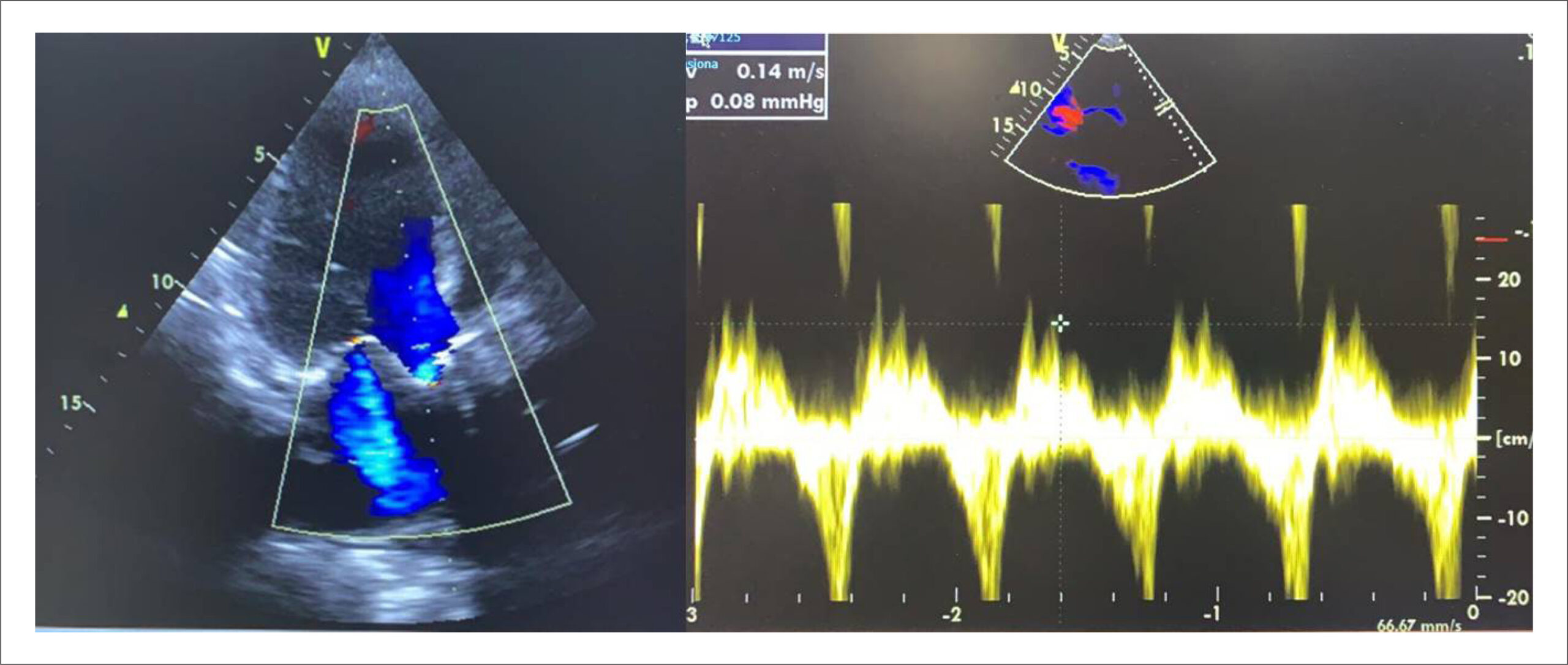
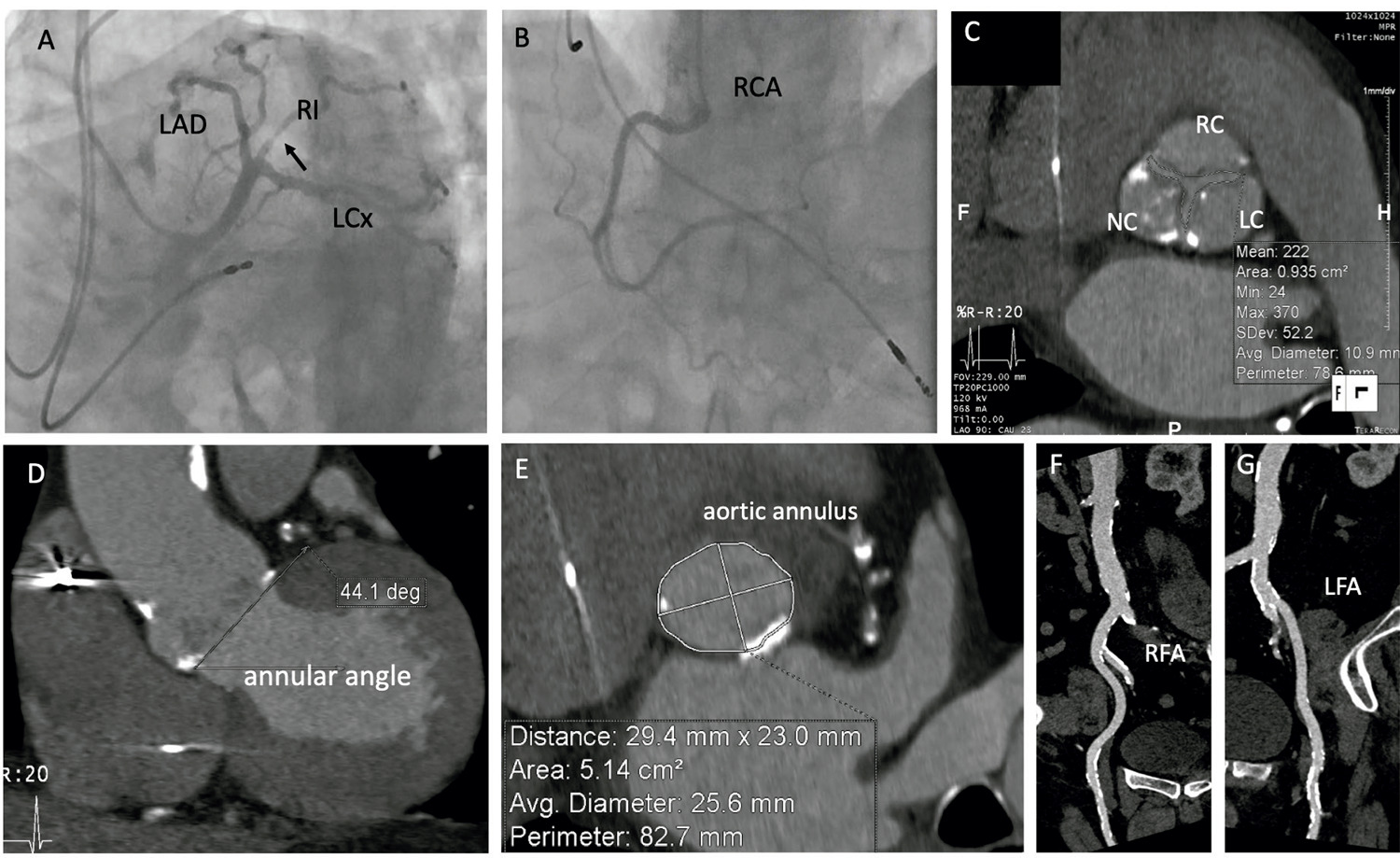
In some transcatheter aortic valve implantation (TAVI) procedures, difficulty in crossing the valve delivery system occurs. There are some described anatomical risk factors as extreme angulation, heavy calcification, and bicuspid morphology. A possible reason may be an unfavorable angle of approach because of the outward push by the incoming crimped bioprosthesis and insufficient support/trackability of the extra stiff wire. Several techniques, tips, and tricks have been developed to overcome this problem and avoid procedure failures, such as the “pull-and-push” technique, pre-dilation, buddy wire, balloon cushion, buddy balloon and snare techniques. Here, we report a case of TAVI complicated by the difficulty in crossing the calcified native aortic valve (AV) that was solved with the snare technique without complications.
  • Aortic Valve
  • Aortic Valve Stenosis
  • Transcatheter Aortic Valve Replacement
Read Full Article
Creative Commons Attribution (CC BY) Creative Commons license
09/08/2024 DOI: 10.36660/ijcs.20230147 Views 1
Clinical and Echocardiographic Aspects of Patient-Prosthesis Mismatch in Patients With Prosthetic Aortic Valves
ABCIC
Original Article

Clinical and Echocardiographic Aspects of Patient-Prosthesis Mismatch in Patients With Prosthetic Aortic Valves

Irving Gabriel Araújo Bispo et al. Daniela Fernanda Alli Hemerly Alberto Takeshi Kyiose Claudio Henrique Fischer Valdir Ambrosio Moises

Abstract

Introduction:

Patient-prosthesis mismatch (PPM) is considered to occur if a prosthetic heart valve has a high transvalvular pressure gradient and a reduced indexed valve area, despite normally functioning discs. PPM may have clinical and hemodynamic repercussions for patients.

Objective:

To analyze the clinical and echocardiographic characteristics of PPM in patients with prosthetic aortic valves.

Methods:

Patients aged 18 years or over with a biological or mechanical aortic valve undergoing follow-up since February 2010 were included. PPM was considered mild if the indexed valve area was ≥ 0.85 cm2/m2 and severe if ≤ 0.65 cm2/m2. Variables were compared between groups with moderate or severe PPM (PPMAO2) and mild PPM (PPMAO1); significant if p<0.05.

Results:

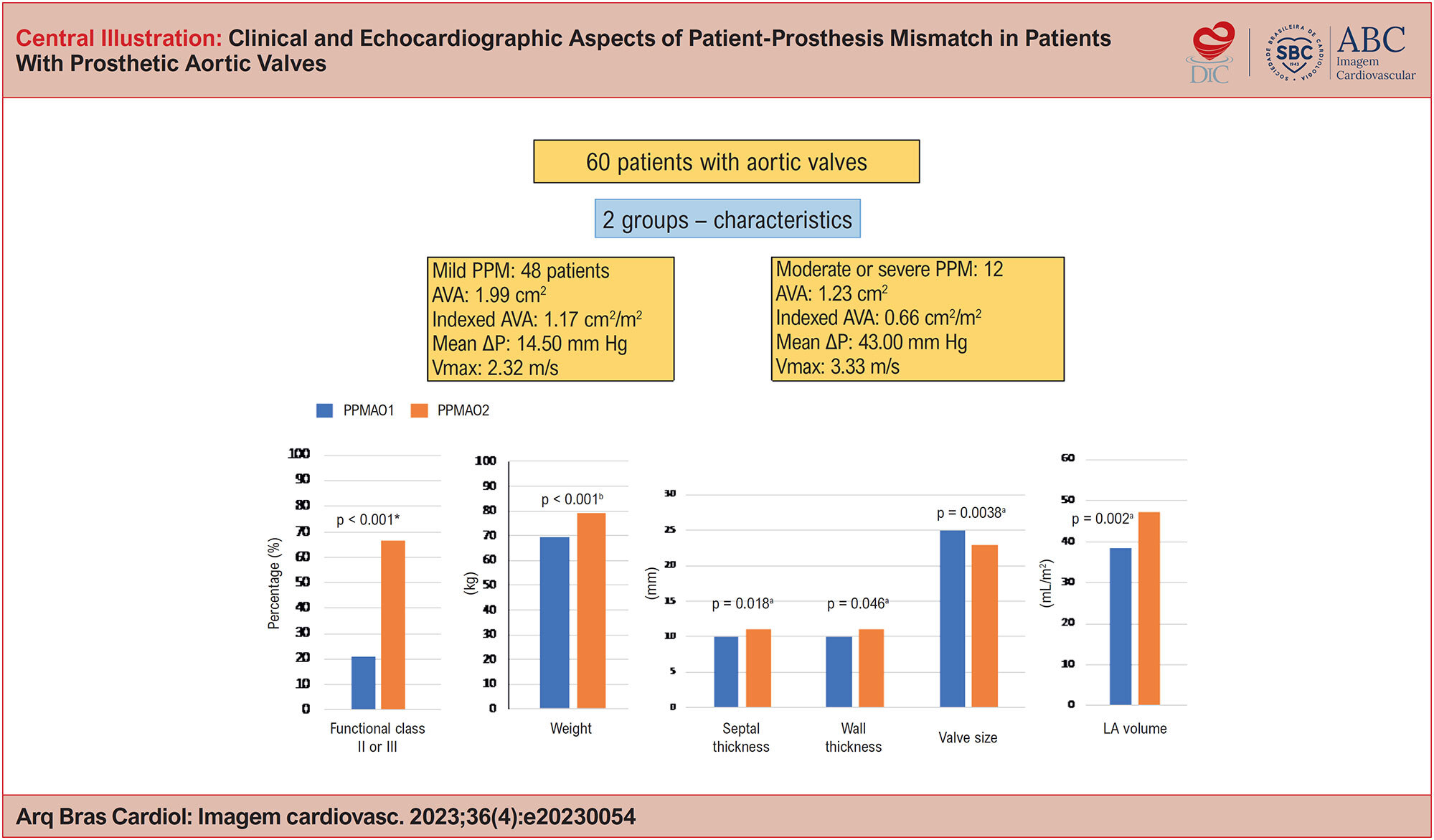
Sixty patients (36 women) with prosthetic aortic valves (29 biological and 31 mechanical) were included. PPMAO2 was diagnosed in 12 patients (20%), who had a mean valve area of 0.66 cm²/m² and mean gradient of 24 mm Hg. Functional class II or III was more frequent in the PPMAO2 group (66.7%) than in the PPMAO1 group (20.8%); p<0.001. Left atrial volume (51 ± 16 mL/m2 x 40 ± 12 mL/m2; p=0.002) and left ventricular septal and wall thicknesses (10.83 mm x 10 mm; p=0.018) were higher in the PPMAO2 group.

Conclusions:

Moderate or severe PPM occurred in 20% of patients. These patients were more symptomatic and had higher left atrial volumes and left ventricular myocardial wall thickness.

  • Aortic Valve
  • Echocardiography
  • Heart Valve Prosthesis Implantation
Read Full Article
Creative Commons Attribution (CC BY) Creative Commons license
21/12/2023 DOI: 10.36660/abcimg.20230054i
Figure 1
ABCIC
Case Report

Exploring Complexities in Differential Diagnosis: Torn Chord Tendinea in the Aortic Valve

Alexandre Costa et al. Endy de Santana Alves Priscila Pinheiro Leonardo Flausino … Marcus Vinicius Freire Rodrigo Vieira Morel

Introduction

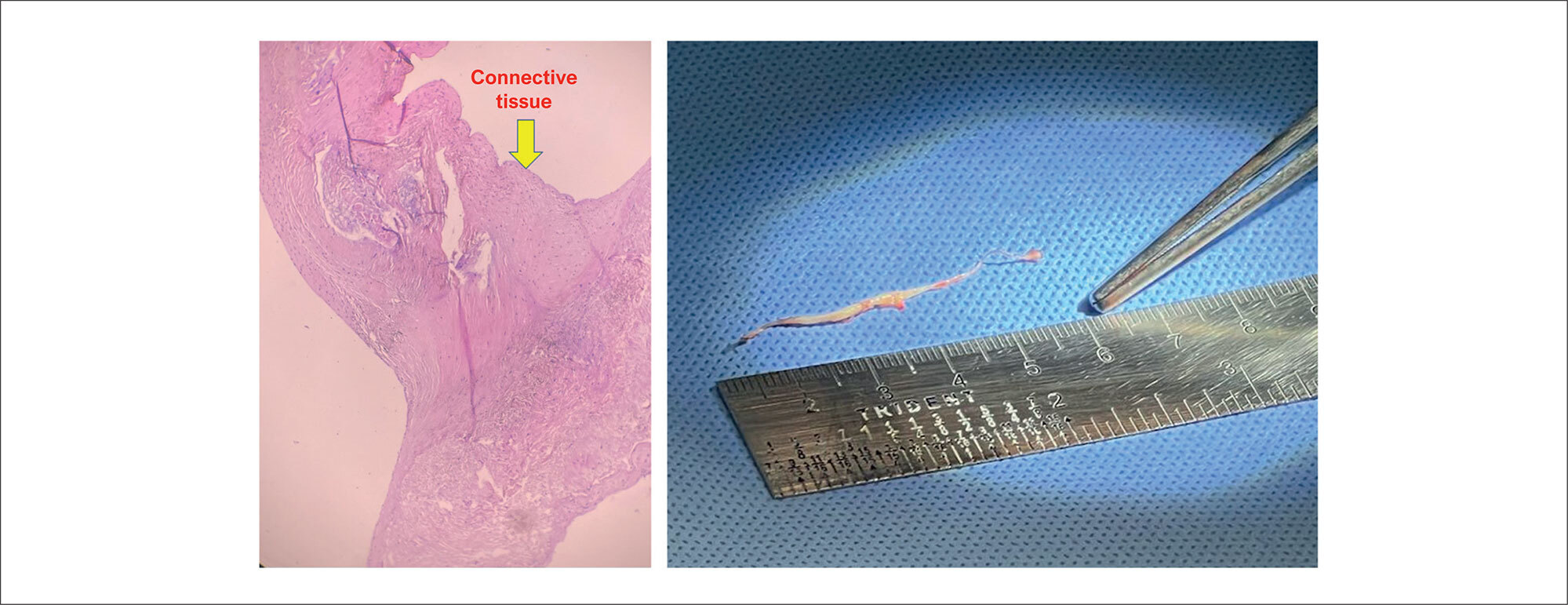
The prevalence of anomalous chordae in the aortic valve is rare in clinical practice. These anomalies, although uncommon, can have significant clinical implications, including valve insufficiency, arrhythmias and/or embolic risk. Accurate diagnosis and understanding of its pathophysiology are essential for adequate patient management.

The uncommon nature of anomalous chordae in the aortic valve means that their presence can often go unnoticed or misdiagnosed. Medical literature presents few reports on these structures of probable embryonic origin, leaving gaps in clinical knowledge. Furthermore, due to its ability to influence cardiac hemodynamics and potential to complicate clinical conditions, it is essential to expand the understanding of its incidence, clinical manifestations, and best management practices.

[…]

  • Aortic Valve
  • Cardiac Surgical Procedures
  • Diagnostic Imaging
  • Heart Valve Diseases
Read Full Article
Creative Commons Attribution (CC BY) Creative Commons license
18/12/2023 DOI: 10.36660/abcimg.20230084i Views 1
Figure 1
ABC
Research Letter

Patient in Cardiorespiratory Arrest – Is it Possible to Perform Transcatheter Aortic Valve Implantation (TAVI) in this Scenario?

Alexandre de Matos Soeiro et al. Francisco Akira Cardozo Patrícia Oliveira Guimarães Marcel Paula Pereira … Paulo Vinícius Ramos Souza Gustavo A. B. Boros Viviane Cordeiro Veiga Samolon Soriano Ordinola Rojas Fernanda Marinho Mangione Salvador André Bavaresco Cristóvão Gustavo Alexandre Dutra Adnan Ali Salman Luiz Eduardo Loureiro Bettarello José Armando Mangione

Introduction

Transcatheter aortic valve implantation (TAVI) is a well-established procedure in reference centers worldwide and is currently accepted as the method of choice in high- and intermediate-risk patients. Although unusual, catastrophic complications can occur before or after its implantation, such as coronary obstruction, rupture of the aortic valve annulus, cardiac tamponade, significant perivalvular insufficiency and prosthesis embolization/displacement.

Data from a recently published North American registry showed that 1,695 patients (2.8%) undergoing TAVI required some type of mechanical circulatory support during hospitalization. It was observed that heart failure, transapical access, respiratory diseases, acute myocardial infarction, cardiorespiratory arrest (CRA) and cardiogenic shock were the factors most frequently associated with the need for mechanical circulatory support.

[…]

  • Aortic Valve
  • Cardiogenic shock
  • Emergencies
  • Heart Arrest
Read Full Article
Creative Commons Attribution (CC BY) Creative Commons license
06/09/2021 DOI: 10.36660/abc.20201097
Figure 1
ABC
Original Article

Late Outcomes of Aortic Valve Replacement with Bioprosthesis and Mechanical Prosthesis

Larissa Ventura Ribeiro Bruscky et al. Carlos Gun Auristela Isabel de Oliveira Ramos Alice Lemos Morais

Abstract

Background

Despite constant improvement and refinement of the prostheses, the decision between mechanical and biological valves for aortic valve replacement is still controversial.

Objective

To compare outcomes of aortic valve replacement with bioprosthesis and mechanical prosthesis.

Methods

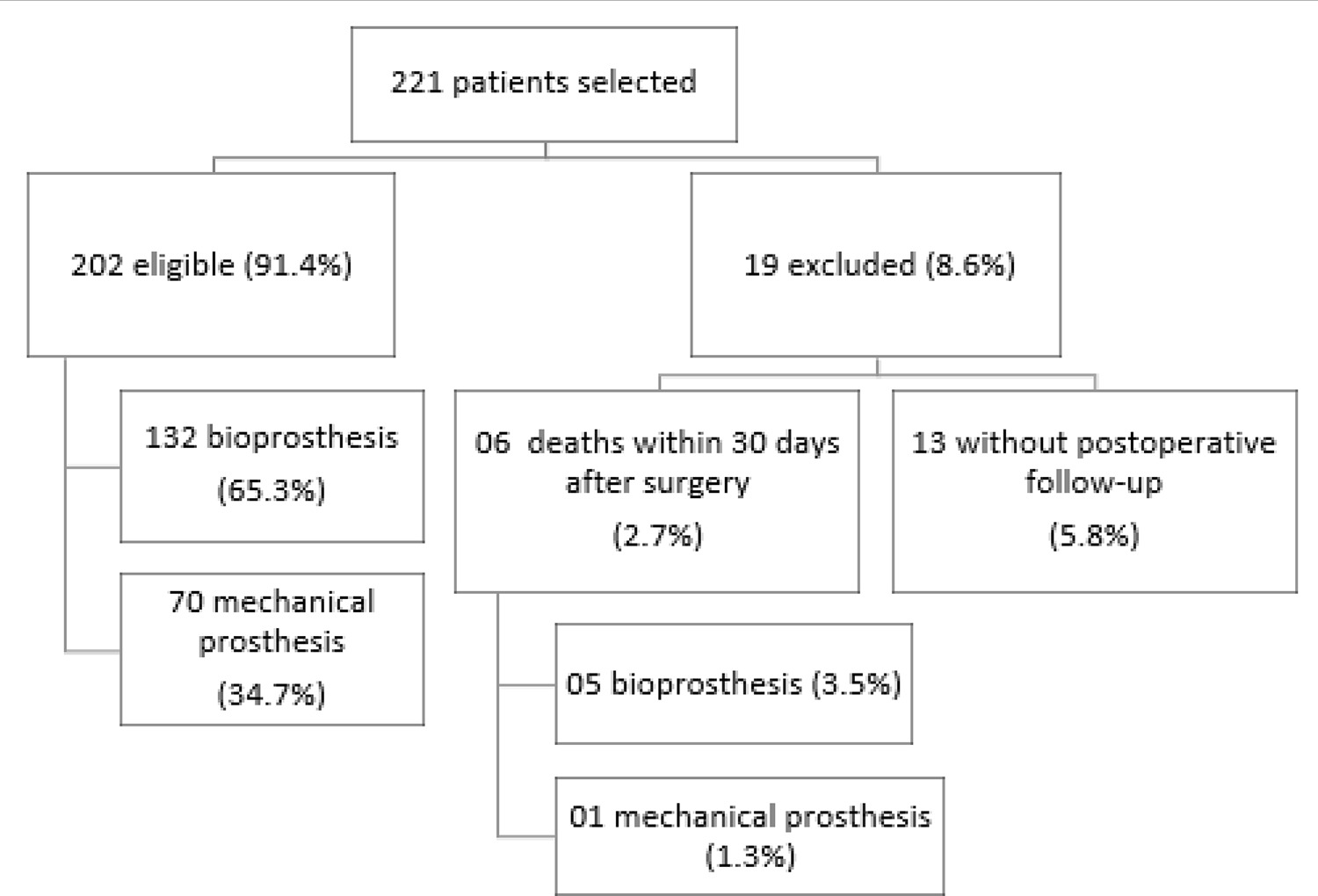
This was an observational, historical cohort study with review of medical records. A total of 202 patients who underwent heart valve replacement surgery between 2004 and 2008 were selected, with a mean follow-up of 10 years. The level of significance set at 5%.

Results

Mean age of patients was approximately 50 years; most patients were male (70%). Overall mortality- and reoperation-free survival was significantly higher in patients with mechanical prosthesis (HR=0.33; 95%CI=0.13-0.79; p=0.013). No difference was found in late mortality between the two groups. On the other hand, the risk of reoperation was significantly higher in patients with bioprosthesis than mechanical prosthesis (HR=0.062; 95%CI=0.008-0.457; p=0.006). The risk of composite adverse events – stroke, bleeding, endocarditis, thrombosis and paravalvular leak – was similar between the groups (HR=1.20; 95%CI= 0.74-1.93; p=0.44). The risk of bleeding was significantly higher in patients with mechanical prosthesis (HR=3.65; 95%CI= 1.43-9.29; p = 0.0064), although no case of fatal bleeding was reported.

Conclusion

No difference in 10-year mortality was found between the groups. The risk of reoperation significantly increases with the use of bioprosthesis, especially for patients younger than 30 years. Patients with mechanical prosthesis are at increased risk of nonfatal bleeding.

  • Aortic Valve
  • Bioprosthesis/trends
  • Heart Valve Prosthesis
  • Heart Valve Prosthesis Implantation/complications
  • Rheumatic Fever
Read Full Article
Creative Commons Attribution (CC BY) Creative Commons license
26/07/2021 DOI: 10.36660/abc.20200135 Views 1
ABC
Editorial

Mechanical Prosthesis X Biological Prosthesis: an Individualized and Shared Decision

João Ricardo C. Fernandes et al. Roney Orismar Sampaio

Surgical valve interventions are performed primarily in patients with severe valve heart disease, with associated symptoms and/or anatomical/hemodynamic consequences, and no contraindication to the procedure. The choice of prosthetic valve should be based on a shared decision-making process that must account for the trade-offs between durability (and the need for reintervention), bleeding, and thromboembolism.

The manuscript: “Late Outcomes of Aortic Valve Replacement with Bioprosthesis and Mechanical Prosthesis” is an observational retrospective study intended to evaluate the long-term follow-up of patients (n=202) who underwent aortic valve replacement, comparing biological (65.3%) and mechanical prostheses (34.7%). The patients were relatively young (mean age: 49 years), with predominantly degenerative aortic valve disease. On the other hand, 22% of the study population had rheumatic disease, the most prevalent etiology of valve disease in Brazil.

[…]

  • Aortic Valve
  • Bioprosthesis
  • Epidemiology
  • Heart Valve Prosthesis
  • Heart Valve Prosthesis Implantation/complications
  • Rheumatic Fever
Read Full Article
Creative Commons Attribution (CC BY) Creative Commons license
26/07/2021 DOI: 10.36660/abc.20210488 Views 2
IJCS
Original Article

Bioprosthesis versus Mechanical Valve Heart Prosthesis: Assessment of Quality of Life

José Carlos Molero Junior et al. Rodrigo Daminello Raimundo, Joice Anaize Tonon do Amaral Luiz Carlos de Abreu João Roberto Breda

Abstract

Background:

The aim of this study was to evaluate the QoL of patients undergoing heart valve replacement using the SF-36 questionnaire, compare it between patients with mechanical prosthesis and patients with bioprosthesis, and correlate the results with sociodemographic variables.

Objective:

To assess the QoL of patients undergoing heart valve replacement and compare it between patients with bioprosthetic valves and patients with mechanical prosthetic valves.

Methods:

We included 36 consecutive patients (16 men) with a mean age of 51 years and six months, who underwent mitral or aortic valve replacement from September 2007 to December 2011. The study was conducted between March and May 2012 and involved the application of the SF-36 survey and a sociodemographic questionnaire. Statistical tests were performed, and data are expressed as absolute frequency and percentile, and median and interquartile range (P25 and P75) (Mann-Whitney test), considering a significance of 95%.

Results:

The average time of surgery was 32.5 months (8-61 months). Participants were asked about the practice of physical activity, and 41.7% were physically active. For the SF-36 domains, the highest scores were observed for the social domain whereas the lowest scores were found for mental health, with a mean of 89.25 and 54.44, respectively. In the statistical analysis, we found statistically higher values in emotional functional for patients with mechanical valve prosthesis (p = 0.0084).

Conclusion:

The QoL of the patients undergoing heart valve replacement improves considerably after the surgery, except for the mental health domain, probably due to the low practice of physical activity. The type of prosthesis seems not to influence the QoL or the patients in the late postoperative period.

  • Aortic Valve
  • Heart Valve Prosthesis
  • Mitral Valve
  • Quality of life
  • sickness impact profile
  • Stress, Psychological
Read Full Article
Creative Commons Attribution (CC BY) Creative Commons license
24/10/2019 DOI: 10.5935/2359-4802.20190074
Figure 1
ABC
Viewpoint

Paradoxical Aortic Stenosis: Simplifying the Diagnostic Process

Vitor Emer Egypto Rosa et al. João Ricardo Cordeiro Fernandes Antonio Sergio de Santis Andrade Lopes Roney Orismar Sampaio Flávio Tarasoutchi

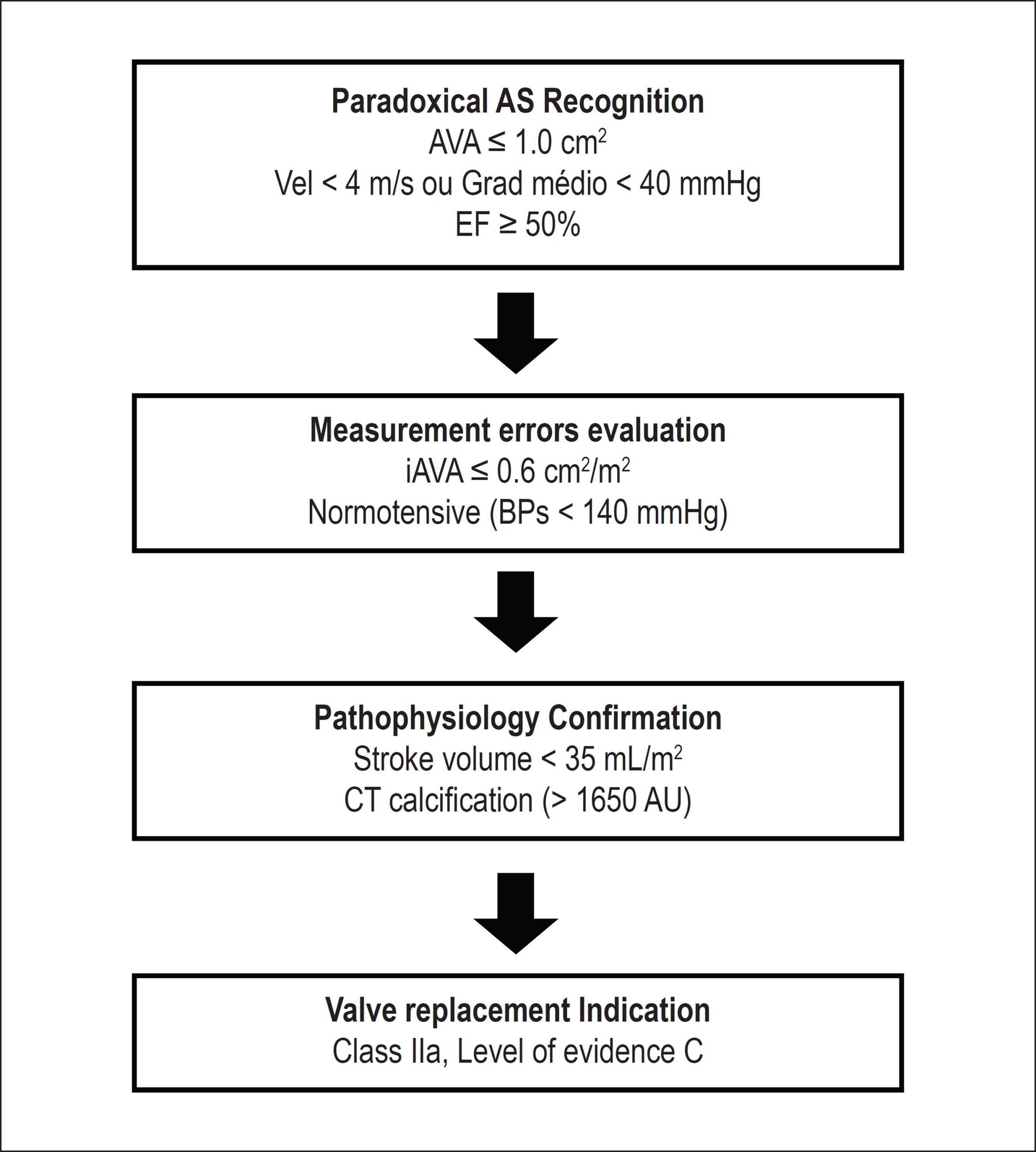
Severe aortic stenosis (AS) is defined as a significant reduction of the aortic valve area (aortic valve area [AVA] ≤ 1.0 cm2) associated with evidence of left ventricular hypertrophic response (aortic jet velocity > 4 m/s or mean gradient between the left ventricle and the aorta > 40 mmHg).–3 However, as Minners et al. have demonstrated, inconsistencies in echocardiographic measurements are extremely frequent in daily clinical practice. In about 30% of the cases evaluated by AS, we found AVA ≤ 1.0 cm2, indicative of severe AS, with a mean gradient < 40 mmHg, suggestive of moderate AS. This dissociation makes it difficult to establish an adequate and definitive diagnosis to the patient with AS, fundamental point in the therapeutic decision making. If, on the one hand, patients with moderate AS do not benefit from valve intervention, those with severe AS require surgical aortic valve replacement or a transcatheter aortic bioprosthesis implant, especially if they are symptomatic.–

In 2007, Hachicha et al., in a pioneering work, defined such patients as having “paradoxical AS” (or low-flow, low-gradient AS with preserved ejection fraction). These patients present a pathophysiology similar to that of diastolic heart failure, with hypertrophy and left ventricular compliance reduction, leading to a “low-flow” state, defined by an ejected volume (stroke volume) of < 35 ml/m2 (stroke volume = Diastolic Volume – Systolic Volume / Body Surface).–

[…]

  • Aortic Valve
  • Aortic Valve Stenosis
  • Echocardiography
Read Full Article
Creative Commons Attribution (CC BY) Creative Commons license
01/05/2018 DOI: 10.5935/abc.20180075
Acute coronary artery dissection after aortic valve replacement
ABC
Case Report

Acute coronary artery dissection after aortic valve replacement

Fernando de Paula Machado et al. Roney Orismar Sampaio Fernanda Lopez Mazzucato Flávio Tarasoutchi … Guilherme Sobreira Spina Max Grinberg

Late aortic dissection can occur after aortic valve replacement surgery, but rarely in the first postoperative month. Coronary artery dissection is rare and usually occurs after coronary angiography. We report a rare case of coronary artery dissection followed by myocardial infarction in the immediate postoperative period of a successful aortic valve replacement with a good postoperative evolution.

  • Acute coronary syndrome
  • Aortic Valve
  • Coronary Vessels
  • Dissection
Read Full Article
Creative Commons Attribution (CC BY) Creative Commons license
05/05/2010 DOI: 10.1590/S0066-782X2010000200026 Views 1
Isolated mitral and aortic valve replacement with the St. Jude Medical valve: a midterm follow-up
ABC
Artigo Original

Isolated mitral and aortic valve replacement with the St. Jude Medical valve: a midterm follow-up

Alfredo José Rodrigues et al. Paulo Roberto Barbosa Évora Solange Bassetto Lafaiete Alves Jr. … Adilson Scorzoni Filho Walter Villela A. Vicente

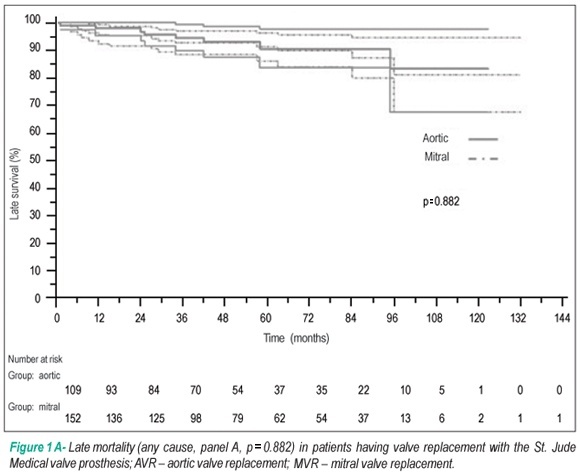
BACKGROUND: In our country, the biological valvular prostheses predominate, considering the difficulties related to anticoagulation, even in young patients, in spite of the need for repeated operations due to the degeneration of the bioprostheses. OBJECTIVES: To report our consecutive series of recipients of isolated St Jude Medical mechanical valve prosthesis in the mitral (MVR) or aortic (AVR) position. METHODS: Data from patients operated between January 1995 and December 2003 were revised in order to determine patient survival and prosthesis-related events up to December 2006. RESULTS: One hundred sixty eight patients had MVR and 117 had AVR. In the MVR cohort, the mean age was 45 years, 75% were 55 years old or younger, and 65% were females. In the ARV cohort, the mean age was 45 years, 66% were 55 years old or younger and 69% were males. Operative mortality for AVR and MVR was 7% and 7.5%, respectively. Freedom from late mortality was 81.8% at 10 years for MVR and 83% for AVR (p=0.752). Freedom from valve-related death at 10 years for the MVR cohort and AVR was 85.6% and 88.7%, respectively (p=0.698). In the MVR cohort, the freedom from reoperation was 97% and 99% in the AVR cohort (p=0.335). Freedom from thromboembolic events was 82% in the MVR cohort and 98% in the AVR cohort (p=0.049). Freedom from bleeding was 71% in the MVR cohort and 86% n the AVR cohort (0.579). Freedom from endocarditis was 98% in the MVR cohort and 99% in the AVR cohort (p=0.534). CONCLUSIONS: This series of predominantly young adult patients undergoing isolated MVR and AVR with the St Jude Medical mechanical prosthesis confirms the good performance of this valve prosthesis in agreement with previous reports.

  • Aortic Valve
  • Heart Valve Diseases
  • Heart Valve Prosthesis
  • Mitral Valve
Read Full Article
Creative Commons Attribution (CC BY) Creative Commons license
22/10/2009 DOI: 10.1590/S0066-782X2009000900014 Views 1
Surgery for Aortic Valve endocarditis: treatment options for aortic abscess
ABC
Artigo Original

Surgery for Aortic Valve endocarditis: treatment options for aortic abscess

Antoninho Sanfins Arnoni et al. Renato Tambellini Arnoni Paulo Paredes Paulista Victoria E. Martinez … Antonio Flavio Sanches Almeida Camilo Abdulmassih Neto Jarbas Jackson Dinkhuysen Mario Issa Paulo Chaccur Luiz Carlos Bento de Souza

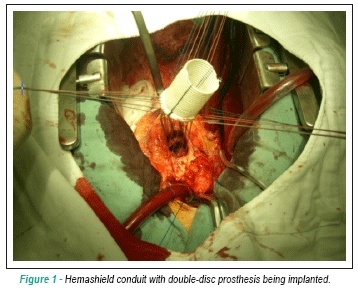
BACKGROUND: Patients with infective endocarditis show a large diversity of anatomical presentations, which has been a complicating factor for the surgical treatment of this condition, especially in those who develop abscesses in the aortic ring or intracardiac fistulae. For this reason, surgeons have been developing tactical options to repair it. There is consensus around the fact that the removal of infected tissue promotes radical cleaning, and that the outcome of the treatment has been improved by the manufacture of biological glues which facilitate the closure of abscesses and by the creation of new valve replacements. OBJECTIVE:To demonstrate yet one more treatment option for aortic abscess for selected cases: a valved conduit placed in infra-coronary position. METHODS: We employed the technique in three patients: in two of them we employed a valved conduit with a mechanical prosthesis and in one of them a valved conduit with a biological prosthesis. Two patients needed associated procedures such as replacement of mitral valve in one of them and tricuspid valvoplasty in the other. All cases involved reoperation of prostheses in aortic position. RESULTS: The progression during surgery and in the early postoperative period was satisfactory and the three patients were discharged from the Intensive Care Unit and were sent to hospital rooms. One of the patients progressed to death during hospital stay due to severe comorbidities which were present in the preoperative period, and which related to esophageal varices and hepatic involvement. The other two progressed well in the late postoperative period. CONCLUSION: We believe that this option is yet one more alternative for the treatment of abscesses with great involvement of aortic ring structures and mitro-aortic continuity.

  • Abscess
  • Aortic Valve
  • Endocarditis
  • Thoracic Surgery
Read Full Article
Creative Commons Attribution (CC BY) Creative Commons license
11/08/2008 DOI: 10.1590/S0066-782X2008001400002 Views 1
Quadricuspid aortic valve by transthoracic echocardiography
ABC
Case Report

Quadricuspid aortic valve by transthoracic echocardiography

Erlon Oliveira de Abreu Silva et al. Alessandro Giralde Iglesias Erlon de Abreu Silva

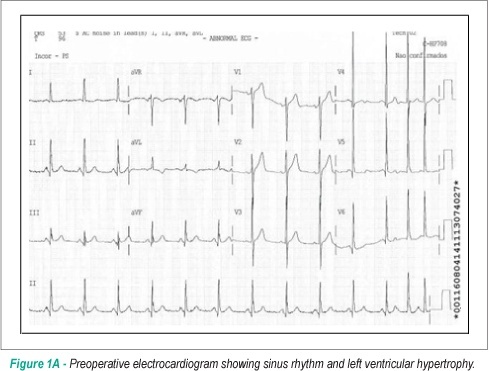
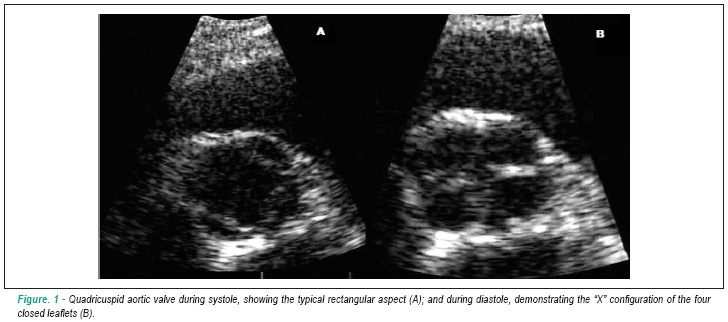
A 55-year-old woman seeks medical attention with palpitations, atypical chest pain and dyspnea upon exertion, lasting for 12 months. ECG showed left ventricular hypertrophy. Transthoracic Doppler echocardiogram confirmed hypertrophy of the left chambers and showed a quadricuspid aortic valve, with equal-sized cusps, in addition to a moderate regurgitant central flow. Upon echocardiography, the quadricuspid valve is identified by its characteristic “X” form during diastole and rectangular aspect during systole. Heart failure symptoms are presumably caused by valve insufficiency due to abnormal leaflet coaptation. Considering the possibility of progressive regurgitation, follow up on the patient was performed with periodic echocardiographic control. Symptoms responded to treatment.

  • Aortic Valve
  • Aortic Valve Insufficiency
  • Echocardiography
Read Full Article
Creative Commons Attribution (CC BY) Creative Commons license
11/08/2008 DOI: 10.1590/S0066-782X2008001400014 Views 1
Hypoplastic left heart syndrome: the influence of surgical strategy on outcomes
ABC
Artigo Original

Hypoplastic left heart syndrome: the influence of surgical strategy on outcomes

José Pedro da Silva et al. Luciana da Fonseca José Francisco Baumgratz Rodrigo Moreira Castro … Sonia Meiken Franchi Cristina de Sylos Liliane M. G. Pozzi Grassi César Augusto M. Cattani Lílian Maria Lopes José Henrique Andrade Vila

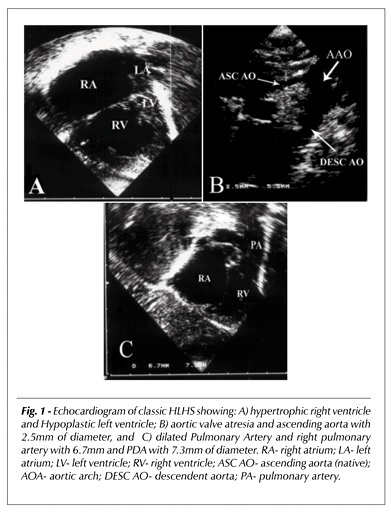
OBJECTIVES: To report a surgical strategy for the Norwood procedure in the hypoplastic left heart syndrome (HLHS) that enables short hypothermic circulatory arrest time and aortic arch reconstruction with autologous pericardium patch, and to compare the results of the modified Blalock-Taussig (mBT) shunt with the right ventricle-to-pulmonary artery (RV-PA) conduit procedures as the source of pulmonary blood flow. METHODS: Retrospective study of 71 newborns with HLHS consecutively operated between March, 1999 and February, 2006. One technique for reconstruction of the neoaorta and two different techniques for reestablishment of the pulmonary blood flow were used: the mBT shunt in the first 37 newborns and RV-PA conduit in the last 34. Cannulation of the ductus arteriosus for arterial perfusion was the main part of the surgical strategy to reduce the hypothermic circulatory arrest time. RESULTS: In-hospital survival for the entire cohort was 74.64%, or 67.57% and 82.35% for the mBT shunt and RV-PA conduit groups, respectively (p=0.1808). Mortality rates between the first and second palliation stages were 40% and 4.4% for the mBT shunt and RV-PA conduit groups, respectively (p=0.0054). Hypothermic circulatory arrest times were 45.79±1.99 min and 36.62±1.62min (p=0.0012), respectively. Late coarctation of the aorta occurred in five patients (7.2%). CONCLUSION: This surgical strategy resulted in short circulatory arrest time, low mortality and favorable morphology of the neoaorta, with low incidence of late coarctation of the aorta. The higher rate of survival to first palliation stage with the RV-PA conduit was not significant, but interstage mortality was statistically lower when compared with the modified Blalock-Taussig shunt procedure.

  • Aortic Valve
  • Mitral Valve
Read Full Article
Creative Commons Attribution (CC BY) Creative Commons license
21/05/2007 DOI: 10.1590/S0066-782X2007000300016 Views 1
Mechanical versus biological aortic valve implants in the elderly. A comparison of early and mid-term results
ABC
Original Article

Mechanical versus biological aortic valve implants in the elderly. A comparison of early and mid-term results

Lars I. Thulin et al. Johan L. Sjögren

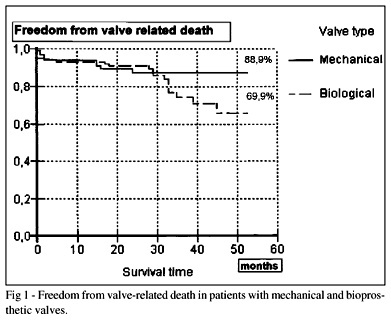
OBJECTIVE: Our aim was to compare, in a non randomized study, the surgical outcome in elderly patients with mechanical (Group 1; n=83) and bioprosthetic valve implants (Group 2; n=136). METHODS: During a three year period, 219 patients >75 years underwent Aortic Valve Replacement. The groups matched according to age, sex, comorbidity, valve pathology and concomitant Coronary Artery Bypass Surgery. Follow-up was a total of 469 patient-years (mean follow-up 2.1 years, maximum 4,4 years). RESULTS: Operative mortality was zero and the overall early mortality was 2.3 % (within 30 days). Actuarial survival was 87.5 ± 4.0% and 66.1 ± 7.7% (NS) at 4 years in Group 1 and Group 2, respectively. Freedom from valve-related death was 88.9 ± 3.8% in Group 1 and 69.9±7.9% (NS) in Group 2 at 4 years. CONCLUSION: Aortic Valve Replacement in the elderly (>75 years) is a safe procedure even in cases where concomitant coronary artery revascularization is performed. Only a few anticoagulant-related complications were reported and this may indicate that selected groups of elderly patients with significant life expectancy may benefit from mechanical implants .

  • Aortic Valve
  • Cardiac Surgery
  • Elderly
  • Heart Valve Prosthesis
Read Full Article
Creative Commons Attribution (CC BY) Creative Commons license
31/01/2007 DOI: 10.1590/S0066-782X2001001100001
Surgical treatment of aortic valve disease with stentless bovine pericardium prosthesis: immediate results
ABC
Artigo Original

Surgical treatment of aortic valve disease with stentless bovine pericardium prosthesis: immediate results

Wesley Ferreira de Araújo et al. Luis Roberto Gerola Hyoung C. Kin Armindo Pereira Filho … Guilherme Flora Vargas Roberto Catani Enio Buffolo

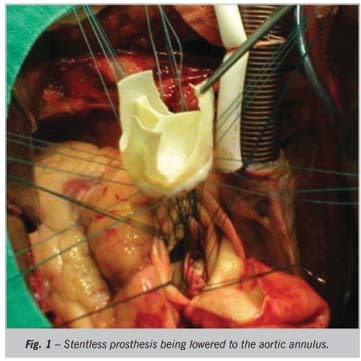
OBJECTIVE: To present the immediate results and assess the clinical and hemodynamic performance of stentless bovine pericardial bioprostheses in aortic position. METHODS: Twenty patients were operated who were indicated for surgery for valve replacement with biological prostesis. Eleven patients were male; sixteen had aortic stenosis; four, insufficiency; the mean age was 66.3 ± 8.8 years. The surgical technique used was subcoronary implant. Associated procedures were performed in five patients. Postoperative morbidity,mortality and hemodynamic performance were assessed on transthoracic echocardiogram. RESULTS: Mean time of cardiopulmonary bypass was 136.5 ± 24.41 minutes and mean anoxic time was 105.2 ± 21.62 minutes. Hospital mortality was 5% (one patient). Mean time of intensive care unit stay was 3.65 ± 3.23 days. Mean postoperatively transvalvular gradient was was 25.39 ± 7.82 mmHg. Left ventricle ejection fraction was 67 ± 13.49% preoperatively and 63.24 ± 16.06% postoperatively (p = 0.45). Eleven patients did not present any degree of valve regurgitation, eight presented mild regurgitation and one ,mild to moderate regurgitation. CONCLUSION: Stentless prostheses can be used for the surgical tratment of aortic valve diseases, with in hospital mortality and morbidity similar to the mortality and morbidity described in the literature for similar procedures, with satisfactory hemodynamic performance.

  • Aortic Valve
  • Bioprosthesis
  • stentless bioprosthesis
  • stentless prosthesis
  • valve replacement
Read Full Article
Creative Commons Attribution (CC BY) Creative Commons license
28/07/2006 DOI: 10.1590/S0066-782X2006001400004 Views 2
Morphometric and topographic study of coronary ostia
ABC
Original Article

Morphometric and topographic study of coronary ostia

Jennecy Sales Cavalcanti et al. Natália Corrêa Vieira de Melo Renata Simões de Vasconcelos

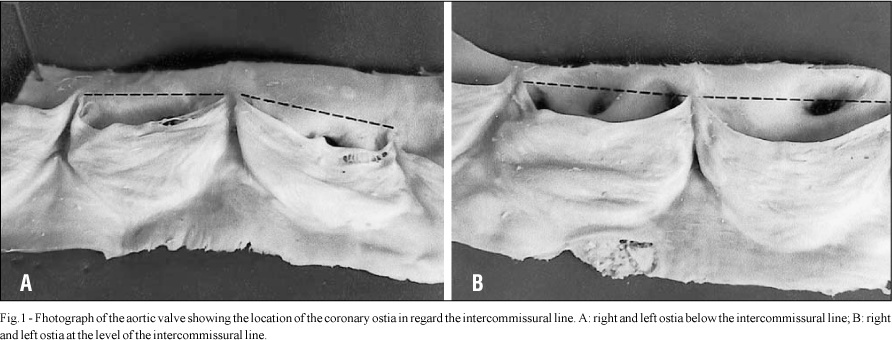
OBJECTIVE: To investigate the morphometric and topographic aspects of coronary ostia, correlating them with the aortic leaflets. METHODS: Fifty-one hearts with the great vessels attached were analyzed in this study. The ascending aorta was transversally sectioned 1 cm above the commissures of the aortic leaflets. The right and left coronary ostia were analyzed, as were the distances from these ostia to the bottom of the aortic sinuses and to the commissures of the aortic leaflets. RESULTS: The left coronary ostium was located below the intercommissural line in 42% of cases, above that line in 40% of cases, and at the level of that line in 18% of cases. The mean distance from the left coronary ostium to the bottom of the corresponding sinus was 12.6±2.61 mm. The right coronary ostium was located below the intercommissural line in 60% of cases, above that line in 28% of cases, and at the level of that line in 12% of cases. The mean distance from the right coronary ostium to the bottom of the corresponding aortic sinus was 13.2±2.64 mm. The mean diameters of the left and right coronary ostia were 4.75±0.93 mm and 3.46±0.94 mm, respectively. The mean diameters of the juxtamural portion of the left and right coronary arteries were 3.75±0.79 mm and 2.9±0.73 mm, respectively. In one case, both ostia were located in the left coronary sinus. CONCLUSION: The left coronary ostium may be located either above or below the intercommissural line. The right coronary ostium is predominantly located below the intercommissural line. The coronary ostia have reduced diameters as compared with the juxtamural diameters of their respective coronary arteries.

  • Aortic Valve
  • coronary artery
  • Heart
Read Full Article
Creative Commons Attribution (CC BY) Creative Commons license
05/11/2003 DOI: 10.1590/S0066-782X2003001200003
Aortic valve assessment. Anatomical study of 100 healthy human hearts
ABC
Original Article

Aortic valve assessment. Anatomical study of 100 healthy human hearts

Marcelo Biscegli Jatene et al. Rosangela Monteiro Maria Helena Guimarães Siomara Christina Veronezi … Márcia Kyiomi Koike Fabio Biscegli Jatene Adib Domingos Jatene

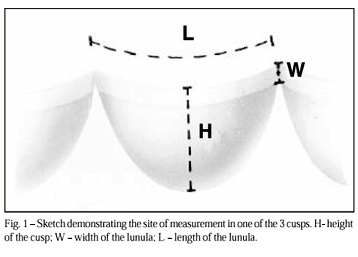
PURPOSE: To assess anatomical characteristics of the aortic valve, so that they may be useful in diagnostic situations and surgical treatment. METHODS: The study analyzed 100 healthy fixed human hearts; 84% of them obtained from males, 61% of them from Caucasian individuals. The ages of the individuals ranged from 9 to 86 years (mean 30±15.5 years). The characteristics assessed related to age, sex, and race were the following: number and height of the cusps, size of the lunulae, internal and external intercommissural distance, position of the coronary ostium in relation to the aortic valve, position of the ventricular septum in relation to the aortic valve, thickness of the cusps. RESULTS: All hearts assessed had a tricuspidal aortic valve. In regard to the height of the cusps and size of the lunula, the left coronary cusp was larger, followed by the right coronary cusp and the noncoronary cusp. The internal and external intercommissural distances had mean values of 24.6±5.7mm and 19.7±7mm, respectively. In regard to the position of the coronary ostia, in one heart two ostia emerged from the left coronary sinus, and in another, the ostium was supracommissural. The mean diameter of the aorta was 21.8±3.6mm, and there were no significant sexual or racial differences, but the diameter increased progressively with the increase in age. The thickness of the cusps did not show any significant difference in the 3 points assessed. CONCLUSION: The aortic valve annulus did not show a perfect circumference, with some variations in the measurements of the annulus, in the cusps and in the relation with the ventricular septum.

  • Anatomy
  • Aortic Valve
  • Heart
Read Full Article
Creative Commons Attribution (CC BY) Creative Commons license
24/10/2000 DOI: 10.1590/S0066-782X1999000700007 Views 1

How to cite this article

EndNote RIS

Electronic Document Format (Vancouver)

Grazina A, Teixeira BL, Rodrigues I, Fiarresga A, Cacela D. Snare-Assisted Aortic Valve Crossing for TAVI: A Case Report. International Journal of Cardiovascular Sciences 2024;37:e20230147.

Electronic Document Format (ABNT)

Grazina, Andre; Teixeira, Bárbara Lacerda; Rodrigues, Inês; Fiarresga, António; Cacela, Duarte. Snare-Assisted Aortic Valve Crossing for TAVI: A Case Report. International Journal of Cardiovascular Sciences, v. 37, e20230147, Aug. 2024.

Electronic Document Format (APA)

Grazina, A., Teixeira, B. L., Rodrigues, I., Fiarresga, A., & Cacela, D. (2024). Snare-Assisted Aortic Valve Crossing for TAVI: A Case Report. International Journal of Cardiovascular Sciences, 37, e20230147.

Electronic Document Format (ISO)

Grazina, Andre and Teixeira, Bárbara Lacerda and Rodrigues, Inês and Fiarresga, António and Cacela, Duarte. Snare-Assisted Aortic Valve Crossing for TAVI: A Case Report. International Journal of Cardiovascular Sciences [online]. 2024, vol. 37, [cited 2026-10-14], e20230147. Available from: <https://journals.cardiol.br/en/article/snare-assisted-aortic-valve-crossing-for-tavi-a-case-report/>. ISSN 2359-4802

EndNote RIS

Electronic Document Format (Vancouver)

Bispo IGA, Hemerly DFA, Kyiose AT, Fischer CH, Moises VA. Clinical and Echocardiographic Aspects of Patient-Prosthesis Mismatch in Patients With Prosthetic Aortic Valves. ABC Imagem Cardiovascular 2023;36(4):e20230054.

Electronic Document Format (ABNT)

Bispo, Irving Gabriel Araújo; Hemerly, Daniela Fernanda Alli; Kyiose, Alberto Takeshi; Fischer, Claudio Henrique; Moises, Valdir Ambrosio. Clinical and Echocardiographic Aspects of Patient-Prosthesis Mismatch in Patients With Prosthetic Aortic Valves. ABC Imagem Cardiovascular, v. 36, n. 4, e20230054, Dec. 2023.

Electronic Document Format (APA)

Bispo, I. G. A., Hemerly, D. F. A., Kyiose, A. T., Fischer, C. H., & Moises, V. A. (2023). Clinical and Echocardiographic Aspects of Patient-Prosthesis Mismatch in Patients With Prosthetic Aortic Valves. ABC Imagem Cardiovascular, 36(4), e20230054.

Electronic Document Format (ISO)

Bispo, Irving Gabriel Araújo and Hemerly, Daniela Fernanda Alli and Kyiose, Alberto Takeshi and Fischer, Claudio Henrique and Moises, Valdir Ambrosio. Clinical and Echocardiographic Aspects of Patient-Prosthesis Mismatch in Patients With Prosthetic Aortic Valves. ABC Imagem Cardiovascular [online]. 2023, vol. 36, n. 4, [cited 2026-10-14], e20230054. Available from: <https://journals.cardiol.br/en/article/clinical-and-echocardiographic-aspects-of-patient-prosthesis-mismatch-in-patients-with-prosthetic-aortic-valves/>. ISSN 2318-8219

EndNote RIS

Electronic Document Format (Vancouver)

Costa A, Alves ES, Pinheiro P, Flausino L, Freire MV, Morel RV. Exploring Complexities in Differential Diagnosis: Torn Chord Tendinea in the Aortic Valve. ABC Imagem Cardiovascular 2023;36(4):e20230084.

Electronic Document Format (ABNT)

Costa, Alexandre; Alves, Endy de Santana; Pinheiro, Priscila; Flausino, Leonardo; Freire, Marcus Vinicius; Morel, Rodrigo Vieira. Exploring Complexities in Differential Diagnosis: Torn Chord Tendinea in the Aortic Valve. ABC Imagem Cardiovascular, v. 36, n. 4, e20230084, Dec. 2023.

Electronic Document Format (APA)

Costa, A., Alves, E. S., Pinheiro, P., Flausino, L., Freire, M. V., & Morel, R. V. (2023). Exploring Complexities in Differential Diagnosis: Torn Chord Tendinea in the Aortic Valve. ABC Imagem Cardiovascular, 36(4), e20230084.

Electronic Document Format (ISO)

Costa, Alexandre and Alves, Endy de Santana and Pinheiro, Priscila and Flausino, Leonardo and Freire, Marcus Vinicius and Morel, Rodrigo Vieira. Exploring Complexities in Differential Diagnosis: Torn Chord Tendinea in the Aortic Valve. ABC Imagem Cardiovascular [online]. 2023, vol. 36, n. 4, [cited 2026-10-14], e20230084. Available from: <https://journals.cardiol.br/en/article/exploring-complexities-in-differential-diagnosis-torn-chord-tendinea-in-the-aortic-valve/>. ISSN 2318-8219

EndNote RIS

Electronic Document Format (Vancouver)

Soeiro AM, Cardozo FA, Guimarães PO, Pereira MP, Souza PVR, Boros GAB, Veiga VC, et al. Patient in Cardiorespiratory Arrest – Is it Possible to Perform Transcatheter Aortic Valve Implantation (TAVI) in this Scenario?. Arquivos Brasileiros de Cardiologia 2021;117(2):404-6.

Electronic Document Format (ABNT)

Soeiro, Alexandre de Matos; Cardozo, Francisco Akira; Guimarães, Patrícia Oliveira; Pereira, Marcel Paula; Souza, Paulo Vinícius Ramos; Boros, Gustavo A. B.; Veiga, Viviane Cordeiro; Rojas, Samolon Soriano Ordinola; Mangione, Fernanda Marinho; Cristóvão, Salvador André Bavaresco; Dutra, Gustavo Alexandre; Salman, Adnan Ali; Bettarello, Luiz Eduardo Loureiro; Mangione, José Armando. Patient in Cardiorespiratory Arrest – Is it Possible to Perform Transcatheter Aortic Valve Implantation (TAVI) in this Scenario?. Arquivos Brasileiros de Cardiologia, v. 117, n. 2, p. 404-406, Sep. 2021.

Electronic Document Format (APA)

Soeiro, A. M., Cardozo, F. A., Guimarães, P. O., Pereira, M. P., Souza, P. V. R., Boros, G. A. B., Veiga, V. C., Rojas, S. S. O., Mangione, F. M., Cristóvão, S. A. B., Dutra, G. A., Salman, A. A., Bettarello, L. E. L., & Mangione, J. A. (2021). Patient in Cardiorespiratory Arrest – Is it Possible to Perform Transcatheter Aortic Valve Implantation (TAVI) in this Scenario?. Arquivos Brasileiros de Cardiologia, 117(2), 404-406.

Electronic Document Format (ISO)

Soeiro, Alexandre de Matos and Cardozo, Francisco Akira and Guimarães, Patrícia Oliveira and Pereira, Marcel Paula and Souza, Paulo Vinícius Ramos and Boros, Gustavo A. B. and Veiga, Viviane Cordeiro and Rojas, Samolon Soriano Ordinola and Mangione, Fernanda Marinho and Cristóvão, Salvador André Bavaresco and Dutra, Gustavo Alexandre and Salman, Adnan Ali and Bettarello, Luiz Eduardo Loureiro and Mangione, José Armando. Patient in Cardiorespiratory Arrest – Is it Possible to Perform Transcatheter Aortic Valve Implantation (TAVI) in this Scenario?. Arquivos Brasileiros de Cardiologia [online]. 2021, vol. 117, n. 2, [cited 2026-10-14], pp. 404-406. Available from: <https://journals.cardiol.br/en/article/patient-in-cardiorespiratory-arrest-is-it-possible-to-perform-transcatheter-aortic-valve-implantation-tavi-in-this-scenario/>. ISSN 0066-782X

EndNote RIS

Electronic Document Format (Vancouver)

Bruscky LVR, Gun C, Ramos AIO, Morais AL. Late Outcomes of Aortic Valve Replacement with Bioprosthesis and Mechanical Prosthesis. Arquivos Brasileiros de Cardiologia 2021;117(1):28-36.

Electronic Document Format (ABNT)

Bruscky, Larissa Ventura Ribeiro; Gun, Carlos; Ramos, Auristela Isabel de Oliveira; Morais, Alice Lemos. Late Outcomes of Aortic Valve Replacement with Bioprosthesis and Mechanical Prosthesis. Arquivos Brasileiros de Cardiologia, v. 117, n. 1, p. 28-36, Jul. 2021.

Electronic Document Format (APA)

Bruscky, L. V. R., Gun, C., Ramos, A. I. O., & Morais, A. L. (2021). Late Outcomes of Aortic Valve Replacement with Bioprosthesis and Mechanical Prosthesis. Arquivos Brasileiros de Cardiologia, 117(1), 28-36.

Electronic Document Format (ISO)

Bruscky, Larissa Ventura Ribeiro and Gun, Carlos and Ramos, Auristela Isabel de Oliveira and Morais, Alice Lemos. Late Outcomes of Aortic Valve Replacement with Bioprosthesis and Mechanical Prosthesis. Arquivos Brasileiros de Cardiologia [online]. 2021, vol. 117, n. 1, [cited 2026-10-14], pp. 28-36. Available from: <https://journals.cardiol.br/en/article/late-outcomes-of-aortic-valve-replacement-with-bioprosthesis-and-mechanical-prosthesis/>. ISSN 0066-782X

EndNote RIS

Electronic Document Format (Vancouver)

Fernandes JRC, Sampaio RO. Mechanical Prosthesis X Biological Prosthesis: an Individualized and Shared Decision. Arquivos Brasileiros de Cardiologia 2021;117(1):37-8.

Electronic Document Format (ABNT)

Fernandes, João Ricardo C.; Sampaio, Roney Orismar. Mechanical Prosthesis X Biological Prosthesis: an Individualized and Shared Decision. Arquivos Brasileiros de Cardiologia, v. 117, n. 1, p. 37-38, Jul. 2021.

Electronic Document Format (APA)

Fernandes, J. R. C., & Sampaio, R. O. (2021). Mechanical Prosthesis X Biological Prosthesis: an Individualized and Shared Decision. Arquivos Brasileiros de Cardiologia, 117(1), 37-38.

Electronic Document Format (ISO)

Fernandes, João Ricardo C. and Sampaio, Roney Orismar. Mechanical Prosthesis X Biological Prosthesis: an Individualized and Shared Decision. Arquivos Brasileiros de Cardiologia [online]. 2021, vol. 117, n. 1, [cited 2026-10-14], pp. 37-38. Available from: <https://journals.cardiol.br/en/article/mechanical-prosthesis-x-biological-prosthesis-an-individualized-and-shared-decision/>. ISSN 0066-782X

EndNote RIS

Electronic Document Format (Vancouver)

Molero Junior JC, Raimundo RD, Amaral JAT, Abreu LC, Breda JR. Bioprosthesis versus Mechanical Valve Heart Prosthesis: Assessment of Quality of Life. International Journal of Cardiovascular Sciences 2019;33(1):36-42.

Electronic Document Format (ABNT)

Molero Junior, José Carlos; Raimundo, Rodrigo Daminello; Amaral, Joice Anaize Tonon do; Abreu, Luiz Carlos de; Breda, João Roberto. Bioprosthesis versus Mechanical Valve Heart Prosthesis: Assessment of Quality of Life. International Journal of Cardiovascular Sciences, v. 33, n. 1, p. 36-42, Oct. 2019.

Electronic Document Format (APA)

Molero Junior, J. C., Raimundo, R. D., Amaral, J. A. T. , Abreu, L. C. , & Breda, J. R. (2019). Bioprosthesis versus Mechanical Valve Heart Prosthesis: Assessment of Quality of Life. International Journal of Cardiovascular Sciences, 33(1), 36-42.

Electronic Document Format (ISO)

Molero Junior, José Carlos and Raimundo, Rodrigo Daminello and Amaral, Joice Anaize Tonon do and Abreu, Luiz Carlos de and Breda, João Roberto. Bioprosthesis versus Mechanical Valve Heart Prosthesis: Assessment of Quality of Life. International Journal of Cardiovascular Sciences [online]. 2019, vol. 33, n. 1, [cited 2026-10-14], pp. 36-42. Available from: <https://journals.cardiol.br/en/article/bioprosthesis-versus-mechanical-valve-heart-prosthesis-assessment-of-quality-of-life/>. ISSN 2359-4802

EndNote RIS

Electronic Document Format (Vancouver)

Rosa VEE, Fernandes JRC, Lopes ASSA, Sampaio RO, Tarasoutchi F. Paradoxical Aortic Stenosis: Simplifying the Diagnostic Process. Arquivos Brasileiros de Cardiologia 2018;110(5):484-6.

Electronic Document Format (ABNT)

Rosa, Vitor Emer Egypto; Fernandes, João Ricardo Cordeiro; Lopes, Antonio Sergio de Santis Andrade; Sampaio, Roney Orismar; Tarasoutchi, Flávio. Paradoxical Aortic Stenosis: Simplifying the Diagnostic Process. Arquivos Brasileiros de Cardiologia, v. 110, n. 5, p. 484-486, Apr. 2018.

Electronic Document Format (APA)

Rosa, V. E. E., Fernandes, J. R. C., Lopes, A. S. S. A., Sampaio, R. O., & Tarasoutchi, F. (2018). Paradoxical Aortic Stenosis: Simplifying the Diagnostic Process. Arquivos Brasileiros de Cardiologia, 110(5), 484-486.

Electronic Document Format (ISO)

Rosa, Vitor Emer Egypto and Fernandes, João Ricardo Cordeiro and Lopes, Antonio Sergio de Santis Andrade and Sampaio, Roney Orismar and Tarasoutchi, Flávio. Paradoxical Aortic Stenosis: Simplifying the Diagnostic Process. Arquivos Brasileiros de Cardiologia [online]. 2018, vol. 110, n. 5, [cited 2026-10-14], pp. 484-486. Available from: <https://journals.cardiol.br/en/article/paradoxical-aortic-stenosis-simplifying-the-diagnostic-process/>. ISSN 0066-782X

EndNote RIS

Electronic Document Format (Vancouver)

Machado FP, Sampaio RO, Mazzucato FL, Tarasoutchi F, Spina GS, Grinberg M. Acute coronary artery dissection after aortic valve replacement. Arquivos Brasileiros de Cardiologia 2010;94(2):82-5.

Electronic Document Format (ABNT)

Machado, Fernando de Paula; Sampaio, Roney Orismar; Mazzucato, Fernanda Lopez; Tarasoutchi, Flávio; Spina, Guilherme Sobreira; Grinberg, Max. Acute coronary artery dissection after aortic valve replacement. Arquivos Brasileiros de Cardiologia, v. 94, n. 2, p. 82-85, May. 2010.

Electronic Document Format (APA)

Machado, F. P., Sampaio, R. O., Mazzucato, F. L., Tarasoutchi, F., Spina, G. S., & Grinberg, M. (2010). Acute coronary artery dissection after aortic valve replacement. Arquivos Brasileiros de Cardiologia, 94(2), 82-85.

Electronic Document Format (ISO)

Machado, Fernando de Paula and Sampaio, Roney Orismar and Mazzucato, Fernanda Lopez and Tarasoutchi, Flávio and Spina, Guilherme Sobreira and Grinberg, Max. Acute coronary artery dissection after aortic valve replacement. Arquivos Brasileiros de Cardiologia [online]. 2010, vol. 94, n. 2, [cited 2026-10-14], pp. 82-85. Available from: <https://journals.cardiol.br/en/article/acute-coronary-artery-dissection-after-aortic-valve-replacement/>. ISSN 0066-782X

EndNote RIS

Electronic Document Format (Vancouver)

Rodrigues AJ, Évora PRB, Bassetto S, Alves Jr. L, Scorzoni Filho A, Vicente WVA. Isolated mitral and aortic valve replacement with the St. Jude Medical valve: a midterm follow-up. Arquivos Brasileiros de Cardiologia 2009;93(3):290-8.

Electronic Document Format (ABNT)

Rodrigues, Alfredo José; Évora, Paulo Roberto Barbosa; Bassetto, Solange; Alves Jr., Lafaiete; Scorzoni Filho, Adilson; Vicente, Walter Villela A.. Isolated mitral and aortic valve replacement with the St. Jude Medical valve: a midterm follow-up. Arquivos Brasileiros de Cardiologia, v. 93, n. 3, p. 290-298, Oct. 2009.

Electronic Document Format (APA)

Rodrigues, A. J., Évora, P. R. B., Bassetto, S., Alves Jr., L., Scorzoni Filho, A., & Vicente, W. V. A. (2009). Isolated mitral and aortic valve replacement with the St. Jude Medical valve: a midterm follow-up. Arquivos Brasileiros de Cardiologia, 93(3), 290-298.

Electronic Document Format (ISO)

Rodrigues, Alfredo José and Évora, Paulo Roberto Barbosa and Bassetto, Solange and Alves Jr., Lafaiete and Scorzoni Filho, Adilson and Vicente, Walter Villela A.. Isolated mitral and aortic valve replacement with the St. Jude Medical valve: a midterm follow-up. Arquivos Brasileiros de Cardiologia [online]. 2009, vol. 93, n. 3, [cited 2026-10-14], pp. 290-298. Available from: <https://journals.cardiol.br/en/article/isolated-mitral-and-aortic-valve-replacement-with-the-st-jude-medical-valve-a-midterm-follow-up/>. ISSN 0066-782X

EndNote RIS

Electronic Document Format (Vancouver)

Arnoni AS, Arnoni RT, Paulista PP, Martinez VE, Almeida AFS, Abdulmassih Neto C, Dinkhuysen JJ, et al. Surgery for Aortic Valve endocarditis: treatment options for aortic abscess. Arquivos Brasileiros de Cardiologia 2008;91(2):72-6.

Electronic Document Format (ABNT)

Arnoni, Antoninho Sanfins; Arnoni, Renato Tambellini; Paulista, Paulo Paredes; Martinez, Victoria E.; Almeida, Antonio Flavio Sanches; Abdulmassih Neto, Camilo; Dinkhuysen, Jarbas Jackson; Issa, Mario; Chaccur, Paulo; Souza, Luiz Carlos Bento de. Surgery for Aortic Valve endocarditis: treatment options for aortic abscess. Arquivos Brasileiros de Cardiologia, v. 91, n. 2, p. 72-76, Aug. 2008.

Electronic Document Format (APA)

Arnoni, A. S., Arnoni, R. T., Paulista, P. P., Martinez, V. E., Almeida, A. F. S., Abdulmassih Neto, C., Dinkhuysen, J. J., Issa, M., Chaccur, P., & Souza, L. C. B. (2008). Surgery for Aortic Valve endocarditis: treatment options for aortic abscess. Arquivos Brasileiros de Cardiologia, 91(2), 72-76.

Electronic Document Format (ISO)

Arnoni, Antoninho Sanfins and Arnoni, Renato Tambellini and Paulista, Paulo Paredes and Martinez, Victoria E. and Almeida, Antonio Flavio Sanches and Abdulmassih Neto, Camilo and Dinkhuysen, Jarbas Jackson and Issa, Mario and Chaccur, Paulo and Souza, Luiz Carlos Bento de. Surgery for Aortic Valve endocarditis: treatment options for aortic abscess. Arquivos Brasileiros de Cardiologia [online]. 2008, vol. 91, n. 2, [cited 2026-10-14], pp. 72-76. Available from: <https://journals.cardiol.br/en/article/surgery-for-aortic-valve-endocarditis-treatment-options-for-aortic-abscess/>. ISSN 0066-782X

EndNote RIS

Electronic Document Format (Vancouver)

Silva EOA, Iglesias AG, Silva EA. Quadricuspid aortic valve by transthoracic echocardiography. Arquivos Brasileiros de Cardiologia 2008;91(2):e14-6.

Electronic Document Format (ABNT)

Silva, Erlon Oliveira de Abreu; Iglesias, Alessandro Giralde; Silva, Erlon de Abreu. Quadricuspid aortic valve by transthoracic echocardiography. Arquivos Brasileiros de Cardiologia, v. 91, n. 2, p. e14-e16, Aug. 2008.

Electronic Document Format (APA)

Silva, E. O. A., Iglesias, A. G., & Silva, E. A. (2008). Quadricuspid aortic valve by transthoracic echocardiography. Arquivos Brasileiros de Cardiologia, 91(2), e14-e16.

Electronic Document Format (ISO)

Silva, Erlon Oliveira de Abreu and Iglesias, Alessandro Giralde and Silva, Erlon de Abreu. Quadricuspid aortic valve by transthoracic echocardiography. Arquivos Brasileiros de Cardiologia [online]. 2008, vol. 91, n. 2, [cited 2026-10-14], pp. e14-e16. Available from: <https://journals.cardiol.br/en/article/quadricuspid-aortic-valve-by-transthoracic-echocardiography/>. ISSN 0066-782X

EndNote RIS

Electronic Document Format (Vancouver)

Silva JP, Fonseca L, Baumgratz JF, Castro RM, Franchi SM, Sylos C, Grassi LMGP, et al. Hypoplastic left heart syndrome: the influence of surgical strategy on outcomes. Arquivos Brasileiros de Cardiologia 2007;88(3):354-60.

Electronic Document Format (ABNT)

Silva, José Pedro da; Fonseca, Luciana da; Baumgratz, José Francisco; Castro, Rodrigo Moreira; Franchi, Sonia Meiken; Sylos, Cristina de; Grassi, Liliane M. G. Pozzi; Cattani, César Augusto M.; Lopes, Lílian Maria; Vila, José Henrique Andrade. Hypoplastic left heart syndrome: the influence of surgical strategy on outcomes. Arquivos Brasileiros de Cardiologia, v. 88, n. 3, p. 354-360, May. 2007.

Electronic Document Format (APA)

Silva, J. P. , Fonseca, L. , Baumgratz, J. F., Castro, R. M., Franchi, S. M., Sylos, C. , Grassi, L. M. G. P., Cattani, C. A. M., Lopes, L. M., & Vila, J. H. A. (2007). Hypoplastic left heart syndrome: the influence of surgical strategy on outcomes. Arquivos Brasileiros de Cardiologia, 88(3), 354-360.

Electronic Document Format (ISO)

Silva, José Pedro da and Fonseca, Luciana da and Baumgratz, José Francisco and Castro, Rodrigo Moreira and Franchi, Sonia Meiken and Sylos, Cristina de and Grassi, Liliane M. G. Pozzi and Cattani, César Augusto M. and Lopes, Lílian Maria and Vila, José Henrique Andrade. Hypoplastic left heart syndrome: the influence of surgical strategy on outcomes. Arquivos Brasileiros de Cardiologia [online]. 2007, vol. 88, n. 3, [cited 2026-10-14], pp. 354-360. Available from: <https://journals.cardiol.br/en/article/hypoplastic-left-heart-syndrome-the-influence-of-surgical-strategy-on-outcomes/>. ISSN 0066-782X

EndNote RIS

Electronic Document Format (Vancouver)

Thulin LI, Sjögren JL. Mechanical versus biological aortic valve implants in the elderly. A comparison of early and mid-term results. Arquivos Brasileiros de Cardiologia 2007;77(5):395-8.

Electronic Document Format (ABNT)

Thulin, Lars I.; Sjögren, Johan L.. Mechanical versus biological aortic valve implants in the elderly. A comparison of early and mid-term results. Arquivos Brasileiros de Cardiologia, v. 77, n. 5, p. 395-398, Jan. 2007.

Electronic Document Format (APA)

Thulin, L. I., & Sjögren, J. L. (2007). Mechanical versus biological aortic valve implants in the elderly. A comparison of early and mid-term results. Arquivos Brasileiros de Cardiologia, 77(5), 395-398.

Electronic Document Format (ISO)

Thulin, Lars I. and Sjögren, Johan L.. Mechanical versus biological aortic valve implants in the elderly. A comparison of early and mid-term results. Arquivos Brasileiros de Cardiologia [online]. 2007, vol. 77, n. 5, [cited 2026-10-14], pp. 395-398. Available from: <https://journals.cardiol.br/en/article/mechanical-versus-biological-aortic-valve-implants-in-the-elderly-a-comparison-of-early-and-mid-term-results/>. ISSN 0066-782X

EndNote RIS

Electronic Document Format (Vancouver)

Araújo WF, Gerola LR, Kin HC, Pereira Filho A, Vargas GF, Catani R, Buffolo E, et al. Surgical treatment of aortic valve disease with stentless bovine pericardium prosthesis: immediate results. Arquivos Brasileiros de Cardiologia 2006;87(1):22-7.

Electronic Document Format (ABNT)

Araújo, Wesley Ferreira de; Gerola, Luis Roberto; Kin, Hyoung C.; Pereira Filho, Armindo; Vargas, Guilherme Flora; Catani, Roberto; Buffolo, Enio. Surgical treatment of aortic valve disease with stentless bovine pericardium prosthesis: immediate results. Arquivos Brasileiros de Cardiologia, v. 87, n. 1, p. 22-27, Jul. 2006.

Electronic Document Format (APA)

Araújo, W. F. , Gerola, L. R., Kin, H. C., Pereira Filho, A., Vargas, G. F., Catani, R., & Buffolo, E. (2006). Surgical treatment of aortic valve disease with stentless bovine pericardium prosthesis: immediate results. Arquivos Brasileiros de Cardiologia, 87(1), 22-27.

Electronic Document Format (ISO)

Araújo, Wesley Ferreira de and Gerola, Luis Roberto and Kin, Hyoung C. and Pereira Filho, Armindo and Vargas, Guilherme Flora and Catani, Roberto and Buffolo, Enio. Surgical treatment of aortic valve disease with stentless bovine pericardium prosthesis: immediate results. Arquivos Brasileiros de Cardiologia [online]. 2006, vol. 87, n. 1, [cited 2026-10-14], pp. 22-27. Available from: <https://journals.cardiol.br/en/article/surgical-treatment-of-aortic-valve-disease-with-stentless-bovine-pericardium-prosthesis-immediate-results/>. ISSN 0066-782X

EndNote RIS

Electronic Document Format (Vancouver)

Cavalcanti JS, Melo NCV, Vasconcelos RS. Morphometric and topographic study of coronary ostia. Arquivos Brasileiros de Cardiologia 2003;81(4):359-62.

Electronic Document Format (ABNT)

Cavalcanti, Jennecy Sales; Melo, Natália Corrêa Vieira de; Vasconcelos, Renata Simões de. Morphometric and topographic study of coronary ostia. Arquivos Brasileiros de Cardiologia, v. 81, n. 4, p. 359-362, Nov. 2003.

Electronic Document Format (APA)

Cavalcanti, J. S., Melo, N. C. V. , & Vasconcelos, R. S. (2003). Morphometric and topographic study of coronary ostia. Arquivos Brasileiros de Cardiologia, 81(4), 359-362.

Electronic Document Format (ISO)

Cavalcanti, Jennecy Sales and Melo, Natália Corrêa Vieira de and Vasconcelos, Renata Simões de. Morphometric and topographic study of coronary ostia. Arquivos Brasileiros de Cardiologia [online]. 2003, vol. 81, n. 4, [cited 2026-10-14], pp. 359-362. Available from: <https://journals.cardiol.br/en/article/morphometric-and-topographic-study-of-coronary-ostia/>. ISSN 0066-782X

EndNote RIS

Electronic Document Format (Vancouver)

Jatene MB, Monteiro R, Guimarães MH, Veronezi SC, Koike MK, Jatene FB, Jatene AD, et al. Aortic valve assessment. Anatomical study of 100 healthy human hearts. Arquivos Brasileiros de Cardiologia 2000;73(1):81-6.

Electronic Document Format (ABNT)

Jatene, Marcelo Biscegli; Monteiro, Rosangela; Guimarães, Maria Helena; Veronezi, Siomara Christina; Koike, Márcia Kyiomi; Jatene, Fabio Biscegli; Jatene, Adib Domingos. Aortic valve assessment. Anatomical study of 100 healthy human hearts. Arquivos Brasileiros de Cardiologia, v. 73, n. 1, p. 81-86, Oct. 2000.

Electronic Document Format (APA)

Jatene, M. B., Monteiro, R., Guimarães, M. H., Veronezi, S. C., Koike, M. K., Jatene, F. B., & Jatene, A. D. (2000). Aortic valve assessment. Anatomical study of 100 healthy human hearts. Arquivos Brasileiros de Cardiologia, 73(1), 81-86.

Electronic Document Format (ISO)

Jatene, Marcelo Biscegli and Monteiro, Rosangela and Guimarães, Maria Helena and Veronezi, Siomara Christina and Koike, Márcia Kyiomi and Jatene, Fabio Biscegli and Jatene, Adib Domingos. Aortic valve assessment. Anatomical study of 100 healthy human hearts. Arquivos Brasileiros de Cardiologia [online]. 2000, vol. 73, n. 1, [cited 2026-10-14], pp. 81-86. Available from: <https://journals.cardiol.br/en/article/aortic-valve-assessment-anatomical-study-of-100-healthy-human-hearts/>. ISSN 0066-782X

  • About ABC Family
  • Internal Regulation
  • Editorial Board
  • Brazilian Society of Cardiology (SBC)

Issues

SBC Guidelines

  • Videos
  • Podcasts
  • News