ABC Family Arquivos Brasileiros de Cardiologia International Journal of Cardiovascular Sciences ABC Heart Failure & Cardiomyopathy ABC Imagem Cardiovascular
Português English
ABC Family
Português English
  • About
    • About ABC Family
    • Internal Regulation
    • Editorial Board
    • Brazilian Society of Cardiology (SBC)
  • Issues
  • SBC Guidelines
  • Content
    • Videos
    • Podcasts
    • News
  • About
    • About ABC Family
    • Internal Regulation
    • Editorial Board
    • Brazilian Society of Cardiology (SBC)
  • Issues
  • SBC Guidelines
  • Content
    • Videos
    • Podcasts
    • News

ABC Family

  • ABC Family
  • Arquivos Brasileiros de Cardiologia
  • International Journal of Cardiovascular Sciences
  • ABC Heart Failure & Cardiomyopathy
  • ABC Imagem Cardiovascular
Search in

No content found.

Journals
Ordering
Article types
Others

  1. Home
  2. Keyword: C-Reactive Protein
IJCS
Letter to the Editor

Prognostic Value of C-reactive Protein (CRP) in Patients With Acute Heart Failure (AHF) Admitted to General Wards in Brazil

Vanessa Souza Silva Medrado et al. João Emmanuel Coelho de Morais Domingos Sávio de Oliveira e Silva João Pedro Lopes Azevedo … Thalisson Gonçalves Almeida Pedro Pereira Tenório

Dear Editor,

We read with great interest the article by Ferigato et al. investigating the prognostic value of C-reactive protein (CRP) in patients with acute heart failure (AHF) admitted to general wards in Brazil. We would like to congratulate the authors for addressing a topic of substantial practical relevance: the search for accessible biomarkers in settings where gold-standard tools, such as natriuretic peptides, have inconsistent availability.

[…]

  • C-Reactive Protein
  • Heart Failure
  • Prognosis
Read Full Article
Creative Commons Attribution (CC BY) Creative Commons license
17/08/2026 DOI: 10.36660/ijcs.20260053 Views 1
Predictive Value of the Systemic Immune-inflammation Index for Recurrence of Idiopathic Acute Pericarditis
ABC
Original Article

Predictive Value of the Systemic Immune-inflammation Index for Recurrence of Idiopathic Acute Pericarditis

Tuba Unkun et al. Busra Guvendi Sengor

Abstract

Background

Identifying patients at increased risk of recurrence of acute pericarditis remains challenging. High-sensitivity C-reactive protein (hs-CRP) can be used to predict recurrence, but it has certain limitations.

Objectives

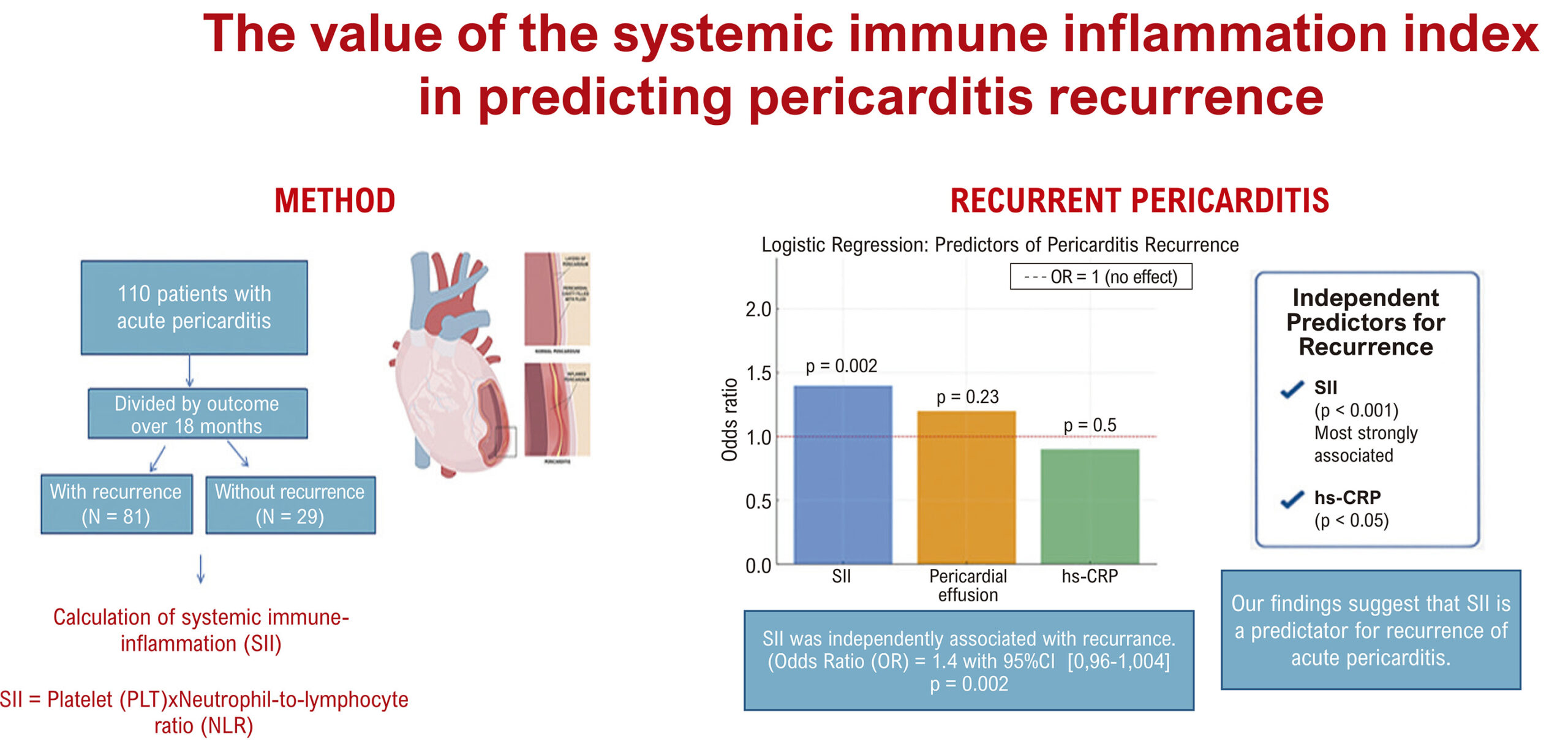
This study aimed to evaluate the association between a novel biomarker, the Systemic Immune-Inflammation Index (SII), and the recurrence of acute pericarditis.

Methods

This retrospective cohort study included 110 patients diagnosed with acute idiopathic pericarditis, the primary endpoint of the study was to investigate Recurrent Pericarditis (RP) during the 18 month follow-up period. Patients were divided into two groups based on whether or not they developed recurrent pericarditis. Physical examination, electrocardiography, echocardiography, and laboratory test results of these patients were evaluated. P < 0.05 was considered statistically significant.

Results

The mean age of the patients was 42.8 ± 15.2 years, and 42.7% were male. The group with RP had significantly higher leukocyte counts (8.7 ± 3.2 vs. 12 ± 4.7; p = 0.001), neutrophil counts (5.4 ± 2.7 vs. 9 ± 4.5; p < 0.001), hs-CRP levels (29.1 ± 40.9 vs. 49.5 ± 62.2; p = 0.048), and neutrophil-to-lymphocyte ratio (2.9 ± 2.5 vs. 6 ± 2.8; p < 0.001). SII (783.2 ± 770.2 vs. 1664.2 ± 1086.6; p < 0.001) was also significantly higher in patients with recurrence. Both SII and hs-CRP were independently associated with recurrence (p < 0.001 and p < 0.05, respectively).

Conclusion

SII and hs-CRP were found to be independent predictors for recurrence in acute pericarditis patients during the 18 month follow-up. Similar to hs-CRP, SII may also be used as an important parameter in predicting recurrent pericarditis.

  • C-Reactive Protein
  • Pericarditis
  • Systemic Immune-inflammation Index
Read Full Article
Creative Commons Attribution (CC BY) Creative Commons license
30/03/2026 DOI: 10.36660/abc.20250437i
Inflammatory and Atherogenic Markers as Predictors of Coronary Artery Disease in Patients with Suspected Coronary Artery Disease Undergoing Coronary Angiography
IJCS
Original Article

Inflammatory and Atherogenic Markers as Predictors of Coronary Artery Disease in Patients with Suspected Coronary Artery Disease Undergoing Coronary Angiography

Veysi Can et al. Fuat Polat

Abstract

Background:

Coronary artery disease (CAD) remains a leading cause of death worldwide, with inflammation playing a key role in its pathophysiology. Inflammatory biomarkers may offer valuable insights into disease mechanisms and risk stratification, potentially informing therapeutic decisions.

Objectives:

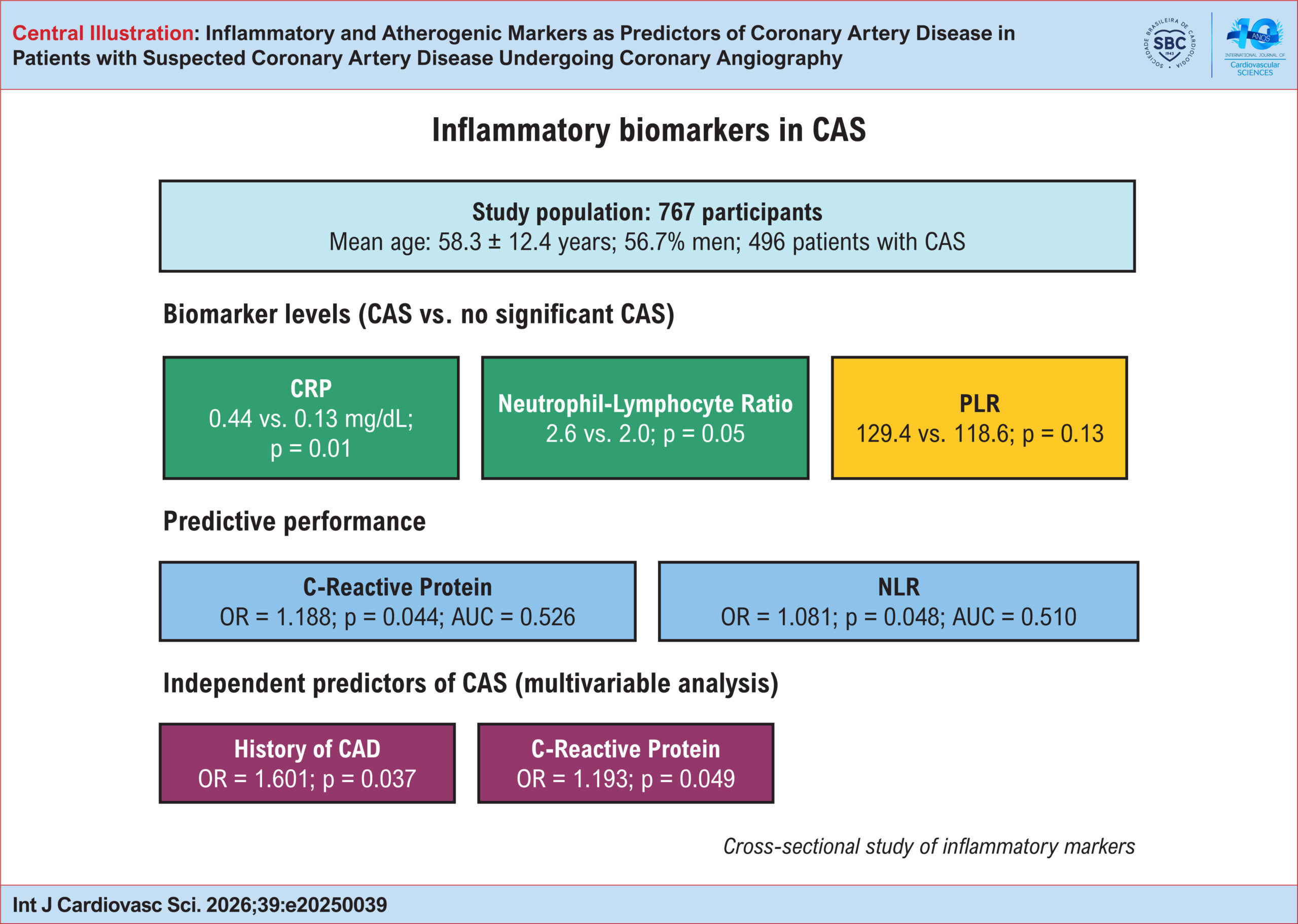
This study aimed to investigate the association between key inflammatory markers — C-reactive protein (CRP), neutrophil-to-lymphocyte ratio (NLR), and platelet-to-lymphocyte ratio (PLR) — and both the presence and severity of coronary artery stenosis (CAS) in patients with suspected CAD undergoing coronary angiography.

Methods:

This retrospective study included 767 patients referred for coronary angiography due to suspected CAD. The primary outcome was the presence of significant CAS. Demographic data, medical history, and blood samples were collected. Statistical analyses included descriptive methods and regression modeling as well as receiver operating characteristic (ROC) curve analysis to determine optimal cutoff values for biomarkers, with area under the curve (AUC) used to assess predictive performance. A p-value < 0.05 was considered statistically significant.

Results:

Of the 767 patients (mean age 58.3±12.4 years; 56.7% men), 496 had significant CAS (≥ 50%) and 271 had nonsignificant CAS (< 50%). Levels of CRP (0.44 vs. 0.13 mg/dL, p = 0.01) and NLR (2.6 vs. 2.0, p = 0.05) were significantly higher in patients with CAS. No significant difference was observed for PLR (129.4 vs. 118.6, p = 0.13). In multivariable analysis, CRP (OR = 1.188, p = 0.044) and NLR (OR=1.567, p = 0.03) were identified as independent predictors of significant CAS. However, ROC curve analysis showed limited discriminative ability for both CRP (AUC = 0.526) and NLR (AUC = 0.510), with values only slightly above chance.

Conclusion:

Increased levels of CRP and NLR are significantly associated with CAS and may serve as potential biomarkers for detecting CAD.

  • Biomarcadores
  • C-Reactive Protein
  • Coronary Artery Disease
Read Full Article
Creative Commons Attribution (CC BY) Creative Commons license
02/03/2026 DOI: 10.36660/ijcs.20250039 Views 15
IJCS
Editorial

C-Reactive Protein as a Prognostic Tool in Acute Heart Failure: Evidence from Low-Resource Settings

Cristhian Espinoza Romero et al. Hernán Patricio García Mejía Fábio Fernandes

Acute heart failure (AHF) remains a leading cause of hospitalization and cardiovascular mortality worldwide, with an even greater burden in low- and middle-income countries. In Brazil, in-hospital mortality for AHF is approximately 12%, compared to 4% reported in high-income countries.,

In this context, the prospective study by Ferigato et al., conducted at a public hospital in São Paulo, assessed the prognostic value of C-reactive protein (CRP) in patients with AHF. This investigation is particularly relevant given the structural limitations of the Brazilian public healthcare system, where conventional biomarkers such as natriuretic peptides are often unavailable. Therefore, CRP—a low-cost and widely accessible inflammatory marker—emerges as a promising alternative for risk stratification during hospitalization.

[…]

  • C-Reactive Protein
  • Heart Failure
  • Mortality
Read Full Article
Creative Commons Attribution (CC BY) Creative Commons license
09/01/2026 DOI: 10.36660/ijcs.20250140 Views 3
Prognostic Implications of Increased C-Reactive Protein in Patients With Acute Heart Failure Admitted to a General Hospital Ward
IJCS
Original Article

Prognostic Implications of Increased C-Reactive Protein in Patients With Acute Heart Failure Admitted to a General Hospital Ward

Vinicius Ferigato et al. Fernanda Takeyama Mario De Divitiis Giulio Checchinato Facchini … Bruna Gandra Bruno Maciel Goncalves Helder Jorge Andrade Gomes Gustavo A. B. Boros Alcides Rocha de Figueredo Junior

Abstract

Background:

C-reactive protein (CRP) is a widely available inflammatory biomarker. Its prognostic role during hospitalization in patients with acute heart failure (HF) remains unclear.

Objective:

To assess whether CRP measured at hospital admission predicts in-hospital mortality in patients with acute HF admitted to a general public hospital ward.

Methods:

This prospective study enrolled patients (≥18 years old) admitted to a medical ward with a primary diagnosis of acute HF directly from the emergency department. CRP was measured within 72 hours of hospital admission. All patients underwent a structured clinical assessment by a cardiologist and transthoracic echocardiography (TTE). A p-value <0.05 was considered statistically significant.

Results:

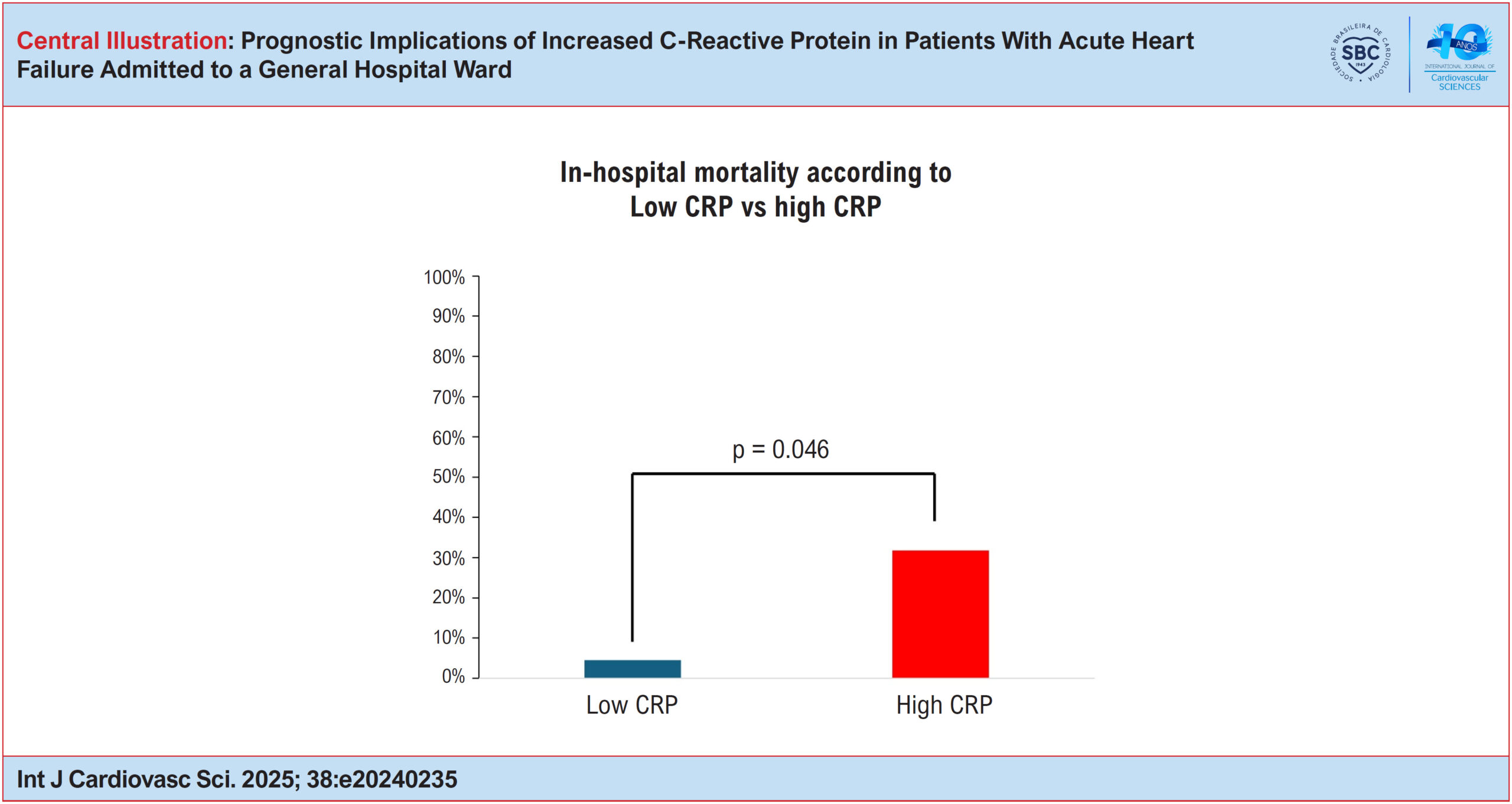
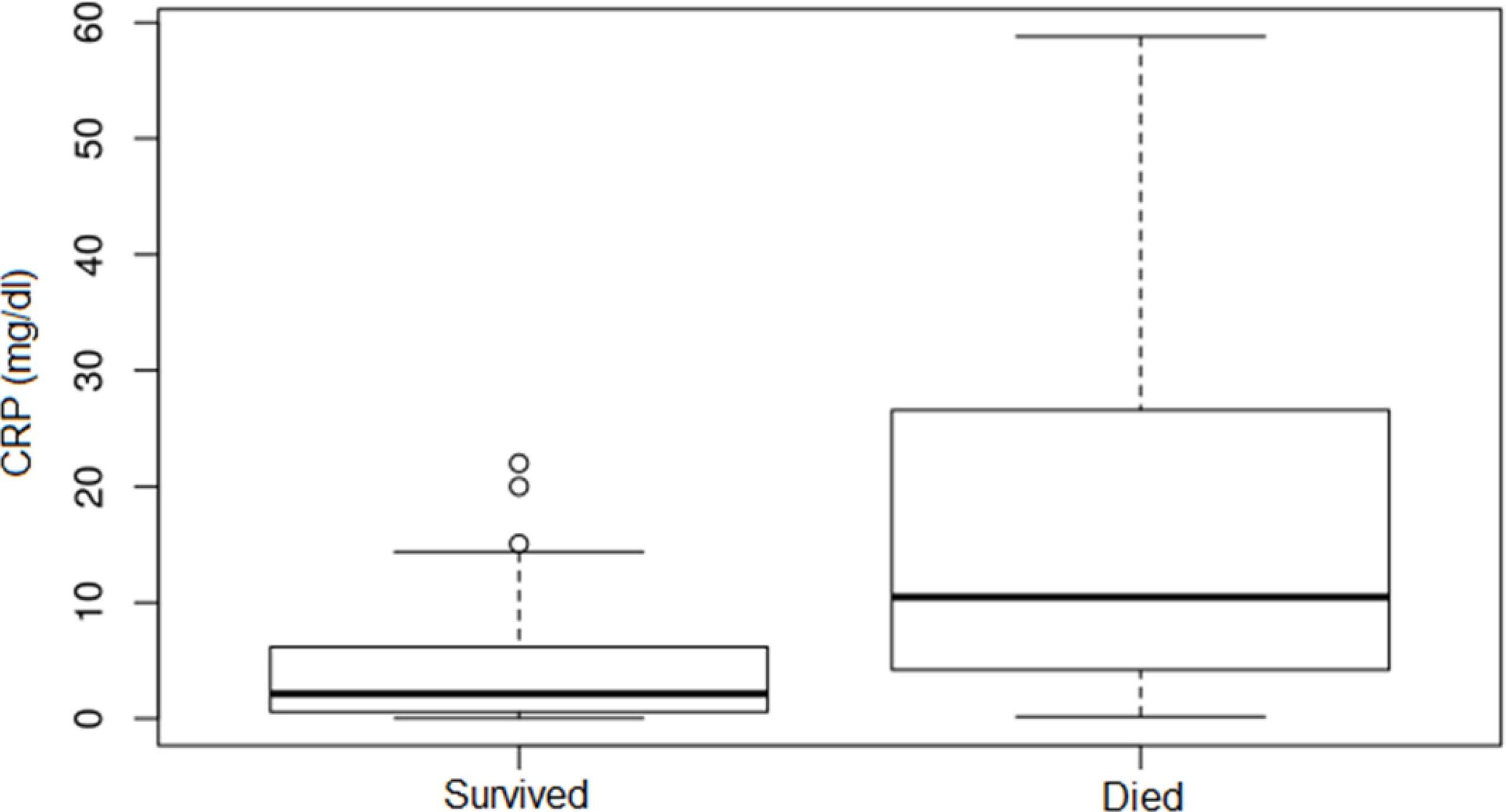
A total of 44 patients were included (mean age 68 ± 16 years). TTE showed left ventricular ejection fraction (LVEF) <50% in 43% of patients, preserved LVEF in 43%, and specific causes of HF in the remaining 14%. The median CRP level (2.5 mg/dL) was used to define high and low CRP groups. Reduced LVEF (<50%) was more common, and heart failure with preserved ejection fraction (HFpEF) was less frequent, in the high CRP group (p = 0.014). Clinical assessment showed no differences in hemodynamic profiles (congestion vs. perfusion). Comorbidities, renal function, and infection diagnoses were also similar between groups. In-hospital mortality was 30% in the high CRP group versus 4.8% in the low CRP group (p = 0.046). In multivariable analysis, increased CRP remained independently associated with in-hospital mortality.

Conclusion:

CRP measured near the time of hospital admission may serve as a prognostic marker for in-hospital mortality in patients with acute HF.

  • C-Reactive Protein
  • Heart Failure
  • Prognosis
Read Full Article
Creative Commons Attribution (CC BY) Creative Commons license
29/08/2025 DOI: 10.36660/ijcs.20240235
Graphic 1
IJCS
Review Article

Inflammation in Cardiovascular Disease: Current Status and Future Perspectives

Francisco Antonio Helfenstein Fonseca et al. Maria Cristina Izar

Abstract

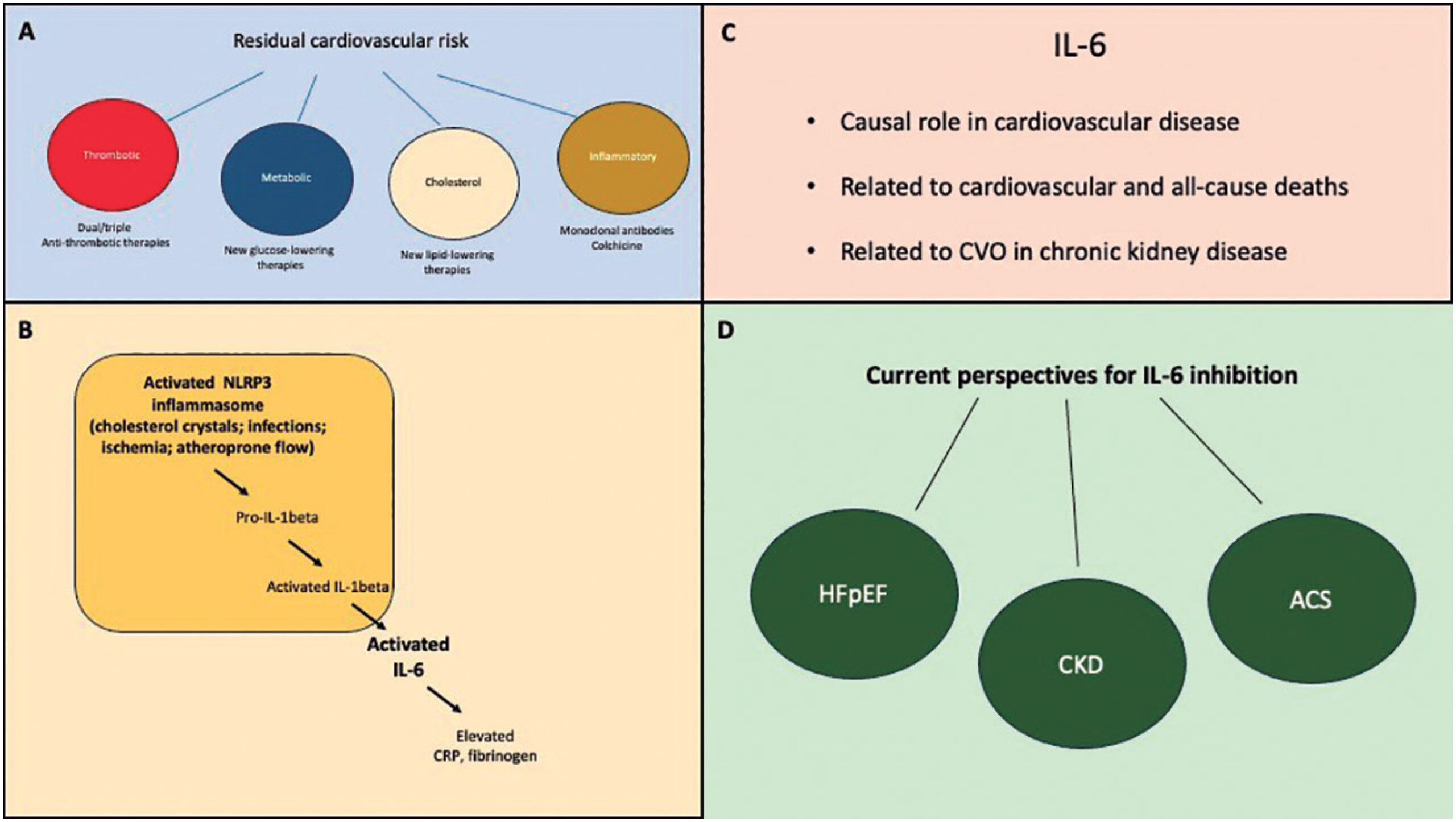
Atherosclerosis has been defined as an inflammatory disease. Three decades of research have pointed to a pivotal role of interleukin 6 for many aspects of cardiovascular disease, not the least of which is atherosclerosis. In this review, experimental and clinical studies are reported on a timeline, exploring mechanisms and possible explanations that form the basis of current knowledge. Some successful clinical trials were proof of concept studies, showing that not only inflammatory biomarkers are related to cardiovascular outcomes, but also that decreasing inflammation can reduce cardiovascular events. Great advances have been made in the management of residual cardiovascular risk due to cholesterol, thrombosis, and metabolic diseases, but the next frontier now seems to be targeting inflammation. In the upcoming years, the importance of inflammation will be evaluated in high-risk patients with chronic kidney disease, after acute coronary heart disease or heart failure with preserved ejection fraction. Inflammation seems to precede the development of cardiovascular risk factors. Moreover, counseling for a heathy lifestyle and, when necessary, the use of cardiometabolic therapies capable of decreasing inflammation, might be important.

  • C-Reactive Protein
  • Cytokines
  • Inflammasomes
  • Interleukin-6
  • Lymphocytes
Read Full Article
Creative Commons Attribution (CC BY) Creative Commons license
28/08/2023 DOI: 10.36660/ijcs.20230072 Views 1
ABC
Editorial

The Role of Inflammation in Post-TAVI Outcomes

Pedro H. M. C. de Melo et al. Rodrigo Modolo

In the early transcatheter aortic valve implantation (TAVI) experience with extreme/high risk for surgical aortic valve replacement (SAVR) patients, global mortality in one year was as high as 25% . Since then, access to TAVI has been extended to intermediate and low-risk patients, and the annual volume of procedures has markedly increased. Post-discharge mortality rates have declined in parallel with the introduction of new devices and the adoption of broader indications. However, the one-year mortality after TAVI remains relevant, exceeding 15% in contemporary practice .

Over time, significant postprocedural paravalvular leak, acute renal failure, and comorbidities such as chronic obstructive pulmonary disease (COPD), heart failure, chronic kidney disease (CKD) and prior stroke were linked to higher rates of mortality ,. Risk scores originally validated to estimate mortality after SAVR, and serum biomarkers related to congestive heart failure and others had their performance tested in patients who underwent TAVI . Nonetheless, there is no specific, widely adopted tool to predict late mortality of post-TAVI patients.

[…]

  • aortic valve surgery
  • Biomarkers
  • C-Reactive Protein
  • Comorbidity
  • Implantation Transcatheter Aortic Valve/methods
  • Inflammation
  • Mortality
Read Full Article
Creative Commons Attribution (CC BY) Creative Commons license
22/11/2021 DOI: 10.36660/abc.20210809 Views 1
Figure 1
ABC
Original Article

C-reactive Protein as a Prognostic Marker of 1-Year Mortality after Transcatheter Aortic Valve Implantation in Aortic Stenosis

André Luiz Silveira Sousa et al. Luiz Antônio Ferreira Carvalho Constantino González Salgado Rafael Lauria de Oliveira … Luciana Cristina Correia Lima e Lima Nelson Durval Ferreira Gomes de Mattos Francisco Eduardo Sampaio Fagundes Alexandre Siciliano Colafranceschi Evandro Tinoco Mesquita

Abstract

Background:

C-reactive protein (CRP) is an inflammation biomarker that can be a predictor of adverse events in cardiovascular procedures. Its use in the assessment of long-term prognosis of transcatheter aortic valve implantation (TAVI) is still incipient.

Objective:

To evaluate CRP as a prognostic marker in the first year after TAVI in aortic stenosis (AoS).

Methods:

CRP was assessed on the first postoperative week in a retrospective cohort of patients with AoS. Pre- and post- CRP levels were correlated with mortality, and predictors of 1-year mortality were investigated. Multivariate Cox regression was performed to identify independent factors of 1-year mortality.

Results:

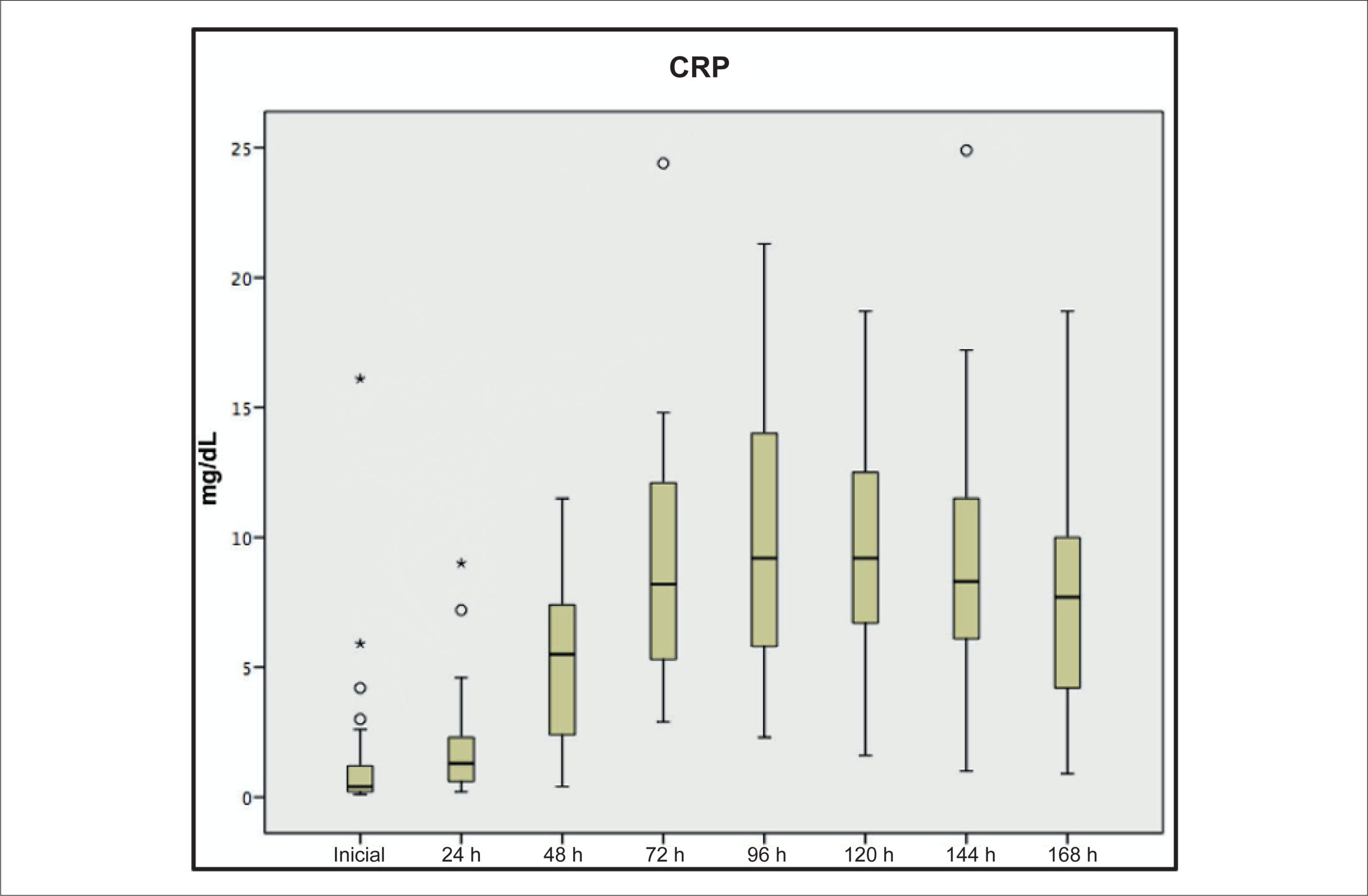
This study evaluated 130 patients who underwent TAVI, with median age of 83 years, and 49% of women. High pre-TAVI CRP (> 0.5 mg/dL) was observed in 34.5% of the cases. Peak CRP was 7.0 (5.3-12.1) mg/dL no quarto dia. The rate of 1-year mortality was 14.5% (n = 19), being greater in the groups with high pre-TAVI CRP (68.8% vs 29.1%; p = 0,004) and with peak CRP ≥ 10.0 mg/dL (64.7% vs 30.8%; p = 0,009). Independent predictors of mortality were acute renal failure (ARF) (hazard ratio [HR] = 7.43; 95% confidence interval [95%CI], 2.1-24.7; p = 0,001), high pre-TAVI CRP (HR 4.15; 95%CI, 1.3-12.9; p = 0.01), and large blood transfusion [HR 4,68; 1,3-16,7; p = 0.02].

Conclusions:

High pre-TAVI CRP showed to be an independent predictor of 1-year mortality, as well as the presence of ARF and large blood transfusions.

  • Aortic Valve Stenosis
  • Bomarkers
  • C-Reactive Protein
  • Heart Valve Prosthesis Implantation
  • Inflammation
  • Transcatheter Aortic Valve Replacement
Read Full Article
Creative Commons Attribution (CC BY) Creative Commons license
22/11/2021 DOI: 10.36660/abc.20190715 Views 1
ABC
Editorial

The Importance of Recognizing the Co-Occurrence of Cardiometabolic Risk Factors in the Population to Establish Priorities in Public Policies

Helena Cramer Veiga Rey

Cardiometabolic disease (CMD) is the leading cause of morbidity and mortality around the globe. Metabolic syndrome (MS) is a collection of risk factors for metabolic disease, including elevated blood pressure, hypertension, hyperglycemia, dyslipidemia, and obesity. When these risk factors are present in combination, the likelihood of future cardiovascular issues increases more than when any of these risks is present alone.

MS has an estimated frequency between 20% and 25% in the adult population worldwide, and the prevalence increases with age.;

[…]

  • C-Reactive Protein
  • Carotid Intima-Media Thickness
  • Diabetes Mellitus
  • Hypertension
  • Metabolic Syndrome X
  • Morbimortality
  • Obesity
  • Public Health
  • Risk Factors
Read Full Article
Creative Commons Attribution (CC BY) Creative Commons license
26/07/2021 DOI: 10.36660/abc.20210511 Views 3
Figure 1
ABC
Original Article

Clusters of Cardiometabolic Risk Factors and Their Association with Atherosclerosis and Chronic Inflammation among Adults and Elderly in Florianópolis, Southern Brazil

Tiago Rodrigues de Lima et al. Diego Augusto Santos Silva Maruí Weber Corseuil Giehl Eleonora D’Orsi David Alejandro González-Chica

Abstract

Background

The significant increase in cardiovascular diseases in developing countries alerts about their impact on underprivileged populations.

Objective

To identify the relationship of clusters of metabolic syndrome (MS) components with atherosclerosis and chronic inflammation among adults and elderly.

Methods

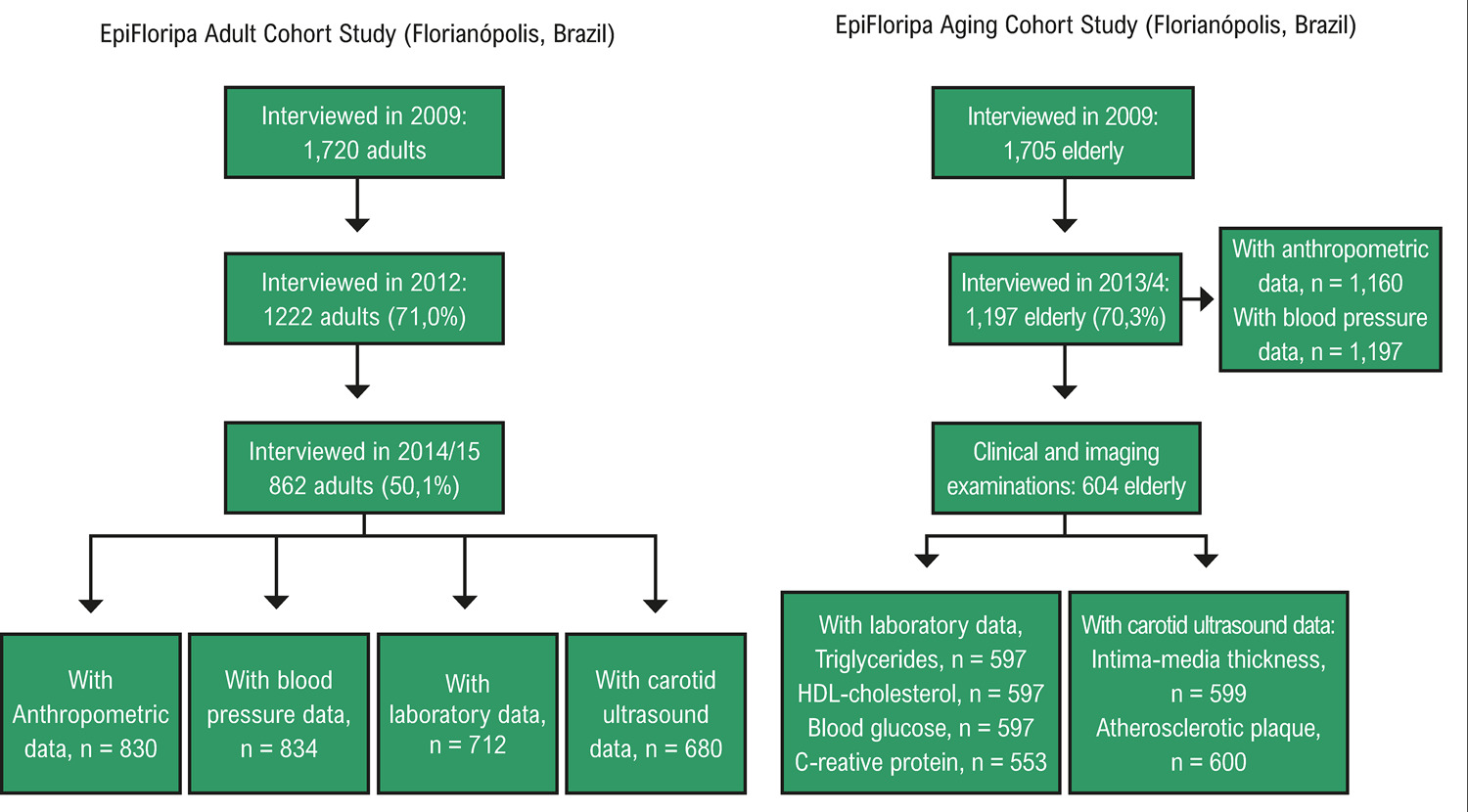
Cross-sectional analysis using data from two population-based cohort studies in Florianópolis, Southern Brazil (EpiFloripa Adult Cohort Study, n = 862, 39.9±11.5 years; EpiFloripa Aging Cohort Study, n = 1197, 69.7±7.1 years). Blood pressure (BP), waist circumference (WC), and lipid and glucose levels were analyzed as individual factors or as clusters (either as the number of components present in an individual or as combinations of components). Outcomes included carotid intima-media thickness (IMT), atherosclerotic plaques, and C-reactive protein (CRP) levels. Multiple linear and logistic regression analyses adjusted for confounding factors were used. The statistical significance adopted was 5%.

Results

Individuals with high BP, elevated WC, dyslipidemia and hyperglycemia (6.1% of the sample) showed higher IMT and CRP than those negatives for all MetS components. Elevated WC was a common determinant of systemic inflammation, while the coexistence of high BP and elevated WC (clusters of two or three factors) was associated with higher IMT (β between +3.2 and +6.1 x 10⁻² mm; p value < 0.05) and CRP (EXPβ between 2.18 and 2.77; p value < 0.05).

Conclusion

The coexistence of high BP and elevated WC was associated with increased IMT and CRP levels, but central obesity affected systemic inflammation either alone or in combination with other risk factors.

  • Adult
  • Aged
  • C-Reactive Protein
  • Cardiovascular Diseases
  • Epidemiology
  • Lipid Metabolism Disorders
  • Metabolic Syndrome
  • Risk Factors
Read Full Article
Creative Commons Attribution (CC BY) Creative Commons license
26/07/2021 DOI: 10.36660/abc.20200230 Views 2
Figure 1
ABC
Original Article

Early Changes in Circulating Interleukins and Residual Inflammatory Risk After Acute Myocardial Infarction

Maria E. R. Coste et al. Carolina N. França Maria Cristina Izar Daniela Teixeira … Mayari E. Ishimura Ieda Longo-Maugeri Amanda S. Bacchin Henrique Tria Bianco Flavio T. Moreira Ibraim Masciarelli Pinto Gilberto Szarf Adriano Mendes Caixeta Otavio Berwanger Iran Gonçalves Jr Francisco A. H. Fonseca

Abstract

Background

Patients with acute myocardial infarction may have a large infarcted area and ventricular dysfunction despite early thrombolysis and revascularization.

Objective

To investigate the behavior of circulating cytokines in patients with ST-segment elevation myocardial infarction (STEMI) and their relationship with ventricular function.

Methods

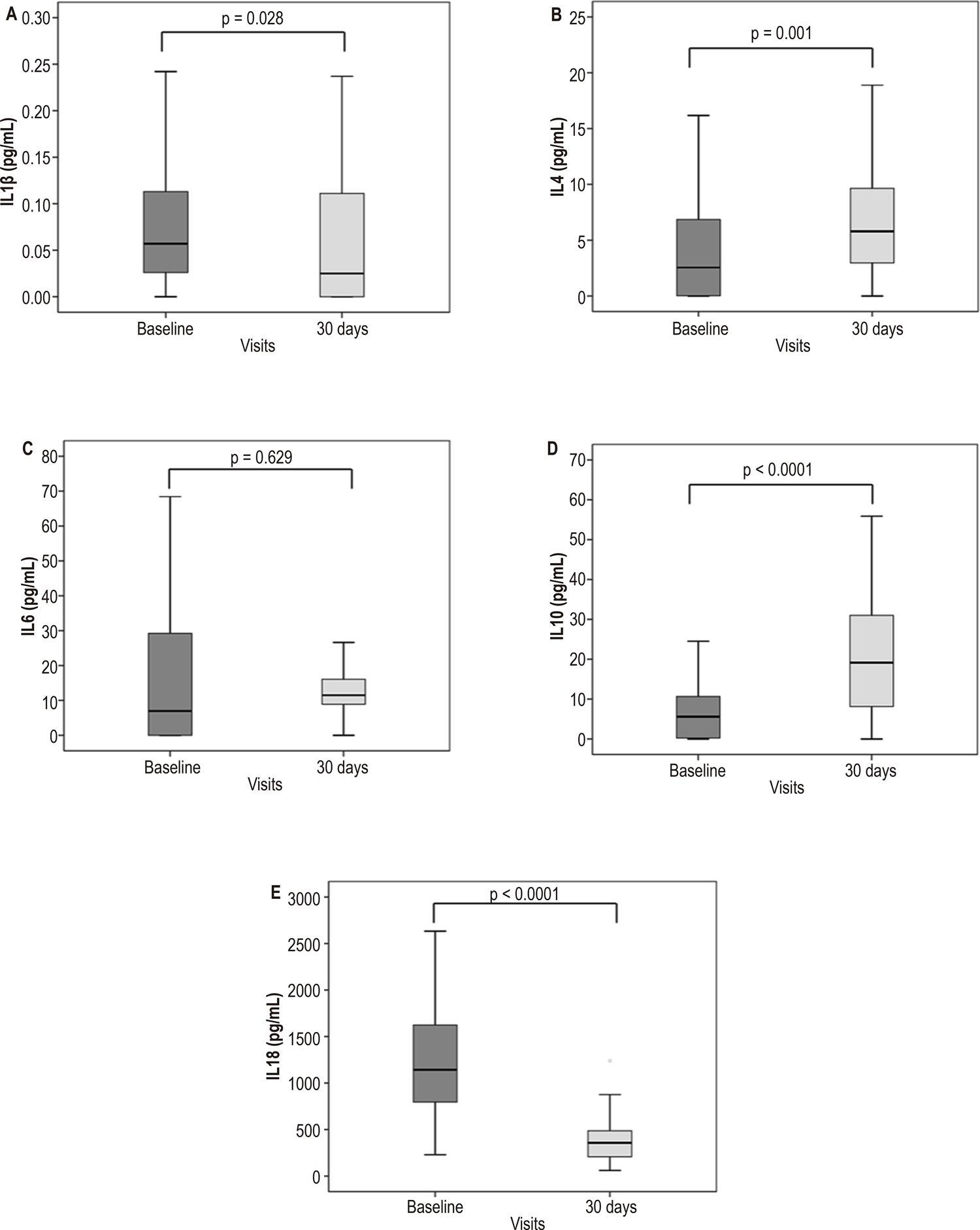
In the BATTLE-AMI (B and T Types of Lymphocytes Evaluation in Acute Myocardial Infarction) trial, patients with STEMI were treated with a pharmacoinvasive strategy. The plasma levels of cytokines (IL-1 β , IL-4, IL-6, IL-10, and IL-18) were tested using enzyme-linked immunosorbent assay (ELISA) at baseline and after 30 days. Infarcted mass and left ventricular ejection fraction (LVEF) were examined by 3-T cardiac magnetic resonance imaging. All p-values < 0.05 were considered statistically significant.

Results

Compared to baseline, lower levels were detected for IL-1 β (p = 0.028) and IL-18 (p < 0.0001) 30 days after STEMI, whereas higher levels were observed for IL-4 (p = 0.001) and IL-10 (p < 0.0001) at that time point. Conversely, no changes were detected for IL-6 levels (p = 0.63). The levels of high-sensitivity C-reactive protein and IL-6 correlated at baseline (rho = 0.45, p < 0.0001) and 30 days after STEMI (rho = 0.29, p = 0.009). At baseline, correlation between IL-6 levels and LVEF was also observed (rho = -0.50, p = 0.004).

Conclusions

During the first month post-MI, we observed a marked improvement in the balance of pro- and anti-inflammatory cytokines, except for IL-6. These findings suggest residual inflammatory risk. (Arq Bras Cardiol. 2020; [online].ahead print, PP.0-0)

  • C-Reactive Protein
  • Interleukin-6, Interleukin-10, Interleukin-18
  • Magnetic Resonance Spectroscopy
  • ST Elevation Myocardial Infarction
Read Full Article
Creative Commons Attribution (CC BY) Creative Commons license
28/08/2020 DOI: 10.36660/abc.20190567 Views 2
ABC
Original Article

Association between Periodontitis, Genetic Polymorphisms and Presence of Coronary Artery Disease in Southern Brazil

Luiz Otavio Rocha et al. Eduarda Rocha Guilherme de Menezes Succi Rui Barbosa de Brito Junior

Abstract

Background:

Periodontitis and coronary artery disease (CAD) share an inflammatory etiology; there is a recent concern regarding the investigation of an association between these two conditions. Current theories indicate that cytokines and proteins have an important role in this process. C-reactive protein and interleukin-6 are inflammatory derivatives produced in the presence of periodontitis and in the pathophysiology of coronary disease. The polymorphisms of CRP + 1444 C > T and IL6-174 G > C are recognized in the literature as being related to CAD.

Objective:

This study investigates the association between periodontitis and coronary artery disease, through the presence of PCR and IL-6 polymorphisms.

Methods:

We selected 80 patients who underwent diagnostic catheterization in the HU of UFSM. The presence of periodontitis was determined by the Community Periodontal Index, whereas the CAD was established by the medical report. DNA was collected from a saliva sample and the presence of polymorphism was determined by PCR and restriction enzymes. A significance level of 5% was adopted.

Results:

The mean age of all participants (p = 0.035, OR 2.65; 95%CI: (1.02-6.87) male gender (p = 0.012, OR 3.37; 95% CI: (1.28- (p = 0.013, OR 3.66; 95% CI: (1.27-10.5)), PCR polymorphism + 1444C > T (p = 0.001, OR 6.37; 95% CI:, (2.25-17.9)) and IL6 -174 G > C polymorphism (p = 0.025, OR 2.87, 95% CI: (1.09-7.55)) were statistically associated with the presence of CAD. Age > 60 years and presence of the PCR +1444 C > T polymorphism remained independently associated with CAD after adjustment by logistic regression.

Conclusions:

The presence of the PCR + 1444 C > T polymorphism in this study was independently associated with the presence of coronary artery disease.

  • C-Reactive Protein
  • Coronary Artery Disease
  • Epidemiology
  • Periodontitis
  • Polymorphism, Genetic
Read Full Article
Creative Commons Attribution (CC BY) Creative Commons license
20/03/2020 DOI: 10.36660/abc.20180296 Views 1
Figure 1
IJCS
Original Article

C-reactive Protein is a Predictor of Mortality in ST-segment Elevation Acute Myocardial Infarction

Sibele Sauzem Milano et al. Orlando Victorino de Moura Júnior Arthur Augusto Souza Bordin Gustavo Lenci Marques

Abstract

Background:

Inflammation is a major component of the response to tissue injury caused by myocardial infarction. High-sensitivity C-reactive protein (hs-CRP) levels might be a simple marker of the severity of this inflammatory response, providing prognostic information.

Objective:

To associate hs-CRP level on admission and other clinical characteristics with in-hospital mortality of patients with acute ST-segment elevation myocardial infarction (STEMI).

Methods:

A retrospective cohort study of patients admitted with STEMI was carried out. Patients were analyzed regarding clinical characteristics, reperfusion therapy, hs-CRP on admission and outcomes. Continuous variables were analyzed by non-parametric Mann-Whitney U test and categorical variables by chi-square test. A p value of < 0.05 was considered statistically significant.

Results:

Of the 118 patients analyzed, 20 died during hospitalization. Higher levels of hs-CRP (p = 0.001) and older ages (p = 0.003) were observed among those patients who died. Logistic regression showed that a one unit increase in hs-CRP increased the risk of death by 15% (p = 0.0017), after adjustment for established risk factors. Similarly, each one-year increase in age increases the risk of death by 6.6% (p = 0.003).

Conclusion:

Our results demonstrate a strong association between hs-CRP obtained on admission and in-hospital mortality after STEMI. It suggests that hs-CRP can be a marker of inflammatory response to myocardial ischemia, providing prognostic information regarding the risk of death.

  • Bionarkers
  • C-Reactive Protein
  • Hospital Mortality
  • Inflamation
  • Myocardial Infarction/mortality
Read Full Article
Creative Commons Attribution (CC BY) Creative Commons license
01/11/2018 DOI: 10.5935/2359-4802.20180086 Views 1
ABC
Editorial

Anxiety and Depression after Myocardial Infarction: Can Inflammatory Factors be Involved?

João Manoel Theotonio dos Santos

This interesting article published by Serpytis et al., evaluated the presence of depression and anxiety disorders after acute myocardial infarction, and the different forms of presentation and prevalence according to patient gender and age.

The authors observed that over a period of up to 31 days after an acute myocardial infarction, more than two-thirds of the patients had depression and /or anxiety disorders. Women had a higher prevalence of these comorbidities when compared to men and also tended to have more severe presentations of both depression and anxiety disorders. Additionally, in men, depression was more severe and anxiety disorder was less severe as they were older; whereas in women these comorbidities showed a linear presentation regarding severity, regardless of the age factor.

[…]

  • Anxiety
  • C-Reactive Protein
  • Depression
  • Gender Identity
  • Myocardial Infarction
  • Risk Factors, Inflammation
Read Full Article
Creative Commons Attribution (CC BY) Creative Commons license
01/11/2018 DOI: 10.5935/abc.20180233 Views 1
Figure 1
ABC
Original Article

Elevation of Oxidized Lipoprotein of Low Density in Users of Combined Oral Contraceptives

Alan Carlos Nery dos Santos et al. Jefferson Petto Diego Passos Diogo Candice Rocha Seixas … Lunara Horn de Souza Wagner Santos Araújo Ana Marice Teixeira Ladeia

Abstract

Background:

The use of combined oral contraceptive (COC) has been related to changes in glycemic, lipid metabolism, increased oxidative stress, and systemic blood pressure, which could suggest a higher oxidation of low-density lipoprotein cholesterol (LDL-cholesterol) in women on use of COC.

Objective:

To test the hypothesis that there is a difference in the plasma values of oxidized LDL among women who use and do not use COC, as well as to evaluate the correlation between it and the lipid profile and high-sensitivity C-reactive protein (hs-CRP).

Methods:

Forty-two women with ages between 18 and 35 years old, who were eutrophic, irregularly active, with triglycerides < 150 mg/dL, blood glucose < 100 mg/dL, and who used or did not use COC were selected. These women were allocated in the COC group, formed by 21 women on COC use for at least 1 year; and a control group (CG), consisting of 21 women who had not used any type of hormonal contraceptive for at least 1 year. A significance level of 5% was adopted for statistical analyses.

Results:

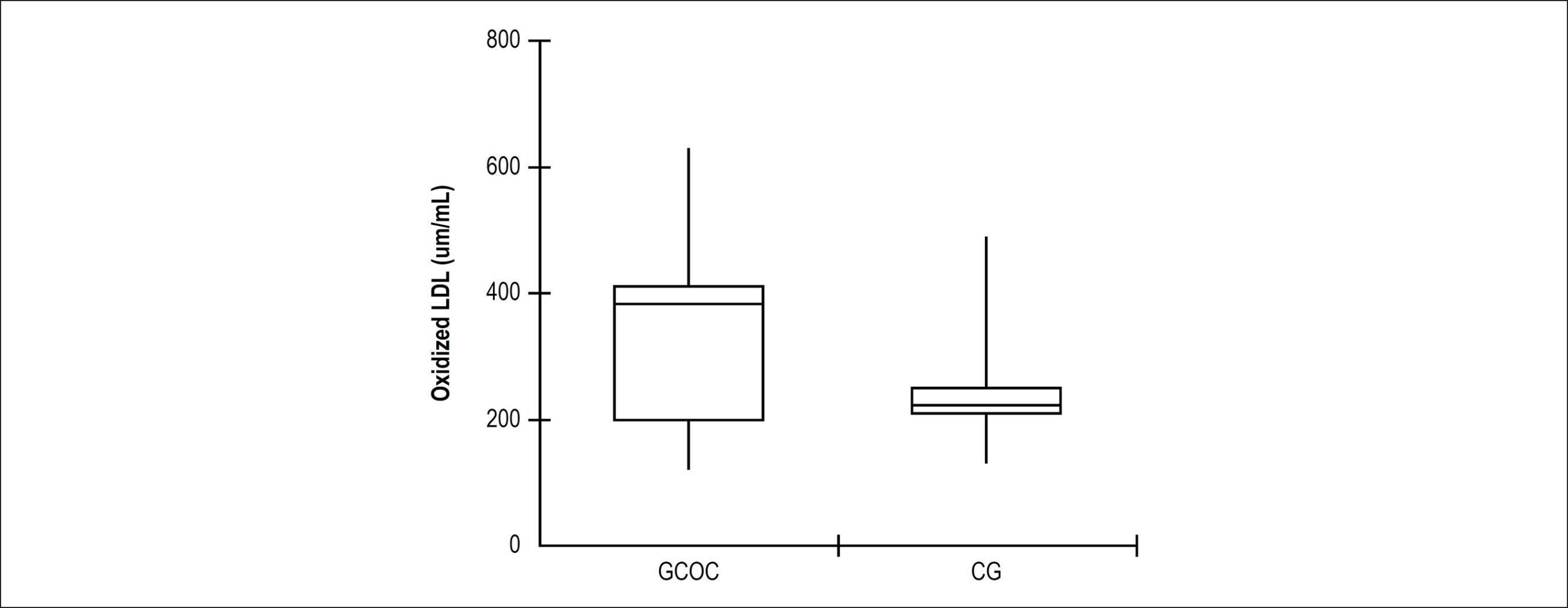
It was observed that GCOC showed higher values of oxidized LDL than the CG, respectively 384 mU/mL versus 283 mU/mL (p < 0.01). A positive correlation between oxidized LDL and LDL-cholesterol (r = 0.3, p < 0.05), with total cholesterol (r = 0.47, p < 0.01) and with triglycerides (r = 0.32, p < 0.03) was observed, and there was no correlation with the hs-CRP. In the categorized analysis of oxidized LDL, 71.4% of GCOC women, and 28.6% of the CG remained above the established cutoff point.

Conclusion:

Women who use COC have higher plasma levels of oxidized LDL, and there is a positive correlation between oxidized LDL and other lipid variables.
  • Atherosclerosis
  • C-Reactive Protein
  • Cardiovascular Diseases/complications
  • Contraceptives, Oral, Combined
  • Lipid Metabolism Disorders
  • Oxidative Stress
Read Full Article
Creative Commons Attribution (CC BY) Creative Commons license
11/10/2018 DOI: 10.5935/abc.20180194
Figure 1
ABC
Original Article

Correlation between C-Reactive Protein in Peripheral Vein and Coronary Sinus in Stable and Unstable Angina

Weverton Ferreira Leite et al. José Antonio Franchini Ramires Luiz Felipe Pinho Moreira Célia Maria Cassaro Strunz José Armando Mangione

Background:

High sensitivity C-reactive protein (hs-CRP) is commonly used in clinical practice to assess cardiovascular risk. However, a correlation has not yet been established between the absolute levels of peripheral and central hs-CRP.

Objective:

To assess the correlation between serum hs-CRP levels (mg/L) in a peripheral vein in the left forearm (LFPV) with those in the coronary sinus (CS) of patients with coronary artery disease (CAD) and a diagnosis of stable angina (SA) or unstable angina (UA).

Methods:

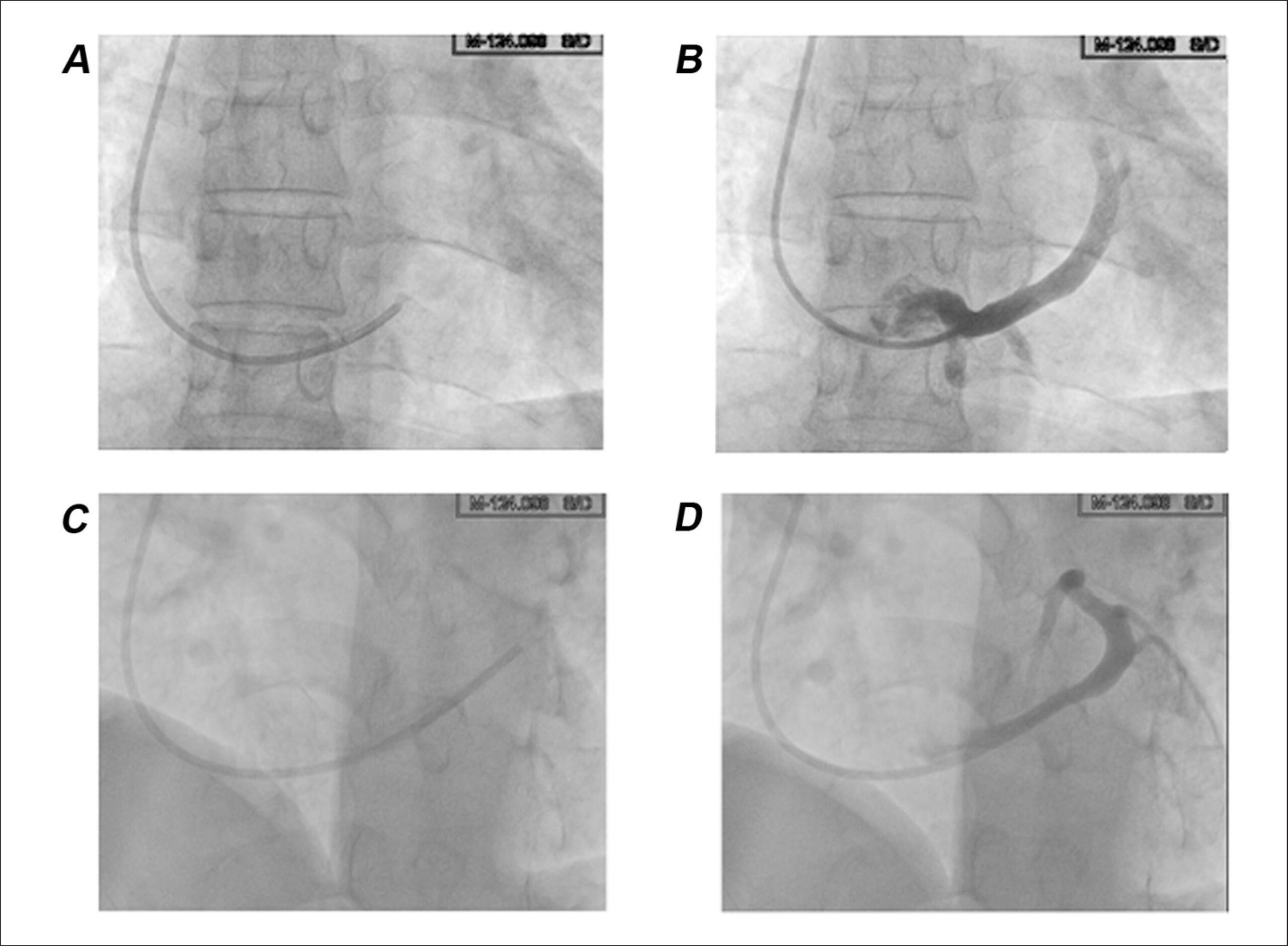
This observational, descriptive, and cross-sectional study was conducted at the Instituto do Coração, Hospital das Clinicas, Faculdade de Medicina, Universidade de São Paulo, and at the Hospital Beneficência Portuguesa de Sao Paulo, where CAD patients referred to the hospital for coronary angiography were evaluated.

Results:

Forty patients with CAD (20 with SA and 20 with UA) were included in the study. Blood samples from LFPV and CS were collected before coronary angiography. Furthermore, analysis of the correlation between serum levels of hs-CRP in LFPV versus CS showed a strong linear correlation for both SA (r = 0.993, p < 0.001) and UA (r = 0.976, p < 0.001) and for the entire sample (r = 0.985, p < 0.001).

Conclusion:

Our data suggest a strong linear correlation between hs-CRP levels in LFPV versus CS in patients with SA and UA.

  • Angina, Stable
  • Angina, Unstable
  • C-Reactive Protein
  • Coronary Artery Disease
  • Coronary sinus
Read Full Article
Creative Commons Attribution (CC BY) Creative Commons license
09/12/2014 DOI: 10.5935/abc.20140188 Views 2
Figure 1
ABC
Artigo Original

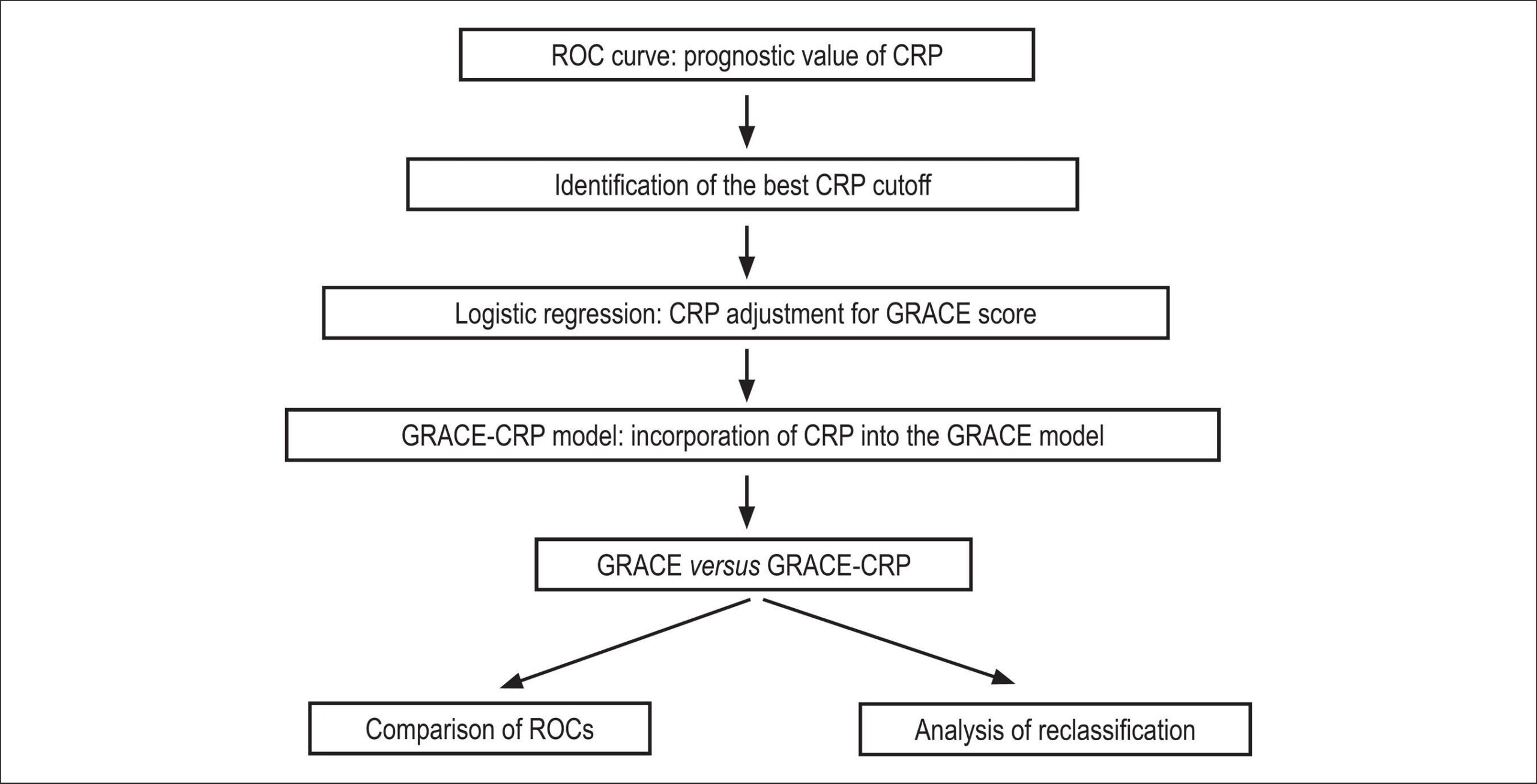
Does C-reactive Protein Add Prognostic Value to GRACE Score in Acute Coronary Syndromes?

Luis Cláudio Lemos Correia et al. Isis Vasconcelos Guilherme Garcia Felipe Kalil … Felipe Ferreira André Silva Ruan Oliveira Manuela Carvalhal Caio Freitas Márcia Maria Noya-Rabelo

Background:

The incremental prognostic value of plasma levels of C-reactive protein (CRP) in relation to GRACE score has not been established in patients with acute coronary syndrome (ACS) with non-ST segment elevation.

Objective:

To test the hypothesis that CRP measurements at admission increases the prognostic value of GRACE score in patients with ACS.

Methods:

A total of 290 subjects, consecutively admitted for ACS, with plasma material obtained upon admission CRP measurement using a high-sensitivity method (nephelometry) were studied. Cardiovascular outcomes during hospitalization were defined by the combination of death, nonfatal myocardial infarction or nonfatal refractory angina.

Results:

The incidence of cardiovascular events during hospitalization was 15% (18 deaths, 11 myocardial infarctions, 13 angina episodes) with CRP showing C-statistics of 0.60 (95% CI = 0.51-0.70, p = 0.034) in predicting these outcomes. After adjustment for the GRACE score, elevated CRP (defined as the best cutoff point) tended to be associated with hospital events (OR = 1.89, 95% CI = 0.92 to 3.88, p = 0.08). However, the addition of the variable elevated CRP in the GRACE model did not result in significant increase in C-statistics, which ranged from 0.705 to 0.718 (p = 0.46). Similarly, there was no significant reclassification of risk with the addition of CRP in the predictor model (net reclassification = 5.7 %, p = 0.15).

Conclusion:

Although CRP is associated with hospital outcomes, this inflammatory marker does not increase the prognostic value of the GRACE score.

  • Acute coronary syndrome
  • C-Reactive Protein
  • Probability
  • Prognosis
Read Full Article
Creative Commons Attribution (CC BY) Creative Commons license
09/05/2014 DOI: 10.5935/abc.20140056 Views 1
Correlation between plaque composition as assessed by virtual histology and C-reactive protein
ABC
Artigo Original

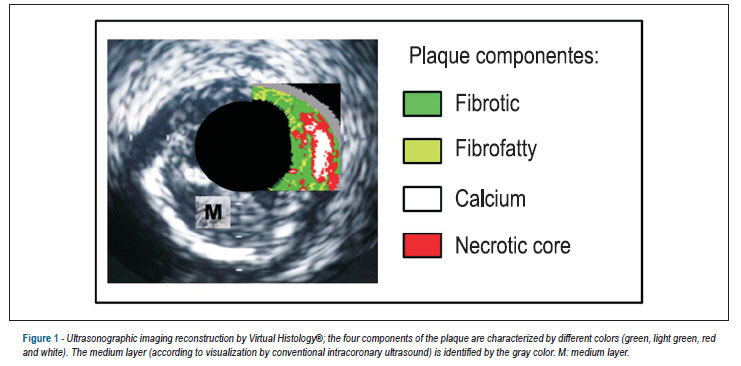
Correlation between plaque composition as assessed by virtual histology and C-reactive protein

Dimytri Alexandre de Alvim Siqueira et al. Amanda Guerra Moraes R. Sousa José de Ribamar Costa Junior Ricardo Alves da Costa … Rodolfo Staico Luis Fernando Leite Tanajura Marinella Patrizia Centemero Fausto Feres Alexandre Antonio Cunha Abizaid J. Eduardo Moraes R. Sousa

BACKGROUND: Previous studies have shown that coronary plaque composition plays a pivotal role in plaque instability, and imaging modalities and serum biomarkers have been investigated to identify vulnerable plaque. Virtual histology IVUS (VH-IVUS) characterizes plaque components as calcified, fibrotic, fibrofatty, or necrotic core. C-reactive protein (hsCRP) is an independent risk factor and a powerful predictor of future coronary events. However, a relationship between inflammatory response indicated by CRP and plaque characteristics in ACS patients remains not well established. OBJECTIVE: To determine, by using VH-IVUS, the relation between coronary plaque components and plasma high-sensitivity CRP levels in patients with acute coronary syndromes (ACS). METHODS: 52 patients with ACS were enrolled in this prospective study. Electrocardiographically-gated VH-IVUS were performed in the culprit lesion before PCI. Blood sample was drawn from all patients before the procedure and after 24 hours, and hs-CRP levels were determined. RESULTS: Mean age was 55.3±4.9 years, 76.9% were men and 30.9% had diabetes. Mean MLA was 3.9±1.3 mm², and plaque burden was 69±11.3%, as assessed by IVUS. VH-IVUS analysis at the minimum luminal site identified plaque components: fibrotic (59.6±15.8%), fibrofatty (7.6±8.2%), dense calcium (12.1±9.2%) and necrotic core (20.7±12.7%). Plasma hs-CRP (mean 16.02±18.07 mg/L) did not correlate with necrotic core (r=-0.089, p = 0.53) and other plaque components. CONCLUSIONS: In this prospective study with patients with ACS, the predominant components of the culprit plaque were fibrotic and necrotic core. Serum hs C-reactive protein levels did not correlate with plaque composition.

  • Acute coronary syndrome
  • C-Reactive Protein
  • Diagnostic Imaging
  • Histological Techniques
  • Plaque, Atherosclerosis
Read Full Article
Creative Commons Attribution (CC BY) Creative Commons license
11/06/2013 DOI: 10.1590/S0066-782X2013005000042 Views 1
Association between inflammatory markers and left atrial enlargement in patients on hemodialysis
ABC
Artigo Original

Association between inflammatory markers and left atrial enlargement in patients on hemodialysis

Silvio Henrique Barberato et al. Sérgio Gardano Elias Bucharles Admar Moraes de Souza Costantino Ortiz Costantini … Costantino Roberto Frack Costantini Roberto Pecoits-Filho

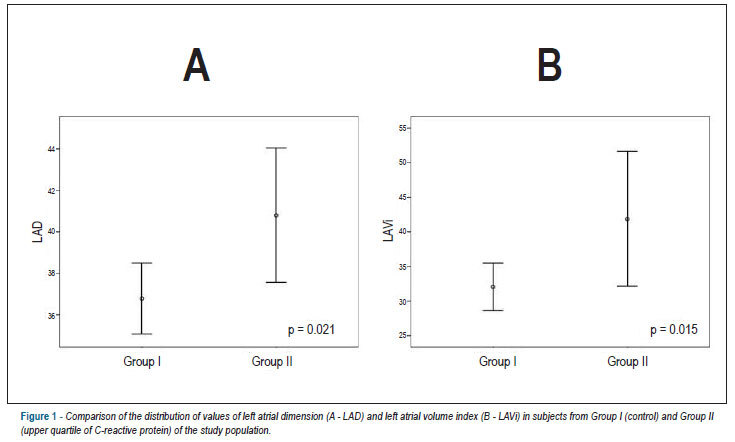
BACKGROUND: In individuals with concurrent chronic kidney disease (CKD) and cardiovascular disease (CVD), the association between left atrial volume (LAV) and serum levels of C-reactive protein (CRP) is shown. OBJECTIVE: Verify the presence of associations between systemic inflammation and LA dilation in patients on hemodialysis (HD) without clinically evident CVD. METHODS: This was an observational cross-sectional study of a population on HD (> 3 months), which excluded patients with acute or chronic inflammatory diseases (infections, malignancies, autoimmune diseases) hemodynamic instability, use of anti-inflammatory drugs, hyperparathyroidism, arrhythmias, mitral valve disease and prior cardiovascular (CV) events. CRP and interleukin-6 (IL-6) measurements as well as Doppler echocardiography were obtained. Correlation coefficients were determined to evaluate the associations between variables. RESULTS: A total of 58 patients were included (28 men, aged 55 ± 15 years), on HD for 24 ± 16 months, 45% were hypertensive, 26% diabetic, with median CRP of 5.1 mg/dL and IL-6 of 6.1 pg/dL. CRP significantly correlated with LAV (p = 0.040), LAV index (LAVi, p = 0.02) and mitral inflow E wave (p = 0.014). IL-6, despite the strong association with CRP levels (r = 0.75, p < 0.001), did not correlate with echocardiographic indices. Individuals in the top quartile of CRP had significantly higher LAVi than the others (42 ± 17 versus 32 ± 11 mL/m², p = 0.015). CONCLUSIONS: In subjects on HD with no prior CV event, there was an association between elevated CRP levels and LA enlargement. The findings suggest an association between physiopathological processes related to left atrial dilation and systemic inflammatory state of patients on HD.

  • C-Reactive Protein
  • Heart Atria
  • Inflammation
  • renal dialysis
Read Full Article
Creative Commons Attribution (CC BY) Creative Commons license
11/03/2013 DOI: 10.5935/abc.20130027 Views 1
Relationship between parathyroid hormone and depression in heart failure
ABC
Artigo Original

Relationship between parathyroid hormone and depression in heart failure

Hakan Altay et al. Ali Zorlu Halil Tolga Kocum Senol Demircan … Nuryil Yilmaz Mehmet Birhan Yilmaz

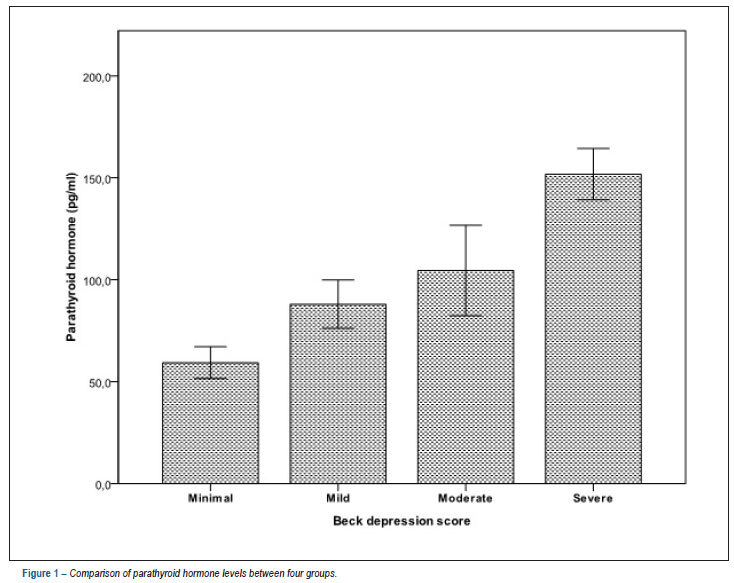
BACKGROUND: Depression has been found to be a predictor of rehospitalization and mortality in heart failure (HF). Parathyroid hormone (PTH) is a novel promising biomarker that can predict hospitalization, functional status and mortality in HF. OBJECTIVE: We aimed to investigate the association of depression with serum PTH levels in patients with systolic HF. METHODS: A total of consecutive 100 outpatients with systolic HF having left ventricular ejection fraction (LVEF) 18). Patients with poor BDI score had significantly higher PTH levels compared to those with good BDIS (133 ± 46 pg/ml vs. 71 ± 26 pg/ml, p < 0.001). In multivariable logistic regression model, PTH level (Odds ratio (OR) = 1.035, p = 0.003), LVEF (OR = 0.854, p = 0.004), NYHA functional class III/IV (OR = 28.022, p = 0.005), C-reactive protein (CRP) (OR = 1.088, p = 0.020), and presence of pretibial edema (OR = 12.341, p = 0.033) were found to be independent predictors of moderate to severe depression after adjustment of other potential confounders. CONCLUSION: Systolic HF patients with moderate to severe depression had higher serum levels of PTH and CRP, poor functional status and lower LVEF. The association of depression with such parameters might explain the contribution of depression to hospitalization and mortality in HF.

  • C-Reactive Protein
  • Depression
  • Heart Failure
  • Parathyroid hormone
Read Full Article
Creative Commons Attribution (CC BY) Creative Commons license
13/09/2012 DOI: 10.1590/S0066-782X2012005000088 Views 1
Preoperative C-reactive protein predicts respiratory infection after coronary artery bypass graft surgery
ABC
Artigo Original

Preoperative C-reactive protein predicts respiratory infection after coronary artery bypass graft surgery

Agda Mezzomo et al. Odemir L. Bodin Jr. Vera Lucia

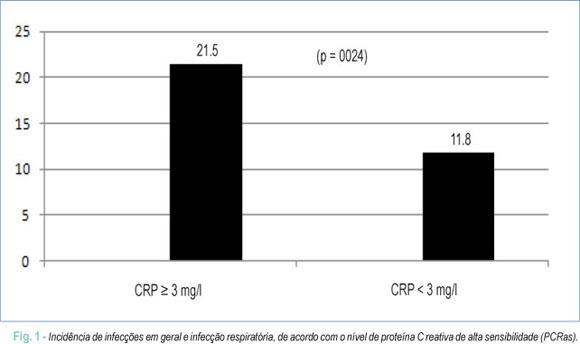
BACKGROUND: Increased levels of high-sensitive C-reactive protein (hsCRP) in the preoperative evaluation for coronary artery bypass graft surgery (CABG) have been associated to poor outcomes in the postoperative period. OBJECTIVE: To evaluate the association of high levels of hsCRP with short-term outcomes after cardiac surgery. METHODS: Prospective cohort with 331 patients who underwent CABG surgery with cardiopulmonary bypass (CPB) at our Institution. Patients were assigned to two groups according to hsCRP levels, measured before surgery: normal (N group) with 3 mg/l hsCRP. This cutoff of 3 mg/l had a sensitivity and specificity of 60% for predicting respiratory infection, with a power of 90%. The patients were followed-up during the in-hospital period. RESULTS: The mean age was 60 years, and 71.6% of the patients were male. HsCRP was increased (group A) in 144 patients (43.5%). In-hospital mortality was 4.8% and the most frequent complications in both groups were: overall infections (18%), respiratory infections (16%), atrial fibrillation (15%) and acute myocardial infarction (7.6%). The incidence of postoperative overall infections was 14.4% in the N group and 23.6% in the A group (P=0.046). Respiratory infections were also more frequent in the A group (21.5% vs. 11.8%; p = 0.024). Multivariate analyses showed that hsCRP level represented an independent predictor of postoperative respiratory infection (OR=2.08, 95% IC = 1.14-3.79). CONCLUSION: High preoperative hsCRP level is an independent predictor of respiratory infections in the mid-term postoperative period of elective coronary artery bypass graft surgery.

  • C-Reactive Protein
  • coronary artery bypass graft
  • Inflammation
  • Respiratory infection
Read Full Article
Creative Commons Attribution (CC BY) Creative Commons license
30/09/2011 DOI: 10.1590/S0066-782X2011005000092 Views 1
C-Reactive protein and outcomes in acute coronary syndromes: a systematic review and meta-analysis
ABC
Review Article

C-Reactive protein and outcomes in acute coronary syndromes: a systematic review and meta-analysis

Luís C. L. Correia et al. J Péricles Esteves

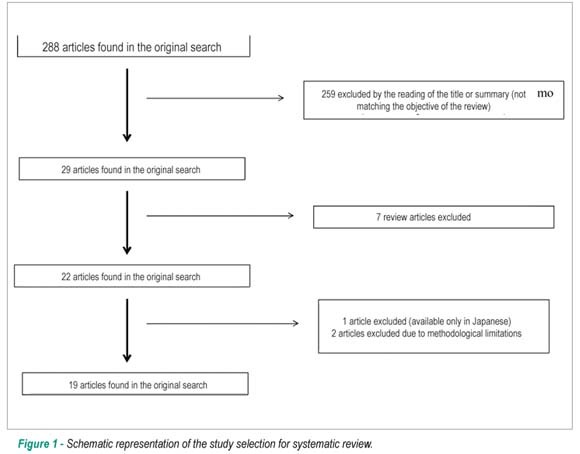
Despite the association between high-sensitivity C-reactive protein (CRP) and recurrent events in non-ST elevation acute coronary syndromes (ACS), routine determination of this marker has not been recommended. In order to verify whether the current scientific evidence justifies the inclusion of CRP for risk stratification at hospital admission of patients with ACS, we carried out a systematic review and meta-analysis of the studies indexed in MEDLINE, SciELO or LILACS, with the following inclusion criteria: prospective cohort design and assessment of the prognostic value of CPR, as measured using a high-sensitivity method at the moment of hospital admission of patients with ACS. Nineteen studies met the inclusion criteria. In relation to the long-term follow-up, there was a consistent association between CRP and cardiovascular events, with an overall odds ratio (OR) of 4.6 (95% CI = 2.3 – 7.6) and overall multivariate OR of 2.5 (95% CI = 1.8-3.4). As for the short-term, nine studies were positive and six were negative, with an overall OR of 1.65 (95% CI = 1.2-2.3). The overall multivariate OR was not obtained for the short-term follow-up, because this measurement was described only in three heterogeneous studies. Only two short-term studies analyzed the incremental predictive value of CRP in relation to multivariate models, with contradicting results. In conclusion, the small number of assessments of the incremental value of CRP, in conjunction with controversial results regarding the independent predictive value of CRP for short-term events does not support the recommendation of the routine use of CRP for risk stratification at admission of patients with ACS.

  • Acute coronary syndrome
  • C-Reactive Protein
  • Meta-Analysis
  • Prognosis
Read Full Article
Creative Commons Attribution (CC BY) Creative Commons license
11/03/2011 DOI: 10.1590/S0066-782X2011005000032 Views 1
CRP levels are higher in patients with ST elevation than non-ST elevation acute coronary syndrome
ABC
Artigo Original

CRP levels are higher in patients with ST elevation than non-ST elevation acute coronary syndrome

Syed Shahid Habib et al. Mohammad Ibrahim Kurdi Zohair Al Aseri Mohammad Owais Suriya

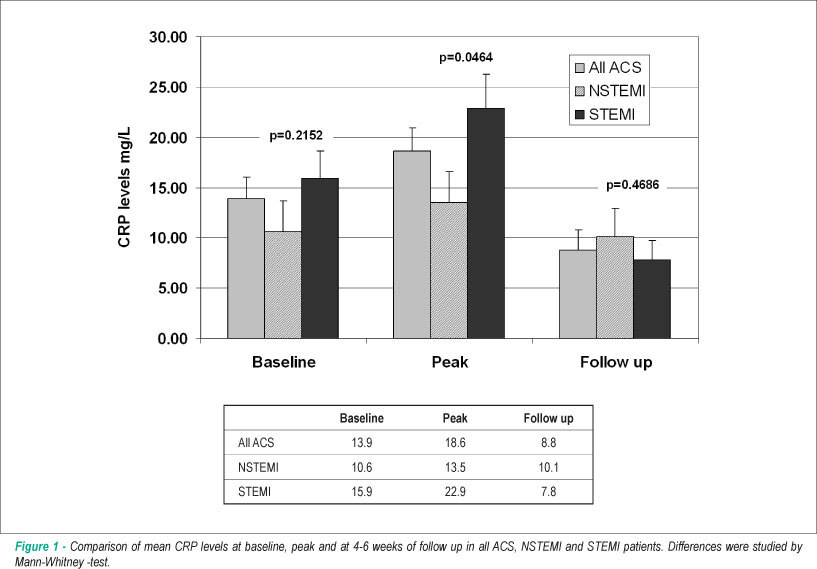
BACKGROUND: There is intense interest in the use of high-sensitivity C-reactive protein (hsCRP) for risk assessment. Elevated hsCRP concentrations early in acute coronary syndrome (ACS), prior to the tissue necrosis, may be a surrogate marker for cardiovascular co-morbidities. OBJECTIVE: Therefore we aimed to study different follow up measurements of hsCRP levels in acute coronary syndrome patients and to compare the difference between non-ST elevation myocardial infarction (NSTEMI) and ST myocardial infarction (STEMI) patients. METHODS: This is an observational study. Of the 89 patients recruited 60 patients had acute myocardial infarction (AMI). Three serial hsCRP levels at baseline on admission to hospital before 12 hours of symptom onset, peak levels at 36-48 hours and follow up levels after 4-6 weeks were analyzed and compared between non-ST elevation AMI and ST elevation AMI. RESULTS: STEMI patients had significantly higher BMI compared to NSTEMI patients. Creatine kinase myocardial bound (CKMB) and Aspartate aminotransferase (AST) levels were significantly higher in STEMI patients compared to NSTEMI patients (p<0.05). CRP levels at baseline and at follow up did not significantly differ between the two groups (p= 0.2152, p=0.4686 respectively). There was a significant difference regarding peak CRP levels between the two groups, as STEMI patients had significantly higher peak CRP levels compared to NSTEMI patients (p=0.0464). CONCLUSION: STEMI patients have significantly higher peak CRP levels compared to NSTEMI patients. These data suggest that inflammatory processes play an independent role in the pathogenesis of myocardial infarction. Thus, CRP assessment may assist in risk stratification after myocardial infarction.

  • Acute coronary syndrome
  • Acute Myocardial Infarction
  • C-Reactive Protein
  • Inflammation
Read Full Article
Creative Commons Attribution (CC BY) Creative Commons license
03/12/2010 DOI: 10.1590/S0066-782X2010005000161
Evaluation of the degree of vascular inflammation in patients with metabolic syndrome
ABC
Artigo Original

Evaluation of the degree of vascular inflammation in patients with metabolic syndrome

Adriana Silva Monteiro Junqueira et al. Luiz José Martins Romêo Filho Camillo de Léllis Carneiro Junqueira

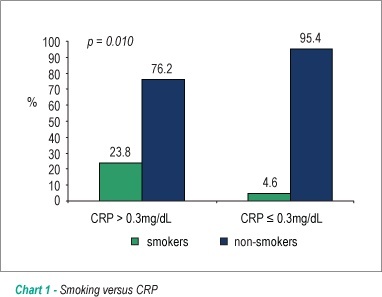
BACKGROUND: Metabolic Syndrome (MS) is defined as a set of cardiovascular risk factors related to visceral obesity and insulin resistance that lead to an increase in general mortality, especially cardiovascular. The inflammatory markers are considered emergent risk factors and can be potentially used in the clinical stratification of cardiovascular diseases, establishing prognostic values. OBJECTIVE: This study aims at evaluating which components of the MS present an increase of IL-6 and hs-CRP, identifying the marker that better expresses the degree of inflammation and which isolate component presents a higher degree of interference on the studied inflammatory markers, in order to identify other important risk factors when determining arterial inflammation. METHODS: A total of 87 hypertensive, diabetic and dyslipidemic patients were selected, aged 26 to 85 years, who met the necessary criteria for the positive diagnosis of MS. The patients were assessed through 24-hour ambulatory blood pressure monitoring (ABPM) and underwent hs-CRP and IL-6 measurements, among other metabolic variables. RESULTS: The patients that presented CRP > 0.3mg/dl showed a significant correlation (p102/88 cm in 83.7%, glycemia > 110mg/dl in 88% and BMI > 30kg/m²in60.5% of the studied individuals. CONCLUSION: We concluded that the CRP was the inflammatory marker with the highest expression regarding the studied variables, with smoking, albuminuria, previous personal history of cardiopathy, BMI, abdominal perimeter and hyperglycemia being the ones with the highest statistical significance. Interleukin-6 did not present a correlation with any of the studied variables.

  • C-Reactive Protein
  • Interleukin-6
  • Metabolic Syndrome
Read Full Article
Creative Commons Attribution (CC BY) Creative Commons license
24/11/2009 DOI: 10.1590/S0066-782X2009001000008

Could not load more articles. Please try again.

How to cite this article

EndNote RIS

Electronic Document Format (Vancouver)

Medrado VSS, Morais JEC, Silva DSO, Azevedo JPL, Almeida TG, Tenório PP. Prognostic Value of C-reactive Protein (CRP) in Patients With Acute Heart Failure (AHF) Admitted to General Wards in Brazil. International Journal of Cardiovascular Sciences 2026;39:e20260053.

Electronic Document Format (ABNT)

Medrado, Vanessa Souza Silva; Morais, João Emmanuel Coelho de; Silva, Domingos Sávio de Oliveira e; Azevedo, João Pedro Lopes; Almeida, Thalisson Gonçalves; Tenório, Pedro Pereira. Prognostic Value of C-reactive Protein (CRP) in Patients With Acute Heart Failure (AHF) Admitted to General Wards in Brazil. International Journal of Cardiovascular Sciences, v. 39, e20260053, Aug. 2026.

Electronic Document Format (APA)

Medrado, V. S. S., Morais, J. E. C. , Silva, D. S. O. , Azevedo, J. P. L., Almeida, T. G., & Tenório, P. P. (2026). Prognostic Value of C-reactive Protein (CRP) in Patients With Acute Heart Failure (AHF) Admitted to General Wards in Brazil. International Journal of Cardiovascular Sciences, 39, e20260053.

Electronic Document Format (ISO)

Medrado, Vanessa Souza Silva and Morais, João Emmanuel Coelho de and Silva, Domingos Sávio de Oliveira e and Azevedo, João Pedro Lopes and Almeida, Thalisson Gonçalves and Tenório, Pedro Pereira. Prognostic Value of C-reactive Protein (CRP) in Patients With Acute Heart Failure (AHF) Admitted to General Wards in Brazil. International Journal of Cardiovascular Sciences [online]. 2026, vol. 39, [cited 2026-10-14], e20260053. Available from: <https://journals.cardiol.br/en/article/prognostic-value-of-c-reactive-protein-crp-in-patients-with-acute-heart-failure-ahf-admitted-to-general-wards-in-brazil/>. ISSN 2359-4802

EndNote RIS

Electronic Document Format (Vancouver)

Unkun T, Sengor BG. Predictive Value of the Systemic Immune-inflammation Index for Recurrence of Idiopathic Acute Pericarditis. Arquivos Brasileiros de Cardiologia 2026;123(2):e20250437.

Electronic Document Format (ABNT)

Unkun, Tuba; Sengor, Busra Guvendi. Predictive Value of the Systemic Immune-inflammation Index for Recurrence of Idiopathic Acute Pericarditis. Arquivos Brasileiros de Cardiologia, v. 123, n. 2, e20250437, Mar. 2026.

Electronic Document Format (APA)

Unkun, T., & Sengor, B. G. (2026). Predictive Value of the Systemic Immune-inflammation Index for Recurrence of Idiopathic Acute Pericarditis. Arquivos Brasileiros de Cardiologia, 123(2), e20250437.

Electronic Document Format (ISO)

Unkun, Tuba and Sengor, Busra Guvendi. Predictive Value of the Systemic Immune-inflammation Index for Recurrence of Idiopathic Acute Pericarditis. Arquivos Brasileiros de Cardiologia [online]. 2026, vol. 123, n. 2, [cited 2026-10-14], e20250437. Available from: <https://journals.cardiol.br/en/article/predictive-value-of-the-systemic-immune-inflammation-index-for-recurrence-of-idiopathic-acute-pericarditis/>. ISSN 0066-782X

EndNote RIS

Electronic Document Format (Vancouver)

Can V, Polat F. Inflammatory and Atherogenic Markers as Predictors of Coronary Artery Disease in Patients with Suspected Coronary Artery Disease Undergoing Coronary Angiography. International Journal of Cardiovascular Sciences 2026;39:e20250039.

Electronic Document Format (ABNT)

Can, Veysi; Polat, Fuat. Inflammatory and Atherogenic Markers as Predictors of Coronary Artery Disease in Patients with Suspected Coronary Artery Disease Undergoing Coronary Angiography. International Journal of Cardiovascular Sciences, v. 39, e20250039, Mar. 2026.

Electronic Document Format (APA)

Can, V., & Polat, F. (2026). Inflammatory and Atherogenic Markers as Predictors of Coronary Artery Disease in Patients with Suspected Coronary Artery Disease Undergoing Coronary Angiography. International Journal of Cardiovascular Sciences, 39, e20250039.

Electronic Document Format (ISO)

Can, Veysi and Polat, Fuat. Inflammatory and Atherogenic Markers as Predictors of Coronary Artery Disease in Patients with Suspected Coronary Artery Disease Undergoing Coronary Angiography. International Journal of Cardiovascular Sciences [online]. 2026, vol. 39, [cited 2026-10-14], e20250039. Available from: <https://journals.cardiol.br/en/article/inflammatory-and-atherogenic-markers-as-predictors-of-coronary-artery-disease-in-patients-with-suspected-coronary-artery-disease-undergoing-coronary-angiography/>. ISSN 2359-4802

EndNote RIS

Electronic Document Format (Vancouver)

Romero CE, Mejía HPG, Fernandes F. C-Reactive Protein as a Prognostic Tool in Acute Heart Failure: Evidence from Low-Resource Settings. International Journal of Cardiovascular Sciences 2026;38:e20250140.

Electronic Document Format (ABNT)

Romero, Cristhian Espinoza; Mejía, Hernán Patricio García; Fernandes, Fábio. C-Reactive Protein as a Prognostic Tool in Acute Heart Failure: Evidence from Low-Resource Settings. International Journal of Cardiovascular Sciences, v. 38, e20250140, Jan. 2026.

Electronic Document Format (APA)

Romero, C. E., Mejía, H. P. G., & Fernandes, F. (2026). C-Reactive Protein as a Prognostic Tool in Acute Heart Failure: Evidence from Low-Resource Settings. International Journal of Cardiovascular Sciences, 38, e20250140.

Electronic Document Format (ISO)

Romero, Cristhian Espinoza and Mejía, Hernán Patricio García and Fernandes, Fábio. C-Reactive Protein as a Prognostic Tool in Acute Heart Failure: Evidence from Low-Resource Settings. International Journal of Cardiovascular Sciences [online]. 2026, vol. 38, [cited 2026-10-14], e20250140. Available from: <https://journals.cardiol.br/en/article/c-reactive-protein-as-a-prognostic-tool-in-acute-heart-failure-evidence-from-low-resource-settings/>. ISSN 2359-4802

EndNote RIS

Electronic Document Format (Vancouver)

Ferigato V, Takeyama F, Divitiis MD, Facchini GC, Gandra B, Goncalves BM, Gomes HJA, et al. Prognostic Implications of Increased C-Reactive Protein in Patients With Acute Heart Failure Admitted to a General Hospital Ward. International Journal of Cardiovascular Sciences 2025;38:e20240235.

Electronic Document Format (ABNT)

Ferigato, Vinicius; Takeyama, Fernanda; Divitiis, Mario De; Facchini, Giulio Checchinato; Gandra, Bruna; Goncalves, Bruno Maciel; Gomes, Helder Jorge Andrade; Boros, Gustavo A. B.; Figueredo Junior, Alcides Rocha de. Prognostic Implications of Increased C-Reactive Protein in Patients With Acute Heart Failure Admitted to a General Hospital Ward. International Journal of Cardiovascular Sciences, v. 38, e20240235, Aug. 2025.

Electronic Document Format (APA)

Ferigato, V., Takeyama, F., Divitiis, M. D., Facchini, G. C., Gandra, B., Goncalves, B. M., Gomes, H. J. A., Boros, G. A. B., & Figueredo Junior, A. R. (2025). Prognostic Implications of Increased C-Reactive Protein in Patients With Acute Heart Failure Admitted to a General Hospital Ward. International Journal of Cardiovascular Sciences, 38, e20240235.

Electronic Document Format (ISO)

Ferigato, Vinicius and Takeyama, Fernanda and Divitiis, Mario De and Facchini, Giulio Checchinato and Gandra, Bruna and Goncalves, Bruno Maciel and Gomes, Helder Jorge Andrade and Boros, Gustavo A. B. and Figueredo Junior, Alcides Rocha de. Prognostic Implications of Increased C-Reactive Protein in Patients With Acute Heart Failure Admitted to a General Hospital Ward. International Journal of Cardiovascular Sciences [online]. 2025, vol. 38, [cited 2026-10-14], e20240235. Available from: <https://journals.cardiol.br/en/article/prognostic-implications-of-increased-c-reactive-protein-in-patients-with-acute-heart-failure-admitted-to-a-general-hospital-ward/>. ISSN 2359-4802

EndNote RIS

Electronic Document Format (Vancouver)

Fonseca FAH, Izar MC. Inflammation in Cardiovascular Disease: Current Status and Future Perspectives. International Journal of Cardiovascular Sciences 2023;36:e20230072.

Electronic Document Format (ABNT)

Fonseca, Francisco Antonio Helfenstein; Izar, Maria Cristina. Inflammation in Cardiovascular Disease: Current Status and Future Perspectives. International Journal of Cardiovascular Sciences, v. 36, e20230072, Aug. 2023.

Electronic Document Format (APA)

Fonseca, F. A. H., & Izar, M. C. (2023). Inflammation in Cardiovascular Disease: Current Status and Future Perspectives. International Journal of Cardiovascular Sciences, 36, e20230072.

Electronic Document Format (ISO)

Fonseca, Francisco Antonio Helfenstein and Izar, Maria Cristina. Inflammation in Cardiovascular Disease: Current Status and Future Perspectives. International Journal of Cardiovascular Sciences [online]. 2023, vol. 36, [cited 2026-10-14], e20230072. Available from: <https://journals.cardiol.br/en/article/inflammation-in-cardiovascular-disease-current-status-and-future-perspectives/>. ISSN 2359-4802

EndNote RIS

Electronic Document Format (Vancouver)

Melo PHMC, Modolo R. The Role of Inflammation in Post-TAVI Outcomes. Arquivos Brasileiros de Cardiologia 2021;117(5):1028-9.

Electronic Document Format (ABNT)

Melo, Pedro H. M. C. de; Modolo, Rodrigo. The Role of Inflammation in Post-TAVI Outcomes. Arquivos Brasileiros de Cardiologia, v. 117, n. 5, p. 1028-1029, Nov. 2021.

Electronic Document Format (APA)

Melo, P. H. M. C. , & Modolo, R. (2021). The Role of Inflammation in Post-TAVI Outcomes. Arquivos Brasileiros de Cardiologia, 117(5), 1028-1029.

Electronic Document Format (ISO)

Melo, Pedro H. M. C. de and Modolo, Rodrigo. The Role of Inflammation in Post-TAVI Outcomes. Arquivos Brasileiros de Cardiologia [online]. 2021, vol. 117, n. 5, [cited 2026-10-14], pp. 1028-1029. Available from: <https://journals.cardiol.br/en/article/the-role-of-inflammation-in-post-tavi-outcomes/>. ISSN 0066-782X

EndNote RIS

Electronic Document Format (Vancouver)

Sousa ALS, Carvalho LAF, Salgado CG, Oliveira RL, Lima LCC, Mattos NDFG, Fagundes FES, et al. C-reactive Protein as a Prognostic Marker of 1-Year Mortality after Transcatheter Aortic Valve Implantation in Aortic Stenosis. Arquivos Brasileiros de Cardiologia 2021;117(5):1018-27.

Electronic Document Format (ABNT)

Sousa, André Luiz Silveira; Carvalho, Luiz Antônio Ferreira; Salgado, Constantino González; Oliveira, Rafael Lauria de; Lima, Luciana Cristina Correia e; Mattos, Nelson Durval Ferreira Gomes de; Fagundes, Francisco Eduardo Sampaio; Colafranceschi, Alexandre Siciliano; Mesquita, Evandro Tinoco. C-reactive Protein as a Prognostic Marker of 1-Year Mortality after Transcatheter Aortic Valve Implantation in Aortic Stenosis. Arquivos Brasileiros de Cardiologia, v. 117, n. 5, p. 1018-1027, Nov. 2021.

Electronic Document Format (APA)

Sousa, A. L. S., Carvalho, L. A. F., Salgado, C. G., Oliveira, R. L. , Lima, L. C. C. , Mattos, N. D. F. G. , Fagundes, F. E. S., Colafranceschi, A. S., & Mesquita, E. T. (2021). C-reactive Protein as a Prognostic Marker of 1-Year Mortality after Transcatheter Aortic Valve Implantation in Aortic Stenosis. Arquivos Brasileiros de Cardiologia, 117(5), 1018-1027.

Electronic Document Format (ISO)

Sousa, André Luiz Silveira and Carvalho, Luiz Antônio Ferreira and Salgado, Constantino González and Oliveira, Rafael Lauria de and Lima, Luciana Cristina Correia e and Mattos, Nelson Durval Ferreira Gomes de and Fagundes, Francisco Eduardo Sampaio and Colafranceschi, Alexandre Siciliano and Mesquita, Evandro Tinoco. C-reactive Protein as a Prognostic Marker of 1-Year Mortality after Transcatheter Aortic Valve Implantation in Aortic Stenosis. Arquivos Brasileiros de Cardiologia [online]. 2021, vol. 117, n. 5, [cited 2026-10-14], pp. 1018-1027. Available from: <https://journals.cardiol.br/en/article/c-reactive-protein-as-a-prognostic-marker-of-1-year-mortality-after-transcatheter-aortic-valve-implantation-in-aortic-stenosis/>. ISSN 0066-782X

EndNote RIS

Electronic Document Format (Vancouver)

Rey HCV. The Importance of Recognizing the Co-Occurrence of Cardiometabolic Risk Factors in the Population to Establish Priorities in Public Policies. Arquivos Brasileiros de Cardiologia 2021;117(1):49-50.

Electronic Document Format (ABNT)

Rey, Helena Cramer Veiga. The Importance of Recognizing the Co-Occurrence of Cardiometabolic Risk Factors in the Population to Establish Priorities in Public Policies. Arquivos Brasileiros de Cardiologia, v. 117, n. 1, p. 49-50, Jul. 2021.

Electronic Document Format (APA)

Rey, H. C. V. (2021). The Importance of Recognizing the Co-Occurrence of Cardiometabolic Risk Factors in the Population to Establish Priorities in Public Policies. Arquivos Brasileiros de Cardiologia, 117(1), 49-50.

Electronic Document Format (ISO)

Rey, Helena Cramer Veiga. The Importance of Recognizing the Co-Occurrence of Cardiometabolic Risk Factors in the Population to Establish Priorities in Public Policies. Arquivos Brasileiros de Cardiologia [online]. 2021, vol. 117, n. 1, [cited 2026-10-14], pp. 49-50. Available from: <https://journals.cardiol.br/en/article/the-importance-of-recognizing-the-co-occurrence-of-cardiometabolic-risk-factors-in-the-population-to-establish-priorities-in-public-policies/>. ISSN 0066-782X

EndNote RIS

Electronic Document Format (Vancouver)

Lima TR, Silva DAS, Giehl MWC, D’Orsi E, González-Chica DA. Clusters of Cardiometabolic Risk Factors and Their Association with Atherosclerosis and Chronic Inflammation among Adults and Elderly in Florianópolis, Southern Brazil. Arquivos Brasileiros de Cardiologia 2021;117(1):39-48.

Electronic Document Format (ABNT)

Lima, Tiago Rodrigues de; Silva, Diego Augusto Santos; Giehl, Maruí Weber Corseuil; D’Orsi, Eleonora; González-Chica, David Alejandro. Clusters of Cardiometabolic Risk Factors and Their Association with Atherosclerosis and Chronic Inflammation among Adults and Elderly in Florianópolis, Southern Brazil. Arquivos Brasileiros de Cardiologia, v. 117, n. 1, p. 39-48, Jul. 2021.

Electronic Document Format (APA)

Lima, T. R. , Silva, D. A. S., Giehl, M. W. C., D’Orsi, E., & González-Chica, D. A. (2021). Clusters of Cardiometabolic Risk Factors and Their Association with Atherosclerosis and Chronic Inflammation among Adults and Elderly in Florianópolis, Southern Brazil. Arquivos Brasileiros de Cardiologia, 117(1), 39-48.

Electronic Document Format (ISO)

Lima, Tiago Rodrigues de and Silva, Diego Augusto Santos and Giehl, Maruí Weber Corseuil and D’Orsi, Eleonora and González-Chica, David Alejandro. Clusters of Cardiometabolic Risk Factors and Their Association with Atherosclerosis and Chronic Inflammation among Adults and Elderly in Florianópolis, Southern Brazil. Arquivos Brasileiros de Cardiologia [online]. 2021, vol. 117, n. 1, [cited 2026-10-14], pp. 39-48. Available from: <https://journals.cardiol.br/en/article/clusters-of-cardiometabolic-risk-factors-and-their-association-with-atherosclerosis-and-chronic-inflammation-among-adults-and-elderly-in-florianopolis-southern-brazil/>. ISSN 0066-782X

EndNote RIS

Electronic Document Format (Vancouver)

Coste MER, França CN, Izar MC, Teixeira D, Ishimura ME, Longo-Maugeri I, Bacchin AS, et al. Early Changes in Circulating Interleukins and Residual Inflammatory Risk After Acute Myocardial Infarction. Arquivos Brasileiros de Cardiologia 2020;115(6):1104-11.

Electronic Document Format (ABNT)

Coste, Maria E. R.; França, Carolina N.; Izar, Maria Cristina; Teixeira, Daniela; Ishimura, Mayari E.; Longo-Maugeri, Ieda; Bacchin, Amanda S.; Bianco, Henrique Tria; Moreira, Flavio T.; Pinto, Ibraim Masciarelli; Szarf, Gilberto; Caixeta, Adriano Mendes; Berwanger, Otavio; Gonçalves Jr, Iran; Fonseca, Francisco A. H.. Early Changes in Circulating Interleukins and Residual Inflammatory Risk After Acute Myocardial Infarction. Arquivos Brasileiros de Cardiologia, v. 115, n. 6, p. 1104-1111, Aug. 2020.

Electronic Document Format (APA)

Coste, M. E. R., França, C. N., Izar, M. C., Teixeira, D., Ishimura, M. E., Longo-Maugeri, I., Bacchin, A. S., Bianco, H. T., Moreira, F. T., Pinto, I. M., Szarf, G., Caixeta, A. M., Berwanger, O., Gonçalves Jr, I., & Fonseca, F. A. H. (2020). Early Changes in Circulating Interleukins and Residual Inflammatory Risk After Acute Myocardial Infarction. Arquivos Brasileiros de Cardiologia, 115(6), 1104-1111.

Electronic Document Format (ISO)

Coste, Maria E. R. and França, Carolina N. and Izar, Maria Cristina and Teixeira, Daniela and Ishimura, Mayari E. and Longo-Maugeri, Ieda and Bacchin, Amanda S. and Bianco, Henrique Tria and Moreira, Flavio T. and Pinto, Ibraim Masciarelli and Szarf, Gilberto and Caixeta, Adriano Mendes and Berwanger, Otavio and Gonçalves Jr, Iran and Fonseca, Francisco A. H.. Early Changes in Circulating Interleukins and Residual Inflammatory Risk After Acute Myocardial Infarction. Arquivos Brasileiros de Cardiologia [online]. 2020, vol. 115, n. 6, [cited 2026-10-14], pp. 1104-1111. Available from: <https://journals.cardiol.br/en/article/early-changes-in-circulating-interleukins-and-residual-inflammatory-risk-after-acute-myocardial-infarction/>. ISSN 0066-782X

EndNote RIS

Electronic Document Format (Vancouver)

Rocha LO, Rocha E, Succi GM, Brito Junior RB. Association between Periodontitis, Genetic Polymorphisms and Presence of Coronary Artery Disease in Southern Brazil. Arquivos Brasileiros de Cardiologia 2020;114(2):268-72.

Electronic Document Format (ABNT)

Rocha, Luiz Otavio; Rocha, Eduarda; Succi, Guilherme de Menezes; Brito Junior, Rui Barbosa de. Association between Periodontitis, Genetic Polymorphisms and Presence of Coronary Artery Disease in Southern Brazil. Arquivos Brasileiros de Cardiologia, v. 114, n. 2, p. 268-272, Mar. 2020.

Electronic Document Format (APA)

Rocha, L. O., Rocha, E., Succi, G. M., & Brito Junior, R. B. (2020). Association between Periodontitis, Genetic Polymorphisms and Presence of Coronary Artery Disease in Southern Brazil. Arquivos Brasileiros de Cardiologia, 114(2), 268-272.

Electronic Document Format (ISO)

Rocha, Luiz Otavio and Rocha, Eduarda and Succi, Guilherme de Menezes and Brito Junior, Rui Barbosa de. Association between Periodontitis, Genetic Polymorphisms and Presence of Coronary Artery Disease in Southern Brazil. Arquivos Brasileiros de Cardiologia [online]. 2020, vol. 114, n. 2, [cited 2026-10-14], pp. 268-272. Available from: <https://journals.cardiol.br/en/article/association-between-periodontitis-genetic-polymorphisms-and-presence-of-coronary-artery-disease-in-southern-brazil/>. ISSN 0066-782X

EndNote RIS

Electronic Document Format (Vancouver)

Milano SS, Moura Júnior OV, Bordin AAS, Marques GL. C-reactive Protein is a Predictor of Mortality in ST-segment Elevation Acute Myocardial Infarction. International Journal of Cardiovascular Sciences 2018;32(2):118-24.

Electronic Document Format (ABNT)

Milano, Sibele Sauzem; Moura Júnior, Orlando Victorino de; Bordin, Arthur Augusto Souza; Marques, Gustavo Lenci. C-reactive Protein is a Predictor of Mortality in ST-segment Elevation Acute Myocardial Infarction. International Journal of Cardiovascular Sciences, v. 32, n. 2, p. 118-124, Oct. 2018.

Electronic Document Format (APA)

Milano, S. S., Moura Júnior, O. V. , Bordin, A. A. S., & Marques, G. L. (2018). C-reactive Protein is a Predictor of Mortality in ST-segment Elevation Acute Myocardial Infarction. International Journal of Cardiovascular Sciences, 32(2), 118-124.

Electronic Document Format (ISO)

Milano, Sibele Sauzem and Moura Júnior, Orlando Victorino de and Bordin, Arthur Augusto Souza and Marques, Gustavo Lenci. C-reactive Protein is a Predictor of Mortality in ST-segment Elevation Acute Myocardial Infarction. International Journal of Cardiovascular Sciences [online]. 2018, vol. 32, n. 2, [cited 2026-10-14], pp. 118-124. Available from: <https://journals.cardiol.br/en/article/c-reactive-protein-is-a-predictor-of-mortality-in-st-segment-elevation-acute-myocardial-infarction/>. ISSN 2359-4802

EndNote RIS

Electronic Document Format (Vancouver)

Santos JMT. Anxiety and Depression after Myocardial Infarction: Can Inflammatory Factors be Involved?. Arquivos Brasileiros de Cardiologia 2018;111(5):684-5.

Electronic Document Format (ABNT)

Santos, João Manoel Theotonio dos. Anxiety and Depression after Myocardial Infarction: Can Inflammatory Factors be Involved?. Arquivos Brasileiros de Cardiologia, v. 111, n. 5, p. 684-685, Oct. 2018.

Electronic Document Format (APA)

Santos, J. M. T. (2018). Anxiety and Depression after Myocardial Infarction: Can Inflammatory Factors be Involved?. Arquivos Brasileiros de Cardiologia, 111(5), 684-685.

Electronic Document Format (ISO)

Santos, João Manoel Theotonio dos. Anxiety and Depression after Myocardial Infarction: Can Inflammatory Factors be Involved?. Arquivos Brasileiros de Cardiologia [online]. 2018, vol. 111, n. 5, [cited 2026-10-14], pp. 684-685. Available from: <https://journals.cardiol.br/en/article/anxiety-and-depression-after-myocardial-infarction-can-inflammatory-factors-be-involved/>. ISSN 0066-782X

EndNote RIS

Electronic Document Format (Vancouver)

Santos ACN, Petto J, Diogo DP, Seixas CR, Souza LH, Araújo WS, Ladeia AMT, et al. Elevation of Oxidized Lipoprotein of Low Density in Users of Combined Oral Contraceptives. Arquivos Brasileiros de Cardiologia 2018;111(6):764-70.

Electronic Document Format (ABNT)

Santos, Alan Carlos Nery dos; Petto, Jefferson; Diogo, Diego Passos; Seixas, Candice Rocha; Souza, Lunara Horn de; Araújo, Wagner Santos; Ladeia, Ana Marice Teixeira. Elevation of Oxidized Lipoprotein of Low Density in Users of Combined Oral Contraceptives. Arquivos Brasileiros de Cardiologia, v. 111, n. 6, p. 764-770, Oct. 2018.

Electronic Document Format (APA)

Santos, A. C. N. , Petto, J., Diogo, D. P., Seixas, C. R., Souza, L. H. , Araújo, W. S., & Ladeia, A. M. T. (2018). Elevation of Oxidized Lipoprotein of Low Density in Users of Combined Oral Contraceptives. Arquivos Brasileiros de Cardiologia, 111(6), 764-770.

Electronic Document Format (ISO)

Santos, Alan Carlos Nery dos and Petto, Jefferson and Diogo, Diego Passos and Seixas, Candice Rocha and Souza, Lunara Horn de and Araújo, Wagner Santos and Ladeia, Ana Marice Teixeira. Elevation of Oxidized Lipoprotein of Low Density in Users of Combined Oral Contraceptives. Arquivos Brasileiros de Cardiologia [online]. 2018, vol. 111, n. 6, [cited 2026-10-14], pp. 764-770. Available from: <https://journals.cardiol.br/en/article/elevation-of-oxidized-lipoprotein-of-low-density-in-users-of-combined-oral-contraceptives/>. ISSN 0066-782X

EndNote RIS

Electronic Document Format (Vancouver)

Leite WF, Ramires JAF, Moreira LFP, Strunz CMC, Mangione JA. Correlation between C-Reactive Protein in Peripheral Vein and Coronary Sinus in Stable and Unstable Angina. Arquivos Brasileiros de Cardiologia 2014;104(3):202-8.

Electronic Document Format (ABNT)

Leite, Weverton Ferreira; Ramires, José Antonio Franchini; Moreira, Luiz Felipe Pinho; Strunz, Célia Maria Cassaro; Mangione, José Armando. Correlation between C-Reactive Protein in Peripheral Vein and Coronary Sinus in Stable and Unstable Angina. Arquivos Brasileiros de Cardiologia, v. 104, n. 3, p. 202-208, Dec. 2014.

Electronic Document Format (APA)

Leite, W. F., Ramires, J. A. F., Moreira, L. F. P., Strunz, C. M. C., & Mangione, J. A. (2014). Correlation between C-Reactive Protein in Peripheral Vein and Coronary Sinus in Stable and Unstable Angina. Arquivos Brasileiros de Cardiologia, 104(3), 202-208.

Electronic Document Format (ISO)

Leite, Weverton Ferreira and Ramires, José Antonio Franchini and Moreira, Luiz Felipe Pinho and Strunz, Célia Maria Cassaro and Mangione, José Armando. Correlation between C-Reactive Protein in Peripheral Vein and Coronary Sinus in Stable and Unstable Angina. Arquivos Brasileiros de Cardiologia [online]. 2014, vol. 104, n. 3, [cited 2026-10-14], pp. 202-208. Available from: <https://journals.cardiol.br/en/article/correlation-between-c-reactive-protein-in-peripheral-vein-and-coronary-sinus-in-stable-and-unstable-angina/>. ISSN 0066-782X

EndNote RIS

Electronic Document Format (Vancouver)

Correia LCL, Vasconcelos I, Garcia G, Kalil F, Ferreira F, Silva A, Oliveira R, et al. Does C-reactive Protein Add Prognostic Value to GRACE Score in Acute Coronary Syndromes?. Arquivos Brasileiros de Cardiologia 2014;102(5):449-55.

Electronic Document Format (ABNT)

Correia, Luis Cláudio Lemos; Vasconcelos, Isis; Garcia, Guilherme; Kalil, Felipe; Ferreira, Felipe; Silva, André; Oliveira, Ruan; Carvalhal, Manuela; Freitas, Caio; Noya-Rabelo, Márcia Maria. Does C-reactive Protein Add Prognostic Value to GRACE Score in Acute Coronary Syndromes?. Arquivos Brasileiros de Cardiologia, v. 102, n. 5, p. 449-455, May. 2014.

Electronic Document Format (APA)

Correia, L. C. L., Vasconcelos, I., Garcia, G., Kalil, F., Ferreira, F., Silva, A., Oliveira, R., Carvalhal, M., Freitas, C., & Noya-Rabelo, M. M. (2014). Does C-reactive Protein Add Prognostic Value to GRACE Score in Acute Coronary Syndromes?. Arquivos Brasileiros de Cardiologia, 102(5), 449-455.

Electronic Document Format (ISO)

Correia, Luis Cláudio Lemos and Vasconcelos, Isis and Garcia, Guilherme and Kalil, Felipe and Ferreira, Felipe and Silva, André and Oliveira, Ruan and Carvalhal, Manuela and Freitas, Caio and Noya-Rabelo, Márcia Maria. Does C-reactive Protein Add Prognostic Value to GRACE Score in Acute Coronary Syndromes?. Arquivos Brasileiros de Cardiologia [online]. 2014, vol. 102, n. 5, [cited 2026-10-14], pp. 449-455. Available from: <https://journals.cardiol.br/en/article/does-c-reactive-protein-add-prognostic-value-to-grace-score-in-acute-coronary-syndromes/>. ISSN 0066-782X

EndNote RIS

Electronic Document Format (Vancouver)

Siqueira DAA, Sousa AGMR, Costa Junior JR, Costa RA, Staico R, Tanajura LFL, Centemero MP, et al. Correlation between plaque composition as assessed by virtual histology and C-reactive protein. Arquivos Brasileiros de Cardiologia 2013;101(1):78-86.

Electronic Document Format (ABNT)

Siqueira, Dimytri Alexandre de Alvim; Sousa, Amanda Guerra Moraes R.; Costa Junior, José de Ribamar; Costa, Ricardo Alves da; Staico, Rodolfo; Tanajura, Luis Fernando Leite; Centemero, Marinella Patrizia; Feres, Fausto; Abizaid, Alexandre Antonio Cunha; Sousa, J. Eduardo Moraes R.. Correlation between plaque composition as assessed by virtual histology and C-reactive protein. Arquivos Brasileiros de Cardiologia, v. 101, n. 1, p. 78-86, Jun. 2013.

Electronic Document Format (APA)

Siqueira, D. A. A., Sousa, A. G. M. R., Costa Junior, J. R., Costa, R. A. , Staico, R., Tanajura, L. F. L., Centemero, M. P., Feres, F., Abizaid, A. A. C., & Sousa, J. E. M. R. (2013). Correlation between plaque composition as assessed by virtual histology and C-reactive protein. Arquivos Brasileiros de Cardiologia, 101(1), 78-86.

Electronic Document Format (ISO)

Siqueira, Dimytri Alexandre de Alvim and Sousa, Amanda Guerra Moraes R. and Costa Junior, José de Ribamar and Costa, Ricardo Alves da and Staico, Rodolfo and Tanajura, Luis Fernando Leite and Centemero, Marinella Patrizia and Feres, Fausto and Abizaid, Alexandre Antonio Cunha and Sousa, J. Eduardo Moraes R.. Correlation between plaque composition as assessed by virtual histology and C-reactive protein. Arquivos Brasileiros de Cardiologia [online]. 2013, vol. 101, n. 1, [cited 2026-10-14], pp. 78-86. Available from: <https://journals.cardiol.br/en/article/correlation-between-plaque-composition-as-assessed-by-virtual-histology-and-c-reactive-protein/>. ISSN 0066-782X

EndNote RIS

Electronic Document Format (Vancouver)

Barberato SH, Bucharles SGE, Souza AM, Costantini CO, Costantini CRF, Pecoits-Filho R. Association between inflammatory markers and left atrial enlargement in patients on hemodialysis. Arquivos Brasileiros de Cardiologia 2013;100(2):141-6.

Electronic Document Format (ABNT)

Barberato, Silvio Henrique; Bucharles, Sérgio Gardano Elias; Souza, Admar Moraes de; Costantini, Costantino Ortiz; Costantini, Costantino Roberto Frack; Pecoits-Filho, Roberto. Association between inflammatory markers and left atrial enlargement in patients on hemodialysis. Arquivos Brasileiros de Cardiologia, v. 100, n. 2, p. 141-146, Mar. 2013.

Electronic Document Format (APA)

Barberato, S. H., Bucharles, S. G. E., Souza, A. M. , Costantini, C. O., Costantini, C. R. F., & Pecoits-Filho, R. (2013). Association between inflammatory markers and left atrial enlargement in patients on hemodialysis. Arquivos Brasileiros de Cardiologia, 100(2), 141-146.

Electronic Document Format (ISO)

Barberato, Silvio Henrique and Bucharles, Sérgio Gardano Elias and Souza, Admar Moraes de and Costantini, Costantino Ortiz and Costantini, Costantino Roberto Frack and Pecoits-Filho, Roberto. Association between inflammatory markers and left atrial enlargement in patients on hemodialysis. Arquivos Brasileiros de Cardiologia [online]. 2013, vol. 100, n. 2, [cited 2026-10-14], pp. 141-146. Available from: <https://journals.cardiol.br/en/article/association-between-inflammatory-markers-and-left-atrial-enlargement-in-patients-on-hemodialysis/>. ISSN 0066-782X

EndNote RIS

Electronic Document Format (Vancouver)

Altay H, Zorlu A, Kocum HT, Demircan S, Yilmaz N, Yilmaz MB. Relationship between parathyroid hormone and depression in heart failure. Arquivos Brasileiros de Cardiologia 2012;99(4):915-23.

Electronic Document Format (ABNT)

Altay, Hakan; Zorlu, Ali; Kocum, Halil Tolga; Demircan, Senol; Yilmaz, Nuryil; Yilmaz, Mehmet Birhan. Relationship between parathyroid hormone and depression in heart failure. Arquivos Brasileiros de Cardiologia, v. 99, n. 4, p. 915-923, Sep. 2012.

Electronic Document Format (APA)

Altay, H., Zorlu, A., Kocum, H. T., Demircan, S., Yilmaz, N., & Yilmaz, M. B. (2012). Relationship between parathyroid hormone and depression in heart failure. Arquivos Brasileiros de Cardiologia, 99(4), 915-923.

Electronic Document Format (ISO)

Altay, Hakan and Zorlu, Ali and Kocum, Halil Tolga and Demircan, Senol and Yilmaz, Nuryil and Yilmaz, Mehmet Birhan. Relationship between parathyroid hormone and depression in heart failure. Arquivos Brasileiros de Cardiologia [online]. 2012, vol. 99, n. 4, [cited 2026-10-14], pp. 915-923. Available from: <https://journals.cardiol.br/en/article/relationship-between-parathyroid-hormone-and-depression-in-heart-failure/>. ISSN 0066-782X

EndNote RIS

Electronic Document Format (Vancouver)

Mezzomo A, Bodin Jr. OL, Lucia V. Preoperative C-reactive protein predicts respiratory infection after coronary artery bypass graft surgery. Arquivos Brasileiros de Cardiologia 2011;97(5):365-71.

Electronic Document Format (ABNT)

Mezzomo, Agda; Bodin Jr., Odemir L.; Lucia, Vera. Preoperative C-reactive protein predicts respiratory infection after coronary artery bypass graft surgery. Arquivos Brasileiros de Cardiologia, v. 97, n. 5, p. 365-371, Sep. 2011.

Electronic Document Format (APA)

Mezzomo, A., Bodin Jr., O. L., & Lucia, V. (2011). Preoperative C-reactive protein predicts respiratory infection after coronary artery bypass graft surgery. Arquivos Brasileiros de Cardiologia, 97(5), 365-371.

Electronic Document Format (ISO)

Mezzomo, Agda and Bodin Jr., Odemir L. and Lucia, Vera. Preoperative C-reactive protein predicts respiratory infection after coronary artery bypass graft surgery. Arquivos Brasileiros de Cardiologia [online]. 2011, vol. 97, n. 5, [cited 2026-10-14], pp. 365-371. Available from: <https://journals.cardiol.br/en/article/preoperative-c-reactive-protein-predicts-respiratory-infection-after-coronary-artery-bypass-graft-surgery/>. ISSN 0066-782X

EndNote RIS

Electronic Document Format (Vancouver)

Correia LCL, Esteves JP. C-Reactive protein and outcomes in acute coronary syndromes: a systematic review and meta-analysis. Arquivos Brasileiros de Cardiologia 2011;97(1):76-85.

Electronic Document Format (ABNT)

Correia, Luís C. L.; Esteves, J Péricles. C-Reactive protein and outcomes in acute coronary syndromes: a systematic review and meta-analysis. Arquivos Brasileiros de Cardiologia, v. 97, n. 1, p. 76-85, Mar. 2011.

Electronic Document Format (APA)

Correia, L. C. L., & Esteves, J. P. (2011). C-Reactive protein and outcomes in acute coronary syndromes: a systematic review and meta-analysis. Arquivos Brasileiros de Cardiologia, 97(1), 76-85.

Electronic Document Format (ISO)

Correia, Luís C. L. and Esteves, J Péricles. C-Reactive protein and outcomes in acute coronary syndromes: a systematic review and meta-analysis. Arquivos Brasileiros de Cardiologia [online]. 2011, vol. 97, n. 1, [cited 2026-10-14], pp. 76-85. Available from: <https://journals.cardiol.br/en/article/c-reactive-protein-and-outcomes-in-acute-coronary-syndromes-a-systematic-review-and-meta-analysis/>. ISSN 0066-782X

EndNote RIS

Electronic Document Format (Vancouver)

Habib SS, Kurdi MI, Aseri ZA, Suriya MO. CRP levels are higher in patients with ST elevation than non-ST elevation acute coronary syndrome. Arquivos Brasileiros de Cardiologia 2010;96(1):13-7.

Electronic Document Format (ABNT)

Habib, Syed Shahid; Kurdi, Mohammad Ibrahim; Aseri, Zohair Al; Suriya, Mohammad Owais. CRP levels are higher in patients with ST elevation than non-ST elevation acute coronary syndrome. Arquivos Brasileiros de Cardiologia, v. 96, n. 1, p. 13-17, Dec. 2010.

Electronic Document Format (APA)

Habib, S. S., Kurdi, M. I., Aseri, Z. A., & Suriya, M. O. (2010). CRP levels are higher in patients with ST elevation than non-ST elevation acute coronary syndrome. Arquivos Brasileiros de Cardiologia, 96(1), 13-17.

Electronic Document Format (ISO)

Habib, Syed Shahid and Kurdi, Mohammad Ibrahim and Aseri, Zohair Al and Suriya, Mohammad Owais. CRP levels are higher in patients with ST elevation than non-ST elevation acute coronary syndrome. Arquivos Brasileiros de Cardiologia [online]. 2010, vol. 96, n. 1, [cited 2026-10-14], pp. 13-17. Available from: <https://journals.cardiol.br/en/article/crp-levels-are-higher-in-patients-with-st-elevation-than-non-st-elevation-acute-coronary-syndrome/>. ISSN 0066-782X

EndNote RIS

Electronic Document Format (Vancouver)

Junqueira ASM, Romêo Filho LJM, Junqueira CLC. Evaluation of the degree of vascular inflammation in patients with metabolic syndrome. Arquivos Brasileiros de Cardiologia 2009;93(4):360-6.

Electronic Document Format (ABNT)

Junqueira, Adriana Silva Monteiro; Romêo Filho, Luiz José Martins; Junqueira, Camillo de Léllis Carneiro. Evaluation of the degree of vascular inflammation in patients with metabolic syndrome. Arquivos Brasileiros de Cardiologia, v. 93, n. 4, p. 360-366, Nov. 2009.

Electronic Document Format (APA)

Junqueira, A. S. M., Romêo Filho, L. J. M., & Junqueira, C. L. C. (2009). Evaluation of the degree of vascular inflammation in patients with metabolic syndrome. Arquivos Brasileiros de Cardiologia, 93(4), 360-366.

Electronic Document Format (ISO)

Junqueira, Adriana Silva Monteiro and Romêo Filho, Luiz José Martins and Junqueira, Camillo de Léllis Carneiro. Evaluation of the degree of vascular inflammation in patients with metabolic syndrome. Arquivos Brasileiros de Cardiologia [online]. 2009, vol. 93, n. 4, [cited 2026-10-14], pp. 360-366. Available from: <https://journals.cardiol.br/en/article/evaluation-of-the-degree-of-vascular-inflammation-in-patients-with-metabolic-syndrome/>. ISSN 0066-782X

  • About ABC Family
  • Internal Regulation
  • Editorial Board
  • Brazilian Society of Cardiology (SBC)

Issues

SBC Guidelines

  • Videos
  • Podcasts
  • News