| ABC
ABC Family Arquivos Brasileiros de Cardiologia International Journal of Cardiovascular Sciences ABC Heart Failure & Cardiomyopathy ABC Imagem Cardiovascular
Português English
ABC Family | ABC
Português English
  • About
    • About the Journal
    • Internal Regulation
    • Editors Section
    • Editorial Board
    • History
    • SBC Award
  • Instructions to Authors
    • Guidelines for Publication
    • Editorial Policy
    • Ethics Policy
    • Policy on the Use of Artificial Intelligence
    • Mandatory Publication Form
    • Publication Fee
  • Issues
  • SBC Guidelines
  • Abstracts
    • How to Publish an Abstract Supplement?
    • Supplements from the Brazilian Congress of Cardiology
  • About
    • About the Journal
    • Internal Regulation
    • Editors Section
    • Editorial Board
    • History
    • SBC Award
  • Instructions to Authors
    • Guidelines for Publication
    • Editorial Policy
    • Ethics Policy
    • Policy on the Use of Artificial Intelligence
    • Mandatory Publication Form
    • Publication Fee
  • Issues
  • SBC Guidelines
  • Abstracts
    • How to Publish an Abstract Supplement?
    • Supplements from the Brazilian Congress of Cardiology

ABC Family

  • ABC Family
  • Arquivos Brasileiros de Cardiologia
  • International Journal of Cardiovascular Sciences
  • ABC Heart Failure & Cardiomyopathy
  • ABC Imagem Cardiovascular
Search in

No content found.

Journals
Ordering
Article types
Others

  1. Home
  2. ABC
  3. Issues
  4. 2020, Volume 115, Number 2
Editorial

Blood Pressure Control: The secret is…Team Work!

Andrea Pio-Abreu et al. Luciano F. Drager

Hypertension is one of the leading causes of cardiovascular death. Indeed, data from the Heart and Stroke Statistics showed that 45% of the cardiovascular mortality is potentially attributed to hypertension. This worrying scenario has not been changing in the last decades despite the availability of non-pharmacological interventions and the development of several anti-hypertensive classes that effectively contributed to blood pressure (BP) control. – The reasons for our low effectiveness in controlling BP at the population level are multiple, including the lack of organized public policies regulating salt consumption and increasing awareness, early detection, and effective treatment. Additional challenges include the asymptomatic characteristic of hypertension, therapeutic inertia, among others.

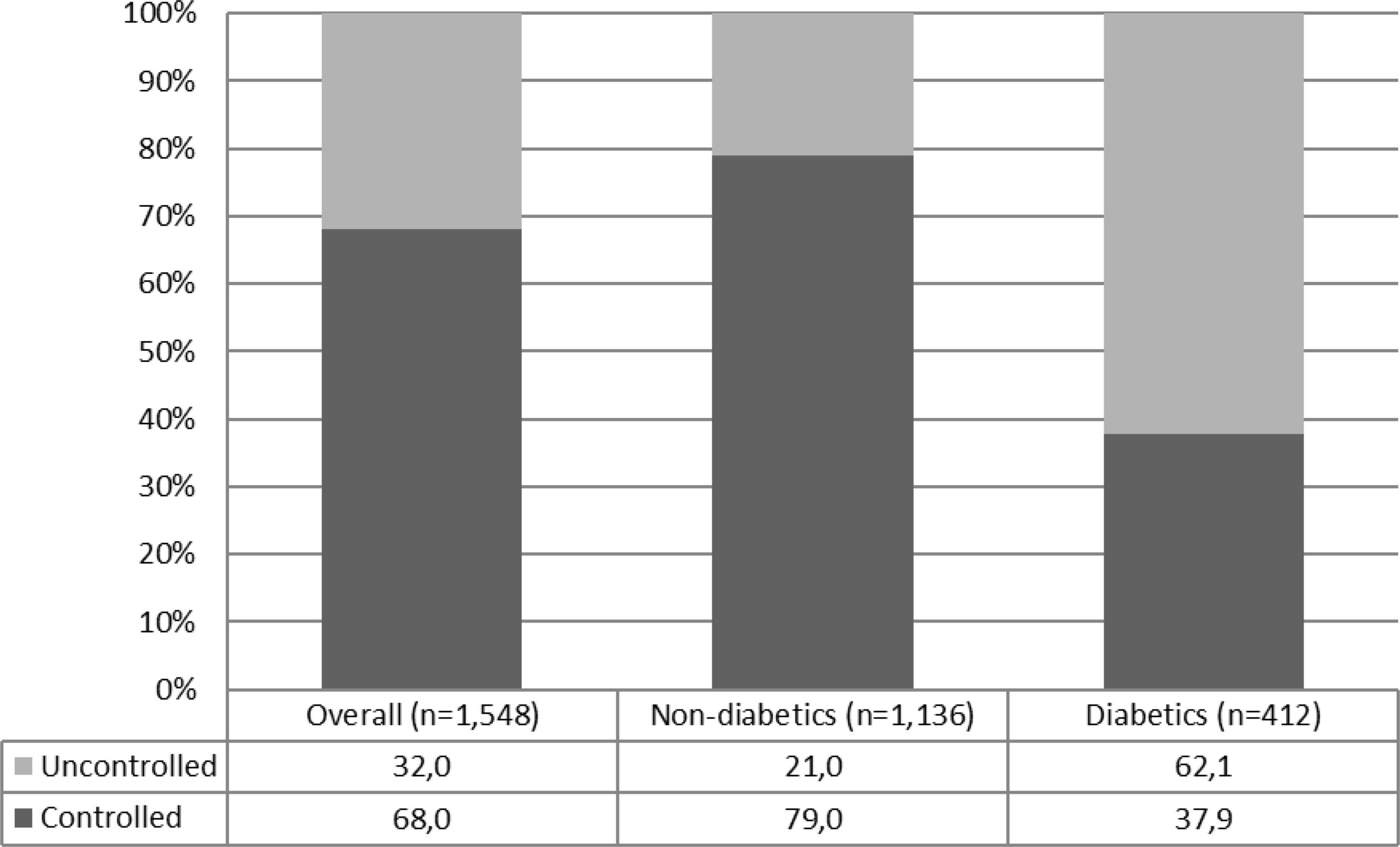
In this edition of the Arquivos Brasileiros de Cardiologia , Jardim et al. reported data from a retrospective study exploring a multidisciplinary team strategy in the rate of BP control (set at the traditional <140/90 mmHg). The authors evaluated demographic and clinical data of 1548 hypertensive patients from a specialized hypertension center who have been followed up regularly for 7.6 ± 7.1 years (mean age 62 years, 73.6% women). The multidisciplinary approach described by the authors consisted by the availability of nurses, nutritionists, occupational therapists, physical educators, psychologists and music therapists working in conjunction with the staff physicians (general practitioners, cardiologists, endocrinologists, and nephrologists). The maximal interval for medical outpatient visits was 3 months. According to the patients’ needs (determined by the clinical evaluation), the physicians scheduled visits to the professionals mentioned above in a flexible demand. In addition, educational and health promotion activities were performed every two weeks with patients. All this information was recorded on a standardized form. Using this strategy, the authors found that this multidisciplinary team approach was associated with an overall 68% BP control, being more prominent in those aged ≥60 years (OR 1.45; 95% CI [1.13-1.90]), and females (OR 1.36; 95% CI [1.09-1.88]). In contrast, patients with diabetes were associated with a lower probability of reaching the BP target compared to patients without diabetes. Interestingly, no significant differences in the number of anti-hypertensive drugs were observed in the groups who controlled or not BP. This finding suggests that the adherence of this multidisciplinary approach may vary as usually observed with any other intervention.

[…]
  • antihypertensive agents
  • Blood Pressure
  • Hypertension
  • medication adherence
  • Patient Care Team/trends
  • Prevention and Control
  • Risk Factors
Read Full Article
Creative Commons Attribution (CC BY) Creative Commons license
28/08/2020 DOI: 10.36660/abc.20200544 Views 1
Editorial

Epidemiology of Cardiovascular Diseases in Brazil: The Truth Hidden in the Numbers

Carisi Anne Polanczyk

According to the 2030 Agenda of the World Health Organization for Sustainable Development, member states are committed to a 30% reduction in premature mortality from non-communicable diseases, particularly cardiovascular diseases (CVD) (ischemic cardiomyopathy and stroke), cancer, respiratory diseases and diabetes. These conditions account for about 41 million deaths per year, i.e., 71% of deaths worldwide. To direct strategies for to prevent and treat these with these diseases, information from reliable, transparent and reproducible systems is essential. The analysis of mortality trends is key for the effective development of health, social security, investment and other policies.

The Global Burden of Disease (GBD) studies initiative is in line with this agenda, as it aims to improve understanding of diseases through the analysis of data on incidence, prevalence and mortality in a consistent, updated and global manner, both at a regional level and at a national level. Over the past few years, this methodological proposal has brought practical information for reducing these diseases around the world, overcoming challenges regarding methodology, particularly the heterogeneity of records and data from different countries. , Through data from multiple sources (health records, cohorts and prospective trials, administrative data, verbal analysis and others) and applying complex statistical models, the initiative has provided data by sex, age and country, to more than 310 diseases and conditions, with continuous methodological improvement.

[…]

  • Cardiovascular Diseases, mortality
  • Data Accuracy/trends
  • Epidemiology
  • Health Information System/trends
  • Policy Making
Read Full Article
Creative Commons Attribution (CC BY) Creative Commons license
28/08/2020 DOI: 10.36660/abc.20200793
Figure 1
Original Article

Cardiovascular Disease Mortality According to the Brazilian Information System on Mortality and the Global Burden of Disease Study Estimates in Brazil, 2000-2017

Deborah Carvalho Malta et al. Renato Teixeira Gláucia Maria Moraes de Oliveira Antonio Luiz Pinho Ribeiro

Abstract

Background

The Brazilian Information System on Mortality (SIM) is of vital importance in monitoring the trends of cardiovascular diseases (CVDs) and is aimed at supporting public policies.

Objective

To compare historical series of CVD mortality based on data from the SIM, with and without correction, and from the Brazil Global Burden of Disease (GBD) Study 2017, in the 2000-2017 period.

Methods

Analysis of CVD mortality in Brazil between 2000 and 2017. Three CVD mortality estimates were compared: Crude SIM, Corrected SIM, and GBD 2017. Absolute numbers and age-standardized rates were used to compare the estimates for Brazil, its states and the Federal District.

Results

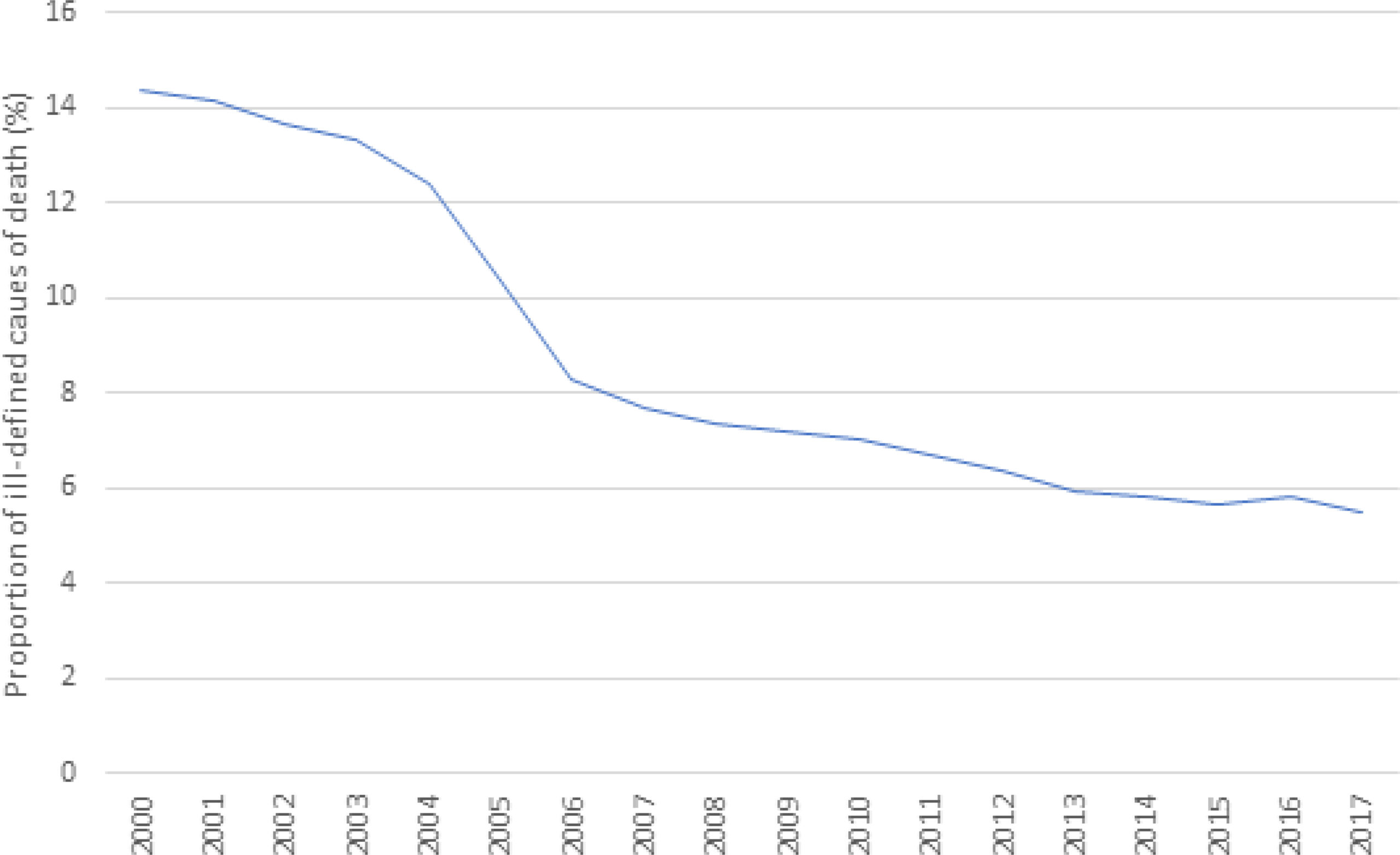
In the SIM, the total of deaths ranged from 261,000, in 2000, to 359,000, in 2017. In the GBD 2017, the total of deaths ranged from 292,000 to 388,000, for the same years, respectively. A high proportion of the causes of death from CVD corresponded to garbage codes, classified according to the GBD 2017, reaching 42% in 2017. The rates estimated by GBD ranged from 248.8 (1990) to 178.0 (2017) deaths per 100,000 inhabitants. The rates of the Crude SIM and Corrected SIM also showed a reduction for the whole series analyzed, the Crude SIM showing lower rates: 204.9 (1990) and 155.1 (2017) deaths per 100 thousand inhabitants. When analyzing by the states and Federal District, the Crude SIM trends reversed, with an increase in mortality rates in the Northern and Northeastern states.

Conclusion

This study shows the decrease in CVD mortality rates in Brazil in the period analyzed. Conversely, when analyzing by the states and Federal District, the Crude SIM showed an increase in those rates for the Northern and Northeastern states. The use of crude data from the SIM can result in interpretation errors, indicating an increase in rates, due to the increase in death data capture and the improvement in the definition of the underlying causes of death in the past decade, especially in the Northern and Northeastern regions, justifying the use of corrected data in mortality analyses. (Arq Bras Cardiol. 2020; 115(2):152-160)

  • Cardiovascular Diseases, mortality
  • Data Accuracy/trends
  • Epidemiology
  • Health Information System/trends
Read Full Article
Creative Commons Attribution (CC BY) Creative Commons license
28/08/2020 DOI: 10.36660/abc.20190867
Editorial

Short Editorial: Distinct Prognostic Competence between the Clinical and Anatomical Models in Acute Coronary Syndromes: Comparison by Type of Outcome

Roberto Coury Pedrosa

Cardiovascular events, especially acute myocardial infarction, are the main causes of death in Brazil. In some European countries (e.g., France, Portugal, Italy), the 30-day mortality rates due to infarction have declined in recent decades to as low as 3% to 5%. This reflects the organization of healthcare logistics, including pre-hospital care, unified protocols, training, central regulation, and commitment to care. In Brazil, the 30-day mortality rates vary from 3% to 5% in advanced centers and 30% in those where care does not apply the recommended guidelines. This disparity usually reflects a still deficient public healthcare system that lacks diagnostic flowcharts, institutional protocols, central regulation, or professionals who are able to interpret the diagnosis for infarction using an electrocardiogram (ECG). Unfortunately, we still find that many centers lack equipment in emergency sectors (defibrillator, intubation materials, ventilators, electrocardiographs, vasoactive drugs, cardiac monitors, temporary pacemakers, and fibrinolytic drugs) and coronary units, as well as the lack of qualified professionals to provide the best treatment.

The recognition that acute coronary syndromes (ACS) constitute a heterogeneous disease in relation to prognosis was fundamental for the correct identification of individuals at higher risk, who require more intensive intervention. It has been shown that not all patients with ACS belong to high or very high risk categories; there is a considerable percentage consisting of young patients without classic risk factors that can be adequately classified into intermediate or even low risk categories. Thus, it is important to identify those patients at higher risk who need more intensive treatment. Important clinical studies have contributed to the evolution of the approach to patients with ACS. – Currently, the emerging focus on the involvement of socioeconomic factors in cardiovascular risk has been constantly reported.

[…]

  • Acute coronary syndrome
  • Cardiovascular Diseases, mortality
  • Diagnostic Equipment
  • Myocardial Infarction
  • Organizationa and Administration
  • Percutaneous Coronary Intervention
  • Public Health
  • Risk Assessment
Read Full Article
Creative Commons Attribution (CC BY) Creative Commons license
28/08/2020 DOI: 10.36660/abc.20200758 Views 1
Editorial

COVID-19 and Uncertainty: Lessons from the Frontline for Promoting Shared Decision Making

José Augusto Soares Barreto-Filho et al. André Veiga Luis Claudio Correia

COVID-19 has already become the largest and deadliest epidemic of the past hundred years. On a daily basis, healthcare professionals in the frontline are called upon to give answers and make decisions that directly affect the lives of infected patients, and scientists are summoned to the Herculean task of providing “effective medications” in record time for a recently discovered virus with devastating potential mortality. With a hitherto unseen avalanche of information, the debate on how to treat patients with COVID-19 has gone beyond the limits of the technical arena, taking on ideological and political aspects as well.

Science is based on facts. The fact is that we do not currently have an etiological treatment with proven efficacy and safety to combat SARS-CoV-2. At the moment, there are only promises in the pipeline. To exemplify, the most emblematic case of lack of rationality and scientific thinking is the polemic regarding chloroquine/hydroxychloroquine (CQ/HCQ) for treatment of COVID-19. CQ/HCQ is a drug that has been widely and successfully used in patients with malaria and systemic lupus erythematosus. Against COVID-19, the drug inhibits replication of SARS-CoV-2 in vitro , and it modulates the inflammatory cascade triggered by the virus. In vitro data demonstrate biological plausibility, but plausibility does not mean likelihood that a hypothesis is true. CQ/HCQ was, nevertheless, promoted to the category of “magic bullet” by a publication from France, whose methodology was characterized by high risk of bias and random error, meaning that it could not be defined as “scientific evidence.” This notwithstanding, the publication was overestimated, in an ideological manner, by the individuals who were least faithful to the precepts of the liturgy of science. Contaminated by this fallacy, feeling obligated to solve the pandemic magically, even presidents took on the role of drug advertisers, thus helping to viralize pseudoscience and amplify the false information problem.

[…]

  • Bioethics
  • Clinical Decision – Making
  • Coronavirus
  • COVID-19
  • Decision Making,Shared
  • Evidence-Based Medicine
  • Off Label Use
  • Pandemics
Read Full Article
Creative Commons Attribution (CC BY) Creative Commons license
28/08/2020 DOI: 10.36660/abc.20200582 Views 1
Editorial

Intermittent Diet in Exercise-Induced Cardiac Remodeling

Francis Lopes Pacagnelli et al. Andreo Fernando Aguiar Letícia Estevam Engel Antônio Cláudio Bongiovani Mariana Janini Gomes

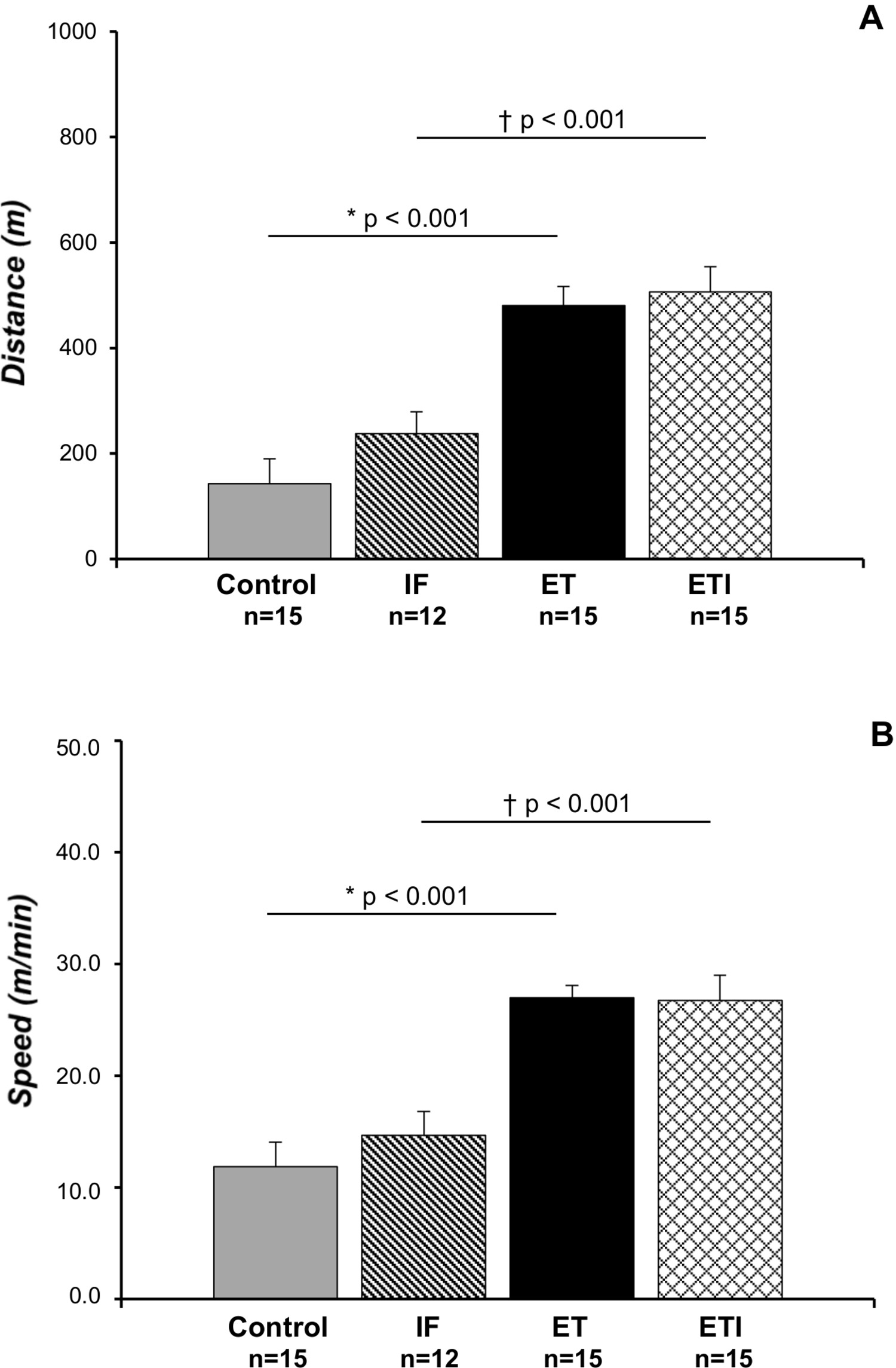
The article entitled “Intermittent diet regulates physical exercise induced cardiac remodeling” presents relevant information concerning the effects of physical exercise (PE) on cardiac remodeling, functional capacity, nutritional behavior, and glycemic metabolism. The authors also analyzed the expression of proteins related to cellular differentiation and cardiac remodeling, such as extracellular signal-regulated kinase (ERK) and c-Jun N-terminal kinase (JNK), to determine the possible molecular mechanisms associated with the effects of intermittent diet and PE. The main findings were that: (1) PE increased functional capacity when isolated or combined with an intermittent diet, (2) prescription of an intermittent diet increased glycemic tolerance during PE programs, (3) intermittent diet was able to reduce cardiac remodeling induced by PE.

It is worth highlighting that this study used an experimental model from Wistar rats to mimic an intermittent diet during a long-term PE program (12 weeks). The advantage of animal experiments involving nutritional and physical interventions is the possibility of controlling the confounding variables that can affect the internal validity of the study, such as food intake, lifestyle, and motivation for physical training. In addition, animal models allow for the analysis of morphological, functional, and molecular aspects of cardiac muscle, which enables a more in-depth study of the mechanisms related to the diverse treatments and physical and nutritional interventions. Therefore, the results of this study are highly consistent and relevant for the understanding and improvement of prescribed PE programs, whether when isolated or associated with intermittent diet. The study also reveals a new path for research involving the effects of PE on functional and morphological aspects of cardiac remodeling, and the role intermittent diet in modulating these effects.

[…]

  • Exercise
  • Heart
  • Intermittent Diet
Read Full Article
Creative Commons Attribution (CC BY) Creative Commons license
28/08/2020 DOI: 10.36660/abc.20200632
Figure 1
Editorial

Takotsubo Syndrome, Does it Exist as a Specific Disease?

Bruno Caramelli

The name syndrome combines two Greek roots to describe a condition gathering a group of signs and symptoms existing together in patients. It seems that Avicenna first used it in his 1025 publication “The Canon of Medicine”. In genetics, the use of the name syndrome generally assumes that the underlying cause of the disease is known. On the other hand, in medicine, syndrome refers to conditions both with a known and unknown cause.

Historically, associated signs and symptoms found to be of improbable correlation were eventually known to have an underlying cause responsible for all of them. Even after the cause is unraveled, the original word remains, sometimes with the name of the first describer, and this is probably the reason for the existence nowadays of syndromes with identified and unidentified causes.

[…]

  • Coronary Artery Disease
  • Diagnosis,Differencial
  • Diagnostic,Imaging
  • Takotsubo Cardiomyopathy
  • Ventricular Dysfunction
Read Full Article
Creative Commons Attribution (CC BY) Creative Commons license
28/08/2020 DOI: 10.36660/abc.20200470
Letter to the Editor

Circulatory System Diseases in Patients with COVID-19: Description of Clinical and Epidemiological Profile of 197 Deaths

Carlos Dornels Freire de Souza et al. Thiago Cavalcanti Leal Lucas Gomes Santos

Dear Editor,

On December 31, 2019, China notified the World Health Organization (WHO) of an outbreak of pneumonia in the city of Wuhan, capital of the Hubei province. A few days later, the causative agent, severe acute respiratory syndrome coronavirus 2 (SARS-CoV-2) was identified.

[…]

  • Coronavirus-19/complications
  • Diabetes Mellitus
  • Dyspnea
  • Fever
  • Hypertension
  • Respiration Disorders
  • Risk Factors
  • Severe Acute Respiratory Syndrome
Read Full Article
Creative Commons Attribution (CC BY) Creative Commons license
28/08/2020 DOI: 10.36660/abc.20200453 Views 1
Editorial

Which Risk Score Best Assesses Clinical Objectives in Patients with Hypertrophic Cardiomyopathy?

Eduardo Alberto de Castro Roque

Hypertrophic cardiomyopathy (HCM) is a genetic disorder characterized by commonly asymmetric unexplained left ventricular hypertrophy, with greater thickening of the basal interventricular septum. Left ventricular outflow tract obstruction is present at rest in around one third of patients and can be caused in another third. The histological features of HCM include hypertrophy and myocyte disorder, in addition to interstitial fibrosis. Hypertrophy is also often associated with left ventricular diastolic dysfunction.

The first case of HCM was described by Henri Liouville in 1869 in the Gazette Medecine Paris. In 1907, Dr. A. Schmincke, a German pathologist, described two hearts with left ventricular hypertrophy; both were seen in women in their fifth decade of life. Levy and von Glahn, in 1944, from the University of Colombia, in New York, published a series of cases that resembled HCM. In 1949, William Evans, a cardiologist from London, described the familial occurrence of cardiac hypertrophy in a series of patients similar to those described in the article by Levy and von Glahn. Dr. Eugene Braunwald and Dr. Andrew Glenn Morrow published a series of studies where they detailed the clinical and hemodynamic aspects of this disease, allowing the establishment of therapeutic objectives. –

[…]

  • Cardiomyopathy, Hypertrophic, Familial
  • Defibrillators, Implantable
  • Discrete Subaortic Stenosis
  • Hypertrophy Left Ventricular
  • Safety Management
Read Full Article
Creative Commons Attribution (CC BY) Creative Commons license
28/08/2020 DOI: 10.36660/abc.20200543
Figure 1
Original Article

Complete Revascularization Versus Treatment of the Culprit Artery Only in ST Elevation Myocardial Infarction: A Multicenter Registry

Julia Cremona Cadore et al. Mariana Vargas Furtado Rogério Tadeu Tumelero Alexandre Pereira Tognon … Ana Maria Krepsky Denis Cadore Karen Brasil Ruschel Julia Caldas Bedin Thais Conte Carisi Anne Polanczyk

Abstract

Background

Data on the management and prognosis of patients with ST-segment elevation myocardial infarction (STEMI) and multivessel disease are limited in Brazil, showing that the available revascularization strategies should be investigated

Objective

To assess the outcomes of complete revascularization versus treatment of the culprit artery only in patients with STEMI and multivessel disease.

Methods

A prospective cohort study was conducted at two medical centers in southern Brazil with a 1-year follow-up after the index procedure. The primary outcome was a composite of cardiac death, reinfarction, or recurrent angina, while the secondary outcome was stroke, nonfatal cardiac arrest, major bleeding, or need for reintervention. The probability of outcomes occurring was compared between the groups using binary logistic regression. A p-value < 0.05 was considered statistically significant.

Results

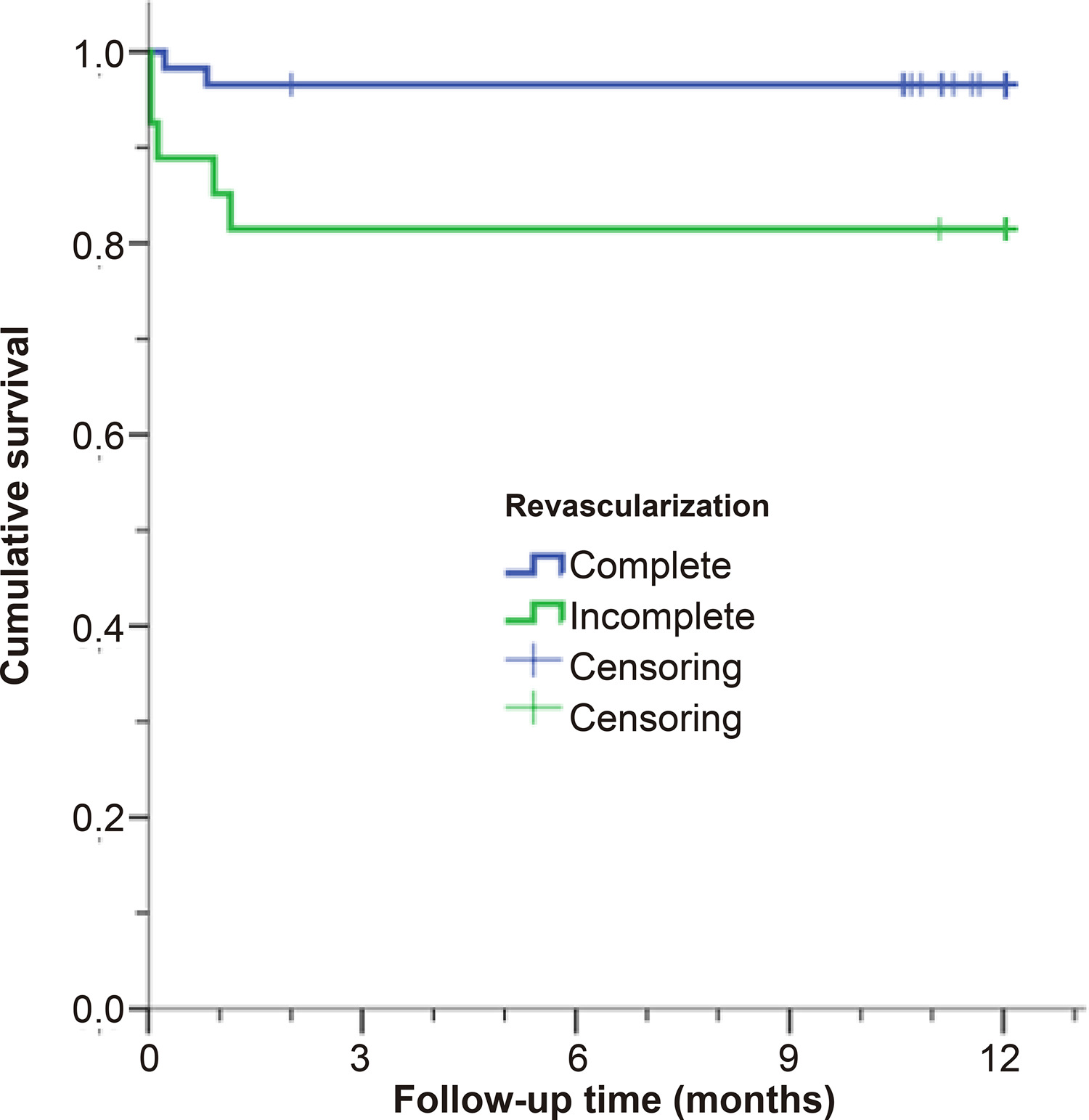
Eighty-five patients were included. Their mean age was 62±12 years, and 61 (71.8%) were male. Fifty-eight (68.2%) were treated with complete revascularization and 27 (31.8%) with incomplete revascularization. The chance of both the primary and secondary outcomes occurring was significantly greater among patients treated with incomplete revascularization when compared to those treated with complete revascularization (odds ratio [OR] 5.1, 95% confidence interval [CI] 1.6-16.1 vs. OR 5.2, 95% CI 1.2-22.9, respectively), as well as cardiac death (OR 6.4, 95% CI 1.2-35.3).

Conclusion

Registry data from two centers in southern Brazil demonstrate that the complete revascularization strategy is associated with a significant reduction in primary and secondary outcomes in a 1-year follow-up when compared to the incomplete revascularization strategy (Arq Bras Cardiol. 2020; 115(2):229-237)

  • Angina Pectoris
  • Death Certificates
  • Heart Arrest
  • Hemodynamic
  • percutaneous coronary interventions
  • ST Elevation Myocardial Infarction/mortality, Cohort Studies
  • Stroke
Read Full Article
Creative Commons Attribution (CC BY) Creative Commons license
28/08/2020 DOI: 10.36660/abc.20180346
Editorial

Is Complete Revascularization Truly Superior to Culprit-Lesion-Only PCI in Patients Presenting with ST-segment Elevation Myocardial Infarction?

Christina Grüne de Souza e Silva

Primary percutaneous coronary intervention (PCI) is a standard therapy for patients with acute ST-segment elevation myocardial infarction (STEMI), and its goal is to restore blood flow to the coronary artery that is judged to be causing the myocardial infarction (known as the culprit artery). In up to half of such patients, major stenoses in one or more coronary arteries that are not responsible for the myocardial infarction (nonculprit lesions) may also be seen during the index angiography. Since patients with acute STEMI and multivessel coronary artery disease (CAD) have worse clinical outcomes compared with patients with single-vessel disease, it has been questioned if PCI treatment of all significant nonculprit lesions following primary PCI (complete revascularization) could improve prognosis.

A number of randomized clinical trials (RCT) have addressed this topic by comparing outcomes of patients with STEMI and multivessel CAD who underwent complete revascularization versus treatment of the culprit-lesion-only PCI (incomplete revascularization). Previously, intermediate-sized RCT – have shown that complete revascularization is safe and reduces the risk of composite outcomes, with results driven predominantly by the decreased risk of subsequent revascularization. Recently, the COMPLETE (Complete versus Culprit-Only Revascularization Strategies to Treat Multivessel Disease after Early Percutaneous Coronary Intervention [PCI] for STEMI) trial, a larger RCT, showed that the risk of the composite outcome death from cardiovascular causes or recurrent myocardial infarction was lower in the complete revascularization group than in the culprit-lesion-only PCI group in patients presenting with STEMI, this benefit been driven by a reduction in new myocardial infarction. Moreover, in the largest meta-analysis of RCT performed to date addressing this topic, complete revascularization was associated with a reduction in cardiovascular mortality compared with culprit-lesion-only PCI in patients with STEMI and multivessel CAD without cardiogenic shock at presentation (odds ratio, 0.69; 95% confidence interval [CI], 0.48-0.99; p=0.05).

[…]

  • Coronary Artery Disease
  • Myocardial Revascularization
  • Percutaneous Coronary Intervention
  • ST Elevation Myocardial Infarction
Read Full Article
Creative Commons Attribution (CC BY) Creative Commons license
28/08/2020 DOI: 10.36660/abc.20200640
Figure 1
Statement

Position Statement on the Use of Antiplatelet Agents and Anticoagulants in Patients Infected with the New Coronavirus (COVID-19) – 2020

Alexandre de Matos Soeiro et al. Tatiana de Carvalho Andreucci Torres Leal Marcel de Paula Pereira Eduardo Gomes Lima … Ana Cristina Baptista da Silva Figueiredo João Luiz Fernandes Petriz Dalton Betolim Precoma Carlos Vicente Serrano Jr

1. Introduction

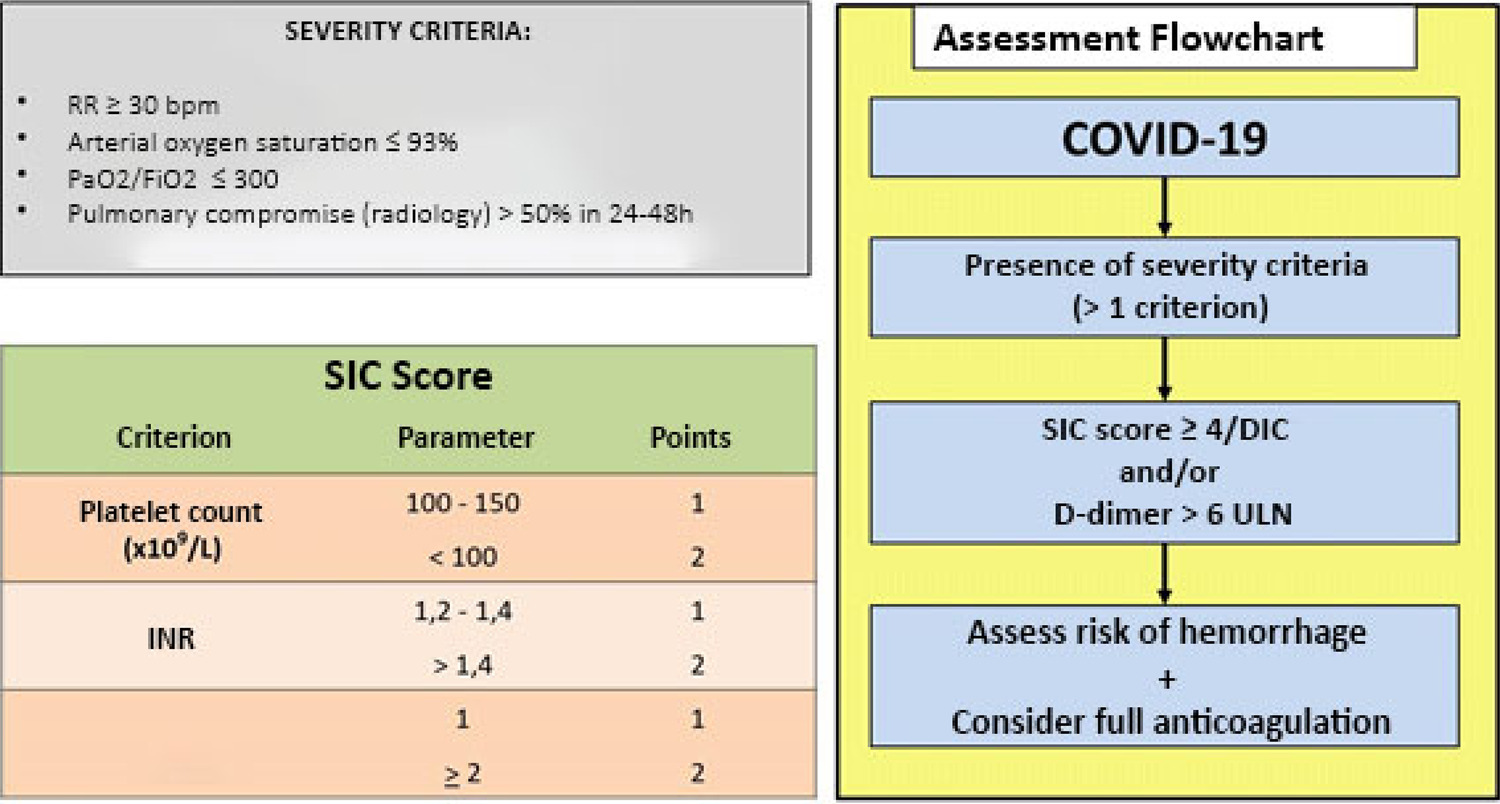
The new coronavirus (SARS-CoV-2) pandemic has led to debate about the best treatment for the disease and its complications. Recent publications have shown that cardiovascular disease is among the main risk factors for disease progression, including high blood pressure and diabetes mellitus. –

It has been demonstrated that patients infected with the new coronavirus (COVID-19) have distinct activation of prothrombotic mechanisms, including a greater likelihood of thrombotic events. Acute coronary syndrome (ACS) with or without ST-elevation can occur in patients with COVID-19, although the actual incidence is still uncertain. – Thus, several issues related to using antiplatelet agents and anticoagulants in patients with suspected or confirmed COVID-19 infection remain uncertain. The following recommendations are valid for the most diverse clinical situations, such as atrial fibrillation, acute coronary syndrome, chronic coronary artery disease, percutaneous coronary intervention, post-cardiac surgery, ischemic stroke, and venous thromboembolism, and should be applied on a case-by-case basis.

[…]

Read Full Article
Creative Commons Attribution (CC BY) Creative Commons license
28/08/2020 DOI: 10.36660/abc.20200424
Figure 1
Original Article

Discrepancy between International Guidelines on the Criteria for Primary Prevention of Sudden Cardiac Death in Hypertrophic Cardiomyopathy

Beatriz Piva e Mattos et al. Fernando Luís Scolari Henrique Iahnke Garbin

Abstract

Background

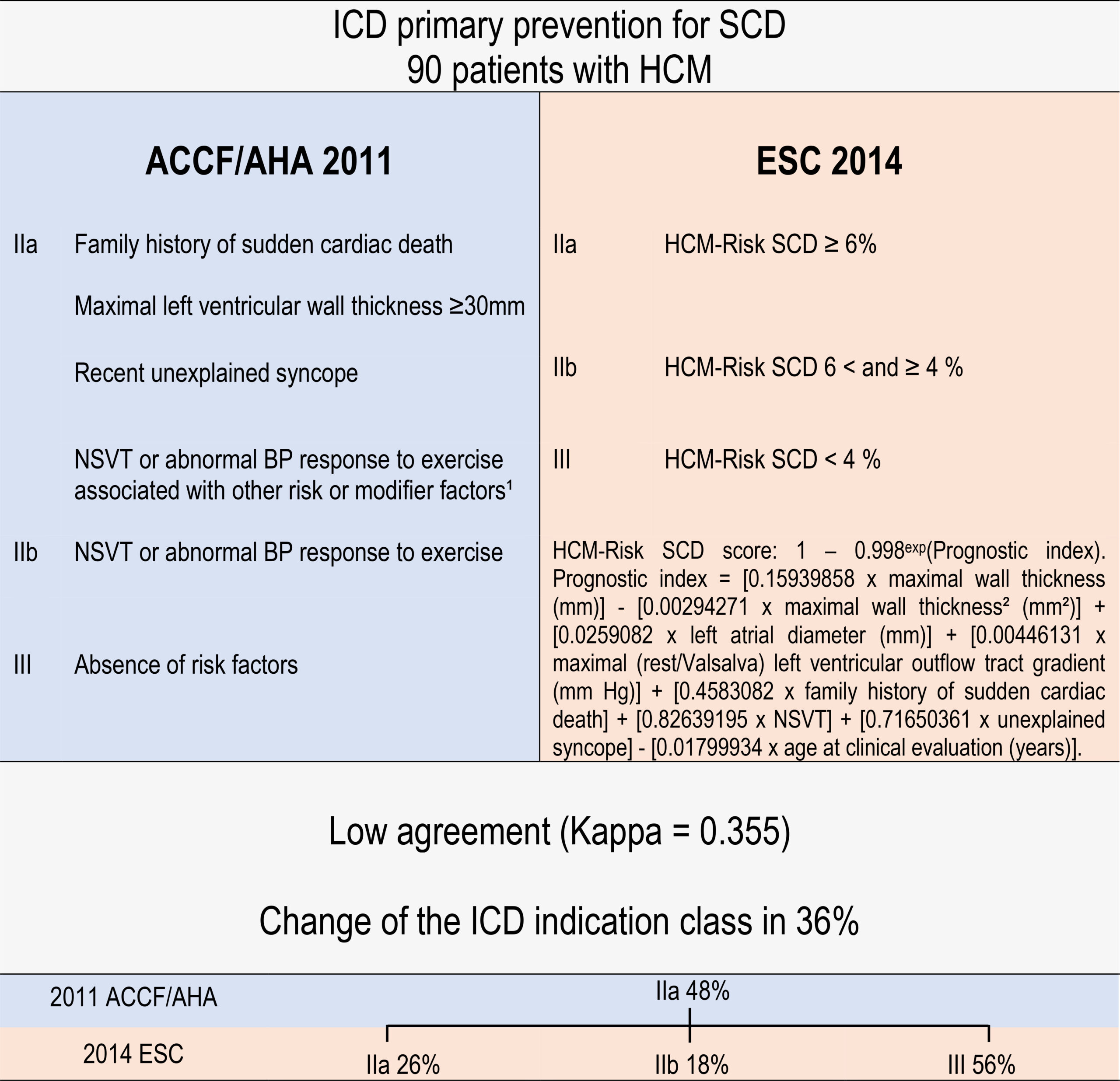
Risk stratification for sudden cardiac death (SCD) in hypertrophic cardiomyopathy (HCM) is based on different algorithms proposed by the 2011 ACCF/AHA and 2014 ESC guidelines.

Objective

To analyze the 2014 ESC model for SCD risk stratification and primary prevention ICD (implantable cardioverter defibrillator) in HCM in comparison to the North American guideline.

Methods

An HCM cohort was evaluated and the ESC HCM-Risk SCD score was calculated. Agreement of ICD recommendations criteria between the two guidelines was analyzed with Kappa coefficient. P<0.05 was adopted for the statistical analysis.

Results

In 90 consecutive patients followed for 6±3 years, the mean calculated ESC risk score was 3.2±2.5%. The risk predictors that have mainly contributed to the score calculation in the low (1.88% [1.42–2.67]), intermediate (5.17% [4.89–5.70]) and high-risk (7.82% [7.06–9.19]) categories were: maximal left ventricular wall thickness (1.60% [1.25–2.02]; 3.20% [3.18–3.36]; 4.46% [4.07–5.09]), left atrial diameter (0.97% [0.83–1.21]; 1.86% [1.67-2.40]; 2.48% [2.21–3.51]) and age (-0.91% [0.8–1.13]; -1.90% [1.12–2.03]; -2.34% [1.49–2.73]). The European model decreased the ICD recommendations in 32 (36%) patients. Among the 43 (48%) individuals with class IIa recommendation under the 2011 ACCF/AHA guideline, 8 (18%) were downgraded to class IIb and 24 (56%) to class III. Low agreement was found between the two systems: Kappa=0.355 and p=0.0001. In 8 (9%) patients with SCD or appropriate shock, 4 (50%) met class IIa indication with the 2011 ACCF/AHA guideline, but none achieved this class of recommendation with the 2014 ESC model.

Conclusion

Low agreement was found between the two strategies. The novel ESC model decreased the ICD recommendations, especially in those with class IIa recommendation, but left unprotected all patients with SCD or appropriate shock. (Arq Bras Cardiol. 2020; 115(2):197-204)

  • Arrhythmias Cardiac
  • Cardiomyopathy,Hypertrophic/genetics
  • Cohort Studies
  • Death,Sudden, Cardiac
  • Defibrillators,Implantable
  • Heredity
  • Syncope
Read Full Article
Creative Commons Attribution (CC BY) Creative Commons license
28/08/2020 DOI: 10.36660/abc.20190161 Views 3
Figure 1
Original Article

Intermittent Fasting Attenuates Exercise Training-Induced Cardiac Remodeling

Priscilla Gois Basilio et al. Ana Priscila Cayres de Oliveira Ana Carolini Ferreira de Castro Marianna Rabelo de Carvalho … Alessandro Moura Zagatto Paula Felippe Martinez Marina Politi Okoshi Katashi Okoshi Gabriel Elias Ota Filipe Abdalla dos Reis Silvio Assis de Oliveira-Junior

Abstract

Background

The effects of non-pharmacological interventions such as calorie restriction and exercise training on health and prevention of cardiovascular diseases have been investigated in clinical and experimental studies.

Objective

To analyze the influence of intermittent fasting and exercise training on functional fitness, glycemia and cardiac remodeling.

Methods

Wistar rats (n=60) were randomly divided into four groups: control, exercise training (ET), intermittent fasting (IF) and exercise training plus intermittent fasting (ETI). Over 12 weeks, control and ET animals were fed daily a standard commercial diet ad libitum , while IF and ETI animals were fed every other day. In addition, the ET and ETI groups were submitted to a running protocol on a treadmill. After this period, functional fitness, nutritional parameters and blood glucose levels were analyzed. In addition to heart morphology, myocardial protein expression of extracellular signal-regulated kinase (ERK) and c-Jun N-terminal kinase (JNK) was assessed by Western-blot. The results were analyzed using two-way ANOVA and Student-Newman-Keuls test. The level of significance considered was 5%.

Results

Exercise training increased functional fitness in the ET and ETI groups and promoted cardiac fibrosis. The combination of intermittent fasting and exercise training resulted in a smaller area under the blood glucose curve and reduced cardiomyocyte cross-sectional area and interstitial collagen fraction in the ETI group compared to ET. ERK and JNK expression levels were similar among groups (p>0.05).

Conclusions

Intermittent fasting is associated with improved glucose tolerance and attenuates cardiac remodeling induced by exercise training (Arq Bras Cardiol. 2020; 115(2):184-193)

  • Calorie Restriction
  • Diet
  • Exercise
  • Glucose
  • Health Promotion
  • Running
  • Ventricular Remodeling
Read Full Article
Creative Commons Attribution (CC BY) Creative Commons license
28/08/2020 DOI: 10.36660/abc.20190349
Figure 1
Original Article

Prognostic Contrast between Anatomical and Clinical Models Regarding Fatal and Non-Fatal Outcomes in Acute Coronary Syndromes

Mateus S. Viana et al. Vitor C. A. Correia Felipe M. Ferreira Yasmin F. Lacerda … Gabriela O. Bagano Leticia L. Fonseca Lara Q. Kertzman Milton V. Melo Marcia M. Noya-Rabelo Luis C L Correia

Abstract

Background

Recurrent ischemic events are mediated by atherosclerotic plaque instability, whereas death after an ischemic event results from gravity of insult and ability of the organism to adapt. The distinct nature of those types of events may respond for different prediction properties of clinical and anatomical information regarding type of outcome.

Objective

To identify prognostic properties of clinical and anatomical data in respect of fatal and non-fatal outcomes of patients hospitalized with acute coronary syndromes (ACS).

Methods

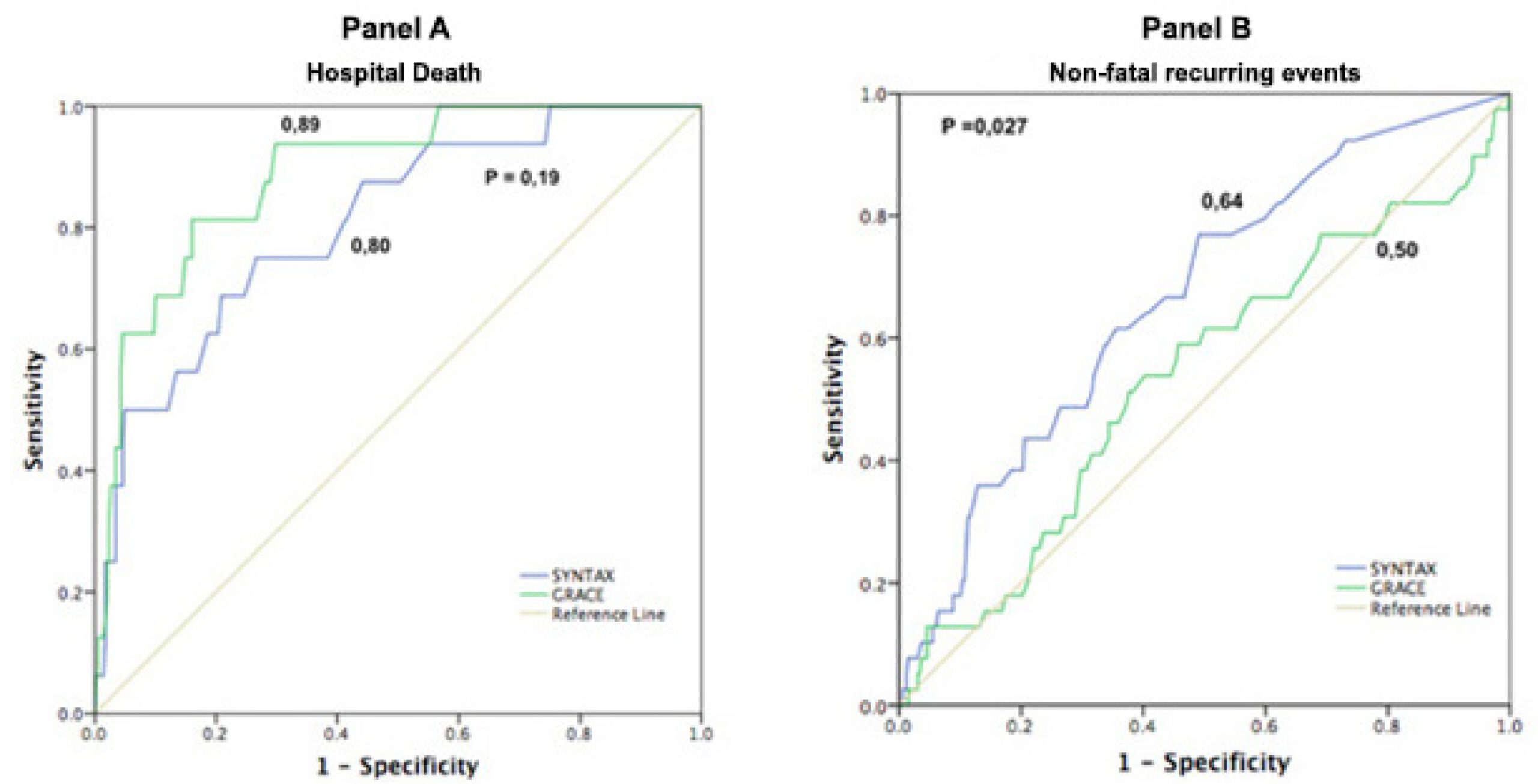
Patients consecutively admitted with ACS who underwent coronary angiography were recruited. The SYNTAX score was utilized as an anatomic model and the GRACE score as a clinical model. The predictive capacity of those scores was separately evaluated for prediction of non-fatal ischemic outcomes (infarction and refractory angina) and cardiovascular death during hospitalization. It was considered as significant a p-value <0,05.

Results

EAmong 365 people, cardiovascular death was observed in 4,4% and incidence of non-fatal ischemic outcomes in 11%. For cardiovascular death, SYNTAX and GRACE score presented similar C-statistic of 0,80 (95% IC: 0,70 – 0,92) and 0,89 (95% IC 0,81 – 0,96), respectively – p = 0,19. As for non-fatal ischemic outcomes, the SYNTAX score presented a moderate predictive value (C-statistic = 0,64; 95%IC 0,55 – 0,73), whereas the GRACE score did not presented association with this type of outcome (C-statistic = 0,50; 95%IC 0,40-0,61) – p = 0,027.

Conclusion

Clinical and anatomic models similarly predict cardiovascular death in ACS. However, recurrence of coronary instability is better predicted by anatomic variables than clinical data. (Arq Bras Cardiol. 2020; [online].ahead print, PP.0-0)

  • Acute Coronary Syndrome/physiopathology
  • Atherosclerosis
  • Cardiovascular Diseases/prevention and control
  • Hospitalization
  • Mortality
  • Myocardial Infarction
  • Prognosis
Read Full Article
Creative Commons Attribution (CC BY) Creative Commons license
28/08/2020 DOI: 10.36660/abc.20190062 Views 2
Editorial

Assessment of Aortic Valve Regurgitation by Echocardiography: Basic and New Concepts

Said Alsidawi

Conclusion

Introducing new concepts or techniques that can help grading AR severity is a valuable resource. AR VTI is a promising concept that is physiologically sound and appears reproducible. Larger clinical trials will be needed to further assess its role and, more importantly, its prognostic value and correlation with clinical outcomes.

It is imperative, however, to keep in mind that it is very unlikely that we will find a single echocardiographic marker that will be a gold standard when assessing AR severity. The echocardiographist has to keep an open mind and integrate all available data to come to a final conclusion. This includes the following:

[…]

  • Aortic Regurgitation
  • Aortic Valve Insufficiency
  • Blood Fow Velocity
  • Diagnostic Imaging
  • Echocardiography
  • Echocardiography, Doppler
  • Echocardiography, Three-Dimensional
Read Full Article
Creative Commons Attribution (CC BY) Creative Commons license
28/08/2020 DOI: 10.36660/abc.20200559
Figure 1
Original Article

Blood Pressure Control and Associated Factors in a Real-World Team-Based Care Center

Thiago Veiga Jardim et al. Ana Luiza Lima Souza Weimar Kunz Sebba Barroso Paulo Cesar B. Veiga Jardim

Abstract

Background

Although team-based care is recommended for patients with hypertension, results of this intervention in a real-world setting are missing in the literature.

Objective

To report the results of a real-world long-term team-based care for hypertensive patients we conducted this study.

Methods

Data of hypertensive patients attending a multidisciplinary treatment center located in the Midwest region of Brazil in June 2017 with at least two follow-up visits were retrospectively assessed. Anthropometric, blood pressure (BP), follow-up time, pharmacological treatment, diabetes and lifestyle data were collected from the last visit to the service. BP values < 140 x 90 mmHg in non-diabetics and < 130 x 80 mmHg in diabetics were considered controlled. A logistic regression model was built to identify variables independently associated to BP control. Significance level adopted p < 0.05.

Results

A total of 1,548 patients were included, with a mean follow-up time of 7.6 ± 7.1 years. Most patients were female (73.6%; n=1,139) with a mean age of 61.8 ±12.8 years. BP control rates in all the sample, and in non-diabetics and diabetics were 68%, 79%, and 37.9%, respectively. Diabetes was inversely associated with BP control (OR 0.16; 95%CI 0.12-0.20; p<0.001) while age ≥ 60 years (OR 1.48; 95%CI 1.15-1.91; p=0.003) and female sex (OR 1.38; 95%CI 1.05-1.82; p=0.020) were directly associated.

Conclusions

A BP control rate around 70% was found in patients attending a multidisciplinary team care center for hypertension. Focus on patients with diabetes, younger than 60 years and males should be given to further improve these results. (Arq Bras Cardiol. 2020; 115(2):174-181)

  • Blood Pressure/prevention and control
  • Exercise
  • Hypertension
  • Life Style
  • Obesity
  • Sedentarism
  • Treatment Adherence and Compliance
Read Full Article
Creative Commons Attribution (CC BY) Creative Commons license
28/08/2020 DOI: 10.36660/abc.20180384 Views 1
Figure 1
Original Article

Takotsubo Multicenter Registry (REMUTA) – Clinical Aspects, In-Hospital Outcomes, and Long-Term Mortality

Gustavo Luiz Gouvêa de Almeida Junior et al. João Mansur Filho Denilson Campos de Albuquerque Sergio Salles Xavier … Álvaro Pontes Elias Pimentel Gouvêa Alexandre Bahia Barreiras Martins Nágela S. V. Nunes Lilian Vieira Carestiato João Luiz Fernandes Petriz Armando Márcio Gonçalves Santos Bruno Santana Bandeira Bárbara Elaine de Jesus Abufaiad Luciana da Camara Pacheco Maurício Sales de Oliveira Paulo Eduardo Campana Ribeiro Filho Pedro Paulo Nogueres Sampaio Gustavo Salgado Duque Luiz Felipe Camillis André Casarsa Marques Francisco Carlos Lourenço Jr José Ricardo Palazzo Cláudio Ramos da Costa Bibiana Almeida da Silva Cleverson Neves Zukowski Romulo Ribeiro Garcia Fernanda de Carvalho Zonis Suzana Andressa Morais de Paula Carolina Gravano Ferraz Ferrari Bruno Soares da Silva Rangel Roberto Muniz Ferreira Bárbara Ferreira da Silva Mendes Isabela Ribeiro Carvalho de Castro Leonardo Giglio Gonçalves de Souza Luiz Henrique dos Santos Araújo Alexandre Giani

Abstract

Background

Takotsubo syndrome (TTS) is an acquired form of cardiomyopathy. National Brazilian data on this condition are scarce. The Takotsubo Multicenter Registry (REMUTA) is the first to include multicenter data on this condition in Brazil.

Objective

To describe the clinical characteristics, prognosis, in-hospital treatment, in-hospital mortality, and mortality during 1 year of follow-up.

Methods

This is an observational, retrospective registry study including patients admitted to the hospital with diagnosis of TTS and patients admitted for other reasons who developed this condition. Evaluated outcomes included triggering factor, analysis of exams, use of medications, complications, in-hospital mortality, and mortality during 1 year of follow-up. A significance level of 5% was adopted.

Results

The registry included 169 patients from 12 centers in the state of Rio de Janeiro, Brazil. Mean age was 70.9 ± 14.1 years, and 90.5% of patients were female; 63% of cases were primary TTS, and 37% were secondary. Troponin I was positive in 92.5% of patients, and median BNP was 395 (176.5; 1725). ST-segment elevation was present in 28% of patients. Median left ventricular ejection fraction was 40 (35; 48)%. We observed invasive mechanical ventilation in 25.7% of cases and shock in 17.4%. Mechanical circulatory support was used in 7.7%. In-hospital mortality was 10.6%, and mortality at 1 year of follow-up was 16.5%. Secondary TTS and cardiogenic shock were independent predictors of mortality.

Conclusion

The results of the REMUTA show that TTS is not a benign pathology, as was once thought, especially regarding the secondary TTS group, which has a high rate of complications and mortality. (Arq Bras Cardiol. 2020; 115(2):207-216)

  • Cardiomyopathy Takotsubo/mortality
  • Cardiomyopathy, Dilated
  • Chest Pain
  • Dyspnea
  • Heart Failure
  • Multicenter Study
  • Stress, Psychological
Read Full Article
Creative Commons Attribution (CC BY) Creative Commons license
28/08/2020 DOI: 10.36660/abc.20190166
Figure 1
Review Article

Serum Levels of BDNF in Cardiovascular Protection and in Response to Exercise

Ivani Credidio Trombetta et al. José Roberto DeMoura Cleber Rene Alves Renato Carbonari-Brito … Felipe Xerez Cepeda José Ribeiro Lemos Jr

Abstract

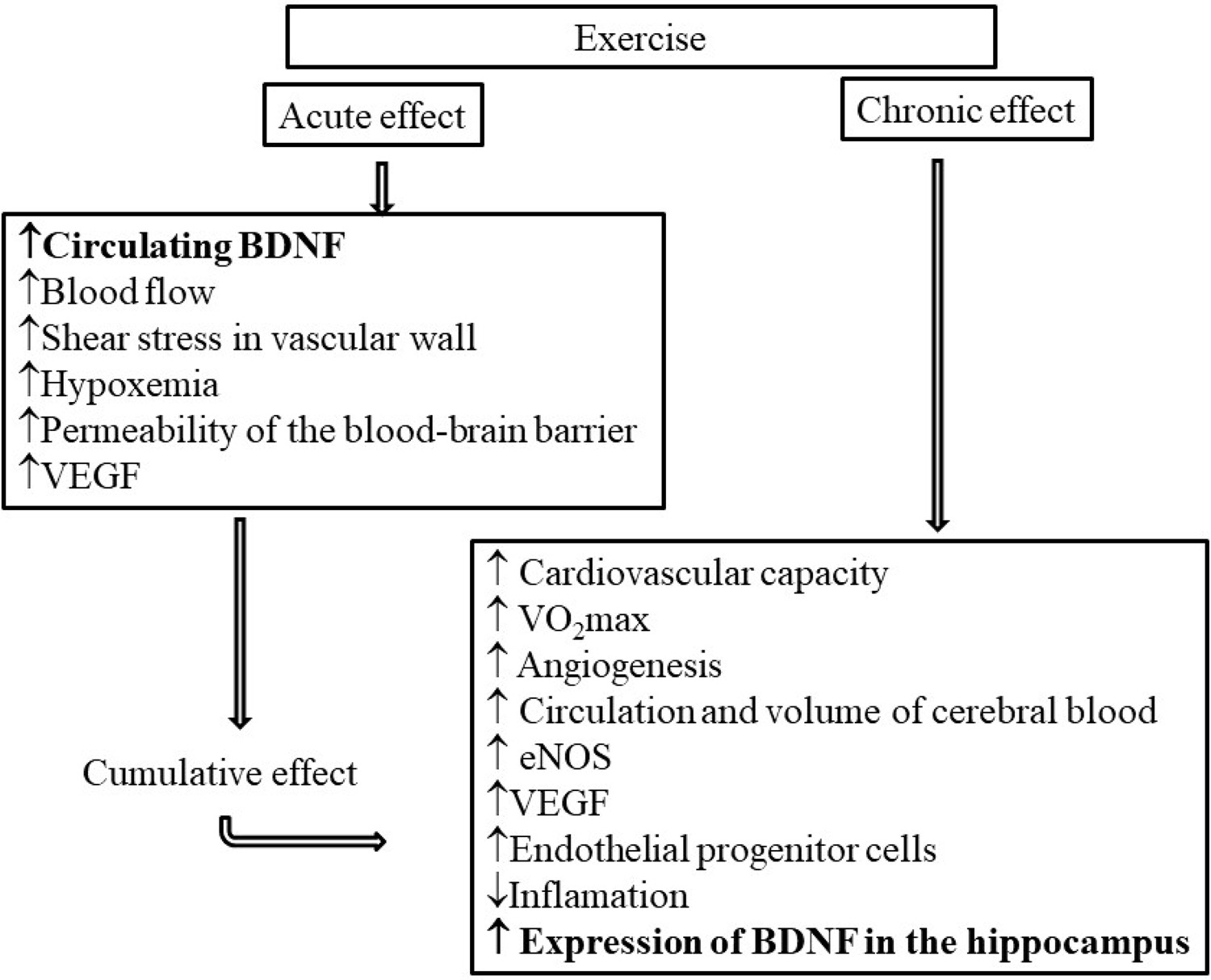
Cardiovascular disease (CVD) is currently the leading cause of death in Brazil and worldwide. In 2016, CVD accounted for more than 17 million deaths, representing 31% of all deaths globally. Molecular and genetic mechanisms may be involved in vascular protection and should be considered in new therapeutic approaches. In this sense, recent studies have reported that brain-derived neurotrophic factor (BDNF) is reduced in individuals predisposed to develop CVD, and that aerobic physical training increases the amounts of circulating BDNF. BDNF is a neurotrophin found at high concentrations in the hippocampus and cerebral cortex and is considered a key molecule for the maintenance of synaptic plasticity and survival of neuronal cells. In addition to neuronal plasticity, BDNF is also important in vascular function, promoting angiogenesis through the regulation of reactive oxygen species (ROS). However, a variant of the BDNF gene in humans, the Val66Met polymorphism (substitution of the amino acid valine for a methionine at position 66 of the codon), occurring in 20-30% of the Caucasian population, may affect plasma BDNF concentrations and its activity in all peripheral tissues containing tyrosine kinase B receptors (TrkB), such as the endothelium. Thus, we will present a discussion about the role of serum BDNF levels in cardiovascular protection, Val66Met genetic variant in vascular reactivity and the effect of physical exercise.

  • BDNF
  • Brain-Derived Neurotrophic Factor
  • Cardiovascular Diseases, mortality
  • Endothelium, Vascular
  • Exercise
  • Nerve Growth Factors
  • Neuronal Plasticity
  • polymorphism
Read Full Article
Creative Commons Attribution (CC BY) Creative Commons license
28/08/2020 DOI: 10.36660/abc.20190368 Views 2
Figure 1
Viewpoint

Pharmacological Treatment of Hypertension: From the Golden Trio to the Octet

Audes Diógenes Magalhães Feitosa et al. Marco Mota-Gomes Oswaldo Passarelli Júnior Weimar Kunz Sebba Barroso … Roberto Dischinger Miranda Eduardo Costa Duarte Barbosa Andrea A. Brandão Wilson Nadruz

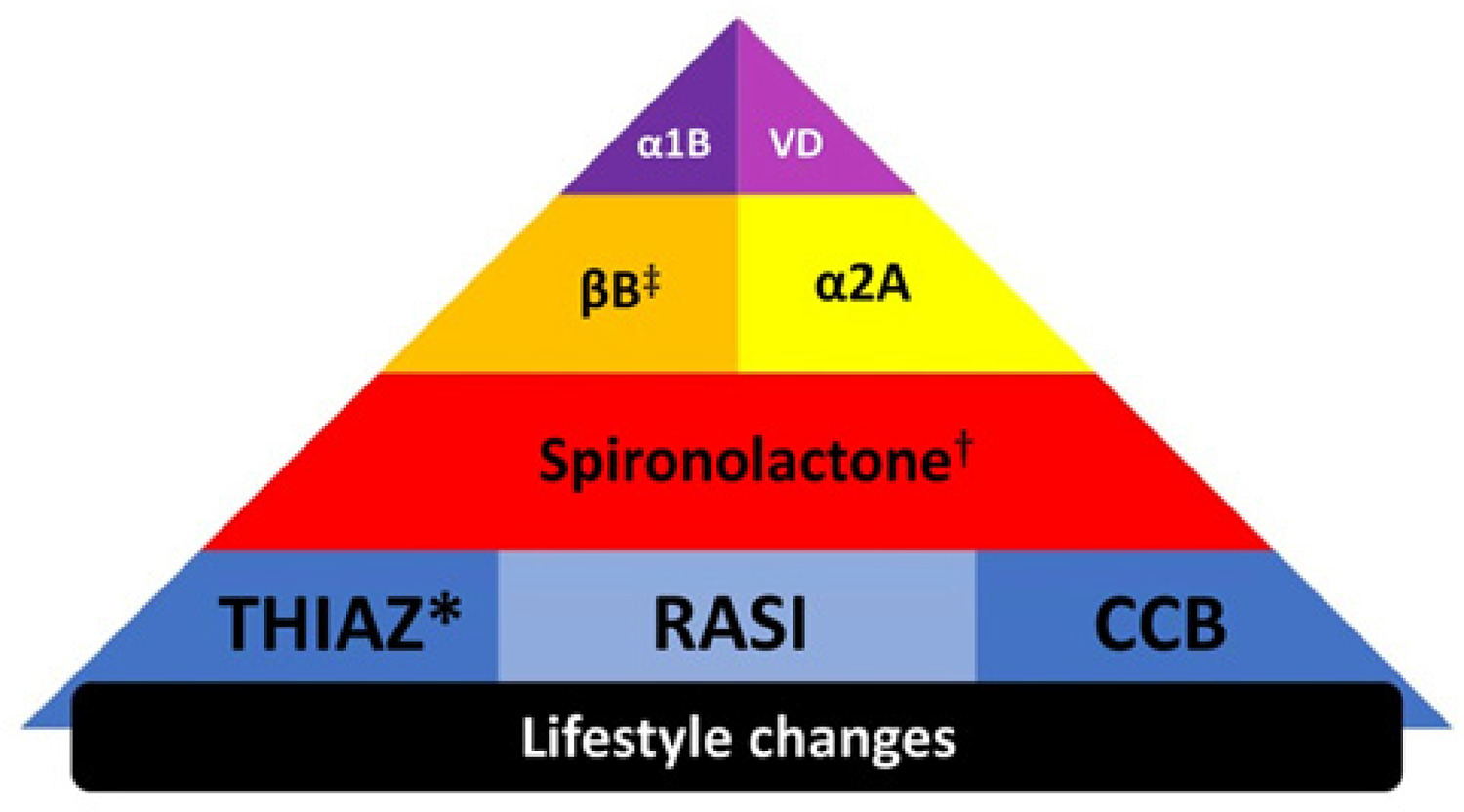
The treatment of hypertension comprises numerous pharmacological options, which may hinder patient management standardization, thus contributing to therapeutic failure. However, in more recent years, several studies and guidelines from diverse hypertension and cardiology societies have suggested preferential pharmacological classes to treat hypertension. – Based on this evidence, the present report aims to propose a simple and practical pharmacological treatment algorithm that can be applied to patients ranging from stage 1 to refractory hypertension cases ( ).

[…]

  • antihypertensive agents
  • Drug Therapy
  • Exercise
  • Hypertension
  • Life Style
  • medication adherence
  • Weight Loss
Read Full Article
Creative Commons Attribution (CC BY) Creative Commons license
28/08/2020 DOI: 10.36660/abc.20190780 Views 1
Figure 1
Letter to the Editor

The Other Side of the Coin: Risks of Media Discussions of Scientific Medical Data During the COVID-19 Pandemic

Caio Julio Fernandes et al. Fernando Ganem Fabio Gravina Olivieri Marcelo Fadul Vilibor Alfredo Salim Helito

The COVID-19 declared by the WHO in March 2020 has brought about a series of changes in the population’s daily life. Social isolation measures, quarantine, and lockdown have been implemented in diverse countries around the world. The elevated number of cases, currently close to 4 million worldwide, with more than 250,000 deaths due to the disease, has led to great interest in pathology; on account of this, a revolution has occurred in the production and publication of medical data. Numerous scientific articles evaluating all aspects of COVID-19, from epidemiology to clinical presentation and potential therapeutic options, have become available to the medical community. In a little over 4 months, more than 10,000 articles have been published on this topic, and, in a never-before-seen manner, the leading medical journals have made them available in real time, free of charge.

This speed of production and this immense quantity of available data do not come without a price. Many of these articles were not submitted to adequate review of methodology; much less were they evaluated by their peers or refined over time. The need to understand COVID-19 and to search for better alternative therapies has led to an avalanche of questionable studies. The chaff has been mixed with the wheat, and medical recommendations have started to change at frightening speeds. Data with higher degrees of reliability and evidence, derived from randomized, placebo-controlled studies, are now considered too time-consuming. Case series and expert opinions have begun to guide clinical conduct, with a direct impact on clinical management of patients. Instead of indicating solutions, the flood of studies has become a problem and begun to cause confusion regarding clinical practice for managing patients with COVID-19.

[…]

  • Communicable Diseases
  • Coronavirus
  • COVID-19
  • Diagnostic, Differencial
  • Information Technology/trends
  • Pandemics
  • Quarantine
  • Respiratory Diseases
  • Social Isolation
  • Social Media
Read Full Article
Creative Commons Attribution (CC BY) Creative Commons license
28/08/2020 DOI: 10.36660/abc.20200449
Editorial

Obesity, Overweight, Body Adiposity and Cardiovascular Risk in Children and Adolescents

Weimar Kunz Sebba Barroso et al. Ana Luiza Lima Souza

Obesity and overweight are considered a global public health problem and contribute strongly to several chronic non-communicable diseases (NCDs), including metabolic syndrome, diabetes mellitus (DM), cardiovascular diseases (CVD) and cancer. More than 1.9 billion overweight adults are estimated, representing 39% of the world population, and 13% of obese adults. The World Health Organization estimated, for 2019, more than 38 million overweight or obese children under the age of five. Childhood obesity is associated with higher chances of premature death, increased risk of high blood pressure, DM and cancer. Besides, obese children have early CVD markers, increased risk of fractures, breathing difficulties and insulin resistance.

Obesity, as an independent risk factor for cardiovascular diseases, is related to increased levels of apolipoproteins B (ApoB) and consequent endothelial dysfunction. The presence of obesity and dyslipidemia during childhood reflects the development of cardiovascular morbidities in adulthood.

[…]

  • Adolescent
  • Child
  • Diabetes Mellitus
  • Hypertension
  • Metabolic Synrome
  • Obesity
  • Overweight
  • Public Health
  • Risk Factors
Read Full Article
Creative Commons Attribution (CC BY) Creative Commons license
28/08/2020 DOI: 10.36660/abc.20200540 Views 1
Editorial

Myocardial Protection in Cardiac Surgery – What is the Ideal Method?

Ahmad Ali Abdouni

The study of myocardial protection has improved together with cardiac surgery, aiming to prevent intraoperative myocardial injury, which can lead to ventricular dysfunction, arrhythmias, low cardiac output and other complications, often irreversible ones.

Since the first cardiac surgeries with cardiopulmonary bypass (CPB) in 1953 performed by Dr. Gibbon at Massachusetts General Hospital, several methods of myocardial protection have been studied, allowing more extensive cardiac surgeries to be performed, with longer aortic clamping time. In the first surgeries, hypothermia was the method used for myocardial protection, but it showed to be insufficient for longer periods of ischemia.

[…]

  • Cardioplegic Solutions
  • Coronary Artery Bypass
  • Intraoperative Care
  • Myocardial Revascularization
  • Thoracic Surgery
Read Full Article
Creative Commons Attribution (CC BY) Creative Commons license
28/08/2020 DOI: 10.36660/abc.20200622 Views 1
Erratum

Erratum

I

n

[…]

Read Full Article
Creative Commons Attribution (CC BY) Creative Commons license
28/08/2020 DOI: 10.36660/abc.20200807

Could not load more articles. Please try again.

How to cite this article

EndNote RIS

Electronic Document Format (Vancouver)

Pio-Abreu A, Drager LF. Blood Pressure Control: The secret is…Team Work!. Arquivos Brasileiros de Cardiologia 2020;115(2):182-3.

Electronic Document Format (ABNT)

Pio-Abreu, Andrea; Drager, Luciano F.. Blood Pressure Control: The secret is…Team Work!. Arquivos Brasileiros de Cardiologia, v. 115, n. 2, p. 182-183, Aug. 2020.

Electronic Document Format (APA)

Pio-Abreu, A., & Drager, L. F. (2020). Blood Pressure Control: The secret is…Team Work!. Arquivos Brasileiros de Cardiologia, 115(2), 182-183.

Electronic Document Format (ISO)

Pio-Abreu, Andrea and Drager, Luciano F.. Blood Pressure Control: The secret is…Team Work!. Arquivos Brasileiros de Cardiologia [online]. 2020, vol. 115, n. 2, [cited 2026-10-14], pp. 182-183. Available from: <https://journals.cardiol.br/en/article/blood-pressure-control-the-secret-isteam-work/>. ISSN 0066-782X

EndNote RIS

Electronic Document Format (Vancouver)

Polanczyk CA. Epidemiology of Cardiovascular Diseases in Brazil: The Truth Hidden in the Numbers. Arquivos Brasileiros de Cardiologia 2020;115(2):161-2.

Electronic Document Format (ABNT)

Polanczyk, Carisi Anne. Epidemiology of Cardiovascular Diseases in Brazil: The Truth Hidden in the Numbers. Arquivos Brasileiros de Cardiologia, v. 115, n. 2, p. 161-162, Aug. 2020.

Electronic Document Format (APA)

Polanczyk, C. A. (2020). Epidemiology of Cardiovascular Diseases in Brazil: The Truth Hidden in the Numbers. Arquivos Brasileiros de Cardiologia, 115(2), 161-162.

Electronic Document Format (ISO)

Polanczyk, Carisi Anne. Epidemiology of Cardiovascular Diseases in Brazil: The Truth Hidden in the Numbers. Arquivos Brasileiros de Cardiologia [online]. 2020, vol. 115, n. 2, [cited 2026-10-14], pp. 161-162. Available from: <https://journals.cardiol.br/en/article/epidemiology-of-cardiovascular-diseases-in-brazil-the-truth-hidden-in-the-numbers/>. ISSN 0066-782X

EndNote RIS

Electronic Document Format (Vancouver)

Malta DC, Teixeira R, Oliveira GMM, Ribeiro ALP. Cardiovascular Disease Mortality According to the Brazilian Information System on Mortality and the Global Burden of Disease Study Estimates in Brazil, 2000-2017. Arquivos Brasileiros de Cardiologia 2020;115(2):152-60.

Electronic Document Format (ABNT)

Malta, Deborah Carvalho; Teixeira, Renato; Oliveira, Gláucia Maria Moraes de; Ribeiro, Antonio Luiz Pinho. Cardiovascular Disease Mortality According to the Brazilian Information System on Mortality and the Global Burden of Disease Study Estimates in Brazil, 2000-2017. Arquivos Brasileiros de Cardiologia, v. 115, n. 2, p. 152-160, Aug. 2020.

Electronic Document Format (APA)

Malta, D. C., Teixeira, R., Oliveira, G. M. M. , & Ribeiro, A. L. P. (2020). Cardiovascular Disease Mortality According to the Brazilian Information System on Mortality and the Global Burden of Disease Study Estimates in Brazil, 2000-2017. Arquivos Brasileiros de Cardiologia, 115(2), 152-160.

Electronic Document Format (ISO)

Malta, Deborah Carvalho and Teixeira, Renato and Oliveira, Gláucia Maria Moraes de and Ribeiro, Antonio Luiz Pinho. Cardiovascular Disease Mortality According to the Brazilian Information System on Mortality and the Global Burden of Disease Study Estimates in Brazil, 2000-2017. Arquivos Brasileiros de Cardiologia [online]. 2020, vol. 115, n. 2, [cited 2026-10-14], pp. 152-160. Available from: <https://journals.cardiol.br/en/article/cardiovascular-disease-mortality-according-to-the-brazilian-information-system-on-mortality-and-the-global-burden-of-disease-study-estimates-in-brazil-2000-2017/>. ISSN 0066-782X

EndNote RIS

Electronic Document Format (Vancouver)

Pedrosa RC. Short Editorial: Distinct Prognostic Competence between the Clinical and Anatomical Models in Acute Coronary Syndromes: Comparison by Type of Outcome. Arquivos Brasileiros de Cardiologia 2020;115(2):226-8.

Electronic Document Format (ABNT)

Pedrosa, Roberto Coury. Short Editorial: Distinct Prognostic Competence between the Clinical and Anatomical Models in Acute Coronary Syndromes: Comparison by Type of Outcome. Arquivos Brasileiros de Cardiologia, v. 115, n. 2, p. 226-228, Aug. 2020.

Electronic Document Format (APA)

Pedrosa, R. C. (2020). Short Editorial: Distinct Prognostic Competence between the Clinical and Anatomical Models in Acute Coronary Syndromes: Comparison by Type of Outcome. Arquivos Brasileiros de Cardiologia, 115(2), 226-228.

Electronic Document Format (ISO)

Pedrosa, Roberto Coury. Short Editorial: Distinct Prognostic Competence between the Clinical and Anatomical Models in Acute Coronary Syndromes: Comparison by Type of Outcome. Arquivos Brasileiros de Cardiologia [online]. 2020, vol. 115, n. 2, [cited 2026-10-14], pp. 226-228. Available from: <https://journals.cardiol.br/en/article/short-editorial-distinct-prognostic-competence-between-the-clinical-and-anatomical-models-in-acute-coronary-syndromes-comparison-by-type-of-outcome/>. ISSN 0066-782X

EndNote RIS

Electronic Document Format (Vancouver)

Barreto-Filho JAS, Veiga A, Correia LC. COVID-19 and Uncertainty: Lessons from the Frontline for Promoting Shared Decision Making. Arquivos Brasileiros de Cardiologia 2020;115(2):149-51.

Electronic Document Format (ABNT)

Barreto-Filho, José Augusto Soares; Veiga, André; Correia, Luis Claudio. COVID-19 and Uncertainty: Lessons from the Frontline for Promoting Shared Decision Making. Arquivos Brasileiros de Cardiologia, v. 115, n. 2, p. 149-151, Aug. 2020.

Electronic Document Format (APA)

Barreto-Filho, J. A. S., Veiga, A., & Correia, L. C. (2020). COVID-19 and Uncertainty: Lessons from the Frontline for Promoting Shared Decision Making. Arquivos Brasileiros de Cardiologia, 115(2), 149-151.

Electronic Document Format (ISO)

Barreto-Filho, José Augusto Soares and Veiga, André and Correia, Luis Claudio. COVID-19 and Uncertainty: Lessons from the Frontline for Promoting Shared Decision Making. Arquivos Brasileiros de Cardiologia [online]. 2020, vol. 115, n. 2, [cited 2026-10-14], pp. 149-151. Available from: <https://journals.cardiol.br/en/article/covid-19-and-uncertainty-lessons-from-the-frontline-for-promoting-shared-decision-making/>. ISSN 0066-782X

EndNote RIS

Electronic Document Format (Vancouver)

Pacagnelli FL, Aguiar AF, Engel LE, Bongiovani AC, Gomes MJ. Intermittent Diet in Exercise-Induced Cardiac Remodeling. Arquivos Brasileiros de Cardiologia 2020;115(2):194-6.

Electronic Document Format (ABNT)

Pacagnelli, Francis Lopes; Aguiar, Andreo Fernando; Engel, Letícia Estevam; Bongiovani, Antônio Cláudio; Gomes, Mariana Janini. Intermittent Diet in Exercise-Induced Cardiac Remodeling. Arquivos Brasileiros de Cardiologia, v. 115, n. 2, p. 194-196, Aug. 2020.

Electronic Document Format (APA)

Pacagnelli, F. L., Aguiar, A. F., Engel, L. E., Bongiovani, A. C., & Gomes, M. J. (2020). Intermittent Diet in Exercise-Induced Cardiac Remodeling. Arquivos Brasileiros de Cardiologia, 115(2), 194-196.

Electronic Document Format (ISO)

Pacagnelli, Francis Lopes and Aguiar, Andreo Fernando and Engel, Letícia Estevam and Bongiovani, Antônio Cláudio and Gomes, Mariana Janini. Intermittent Diet in Exercise-Induced Cardiac Remodeling. Arquivos Brasileiros de Cardiologia [online]. 2020, vol. 115, n. 2, [cited 2026-10-14], pp. 194-196. Available from: <https://journals.cardiol.br/en/article/intermittent-diet-in-exercise-induced-cardiac-remodeling/>. ISSN 0066-782X

EndNote RIS

Electronic Document Format (Vancouver)

Caramelli B. Takotsubo Syndrome, Does it Exist as a Specific Disease?. Arquivos Brasileiros de Cardiologia 2020;115(2):217-8.

Electronic Document Format (ABNT)

Caramelli, Bruno. Takotsubo Syndrome, Does it Exist as a Specific Disease?. Arquivos Brasileiros de Cardiologia, v. 115, n. 2, p. 217-218, Aug. 2020.

Electronic Document Format (APA)

Caramelli, B. (2020). Takotsubo Syndrome, Does it Exist as a Specific Disease?. Arquivos Brasileiros de Cardiologia, 115(2), 217-218.

Electronic Document Format (ISO)

Caramelli, Bruno. Takotsubo Syndrome, Does it Exist as a Specific Disease?. Arquivos Brasileiros de Cardiologia [online]. 2020, vol. 115, n. 2, [cited 2026-10-14], pp. 217-218. Available from: <https://journals.cardiol.br/en/article/takotsubo-syndrome-does-it-exist-as-a-specific-disease/>. ISSN 0066-782X

EndNote RIS

Electronic Document Format (Vancouver)

Souza CDF, Leal TC, Santos LG. Circulatory System Diseases in Patients with COVID-19: Description of Clinical and Epidemiological Profile of 197 Deaths. Arquivos Brasileiros de Cardiologia 2020;115(2):281-3.

Electronic Document Format (ABNT)

Souza, Carlos Dornels Freire de; Leal, Thiago Cavalcanti; Santos, Lucas Gomes. Circulatory System Diseases in Patients with COVID-19: Description of Clinical and Epidemiological Profile of 197 Deaths. Arquivos Brasileiros de Cardiologia, v. 115, n. 2, p. 281-283, Aug. 2020.

Electronic Document Format (APA)

Souza, C. D. F. , Leal, T. C., & Santos, L. G. (2020). Circulatory System Diseases in Patients with COVID-19: Description of Clinical and Epidemiological Profile of 197 Deaths. Arquivos Brasileiros de Cardiologia, 115(2), 281-283.

Electronic Document Format (ISO)

Souza, Carlos Dornels Freire de and Leal, Thiago Cavalcanti and Santos, Lucas Gomes. Circulatory System Diseases in Patients with COVID-19: Description of Clinical and Epidemiological Profile of 197 Deaths. Arquivos Brasileiros de Cardiologia [online]. 2020, vol. 115, n. 2, [cited 2026-10-14], pp. 281-283. Available from: <https://journals.cardiol.br/en/article/circulatory-system-diseases-in-patients-with-covid-19-description-of-clinical-and-epidemiological-profile-of-197-deaths/>. ISSN 0066-782X

EndNote RIS

Electronic Document Format (Vancouver)

Roque EAC. Which Risk Score Best Assesses Clinical Objectives in Patients with Hypertrophic Cardiomyopathy?. Arquivos Brasileiros de Cardiologia 2020;115(2):205-6.

Electronic Document Format (ABNT)

Roque, Eduardo Alberto de Castro. Which Risk Score Best Assesses Clinical Objectives in Patients with Hypertrophic Cardiomyopathy?. Arquivos Brasileiros de Cardiologia, v. 115, n. 2, p. 205-206, Aug. 2020.

Electronic Document Format (APA)

Roque, E. A. C. (2020). Which Risk Score Best Assesses Clinical Objectives in Patients with Hypertrophic Cardiomyopathy?. Arquivos Brasileiros de Cardiologia, 115(2), 205-206.

Electronic Document Format (ISO)

Roque, Eduardo Alberto de Castro. Which Risk Score Best Assesses Clinical Objectives in Patients with Hypertrophic Cardiomyopathy?. Arquivos Brasileiros de Cardiologia [online]. 2020, vol. 115, n. 2, [cited 2026-10-14], pp. 205-206. Available from: <https://journals.cardiol.br/en/article/which-risk-score-best-assesses-clinical-objectives-in-patients-with-hypertrophic-cardiomyopathy/>. ISSN 0066-782X

EndNote RIS

Electronic Document Format (Vancouver)

Cadore JC, Furtado MV, Tumelero RT, Tognon AP, Krepsky AM, Cadore D, Ruschel KB, et al. Complete Revascularization Versus Treatment of the Culprit Artery Only in ST Elevation Myocardial Infarction: A Multicenter Registry. Arquivos Brasileiros de Cardiologia 2020;115(2):229-37.

Electronic Document Format (ABNT)

Cadore, Julia Cremona; Furtado, Mariana Vargas; Tumelero, Rogério Tadeu; Tognon, Alexandre Pereira; Krepsky, Ana Maria; Cadore, Denis; Ruschel, Karen Brasil; Bedin, Julia Caldas; Conte, Thais; Polanczyk, Carisi Anne. Complete Revascularization Versus Treatment of the Culprit Artery Only in ST Elevation Myocardial Infarction: A Multicenter Registry. Arquivos Brasileiros de Cardiologia, v. 115, n. 2, p. 229-237, Aug. 2020.

Electronic Document Format (APA)

Cadore, J. C., Furtado, M. V., Tumelero, R. T., Tognon, A. P., Krepsky, A. M., Cadore, D., Ruschel, K. B., Bedin, J. C., Conte, T., & Polanczyk, C. A. (2020). Complete Revascularization Versus Treatment of the Culprit Artery Only in ST Elevation Myocardial Infarction: A Multicenter Registry. Arquivos Brasileiros de Cardiologia, 115(2), 229-237.

Electronic Document Format (ISO)

Cadore, Julia Cremona and Furtado, Mariana Vargas and Tumelero, Rogério Tadeu and Tognon, Alexandre Pereira and Krepsky, Ana Maria and Cadore, Denis and Ruschel, Karen Brasil and Bedin, Julia Caldas and Conte, Thais and Polanczyk, Carisi Anne. Complete Revascularization Versus Treatment of the Culprit Artery Only in ST Elevation Myocardial Infarction: A Multicenter Registry. Arquivos Brasileiros de Cardiologia [online]. 2020, vol. 115, n. 2, [cited 2026-10-14], pp. 229-237. Available from: <https://journals.cardiol.br/en/article/complete-revascularization-versus-treatment-of-the-culprit-artery-only-in-st-elevation-myocardial-infarction-a-multicenter-registry/>. ISSN 0066-782X

EndNote RIS

Electronic Document Format (Vancouver)

Silva CGS. Is Complete Revascularization Truly Superior to Culprit-Lesion-Only PCI in Patients Presenting with ST-segment Elevation Myocardial Infarction?. Arquivos Brasileiros de Cardiologia 2020;115(2):238-40.

Electronic Document Format (ABNT)

Silva, Christina Grüne de Souza e. Is Complete Revascularization Truly Superior to Culprit-Lesion-Only PCI in Patients Presenting with ST-segment Elevation Myocardial Infarction?. Arquivos Brasileiros de Cardiologia, v. 115, n. 2, p. 238-240, Aug. 2020.

Electronic Document Format (APA)

Silva, C. G. S. (2020). Is Complete Revascularization Truly Superior to Culprit-Lesion-Only PCI in Patients Presenting with ST-segment Elevation Myocardial Infarction?. Arquivos Brasileiros de Cardiologia, 115(2), 238-240.

Electronic Document Format (ISO)

Silva, Christina Grüne de Souza e. Is Complete Revascularization Truly Superior to Culprit-Lesion-Only PCI in Patients Presenting with ST-segment Elevation Myocardial Infarction?. Arquivos Brasileiros de Cardiologia [online]. 2020, vol. 115, n. 2, [cited 2026-10-14], pp. 238-240. Available from: <https://journals.cardiol.br/en/article/is-complete-revascularization-truly-superior-to-culprit-lesion-only-pci-in-patients-presenting-with-st-segment-elevation-myocardial-infarction/>. ISSN 0066-782X

EndNote RIS

Electronic Document Format (Vancouver)

Soeiro AM, Leal TCAT, Pereira MP, Lima EG, Figueiredo ACBS, Petriz JLF, Precoma DB, et al. Position Statement on the Use of Antiplatelet Agents and Anticoagulants in Patients Infected with the New Coronavirus (COVID-19) – 2020. Arquivos Brasileiros de Cardiologia 2020;115(2):292-301.

Electronic Document Format (ABNT)

Soeiro, Alexandre de Matos; Leal, Tatiana de Carvalho Andreucci Torres; Pereira, Marcel de Paula; Lima, Eduardo Gomes; Figueiredo, Ana Cristina Baptista da Silva; Petriz, João Luiz Fernandes; Precoma, Dalton Betolim; Serrano Jr, Carlos Vicente. Position Statement on the Use of Antiplatelet Agents and Anticoagulants in Patients Infected with the New Coronavirus (COVID-19) – 2020. Arquivos Brasileiros de Cardiologia, v. 115, n. 2, p. 292-301, Aug. 2020.

Electronic Document Format (APA)

Soeiro, A. M., Leal, T. C. A. T., Pereira, M. P., Lima, E. G., Figueiredo, A. C. B. S., Petriz, J. L. F., Precoma, D. B., & Serrano Jr, C. V. (2020). Position Statement on the Use of Antiplatelet Agents and Anticoagulants in Patients Infected with the New Coronavirus (COVID-19) – 2020. Arquivos Brasileiros de Cardiologia, 115(2), 292-301.

Electronic Document Format (ISO)

Soeiro, Alexandre de Matos and Leal, Tatiana de Carvalho Andreucci Torres and Pereira, Marcel de Paula and Lima, Eduardo Gomes and Figueiredo, Ana Cristina Baptista da Silva and Petriz, João Luiz Fernandes and Precoma, Dalton Betolim and Serrano Jr, Carlos Vicente. Position Statement on the Use of Antiplatelet Agents and Anticoagulants in Patients Infected with the New Coronavirus (COVID-19) – 2020. Arquivos Brasileiros de Cardiologia [online]. 2020, vol. 115, n. 2, [cited 2026-10-14], pp. 292-301. Available from: <https://journals.cardiol.br/en/article/position-statement-on-the-use-of-antiplatelet-agents-and-anticoagulants-in-patients-infected-with-the-new-coronavirus-covid-19-2020/>. ISSN 0066-782X

EndNote RIS

Electronic Document Format (Vancouver)

Mattos BP, Scolari FL, Garbin HI. Discrepancy between International Guidelines on the Criteria for Primary Prevention of Sudden Cardiac Death in Hypertrophic Cardiomyopathy. Arquivos Brasileiros de Cardiologia 2020;115(2):197-204.

Electronic Document Format (ABNT)

Mattos, Beatriz Piva e; Scolari, Fernando Luís; Garbin, Henrique Iahnke. Discrepancy between International Guidelines on the Criteria for Primary Prevention of Sudden Cardiac Death in Hypertrophic Cardiomyopathy. Arquivos Brasileiros de Cardiologia, v. 115, n. 2, p. 197-204, Aug. 2020.

Electronic Document Format (APA)

Mattos, B. P. , Scolari, F. L., & Garbin, H. I. (2020). Discrepancy between International Guidelines on the Criteria for Primary Prevention of Sudden Cardiac Death in Hypertrophic Cardiomyopathy. Arquivos Brasileiros de Cardiologia, 115(2), 197-204.

Electronic Document Format (ISO)

Mattos, Beatriz Piva e and Scolari, Fernando Luís and Garbin, Henrique Iahnke. Discrepancy between International Guidelines on the Criteria for Primary Prevention of Sudden Cardiac Death in Hypertrophic Cardiomyopathy. Arquivos Brasileiros de Cardiologia [online]. 2020, vol. 115, n. 2, [cited 2026-10-14], pp. 197-204. Available from: <https://journals.cardiol.br/en/article/discrepancy-between-international-guidelines-on-the-criteria-for-primary-prevention-of-sudden-cardiac-death-in-hypertrophic-cardiomyopathy/>. ISSN 0066-782X

EndNote RIS

Electronic Document Format (Vancouver)

Basilio PG, Oliveira APC, Castro ACF, Carvalho MR, Zagatto AM, Martinez PF, Okoshi MP, et al. Intermittent Fasting Attenuates Exercise Training-Induced Cardiac Remodeling. Arquivos Brasileiros de Cardiologia 2020;115(2):184-93.

Electronic Document Format (ABNT)

Basilio, Priscilla Gois; Oliveira, Ana Priscila Cayres de; Castro, Ana Carolini Ferreira de; Carvalho, Marianna Rabelo de; Zagatto, Alessandro Moura; Martinez, Paula Felippe; Okoshi, Marina Politi; Okoshi, Katashi; Ota, Gabriel Elias; Reis, Filipe Abdalla dos; Oliveira-Junior, Silvio Assis de. Intermittent Fasting Attenuates Exercise Training-Induced Cardiac Remodeling. Arquivos Brasileiros de Cardiologia, v. 115, n. 2, p. 184-193, Aug. 2020.

Electronic Document Format (APA)

Basilio, P. G., Oliveira, A. P. C. , Castro, A. C. F. , Carvalho, M. R. , Zagatto, A. M., Martinez, P. F., Okoshi, M. P., Okoshi, K., Ota, G. E., Reis, F. A. , & Oliveira-Junior, S. A. (2020). Intermittent Fasting Attenuates Exercise Training-Induced Cardiac Remodeling. Arquivos Brasileiros de Cardiologia, 115(2), 184-193.

Electronic Document Format (ISO)

Basilio, Priscilla Gois and Oliveira, Ana Priscila Cayres de and Castro, Ana Carolini Ferreira de and Carvalho, Marianna Rabelo de and Zagatto, Alessandro Moura and Martinez, Paula Felippe and Okoshi, Marina Politi and Okoshi, Katashi and Ota, Gabriel Elias and Reis, Filipe Abdalla dos and Oliveira-Junior, Silvio Assis de. Intermittent Fasting Attenuates Exercise Training-Induced Cardiac Remodeling. Arquivos Brasileiros de Cardiologia [online]. 2020, vol. 115, n. 2, [cited 2026-10-14], pp. 184-193. Available from: <https://journals.cardiol.br/en/article/intermittent-fasting-attenuates-exercise-training-induced-cardiac-remodeling/>. ISSN 0066-782X

EndNote RIS

Electronic Document Format (Vancouver)

Viana MS, Correia VCA, Ferreira FM, Lacerda YF, Bagano GO, Fonseca LL, Kertzman LQ, et al. Prognostic Contrast between Anatomical and Clinical Models Regarding Fatal and Non-Fatal Outcomes in Acute Coronary Syndromes. Arquivos Brasileiros de Cardiologia 2020;115(2):219-25.

Electronic Document Format (ABNT)

Viana, Mateus S.; Correia, Vitor C. A.; Ferreira, Felipe M.; Lacerda, Yasmin F.; Bagano, Gabriela O.; Fonseca, Leticia L.; Kertzman, Lara Q.; Melo, Milton V.; Noya-Rabelo, Marcia M.; Correia, Luis C L. Prognostic Contrast between Anatomical and Clinical Models Regarding Fatal and Non-Fatal Outcomes in Acute Coronary Syndromes. Arquivos Brasileiros de Cardiologia, v. 115, n. 2, p. 219-225, Aug. 2020.

Electronic Document Format (APA)

Viana, M. S., Correia, V. C. A., Ferreira, F. M., Lacerda, Y. F., Bagano, G. O., Fonseca, L. L., Kertzman, L. Q., Melo, M. V., Noya-Rabelo, M. M., & Correia, L. C. L. (2020). Prognostic Contrast between Anatomical and Clinical Models Regarding Fatal and Non-Fatal Outcomes in Acute Coronary Syndromes. Arquivos Brasileiros de Cardiologia, 115(2), 219-225.

Electronic Document Format (ISO)

Viana, Mateus S. and Correia, Vitor C. A. and Ferreira, Felipe M. and Lacerda, Yasmin F. and Bagano, Gabriela O. and Fonseca, Leticia L. and Kertzman, Lara Q. and Melo, Milton V. and Noya-Rabelo, Marcia M. and Correia, Luis C L. Prognostic Contrast between Anatomical and Clinical Models Regarding Fatal and Non-Fatal Outcomes in Acute Coronary Syndromes. Arquivos Brasileiros de Cardiologia [online]. 2020, vol. 115, n. 2, [cited 2026-10-14], pp. 219-225. Available from: <https://journals.cardiol.br/en/article/prognostic-contrast-between-anatomical-and-clinical-models-regarding-fatal-and-non-fatal-outcomes-in-acute-coronary-syndromes/>. ISSN 0066-782X

EndNote RIS

Electronic Document Format (Vancouver)

Alsidawi S. Assessment of Aortic Valve Regurgitation by Echocardiography: Basic and New Concepts. Arquivos Brasileiros de Cardiologia 2020;115(2):261-2.

Electronic Document Format (ABNT)

Alsidawi, Said. Assessment of Aortic Valve Regurgitation by Echocardiography: Basic and New Concepts. Arquivos Brasileiros de Cardiologia, v. 115, n. 2, p. 261-262, Aug. 2020.

Electronic Document Format (APA)

Alsidawi, S. (2020). Assessment of Aortic Valve Regurgitation by Echocardiography: Basic and New Concepts. Arquivos Brasileiros de Cardiologia, 115(2), 261-262.

Electronic Document Format (ISO)

Alsidawi, Said. Assessment of Aortic Valve Regurgitation by Echocardiography: Basic and New Concepts. Arquivos Brasileiros de Cardiologia [online]. 2020, vol. 115, n. 2, [cited 2026-10-14], pp. 261-262. Available from: <https://journals.cardiol.br/en/article/assessment-of-aortic-valve-regurgitation-by-echocardiography-basic-and-new-concepts/>. ISSN 0066-782X

EndNote RIS

Electronic Document Format (Vancouver)

Jardim TV, Souza ALL, Barroso WKS, Jardim PCBV. Blood Pressure Control and Associated Factors in a Real-World Team-Based Care Center. Arquivos Brasileiros de Cardiologia 2020;115(2):174-81.

Electronic Document Format (ABNT)

Jardim, Thiago Veiga; Souza, Ana Luiza Lima; Barroso, Weimar Kunz Sebba; Jardim, Paulo Cesar B. Veiga. Blood Pressure Control and Associated Factors in a Real-World Team-Based Care Center. Arquivos Brasileiros de Cardiologia, v. 115, n. 2, p. 174-181, Aug. 2020.

Electronic Document Format (APA)

Jardim, T. V., Souza, A. L. L., Barroso, W. K. S., & Jardim, P. C. B. V. (2020). Blood Pressure Control and Associated Factors in a Real-World Team-Based Care Center. Arquivos Brasileiros de Cardiologia, 115(2), 174-181.

Electronic Document Format (ISO)

Jardim, Thiago Veiga and Souza, Ana Luiza Lima and Barroso, Weimar Kunz Sebba and Jardim, Paulo Cesar B. Veiga. Blood Pressure Control and Associated Factors in a Real-World Team-Based Care Center. Arquivos Brasileiros de Cardiologia [online]. 2020, vol. 115, n. 2, [cited 2026-10-14], pp. 174-181. Available from: <https://journals.cardiol.br/en/article/blood-pressure-control-and-associated-factors-in-a-real-world-team-based-care-center/>. ISSN 0066-782X

EndNote RIS

Electronic Document Format (Vancouver)

Almeida Junior GLG, Mansur Filho J, Albuquerque DC, Xavier SS, Pontes , Gouvêa EP, Martins ABB, et al. Takotsubo Multicenter Registry (REMUTA) – Clinical Aspects, In-Hospital Outcomes, and Long-Term Mortality. Arquivos Brasileiros de Cardiologia 2020;115(2):207-16.

Electronic Document Format (ABNT)

Almeida Junior, Gustavo Luiz Gouvêa de; Mansur Filho, João; Albuquerque, Denilson Campos de; Xavier, Sergio Salles; Pontes, Álvaro; Gouvêa, Elias Pimentel; Martins, Alexandre Bahia Barreiras; Nunes, Nágela S. V.; Carestiato, Lilian Vieira; Petriz, João Luiz Fernandes; Santos, Armando Márcio Gonçalves; Bandeira, Bruno Santana; Abufaiad, Bárbara Elaine de Jesus; Pacheco, Luciana da Camara; Oliveira, Maurício Sales de; Ribeiro Filho, Paulo Eduardo Campana; Sampaio, Pedro Paulo Nogueres; Duque, Gustavo Salgado; Camillis, Luiz Felipe; Marques, André Casarsa; Lourenço Jr, Francisco Carlos; Palazzo, José Ricardo; Costa, Cláudio Ramos da; Silva, Bibiana Almeida da; Zukowski, Cleverson Neves; Garcia, Romulo Ribeiro; Zonis, Fernanda de Carvalho; Paula, Suzana Andressa Morais de; Ferrari, Carolina Gravano Ferraz; Rangel, Bruno Soares da Silva; Ferreira, Roberto Muniz; Mendes, Bárbara Ferreira da Silva; Castro, Isabela Ribeiro Carvalho de; Souza, Leonardo Giglio Gonçalves de; Araújo, Luiz Henrique dos Santos; Giani, Alexandre. Takotsubo Multicenter Registry (REMUTA) – Clinical Aspects, In-Hospital Outcomes, and Long-Term Mortality. Arquivos Brasileiros de Cardiologia, v. 115, n. 2, p. 207-216, Aug. 2020.

Electronic Document Format (APA)

Almeida Junior, G. L. G. , Mansur Filho, J., Albuquerque, D. C. , Xavier, S. S., Pontes, , Gouvêa, E. P., Martins, A. B. B., Nunes, N. S. V., Carestiato, L. V., Petriz, J. L. F., Santos, A. M. G., Bandeira, B. S., Abufaiad, B. E. J., Pacheco, L. C., Oliveira, M. S. , Ribeiro Filho, P. E. C., Sampaio, P. P. N., Duque, G. S., Camillis, L. F., Marques, A. C., Lourenço Jr, F. C., Palazzo, J. R., Costa, C. R. , Silva, B. A. , Zukowski, C. N., Garcia, R. R., Zonis, F. C., Paula, S. A. M. , Ferrari, C. G. F., Rangel, B. S. S., Ferreira, R. M., Mendes, B. F. S., Castro, I. R. C. , Souza, L. G. G. , Araújo, L. H. S., & Giani, A. (2020). Takotsubo Multicenter Registry (REMUTA) – Clinical Aspects, In-Hospital Outcomes, and Long-Term Mortality. Arquivos Brasileiros de Cardiologia, 115(2), 207-216.

Electronic Document Format (ISO)

Almeida Junior, Gustavo Luiz Gouvêa de and Mansur Filho, João and Albuquerque, Denilson Campos de and Xavier, Sergio Salles and Pontes, Álvaro and Gouvêa, Elias Pimentel and Martins, Alexandre Bahia Barreiras and Nunes, Nágela S. V. and Carestiato, Lilian Vieira and Petriz, João Luiz Fernandes and Santos, Armando Márcio Gonçalves and Bandeira, Bruno Santana and Abufaiad, Bárbara Elaine de Jesus and Pacheco, Luciana da Camara and Oliveira, Maurício Sales de and Ribeiro Filho, Paulo Eduardo Campana and Sampaio, Pedro Paulo Nogueres and Duque, Gustavo Salgado and Camillis, Luiz Felipe and Marques, André Casarsa and Lourenço Jr, Francisco Carlos and Palazzo, José Ricardo and Costa, Cláudio Ramos da and Silva, Bibiana Almeida da and Zukowski, Cleverson Neves and Garcia, Romulo Ribeiro and Zonis, Fernanda de Carvalho and Paula, Suzana Andressa Morais de and Ferrari, Carolina Gravano Ferraz and Rangel, Bruno Soares da Silva and Ferreira, Roberto Muniz and Mendes, Bárbara Ferreira da Silva and Castro, Isabela Ribeiro Carvalho de and Souza, Leonardo Giglio Gonçalves de and Araújo, Luiz Henrique dos Santos and Giani, Alexandre. Takotsubo Multicenter Registry (REMUTA) – Clinical Aspects, In-Hospital Outcomes, and Long-Term Mortality. Arquivos Brasileiros de Cardiologia [online]. 2020, vol. 115, n. 2, [cited 2026-10-14], pp. 207-216. Available from: <https://journals.cardiol.br/en/article/takotsubo-multicenter-registry-remuta-clinical-aspects-in-hospital-outcomes-and-long-term-mortality/>. ISSN 0066-782X

EndNote RIS

Electronic Document Format (Vancouver)

Trombetta IC, DeMoura JR, Alves CR, Carbonari-Brito R, Cepeda FX, Lemos Jr JR. Serum Levels of BDNF in Cardiovascular Protection and in Response to Exercise. Arquivos Brasileiros de Cardiologia 2020;115(2):263-9.

Electronic Document Format (ABNT)

Trombetta, Ivani Credidio; DeMoura, José Roberto; Alves, Cleber Rene; Carbonari-Brito, Renato; Cepeda, Felipe Xerez; Lemos Jr, José Ribeiro. Serum Levels of BDNF in Cardiovascular Protection and in Response to Exercise. Arquivos Brasileiros de Cardiologia, v. 115, n. 2, p. 263-269, Aug. 2020.

Electronic Document Format (APA)

Trombetta, I. C., DeMoura, J. R., Alves, C. R., Carbonari-Brito, R., Cepeda, F. X., & Lemos Jr, J. R. (2020). Serum Levels of BDNF in Cardiovascular Protection and in Response to Exercise. Arquivos Brasileiros de Cardiologia, 115(2), 263-269.

Electronic Document Format (ISO)

Trombetta, Ivani Credidio and DeMoura, José Roberto and Alves, Cleber Rene and Carbonari-Brito, Renato and Cepeda, Felipe Xerez and Lemos Jr, José Ribeiro. Serum Levels of BDNF in Cardiovascular Protection and in Response to Exercise. Arquivos Brasileiros de Cardiologia [online]. 2020, vol. 115, n. 2, [cited 2026-10-14], pp. 263-269. Available from: <https://journals.cardiol.br/en/article/serum-levels-of-bdnf-in-cardiovascular-protection-and-in-response-to-exercise/>. ISSN 0066-782X

EndNote RIS

Electronic Document Format (Vancouver)

Feitosa ADM, Mota-Gomes M, Passarelli Júnior O, Barroso WKS, Miranda RD, Barbosa ECD, Brandão AA, et al. Pharmacological Treatment of Hypertension: From the Golden Trio to the Octet. Arquivos Brasileiros de Cardiologia 2020;115(2):270-2.

Electronic Document Format (ABNT)

Feitosa, Audes Diógenes Magalhães; Mota-Gomes, Marco; Passarelli Júnior, Oswaldo; Barroso, Weimar Kunz Sebba; Miranda, Roberto Dischinger; Barbosa, Eduardo Costa Duarte; Brandão, Andrea A.; Nadruz, Wilson. Pharmacological Treatment of Hypertension: From the Golden Trio to the Octet. Arquivos Brasileiros de Cardiologia, v. 115, n. 2, p. 270-272, Aug. 2020.

Electronic Document Format (APA)

Feitosa, A. D. M., Mota-Gomes, M., Passarelli Júnior, O., Barroso, W. K. S., Miranda, R. D., Barbosa, E. C. D., Brandão, A. A., & Nadruz, W. (2020). Pharmacological Treatment of Hypertension: From the Golden Trio to the Octet. Arquivos Brasileiros de Cardiologia, 115(2), 270-272.

Electronic Document Format (ISO)

Feitosa, Audes Diógenes Magalhães and Mota-Gomes, Marco and Passarelli Júnior, Oswaldo and Barroso, Weimar Kunz Sebba and Miranda, Roberto Dischinger and Barbosa, Eduardo Costa Duarte and Brandão, Andrea A. and Nadruz, Wilson. Pharmacological Treatment of Hypertension: From the Golden Trio to the Octet. Arquivos Brasileiros de Cardiologia [online]. 2020, vol. 115, n. 2, [cited 2026-10-14], pp. 270-272. Available from: <https://journals.cardiol.br/en/article/pharmacological-treatment-of-hypertension-from-the-golden-trio-to-the-octet/>. ISSN 0066-782X

EndNote RIS

Electronic Document Format (Vancouver)

Fernandes CJ, Ganem F, Olivieri FG, Vilibor MF, Helito AS. The Other Side of the Coin: Risks of Media Discussions of Scientific Medical Data During the COVID-19 Pandemic. Arquivos Brasileiros de Cardiologia 2020;115(2):278-80.

Electronic Document Format (ABNT)

Fernandes, Caio Julio; Ganem, Fernando; Olivieri, Fabio Gravina; Vilibor, Marcelo Fadul; Helito, Alfredo Salim. The Other Side of the Coin: Risks of Media Discussions of Scientific Medical Data During the COVID-19 Pandemic. Arquivos Brasileiros de Cardiologia, v. 115, n. 2, p. 278-280, Aug. 2020.

Electronic Document Format (APA)

Fernandes, C. J., Ganem, F., Olivieri, F. G., Vilibor, M. F., & Helito, A. S. (2020). The Other Side of the Coin: Risks of Media Discussions of Scientific Medical Data During the COVID-19 Pandemic. Arquivos Brasileiros de Cardiologia, 115(2), 278-280.

Electronic Document Format (ISO)

Fernandes, Caio Julio and Ganem, Fernando and Olivieri, Fabio Gravina and Vilibor, Marcelo Fadul and Helito, Alfredo Salim. The Other Side of the Coin: Risks of Media Discussions of Scientific Medical Data During the COVID-19 Pandemic. Arquivos Brasileiros de Cardiologia [online]. 2020, vol. 115, n. 2, [cited 2026-10-14], pp. 278-280. Available from: <https://journals.cardiol.br/en/article/the-other-side-of-the-coin-risks-of-media-discussions-of-scientific-medical-data-during-the-covid-19-pandemic/>. ISSN 0066-782X

EndNote RIS

Electronic Document Format (Vancouver)

Barroso WKS, Souza ALL. Obesity, Overweight, Body Adiposity and Cardiovascular Risk in Children and Adolescents. Arquivos Brasileiros de Cardiologia 2020;115(2):172-3.

Electronic Document Format (ABNT)

Barroso, Weimar Kunz Sebba; Souza, Ana Luiza Lima. Obesity, Overweight, Body Adiposity and Cardiovascular Risk in Children and Adolescents. Arquivos Brasileiros de Cardiologia, v. 115, n. 2, p. 172-173, Aug. 2020.

Electronic Document Format (APA)

Barroso, W. K. S., & Souza, A. L. L. (2020). Obesity, Overweight, Body Adiposity and Cardiovascular Risk in Children and Adolescents. Arquivos Brasileiros de Cardiologia, 115(2), 172-173.

Electronic Document Format (ISO)

Barroso, Weimar Kunz Sebba and Souza, Ana Luiza Lima. Obesity, Overweight, Body Adiposity and Cardiovascular Risk in Children and Adolescents. Arquivos Brasileiros de Cardiologia [online]. 2020, vol. 115, n. 2, [cited 2026-10-14], pp. 172-173. Available from: <https://journals.cardiol.br/en/article/obesity-overweight-body-adiposity-and-cardiovascular-risk-in-children-and-adolescents/>. ISSN 0066-782X

EndNote RIS

Electronic Document Format (Vancouver)

Abdouni AA. Myocardial Protection in Cardiac Surgery – What is the Ideal Method?. Arquivos Brasileiros de Cardiologia 2020;115(2):251-2.

Electronic Document Format (ABNT)

Abdouni, Ahmad Ali. Myocardial Protection in Cardiac Surgery – What is the Ideal Method?. Arquivos Brasileiros de Cardiologia, v. 115, n. 2, p. 251-252, Aug. 2020.

Electronic Document Format (APA)

Abdouni, A. A. (2020). Myocardial Protection in Cardiac Surgery – What is the Ideal Method?. Arquivos Brasileiros de Cardiologia, 115(2), 251-252.

Electronic Document Format (ISO)

Abdouni, Ahmad Ali. Myocardial Protection in Cardiac Surgery – What is the Ideal Method?. Arquivos Brasileiros de Cardiologia [online]. 2020, vol. 115, n. 2, [cited 2026-10-14], pp. 251-252. Available from: <https://journals.cardiol.br/en/article/myocardial-protection-in-cardiac-surgery-what-is-the-ideal-method/>. ISSN 0066-782X

EndNote RIS

Electronic Document Format (Vancouver)

. Erratum. Arquivos Brasileiros de Cardiologia 2020;115(2):302.

Electronic Document Format (ABNT)

. Erratum. Arquivos Brasileiros de Cardiologia, v. 115, n. 2, p. 302-302, Aug. 2020.

Electronic Document Format (APA)

(2020). Erratum. Arquivos Brasileiros de Cardiologia, 115(2), 302-302.

Electronic Document Format (ISO)

. Erratum. Arquivos Brasileiros de Cardiologia [online]. 2020, vol. 115, n. 2, [cited 2026-10-14], pp. 302-302. Available from: <https://journals.cardiol.br/en/article/erratum-22/>. ISSN 0066-782X

Sede – Rio de Janeiro
Av. Marechal Câmara, 160
3º andar – Sala: 330 – Centro
Rio de Janeiro – CEP: 20020-907
Tel.: (55 +21) 3478-2700
ou (21) 99386-3961
E-mail: revista@cardiol.br

Sede – São Paulo
Alameda Santos, 705 – 11º andar
Cerqueira César | São Paulo
CEP: 01419-001
Tel.: (55 +11) 3411-5500
E-mail: revista@cardiol.br

  • About the Journal
  • Internal Regulation
  • Editors Section
  • Editorial Board
  • History
  • SBC Award

  • Guidelines for Publication
  • Editorial Policy
  • Ethics Policy
  • Policy on the Use of Artificial Intelligence
  • Mandatory Publication Form
  • Publication Fee

Issues

SBC Guidelines

  • How to Publish an Abstract Supplement?
  • Supplements from the Brazilian Congress of Cardiology