ABC Family Arquivos Brasileiros de Cardiologia International Journal of Cardiovascular Sciences ABC Heart Failure & Cardiomyopathy ABC Imagem Cardiovascular
Português English
ABC Family
Português English
  • About
    • About ABC Family
    • Internal Regulation
    • Editorial Board
    • Brazilian Society of Cardiology (SBC)
  • Issues
  • SBC Guidelines
  • Content
    • Videos
    • Podcasts
    • News
  • About
    • About ABC Family
    • Internal Regulation
    • Editorial Board
    • Brazilian Society of Cardiology (SBC)
  • Issues
  • SBC Guidelines
  • Content
    • Videos
    • Podcasts
    • News

ABC Family

  • ABC Family
  • Arquivos Brasileiros de Cardiologia
  • International Journal of Cardiovascular Sciences
  • ABC Heart Failure & Cardiomyopathy
  • ABC Imagem Cardiovascular
Search in

No content found.

Journals
Ordering
Article types
Others

  1. Home
  2. Keyword: Heredity
ABC
Editorial

How Can We Favorably Modulate Serum Uric Acid?

Luiza Antoniazzi et al. Laís Ferreira Dias

The study “Impact of Serum Uric Acid Concentration on the Risk of Cardiovascular Disease: A Cohort Study Conducted in Northern China”, carried out with a cohort of middle-aged Chinese, discusses the influence of uric acid on cardiovascular outcomes. The study showed that serum uric acid was a risk factor for cardiovascular disease in middle-aged and elderly people in northern China.

Findings about this association are controversial. It has been proven in previous studies. –

[…]

  • Diet
  • Heredity
  • Hyperruricemia, Prevention and Control
  • Hypertension
  • middle aged
  • Risk Factors
  • Uric Acid/therapeutic use
Read Full Article
Creative Commons Attribution (CC BY) Creative Commons license
25/10/2021 DOI: 10.36660/abc.20210739 Views 1
ABC
Original Article

Prevalence and Related Characteristics of Patients with Brugada Pattern Electrocardiogram in Santa Catarina, Brazil

Mariana Sarmento Militz et al. Andrei de Souza Inacio Harley Miguel Wagner Aldo von Wangenheim … Alexander Romeno Janner Dal Forno Daniel Medeiros Moreira

Abstract

Background:

Brugada Syndrome is an inherited arrhythmogenic disorder characterized by the presence of specific electrocardiographic features with or without clinical symptoms. The patients present increased risk of sudden death due to ventricular fibrillation. The prevalence of this electrocardiographic pattern differs according to the studied region. However, epidemiological information including the Brazilian population is scarce.

Objectives:

To assess the prevalence of the electrocardiographic pattern of Brugada syndrome and the epidemiological profile associated with it.

Methods:

Cross-sectional study that included 846,533 ECG records of 716,973 patients from the electrocardiogram (ECG) database from the Santa Catarina Telemedicine Network over a 4-year period. All tests were 12-lead conventional ECG (without V1 and V2 in high positions). The tests revealing “Brugada Syndrome” diagnosis (Types 1 and 2) were reviewed by a cardiac electrophysiologist. The level of significance was set at p<0.05.

Results:

In total, 83 patients had a pattern potentially consistent with Brugada-type pattern ECG. Of these, 33 were confirmed having Brugada-type 1, and 22 with type 2 ECG after reevaluation. The prevalence of Brugada-type 1 ECG was 4.6 per 100,000 patients. Brugada-type 1 ECG was associated with the male gender (81.8% vs. 41.5%, p<0.001) and a lower prevalence of obesity diagnosis (9.1% vs. 26.4%, p=0.028).

Conclusions:

This study showed low prevalence of Brugada-type ECG in Southern Brazil. The presence of Brugada-type 1 ECG was associated with the male gender and lower prevalence of obesity diagnosis comparing to the general population.

  • Arrythimias
  • Brugada Syndrome
  • Electrocardiography/methods
  • Epidemiology
  • Heredity
  • Obesity
Read Full Article
Creative Commons Attribution (CC BY) Creative Commons license
06/09/2021 DOI: 10.36660/abc.20190542 Views 1
Exercise Testing, Family History, and Subclinical Atherosclerosis Markers for Cardiovascular Risk Reclassification in Middle-Aged Women
IJCS
Original Article

Exercise Testing, Family History, and Subclinical Atherosclerosis Markers for Cardiovascular Risk Reclassification in Middle-Aged Women

Ricardo Quental Coutinho et al. Ulisses Ramos Montarroyos Isly Maria Lucena de Barros Maria José Bezerra Guimarães … Ana Paula Dornelas Leão Laura Olinda Bregieiro Fernandes Costa Ana Kelley de Lima Medeiros Maria de Fátima Monteiro Moacir de Novaes Lima Ferreira William Azem Chalela Rodrigo Pinto Pedrosa

Abstract

Background

Cardiovascular diseases are the main cause of death in women and the accuracy of currently available risk scores is questionable.

Objective

To reclassify the risk estimated by the Framingham Risk Score (FRS) in asymptomatic middle-aged women by incorporating family history, exercise testing variables, and subclinical atherosclerosis markers.

Methods

This cross-sectional study included 509 women (age range, 46-65 years) without cardiovascular symptoms. Those at low or intermediate risk by the FRS were reclassified to a higher level considering premature family history of acute myocardial infarction and/or sudden death; four variables from exercise testing; and two variables related to subclinical atherosclerosis markers. The homogeneity of these variables according to the FRS was verified by Pearson chi-square test (p<0.05).

Results

According to the FRS, 80.2%, 6.2%, and 13.6% of the women were classified as low (10%) risks, respectively. The intermediate-risk stratum showed the highest increase (from 6.2% to 33.3%) with addition of family history; followed by addition of chronotropic index <80% (to 24.2%); functional capacity 0 (20.6%); decreased one-minute heart rate recovery ≤12 bpm (15.2%); carotid intima-media thickness >1 mm and/or carotid plaque (13.8%) and ST-segment depression (9.0%). The high-risk stratum increased to 14.4% with the addition of reduced heart rate recovery and to 17.1% with the coronary calcium score.

Conclusion

Incorporation of premature family history of cardiovascular events, exercise testing abnormal parameters, and subclinical atherosclerosis markers into the FRS led to risk reclassification in 3.0-29.7% of asymptomatic middle-aged women, mainly by an increase from low to intermediate risk.

  • Atherosclerosis
  • Estrogens
  • Exercise Test
  • Heredity
  • Hypertension
  • middle aged
  • Myocardial Infarction
  • Obesity
  • Risk Factor
  • Sudden Death
  • Women
Read Full Article
Creative Commons Attribution (CC BY) Creative Commons license
16/07/2021 DOI: 10.36660/ijcs.20200414 Views 1
ABC
Original Article

Factors Associated with the Occurrence of Arterial Hypertension in Industry Workers of State of Rio Grande do Sul, Brazil

Paula Brustolin Xavier et al. Anderson Garcez Gabriela Herrmann Cibeira Antonino Germano Maria Teresa Anselmo Olinto

Abstract

Background

Hypertension is a serious and persistent public health problem and is one of the main causes of cardiovascular diseases and general mortality.

Objectives

This study aimed to verify the prevalence and factors associated with systemic arterial hypertension in workers from the state of Rio Grande do Sul, Brazil.

Methods

This is a cross-sectional study using the secondary data from 20,792 industry workers from 18 to 59 years of age. The presence of arterial hypertension was determined from systolic blood pressure ≥ 140mmHg and/or diastolic blood pressure ≥ 90mmHg or taking antihypertensive medication. Factors investigated included demographic, socioeconomic, behavioral, nutritional status, and family history characteristics. Poisson regression was used in multivariate analysis, adopting a significance level of p<0.05. All analyses were stratified by sex.

Results

The sample included 12,349 men and 8,443 women with a mean age of 32.8 years (Standard Deviation = 9.8). The prevalence of arterial hypertension was 10.3% (95% CI: 9.8-10.7), which was significantly higher in men than in women (10.9% vs 9.4%; p = 0.001). Arterial hypertension was associated with increased age, a low level of education, living with a partner, being overweight or obese, and having at least one relative with a history of hypertension for both sexes. Women with better socioeconomic conditions presented a lower prevalence of hypertension.

Conclusions

The main factors associated with hypertension included sociodemographic, nutritional, and family history characteristics. In addition, socioeconomic conditions showed an association with the occurrence of hypertension, especially among women.

  • Epidemiology
  • Heredity
  • Hypertension
  • Industry
  • Obesity
  • Risk Factors
  • Workers
Read Full Article
Creative Commons Attribution (CC BY) Creative Commons license
18/06/2021 DOI: 10.36660/abc.20190815 Views 1
Figure 1
ABC
Original Article

Macroscopic Evaluation of Atherosclerosis in the Arteries: An Autopsy Assessment Tool

Mariana Silva Oliveira et al. Bianca Gonçalves Silva Torquato Maria Helena Soares Maria Luiza Gonçalves dos Reis Monteiro … Guilherme Ribeiro Juliano Laura Sanches Aguiar Vicente de Paula Antunes Teixeira Mara Lúcia da Fonseca Ferraz

Abstract

Background

Atherosclerosis, in some cases, is an asymptomatic condition, and it is important to know the degree of arterial impairment caused by plaques and its association with risk factors. Autopsy examination provides understanding of basic disease processes and assessment to data about macroscopic characteristic of atherosclerotic involvement.

Objective

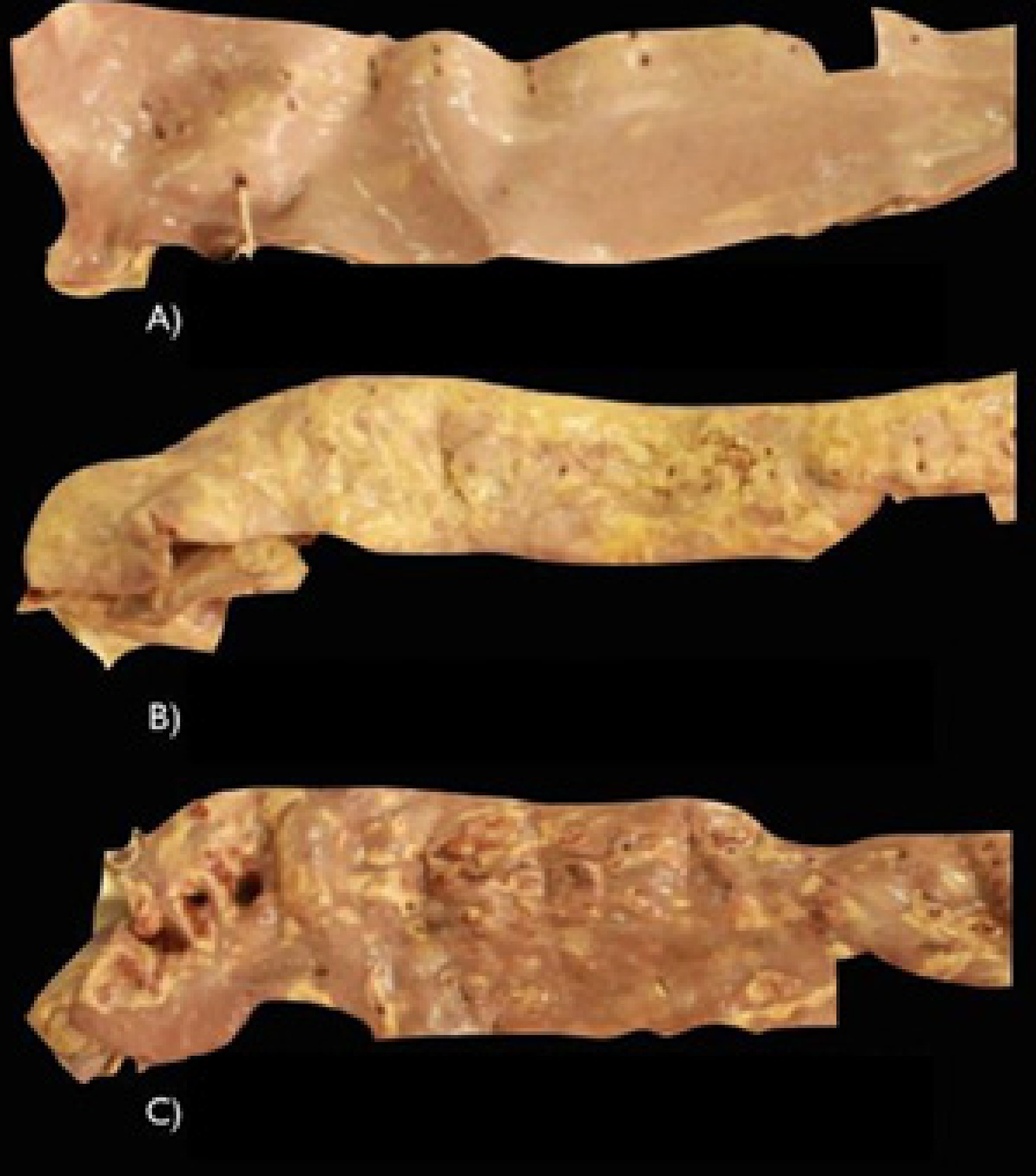
To macroscopically assess and standardize atherosclerotic involvement of aorta, carotid and iliac arteries and compare with age, gender and causes of death.

Methods

We collected 53 aortic arteries, 53 right carotid arteries, 53 left carotid arteries, 53 right iliac arteries and 53 left iliac arteries. For this assessment, the extension of fatty streaks, atheromatous plaques, fibrosis and calcification were considered, being the reference to score the degree of atherosclerotic involvement. Many degrees of atherosclerosis and accurate values were observed for mild, moderate and severe classification. For statistical analysis, data were analyzed using the software GraphPad Prism® 7.0. Differences were considered statistically significant if p-value was less than 5% (p <0.05).

Results

Carotid arteries had greater atherosclerotic involvement compared to the other arteries (K = 15.73, p = 0.0004). Atherosclerosis was progressive and significant with increasing age (carotid arteries: t = 6.321; p <0.0001; aorta: U = 83.5; p <0.0001; iliac: U = 306; p <0.0001) and as cause of cardiovascular death (carotids: t = 5.047; p <0.0001; aorta: U = 98.5; p = 0.0068; iliac: U = 467.5; p = 0.0012).

Conclusion

Macroscopic assessment of atherosclerosis is an innovative and low-cost way of direct visualization of atherosclerotic plaques, enabling an association with risk factors such as increasing age and cardiovascular diseases, providing important data for clinical practice.

  • Arteries
  • Asymptomatic Disease
  • Atherosclerosis
  • autopsy
  • Cardiovascular Diseases
  • Early diagnosis
  • Heredity
  • Risk Factors
Read Full Article
Creative Commons Attribution (CC BY) Creative Commons license
14/06/2021 DOI: 10.36660/abc.20190846 Views 1
IJCS
Original Article

The Role of Cardiovascular Risk Factors and Risk Scoring Systems in Predicting Coronary Atherosclerosis

Suat Gormel et al. Uygar Cagdas Yuksel Murat Celik Salim Yasar … Erkan Yildirim Baris Bugan Yalcin Gokoglan Hasan Kutsi Kabul Salim Yasar Mustafa Köklü Cem Barçın

Abstract

Background

Comparative data on the performance of cardiovascular risk scoring systems (CRSSs) in patients with severe coronary artery disease (CAD) are lacking.

Objectives

To compare different CRSSs regarding their ability to discriminate patients with severe CAD.

Method

A total of 414 patients (297 men; 61.3±12.3 years of age) undergoing coronary angiography were enrolled and evaluated for major risk factors. Cardiovascular risk and risk category were defined for each patient using the Framingham, Systemic Coronary Risk Evaluation (SCORE), and Pooled Cohort Risk Assessment Equation (PCRAE) tools. Severe CAD was defined as ≥ 50% stenosis in at least one major coronary artery and/or previous coronary stenting or coronary artery bypass grafting. A p < 0.05 was considered statistically significant.

Results

Severe CAD was identified in 271 (65.4%) patients. The ROC curves of the 3 CRSSs for predicting severe CAD were compared and showed no significant difference: the area under the ROC curve was 0.727, 0.694, and 0.717 for the Framingham, SCORE, and PCRAE tools, respectively (p > 0.05). However, when individual patients were classified as having low, intermediate, or high cardiovascular risk, the rate of patients in the high-risk group was significantly different between the PCRAE, Framingham, and SCORE tools (73.4%, 27.5%, and 37.9%, respectively; p < 0.001).

Discussion

PCRAE had higher positive and negative predictive values for detecting severe CAD in high-risk patients than the Framingham and SCORE tools.

Conclusion

We can speculate that currently used CRSSs are not sufficient, and new scoring systems are needed. In addition, other risk factors, such as serum creatinine, should be considered in future CRSSs. Int J Cardiovasc Sci. 2020; [online].ahead print, PP.0-0

  • Atherosclerosis
  • Cardiovascular Diseases
  • Coronary Angiography
  • Coronary Artery Diseases
  • Diabetes Mellitus
  • Epidemiology
  • Heredity
  • Hypertension
  • Renal Insufficiency
  • Risk Factors
Read Full Article
Creative Commons Attribution (CC BY) Creative Commons license
06/11/2020 DOI: 10.36660/ijcs.20190134 Views 1
Figure 1
ABC
Review Article

Pharmacogenomics and Cardiovascular Disease: Where are We and Where do We go from Here?

Ricardo Stein et al. Thaís Beuren Luis Ramudo Cela Filipe Ferrari

Introduction, the DNA and the Genes

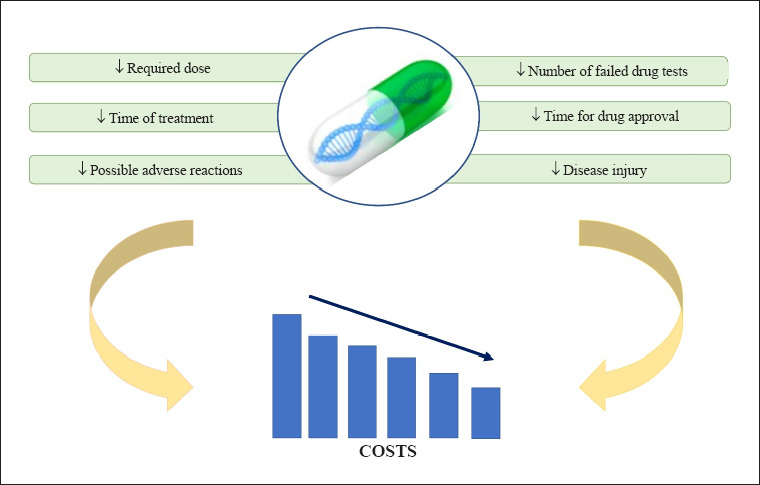
Pharmacogenomics (PGx) is the science of understanding the interaction between genes and drugs. The analysis of specific areas of the DNA provides information about a certain drug metabolism and about the expected response to a certain treatment. PGx also aims to reduce the incidence of adverse drug events (ADEs)., Many studies in this area have focused on the identification of genes that predispose to diseases, modulate drug response, affect drug concentration and correlate with adverse effects of patients exposed to different types of drugs, so the desired therapeutic benefit is achieved.

The causes of individual responses to a same drug dosage include age, genetic and immunological factors, comorbidities and interaction between active principles. Genetic variability may influence not only pharmacodynamics, but also pharmacokinetics, which studies the relationship of the absorption, metabolism and excretion of the drug to its systemic concentration.

[…]

  • Biotransformation
  • Cardiovascular Diseases
  • Drug Therapy/adverse effects
  • Genes
  • Genetic Profile
  • Genome
  • Heredity
  • Pharmacogenetics
  • Public Health
Read Full Article
Creative Commons Attribution (CC BY) Creative Commons license
23/10/2020 DOI: 10.36660/abc.20200151 Views 1
Figure 1
ABC
Original Article

Discrepancy between International Guidelines on the Criteria for Primary Prevention of Sudden Cardiac Death in Hypertrophic Cardiomyopathy

Beatriz Piva e Mattos et al. Fernando Luís Scolari Henrique Iahnke Garbin

Abstract

Background

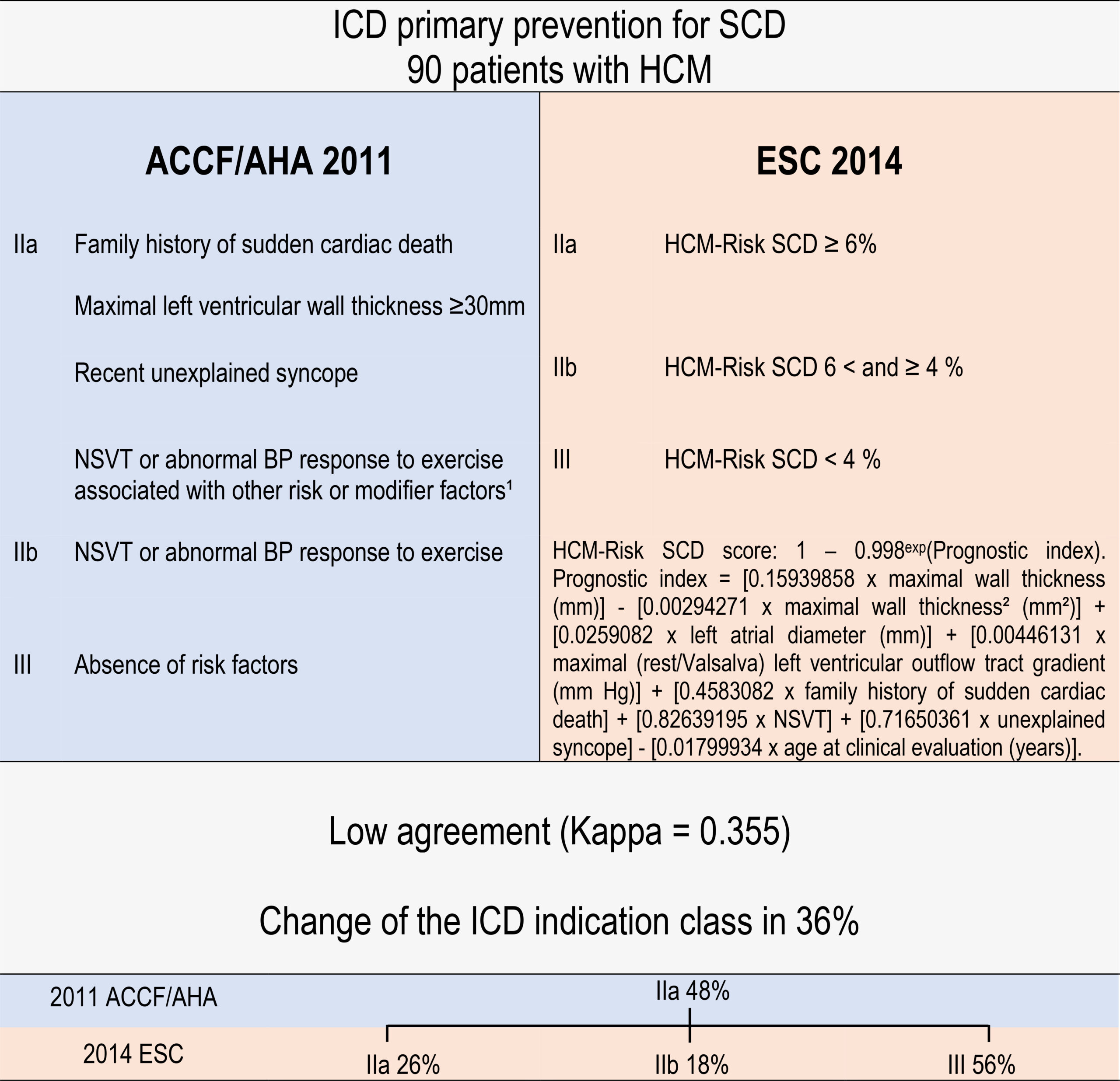
Risk stratification for sudden cardiac death (SCD) in hypertrophic cardiomyopathy (HCM) is based on different algorithms proposed by the 2011 ACCF/AHA and 2014 ESC guidelines.

Objective

To analyze the 2014 ESC model for SCD risk stratification and primary prevention ICD (implantable cardioverter defibrillator) in HCM in comparison to the North American guideline.

Methods

An HCM cohort was evaluated and the ESC HCM-Risk SCD score was calculated. Agreement of ICD recommendations criteria between the two guidelines was analyzed with Kappa coefficient. P<0.05 was adopted for the statistical analysis.

Results

In 90 consecutive patients followed for 6±3 years, the mean calculated ESC risk score was 3.2±2.5%. The risk predictors that have mainly contributed to the score calculation in the low (1.88% [1.42–2.67]), intermediate (5.17% [4.89–5.70]) and high-risk (7.82% [7.06–9.19]) categories were: maximal left ventricular wall thickness (1.60% [1.25–2.02]; 3.20% [3.18–3.36]; 4.46% [4.07–5.09]), left atrial diameter (0.97% [0.83–1.21]; 1.86% [1.67-2.40]; 2.48% [2.21–3.51]) and age (-0.91% [0.8–1.13]; -1.90% [1.12–2.03]; -2.34% [1.49–2.73]). The European model decreased the ICD recommendations in 32 (36%) patients. Among the 43 (48%) individuals with class IIa recommendation under the 2011 ACCF/AHA guideline, 8 (18%) were downgraded to class IIb and 24 (56%) to class III. Low agreement was found between the two systems: Kappa=0.355 and p=0.0001. In 8 (9%) patients with SCD or appropriate shock, 4 (50%) met class IIa indication with the 2011 ACCF/AHA guideline, but none achieved this class of recommendation with the 2014 ESC model.

Conclusion

Low agreement was found between the two strategies. The novel ESC model decreased the ICD recommendations, especially in those with class IIa recommendation, but left unprotected all patients with SCD or appropriate shock. (Arq Bras Cardiol. 2020; 115(2):197-204)

  • Arrhythmias Cardiac
  • Cardiomyopathy,Hypertrophic/genetics
  • Cohort Studies
  • Death,Sudden, Cardiac
  • Defibrillators,Implantable
  • Heredity
  • Syncope
Read Full Article
Creative Commons Attribution (CC BY) Creative Commons license
28/08/2020 DOI: 10.36660/abc.20190161 Views 3
ABC
Editorial

Not Everything that Shines is Calcium

Ilan Gottlieb et al. Fernanda Erthal

Coronary calcification is involved in the pathophysiological process of atherosclerosis, particularly at later stages of the disease, as part of its healing process. In fact, calcification is not required for plaque development or progression, or luminal obstruction, or even for the development of cardiovascular events – these processes, in addition to plaque instability is commonly seen. Our group showed, in a randomized clinical trial on symptomatic patients, that 20% of vessels with complete obstructions in invasive angiography had no calcification according to calcium scoree, corroborating histopathological studies that demonstrated the absence of calcification in a considerable number of the coronary plaques evaluated. Understanding or the pathophysiology of coronary disease is essential to contextualize calcium score in population studies.

These studies, however, have shown some controversial results on the rates of cardiovascular events and obstructive lesions. The reason for this apparent divergence of results is the study population. Asymptomatic patients with zero calcium score are different from symptomatic ones without calcification, who in turn, are different from patients with history of early coronary disease, diabetics or smokers with zero calcium score.

[…]

  • Atherosclerosis / physiopathology
  • Coronary Artery Disease
  • Diabetes Mellitus
  • Heredity
  • Vascular Calcification
Read Full Article
Creative Commons Attribution (CC BY) Creative Commons license
01/05/2018 DOI: 10.5935/abc.20180084 Views 1
ABC
Original Article

Peripheral Vascular Resistance Impairment during Isometric Physical Exercise in Normotensive Offspring of Hypertensive Parents

Natália Portela et al. Josária Ferraz Amaral Pedro Augusto de Carvalho Mira Livia Victorino de Souza … Daniel Godoy Martinez Mateus Camaroti Laterza

Abstract

Background:

A family history of hypertension is associated with vascular and autonomic abnormalities, as well as an impaired neurohemodynamic response to exercise.

Objective:

To test the hypothesis that normotensive individuals with a family history of hypertension present an impaired peripheral vascular resistance response to exercise.

Methods:

The study included 37 normotensive volunteers of both sexes who were sedentary, eutrophic, and nonsmokers, comprising 23 with (FH+; 24 ± 3 years) and 14 without (FH-; 27 ± 5 years) a family history of hypertension. Blood pressure, heart rate (DIXTAL®), forearm blood flow (Hokanson®), and peripheral vascular resistance were simultaneously measured for 3 minutes during rest and, subsequently, for 3 minutes during an isometric exercise at 30% of maximal voluntary contraction (Jamar®).

Results:

At rest, the FH+ and FH- groups present similar mean blood pressure (83 ± 7 versus 83 ± 5 mmHg, p = 0.96), heart rate (69 ± 8 bpm versus 66 ± 7 bpm, p = 0.18), forearm blood flow (3 ± 1 mL/min/100 mL versus 2.7 ± 1 mL/min/100 mL, p = 0.16), and peripheral vascular resistance (30 ± 9 units versus 34±9 units, p = 0.21), respectively. Both groups showed a significant and similar increase in mean blood pressure (∆ = 15 ± 7 mmHg versus 14 ± 7 mmHg, p = 0.86), heart rate (∆ = 12 ± 8 bpm versus 13 ± 7 bpm, p = 0.86), and forearm blood flow (∆ = 0.8 ± 1.2 mL/min/100 mL versus 1.4 ± 1.1 mL/min/100 mL, p = 0.25), respectively, during exercise. However, individuals in the FH+ group showed no reduction in peripheral vascular resistance during exercise, which was observed in the FH- group (∆ = -0.4 ± 8.6 units versus -7.2 ± 6.3 units, p = 0.03).

Conclusion:

Normotensive individuals with a family history of hypertension present an impaired peripheral vascular resistance response to exercise.

  • Exercise
  • Heredity
  • Hypertension
  • Patient Selection
  • Vascular Resistance
Read Full Article
Creative Commons Attribution (CC BY) Creative Commons license
10/07/2017 DOI: 10.5935/abc.20170096 Views 1
Figure 1
ABC
Review Article

Genetic Evaluation, Familial Screening and Exercise

Ricardo Stein et al. Juan Pablo Trujillo Anderson Donelli da Silveira Arsonval Lamounier Júnior Lorenzo Monserrat Iglesias

Introduction

Regular physical activity practice benefits individuals of all ages, sexes and ethnicities. If on one hand the practice of moderate exercise is considered a healthy activity that favors the cardiovascular system, on the other, high-intensity exercise for a long period can increase the risk for sudden death (SD). Even considering the huge number of individuals exercising daily, SD in that context is rare. However, the prevention of SD can be difficult and it has significant repercussion, mainly among young practitioners of leisure exercise or athletes. From the epidemiological viewpoint, cardiac SD affects 200,000 to 400,000 individuals in the United States of America (USA) annually. In the sports scenario, around 200 athletes per year are estimated to have a fatal event. In Spain, the national registry of SD in athletes reported 180 cases from 1995 to 2007, suggesting an incidence of 15 to 20 cases per year.

For athletes, preparticipation evaluation (PPE) is indicated, and can be effective in preventing cardiac SD in that context. However, that type of screening has great variability between different countries and entities that perform it. In the sports context, genetic evaluation is performed only in specific cases.

[…]

  • Death, Sudden, Cardiac
  • Exercise
  • Genetics
  • Genotype
  • Heredity
  • Sports Medicine
Read Full Article
Creative Commons Attribution (CC BY) Creative Commons license
06/03/2017 DOI: 10.5935/abc.20170015 Views 3
Figure 1
ABC
Brief Communication

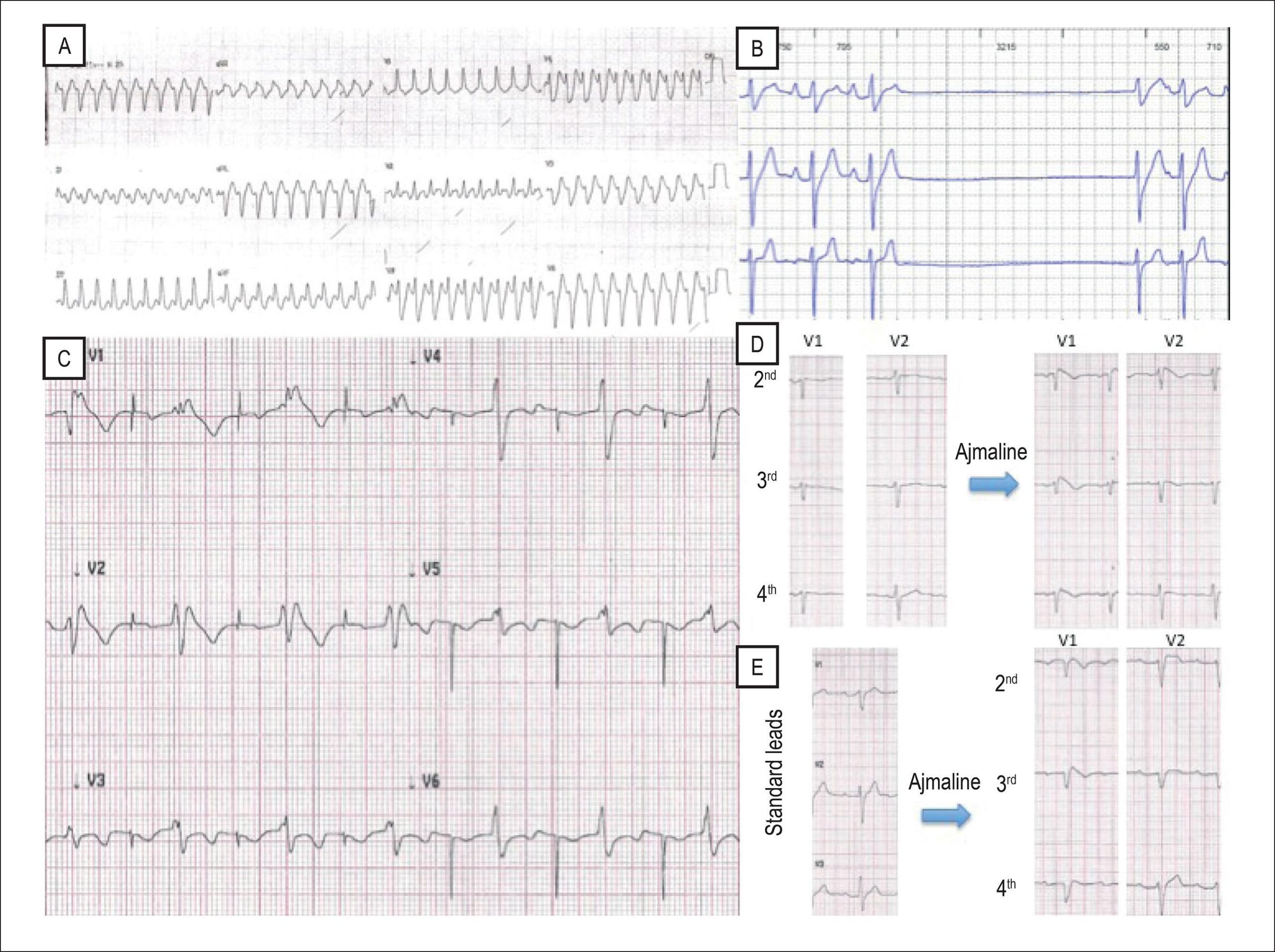
Compound Heterozygous SCN5A Mutations in a Toddler – Are they Associated with a More Severe Phenotype?

Luciana Sacilotto et al. Hindalis Ballesteros Epifanio Francisco Carlos da Costa Darrieux Fanny Wulkan … Theo Gremen Mimary Oliveira Denise Tessariol Hachul Alexandre da Costa Pereira Mauricio Ibrahim Scanavacca

Abstract

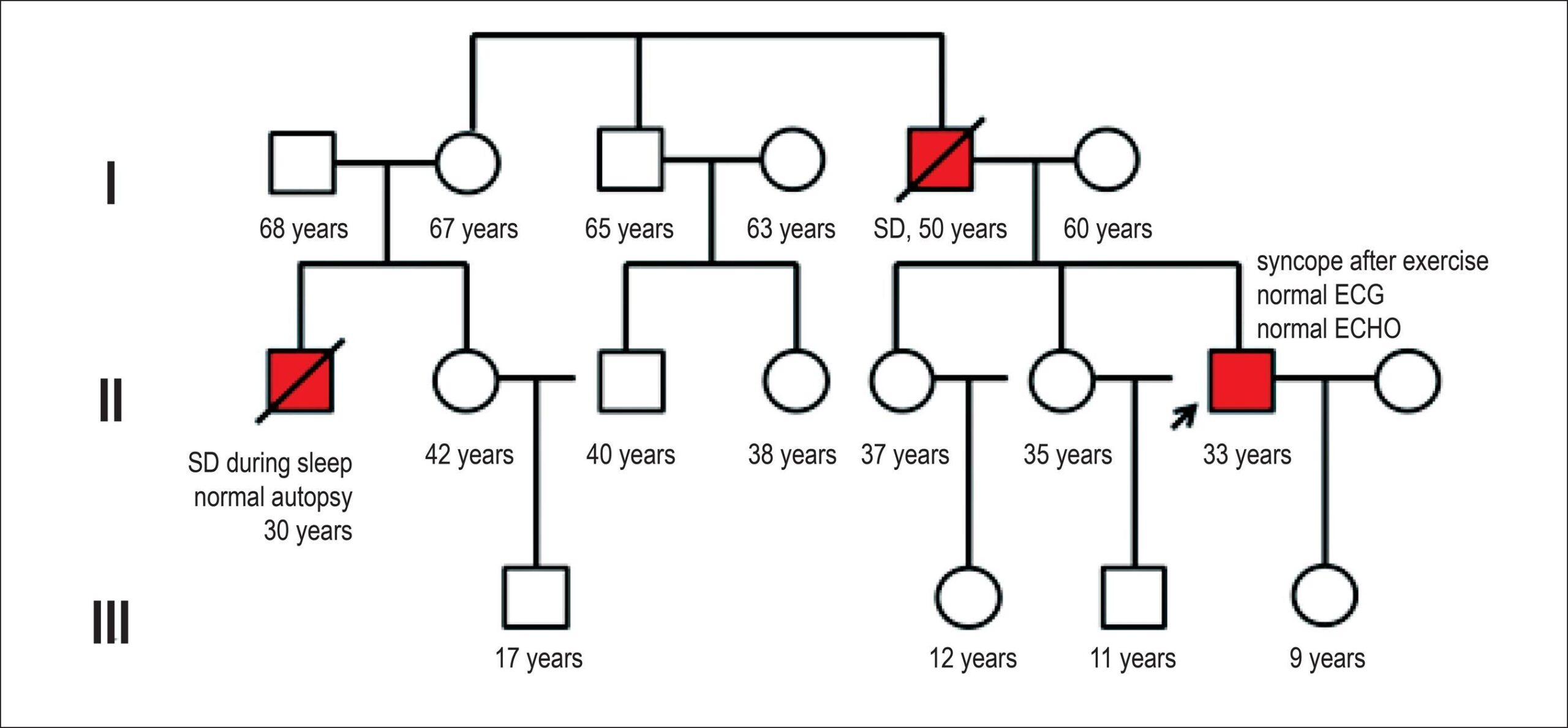
Compound heterozygosity has been described in inherited arrhythmias, and usually associated with a more severe phenotype. Reports of this occurrence in Brugada syndrome patients are still rare. We report a study of genotype-phenotype correlation after the identification of new variants by genetic testing. We describe the case of an affected child with a combination of two different likely pathogenic SCN5A variants, presenting sinus node dysfunction, flutter and atrial fibrillation, prolonged HV interval, spontaneous type 1 Brugada pattern in the prepubescent age and familiar history of sudden death.

  • Arrhythmias Cardiac
  • Brugada Syndrome
  • Genetic Testing
  • Heredity
  • Sinoatrial Node / abnormalities
Read Full Article
Creative Commons Attribution (CC BY) Creative Commons license
01/01/2017 DOI: 10.5935/abc.20170006 Views 2
ABC
Original Article

Genetic and Environmental Effects on the Abdominal Aortic Diameter Development

Adam Domonkos Tarnoki et al. David Laszlo Tarnoki Levente Littvay Zsolt Garami … Kinga Karlinger Viktor Berczi

Abstract

Background:

Configuration of the abdominal aorta is related to healthy aging and a variety of disorders.

Objectives:

We aimed to assess heritable and environmental effects on the abdominal aortic diameter.

Methods:

114 adult (69 monozygotic, 45 same-sex dizygotic) twin pairs (mean age 43.6 ± 16.3 years) underwent abdominal ultrasound with Esaote MyLab 70X ultrasound machine to visualize the abdominal aorta below the level of the origin of the renal arteries and 1-3 cm above the bifurcation.

Results:

Age- and sex-adjusted heritability of the abdominal aortic diameter below the level of the origin of the renal arteries was 40% [95% confidence interval (CI), 14 to 67%] and 55% above the aortic bifurcation (95% CI, 45 to 70%). None of the aortic diameters showed common environmental effects, but unshared environmental effects were responsible for 60% and 45% of the traits, respectively.

Conclusions:

Our analysis documents the moderate heritability and its segment-specific difference of the abdominal aortic diameter. The moderate part of variance was explained by unshared environmental components, emphasizing the importance of lifestyle factors in primary prevention. Further studies in this field may guide future gene-mapping efforts and investigate specific lifestyle factors to prevent abdominal aortic dilatation and its complications.

  • Aorta, Abdominal / genetics
  • Atherosclerosis
  • Heredity
  • Risk Factors
Read Full Article
Creative Commons Attribution (CC BY) Creative Commons license
10/11/2015 DOI: 10.5935/abc.20150140 Views 2
ABC
Artigo Original

Genetic factors in familial aggregation of blood pressure of portuguese nuclear families

Rogério César Fermino et al. André Seabra Rui Garganta José António Ribeiro Maia

BACKGROUND: Despite of the increase in the prevalence of hypertension in Portugal, the importance of genetic factors in blood pressure (BP) has not been studied extensively in our country. OBJECTIVES: To verify the indirect presence of vertical transmission of genetic factors between parents and children in BP values, and to estimate the magnitude of genetic factors contributing for variation in BP values in the population. METHODS: Sample size comprises 367 individuals (164 parents and 203 children) pertaining the 107 nuclear families participating in “Familias Activas” project, proceeding from different regions of North Portugal. The BP was measured with Omron® model M6 (HEM-7001-E) digital device. SPSS 15.0 was used for data analysis; PEDSTATS was used to verify the structure of each family data. Familial correlations and heritability estimates were computed in FCOR and ASSOC modules of S.A.G.E. version 5.3. RESULTS: For systolic BP (SBP), correlation values were low to moderate (0,21< r <0,35); for diastolic BP (DBP) values were found to be moderate (0,24< r <0,50). Genetic factors explain 43 and 49% of the total variation in SBP and DBP, respectively. CONCLUSION: A moderate amount of the SBP and the DBP is accounted for by genetic factors.

  • Genetics
  • Heredity
  • Portugal
  • quantitative genetics
Read Full Article
Creative Commons Attribution (CC BY) Creative Commons license
17/04/2009 DOI: 10.1590/S0066-782X2009000300008
Arrythmogenic right ventricular dysplasia
ABC
Case Report

Arrythmogenic right ventricular dysplasia

Rogério Ferreira da Silva et al. Karina Morgarbel Christian Moreno Luize Carla Gonçalves Rosa … Marcelo Romano Ieda Maria Liguori

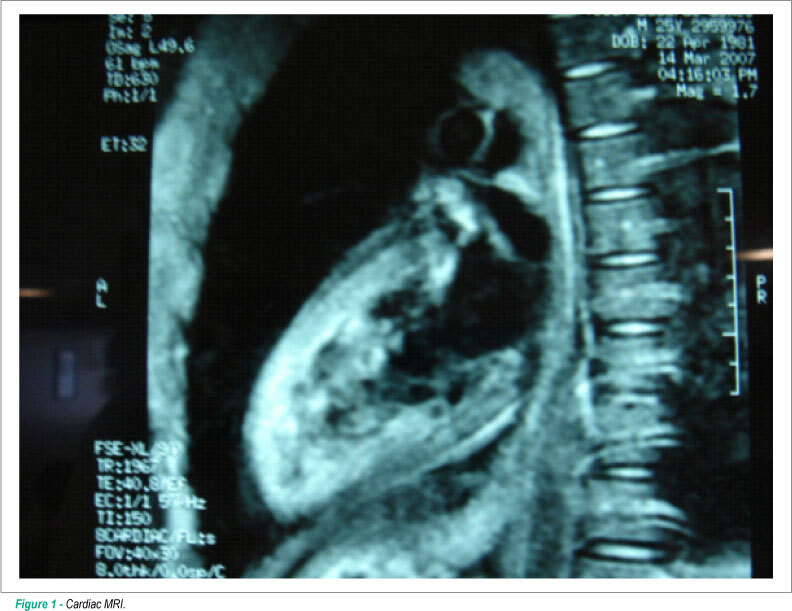
Arritmogenic right ventricular dysplasia (ARVD) is characterized by the gradual replacement of myocytes by adipose and fibrous tissue. Described in 1977, is considered a potentially lethal cause of cardiac disease poorly understood. This disorder usually involves the right ventricle and has been associated with arrthymia, heart failure, and sudden death. In this paper, we report a case of a 25-years-old patient with syncope associated with ventricular extrasystoles. A magnetic resonance imaging was performed and showed findings that support ARVD diagnose.

  • Arrhythmia
  • Arrhythmogenic right ventricular dysplasia;
  • Heredity
Read Full Article
Creative Commons Attribution (CC BY) Creative Commons license
11/11/2008 DOI: 10.1590/S0066-782X2008001600016 Views 1

How to cite this article

EndNote RIS

Electronic Document Format (Vancouver)

Antoniazzi L, Dias LF. How Can We Favorably Modulate Serum Uric Acid?. Arquivos Brasileiros de Cardiologia 2021;117(4):676-7.

Electronic Document Format (ABNT)

Antoniazzi, Luiza; Dias, Laís Ferreira. How Can We Favorably Modulate Serum Uric Acid?. Arquivos Brasileiros de Cardiologia, v. 117, n. 4, p. 676-677, Oct. 2021.

Electronic Document Format (APA)

Antoniazzi, L., & Dias, L. F. (2021). How Can We Favorably Modulate Serum Uric Acid?. Arquivos Brasileiros de Cardiologia, 117(4), 676-677.

Electronic Document Format (ISO)

Antoniazzi, Luiza and Dias, Laís Ferreira. How Can We Favorably Modulate Serum Uric Acid?. Arquivos Brasileiros de Cardiologia [online]. 2021, vol. 117, n. 4, [cited 2026-10-14], pp. 676-677. Available from: <https://journals.cardiol.br/en/article/how-can-we-favorably-modulate-serum-uric-acid/>. ISSN 0066-782X

EndNote RIS

Electronic Document Format (Vancouver)

Militz MS, Inacio AS, Wagner HM, Wangenheim A, Forno ARJD, Moreira DM. Prevalence and Related Characteristics of Patients with Brugada Pattern Electrocardiogram in Santa Catarina, Brazil. Arquivos Brasileiros de Cardiologia 2021;117(2):343-9.

Electronic Document Format (ABNT)

Militz, Mariana Sarmento; Inacio, Andrei de Souza; Wagner, Harley Miguel; Wangenheim, Aldo von; Forno, Alexander Romeno Janner Dal; Moreira, Daniel Medeiros. Prevalence and Related Characteristics of Patients with Brugada Pattern Electrocardiogram in Santa Catarina, Brazil. Arquivos Brasileiros de Cardiologia, v. 117, n. 2, p. 343-349, Sep. 2021.

Electronic Document Format (APA)

Militz, M. S., Inacio, A. S., Wagner, H. M., Wangenheim, A. , Forno, A. R. J. D., & Moreira, D. M. (2021). Prevalence and Related Characteristics of Patients with Brugada Pattern Electrocardiogram in Santa Catarina, Brazil. Arquivos Brasileiros de Cardiologia, 117(2), 343-349.

Electronic Document Format (ISO)

Militz, Mariana Sarmento and Inacio, Andrei de Souza and Wagner, Harley Miguel and Wangenheim, Aldo von and Forno, Alexander Romeno Janner Dal and Moreira, Daniel Medeiros. Prevalence and Related Characteristics of Patients with Brugada Pattern Electrocardiogram in Santa Catarina, Brazil. Arquivos Brasileiros de Cardiologia [online]. 2021, vol. 117, n. 2, [cited 2026-10-14], pp. 343-349. Available from: <https://journals.cardiol.br/en/article/prevalence-and-related-characteristics-of-patients-with-brugada-pattern-electrocardiogram-in-santa-catarina-brazil/>. ISSN 0066-782X

EndNote RIS

Electronic Document Format (Vancouver)

Coutinho RQ, Montarroyos UR, Barros IML, Guimarães MJB, Leão APD, Costa LOBF, Medeiros AKL, et al. Exercise Testing, Family History, and Subclinical Atherosclerosis Markers for Cardiovascular Risk Reclassification in Middle-Aged Women. International Journal of Cardiovascular Sciences 2021;34(4):383-92.

Electronic Document Format (ABNT)

Coutinho, Ricardo Quental; Montarroyos, Ulisses Ramos; Barros, Isly Maria Lucena de; Guimarães, Maria José Bezerra; Leão, Ana Paula Dornelas; Costa, Laura Olinda Bregieiro Fernandes; Medeiros, Ana Kelley de Lima; Monteiro, Maria de Fátima; Ferreira, Moacir de Novaes Lima; Chalela, William Azem; Pedrosa, Rodrigo Pinto. Exercise Testing, Family History, and Subclinical Atherosclerosis Markers for Cardiovascular Risk Reclassification in Middle-Aged Women. International Journal of Cardiovascular Sciences, v. 34, n. 4, p. 383-392, Jul. 2021.

Electronic Document Format (APA)

Coutinho, R. Q., Montarroyos, U. R., Barros, I. M. L. , Guimarães, M. J. B., Leão, A. P. D., Costa, L. O. B. F., Medeiros, A. K. L., Monteiro, M. F., Ferreira, M. N. L., Chalela, W. A., & Pedrosa, R. P. (2021). Exercise Testing, Family History, and Subclinical Atherosclerosis Markers for Cardiovascular Risk Reclassification in Middle-Aged Women. International Journal of Cardiovascular Sciences, 34(4), 383-392.

Electronic Document Format (ISO)

Coutinho, Ricardo Quental and Montarroyos, Ulisses Ramos and Barros, Isly Maria Lucena de and Guimarães, Maria José Bezerra and Leão, Ana Paula Dornelas and Costa, Laura Olinda Bregieiro Fernandes and Medeiros, Ana Kelley de Lima and Monteiro, Maria de Fátima and Ferreira, Moacir de Novaes Lima and Chalela, William Azem and Pedrosa, Rodrigo Pinto. Exercise Testing, Family History, and Subclinical Atherosclerosis Markers for Cardiovascular Risk Reclassification in Middle-Aged Women. International Journal of Cardiovascular Sciences [online]. 2021, vol. 34, n. 4, [cited 2026-10-14], pp. 383-392. Available from: <https://journals.cardiol.br/en/article/exercise-testing-family-history-and-subclinical-atherosclerosis-markers-for-cardiovascular-risk-reclassification-in-middle-aged-women/>. ISSN 2359-4802

EndNote RIS

Electronic Document Format (Vancouver)

Xavier PB, Garcez A, Cibeira GH, Germano A, Olinto MTA. Factors Associated with the Occurrence of Arterial Hypertension in Industry Workers of State of Rio Grande do Sul, Brazil. Arquivos Brasileiros de Cardiologia 2021;117(3):484-91.

Electronic Document Format (ABNT)

Xavier, Paula Brustolin; Garcez, Anderson; Cibeira, Gabriela Herrmann; Germano, Antonino; Olinto, Maria Teresa Anselmo. Factors Associated with the Occurrence of Arterial Hypertension in Industry Workers of State of Rio Grande do Sul, Brazil. Arquivos Brasileiros de Cardiologia, v. 117, n. 3, p. 484-491, Jun. 2021.

Electronic Document Format (APA)

Xavier, P. B., Garcez, A., Cibeira, G. H., Germano, A., & Olinto, M. T. A. (2021). Factors Associated with the Occurrence of Arterial Hypertension in Industry Workers of State of Rio Grande do Sul, Brazil. Arquivos Brasileiros de Cardiologia, 117(3), 484-491.

Electronic Document Format (ISO)

Xavier, Paula Brustolin and Garcez, Anderson and Cibeira, Gabriela Herrmann and Germano, Antonino and Olinto, Maria Teresa Anselmo. Factors Associated with the Occurrence of Arterial Hypertension in Industry Workers of State of Rio Grande do Sul, Brazil. Arquivos Brasileiros de Cardiologia [online]. 2021, vol. 117, n. 3, [cited 2026-10-14], pp. 484-491. Available from: <https://journals.cardiol.br/en/article/factors-associated-with-the-occurrence-of-arterial-hypertension-in-industry-workers-of-state-of-rio-grande-do-sul-brazil/>. ISSN 0066-782X

EndNote RIS

Electronic Document Format (Vancouver)

Oliveira MS, Torquato BGS, Soares MH, Monteiro MLGR, Juliano GR, Aguiar LS, Teixeira VPA, et al. Macroscopic Evaluation of Atherosclerosis in the Arteries: An Autopsy Assessment Tool. Arquivos Brasileiros de Cardiologia 2021;116(6):1119-26.

Electronic Document Format (ABNT)

Oliveira, Mariana Silva; Torquato, Bianca Gonçalves Silva; Soares, Maria Helena; Monteiro, Maria Luiza Gonçalves dos Reis; Juliano, Guilherme Ribeiro; Aguiar, Laura Sanches; Teixeira, Vicente de Paula Antunes; Ferraz, Mara Lúcia da Fonseca. Macroscopic Evaluation of Atherosclerosis in the Arteries: An Autopsy Assessment Tool. Arquivos Brasileiros de Cardiologia, v. 116, n. 6, p. 1119-1126, Jun. 2021.

Electronic Document Format (APA)

Oliveira, M. S., Torquato, B. G. S., Soares, M. H., Monteiro, M. L. G. R., Juliano, G. R., Aguiar, L. S., Teixeira, V. P. A., & Ferraz, M. L. F. (2021). Macroscopic Evaluation of Atherosclerosis in the Arteries: An Autopsy Assessment Tool. Arquivos Brasileiros de Cardiologia, 116(6), 1119-1126.

Electronic Document Format (ISO)

Oliveira, Mariana Silva and Torquato, Bianca Gonçalves Silva and Soares, Maria Helena and Monteiro, Maria Luiza Gonçalves dos Reis and Juliano, Guilherme Ribeiro and Aguiar, Laura Sanches and Teixeira, Vicente de Paula Antunes and Ferraz, Mara Lúcia da Fonseca. Macroscopic Evaluation of Atherosclerosis in the Arteries: An Autopsy Assessment Tool. Arquivos Brasileiros de Cardiologia [online]. 2021, vol. 116, n. 6, [cited 2026-10-14], pp. 1119-1126. Available from: <https://journals.cardiol.br/en/article/macroscopic-evaluation-of-atherosclerosis-in-the-arteries-an-autopsy-assessment-tool/>. ISSN 0066-782X

EndNote RIS

Electronic Document Format (Vancouver)

Gormel S, Yuksel UC, Celik M, Yasar S, Yildirim E, Bugan B, Gokoglan Y, et al. The Role of Cardiovascular Risk Factors and Risk Scoring Systems in Predicting Coronary Atherosclerosis. International Journal of Cardiovascular Sciences 2020;34(1):32-8.

Electronic Document Format (ABNT)

Gormel, Suat; Yuksel, Uygar Cagdas; Celik, Murat; Yasar, Salim; Yildirim, Erkan; Bugan, Baris; Gokoglan, Yalcin; Kabul, Hasan Kutsi; Yasar, Salim; Köklü, Mustafa; Barçın, Cem. The Role of Cardiovascular Risk Factors and Risk Scoring Systems in Predicting Coronary Atherosclerosis. International Journal of Cardiovascular Sciences, v. 34, n. 1, p. 32-38, Nov. 2020.

Electronic Document Format (APA)

Gormel, S., Yuksel, U. C., Celik, M., Yasar, S., Yildirim, E., Bugan, B., Gokoglan, Y., Kabul, H. K., Yasar, S., Köklü, M., & Barçın, C. (2020). The Role of Cardiovascular Risk Factors and Risk Scoring Systems in Predicting Coronary Atherosclerosis. International Journal of Cardiovascular Sciences, 34(1), 32-38.

Electronic Document Format (ISO)

Gormel, Suat and Yuksel, Uygar Cagdas and Celik, Murat and Yasar, Salim and Yildirim, Erkan and Bugan, Baris and Gokoglan, Yalcin and Kabul, Hasan Kutsi and Yasar, Salim and Köklü, Mustafa and Barçın, Cem. The Role of Cardiovascular Risk Factors and Risk Scoring Systems in Predicting Coronary Atherosclerosis. International Journal of Cardiovascular Sciences [online]. 2020, vol. 34, n. 1, [cited 2026-10-14], pp. 32-38. Available from: <https://journals.cardiol.br/en/article/the-role-of-cardiovascular-risk-factors-and-risk-scoring-systems-in-predicting-coronary-atherosclerosis/>. ISSN 2359-4802

EndNote RIS

Electronic Document Format (Vancouver)

Stein R, Beuren T, Cela LR, Ferrari F. Pharmacogenomics and Cardiovascular Disease: Where are We and Where do We go from Here?. Arquivos Brasileiros de Cardiologia 2020;115(4):690-70.

Electronic Document Format (ABNT)

Stein, Ricardo; Beuren, Thaís; Cela, Luis Ramudo; Ferrari, Filipe. Pharmacogenomics and Cardiovascular Disease: Where are We and Where do We go from Here?. Arquivos Brasileiros de Cardiologia, v. 115, n. 4, p. 690-700, Oct. 2020.

Electronic Document Format (APA)

Stein, R., Beuren, T., Cela, L. R., & Ferrari, F. (2020). Pharmacogenomics and Cardiovascular Disease: Where are We and Where do We go from Here?. Arquivos Brasileiros de Cardiologia, 115(4), 690-700.

Electronic Document Format (ISO)

Stein, Ricardo and Beuren, Thaís and Cela, Luis Ramudo and Ferrari, Filipe. Pharmacogenomics and Cardiovascular Disease: Where are We and Where do We go from Here?. Arquivos Brasileiros de Cardiologia [online]. 2020, vol. 115, n. 4, [cited 2026-10-14], pp. 690-700. Available from: <https://journals.cardiol.br/en/article/pharmacogenomics-and-cardiovascular-disease-where-are-we-and-where-do-we-go-from-here/>. ISSN 0066-782X

EndNote RIS

Electronic Document Format (Vancouver)

Mattos BP, Scolari FL, Garbin HI. Discrepancy between International Guidelines on the Criteria for Primary Prevention of Sudden Cardiac Death in Hypertrophic Cardiomyopathy. Arquivos Brasileiros de Cardiologia 2020;115(2):197-204.

Electronic Document Format (ABNT)

Mattos, Beatriz Piva e; Scolari, Fernando Luís; Garbin, Henrique Iahnke. Discrepancy between International Guidelines on the Criteria for Primary Prevention of Sudden Cardiac Death in Hypertrophic Cardiomyopathy. Arquivos Brasileiros de Cardiologia, v. 115, n. 2, p. 197-204, Aug. 2020.

Electronic Document Format (APA)

Mattos, B. P. , Scolari, F. L., & Garbin, H. I. (2020). Discrepancy between International Guidelines on the Criteria for Primary Prevention of Sudden Cardiac Death in Hypertrophic Cardiomyopathy. Arquivos Brasileiros de Cardiologia, 115(2), 197-204.

Electronic Document Format (ISO)

Mattos, Beatriz Piva e and Scolari, Fernando Luís and Garbin, Henrique Iahnke. Discrepancy between International Guidelines on the Criteria for Primary Prevention of Sudden Cardiac Death in Hypertrophic Cardiomyopathy. Arquivos Brasileiros de Cardiologia [online]. 2020, vol. 115, n. 2, [cited 2026-10-14], pp. 197-204. Available from: <https://journals.cardiol.br/en/article/discrepancy-between-international-guidelines-on-the-criteria-for-primary-prevention-of-sudden-cardiac-death-in-hypertrophic-cardiomyopathy/>. ISSN 0066-782X

EndNote RIS

Electronic Document Format (Vancouver)

Gottlieb I, Erthal F. Not Everything that Shines is Calcium. Arquivos Brasileiros de Cardiologia 2018;110(5):428-9.

Electronic Document Format (ABNT)

Gottlieb, Ilan; Erthal, Fernanda. Not Everything that Shines is Calcium. Arquivos Brasileiros de Cardiologia, v. 110, n. 5, p. 428-429, Apr. 2018.

Electronic Document Format (APA)

Gottlieb, I., & Erthal, F. (2018). Not Everything that Shines is Calcium. Arquivos Brasileiros de Cardiologia, 110(5), 428-429.

Electronic Document Format (ISO)

Gottlieb, Ilan and Erthal, Fernanda. Not Everything that Shines is Calcium. Arquivos Brasileiros de Cardiologia [online]. 2018, vol. 110, n. 5, [cited 2026-10-14], pp. 428-429. Available from: <https://journals.cardiol.br/en/article/not-everything-that-shines-is-calcium/>. ISSN 0066-782X

EndNote RIS

Electronic Document Format (Vancouver)

Portela N, Amaral JF, Mira PAC, Souza LV, Martinez DG, Laterza MC. Peripheral Vascular Resistance Impairment during Isometric Physical Exercise in Normotensive Offspring of Hypertensive Parents. Arquivos Brasileiros de Cardiologia 2017;109(2):110-6.

Electronic Document Format (ABNT)

Portela, Natália; Amaral, Josária Ferraz; Mira, Pedro Augusto de Carvalho; Souza, Livia Victorino de; Martinez, Daniel Godoy; Laterza, Mateus Camaroti. Peripheral Vascular Resistance Impairment during Isometric Physical Exercise in Normotensive Offspring of Hypertensive Parents. Arquivos Brasileiros de Cardiologia, v. 109, n. 2, p. 110-116, Jul. 2017.

Electronic Document Format (APA)

Portela, N., Amaral, J. F., Mira, P. A. C., Souza, L. V. , Martinez, D. G., & Laterza, M. C. (2017). Peripheral Vascular Resistance Impairment during Isometric Physical Exercise in Normotensive Offspring of Hypertensive Parents. Arquivos Brasileiros de Cardiologia, 109(2), 110-116.

Electronic Document Format (ISO)

Portela, Natália and Amaral, Josária Ferraz and Mira, Pedro Augusto de Carvalho and Souza, Livia Victorino de and Martinez, Daniel Godoy and Laterza, Mateus Camaroti. Peripheral Vascular Resistance Impairment during Isometric Physical Exercise in Normotensive Offspring of Hypertensive Parents. Arquivos Brasileiros de Cardiologia [online]. 2017, vol. 109, n. 2, [cited 2026-10-14], pp. 110-116. Available from: <https://journals.cardiol.br/en/article/peripheral-vascular-resistance-impairment-during-isometric-physical-exercise-in-normotensive-offspring-of-hypertensive-parents/>. ISSN 0066-782X

EndNote RIS

Electronic Document Format (Vancouver)

Stein R, Trujillo JP, Silveira AD, Lamounier Júnior A, Iglesias LM. Genetic Evaluation, Familial Screening and Exercise. Arquivos Brasileiros de Cardiologia 2017;108(3):263-70.

Electronic Document Format (ABNT)

Stein, Ricardo; Trujillo, Juan Pablo; Silveira, Anderson Donelli da; Lamounier Júnior, Arsonval; Iglesias, Lorenzo Monserrat. Genetic Evaluation, Familial Screening and Exercise. Arquivos Brasileiros de Cardiologia, v. 108, n. 3, p. 263-270, Mar. 2017.

Electronic Document Format (APA)

Stein, R., Trujillo, J. P., Silveira, A. D. , Lamounier Júnior, A., & Iglesias, L. M. (2017). Genetic Evaluation, Familial Screening and Exercise. Arquivos Brasileiros de Cardiologia, 108(3), 263-270.

Electronic Document Format (ISO)

Stein, Ricardo and Trujillo, Juan Pablo and Silveira, Anderson Donelli da and Lamounier Júnior, Arsonval and Iglesias, Lorenzo Monserrat. Genetic Evaluation, Familial Screening and Exercise. Arquivos Brasileiros de Cardiologia [online]. 2017, vol. 108, n. 3, [cited 2026-10-14], pp. 263-270. Available from: <https://journals.cardiol.br/en/article/genetic-evaluation-familial-screening-and-exercise/>. ISSN 0066-782X

EndNote RIS

Electronic Document Format (Vancouver)

Sacilotto L, Epifanio HB, Darrieux FCC, Wulkan F, Oliveira TGM, Hachul DT, Pereira AC, et al. Compound Heterozygous SCN5A Mutations in a Toddler – Are they Associated with a More Severe Phenotype?. Arquivos Brasileiros de Cardiologia 2017;108(1):70-3.

Electronic Document Format (ABNT)

Sacilotto, Luciana; Epifanio, Hindalis Ballesteros; Darrieux, Francisco Carlos da Costa; Wulkan, Fanny; Oliveira, Theo Gremen Mimary; Hachul, Denise Tessariol; Pereira, Alexandre da Costa; Scanavacca, Mauricio Ibrahim. Compound Heterozygous SCN5A Mutations in a Toddler – Are they Associated with a More Severe Phenotype?. Arquivos Brasileiros de Cardiologia, v. 108, n. 1, p. 70-73, Dec. 2016.

Electronic Document Format (APA)

Sacilotto, L., Epifanio, H. B., Darrieux, F. C. C., Wulkan, F., Oliveira, T. G. M., Hachul, D. T., Pereira, A. C., & Scanavacca, M. I. (2017). Compound Heterozygous SCN5A Mutations in a Toddler – Are they Associated with a More Severe Phenotype?. Arquivos Brasileiros de Cardiologia, 108(1), 70-73.

Electronic Document Format (ISO)

Sacilotto, Luciana and Epifanio, Hindalis Ballesteros and Darrieux, Francisco Carlos da Costa and Wulkan, Fanny and Oliveira, Theo Gremen Mimary and Hachul, Denise Tessariol and Pereira, Alexandre da Costa and Scanavacca, Mauricio Ibrahim. Compound Heterozygous SCN5A Mutations in a Toddler – Are they Associated with a More Severe Phenotype?. Arquivos Brasileiros de Cardiologia [online]. 2017, vol. 108, n. 1, [cited 2026-10-14], pp. 70-73. Available from: <https://journals.cardiol.br/en/article/compound-heterozygous-scn5a-mutations-in-a-toddler-are-they-associated-with-a-more-severe-phenotype/>. ISSN 0066-782X

EndNote RIS

Electronic Document Format (Vancouver)

Tarnoki AD, Tarnoki DL, Littvay L, Garami Z, Karlinger K, Berczi V. Genetic and Environmental Effects on the Abdominal Aortic Diameter Development. Arquivos Brasileiros de Cardiologia 2015;106(1):13-7.

Electronic Document Format (ABNT)

Tarnoki, Adam Domonkos; Tarnoki, David Laszlo; Littvay, Levente; Garami, Zsolt; Karlinger, Kinga; Berczi, Viktor. Genetic and Environmental Effects on the Abdominal Aortic Diameter Development. Arquivos Brasileiros de Cardiologia, v. 106, n. 1, p. 13-17, Nov. 2015.

Electronic Document Format (APA)

Tarnoki, A. D., Tarnoki, D. L., Littvay, L., Garami, Z., Karlinger, K., & Berczi, V. (2015). Genetic and Environmental Effects on the Abdominal Aortic Diameter Development. Arquivos Brasileiros de Cardiologia, 106(1), 13-17.

Electronic Document Format (ISO)

Tarnoki, Adam Domonkos and Tarnoki, David Laszlo and Littvay, Levente and Garami, Zsolt and Karlinger, Kinga and Berczi, Viktor. Genetic and Environmental Effects on the Abdominal Aortic Diameter Development. Arquivos Brasileiros de Cardiologia [online]. 2015, vol. 106, n. 1, [cited 2026-10-14], pp. 13-17. Available from: <https://journals.cardiol.br/en/article/genetic-and-environmental-effects-on-the-abdominal-aortic-diameter-development/>. ISSN 0066-782X

EndNote RIS

Electronic Document Format (Vancouver)

Fermino RC, Seabra A, Garganta R, Maia JAR. Genetic factors in familial aggregation of blood pressure of portuguese nuclear families. Arquivos Brasileiros de Cardiologia 2009;92(3):209-15.

Electronic Document Format (ABNT)

Fermino, Rogério César; Seabra, André; Garganta, Rui; Maia, José António Ribeiro. Genetic factors in familial aggregation of blood pressure of portuguese nuclear families. Arquivos Brasileiros de Cardiologia, v. 92, n. 3, p. 209-215, Apr. 2009.

Electronic Document Format (APA)

Fermino, R. C., Seabra, A., Garganta, R., & Maia, J. A. R. (2009). Genetic factors in familial aggregation of blood pressure of portuguese nuclear families. Arquivos Brasileiros de Cardiologia, 92(3), 209-215.

Electronic Document Format (ISO)

Fermino, Rogério César and Seabra, André and Garganta, Rui and Maia, José António Ribeiro. Genetic factors in familial aggregation of blood pressure of portuguese nuclear families. Arquivos Brasileiros de Cardiologia [online]. 2009, vol. 92, n. 3, [cited 2026-10-14], pp. 209-215. Available from: <https://journals.cardiol.br/en/article/genetic-factors-in-familial-aggregation-of-blood-pressure-of-portuguese-nuclear-families/>. ISSN 0066-782X

EndNote RIS

Electronic Document Format (Vancouver)

Silva RF, Morgarbel K, Luize CM, Rosa CG, Romano M, Liguori IM. Arrythmogenic right ventricular dysplasia. Arquivos Brasileiros de Cardiologia 2008;91(4):e38-40.

Electronic Document Format (ABNT)

Silva, Rogério Ferreira da; Morgarbel, Karina; Luize, Christian Moreno; Rosa, Carla Gonçalves; Romano, Marcelo; Liguori, Ieda Maria. Arrythmogenic right ventricular dysplasia. Arquivos Brasileiros de Cardiologia, v. 91, n. 4, p. e38-e40, Nov. 2008.

Electronic Document Format (APA)

Silva, R. F. , Morgarbel, K., Luize, C. M., Rosa, C. G., Romano, M., & Liguori, I. M. (2008). Arrythmogenic right ventricular dysplasia. Arquivos Brasileiros de Cardiologia, 91(4), e38-e40.

Electronic Document Format (ISO)

Silva, Rogério Ferreira da and Morgarbel, Karina and Luize, Christian Moreno and Rosa, Carla Gonçalves and Romano, Marcelo and Liguori, Ieda Maria. Arrythmogenic right ventricular dysplasia. Arquivos Brasileiros de Cardiologia [online]. 2008, vol. 91, n. 4, [cited 2026-10-14], pp. e38-e40. Available from: <https://journals.cardiol.br/en/article/arrythmogenic-right-ventricular-dysplasia/>. ISSN 0066-782X

  • About ABC Family
  • Internal Regulation
  • Editorial Board
  • Brazilian Society of Cardiology (SBC)

Issues

SBC Guidelines

  • Videos
  • Podcasts
  • News